Famous Abstract Expressionist Artists: The Titans of Feeling
A personal guide to the most influential Abstract Expressionist artists. Discover the chaotic genius of Pollock, the spiritual depth of Rothko, and more.

The Titans of Feeling: A Personal Tour of Famous Abstract Expressionist Artists
Ever stood in front of a painting so monumental, so utterly consuming, that it felt less like a canvas and more like a force of nature? I know I have, and for me, the first time I truly encountered a massive Mark Rothko painting, it wasn't just a visual experience; it was a physical and emotional immersion. I felt like I was in it, not just looking at it, and that’s the electrifying, sometimes overwhelming, power of Abstract Expressionism. This wasn't just an art style; it was a defiant roar, a seismic shift that catapulted Western art from the ateliers of Paris to the raw energy of New York, challenging centuries of tradition and championing radical individual freedom. For me, that's the messy, beautiful, and sometimes overwhelming heart of this groundbreaking movement: pure, distilled feeling, unfiltered and direct. It's an art that bypasses the eyes and speaks directly to your gut, an invitation to feel, to immerse, and to confront the raw, unfiltered human experience. Even decades later, this movement continues to resonate with a profound, almost primal force, speaking directly to the anxieties and aspirations of our own turbulent times.
This article, specifically, is a deep dive into the extraordinary individuals who shaped this pivotal era—the titans whose canvases screamed, dripped, and glowed their way into history. We'll explore the two main veins of this monumental movement: the raw, visceral energy of Action Painting and the profound, contemplative depths of Color Field Painting. Prepare to dive deep into the very essence of human expression and meet the artists who dared to paint the unpaintable, forever redefining what art could be.
The Post-War Crucible: A World in Flux
Picture this: the world had just emerged from the shadow of World War II, reeling from unimaginable devastation and grappling with the nascent fears of the Cold War. The sheer scale of human suffering, the revelations of the Holocaust, and the looming threat of atomic annihilation shattered old certainties. Classical structures, traditional narratives, and the very idea of beauty as simply representational... they all seemed hollow, inadequate to express the profound spiritual and psychological turmoil of the age. Europe, once the undisputed heart of the art world, was in physical and cultural turmoil, its grand narratives seemingly exhausted. And then, a defiant, visceral roar erupted from New York City. This wasn't just a shift; it was a seismic event, moving the epicenter of Western art across the Atlantic and ushering in an era where the canvas became an arena for profound personal and collective anxieties, hopes, and dreams.
A Melting Pot of Ideas: European Influences and American Ferment
The influx of European émigré artists, intellectuals, and writers fleeing the war—figures like André Masson, whose automatic drawings profoundly impressed the American avant-garde, Max Ernst, with his dream-like collages, Fernand Léger, who brought a Cubist sensibility, and the incredibly influential teacher Hans Hofmann—brought a vibrant, challenging intellectual ferment to New York. This wasn't just a scattering of talent; it was a critical mass that infused the burgeoning American art scene with fresh perspectives. Ideas from psychoanalysis (Jung's archetypes and Freud's subconscious drives were, frankly, huge and directly fed into the artists' desire to tap into primal emotion!), Existentialist philosophy (Sartre's concept of individual responsibility, Camus's absurdism, Kierkegaard's leap of faith!), and various political theories became the oxygen for intense discussions among artists. The idea that individual existence precedes essence, that we are condemned to be free and must forge our own meaning in an indifferent universe, profoundly resonated with a generation grappling with unprecedented trauma, offering a new framework for understanding human experience in a shattered world.
It was in this crucible of existential questioning, this melting pot of ideas and anxieties, that Abstract Expressionism, particularly the New York School, found its voice. This wasn't a formal institution; it was a collective of artists, poets, and intellectuals who congregated in downtown New York, often at legendary hangouts like The Cedar Tavern, fueling their creative fire with fierce debate and shared purpose. They forged a new artistic language born from a desperate need to express the inexpressible, reflecting a shattered world and the fractured human psyche within it. It’s hard to overstate the electric atmosphere of that time, a genuine sense of being on the precipice of something entirely new.
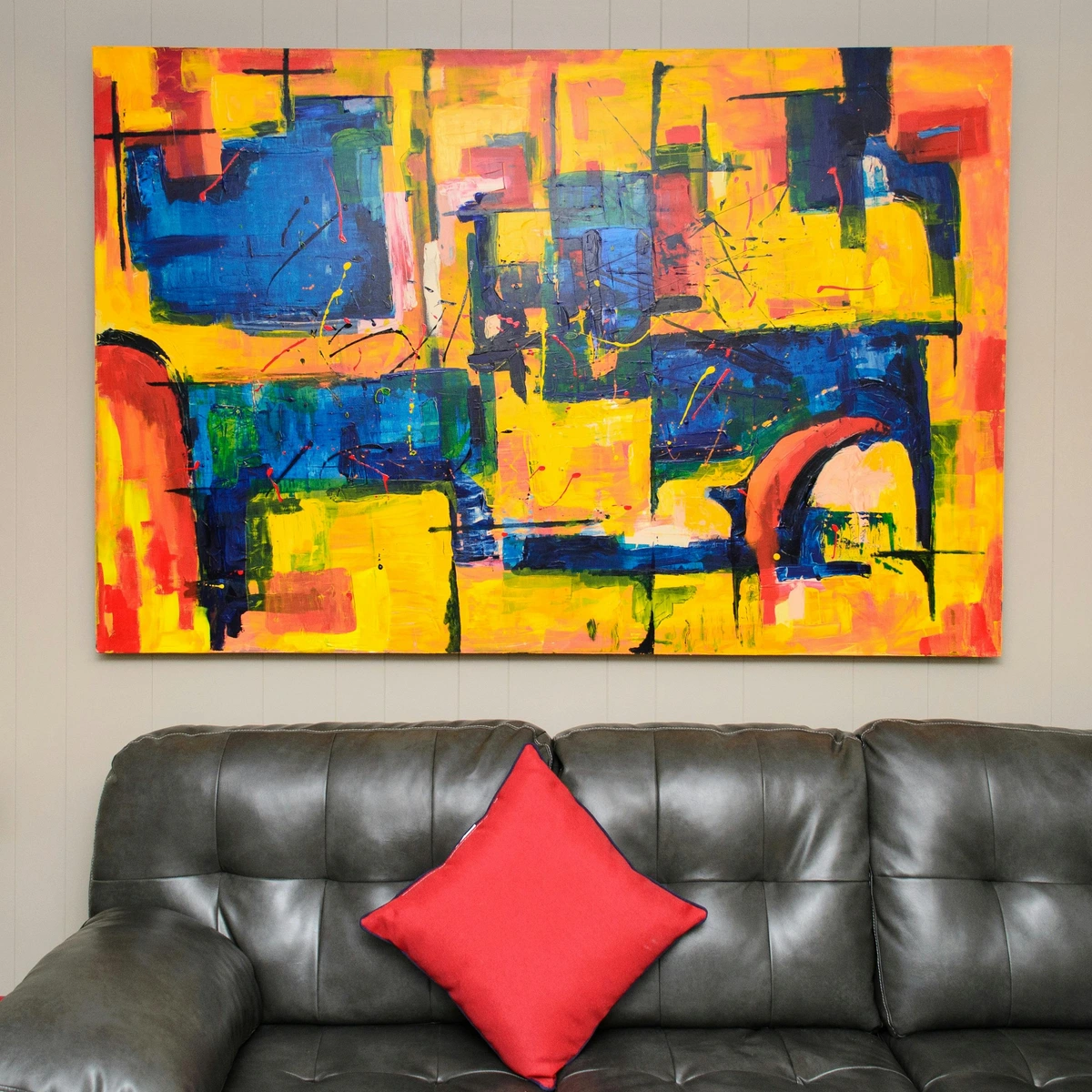
Abstract Expressionism wasn't just a style; it was a profound philosophical stance, a declaration that emotion, the subconscious, and the artist's inner world were the only true subjects worth exploring. It was about raw, pure expression, often messy, always monumental, pushing beyond mere representation to create an art that was emotion. So, who were these brilliant, often chaotic minds who decided to pour their entire psyches onto enormous canvases, creating works that continue to electrify and challenge viewers today? These artists were true titans, each carving out a unique path through the wilderness of pure feeling. Let's take a deeper walk and meet them, exploring not just their iconic works, but the very essence of their groundbreaking contributions to the evolution of modern art. It's a journey into the heart of what it means to truly feel and express.
Arshile Gorky: The Bridge to a New Abstraction
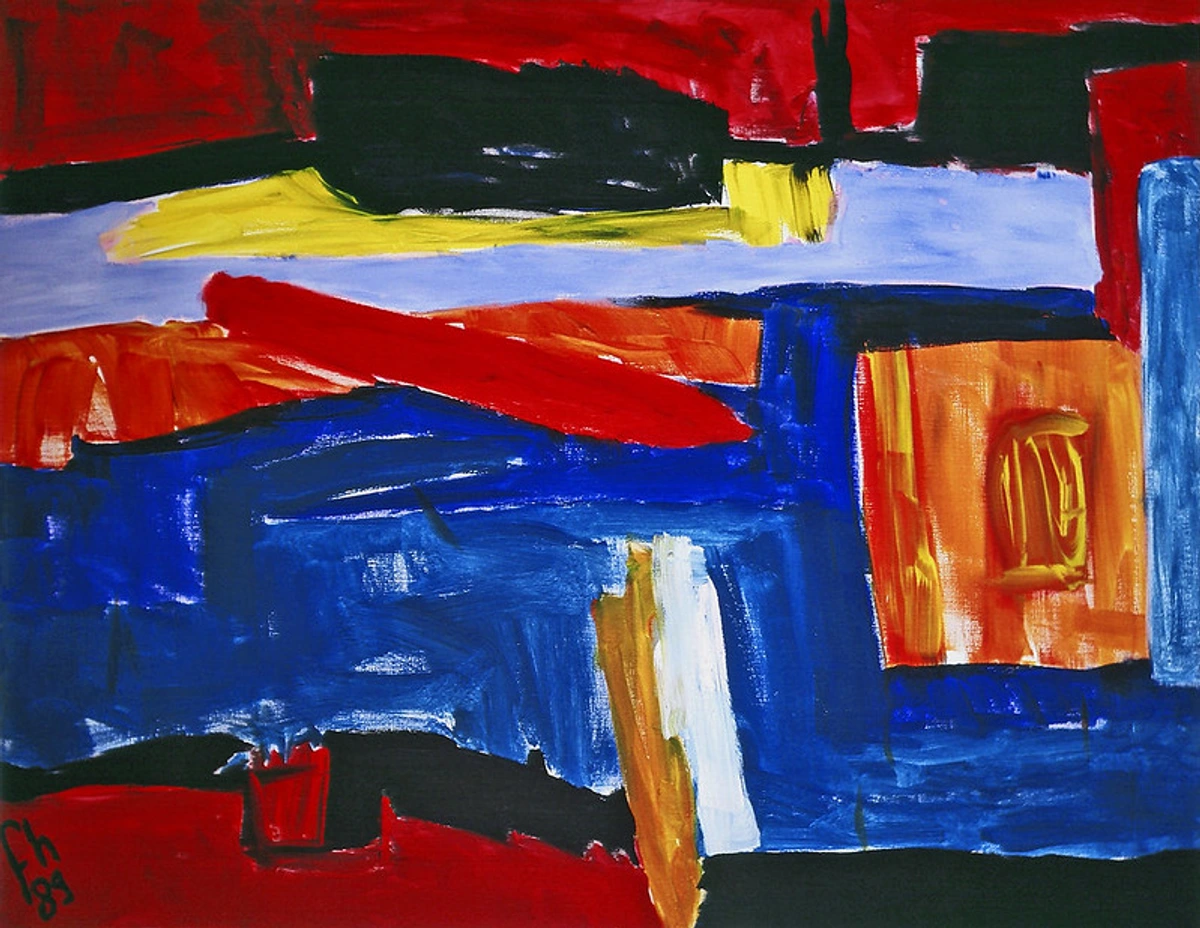
Before the explosive gestures and vast color fields defined the movement, there was Arshile Gorky, a figure often referred to as the last Surrealist and the first Abstract Expressionist. A survivor of the Armenian genocide, his early life was marked by immense trauma, which subtly (or sometimes overtly) seeped into the melancholic beauty of his work. His lush, biomorphic forms, often rendered with a delicate, trembling line and vibrant, translucent colors, acted as a crucial bridge between European Surrealism and the burgeoning American abstraction. Influenced by masters like Picasso and Miró (and if you haven't checked out our ultimate guide to Joan Miró, you absolutely should!), Gorky infused his abstract compositions with a deeply personal, often melancholic symbolism, creating an evocative visual language that hinted at internal landscapes and subconscious narratives. Works like "The Liver is the Cock's Comb" (1944) and "Waterall" (1943) exemplify his unique blend of European automatism and deeply personal symbolic abstraction. His emphasis on organic shapes and a lyrical, emotive use of paint laid vital groundwork for many of the New York School artists who followed, demonstrating how abstraction could carry profound emotional and psychological weight without resorting to overt representation. For me, looking at a Gorky is like stepping into a dream, a place where familiar forms melt into something entirely new, yet still resonate with a profound sense of human experience.
The Roots of the Roar: Influences and Emergence
Before the canvases started dripping and soaking, Abstract Expressionism didn't just appear out of thin air. It was a boiling-pot reaction to what came before, a defiant evolution from European Modernism and the psychoanalytic theories swirling through intellectual circles. Think about it: how do you express the inexpressible trauma of a global war? You can’t just paint a pretty landscape.
One undeniable, profound influence was Surrealism, particularly its emphasis on automatism—the idea of creating art without conscious thought, letting the subconscious guide the hand. Think of it as a direct line from your deepest, most primal self to the canvas, bypassing the critical, analytical mind. Artists like André Masson, whose spontaneous, almost calligraphic drawings deeply impressed the burgeoning New York School, showed them a potent path to bypass reason and tap directly into raw psychic energy. But beyond Surrealism, earlier movements like Cubism (with its revolutionary fragmentation of reality and multiple perspectives) and Dada (with its anarchic spirit, its embrace of the absurd, and its utter rejection of traditional aesthetics and logic) also provided crucial groundwork. They were, in essence, shattering the old rules and opening up entirely new possibilities for what art could be, laying the intellectual and aesthetic foundation for a more radical form of abstraction. I mean, who hasn't tried to just let go and see what happens when you're creating, allowing intuition to take over? It’s a powerful, almost meditative act that these pioneers elevated to a core artistic principle.
Adding to this ferment was the Works Progress Administration (WPA) Federal Art Project during the Great Depression. This government initiative employed thousands of artists, providing them with crucial income and, perhaps more importantly, the freedom to experiment. Many future Abstract Expressionists, including Pollock, de Kooning, Rothko, and Newman, worked on WPA projects, often creating murals or easel paintings. This experience fostered a sense of community, allowed for sustained artistic development, and instilled a conviction that art could serve a public, vital role, often on a monumental scale. It was a crucible where artists could hone their craft and explore new ideas without the immediate pressures of the commercial market.
Another crucial European link came through émigré artists and teachers like Hans Hofmann. His legendary Greenwich Village art school became a veritable melting pot for many future Abstract Expressionists, including figures like Lee Krasner and Helen Frankenthaler. Hofmann, who arrived in New York with a profound understanding of European Modernism, especially Cubism and Fauvism, taught his seminal concept of 'push and pull'—the dynamic interplay of colors and forms that create spatial tension, making a flat canvas literally vibrate with life. He pushed his students relentlessly to move beyond mere representation and understand the inherent expressive power of color and form itself, independent of subject matter. Beyond his transformative teaching, Hofmann was a formidable artist in his own right, creating vibrant, highly structured abstractions that exemplified his theories. His bold use of color and geometric forms, often juxtaposed with more fluid shapes, demonstrated how abstract compositions could achieve profound depth and dynamism, proving that even a flat surface could contain an entire universe of movement and feeling.
This embrace of European avant-garde ideas, combined with the lingering presence of masters like Picasso and Matisse, who had already pushed the boundaries of representation with Cubism and Fauvism, allowed these artists to fragment reality, explode color, and dared to show that art didn't have to be a mirror of the world, but could be a world unto itself. Many of the Abstract Expressionists started out in more representational styles, but you can feel that underlying modernist push towards abstraction in their early works, almost a wrestling match with tradition before their eventual, glorious breakout into a truly new visual language. The pre-war American art scene, largely dominated by Regionalism (think Grant Wood's "American Gothic", or even our own ultimate guide to Grant Wood, though he wasn't exactly an avant-garde provocateur!) and Social Realism (artists like Edward Hopper, for whom we also have an ultimate guide to Edward Hopper), suddenly seemed utterly inadequate for the profound shifts happening in the world. Its narrative focus, often depicting comforting Americana or social struggles directly, and its representational styles simply couldn't capture the immense psychological and emotional upheaval of the mid-20th century. New York, however, with its influx of European émigré artists and thinkers, became fertile ground for this radical new vision. This artistic blossoming was often fostered by visionary gallerists like Peggy Guggenheim (whose groundbreaking Art of This Century gallery, opened in 1942, was a veritable hub of European and American avant-garde art, providing crucial early exhibitions for many Abstract Expressionists) and Sidney Janis (who later opened his own gallery in 1948 and became a major champion of the movement). These visionary individuals provided crucial exhibition spaces and much-needed patronage, giving these nascent radical artists the platforms they desperately needed to share their audacious, often bewildering, visions with a wider, if often skeptical, audience. It was a perfect storm of social upheaval, philosophical inquiry, and artistic daring, creating an environment ripe for artistic revolution.
The Action Painters: Art as an Event
This wing of the movement, often termed Gestural Abstraction, saw the canvas as an arena, and the very act of painting itself was an integral part of the artwork, a performance, a dance. It was physical, energetic, and utterly groundbreaking. Imagine stepping into the studio of one of these titans: enormous canvases spread across the floor, or towering on walls, pulsating with an almost animalistic energy. The artist isn't just dabbing paint; they're moving with their entire body, sweeping, dripping, pouring, scraping, and even flinging it across the surface. It's a full-body engagement, a raw, almost ritualistic performance where the tools might range from traditional brushes to sticks, trowels, syringes, or even direct pouring from paint cans, sometimes mixing in sand or other materials for texture. The emphasis is fiercely on immediacy, spontaneity, and the visceral record of the artist's engagement with the material, a direct conduit from psyche to canvas, capturing the raw energy of creation in visible form. It's less about depicting something and more about doing something, about leaving an authentic trace of an intense encounter.
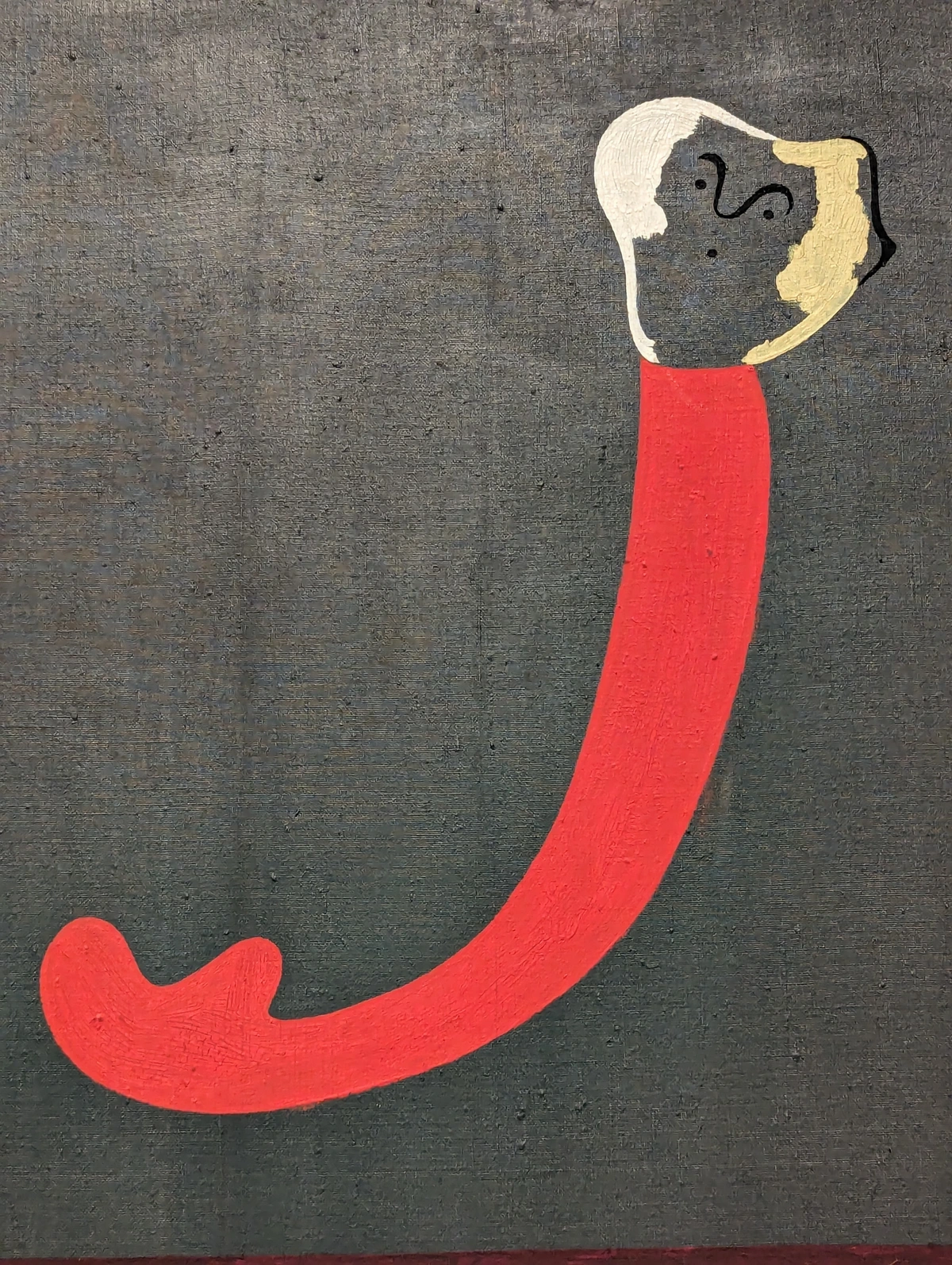
Jackson Pollock
You can't talk about this movement without starting with the man himself, Jackson Pollock, often sensationally dubbed 'Jack the Dripper.' It's easy to forget that before his iconic drip paintings, Pollock explored more conventional styles, even dabbling in Surrealist-influenced biomorphic forms and wrestling with figuration. But it was his revolutionary technique—his action painting—that captivated the world and often drew bewildered criticism. Pollock didn't just stand at an easel; he literally put his huge canvases on the floor of his Long Island studio and danced around them, dripping, splattering, and pouring industrial enamel paints from the can in what he famously called a "controlled accident." It was less about painting on a canvas and more about painting with the canvas, a direct extension of his body and psyche. This wasn't merely splashing paint; it was a deeply intuitive and rhythmic process, a kind of primal dance. Watching films of him work is mesmerizing; you see the raw, unadulterated energy made visible, a true performance where the final artwork is simply the physical record of an intense event. His monumental works, like "Autumn Rhythm (Number 30)" (1950) or "Lavender Mist" (1950), aren't just paint; they're a testament to the raw energy of creation, intricate, layered webs of enamel that create a sense of infinite space and frenetic energy, drawing the viewer into a vortex of pure optical sensation. He fundamentally challenged the very definition of what a painting could be, pushing the boundaries of scale, technique, and subject matter, forcing us to reconsider the very nature of artistic creation. To really get into his head and process, you've got to check out the ultimate guide to Jackson Pollock and explore the broader art of mark making that he so dramatically redefined. You might even find some parallels in how different paint types for artists can influence such dynamic effects.
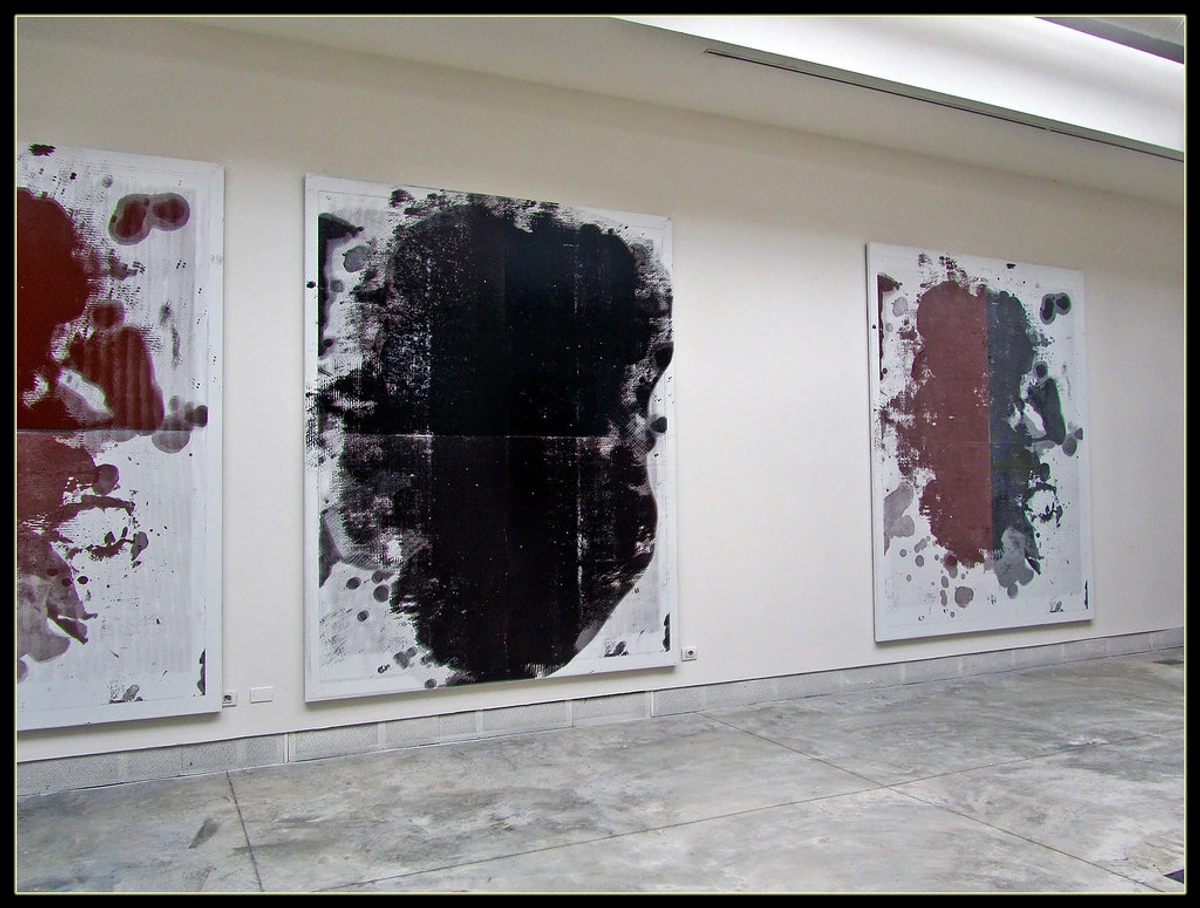
Willem de Kooning
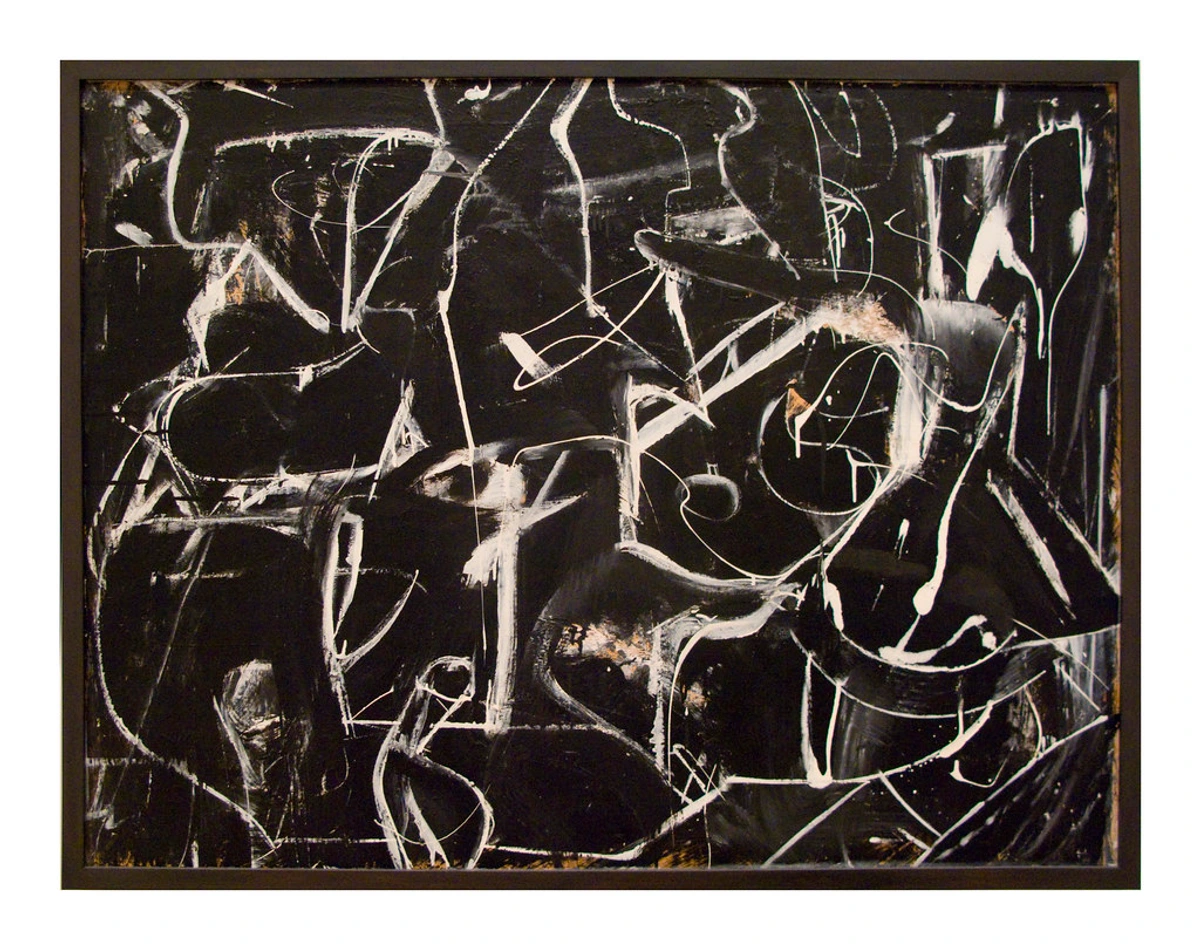
If Pollock was the embodiment of pure energy, Willem de Kooning was beautiful, violent chaos, a painter of profound, almost agonizing, intensity. His brushstrokes are frantic, aggressive, and yet somehow impossibly elegant, often appearing to vibrate with internal tension, a palpable sense of struggle transferred directly to the canvas. He famously wrestled with his controversial 'Woman' series throughout the 1950s, a period of intense creative torment where he painted, scraped away, and repainted these figures hundreds of times. These 'Women,' a blend of goddess and grotesque, reveal a profound engagement with both art history (from ancient fertility figures to Ingres' classical nudes) and the anxieties of modern femininity, challenging traditional notions of beauty and representation. His process was a battle, a physical manifestation of his inner turmoil, where he literally built up monumental layers of paint, only to scrape them away, leaving behind a scarred, textured surface that screamed of creative torment—a visceral record of his process. This constant push and pull, the building up and tearing down, was the visible evidence of his tireless, almost agonizing search for form. It's a reminder that sometimes the most profound art emerges from deep internal conflict.
Beyond the 'Woman' series, de Kooning also explored breathtaking abstract landscapes and later, more fluid, almost calligraphic abstractions, demonstrating a relentless evolution and an unparalleled mastery of paint. He was deeply influenced by Cubism, Surrealism, and even Dutch Old Masters, but he twisted those influences into something uniquely his own, a powerful, almost savage lyricism that feels both deeply personal and universally unsettling. He’s a fascinating, complex figure, a true painter's painter, and our guide to Willem de Kooning dives deep into his wild world and how he harnessed the emotional resonance of abstract art. His work is a testament to the raw, psychological intensity that defined the movement, a continuous negotiation between figuration and abstraction, beauty and brutality. You can feel the struggle and the triumph in every stroke.
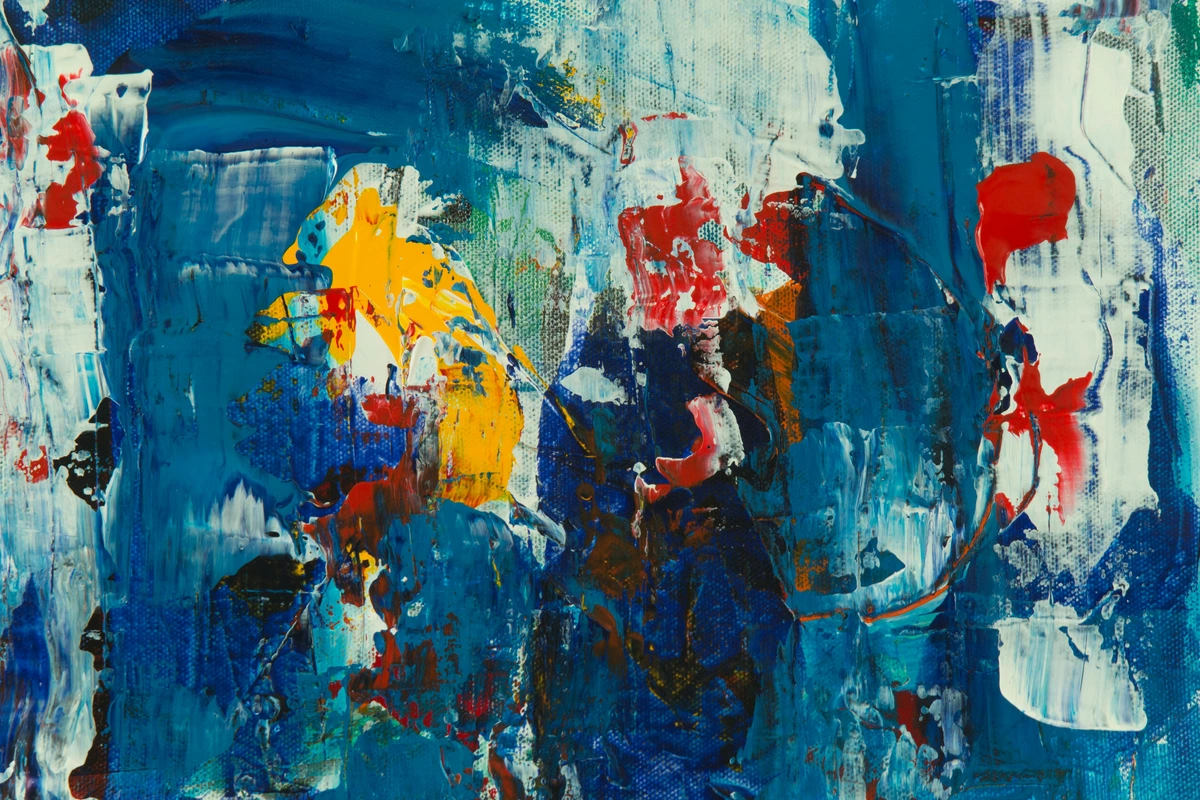
Lee Krasner
For far too long, Lee Krasner was known primarily as 'Mrs. Jackson Pollock,' which, frankly, is a criminal understatement and a profound disservice to her immense, independent artistic genius. She was a powerhouse, a pioneer of the movement from its very inception, and in many ways, more technically skilled and consistently inventive than many of her male counterparts. Her work is rhythmic, lyrical, and she was constantly reinventing herself, moving fluidly through various phases: from powerful early Cubist-inspired forms and still lifes to exuberant, all-over compositions reminiscent of Pollock's, but always with her own distinct, vibrant energy.
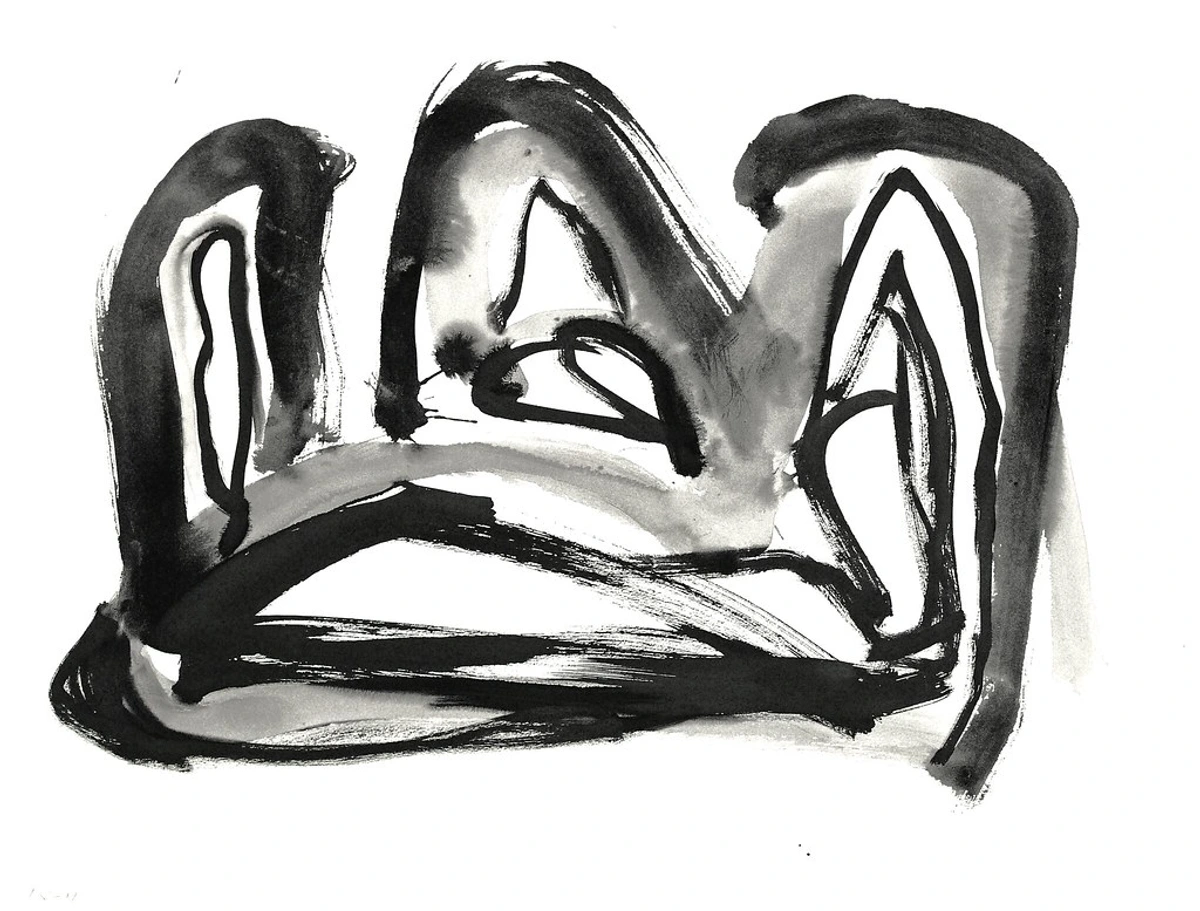
After Pollock's tragic death in 1956, Krasner's art took on a new, raw intensity and monumental scale, especially evident in her powerful 'Umber' series (1959-1962). Here, muted, earthy tones and aggressive, swirling forms conveyed a profound sense of grief, introspection, and barely contained anguish, almost as if she was channeling her sorrow directly onto the canvas. These powerful works, often created in the solitude of Pollock’s studio, became a testament to her resilience and an uncompromising exploration of loss and renewal through abstract forms. Famously, she'd literally cut up her old drawings and even some of Pollock's discarded works to create new, dynamic collages—a process of destruction and rebirth made tangible, a way of engaging with her own history and forging new artistic ground, a powerful act of reclaiming her own identity from his immense shadow. Her resilience, fierce independence, and unwavering artistic vision make her one of the true, unsung heroes of Abstract Expressionism, a testament to enduring artistic integrity. If you want to dive deeper, our ultimate guide to Lee Krasner is an essential read. She truly understood the power of imperfection in art, embracing process and evolution. Krasner's dedication to her craft and her continuous exploration of new techniques ensured her work remained fresh and vital throughout her career.
Franz Kline
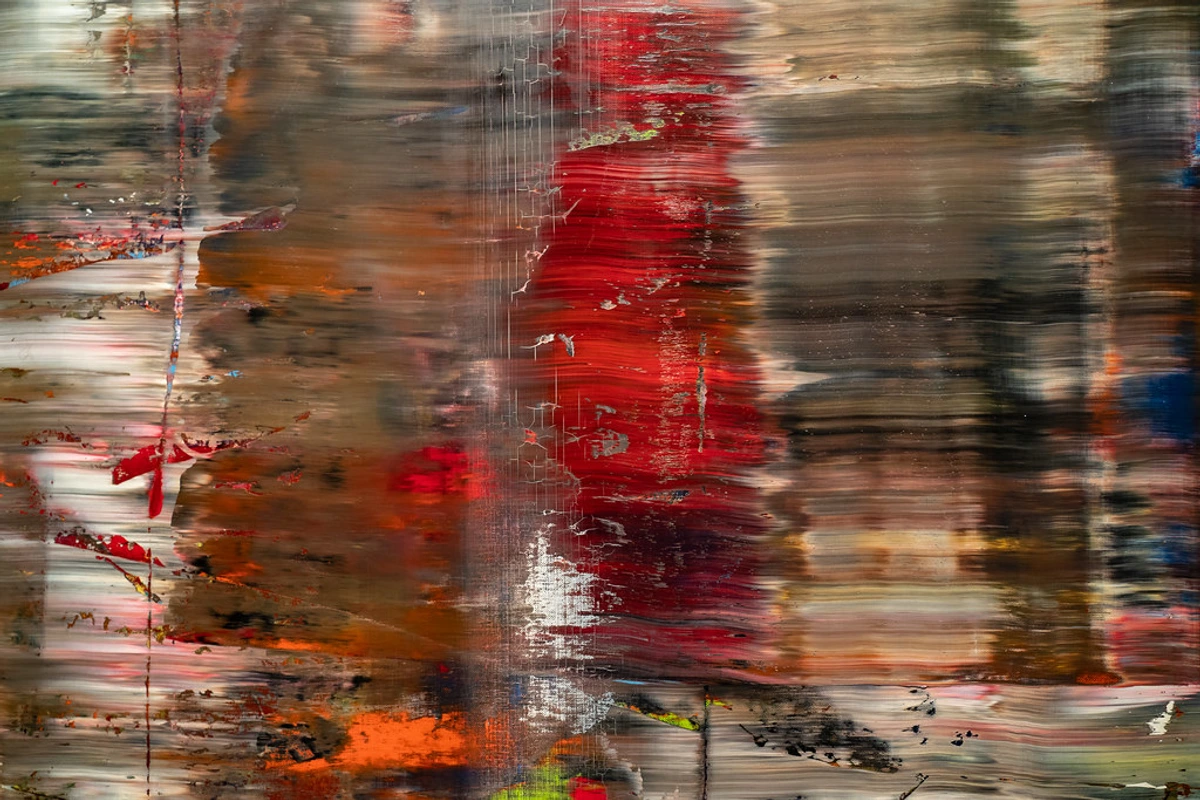
Think big. Think bold. Think black and white, but understand that black isn't just black, it's a universe of possibilities. That's Franz Kline, a master of monumental, gestural abstraction whose work vibrates with the raw, powerful energy of New York's industrial landscape—the steel beams of nascent skyscrapers, the towering bridges, the grit and grime of a city in constant flux. His canvases explode with what appear to be giant, spontaneous acts of calligraphy, as if he hurled monumental, sweeping brushstrokes across the canvas in a single, frenzied burst. A perfect example is his iconic work "Chief" (1950), a powerhouse of black and white that truly captures this raw, urban energy. Other notable works include "Mahoning" (1956) and "New York, N.Y." (1953). But here's the kicker, and it's a fascinating insight into his process: he often worked from small, careful sketches and drawings, meticulously planning these seemingly impulsive gestures, sometimes projecting them onto the massive canvas to achieve their monumental scale. This inherent tension between precise control and apparent spontaneity is what gives his work such a powerful, almost architectural quality, a sense of immense structure underlying the chaos, a kind of disciplined freedom that I find incredibly compelling.
And while often primarily seen in stark black and white, these weren't simply monochromatic studies; Kline himself spoke of his black as a color, not an absence, and his later works occasionally introduced vibrant, uninhibited hues of red, blue, and green, demonstrating the underlying chromatic energy present even in his most stark compositions. He captured the city's structural force and raw vitality in these massive, architectural gestures that just hit you in the gut, a truly visceral and unforgettable experience of urban power. It's this paradox of planned spontaneity that makes his work so endlessly compelling.
James Brooks
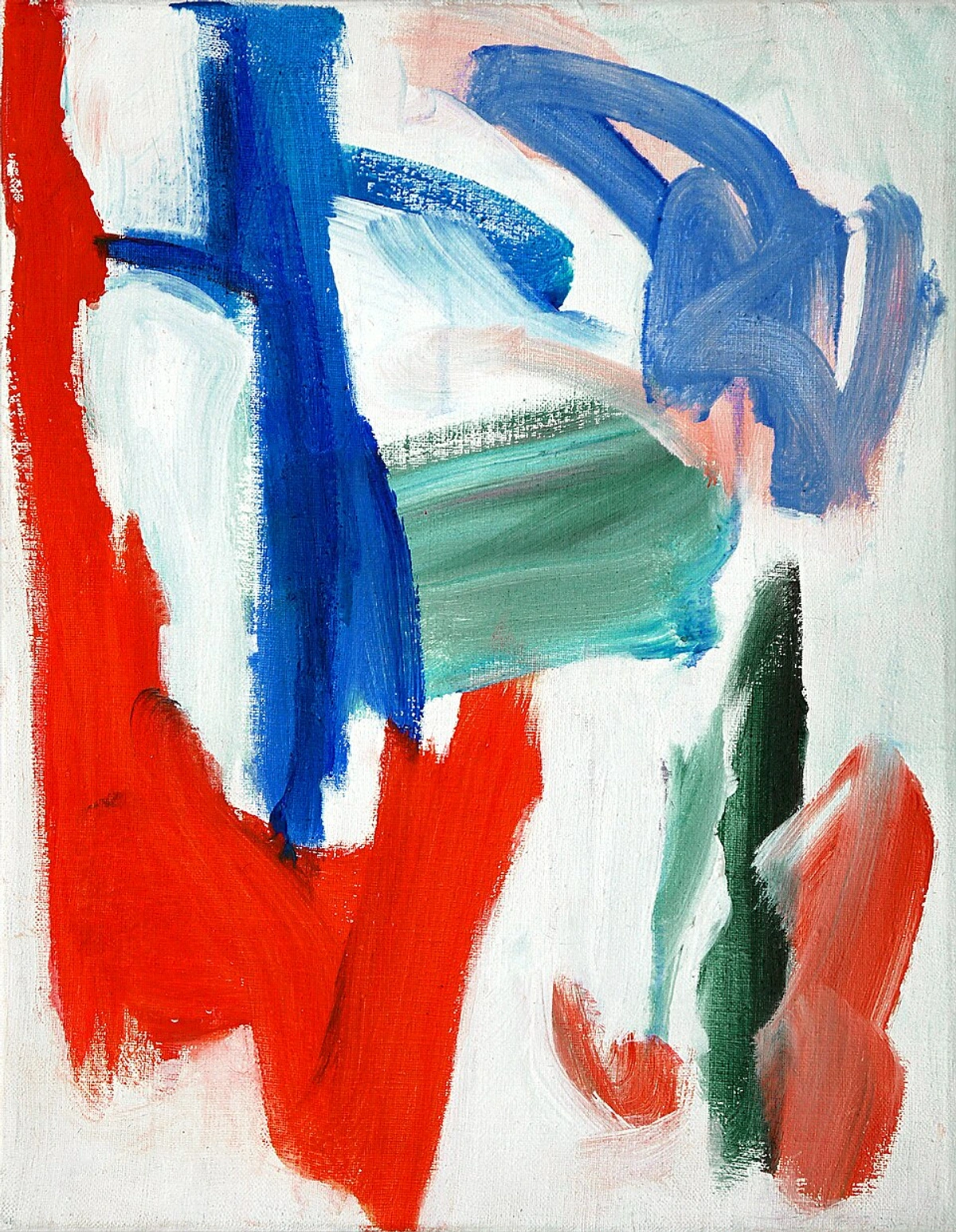
Often overshadowed by his more famous peers, James Brooks was a master of the stain painting technique, often letting thinned paint soak into the raw canvas, creating luminous, diffused forms that seemed to emerge from the very fabric of the material. He had a fascinating artistic journey, starting as a muralist and a representational painter before embracing abstraction, which gives his later work a sense of underlying structure and compositional rigor. His works, sometimes reminiscent of ancient glyphs or fractured landscapes, effectively bridged the gap between gestural action and the ethereal qualities of Color Field painting, showcasing a more meditative approach to abstraction while still retaining a profound emotional depth. I always find his work to have a quiet intensity, a stark contrast to some of the more boisterous pieces of the era, yet equally impactful, drawing you in rather than confronting you. Consider works like "Flight" (1956) or "R-1953" (1953) for a true sense of his nuanced power and the way he achieved such depth with seemingly simple means. Brooks' meticulous yet fluid approach allowed for both spontaneity and subtle control, creating compositions that feel both accidental and deeply considered, a true testament to his unique contribution to the movement's diverse tapestry. He showed how abstraction could be both explosive and introspective.
Robert Motherwell
A crucial intellectual force within the New York School, Robert Motherwell was the youngest of the original Abstract Expressionists and a prolific writer and editor, helping to articulate the movement's theoretical underpinnings. He famously edited Documents of Modern Art, a series of influential books that brought European avant-garde theory to America, making him a central figure in defining the intellectual landscape of the movement. His monumental "Elegy to the Spanish Republic" series, a stark, powerful meditation on the Spanish Civil War, became a lifelong project spanning decades, evolving over more than 150 paintings. This series echoes universal themes of loss, political turmoil, and human suffering through its recurring motif of black ovoid forms crushed between vertical bars—a truly haunting visual elegy that speaks to enduring human tragedy. His work often combines large fields of color with bold, declarative, calligraphic gestures—oval and rectangular forms that suggest both life and death, and evoke universal human struggle.
He was also a pioneer in incorporating collage into his abstract works, seeing it as a way to engage with the fragmented nature of modern experience, as seen in his "Open" series, where canvases are structured around an open rectangle, revealing the raw canvas beneath, creating a dialogue between presence and absence. He embodies both the action and color field aspects of the movement with a distinctive intellectual rigor. He always struck me as someone who thought very deeply about why he was painting, not just what, delving into the symbolism of geometric shapes in abstract art even within his gestural forms, making his work both intensely emotional and thoughtfully structured. Motherwell was acutely aware of art history, continually referencing and reinterpreting it through his distinctly modern lens, bringing a refined, intellectual sensibility to the raw power of Abstract Expressionism.
Beyond the Canvas: Key Characteristics and Philosophical Underpinnings
So what unified these wildly different approaches? What made an Abstract Expressionist an Abstract Expressionist, even with such diverse outputs? Beyond the stylistic differences, I see a few profound threads running through their work, binding them together even in their individual chaos and fierce independence. And crucially, it's impossible to understand this movement without acknowledging its profound connection to Existentialism, a philosophy that gained immense traction in the post-war era, emphasizing individual freedom, radical personal responsibility, and the often agonizing search for meaning in a seemingly meaningless or absurd world. These artists, in their intense struggle on the canvas, mirrored the individual's existential struggle to assert existence, to find authenticity, and to create meaning in a universe that offered no inherent answers. They were, in essence, confronting the void with a paintbrush, trying to carve out meaning from chaos through the raw act of creation itself. It’s a philosophy that still resonates deeply with me as an artist, as I believe all creative acts are, in some way, an assertion of meaning.
Beyond Existentialism, the ideas of Carl Jung's analytical psychology, particularly his concepts of the collective unconscious and archetypes, were also immensely influential. Many artists believed that by delving into their personal subconscious through automatic techniques, they could tap into universal symbols and shared human experiences, creating art that resonated on a primal level with viewers. This quest for universal truth through individual expression was a powerful driving force.
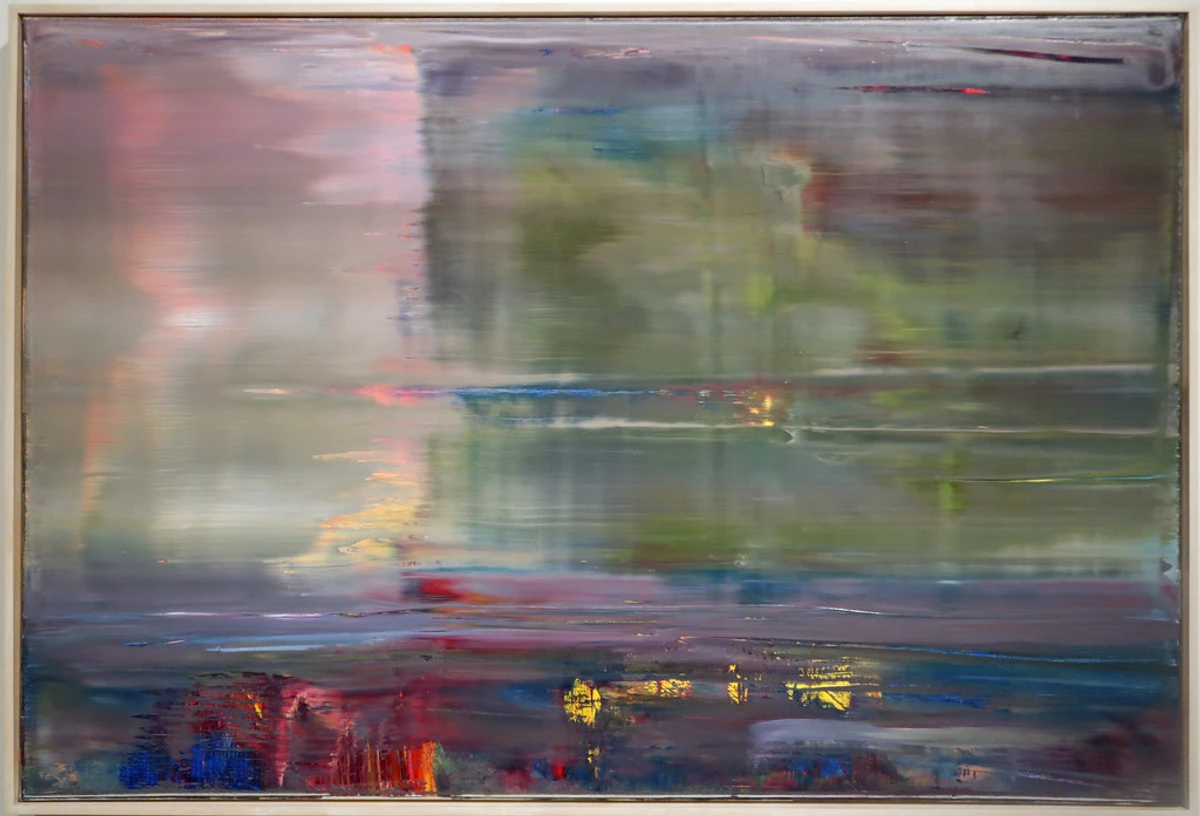
- Monumental Scale and Ambition: These weren't delicate easel paintings designed for a drawing room, whispered about in hushed tones. Oh no. They were monumental, often wall-sized works meant to envelop the viewer, to confront them, even to physically overwhelm them. It was a powerful statement of intent, a declaration that their art was as significant, as profound, and as culturally vital as any historical fresco or grand narrative painting, asserting American art's new global dominance and challenging European hegemony. Think of Clyfford Still's towering canvases or Barnett Newman's vast fields of color; they don't just ask for your attention, they demand it, literally inviting you into a new spatial experience that feels both boundless and deeply personal, almost like standing before a natural wonder.
- The Primacy of Emotion and the Subconscious: This is arguably the beating heart of the movement. Whether through the frenzied, automatic gestures of Pollock or the vast, shimmering color fields of Rothko, the ultimate goal was to bypass conscious intellect and tap directly into raw feeling, universal archetypes, and the uncharted depths of the psyche. It was about pure, unmediated expression, an almost shamanistic or therapeutic outpouring of the artist's inner world, believing that by expressing their unique emotional truth, they touched upon something universal and primal in us all. This wasn't merely sentimentality or pretty pictures; it was a profound belief in the intrinsic value of subjective experience as a pathway to universal truths, to the very core of what it means to be human.
- Individualism and the Heroic Artist: Many of these artists were larger-than-life personalities, fiercely independent, and often seen as solitary figures battling with their materials and their inner demons to create something profoundly new and authentic. The art was not merely a product; it was a direct, undeniable extension of their very being, their triumphs, and their torment, a visceral record of their existence. This myth of the "heroic artist" was integral to the movement's mystique, capturing the public imagination despite initial bewilderment and setting a new precedent for the artist's role in society—no longer just a craftsman, but a solitary explorer of the soul.
- The Process as Part of the Art: For Action Painters especially, the very act of creation—the drips, the splatters, the energetic brushwork, the visible struggle, the raw, unpolished quality—was not just a means to an end; it was integral to the final piece. The canvas became a tangible record of an intense, often performative, event, a battleground where the artist's struggle and emotion were laid bare, revealing the very journey of creation. As Pollock famously said, "When I am in my painting, I'm not aware of what I'm doing," highlighting the subconscious, almost trance-like state of creation, where the act itself was the art.
- All-Over Composition: Many Abstract Expressionist works boldly reject traditional focal points, instead distributing visual interest and energy evenly across the entire canvas, from edge to edge. This creates an immersive, boundless effect, where the eye is invited to wander and engage with the totality of the surface, as if the energy and emotion couldn't be contained within a single frame. It’s a bit like looking up at a starry sky; there's no single point of focus, just an encompassing wonder, demanding a new kind of visual engagement from the viewer, an experience of total immersion rather than directed attention.
- A New Language for a New World: Beyond mere rebellion, these artists weren't just rejecting old forms and established aesthetics; they were actively inventing a visual vocabulary for a world fundamentally changed by global war, Cold War anxiety, the nuclear age, and a burgeoning sense of existential questioning. They dared to ask: what does it mean to be human, to feel, to exist, in this new, often terrifying, reality? Their art was the answer, a visceral testament to survival and expression, a raw form of communication for the ineffable experiences of the mid-20th century. It was an urgent, desperate need to articulate the profound shifts in human consciousness.
This deep dive into the essence of human feeling and the very act of creation is what truly distinguishes Abstract Expressionism. It wasn't merely art; it was a way of living and breathing on the canvas. To really grasp the broader movement, you might find our ultimate guide to Abstract Expressionism helpful. For a broader understanding of how abstraction developed across different periods, check out the definitive guide to the history of abstract art.
Key Concepts in Abstract Expressionism
To fully appreciate the movement, it helps to grasp some of the core ideas that fueled these artists:
Concept  | Key Characteristic | Explanation | Example Artist(s) |
|---|---|---|---|
| Automatism | Unconscious creation | Creating art without conscious thought, allowing the subconscious to guide the hand and bypass rational control, often leading to spontaneous, dream-like forms. | Jackson Pollock, André Masson, Arshile Gorky |
| The Sublime | Awe-inspiring scale | Evoking awe, terror, or profound spiritual experience through vastness, overwhelming scale, and an intense confrontation with elemental forces or ultimate truths. | Barnett Newman, Mark Rothko, Clyfford Still |
| Action Painting | Physical performance | Emphasis on the physical act of painting, where the canvas becomes an arena for the artist's spontaneous gesture, drips, splatters, and dynamic brushwork, recording the process itself. | Jackson Pollock, Willem de Kooning, Franz Kline, Lee Krasner |
| Color Field Painting | Immersive color | Focus on the immersive, emotional impact of large, unified areas of color, intended for contemplative, almost spiritual experience, often achieved through thin washes or flat expanses. | Mark Rothko, Barnett Newman, Helen Frankenthaler, Adolph Gottlieb |
| All-Over Composition | Decentralized focus | Distributing visual interest evenly across the entire canvas, rejecting traditional focal points or hierarchical arrangements, creating a boundless, immersive effect that demands total engagement. | Jackson Pollock, Lee Krasner, Sam Francis |
| Existentialism | Philosophical foundation | A philosophical movement emphasizing individual freedom, responsibility, and the search for meaning in an indifferent or absurd world, profoundly influencing the artists' struggles and themes. | All Abstract Expressionists |
| Biomorphic Forms | Organic abstraction | Abstract shapes that suggest living organisms, natural forms, or primal, often subconscious, imagery, bridging the gap between figuration and pure abstraction. | Arshile Gorky, Early Pollock, William Baziotes |
| Push and Pull | Spatial tension | Hans Hofmann's theory of dynamic spatial relationships created by the interplay of colors and forms that seem to advance and recede, making the canvas "breathe." | Hans Hofmann, Many early Abstract Expressionists |
| Psychic Automatism | Subconscious exploration | A Surrealist technique adopted by Abstract Expressionists to access the subconscious mind, leading to spontaneous creation driven by inner impulses rather than rational thought. | Jackson Pollock, Arshile Gorky |
| Myth-Making | Universal narratives | The creation of new, often personal, myths and symbols to articulate universal human truths, anxieties, and spiritual longings in a post-war world devoid of traditional narratives. | Barnett Newman, Adolph Gottlieb, Clyfford Still |
| Gestural Abstraction | Expressive brushwork | A style characterized by energetic, spontaneous, and highly personal brushstrokes that emphasize the physical act of painting and the artist's emotional state. | Willem de Kooning, Franz Kline, Lee Krasner |
| Subconscious Exploration | Inner world focus | The act of delving into the artist's subconscious mind as the primary source of artistic inspiration and subject matter, often through automatic techniques, believing it reveals universal truths. | Arshile Gorky, Jackson Pollock, Mark Rothko |
| Calligraphic Mark-Making | Line as expression | The use of lines, often bold and sweeping, that evoke a sense of writing or drawing, emphasizing movement, spontaneity, and the artist's hand, often recalling ancient scripts or spontaneous gestures. | Franz Kline, Robert Motherwell, Sam Francis |
| Collective Unconscious | Shared human experience | Carl Jung's concept that all humans share universal archetypes and instincts, which artists sought to tap into and express through their abstract forms, creating art that resonates on a primal, universal level. | Adolph Gottlieb, Mark Rothko, Clyfford Still |
Initial Critical Reception and Public Outcry
It’s hard to imagine now, walking through hushed museum galleries, but when Abstract Expressionism first exploded onto the scene, it wasn't universally lauded. Far from it! Many critics and the public were not just bewildered; they were often outraged, even hostile, by what they perceived as chaotic splatters, crude brushstrokes, or vast, empty, impenetrable canvases. Terms like 'nihilistic,' 'degenerate,' 'infantile,' 'anti-art,' or simply 'a joke' were flung at these radical works. I remember my own initial encounter with a Rothko, and it made me truly understand why some might have been alienated – it fundamentally challenges what you think art should be, demanding a new kind of engagement and a willingness to abandon preconceived notions.
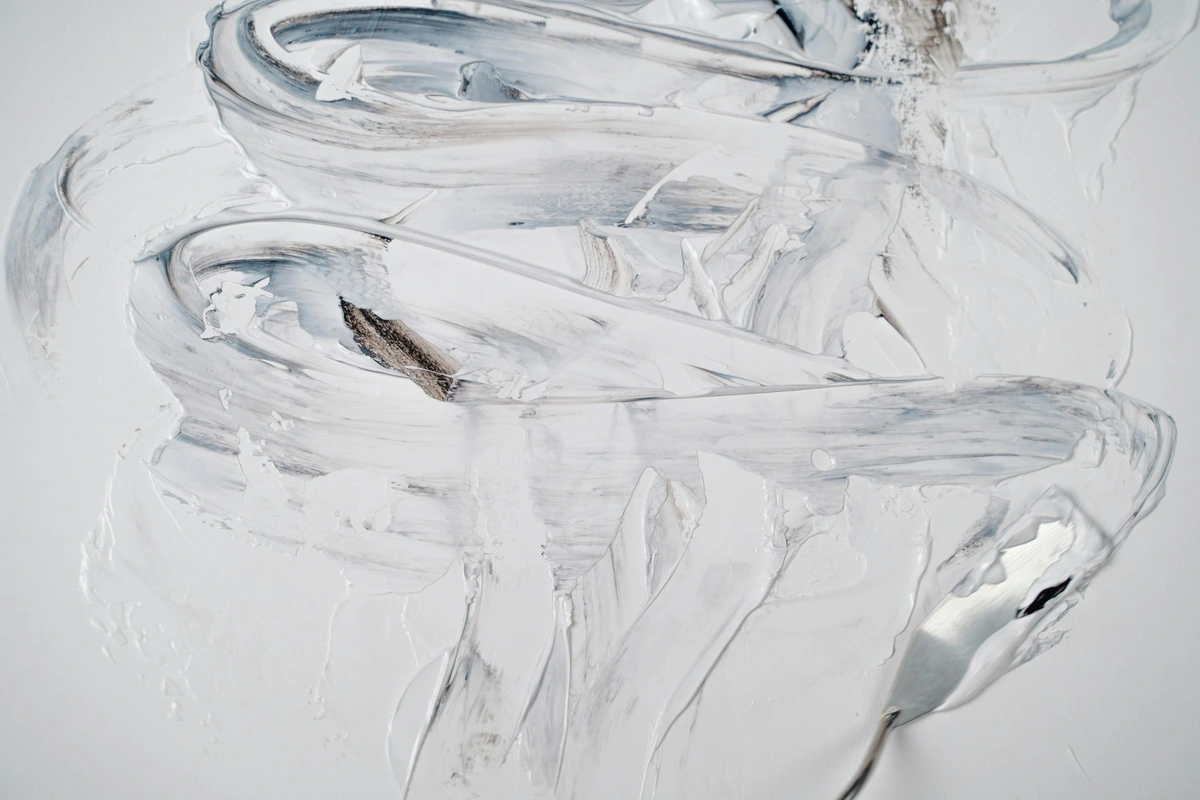
This initial resistance, however, far from deterring the artists, only solidified their resolve, proving just how radical, necessary, and genuinely avant-garde their break from tradition truly was. Over time, fueled by dedicated gallerists, influential critics like Clement Greenberg and Harold Rosenberg, and the sheer, undeniable conviction and emotional power of the work itself, perceptions began to shift. Greenberg, for instance, championed Abstract Expressionism from a formalist perspective, arguing for the purity of painting and the canvas's flatness, helping to give the movement intellectual gravitas. Rosenberg, on the other hand, famously coined the term "Action Painting," emphasizing the dramatic, performative act of creation and the artist's existential struggle. But make no mistake, the journey from public ridicule to critical acclaim was definitely not without its battles and profound misunderstandings—it was a true cultural wrestling match.
The Color Field Painters: Art as an Experience
This other side of the coin was less about the frantic gesture and more about the immersive, emotional power of vast planes of pure color. These works are meant to be experienced, not just viewed. The Color Field painters often employed innovative techniques: thinning paints to create luminous stains that soaked directly into the unprimed canvas, building up layers of translucent washes, or applying broad, flat expanses of pigment with large brushes or rollers. The focus shifted from the artist's physical action to the painting's optical and emotional presence, inviting a quiet, meditative engagement rather than a dynamic confrontation. Their aim was to immerse the viewer in a pure, unadulterated color experience, often seeking to evoke profound spiritual or sublime feelings through sheer chromatic presence.
Mark Rothko
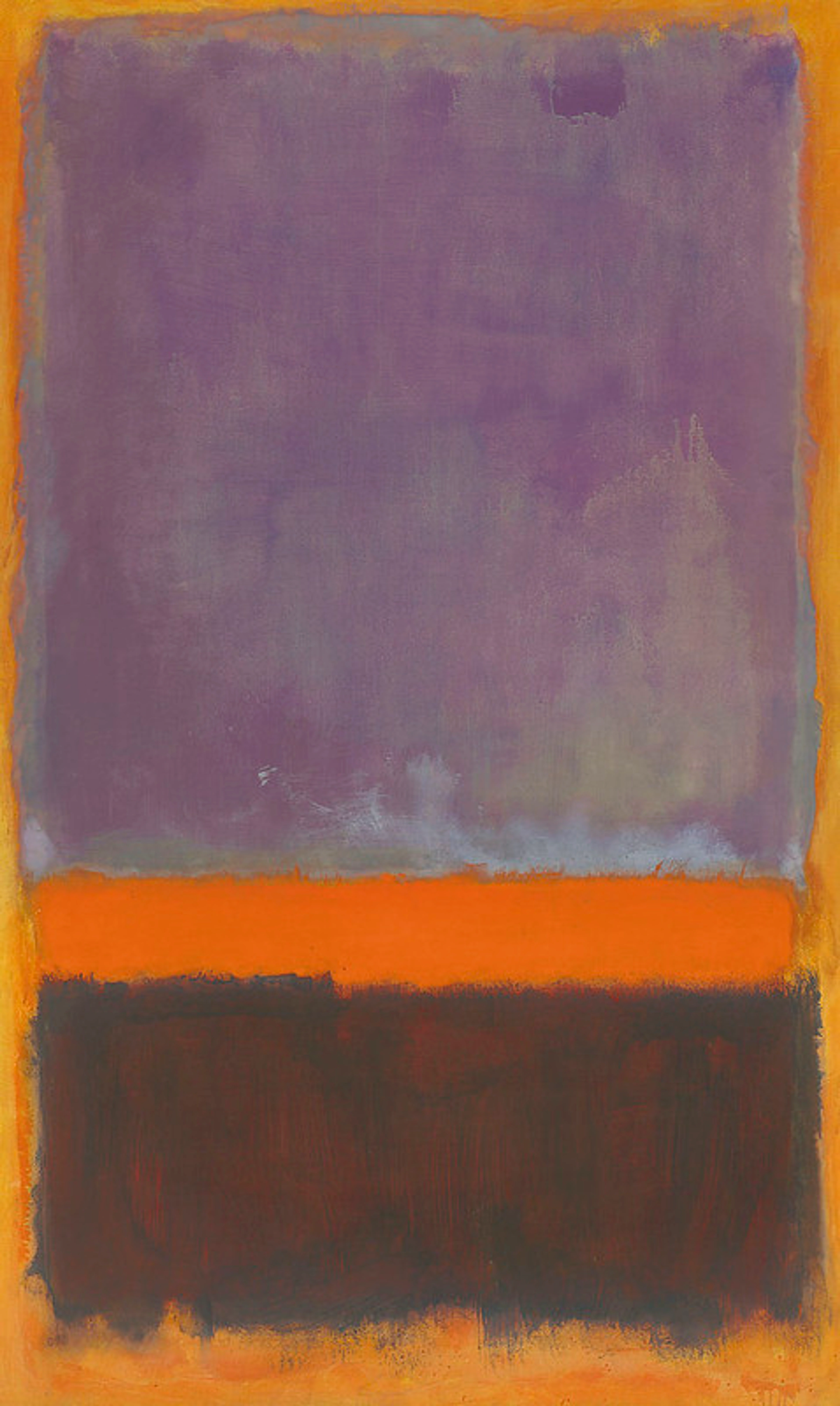
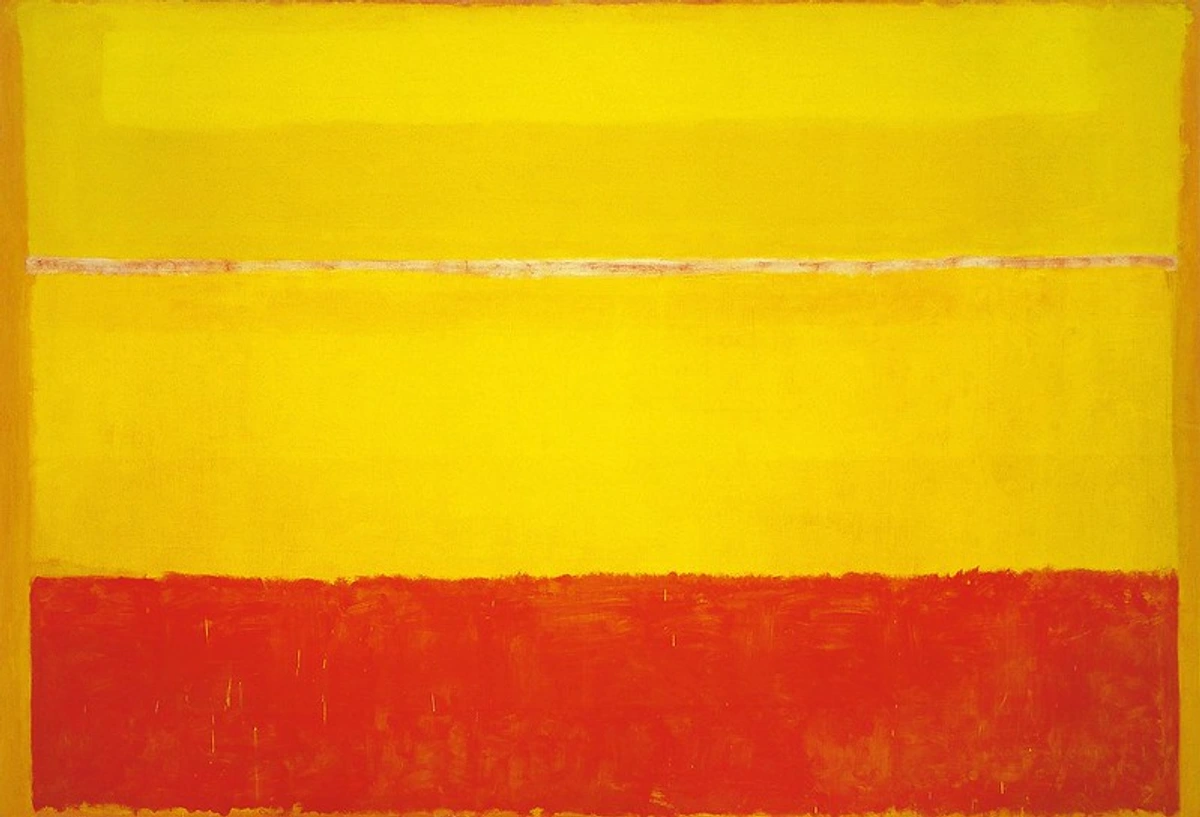
And we're back to Mark Rothko, the quiet, spiritual soul of the group, whose work is arguably the purest embodiment of Color Field painting's emotional power. His massive canvases, often dominated by soft, hazy-edged rectangles of pulsating color, aren't just blocks of pigment; they're doorways, portals to an inner world, an invitation to a profound emotional and spiritual encounter. He was meticulously particular about how they should be viewed—preferably in dimly lit rooms, up close, without distractions—so that the viewer could have a direct, unmediated communion with the painting, a personal and transformative experience. He wasn't interested in pretty pictures or decorative aesthetics; he wanted to evoke the profound human emotions, the universal dramas of tragedy, ecstasy, and doom, directly in the viewer's soul. He believed his art was a direct confrontation with the human condition, a raw dialogue with the deepest parts of our being.
His famous Rothko Chapel (1964-1967) in Houston, Texas, for instance, transcends mere art, becoming an immersive, octagonal environment designed for contemplation and spiritual solace—a pilgrimage site I yearn to experience in person one day. The chapel, with its fourteen large paintings of dark, almost black, color fields, creates an atmosphere of profound solemnity and introspection, a space for universal human contemplation beyond any specific dogma. People genuinely cry in front of his paintings, and if you truly let yourself sink into one, you understand why—it’s an encounter with the sublime, with pure, distilled feeling, touching upon universal themes of light, darkness, life, and death. He believed his paintings were about profound human dramas, and that they spoke a universal language of human suffering and hope. Sadly, Rothko's later life was marked by intense depression and disillusionment, culminating in his suicide in 1970, a tragic end that lends an even deeper, more poignant resonance to the profound emotional weight and often somber hues of his later canvases. We explore this profound emotional depth in the ultimate guide to Rothko, a journey into the heart of the power of color in abstract art and the broader psychology of color in abstract art that he so masterfully tapped into.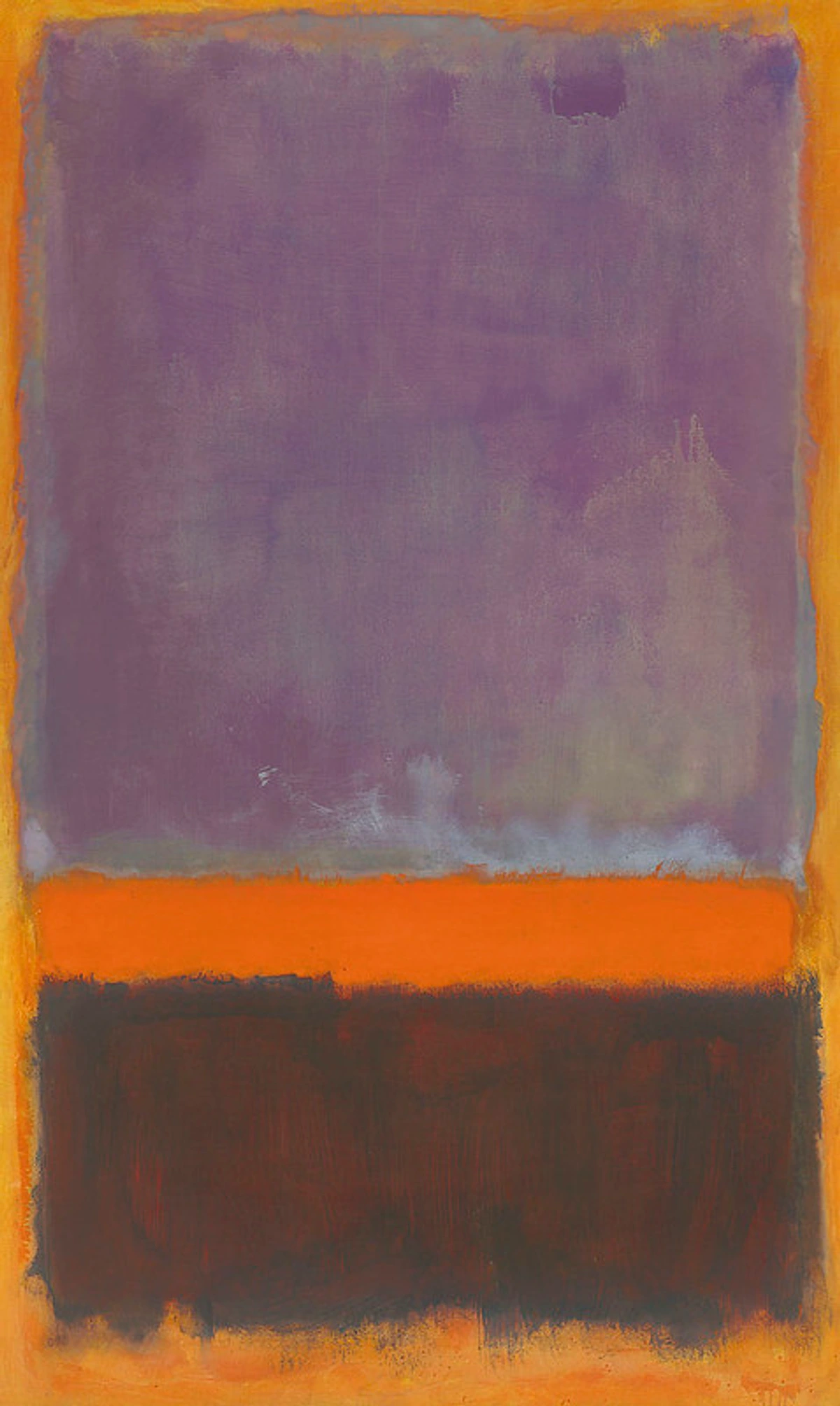
Barnett Newman
Barnett Newman sought nothing less than the sublime. That's a big, fancy word, and I think his monumental paintings, with their austere beauty and intellectual rigor, profoundly earn it. For him, art was about grappling with profound existential questions: creation, chaos, life, death, and the very meaning of human existence. He's famous for his 'zips'—those singular, thin vertical lines of vibrant color that cut through vast, seemingly monochrome fields, like a sudden revelation, a bolt of lightning through a boundless sky. He didn't see the zip as something that divided the canvas, but as a spark of human presence, an assertion of individuality, a moment of consciousness within the cosmic, overwhelming void, a form he described as "the self, whole and complete." This concept, particularly evident in works like his "Onement" series (1948-1949), reflects his belief in the artist's singular vision to create a new, transcendent reality.
Beyond iconic works like "Vir Heroicus Sublimis" (Heroic Sublime Man, 1950-1951), his monumental series, "The Stations of the Cross" (1958–66), explores profound themes of human suffering and redemption, stripping down religious iconography to its most essential, resonant forms. It's incredibly minimalist, almost stark, and yet packed with philosophical weight, asking us to confront the infinite and our precarious place within it. His later series, "Who's Afraid of Red, Yellow and Blue" (started in 1966), further pushed the boundaries of color theory and minimalist expression, challenging viewers to confront pure color in its most potent form and question the very nature of perception. Standing before a Newman painting, you feel both incredibly small and profoundly significant at the same time, an almost overwhelming sense of profound silence, spiritual presence, and intellectual challenge. His work, like "Vir Heroicus Sublimis," doesn't just ask you to look; it challenges you to engage on a primal, spiritual, and philosophical level. He aimed to create an art that was direct and unencumbered by traditional symbolism, speaking directly to universal human experience.
Adolph Gottlieb
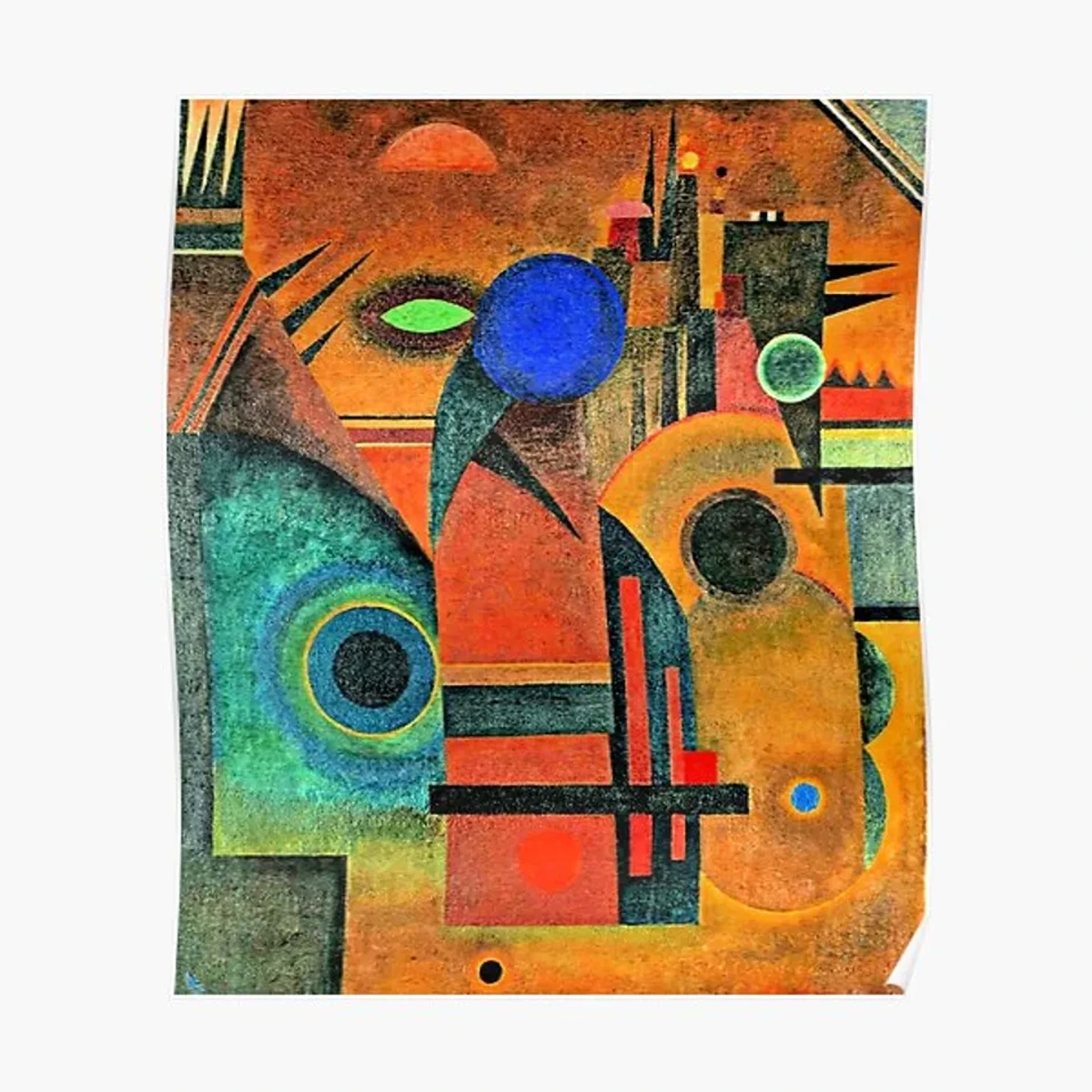
Adolph Gottlieb, a crucial figure in the early Abstract Expressionist scene, co-founded "The Ten" group in 1935 and signed the seminal "Artists' Letter to the Editor" of the New York Times in 1943, passionately defending abstract art. He developed a distinctive, evolving style, beginning with his powerful 'Pictographs' in the 1940s. These presented compartmentalized grids filled with enigmatic, primitive-looking symbols and forms, drawing on Jungian psychology, Indigenous art (particularly Northwest Coast Native American art), and ancient pictographs to tap into a universal unconscious and explore shared human myths and anxieties. Each compartment became a vessel for potent, mysterious imagery, demanding deciphering yet resisting definitive interpretation.
Later, in the 1950s, he developed his famous 'Bursts' series, which became emblematic of his mature Color Field style. These featured large, explosive, sun-like forms of vibrant color suspended above more turbulent, gestural brushstrokes, suggesting cosmic or primal energies, a dynamic interplay between order and chaos, heaven and earth. Gottlieb always sought to explore fundamental human experiences through a language of universal symbols and archetypes, drawing inspiration from classical mythology, indigenous art, and his own subconscious, making his work feel both ancient and utterly modern at the same time, a testament to his intellectual curiosity and artistic evolution. His work, like "Unstill Life" (1951) and "Frozen Sounds, Number 1" (1951), demonstrates his profound ability to synthesize diverse influences into a highly personal visual language.
Helen Frankenthaler
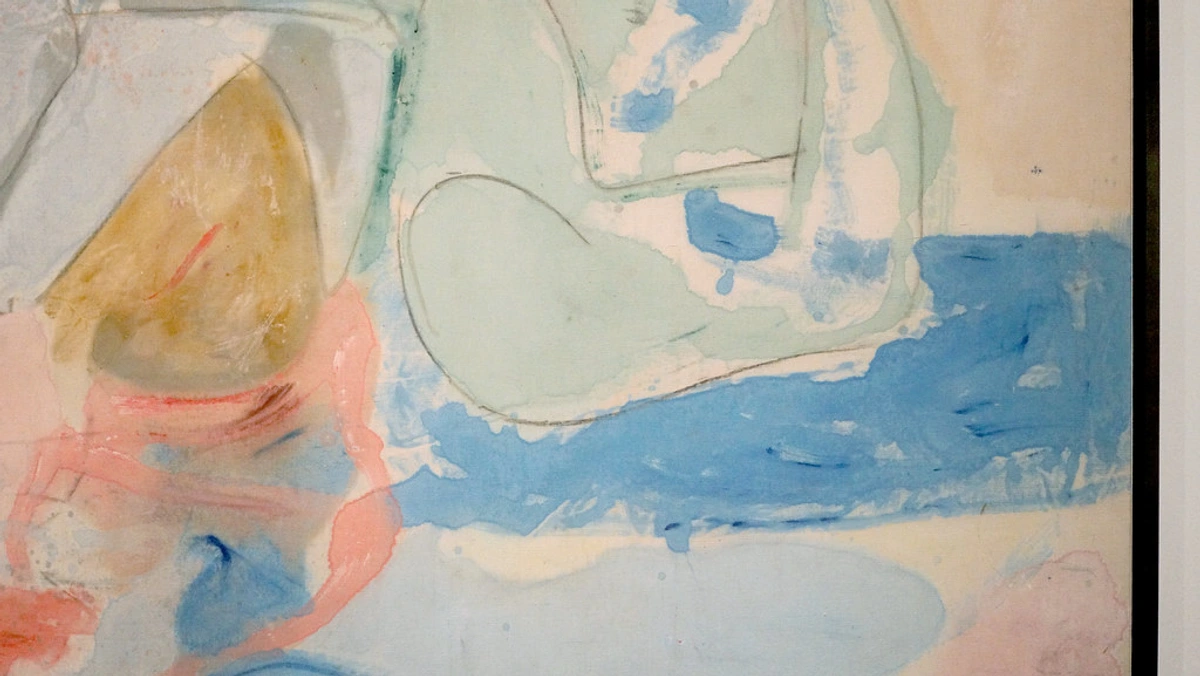
The next generation of painters was listening intently when Helen Frankenthaler spoke with her paintbrush, creating a vibrant, revolutionary dialogue with the very fabric of the canvas itself. She invented the truly groundbreaking 'soak-stain' technique in 1952 with her seminal painting "Mountains and Sea." This wasn't a minor tweak; it was a paradigm shift. She thinned her oil and later acrylic paints with turpentine so extensively that they literally soaked right into the raw, unprimed canvas, rather than sitting on top of it. This created luminous, atmospheric washes of pure color that felt entirely new—pure color, pure feeling, almost like monumental watercolors, but with an unprecedented scale and ethereal quality.
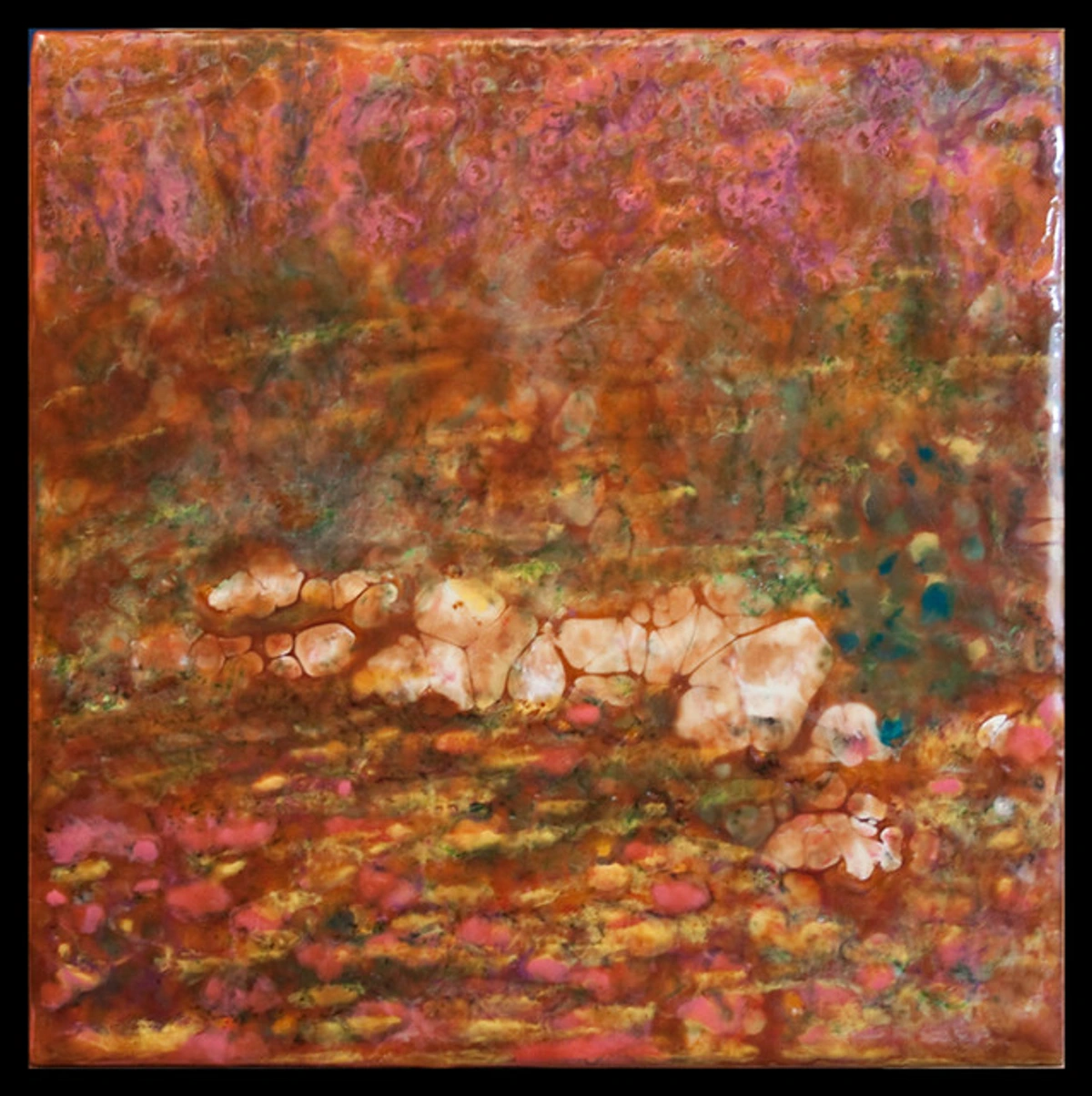
Her work, with its ethereal beauty, spontaneous yet deliberate fluid forms, and expansive color, truly bridged the gap between the heavy, gestural impasto and internal struggle of early Abstract Expressionism and the lighter, more lyrical, and purely optical Color Field painting that followed. She directly influenced subsequent artists like Morris Louis and Kenneth Noland, who became key figures in the second generation of Color Field painting, further exploring the possibilities of stained canvas, essentially inaugurating a new phase of abstraction. She proved that monumental abstract art could be gentle, translucent, and incredibly powerful all at once, radiating emotion rather than explicitly stating it. Her innovative use of thinned paint truly changed the game, showing how the medium itself could become a dynamic part of the expressive process, much like understanding the best acrylic mediums for abstract artists can unlock new possibilities. We have a whole guide dedicated to Helen Frankenthaler's genius, exploring her contribution to the ultimate guide to abstract art movements.
Clyfford Still
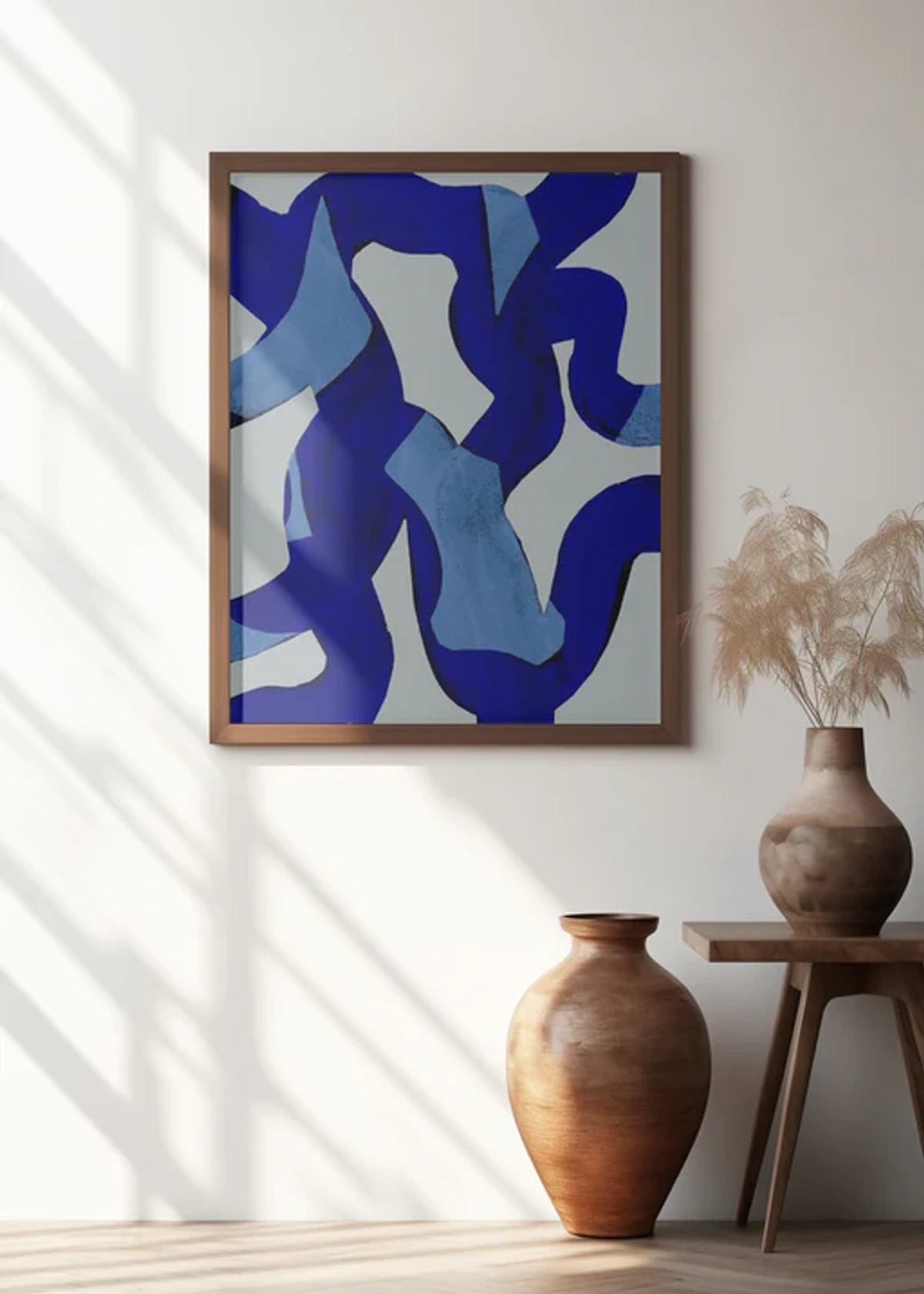
Clyfford Still was the ultimate maverick, the quintessential outsider of the group, even when he was a foundational member of the New York School. He created these incredibly distinctive jagged, flame-like fields of color, often towering and monumental, that feel like they're tearing the canvas apart with raw, elemental force, almost as if the canvas itself is a living, breathing entity. Looking at his work is like witnessing a geological event—an earthquake of color and form, a landscape ripped open to reveal molten layers beneath, or a primal, unfurling banner of pure energy. He was fiercely protective of his art, seeing it not just as aesthetic objects but as deeply personal and almost sacred manifestations of his inner struggle and philosophical quest. This profound integrity led him to eventually withdraw almost entirely from the commercial art world, and even from exhibiting, hiding his vast collection away for decades in a kind of self-imposed exile.
Still saw his art as a deeply personal and almost sacred endeavor, rejecting any attempts at commercialization or conventional interpretation. This intensely private approach only added to his mystique and underscored his profound individualism and uncompromising artistic vision. His unique style, characterized by monumental scale, dense impasto, and an intense, almost spiritual commitment to his own distinct visual language, remains singular and instantly recognizable. Today, the Clyfford Still Museum in Denver, Colorado, stands as a testament to his singular vision, showcasing the vast majority of his lifetime output, meticulously preserved according to his wishes, allowing a truly immersive and uninterrupted experience of his artistic journey. Still was vehemently against the commercialization of art, believing it corrupted the true purpose of artistic creation, which informed his decision to retreat and meticulously dictate where his works could be shown. This kind of fierce artistic integrity, prioritizing vision over market forces, is something I deeply admire; it's a testament to truly finding my voice as an artist, regardless of external pressures. His work is a powerful reminder that sometimes the most profound statements are made in solitude, away from the clamor of the market.
credit, licence
Other Influential Voices: Expanding the Pantheon of Abstract Expressionism
While the names Pollock, de Kooning, Rothko, and Newman often dominate discussions, it would be a severe injustice, and a disservice to the full, rich story of this revolutionary period, to overlook the profound contributions of many other brilliant and equally innovative artists. The Abstract Expressionist movement was a rich, diverse tapestry woven by an extraordinary array of talents, each adding a unique thread to its groundbreaking narrative.
The Essential Women of Abstract Expressionism
For far too long, the narrative of Abstract Expressionism has been skewed, dominated by male figures and often sidelining the foundational and profound contributions of many brilliant women artists. These women were not merely wives, muses, or companions; they were fierce, independent voices, pushing the boundaries of abstraction with their unique energy, technical skill, and unwavering vision. Beyond the pioneering Lee Krasner, whose impact we've already highlighted, figures like Grace Hartigan, Joan Mitchell, and Elaine de Kooning were central to the movement's evolution.
Grace Hartigan
A vital force in the second generation of the New York School, Grace Hartigan maintained a compelling dialogue between abstraction and figuration. Her early work embraced the gestural dynamism of Action Painting, but she often incorporated recognizable, though fragmented, elements from everyday life, like fashion magazines or cityscapes, imbuing her canvases with a vibrant energy and a distinctly modern sensibility. Her large-scale paintings, with their bold colors and energetic brushwork, such as "Grand Street Brides" (1951) and "The Persian Jacket" (1952), are a testament to her fierce independence and continuous experimentation, proving her a master of expressive narrative even within abstraction. She was deeply committed to capturing the pulse of modern life, even as she dissolved it into vibrant, gestural abstractions that felt both immediate and timeless, creating a bridge between the rawness of the street and the profundity of the canvas.
Joan Mitchell
Known for her intensely expressive, large-scale canvases, Joan Mitchell's work is characterized by vibrant, often frenetic, brushstrokes that convey profound emotional states and a deep connection to landscape and nature. Though she spent much of her career in France, her roots were firmly in the New York School, and her powerful, multi-panel paintings often feel like raw, distilled recollections of light, season, and feeling, transforming visual sensation into pure, unbridled painterly energy. Her art is a whirlwind of color and emotion, making her one of the most significant post-war abstract painters. Works like "City Landscape" (1955) and "Salut Tom" (1979) exemplify her powerful translation of sensory experience into abstract gesture. She had an extraordinary ability to evoke natural phenomena without ever directly representing them, instead capturing their essence through the sheer force and lyricism of her brushwork, making the canvas almost breathe with the energy of the natural world. You can almost feel the wind and smell the earth in her canvases; it's a purely immersive experience.
Elaine de Kooning
A prolific artist, writer, and critic, Elaine de Kooning was a formidable painter in her own right, moving fluidly between abstraction and figuration. She was celebrated for her energetic, gestural portraits, often capturing subjects in motion with a dynamic, almost improvisational quality, such as her famous series of President John F. Kennedy. Her later abstract landscapes, particularly her "Cave Walls" series, demonstrate a powerful command of color and form, proving her to be a versatile and deeply engaged artist whose unique voice was crucial to the broader Abstract Expressionist discourse. She also created highly expressive portraits, showcasing her remarkable ability to capture a subject's essence through dynamic brushwork, blurring the lines between figuration and abstraction. Her keen intellect and active participation in the art world, publishing extensively in journals like Art News, made her an invaluable voice of the era, shaping its critical dialogue as much as its canvases. She was a true intellectual and artistic powerhouse, often challenging the male-dominated narratives of the time through her own fierce independence and talent.
Ad Reinhardt
A fiercely intellectual and highly influential artist, Ad Reinhardt pushed Abstract Expressionism to its absolute limits, ultimately moving towards a radical form of geometric abstraction and monochrome painting. He famously described his ultimate goal as creating "the last paintings" – pure, absolute, and timeless works that were "art-as-art" and nothing else. His iconic "black paintings," developed in the 1960s, appear as solid black squares from a distance, but upon closer, meditative inspection, reveal subtle, barely perceptible dark red, blue, or green geometric grids within the seemingly uniform blackness. These aren't merely black; they are canvases of profound depth and quiet intensity, challenging the viewer to engage in an act of pure contemplation, free from narrative, emotion, or external reference, demanding a deep, almost spiritual engagement. Reinhardt's uncompromising pursuit of purity and his systematic exploration of minimalism, even before Minimalism became a defined movement, made him a crucial, if sometimes controversial, figure. He influenced not only Color Field painters but also later Minimalist artists with his rigorous commitment to abstract principles and his belief in art's autonomy, pushing the boundaries of what a painting could be. His work is a profound exercise in visual silence, demanding patience and a willingness to simply be with the artwork.
Philip Guston
Philip Guston's artistic journey is particularly fascinating and emblematic of the restless, evolving spirit within the movement. He initially gained recognition as an Abstract Expressionist, creating beautiful, ethereal, almost hazy abstractions with delicate clusters of brushstrokes and subtle chromatic shifts. However, in the late 1960s, he made a dramatic and controversial return to figuration, embracing a raw, cartoonish, and often unsettling style filled with hooded figures (often self-portraits), disembodied eyes, piles of shoes, and everyday objects. This radical shift, which confused, alienated, and even angered many critics and former admirers at the time, actually highlights the profound courage of these artists and their willingness to break new ground, even if it meant challenging their own success and established identity. His later work, often seen as a precursor to Neo-Expressionism, bravely confronted societal anxieties, political turmoil (especially the Vietnam War), and deeply personal demons with unflinching honesty and a dark, sardonic humor. It demonstrates a deep connection to Expressionism in its rawest, most psychologically penetrating form, proving that artistic evolution can be both painful and profoundly transformative. Guston’s commitment to his vision, even when unpopular, serves as a powerful testament to artistic integrity, showing that even a celebrated artist must sometimes dismantle their own success to find their authentic voice.
Richard Diebenkorn
Though often more associated with the Bay Area Figurative Movement, Richard Diebenkorn's early work was firmly rooted in Abstract Expressionism, bringing a distinct Californian sensibility to the broader movement. He moved seamlessly between abstraction and figuration throughout his career, always maintaining a profound sensitivity to light, color, and compositional structure. His most celebrated abstract works, the monumental "Ocean Park" series, which he began in 1967, are masterclasses in atmospheric color and spatial ambiguity. These paintings, with their luminous, expansive planes of color intersected by delicate lines, often feel like abstracted landscapes or cityscapes seen from above, evoking the unique light, expansive horizons, and architectural structures of the West Coast, particularly the Southern California coast where he lived. He demonstrates how the fundamental lessons of Abstract Expressionism—the large scale, the emotive use of color, the focus on the painting as an autonomous object—could be applied to create new, expansive visions that hint at both abstraction and representation, creating a unique synthesis. His work makes me think deeply about the unseen structure: how composition guides my abstract art, even in the most fluid and painterly forms. Diebenkorn's unique blend of Abstract Expressionist freedom and a keen observational eye resulted in a distinctive and enduring body of work, creating an expansive, contemplative space for the viewer.
William Baziotes
A founding member of the New York School, William Baziotes developed a distinctive style characterized by biomorphic forms and luminous, veiled fields of color. Deeply influenced by Surrealism and primitive art, he sought to evoke a dream-like, mysterious atmosphere in his paintings, populating his canvases with enigmatic, often aquatic-feeling shapes that seem to float in ethereal spaces. His work has a quiet, contemplative power, drawing the viewer into a subconscious world of poetic suggestion and subtle emotional resonance. Baziotes was a profound influence on many of his contemporaries, including Robert Motherwell, and helped to establish a more lyrical, introspective strain within Abstract Expressionism, emphasizing mood and suggestion over aggressive gesture. Works like "Cyclops" (1947) and "Mirror in the Sky" (1951) perfectly encapsulate his unique ability to translate subconscious imagery into a compelling visual language, inviting viewers into a realm of poetic ambiguity.
Sam Francis
Transitioning fluidly between the Action Painters and Color Field artists, Sam Francis brought a distinctive lyrical quality to Abstract Expressionism, often associated with the movement's second generation. Known for his vibrant, expansive canvases bursting with luminous, poured, and dripped fields of color, Francis’s work reflects influences from both his American roots and his extensive time spent in France and Japan. His paintings often feature central white voids surrounded by intense, radiant hues that seem to float and radiate outward, creating a sense of boundless energy and light. Works like "Blue Splatter" or "Basel Mural" capture a dynamic interplay of form and space, often evoking natural elements like water, light, and sky, yet remaining utterly abstract. He was a master of color, allowing thin washes to bleed and merge, creating breathtaking optical effects and a sense of effortless spontaneity that belied the meticulous control beneath the surface. For me, looking at a Francis is like stepping into a pure realm of color and light, where the boundaries between painting and atmosphere dissolve. He had a profound ability to create a sense of infinite space and luminosity within his canvases, transforming the canvas into a breathing, vibrant entity.
Frequently Asked Questions (FAQ)
I often get asked about the specifics of Abstract Expressionism, and I totally get it. It's a big, complex, and deeply personal movement! Here are some common questions and my take on them.
Major Museums and Collections for Abstract Expressionism
If you're wondering where to experience these titans in person (and trust me, you need to), here's a quick guide to some of the world's most significant collections:
Museum | Location | Key Holdings (Examples) |
|---|---|---|
| Museum of Modern Art (MoMA) | New York City, USA | Jackson Pollock's "One: Number 31, 1950", Willem de Kooning's "Woman, I", Mark Rothko's "No. 10" |
| The Metropolitan Museum of Art (The Met) | New York City, USA | Jackson Pollock's "Autumn Rhythm (Number 30)", Franz Kline's "Mahoning", Helen Frankenthaler's "Mountain and Sea" |
| National Gallery of Art | Washington D.C., USA | Barnett Newman's "Vir Heroicus Sublimis", Mark Rothko's "Orange and Yellow" |
| Tate Modern | London, UK | Mark Rothko's "Black on Maroon" (Seagram Murals), Clyfford Still's "1944-N No. 2" |
| Art Institute of Chicago | Chicago, USA | Willem de Kooning's "Excavation", Jackson Pollock's "The Key" |
| Clyfford Still Museum | Denver, USA | An unparalleled collection of Still's work, over 95% of his output, in a building dedicated solely to his art. |
| San Francisco Museum of Modern Art (SFMOMA) | San Francisco, USA | Richard Diebenkorn's "Ocean Park" series, significant works by Clyfford Still |
Question | Answer |
|---|---|
| Who were the 'big four' Abstract Expressionists? | While the art market and popular culture often gravitate towards a simplified narrative, traditionally citing Jackson Pollock, Willem de Kooning, Mark Rothko, and Barnett Newman as the 'big four,' it's crucial to understand that this is a historical simplification. This narrow focus often unfairly overlooks the equally profound and foundational contributions of many other artists, including pioneering women like Lee Krasner and Helen Frankenthaler, and crucial figures like Franz Kline, Arshile Gorky, Robert Motherwell, and Clyfford Still. The movement was far richer and more diverse than a handful of names suggests, a true collective of fiercely independent spirits. It’s like picking your favorite child—impossible, and frankly, a bit rude to the others, diminishing the collective genius of the New York School! To truly appreciate the movement, one must look beyond the simplified narratives and acknowledge the full breadth of its artistic talent. |
| What is the primary difference between Action Painting and Color Field Painting? | Think of it as a spectrum rather than a strict dichotomy, but broadly, it's about process versus presence, or a visceral scream versus a contemplative hum. Action Painting (epitomized by Jackson Pollock, Willem de Kooning, and Franz Kline) is all about the energetic, physical act, the raw gesture, the doing of painting itself. The canvas becomes an arena, a dynamic battleground that visibly records the artist's struggle, spontaneity, and immediate emotional outpouring. It's about the trace of the body in motion. Color Field Painting (exemplified by Mark Rothko, Barnett Newman, and Helen Frankenthaler) shifts the focus. It's less about the visible brushstroke and more about the immersive, emotional, and often spiritual impact of large, flat, unified areas of pure, saturated color. These works are meant to be experienced for their pure chromatic and atmospheric presence, inviting a quiet, meditative, and often sublime engagement, enveloping the viewer rather than confronting them with explicit action. While distinct, there's often overlap, and many artists experimented with both approaches to varying degrees. |
| Why is this movement so important in art history? | It was nothing short of a seismic, paradigm-shifting event, really. For the first time in centuries, the center of the Western art world moved definitively from Paris to New York City, establishing American art as a dominant global force. It championed radical individual freedom, intense emotional truth, and the artist's inner world over academic rules, traditional representation, and merely "pretty" aesthetics. It was a profound break with the past, asserting the autonomy of the canvas and the artist's unique vision. Its powerful influence permeated virtually all art that came after it, from Pop Art (think Andy Warhol's monumental scale) to Minimalism (the reductive focus on pure form and color) and beyond, into Conceptual Art and Neo-Expressionism. It basically blew the doors off what art could be, expanding its definitions and possibilities for generations of artists to come. |
| Where can I see their work today? | You're in luck! Major museums around the world have incredible collections. The Museum of Modern Art (MoMA) and the Metropolitan Museum of Art (The Met) in New York are essential. The National Gallery of Art in Washington D.C., the Tate Modern in London, and the Art Institute of Chicago also boast significant holdings. Seeing these works in person is a totally different experience than seeing them on a screen; they demand your presence. For those eager to dive into the art world, our art lovers guide to New York City is a great place to start. |
| What was the historical context of Abstract Expressionism? | The movement emerged in post-World War II America, a period marked by profound anxiety, introspection, and a search for meaning in a shattered world. Many artists were deeply affected by the war and the Holocaust, leading to a desire for an art that could express universal human truths and existential angst, rather than superficial beauty. |
| What about sculpture in Abstract Expressionism? | While the movement is primarily known for painting, its influence certainly extended into sculpture. Artists like David Smith created monumental, often welded metal sculptures that shared the gestural energy and raw emotionality of Action Painting. His work, with its imposing scale and abstract forms, embodies the same spirit of individual expression and confrontation with material that defined the painters. |
| Did Abstract Expressionism influence later art movements? | Absolutely! Its emphasis on personal expression, large scale, and the artistic process directly paved the way for movements like Pop Art (think Andy Warhol's direct appropriation of mass culture, but with an Abstract Expressionist scale), Minimalism (the pared-down forms and focus on pure experience), and Neo-Expressionism (the raw emotion and gestural application of paint resurfaced decades later). It's a foundational language for much of contemporary art. |
| Was Abstract Expressionism purely American? | While the New York School was undeniably its epicenter, and it marked the shift of the art world's focus to America, the movement itself drew heavily from European influences like Surrealism, Cubism, and Fauvism. Many key figures, like Arshile Gorky and Hans Hofmann, had deep European roots. Moreover, artists like Sam Francis, though American, spent significant time working abroad, absorbing international influences and contributing to a global dialogue of abstraction. So, while American in spirit and origin, its DNA is truly international, a true transatlantic dialogue of artistic innovation. |
| Were there any international Abstract Expressionist movements? | While the New York School was the dominant force, similar impulses towards abstract, emotive expression emerged in other parts of the world. For example, the Art Informel movement in Europe shared many philosophical and aesthetic concerns with Abstract Expressionism, focusing on raw materiality and gestural abstraction. Think of artists like Jean Dubuffet or Pierre Soulages. These parallel developments underscore a global artistic shift towards abstraction in the post-war era, even if the specific cultural contexts differed. |
| Was Abstract Expressionism controversial? | Oh, absolutely! It was met with a mix of awe, confusion, and outright hostility by many critics and the general public, especially in its early years. Its radical departure from traditional representation, its monumental scale, and its seemingly 'messy' or 'unfinished' aesthetic challenged deeply ingrained notions of what art should be. It dared to be ugly, raw, and confrontational, which, as you can imagine, ruffled a lot of feathers. |
| How did women artists break through in the movement? | Despite facing significant sexism and often being overshadowed by their male counterparts (sometimes literally, as in the case of Lee Krasner being known as 'Mrs. Jackson Pollock' for far too long), women artists like Lee Krasner, Helen Frankenthaler, Grace Hartigan, and Joan Mitchell were absolutely foundational. They actively participated in the same exhibitions, frequented the same Cedar Tavern discussions, and developed equally powerful and innovative styles. Their persistence, talent, and sheer refusal to be marginalized ultimately ensured their enduring legacy, though recognition was a much longer battle for them. |
| How can I start collecting Abstract Expressionist art? | While iconic works by the 'titans' are largely in museums or private collections and command astronomical prices, you can still collect works by lesser-known but equally significant artists from the period. Also, look for contemporary artists who are deeply influenced by Abstract Expressionism—artists who carry forward its spirit of raw emotion and expressive gesture. This is a fantastic way to engage with the legacy without needing a museum budget. And of course, you can always explore places like /buy for original abstract works that resonate with this philosophy. |
| What is the market like for Abstract Expressionist art today? | The market for prime Abstract Expressionist works remains incredibly strong, with pieces by the most famous artists commanding record-breaking prices at auction. These works are considered cornerstones of modern art history. However, as I mentioned, there's a vibrant secondary market for works by lesser-known but equally talented artists from the period, and a booming contemporary scene of artists drawing inspiration from its principles. It's a testament to the enduring power and appeal of this revolutionary movement. |
| What role did critics play in Abstract Expressionism? | Critics, especially figures like Clement Greenberg and Harold Rosenberg, played an absolutely crucial, though sometimes controversial, role in shaping the reception and understanding of Abstract Expressionism. Greenberg championed a formalist interpretation, focusing on the flatness of the canvas and the purity of painting, and was a strong advocate for Pollock. Rosenberg coined the term "Action Painting," emphasizing the performative aspect and the existential struggle of the artist. While their interpretations sometimes narrowed the understanding of a diverse movement, their influential writings helped to define, promote, and legitimize Abstract Expressionism on a global stage, giving it intellectual weight and a critical framework that was essential for its rise to prominence. |
| How can I start to understand or appreciate abstract art? | My advice? Let go of the need to 'understand' in a logical, narrative sense. Approach it with an open mind and heart. Ask yourself: How does it make me feel? What colors, lines, and textures resonate with me? What sensations does it evoke? It's less about decoding a hidden message and more about experiencing a direct emotional and visual encounter. Our guide to decoding abstract art can help you get started. |
| What defines the "New York School" within Abstract Expressionism? | The "New York School" refers not to a formal institution, but to the loose-knit group of artists, writers, and intellectuals based in New York City who were instrumental in developing Abstract Expressionism. They shared common artistic concerns and often congregated in social hubs like The Cedar Tavern. It signifies the shift of the art world's center from Europe to America and emphasizes the collective, yet fiercely individual, spirit of the movement. |
| What role did scale play in Abstract Expressionist art? | Scale was paramount! These artists often worked on monumental canvases, creating works that were intended to envelop the viewer, creating an immersive experience. This wasn't just about making a big painting; it was a deliberate choice to confront the viewer, to assert the painting's presence as an environment, and to elevate the art to the status of a grand, historically significant statement. |
| Did Abstract Expressionists use specific materials or techniques? | While there was immense individual variation, many Abstract Expressionists pushed the boundaries of materials. Action Painters like Pollock used house paint, poured, dripped, and flung it directly onto unprimed canvas. Color Field painters like Helen Frankenthaler developed the "soak-stain" technique with thinned oils and acrylics. There was a general emphasis on embracing the inherent qualities of the paint and the canvas, often valuing raw texture and visible process over smooth, finished surfaces. |
| How does Abstract Expressionism connect to modern society and psychology? | The movement emerged directly from the profound anxieties and shifts of the post-WWII era, including the Cold War, the atomic age, and the revelations of the Holocaust. Artists channeled these collective traumas and existential questions into their work, using abstract forms to express universal human emotions and subconscious states. Influences from Jungian archetypes and Freudian psychoanalysis were significant, as artists sought to explore the depths of the human psyche in a fractured world. |
| What was the relationship between Abstract Expressionism and Jazz? | The spontaneous, improvisational spirit of Jazz music, particularly Bebop, deeply resonated with many Abstract Expressionists. Artists like Jackson Pollock were known to listen to Jazz while painting, finding parallels between the rhythmic energy, raw emotion, and improvisational solos of musicians and their own gestural, expressive brushwork. It was a shared language of freedom and direct expression, an organic counterpoint to the rigid structures of the past. |
| Did photography play a role in Abstract Expressionism? | While painting was central, photography did play an important, albeit nuanced, role. Hans Namuth's famous photographs and films of Jackson Pollock painting not only documented his revolutionary process but also helped to shape the public perception of the "Action Painter" as a heroic, almost shamanistic figure. These images amplified the performance aspect of the art, becoming integral to its mythos and contributing to its widespread recognition, even if the art itself was meant to be experienced directly. |




Comparing the Two Major Strains of Abstract Expressionism
To really get a grip on the nuances, I find it helpful to put them side-by-side. While both aimed for emotional impact, their methods were dramatically different, leading to distinct visual and experiential qualities.
Feature | Action Painting (Gestural Abstraction) | Color Field Painting |
|---|---|---|
| Key Artists | Jackson Pollock, Willem de Kooning, Franz Kline, Lee Krasner | Mark Rothko, Barnett Newman, Helen Frankenthaler, Clyfford Still |
| Emphasis | The physical act of painting; spontaneous gesture; raw emotion; subconscious release. | The immersive impact of large, unmodulated areas of color; emotional and spiritual resonance; contemplation. |
| Technique | Dripping, pouring, energetic brushwork, scraping, staining, splattering. | Thin washes of color soaking into unprimed canvas; carefully layered, luminous fields; soft or hard edges. |
| Canvas as... | An arena for action; a record of the artist's performance and struggle. | A field for optical and emotional experience; a portal to the sublime. |
| Viewer Exp. | Confrontational, dynamic, visceral, sense of artist's presence. | Meditative, contemplative, immersive, spiritual, sense of universal emotion. |
| Core Idea | Expression through process; liberation of form and gesture. | Expression through color; transcendence through optical sensation. |
A Legacy of Feeling: The Enduring Roar
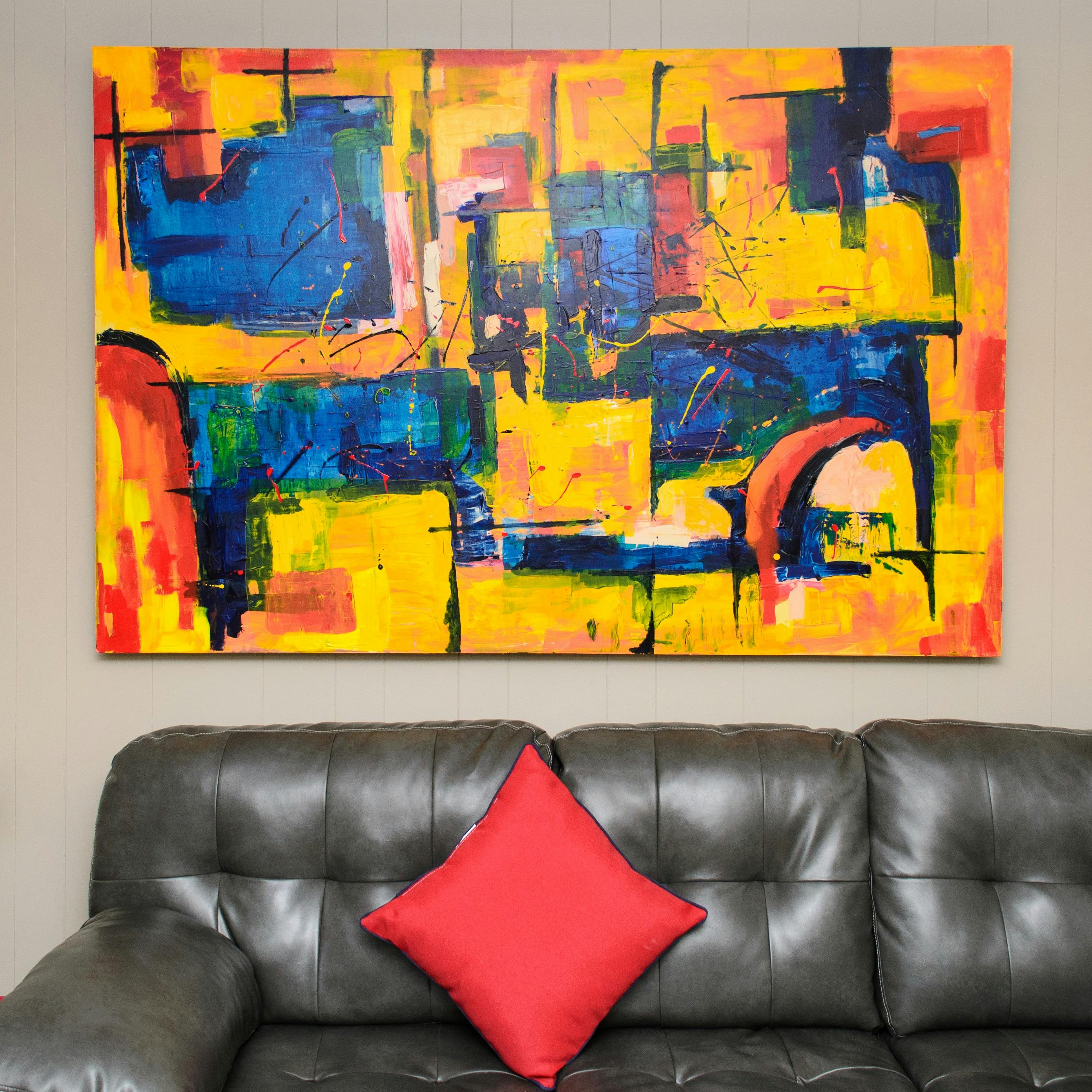
These artists weren't just making pretty pictures to hang over a sofa, believe me. They were tearing up the rulebook, challenging centuries of artistic tradition, and inventing a new, raw, and deeply personal language for human emotion. They showed the world that art could be an event, an environment, a direct and unfiltered line from the artist's soul to yours—a conversation without words, just pure, visceral impact that cuts straight to the core of being.
The legacy of Abstract Expressionism is truly immense, far-reaching, and continues to reverberate through contemporary art. It's not just a chapter in art history; it's a foundational text for understanding how we engage with art today, challenging our perceptions and expanding the very definition of what art can be. You can trace its powerful influence throughout the timeline of modern art, from the reductive forms of Minimalism and the conceptual rigor of later movements to the vibrant, expressive works being created right now across the globe. It's a powerful, enduring reminder that sometimes the most profound, most resonant art isn't about what's explicitly depicted, but about the humanity behind the brush, the raw courage of putting pure feeling first, and the audacious act of creating a world on the canvas—a universe of emotion made visible.
I genuinely hope this tour has given you a deeper appreciation for these titans of feeling and their incredible, often tumultuous, contributions. Their work continues to resonate so powerfully because it speaks to something universal within us—the messy, beautiful, and sometimes terrifying landscape of our inner lives, our shared struggles, and our boundless capacity for emotion. My earnest advice? Don't just read about them; make it a priority to go out and experience their work in person. Standing before one of these monumental canvases is a transformative experience that words can only hint at; they truly demand your presence, demanding that you feel. Or, if you're feeling inspired by their audacious spirit, explore some contemporary abstract art, perhaps even find a piece that speaks directly to your own gut, your own deepest feelings, and ignites that spark of recognition. After all, that's what this movement was ultimately all about: a direct, unfiltered connection between human souls, an enduring dialogue across time. And if you're curious about bringing that kind of raw emotion and expressive power into your own space, remember you can always buy original works inspired by these very principles, continuing the dialogue they bravely began, right in your own home. The conversation, the feeling, the art—it's still very much alive, waiting for you to engage, to feel, and to create. You can also explore museums like the Den Bosch Museum for more exhibitions on modern and contemporary art.