Tate Modern: The Definitive Insider's Guide to London's Art Powerhouse
Uncover Tate Modern's radical transformation, explore its world-class modern & contemporary art collection, iconic Turbine Hall, and breathtaking London views. Your definitive guide to an unforgettable visit.

Tate Modern: The Definitive Insider's Guide to London's Art Powerhouse
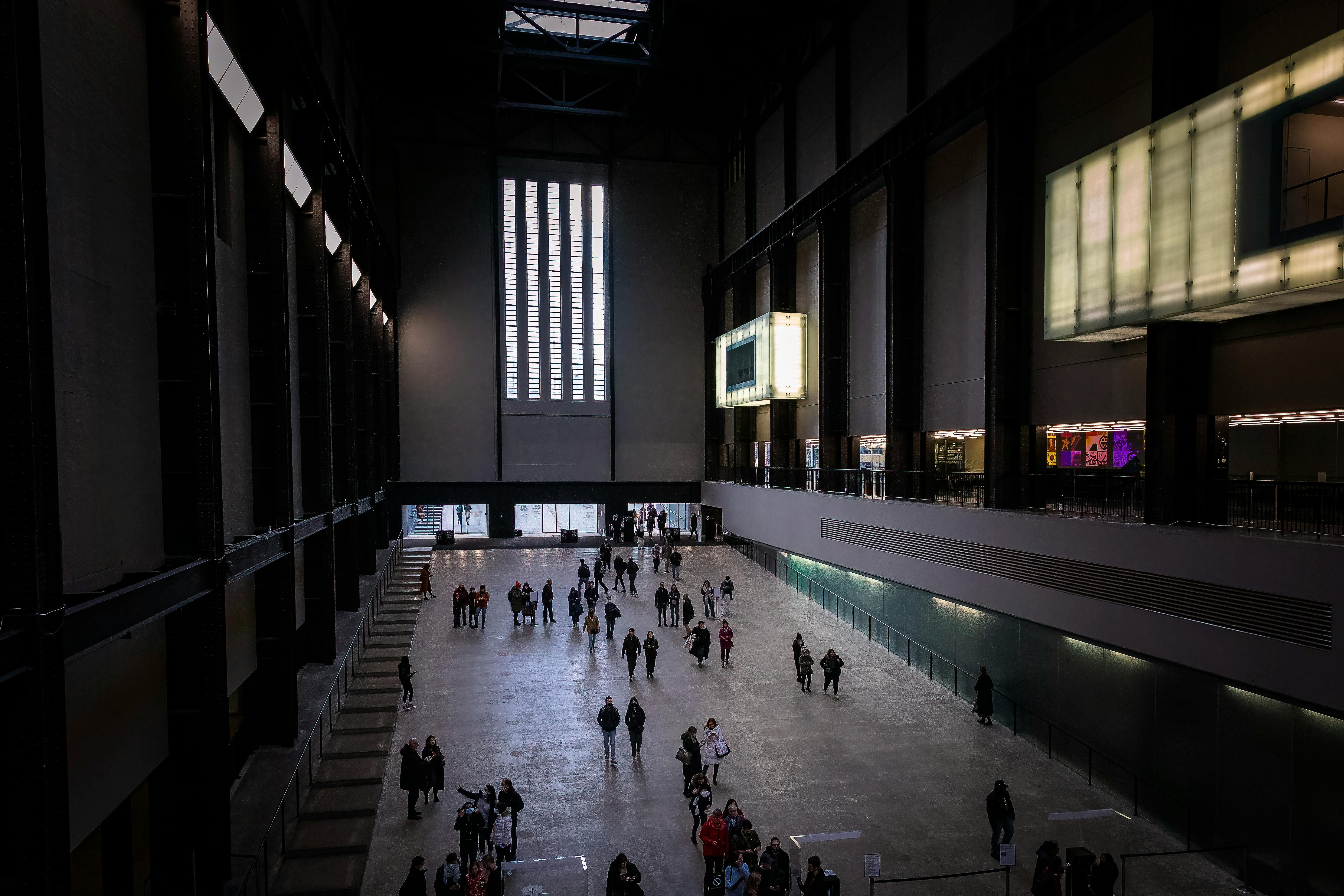
Planning a visit to London's vibrant art scene inevitably leads to the question: "What makes Tate Modern so special, and is it truly worth all the buzz?" My answer, every single time, is an emphatic 'yes.' It's not merely a museum; it's an immersive experience that recalibrates your sense of scale, art, and even your connection to the city itself. I still vividly recall my first step into the colossal Turbine Hall; it felt less like entering a building and more like walking into a captured piece of sky, humbling me with its sheer, breathtaking vastness. That immediate sense of wonder, of being delightfully tiny yet utterly connected to something monumental, is precisely why Tate Modern is so utterly captivating. In this guide, we’ll journey from its gritty industrial origins to its dynamic present, unlocking the secrets of its world-class collection, and sharing insider tips to make your visit truly unforgettable.

From Power Station to Art Mecca: A Tale of Radical Transformation
Tate Modern wasn't born a museum; it had a whole other, much grittier life first. For decades, it was the Bankside Power Station, a truly colossal, oil-fired behemoth that once powered a huge chunk of London. You can still feel that industrial grit in its bones – the towering central chimney (an iconic London landmark in itself), the robust brick facade, the sheer utilitarian scale of it all. It closed in 1981, a period when London was grappling with widespread de-industrialization. The city was actively searching for new cultural anchors to revitalize its post-industrial landscapes, and the South Bank, once an industrial wasteland, was particularly ripe for a renaissance. Debates raged about the power station's future, with many questioning the feasibility of such a monumental transformation.
However, a visionary idea eventually took hold: to convert this industrial cathedral into a cutting-edge home for international modern and contemporary art. This bold undertaking was championed by the then-Director of Tate, Sir Nicholas Serota, who saw not just a building, but the potential for a new kind of museum that could redefine London's cultural landscape.

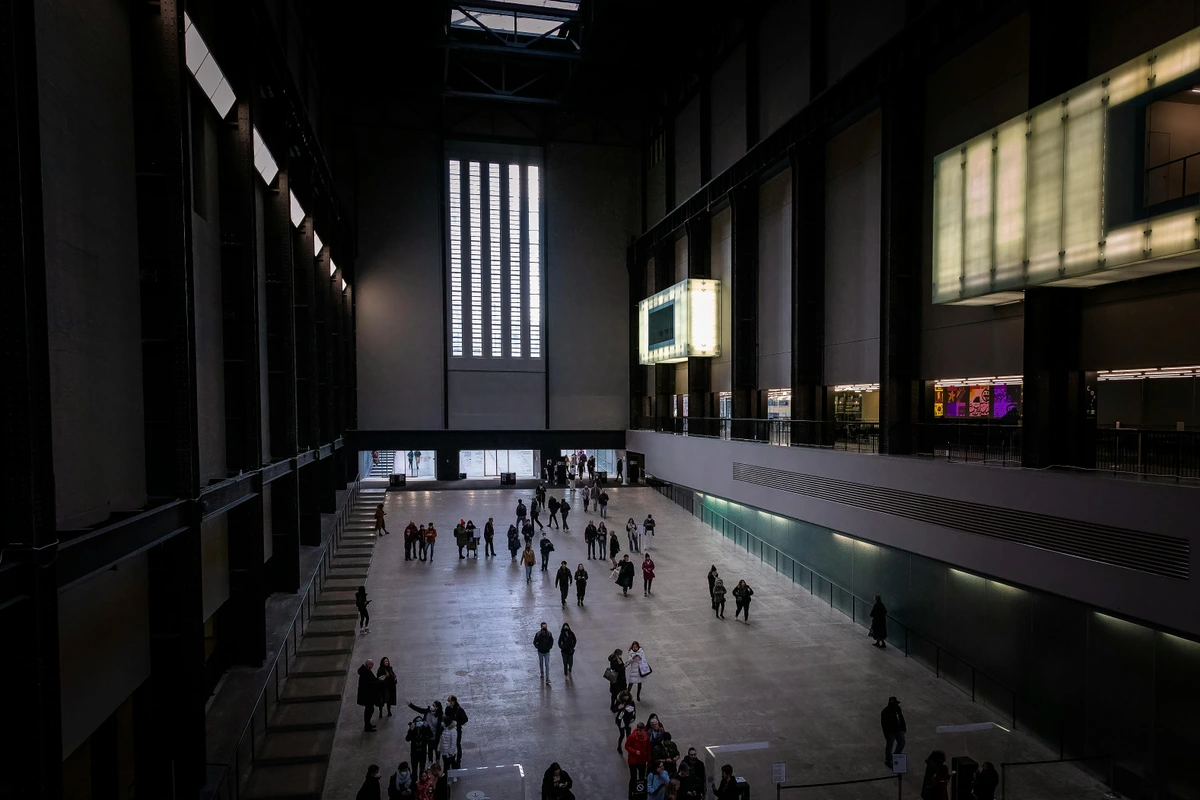
The Swiss architects Herzog & de Meuron won the competition to reimagine the space, facing the monumental challenge of converting massive, high-ceilinged industrial halls into intimate, climate-controlled gallery environments without losing the building's powerful soul. Their genius, I believe, lay precisely in what they didn't change. They preserved and celebrated the building's robust industrial aesthetic, integrating modern infrastructure for lighting and climate control with a light touch. They kept the magnificent Turbine Hall as that jaw-dropping entrance – a stroke of brilliance that turned a functional space, once housing gargantuan turbines, into a monumental stage for contemporary art installations. I remember thinking how perfectly the raw, powerful industrial shell suited the challenging, often monumental art it now housed.
The boiler house, which once generated steam, was converted into flexible, dynamic gallery spaces. This was an incredible feat of engineering that balanced the old structure with new demands for natural light, precise temperature regulation, and smooth visitor flow. It’s a masterclass in adaptive reuse, the practice of repurposing old buildings for new purposes without sacrificing their historical character. This approach isn't just about aesthetics; it's about sustainable urban development and honouring the past while building for the future. It transformed a monument to energy production into a vibrant beacon of creative energy, a true testament to ingenuity. The museum opened its doors in 2000 and instantly changed London's cultural landscape, making the South Bank the place to be, buzzing with life and creativity, a catalyst in its regeneration alongside institutions like the National Theatre and Hayward Gallery.
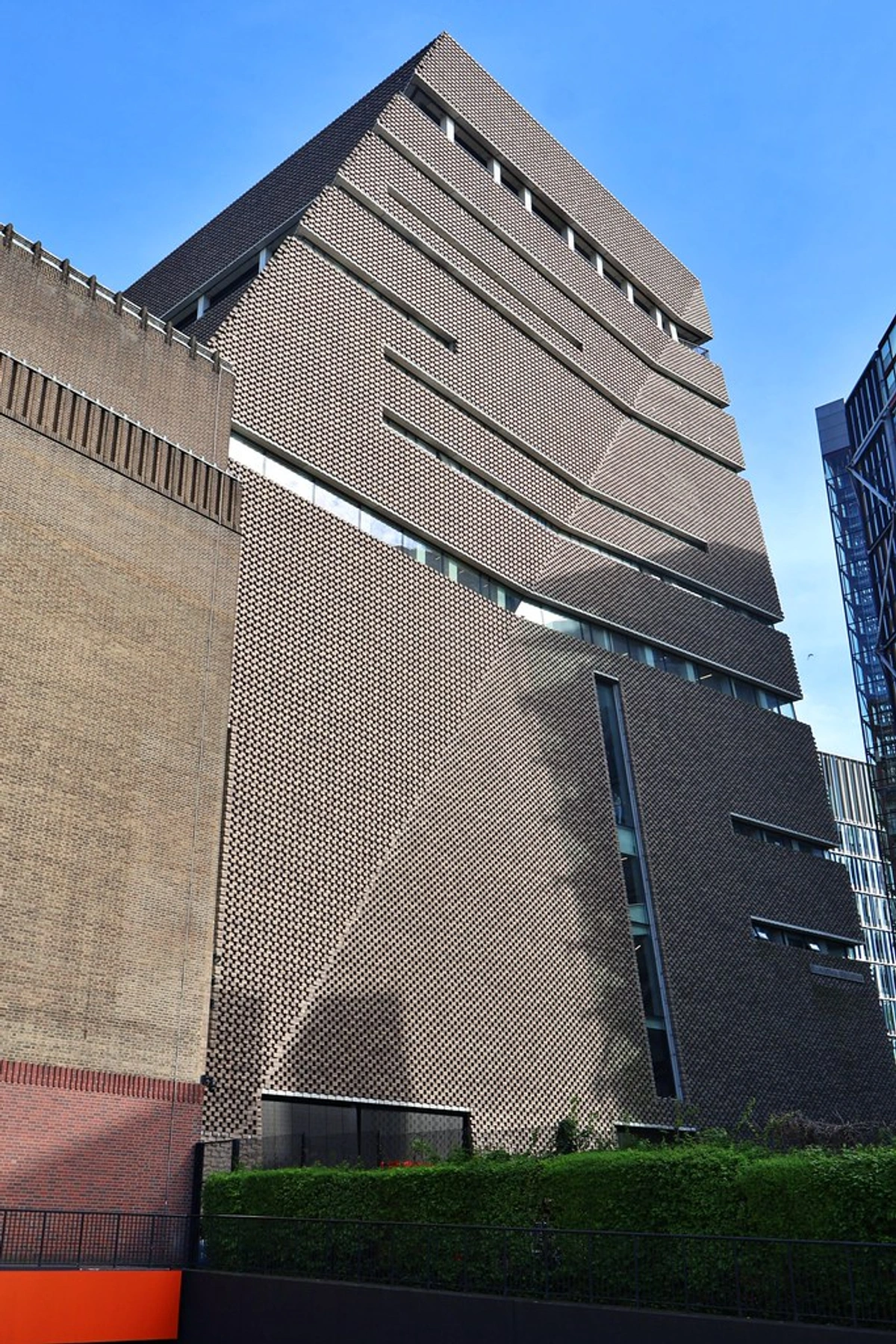
Years later, this architectural dialogue between past and present continued with the addition of the Blavatnik Building (formerly the Switch House) in 2016. This striking, faceted sculptural extension, also by Herzog & de Meuron, twists skyward. Its innovative design not only added vital new gallery and performance spaces – including dedicated areas for live art and film screenings, crucial for contemporary curatorial needs – but also created incredible 360-degree viewing terraces offering unparalleled panoramas of London. The Blavatnik Building's dynamic, almost origami-like form contrasts beautifully with the original building's industrial heft, symbolizing a compelling dialogue between past and present, utility and art, making it an architectural marvel in its own right.
So, What Kind of Art Will You See? Exploring Tate Modern’s Dynamic Collection
This is the big question, isn't it? While its sibling, Tate Britain, houses British art from 1500 to the present, Tate Modern is all about international modern and contemporary art from 1900 onwards. Why 1900? For me, this marks the beginning of truly seismic shifts in artistic thought and global consciousness, a radical departure from established traditions. Think about it: the aftermath of Impressionism and Post-Impressionism, the rise of abstraction, two world wars, decolonization movements, the emergence of mass media, and the profound influence of Freudian psychology – these weren't just historical events; they fundamentally reshaped how artists saw the world and how they chose to express themselves. Art became a powerful tool for questioning, challenging, and redefining reality. Tate Modern was established to fill a crucial gap, offering a dedicated space for this global avant-garde, helping us understand how art has evolved and continues to challenge our perceptions in the tumultuous 20th and 21st centuries. It’s a place that truly helps you grasp these transformations, making it a vital stop on any artistic journey, much like exploring my own timeline of artistic discovery.
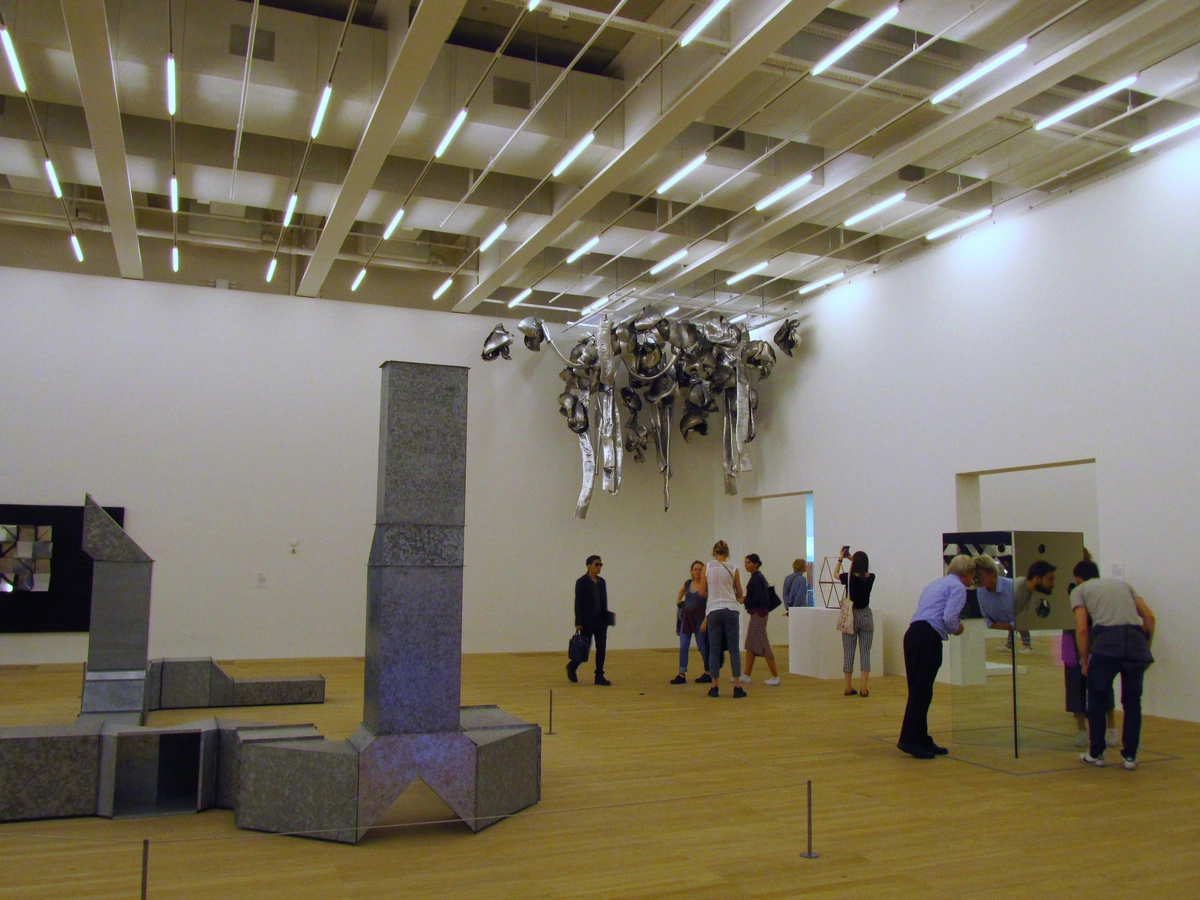
The collection is vast, containing tens of thousands of works, continually growing through strategic acquisitions and generous donations, so they don't show everything at once. Instead, the displays are refreshingly thematic, grouping artworks by ideas rather than just strict chronology. Unlike many museums that rigidly follow a timeline, Tate Modern invites you to consider how different artists, across various eras and geographical locations, grapple with shared human experiences or artistic problems. It’s like organizing a music festival by genre rather than by the year the artists started performing – you discover surprising connections between seemingly disparate acts.
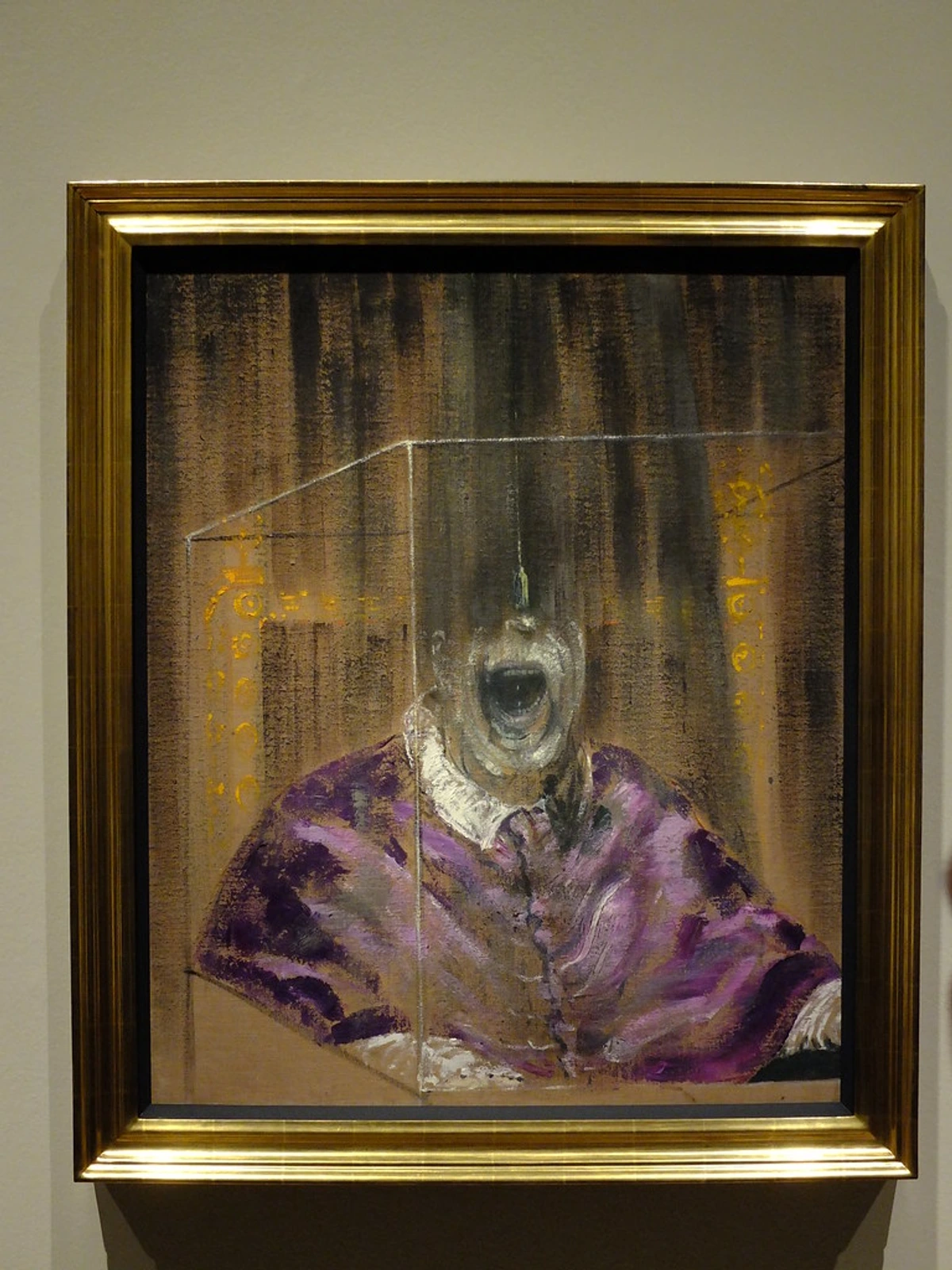
Imagine a gallery exploring "The Body as Subject," or perhaps "Art and Political Protest." Here, you might encounter Francis Bacon's visceral figures, a powerful performance art documentation from the 1970s, and a contemporary photographic series by Cindy Sherman – all in dialogue. The common thread isn't when it was made, but what it communicates about humanity. This thematic approach often creates those wonderful "aha!" moments, encouraging you to draw your own unexpected connections and see art in a fresh, interconnected light.
Major Art Movements and Their Defining Voices
You'll find works from all the major movements here, offering essential building blocks to understand the museum's incredible collection. But how do these movements truly connect, and what makes them revolutionary? Prepare to encounter the undisputed titans of art history, showcasing how artists continually pushed boundaries and redefined what art could be, often in direct response to their turbulent times:
Fauvism
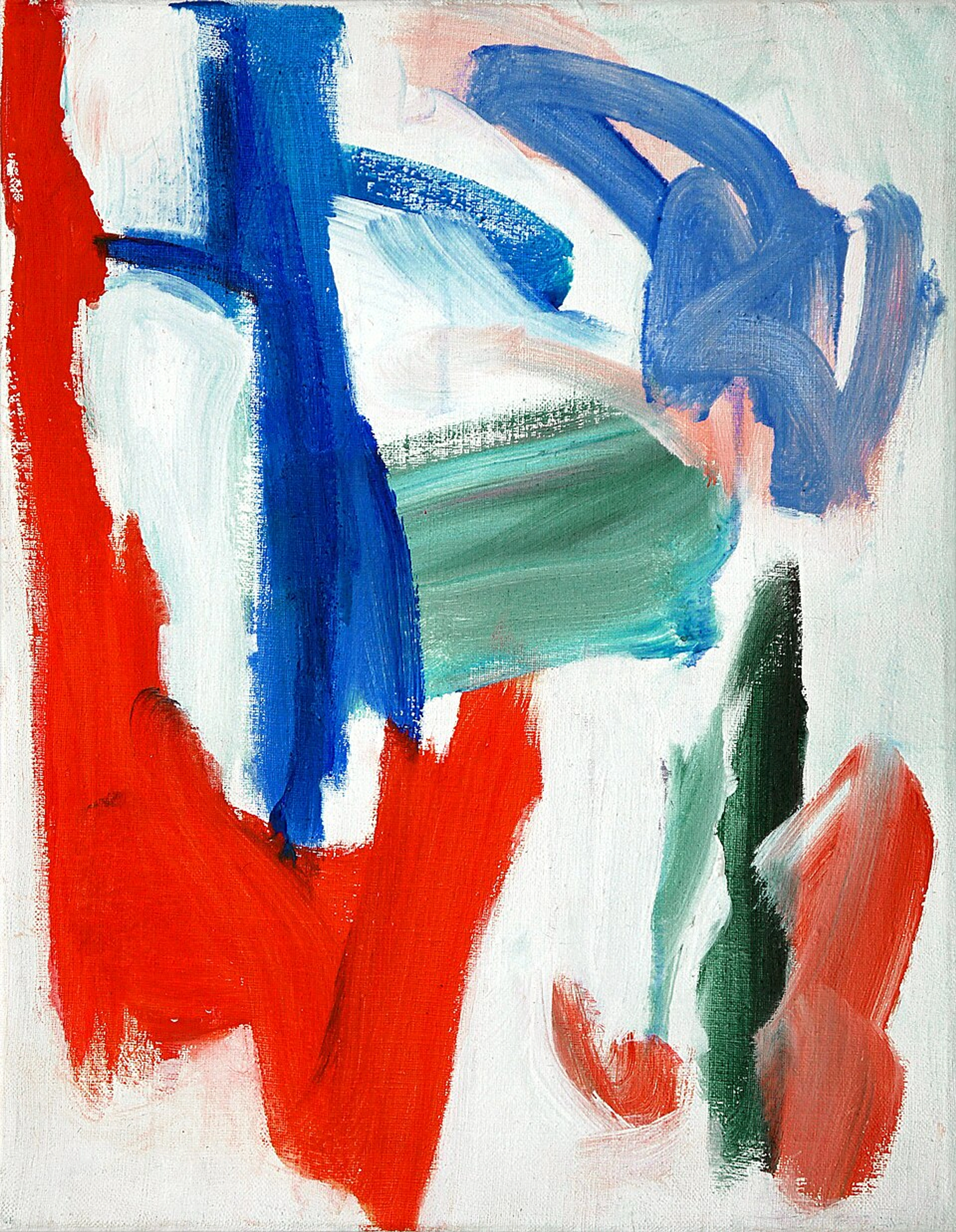
Pre-WWI, characterized by wild brush strokes and strident, often non-naturalistic colours. Think of Henri Matisse, rejecting descriptive or imitative uses of color to express raw emotion and subjective experience. It was a radical burst of color that challenged traditional representation.
Cubism
Revolutionary works by Pablo Picasso and Georges Braque that shattered traditional single-point perspective. They depicted subjects from multiple viewpoints simultaneously, forever changing how we see form and space. It's truly mind-bending when you consider the centuries of artistic conventions they broke around the turn of the 20th century, laying the groundwork for almost all subsequent abstract art. Dive deeper into this revolutionary movement with our ultimate guide to Cubism.
Dadaism
Emerging from the nihilism and disillusionment of WWI, artists like Marcel Duchamp embraced irrationality and anti-art sentiments, challenging the very definition of art itself. Their provocative "readymades" (everyday objects presented as art) fundamentally questioned authorship and aesthetic value. This radical questioning of traditional values resonates powerfully with the industrial transformation narrative of the museum building itself.
Surrealism
Deeply psychological dreamscapes from artists like Salvador Dalí (you might even spot a melting clock sculpture outside near the London Eye, a nod to his iconic The Persistence of Memory!) and René Magritte. They delved into the subconscious mind, liberating imagination from rational control, often creating images that are both unsettling and profoundly beautiful. Their aim was to unlock the power of dreams and the unconscious to reveal a deeper reality. For more on the lasting impact of this movement, explore the enduring legacy of Surrealism.

Constructivism
Pioneered in revolutionary Russia, focusing on abstract, geometric forms and a functional aesthetic, with artists like Alexander Rodchenko. Its influence extended beyond painting and sculpture into design, architecture, and propaganda, reflecting a utopian desire to build a new, modern world and serve societal needs. This movement saw art as a tool for social engineering.
Bauhaus
A highly influential German art school that fundamentally shaped modern design, art, and architecture. Artists like Paul Klee and Wassily Kandinsky taught there, integrating fine art with craft and emphasizing functionality, industrial production techniques, and the idea of a holistic approach to design. Bauhaus principles continue to influence design today.
Abstract Expressionism
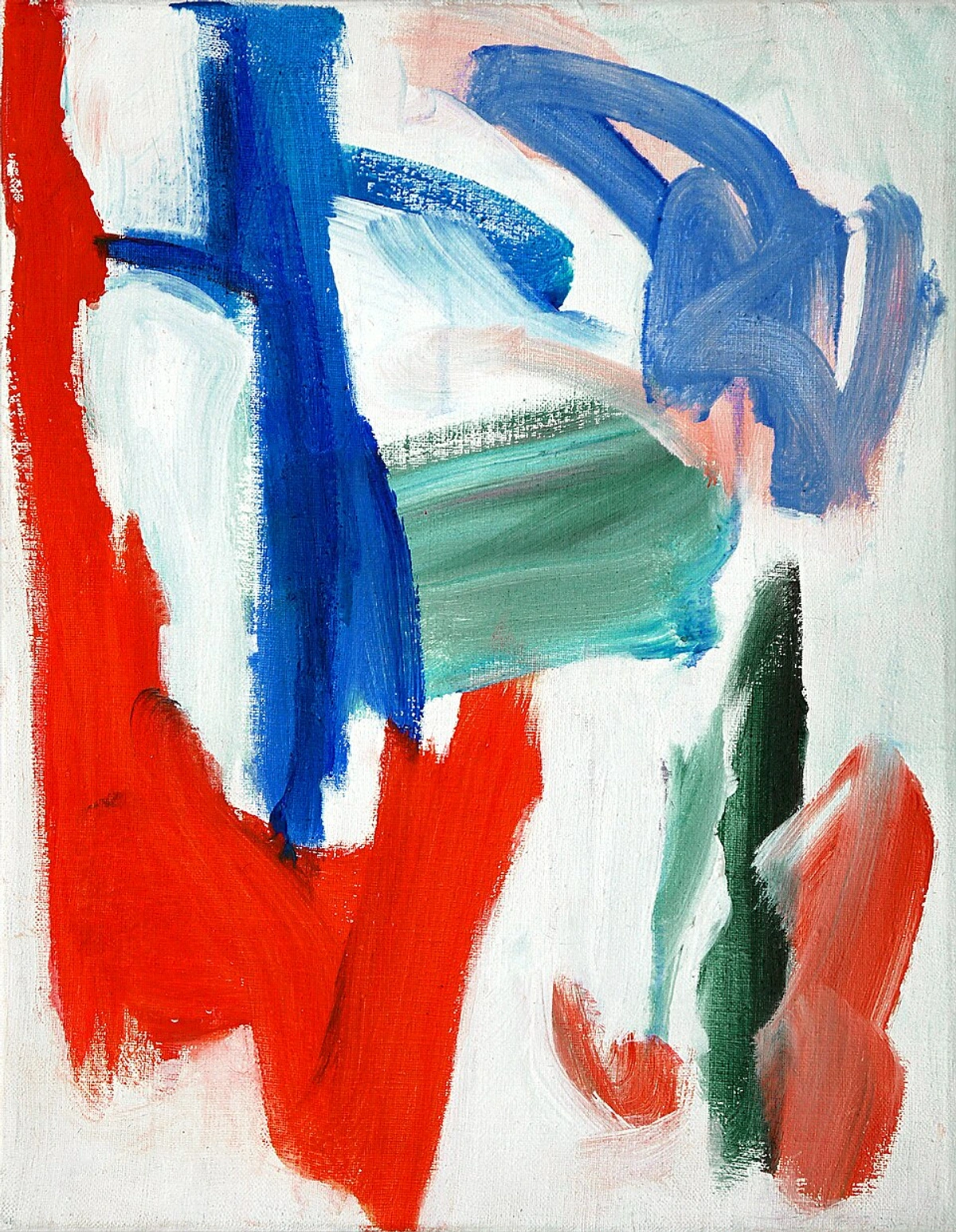
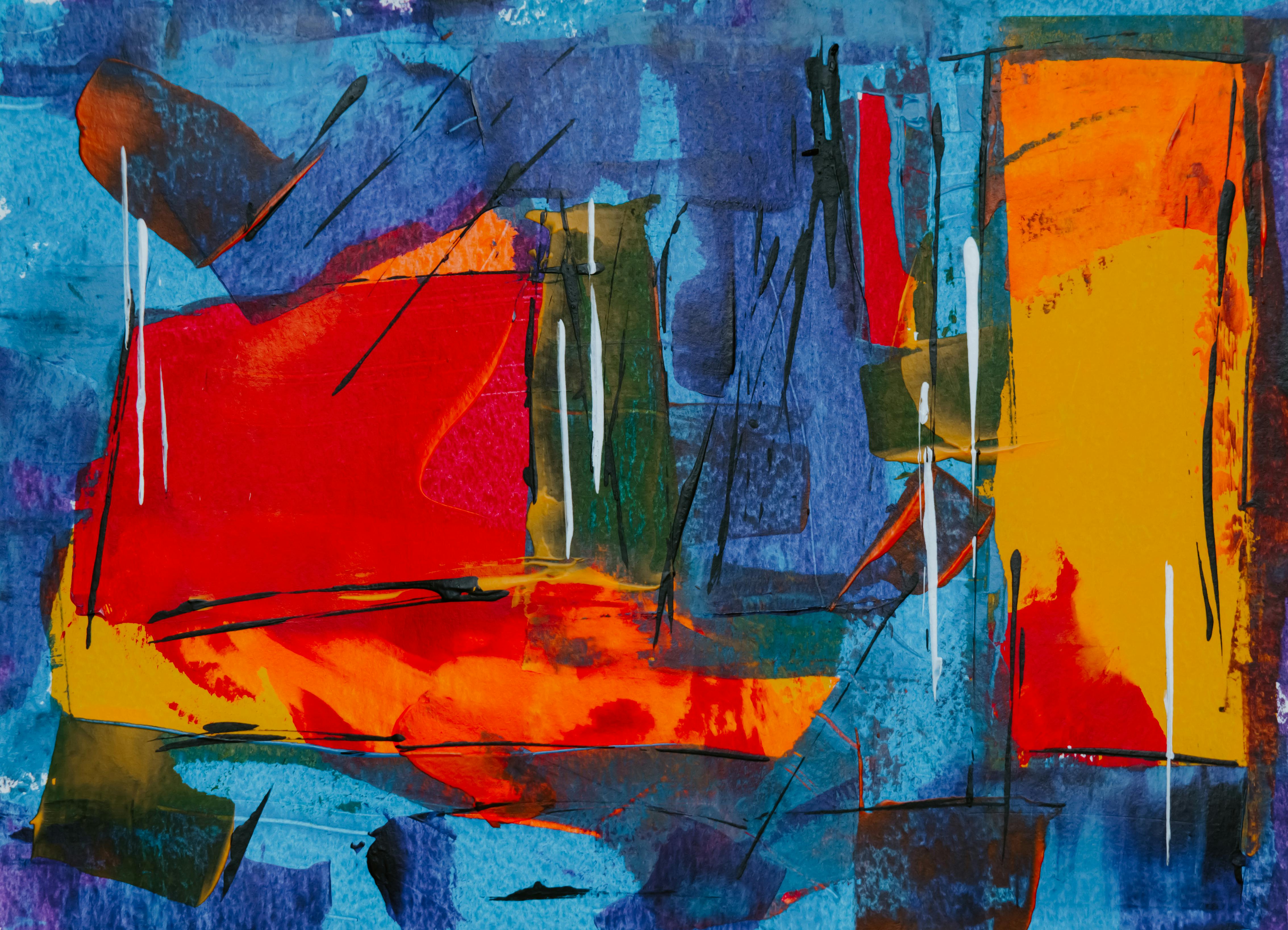
The raw, visceral emotion of Mark Rothko with his profound color fields, and Jackson Pollock with his energetic drip paintings. These American pioneers emphasized spontaneous, automatic, or subconscious creation, making the act of painting itself a subject and an expression of inner turmoil or spiritual yearning. Willem de Kooning is another towering figure in this revolutionary time, known for his powerful, gestural brushwork. For more on this, check out the definitive guide to the history of abstract art.
Pop Art
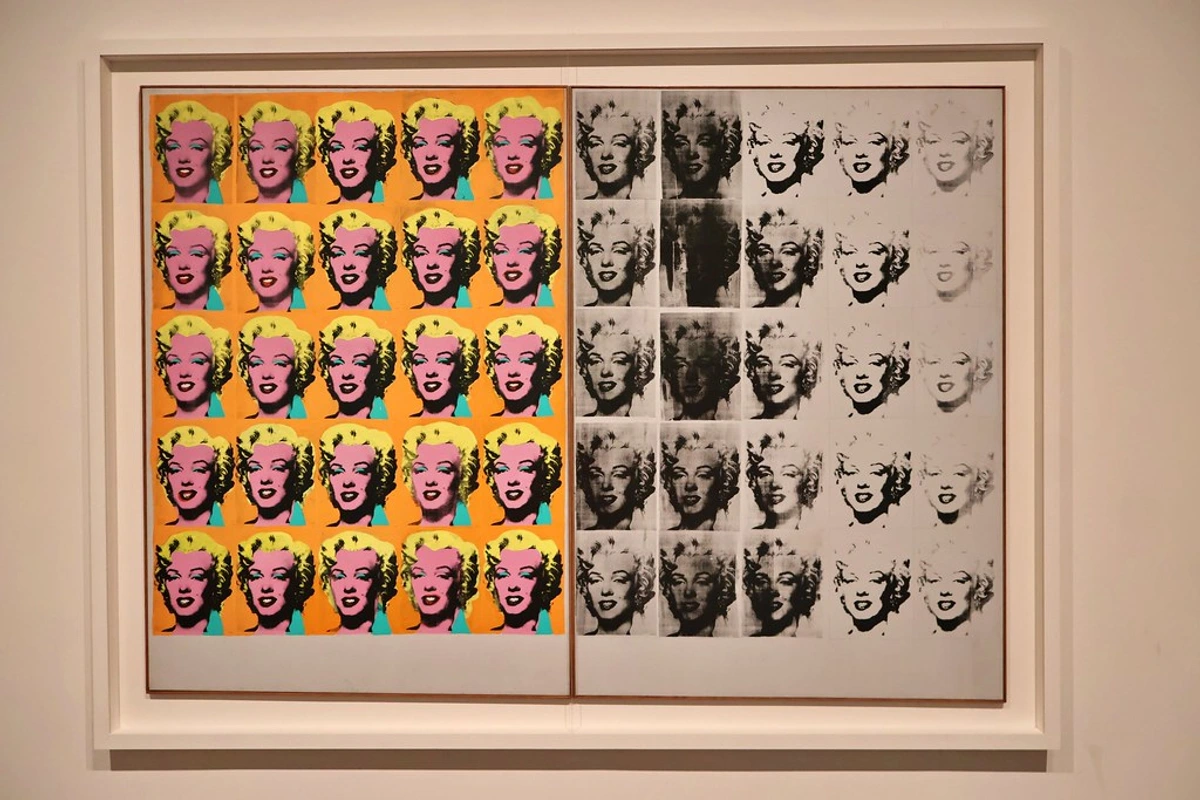
The vibrant, celebrity-obsessed world of Andy Warhol (look out for his iconic Marilyn Diptych and Campbell's Soup Cans) and Roy Lichtenstein. They blurred the lines between high art and popular culture, drawing inspiration from advertising, comic books, and everyday objects, forcing us to reconsider what "art" could be. Their playful yet critical engagement with consumerism and mass media still feels incredibly relevant today.
Minimalism
The serene, contemplative works of artists like Agnes Martin and Donald Judd, focusing on essential forms, geometry, and often industrial materials to create profound, stripped-down experiences. It's art that asks you to feel rather than interpret, removing the artist's hand to highlight pure form and space, often demanding an almost spiritual contemplation. For more, see the ultimate guide to Minimalism.
Arte Povera
An Italian art movement from the late 1960s, using "poor" or everyday materials and found objects – such as soil, rags, and industrial debris – to challenge conventional art practices, critique consumer society, and connect art directly to life. Artists like Jannis Kounellis and Mario Merz are key figures, bringing raw materiality and symbolic gestures into the gallery.
Conceptual Art
Emphasizes the idea or concept behind the artwork over the aesthetic or material form. Artists like Sol LeWitt or Joseph Kosuth explored how art could exist purely as an idea, often using text, diagrams, or simple instructions, challenging traditional notions of authorship, craftsmanship, and the very objecthood of art itself. The mental process becomes the art.
Contemporary Art
Cutting-edge installations, photography, and video art from living artists around the globe, like Pipilotti Rist, Yayoi Kusama, Ai Weiwei, Marina Abramović, or even the enigmatic Banksy. This is where art engages directly with pressing social and political issues of our time, often incorporating new technologies like digital media, interactive elements, and even bio-art. It's diverse, often challenging, and constantly evolving – a direct reflection of our globalized, fast-paced world. Tate Modern is at the forefront of exhibiting these boundary-pushing expressions, often inviting critical dialogue about art's role today.
Beyond the Canvas: Photography, Film, and Installation Art
Tate Modern's collection is truly multidisciplinary, reflecting the expansive nature of modern and contemporary artistic practice. Beyond the iconic paintings and sculptures, you'll find entire floors or dedicated sections exploring mediums that have reshaped our visual culture:
Photography
Chronicling the medium's evolution from documentary and experimental approaches to conceptual art photography and portraiture. The Tate has been instrumental in championing photography as a fine art, showcasing seminal works by masters like Man Ray, Dora Maar, Robert Frank, and Cindy Sherman, as well as emerging talents. These works explore how the lens shapes our perception of reality, challenging societal norms and documenting historical moments, pushing the boundaries of what a photograph can be.
Film & Video Art
Showcasing how artists use moving images to explore narrative, abstraction, and social commentary, often creating immersive environments. From early experimental films to cutting-edge digital installations by pioneers like Nam June Paik to contemporary video artists, these works challenge traditional viewing experiences, often engaging the viewer in deeply personal or politically charged ways. They highlight how the moving image has become an indispensable tool for artistic expression, blurring the lines between cinema and fine art.
Digital and New Media Art
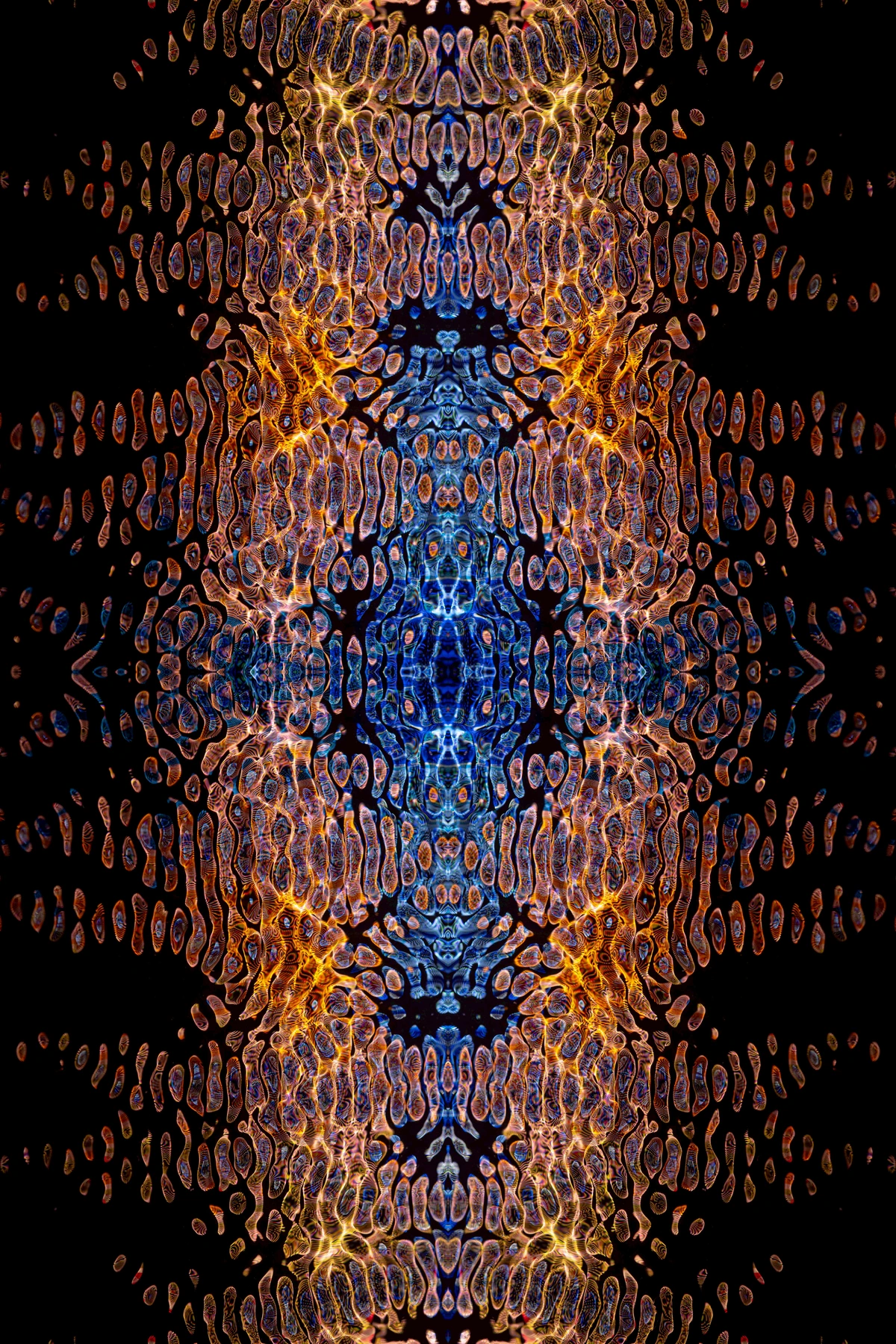
Tate Modern increasingly embraces digital art, interactive installations, and works that incorporate AI or augmented reality. These pieces often push the boundaries of technology and perception, reflecting the ever-evolving tools and concerns of contemporary artists. Don't be surprised to find yourself immersed in a reactive digital landscape or interacting with an artwork that learns and changes. While Tate Modern is attentive to evolving art forms, its focus remains on the inherent artistic and conceptual merit of artworks, approaching new technologies with a critical and curatorial lens, rather than uncritically embracing the speculative market trends often associated with certain digital assets like NFTs. Their interest is in the art, not the asset.
Performance Art Documentation
While inherently ephemeral, the museum collects documentation (photos, videos, scripts, props) of groundbreaking performance art that challenged traditional notions of artistic creation. This allows future generations to engage with radical works by artists like Marina Abramović or Joseph Beuys that might otherwise be lost to time, ensuring their conceptual and historical impact is preserved and understood. It’s a challenging but crucial aspect of a contemporary collection, reminding us that art can be an action, not just an object.
These diverse disciplines underscore Tate Modern's commitment to presenting a holistic, forward-thinking view of modern and contemporary artistic practice, constantly evolving to reflect the world around us.
Can't-Miss Masterpieces & Key Works
While the collection rotates, some icons are almost always on display – or they're so intrinsically linked to Tate Modern's identity that they feature prominently. When you go, keep an eye out for these heavy hitters. They really define the breadth and depth of Tate Modern's holdings, representing some of the most important artists of the modern era. Imagine standing before them, letting their presence wash over you. It's truly an experience.
Artist  | Artwork | Approximate Location (Gallery/Floor) | Why It's a Must-See | A Personal Note |
|---|---|---|---|---|
| Louise Bourgeois | Maman | Exterior, South Entrance | A gigantic, terrifyingly beautiful spider sculpture, a powerful ode to motherhood and primal fear. It offers an unforgettable, almost confrontational welcome. The spider, a recurring motif for Bourgeois, symbolizes her complex relationship with her mother – a protector and an intimidating figure. | You'll likely spot it even before you enter! Its sheer scale and unsettling beauty always make me stop and think about the intricate bonds of family and the unexpected forms protection can take. I always feel a thrill of awe mixed with a touch of unease when I first see Maman – it's a truly visceral greeting. |
| Claude Monet | Water-Lilies | Level 2, Duveen Galleries (often) | An immersive, impressionistic masterpiece. While earlier than most (pre-1900), Monet's radical exploration of light and atmosphere, and his focus on subjective perception and the dissolution of form, fundamentally paved the way for modern art's abstract shifts. He is an essential precursor to modern abstraction. | Standing before these, I always marvel at how Monet, so ahead of his time, captured fleeting moments, almost like a precursor to abstract expressionism. It’s a moment of calm, and a reminder of art’s endless evolution. |
| Mark Rothko | The Seagram Murals | Level 2, specific Rothko Room | A deeply meditative encounter with color and scale. These monumental, maroon-hued paintings, originally commissioned for the Seagram Building restaurant in New York, are intended to envelop the viewer in profound emotion and spiritual contemplation, demanding quiet introspection and a unique sensory immersion. | When I stand before Rothko's Seagram Murals, it feels less like looking at art and more like stepping into a colour field. The intensity is profound, and it’s easy to lose yourself for a good few minutes. It’s a powerful reminder that art can bypass the intellect and speak directly to the soul. |
| Andy Warhol | Marilyn Diptych | Level 2, Pop Art Gallery | The ultimate Pop Art statement, a powerful commentary on celebrity, consumerism, and the fleeting nature of fame through the iconic repetition of Monroe's image. A true icon of the mid-20th century, capturing the essence of an era. | This piece always sparks a conversation in my head about fame and its cost. Warhol captured the essence of an era, and it still feels incredibly relevant today, a stark mirror held up to our media-saturated world. |
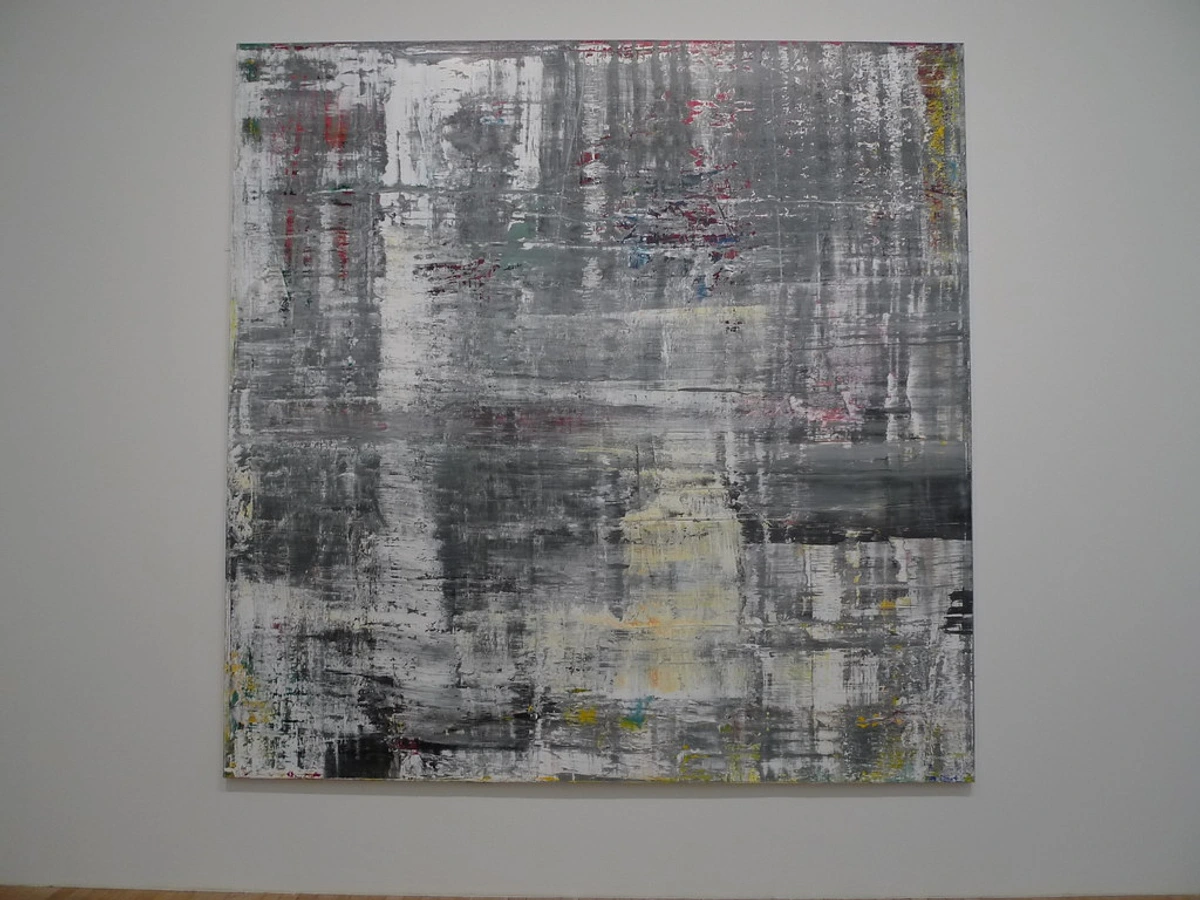
| Gerhard Richter | Cage Paintings (or similar abstract work) | Level 4, contemporary abstract | Raw, visceral explorations of abstraction where Gerhard Richter's unique scraping and layering techniques create complex textures and profound emotional depth. His method involves dragging wet paint across the canvas with a squeegee, building up and stripping away layers to achieve a remarkable sense of movement and depth, creating an almost archaeological record of the painting process itself. This technique allows for both control and accident, resulting in truly unique surfaces. | These paintings, to me, are like peering into an artist's soul, witnessing the constant struggle and discovery in creation. The textures are so rich, inviting you to reflect on the very nature of painting and perhaps even explore texture in your own way. |
Temporary Exhibitions: Pushing Artistic Boundaries
Tate Modern is renowned not just for its permanent collection but also for its ambitious temporary exhibitions. These often feature groundbreaking solo shows of major international artists (think hugely popular retrospectives of Kusama or Picasso), explore specific art historical themes in novel ways, or commission spectacular, large-scale installations specifically for the immense Turbine Hall. Remember Olafur Eliasson's The Weather Project (a mesmerizing indoor sun), Doris Salcedo's Shibboleth (a massive crack in the floor, symbolizing division), El Anatsui's Shikra (cascading bottle-top tapestries), Superflex's One Two Three Swing! (a multi-person swing set), or Carsten Höller's Test Site (giant slides)? These blockbuster shows are central to the museum's mission of engaging with contemporary artistic practice and often attract global attention, providing a vital platform for both established and emerging artists to tackle monumental spaces and challenging ideas.
These exhibitions might involve immersive digital environments, interactive sculptures, or powerful, politically charged works. I highly recommend checking their website and booking tickets far in advance for these – often 3-6 months out for popular blockbusters. Seriously, if you have your heart set on a specific show, book early; the disappointment of missing out is very real, and trust me, I've learned that lesson the hard way!
Planning Your Visit: Making the Most of Your Tate Modern Experience
So, you're ready to dive into the incredible world of Tate Modern! To help you make the most of your experience, ensuring you leave inspired, enriched, and not utterly exhausted (a common museum-goer affliction, if I'm being honest), here’s what you need to know.
Finding Your Way: Location and Getting There
Location: Bankside, London SE1 9TG. It's perched right on the River Thames, making for a beautiful walk from landmarks like Shakespeare's Globe and Borough Market. The iconic Millennium Bridge connects it directly to St. Paul's Cathedral on the other side – a truly grand and pedestrian-friendly way to arrive! I always feel a sense of ceremony walking across it.
Nearest Tube stations:
- Southwark (Jubilee Line)
- London Bridge (Jubilee, Northern Lines, and National Rail)
- Blackfriars (District, Circle Lines, and National Rail – this one leads right onto the Millennium Bridge). For me, this is the most atmospheric approach.
Entry, Tickets, and How Long to Stay
Cost: This is the best part, in my opinion. Entry to the main permanent collection is completely free. You only need to pay for the major temporary exhibitions. For these, I highly recommend booking tickets online, far in advance (often 3-6 months out for popular shows), as they consistently sell out. Seriously, if you have your heart set on a specific show, book early; the disappointment of missing out is real! Remember, truly enriching art doesn't always have to break the bank.
How Long Should You Spend? You could easily spend a whole day here and still not see everything (trust me, I've tried, and the resulting 'museum fatigue' is a real phenomenon!). For a first visit, I'd recommend giving yourself at least 3-4 hours to avoid rushing. That gives you time to explore a few galleries, experience the awe of the Turbine Hall, and maybe grab a coffee with a view. If you're tackling a temporary exhibition, add another 1.5-2 hours. If you’re a keen art historian, you could dedicate an entire day, or even two shorter visits, to fully absorb it all.
Making the Most of Limited Time & Combating Museum Fatigue: Feeling overwhelmed by the sheer scale? My advice: pick just one or two floors or thematic sections that genuinely pique your interest. Don't try to see everything. Instead, focus on experiencing a few works deeply, allowing yourself time for quiet contemplation. Take regular breaks – grab a coffee, sit on a bench, or step outside for some air. And always, always make time for the Turbine Hall and the top-floor viewing terrace. You'll leave feeling satisfied and inspired, not frantic and exhausted.
Beyond the Art: Views, Amenities, and Inspiration
Don't Miss the View: Seriously, don't! Head to the top floor of the Blavatnik Building (Level 10, if memory serves). The free viewing terrace offers one of the absolute best panoramic views of London – a fantastic perspective of St. Paul's Cathedral, the Thames, and the city skyline. It’s truly worth the trip alone, offering a moment of quiet reflection amidst the urban sprawl. I always find it a great place to digest the art I've just seen.
Accessibility: Tate Modern is committed to being accessible to all visitors. They offer ramps, lifts, and accessible facilities throughout the building, including specific services like audio descriptions for visually impaired visitors, tactile models of key artworks, large print guides, and designated quiet spaces during certain hours. They truly make an effort to ensure everyone can enjoy the art comfortably. Check their website for specific details and services before your visit, especially if you have particular needs.
Cafes & Restaurants: From quick coffees in the Turbine Hall (Level 0) perfect for people-watching, to a casual cafe on Level 4 of the Blavatnik Building, and even fine dining with incredible river views at the Kitchen and Bar (Level 6, Boiler House) offering modern British cuisine, Tate Modern provides various options to refuel and relax. It's a great opportunity to soak in the atmosphere, discuss the art you've seen, or just people-watch (my personal favorite pastime).
Gift Shop: Yes, there are several! The main shop on Level 0 offers a huge range of art books, prints, and unique gifts. Smaller shops can often be found near temporary exhibitions. Just try not to break the bank; I know it’s tempting, but my budget for art books has its limits!
Educational Programs: This is where Tate Modern truly shines for all ages. They offer a wealth of family-friendly activities, workshops (from creative drawing sessions inspired by a current exhibition to engaging digital art sessions for teens), and insightful guided tours. For instance, you might find interactive digital installations designed specifically for kids, or scavenger hunts that make exploring the galleries an adventure. It makes it an excellent destination for art lovers of all ages, proving art isn't just for adults. I remember seeing a group of children utterly captivated by a large-scale installation, proving that art speaks to everyone, no matter their age.
Seeing so much incredible art in one place can be overwhelming, but it's also a huge source of inspiration. It reminds you of the infinite ways there are to see the world, potentially sparking your own creative journey, much like my own on the timeline of artistic discovery.
Frequently Asked Questions (FAQ)
Here are some of the questions I often hear about Tate Modern. Hopefully, these quick answers help you plan your visit!
What is the difference between Tate Modern and Tate Britain?
Tate Modern focuses on international modern and contemporary art from 1900 to the present day, embracing the revolutionary shifts in art, philosophy, and society that began around the turn of the 20th century (think Cubism, Surrealism, Abstract Expressionism). Its building is a striking example of industrial adaptive reuse. Tate Britain, in contrast, showcases British art exclusively, covering works from the 1500s right up to the present, housed in a more classical architectural setting. They offer distinct but complementary experiences, each with its own fascinating story to tell.
Is Tate Modern free to enter?
Yes, absolutely! Entry to the main permanent collection galleries is completely free for everyone. You only need to purchase tickets for special, temporary exhibitions, which are usually ticketed separately and often require advance booking due to their immense popularity. I always recommend checking their website well in advance if there's a specific temporary show you want to see.
What is the giant spider outside Tate Modern?
That is the iconic sculpture Maman by Louise Bourgeois. It's one of the most famous and beloved pieces associated with the museum, symbolizing both maternal protection and primal fear. Bourgeois often used the spider motif to represent her own mother, a weaver, making it a complex and powerful emblem of creation, domesticity, and vulnerability. It's quite a powerful welcome indeed!
What is the Turbine Hall used for?
The Turbine Hall is a monumental exhibition space specifically designed for large-scale, specially commissioned site-specific installation art. Historically, it housed the power station's electricity generators. Today, the artist chosen to fill this immense space changes regularly, ensuring there's always something new and spectacular to see, from towering structures and interactive digital environments to immersive, often interactive, environments that directly engage with the scale and history of the hall itself. It's a platform for artists to truly challenge scale and perception, and for visitors to experience art in a truly unique way.
How long should I spend at Tate Modern?
I generally recommend setting aside at least 3-4 hours for a solid first impression. This allows you ample time to explore a couple of permanent collection floors, marvel at the Turbine Hall installation, and soak in the incredible views from the Blavatnik Building's terrace. If you're a serious art lover or have tickets for a temporary exhibition, you could easily spend an entire day, or even plan two shorter visits (and perhaps avoid museum fatigue!). To minimize crowds, I'd suggest visiting on a weekday morning, right at opening time, or considering a Thursday late opening if available. Avoid mid-afternoon on weekends if possible.
Is Tate Modern good for kids and families?
Absolutely! The sheer scale of the Turbine Hall is often a winner with kids, and the museum has excellent, regularly changing family-friendly activities, workshops (like creative drawing sessions inspired by the collection), and even sensory maps designed to engage young minds. It's an inspiring place for all ages to discover art together, and they do a fantastic job of making modern art accessible and fun for everyone.
Can I take photos inside Tate Modern?
Generally, yes, photography is allowed for personal, non-commercial use in the permanent collection galleries. However, flash photography is strictly prohibited as it can damage artworks and disturb other visitors. Always look for signage before snapping away, as some temporary exhibitions may have specific restrictions. When in doubt, it’s best to ask a member of staff.
Does Tate Modern engage with NFTs or blockchain art?
Tate Modern, like many established institutions, is exploring the evolving landscape of digital art, including NFTs, but often with a cautious and analytical approach. While they are keen to represent cutting-edge artistic practices, their engagement typically focuses on the artistic and conceptual value rather than speculative market trends. You might see digital art displayed that utilizes blockchain technology, but the museum prioritizes the artwork itself over the underlying technology, maintaining a critical and academic distance from the more volatile aspects of the NFT space, and considering factors like environmental impact and long-term artistic merit. Their interest is in the art, not the asset.
Does Tate Modern have a gift shop or cafe?
Yes, Tate Modern features several shops offering a huge range of art books, prints, and unique gifts, perfect for souvenirs or diving deeper into art. There are also multiple cafes and restaurants, from quick grab-and-go options to fine dining with spectacular river views, perfect for a break or a meal. My personal favorite is the top-floor restaurant for the views – it’s an experience in itself!
What is the best time to visit Tate Modern?
To avoid the biggest crowds, I recommend visiting on weekday mornings, especially closer to opening time (usually 10:00 AM). Weekends and school holidays tend to be much busier. If you're going for a specific temporary exhibition, booking an early slot often provides a more serene viewing experience. Seriously, if you want to avoid the throngs, an early start is your best friend!

Final Thoughts: Tate Modern’s Enduring Impact
For me, Tate Modern is more than just a collection of objects on walls. It’s a space that challenges you, inspires you, and sometimes just makes you stop and say, "wow." It's a testament to the power of art to transform not just a building, but an entire city neighborhood, proving that industrial relics can become vibrant cultural beacons. Its immense collection and transformative architecture serve as a potent reminder of art's power to reinterpret spaces and inspire us all. It's a place that encourages us to see the world anew, fostering a deeper appreciation for human creativity and perhaps even igniting our own artistic inclinations.
Whether you're an art history buff, a curious traveler, or someone who just wants to see something cool, it’s a place that consistently delivers an enriching experience. It is a vital stop on any artistic journey, a place where you can witness the ongoing dialogue of modern and contemporary art unfold. After soaking in such incredible creativity and witnessing the endless possibilities of artistic expression, you might find yourself drawn to collecting your own piece of this vibrant dialogue, bringing a fragment of contemporary vision into your own life – you can always buy original art or prints right here. I truly hope your visit becomes a memorable and enriching stop on your journey too.