Jean Dubuffet: The Ultimate Guide to Art Brut, Radical Genius & Raw Expression in an AI Age
Dive deep into Jean Dubuffet's radical world: discover his Art Brut philosophy, explore his unconventional artistic periods (Hautes Pâtes, L'Hourloupe), and understand his enduring legacy for authentic, human expression amidst AI's rise. An essential guide for artists and enthusiasts.

Jean Dubuffet: The Ultimate Guide to Art Brut, Radical Genius & Raw Expression in an AI Age
What is art, truly? And who, in the grand scheme of things, gets to decide? From ancient cave paintings to Renaissance masterpieces, and on to the dizzying abstractions of the 20th century, humanity has constantly grappled with these questions. Philosophers like Plato might have seen art as a mere imitation, while later thinkers emphasized its ability to evoke emotion or challenge perception. But I'll be honest with you. The first time I encountered a Jean Dubuffet piece, I was utterly perplexed. It just looked… raw. Messy, childish, and frankly, a bit ugly. It was gritty, thick, and seemed to gleefully ignore every single rule I'd ever learned about what makes "good" art. I remember thinking, "This can't be serious, can it?" That initial jolt, that feeling of being genuinely challenged, is precisely the point of Art Brut.
It's an art that refuses to be polite, an art that strips away all pretense and academic polish to reveal something primal, something profoundly human. If you’ve ever felt that the traditional art world can be a bit… stuffy, a bit too clean and academic, then Dubuffet is absolutely your guy. He's the patron saint of the raw, the unfiltered, and the brilliantly unconventional. He’s the artist who reminds us that beauty isn’t always found in perfection, but often in the places we’ve been taught to overlook. In a world that increasingly values perfection and algorithmic precision, Dubuffet’s insistence on the raw, the messy, and the deeply human feels like a defiant, necessary breath of fresh air. It's a truth I grapple with daily in my own studio, trying to ensure my hand, my human touch, remains visible, undeniable, especially when so much art feels mass-produced. So, settle in. We’re about to get into his extraordinary world and discover why his vision remains so vital for anyone seeking authentic expression.
Jean Dubuffet: The Unlikely Merchant Who Forged a Radical Artistic Path
To truly understand Dubuffet's radical vision, we must first look at the unconventional path of the man himself. Born in Le Havre, France, in 1901, Jean Dubuffet wasn't your typical artist who spent his entire life cloistered in a studio. His journey was, to put it mildly, circuitous. He briefly studied at the Académie Julian in Paris but, convinced of its futility and the stifling nature of academic training, quickly dropped out. He found the traditional art school environment sterile and uninspiring, dominated by dogmatic rules, an overemphasis on imitating past masters, and a stifling lack of original thought.
What specifically annoyed him? Think of the Salon system, where rigid juries dictated taste and skill based on centuries-old conventions. He wasn't interested in art that simply echoed what had come before; he craved something fundamentally new, something that burst forth without the constraints of historical precedent or market expectations. He questioned the very notion of 'skill' as taught in academies, believing it often led to a polite, predictable art devoid of genuine feeling.
For years, he ran his family’s successful wine business – a merchant, not a bohemian artist. These periods of immersion in commerce (notably 1925-1930 and 1937-1942) provided him with a stark contrast to the art world, grounding him in practical reality. I often think about this aspect of his life. It’s crucial, isn't it? He wasn't some prodigy groomed from birth for the art world. He was a man who lived a full, messy, complicated life – full of commerce, responsibility, and the kind of real-world experiences that most academic artists never touch. This commercial grounding might even explain his later shrewd navigation of the art market, despite his critiques of it.
This unconventional path, combined with the intellectual ferment of post-WWII Paris – a melting pot of existentialist thought (think Jean-Paul Sartre and Albert Camus questioning meaning in a shattered world), Surrealist experimentation (though Dubuffet diverged significantly from figures like André Breton, he shared an interest in the subconscious), and a profound questioning of European cultural values – allowed him to approach art with a truly outsider perspective. The trauma of war, the collapse of old certainties, and a societal need to rebuild meant a fertile ground for radical new ideas about what mattered, and what art could be. Existentialism, in particular, resonated with his search for authentic being and expression in a world stripped of inherited meaning. It was this unique, unburdened viewpoint that propelled him to seek art far beyond the traditional confines. He wasn't interested in impressing critics or fitting into a prescribed art movement like Cubism because he found such structures artificial and limiting. He was interested in what felt authentic, what was primal, and what resonated with the human spirit, unburdened by convention.
Art Brut: The Radical Heart of Dubuffet's Vision
Before we dive into the chronology of his work, it’s crucial to grasp the radical heart of Dubuffet’s vision: Art Brut, or "Raw Art." This isn't just a style; it's a philosophy, a visceral, unapologetic rebellion against the polished, commercialized, and intellectualized art of the establishment. Think of it as the art world’s equivalent of punk rock – a direct challenge to the norms and expectations of what art should be. Or perhaps the culinary equivalent of foraging for wild, intensely flavored ingredients versus a perfectly manicured, industrially produced meal. Dubuffet wasn't just asking questions; he was actively dismantling the existing power structures that dictated artistic value by defining, collecting, and championing an entirely alternative art canon.
He believed the most authentic, profound art wasn't found in prestigious academies or celebrated galleries, which he saw as stifling "gatekeepers" of taste and quality. Instead, he sought it in the raw, uninhibited expressions of people on the fringes of society: psychiatric patients, prisoners, children, spiritualists, and social outsiders. These individuals created not for an audience, not for money, not for fame, but because they had to. It was a pure, almost compulsive act of expression, unburdened by convention or the desire to impress. This resonated with earlier research by figures like Swiss psychiatrist Walter Morgenthaler, who documented the compelling art of individuals like Adolf Wölfli – whose intricate, fantastical graphic narratives, like his "St. Adolf-Giant-Creation," revealed a rich, untaught creativity outside the mainstream.

This concept fundamentally challenged the very gatekeepers of art – the critics, institutions (like the Salon, the traditional arbiter of artistic merit), and art historians who dictated what was valuable. Dubuffet wasn't just interested in the aesthetic; he was interested in the meaning behind the creation, the unmediated impulse that he felt was lost in so much of formal art. This anti-establishment stance is a thread that runs through his entire life and body of work, making him a true pioneer of radical artistic thought.
Diving Deeper into Art Brut: Criteria, Creators & Ethical Dimensions
This concept is the absolute core of understanding Dubuffet's revolutionary impact. He coined the term Art Brut, which translates quite literally to "Raw Art." It's more than just a label; it’s a category for art that he believed was untainted by culture and artistic conventions. Dubuffet articulated specific criteria for what constituted Art Brut, setting it apart from naive art or folk art.
Art Brut vs. Naïve Art vs. Folk Art
This distinction is crucial. Dubuffet wasn't just collecting any art made by non-professionals. He drew clear lines:
- Art Brut: Creators operate in profound isolation, largely ignorant of, or indifferent to, artistic trends or an external audience. Their work isn't for sale, display, or recognition; it's a deeply personal, often obsessive, outpouring, driven by an inner compulsion rather than external validation. It’s unburdened by any conscious cultural influence or artistic tradition. Think of it as a pure, unfiltered internal monologue made visible.
- Naïve Art: While also created by self-taught individuals, naïve artists often do seek an audience, and their work might unconsciously borrow from academic conventions or popular imagery. For example, a self-taught landscape painter might unknowingly adopt classical compositional rules or a popular sentimental style they've seen elsewhere.
- Folk Art: This typically has a community, decorative, or utilitarian function and shared cultural forms. It's often passed down through generations within a specific cultural context, like a regional quilting tradition, traditional carving, or indigenous pottery. It's tied to a collective identity, not profound individual isolation.
The key differentiator for Art Brut is this profound isolation and unconscious creation, free from any perceived artistic tradition or audience. It’s an art that comes from a place entirely independent of established cultural circuits.
Key Art Brut Creators Who Captivated Dubuffet
Dubuffet was particularly interested in works created by individuals whose expressions were utterly unmediated by cultural norms. Here are some of the key figures he championed:
- Psychiatric Patients: Their art, often created outside societal norms and institutional settings, was seen as direct expressions of internal worlds, unmediated by external aesthetic concerns.
- Aloïse Corbaz: Her vivid, intricate drawings of richly adorned women with fantastical narratives emerged from a psychiatric institution. Dubuffet was fascinated by her lavish, almost operatic scenes and the meticulous detail that demonstrated a self-contained visual logic entirely independent of art historical styles. Her opulent, often romantic, figures seemed to burst from a deeply personal mythology.
- Adolf Wölfli: Another key figure, Wölfli created vast, densely packed graphic universes filled with text, symbols, and intricate patterns, meticulously detailing his fantastical autobiography. His "St. Adolf-Giant-Creation" is a monumental example of this untaught, obsessive world-building, a complex tapestry of his inner cosmos that feels both meticulously ordered and wildly imaginative.
- Prisoners: Their isolation and lack of formal training often led to raw, compulsive acts of creation, a primal necessity for expression – perhaps a prisoner compulsively drawing repetitive patterns on the walls of their cell, or meticulously carving small, secret objects from available materials, not for display, but for mental survival.
- Children: The uninhibited and spontaneous nature of children's drawings, free from academic rules or self-consciousness, resonated deeply with Dubuffet's quest for primal expression.
- Spiritualists and Social Outsiders: Individuals who operated outside the mainstream, driven by inner visions or personal necessity, were key to his collection.
- Arthur Bispo do Rosário: A Brazilian outsider artist who meticulously transformed found objects into symbolic garments and artifacts within a psychiatric hospital, exemplifying unburdened compulsion. His "Manto da Apresentação" (Presentation Cloak), for example, is an astonishing testament to this inner drive, adorned with countless small objects and texts, created for a divine presentation, not a gallery.
- Joseph Crépin: A French spiritualist whose detailed, often geometric drawings were believed to have healing powers, manifesting complex visions that were entirely his own.
- Madge Gill: An English medium known for her obsessive, intricate pen-and-ink drawings featuring repetitive patterns and female figures, often emerging from trancelike states, utterly devoid of academic influence.
Dubuffet believed these individuals were creating not for an audience, not for money, not for fame, but because they had to. It was a pure, uninhibited creative impulse, an almost compulsive act of expression. He firmly believed this was where the real art resided, far from the self-conscious, academic works displayed in esteemed galleries.
It’s a powerful idea, isn't it? It challenges the notion that you need formal training or a specific background to create something profoundly meaningful. It celebrates the instinctual mark-making we all have inside us, a kind of creative urge that echoes the earliest human expressions, like the intricate carvings on the Newgrange entrance stone. This raw, untamed spirit has parallels with the emotional intensity found in Expressionism.
Dubuffet didn't just champion this art; he dedicated himself to collecting it, archiving it, and trying to emulate its raw, direct spirit in his own work. He established the Compagnie de l'Art Brut in 1948, which later evolved into the Collection de l'Art Brut in Lausanne, Switzerland. This institution served as a direct counter to traditional art institutions, providing a dedicated space for these unfiltered creations to be seen, studied, and appreciated without the mediating filter of the academic art world. He wanted to "unlearn" everything he knew and get back to that primal state of creation, shedding the baggage of Western art history. This philosophy underpins every phase of his prolific career. It's an approach I find incredibly liberating, allowing for an authenticity that's often lost in more conventional art. It reminds me of the visceral, almost uncontrolled energy I sometimes aim for in my own /timeline.
The Ethical Dimensions of Art Brut: A Necessary Discussion
One important point to consider, however, is the ethical dimension of collecting and exhibiting Art Brut. While Dubuffet’s intentions were undoubtedly to elevate marginalized artists and bring their unique expressions to light, the power dynamics inherent in the collection of art from vulnerable individuals (like psychiatric patients or prisoners) always raise complex questions about consent, agency, and potential exploitation. Was genuine, informed consent always possible given their circumstances? Were the artists adequately credited or compensated, or did their work risk being commodified in ways that ignored their original intent or vulnerability? Furthermore, how does the act of selecting and exhibiting certain works by an institutional figure (even an anti-establishment one like Dubuffet) inevitably impose a 'frame' or interpretation on art that was created in isolation and without such intentions? The field of Art Brut scholarship continues to grapple with these issues, emphasizing the importance of respecting the creators' autonomy and ensuring that their work is presented with sensitivity and proper contextualization. This critical discussion is crucial for any serious engagement with Art Brut, reminding us that even the most well-intentioned movements can have unforeseen complexities.
The Journey Through Dubuffet's Art: Periods of Pure Experimentation & Materiality
Dubuffet’s career was less a straight line and more a series of obsessive, deep dives into radically different ideas, materials, and techniques. Pinning him down to a single style is like trying to catch smoke, but we can chart his most significant artistic phases, each one a testament to his relentless pursuit of raw expression:
1. Hautes Pâtes (High Pastes) (1940s): Embracing the Earth
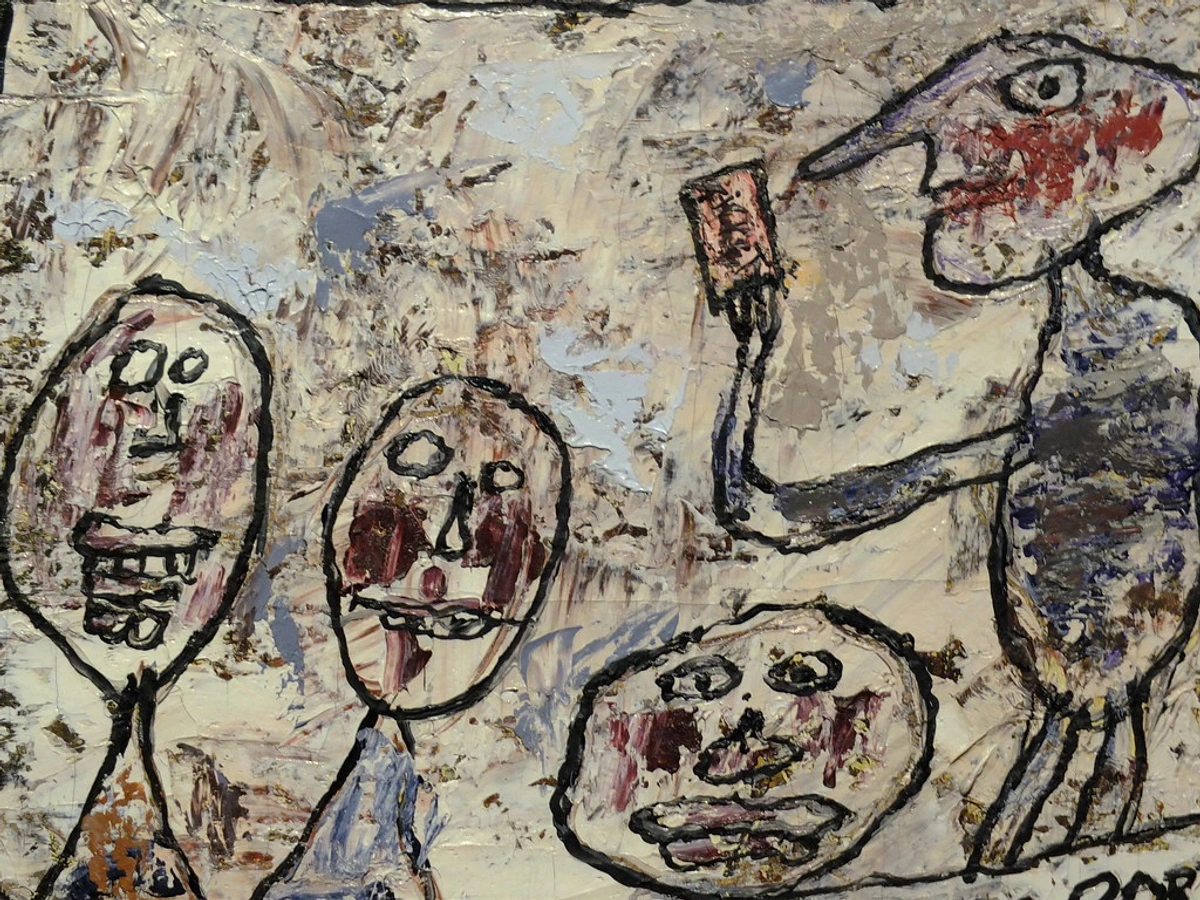
This is where Dubuffet truly began to mess with the sacred notion of the canvas. Forget thin, delicate layers of traditional oil paint. During his Hautes Pâtes (High Pastes) period, particularly visible in series like Mirobolus, Macadam & Cie (1946) and his Corps de Dame series, Dubuffet mixed his pigments with an astonishing array of unconventional materials: sand, tar, gravel, plaster, string, glass shards, and even dust he swept off his studio floor. He would slather this thick, gritty, almost viscous, earth-laden concoction onto his "support" and then aggressively scratch, carve, and score into it, almost like a sculptor working with clay. This extreme use of impasto (the thick application of paint, creating visible brushstrokes and texture) was a direct rejection of academic refinement, a literal confrontation with the material itself, refusing any illusionistic depth.
The sheer physicality of these works—their rough, cracked, and heavily textured surfaces—demanded a new kind of viewing experience, one that was almost tactile. You wanted to reach out and touch these monumental pieces, some spanning several meters. Consider Le Métafisyx (The Metaphysician, 1950) where the surface resembles a scarred, ancient wall, or Grand Nu Charbonneux (Charcoal Large Nude, 1944) where the figure seems to emerge directly from the very ground it depicts, with guttural textures and primordial landscapes. The figures in these works are often crude, simplified, and cartoonish, with disproportionate features and raw outlines. They aren’t about anatomical perfection or elegant realism; they’re about conveying a raw, immediate feeling or essence. It was a visceral attack on traditional aesthetics, creating a surface so textured it practically demanded to be touched. This radical embrace of texture and materiality would later deeply influence movements like Neo-Expressionism, which also championed intense subjectivity and raw handling of materials.
This early exploration of raw materiality, of building up and carving into the surface, naturally led Dubuffet to consider the raw essence of the human form itself in his next phase.
2. Portraits (Late 1940s): Unmasking the Soul
Emerging from his Hautes Pâtes phase, Dubuffet turned his attention to portraiture, but with his own subversive twist. He didn't aim for flattering likenesses or meticulous detail. Instead, he created intensely "grotesque" and caricature-like portraits of friends, literary figures, and even strangers, often within series such as Portraits à ressemblance extraite, à ressemblance cuite et confite (Portraits with Extracted Resemblance, Cooked and Candied Resemblance, 1947). These works often featured exaggerated features, distorted proportions, and the same rough, textured surfaces he had explored, using thick, earthy pigments and incised lines. Figures like the writer Francis Ponge (Head of Ponge, 1947), with his almost primitively rendered features and intense, wide, staring eyes, or the critic Georges Limbour (Limbour aux yeux de chat, Limbour with Cat's Eyes, 1947), whose face appears etched into the canvas, often with mouths contorted or features like ancient masks, were stripped of polite facades. Dubuffet aimed to convey an inner truth, a psychological essence, or perhaps even a societal archetype, rather than mere physical appearance. Was he revealing the hidden anxieties, the common human frailties, or the universal archetypes (like the stoic intellectual or the bustling city dweller) that lay beneath the veneer of cultured existence? It's a fascinating look at how he saw the 'raw' humanity within cultured individuals, peeling back layers of societal polish to reveal something more fundamental. His portraits forced viewers to confront not just the individual, but the very nature of perception and identity, and directly challenged conventional notions of beauty.
3. Texturologies and Topographies (1950s): The Ground as Art
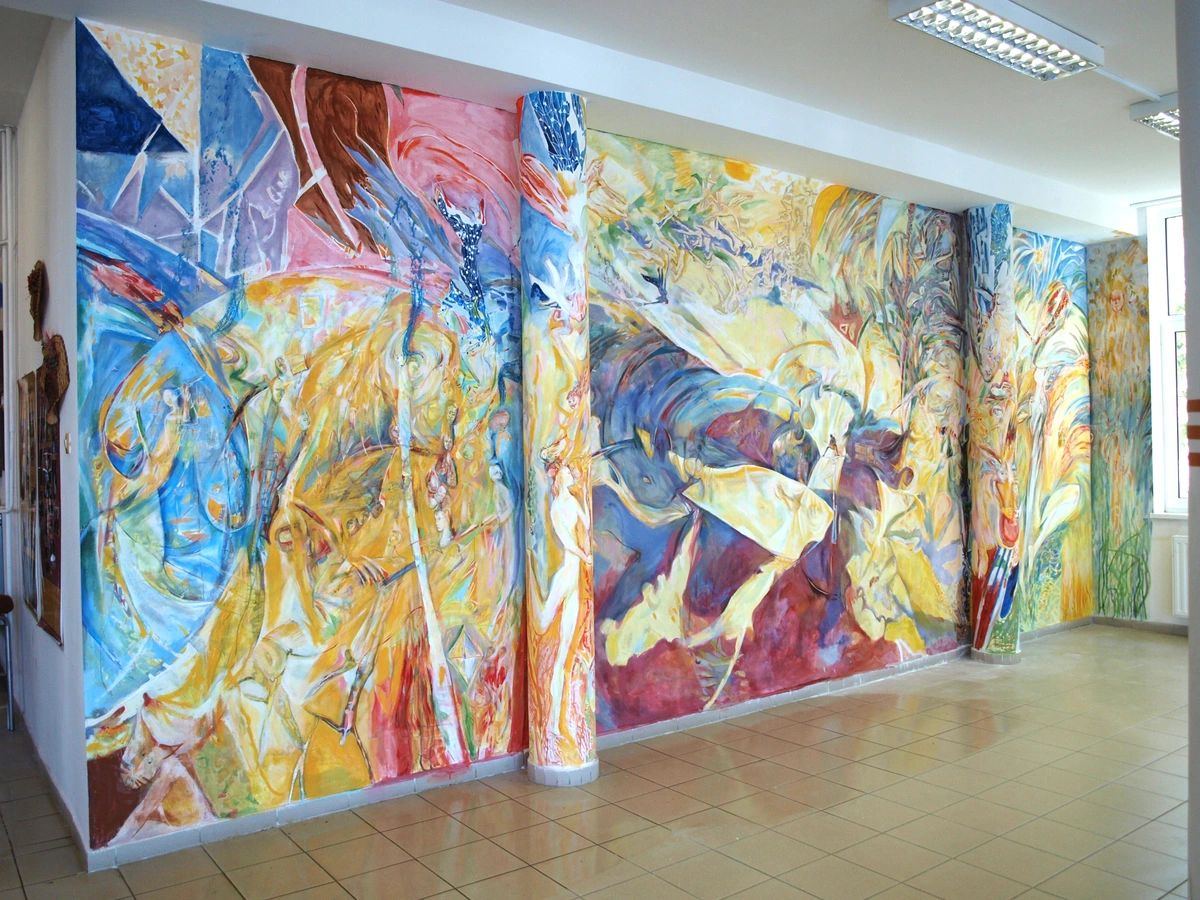
In the 1950s, Dubuffet embarked on a series that moved beyond figuration entirely, focusing on the very ground beneath our feet. His Texturologies and Topographies, as seen in his Sol (Ground) series and Terres des grandes magiciennes (Lands of Great Sorceresses) series, were abstract works dedicated to exploring surface texture and materiality. He would create compositions using actual materials like sand, earth, dried leaves, butterfly wings, and even coal dust, meticulously mixed with paint and glued to the canvas. These weren't traditional landscapes with sweeping vistas; they were intimate, microscopic views of the earth's surface, challenging the viewer to find beauty and complexity in the overlooked textures of the everyday world. He might collect soil from a specific field, mix it with binder, and apply it with a trowel, creating a literal piece of the earth on canvas. It was a profound rejection of conventional landscape painting, replacing idealized nature with the humble, granular reality of dirt and dust, forcing a reconsideration of what is worthy of artistic attention. The philosophical shift here is significant: the ground itself becomes the subject, the texture the narrative. Dubuffet seemed to ask us to contemplate the vast histories held within a speck of dust, the constant, unseen forces of decay and regeneration, and the fundamental materiality that underpins all existence, elevating the mundane to a profound artistic focus. Sometimes, when I'm walking in nature, I find myself looking down, not up, captivated by the intricate patterns in a patch of moss or the way pebbles arrange themselves in a stream bed. These works feel like that—a meditation on the hidden worlds beneath our feet.
This deep dive into the earth's surfaces paved the way for his most expansive and playful exploration of visual language.
4. The 'Hourloupe' Cycle: A Doodle That Became a Universe (1962–1974)
This is perhaps my favorite Dubuffet story, and a testament to the power of artistic play and obsession. In the early 1960s, Dubuffet found himself idly doodling on the phone with a red and blue ballpoint pen. Just mindless scribbles, as one does. But something about those interlocking, cell-like shapes fascinated him. This seemingly insignificant doodle grew into an entire visual language, the L'Hourloupe cycle, which would dominate his work for over a decade. The name itself, "Hourloupe," was invented by Dubuffet, a fantastical, almost onomatopoeic word suggestive of:
- "hurler" (to yell or howl), implying a raw, unrestrained outburst.
- "loupe" (magnifying glass), suggesting an intense scrutiny of the mundane, or an enlargement of a small detail into a grand vision.
- "entourlouper" (to swindle, to trick), hinting at a subversion or trickery of conventional perception, challenging how we typically see the world.
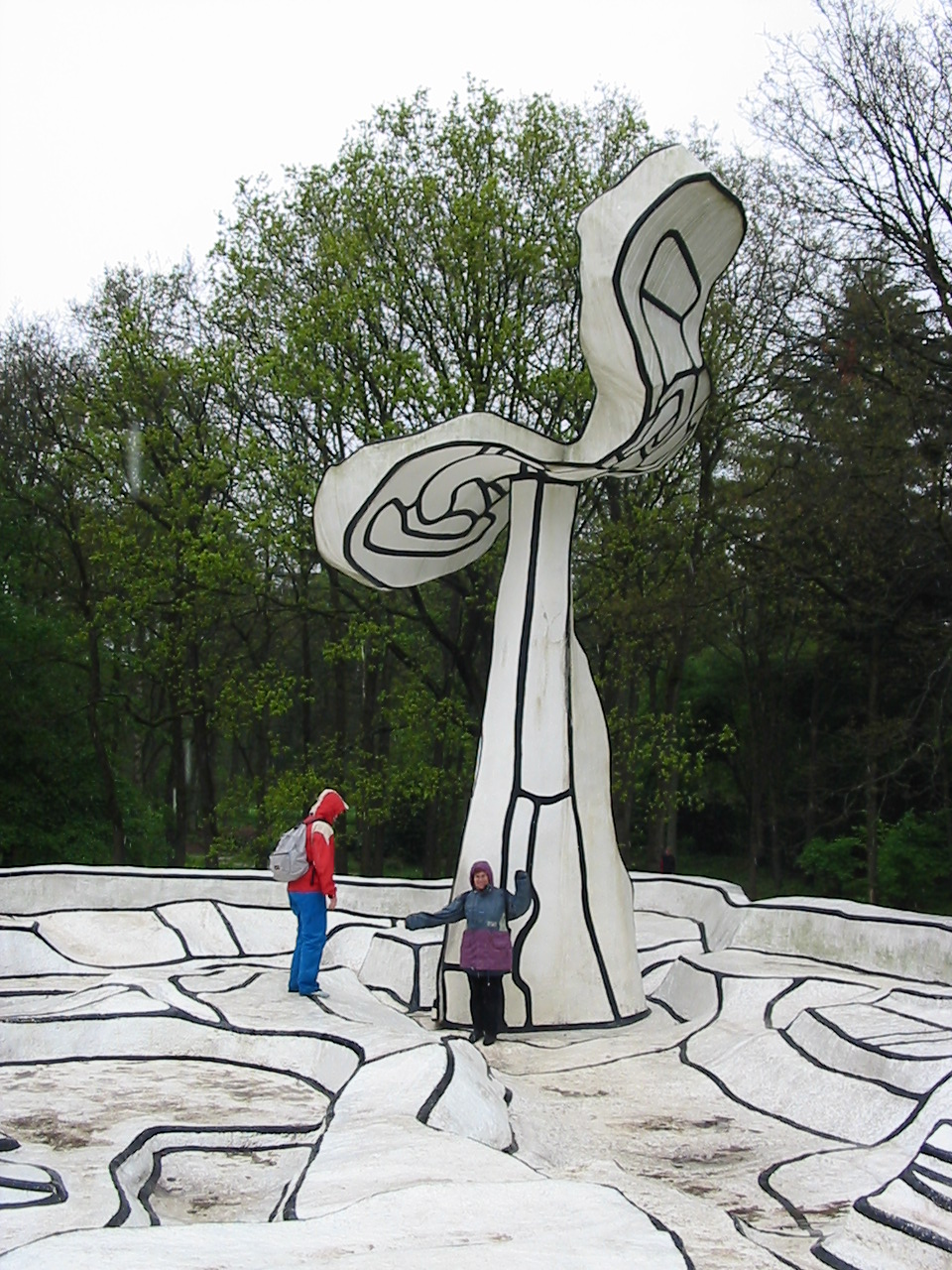
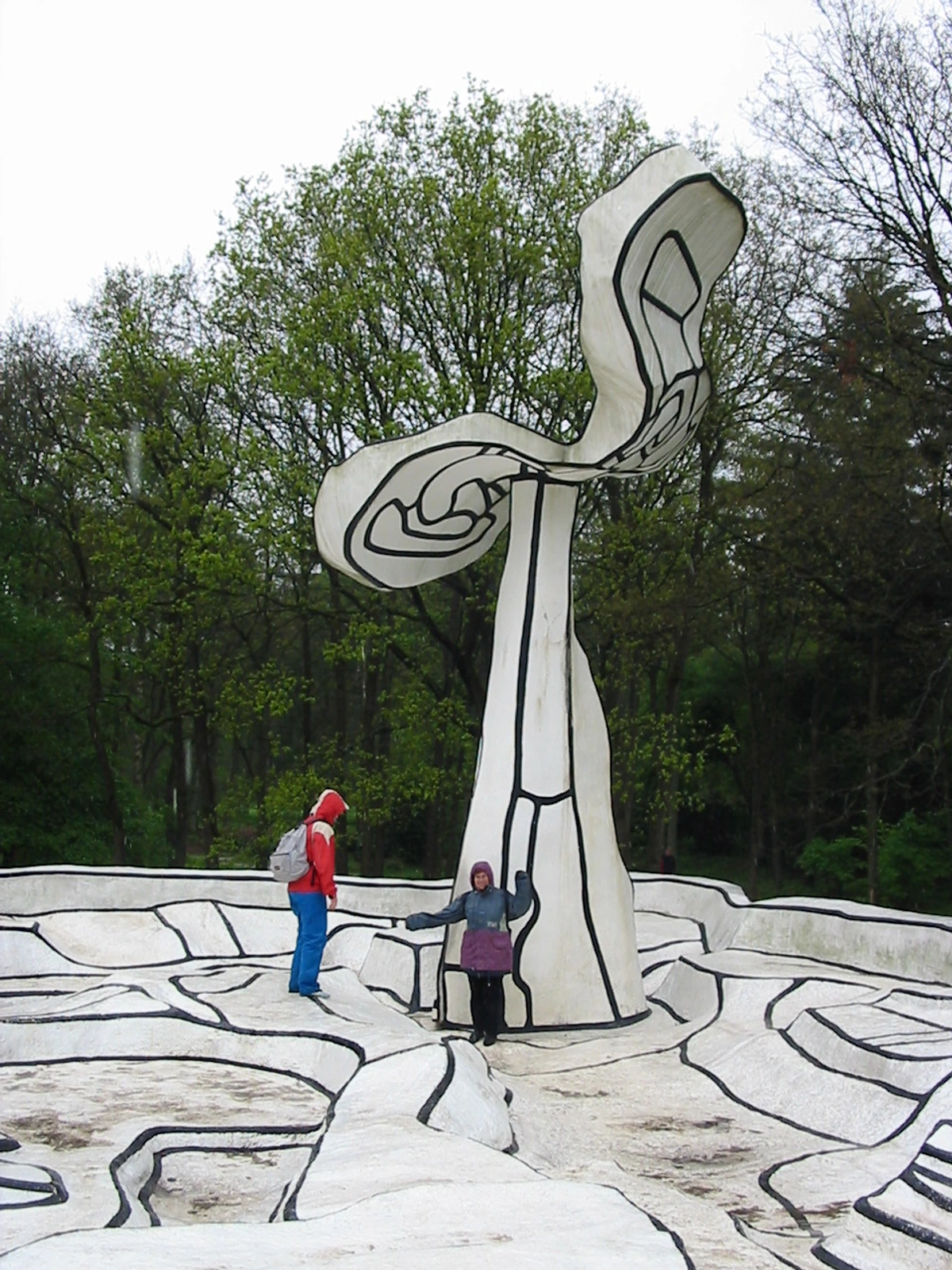
This cycle is instantly recognizable: complex, puzzle-like compositions characterized by interlocking, often irregular, cell-like forms filled with parallel lines of red, white, blue, and black. These cells can be interpreted as individual units, fragments of a larger reality, or perhaps the chaotic internal structures of thought and perception, constantly connecting and breaking apart. They represent a kind of mental landscape, a visual manifestation of how we perceive and organize the world, or perhaps how the world is fundamentally fragmented and interconnected at the same time, like the constantly shifting pieces of a dream. It began as paintings (like Façade with Clock or Maison de campagne), but this vision couldn't be contained by a mere canvas. It spilled over into massive, three-dimensional sculptures made from painted polyester (like his monumental Group of Four Trees in New York, 1972, or the earlier Tour aux figures in Paris, 1968), colossal architectural environments (like the Jardin d'émail (Garden of Enamel) in the Netherlands, 1974), and even an ambitious, living performance piece called Coucou Bazar (first performed in 1973), featuring actors and dancers interacting within a L'Hourloupe landscape. Coucou Bazar was a total art environment, an immersive experience where human figures, objects, and backdrops merged into a single, vibrant, undulating world, blurring the lines between painting, sculpture, and performance.
It’s incredible, isn't it, how an artist can take a simple, unconscious scribble and build an entire universe from it? It’s a testament to the power of play, obsessive exploration, and the idea that profound art can emerge from the most unexpected, unassuming origins. The L'Hourloupe cycle remains a monumental achievement, showcasing Dubuffet's ability to create an entirely new, consistent visual language that permeated every aspect of his artistic practice.
5. Théâtres de mémoire (Memory Theatres) (Late 1970s): Reconstructing Reality
In his later career, Dubuffet embarked on his Théâtres de mémoire series (Memory Theatres), like his Sites avec figures, personnages series. These ambitious works were large-scale collages, complex assemblies of fragments from his own earlier works. He would cut up canvases and papers from previous periods, re-arranging them into dense, multi-layered compositions that he called "memory landscapes." It was a fascinating act of self-cannibalization and re-creation, where his past artistic output became the raw material for new investigations into memory, narrative, and the very act of artistic construction. Was he commenting on the cyclical nature of creativity, or perhaps the way our own memories reassemble fragments of experience into new narratives, constantly reinterpreting our past? Or was it a wry commentary on the art market's tendency to commodify and fragment an artist's oeuvre, showing that he could reclaim and redefine his own legacy? Perhaps he was literally building new meanings from the detritus of his own history, proving that even an artist's discarded ideas can be resurrected and given new life. These works often appear as sprawling, fragmented tapestries, where familiar forms and textures from his earlier periods reappear, but now recontextualized and overlaid, creating a sense of both continuity and disruption. It’s a true testament to his relentless experimentation, even with his own history, constantly building new worlds from the remnants of old ones, suggesting that all creation is ultimately a re-creation.
Dubuffet's Distinctive Techniques: A Collaboration with Materiality
Dubuffet's revolutionary approach wasn't just about what he painted, but how he painted – and with what. He consistently pushed the boundaries of traditional art-making by embracing and often inventing techniques that highlighted the inherent qualities of his unconventional materials, turning the act of creation into a collaboration with the material itself. It's almost like the materials themselves were his co-conspirators in subverting artistic norms.
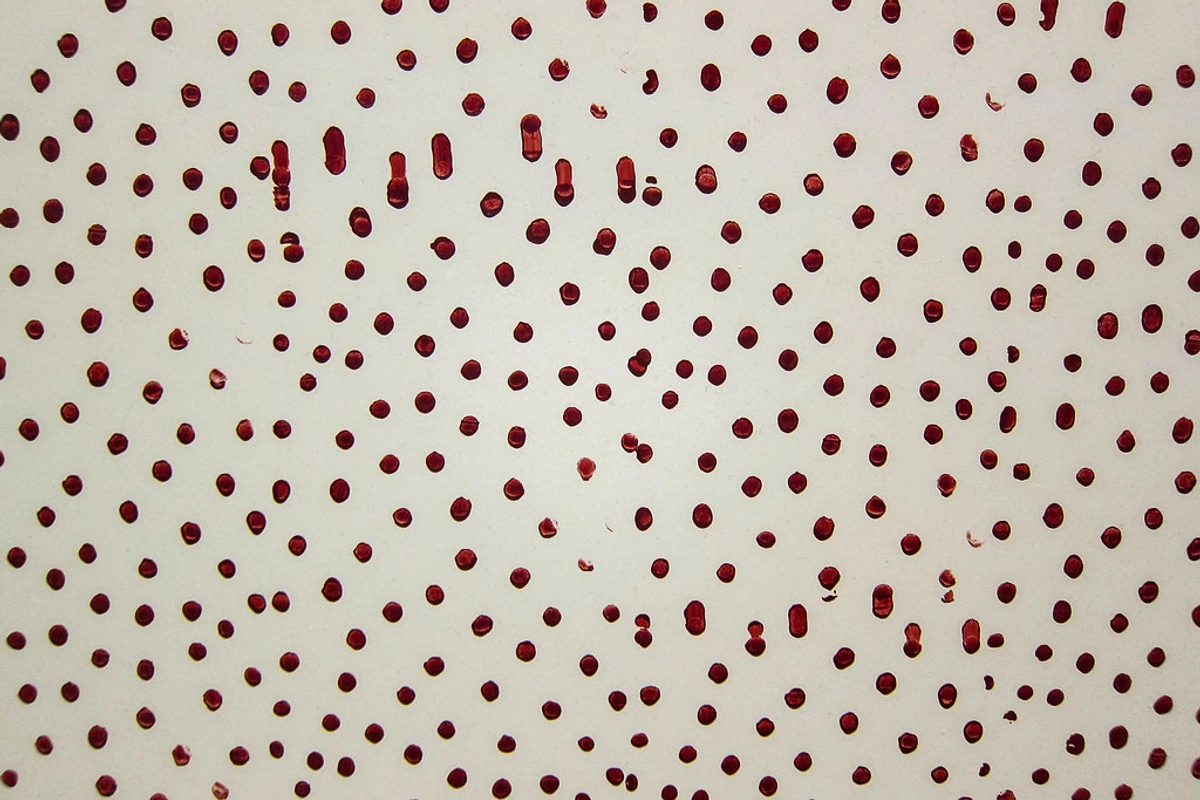
- Impasto: As we saw in his Hautes Pâtes period, Dubuffet took impasto to an extreme, applying paint so thickly that it became sculptural. He mixed it with sand, tar, and gravel, creating richly textured, almost geological surfaces that demanded a tactile, rather than purely visual, engagement. This was a direct confrontation with the material, rejecting any illusionistic depth in favor of raw, physical presence. He didn't just apply paint; he built with it.
- Frottage: This technique, meaning "rubbing," involves placing paper over a textured surface and rubbing it with a pencil or crayon to transfer the texture. Dubuffet used frottage to capture the raw, accidental patterns of everyday objects, incorporating them into his compositions. It was a way of democratizing sources of visual information, allowing overlooked textures to become integral to the artwork, embracing chance and the inherent properties of the world around him. He literally rubbed the world onto his canvas.
- Assemblage: Moving beyond the two-dimensional canvas, Dubuffet was a master of assemblage, creating three-dimensional works by bringing together disparate, found objects. These often humble materials were transformed into cohesive, expressive sculptures, blurring the lines between art and everyday life, and breaking free from the preciousness of traditional art materials. A common twig or a piece of crumpled paper could find a new, profound artistic life.
- Decalcomania: This technique involves pressing paint or ink between two surfaces (like paper or glass) and then pulling them apart, creating spontaneous, often biomorphic patterns. Dubuffet embraced the unpredictability of decalcomania, allowing chance and the inherent properties of the materials to guide the artistic outcome, surrendering a degree of artistic control to the process itself. It was a dance between artist and accident.
- Collage: Especially prevalent in his later Théâtres de mémoire series, Dubuffet used collage not just as an aesthetic choice but as a philosophical statement. By cutting up and reassembling fragments of his own past works, he literally reconstructed his artistic history, creating new narratives from existing elements and reinterpreting his own legacy. He turned his own oeuvre into a raw material, constantly recycling and reinventing.
These techniques were not mere stylistic choices; they were fundamental to his philosophy of collaborating with materials, letting their inherent character dictate the form, rather than imposing a preconceived aesthetic. It’s a hands-on, visceral process, far removed from purely intellectual or academic pursuits, and one that deeply resonates with me in my own work; sometimes the paint itself has a mind of its own, doesn't it?
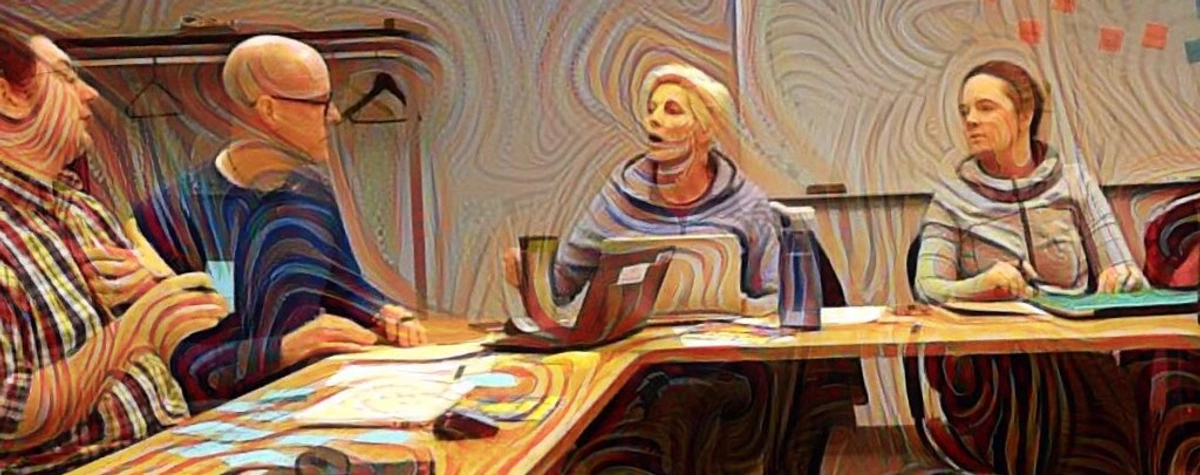
Summary of Dubuffet's Major Artistic Periods: A Visual Glossary
Period/Cycle  | Key Characteristics | Common Materials | Key Philosophical Idea | Notable Works/Impact |
|---|---|---|---|---|
| Hautes Pâtes (1940s) | Thick, impasto surfaces; crude, childlike figures; earthy tones; aggressive carving. | Oil paint mixed with sand, tar, gravel, plaster, string, glass shards. | Rejection of academic aesthetics, elevation of primal materiality and physical presence. | Mirobolus, Macadam & Cie; Corps de Dame series; laid groundwork for Neo-Expressionism's materiality. |
| Portraits (late 1940s) | Grotesque, caricature-like psychological portraits of cultural figures, emphasizing inner truth over likeness. | Thick, earthy pigments; incised lines; similar to Hautes Pâtes surfaces. | Unmasking the raw, fundamental human essence beneath societal polish; challenging conventional beauty and traditional portraiture. | Portraits à ressemblance extraite...; Head of Ponge; Limbour aux yeux de chat. |
| Texturologies/Topographies (1950s) | Abstract works focused entirely on the texture of overlooked surfaces; microscopic views of earth. | Sand, earth, dried leaves, butterfly wings, actual soil and coal dust. | Elevating the mundane to the profound, finding universal meaning in elemental materiality; reconsidering what is worthy of artistic attention and rejecting idealized landscape. | Sol (Ground) series; Terres des grandes magiciennes; profound shift from traditional landscape art. |
| L'Hourloupe (1962–1974) | Interlocking, irregular cell-like forms in red, white, blue, and black; pervasive visual language; expanded into sculpture and immersive environments. | Vinyl paint on canvas, polyester, concrete, architectural installations. | Creating an immersive, fragmented reality from unconscious doodles; blurring artistic boundaries between painting, sculpture, and performance; subverting conventional perception. | Group of Four Trees; Tour aux figures; Jardin d'émail; Coucou Bazar (immersive performance art). |
| Théâtres de mémoire (late 1970s) | Large-scale collages reassembling fragments of his own earlier works into new "memory landscapes." | Cut-and-pasted paper, canvas fragments from his past oeuvre. | Reinterpreting personal artistic history, commenting on memory, legacy, and continuous re-creation; defying artistic finality and commodification. | Sites avec figures, personnages; explorations of memory, narrative, and the cyclical nature of artistic creation. |
Dubuffet's Enduring Philosophy: A Challenge to the Art Establishment
Dubuffet's entire career can be viewed as an extended critique of the institutional art world. He found the established galleries, museums, critics, and collectors to be stifling, elitist, and detached from the authentic human experience. His concept of Art Brut was a direct challenge to this hierarchy, suggesting that the most vital art was being created outside its walls. He often voiced his disdain for the "asphyxiating culture" of the mainstream art world, notably in his 1968 manifesto Asphyxiante Culture (Asphyxiating Culture). In this provocative text, he criticized the academic art system for its dogmatism, its emphasis on formal rules, its tendency to commodify art into a mere social ritual, and its draining of art's raw, instinctual vitality. He argued that this system valued tradition and intellectualism over genuine creative impulse, ultimately stifling innovation and true expression, much like a carefully cultivated garden that has lost all its wildness.
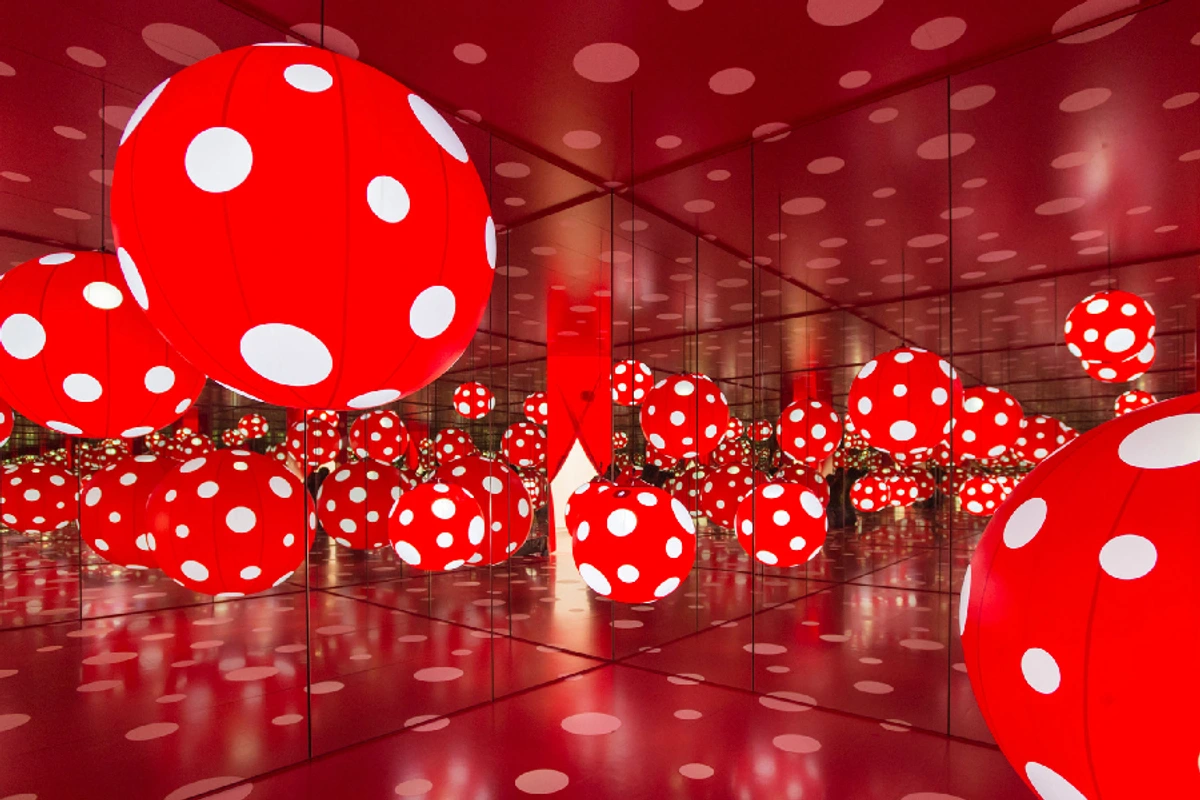
He famously said, "Art does not lie down on the bed that is made for it; it runs away as soon as one utters its name: it loves to be incognito. Its best moments are when it forgets what its name is." This quote perfectly encapsulates his anti-authoritarian stance. He actively resisted being categorized, seeing labels and movements as prisons for creative spirit. This explains why he founded the Compagnie de l'Art Brut – not just to collect, but to exhibit and advocate for this raw art independently, bypassing the very institutions he criticized. It was a defiant act of self-determination, insisting that the criteria for art should come from human instinct, not academic decree.
His philosophy boils down to a profound belief in the universal, untaught creative impulse. He saw this impulse as a wellspring of true originality, free from cultural conditioning and the pursuit of commercial success. This emphasis on instinct over intellect, on the raw over the refined, is what makes his contribution to art history so enduring and liberating. It’s a philosophy that I, as an artist, continually find myself drawn to, especially when I'm trying to break free from my own self-imposed rules or the polite expectations of what art 'should' be.
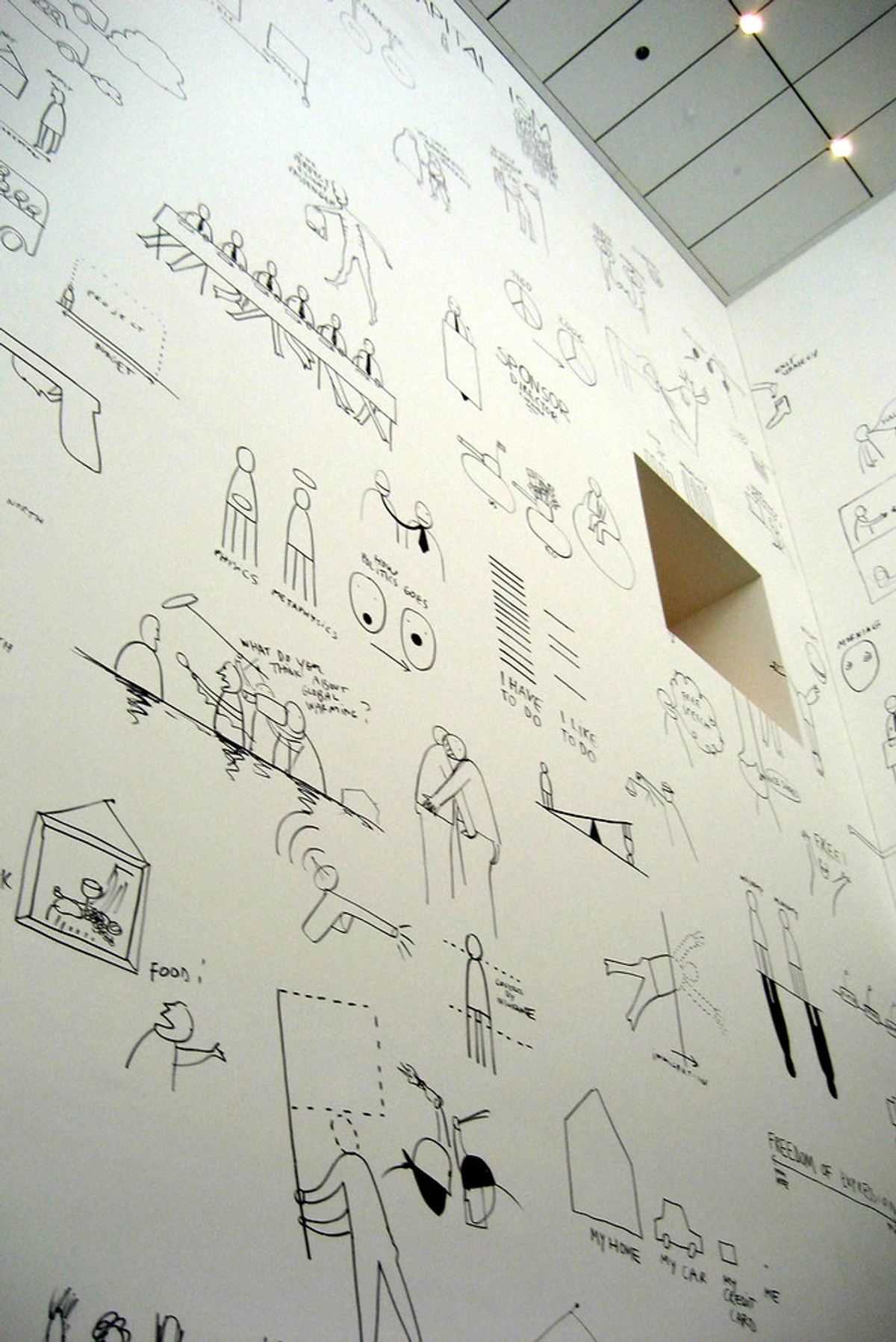
Dubuffet's enduring critique reminds us that true artistic freedom often lies outside the comfort zones of established institutions, urging us to question who gets to define art and why.
Dubuffet and the Art Market: A Complicated Dance
It might seem contradictory for an artist so vehemently critical of the art establishment to also be commercially successful, but Dubuffet navigated the art market with a shrewdness honed by his years in the wine business. While he scorned the commodification of art, he was also pragmatic. He actively managed the sale of his own work, often dealing directly with collectors rather than relying solely on galleries. This gave him significant control over his pricing and distribution, allowing him to set his own terms. His creation of the Collection de l'Art Brut was, in part, a strategic move to create an independent sphere for that art, protecting it from the very market pressures he critiqued for his own work. This allowed him a unique form of autonomy: he could critique the system from within, maintaining control over his output and legacy, even as his market value steadily rose. This tension between anti-establishment ideals and the realities of a successful artistic career is a fascinating aspect of his story, highlighting the complex choices artists often face when trying to stay true to their vision in a commercial world.
Why Dubuffet Still Matters Today: A Legacy of Freedom in an AI Age
In our world, which is increasingly saturated with perfectly filtered images, carefully curated online personas, and even AI-generated art, Dubuffet’s raw, unapologetic work feels more vital and relevant than ever. He reminds us of the undeniable power of the human hand, the unique mark of individual expression, and the often-overlooked beauty in imperfection. His philosophy becomes a powerful counterpoint to the algorithmic perfection of AI, asserting the irreplaceable value of human error, intuition, and the messy, unquantifiable spirit of creation. Unlike AI, which operates on vast datasets and algorithms, human creation, especially as championed by Dubuffet, is rooted in lived experience, unique emotions, intuitive leaps, and an often-irrational compulsion to express – qualities that an algorithm, no matter how sophisticated, can only simulate, never truly replicate. Can an algorithm truly feel the compulsion that drove an outsider artist to create, or the existential angst that fuelled a Corps de Dame? Or is it merely mimicking patterns without genuine subjective experience?
His influence is truly vast. You can see echoes of his raw energy in the expressive strokes of Jean-Michel Basquiat, whose childlike vigor, bold lines, and raw street-art aesthetic directly recall Dubuffet's anti-academic approach and his focus on raw narrative. The anti-establishment ethos of many contemporary street artists like Banksy, with his direct confrontation of power and unfiltered social commentary, also carries Dubuffet's defiant, anonymous spirit. Artists like Judy Chicago, while stylistically different, share Dubuffet's spirit of challenging artistic conventions and bringing marginalized narratives to the forefront through monumental scale and unconventional materials and formats, elevating craft to high art. Even the raw materiality, layered surfaces, and narrative ambiguity in the works of Peter Doig can be seen as having a lineage back to Dubuffet's textured surfaces and psychological depth. Other artists who echo his exploration of raw expression or unusual materials include the abstract expressionists like Jackson Pollock and Willem de Kooning with their visceral, gestural painting and material engagement, or even those who embrace found objects in a more material-focused way, like some practitioners of Dadaism.
He shattered conventions, opening the door for countless artists to embrace unconventional materials and explore subjects previously considered taboo or unworthy of artistic attention. His work legitimized the idea that powerful, authentic art could come from anywhere and anyone, fundamentally democratizing the art-making process and paving the way for performance art, conceptual art, environmental art, and indeed, the very way we view artistic authenticity today. His expansion of painting into sculpture, environments, and performance through the L'Hourloupe cycle alone was groundbreaking, demonstrating that art could be a total, immersive experience, not confined to a frame.

Dubuffet championed the profoundly democratic idea that creativity is a universal human trait, not the exclusive domain of a gifted few or an academic elite. And that, to me, is an incredibly hopeful and liberating message. His work gives us explicit permission to be messy, to be imperfect, to trust our instincts, and to find beauty in the unconventional, both in art and in life. If that philosophy resonates with you – that raw, uninhibited act of creation, that commitment to the authentic human touch – you might find a kindred spirit in my own work, which is available for /buy.
Frequently Asked Questions about Jean Dubuffet
What is Jean Dubuffet best known for?
Jean Dubuffet is most famous for coining the term Art Brut (Raw Art) and championing the art of self-taught individuals on the fringes of society, establishing the Collection de l'Art Brut in Lausanne. He is equally renowned for his own prolific body of work, which embraced crude, childlike imagery, deeply textured surfaces using unconventional materials (like sand, tar, and gravel), and his innovative L'Hourloupe cycle that expanded into immersive environments and monumental sculptures. His work is a direct challenge to the traditional art world and its conventions.
What is Art Brut and who are some of its key creators?
Art Brut, or "Raw Art," is a term coined by Jean Dubuffet to describe art created by individuals largely untrained and operating outside the established art world. These creators (often psychiatric patients, prisoners, or social outsiders) produce art out of an inner compulsion, uninfluenced by cultural norms or commercial aspirations. Key figures collected and championed by Dubuffet include Aloïse Corbaz, known for vivid, intricate drawings; Adolf Wölfli, who created dense, fantastical graphic narratives; Arthur Bispo do Rosário, an outsider artist who meticulously transformed found objects; Joseph Crépin, a spiritualist painter; and Madge Gill, an English medium recognized for her obsessive pen-and-ink drawings.
Was Jean Dubuffet part of an art movement?
Not really, and deliberately so. Dubuffet actively resisted being categorized and aligned with any specific art movement, seeing such labels as stifling to creative spirit. While his work shares aesthetic and philosophical connections with movements like Surrealism, Art Informel, and was a clear precursor to later movements such as Neo-Expressionism (a movement characterized by intense subjectivity and raw handling of materials, often with expressive distortions), he preferred to operate as a true individualist. His "movement" was Art Brut, which was more of a philosophical concept and a call to a different way of seeing art, rather than a stylistic group he belonged to.
What is Dubuffet's core philosophy of art?
Dubuffet's core philosophy revolved around the idea that true art stems from an innate, untaught creative impulse, untainted by cultural conditioning or academic training. He believed in the raw, unmediated expression of individuals on the fringes of society, which he termed Art Brut. His philosophy advocated for authenticity, a direct engagement with materials, and a deliberate rejection of established artistic conventions, hierarchies, and traditional notions of beauty. He saw labels and academic institutions as barriers to genuine artistic expression, championing an art that was unburdened by the desire for external validation or commercial success, often finding beauty in what others deemed ugly or irrelevant.
What were Dubuffet's most iconic works from each major period?
Dubuffet's prolific career produced many iconic works across his distinct periods:
- Hautes Pâtes (1940s): The Corps de Dame series, especially Chiffon de Terre (Rag of Earth, 1949), exemplifies his thick impasto and crude figuration.
- Portraits (late 1940s): Head of Ponge (1947) and Limbour aux yeux de chat (Limbour with Cat's Eyes, 1947) are prime examples of his psychological caricatures.
- Texturologies and Topographies (1950s): Works from his Sol (Ground) series, such as Sol avec quatre personnages (Ground with Four Characters, 1957), demonstrate his focus on earth textures.
- L'Hourloupe (1962–1974): Monumental sculptures like Group of Four Trees (1972) in New York, the Tour aux figures (1968) in Paris, and the immersive Jardin d'émail (1974) in the Netherlands, alongside paintings like Façade with Clock (1962), are instantly recognizable.
- Théâtres de mémoire (late 1970s): Large-scale collages like Sites avec figures, personnages (Sites with Figures, Characters, 1978) showcase his reassembly of past works.
What is the 'Hourloupe' cycle and why is it significant?
The L'Hourloupe cycle was a major, intensely focused phase of Dubuffet's work spanning from 1962 to 1974. It originated from an everyday ballpoint pen doodle and evolved into a distinctive visual language characterized by swirling, interlocking, cell-like forms filled with parallel lines of red, white, blue, and black. These forms, suggestive of fragmented realities or mental landscapes, expanded from paintings into massive, three-dimensional polyester sculptures (like Group of Four Trees in New York), monumental architectural installations (like Jardin d'émail in the Netherlands), and elaborate, immersive performance pieces like Coucou Bazar. Its significance lies in its creation of an entirely new, consistent visual language that blurred the lines between traditional art forms, permeating painting, sculpture, and performance to create total art environments that challenged conventional perception and the very boundaries of art.
Where can I see Jean Dubuffet's work?
Major collections of his work are held at prestigious institutions worldwide. Key places include the Centre Pompidou in Paris, the Dubuffet Foundation (also in Paris), the Museum of Modern Art (MoMA) in New York, the Solomon R. Guggenheim Museum in New York, and the Stedelijk Museum in Amsterdam. Crucially, the Collection de l'Art Brut in Lausanne, Switzerland, which he helped establish, houses a significant portion of his Art Brut collection. His large-scale sculptures can also be found in public spaces in cities across the globe, including New York and Chicago.
What were Jean Dubuffet's most significant exhibitions or retrospectives?
Among his many exhibitions, a few stand out as particularly influential. His first major retrospective at the Museum of Modern Art (MoMA) in New York in 1962 introduced his radical ideas to a wider American audience and solidified his international reputation. The Centre Pompidou in Paris also held a significant retrospective in 1974, reinforcing his status as a pivotal figure in 20th-century art. These exhibitions were crucial in showcasing the breadth of his experimental phases and cementing his place, despite his personal disdain for institutional validation.
How has Dubuffet influenced contemporary art?
Dubuffet's influence on contemporary art is profound and far-reaching. He fundamentally challenged the definition of what art could be, and what it could be made from, paving the way for artists to use found objects, mixed media, and non-traditional materials in their work. His focus on primal, intuitive, and unmediated creation inspired countless artists to look beyond academic training and embrace a more personal, raw, and authentic form of expression. He legitimized outsider art and, in doing so, democratized the entire art-making process, influencing everything from performance art to conceptual art, environmental art, and indeed, the very way we view artistic authenticity today. His expansion of painting into sculpture, environments, and performance through the L'Hourloupe cycle alone was groundbreaking, demonstrating that art could be a total, immersive experience, not confined to a frame.
How did Dubuffet relate to technology and media in his time?
While Dubuffet did not live in the age of AI, he was deeply critical of what he perceived as the homogenizing and sanitizing effects of mass media and established culture in his own time. He championed raw, individual expression precisely because he felt it was being eroded by an increasingly mediated and standardized world. He saw technology and institutionalized media as forces that could distance people from direct experience and authentic creation, much like how many today view the impact of digital filters and AI-generated content on human artistry. His work, especially the L'Hourloupe cycle, can be seen as a visual manifestation of a fragmented reality, perhaps a critique of the visual noise and manufactured realities presented by a burgeoning media landscape. In essence, he was an early voice for the preservation of raw human touch against anything that threatened to dilute it, whether mass production, academic dogma, or pervasive media.
A Final Thought: Embracing the Raw, the Human, the Real
Returning to that first bewildering encounter I had with Dubuffet’s work – that initial feeling of "what am I even looking at?" – I now see it not as a challenge to my perception, but as a profound gift. Dubuffet doesn't offer an easy, comfortable aesthetic experience. He demands your active participation, forcing you to question your own tastes, biases, and the very definition of art itself. And in that challenge, there's an incredible sense of freedom and possibility. It’s a bit like peeling back layers, isn't it? The ugliness isn't the point; the raw, unadulterated truth underneath is.
His lasting message is clear: authentic art springs from a deep, untaught human impulse, a primal necessity to make marks and give form to inner worlds, unburdened by academic rules or external expectations. He shows us that sometimes, the most sophisticated and honest thing you can do as an artist is to forget everything you think you know, pick up the most humble materials, and just start making marks. This rejection of polished perfection, this embrace of the raw and the human, feels more urgent than ever in a world increasingly susceptible to digital illusions and algorithmic homogeny.
Perhaps his greatest legacy is the permission he gives us all: permission to be messy, to be imperfect, to trust our instincts, and to find beauty in the unconventional, both in art and in life. If that philosophy resonates with you – that raw, uninhibited act of creation, that commitment to the authentic human touch – you might find a kindred spirit in my own work, which is available for /buy or explore my artistic journey on my /timeline.