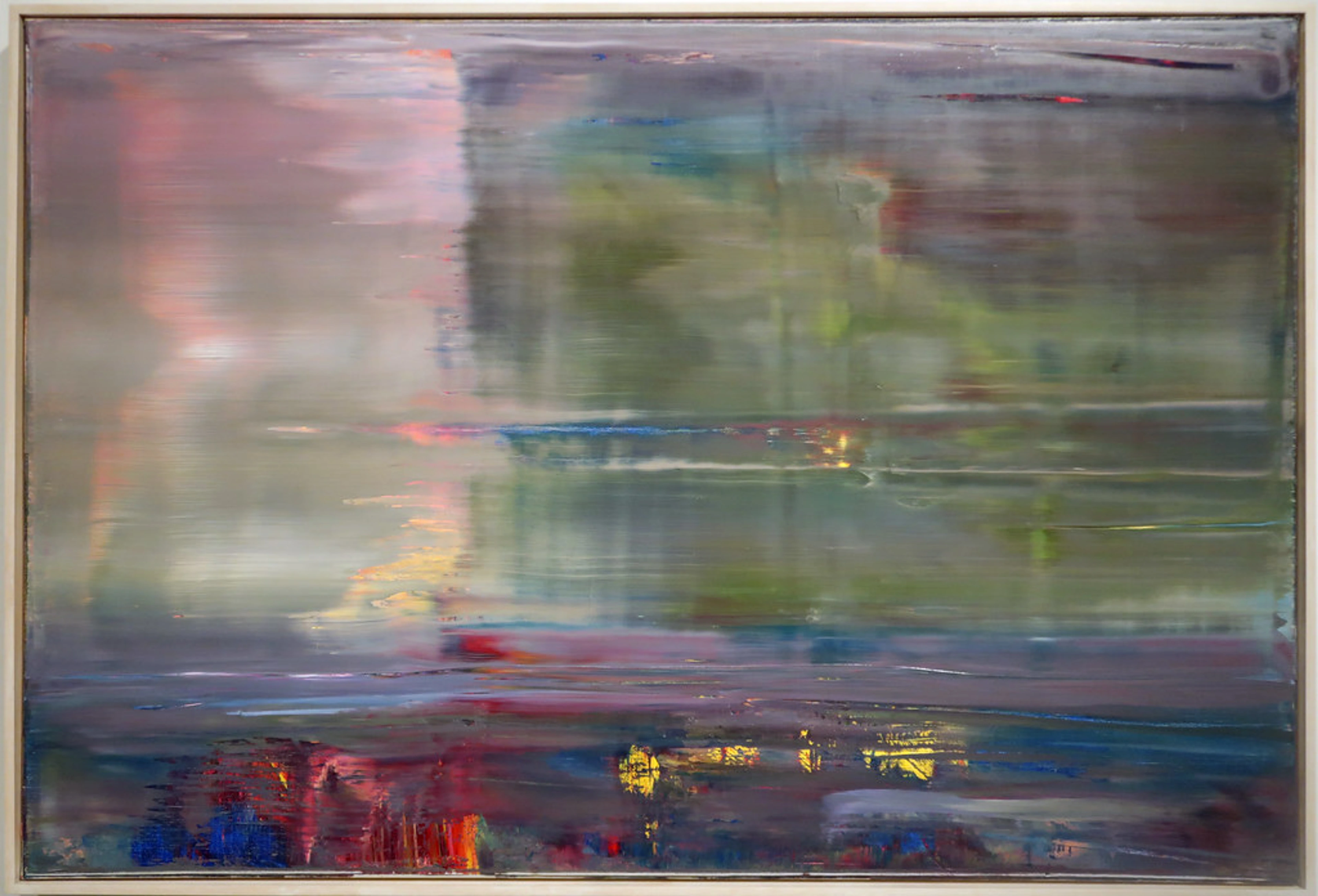
Demystifying Abstract Art: An Artist's Introspective Journey
Unravel the world of abstract art with an artist's personal take. Explore its spiritual origins, major movements, unique creation techniques, profound meanings, and thrilling future, from Kandinsky to AI.

Demystifying Abstract Art: An Artist's Introspective Journey
Ever stared at a canvas and felt a delightful, or perhaps bewildering, sense of mystery? Ever felt a little lost when standing before an abstract painting, wondering about its origins, its purpose, or even how someone made it? Perhaps you've stood before a canvas, utterly bewildered, and thought, 'What is this, and why am I supposed to like it?' I get it. I’ve been there, truly. In fact, just last week, I caught myself staring at a particularly ambitious piece in my studio, momentarily forgetting how I even started it. It’s moments like these that remind me the journey of understanding abstract art is as captivating as the art itself. This article is my personal attempt to demystify abstract art, making its rich history and profound impact accessible to everyone. We'll trace its unexpected beginnings, navigate the labyrinth of its diverse movements, peek behind the curtain at how artists actually do it, explore its deep meanings, and even gaze into its vibrant future. While I can't quite wrangle a distinguished academic into my paint-splattered studio for a chat, I'm channeling my inner art historian today to share my journey. Think of this as a Q&A session, where I ask the questions I often ponder, and then, in true multi-hyphenate artist fashion, attempt to answer them with a blend of historical context, personal reflection, and perhaps a touch of my own quirky observations. So, let's unpack this glorious, often misunderstood, journey together and truly demystify the world of abstract art, from its unexpected beginnings to its vibrant future. In this article, we'll embark on a journey through five essential questions, decoding the why and how of this often-misunderstood art form, leading us from its historical roots to its future possibilities.
Question 1: Where Did Abstract Art Even Come From? (A Personal Foray into Beginnings)
This is always the big one, isn't it? It feels like abstract art just burst forth onto the canvas with wild abandon. But, much like my own artistic journey (which you can trace on my /finder/page/finding-my-voice:-the-evolution-of-my-abstract-artistic-style), nothing truly comes from nothing. There's always a lineage, a series of brave souls pushing boundaries. While often associated with the early 20th century, elements of abstraction can be found even earlier, in the evocative forms of Symbolism, which emphasized subjective experience and inner worlds, laying crucial groundwork for artists seeking to express emotions and ideas directly. The organic lines of Art Nouveau also hinted at abstraction, and decorative arts like intricate Celtic knots, which celebrated complex patterns and form, or Aboriginal dot paintings, emphasizing rhythmic repetition and symbolic visual language over literal depiction, have long showcased pure visual language. Beyond Western movements, early abstract artists also drew inspiration from diverse sources such as non-Western art traditions, including the intricate geometric patterns of Islamic art, which emphasized abstract beauty and mathematical precision, and the expressive brushwork of Japanese calligraphy, resonating with explorations of spontaneity and emotional depth.
For me, the story really kicks off with the turn of the 20th century. The world was changing at breakneck speed – industrialization, the invention of photography, two world wars looming or happening. Artists, bless their sensitive souls, felt it. They started questioning traditional representation. Why paint reality when a camera could do it so faithfully, so efficiently? This wasn't about artistic laziness; it was about seeking deeper truths, inner worlds, and spiritual realms that a mere portrait couldn't capture. The camera freed artists from the burden of literal depiction, taking over the role of precise documentation, allowing them to focus on subjective interpretation, emotional resonance, and the internal world with newfound freedom.
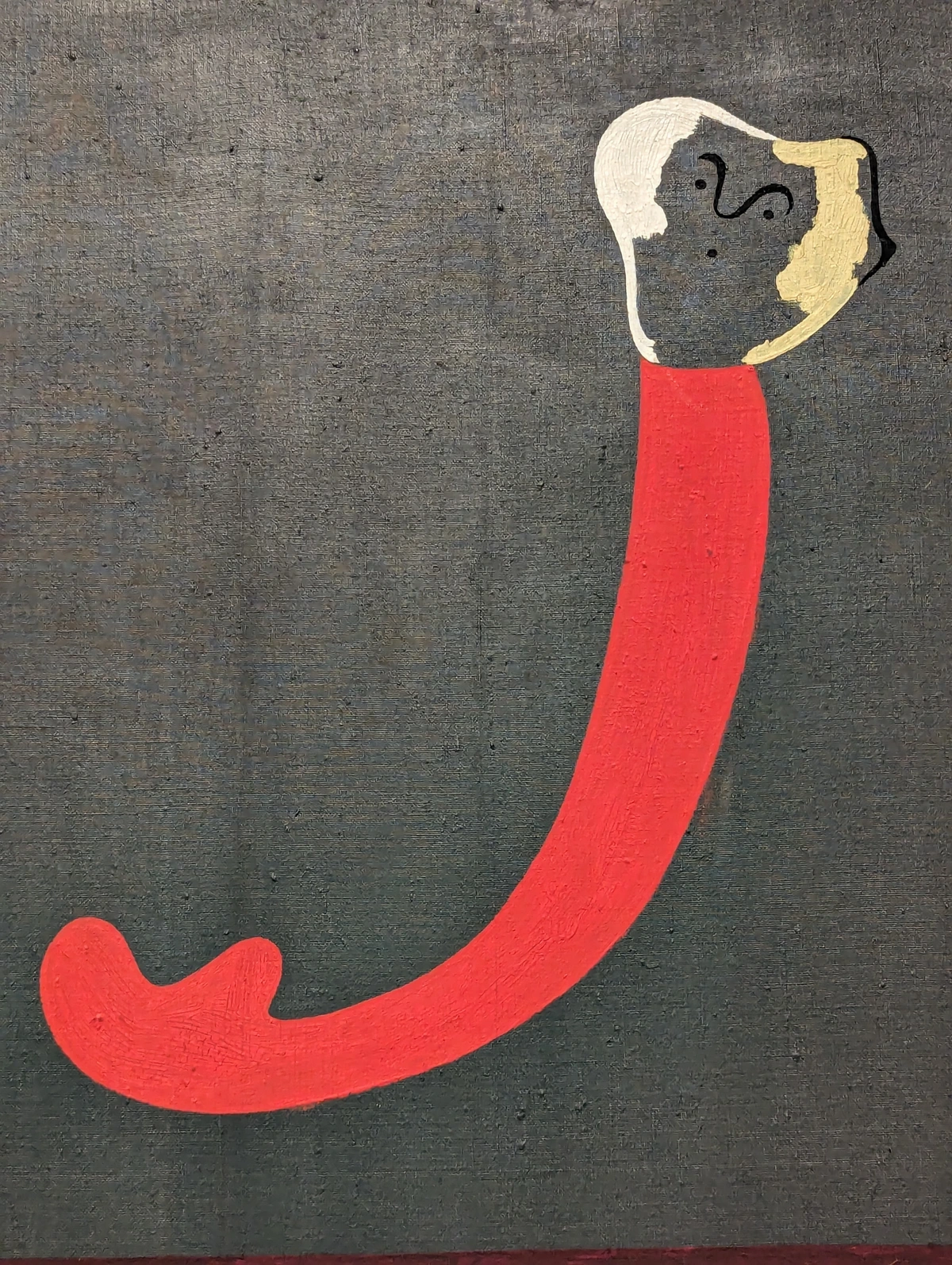
While Wassily Kandinsky is often credited with painting one of the first purely abstract works around 1913, believing art should express 'inner necessity,' like music, it's worth acknowledging pioneers like Hilma af Klint, whose profound abstract works quietly emerged even earlier, often driven by spiritual exploration. Kandinsky's 'inner necessity' was deeply tied to his spiritual beliefs, particularly Theosophy (a spiritual movement emphasizing universal truth and the investigation of the spiritual plane), which saw art as a means to express unseen spiritual realities, moving beyond the material world to a purer form of expression. Hilma af Klint, similarly, was guided by spiritualist séances and messages from higher beings, seeing her abstract works as direct transmissions of spiritual truths rather than merely aesthetic experiments. Her foresight, though unrecognized during her lifetime, underscores the diverse spiritual and philosophical roots of abstraction, with themes often representing universal harmony and spiritual states through specific color and geometric symbolism.
Kandinsky looked at the world and thought, "This is nice, but what if I painted how it feels?" A concept I heartily embrace in my own work when I'm wrestling with a particularly stubborn canvas. It’s less about describing a scene, and more about capturing the unseen forces that shaped it.
Of course, he wasn't alone. Movements like Cubism fragmented reality into geometric shapes, challenging a singular viewpoint and paving the way for non-representational art by encouraging viewers to engage with form and composition beyond literal representation. This breaking down of traditional perspective directly demonstrated that art didn't need to mirror reality to convey meaning. And don't forget the rebellious spirit of Dadaism, exemplified by works like Marcel Duchamp's readymades, which scoffed at traditional art entirely, rejecting logic and embracing absurdity, thus opening doors for new forms of expression that prioritized concept over craft. Futurism also contributed, celebrating dynamism and speed, often depicting movement through fragmented, overlapping abstract forms. These early explorations didn't just lay groundwork; they ignited a fuse, leading to the dazzling explosion of distinct abstract movements we'll dive into next. What do you think was the most significant shift that led artists away from pure representation?
If you're eager for the full saga, I've got a whole article on /finder/page/the-definitive-guide-to-the-history-of-abstract-art-key-movements-artists-and-evolution. Seriously, it's a rabbit hole worth falling down.
Question 2: What About the Big Movements? (Navigating the Labyrinth of 'Isms')
Once abstract art burst onto the scene, it didn't just sit there politely; it branched out, spawning a dazzling array of movements, each with its own philosophy and aesthetic. Like a vibrant ecosystem, each new movement added layers of complexity and philosophy to the conversation. Trying to keep track can feel like herding cats on roller skates, or like that one time I tried to organize all my paint tubes by shade and brand – a noble but ultimately chaotic endeavor. But some key 'isms' really shaped the landscape and became defining pillars of abstraction:
Movement  | Key Artist(s) | Core Idea | Visual Characteristics |
|---|---|---|---|
| Suprematism | Kazimir Malevich | Pure feeling, universal expression | Basic geometric forms, pure color, often spiritual |
| De Stijl | Piet Mondrian | Universal harmony, order | Primary colors, black/white, horizontal/vertical lines, architectural |
| Abstract Expressionism | Jackson Pollock, Mark Rothko | Raw emotion, spontaneity, psyche | Gestural, drip painting, large color fields, visceral |
| Color Field Painting | Mark Rothko, Barnett Newman | Immersive color experience | Large fields of solid color, subjective encounter, often spiritual |
| Lyrical Abstraction | Helen Frankenthaler, Paul Jenkins | Poetic, spontaneous, fluid | Curvilinear lines, soft edges, translucent palette, sweeping brushstrokes |
| Op Art | Victor Vasarely, Bridget Riley | Optical illusions, visual perception | Geometric forms, lines, contrasting colors to create movement illusion |
- Suprematism (early 20th century): Think Kazimir Malevich and his iconic "Black Square." The idea here was supreme purity of feeling in art, stripping away everything representational. It was a quest for a fundamental, universal artistic expression, often tied to spiritual or philosophical aspirations within the Russian avant-garde, reducing art to basic geometric forms and pure color, and aiming to liberate art from political and social messages.
- De Stijl (1917 onwards): The Dutch answer to abstract purity, championed by Piet Mondrian. This movement sought universal harmony through strict geometry: primary colors (red, yellow, blue), black and white, and horizontal and vertical lines. These principles, famously seen in his "Composition with Red, Blue, and Yellow," were intended to reflect an underlying universal order and balance, which Mondrian believed could create a harmonious new world. It's architectural, disciplined, and surprisingly calming. You see a clear reflection of this in some of my own more structured, /finder/page/my-abstract-language:-decoding-the-personal-symbolism-and-narratives-within-my-work pieces.
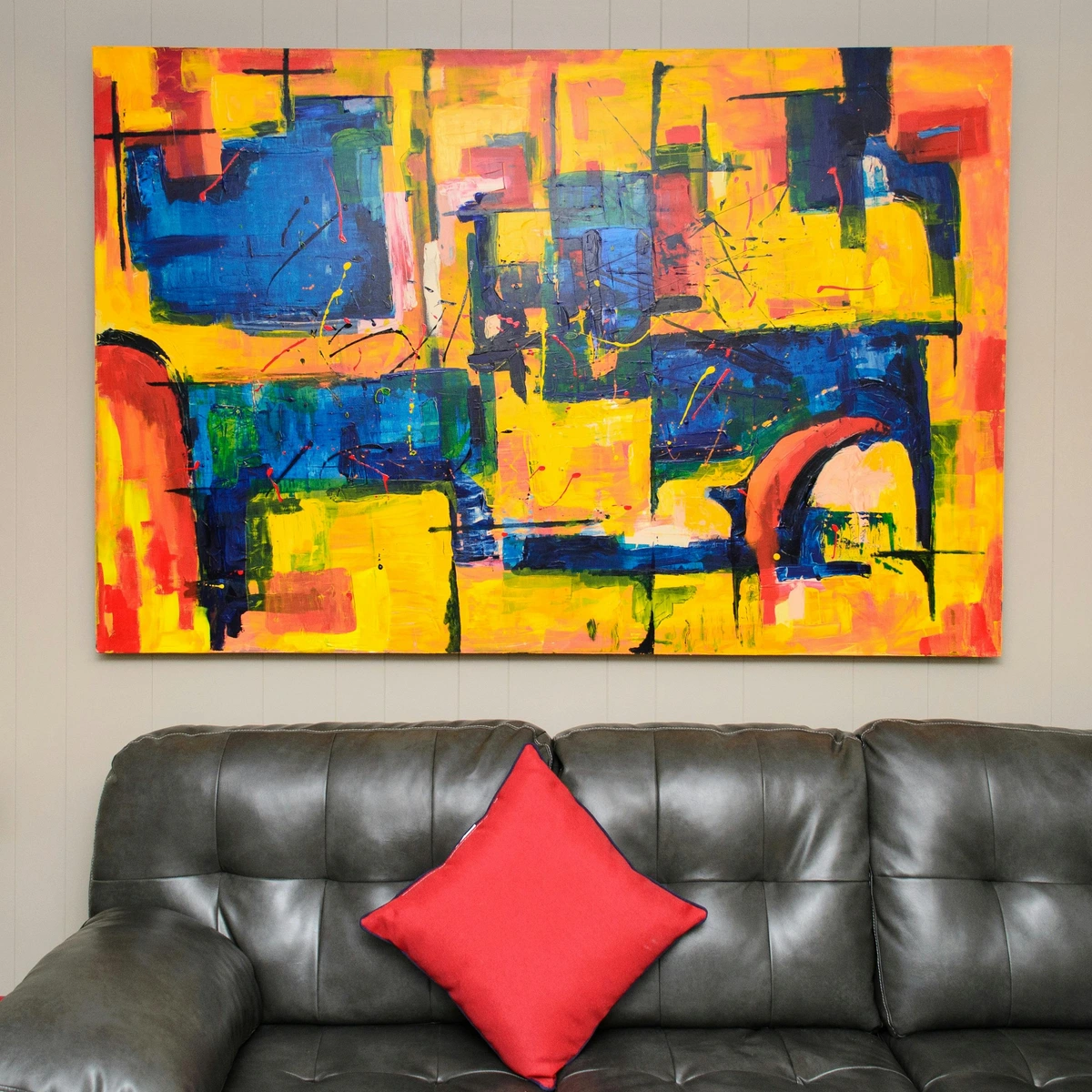
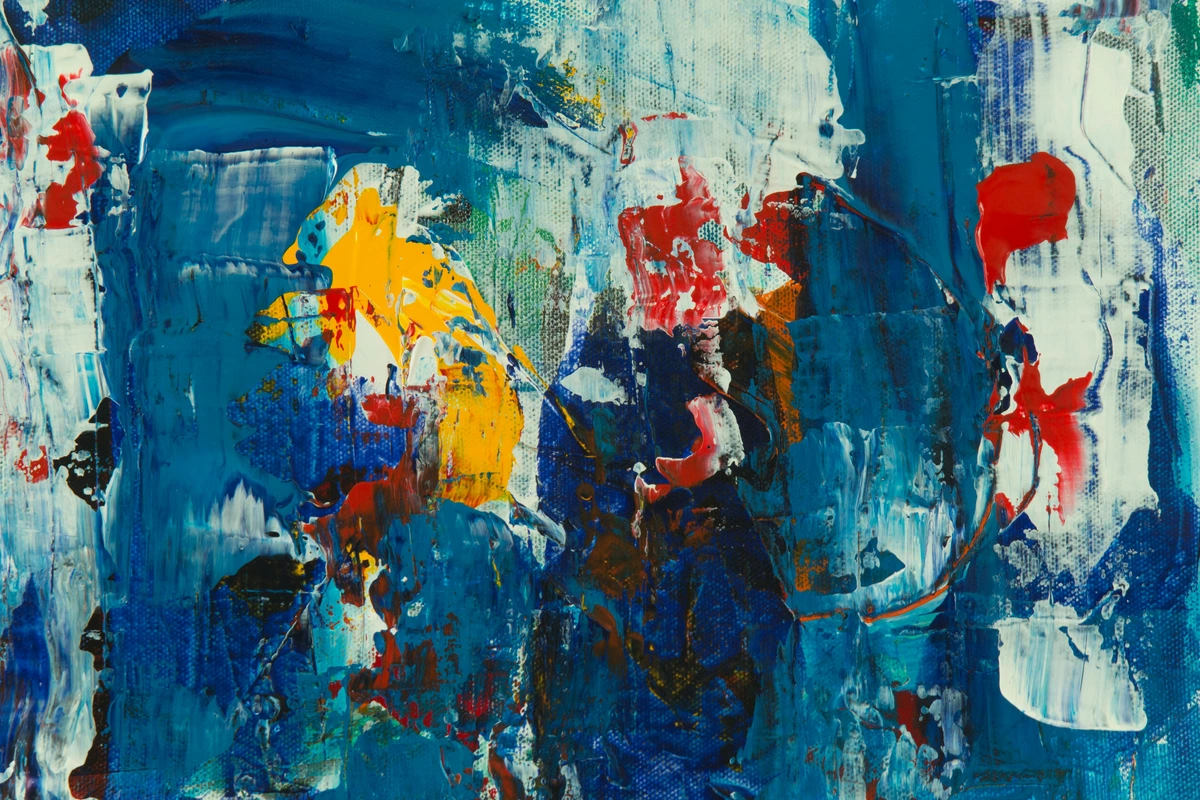
- Abstract Expressionism (post-WWII): Ah, the big one! This is where art got visceral. Born in New York, it marked a significant shift in the art world's center from Paris to New York after WWII, reflecting a new American cultural dominance. It was less about geometric order and more about raw emotion, spontaneity, and the artist's psyche. Think Jackson Pollock's iconic drip paintings, or Mark Rothko's contemplative color fields. Artists like Helen Frankenthaler pushed boundaries with revolutionary stain painting. It's messy, it's personal, it's almost a cry on canvas. This movement really resonates with my own belief that art is about feeling, about expression, about letting the subconscious lead the brush. This raw emotionalism eventually led to further explorations like Post-Painterly Abstraction, which emerged as a reaction against the gestural intensity and highly personal marks of Abstract Expressionism, seeking formal clarity, unmodulated color, and a more intellectual rigor. This desire for objectivity, a critique of perceived emotional excess, and a focus on the art object itself, in turn, paved the way for Minimalism, which further reduced art to its most essential forms, removing all expressive content and focusing on the object's literal presence, often emphasizing industrial materials and serial repetition. These movements were less about personal gesture and more about the art object itself.
- Color Field Painting: Evolving from Abstract Expressionism, this movement, exemplified by artists like Mark Rothko and Barnett Newman (famous for his powerful "zips"), focused on large fields of solid color. By removing subject matter and focusing solely on expansive areas of color, these artists aimed to envelop the viewer, creating a subjective, often spiritual or meditative encounter where the color itself became the experience, emphasizing its emotional power over gesture or narrative. While both explore emotion, Color Field painting immerses the viewer in expansive, solid color, whereas Lyrical Abstraction uses more fluid lines and softer forms to evoke a poetic or musical quality.
- Lyrical Abstraction: As a counterpoint to more structured or gestural forms, Lyrical Abstraction, emerging in the 1960s and 70s, emphasized fluid, often curvilinear lines, softer edges, and a more poetic, spontaneous approach, often evoking natural forms or musical rhythms through sweeping, calligraphic brushstrokes and a vibrant, often translucent palette. Think of artists like Helen Frankenthaler's later work, or the fluid, calligraphic elements in artists like Paul Jenkins, where sweeping brushstrokes evoke natural forms or musical rhythms.
- Op Art (Optical Art): This movement uses abstract geometric forms, lines, and colors arranged in precise, often contrasting ways to create illusions of movement, vibration, or hidden images. This is achieved through the precise arrangement of lines, geometric shapes, and contrasting colors that trick the eye into perceiving movement, vibration, or hidden depths, directly engaging the viewer's visual perception, differentiating it from purely emotional or formal abstraction by its explicit focus on perceptual trickery.
There are so many more, of course, from lyrical abstraction to geometric abstraction, and movements like Orphism's focus on pure color or Constructivism's geometric rigor – it's a rich tapestry! I remember once trying to describe the difference between Color Field and Lyrical Abstraction to a friend, using my hands to mimic sweeping brushstrokes versus flat expanses. It ended with us both laughing, realizing how inadequate words can be. If you're pondering their significance and /finder/page/the-evolution-of-abstract-art:-key-movements-and-their-collectible-value, or exploring the broader context of abstract art movements, you'll find a lot to chew on. Each movement adds a new layer to the conversation about what art can be. Sometimes, I feel like each of these 'isms' is a different personality in my studio, all clamoring for attention, each with a valid, vibrant perspective. Which 'ism' speaks loudest to you, and what new 'ism' might emerge from our current world, perhaps from our shared anxieties or hopes? We've explored where it came from and where it went, but how exactly do artists make this magic?
Question 3: How Do Artists Actually Do Abstract Art? (More Than Just Splashes, I Swear!)
We've explored its origins and vibrant lineage, but how exactly do artists translate these philosophies into tangible works? Let's pull back the curtain on the magic – it's more than just splashes, I promise! This is where my art historian hat sometimes slips, and my artist apron takes over. "It's just random splashes! My kid could do that!" – I've heard it all. And while, yes, sometimes it looks random, there's often a profound intention behind the apparent chaos. It’s a dance between planning and spontaneity, a careful orchestration of what seem like accidents.
My process, and indeed the process of many abstract artists, isn't about perfectly replicating something visible. It's about distilling an emotion, a concept, a moment, or even a deep-seated philosophical pondering into pure visual language. It's like being a visual poet, choosing colors and forms instead of words. This journey can often be a profound act of self-discovery for the artist, revealing inner landscapes and truths previously unarticulated. The very nature of our materials – the viscosity of paint, the weave of canvas – also plays a crucial role in shaping the final form. You can read more about /finder/page/how-to-abstract-art in a dedicated article.
I remember one piece, a canvas that stubbornly resisted my initial ideas. I wrestled with it for days, adding layers, scrubbing them away, feeling utterly stuck. It was only when I let go of the 'plan' and simply responded to the accidental drips and textures, letting my intuition guide the next stroke, that the true form began to emerge. It felt less like 'making' and more like 'uncovering' what the painting already wanted to be, a revelation only possible when I trusted that gut feeling – those happy accidents often lead to breakthroughs.
We use a vast toolkit, both tangible and intangible, to achieve this visual poetry:
Tool | Purpose | My Takeaway |
|---|---|---|
| Color Theory | Evoking emotion, depth, visual dynamics | My visual poetry; where colors sing and collide |
| Composition | Balance, rhythm, tension, visual journey | The unseen bone structure of a piece, guiding the eye |
| Texture | Depth, interest, history, tactility | What makes a piece feel alive, something you want to touch |
| Mixed Media | Layers of meaning, physical presence | When paint isn't enough to tell the full story |
| Conceptual Underpinnings | Guiding idea, intention for a series | The silent narrative or question beneath the surface |
| Intuition & Flow | Spontaneity, discovery, true alchemy | The true magic; letting happy accidents guide the way |
- Color Theory: Understanding how colors interact, their psychology, and how they evoke emotion is crucial. This understanding sometimes extends to phenomena like synesthesia, a concept Kandinsky himself explored, where senses intertwine, and colors might evoke sounds or emotions, enabling art to communicate on an even deeper, non-visual level. Understanding how warm colors (reds, yellows) advance and cool colors (blues, greens) recede, creating an illusion of depth, or how complementary colors (like blue and orange) create vibrant tension and visual energy when placed side-by-side (because they are opposite on the color wheel, generating a strong contrast), are fundamental in guiding emotional impact and visual dynamics. Artists also consider color harmony, creating visually pleasing combinations, and color dissonance, intentionally using clashing colors to evoke unease or energy. I delve into /finder/page/how-artists-use-color and /finder/page/the-psychology-of-color-in-abstract-art-beyond-basic-hues quite a bit, and explore the emotional language of color in abstract art.
- Composition: Even without recognizable subjects, balance, rhythm, and tension are vital to creating a compelling visual journey. This involves creating visual balance (symmetrical, where elements are evenly distributed, or asymmetrical, where contrasting elements are balanced despite their differences, ensuring no part feels too heavy), establishing rhythm through repetition of shapes or lines that guide the eye, and generating tension through contrasting elements or dynamic diagonals. The strategic use of negative space – the empty areas around and between elements – is also crucial, providing visual breathing room and defining the positive forms within the artwork, or evoking a sense of calm or tension. Mastering composition in abstract art is key; it’s the underlying bone structure of the piece. This often involves applying Gestalt principles, where the brain naturally seeks to organize disparate visual elements into unified, coherent wholes, making the viewer an active participant in constructing meaning from the abstract forms.
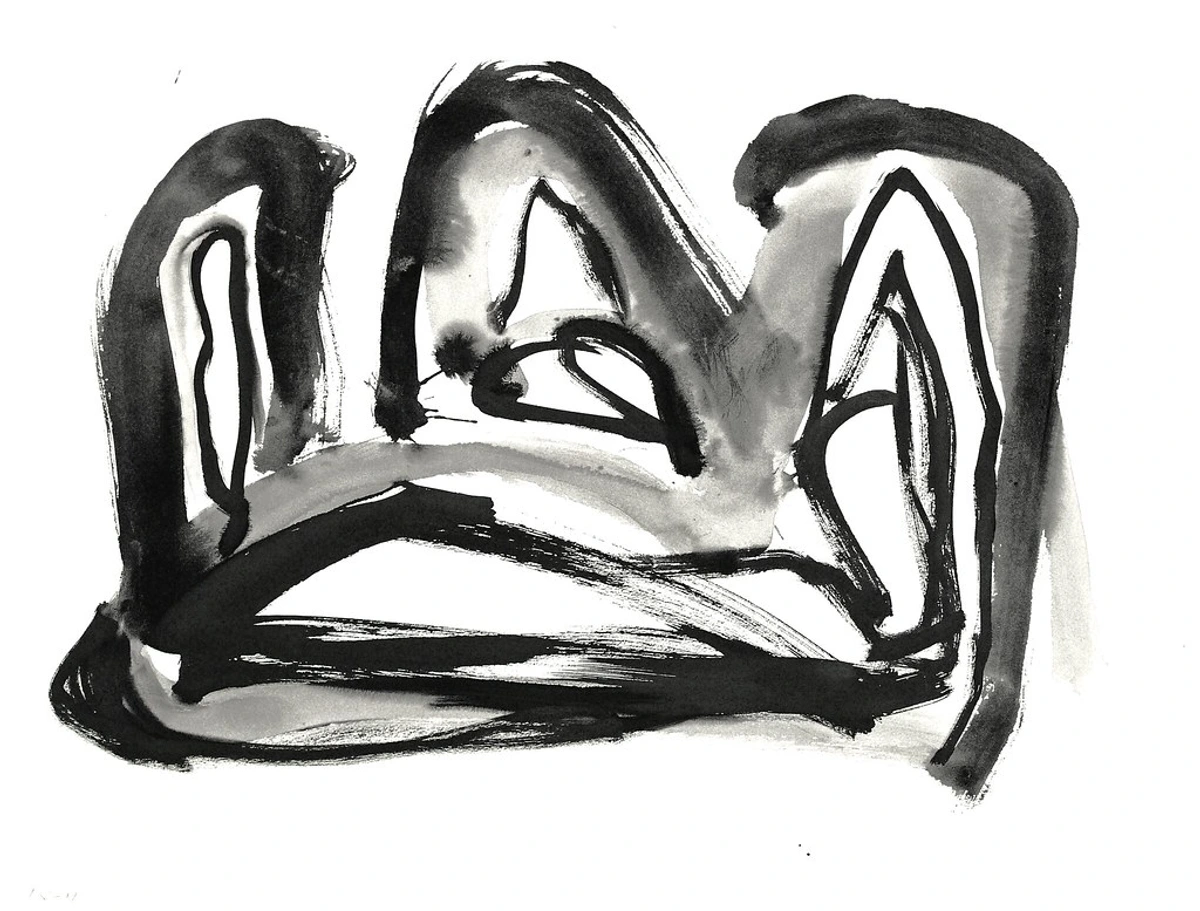
- Texture: Oh, glorious texture! It adds depth, interest, and sometimes a sense of history or decay. I've shared my /finder/page/exploring-texture:-my-favorite-techniques-for-adding-depth-to-abstract-paintings before. It's what makes a piece feel alive, something you want to reach out and touch.
- Mixed Media: Sometimes, a painting needs more than just paint. Integrating different materials adds layers of meaning and physical presence.
- Conceptual Underpinnings: Beyond intuition, artists often develop a conceptual framework or a guiding idea for a series of works, even if the execution is spontaneous, providing a deeper layer of intention. For instance, an artist might develop a series exploring the fleeting nature of memory through blurred, layered forms and muted, nostalgic colors.
- Intuition & Flow: This is the magic ingredient. Learning to listen to the canvas, to trust my gut, and to embrace the unexpected is central to /finder/page/my-creative-flow:-embracing-intuition-in-abstract-painting and /finder/page/the-art-of-intuitive-painting:-embracing-spontaneity-in-abstract-creation. It's less about a rigid plan and more about a dance with the materials, letting happy accidents guide the way. It’s where the true alchemy happens.
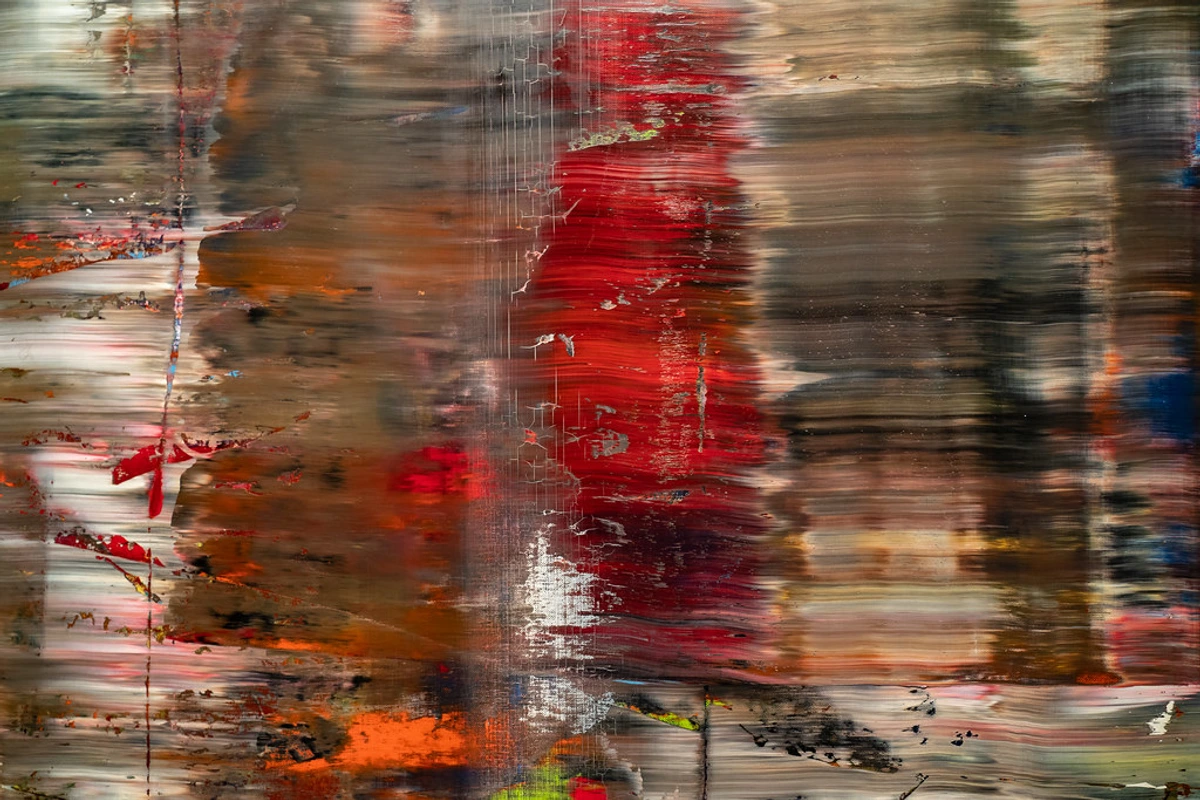
Ultimately, it's a /finder/page/my-creative-journey-from-concept-to-canvas-in-abstract-art that's deeply personal. And if you're curious about my specific philosophical underpinnings, I’ve written about /finder/page/why-i-paint-abstract:-my-personal-philosophy-and-artistic-vision quite extensively. It's definitely more than just throwing paint at a wall, though sometimes it certainly feels like it in the moment! What hidden tools do you think abstract artists rely on most, beyond the obvious brush and canvas, and how do they communicate with the unseen? Speaking of the unseen, let's talk about meaning.
Question 4: Does Abstract Art Actually Mean Anything? (Decoding the Non-Representational)
This is perhaps the most common question I hear, often delivered with a slightly bewildered tilt of the head. "But what is it of?" My usual cheeky answer is, "It's 'of' itself!" But that's not really fair, is it? The beauty and challenge of abstract art lie precisely in its open-endedness. It means everything and nothing, all at once, because it's a mirror and a window.
Unlike a portrait or a landscape, which might tell a clear story, abstract art invites you, the viewer, to complete the narrative. It's a dialogue. The artist provides the visual prompts – colors, shapes, lines, textures – and your own experiences, emotions, and imagination fill in the blanks. While the artist provides the visual prompts, the interpretation is a dance between their intention and the viewer's unique perspective, sometimes leading to unexpected resonances. This is why /finder/page/decoding-abstract-art:-a-guide-to-finding-meaning-in-non-representational-works and understanding its /finder/page/the-definitive-guide-to-understanding-abstract-art-styles is such a personal journey.
For the artist, it's often a profound act of expression and self-discovery:
- Emotional Release: A canvas can become a battleground for anxieties, joys, or a quiet reflection of inner peace. The strokes, colors, and forms carry the emotional weight, allowing artists to process and externalize their deepest feelings.
- Philosophical Inquiry: Some artists use abstraction to explore complex ideas about existence, spirituality, or the nature of perception itself. For instance, an artist might delve into existentialism by depicting the vastness, freedom, and often the absurdity of human experience through expansive, undefined forms, or through fragmented compositions that reflect the non-linear human condition and a sense of alienation. Alternatively, they might explore phenomenology by focusing on the subjective, lived experience of light, color, and form, emphasizing how these elements are felt and perceived directly by the viewer's body and mind, perhaps through thick impasto textures or the interplay of light and shadow. This can involve exploring the /finder/page/the-symbolism-of-geometric-shapes-in-abstract-art-a-deeper-look or the interplay of positive and negative space.
- Formal Experimentation: Others are deeply interested in the pure elements of art – how colors react, how shapes balance, the dance of line and form for its own sake, pushing the boundaries of visual language.
So, yes, it absolutely means something. It means whatever you bring to it, and whatever the artist intended, sometimes without even realizing it. It's a mirror and a window. And sometimes, it's just a beautiful arrangement of colors that makes you feel a certain way, and that's perfectly valid too! I recall a piece of mine where I felt I was expressing a quiet sense of hope, yet a viewer once told me it perfectly captured their feeling of joyous chaos. And both were right! What personal meaning have you unexpectedly found in an abstract artwork, and how did it resonate with your own story?
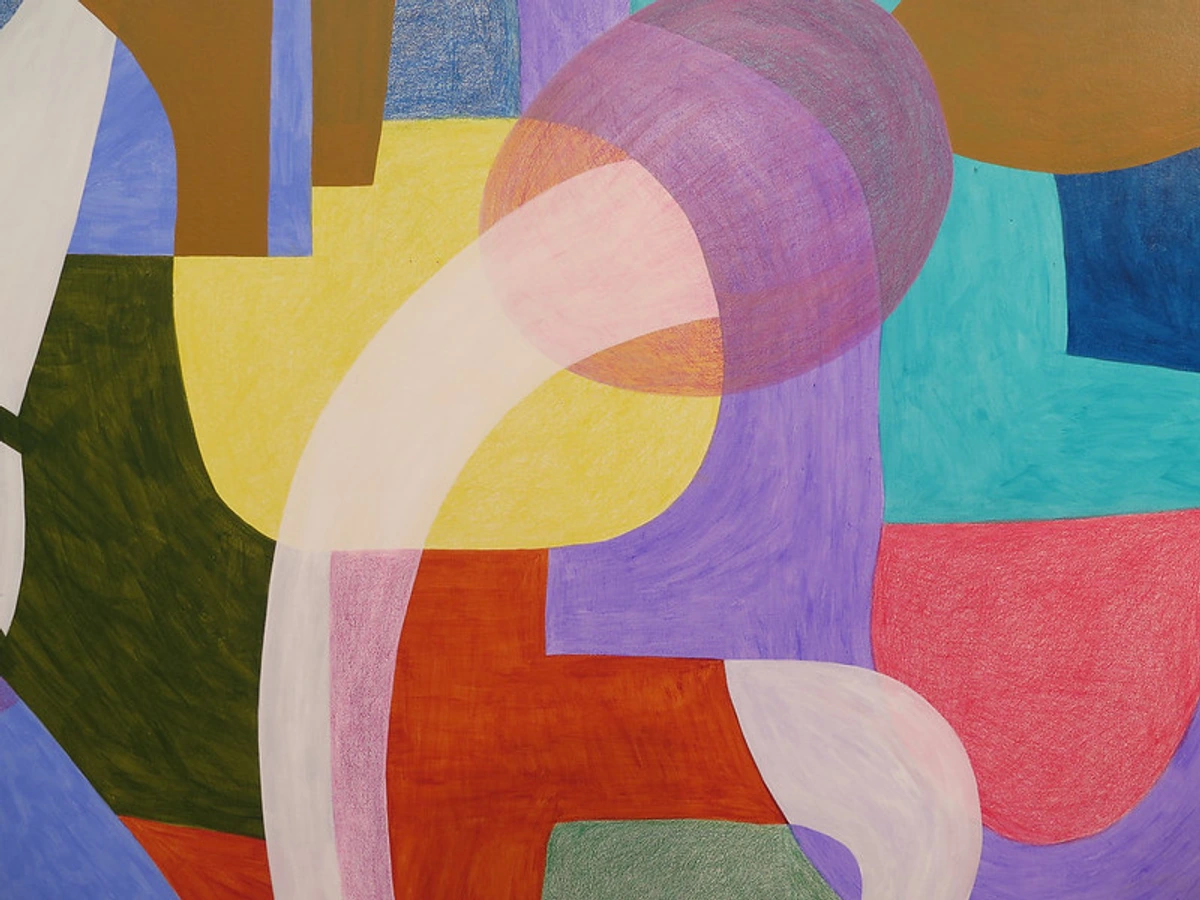
Question 5: What's Next for Abstract Art? (My Crystal Ball is a Bit Smudged, But...)
If there's one thing art history teaches us, it's that art never stands still. It's constantly morphing, reacting, evolving. Trying to predict the future is a fool's errand, but it's a fun one, so let's indulge! I suspect the future of abstract art will be a fascinating blend of the deeply human and the technologically advanced.
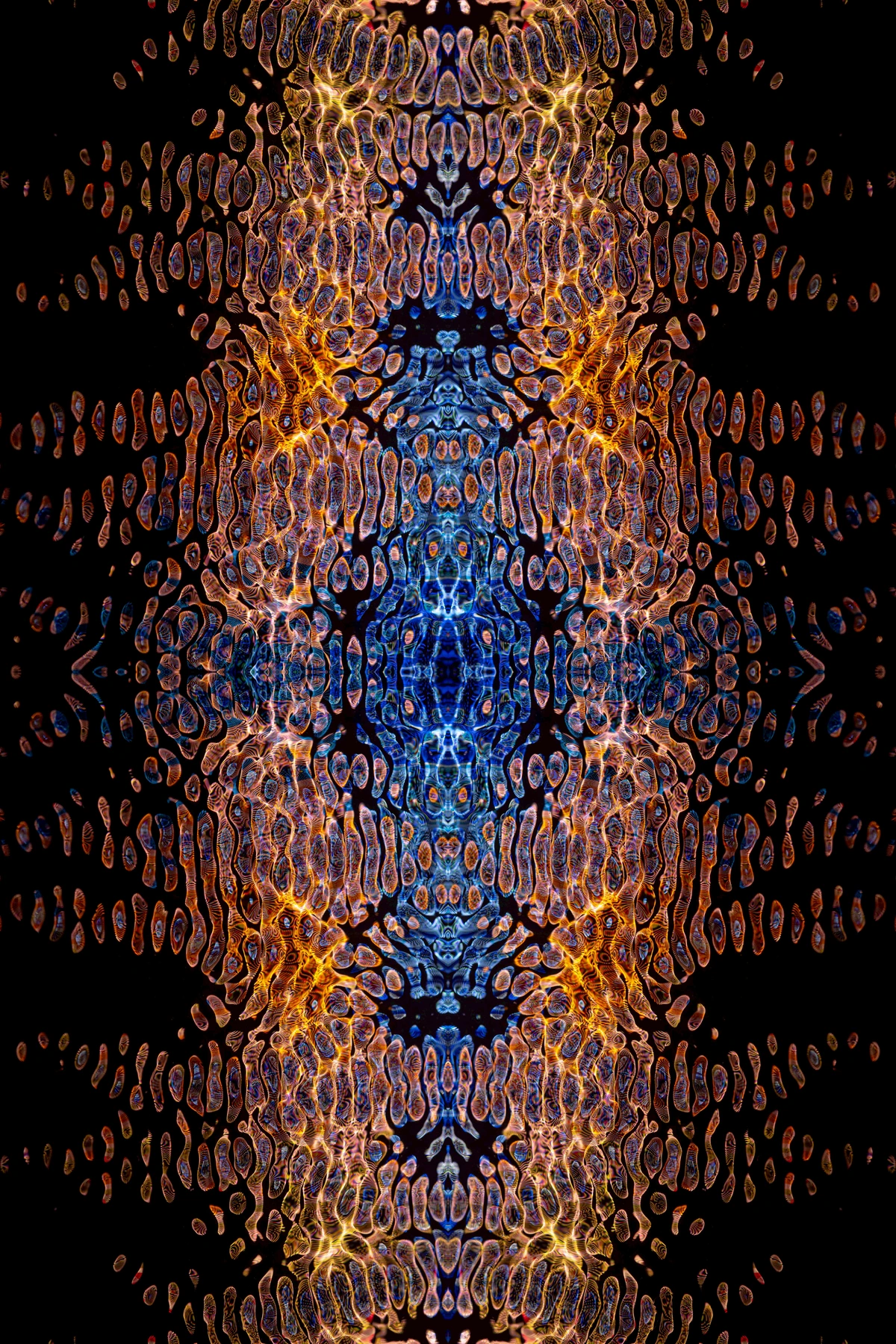
We're already seeing incredible explorations with /finder/page/ai-as-co-creator:-exploring-collaborative-art-projects-with-artificial-intelligence, generating mind-bending, intricate abstract forms such as complex fractal patterns (self-similar shapes that repeat at different scales), dynamic generative art that evolves in real-time based on algorithms, or even surreal dreamscapes that push the boundaries of visual logic. This raises fascinating questions about authorship and originality: if an AI generates the form, where does the human 'art' lie? Is it in the initial prompt, the curation of outputs, the conceptual framework guiding the AI, or the artist's ability to imbue the work with personal meaning? It's a dialogue that pushes the boundaries of what we understand 'creation' to be. Furthermore, these AI-generated works often display emergent properties, where complex patterns and meanings arise spontaneously from simpler rules or algorithms, mirroring the unexpected discoveries artists make in their own intuitive processes. Virtual reality and augmented reality offer new canvases and immersive experiences for abstract expression. Imagine stepping inside a Rothko painting or walking through a digital Kandinsky! My mind (and probably my studio floor) is exploding with possibilities. This continuous evolution means that understanding /finder/page/the-definitive-guide-to-understanding-abstraction-in-contemporary-art isn't a destination, but an ongoing, thrilling journey. I also envision abstract art becoming more interactive, with viewers potentially influencing dynamic digital works or even contributing to collective abstract creations.
I also envision the human touch evolving through the artist's selection and refinement of AI outputs, the integration of physical, handmade elements with digital ones, or the artist's ability to imbue AI-generated forms with a distinct personal sensibility. But amidst all this tech, I believe the core human desire for expression, for meaning, for beauty, will remain. Abstract art will continue to be a deeply personal endeavor, perhaps even more so as we navigate an increasingly digital world. Artists will continue to find new materials, new techniques, and new ways to communicate the incommunicable. I also envision a future where abstract art's influence extends even further into design, architecture, and therapeutic practices, continually shaping our environments and inner lives.
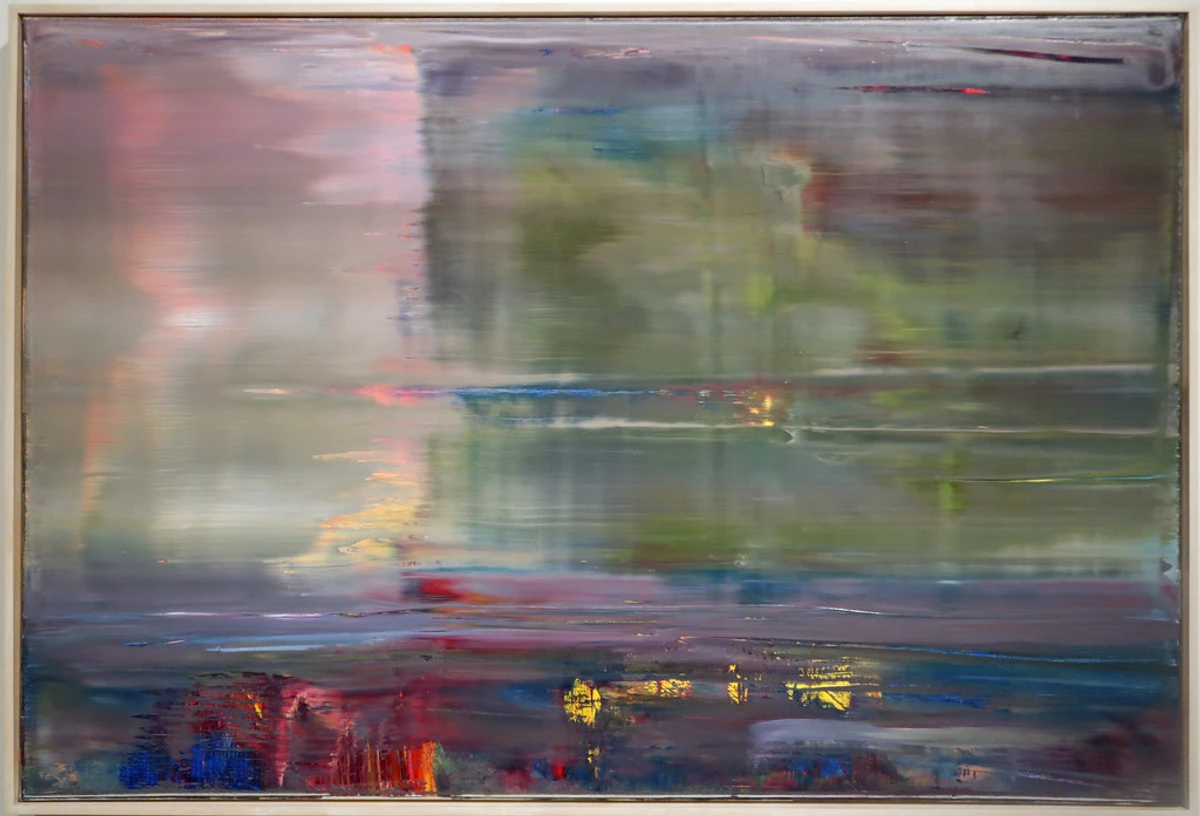


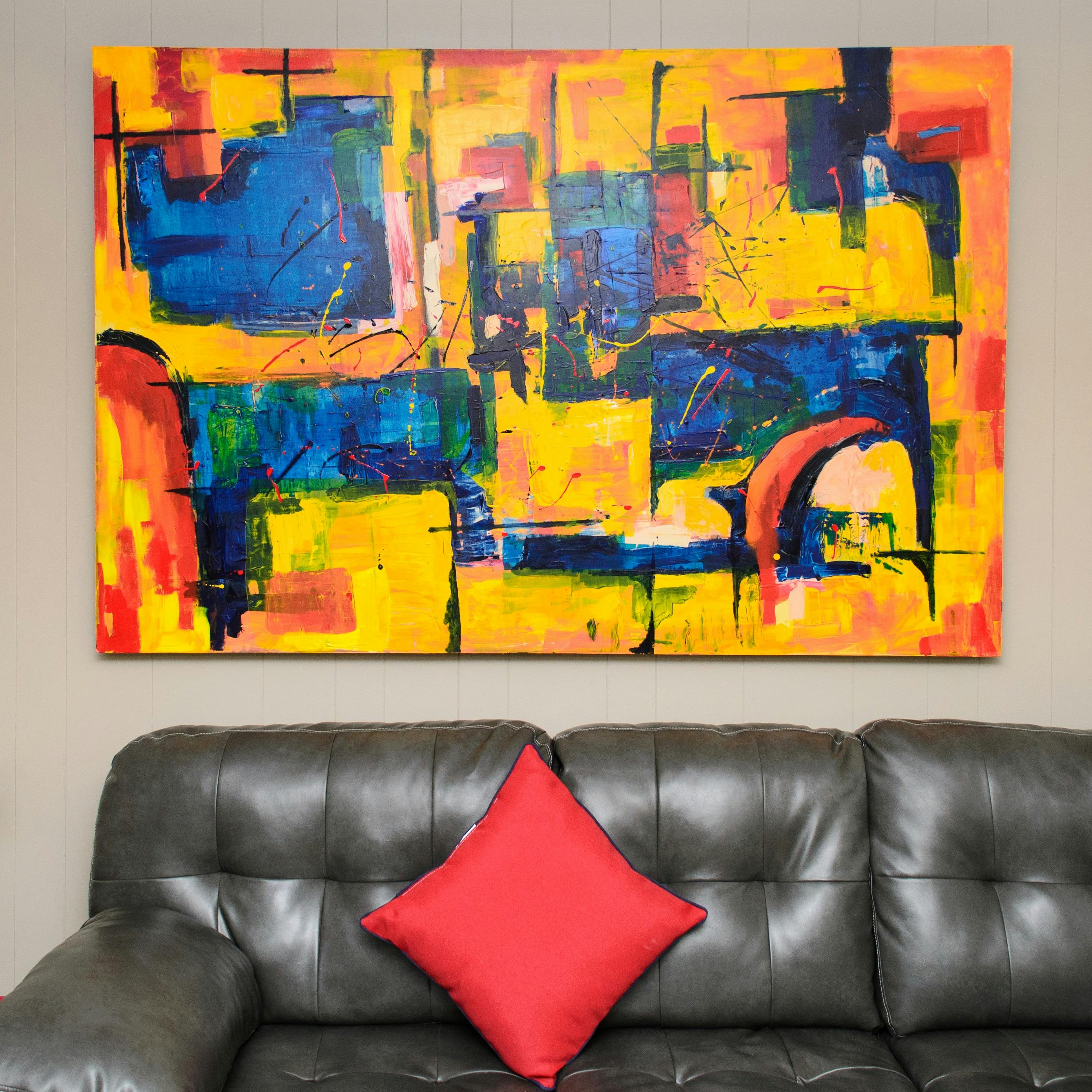
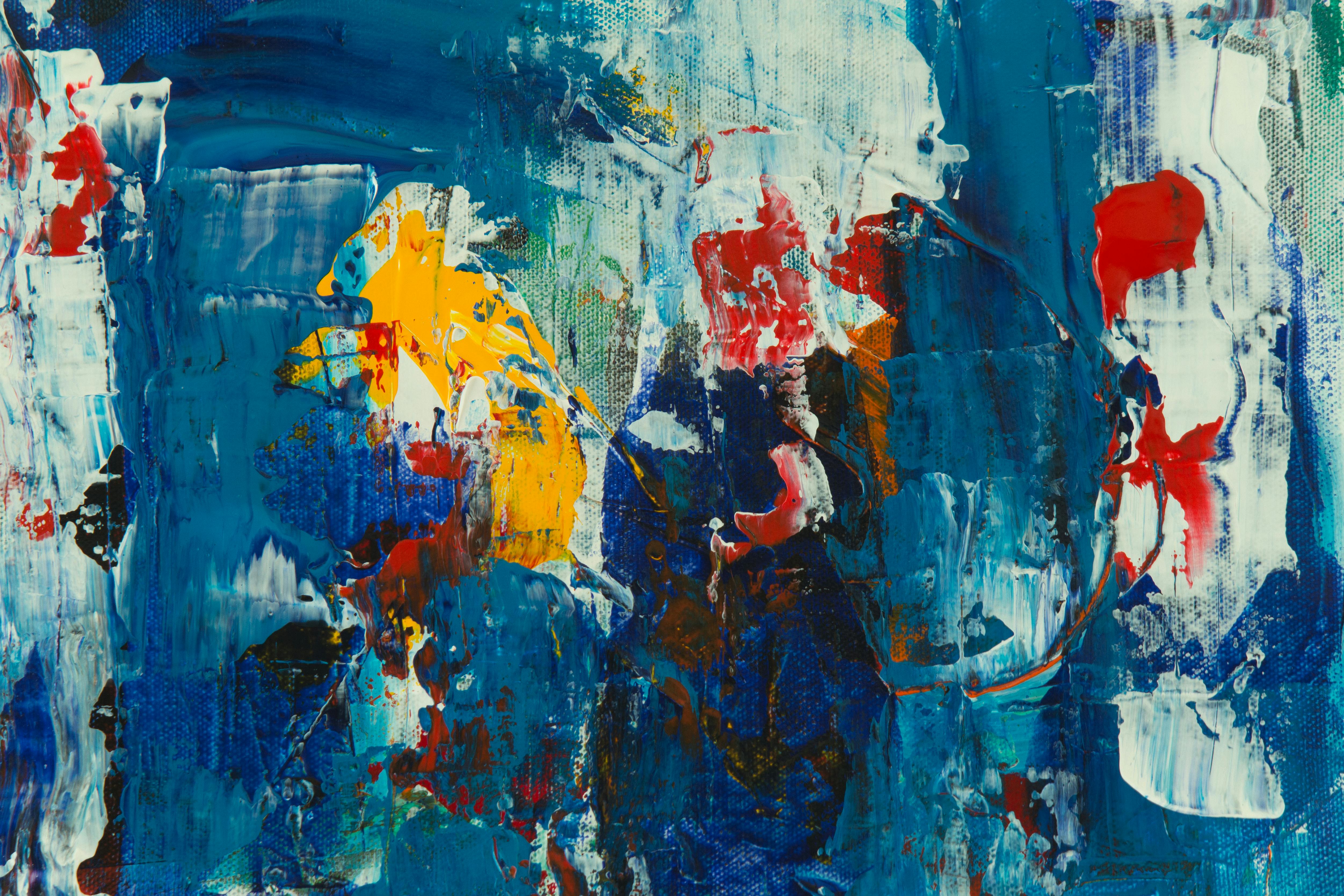


Maybe the next big 'ism' will be 'Post-Digital Organicism' or 'Neo-Intuitive Algorithmic Expressionism' – who knows? What I do know is that the spirit of pushing boundaries, of daring to be non-representational, will endure. How do you envision the human touch evolving in abstract art as technology advances, and what new forms of connection might emerge?
FAQ: Quick Bites from the Art History Buffet
Sometimes you just need the bullet points, right? Here are some rapid-fire answers to common abstract art questions:
Question | Quick Answer |
|---|---|
| Who is considered the pioneer of abstract art? | Wassily Kandinsky is often credited with creating one of the first purely abstract works around 1910-1913, believing art should express 'inner necessity' without direct representation. However, Hilma af Klint created profound abstract paintings even earlier, though her work was largely unrecognized during her lifetime, often driven by spiritualist visions. |
| What are some major abstract art movements? | Key movements include Suprematism (pure feeling through geometry), De Stijl (universal harmony via strict geometry), Abstract Expressionism (raw emotion, spontaneous gestures), Color Field painting (immersive color experiences), Lyrical Abstraction (fluid lines, expressive forms), Post-Painterly Abstraction (formal clarity), Minimalism (essential forms, no expressive content), and Op Art (optical illusions). Each had distinct philosophical and aesthetic approaches. The impact of the World Wars, particularly WWII, significantly shaped movements like Dadaism's rejection of logic and Abstract Expressionism's emotional intensity. |
| Is there a 'right' way to interpret abstract art? | No! The beauty lies in its open-endedness. It invites personal interpretation, relying on your emotions, experiences, and imagination to complete the dialogue. There's no single 'correct' meaning, making it a unique experience for every viewer. |
| What is the purpose of abstract art? | To express emotions, ideas, or spiritual concepts without relying on recognizable external forms. It can also explore the pure elements of art (color, line, form) for their own sake, offering a direct visual experience and inviting viewers to connect on an intuitive level, often reflecting profound philosophical inquiries or a pure engagement with aesthetic principles. |
| Is abstract art easier to make than realistic art? | Absolutely not. While it might seem less 'technical' than hyperrealism, abstract art demands a deep understanding of /finder/page/the-definitive-guide-to-composition-in-abstract-art-principles-techniques-and-impact, /finder/page/the-definitive-guide-to-color-theory-in-abstract-art-principles-psychology-and-application, and an ability to convey complex ideas or emotions through non-representational means. It requires rigorous conceptualization, intentionality, and a profound understanding of visual language, often distilling years of artistic practice into a seemingly simple gesture or form, demanding a mastery of aesthetic principles as rigorous as any representational art. It also requires the discipline to resist the urge to represent and the courage to be vulnerable with pure expression. |
| How has abstract art influenced other fields? | Beyond fine art, abstract principles have profoundly influenced modern design (think Bauhaus's functional aesthetics), architecture (like De Stijl's minimalist structures), fashion (through bold patterns and color blocking), and even therapeutic practices, demonstrating its pervasive impact on visual culture and human well-being. |
Wrapping Up Our Little Chat
Well, that was quite the journey, wasn't it? From the visionary leaps of Kandinsky and Klint to the potential of AI-driven abstract forms, the evolution of abstract art is a testament to human creativity's relentless pursuit of new ways to see, feel, and express. It's a history rich with daring, philosophy, and passionate artists who weren't afraid to break the rules.
For me, this deep dive isn't just academic; it fuels my own work. Understanding the giants who came before, the 'isms' that shaped the dialogue, helps me find my own unique voice within this incredible tradition. It reminds me that every stroke, every color choice, is part of a larger conversation that has been happening for over a century.
So, the next time you encounter an abstract piece, whether it's a Mondrian in a /den-bosch-museum or a vibrant print you see online, pause for a moment. Don't ask, "What is it?" Ask, "How does it make me feel?" Or, even better, "What story is it trying to tell, and what story does my imagination add?" That, my friends, is where the true magic of abstract art lies. And if this little chat has sparked your own curiosity, I invite you to explore my /buy – perhaps you'll find a piece that speaks directly to your own evolving story. And don't be afraid to pick up a brush yourself; you might be surprised what abstract feelings you can uncover, echoing the journeys of artists from Kandinsky to contemporary digital pioneers.