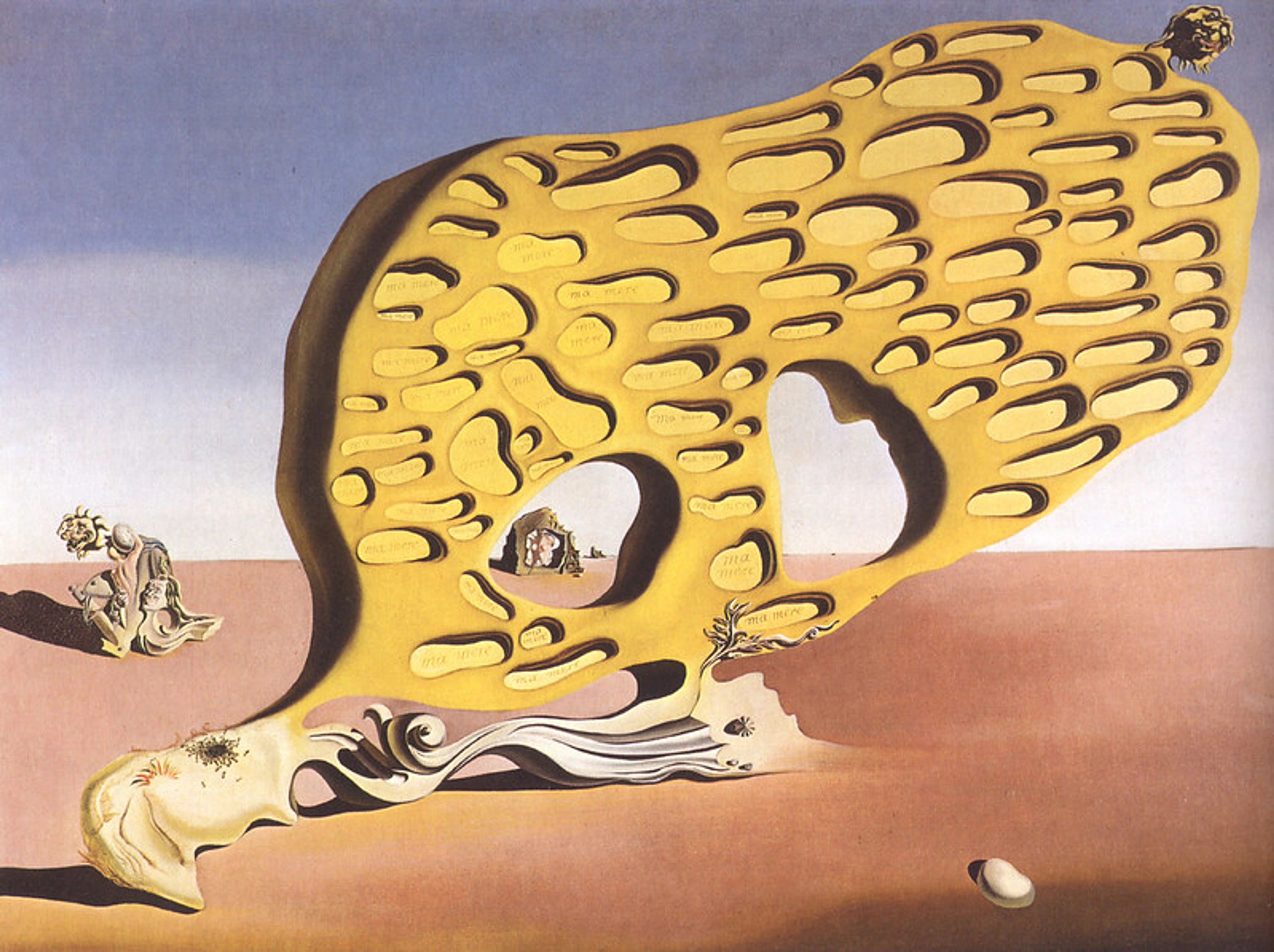
Famous Surrealist Paintings You Absolutely Must Know
Ever feel like you've woken up from a dream you can't explain? Let's dive into the famous Surrealist paintings that capture that exact feeling. No art degree required.

The Definitive Guide to Famous Surrealist Paintings (and Why They Still Mess With Your Head)
Have you ever gazed at a canvas and felt your mind bend, questioning the very fabric of reality? If so, my friend, you've likely encountered the captivating, often unsettling, world of Surrealist art. It's a realm where melting clocks keep time with fluid logic, where green apples obscure faces, and where the everyday transforms into the profoundly extraordinary. And honestly? I absolutely live for it. This isn't just about painting what we see in the waking world; it's a radical plunge into the depths of the subconscious, a bold expedition into the strange, the dreamlike, and the wonderfully illogical parts of our minds that we usually keep carefully locked away. It's a journey into a "more real" than reality itself – a glorious sur-reality.
For me, Surrealism is far more than an art movement; it’s a profound permission slip to embrace the delightfully irrational, a testament to the boundless freedom of the human imagination. It's the art world's most compelling equivalent of that perfectly nonsensical, deeply resonant dream you can't quite shake off all day, the one that leaves you pondering its hidden meanings long after waking. This groundbreaking movement dared to challenge everything we thought we knew about art, perception, and even ourselves. It was, and remains, a revolutionary act of psychological liberation. So, buckle up! Consider me your slightly eccentric (but always purposeful) guide as we embark on a journey through some of the most iconic and mind-bending masterpieces from this unforgettable era. We'll unlock the bizarre beauty, the profound symbolism, and the enduring power of Surrealism, together.
What is Surrealism? Unlocking the 'Sur-reality'
At its core, Surrealism is about exploring the deeper, often hidden, realities of the human mind, often by deliberately bypassing logic and conscious thought. It's a profound journey into the subconscious, a quest to merge the dream world with waking reality to create a new, absolute reality – a 'sur-reality'. Think of it as peeling back the layers of the mundane to reveal the extraordinary, the marvelous, and often the unsettling truth beneath. Founded by the visionary French writer André Breton in Paris in the 1920s, the movement sought to liberate human imagination and challenge conventional perceptions that had, in their view, been stifled by oppressive rationalism and rigid societal norms.
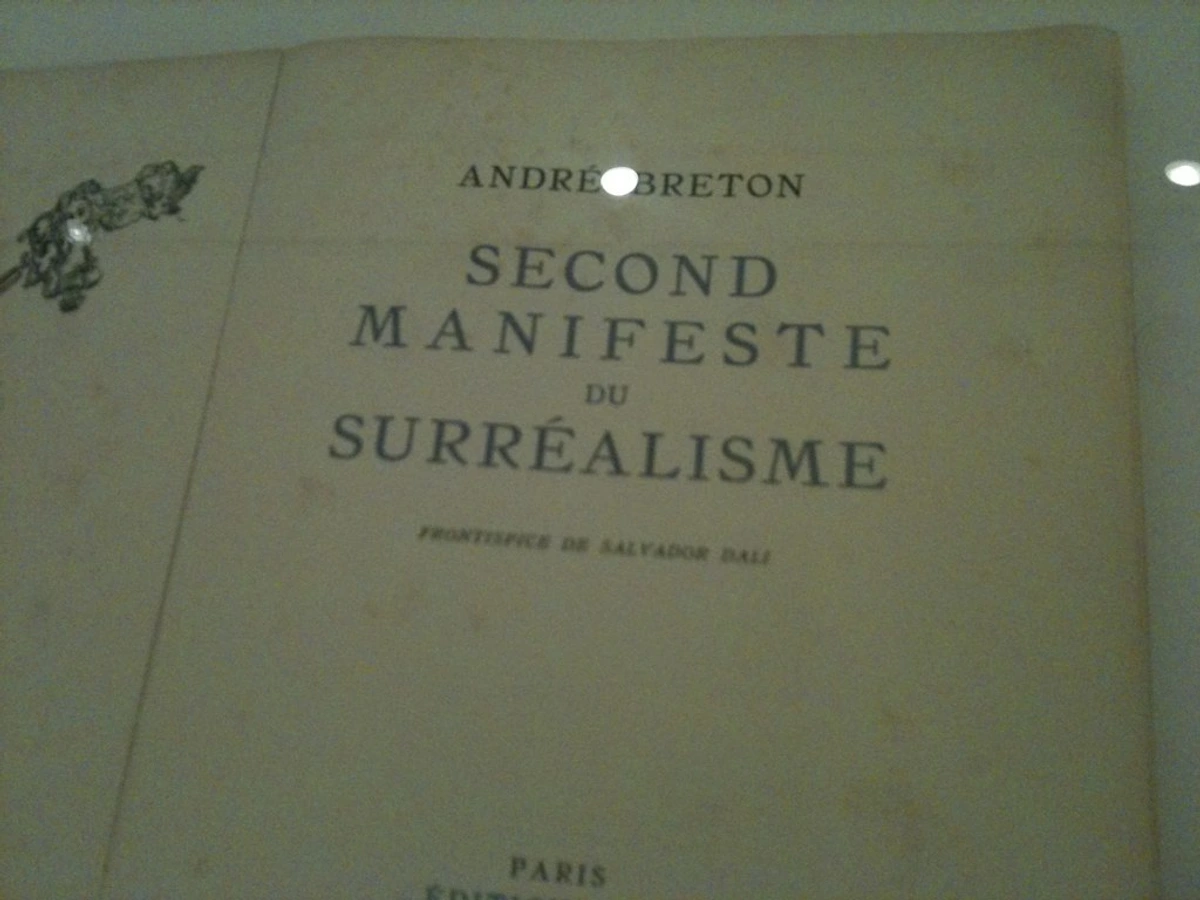
Breton, the movement's primary theorist, published his seminal Manifesto of Surrealism in 1924, explicitly calling for the embrace of psychic automatism. For him, this wasn't just a technique, but a philosophical stance: allowing thought to be expressed in its pure, unfiltered state, free from the dictation of reason or any aesthetic or moral preoccupations. It was a direct pipeline to the unconscious, a way to transcribe the spontaneous flow of the psyche directly into art. As Breton himself famously declared, "I believe in the future resolution of these two states, dream and reality, which are seemingly so contradictory, into a kind of absolute reality, a surreality." This vision, heavily inspired by Sigmund Freud's groundbreaking work on dream analysis and the subconscious, fueled the Surrealists' belief that this liberation of thought would unlock a 'superior reality', one where dreams and waking life harmoniously converged.
It's less about painting what you see in the waking world, and more about externalizing what you feel, what you dream, or what deep, unfiltered impulses of the psyche guide your hand. This wasn't merely a stylistic choice; it was a radical philosophical and psychological stance, a deliberate rebellion against the logical constraints that dominated Western thought. Surrealism is a heady mix of art, philosophy, and psychology, all rolled into one beautiful, bizarre, and often deeply unsettling package. It invited artists to dive into the vast ocean of the unconscious, bringing back treasures and monsters alike. For a truly deep dive into the movement's history, manifestos, and key concepts, I highly recommend our definitive guide to Surrealism art movement.
The Big Three: Paintings That Define Surrealism
You can't really talk about Surrealism without mentioning a few heavy hitters. These are the paintings that pop into your head, the ones that have been parodied on The Simpsons, and the ones that genuinely make you stop and stare.
Artist  | Key Works (Examples) | Signature Style / Contribution |
|---|---|---|
| Salvador Dalí | The Persistence of Memory, Lobster Telephone | Hyper-realistic dreamscapes, paranoiac-critical method |
| René Magritte | The Son of Man, The Treachery of Images | Philosophical puzzles, witty juxtapositions of everyday objects |
| Joan Miró | The Tilled Field, Constellations | Biomorphic abstraction, automatist drawing, vibrant colors |
| Max Ernst | The Elephant Celebes, Two Children are Threatened by a Nightingale | Frottage, collage, haunting machine-animal figures |
| Meret Oppenheim | Object (Déjeuner en fourrure) | Surrealist Objects, challenging perceptions of utility |
| Leonora Carrington | The Giantess, Self-Portrait (Inn of the Dawn Horse) | Mythological narratives, alchemy, powerful female figures |
| Remedios Varo | Nacimiento de la Flora, Spiral Ascent | Intricate architectural settings, alchemical themes, ethereal figures |
| Frida Kahlo | The Two Fridas, Self-Portrait with Thorn Necklace and Hummingbird | Intensely personal reality, Mexican symbolism, psychological depth |
| Man Ray | Gift, Violon d'Ingres, Rayographs | Photography, readymades, object transformations, abstract light forms |
1. The Persistence of Memory (1931) - Salvador Dalí
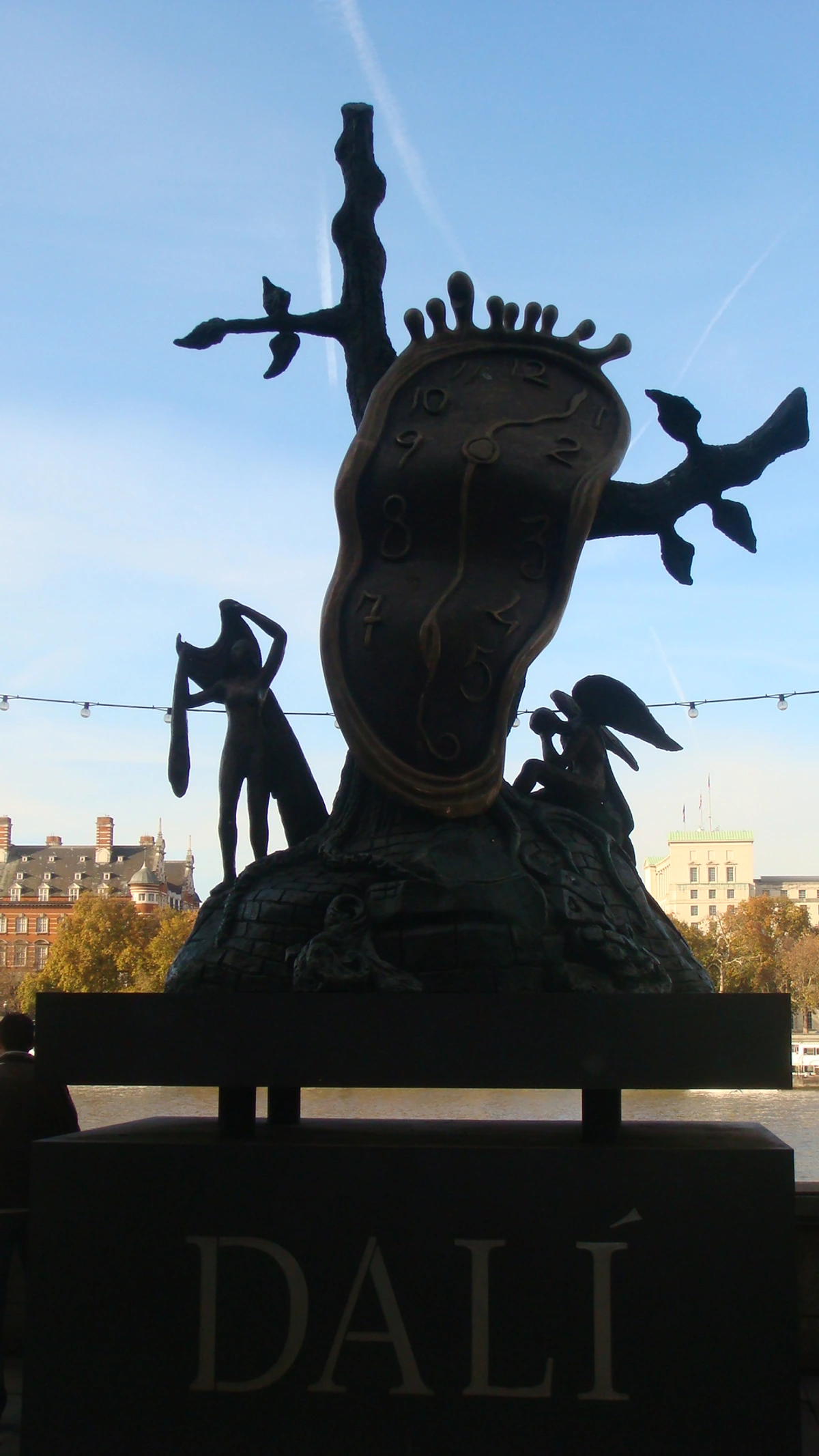
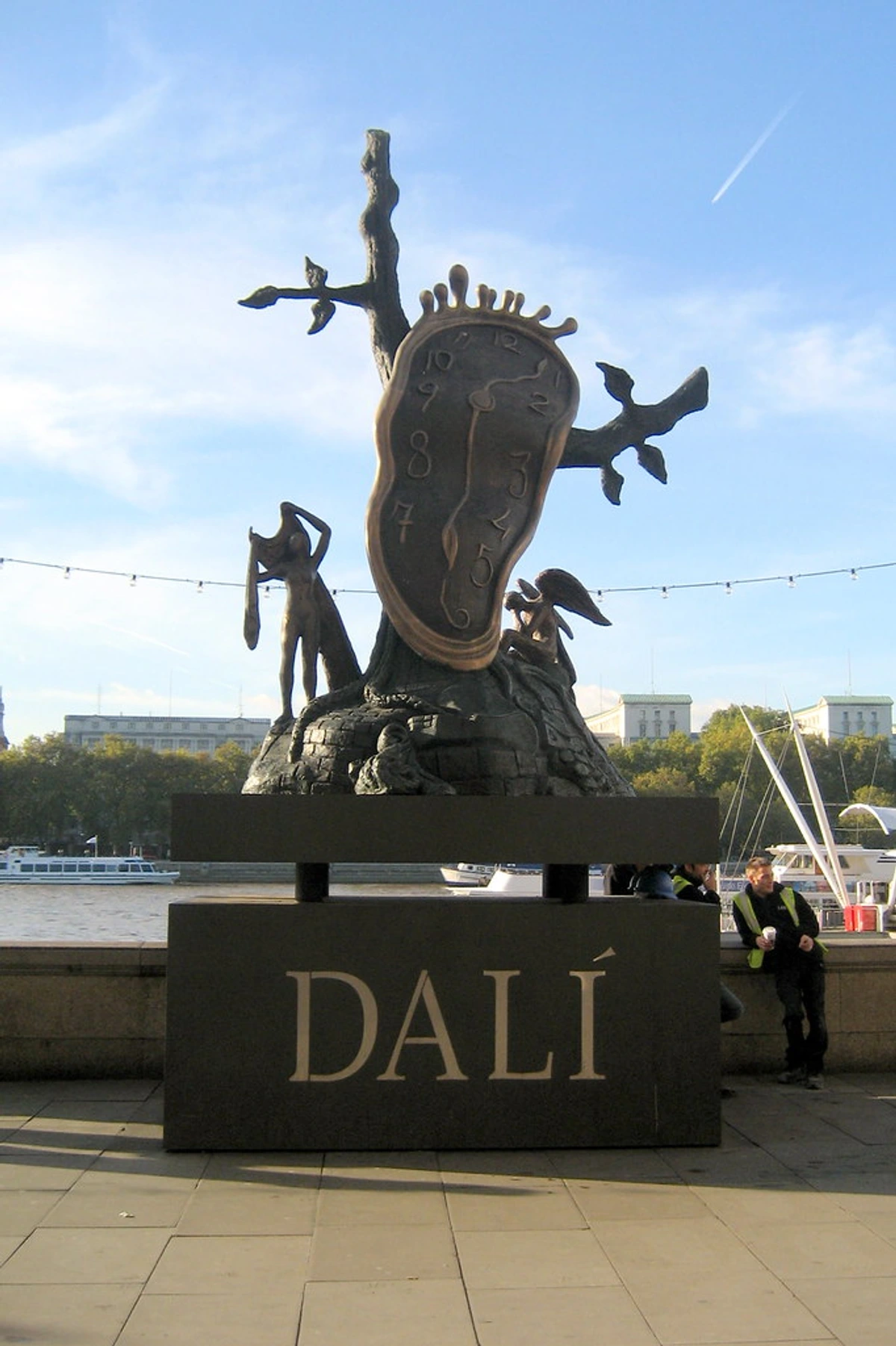
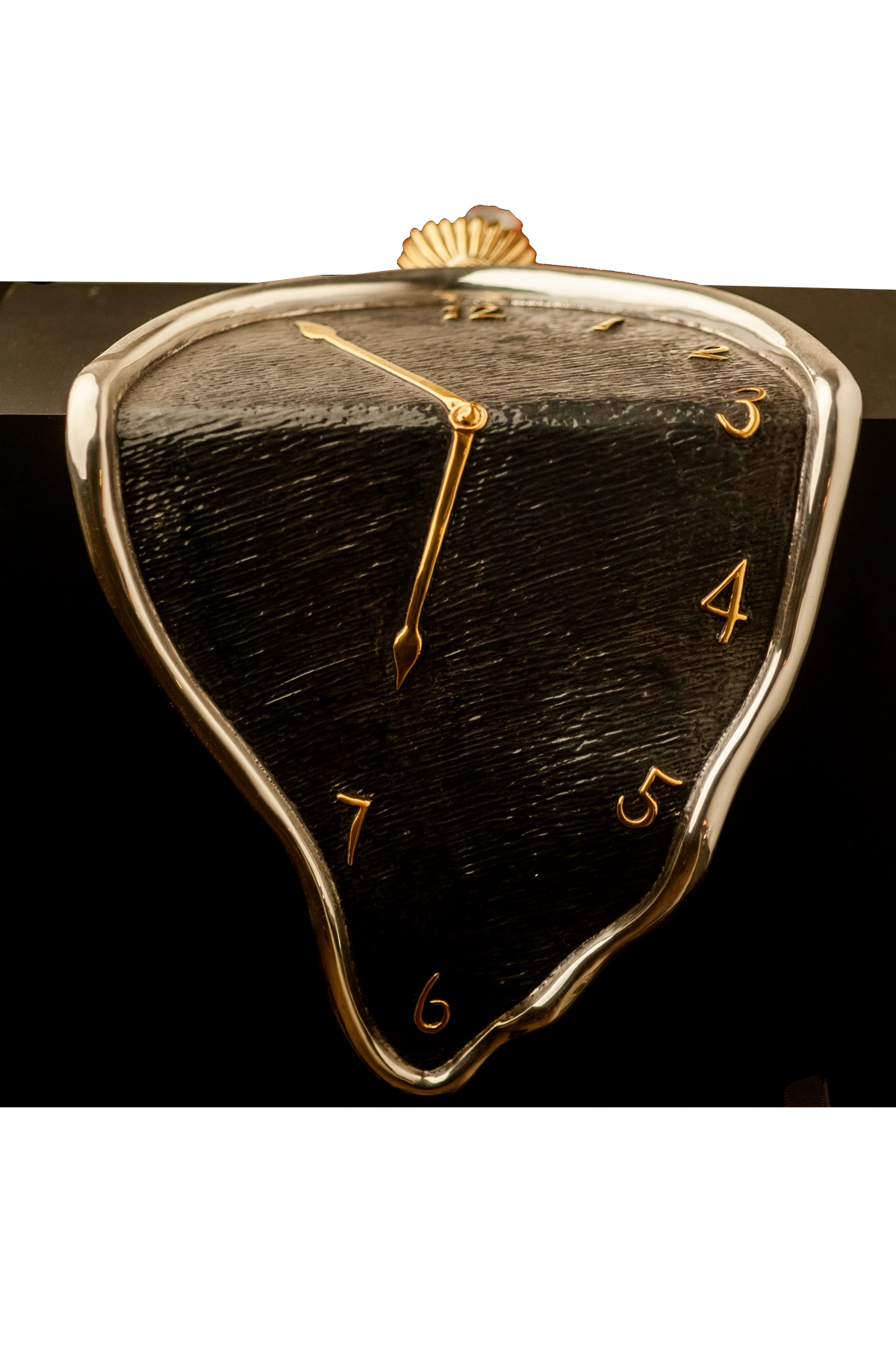
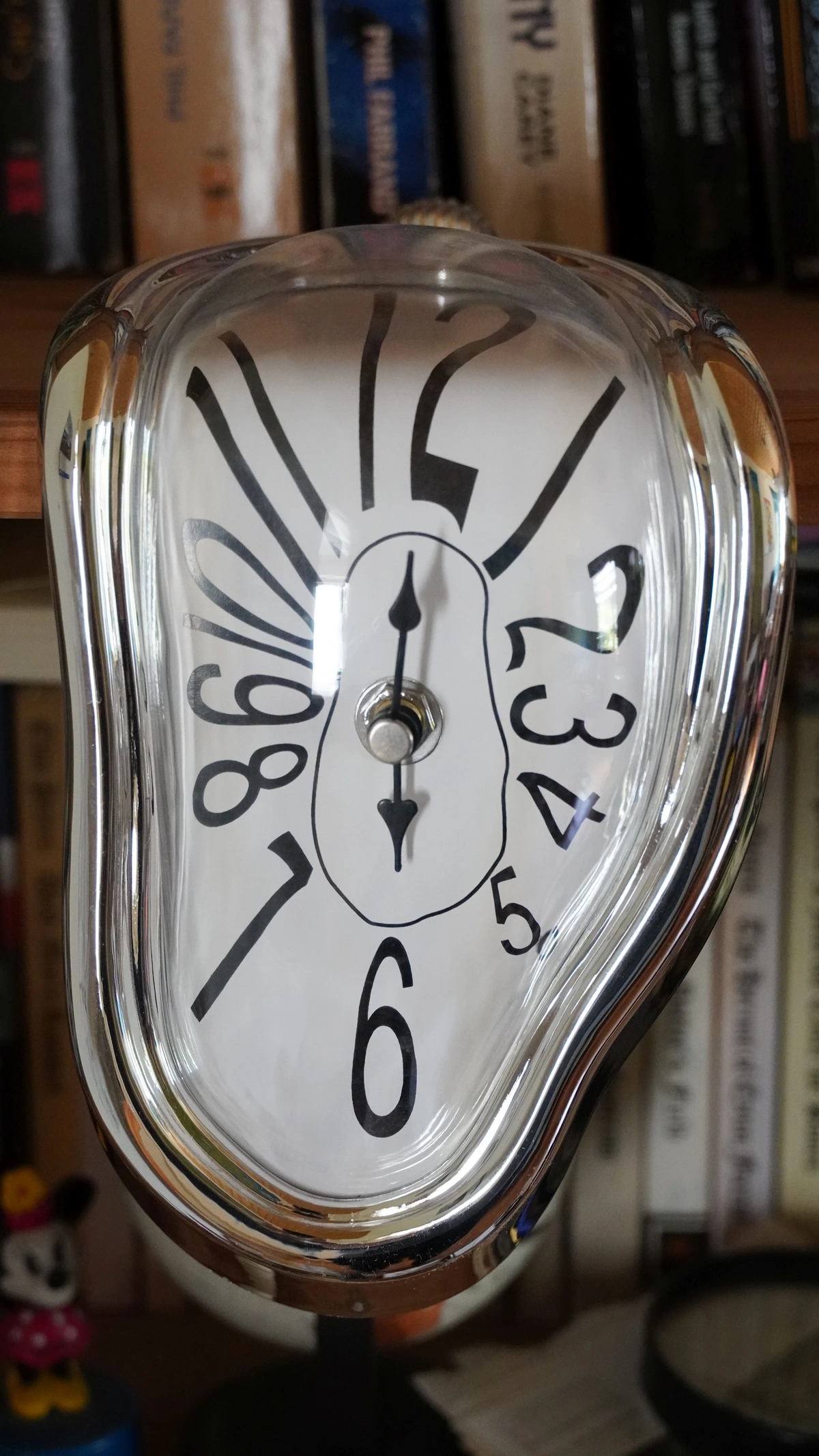
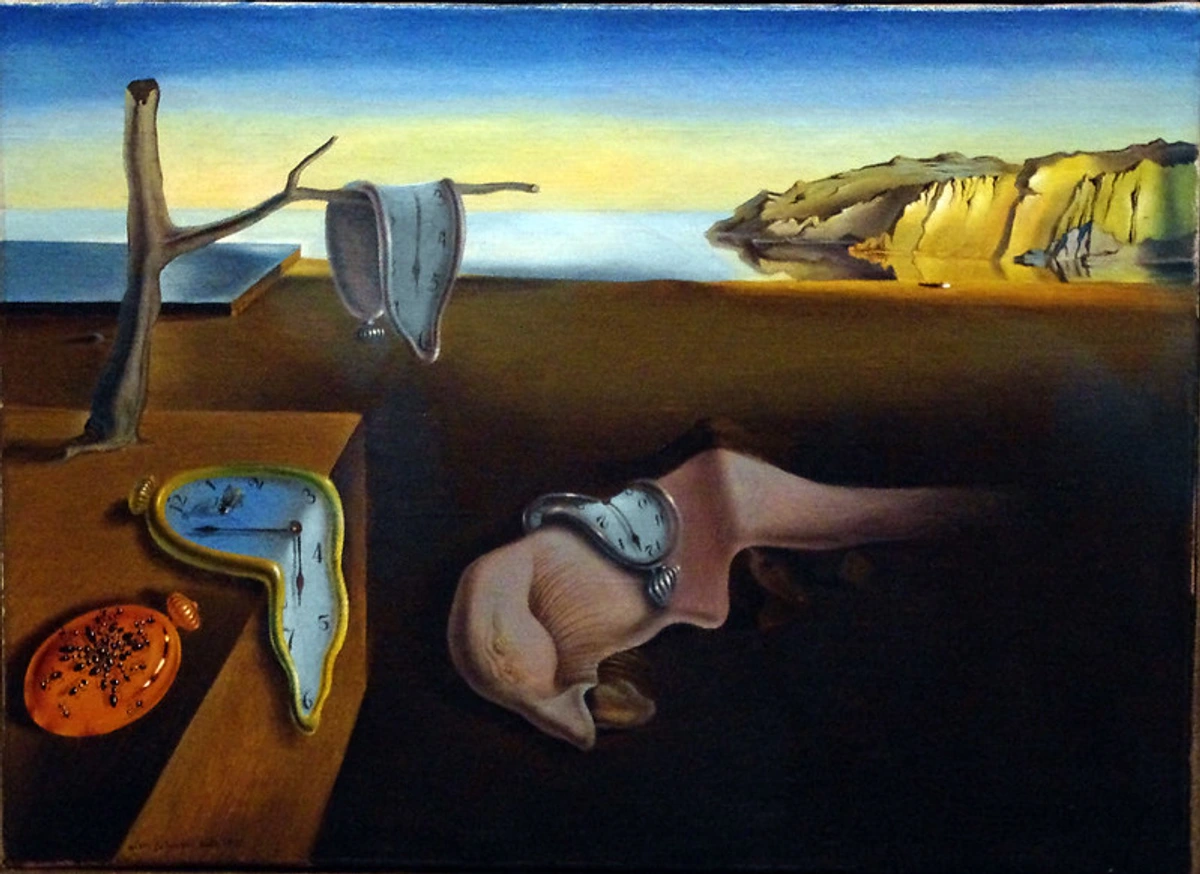
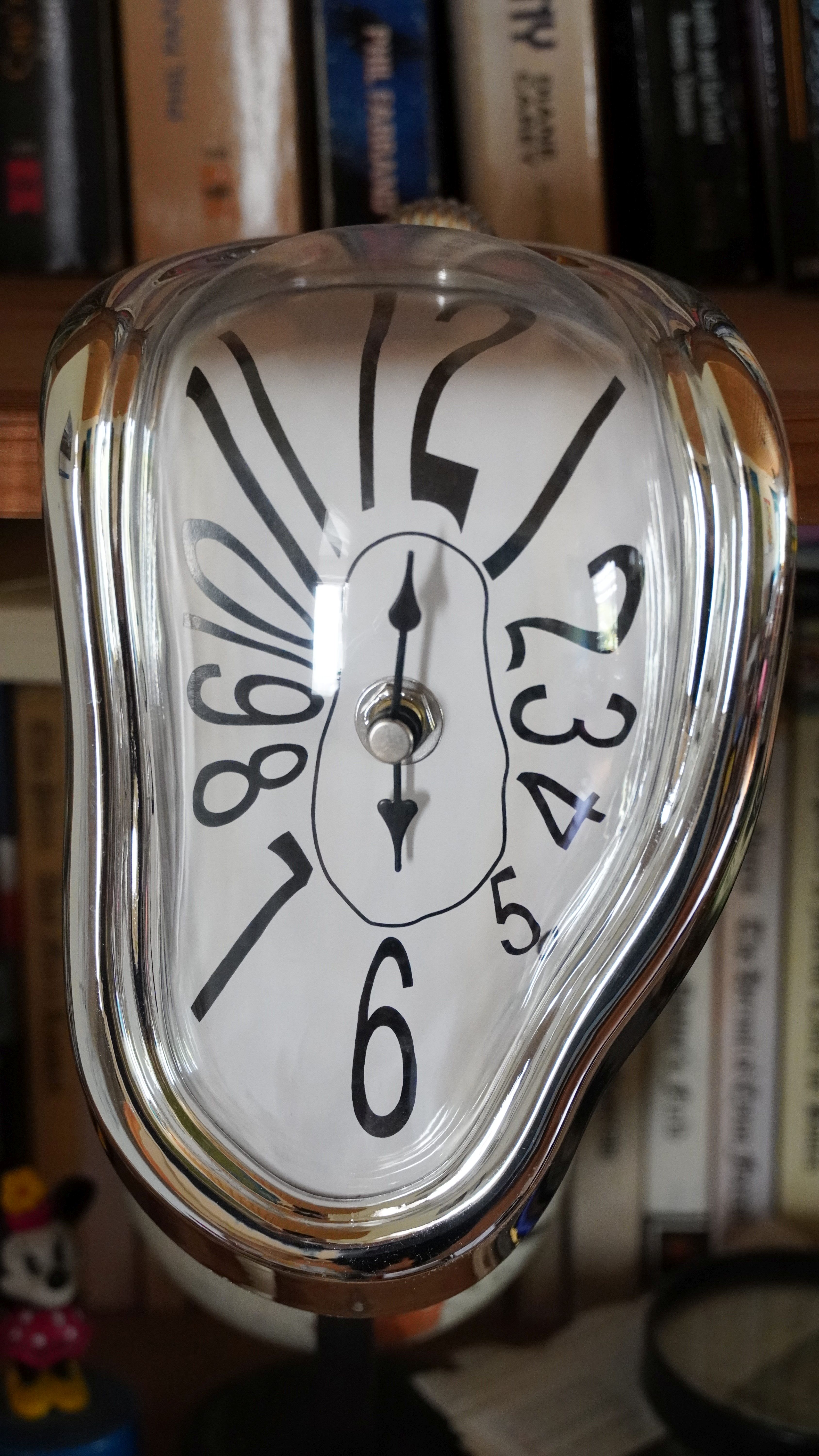
Ah, the melting clocks. Even if you don't know the name, you absolutely know the image. Salvador Dalí was, without a doubt, the rockstar of Surrealism. He was complete with a flamboyant mustache, an obsession with the bizarre, and a showman's flair for self-promotion that would make any modern influencer blush. Born in Catalonia, Spain, Dalí's early artistic training was rigorously steeped in academic tradition and classical techniques, a foundation that later allowed him to render his wildest subconscious visions with incredible, almost photographic, realism. This classical precision, juxtaposed with the utterly bizarre, is a hallmark of his genius. The Persistence of Memory, painted in 1931, is arguably his most famous statement, a visual poem on time, memory, and the subconscious, forever etched into the collective consciousness. It's a masterpiece that perfectly encapsulates the movement's ambition to make the unreal feel utterly real, inviting us to question the very nature of what is solid and what is fluid in our experience. It’s like a visual whisper from a dream you can’t quite shake, blending the familiar with the profoundly unsettling.
So what's the deal with the gooey watches? Dalí famously claimed the inspiration came from a wheel of Camembert cheese melting in the sun – I adore that origin story; it's so perfectly mundane and yet so profoundly surreal. The painting isn't really about clocks in a literal sense; it's a deep dive into the very nature of time itself. It’s depicted as soft, fluid, and relative, utterly subverting the rigid, unyielding concept we typically hold. The juxtaposed 'soft' and 'hard' elements – the melting clocks against the sharply defined rock formations and the vast, serene bay of Port Lligat, a place deeply connected to Dalí's own life and dreams – create a tension that speaks to the malleability of perception and the subjective experience of time. This dynamic tension, where solid forms dissolve into liquid and yet the landscape remains stark, visually embodies the core Surrealist ideal of blurring the lines between dream and reality. The dreamlike landscape, evocative of his beloved Catalonia, serves as a backdrop to profound symbolism: the ants swarming over the one solid watch represent decay and the gnawing anxiety of time's relentless passage, a stark reminder of our own mortality. The solitary, almost formless creature in the foreground, often interpreted as a distorted self-portrait or a sleeping figure, further anchors the scene in the realm of dreams and the unconscious. It's a whole mood, a visual meditation on the fragility of existence and the powerful role of memory. If you want to dive deeper into the intricate symbolism and interpretations, we have a whole piece on the meaning of The Persistence of Memory.
Dalí's Paranoiac-Critical Method: A Window to the Irrational
Dalí famously employed his "paranoiac-critical method" – a complex, self-induced psychological technique he developed to access and externalize the irrational imagery of his subconscious. It wasn't about spontaneous creation, but rather a systematic process of allowing himself to enter a state resembling paranoid hallucination, where he could then rationally interpret the resulting irrational associations. He would fixate on an object, a scene, or an idea until multiple, often disturbing, interpretations emerged. This method was absolutely key to unlocking the vivid, meticulously rendered, and often disturbing imagery that defines his work. He believed it was a way to bypass logical thought and directly tap into the raw material of the unconscious, transforming fleeting visions into concrete, tangible art. It was his unique way of merging the dream world with waking reality, systematically exploring the "sur-reality" that André Breton championed.
Feature | Interpretation | My Two Cents |
|---|---|---|
| Melting Clocks | Time is relative, fluid, and not rigid. | Feels like how time gets weird during a nap. |
| Ants | Decay, death, and anxiety. | The ultimate symbol for things falling apart. |
| Strange Creature | Possibly a self-portrait of Dalí in dream form. | We all look a bit like a blob when we're asleep, right? |
| Barren Landscape | The subconscious mind, a dream world. | It's both peaceful and unsettling, like a quiet Sunday afternoon. |
Another compelling work from Dalí’s extensive oeuvre, though perhaps less overtly surreal in the typical melting-clocks sense, is his Christ of Saint John of the Cross (1951). This monumental painting depicts Christ crucified from a dramatic overhead perspective, rendered with meticulous classical realism, yet floating above a serene, almost cosmic, landscape. It’s a powerful example of Dalí’s later 'Nuclear Mysticism,' where he sought to reconcile his fervent Catholic faith with the scientific breakthroughs of the atomic age, reflecting his deep engagement with both spirituality and cutting-edge science. For me, it speaks to the transcendent, a divine 'sur-reality' that exists beyond the physical, an attempt to find the spiritual in the scientific, a truly bold and unexpected merging of worlds.
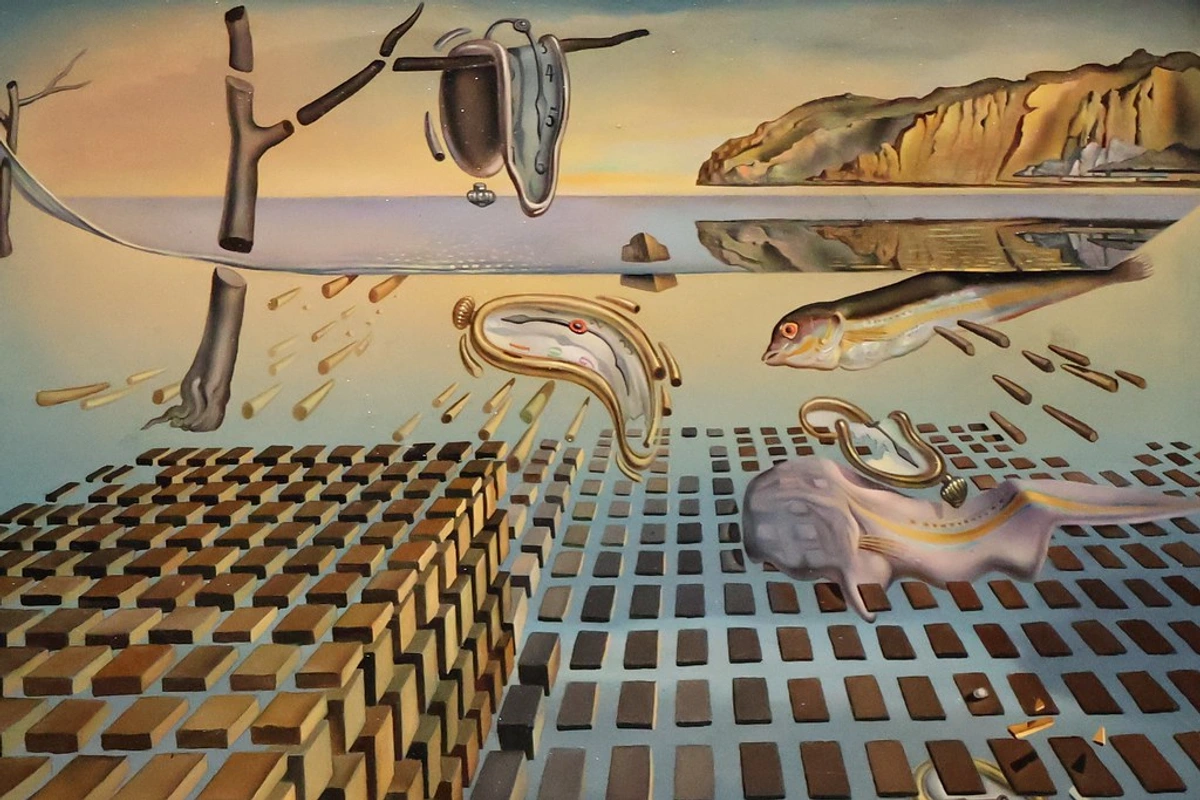
Beyond specific paintings, Dalí’s enduring legacy also lies in his later exploration in The Disintegration of the Persistence of Memory (1954). This painting revisits the iconic landscape, but everything is now fragmented, dissolving into geometric shards and hovering blocks. It’s a poignant reflection on the atomic age, the burgeoning understanding of quantum physics, and perhaps even his own evolving perspective on the fluidity of reality. It's like the universe itself is breaking apart into its constituent particles, a cosmic echo of the melting clocks, underscoring Dalí's lifelong fascination with science and the unseen forces that govern our world. For Dalí, even the most established surrealist iconography was subject to further reinterpretation and transformation, pushing the boundaries of what art could convey about the shifting nature of existence and the impact of scientific discovery on our perception of reality. It’s a powerful statement that even reality, once softened, can be utterly shattered.### 2. The Son of Man (1964) - René Magritte
credit, licence
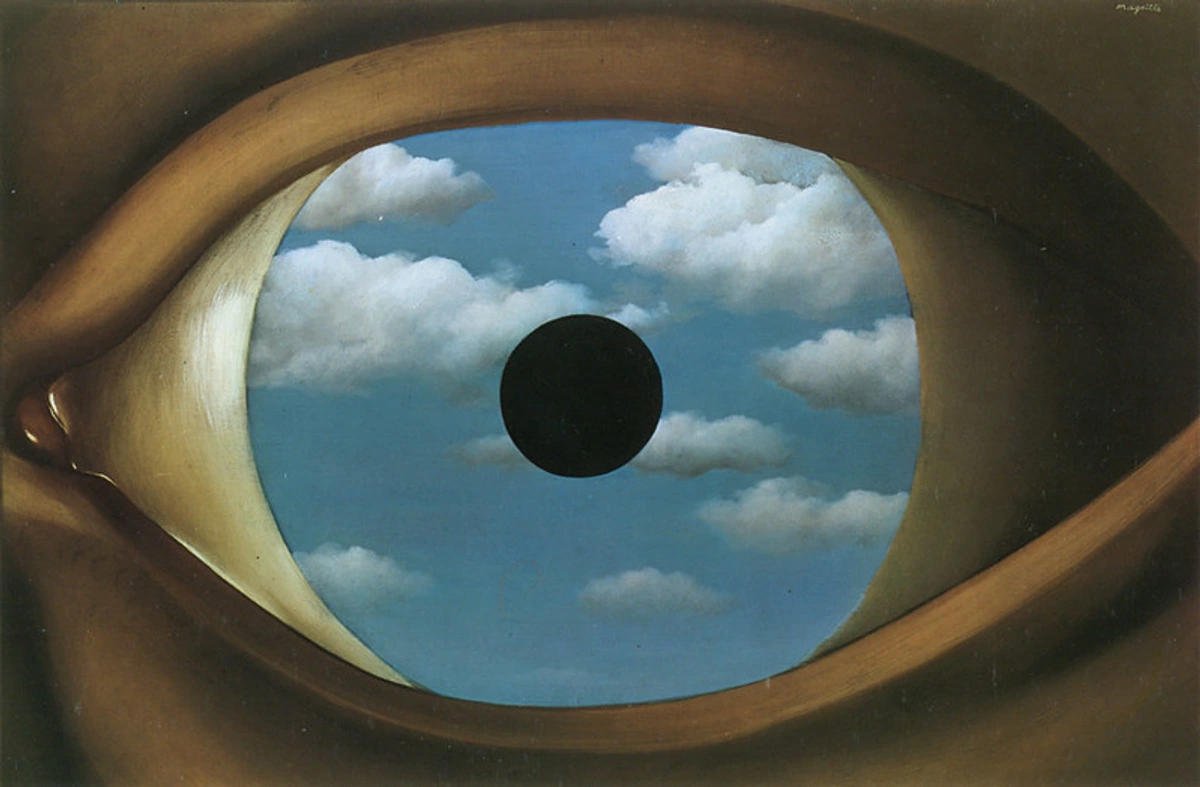
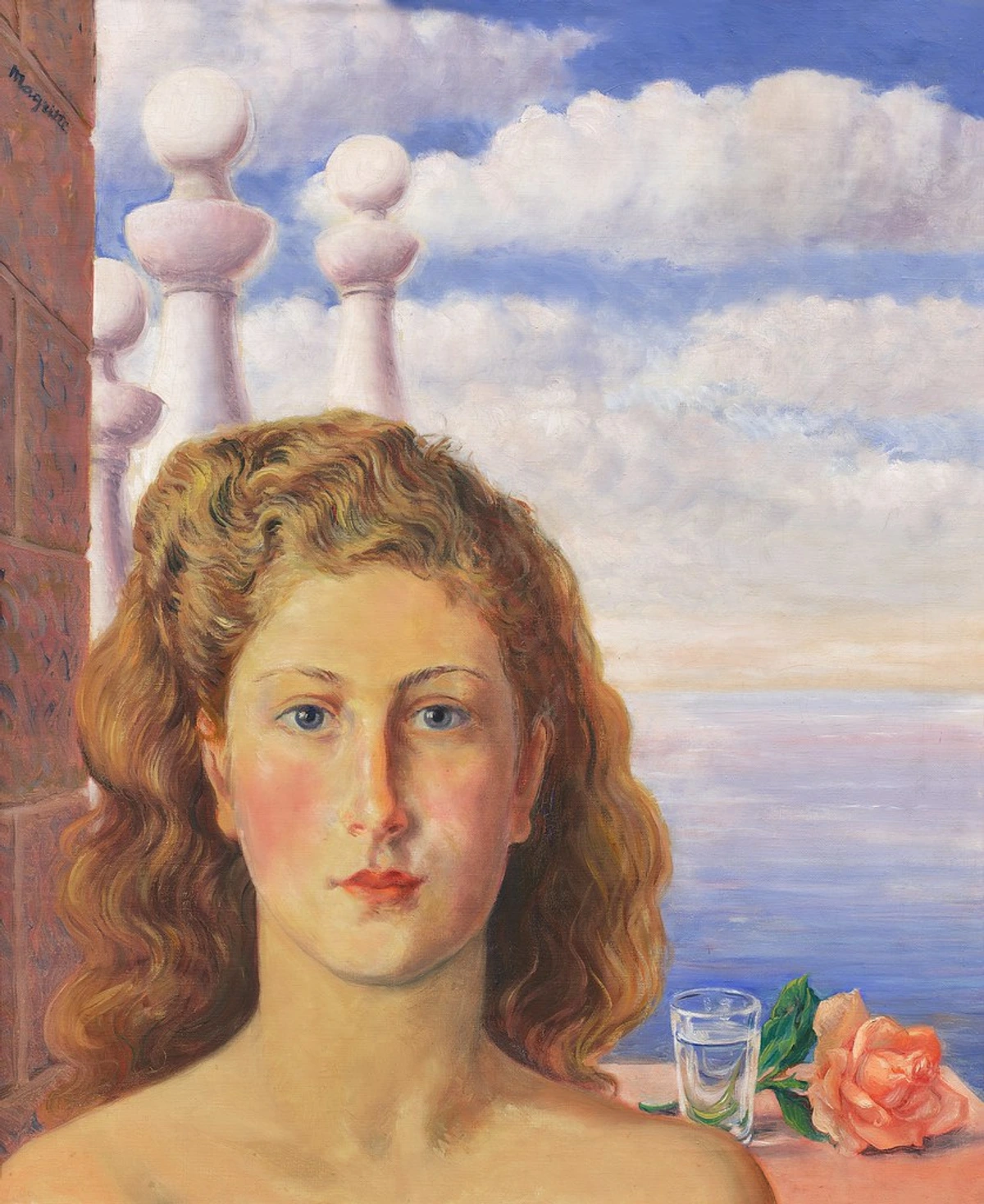
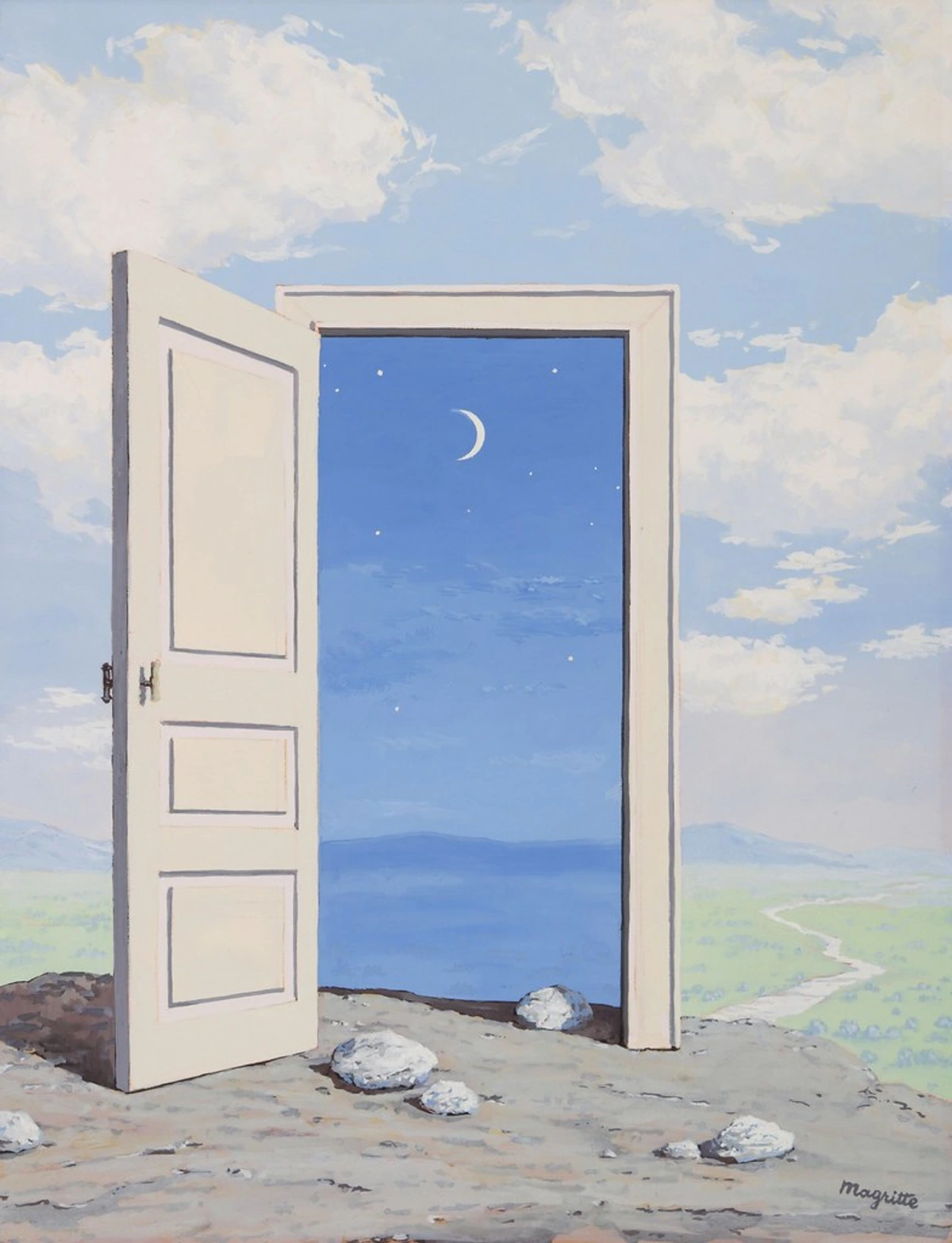
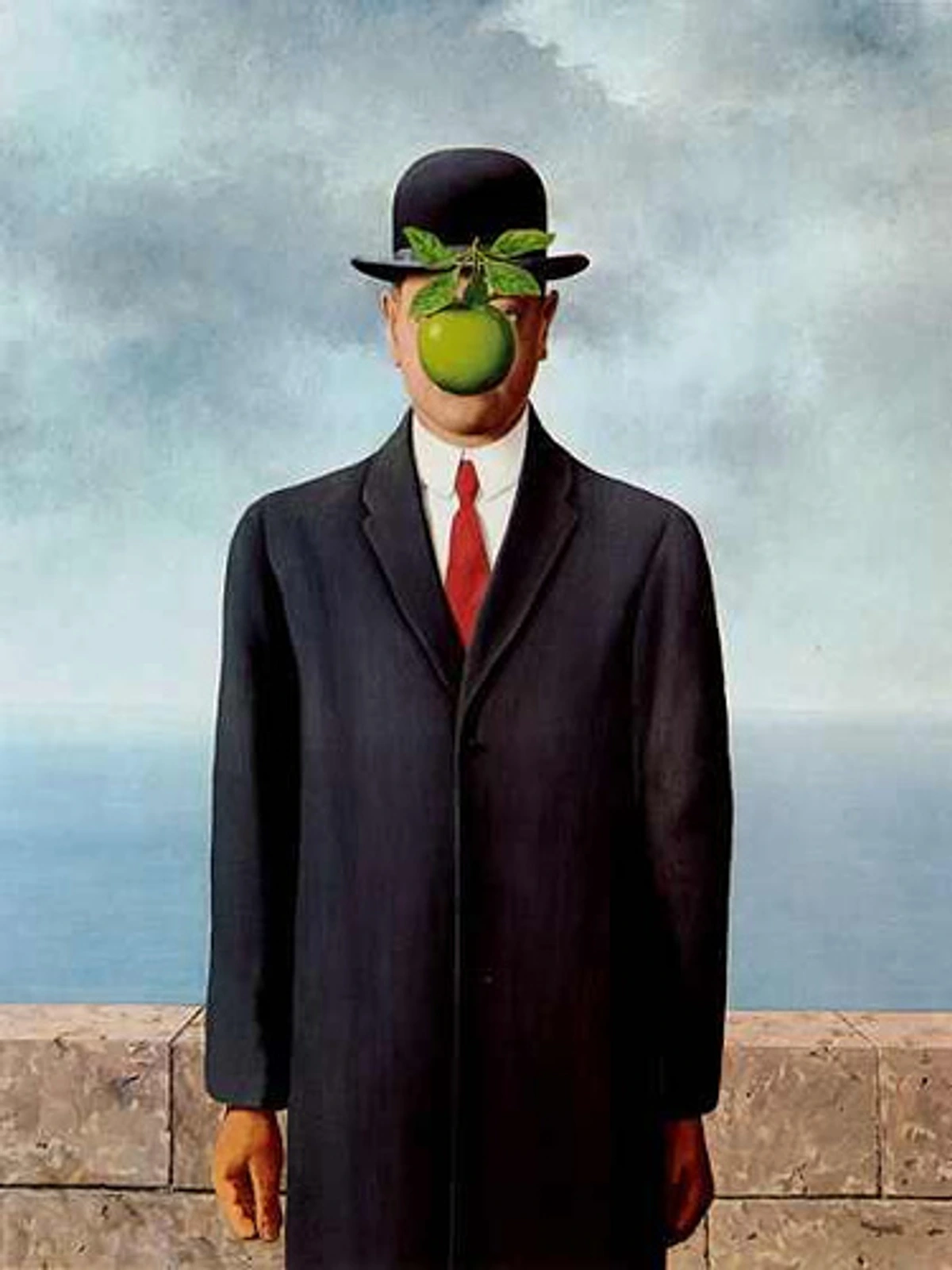
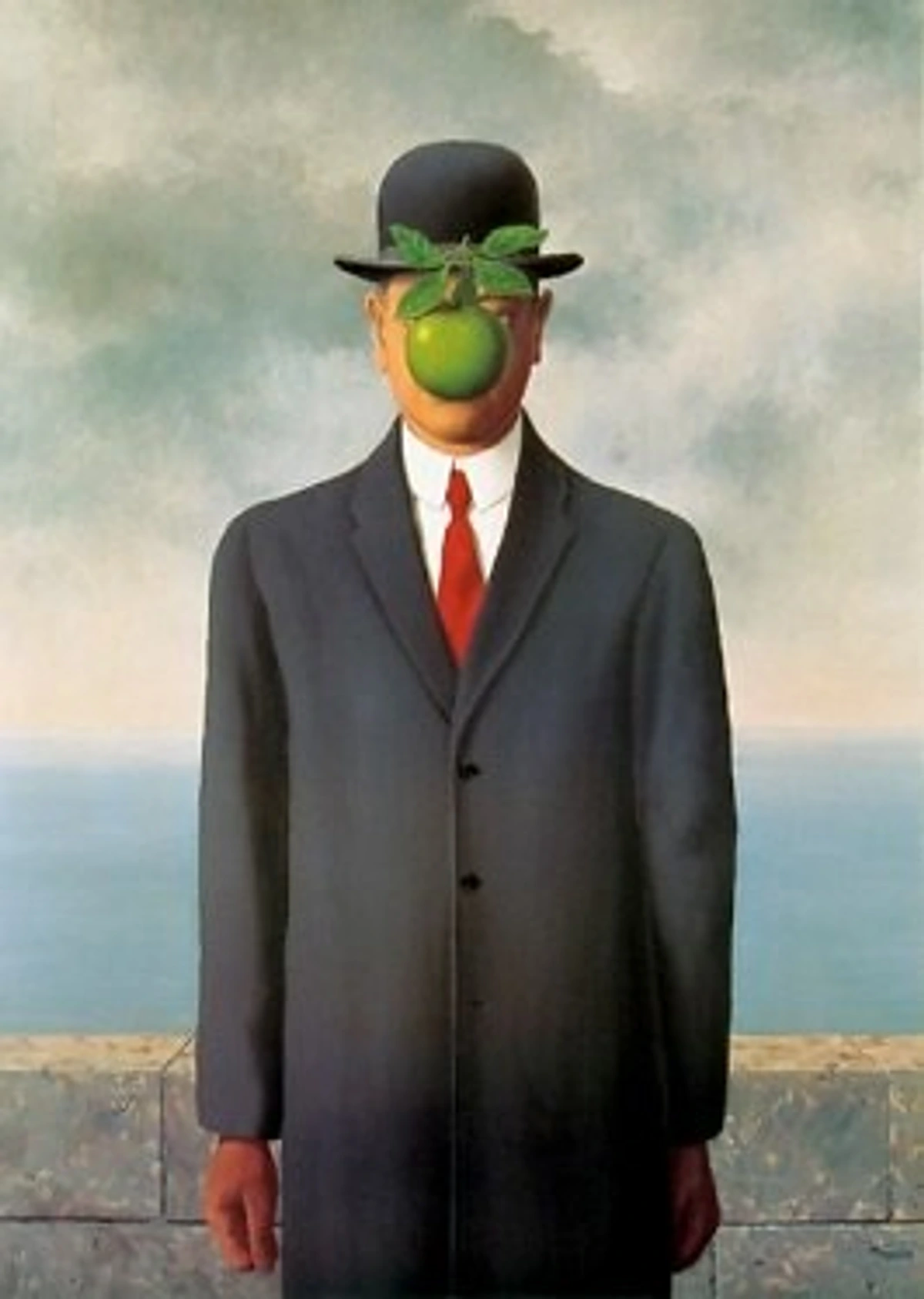
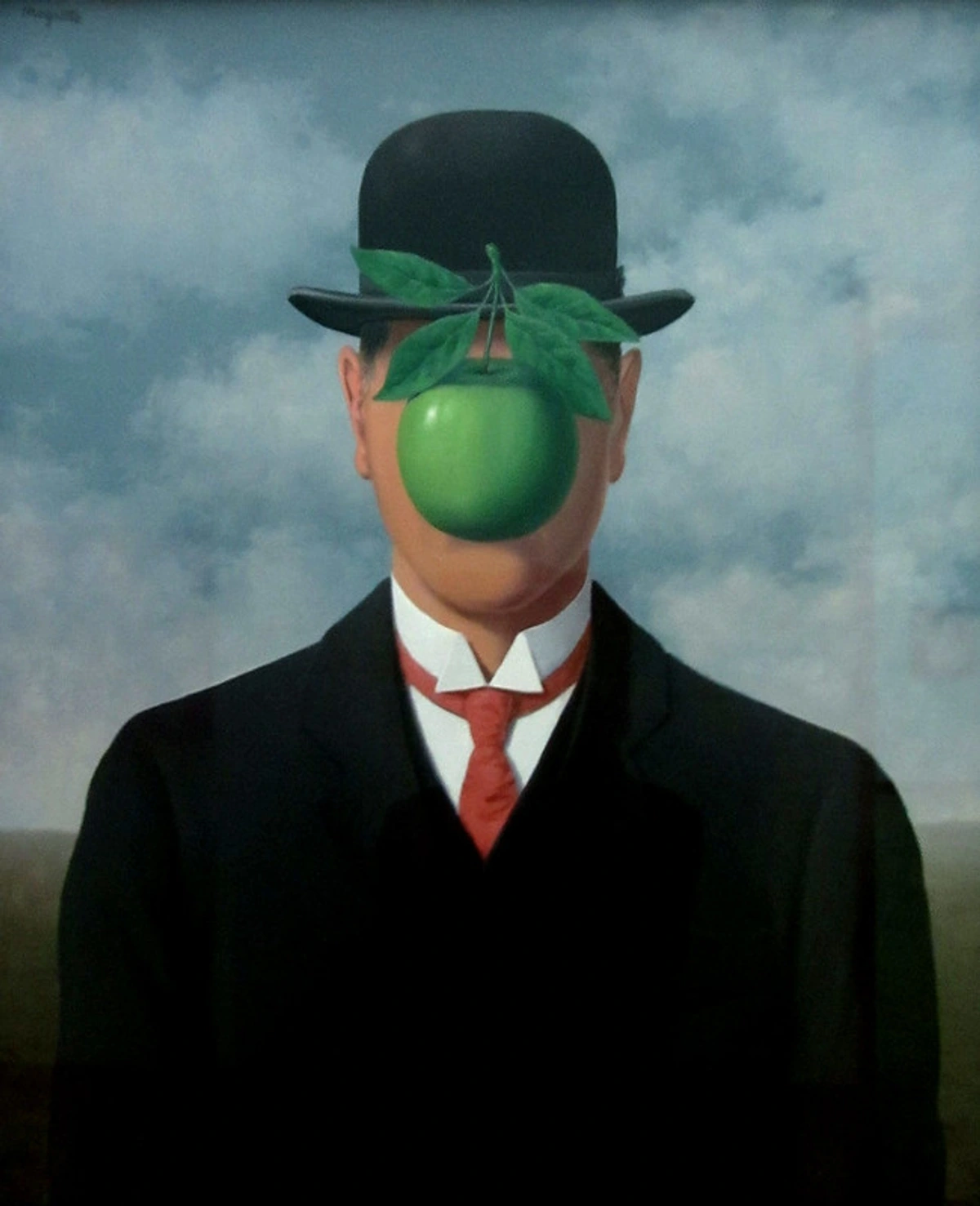
If Dalí was the flamboyant showman, René Magritte was the quiet, cerebral philosopher, the ultimate master of visual paradoxes, who masterfully messed with your head using everyday objects and a deadpan wit. Unlike Dalí’s frantic dreamscapes, Magritte’s works often present a meticulously rendered, deceptively conventional reality, only to then subtly (or not-so-subtly) subvert it, forcing us to question our assumptions about perception, language, and the nature of representation itself. The Son of Man, painted in 1964, is probably his most recognized work. It’s a striking self-portrait where his face, famously, is almost entirely hidden by a big green apple, while a crisp blue sky and a low wall form the backdrop. This isn't just a painting; it's a cultural phenomenon. I mean, how many times have you seen this image parodied, referenced, or even subtly hinted at in films (I'm looking at you, The Thomas Crown Affair!), advertisements, and countless other works? It's everywhere, always prompting that same quizzical gaze from the viewer. It's a testament to its pervasive power.
Why the apple, indeed? Magritte himself famously said it’s about the human desire to see what’s hidden, a constant struggle between the visible and the concealed. When you look at it, you don't just see an apple; you immediately feel an almost primal urge to peer behind it, to uncover the obscured identity. It’s a profound visual statement on the interplay between what is presented and what is purposefully withheld, and how these two forces are perpetually in conflict within our perception. We perceive things, but we are also keenly aware of the limits of our perception – what the philosopher Edmund Husserl might call the "horizon" of our experience, the boundary of what can be directly experienced. This concept of the veiled, the unseeable within the visible, is a hallmark of Magritte’s genius, making his work resonate deeply with existential questions about identity and reality. It’s a simple, elegant visual puzzle that speaks volumes about curiosity, the allure of the unknown, and the inherent mystery of identity, especially in an age of increasing anonymity and the questioning of outward appearances. It’s brilliant, and it makes you question every other portrait you've ever seen, urging you to look deeper into the layers of what is presented and what is purposefully withheld.
3. The Treachery of Images (1929) - René Magritte
Following the enigmatic Son of Man, Magritte offers us a work that's less a visual spectacle and more a philosophical punch to the gut: The Treachery of Images (1929). This deceptively simple piece features a meticulously realistic painting of a pipe with the words "Ceci n'est pas une pipe." written below it, which translates to "This is not a pipe."
And he's absolutely, undeniably right. It's not a pipe. It's a painting of a pipe. You can't fill it with tobacco, light it, or feel its weight in your hand. Magritte, with his characteristic deadpan humor, is playing with the intricate, often misleading, relationship between words, images, and the actual objects they claim to represent. He's forcing us to acknowledge a foundational idea in art and philosophy: a representation of a thing is fundamentally distinct from the thing itself. This work, a cornerstone of semiotics (the study of signs and symbols), invites us to question the very fabric of language and perception. It's the kind of artwork that, once you truly grasp its implications, subtly changes how you interpret all forms of representation around you – from a photograph to a street sign. Magritte, with a painter's brush and a philosopher's mind, fundamentally questions the very nature of truth in depiction. If a painting of a pipe isn't a pipe, what then is the relationship between any image and the reality it purports to show? It's a foundational lesson in critical thinking, reminding us not to confuse the map for the territory. For a deeper dive into this iconic brain-teaser, we explore the meaning of The Treachery of Images in detail.
Beyond the Usual Suspects: Other Visionary Surrealist Masterpieces
Look, while Dalí and Magritte are undeniably the rockstars of Surrealism, the movement itself was a sprawling, multifaceted, and truly global phenomenon. It attracted an incredibly diverse range of talented artists from various disciplines and backgrounds, all eager to explore the uncharted territories of the subconscious. It's crucial to acknowledge the immense contributions of so many others – including brilliant women artists who are finally getting the recognition they deserve, and influential figures who pushed the movement's boundaries in unique ways. We're going to dive into some of these extraordinary creators who shaped the movement and continue to inspire us today. As fascinating as Dalí's melting clocks are, the depth of Surrealism truly unfurls when you explore its wider constellation of brilliant minds. For a broader perspective on the movement, our definitive guide to Surrealism art movement is a great place to start.
Golconda (1953) - René Magritte
Another Magritte, because frankly, he's just that good, and his ideas are endlessly fascinating. Golconda (1953), named after a ruined city in India, famously for its diamond mines – isn't that a delightfully obscure and typically Magrittean reference? – presents a surreal shower of identical men in bowler hats and overcoats, suspended against a backdrop of houses. Are they falling or floating? It’s deliberately ambiguous, forcing you to question gravity, logic, and the very fabric of reality. This painting is a profound, if subtly unsettling, commentary on individuality (or the alarming lack thereof) in modern society. They all look the same, blending into a repetitive pattern, seemingly losing their personal identity to the collective. It's a quiet, almost chilling image that perfectly captures the feeling of being just another face in the crowd, a vision of urban anonymity and the existential angst of conformity. It makes me wonder: how much of our identity is truly our own, and how much is merely a reflection of the collective?
Max Ernst: The Alchemist of the Unconscious
Max Ernst was an absolute pioneer of Surrealism, a restless innovator known for his relentless experimentation with techniques like frottage (rubbing objects to create patterns) and collage to create otherworldly textures and scenes. Born in Germany, his traumatic experiences in World War I profoundly shaped his anti-rationalist stance, leading him first to the radical anti-art movement Dada, and then, crucially, to Surrealism. He believed art should delve into the dark, often uncomfortable, corners of the psyche, transforming subconscious impulses into tangible, often disturbing, realities.
The Elephant Celebes (1921)
The Elephant Celebes (often translated as The Celebes Elephant) is one of his most famous works, a bizarre and powerful machine-animal that dominates a desolate landscape. This monumental painting, created in 1921, was inspired by a photograph of a Sudanese grain silo and an illustration from an anthropological journal. It features a giant, mechanical-looking creature with a trunk like a vacuum hose, standing proudly (or perhaps menacingly?) in a desolate landscape. A headless, nude mannequin with a medical glove beckons to it. It makes absolutely no logical sense, and that’s precisely the point. Ernst was drawing directly from his subconscious, creating a creature that is both comical and monstrous, a terrifying manifestation of war machines, repressed desires, and perhaps even the burgeoning industrial age. It’s pure, unfiltered dream-logic, a visual embodiment of the trauma and absurdity he witnessed, an attempt to bring the irrational fears of the collective unconscious to the surface.
Joan Miró: Architect of Biomorphic Abstraction
While Dalí and Magritte often worked in a hyper-realistic style, the Catalan master Joan Miró was a pioneer of Automatist Surrealism, deeply influenced by the spontaneous flow of the subconscious. His canvases are vibrant, playful universes populated by biomorphic forms, celestial bodies, and whimsical creatures, all rendered with a distinctive, child-like innocence that belies their profound psychological depth. Miró embraced automatic drawing, allowing his hand to move freely without conscious control, directly tapping into the raw impulses of his psyche. This resulted in a unique visual language of dancing lines, bold colors, and abstract shapes that feel both alien and deeply familiar, like memories from a half-forgotten dream.
Works like The Tilled Field (1923-24) or his later Constellations series (1940-41) exemplify his approach. In The Tilled Field, you see a dizzying array of abstracted figures and symbols, representing a vibrant Catalan landscape teeming with life, infused with his personal mythology and political anxieties. The Constellations series, created during the turmoil of World War II, offers a cosmic escape, delicate compositions of stars, birds, and figures floating in an infinite, interconnected space, serving as a powerful testament to the resilience of the human imagination even in times of profound despair. For me, Miró’s art is an exhilarating dance between freedom and precision, a beautiful reminder that the subconscious can be a source of profound joy and boundless creative energy. He showed us that even in abstraction, the dream world can find a concrete, resonant form. For a deeper dive into his unique approach, check out our ultimate guide to Joan Miró.
Dorothea Tanning: Unveiling Inner Worlds
Dorothea Tanning was an American painter, sculptor, writer, and a vital, dynamic presence within the Surrealist movement. Her work consistently explored themes of transformation, metamorphosis, and the psychological landscape of female desire and anxiety. Often focusing on young girls, domestic scenes, and unsettling, dreamlike narratives, her paintings frequently depict figures in states of flux, revealing the hidden turmoil and powerful energies beneath seemingly calm surfaces. She had a remarkable ability to imbue the ordinary with an eerie, often erotic, uncanny quality.
Consider her seminal work, Birthday (1942), a self-portrait where she stands half-undressed in a labyrinthine hallway, surrounded by fantastical creatures and open doors. The scene is both vulnerable and defiant, hinting at a transition or awakening, a poignant exploration of female sexuality and identity. Her art often felt like a psychological drama unfolding on canvas, exploring the complex interplay of identity, sexuality, and the subconscious mind. For me, her work is a powerful reminder that the surreal can reside not just in melting clocks, but in the most intimate corners of our domestic lives and deepest psychological states, revealing a profound and often unsettling beauty.
Meret Oppenheim: The Surrealist Object and Provocation
Meret Oppenheim, a German-Swiss artist, was a provocateur and a brilliant mind who left an indelible mark on Surrealism, particularly through her groundbreaking Surrealist Objects. She famously challenged the very notion of art and utility, pushing boundaries with wit and subversive elegance. While her oeuvre includes painting and poetry, it's her three-dimensional works, often crafted from everyday items, that cemented her iconic status.
Her most [famous work](/finder/page/famous abstract art), Object (Déjeuner en fourrure) (Breakfast in Fur), from 1936, is a fur-lined teacup, saucer, and spoon. I mean, talk about messing with your senses! The exquisite texture of the fur clashes violently with the expected function of tableware, evoking a profound sense of the uncanny – a familiar object made suddenly strange and unsettling. It plays with themes of desire, repulsion, and the blurring of categories, a truly masterful subversion of the functional. This piece, famously acquired by MoMA, became a symbol of the Surrealist object's power to provoke thought and challenge bourgeois sensibilities, forcing a re-evaluation of the mundane. Oppenheim, with her effortless subversion, truly showed how the most mundane items could be transformed into potent symbols of the subconscious, making us question our deeply ingrained perceptions of the world and the boundaries between art and everyday life.
Leonora Carrington: Mistress of Myth and Magic
Leonora Carrington was an absolute force of nature, a true explorer of the arcane. Her work is richly steeped in mythology, alchemy, folklore, and personal symbolism, often drawing from Celtic mysticism, ancient goddess traditions, and her own potent, feminist-inflected narratives. Her paintings are intricate, often unsettling, dreamscapes where hybrid creatures, mystical rituals, and powerful female figures enact their own private mythologies. After her traumatic experiences during World War II, her art became an even more profound exploration of transformation and liberation, finding solace and power in the symbolic.
The Giantess (The Guardian of the Egg) (c. 1947)
In The Giantess (The Guardian of the Egg) (c. 1947), a towering female figure in a white robe stands majestically in a pastoral landscape, surrounded by strange, hybrid bird-like creatures and a distant flock of geese. She is a powerful protector, a magical being deeply connected to nature and the cosmic egg – a potent symbol of creation, renewal, and primal energy. Carrington's unique vision reminds us that Surrealism wasn't solely about psychological angst; it was also a potent gateway to magical, mystical worlds, a space for creating entirely new mythologies, infused with personal and collective archetypes. She was a master of crafting intricate narratives and her influence is a huge part of the enduring legacy of Surrealism.
credit, licence

Man Ray: Photography, Objects, and the Avant-Garde
Emmanuel Radnitzky, known as Man Ray, was an American artist who seamlessly traversed photography, painting, and filmmaking, becoming a central figure in both Dada and Surrealism. He was a master of innovation, constantly experimenting with new techniques to reveal the hidden dimensions of reality. For me, his genius lies in his ability to make the familiar utterly strange and the abstract deeply resonant, a true polymath of the avant-garde.
His contributions to photography were revolutionary, particularly his "rayographs" (or photograms), which he accidentally discovered in the darkroom. These cameraless photographs, created by placing objects directly onto light-sensitive paper and exposing them to light, yielded ghostly, abstract images that perfectly captured the Surrealist fascination with chance and the uncanny, transforming mundane items into spectral visions. Works like Gift (1921), an iron with tacks glued to its sole, exemplify his knack for transforming everyday objects into disquieting, humorous, or profoundly symbolic Surrealist Objects. His iconic image Le Violon d'Ingres (1924), which depicts the back of a nude woman with f-holes drawn on her back like a cello, playfully blends eroticism, classical art, and musical instruments, challenging conventional notions of beauty and representation and hinting at a deeper, more sensual reality. Man Ray's art is a testament to the idea that the world is far more fluid and open to reinterpretation than we often allow ourselves to believe.
Remedios Varo: Architect of the Inner World
Another extraordinary female Surrealist, Remedios Varo, shared many thematic similarities with her close friend Leonora Carrington. A Spanish-Mexican artist, Varo's meticulously detailed paintings often depict ethereal, androgynous figures engaged in alchemical experiments, spiritual quests, or scientific endeavors within fantastical, intricate architectural settings. Her canvases are like illuminated manuscripts from an imagined, esoteric science, combining Renaissance precision with dreamlike narratives and a profound sense of the uncanny. Works like Nacimiento de la Flora (Birth of the Flora) or Spiral Ascent showcase her unique blend of scientific curiosity, mystical belief, psychoanalysis, and an intricate understanding of the cosmos. Her art invites viewers into a quiet, introspective universe, a delicate balance between the rational and the utterly marvelous, a place where profound secrets are whispered through intricate symbolic systems, leading us to contemplate deeper realities. She truly built inner worlds.
Frida Kahlo: Painting Her Own Reality
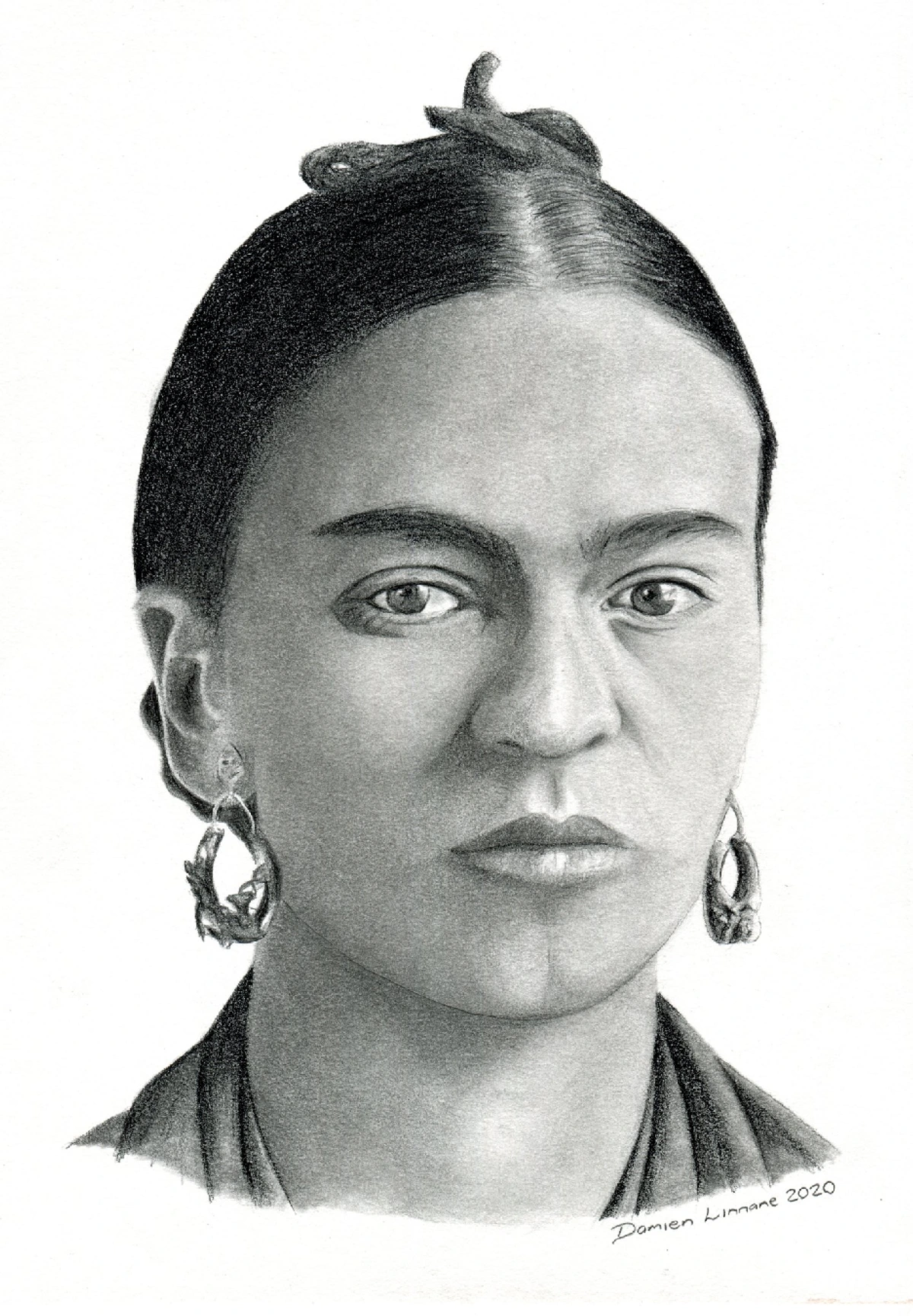
Ah, Frida Kahlo. Her connection to Surrealism is beautifully complex and, as she famously stated, "I never painted dreams. I painted my own reality." Yet, André Breton himself championed her work as surrealist, recognizing the potent dreamlike symbolism and raw psychological depth in her intensely personal narratives. While she might not have formally aligned with the movement's manifestos, her art resonates with a profound 'sur-reality' born from her traumatic life experiences, her vibrant Mexican heritage, and her unflinching exploration of identity, pain, and resilience.
Her self-portraits, like The Two Fridas (1939) or Self-Portrait with Thorn Necklace and Hummingbird (1940), are iconic. They aren't just depictions of herself; they are intricate visual diaries, steeped in Mexican folklore and pre-Columbian symbolism, revealing her inner turmoil, physical suffering, and complex relationships with unflinching honesty. For me, Kahlo's genius lies in her ability to externalize deeply personal anguish and transform it into universal symbols of human experience, making her a formidable figure whose work resonates with raw emotional power. Her art is a powerful blend of autobiographical narrative, magical realism, and a profound psychological honesty that, regardless of labels, places her firmly in the broader conversation of Surrealism's most influential figures. She painted what was more real than reality, often making the invisible pains of the body and spirit terrifyingly tangible. Dive deeper into her unique vision with our ultimate guide to Frida Kahlo.
Precursors to the Unreal: Setting the Stage for Surrealism
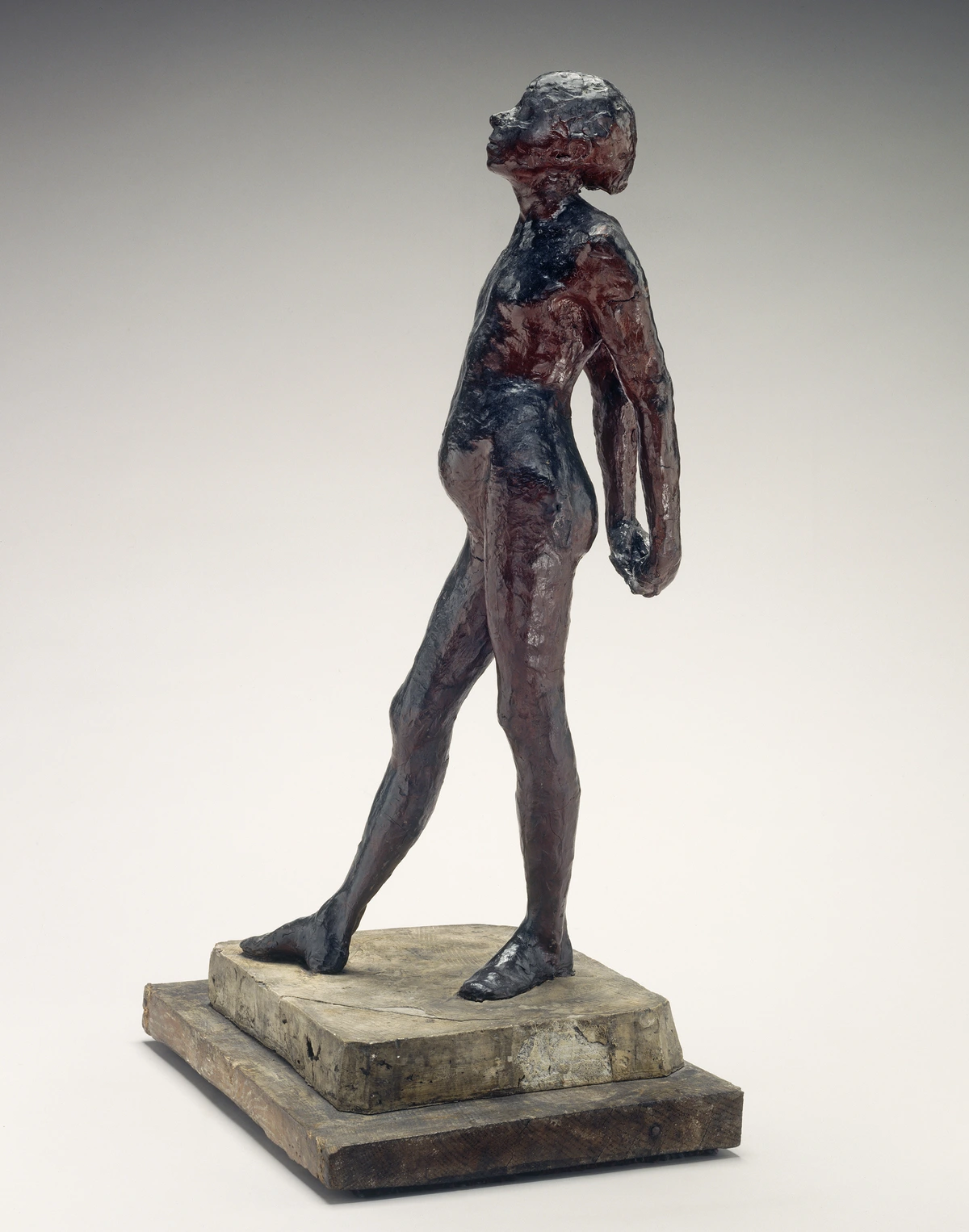
Before we dive deeper into the genesis of Surrealism, it's worth acknowledging the fertile artistic soil from which it sprang. While Dada was its immediate and most vocal parent, the seeds of 'sur-reality' were sown earlier by movements that flirted with the fantastic, the symbolic, and the dreamlike. Think of the late 19th-century Symbolists, who rejected objective reality in favor of evoking inner worlds, emotions, and personal myths. Figures like Gustave Moreau or Odilon Redon, with their enigmatic figures and visionary landscapes, certainly paved the way for art that looked inward rather than outward. Their art was about suggestion, not direct statement, hinting at deeper truths beyond surface reality.
Even more directly influential was Metaphysical painting, a short-lived but potent movement led by Giorgio de Chirico in the 1910s. De Chirico's haunting, often deserted cityscapes, populated by strange mannequins and illogical shadows, imbued everyday objects with an unsettling, dreamlike quality. His iconic Piazza d'Italia series, for instance, created an atmosphere of profound mystery and melancholy, anticipating Surrealism's fascination with irrational juxtapositions and the uncanny. This deliberate ambiguity and sense of latent threat were powerful precursors to the Surrealist aesthetic.
From Dada to Freud: The Immediate Catalysts
The movement largely emerged from the ashes of Dada, an earlier avant-garde art movement that fiercely rejected logic, reason, and traditional aesthetics. Born from the profound disillusionment of World War I, Dadaists reacted to the perceived absurdity of war with their own brand of artistic chaos, pioneering techniques like collage (assembling disparate elements) and readymades (presenting ordinary manufactured objects as works of art), radically questioning the very definition of what art could be. If you want to understand this rebellious precursor, check out our piece on what is Dadaism and its enduring influence. It’s crucial to remember that while Dada aimed to dismantle, Surrealism sought to rebuild, forging new meaning from the fragments of the old.
However, while Dada was largely about destruction, provocation, and negation, Surrealism, under the influential leadership of writer André Breton, sought to build something entirely new and profound from the depths of the human psyche. Breton was profoundly influenced by Sigmund Freud's groundbreaking theories on the unconscious mind, the interpretive power of dreams, and the role of repressed desires. Freud, in works like The Interpretation of Dreams, argued that our dreams are a "royal road to the unconscious," rich with symbolic meaning, veiled desires, and hidden truths – a notion that resonated deeply with the Surrealists' quest for a 'sur-reality'. They eagerly latched onto this concept, seeing it as a scientific validation of their artistic goals. For them, Freud's ideas about the id (our primal urges), ego (our conscious self), and superego (our internalized moral compass) provided a map to the internal conflicts that shaped human experience, conflicts they believed were suppressed by a rigid, rational society.
They believed that by bypassing conscious thought and rational control – the very things society used to repress our deepest urges – they could tap into a deeper, more authentic reality. This meant embracing dream-logic, challenging rigid societal norms, and allowing the unfiltered impulses of the mind, including previously taboo subjects like sexuality and aggression, to guide their creative process. It was less about making conventional sense and more about making profound feeling and unlocking hidden truths, using art as a form of psychological exploration and liberation. The connections between art and dreams have always fascinated me, and you can explore more in our article about the unseen world: dreams and the subconscious inspire abstract art.
Feature | Dada | Surrealism |
|---|---|---|
| Origin | Post-WWI disillusionment | Grew out of Dada, influenced by Freud |
| Core Aim | Destroy traditional art/logic, provoke | Explore subconscious, merge dream & reality |
| Mood | Nihilistic, absurd, destructive | Exploratory, liberating, psychological |
| Key Concepts | Anti-art, chance, readymades | Psychic automatism, dreams, desire |
| Method | Randomness, collage, performance | Automatism, dream analysis, irrational juxtaposition |
| Relationship | Dada was a precursor; Surrealism built upon its rebellion but with a constructive psychological focus. |
Unlocking the Subconscious: Key Techniques of Surrealist Artists
So, how did these artists actually do it? How did they tap into that wellspring of the subconscious, that fertile ground of dreams and hidden desires? They developed a range of fascinating and often playfully experimental techniques, all designed to bypass rational control and unleash spontaneous, unfiltered creativity. These weren't just quirky experiments; they were serious, systematic attempts to explore the inner landscape of the mind and bring its raw material into tangible form. It’s about letting the subconscious lead the dance, allowing the unbridled imagination to take the reins!
Here’s a look at some of the most prominent techniques they employed, each a unique gateway to the 'sur-reality':
Technique | Description | My Take |
|---|---|---|
| Automatism | The central Surrealist technique of drawing, painting, or writing without conscious thought or rational control, allowing the hand to move freely and spontaneously. The aim is to tap directly into the subconscious mind, leading to abstract, biomorphic, or unexpected forms. Think of Joan Miró’s fluid, dreamlike compositions, or André Masson's automatic drawings that resemble tangled webs. | It's like doodling, but with a serious philosophical and psychological purpose. The idea is to bypass the conscious censor and let your hand (or pen) do the thinking, revealing what truly resides within – the raw stuff of dreams, before logic tidies it up. |
| Frottage | Rubbing a pencil or crayon over a textured surface (like wood grain, lace, or a leaf) placed beneath paper to create patterns and ghostly images. Max Ernst was a master of this, creating ethereal landscapes and creatures from mundane textures, turning a simple rub into a mysterious world. | The art of accidental texture. Nature, or any textured surface, does half the work for you, revealing hidden forms, a kind of 'assisted dream-making'. It's about finding the unexpected narratives within everyday patterns. |
| Grattage | Scraping paint from a canvas that has been built up with layers, often to reveal imprints of objects placed underneath or surprising textures. Another Ernst innovation, this technique creates evocative, often aggressive, patterns by revealing hidden depths and unexpected forms beneath the surface. | Like archaeology, but for paint. You're uncovering hidden forms and textures, revealing what was beneath the surface, almost as if the canvas itself is dreaming, or bearing the scars of its own creation. |
| Exquisite Corpse | A collaborative drawing or writing game where each participant adds to a collective work (a figure, a poem) without seeing what the others have contributed, fostering unexpected juxtapositions and collective unconscious creativity. It was a favorite pastime for groups of Surrealists, creating bizarre and often humorous composite figures or poetic fragments. | The ultimate surrealist jam session. Always results in glorious weirdness and truly collaborative dream-logic, a testament to collective spontaneity. You never know what wild combination you'll end up with, and that's the magic. |
| Decalcomania | Pressing paint (or ink) onto a surface (like paper or glass) and then peeling it away to create random, often organic-looking textures and patterns. Oscar Domínguez was a proponent, using it to generate spontaneous, evocative landscapes and forms that sparked imaginative interpretations. | The Rorschach test of painting. What do you see in the splotches? It’s about finding meaning in randomness, letting chance guide the initial image and then letting your subconscious mind fill in the details. |
| Dream Journaling | Meticulously recording dreams upon waking, often in vivid detail, to serve as direct inspiration or source material for artworks and writings. This practice provided a direct pipeline to the raw material of the unconscious, capturing the fleeting logic of the nocturnal mind. | My dreams are mostly about forgetting my wallet, but imagine if they were this rich with imagery! A direct line to the subconscious, a treasure map to your inner world, allowing you to bring those hidden narratives into your waking art. |
| Found Objects/Assemblage | Collecting and juxtaposing unrelated everyday objects to create new, symbolic, and often unsettling sculptures or arrangements. Meret Oppenheim’s fur teacup is a classic example of transforming the mundane into the marvelous, challenging the viewer's perceptions of utility and familiarity. | Turning mundane objects into poetic or unsettling statements. It’s about recontextualizing the familiar to reveal its hidden strangeness, forcing us to look anew at the items we take for granted, finding their secret lives. |
| Photomontage/Collage | Assembling disparate photographic images or cut-outs from magazines/newspapers to create new, often startling, and illogical compositions. Hanna Höch used this brilliantly for sharp social commentary and dream-like narratives, creating fragmented realities that reflected the anxieties of her time. | The ultimate visual mash-up, creating new realities from fragmented existing ones. A powerful tool for social critique and dream-building, a cut-and-paste journey into the psyche that reveals hidden connections and disjunctions. |
| Fumage | Creating impressions on a canvas by holding it over the flame of a candle or oil lamp, allowing soot to create accidental, often wispy, patterns and forms. Wolfgang Paalen developed this technique to harness the uncontrolled beauty of chance and elemental forces, adding an ethereal quality to his work. | Like painting with fire and smoke. The ultimate surrender to chance, letting elemental forces create the imagery, turning destruction into creation, and bringing a touch of elemental magic into the art. |

Different Faces of Surrealism: Veristic vs. Automatist Styles
Yes, absolutely! While unified by a core philosophy, Surrealism manifested in diverse artistic styles, reflecting the different ways artists sought to access and represent the subconscious. Broadly, we can distinguish between two main currents:
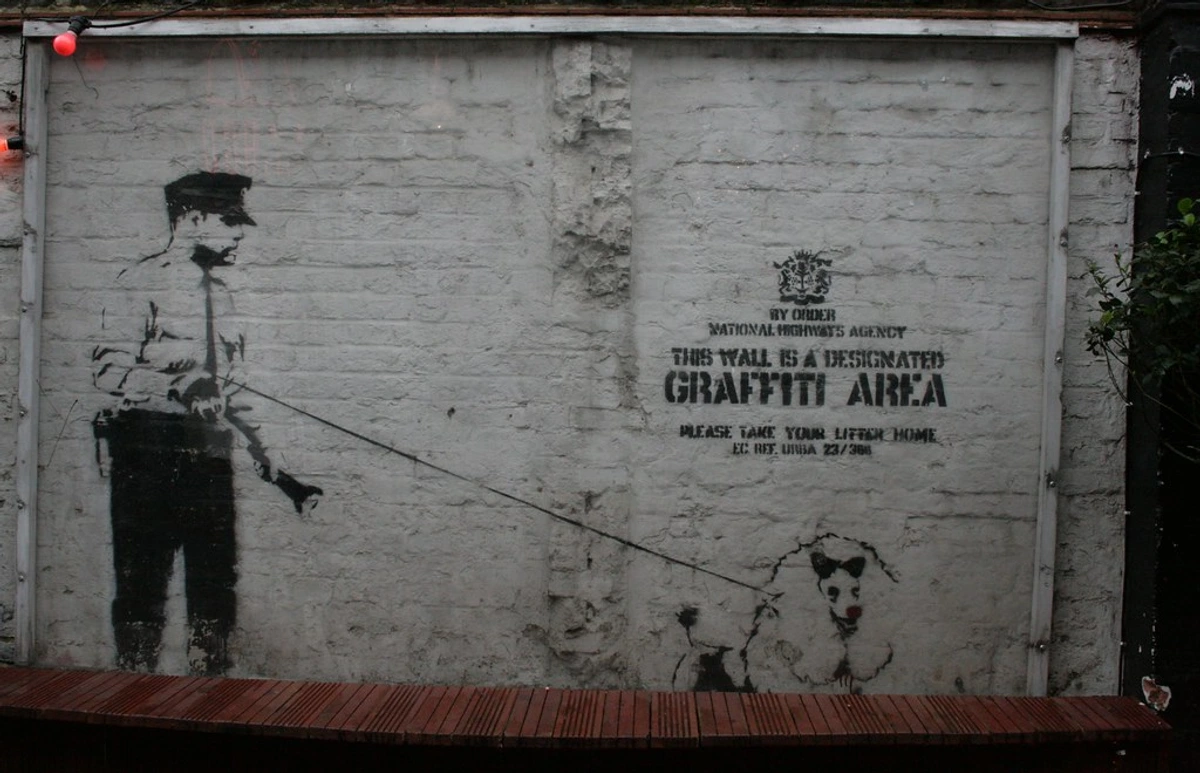
- Veristic Surrealism (or 'dream realism'): Championed by artists like Salvador Dalí, René Magritte, and Paul Delvaux, this style involved rendering dream imagery with meticulous academic realism. The impossible or illogical subjects were depicted with hyper-realistic detail, making the bizarre seem unnervingly tangible and believable. The unsettling effect came from the jarring juxtaposition of familiar objects in unfamiliar, dreamlike contexts.
- Automatist Surrealism: Favored by artists like Joan Miró, Max Ernst, and André Masson, this approach emphasized spontaneous techniques to create abstract or semi-abstract forms directly from the subconscious. Techniques like automatic drawing, frottage, and decalcomania were used to bypass conscious control, allowing raw psychic impulses to guide the creative process. The emphasis here was more on the process itself and the resulting biomorphic or abstract forms, rather than pre-conceived realistic imagery.
Both veristic and automatist Surrealism aimed at the same core goal: unlocking the subconscious and revealing a deeper 'sur-reality,' but they did so through very different visual means. One sought to make dreams look real, to make the impossible unsettlingly tangible, like a meticulously rendered hallucination, while the other sought to make the very act of dreaming, the raw psychic impulse, visible and palpable. Think of the sharp, photographic clarity of Dalí's desertscapes versus the dancing, calligraphic forms of Miró's cosmic playgrounds. It's a beautiful spectrum of approaches to the same profound internal world, demonstrating the movement's incredible versatility and depth.
Surrealism and Psychoanalysis: Delving Deeper into Freud and Jung
While we've touched upon Freud's profound influence, it's worth taking a moment to fully appreciate just how deeply Surrealism was intertwined with the burgeoning field of psychoanalysis. For the Surrealists, Freud wasn't just a theorist; he was the cartographer of the mind, providing a scientific framework for their artistic explorations. His work on the unconscious, dream analysis, and the concept of repression offered a revolutionary lens through which to view human experience, and by extension, artistic creation.
Freud's ideas about the Oedipus complex, sexual desire, and the constant struggle between the id (our primal urges and desires), ego (our conscious, rational self that mediates between the id and reality), and superego (our internalized moral compass, shaped by societal rules) provided a rich tapestry of internal conflicts that artists could tap into. They saw the dream state as a raw, uncensored expression of these inner battles, a direct pipeline to truths obscured by waking consciousness. They weren't just illustrating Freudian theories; they were actively using his methodologies (like dream interpretation and free association) to generate their art, believing that by externalizing these hidden mental landscapes, they could achieve a deeper, more authentic reality.
While Freud was the initial guiding star, some Surrealists later found resonance with the ideas of Carl Jung, particularly his concept of the collective unconscious and archetypes. Jung proposed that humanity shares a universal, inherited reservoir of experiences and images, manifesting as archetypes (such as the Great Mother, the Shadow, the Hero, the Trickster, the Anima/Animus) that appear in myths, religions, and dreams across all cultures. Artists like Leonora Carrington and Remedios Varo, with their deep engagement in mythology and esoteric symbolism, can be seen as intuitively exploring these Jungian archetypes, crafting personal mythologies that resonated with universal patterns. This interplay between Freudian individual psychology and Jungian universal symbolism allowed Surrealism to plumb both the personal depths and the shared ancestral memories of humanity.
Common Themes in Surrealism: Diving Deeper into the Mind's Depths
Beyond specific paintings and techniques, Surrealism explored a consistent set of themes, acting as recurring motifs in the collective subconscious of the movement. These are the threads that bind the dreamlike tapestry of Surrealist art, and honestly, they're the elements that make the movement so endlessly fascinating to me:
Theme | Core Idea / Manifestation |
|---|---|
| Dreams & the Unconscious | Direct expression of subconscious desires, fears, and truths via dream logic, a core principle. |
| Desire & Eroticism | Challenging taboos, liberating primal urges, often through symbolic imagery and explorations of the body. |
| Metamorphosis & Transformation | Figures and objects in flux, reflecting psychological states, malleable reality, and states of becoming. |
| Mythology & Alchemy | Creation of new personal myths, drawing from ancient wisdom, esoteric traditions, and universal archetypes. |
| The Marvelous & The Uncanny | Where the ordinary becomes extraordinary or strangely unsettling, sparking wonder and psychological unease. |
| The Childlike & Naive | Valuing unfiltered perception, innocence, and rejection of academic rules, a direct conduit to the unconscious. |
| Anti-establishment & Political Critique | Subversion of status quo, protest against rationalism, and oppressive societal norms, often with a revolutionary spirit. |
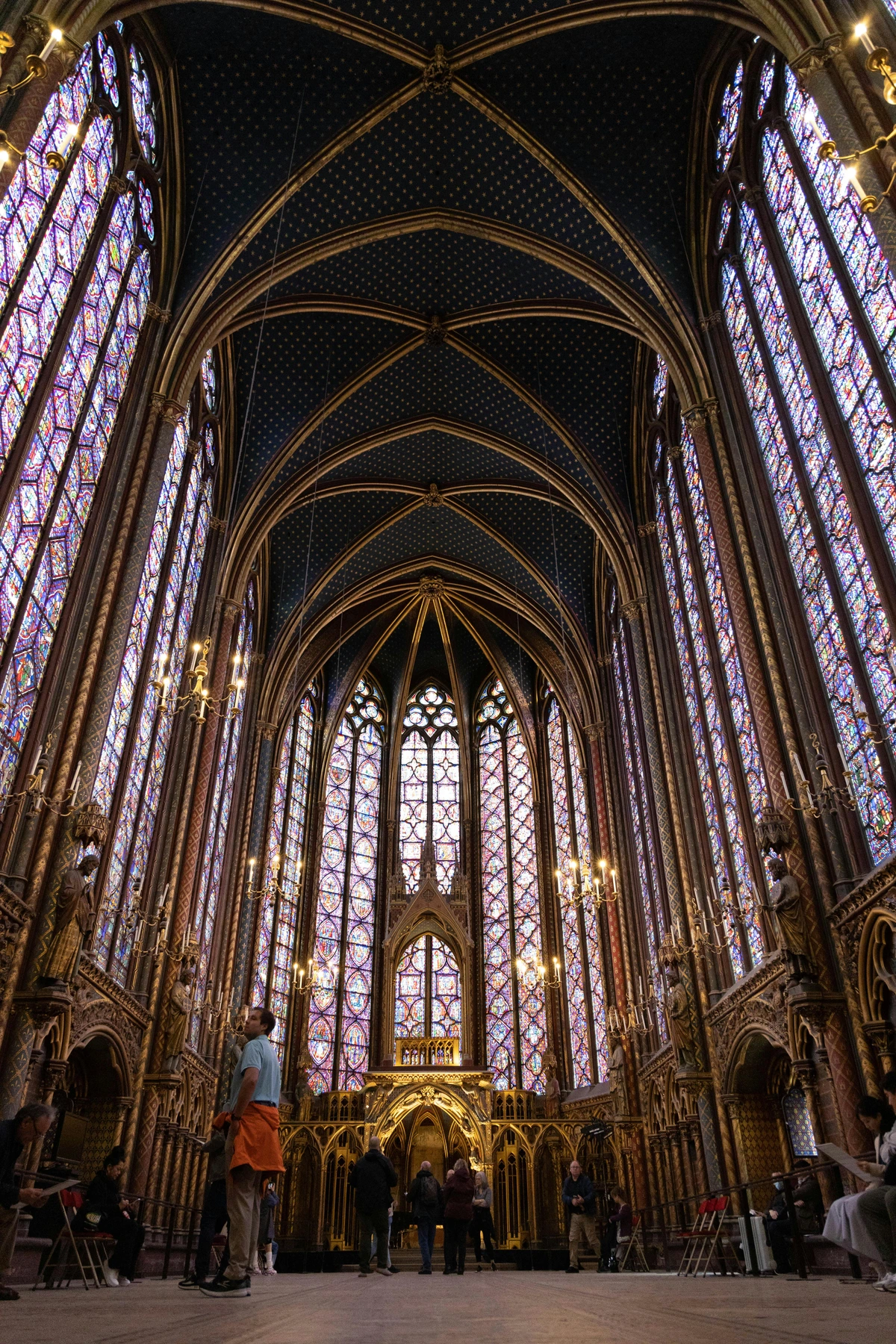
- Dreams and the Unconscious: This is the bedrock, the very foundation of Surrealism. Deeply inspired by Freud's psychoanalytic theories, artists sought to bring the illogical, fragmented, and richly symbolic language of dreams directly into waking reality, purposefully blurring the lines between the two. They believed dreams offered unfiltered access to hidden desires, fears, and profound truths, often employing dream imagery directly in their works as a kind of visual psychic automatism.
- Desire and Eroticism: Often expressed in provocative, unsettling, and unconventional ways, desire, passion, and the complexities of human sexuality are absolutely central to Surrealist art. Artists like Dalí, Hans Bellmer, and Man Ray aimed to liberate these primal urges from societal repression and bourgeois morality, often challenging taboos through symbolic, sometimes disturbing, imagery that explored the depths of libido and fascination. Think of Bellmer's unsettling dolls, which explored themes of fetishism and the fragmented body.
- Metamorphosis and Transformation: Figures and objects frequently shift, melt, or morph into unexpected, often grotesque, forms. This pervasive theme reflects psychological states of flux, the fluidity of identity, and the unstable, malleable nature of reality itself, appearing vividly in works by Dalí (like his melting clocks), Max Ernst (with his hybrid creatures), and Leonora Carrington (whose figures often shift between human and animal forms). It’s a visual representation of change, decay, and the constant re-shaping of our internal and external worlds.
- Mythology and Alchemy: Many Surrealists, particularly female artists like Leonora Carrington and Remedios Varo, drew heavily from ancient myths, esoteric traditions, alchemy, and folklore. They weren't just illustrating old stories; they were actively creating entirely new personal mythologies, filled with magical creatures, transformative rituals, and mystical quests that blended ancient wisdom with modern psychological insight. This allowed them to tap into universal archetypes and explore deeper, spiritual dimensions. For more on this, check out the influence of alchemy on Surrealism.
- The Marvelous and the Uncanny: The Surrealists tirelessly chased moments of "the marvelous" – those instances where the ordinary suddenly becomes extraordinary, where chance encounters and strange juxtapositions ignite a sense of wonder, profound possibility, and often a poetic shock. This often intertwined with Freud's concept of "the uncanny," where something familiar is made strange, unsettling, or even frightening, revealing hidden anxieties beneath the surface of the mundane. It’s that delightful shiver you get when the ordinary takes an inexplicable, disturbing turn.
- The Childlike and Naive: Many Surrealists were drawn to the unfiltered perspective of children and the art of the self-taught (often termed "outsider art" or "Art Brut"). They believed that children, unburdened by societal conventions and logical constraints, had a more direct connection to the unconscious and a purer way of seeing the world. This fascination manifested in childlike imagery, playful forms, and a deliberate rejection of academic strictures, echoing the raw honesty they sought to unlock.
Surrealism and Political Engagement
While not always overtly political in the same vein as some other movements, Surrealism carried a strong inherent political charge. Its radical embrace of the irrational, its critique of bourgeois morality, and its fervent desire for psychological liberation were all deeply subversive acts against the status quo, aiming to dismantle the oppressive structures of Western rationalism. Many Surrealists aligned with leftist politics, particularly Communism, believing that a revolution of the mind and spirit was intertwined with social and political revolution. They often used their art to protest fascism, colonialism, and oppressive societal structures, advocating for freedom and imaginative revolt. The very act of challenging perceived reality was, for them, a profoundly political statement, a revolution of the mind to spark a revolution in society. The psychic revolution they championed was inextricably linked to a broader societal upheaval, a belief that true liberation had to encompass both the individual psyche and the collective body politic, creating a society free from the shackles of convention and logic.
Surrealism's Enduring Influence: Beyond the Canvas
Surrealism's radical ideas didn't stay confined to paintings; they spilled over, seeped into, and profoundly reshaped various facets of art and culture. Its legacy is far-reaching and continues to inspire contemporary creators. Here's a glimpse into where you can still feel its unsettling, beautiful touch:
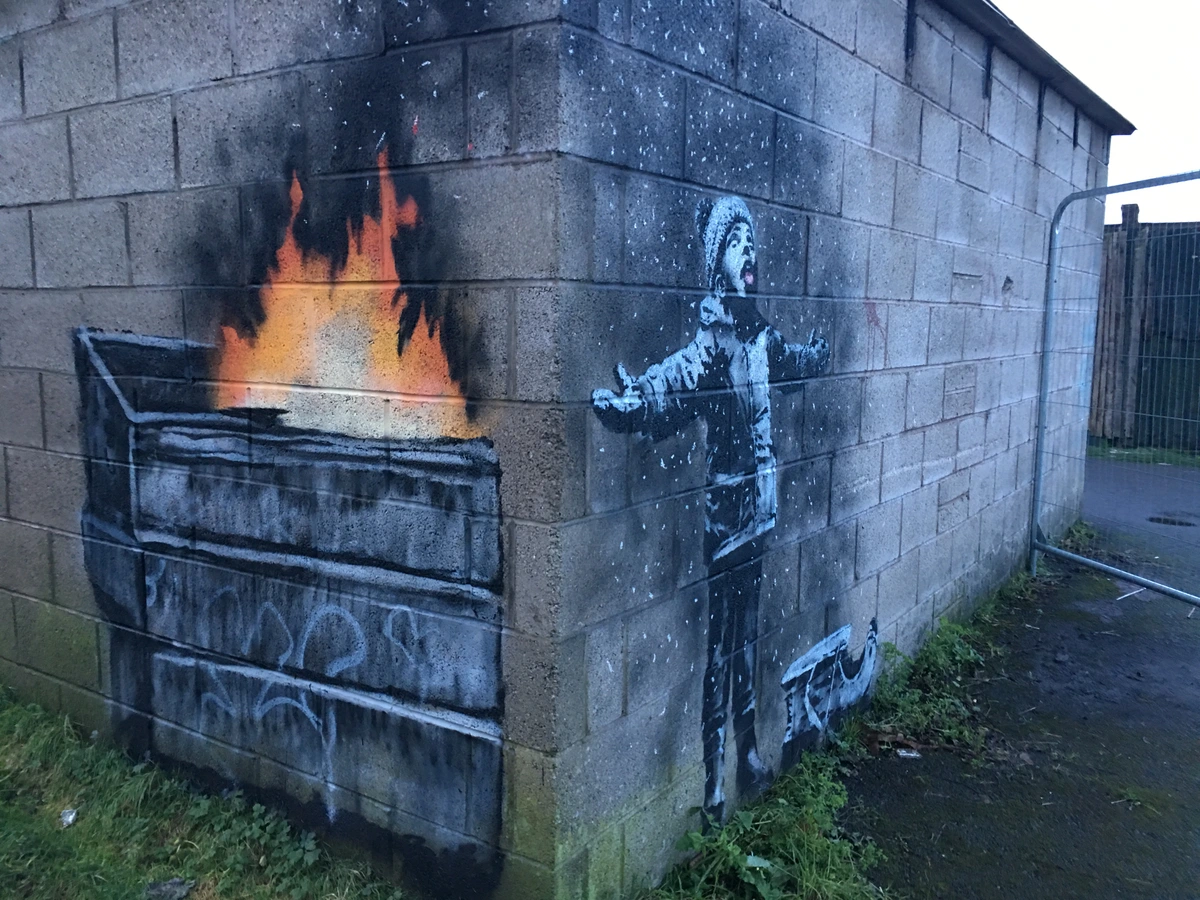
In Film
The dreamlike narratives and visual subversions of Surrealism found a natural home in cinema, perhaps more so than any other art form. For me, film is the closest visual medium to the experience of a dream, offering a direct portal to the subconscious. Pioneers like Luis Buñuel (who famously collaborated with Dalí on the seminal Un Chien Andalou, featuring that unforgettable, shocking eye-slicing scene – a true assault on rational viewing!) and Jean Cocteau created films that perfectly mimicked dream logic, challenging conventional storytelling and pushing the boundaries of cinematic expression. Their innovative use of non-linear narratives, bizarre juxtapositions, and deeply symbolic imagery laid a crucial groundwork for a new kind of filmmaking, proving that cinema could be a powerful tool for psychological exploration. Even today, decades later, echoes of Surrealism can be found resonating powerfully in the works of contemporary directors like David Lynch (Eraserhead, Twin Peaks, Mulholland Drive), whose films deliberately obscure traditional plot for a more visceral, subconscious experience; Terry Gilliam (Brazil, 12 Monkeys), with his bureaucratic nightmares and fantastical escapes; and Michel Gondry (Eternal Sunshine of the Spotless Mind), whose visuals literally embody the fluidity of memory and the subconscious. These filmmakers continue to delight in the bizarre, subvert linear narratives, and defy easy interpretation, creating deeply immersive dream-worlds that feel utterly Surrealist and continue to mess with your head in the best possible way, inviting us to embrace the illogic of our inner landscapes.
In Literature
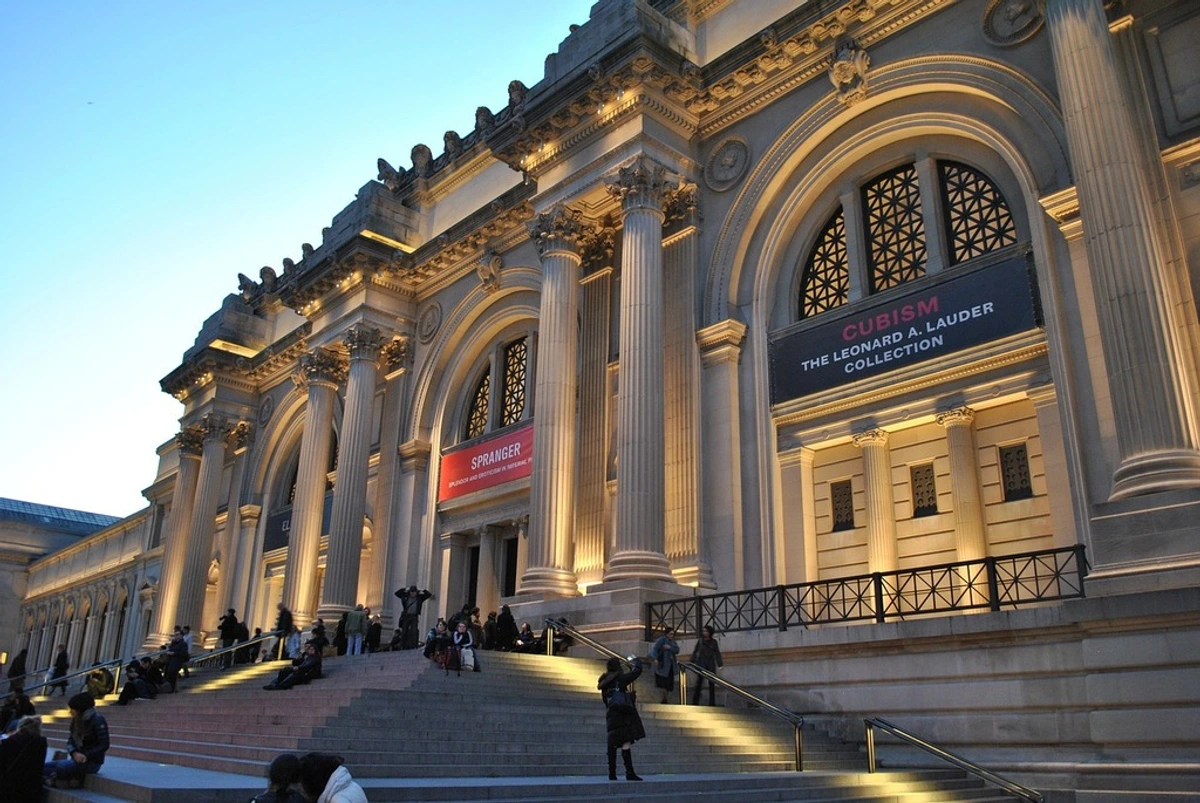
It's easy to forget, but Surrealism, in fact, began as a literary movement, and writers quickly adopted techniques like automatic writing (writing without conscious thought or censorship to tap into the subconscious) to unleash torrents of unfiltered language. André Breton, Paul Éluard, and Louis Aragon were key figures, producing texts that were disorienting, poetic, and revolutionary, often through a deliberate disjunction of words and images. Their poetic juxtapositions and dream narratives, often utilizing techniques like automatic writing and the exquisite corpse, opened up entirely new possibilities for storytelling and poetic expression, essentially reinventing the rules of language and challenging linguistic conventions.
Key Literary Figures | Notable Contributions / Style |
|---|---|
| André Breton | Primary theorist, Manifesto of Surrealism, automatic writing, seminal poetry collections like Nadja |
| Paul Éluard | Poetic exploration of love, desire, and freedom, collaborative works like L'Immaculée Conception with Breton |
| Louis Aragon | Early automatic writing, poetry, novels with dreamlike narratives such as Paris Peasant |
| Philippe Soupault | Co-creator of Les Champs magnétiques (the first automatic text), pioneering experimental poetry |
| Robert Desnos | Master of dream narration and hypnotic trance writing, known for his poetic explorations of the subconscious |
| Antonin Artaud | Visionary theorist of the 'Theatre of Cruelty', experimental drama and poetry that sought to shock and awaken audiences |
This profoundly influenced generations of authors, from the stream-of-consciousness narratives of William S. Burroughs in the Beat Generation to the magical realism of Gabriel García Márquez, who sought to explore the irrational, the subconscious, and the liberating power of language beyond conventional logic. The idea that words could be freed from their literal meanings to create new, startling, and often profoundly resonant connections was a true game-changer, demonstrating that language itself could be a tool for accessing sur-reality and revealing hidden truths.
In Fashion and Design
From Elsa Schiaparelli's iconic "tear dress" inspired by Dalí to her shoe hat, Surrealism profoundly impacted fashion, blurring the lines between clothing and sculpture, utility and pure fantasy. The unexpected, the playful, and the shocking elements of Surrealist art found their way onto runways and into avant-garde designs, challenging conventional notions of beauty and practicality. In advertising, the use of surprising juxtapositions and dream logic to create memorable, evocative imagery is a direct descendant of Surrealist principles, designed to capture attention and bypass rational resistance, embedding products in a world of fantasy. Iconic designers like Elsa Schiaparelli famously collaborated with Dalí, creating unforgettable pieces like the 'Lobster Dress' and the 'Shoe Hat', proving that the boundaries of art and utility could be delightfully blurred. Later designers like Yves Saint Laurent (with his Mondrian dress), Alexander McQueen (whose fantastical, often disturbing, creations are deeply surreal), and even contemporary figures like Iris van Herpen, continue to dip into the surreal wellspring for inspiration, creating garments that provoke thought as much as they adorn the body, transforming the wearer into a walking piece of art and a living dream.

The Surrealist Object: Everyday into Extraordinary
One particularly fascinating aspect of Surrealism was its preoccupation with the Surrealist Object. This wasn't merely a sculpture in the traditional sense; it was an item, often made from commonplace, mass-produced objects, that was transformed through unexpected juxtapositions, absurd alterations, or symbolic reimagining, thereby acquiring a new, often disturbing, humorous, or profoundly symbolic, meaning. Think of Meret Oppenheim's seminal Object (Déjeuner en fourrure) (Breakfast in Fur), a fur-covered teacup, saucer, and spoon. This piece, more than just a quirky item, masterfully evokes themes of desire, repulsion, and the uncanny, challenging our sensory expectations and subverting the very purpose of an object. Other examples include Dalí's Aphrodisiac Dinner Jacket (1936), adorned with shot glasses of crème de menthe, or Man Ray's Gift (1921), an iron with tacks glued to its sole, a deliberate disruption of functionality. These objects were meant to be unsettling, to challenge rational perception, and to evoke the dream logic that permeated Surrealist thought. They were tangible manifestations of the subconscious, designed to provoke an emotional or intellectual response by forcing a re-evaluation of the familiar, turning the mundane into the marvelous (or the monstrous) and revealing the hidden poetry in everyday things.
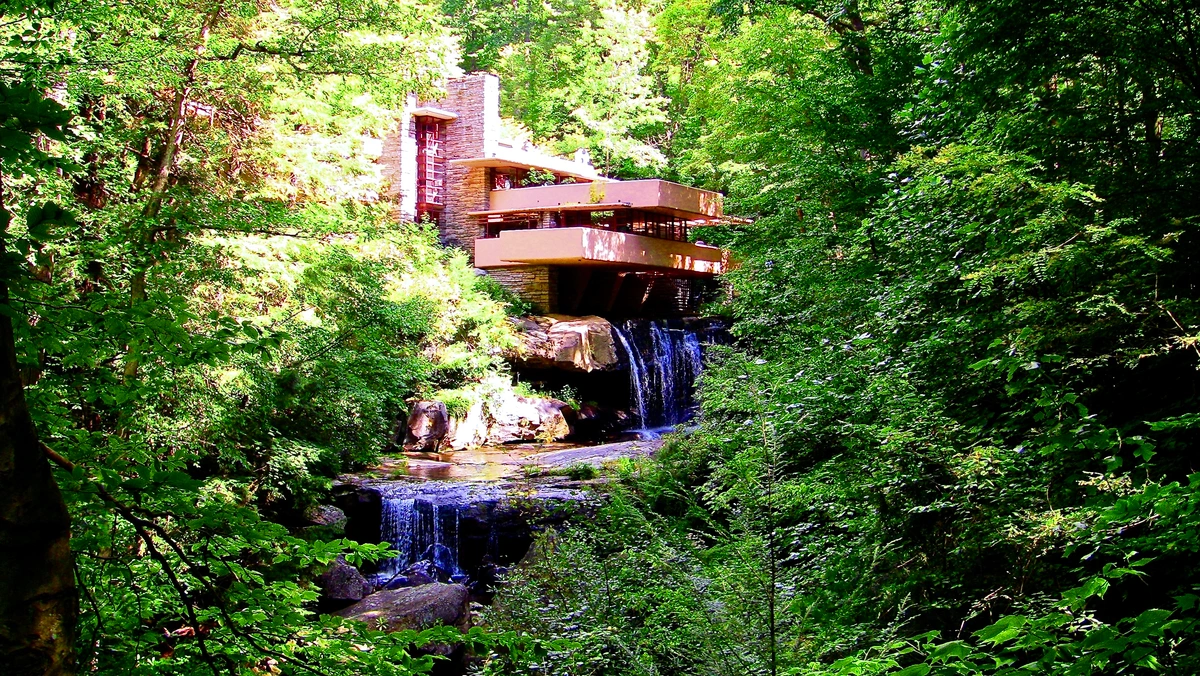
In Photography
Artists like Man Ray (whose broader artistic contributions we touched on earlier), Dora Maar, and Claude Cahun used the camera not just to record, but to explore the uncanny, the altered body, and the dream state itself. They manipulated light, negative space, and darkroom techniques to create images that were far from documentary, instead delving into psychological landscapes and symbolic narratives. Photography, for them, became a powerful tool for revealing the hidden rather than simply recording the visible, capturing the very essence of the 'sur-reality'. Man Ray, in particular, pioneered techniques like rayographs (photograms made without a camera) and solarization, manipulating the photographic process to create ghostly, abstract, and deeply dreamlike images that resonated deeply with Surrealist aesthetics, making the invisible manifest. Other photographers like Dora Maar, with her haunting self-portraits and powerful photomontages, and Claude Cahun, who explored gender and identity through theatrical self-staging and a series of unsettling self-portraits, used montage and theatricality to create psychological portraits and challenging narratives, pushing the medium beyond mere documentation into the realm of the subconscious and symbolic. Hans Bellmer, through his provocative photographs of meticulously constructed dolls, challenged societal norms and explored themes of fetishism and the fragmented body, adding another unsettling dimension to Surrealist photography.
Key Photographers | Signature Style / Techniques |
|---|---|
| Man Ray | Rayographs, solarization, innovative portraiture, object photography, challenging conventional beauty standards |
| Dora Maar | Psychological portraits, photomontage, darkroom manipulation, unsettling imagery, often exploring female identity and emotion |
| Claude Cahun | Self-portraits exploring gender identity, theatrical staging, photographic narratives, challenging binary notions of self |
| Hans Bellmer | Provocative images of dolls, challenging societal norms and representations of the body, exploring themes of desire and the uncanny |
They showed us that a camera could be a window into our deepest fears and desires, capable of revealing the unsettling poetry of the unconscious.
Glossary of Key Surrealist Terms
Term | Explanation |
|---|---|
| Automatism | Creative process without conscious control, directly from the subconscious mind, allowing for spontaneous expression. |
| Psychic Automatism | André Breton's core concept: expressing thought free from rational, aesthetic, or moral constraint, a direct transcription of the unconscious, aiming for unfiltered expression. |
| Sur-reality | The ultimate goal: a higher, absolute reality achieved by merging dream and waking states, creating a synthesis of the real and the imagined, a truth 'more real' than reality itself. |
| Juxtaposition | Placing disparate elements together in unexpected contexts to create new, often startling, humorous, or unsettling meanings and provoke thought, a hallmark of Surrealist imagery. |
| The Marvelous | Those instances where the ordinary suddenly becomes extraordinary, where chance encounters and strange juxtapositions ignite a sense of wonder and profound possibility, revealing hidden poetry in the everyday. |
| The Uncanny | A Freudian concept: something familiar made strange, unsettling, or frightening, revealing hidden anxieties beneath the surface of the mundane, creating psychological unease. |
| Surrealist Object | Everyday objects transformed by absurd alterations, unexpected juxtapositions, or symbolic reimagining, thereby acquiring a new, often disturbing or humorous meaning, challenging our perception of utility. |
| Frottage | A technique of rubbing a pencil or crayon over a textured surface (like wood grain, lace, or a leaf) placed beneath paper to create patterns and ghostly images, often used by Max Ernst. |
| Grattage | A technique developed by Max Ernst, involving scraping paint from a layered canvas to reveal underlying textures or forms, often creating accidental imagery and revealing hidden depths. |
| Decalcomania | A technique of pressing paint (or ink) onto a surface and then peeling it away to create random, often organic-looking textures and patterns, inviting imaginative interpretation. |
| Exquisite Corpse | A collaborative drawing or writing game where each participant adds to a collective work without seeing what the others have contributed, fostering unexpected juxtapositions and collective creativity, a true testament to shared unconscious. |
| Fumage | A technique developed by Wolfgang Paalen, creating impressions on a canvas by holding it over the flame of a candle or oil lamp, allowing soot to create accidental, often wispy, patterns and forms, harnessing elemental forces. |
| Readymade | An ordinary manufactured object designated by an artist as a work of art, pioneered by Dadaists like Marcel Duchamp, and later influencing Surrealist object-making, challenging the very definition of art. |
| Paranoiac-Critical Method | Salvador Dalí's self-induced psychological technique for accessing and externalizing the irrational imagery of his subconscious, allowing him to rationally interpret resulting irrational associations, a key to his hyper-realistic dreamscapes. |
| Nuclear Mysticism | Dalí's later attempt to reconcile his fervent Catholic faith with the scientific breakthroughs of the atomic age, particularly quantum physics and atomic theory, exploring spiritual dimensions in a scientific age. |
| Automatist Surrealism | A style emphasizing spontaneous techniques (like automatic drawing) to create abstract or semi-abstract forms directly from the subconscious, favored by Miró and Masson, focusing on process over pre-conceived imagery. |
| Veristic Surrealism | A style involving rendering dream imagery with meticulous academic realism, making the impossible seem unnervingly tangible, championed by Dalí and Magritte, creating unsettlingly believable fantasies. |
| Chirico, Giorgio de | An Italian painter and the founder of the Metaphysical Art movement, known for his haunting, deserted cityscapes and illogical shadows that profoundly influenced the Surrealists. |
FAQ: Your Surrealism Questions Answered
What was the role of women in Surrealism?
Initially, women were often relegated to the roles of muses or objects of desire within the predominantly male-led movement. However, a remarkable group of female artists transcended these limitations, becoming central figures who pushed Surrealism into new, vital directions. Artists like Leonora Carrington, Remedios Varo, Dorothea Tanning, Meret Oppenheim, and Claude Cahun brought unique perspectives, often exploring themes of identity, mythology, transformation, and the female experience with incredible depth and originality. Their work frequently challenged patriarchal norms and delved into the esoteric, alchemy, and personal mythologies in ways that enriched the movement immensely, demanding that their powerful voices be heard and their unique visions recognized as indispensable contributions to the movement's legacy.
Why are some Surrealist works disturbing?
Because they tap into the subconscious, which isn't always a neat and tidy place. Surrealism explores themes of desire, anxiety, fear, and the irrational parts of the human mind. The artists weren't trying to make pretty pictures; they were trying to paint the truth of their inner worlds, which can sometimes be a bit spooky – and profoundly unsettling. They intentionally used the uncanny and the grotesque to provoke a deeper psychological response, mirroring the sometimes-disturbing logic of dreams.
What is the most famous Surrealist painting?
It's a tough call, but Salvador Dalí's The Persistence of Memory is almost certainly the most famous. Its melting clocks have become a universal symbol for Surrealism.
How did Surrealism use symbolism?
Symbolism is absolutely central to Surrealist art! Artists often imbued everyday objects, figures, and landscapes with profound psychological, sexual, or archetypal meanings. For them, a melting clock wasn't just a clock; it was a symbol of the fluidity of time. An apple obscuring a face wasn't just fruit; it spoke to hidden truths and veiled identities. They used symbolism to translate the rich, often cryptic, language of the subconscious and dreams into tangible visual forms, transforming the mundane into the mysterious and deeply resonant.
What are the main characteristics of Surrealist art?
Think of it as a checklist for weirdness:
- Dreamlike scenes: Expect illogical, bizarre, and surprising juxtapositions that defy rational explanation, mirroring the fluid narratives of our nocturnal visions.
- Automatism & Psychic Automatism: This is about drawing, painting, or writing without conscious thought or control, allowing the hand to move freely to tap directly into the subconscious mind and its unfiltered impulses.
- Psychic Automatism: This concept, central to André Breton's Manifesto of Surrealism, refers to the process of expressing thought without the control of reason, moral, or aesthetic considerations. It's about letting the mind operate in its pure, unfiltered state, similar to how dreams function. Artists aimed to transcribe the spontaneous flow of the subconscious directly into their work, bypassing logical interference.
- Symbolism: Everyday objects are often loaded with profound psychological, sexual, or archetypal meaning, transforming the mundane into the mysterious. (See also: "How did Surrealism use symbolism?" above).
- Unusual Creatures and Distorted Figures: Figures frequently undergo metamorphosis, appearing as hybrid beings, fragmented bodies, or in highly distorted forms, reflecting inner states and the fluidity of identity.
- Juxtaposition of Disparate Elements: A hallmark of Surrealism is placing unrelated objects together in unexpected contexts to create startling, provocative, and often humorous or unsettling images, generating new meanings.
You can get a full rundown in our definitive guide to Surrealism art movement.
How did Surrealism challenge traditional art?
Surrealism fundamentally challenged the very definition and purpose of art. It rejected academic traditions, rationalism, and conventional aesthetics. Instead of focusing on beauty or objective reality, it prioritized the expression of the subconscious, dreams, and the irrational. By employing techniques like automatism and shocking juxtapositions, Surrealists aimed to provoke thought, challenge societal norms, and liberate the imagination from logical constraints. They blurred the lines between art and life, the conscious and unconscious, making the act of creation a form of psychological exploration and rebellion rather than mere representation.
Why are so many Surrealist paintings unsettling?
Because they tap into the subconscious, which isn't always a neat and tidy place. Surrealism explores themes of desire, anxiety, fear, and the irrational parts of the human mind. The artists weren't trying to make pretty pictures; they were trying to paint the truth of their inner worlds, which can sometimes be a bit spooky.
Who founded Surrealism?
Surrealism was founded by writer André Breton, who published the first Surrealist Manifesto in 1924 in Paris. He was the primary theorist and leader of the movement, though it quickly attracted a diverse group of artists and writers from various disciplines.
Who were some other significant Surrealist artists beyond the 'big names'?
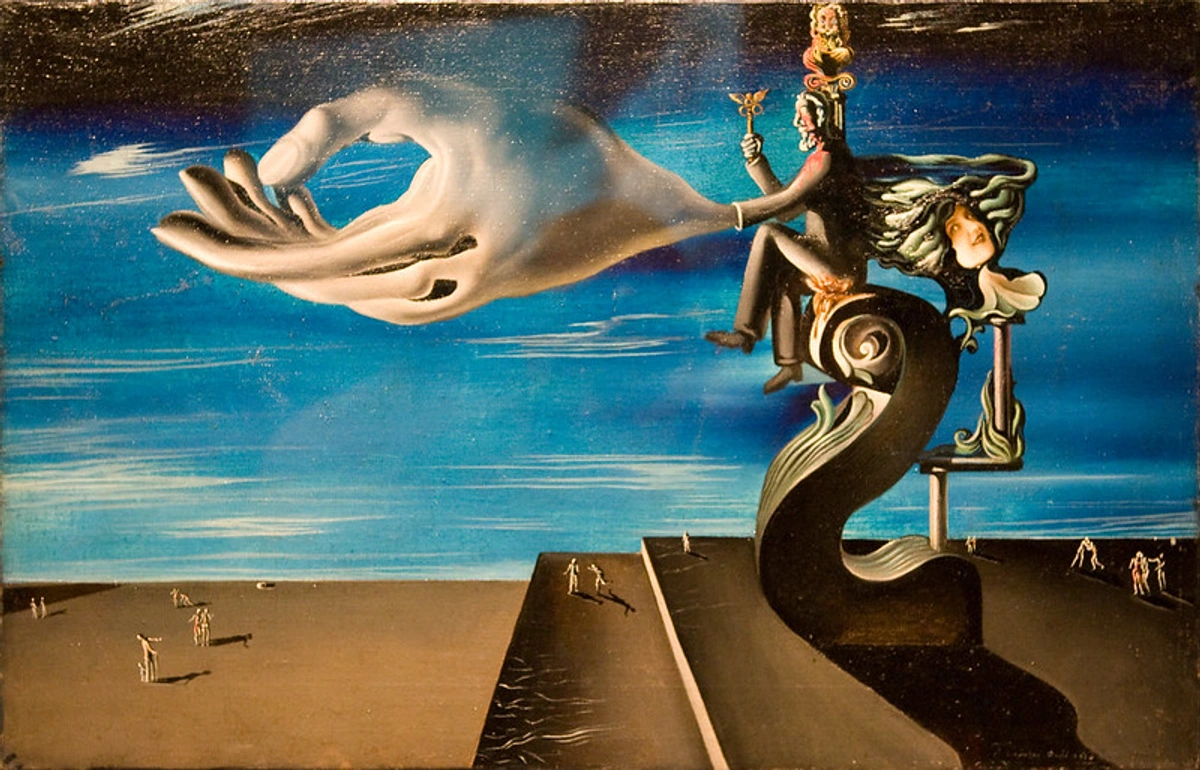
While Dalí and Magritte often grab the most headlines, the Surrealist movement was a vibrant constellation of incredibly diverse talents. Beyond the "big three," artists like Joan Miró (known for his automatist, biomorphic abstractions), Max Ernst (a pioneer of frottage and collage), Meret Oppenheim (famous for her provocative Surrealist Objects like the fur-lined teacup), Leonora Carrington (a master of mystical narratives and alchemical symbolism), Remedios Varo (who created intricate, ethereal worlds blending science and mysticism), and Man Ray (revolutionary photographer and object maker) all made indispensable contributions. Their unique visions expanded the very definition of what Surrealism could be, and I believe they deserve just as much attention.
What's the difference between Dada and Surrealism?
While Surrealism grew out of Dada, they had different aims. Dada, born from the disillusionment of World War I, was largely nihilistic and aimed to destroy traditional art and societal norms through absurdity and provocation. Surrealism, on the other hand, sought to reconstruct reality by delving into the unconscious mind, aiming for a higher reality or "surreality." Dada was destructive; Surrealism was exploratory, seeking liberation through the subconscious. You can explore more about the Dada art movement here.
How did Surrealism use humor?
Humor, often dark, ironic, or absurd, was a significant tool for the Surrealists. They used it to disrupt rational thought, challenge bourgeois sensibilities, and expose the inherent absurdities of everyday life and conventional society. From Dalí's Lobster Telephone to Magritte's witty visual paradoxes, humor served as a subversive force, inviting laughter that often came with a profound, unsettling realization about the nature of reality or hidden desires. It was a way to make the familiar strange and to provoke a new way of seeing the world, often through delightful and unexpected juxtapositions.
What was the Manifesto of Surrealism?
The Manifesto of Surrealism, published by André Breton in 1924, was the foundational text for the movement. It laid out the core principles: the belief in the superior reality of certain forms of association neglected hitherto, in the omnipotence of dream, in the disinterested play of thought. It championed psychic automatism – expressing thought without the control of reason, moral, or aesthetic considerations – as the primary method for artistic creation. The manifesto was a call to arms, urging artists and writers to explore the depths of the unconscious mind and revolutionize life itself.
Who were some key women Surrealists?
While male artists often dominated the initial narrative, women played an absolutely vital role in Surrealism. Key figures include Leonora Carrington, Remedios Varo, Dorothea Tanning, Meret Oppenheim, Frida Kahlo (though she resisted the label), and Claude Cahun. These artists brought unique perspectives, often exploring themes of identity, mythology, transformation, and the female experience with incredible depth and originality, challenging patriarchal norms within and outside the movement.

What is the concept of 'chance' in Surrealism?
Chance played a crucial role in Surrealist thought and creation, particularly in Automatist Surrealism. Artists embraced accidental encounters and random juxtapositions (like the famous quote from Lautréamont, "the chance encounter of a sewing machine and an umbrella on an operating table") as a way to bypass conscious control and tap into the subconscious. Techniques like the Exquisite Corpse or decalcomania relied on chance to generate unexpected imagery and meaning, believing that these random outcomes could reveal profound, hidden truths.
Is Frida Kahlo a Surrealist?
Frida Kahlo's connection to Surrealism is wonderfully complex and often debated! André Breton, the movement's founder, recognized her work as surreal and famously invited her to exhibit with the Surrealists. However, Kahlo herself famously insisted, "I never painted dreams. I painted my own reality." While she never fully embraced the Surrealist label or joined their inner circle, her powerful self-portraits and narratives undeniably share profound thematic and aesthetic overlaps with Surrealism. Her art is rich with dreamlike, symbolic qualities and delves deep into the psyche, exploring pain, identity, and Mexican heritage with unflinching honesty. Many consider her a significant, if independent, figure within the broader Surrealist landscape, admired by Breton himself. Her unique ability to weave intensely personal trauma with universal symbols makes her work resonate deeply, inviting viewers into her vividly depicted inner world. Dive deeper into her unique vision with our ultimate guide to Frida Kahlo.
Where can I see Surrealist art today?
Many major art museums around the world house significant Surrealist collections. Key institutions include the Museum of Modern Art (MoMA) in New York, the Centre Pompidou in Paris, the Tate Modern in London, the Dalí Theatre-Museum in Figueres, Spain (a truly immersive experience!), and the Salvador Dalí Museum in St. Petersburg, Florida. Additionally, many galleries and smaller museums frequently host temporary exhibitions focusing on Surrealism or individual Surrealist artists.
Were there different types of Surrealism?
Absolutely! Surrealism wasn't a monolithic style. As I discussed earlier in the section "## Different Faces of Surrealism: Veristic vs. Automatist Styles", there were distinct approaches within the movement. In short, artists like Dalí and Magritte pursued Veristic Surrealism, rendering impossible scenes with hyper-realistic detail, while others like Miró and Masson embraced Automatist Surrealism, focusing on spontaneous, subconscious-led creation. Both aimed for the 'sur-reality', just through different visual languages.
How did Surrealism influence art and culture?
Surrealism's influence extends far beyond the canvas, fundamentally reshaping modern art and culture. It profoundly impacted literature, film, fashion, photography, and even advertising. It taught us to see the world differently, to appreciate the irrational, and to question surface appearances. For a detailed exploration, check out our dedicated section above: "Surrealism's Enduring Influence: Beyond the Canvas." The movement's principles continue to inspire artists across disciplines, proving its enduring legacy in the art world and beyond.












Why These Paintings Still Matter
Surrealist paintings aren't just historical artifacts; they are potent invitations. They invite us to question the solid ground of our reality, to embrace the delightfully nonsensical, and to pay a little more attention to the rich, wild narratives unfolding in our dreams. They are a constant reminder that the world – and our minds – are far stranger, more mysterious, and infinitely more fascinating than surface appearances suggest. As a curator of sorts through these words, I find myself continually drawn to how these artists managed to make the invisible visible, giving form to the ineffable realms of human experience.
For me, as an artist, the legacy of Surrealism is a constant, exhilarating source of inspiration. It taught me that you don't need to paint what is literally seen; you can paint what you feel, what you dream, what you imagine from the deepest, most vibrant parts of your subconscious. It's a permission slip to let the irrational bloom on the canvas, to create worlds that are both deeply personal and universally resonant. And that’s a lesson that stays with you, continually pushing the boundaries of what art can be, and certainly informs my own contemporary, colorful, and often abstract work. The exploration of the subconscious, the marvelous, and the uncanny are themes I consistently return to, seeking to evoke that same sense of wonder and profound possibility. For me, the legacy of Surrealism is a constant reminder that the most profound truths often reside just beyond the veil of the rational, waiting to be discovered in the beautiful chaos of our minds. It's an invitation to keep exploring, keep questioning, and keep creating – an invitation I accept daily in my studio.
If you've enjoyed this journey into the bizarre and beautiful world of Surrealism, I encourage you to keep exploring. Just as these artists sought to peel back the layers of conventional reality, I strive to do the same in my own work, offering new perspectives and inviting you to find your own 'sur-reality' within my art. If you're curious about how these ideas pop up in my art and how my own artistic journey unfolds, you can check out some prints for sale on my site or see my personal art timeline.
While not always overtly political in the way some movements were, Surrealism carried a strong inherent political charge. Its radical embrace of the irrational, its critique of bourgeois morality, and its fervent desire for psychological liberation were all deeply subversive acts against the status quo. Many Surrealists were involved in leftist politics, particularly Communism, believing that a revolution of the mind and spirit was intertwined with social and political revolution. They often used their art to protest fascism, colonialism, and oppressive societal structures, advocating for freedom and imaginative revolt. The very act of challenging perceived reality was, for them, a profoundly political statement.
Surrealism vs. Abstract Art: What's the difference?
This is a great question, as both often appear non-representational to the casual observer! The key difference lies in their intent and source material. Abstract art (like Cubism or Expressionism) distills or reinterprets reality into non-representational forms, focusing on elements like color, line, and shape for their own sake. Its roots are often in formal experimentation or emotional expression. Surrealism, even when it approaches abstraction (like in Joan Miró's automatist works), always maintains a connection to the subconscious, dreams, and a hidden reality. It's about revealing a 'sur-reality,' not just abstracting from the visible world. The forms, however distorted, are meant to evoke psychological states, symbols, or dream narratives, often rooted in recognizable (though twisted) objects or figures. Abstract art might simply be about lines and colors; Surrealism's lines and colors are always pointing to something deeper within the psyche.