René Magritte's 'The Son of Man': The Definitive Guide to Its Enduring Mystery & Cerebral Surrealism
Unravel the enigma of René Magritte's 'The Son of Man' with this definitive guide. Discover its surrealist philosophy, the deep symbolism of the iconic green apple, hidden compositional secrets, and its vast, unexpected legacy in art, culture, and beyond.

René Magritte's 'The Son of Man': The Definitive Guide to Its Enduring Mystery & Cerebral Surrealism
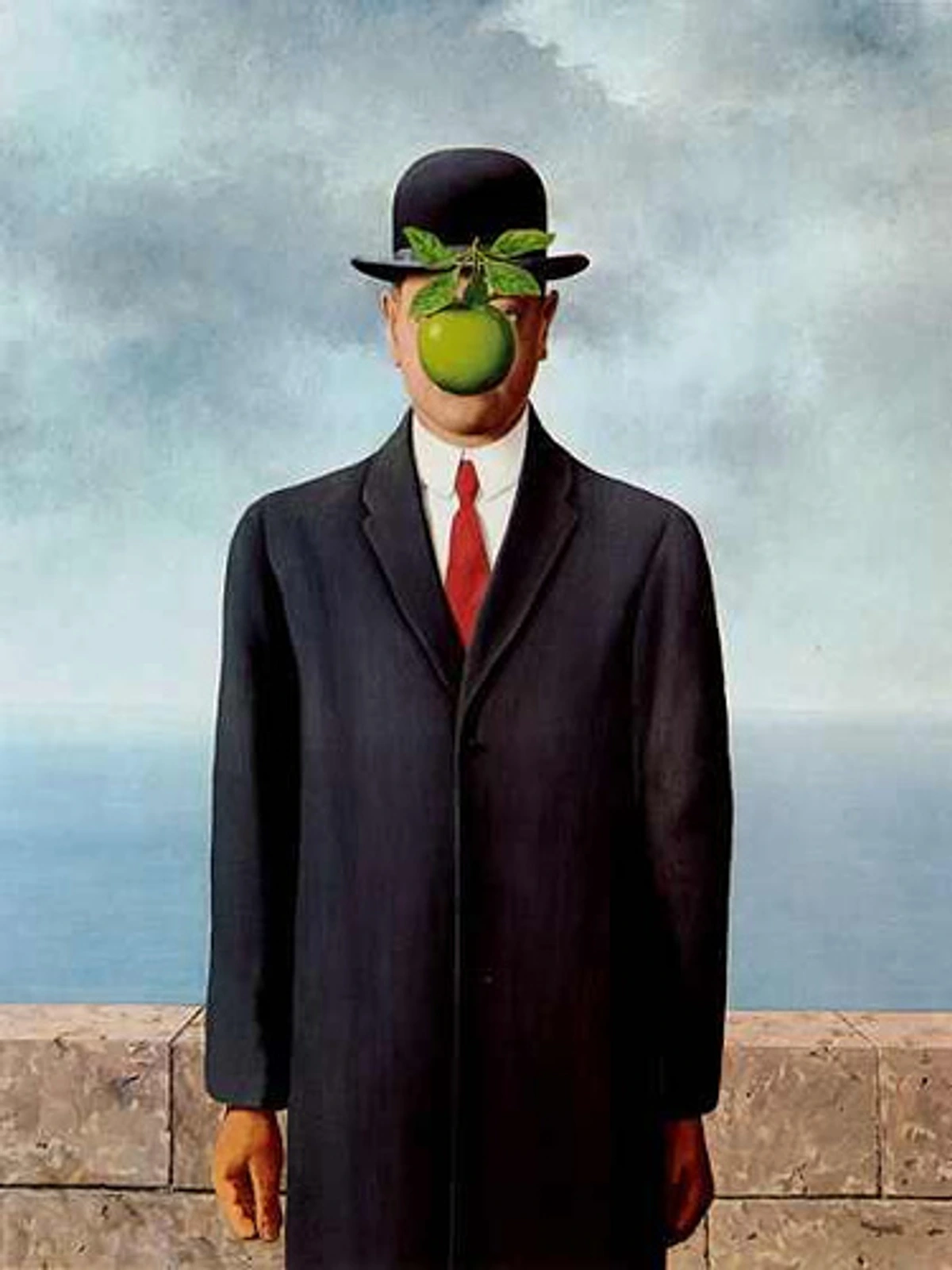
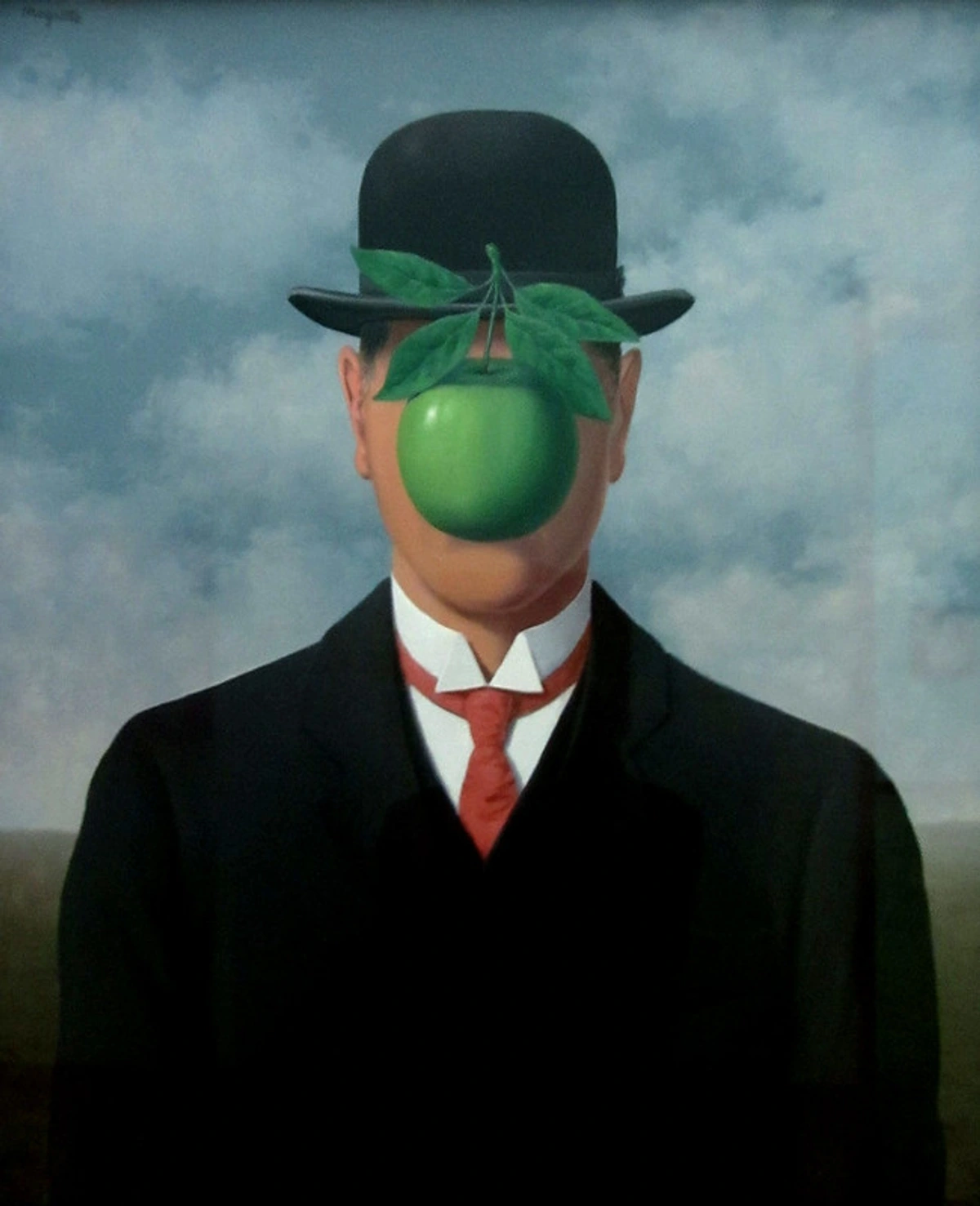
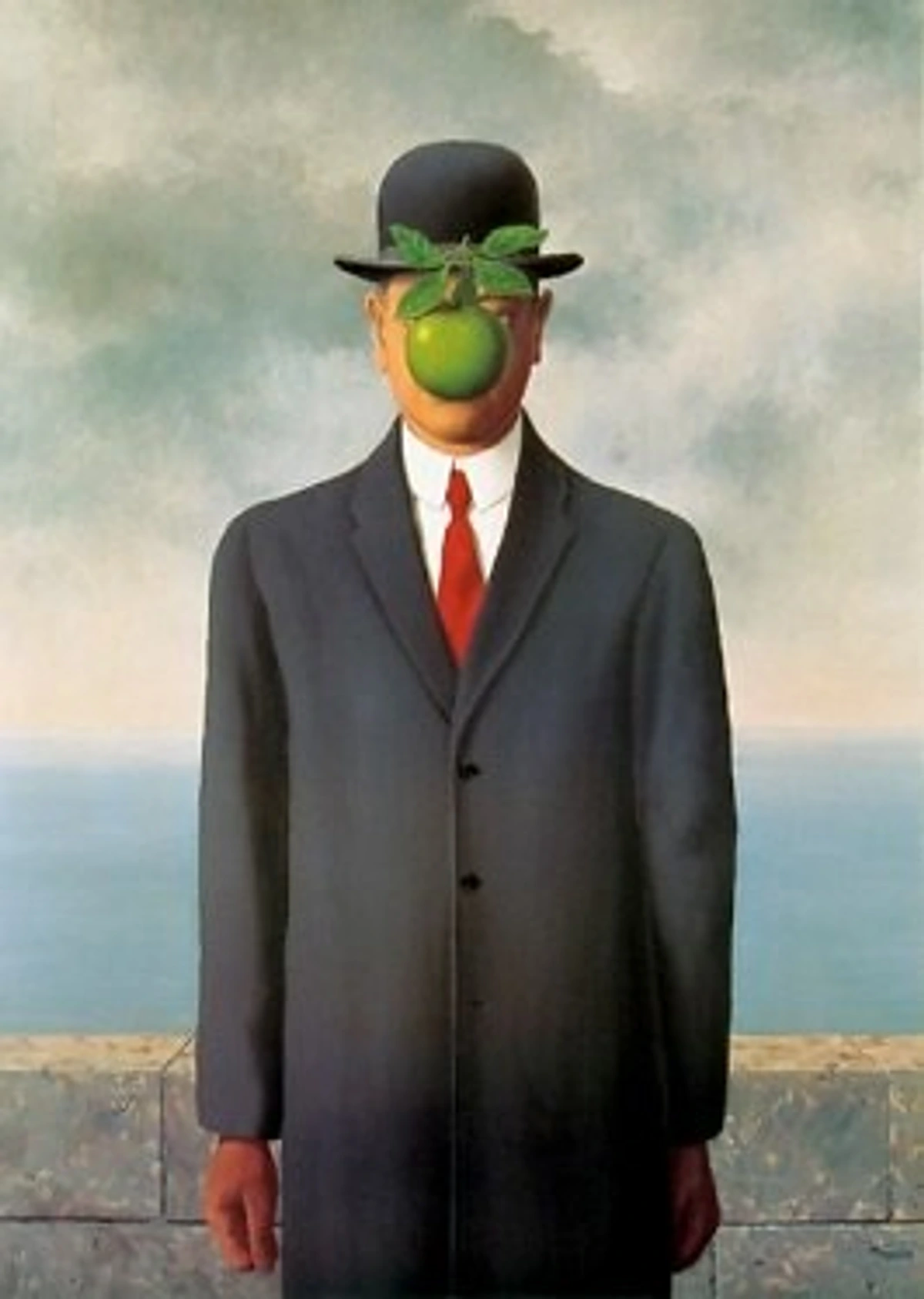
I still vividly remember the first time I truly looked at René Magritte's 'The Son of Man.' It wasn't just another image; it was a quiet hum of unanswered questions, a profound sense of recognition mixed with stubborn weirdness that settled deep in my mind. You've undoubtedly seen it too: that iconic image of a man in a crisp suit and a bowler hat, his face completely obscured by a vibrant green apple that just… floats there. It's plastered on posters, graces album covers, pops up in films, and yes, it’s probably fueling a meme or ten. It has seeped into our consciousness as a potent symbol of modern mystery, as familiar as the Mona Lisa, yet it remains profoundly, stubbornly weird. It’s a quiet enigma that begs the question: what profound truth, or unsettling illusion, is Magritte actually showing us? This immediate intellectual friction, this pull between the familiar and the utterly confounding, is a feeling I often chase in my own art. Today, I want to unpack this iconic, often-misunderstood painting, delve into Magritte’s unique philosophical world, explore its surprising, enduring impact, and perhaps, together, we can peek behind the apple and uncover why this seemingly simple image holds such powerful, quiet sway over us.
Indeed, my goal here is for this to be the definitive, ultimate guide to 'The Son of Man' – a place where both art history enthusiasts and casual observers can find everything they need to understand its genius. We’ll go beyond superficial interpretations to explore its philosophical underpinnings, anatomical glitches, historical context, and widespread pop culture influence, offering a truly comprehensive understanding. It’s a painting that, despite being created in 1964, feels as relevant and thought-provoking today as ever.
Magritte's Cerebral Surrealism: A Philosophical Game of Perception
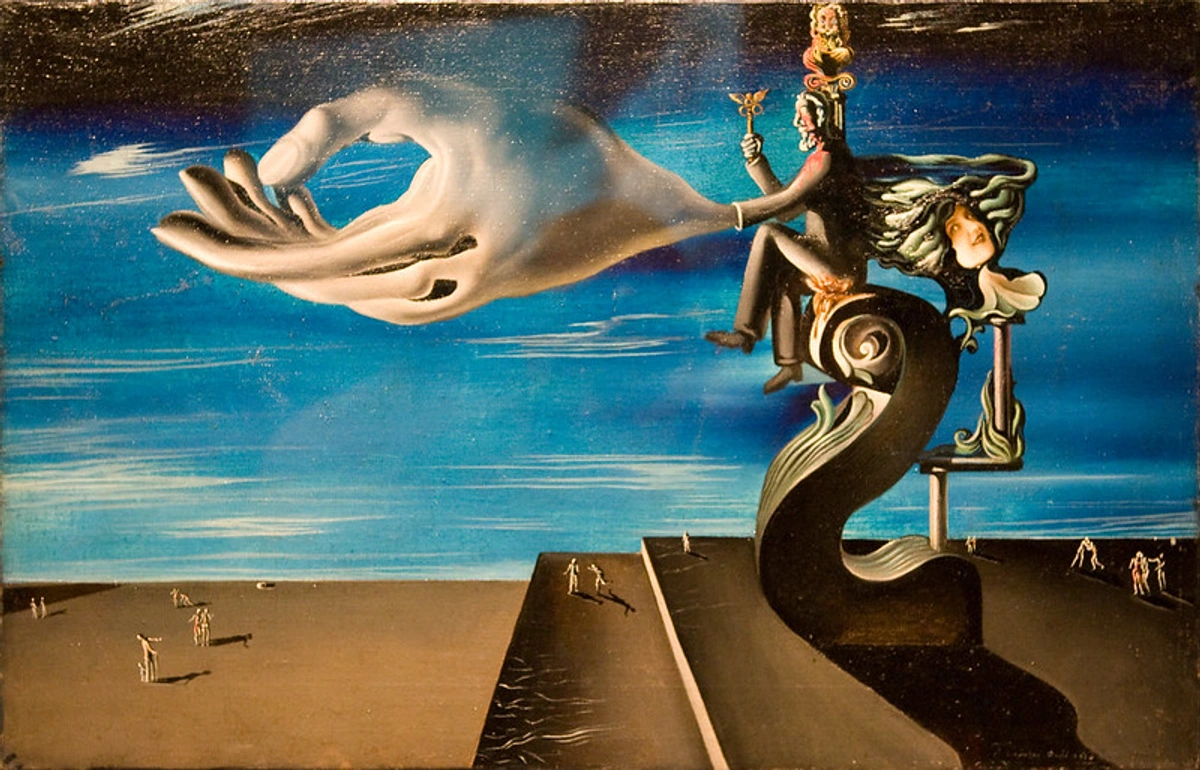
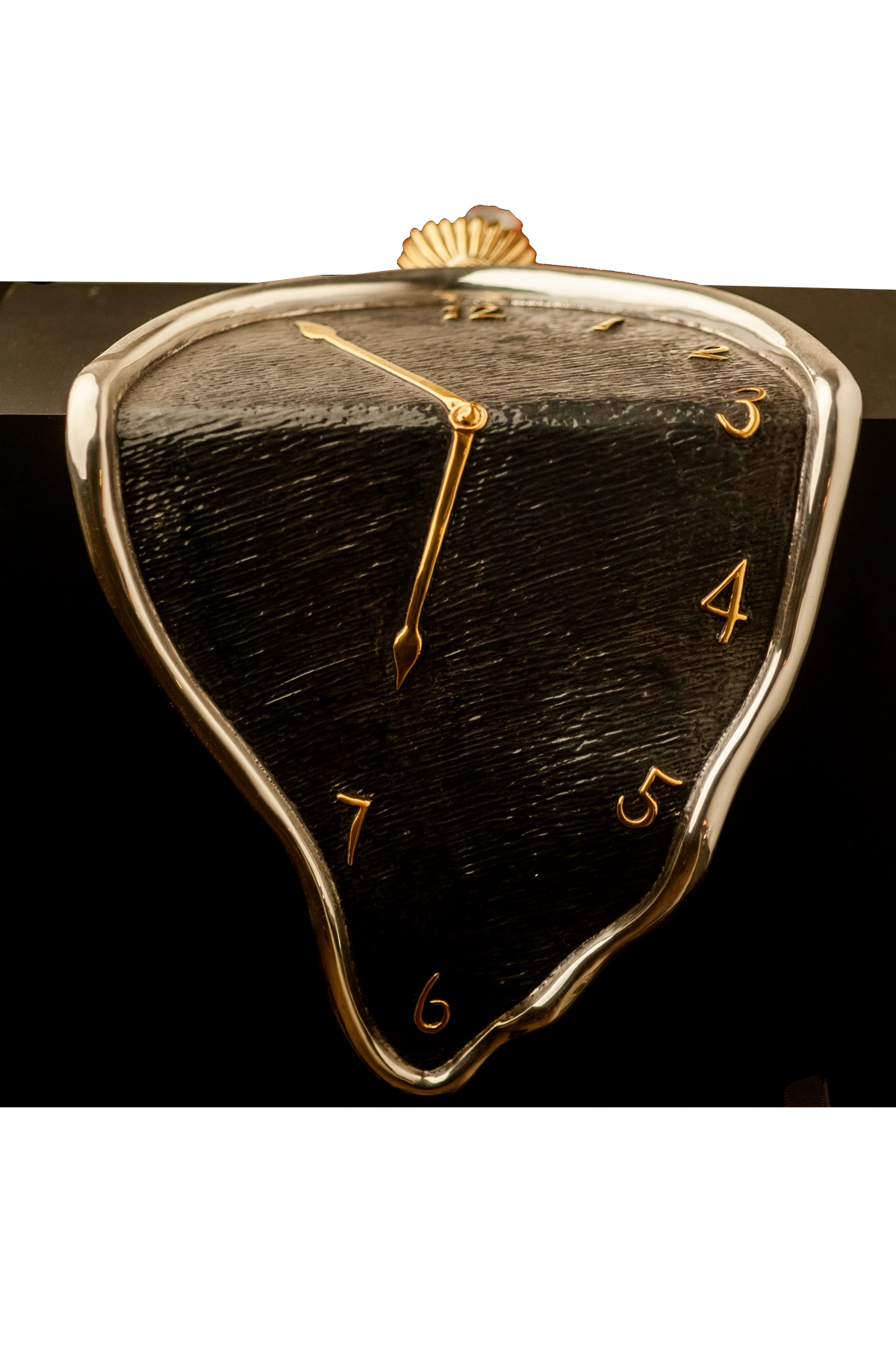
René Magritte, a Belgian artist, wasn't your typical Surrealist. While many of his contemporaries, like Dalí, delved into dreams, automatism, and the subconscious with theatrical flair and flamboyant imagery – often aiming to unlock raw, irrational desires – Magritte preferred a more intellectual, almost deadpan approach. He was less interested in chaos and more in the quiet paradox, using everyday objects to challenge our very perception of reality. For Magritte, painting was a way to highlight that which remains hidden, even when staring us directly in the face. It’s less about escaping reality, and more about questioning its very foundations – a cerebral approach that resonates deeply with philosophical currents like phenomenology (the study of structures of consciousness and experience, focusing on how we encounter the world) and existentialism (a philosophy emphasizing individual existence, freedom, and responsibility, and the search for meaning in an often-meaningless world).
If you want to dive deeper into how this movement changed art, you should read up on the enduring legacy of surrealism or what is surrealism.
Magritte’s unique brand of Surrealism, which some call 'Cerebral Surrealism' or 'Conceptual Surrealism,' often presented logical contradictions within meticulously realistic scenes. He didn't just twist objects; he rendered impossible scenarios with the precision of a classical painter, forcing the viewer to confront the inherent absurdity. This surgical precision, unlike the chaotic dreamscapes of other surrealists, amplifies the unsettling effect. It's the difference between a loud explosion and a silent, perfectly placed wrong note in a symphony – the latter can be far more unnerving because it challenges our understanding rather than simply overwhelming our senses.
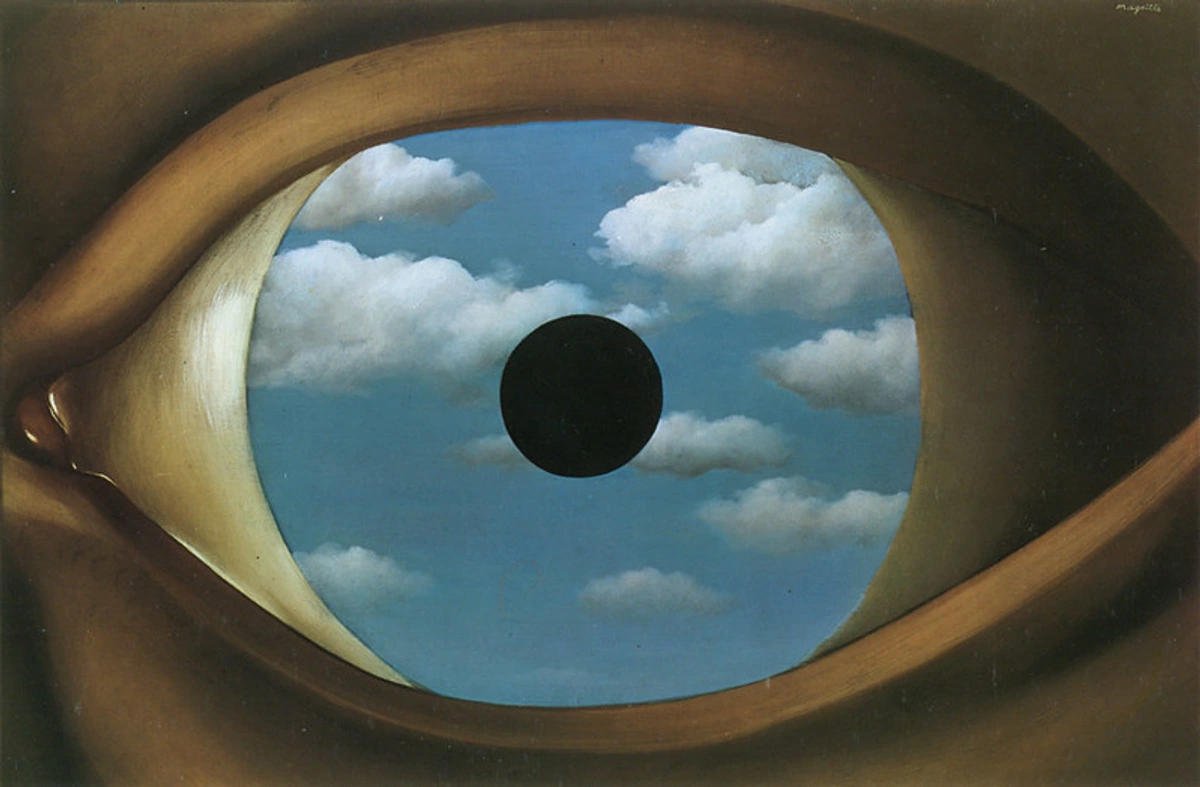
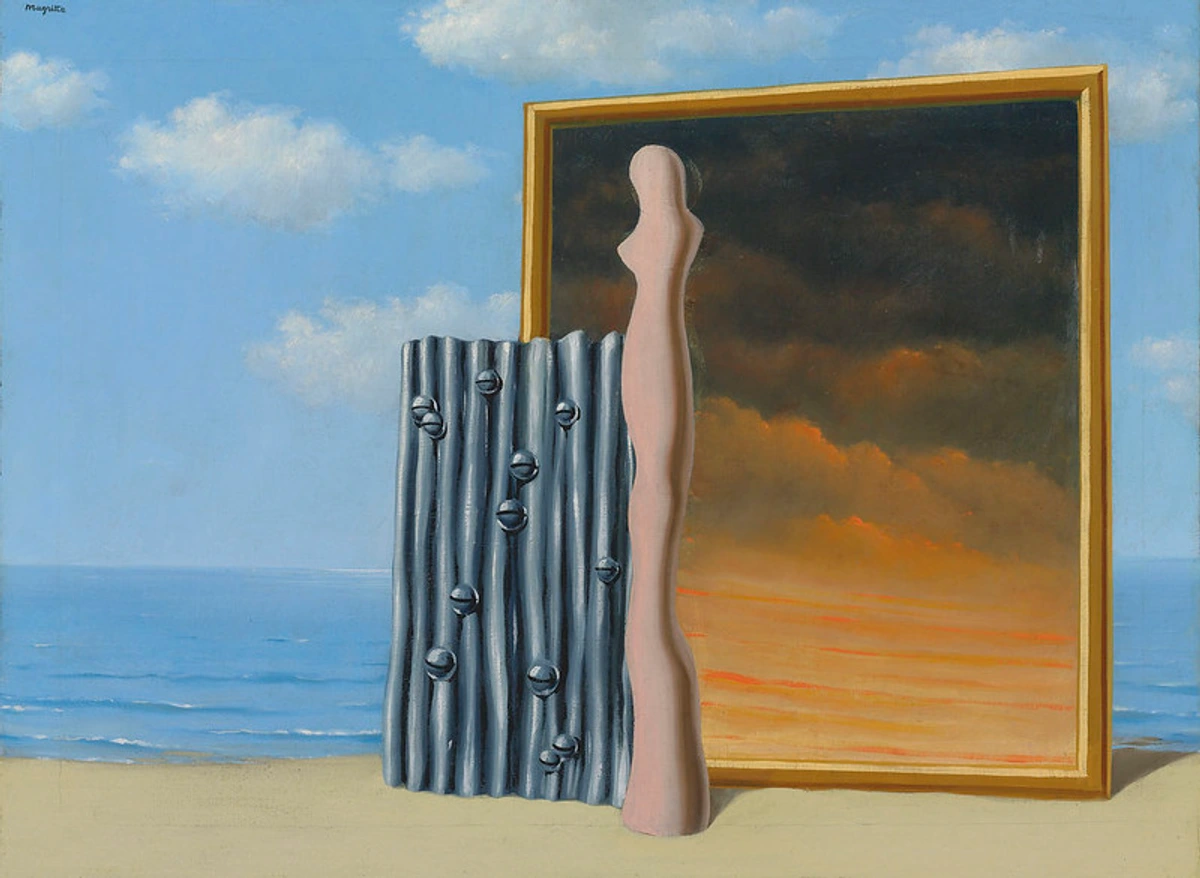
Think of his 'The Human Condition,' where a painting on an easel perfectly aligns with the landscape it ostensibly depicts, blurring the lines between art and reality itself. Or 'The False Mirror,' an eye reflecting a cloudy sky, suggesting the subjective, often deceptive nature of vision. This emphasis on questioning perception and reality, and even the unknowability of identity, touches upon themes found in existentialist thought, reminding me of Camus's ideas of the absurd—the human tendency to seek inherent meaning in life and the inability to find it. He once said, "The mind loves the unknown. It loves images whose meaning is unknown, because the meaning of the mind itself is unknown." That quote, for me, feels like the artist himself reaching out from the canvas, laying bare the profound human urge to understand what’s obscured – a sentiment that feels deeply personal to my own creative process. This yearning is at the very core of 'The Son of Man.' It’s also famously explored in his work, 'The Treachery of Images', with its provocative caption, "Ceci n'est pas une pipe" ("This is not a pipe") – a direct challenge to the idea that a representation is the thing itself. In 'The Son of Man,' the apple functions in a similar vein: it's not denying what it is, but denying what it allows us to see, creating an intellectual barrier to immediate understanding and forcing us to confront the inherent limitations of our own perception.
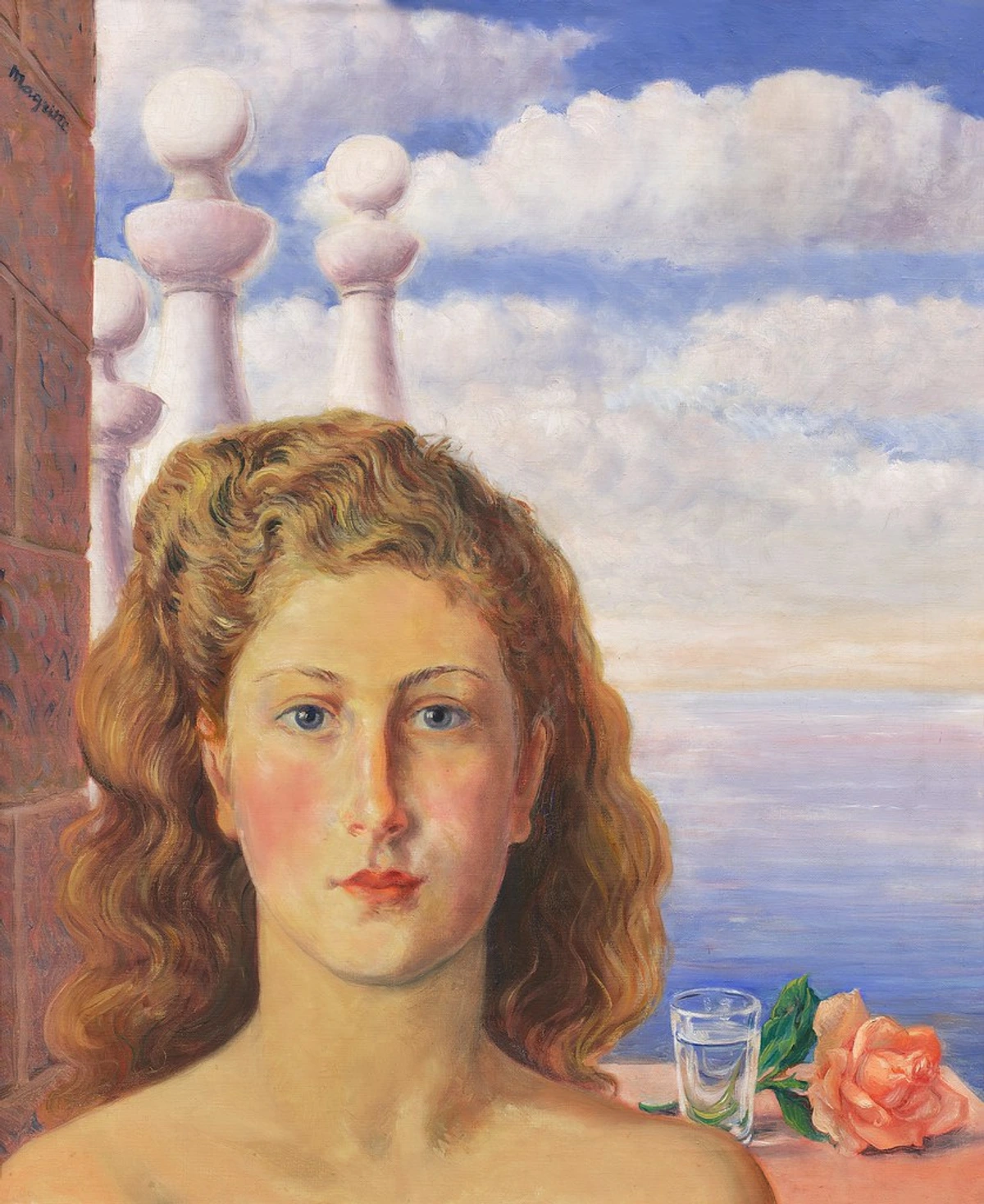
Magritte, I believe, was deeply motivated by the societal shifts of his time. The early to mid-20th century saw rapid industrialization, the rise of mass media, and the emergence of increasingly anonymous, bureaucratic societies. His focus on the hidden, the uniform, and the paradox can be seen as a subtle critique of a world where individual identity was becoming increasingly obscured by conformity and consumerism. He wasn't just playing intellectual games; he was holding a mirror up to a changing society, reflecting anxieties that still resonate today. You can learn more about his background in who René Magritte was.
Magritte vs. Other Surrealists: A Brief Comparison
To truly grasp Magritte's unique genius, it helps to see him in contrast with his peers. While all Surrealists aimed to liberate the subconscious, their methods varied wildly. Magritte, ever the intellectual trickster, chose a path of poetic paradox over raw, chaotic emotion.
Aspect  | René Magritte's Approach | Salvador Dalí's Approach (e.g.) | Impact on Viewer | Connection to 'The Son of Man' |
|---|---|---|---|---|
| Subject Matter | Everyday objects, familiar scenes, the mundane made extraordinary | Distorted figures, dreamscapes, Freudian symbols, the fantastical | Intellectual disquiet, philosophical questioning, subtle unease | The bowler-hatted man, the apple – all mundane, yet made extraordinary through obstruction. |
| Technique | Meticulous realism, classical precision, visual paradoxes | Hyper-realistic detail often combined with grotesque distortion, dreamlike precision | Challenges perception through logic, not raw emotion; prompts active mental engagement | The precise rendering of the man and apple makes the impossibility more jarring, forcing you to think. |
| Goal | Question reality's foundations, reveal hidden aspects within the seen | Explore subconscious, sexual desires, madness, unleash the subconscious | Prompts intellectual contemplation, invites profound thought rather than visceral shock | The apple hides, inviting deep reflection on what is withheld. |
| Overall Tone | Deadpan, witty, philosophical, intellectual provocation | Theatrical, flamboyant, overtly psychological, raw emotion | Forces an active, mental engagement with the image, creating a lasting intellectual puzzle | Its quiet absurdity forces you to think about what's missing, rather than simply reacting. |
This comparison highlights why Magritte’s 'Cerebral Surrealism' often feels more enduringly relevant to our modern anxieties about identity and perception. It's not about the fantastical spectacle, but the insidious unease of what is subtly wrong within the familiar. What strange truths do you find hidden in plain sight around you?
Who Was the Man in the Bowler Hat? The Archetypal Everyman
Alright, so Magritte’s world is one of quiet philosophical games. But who’s playing, or rather, who is being played? First things first: the man. It's tempting, isn't it? To see the bowler-hatted figure as Magritte himself, a kind of surrealist self-portrait. And while he did paint himself this way occasionally (he was quite fond of the bowler hat in real life, much like many European gentlemen of his era), his intention here was something much broader, much more universal. This figure, often considered an archetypal man, represents a specific slice of the 20th century: the modern, anonymous individual.
He’s the businessman, the bureaucrat, the everyday person, seemingly identical to countless others, a product of the burgeoning crowds and increasing conformity of urban life and mass production in the post-war era. He is, in a word, the everyman. By dressing him in this uniform of early 20th-century conformity – the suit, the bowler hat – Magritte makes him universally recognizable yet personally invisible. This uniform simultaneously allows for identification (we've all seen someone like him) and alienation (we can't know him). It speaks to a deep-seated human experience of existing in plain sight, yet remaining fundamentally unknowable. He’s a poignant symbol of the anonymity that often accompanies modern urban existence, where individual uniqueness can be swallowed by the collective. It makes me wonder, how much of my own true self is hidden beneath the expectations of others, or even my own self-imposed roles, much like the curated personas we present online today? This theme of hidden identity runs through Magritte's entire life's work. In fact, he often adopted the bowler hat as a personal symbol, a sort of uniform that both blended him into society and perhaps, paradoxically, offered a subtle form of disguise, allowing him to observe the world from behind a conventional facade. If you want to dive deeper into the man himself, you should absolutely read up on who René Magritte was.

The Apple: More Than Just Keeping the Doctor Away
Alright, let's talk about the elephant in the room. Or rather, the apple on the face. This, right here, is the heart of the painting, the source of all its tension and profound mystery. Why an apple? Why there?
Magritte himself explained it best, with his characteristic philosophical brevity. He said, "Everything we see hides another thing, we always want to see what is hidden by what we see." That’s it. That’s the key. The apple isn't just an apple. It’s a beautifully simple, frustratingly effective device that creates a fundamental conflict in our minds. You might be tempted to immediately jump to the biblical story of Adam and Eve, temptation, and the fruit of knowledge (a perfectly valid layer of interpretation, given the apple's potent symbolism across cultures), and Magritte was undoubtedly aware of this association. However, he was more of a philosopher than a preacher. The 'knowledge' here isn't about original sin; it's about the inherent limitations of human sight and understanding. It's a visual pun on "An apple a day keeps the doctor away" – here, the apple keeps you away from the truth of the man behind it.
But the apple's symbolism runs deeper than mere obstruction. Across cultures, the apple has represented everything from knowledge and immortality to desire, love, and even deceit. It’s been associated with paradise, discord (think the Apple of Discord in Greek mythology), and fertility. Magritte, I believe, delighted in these layered meanings, choosing an object so rich in association and then subverting it. Here, it functions as a perfectly crafted, deceptive facade – a vibrant, appealing object that, paradoxically, prevents true seeing. It’s a playful nod to the idea that what is beautiful or seemingly innocuous can also be the greatest barrier to understanding. This tension, the simultaneous revelation and concealment, is a recurring theme I explore in my own abstract art, where colors and forms often hint at underlying narratives that are never fully revealed, inviting you to seek your own hidden meanings.
We see the man. We see the apple. But we can't see the man's face, which, let's be honest, is what we are evolutionarily programmed to look for—the eyes, the expression, the gateway to identity. The apple doesn't just obscure; it tantalizes us by blocking the very information we crave, playing on our inherent desire for completeness and understanding. This thwarts our fundamental human impulse to read faces and connect with identity. It hides the most crucial part of his identity, creating an intense, almost primal desire to see what's behind it. Magritte deliberately chose the apple for its commonplace, almost mundane nature, combined with its vibrant green color that sharply contrasts with the man's dark suit. This everyday object, placed so impossibly, forces a confrontation with the extraordinary. The painting is less about what is there, and profoundly more about the desire to see what isn't. It’s a powerful visual metaphor for the idea that we can never fully know or see another person, or even ourselves completely. There's always something in the way, a veil, an apple, a societal mask—an intentional ambiguity that forces us to confront our own perceptions and the elusive nature of truth. It’s a subtle dance between the obvious and the profound, and I find myself perpetually drawn into its silent invitation to look closer.
What personal truths or feelings do you find hidden behind the 'apples' in your own life?
Behind the Veil: The Subtle Glitches That Make 'The Son of Man' Sing its Strange Song
What makes Magritte a genius isn't just the big, surreal idea; it's the meticulous, subtle execution. His technique often involved smooth, almost photographic rendering, which only makes the impossible elements more jarring. His brushstrokes are virtually invisible, creating a hyper-realistic surface that paradoxically underscores the unreality of the scene. This deliberate choice of a bland, unremarkable backdrop and precise application is precisely to make that surreal element pop and amplify its unsettling effect. Get close... really close, and let's uncover the quiet details that truly make this painting sing its strange, silent song.
- The Setting: A Non-Place of Subtle Disquiet. A low sea wall, a vast, melancholic grey sky, and a dark, placid sea that offers no reflection of depth. It's a non-place, almost devoid of distinguishing features. It could be anywhere, and therefore it's nowhere specific. This removes all contextual anchors, preventing any real-world distractions, forcing us to focus solely on the man and the apple, amplifying their strangeness and isolating the central mystery. Imagine if it were set in a bustling Parisian street or a recognizable landmark – our minds would immediately try to categorize and dismiss the anomaly. Magritte's choice to strip away all such context is crucial; it ensures our focus remains on the psychological and philosophical impact, not the geography.
- The Pose: Deadpan in the Face of the Absurd. The man stands rigidly, formally, almost like a mannequin. He's not reacting to the bizarre situation. This deadpan delivery – a deliberate lack of emotional expression – is a classic surrealist technique. If he were panicked or surprised, it would be a completely different painting—a narrative scene, perhaps even comical. His absolute calmness in the face of the absurd is what makes it so deeply unsettling; it suggests that this impossibility is just another part of reality, a world where the illogical is presented with unwavering factualness, forcing the viewer to question their own sense of normalcy.
- A Hidden Flaw: The Glitch in the Matrix. Look closely at his left arm (the one on our right). It appears to bend unnaturally backward at the elbow, pointing forward in a way that defies human anatomy. Imagine trying to bend your arm backward at the elbow like a hinge on a door, rather than a natural pivot – it’s impossible. You'll immediately feel the biological impossibility and perhaps a phantom ache just thinking about it. It’s a tiny, almost unnoticeable detail that completely messes with our subconscious understanding of the human form. When I first noticed this, it was like a tiny shockwave – proof that even in the seemingly ordinary, Magritte was playing with our fundamental understanding of reality. Magritte does this not to shock, but to subtly whisper to our minds that something here is fundamentally wrong, even in the seemingly normal parts. It's a quiet, unsettling glitch, a reminder that the world of the painting looks almost real, but it doesn't play by our rules, much like life itself sometimes. It's a deliberate destabilization, a subtle prompt to the viewer that even what appears solid and logical within the composition is, in fact, an illusion, much like a digital glitch in a seemingly perfect simulation. It's a testament to Magritte's genius that he can implant such a profound sense of unease with such a minor, almost imperceptible detail. These are the details I obsess over in my own work – those tiny, intentional imperfections that invite a deeper, more thoughtful look.
What other subtle distortions do you notice in everyday life that challenge your sense of reality?
The Son of Man's Enduring Legacy: From Art Gallery to Pop Culture & Beyond
This painting has burrowed deep into our collective consciousness, becoming a visual shorthand for mystery, hidden identity, corporate anonymity, and the elusive nature of truth. Its simple, graphic nature, combined with its profound conceptual depth, has made it incredibly easy to reference and parody, which is why its influence is everywhere. It resonates because its themes – the search for identity, the limits of perception, the hidden layers of reality – are universal and timeless, easily adaptable to contemporary anxieties and digital mediums. Honestly, it's a testament to its power that an image of an apple hiding a face is now more recognizable than many actual apples.
Beyond direct parodies, 'The Son of Man' has subtly influenced advertising strategies (implying mystery or exclusivity), conceptual art that challenges perception, and even psychological discussions around defense mechanisms or the masks we wear. Its simple yet profound imagery makes it endlessly reinterpretable. The widespread reproduction of the image, whether in print or digital format, has in a way democratized its complex themes, making Magritte's philosophical puzzles accessible to a global audience far beyond the art world itself.
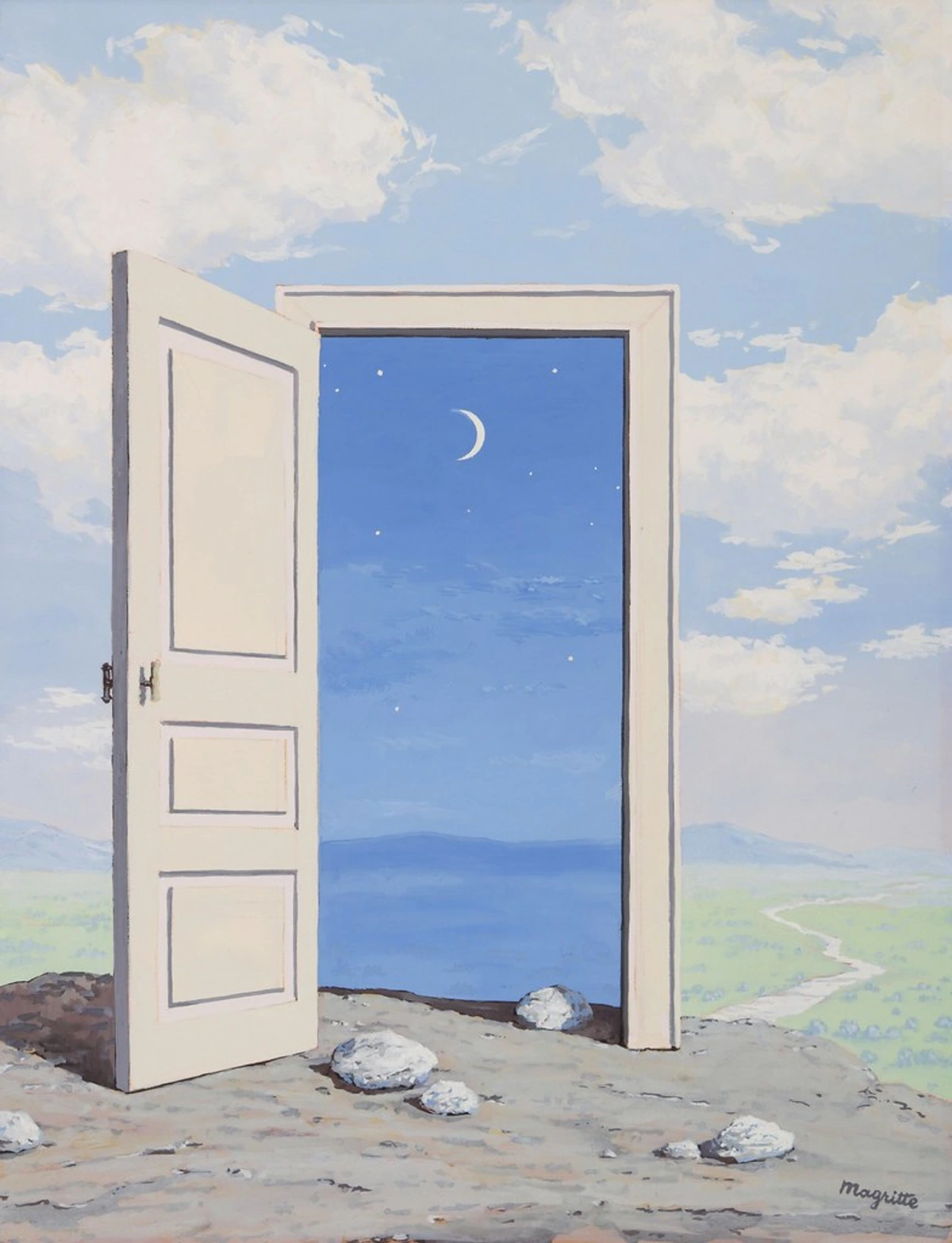
Here are just a few places you might have seen it referenced or directly parodied, and how they connect to Magritte's core ideas:
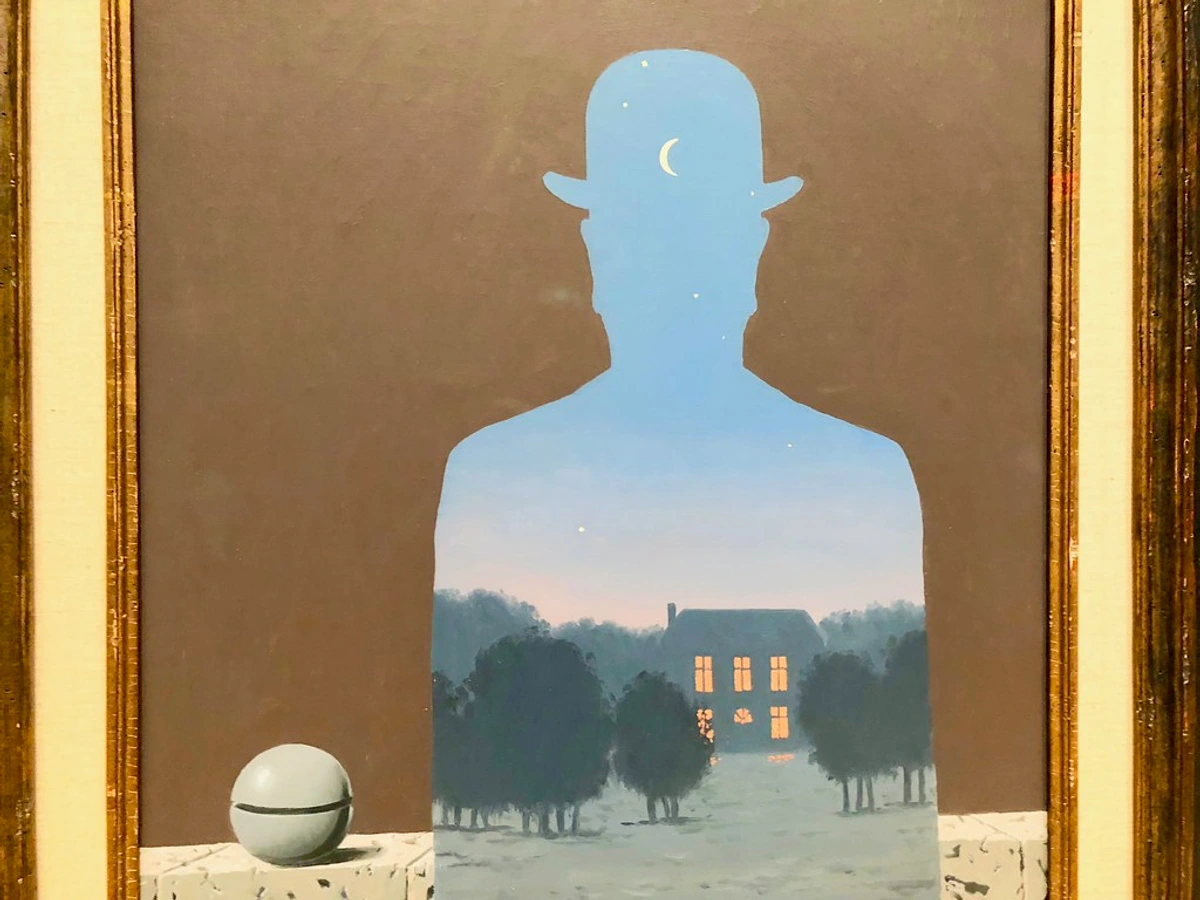
Medium | Example and Relevance |
|---|---|
| Film | The Thomas Crown Affair (1999) features a heist where dozens of men in bowler hats carry briefcases, creating a direct visual homage that emphasizes the anonymity and collective identity of modern man, directly echoing Magritte's critique of conformity and hidden intention. The identical men, indistinguishable from one another, highlight the theme of obscured individual identity within a larger, orchestrated deception. Other films use its motif for mystery or obscured identity. |
| TV Show | The Simpsons and Family Guy have both parodied the painting multiple times, swapping the apple for donuts, giant baby heads, or other absurd items. These parodies rely on the painting's instant recognizability and its deep cultural permeation, using the visual gag to highlight absurdity while still referencing the original's thematic core of unexpected obstruction. |
| Music Video | Michael Jackson's "Scream" video includes a brief, striking homage, connecting the painting's themes of concealment to the music's exploration of alienation and societal critique, reflecting the hidden struggles and pressures faced by individuals. Artists like Green Day have also used similar imagery, echoing the theme of concealed identity and internal turmoil. |
| Video Games | The indie game Back to Bed uses surrealist imagery heavily inspired by Magritte. Characters often appear with obscured faces, playing on themes of perception and the subconscious, directly referencing 'The Son of Man''s central motif of hidden identity. Additionally, games like Half-Life 2 feature character models (like the enigmatic G-Man) whose enigmatic, suited appearance often draws comparisons, leveraging the bowler hat's association with mystery and hidden agendas. |
| Advertising | Countless advertisements have used the hidden face motif to imply mystery, exclusivity, or a deeper meaning behind a product, tapping into the same innate curiosity Magritte provokes by making us want to see what's hidden. This visual shorthand suggests that there's more to the product than meets the eye, mirroring the painting's invitation to look beyond the surface. |
| Graphic Design & Illustration | From book covers to album art and digital illustrations, the motif of a veiled face or an object obstructing sight is widely used to symbolize introspection, secrets, or a playful challenge to conventional seeing, directly referencing Magritte's powerful visual language. |
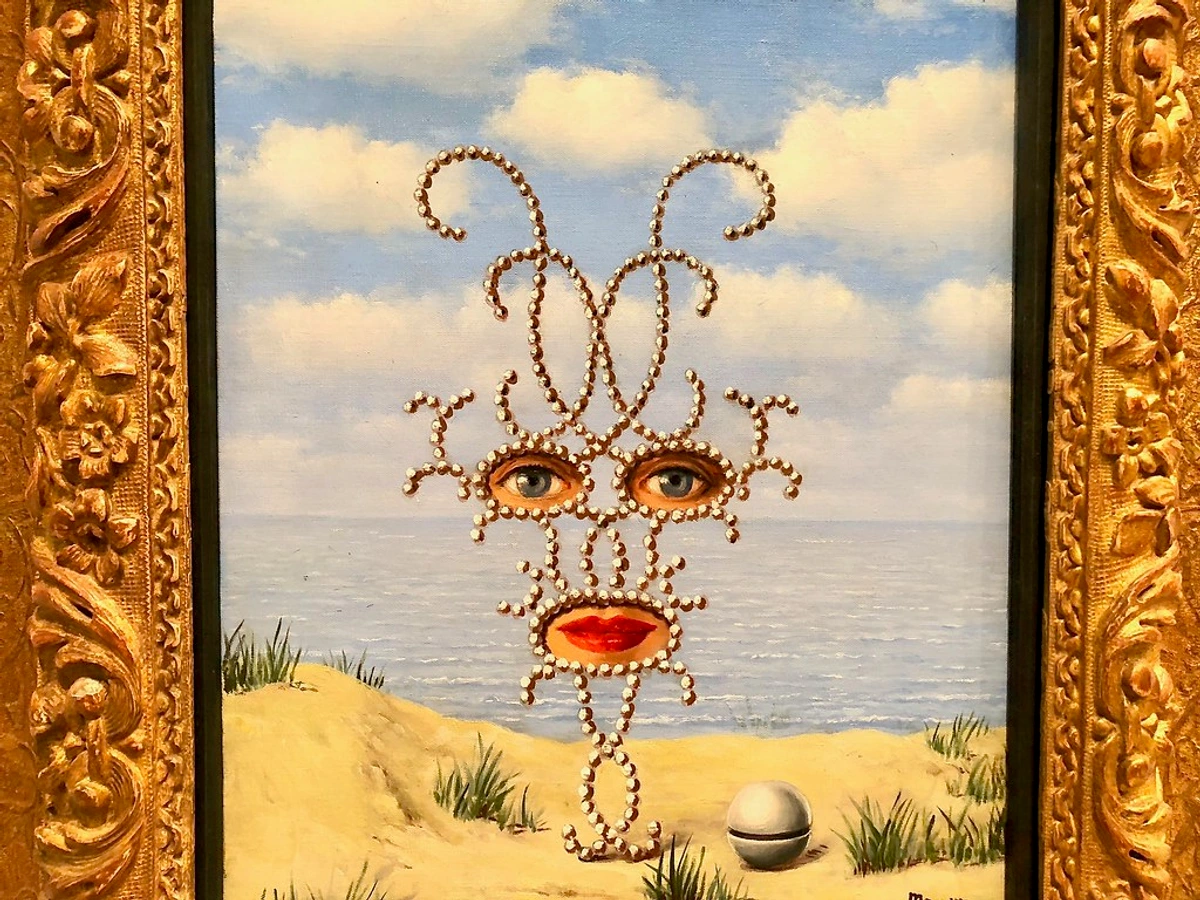
What to Look For When You Encounter It
If you ever have the immense fortune of seeing 'The Son of Man' in person – which is a rare treat given its private ownership, adding to its mystique – beyond its obvious impact, I encourage you to pause and observe. Don't just glance; let your eyes linger. Notice the quiet interplay of colors – the cool blues and greys of the background against the vibrant green of the apple and the dark, almost stark suit. Try to feel the subtle texture of the canvas, imagining Magritte's meticulous brushstrokes creating such a precise yet impossible reality. Observe the stillness of the composition, how the rigid pose and placid background amplify the absurdity of the floating apple. This deliberate stillness amplifies the surrealist element, forcing us to confront the impossibility head-on, much like Magritte intended with his philosophical puzzles.
And, if you can, definitely seek out that unsettling backward bend in the arm – it's in these almost imperceptible details that Magritte truly casts his spell, inviting you into a deeper contemplation of his philosophical puzzles. For those viewing high-resolution images online, zoom in and spend time with these details; the depth of Magritte's genius truly emerges when you actively search for these intentional 'flaws' and consider their unsettling implications. When you let these elements sink in, you'll find yourself not just looking at the painting, but actively engaging with its enduring question. And perhaps, you’ll find your own answer to what lies behind that persistent green apple.
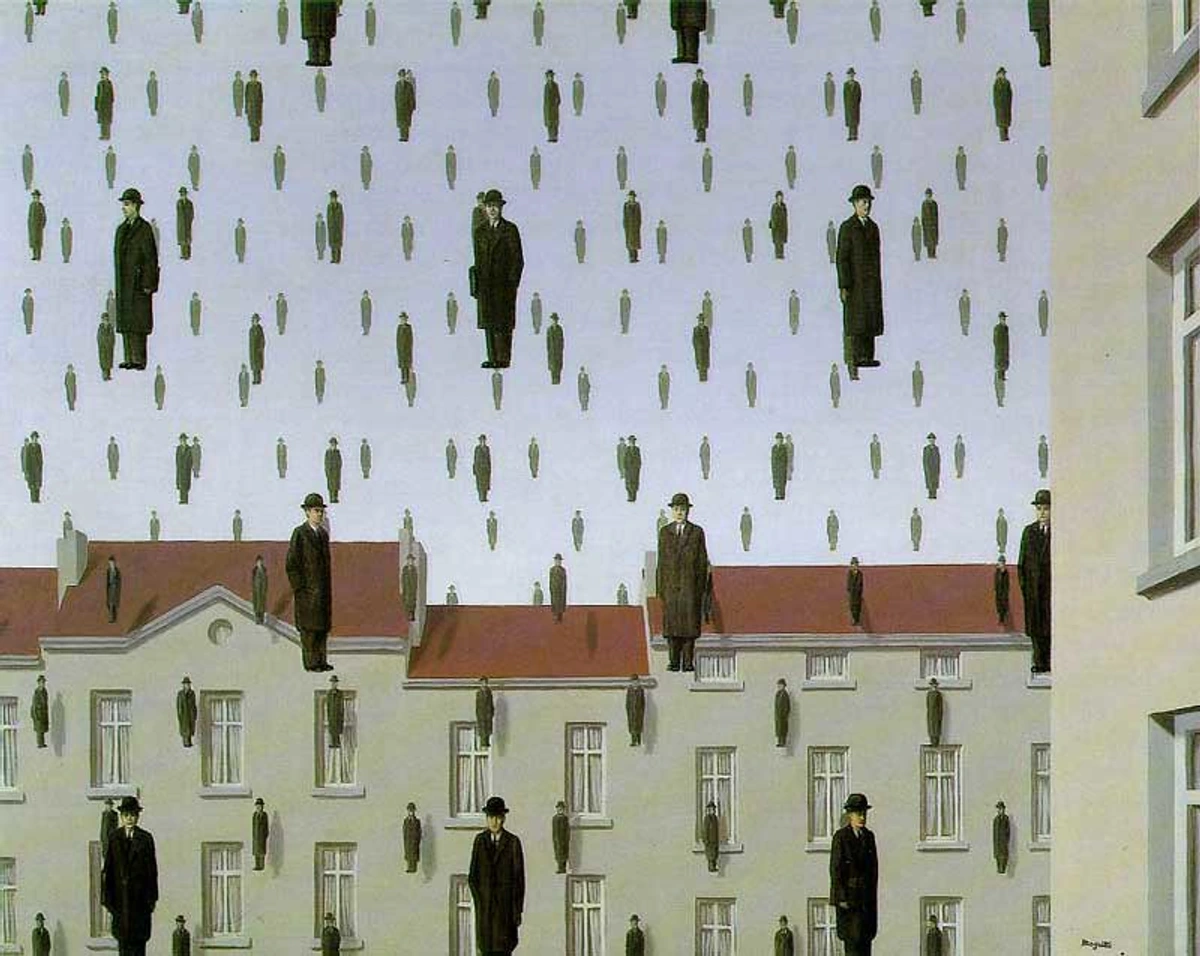
Key Terms Defined
For those new to the intriguing world of Surrealism and its philosophical underpinnings, here are a few key terms we've discussed:
- Surrealism: An artistic and literary movement launched in Paris in the 1920s, heavily influenced by Freudian psychoanalysis, seeking to release the creative potential of the unconscious mind by challenging rationalism and juxtaposing irrational or incongruous imagery. Magritte was a key figure, but with a distinct, more conceptual approach.
- Cerebral Surrealism: A term often used to describe Magritte's particular style of Surrealism, characterized by a more intellectual, logical, and questioning approach. It uses everyday objects and realistic rendering to create logical paradoxes and challenge perception, rather than focusing on wild dream imagery or automatism, making the unsettling effect stem from cognitive dissonance.
- Phenomenology: A philosophical approach that studies the structure of experience and consciousness. In art, it relates to how we perceive and make sense of the visual world, and how Magritte's work often disrupts this process. For example, by obscuring the face with an apple, Magritte forces us to confront our experience of trying to see, rather than just passively accepting what is presented.
- Existentialism: A philosophy emphasizing individual existence, freedom, and responsibility, where the search for meaning in an often-meaningless, absurd world is central. Magritte's themes of hidden identity, the unknowable self, and the anonymity of the modern figure resonate strongly with existentialist thought, highlighting the individual's journey to define meaning.
- Archetype: In psychology (especially Jungian, attributed to Carl Jung), a universally understood symbol, theme, or pattern of behavior that is part of the collective unconscious. The 'everyman' in 'The Son of Man' functions as such a figure, tapping into universal human experiences of identity and anonymity.
- Deadpan Delivery: A comedic or artistic technique characterized by a deliberate lack of emotional expression. Used by Magritte, it presents absurd situations with unwavering seriousness, thereby amplifying their unsettling effect and forcing the viewer to question their own perception of normalcy when confronted with the illogical presented as fact.
FAQ: Your Questions About 'The Son of Man' Answered
Let's tackle some of the common questions people have about this piece, and a few I often ponder myself. Remember, Magritte's art is intentionally ambiguous, designed to provoke thought rather than provide definitive answers. So, while I'll offer my perspective, the true meaning often lies in your own contemplation.
What is the main message behind Magritte's 'The Son of Man'?
The core message, as I see it, is about the fundamental conflict between the seen and the unseen, and the limits of human perception. It powerfully highlights our innate human desire to uncover what is hidden, asking profound questions like: What does it truly mean to be seen? Are we ever fully knowable to others, or even to ourselves? It's a meditation on reality, appearance, and the elusive nature of truth, often prompting psychological interpretations related to projection, alienation, and our fear of the unknown. The painting's enduring power lies in its ability to generate multiple interpretations, constantly inviting viewers to look beyond the obvious, much like the challenging yet profound themes often explored in the ultimate guide to surrealism.
Is 'The Son of Man' a self-portrait by René Magritte?
While the figure bears a strong resemblance to Magritte and his own preferred attire, I wouldn't call it a straightforward self-portrait in the traditional sense of capturing his personal likeness. Magritte was known for using self-referential imagery and the bowler hat as a recurring motif in many works, often to explore themes of identity and concealment. However, he intended the figure here to be an anonymous "everyman," representing the conformity, the hidden nature, and the universal experience of modern man. So, in a symbolic, philosophical sense, perhaps, as an archetypal human figure reflecting universal themes of identity, but not a direct personal depiction. He often played with identity and concealment, as seen in works like "The False Mirror," where an eye contains a sky, or his numerous self-portraits where his face is obscured in various ways. You can learn more about him in who René Magritte was.
What was the critical reception of 'The Son of Man' when it was first exhibited?
Unlike some of his more overtly provocative works, 'The Son of Man' was generally met with a quieter, more contemplative reception. It didn't spark outrage or immediate controversy, largely because its 'shock' is intellectual rather than visceral. Critics and viewers were intrigued by its elegant simplicity and the profound philosophical questions it raised, finding it a clever visual riddle. Its status as an iconic masterpiece grew steadily over decades, not with a sudden explosion, but through its persistent ability to capture the imagination and challenge perception, much like a good riddle that slowly unravels its layers of meaning, appealing deeply to the era's intellectual curiosity rather than just its desire for spectacle.
Where is the original 'The Son of Man' painting located?
'The Son of Man' is famously privately owned. This adds significantly to its mystique, as it's not on permanent public display in a major museum like many other masterpieces. This elusiveness perfectly mirrors the painting's themes of hiddenness and unattainability, almost becoming a part of its legend. While it has been exhibited in various galleries and retrospectives over the years, its ownership remains largely discreet, making it an elusive treasure that occasionally resurfaces for public viewing. This also means you won't typically find it listed on standard museum guides or in comprehensive collections like those at the Kroller-Muller Museum or even the British Museum.
Why is the painting called 'The Son of Man'?
Ah, the title! Another layer of Magritte's carefully constructed mystery, acting much like the apple itself – obscuring a direct, literal interpretation and forcing contemplation. It certainly carries strong religious connotations, referring to Jesus in the Bible, and by extension, a universal, archetypal human figure. However, Magritte was not a religious painter in the conventional sense. He often chose titles that were poetic, suggestive, or even seemingly contradictory to the image, forcing the viewer to create their own meaning. I believe he chose this title to infuse the anonymous figure with a sense of gravity, universality, and perhaps even archetypal importance, echoing Jungian ideas (from Carl Jung) of universal symbols inherent in the human psyche, or the "Everyman" found in countless mythologies and narratives. It elevates the modern, obscured man to a figure of profound significance, inviting viewers to ponder deeper questions about humanity, identity, and destiny, much like biblical parables do. It makes the ordinary, and the hidden, feel monumental, all while maintaining an intentional ambiguity that deepens its impact. Magritte, ever the trickster, certainly didn't make it easy for us, did he?
What art movement is 'The Son of Man' associated with?
It is a quintessential work of Surrealism, without a doubt. However, it specifically represents a more logical, philosophical branch of the movement, distinct from the automatism and wild dreamscapes often seen in works by artists like Dalí or Max Ernst. Magritte's Surrealism, or "Cerebral Surrealism," focuses on creating paradoxes, questioning reality, and subverting expectations through meticulous, almost hyper-realistic, depictions of impossible scenarios. It's where the unsettling comes not from chaos, but from a precise, uncanny displacement of the familiar, forcing intellectual contemplation rather than emotional outpouring. His approach is often described as one of "poetic paradoxes" or "intellectual provocation," setting him apart even within the diverse Surrealist landscape. If you're interested in other artists from this movement, you might find famous surrealist artists or famous surrealist paintings you should know insightful.
Conclusion: The Face We Can't See, The Truth We Seek
So, what do we truly take away from this enduring image of a man and his apple? For me, 'The Son of Man' is a perfect, almost unsettling, reminder that there is always more than meets the eye. Imagine encountering it for the first time, perhaps in a quiet gallery or even on a random album cover – that initial flicker of recognition, quickly followed by a profound sense of wrongness, and an insistent urge to see past the obstruction. Its power doesn't come from overt drama, but from its quiet, intellectual depth and the subtle psychological triggers it employs.
It's a profound statement about the limits of human perception and the inherent mystery of identity. The world we see isn't the full picture; it's just the surface, and often, it's deliberately obscuring something else. What's hidden—be it behind a face, behind a word, behind a perfectly green apple—is a source of endless curiosity and, often, a key to deeper understanding. Magritte doesn't give us answers. He simply hands us the question, beautifully framed, and then, with a wry smile, he leaves us to ponder what lies just out of sight. And perhaps, that strange, nagging feeling that you're missing something important, something that's right in front of you, is precisely the point, a perpetual invitation to look closer, to question everything.
This constant seeking, this exploration of what lies beneath the surface, is at the heart of why I create art – to offer new perspectives and invite you to find your own truths, just as Magritte did. The real art here is in the persistent, unresolved mystery, a characteristic shared with many profound pieces of art that continue to inspire and provoke thought, urging us to explore the art that challenges our comfort zones. Just as Magritte invites us to look beyond the apple, my own art often invites you to discover layered meanings and personal interpretations. Explore my art to find pieces that speak to your own journey of seeing. What will you discover when you start looking more closely?