
The Ultimate Guide to Famous Female Artists: A Personal Journey Through History's Trailblazers
Discover the groundbreaking, often overlooked, work of famous female artists throughout history. From Artemisia Gentileschi to Frida Kahlo and beyond, explore their impact on art with a fresh, personal perspective.

The Definitive Guide to Famous Female Artists: History's Trailblazers and Modern Icons
I remember feeling it vividly: that nagging sense that something was missing from the traditional art history books. It felt like I was flipping through a history written in monochrome, dominated by 'great masters,' and while their genius is undeniable, it often left me, and I suspect many of you, searching for more. What about the other half of humanity? This burning curiosity led me down a rabbit hole, and what I found was nothing short of a revelation: the vibrant, defiant, and utterly captivating world of famous female artists. This isn't just a list; it's a journey through time to unearth, celebrate, and understand the profound impact of women who, often against immense odds, reshaped our understanding of art itself.
I remember feeling it vividly: that nagging sense that something was missing from the traditional art history books. It felt like I was flipping through a history written in monochrome, dominated by 'great masters,' and while their genius is undeniable, it often left me, and I suspect many of you, searching for more. What about the other half of humanity? This burning curiosity led me down a rabbit hole, and what I found was nothing short of a revelation: the vibrant, defiant, and utterly captivating world of famous female artists.
These aren't just footnotes in history; they are monumental figures – trailblazers, innovators, and visionaries who, often against immense odds, reshaped our understanding of art itself. Their stories are a testament to incredible resilience, a masterclass in breaking barriers, and a profound source of inspiration that continues to echo through the centuries. So, let's journey through time and meet some of these extraordinary women who didn't just paint on canvases; they painted their own indelible place in history.
It's like finding a secret garden you never knew existed, filled with vibrant colors and untold stories. These artists weren't just creating beautiful things; they were breaking down doors, challenging norms, and often sacrificing much for their craft. So, let's take a walk through history together and meet some of these extraordinary women who reshaped the canvas of our world.
Why Do We Need to Highlight Female Artists? Unveiling a Hidden History
I know what some of you might be thinking: "Why separate 'female artists' from just 'artists'?" And it’s a fair question. Ideally, art would transcend gender, a universal language spoken by all. But for centuries, the narrative of art history was overwhelmingly written by and about men, often sidelining, diminishing, or outright erasing the contributions of brilliant women. It’s like trying to understand a symphony with half the instruments missing; you get a beautiful sound, but not the whole, rich composition.
Highlighting female artists isn't about exclusion; it's about re-inclusion and rebalancing the scales. It's about unearthing forgotten masterpieces, recognizing trailblazing innovations, and understanding the unique perspectives women brought to their craft, often in the face of immense societal and institutional obstacles. Their stories are not just additions to history; they actively reshape our understanding of it, revealing a richer, more diverse, and more truthful tapestry of human creativity. It's an act of justice, a source of inspiration, and a crucial step towards a truly equitable art world.
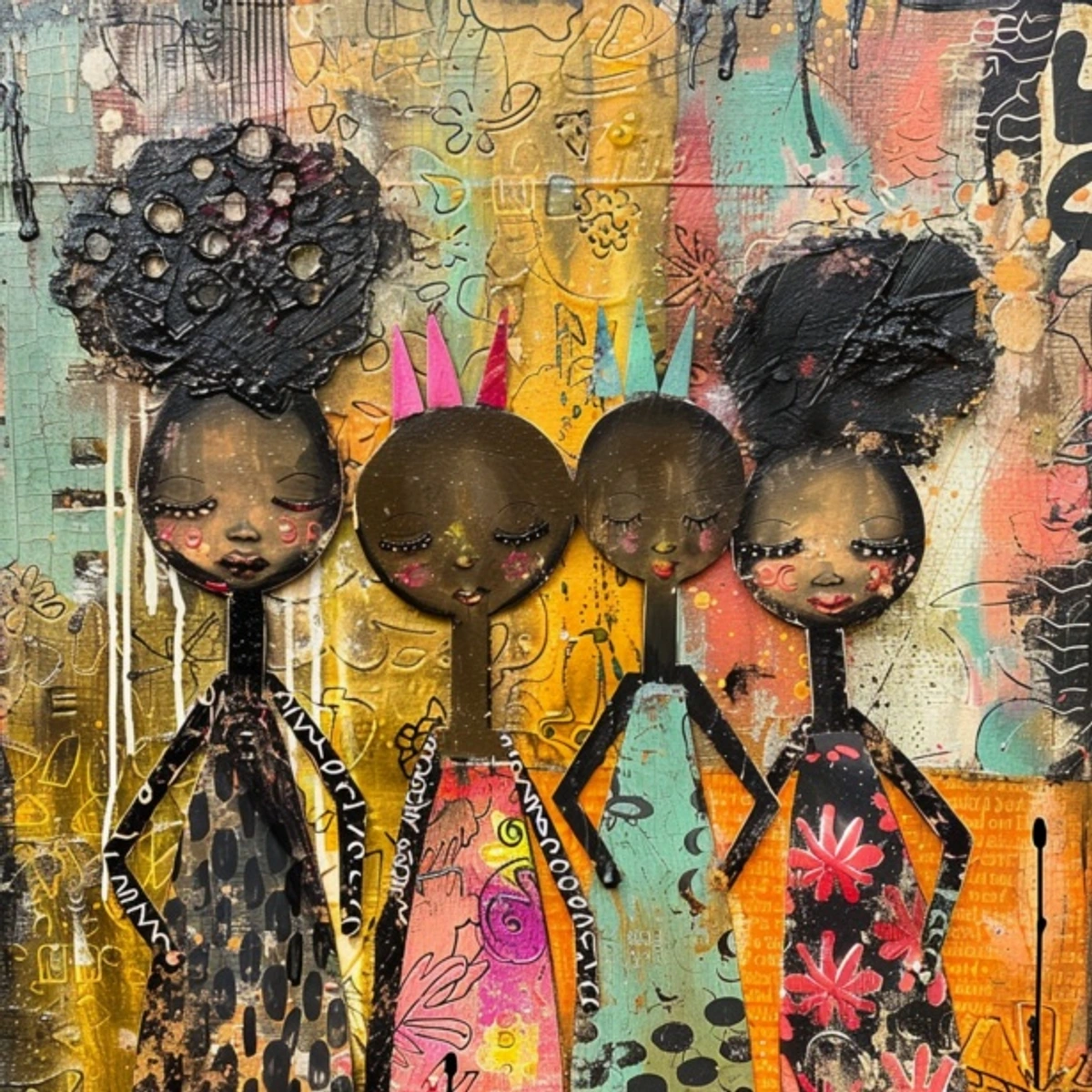
Highlighting female artists isn't about exclusion; it's about re-inclusion and rebalancing the scales. It's about unearthing forgotten masterpieces, recognizing trailblazing innovations, and understanding the unique perspectives women brought to their craft, often in the face of immense societal and institutional obstacles. Their stories are not just additions to history; they actively reshape our understanding of it, revealing a richer, more diverse, and more truthful tapestry of human creativity. It's an act of justice, a source of inspiration, and a crucial step towards a truly equitable art world.
Who Are the Most Famous Female Artists? A Quick Overview
To help you navigate this rich history, here’s a quick overview of some of the most influential female artists, followed by a more detailed exploration of their lives and work:
It can feel overwhelming to navigate centuries of art history, especially when so many incredible women have been historically overlooked. To make our journey a little easier, I've put together a quick glance at some of the key figures and the movements they shaped. This isn't exhaustive, of course, but it’s a powerful starting point to see the sheer breadth of their impact.
Era/Movement  | Key Female Artists | Notable Contributions |
|---|---|---|
| Renaissance & Baroque | Sofonisba Anguissola, Lavinia Fontana, Clara Peeters, Artemisia Gentileschi, Judith Leyster, Angélica Kauffman, Marietta Robusti (Tintoretta) | Pioneered professional careers, psychological portraiture, still life, and dramatic narrative painting against immense societal odds. |
| 18th & 19th Centuries (Rococo, Neoclassicism, Romanticism, Realism, Impressionism, Post-Impressionism) | Élisabeth Vigée Le Brun, Adélaïde Labille-Guiard, Rosa Bonheur, Suzanne Valadon, Harriet Powers, Camille Claudel, Mary Cassatt, Berthe Morisot, Käthe Kollwitz, Paula Modersohn-Becker, Dorothea Lange, Hilma af Klint | Broke into academies, mastered portraiture, animal painting, genre scenes, challenged academic norms, pioneered abstraction, and captured the human condition with empathy. |
| 20th Century & Beyond (Modernism, Surrealism, Abstract Expressionism, Feminist Art, Contemporary Art) | Sonia Delaunay, Hannah Höch, Lee Miller, Frida Kahlo, Tamara de Lempicka, Remedios Varo, Leonora Carrington, Meret Oppenheim, Georgia O'Keeffe, Agnes Martin, Helen Frankenthaler, Lee Krasner, Joan Mitchell, Judy Chicago, The Guerrilla Girls, Kara Walker, Faith Ringgold, Cindy Sherman, Yayoi Kusama, Marina Abramović, Jenny Saville, Tracey Emin, Marisol Escobar, Bridget Riley, Nancy Spero, Maria Lassnig, Carolee Schneemann, Louise Bourgeois, Louise Nevelson, Eva Hesse, Ana Mendieta | Redefined art itself with abstraction, surrealism, feminist critique, performance, installation, and photography, often using personal narrative as a powerful tool for social commentary and self-exploration. |
Article Contents
- Why Highlight Female Artists? Unveiling a Hidden History
- The Unseen Struggles: A Glimpse Behind the Easel
- Renaissance & Baroque Powerhouses
- Sofonisba Anguissola
- Lavinia Fontana: Renaissance Trailblazer
- Clara Peeters
- Artemisia Gentileschi: Baroque Powerhouse
- Angélica Kauffman
- Judith Leyster
- Trailblazers Through Time: Redefining the 18th & 19th Centuries
- Elisabeth Vigée Le Brun
- Rosa Bonheur
- Suzanne Valadon
- Harriet Powers: Stitching Stories, Weaving History
- Camille Claudel: Sculpting Emotion and Form
- Mary Cassatt: An American Impressionist's Intimate Gaze
- Berthe Morisot: The Luminous Gaze of Impressionism
- Käthe Kollwitz: The Conscience of a Generation
- Paula Modersohn-Becker: Expressionism's Pioneer of Inner Worlds
- Dorothea Lange: Capturing the Human Spirit in Crisis
- Hilma af Klint: The True Pioneer of Abstract Art
- The 20th Century and Beyond: Redefining Art and Identity
- Sonia Delaunay: Orphism and the Rhythm of Color
- Hannah Höch: Dada's Photomontage Pioneer
- Lee Miller: The Eye of a Surrealist and War Correspondent
- Frida Kahlo: The Surrealist Icon
- Tamara de Lempicka: Art Deco Glamour
- Remedios Varo: Surrealism's Alchemist of Dreams
- Leonora Carrington: Surrealism's Enigmatic Visionary
- Meret Oppenheim: Surrealism's Playful Provocateur
- Georgia O'Keeffe: The Mother of American Modernism
- Agnes Martin: The Quiet Revolutionary
- Helen Frankenthaler: The Pioneer of Color Field Painting
- Lee Krasner: The Unsung Force of Abstract Expressionism
- Judy Chicago: Redefining Feminist Art
- The Guerrilla Girls: Anonymous Activism in Art
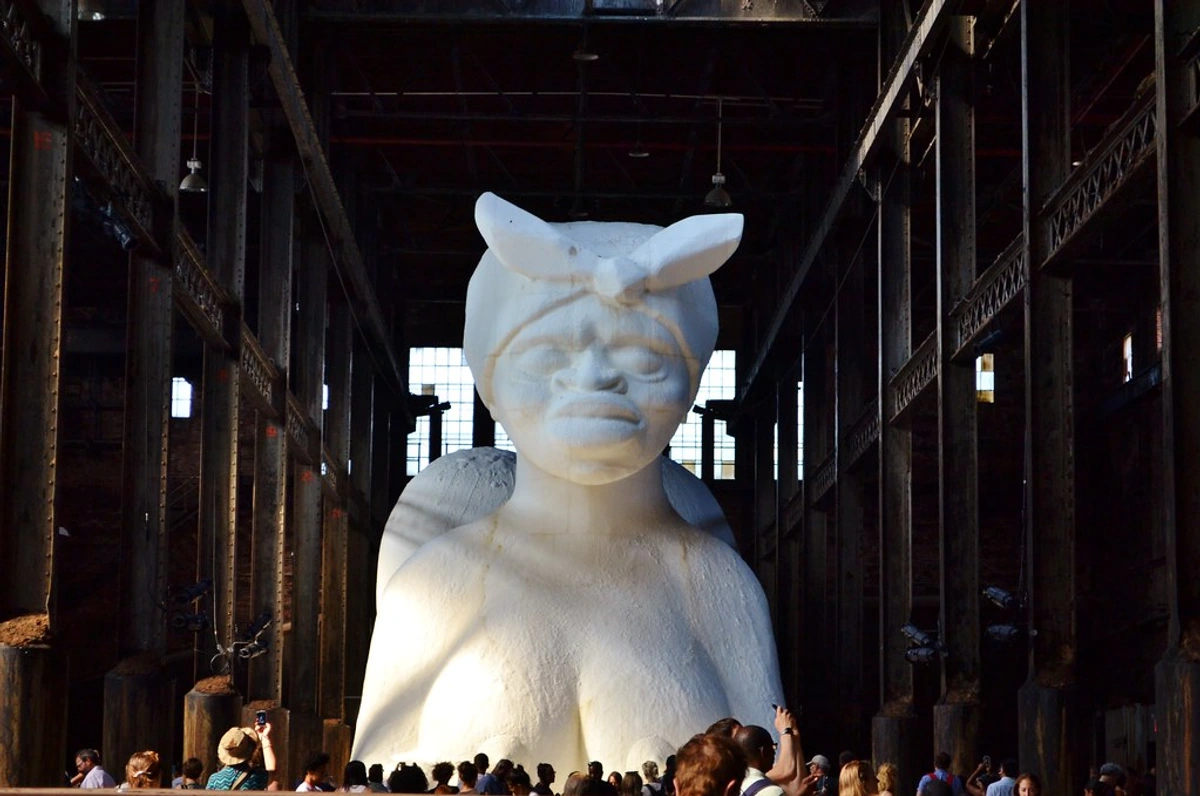
- Kara Walker: Shadow Play and Social Commentary
- Faith Ringgold: Stitching Narratives of Black Womanhood
- Cindy Sherman: The Master of Identity
- Yayoi Kusama: The Empress of Polka Dots and Infinity
- Marina Abramović: The Enduring Power of Performance
- Jenny Saville: Confronting the Body with Unflinching Honesty
- Tracey Emin: Confession, Vulnerability, and the Power of Personal Narrative
- Marisol Escobar: Pop Art's Playful Sculptor
- Bridget Riley: The Hypnotic World of Op Art
- Nancy Spero: Performance, Protest, and the Female Body
- Maria Lassnig: Body Awareness and Self-Exploration
- Carolee Schneemann: Pioneering Body and Performance Art
- Beyond the Canvas: Women Who Shaped Sculpture and Installation
- Louise Bourgeois: Emotional Architecture in Sculpture
- Louise Nevelson: Assemblages of the Urban Soul
- Eva Hesse: Fragility and Form in Post-Minimalism
- Ana Mendieta: Earth-Body Art and Spiritual Connection
- Common Threads and Enduring Legacies
- How Can We Support Female Artists Today?
- Frequently Asked Questions (FAQ)
- A Canvas of Inspiration: Our Final Thoughts
Before we dive deep into their individual stories, here’s a glance at some of the most influential female artists we'll explore. This isn't an exhaustive list (because honestly, there are so many!), but it's a stellar starting point for anyone looking to understand the breadth of their impact:
- Artemisia Gentileschi (Baroque, 17th Century): Known for her powerful, dramatic depictions of biblical and mythological heroines.
- Frida Kahlo (Surrealism, 20th Century): Celebrated for her raw, autobiographical self-portraits that blended personal pain with Mexican culture.
- Tamara de Lempicka (Art Deco, 20th Century): The quintessential painter of the Jazz Age, capturing glamour and modernity with her distinct style.
- Agnes Martin (Minimalism, 20th Century): Master of subtle grids and delicate lines, inviting contemplation and expressing universal truths.
- Judy Chicago (Feminist Art, 20th Century): A pioneer of feminist art, famous for her monumental installation "The Dinner Party."
- Kara Walker (Contemporary, 20th/21st Century): Uses striking silhouettes to explore race, gender, and the legacy of slavery.
- Cindy Sherman (Contemporary Photography, 20th/21st Century): Known for her conceptual self-portraits that challenge identity and media representations.
- Georgia O'Keeffe (American Modernism, 20th Century): "Mother of American Modernism," celebrated for her close-up floral paintings and New Mexico landscapes.
- Leonora Carrington (Surrealism, 20th Century): An enigmatic figure whose fantastical paintings and writings explored mythology, alchemy, and the subconscious.
- Helen Frankenthaler (Abstract Expressionism, 20th Century): A key innovator of Color Field painting, famous for her pioneering "soak-stain" technique.
- Sofonisba Anguissola (Late Renaissance, 16th Century): An exceptional portrait painter who achieved international renown and worked for royalty, challenging conventions for women artists of her era.
- Elisabeth Vigée Le Brun (Rococo/Neoclassicism, 18th/19th Century): A prolific portraitist and official painter to Queen Marie Antoinette, whose career spanned major political upheavals across Europe.
- Mary Cassatt (Impressionism, 19th Century): An American Impressionist known for her intimate depictions of the domestic lives of women, particularly mothers and children, bringing a unique female gaze to the movement.
- Hilma af Klint (Abstract Art Pioneer, late 19th/early 20th Century): A Swedish mystic and artist whose groundbreaking abstract works predate those of Kandinsky and Malevich, kept largely private during her lifetime.
- Clara Peeters (Flemish Baroque, 17th Century): A pioneering still-life painter, known for her intricate details and symbolic self-portraits hidden in reflections.
- Rosa Bonheur (Realism, 19th Century): Celebrated for her masterful, large-scale animal paintings, challenging gender norms by pursuing an unconventional artistic path.
- Berthe Morisot (Impressionism, 19th Century): A central figure in the Impressionist movement, renowned for her luminous depictions of domestic life and female subjects.
- Käthe Kollwitz (Expressionism, 20th Century): A powerful German artist whose poignant etchings, lithographs, and sculptures depicted the suffering of the working class.
- Helen Frankenthaler (Abstract Expressionism, 20th Century): A key innovator of Color Field painting, famous for her pioneering 'soak-stain' technique.
- Hannah Höch (Dada, 20th Century): A radical German artist, pioneering photomontage as a tool for incisive social and political commentary.
- Lee Krasner (Abstract Expressionism, 20th Century): An often-overlooked force in Abstract Expressionism, known for her energetic and evolving abstract paintings.
- Louise Nevelson (Assemblage, 20th Century): A Ukrainian-American sculptor renowned for her monumental, monochromatic wooden assemblages.
- Eva Hesse (Post-Minimalism, 20th Century): A German-American artist known for her innovative sculptures using unconventional materials, exploring themes of fragility and absurdity.
- Yayoi Kusama (Contemporary, 20th/21st Century): A global icon known for her immersive installations, polka dots, and explorations of infinity.
- Marina Abramović (Performance Art, 20th/21st Century): A groundbreaking performance artist who pushes the boundaries of body art and endurance.
- Meret Oppenheim (Surrealism, 20th Century): A Swiss Surrealist known for her provocative objects and photography, challenging societal norms.
The Unseen Struggles: A Glimpse Behind the Easel
Before we dive into individual geniuses, it's crucial to acknowledge the sheer uphill battle many of these women faced. Imagine a world where your ambition was seen as unfeminine, your access to education limited, and your work attributed to male relatives. Crazy, right? Yet, for centuries, that was the reality.
From being denied entry to academies to facing societal pressure to marry and abandon their art, female artists navigated a landscape rife with obstacles. Their stories aren't just about painting or sculpting; they're about resilience, defiance, and an unwavering commitment to their artistic vision. Every stroke, every sculpture, often carried the weight of proving their worth in a system designed to overlook them.
Sometimes I think about what it must have been like to wake up every day with this burning desire to create, knowing society might just shrug at your efforts, or worse, actively try to suppress them. It puts a whole new spin on "starving artist," doesn't it?
Renaissance & Baroque Powerhouses
Here’s a glimpse into the common hurdles these extraordinary women often faced:
Obstacle | Impact on Female Artists |
|---|---|
| Limited Access to Education | Many art academies were closed to women, denying them formal training, especially in crucial areas like anatomy drawing from live models. This often relegated them to 'feminine' art forms like portraiture or still life, or relying on male relatives for tutelage. The exclusion from life drawing was particularly crippling, as it was considered fundamental to mastering the human form for grand historical and mythological paintings. |
| Lack of Autonomy & Legal Rights | For centuries, married women had limited legal rights, including control over their own property or earnings. This meant their artistic income could legally belong to their husbands, further disincentivizing professional careers and independent artistic practice. |
| Critique & Gendered Expectations | When women did manage to exhibit, their work was often judged through a gendered lens. Critics might praise it as "delicate" or "charming" rather than "powerful" or "intellectual," regardless of the actual content, pigeonholing them into certain genres. |
| Societal Expectations | Women were primarily expected to marry, raise families, and manage households. Professional artistic careers were often seen as unfeminine or inappropriate, leading to immense pressure to abandon their craft. |
| Lack of Recognition & Patronage | Even when successful, female artists often received less critical acclaim and financial support than their male counterparts. Their work might be undervalued, attributed to men, or simply ignored by art institutions and collectors. |
| Domestic & Family Responsibilities | The demands of family life often left little time or energy for artistic pursuits. Juggling domestic duties with creative passion was a constant, exhausting struggle for many. |
| Gender Bias in Art History | For centuries, art historical narratives were written predominantly by men, often omitting or downplaying the contributions of female artists, making their rediscovery in modern times all the more vital. |
Patronage, Salons, and Support Systems: The Hidden Networks
Beyond the official academies, informal networks like aristocratic salons and the patronage of influential women often provided crucial lifelines for female artists. For centuries, women were largely excluded from formal artistic training and exhibition spaces. Yet, for some, the salon system — social gatherings hosted by prominent women where artists, writers, and thinkers would meet — became their alternative academy, their gallery, and their networking hub. Imagine being a brilliant artist, but your only path to success is through the social graces and connections of a powerful patroness. It sounds like something out of a period drama, doesn't it? But this was the reality for many.
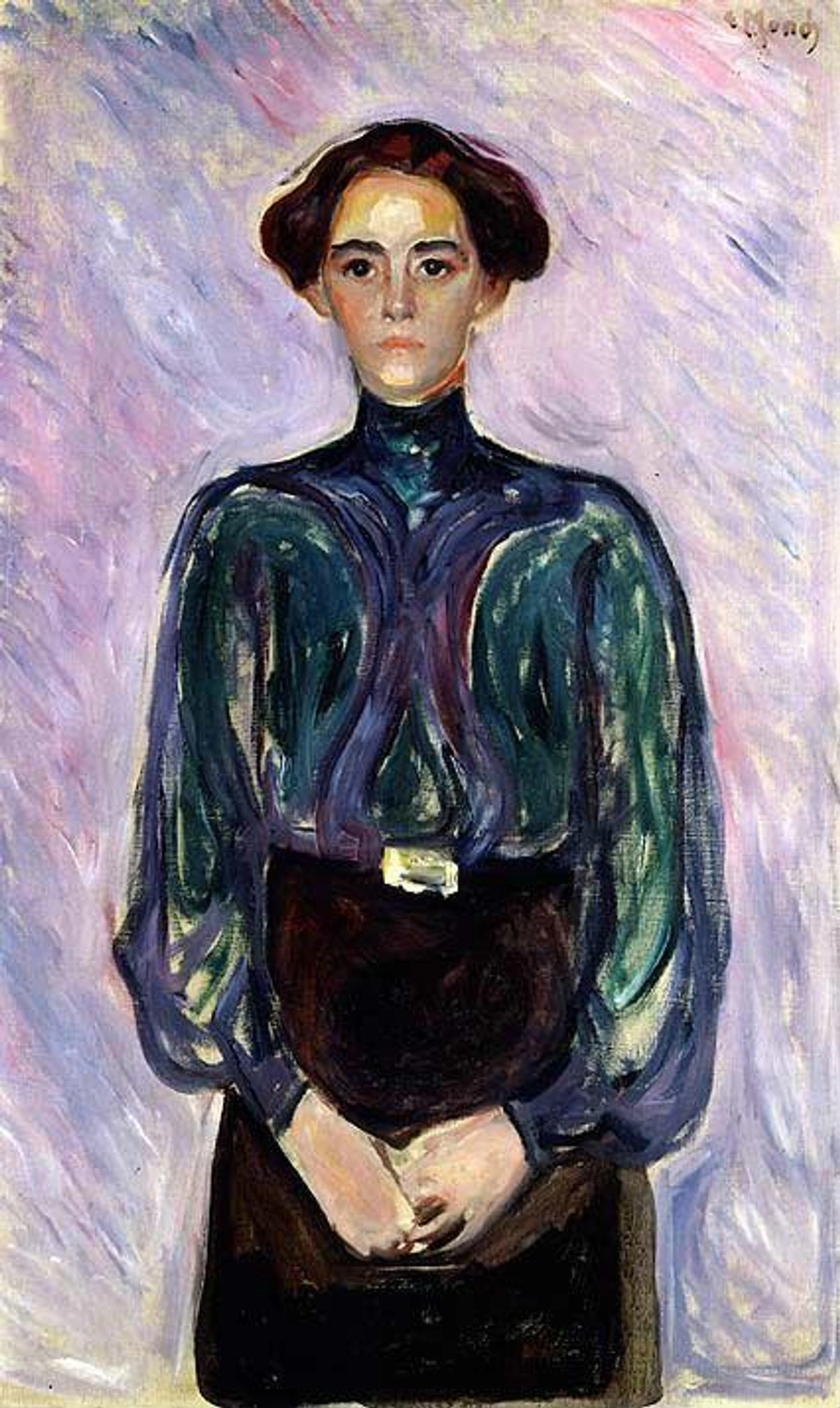
These support systems, while often restrictive in their own ways, allowed some female artists to gain commissions, build reputations, and receive the critical attention that was otherwise denied to them. It wasn't perfect, but it was a crucial crack in the patriarchal wall, enabling a select few to flourish.
The Enduring Influence: Key Art Movements and Female Contributions
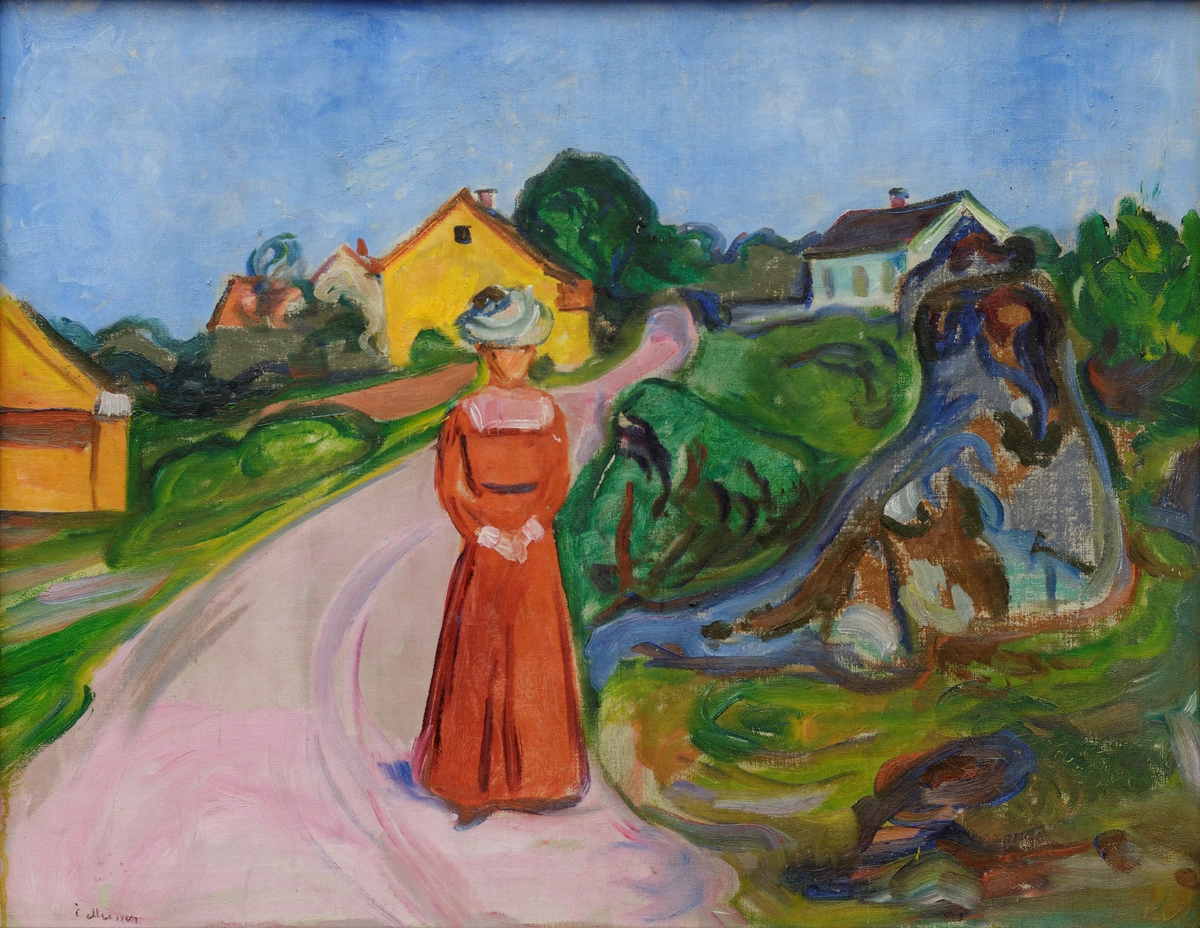
When we trace the lineage of art history, it's impossible to ignore how profoundly women have shaped and redefined every major movement, often against immense resistance. They weren't just participants; they were pioneers, challenging conventions and offering perspectives that have enriched our understanding of human creativity. It's like looking at a kaleidoscope – each turn reveals new, vibrant patterns, and many of those are thanks to the bold vision of female artists. From the delicate brushstrokes of the Renaissance to the radical statements of contemporary art, their contributions are threads woven indelibly into the fabric of art history.
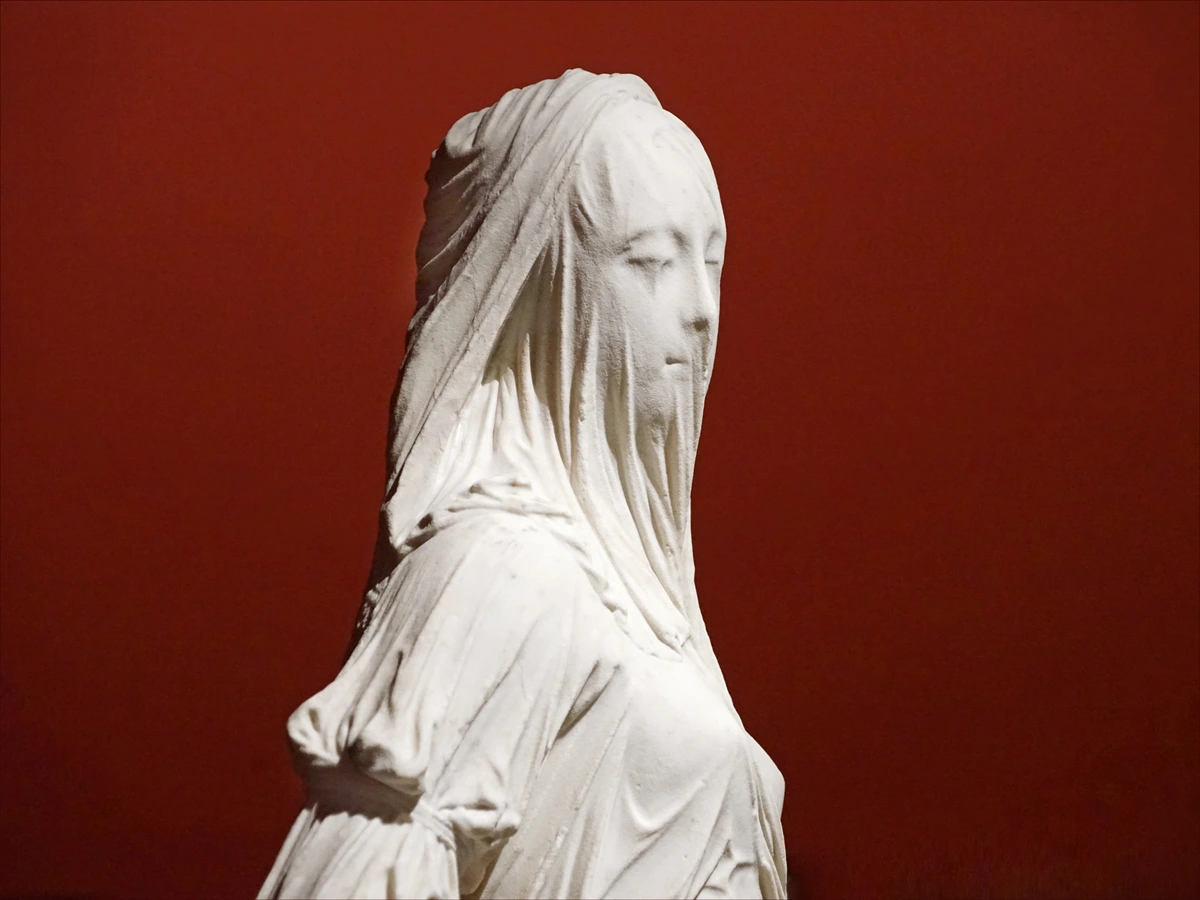
Lavinia Fontana: Renaissance Trailblazer
Imagine an ambitious woman artist in 16th-century Bologna, a mother of eleven, who not only supported her large family through her art but also became one of the first professional female artists in Western art history to work outside a convent or court, achieving independent success. That's the remarkable story of Lavinia Fontana (1552-1614). She trained under her painter father and developed a diverse practice, excelling in portraits, mythological scenes, and even religious altarpieces – a rare feat for any woman of her era, let alone one with such extensive domestic responsibilities. Her ability to navigate both societal expectations and artistic ambition is truly astounding.
What truly draws me to Fontana's work is its vibrant naturalism and her skill in depicting the textures of fabric and jewelry, especially in her portraits of aristocratic women and children. Her subjects often exude a quiet confidence and elegance, captured with a keen eye for detail and a sophisticated use of color. She was also one of the first female artists to paint female nudes, pushing artistic boundaries with a grace that challenged the conventions of her time. Fontana's legacy is a powerful testament to a woman who not only survived but thrived as an artist, creating a pathway for future generations of female creators.
Sofonisba Anguissola: Renaissance Portraitist Extraordinaire
When we talk about challenging the norms, Sofonisba Anguissola (c. 1532-1625) is a name that often doesn't get the spotlight it deserves. Living in the Italian Renaissance (16th century), a period notorious for its male-dominated artistic circles, she achieved something truly remarkable: international fame as a portrait painter, even serving as court painter to King Philip II of Spain. It’s hard to imagine the sheer determination required to break through such barriers, but she did it with grace and undeniable talent. What I find so captivating about Anguissola's work is the psychological depth she brought to her portraits, particularly those of her family. Her subjects feel alive, intimate, and often reveal a subtle narrative – a stark contrast to the more formal, idealized portraits of her male contemporaries. She showed that a woman's gaze could capture the soul of a sitter with unparalleled sensitivity. Her legacy is a quiet but powerful testament to talent thriving against formidable odds.
Renaissance & Baroque Powerhouses
For centuries, the Italian Renaissance and the Baroque period that followed were largely seen as the domain of male masters. But even amidst these towering figures, a tenacious and brilliant cohort of women carved out their own spaces, demonstrating astounding talent and resilience. They often pushed boundaries subtly, through their choice of subject, their technical skill, or their sheer determination to be recognized as professionals. To truly appreciate their groundbreaking contributions, I invite you to explore our ultimate-guide-to-renaissance-art.
Clara Peeters: The Master of Hidden Details in Still Life
Imagine a painting from the 17th century, a lavish spread of food and precious objects, and then imagine spotting a tiny, shimmering reflection in a pewter jug or a wine glass – a minuscule self-portrait of the artist herself. That, my friends, is the genius of Clara Peeters. As one of the pioneering female artists of the Flemish Baroque, she specialized in still-life painting, a genre often deemed 'acceptable' for women, but which she elevated to an exquisite art form.
Her work is a testament to incredible technical skill, with each surface rendered with meticulous detail. But what truly fascinates me is her subtle defiance. By inserting her tiny self-portraits, she not only claimed authorship in an era when women artists were often anonymous but also challenged the very notion of 'hidden' female labor. It's a quiet, powerful statement, and a delightful discovery for anyone willing to look closer.
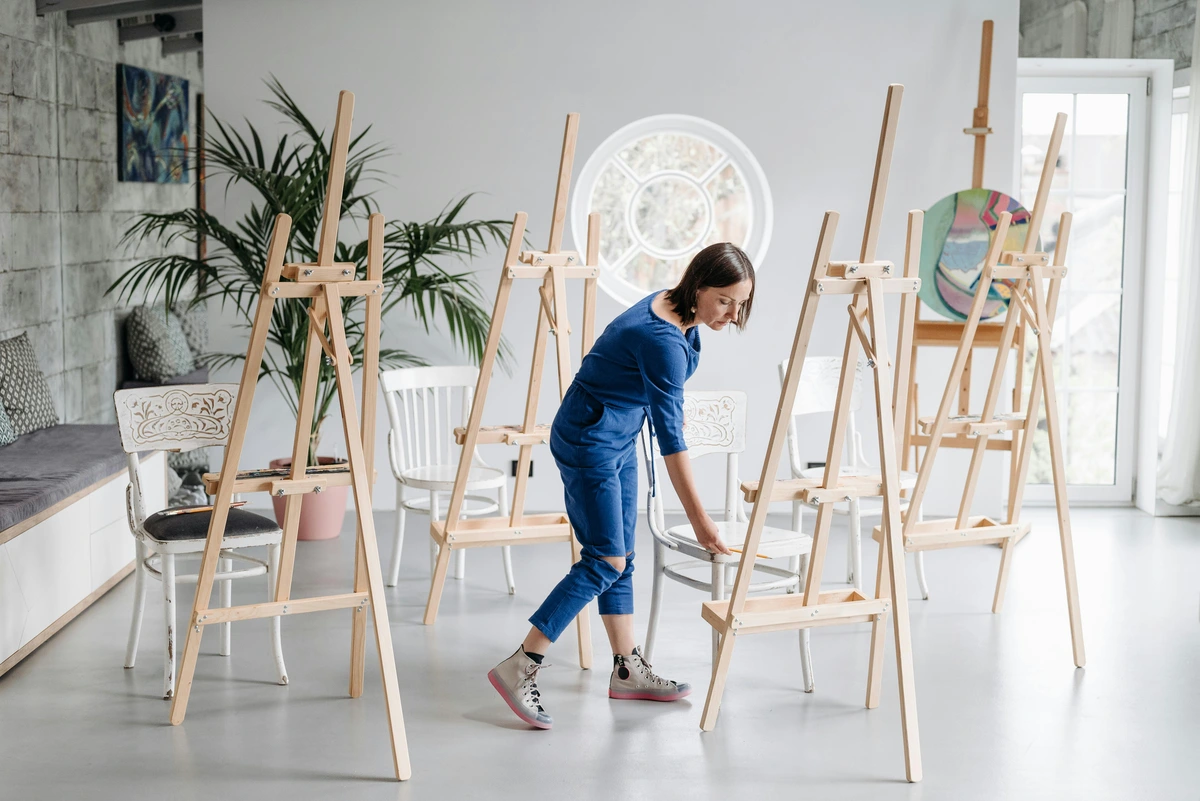
Angélica Kauffman: Neoclassicism's Master of Elegance
If you're drawn to art that combines classical grace with poignant emotion, then Angélica Kauffman (1741-1807) is an artist whose work will profoundly move you. A prodigiously talented Neoclassical painter, Kauffman achieved international renown across Europe, becoming a founding member of the Royal Academy in London—an almost unheard-of accomplishment for a woman in the 18th century. She was a true intellectual, fluent in several languages and celebrated for her sophisticated history paintings and portraits. It makes me think about the sheer force of personality and talent required to command such respect in an era where women's contributions were often minimized.
What I find so captivating about Kauffman's art is her ability to infuse her classical subjects with a distinct emotional depth and elegance. Her female figures, whether from mythology or contemporary society, always possess a quiet strength and a captivating presence. She was a master of composition and color, her works radiating a serene beauty that belies the significant obstacles she overcame. Her legacy is a testament to the fact that artistic genius transcends gender, even in the most rigid of historical contexts.
Marietta Robusti (Tintoretta): Renaissance Daughter and Master
Imagine the sheer talent required to hold your own in a bustling Venetian workshop, mentored by one of the greatest painters of the late Renaissance. That was the extraordinary life of Marietta Robusti (c. 1560-1590), often known as Tintoretta, the daughter and student of the famed Jacopo Tintoretto. While her career was tragically short, cut short by childbirth, her portraits demonstrate an astonishing skill that rivaled her father's. It makes me wonder about the countless women throughout history whose genius might have flourished given more time and different circumstances.
What I find so captivating about Tintoretta's work is her ability to capture both the likeness and the inner life of her sitters with a remarkable intensity. Her portraits, often intimate and sensitive, show a mastery of light and shadow, and a psychological depth that was rare for her time, let alone for a young woman artist. Her story, though brief, is a powerful reminder of the hidden talents and contributions of women in the grand narrative of art history.
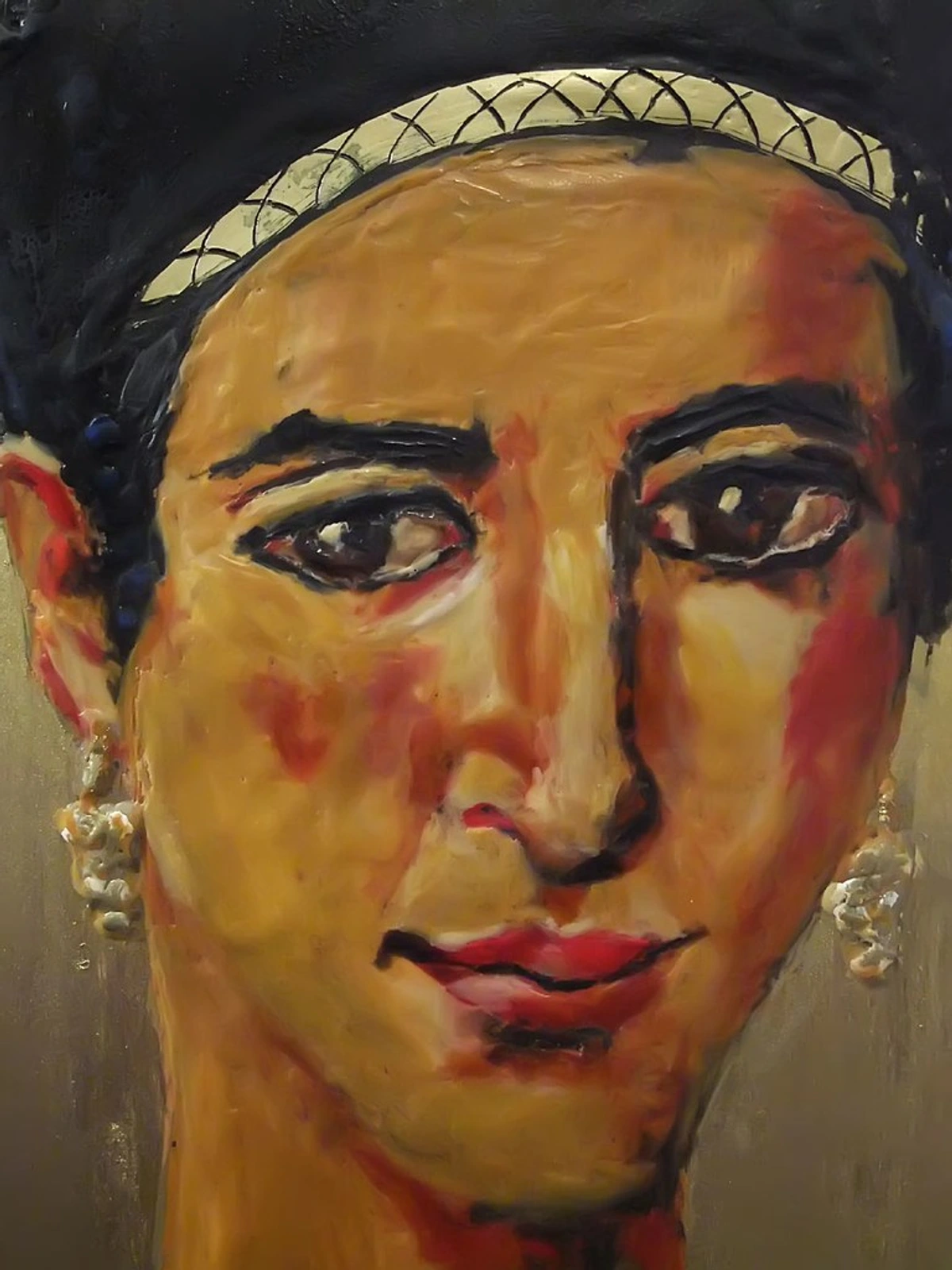
Judith Leyster: A Dutch Golden Age Master
Stepping into the bustling world of 17th-century Holland, we find Judith Leyster (1609–1660), a virtuoso painter whose talent rivaled, and sometimes even surpassed, that of her male contemporaries like Frans Hals. Specializing in vibrant genre scenes, portraits, and still lifes, Leyster was one of the few women admitted to the prestigious Haarlem Guild of St. Luke, a true mark of her professional standing. Her work is characterized by lively brushwork, expressive figures, and innovative compositions that capture fleeting moments of everyday life with wit and warmth. It makes me wonder how many other incredible female talents from that period have been lost to history or misattributed to men.
What I find utterly charming and insightful about Leyster's work is her vibrant depictions of everyday life. Her genre scenes, often featuring musicians, children, and merrymakers, burst with lively emotion and skillful use of light, particularly her signature 'single-light' source. There’s a warmth and an intimacy in her portraits and still lifes that is uniquely her own, a testament to a woman's keen observation and artistic prowess shining brightly in a truly golden age. If you've ever thought about the challenges of being recognized, imagine having your masterpieces attributed to male artists for centuries after your death! Her rediscovery in the late 19th century was a monumental event, finally giving her the credit she so rightfully deserved and allowing us to appreciate her unique contribution to the Dutch Golden Age. She wasn't just good; she was so accomplished that she ran her own workshop and even trained male apprentices – a truly rare feat for a woman in the 17th century.
Trailblazers Through Time: Redefining the 18th & 19th Centuries
I always find it fascinating to see how each artist, in her unique way, pushed against the confines of her era. It’s a testament to the fact that true creativity can’t be easily suppressed.
Elisabeth Vigée Le Brun: Portraitist to Royalty and Revolution
If you're anything like me, you've probably encountered portraits of Marie Antoinette, and if so, you've likely seen the work of Elisabeth Vigée Le Brun (1755-1842). This 18th-century French painter navigated the turbulent waters of the late Rococo and early Neoclassical periods, not just surviving but flourishing as one of the most successful portraitists of her time. Her close relationship with the Queen of France is legendary, but her talent and resilience allowed her to maintain a prestigious career across Europe even after the French Revolution forced her into exile. It truly makes you appreciate the sheer force of her artistic and diplomatic skills to thrive amidst such political turmoil.
What truly draws me to Vigée Le Brun's work is her ability to inject a sense of warmth and naturalness into her aristocratic sitters. She often portrayed women in more relaxed, intimate settings, a subtle rebellion against the stiff formalities of the era. She was a master of color and light, making her subjects glow with an inner vitality. Her life story, marked by incredible professional success amidst personal and political upheaval, is as fascinating as the vibrant canvases she left behind, offering a window into the lives of European nobility and the strength of a woman determined to create.
Adélaïde Labille-Guiard: A Champion of Women Artists
For every renowned artist, there's often a story of mentorship and advocacy, and in the 18th century, Adélaïde Labille-Guiard (1749-1803) stands out as a formidable champion for women in art. A contemporary and professional rival of Vigée Le Brun, Labille-Guiard was also an accomplished portrait painter and a rare female member of the French Royal Academy. But what truly sets her apart, for me, is her active role in promoting other women artists, often depicting herself teaching female students in her work—a powerful, political statement for its time.
Her paintings are characterized by their elegance, sharp psychological insight, and meticulous attention to detail, particularly in her portraits of aristocrats and prominent figures. She skillfully navigated the complexities of court life and the French Revolution, her career a testament to both her artistic prowess and her strategic acumen. Labille-Guiard's legacy isn't just in her canvases; it's in the doors she opened and the pathways she illuminated for future generations of women artists, proving that mentorship is a powerful form of creative contribution.
I always find it fascinating to see how each artist, in her unique way, pushed against the confines of her era. It’s a testament to the fact that true creativity can’t be easily suppressed.

Elisabeth Vigée Le Brun: Portraitist to Royalty and Revolution
If you're anything like me, you've probably encountered portraits of Marie Antoinette, and if so, you've likely seen the work of Elisabeth Vigée Le Brun. This 18th-century French painter navigated the turbulent waters of the late Rococo and early Neoclassical periods, not just surviving but flourishing as one of the most successful portraitists of her time. Her close relationship with the Queen of France is legendary, but her talent and resilience allowed her to maintain a prestigious career across Europe even after the French Revolution forced her into exile. It truly makes you appreciate the sheer force of her artistic and diplomatic skills to thrive amidst such political turmoil.
What truly draws me to Vigée Le Brun's work is her ability to inject a sense of warmth and naturalness into her aristocratic sitters. She often portrayed women in more relaxed, intimate settings, a subtle rebellion against the stiff formalities of the era. She was a master of color and light, making her subjects glow with an inner vitality. Her life story, marked by incredible professional success amidst personal and political upheaval, is as fascinating as the vibrant canvases she left behind, offering a window into the lives of European nobility and the strength of a woman determined to create.
Rosa Bonheur: Breaking Barriers in the Animal Kingdom
When I think of artists who truly defied expectations, Rosa Bonheur immediately comes to mind. This 19th-century French painter wasn't just exceptional; she was revolutionary. Renowned for her incredibly detailed and lifelike animal paintings, particularly horses, lions, and cattle, Bonheur achieved international fame and critical acclaim in a field overwhelmingly dominated by men. What's more, she famously wore trousers and short hair, a scandalous act for her time, and even needed police permission to do so! It’s incredible to think of the courage it took to live and work so authentically, challenging not only artistic norms but also deeply ingrained gender expectations.
Her masterpiece, "The Horse Fair" (1852–55), is a monumental work, showcasing her unparalleled ability to capture the power and grace of her subjects. I find her dedication to meticulous anatomical study and her profound respect for the animal world deeply inspiring. Bonheur’s life and art are a testament to the fact that passion, talent, and an unwavering spirit can break down even the most entrenched societal barriers. She truly carved out her own path, hooves and all.

Suzanne Valadon: From Model to Modernist Master
If you appreciate fierce independence and art that is unapologetically real, then Suzanne Valadon (1865-1938) is an artist who demands your attention. Born Marie-Clémentine Valadon, she began her career as a circus acrobat before becoming a celebrated model for Impressionist and Post-Impressionist masters like Renoir, Degas, and Toulouse-Lautrec. Yet, she was no mere muse; she absorbed techniques, developed her own audacious style, and became a powerful painter in her own right—a rarity for a woman of her working-class background and without formal academic training. It's truly inspiring to see someone take control of their own narrative and transform from object to creator.
What I find so compelling about Valadon's work are her bold lines, vibrant colors, and unflinching portraits, especially her nudes, which often presented women with a raw honesty and a lack of idealization rarely seen at the time. She wasn't afraid to portray the complexities of life, motherhood, and the female form without sentimentality. Her journey from the fringes of society to a respected artist, running her own studio and exhibiting widely, is a testament to her indomitable spirit and artistic vision. Valadon proved that artistry could bloom outside of traditional academies and that a woman's gaze could be as sharp and incisive as any man's.
Harriet Powers: Stitching Stories, Weaving History
Camille Claudel: Sculpting Emotion and Form
If you're drawn to art that embodies profound emotion and a dramatic struggle for recognition, then the sculptures of Camille Claudel (1864-1943) are an absolute must-see. A brilliant French sculptor, Claudel was a groundbreaking figure in the late 19th and early 20th centuries, renowned for her powerful and expressive works, often depicting the human form with intense psychological depth. She was a prodigious talent, working in the shadow of her mentor and lover Auguste Rodin, yet developing a distinctive style that many argue rivaled his own. Her life, marked by immense artistic output, passionate relationships, and tragic institutionalization, is as compelling and heartbreaking as her art.
What I find so captivating about Claudel's sculptures is their raw emotional intensity and her masterful ability to capture fleeting moments of human experience in bronze and marble. From the tender embrace of "The Waltz" to the anguish of "The Age of Maturity," her figures convey a profound sense of inner life and narrative. She challenged the male-dominated world of sculpture with a fierce independence and an unwavering commitment to her vision. Claudel's legacy is a poignant reminder of genius stifled and rediscovered, her work speaking volumes about passion, betrayal, and the enduring power of the artistic spirit.
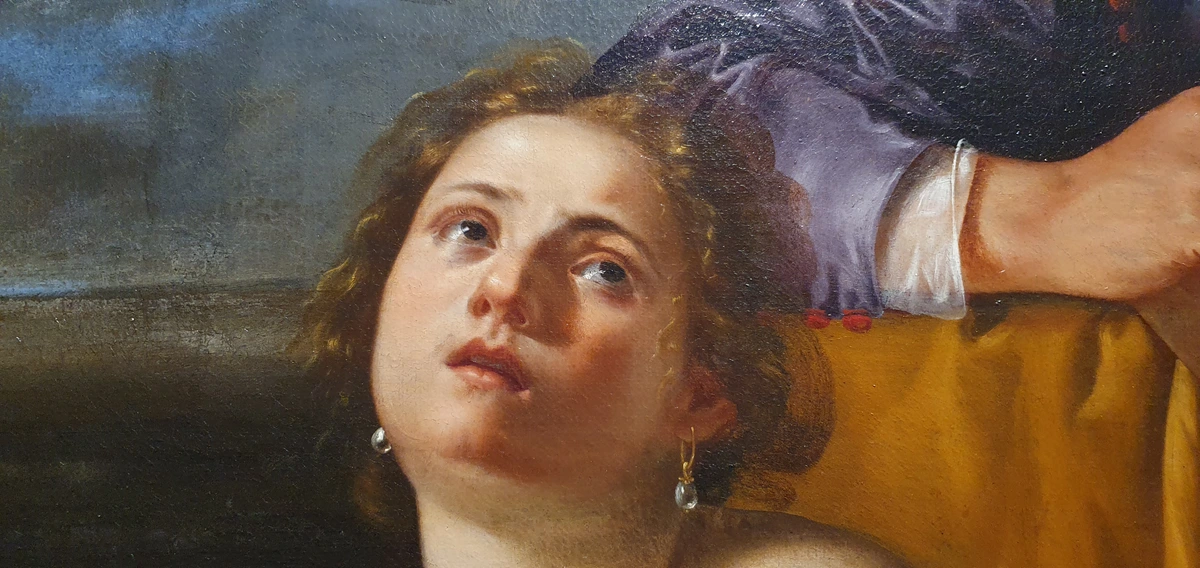
If you believe art can be found in the most unexpected places and mediums, then the quilts of Harriet Powers (1837–1910) will absolutely captivate you. An African American folk artist, born enslaved in rural Georgia, Powers created stunning narrative quilts that are now considered masterpieces of American folk art. Her work, with its vibrant colors and intricate appliqué, tells stories from the Bible, local events, and astronomical phenomena, infused with her unique spiritual vision. I mean, imagine creating such profound and enduring works of art under such incredibly restrictive circumstances – it's truly awe-inspiring.
What I find so powerful about Powers’s quilts is how they serve as both personal expressions and vital historical documents, preserving narratives and cultural traditions in a time when many voices were silenced. Each square is a meticulously crafted testament to resilience, faith, and an extraordinary artistic imagination. She didn't have access to traditional art academies, but her genius shone through in every stitch, proving that artistic brilliance can emerge from any corner of society.
The Baroque Powerhouse: Artemisia Gentileschi
When I first encountered Artemisia Gentileschi, I was absolutely blown away. Living in the 17th century, a time when women rarely made it as professional artists, she not only survived but thrived, creating powerful, dramatic works that often depicted strong female protagonists. Her life was marked by immense personal struggle and trauma, yet she channeled that into her art with an intensity that's still palpable today.
Her depictions of biblical and mythological heroines are nothing short of revolutionary. Forget damsels in distress; Artemisia's women are active, often vengeful, and always commanding. I mean, just look at her "Judith Slaying Holofernes" – it's visceral, it's unflinching, and it's a stark contrast to how many male artists portrayed similar scenes. She gave women agency when few others dared.
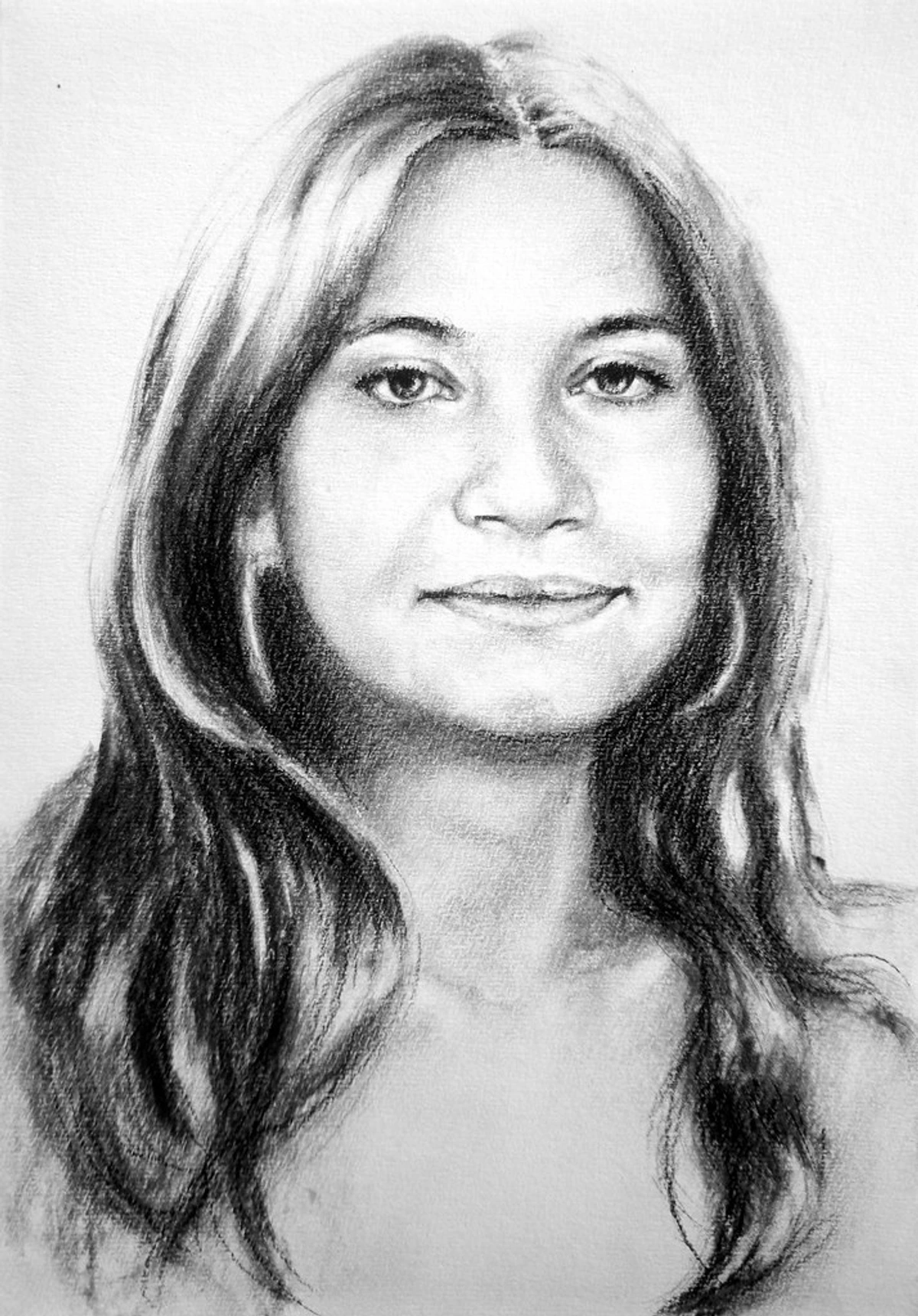
You can dive deeper into her incredible story and art with our ultimate-guide-to-artemisia-gentileschi.
Mary Cassatt: An American Impressionist's Intimate Gaze
Moving across the Atlantic and into the vibrant world of Impressionism, we encounter Mary Cassatt (1844-1926), an American artist who found her artistic home in Paris. She was one of the few women officially invited to exhibit with the Impressionists, a testament to her undeniable talent in a movement already challenging artistic conventions. Cassatt dedicated much of her career to depicting the private and public lives of women, particularly the tender and complex relationship between mothers and children.
Her work, to me, is a beautiful, honest window into a world often overlooked by her male counterparts. She wasn't just painting sentimental scenes; she was capturing the dignity, the unspoken bonds, and the everyday realities of womanhood. Her brushstrokes are full of life, her colors are exquisite, and her compositions are both dynamic and deeply personal. Cassatt's unique perspective undeniably enriched the Impressionist movement, showing us that the most profound subjects can often be found in the quiet moments of domestic life.
Moving across the Atlantic and into the vibrant world of Impressionism, we encounter Mary Cassatt, an American artist who found her artistic home in Paris. She was one of the few women officially invited to exhibit with the Impressionists, a testament to her undeniable talent in a movement already challenging artistic conventions. Cassatt dedicated much of her career to depicting the private and public lives of women, particularly the tender and complex relationship between mothers and children.
If you're drawn to art that delves into raw emotion and an unflinching portrayal of the human spirit, then Paula Modersohn-Becker (1876-1907) is an artist who will profoundly resonate. As a key figure in early German Expressionism, she painted with a directness and intensity years ahead of her time, rejecting academic traditions to explore deeply personal themes. Her tragically short life, cut short at 31, left behind a revolutionary body of work that continues to challenge and move us. It's truly heartbreaking to think of the genius we lost too soon.
What I find so powerful about Modersohn-Becker's art, particularly her self-portraits and depictions of mothers and children, is her ability to strip away superficiality and reveal an inner truth. Her figures often possess a monumental quality, a quiet strength, and a profound sense of connection to nature. She wasn't afraid to portray the vulnerabilities and complexities of womanhood with an honesty that was revolutionary, cementing her place as a crucial pioneer of modern art. She showed us that art doesn't have to be pretty to be profoundly beautiful and meaningful.
Berthe Morisot: The Luminous Gaze of Impressionism
If you love the delicate brushstrokes and captivating light of Impressionism, then you simply must delve into the work of Berthe Morisot. A central figure in the movement and the only woman to exhibit in the first Impressionist exhibition in 1874, Morisot brought a uniquely intimate perspective to her art. Her paintings, often depicting domestic scenes, gardens, and portraits of women and children, are characterized by their luminous palette, fluid brushwork, and a profound sensitivity to light and atmosphere.
I find her work profoundly empathetic, offering a glimpse into the inner lives and quiet dignity of her subjects. She captured the fleeting moments of everyday life with an elegance and spontaneity that remains breathtaking. Morisot wasn't just part of Impressionism; she was instrumental in defining its delicate beauty and proving that a woman's artistic vision could stand proudly alongside her male counterparts. Her legacy reminds us that revolutionary art can also be deeply personal and subtly powerful.
The Surrealist Icon: Frida Kahlo
Oh, Frida Kahlo. Her work, for me, is an open wound and a vibrant celebration all at once. She wasn't just painting; she was pouring her soul onto the canvas, transforming personal pain, cultural identity, and political beliefs into unforgettable images. Her self-portraits, with their piercing gaze and surreal elements, tell stories of physical suffering, heartbreak, and resilience. I'm always captivated by how she wove pre-Columbian iconography, traditional Mexican dress, and vibrant colors into her deeply personal narratives, making her art a powerful statement of cultural pride and individual experience.
What I admire most about Frida is her unapologetic authenticity. In a world that often demanded conformity, she embraced her unique vision, her Mexican heritage, and her complex inner life without compromise. Her art feels incredibly modern even today, a raw exploration of self that resonates deeply. It reminds me that true art isn't about perfection; it's about honest expression.
Explore her fascinating life and art in our ultimate-guide-to-frida-kahlo.
Remedios Varo: Surrealism's Alchemist of Dreams
If you're captivated by worlds woven from dreams, magic, and intricate symbolism, then Remedios Varo (1908-1963) is an artist who will utterly transport you. A Spanish-Mexican Surrealist, Varo created meticulously detailed paintings that are like windows into fantastical realms, populated by enigmatic figures engaged in alchemical pursuits, scientific experiments, and mystical journeys. Her work feels like a forgotten illuminated manuscript brought to life, imbued with a quiet, profound mystery.
What I find so endlessly fascinating about Varo's art is her ability to blend scientific precision with an otherworldly imagination. She often used a Renaissance painting technique, building up layers of glazes to create luminous, ethereal effects, even as her subject matter delved deep into the subconscious. Her paintings are an invitation to explore hidden knowledge, esoteric philosophies, and the boundless possibilities of the inner world. She reminds us that true magic isn't just in the extraordinary, but in the meticulous craft of an extraordinary mind.
Art Deco Glamour: Tamara de Lempicka
Moving forward to the roaring twenties and the glamorous Art Deco era, we find Tamara de Lempicka. Her distinctive style, characterized by bold lines, sharp angles, and luxurious textures, perfectly captured the spirit of her time. Her portraits, often of wealthy socialites and nudes, exude sophistication and a certain powerful sensuality.
I find her work utterly captivating – it's like stepping into a perfectly styled, opulent dream. She wasn't afraid to embrace glamour and modernity, and her female subjects always possess an alluring confidence. She was, in many ways, the embodiment of the liberated woman of the Jazz Age, and her art reflects that spirit beautifully.
Discover the elegance of her work with our ultimate-guide-to-tamara-de-lempicka.
Leonora Carrington: Surrealism's Enigmatic Visionary
If you've ever felt drawn to the mystical, the dreamlike, and the utterly fantastical, then Leonora Carrington is an artist you absolutely must discover. A central figure in the Surrealist movement, particularly in Mexico City, Carrington's work transports you to a universe brimming with mythical creatures, alchemical symbols, and powerful, often unsettling, female figures. Her paintings and writings are deeply autobiographical, yet they tap into universal archetypes and a profound understanding of magic, folklore, and the subconscious. She was truly a sorceress of the canvas, weaving spells with her brushstrokes.
Her life was as rich and unconventional as her art – a true testament to living creatively without compromise, even when it meant defying societal expectations. I find her narratives utterly captivating, like glimpsing ancient fables brought to life with a modern, feminist twist. She reminds us that the boundaries of reality are often just a suggestion, and that the most profound truths can sometimes be found in the most extraordinary dreams. Dive into her enchanting world with our ultimate-guide-to-leonora-carrington. You can also explore more about the movement with our ultimate-guide-to-surrealism.
Dive into her enchanting world with our ultimate-guide-to-leonora-carrington.
Meret Oppenheim: Surrealism's Playful Provocateur
If you appreciate art that delights in the unexpected and challenges the everyday, then Meret Oppenheim (1913-1985) is an artist who will utterly captivate you. A German-Swiss Surrealist, Oppenheim shot to fame with her iconic "Object (Déjeuner en fourrure)" – a teacup, saucer, and spoon covered in gazelle fur. This playful yet profoundly unsettling piece perfectly encapsulated the Surrealist movement's ability to transform ordinary objects into something extraordinary and thought-provoking. Her work is a brilliant exploration of tactility, desire, and the subversion of domesticity. Oppenheim wasn't afraid to be provocative, using her art and photography to challenge gender norms and societal expectations with wit and subversive elegance. She reminds us that the most profound insights can often be found in the most unexpected and seemingly absurd juxtapositions. Explore more about the movement with our ultimate-guide-to-surrealism.
Käthe Kollwitz: The Conscience of a Generation
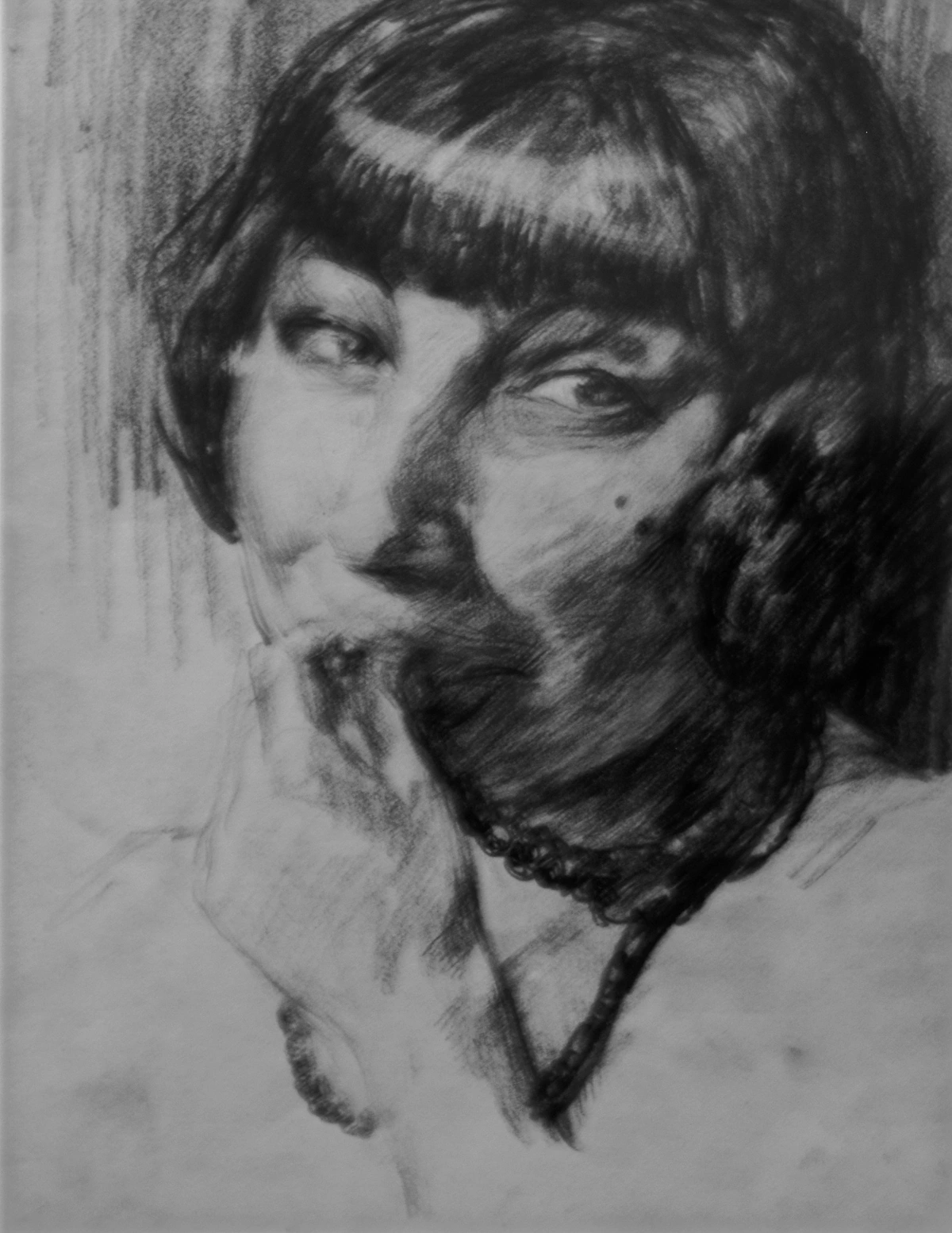
If you're drawn to art that speaks truth to power and profoundly captures the human condition, then Käthe Kollwitz (1867-1945) is an artist you absolutely need to know. This German Expressionist master used her powerful etchings, lithographs, woodcuts, and sculptures to give voice to the suffering of the working class, the ravages of war, and the universal experience of grief. Her work is unflinching, empathetic, and deeply moving, often featuring mothers protecting their children or figures consumed by sorrow. The profound personal loss she experienced, particularly the death of her son in WWI, infused her art with an unparalleled authenticity and poignancy. You can dive deeper into her profound impact in our ultimate-guide-to-expressionism.
I find her art to be an incredibly potent reminder of humanity's resilience and vulnerability. Kollwitz wasn't interested in pretty pictures; she was committed to social justice and used her art as a form of protest and advocacy. Her ability to convey such profound emotion with stark lines and powerful compositions is simply astonishing. She truly was the conscience of her generation, and her work remains as relevant and impactful today as it was a century ago. You can dive deeper into her profound impact in our ultimate-guide-to-expressionism.
Augusta Savage: A Sculptor of the Harlem Renaissance
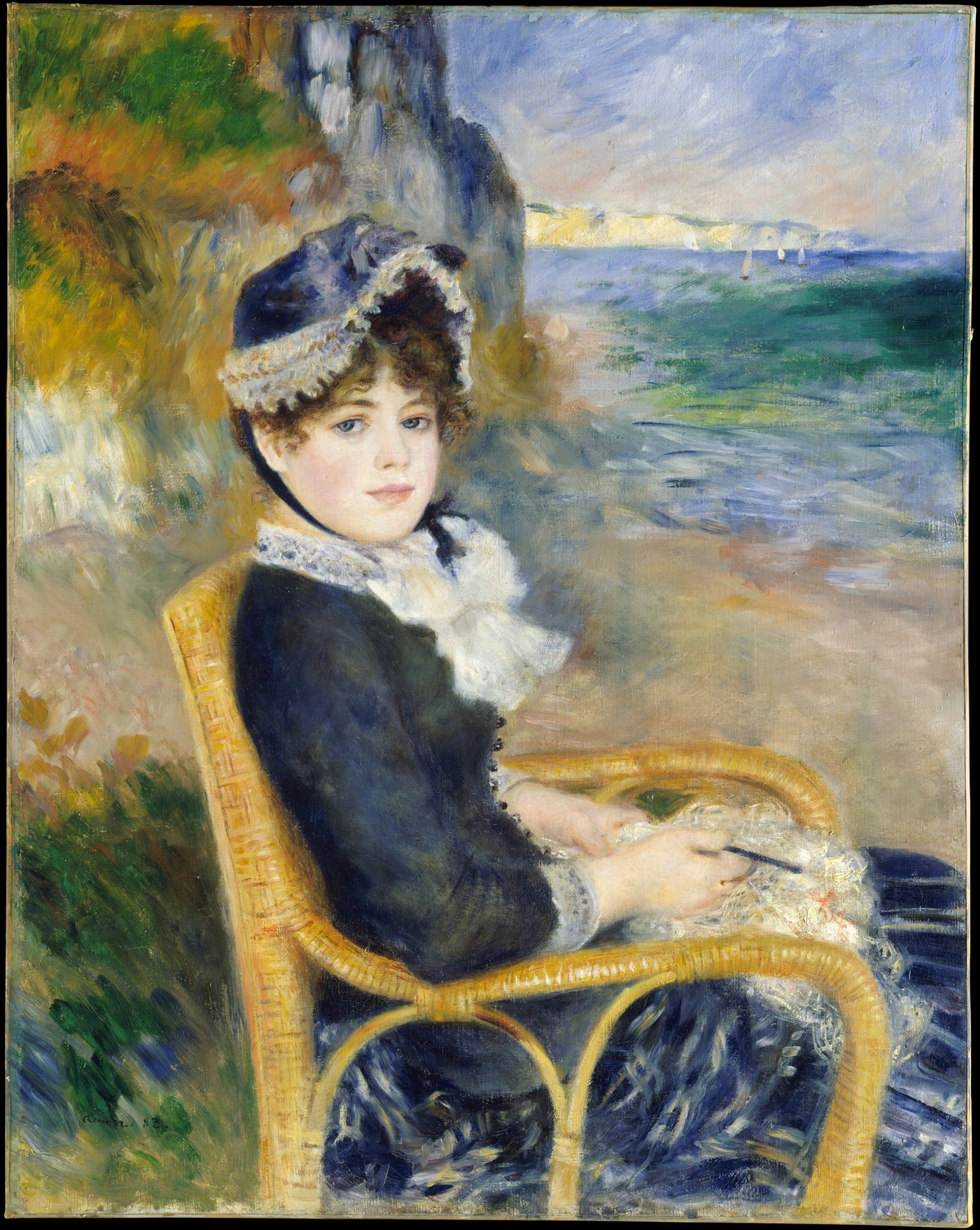
Dorothea Lange: Capturing the Human Spirit in Crisis
If a picture is worth a thousand words, then the photographs of Dorothea Lange (1895-1965) speak volumes about resilience, dignity, and the profound impact of human struggle. A pivotal figure in documentary photography, Lange is best known for her iconic images of the Great Depression, capturing the faces of migrant workers and displaced families with an unflinching empathy that is still breathtaking. Her work wasn't just about documenting hardship; it was about humanizing it, giving voice to the voiceless. It's impossible to look at "Migrant Mother" and not feel a deep connection to her subjects.
What I find so remarkable about Lange's approach is her ability to combine artistic vision with social conscience. She believed in the power of photography to inspire social change, and her images played a crucial role in shaping public perception and advocating for aid during a national crisis. Her photographs are a masterclass in composition, light, and narrative, proving that art can be both profoundly beautiful and a powerful force for good in the world.
Hilma af Klint: The True Pioneer of Abstract Art
Prepare for a paradigm shift when you learn about Hilma af Klint. For years, the narrative of abstract art's origins was dominated by male figures like Kandinsky or Malevich. But guess what? Af Klint, a Swedish mystic and artist, was creating astonishingly bold, non-representational works years before them, as early as 1906! Driven by spiritualism and a belief in communicating with higher entities, her art was a private quest, kept largely under wraps for decades after her death as per her instructions.
I find her story utterly mind-blowing. Imagine being so ahead of your time, so confident in your vision, that you know the world isn't ready for your art yet. Her vibrant, symbolic, and often large-scale paintings are a testament to an alternative history of modern art, one where a woman's spiritual journey led the way into abstraction. It forces us to reconsider everything we thought we knew about the genesis of abstract art, and her rediscovery is, to me, one of the most exciting revelations in recent art history.
Explore her groundbreaking vision with our ultimate-guide-to-hilma-af-klint-pioneer-of-abstract-art.
Georgia O'Keeffe: The Mother of American Modernism
Stepping into the world of Georgia O'Keeffe (1887-1986) is like entering a serene, yet powerfully resonant, meditation on nature's grandeur. Often hailed as the "Mother of American Modernism," O'Keeffe's distinctive style, characterized by her iconic close-up paintings of flowers, stark landscapes of New Mexico, and architectural forms, profoundly redefined how we see the natural world. She didn't just paint flowers; she painted the very essence of them, inviting us to delve into their intricate beauty and powerful, often sensual, forms. Her early career, marked by her groundbreaking abstract charcoal drawings, already hinted at her radical approach to distilling form and emotion, even before her move to the American Southwest.
Her unparalleled ability to magnify and abstract natural forms, transforming them into almost spiritual symbols, profoundly influenced American art and continues to captivate. I remember seeing her work for the first time and feeling like I was seeing something utterly familiar, yet completely new, distilled to its purest form. It was a revelation. She truly taught me to look closer, to find the monumental in the minute, and to appreciate the quiet, unwavering strength in simplicity. Learn more about her foundational contributions in our ultimate-guide-to-georgia-okeeffe.
Hannah Höch: Dada's Photomontage Pioneer
If you're a fan of art that's playful, provocative, and deeply critical of society, then you absolutely must explore the work of Hannah Höch (1889-1978). A central figure in the Dada movement in Berlin, Höch was a master of photomontage, a technique she helped invent. She meticulously cut and reassembled images from magazines, newspapers, and fashion journals to create dazzling, often satirical, compositions that critiqued gender roles, mass culture, and the political turmoil of post-World War I Germany.
Her work is sharp, witty, and incredibly insightful, challenging the viewer to question what they see and how images shape our understanding of the world. I find her ability to construct such complex narratives from disparate fragments utterly captivating. Höch wasn't just making art; she was making a radical statement about the nature of reality and the power of media, all while navigating a male-dominated avant-garde scene. She’s a true icon of early 20th-century modernism. Delve into the broader context of her work with our the-definitive-guide-to-the-history-of-abstract-art-key-movements-artists-and-evolution.
Lee Miller: The Eye of a Surrealist and War Correspondent
If a life could be a work of art, Lee Miller (1907-1977) lived one of the most extraordinary. She wasn't just a muse for Surrealists like Man Ray; she was a brilliant photographer in her own right, a fashion model, and, incredibly, a pioneering war correspondent during World War II. Her journey from the glamorous pages of Vogue to the harrowing front lines is a testament to an indomitable spirit and a uniquely perceptive eye. It makes me wonder about the untold stories within every photograph she took.
What I find so compelling about Miller's work is its incredible versatility and her ability to capture both beauty and brutality with equal sensitivity. Her Surrealist photographs are witty and dreamlike, yet her wartime images of concentration camps and liberated Paris are raw, unflinching, and deeply powerful. She broke countless barriers, proving that a woman’s gaze could be both artistic and acutely journalistic, documenting history as it unfolded. Her legacy is a powerful reminder of the many roles women have played in shaping our visual world.
Paula Modersohn-Becker: Expressionism's Pioneer of Inner Worlds
If you're drawn to art that delves into raw emotion and an unflinching portrayal of the human spirit, then Paula Modersohn-Becker (1876-1907) is an artist who will profoundly resonate. As a key figure in early German Expressionism, she painted with a directness and intensity years ahead of her time, rejecting academic traditions to explore deeply personal themes. Her tragically short life, cut short at 31, left behind a revolutionary body of work that continues to challenge and move us. It's truly heartbreaking to think of the genius we lost too soon.
What I find so powerful about Modersohn-Becker's art, particularly her self-portraits and depictions of mothers and children, is her ability to strip away superficiality and reveal an inner truth. Her figures often possess a monumental quality, a quiet strength, and a profound sense of connection to nature. She wasn't afraid to portray the vulnerabilities and complexities of womanhood with an honesty that was revolutionary, cementing her place as a crucial pioneer of modern art. She showed us that art doesn't have to be pretty to be profoundly beautiful and meaningful.
The 20th Century and Beyond: Redefining Art and Identity
Before we dive into individual artists, let's reflect on the seismic shifts of the 20th century. The two World Wars, the Great Depression, and the burgeoning civil rights and feminist movements profoundly reshaped society, and with it, the art world. For women artists, these upheavals often presented both immense challenges and unprecedented opportunities to break free from traditional constraints. Suddenly, the old rules felt less absolute, and new mediums and artistic expressions emerged that were less bound by patriarchal academic traditions. It was a turbulent yet fertile ground for radical creativity.
The 20th century was a whirlwind of artistic innovation, a vibrant explosion of diverse movements where women artists weren't just participating; they were often leading the charge, radically redefining what art could be and challenging societal norms with unprecedented fervor. From the spiritual depths of abstraction to the political punch of feminist art and the conceptual depths of photography, these women carved out new territories and reshaped our collective artistic consciousness.
Sonia Delaunay: Orphism and the Rhythm of Color
If you appreciate art that vibrates with color and rhythm, then Sonia Delaunay (1885-1979) is an artist whose work will electrify you. A Ukrainian-French artist, Delaunay was a pioneer of Orphism, an abstract art movement she co-founded with her husband Robert Delaunay, which focused on pure abstraction and vibrant colors, often inspired by Cubism and Futurism. Her work extended beyond the canvas into textiles, fashion, and theatrical design, blurring the lines between fine art and applied arts with an audacious modernity. It makes me think about how truly revolutionary it was to apply abstract principles to everyday life, making art an immersive experience.
What I find so captivating about Delaunay’s art is its joyous, almost musical, interplay of geometric shapes and dazzling colors. Her "simultaneous contrasts" create a sense of movement and depth, reflecting the dynamism of the modern world. She championed a multidisciplinary approach, believing that art should permeate all aspects of life, from paintings to clothing. Delaunay's legacy is a testament to an artist who embraced innovation with open arms, proving that abstract art could be both intellectually rigorous and wonderfully accessible. You can explore more about abstraction in our the-definitive-guide-to-the-history-of-abstract-art-key-movements-artists-and-evolution.
Agnes Martin: The Quiet Revolutionary
I always find a sense of calm and profound thought when I look at the work of Agnes Martin. Her minimalist paintings, with their subtle grids and delicate lines, aren't just aesthetically pleasing; they're invitations to meditation. She sought to express universal truths and emotions through the simplest means, creating a profound impact with seemingly little. Her philosophy, deeply influenced by Eastern thought and a search for inner peace, aimed to evoke a sense of transcendence and pure emotion through her meticulously crafted, understated canvases. It's like a visual mantra, inviting quiet contemplation in a world that often screams for attention.
Her pursuit of perfection and her spiritual approach to art resonate deeply with me, especially on days when the world feels too loud. Her work isn't merely decorative; it's a profound invitation to introspection, a testament to the power of subtlety and quiet contemplation in a chaotic world. If you're looking for a moment of serene connection, her work is a wonderful starting point.

Learn about her unique vision in our ultimate-guide-to-agnes-martin-minimalism-grids-and-the-pursuit-of-perfection.

Helen Frankenthaler: The Pioneer of Color Field Painting
When I think of artists who truly innovated with color and form, Helen Frankenthaler (1928-2011) always comes to mind. A pivotal figure in Abstract Expressionism, she developed her revolutionary "soak-stain" technique in the early 1950s, pouring diluted paint directly onto unprimed canvas. This allowed the colors to soak into the fabric, creating luminous, ethereal fields of color that appeared to be one with the canvas itself. It's an incredibly organic and beautiful process.
Her work, to me, is a vibrant testament to spontaneity and controlled abstraction, capturing the essence of landscape and emotion without explicit representation. I'm always struck by the sheer scale and immersive quality of her paintings, inviting you to step into a world of pure color and feeling. Frankenthaler's daring approach profoundly influenced the development of Color Field painting and cemented her place as a true trailblazer in American modern art. See her influence in our ultimate-guide-to-helen-frankenthaler.
Lee Krasner: The Unsung Force of Abstract Expressionism
While her husband, Jackson Pollock, often overshadowed her, Lee Krasner (1908-1984) was an undeniable powerhouse in her own right and a crucial figure in Abstract Expressionism. Her work is characterized by its dynamic energy, bold brushstrokes, and constant evolution, demonstrating a relentless drive for artistic experimentation. From her early Cubist-inspired pieces to her monumental collages and later gestural abstractions, Krasner never shied away from reinvention.
What I find particularly compelling about Krasner is her sheer resilience and uncompromising artistic vision, even amidst personal and professional challenges. Her canvases often feel like a direct extension of her powerful personality – vibrant, complex, and intensely alive. She fought tirelessly for recognition, not just for herself but for women artists in general, and her enduring legacy is a powerful reminder that true talent cannot be suppressed. Explore the broader movement with our ultimate-guide-to-abstract-expressionism.
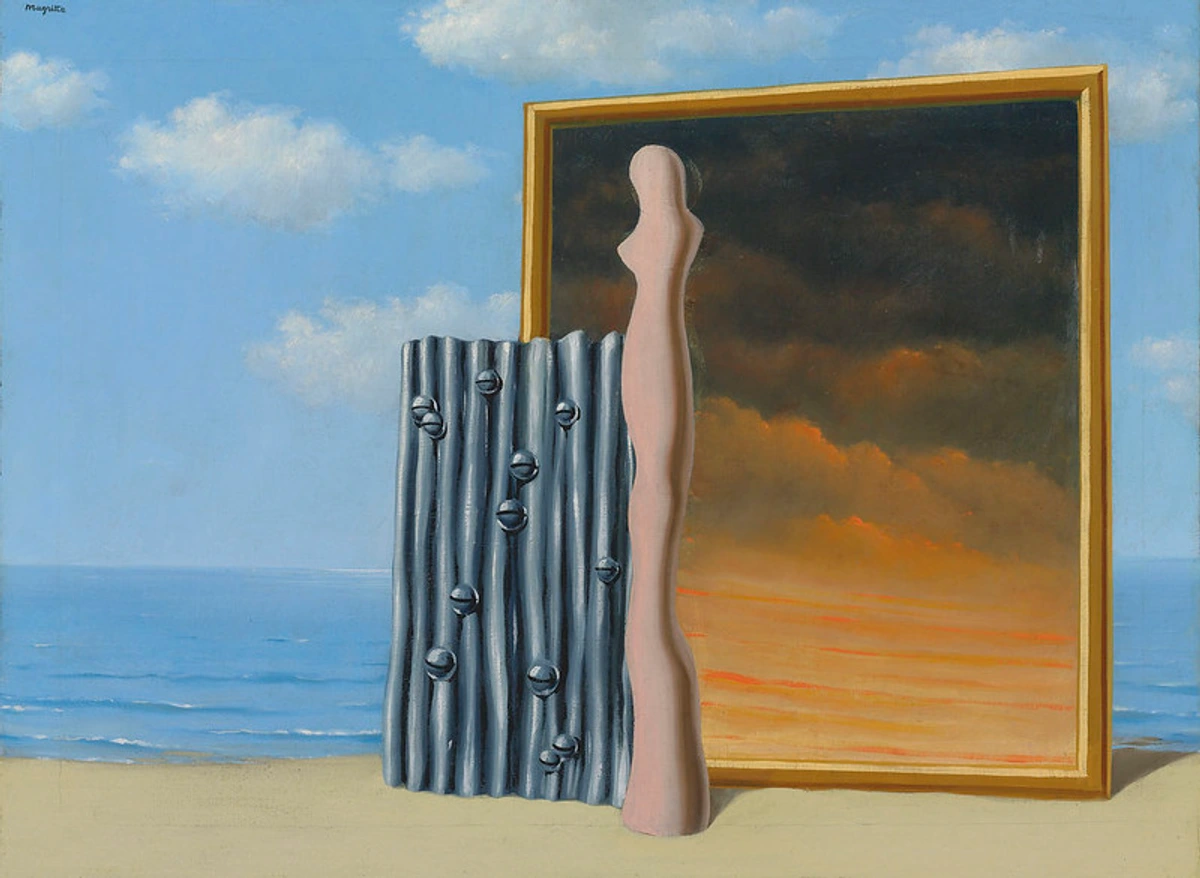
Judy Chicago: Redefining Feminist Art
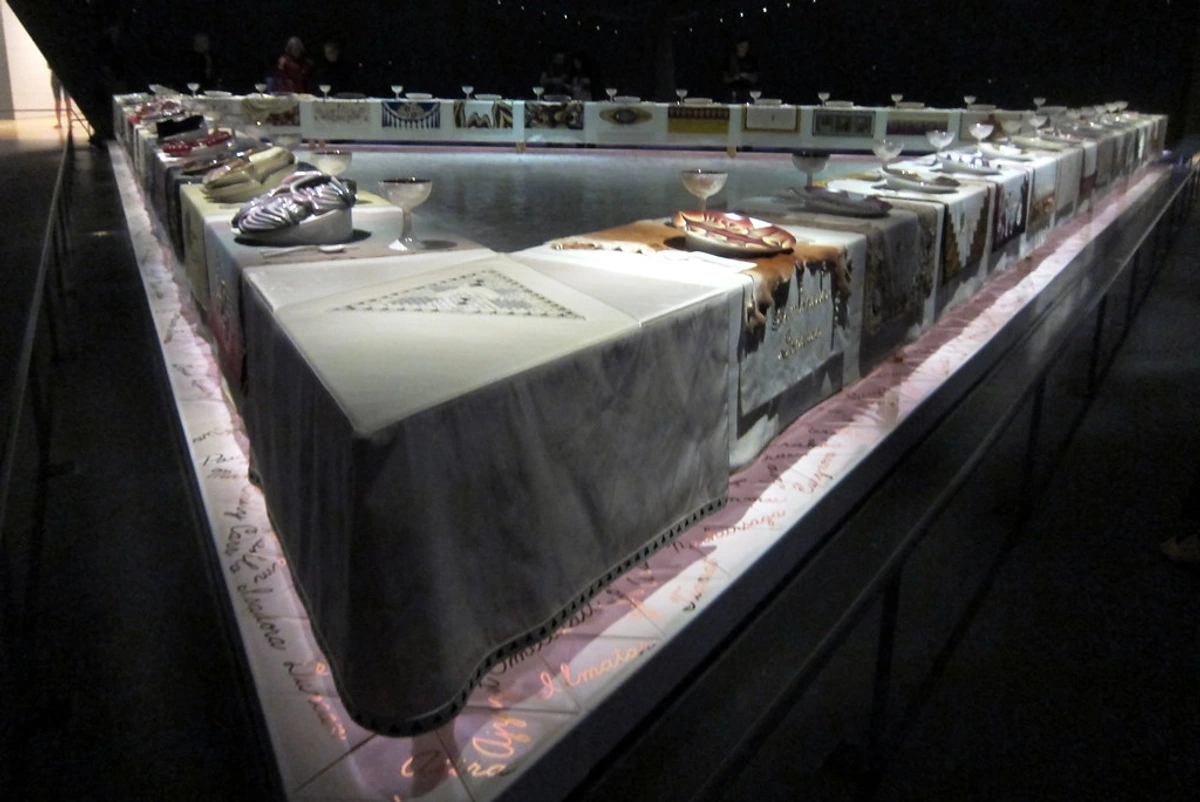
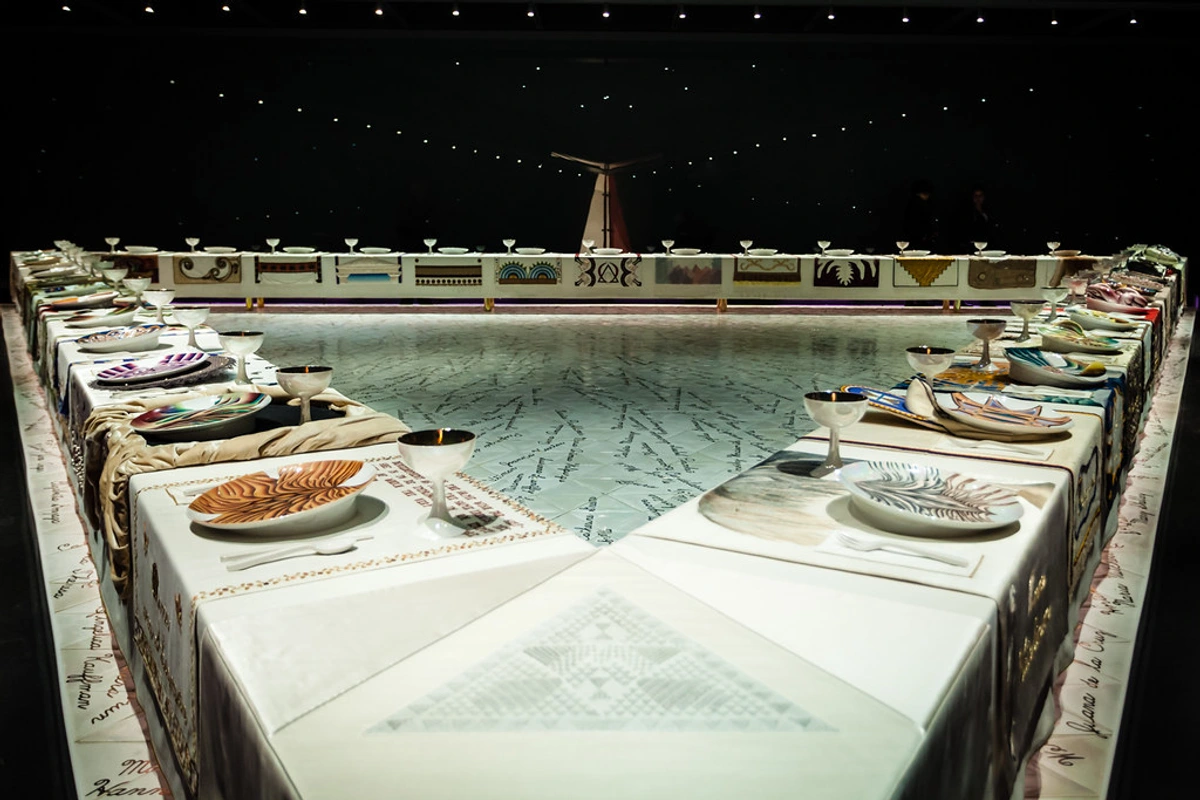
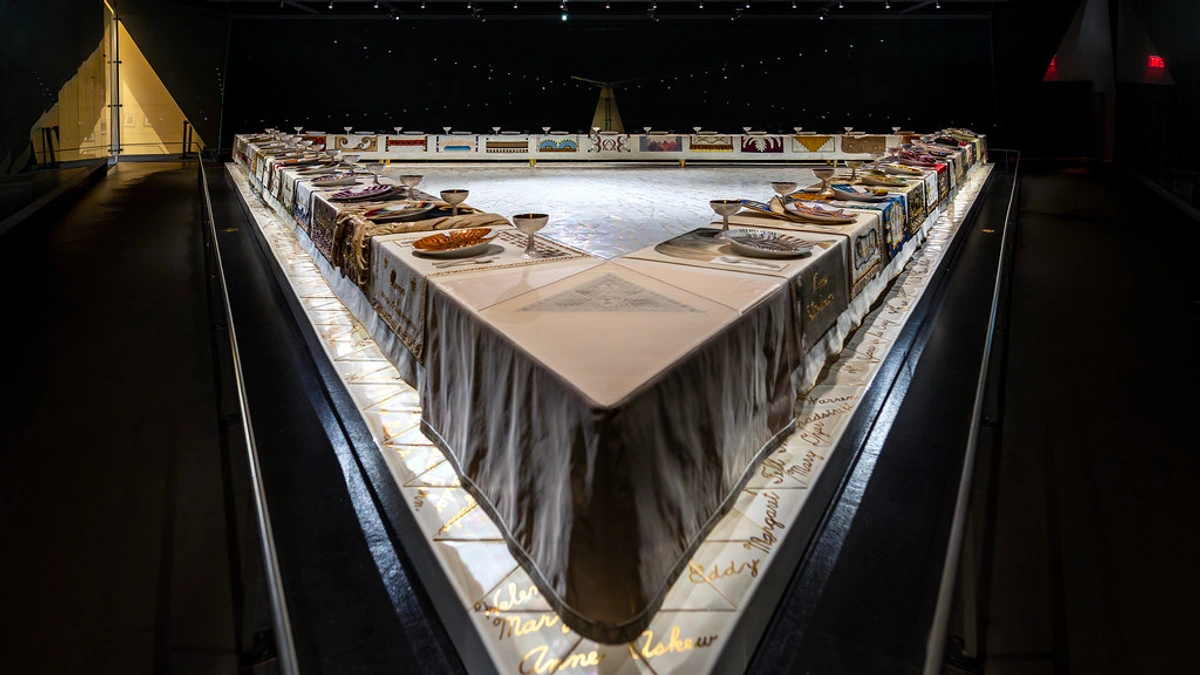
And then there's Judy Chicago, an absolute force of nature who basically invented feminist art as a movement. Her monumental installation, "The Dinner Party," challenged the patriarchal narratives of art history head-on, celebrating forgotten women throughout history. It was bold, controversial, and utterly necessary.
Her work isn't just art; it's a bold statement, a necessary conversation starter, and a powerful act of reclamation. I remember seeing images of "The Dinner Party" for the first time – those intricately embroidered place settings, each honoring a different woman from history – and just feeling this surge of recognition and empowerment. It was a visceral reminder that art can, and should, challenge, educate, and make you feel seen. That's the undeniable power of art, isn't it? To make you feel seen and inspire you to see others.
Unpack her monumental impact with our ultimate-guide-to-judy-chicago.
The Guerrilla Girls: Anonymous Activism in Art
If you love art that's sharp, witty, and unapologetically political, then you need to know about The Guerrilla Girls. This anonymous group of feminist artists, formed in 1985, uses guerrilla tactics—posters, billboards, and public performances—to expose gender and racial inequality in the art world and beyond. They famously wear gorilla masks to remain anonymous, turning their collective identity into a powerful symbol of their mission. It's a brilliant way to critique institutions from within, without being co-opted or dismissed as individual voices.
What I find so empowering about The Guerrilla Girls is their use of facts, humor, and bold graphics to challenge the status quo. Their most iconic poster, "Do women have to be naked to get into the Met. Museum?" (1989), exposed the shocking disparity between the number of female nudes and female artists in the Metropolitan Museum of Art. Their work is a constant reminder that art can be a potent tool for activism, a call to action, and a crucial force for holding institutions accountable. They make you laugh, but they also make you think, deeply, about who gets to tell art history.
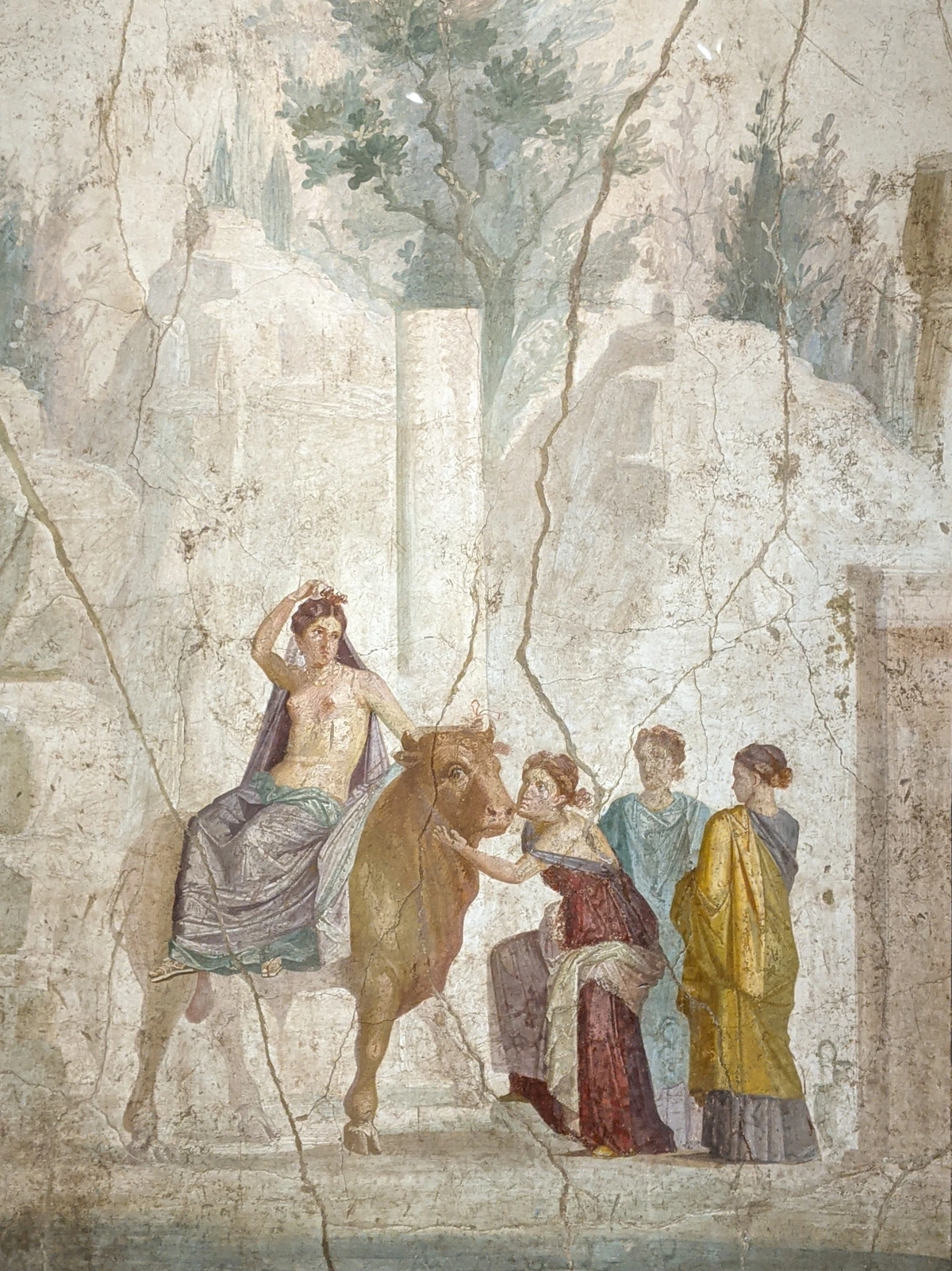
Unpack her monumental impact with our ultimate-guide-to-judy-chicago.
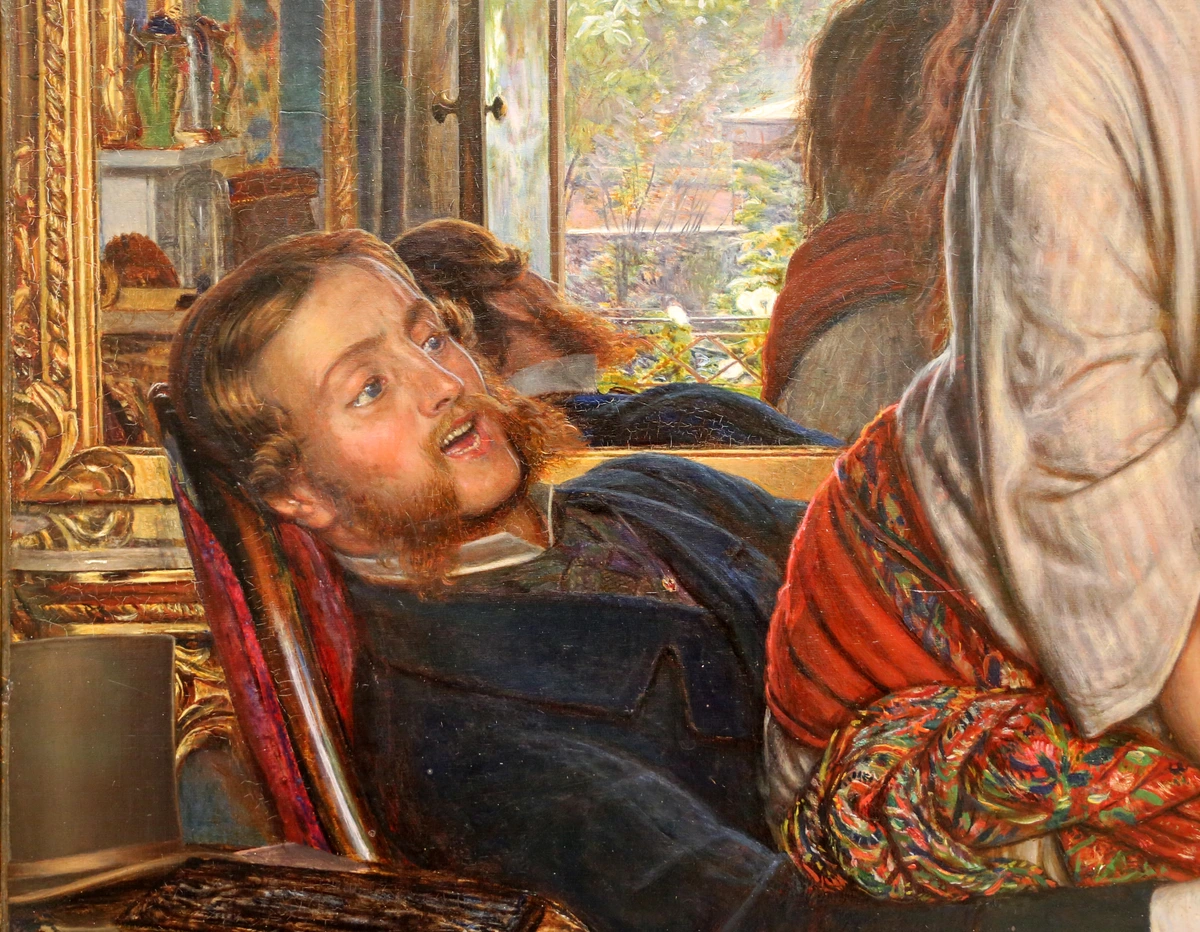
Kara Walker: Shadow Play and Social Commentary
Kara Walker is another artist whose work truly stops me in my tracks. Using the deceptively simple medium of silhouette, she explores complex themes of race, gender, sexuality, and history, particularly the legacy of slavery in the American South. Her narratives are often disturbing, beautiful, and deeply thought-provoking all at once.
What I love about Kara's approach is how she brilliantly uses historical aesthetics – those seemingly innocent, picturesque silhouettes – to confront deeply uncomfortable truths about American history and its enduring legacies. Her work forces you to look, to engage, and to question, often unsettling you in the process. It's not always easy to digest, but it's always important, pushing boundaries and sparking essential, long-overdue dialogues.
You can delve into her powerful narratives with our ultimate-guide-to-kara-walker.
Augusta Savage: A Sculptor of the Harlem Renaissance
If you appreciate art that celebrates identity and speaks volumes about the human spirit, then Augusta Savage (1892-1962) is an artist you simply must discover. A pivotal figure in the Harlem Renaissance, Savage was a brilliant sculptor, teacher, and community organizer who championed African American artists. Despite facing immense racial and gender discrimination, she fought tirelessly for opportunities, creating powerful portraits and symbolic works that captured the dignity and aspirations of Black Americans. It's truly inspiring to see someone not only excel in their craft but also dedicate their life to uplifting an entire community.
What I find so captivating about Savage's work is its blend of classical form with a distinctly African American sensibility. Her most famous work, "Lift Every Voice and Sing" (also known as "The Harp"), created for the 1939 New York World's Fair, was a monumental sculpture that symbolized the contributions of Black Americans to music. Her sculptures possess an incredible grace and emotional resonance, reflecting both personal experience and collective struggle. Savage's legacy extends beyond her artworks; it lies in her unwavering commitment to art as a tool for social justice and her profound impact on a generation of artists. You can learn more about the movement she was a part of in our article on the-harlem-renaissance-art-culture-and-identity-in-1920s-america.
Faith Ringgold: Stitching Narratives of Black Womanhood
If you believe art can be a powerful vessel for storytelling and social commentary, then Faith Ringgold (b. 1930) is an artist whose work will profoundly resonate. An African American artist, author, and activist, Ringgold is celebrated for her innovative story quilts, paintings, and soft sculptures that weave together personal autobiography, African American history, and the struggle for civil rights. Her art isn't just seen; it's read, felt, and experienced as a rich tapestry of narratives. It makes me think about how art can transform even the most traditional crafts into radical statements.
What I find so compelling about Ringgold's practice is her ability to blend traditional African American quilting techniques with a modernist aesthetic, creating works that are both visually stunning and deeply impactful. Her story quilts, in particular, often depict scenes from her life, the lives of historical figures, or fantastical narratives, always imbued with a powerful message about race, gender, and class. She has consistently challenged the art world's exclusionary practices, fighting for greater representation and recognition for Black women artists. Ringgold's legacy is a vibrant testament to the power of art to preserve culture, challenge injustice, and inspire future generations.
You can delve into her powerful narratives with our ultimate-guide-to-kara-walker.
Beyond the Canvas: Women Who Shaped Sculpture and Installation
While painting often dominates the narrative, women have equally revolutionized sculpture, installation, and conceptual art. Their ability to push boundaries beyond the two-dimensional surface has given us some of the most iconic and thought-provoking works of the modern era.
Jenny Saville: Confronting the Body with Unflinching Honesty
If you believe art should be raw, honest, and profoundly human, then the monumental paintings of Jenny Saville (b. 1970) will stop you in your tracks. A leading figure in contemporary British art, Saville is renowned for her large-scale, intensely visceral portraits of female nudes. She doesn't idealize; she confronts the body in all its complexity—its weight, its marks, its vulnerabilities, and its inherent power. Her work is often unsettling, challenging conventional notions of beauty and pushing the boundaries of figurative painting. I remember seeing her work for the first time and just being completely mesmerized by its sheer scale and audacious honesty.
What I find so compelling about Saville's approach is her fearless investigation of the female form, often distorted or fragmented, forcing viewers to engage with bodies that defy easy categorization. She explores themes of identity, gender, and the societal pressures placed upon women’s bodies with a painterly skill that is simply breathtaking. Her work reminds us that true beauty often lies in imperfection, and that art can be a powerful tool for self-acceptance and a critical examination of the world around us.

Tracey Emin: Confession, Vulnerability, and the Power of Personal Narrative
For those who appreciate art that is intensely personal, confessional, and unafraid to expose the raw edges of human experience, Tracey Emin (b. 1963) is an artist whose work resonates deeply. A prominent member of the Young British Artists (YBAs), Emin is celebrated for her autobiographical art across various mediums—from painting and drawing to sculpture, installation, and needlework. Her work often delves into themes of love, loss, sex, abortion, and childhood trauma, presented with an unflinching honesty that can be both uncomfortable and profoundly moving. It's like reading someone's most private diary, but transformed into art.
What I find so powerful about Emin’s practice is her courageous vulnerability. She uses her own life as her primary subject, transforming personal pain and memory into universal statements about the human condition. Her most famous work, "My Bed" (1998), is a powerful example, presenting her unmade, messy bed adorned with personal detritus, as a stark, honest portrait of a period of depression. Emin reminds us that art doesn't always have to be polished; sometimes, its greatest strength lies in its ability to be raw, authentic, and utterly, unapologetically human.
Bridget Riley: The Hypnotic World of Op Art
If you're captivated by art that tricks the eye and dances on the canvas, then Bridget Riley (b. 1931) is an artist who will profoundly intrigue you. A leading figure in the Op Art movement, this British painter is renowned for her mesmerizing abstract compositions of lines, squares, and curves that create an illusion of movement, vibration, and pulsating light. Her meticulously rendered works often induce a powerful optical sensation, challenging the viewer's perception and inviting an immersive visual experience. It's like watching a still image come alive right before your eyes, playing with the very mechanics of sight.
What I find so compelling about Riley’s art is its rigorous intellectual foundation combined with its undeniable sensory impact. She explores the dynamics of perception, how colors and shapes interact to create optical phenomena, and the subjective nature of visual experience. Her commitment to pure abstraction, free from narrative or emotional content, allows the viewer to engage directly with the formal elements of art. Riley's legacy is a brilliant testament to an artist who redefined the possibilities of abstract painting, proving that geometry and precision can evoke an almost dizzying sense of wonder and visual poetry. You can also dive into the broader evolution of abstraction with our the-evolution-of-abstract-art:-key-movements-and-their-collectible-value.
Nancy Spero: Performance, Protest, and the Female Body
For those who believe art should be a powerful force for social change and a voice for the voiceless, then Nancy Spero (1926-2009) is an artist whose work demands attention. An American artist deeply committed to feminist and anti-war activism, Spero created radical, politically charged works that critiqued power structures, celebrated female archetypes, and exposed violence and oppression. She often worked with series of printed and hand-painted images, predominantly of female figures, which she pressed onto paper, creating scroll-like narratives that defied traditional painting conventions. It's truly inspiring to see an artist so fearlessly use her craft as a tool for protest and liberation.
What I find so powerful about Spero's art is her consistent focus on the female body as a site of both vulnerability and strength, and her use of repetition to amplify the voices of marginalized women throughout history. She explicitly rejected the male-dominated art world's emphasis on heroic male figures, instead populating her works with goddesses, victims, and powerful female activists. Her work is a fierce, visceral testament to resilience, a powerful act of reclaiming narratives, and a poignant call for justice that remains incredibly relevant today.
Maria Lassnig: Body Awareness and Self-Exploration
If you're drawn to art that boldly explores the interior self and the physical experience of being in a body, then Maria Lassnig (1919-2014) is an artist who will profoundly resonate. An Austrian artist, Lassnig pioneered "body awareness" painting, a concept where she attempted to paint not what she saw, but what she felt inside her body. Her raw, often distorted, and intensely personal self-portraits are a visceral record of her physical sensations and emotional states, challenging traditional notions of representation and beauty. It’s like she’s painting directly from her nervous system, bypassing the visual entirely.
What I find so captivating about Lassnig's work is her unwavering commitment to an honest, unvarnished depiction of the self. She wasn't afraid to portray vulnerability, pain, or the grotesque, offering an unflinching look at the complexities of human existence. Her unique approach, which she developed independently, positioned her as a crucial precursor to feminist art and a profound voice in 20th-century painting. Lassnig’s legacy is a testament to the courage required to truly look inward and translate that intimate experience onto the canvas.
Carolee Schneemann: Pioneering Body and Performance Art
For those who appreciate art that challenges conventions, breaks taboos, and foregrounds the female body as a site of empowerment and political expression, then Carolee Schneemann (1939-2019) is an artist whose groundbreaking work is essential. An American artist, filmmaker, and writer, Schneemann was a pioneer of performance art, body art, and feminist art from the early 1960s. Her work often involved her own body, exploring themes of gender, sexuality, and the politics of perception with a fearless and radical spirit. She literally put her body on the line to make her statements.
What I find so compelling about Schneemann's practice is her refusal to be constrained by traditional artistic mediums or societal expectations. Her iconic work "Interior Scroll" (1975), where she unrolled a long scroll from her vagina while reading a text on female artistic subjectivity, remains a powerful and provocative statement about the female voice and body. She meticulously documented her processes, ensuring that her revolutionary acts were recorded and understood. Schneemann’s legacy is a testament to an artist who fearlessly dismantled patriarchal structures in art, paving the way for generations of feminist and performance artists.
Marisol Escobar: Pop Art's Playful Sculptor
If you love art that blends sculpture, painting, and a keen sense of social observation with a dash of playful wit, then Marisol Escobar (1930-2016), known simply as Marisol, is an artist who will utterly charm you. A French-Venezuelan artist based in New York, Marisol became a prominent figure in the Pop Art movement of the 1960s, creating unique, often satirical, three-dimensional portraits and group tableaux. Her distinctive style combined carved wood blocks with painted elements, found objects, and plaster casts of her own body parts, resulting in figures that were both familiar and strangely surreal. She ran with Andy Warhol, but her work had a biting edge and a unique visual language all her own.
What I find so captivating about Marisol's work is her ability to dissect social rituals and identity with humor and incisive commentary. Her figures, often depicted in formal poses or social gatherings, offer a subtle critique of celebrity, consumerism, and the construction of public personas. She used her own image repeatedly, yet always as a character or mask, blurring the lines between self-portraiture and social caricature. Marisol's legacy is a vibrant testament to an artist who deftly blended folk art aesthetics with modernist sensibilities, creating a powerful and enduring body of work that continues to provoke thought and delight.
Louise Bourgeois: Emotional Architecture in Sculpture
If you've ever stood before a giant spider sculpture and felt a complex mix of awe, fear, and even tenderness, you've likely encountered the work of Louise Bourgeois (1911-2010). A French-American artist, Bourgeois delved deeply into themes of childhood trauma, sexuality, the body, and domesticity through her evocative sculptures, installations, and prints. Her art is intensely personal, yet it resonates with universal human experiences of anxiety, love, and loss. I'm always struck by how she transformed her deepest psychological landscapes into monumental, tangible forms, making the invisible visible.
Her monumental "Maman" spider series, which she created as an ode to her mother, is particularly striking. For me, these pieces are a powerful exploration of both nurturing and predatory aspects of motherhood – a truly complex emotional architecture rendered in physical form. Bourgeois’s work always reminds me that art can be a powerful vessel for processing the deepest corners of our psyche, transforming pain into something profoundly beautiful and unsettling.
If you've ever stood before a giant spider sculpture and felt a complex mix of awe, fear, and even tenderness, you've likely encountered the work of Louise Bourgeois. A French-American artist, Bourgeois (1911-2010) delved deeply into themes of childhood trauma, sexuality, the body, and domesticity through her evocative sculptures, installations, and prints. Her art is intensely personal, yet it resonates with universal human experiences of anxiety, love, and loss.
Her monumental "Maman" spider series, which she created as an ode to her mother, is particularly striking. For me, these pieces are a powerful exploration of both nurturing and predatory aspects of motherhood – a truly complex emotional architecture rendered in physical form. Bourgeois’s work always reminds me that art can be a powerful vessel for processing the deepest corners of our psyche, transforming pain into something profoundly beautiful and unsettling.
Louise Bourgeois: Emotional Architecture in Sculpture
Louise Nevelson: Assemblages of the Urban Soul
If you've ever felt that raw materials could tell profound stories, then you'll connect deeply with the work of Louise Nevelson (1899-1988). A Ukrainian-American artist, Nevelson revolutionized sculpture with her monumental, monochromatic wooden assemblages, often painted black, white, or gold. She collected discarded architectural elements, found objects, and wooden scraps, then meticulously arranged them into intricate, wall-like constructions that felt both ancient and fiercely modern.
Her work, for me, is like glimpsing the hidden poetry of urban detritus, transformed into something spiritual and grand. Nevelson carved out a powerful, distinctive voice in a male-dominated art world, creating sculptures that evoked cityscapes, totems, and personal narratives all at once. Her ability to elevate the discarded into the sacred is a truly awe-inspiring feat, demonstrating the transformative power of an artist's vision.
Eva Hesse: Fragility and Form in Post-Minimalism
For those who appreciate art that challenges conventions and delves into vulnerability, Eva Hesse (1936-1970) is an absolute revelation. A German-American artist associated with Post-Minimalism, Hesse created groundbreaking sculptures using unconventional materials like latex, fiberglass, and rope. Her work often explored themes of fragility, absurdity, and the human body, pushing against the rigid geometry of Minimalism with organic, often draped or knotted forms.
Her tragically short career, cut short by a brain tumor, left behind a powerful and influential body of work. I find her sculptures incredibly poignant; they feel both physically present and deeply emotional, inviting contemplation on existence, decay, and transformation. Hesse's radical approach to materials and her deeply personal aesthetic continue to resonate, reminding us that art can be both profound and utterly tactile. Explore more about this period in our ultimate-guide-to-minimalism.
Ana Mendieta: Earth-Body Art and Spiritual Connection
If you're drawn to art that deeply connects with nature, ritual, and the primal force of the feminine, then Ana Mendieta (1948-1985) is an artist whose work will leave an indelible mark. A Cuban-American performance artist, sculptor, and video artist, Mendieta is renowned for her powerful "earth-body" sculptures and performances. She used her own body, or its silhouette, to create temporary imprints in natural landscapes—sand, earth, fire, and water—exploring themes of identity, displacement, violence, and a profound spiritual connection to the earth. It’s a truly visceral and poetic form of art that challenges you to feel, not just to see.
What I find so moving about Mendieta’s practice is her ability to transform the ephemeral into the eternal. Her "Siluetas" series, where her body's outline is etched into the earth and then left to be consumed by nature, speaks volumes about cycles of life, death, and regeneration. Her work is a powerful act of reclaiming and belonging, forging a spiritual bridge between her Cuban heritage and her life in exile. She showed us that art can be a powerful act of ritual, memory, and profound connection to the elemental forces that shape us all.
Cindy Sherman: The Master of Identity
Cindy Sherman truly blew open the doors for photography as a fine art with her groundbreaking conceptual self-portraits. But here's the kicker: they're not really self-portraits in the traditional sense, at least not of her identity. She transforms herself into countless characters – from B-movie actresses to society doyennes – meticulously exploring female archetypes, challenging media representations, and questioning identity itself as a fluid, constructed concept.
I often find myself wondering, when looking at her work, who is the "real" Cindy Sherman? And then I realize, that's precisely the point. She makes us question the constructed nature of identity and the roles we all play, both in front of and behind the camera. It's an incredibly insightful, endlessly fascinating, and sometimes unsettling body of work that truly made me rethink what a photograph could be, and what it means to "see" someone.
Explore her fascinating work in our ultimate-guide-to-cindy-sherman.

Yayoi Kusama: The Empress of Polka Dots and Infinity
Yayoi Kusama: The Empress of Polka Dots and Infinity
If you've ever found yourself utterly enchanted by pumpkins, polka dots, or mirrored rooms that stretch into an endless cosmos, then you've entered the kaleidoscopic world of Yayoi Kusama (b. 1929). This Japanese contemporary artist is a global phenomenon, celebrated for her immersive installations, paintings, sculptures, and performance art. Her work, deeply rooted in her experiences with obsessive-compulsive disorder and hallucinations, transforms personal struggles into universally resonant explorations of infinity, self-obliteration, and repetitive forms.
I find her dedication to her artistic vision and her ability to create such joyous, yet profound, experiences truly inspiring. Kusama has consistently pushed boundaries, creating a unique visual language that is instantly recognizable and deeply impactful. Stepping into one of her "Infinity Mirror Rooms" is like stepping into another dimension—a truly unforgettable experience that reminds me of the limitless possibilities of human imagination.
Marina Abramović: The Enduring Power of Performance
Discover more about groundbreaking modern artists in our ultimate-guide-to-contemporary-art-photography-key-artists-and-movements.
Marina Abramović: The Enduring Power of Performance
For those brave enough to confront the raw edges of human experience, Marina Abramović (b. 1946) is an essential artist. Considered the grandmother of performance art, this Serbian artist has pushed the limits of her own physical and mental endurance for over five decades, exploring themes of pain, emotion, spiritual transformation, and the relationship between artist and audience. Her performances are often intense, challenging, and profoundly moving, making you question your own boundaries and perceptions.
I remember seeing documentation of her work and feeling a visceral impact, even through a screen. Abramović's unwavering commitment to her artistic practice, often involving long durations and extreme conditions, is a testament to the power of art to provoke, heal, and connect. She truly redefined what art could be, turning the artist's body into both the medium and the message.

Stepping into the world of Georgia O'Keeffe is like entering a serene, yet powerfully resonant, meditation on nature's grandeur. Often hailed as the "Mother of American Modernism," O'Keeffe's distinctive style, characterized by her iconic close-up paintings of flowers, stark landscapes of New Mexico, and architectural forms, profoundly redefined how we see the natural world. She didn't just paint flowers; she painted the very essence of them, inviting us to delve into their intricate beauty and powerful, often sensual, forms. Her early career, marked by her groundbreaking abstract charcoal drawings, already hinted at her radical approach to distilling form and emotion, even before her move to the American Southwest.
Her unparalleled ability to magnify and abstract natural forms, transforming them into almost spiritual symbols, profoundly influenced American art and continues to captivate. I remember seeing her work for the first time and feeling like I was seeing something utterly familiar, yet completely new, distilled to its purest form. It was a revelation. She truly taught me to look closer, to find the monumental in the minute, and to appreciate the quiet, unwavering strength in simplicity.
Learn more about her foundational contributions in our ultimate-guide-to-georgia-okeeffe.
Leonora Carrington: Surrealism's Enigmatic Visionary
If you've ever felt drawn to the mystical, the dreamlike, and the utterly fantastical, then Leonora Carrington is an artist you absolutely must discover. A central figure in the Surrealist movement, particularly in Mexico City, Carrington's work transports you to a universe brimming with mythical creatures, alchemical symbols, and powerful, often unsettling, female figures. Her paintings and writings are deeply autobiographical, yet they tap into universal archetypes and a profound understanding of magic, folklore, and the subconscious.
Her life was as rich and unconventional as her art – a true testament to living creatively without compromise, even when it meant defying societal expectations. I find her narratives utterly captivating, like glimpsing ancient fables brought to life with a modern, feminist twist. She reminds us that the boundaries of reality are often just a suggestion, and that the most profound truths can sometimes be found in the most extraordinary dreams.
Dive into her enchanting world with our ultimate-guide-to-leonora-carrington.
Common Threads and Enduring Legacies
As I reflect on the incredible women we've explored, I can't help but notice certain threads weaving through their diverse lives and artistic practices. It's almost like a secret language, spoken across centuries and continents, by women determined to make their mark.
One such thread is Resilience and Defiance. From Artemisia Gentileschi's unflinching gaze in the face of trauma to Hilma af Klint's quiet confidence in her radically abstract vision, these artists consistently pushed back against a system designed to diminish them. They found ways, often ingenious and always courageous, to create, exhibit, and thrive against immense odds. Their art became their voice, their protest, and their enduring legacy.
Another common motif is the Reclaiming of Narratives. Whether it's Frida Kahlo transforming personal pain into universal statements of identity, or Judy Chicago meticulously re-centering forgotten women in "The Dinner Party," female artists have consistently challenged dominant stories. They've used their canvases, sculptures, and performances to offer alternative perspectives, often revealing truths that were previously ignored or suppressed. This act of narrative reclamation is, to me, one of the most powerful aspects of female artistry.
And finally, there's the profound exploration of Identity and Experience. From Mary Cassatt's tender depictions of motherhood to Cindy Sherman's chameleon-like investigations into constructed personae, women artists have offered deeply personal, yet universally resonant, insights into what it means to inhabit a female body and navigate a world shaped by gendered expectations. Their work is a constant reminder that the personal is indeed political, and that individual experiences can illuminate broader societal truths.
Another crucial thread I see is Innovation and Bold Experimentation. Whether it’s Hilma af Klint pioneering abstract art decades ahead of her time, Helen Frankenthaler inventing a revolutionary painting technique, or Marina Abramović pushing the very limits of performance, these women consistently refused to be confined by existing norms. They dared to see the world differently, to create in ways no one had before, and in doing so, they not only reshaped art but opened doors for countless artists who followed. This fearless pursuit of the new is, to me, one of their most powerful collective legacies.
These aren't just isolated geniuses; they are part of a vast, interconnected tapestry of creativity, each contributing a unique color and texture to the canvas of art history.
How Can We Support Female Artists Today?
It's not enough to just look back at history; we have a role to play in shaping the present and future of art. Supporting female artists today means actively engaging with their work, ensuring their voices are heard, and helping to dismantle the remaining systemic biases. Here are a few ways I've found to make a real difference:
- Buy Their Art: This is the most direct way to support an artist financially. Whether it's a small print, a unique piece of jewelry, or a major painting, every purchase directly empowers artists to continue their work. Check out our original art for sale or explore prints from emerging artists.
- Visit Exhibitions & Museums: Seek out shows featuring female artists at local galleries, museums, and alternative spaces. The more attendance and interest, the more likely institutions are to continue exhibiting their work. Consider a trip to the Den Bosch Museum to explore diverse collections.
- Spread the Word: Share their work on social media, talk about them with friends, and write reviews. Amplifying their presence helps build their audience and recognition. Word-of-mouth is still incredibly powerful in the art world.
- Educate Yourself & Others: Continue to read articles like this one, explore art history, and actively seek out information on artists you might not have encountered in traditional narratives. Share what you learn to inspire others.
- Support Art Organizations: Many non-profits and initiatives are dedicated to promoting female artists, providing grants, residencies, and exhibition opportunities. A small donation can go a long way.
- Follow Them Online: Engage with artists on platforms like Instagram, Facebook, and their personal websites. Comment, like, and share their posts to boost their visibility and show your appreciation. Your engagement literally helps them reach more eyes.
- Support Art Education & Residencies: Many organizations provide grants, scholarships, and residencies specifically for emerging female artists. Contributing to these initiatives helps ensure a pipeline of talent and provides crucial resources for artists at various stages of their careers.
- Advocate for Inclusivity: Speak up when you notice imbalances in gallery representation, museum collections, or art history curricula. Your voice can help drive systemic change and push institutions towards greater equity.
- Attend Talks and Workshops: Many artists offer talks, workshops, or studio visits. Attending these events not only provides financial support but also offers invaluable opportunities to learn directly from the artist, understand their process, and connect on a deeper level. I've always found these experiences to be profoundly enriching.
- Curate Your Own Collections: If you're a collector, intentionally seek out and acquire works by female artists. This not only directly supports them but also helps shape market value and art historical recognition over time.
Your active participation is crucial. By consciously seeking out, appreciating, and investing in the work of female artists, we collectively contribute to a more equitable and vibrant art world for everyone.
Frequently Asked Questions (FAQ)
I get a lot of questions about this topic, and it's fantastic because it means people are genuinely curious! Here are some common ones I've heard and my thoughts on them:
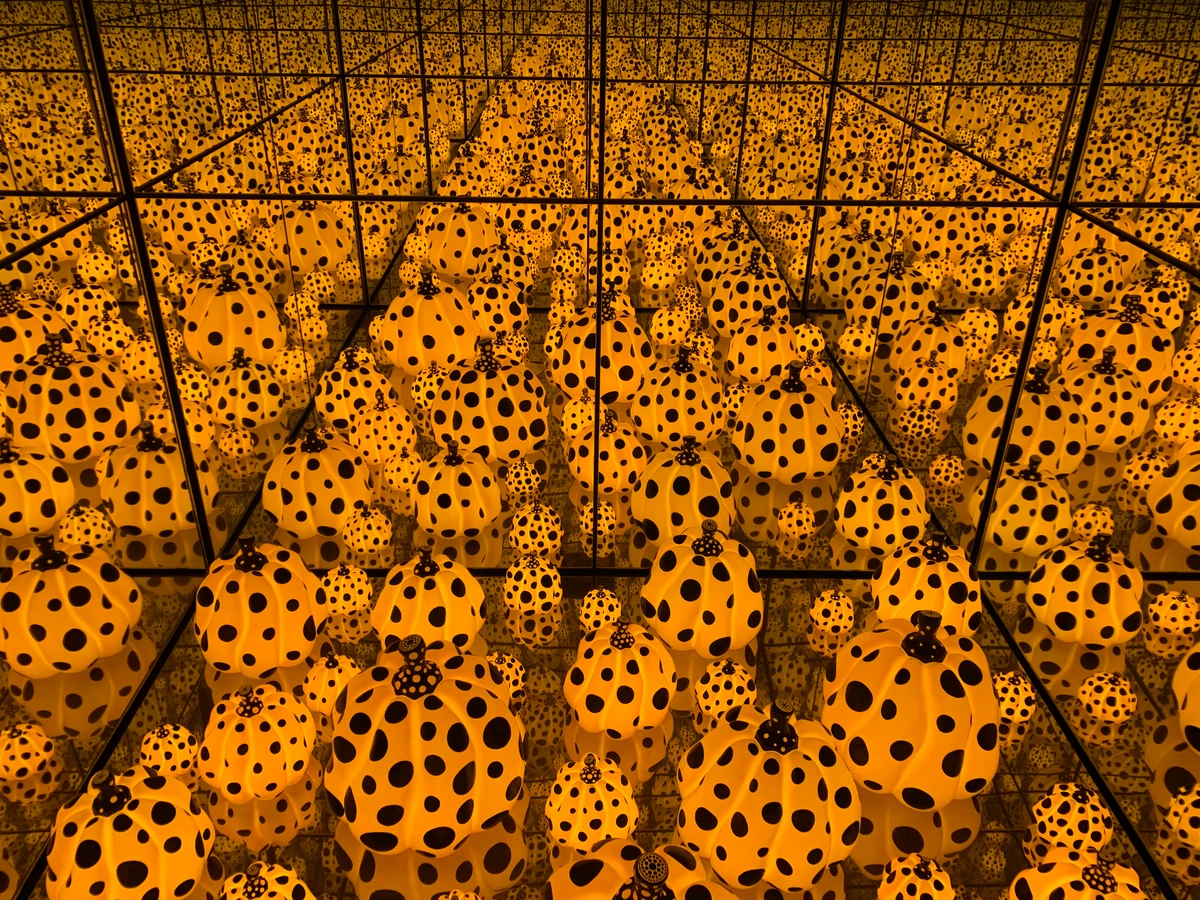
**Q: What role did art collectives or movements play in supporting female artists?
A: Art collectives and movements were absolutely vital, especially in eras when formal institutions excluded women. Groups like the Impressionists (where artists like Berthe Morisot flourished), or later, feminist art collectives, provided crucial platforms for shared ideas, critiques, exhibition opportunities, and mutual support. They created alternative spaces where women could experiment, collaborate, and gain visibility, circumventing the traditional gatekeepers. Think of them as incubators for revolutionary ideas and essential networks for artists who might otherwise have remained isolated.
**Q: What exactly is "feminist art"?
A: Feminist art emerged primarily in the 1960s and 70s as a powerful movement aiming to challenge the historical dominance of men in art, critique patriarchal systems, and advocate for gender equality. It's not a single style, but rather an approach that uses art to highlight the experiences of women, question traditional beauty standards, reclaim female narratives, and confront issues of power, identity, and representation. Artists like Judy Chicago and the Guerrilla Girls are iconic examples, using their art as a potent tool for social change and questioning "whose history" gets told.
Q: Are there still challenges for female artists today, or is everything equitable now?
A: While immense progress has been made, to be truly honest, no, it's not entirely equitable yet. Studies still show disparities in representation in major galleries and museums, and the auction market often values male artists' work more highly. Women of color and LGBTQ+ artists, in particular, continue to face compounded biases. The good news is there's far greater awareness and many institutions are actively working to correct these historical imbalances. But the journey for full equity continues, which is why your active support, as I mentioned earlier, remains so crucial.

Q: Are there specific challenges for female artists in the contemporary digital art space?
A: Even in the seemingly open world of digital art, some familiar challenges persist, though new opportunities also arise. Issues like algorithmic bias in discovery platforms, underrepresentation in NFT marketplaces, and online harassment can disproportionately affect female and marginalized artists. However, the decentralized nature of digital art also offers unprecedented freedom from traditional gatekeepers, allowing women to build communities, directly monetize their work, and experiment with new forms of expression without historical gendered expectations. It's a dynamic landscape, still evolving, where women are actively shaping the future.
Q: How has social media impacted the visibility of female artists?
A: Social media has been a game-changer, truly. It's democratized the art world in many ways, allowing female artists to bypass traditional gatekeepers (galleries, critics, museums) and connect directly with a global audience. Platforms like Instagram, TikTok, and personal websites provide unprecedented opportunities for exposure, self-promotion, and community building. I've personally discovered so many phenomenal artists this way. It allows for direct storytelling and visibility that was unimaginable even a couple of decades ago, making it easier for new voices, particularly those historically marginalized, to gain recognition.
Q: Why do we need to specifically talk about "female artists"? Isn't it just "artists"?
A: That's a great question, and ideally, yes, it would just be "artists." But for centuries, female artists were systematically excluded, undervalued, and often erased from art history. Focusing specifically on "female artists" is a corrective measure. It's about reclaiming their rightful place, ensuring their stories are told, and inspiring future generations by showing the incredible breadth of talent that was historically overlooked. It's not about exclusion; it's about inclusion and rebalancing the narrative.
Q: Were there really that many obstacles for women in art?
A: Absolutely, yes. From being denied access to formal training (especially in anatomy, which was seen as improper for women), to societal pressure to prioritize domestic life over a career, to plain old gender bias in patronage and criticism, the deck was stacked against them. Many had to work in secret, under male pseudonyms, or were simply never recognized in their lifetime. Their perseverance is truly astonishing.
**Q: Why do we need to specifically talk about "female artists"? Isn't it just "artists"?
A: That's a great question, and ideally, yes, it would just be "artists." But for centuries, female artists were systematically excluded, undervalued, and often erased from art history. Focusing specifically on "female artists" is a corrective measure. It's about reclaiming their rightful place, ensuring their stories are told, and inspiring future generations by showing the incredible breadth of talent that was historically overlooked. It's not about exclusion; it's about inclusion and rebalancing the narrative.
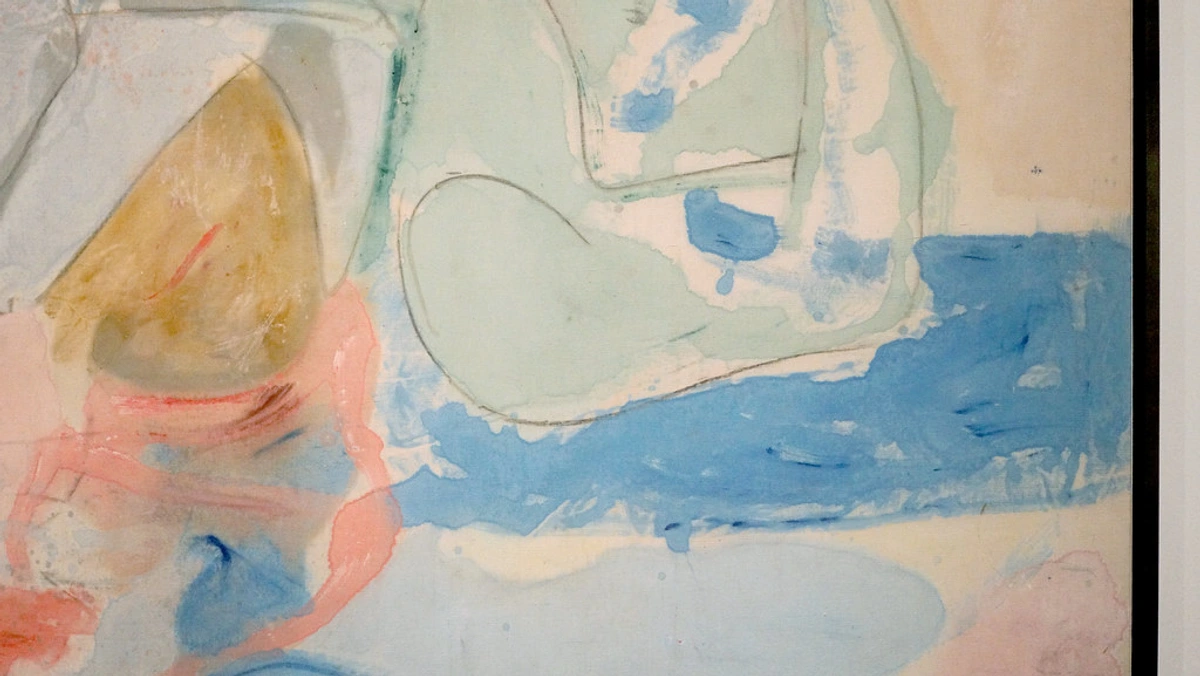
Q: What is the significance of the female gaze in art?
A: The concept of the "female gaze" in art refers to a perspective that challenges the traditional "male gaze" prevalent throughout art history, which often objectified women. It's about how female artists (or artists adopting this perspective) portray women, and the world, from an authentic, subjective female experience. This can mean depicting women with agency, exploring their inner lives, challenging beauty standards, or focusing on themes of domesticity, motherhood, and intimacy with a unique sensitivity. It's a powerful way for artists to reclaim narrative control and offer a more nuanced, multifaceted view of womanhood.
Q: Who is considered the "first" famous female artist?
A: It's hard to pinpoint one absolute "first," as history is always being rewritten. However, artists like Sofonisba Anguissola (Italian Renaissance, 16th century) and Artemisia Gentileschi (Baroque, 17th century) are often cited as early examples of women who achieved significant recognition and professional success in a male-dominated field. They broke significant ground for those who followed.
Q: How has the situation for female artists changed today?
A: Tremendously! We've seen incredible progress with increased representation in galleries, museums, and academic institutions. There's greater awareness of historical inequities, and many contemporary female artists are thriving, pushing boundaries, and gaining international acclaim. However, biases still exist, and the art market still often values male artists' work more highly. So, while progress is undeniable, the journey for full equity continues, which is why active support remains crucial.
Q: How did female artists gain formal training when academies were closed to them?
A: This was a monumental challenge! Many relied on familial connections, training in their fathers' or husbands' workshops. Others found patronage from aristocratic women who fostered their talents. Some, like Sofonisba Anguissola, gained entry into courtly circles, where they could learn by observing and through informal tutelage. The salon system also provided a crucial alternative, offering a space for intellectual exchange and artistic development outside of formal academies. It was a testament to their ingenuity and determination to find pathways to education.
Q: What impact did World Wars have on female artists?
A: The World Wars, while devastating, paradoxically opened up new avenues for women in art. With many men away fighting, societal roles shifted, and women often stepped into roles previously denied to them. This led to increased opportunities in art production, documentation, and even art education. It also sparked new artistic movements, like Dada and Surrealism, which challenged traditional norms and provided fertile ground for female artists like Hannah Höch and Leonora Carrington to express their unique perspectives on a fractured world. The experience of war also fueled powerful social commentary in the work of artists like Käthe Kollwitz.
Q: Where can I discover more female artists?
A: Beyond this article, I highly recommend exploring dedicated feminist art history resources, seeking out contemporary art galleries, and simply diving into the archives of major museums with an open mind. Many institutions are now actively working to highlight their female artists. And don't forget, you can explore more about art and its history on our timeline of art history or browse through different art movements and artists right here on Zen Museum.
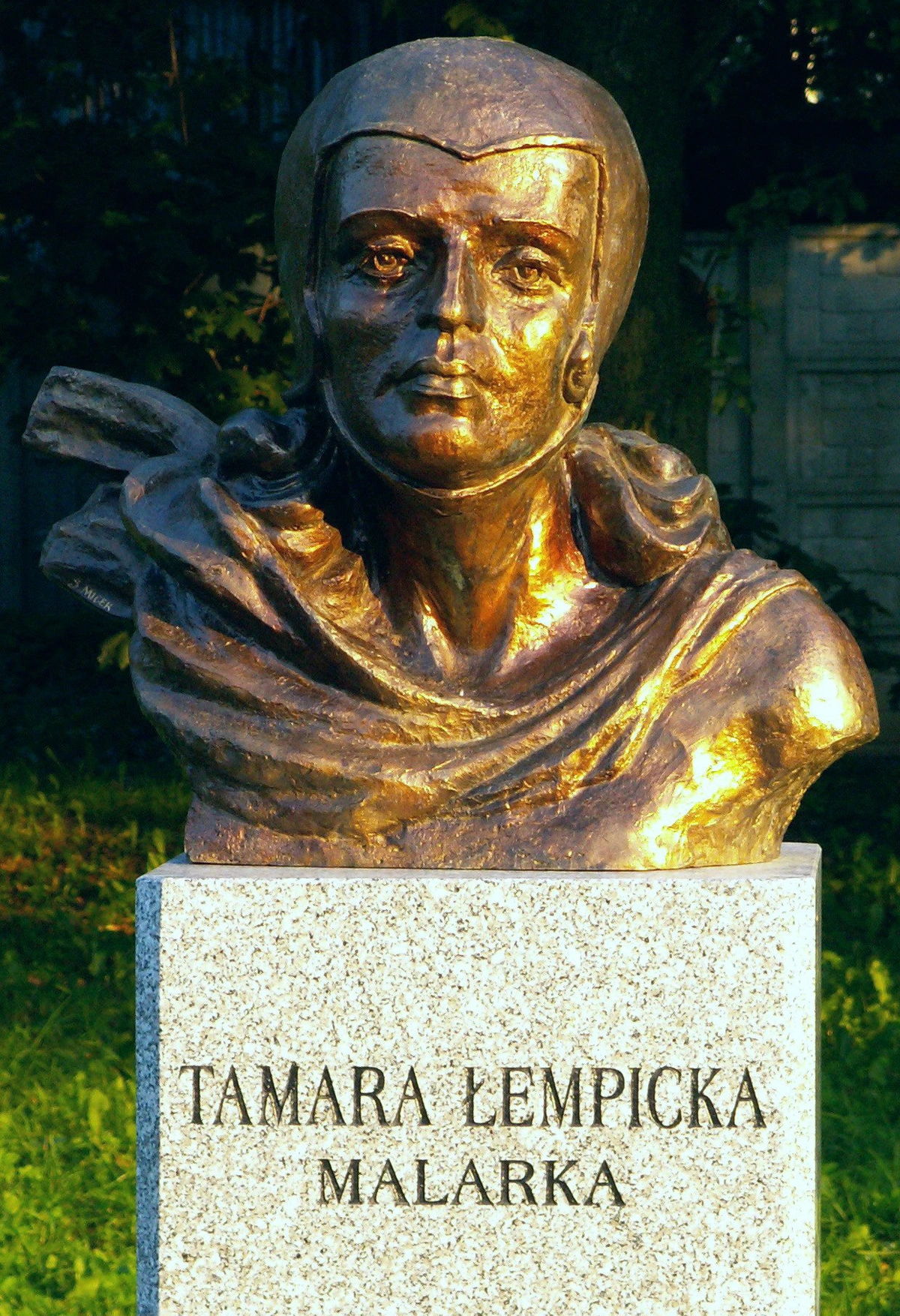

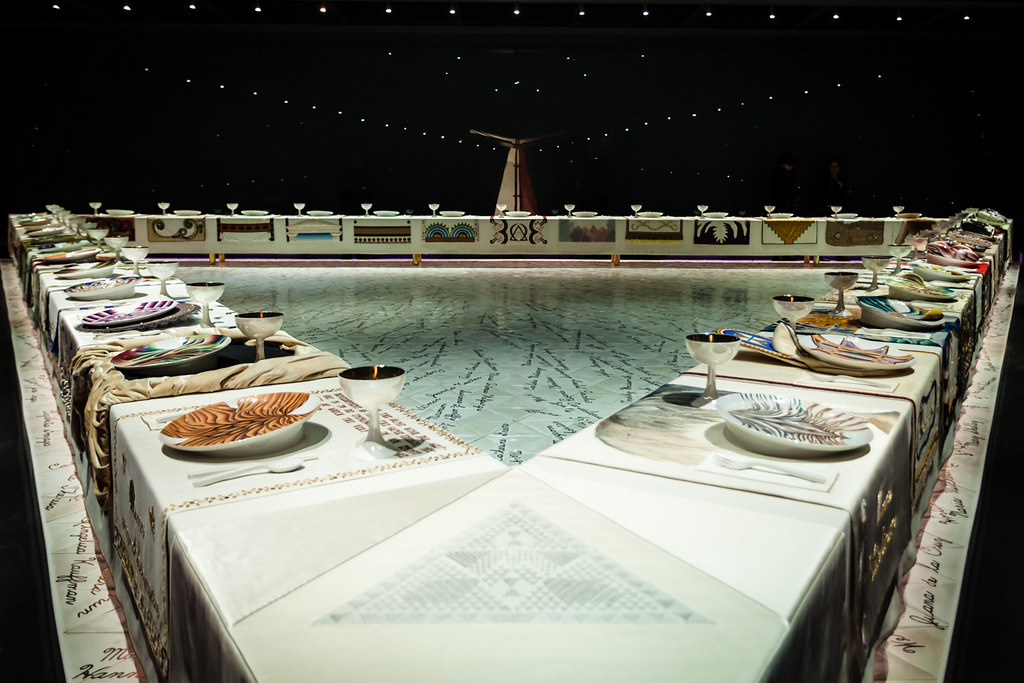
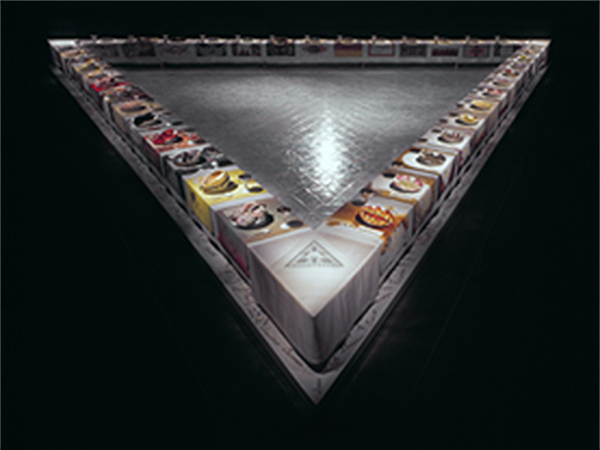


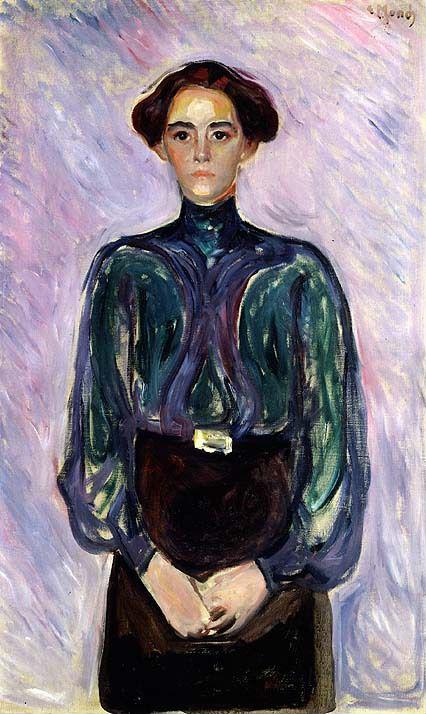




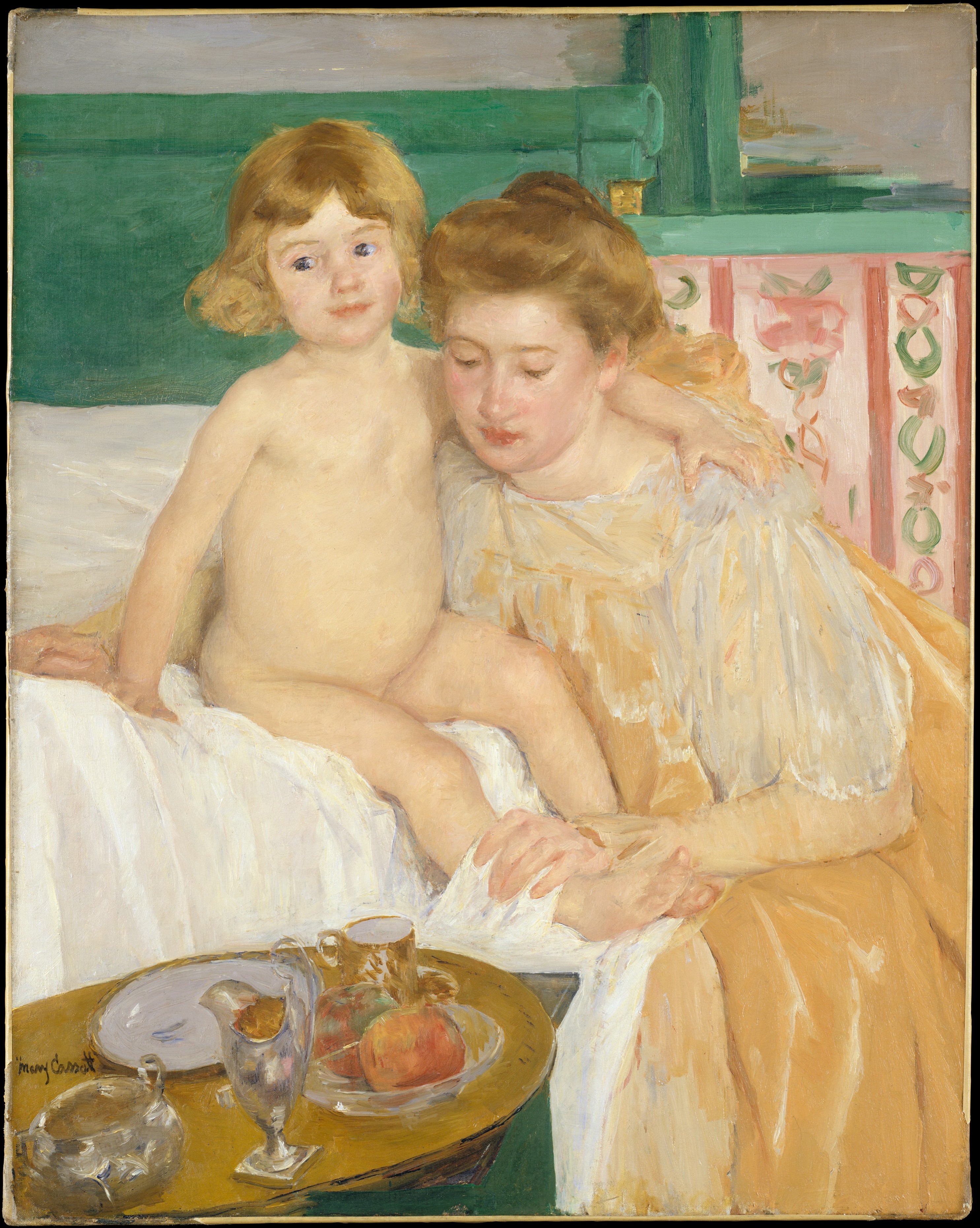





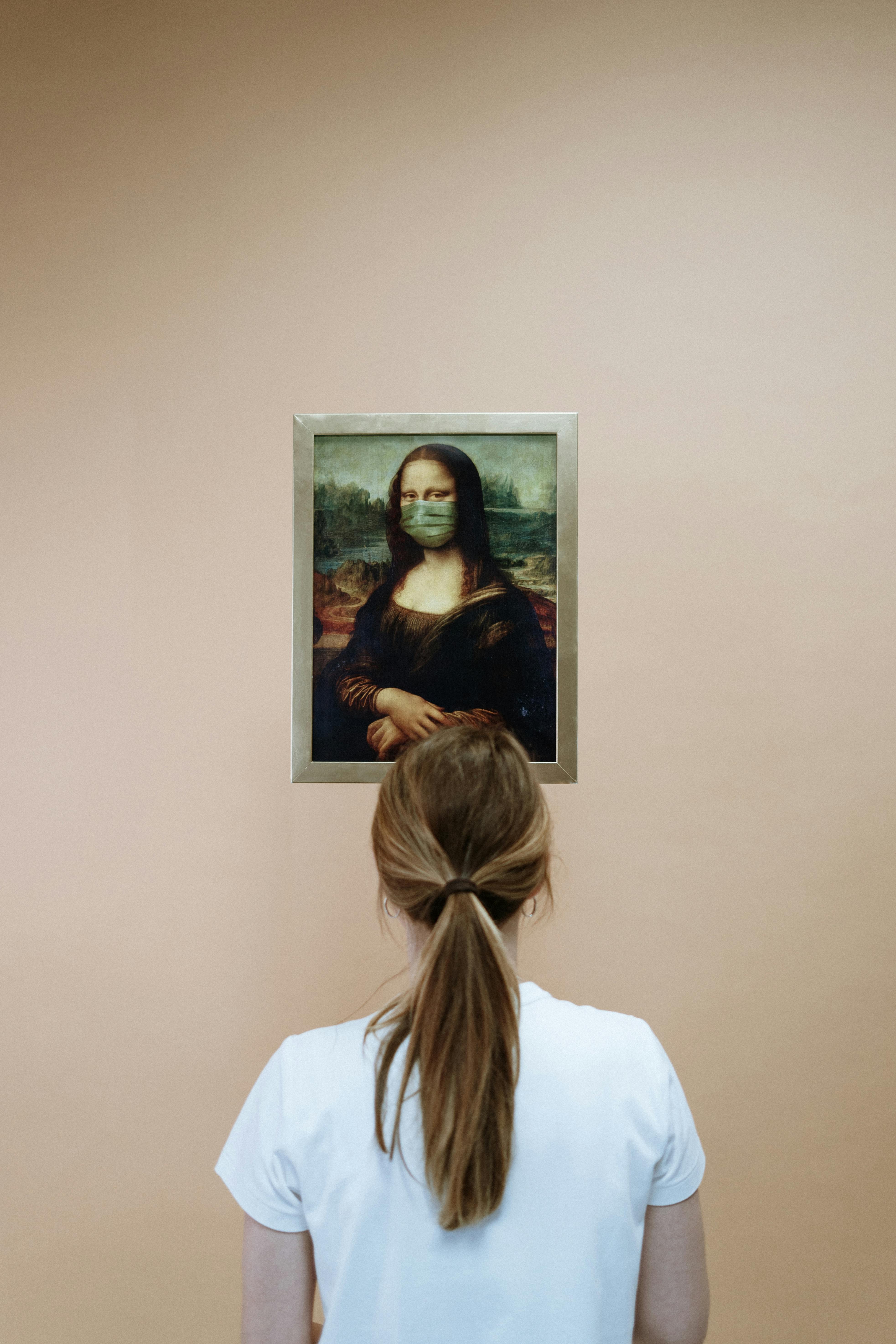








A Canvas of Inspiration: Our Final Thoughts
Reflecting on the lives and legacies of these incredible female artists, I'm struck by a profound sense of awe and gratitude. Their journeys, often fraught with struggle, are not just historical footnotes; they are powerful, living testaments to the indomitable spirit of creativity. They didn't just add color to our world; they added depth, perspective, and an absolutely essential narrative that had, for far too long, been silenced. Their art isn't just beautiful; it's a defiant act, a whispered truth, and, at times, a shouted revolution.
Their stories remind me, and I sincerely hope they remind you too, that true artistic vision transcends gender, time, and even the most formidable societal expectations. It's about raw passion, unwavering resilience, and an uncompromising commitment to one's unique voice. So, let's not just look back in admiration; let's actively keep their legacies alive, seek out new voices in every corner of the art world, and continue to champion the extraordinary women who paint, sculpt, photograph, and create the world anew. The journey of discovery is truly endless, and the beauty they offer is absolutely limitless.
Looking for your next piece of inspiration? Explore our collection of original contemporary art and discover your own connection to the world of art.
If you believe art should be raw, honest, and profoundly human, then the monumental paintings of Jenny Saville (b. 1970) will stop you in your tracks. A leading figure in contemporary British art, Saville is renowned for her large-scale, intensely visceral portraits of female nudes. She doesn't idealize; she confronts the body in all its complexity—its weight, its marks, its vulnerabilities, and its inherent power. Her work is often unsettling, challenging conventional notions of beauty and pushing the boundaries of figurative painting. I remember seeing her work for the first time and just being completely mesmerized by its sheer scale and audacious honesty.
What I find so compelling about Saville's approach is her fearless investigation of the female form, often distorted or fragmented, forcing viewers to engage with bodies that defy easy categorization. She explores themes of identity, gender, and the societal pressures placed upon women’s bodies with a painterly skill that is simply breathtaking. Her work reminds us that true beauty often lies in imperfection, and that art can be a powerful tool for self-acceptance and a critical examination of the world around us.
For those who appreciate art that challenges conventions, breaks taboos, and foregrounds the female body as a site of empowerment and political expression, then Carolee Schneemann (1939-2019) is an artist whose groundbreaking work is essential. An American artist, filmmaker, and writer, Schneemann was a pioneer of performance art, body art, and feminist art from the early 1960s. Her work often involved her own body, exploring themes of gender, sexuality, and the politics of perception with a fearless and radical spirit. She literally put her body on the line to make her statements.
What I find so compelling about Schneemann's practice is her refusal to be constrained by traditional artistic mediums or societal expectations. Her iconic work "Interior Scroll" (1975), where she unrolled a long scroll from her vagina while reading a text on female artistic subjectivity, remains a powerful and provocative statement about the female voice and body. She meticulously documented her processes, ensuring that her revolutionary acts were recorded and understood. Schneemann’s legacy is a testament to an artist who fearlessly dismantled patriarchal structures in art, paving the way for generations of feminist and performance artists.
If you're drawn to art that boldly explores the interior self and the physical experience of being in a body, then Maria Lassnig (1919-2014) is an artist who will profoundly resonate. An Austrian artist, Lassnig pioneered "body awareness" painting, a concept where she attempted to paint not what she saw, but what she felt inside her body. Her raw, often distorted, and intensely personal self-portraits are a visceral record of her physical sensations and emotional states, challenging traditional notions of representation and beauty. It’s like she’s painting directly from her nervous system, bypassing the visual entirely.
What I find so captivating about Lassnig's work is her unwavering commitment to an honest, unvarnished depiction of the self. She wasn't afraid to portray vulnerability, pain, or the grotesque, offering an unflinching look at the complexities of human existence. Her unique approach, which she developed independently, positioned her as a crucial precursor to feminist art and a profound voice in 20th-century painting. Lassnig’s legacy is a testament to the courage required to truly look inward and translate that intimate experience onto the canvas.
For those who believe art should be a powerful force for social change and a voice for the voiceless, then Nancy Spero (1926-2009) is an artist whose work demands attention. An American artist deeply committed to feminist and anti-war activism, Spero created radical, politically charged works that critiqued power structures, celebrated female archetypes, and exposed violence and oppression. She often worked with series of printed and hand-painted images, predominantly of female figures, which she pressed onto paper, creating scroll-like narratives that defied traditional painting conventions. It's truly inspiring to see an artist so fearlessly use her craft as a tool for protest and liberation.
What I find so powerful about Spero's art is her consistent focus on the female body as a site of both vulnerability and strength, and her use of repetition to amplify the voices of marginalized women throughout history. She explicitly rejected the male-dominated art world's emphasis on heroic male figures, instead populating her works with goddesses, victims, and powerful female activists. Her work is a fierce, visceral testament to resilience, a powerful act of reclaiming narratives, and a poignant call for justice that remains incredibly relevant today.
If you're captivated by art that tricks the eye and dances on the canvas, then Bridget Riley (b. 1931) is an artist who will profoundly intrigue you. A leading figure in the Op Art movement, this British painter is renowned for her mesmerizing abstract compositions of lines, squares, and curves that create an illusion of movement, vibration, and pulsating light. Her meticulously rendered works often induce a powerful optical sensation, challenging the viewer's perception and inviting an immersive visual experience. It's like watching a still image come alive right before your eyes, playing with the very mechanics of sight.
What I find so compelling about Riley’s art is its rigorous intellectual foundation combined with its undeniable sensory impact. She explores the dynamics of perception, how colors and shapes interact to create optical phenomena, and the subjective nature of visual experience. Her commitment to pure abstraction, free from narrative or emotional content, allows the viewer to engage directly with the formal elements of art. Riley's legacy is a brilliant testament to an artist who redefined the possibilities of abstract painting, proving that geometry and precision can evoke an almost dizzying sense of wonder and visual poetry. You can also dive into the broader evolution of abstraction with our the-evolution-of-abstract-art:-key-movements-and-their-collectible-value.
If you love art that blends sculpture, painting, and a keen sense of social observation with a dash of playful wit, then Marisol Escobar (1930-2016), known simply as Marisol, is an artist who will utterly charm you. A French-Venezuelan artist based in New York, Marisol became a prominent figure in the Pop Art movement of the 1960s, creating unique, often satirical, three-dimensional portraits and group tableaux. Her distinctive style combined carved wood blocks with painted elements, found objects, and plaster casts of her own body parts, resulting in figures that were both familiar and strangely surreal. She ran with Andy Warhol, but her work had a biting edge and a unique visual language all her own.
What I find so captivating about Marisol's work is her ability to dissect social rituals and identity with humor and incisive commentary. Her figures, often depicted in formal poses or social gatherings, offer a subtle critique of celebrity, consumerism, and the construction of public personas. She used her own image repeatedly, yet always as a character or mask, blurring the lines between self-portraiture and social caricature. Marisol's legacy is a vibrant testament to an artist who deftly blended folk art aesthetics with modernist sensibilities, creating a powerful and enduring body of work that continues to provoke thought and delight.
For those who appreciate art that is intensely personal, confessional, and unafraid to expose the raw edges of human experience, Tracey Emin (b. 1963) is an artist whose work resonates deeply. A prominent member of the Young British Artists (YBAs), Emin is celebrated for her autobiographical art across various mediums—from painting and drawing to sculpture, installation, and needlework. Her work often delves into themes of love, loss, sex, abortion, and childhood trauma, presented with an unflinching honesty that can be both uncomfortable and profoundly moving. It's like reading someone's most private diary, but transformed into art.
What I find so powerful about Emin’s practice is her courageous vulnerability. She uses her own life as her primary subject, transforming personal pain and memory into universal statements about the human condition. Her most famous work, "My Bed" (1998), is a powerful example, presenting her unmade, messy bed adorned with personal detritus, as a stark, honest portrait of a period of depression. Emin reminds us that art doesn't always have to be polished; sometimes, its greatest strength lies in its ability to be raw, authentic, and utterly, unapologetically human.
Meret Oppenheim: Surrealism's Playful Provocateur
If you appreciate art that delights in the unexpected and challenges the everyday, then Meret Oppenheim (1913-1985) is an artist who will utterly captivate you. A German-Swiss Surrealist, Oppenheim shot to fame with her iconic "Object (Déjeuner en fourrure)" – a teacup, saucer, and spoon covered in gazelle fur. This playful yet profoundly unsettling piece perfectly encapsulated the Surrealist movement's ability to transform ordinary objects into something extraordinary and thought-provoking.
Her work, for me, is a brilliant exploration of tactility, desire, and the subversion of domesticity. Oppenheim wasn't afraid to be provocative, using her art and photography to challenge gender norms and societal expectations with wit and subversive elegance. She reminds us that the most profound insights can often be found in the most unexpected and seemingly absurd juxtapositions. Explore more about the movement with our ultimate-guide-to-surrealism.