
The Blue Rider: Where Art Found Its Spiritual Voice
Dive into Der Blaue Reiter’s explosive fusion of color, abstraction, and mysticism that shattered art conventions. Your ultimate guide to the movement that still whispers to abstract souls today.

The Blue Rider: Where Art Found Its Spiritual Voice
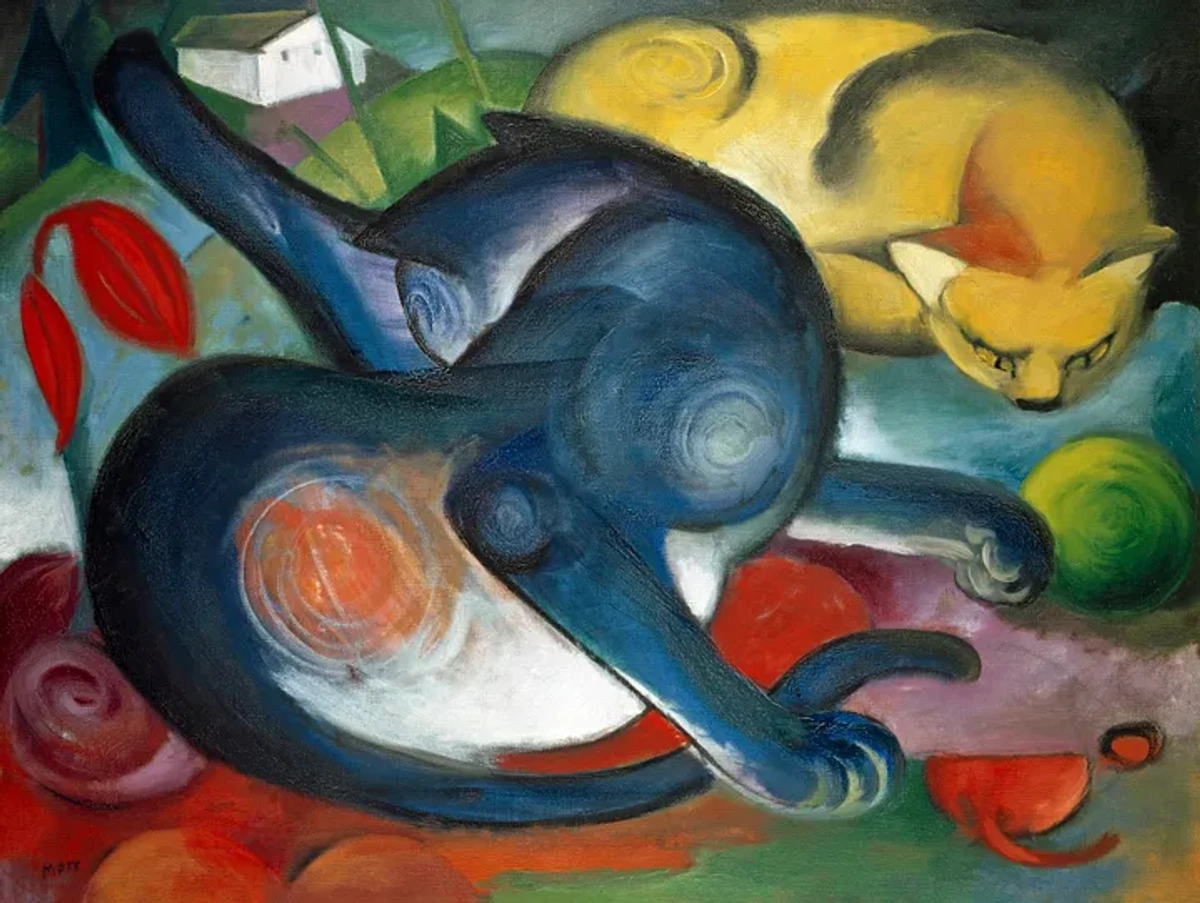
Ever stared at a painting and felt it scream with color more than words? I remember standing before a Franz Marc piece at a packed Munich gallery ten years ago. The indigo horses seemed to breathe. That electric tension between representation and feeling? That was Der Blaue Reiter—1911’s rebel collective that kicked art off its pedestal and into raw, spiritual orbits. Forget dry museum labels; this is about how a few artists declared war on "pretty" art. Let’s unravel their fiery manifesto together, shall we?
The Genesis: Art Out of Grit
Picture this: 1910 Munich. Modernism’s gears are grinding, thick with cubism’s angularity and fauvism’s violent hues. Wassily Kandinsky and Franz Marc—brilliantly restless—spot an opening. They’re not just annoyed by stale academic traditions; they’re suffocating in them. So they do the only logical thing: launch a movement in a tavern. The Blauer Reiter (Blue Rider) anthology drops months later—a chaotic mix of folk art, children’s sketches, and Kandinsky’s bombastic treatise on art as spiritual vessel. They wanted to prove that a horse doesn’t need legs to gallop.
Why the Blue Rider? Seriously. Marc adored blue as a masculine spiritual color. Kandinsky loved horseback riders as symbols of raw movement. Together, it’s the perfect marriage of mysticism and motion. Simple, right?
The Core Crew: Visionaries Who Didn’t Play by Rules
This wasn’t a club with dues—just kindred spirits rejecting "official" art circles. Meet the key players:
Artist  | Signature Contribution | Why Their Spirit Shatters Glass | Philosophical Depth | Key Works |
|---|---|---|---|---|
| Wassily Kandinsky | Pioneered "pure abstraction" with Composition VI and On the Spiritual in Art | Synesthesia pioneer who heard colors and saw sounds, creating visual symphonies. | Believed art should be "the language of the spirit," capable of expressing what words cannot | Composition VII, On the Spiritual in Art, Yellow-Red-Blue |
| Franz Marc | Vivid animal symbolism (Blue Horse I, Yellow Cow) | Transcended human hypocrisy by painting animals as pure spiritual vessels. | Saw animals as "innocent" beings untouched by human corruption, representing spiritual purity | Blue Horse I, Yellow Cow, Fighting Forms, Tiger |
| August Macke | Fauvist cityscapes (The Promenade, Tower of Blue Horses) | Master of color harmony who brought warmth to abstraction through everyday scenes. | Combined spiritual ideals with accessible, everyday subjects, making the divine relatable | The Promenade, Tower of Blue Horses, Women in a Garden, Cathedral |
| Gabriele Münter | Bavarian landscapes (Portrait of Jawlensky) | The movement's archival guardian who championed folk art and "primitive" creativity. | Championed "outsider" art forms, believing that true creativity came from authentic expression, not academic training | Portrait of Jawlensky, Landscape with Houses, Still Life with Fruit, Portrait of Kandinsky |
| Paul Klee | Whimsical geometric explorations (Twittering Machine) | Philosophical painter who found mathematics in nature and life in abstract forms. | Believed in "polyphonic" art that could express multiple meanings simultaneously, like music | Twittering Machine, Ancient Sound, Ad Parnassum, Angelus Novus |
| Alexej von Jawlensky | Expressionist portraits (Meditation) | Brought Russian spiritual intensity to German modernism through color studies. | Developed systematic color theories to express emotional and spiritual states | Meditation, Red Head, Savior, Portrait of Jawlensky |
| Lyonel Feininger | Cubist-inspired landscapes (Berg克里米亚) | American expatriate who bridged German and American modernist traditions. | Combined mathematical precision with spiritual longing, creating works that were both intellectual and emotional | Berg克里米亚, Gelmeroda I, The Cathedral, Street in Berlin |
| Marianne von Werefkin | Colorful landscapes (Mountain Landscape) | Russian aristocrat who brought mystical symbolism to the movement's visual language. | Used color as a direct conduit for spiritual experience, creating works that felt like visions | Mountain Landscape, Portrait of Jawlensky, The Storm, Still Life with Flowers |
| Heinrich Campendonk | Glass-like compositions (Parrot) | Combined folk art influences with avant-garde techniques in unique ways. | Inspired by medieval stained glass, he created works that seemed to glow with inner light | Parrot, Glass Painting, The Garden of Eden, Birds |
They weren’t just a group; they were a spiritual salon. Münter’s Bavarian cottage became their ark where ideas percolated over endless cups of coffee. These weren’t just artists—they were occult explorers, teachers, and anarchists in tweed.
The Art Explosion: Colors with Consequences
Der Blaue Reiter’s work rejects "reality" for higher truths. Expect:
- Unleashed Color: Forget muted palettes. Imagine cobalt skies bleeding into vermilion fields. Color wasn’t descriptive; it was psychic energy. Marc’s Yellow Cow isn’t yellow—it’s a spiritual shout.
[credit] Wikimedia Commons licence
- Animals as Philosophers: Lions cried, horses meditated, deer wept. Marc saw animals as purer vessels for emotion—untainted by human hypocrisy. His Blue Horse? That’s spiritual transcendence rendered in ultramarine.
- Abstraction That Feels: Kandinsky’s swirling chaos? That’s his synesthesia made visible. He heard colors and saw sounds. Composition VII isn’t a painting; it’s a holy symphony you can see.
Controversy & Legacy: Why This Still Matters
Naturally, critics called them mad. "Childish," "unhinged," "the end of art." Kandinsky? He embraced it. Art must challenge. But their exile from Germany’s National Gallery in 1933? That’s the real tragedy—the Nazis burned more than 150 of their works, declaring it "degenerate."
Yet their ideas? Unstoppable. They:
Movement | Blue Rider Influence | Key Artists Who Carried the Torch |
|---|---|---|
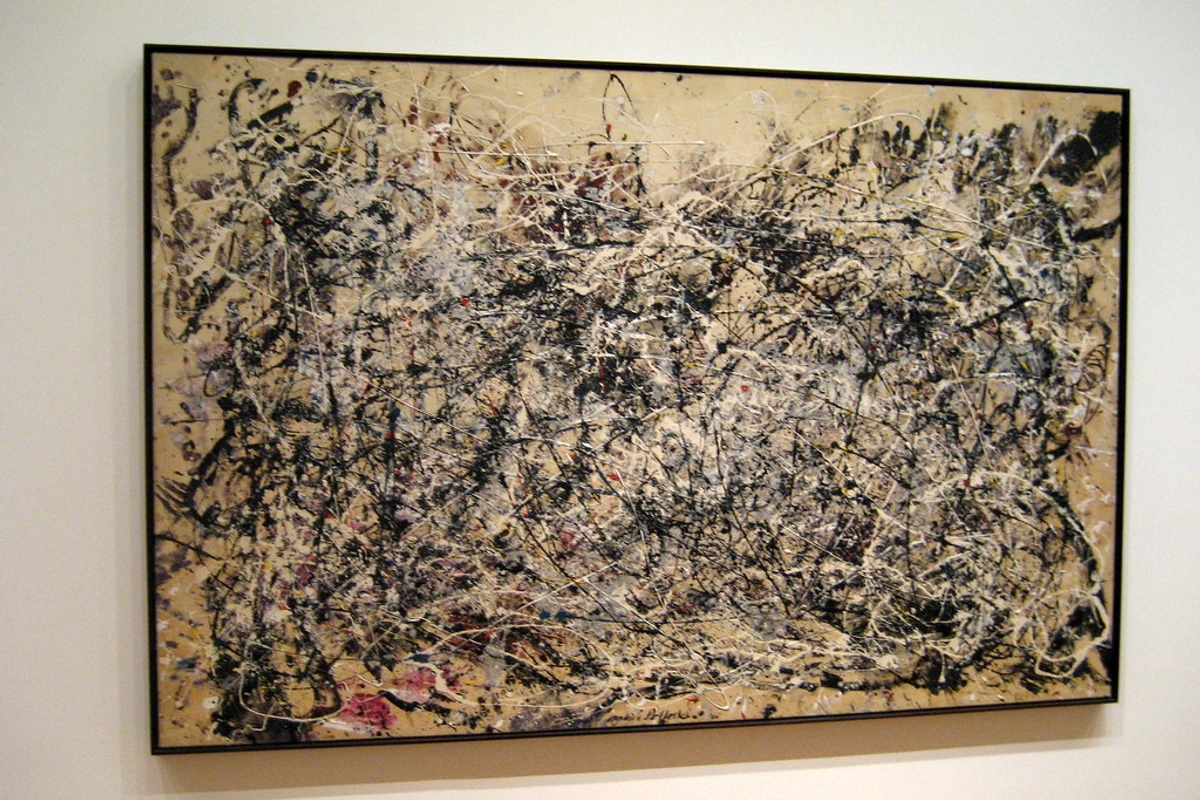
| Abstract Expressionism | The spiritual power of abstraction, emotional authenticity over technique | Jackson Pollock, Mark Rothko, Willem de Kooning |
| Color Field Painting | The emotional power of color as spiritual language | Barnett Newman, Clyfford Still, Jules Olitski |
| Op Art | The relationship between form and visual/spiritual experience | Bridget Riley, Victor Vasarely, Jesus Rafael Soto |
| Minimalism | The idea that art can be spiritual through simplicity and purity | Agnes Martin, Donald Judd, Dan Flavin |
| Environmental Art | The connection between art and natural/spiritual worlds | Andy Goldsworthy, James Turrell, Robert Irwin |
| Digital Art | The exploration of new visual languages for spiritual expression | Refik Anadol, teamLab, Rafael Lozano-Hemmer |
| Street Art | The democratization of art and its spiritual accessibility | Banksy, Kobra, JR |
Six Pillars of Their Enduring Legacy
- Gave abstract art its philosophical backbone. Before Kandinsky, abstraction was seen as decorative or intellectual. After him, it became spiritual revelation. Kandinsky's On the Spiritual in Art (1911) became the movement's manifesto, arguing that art should express the inner spiritual life rather than depict the outer material world. This single work transformed abstract art from experiment to spiritual practice.
- Proved folk and "primitive" art deserved gallery space. Münter championed this fiercely, collecting and exhibiting Russian folk art, children's drawings, and medieval artifacts alongside avant-garde works. This helped pave the way for what we now call outsider art and folk art movements. She proved that authenticity trumped technical perfection.
- Created art as spiritual balm in a crumbling world. Sound familiar? We still chase that magic between the brushstrokes. Their timing was uncanny—just as Europe was marching toward World War I, they were creating art that transcended national borders and spoke to universal human experiences. Their art became a spiritual refuge in a time of madness.
- Established the artist as both creator and philosopher. They weren't just technicians; they were thinkers who wrote extensively about their theories. This helped elevate the status of the artist from craftsman to cultural commentator and spiritual guide.
- Pioneered the idea of the artist's community as a creative laboratory. Their collaborative spirit influenced countless artist collectives that followed, from the Bauhaus to contemporary artist collectives. They showed that art doesn't have to be a solitary pursuit—it can be a shared journey.
- Bridged the gap between Western and Eastern art philosophies. Particularly through Kandinsky's Russian roots and interest in Theosophy, they created a truly international art movement that respected and incorporated diverse cultural traditions. This was revolutionary in an era of rising nationalism.
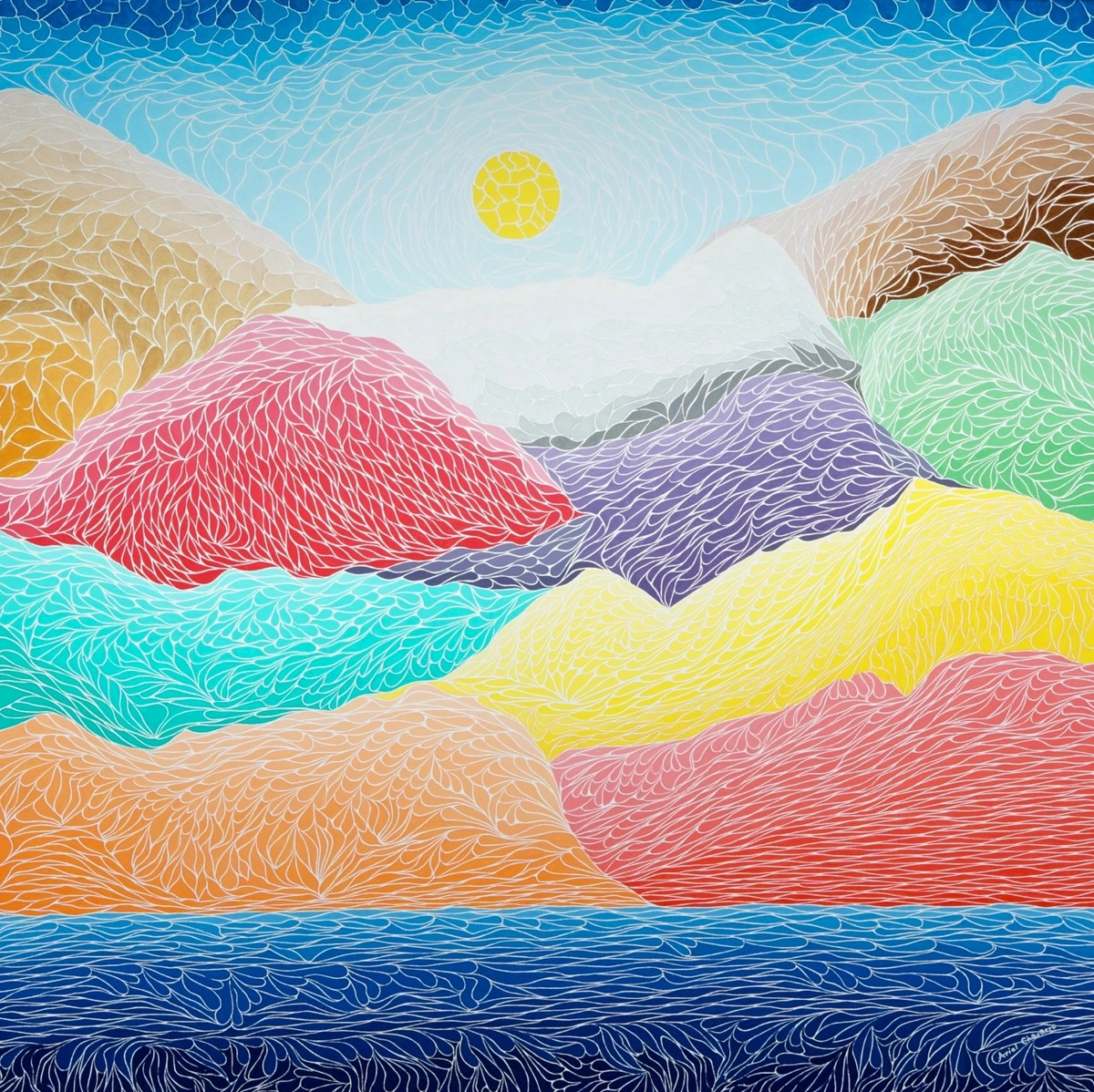
Today, you’ll find their soul echoing in Zen Dageraad Visser’s abstract explosions—vibrant, chaotic, unapologetically alive. It’s the same DNA: art that feels, not just decorates.

The Spiritual DNA of Modern Art
If you look at the DNA of modern and contemporary art, you'll find Blue Rider genes everywhere:
- Abstract Expressionism inherited their emphasis on emotional authenticity and spiritual depth
- Color Field painting developed their color theories and emotional power
- Minimalism took their idea of spiritual purity through simplicity
- Digital art continues their exploration of new visual languages for spiritual experience
- Street art embodies their belief in art as accessible spiritual communication
Every time an artist uses color to create emotional impact, or abstraction to express spiritual truth, they're walking in the footsteps of the Blue Rider. Their legacy isn't just in museums; it's in the very language of contemporary art.

Where to Experience the Revolution
Want to stand where their energy thrums? Track down these sacred spaces where the Blue Rider spirit still lives. These aren't just museums; they're spiritual time capsules where you can feel the creative energy that once filled their studios.
The Blue Rider Trail: A Visitor's Guide
Understanding the Blue Rider Market
For collectors interested in Blue Rider works (or artists inspired by them), here's what to know:
- Authentication is crucial—many forgeries exist, especially of Kandinsky and Marc
- Condition matters—works from their early period are often in fragile condition
- Provenance is key—works with documented history are more valuable
- Medium affects value—oil paintings on canvas are most valuable, followed by works on paper
- Market trends—interest in spiritual and abstract art has been rising steadily
The Blue Rider's Influence on Contemporary Collecting
The Blue Rider changed how we think about collecting art:
- Focus on emotional connection over market value
- Appreciation for process over just final result
- Value placed on cultural context over technical perfection
- Recognition of folk art as collectible alongside fine art
- Understanding of art as spiritual practice rather than just decoration
These principles can guide any collector in building a meaningful art collection.
The Blue Rider Trail: A Visitor's Guide
- The Lenbachhaus in Munich—home to the Blauer Reiter archive. It’s like walking into their salon.
- The Städel Museum in Frankfurt (Klee’s playground).
- The Sprengel Museum in Hannover (Macke’s vibrant city lives there).
Frequently Asked Questions (FAQ)
Q: Were Der Blaue Reiter and German Expressionists the same?
Absolutely not! Though both were German and loved bold emotion, Expressionists (like Kirchner or Nolde) focused on angst and social critique. The Blauer Reiter crew? They were cosmic optimists chasing spiritual highs, not societal darkness. Big difference.
Think of it this way: Expressionists were documenting the pain of modern life, while Blue Riders were seeking the cure. Expressionists wanted to shock society awake, while Blue Riders wanted to elevate society spiritually. Expressionists used dark, jarring colors and distorted forms to express alienation, while Blue Riders used vibrant, harmonious colors and organic forms to express connection.
Q: How long did the Blue Rider movement actually last?
Officially, the movement was quite short-lived. They had their first exhibition in December 1911, and the group effectively dissolved with the outbreak of World War I in 1914—many members were drafted and never returned. Marc was killed in action at Verdun in 1916, and Kandinsky returned to Russia. So while their ideas lived on, the group itself was active for barely three years.
But here's what's fascinating: their brevity made their impact more powerful. Because they worked with such intensity and clarity during those three years, they created a concentrated burst of creative energy that continues to resonate. It's like a supernova—short-lived but brilliant.
Q: What's the difference between Blue Rider and other abstract movements like De Stijl or Bauhaus?
While the Bauhaus would later systematize many of their ideas, the Blue Rider was more mystical and less systematic. De Stijl focused on geometric purity and primary colors, while the Blue Rider embraced more organic forms and spiritual symbolism. The Blue Rider was about emotional and spiritual expression, whereas movements like Bauhaus were more about functional design and industrial aesthetics.
Here's a comparison to help understand the key differences:
Aspect | Blue Rider | De Stijl | Bauhaus |
|---|---|---|---|
| Primary Focus | Spiritual/emotional expression | Geometric/compositional harmony | Functional design |
| Color Philosophy | Emotional and symbolic | Primary colors only (red, yellow, blue) | Functional and psychological |
| Form Language | Organic, flowing, nature-inspired | Geometric, rigid, mathematical | Industrial, modular, practical |
| Spiritual Element | Central to their mission | Minimal or absent | Present but secondary to function |
| Relationship to Craft | Elevated craft to spiritual practice | Craft as design principle | Craft as industrial production |
Q: Can I actually visit the places where they worked and lived?
Absolutely! Many of their former studios and gathering places are still accessible. Gabriele Münter's cottage in Murnau, where they held many legendary meetings, is now a museum. Kandinsky's former apartment in Munich has been preserved, and you can visit the sites of their early exhibitions in Berlin and Munich. It's like walking through their living history.
Planning Your Blue Rider Pilgrimage
For the truly devoted art lover, here's how to experience where the magic happened:

- Gabriele Münter House, Murnau—the actual cottage where creative sessions took place
- Kandinsky's Munich Apartment—where many key works were conceived
- Tannhäuser Pub, Munich—where the movement was reportedly founded
- Schwabing District—the bohemian area where they lived and socialized
- Lenbachhaus, Munich—where their first major exhibition was held
These aren't just tourist spots—they're spiritual sites where you can feel the creative energy that changed art history.
Q: Why did Franz Marc paint animals so much?
Marc saw animals as innocent vessels for purity and spirituality. He famously wrote: "I try to heighten my feeling for the organic rhythm of all things." Humans were messy; animals were sacred keys to the universe. Simple.
But there's more to it than that. Marc had a complex philosophical relationship with animals that went beyond simple symbolism. He believed that:
- Animals represented spiritual purity—untainted by human corruption and civilization
- Animals were connected to the divine—closer to nature and therefore closer to spiritual truth
- Animals expressed universal emotions—their feelings were more authentic and accessible than human emotions
- Animals were teachers—they could show humans how to live more authentically
His choice of animals was very deliberate:
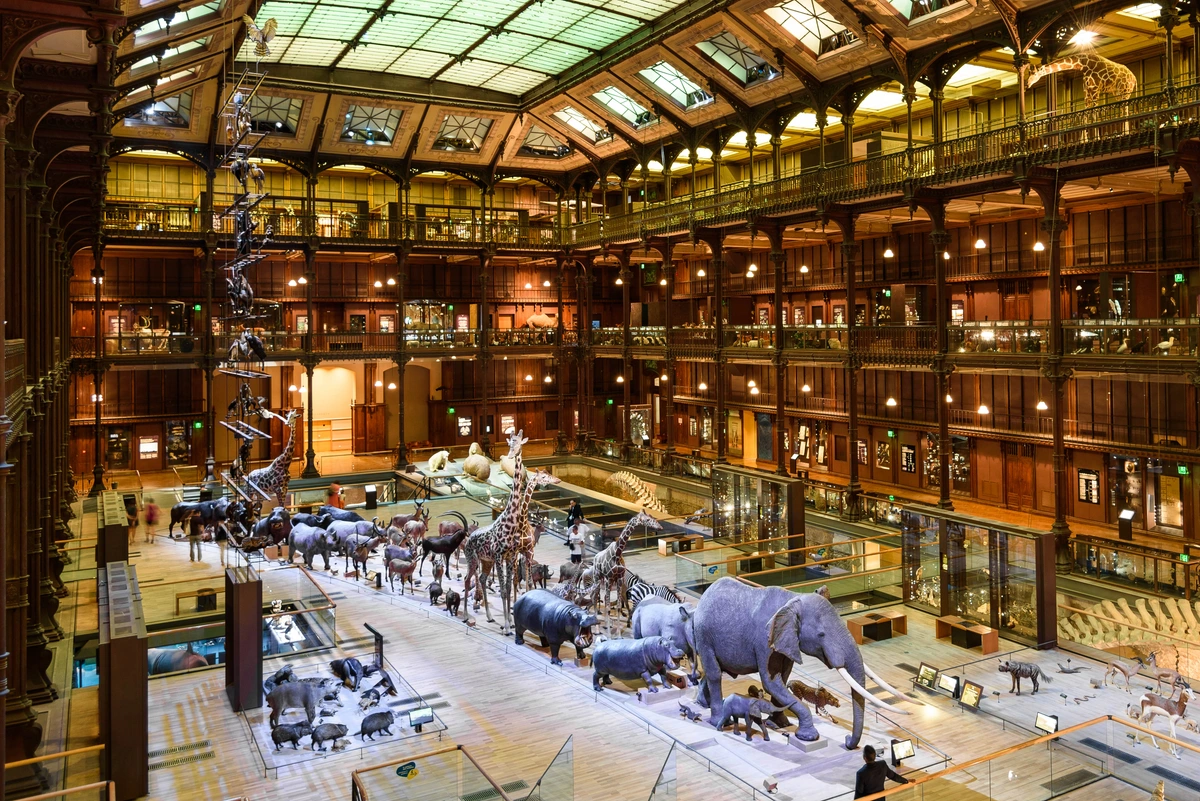
- Horses represented freedom, movement, and spiritual energy
- Cows symbolized earthly happiness and maternal warmth
- Deer embodied grace, gentleness, and spiritual sensitivity
- Cats represented mystery, independence, and magical power
- Wolves signified wildness, untamed spirit, and primal energy
Each animal was a spiritual archetype that could teach viewers something about their own inner life. By painting animals, Marc was creating a kind of visual bestiary of the soul—a guide to understanding different states of spiritual being.
Marc's Animal Symbolism in Depth
Let's look at some of his most iconic animal works and their spiritual meanings:
Work | Animal | Spiritual Meaning | Color Symbolism |
|---|---|---|---|
| Blue Horse I | Horse | Freedom, spiritual energy, journey toward enlightenment | Blue = spirituality, transcendence |
| Yellow Cow | Cow | Earthly happiness, maternal warmth, contentment | Yellow = joy, earthly happiness |
| Fighting Forms | Abstract animals | Conflict between spiritual forces, struggle for enlightenment | Dynamic colors = spiritual battle |
| Tiger | Tiger | Power, wild spirit, primal energy | Orange/red = passion, power |
| Deer in the Forest | Deer | Grace, gentleness, spiritual sensitivity | Green = nature, growth |

Marc's animal paintings weren't just decorative—they were spiritual exercises designed to help viewers connect with their own inner wisdom. By looking at these animals, people could access parts of themselves they had forgotten.
Q: How can I incorporate Blue Rider principles into my own art?
Start by killing the safety net. Ditch references. Ask yourself: "What color does this sound like?" Or "How would a deer feel about Tuesday?" They believed in emotional authenticity over technical perfection. Sketch like a child. Paint like a mystic. Break everything.
Here's a practical guide to incorporating Blue Rider principles into your own creative practice:
Practical Blue Rider Exercises for Artists
Here are specific exercises inspired by Blue Rider techniques that you can try in your own practice:
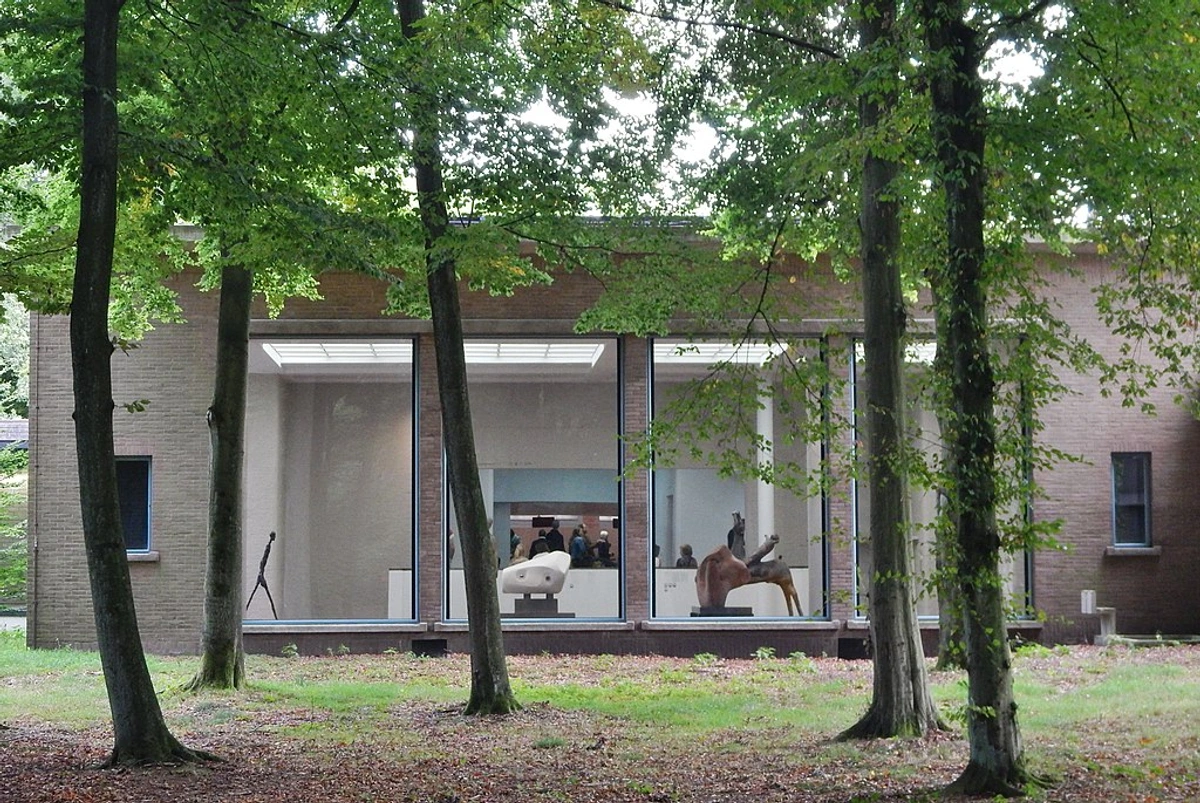
1. The Color Symphony Exercise
- Listen to a piece of music that evokes strong emotions
- Paint colors that represent what you hear
- Don't worry about making it "look like" anything—focus on the emotional resonance
- This exercise helps you develop Kandinsky-like synesthesia
2. The Animal Meditation
- Choose an animal that resonates with you
- Meditate on its qualities (freedom, grace, power, etc.)
- Paint abstract forms that embody those qualities
- Don't paint the animal itself—paint its spiritual essence
3. The Spiritual Geometry Exercise
- Choose a spiritual concept (love, peace, transcendence)
- Find geometric forms that represent that concept
- Combine colors and shapes to create a visual meditation on that concept
- This helps you develop Klee-like philosophical abstraction
4. The Folk Art Integration
- Study folk art from different cultures
- Incorporate elements that speak to you into your contemporary work
- This helps you develop Münter's cross-cultural approach
5. The Emotional Authenticity Challenge
- Set a timer for 10 minutes
- Paint whatever comes to you without planning or judgment
- Don't worry about technique or appearance—focus on emotional honesty
- This helps you break free from perfectionism
Setting Up Your Blue Rider Studio
To create a Blue Rider-inspired creative space, consider these elements:
- Color-rich environment—surround yourself with colors that inspire you
- Natural materials—wood, stone, natural fabrics to connect with nature
- Music and sound—have access to music that moves you emotionally
- Reference materials—folk art, children's art, "primitive" art for inspiration
- Comfortable, welcoming space—art should feel like a joy, not a chore
- Minimal distractions—create an environment where you can focus inward
The Blue Rider believed that the creative environment itself was part of the artistic process. Their studios were temples of creativity, not just workspaces.

Q: Is there a modern equivalent to Der Blaue Reiter?
Look at contemporary abstract artists embracing spiritual resonance—explore contemporary abstract masters. Or even street murals that transcend literalism. The impulse to find the divine in the accidental? That’s Blauer Reiter’s legacy. It never dies.
Final Brushstroke: A Call to Colorful Rebellion
Der Blaue Reiter wasn’t just an art movement. It was a rebellion against the idea that art should whisper politely. They screamed with color, roared with form, and galloped off toward truths no museum could cage. Their message remains: art isn’t decoration—it’s alchemy. It turns chaos into meaning, noise into prayer.
The Blue Rider's Influence on Contemporary Art Markets
The Blue Rider continues to influence how we think about art markets and collecting:
1. Value Beyond Market Price They taught us that the true value of art isn't in its market price, but in its spiritual and emotional impact. This perspective helps collectors focus on what really matters—the work's ability to transform and inspire.
2. Authenticity Over Investment The Blue Rider valued authenticity above all else. This reminds us that collecting art should be about personal connection, not just financial investment.
3. Cultural Context Matters They showed that art doesn't exist in a vacuum—it's shaped by its cultural and historical context. This helps collectors understand and appreciate the deeper meanings behind the works they acquire.
4. Folk Art Has Value By elevating folk and "primitive" art, they helped create a market for what we now call outsider art. This expanded the definition of what constitutes valuable art.
5. Art as Legacy The Blue Rider saw their work as part of a larger cultural legacy. This perspective encourages collectors to think about how their collections can contribute to the ongoing story of art.
These principles can help any collector build a more meaningful and spiritually rich art collection.
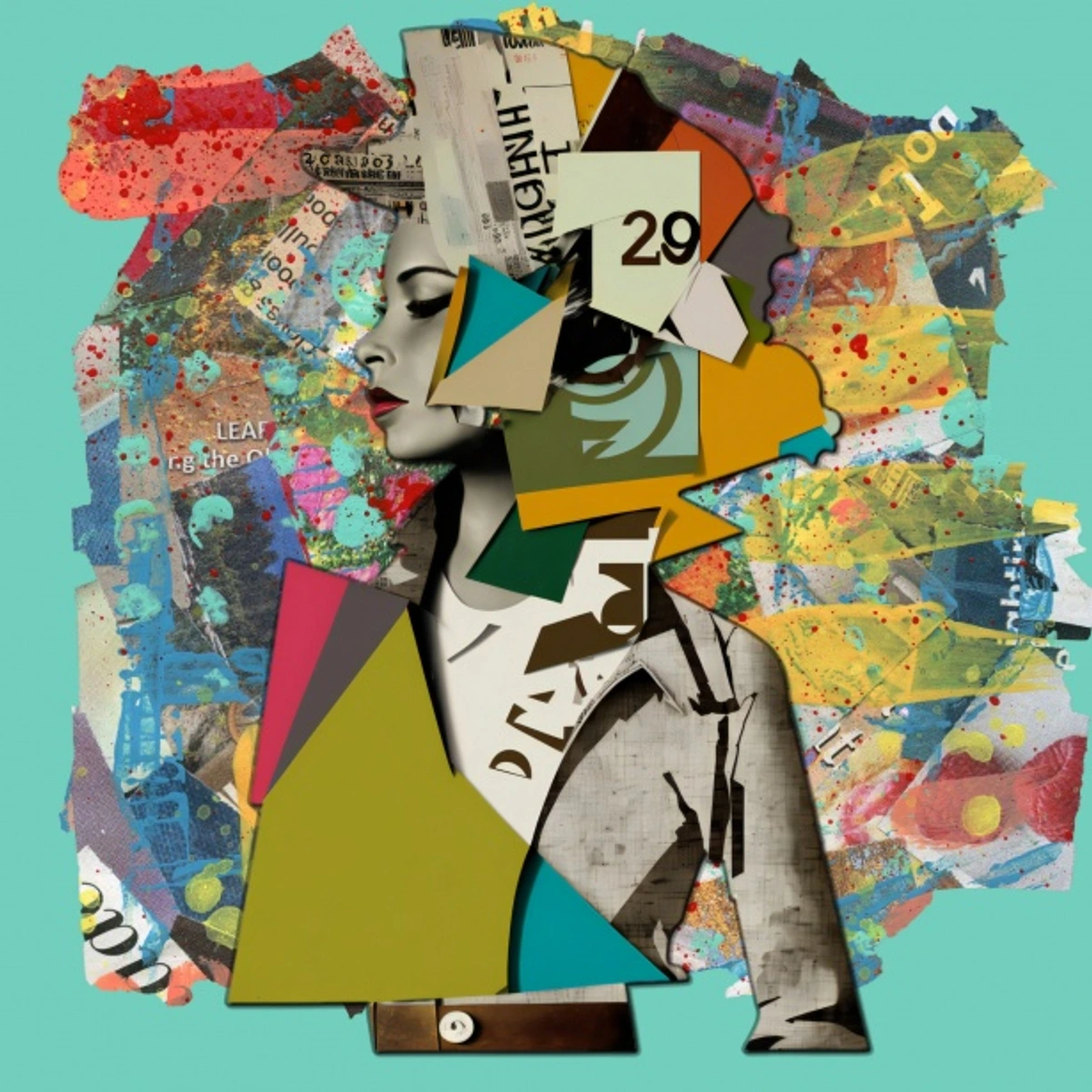










So next time you stand before an abstract piece, don’t ask "What is it?" Ask "What does it feel like?" That’s the door Marc and Kandinsky left open. And frankly? It’s still the most thrilling room in the house.