
How to Analyze Art: Your Ultimate Guide to Unpacking Merit, Meaning, and Boosting Visual Literacy
Ever felt lost in a gallery? This ultimate guide moves beyond "I like it" to teach you how to deeply analyze paintings using Concept, Composition, Technique, Originality, and Intent, boosting your visual literacy.

How to Analyze a Painting: Your Ultimate Guide to Unpacking Artistic Merit and Meaning, and Boosting Your Visual Literacy
I still remember the first time I felt truly lost in a gallery. It wasn't the vastness of the space or the sheer number of canvases that overwhelmed me, but a specific, vibrant abstract piece—a riot of fuchsia and electric blue with textures that seemed to vibrate off the wall. My immediate thought was, "Wow, the colors are amazing!" but then the familiar whisper crept in: "Okay, but is it good art? Is it important? Or am I just saying I like the blue?" It felt like a secret club I wasn't privy to, a hidden language I hadn't learned. Perhaps you've felt it too? That little flicker of wanting to understand more, to connect deeper than just a fleeting glance.
And let's be honest, the art world can be a bit intimidating with its insider jargon and knowing nods. I've been there, fumbling with my gallery guide, feeling like I needed a decoder ring. My own artistic discipline, I'll confess, is often a chaotic whirlwind of half-finished projects and misplaced brushes. So, I get it.
Fortunately, the truth I've found is there's no single secret manual. Art isn't a math problem with one correct answer. But here's a little secret I've discovered: the 'secret language' isn't as impenetrable as it seems. There is a profound way to engage with a painting, to move beyond a simple, fleeting reaction. It's about giving yourself the tools to understand why a piece captivates you—or why it leaves you cold. It’s about turning that quiet internal monologue into a rich, ongoing dialogue with the artwork and, by extension, with the artist themselves.
And, on a deeper level, it's about understanding the cultural tapestry, the historical conversations, and even the human condition that art reflects and shapes. This journey into art analysis is about building your visual literacy, a skill that lets you "read" and understand the visual world around you, far beyond just art. Think of it as learning to decipher the subtle cues in advertisements, the emotional impact of a film scene, or the deliberate layout of a city park. It's about seeing with deeper insight, everywhere you look.
Analyzing artistic merit isn't about becoming a gatekeeping critic. It's about enriching your own experience, honing your intuition, and building a vocabulary to articulate what you see and feel. For aspiring collectors, or simply those curious about the depth behind a captivating image (perhaps even some of the contemporary, colorful, and often abstract art found right here), this journey into understanding art is invaluable. It transforms passive viewing into active engagement, making every gallery visit a personal adventure. So, let’s unpack that together, and finally find that secret language that makes art truly sing. To help us on this adventure, we'll break down art analysis into five key components: Concept, Composition, Technique, Originality, and Intent.
Table of Contents
- Unpacking Art: Your Framework for Deep Appreciation
- 1.1. Concept: The Heart, Mind, and Message
- 1.2. Composition: The Art of Visual Storytelling
- 1.3. Technique: The Artist's Hand, Craft, and Choices
- 1.4. Originality & Innovation: Breaking New Ground
- 1.5. The Artist's Intent: Peeking into Their Mind
- Art Movements: A Quick Map Through Time
- Common Pitfalls in Art Analysis: What to Watch Out For
- Putting Your Skills into Practice: Engaging with Art in the Real World
- Applying Your New Lens: A Guide for the Aspiring Collector
- Frequently Asked Questions (FAQ): Demystifying Art Analysis
- Your Journey into Deeper Appreciation
Unpacking Art: Your Framework for Deep Appreciation
First, let's get something out of the way: your personal taste is incredibly valid. If a painting speaks to you, it speaks to you, and that's a beautiful thing. But if you're eager to peel back the layers, to understand the craft, thought, and innovation that coalesced into a piece—whether you’re a seasoned art lover or just starting your journey—we need a framework. Think of it as learning the grammar and philosophy of a new, endlessly fascinating language, or perhaps like learning to differentiate between a simple melody and a complex symphony. Both are music, but one offers depths the other can't.
I tend to break down the analysis into a few core dimensions that act as different lenses, helping you to truly see, not just look. I've found that focusing on Concept, Composition, Technique, Originality, and Intent provides a robust roadmap. Each dimension builds on the last, guiding your eye and mind through the layers of an artwork.
1.1. Concept: The Heart, Mind, and Message
The Concept is the idea, the emotion, the story, or the question at the heart of the painting. It’s the why of the artwork, the silent conversation it initiates with you. A technically flawless and beautifully composed painting can still feel empty if it has nothing meaningful to say, becoming mere decoration rather than profound art. Sometimes, the concept is straightforward; other times, it's an intricate puzzle the artist invites you to solve. Understanding the concept is crucial, because how the artist chooses to visually express that concept—through composition, technique, and originality—is our next step.
- Context & Ethics: The World Behind the Canvas When was the piece made, and where? A painting is a product of its time and place, often a direct conversation with its era. Understanding the context—was it a time of war, revolution, scientific discovery, or profound social change?—can completely alter your interpretation. Cubism, for example, emerged in a rapidly changing, fragmented modern world, challenging the very nature of perception in an era grappling with Einstein's theories of relativity and the rise of photography. Similarly, Abstract Expressionism emerged from the post-WWII anxieties and the desire for raw, individual expression, often by European artists who fled to the US, in a world grappling with quantum physics and psychoanalysis. This context is especially crucial for abstract and contemporary art, where the visual language might be less immediately decipherable. How does a piece made today reflect the anxieties of climate change, or the complexities of social media, even if it doesn't depict a literal scene? Art history, you see, isn't just about dates and names; it's about understanding the big human story unfolding behind the canvas.To research historical context, I often start with museum websites (which provide excellent educational resources), dive into reputable art history books, search for academic papers, or for contemporary works, look for exhibition histories and curatorial statements. Considering the ethical dimensions of cultural representation, appropriation, or challenging historical narratives in contemporary art is also a vital part of this contextual analysis. It forces us to ask: Whose story is being told, and by whom? Does the artwork engage with marginalized voices, or does it perpetuate harmful stereotypes? How does it represent historical events, and from what perspective?
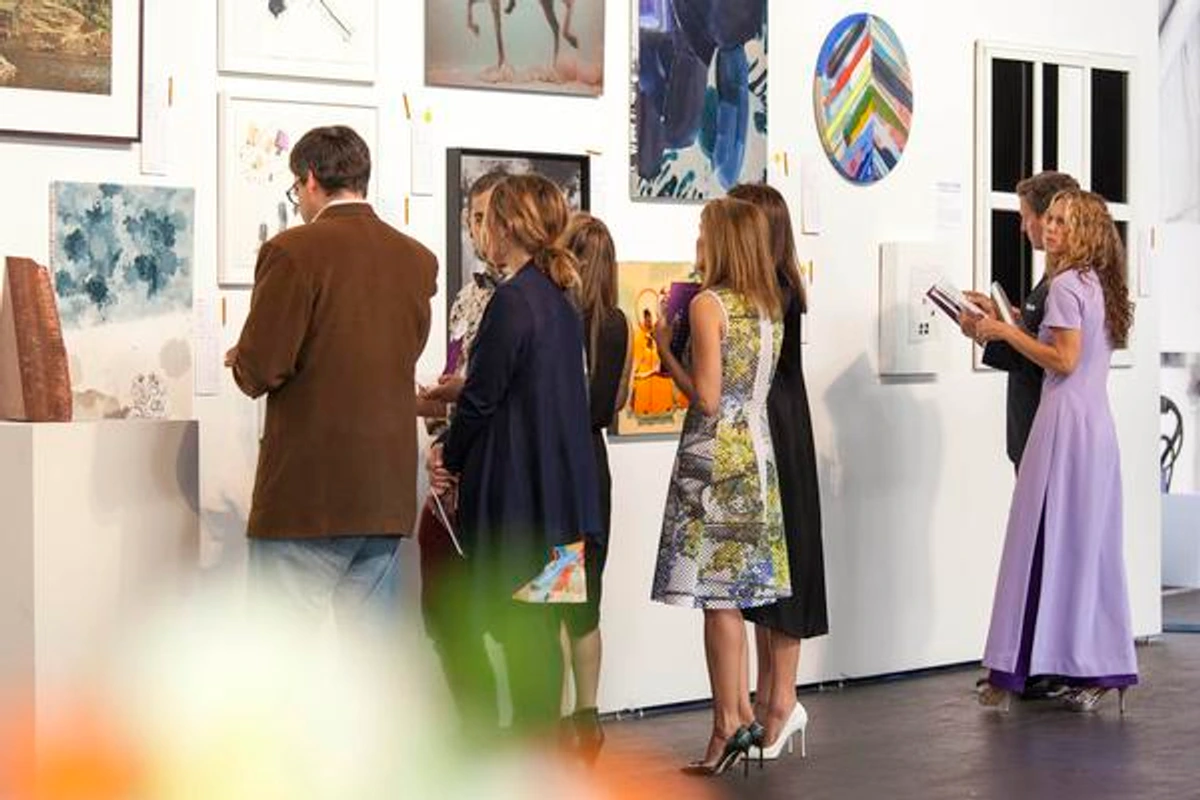
- Emotional Resonance: The Gut Feeling How does the painting make you feel? And why does it evoke that feeling? Picasso's The Old Guitarist isn't just a picture of a man with a guitar. The overwhelming blue palette, the gaunt figure, the hunched posture—it’s a gut punch of poverty, loneliness, and soulful melancholy. The feeling is the subject, delivered with raw honesty. Other pieces might evoke subtle contemplation, serene joy, or unsettling unease. In abstract works, the communication often happens through visual vibration—the dynamic interaction of colors and forms—and color psychology. Think of Wassily Kandinsky's aim to create "visual music," where specific color and shape combinations directly evoke spiritual or emotional states without depicting anything recognizable. Similarly, Mark Rothko's large color field paintings use immersive hues to draw viewers into contemplative, almost spiritual experiences. What personal chord does it strike within you? Does it resonate with a hidden corner of your own experience, even unconsciously? Explore the psychology of color in abstract art for a deeper dive.
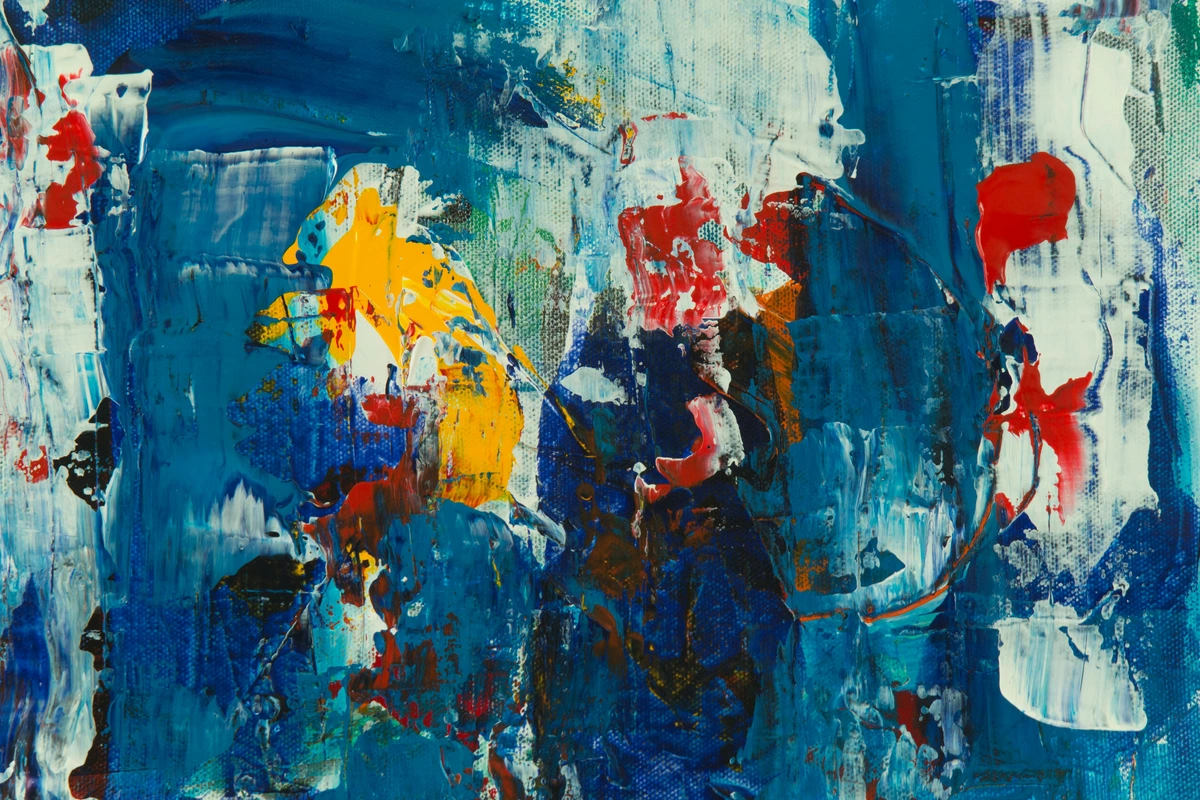
- Meaning, Symbolism & Social Commentary: Beyond the Surface Is there a deeper meaning beyond the surface? Is the artist referencing history, mythology, or a philosophical idea? Surrealist works, for instance, are often packed with symbols meant to unlock the subconscious, inviting you to decipher a dream-like narrative. Think of Magritte's playful paradoxes, which challenge our very perception of reality. My mind, I confess, often jumps to the idea of a visual metaphor here: something that stands in for something else, creating a layered meaning. In abstract art, these metaphors might be less literal, perhaps a jagged line symbolizing conflict, or a smooth, flowing form representing harmony.To dig deeper into symbolism, ask yourself: Are there recurring motifs or objects that appear in different contexts? Do certain colors consistently represent specific ideas or emotions within the artist's body of work, or culturally? Many artists also use their work for social or political commentary, challenging norms, highlighting injustices, or provoking thought about contemporary issues. The enigmatic Banksy, with his street art, frequently uses powerful imagery for sharp social critiques, much like Delacroix's Liberty Leading the People did centuries ago, rallying a nation. Artists like Jenny Holzer use text-based art to confront societal power structures, and Kara Walker’s silhouetted installations provoke discussions on race, gender, and historical narratives. Similarly, contemporary abstract artists might employ aggressive color combinations to critique consumerism, or unsettling juxtapositions of form to explore themes of alienation in the digital age. Sometimes, art can be a moral compass or a call to action, forcing us to confront uncomfortable truths.
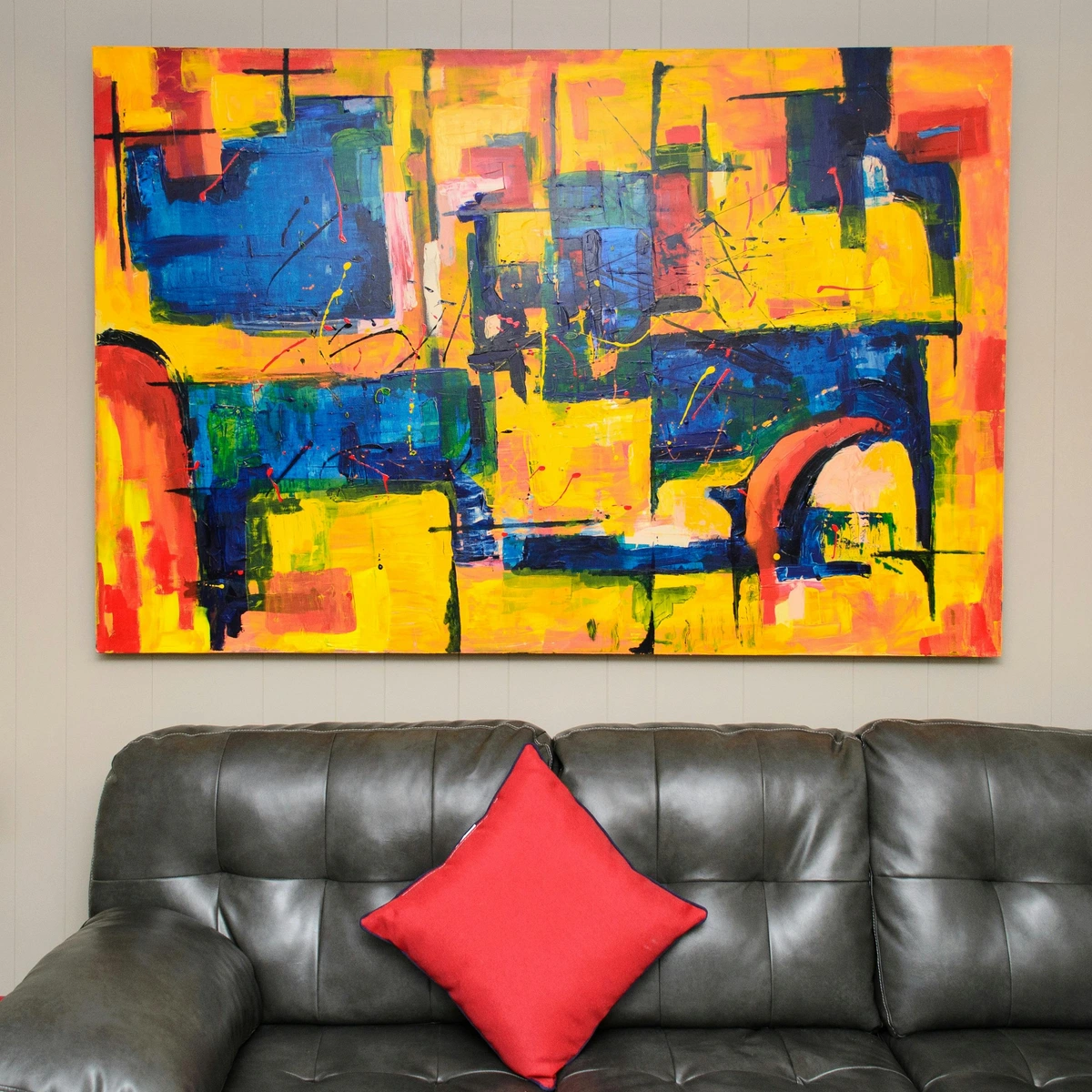
- The Viewer's Role: An Active Participant in Meaning Especially with abstract and contemporary art, the artist often invites you into the creative process. Without a recognizable subject, abstract art relies more heavily on your personal associations, memories, and emotional responses to complete its meaning. It’s not about finding the 'correct' interpretation the artist hid, but about a dynamic interaction where your unique lens brings the piece to life. The artwork provides the stimulus, and your mind provides the narrative, making each viewing a profoundly personal and valid experience. This active participation turns passive looking into a genuine dialogue, making you a co-creator of meaning, if you will.
1.2. Composition: The Art of Visual Storytelling
With the heart of the painting—its concept—in mind, let's turn to how its visual elements are arranged to convey that message. Composition is the art of visual arrangement within the frame, dictating how the elements guide your eye and create specific effects. It's how the artist arranges everything within the frame to guide your perception and create a specific effect. A strong composition feels intentional and balanced, even if it's wildly asymmetrical. It's the silent director of your gaze, a careful choreography for your eyes.
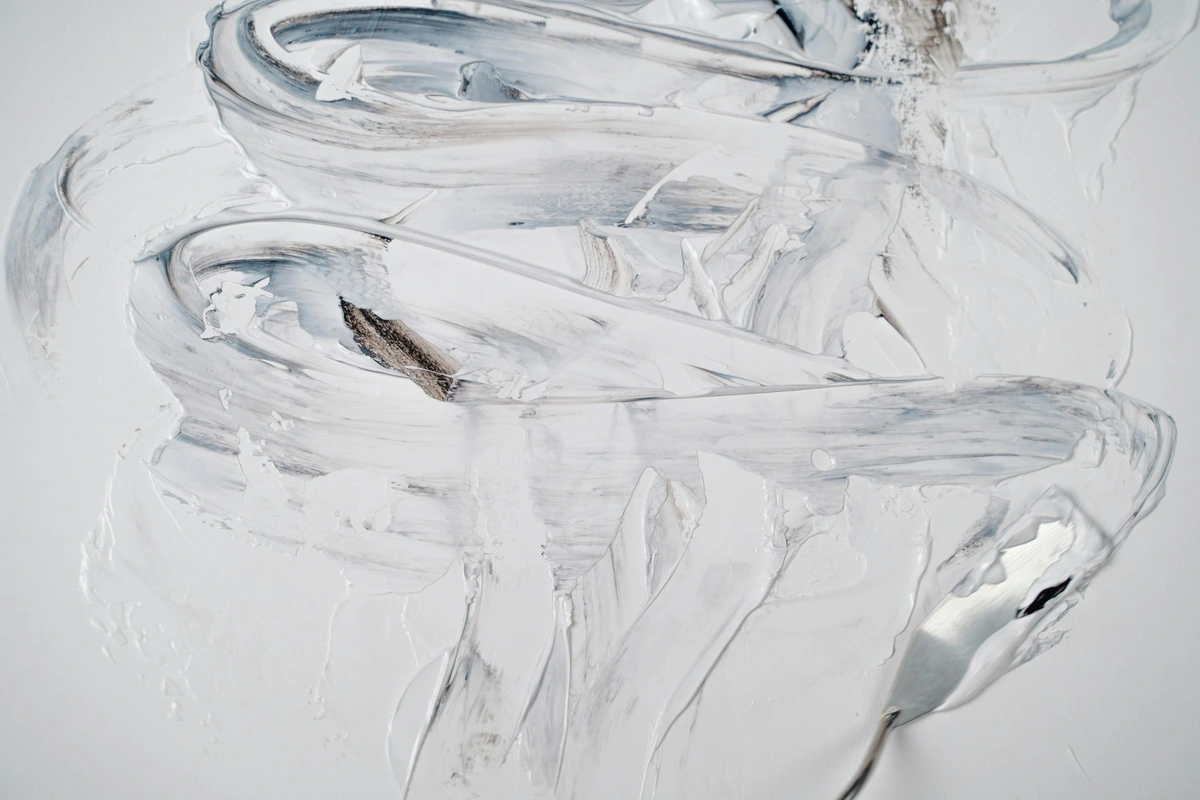
- Balance & Visual Weight: The Seesaws of the Canvas How are the visual elements distributed and weighted? In Piet Mondrian’s work, a small block of intensely saturated red can perfectly balance a much larger area of white or grey because of its strong visual impact. It’s a delicate dance of color, shape, and line, ensuring no part of the canvas feels neglected or overpowering. Think of it like balancing a seesaw with different sized children; the heavier child needs to be closer to the fulcrum. For a deeper dive, check out our piece on understanding balance in art composition. Artists often subtly employ principles like the Golden Ratio or the Rule of Thirds to create aesthetically pleasing compositions, though deliberately breaking these 'rules' can be just as powerful.

Consider Paul Cézanne's revolutionary still life paintings. His compositional choices often intentionally skewed perspective and fragmented forms, challenging the traditional single-point perspective that had dominated Western art for centuries. This wasn't a mistake; it was a deliberate act to create dynamic tension and force the viewer to actively engage with the arrangement, rather than passively observing a 'perfect' illusion. This radical approach to composition profoundly influenced generations of artists and paved the way for movements like Cubism. Other compositional techniques include using diagonal lines to create tension and movement, horizontal lines for stability and calm, or circular compositions that draw the eye inward and suggest unity or endlessness.
- Movement, Rhythm & Line: The Choreography of Your Gaze How does your eye travel across the canvas? Artists use actual lines (like the sharp edges of a building) and implied lines (like a gaze between figures or a sequence of repeated shapes) to create a path, a visual rhythm. In a dynamic abstract piece, your eye might jump from one shape to another, creating a sense of energy and excitement through implied lines formed by the juxtaposition of colors or the direction of brushstrokes, much like a fast musical tempo. In a calm landscape, your eye might be led gently from the foreground to the distant horizon, flowing like a serene river. Understanding elements of art: line can open up new ways of seeing. It's like the choreography of your vision, dictating the dance your eyes perform across the canvas, guiding you through the artist's narrative. For more on how artists tell stories, explore visual storytelling techniques in narrative art.
- Focal Point & Negative Space: Spotlight and Stage Where does your eye land first? The artist uses contrast, detail, placement, or color intensity to create a focal point. Sometimes, however, the absence of a clear focal point is the point itself, as in an "all-over" composition like many Abstract Expressionist drip paintings by Jackson Pollock, where every part of the canvas demands equal attention. Consider also the negative space—the empty areas around and between the forms. How does this 'empty' space define and interact with the main subject, often contributing to tension, openness, or a sense of stillness? In abstract art, negative space is actively used to create visual breathing room, define complex forms, or emphasize the dynamism of the 'filled' areas. For instance, a small, vibrant abstract shape might feel more potent and dynamic when surrounded by a large expanse of neutral, calm negative space, creating a sense of anticipation or solitude. Think of the focal point as the star performer under a spotlight, while the negative space is the equally important, yet quiet, backstage area that defines the boundaries and atmosphere of the performance. It's fascinating how much power the 'nothing' in a painting can hold, isn't it? It's not truly empty; it's an active participant in the visual drama.

- Scale and Space: The Grandness of Presence Don't underestimate the power of size. How large or small is the artwork, and how does that influence your experience? A miniature painting draws you in intimately, demanding close inspection and often creating a sense of preciousness. Conversely, a monumental installation or a vast landscape painting can overwhelm you, making you feel small and contemplative, or even imposing its presence aggressively. The scale also interacts with the physical space it occupies, whether it's a gallery wall, a public square, or a private room. An artwork's size is a deliberate compositional choice, fundamentally altering its perceived meaning and the viewer's emotional and physical engagement. For more insights into these principles, our definitive guide to composition in art can act as your personal composition coach.
1.3. Technique: The Artist's Hand, Craft, and Choices
With the visual architecture in place, let's explore the artist's hand itself—the physical creation of the work. Technique is all about the how—the physical creation of the work, the artist's skill, and their mastery of materials. It’s their handwriting, their unique touch, sometimes even their fingerprint on the canvas. When I look at a piece, I'm often struck by the sheer effort and deliberation behind each mark. It’s the visible evidence of their dialogue with the chosen medium, and understanding it offers a window into their process and dedication.
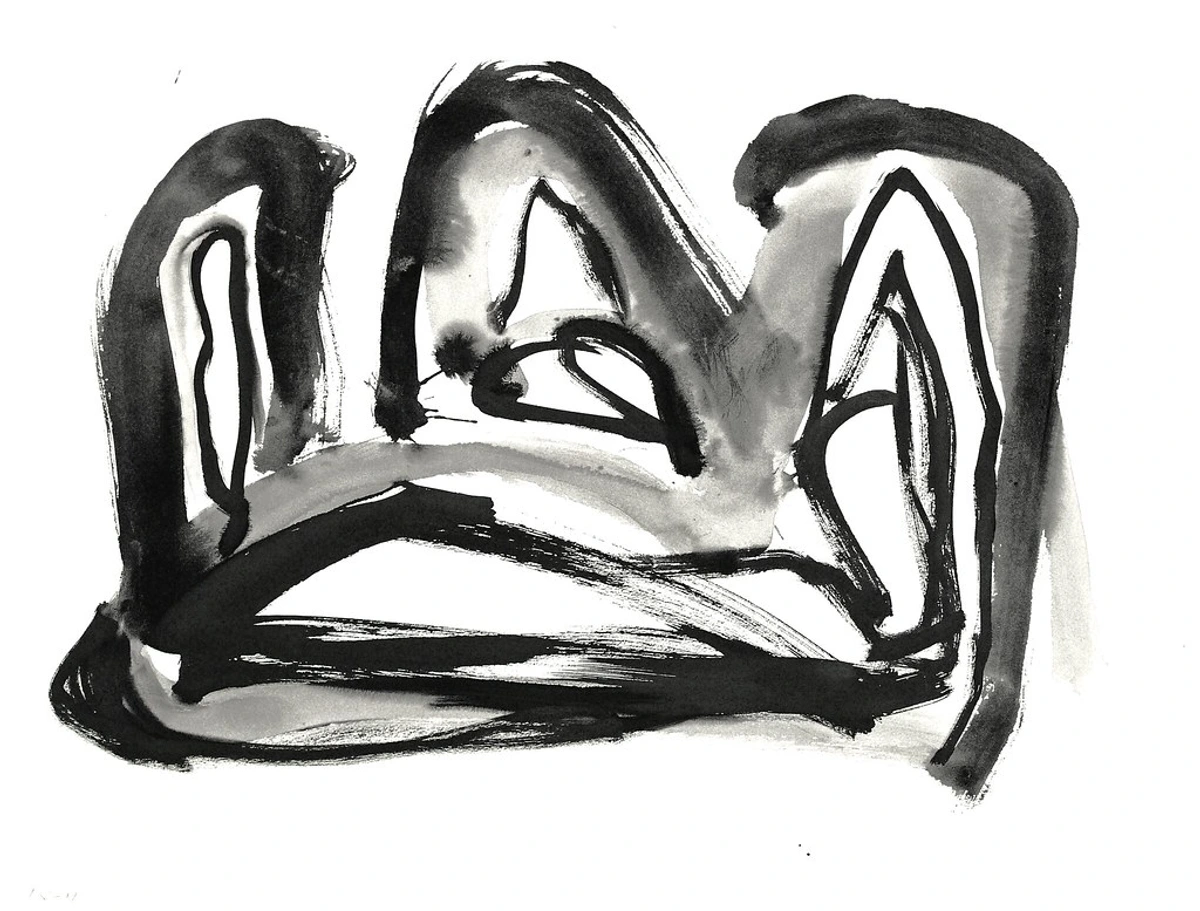
- Brushwork, Surface & Texture: The Visible Touch Observe how the paint (or charcoal, or ink) is applied. Is it smooth and almost invisible, allowing the image to float forward, typical of many Renaissance portraits that aimed for ideal beauty through meticulous blending and glazed layers? Or is it thick, textured, and expressive, building up the surface like a miniature landscape in itself, as seen in a Van Gogh? That thick, tactile impasto in a Van Gogh isn't just a stylistic choice; it's a direct conveyance of energy, a visible record of his emotional turmoil. It’s a physical manifestation of his soul, a technique heavily employed by Expressionist artists to convey inner feeling. Even in Cézanne's still life paintings, his visible, almost sculptural brushstrokes built forms rather than merely describing them, creating a sense of volume and presence rarely seen before. Compare this to the precise, almost scientific dots of Pointillism by Georges Seurat, or the fluid, spontaneous ink washes of traditional East Asian painting, where each stroke carries significant meaning. In contemporary abstract art, you might find flat, graphic applications of paint, precise digital-looking finishes, or even deliberately visceral textures that invite touch and contemplation.Beyond brushwork, consider the actual physical texture of the artwork. Does the surface feel rough, smooth, bumpy, or delicate? Actual texture might involve thick impasto, collage elements, or mixed media materials like sand or fabric embedded in the paint. This tactile quality invites a different kind of sensory engagement, making you almost want to reach out and touch (but please, don't!). Implied texture, on the other hand, is the visual illusion of texture, created through line, color, and shading, making a painted surface look like silk, wood, or rough stone. Both actual and implied texture contribute significantly to the artwork's character and emotional depth, adding another layer to its visual language.

- Color Theory & Palette: The Artist's Emotional Spectrum How are colors used? Are they realistic, aiming to accurately depict the world? Or do they serve a more expressive purpose, evoking a mood or an idea independent of local color? Henri Matisse, a master of Fauvism, used color in ways that had little to do with reality but everything to do with feeling. His Red Room isn’t just red; it’s an overwhelming, immersive warmth that defies traditional rules of light and shadow, creating a powerful emotional space. Artists often leverage color harmonies—like complementary (red and green), analogous (blue, blue-green, green), or triadic (red, yellow, blue) palettes—to create specific visual effects, from vibrant clashes to serene blends. Moreover, individual colors carry psychological weight: blues often evoke calm, reds can signify passion or danger, and yellows bring joy or caution. In abstract art, where color is often the primary vehicle, understanding these psychological responses—how a neon pink might feel jarring or optimistic, or a deep indigo might evoke contemplation—is paramount. Our guide on how artists use color delves deeper into this fascinating topic. Think about how a composer uses notes; an artist uses color with similar intention and complexity, often leveraging our subconscious responses to hues. For abstract works, understanding the psychology of color is paramount.
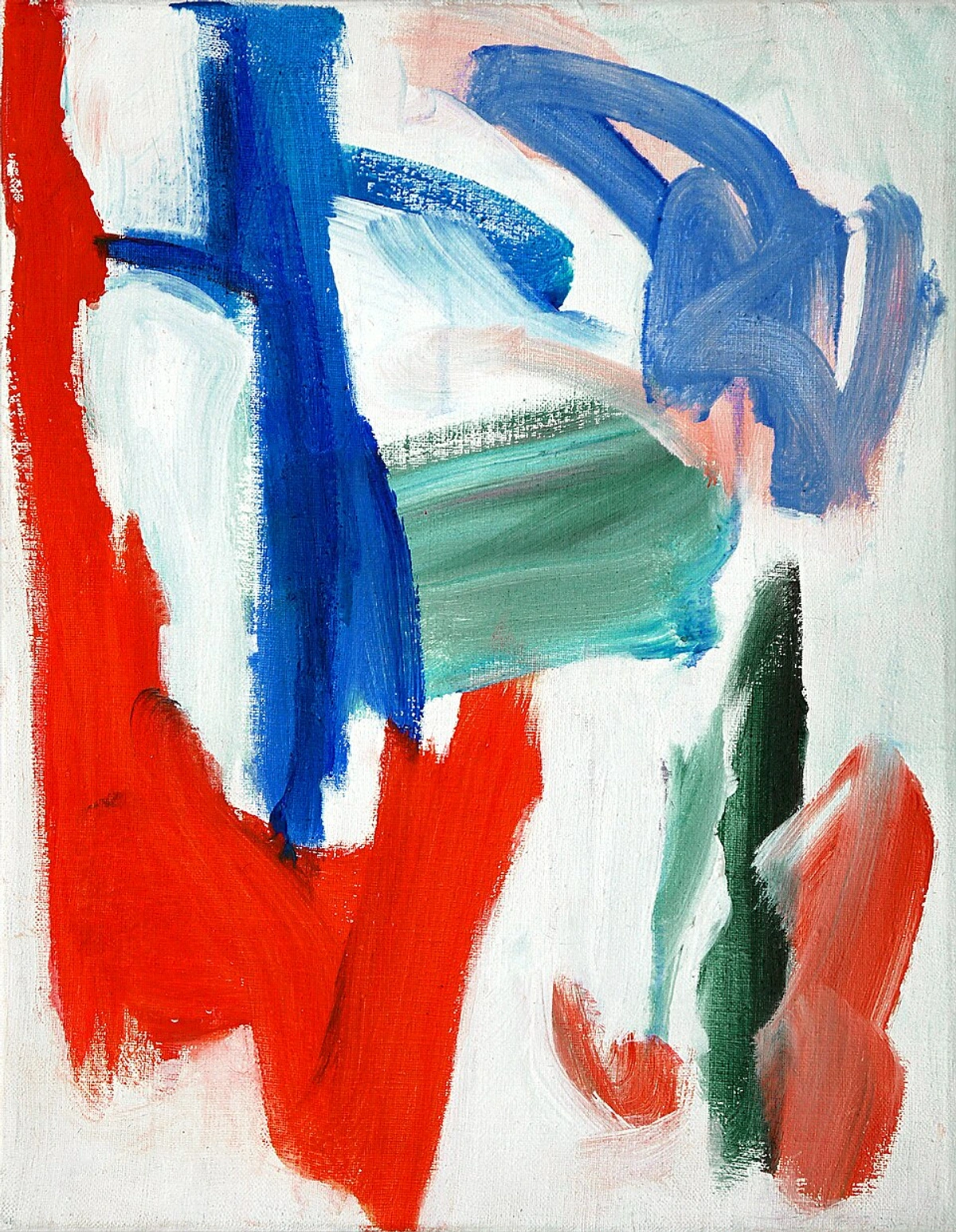
- Use of Medium & Materials & Conservation: The Foundation and Its Future Is it oil, acrylic, watercolor, clay, digital, printmaking, or something entirely different? Each medium has its own personality, its strengths and limitations. Oil allows for deep, luminous layers and subtle blending, while acrylics are known for their bold, flat colors and quick drying time. Consider watercolor's ethereal transparency, pastels' soft, velvety texture, or charcoal's raw, expressive immediacy. Performance art makes the artist's body and live action the medium itself. And let's not forget the painstaking process of ceramics or various printmaking techniques (etching, lithography), each demanding a different kind of mastery. Understanding the medium helps you appreciate the artist's choices and the challenges they embraced. Sometimes, the choice of medium itself is a conceptual statement—think of artists like Marcel Duchamp who used readymades (everyday manufactured objects presented as art, like his infamous Fountain) to challenge the very definition of art. Or contemporary artists using ephemeral materials like ice or sand to make a point about impermanence, or recycled plastics to comment on environmental issues.Even the scale of an artwork—from a miniature to a monumental installation—is a material choice that drastically impacts its perceived meaning and viewer experience. Understanding these material choices also offers insight into the artwork's longevity and the considerable efforts of conservation involved in its preservation. Materials degrade differently: some pigments fade, canvas can stretch, and sculptures can corrode. Museums like the British Museum dedicate immense resources to preserving these material legacies, ensuring that the artist's physical choices endure for future generations to analyze and appreciate.
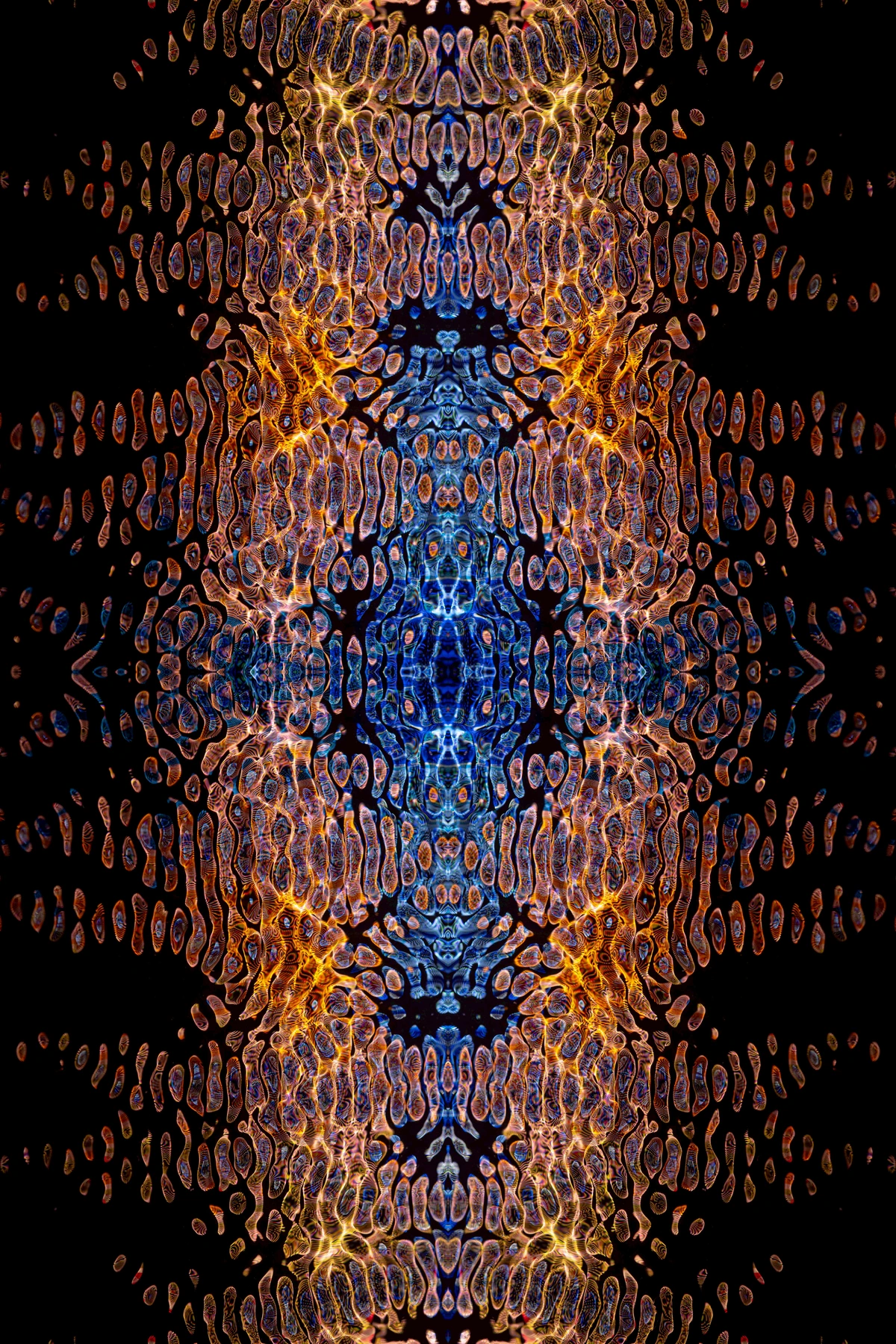
- Digital & Generative Art: New Tools, Same Principles The digital realm has expanded the definition of art, but the core analytical principles remain surprisingly steadfast. When engaging with digital art, screen-based works, or generative art (where algorithms create unique patterns or forms), you'd still consider the artist's concept (what idea is the code exploring?), the composition (how are the pixels or algorithmic outputs arranged?), the technique (what software, code, or digital tools were used, and how masterfully?), its originality (is it pushing new aesthetic or conceptual boundaries in the digital space, or is it a novel use of AI?), and the artist's intent (what experience do they want to create for the viewer, perhaps through interactivity or evolving forms?). The medium shifts from canvas and paint to pixels and algorithms, but the fundamental questions we ask about artistic merit persist.

1.4. Originality & Innovation: Pioneering New Artistic Territories
Art doesn't just reflect the world; it also pushes its boundaries. True artistic merit often lies in a work's originality—its ability to present a new idea, a fresh perspective, or an innovative way of using materials and techniques. This isn't just about being different for difference's sake, but about pushing the boundaries of what art can be or what it can communicate. Did the artist invent a new style (like Cubism's fragmentation of form), combine existing elements in a novel way (think collages or frottage), or challenge prevailing artistic conventions (like Impressionism's rejection of academic finish)? Innovation is a powerful indicator of a lasting contribution to the broader conversation of art history, the moment an artist doesn't just add to the story, but changes the direction of the plot entirely.
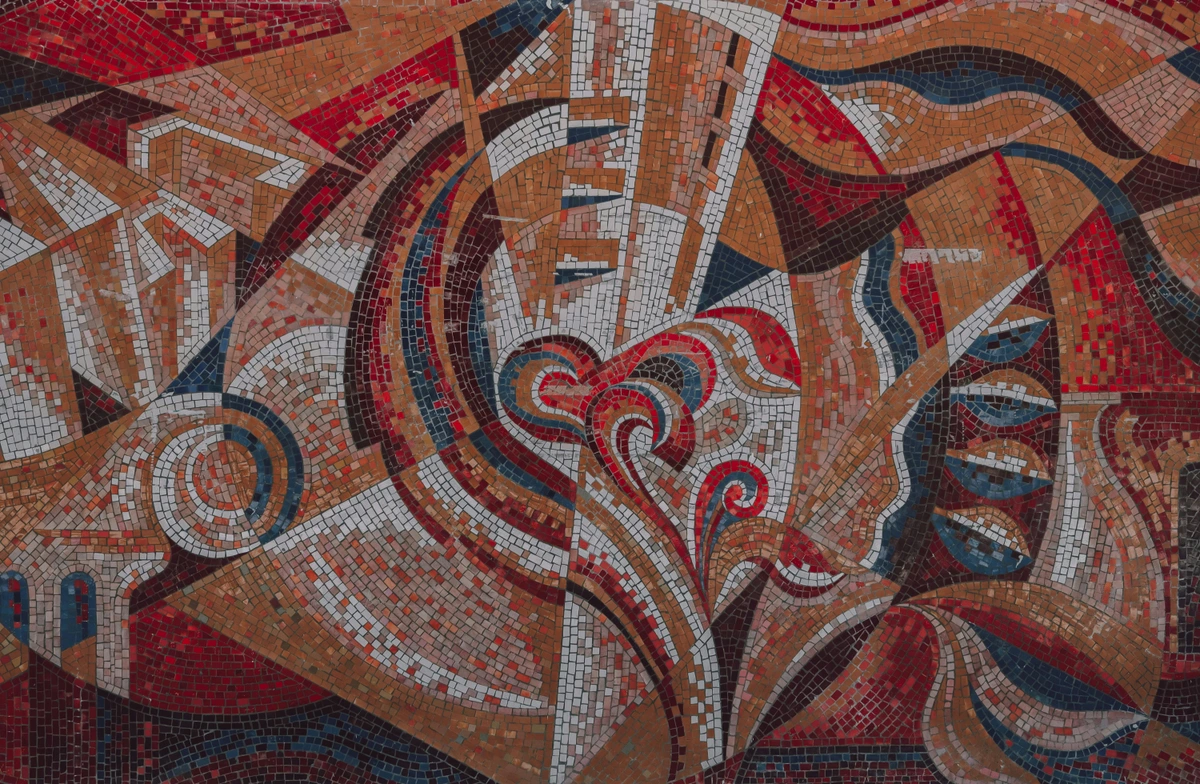
Innovation can manifest in several powerful ways:
- Stylistic Innovation: A completely new visual language (e.g., the pointillist dots of Seurat, the fractured planes of Cubism, or the bold, gestural marks and vibrant non-representational color fields seen in much contemporary abstract art).
- Conceptual Innovation: Presenting ideas or questions never before explored in art, or doing so in a radically new way (e.g., Dadaism's challenge to logic, conceptual art's focus on the idea over the object, or Marcel Duchamp's Fountain forcing us to redefine what constitutes art). Artists like Felix Gonzalez-Torres, using piles of candy or stacks of paper as ephemeral sculptures, pushed conceptual boundaries by integrating audience participation and themes of loss and love. Similarly, contemporary abstract artists might use unsettling juxtapositions or challenging palettes to explore themes of environmental decay or digital alienation.
- Material Innovation: Using unconventional materials, or using traditional materials in groundbreaking ways (e.g., Duchamp's readymades, artists incorporating industrial materials into sculpture, or contemporary artists exploring ephemeral materials like light and sound to comment on impermanence, or recycled plastics to make a statement).
- Subject Matter Innovation: Bringing new subjects to the forefront, or reinterpreting old ones from a novel perspective (e.g., the everyday scenes of Dutch Golden Age painting, or contemporary art exploring identity and politics, marginalized voices, or global interconnectedness).
- Cross-Disciplinary Influences: Innovation often sparks when artists look beyond the traditional confines of art, drawing inspiration from science (like op art's engagement with optics), philosophy, literature, or music (think Wassily Kandinsky's aim to create visual music). This cross-pollination can lead to entirely new forms and ways of thinking about art.
It's often helpful to distinguish genuine innovation from skillful imitation:
Feature  | Skillful Imitation (or Homage) | Genuine Innovation |
|---|---|---|
| Approach | Masters existing techniques and styles | Challenges, redefines, or invents new approaches |
| Impact | Reinforces existing aesthetic values | Shifts perceptions, opens new artistic possibilities |
| Outcome | Often beautiful, well-executed, familiar | Can be initially unsettling, challenging, or unexpected |
| Viewer Exp. | Appreciation of craft, familiar beauty | Re-evaluation of art, intellectual engagement, new feels |
| Risk | Low, builds on established success | High, ventures into the unknown |
| Core Focus | Mastery, refinement, and continuation of tradition | Exploration, disruption, and creation of new paradigms |
Genuine innovation often involves risk and can be met with initial resistance because it asks us to reconsider our assumptions about art. Skillful imitation, while impressive, usually receives immediate appreciation for its craft. When you see something truly original, it often makes you stop and think, "I've never seen that before." It's a leap, not just a step forward.
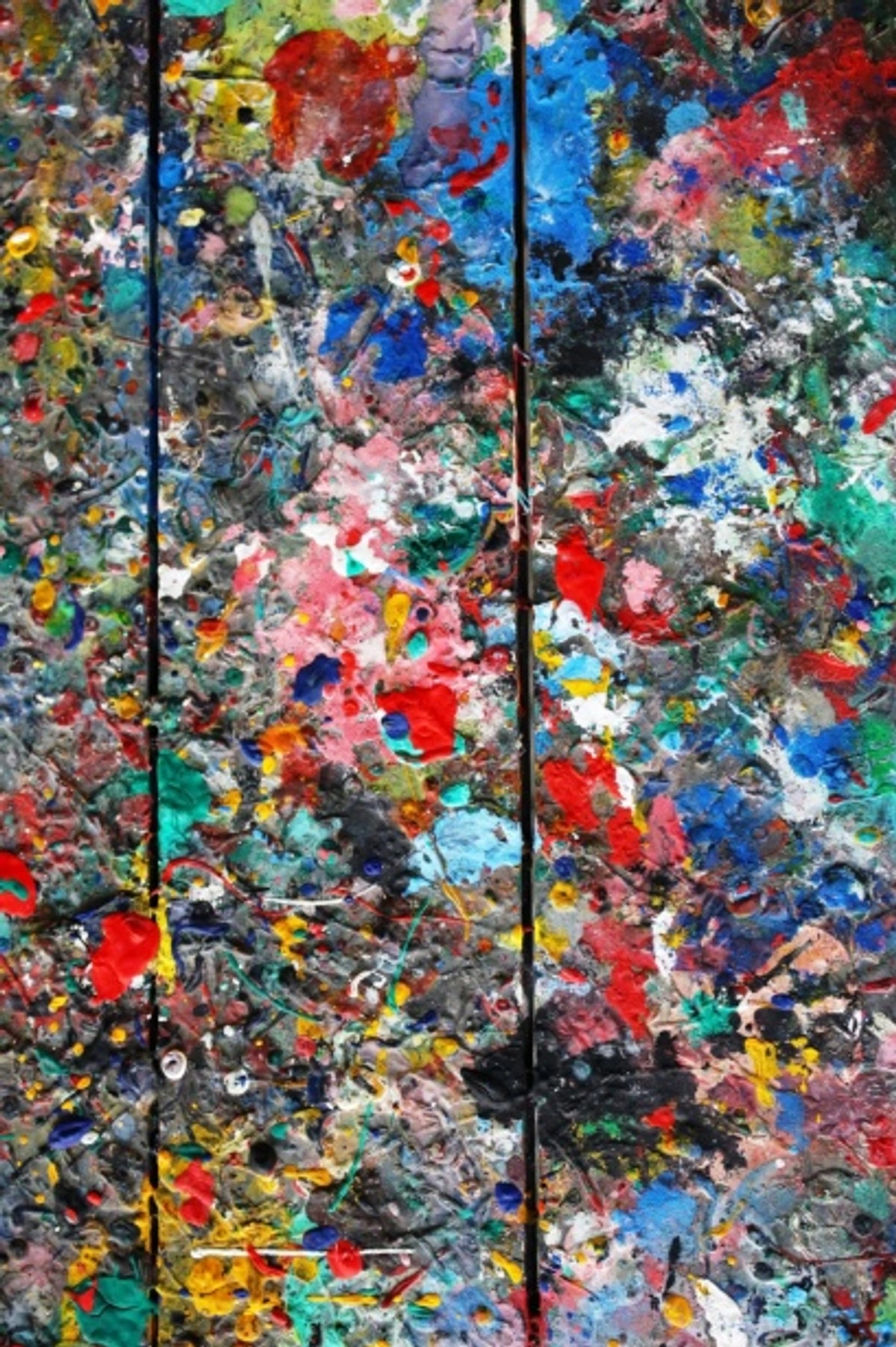
1.5. The Artist's Intent: Peeking into Their Mind
Finally, let's try to understand the artist's purpose. While we can never truly know exactly what an artist was thinking – and frankly, sometimes even they don't fully know until the piece is done – trying to infer their intent adds a fascinating layer to your analysis. The artist's intent is their underlying purpose, their ultimate goal for the artwork's impact. What do you think the artist was trying to achieve? Were they aiming for pure beauty, provocation, intellectual discourse, emotional catharsis, or simply to capture a fleeting moment?
Sometimes their intent is clear from a title or a statement; sometimes it's ambiguous, inviting multiple interpretations; and sometimes the art evolves beyond their initial vision. It's an active interpretation, and it's fascinating to consider how your own reading might align with, or diverge from, what the artist set out to do.
How do we infer intent? It's a bit like detective work, piecing together clues:
- Artist Statements & Interviews: Contemporary artists often provide statements about their work, offering direct insights into their motivations. Even if intentionally poetic or vague, these offer clues to their approach and philosophical leanings.
- Historical Records: Letters, diaries, manifestos of artistic movements, or contemporary critiques can offer invaluable clues for older works.
- The Work Itself: The visual evidence (technique, composition, concept, originality) often speaks volumes about what the artist prioritized and how they wanted their message to be received. For abstract art, inferring intent is about observing how the elements are used to create a specific feeling or idea, rather than trying to "decode" a hidden literal message.
- Broader Artistic Movements & Trends: Understanding the aims of a movement (e.g., Minimalism's focus on essential forms and purity) or contemporary trends (like Post-Internet Art, Figurative Revival, or Activist Art) can illuminate individual intent, placing a specific artwork within a larger philosophical conversation.
- Artist's Evolution: Examining an artist's body of work over time can reveal a developing intent or a consistent artistic problem they were trying to solve through various stylistic phases.
- Cultural Context of the Artist: Beyond the historical period, consider the artist's personal cultural background, lived experiences, and identity. A painter from a specific indigenous culture, for example, might infuse their work with meanings and symbols deeply rooted in their heritage, which might not be immediately apparent without this understanding. This personal cultural lens profoundly shapes what an artist chooses to say and how they say it.
Considering intent helps you gauge the effectiveness of the artwork—does it successfully communicate what it set out to? Even when intent is deliberately obscured or complex, it adds another layer to the conversation you have with the piece. It’s a bit like trying to read between the lines of a particularly profound poem; the meaning isn't always overt, but it's there to be discovered, enriching your engagement. Frank Lloyd Wright, for instance, in designing the Guggenheim, clearly intended to create a fluid, continuous viewing experience, making the building itself an integral part of the art.

Art Movements: A Quick Map Through Time
Now that we’ve established our analytical framework, understanding major art movements is like having a compass for art history, helping you build your visual literacy and contextualize individual artworks. Each movement represents a period where artists shared similar philosophies, techniques, or subject matter, often in reaction to what came before. Knowing these broad currents helps you appreciate their innovations and the continuous dialogue across art history. This table provides a curated selection of key movements, but remember, the art world is far richer and more nuanced than any single list can convey.
Art movements often build upon or react against each other. For example, Minimalism emerged as a direct response to Abstract Expressionism's emotional intensity, seeking purity and intellectual rigor. Similarly, Fauvism with its radical use of color paved the way for the heightened emotional expression of Expressionism.
Movement | Key Characteristics | Why it Matters |
|---|---|---|
| Impressionism | Capturing fleeting light and atmosphere, visible brushstrokes, everyday subjects | Challenged academic art, opened doors for modernism by focusing on perception and subjective experience. |
| Cubism | Fragmented forms, multiple viewpoints, geometric shapes, muted colors (early) | Revolutionized representation of reality, influenced abstraction, responded to rapidly changing modern world and scientific theories like Einstein's relativity. |
| Surrealism | Unlocking the subconscious, dream imagery, juxtaposition of ordinary objects, automatism | Explored psychological depth, challenged logic and reality, powerful symbolism. Directly influenced by Freudian psychoanalysis. |
| Abstract Expressionism | Spontaneous, gestural, non-representational, large scale, emotional intensity | Emerged from post-WWII anxieties, emphasized raw individual expression, established New York as a global art capital, and gave rise to diverse styles like Action Painting and Color Field painting. |
| Pop Art | Incorporating popular culture, advertising, consumerism; bold colors, graphic imagery | Blurred lines between high and low art, reflected mass culture, offered sharp social commentary on consumerism and celebrity culture. |
| Minimalism | Simplicity of form, geometric abstraction, industrial materials, focus on objecthood and viewer experience | Reaction to Abstract Expressionism's emotion, sought purity of form, essentialism, and intellectual rigor. Emphasized the artwork as a self-contained object rather than a window to another reality. |
| Contemporary Art | Diverse, multimedia, often conceptual, global perspectives, addresses current issues | Continually redefines art, reflects modern complexities, engages with new technologies, often challenges social norms and historical narratives, embracing a wide range of global voices and issues. |
Common Pitfalls in Art Analysis: What to Watch Out For
Even with a solid framework and a map of art history, it's easy to stumble. I've certainly made these mistakes myself. Understanding these common missteps can save you a lot of frustration and open your mind to even richer insights when you're analyzing art, especially contemporary and abstract pieces:
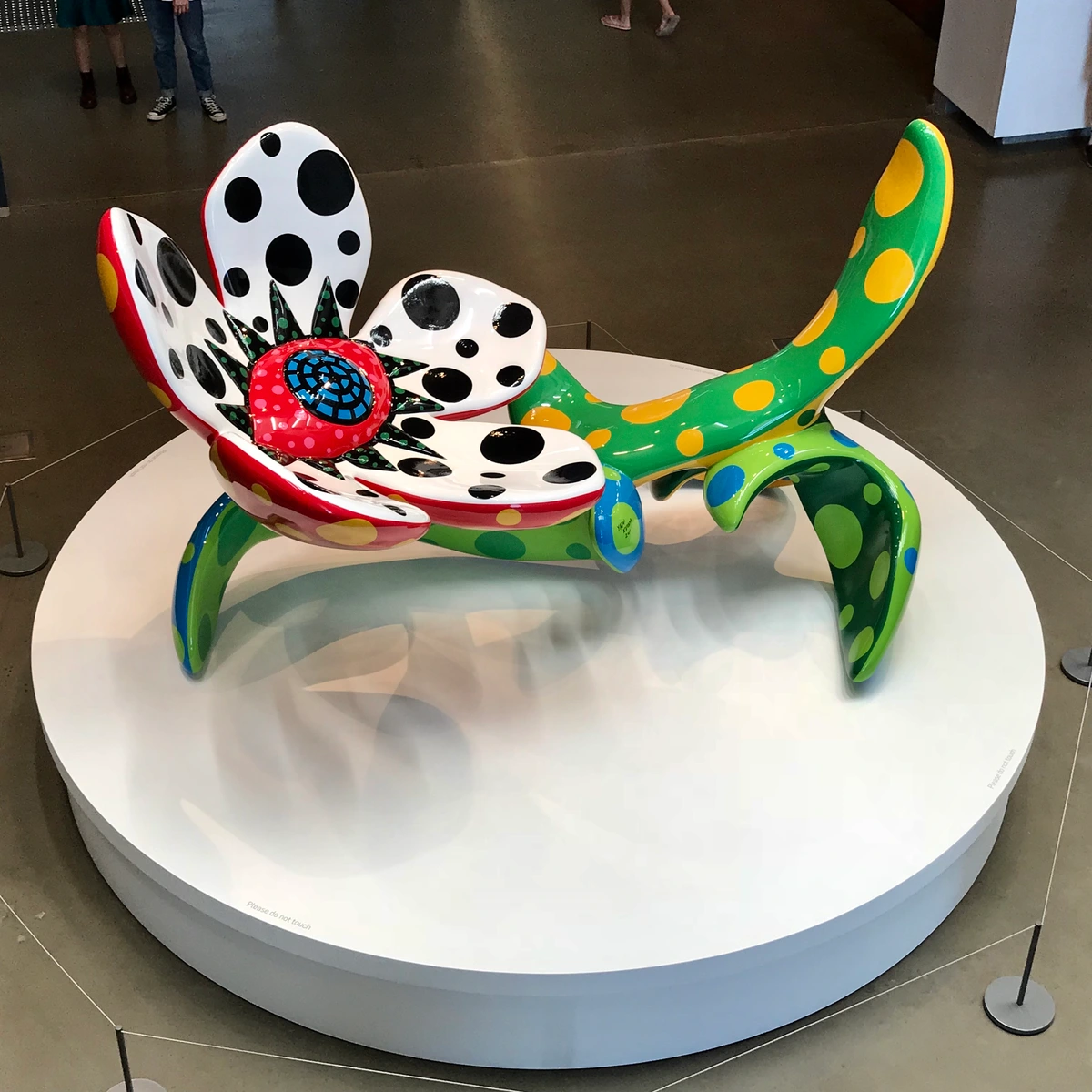
- Assuming all abstract art is random: This is perhaps the biggest misconception, and it rarely is random. Good abstract art is often highly deliberate in its use of color, line, and composition, even if it doesn't represent recognizable objects. It's a different language, a dialogue with form and color itself, exploring their inherent properties and emotional impact—not a lack of language or random splatters (unless that's the deliberate point!). Dismissing it as random also dismisses the artist's thoughtful choices and expertise in visual elements. Instead, look for underlying patterns, rhythms, and intentional juxtapositions.
- Overemphasizing the artist's biography over the work itself: While context is important, try not to let biographical details overshadow your direct engagement with the artwork. The art should speak first, and the biography can then enrich your understanding, rather than define it. Let the artwork initiate the conversation, then bring in context to deepen it.
- Dismissing art based on personal taste alone: Your taste is valid, but true analysis requires moving beyond simple likes and dislikes to understand why a piece works (or doesn't) on its own terms, even if it's not 'your style.' Some of the most profound art challenges us, even makes us uncomfortable. Challenge yourself to find something worthwhile even in art you don't personally enjoy.
- Being intimidated by complex jargon: Art history has its own vocabulary, but don't let it deter you. Focus on understanding the core concepts first; the fancy words will follow as you build your confidence. You don't need to memorize every 'ism' right away. Break down complex terms into simple ideas, and focus on the visual impact first.
- Focusing only on technical skill: As we discussed, technical prowess is just one component. A profound concept or groundbreaking originality can outweigh flawless execution. Think of early cave paintings, rudimentary in technique but profoundly powerful in communication, or Jean Dubuffet's Art Brut, which deliberately challenged academic skill to express raw truths. Look for the idea and impact, not just perfect rendering.
- The "Halo Effect" of Famous Artists: It's easy to assume that because an artist is famous, everything they've ever made is a masterpiece. While fame often follows merit, market value can be inflated by hype, independent of a specific work's intrinsic qualities. Judge the individual artwork on its own terms, not just by the artist's name. Fame is a story, but the art is the truth.
- Historical Revisionism: Be wary of retroactively applying contemporary moral or social standards to historical artworks without first understanding their original context. While critical re-evaluation is vital, it's a different process from judging past art solely through a present-day lens, which can obscure the nuances of its historical significance and original intent. Strive to understand the artwork within its own time before bringing modern perspectives to bear.
Putting Your Skills into Practice: Engaging with Art in the Real World
So, you have your analytical tools—now how do you use them in the wild? Walking into a gallery or museum can sometimes feel overwhelming, a bit like trying to drink from a firehose. But a few simple practices can transform your experience:
- Slow Down: Resist the urge to rush past every piece. Pick one or two that truly catch your eye, even if it's just a fleeting color or an intriguing shape, and commit to spending a few minutes with each. It's amazing what emerges when you give a piece your focused attention.
- Observe Details, Then Step Back: Get close (but not too close!). Look at the brushstrokes, the texture, the subtle shifts in color. Then step back and take it all in again, observing the overall composition and emotional impact. This back-and-forth movement helps you see both the trees and the forest.
- Form Your Own Impression First, Then Read the Labels: Let the art speak to you first. What do you feel? What questions arise? Then, read the wall text or label to gain context on the artist, title, date, and any curatorial insights. This allows for a richer dialogue between your initial response and the information provided, rather than letting the label dictate your experience.
- Take Notes (Mental or Physical): Jot down what you like, dislike, what questions arise, or what emotions you feel. This helps solidify your observations and interpretations, especially for abstract pieces where your initial feelings are key. You can even use your phone's notes app to quickly capture thoughts.
- Research Beyond the Walls: If a piece truly fascinates you, make a note of the artist and title. Later, dive into museum websites (often rich with educational resources), reputable art history books, academic papers, exhibition catalogs, or even artist's own websites and interviews for contemporary works. This deepens your understanding far beyond what a single label can provide.
- Don't Be Afraid to Revisit: Just like a favorite book or song, art can reveal new layers with repeated viewing. If a piece truly resonates, come back to it later in your visit, or even on another day. It's not a one-and-done experience. The conversation evolves.
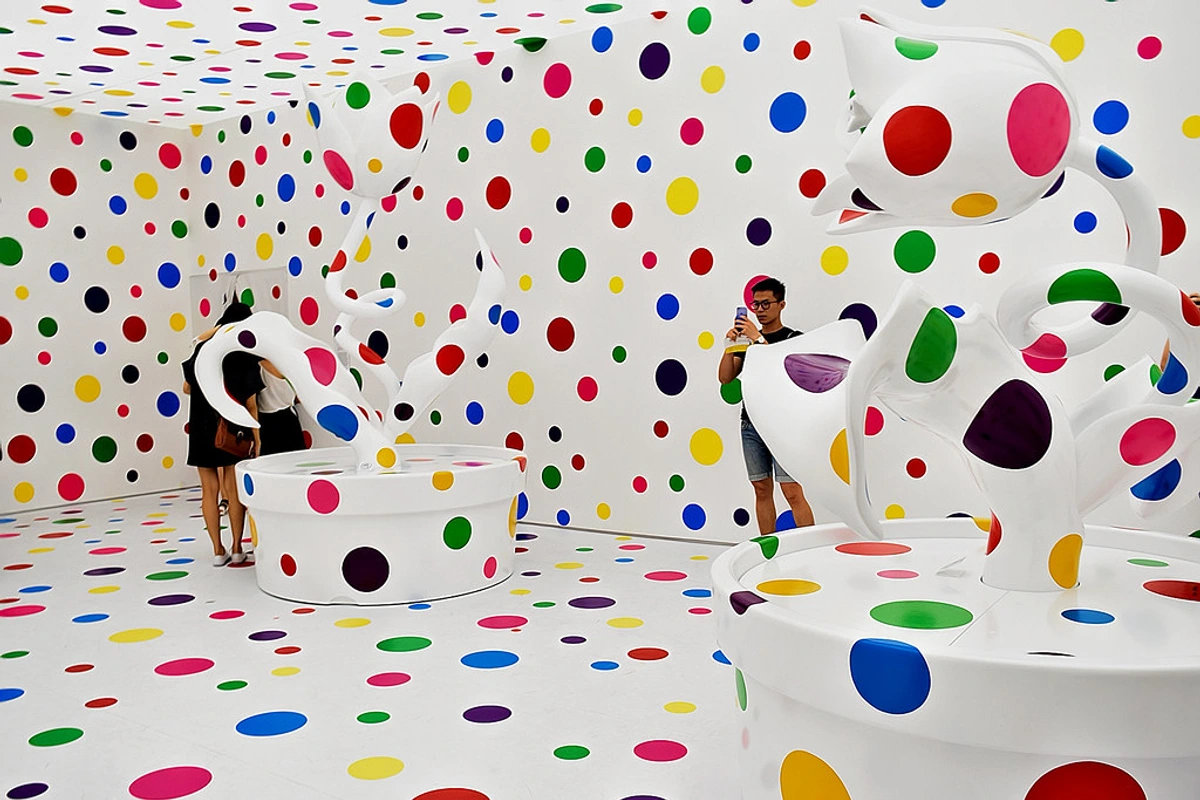
Applying Your New Lens: A Guide for the Aspiring Collector
So you're thinking about not just looking at art, but bringing it into your life—a fantastic journey to embark upon. How do you apply these analytical ideas to choose a piece for your home, especially something that might complement your personal aesthetic, like contemporary art? Here’s a simple framework I use. It helps ensure that your investment, both emotional and financial, is truly meaningful and lasting.
Before we dive into the creative aspects, a brief but important note for collectors: the provenance (the history of ownership) and condition (the physical state) of an artwork are crucial. Provenance helps establish authenticity and historical significance, while condition directly impacts value and longevity. It's always wise to research these elements. Furthermore, ethical collecting means supporting artists fairly, being mindful of the cultural origins of works, and avoiding pieces with problematic histories or those acquired through unethical means. This is an integral part of responsible art acquisition. For more on this, check out our guide on the ethics of art collecting.
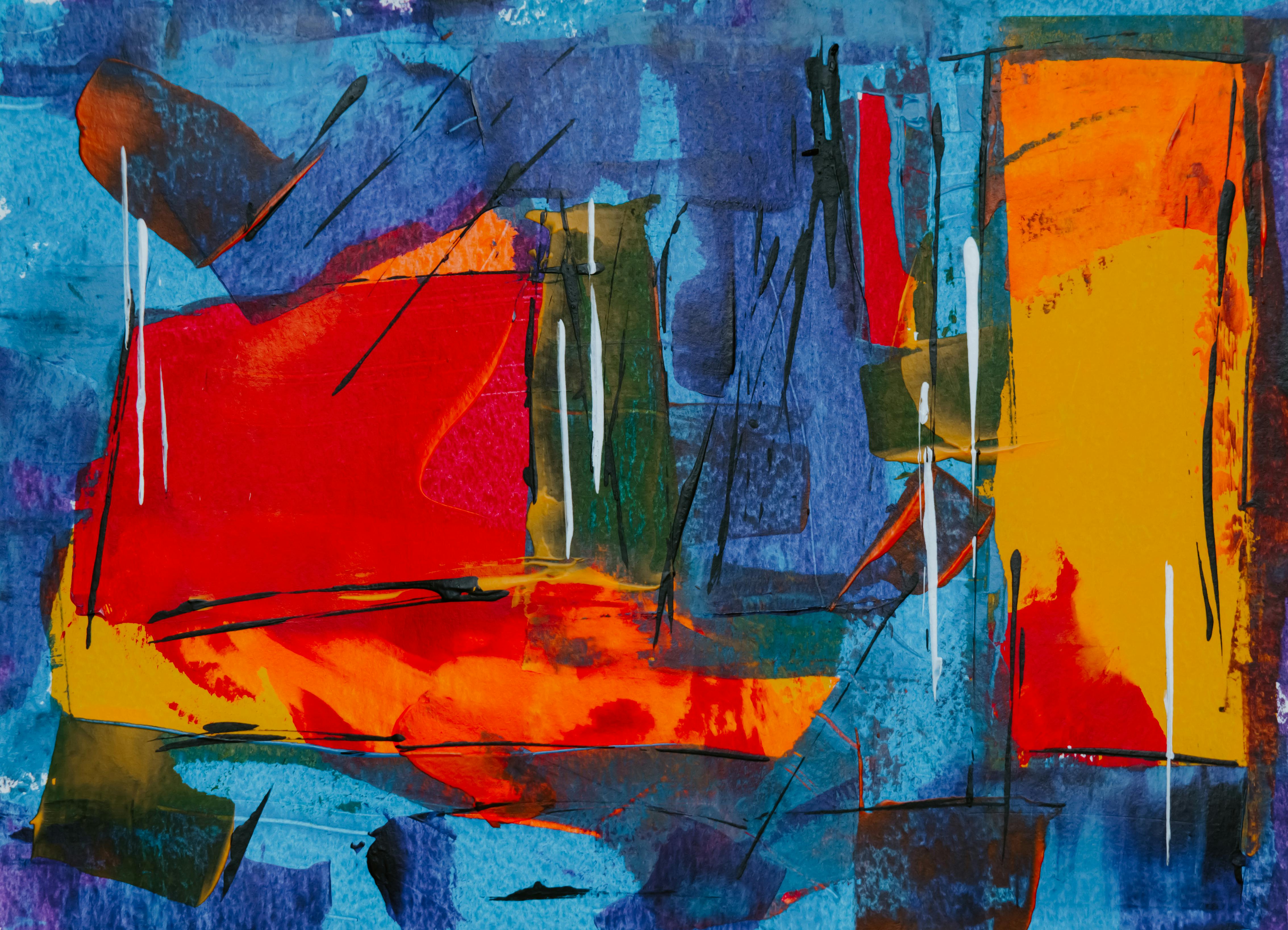
Let’s take a vivid, abstract piece as an example, something you might find right here or in a contemporary gallery. This kind of art often invites a different kind of analysis, moving away from literal representation towards emotional and formal engagement. Let’s look at this dynamic piece:

When considering a piece like this for your collection, I'd ask myself:
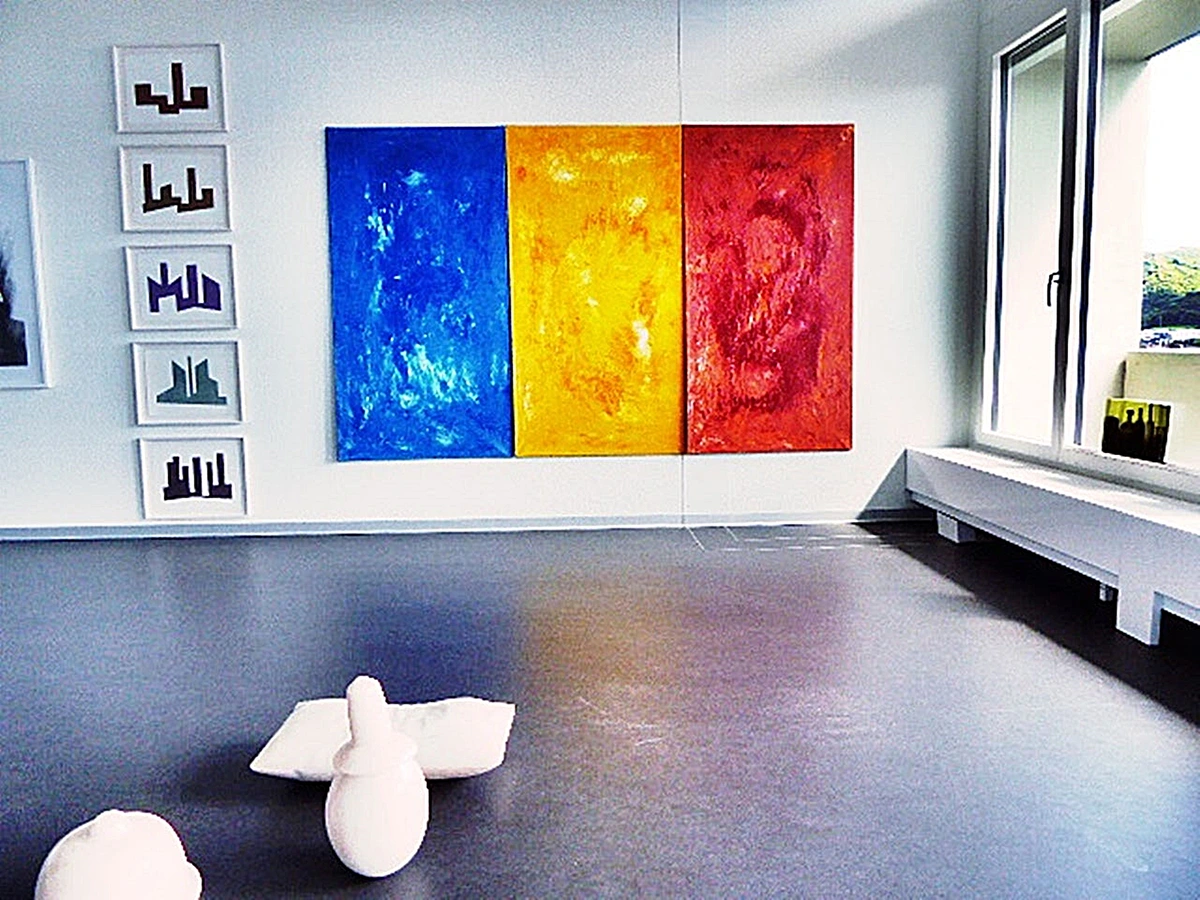
Your Collector's Checklist for Art Analysis:
- Concept: What's the core idea or emotion here? This piece, with its vivid colors, swirling lines, and suggestive shapes, might evoke feelings of joy, playfulness, or the complexity of human connection. The swirling fuchsia and magenta might represent passion or desire, while the contrasting blue could symbolize introspection or a calming counterpoint. The abstract nature allows for multiple interpretations, inviting your story into the artwork. Does it resonate with a mood or idea you want to cultivate in your space?
- Composition: How are the elements arranged? Despite its abstract nature, notice the balance of vibrant hues and darker outlines, the implied movement created by the wavy lines and organic shapes. There's a dynamic tension and rhythm that guides your eye across the canvas. A well-composed piece maintains interest over time; it's visually stimulating and intellectually engaging, offering new discoveries with each glance. Does the visual organization hold your attention and offer ongoing engagement?
- Technique: Look at the brushwork, the texture, the application of color. Is there visible impasto that gives the surface depth? How are the colors layered? The use of a neon palette and high contrast here is a deliberate technical choice, creating energy. The bold, almost pointillist dots and dashes suggest a meticulous yet expressive application. Mastery of technique, even in abstract forms, suggests lasting aesthetic value and durability. Is the artist's craft evident and suitable for the piece's message?
- Originality & Innovation: Does this piece feel fresh? Does it combine colors, forms, or textures in a way that feels novel or pushes a boundary for you? The bold, almost pointillist dots and dashes, combined with the swirling organic forms and neon palette, offer a unique stylistic twist on expressive abstraction. Originality often correlates with historical significance and long-term relevance, contributing to an artwork's enduring value and potential appreciation. Does it offer a new perspective or a unique visual language?
- Artist's Intent: While we may not have an artist statement for every piece, what do the visual cues suggest? The playful shapes and vibrant colors might suggest an intent to uplift, to explore joy, or to capture an energetic moment. The textual elements could invite a narrative or poetic interpretation. Inferring intent helps you connect with the artist's vision and appreciate the depth of their contribution, fostering a deeper personal connection. Can you discern the artist's purpose, and does it align with your own values?
And most importantly: Your Personal Connection. Does it genuinely move or inspire you? Can you live with it daily? Does it spark thought or evoke a desired feeling? Will it continue to reveal new things? This is the most subjective, yet crucial, question. Answering this helps you find art that truly enriches your personal space and mental landscape. Ultimately, collecting is personal. The piece should genuinely move or inspire you, evolving with you over time, becoming part of your story.
For any artwork you consider, whether for personal enjoyment or investment, remember to gather documentation. This includes artist statements, exhibition histories, sales receipts, and any provenance records. Such records not only confirm authenticity but also enrich the story and value of the piece over time, solidifying your connection to its journey.
When you're looking to buy art, don't just look for something that perfectly matches your sofa. Look for something that sparks a conversation, that makes you think, and that you'll be excited to look at day after day, year after year. Visit art fairs and local galleries; the more art you see, the more you'll refine your eye and discover what truly resonates. And for practical considerations on valuing your collection, our guide on understanding art appraisals can be invaluable. It’s an ongoing conversation, not a one-time purchase.

Frequently Asked Questions (FAQ): Demystifying Art Analysis
Q: Is technical skill the most important factor for artistic merit?
A: Not at all, and this is a common misconception! While impeccable craftsmanship and skill are undeniably impressive, a technically flawless painting with no soul, no idea, or no emotional resonance behind it can feel like a sterile exercise. Conversely, some of the most powerful and groundbreaking art is technically 'raw' or even intentionally clumsy, but conceptually brilliant or deeply moving. Think of:
- Early Cave Paintings: Rudimentary in technique, yet profoundly powerful in their communication of human experience and early human history.
- Jean Dubuffet's Art Brut (Outsider Art): Deliberately raw and childlike, challenging academic norms to express profound truths, often from artists outside the conventional art world.
- Mark Rothko's Color Fields: Vast expanses of color, seemingly simple, yet designed to evoke intense emotional or spiritual experiences, where the impact transcends traditional technical prowess.
- Wassily Kandinsky's Early Abstractions: Aimed to express inner spiritual necessities through non-objective forms, akin to musical compositions, focusing on pure expression rather than conventional skill.
It's the balance, and the effective use of skill to serve the concept, that truly matters. A great idea poorly executed can still resonate more than a perfect execution of nothing.
Q: How can abstract art have merit if it doesn't look like anything recognizable?
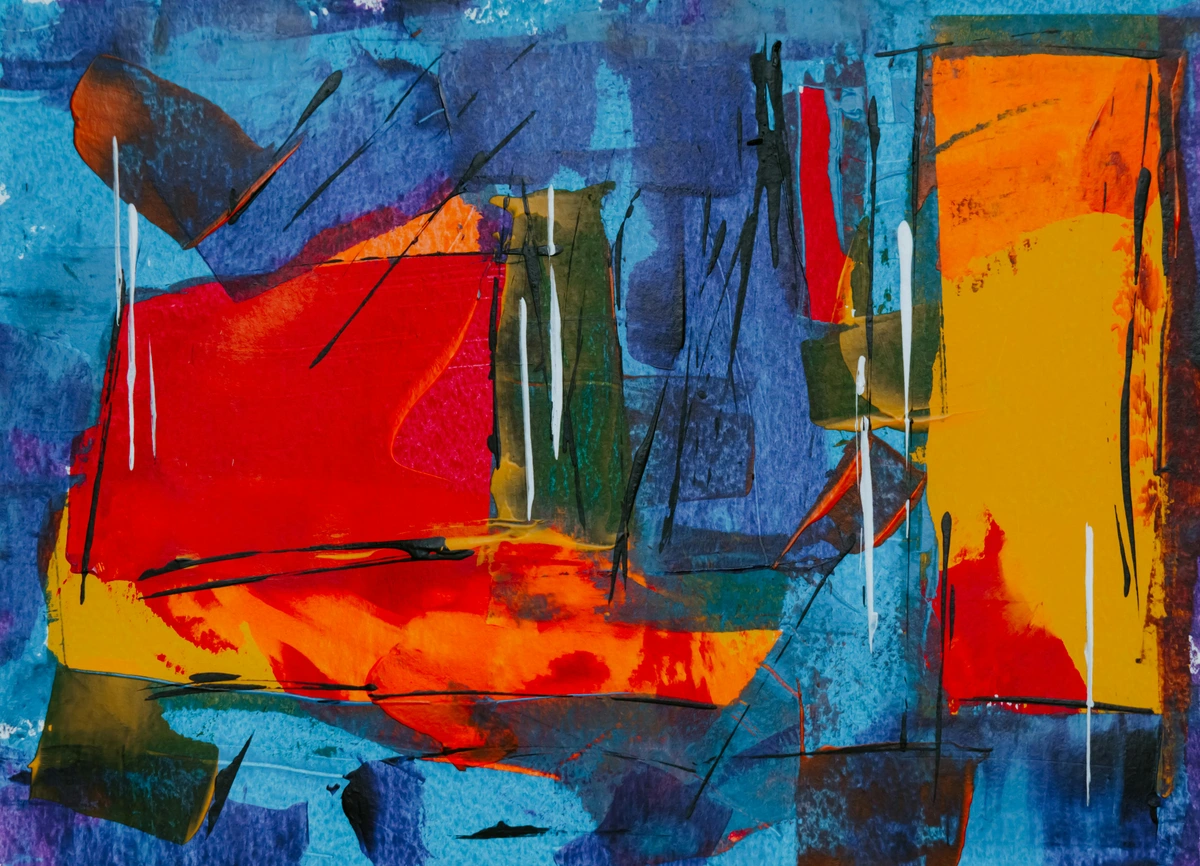
A: Abstract art shifts the focus from representing the visible world to exploring the core elements of art itself: color, line, form, texture, and composition. Its merit lies in its ability to communicate directly through these visual elements, much like instrumental music communicates emotion and structure without lyrics. A vibrant, swirling abstract painting might evoke the excitement of a jazz piece, while a serene, minimalist canvas might feel like a calming classical composition. Specific color combinations, the quality of a line (sharp or flowing), or rhythmic patterns can directly trigger emotional or intellectual responses without relying on recognizable imagery. It can evoke powerful feelings, convey complex ideas, or simply provide profound aesthetic pleasure through its "visual music"—its rhythms, harmonies, and contrasts. Abstract art engages a different part of your brain, inviting you to feel rather than simply recognize. The value isn't in imitation, but in pure expression and formal exploration. My friends often swing from "What even is this?" to a quiet "...I actually really like that blue." The spectrum of reaction is part of its power.
Q: Does a painting have to be beautiful to be good?
A: Absolutely not. While art can certainly be beautiful, its purpose isn't always to please the eye in a conventional sense. Art can also be disturbing, challenging, thought-provoking, or even intentionally confrontational. Sometimes, a work's power lies in its ability to evoke the sublime—an experience of awe, terror, or overwhelming grandeur that transcends conventional beauty. Think of Goya's The Third of May 1808, which is harrowing and depicts unspeakable brutality, not beauty, yet is profoundly important. Or Francis Bacon's unsettling, distorted portraits that capture existential anguish. Some Surrealist works deliberately use jarring juxtapositions to provoke unease rather than conventional aesthetic pleasure. The true merit is found in how effectively the artwork achieves its intended goal, whatever that may be, and how profoundly it impacts the viewer. Beauty is just one facet of a much richer, more complex diamond. Art that challenges us, or even makes us uncomfortable, is often the art that pushes boundaries and prompts significant reflection.
Q: How does an artist's fame affect a painting's merit?
A: This is a complex area, and one I grapple with sometimes too. Fame often follows genuine artistic merit, as influential artists gain recognition for their significant contributions and innovations. However, fame can also inflate market value disproportionately to intrinsic artistic value, sometimes driven by hype rather than substance. While fame can bring well-deserved attention to an artist, it's crucial to separate the market's whims from the artwork's inherent qualities. A strong understanding of the analytical tools we've discussed allows you to judge a work on its own terms, disentangling genuine artistic merit from market hype or celebrity status, whether it was made by a household name or an unknown artist you discovered at a local fair. Don't let the price tag or the media attention cloud your judgment; look deeper. Focus on the art, not the artist's current cultural capital.
Q: How do I distinguish between skillful imitation and genuine innovation?
A: This is a crucial question! Skillful imitation (or homage) demonstrates mastery of existing techniques and styles. It's often beautiful and well-executed, but it doesn't push the boundaries. Genuine innovation, on the other hand, introduces something truly new: a fresh perspective, an unheard-of technique, a revolutionary concept, or a novel combination of elements that fundamentally shifts the artistic conversation. It often feels a little uncomfortable or challenging at first because it asks you to rethink what art can be. Genuine innovation usually involves risk and can be met with initial resistance, whereas masterful imitation often receives immediate acclaim for its skill. Look for the leap an artist makes, not just the perfection of their steps. Is there a fundamental change in how we perceive, how we interact, or what we consider art to be? (For a more detailed comparison, check out our table on originality and innovation earlier in this article).
Q: What role does the viewer's background and experience play in art analysis?
A: A huge role! Your personal history, cultural background, emotional state, and even your mood on the day you see a piece all profoundly shape your interpretation. Art is a dialogue, and you bring half of that conversation. For example, a painting depicting a historical event might be seen very differently by someone from the country where it occurred versus someone from a different continent. While the analytical framework helps you understand the artist's contribution, your unique lens adds a layer of personal meaning. Acknowledging this subjectivity doesn't diminish the art's merit; it enriches the individual experience. Embrace what you bring to the interaction, and understand that different people will inevitably connect with the same piece in different ways. This is part of art's enduring power; it offers a mirror to diverse human experiences, creating a unique interaction every time.
Q: Is there an objective way to analyze art, or is it purely subjective?
A: This is a debate as old as art criticism itself! I've found it's a bit of both. The framework we've discussed provides a structured, more objective approach, allowing you to identify elements like compositional balance, technical skill, or historical context—qualities that can be discussed and agreed upon by many. However, the impact of those elements on you, the emotional resonance, and your personal interpretation of a concept will always contain a strong subjective component. The beauty lies in this interplay: using objective tools to deepen a profoundly subjective experience. It's about informed appreciation, not cold, scientific judgment. The objective analysis provides the foundation upon which your subjective interpretation builds, creating a more informed and meaningful engagement.
Q: What about digital art or NFTs? How do I analyze those?
A: Analyzing digital art, including pieces represented by NFTs (Non-Fungible Tokens), employs the very same core principles of Concept, Composition, Technique, Originality, and Intent. The medium changes, but the artistic questions remain. For example, in a digital painting or generative art, you'd still consider the artist's concept (what idea is it exploring?), the composition (how are the pixels, forms, or algorithms arranged?), the technique (what software, code, or digital tools were used, and how masterfully?), its originality (is it pushing new aesthetic or conceptual boundaries in the digital space?), and the artist's intent (what experience do they want to create for the viewer?). When it comes to NFTs, it's important to remember that the NFT itself is primarily a certificate of ownership or authenticity, not the artwork. While blockchain technology can offer new ways to track provenance, the artistic merit of the work should always be your primary focus, independent of its market speculation or the underlying technology. Treat the artwork as the primary object of analysis, not its digital wrapper or its current market hype.












Q: How do I analyze performance art or installation art?
A: The principles still hold, but your focus shifts to the experience and environment. For performance art, the artist's body, actions, and the viewer's interaction become central to the technique and composition. You'd analyze the concept (what idea is being enacted?), the duration, the chosen location, and how the artist's presence (or absence) contributes to the meaning. For installation art, the entire space is the artwork. You'd consider how the artist uses physical objects, light, sound, and even air to compose an immersive environment. The viewer's movement through and interaction with the space is key to its concept and intent. In both cases, the experience is paramount; these are not static images, but dynamic, often ephemeral, engagements that require your full sensory and intellectual participation.
Your Journey into Deeper Appreciation
In the end, analyzing a painting isn't about reaching a final, definitive verdict of 'good' or 'bad' and moving on. It's about opening yourself up to a deeper, richer experience. It's a journey of discovery, a skill that grows with practice, and one that promises endless rewards. Think of it as cultivating a lifelong curiosity, a conversation that never truly ends, and a way to enhance your own visual literacy across all aspects of life.
It’s about appreciating the audacity of a single brushstroke, the intelligence behind a balanced yet dynamic composition, the courage of a bold idea, and the fresh perspective of true originality. It's a conversation—a dialogue between you, the artist across time, and the long, fascinating history of human creativity. The more you learn the language, the more captivating and rewarding that conversation becomes.
So, the next time you encounter a piece that piques your curiosity, whether it's a vibrant abstract in a contemporary gallery or a classical portrait in a grand museum, pull out these tools. Let them transform your view, from looking to truly seeing, and unlock a deeper world of appreciation, whether you're engaging with a historical masterpiece or exploring the unique abstract works on offer here. Even better, try spending just 60 seconds with a piece, focusing on just one element we discussed. The conversation awaits.