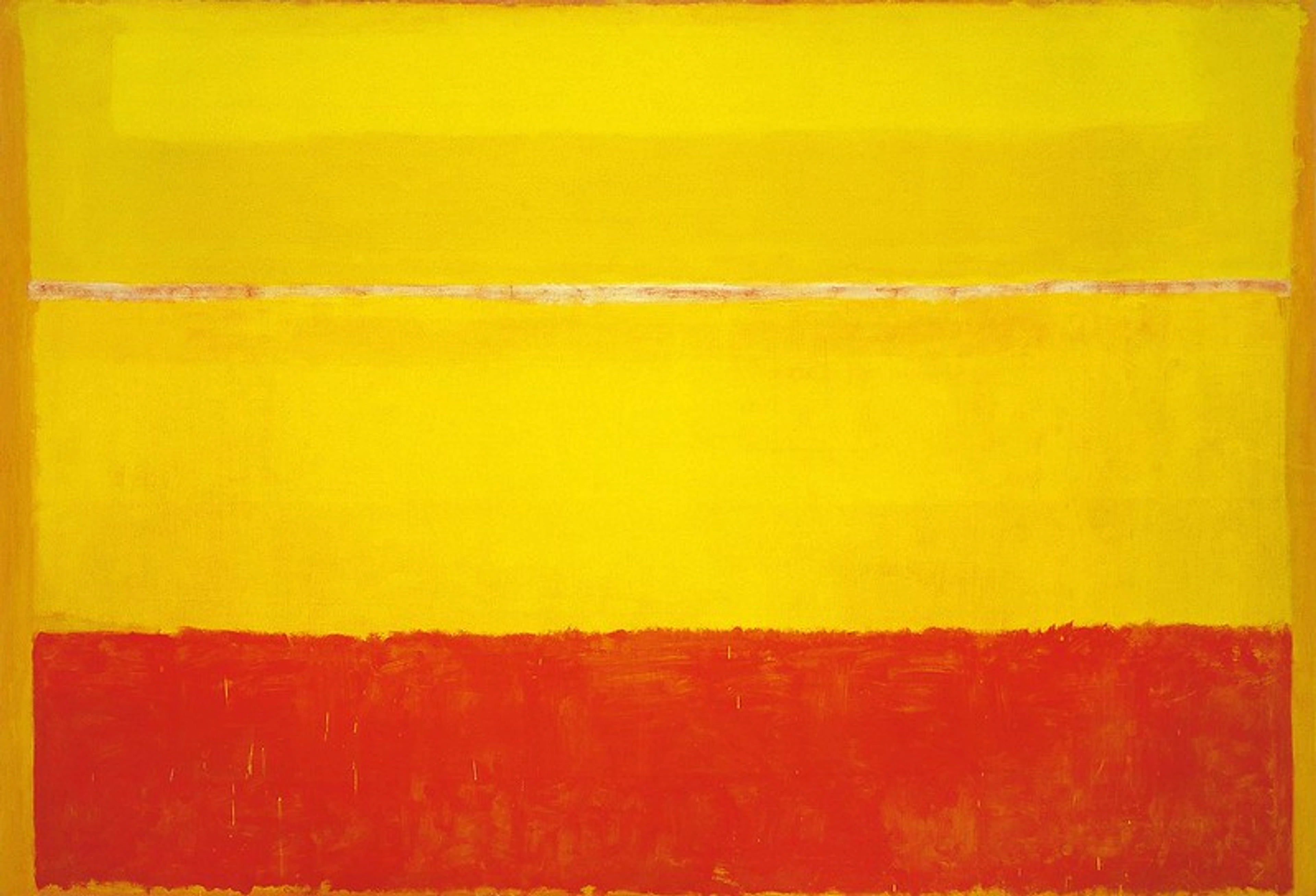
Did a Soup Can Really Change the World? American Art's Social Impact
Embark on a personal journey through the social impact of American art. From the stoic farmers of Regionalism to the supermarket sheen of Pop Art, we explore how the canvas became a mirror—and a hammer—for our collective consciousness. Go beyond the galleries and into the heart of the movements that defined a nation.

Did a Soup Can Really Change the World? A Journey Through American Art's Social Conscience
I have a confession. For years, I saw art as something locked away in textbooks under glass: a parade of styles and dates to memorize before an exam. It felt about as lively as a telephone directory. But I’ve come to realize that’s like describing a thunderstorm by its barometric pressure; it misses the point entirely. Art isn’t just pigment on canvas; it’s a cultural lightning strike—a jolt that can challenge, infuriate, and ultimately reshape the world we live in.
So, did a soup can really change the world? It sounds absurd, a glib question you might ask to be provocative at a dinner party. Yet, it cuts to the heart of a much larger, more serious inquiry: how can a stroke of paint, a particular style, or a seemingly mundane object become a powerful catalyst for social change? This question, more than any formal definition, is the theme we’ll explore—a journey through the moments when American art looked in the mirror and told society an uncomfortable truth, or dared it to dream of something new.
Before the Mirror: The Genre Painters and the Seeds of Rebellion
To really grasp the revolution that was coming, we have to step back even further, before the soup can, before the grit of the Ashcan School. We have to step into the quiet, respectable world of 19th-century American Genre Painting. This was the era of Winslow Homer and Eastman Johnson, artists who painted scenes of everyday life for an audience eager for images that felt familiar and wholesome. Think of schoolrooms, farmyards, and tranquil domestic moments.
But this wasn't just sentimentality. It was the first time a distinctly American life was being deemed worthy of being painted. The social impact was one of identity-building. These paintings, while often idealized, created a visual vocabulary for what "America" looked like. They didn't challenge the status quo; they cemented it. This was the calm before the storm, the established order that later artists would rebel against.
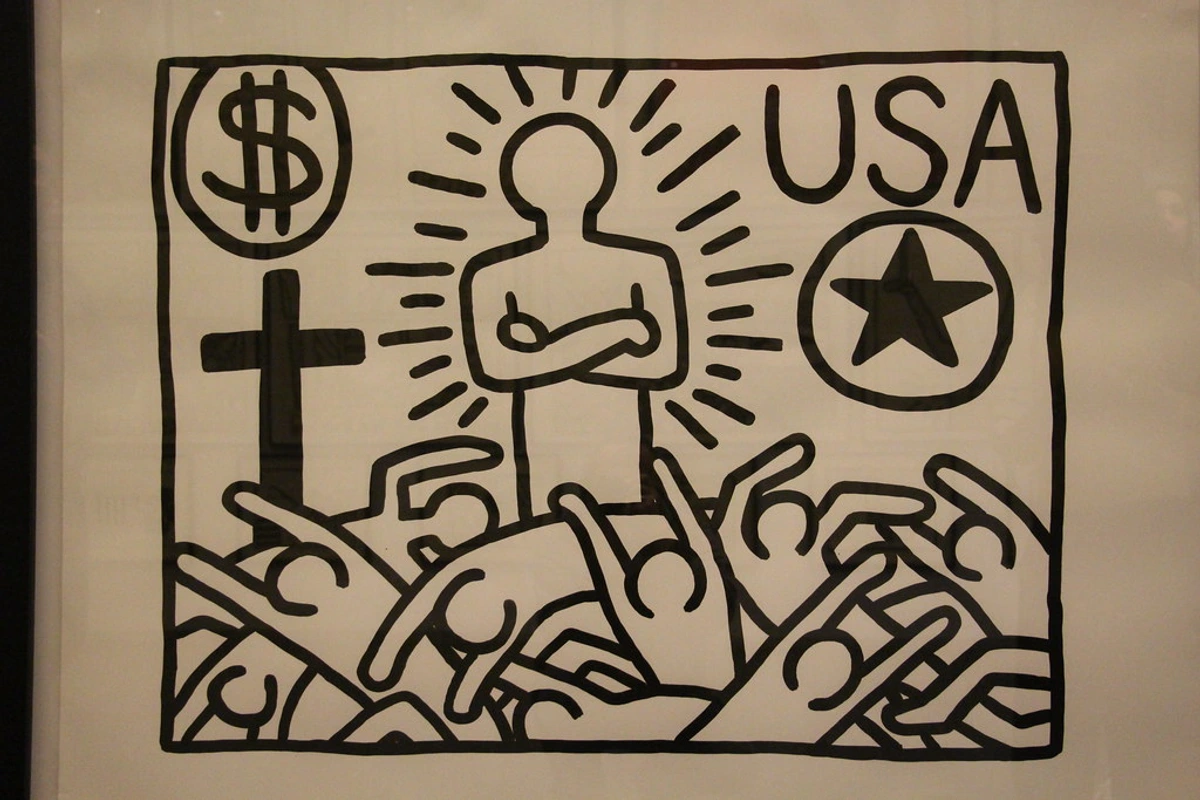
This wasn't just a stylistic choice; it was a philosophical rebellion. They believed art should be connected to life—all of life, not just the pretty parts. This human-centric focus paved the way for everything that followed in the 20th century. It was the first crucial step in American art's journey toward becoming a true social conscience.
The People's Canvas: Regionalism and the Great Depression
The story of American art as a social force truly ignites in the crucible of the 1930s. The American Dream wasn't just deferred; it was shattered. In the midst of the Great Depression, with dust storms choking the plains and breadlines snaking through the cities, a group of artists turned their gaze away from the avant-garde experiments of Europe. They looked homeward, not with abstract ideas, but with a gritty, unflinching realism. This was Regionalism. At its heart, Regionalism was a form of cultural isolationism, a belief that true American art should spring from the nation's own soil and its own people.
But to understand why this was such a profound shift, we have to briefly touch on the other major current of the era: American Modernism. While the Regionalists looked to the soil, Modernists like Georgia O'Keeffe and Arthur Dove looked to the skyscraper and the flower, exploring abstraction, spirituality, and a more personal, symbolic language. Their work, particularly O'Keeffe's, also had a social impact, but of a different kind—it offered a powerful, non-male gaze and proved that a uniquely American art didn't have to be representational or narrative. Consider Charles Sheeler's precisionist paintings of Ford Motor Company's factory—they're a celebration of the machine age's clean lines, an entirely different vision of America than Grant Wood's gothic farmhouse. The tension between these two paths—the nationally-focused Regionalism and the inward-looking Modernism—defined a key cultural debate of the time.
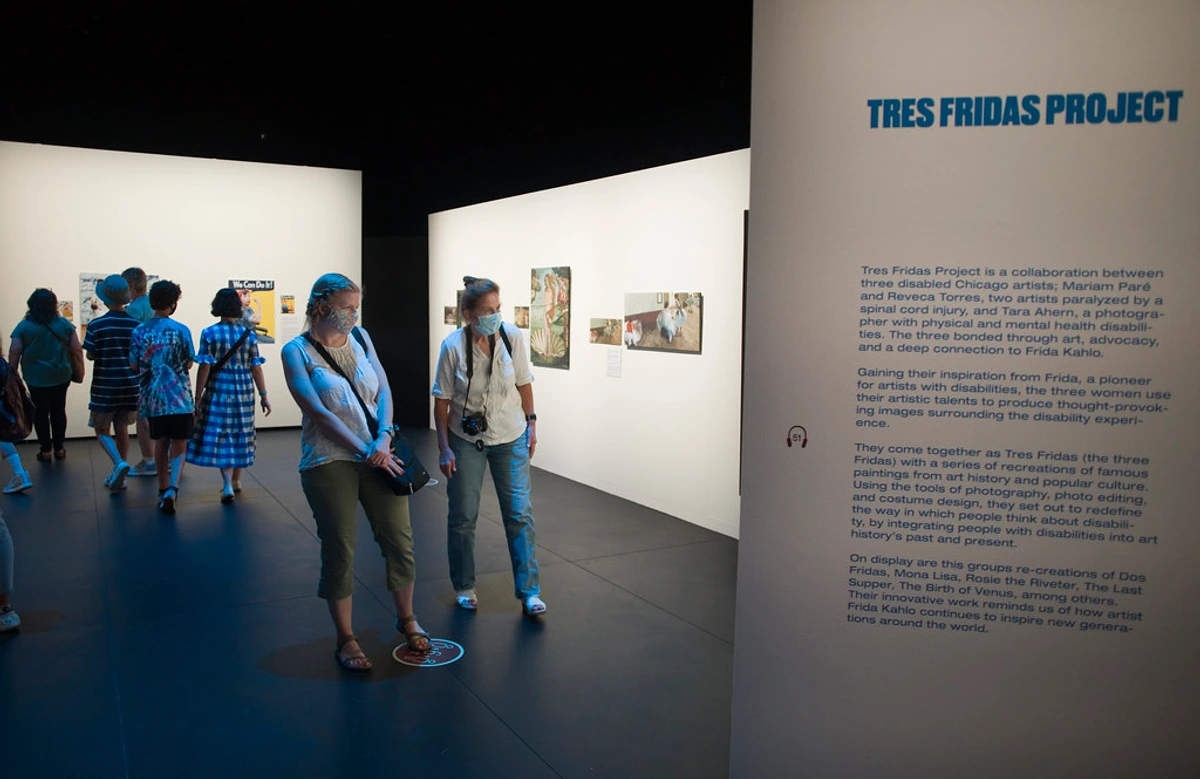
Artists like Grant Wood, Thomas Hart Benton, and John Steuart Curry weren't painting for the elite salons of New York. They were painting for the farmers, the factory workers—the people who were the backbone of the country. Their work was a conscious rejection of cosmopolitan modernism, which many saw as out of touch and European. They wanted an art that was distinctly, unequivocally American.
The Icon in the Field: Grant Wood's "American Gothic"
The power of Regionalism is perfectly captured in one of the most parodied and potent images in American history: Grant Wood's American Gothic. I remember staring at it in a museum, past the t-shirts and coffee mugs, and finally seeing it. This isn't just a portrait of two people; it's a psychological portrait of a nation in crisis. It was 1930, a year after the stock market crash, and Wood's decision to elevate these two stoic, even dour, figures from rural Iowa was a deliberate act. He wasn't painting aristocrats or heroes; he was painting the anonymous backbone of a country that was struggling to understand itself.
Wood painted what he knew best—the stoic, moral fiber of rural Midwestern life. This painting became a Rorschach test for the country. Was it a celebration of American fortitude, or a subtle critique of our stodgy, Puritanical side? The genius is that it's both.
Digging deeper, the very composition tells a story of anxiety. That famous pitchfork isn't just held; it's gripped, a symbol of both productivity and defense. Look closer at the house itself, depicted with almost fanatical precision. It's a style known as Carpenter Gothic, a humble, Americanized take on European architecture. By putting this specific house in the background, Wood was grounding his subjects in a particular social and economic reality—the world of small-town, agrarian America, a world that felt both proud and precarious during the Great Depression.
Let's unpack that composition a bit more. Notice how rigidly the figures are placed within the painting, framed by the vertical lines of the house. There's a tension in this rigidity, a sense of being hemmed in. This wasn't just a stylistic choice; it was Wood's way of communicating the claustrophobia and rigidity of a certain kind of American life. The very title, 'Gothic,' is a loaded term. It harkens back to European architecture, but here it's awkwardly applied to a humble Midwestern farmhouse. It's as if Wood is asking: Can a distinctly American, Protestant work ethic produce its own kind of stark, overwhelming aesthetic? The pitchfork, held so firmly by the man, is another stroke of genius—it’s a symbol of labor, but also a potential weapon. It speaks to a mindset of self-reliance mixed with a deep-seated suspicion of the outside world. The painting's power lies in its unresolved duality: it's both a testament to American resilience and a deeply human study in anxiety and suspicion. It's a mirror that, depending on who's looking, reflects either uncompromising virtue or narrow-mindedness.
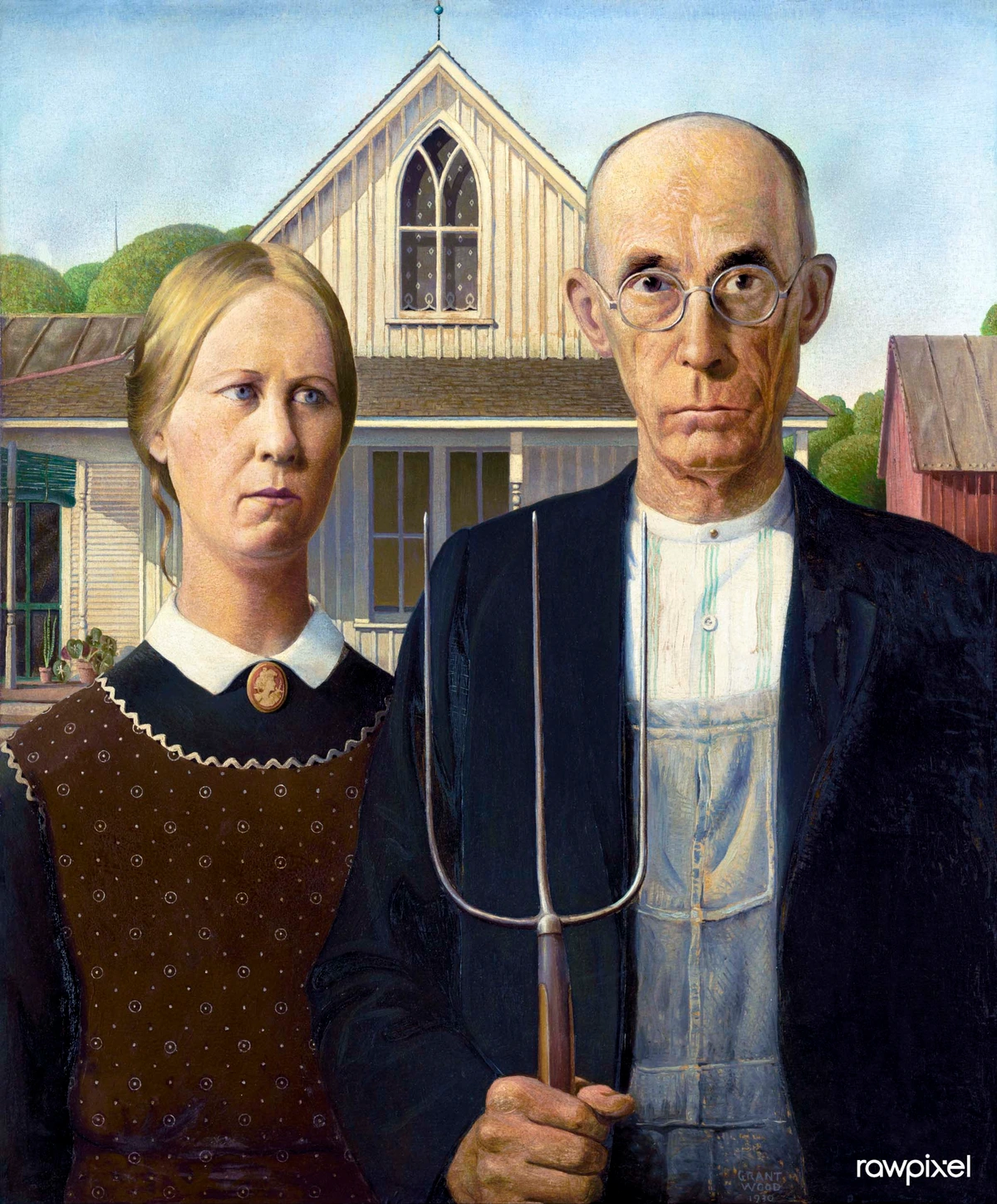
In doing so, American Gothic gave a face to the national struggle, a face that was relatable, dignified, and as stubborn as the land itself. This wasn’t art for art’s sake; this was art as a mirror, reflecting the soul of a people back to themselves. It’s also a masterclass in the use of facial expression and posture in portraiture to convey deep societal tension, arguably standing as one of the most recognizable examples of realist painting in American art history.
The Protest Brush: Social Realism and the Art of Anger
If Regionalism offered a stoic reflection, its artistic cousin, Social Realism, picked up a megaphone. As the Depression wore on, and as the fight against fascism began to brew, the tone of art shifted from stoicism to activism. Social Realists used their art to expose injustice, rally the working class, and shine a harsh light on the failures of the system.
Their canvases were scenes from the front lines of the American experience: labor strikes, urban poverty, racial inequality. They were deeply influenced by the Mexican Muralists like Diego Rivera, who believed art was a public weapon for the people. For Social Realists, the gallery wasn't enough; they wanted their message on post office walls and in union halls.
The Work of Art as a Call to Action
While there wasn't a single "icon" of the movement like American Gothic, the work of artists like Ben Shahn, Philip Evergood, and Jacob Lawrence told the stories the newspapers often ignored. Jacob Lawrence’s The Migration Series is a monumental achievement, chronicling the Great Migration of African Americans from the rural South to the urban North. He didn't just paint a scene; he told an epic narrative of hope, struggle, and resilience in a series of vivid, stylized panels.

A Closer Look: Jacob Lawrence's The Migration Series
You really have to see the panels together to feel their full impact. I once spent an hour walking along a long wall where they were all displayed in sequence. The effect was hypnotic. You follow the figures through train stations, crowded apartment buildings, and factory floors. Lawrence's use of simple, geometric shapes and a limited but potent color palette isn't just a stylistic choice; it's an act of communication. The repetition of forms turns individual struggle into a collective epic. It's a masterclass in how visual language can be used to tell a massive social story without a single unnecessary detail. In some ways, his work acts as a counterpoint to other 20th-century explorations of artistic mission, like the radical experiments of the Russian avant-garde, proving that powerful social commentary could be achieved through modernism without sacrificing accessibility.
Beyond Lawrence, Ben Shahn was another giant of Social Realism. His work often used the visual language of protest itself. He would incorporate text, newspaper clippings, and the graphic punch of political cartoons directly into his paintings and posters. His piece The Passion of Sacco and Vanzetti isn't just a painting; it's an indictment of a miscarriage of justice, a howl of protest against a system he saw as deeply corrupt and prejudiced. It chronicled the case of two Italian-American anarchists who were controversially executed in 1927, a cause célèbre for many on the left. By weaving their trial and execution into a powerful visual narrative, Shahn ensured their story, and the questions it raised about American justice, would not be forgotten. This is art-as-documentary, art-as-a-weapon in the fight for social conscience.
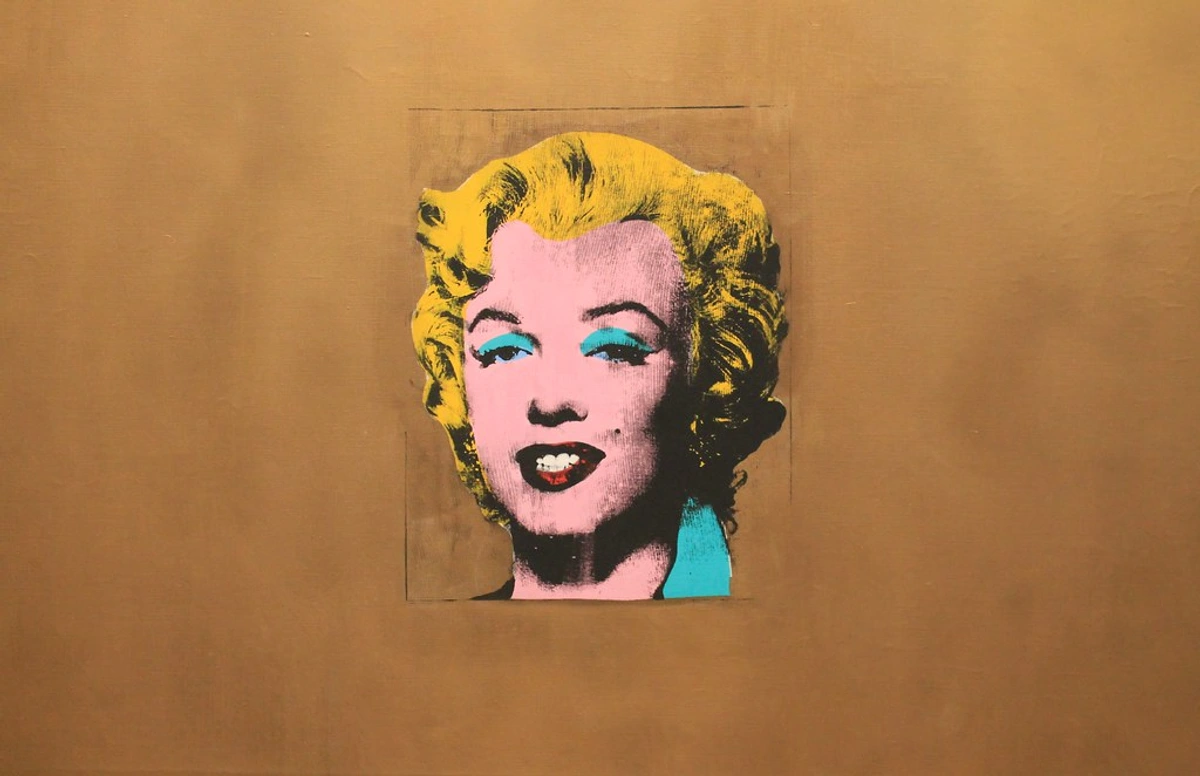
This work had a profound social impact because it gave visibility to an invisible population, documenting their quest for dignity and freedom in a way that was both powerful and accessible. It was art that did something. It didn't just hang on a wall; it participated in the great social debates of its time, demanding change, empathy, and action. This ethos of art as a form of social protest and political dissent is a thread that runs from Social Realism directly to contemporary artists who use their work to challenge power structures today.
Before we move on, we should also acknowledge the crucial role of government. The Works Progress Administration, particularly its Federal Art Project (WPA), was arguably the single greatest patron of the arts in American history, directly funding Social Realist and Regionalist artists and proving that public investment in art could document and shape the soul of the nation during a time of profound crisis.
The Unraveling of Form: Abstract Expressionism's Quiet Revolution
Then, the world blew up. After the Second World War, with the revelation of the Holocaust and the atomic bomb, the idea of painting a neat, representational picture of the world felt... inadequate, almost obscene. How do you paint a society that could create such horrors? For many artists, you didn't. You turned inward, searching for meaning in the raw act of creation itself.
This wasn't a sudden retreat. It was a response to a world where grand narratives had led to catastrophe. Philosophy was grappling with Existentialism, and artists were too. If there was no inherent meaning, then meaning had to be created, forged in the moment of action. This psychological shift—from representing the outer world to manifesting an inner one—is the deep foundation upon which the Abstract Expressionist project was built. The artist's studio became a laboratory for exploring consciousness itself. Instead of painting a war, they painted the feeling of a world at war. Instead of painting a landscape, they painted the vast, empty spaces of an uncertain future. It was a profound change in subject matter, from the external to the internal, from the specific to the universal.
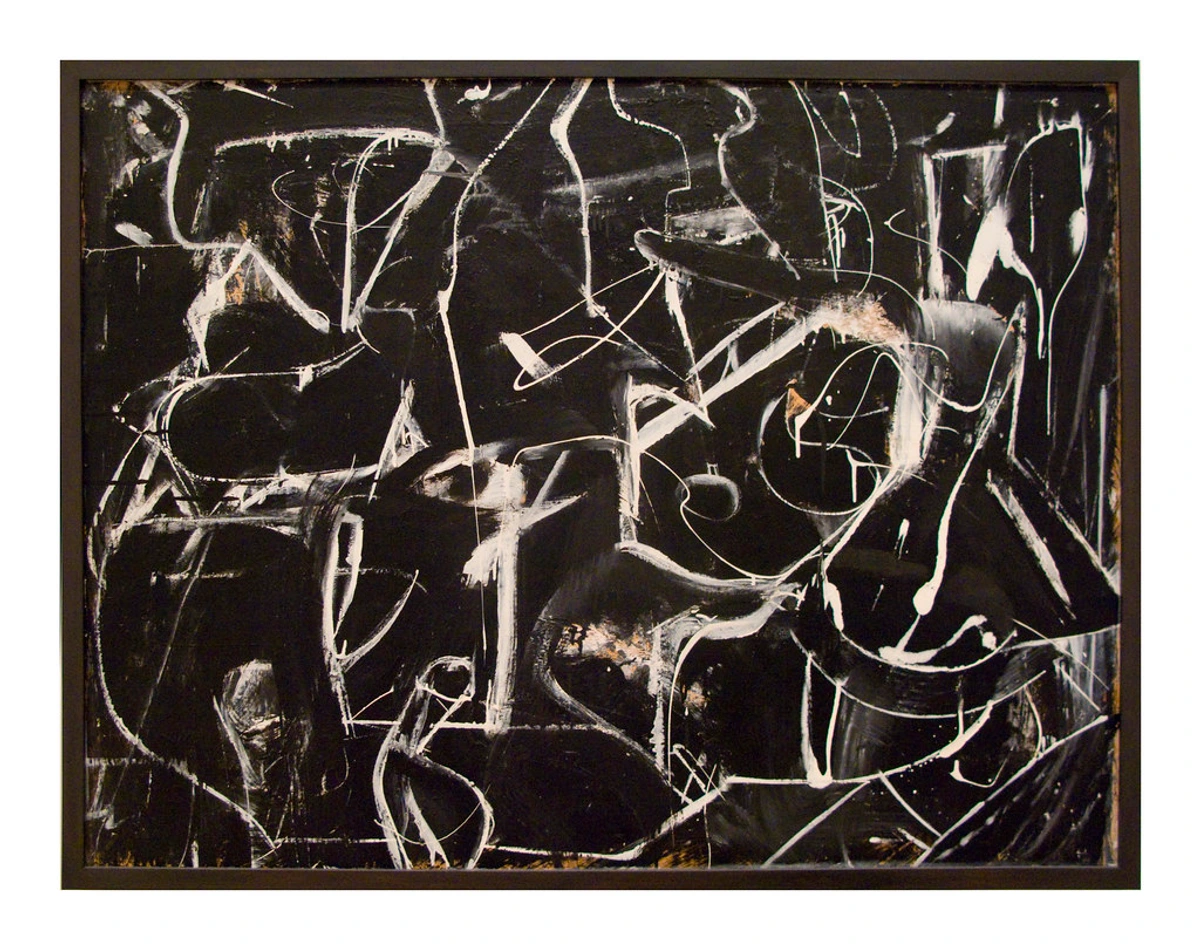
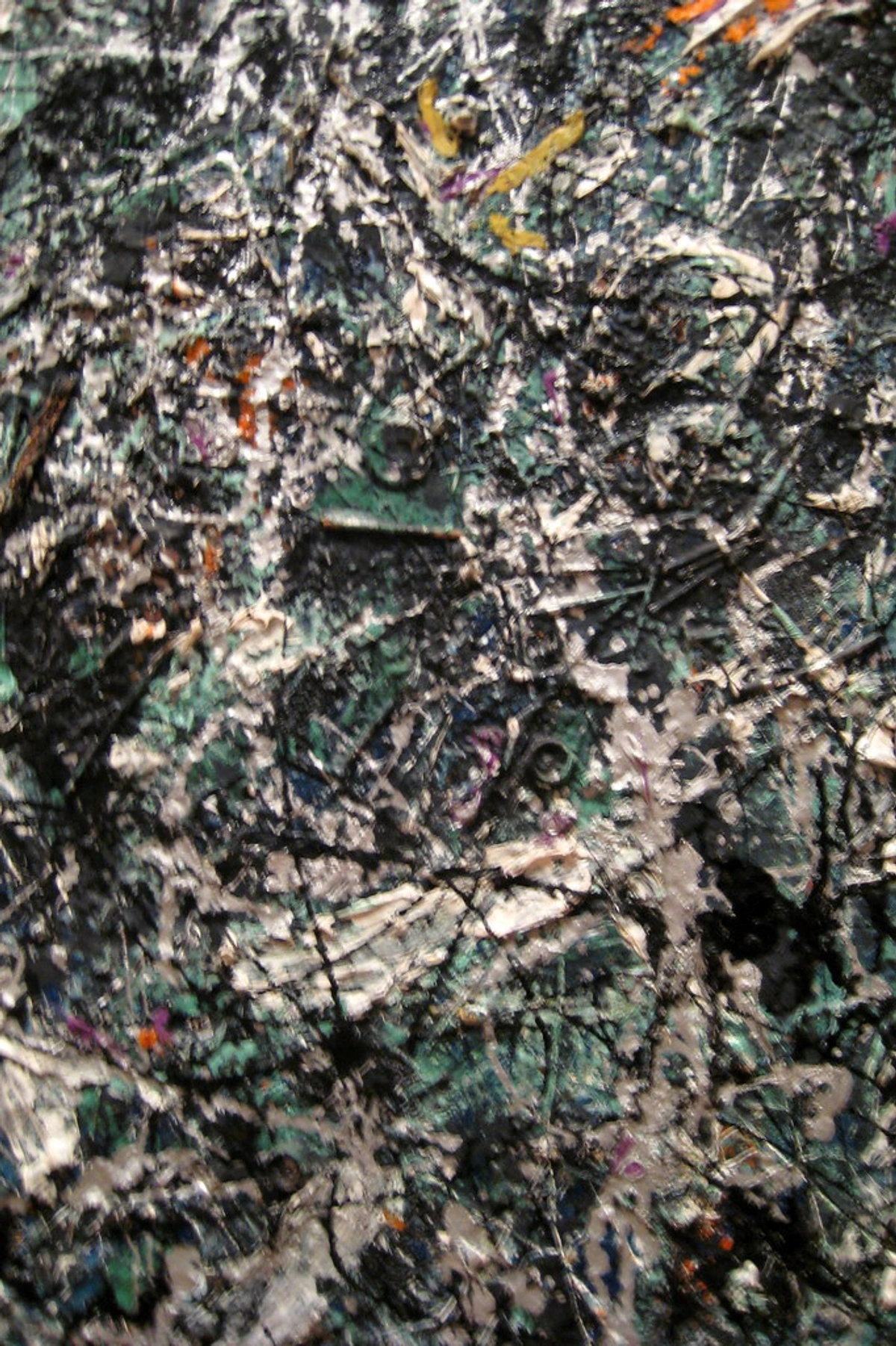
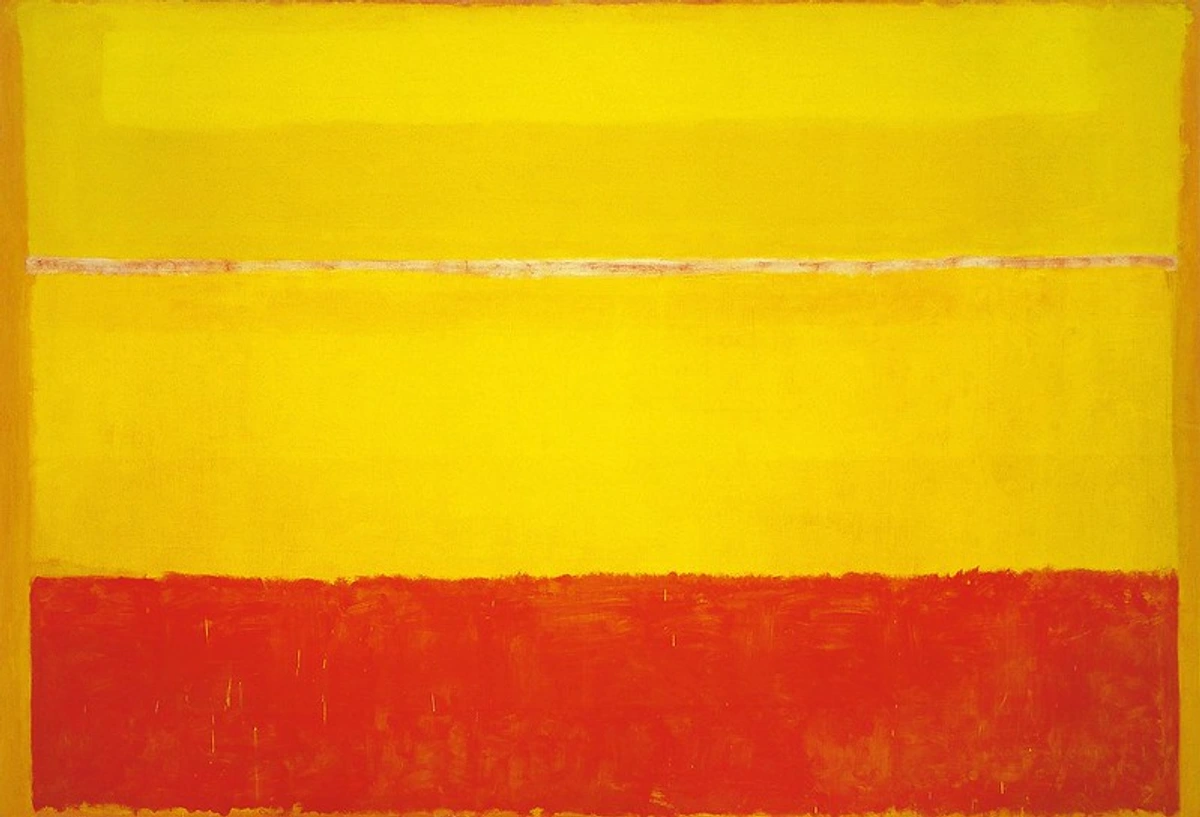
This gave birth to Abstract Expressionism, or the New York School. The focus shifted from what to paint (a person, a landscape) to how to paint. This was about the gesture, the emotion, the very act of creation itself. Jackson Pollock dripping paint onto a canvas on his studio floor, Mark Rothko enveloping viewers in his pulsating, rectangular fields of color—this was art on a scale and with an intensity never seen before. Beyond Pollock's action and Rothko's contemplation, a key figure was Willem de Kooning, whose ferocious, abstracted figures presented a different, more visceral form of engagement, proving that even as artists turned inward, the figure could still be a battleground.

And then there were the women. For too long, the story of Abstract Expressionism was told as a saga of heroic men. But artists like Lee Krasner, Joan Mitchell, and Helen Frankenthaler were central to its development. Krasner's energetic, all-over compositions were a dynamic counterpart to Pollock's, while Frankenthaler's invention of the "soak-stain" technique created a new, lyrical form of color field painting. Their work was every bit as revolutionary, and their eventual recognition corrects a historical narrative that often pushed them to the margins. It's important to remember that Krasner, for example, was a successful artist in her own right before she met Pollock, and she continued to innovate after his death, only to have her work initially dismissed as merely derivative of his. The story of their struggle for recognition is itself a critical part of the movement's social history.
The social impact here is more subtle but no less profound. This movement, centered in New York, single-handedly shifted the art world's axis from Paris to America. It announced the arrival of American cultural power on the global stage. But more importantly, it was a deeply personal response to a world that had stopped making sense. You couldn't paint a quiet still life after Auschwitz. The canvas had to bear the weight of that trauma. The sheer physicality of it was part of the message. Pollock's drips weren't just paint; they were a record of his movement, his dance, his energy. Similarly, de Kooning's violent brushstrokes and fragmented figures channeled a profound anxiety about the body and civilization. This was an art that demanded to be felt, not just seen. It was a direct extension of the artist's nervous system, a raw chronicle of the 20th-century psyche.
But let’s be honest, the story of its dominance isn’t just a tale of pure genius and market forces. Here’s an uncomfortable truth about art and its relationship with power: Abstract Expressionism was co-opted as a potent tool of Cold War propaganda. The CIA, through front organizations like the Congress for Cultural Freedom, actively promoted this art internationally. Why? Because it was seen as the perfect ideological weapon. It showcased American individualism, creative freedom, and 'free' expression, standing in stark contrast to the rigid, state-sponsored Socialist Realism of the Soviet Union. It was proof that American culture was dynamic, avant-garde, and free. So, this deeply personal, inward-turning art became, almost accidentally, a massive piece of geopolitical theater. It was a pawn in a global game of cultural chess, with paintings by Jackson Pollock and Mark Rothko serving as unlikely soldiers.
Movement  | Era | Core Focus | Social Impact | Historical Context & Key Figures |
|---|---|---|---|---|
| Genre Painting | Mid-Late 19th C. | Idealized scenes of everyday rural/suburban life | Built a visual vocabulary for a shared American identity; celebrated and cemented the 19th-century status quo. | Predecessor to later realism. Artists: Winslow Homer, Eastman Johnson. |
| Ashcan School | Early 1900s | Urban grit, everyday life | Rejected idealized art for unvarnished truth; dignified the lives of the urban working class. | A reaction against academic art. Artists: Robert Henri, John Sloan, George Bellows. |
| Regionalism | 1930s | Rural, folk-hero realism | Forged national identity during economic crisis; a defiant look inward in the face of global turmoil. | A response to Great Depression. Artists: Grant Wood, Thomas Hart Benton. |
| Social Realism | 1930s-40s | Labor, poverty, injustice | Direct activism, gave voice to the marginalized; often funded by government arts projects like the WPA. | Influenced by Mexican Muralists. Artists: Ben Shahn, Jacob Lawrence. |
| Abstract Expressionism | 1940s-50s | Subconscious, gesture, emotion | Asserted U.S. cultural power post-WWII; a personal, existential response to global trauma, later co-opted for Cold War propaganda. | Explored existentialism; centered in New York. Artists: Pollock, Rothko, de Kooning, Krasner, Frankenthaler. |
| Pop Art | 1950s-60s | Consumerism, mass media, celebrity | Blurred lines between high and low culture; held a mirror to the mechanics of desire and branding. | Response to post-war consumer boom. Artists: Warhol, Lichtenstein, Oldenburg. |
| Feminist Art / BAM | 1960s-80s | Gender, racial identity, power | Challenged art world exclusion, created new narratives of identity; fought for representation and systemic change. | Coincided with Civil Rights and feminist movements. Artists: Chicago, Guerrilla Girls, AfriCOBRA. |
| Contemporary Voices | 1970s-Present | Identity, technology, globalization | Diverse critiques of power and society through new media; ongoing interrogation of history and representation. | Digital age, identity politics. Artists: Wiley, Holzer, Walker, Banksy. |

The Supermarket as Salon: Pop Art and the Consumer's Mirror
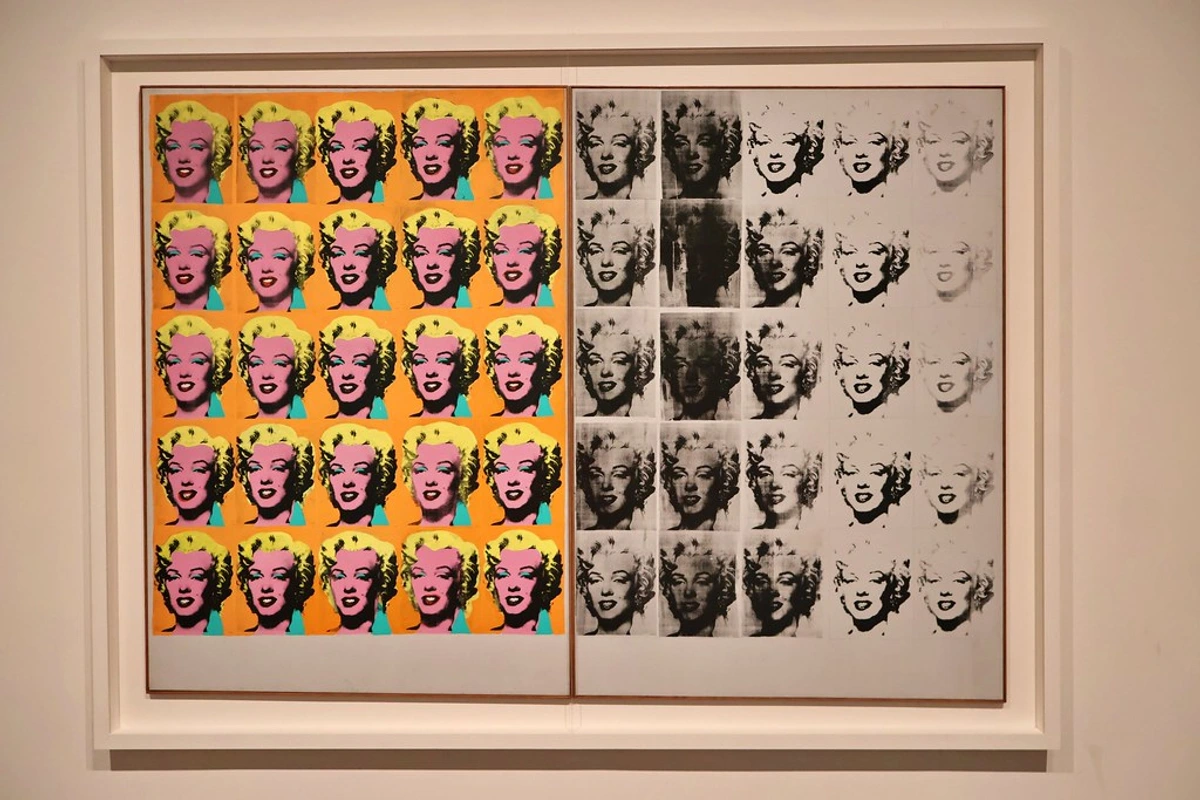
And then, just as Abstract Expressionism settled into its brooding, heroic intensity, a group of artists walked in with a can of soup and a knowing wink. Welcome to Pop Art. In the years following World War II, America experienced an unprecedented economic boom. Factories that once produced tanks and planes now churned out automobiles and refrigerators. Suburban developments sprawled across the landscape, and a new, powerful force entered the American home: the television, a flickering box bringing a continuous stream of advertisements and celebrity into the living room. This was the backdrop for a cultural explosion that would challenge the very definition of art. The postwar economic boom of the 1950s had filled American life with an unprecedented array of consumer goods, advertisements, and celebrities. The world was suddenly saturated with images—not in museums, but on TV screens, in magazines, and on billboards. It felt like the whole cultural conversation was suddenly happening in the supermarket aisle, not the library.
It's hard to overstate how jarring this shift was. After the deep, soul-searching angst of Abstract Expressionism, Pop Art felt like a splash of cold water. It was irreverent, witty, and deadpan. Think about stepping out of a silent, candlelit cathedral and right onto a gaudy, cacophonous Times Square. That was the cultural whiplash. The movement asked a new question: what if the most important cultural artifacts of our time weren't heroic paintings, but were, in fact, soup cans and comic books, movie stars and dollar bills? The audacity was the message. It shifted the focus from the artist's tortured psyche to the images that already saturated everyone's daily life.
Andy Warhol’s Soup Cans: The Leveling of Art
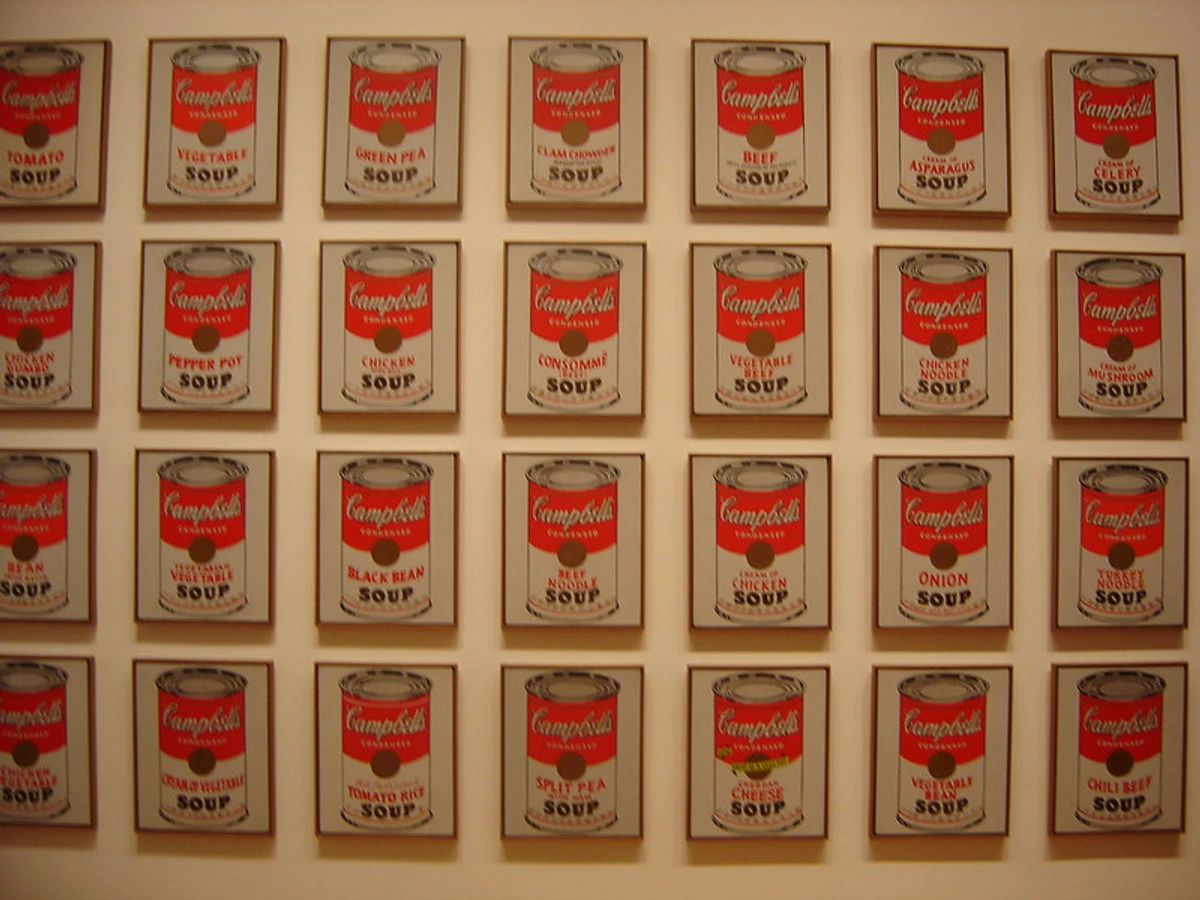
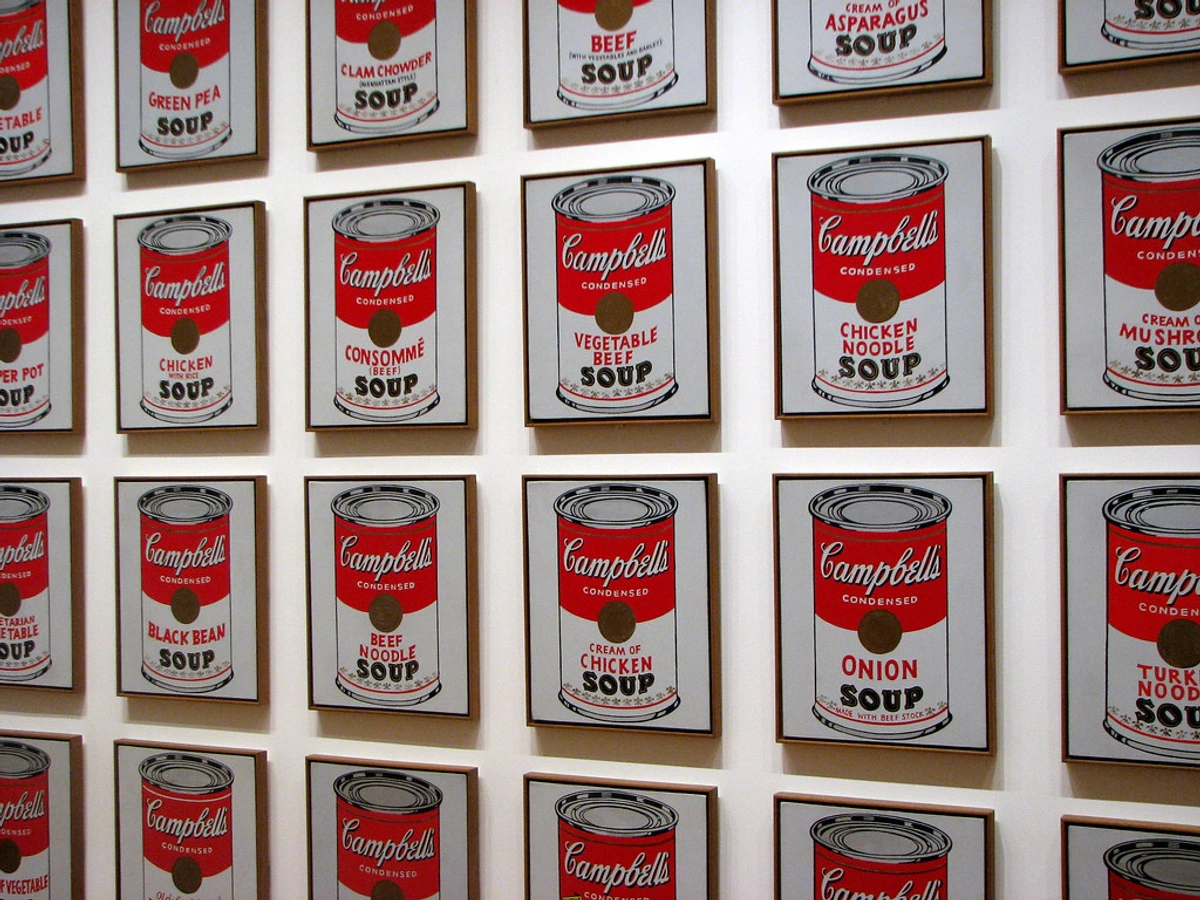
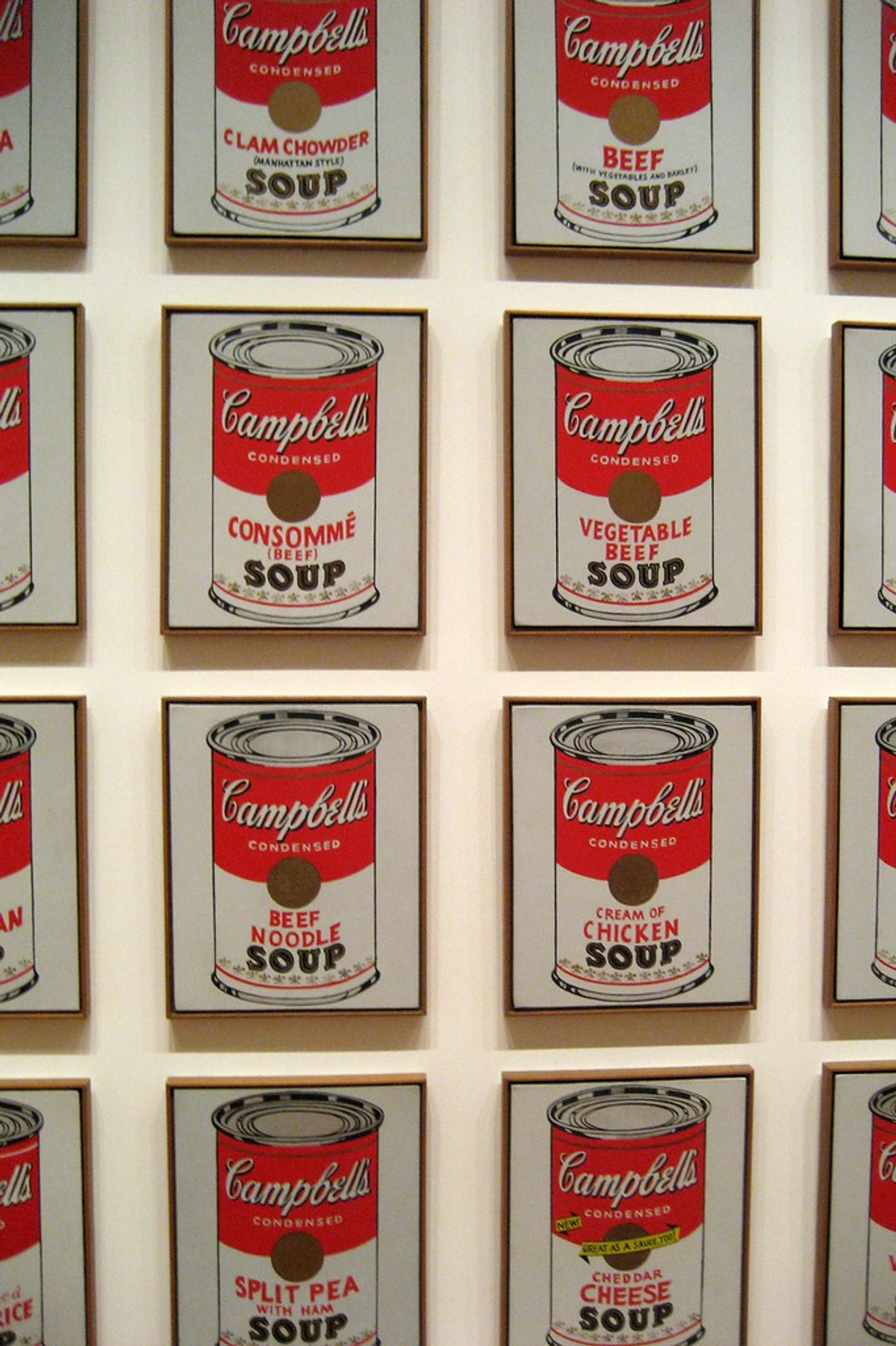
Nothing captures the spirit of Pop Art like Andy Warhol's 32 Campbell's Soup Cans. I find myself endlessly fascinated by it. Why a soup can? Because Warhol stripped away the heroic, emotional baggage of previous art. He presented the familiar, mass-produced object as a subject worthy of the museum. In doing so, he asked uncomfortable questions: What is art? What is its value? What separates a painting of a soup can from the can itself, besides the signature? He wasn't just celebrating consumer culture; he was showing us its strange, almost religious aesthetic power. He was looking at the objects that filled our homes and asking, "Why is this any less meaningful than a landscape?" It was a critique disguised as an embrace.
The Pop Art Arsenal: Johns, Lichtenstein, Oldenburg
But before the soup can, there was the target. Jasper Johns is often seen as the bridge between Abstract Expressionism and Pop Art. His paintings of flags, targets, and numbers took familiar, pre-existing images and rendered them strange. A painting of an American flag is, of course, an image, but it also is an American flag. He introduced this unresolvable ambiguity, forcing the viewer to question what they were actually looking at. It was a conceptual bombshell.
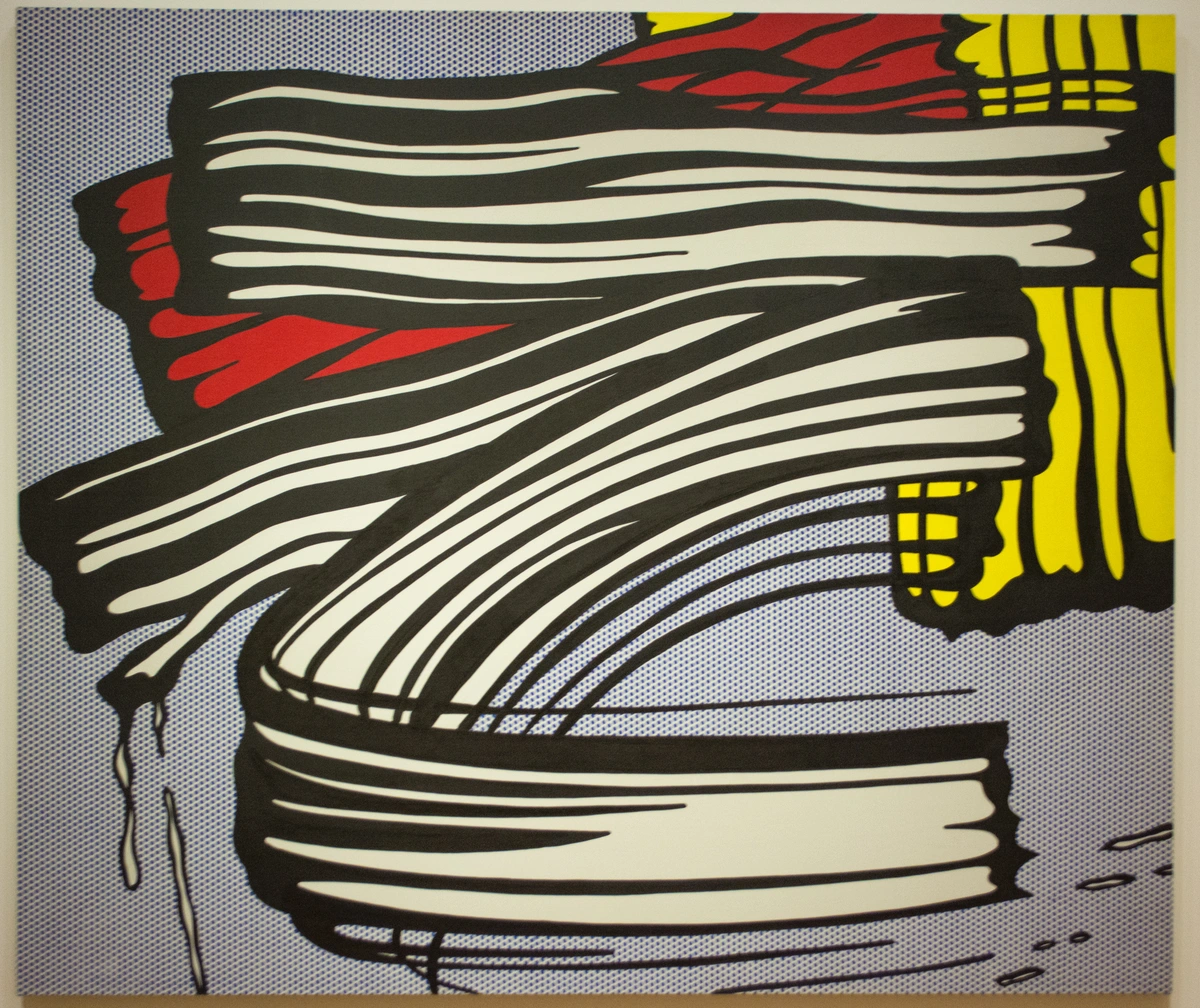
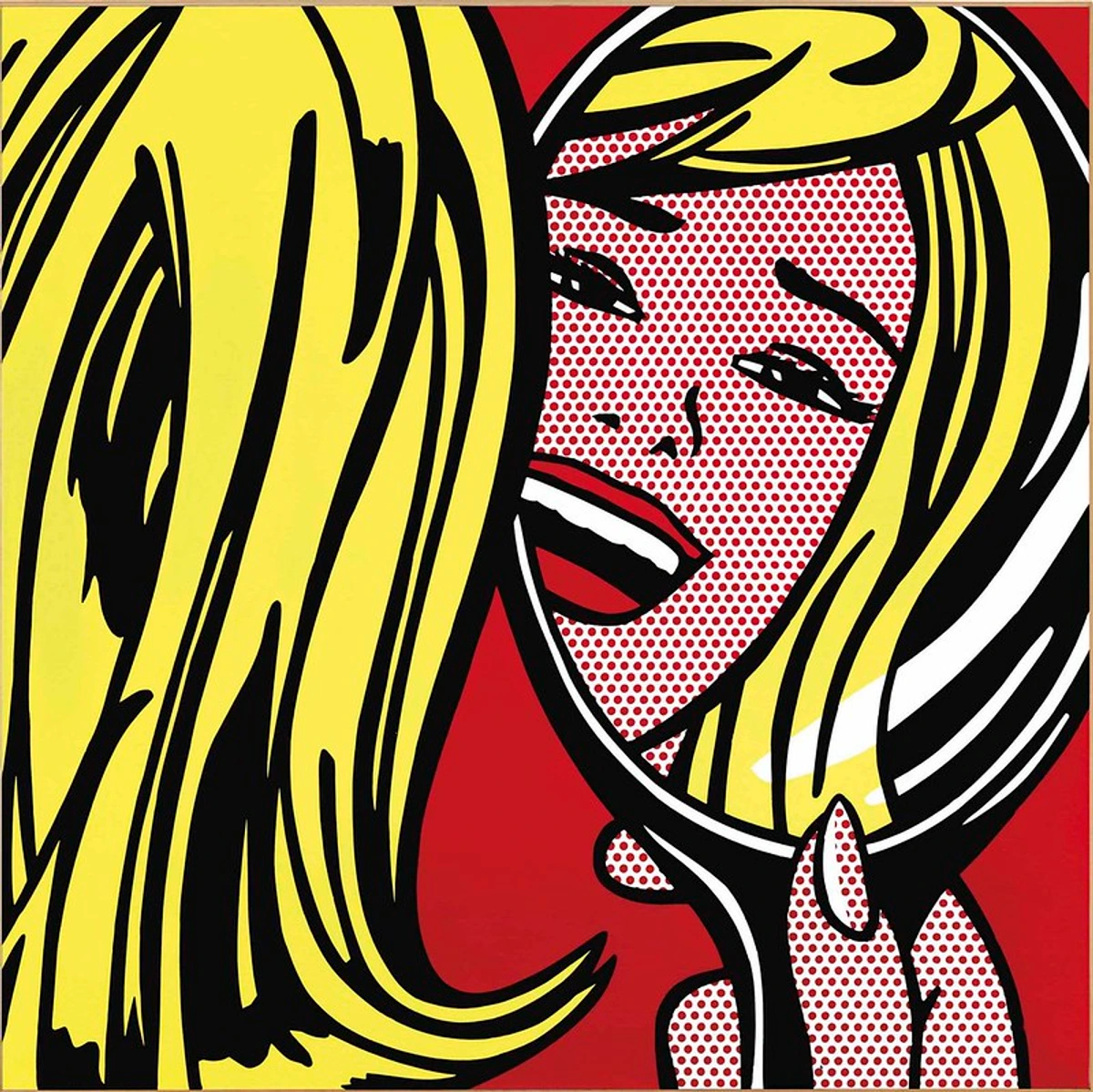
Roy Lichtenstein picked up this thread and focused it through the lens of mass media. He did the same with comic book panels, blowing them up to reveal the dramatic clichés and printing techniques (the Benday dots) that shaped our collective imagination. He wasn’t just copying; he was exposing the underlying visual and emotional formulas of popular culture.
At the same time, Claes Oldenburg reimagined consumer objects on a monumental scale. His giant, soft, floppy sculptures of light switches and hamburgers were both hilarious and deeply weird. I once stood next to one, and its sheer absurdity was perfect. It forced you to confront the physical presence of something utterly disposable. The social critique of Pop Art was its genius: it could be a celebration and a biting satire at the same time, often leaving the viewer to decide which was which.
The Conversation Continues: Contemporary Voices and Looking Forward
Demanding a Seat at the Table: Feminist Art and the Black Arts Movement
As the 1960s progressed, a simple critique of consumerism was no longer enough. The social contract between artist and society was about to be ripped up and rewritten by voices that had been systematically excluded from the art world. A new, more confrontational era was dawning, defined by identity and political power.
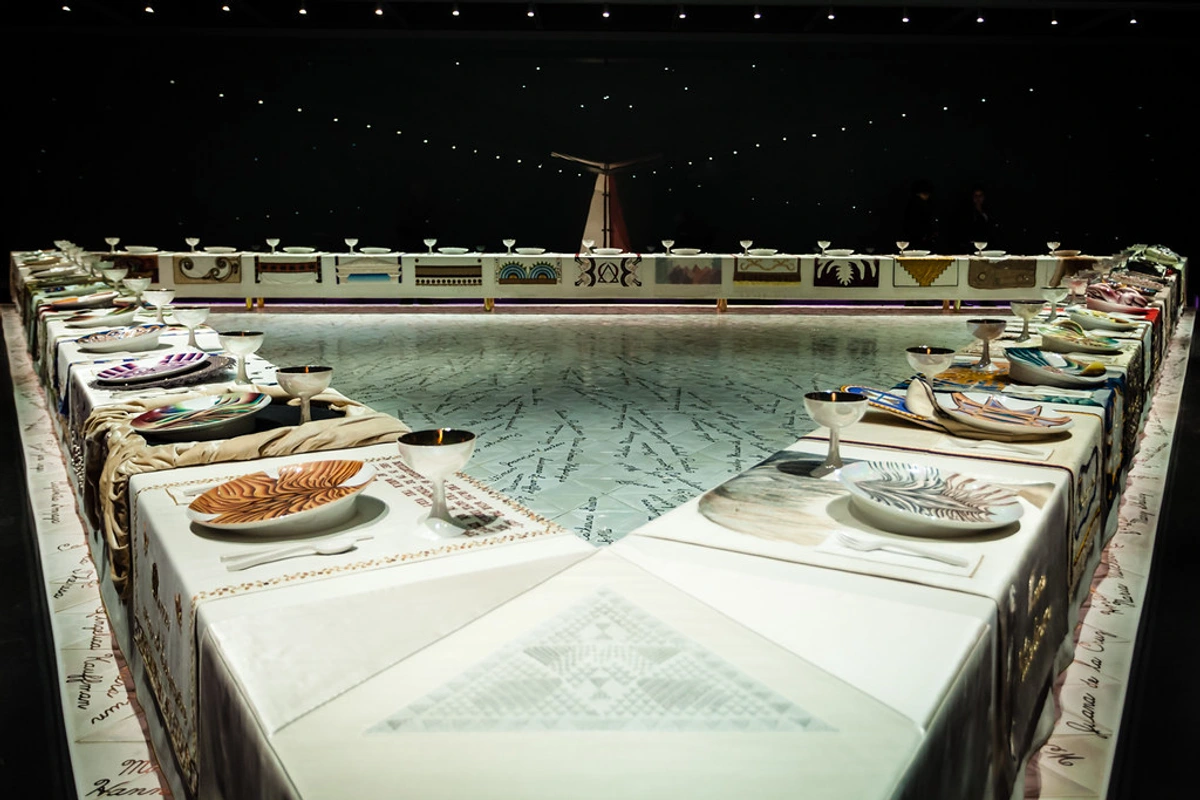
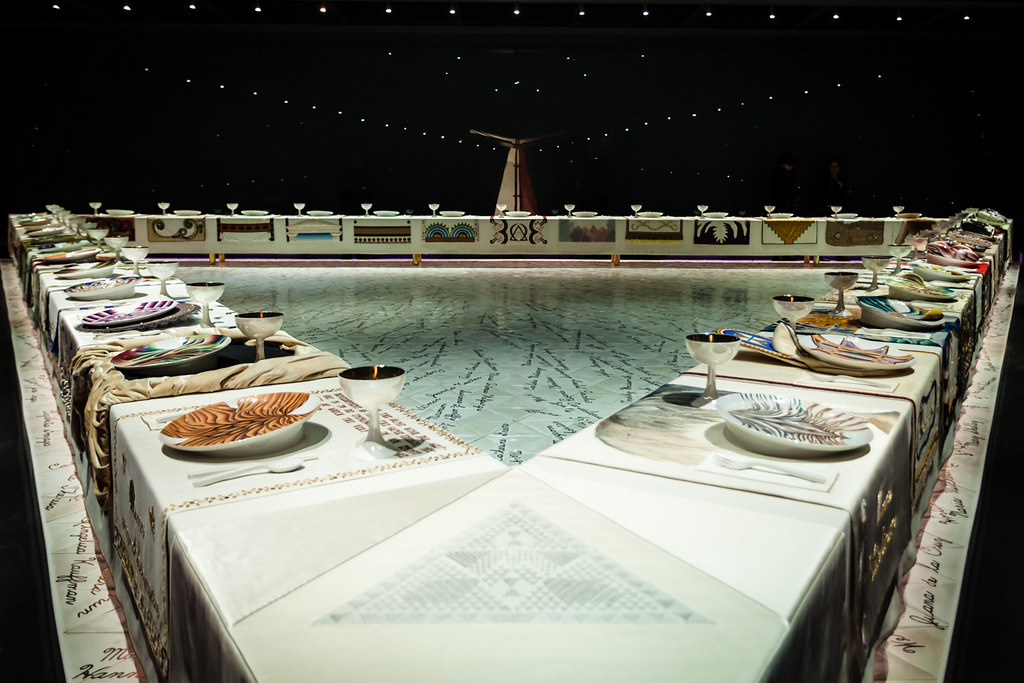
The conversation didn’t stop with Pop Art, of course. In fact, it was just getting started. The late 1960s and 1970s gave rise to Feminist Art, a movement that fundamentally challenged not just the male-dominated canon of art history, but the very systems of power that kept women and minorities out of museums. This was a rebellion from within, a demand for inclusion that would forever change the landscape of art. Art was no longer just about social commentary; it was about social equity. Artists like Judy Chicago created monumental, collaborative pieces like The Dinner Party that rewrote history to make space for women's stories. It’s easy to forget how radical it was to put a vaginal form on a plate and call it art. That simple, defiant act of celebrating female anatomy in a public space was a political statement that shattered taboos and re-framed the female body, not as an object for the male gaze, but as a source of power, history, and identity.
Collectives like the Guerrilla Girls took a different, more confrontational approach. They used statistics and humor, donning gorilla masks to preserve their anonymity and expose deep-seated sexism and racism in the art world. Their iconic posters asking 'Do women have to be naked to get into the Met. Museum?' were devastatingly effective, proving that data could be as powerful as a paintbrush for social critique. They didn't just want to be let into the boys' club; they wanted to burn the club down and build a new one. Their work demonstrated that the fight for representation was far from over, and that the battle had to be waged not just in the studio, but through public relations, statistics, and sharp, memorable graphic design. It was activism as performance art, and it was incredibly effective.
At the same time, running parallel to the feminist uprising, was the explosive Black Arts Movement of the 1960s and 70s. It emerged as the cultural arm of the Black Power movement, a declaration that art and politics were inseparable. This was about creating a new, distinctly Black aesthetic—one that was positive, community-focused, and politically empowering. Artists like Emory Douglas, the Minister of Culture for the Black Panther Party, created graphic, powerful images for the party's newspaper that were instantly recognizable and deeply influential. This was art for the people, art with a purpose, art that was part of the revolution.
Groups like AfriCOBRA (the African Commune of Bad Relevant Artists) became a cornerstone of this movement. Their aesthetic principles—vibrant "shine," bold colors, and a focus on Black empowerment—were a direct assault on Western art historical standards. Their work wasn't for the white gaze of the gallery; it was for the community, a powerful visual counternarrative to mainstream representations. This spirit of cultural self-determination and visual activism paved the way for countless artists and remains a vital force in contemporary art.
Art as a Living Document: Contemporary Voices Echoing the Past
Today, those social currents have diversified into a river delta, flowing into identity politics, environmental activism, and data visualization. The core questions remain the same, but the tools and the targets have shifted. Contemporary artists are still channeling the angry, data-driven spirit of the Guerrilla Girls and the empowering aesthetic of AfriCOBRA, applying it to a new set of social challenges. We see it in the work of artists like Trevor Paglen, who uses photography and AI to investigate surveillance and the ethics of seeing. We see it in the textile art of Bisa Butler, whose vibrant quilts reclaim Black history and family narratives, inserting them into the fine art conversation with undeniable warmth and power. It’s in the monumental land art of Robert Smithson, whose 'Spiral Jetty' was both an intervention in the landscape and a commentary on entropy and time.
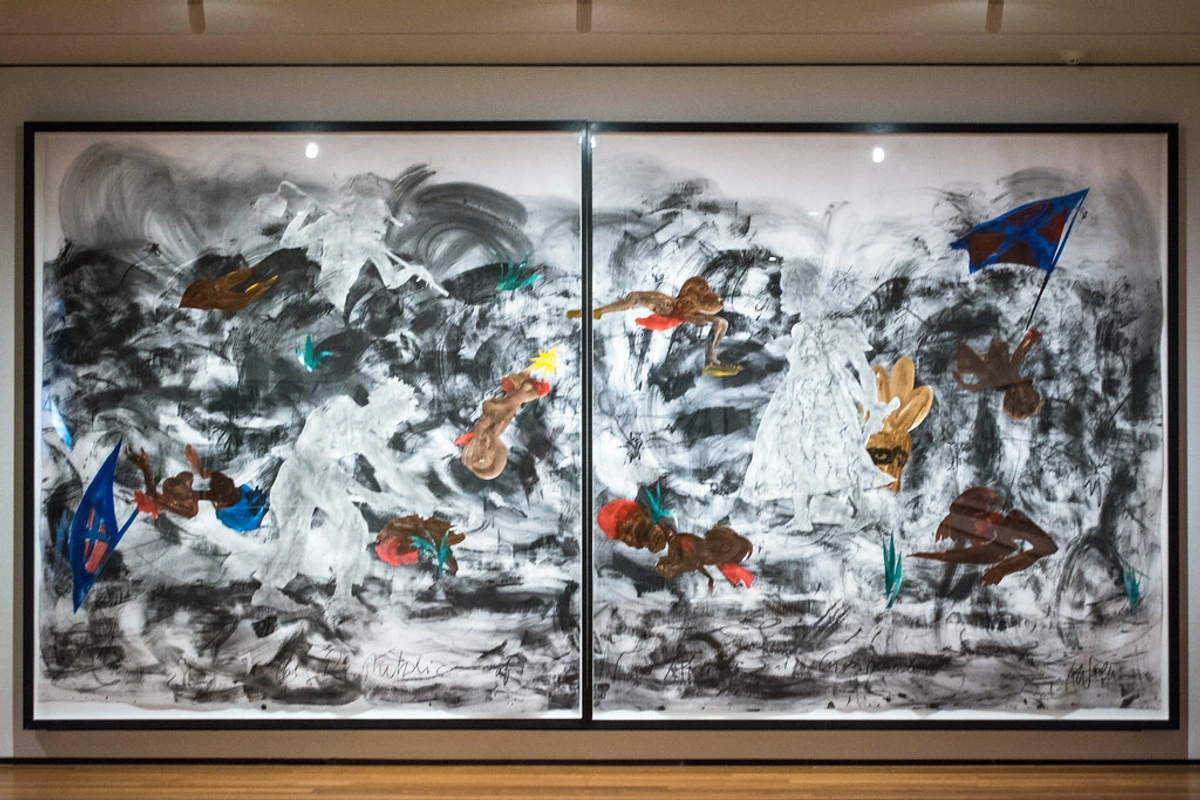
Artists like Kehinde Wiley reimagine classical portraiture with contemporary Black subjects, inserting them into the historical narratives from which they’ve been excluded. These aren't just paintings; they're subtle acts of historical reparation that ask us to reconsider who deserves to be memorialized. Jenny Holzer uses language as her primary medium, delivering powerful truisms and political statements on public LED signs, forcing us to confront uncomfortable truths in the course of our daily lives. And Kara Walker’s monumental silhouettes force a painful, unflinching confrontation with the legacy of slavery and racism in America, proving that the artist’s role as provocateur and truth-teller is far from over. These artists channel the confrontational spirit of the Guerilla Girls and the community focus of the Black Arts Movement to address the unfinished business of American history.
But this engagement isn't just painting and sculpture anymore. Artists like Taryn Simon use photography and text in a rigorous, almost forensic way, documenting the invisible systems of power that govern our lives, from criminal justice to bloodline certification. AI image generation and digital art, too, are forcing us to re-ask a very Pop Art question: what is originality in an age of mechanical, or algorithmic, reproduction? And what does it mean when AI can generate an infinite number of aesthetically pleasing, but emotionally hollow, images? It pushes the value of art back towards the uniquely human—the flawed gesture, the personal story, the intentional act of creation that can't be automated. The conversation continues, fueled by new technologies and a persistent desire for justice.
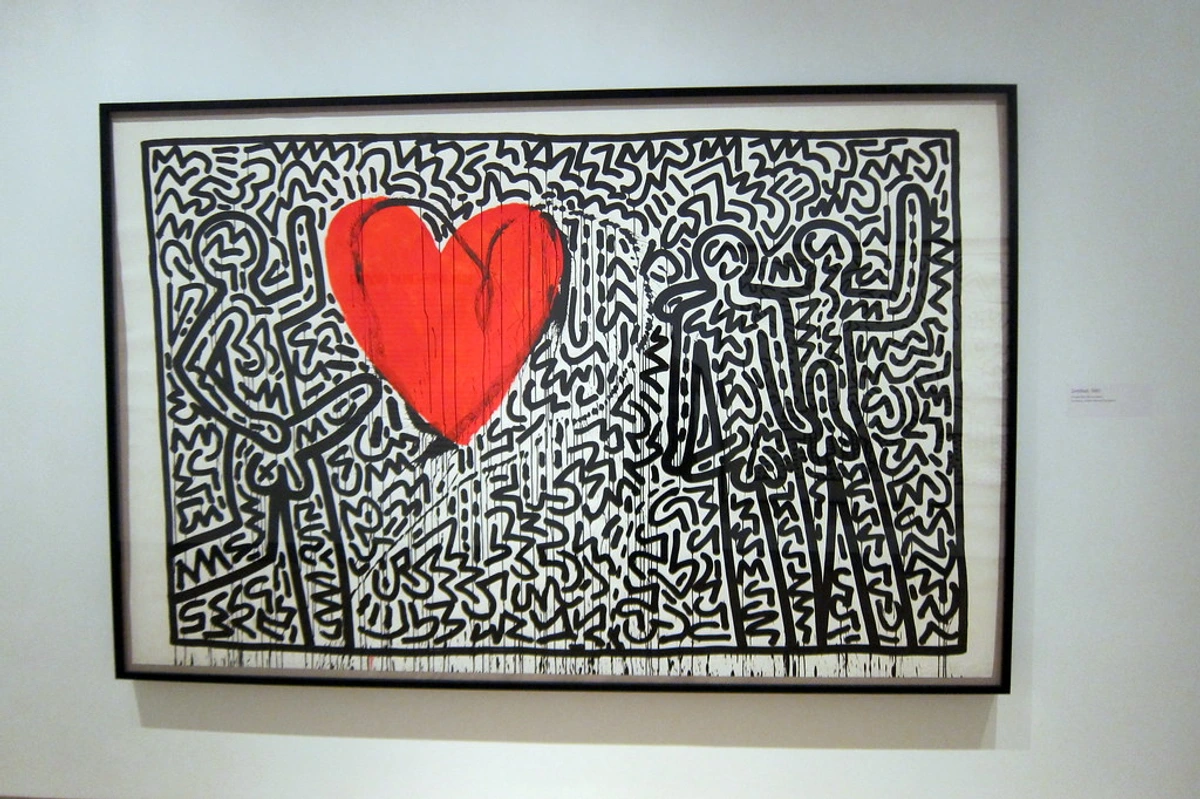
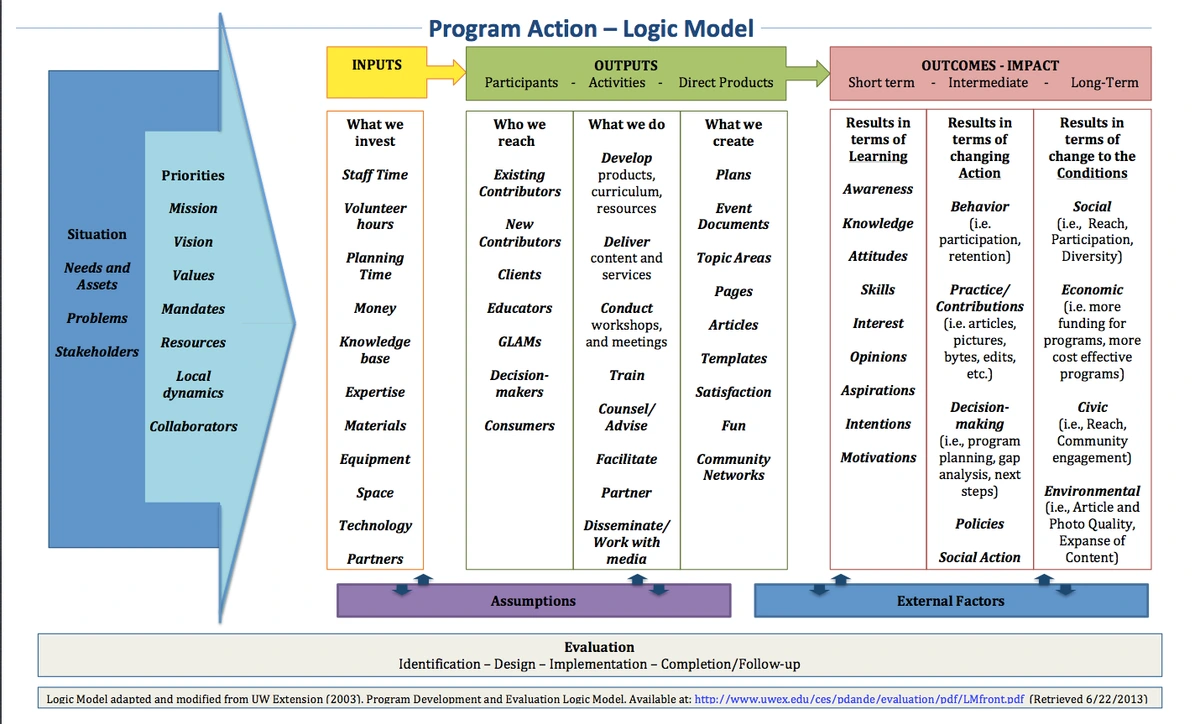
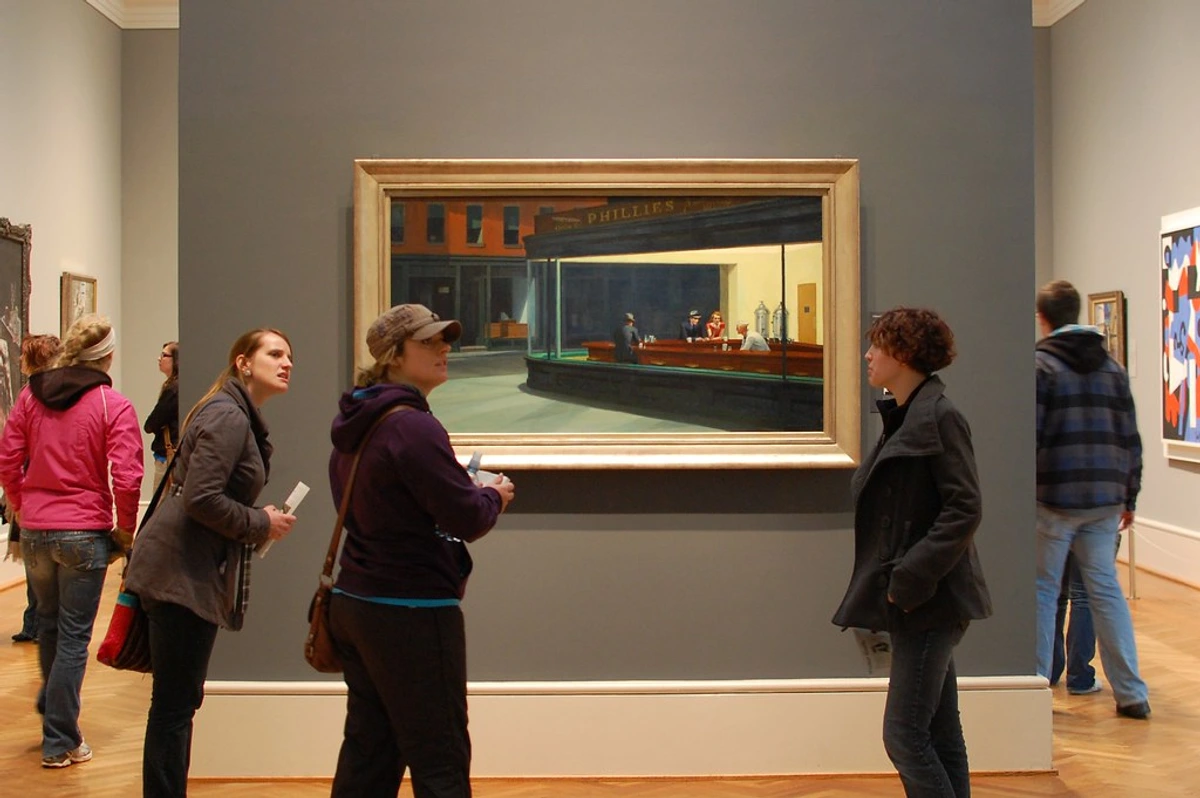
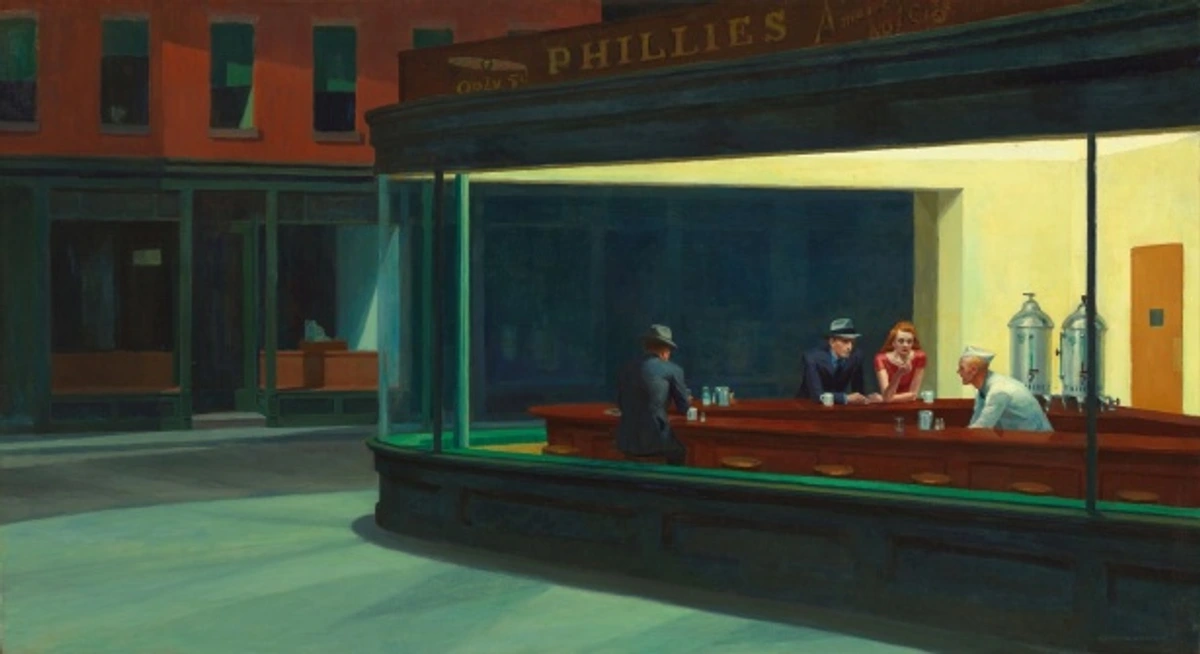
But the conversation is far broader than just painting and sculpture. The digital age has ushered in entirely new frontiers for social commentary. From the reimagining of classical elegance seen in Raphael and the High Renaissance to the gritty energy of Edward Hopper's modern solitude, artists have always reflected their times. Today, the social impact is also seen in how we interact with art, especially through Art Fairs as Spectacle, where the line between creative expression and commodity is perhaps the most poignant social commentary of all. The core mission remains: to translate the anxieties, hopes, and injustices of our time into a form we can see, feel, and argue about.
The Unsung Revolutionary: Horace Pippin and the Harlem Renaissance
I'd be remiss if I didn't pause here to talk about the Harlem Renaissance. This explosion of Black artistic, literary, and musical expression in the 1920s and 30s wasn't just an art movement; it was a social and political reawakening that deserves its own chapter in this story. It was the defiant counterpoint to the rural stories of Regionalism, a powerful urban chorus announcing a new Black identity. It was a period of unprecedented cultural ferment, where writers like Langston Hughes and Zora Neale Hurston, musicians like Duke Ellington, and visual artists like Aaron Douglas created a new lexicon for a modern Black experience.
Artists like Aaron Douglas, with his stunningly stylized, geometric paintings inspired by African art, weren't just making pretty pictures; they were forging a new visual language for a "New Negro"—a modern Black identity full of pride, agency, and sophistication. It declared, in no uncertain terms, that Blackness was integral to the cultural fabric of America. This movement had a profound social impact, laying the intellectual and cultural groundwork for the Black Arts Movement and the Civil Rights Movement decades later, proving that art can be both a celebration and a declaration of intent. It was, as the writer Langston Hughes put it, a time when Black artists intended to express their "individual dark-skinned selves without fear or shame." The legacy of this period is immense—you can see its echoes in the work of contemporary artists like Kerry James Marshall, whose work engages directly with this history of representation and the absence of Black figures in the canon of Western art.
Diving Deeper: Frequently Asked Questions

Why didn’t this article cover American Modernism, like works by Georgia O'Keeffe? That’s a great question, and it gets to the heart of how we categorize things. Movements like American Modernism and Precisionism were hugely important. Georgia O'Keeffe's sensual, close-up flowers were radical in their abstraction and feminization of a subject often seen as decorative, offering a powerful, non-male gaze. Charles Demuth's industrial landscapes, filled with clean lines and smokestacks, offered a very different path from the urban grit of the Ashcan School or the rural focus of Regionalism. They were often more about formal innovation, the spiritual power of the American landscape, or finding a personal, symbolic language. Their social impact was less about direct political protest and more about forging a new kind of American artistic vision—one where a skyscraper or a flower could be just as powerful a symbol of the nation as a farmer with a pitchfork. It’s a crucial, quieter part of the larger story.
What was the role of government programs like the WPA? The Works Progress Administration (WPA), particularly its Federal Art Project, was arguably the single greatest patron of the arts in American history. During the Great Depression, it put thousands of artists to work, paying them a weekly wage to create. They painted post office murals, taught community art classes, and created some of the most iconic works of the era. This program directly fueled the rise of Social Realism and Regionalism, proving that when government invests in art, it doesn't just support artists—it documents and shapes the soul of the nation. It proved that art could be a vital part of the social fabric, a tool for building morale and national identity during a time of profound crisis.
The key legacy of the WPA is the idea of "art for the public." It treated artists as workers with a valuable civic skill, not just as decorators for the wealthy. It's a model of public subsidy for the arts that, when you see how it transformed America's public spaces and defined a generation of artists, makes you wonder what a similar program could achieve today.
What is the most socially impactful American art movement? That’s like asking which instrument is most important in an orchestra; each movement played a different, vital role. If direct political action is the measure, Social Realism is hard to beat. Yet, movements like the Harlem Renaissance forged a new Black cultural identity that reverberates today. And Feminist Art fundamentally altered who gets to be seen and heard, period.
But if I had to pick the one that landed the most unexpected punch, it might be the Happenings of the late 1950s and 60s. These weren't things you put in a frame; they were chaotic, anarchic events staged by artists like Allan Kaprow that blurred the line between art and life. Attendees might be splashed with paint or asked to participate in nonsensical rituals. It was a rebellion against the art object itself, an embrace of spontaneity and anti-commercialism that laid the groundwork for performance art, conceptual art, and even modern interactive installations. Its impact was quieter than a protest march, but it fundamentally changed our definition of where art can happen and who can be part of it.
Why did Abstract Expressionism become so popular after WWII? It was the right art for the wrong time (or the wrong art for the right time). After the immense trauma of the war and the bomb, grand narratives felt hollow. Abstract Expressionism offered a way to process chaos and anxiety on a personal, powerful, and non-literal scale. It also perfectly aligned with America's new position as a global superpower, eager to assert its cultural dominance.
But again, that story was deeply entangled with Cold War politics. Its rise wasn't just an artistic phenomenon; it was a cultural-political one. But it's also crucial to understand why audiences connected with it. Standing in front of a massive Rothko is a physical experience, an emotional one. After years of regimented war propaganda, this raw, unfiltered emotion felt like truth. It was a form of expression that felt more authentic than any picture-perfect representation could offer in that moment.
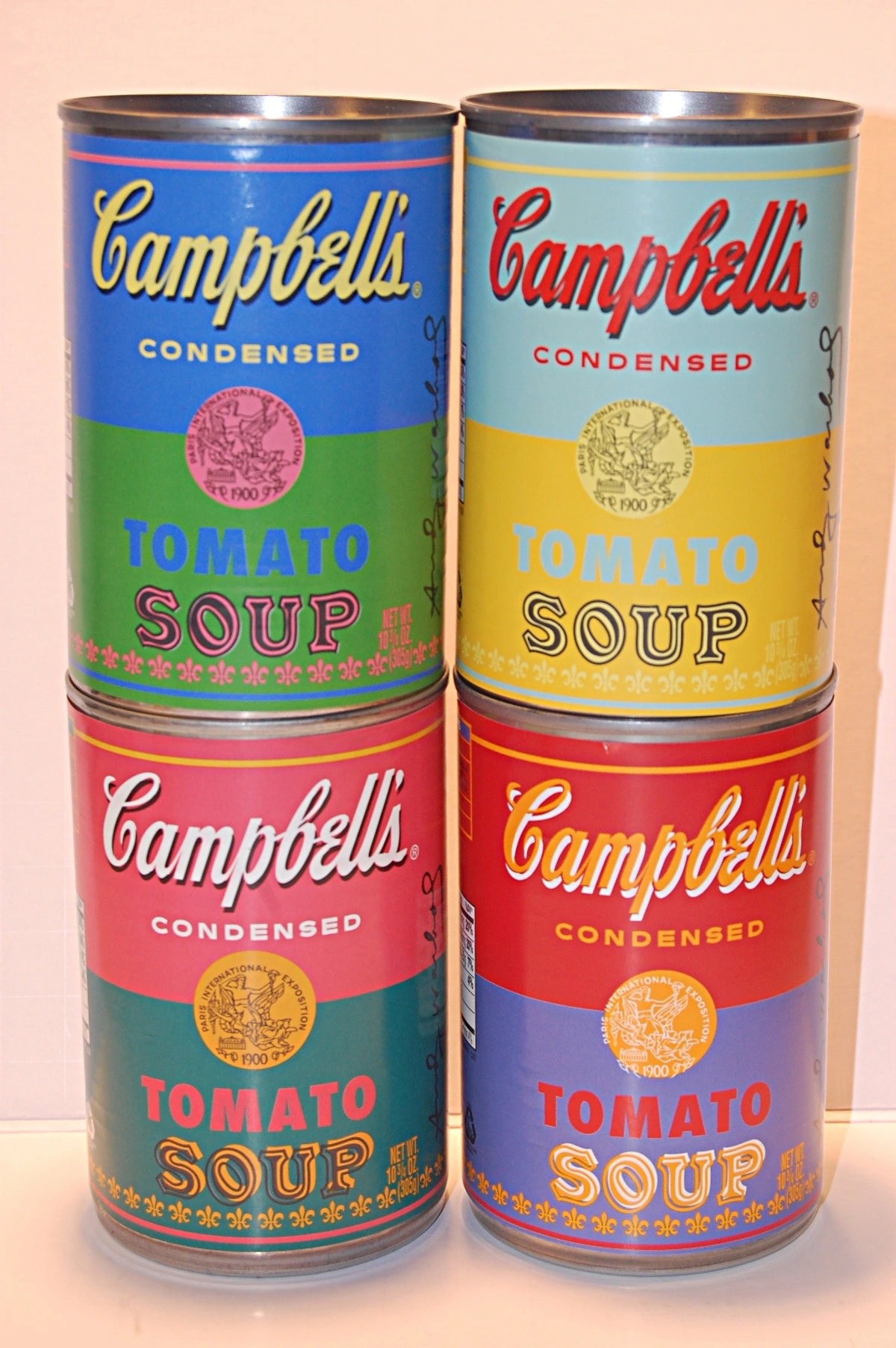
How did Pop Art influence modern advertising and design? It created a feedback loop that fundamentally changed the visual landscape. Pop Art took its imagery from advertising. In turn, the bold colors, graphic simplicity, and ironic detachment of Pop Art were quickly absorbed back into advertising, graphic design, and corporate branding. Look at any modern brand campaign, from Apple to Supreme, and you see its legacy—the focus on a single iconic image, the flattening of communication into a bold statement. It blurred the lines between art and commerce so effectively that they have been permanently smudged. Today’s social media culture, with its relentless focus on branding, memes, and celebrity, is arguably the ultimate evolution of the world Pop Art first dared to take seriously.
Furthermore, artists like Barbara Kruger, who started in graphic design, turned the tools of advertising against itself, using its punchy text-and-image format to create powerful feminist and political critiques, proving that the war between high art and commercial language is a central battlefield of contemporary culture.
How can I see the influence of these movements in art today? The influence is absolutely everywhere, often in ways we don’t consciously register. The political posters that go viral on social media are a direct descendant of Social Realism’s urgent graphics. The way artists like Banksy play with celebrity and consumer culture is a clear lineage from Warhol. Artists like Kehinde Wiley challenge historical power structures by reimagining who gets to be the subject of a grand portrait, continuing the work of social commentary. Even the digital art and AI-generated images emerging today are asking the same fundamental questions Pop Art did: What is an original? What is the relationship between our tools and our creativity? The conversation is ongoing, and the soup can’s descendants are all around us.
Look at the art of the Occupy Wall Street or Black Lives Matter movements. It's pure Social Realism for the 21st century—bold, graphic, and made to be shared instantly. The practices of culture jamming, where corporate logos are subverted, are pure Pop. What's interesting is that I see the legacy of Abstract Expressionism in the visceral power of protest signs, and the community-focused murals of the Black Arts Movement in the way activist art functions to build solidarity. The influence isn't a dusty relic; it's the very language we use to talk about society visually. You see it in the powerful images that emerge from social movements, a living testament to the ongoing power of art as a tool for social conscience.
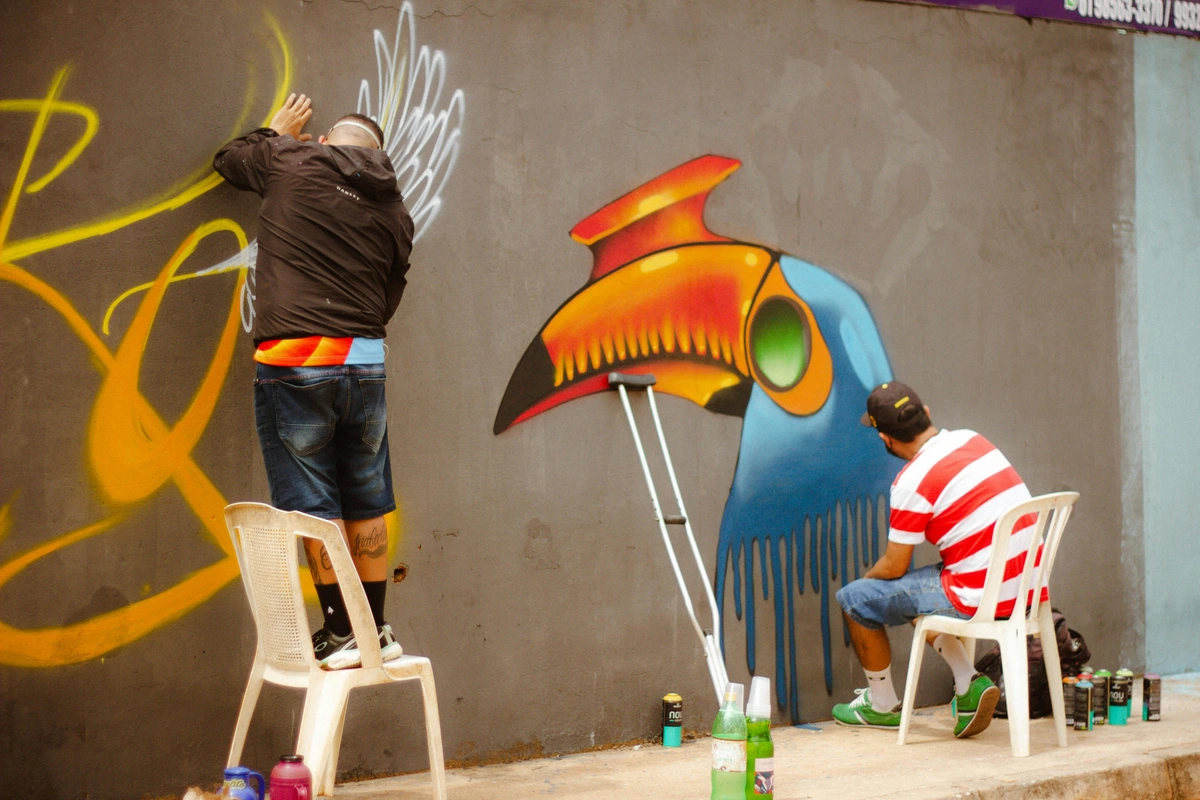
Is Street Art an extension of these movements? Absolutely. I think of Street Art as a direct continuation of the ethos of Social Realism—taking art out of the exclusive gallery space and putting it directly into the public sphere for everyone to see and engage with. It’s art as public intervention, commentary, and decoration, carrying forward that democratic spirit of engagement with society's most pressing issues. From the defiant tags of TAKI 183 in 1970s New York, to the intricate stencils of Banksy, to the massive community-focused murals that transform urban spaces, street art carries the DNA of countless movements before it. It has the immediacy of a political cartoon, the public scale of a WPA mural, and the subversive appropriation of Pop. It has the immediacy of a political cartoon, the public scale of a WPA mural, and the subversive appropriation of Pop. When a mural goes up in a neighborhood to protest gentrification or celebrate its cultural heritage, it's the same fundamental impulse that drove the artists of the 1930s to paint for the working class. It proves that the street is one of the most powerful venues for art as a social conscience, continuing a long tradition of using public space as a canvas for social dialogue.
The Art Historian's Toolkit: How to See the Social Message in Any Artwork
This is all well and good, you might say, but how do you actually do this analysis? How can you look at a work of art and see its social conscience? It’s not a secret code. It’s about asking a few simple questions that can unlock a world of meaning in almost any piece of art. This is the practical toolkit of an art critic, and I promise it's more useful than any art history textbook I've ever slogged through.
- Question the Subject Matter: What is the artist choosing to show you, and just as importantly, what are they choosing to leave out? When Grant Wood painted a farmer, he was making a conscious choice not to paint a stockbroker. That’s a social statement. It's a way of saying, "Pay attention to this. This matters."
- Examine the Style: Is the work rendered in a clean, idealized way, or is it gritty and raw? The Ashcan School’s slashing brushstrokes were as much a social choice as their subject matter—they were embracing a messy, unpolished truth that the art establishment wanted to ignore. The style itself becomes a form of argument.
- Consider the Context: When was this made? What was happening in the world? You can’t fully understand Social Realism without feeling the desperation of breadlines or the hope of the labor movement. Art isn’t made in a vacuum. This is where a quick glance at Wikipedia can do more for your art appreciation than a master's degree in art theory ever could.
- Think About the Audience: Who was this for? Was it for the wealthy patrons of a gallery, or was it a mural meant for everyone to see on a public wall? The intended audience tells you everything about the artist’s desired impact. A soup can in a museum is a critique of the museum. A soup can on a billboard is just advertising.
Once you start using this toolkit, art stops being just a picture. It becomes a piece of evidence, a fragment of a conversation, a reflection of a society's struggles and triumphs. It’s a skill that takes a little practice, but it's one of the most rewarding ways to experience art. You start to see the world not just as it is, but as artists have challenged it to be.
So, did a soup can change the world? Maybe not by itself. But the act of putting it on a museum wall, of asking us to reconsider the familiar, did. It changed what we think art can be, what it can talk about, and who it can talk to. From the proud stoicism of the Regionalists to the ironic cool of the Pop artists, American art movements have always been more than just styles. They are the visual record of a nation arguing with itself—about its values, its identity, and its future. And that is a conversation in which we can all take part.




Interested in exploring art that challenges perspectives? You can find contemporary work that continues this dialogue on our timeline or discover pieces available for purchase here.