
Art as a Mirror: How Artists Held Up a Mirror to Society's Flaws
Discover how artists weaponize color and form to challenge power structures, expose injustice, and provoke thought. Your ultimate guide to social-critique-in-art.

Art as a Mirror: How Artists Held Up a Mirror to Society's Flaws
Have you ever stood before a painting and felt an unexpected twist in your gut? That landscape you expected to soothe instead screamed of loss. That abstract swirl of colors felt less like decoration and more like a rebuke. Yeah, that’s social critique in art—whispering, or more often shouting, uncomfortable truths through visual language. It’s art that doesn’t just hang on your wall; it leans in and asks, "What about this? What about that?"
In a world saturated with information, art cuts through the noise. It doesn’t use bullet points or headlines; it uses metaphor and emotional resonance. Artists have always been society’s unofficial historians—recording not just how people looked, but how they felt about their times. They’ve used their studios as laboratories, canvases as protest signs, and galleries as town squares. This isn’t some dry academic exercise. This is humanity’s rawest most honest conversation—with itself.

The Power of Neo-Expressionism: Raw Emotion as Social Commentary
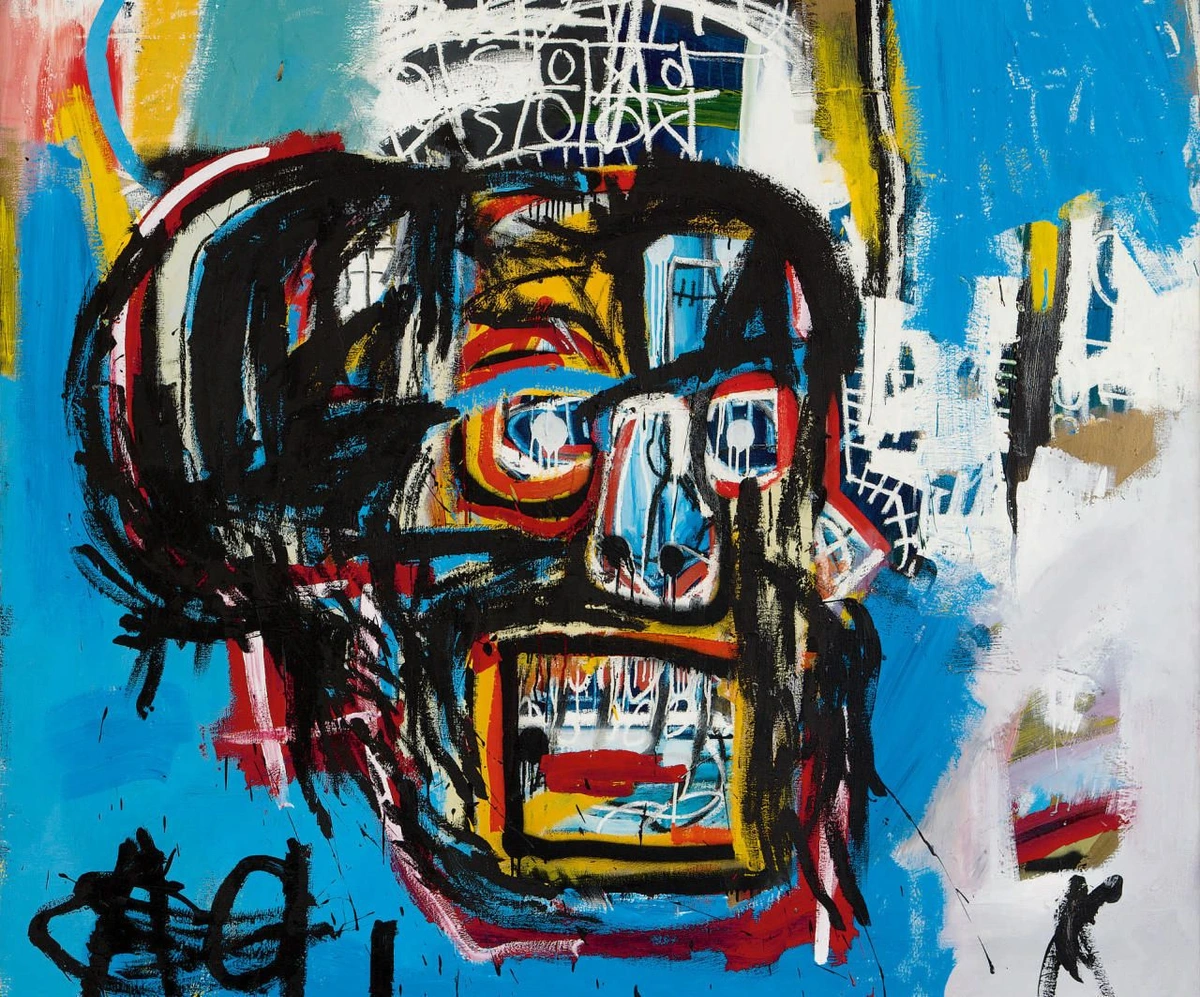
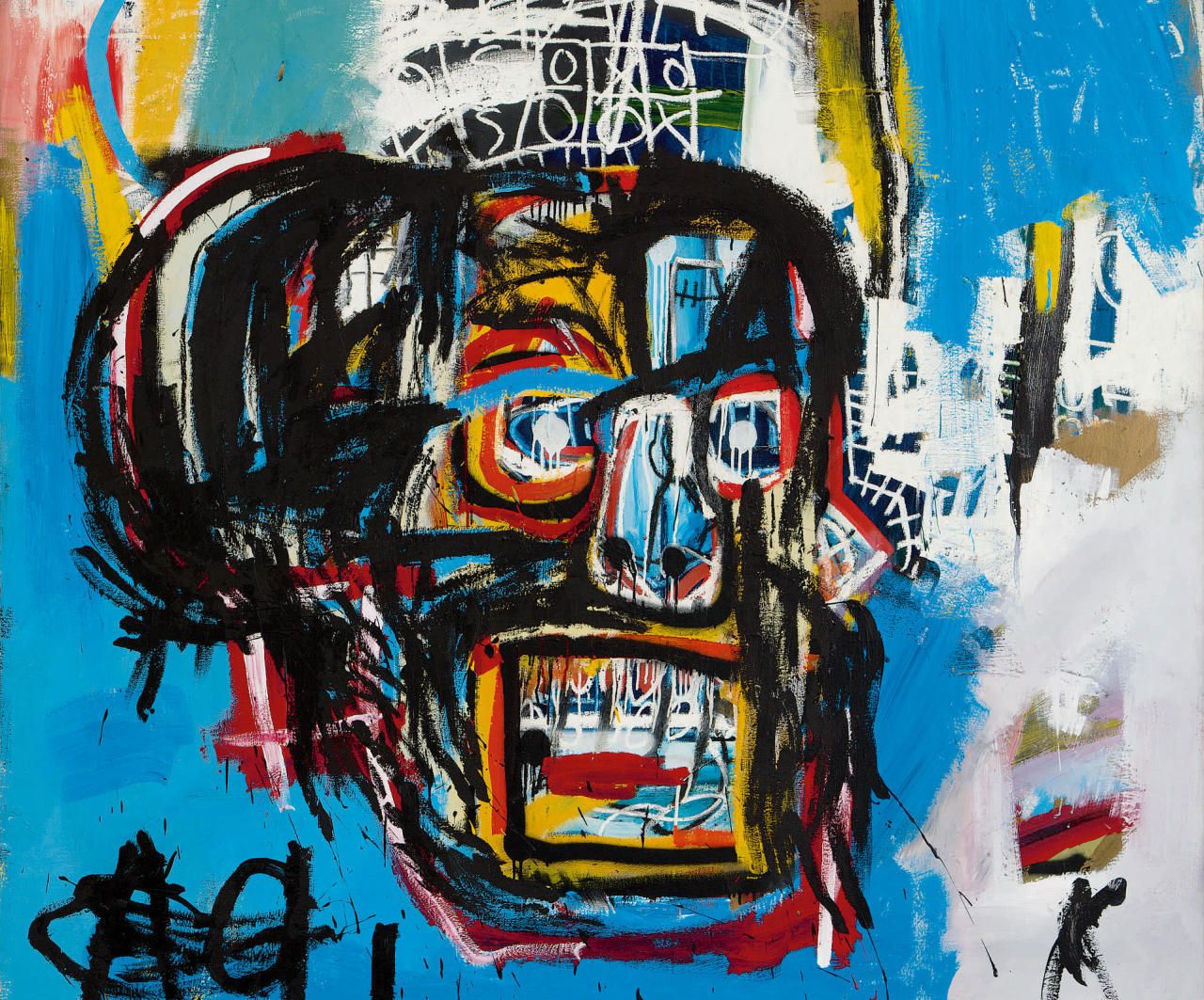
Jean-Michel Basquiat's work represents a powerful strand of social critique that emerged in the late 20th century. His neo-expressionist style—raw, chaotic, and emotionally charged—became a vehicle for addressing racial injustice, colonial history, and systemic inequality. Basquiat didn't paint pretty pictures; he painted splintered truths. His work often incorporates text, symbols, and fragmented imagery that comment on the African American experience, the art world's racism, and the commodification of Black culture.
What makes Basquiat's critique so effective is its emotional authenticity—his work feels urgent because it comes from a place of lived experience and righteous anger. This approach influenced generations of contemporary artists who continue to use raw, emotive styles to address social issues.
Women Artists and Feminist Critique
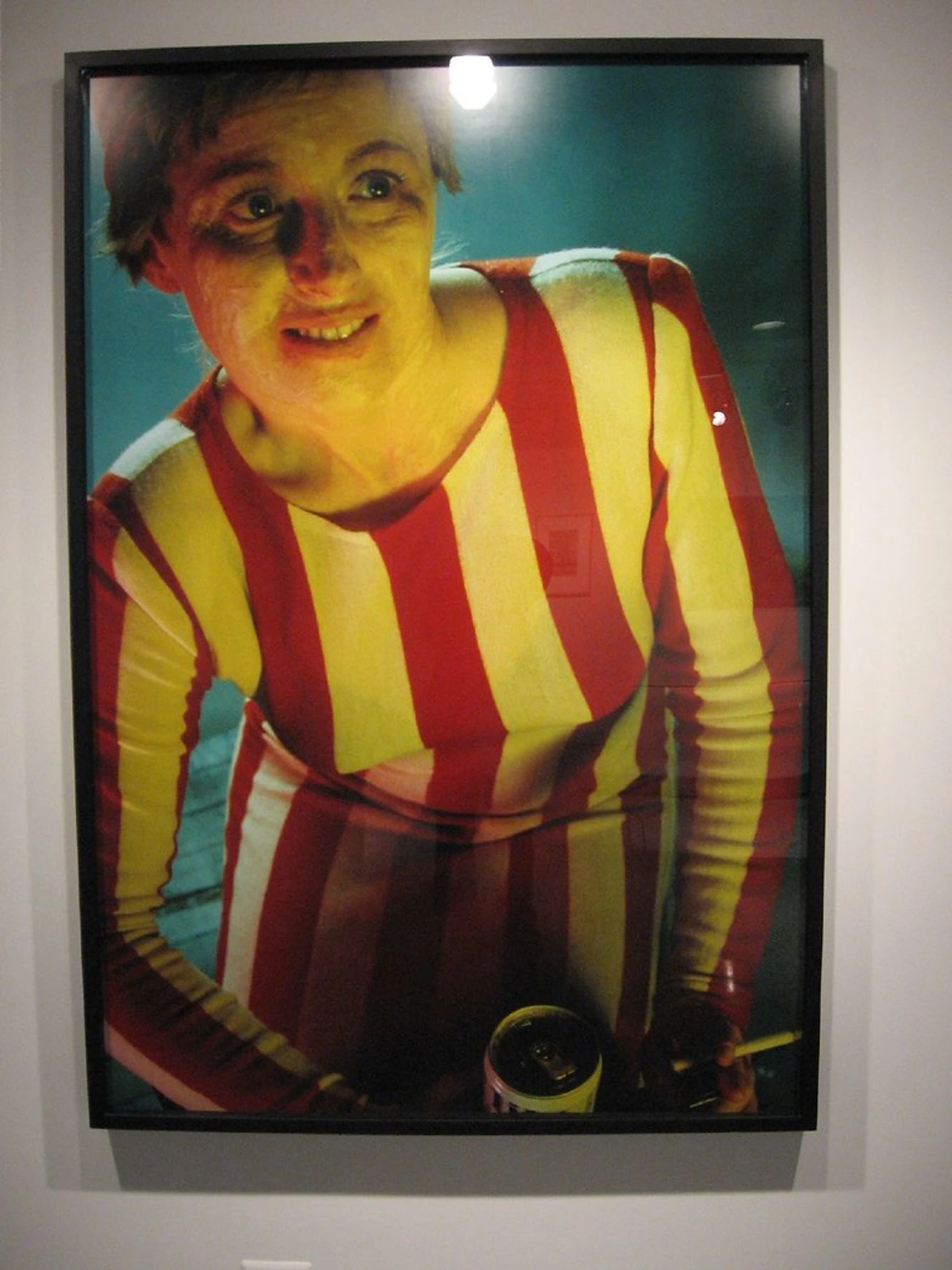
While Basquiat's work is powerful, it's crucial to acknowledge the parallel tradition of feminist critique that emerged simultaneously. Artists like Judy Chicago, Barbara Kruger, and Cindy Sherman used their work to challenge patriarchal structures, objectification, and the male gaze in art and society.
Judy Chicago's The Dinner Party created a monumental installation honoring women's achievements throughout history, while Barbara Kruger's text-based work used advertising aesthetics to critique consumer culture and gender politics. Cindy Sherman's photographic series Untitled Film Stills explored the construction of female identity in media and popular culture.
These artists often faced additional challenges—their work was frequently dismissed as "merely feminist" or too political, while similar work by male artists was celebrated as groundbreaking. Their persistence helped expand what counts as "serious" art and opened doors for generations of women artists who followed.
The Ancient Roots: When Art First Became Social Commentary
Before there were galleries or museums, there were caves and communal spaces. The very first artists weren't decorating—they were communicating. Consider the Paleolithic cave paintings at Lascaux and Altamira. Those aren't just pretty pictures of bison and horses. They're sophisticated documents of early human society, showing hunting techniques, spiritual beliefs, and the relationship between humans and nature. The fact that these were created deep underground, in spaces that required effort to reach, suggests they were meant for specific audiences—perhaps rituals, perhaps teaching, perhaps social bonding.
In ancient Egypt, tomb paintings weren't just about the afterlife. They were about maintaining social order. The carefully depicted scenes of daily life, farming, and crafts weren't just decorative—they were propaganda showing how society should function. But look closely, and you'll find subtle critiques: workers with tired expressions, overseers with exaggerated features, tiny details that suggest the cracks in the idealized social structure.
Medieval art offers even more fascinating examples. Those beautiful illuminated manuscripts weren't just religious texts. They were social documents. The margins often contained what scholars call "marginalia"—tiny drawings of demons, fools, and everyday people that subtly critiqued the Church, nobility, and social norms. A monk drawing a devil tempting a nobleman wasn't just illustrating a religious concept; he was making a political statement about corruption and moral decay.
The Why: Why Artists Become Society’s Critics
Let's be real: creating art is tough. Making it matters even harder. So why do artists willingly shoulder the burden of social critique? For the same reason anyone does anything meaningful: because they can’t not do it. It’s like carrying a splinter in your mind—you have to get it out.
Art becomes the only language for things words fail to capture. The quiet despair of a forgotten community. The absurdity of power. The collective madness of war. When a politician’s speech falters, when the news cycles lie, art steps into the breach. It says things that can’t be said in boardrooms or press conferences. Things like: "I see you. I see the system that hurts you. I see the world ignoring you."
It’s not about being preachy. It’s about being truthful. It’s about creating space for empathy. When you stare at a piece like Picasso’s Guernica, you don’t just see broken shapes—you feel the horror of bombing in your bones. That’s the superpower of art. It bypasses intellect and speaks directly to the soul. And that? That’s dangerous to people in power. That’s why it’s so vital.
The How: Techniques of Disruption
Artists don’t just drop pamphlets from helicopters. They’re masters of subtlety and symbolism. They turn brushes and bytes into scalpels, dissecting society with precision and flair. Here’s how they do it:
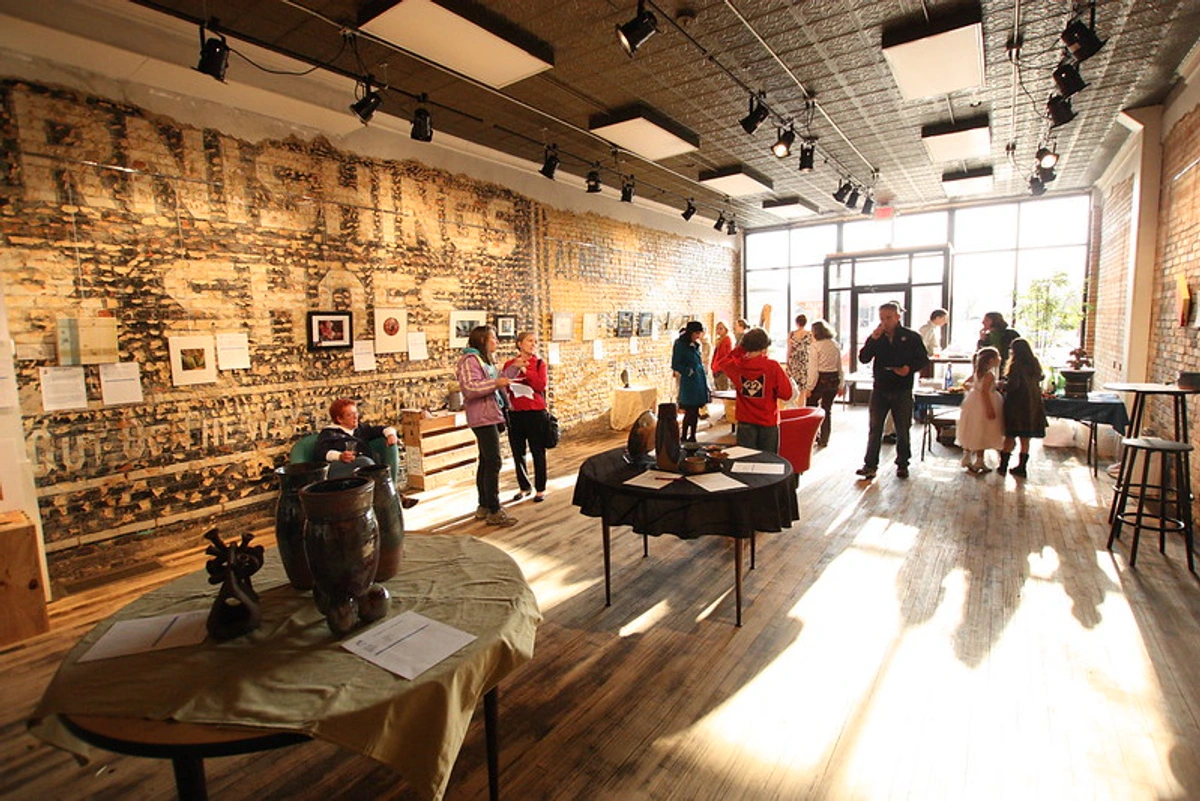
1. Symbolism and Allegory: The Secret Language
Imagine standing before a painting where every object carries hidden meaning. That's the world of symbolic art, where a single detail can reveal entire systems of critique.
Imagine seeing a pile of rotting fruit in a still-life painting. Lovely, right? Wrong. In Dutch Golden Age art, that wasn’t just a snack waiting on a table—it was a memento mori, a reminder of death and decay, often critiquing the excesses of the merchant class. Or take a dove holding an olive branch—symbolic peace turned sour if the bird looks trapped or injured.
Artists weaponize symbols.
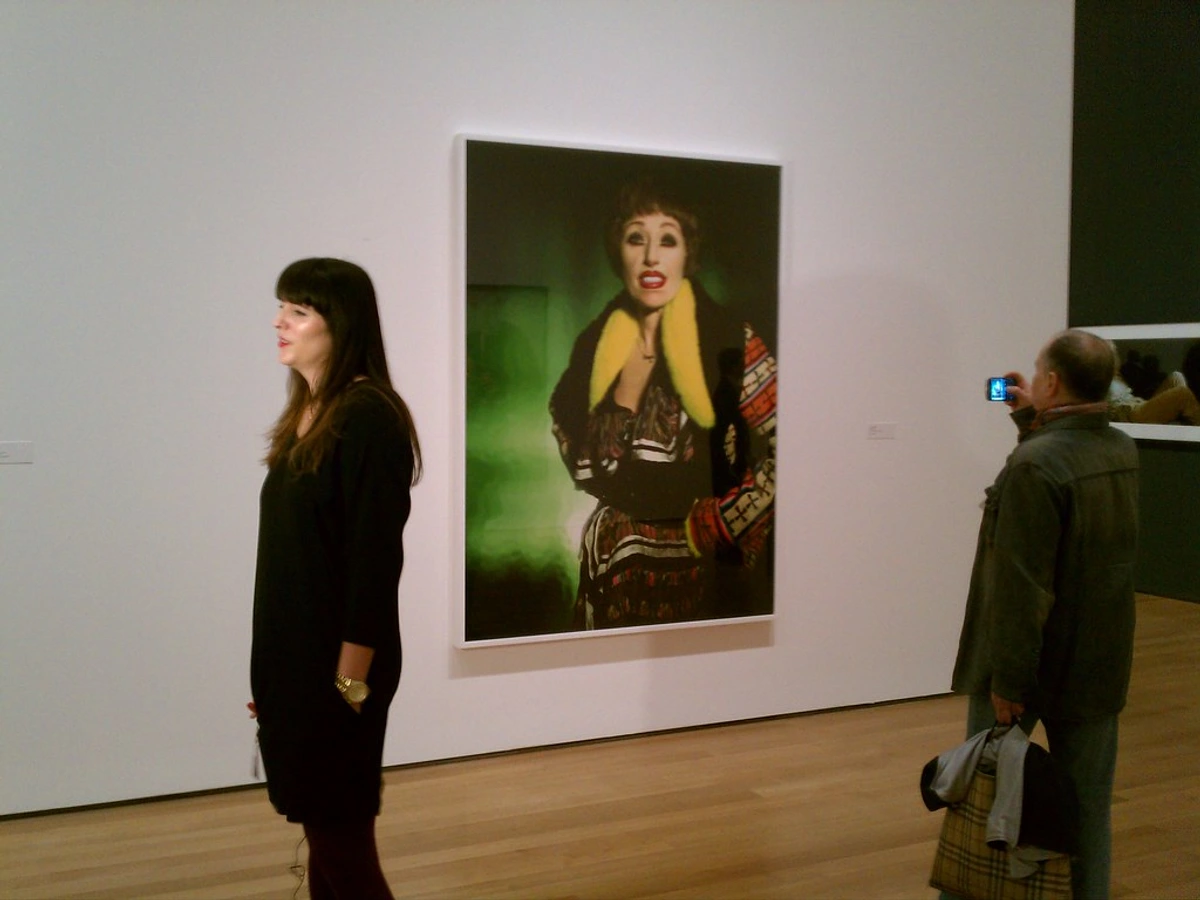
- Subversion of Iconography: Taking holy imagery (like saints or angels) and showing them wounded, falling, or complicit in violence to critique religious institutions.
- Metaphor in Form: Using jagged lines or clashing colors to represent societal fractures, or smooth, cold surfaces to dehumanize technology and bureaucracy.
- Animal Imagery: Think of Pieter Bruegel the Elder’s peasants being led like sheep to slaughter in The Triumph of Death. Animals become stand-ins for human behavior, often highlighting submission or exploitation.
2. Satire and Caricature: Laughing at the Powerful
Humor is the velvet glove hiding the iron fist of critique. Mocking the powerful is one of art’s oldest traditions. It disarms its targets, making them look ridiculous.
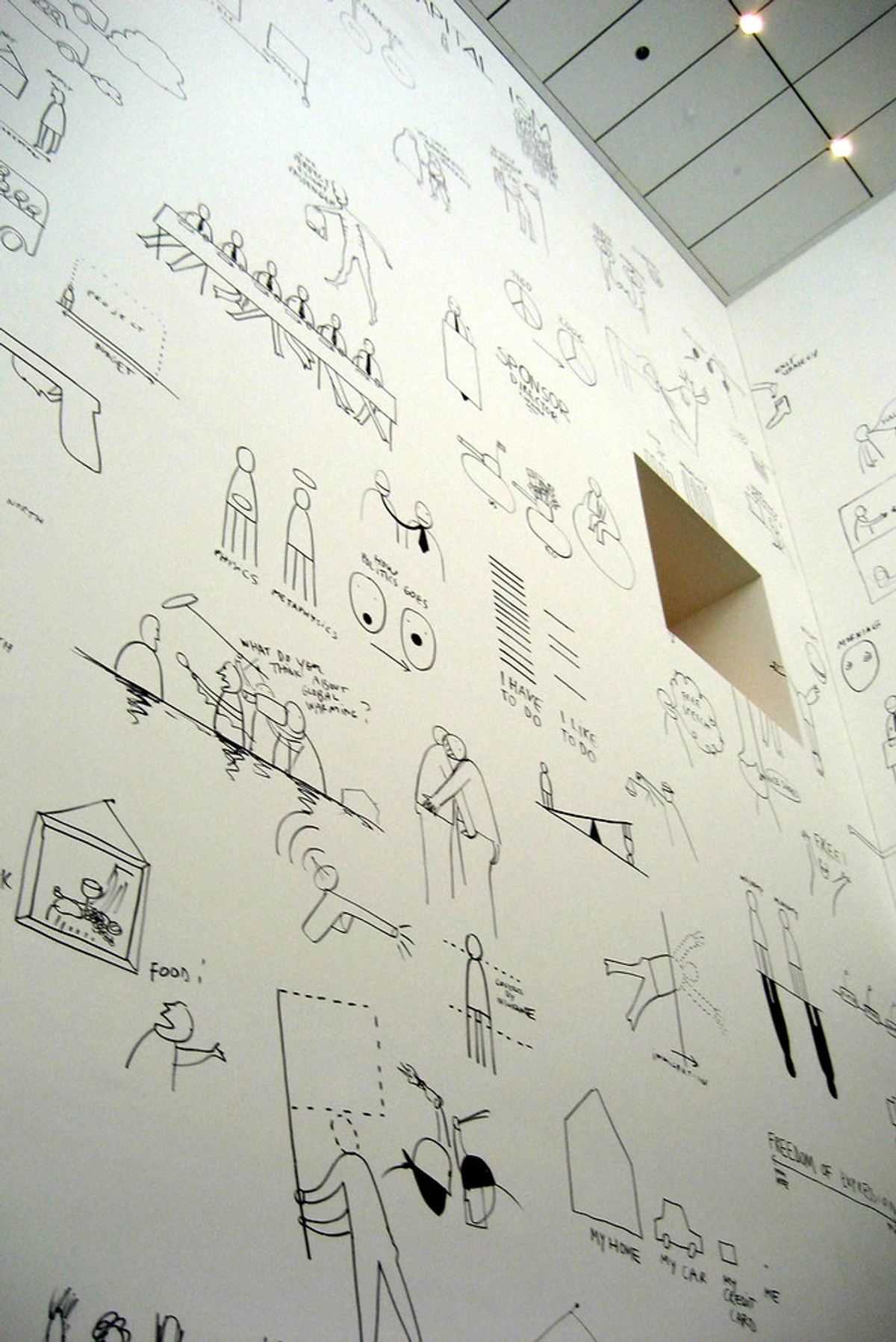
- Political Cartoons: Think of James Gillray’s savage prints of George III, exaggerating his vanity to critique royal tyranny.
- Mock Heroic: Goya painted the royal family as dwarfs and idiots in Family of Charles IV, stripping them of dignity through sheer grotesquery.
- Modern Absurdity: Banksy’s balloon girl escaping a wall painted with peace signs, or Damien Hirst’s The Physical Impossibility of Death in the Mind of Someone Living—that shark isn’t scary? It’s terrifying because it’s utterly meaningless, critiquing the art market’s hunger for shock value.
3. Appropriation and Recontextualization: Stealing Meaning
What if I told you art history is full of cultural raiding? Appropriation isn’t just stealing images; it’s stealing meaning. It’s an act of rebellion against established narratives.
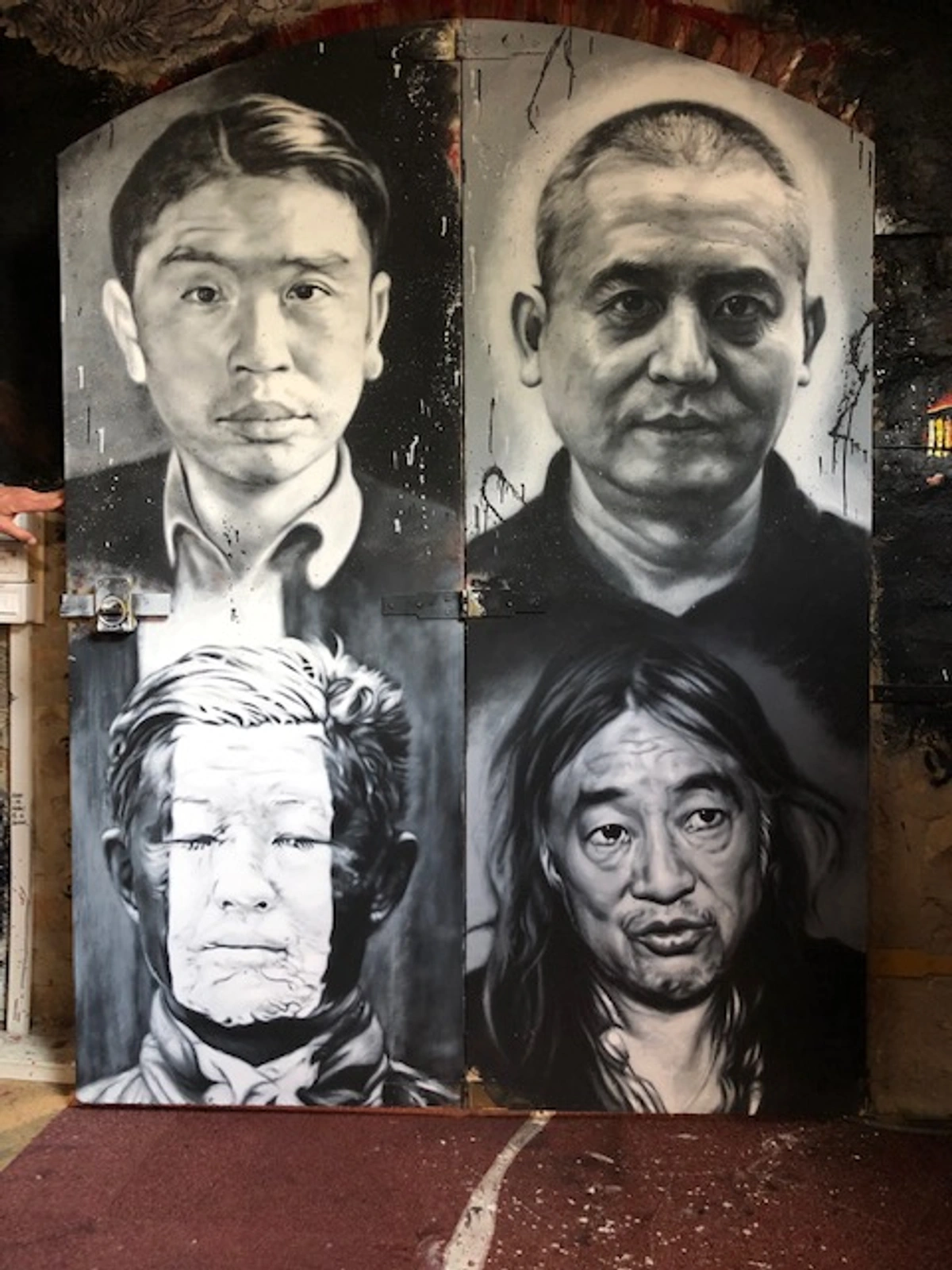
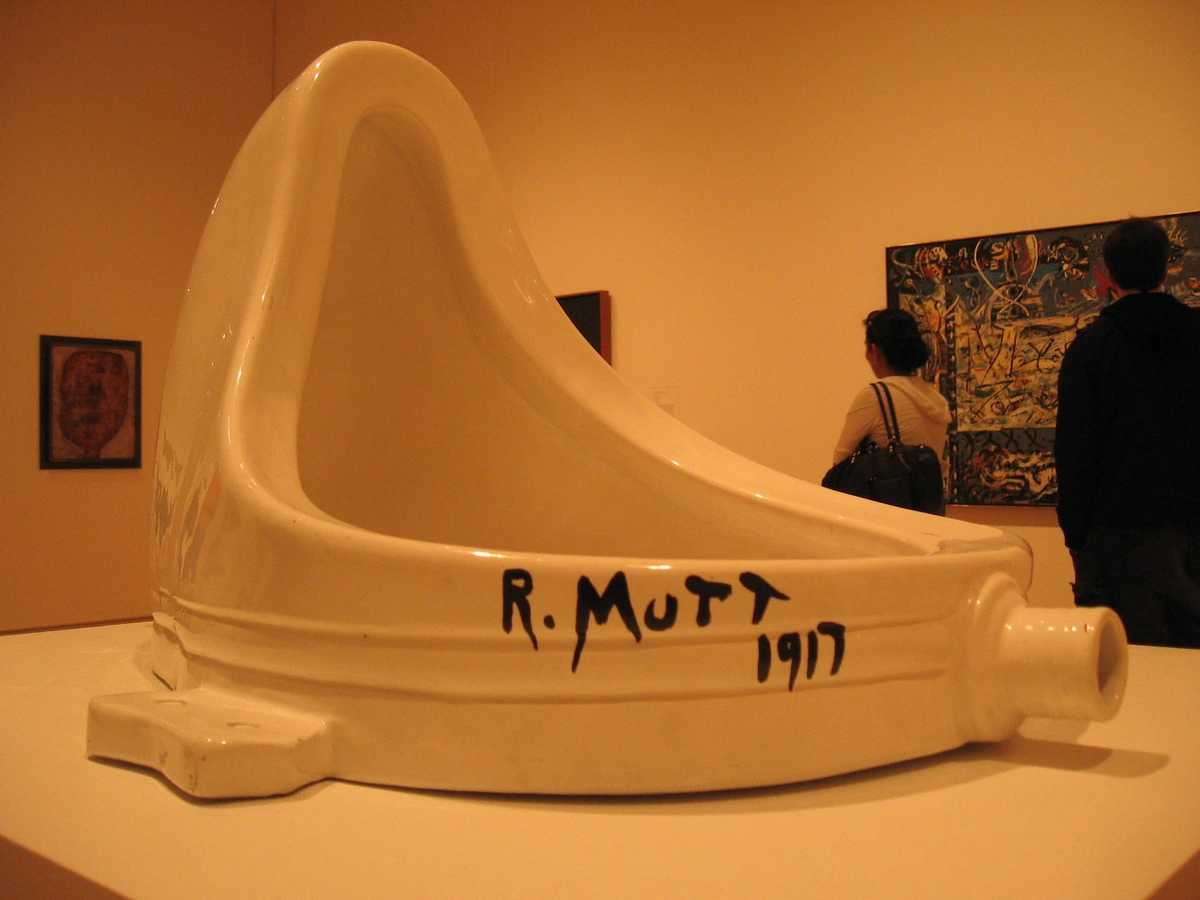
- Duchamp’s Fountain: Taking a mass-produced urinal, signing it "R. Mutt," and calling it art wasn’t just a joke. It was a declaration: Who decides what’s art? Who decides what’s valuable?
- Sherrie Levine’s Photographs: She photographed Walker Evans’s iconic Depression-era photos. By re-presenting them, she questioned authorship, originality, and the exploitation of "outsider" subjects by mainstream photographers.
- Digital Remix Meme Culture: Today, artists (and absolutely everyone online) take corporate logos, film scenes, and political images, twist them, and release them back into the wild. Think of the Star Wars prequel memes mocking corporate storytelling. It’s a form of people-led, decentralized critique.
4. Installation and Performance: Living the Critique
Sometimes, a painting just isn’t enough. The message needs to wrap around you, enter your space, and make you a participant, not just a spectator.
- Guerrilla Girls: Wearing gorilla masks and distributing posters exposing gender and racial inequities in the art world, they weren’t just showing—they were acting. Performance art makes critique visceral.
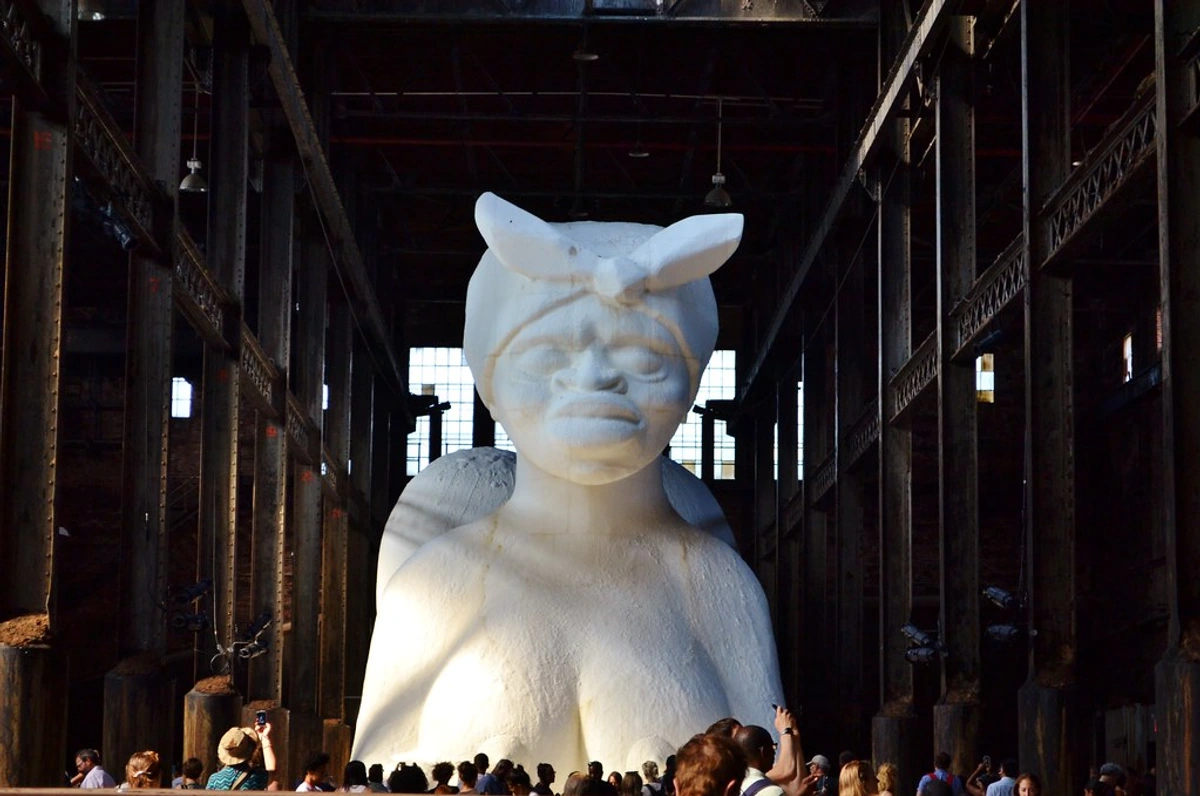
- Ai Weiwei’s Sunflower Seeds: Millions of hand-painted porcelain seeds covering a floor. Sounds lovely. Walk on it? Crush them? The piece critiqued mass production, cultural homogenization, and the relationship between the individual and the state.
- Tania Bruguera’s Use of Immersive Settings: She creates spaces mimicking oppressive regimes (like waiting rooms with informational videos on torture), forcing viewers to embody the experience of surveillance and helplessness.
5. Public Murals and Street Art Taking the Walls Back
When the gallery becomes an ivory tower, artists take their message to the streets. Walls become billboards for the people. This isn't just about accessibility—it's about reclaiming public space for dialogue. A mural in a neighborhood can become a focal point for community discussion, connecting people through shared visual language.
5.1 The Global Street Art Movement
Street art has evolved from simple graffiti to a sophisticated global movement with distinct regional styles. In Brazil, artists like Kobra create massive colorful murals celebrating diversity and peace, often covering entire buildings. In the Middle East, street artists use stencils and wheatpaste to comment on political oppression and social change. In Asia, artists blend traditional techniques with modern street aesthetics to create hybrid forms of social commentary.
What makes street art so powerful is its accessibility—it's art for everyone, not just those who can afford gallery admission or travel to museums. It democratizes critique by placing it directly in public spaces where people live their daily lives. A parent walking their kids to school might engage with political messaging that they'd never encounter in a traditional gallery setting.
Women in Street Art
Historically, street art has been a male-dominated space, but women artists are increasingly claiming their place in these public conversations. Artists like Swoon, who creates intricate wheatpaste portraits of everyday people, or Lady Pink, who pioneered feminist graffiti in the 1980s, bring important perspectives to the streets. Their work often addresses gender inequality, reproductive rights, and the experience of women in public spaces—topics that might be overlooked in more traditional art venues.
Street Art and Community Building
Many street art projects go beyond individual expression to become community-focused initiatives. Artists work with local residents to create murals that tell neighborhood stories, address local issues, and beautify neglected spaces. These collaborative projects transform passive viewers into active participants, turning public art into a tool for community building and social change.

- Diego Rivera’s Murals: Massive public works depicting the exploitation of workers and the violence of colonialism, Mexico’s history painted for its citizens to see and claim.
- Banksy’s Stencil Work: The Girl with a Balloon melting through a wall? A fleeting symbol of optimism battling decay. It’s democratic art—created for everyone, impossible to buy (unless you steal the wall).
- Kobra’s Colorful Portraits: Commissioned murals often depicting figures like Martin Luther King Jr. surrounded by patterns, turning urban decay into celebrations of peace and justice.
Through the Looking Glass: Key Movements and Rebels
The Psychology of Critical Art: How It Changes Minds
Art doesn't just inform—it transforms. When we encounter socially critical art, something fascinating happens in our brains and hearts. This isn't just about aesthetics; it's about how visual language rewires our thinking.
When people encounter socially critical art, they often experience a complex range of emotional and cognitive responses. Research by art psychologists suggests several common patterns:
- Initial Discomfort: Many viewers feel defensive or uncomfortable when confronted with critique that challenges their worldview or privileges.
- Cognitive Dissonance: The artwork creates tension between existing beliefs and new information, forcing viewers to reconcile conflicting ideas.
- Empathetic Response: The most effective critical art creates empathy by allowing viewers to see issues from different perspectives.
- Post-Reflection: After the initial emotional response, viewers often engage in deeper reflection, which is where real change can occur.
Understanding this psychological arc helps artists create work that's both challenging and transformative. The goal isn't just to provoke—it's to create the conditions for genuine understanding and growth.
Artists didn’t just stumble upon critique; they formed movements. Here’s how different eros used art as their weapon:
Movement  | Period | Key Artists | Core Critique | Example Style |
|---|---|---|---|---|
| Romanticism | Late 1700s-1800s | Goya, Delacroix, Turner | War, suffering, nature vs. industrialization | Dark, dramatic landscapes; brutal etchings |
| Dada | Post-WWI (1916-1923) | Duchamp, Höch, Schwitters | Absurdity of war; irrationality of society | Readymades; collages; nonsense performances |
| Mexican Muralism | 1920s-40s | Rivera, Orozco, Siqueiros | Colonialism; social inequality | Large-scale, narrative wall paintings |
| Pop Art | 1950s-60s | Warhol, Lichtenstein, Oldenburg | Consumerism; media saturation; banality of mass culture | Screen prints of soup cans; comic book aesthetics |
| Guerrilla Girls | 1985-present | Anonymous group ("women artists") | Gender/racial inequality; art world gatekeeping | Gorilla masks; statistics + witty text |
| Feminist Art | 1970s-present | Judy Chicago, Barbara Kruger, Cindy Sherman | Patriarchy; objectification; gender roles | Installation; text-based work; performance |
| Environmental Art | 1960s-present | Andy Goldsworthy, Olafur Eliasson | Climate change; environmental destruction | Land art; ephemeral installations; photography |
| Contemporary | 2000s-present | Ai Weiwei, Banksy, Kara Walker | Neoliberalism; identity politics; digital surveillance | Mixed media; street art; highly tech-based work |

Nuance and Nerve: Why It’s Not Always Black and White
Look, critique isn’t always noble or straightforward. Like anything human, it’s messy. There are pitfalls:
- Tokenism: An artist includes a "diverse" character without depth, ticking a box but saying nothing real. It’s lazy critique, serving appearances over change.
- Didacticism: When art feels like a college lecture. When the message is so obvious the art itself disappears. Think of a poster with text reading: "War is Bad" in crayon. It loses power instantly.
- Misappropriation: Taking imagery or styles from marginalized communities without context or permission, claiming it as "radical" while ignoring the lived experience.
- Digital Dystopia?: We’re skeptical about NFTs often being billed as "revolutionary" critique. Most are just expensive, environmentally costly JPEGs replicating the same old art world dynamics wrapped in techno-jargon. Sometimes an artist might use the blockchain to subvert its own mechanisms (like selling an NFT of a "cancel culture" warning), but it’s rarely the revolution promised. It’s expensive theatre.
Critique must be smart and specific. It must also risk failure. The strongest work sits in ambiguity. It asks questions it can’t answer. That’s what keeps us thinking long after we’ve walked away from the gallery.
Why It Matters Now: More Than Ever
We live in an age of "algorithmic feeds," "deepfakes," and "cancel culture." In this noise, art matters more than ever. It provides a counter-narrative. A human touch.
The Digital Age: New Tools, Same Urgency
Technology has given artists powerful new tools for social critique. Digital art, virtual reality, and social media platforms allow for immediate global distribution of critical messages. Artists like Refik Anadol use AI and data visualization to comment on surveillance capitalism and privacy in the digital age. Meanwhile, memes and internet culture have become forms of decentralized social critique, with ordinary people remixing and repurposing media to comment on current events.
But let's be honest about the digital landscape: it's a double-edged sword. On one hand, social media has democratized art creation and distribution. An artist in a small village can reach a global audience with their critique. On the other hand, algorithms can suppress controversial content, and the sheer volume of information can make meaningful critique harder to find. The most effective digital social artists find ways to cut through the noise, creating work that's both technically innovative and emotionally resonant.
Consider how TikTok and Instagram have become platforms for political art. Young artists use these platforms to comment on everything from climate change to racial justice. The ephemeral nature of these platforms creates a different kind of urgency—art that's gone tomorrow but might change someone's perspective today.
Social critique is:
- An Act of Witnessing: Record events official history might erase. Think of photography by Dorothea Lange during the Great Depression, humanizing the refugee crisis in the Dust Bowl.
- Cultural Memory Preservation: Art preserves the stories and experiences of marginalized communities that might otherwise be lost to dominant historical narratives. Indigenous art, for example, continues to preserve cultural knowledge and critique colonialism simultaneously.
- A Tool for Memory: Monuments celebrate the powerful; critique remembers the forgotten. It ensures stories of resistance, suffering, and hope aren’t lost.
- A Catalyst for Empathy: It puts you in someone else’s shoes for a few minutes. That can be the spark for real understanding and action.
- A Space for Dissent: In places where free speech is crushed, a mural on a wall or a performance in a square becomes an act of profound courage.
The Ultimate FAQ: Demystifying Social Critique
Let's tackle some of the questions I get asked most about art that makes a statement. These aren't just academic questions—they're the ones real people wonder about when standing before challenging work.
Glossary of Key Terms
Social Critique: Art that examines and challenges social norms, power structures, and cultural assumptions.
Allegory: A story or image with a hidden symbolic meaning that represents abstract ideas or moral concepts.
Appropriation: The artistic practice of borrowing, stealing, or recontextualizing existing images, objects, or styles.
Didacticism: Art or literature that is overly instructional or preachy in its message.
Marginalia: Decorative elements in manuscripts or books that often contain hidden meanings or social commentary.
Memento Mori: Artwork designed to remind viewers of mortality and the transient nature of life.
Neoliberalism: An economic philosophy emphasizing free markets, privatization, and reduced government intervention.
Performance Art: Art in which the actions of the artist are the primary work, often involving audience participation.
Readymade: An ordinary manufactured object that an artist selects and presents as art.
Tokenism: The practice of including people from marginalized groups in superficial or symbolic ways without meaningful engagement.
Understanding Artistic Intent vs. Audience Interpretation
One of the most fascinating aspects of social critique in art is the relationship between what an artist intends to communicate and what audiences actually receive. What an artist means to say isn't always what viewers hear, and vice versa. This gap can be due to cultural differences, personal experiences, historical context, or simply different ways of seeing.
I remember visiting an exhibition about war photography where I saw an image that struck me as profoundly anti-war. Later, I read the artist's statement and discovered they intended it to glorify military sacrifice. The work was doing something completely different from what I perceived, yet both interpretations felt valid. That's the magic of great critical art—it can carry multiple meanings simultaneously.
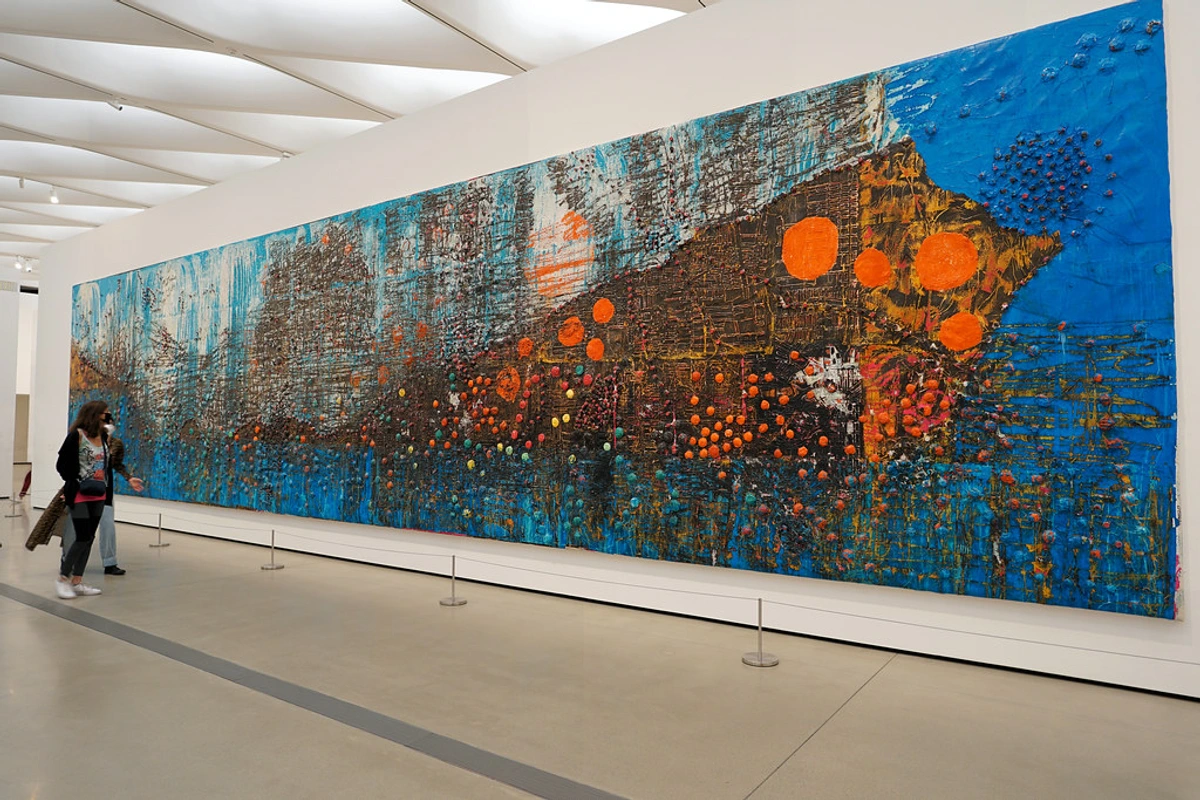
Some artists embrace this multiplicity of meaning, creating work intentionally open to multiple interpretations. Others work to make their message as clear as possible. The most interesting critique often happens when there's productive tension between artist intent and audience interpretation—when viewers bring their own experiences and perspectives to the work, creating a dialogue beyond what the artist originally intended.
Q: Is all art that touches on politics considered social critique? A: Nope. A painting of a political figure isn’t critique unless it challenges norms, exposes hypocrisy, or makes you see things differently. A portrait of a general might be propaganda; a portrait of the general as a war criminal is critique.
Q: How can I tell if a piece is making a social statement? A: Ask: Is there tension? Is there symbolism that feels off? Does the title contradict the image? Does it make me feel uncomfortable, angry, or sad in a way I can’t explain away? Trust your gut. Great critique often bypasses intellect.
Q: Should artists be objective? A: Objectivity is a myth. Art comes from a specific person, at a specific time, with specific experiences. Pretending neutrality is just another way of power hiding its bias. Authenticity is the goal.
Q: What if I don't "get" the political message? Does that mean I'm stupid? A: Absolutely not! Some critique relies on deep cultural or historical context you might not have. That's okay. Don't pressure yourself. The feeling matters more than the decode. Look up the artist, read the wall text, or talk to someone. The goal isn't a test score; it's engagement.
Q: What if I don’t "get" the political message? Does that mean I’m stupid? A: Absolutely not! Some critique relies on deep cultural or historical context you might not have. That’s okay. Don’t pressure yourself. The feeling matters more than the decode. Look up the artist, read the wall text, or talk to someone. The goal isn’t a test score; it’s engagement.
Q: Does social critique in art actually change anything? A: It won’t topple a dictatorship overnight, but it changes hearts. It creates cultural momentum. It reframes debates. Art created the visual vocabulary of Civil Rights, LGBTQ+ pride, and environmental activism. It keeps the ideas alive. That’s change.
Q: Are contemporary artists still doing this? Isn’t it all just pretty colors and NFTs now? A: Oh, it’s more relevant now. Look at artists like Kehinde Wiley placing Black figures in traditional European oil painting contexts (challenging art history), or Jenny Holzer projecting massive text statements onto buildings (challenging public space). NFTs? Mostly a distraction. The real work happens where it always has: in paint, in clay, in performance, on the street.
Conclusion: The Room Where It Happens
Art isn’t passive decoration. It’s a living conversation. Artists have always been society’s mirrors—showing us our finest moments and our deepest ugliness, often in the same brushstroke. Social critique in art isn’t a niche genre; it’s the art that refuses to look away. That leans in. That forces us to see.
So next time you’re in a gallery, scroll past Instagram, or walk down a strange street, keep your eyes open. Look for the splinter. Notice the uncomfortable truth whispering from the canvas. That’s the art that doesn’t just decorate your world—it actively tries to change it. And that? That’s worth paying attention to.




If you’re inspired to witness or own a piece that makes a statement, our collection of prints offers accessible options. For a first-hand experience, explore challenging works in person at our /den-bosch-museum. To understand how an artist’s personal critique evolves, dive into the /timeline.
This conversation doesn’t stop here. It’s a room you’re always welcome in.