A Beginner's Guide to Understanding Sculpture
Explore the world of three-dimensional art. This guide explains the core techniques, materials, and key concepts to help you appreciate sculpture, from classical masterpieces to modern installations.

The Ultimate Guide to Understanding Sculpture: More Than Just Statues
Have you ever walked past a public artwork and felt a sudden pull, a subtle urge to circle it, to run your eyes over its contours, or even just pause for a moment in its presence? That, for me, is the magic of sculpture. It's an art form that refuses to be contained by a flat surface; it demands interaction, occupies our space, and communicates in a silent, powerful language of form, texture, and material. While our minds might initially jump to ancient Greek gods or a stoic general on horseback (and yes, those are indeed quintessential examples!), what I've discovered, and what I'm thrilled to share with you, is that the world of sculpture is vastly more expansive, dynamic, and inventively surprising than most realize. It’s not merely an object to be admired from afar; it's a profound dialogue between the artwork and the space it inhabits, often an intimate conversation between the artist and you, the viewer. This definitive guide is your entry point into that sprawling, fascinating discussion, aiming to be the most comprehensive resource you'll find anywhere. We'll embark on a journey through the foundational techniques that breathe life into inert materials, explore the expressive power embedded in countless mediums, learn how to deeply engage with three-dimensional forms on a visceral level, and discover the immense array of sculptural types you’ll encounter—from ancient reliefs echoing forgotten histories to cutting-edge digital installations that blur the lines of reality. Prepare to redefine your understanding of sculpture; it’s an art form that lives and breathes alongside us, inviting a deeper, more present mode of looking and a richer appreciation for the art that shapes our world. This guide isn't just a survey; it's an invitation to cultivate a richer, more active engagement with the art that shapes our shared spaces and challenges our perceptions.
For those looking to bring the tactile beauty of three-dimensional art into their own lives, I also invite you to explore my own sculpture collection available for purchase.
The Four Core Techniques: How Sculptures Are Made
At its heart, creating sculpture comes down to a few fundamental approaches. Nearly every three-dimensional artwork is born from one of these four processes: subtracting, adding, casting, or assembling.

1. Carving (Subtractive)
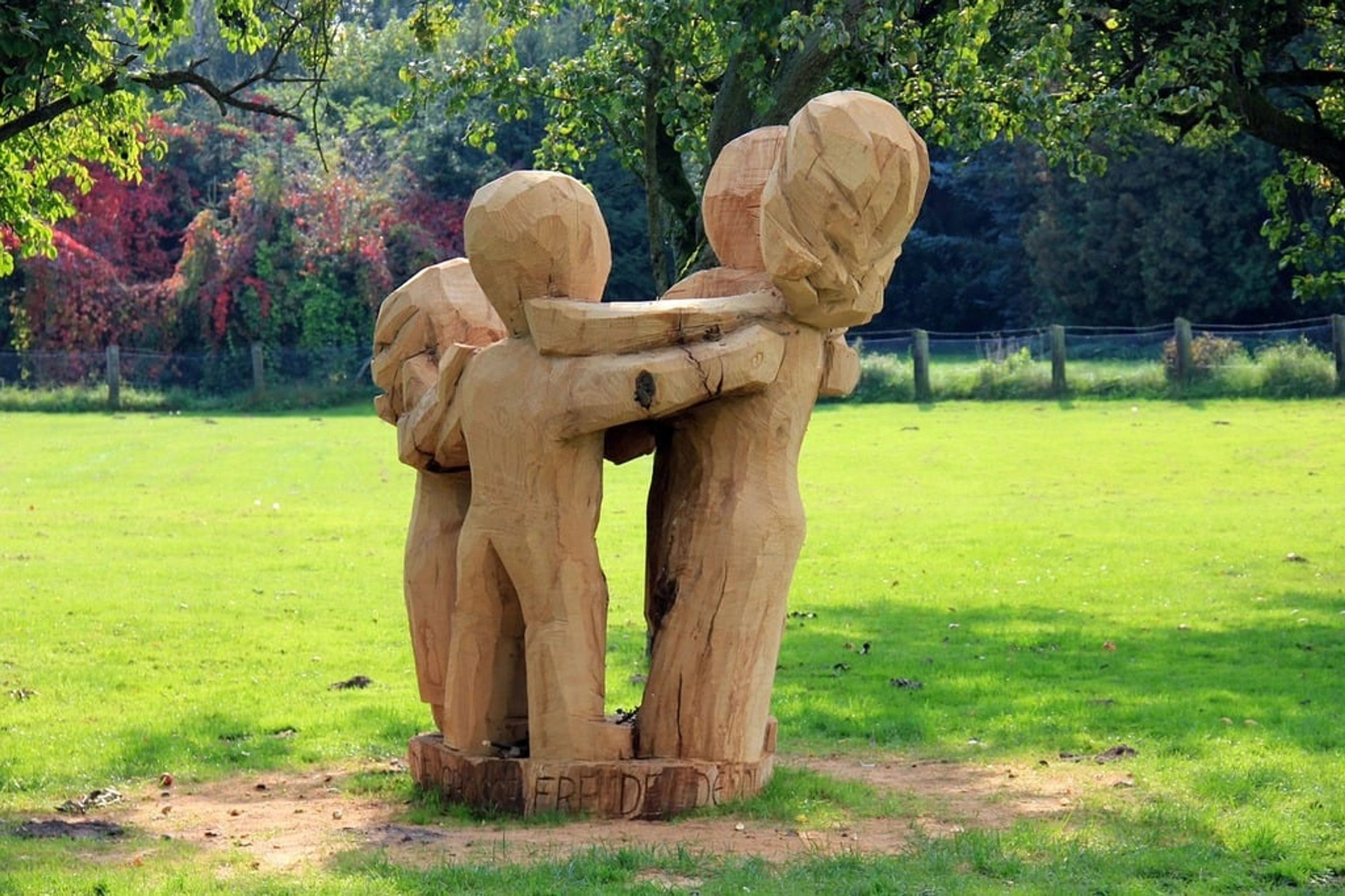
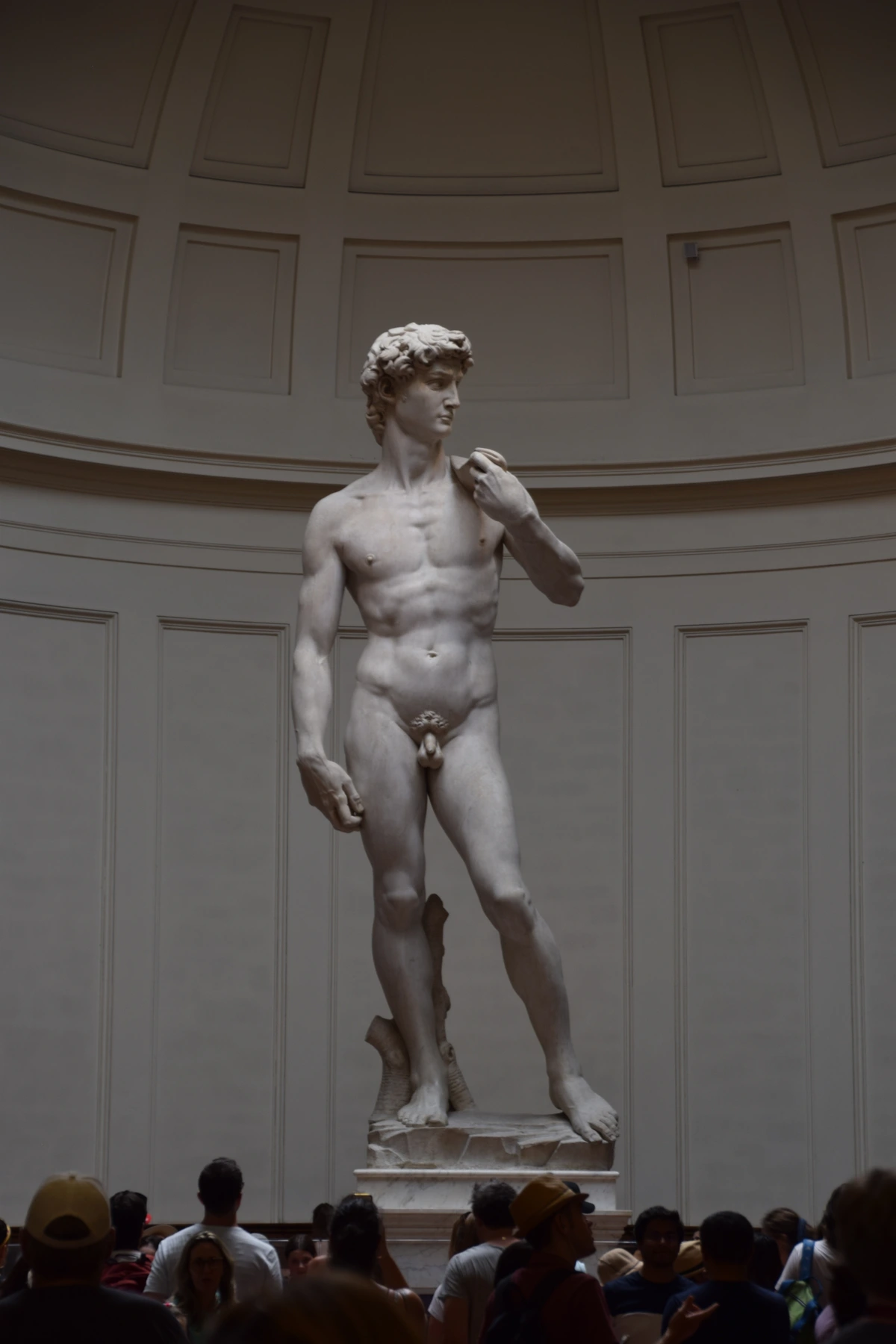
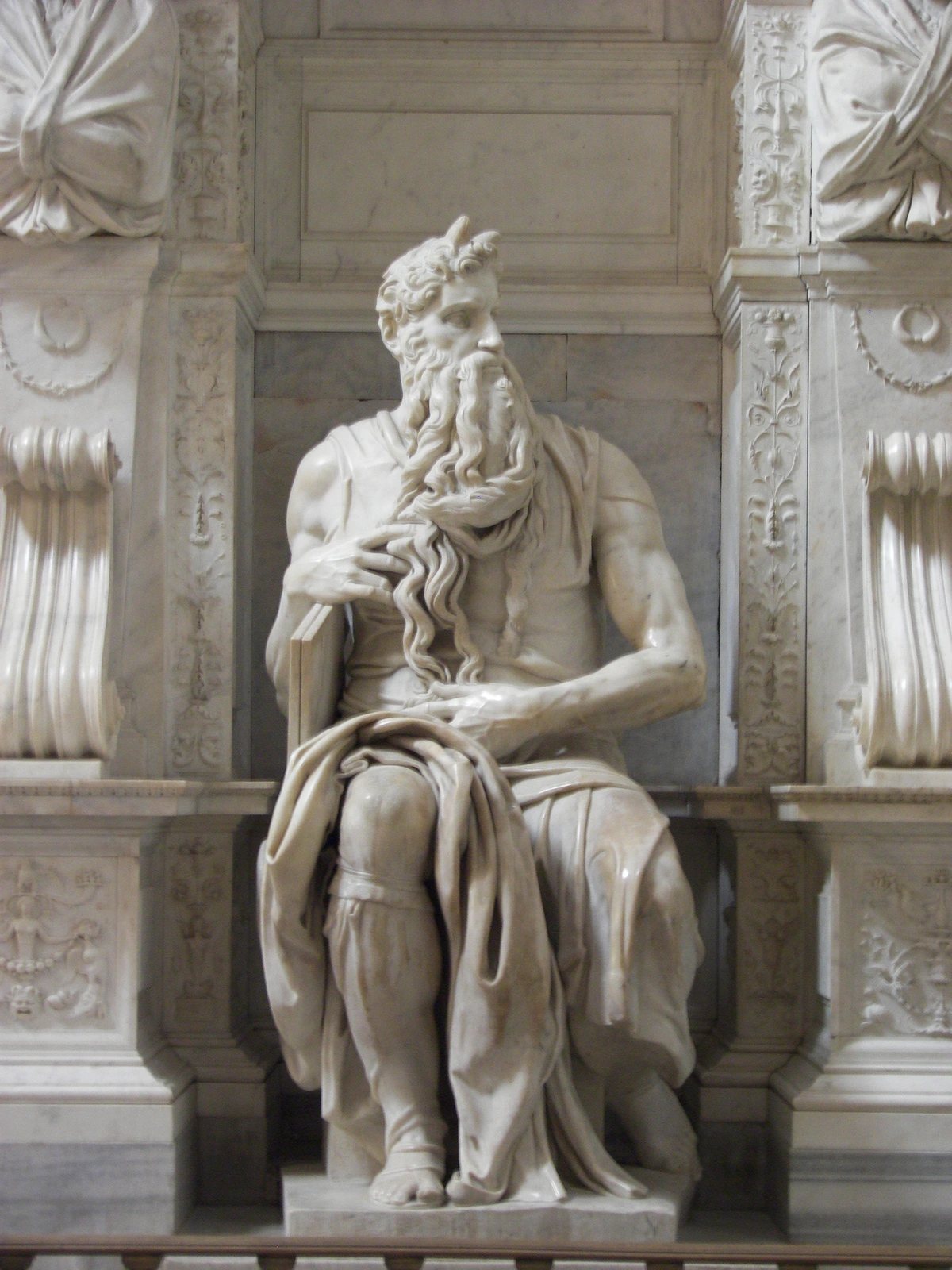
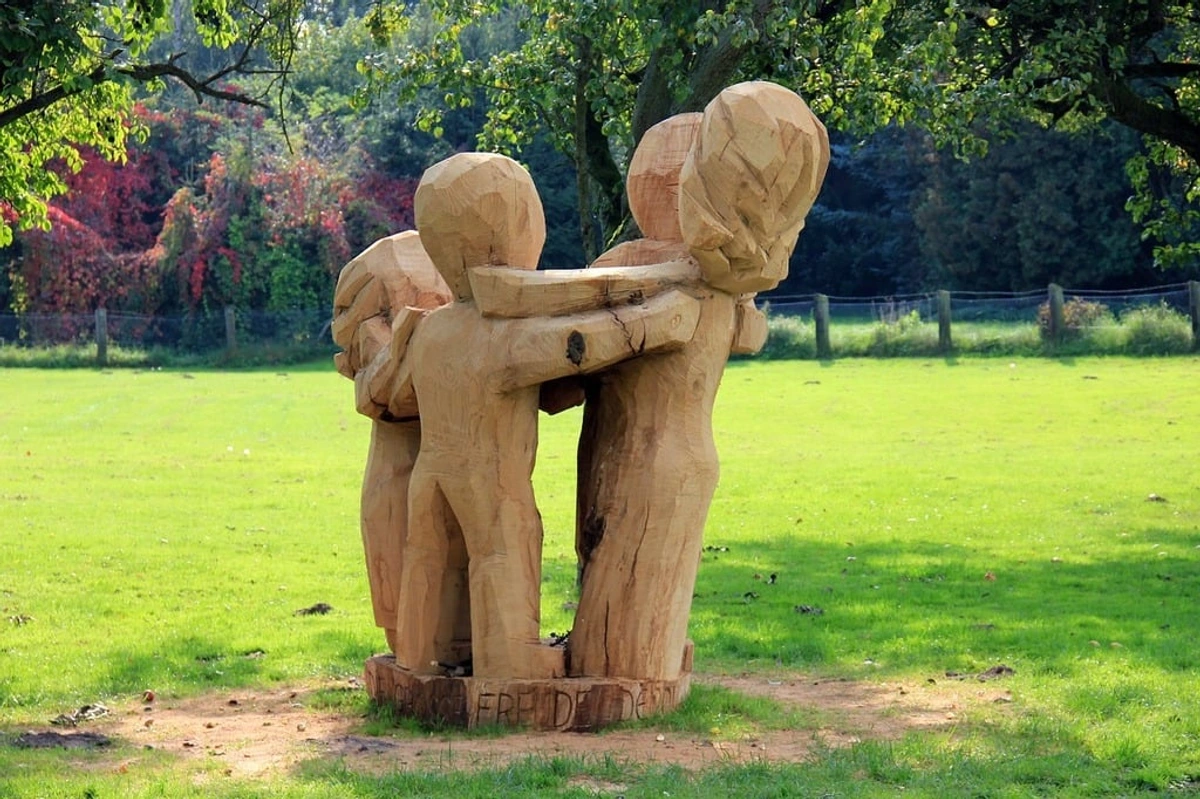
This is perhaps the oldest and most romanticized form of sculpture, and if you ask me, it still holds a certain magic—a feeling of unlocking a hidden form. The artist begins with a solid, often unyielding block of material—think stone (like luminous Carrara marble, rough granite, delicate alabaster, or porous limestone), various types of wood (from robust oak and cedar to finer ebony and mahogany), or even precious ivory—and painstakingly removes (subtracts) material until the desired form emerges. It’s a high-stakes process, a literal battle of wills between artist and material; unlike drawing where you can simply erase, a mistake in carving often cannot be easily undone. I always think of Michelangelo, who famously said he wasn't creating a figure, but merely chipping away the marble that imprisoned the figure already inside. It’s a beautiful thought, isn't it? This method demands immense precision, unwavering foresight, and a deep understanding of the material's inherent properties, grain, and potential fault lines. Specialized chisels (point, tooth, flat), various mallets (wooden or steel), hand saws, and different grades of abrasives are all part of the carver's toolkit, each designed to remove just the right amount of material, from roughing out the initial shape to achieving a final, exquisite polish. The slow, deliberate process often imbues carved works with a profound sense of enduring monumentality, timelessness, and a tangible connection to the earth itself. The weight and permanence of carved stone, for example, frequently evoke a sense of history and gravitas that is hard to replicate with other techniques. Beyond Western traditions, carving has been a cornerstone of artistic expression across diverse cultures. Think of the intricate jade carvings of ancient China, the monumental rock-cut temples of India, or the powerful wooden totems of indigenous North American communities. Each culture adapted carving to their available materials and spiritual beliefs, creating a breathtaking array of forms that speak to the universal human desire to shape and transform the natural world. From the delicate, intricate details achieved with specialized tools to the monumental scale of rock-cut architecture, carving demands both physical prowess and artistic vision. It's a dance with resistance, where the sculptor must 'read' the material, anticipating its weaknesses and strengths. I've always found it remarkable how a seemingly unyielding block can be coaxed into revealing an inner form, a silent testament to patience and vision. The choice of stone, for instance, isn't just about color; it's about density, striation, and how it responds to the chisel, dictating everything from the possible level of detail to the final sheen. This is truly where the artist becomes a collaborator with nature.
2. Modeling (Additive)
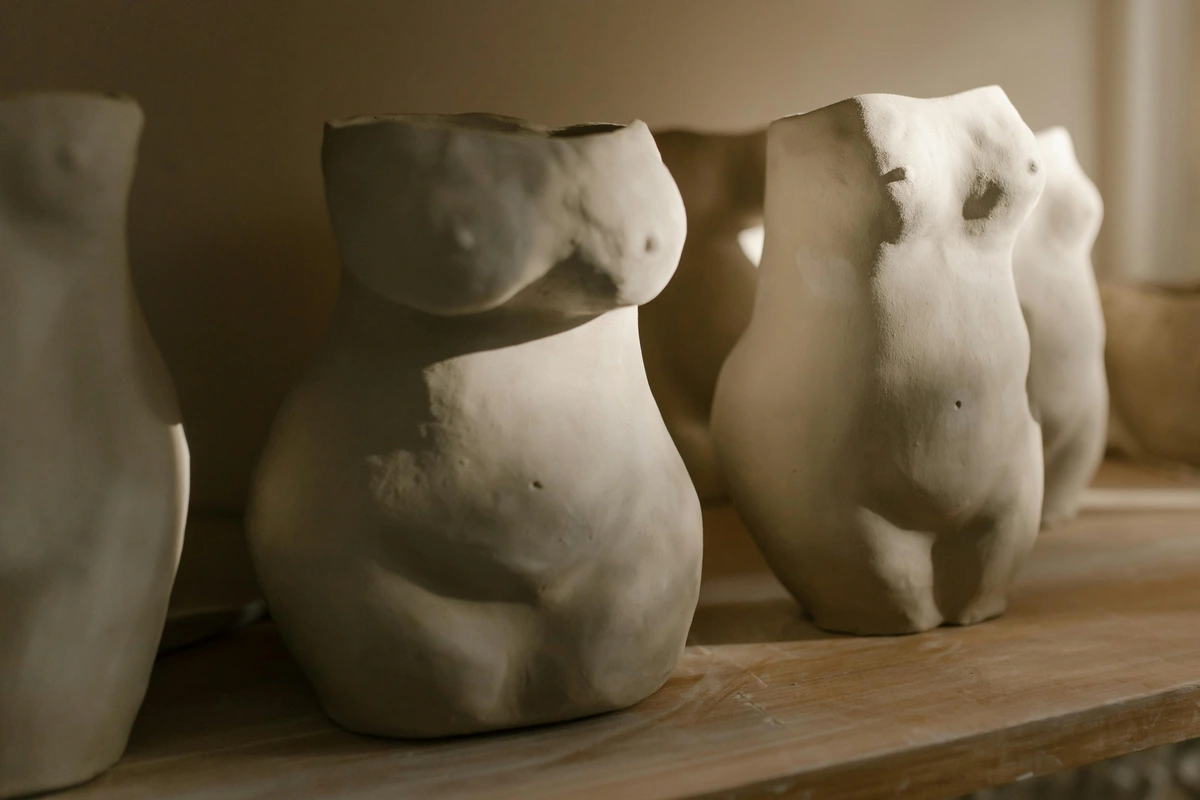
Modeling, in many ways, stands as the creative counterpoint to carving. Here, the artist literally builds up the form, incrementally adding soft, malleable materials like wet ceramic clay, pliable beeswax or microcrystalline wax, or wet plaster. It's an incredibly intuitive and forgiving process, allowing for constant adjustment and refinement, which I deeply appreciate; you can always add more, gently reshape, or even subtract a small amount if needed. Many sculptors, myself included, use modeling to create a preliminary version of a larger work—what we might call a maquette—that will later be scaled up or cast in a more permanent material. This process often necessitates creating an armature, an internal supportive framework or skeleton (typically made of wire, wood, or even PVC pipe), to hold the softer material in place as it's built up, preventing collapse. It’s an essential behind-the-scenes hero for many works! Beyond traditional clay and wax, sculptors might use oil-based clays (plasticine), paper mâché, or even modern polymer clays in this versatile additive approach. The continuous adjustability of modeling offers a freedom and spontaneity that carving simply doesn't, making it a favorite for preparatory studies, prototypes, and works where fluidity and expressive gesture are paramount. This technique allows for a direct, hands-on engagement with the material, fostering an immediate connection between the artist's intention and the evolving form. It's also remarkably forgiving, allowing for mistakes to be corrected or forms to be dramatically altered during the process – a luxury often unavailable to carvers.
For anyone interested in the physical sensation of art-making, modeling offers a unique tactile experience. The warmth of the wax, the cool dampness of the clay, or the quick-setting nature of plaster each present their own challenges and rewards. It's a method that truly embodies the idea of creation through growth, allowing for organic forms and capturing the very moment of an idea taking shape in three dimensions. I often think of modeling as a direct extension of thought, where an idea flows almost unimpeded from mind to hand, allowing for incredible expressive nuance.
3. Casting (Substitution)
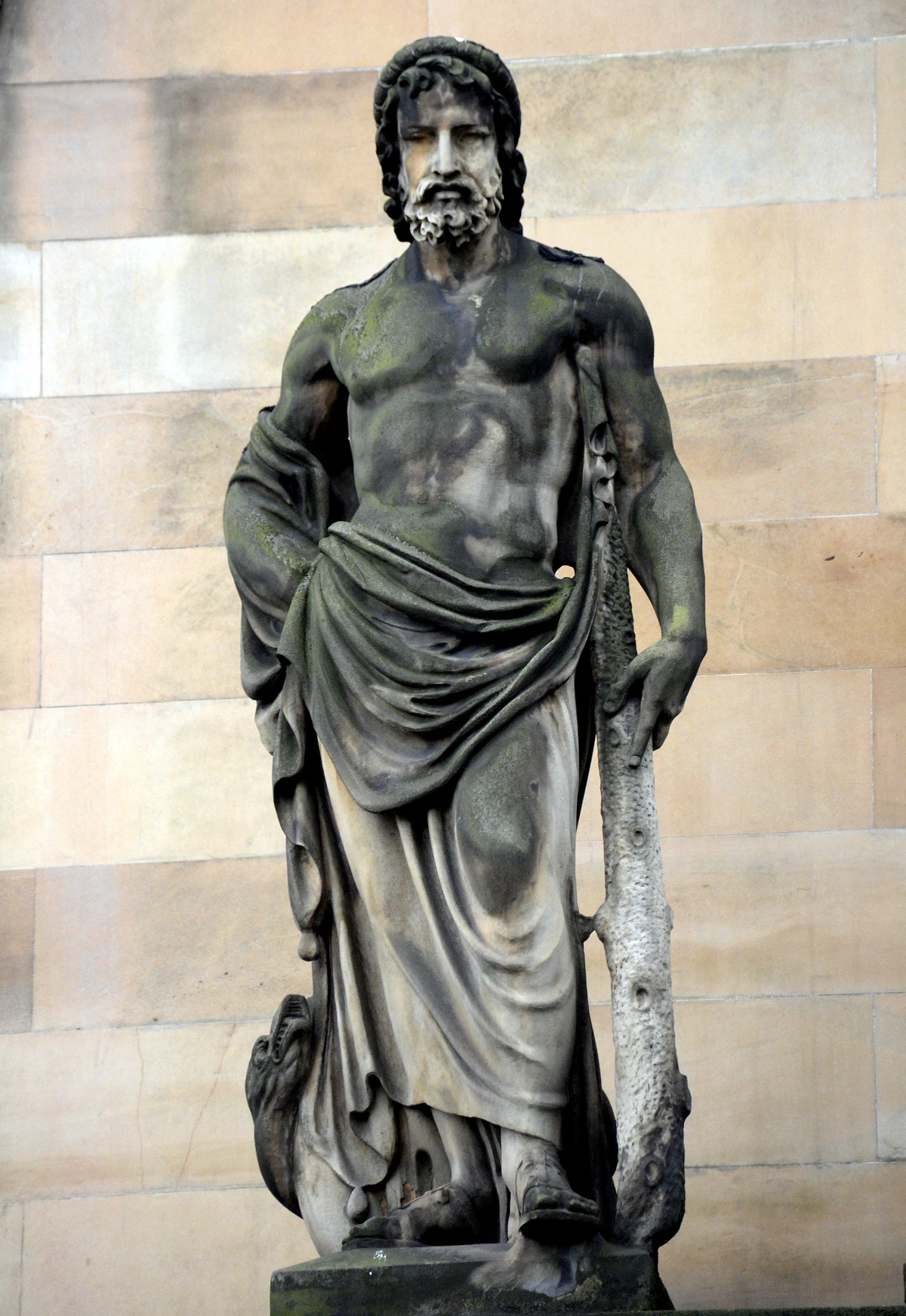
Casting is a truly brilliant and transformative way to take a sculpture from a fragile, often temporary material (like clay or wax) and give it durable, permanent life—think gleaming bronze, translucent resin, or stoic plaster. The core idea here is substitution. First, an incredibly detailed, negative impression, or mold, is made of the original 'positive' sculpture (the model). This mold-making is often a multi-step, intricate process, especially for complex forms, and I find the ingenuity behind it utterly fascinating. Materials for molds can range from plaster and silicone rubber to gelatin, chosen for their ability to capture the finest details. Once the mold is complete and cured, the original sculpture is carefully removed, and the hollow mold is then filled with a molten or liquid material (bronze, aluminum, various resins, plaster, concrete). After it cools and hardens, the mold is carefully removed, often by breaking it apart (a 'waste mold') or in sections (a 'piece mold'), revealing a permanent copy. This process is particularly valuable because it allows for the creation of multiple identical pieces, known as 'editions,' which is how many famous bronzes, from ancient Greek figures to Degas' dancers, were reproduced from a single clay or wax model. The lost-wax casting (cire perdue) method is a particularly renowned, complex, and ancient technique within this category, prized for its ability to create exceptionally fine details, especially for intricate figures or works with delicate textures. Imagine the ancient Greeks, creating multiple copies of their idealized figures, allowing their aesthetic vision to proliferate throughout the classical world. Beyond lost-wax, other methods like sand casting are used for industrial applications, while resin casting offers modern sculptors a way to create translucent or brightly colored works. It's a method that perfectly bridges the gap between a fleeting idea and a lasting legacy, transforming fragile concepts into enduring art.
4. Assembling (Constructive)
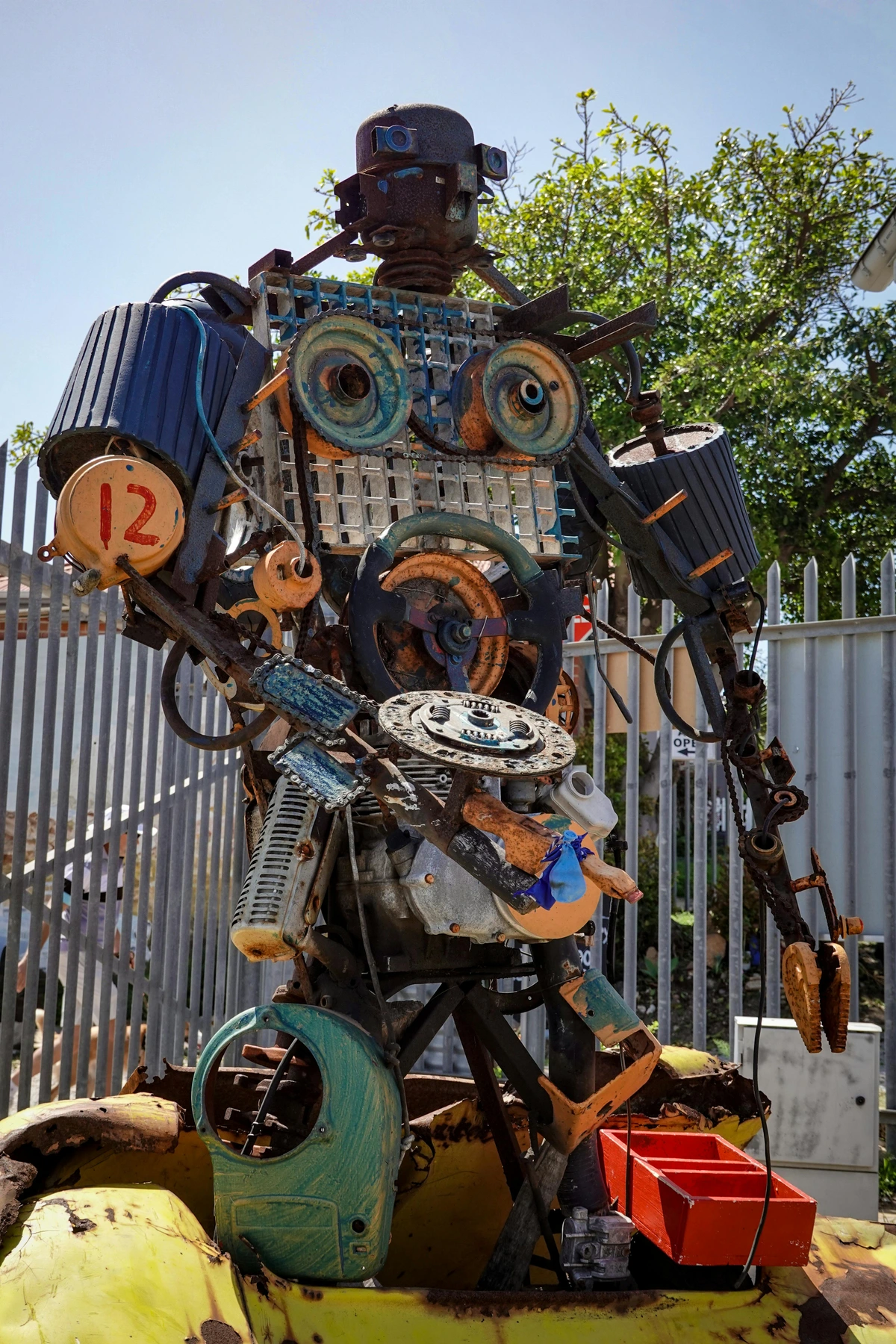
Also known as assemblage or construction, this is a more modern and, for many artists, an incredibly liberating approach to sculpture. The artist constructs the sculpture by bringing together various, often pre-existing, objects or materials, joining them to create a new form. I like to think of it as a 3D collage, where the artist is recontextualizing everyday items, transforming them into something entirely new and meaningful. This could involve anything from welding metal parts, bolting or gluing pieces of wood, fusing plastics, or meticulously arranging found objects—literally anything from discarded machinery to natural elements—into a new, unified whole. Artists like Pablo Picasso, Julio González, and Man Ray were pioneers in this method, and it often challenges our preconceived notions of what art 'should' be made from or how it 'should' be presented. It's an invitation to see the beauty, conceptual potential, and new narratives in the discarded, the overlooked, or the industrial. This method gained significant traction in the 20th century with movements like Cubism, Dada, and later Pop Art, all of which actively challenged traditional notions of art, authorship, and craftsmanship. Assemblage is, in many ways, an act of radical recontextualization, inviting viewers to reconsider the meaning of everyday items when presented in an artistic context. Think of the raw energy, the often provocative statements, and the boundless material freedom made possible through this constructive approach. Artists like Kurt Schwitters with his Merz works, or the often whimsical and thought-provoking creations of contemporary artists using recycled plastics, all demonstrate the profound capacity of assemblage to transform the mundane into the meaningful. I find this approach particularly exciting because it dissolves the hierarchy of materials, declaring that anything, even a broken toy or a piece of scrap metal, can be imbued with artistic significance.
Technique  | Process | Common Materials | Key Characteristic | Notable Examples |
|---|---|---|---|---|
| Carving | Subtractive (removing material from a solid block) | Marble, granite, limestone, wood (oak, ebony), ivory | Irreversible, reveals inherent form, monumental, enduring | Michelangelo's David, Ancient Egyptian pharaohs, Indian temple carvings |
| Modeling | Additive (building up pliable material) | Wet clay, beeswax, plaster, plasticine, paper mâché | Malleable, intuitive, allows for continuous adjustment, temporary or preparatory | Rodin's preliminary studies, terracotta figures, contemporary ceramic art |
| Casting | Substitutive (creating a copy from a mold) | Bronze, aluminum, iron, plaster, resin, concrete | Creates multiples (editions), durable, captures fine detail, transformative | Ancient Greek bronzes, Degas' Little Dancer, contemporary resin sculptures, industrial castings |
| Assembling | Constructive (joining various pre-existing objects/materials) | Found objects, welded metal, bolted wood, fused plastics, textiles, electronic components | Recontextualizes, challenges conventions, diverse materials, often conceptual, innovative | Picasso's Cubist constructions, Man Ray's readymades, Kurt Schwitters' Merz, contemporary mixed media works, industrial sculpture |
From Antiquity to the Medieval Era
The story of sculpture stretches back tens of thousands of years, to the very dawn of human creativity. The earliest forms, often small and portable Paleolithic fertility figures or animal carvings, reflect primal human concerns and spiritual beliefs. Think of the Venus of Willendorf, a tiny yet powerful representation of fertility, or the exquisite animal carvings found in caves. As civilizations emerged, sculpture became monumental.
Ancient Egyptian sculpture, for example, is instantly recognizable for its rigid frontality, idealized forms, and monumental scale. It was deeply intertwined with funerary practices and the belief in the afterlife; their art served a spiritual and eternal purpose, often carved from durable stone like granite, basalt, and alabaster to last for eternity, intended for sacred rather than purely aesthetic viewing. The colossal statues of pharaohs, guardians of tombs, and intricate reliefs on temple walls all speak to a culture deeply focused on permanence and the divine. Their artistic conventions, such as the composite view (showing a figure's head in profile but body frontally), ensured clarity and a timeless quality, influencing art for millennia. It's a fascinating example of art serving a deeply ingrained spiritual and political function.
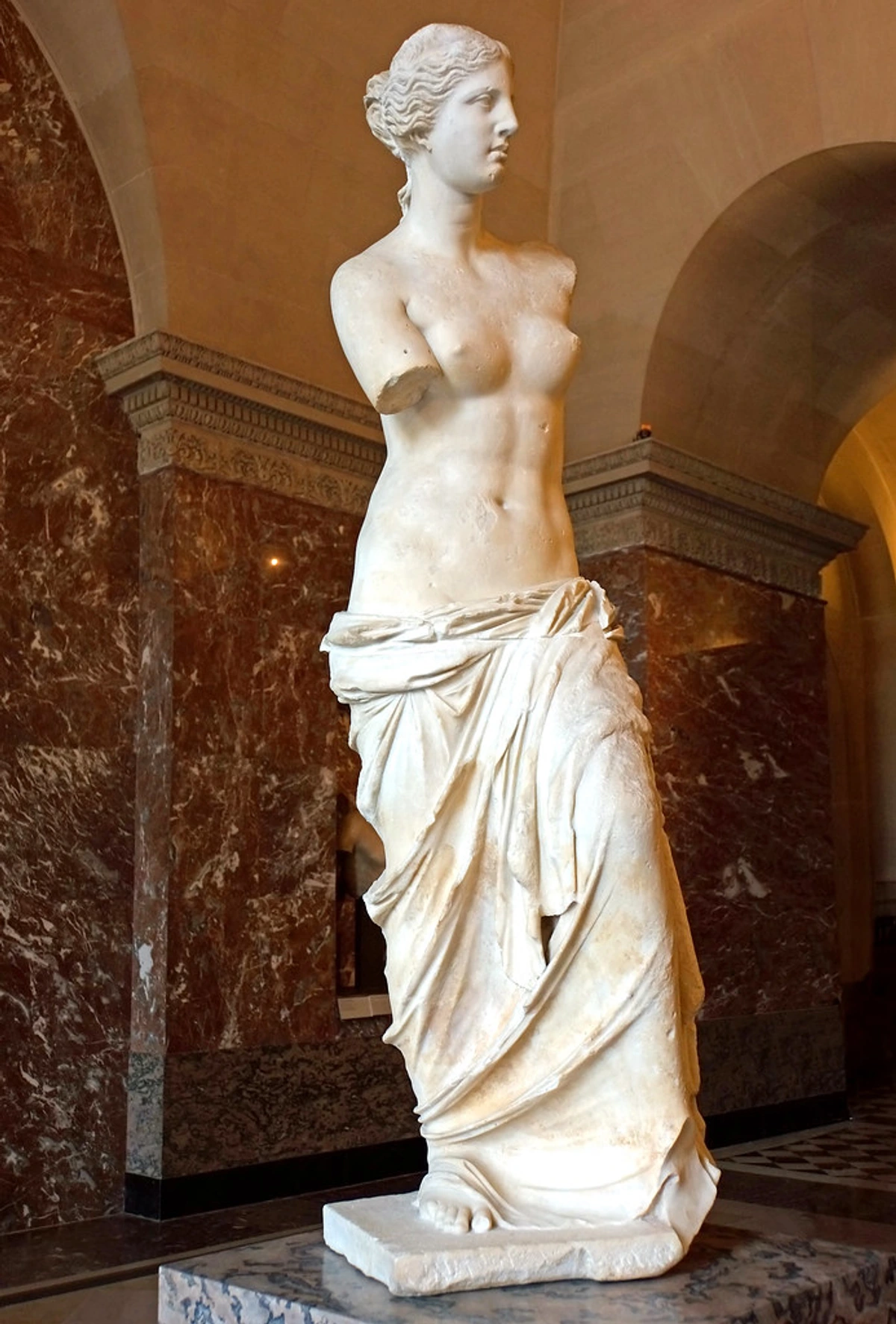
Then came the classical world, a period I find endlessly fascinating. Ancient Greek sculpture, after an initial period of stiff, idealized forms (like the archaic Kouros and Kore figures, with their enigmatic smiles and rigid postures), evolved dramatically to capture the human form in motion and with remarkable naturalism and idealized beauty, epitomized by masterpieces like Praxiteles' Aphrodite of Knidos or the iconic Venus de Milo. We see this evolution through the Archaic, Classical, and Hellenistic periods, each pushing the boundaries of anatomical accuracy and emotional expression. The innovative use of contrapposto (a balanced asymmetrical stance, giving the figure a more dynamic and relaxed look, shifting weight onto one leg) was a game-changer here, bringing figures to life with a newfound sense of vitality and grace. The Roman Empire then built upon these Greek foundations, but with its own distinct emphasis on realism and pragmatism, using sculpture primarily for powerful portraiture (capturing individual likenesses with astonishing detail, sometimes even veristic—emphasizing every perceived flaw), historical narratives on triumphal arches (like the Arch of Titus), and civic glorification. Roman sculptors were masters of depicting specific events and people, often through intricate reliefs that served as public chronicles, celebrating emperors and military victories. Their public works, like monumental equestrian statues, often aimed to project authority and reinforce the empire's power.
During the Medieval period (roughly 5th to 15th centuries), sculpture largely served the Church, moving from the stylized, often abstract forms of early Christian art to depicting intricate religious narratives and figures. These were often integrated into the architectural elements of cathedrals, evolving from the sturdy, didactic Romanesque austerity (with its heavy, blocky forms, elongated figures, and symbolic rather than realistic depictions, designed to teach) to the soaring, emotive Gothic exuberance (where figures became more slender, graceful, and expressive, often extending from the very fabric of the buildings, inviting empathy and devotion). Here, the symbolic over the realistic was paramount, communicating powerful theological messages to a largely illiterate populace. The intricate carvings on Romanesque tympanums and Gothic portals, for me, are like stone sermons, speaking across centuries about faith and human experience.
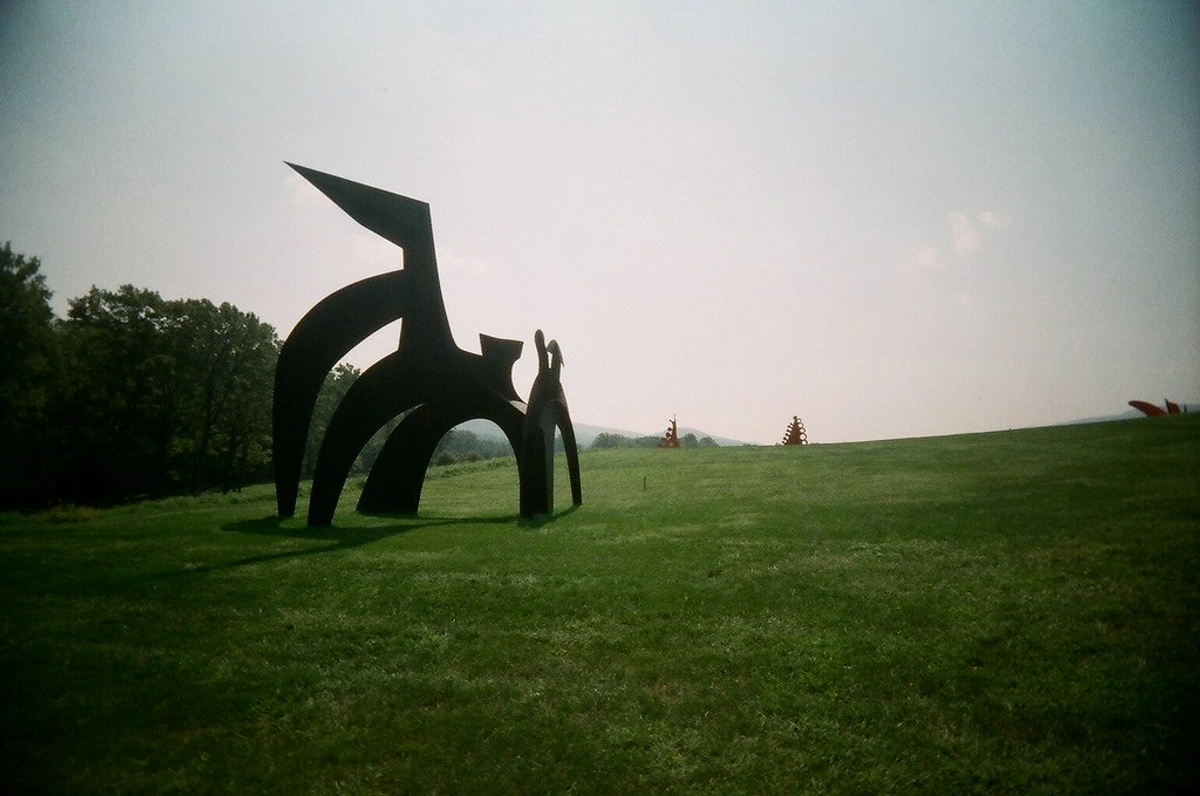
The Renaissance Resurgence
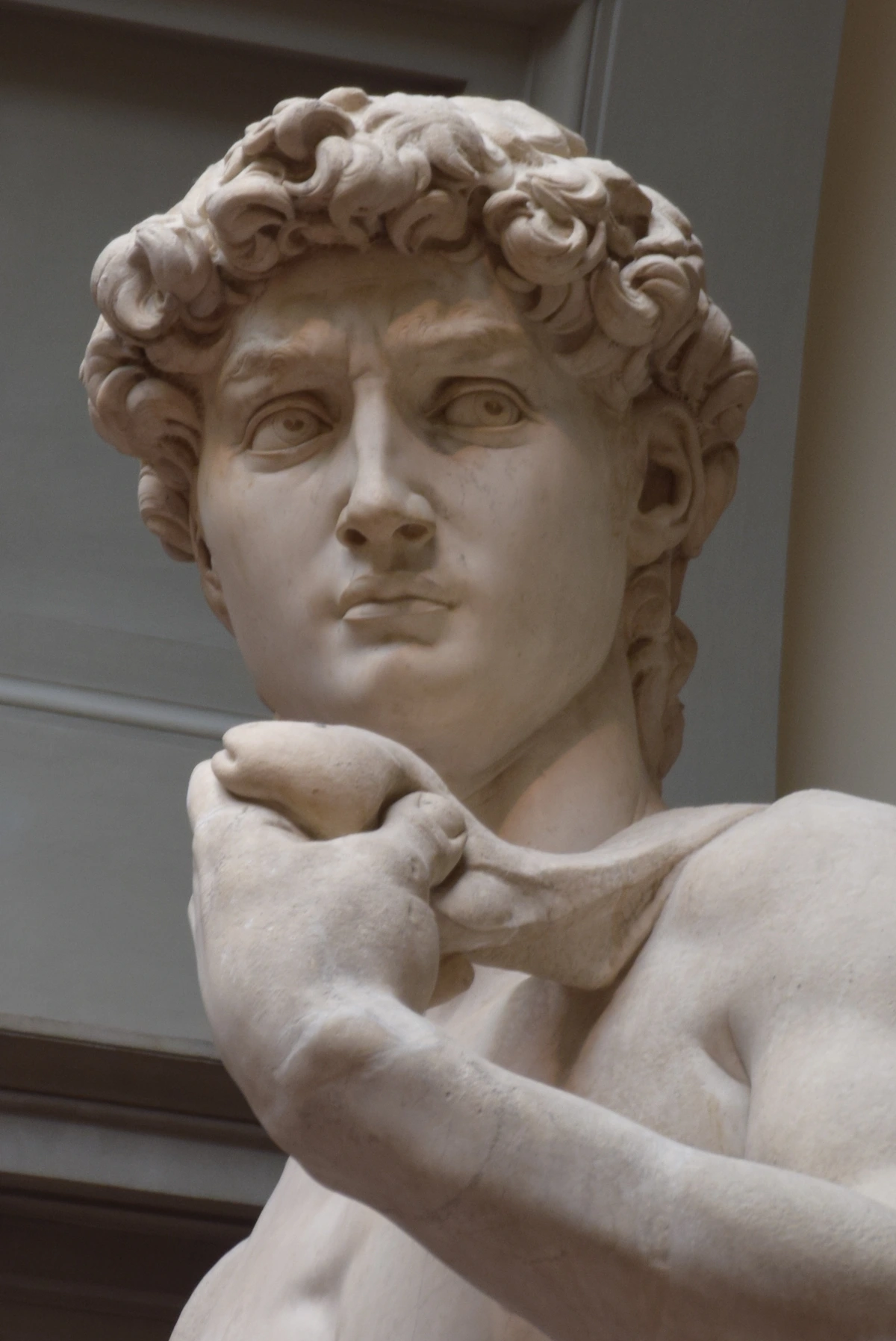
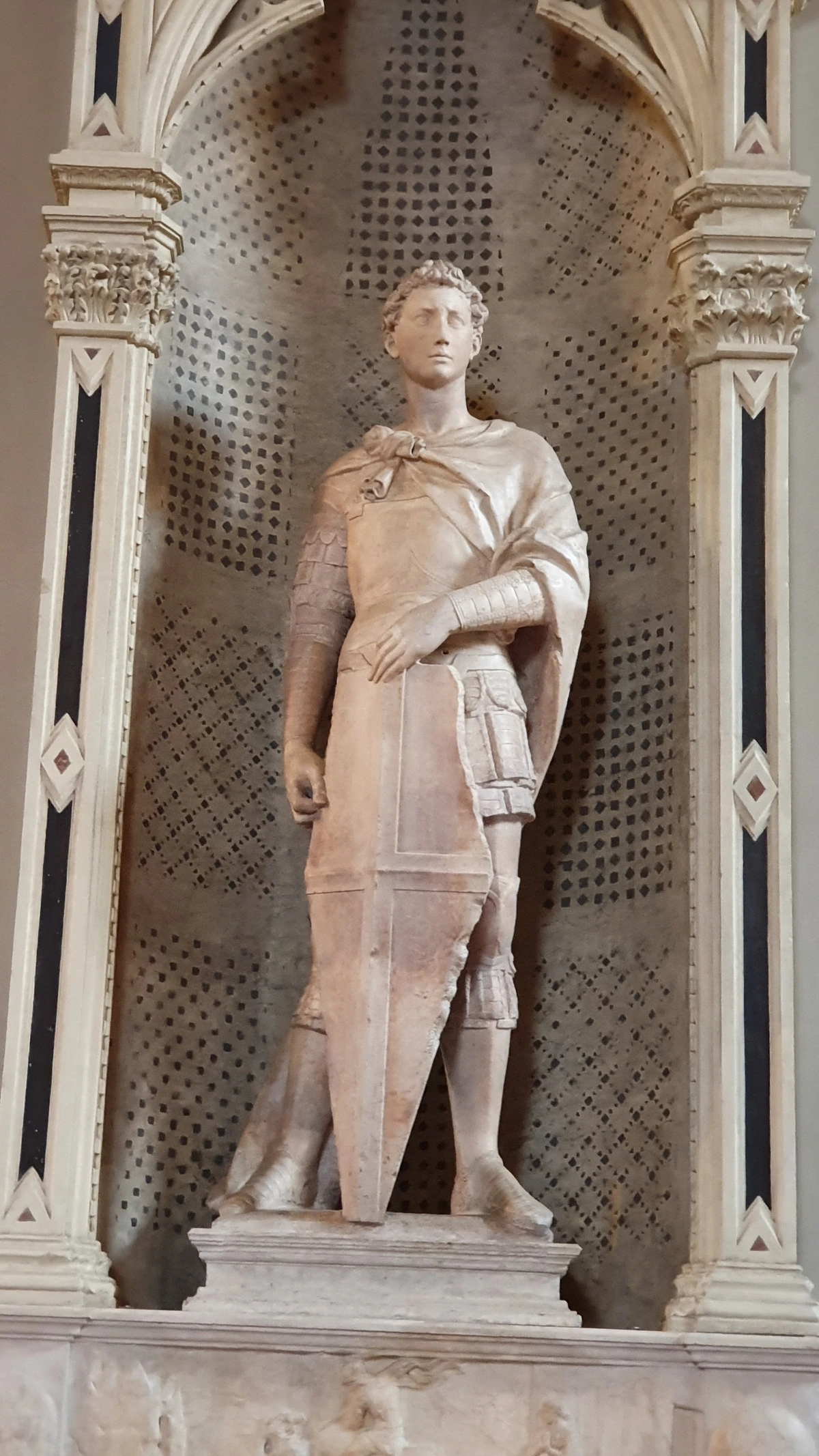
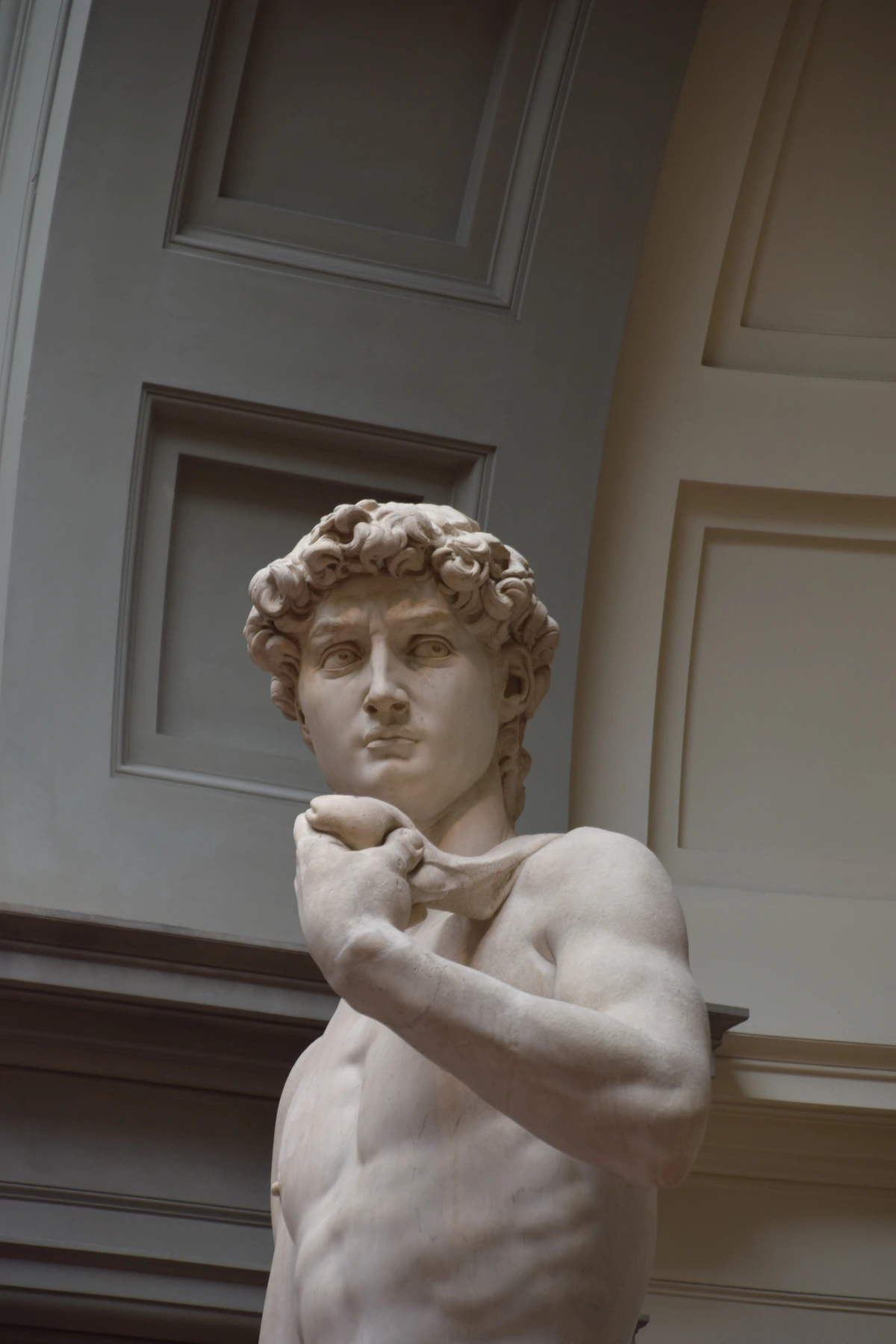
If you've ever felt a sense of awe before a towering marble figure, imbued with both physical perfection and palpable emotion, you're likely experiencing the profound echoes of the Renaissance. This period, roughly from the 14th to the 16th century, saw a profound rediscovery of classical ideals and the burgeoning philosophy of humanism, placing human experience and achievement at the center. Artists like the Florentine master Donatello brought a revolutionary new realism and psychological depth to their bronze and marble figures, such as his groundbreaking David (the first freestanding nude male sculpture since antiquity, captivating in its youthful vulnerability) and his dynamic Saint George, paving the way for the titans who followed. And of course, there's Michelangelo, whose works like his monumental David and the deeply moving Pietà redefined what was possible in marble, infusing it with unparalleled anatomical precision, raw emotional power, and a sense of figures almost bursting from the very stone. This era also saw a renewed interest in equestrian statues, honoring military heroes and leaders, and the widespread use of terracotta for altarpieces and portrait busts, offering a more accessible material for artistic expression, allowing for vibrant glazed finishes. The sheer mastery of material and form from this era, often championed by wealthy patrons and the Church, is, for me, endlessly inspiring, marking a true golden age for sculptural achievement. It was a time when the human body became a profound vehicle for both narrative and abstract philosophical ideals, a true testament to the power of art to embody complex thought.

Baroque, Rococo, and Neoclassical Grandeur
Following the Renaissance, the Baroque era (roughly 17th-18th centuries) exploded onto the scene with a focus on dramatic movement, intense emotion, and theatricality. Think of Gian Lorenzo Bernini, the undisputed master of this period, who could make marble seem as fluid as cloth or hair, capturing peak moments of narrative tension and emotional ecstasy in works like The Ecstasy of Saint Teresa. His sculptures are designed to overwhelm, inspire awe, and draw the viewer into a dynamic experience, often integrating with architectural settings to create a total work of art. The dramatic chiaroscuro (light and shadow) in his marble figures, such as the intense gaze of his David, further heightens the emotional impact, drawing the viewer into a visceral experience. Sandwiched between the grandeur of the Baroque and the austerity of Neoclassicism, the Rococo movement (mid-18th century) offered a lighter, more playful, and often more intimate sculptural expression. Characterized by delicate forms, intricate ornamentation, and themes of love and frivolity, Rococo sculpture often featured nymphs, cupids, and pastoral scenes, frequently crafted in porcelain or small-scale marble for domestic interiors, reflecting a shift towards aristocratic elegance and personal pleasure. Artists like Etienne Maurice Falconet, with his charming Cupid Frightened by a Kiss, epitomized this elegant, decorative style, often using unglazed biscuit porcelain for a soft, matte finish that enhanced their ethereal quality.
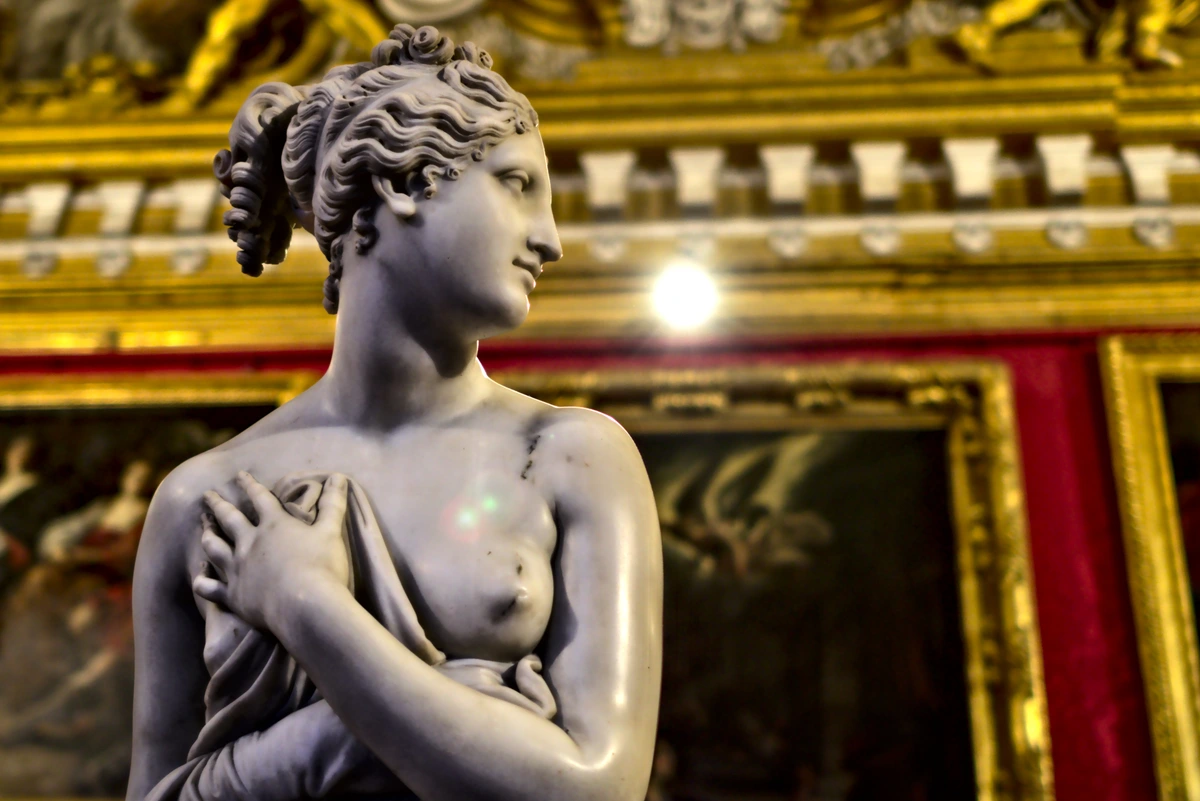
In stark contrast, the Neoclassical movement (late 18th-early 19th centuries) reacted against what it perceived as Baroque excess and Rococo superficiality, returning to the noble simplicity, grandeur, and perceived purity of classical Greece and Rome. Sculptors like Antonio Canova, with his serene Psyche Revived by Cupid's Kiss (a delicate and sensuous depiction of mythological love) and Venere Italica, created works of idealized forms and pristine beauty, emphasizing clarity, balance, and a sense of timeless order, often using pristine white marble to evoke ancient Greek statuary. It's a fascinating pendulum swing between high drama, delicate charm, and quiet contemplation, reflecting the philosophical shifts of their respective times. This era also saw a renewed interest in archaeological discoveries, further fueling the desire for classical purity and order in art, often leading to grand, public commissions that echoed the civic ideals of Roman antiquity.
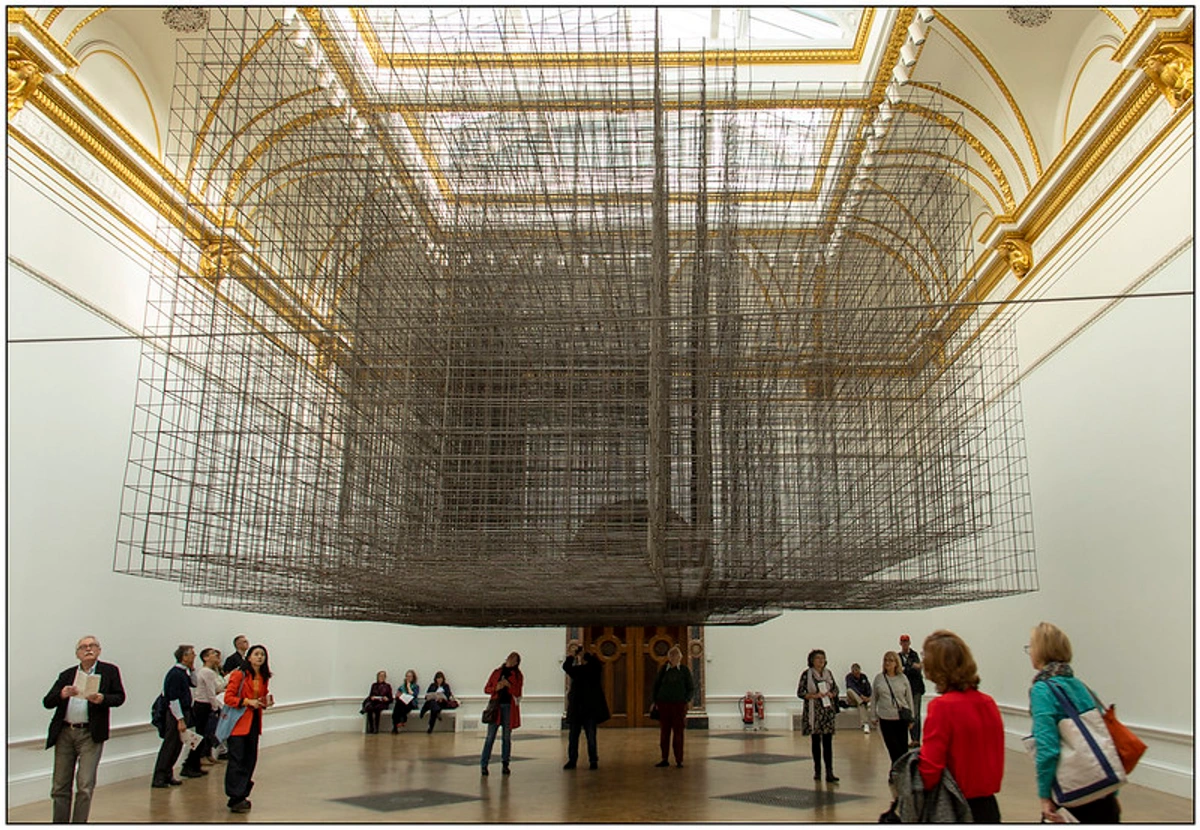

Modernism's Breakthroughs
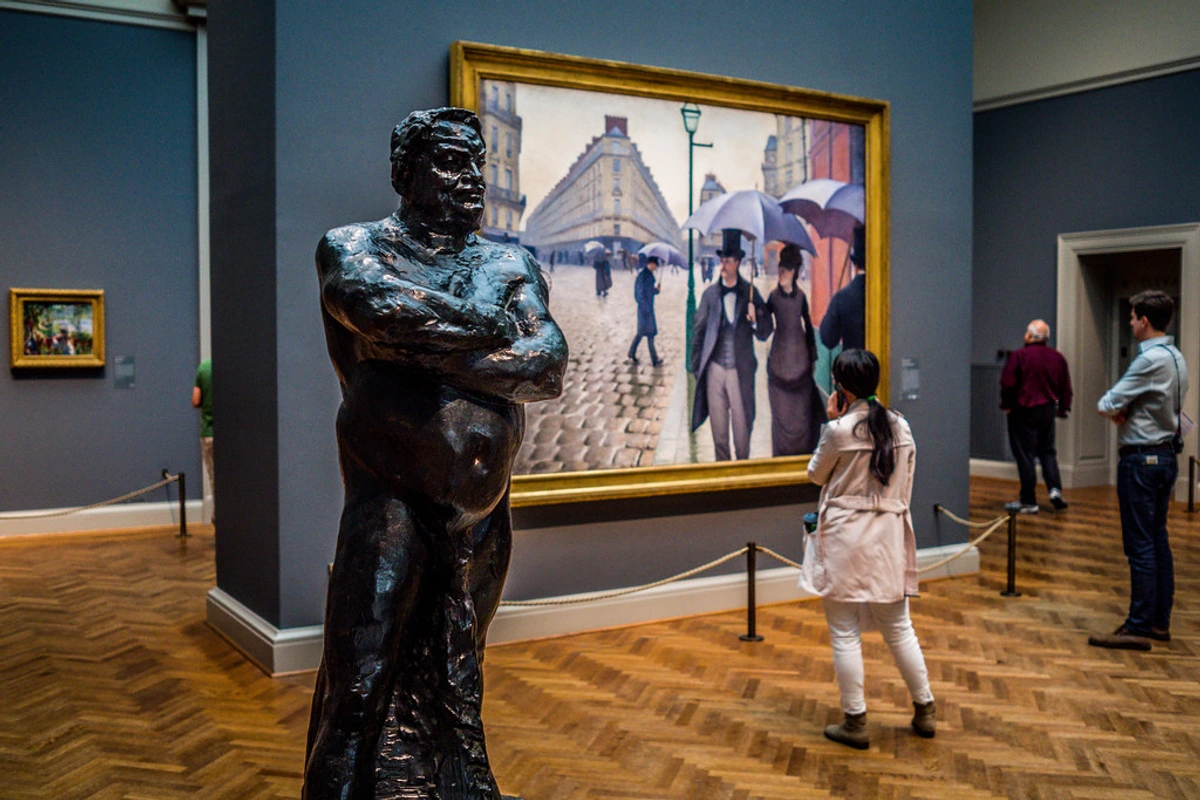
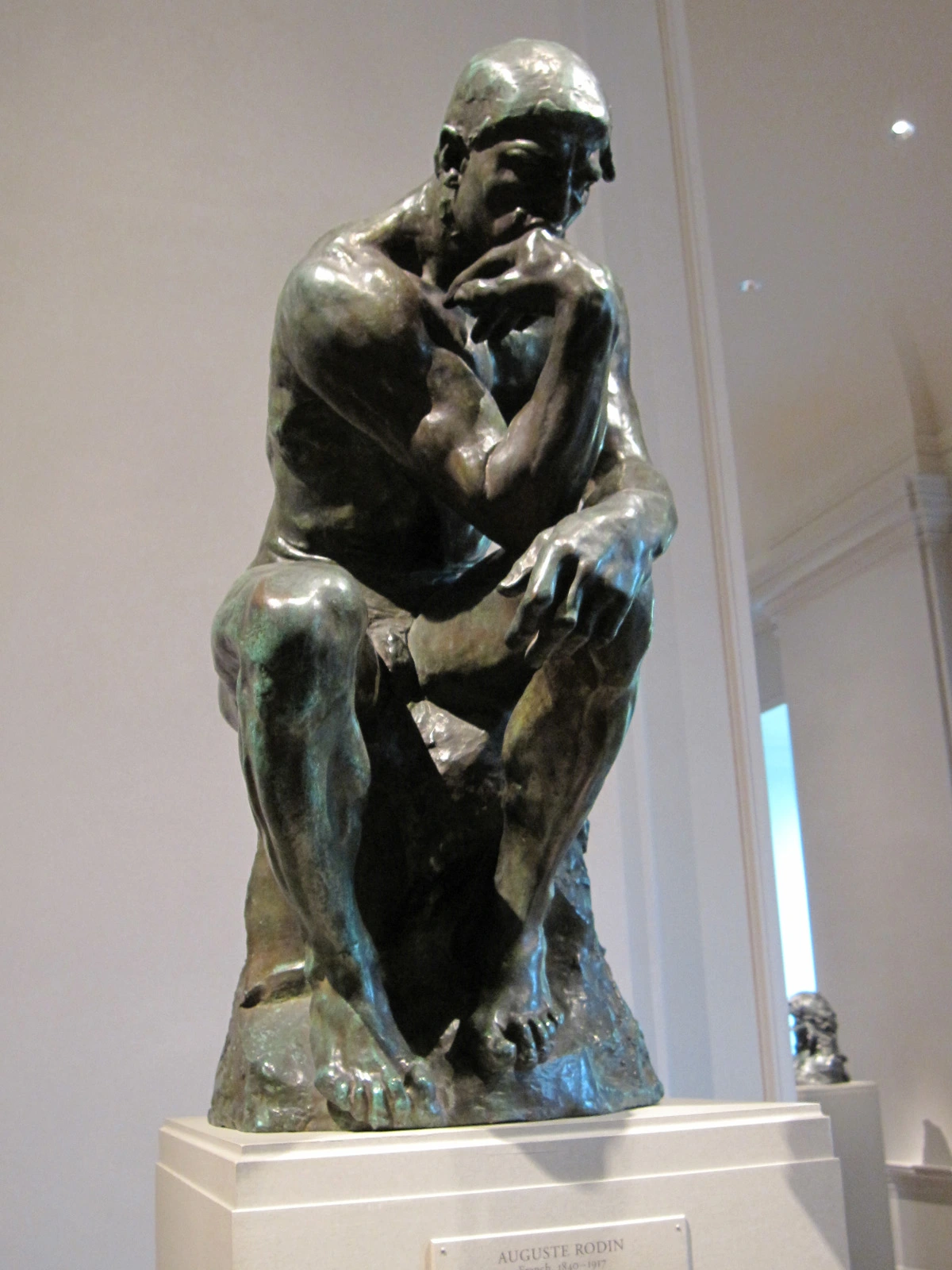
The 19th century laid crucial groundwork, seeing a shift towards individualism and a new kind of realism, with figures like Auguste Rodin capturing raw human emotion, psychological intensity, and imperfect beauty in his bronze and marble works like The Thinker. His surfaces often retained the marks of the artist's hand, emphasizing the process of creation and lending a palpable sense of the artist's struggle and passion. But the 20th century truly shattered conventions, marking an explosion of diverse movements. Cubist sculptors, like Picasso and Archipenko, broke forms into geometric planes, presenting multiple perspectives simultaneously, challenging the traditional single viewpoint. This radical approach, explored in our ultimate guide to Cubism, fundamentally redefined representation in three dimensions, forcing us to re-evaluate how we perceive form in space. Futurists, such as Umberto Boccioni (think Unique Forms of Continuity in Space), embraced speed, dynamism, and the machine age, attempting to capture movement itself and the flow of form through space, often using bronze or plaster to express energetic thrusts and fluidity. Artists like Constantin Brâncuși sought essential, abstract forms, striving for purity and timelessness in materials like marble and bronze, reducing figures to their most elemental shapes (like his iconic Bird in Space, a soaring expression of flight). Later, figures like Henry Moore and Barbara Hepworth explored organic, biomorphic shapes, often incorporating voids and holes, deeply connecting sculpture to nature and the human body in new, abstract ways, often envisioning their works in harmony with the landscape, almost as a dialogue with the earth itself. It was a period of relentless innovation and questioning, directly reflecting the rapidly changing industrial and psychological landscapes of the world, and gave rise to other significant movements like Constructivism, which focused on geometric abstraction and industrial materials (like steel and glass) to build rather than carve, and Surrealism, which brought dreamlike and subconscious imagery into three-dimensional forms (think Meret Oppenheim's fur-covered teacup!). The influence of African art was also pivotal during this period, inspiring artists to break free from Western academic traditions and embrace more abstract and expressive forms, valuing spiritual and symbolic power over strict realism.
Contemporary Explorations
Today, sculpture is more diverse, expansive, and conceptually driven than perhaps ever before. Contemporary artists, unbound by traditional definitions, experiment with every material imaginable—from traditional stone and bronze to light, sound, video, ephemeral installations, recycled waste, and cutting-edge digital forms like virtual and augmented reality. They often challenge the very definition of sculpture, blurring the lines with performance art, architecture, social commentary, and even scientific research (BioArt). Movements like Minimalism (stripping forms down to their essential qualities), Conceptual Art (where the idea takes precedence over the physical object), Pop Art (incorporating everyday objects and imagery), and later Postmodernism (questioning grand narratives and embracing pastiche) each left their indelible mark, questioning the object's inherent value, the artist's role, and the viewer's interpretation. Artists like Anish Kapoor (with his iconic Cloud Gate in Chicago and other large-scale reflective works that manipulate space), Jeff Koons (known for his giant, playful Balloon Dog sculptures that elevate the kitsch to fine art), Ai Weiwei (whose work often incorporates social and political commentary through various materials), and Louise Bourgeois (with her powerful Maman spider sculptures, exploring themes of motherhood and memory) continue to push boundaries, creating monumental public works, deeply conceptual pieces, and immersive experiences that demand our active participation and intellectual engagement. It's a truly exciting time for three-dimensional art, constantly evolving, surprising me, and inviting us to redefine what art can be. This era, in particular, champions the idea of art as an experience, a dialogue, and a reflection of global concerns, moving far beyond the traditional gallery space and into realms of social interaction and environmental awareness.
A World of Materials: From Stone to Light
The material a sculptor chooses is not just a practical decision; for me, it's often a core, expressive part of the artwork's meaning and emotional resonance. Think about it: the cold permanence of marble conveys a completely different message than the warm, organic texture of wood or the industrial strength and reflectivity of steel. Every material tells its own story.
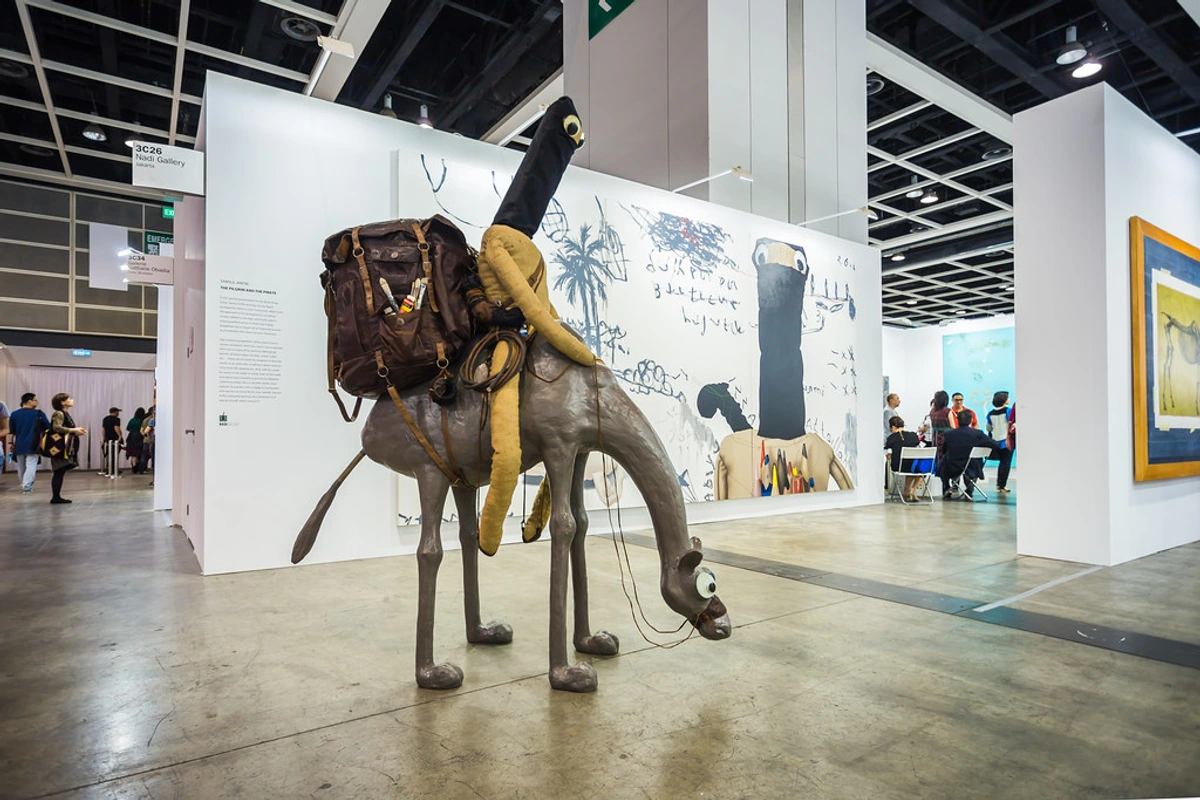
Why Materials Matter
I truly believe the choice of material for a sculpture is never arbitrary; it's a fundamental decision that carries immense expressive power. It profoundly influences the sculpture's aesthetic, its structural integrity and durability, its interaction with ambient light and shadow, and even its symbolic, cultural, and emotional weight. A fragile, ephemeral work made of ice speaks a vastly different message than a monumental, enduring bronze. The inherent textures, colors, and intrinsic properties of each material become integral parts of the artistic statement, shaping how we perceive and connect with the work. For a much deeper dive into the vast array of options, I highly recommend checking out our definitive guide to sculpture materials.
Traditional Materials
For millennia, artists have gravitated towards a core set of materials, prized for their inherent beauty, workability, durability, and timeless appeal. Stone, with marble often considered the undisputed king (think luminous Carrara marble for its ability to capture delicate details like flowing drapery or human skin), also includes granite (known for its robust, crystalline structure and monumental presence), limestone (softer, allowing for intricate carving and often used in architectural sculpture), and sandstone (offering varied textures and earth tones, easily worked). Each type offers different hardness, grain, and color, profoundly influencing the carving process and final aesthetic. Marble, for instance, can be polished to an almost translucent sheen that seems to glow from within, offering a sense of ethereal beauty and permanence, while rougher stones evoke raw power and a direct connection to the earth. Wood, from robust oak and cedar to finer ebony and mahogany, brings warmth, organic texture, and a profound connection to nature, often revealing the natural grain as an intrinsic part of the artwork. Its workability allows for detailed carving, joining, and even bending, and different types present unique challenges and aesthetic qualities. Bronze, typically cast through intricate processes like lost-wax, offers incredible strength, versatility, and the ability to capture exceptionally fine detail. It can be patinated (chemically treated) to develop a beautiful, protective surface that deepens over centuries, telling its own story of time and exposure, ranging from vibrant greens to deep browns and lustrous blacks. And clay, in its various forms (terracotta, stoneware, porcelain), offers remarkable malleability in its wet state, allowing for fluid modeling and expressive forms, gaining permanence once fired at high temperatures in a kiln. Terracotta, for example, with its earthy red tones, has a long history and is often used for figures and architectural decoration, while porcelain allows for delicate, translucent forms, making it one of the oldest and most widespread sculptural materials globally. Each of these materials carries centuries of artistic tradition and symbolic meaning, often dictating the scale and scope of a work.
Modern Materials
As we moved into the revolutionary 20th and 21st centuries, artists, ever the restless innovators, began to experiment wildly with industrial and synthetic materials, embracing the new realities of an industrialized world. Steel (often welded, bolted, or fabricated, including types like Cor-Ten steel which forms a stable, rust-like appearance, or polished stainless steel for sleek reflectivity), aluminum, glass, and plastic (including various resins, fiberglass, and acrylics) became increasingly common. These materials weren't just substitutes for traditional ones; they opened up entirely new possibilities for form, structure, scale, and expression, directly reflecting the industrial and technological advancements of their times. Think about the sleek, sharp lines, monumental scale, and often gravity-defying structures possible with welded steel, which revolutionized public sculpture and allowed for abstract, soaring forms, like those of David Smith. Consider the transparency, reflectivity, and delicate light-play afforded by glass, allowing for intricate optical effects, prisms, and illusions that manipulate our perception of space, as seen in works by artists like Dale Chihuly. Aluminum offers a lighter, often more malleable and corrosion-resistant alternative to steel, frequently seen in outdoor and kinetic works, and can be polished to a high sheen or left with a matte finish. Plastics and various resins, meanwhile, provide a vast spectrum of colors, textures, and capabilities, allowing for seamless forms, rapid replication, and often vibrant, artificial aesthetics that challenged traditional notions of beauty and craftsmanship. Even utilitarian concrete found its place, offering monumental scale, robust forms, and the distinct brutalist aesthetics seen in many public and architectural sculptures, valued for its raw texture and versatility in mold-making. These materials often allowed artists to create works that were larger, lighter, or more conceptually daring than ever before, inviting viewers to reconsider the beauty in the industrial and synthetic.
Unconventional and Contemporary Materials
But contemporary artists? Oh, they push the boundaries even further, questioning the very essence of materiality itself. They use everything from fabric, textiles, and ephemeral materials like ice or sand (highlighting themes of impermanence) to light, sound, video projections, and even organic matter or biological processes—a fascinating and often provocative field known as BioArt, where living organisms become the medium. This relentless experimentation constantly challenges our very definition of what a sculpture can be, blurring lines between art, science, and everyday life. Artists might incorporate scent, heat, or interaction, creating multi-sensory experiences that redefine spatial perception and engage the viewer on deeper levels, transforming a passive viewing into an active immersion. Found objects, recycled materials, and ready-mades continue to be powerful tools for recontextualization and social commentary, inviting us to question consumption, nature, and technology, and reflecting on the ephemerality of modern existence. It’s a boundless realm where the conceptual framework can sometimes be as important, if not more important, than the physical form itself, pushing us to constantly re-evaluate our relationship with the objects around us. I think this is where sculpture truly becomes a dialogue with contemporary life, responding to its complexities with inventive materials and radical ideas.
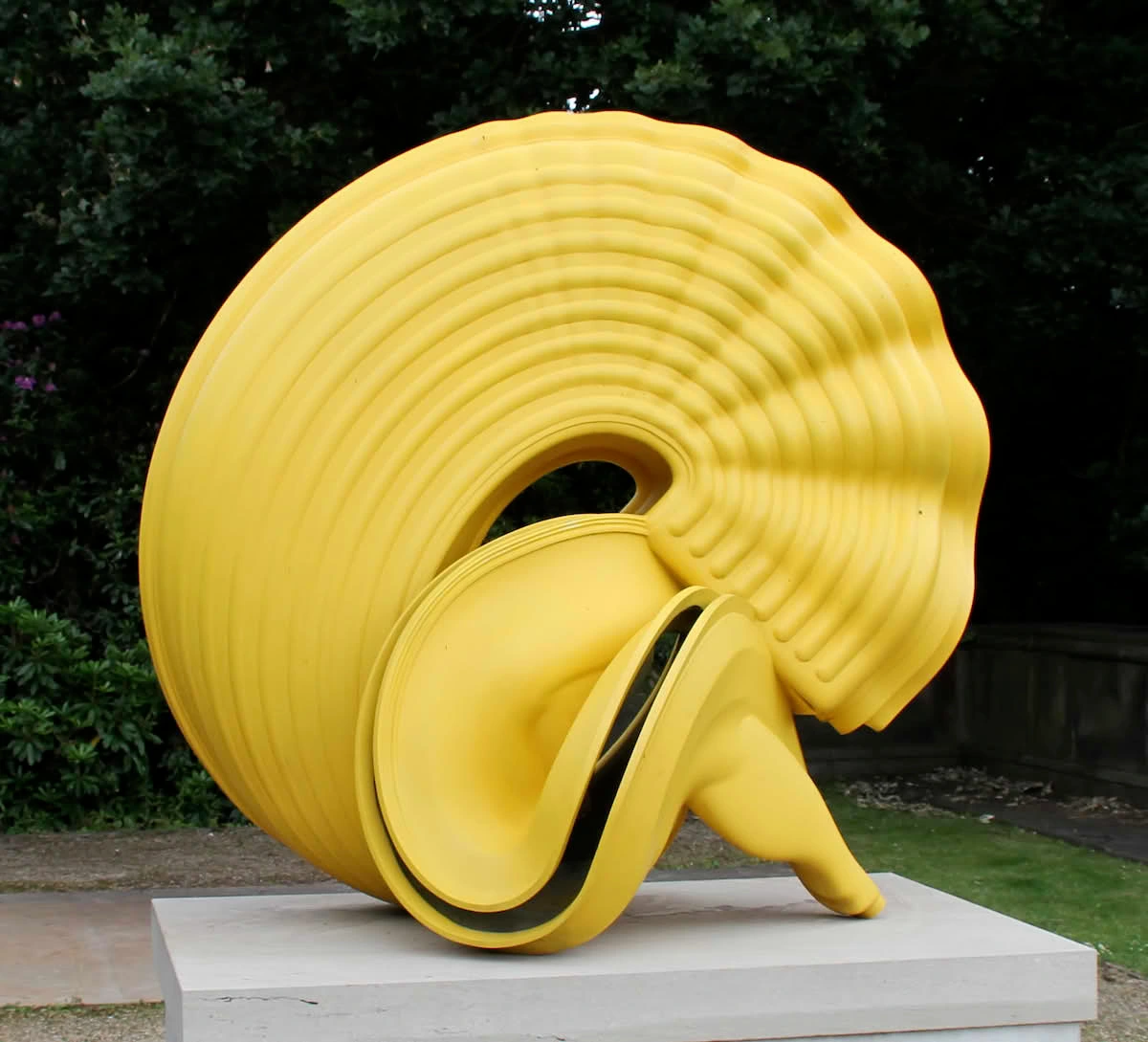
Materials and Their Properties: A Quick Guide
The choice of material is a silent yet powerful narrative element in sculpture. Here’s a brief overview of how different materials contribute to the artistic statement.
Material Type | Common Examples | Key Characteristics | Artistic Impact | Considerations |
|---|---|---|---|---|
| Traditional Stone | Marble, Granite, Limestone, Alabaster | Durable, heavy, varied polish and translucence, distinct grain | Monumentality, timelessness, classical aesthetic, ethereal beauty, gravitas | Difficult to carve, heavy, costly, can be brittle, susceptible to acid rain |
| Traditional Wood | Oak, Cedar, Ebony, Mahogany, Pine | Warmth, organic texture, visible grain, varying density, naturally renewable | Natural connection, detailed carving, expressive, sense of growth, rustic feel | Susceptible to rot, insects, cracking, grain can dictate form, fire hazard |
| Traditional Metal (Cast) | Bronze, Copper, Brass, Iron, Gold, Silver | Strength, durability, intricate detail, can be patinated, lustrous | Lasting monuments, rich historical weight, versatile for editions, ceremonial | Requires complex casting (e.g., lost-wax), heavy, expensive, potential corrosion |
| Traditional Clay (Ceramics) | Terracotta, Stoneware, Porcelain, Earthenware | Malleable when wet, permanent when fired, diverse finishes, porous to vitrified | Expressive forms, ceramic arts, versatile for prototypes & finished works, utilitarian to decorative | Fragile before firing, requires kiln, can be heavy when solid, vulnerable to impact, requires specific temperature control for firing |
| Modern Metals (Fabricated) | Steel (Cor-Ten, Stainless), Aluminum | Industrial strength, sleek, reflective, rust-resistant (Cor-Ten), lightweight (Aluminum) | Sharp lines, abstract forms, contemporary feel, monumental public art, architectural integration, industrial aesthetic | Requires specialized tools (welding, cutting), often heavy, heat expansion issues, can be expensive for large scale |
| Modern Composites | Resins (epoxy, polyester), Fiberglass, Acrylics | Versatile, lightweight, varied finishes (transparent, opaque, colored), moldable | Smooth surfaces, bold colors, replicable, experimental forms, industrial gloss, illusionistic, adaptable | Can be less durable than metal/stone, can degrade with UV over time, synthetic feel, can be toxic during creation |
| Unconventional & Ephemeral | Light, Sound, Video, Ice, Sand, Fabric, Bio-Art, Recycled Materials | Ephemeral, conceptual, multi-sensory, living, transformative, transient, site-specific | Challenges definitions, engages environment, provokes thought, emphasizes process, social commentary, unique experience | Often temporary, requires specific context/technology, maintenance, ethical considerations for BioArt, documentation often crucial |
| Found Objects/Readymades | Everyday items, industrial waste, natural debris, digital artifacts | Recontextualizes, challenges utility, often carries inherent history/narrative, conceptual | Challenges definitions of art, invites critical thought, accessible materials, social/political commentary, subversive | Meaning can be subjective, potentially fragile, preservation challenges, intellectual rather than purely aesthetic focus |
How to Look at a Sculpture: A Practical Guide
Unlike a painting, which often feels like a window into another world, a sculpture quite literally exists in our space. This means appreciating it requires more than just a glance; it demands a different kind of engagement. To truly understand it, I think you need to engage with it both physically and visually, almost like a dance.
More Than Just Seeing: Engaging with 3D Art
Appreciating sculpture is an active process. It's about letting your eyes and your imagination dance around the form, allowing it to reveal its secrets. Here's how I approach it, and I encourage you to try these steps yourself.
- Walk Around It, Slowly: This is my first and most crucial piece of advice when encountering a sculpture. Unlike a painting, which often presents a singular viewpoint, a sculpture is inherently multi-dimensional, designed to be seen from all angles. Its appearance can change dramatically as you circumnavigate it, revealing hidden details, shifting shadows, and evolving perspectives. Notice how light falls upon different surfaces, how textures are emphasized or softened, and how its silhouette transforms against the background. It's like watching a story unfold or a dance being performed as you move around it. Pay close attention to how the artist might guide your eye with implied lines, dominant forms, or a sense of narrative movement. The shifting silhouette alone can sometimes reveal entirely new visual rhythms or symbolic narratives, especially in abstract or kinetic works. Don’t rush; let each new angle offer a fresh revelation and deepen your understanding, allowing the sculpture to unfold itself to you. I find it helpful to imagine the sculptor's intention from each viewpoint, considering how they might have wanted your eye to travel and what emotions they wished to evoke.
- Consider the Space (and the Negative Space): How does the sculpture interact with its immediate environment? Does it dominate the room, perhaps feeling monumental and imposing, or does it subtly blend in, inviting closer inspection and a more personal encounter? Is it placed on a grand pedestal, elevating it and setting it apart as an object of veneration, or is it directly on the floor, sharing our space and inviting a more intimate, human-level connection? And crucially, don't forget the negative space—the empty areas around, between, and sometimes even within the solid forms of the sculpture. These voids are just as intentional and structurally significant as the solid masses. They help define the sculpture's boundaries, contribute to its overall rhythm and balance, and can even imply movement or unseen forces, or simply draw the eye deeper into the work. This interaction with the environment is truly crucial; a sculpture isn't just an isolated object, but an active participant in the space it occupies, shaping and being shaped by its surroundings. Consider site-specific sculptures, which are created expressly for a particular location and derive much of their meaning from that unique interaction, blurring the lines between art, architecture, and landscape. The void within a sculpture, for instance, can be just as carefully considered as the solid mass, inviting light and shadow to play a dynamic, ever-changing role and adding layers of complexity. For me, the negative space is almost like a hidden collaborator, shaping our perception of the solid forms and sometimes even creating its own phantom shapes.
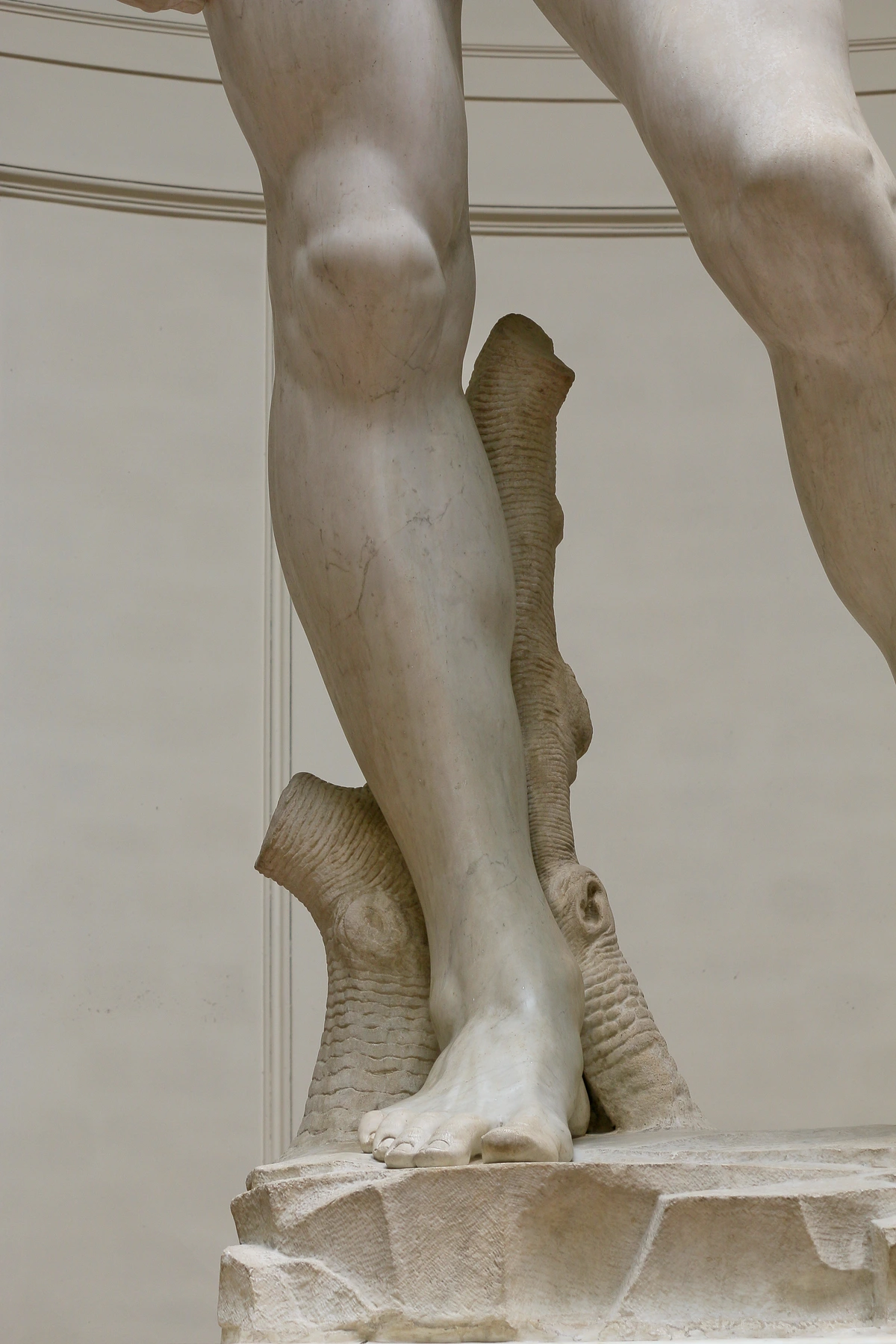
- Engage with Form and Texture: Pay incredibly close attention to the shapes, volumes, and lines the artist has created. Are they smooth and flowing, suggesting organic growth, natural forms, or a sense of calm and fluidity? Or are they sharp, angular, and geometric, evoking order, tension, industrial precision, or even conflict? These formal choices are rarely arbitrary; they are the sculptor's vocabulary. Now, take a moment to imagine what the surface would feel like under your fingertips (though, please, for the sake of preservation, don't actually touch!). Is it rough and coarse, highly polished to a mirror sheen, intricately ridged, subtly granular, or surprisingly soft? These aren't accidental details; the artist makes deliberate choices about these tactile qualities to evoke specific responses and communicate meaning. A highly polished, reflective surface might suggest luxury, an ethereal quality, a sense of detachment, or even distort your own reflection, making you part of the piece. Conversely, a rough, unfinished texture could speak to raw emotion, the natural state of the material, a connection to traditional craft, or the passage of time. Imagine the cool, slick feel of polished bronze versus the splintery warmth of unpolished wood, or the gritty texture of concrete. These haptic (touch-related) qualities, even if only imagined, are absolutely vital to our full engagement and understanding of the artwork, adding another layer to its narrative. I often find myself imagining the artist's hands on the material, feeling the resistance of the stone or the malleability of the clay, and this imagined touch deepens my connection to the work tremendously.
- Think About Scale and Its Impact: Is the sculpture life-sized, intimately miniature (perhaps designed to be held or examined up close, demanding privacy and focus), or awe-inspiringly monumental, dominating its environment and shifting your perspective? The scale of a sculpture has a profound impact on how we relate to the work and the immediate emotional and psychological feelings it evokes. A towering public figure, for example, can make you feel small and contemplative, emphasizing collective history, societal power, or the insignificance of the individual against grand forces. Conversely, a tiny, delicate piece might draw you in for a closer, more personal, almost intimate connection, inviting introspection and quiet reflection. The artist's choice of scale is always a deliberate part of their message, asking you to reconsider your own physical presence and perception in relation to the artwork and its surroundings. It’s a powerful tool for shaping experience, manipulating your sense of self and the space around you. This is why a miniature bronze by Degas can feel as profound as a colossal Michelangelo work, simply by altering your mode of engagement. It’s a testament to the artist's ability to manipulate our perception and emotional response through the seemingly simple act of choosing a size.
Interpreting Symbolism and Narrative
Beyond its physical presence, many sculptures are rich with symbolism and narrative, inviting us to delve into deeper meanings. Does the sculpture depict a recognizable figure from mythology, history, or religion? Are there objects or gestures that carry symbolic weight within a particular culture or historical period? Sometimes, the narrative is explicit, like a scene carved in relief on a Roman triumphal arch; other times, it's more subtle, embedded in the posture, material, or allegorical figures. Understanding these layers often unlocks a richer appreciation for the artist's message and the cultural context in which the work was created. Don't be afraid to research the artist, the era, and any specific cultural references to fully decode the artwork's message, as iconography (the study of symbols and their interpretation) can be incredibly revealing. This is where the detective work of art appreciation truly begins, and for me, it's one of the most rewarding parts of engaging with sculpture.
Considering the Artist's Intent and Context
For me, truly appreciating a sculpture is rarely just about what’s immediately visible. It’s about asking deeper questions that extend beyond its immediate visual and physical presence, delving into its history and purpose.
- What was the artist's intention? What message were they trying to convey? Was it a commission for a specific purpose (like a memorial or a religious altar piece), or a personal exploration of form or emotion?
- What was the historical and cultural context? Who was the patron (the Medici family, the Church, a government)? What societal beliefs, political events, or artistic movements influenced its creation? Understanding the intellectual climate can reveal layers of meaning.
- Where was it originally displayed? A sculpture created for a bustling public square will have a different intent and impact than one for a private chapel or an intimate domestic setting. Its original site often dictates its scale, material, and thematic content. The environment in which a piece is intended to be seen profoundly shapes its message, influencing everything from its durability to its subtle narrative cues.
Understanding this broader picture helps to illuminate the work's full meaning and its place in the world, allowing us to connect with it on a deeper intellectual and emotional level. I truly believe that knowing the context transforms a static object into a vibrant historical and cultural artifact.
Types of Sculpture You'll Encounter
If you're anything like me, you'll quickly discover that sculpture isn't a single, monolithic category. Instead, it's a vibrant, diverse family of forms, each with its own distinct characteristics and ways of engaging us. Understanding these types helps to unlock the artist's intentions and the myriad ways they communicate. Let's explore some of the main types you're likely to encounter, and trust me, there's a huge spectrum to enjoy!
Categorizing Forms and Experiences
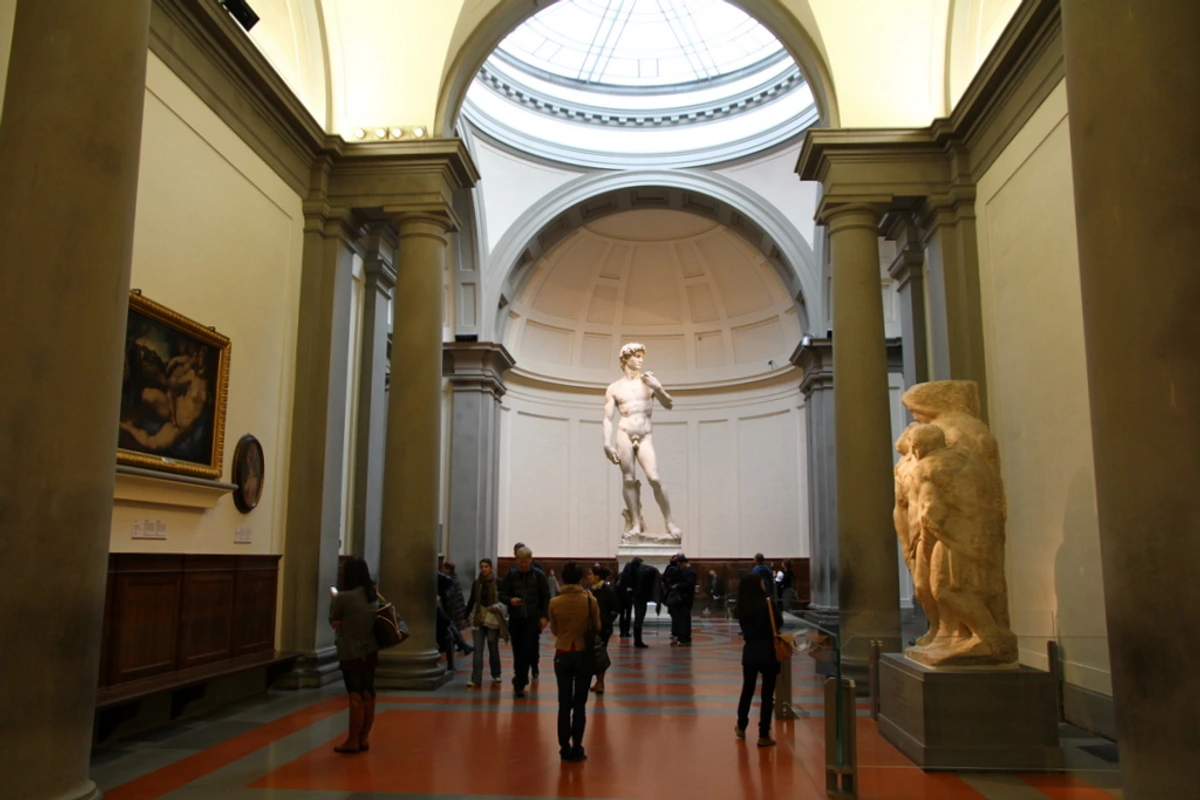
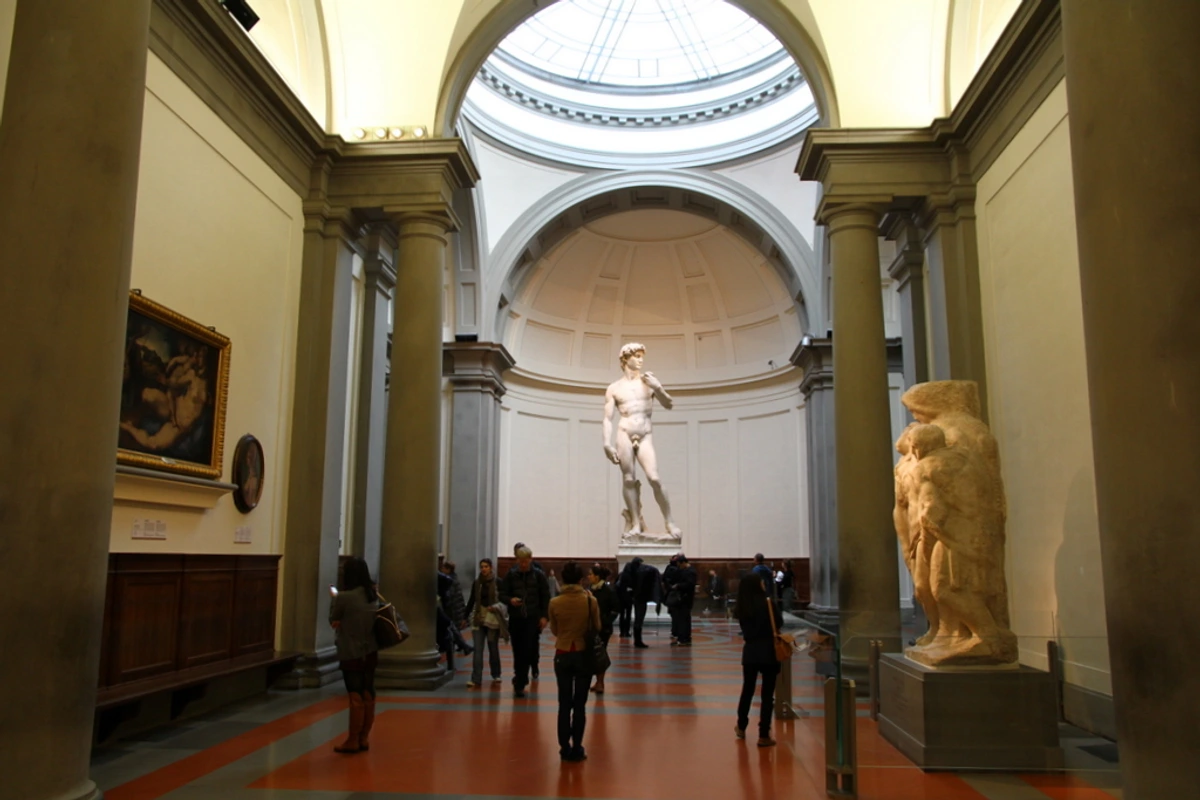
- Full-Round (Freestanding): This is probably what most of us picture first when we think of sculpture: a self-supporting artwork designed to be viewed from all sides. Think about circling Michelangelo's David in Florence; every angle offers a new revelation, a subtle shift in musculature or expression, a different play of light and shadow. These works stand freely, demanding space and inviting us to walk all the way around them, experiencing a dynamic perspective that changes with our movement. Full-round sculptures can depict anything from realistic human or animal figures (like Rodin's The Thinker) to abstract compositions (such as Brâncuși's Bird in Space or Henry Moore's reclining figures). They are often displayed on a pedestal to elevate them and set them apart, or at ground level to integrate them more fully into our world, inviting a more direct and intimate engagement with the viewer’s own physical space. This immersive quality makes them particularly powerful in public spaces or grand architectural settings.
- Relief Sculpture: Here, the forms are carved, molded, or fabricated into a flat background, rather than standing entirely free. I always think of it as a fascinating bridge between painting (two-dimensional) and full sculpture (three-dimensional), creating an illusion of depth while remaining attached to a surface. We distinguish between different types: high relief (alto-rilievo), where figures project significantly, often more than half their depth, almost breaking free from the background, creating dramatic shadows and a strong sense of three-dimensionality (like the powerful narratives on the Arch of Titus); and low relief or bas-relief (basso-rilievo), where the projection is slight, like the delicate details on a coin, a frieze on an ancient building like the Parthenon, or intricate architectural decoration (think of Donatello's innovative shallow reliefs). Ancient Egyptian art also famously featured sunken relief (incised relief), where the carving is recessed below the surface plane, creating sharp outlines under strong light and offering a unique graphic quality. Relief sculpture has historically been a powerful narrative device, used to tell stories, commemorate events, or simply add decorative elements to larger structures, found across cultures from ancient Mesopotamian steles to Roman triumphal arches, Byzantine ivories, and Indian temple carvings. It often serves to communicate complex narratives or celebrate important figures, blending visual storytelling with architectural integration. I've always been captivated by how reliefs can create an entire world of narrative on a single surface, almost like a painting that you can reach into.
- Kinetic Sculpture: Now this is where things get really interesting for me—sculpture that inherently moves! The movement can be powered by motors, carefully calculated air currents, magnetism, internal mechanisms, or even the subtle interaction of the viewer or natural forces like wind and water. It introduces the element of time, dynamism, and often unpredictability, transforming the viewing experience into something ever-changing. Think of Alexander Calder's iconic mobiles, gracefully dancing and reconfiguring with the slightest air currents, or the intricate, often humorous self-destructing machines of Jean Tinguely. Other artists like George Rickey created precise, elegant works that respond to wind with mesmerizing, slow movements. If you're intrigued, I encourage you to dive deeper into this fascinating genre with our guide to kinetic art. Kinetic sculptures actively challenge the static nature traditionally associated with three-dimensional art, engaging us in a new dialogue with motion, sound, and time. It literally brings the artwork to life, evolving before our eyes and offering a unique, temporal dimension to the sculptural experience. For me, it adds an element of delightful surprise and playful interaction that completely changes how you perceive a seemingly solid object.
- Installation Art: This is a broader, often immersive, and highly conceptual category where the artist creates an entire environment or experience within a designated space, often a gallery, museum, or outdoor setting. The sculpture isn't just an object in a room; it is the room, or it fundamentally transforms the entire setting. The viewer often walks through it, becoming an active participant and, in a sense, completing the artwork itself. Yayoi Kusama's mesmerizing Infinity Mirror Rooms are famous examples, transporting you into seemingly endless, dotted universes, while James Turrell's light installations profoundly alter spatial perception and challenge the very nature of light as a medium. Installation art challenges us to think about how art occupies, manipulates, and redefines space. These works frequently engage multiple senses—light, sound, texture, sometimes even smell or temperature—to create a fully immersive, sometimes disorienting, experience. They can be temporary (designed for a specific event or limited run) or permanent, often site-specific, and frequently blur the lines between sculpture, architecture, and performance art, redefining the role of the audience from passive observer to active participant and co-creator of meaning. It's truly an art form that envelops you, often encouraging a sense of exploration and discovery as you navigate its constructed environment.
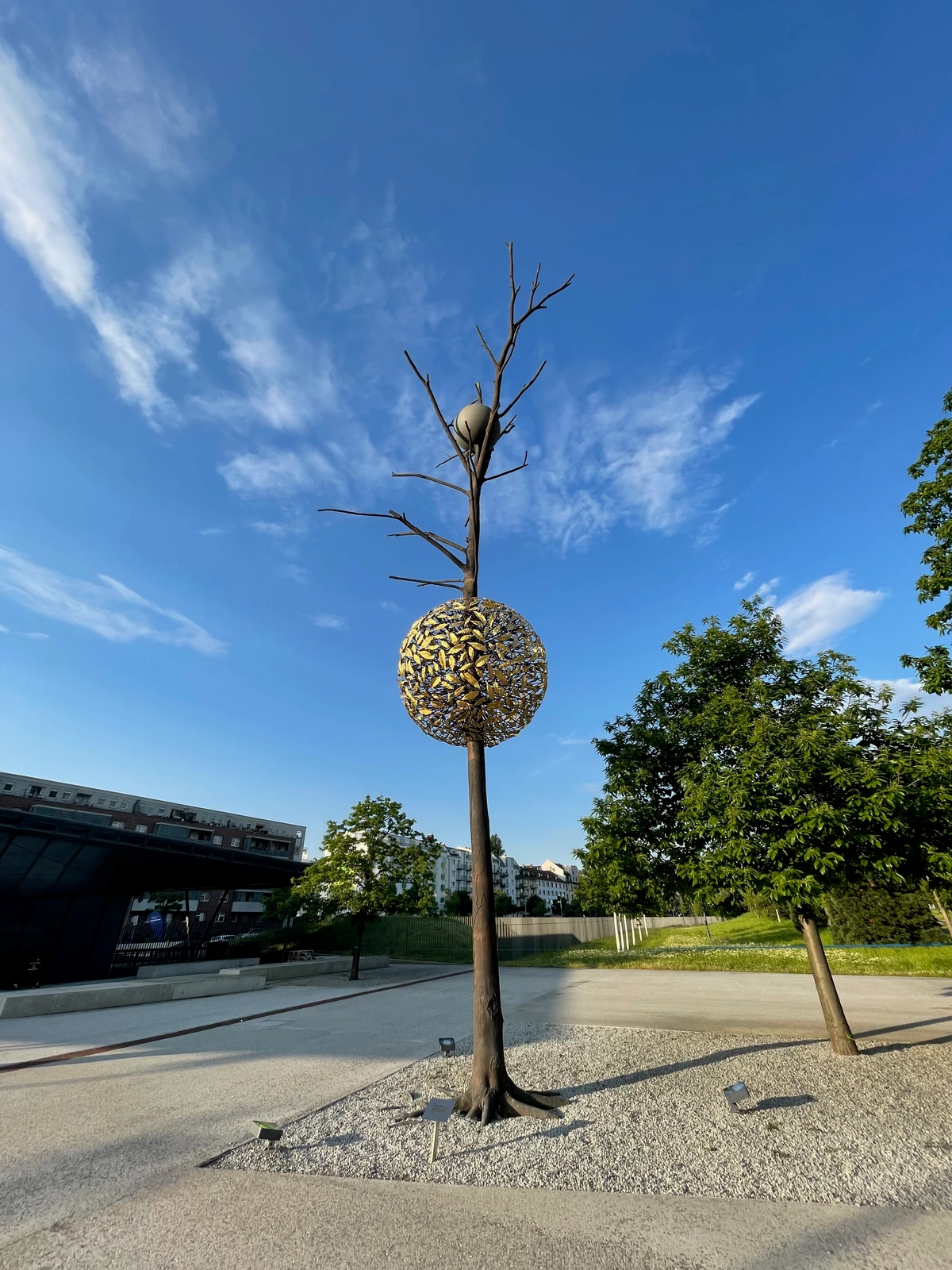
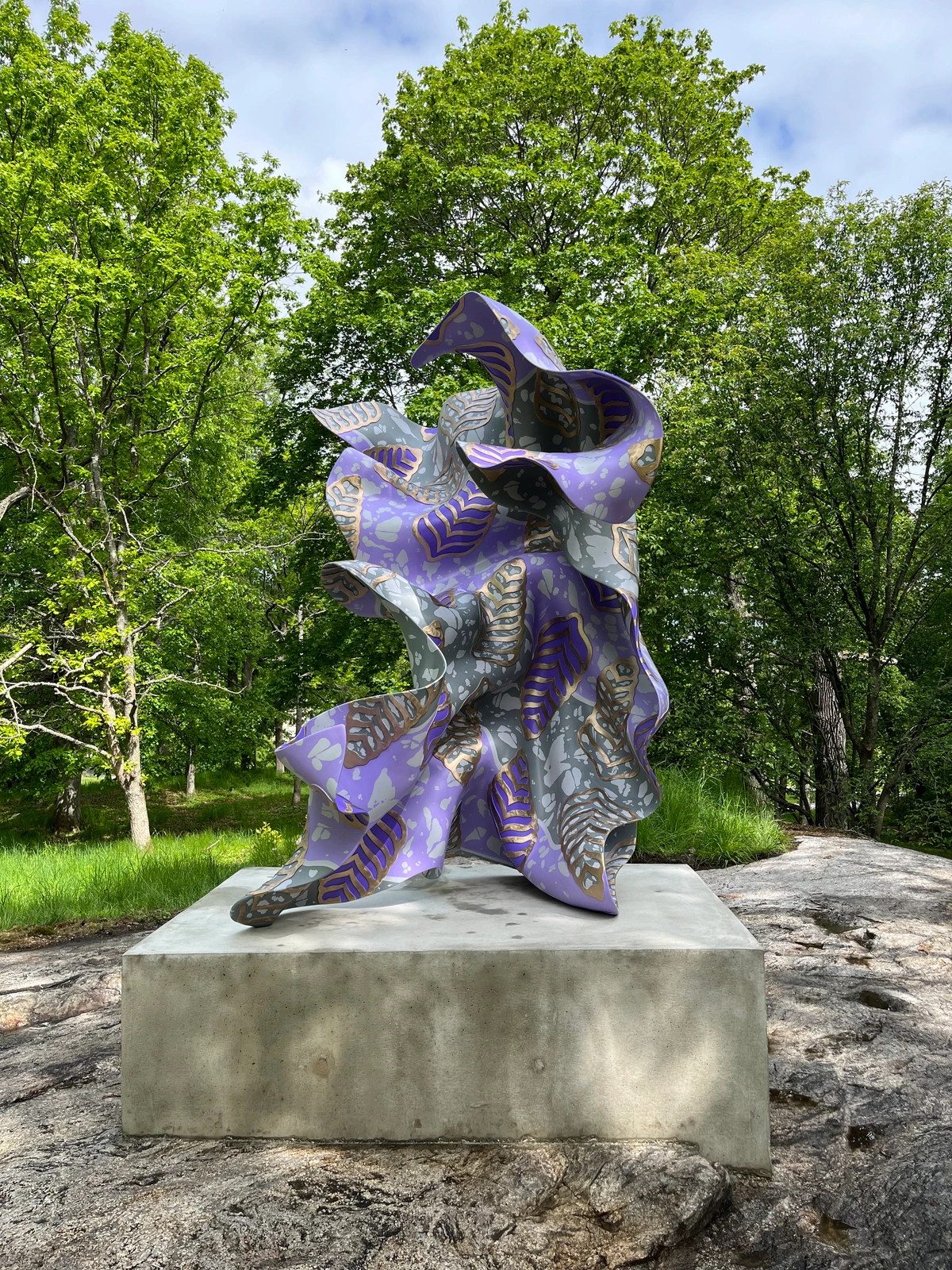
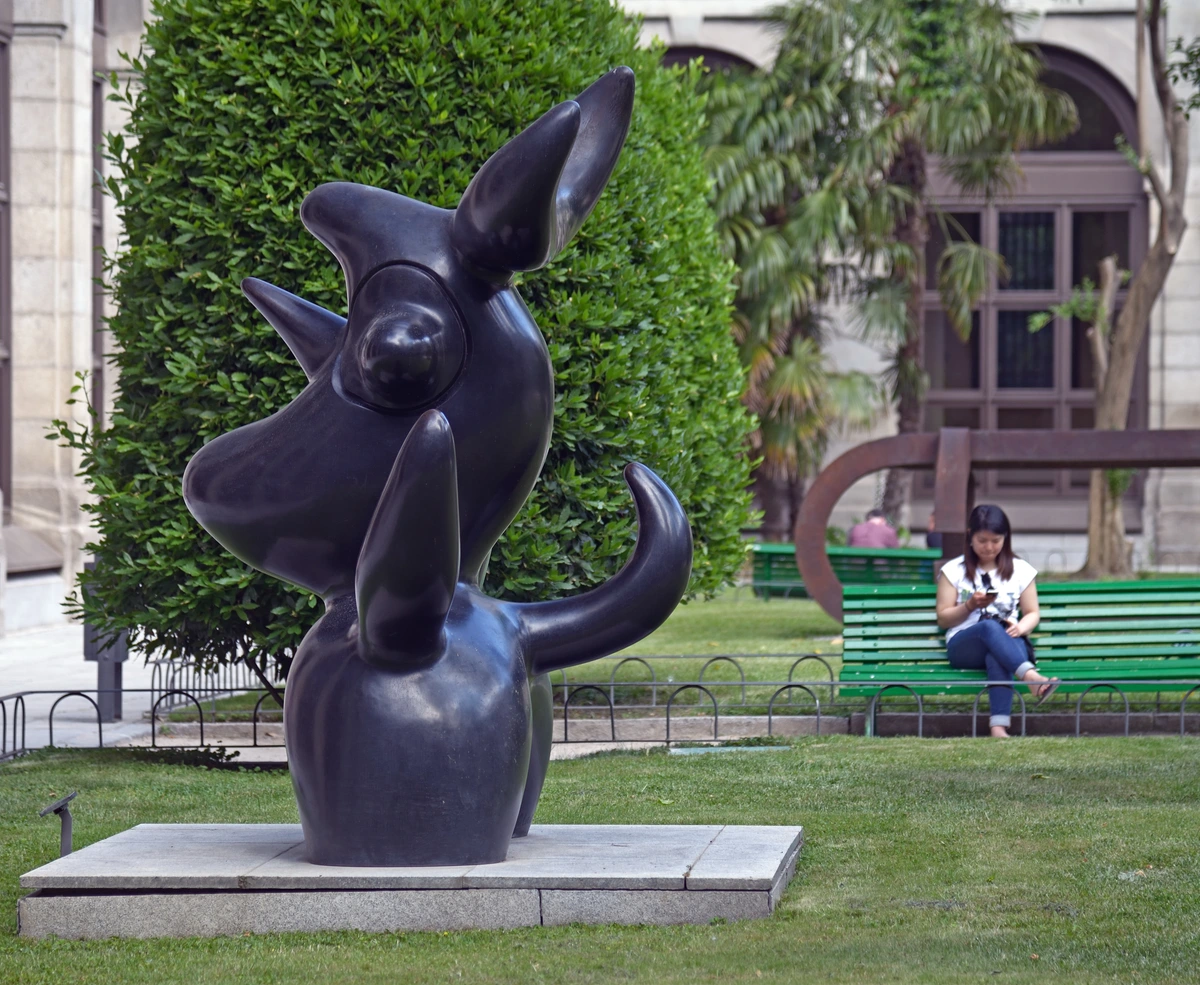
- Public Art: This refers to art created for and displayed in public spaces, accessible to everyone, not confined to the traditional walls of a gallery or museum. Public art often interacts directly with the urban or natural landscape, sometimes commemorating history or individuals, sometimes provoking thought and fostering civic dialogue, and sometimes simply beautifying an environment. Think of monumental statues in city squares, abstract pieces in parks, or murals on building facades. Public art can range from the traditional commemorative monument to innovative, interactive installations that invite touch or participation. Contemporary artists like Anish Kapoor (with his iconic Cloud Gate in Chicago and other large-scale reflective works) and Jeff Koons (known for his giant, playful Balloon Dog sculptures) are celebrated for their large-scale public installations, which often become city landmarks and focal points for community interaction, identity, and sometimes, lively debate. It's a testament to art's ability to shape shared experience and stimulate public discourse.
Public art enriches our shared environment and can become powerful symbols of a community’s values and aspirations. It's often a catalyst for dialogue, sometimes even controversy, reflecting the dynamic nature of collective identity. I find public art to be particularly vital because it democratizes access to art, bringing it out of the elite gallery space and into the daily lives of everyone, sparking conversation and sometimes even igniting local pride.
Readymades and Found Objects
This truly revolutionary concept, pioneered by Marcel Duchamp in the early 20th century with his Dadaist provocations, involved taking ordinary manufactured objects—what he termed 'readymades'—and simply designating them as artworks. His infamous Fountain (a porcelain urinal signed 'R. Mutt') is the quintessential example, sending shockwaves through the art world and forever changing the trajectory of modern art. The essence wasn't about the artist's hand creating something new through traditional skill, but rather about the artist's choice and the radical act of recontextualization, shifting focus from the object's utility to its conceptual presence. This seismic shift profoundly challenged deeply ingrained notions of authorship, traditional craftsmanship, and what constitutes 'art' or 'aesthetic value.' It opened the door for countless artists, from Man Ray to contemporary sculptors, to incorporate found objects, everyday items, and recycled materials into their work, valuing conceptual meaning and social commentary over purely aesthetic appeal, and serving as a powerful invitation to see the artistic potential in everything around us. It's a reminder that art can be anywhere, if only we choose to see it. This approach, which blurs the lines between art and life, continues to be a fertile ground for critical thought and creative expression, constantly questioning our assumptions about value and beauty.
Land Art and Environmental Sculpture
Emerging as a significant movement in the late 1960s and early 1970s, Land Art (also known as Earth Art or Earthworks) involves creating sculptures directly in the landscape, often using only natural materials found on-site—earth, rocks, trees, water, and vegetation. These works are frequently monumental in scale, blurring the line between art and nature, and are often located in remote, sometimes deliberately inaccessible areas, challenging the traditional gallery space and the commodification of art. Robert Smithson's iconic Spiral Jetty (1970) in the Great Salt Lake, Utah, is a prime example, changing with the water levels and the passage of time, an artwork that literally breathes with its environment. Other artists like Andy Goldsworthy create ephemeral works from natural materials that are designed to decay, emphasizing cycles and impermanence, using leaves, ice, and stones in temporary arrangements that are often only preserved through photography. Environmental sculpture can also refer to works that actively engage with or transform the environment, or those that raise awareness about ecological issues, using natural elements or addressing humanity's impact on the planet. These artists challenge us to consider our relationship with the earth, the passage of time, the forces of nature, and the impermanence of human endeavor, often with a profound sense of respect for the natural world. I've always been moved by how Land Art can emphasize the sheer scale and power of nature, making us feel simultaneously small and deeply connected to something vast and ancient.
Sound and Light Sculpture
Pushing the sensory boundaries even further, some contemporary artists create sculptures where intangible elements like sound or light are the primary, if not sole, materials. Sound sculptures might involve carefully arranged acoustic elements that produce specific tonal or rhythmic effects, or use advanced technology to generate immersive, evolving soundscapes that define and transform a space. Think of Bill Fontana's 'sound sculptures' that re-broadcast distant urban or natural soundscapes into a gallery, or Max Neuhaus's permanent sound installations embedded in public spaces. These artists explore how sound sculpts our auditory perception, creating environments that are felt as much as heard. Light sculptures manipulate illumination, shadow, color, and projection to create dynamic, often ethereal or architectural forms that change with the viewer's position or the passage of time. Artists like Dan Flavin (with his minimalist fluorescent light installations that redefine architectural space) or James Turrell (with his profound manipulation of light and perception, creating 'skyspaces' and 'light environments' that blur the line between sky and constructed space) come to mind. These works transform our perception of space, mood, and even time, creating an experience that transcends purely visual appreciation, reminding us that art can engage all our senses in profound and unexpected ways, often blurring the line between art and pure sensory experience. For me, these are the ultimate examples of art as an immersive event, where the intangible becomes the art itself, a truly magical transformation.
Types of Sculpture: A Comparative Overview
To navigate the vast landscape of three-dimensional art, it's helpful to categorize the main types you'll encounter. Each offers a distinct way of engaging with form, space, and meaning.
Type | Key Characteristics | Viewing Experience | Notable Artists/Examples | Key Themes/Concepts |
|---|---|---|---|---|
| Full-Round (Freestanding) | Self-supporting, viewed from all 360 degrees, distinct presence in space | Circumnavigation, dynamic perspective, encourages physical movement, singular object | Michelangelo's David, Rodin's The Thinker, Brâncuși's Bird in Space, contemporary figures | Narrative, idealized form, abstraction, portraiture, monumentality |
| Relief (Bas, High, Sunken) | Projects from a flat background (low to high projection, or recessed), integrated with surface | Frontal or semi-frontal, creates illusion of depth, integrates with architecture/objects | Ancient Egyptian hieroglyphs, Roman friezes, Ghiberti's Gates of Paradise, architectural carvings | Storytelling, decoration, historical record, religious narrative, pictorial depth |
| Kinetic | Incorporates actual movement (natural forces, mechanical, human interaction), dynamic, time-based | Dynamic, evolving, time-based, often unpredictable, engages multiple senses, playful | Alexander Calder's mobiles, Jean Tinguely's self-destructing machines, George Rickey's wind sculptures | Motion, time, chance, interaction, dynamism, machine aesthetics |
| Installation | Immersive, often site-specific, transforms an entire environment, interactive | Participatory, multi-sensory, transforms space, blurs art/architecture, experience-driven | Yayoi Kusama's Infinity Rooms, James Turrell's light environments, Olafur Eliasson's large-scale works | Environment, perception, immersion, social commentary, site-specificity, audience role |
| Public Art | Art created for and displayed in accessible shared spaces, often monumental | Integrated into landscape, fosters civic engagement, accessible to all, community focus | Anish Kapoor's Cloud Gate, monumental commemorative statues, interactive urban sculptures | Community, history, identity, civic discourse, accessibility, urban planning |
| Readymade/Found Object | Ordinary objects selected and designated as art; recontextualizes items, often subversive | Conceptual, challenges art definitions, emphasizes artist's choice and idea, intellectual engagement | Marcel Duchamp's Fountain, Meret Oppenheim's Object (Luncheon in Fur), Man Ray's assemblages | Authorship, value, critique of consumerism, recontextualization, perception |
| Land Art / Earthworks | Integrated into natural landscape, uses natural materials, often vast scale, site-specific | Experiential, environmental, ephemeral, often remote, connects to nature's cycles, pilgrimage | Robert Smithson's Spiral Jetty, Andy Goldsworthy's transient natural sculptures, Michael Heizer's Double Negative | Nature, time, impermanence, human impact, monumentality, environmental awareness |
| Sound/Light Sculpture | Uses sound or light as primary or sole medium, intangible elements, ephemeral | Auditory/visual immersion, atmospheric, manipulates perception, temporal, sensory | Bill Fontana's soundscapes, Dan Flavin's fluorescent light art, James Turrell's light works | Perception, atmosphere, sensory experience, time, spatial manipulation, technology |
| Ephemeral Sculpture | Designed to be temporary, degrade, or change over time (e.g., ice, sand, performance, biological materials), transient | Focus on process, impermanence, transformation, documentation often key, live experience, site-specific | Ice sculptures, sand mandalas, certain performance art pieces, street art, BioArt installations | Impermanence, cycle of life/death, ritual, process, documentation, present moment, environmental commentary |
Technology's Influence: Sculpture in the Digital Age
The intersection of sculpture and technology has opened up radical new avenues for creation, challenging traditional tools and expanding what's possible in three dimensions. As an artist, I find this field incredibly exciting, offering unprecedented precision and imaginative freedom.
Technology's Influence: Sculpture in the Digital Age – New Tools, New Realms
I sometimes think about how Michelangelo would have reacted to a 3D printer! The digital age has truly revolutionized sculpture, not just in terms of how we create, but also how we experience and even conceive of three-dimensional forms. It’s a fascinating blend of ancient artistry and cutting-edge innovation, constantly pushing the boundaries of what’s possible.
Digital Fabrication and 3D Printing
The intersection of sculpture and technology has opened up radical new avenues for creation, challenging traditional tools and expanding what's possible in three dimensions with unprecedented precision and imaginative freedom. Computer-Aided Design (CAD) software now allows artists to design incredibly complex forms with microscopic precision, which can then be brought into physical reality through various digital fabrication methods. 3D printing (also known as additive manufacturing), for example, builds sculptures layer by layer from digital models, using a vast array of materials like plastics (PLA, ABS), various metals (titanium, steel), photopolymer resins, sand, or even ceramics and concrete. This technique not only enables the creation of forms previously impossible to hand-sculpt (think intricate geometries, impossible overhangs, or complex internal structures) but also allows for rapid prototyping, easy replication (creating editions with consistent quality), and customization on a massive scale. Beyond 3D printing, we're seeing artists utilize robotics and Computer Numerical Control (CNC) milling to carve large-scale works from stone, wood, or foam with extreme accuracy and efficiency, seamlessly blending traditional craft with cutting-edge engineering and pushing the boundaries of what is structurally and aesthetically achievable. This integration of digital tools empowers sculptors to realize visions that were once purely theoretical, bringing them into tangible existence with astounding detail.
I think of 3D printing as a kind of modern-day magic. It allows for forms that would be impossible to create by hand, pushing the boundaries of geometry and complexity. The ability to rapidly prototype, iterate, and then reproduce works with such precision is truly transformative, democratizing access to complex sculptural forms and allowing artists to experiment with scale and material in unprecedented ways. It's a convergence of artistic vision and engineering prowess, where the sculptor's imagination is no longer limited by the physical constraints of traditional tools.
Virtual and Augmented Reality Sculpture
Taking digital creation a fascinating step further, artists are now creating sculptures that exist solely in virtual or augmented reality, or even as purely digital files. Virtual Reality (VR) sculpture allows viewers to 'walk through,' inhabit, and interact with three-dimensional forms in entirely immersive digital spaces, free from the constraints of gravity, physics, or material costs. This creates truly unique and personalized viewing experiences, where the artwork can be infinitely mutable and responsive to the viewer's presence, offering a boundless canvas for imagination. Augmented Reality (AR) sculpture, on the other hand, overlays digital art onto the real world through devices like smartphones, tablets, or specialized glasses, transforming our everyday environments—a city park, a living room, a mountain view—into dynamic, interactive galleries. These ephemeral, often interactive works fundamentally push the boundaries of spatial experience, inviting viewers to engage with art in entirely new, often personalized ways, and making the very definition of what 'sculpture' means more fluid and exciting than ever before. It's an exploration of form and space without physical limitation, where the artwork can appear anywhere, at any size, at the viewer's command, often integrating seamlessly with real-world locations, blurring the lines between the digital and the physical.
For me, VR and AR are opening up entirely new dimensions for sculptural expression. Imagine a sculpture that only exists when you look through your phone, or an immersive environment you can walk through that changes based on your movements. It’s an incredibly exciting frontier, blurring the lines between the physical and the digital, and giving artists a boundless canvas for their imaginations. It also raises fascinating questions about the permanence and accessibility of art. I see it as a powerful tool for artistic expression that can break down physical and geographical barriers, making art truly global and infinitely adaptable.

Sculpture and the Human Form: A Timeless Dialogue
From the earliest carvings to the most avant-garde digital creations, the human form has remained a constant and powerful subject in sculpture. I find this connection incredibly compelling; it’s as if artists are continually trying to understand themselves and their place in the universe by shaping figures in three dimensions.
Sculpture and the Human Form: A Timeless Dialogue with Ourselves
I’ve always been drawn to how artists depict the human form. It's not just about replicating what we see; it's about what the body represents. It’s a canvas for our ideals, our fears, our spiritual aspirations, and our ever-evolving understanding of what it means to be human. It’s a dialogue that spans millennia, connecting us intimately to the concerns and aesthetics of artists long past.
The Ideal, The Real, The Abstract – Reflecting Human Experience
Sculptors throughout history have explored the human body in myriad ways, reflecting prevailing cultural values, scientific understanding, and artistic philosophies:
- Idealized Forms: Think of ancient Greek sculpture, where the body was perfected, embodying athletic prowess, divine beauty, and philosophical harmony. The goal wasn't a realistic portrait, but rather an aspirational ideal of human potential.
- Naturalism and Realism: The Renaissance, and later the 19th century, saw a resurgence of interest in accurately depicting the human body, complete with anatomical precision and individualized features. Artists like Donatello and Rodin infused their figures with profound psychological depth, capturing fleeting emotions and dynamic movements.
- Abstraction and Expression: The 20th century liberated artists from purely representational forms. Figures like Henry Moore and Barbara Hepworth explored organic, simplified human shapes, often emphasizing the interplay of solid mass and void. Other artists used the body to express raw emotion, social commentary, or purely formal concerns, distorting or fragmenting it to convey deeper truths.
- Symbolism and Allegory: Beyond literal depiction, the human form has always served as a potent vehicle for symbolism—representing virtues, vices, historical figures, or mythological narratives. A gesture, a posture, or an attribute can tell a complex story without a single word.
The human form in sculpture is more than just a subject; it's a mirror reflecting our evolving understanding of ourselves, our bodies, and our place in the world. It invites us to contemplate beauty, fragility, strength, and the very essence of what it means to be human.
For me, the human form in sculpture is a constant source of wonder. It’s a language everyone understands on some level, yet it's infinitely adaptable to convey complex ideas. From the serene perfection of a classical goddess to the fragmented intensity of a modern figure, each approach tells us something profound about the era and the artist's own philosophy of humanity. It’s a constant reaffirmation of our shared human experience, translated through the hands and vision of countless artists across time.

Displaying Sculpture in Your Own Space: Making Art a Part of Your Life
Bringing sculpture into your home can truly add a unique and powerful dimension to your decor, transforming a flat, two-dimensional space into something dynamic, alive, and deeply personal. Unlike a painting on a wall, a three-dimensional piece commands its own space, literally influencing the flow, energy, and feel of a room. I always encourage people to think beyond the obvious—beyond just placing it on a generic pedestal. Creative placements, strategic lighting, and careful consideration of sightlines can elevate a sculpture from a mere object to a true focal point and conversation starter. For a fantastic starting point, I highly recommend our guide on how to incorporate sculptural art into modern interiors. And for more advanced ideas, don't miss our tips for displaying sculptures indoors beyond the pedestal.
Practical Tips for Placement and Presentation
- Consider Lighting: Sculpture, perhaps more than any other art form, interacts dynamically with light. This isn't just about simple illumination; it's about shaping perception, revealing contours, and emphasizing texture. Experiment with spotlights to create dramatic shadows and highlights that emphasize form and texture, allowing the piece to reveal new facets as the light shifts. Position a piece near a window to observe how natural light changes its appearance and mood throughout the day—a subtle dance of illumination from dawn to dusk. The way light falls on a textured surface, passes through translucent material, or reflects off polished metal can entirely alter its character, emotional resonance, and even its perceived narrative. Consider different light temperatures (warm vs. cool) and angles to bring out various qualities of the material, from the subtle veining in marble to the sharp edges of welded steel. I can’t stress enough how crucial lighting is. It literally brings a sculpture to life, emphasizing its three-dimensionality in a way that no other art form demands. A well-lit piece can reveal entirely new details and emotional depth, changing with the time of day or the angle of the light. It's like painting with light, transforming the artwork itself, allowing it to whisper new secrets as the illumination shifts.
- Background Matters: The wall or space behind your sculpture plays an incredibly crucial role in its presentation, serving as a silent frame. A simple, uncluttered, contrasting background allows the sculpture to stand out in sharp relief, emphasizing its forms and lines without visual competition. Conversely, a thoughtfully chosen contrasting color or texture can draw out specific qualities of the artwork, creating a harmonious or deliberately provocative juxtaposition. Always avoid busy patterns, overly vibrant colors, or competing artworks that might distract from or clash with the sculpture itself, unless that visual tension is a deliberate part of your overall design aesthetic. Think of the background as a stage for your artwork. I’ve seen incredible sculptures get lost against a busy wallpaper or a gallery wall filled with competing artworks. The background acts like a frame for a painting; it shouldn't distract but rather enhance the focal point. Sometimes, a stark, minimalist background is best, while other times, a complementary texture or color can deepen the artwork’s presence. It’s about creating a visual quietude around the piece, allowing its unique presence to truly shine.
- Grouping and Scale: If you're fortunate enough to have multiple sculptures, consider grouping them thoughtfully by theme, material, color, or scale to create a cohesive and harmonious display. A single large, dominant piece can anchor an entire room, establishing a strong focal point and dictating the flow of the space. Conversely, smaller, more delicate pieces can create intimate vignettes on a shelf, tabletop, or within a display cabinet, inviting closer, more personal examination. Always think about the sightlines as you enter a room; where does your eye naturally land? How can you guide it to the sculpture, perhaps by creating a clear visual path or placing it at a compelling vantage point? The interplay of different scales within a collection can add visual rhythm and intrigue to your space. I love how different scales can play off each other. A monumental piece can be incredibly grounding, while a collection of smaller works can create a captivating narrative or a series of intimate discoveries within a space. It’s all about creating visual interest and guiding the viewer’s eye through your curated environment. This careful arrangement transforms a mere collection into a dynamic installation within your own home.
- Safety and Stability: This is absolutely paramount. Always ensure your sculpture is placed on a stable, appropriate surface, especially if it’s heavy, top-heavy, or delicate. Use museum wax or earthquake putty for added security on shelves or pedestals. For outdoor pieces, meticulously consider weather resistance (especially for metals that might corrode or wood that might rot), proper drainage to prevent water pooling, and secure placement to prevent theft, vandalism, or damage from strong winds. For particularly valuable or delicate works, environmental factors like humidity, temperature fluctuations, and direct UV exposure should be rigorously monitored, as these can cause irreversible damage. When in doubt, it's always wise to consult a professional art conservation expert for specialized advice and care. Additionally, for more information on protecting outdoor art, our guide on protecting outdoor sculptures from weather is an invaluable resource. Ultimately, displaying sculpture is about creating a dynamic dialogue between the art and your living space, transforming an ordinary room into a curated experience that reflects your personal aesthetic and invites daily moments of contemplation. I’ve seen too many heartbreaking stories of beloved artworks damaged due to improper display. It’s not just about aesthetics; it’s about responsible stewardship. A little foresight in placement, security, and environmental control can ensure your sculpture brings joy for years, even generations, to come. Don't forget that even subtle vibrations or the wrong cleaning agent can cause damage over time. Trust me, a little prevention goes a long way in preserving the beauty and integrity of your sculptural treasures.
Integrating sculpture into your home is about creating a dialogue between the art and your living space. It transforms an ordinary room into a curated experience, reflecting your personal aesthetic and inviting daily moments of contemplation. For specific advice on incorporating sculptural art into modern interiors, our guide on how to incorporate sculptural art into modern interiors is an excellent resource.

Frequently Asked Questions (FAQ)
I often get asked some truly thoughtful and insightful questions about sculpture, so I wanted to compile some of the most common ones here, along with a few others I think you'll find helpful. This section aims to demystify some concepts, clarify common confusions, and deepen your overall appreciation for this incredibly diverse and rich art form. Think of it as a little mental snack break, offering quick insights into frequently pondered topics and perhaps sparking new questions for your own artistic journey! I find that sometimes the simplest questions lead to the most profound understandings, and there are no 'silly' questions when it comes to art.
Frequently Asked Questions (FAQ) – Your Sculpture Questions Answered
I know when I first started exploring sculpture, I had a million questions. It’s a complex field, and sometimes the terminology can feel a bit daunting. So, I’ve pulled together some of the most common inquiries I receive, along with some insights I hope will clear things up and deepen your curiosity. Don't be afraid to ask!
What's the difference between a statue and a sculpture?
This is a classic question that often causes confusion, but I like to explain it simply: A statue is a specific type of sculpture, typically representational, usually depicting a person, an animal, or a mythological figure in a recognizable form. So, while all statues are sculptures, not all sculptures are statues. Think of it like this: all apples are fruit, but not all fruit are apples. An abstract work made of welded steel, or an ephemeral installation of light, is definitely a sculpture, but we wouldn't call it a statue. The term 'sculpture' is the broader umbrella, encompassing all three-dimensional art, regardless of its subject matter, materials, or whether it's abstract or representational. Statues, therefore, are a sub-category within the vast world of sculpture, often carrying a more traditional, commemorative, or monumental connotation. I like to think of it this way: all squares are rectangles, but not all rectangles are squares. It’s a simple distinction that clears up a lot of confusion, I find.
What is an armature or a maquette?
Great question for anyone interested in the sculptor's process! An armature is an internal supportive framework or skeleton, often made of wire, wood, or even PVC pipe, used by sculptors to hold soft, pliable materials like clay or wax in place while they are working. It's crucial for preventing the piece from collapsing under its own weight as the artist builds up the form, especially for figures with outstretched limbs or complex poses. A maquette (pronounced mah-KET) is a small-scale model or study for a larger sculpture. Think of it as a three-dimensional sketch, allowing the artist to work out ideas, proportions, compositions, and overall form before committing to the final, larger, and often more costly piece. It's an essential step for visualizing the final work and solving potential structural or aesthetic problems in miniature. You can learn more about this preparatory step in our dedicated article, What is a Maquette in Sculpture? Both the armature and the maquette are invaluable tools for sculptors, ensuring structural integrity and facilitating conceptual and aesthetic development before committing to a larger or more permanent work. They offer a wonderful peek into the artist’s planning and problem-solving process, revealing the journey from initial idea to finished masterpiece. I always tell aspiring sculptors that the maquette is where you give yourself permission to fail, to experiment, and to find the true essence of your idea without the pressure of a costly final material. And the armature? It's the unsung hero, the invisible support that allows gravity-defying forms to exist, a testament to clever engineering behind the beauty. Understanding these preparatory steps truly deepens your appreciation for the finished work, seeing the thought and structure beneath the surface.
What is Contrapposto?
Ah, Contrapposto (pronounced con-trah-POS-toh)! This is an essential term you'll encounter a lot when looking at classical or Renaissance figurative sculpture, and once you know it, you'll see it everywhere! It's an Italian term meaning "counterpoise," and it refers to a sculptural pose where the human figure is depicted standing with most of its weight shifted onto one leg (the engaged leg), causing the hips and shoulders to subtly twist in opposing directions. This creates a natural, relaxed, and dynamic S-curve to the entire body, making the figure appear much more lifelike, graceful, and emotionally engaged than a rigid, frontal stance. Think of how you naturally shift your weight when standing casually—that's contrapposto in action! Michelangelo's David is a prime and masterful example of this technique, embodying both physical vitality and psychological tension. This revolutionary development originated in classical Greek sculpture, liberating figures from archaic stiffness, and was powerfully revived during the Renaissance by artists like Michelangelo and Donatello, profoundly influencing subsequent figurative art and adding both physical vitality and psychological depth to the human form. It's one of those subtle details that truly brings a figure to life and allows the artist to convey a sense of inner thought or movement. Once you spot it, you'll recognize the mastery of countless artists across centuries, from ancient Greek sculptors to Renaissance titans like Michelangelo and Donatello.
Why is so much old sculpture missing arms or heads?
This is a question I hear often, and it's usually due to the relentless march of time and the inherent fragility of certain sculptural parts. The most vulnerable sections of a statue—like outstretched arms, delicate noses, necks, or intricate drapery—are the most likely to break off after centuries of exposure to the elements, accidental damage (like being dropped or moved carelessly), collapses (especially in architectural settings), or being buried. Sculptures, especially those made from brittle materials like marble or terracotta, are incredibly vulnerable to natural disasters like earthquakes, the ravages of war, intentional vandalism, neglect, or simply the slow erosion of weather and time. Protruding elements, by their very nature, bear more stress and are often the first to succumb. Think about the iconic Venus de Milo; her missing arms are now part of her legendary status, but they were lost to the ages, not an artistic choice! While it can be frustrating not to see a work in its original completeness, I find that these remnants often gain a new kind of poignant beauty and a powerful sense of history, bearing witness to the passage of millennia and the resilience of art. They are, in their own way, silent historians, bearing the scars of time and telling a story of survival. For instance, the missing arms of the Venus de Milo only add to her enigmatic allure, inviting endless speculation and interpretation.
Is modern sculpture just weird shapes?
I hear this one a lot, and it's a perfectly understandable first reaction! While modern and contemporary sculpture often moves away from realistic representation—what we might call 'mimicry'—it's definitely not just about "weird shapes" for the sake of being strange. Instead, artists are exploring fundamental ideas, complex emotions, social commentary, scientific concepts, or simply the inherent qualities of the materials themselves. They might be investigating pure form, the interaction of light and shadow, spatial relationships, or the dialogue between art and technology. My advice to you? Instead of asking, "What is this supposed to be?" try asking, "What is this?" or "What ideas does this form suggest to me?" It's a different way of communicating that values abstraction, conceptual meaning, and the power of pure form, inviting you into a deeper, more personal interpretation. The 'weird shapes' are often intentional explorations of line, mass, void, rhythm, or symbolic meaning, inviting your active participation in decoding its message and engaging your own imagination. It’s an art form that trusts you to bring your own experience and intellectual curiosity to the viewing, rewarding an open mind with profound insights. For more on this, I suggest diving into our guide on the definitive guide to the history of abstract art: key movements, artists, and evolution.
Who are some famous sculptors I should know?
Oh, where to begin?! The history of sculpture is rich with incredible talent, and I could talk about them for hours! Of course, you absolutely have to know the Renaissance masters like Michelangelo (think David and Pietà) and Donatello (David, Saint George). Moving into the 19th and 20th centuries, Auguste Rodin defined modern emotion with works like The Thinker, while Constantin Brâncuși sought abstract purity and essential forms. Henry Moore and Barbara Hepworth pioneered organic, biomorphic shapes, often incorporating voids and inspired by the landscape. In the contemporary world, artists like Anish Kapoor (Cloud Gate), Jeff Koons (Balloon Dog), and Ai Weiwei continue to push boundaries with fascinating public art and conceptual works that engage with global issues. And, of course, let's not forget the incredible contributions of brilliant female sculptors like Louise Bourgeois (famous for her powerful Maman spider sculptures and explorations of memory), Camille Claudel (a contemporary of Rodin with immense talent), and Eva Hesse (a pioneer of Postminimalism whose work is undeniably impactful). This is just scratching the surface, but it's a fantastic place to start your exploration and find new favorites, showcasing the breadth and depth of sculptural genius across the ages. For more iconic examples and their meanings, delve into our guide on famous sculptures and their meanings. I find it inspiring to trace the lineage of sculptural innovation through these masters, seeing how each artist built upon or reacted against what came before. It’s a continuous conversation that still unfolds today, constantly redefining the boundaries of three-dimensional art. For even more insights into the principles these artists employed, I highly recommend our guide to understanding the elements of sculpture.
What is abstraction in sculpture?
Abstraction in sculpture refers to art that deliberately moves away from, or entirely disregards, the literal representation of external reality. Instead, it seeks to achieve its effect and convey meaning through the inherent qualities of shapes, forms, colors, textures, and the interplay of these elements in space. Rather than depicting a recognizable person or object, abstract sculptors focus on the intrinsic properties of their chosen materials—the grain of wood, the reflectivity of metal, the density of stone—and how these forms interact with light and the surrounding environment. It's about expressing ideas, emotions, or purely aesthetic principles through non-representational means, inviting the viewer to engage on a more fundamental, often emotional or intellectual, level. Think of the smooth, curving bronze forms by Brâncuși or complex geometric arrangements of steel by David Smith; these are not 'of' something specific, but are 'something' in themselves, inviting a more contemplative, subjective, and often visceral response from the viewer. It's a rich language of pure form that invites your own interpretation and engagement. For a deeper understanding of this pivotal shift, consider exploring the definitive guide to the history of abstract art.
I find abstract sculpture to be incredibly liberating, both for the artist and the viewer. It strips away the need for literal recognition and invites a more direct, intuitive, and emotional response. It’s about feeling the presence of a form, experiencing its rhythm, and letting your own mind make connections without the constraints of a pre-determined narrative.
What is the role of context in sculpture?
Context, for me, is absolutely paramount in truly understanding and appreciating sculpture. It refers to the entire set of circumstances surrounding the creation, display, and reception of an artwork. A sculpture's meaning and impact can change dramatically depending on where it's situated—whether it's found within a sacred religious temple, standing prominently in a bustling public square, carefully curated in a contemporary art gallery, or intimately placed in a private home. The artist's intentions, the prevailing historical period and its aesthetics, dominant cultural beliefs, and even the immediate physical environment (a noisy city street versus a serene natural landscape) all profoundly contribute to its meaning. A work might be monumental in scale, designed for massive public impact and interaction, or intimately miniature, intended for quiet, private contemplation. Understanding this rich tapestry of context helps us unlock the deeper layers of communication, symbolism, and resonance embedded within the three-dimensional form, moving beyond mere visual appeal to a deeper intellectual and emotional engagement. It helps us understand why a sculpture looks the way it does and what it aims to achieve. Without context, a work can feel mute; with it, it begins to sing with history and purpose. It’s the difference between seeing a fossil and understanding the ancient creature it once was.
I always encourage people to consider the 'story' behind a sculpture, beyond just its visual appeal. Who made it? For whom? What was happening in the world at that time? These questions add layers of richness and meaning that make the artwork come alive.
Are there different kinds of realism in sculpture?
Absolutely! While realism broadly means depicting subjects as they appear in real life, there are many nuanced and fascinating approaches to it in sculpture, each with its own goals and historical context. Idealized realism, common in classical Greek sculpture, perfects the human form, aiming for an aspirational beauty, harmonic proportion, and a sense of timeless grace rather than an exact likeness of an individual. Naturalism focuses on depicting subjects accurately, including subtle imperfections and naturalistic poses, as seen in many Renaissance and 19th-century works (like Rodin's more expressive figures). Verism, often found in ancient Roman portraiture, pushes realism to an extreme, emphasizing every wrinkle, wart, and unique facial feature, often for psychological intensity and a powerful sense of individual character. More recently, Hyperrealism (or Photorealism) in sculpture creates an illusion of reality so convincing that it can be startlingly mistaken for actual people or objects, often using silicone, paint, and real hair to achieve astonishing, almost unsettling, detail. Each type of realism offers a different lens through which to view and interpret the world, reflecting diverse artistic intentions and cultural values. From the stoic dignity of idealized forms to the unsettling precision of hyperrealism, the sculptor's hand continually reinterprets the human condition.
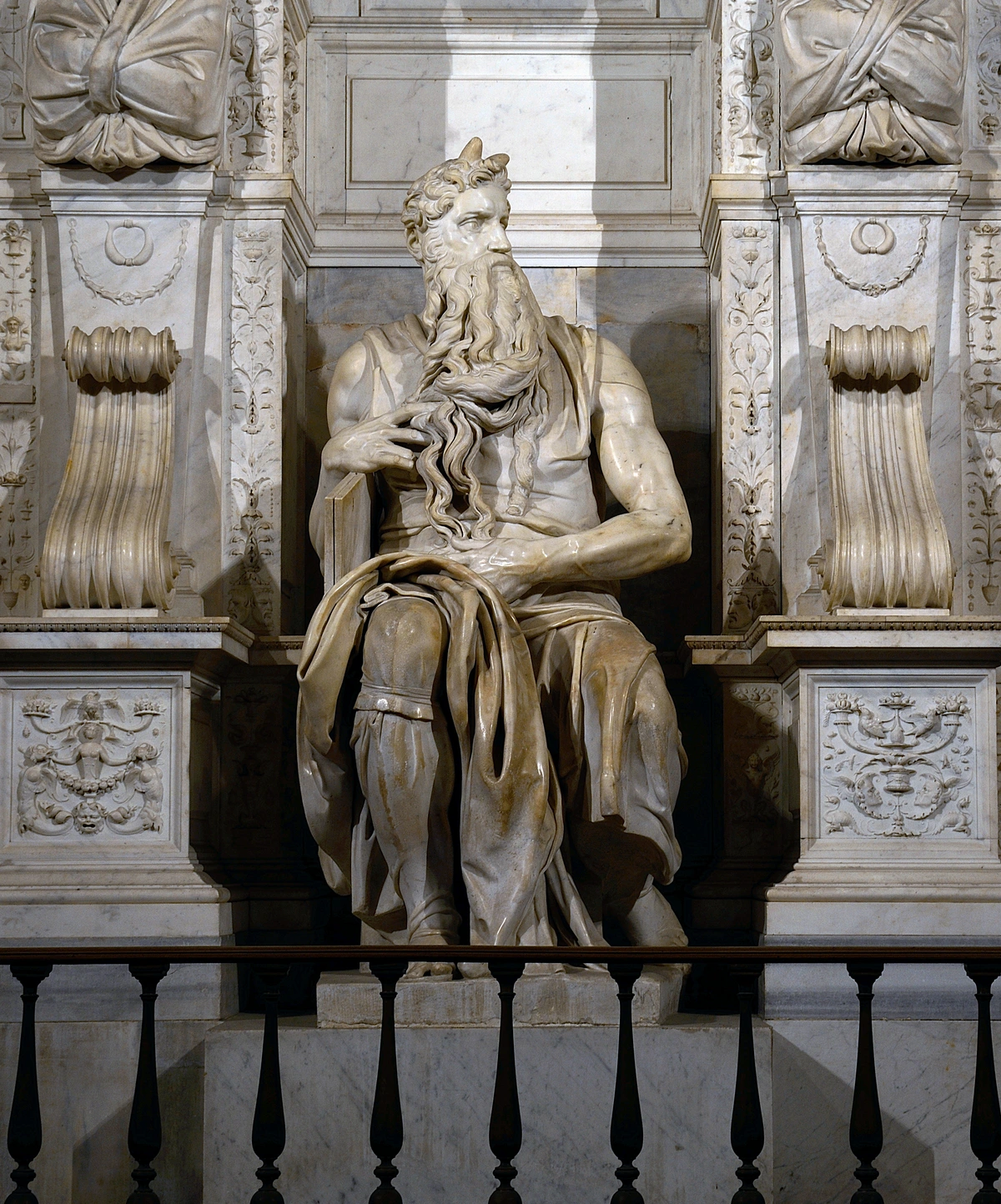
How do I care for my sculpture?
How do I care for my sculpture?
This is such a practical and important question, and the answer depends entirely on the material! A polished bronze sculpture will have very different care needs than a delicate wood carving, an unglazed ceramic, or a contemporary piece made of mixed media. However, generally, for most indoor pieces, keeping sculptures clean with soft, dry cloths (microfiber is excellent), avoiding harsh chemical cleaners, protecting them from direct sunlight (which can fade colors or cause expansion/contraction), extreme temperature fluctuations, and high humidity are universal rules. For specific advice on common materials, you might find our guide on how to care for bronze sculptures incredibly helpful, and similar guides exist for other materials like marble, wood, or ceramic. For outdoor pieces, regular inspection for natural wear and tear, proper drainage to prevent water pooling, and protection from environmental pollution are essential for longevity. Understanding the specific material (e.g., porous stone versus sealed bronze) is absolutely key to proper, long-term preservation. When in doubt, always consult a professional art conservation expert—they are invaluable resources! After all, these pieces are often meant to last centuries, so a little preventative care goes a long, long way.
I can’t stress enough that knowing your material is paramount. A quick internet search for your specific material and its care, or a consultation with a specialist, is always a good idea. Remember, taking the time to understand your sculpture's needs is an act of respect, ensuring its beauty can be appreciated for generations to come. For instance, how to care for bronze sculptures offers valuable insights into one common material.### What about the Terracotta Army?
What about the Terracotta Army?
Ah, the Terracotta Army! This is one of the most astonishing sculptural undertakings in all of human history, and I find it utterly breathtaking. It's an enormous collection of life-sized terracotta sculptures depicting the armies of Qin Shi Huang, the first Emperor of China. Discovered by farmers near Xi'an in 1974, these thousands of soldiers, chariots, and horses, along with numerous non-military figures (like acrobats, officials, and musicians), were buried with the emperor to protect him in the afterlife—a truly monumental vision! What's truly incredible is the individual detail on each figure; every soldier possesses unique facial features, hairstyles, and armor, demonstrating an unparalleled level of craftsmanship, organization, and a system of mass production with individualized finishes for such a massive project. You can delve into its fascinating story with our guide, What is the Terracotta Army? It remains one of the most significant archaeological finds of the 20th century, a testament to the power, artistry, and profound belief systems of ancient Chinese sculptors and their incredible logistical capabilities.
I still can’t quite wrap my head around the scale of the Terracotta Army – the sheer manpower and artistic vision required is astounding. It speaks volumes about the beliefs and societal structures of ancient China, and the power of art to express spiritual and political ideals on a truly grand scale. Every time I see images of it, I feel a shiver of awe. It’s a profound testament to the universal human desire to commemorate, protect, and leave a lasting mark, even in the afterlife.
How do I start collecting sculpture?
Start small, I always say! The most important thing is to find a piece that you genuinely connect with, that speaks to you on a personal level and brings you joy. Look at work by local artists, visit art fairs, explore online galleries and art markets, or even browse local craft shows. You absolutely don't need to start with a large, expensive bronze piece (unless, of course, that's what your heart desires and your budget allows!). Small ceramic works, intricate wood carvings, unique assemblages, or vibrant abstract resin pieces can be a truly wonderful and accessible entry point into the world of collecting. You can find unique contemporary pieces by browsing collections available to buy online. Don't feel pressured to invest heavily upfront. Research the artist, understand the material's care, and above all, choose a piece that genuinely resonates with you and enhances your space. Collecting sculpture is a deeply personal journey of discovery, appreciation, and bringing art into your everyday life, enriching your environment and your perspective. For more ideas on integrating art into your home, our guides on how to decorate with sculptures and beyond the canvas: collecting abstract art in mixed media and sculpture offer fantastic insights. I've found that often the most beloved pieces are not the most expensive, but the ones that spark a genuine emotional response and become part of your daily narrative.
My personal philosophy on collecting is simple: buy what you love. Don't worry about trends or investment value initially. If a piece brings you a sense of wonder or sparks a thought every time you look at it, then it’s already priceless. And remember, collecting is a journey, not a destination. For broader advice on building a collection, our guide beyond the canvas: collecting abstract art in mixed media and sculpture offers some great starting points.
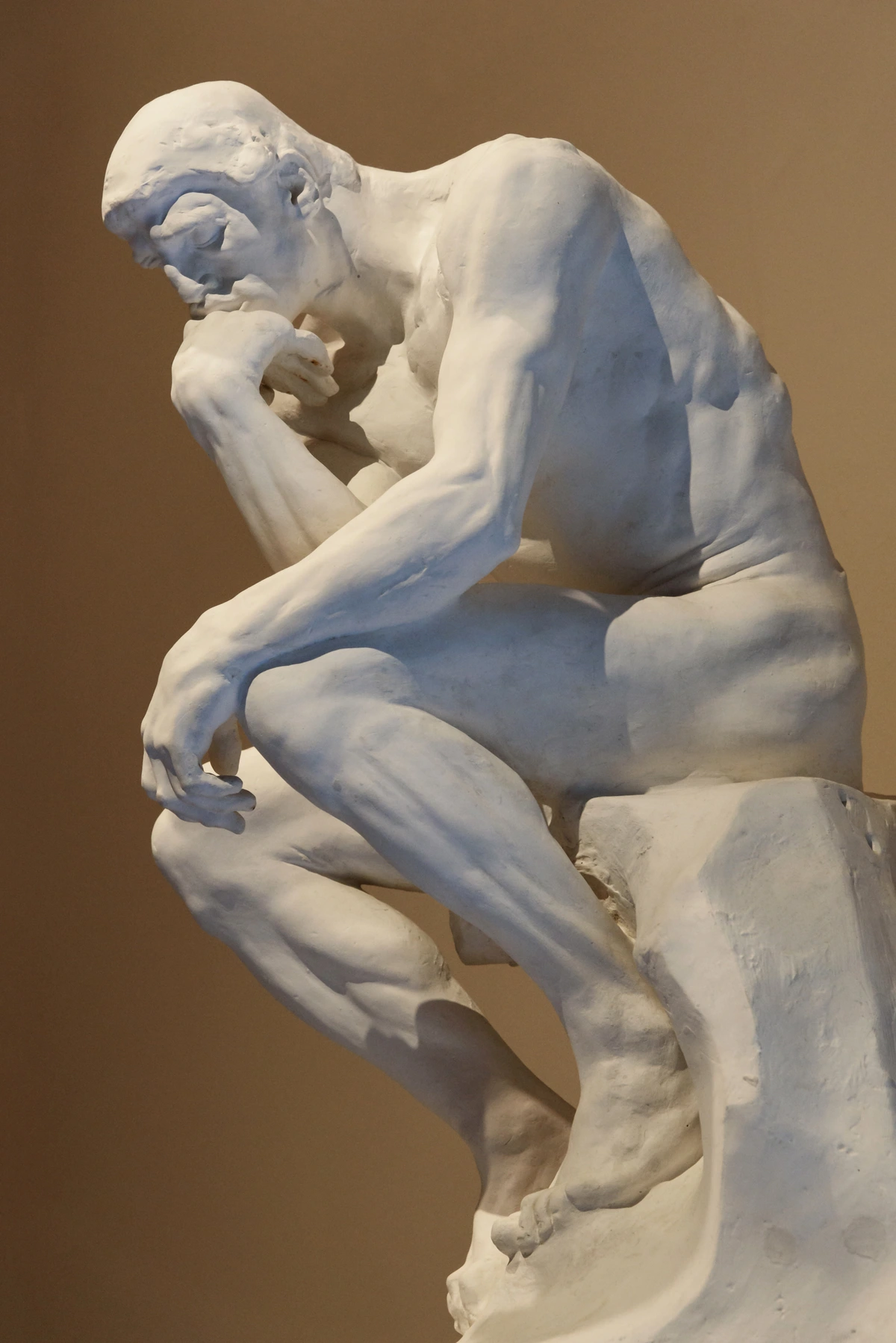


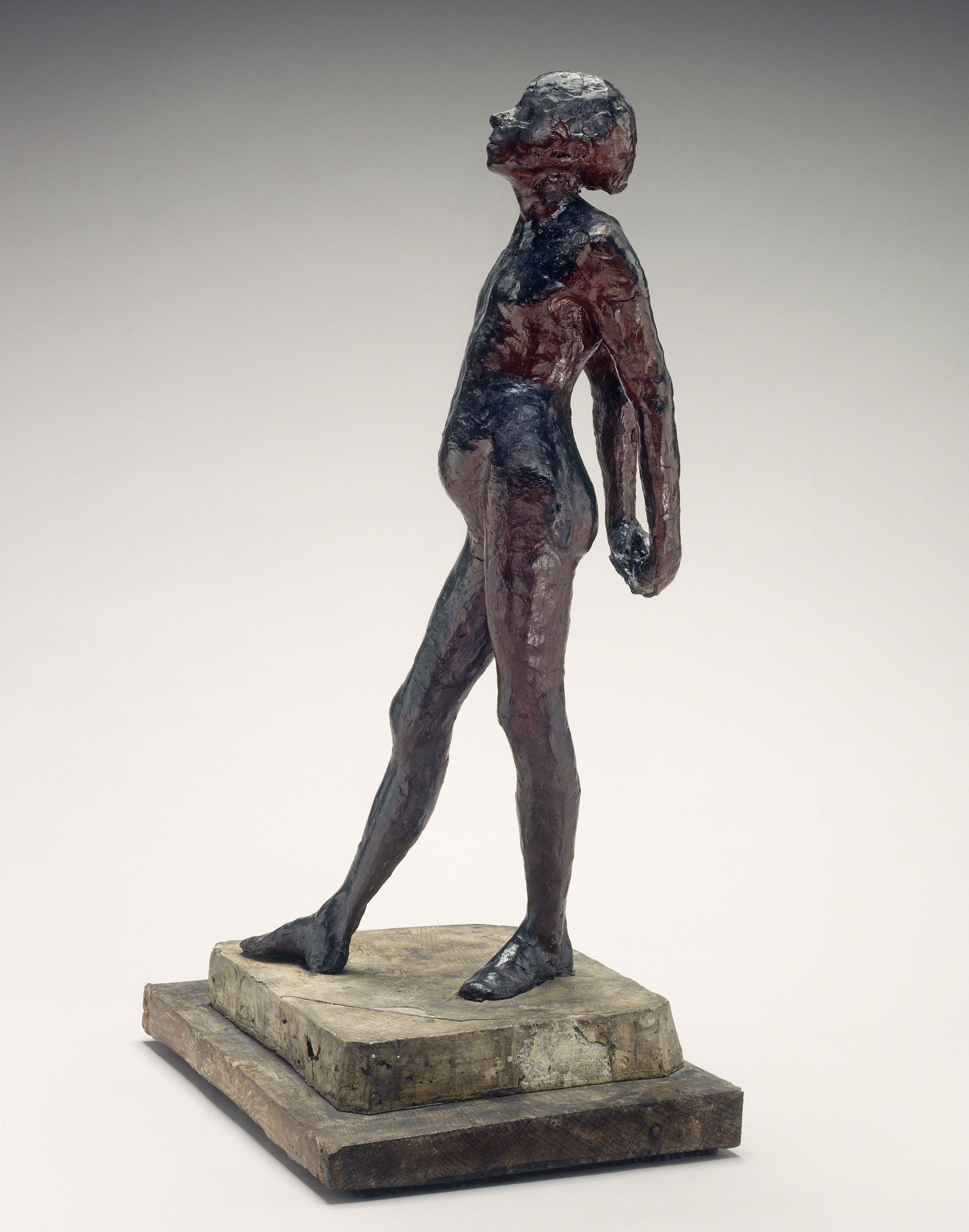


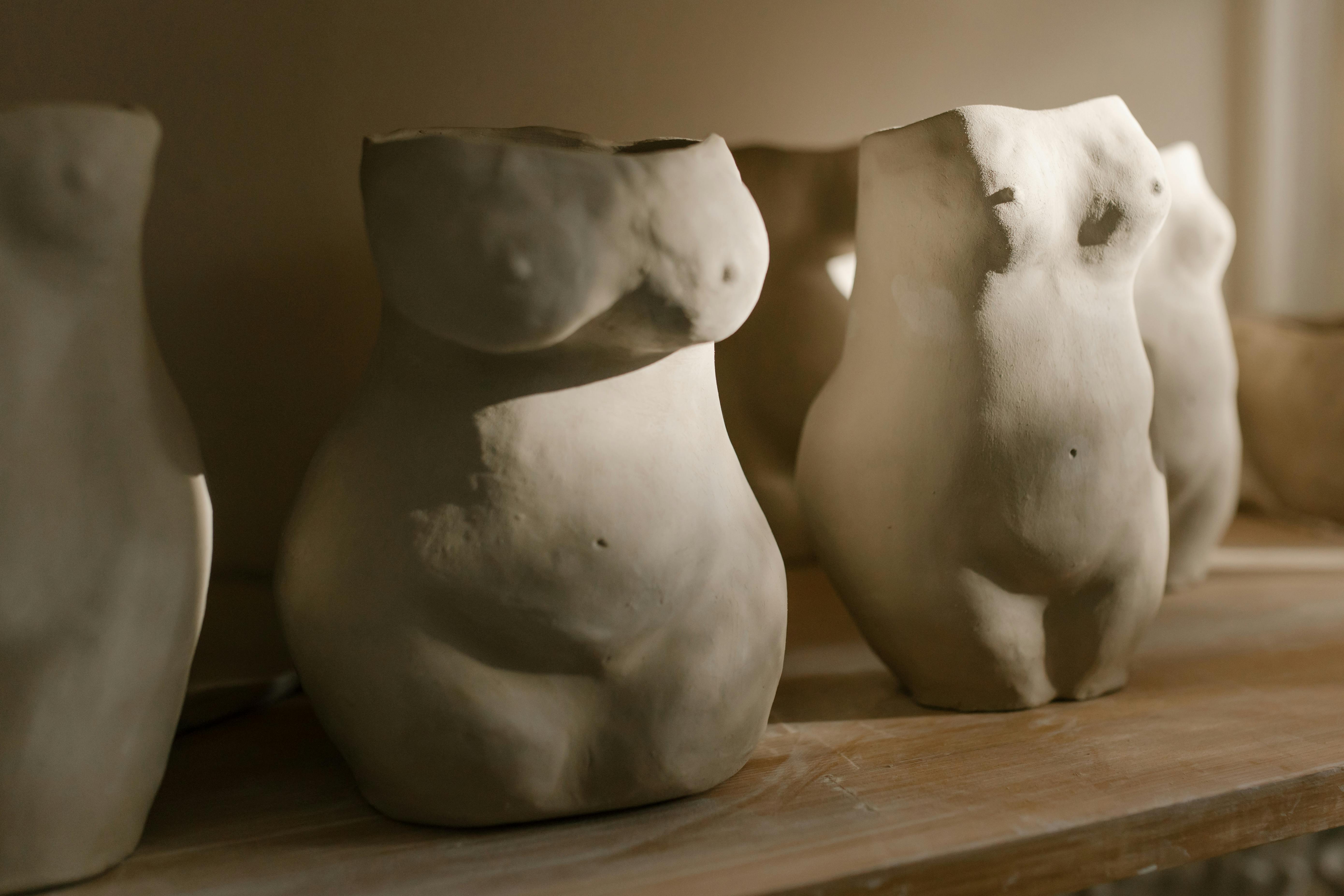
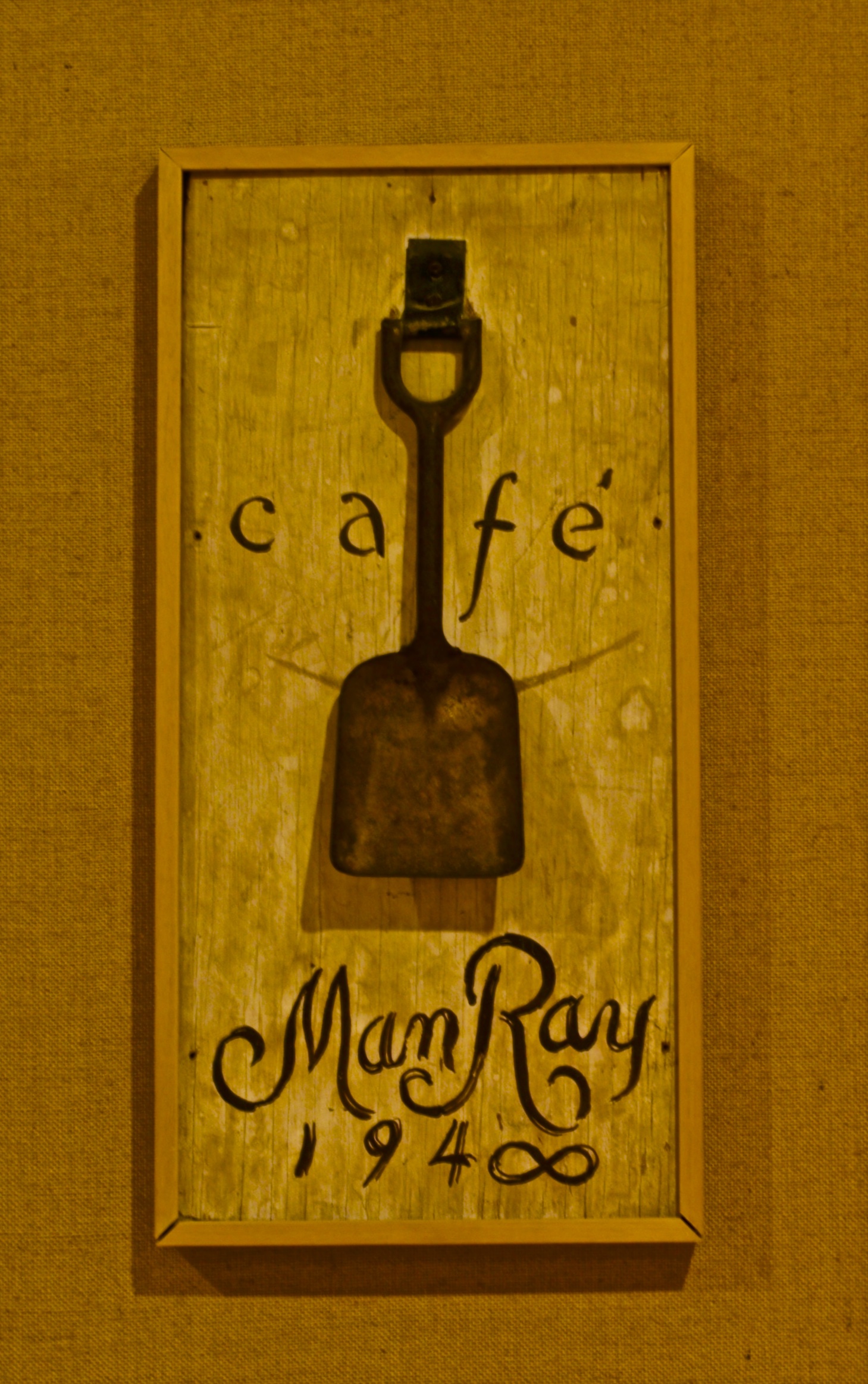


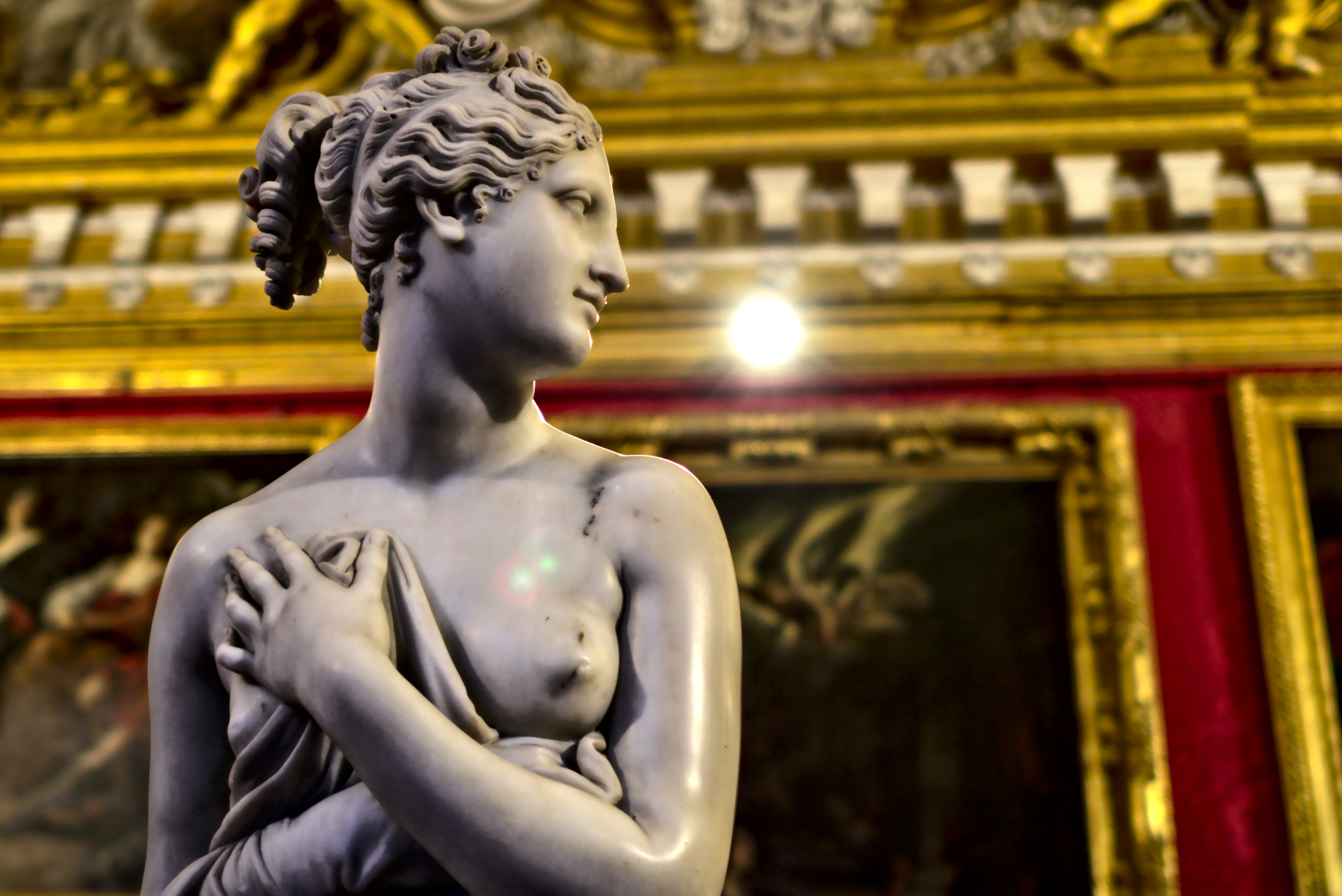

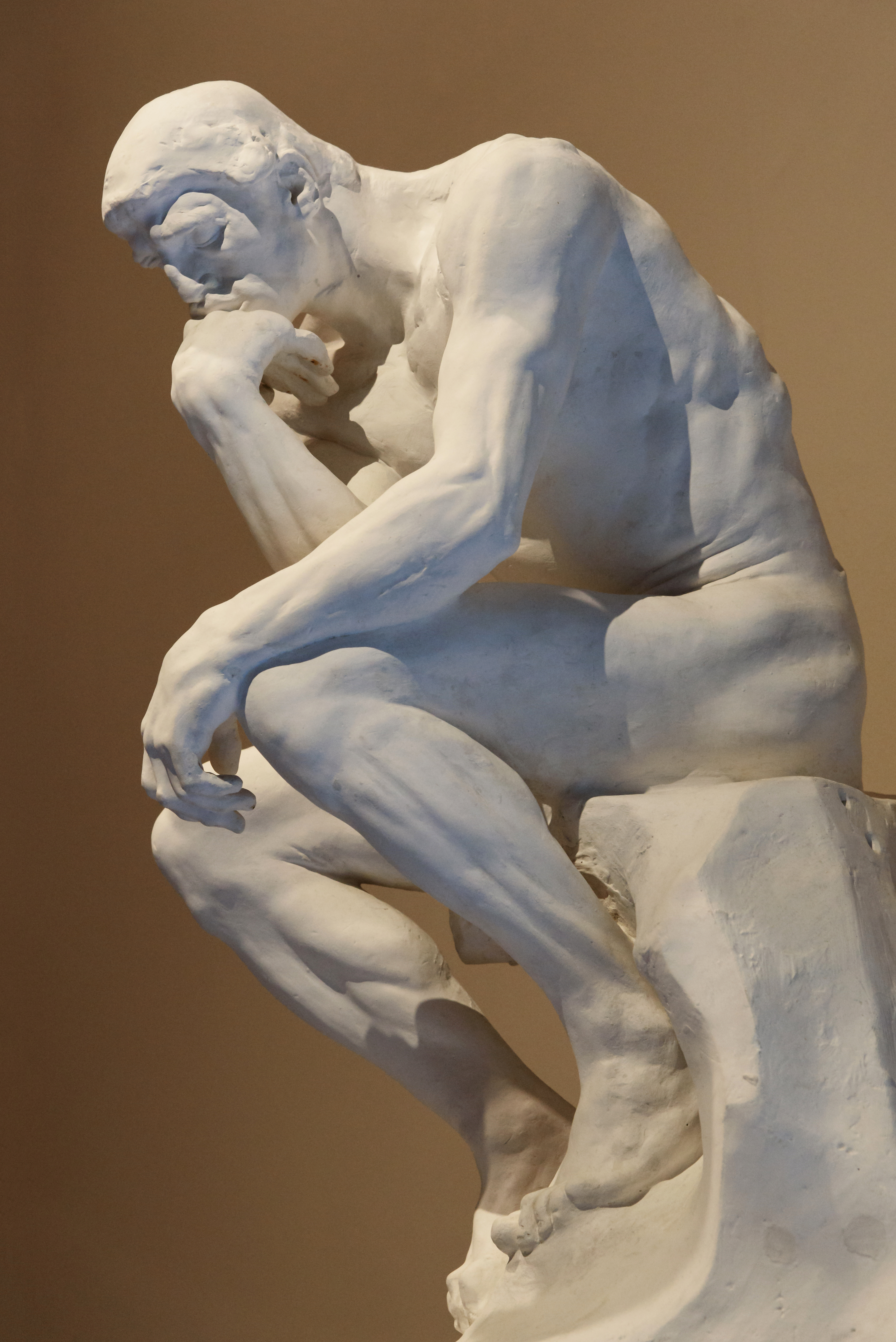

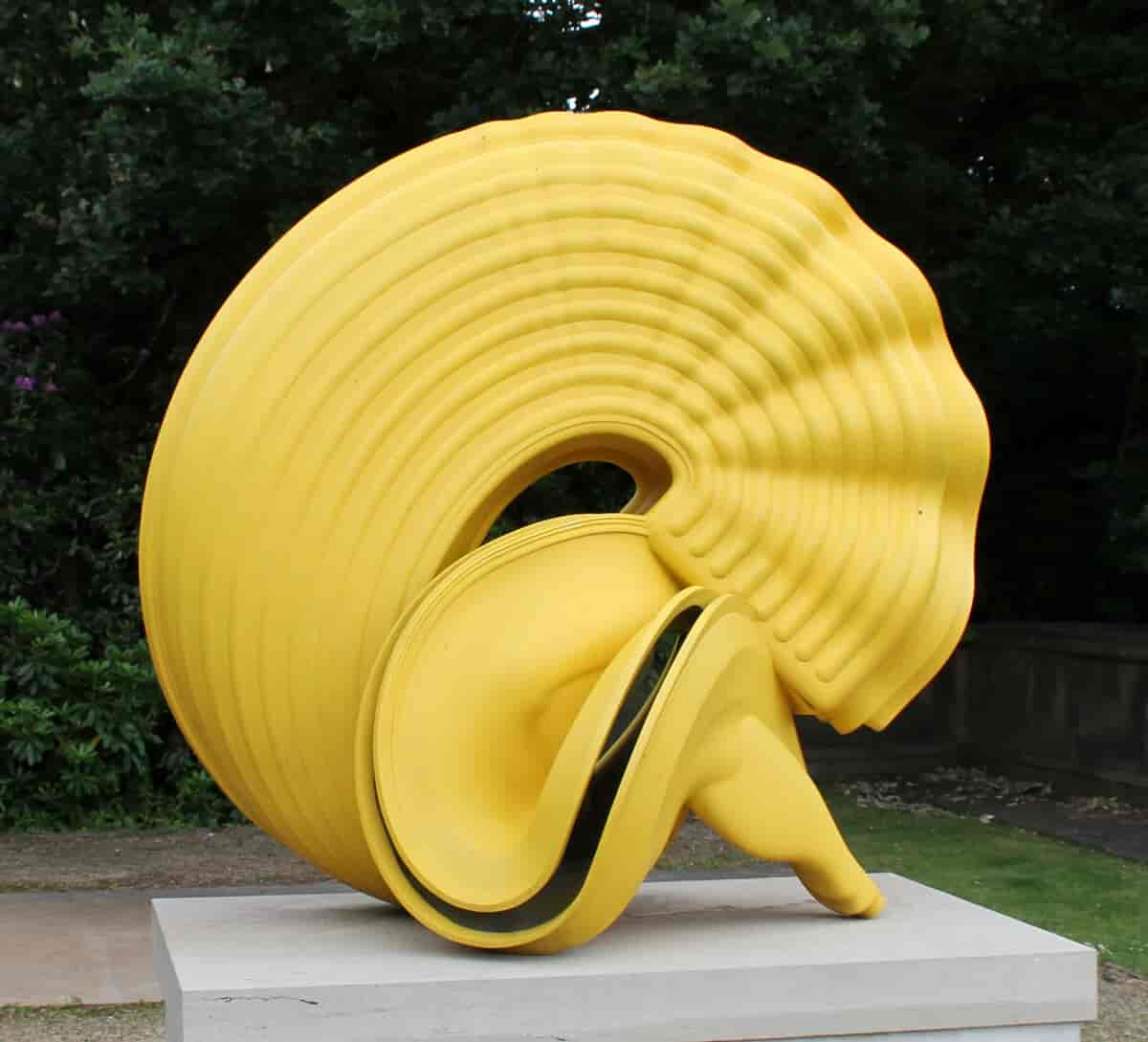
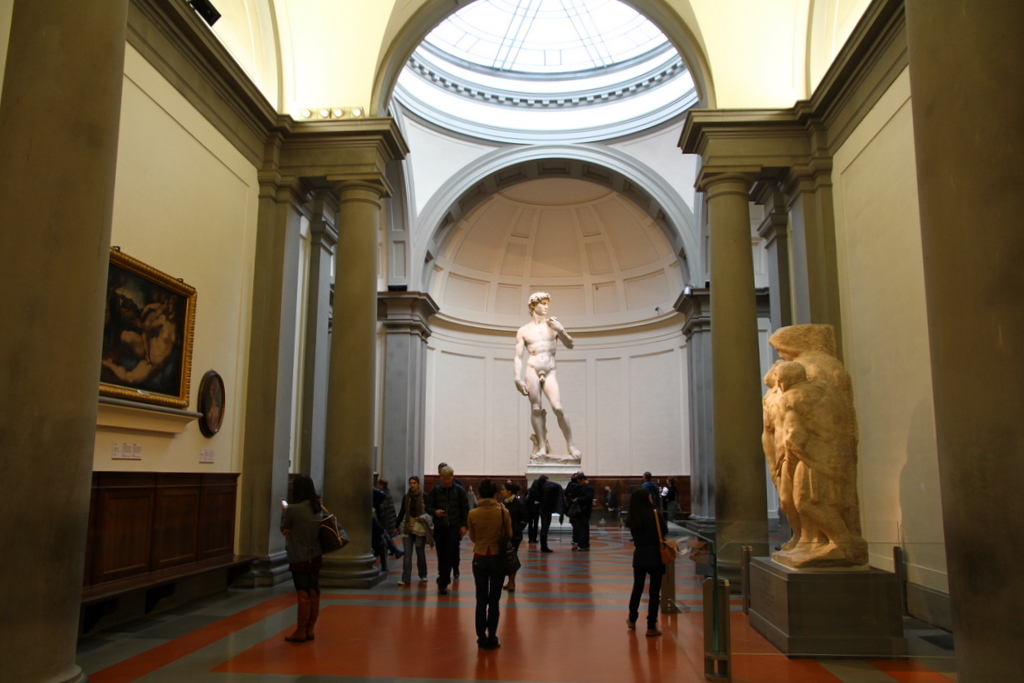


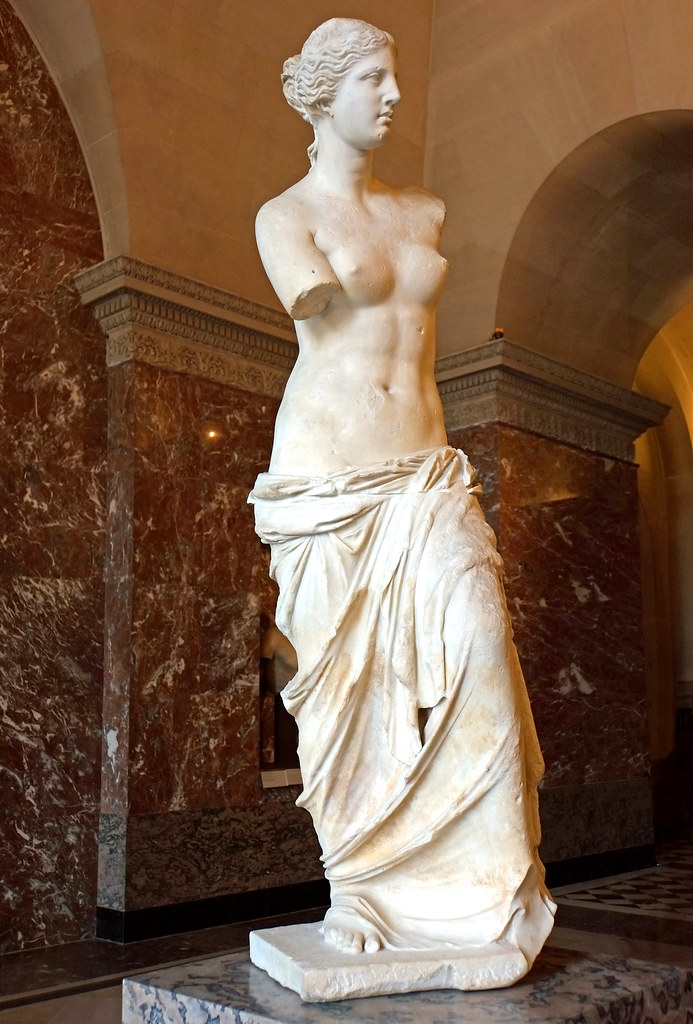

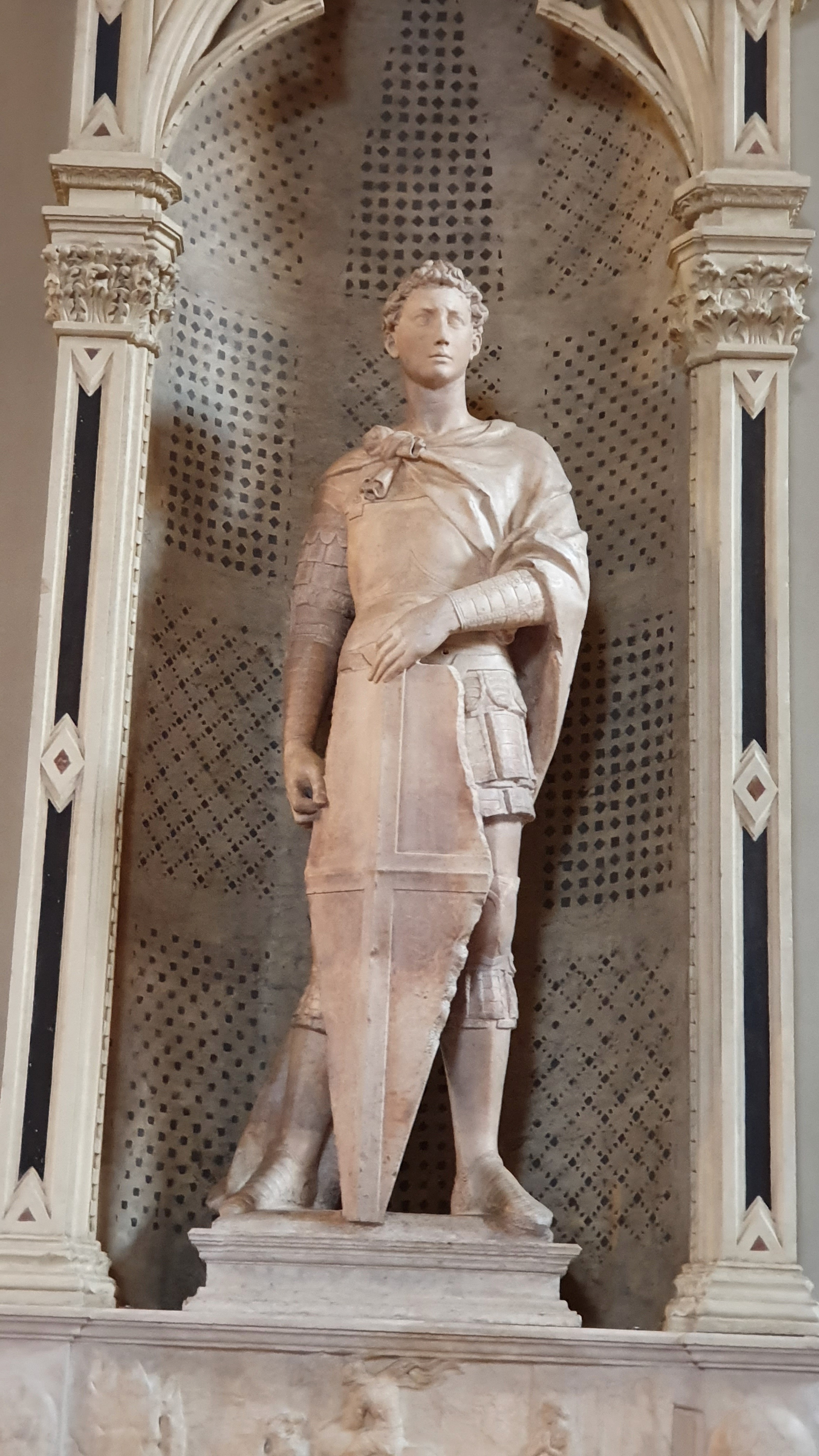


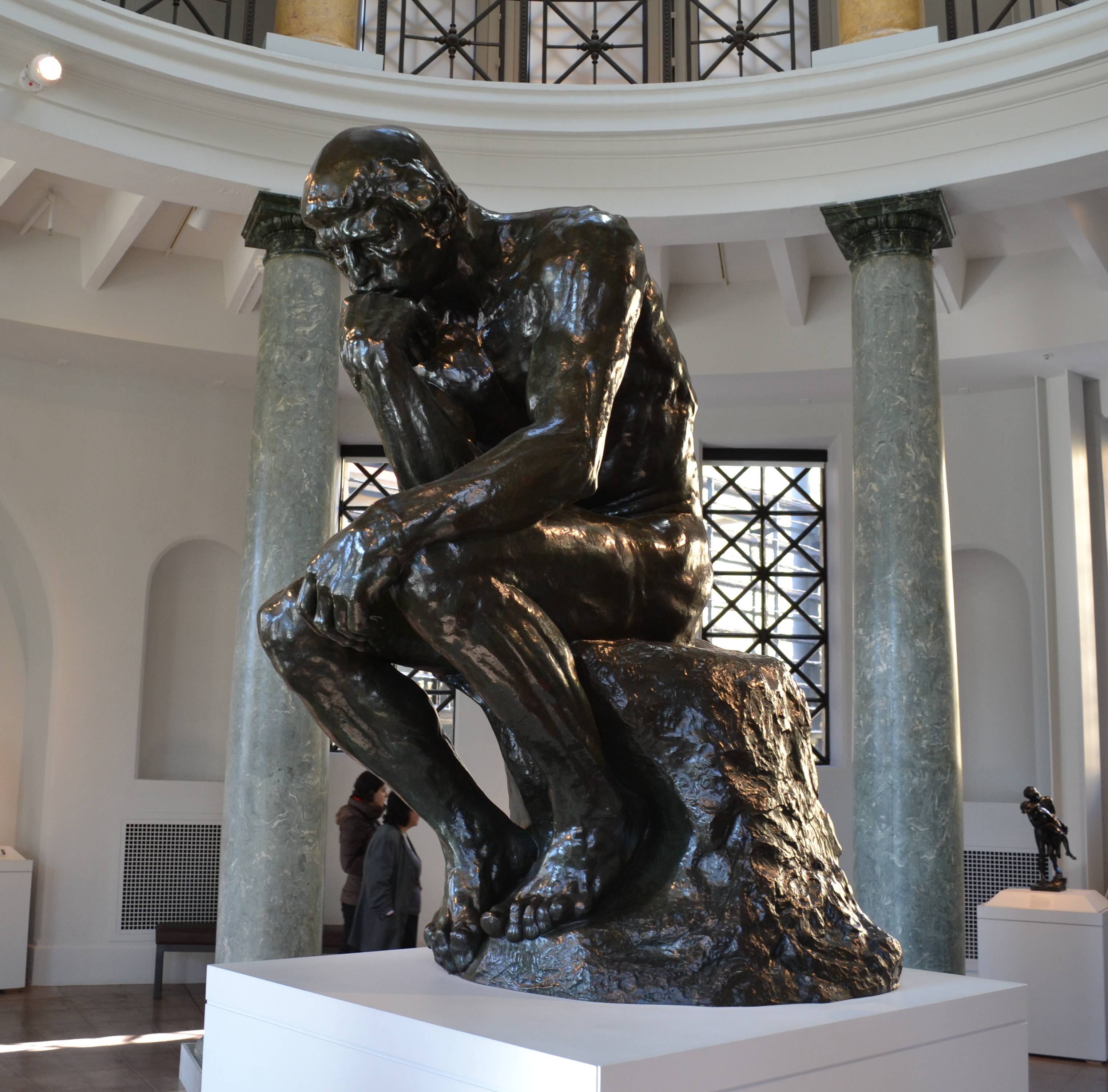

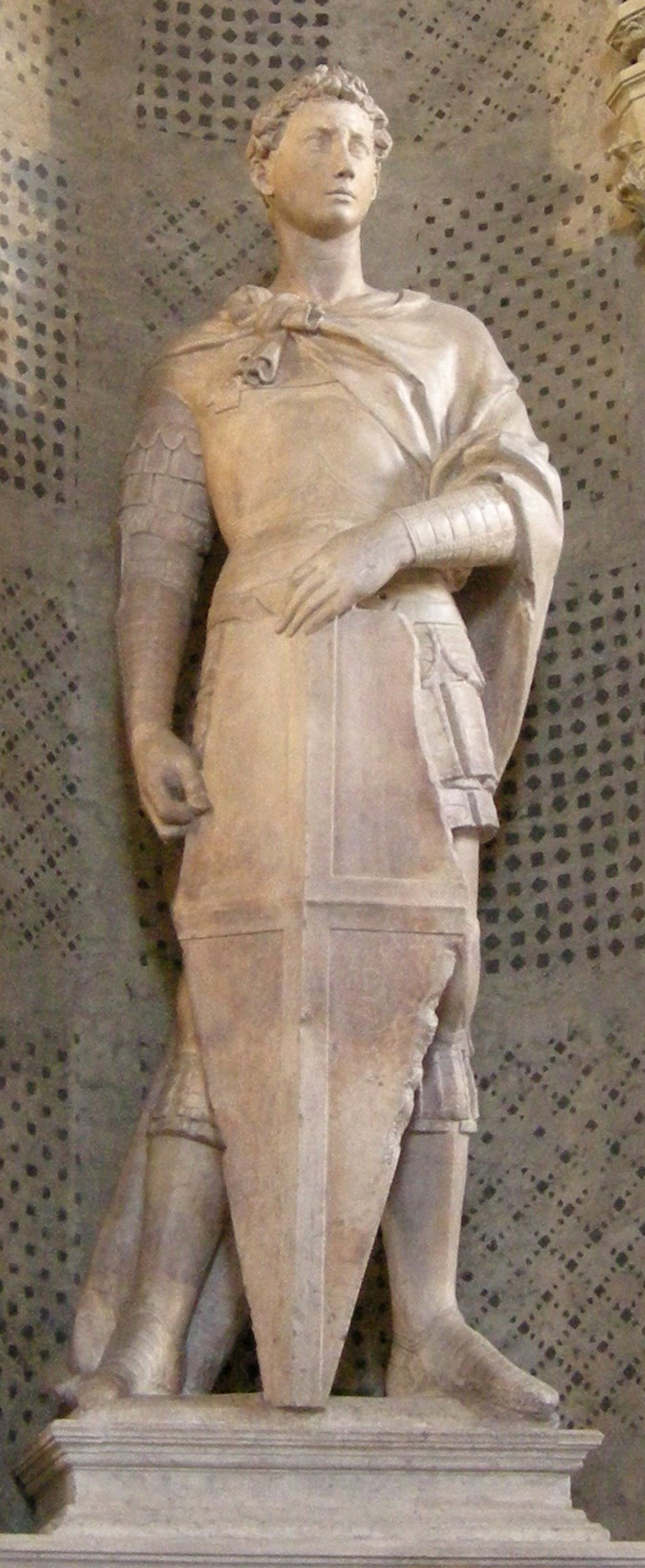

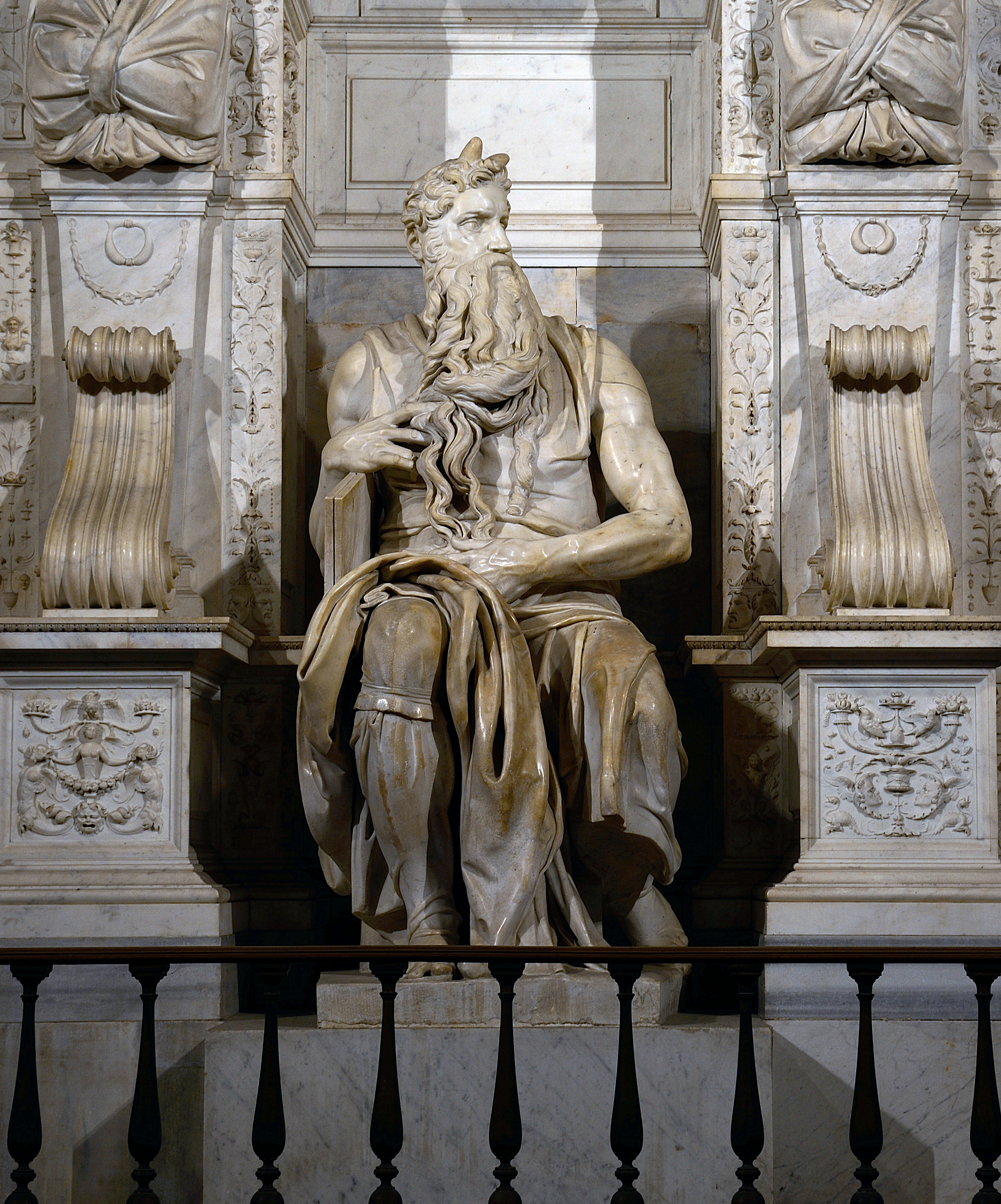
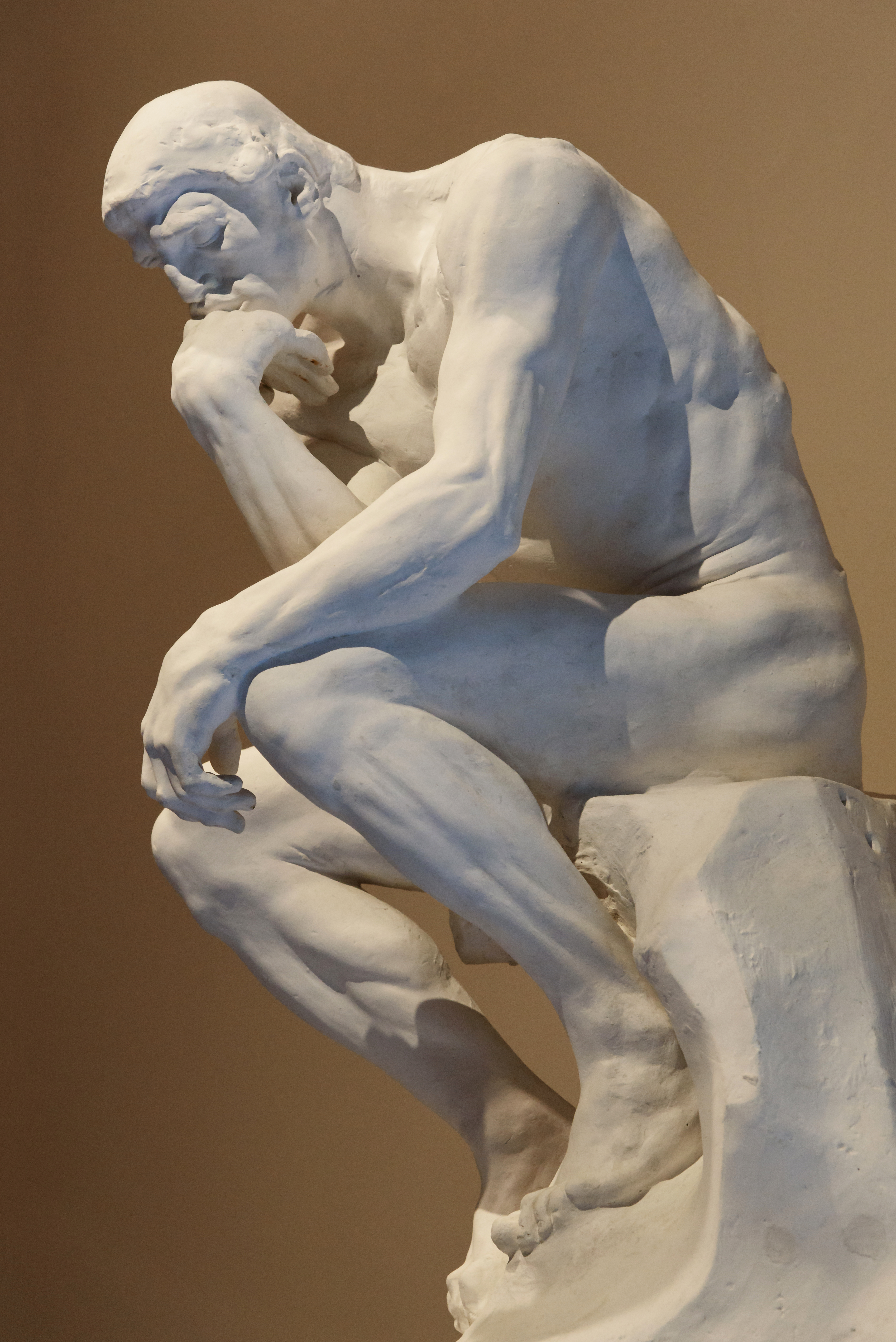
A Final Dimension: Why Sculpture Matters
A Final Dimension: Why Sculpture Matters – A Deeper Way of Seeing
For me, truly understanding sculpture is a profound exercise in seeing the world, and indeed our own physical existence, differently. It trains the eye to appreciate form in three dimensions, to keenly consider the space around objects and the voids within them, and to find profound beauty, meaning, and connection in the very materials that make up our world. It’s an art form that, unlike a flat image, demands a little more from its viewer—a literal step to the side, a slow circumnavigation, a closer look at a texture, a moment of quiet contemplation about its sheer physical presence and how it changes with your own movement and the shifting light.
When I look at a sculpture, I'm reminded of the interconnectedness of everything—the artist's hand, the material from the earth, the space it occupies, and my own experience of moving around it. It's a conversation that spans millennia, connecting us to the earliest human impulses to create and shape the world around us. And that, I think, is truly magical.
The next time you're in a museum, a bustling city park, or even just passing a piece in a private collection, I urge you to take that extra moment. Walk the full circle, allowing its forms to unfold. Bend down, look up. Engage your imagination with its textures and imagined haptic qualities. Consider its dialogue with the space it inhabits, its historical echoes, the stories it might tell, and the quiet, enduring power of its materials. Sculpture, more than almost any other art form, truly occupies our world alongside us, a constant, tangible presence. It invites a deeper, more present mode of looking, a more active form of engagement, and in doing so, it can profoundly enrich our understanding of art, ourselves, and the very fabric of existence. It’s a gift that keeps on giving, revealing new insights with every interaction. I sincerely hope this comprehensive guide has illuminated the vast, captivating world of sculpture for you, and encourages you to explore it further with an open mind and an engaged eye.
I truly believe that engaging with sculpture makes you a more observant, more thoughtful person. It teaches you to appreciate the subtle, the nuanced, and the profound in the three-dimensional world that constantly surrounds us. And what could be more valuable than that? It's a lifelong journey of discovery, and I hope you embark on it with boundless curiosity and an open heart.