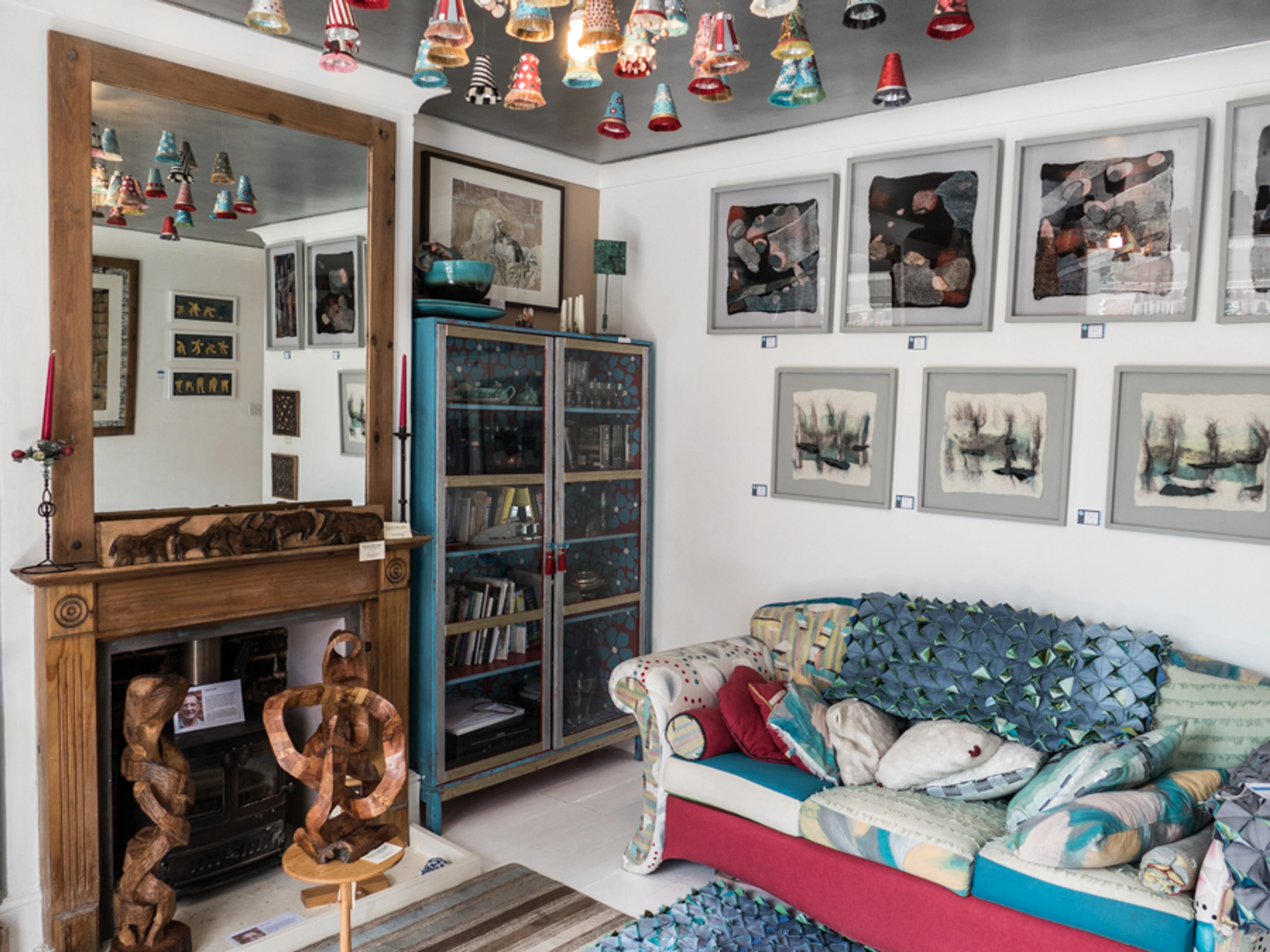
Art & Mirrors: The Ultimate Guide to Dynamic Wall Displays
Unlock the secret handshake between art and mirrors. This ultimate guide offers expert insights, personal stories, and actionable steps to create stunning, light-filled, deeply personal wall displays that transform your home.

The Art of Reflection: Mixing Art and Mirrors for Dynamic Wall Displays
The sight of a blank wall can be daunting, that familiar design paralysis washing over me, that whisper of "no, that's not right" echoing in my head. For years, I approached art and mirrors as two completely separate entities—like distant relatives at a family gathering, best kept on opposite sides of the room. Art felt like a quiet, contemplative conversation, a deeply personal statement. Mirrors, to me, were purely functional, for checking if I'd managed to avoid a rogue piece of basil between my teeth (a constant, relatable struggle, I assure you!). The very thought of combining them felt like I was about to shatter some unspoken design rule into a million reflective pieces.
That unspoken rule, I've since come to realize, often stems from a fear of making the space feel cluttered, or simply, well, wrong. My own early attempts at blending them often resulted in a messy hodgepodge, leading to quick removals and a renewed vow to keep them separate. But then, armed with a fresh perspective and a dose of stubborn curiosity, I tried again. And what I discovered wasn't a broken rule at all; it was a secret handshake, a subtle, powerful language that transforms a flat wall into a dynamic, layered conversation. It’s the art of allowing different elements to not just coexist, but to actively elevate each other, creating stunning creative wall displays. Mixing art and mirrors isn't just a clever design choice; it's a space-altering, light-exploding, personality-infusing magic trick that aligns perfectly with modern home decor trends. If you've ever felt that indecision when faced with a blank wall, this guide is your permission slip, your cheat sheet, and your enthusiastic push. We're going to demystify this entire process, moving beyond rigid rules to embrace ideas that simply work for your space and your story. By the end, you'll have the confidence and practical steps to create dynamic wall displays that truly reflect your unique personal style, adding incredible depth to your home decor ideas.
Why Bother? The Transformative Power of the Mix
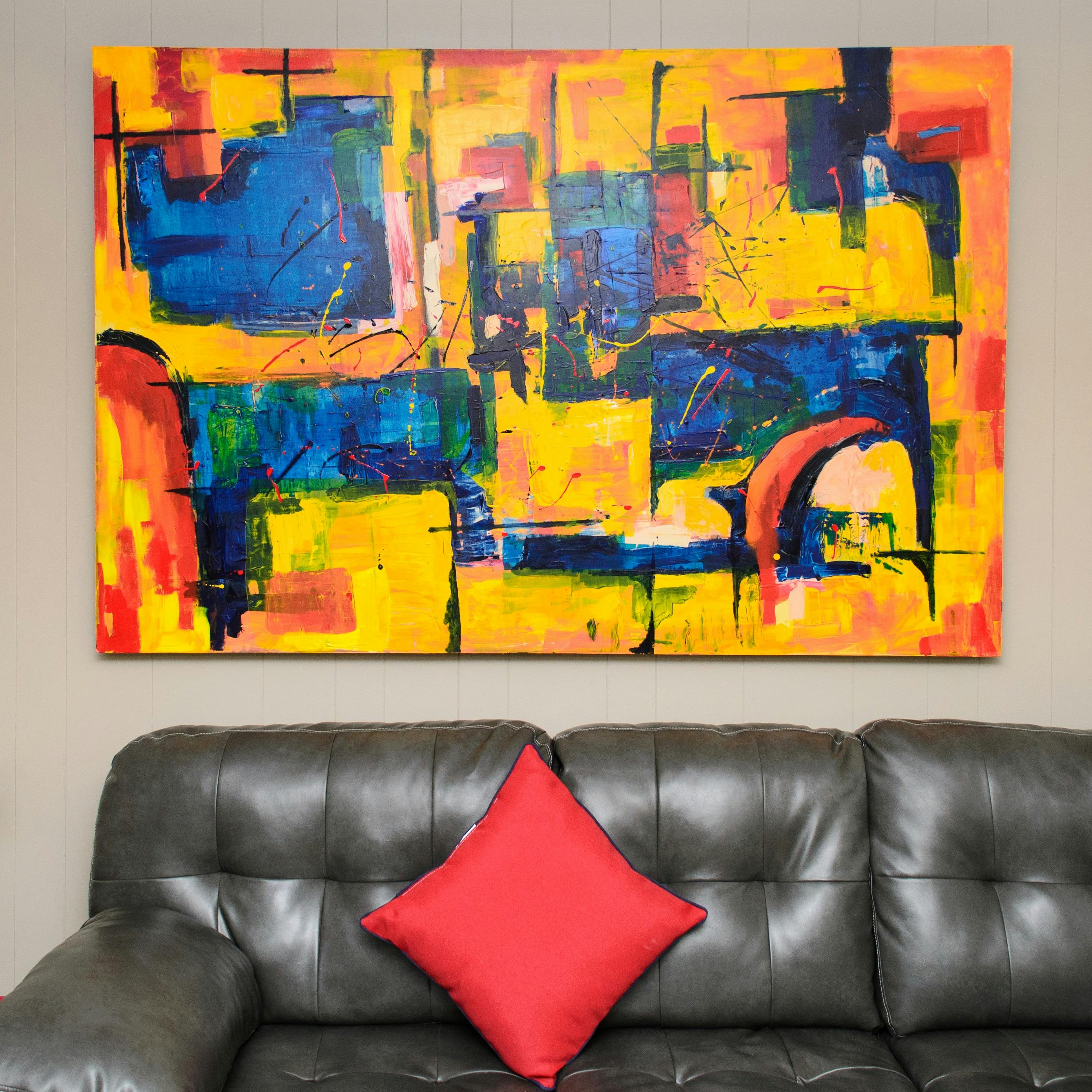
Before we dive into the how, let's truly understand the why. What's the big deal about combining art and mirrors? You might be searching "combining art and mirrors," "mirror wall decor ideas," or "how to hang art and mirrors together," looking for that extra spark to elevate your interior design trends. Why not just create a standard gallery wall or hang one magnificent piece of abstract art (which, by the way, you can find stunning examples of right here)? While the allure of combining them is strong, a few hesitations I've heard (and felt myself!) are worth acknowledging: the initial cost of truly ornate mirrors, the maintenance of large reflective surfaces, and the potential for overwhelming a space if you're not careful and flood it with too many reflections. But these challenges are easily navigated with a bit of planning, which is exactly what we're about to explore. The benefits, I promise, far outweigh these minor considerations. The magic, my friend, is in the interplay, the unexpected synergy, and even the subtle psychological lift they offer. Mirrors aren't just decor; they influence mood and perceived energy, especially when combined with art. This technique isn't just about aesthetics; it's about altering the very feel of a room and weaving a richer story for your space.
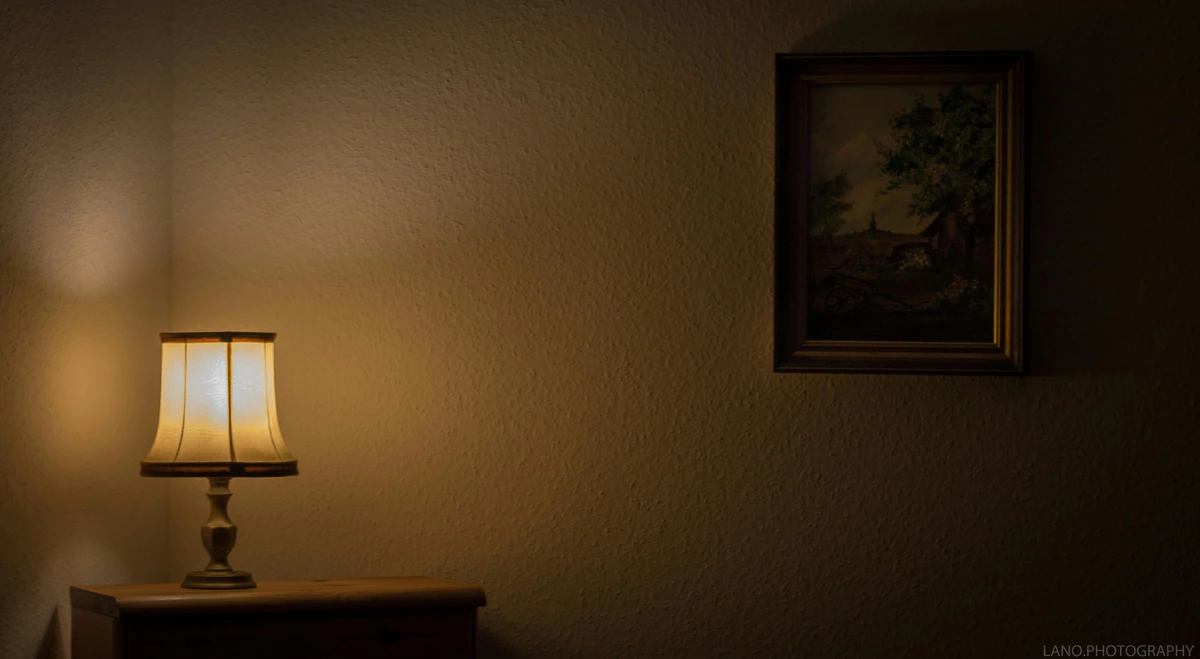
- Light Manipulation & Amplification: Pure Wizardry. This one, I have to tell you, is pure wizardry. Mirrors are masterful light manipulators; they capture light from windows and lamps, then generously bounce and splash it all over the room. Placing a mirror within an art arrangement can instantly illuminate a dim corner or make the entire wall feel brighter, more alive, and infinitely more welcoming. It's like adding extra windows without the renovation, bringing the outdoors in and creating dynamic patterns of light and shadow throughout the day. I remember struggling with a north-facing living room that felt perpetually moody (and not in the good, atmospheric way). Adding a large, unframed mirror within a cluster of bright abstract paintings completely transformed it—it was like adding extra windows without the renovation, effectively multiplying the light from a single source. This is especially useful for rooms with low light. What's more, this light play directly influences the mood, making rooms feel more expansive and uplifting.
- Creating Depth, Illusion, and Space: The Thrilling Portal. This, for me, is the most thrilling part of the mix. A strategically placed mirror adds a 'window' where there isn't one, reflecting the room back on itself. This optical illusion creates a profound sense of more space, making it a game-changer for smaller rooms or narrow hallways. Suddenly, your wall isn't just a boundary; it's a portal, a key technique for using art to make a small room feel bigger. I’ve seen this work wonders in even the tightest entryway or a long, forgotten hallway, utterly transforming the spatial perception. What's more, by reflecting areas of a room, mirrors can create the perception of negative space even in a crowded arrangement, offering the eye a vital visual 'breather'. This illusion of depth also makes the art feel more integrated into the room's architecture.
- Breaking Up the Monotony & Adding Visual Weight: A Kinetic Pause. A wall filled exclusively with art can sometimes feel a bit static, demanding contemplation. A mirror, however, introduces a kinetic, living element. It reflects movement—the subtle shift of light, the sway of curtains, the movement of people—changing light, and even you as you walk by, adding a breathing component to your collection. It's kinetic because it literally captures and plays back the motion within the room. Think of it like a pause in a symphony—it provides contrast and dynamism. Furthermore, mirrors, especially those with substantial frames or unique shapes, carry significant visual weight—a term in art composition that refers to how much an element draws the eye and holds its attention. Imagine a dense forest of trees; a bright, open clearing suddenly draws your gaze. A mirror with a heavy, ornate frame is like a bold period at the end of a sentence, drawing the eye firmly. Incorporating mirrors allows you to play with this visual weight, balancing a dense collection of paintings or anchoring an otherwise light arrangement. It can even reflect subtle details within the artwork itself, giving you new perspectives on pieces you thought you knew intimately. It's all about understanding balance in art composition. This dynamic interplay keeps the eye engaged and prevents visual fatigue.
- Adding Personality and Narrative: Your Wall's Autobiography. Beyond the technical benefits, mirrors inject a deeply personal element. They reflect your space, your life, and even you in the composition. This reflection intertwines with the static art, creating a living, evolving narrative on your wall. It's a subtle nod to the transient nature of life juxtaposed with the timeless quality of art, making your wall feel less like a display and more like a curated autobiography. Consider how a mirror reflecting a family portrait might subtly link past and present, or how one reflecting a vibrant landscape painting extends that natural beauty into your personal space. It's a constant, gentle dialogue. And that dialogue is what ultimately builds a cohesive story for a room.
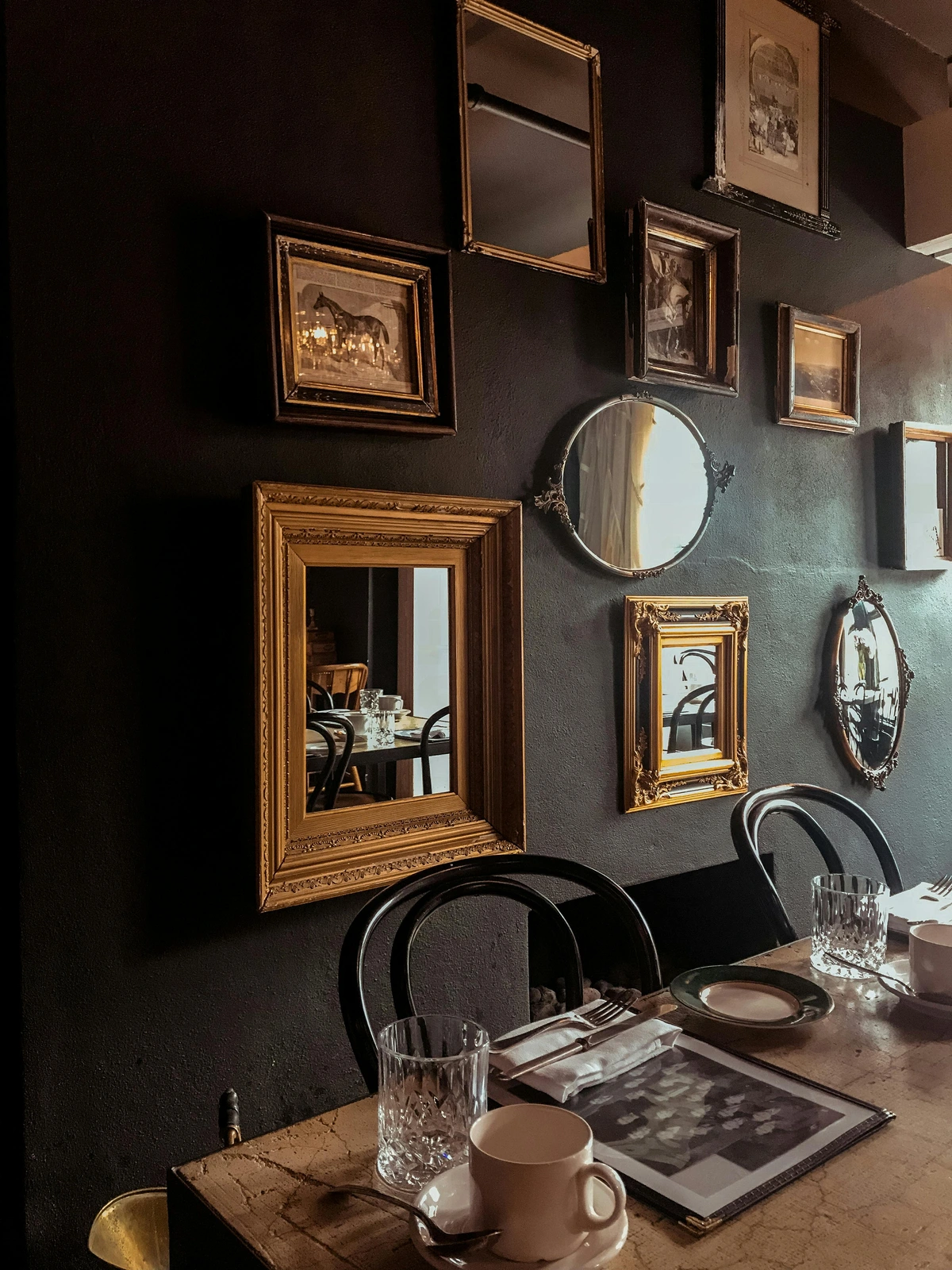
Beyond the Shine: A Brief History of Mirrors in Art and Design
You know, mirrors weren't always the ubiquitous design elements they are today. For centuries, they were precious, rare, and often shrouded in mystique. Before polished glass, humanity gazed into still pools of water or burnished metals. True glass mirrors emerged in the Roman Empire, but it was the Venetians in the 16th century who perfected the craft, creating exquisitely clear and reflective surfaces that were highly prized luxury items. These early mercury-backed mirrors, while beautiful, were painstakingly dangerous to produce. The shift to safer, silver-backed mirrors later revolutionized their production, making them more accessible, yet those early mercury reflections carried a unique, almost cloudy luminescence. That cloudy, antique reflection is something I still find incredibly appealing, adding a layer of history and softness to a modern space. When considering antique mirrors today, it's worth noting their provenance and the ethical sourcing of such historical pieces, especially regarding the use of mercury.
Think of the Hall of Mirrors at Versailles—a grand statement of power and opulence, where mirrors created breathtaking illusions of endless space and light, blurring the lines between reality and reflection. That sheer opulence always makes me think about how we can imbue our own spaces with a sense of wonder, even on a smaller scale, and how such historical grandeur continues to influence interior design trends.
As design evolved, so did the mirror's role, often hand-in-hand with artistic movements. In the sumptuous Rococo period (18th century), mirrors became integral to interiors, often heavily gilded and incorporated into complex wall panels and furniture to amplify light and create playful, intimate atmospheres. This opulence informs our contemporary maximalist styles, showing us that 'more' can indeed be exquisite when done with intention. By the late 19th and early 20th centuries, Art Nouveau mirrors embraced organic, flowing lines and natural motifs, becoming decorative artworks in their own right. Then came Art Deco in the 1920s and 30s, where mirrors transformed into sleek, geometric statements, often featuring etched designs or colored glass, embodying modernity and glamour. It's fascinating how a simple reflective surface adapted to, and even defined, the aesthetics of entire eras.
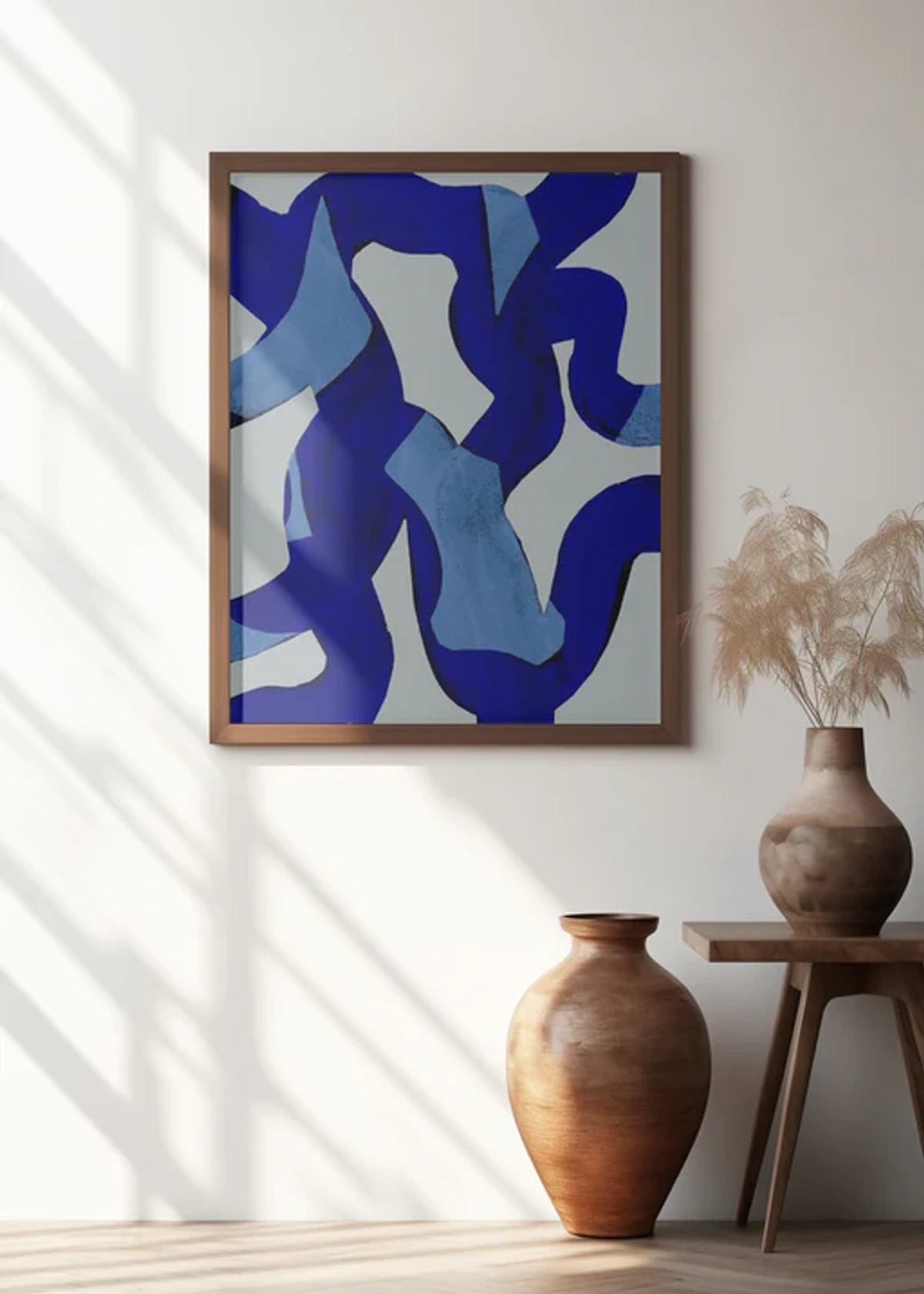
In art, mirrors have long served as more than just reflective surfaces. From Jan van Eyck's "Arnolfini Portrait" (1434), where a convex mirror subtly expands the scene to include the artist and another witness, revealing hidden details and layers of narrative, to Diego Velázquez's "Las Meninas" (1656), which uses a mirror to reflect the Spanish king and queen, effectively involving the viewer and questioning the nature of representation, artists have used them to add depth, symbolism, and narrative complexity. This is where we truly begin to see mirrors considered as artistic statements in themselves.
Even modern masters have embraced reflection; think of the fragmented, Cubist-inspired reflections in some of Pablo Picasso's works, or the deliberate use of reflective surfaces in contemporary installation art by artists like Anish Kapoor, who create immersive, mirrored rooms that manipulate perception and engage the viewer and their surroundings, creating an ever-changing piece. There are also many contemporary abstract artists who incorporate reflective paints or metallic leaf into their works, creating a dialogue between the viewer, the art, and the light, echoing these historical uses but with a fresh, modern twist. Understanding this rich history helps us appreciate that when we mix art and mirrors today, we're tapping into a long lineage of creative exploration and intentional magic. While some artists are even exploring digital representations of reflective surfaces or NFTs that simulate reflection, my focus here is on the tangible, physical magic mirrors bring to a space – the kind you can actually touch and feel transforming your walls.
Mastering Mirror Types & Their Magic: Beyond Clear Glass
Before we dive into the foundational principles of arrangement, let's talk about the incredible variety of mirrors themselves. Beyond traditional clear glass, the type of mirror you choose can dramatically alter the mood and personality of your display. This is where you can truly dial in the vibe, transforming a mere reflection into a curated experience. I've found that understanding these nuances makes all the difference, almost like choosing the right brush for a specific stroke.
Mirror Type/Finish  | Aesthetic Effect | Ideal Use in Art/Mirror Mix | Considerations | Personal Reflection/Best Use Case |
|---|---|---|---|---|
| Clear Glass | Sharp, true reflection; maximizes light amplification and clarity. | Versatile for any style; essential when a precise, bright reflection is desired. | Can be harsh if reflecting unflattering light sources. | "The classic choice for pure functionality and maximizing perceived space, especially in modern settings." |
| Silvered/Mirrored Glass | Subtle, diffused reflection; often has a warm or cool undertone; less sharp than clear glass, more contemporary than antique. | Pairs well with contemporary art, minimalist designs, or to create a softer, diffused ambiance in any room. | Can mute colors slightly; less effective for amplifying light compared to clear glass. | "I love using this for a 'hint' of reflection in a bedroom, adding a touch of glamour without being overly flashy." |
| Antique/Distressed Glass | Softer, diffused reflection; vintage charm, aged patina. | Enhances historical or eclectic art; softens modern art for a curated, timeless look. | Can make colors appear muted; check for clarity preferences. | "I love using these to ground a vibrant abstract piece, adding a whispered history to contemporary dynamism, and they make vintage botanical prints sing." |
| Smoked Glass | Darker, more subdued reflection; adds drama and sophistication. | Pairs well with moody art, minimalist compositions, or to add a masculine, sleek edge. | Reduces light amplification; may obscure fine details in reflected objects. | "Perfect for creating a sophisticated, intimate atmosphere, especially with deep-toned artworks. It's less about light, more about mood." |
| Mercury Glass | Cloudy, speckled, silvered effect; unique luminescence, artisanal feel. | Brings old-world charm, complements rustic, bohemian, or farmhouse interior aesthetics. | Very delicate surface; often a decorative piece rather than purely functional. | "A personal favorite for adding texture and warmth; it feels less like a mirror and more like a glittering antique artwork itself, especially when paired with bohemian or rustic art." |
| Convex/Concave Mirrors | Distorted, abstract reflections; playful, surreal, expands peripheral view (convex). | Acts as abstract art; creates fascinating focal points, adds whimsical touch. | Can be disorienting if too many; reflection is not functional for detail. | "These are pure fun! I once used a small convex mirror to reflect a tiny corner of a room, and it became this unexpected, delightful 'eye' on the wall." |
| Bevelled Edges | Subtle light refraction; understated elegance, jewel-like sparkle along the edges. | Adds refinement without an ornate frame; complements contemporary or transitional styles. | Prone to catching dust in grooves if not maintained. | "For a touch of quiet luxury, especially if a bold frame isn't your style. It subtly elevates without shouting." |
| Acid-Etched/Sandblasted | Frosted or patterned effects; blurs reflection, creates decorative motifs. | Blends function and art; ideal for subtle texture or privacy in a reflection. | Reflection is semi-obscured; less effective for maximizing light. | "Fantastic for adding texture or a decorative element without a full, sharp reflection. It’s like a whisper of a mirror." |
| Dichroic Glass | Color shifts based on viewing angle/light; dynamic, iridescent, modern. | A modern centerpiece that interacts with light and surrounding art hues. | Can be expensive; choose colors carefully to complement your palette. | "If you want a mirror that's truly a conversation starter, this is it. It's a living, breathing light sculpture." |
| Tinted Glass (Bronze, Rose Gold, Grey) | Adds a warm, cool, or muted hue to reflections; creates a specific mood. | Complements art with similar color palettes, adds sophistication or drama. | Alters perceived colors in reflection; less bright than clear glass. | "I love a bronze-tinted mirror with warm, earthy abstract art – it creates such a rich, harmonious glow." |
| Plexiglass/Acrylic Mirrors | Lightweight, shatter-resistant; clear, sharp reflection; versatile for custom shapes. | Ideal for children's rooms, high-traffic areas, or large custom installations. | Can scratch more easily than glass; slight distortion if not perfectly flat. | "My go-to for unconventional shapes or large-scale projects where weight and safety are paramount. Just be gentle with cleaning!" |
The Foundational Principles: Your Friendly Guide to Harmony
With the tools in hand, how do we actually make these elements sing in harmony? Alright, let's get practical. To truly master the art of combining mirrors and art, you just need to keep a few core ideas in mind. These aren't rigid rules I learned in an art history textbook, but rather insights I've gathered (often the hard way, trust me) about finding harmony in variety—a skill that, I've come to realize, applies to almost everything, from art to life itself. Consider these your guiding stars for a beautiful wall dance—the "secret handshake" in action, forming the fundamental building blocks for any successful wall art arrangement and cohesive home decor.
1. Mind the Reflection: Your Guiding Star
This is arguably the most critical step, and one many people overlook! A mirror doesn't just hang there passively; it actively shows you something. What will your mirror reflect? This single question can make or break your entire arrangement and dramatically impact the mood and feel of your room.
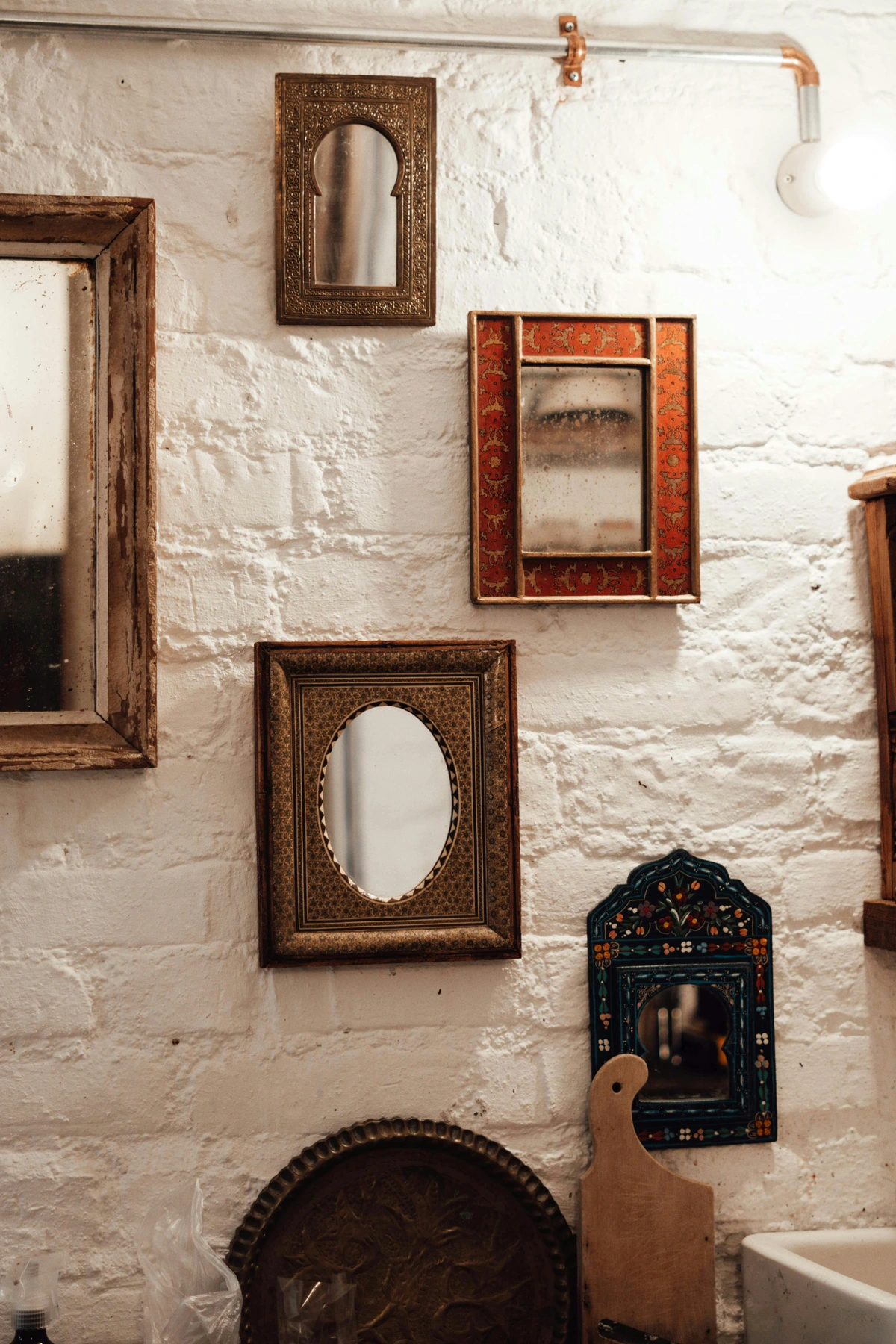
- The Good: Ideally, your mirror should reflect something beautiful or interesting—a window with a lovely view, an elegant light fixture, another piece of art on the opposite wall, or even a lush indoor plant. This amplifies the beauty already present in your room and helps tie the wall arrangement into the room's overall color scheme. Imagine a mirror reflecting a vibrant piece of abstract art from across the room—it's like getting two artworks for the price of one! Even master artists understood this power; think of Jan van Eyck's "Arnolfini Portrait" where the small convex mirror in the background reveals characters entering the room, adding layers of narrative and visual interest far beyond its mere reflective function. You could also position a mirror to reflect a strategically placed, beautiful table lamp, effectively doubling its glow and creating a warmer ambiance, or to capture a unique architectural detail like a decorative molding on an adjacent wall. I once placed a mirror opposite a window that overlooked a particularly charming tree, and it felt like I'd brought a living painting right into my living room, creating a constantly changing, natural artwork.
- The Bad: Actively try to avoid reflecting clutter, a blank wall, the back of a television, a visually unappealing ceiling fan, harsh overhead lighting, bare electrical outlets, or the busiest, most chaotic corner of a room. Believe me, I've been there; you hang a mirror, step back, and suddenly all you see is your laundry pile, magnified. It's not ideal, and it can instantly diminish the elegance you're trying to create. Also, be mindful of reflecting open doors or long hallways that create a disorienting "infinity mirror" effect. While intriguing in specific art installations or bathrooms to create depth, be wary of a mirror reflecting another mirror across a main living area, as it can create a disorienting, endless tunnel effect that detracts from the intended aesthetic. Another pitfall is if the mirror's reflection itself becomes too distracting, drawing the eye away from the art. To mitigate this, ensure the reflected scene is complementary and visually calm, or opt for a mirror with a distressed or tinted finish that softens the reflection.
Pro Tip: The Walk-Around Test Before hanging, hold your mirror in the intended spot and walk around the room, observing the reflection from every major vantage point—from the sofa, the entryway, the dining table. This multi-angle check is crucial to ensure you're always reflecting something pleasing, not problematic. I’ve saved myself many a nail hole (and headache!) with this simple trick!
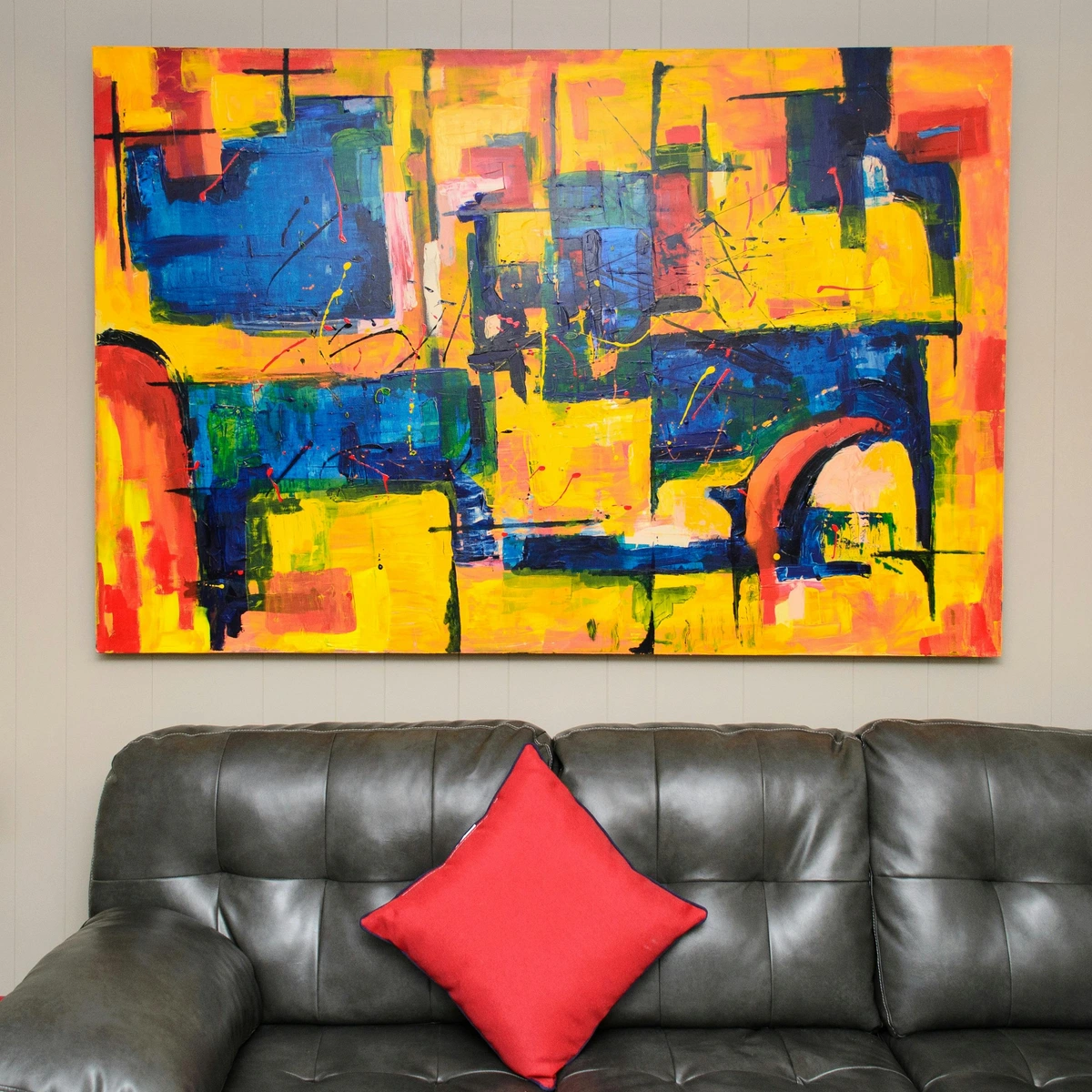
2. Establish a Common Thread: The Unifying Element
Your collection of art and mirrors shouldn't look like a random assortment from a garage sale (unless, of course, that is precisely your curated, maximalist vibe, which I fully endorse). You need something—a whisper, a nudge, a bold statement—to tie them together. This common thread can be surprisingly simple, but it makes all the difference between visual chaos and cohesive wall art arrangement.
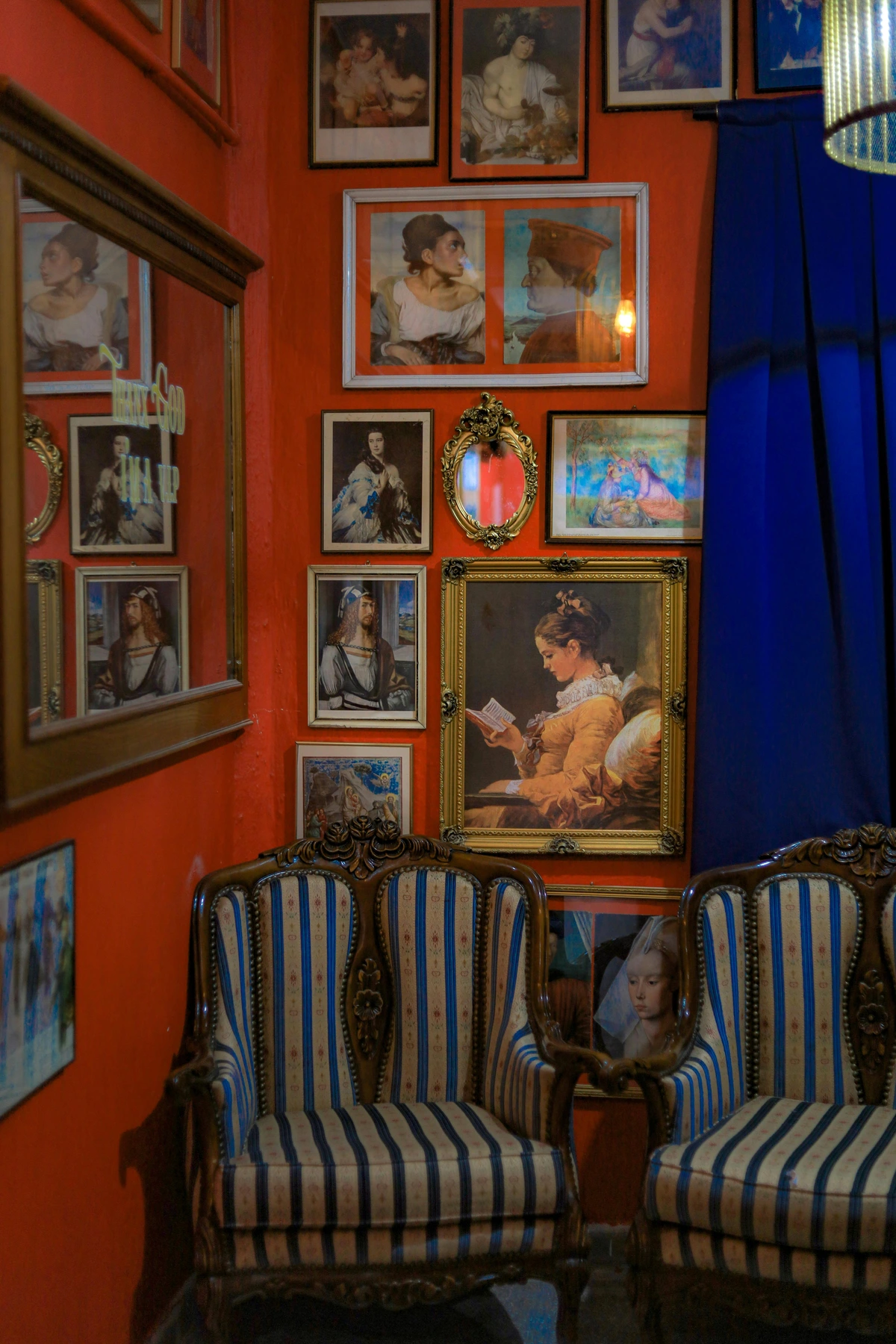
Frame Harmony: The Easiest Link to Cohesion
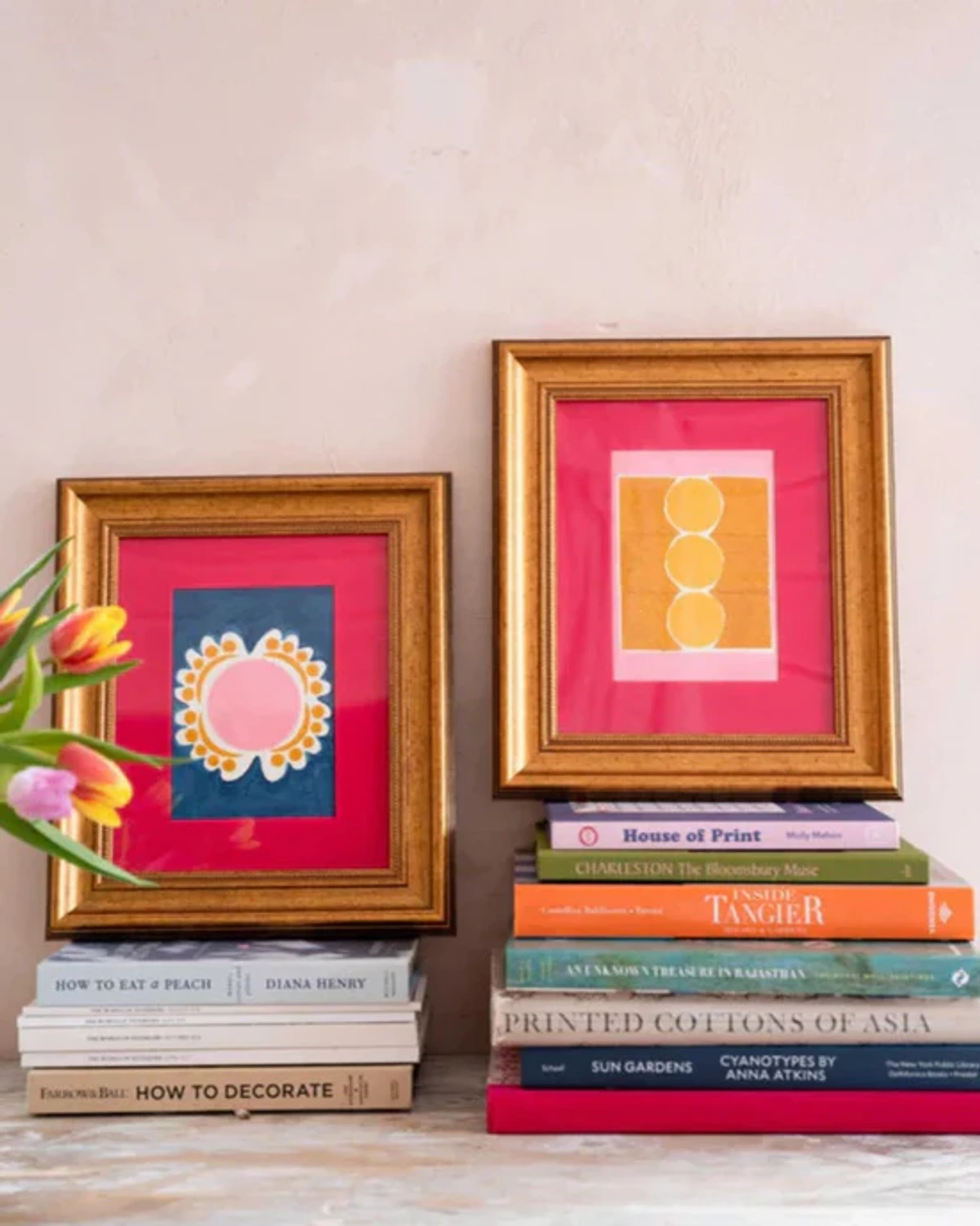
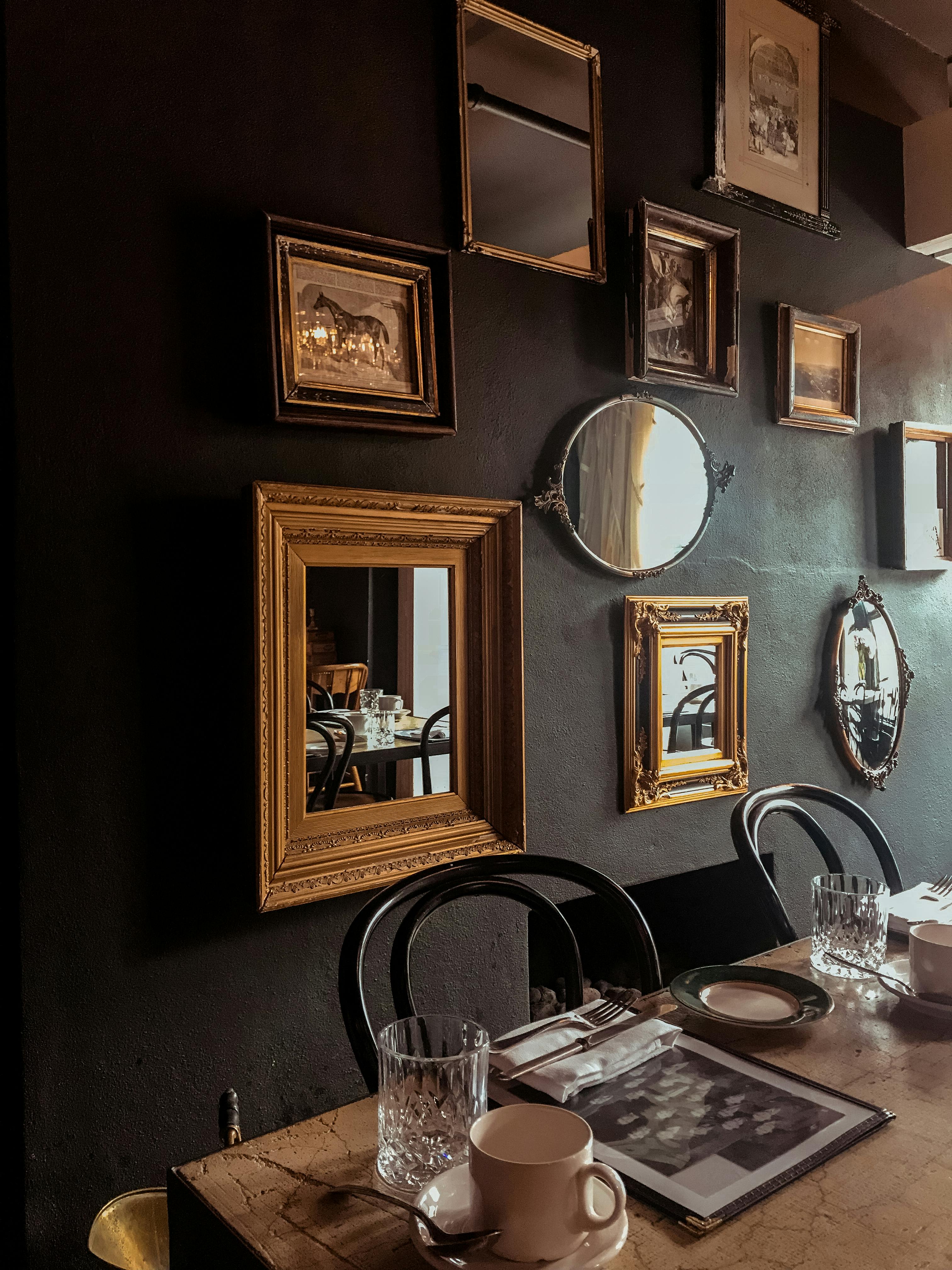
This is often the secret weapon in my arsenal – surprisingly simple, yet incredibly effective for creating a polished look. Stick to all black for modern drama, all gold for timeless elegance, or all natural wood frames for an organic, earthy feel. This creates instant cohesion, even if the styles of the art and mirrors are wildly different. Imagine a wall of bold, colorful abstract prints, unified by sleek black frames, punctuated by a black-framed mirror—stunning! You can also use a contrasting frame color for your mirror if the art frames are neutral, creating a deliberate focal point. For instance, pairing a sleek, minimalist mirror with contemporary geometric prints in thin metal frames creates a cohesive, modern aesthetic. Conversely, an ornate, gilded mirror alongside classical portraits unified by similar gold frames evokes historical grandeur. You could even use the matting color within your framed art to echo a dominant color in an unframed mirror, creating a subtle, sophisticated link. If your frames are a true mix of styles, a unifying matting color for your artwork can act as a bridge, visually connecting them to the mirror. What's your go-to frame finish? This simple trick is a cornerstone of great designer tips.
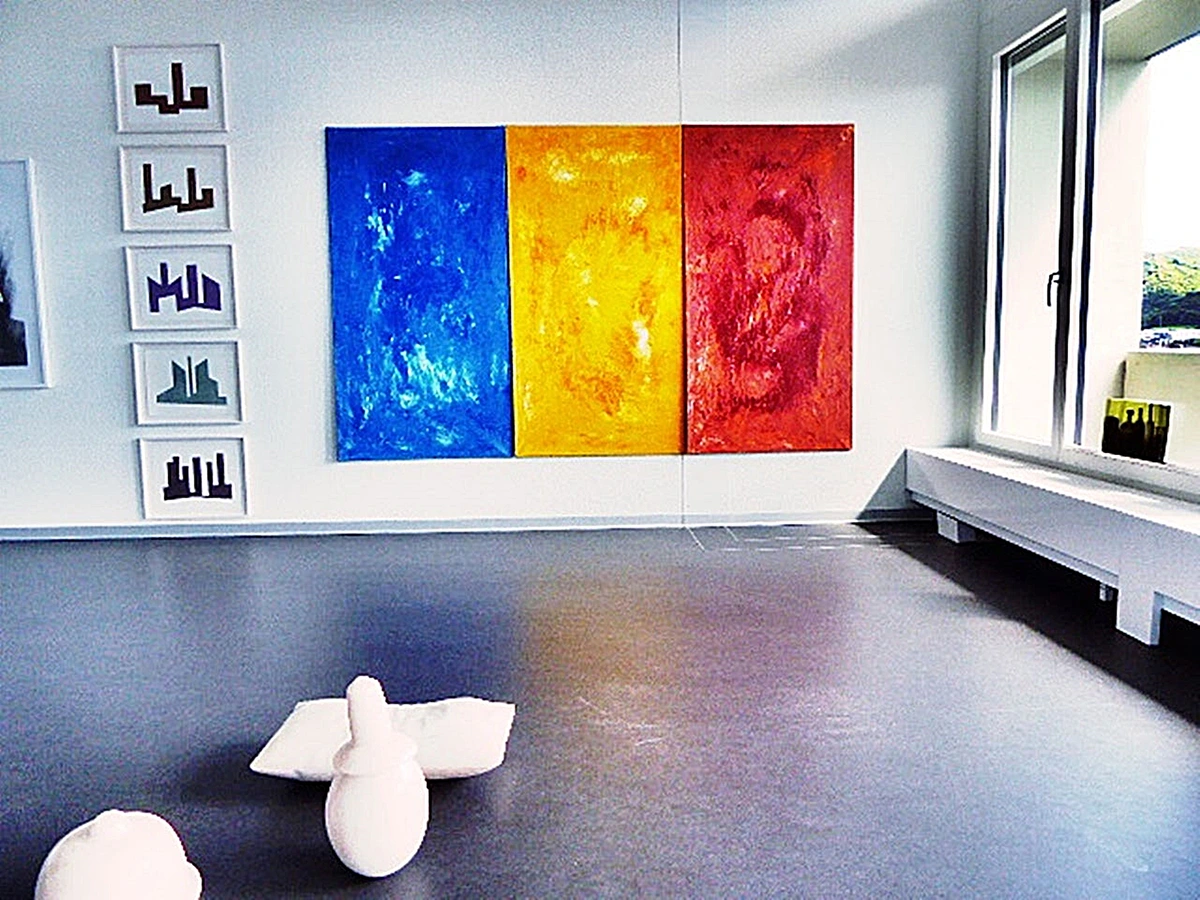
Style Synergy or Intentional Juxtaposition: A Deliberate Dance
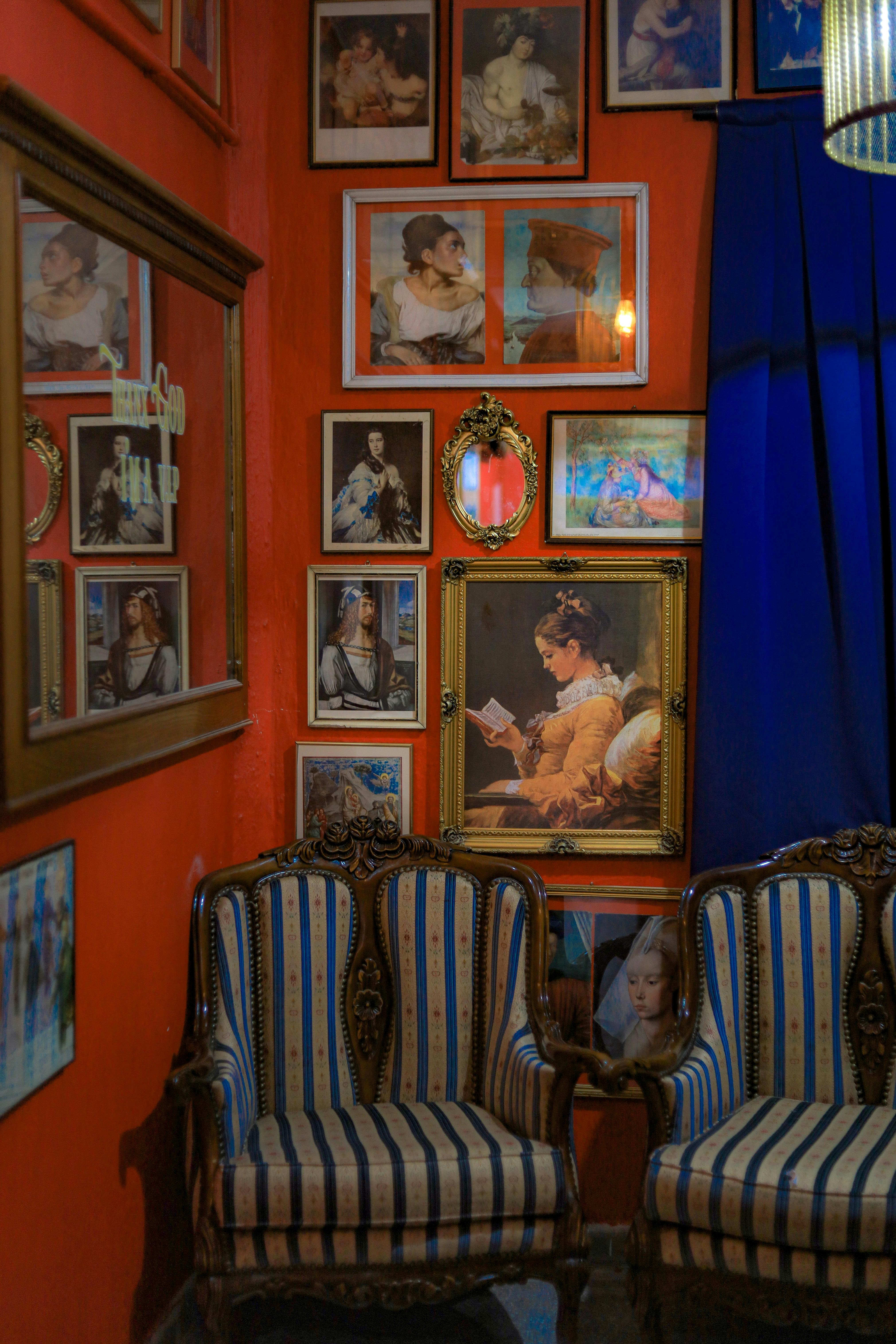
Group an ornate, Rococo mirror with classical oil paintings for a decadent, historical feel. Pair a sleek, minimalist mirror with contemporary photography or abstract canvases. The mirror and the art should feel like they're conversing from the same aesthetic world, even if their subject matter differs. Want to complement Impressionist art? A delicate, antique mirror reflecting natural light can echo the movement's focus on light and atmosphere. For Surrealist pieces, an unusually shaped or aged mirror can lean into the dreamlike, distorted aesthetic. A clean-lined, Bauhaus-inspired mirror, for example, pairs beautifully with bold, geometric abstract art. For a rustic farmhouse interior, a distressed wooden mirror with a collection of landscape paintings feels perfectly harmonious. For instance, pair a mirror with an organically curved frame reminiscent of Art Nouveau with flowing, nature-inspired artwork to enhance that sense of natural movement and elegance. The mirror, in these cases, acts as an extension of the chosen style, enhancing the overall message and contributing to a well-defined interior design trend.
Alternatively, if you're feeling adventurous, you can intentionally juxtapose vastly different styles (e.g., an antique gold-framed mirror with ultra-modern digital art). This artistic juxtaposition creates visual tension that can be incredibly compelling. The trick here is to use another common thread, like a shared color in the matting of the digital art, a unifying neutral wall color, or even a repeating texture, to bridge the gap and prevent visual dissonance. An antique gold-framed mirror paired with bold abstract art, for example, might act as a bridge, its ornate frame softening the modernity of the art while its reflective surface draws attention to the bold colors within. It's a delicate dance, but the reward is a truly unique, dynamic wall that becomes a stunning example of creative wall displays.
Shape Repetition & Thematic Groupings: Visual Rhythm and Story
Play with a theme of circles, using a round mirror and art that features curved lines, circular motifs, or is in round frames. Or go bold with an array of geometric shapes, perhaps pairing a rectangular mirror with a grid of square prints. The human eye loves recognizing patterns, and repeating shapes provides that comforting visual rhythm. I've seen a cluster of small round mirrors (like shiny bubbles!) arranged around a larger circular painting create an incredibly cohesive and playful effect. This is one of those home decor ideas that looks complex but is surprisingly simple to execute.
Beyond shapes, consider other thematic connectors. Perhaps all your pieces feature nature scenes, or portraits, or evoke a shared emotional tone. This creates a subtle narrative that runs through the entire display.
Color Palette Connection: The Silent Coordinator
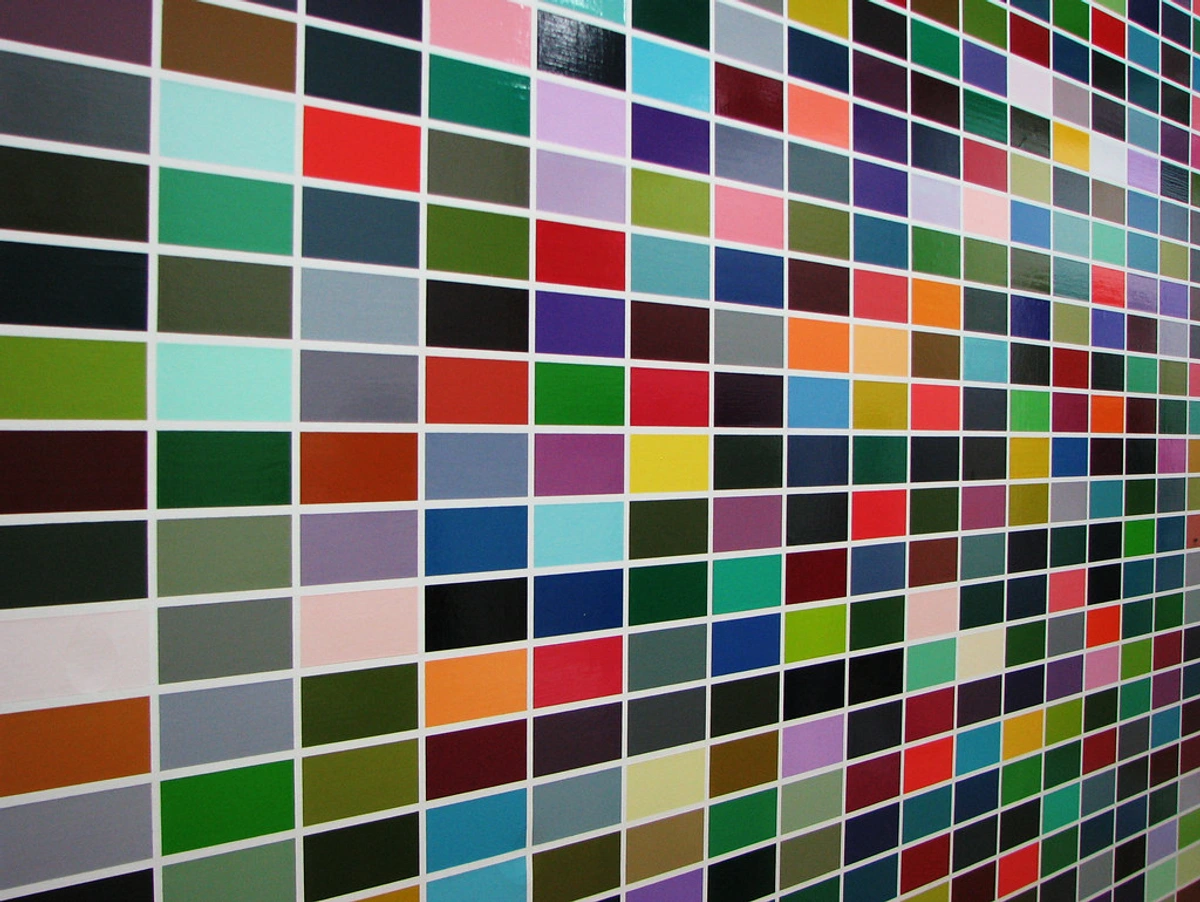
Pull a dominant color from your main piece of art and echo it in other pieces, creating a harmonious palette across the wall. The mirror can then act as a neutral, reflective pause, allowing the eye to rest and absorb the colors without interruption, preventing visual overload. This is particularly effective with vibrant pieces like the ones you'll find at [/buy]. Conversely, a mirror can act as a subtle amplifier, visually "framing" and drawing attention to a particular color within an artwork by reflecting its surroundings in a complementary tone, making that color pop. Imagine a mirror reflecting a warm, ochre-painted wall, and how that subtle warmth might enhance nearby artworks with similar earth tones. To identify dominant hues, try holding a color swatch up to your artwork or even using a digital color picker tool on a photo of your art; it's a small step that makes a huge difference in color scheme coordination. This attention to detail is what separates a good display from a truly exceptional one, a real designer tip.
3. Mirrors as Sculptural Statements: Beyond Just Reflection
What if the mirror itself could be more than just a reflection? What if it could be a statement piece, a mood-setter, or even a playful work of art? Sometimes, the mirror itself is the art. Beyond its reflective properties, a mirror's frame, shape, or finish can make it a standalone sculptural piece. This is where you can truly elevate your wall decor, making the mirror a focal point in its own right, a true artistic statement. Think about the impact of the material of the mirror's frame itself, not just its color, and how it interacts with different art forms.
Frame Materials and Styles: Adding Texture and Depth to Your Art and Mirror Mix
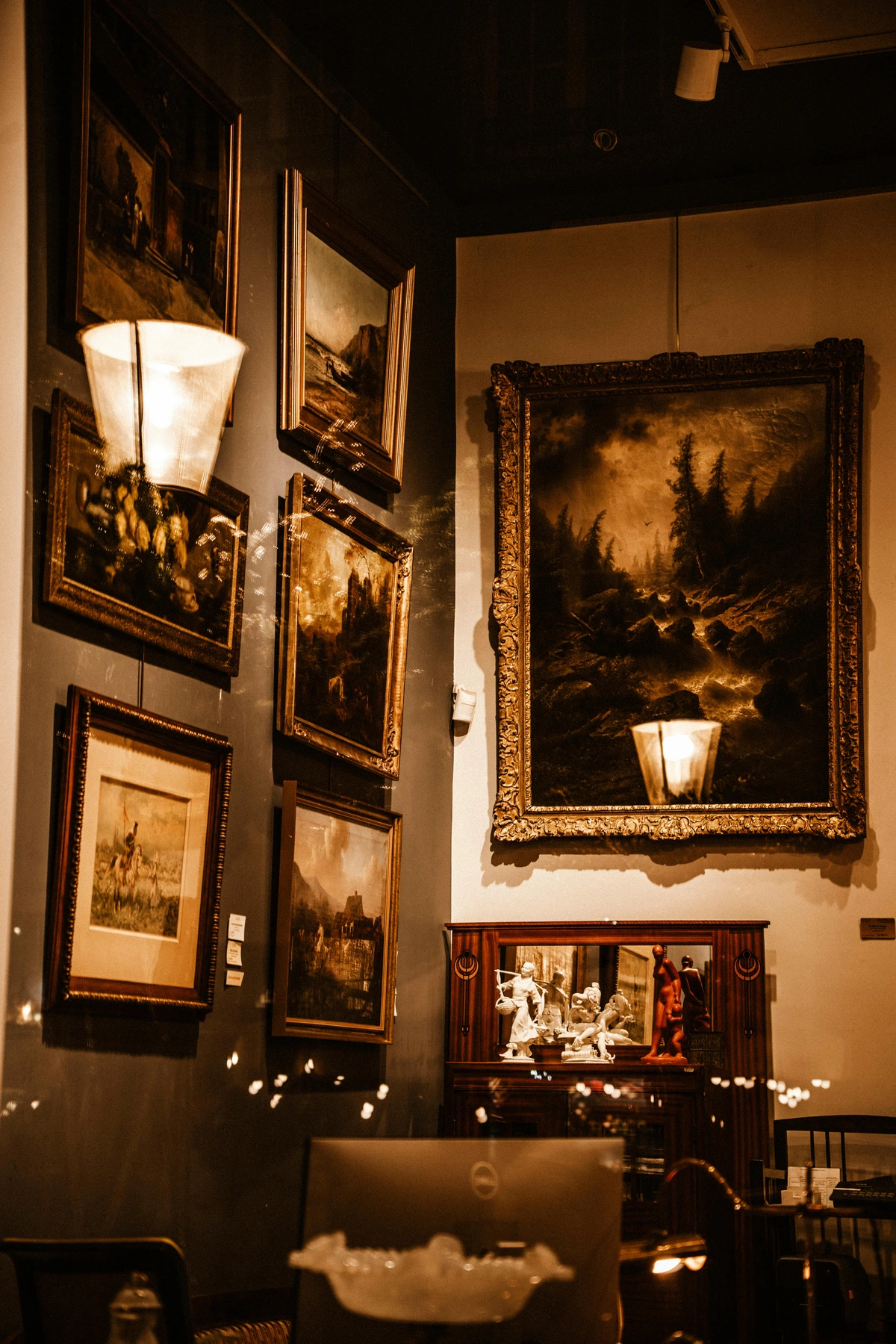
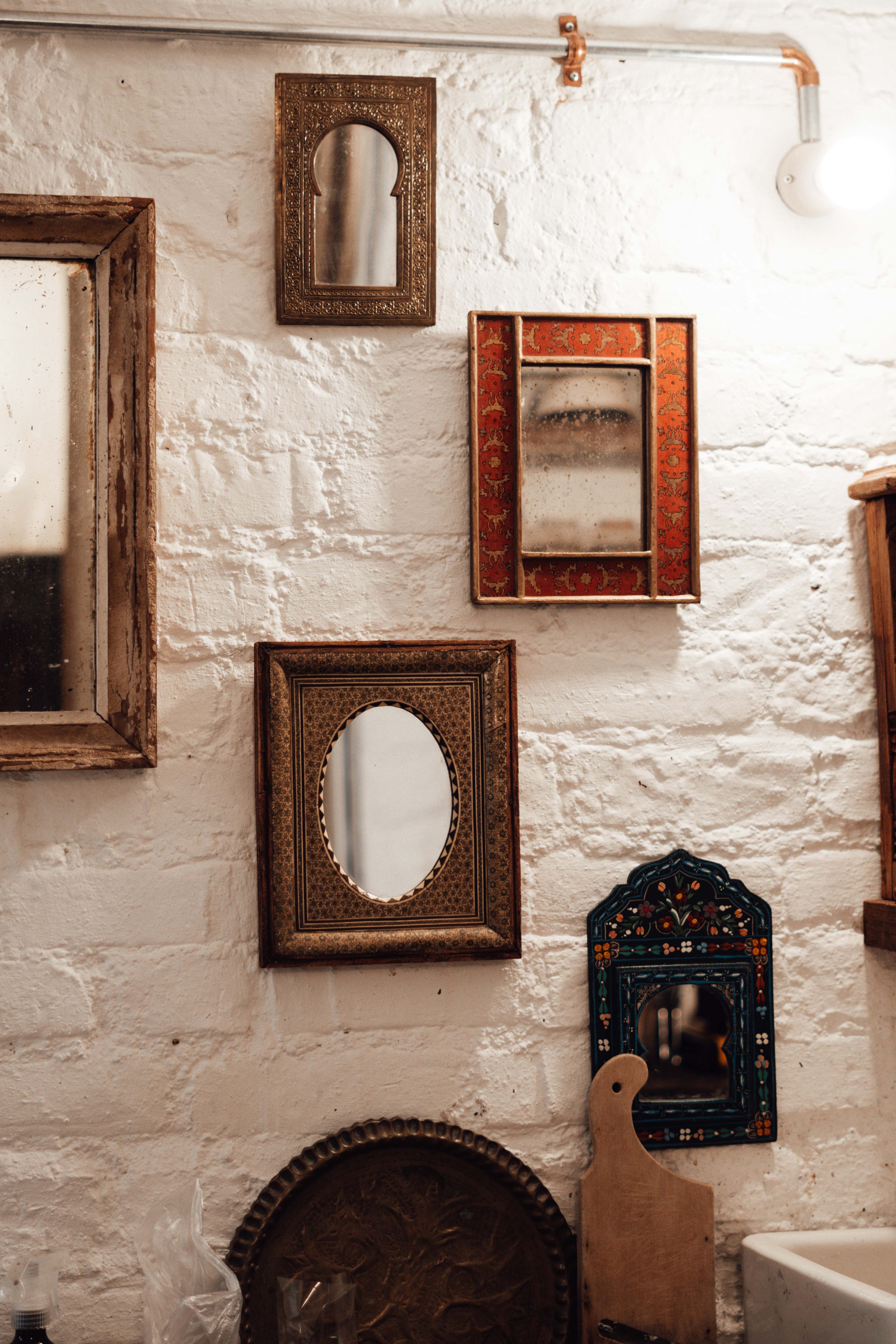
- Ornate & Period Mirrors: Venetian, Sunburst, or antique mirrors from eras like Baroque or Rococo, with their elaborate carvings and aged patina, can anchor a collection and infuse it with grandeur. An antique gold-framed mirror, for instance, has a gravitas that can ground an entire wall of lighter, more contemporary art. Its inherent visual weight creates a sense of history and permanence. Metal frames (like wrought iron or brass) add an industrial or vintage touch, while natural wood frames introduce warmth and organic texture. Consider how a raw, distressed wooden frame could complement a collection of abstract landscape paintings, or how a sleek, polished chrome frame could enhance minimalist photography. I once painted an old, mundane mirror frame a vibrant teal to echo a piece of abstract art, and the result was surprisingly impactful – it became a conversation starter in itself! These also work beautifully when thinking about decorating with art in industrial interiors.
- Unframed & Bevelled Mirrors: For a minimalist or contemporary aesthetic, consider frameless mirrors. Their clean edges and pure reflective surface integrate seamlessly, creating sleek lines and a subtle expansion of space. Mirrors with bevelled edges add a touch of understated elegance, catching and refracting light along their polished angles, creating an almost jewel-like effect without the need for an elaborate frame. These can be particularly effective when paired with photography or graphic prints, where clean lines are paramount.
- Resin or Acrylic Frames: These modern materials offer versatility in color, shape, and transparency. Lightweight and often colorful, they can bring a playful, contemporary edge, pairing wonderfully with vibrant, modern artworks or a more eclectic gallery wall. Their playful nature makes them a great match for whimsical illustrations or mixed media pieces. Consider painting them in a bold, unexpected hue or embedding small objects for a truly unique effect.
- Mixed Media or Embellished Mirrors: Don't hesitate to personalize. A plain mirror frame can be transformed with paint, found objects, resin, fabric, shells, small mosaic tiles, or even simple fabric embellishments to better integrate it with your chosen artwork. For example, seashells can add a coastal theme, or velvet can create a luxurious feel. It's a fantastic way to introduce a unique, handcrafted touch that truly speaks to your individual style. I once decoupaged an old mirror frame with maps, and it became the most talked-about piece in the entryway! Other ideas include using textured paint, adding small mosaic tiles, or even stenciling intricate patterns directly onto a plain frame. This is a brilliant strategy for creating cohesion when you have diverse sculpture or dimensional art elements in your display.
Mirrors as Art Objects Themselves
Beyond their function, mirrors can be appreciated purely for their aesthetic qualities. Historically, master craftsmen created Venetian mirrors that were prized as much for their intricate glasswork as for their reflective surface. Today, many designers and artists create sculptural mirrors with unique forms, materials, or even embedded patterns that are intended as standalone art pieces. The frame itself can be a significant artistic element, transforming a simple reflective surface into a commanding sculpture. Think of a mirror with a raw, concrete-like frame complementing a Brutalist-inspired art piece, or a highly polished metal frame enhancing minimalist photography. When a mirror is truly an art object, the surrounding artwork can act as its curated audience, enhancing its presence without competing.
4. Play with Scale and Dominance: Orchestrating Your Composition
Every great composition, whether a painting or a wall arrangement, needs a focal point. You get to decide who the star of the show is, and how the supporting cast is arranged. This is where the 'dance' of art and mirrors truly begins, turning your wall into a dynamic wall art arrangement.
- The Anchor Piece: I always suggest starting with one large 'anchor' piece. This could be an oversized painting, a commanding textile, or a substantial mirror. Everything else then becomes a supporting character, arranged thoughtfully around it. It gives your eye a place to land and makes the entire collection feel intentional. When I'm planning a new gallery wall, identifying the anchor piece is always my first concrete step.
- Mirror-to-Art Scale & Shape: How does your mirror relate to your art in size? Visual weight refers to how much an element draws the eye and holds its attention. A large, dark, or intricately detailed piece will have more visual weight than a small, light-colored, or simple one. A large, prominent mirror, especially one with a heavily ornate frame (and thus high literal and visual weight), can dominate the wall, maximizing light and making a room feel expansive. Surrounding smaller, simpler art pieces can then feel like an appreciative audience. Conversely, a collection of smaller, perhaps frameless mirrors (low visual weight) interspersed with larger artworks can act as shimmering accents, scattering light in intriguing, fragmented ways and adding unexpected pops of reflection. Consider the shape of the mirror too: a circular mirror might perfectly complement art featuring round motifs or softer lines, while an elongated rectangular mirror could balance a panoramic landscape painting or a series of tall, narrow prints. I remember once using a grand, antique mirror to anchor a collection of vibrant, contemporary prints, and the dialogue between the old and new was simply breathtaking – it truly pulled the entire wall together. There’s no single right answer, only what feels balanced and intentional for your space. For example, to balance a large, ornate mirror with high visual weight, pair it with a collection of smaller, simpler artworks, or one medium-sized piece with a less imposing frame. Conversely, a sprawling, vibrant abstract painting could be complemented by a single, sleek, unframed mirror that offers a quiet visual break.
- Balance is Key: Avoid having too many pieces shouting for attention. If you have a huge, intricately framed mirror, surround it with smaller, simpler pieces of art. If your art is bold and vibrant (meaning it has strong colors, energetic brushstrokes, or a dynamic composition), perhaps the mirror should have a more subtle frame, acting as a quiet, gleaming counterpoint. It's about creating a visual conversation, not a shouting match. Remember, balance isn't always symmetrical; an asymmetrical balance can often feel more dynamic and organic. As a rule of thumb, aim for mirrors to occupy no more than 25-35% of the wall area they share with art, depending on their size and frame complexity, to maintain a balanced composition. This is a crucial designer tip for any successful arrangement.
5. Spacing and Grouping Dynamics: Creating Visual Flow
Beyond just hanging things, how you space and group your art and mirrors dictates the overall feel of your arrangement. This is where your inner curator truly shines, shaping the story your wall tells. Remember, a gallery wall solely of art differs from one incorporating mirrors—the reflections add another layer to consider in your visual rhythm. Also, it’s where you can distinguish between curated clutter (intentional layering of interesting objects) and actual clutter (unintentional mess that detracts from the space). Curated clutter involves intentional layering with thoughtful spacing and arrangement, creating points of interest, whereas actual clutter is simply unorganized mess that detracts from the space. We're aiming for the former, creating truly dynamic wall displays!
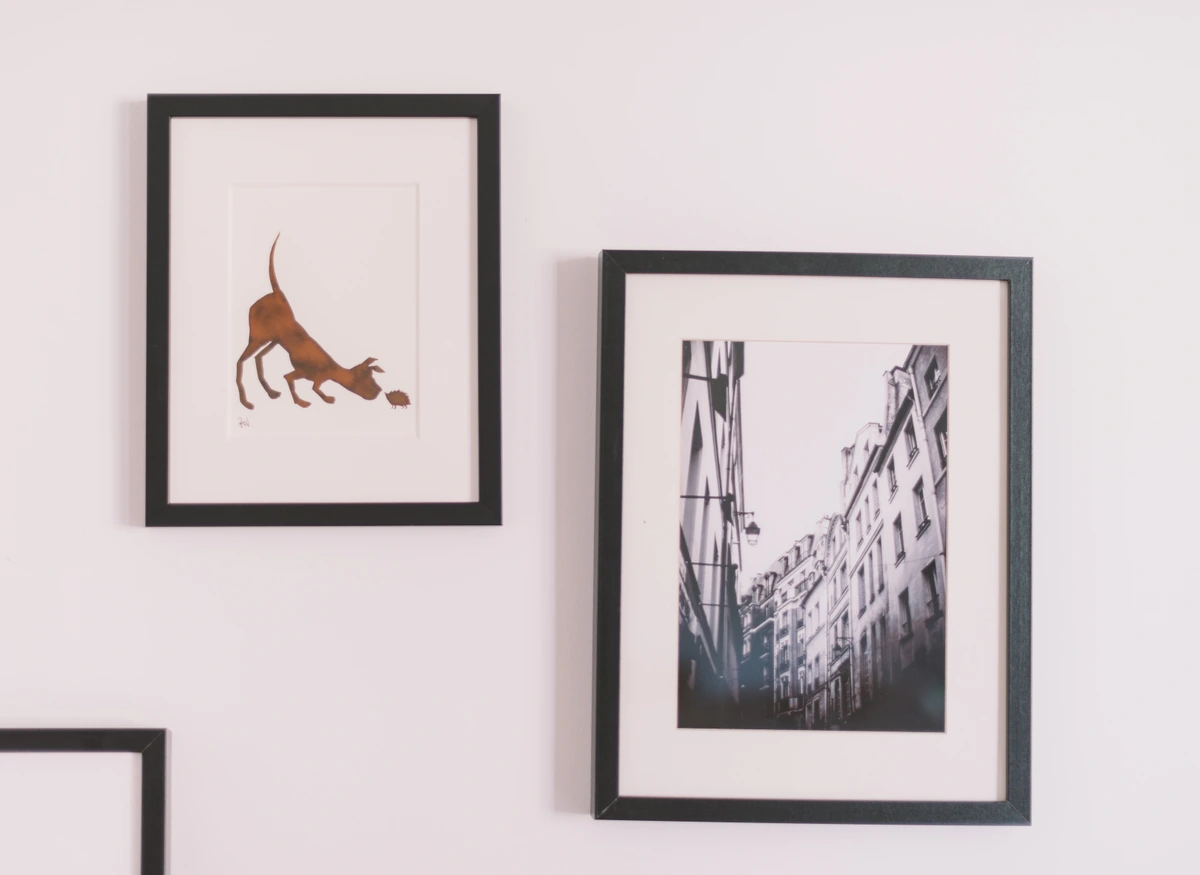
- Consistent Spacing for Order: For a polished, more traditional gallery wall look, maintain a consistent 2-3 inch gap between all frames. This creates a sense of order, calm, and deliberate intention, allowing each piece to breathe while still being part of a unified whole.
- Clustered Groupings for Intimacy: For a more eclectic, layered, or intimate feel, group several smaller pieces closer together, perhaps with only an inch or two between them, creating mini-collections within the larger arrangement. This works beautifully for showcasing a series of small prints or photographs alongside small decorative mirrors, inviting closer inspection and adding unique home decor ideas.
- Asymmetrical Layouts for Dynamic Interest: Don't be afraid to break from strict grids. An asymmetrical arrangement can feel more organic, modern, and interesting. Use mirrors to 'bridge' gaps between art pieces or to fill an unusual negative space, adding unexpected shine and depth to areas that might otherwise feel empty. They can also connect disparate art pieces that are placed further apart, creating a visual thread. For instance, a mirror can act as a visual weight to balance a cluster of art on the opposing side, or create a diagonal line of interest across the wall. It’s about creating a conversation between objects, not just lining them up.
- The Power of Negative Space: Just as important as what you hang is the space around what you hang. Deliberate use of negative space can make a collection feel airy and refined, preventing visual clutter. Mirrors, with their inherent ability to create perceived space, are fantastic tools for playing with this concept. A mirror reflecting a dense artwork, for instance, can create the illusion of more negative space by visually pushing the boundaries of the wall, or provide a vital 'breather' for the eye in a crowded arrangement.
Mirrors in Smaller Spaces: Maximizing Impact in Compact Rooms
When you're working with a smaller footprint – be it an apartment, a cozy studio, a narrow hallway, a compact powder room, home office, mudroom, or laundry room – mirrors become even more powerful tools in your design arsenal. They're not just decorative; they're spatial transformers, giving the illusion of more square footage and bathing confined areas in light. What a game-changer for challenging layouts and for creating effective wall art arrangements!
- Go Big with One: In a really tight spot, sometimes one large mirror is far more effective than several small ones. It creates a single, expansive "window" that dramatically extends the perceived size of the room without cluttering the wall with multiple frames. Think of it as a singular, impactful portal, enhancing your creative wall displays.
- Strategic Placement is Key: Position a mirror to reflect the longest sightline in the room or opposite a window to draw in maximum light and the view. This can turn a cramped nook into a light-filled alcove. For instance, placing a large mirror on the end wall of a narrow hallway creates an illusion of limitless space, making the hallway feel less like a tunnel and more like a gallery. When incorporating art here, choose slender, vertical pieces that complement the mirror's verticality and don't overwhelm the reflection.
- Verticality: For rooms with lower ceilings, opt for tall, slender mirrors (or vertically arranged art and mirror combinations) to draw the eye upwards, enhancing the sense of height. This is a subtle yet effective trick for making a room feel airier. In a home office, a vertical mirror next to a tall bookshelf can create an illusion of a larger, more organized space, especially if it reflects a simple, calming piece of art.
- Consider the Reflection's Impact: Even more so in small spaces, be acutely aware of what your mirror reflects. A mirror reflecting a well-organized bookshelf or a vibrant piece of art can double its visual impact, while reflecting a messy corner will only amplify the clutter in an already compact area. My personal rule of thumb for art for small living rooms or small bedrooms is always: if in doubt, choose clarity and simplicity in the reflection. In a small bathroom, a mirror reflecting a small, colorful abstract print can add a pop of joy without overwhelming the compact space, turning functional into fabulous. In smaller spaces, opt for artwork with a limited color palette or a sense of depth to complement the mirror's reflective qualities without overwhelming the confined area.
Common Pitfalls to Avoid: Learn from My (Many) Mistakes
Oh, the mistakes I've made in the name of design! And when it comes to mixing art and mirrors, some errors can really diminish the magic you're trying to create. Trust me, I've learned these the hard way, so here are a few common pitfalls to sidestep and save you some headaches and potential re-drilling:
- Reflecting Clutter or Chaos: This is probably the most common mistake. A mirror amplifies whatever it reflects, so if it's pointing directly at your overflowing laundry basket, a tangled mess of cables, a perpetually messy desk, a bare electrical outlet, or a harsh overhead light, that's what you'll be doubling. Always, always, check the reflection from multiple angles before committing. My solution: Reposition or strategically place a beautiful plant or piece of furniture in the reflected area. My personal rule: if you wouldn't want it featured in a photo shoot, don't let your mirror reflect it! It's an instant buzzkill to an otherwise beautiful home decor idea.
- Overwhelming the Space (Ignoring Visual Weight): Too many ornate elements or too many bright reflections can make a room feel busy, cluttered, or even dizzying. If every piece is shouting for attention, nothing gets heard – it creates visual "noise." Visual weight (both literal and compositional) comes into play here; balance heavy frames with lighter art, and busy reflections with simpler compositions. Avoid too many small, busy frames and mirrors that create a chaotic, rather than curated, feel. As a rule of thumb, aim for mirrors to occupy no more than 25-35% of the wall area they share with art, depending on their size and frame complexity, to maintain a balanced composition. It's like having a conversation where everyone talks at once, and honestly, who enjoys that? This is where good designer tips come in handy. I remember the time I hung too many small, ornate mirrors in a tight hallway; it felt less like a gallery and more like a funhouse mirror maze – lesson learned!
- Disorienting "Infinity Mirror" Effects: While cool in a funhouse, a mirror reflecting another mirror (especially across a long hallway) can create an unsettling, endless tunnel effect. Be mindful of these recursive reflections in a home setting; they rarely feel intentional or serene. Unless you're going for a specific art installation vibe, which in a home usually isn't the case, avoid this. It can feel less like a creative wall display and more like a portal to nowhere.
- Ignoring Light Sources: Placing a mirror where it only reflects a harsh, direct light (like a bare bulb or an unshielded window on a sunny day) can create glare and be uncomfortable. Instead, aim to capture softer, indirect light or the glow of a stylish fixture to maximize ambiance. Also, avoid reflecting an unsightly ceiling fan or intrusive architectural elements. Avoid placing mirrors directly opposite unflattering artificial lights, such as bare bulbs or stark fluorescent fixtures, which can create harsh glare and detract from the artwork. We want flattering light, not blinding glare! I once placed a mirror directly opposite a south-facing window without considering the afternoon sun—it was like having a second sun in the room, utterly blinding!
- Neglecting the Room's Overall Narrative or Style: This is a subtle but impactful error. A mirror, by reflecting a portion of your room, instantly integrates into your existing decor. If the mirror itself, or what it reflects, is completely incongruous with your room's established style or desired narrative (e.g., an ultra-modern mirror reflecting a rustic farmhouse kitchen), it can feel jarring and disconnected. Always go back to the foundational principles and your personal intention. Without a clear "why" and a connection to your room's story, your wall risks looking like a random collection rather than a curated story that speaks to your interior design trends.
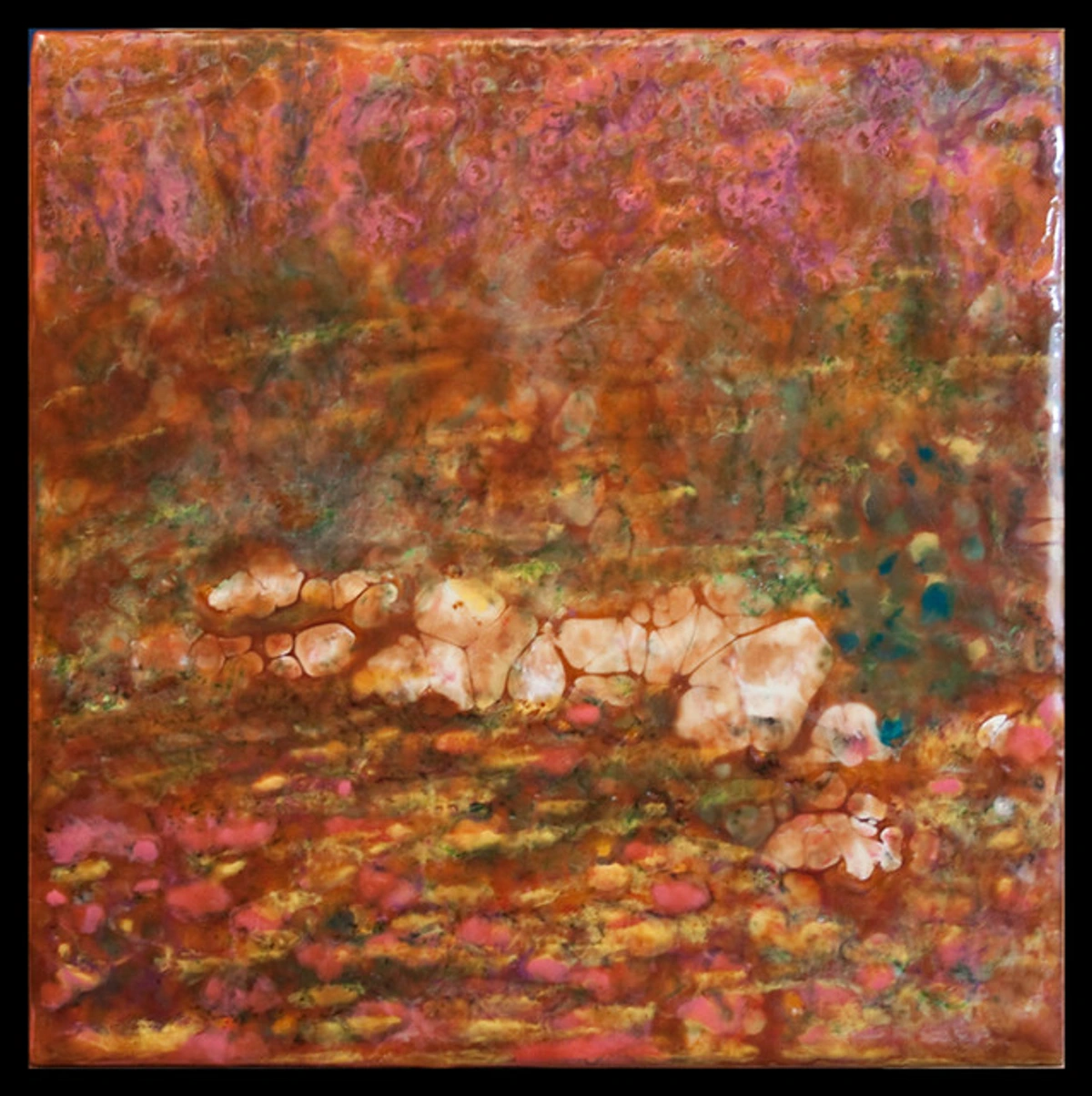
[credit], licence
Budget-Friendly Mirror Ideas: Style on a Shoestring
Creating a stunning art and mirror display doesn't have to break the bank. With a little creativity and a keen eye, you can find beautiful, impactful mirrors that look far more expensive than they are. It's all about resourcefulness and smart home decor ideas! Here are a few "quick wins" for instant impact without draining your wallet:
- Thrift Store & Flea Market Finds: These are treasure troves for unique, often ornate mirrors that just need a little TLC. Look for interesting shapes or frames, even if the finish isn't perfect. A can of spray paint or a bit of Rub 'n Buff can completely transform a thrifted gem. My best scores have always come from these unexpected places, often turning what others considered junk into a prized element of my creative wall displays. When considering antique mirrors, be mindful of their history. Early mercury-backed mirrors, while beautiful, were produced using hazardous materials. Opt for ethically sourced, restored pieces or modern reproductions that capture the aesthetic.
- DIY Framing: Have a frameless mirror? You can easily create a custom frame using reclaimed wood, decorative molding, or even old belts or fabric scraps secured with a strong adhesive like Liquid Nails or E6000. For a truly avant-garde look, you could even paint and cut sturdy cardboard into geometric shapes to create a unique, textured surround. For example, use reclaimed wood planks or decorative molding to create a custom frame around a plain mirror. A can of metallic spray paint can instantly give an old frame a glamorous, designer look. This allows you to perfectly match your mirror's frame to your artwork's aesthetic and add a unique, handcrafted touch.
- Discount Retailers & Big Box Stores: Many larger stores offer surprisingly stylish mirrors at accessible price points. Explore discount retailers like HomeGoods, TJ Maxx, or even IKEA for affordable mirrors. Also, check online marketplaces and large craft stores for DIY framing supplies. Look for minimalist designs that can blend seamlessly with your art, or simple framed options that you can easily repaint to match your scheme. This is a great way to find the foundations for a modern home decor aesthetic without the designer price tag.
- "Mirror Tiles" or Custom Cuts: For a truly unique and affordable approach, you can purchase small mirror tiles or have a glass shop cut mirror pieces into custom shapes. Arranging these as a mosaic or an abstract pattern on your wall can create a captivating, light-scattering effect without the cost of a large, framed mirror.
- Repurpose Old Furniture: Sometimes, an old dresser or vanity comes with a beautiful, detachable mirror. Don't discard it! With a quick paint job and a new hanging wire, it can become the perfect anchor for your wall display. You could also repurpose old trays, or even decorative plates by adhering mirrored glass to their centers. It's all about seeing potential where others see discards, a true designer tip for resourcefulness!
Your Blueprint for Success: A Simple Step-by-Step Process
Feeling ready to try it? Excellent! Now that we've explored the 'why' and the 'how' behind this dynamic duo, let's walk through a practical, foolproof method for bringing your own art and mirror vision to life. This process saves nail holes and headaches, trust me on this one—I've learned it through many (many) trials and errors when decorating a house, especially when mirrors are involved. This floor planning phase is my absolute favorite – it’s like a visual playground where you can experiment endlessly without committing to anything permanent. I’ve spent hours here, and it’s always saved me from making costly mistakes!
A Quick Note on Hanging Heavy Mirrors: For very heavy mirrors, always use appropriate wall anchors or locate studs. Don't rely solely on standard picture hooks! Consult the mirror's manufacturer instructions, and if unsure, a professional installer can save you a lot of headache (and potential wall damage!). Seriously, your walls (and your sanity) will thank you.
Step | Action | Why It's Important |
|---|---|---|
| 1 | Gather Your Players | Collect all the art and mirrors you're considering. Don't be afraid to 'shop' from other rooms in your house or explore new pieces at [/buy]. Seeing everything together helps you visualize the collection and spot potential common threads, saving you time and effort later. |
| 2 | Floor Planning: The Sandbox Phase | Lay everything out on the floor in front of the wall where it will hang. This is your zero-commitment sandbox. Move things around, experiment with different layouts and spacings, and find a configuration you love without making a single nail hole. Crucially, take pictures of layouts you like! They're invaluable for reference later and help you remember what felt right. Use a measuring tape to ensure consistent distances between paper templates before taping them to the wall. This is a game-changing designer tip! |
| 3 | Paper Templates: The Test Drive | Trace each piece onto kraft paper, newspaper, or even old wrapping paper. Cut them out, label them, and tape them to the wall with painter's tape. Use different colored paper for art versus mirrors on your templates to easily distinguish them. Live with this paper version for a day or two. This is crucial for visualizing how the arrangement feels in the actual space, catching potential balance issues, confirming sizes from a distance, and ensuring the reflection (from mirrors) works. It truly minimizes guesswork for your wall art arrangement. |
| 4 | Hang the Anchor Piece | Start by hanging your largest or most central piece. This will ground the entire arrangement and provide a crucial reference point for everything else, making the subsequent steps much easier and more organized. |
| 5 | Build Outwards, Thoughtfully | Hang the surrounding pieces, constantly stepping back to assess the composition. For a clean look, maintain consistent spacing (usually 2-3 inches between frames). For an eclectic, layered feel, vary the spacing and consider overlapping some paper templates slightly before committing, ensuring overall visual harmony and preventing a cluttered feel. This flexibility allows for truly creative wall displays. |
| 6 | Step Back & Tweak: The Final Eye | The eye is the final judge. Step back, look from different angles (from across the room, from the doorway, from a seated position), and make small adjustments. Don't be afraid to move things slightly; perfection is overrated, but pleasing composition is everything. You might be surprised how a tiny shift makes a big difference. This final check is the ultimate designer tip for a polished look. |
Beyond the Wall: Integrating Mirrors with Other Decor
Your art and mirror arrangement doesn't exist in a vacuum. It's a conversation with the rest of your room, an extension of your home's narrative, and a crucial component of holistic interior design. Thinking about these interactions is what truly elevates a wall display from merely decorative to fully integrated and impactful.
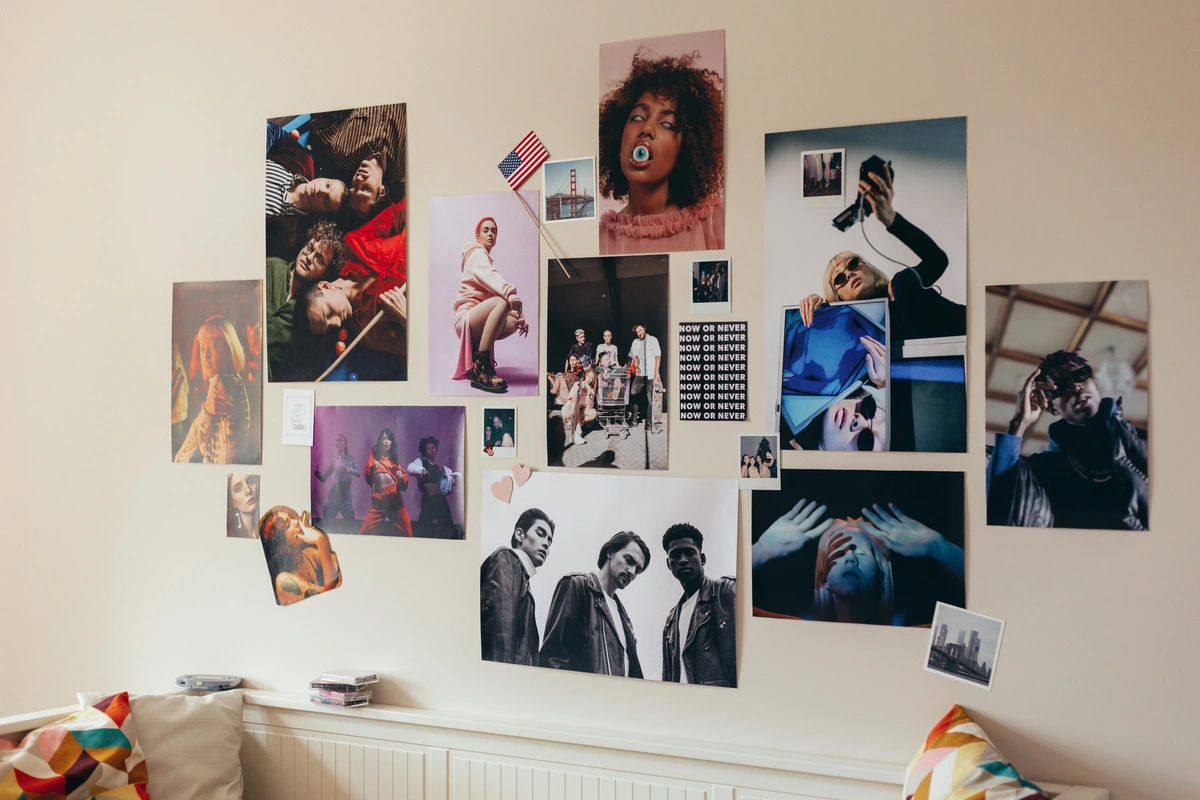
- Furniture Connection: Position your wall display so it relates to the furniture below it. Ensure the bottom of your lowest frame or mirror is about 6-8 inches (15-20 cm) above the furniture – this creates a harmonious visual unit, preventing the arrangement from feeling disconnected from the room's architecture. A beautiful mirror can be a fantastic way to reflect and amplify other interesting pieces of furniture, making a room feel more curated. For more on this, check out this guide to art above the sofa.
- Lighting Interaction & Ambiance: Consider how natural and artificial light interacts with your mirrors. Strategically place mirrors to capture and amplify ambient light sources like stylish lamps or natural light from windows, turning reflections into intentional, mood-enhancing elements that complement your art. A mirror reflecting a lamp or a chandelier can effectively multiply its light output, while one reflecting a window can bring the outdoors in, creating dynamic patterns of light and shadow throughout the day. This strategic use of reflection is especially impactful for rooms with low light or for setting a specific ambiance, like candlelit dinners in a dining room. Even strategically placed spotlights, wall sconces, or uplights can be enhanced, creating dramatic effects and drawing attention to specific artworks or the mirror's frame. For instance, a decorative sconce reflected in a mirror can double its impact and create beautiful patterns of light on the wall, adding depth to your home decor ideas.
- Color Echoes: The reflective quality of a mirror means it picks up and integrates the colors from its surroundings. This subtle interaction helps tie the wall arrangement into the room's overall color scheme, even if the mirror itself is 'neutral'. It's like a chameleon, adapting to and enhancing the palette you've already established. A mirror positioned to reflect a vibrant throw pillow or a colorful rug will subtly pull those hues onto your wall, creating a cohesive, immersive experience.
- Room Flow and Sightlines: Consider how the mirror guides the eye through the room. Does it draw attention to a beautiful architectural feature or a prized collection on another wall? Is it positioned to be appreciated from multiple vantage points without causing awkward reflections? Thinking about sightlines from entryways or seating areas will ensure your arrangement contributes positively to the overall room flow. A mirror at the end of a long, narrow hallway can create an illusion of depth, making the space feel less confined and more inviting, a smart wall art arrangement trick.
- Enhancing Architectural Features: Don't forget how a well-placed mirror can dramatically alter your perception of a room's structure. A mirror strategically placed opposite a small window can make that window feel twice its size, flooding the room with more light and creating a grander vista. Similarly, a series of mirrors can break up a long, plain wall, adding visual interest and even the illusion of architectural detailing where none existed before, such as mimicking the look of an arched doorway or a series of tall windows. And for that classic touch, consider a grand mirror above a fireplace, anchoring the room and reflecting its warmth and light, often becoming the room's central focal point. I once used a series of tall, narrow antique mirrors to create the illusion of an arched entryway on a flat wall, and it completely transformed the feeling of the space.
- Texture Play: Mirrors can also interact with the textures present in your artwork. A smooth, polished mirror placed next to a highly textured impasto painting can create an interesting contrast, emphasizing both the mirror's slick surface and the painting's tactile quality. This interplay adds another layer of sensory interest to your display. Imagine a sleek, frameless mirror next to a piece of heavily textured fiber art—the contrast is simply delicious, adding to the richness of your creative wall displays.

Maintenance & Care for Your Mirrored Art
Mirrors, being highly reflective, will show smudges and dust more readily than art. But with a little care, they'll always sparkle, ensuring your modern home decor remains pristine:
- Regular Cleaning: For cleaning, use a microfiber cloth and a gentle glass cleaner (or a mix of water and vinegar) sprayed directly onto the cloth, not the mirror surface, to avoid drips potentially seeping behind frames of adjacent artwork. For ornate frames, a soft brush can help remove dust. Be mindful of not getting cleaning solutions on nearby artwork, especially if it's unframed or has a delicate surface. For antique mirrors, a gentle dusting with a soft brush is often sufficient, while modern, frameless mirrors can be cleaned with a simple microfiber cloth and glass cleaner.
- Humid Environments: In humid environments like bathrooms or kitchens, condensation can be an issue. Ensure good ventilation to prevent moisture from seeping behind the mirror's silvering, which can cause 'desilvering' or black spots over time. Regularly wipe away condensation. This is especially important for art in bathrooms.
- Antique & Delicate Mirrors: For antique or delicate mirrors, avoid harsh chemicals entirely; a damp cloth followed by a dry one is often best. It's also worth noting that the ethical sourcing of antique mirrors is becoming increasingly important, especially concerning historical mercury-backed pieces. While beautiful, be aware of their provenance and impact. And remember, a little regular dusting goes a long way to keep that sparkle!
Key Takeaways for Dynamic Wall Displays
To help you get started, here's a quick recap of the core principles for combining art and mirrors effectively:
- Reflect Wisely: Always consider what your mirror will amplify. Aim for beautiful views or intriguing artworks.
- Find Your Thread: Unify your display through consistent frames, complementary styles, repeating shapes, or a harmonious color palette.
- Mirrors as Art: Don't just see mirrors as functional. Their frames, shapes, and finishes can make them powerful artistic statements themselves.
- Balance Scale & Dominance: Use an anchor piece and strategically balance visual weight between art and mirrors for a cohesive composition.
- Master Spacing: Whether uniform or clustered, intentional spacing prevents clutter and creates visual flow.
- Think Small, Reflect Big: In compact rooms, mirrors are game-changers, offering illusions of space and light.
- Avoid Pitfalls: Be mindful of chaotic reflections, overwhelming compositions, and unflattering light sources.
- Integrate Holistically: Ensure your wall display harmonizes with furniture, lighting, and the overall room narrative.
- Embrace Your Style: Ultimately, this is your space. Experiment, play, and let your unique personality shine through your creative wall displays.
FAQ: Your Burning Questions Answered
To further clarify any lingering questions, let's address some common inquiries that often pop up when embarking on this creative journey. Don't worry, no question is too silly; I've probably asked it myself (and probably made the mistake first!).
Can I mix different frame styles and finishes?
Absolutely, and please do! This is one of my favorite ways to create an eclectic, collected-over-time look that feels genuinely you. The trick is to have at least one other element in common—perhaps a similar color palette in the art, a consistent theme to the subject matter, or a shared underlying style (e.g., all vintage, all modern). For instance, mix a gilded Rococo mirror with abstract art in sleek black frames by ensuring your wall color is a unifying neutral, or by pulling a hint of gold from the mirror into the matting of one of your art pieces. If every element is different, it can look chaotic rather than curated. But mixing, say, a distressed gold ornate frame with a sleek black metal frame and a warm natural wood frame can look fantastic if the art inside feels connected or the shapes create a pleasing rhythm. It’s about intentional variety, not accidental mismatch, a true sign of mastery in wall art arrangement.
How high should I hang the arrangement?
The same rule for hanging any art generally applies here. The center of the entire grouping should ideally be at eye level, which is roughly 57-60 inches (about 145-152 cm) from the floor. If it's positioned above a piece of furniture like a sofa or console table, the bottom of the lowest frame should be about 6-8 inches (15-20 cm) above the furniture. This creates a visually grounded arrangement that feels integrated with the room. For a deep dive, check out this guide to art above the sofa.
What's better: one large mirror or several small ones?
It truly depends on your goal and the room. One large mirror makes a bold, clear statement, maximizing light and space with dramatic effect. It can be a powerful anchor in a grand entryway or a formal dining room, instantly expanding the perceived volume. Think of it as a singular, impactful "window" to another dimension. A collection of smaller mirrors, on the other hand, can act more like a textured, shimmering piece of art itself, scattering light in interesting, fragmented ways. This works beautifully in an eclectic living room or a cozy nook, adding unexpected pops of reflection and visual texture. You can even mix small mirrors in with your art as if they were tiny abstract pieces, adding unexpected sparkle. For smaller spaces, a single large mirror can be incredibly effective, while a larger wall might handle a curated collection of varied sizes beautifully. You can also create visual interest by mixing sizes of mirrors within a larger gallery wall, perhaps using a prominent medium-sized mirror as a secondary anchor surrounded by smaller ones, or scattering tiny decorative mirrors among your art pieces for unexpected glints of light.
Does this work in any room?
Yes, absolutely! The beauty of this technique is its versatility. In a living room, it can create a grand focal point for choosing art for your living room. In a dining room, it adds ambiance and beautifully reflects candlelight, making gatherings feel more intimate and special. In a narrow hallway, it's a classic trick to make the space feel wider and brighter, transforming what could be a forgotten pass-through into an engaging corridor. In an entryway, it's the perfect combination of a practical spot for a last-minute check and a welcoming piece of art. Even in a bedroom, a thoughtfully placed mirror within an art arrangement can add serene depth without being overly stimulating. I've even seen it done beautifully in large bathrooms, reflecting light and creating a sense of luxury, especially in a bathroom with art.






Do contemporary artists use reflective surfaces in their work?
Absolutely, and it's a fascinating area where art and reflection truly merge! While traditional mirrors are usually functional objects, many contemporary artists deliberately incorporate highly reflective materials—from polished metals and glass to actual mirror shards, highly reflective paints, or even digital screens displaying live feeds—directly into their sculptures, installations, and even paintings. This blurs the line between the artwork and the viewer's environment, often inviting self-reflection (literally and figuratively!), challenging perceptions of space, and commenting on themes of identity, surveillance, and the ephemeral nature of reality. It’s a powerful way for art to interact directly with its surroundings and its audience. Think of artists who use highly polished stainless steel, like Anish Kapoor, or those who create immersive, mirrored rooms that manipulate perception. They're all exploring the same ideas, just with modern materials and a fresh perspective. These artists are, in a sense, extending the "secret handshake" into the realm of fine art, inviting you to be a part of the piece itself. While some discussions involve digital art or NFTs that simulate reflective properties, the core appeal remains in how these surfaces physically (or virtually) interact with light and environment.
The Art of Your Reflection: A Final Thought on Creative Wall Displays
So go on, embrace the unexpected. Your walls are waiting to tell a richer, more dynamic story, one that intertwines the quiet beauty of art with the living, breathing magic of reflection. By understanding this secret handshake between art and mirrors, you're not just decorating; you're creating a dynamic conversation on your walls. I encourage you to experiment, to play, and most importantly, to infuse your space with your own unique personality. There are no rigid rules, only endless possibilities for discovery and for creating truly creative wall displays that speak to your soul. And as you embark on this exciting journey, remember that your walls are a canvas for your personality, much like the art itself. Explore our collection at [/buy] to find pieces that inspire your next masterpiece. Happy decorating!