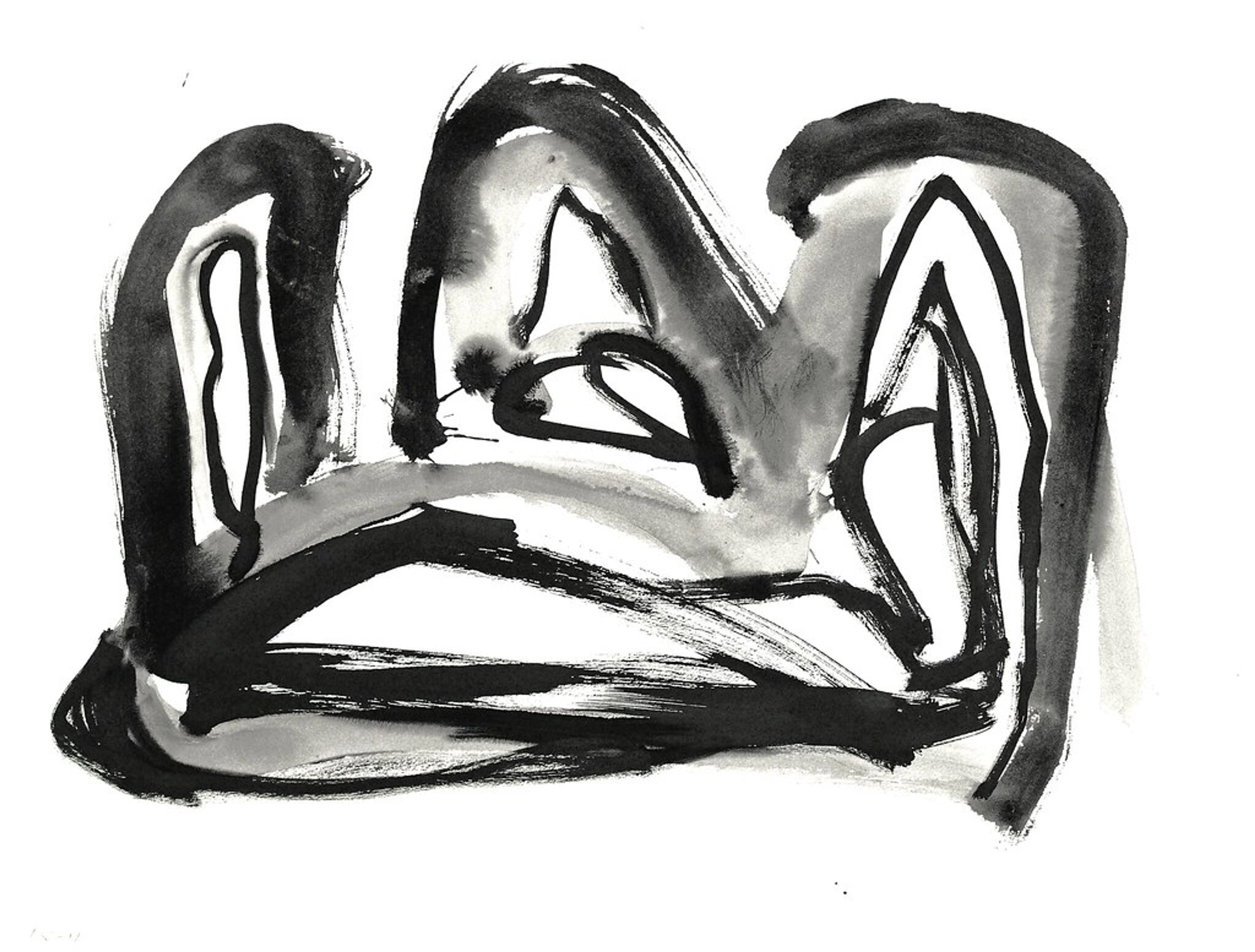
Bedroom Art: Design Your Sanctuary with Purposeful Art
Transform your bedroom into a deeply personal sanctuary. This comprehensive guide helps you choose art that connects with your emotions, enhances sleep, and expresses your unique style. Discover the art of intentional living and create a truly restorative space.

Your Bedroom Isn't a Showroom. It's a Sanctuary. Let's Choose Art for It.
In a world of constant connection and relentless demand, our bedrooms are meant to be our ultimate escape. But are they truly reflecting that sacred purpose? I have a confession to make. For years, the art above my bed was a generic, mass-produced canvas of a blurry beach scene. It wasn't offensive, but it also didn't whisper 'you' – it just kind of shouted 'bland and uninspired,' like something chosen purely for mass appeal. It was fine. It was beige. It was utterly, completely, soul-crushingly boring. It said nothing about me, and in the first and last room I saw each day, that felt like a profound problem. It felt like a missed opportunity for genuine self-expression in the one space where I was most myself. And frankly, I knew I could do better. This experience taught me that our bedrooms deserve more than just function; they need soul. And art is the perfect tool to infuse that soul, offering profound benefits for mental well-being, stress reduction, and the creation of a truly personal haven.
Your bedroom is the most personal space in your entire home. It's where you're at your most vulnerable, where you dream, and where you recharge. So why do we so often treat its walls as an afterthought? Choosing art for your bedroom isn't about following fleeting trends or creating a 'pin-worthy' space for others. It’s about curating a feeling. It’s about surrounding yourself with a visual lullaby or a gentle morning alarm clock. It’s about you, and the unique narrative you wish to cultivate in your most intimate space. This isn't just about decorating; it's about creating a deeply personal sanctuary, and here's how art plays the starring role. Personalized environments, you see, have this amazing power to reduce stress, improve sleep hygiene by signaling safety and comfort, and genuinely foster a sense of well-being. Art in personal spaces has a fascinating history too, evolving from the domestic frescoes of ancient Rome that brought mythical landscapes into daily life for escapism from urban bustle, to the intimate devotional pieces of the Renaissance that offered spiritual solace and reflected a deep personal connection to faith, and the often heavily decorative art of Victorian bedrooms that reflected social status and personal opulence, all reflecting the human need for expression and meaning in our most intimate settings. So, let’s throw out the rulebook that says bedrooms must be bland. Let's find something that makes your heart sing, or at least hum a peaceful little tune.
Step 1: Forget Everything and Ask: How Do I Want to Feel?
Before you even think about color palettes, sizes, or styles, stop. Really, truly stop. Sit in your bedroom (or imagine yourself in it) and think about the feeling you crave in that space. This is the single most important step – a genuine moment of introspection. Why? Because art directly influences our mood and even our sleep. Certain colors and forms can evoke tranquility, passion, or energy, impacting our subconscious even when we're asleep. It's like a constant, subtle hum in the background of your mind, guiding your emotional state. This isn't just decor; it's a foundational element of your emotional landscape. The right art acts as a powerful visual cue, signaling safety and comfort, which are crucial for good sleep hygiene by calming the limbic system (the part of your brain that processes emotions and memory). It can even be a form of cognitive reappraisal, subtly shifting your mindset from stress to peace. So, where do you begin this journey of transformation? I've found that sometimes simply sitting quietly, perhaps with a journal, and asking yourself what feeling is missing from your current bedroom can be a profound starting point. Is it calm? Joy? Connection? Freedom? The answer might surprise you.
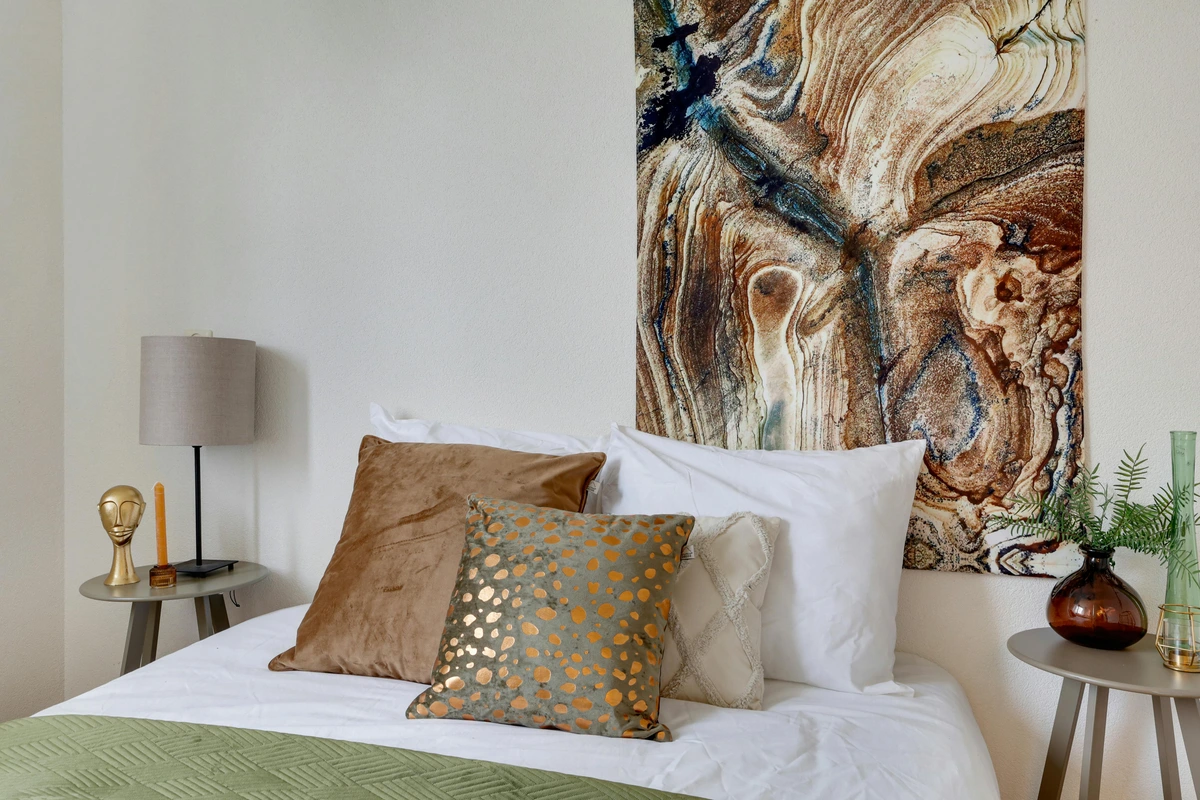
So, let's explore some common emotional needs your bedroom art can address:
- Serene and Restful? You're probably looking for art with soft edges, muted color palettes (think calming blues, greens, and soft grays), and uncluttered compositions (ample negative space – the quiet areas around the main subject – and limited focal points). Imagine a vast, serene sky with a distant horizon, or a single, delicate line drawing on an expansive background; that's the essence of visual quiet. Consider abstract landscapes, minimalist line art, or gentle nature photography. The goal is visual quiet, a balm for the eyes and mind – a true visual lullaby. Imagine atmospheric pieces that blur the line between sky and water, or soft, diffused light, like a dream you want to fall into. Think of the peaceful expansiveness of a Rothko or the gentle flow of a Monet seascape, psychologically calming your nervous system with their soft transitions.
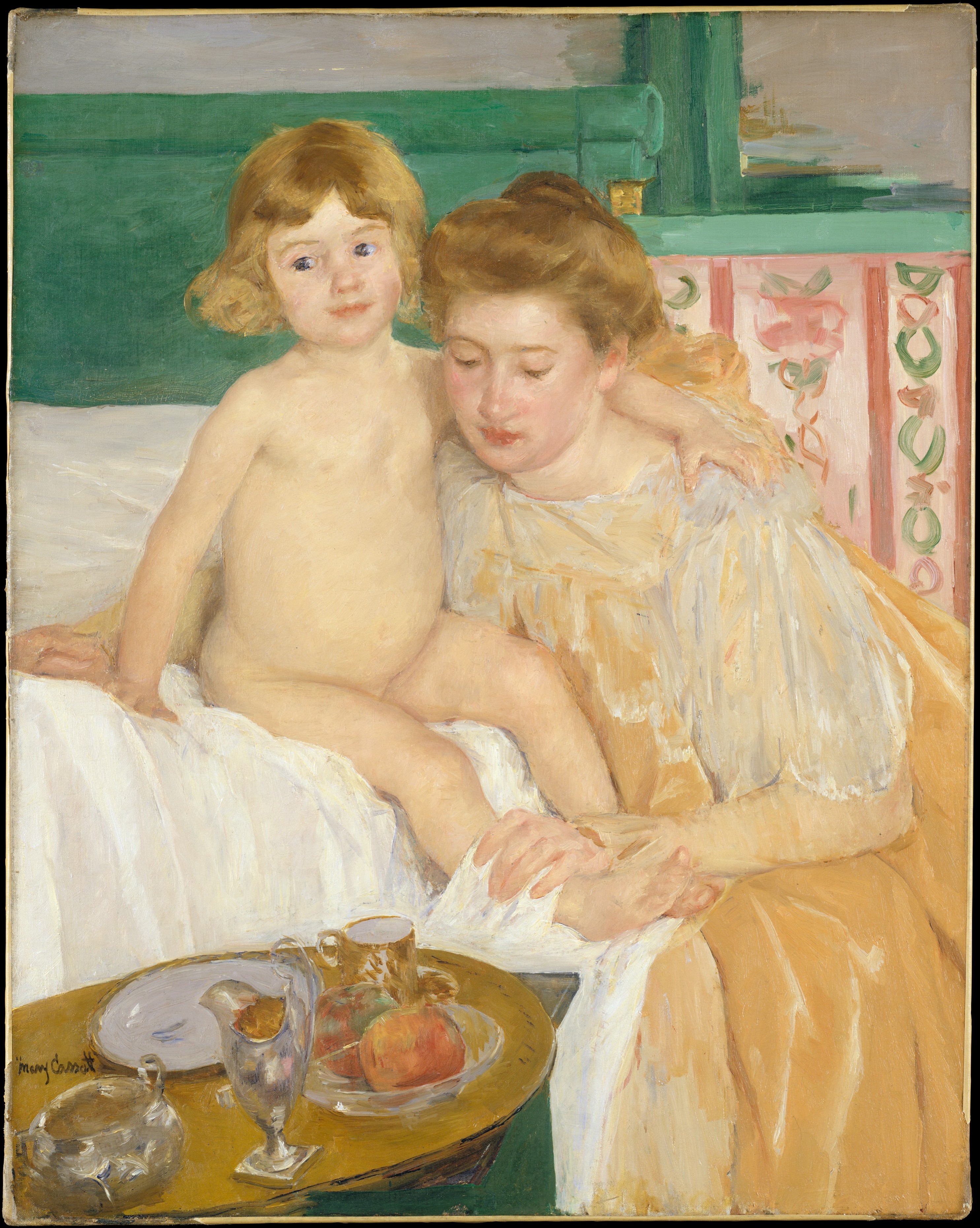
- Romantic and Intimate? This could mean art that is a bit moodier, with richer, deeper colors, softer lighting, or more personal subject matter. Figurative art, soft abstracts with deep tones, or even a beautifully framed piece of poetry can create this atmosphere. It's about a whispered conversation, not a shout, a feeling of deep connection and warmth. Perhaps a delicate Impressionist piece like a tender Mary Cassatt mother and child painting, a subtly sensual figurative work, or even tasteful erotica that evokes intimacy and passion.
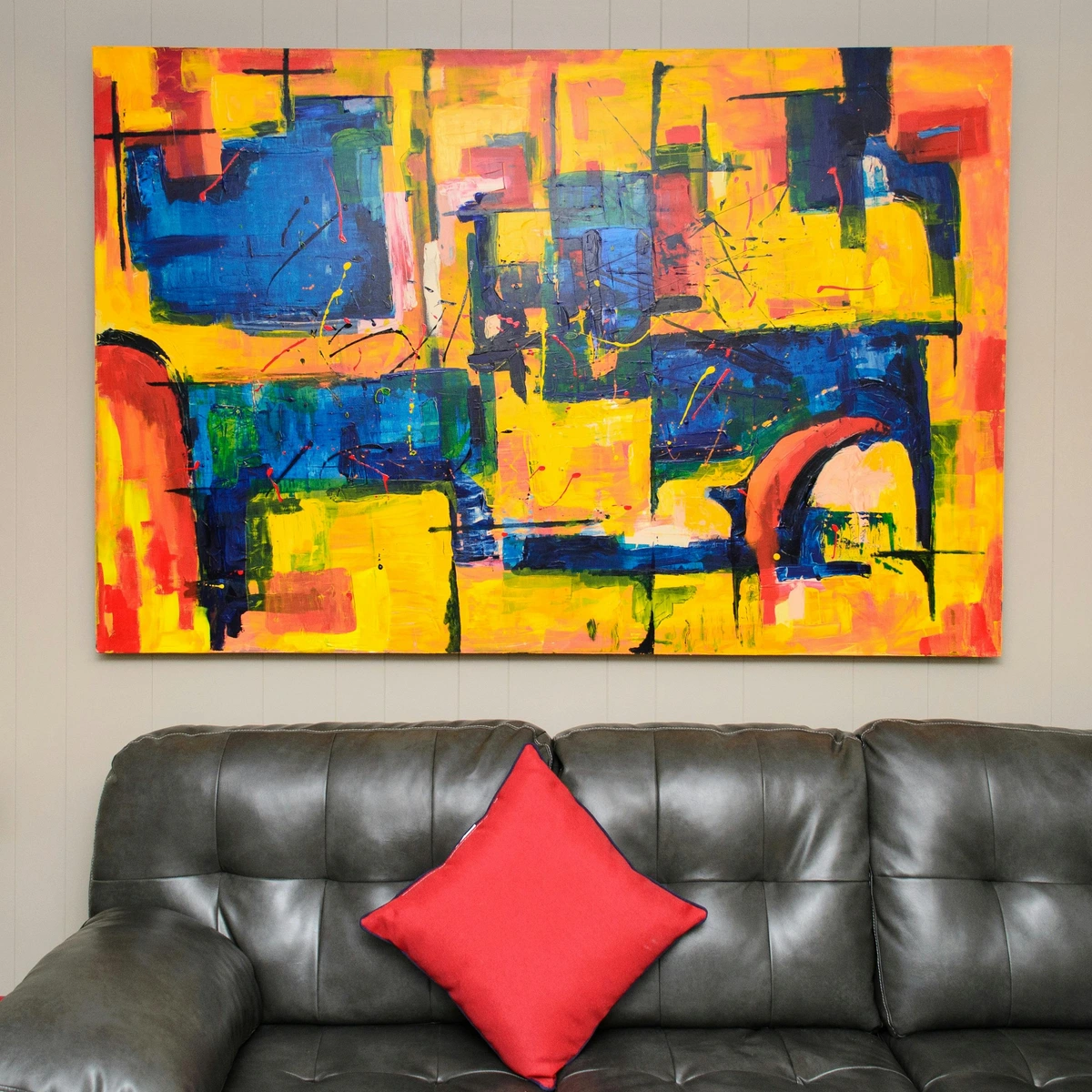
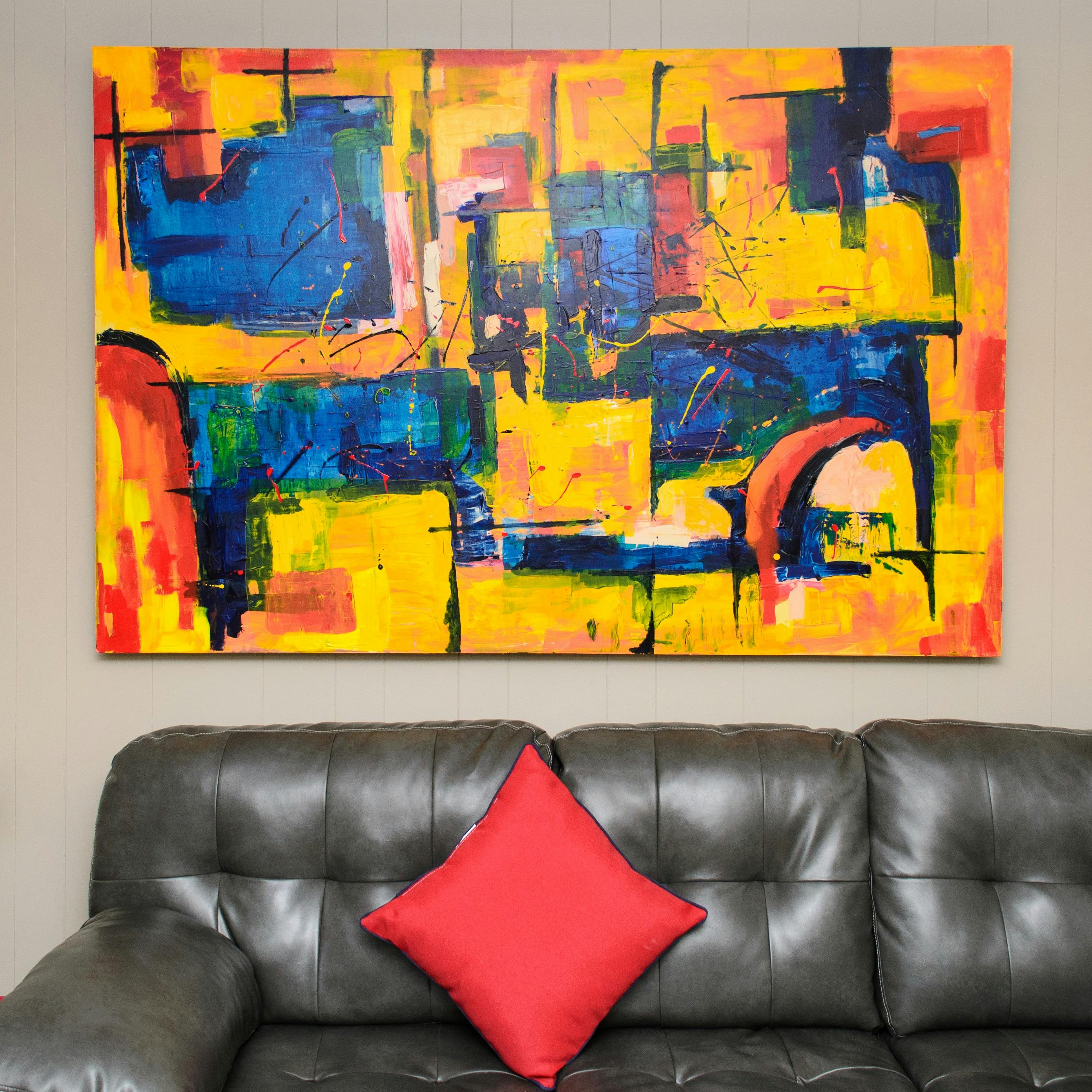
- Energizing and Inspiring? Maybe you need a little push to get out of bed in the morning. Bright, vibrant abstracts, bold graphic prints, or pieces that evoke happy memories or travel can be the perfect visual caffeine. While high-contrast art can be energizing, for a bedroom, I’d suggest it in controlled doses, ensuring it inspires rather than jolts. We want a gentle but persistent nudge towards inspiration, not an alarm blaring in your face before your coffee. Think art that suggests movement or future possibilities, rather than static, aggressive forms. A dynamic abstract piece with carefully chosen bursts of color can provide this lift, lifting your gaze with optimistic hues, not demanding immediate attention with harsh angles.
- Nostalgic or Sentimental? If your heart yearns for comforting familiarity, consider vintage photographs, delicate botanical prints, or art that subtly references a cherished memory or time in your life. It’s about creating a soft visual echo of what brings you joy and connection to your personal history. Think carefully curated family photos, a piece depicting a beloved childhood landscape, framed maps of places that hold deep significance, or even a subtle reference to a scent or sound from a cherished memory.
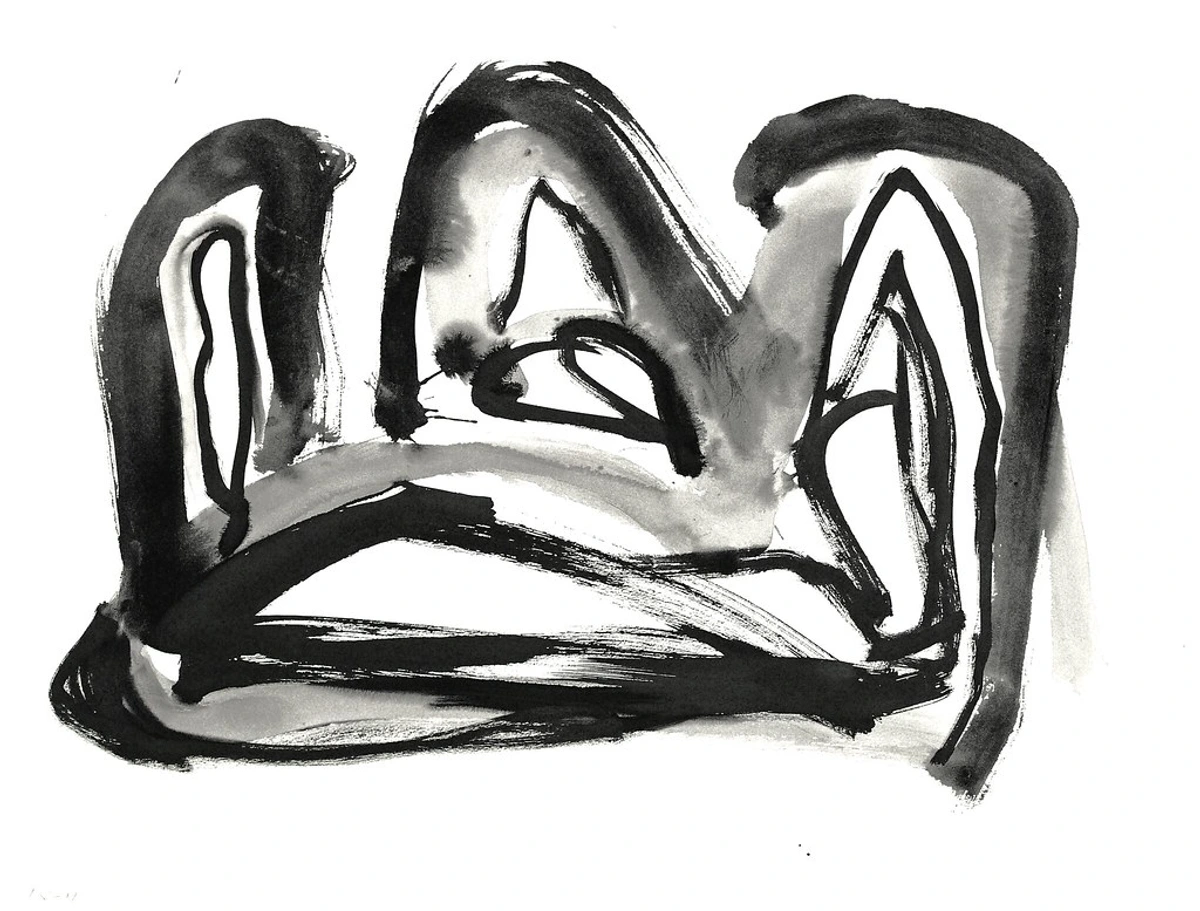
- Calming and Meditative? Perhaps you seek a deeper sense of peace. Look for art with subtle patterns, symmetrical designs like mandalas, or minimalist compositions that encourage quiet contemplation. Japanese ink paintings, with their emphasis on negative space and natural forms, can be incredibly effective here. This style of art actively engages your mind in a peaceful, focused way, much like meditation itself.
- Aspirational and Visionary? Beyond just energy, sometimes we need art that speaks to our future selves. This could be an abstract piece that evokes a sense of expansive possibility, a subtle nod to a dream destination (like a futuristic cityscape, if it maintains a serene quality), or even a simple graphic that represents a personal motto or a significant milestone of personal growth. It’s a visual anchor for your highest aspirations, a silent cheerleader on your wall.
- Whimsical and Playful? For those who want a touch of lightheartedness in their sanctuary, whimsical art can be a delightful choice. Think quirky illustrations, charming caricatures, or abstract pieces with playful shapes and colors that evoke a sense of joy and childlike wonder without being overstimulating.
I once helped a friend who wanted an 'energizing' bedroom. She was looking at loud, almost chaotic art. But we realized what she really wanted was to feel inspired, not jolted awake. We ended up with a large, beautiful photograph of a misty forest. It was calming but also full of potential and mystery—the perfect 'gentle push' she needed. It's all about listening to what your inner self truly needs.
Art as a Conversation Starter (For You)
Art in your bedroom isn't just something to look at; it can be a silent dialogue partner. A piece that invites introspection, perhaps an abstract work with ambiguous forms or a philosophical quote, can prompt moments of self-reflection. Ask yourself: What does this piece make me feel today? Does it remind me of a past experience, or inspire a future one? The answers can shift with your mood, making the art a living, evolving part of your personal journey.
Step 2: The Practical Stuff - Scale and Placement (Without the Headache)
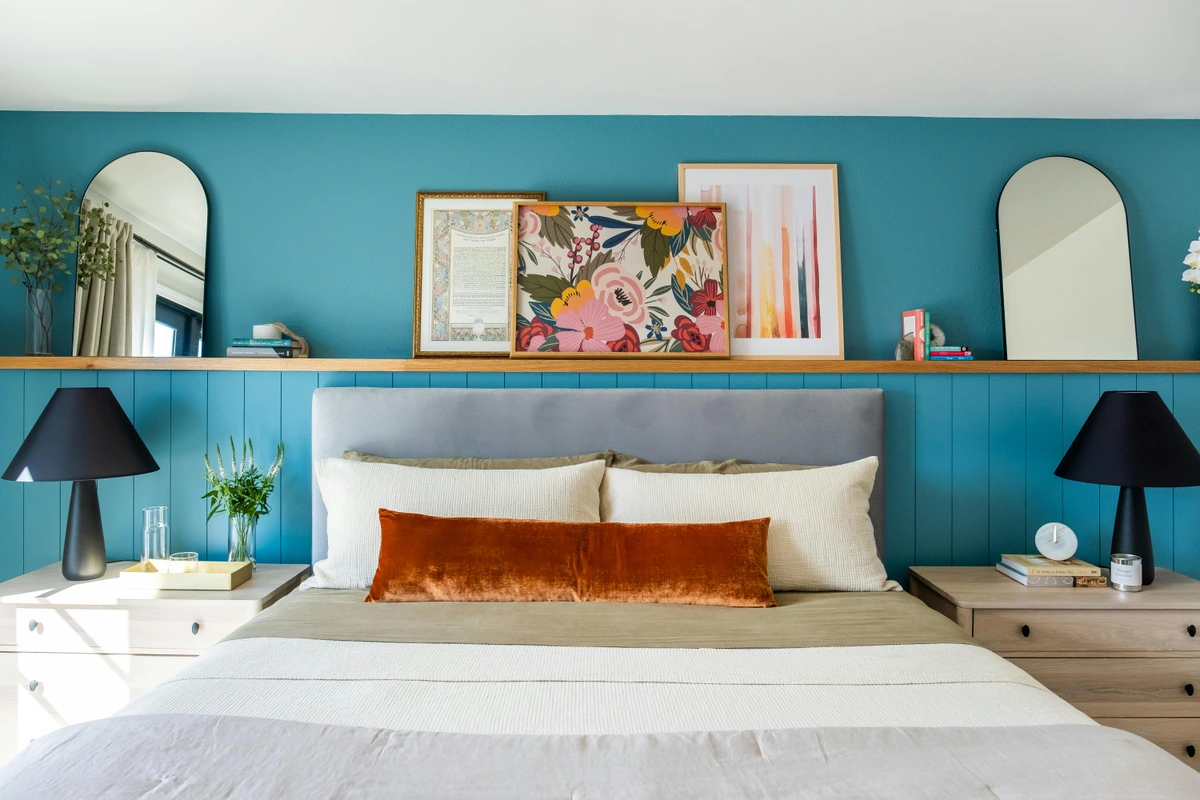
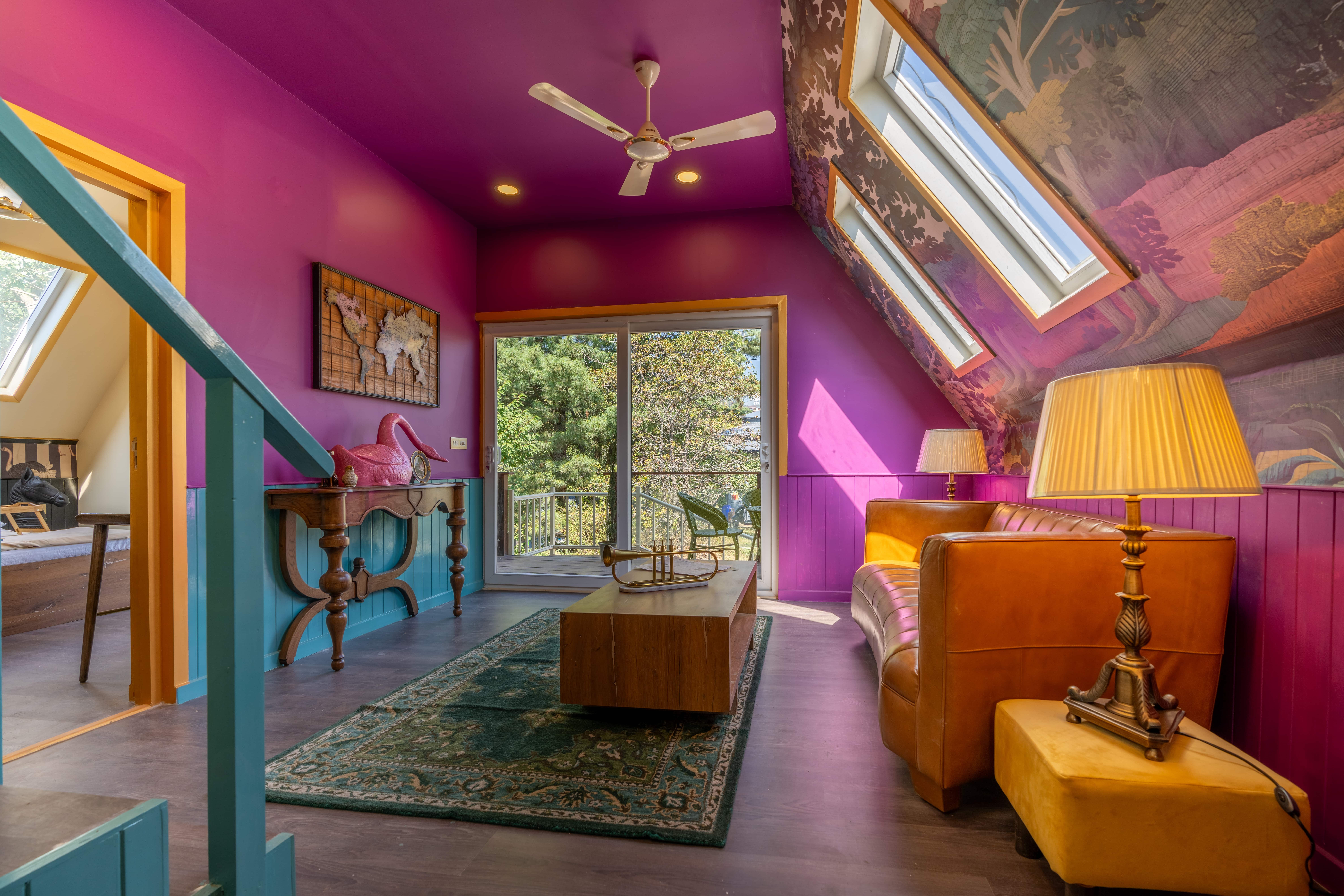
Once you've tuned into your desired emotions, it's time to translate that feeling into the physical space. This brings us to the practicalities of scale and placement. Okay, you have a vibe. Now, where does the art go and how big should it be? This is where many people, myself included, used to get it wrong. I've certainly hung a few pieces that looked like postage stamps on a billboard, or, conversely, so huge they felt like the art was wearing me. I once had a small, vibrant abstract that I tried to make a focal point on a vast wall, and it just looked like it was desperately trying to escape the emptiness around it. The spot above the bed is the classic choice, a natural focal point. But don't forget other walls! An empty wall opposite the bed, or a small piece for a reading nook can be just as impactful. It’s about balance, not just filling space. Also, consider the visual harmony – how the art relates to other elements in the room, from furniture style to the overall color palette, without being a literal match. It’s about creating a cohesive feeling, even if the elements aren’t identical.
Here's my cheat-sheet for getting it right most of the time.
Location  | Rule of Thumb | Why it Works | Considerations & Pitfalls to Avoid |
|---|---|---|---|
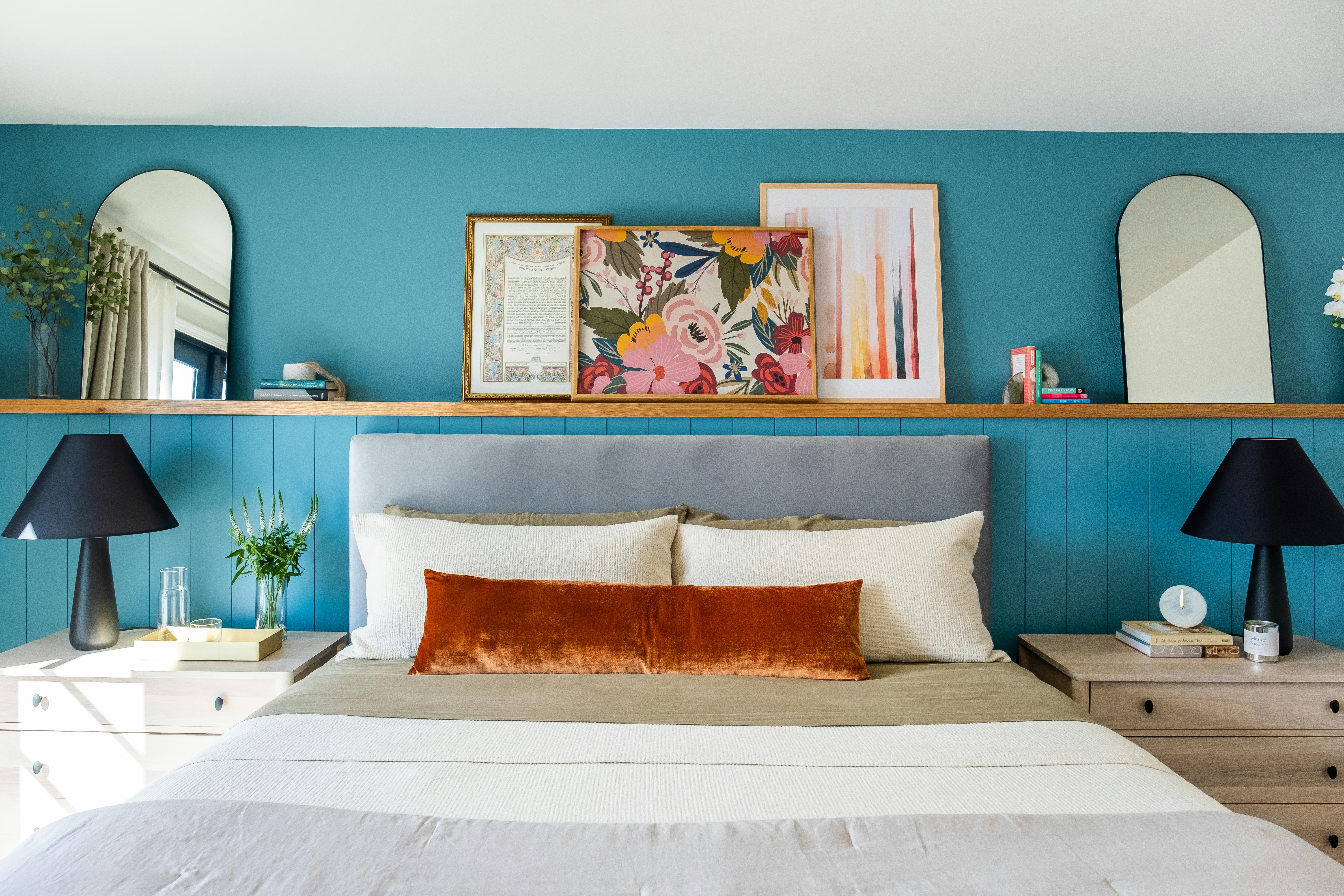
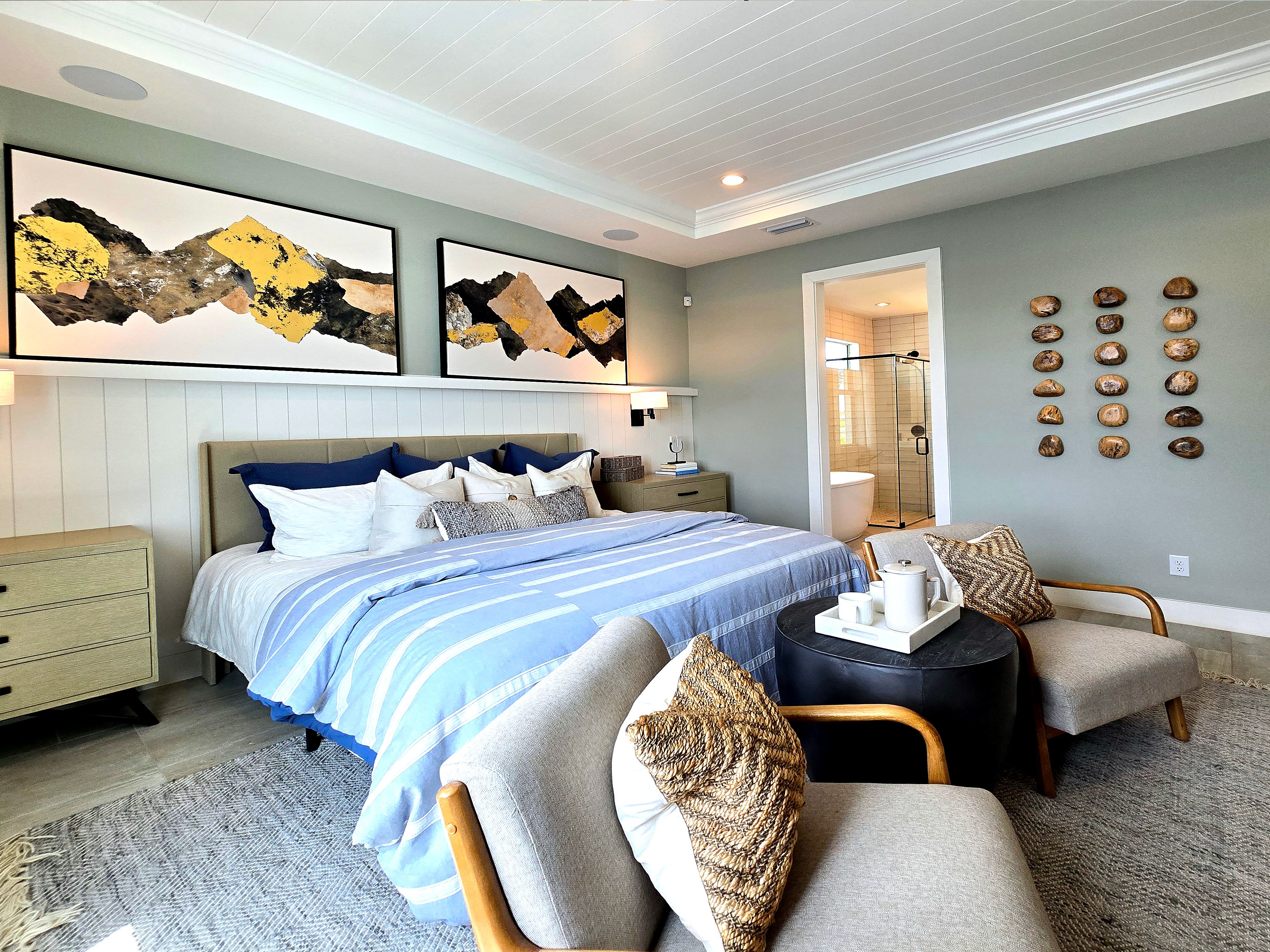
| Above the Bed | The art (or group of art) should be about 2/3 the width of the headboard. | This creates a pleasing balance, making it feel like a well-proportioned window, not a tiny postage stamp or a wall mural. Too small, and it looks lost. Too large, and it overwhelms the bed, relating to the visual weight of the bed and headboard. This is a key tip in our guide to art above the sofa. | Avoid overcrowding; ensure it's not obstructed by tall pillows. Don't go wider than the headboard, or it feels unbalanced. |
| Hanging Height | Hang it 6-9 inches (15-23 cm) above the headboard. | This connects the art to the bed, making them feel like a single, harmonious unit rather than a floating, disconnected object. It's as if the art is the crown of your sleeping realm, visually grounding it by relating it to the furniture below. | Measure carefully and use painter's tape to visualize before drilling. Avoid hanging too high, which disconnects it from the bed, or too low, where it can get lost behind pillows. |
| On a Blank Wall | The center of the piece should be at eye level (around 57-60 inches or 145-152 cm from the floor). | This is the standard museum height, and it just feels right. It's the most comfortable viewing angle for standing and sitting. | Consider furniture height; adjust if a chest of drawers is underneath. Don't hang it too high, making viewers crane their necks. |
| Gallery Wall | Treat the whole collection as one large piece, maintaining consistent spacing between frames (typically 2-3 inches or 5-8 cm). Lay it out on the floor first to find a balance. | This prevents you from putting a million nail holes in your wall. Start with the largest piece and build around it, creating a cohesive visual statement. More tips are in our general guide to choosing art for your living room, which often applies to gallery walls. | Aim for a consistent aesthetic (color, frame style) to maintain serenity in a bedroom, balancing different frame styles and textures to avoid visual chaos. Don't use too many tiny pieces that create visual clutter. |
And remember, these are guidelines, not laws. If you have soaring high ceilings, you might want to adjust, a topic we explore when choosing art for high ceilings. What if your bedroom has other architectural quirks, like angled ceilings or built-in shelving? The key is always to adapt these rules; if a space feels cramped, a vertical piece can draw the eye up, while a horizontal piece can expand a narrow wall. For a small bedroom, a single, large piece can actually make it feel more expansive than a cluttered gallery wall. For rooms with angled ceilings, consider placing art on the largest straight wall, or even following the angle of the ceiling with a triptych or a series of smaller, uniformly framed pieces. It's all about making the art feel like it belongs, not like it's fighting the architecture.
Step 3: Choosing Your Subject and Style
With the emotional landscape and physical placement considered, we can now dive into the most exciting part: choosing the actual art that will bring your sanctuary to life. Now that we've got the practical placement sorted and the emotional desire defined, let's dive into the heart of it all: the subject matter and style that will truly resonate with you. This is the fun part, where your personality can really shine. What story do you want your walls to tell? The subject matter is deeply personal, and there's no right or wrong answer. It's about what speaks to your soul. For a deeper dive, consider how your choices reflect historical art movements or contemporary trends, adding layers of meaning to your sanctuary.
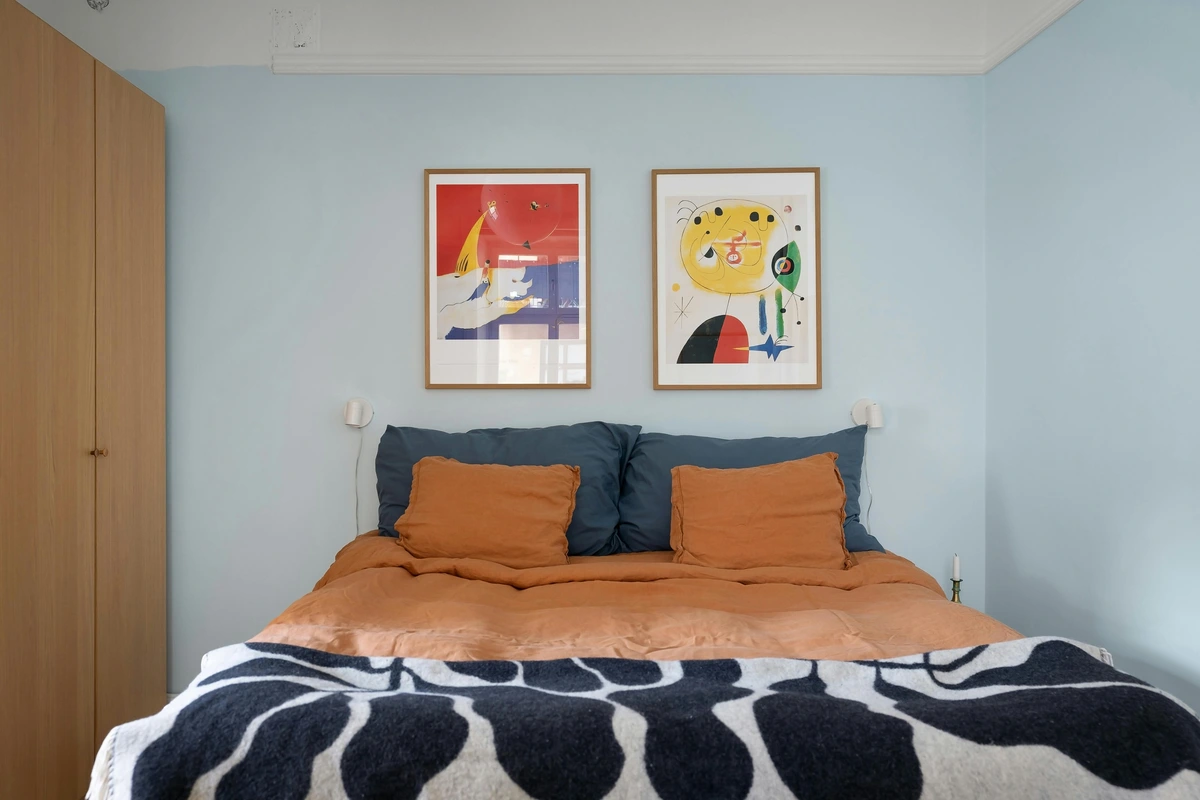
- Abstract Art: My personal favorite for bedrooms. It's all about color, texture, and mood. It doesn't demand interpretation, allowing your mind to rest and wander without specific narrative demands. A soft, blended abstract can be incredibly calming, while a piece with bold, gestural strokes can add a touch of subtle drama. As someone who finds immense joy in color and form, I've always been drawn to abstract pieces for their ability to evoke emotion without dictating a specific narrative. Imagine waking up to a wash of calming hues or an inspiring burst of color that speaks to your inner world. For a serene space, I often lean towards abstracts with subtle transitions, echoing the quiet flow of a dream. Consider different types like Color Field for expansive calm, Lyrical Abstraction for flowing, organic lines, or even Geometric Abstraction for a sense of structured tranquility. The tactile quality of impasto versus a smooth surface also dramatically influences the mood. Explore the history of abstract art to understand its profound impact.
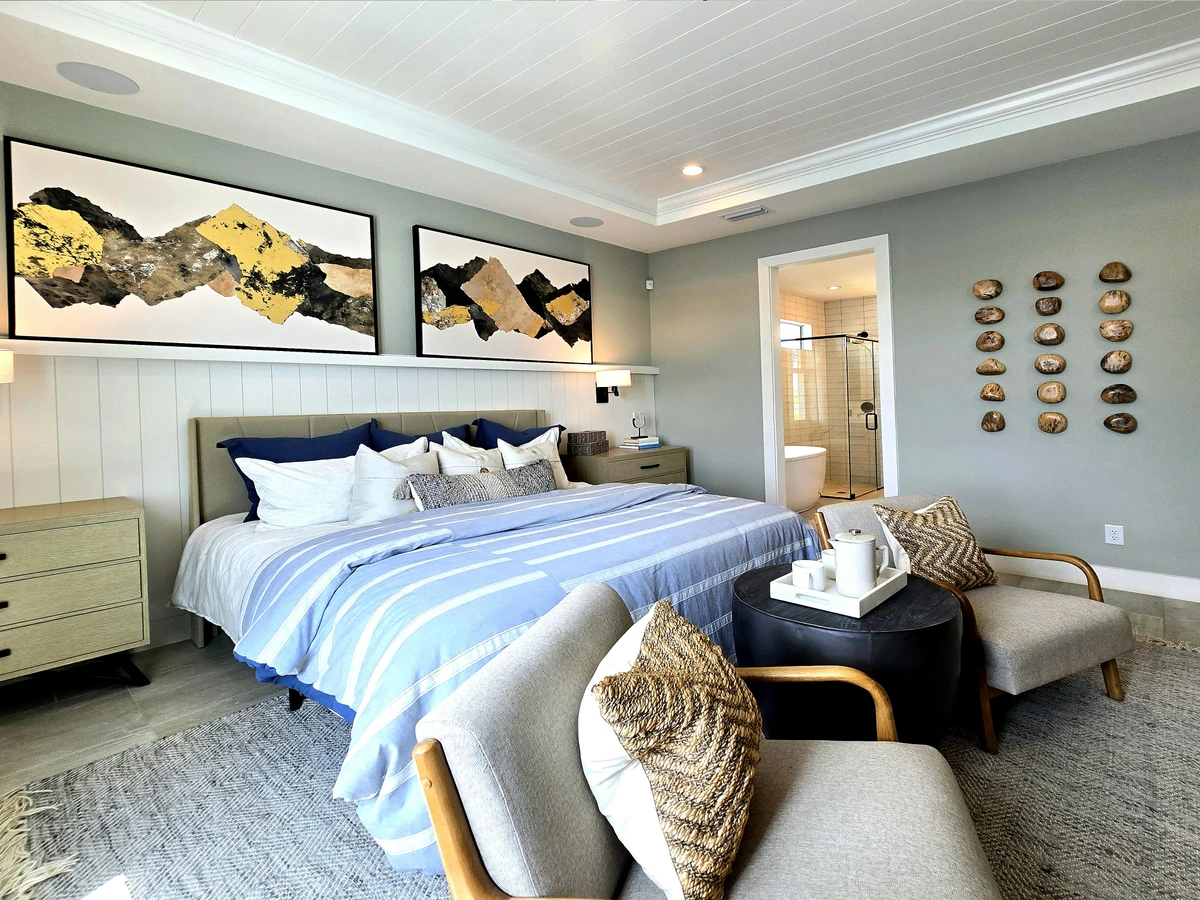
- Landscapes & Nature: This is a classic for a reason. Scenes of nature are inherently calming and connect us to the natural world. Whether it's a serene beach, a misty forest (like my friend's 'gentle push' art), a vast desert, or a tranquil cityscape at dusk, these pieces help quiet a busy mind. Imagine waking up to a peaceful vista every day, a window to a world of tranquility. Landscapes, especially those with soft light or water elements, can transport you away from the day's stresses. Think of the serene beauty of a Monet water lily painting, for example. Consider vast, empty deserts for introspection, dense forests for mystery, or open water for feelings of freedom. The season depicted can also influence the mood, from the fresh hope of spring to the quiet contemplation of winter. Mountain vistas can evoke a sense of grounding and strength, while a calm cityscape at night can offer a sophisticated form of peaceful escape.
- Figurative & Portraits: A portrait or figurative piece can make a bedroom feel deeply intimate and personal. It could be an anonymous, evocative figure in a contemplative pose, a piece reminiscent of Impressionism with its soft, dreamlike quality (like a tender Mary Cassatt mother and child painting), or something with profound personal meaning. When choosing, consider art that evokes tenderness, quiet contemplation (perhaps a solitary figure gazing out a window), or gentle companionship, avoiding overly dramatic or confrontational poses. It adds a human touch, a quiet presence, like a silent muse or a cherished memory. For a touch of elegant flow, consider pieces inspired by Art Nouveau with their organic lines and nature-infused motifs. Remember, a portrait doesn't have to be of someone you know; the right anonymous figure can still resonate deeply.
- Sculpture and 3D Art: Don't limit yourself to walls! Small sculptures, elegant busts, or even decorative objects carefully chosen and placed can add tactile interest and depth to your bedroom. A smooth ceramic piece on a nightstand, a small bronze figure on a dresser, or a delicate kinetic sculpture can draw the eye and add a unique dimension that paintings can't. They offer a tangible, three-dimensional element that grounds the space.
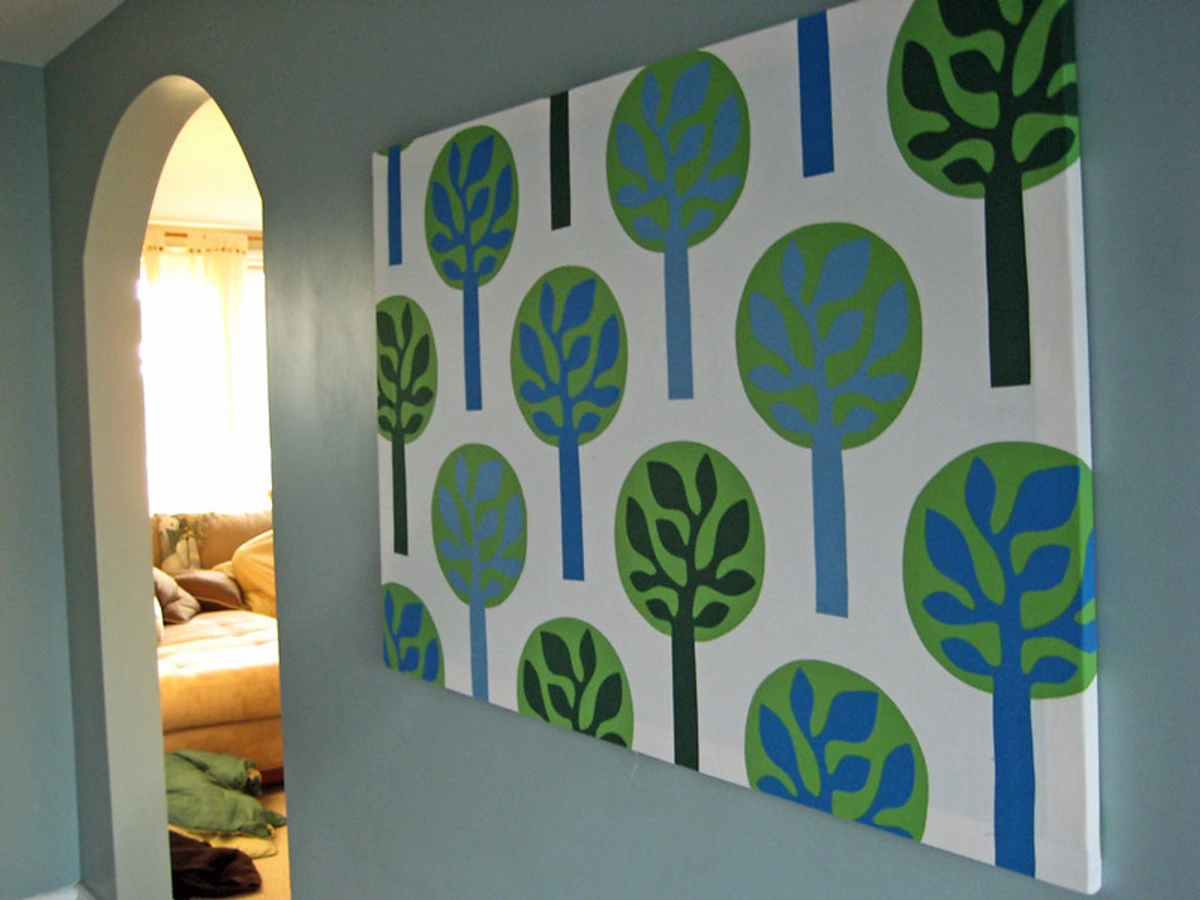
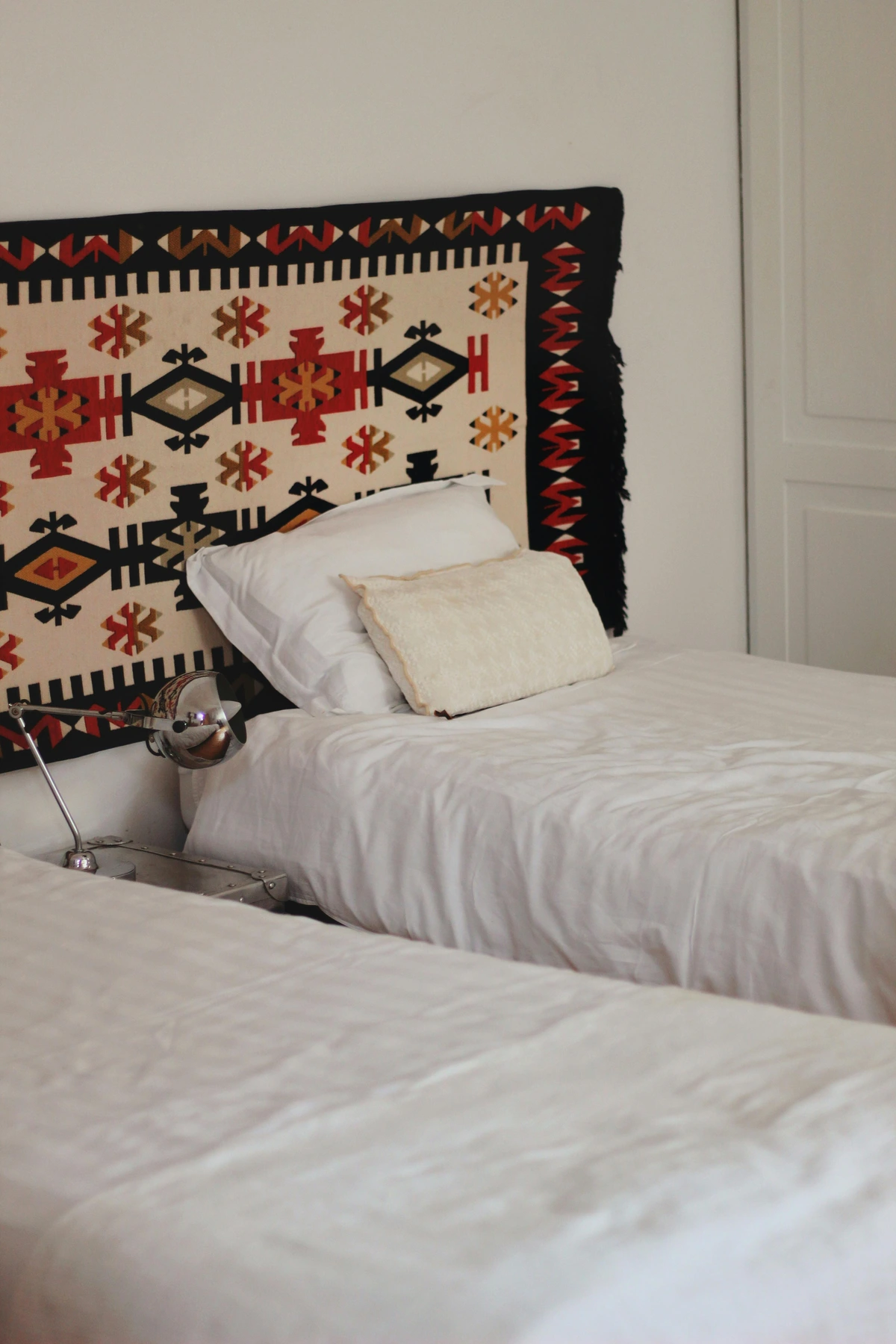
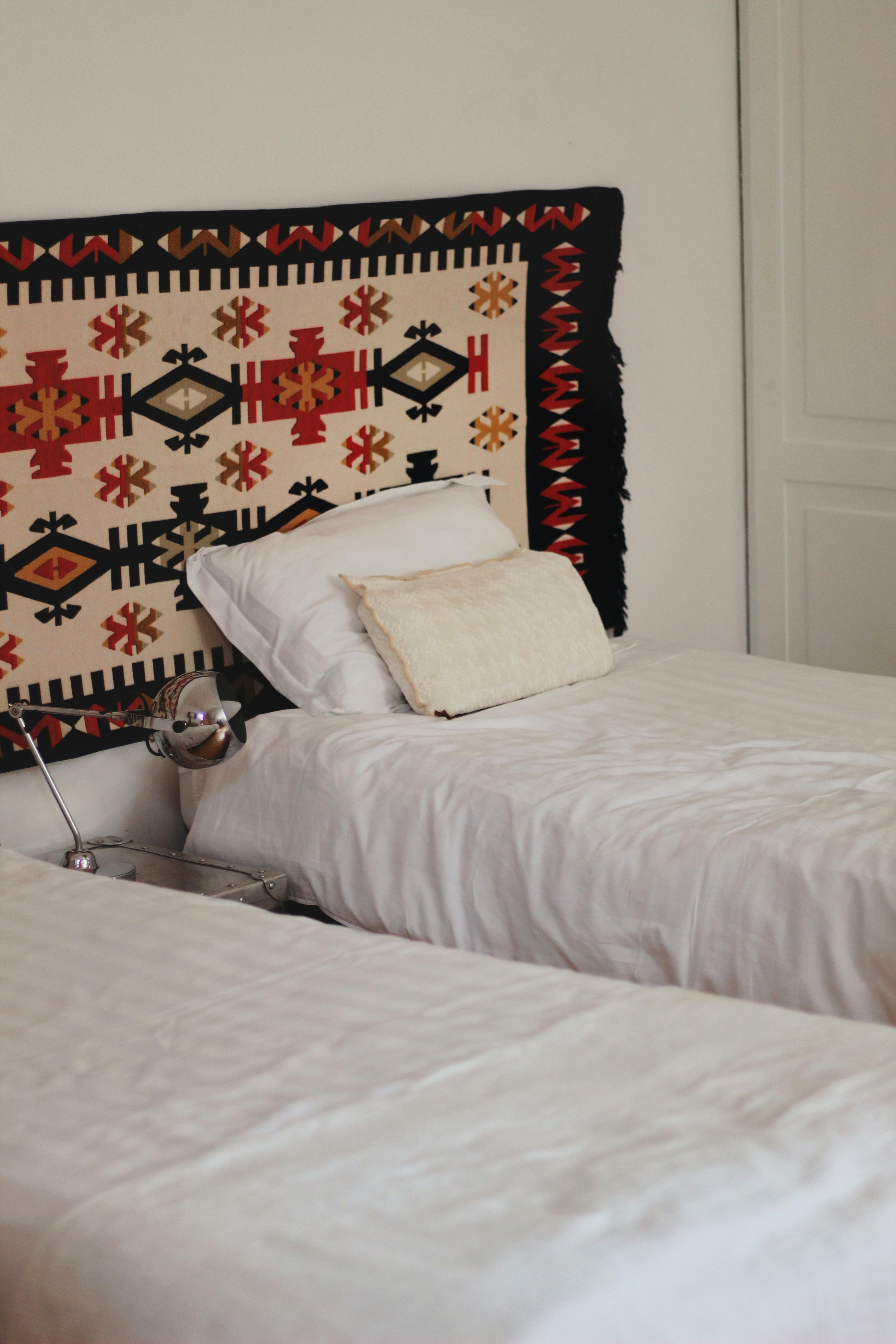
- Textile Art: Don't forget about texture! A macrame wall hanging, a quilt, or a beautiful woven piece can add softness and warmth that's perfect for a bedroom. Beyond aesthetics, they also help with sound dampening, a nice little bonus for a serene space where quiet and privacy are golden. They offer a tactile dimension that paintings simply can't. Other examples include embroidery, tapestries, or appliqué work.
- Typography & Calligraphy: For those who appreciate the power of words, beautifully rendered typography or elegant calligraphy can be incredibly impactful. A framed poem, a significant quote, or even a single meaningful word can set a powerful, personal tone, acting as a daily affirmation or a soothing thought to end the day. Consider how the font itself speaks; a classic serif font can evoke timeless comfort, while a clean sans-serif can feel modern and crisp. Thematic categories could range from inspirational quotes and song lyrics to personal mottos or even abstract arrangements of letters where the shapes themselves become the art, or custom calligraphy pieces of personal vows.
- Personal Photos & Memorabilia: A beautifully framed personal photograph can be more powerful than any famous painting. Choose a moment that brings you pure joy or peace. But don't stop there! Think about other cherished memorabilia – a concert ticket from a pivotal moment, a postcard from a dream vacation, or even a small collection of objects with deep personal resonance, artfully arranged, can tell your story in a unique and intimate way. The trick here is curation: select items that evoke peace, joy, or quiet contemplation, not every single snapshot. Consider presentation beyond simple frames: a shadow box for small objects, a carefully styled shelf display, or even a digital frame cycling through your most treasured images. You could group photos thematically (e.g., all from one trip), and yes, even the most awkward family photo can be reframed with love and context, I find.
Beyond the Image: Medium, Matting, and Framing
Beyond the subject, how the art is presented matters immensely. Consider the medium; a piece with a matte finish will absorb light and offer a softer, more subdued look, perfect for a tranquil bedroom. A glossy finish, on the other hand, can add a vibrant pop and reflect light, which might be invigorating but potentially less calming. Think about how a heavily textured, impasto oil painting (where paint is applied thickly to create visible brushstrokes) might feel robust and energetic, while a delicate watercolor could evoke airiness and serenity. Different materials also carry different visual weights; a bold acrylic feels modern, while a traditional oil painting can feel grounding. Pastels offer a soft, dreamy quality, while a crisp digital print might feel very contemporary. The frame also plays a critical role. A minimalist frame can enhance modern art, while an ornate or distressed frame can add character and a sense of history, guiding the eye and elevating the artwork. Consider the psychological impact of frame material and color: a sleek, black metal frame feels modern and sophisticated, a natural wood frame adds warmth and a connection to nature (like Danish modern or Japanese minimalist styles), while a gilded baroque frame can evoke luxury and opulence. And don't underestimate matting – the border between the art and the frame. A wide, neutral mat can give a smaller piece more presence and breathing room, almost like creating additional negative space around the artwork. It offers visual relief, allowing the artwork to stand out without feeling cramped. Conversely, no matting can create a more immediate, raw connection to the art. The size of the mat also plays a psychological role; a generous mat can convey a sense of calm and space and make a piece feel more luxurious, while a narrow or absent mat feels more direct and intense. Mat color, such as white for modern or cream for warmth, also subtly impacts the mood.
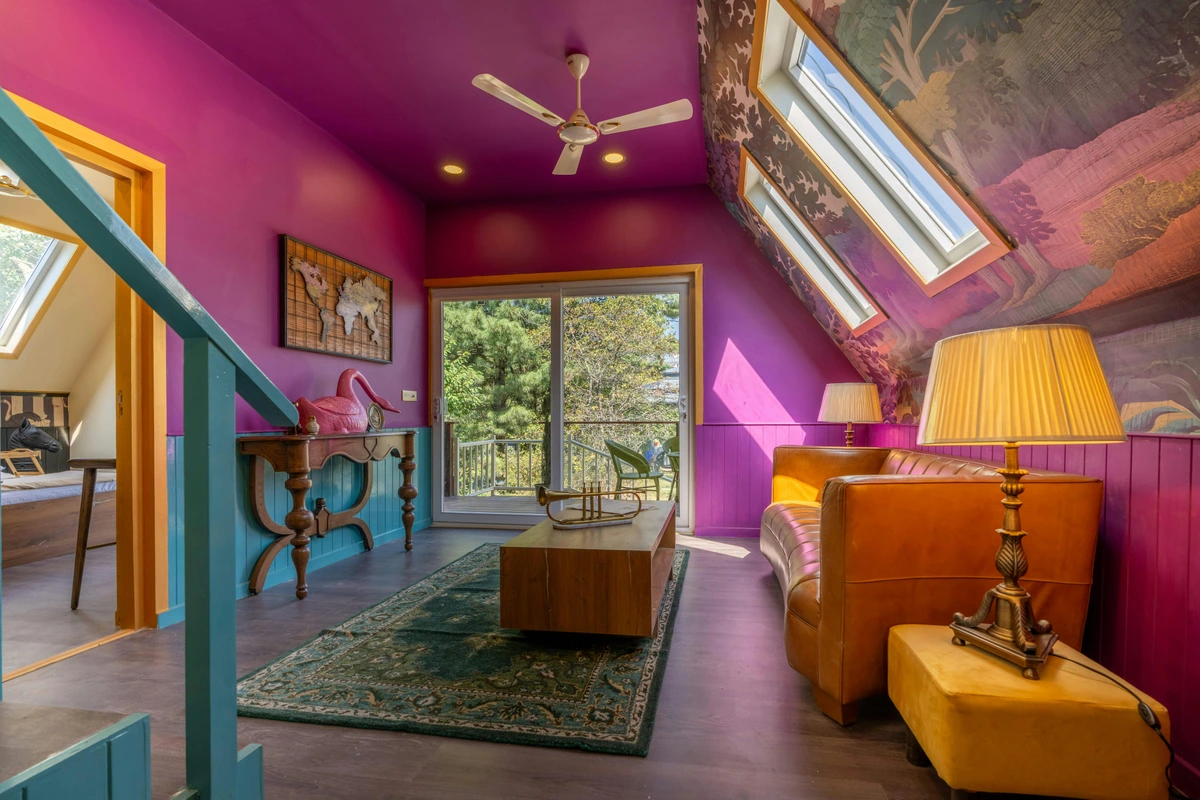
The Role of Lighting in Art Perception
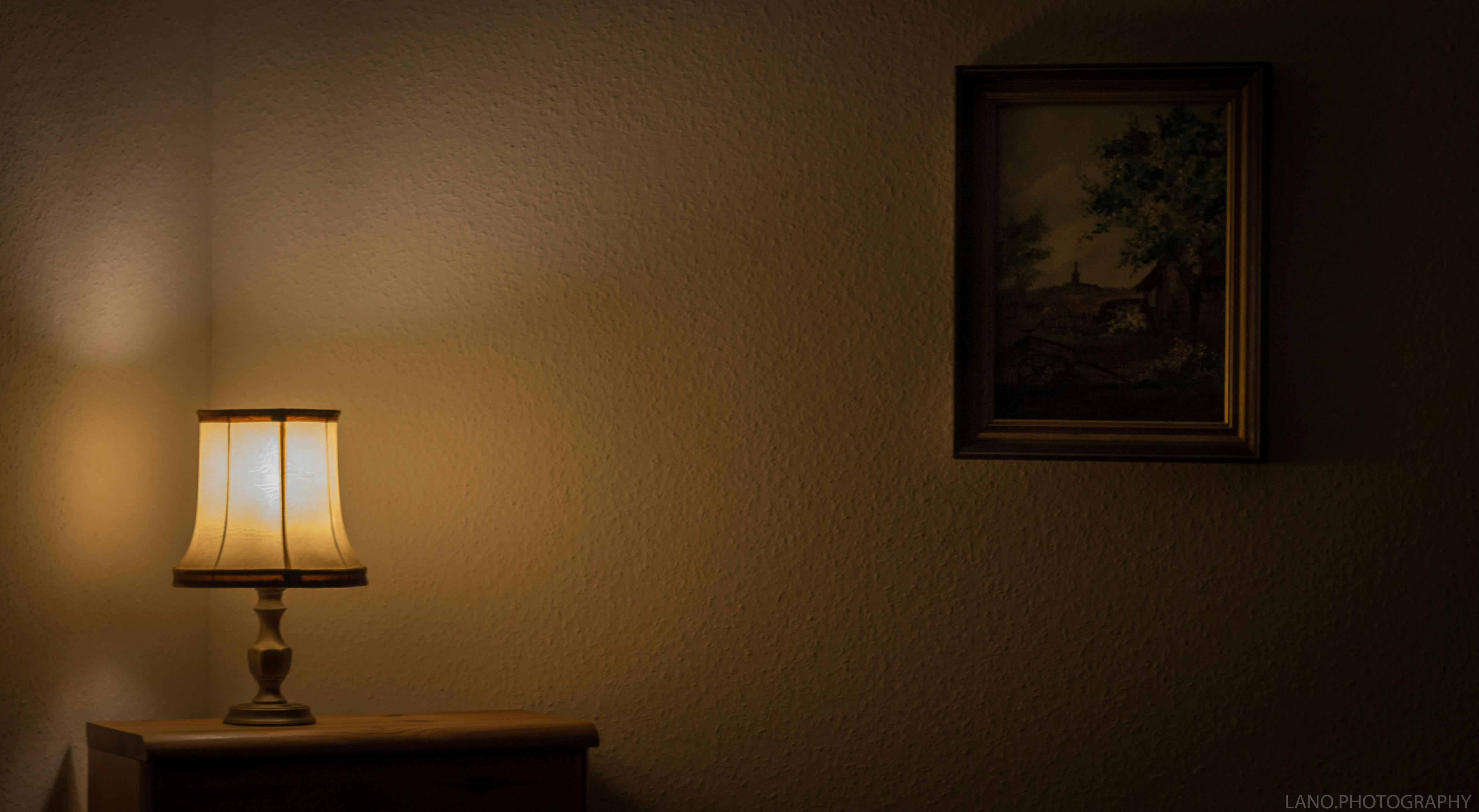
It’s impossible to talk about art in a bedroom without acknowledging lighting. Both natural and artificial light dramatically influence how art is perceived and, consequently, the mood it creates. A brightly lit room can handle darker, more intricate pieces, allowing details to shine, while a dimly lit room might benefit from art with lighter tones or reflective elements to brighten the space. Consider placing art where it catches natural light subtly, or use targeted accent lighting (like a picture light) to highlight a cherished piece. I'd highly recommend soft, indirect accent lighting, dimmable lamps, or even string lights for a whimsical, ambient touch, contrasting with harsh overhead lighting. The texture of the art also interacts with light – an impasto piece will create interesting shadows and highlights, adding depth, while a flat print will appear more uniform.
Art for Shared Spaces: Finding Common Ground
What if your sanctuary is shared? Choosing art for a couple's bedroom can feel like a diplomatic mission. My advice? Focus on shared memories, aspirations, or feelings rather than trying to perfectly blend individual tastes. Perhaps it's a piece from a trip you took together, like a stylized depiction of a favorite coastal town, or an abstract work whose colors resonate with both of you, a blend of blues and earthy tones signifying harmony. Even a piece that represents a shared dream, like a subtle depiction of stargazing, can be incredibly unifying. The goal is a visual dialogue, not a monologue by one partner. One strategy I've seen work well is creating a shared mood board together, or even visiting galleries with the specific goal of finding art that sparks a mutual feeling. If individual tastes are very distinct, consider a complementary art setup, where two different pieces share a similar color palette or theme, creating a unified feel without being identical. For instance, one partner loves serene landscapes, the other bold cityscapes; you could find art depicting both a calm coastline and a vibrant (but not chaotic) cityscape, perhaps linked by a similar color palette or depicting the same time of day. I once advised a couple, one loved minimalist photography, the other vibrant abstracts. We found two pieces that both featured deep blues and natural forms, one a serene landscape photo, the other a fluid abstract, and hung them on opposing walls. It worked beautifully, speaking to both their inner worlds while creating a cohesive space. It's about finding that sweet spot where both of you feel seen and cherished within the chosen art.
Art as a Journey: Personal Meaning & Evolution
Beyond just aesthetics and trends, art with personal meaning goes beyond just photos. It could be an inherited piece, a work collected from a memorable trip, or even something created by a loved one. These pieces tell your story. Your collection isn't static; it's a living, breathing reflection of your life's journey and growth. Much like how my own artistic journey, documented in my artist's timeline, shows a progression of styles and influences, your bedroom art can reflect your own growth and evolve with you. Remember, art trends also evolve, and staying subtly informed about contemporary movements can add another layer of interest and authority to your choices. For those seeking minimalist interiors, even a single, well-chosen piece can speak volumes and define a space. Consider art as a tool for self-discovery; revisiting a piece from years ago can reveal how your perceptions and priorities have shifted. And if pieces no longer resonate, don't be afraid to gracefully retire them to storage, or re-gift them. Your sanctuary evolves, and so should its art. If you're looking for art that sparks conversation with your partner, try selecting something that encourages storytelling or shared reflections. Imagine how a piece acquired during a pivotal life event or a period of significant personal growth could serve as a powerful visual anchor for those memories in your most private space.

Art vs. Decor: A Key Distinction
It's important to clarify something: art is not just decor. While art can decorate, its primary purpose in your sanctuary is deeper. Decor often serves a functional or purely aesthetic filler role. Art, on the other hand, is a deliberate expression – of an artist's vision, of an emotion, or of a personal connection. It's chosen for its intrinsic meaning and emotional resonance, not just to fill a blank space or match a throw pillow. When you choose art intentionally, you're not just styling; you're infusing your space with soul.
Trust Your Gut: The Final Step
I can give you all the guidelines in the world, but at the end of the day, the best art for your bedroom is the art you love. If a piece brings a smile to your face every time you see it, it's the right piece. If it makes you feel calm, it's the right piece. If it just feels like you, it's the right piece. This isn't about impressing anyone else; it's about nurturing your own peace and well-being. Don't overthink it. Don't worry about what's 'in style' or what Instagram dictates. Your sanctuary is yours alone, a place for healing and reflection. When you find a piece that speaks to you, that's when you should listen and, if you can, buy the art. As you embark on this journey of personalizing your sanctuary, remember that your collection is a living entity, ready to evolve alongside you. Art is a journey, and your collection can evolve with you over time, just look at my own artistic timeline for proof of that evolution. What are you waiting for? Take that first step, even if it's just a moment of quiet reflection, towards creating your perfect visual companion. Your sanctuary awaits. And remember, for significant investments or complex design challenges, there's no shame in consulting an interior designer or art advisor – sometimes a fresh, expert eye is exactly what you need.

Frequently Asked Questions (FAQ) About Choosing Bedroom Art
Here are answers to some common questions you might have as you embark on this journey of curating your bedroom sanctuary:
Art for Sleep & Mood
Q: What art is best for promoting sleep and relaxation?
A: Generally, art with cool colors (blues, greens, soft grays), simple compositions, and natural themes (like water or calm landscapes) are considered most restful. Specific types like Mandala art for its symmetrical, calming patterns, or minimalist Japanese ink paintings for their simplicity and ample negative space, can be incredibly effective. To promote good sleep hygiene and reduce anxiety, avoid high-contrast, jarring images or very bright, energetic colors like red or orange in large doses right where you're trying to unwind. The goal is visual quiet, a gentle fade into serenity.

Q: Can I use high-contrast art in a bedroom to inspire me?
A: You certainly can, but it depends on the mood you're aiming for. While generally advised against for promoting sleep, a carefully chosen high-contrast piece can be incredibly inspiring or energizing if placed in a secondary area, like opposite the bed or in a reading nook, to serve as a 'visual caffeine' without disrupting your sleep zone. It’s all about balance and intent – a subtle jolt to inspire, not a jarring shock. If you love high contrast, try a piece that has it in a very controlled size, perhaps a small graphic print on a side wall, or opt for high contrast in muted or desaturated colors, which can still offer visual interest without being overwhelming.
Practical Considerations for Bedroom Art
Q: Can I use a gallery wall in a bedroom?
A: Absolutely! A gallery wall can be a wonderful way to display a collection of smaller pieces you love. To keep it serene, stick to a consistent color palette or use matching frames to create a sense of cohesion. Remember to treat the whole collection as one large piece for optimal visual balance, as discussed in our general guide to choosing art for your living room. For a truly personal touch, consider including found objects art if they align with your aesthetic.
Q: Should the art match my bedding or furniture exactly?
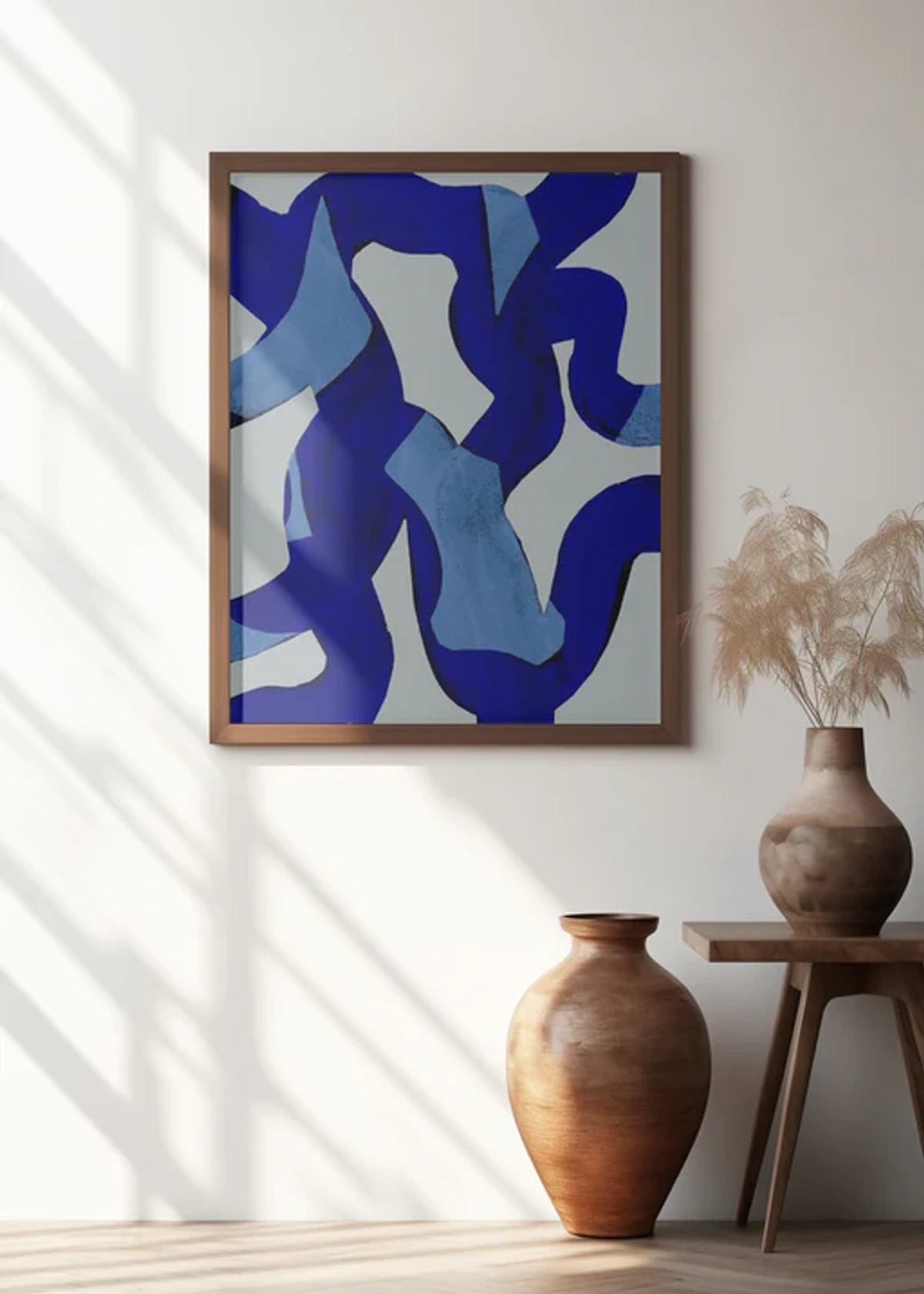
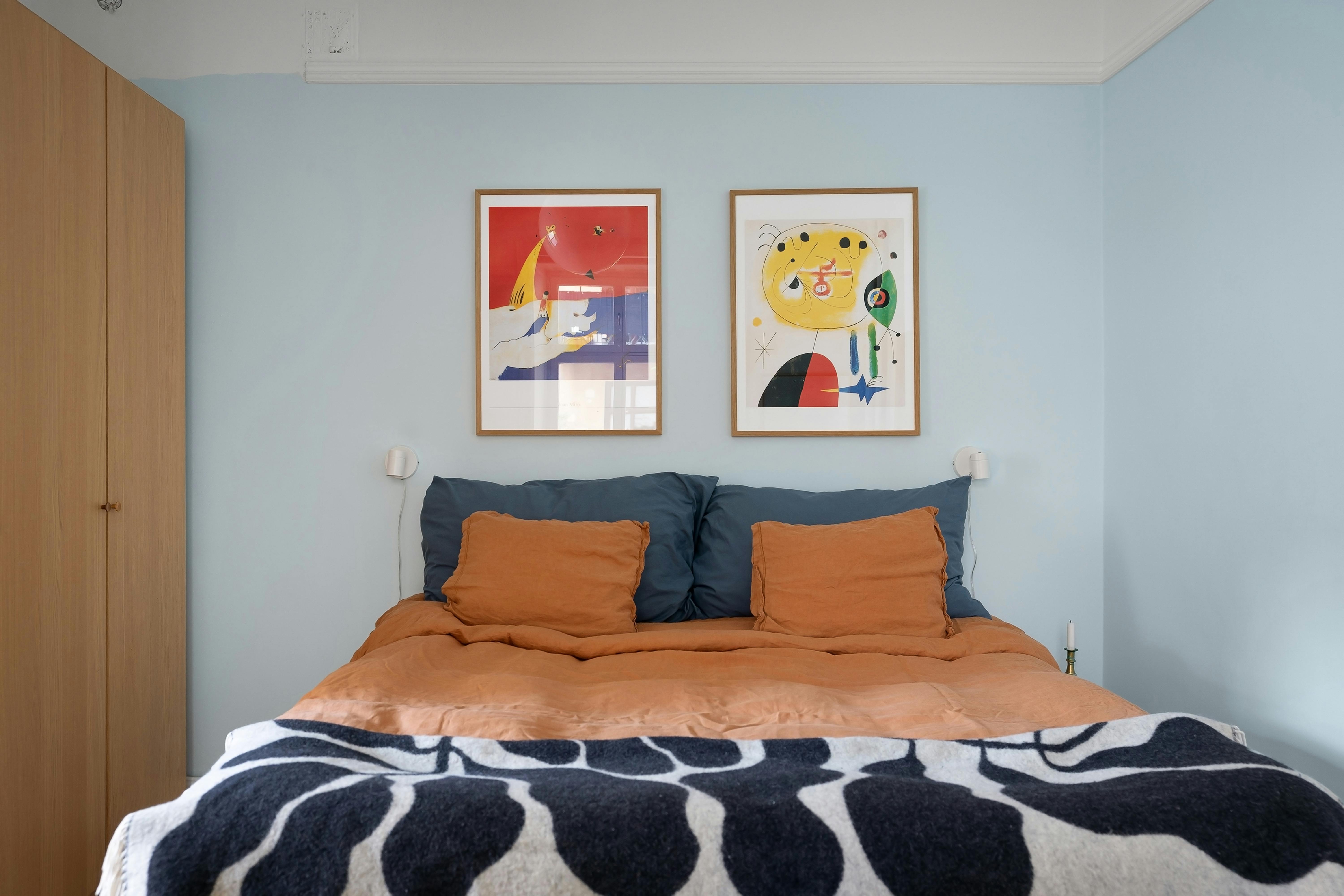
A: Please, no! Your art shouldn't be a perfect match; it should complement your decor. Think of it as a conversation, not an echo. Pick one or two colors from your bedding or rug and find art that incorporates them subtly, or choose art in a complementary color palette. This creates a thoughtful, connected look without being too 'matchy-matchy' or boring. A slightly unexpected element often adds more character, creating harmony by using analogous or accent colors rather than identical hues.

Q: Is it okay to have no art in the bedroom?
A: Of course. For a true minimalist, bare walls can be the ultimate form of tranquility. The goal is to create a space you love and that nurtures your peace. If that means no art, then that's the perfect choice for you. True minimalism is about intentionality, not absence for its own sake. Sometimes a beautiful architectural feature or an expansive window view can serve as the primary focal point. You might even find inspiration in our guide to art for minimalist interiors.
Q: I have a really dark bedroom. What art should I choose to brighten it?
A: This is a common problem! For rooms with low light, you can either embrace the moodiness with darker, atmospheric pieces, or you can use art to add light. A piece with a lot of white space, a light-colored subject, or even a metallic frame can help brighten things up by reflecting what little light there is. Reflective surfaces, or even iridescent finishes on artwork, can also work wonders. I've got a whole article on choosing art for a room with low light with more tips.
Q: What about art for a child's bedroom or a teenager's room?
A: Children's bedrooms are fantastic places for playful, colorful, and imaginative art! Focus on themes that spark joy, encourage creativity, or provide comfort. Think vibrant illustrations of animals or space, whimsical fantasy prints, or even their own framed masterpieces. Consider interactive art like chalkboard paint walls or magnetic surfaces, and rotate art periodically to keep it fresh and stimulating. Educational elements can also be subtly integrated, but always prioritize safety by choosing securely mounted art from child-safe materials. The key is to create a space that feels safe, stimulating, and uniquely theirs. For a deeper dive into this, check out our guide on choosing art for a nursery or how to choose art for a teenager's room.
Q: How do humidity and temperature affect art in a bedroom?
A: Bedrooms, like any room, can experience fluctuations. High humidity can cause canvas to warp, paper to buckle, and mold to grow, while extreme temperature changes can damage pigments and frames. If your bedroom is prone to such issues, consider art behind glass, use archival framing materials (like acid-free mats and UV-protective glass), and avoid placing delicate pieces directly above heat sources or in direct sunlight. A stable environment is always best for preserving your cherished pieces. For general art care, remember to gently dust framed art regularly with a soft cloth and avoid using harsh chemical cleaners. Always handle art with clean hands or gloves, as oils can damage surfaces over time.
Q: How do I choose art for a small bedroom to make it feel larger?
A: For small bedrooms, consider pieces with perspective or depth, like a landscape that recedes into the distance, which can create an illusion of space. Large, single pieces of art can actually make a room feel bigger than many small, cluttered ones. Also, art with light colors, ample negative space, or reflective elements (like a subtle metallic sheen or a cleverly placed mirror) can help open up the room. Vertical art can draw the eye upwards, enhancing the feeling of height. For more specific advice, read our article on how to choose art for a small bedroom.
Q: Are there specific art styles to avoid for a guest bedroom?
A: While personal taste reigns, for a guest bedroom, I'd generally suggest avoiding anything overly personal or highly provocative. The goal is to create a welcoming, neutral, and calming environment for a variety of guests. Abstract pieces with soft, universal color palettes, gentle landscapes, or serene figurative art are usually safe bets. Steer clear of overtly political statements, intensely dramatic or unsettling imagery, or art with very niche themes that might not appeal to everyone. Think broadly appealing tranquility, making your guests feel at ease and refreshed during their stay, perhaps choosing art that celebrates the locale or a general theme of welcome.
Q: What art should I avoid if I have pets?
A: If you have curious cats or playful dogs, avoid art with delicate elements that could be easily damaged or mistaken for toys. This includes unframed prints that could be scratched, low-hanging textile art with tassels, or small, easily knocked-over sculptures. Consider securely mounted framed art, wall hangings placed out of reach, or pieces made of more durable materials (perhaps with scratch-resistant coatings). Safety first for both your art and your furry friends!








Q: Can I hang very small art in a large bedroom?
A: Yes, absolutely! Small art in a large bedroom can be very effective, but it requires a strategic approach. Instead of hanging a tiny piece alone on a vast wall, consider grouping it with other small pieces to create a miniature gallery wall, or using a substantial wide mat and frame to give it more presence and visual weight. You could also place it in a specific nook or corner to create an intimate moment within the larger space, drawing the eye to a curated vignette rather than letting it get lost on an expansive wall, perhaps amplified with lighting or decorative elements.
Q: Is it okay to hang art with strong religious or political themes in a bedroom?
A: This is deeply personal and depends entirely on your comfort and the nature of your bedroom. For a personal sanctuary, if such art deeply resonates with your beliefs and promotes a sense of peace or inspiration for you, then it's perfectly fine. However, for a guest bedroom or a shared space, it's generally advisable to choose more neutral themes to ensure all occupants feel welcome and at ease, avoiding anything that might be polarizing or deeply personal unless explicitly agreed upon. The bedroom is a place of rest, and sometimes strong statements can disrupt that.
Q: How do I choose art that complements existing decor without being matchy?
A: The trick is to think in terms of harmony rather than identical matching. Instead of finding art with the exact same shade of blue as your throw pillows, look for a piece that incorporates a complementary blue, or even a contrasting color that still fits your overall palette. Consider art that echoes the mood, texture, or form of your decor without replicating it directly. For example, if your room has a lot of natural wood, a piece with earthy tones or organic forms will complement it beautifully, even if it doesn't feature wood itself. It's about a conversation between elements, not a precise echo.
Budget-Friendly & DIY Art for Bedrooms
Q: What are some budget-friendly options for bedroom art?
A: You don't need a huge budget to find meaningful art! Consider high-quality prints from established or emerging artists (often available online), exploring local art fairs, or visiting thrift stores and flea markets for unique vintage pieces. You can also support art students or browse online marketplaces for affordable originals. Sometimes, a beautifully framed poster or even a piece of fabric with a captivating pattern can make a statement without breaking the bank.
Q: Can I make my own art for my bedroom?
A: Absolutely! Creating your own art for your bedroom can be incredibly rewarding and add the deepest layer of personal meaning. This could be as simple as an abstract watercolor wash in your favorite calming colors, a collage of cherished memories, or even a hand-lettered quote that inspires you daily. The process itself can be meditative, and the final piece will be undeniably yours.
Digital Art & NFTs (Considerations)
Q: What about digital art and NFTs for a bedroom?
A: Digital art offers new possibilities, allowing for dynamic displays or pieces that evolve. However, consider its longevity and accessibility; ensure you have reliable hardware for display. The market for NFTs (Non-Fungible Tokens) is still relatively new and carries its own set of considerations regarding ownership, value, and environmental impact, which differ significantly from traditional art acquisition. While fascinating, it’s a space where I generally advise caution and thorough research if you're considering it for your personal sanctuary. It's not quite the same as a tangible painting on your wall, but the world is always changing, isn't it?