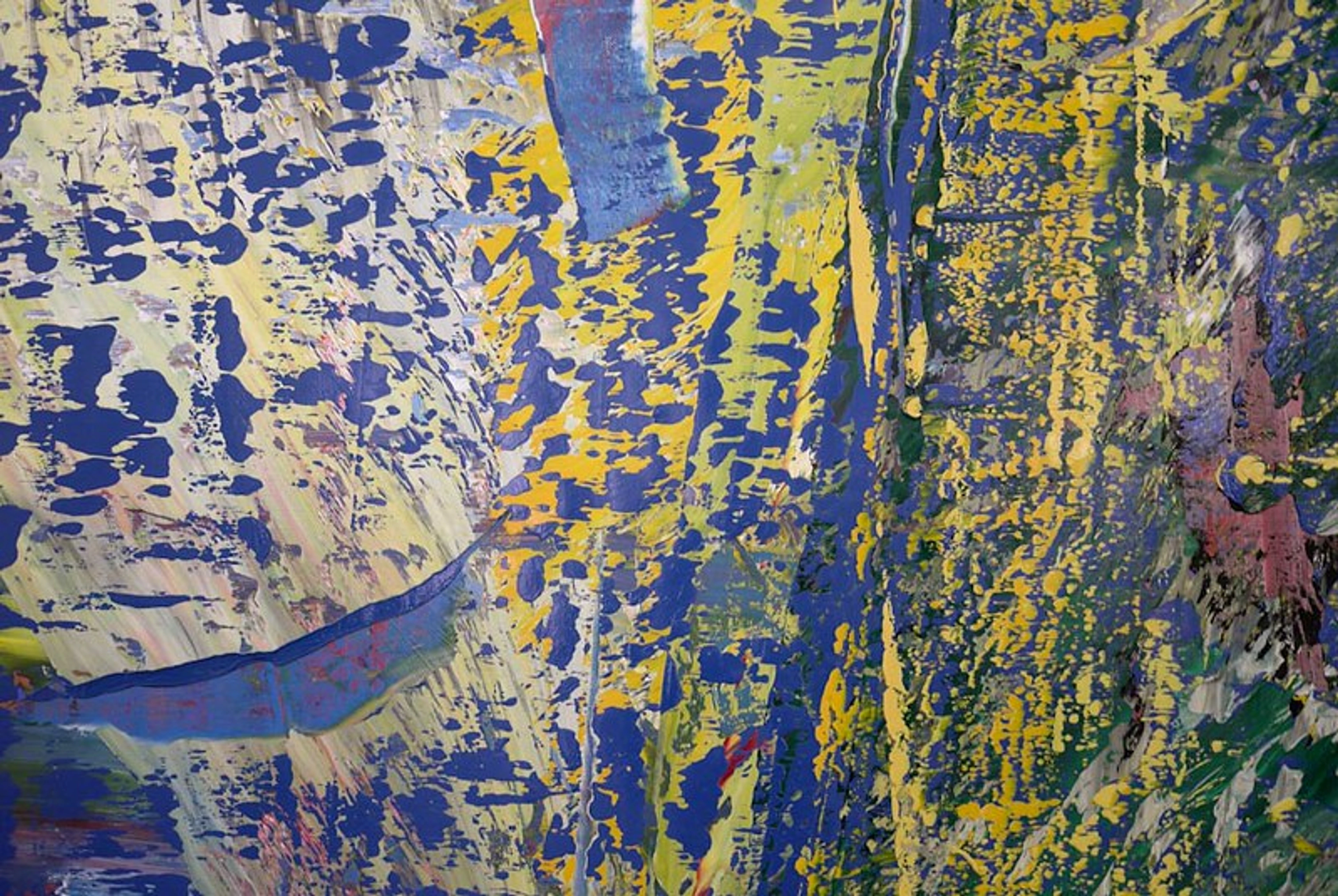
The Alchemist's Gaze: Masterfully Pairing Art & Mirrors for Light, Space, & Soul
Unlock the true alchemy of art and mirrors! Explore expert tips for decorating with art and mirrors, how to hang them together, create stunning gallery walls, and amplify light, space, and personality in any room. Your definitive guide to transforming spaces awaits.

The Alchemist's Gaze: Masterfully Pairing Art & Mirrors for Light, Space, & Soul
Ever walked into a room and felt an undeniable spark? That elusive 'something' that makes a space feel brighter, larger, more alive, and undeniably you? I remember the first time I truly 'got' the power of combining art and mirrors. It wasn't in some grand museum or a meticulously styled showroom, but right there in my tiny first apartment. My living room was beautiful, yes, but also notoriously dark, always feeling like it was guarding secrets in hushed tones.
I’d just acquired a vibrant abstract print that I absolutely adored, and an old, slightly tarnished mirror from a flea market. Why that mirror? Honestly, it was cheap, and it filled a gaping hole on the wall. I hung them both without much premeditation, and to be blunt, the initial result was a bit of a visual cacophony. A chaotic mess, really. But then, one luminous afternoon, as the light shifted through the window, I noticed something. The mirror, placed almost by accident opposite the window, caught a sliver of sunlight. It didn't just reflect it; it harvested it, bouncing that golden glow directly onto my new artwork. Suddenly, the colors in the print absolutely sang. That chaotic wall found a rhythm, a profound purpose. The entire room felt brighter, larger, and somehow, more alive. That feeling of serendipitous discovery, of transforming the ordinary into the extraordinary? That's the alchemy I want for you. Here, by decorating with art and mirrors, we're not just filling walls; we're crafting experiences. I promise you, this is your definitive guide to mastering this enchanting combo – we'll delve into its rich history, practical techniques, the psychology behind it, and even peek into future trends, all to help you craft breathtaking spaces that truly tell your story.
The Alchemical Fusion: Art & Mirrors as Indispensable Elements
Individually, both mirrors and art pieces are champions of home decor. A well-chosen mirror can double the visual square footage of a room, brighten a dim corner, and add a touch of glamour or rustic charm, depending on its frame. Art, on the other hand, is the very soul of a space. It introduces color palettes, textures, and a story – your story, perhaps. It dictates mood, sparks conversation, and grounds the aesthetic of a room. It offers a glimpse into another world, or perhaps, a deeper understanding of your own.
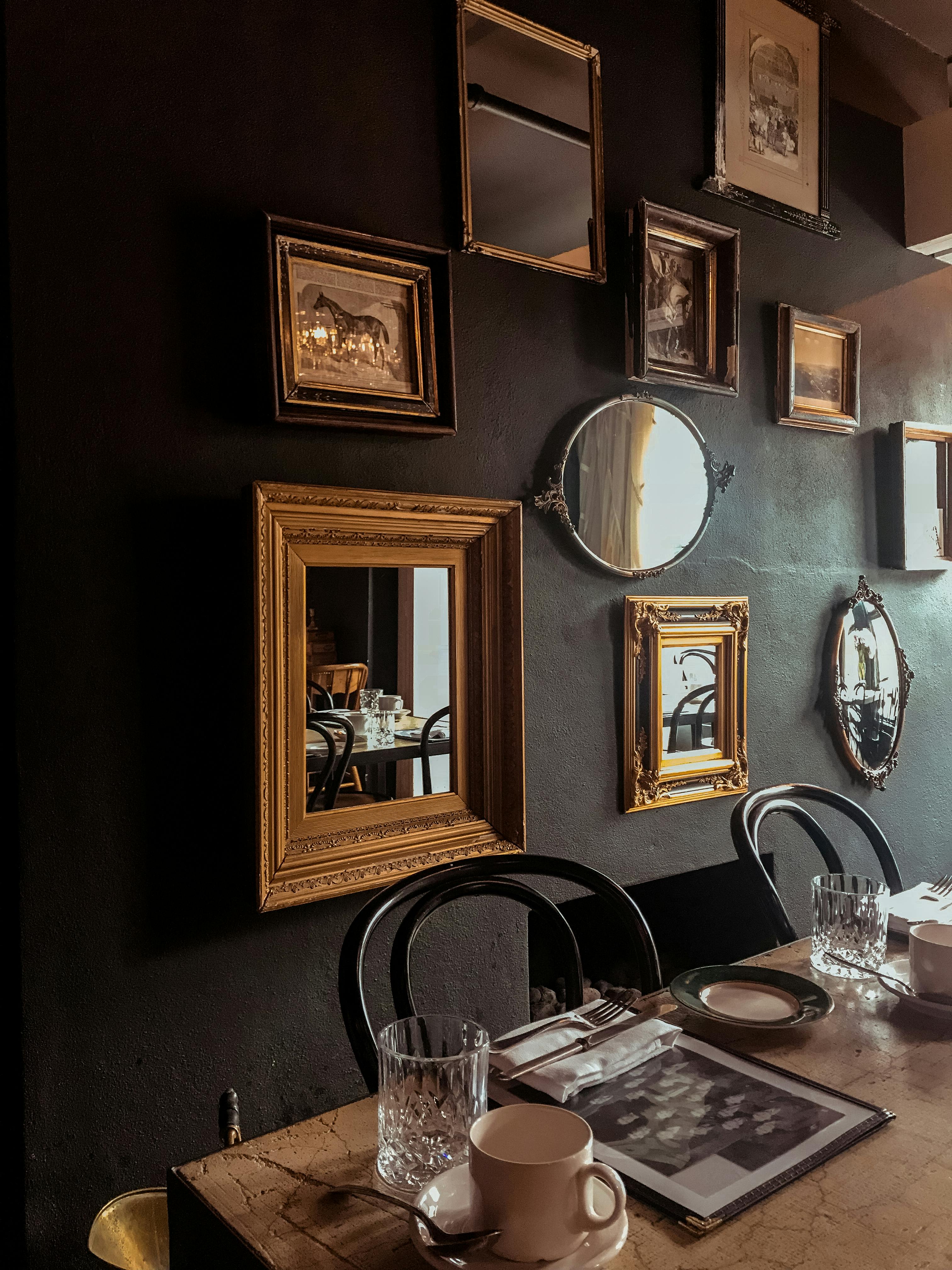
But put them together? Oh, that’s when the real magic happens. They amplify each other in ways you might not expect. The mirror doesn't just reflect the room; it reflects the art, making it seem larger, more integral, and often, more vibrant. And the art provides a beautiful, curated reflection for the mirror to capture, ensuring you're not just bouncing back a view of your overflowing laundry basket (a mistake I've definitely made!). The mirror acts as a dynamic extension of the art, creating a sense of greater scale, depth, and vibrancy. This is what I call framing the reflection – the technique where the mirror's own design, frame, or edges act as a secondary frame for the reflected artwork or scene, creating a layered and intentional composition. Imagine a sleek, modern artwork, and a baroque mirror's ornate frame subtly catching and 'framing' its crisp lines; it's a dialogue of styles, a conversation across time. The type of art being reflected also plays a role; an ornate mirror might enhance the intricacies of a classical portrait, while a sleek, frameless one could provide a crisp border for a vibrant abstract. The mirror's frame and surface become an extension of the artwork itself, adding another layer to the visual narrative.
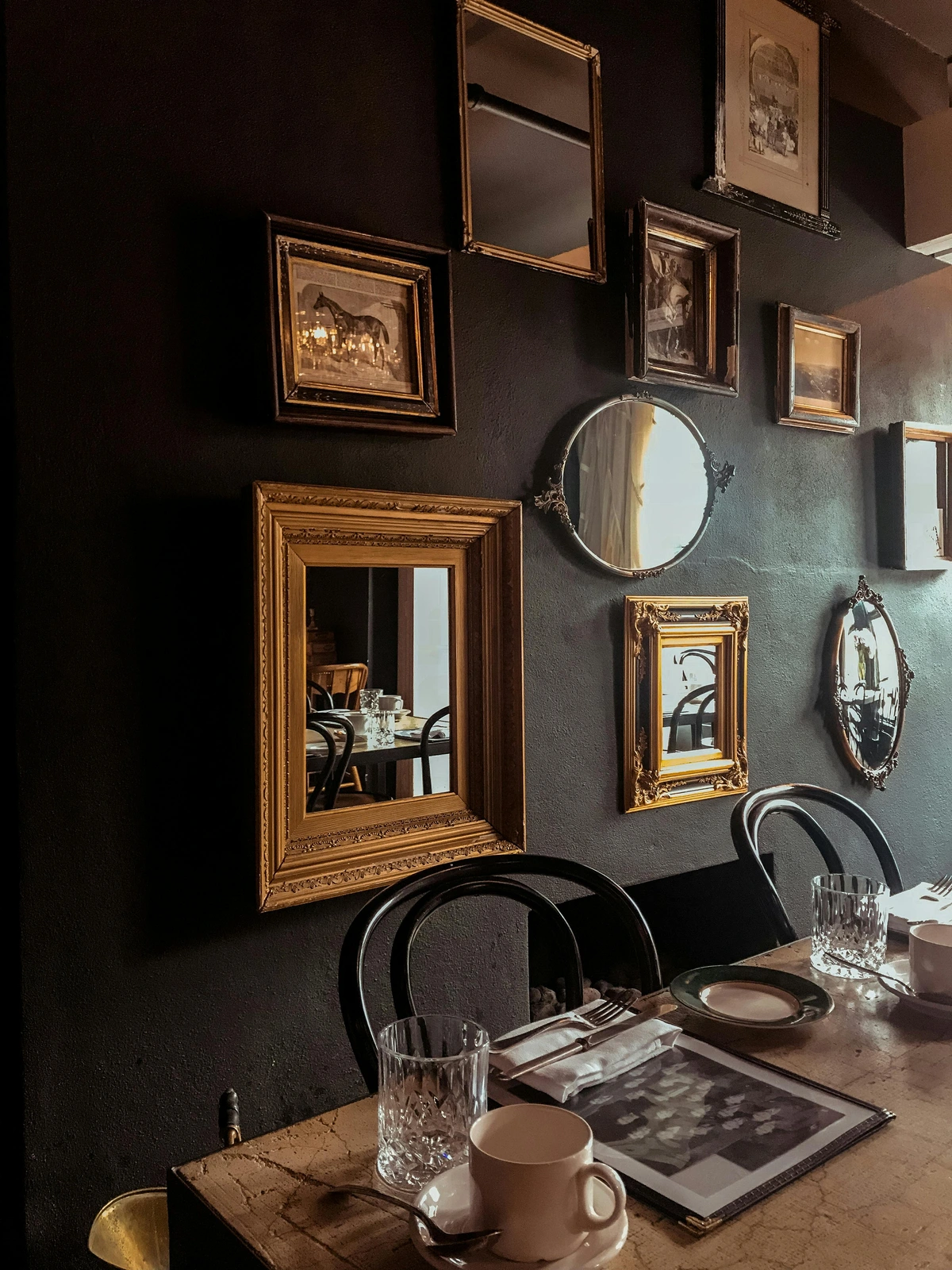
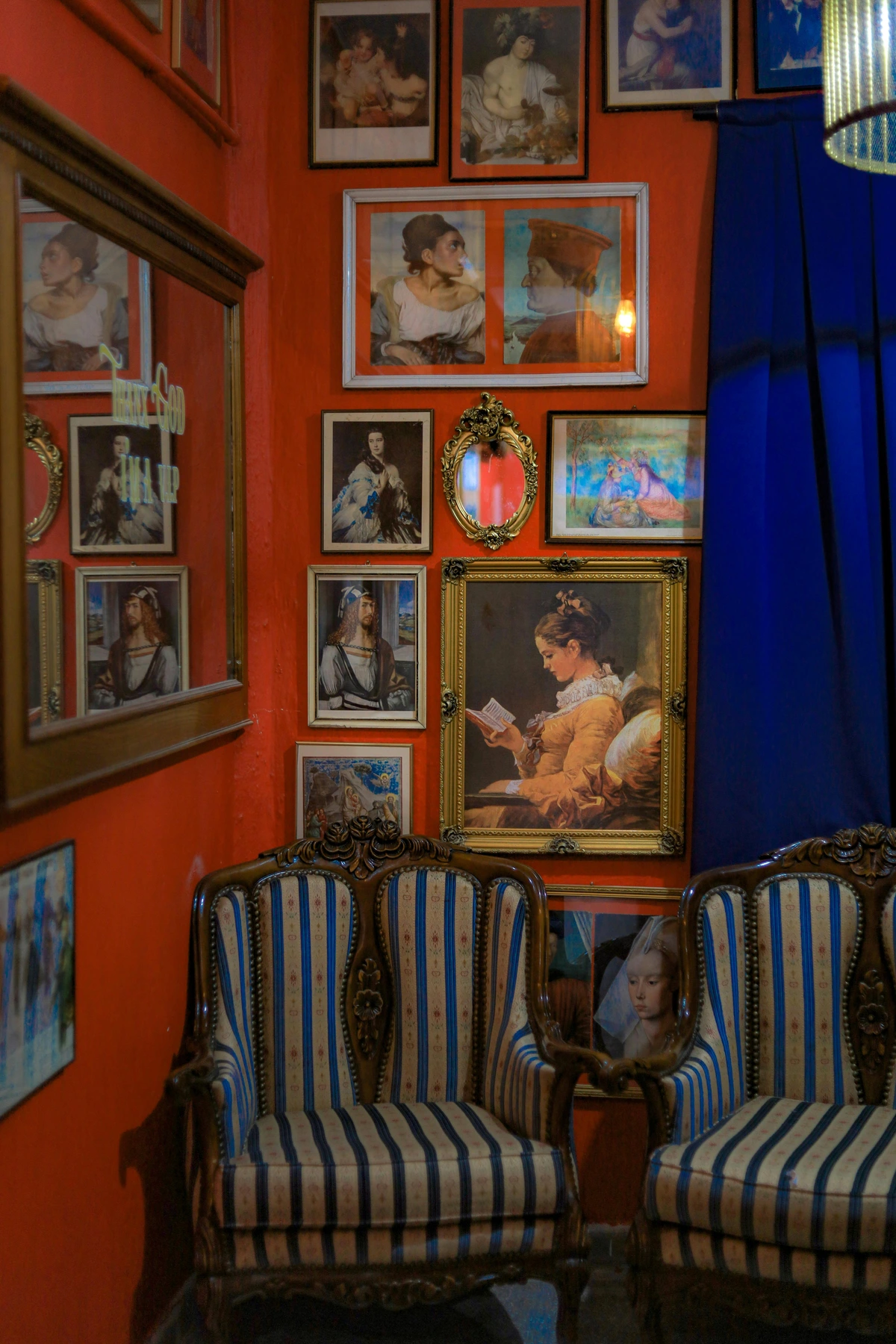
Historical Whispers: An Enduring Design Secret Through the Ages
Interestingly, the art of using mirrors for spatial and aesthetic enhancement isn't new; it's a practice steeped in history. From the ancient Egyptians, who polished bronze and copper to create reflective surfaces, recognizing their capacity to manipulate light, to the innovative artisans of the Renaissance. Imagine ancient Roman villas where polished metal discs or even basins of water were used to catch and redirect sunlight, enhancing intricate mosaics or garden vistas. In traditional Japanese interiors, sliding screens could sometimes incorporate subtle reflective elements, blurring the lines between indoor and outdoor spaces and fostering a sense of expansive serenity. There's even evidence of polished obsidian being used as mirrors in Central and South America as early as 6000 BCE, often with ceremonial or spiritual significance.
It was during the European Renaissance, for instance, that artists and architects, fascinated by optics and perspective, began to truly understand how mirrors could create illusion and expand perceived space. Think of Jan van Eyck's iconic 'Arnolfini Portrait,' where a convex mirror doesn't just reflect the room but adds a layer of depth and narrative, even revealing figures otherwise unseen. Mirrors were also ingeniously incorporated into trompe-l'oeil techniques – literally 'to trick the eye' – creating the illusion of extended architectural features or open vistas where none existed. In some churches, mirrors were even used to direct light onto altarpieces or sacred objects, adding a spiritual, ethereal glow. The development of reliable silvering techniques in Venice made larger, clearer mirrors possible, democratizing their use beyond the ultra-wealthy. This was further advanced by the French plate glass process in the 17th century, making grand illusions, such as those later seen in the Hall of Mirrors at Versailles, a reality. Master designers like Jacques-Émile Ruhlmann, the Art Deco legend, also expertly used mirrored furniture and wall panels alongside meticulously chosen artworks to extend and lighten his sophisticated interiors. This rich, deep history proves that the art and mirror pairing is a timeless strategy, an enduring design secret for elevating any space.
The Mirror's Many Faces: Reflecting Diverse Realities
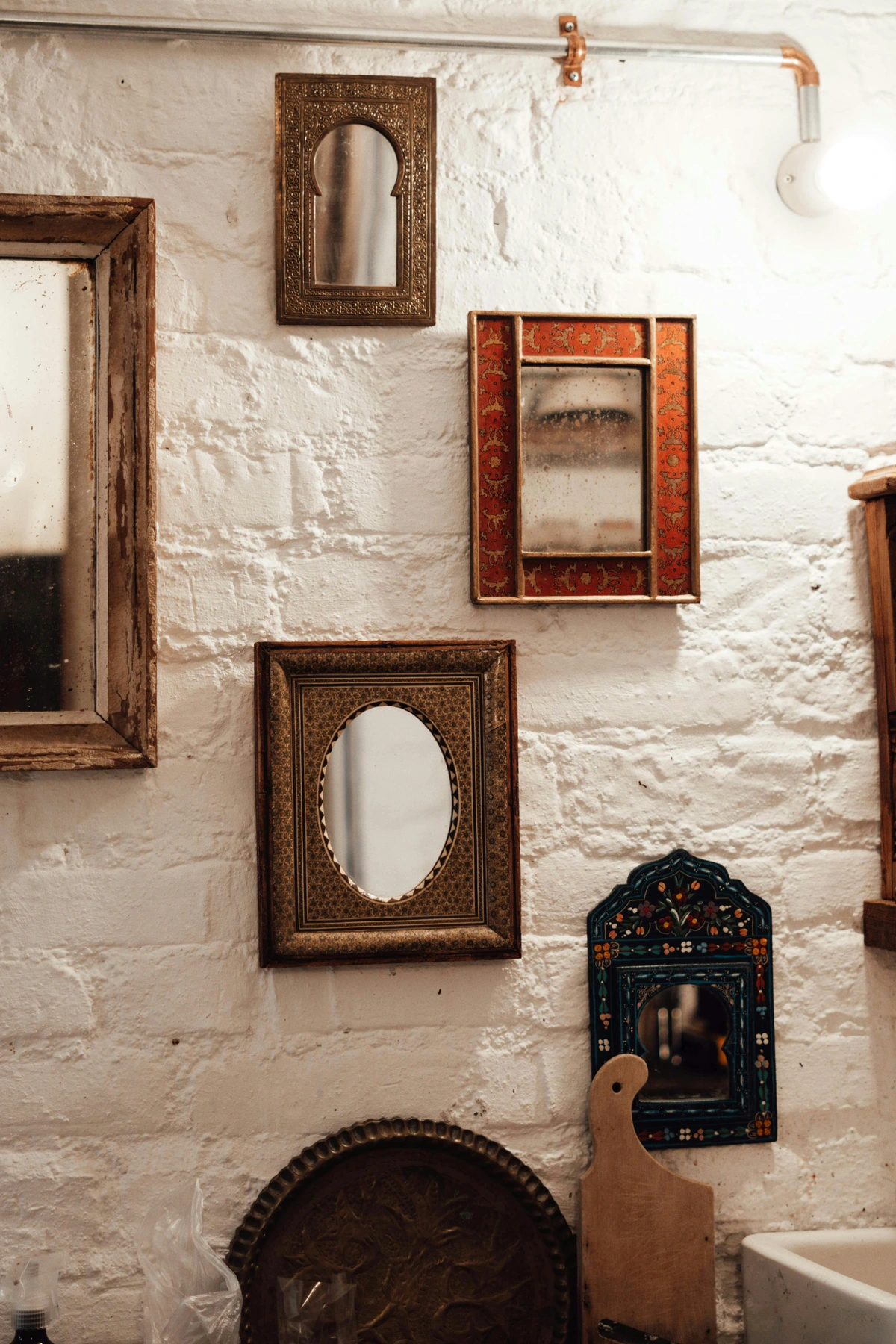
The kind of mirror you choose dramatically impacts how it interacts with your art, and indeed, how it contributes to the room's narrative. It’s not just a reflective surface; it’s an active participant in your decor, and its frame is often an artwork in itself. Below is a guide to different mirror types and frames, and how they can alchemically enhance various art styles.
Mirror Type / Frame Style  | Characteristics & Artistic Impact | Best Art Pairings | Potential Pitfalls | Pro Tip |
|---|---|---|---|---|
| Antiqued or Smoked Mirrors | Softer, moodier reflection; diffuses light; vintage charm; adds depth and mystery, creating a subtle patina. | Classic portraits, sepia photography, surrealist art, art needing an introspective quality. | Can dull very vibrant modern art if not intentionally contrasted, making colors feel muted. | Can lend a dreamlike quality and subtle warmth, softening edges beautifully, even for vibrant modern art. |
| Frameless Mirrors | Emphasizes reflection itself; minimalist, contemporary; blends seamlessly, focusing on the visual content. | Abstract art, bold graphic prints, minimalist pieces, architectural drawings. | Can feel stark or cold if the room lacks warmth from other elements, requiring careful balance. | Allows the art to take center stage without visual interruption; ideal for a sleek aesthetic where the art speaks for itself. |
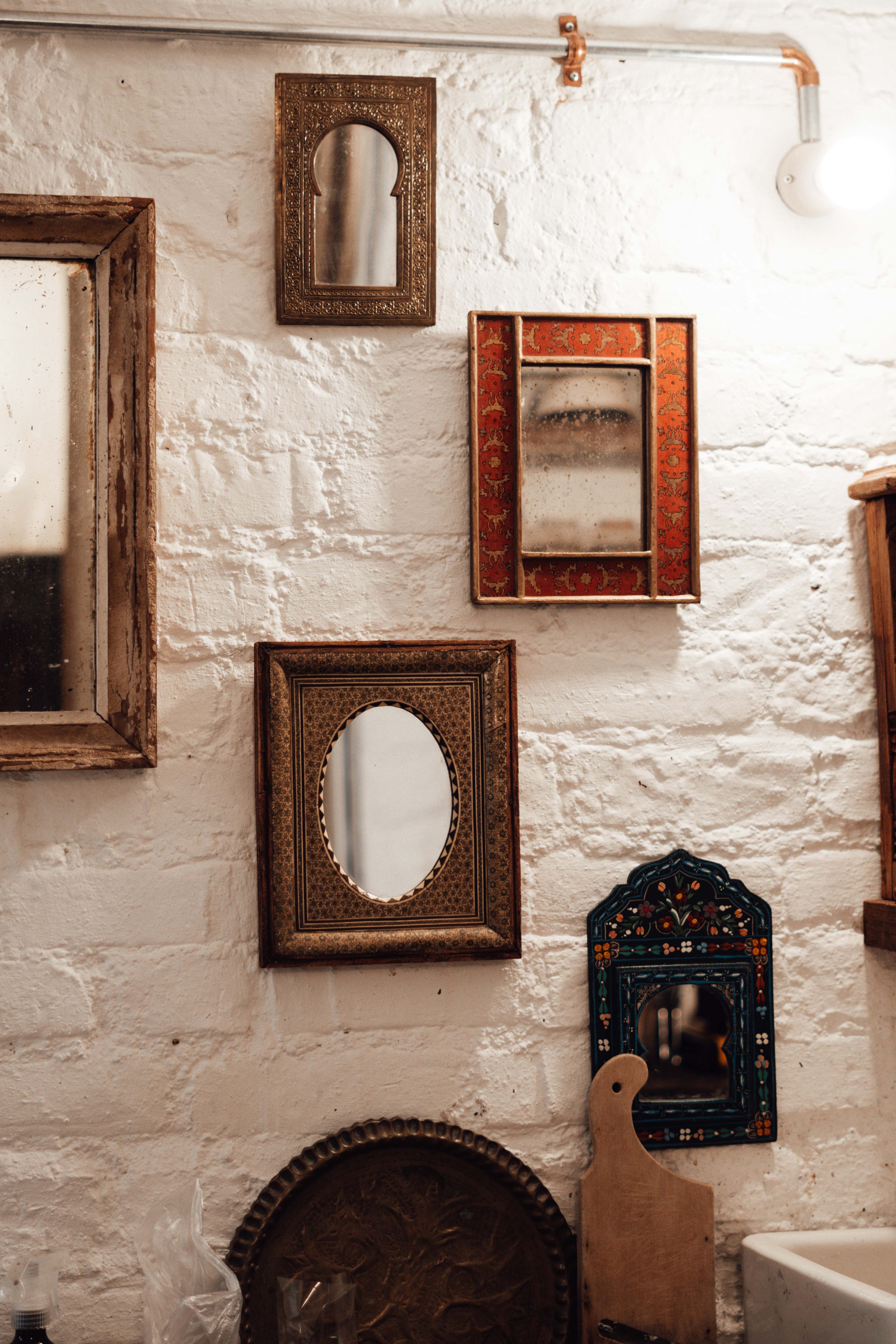
| Ornate/Gilded Mirrors | Grandeur, historical elegance, intricate details; creates a luxurious focal point, often with intricate carvings. | Modern or abstract art (for striking contrast), traditional pieces (for enhanced richness and historical resonance). | Can overpower small or delicate artworks; can look out of place in very minimalist settings. | Creates intriguing tension with contemporary art, or amplifies flourishes in Baroque/Rococo styles, adding a layer of curated history. |
| Rustic Wood Frames | Earthy, natural, grounding; adds warmth and texture, often with visible grain or imperfections like reclaimed wood or rough-hewn timber. | Landscape paintings, botanical prints, folk art, abstract art with organic forms. | May clash with highly polished or ultra-modern decor, requiring a conscious stylistic choice. | Perfect for creating a cozy, inviting atmosphere or a modern farmhouse aesthetic, connecting art to nature. |
| Industrial Metal Frames | Sleek, modern, urban edge; can be raw steel, polished chrome, or blackened iron, often featuring bold lines and clean finishes, sometimes with visible welding marks. | Geometric abstracts, street photography, pop art, black and white photography. | Can feel too 'hard' or cold in overtly soft or traditional rooms, needing textural contrast. | Adds a contemporary, edgy feel; pairs well with minimalist or industrial interiors, creating a compelling dialogue of textures. |
| Convex or Concave Mirrors | Distorted, whimsical reflections; funhouse-style; creates unexpected perspectives, adding playful intrigue. | Surrealist art, pop art, abstract works, playful pieces that embrace distortion. | Can be disorienting or distracting if not used sparingly and intentionally, best as a statement. | A bold statement mirror; use when seeking unexpected, thought-provoking dimensions and a conversation starter that challenges perception. |
| Tinted Mirrors (Bronze, Grey, Rose Gold) | Adds specific color cast to reflections; influences mood and temperature of the space, creating unique ambiance. | Art with complementary or contrasting color schemes; warms up cool art (bronze), adds sophistication (grey). | The tint can alter the true colors of reflected art, which may not always be desired. | Excellent for cohesive color schemes or to subtly shift the mood of the reflected art and room, adding a layer of deliberate color theory. |
| Verre Églomisé / Decorative Glass | An artistic technique where designs are reverse-painted or gilded on the back of glass, often with intricate patterns or scenes; adds luminosity and bespoke artistry. | Art Deco prints, classical motifs, abstract art with metallic accents, pieces where you want a sense of curated luxury. | Can be expensive and delicate; requires careful placement to highlight its craftsmanship. | Treat it as a jewel; best in spaces where its unique craftsmanship can be appreciated up close, enhancing the richness of nearby art with a touch of bespoke elegance. |
| Sunburst Mirrors | Radiating 'rays' from a central mirror; often metallic and ornate; acts as a sculptural focal point, evoking energy and glamour. | Contemporary abstracts, Mid-century modern art, bold portraits, or as a standalone statement piece. | Can feel overly decorative or clash with very busy patterns; requires ample surrounding negative space. | Perfect for adding a touch of glamour and dynamism, mimicking the sun's energy, or softening the angles of a room. |
The Masterful Dance: How Art & Mirrors Create Light, Illusion, & Emotional Resonance
Catching the Light & Expanding Horizons
This is perhaps the most celebrated benefit of placing mirrors strategically. A mirror positioned opposite a window or a prominent light source will quite literally harvest that light, spreading it deeper into your room. Now, imagine a piece of art also benefiting from this reflected glow. The colors become more luminous, the textures more pronounced, almost shimmering. It's like your art gets its own natural, amplified spotlight, truly coming alive. I've found this particularly helpful in spaces that struggle with natural light, a topic I explored further in my thoughts on how to choose art for a room with low light.
Mirrors are masters of illusion, making small rooms feel larger, cramped hallways feel more expansive. When you incorporate art into this mirrored landscape, you're not just enlarging the physical space, but the visual story within it. A visual story is the narrative or emotion conveyed through the arrangement of objects, colors, and textures in a room. The reflection of your art creates a sense of depth and continuity, ensuring that the expanded view isn't just more wall, but more beauty and narrative. This is especially true when thinking about decorating a house where flow and perceived space are key.
Reflecting Beauty (and Not the Clutter)
This is a critical point that often gets overlooked. A mirror's job is to reflect. My golden rule here? Make sure what it's reflecting is something you want to see. A beautiful piece of art, a thoughtfully arranged bookshelf, or even a lush plant can become part of the mirror's artistic tableau. The mirror's frame itself can act as an additional frame for the reflected art, creating a layered, intentional composition. Avoid reflecting busy doorways, unsightly storage, or, heaven forbid, that perpetually overflowing laundry basket I mentioned earlier (a mistake I've definitely made, much to my own visual chagrin!). Trust me, learning this the hard way meant a very unflattering reflection of my untidy desk for far too long. If you wouldn't want it photographed and framed, don't let your mirror reflect it.
Psychological Resonance: Mood, Emotion, & Well-being
Beyond aesthetics, the intelligent placement of art and mirrors can subtly yet powerfully influence your mood and overall well-being. Increased natural light and a sense of expanded space can reduce feelings of confinement, promoting a sense of calm and openness. The presence of art, chosen for its personal resonance, injects inspiration and joy, contributing significantly to the overall positive energy of a room. It's not just decor; it's an act of self-care for your space. Research suggests that exposure to art can lower stress, enhance empathy, and even stimulate cognitive function, promoting creativity and problem-solving. This connection between art, perception, and well-being ties into biophilic design principles, where elements that mimic nature (like art depicting landscapes or a mirror reflecting a garden) can reduce stress and improve cognitive function.
Mirrors, by expanding perceived space, can also alleviate feelings of claustrophobia and subtly influence self-perception, making a room feel more balanced and harmonious. Think about the feeling of security or unease a mirror can evoke; a well-placed mirror can offer a subtle sense of being aware of your surroundings, while a poorly placed one can create surprising, unsettling reflections. It's all about intentionality. For example, mirrors can even tap into the Zeigarnik effect, a psychological phenomenon where people remember unfinished or interrupted tasks better than completed ones. A reflection of an unfinished task or lingering clutter might subconsciously create unease, subtly reinforcing the importance of keeping visual distractions out of sight!
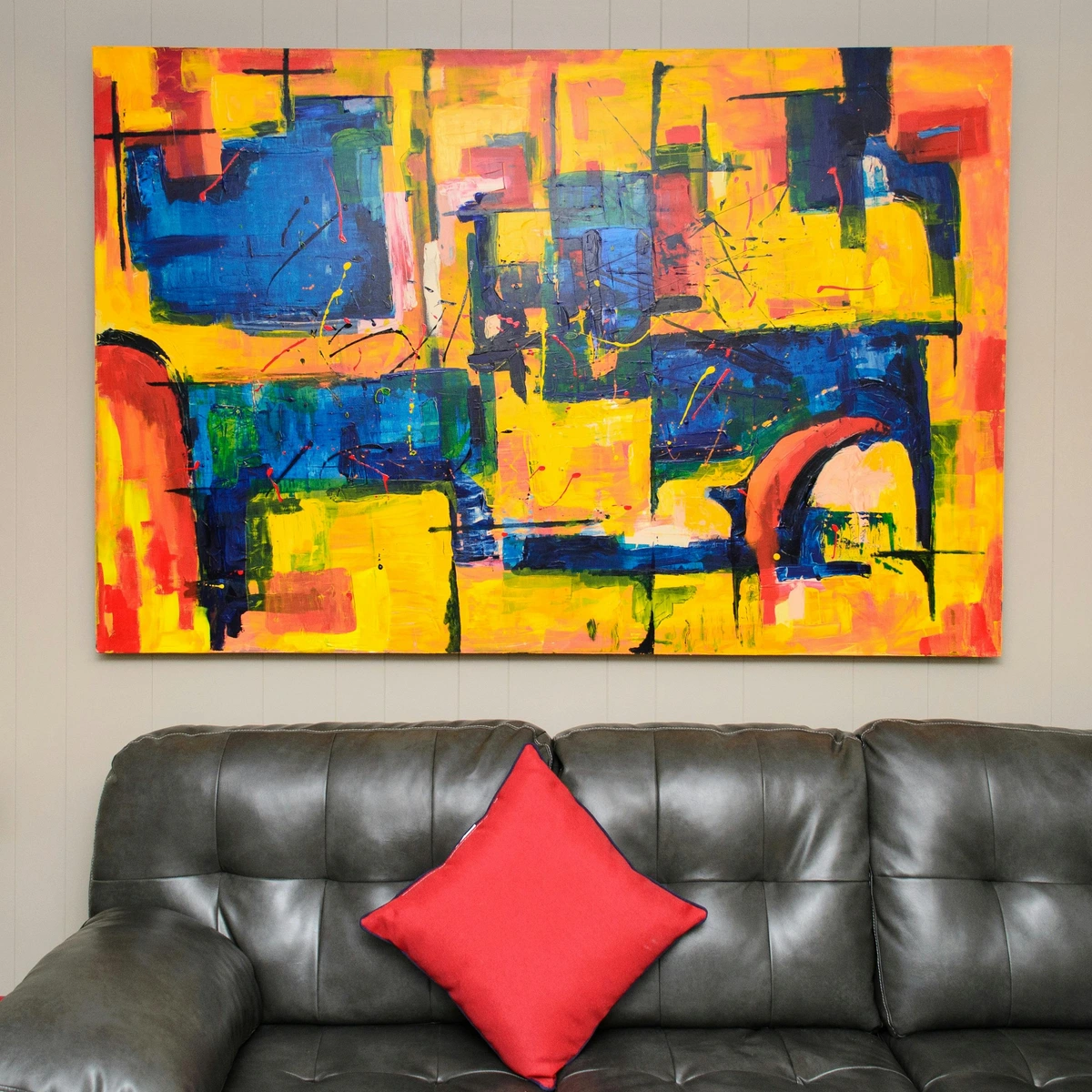
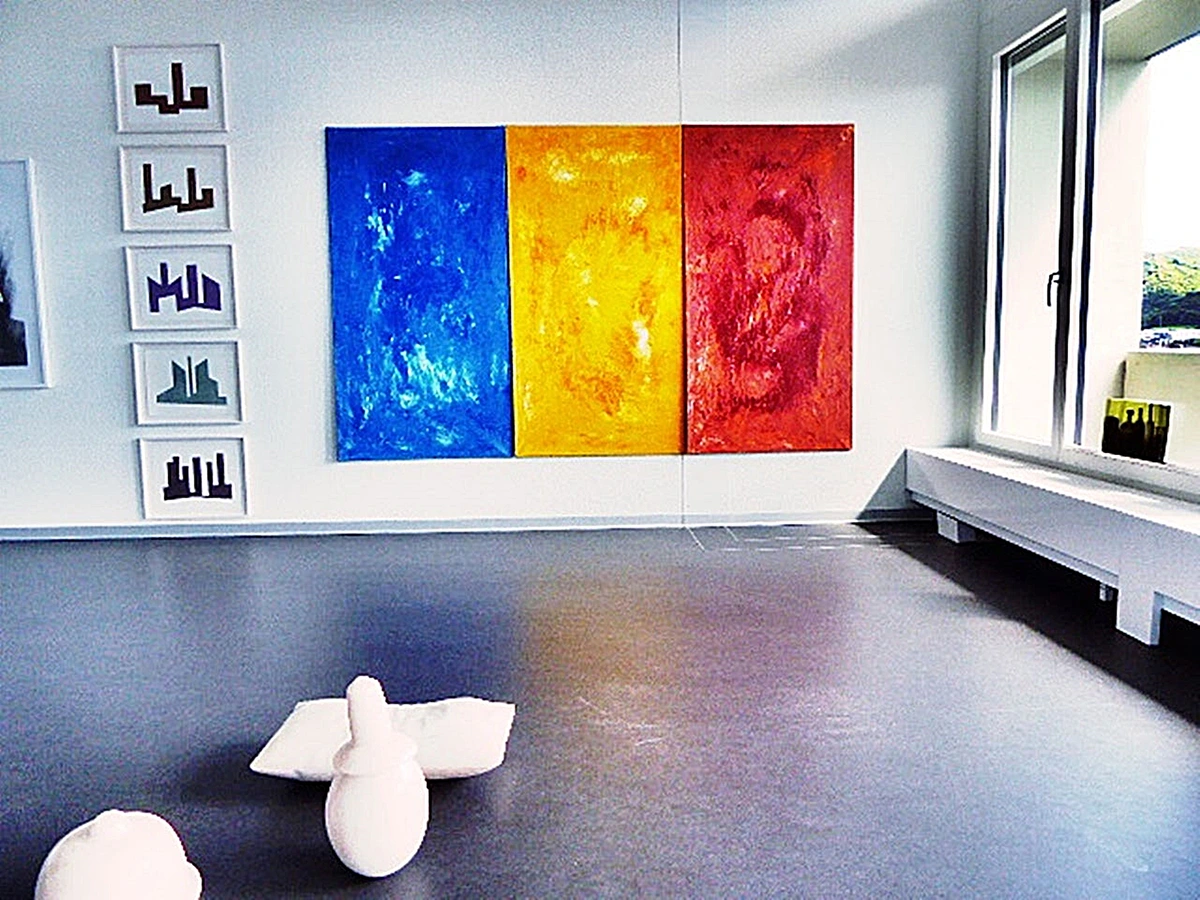
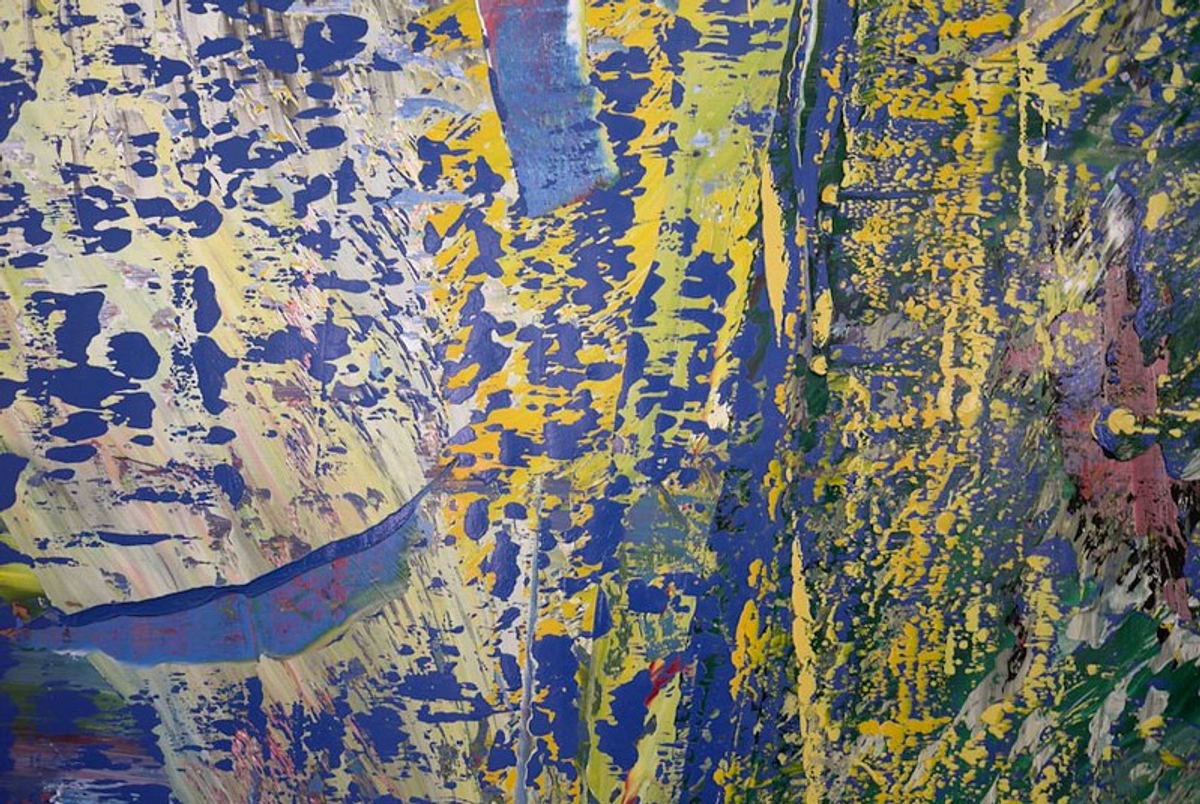
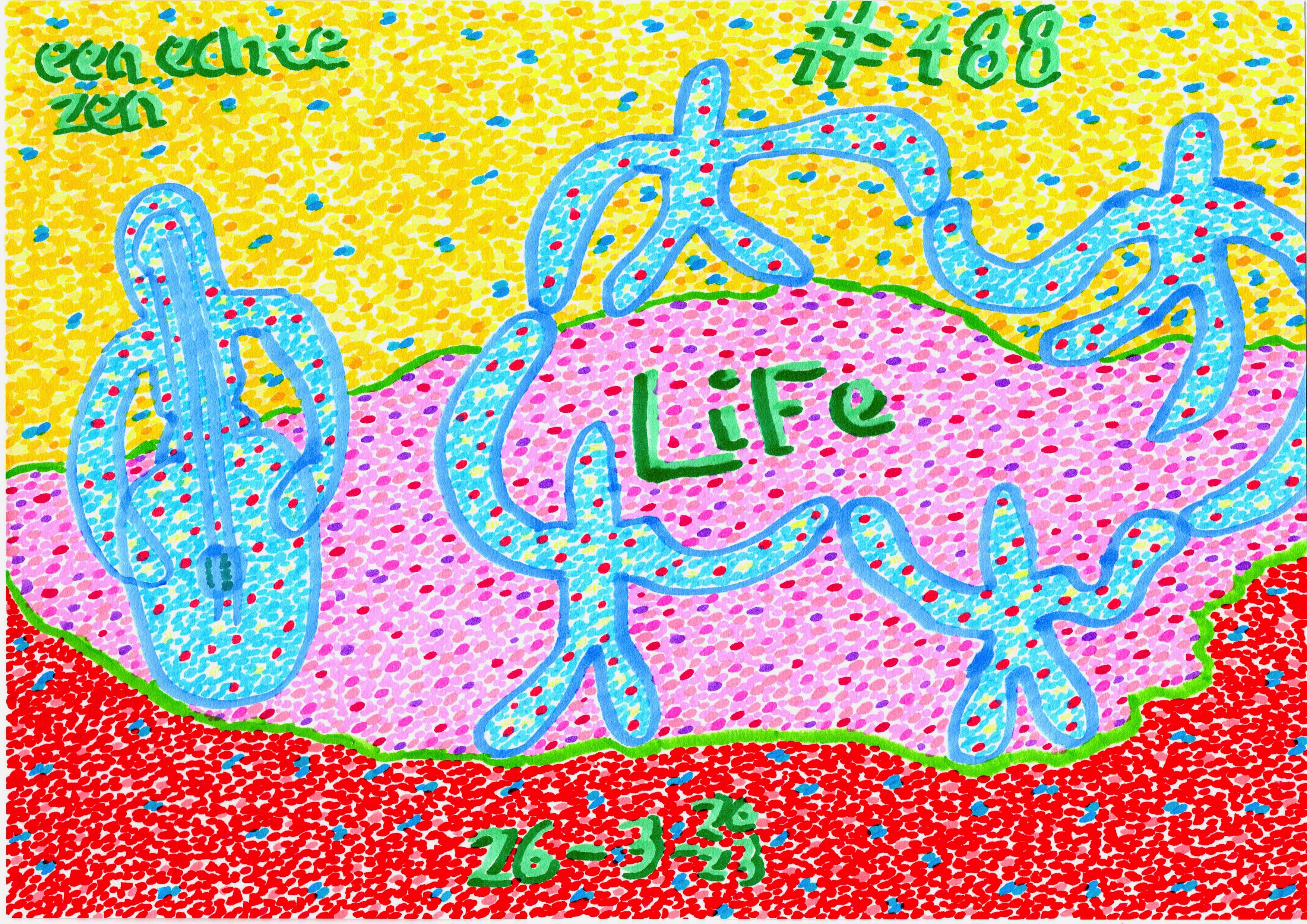
Consider how the colors in an artwork are amplified by a mirror. A vibrant abstract, like my piece 'life, abstract figures' (from here), with its energetic blues, yellows, and pinks, could create a lively, uplifting mood, especially when its reflection dances across the room. Conversely, a calming landscape might foster serenity. The mirror doesn't just double the image; it extends its emotional reach, adding to the room's visual weight – the perceived heaviness or lightness of an object or area in a composition. Think of it like a carefully composed piece of music, where each element contributes to the overall presence. A large, dark artwork has significant visual weight (like a black hole pulling attention), and its reflection can intensify this, making a room feel more grounded, or conversely, too heavy if not balanced. Meanwhile, a delicate watercolor might feel like a fluffy cloud, light and airy.
The Art of Illumination: Beyond the Sun
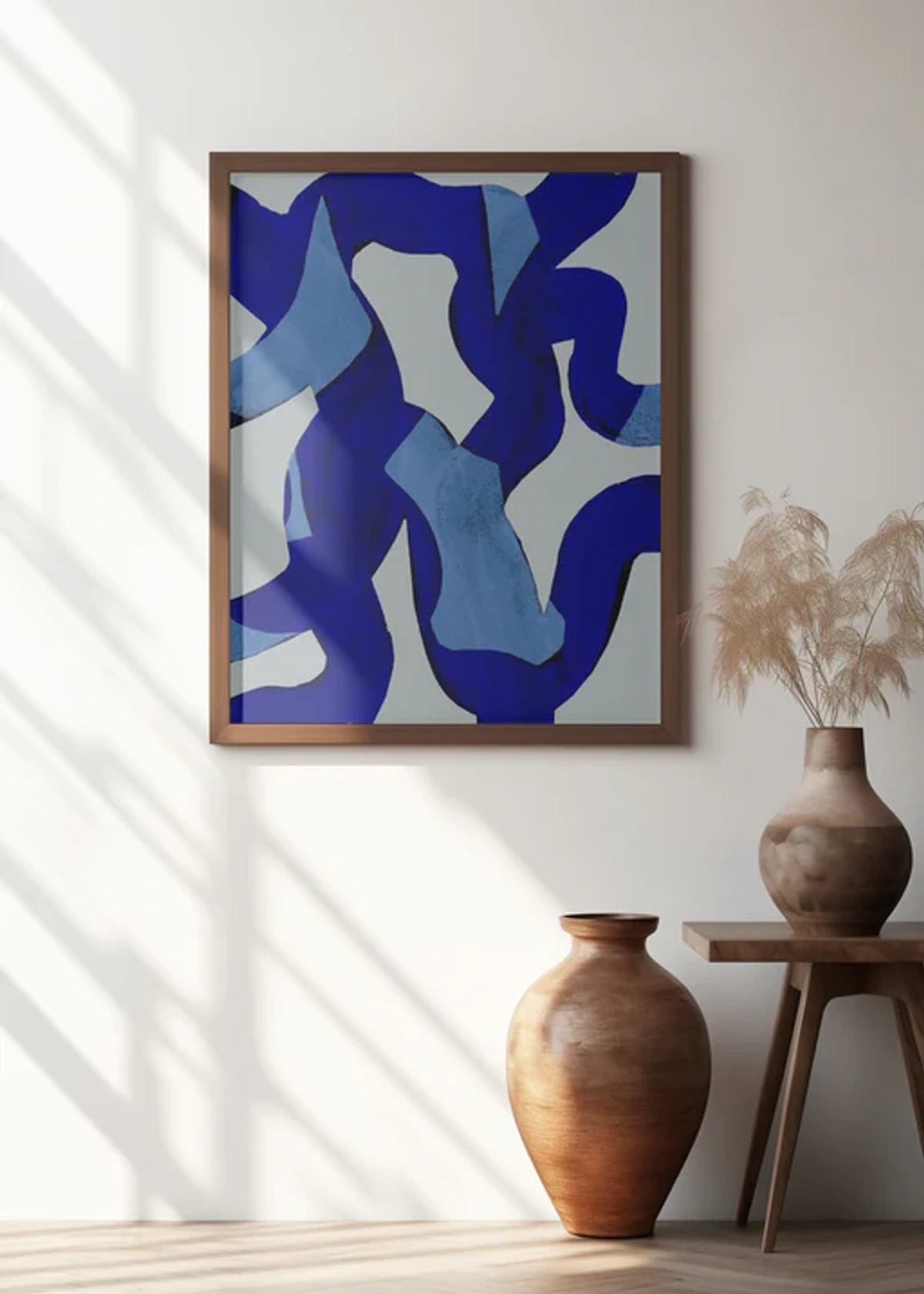
While natural light is a gift, don't underestimate the power of artificial lighting when pairing art and mirrors. A well-placed spotlight, picture light, or even sconces can highlight an artwork, which is then amplified by a nearby mirror, creating dramatic effects and adding depth to a room even after the sun sets. Think about how ambient lighting can soften edges or how a task light might illuminate both a workspace and its reflection. When strategizing your artificial light, consider the angle and intensity. A direct, focused beam can create a brilliant focal point on your art, while indirect, softer lighting can wash both the art and its reflection in a gentle glow, setting a more relaxed mood. The goal is to avoid harsh glare and unflattering shadows, ensuring your art and its mirrored counterpart always look their best. This thoughtful layering of light is another layer of alchemy, transforming the mood and functionality of your space.
Symmetry, Asymmetry, and Visual Harmony
Mirrors are powerful tools for manipulating a room's sense of balance. Placed symmetrically around a fireplace or a central artwork, they can create a formal, grand, and harmonious look, reinforcing architectural lines. However, they can also be used to introduce intentional asymmetry, especially when paired with art. A large mirror offsetting a smaller gallery wall, or a single striking artwork balanced by a unique mirror shape on an adjacent wall, can create a dynamic and modern tension. This deliberate play between balanced and unbalanced elements is crucial for preventing a room from feeling too static or predictable, adding a layer of sophisticated visual interest.
The Alchemist's Principles: Navigating the Nuances for Harmonious Design

Scale, Proportion, and Visual Weight: My Golden Rule & the Art of Intentional Discord
This is the eternal challenge in any decor project, isn't it? My golden rule for decorating with art and mirrors is to aim for a sense of balance – what designers often call visual weight. I like to think of visual weight as the gravitational pull an object exerts on your eye, or the way a talented conductor orchestrates the visual symphony of a room. A tiny piece of art next to an enormous mirror can look utterly lost, its whisper completely swallowed by the mirror's shout. Conversely, a massive artwork might dwarf a dainty mirror, making it feel insignificant. Think of them as partners in a delicate dance; if one is commanding, the other should support without shrinking. I once tried to pair a delicate, postage-stamp-sized print with a massive, full-length leaning mirror, and the print was completely swallowed. Lesson learned, in a rather comical fashion! It felt like a small pebble next to a mountain.
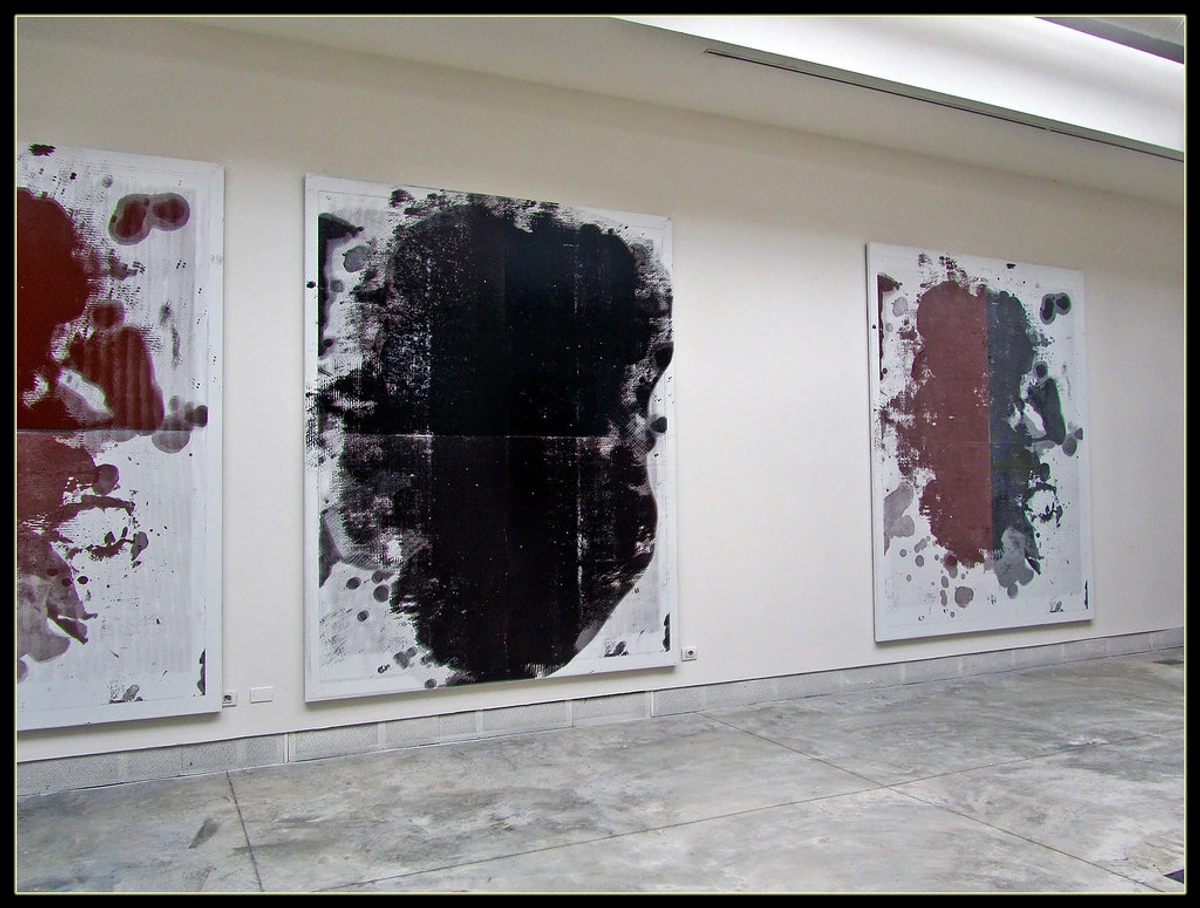
To clarify visual weight: a piece with strong contrast, deep colors, or complex details (like a large, dark abstract painting or a detailed etching) will have high visual weight, drawing the eye powerfully. It's like a bold headline in a newspaper. A light, airy pastel landscape or a minimalist line drawing, even if large, will have less – more like a subtle footnote. The mirror's size, its frame (heavy, ornate, sleek metal, or barely there), and even the quality of its reflection (clear, antique, smoked, distorted) all contribute to its own visual weight. A large, frameless mirror has less visual weight than an equally large mirror with a heavy, ornate frame. A mirror reflecting a busy scene will have more visual weight than one reflecting a serene, empty wall. It's all about perception and how each element commands attention. For instance, a Rothko painting with its expansive color fields has immense visual weight, while a delicate Monet watercolour, despite its beauty, feels lighter. A raw concrete frame adds significant visual weight compared to a polished chrome one, even on the same-sized mirror.
However, I'm also a firm believer in breaking rules intentionally. A deliberately oversized mirror dwarfing a small, delicate print can create a wonderfully dramatic, almost whimsical, effect – if that's what you're consciously aiming for. It's about a clear, creative choice, not accidental imbalance. Here's a quick guide to understanding that delicate balance:
Pairing Type | Art Size vs. Mirror Size | Effect | When to Use | My Thoughts on the Dynamics | Pro Tip |
|---|---|---|---|---|---|
| Balanced | Art ~ 2/3 of mirror's width | Harmonious, classic, serene | Most rooms, traditional aesthetics, or when choosing art for your living room. | My personal go-to for effortless elegance and a feeling of calm. | Use a mockup or tape on the wall to visualize before making any holes! |
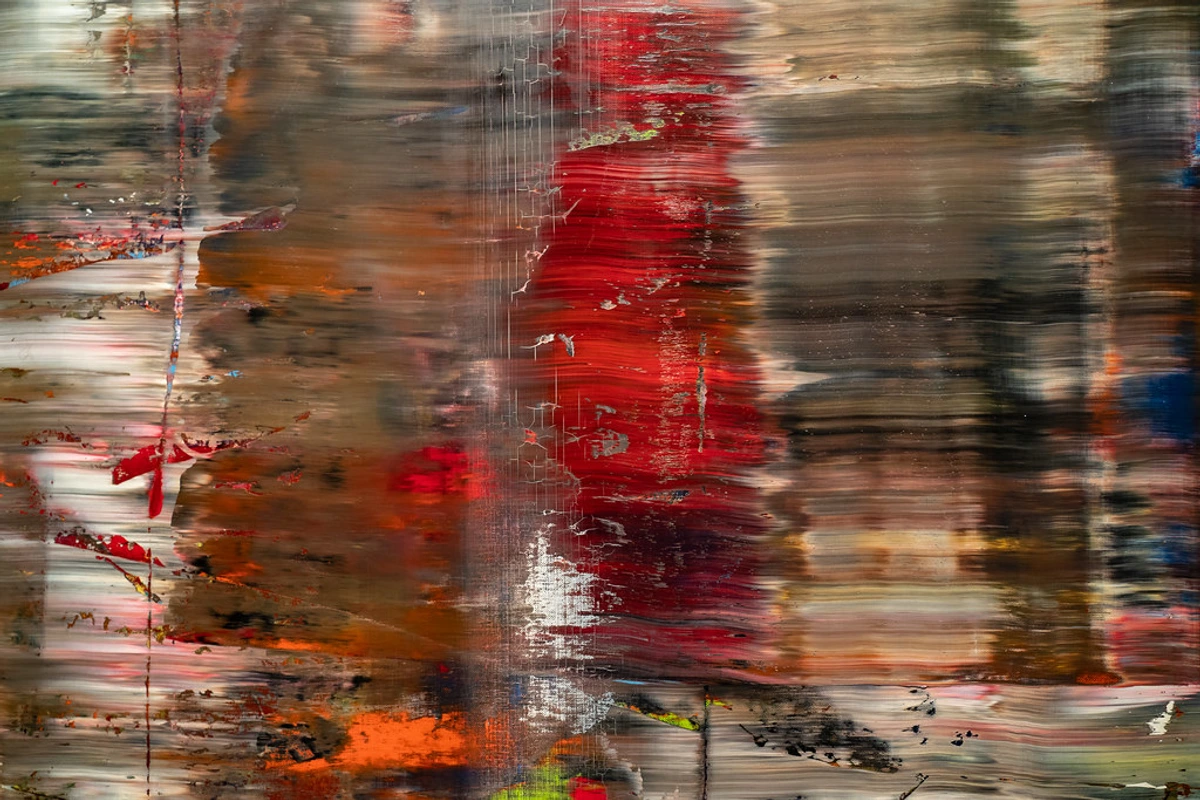
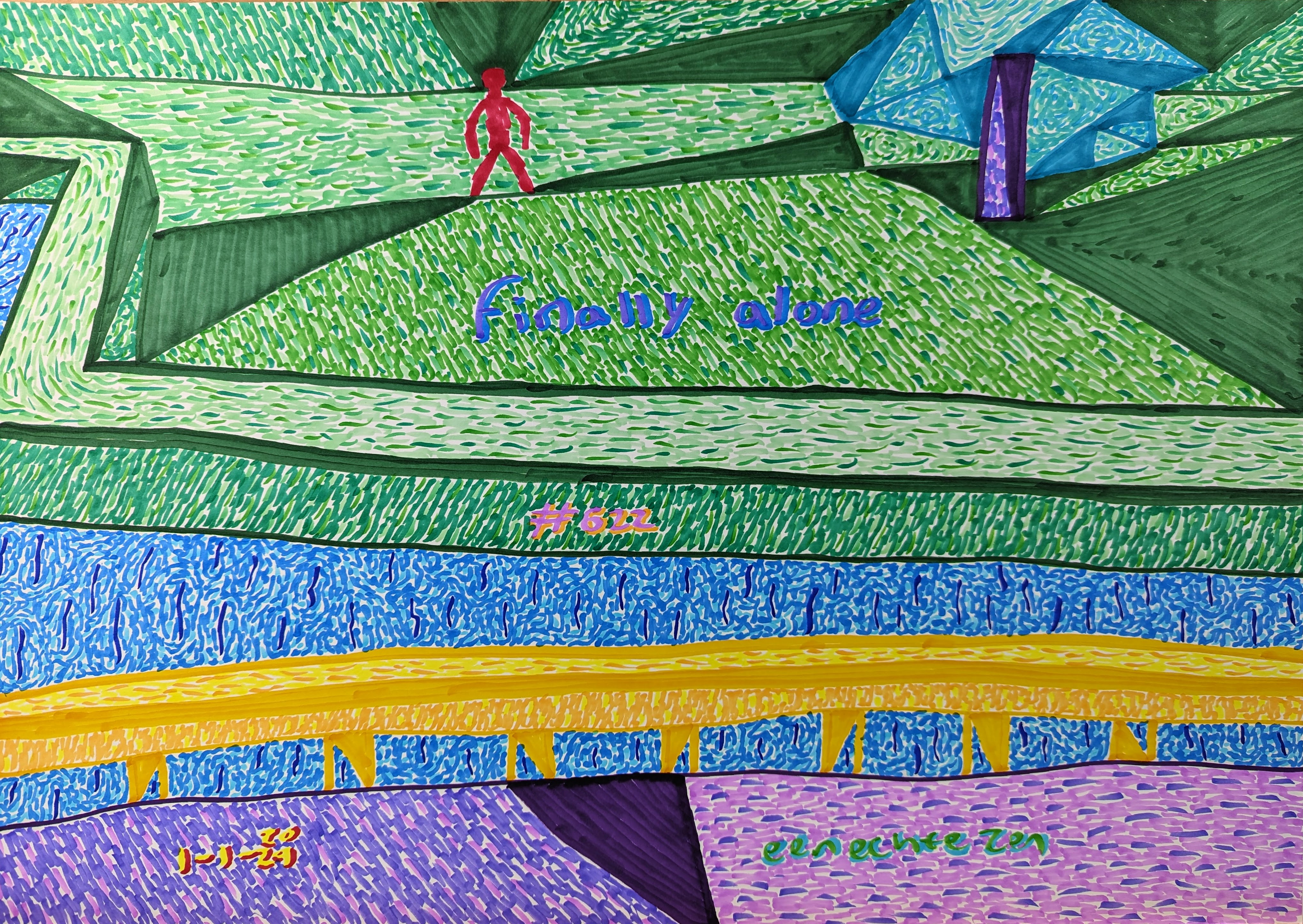
| Dominant Mirror | Small art, large mirror | Expansive, bold, dramatic | Small rooms, modern, dramatic interiors where you want to emphasize light and illusion. | Can be overwhelming if not done right; ensure the art, like my 'alone, loneliness' piece (from here), has strong visual weight despite its size to truly hold its own. | Crucially, make sure the mirror reflects something appealing – not just a blank wall or, worse, unavoidable clutter. |
| Dominant Art | Large art, small mirror | Art-focused, intimate, a moment of contemplation | Highlight a specific artwork, create a focused artistic statement. | Ensure the mirror isn't too small; it still needs enough presence to reflect something intentional and add value to the composition. | Place the mirror to reflect a subtle detail of the art, adding depth and intrigue without competing for attention. |
| Intentional Discord | Disparate sizes/shapes | Whimsical, unique, provocative, a true conversation starter | Eclectic, playful aesthetics, or when you want to make a bold, unexpected statement. For example, a delicate floral print alongside a large, industrial metal-framed mirror. | This requires a confident hand and a clear artistic vision; it's best for those with an intuitive eye for creative tension. | The 'discord' should always feel deliberate and purposeful, never accidental or messy. |
Intentional Contrast: The Alchemical Spark of Juxtaposition
Can you really mix a sleek, modern abstract piece with a gilded, vintage mirror? Absolutely! In fact, I often encourage it. The contrast can be incredibly appealing, adding layers of interest and sophistication to a room. It speaks to a well-traveled eye, a confident hand. I once paired a minimalist abstract print with a Baroque mirror in a client's hallway, and oh, the conversations it sparked! It's all about finding that thread that connects them, be it a shared color tone, a thematic link, or simply the joy of unexpected juxtaposition. Think of it like a perfectly curated playlist: unexpected genres can create a more engaging experience than just one type of music.
For instance, imagine the sinuous lines of an Art Nouveau print juxtaposed with a stark, brutalist mirror frame – a true dialogue between organic elegance and raw industrialism. Or a photorealistic landscape reflected in a heavily ornate, period mirror, blurring the lines between window and artwork and adding a layer of curated history. These unexpected pairings often yield the most memorable designs, creating a unique visual tension that is both compelling and deeply personal.
Art Style | Mirror Style | Effect | Pro Tip |
|---|---|---|---|
| Abstract Expressionist | Minimalist/Frameless | Focus on raw emotion and color, modern | Lets the bold colors pop; consider placing a piece like 'alone, loneliness' (from here) to contrast its deep emotional impact with a stark, clean mirror. |
| Impressionist Landscape | Ornate Gilt/Vintage | Classic elegance, added depth and romance | Creates a 'frame within a frame' illusion; enhances the dreamy, captured-light quality of Impressionism. |
| Modern Minimalist | Brutalist/Geometric | Contemporary chic, emphasizes form and texture | Reinforces architectural purity and clean lines; a dialogue of refined simplicity. |
| Surrealist Portrait | Antiqued/Smoked Glass | Mysterious, dreamlike, otherworldly | Enhances the enigmatic feel of surrealism; perfect for creating intrigue and a sense of history. |
| Pop Art/Graphic | Industrial Metal/Round | Playful, urban edge, bold statement | Adds a touch of rebellion and contemporary flair; works well with strong, graphic statements. |
| Traditional Portrait | Clean-lined wood/Silver | Understated sophistication, fresh take on classic | Modernizes classic art; allows the portrait's details to shine without competing with an overly ornate frame. |
| Art Nouveau | Brutalist/Geometric | Striking contrast between organic and industrial | Juxtaposes the fluid, natural forms of Art Nouveau with sharp, clean lines for compelling tension. |
| Photorealism | Ornate Gilt/Period | Blurs reality, adds a layer of curated history | Creates an intriguing effect, making the ultra-realistic art feel like a 'window' into another, historical space. |
| Bauhaus Geometric | Industrial Metal/Frameless | Clean, functional, architectural | Emphasizes form and utility, perfect for a modern, uncluttered aesthetic, especially with art that has strong lines and primary colors. |
| Folk Art/Naive | Distressed Wood/Rustic | Cozy, authentic, storytelling | Creates a warm, inviting feel, highlighting the handmade charm of folk art with a mirror that feels equally artisanal. |
| Ceramic/Sculptural | Mirrored Pedestal/Geometric | Multi-dimensional, dynamic view | Position the mirror to reveal hidden angles or amplify the texture of a sculpture, transforming a static piece into a dynamic display. |
Artistic Intent and Narrative: Telling Your Story
Beyond just aesthetics, the pairing of art and mirrors can be a powerful tool for storytelling. What narrative do you want to create in your space? A mirror can complete an implied scene in an artwork, reflecting an imagined continuation or offering a glimpse of something unseen. For example, a portrait gazing out of the frame might find its 'other' in the mirror's reflection, or a landscape painting could have its expansive horizon seemingly extended by a strategically placed mirror. Imagine a painting of an open window, and a mirror next to it reflecting a lush plant – the mirror 'completes' the outdoor scene. Or, a mirror reflecting an empty chair in a painting could suggest the person is about to sit down or has just left, creating a subtle narrative tension. Consider the dialogue you want to foster – between past and present, nature and industry, or even the inner world of the art and the outer world of your room. The mirror acts as a dynamic plot device, enriching the depth and meaning of your chosen art, making your walls truly speak.
Height & Perspective: The Eye-Level vs. Reflection Dance
Generally, art is best hung at eye level – if you're standing (typically with the center of the piece at about 145-155 cm or 57-61 inches). For a seated area, it might be lower. But mirrors? They play a different game. While a decorative mirror might sit at eye level, a functional mirror (like one in an entryway for a quick check) can be higher. And a mirror placed specifically to reflect a chandelier, a stunning outdoor view, or another beloved artwork might be higher still. The key is to consider both the individual piece's ideal placement and what its reflection will offer to the room. Don't be afraid to experiment, holding pieces up to the wall to visualize before committing. I often find that the 'perfect' height isn't a hard rule, but a careful calibration of what feels right for the room and what magical reflection you want to capture. Also, consider how mirrors can be used in conjunction with architectural features like arches or columns to enhance their visual impact, often dictating the optimal height for the reflection to truly 'sing'.
Texture & Material Dialogue: A Sensory Experience
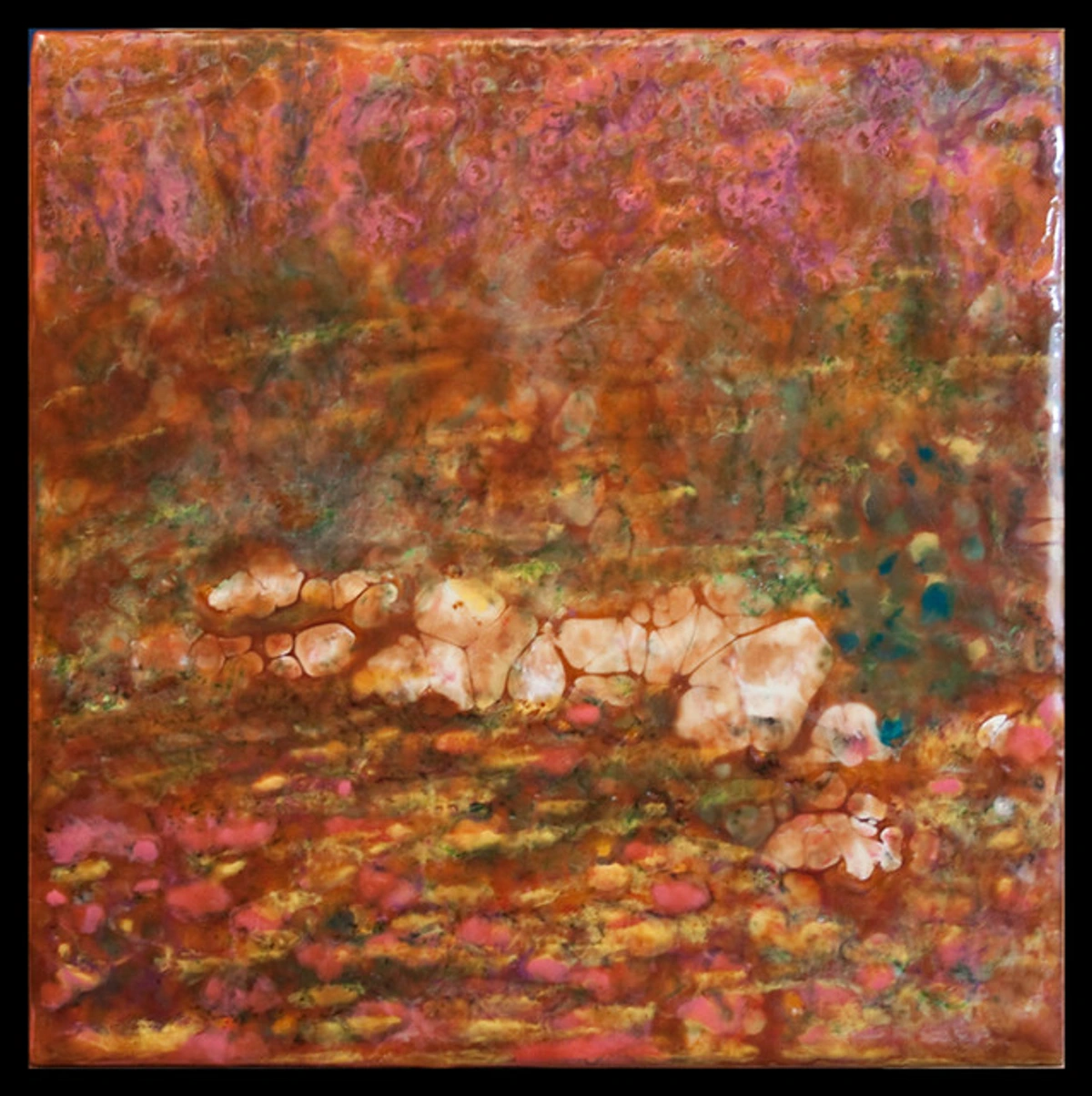
Beyond just visual appeal, consider the tactile qualities. An artwork with visible brushstrokes (impasto), a rough textile piece, or a textured canvas creates a lovely contrast against the smooth, almost liquid surface of a mirror. The mirror's frame material—be it rustic wood, sleek metal, intricate plaster, rattan, velvet, or raw concrete—also adds to this sensory dialogue, offering another layer of interest to the overall composition. For instance, a highly textured abstract print can find new depth when mirrored by a smooth, polished chrome frame, the contrast emphasizing both elements. Or imagine a soft, woven tapestry next to a raw, industrial metal mirror, creating a fascinating tension between comfort and edge. It's about engaging more than just your eyes; it's about creating a rich, multi-sensory experience that makes your space feel truly alive.
The Art of Absence: Embracing Negative Space
Sometimes, the most powerful element in a design is what isn't there. The space around your art and mirror arrangement, often called negative space, is crucial. Don't overcrowd. Allow elements to breathe. A well-designed pairing feels balanced, not suffocating. It's the visual equivalent of a well-timed silence in music – it makes the notes that follow even more impactful. I learned this the hard way, thinking every inch of wall had to be 'filled' and ending up with a room that felt visually exhausting. Now, I understand that strategically placed blank space enhances the art and mirror, giving them room to command attention and preventing visual overwhelm.
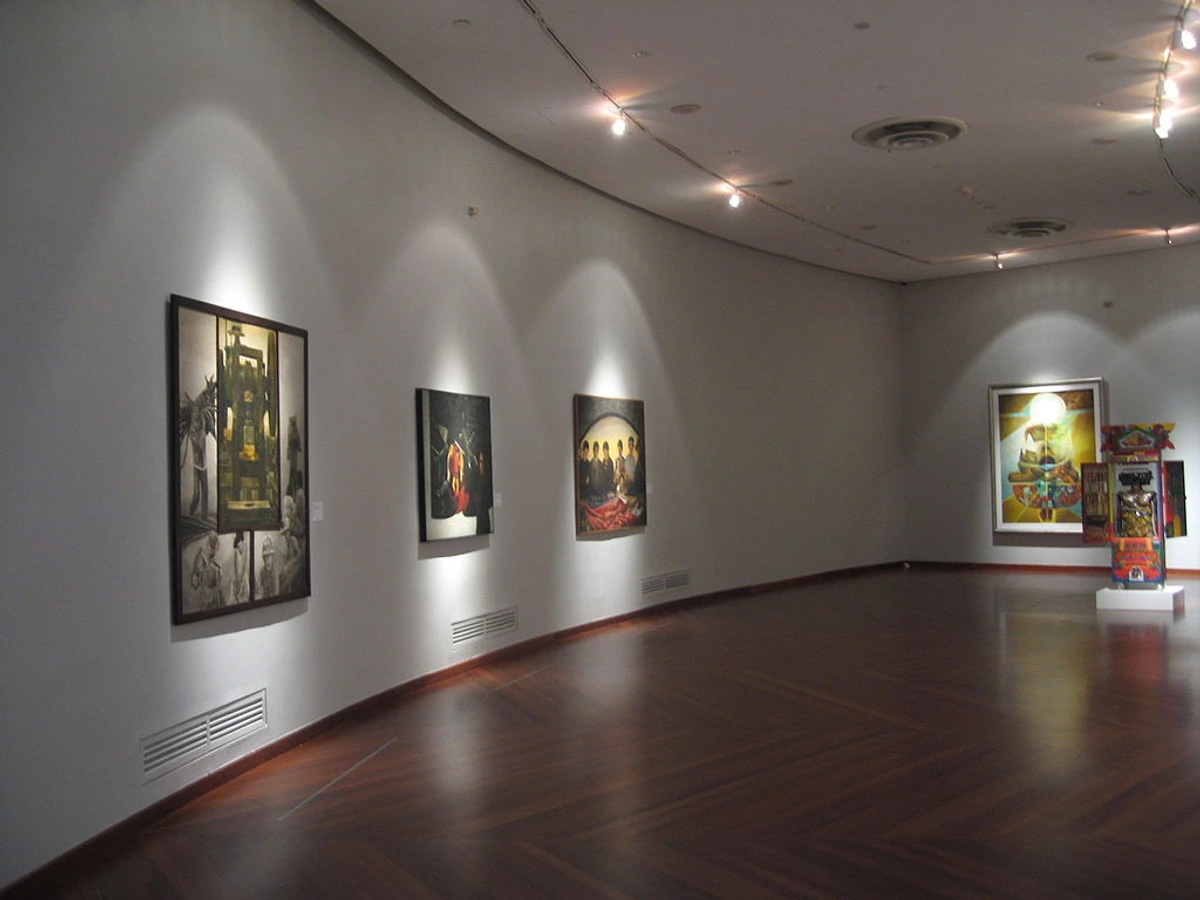
The Alchemist's Workshop: Crafting Your Visual Narrative
So, how do you actually go about hanging mirrors and pictures together in a way that feels cohesive and intentional? There are a few approaches I lean on, depending on the desired effect, always keeping an eye on how the mirror's own design contributes to the overall narrative.
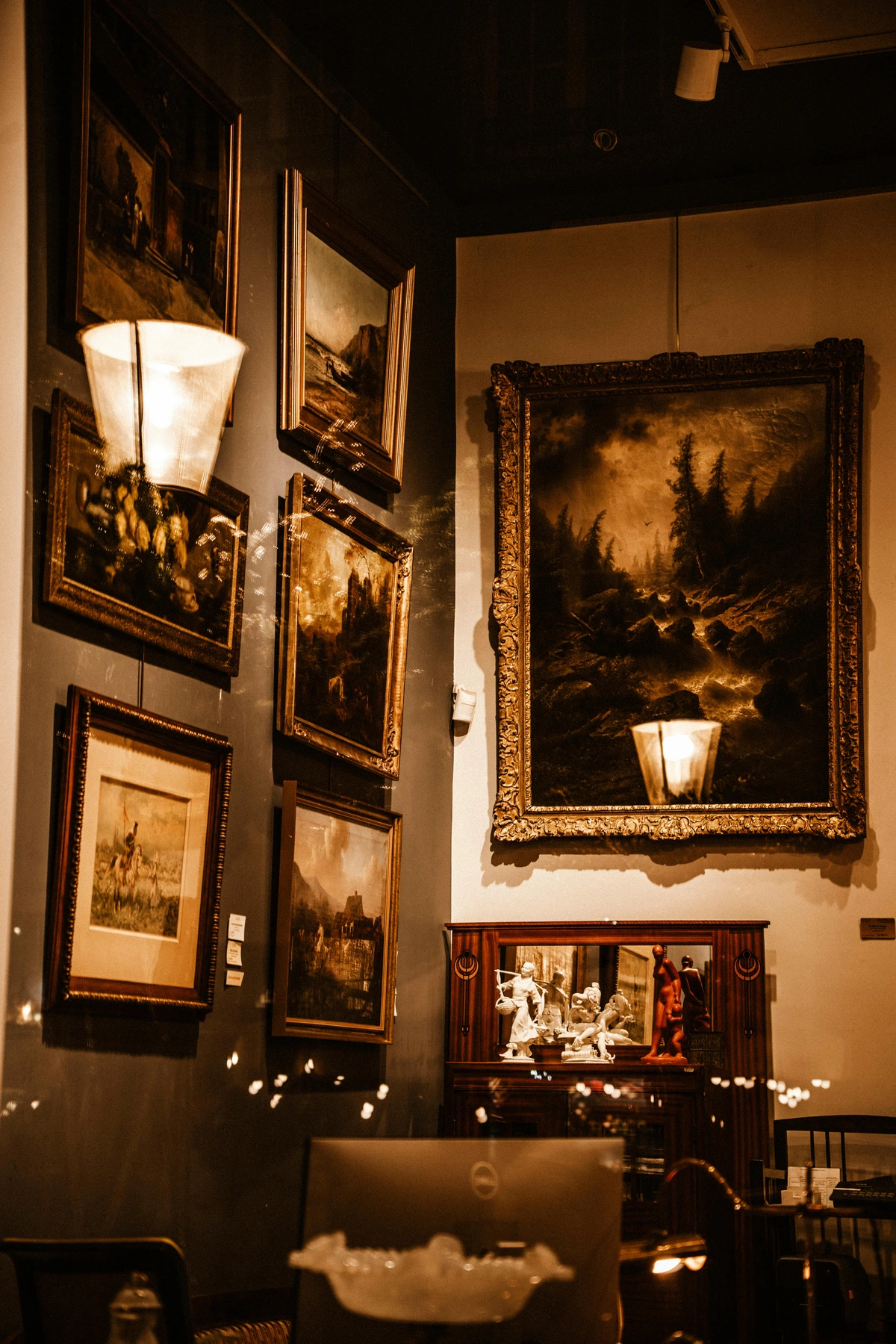
The Solo Statement: When Less Is Truly More Potent
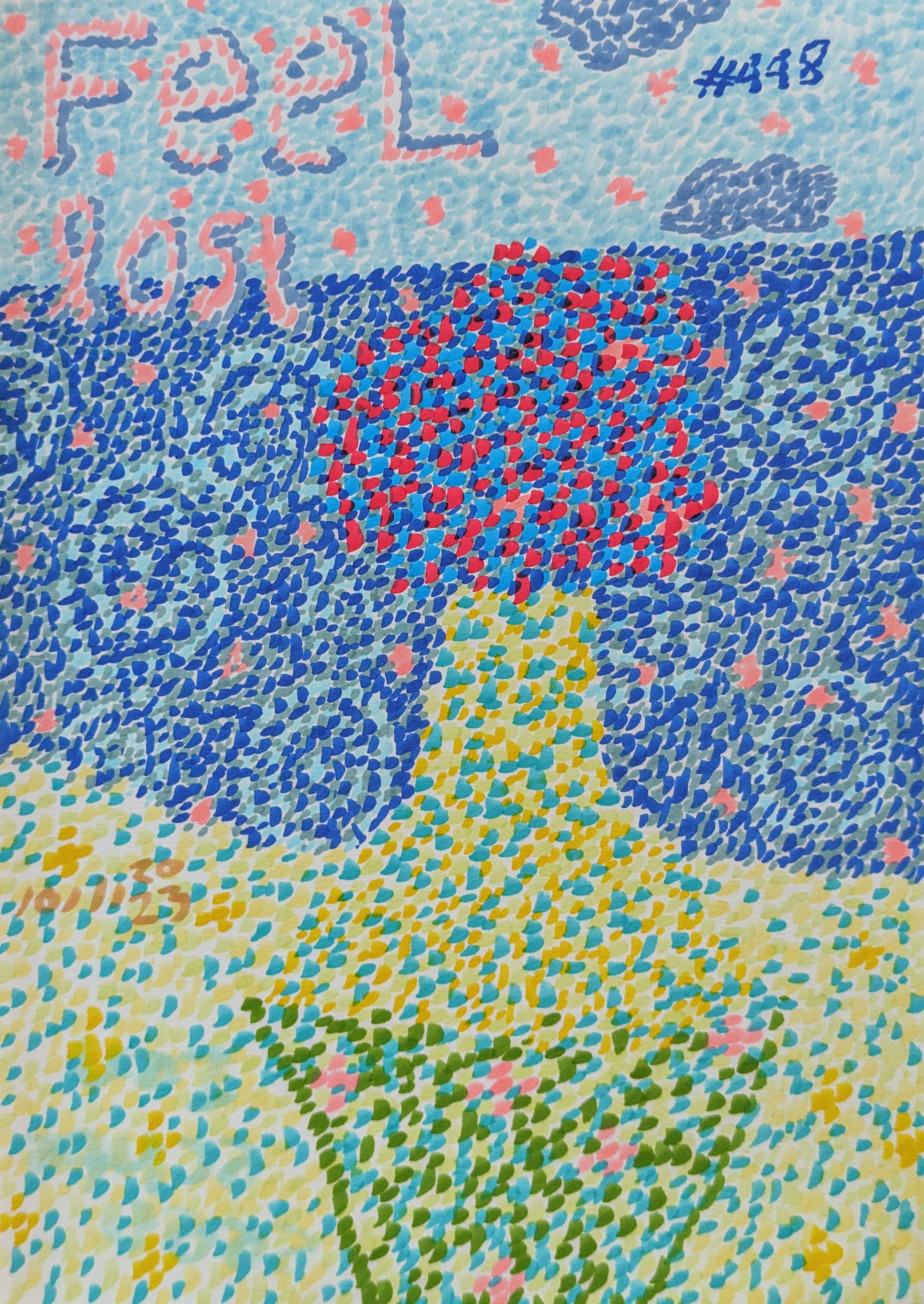
Sometimes, a single large mirror or a striking piece of art demands its own spotlight. But even then, they can still talk to each other across a room. Imagine a grand, ornate mirror above a console table, reflecting a bold, contemporary canvas like my 'Feel Lost' piece (from here) on the opposite wall. The contrast creates immediate visual interest, a conversation between old and new, or perhaps between sleek and textural. This requires careful consideration of scale and the overall aesthetic, similar to choosing art above the sofa. A sunburst mirror in one room can visually echo the radiating lines of an abstract painting in an adjacent space, creating a subtle, unifying thematic link without direct proximity.
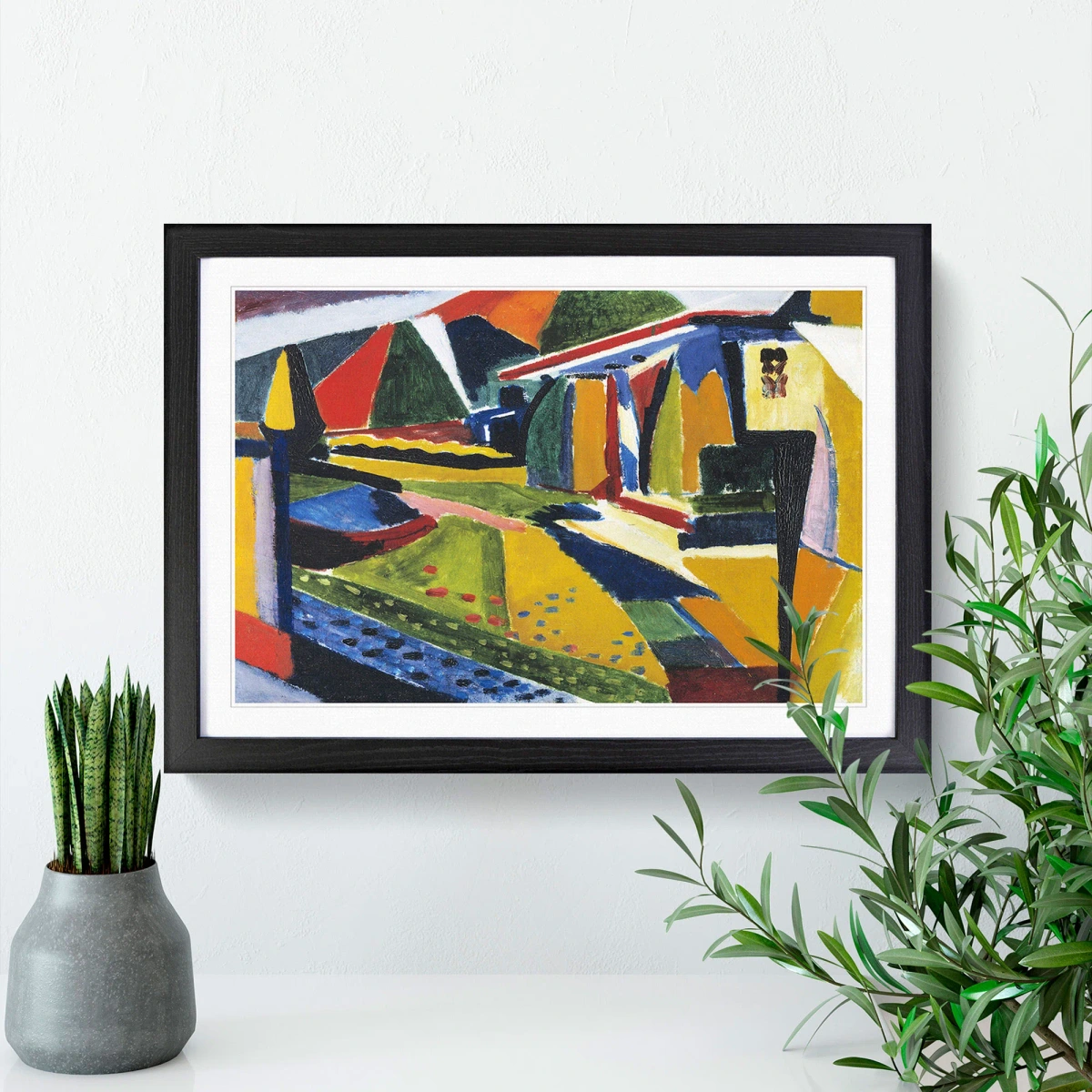
It's not just about the frame or the reflection; the type of mirror itself plays a crucial role in the conversation. Consider how an antiqued or smoked mirror might offer a softer, moodier reflection, perfect for complementing a vintage portrait, while a frameless or geometric mirror could enhance the clean lines of minimalist art. The shape of the mirror also dictates the visual dynamic; a round mirror can soften an angular room, while an arched mirror can add architectural grandeur. Each choice fundamentally influences how the mirror interacts with the art it's paired with or reflects. In this way, the mirror frame itself becomes an integral piece of art, a sculpture or a painting in its own right, dictating style and mood before any reflection even appears.
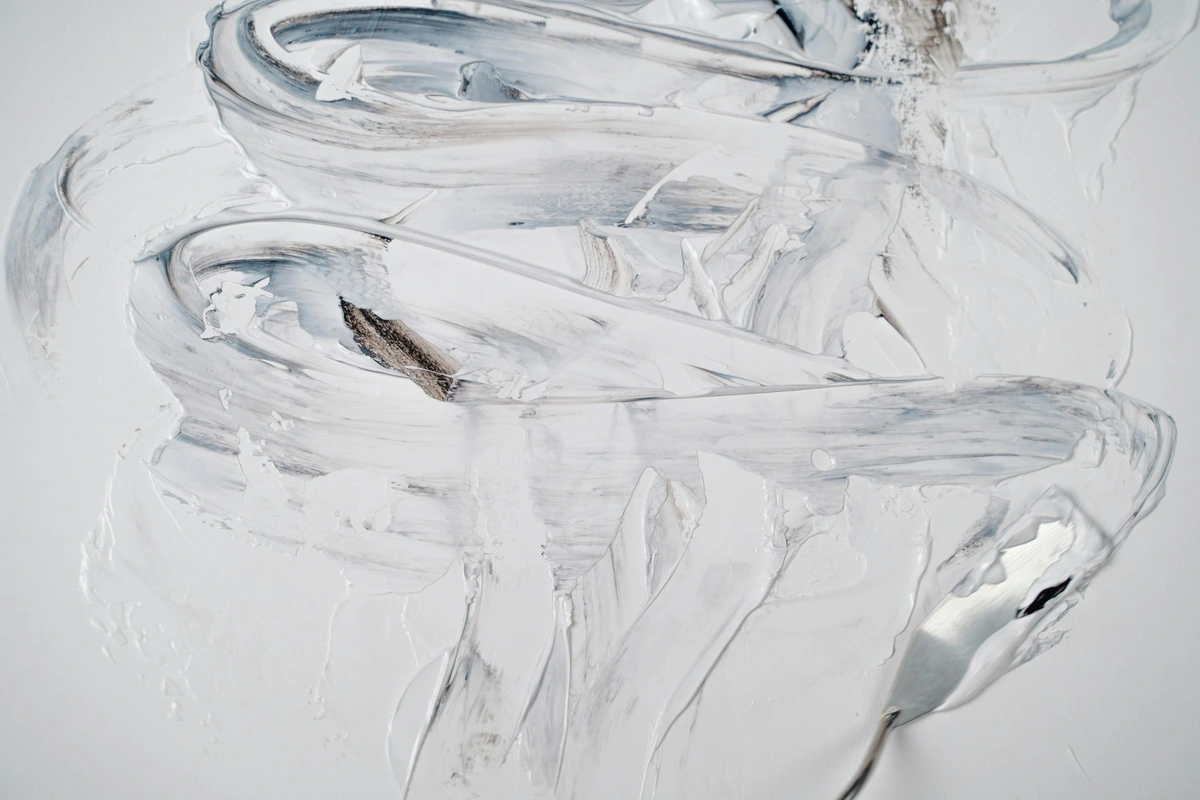
The Curated Ensemble: Mastering the Mirror-Inclusive Gallery Wall
This is where the art of combination truly shines. A living room gallery wall with mirror is a fantastic way to create a dynamic focal point that feels both curated and expansive. It's a blend of personal storytelling and clever design. When I envision a gallery wall, I see it as a conversation between diverse elements, and a mirror is often the most eloquent participant. For more ideas on arranging multiple pieces, you might find my guide on how to arrange pictures on a wall or even a comprehensive look at creating dynamic gallery wall tips curating arranging art helpful.
My Method for a Mirror-Inclusive Gallery Wall:
- Start with the Anchor: I usually pick my largest piece, whether it's a mirror or a significant artwork, as the starting point. This becomes the central gravitational pull for the entire arrangement.
- Play on the Floor: Seriously, lay everything out on the floor first. This allows you to experiment with spacing, balance, and flow without putting a hundred holes in your wall. Try different arrangements, stepping back to see how the shapes and sizes interact. I've often moved pieces around for an hour before finding that perfect rhythm. You can even use painter's tape on the wall to map it out.
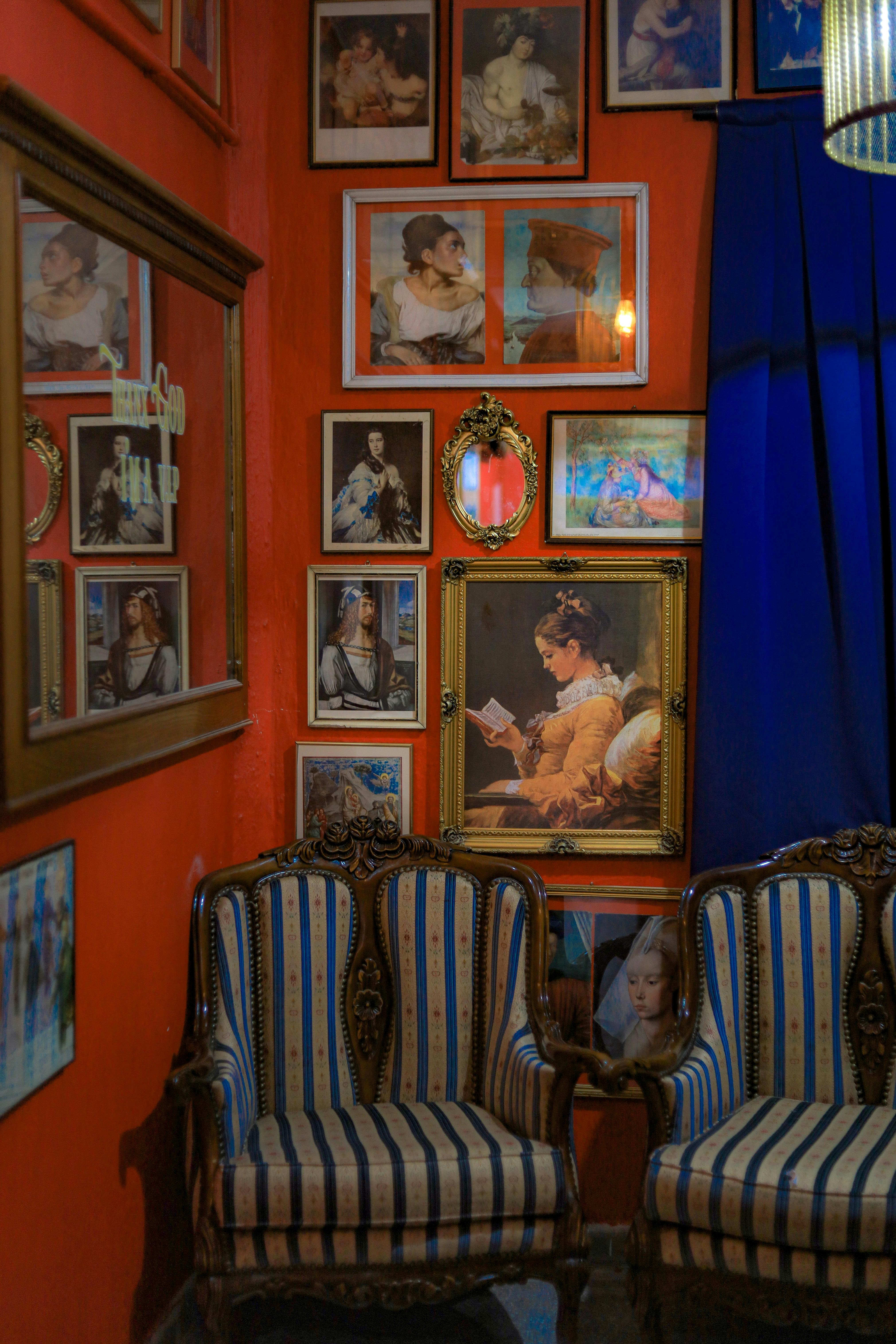
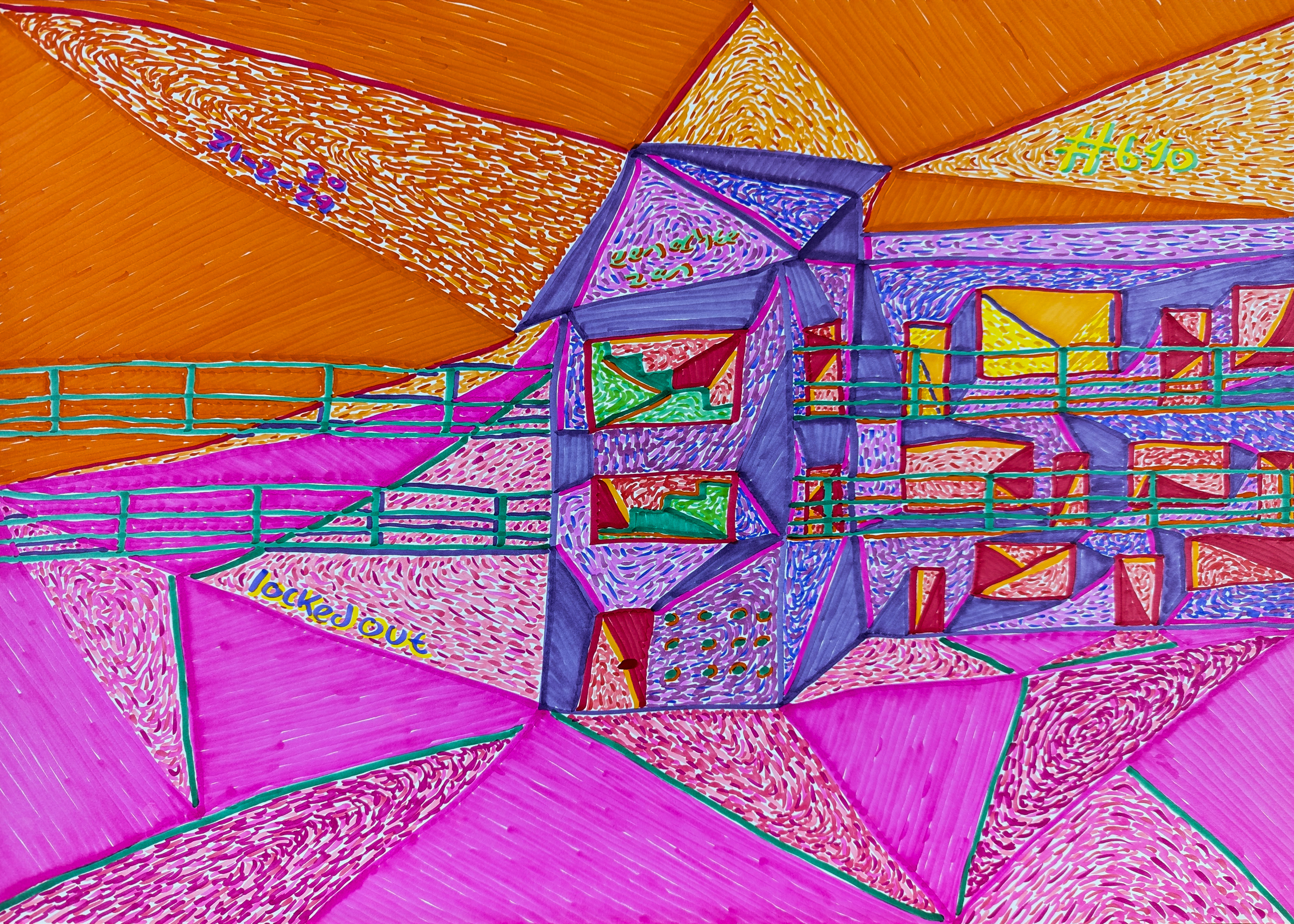
- Mix it Up: Don't be afraid to combine different frame styles, shapes (a bold round mirror next to rectangular art), and even mediums like photography, illustrations, textiles, or small sculptures. I've often paired my own colorful prints with vintage illustrations, a small decorative mirror, and even a ceramic plate or two. The key is to find a common thread – a subtle color echo, a shared theme, or simply a harmonious vibe. Think of it like a visual orchestra, where diverse instruments create a unified melody. Don't be shy about pairing a sleek, modern abstract piece with a rustic, distressed mirror frame; the tension can be incredibly compelling. Imagine a bold abstract from my collection, like 'locked out' (from here), creating an engaging dialogue with a classical gilded mirror. What stories could your walls tell with such juxtaposition?
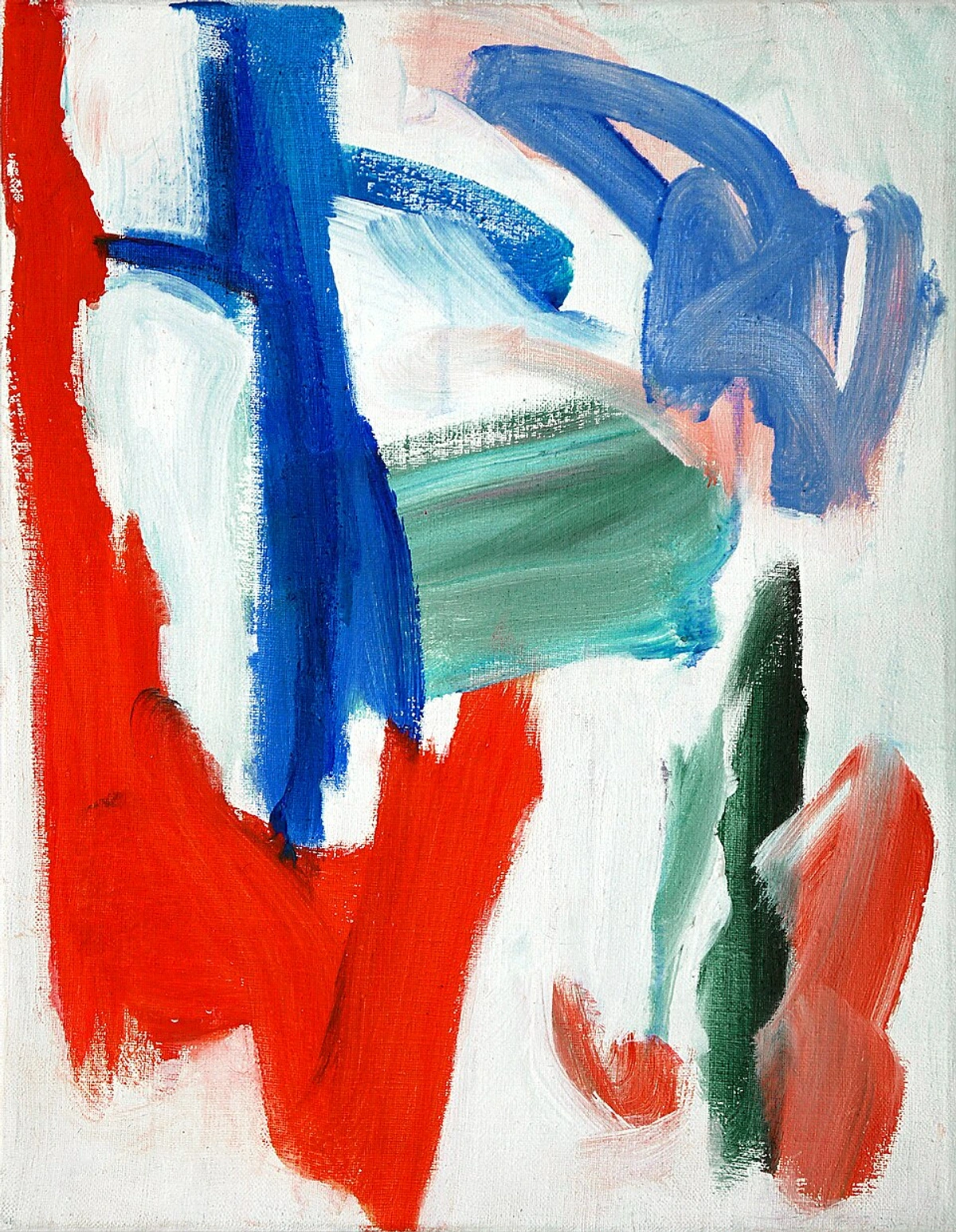
- Embrace the Reflection: Position your mirror strategically within the gallery. It can be the exact center, or off to one side to catch a specific view, like a window or another beloved part of the room. The mirror then acts as a dynamic frame for the elements it reflects, adding another layer to your visual narrative. It's like having a living, ever-changing artwork within your gallery. Also consider varying heights; not every piece needs to be perfectly aligned. A few pieces slightly above or below the main line can add dynamism and visual interest, especially if a mirror is strategically placed to capture those varied heights.
Mirror-Adjacent Art Forms: Beyond the Frame
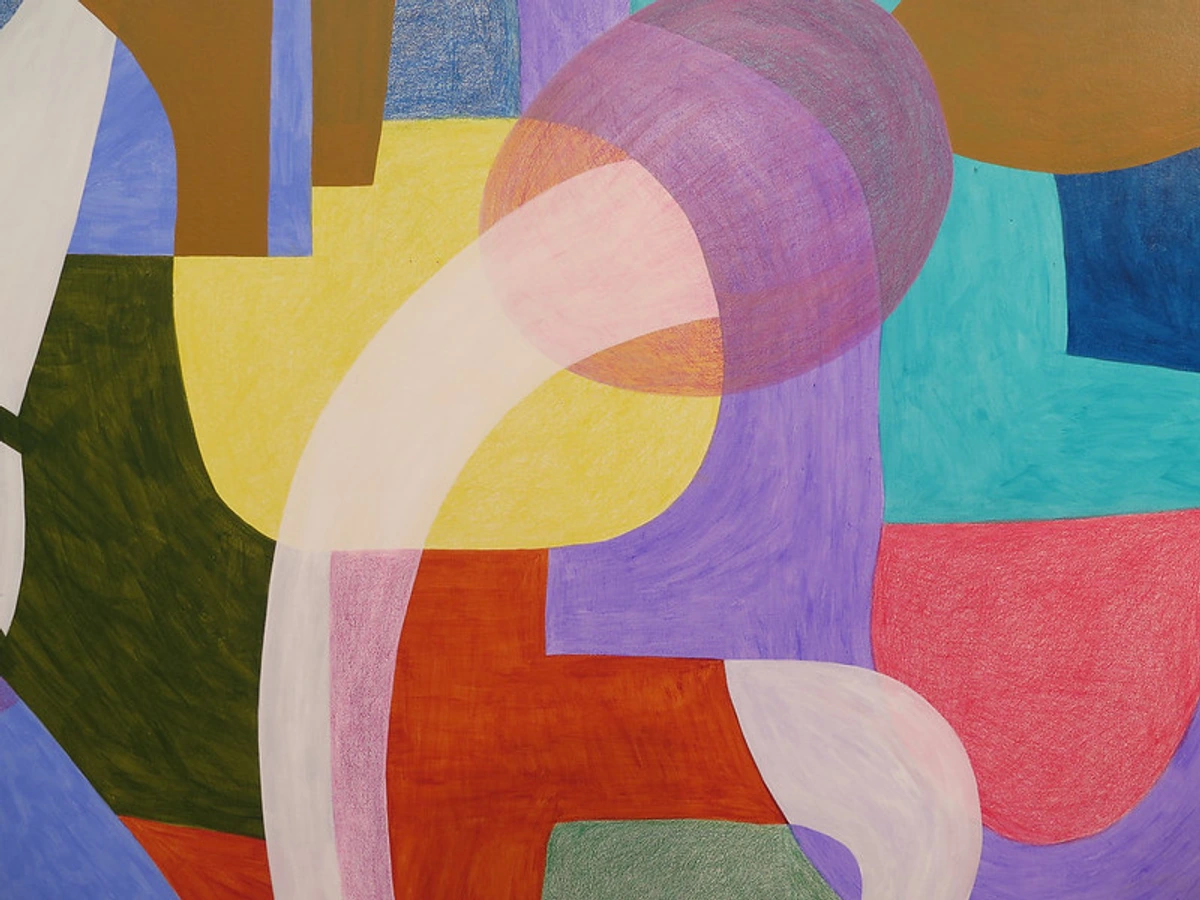
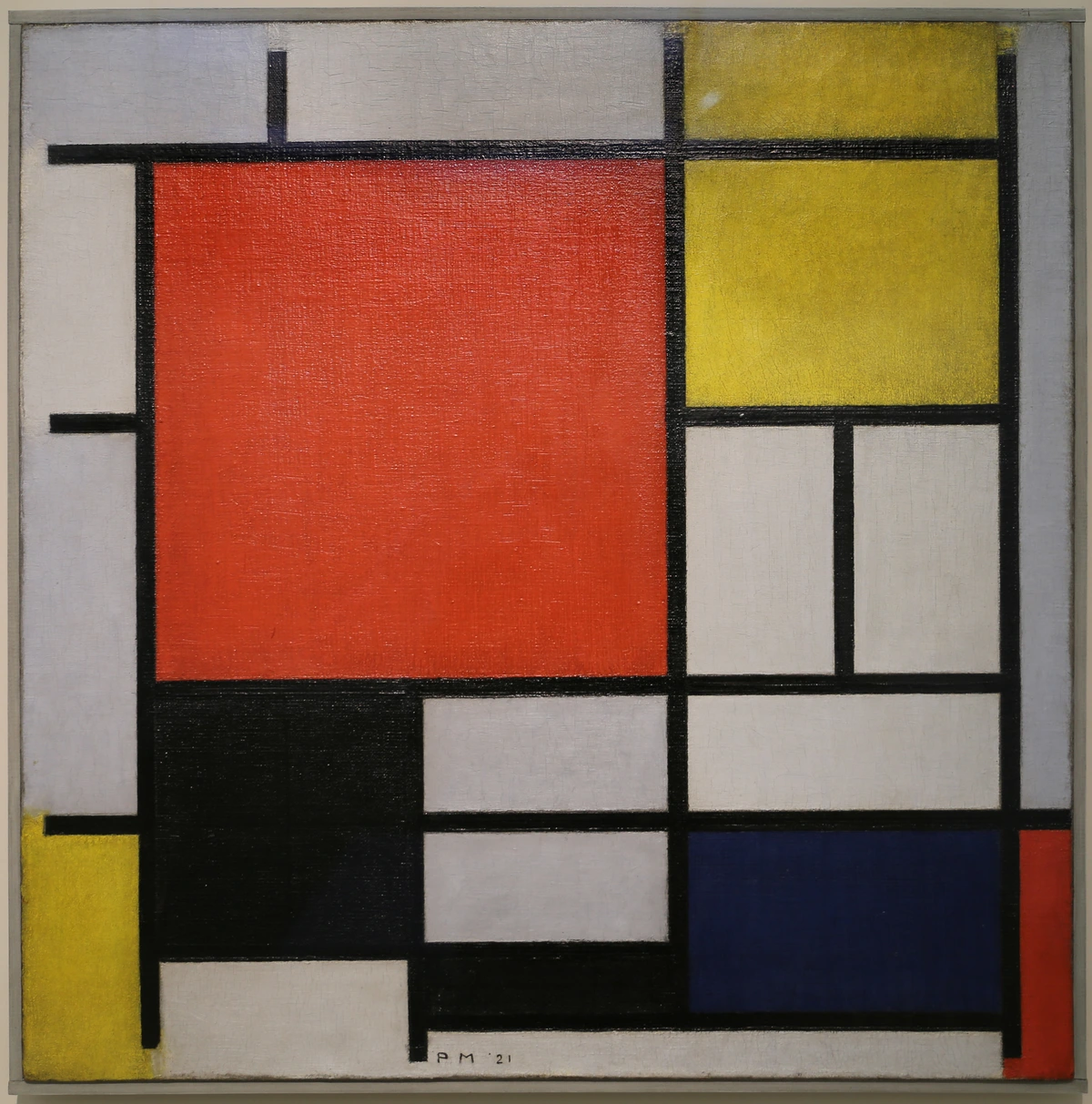
Mirrors don't just interact dynamically with paintings or prints; they can dramatically enhance other art forms too. Imagine a mirror reflecting a sculpture's hidden angles, doubling its dimensionality and revealing facets you might otherwise miss. It can add texture by reflecting a woven tapestry, making the fabric appear richer and more expansive. For ceramics or mixed media pieces, a mirror can create a dynamic, multi-faceted display, turning a static object into a living installation. The key is to position the mirror to capture the most compelling angles or textures, transforming any static piece into a dynamic, multi-dimensional display that feels truly alive. This technique is even employed in commercial art installations and retail spaces to create grander illusions and draw attention to specific items.
The Alchemist's Workshop: Mastering the Hang
Before you dive in, gather your essentials. You'll need a measuring tape, a pencil, a level, a hammer, and a selection of appropriate picture hooks or mirror hanging hardware. For heavier pieces, a stud finder is your best friend. Don't cheap out on hardware; a falling piece of art or a shattered mirror is a truly disheartening experience, and an easily avoidable one. Also, consider the type of glass: standard float glass is common, but for high-traffic areas or very large mirrors, tempered glass offers increased safety against shattering, while laminated glass holds shards in place if broken. Here’s a quick guide to what to use when, but for truly heavy pieces, you might want to delve into how to hang a heavy painting more deeply.
Item Weight | Wall Type (Drywall) | Wall Type (Plaster/Masonry) | Pro Tip | My Experience & Warning |
|---|---|---|---|---|
| Light (up to 5 lbs/2.3 kg) | Adhesive strips, small nails | Small masonry nails, adhesive | Fantastic for temporary displays or if you're experimenting with placement! | Never trust adhesives with anything truly valuable or irreplaceable – I learned that lesson the hard way. |
| Medium (5-20 lbs/2.3-9 kg) | Picture hooks (nail-in type) | Masonry hooks (drill required) | Always try to find a stud if there's one nearby for maximum security. | I've had more picture hooks mysteriously detach themselves than I care to admit. |
| Heavy (20-50 lbs/9-22.7 kg) | Drywall anchors (toggle, self-drilling) | Concrete screws, expansion bolts | Distribute the weight across multiple anchor points for better stability. | This is precisely where a good stud finder stops being a gadget and starts being a lifesaver (or at least a wall-saver). |
| Very Heavy (50+ lbs/22.7+ kg) | Stud mounting, French cleats | Toggle bolts, expansion bolts | Honestly, for these substantial pieces, don't hesitate to consult a professional installer. | I absolutely swear by French cleats for my larger, heavier works; it saved me from one too many near-disasters! |
Remember, understanding your wall type is paramount. Drywall is common but weaker; plaster and masonry require specific drill bits and anchors. For substantial mirrors or large artworks, especially those with glass, always prioritize secure installation. For complex arrangements or especially heavy pieces, consider calling a professional to ensure peace of mind, or refer to a comprehensive guide like my advice on how to decorate a wall.
Care & Longevity: Preserving Your Paired Masterpieces & Ethical Considerations
Pairing art and mirrors is an investment in your home's aesthetic, so protecting them is key. Consider direct sunlight exposure: while mirrors can amplify light, prolonged, direct UV rays can damage artwork, fading colors and degrading materials. For areas with intense sunlight, use UV-protective glass for framed art or place mirrors strategically to reflect indirect light. Humidity is another factor; in bathrooms or humid climates, ensure both mirror frames and artwork (especially prints or watercolors) are adequately sealed or chosen for moisture resistance. Proper ventilation is also crucial to prevent mold growth on artwork or mirror backings in humid environments. Regular, gentle cleaning with appropriate products will keep both surfaces sparkling, but avoid harsh chemicals that can damage frames or art surfaces.
On a deeper note, let's briefly consider ethical considerations and sustainability. The beauty of art and mirrors often lies in their longevity. Opting for vintage or antique mirrors, for example, is inherently sustainable, giving a second life to beautifully crafted objects. Supporting artists who use eco-friendly materials or upcycled components for their frames or art pieces also contributes to a more conscious decor. We're seeing a trend away from mass-produced, disposable decor towards investing in well-crafted, durable pieces that tell a story and reduce environmental impact. It's about creating beauty that respects both history and our planet. Sustainable mirror production, utilizing greener methods for coatings and glass (e.g., reducing or eliminating lead and mercury in silvering, using recycled glass), is also gaining traction. For truly valuable pieces, remember that professional art restoration and conservation services are invaluable for maintaining their integrity for generations to come. From a philosophical standpoint, mirrors in art have also been used to critique societal perceptions or objectification, offering a more nuanced view of reflection's power than just practical placement.
Mirrors in the Bedroom: Dispelling Myths
There's an old wives' tale, often stemming from Feng Shui principles, that mirrors in the bedroom are bad luck, particularly if they reflect the bed. While respecting cultural beliefs, from a design perspective, mirrors in the bedroom can be incredibly functional and beautiful. They expand space, amplify light, and when placed thoughtfully, can reflect appealing elements like a beautiful piece of art or a window view. The key is intentional placement. If the idea of a mirror reflecting your bed makes you uncomfortable, simply place it on an adjacent wall, inside a wardrobe, or as part of a gallery wall that doesn't directly face the bed. A mirror above a vanity or dressing table, or integrated into a closet door, can be incredibly practical and enhance the room's design without any unsettling reflections. It's about creating a serene and inviting atmosphere, not adhering blindly to superstitions that might limit your design choices. For more specific bedroom art guidance, check out how to choose art for bedroom or how to decorate your bedroom.
The Alchemist's Reach: Transforming Every Corner
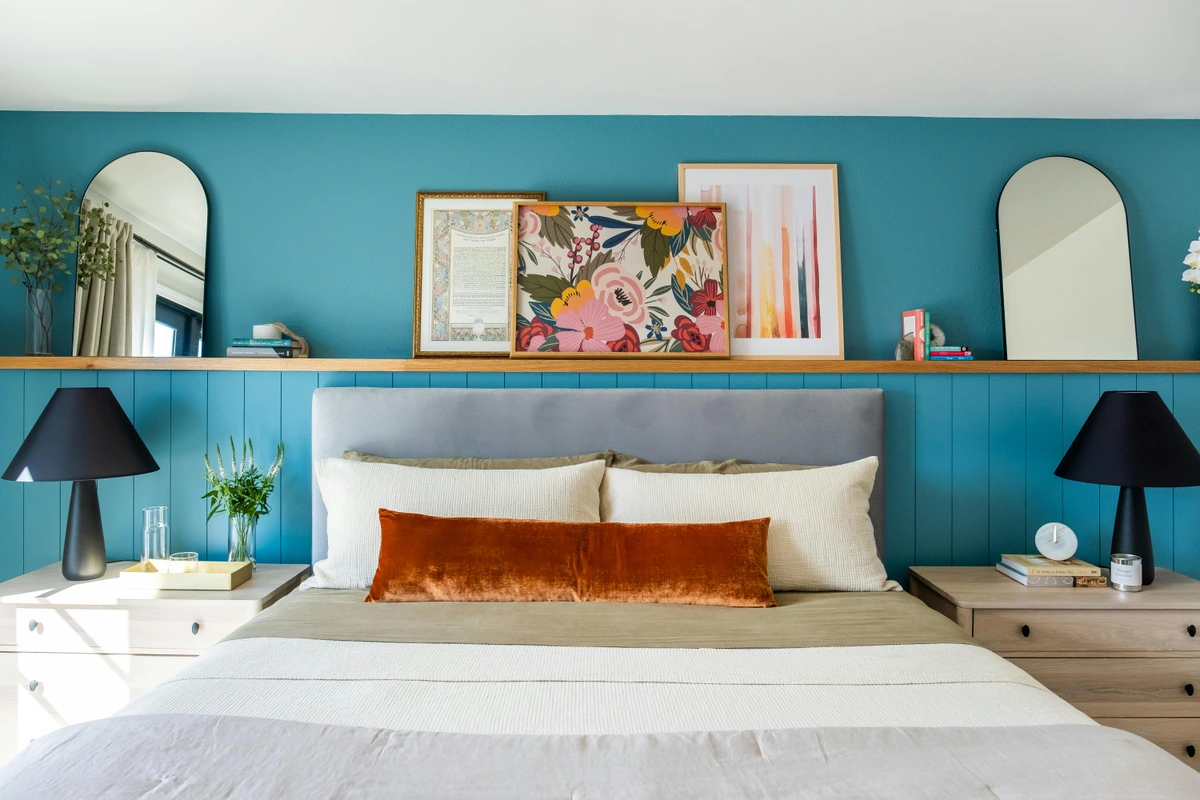
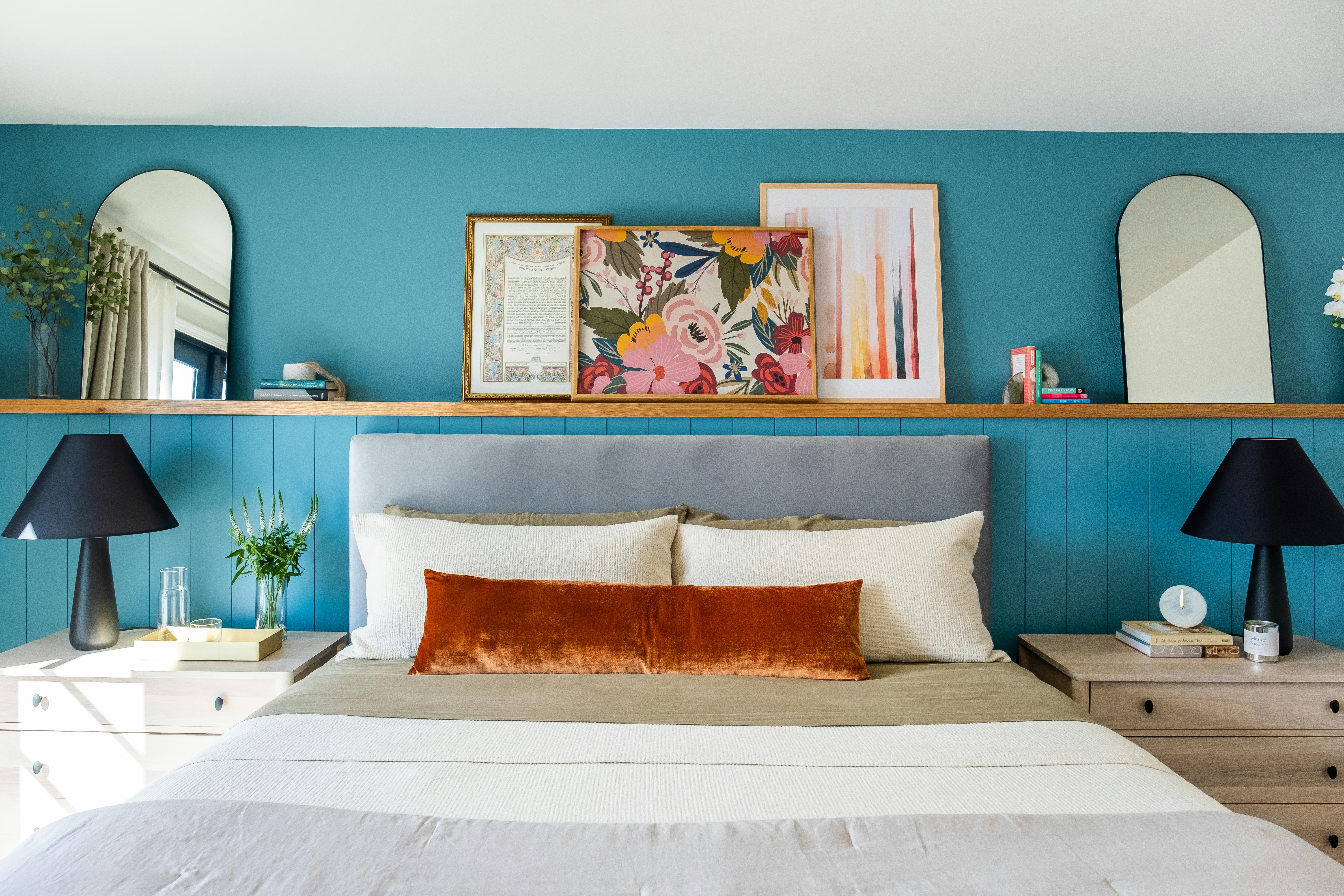
The principles of pairing art and mirrors aren't confined to the main living areas; their alchemical power can transform every corner of your home. They work wonders in bedrooms, creating a serene and often more spacious feel. I loved this bedroom design I saw, where curved mirrors complemented the art beautifully, echoing the soft lines of the furniture and creating a truly harmonious retreat. Check out my tips on how to decorate your bedroom for more ideas, or even how to choose art for bedroom specifically.

They're invaluable in hallways, making narrow passages feel more open and inviting. A series of mirrors and art pieces can lead the eye down a long corridor, transforming a transitional space into a curated experience, especially if you're dealing with how to decorate a large wall or seeking art for entryway. For more on this, check out decorating hallways and staircases with art. For truly small spaces, like a powder room or a forgotten alcove, a carefully chosen mirror can be a game-changer. Pairing a small, striking piece of art with a mirror in a powder room not only adds personality but also tricks the eye into perceiving more space. See more ideas in decorating with art in a powder room maximizing impact in small spaces or general tips for how to choose art for a small living room, how to choose art for a small bedroom creating a serene retreat, and collecting art for small apartments:-maximizing-impact-in-limited-spaces.
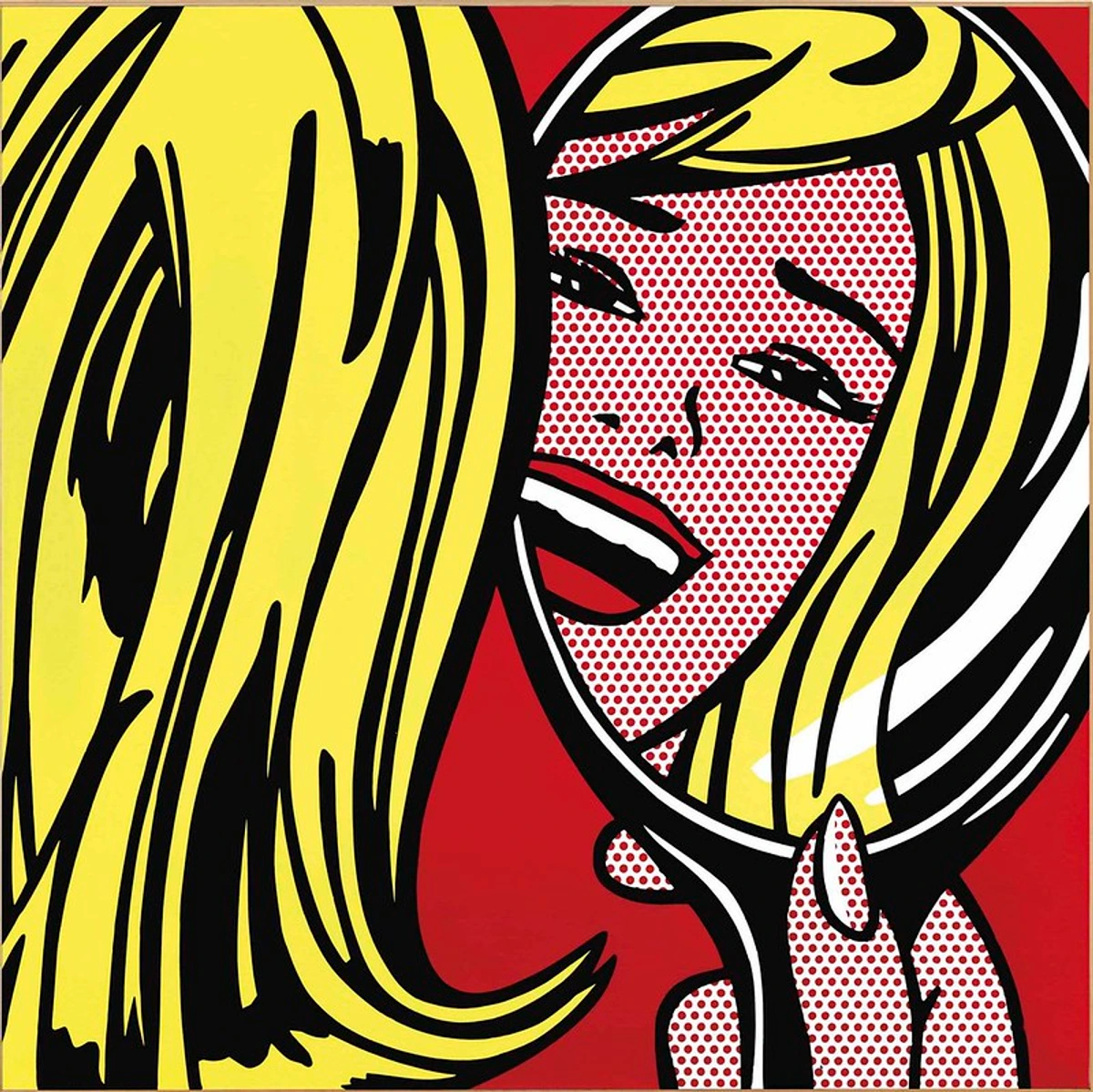
And even bathrooms benefit immensely from this combo – think about how much personality you can inject into a practical space! Just remember to choose art and mirror frames that are moisture-resistant for longevity. I even dedicated an entire article to how to choose art for a bathroom because it's such a unique challenge. Beyond these, consider home offices (check out how to decorate your office), dining rooms (more at how to choose art for a dining room), and even stairwells (how to choose art for a staircase) or a cozy reading nook; the possibilities are truly endless. For a complete overview of integrating art into your home, my guide on how to decorate a house offers broad insights.
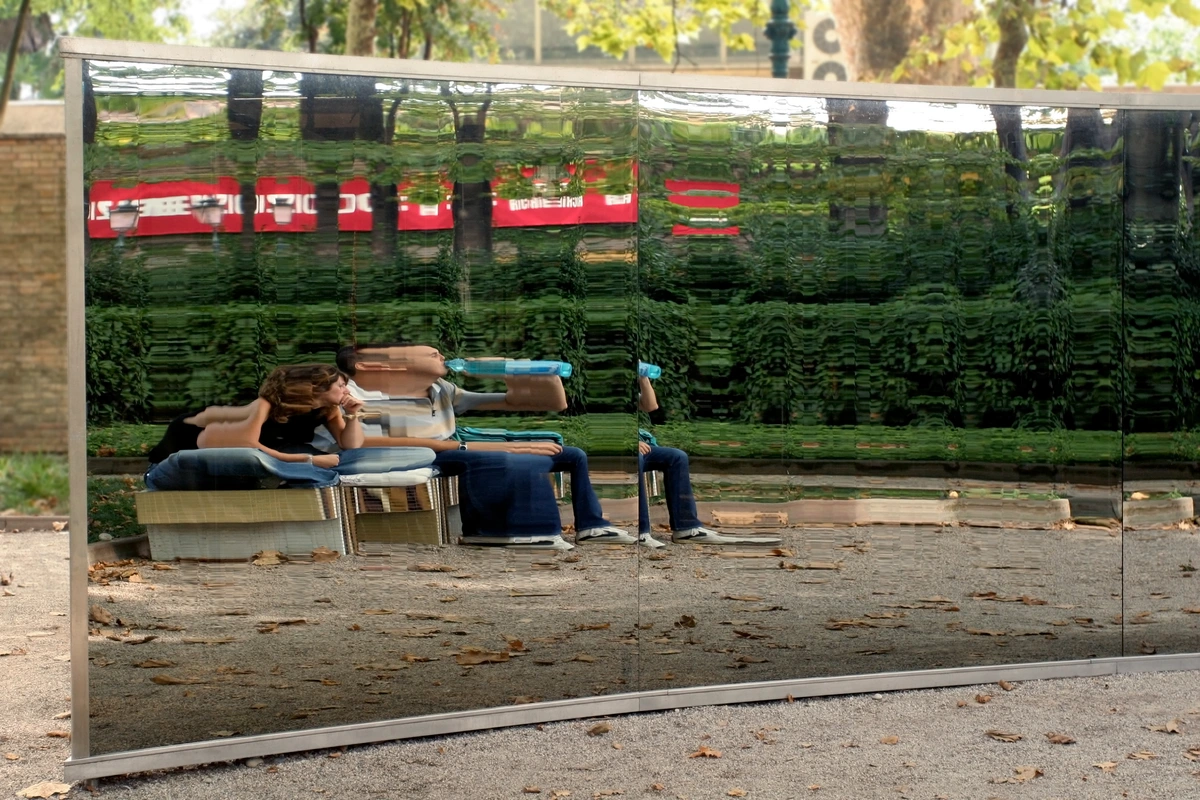
My Alchemical Odyssey: Blunders, Breakthroughs, and Hard-Earned Lessons
Confession time: I've made all the blunders when it comes to this particular alchemy. And yes, I've had to re-drill a few holes (or, let's be brutally honest, a lot). But these missteps weren't failures; they were vital lessons on the path to mastering this design art.
The most common mistake? Reflecting the wrong thing. One memorable time, I meticulously hung a stunning, large mirror in my dining room, admiring its potential. Only later did I realize it perfectly reflected the perpetually overflowing recycling bin from the kitchen – a paper avalanche ready to consume my elegant dining room! Not exactly the elegant ambiance I was striving for, was it? Another gem: a mirror strategically placed only to catch the unflattering glare of the overhead light, making a room feel stark and clinical instead of inviting. Always, always, consider the reflection – it's a silent partner, for better or worse. My rule of thumb: If you wouldn't want it photographed and framed, don't let your mirror reflect it.
Another pitfall is visual clutter. You might think, "More is more!" (and sometimes it is!), but you can easily end up with so many reflective surfaces and artworks that the room feels dizzying rather than delightful. I once created a gallery wall with a mirror that ended up looking less like a curated collection and more like a maximalist explosion, largely because I tried to pair too many busy patterns and competing visual weights. There's a fine line between a rich, layered look and an overwhelming one. A good rule of thumb I've adopted is to allow breathing room. Every piece, whether art or mirror, needs its moment to shine without constantly fighting for attention.
And lastly, ignoring the art's scale in relation to the mirror. I already mentioned my postage-stamp-sized print blunder – a tiny whisper next to a booming shout. It's about finding that sweet spot where they enhance, not diminish, each other. Don't be afraid to leave blank space around a pairing; sometimes, the absence of art is the art itself, allowing the eye to rest and appreciate what is there. These hard-earned lessons have taught me that true alchemy lies in thoughtful intention, not just dazzling display.
Quick Wins for Instant Alchemical Impact
Ready to dip your toes into this art and mirror alchemy without overhauling your entire home? If you're looking for immediate impact without a major overhaul, these 'quick wins' are your alchemist's secret weapon to instantly elevate your space. Here are a few simple tricks you can try today to see immediate results:
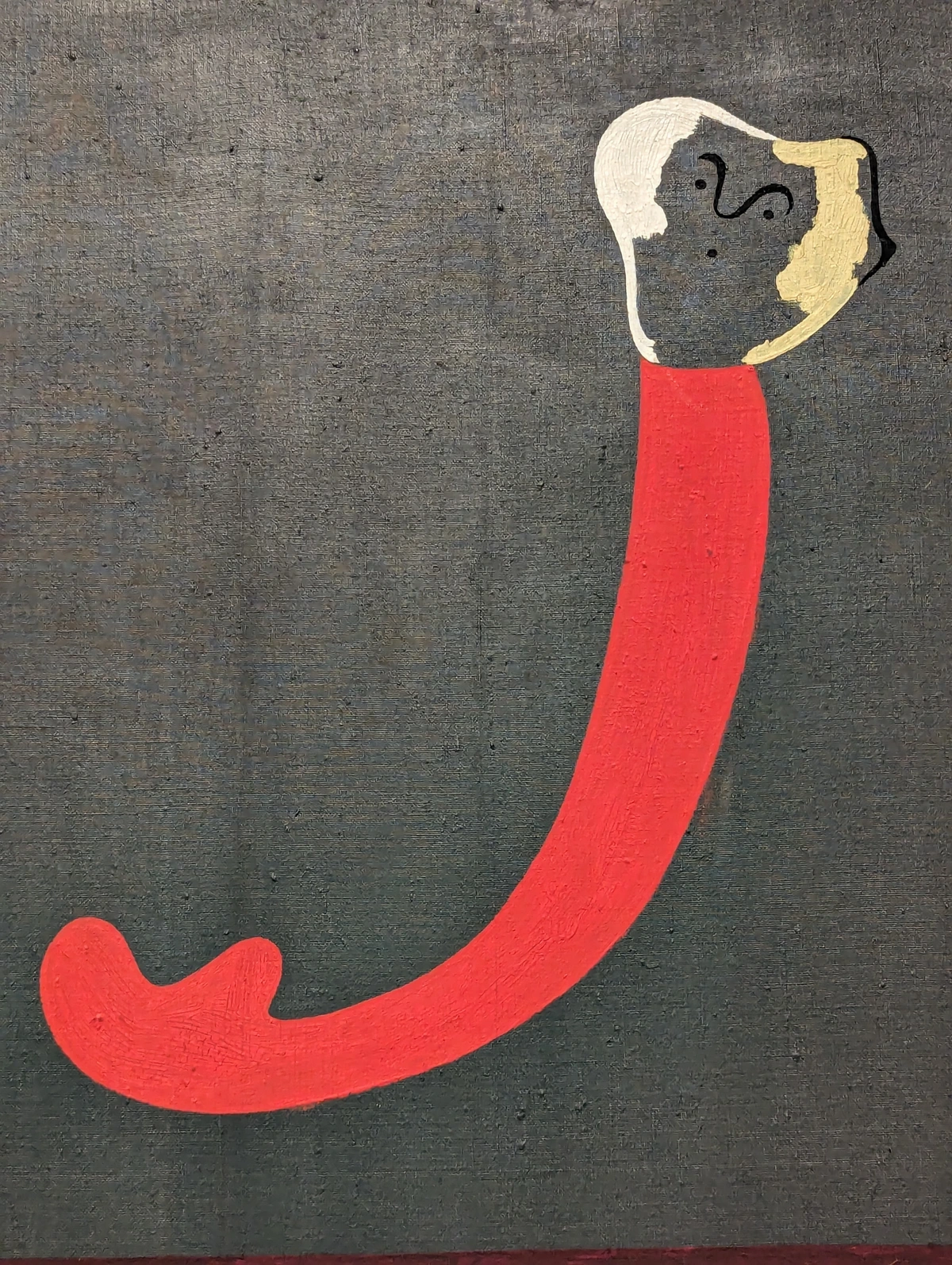
- The Window Whisperer: Place a medium-sized mirror directly opposite a window. Even without art nearby, it will instantly amplify natural light and bring the outdoors in, making the room feel fresher and larger. This simple trick effectively doubles your window, flooding the space with light and creating a perceived extension of the room. It's the simplest trick in the book!
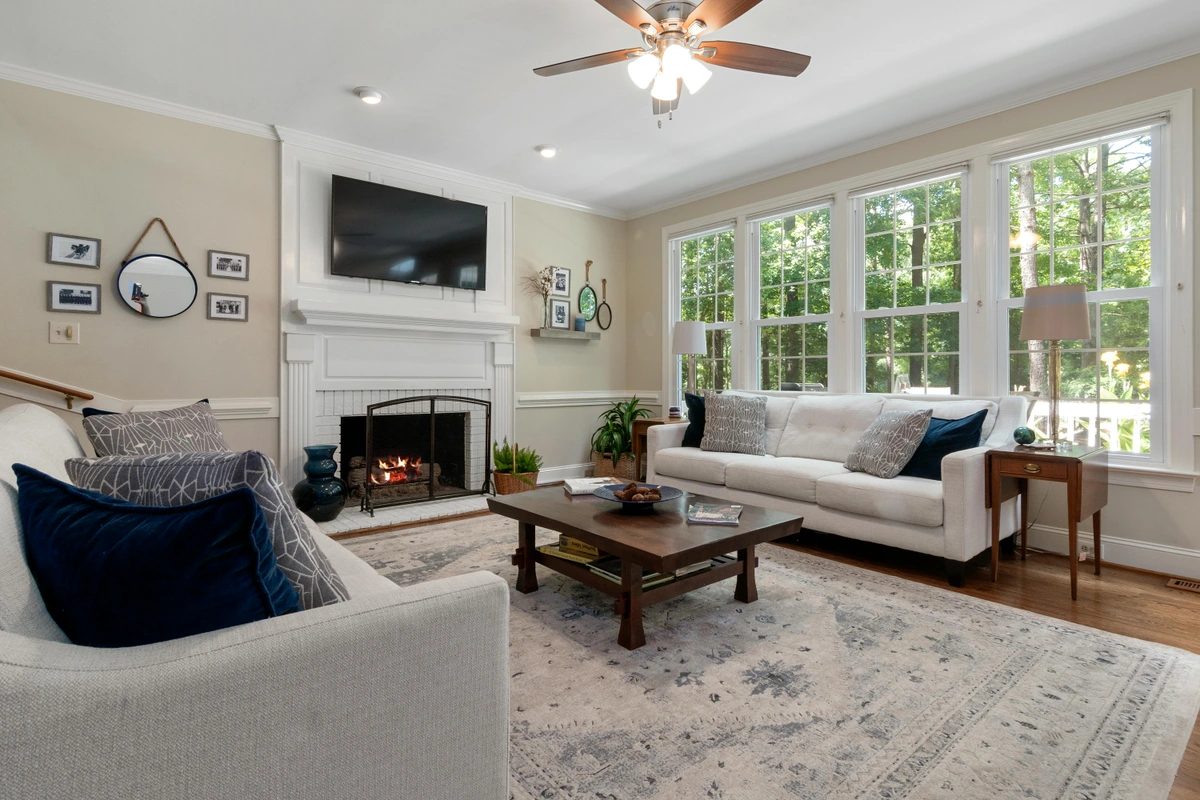
- The Sofa Spotlight: If you have a favorite piece of art above your sofa, consider a smaller, complementary mirror on an adjacent wall, positioned to subtly reflect a detail of the artwork or a decorative element on a coffee table. This adds depth without requiring a full gallery wall, creating an intriguing layered effect that draws the eye. Think about placing a mirror to reflect a striking feature like a lush plant (doubling the greenery!) or a unique sculptural piece on a side table.
- The Hallway Illusionist: Hang a tall, narrow mirror at the end of a long, dark hallway. It will instantly create the illusion of extended space, making the corridor feel less like a tunnel and more like a deliberate passage. Add a small, simple abstract print next to it for a touch of color and personality, softening the reflective effect and adding visual interest. This trick works wonders in transforming cramped spaces.
- The Tabletop Tableau: Lean a small, decorative mirror against the wall on a console table, and arrange a small print or a sculptural object in front of it. This creates an instant, curated vignette that doubles its visual interest through reflection, turning an ordinary surface into a dynamic mini-exhibition. You could also strategically position it to reflect a beautiful lamp, amplifying its glow and adding warmth to the display.
These small steps can build your confidence and help you intuitively understand the interplay of art and mirrors before tackling larger projects. Happy experimenting!
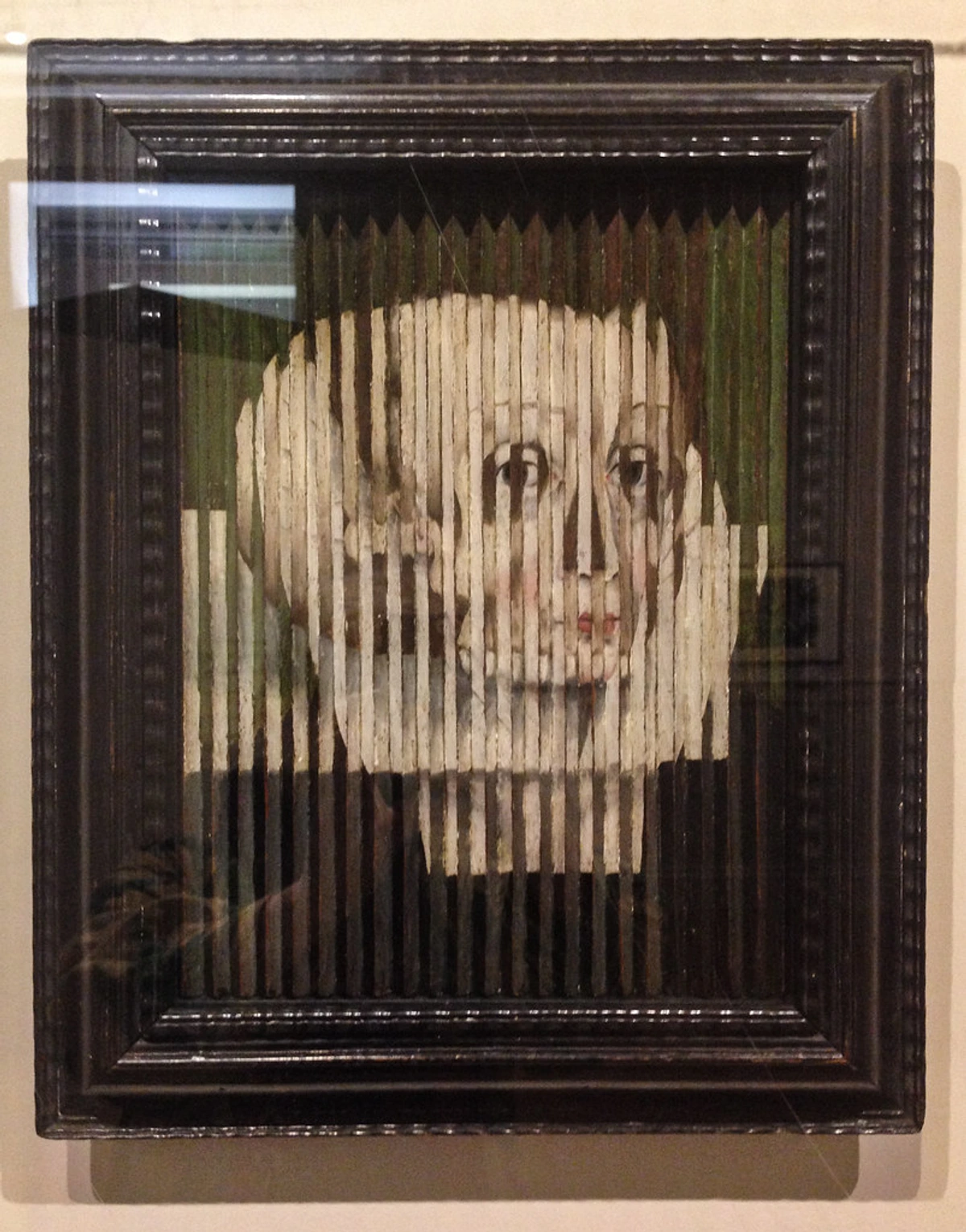
Future Reflections: Emerging Trends in Art & Mirror Pairings
The world of interior design is constantly evolving, and the partnership between art and mirrors is no exception. We're seeing exciting new trends that push the boundaries of traditional decor:
- Smart Mirrors & Digital Art Integration: Imagine mirrors that seamlessly integrate into your gallery wall, displaying high-resolution digital art (including AI-generated art) that changes with your mood, or even interactive content. The challenge lies in making these feel like true art pieces rather than just screens, blending technology with traditional aesthetics, while being mindful of potential glare, energy consumption, and the ethical implications of AI art's provenance and impact on human creativity. We might soon see AI-powered mirrors suggesting art pairings or displaying personalized generative art based on your home's aesthetic.
- Deconstructed & Fragmented Mirrors: Moving beyond single reflective surfaces, designers are playing with fragmented or deconstructed mirrors as sculptural wall art. These pieces break up reflections into dynamic patterns, creating abstract visual interest that pairs beautifully with bold, non-representational art, geometric abstractions, or even minimalist spaces where they act as the primary artistic element.
- Sustainability & Upcycling: The focus on ethical considerations is leading to a resurgence in vintage and antique mirrors, giving them new life. Artists are also incorporating upcycled materials into mirror frames and art, creating pieces that are both beautiful and environmentally conscious. This also extends to sustainable mirror production, with manufacturers exploring greener methods and materials for coatings and glass production, reducing the environmental footprint of new pieces. The provenance of both art and mirrors is increasingly a key consideration for conscious decorators.
- Textural Play: Expect to see even more emphasis on the tactile. Mirrors with heavily textured frames (think raw concrete, woven fibers, or intricate carvings) will be paired with equally textural art, creating a rich, multi-sensory experience that engages more than just the eyes. Imagine a soft, hand-woven tapestry alongside a mirror framed in rough, reclaimed wood – a symphony of touch and sight.
- Innovative Mirror Shapes & Coatings: Beyond traditional rectangles, we'll see more organic, abstract, or even modular mirror shapes. New mirror coatings (like anti-glare, enhanced reflectivity, or even smart films that adjust opacity) will offer designers unprecedented control over light and reflection. We might also see mirrors being used outdoors in garden rooms, conservatories, or as actual garden art installations, bringing the sky and greenery into the design.
These trends suggest a future where the interplay of art and mirrors becomes even more dynamic, personal, and technologically integrated, yet always grounded in thoughtful design.











Glossary of Key Alchemical Terms
To ensure we're all speaking the same language as we journey through this alchemical process, here are some key terms:
- Alchemy (in design context): The metaphorical process of transforming ordinary elements (walls, light, objects) into extraordinary, harmonious, and emotionally resonant spaces through intentional design and pairing.
- Biophilic Design: An approach to architecture and interior design that seeks to connect building occupants more closely to nature, for example, by incorporating natural light, plants, and natural forms/materials. This often includes art that evokes nature or mirrors reflecting outdoor scenes.
- Float Glass: Standard, flat, clear glass used in most common mirrors. It's produced by floating molten glass on a bed of molten metal (usually tin).
- Framing the Reflection: The technique where the mirror's own design, frame, or edges act as a secondary frame for the reflected artwork or scene, creating a layered and intentional composition.
- Impasto: A painting technique where paint is laid on an area of the surface in very thick layers, usually thick enough that the brushstrokes or palette knife marks are visible. This adds texture to the artwork.
- Laminated Glass: A type of safety glass that holds together when shattered. It consists of two or more layers of glass bonded together with an interlayer, often used for very large or high-risk mirror installations.
- Negative Space: The empty or open space around and between the elements of a design or artwork. It's crucial for creating balance, emphasis, and allowing elements to 'breathing room'.
- Picture Light: A specialized light fixture designed to illuminate artwork, often mounted directly to the frame or wall above the piece.
- Sconces: Wall-mounted light fixtures, often used in pairs, that cast light upwards or downwards, providing ambient or accent lighting that can enhance both art and mirrors.
- Silvering Techniques: The process of applying a reflective coating (historically silver, now often aluminum or other metals) to the back of a glass sheet to create a mirror. Advancements in this process significantly impacted mirror availability and clarity through history.
- Tempered Glass: A type of safety glass processed by controlled thermal or chemical treatments to increase its strength compared with normal glass. When broken, it shatters into small, granular chunks instead of jagged shards.
- Trompe-l'oeil: An art technique that creates the illusion of three-dimensional objects and space on a two-dimensional surface, often used with mirrors to enhance the deception.
- Verre Églomisé: An artistic technique involving reverse-painting or gilding on the back of glass, often with intricate patterns or scenes, adding luminosity and bespoke artistry.
- Visual Story: The narrative or emotional message conveyed through the arrangement of objects, colors, and textures within a room, guided by intentional design choices.
- Visual Weight: The perceived heaviness or lightness of an object or area in a composition. Elements with high contrast, dark colors, or intricate details tend to have higher visual weight, drawing the eye more powerfully.
- Wall Washer: A type of lighting fixture designed to uniformly illuminate a vertical surface, like a wall, creating a smooth, even wash of light over artworks or a mirrored wall.
- Zeigarnik Effect: A psychological phenomenon where people remember unfinished or interrupted tasks better than completed ones. In design, a mirror reflecting clutter or unfinished elements could subconsciously create unease due to this effect.
FAQ: Your Alchemical Queries, Answered
Here are some questions I often get asked when it comes to decorating with art and mirrors:
Question | My Take | Pro Tip |
|---|---|---|
| Can I mix different styles of mirrors and art? | Absolutely! In fact, I actively encourage it. It often creates a more dynamic and personalized space, speaking to a confident, well-travelled eye. I thrive on calculated contrast. | Find a common thread like a subtle color, texture, or an overarching theme to tie disparate styles together, making the contrast feel intentional. |
| How do I create a gallery wall with a mirror? | Plan your layout on the floor first. Treat the mirror as another 'frame' or focal point within your composition, using its reflection as a living, changing piece of art. | Use painter's tape on the wall to map out your arrangement before committing to drilling, allowing you to experiment with different configurations. |
| What's the best height to hang mirrors and art? | For art, aim for eye level (center of the piece at about 145-155 cm/57-61 inches) in a standing area. For mirrors, consider what you want it to reflect; it can be higher or lower depending on the desired view. | If reflecting a specific feature (like a window, a beautiful light fixture, or another artwork), adjust the height accordingly to frame that reflection perfectly, maximizing its impact. |
| Can mirrors make a small room look bigger? | Yes, definitely! Strategic placement opposite a window or in a narrow space can create the illusion of depth and openness, making a room feel significantly larger. | A single large mirror, or even a few thoughtfully placed smaller ones, can work wonders, especially when reflecting natural light or an expansive view. |
| Should the mirror or art be the focal point? | Either can be the star! It depends entirely on your design goal and the individual pieces. If you want to expand space and amplify light, the mirror might lead. If you have a commanding piece of art, let it be the hero. | Don't force it. Let the piece that naturally draws your eye guide your focal point decision. Sometimes, the interaction between them is the true focal point, creating a dynamic duo. |
| How do I handle heavy art or mirrors? | Always use appropriate hardware! Wall anchors, stud finders, and heavy-duty picture hooks are your best friends. Never guess. Prioritize safety over speed. | If in doubt, consult a professional installer. It's worth the peace of mind to ensure your valuable pieces are securely mounted. |
| What about incorporating digital art or screens? | It's a fascinating and growing area. The challenge is ensuring the digital element integrates aesthetically rather than feeling like a disconnected screen. Focus on high-resolution, static or slow-moving art. | Conceal cables discreetly. Consider screens with art mode that mimic canvas, or integrate them into gallery walls where their frames complement nearby physical art and mirrors for cohesion. Be mindful of potential glare and energy consumption. |
| How do different mirror finishes (antique, smoked) affect art? | They soften and color the reflection, adding mood and character. An antique mirror can lend a vintage patina to even modern art, while a smoked mirror can create a dramatic, moody atmosphere, influencing the emotional temperature of the space. | Experiment to see how different finishes interact with your art's color palette and style. This is a subtle yet powerful design tool for setting a specific ambiance. |
| What are common mistakes to avoid beyond reflection? | Overcrowding (too many pieces, too little breathing room) and ignoring scale. Also, remember to consider the room's overall purpose and your personal comfort. Don't let trends override your intuition. | Step back frequently and assess the 'feel' of the space from different angles and at different times of day. Less can often be more impactful, allowing each piece to shine. |
| Can mirrors reflect a TV? | Yes, but be mindful of glare and the visual impact when the TV is off. It can look like a large black rectangle. A mirror opposite a TV can also reflect the light from the screen, which can be distracting. | Consider a mirrored cabinet that can conceal the TV when not in use, or ensure the mirror reflects something beautiful around the TV, distracting from the black screen when off. |
| How can I make this work on a budget? | Look for prints instead of originals, and explore thrift stores, flea markets, or online marketplaces for unique, affordable mirrors. DIY frames or mirror treatments can also offer a custom look without the high cost. | Focus on quality over quantity. Even one well-chosen print paired with a vintage mirror can have more impact than many cheap, poorly made items. |
| Are there Feng Shui considerations for art and mirrors? | Yes, traditional Feng Shui often advises against mirrors reflecting the bed in bedrooms and recommends placing mirrors to reflect positive elements like greenery or art, not clutter or harsh angles. | While respecting traditions, adapt principles to your comfort. If a bed reflection makes you uneasy, position the mirror on an adjacent wall. Focus on promoting a harmonious flow of energy. |
Your Reflective Masterpiece Awaits: Continuing Your Alchemical Journey
Ultimately, decorating with mirrors and art is a deeply personal journey, a true act of domestic alchemy. It's about understanding the subtle interplay of light, reflection, and your own unique expression. Don't be afraid to experiment, to make mistakes (and learn from them, like I did, often quite comically!), and most importantly, to trust your own eye. There's no single 'right' way, only your way. Whether you're curating a grand gallery wall, crafting a subtle vignette in a cozy corner, or just adding a simple mirror to brighten a forgotten space, these two powerful elements offer endless possibilities. Allow your walls to tell your story, reflected and illuminated in a way that resonates with your soul. Go forth and create your own reflective masterpieces. And if you're ever looking for that special piece of art to kickstart your next alchemical project, you know where to buy some of my creations. Perhaps a visit to the den-bosch-museum will spark some ideas too, or you can check out my timeline for inspiration – your journey as an alchemist of design has just begun!