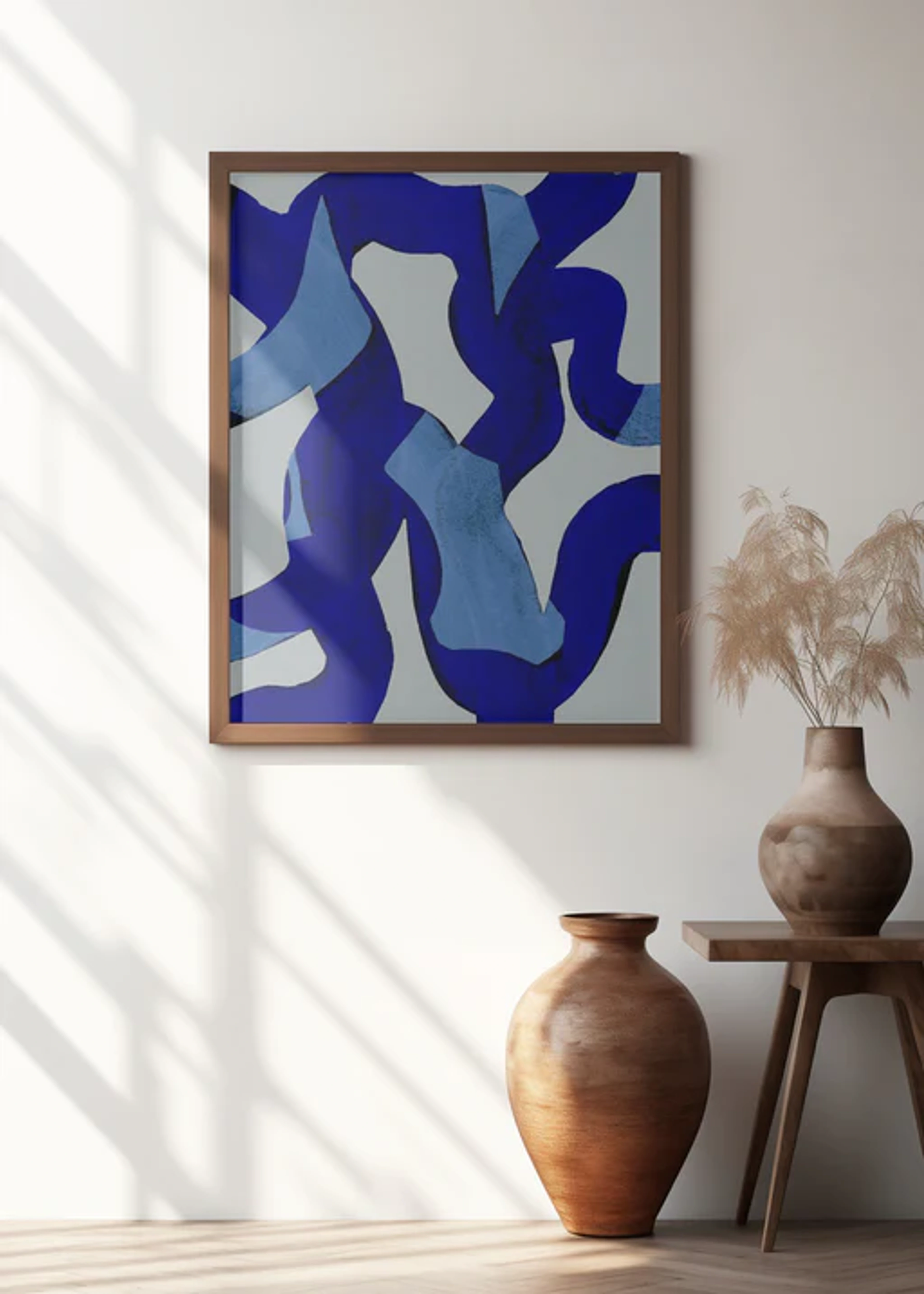
Design Your Ultimate Workspace: Elevate Productivity, Well-being, and Creative Flow
Unlock your potential by designing an inspiring workspace. Explore biophilic principles, color psychology, and ergonomic essentials to boost focus, well-being, and creative flow.

Design Your Ultimate Workspace: Elevate Productivity, Well-being, and Creative Flow
Your workspace is more than just a desk; it's a silent architect of your productivity, mood, and creative spark. For me, it's always been an extension of my mind, a stage where ideas are painted into existence, where focus deepens, and, let's be honest, where a huge chunk of my waking hours unfold. So, why wouldn't I want that space to feel as good as possible? Decorating your office, whether it's a dedicated room, a cozy corner, or a corporate cubicle, isn't about superficial aesthetics. It's a powerful, often underestimated, tool for enhancing productivity, boosting your mood, and truly reflecting who you are or the brand you represent. A well-designed environment genuinely impacts how we think, feel, and create, ultimately helping us achieve that elusive flow state where work feels effortless. Trust me on this; I’ve seen the magic unfold, and in this guide, we'll dive deep into the psychology, practical elements, and tailored approaches to crafting your ideal workspace – a sanctuary that fuels your best work.
The Psychology of Your Workspace: Beyond Just Pretty Things
Before we even touch a paint swatch or a plant, let's talk about the 'why.' What does science, and frankly, common sense, tell us about how our environment affects us? It’s more profound than just liking what you see; it taps into our primal responses and cognitive functions. It's about consciously shaping the subtle energies of your surroundings to serve your deepest creative and productive urges.
Tapping into Biophilic Design: Nature's Boost
This is one of my favorite concepts: biophilic design. Simply put, it's about integrating elements of nature into our built environments. Why? Because as humans, we have an innate, almost instinctive connection to nature – a bond that stretches back to our evolutionary roots. Historically, from ancient Roman villas with their courtyards to Victorian conservatories, humans have sought to bring nature indoors. Modern research consistently shows that reconnecting with nature indoors can significantly reduce stress, improve cognitive function, and even enhance creativity. A landmark study by the University of Oregon, for example, linked biophilic elements in offices to lower absenteeism and higher job satisfaction. It's about tapping into our innate need for connection with the natural world for improved well-being, transforming your space into a calming, revitalizing haven. You can dive deeper into this connection with my article on biophilic design and art.
Here's how to incorporate biophilia into your workspace:
- Plants, obviously: Low-maintenance varieties like snake plants, ZZ plants, or pothos are fantastic. They clean the air and add a calming visual element. And let's be honest, even if your green thumb is more of a brown twig, there are plenty of resilient options that can survive even the most forgetful artist (like me, sometimes). Consider varying plant heights and textures for visual interest. Even a tiny succulent can make a difference.
- Natural Light: Maximize it! Position your desk near a window if possible. Natural light regulates your circadian rhythm, boosts mood, and enhances alertness. If direct window access isn't feasible, consider a full-spectrum lamp to mimic natural daylight.
- Natural Materials: Incorporate wood, stone, cork, or even textiles with natural textures like linen or wool. These materials evoke the outdoors and add a grounded, authentic, and tactile feel to your space.
- Views of Nature: If you're lucky enough to have a window with a view, embrace it. If not, even a carefully chosen landscape print, a curated nature-themed wallpaper, or a screen saver depicting natural scenes can offer a similar mental break and a sense of expansiveness.
Color Psychology: Painting Your Mood
Colors aren't just colors; they're emotional triggers. I've always been fascinated by how different hues can shift an entire room's vibe, or even my own internal state. The psychology of color is a powerful tool in any artist's arsenal, and it's just as potent in your workspace. Want to dive deeper? Check out my thoughts on the psychology of color in abstract art.
- Blues & Greens: These are your go-to for calm, focus, and productivity. They evoke nature (sky, ocean, forests) and are excellent for primary wall colors or large accents. A muted teal or a soft sage green can be incredibly soothing, fostering deep concentration without being cold, while a brighter aqua might subtly energize without overstimulating. I often find myself gravitating towards these in my own more focused work areas.
- Yellows & Oranges: Energy, creativity, and optimism! Use these sparingly as accents – a desk accessory, a piece of abstract art, or a small decorative item – to add pops of warmth without being overstimulating. A soft, buttery yellow can feel like a touch of sunshine, whereas a neon yellow might lead to restlessness. Too much vibrant yellow or orange can be overwhelming and, for some, even anxiety-inducing.
- Reds: Alertness, intensity, passion. Generally, I’d advise caution with red in a primary workspace. It's a powerful color that can be invigorating but also agitating. A small, subtle accent, like a specific art piece or a spine of a book, is usually enough to invigorate without causing agitation or raising stress levels.
- Neutrals (Greys, Whites, Beiges): These provide a stable, versatile foundation, acting as a clean canvas. They promote clarity and allow your decor (and your art!) to truly shine. Think of them as the quiet, supportive friend who lets you take center stage. Different undertones matter: a warm beige can feel cozy and inviting, while a cool grey can create a minimalist, serene atmosphere. They offer visual rest and prevent overwhelm, making them perfect for foundational elements.
Sensory Experiences: Creating Your Sanctuary
We often forget that an office isn't just visual. The sounds, textures, and even scents play a huge role in creating an immersive and productive environment. It’s about engaging all your senses to support focus and well-being, turning a mere workspace into a personal sanctuary.
- Sound: Unwanted noise is a major distraction. Soft furnishings like rugs, curtains, or even upholstered chairs can absorb sound, reducing echoes and creating a quieter, more focused environment. Consider acoustic panels if you have significant noise issues. For masking external disruptions, a subtle white noise machine or nature soundscapes (like gentle rain or distant ocean waves) can aid concentration. I personally find the soft hum of a humidifier can also work wonders in creating a consistent, soothing background presence.
- Texture: The tactile experience of your workspace can profoundly impact your comfort and connection to the space. Think about the grounding effect of rough stone against the smoothness of polished metal, or the comforting warmth of a wool blend throw draped over your chair. A soft rug underfoot, a smooth wooden desk, or a textured throw can add layers of comfort and sensory interest, making the space feel more inviting and less sterile. It’s about creating a rich, multi-sensory landscape.
- Scent: This is often overlooked but incredibly powerful! A subtle essential oil diffuser can genuinely enhance the atmosphere and even influence cognitive function. Peppermint can boost focus and energy, perfect for deep work sessions. Lavender promotes calm, ideal for winding down or during less intense tasks. Citrus scents like lemon or orange can uplift and invigorate, fantastic for creative brainstorming. Just be mindful of strong scents in shared workplaces – a gentle, natural aroma is always best, avoiding anything overwhelming.

Key Elements of Thoughtful Office Decor: From Psychology to Practice
So, how do we translate all that psychological insight into tangible design choices? Here's where we get practical. This isn't just a checklist; it's a framework for building a space that truly works for you, aligning your environment with your goals for productivity and well-being.
Element  | Purpose / Psychological Impact | Examples & Ideas | Considerations / Tips |
|---|---|---|---|
| Color Palette | Influences mood, concentration, and energy levels. | Accent wall, desk accessories, artwork. Focus on blues/greens for calm, yellows for energy. | Too many bright colors can be distracting. Balance vibrant hues with calming neutrals. |
| Lighting | Reduces eye strain, impacts mood & circadian rhythm. | Maximize natural light, layered lighting (ambient, task, accent). Dimmable options. | Avoid harsh overhead lights and screen glare. Choose bulbs with appropriate color temperature (cool for focus, warm for relaxation). |
| Wall Decor | Adds personality, inspiration, and visual interest. | Art (abstract, landscape), photos, inspiring quotes, whiteboards, shelves. | Select pieces that resonate personally or align with your brand. Don't overcrowd the walls; leave some breathing room. |
| Greenery | Reduces stress, improves focus, purifies air (biophilia). | Low-maintenance plants (snake, ZZ, pothos), small succulents, faux plants if preferred. | Choose plants appropriate for your light conditions. Remember to water them! |
| Organization & Decluttering | Minimizes physical & digital clutter, improves focus and efficiency. | Desk organizers, drawer dividers, storage boxes, cable management, functional shelving. | "A tidy space, a tidy mind." Regularly declutter physical and digital files. Integrate storage seamlessly. |
| Personal Touches | Fosters ownership, motivation, and a sense of belonging. | Meaningful photos, unique desk accessories, comfortable textiles (rug, cushion). | Curate personal items to avoid clutter. Balance professionalism with authentic self-expression. |
| Ergonomics | Supports physical health and sustained focus. | Adjustable chair, monitor stand, ergonomic keyboard/mouse, footrest, standing desk converter. | Prioritize health and comfort for your specific work style (e.g., drawing, typing, conferencing). Aesthetic choices should complement ergonomic needs. |
| Technology Integration | Creates a seamless, efficient workflow. | Hidden charging stations, cable management solutions, smart lighting controls, smart plugs. | Design solutions that are both functional and visually appealing. Prevent tangled wires and digital distractions. |
| Acoustics | Enhances focus, reduces distractions and noise. | Acoustic panels, soft furnishings (rugs, curtains), sound-dampening materials, white noise machine. | Consider external noise sources and reverberation. Aim for a balanced sound environment. |
| Flexibility & Adaptability | Accommodates varied tasks and evolving work styles. | Standing desk converter, mobile storage, modular furniture, dedicated zones for different activities. | Design for multi-functionality. Allow easy reconfiguration to suit changing needs throughout the day or over time. |

Deeper Dive: Elevating Your Space with Intentional Elements
Let's unpack a few of these in more detail, because the devil, and the delight, are in the details. It's in these subtleties that your workspace truly comes alive and begins to support your flow state.
The Art of Wall Decor: Beyond Just Filling Space
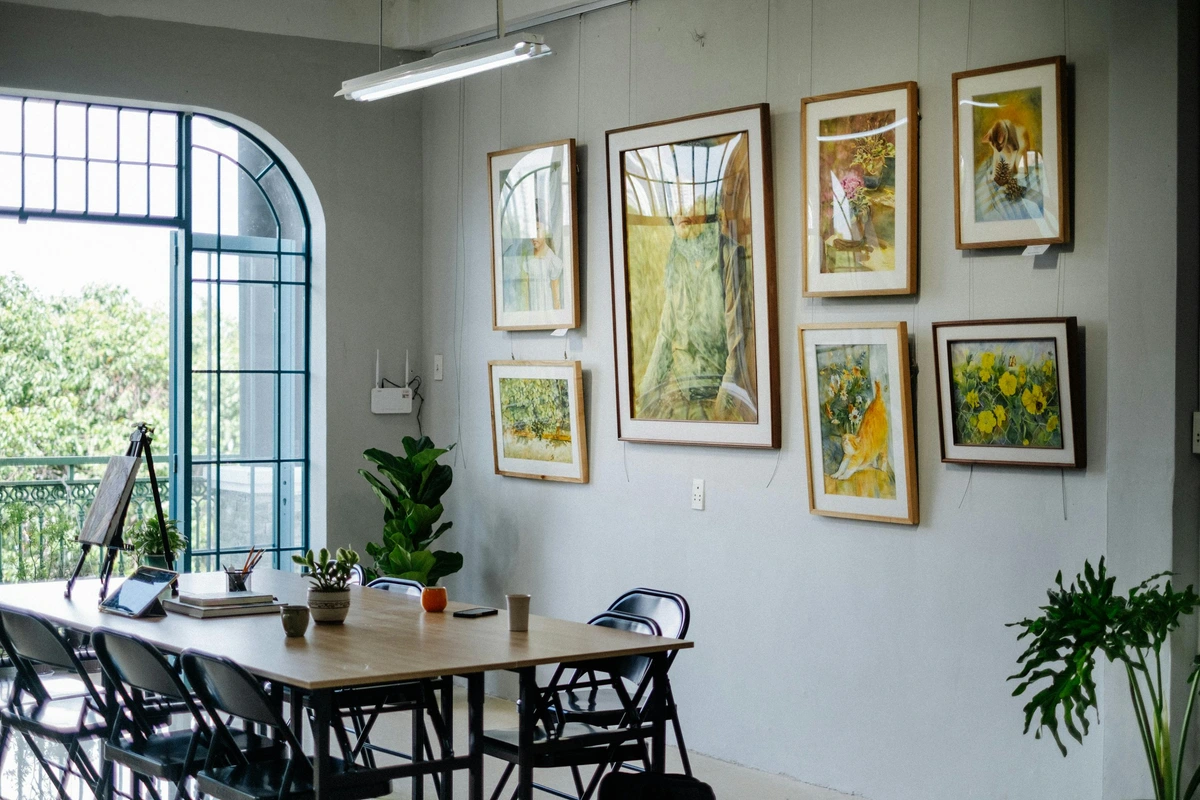
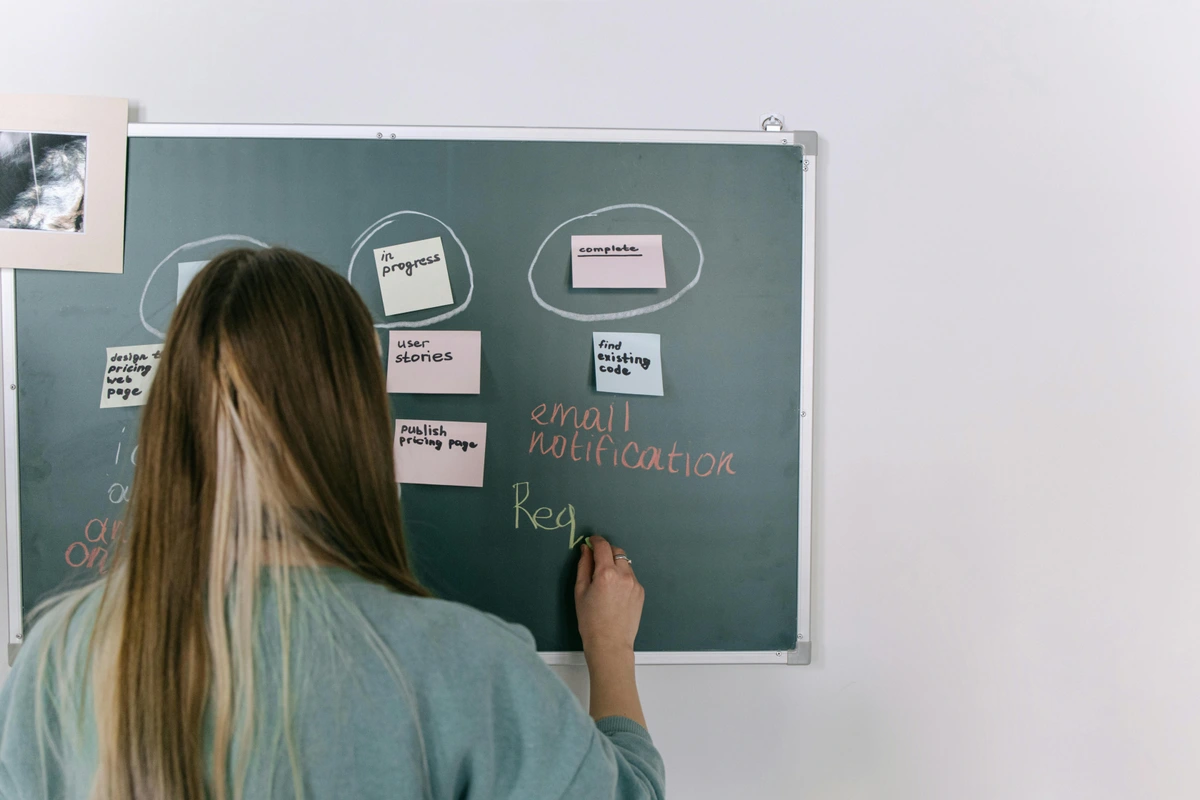
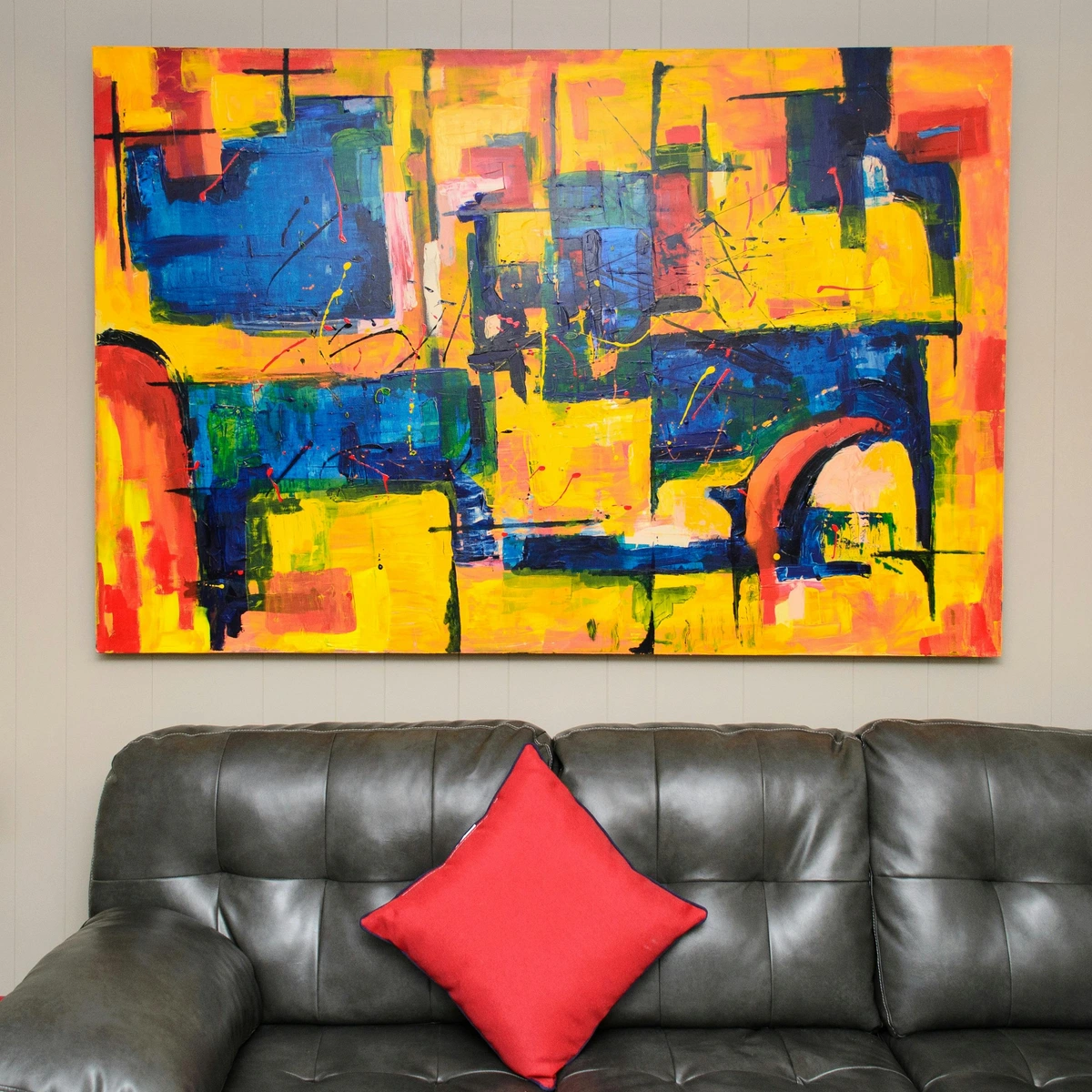
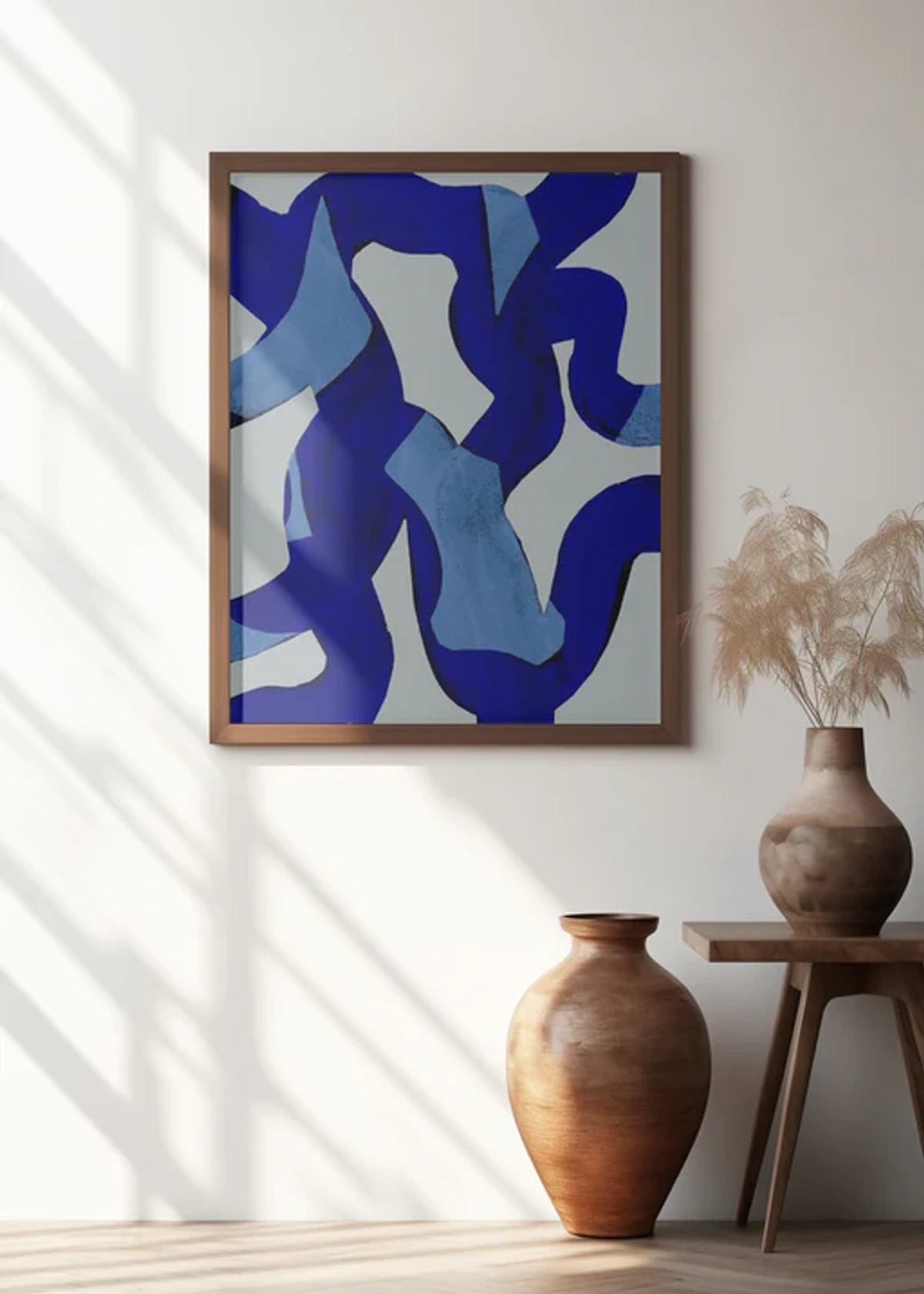
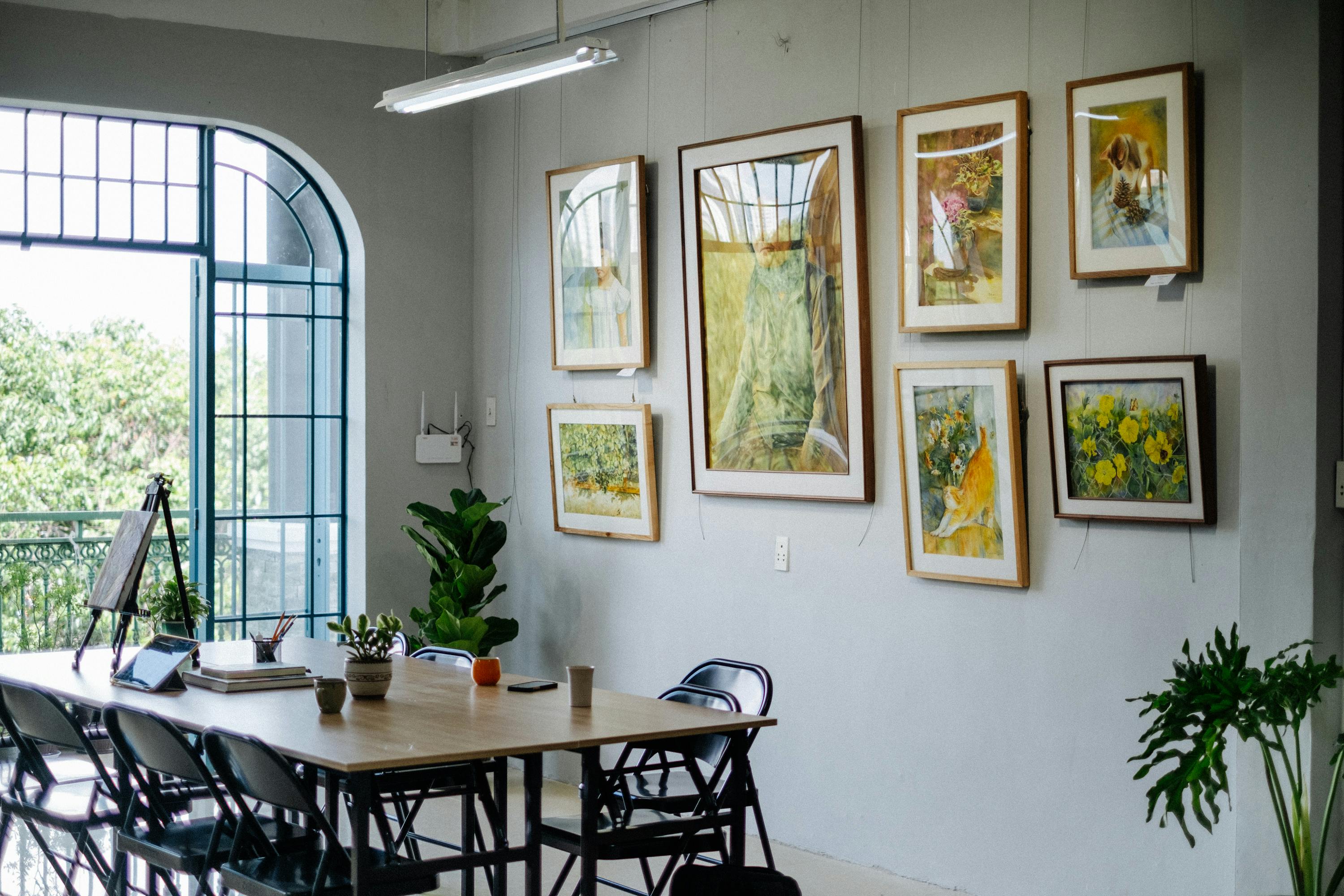
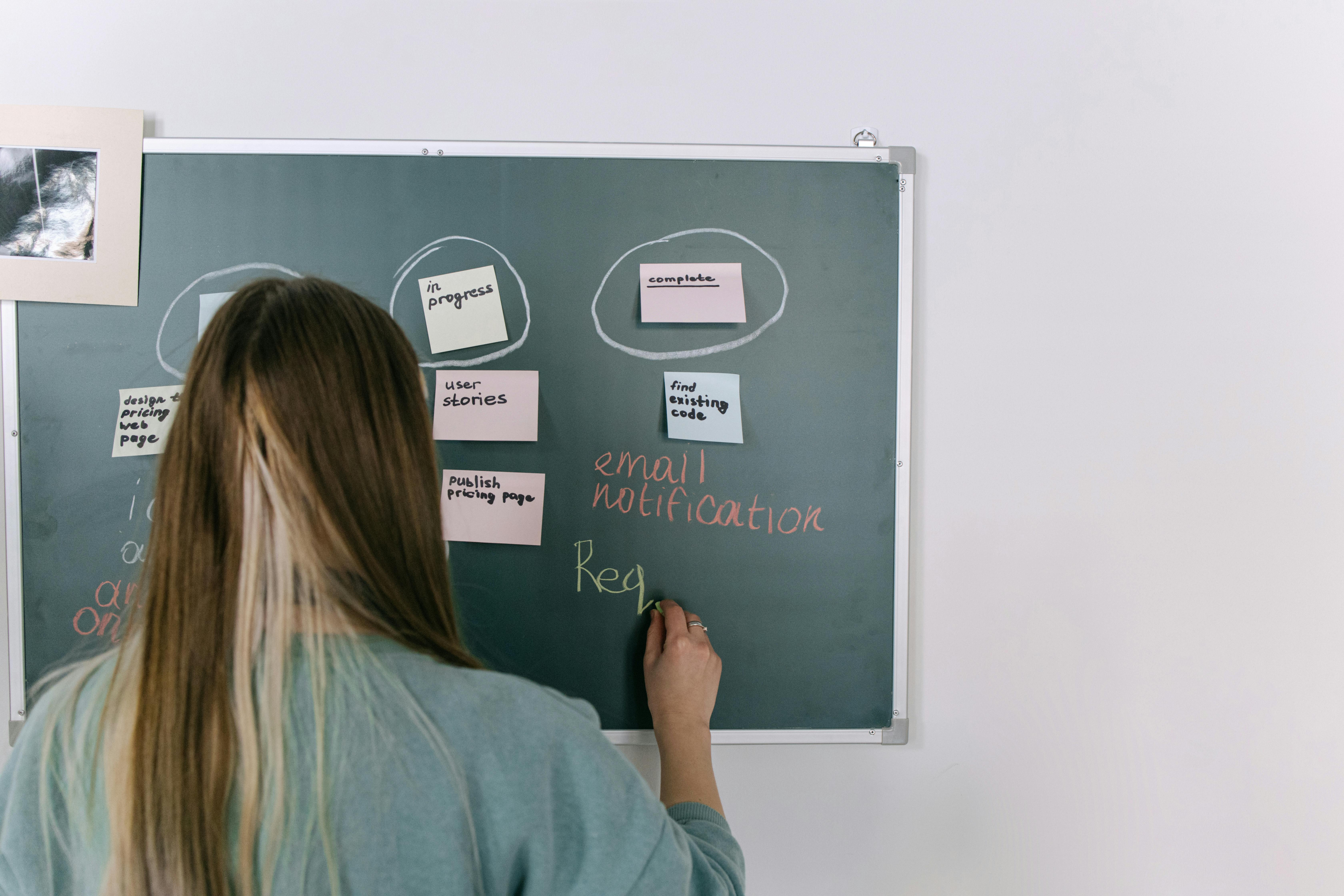
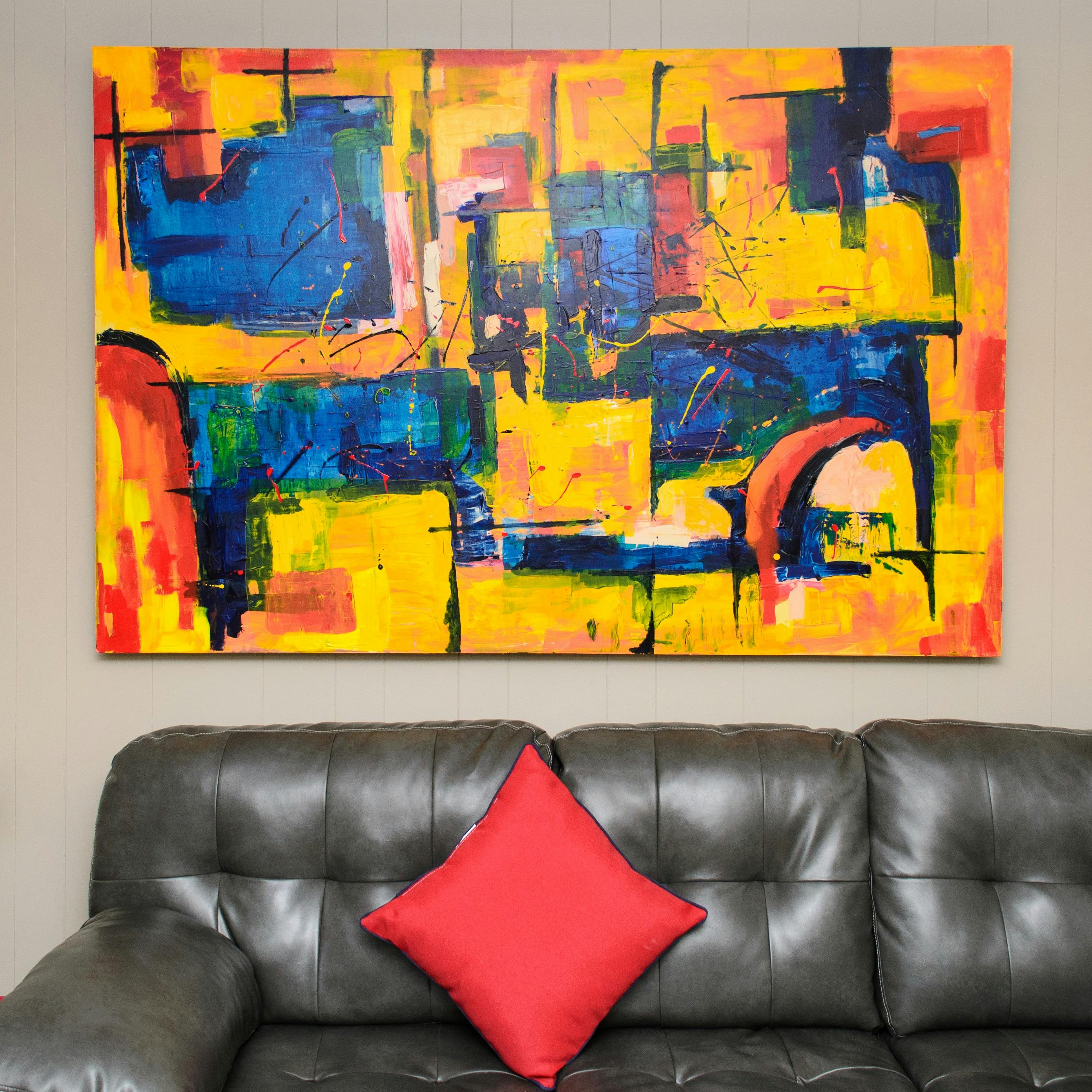
This is where I truly get excited, as an artist. Wall decor isn't just about covering bare walls; it's about curating a visual narrative that inspires and reflects. I find that hanging abstract art or vibrant colorful pieces can be a fantastic way to inject energy and creative thought into an office. For a calming effect, a subtle landscape or a piece with organic forms works wonders. I once struggled with a persistent creative block until I rearranged my studio and placed a dynamic abstract piece within my line of sight – the shift in perspective was almost immediate. Consider a gallery wall of meaningful photos, diplomas, or even a functional whiteboard for impromptu brainstorming. If you're looking to elevate your space with original art, you can always explore my collection. For practical guidance on selecting art, you might find my thoughts on choosing art for a home office, decorating with art in a home office, or even how to decorate a wall helpful.
Illumination with Intention: Mastering Your Office Lighting
I can't stress this enough: good lighting is a game-changer. Beyond reducing eye strain, it profoundly affects your energy levels, focus, and even your overall mood. Think in layers, aiming for a balance that supports both intense work and moments of reflection:
- Ambient Lighting: The general light in the room, often from overhead fixtures. Aim for something diffused and not too harsh. Indirect lighting, like wall sconces or uplighters, can create a softer, more inviting glow than direct overhead fluorescents. Consider a color temperature around 3000K-3500K (warm to neutral white) for a balanced, comfortable general atmosphere.
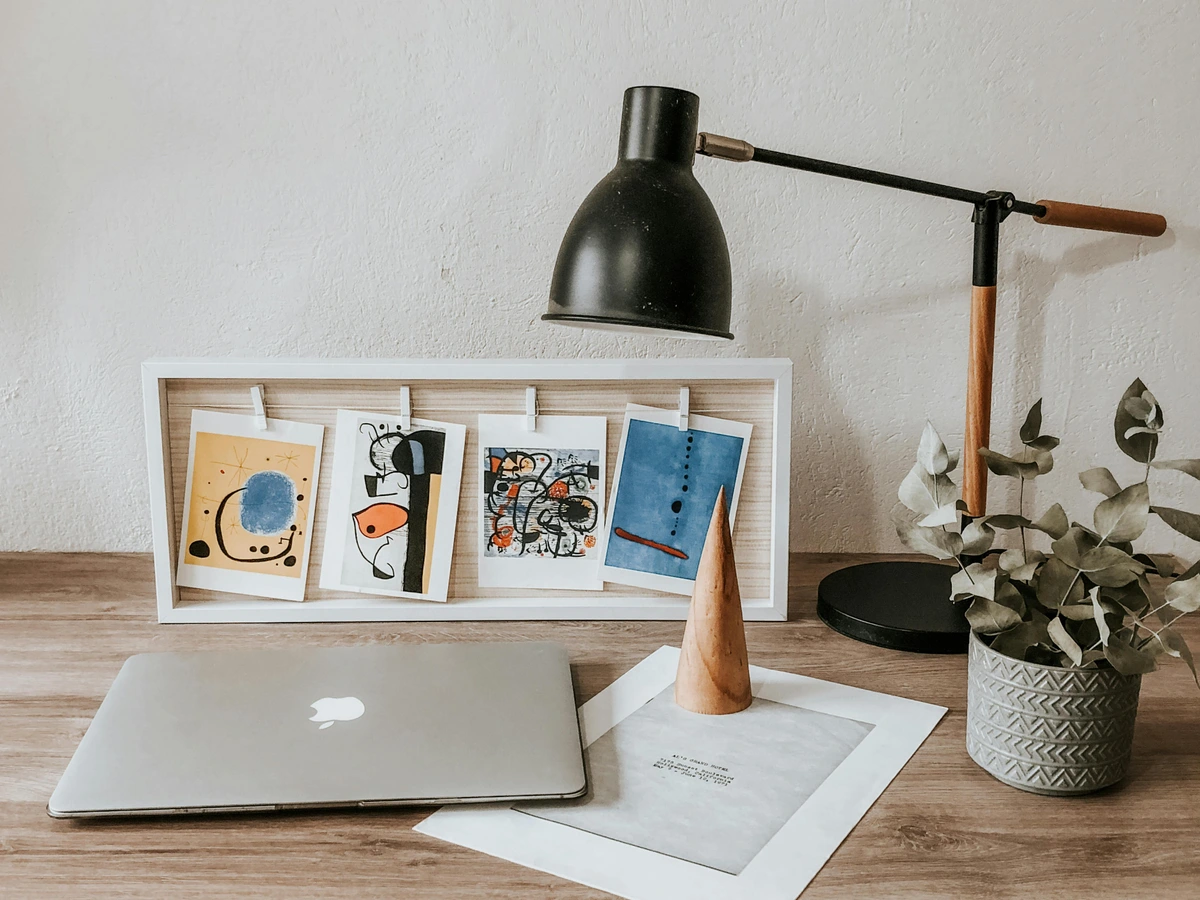
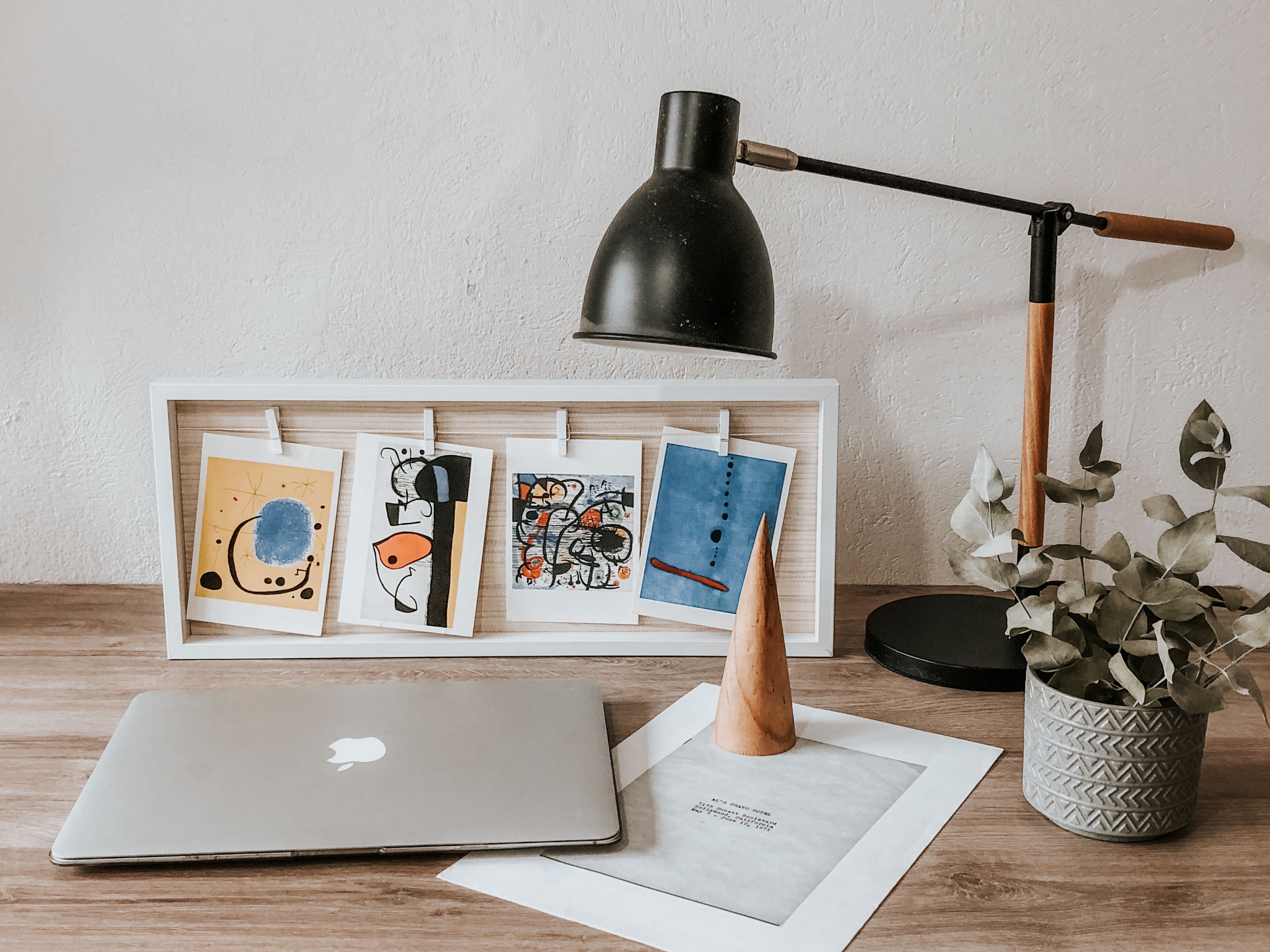
- Task Lighting: Your desk lamp! This is crucial. Look for adjustable lamps that let you direct light exactly where you need it, and ideally, offer different color temperatures. Cooler, bluer light (4000K-5000K) is excellent for daytime focus and analytical work, enhancing alertness. Warmer, more yellow light (2700K-3000K) is better for evening work or a relaxed, creative feel, reducing eye strain as the day winds down.
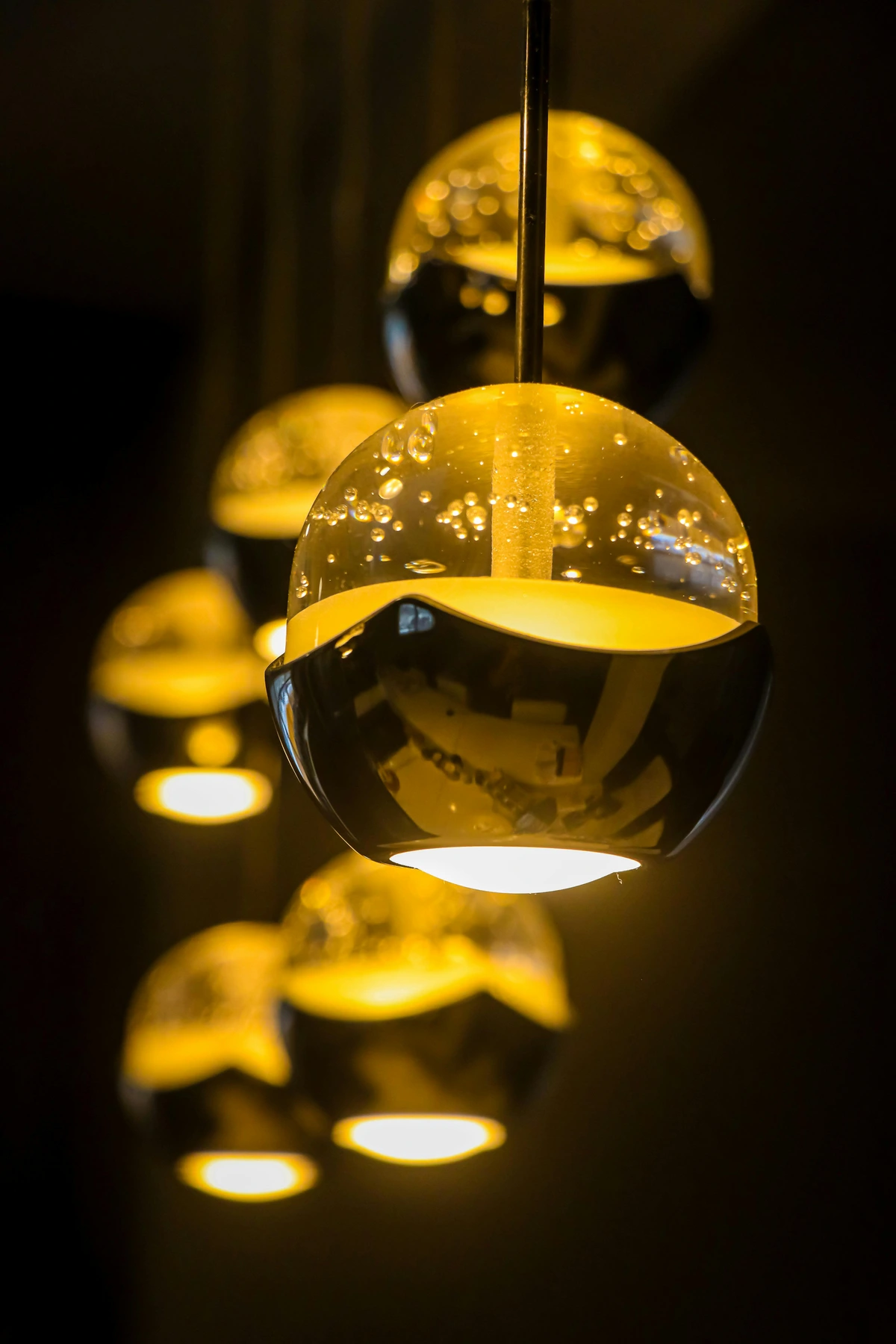
- Accent Lighting: A small lamp on a shelf or a picture light highlighting a piece of art. This adds depth, personality, and can create a cozy atmosphere in specific zones. It's about setting a mood and drawing attention to elements you love.
Always try to maximize natural light first. Position your monitor to avoid glare from windows. And if you're dealing with low light conditions, there are strategies for choosing art for a room with low light that apply to general decor too, ensuring your space still feels vibrant.
The Power of Plants: Greenery for the Win
Bringing nature indoors with plants is one of the quickest, most impactful ways to transform your office. They literally breathe life into a room, softening hard lines and adding a touch of serene vibrancy. Don't worry if you don't have a green thumb; there are incredibly resilient options available! Even a small succulent or a tiny terrarium can make a significant difference. Plus, the act of caring for a plant, however minimal, can be a small, grounding ritual in your day, offering a micro-break for your mind. They're a simple, cost-effective way to integrate biophilic benefits and improve air quality, acting as silent, green colleagues.
Tailoring Your Space: Different Offices, Different Needs
Not every office is a sprawling executive suite, right? Whether you're in a cozy nook or a bustling corporate floor, the core principles of thoughtful design adapt. The goal is always the same: to create a supportive environment, but the execution will vary wildly. It's about understanding your unique constraints and opportunities.
The Home Office: Blurring (or Defining) Lines
For many of us, the home office is a constant negotiation with the rest of our living space. The key here is to establish boundaries, even if they're purely psychological. The needs of a dedicated, separate office are different from a corner in a living room, where multi-functionality is paramount. This is your domain, an opportunity for truly personalized productivity.
- Define Zones: Even if it’s a corner of a room, use a rug, a screen, a strategic furniture arrangement, or even smart lighting to mentally separate your "work zone" from your "home zone." This helps both focus during work hours and disengagement when you're off the clock. It's about creating a clear signal to your brain: "this is where work happens."
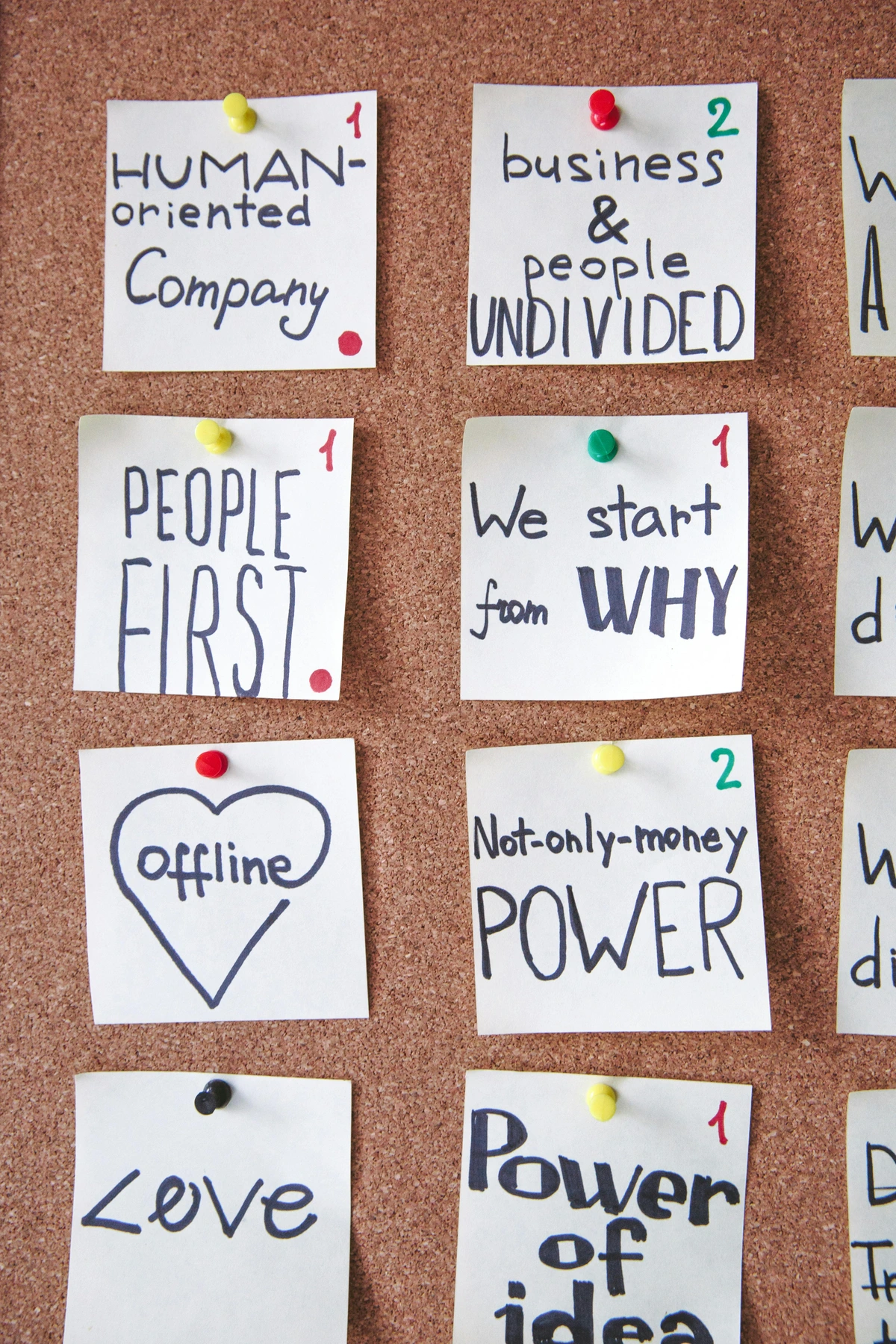
- Personalization is King: This is your space. Go wild (within reason!) with personal touches, art that moves you, and colors that genuinely make you happy. This could be anything from abstract art for small spaces to a cherished family photo. It's about creating a space that inspires you to do your best work, a space you genuinely look forward to entering each day.
- Multi-functional Furniture: Opt for items that serve dual purposes, like a credenza that offers storage but also looks like a stylish console, or a desk that folds away. This is especially vital in smaller, shared living spaces, such as when choosing art for a small living room, where every inch counts.
- Manage Digital & Physical Clutter: Just as important as physical tidiness is managing your digital workspace. A cluttered desktop, overflowing inbox, or excessive notifications can be just as distracting as a pile of papers. Physical organization can reinforce digital discipline, creating an overall sense of order and calm.
- Flexibility and Adaptability: Consider how your space can flex. Do you need a standing option? Can your workspace transform for different tasks, or even disappear when not in use? Designing for adaptability ensures your office meets your evolving needs, not just current ones.
The Corporate Cubicle or Shared Space: Making It Yours Within Limits
Ah, the cubicle. The ultimate design challenge! Here, personalization often means working with constraints, but creativity thrives under limitations. The goal is to create a personal oasis without encroaching on others' space, fostering a sense of ownership and well-being even within a structured environment.
- Non-Permanent Solutions: Think Command strips for hanging art, removable wallpaper panels for a pop of color, freestanding shelves, or even vibrant desk accessories. These allow for personal expression without permanent alteration, making it easy to adapt or move.
- Respect the Rules & Others: Always check company policy on decor. When in doubt, lean towards professional but warm. Also, be mindful of strong scents, overly loud visuals, or distracting sounds that might impact colleagues. Your personal sanctuary shouldn't be another's irritation.
- Small but Mighty Touches: A single, striking piece of abstract art, a high-quality, low-maintenance plant, or a beautifully organized desk can make a huge difference without offending anyone. Focus on quality over quantity for maximum impact in a confined space. These curated items become anchors of your personality.
- Ergonomics First: Your company might provide some ergonomic furniture; leverage it and supplement with your own (like a good monitor stand, ergonomic mouse, or footrest) if allowed. Your physical comfort directly impacts your sustained focus and well-being, reducing fatigue and preventing strain.
Decorating on a Budget: Creativity Over Cost
You absolutely don't need to break the bank to create an inspiring space. My own studio has seen plenty of DIY projects born out of necessity and a love for unique finds! It's amazing what a little ingenuity can achieve. When money is tight, creativity becomes your most valuable tool, allowing you to craft a space that feels rich in personality without the hefty price tag.
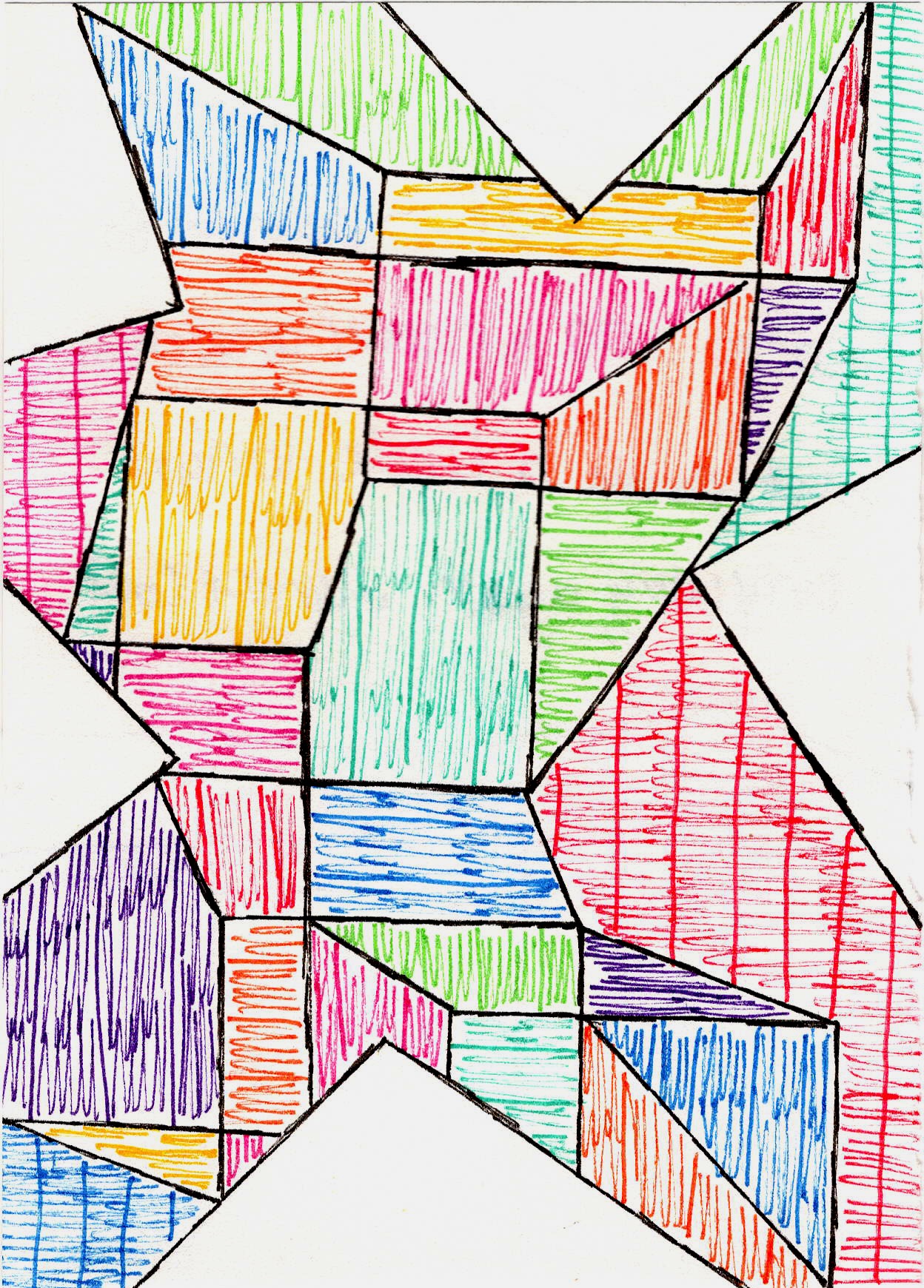
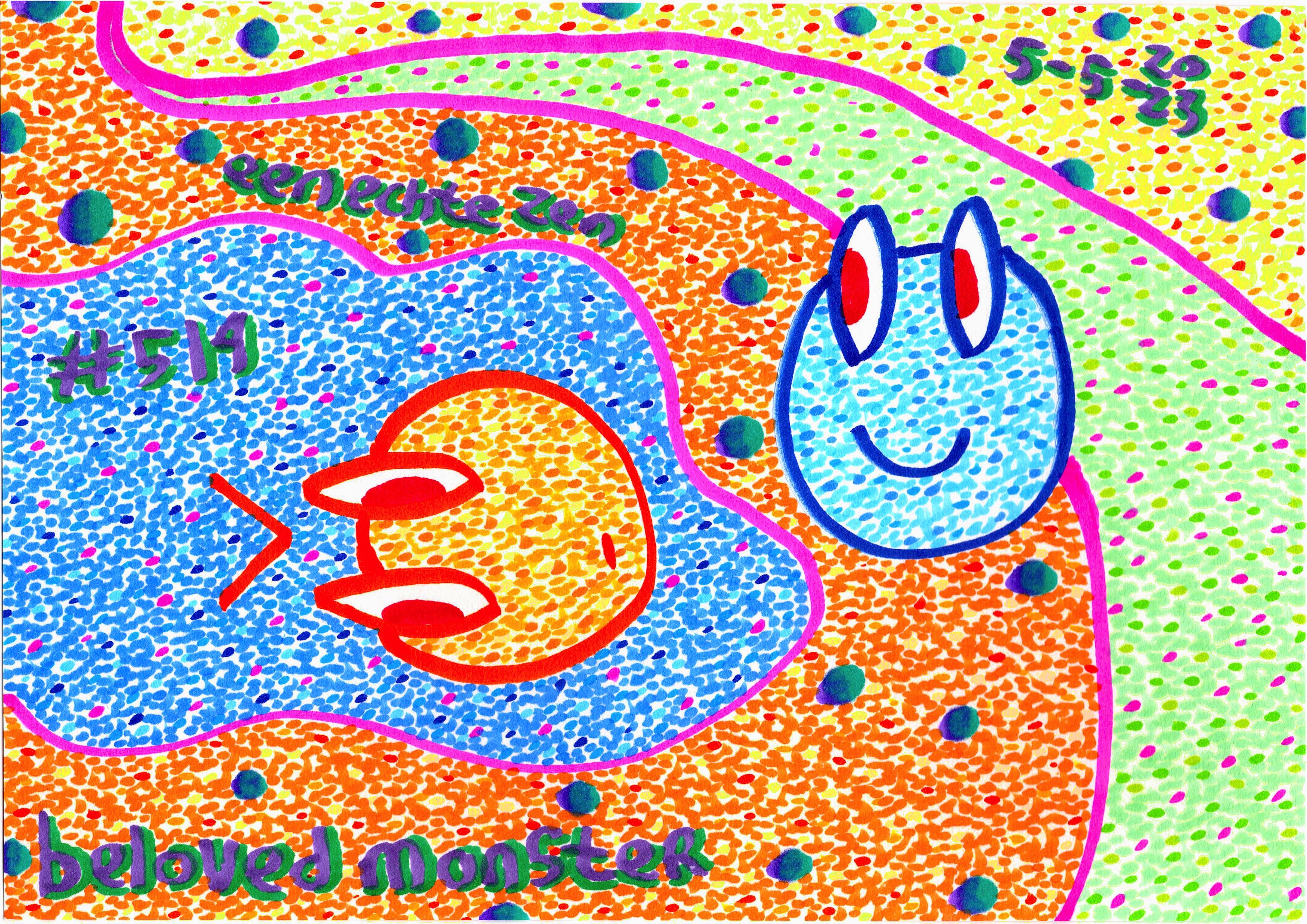
- DIY Art: Create your own art! This is Zen Museum after all. It’s personal, unique, and costs very little. You might be surprised at what you can make. Even a simple geometric design or a textured abstract piece can transform a wall. You could even explore creating a focal point with art using budget-friendly materials. It's not just decor; it's a piece of yourself.
- Thrift Store Treasures: Look for unique desk accessories, vintage frames, interesting containers for plants, or even small pieces of furniture that can be upcycled with a fresh coat of paint. A little elbow grease and a creative vision can go a long way in transforming forgotten items into cherished elements.
- Focus on High-Impact, Low-Cost: Prioritize a good task lamp (essential for eye health), a comfortable chair (even if it's second-hand and reupholstered), and some greenery. These elements offer the most bang for your buck in terms of comfort, function, and aesthetics, directly impacting your daily experience.
- Decluttering is Free: Seriously, a thorough declutter and reorganization often makes the biggest difference without spending a dime. It's the first and most impactful step to any transformation, creating a sense of space and mental clarity that no purchase can replicate.
- Repurpose & Upcycle: Before buying new, look around your home. Can that old scarf become a wall hanging? Can a forgotten jar become a pen holder? Creativity with existing items is not only budget-friendly but also environmentally conscious, adding a layer of sustainable satisfaction to your design choices.
Practical Tips for Your Office Transformation
Ready to roll up your sleeves? Here are some actionable steps I follow when sprucing up any space, especially an office. Remember, even small changes can have a ripple effect on your daily experience, gradually building towards your ultimate sanctuary.
- Start with Decluttering: This is the most foundational and often free step. Remove anything that doesn't serve a purpose or bring you joy. A clean slate allows you to truly see your space and what it needs.
- Begin Small: Don't feel pressured to do a complete overhaul. Begin with one or two elements that bother you most, or that you're most excited about, like adding a plant or new wall art. Even moving your desk or chair can create a fresh perspective and shift your energy.
- Utilize Vertical Space: Shelves, wall-mounted organizers, pegboards, or even tall, narrow bookcases are fantastic for keeping your desk clear and utilizing often-ignored real estate. This is a lifesaver in small rooms and helps to keep visual clutter at bay.
- Hide Cords: A tangled mess of cables undermines even the most beautiful decor and creates visual noise. Use cord organizers, ties, or decorative boxes to keep things neat and out of sight. It's a small detail that makes a huge visual impact and reduces subconscious stress.
- Integrate Technology Seamlessly: Think about where your devices charge, how speakers are placed, or if you want smart lighting controls. Design solutions that are both functional and visually appealing, preventing your tech from becoming an eyesore. I use a discreet charging station that doubles as a pen holder, and smart plugs for lamps so I can control them with my voice.
- Design for Flexibility & Adaptability: Your work style might change throughout the day or over time. Can your desk adjust for standing? Are elements mobile? Building in flexibility, even simple things like a mobile cart, allows your space to evolve with you.
- Sustainability Matters: When buying new items, consider opting for recycled materials, sustainable wood, or energy-efficient LED lighting. It’s good for the planet and, let's be honest, feels good too. A conscious choice adds another layer of well-being to your space.
- Maintain Your Sanctuary: Choose decor that’s relatively easy to clean and maintain. A dusty plant or smudged monitor can quickly detract from an otherwise inviting space. Regular tidying is part of the design process, not an afterthought; it's a ritual of respect for your workspace.
- Seasonal Adjustments: Don't be afraid to make minor seasonal adjustments. Lighter textiles and cooler colors in summer, warmer throws and more subdued lighting in winter. This keeps the space feeling fresh and responsive to your needs throughout the year.
- Challenge Misconceptions: While minimalism is trendy, don't assume it's always superior for productivity. Some individuals thrive in highly personalized, maximalist environments. The best workspace is one that you find inspiring, not one that adheres to a rigid trend. It's about authentic self-expression and functional comfort.
Frequently Asked Questions (FAQ)
Q1: How can I balance professionalism with my personal style in an office, especially depending on my industry?
This is a classic dilemma, isn't it? My advice is to keep the core structure of your workspace clean, organized, and functional – that's your professional foundation. Then, infuse your personality through curated personal touches. Think a unique piece of art (perhaps an abstract print that resonates with you and your field), a few framed photos of loved ones, a distinctive desk accessory, or a plant in an interesting pot. The key is quality over quantity. For highly conservative industries, focus on subtle textures, sophisticated color palettes (neutrals with one calming accent), and high-quality, understated art. In creative fields, you have more freedom to experiment with bolder colors and more expressive, perhaps even sculptural, art. Always ensure items are meaningful to you but also generally appropriate for a work setting; your space should reflect your unique professional identity without causing distraction.
Q2: Can art really boost productivity and creative flow? Which types are best?
Absolutely! Art can be a fantastic productivity enhancer, not directly, but by subtly influencing your mood, cognitive state, and even triggering your imagination. Vibrant, abstract art can stimulate creativity and energy without being too distracting with specific imagery. Think of geometric abstractions or dynamic brushstrokes; they can provide visual interest and a sense of movement without demanding too much cognitive processing, allowing the mind to wander creatively without losing focus. Landscapes or nature-inspired abstract art can offer a sense of calm and escape, providing a mental break and reducing stress. I've found that pieces with appealing color palettes – blues, greens, or balanced neutrals with subtle pops of stimulating color – work best. For instance, the dynamic energy of a Cubist-inspired piece might fuel problem-solving, while the fluidity of an Impressionistic landscape offers a moment of serene contemplation. The key is to choose art that you genuinely enjoy, that evokes positive feelings or inspiration, and that complements the overall mood you want for that specific area of your workspace. Ultimately, the "best" art is subjective; it's what resonates with you and your goals for the space, acting as a visual anchor for your intentions.





Q3: I have a very limited budget. Where should I prioritize my spending for the biggest impact?
Don't worry, an inspiring workspace doesn't require a huge investment! My top priorities for a limited budget would be:
- Decluttering and Organization: This is completely free and instantly transformative. A tidy space leads to a tidy mind. Use items you already own for storage or DIY organizers.
- A truly ergonomic chair: Even a good second-hand one is better than a bad new one; your back, neck, and overall energy will thank you profoundly. This is an investment in your physical health and sustained focus.
- Excellent task lighting: This directly impacts eye strain, alertness, and focus. A quality, adjustable desk lamp with good color temperature options can be found affordably.
- A few plants: They are incredibly cost-effective for their biophilic benefits, boosting mood and air quality. Many common plants are inexpensive and easy to care for.
After these essentials, look to DIY art, thrift store finds, and repurposing items you already own to add personality and style without spending much. It's about smart choices and creative solutions, not big spending. You'd be surprised what a fresh coat of paint or a clever arrangement can do for virtually no cost.
Conclusion: Your Office, Reimagined
Look, your office isn't just a place where you clock in and out; it's a significant part of your daily life, a space with immense potential to support your best work and foster your well-being. By thoughtfully incorporating principles like biophilic design, understanding color psychology, and prioritizing elements like intentional lighting, inspiring wall decor, seamless organization, and crucial ergonomics, you're not just decorating. You're making a conscious investment in yourself. You're crafting a sanctuary that fuels your focus, sparks your creativity, and makes the daily grind a little less 'grind' and a lot more 'flow.'
So, go ahead, start small, experiment, and create an office you genuinely love working in. Why not pick just one element from this guide – perhaps adding a new plant, tidying your digital desktop, or adjusting your task lighting – and implement it this week? Observe the difference it makes. Your future, more productive, and happier self will thank you for it. Your workspace is waiting to be reimagined; let your creativity begin.