
How World War 1 Tore Up the Canvas and Redrew the Art World
Explore the profound and often brutal impact of World War I on art. Discover how the Great War shattered old traditions and birthed radical movements like Dada, Surrealism, and New Objectivity.

How World War 1 Tore Up the Canvas and Redrew the Art World
I've always been fascinated by those moments in history where everything just… shatters. We love our neat timelines, don't we? The elegant Belle Époque, with its swirling dresses and optimistic posters by Art Nouveau artists, leading smoothly into the exuberant Roaring Twenties. But between those two seemingly distinct eras lay a chasm, a brutal, muddy, deafening tear in the fabric of human experience: the First World War. For me, art has always been a cultural seismograph, not just recording tremors but fundamentally being broken, reshaped, and forever redefined by them. This wasn't a gentle evolution; it was a violent upheaval that ripped through the very soul of creative expression, forcing artists to confront unprecedented horrors and question every established truth.
Before 1914, the art world was already buzzing with radical ideas, a vibrant hum of experimentation. We saw Fauvism splashing color everywhere with a kind of childlike joy and unrestrained emotion, and Cubism busy dismantling reality into geometric shapes, offering new intellectual perspectives. There was even Futurism, which, in its pre-war iteration, passionately embraced dynamism, speed, and the exhilarating potential of industrial modernity. It was revolutionary, for sure, challenging centuries of artistic tradition, but there was an underlying optimism to it, a profound faith in progress, human ingenuity, and new ways of seeing the world. Artists were daring, but they still operated within a framework of evolving, rather than shattering, certainties.
credit, licence
The vibrant energy of the pre-war avant-garde was palpable. Artists were pushing boundaries, but the underlying sentiment was often one of celebration for what humanity could achieve, a belief that progress in science and society would naturally lead to a more beautiful, ordered world. Looking back, it's almost heartbreakingly naive, isn't it? As if art, despite its avant-garde daring, was still predicting a glorious future. Little did they know, the canvas was about to be ripped apart by something far more brutal than any artistic manifesto.
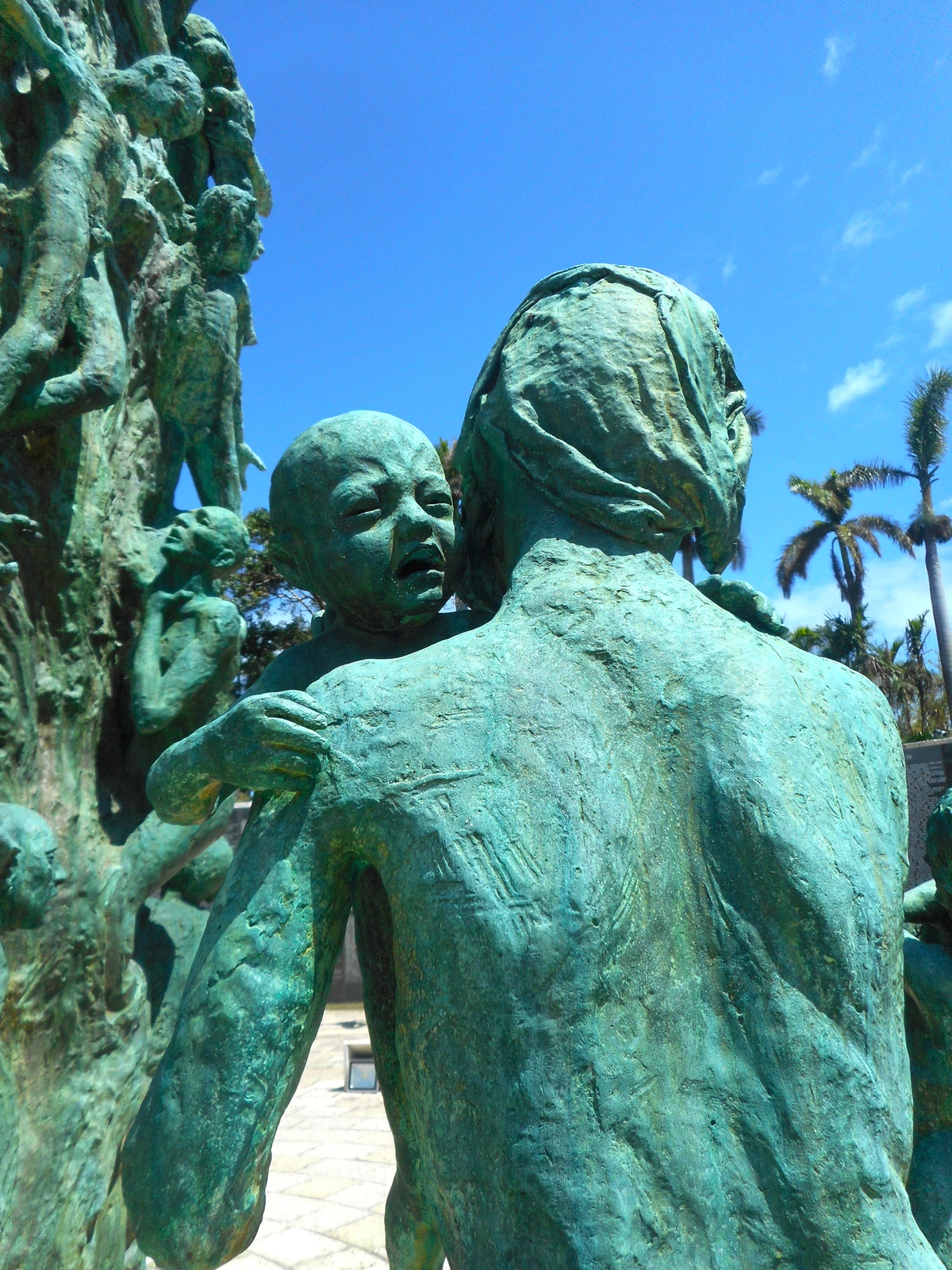
The brutal, muddy, deafening reality of the First War — millions dead over inches of mud, the horror of chemical warfare, industrial-scale slaughter, and the chilling efficiency of modern weaponry — profoundly shattered the pre-war faith in reason, order, and human progress. It revealed a horrifying capacity for destruction that no one had truly anticipated, forever altering the collective psyche. The old languages of art, with their emphasis on beauty and harmonious representation, seemed not just inadequate but offensively naive. How could an artist possibly go back to painting a lovely bowl of fruit, or a serene landscape, after witnessing or hearing of such incomprehensible horrors? The answer, I believe, is they couldn’t. That fundamental inability to return to old aesthetics birthed entirely new forms of expression, each grappling with a world irrevocably altered. It was less about evolving art and more about art as a desperate, visceral response to a collective trauma, a raw scream against the machine.

The Great Shattering: Art's Immediate Reaction
The response wasn't a single, unified movement. It was more like a collective scream that took on different forms. The war didn't just give artists new subject matter; it gave them a new psychology—one of trauma, disillusionment, and profound cynicism.
credit, licence
Dada: The Art of Nonsense as Protest
Imagine surviving the horrors of the front lines, or living through the reports of millions dead, only to return to a society still clinging to outdated notions of patriotism, honor, and a rational world order, as if nothing had fundamentally changed. You'd probably want to scream and break things, to tear down all the polite facades and expose the absurdity beneath. That, in a nutshell, is Dada – a collective artistic primal scream, a furious, often humorous, rejection of the very systems that led to such carnage.
Born in neutral Zurich in 1916, often in the smoky, anarchic confines of the legendary Cabaret Voltaire, Dada was far more than just an art movement; it was an anti-art movement, a desperate intellectual and emotional revolt. It wasn't just new art; it was a deliberate, furious rejection of logic, reason, and traditional aesthetics, born from the conviction that these very concepts had led to the global catastrophe. The Dadaists believed that the very logic of the ruling class, with its appeals to reason, national pride, and bourgeois values, had led directly to global carnage. If the world had gone absurdly mad, then art had to be absurd, too. It was a refusal to participate in the 'sanity' of a world that had clearly lost its mind. This wasn't merely nihilism; it was a profound protest, a way to dismantle the old order by mocking its foundations.
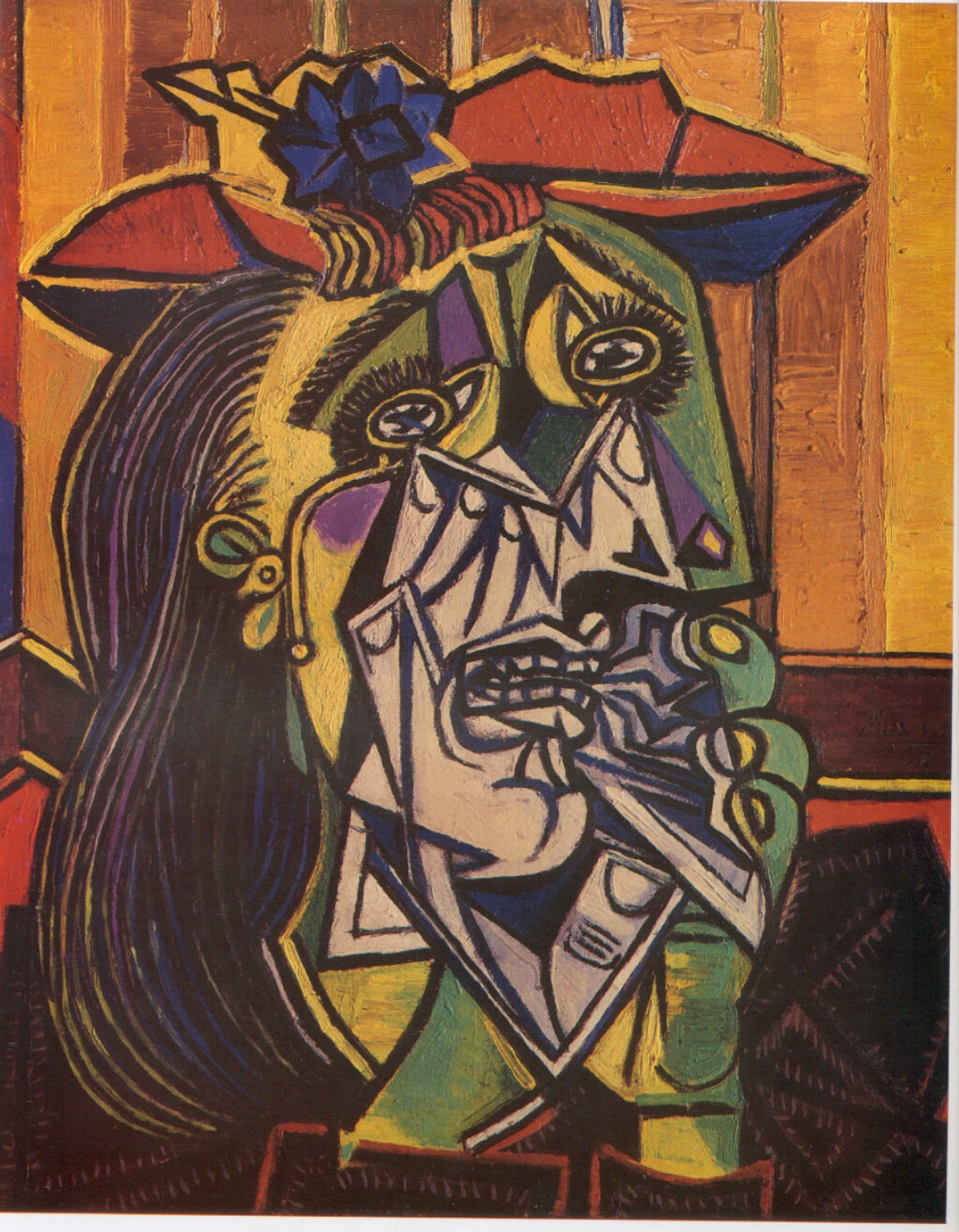
- What it looked like: A dizzying array of mediums, often embracing chance, irreverence, and provocation. Think collage and photomontage (often pioneered by artists like Hannah Höch, who sliced and diced images from mass media to create biting social commentary, critiquing everything from gender roles to political figures), nonsensical poems, 'readymades' (everyday objects presented as art, stripping them of their utility and forcing a re-evaluation of aesthetic value), and spontaneous, often chaotic, multi-disciplinary performances, including sound poetry and dance, all designed to provoke and offend. They delighted in breaking the rules, turning traditional art on its head.
- The philosophy: Why make beautiful things when the world is so ugly, so utterly illogical, drenched in blood and hypocrisy? Let's mock everything—art, culture, language, ourselves, tearing down the very pedestals of bourgeois society. It was about pure, liberating destruction, clearing the ground for something genuinely new.
- Key Artists: Marcel Duchamp, Hannah Höch, Tristan Tzara, Hugo Ball, Man Ray, Kurt Schwitters.
Duchamp's infamous "Fountain," a readymade urinal placed in a gallery and signed "R. Mutt," wasn't just a prank; it was a profound, almost revolutionary question: What is art, who decides, and does an artist's intention trump all else? In the wake of WWI, as traditional values crumbled, it was a question that desperately needed asking, challenging the very institutions and definitions of art. The ripples of this provocative stance are still felt today, making Dada a profoundly influential movement, a true precursor to conceptual art. In fact, you can still see the enduring influence of Dadaism on contemporary art and its legacy in much of what we experience, from performance art to appropriation art, and the ongoing critique of institutional norms. It laid the groundwork for questioning everything.
Expressionism: The Inner Turmoil Made Visible
If Dada was an external scream of protest, a smashing of cultural norms through irreverence and absurdity, then Expressionism was an internal one—a deep, guttural cry from within the soul, laid bare on canvas. This powerful movement started before the war, with pioneering groups like Die Brücke (The Bridge), formed in Dresden in 1905, seeking to bridge traditional and modern art and express raw emotion, and Der Blaue Reiter (The Blue Rider), founded in Munich in 1911 by Kandinsky and Marc, exploring spiritual and abstract dimensions. Both were already exploring intense emotional states, psychological anxieties, and distorted forms as a rejection of academic realism. But the conflict amplified its core tenets to an almost unbearable degree. German Expressionists, in particular, like Ernst Ludwig Kirchner and Max Beckmann, were often drafted and experienced the war's brutality firsthand, and their art became an unfiltered, raw conduit for that suffering, horror, and profound disillusionment, often depicting the psychological toll of urban life and the dehumanizing aspects of modern society.
They weren't interested in depicting the world as it looked, in some objective, photographic reality, but as it felt—a subjective, inner truth. And after 1918, it felt terrifying, fractured, and full of despair. Their work is characterized by violently distorted figures, jagged lines, and jarring, often clashing colors applied with an emotional urgency. It's an art of profound psychological insight and raw, visceral intensity that is still shocking and unsettling today. It’s the kind of art that gets under your skin and stays there, challenging your own emotional landscape.

Artists like Otto Dix and George Grosz, who both served in the war, didn't paint heroic, glorified soldiers or triumphant battle scenes; they painted crippled veterans, disfigured prostitutes, starving civilians, and grotesque, leering war profiteers, often with a searing satirical edge. They showed the ugly, uncomfortable, unvarnished truth of post-war German society, a society scarred by trauma, economic hardship, and profound hypocrisy. Beyond these searing indictments, artists like Käthe Kollwitz offered a profound, empathetic perspective, often focusing on the suffering of women and children, transforming personal grief and maternal anguish into universal statements against war and injustice. It was a truth so ugly, so raw, that many people didn't want to see it, and for that, I think it's all the more vital—a mirror held up to a traumatized world.
The Post-War Landscape: New Movements from the Rubble
Once the initial shockwaves of Dada's defiance and Expressionism's visceral cries reverberated through the art world, new ideologies began to form, each attempting to make sense of the new, fractured world. It was a time of both profound despair and furious innovation. Artists, having witnessed the collapse of so many old certainties, grappled with the ruins of established thought, finding diverse and often contradictory paths forward – some escaping into the subconscious, others confronting harsh reality, and still others dreaming of utopian futures. It was a period of intense artistic ferment, as the creative spirit sought both solace and new forms of critique. This era, in particular, highlights how deeply art can diverge when confronted with shared trauma, yet how universally it seeks to articulate meaning.
Art Movement  | Core Philosophy | Key Characteristics | Impact of WWI | Representative Artists |
|---|---|---|---|---|
| Surrealism | Explored the subconscious mind, dreams, and the irrational to find a 'super-reality'. | Dreamlike scenes, unexpected juxtapositions, automatism. | Sought escape and meaning in the irrational after rational failure. | Salvador Dalí, René Magritte |
| New Objectivity | A cynical, unsentimental, and brutally realistic look at post-war German society. | Sharp, detailed, often grotesque portraits and cityscapes. | Direct response to the harsh realities and moral decay of Weimar Germany. | Otto Dix, George Grosz |
| Constructivism | Believed art should have a social purpose and contribute to the new communist society. | Geometric abstraction, functional design, social utility. | Aimed to build a new, rational society through art, rejecting bourgeois art forms. | Vladimir Tatlin, El Lissitzky |
| Art Deco | Embraced modern technology and materials; sought glamour and order in a chaotic world. | Streamlined forms, geometric patterns, rich ornamentation, vibrant colors. | A stylistic antidote to war's trauma, offering escapism and optimism for the future. | Tamara de Lempicka, Erte, René Lalique |
| Purism | Advocated for a return to clarity, order, and machine aesthetic, rejecting Cubism's decorative excesses, seeking universal, timeless forms. | Simple, geometric forms, industrial objects, smooth surfaces, clear lines, often with a focus on still lifes and interiors. | A post-war call for rationalism, order, and constructive beauty after the perceived chaos and decorative excesses of other movements. | Le Corbusier, Amédée Ozenfant |

Surrealism: Escaping into the Mind
If Dada was about tearing down the old world with a defiant, anarchic roar, Surrealism, in a fascinating evolution, was about building a new one – not in the shattered external reality, but in the boundless, uncharted landscape of the mind. Many former Dadaists, including the poet André Breton, felt that pure destruction and negation, while cathartic, weren't enough to heal a broken world that had just experienced an unprecedented psychic shock. After witnessing the catastrophic collapse of rational thought and the horrifying absurdities of war, they, like many others, were profoundly influenced by Sigmund Freud's revolutionary theories of the subconscious mind, dreams, and repressed desires, seeing in them a potential new path to truth. They turned inward, seeking a "super-reality" (surreality) that lay beneath the surface of everyday experience, believing the irrational held a deeper truth than failed logic.
Surrealism, therefore, became a powerful way of processing the illogical horror of the war by tapping into the even more illogical, yet deeply truthful, world of dreams, fantasies, and the unconscious. It was an admission that the rational mind had failed us catastrophically, so perhaps the answers, or at least a path to healing and understanding, lay buried deeper within our psyche. Techniques like automatic drawing and writing (where artists attempted to bypass conscious control, allowing the unconscious to guide the hand) and frottage (like the texture rubbings discussed in what is frottage in art), were employed to access these hidden realms. Beyond Salvador Dalí and René Magritte, artists like Max Ernst, Joan Miró, and women artists such as Leonora Carrington and Meret Oppenheim, explored these dreamscapes, making Surrealism a key part of the history of abstract art and a powerful lens for exploring personal and collective trauma.
New Objectivity (Neue Sachlichkeit): A Cold, Hard Look at Reality
In Germany, the post-war response was distinctly different, and arguably far grimmer. There was no dreamy, subconscious escape as found in Surrealism. The newly formed Weimar Republic was a chaotic, desperate place, grappling with hyperinflation, extreme political instability, the lingering shadow of millions of war dead, a deeply scarred populace, and profound moral disillusionment following Germany's defeat. It was a society teetering on the brink. The artists of the New Objectivity (Neue Sachlichkeit) movement documented this brutal reality with ruthless, almost clinical clarity, eschewing all romanticism. The name says it all: a stark return to objective, unsentimental reality, often stripped of any romanticism or idealization, a direct counterpoint to the emotional excesses of Expressionism. They aimed for an unflinching, dispassionate gaze at a society in decay.
These artists painted the world they saw with unflinching, almost photographic detail: war-mutilated veterans begging on the streets, cynical and opulent cabaret scenes masking deep societal rot, and haunting, often grotesque portraits (such as Christian Schad's incisive portrayals of Weimar society's elite) that exposed the psychological scars of a generation. It was realism, but not the gentle, observational kind of the 19th century. This was a cold, hard, unflinching stare into the abyss, a visual critique of a society struggling to find its footing amidst the debris of its recent, horrifying past. Think of the sharp, incisive lines that captured every wrinkle of despair or every cynical smirk, stripping away any pretense.
Constructivism: Art for a New Society
Across the fragmented, tumultuous landscape of post-war Europe, in revolutionary Russia, another powerful and distinct artistic response emerged: Constructivism. While Western movements often grappled with internal psychological states or societal critique, Constructivists believed art should have a direct, social purpose, actively contributing to the new revolutionary order. They saw art not as an expression of individual genius or bourgeois aesthetic pleasure, but as a tool to build a new, utopian communist society. It was a complete rejection of "art for art's sake" and an embrace of utilitarian design, integrating art into everyday life, production, and collective progress through fields like graphic design, textile design, theater sets, and architecture.
- Core Philosophy: Art should serve the revolution, directly contributing to practical functions, social engineering, and the building of a new society. Artists were seen as "artist-engineers" or "artist-workers," integrating creative practice with industrial production.
- Key Characteristics: Geometric abstraction, functional design, an emphasis on industrial materials (metal, glass, wood, concrete), photomontage used extensively for political propaganda (agitprop), and bold, experimental typography. They were fascinated by structure, process, utility, and the dynamic interplay of forms in space.
- Representative Artists: Vladimir Tatlin, El Lissitzky, Aleksandr Rodchenko, Lyubov Popova, Varvara Stepanova.
Think of Tatlin’s unbuilt "Monument to the Third International" – a towering, spiraling structure of steel and glass, intended as a functional administrative center and propaganda machine, a true embodiment of revolutionary ideals. Or Lissitzky’s "Proun" works, which were spatial constructions designed to move between painting and architecture, exploring dynamic, three-dimensional compositions. Constructivism wasn't just about making pictures; it was about designing a new world, from posters and books to clothing, furniture, and even entire buildings. It was, in many ways, an intensely optimistic, albeit rigidly ideological, response to the chaos of war, channeling revolutionary fervor into a vision of systematic, functional creation. It imagined art as a force for societal transformation, not mere contemplation.
Art Deco: A Search for Order and Glamour Amidst Chaos
Amidst the raw emotional turmoil of Expressionism and Dada, and the stark, often brutal realism of New Objectivity, there emerged another distinct response to the post-war world: Art Deco. This movement, while perhaps less overtly political or psychologically driven than its contemporaries, represented a profound desire for escapism, luxury, and a new sense of order, elegance, and glamour. It was, in many ways, a stylistic antidote to the trauma of war and the subsequent economic anxieties, offering a much-needed sense of glamor, escapism, and order. It was an embrace of modernity and sophistication that looked optimistically towards the future, a deliberate step away from the grime and despair.
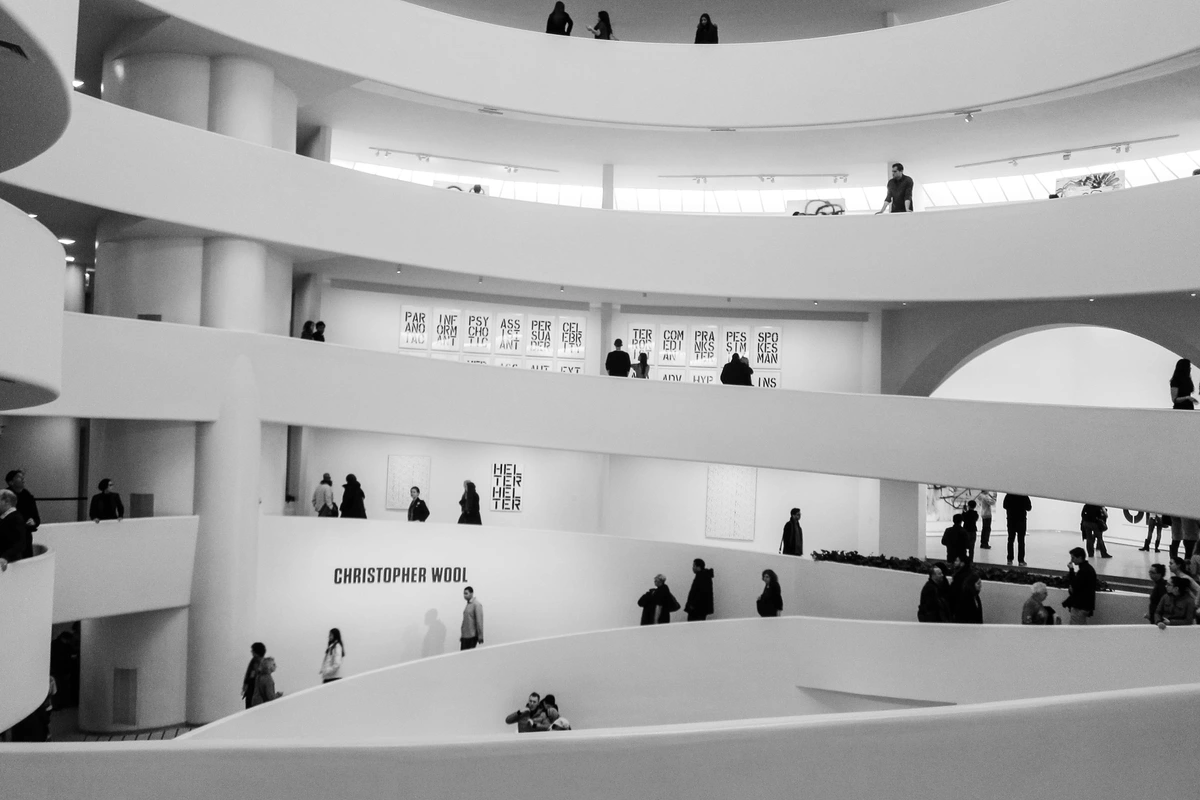
- Core Philosophy: Embraced modern technology and materials, celebrated luxury, efficiency, and progress; sought elegance, symmetry, and a sense of order in a world that had felt profoundly disordered.
- Key Characteristics: Streamlined, often curvilinear forms, strong geometric patterns, rich ornamentation (often with influences from ancient Egypt, Aztec, and African art), vibrant, often contrasting colors, and opulent materials like chrome, glass, polished wood, lacquer, and exotic skins. Think of the dazzling skyscrapers of New York City (like the iconic Chrysler Building, with its gleaming terraced crown) or the lavish designs presented at the pivotal 1925 Paris Exposition Internationale des Arts Décoratifs et Industriels Modernes, which truly launched the style onto the world stage. Art Deco permeated everything from fashion and jewelry to furniture, ocean liner interiors, and even household appliances.
- Representative Artists/Designers: Tamara de Lempicka (paintings), Erte (fashion and illustration), René Lalique (glasswork), Cassandre (posters).
I think of Art Deco as a kind of cultural sigh of relief after the war – a yearning for beauty, sophisticated pleasure, and a sense of forward momentum. It acknowledged the industrial age but dressed it in exquisite, stylized forms, offering a blend of modernism and classicism. It's a reminder that even in chaos, there's always a human desire for elegance and a belief in a brighter, more beautiful future, even if that future was often tinged with escapism. You can explore more about this captivating style in our ultimate guide to the Art Deco movement.
The American Scene and Regionalism: A Return to the Familiar
While Europe wrestled with profound philosophical and psychological shifts, grappling with the trauma of war through radical abstraction or bleak, confrontational realism, artists in America often took a distinctly different path in the post-war years. With the United States entering the war later and experiencing the conflict predominantly abroad, the psychic wounds on the home front were different, often fueling a desire for stability and a celebration of perceived American values. Rather than embracing European avant-garde influences, many American artists turned inward, focusing on a distinctly national identity and the familiar landscapes and lives of rural and small-town America. This broader movement, broadly termed the American Scene, and its more specific manifestation, Regionalism, sought to find stability, meaning, and a sense of rootedness in local themes, traditions, and the everyday experiences of ordinary Americans. This turn inward was a conscious effort to forge a unique American identity in art, distinct from European modernism, and to reconnect with what many saw as fundamental national values after a period of global upheaval.
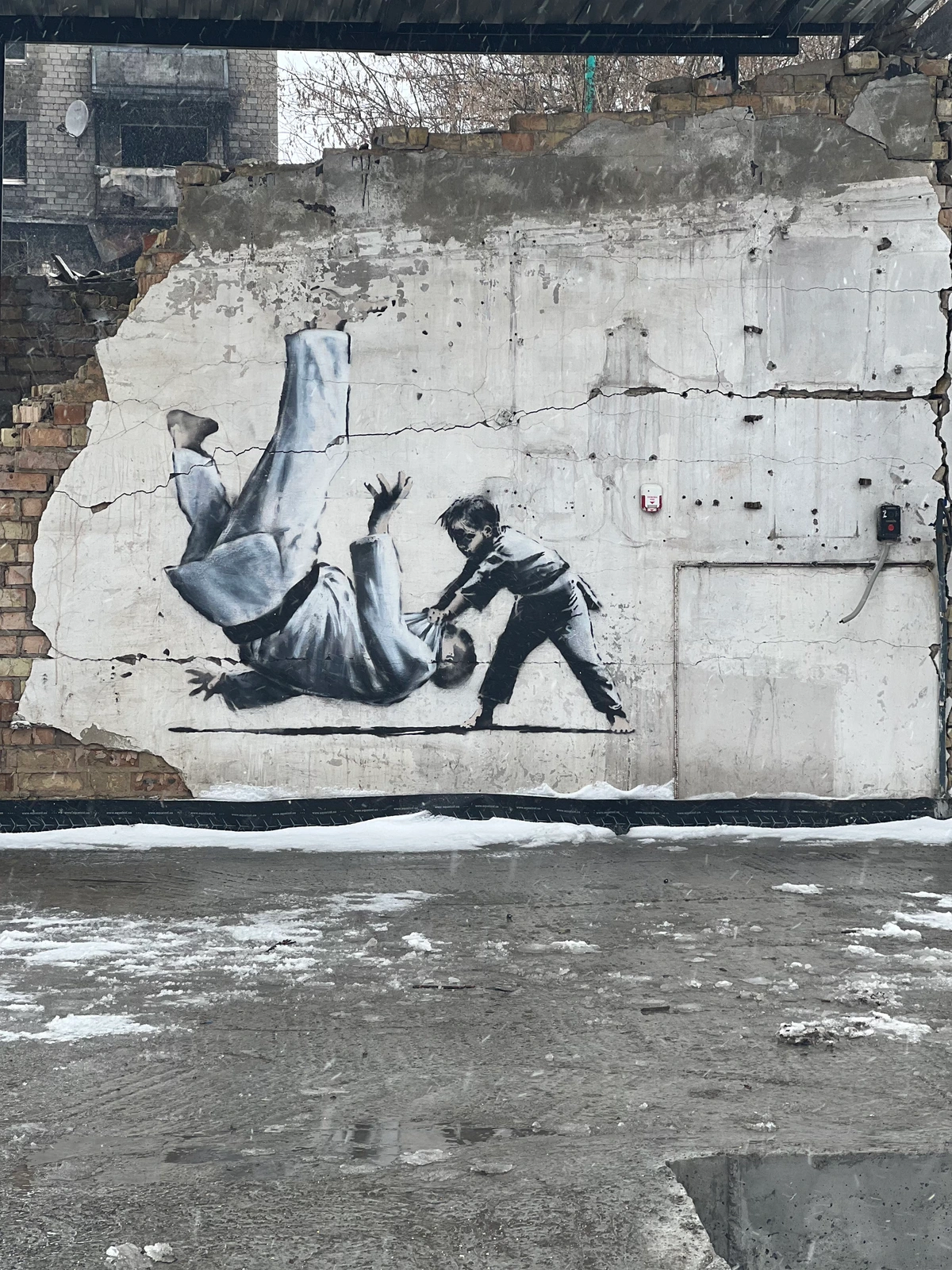
- Core Philosophy: Celebrated American values, rural life, and a sense of place; rejected European avant-garde influences in favor of accessible, narrative art.
- Key Characteristics: Figurative painting, realistic depictions of small-town life, agricultural scenes, and portraits of ordinary people. A clear, often crisp, painting style.
- Representative Artists: Grant Wood (famous for "American Gothic"), Thomas Hart Benton, John Steuart Curry.
It’s interesting to see this divergence – a kind of artistic retreat from the global turmoil, a longing for something grounded and understandable. Artists like Grant Wood, with his iconic "American Gothic," captured the stoicism and resilience of rural life, while Thomas Hart Benton depicted the vitality of working-class America. I think it speaks to a deep human need to find comfort and identity in local narratives when the wider world feels overwhelming.
The Harlem Renaissance: Art, Culture, and Identity
Another incredibly vibrant and significant response to the early 20th century's upheavals, particularly in the United States, was the Harlem Renaissance. This cultural explosion in the 1920s and 30s, centered in Harlem, New York City, saw an unprecedented flourishing of African American art, literature, music, and intellectual thought, often referred to as the "New Negro Movement." While not a direct stylistic outcome of WWI in the same way Dada was, it was profoundly shaped by the socio-economic shifts accelerated by the war. The Great Migration, a mass movement of African Americans from the rural South to Northern cities, gained momentum during and after the war as industrial jobs opened up. This concentrated a rich mix of talent and perspective in urban centers like Harlem. Crucially, returning African American soldiers, who had fought bravely for a country that still denied them full rights, brought back a heightened sense of racial pride, dignity, and an unshakeable demand for equality and recognition. This was a powerful, assertive new voice that rejected stereotypes and asserted a rich, complex cultural identity.

- Core Philosophy: Celebrated Black identity, culture, and experience; aimed to challenge racial stereotypes, uplift the race, and promote social justice and self-determination through powerful artistic expression. It was about creating a new narrative for Black Americans.
- Key Characteristics: Diverse styles ranging from realism and folk art to modernist abstraction, often incorporating African art motifs, jazz and blues influences, spirituals, and vibrant narratives of urban Black life, struggle, and joy. It was an art that spoke directly to the Black experience.
- Representative Artists: Aaron Douglas (paintings, murals, illustrations, known for his distinctive flattened forms and use of African motifs), Jacob Lawrence (narrative series, such as his iconic Migration Series), Augusta Savage (sculpture, particularly her powerful busts), Romare Bearden (collage, though primarily active later, his foundations were laid here). Writers like Langston Hughes and Zora Neale Hurston, and musicians like Duke Ellington and Louis Armstrong, were also integral to this multifaceted cultural blossoming.
This period, for me, represents the incredible power of art to forge identity, build community, and demand recognition in the face of systemic adversity. It's about finding beauty and voice where society had tried to silence it, about asserting a rich cultural heritage. The interplay between visual artists, writers like Langston Hughes and Zora Neale Hurston, and musicians like Duke Ellington was particularly potent, creating a truly multi-faceted cultural blossoming that continues to inspire. It's a testament to the resilience of the human spirit to create, to assert its presence, even when the wider world is still recovering from its own profound wounds. You can delve deeper into this powerful movement with our dedicated article on The Harlem Renaissance: Art, Culture, and Identity in 1920s America.
A Permanent Scar on the Canvas: The Enduring Legacy
The impact of World War I on art is, truly, impossible to overstate. It wasn't just a catalyst for new styles; it fundamentally changed the purpose of art and the role of the artist in society, ushering in an era where art was expected to do more than simply please the eye. The war accelerated the move away from traditional representation, certainly, but more profoundly, it shifted art from being primarily about beauty, idealization, or merely capturing the visible world to becoming a vital tool for protest, for deep psychological exploration, for incisive social commentary, and for attempting to heal – or at the very least, for documenting the gaping, raw wounds left behind.
The fragmentation you see in Cubism, which once felt like a purely formal experiment, took on a whole new, tragic meaning in the fractured physical and psychological reality of post-war Europe. The raw, emotional turmoil of Expressionism became a shared language for a traumatized generation, a way to articulate the inexpressible. And the audacious questions Dada asked about the very nature of art and its institutions, about meaning and meaninglessness, are still being debated in studios and galleries today, influencing countless artists. I often find myself reflecting on this profound legacy when I start a new piece – the freedom to be messy, to be illogical, to tell a truth that isn't necessarily pretty, to push boundaries beyond mere aesthetics. You can see how I navigate these ideas in my own creative journey, embracing the idea that art can be both a mirror and a balm.
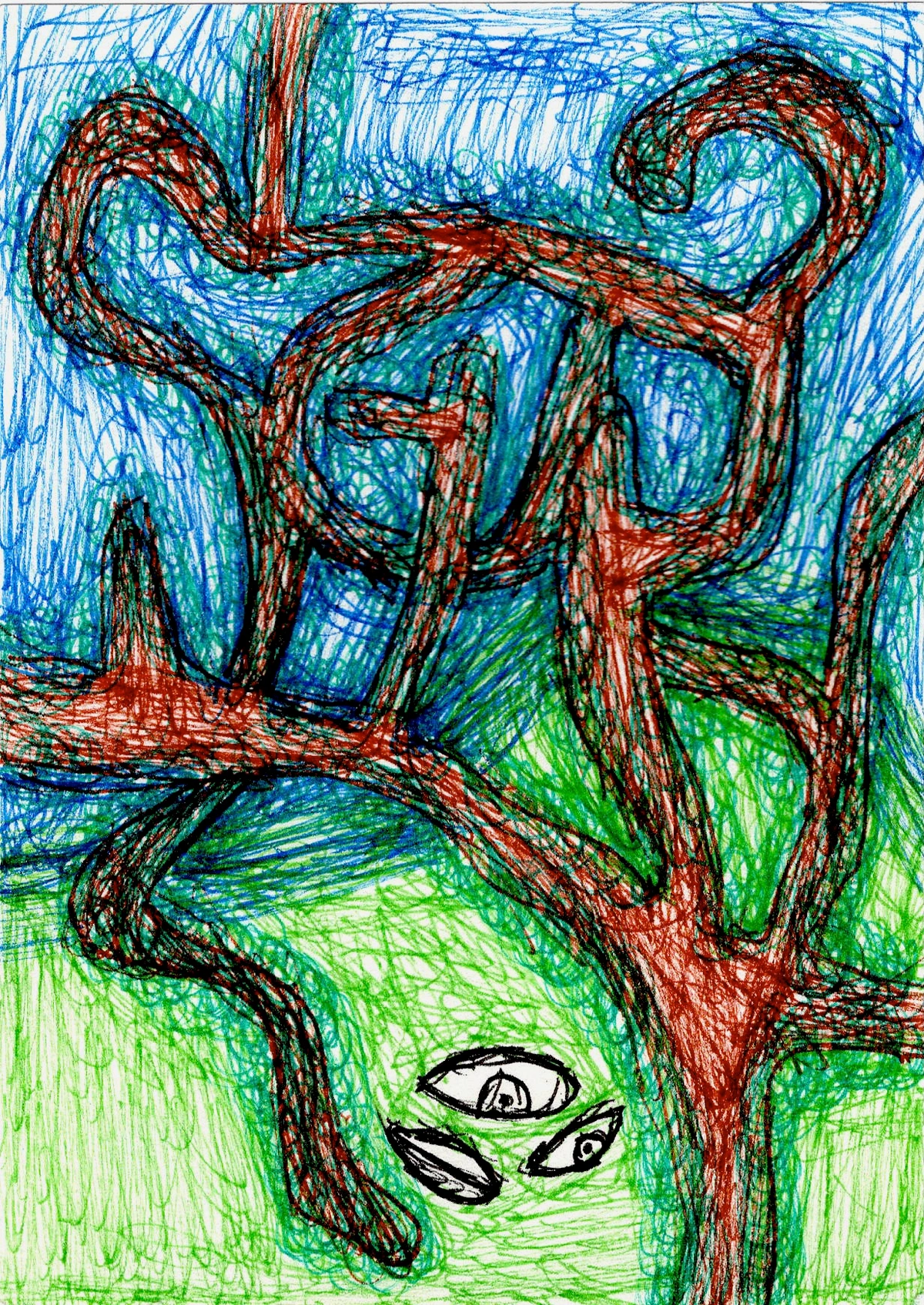
The Great War taught us, in the most brutal and unforgettable way imaginable, that civilization is a fragile veneer, easily torn. The art that followed is a permanent, indelible reminder of what happens when that veneer is stripped away, revealing both the horror of human cruelty and the incredible, persistent resilience of the human spirit to create, to mourn, and to protest. I think about this constantly as an artist; the freedom to push boundaries, to challenge the status quo, to make art that's uncomfortable or explicitly political – so much of that lineage traces back to this period. Even later works, like Picasso's powerful Guernica, created decades after WWI but in response to another brutal conflict, carry the stark echoes of this profound realization: war leaves a scar not just on the land, but on the very canvas of human creativity, shaping its direction for generations to come.








FAQ: WWI's Impact on Art
I often get asked about the specific ways historical events translate into artistic shifts. So, let's dive into some common questions about how the First World War carved its path through the art world.
What art movement was most directly caused by World War 1? Dada is widely considered the most direct and immediate response. It was founded in neutral Zurich in 1916 by artists and poets in exile who were utterly disgusted with the war, its senseless violence, and the rationalist culture they believed had led to such a catastrophe. Its entire philosophy was a radical rejection of the status quo, logic, and traditional aesthetics, and I think it perfectly captured the raw absurdity and disillusionment of the period.
How did the war influence the shift from glorifying war to depicting its horrors? Before the war, popular subjects often included idealized landscapes, serene portraits, and scenes of burgeoning modern life, often imbued with a hopeful or celebratory tone, reflecting that pre-war optimism. The war irrevocably changed this, introducing grim, often shocking new themes: the desolate landscapes of trench warfare, the brutal reality of wounded and disfigured soldiers (often called 'mutilés de guerre'), scenes of urban social decay, the cold, efficient mechanization of death, and profound psychological trauma. Artists like Otto Dix and George Grosz painted this brutal reality with unflinching, often grotesque honesty, completely shattering previous heroic or romantic depictions of conflict. Suddenly, the sublime was replaced by the visceral, the beautiful by the grotesque. There was a profound ethical imperative to show the truth, not a sanitized version.
Did any art movements end because of WWI? While it didn't necessarily 'end' them abruptly, it dramatically shifted the tone, direction, and perceived relevance of many movements. The pre-war optimism of early 20th-century movements like Fauvism and particularly Futurism (which ironically glorified war's dynamism, speed, and destructive 'cleansing' power before experiencing its horrific reality) became untenable and, frankly, inappropriate after the real conflict began. The war effectively closed a chapter on the avant-garde's more hopeful, progressive spirit, forcing a profound confrontation with darker, more brutal realities. Artists had to grapple with the ethical implications of their pre-war manifestos.
How did the war impact artistic mediums and techniques? The destructive nature of the war, coupled with the rapid rise of mass media, photography, and industrial production, pushed artists to experiment with entirely new mediums and techniques. Traditional painting and sculpture often felt insufficient. Collage and photomontage, for example, became incredibly powerful tools for Dadaists and Constructivists to fragment, reassemble, and critique reality, mirroring the brokenness and manipulation of the world they perceived. Found objects (Duchamp's readymades), performance art, and ephemeral installations also gained prominence, reflecting a desire for immediate, confrontational impact over traditional, contemplative art. There was a clear move towards integrating art with life, breaking down the boundaries of the art object itself.
What is the difference between modern and contemporary art in this context? Modern Art, in this context, broadly refers to the period of radical experimentation from the late 19th century up to around the 1960s. WWI is a pivotal, cataclysmic event right in the middle of this period, acting as a crucial turning point. The art that emerged immediately after WWI—movements like Dada, Surrealism, New Objectivity, and Constructivism—is a key part of what we call High Modernism, characterized by a break from tradition and a search for new forms. Contemporary art generally refers to the art of today, starting from the latter half of the 20th century, and it continues to grapple with and evolve many of the questions first posed in the wake of the Great War, such as the role of art in social critique, psychological expression, and political protest.
Did WWI directly impact architectural styles? While not as immediate or dramatic as its impact on painting and sculpture, WWI profoundly influenced architecture. The vast destruction across Europe necessitated massive rebuilding efforts, often leading to a rejection of ornate pre-war styles in favor of functionalism, efficiency, and new materials. The Bauhaus school in Germany, founded in 1919, championed a minimalist, utilitarian aesthetic that became foundational to Modernist architecture. Constructivism in Russia also had a powerful architectural dimension, advocating for structures that served social purposes and utilized industrial materials. The sense of a clean slate, a desire for order, and the need for rational solutions after the chaos of war directly fueled these architectural shifts, emphasizing function over excessive decoration.
Were there official 'war artists'? Yes, many countries commissioned artists to document the war. In Britain, artists like Paul Nash and John Singer Sargent were sent to the front to create a visual record. However, their work often transcended mere documentation, capturing the surreal horror and desolation of the landscape in profoundly personal and often critical ways. These weren't just reporters; they were witnesses translating unimaginable experiences onto canvas.
How did the psychological impact of the war manifest in art? The pervasive trauma, disillusionment, grief, and profound anxiety stemming from the war deeply permeated artistic output across various movements. Expressionists, in particular, used violently distorted forms, jagged lines, and jarring, often clashing colors to convey intense inner turmoil, existential dread, and the psychological scars left by the conflict. Their figures often appear anguished or alienated. Surrealists, on the other hand, delved into the unconscious and dreams, using irrational juxtapositions and symbolic imagery as a way to process the irrationality of the world, acknowledging that the 'rational' mind had catastrophically failed humanity. Even Art Deco, with its focus on glamour and escapism, can be seen as a psychological coping mechanism, a desire to reconstruct beauty and order in a world that had lost both.
Did women artists respond to WWI differently than men? Yes, absolutely, and their contributions are crucial for a complete understanding of the era. While many male artists focused on the direct, brutal experience of the trenches and frontline combat, women artists often explored the profound impact of war on the home front – the relentless grief of loss, the struggles of widows and orphans, the new socio-economic realities brought by women entering the workforce in unprecedented numbers, and the broader societal changes. Artists like Käthe Kollwitz offered a profound, deeply empathetic perspective on human suffering and maternal anguish, creating incredibly powerful anti-war statements from this distinct vantage point. Their work often highlighted resilience and quiet despair, complementing the more outward protest or psychological angst seen in male artists' work. Artists like Hannah Höch, a key Dadaist, also used photomontage to comment on the changing roles of women in post-war society.
What is the long-term legacy of WWI on artistic freedom and expression? I believe the most profound legacy is the permanent broadening of what art could be and what it should do. Before the war, there were still strong societal expectations around beauty, skill, and traditional subjects. After the war, artists earned a fierce freedom to be messy, illogical, confrontational, and deeply psychological. The war legitimized art as a vehicle for protest, for exploring trauma, for social critique, and for questioning fundamental truths about humanity and society. It paved the way for later movements like Abstract Expressionism (with its raw emotionality) and Conceptual Art (which inherited Dada's questioning of art's definition), profoundly influencing how artists approach their practice today – prioritizing authenticity and impact over mere aesthetics or pleasantness. It truly unchained art from older conventions.