Famous Artist Couples: When the Studio is a Crucible of Love and Chaos
Dive into the turbulent and passionate lives of famous artist couples like Frida Kahlo & Diego Rivera. A personal look at collaboration, rivalry, and love.

The Crucible of Creativity: Famous Artist Power Couples Who Forged Masterpieces Together
I've always been captivated by the electrifying dynamics that ignite when two intensely creative individuals decide to share not just a life, but an entire artistic journey. Is it a recipe for transcendent collaboration, a perfect storm of inspiration, or a volatile crucible where genius is forged through friction? You see these powerhouse duos, and you can't help but wonder if their combined creative energy lights up a room or if it's more likely to burn the whole house down. The truth, as I've found it, often lies somewhere messily, beautifully, and chaotically in between. I mean, who hasn't navigated a relationship where passions run high, and you're left questioning whether you're building a masterpiece or just a really dramatic scene? In this ultimate guide, I want to pull back the curtain on some of history's most compelling artistic duos, exploring how their shared lives amplified, transformed, and sometimes even tragically impacted their individual genius. This isn't just a list of famous names; it's an exploration of how the intensely personal realm of love and partnership can become the very forge of artistic creation, shaping masterpieces and movements alike. My goal here is to provide the most comprehensive, engaging, and thought-provoking deep dive into these fascinating pairings, offering insights that go beyond mere biography. We'll unpack the unique dynamics, the shared struggles, and the profound influences that make these partnerships a true crucible of creation, revealing the hidden forces that fuel some of the most iconic art ever made. This is, after all, the definitive look at the beautiful madness of creative love.
I've always been captivated by the electrifying dynamics that ignite when two intensely creative individuals decide to share not just a life, but an entire artistic journey. Is it a recipe for transcendent collaboration, a perfect storm of inspiration, or a volatile crucible where genius is forged through friction? You see these powerhouse duos, and you can't help but wonder if their combined creative energy lights up a room or if it's more likely to burn the whole house down. The truth, as I've found it, often lies somewhere messily, beautifully, and chaotically in between. I mean, who hasn't navigated a relationship where passions run high, and you're left questioning whether you're building a masterpiece or just a really dramatic scene? In this ultimate guide, I want to pull back the curtain on some of history's most compelling artistic duos, exploring how their shared lives amplified, transformed, and sometimes even tragically impacted their individual genius. This isn't just a list of famous names; it's an exploration of how the intensely personal realm of love and partnership can become the very forge of artistic creation, shaping masterpieces and movements alike. My goal here is to provide the most comprehensive, engaging, and thought-provoking deep dive into these fascinating pairings, offering insights that go beyond mere biography. We'll unpack the unique dynamics, the shared struggles, and the profound influences that make these partnerships a true crucible of creation, revealing the hidden forces that fuel some of the most iconic art ever made.
It’s not just about sharing a tube of paint or a studio space; it's about a profound intertwining of destinies, a constant push and pull between individual ambition and shared existence. Imagine two universes of vision, ego, and inspiration colliding, where the boundaries between 'my art' and 'our life' often completely blur. Their very existence becomes a kind of performance art piece in itself, a constant dialogue (or argument, let's be honest) that spills onto the canvas, into the clay, or across the stage. This is where the magic, and sometimes the mayhem, truly happens. We'll delve into the crucible of their shared existence, examining how these intimate connections fueled some of the most iconic artworks and movements in history. From the overt, signed collaborations to the subtle, often unspoken influences that permeated their daily lives, these pairings offer a rich tapestry of human and artistic endeavor. It’s a messy, beautiful, and utterly compelling story every single time. Let's pull back the curtain on a few of the most legendary pairings and see what we can learn about art, love, and the beautiful madness of it all.
Key Themes of Creative Unions
Before we dive into specific examples, I think it's worth highlighting some overarching themes that repeatedly surface in the stories of artist couples. These aren't rigid categories, but rather powerful currents that weave through their shared lives and, ultimately, their art. Understanding these themes can offer a profound lens through which to appreciate the often-staggering complexities of their partnerships:
- Mutual Inspiration & Creative Dialogue: This is often the initial spark, where individual visions ignite and challenge each other, leading to new artistic directions and pushing boundaries that might have otherwise remained untouched. Think of the intellectual sparring.
- Support & Sacrifice: Beyond the romantic ideal, there's the often unseen labor and emotional fortitude one partner provided, enabling the other's genius to flourish, sometimes at immense personal cost. It's the quiet management of the mundane that frees the other for the monumental.
- Competition & Collaboration: The delicate, often precarious balance between fierce individual ambition and shared creative goals. This dynamic can sometimes lead to friction and professional jealousy, but other times it culminates in groundbreaking synergy and a shared legacy that transcends individual achievement.
- Blurred Boundaries: The way their personal lives, political convictions, and artistic practices became inextricably intertwined, making their entire existence a form of living art. For some, the art was their relationship.
- Enduring Legacy: How their combined efforts, despite personal turmoil, left an indelible mark on art history and continue to influence contemporary artists, often reshaping entire movements and challenging conventional narratives.
- Navigating External Pressures: The constant impact of societal norms, critical reception, and the capricious art market on their relationships and careers. These external forces could either strengthen their bond or pull them irrevocably apart.
- Shared Vision & Artistic Mission: For many, there was a profound alignment of their artistic goals, often transcending individual styles to define a collective purpose or movement. They were working towards a common horizon.
- Emotional Crucible & Personal Growth: Their intense relationships often served as a crucible, refining and transforming both individuals, leading to profound personal growth that inevitably seeped into their artistic output.
The Dance of Two Souls: How Relationships Shape Art
When two artists converge, their union often becomes a vibrant, complex ecosystem where creativity flourishes and is tested. It's a fascinating phenomenon, really, seeing how deeply one soul can imbue another's artistic journey, influencing not just the output but the very process of creation. Sometimes, it’s a direct collaboration, a literal merging of hands and minds to create a singular vision, a true synthesis of two distinct perspectives. Other times, it’s a more subtle alchemy, where emotional support, intellectual sparring, passionate conflict, or even a shared mundane routine fuels individual masterpieces. I've often thought about how my own relationships have subtly shifted the way I see color or approach a canvas – a new shade introduced, a bolder stroke attempted – so observing these power couples offers a grander, more public spectacle of that same phenomenon, writ large across the annals of art history. This interplay, I find, is less about a simple cause-and-effect and more about a constant, energetic exchange that reshapes both individuals and their artistic output, often in ways neither could have predicted. It’s a dynamic tension, a continuous dialogue, that transforms not just their art, but the artists themselves.
The impact isn't always harmonious, mind you. Shared studios can become battlegrounds for ego, intense personal dynamics can lead to periods of profound influence, or conversely, creative stagnation that can last for years, sometimes even decades. It's a truth I've observed time and again: sometimes the deepest inspiration comes at a profound personal cost, demanding emotional resilience that few possess. Yet, the enduring fascination with these relationships lies in their capacity to produce art that resonates with an undeniable human depth, works that carry the echoes of shared lives, loves, and struggles, becoming richer, more layered because of the very complexities they endured. It's a messy, beautiful reflection of what it means to be human and creative, a testament to the fact that even in conflict, inspiration can not only bloom but thrive.
The Volcano and the Dove: Frida Kahlo & Diego Rivera
You can't talk about artist couples without starting here. It’s the epic, the benchmark for passionate, painful, and profound artistic connection. On one side, you have Diego Rivera, the giant of Mexican muralism, a man whose physical and artistic presence was larger than life, reflecting his outward-facing, politically charged public art. On the other, you have Frida Kahlo, whose art was an intimate, surgical exploration of her own body, pain, and identity, contained in smaller, searingly intense canvases that turned a microscopic lens on the interior world. Their union was a dynamic blend of the monumental and the deeply personal, a fascinating contrast that somehow propelled both their careers.
Their pet names for each other—he was the frog-toad, she the dove—were telling. But their friends called them the elephant and the dove, a testament to the sheer scale of their dynamic. Their influence on each other was immense. Frida’s unflinching honesty, her raw emotional intensity, and her surreal, personal symbolism undoubtedly sharpened Diego’s political messaging and humanized his grand narratives. Meanwhile, his unwavering belief in her unique talent gave her a crucial platform in a male-dominated art world. Their relationship was, famously, a disaster zone: affairs (on both sides, most notoriously Diego's with Frida's own sister), a divorce, and a remarriage. Yet, through it all, they remained each other's greatest champions and harshest critics, their bond unbreakable despite the turmoil. You can literally feel their turbulent love story in every brushstroke of her self-portraits, a visceral diary of pain and passion. For Diego, his vast murals spoke of Mexican history and revolution, embodying a public, outward-facing art, like his monumental Man, Controller of the Universe (1934) mural. Frida, in contrast, turned inward, her canvases often small, yet monumental in their emotional weight. Works like The Two Fridas (1939) are poignant visual diaries of her inner turmoil, a dual self reflecting both the loved and unloved aspects tied to Diego. And who could forget Self-Portrait with Thorn Necklace and Hummingbird (1940), a powerful depiction of her suffering and resilience, or the devastating raw emotion of Henry Ford Hospital (1932)? For Diego, his vast murals spoke of Mexican history and revolution, embodying a public, outward-facing art, like his monumental Man, Controller of the Universe (1934) mural, which was famously controversial for its political imagery. They didn't just share a life; they shared a revolution, both artistic and political, cementing their legacy as giants of Mexican art and a foundational force in establishing a unique Mexican modernism.
The Shadow and the Star: Lee Krasner & Jackson Pollock
This one always gets to me. The story of Lee Krasner and Jackson Pollock is often framed as the tale of a long-suffering wife propping up a genius, alcoholic husband. And while there's truth to that, it’s a painfully incomplete picture, one that I've often felt a deep sadness for, given how history has relentlessly sidelined her immense contributions. Krasner was a formidable artist in her own right, a key figure in the Abstract Expressionism movement before she even met Pollock. She exhibited with pioneers of the avant-garde and possessed a sophisticated, almost encyclopedic, understanding of European modernism. She had a rigorous, analytical mind, a disciplined approach, and an astute critical eye that Pollock, with his chaotic, instinct-driven process, desperately needed. She was his intellectual grounding, his connection to a broader art historical context, not just his emotional support. It’s impossible to imagine Pollock's breakthroughs without Krasner's foundational influence.
She was his anchor, his manager, his fiercest advocate. She got him out of the city, introduced him to influential critics and gallerists, and essentially created the conditions that allowed his groundbreaking drip paintings to happen. But her own work was inevitably pushed to the side. It's a classic, frustrating story of female talent being subsumed by a male partner's fame. Her early pieces, like her "Little Images" series from the 1940s, show a meticulous, almost calligraphic approach to abstraction, a stark contrast to Pollock's raw energy, yet deeply influential in the burgeoning Abstract Expressionist scene.
The true testament to her strength? After Pollock's tragic death in a car crash, she didn't crumble. She took over his studio, protected his legacy with an iron will, and then, in that same barn, she finally had the physical and emotional space to unleash her own monumental talent. Her later works are explosive, colorful, and utterly her own, often characterized by sweeping gestural marks and a renewed engagement with figuration and biomorphic forms. It's a bittersweet story, a reminder of the immense personal cost that sometimes comes with loving a creative titan, but also a powerful testament to resilience and an unyielding artistic spirit. Krasner's earlier work, characterized by dense, rhythmic abstractions often infused with calligraphic elements, showcased her mastery of composition and a sophisticated understanding of Cubist and Surrealist principles long before Pollock achieved fame. It was her keen intellect, formal training, and connection to the European avant-garde that provided Pollock with crucial intellectual grounding and introduction to key figures like Clement Greenberg and Hans Hofmann. She was not just a muse or a manager; she was a fellow artist who understood the language of his struggle and genius, actively engaging in critical dialogue about his process. Her later series, especially after moving into his barn studio, saw her explode with color and scale, finally claiming her rightful place in the pantheon of Abstract Expressionism, with monumental works like Gaea (1966) and the Umbra series (1959-1961) that explored themes of creation, destruction, and rebirth, often drawing inspiration from nature, showcasing a vibrant, almost primal energy. For more on Krasner, see our ultimate guide to Lee Krasner. It’s clear that their shared life, for all its immense personal cost to Krasner, also fostered a unique environment for the radical experimentation that defined both their careers, a true testament to the crucible of the shared studio.
The Performers of Life: Marina Abramović & Ulay
Moving from paint to pure presence, we have Marina Abramović and Ulay. For them, the art wasn't merely a product of their relationship; their relationship was the art. This is where the concept of performance art truly comes alive, where the boundaries between life, body, and artistic expression dissolve into a singular, mesmerizing entity. For twelve intense, often brutal, years, they were inseparable, creating some of the most physically and psychologically demanding performance pieces in history, relentlessly pushing the limits of endurance, pain, trust, and love.
They sat back-to-back for 17 hours in Relation in Time (1977), their hair braided together, testing endurance and the very concept of shared identity. They stood naked facing each other in a narrow doorway, forcing viewers to squeeze between them in Imponderabilia (1977), challenging notions of personal space and intimacy. They screamed at each other until they lost their voices in AAA-AAA (1978), exploring primal communication and aggression. In Breathing In/Breathing Out (1977), they locked mouths and breathed each other's exhaled air until they consumed all the oxygen and passed out, a terrifying exploration of symbiosis and death. They were constantly exploring trust, endurance, the limits of the body, and the dissolution of the ego. It was raw, confrontational, and utterly captivating. You couldn't look away, even if you wanted to.
Their breakup was, fittingly, their greatest performance piece. In The Lovers, they each started at opposite ends of the Great Wall of China and walked for three months until they met in the middle to say goodbye. I mean, who does that? It was a radical, public act of dissolution, transforming a painful personal ending into a monumental artistic statement. Years later, when Abramović was having a major retrospective at MoMA, Ulay showed up unannounced and sat opposite her during her performance The Artist is Present. The silent, tearful reunion that followed went viral, a testament to the enduring, raw power of their connection. Their story proves that a shared life, even its end, can be a masterpiece. Their work wasn't merely documentation; it was the live experience, an intense exploration of human connection and vulnerability, cementing performance art as a powerful, visceral medium. Their legacy extends beyond these specific pieces; they fundamentally reshaped how performance art was perceived, pushing it from fringe experimentation to a recognized, albeit still challenging, art form. You can learn more about Marina Abramović's groundbreaking work in our ultimate guide to Marina Abramović. The sheer physical and emotional endurance demanded by their collaborative works speaks volumes about the depth of their artistic commitment, transforming their intimate connection into a public spectacle of human limits and shared identity. It really makes you wonder about the sacrifices artists are willing to make for their vision, and how deeply intertwined that vision can become with another person's.
The Spectrum of Creative Duos: Beyond the Canvas
Sometimes, I find it useful to step back and look at the bigger picture, to categorize the sheer variety of artistic partnerships that have shaped history. It helps me understand the unique alchemy at play in each one, the unspoken agreements, the overt collaborations, and the quiet influences. It's not just about the medium they choose, but the very nature of their intertwining, the way their souls dance (or clash) in the studio. What binds them, what fuels them, and what sometimes tears them apart? That’s the real question, isn’t it?
History is richly filled with these fascinating duos. To keep things moving, here's a comprehensive table of a few others worth knowing, spanning diverse movements and dynamics, which I think offers a great overview.
Couple  | Era / Movement | Key Dynamic | Lasting Impact |
|---|---|---|---|
| Georgia O'Keeffe & Alfred Stieglitz | American Modernism | Muse & Promoter. He championed her work, but also tried to define it through his sensual photographs of her. | Helped establish O'Keeffe as a major American artist, though she had to fight to define her own narrative. See her work in our guide to Georgia O'Keeffe. |
| Max Ernst & Dorothea Tanning | Surrealism | Creative Equals. A partnership built on mutual respect for each other's bizarre and brilliant imaginations. | A rare example of a balanced artistic partnership where both thrived alongside each other. |
| Camille Claudel & Auguste Rodin | Impressionist Sculpture | Protégée & Master. She was his student, model, muse, and collaborator, contributing to some of his most famous works. | A tragic story where her immense talent was overshadowed and her career ended in a mental institution, a stark reminder of the era's sexism. |
| Robert Rauschenberg & Jasper Johns | Neo-Dada / Pop Art | Secret Lovers & Competitors. An intense, secret relationship that fueled a radical break from Abstract Expressionism. | Their dialogue pushed American art in a completely new direction, laying the groundwork for Pop Art. |
| Christo & Jeanne-Claude | Environmental Art | Direct Collaborators. Their large-scale, ephemeral projects were conceived and executed as a single, indivisible artistic entity, challenging perceptions of public space and art itself. | Redefined public art and the role of the artist, emphasizing temporary installations and direct engagement with environments. |
| Niki de Saint Phalle & Jean Tinguely | Nouveau Réalisme | Explosive Synergy & Mutual Inspiration. Their lives and art were intertwined, with Tinguely's kinetic sculptures often forming bases for Saint Phalle's vibrant "Nanas" or becoming part of her destructive "shooting paintings." Their collaboration pushed the boundaries of sculpture and performance. | Pioneered new forms of interactive and performative sculpture, blending chaos and joy, and challenging traditional art forms, leaving a legacy of playful yet profound works. |
| Gilbert & George | Conceptual Art / Performance Art | Living Sculptures & Indivisible Artistic Entity. They have always presented themselves as a single, living artwork, dissolving the boundaries between their lives and their art, performing Living Sculptures in galleries and public spaces, blurring the lines between art and daily life, and challenging individual identity. Their entire existence became their canvas, a profound statement on partnership and art, enduring for decades. | Revolutionized performance art by making their everyday lives the central subject, influencing generations of conceptual artists and challenging the commodification of art. |
| Rembrandt & Saskia van Uylenburgh | Dutch Golden Age | Muse & Collaborator. Saskia was not just Rembrandt's wife and frequent model; she was also from a prominent family that provided him with crucial connections and financial stability. Their partnership, though traditional in appearance, was deeply intertwined with his artistic and commercial success. | Saskia's presence in many of Rembrandt's most famous works, like Self-Portrait with Saskia (1635), immortalized her and cemented their bond in art history. Her family's support was vital in establishing Rembrandt's early career. For more on Rembrandt, see our ultimate guide to Rembrandt van Rijn. |
| Charles & Ray Eames | Mid-Century Modern Design | Interdisciplinary Innovators. This husband-and-wife team redefined American design, collaborating across architecture, furniture, film, and graphic design, always prioritizing functionality, beauty, and accessibility. Their shared vision for improving everyday life through thoughtful design was unparalleled. | Their prolific output and innovative approach fundamentally shaped the aesthetics and philosophy of modern design, leaving an enduring legacy on how we live and interact with objects, from iconic chairs to groundbreaking films. |
| Bernd & Hilla Becher | Conceptual Photography | Typological Documentarians. They meticulously photographed industrial structures (water towers, blast furnaces, grain elevators) in a stark, objective style, presenting them in grids. Their collaboration was a shared conceptual vision, driven by a desire to document disappearing industrial landscapes. | Pioneered a new form of objective photography and influenced generations of artists, particularly the Düsseldorf School of Photography, demonstrating how art could be both systematic and profoundly poetic, elevating industrial architecture to an art form. |
| Eva & Adele | Performance Art / Living Artwork | Gender-Transcending Duo. Presenting themselves as a singular, inseparable artistic entity, they challenge traditional notions of identity, gender, and spectacle through their consistent, hyper-feminine public appearances and elaborate costumes, blurring the lines between art and life. | Their unwavering commitment to their shared persona as "FUTUROMATIC CYBORG PERFORMANCE TWINS" has made them icons of contemporary performance art, influencing discussions on identity, performativity, and artistic partnership. |
| Elaine de Kooning & Willem de Kooning | Abstract Expressionism | Mutual Influence & Artistic Discourse. Though both were formidable figures in the movement, Elaine often focused on portraiture and figuration, while Willem pursued his iconic abstractions. Their lives were intertwined with intense creative sparring and shared immersion in the New York art scene. | While Willem achieved greater fame in their lifetime, Elaine's significant contributions, especially her powerful gestural portraits, are increasingly recognized, showcasing the complex interplay of influence and individual ambition within a shared artistic milieu. See our ultimate guide to Willem de Kooning. |
| Merce Cunningham & John Cage | Avant-Garde Performance & Music | Interdisciplinary Collaborators. Their revolutionary partnership redefined modern dance and music, advocating for chance operations and independent artistic elements that coexisted rather than strictly synchronized, fostering a radical approach to performance. | Fundamentally reshaped the landscape of contemporary art, profoundly influencing dance, music, and performance with their innovative, often challenging, collaborative philosophy, paving the way for new modes of artistic expression. |
| Bernice Abbott & Elizabeth McCausland | Modernist Photography & Criticism | Photographer & Intellectual Partner. McCausland, an art critic and writer, was Abbott's lifelong partner and intellectual collaborator, providing critical insight, curatorial support, and helping to shape the narrative around Abbott's groundbreaking documentary photography of New York City. | Their partnership was instrumental in elevating photography as a legitimate art form and documenting the changing face of American urban life, with McCausland's critical writings giving crucial context to Abbott's iconic images. |
| Hannah Höch & Raoul Hausmann | Dada | Artistic Co-conspirators. As key figures in Berlin Dada, they engaged in a revolutionary, often contentious, relationship that fueled their pioneering work in photomontage, challenging traditional art forms and societal norms with their radical political and artistic statements. | Their intense creative and personal dialogue was central to the development of photomontage as a significant art form, pushing the boundaries of collage and conceptual art, leaving a legacy of sharp social critique and formal innovation. |
Unpacking the Partnership: Modes of Artistic Interplay
It’s easy to look at these towering figures and assume their partnerships followed a single, dramatic script. But that’s rarely the case, is it? The ways artists interact, influence, and even clash can be as varied and complex as the art they create. I've spent a lot of time pondering these classifications, trying to find patterns in the beautiful chaos of creative relationships. What emerges is not a rigid taxonomy, but a fluid spectrum of profound connections that defy easy categorization. These modes aren't mutually exclusive, of course; a relationship might begin as a mentor-protégée dynamic and evolve into one of mutual influence, or even competitive rivalry. It's all part of the beautiful, messy human story of art.
For some, it’s a direct, symbiotic collaboration, where the artwork literally cannot exist without both parties. Think of Marina Abramović and Ulay, whose bodies, minds, and identities merged in their performances, transforming their shared physical and emotional experiences into the art itself. Their creative output was a single, shared entity, an indivisible testament to their profound connection and artistic vision. Similarly, Christo and Jeanne-Claude, whose monumental environmental installations like The Gates in Central Park or the Wrapped Reichstag were always conceived and executed as a single, indivisible artistic entity, challenging perceptions of public space and art itself. And of course, Gilbert & George, presenting themselves as "Living Sculptures," blurring the lines between their daily lives and their art, making their very existence a shared, continuous performance, a profound statement on partnership and art that has endured for decades. These artists completely broke down the traditional boundaries of individual authorship, creating a shared identity that was their ultimate artwork.Then there’s the muse and promoter dynamic, like Georgia O'Keeffe and Alfred Stieglitz. Here, one partner (often the man, historically, given the societal structures of the past) champions the other's work, providing essential exposure, critical framing, and often, financial stability. But this support sometimes comes at the cost of the artist’s self-definition, as the promoter's vision can inadvertently overshadow or even misinterpret the artist's true intentions. Stieglitz’s photographic portraits of O’Keeffe, while iconic and groundbreaking in their own right, also imposed a certain sensual and symbolic narrative on her art that she spent her entire career trying to redefine and assert her independence from, insisting her flowers were not solely metaphors for the female form. A similar dynamic, though less celebrated, can be seen with the writer and activist Natalie Barney and her partner, the artist Romaine Brooks, where Barney's vibrant Parisian salon and literary influence provided a crucial platform for Brooks's distinctive portraiture, even as Brooks fiercely fought for artistic autonomy. It's a complex dance between support and control, where the very act of being seen through another's eyes can both elevate and confine, leading to a fascinating tension between public perception and private artistic intent. It truly is a delicate tightrope walk. You can even see this dynamic in the often-overlooked partnership between Camille Claudel and Auguste Rodin, where Rodin’s immense influence, while initially nurturing, ultimately consumed and overshadowed Claudel's prodigious talent. It’s a recurring pattern throughout art history, and one we’re still working to untangle.
A more common scenario is mutual influence and critique. Frida Kahlo and Diego Rivera, for all their personal drama, constantly absorbed and reflected elements of each other’s vision and political convictions. Their discussions and arguments in the studio, the way they pushed each other’s boundaries and challenged their perspectives, undeniably seeped into their respective brushstrokes, even as their individual styles remained distinct. This isn't just about sharing a palette; it's about sharing a worldview and having the intellectual honesty, or even the passionate stubbornness, to challenge it. It's like two intellectual sparring partners, where the verbal jabs translate into sharper artistic statements. You can almost feel the echoes of their passionate debates in the vibrant colors and bold narratives of their work. We also see this with Elaine and Willem de Kooning, whose shared immersion in the Abstract Expressionism scene often saw them subtly (or not so subtly) challenging each other's approaches to gestural painting, pushing both to greater heights of expressive freedom and creating a rich, evolving discourse around their individual artistic breakthroughs. The very act of living with another artist means you’re constantly exposed to a different lens, and that can be incredibly powerful.
And let's not forget the shared movement or studio environment, as seen with Lee Krasner and Jackson Pollock. While their individual styles were distinct – her rigorous abstraction versus his chaotic drips – their living and working proximity in Springs, Long Island, created a fertile ground for intense experimentation and the revolutionary development of Abstract Expressionism. Krasner’s keen eye, formal training, and disciplined approach provided a crucial intellectual and aesthetic counterpoint to Pollock’s raw, untamed energy, shaping the very discourse around their work. This environment wasn't just a physical space; it was a psychological incubator, a shared world where their individual talents could collide and, ultimately, redefine modern art. We also see this in the vibrant, experimental atmosphere of the Bauhaus, where figures like Anni and Josef Albers thrived, their individual practices deeply interwoven with the school's ethos of integrating art, craft, and technology. Their shared commitment to material exploration and fundamental design principles created a rich, collaborative learning environment that profoundly shaped their individual abstract works. And consider Bernd and Hilla Becher, whose shared home and methodical approach to documenting industrial structures became a veritable laboratory for their conceptual photography, transforming their domestic life into a structured artistic practice. The shared focus on a particular aesthetic or conceptual goal within a physical space can be a powerful accelerant for creative breakthroughs.
Another significant, though often fraught, dynamic is the mentor and protégée relationship. This often sees an established artist taking a younger, talented individual under their wing, offering guidance, access, and sometimes, intense creative partnership. Camille Claudel and Auguste Rodin are a powerful, albeit tragic, example, where the lines between student, muse, collaborator, and lover became irrevocably blurred, with devastating consequences for Claudel’s independent career. Her powerful sculptures, often embodying raw emotion and technical prowess, were for a long time overshadowed by Rodin's immense fame, a stark reminder of the gender biases prevalent in art history. I often wonder what more she could have achieved had her genius been allowed to flourish unhindered, creating masterpieces like The Waltz or The Age of Maturity under her own untarnished name. This dynamic, while potentially fostering rapid growth for the protégé, carries inherent risks of power imbalance and the suppression of an emerging, independent voice. Think of how similar dynamics played out, albeit with less tragic outcomes, for figures like Augusta Savage and her students, or even in the relationship between Gustav Klimt and Emilie Flöge, where Flöge's avant-garde fashion designs and entrepreneurial spirit not only influenced Klimt's opulent portraits but also pushed the boundaries of Viennese Secession aesthetics. This interplay demonstrates how even in a mentor-protégée scenario, influence can flow in unexpected directions. This dynamic, while potentially fostering rapid growth for the protégé, carries inherent risks of power imbalance and the suppression of an emerging, independent voice. It’s a tightrope walk between guidance and control, often with profound consequences for the individual artist's trajectory, and a reminder that talent alone isn't always enough to overcome systemic hurdles.
The Quiet Collaborators: Editors, Critics, and Curators
Sometimes, the artistic partnership isn't between two creators, but between a creator and a crucial intellectual or logistical partner. Think of figures like Elizabeth McCausland, the art critic and writer who was the lifelong partner of photographer Berenice Abbott. McCausland provided critical insight, curated exhibitions, and helped shape the narrative around Abbott's groundbreaking documentary photography of New York City, particularly the iconic Changing New York series. Her work was less about direct artistic creation and more about building the intellectual and structural framework for Abbott's art to be understood and celebrated, making her an indispensable, though often uncredited, force. These 'quiet collaborators' are often the unsung heroes, whose contributions, though not always visible in the artwork itself, are absolutely vital to an artist's success and legacy. Their influence can be subtle but profound, guiding the artist's vision and ensuring their work finds its rightful place in history. Another interesting case is the relationship between Hans Hofmann and his wife, Miz, who, while not an artist herself, was a crucial manager, administrator, and emotional support, enabling Hofmann to focus on his pioneering work in Abstract Expressionism and his influential teaching career.
The Role of Domesticity and Support Networks
It’s easy to romanticize the "starving artist" and the solitary genius, but the truth is, most artists, especially those in partnerships, rely on intricate support networks that often include their domestic lives. This isn't just about emotional sustenance; it’s about the tangible infrastructure that allows creativity to flourish. Who manages the bills? Who cooks dinner? Who provides a calm space for reflection, or a challenging voice for critique? For many artist couples, one partner often took on a more traditional, supportive role – often the woman, given historical societal norms – enabling the other to dedicate themselves fully to their craft. Consider how Saskia van Uylenburgh's familial connections and her managing of Rembrandt's household affairs freed him to paint, allowing him to focus on his iconic portraits and dramatic historical scenes. Or think of the meticulous organization that Lee Krasner brought to Pollock's chaotic life, managing his career and creating the very conditions for his breakthroughs in his groundbreaking drip paintings. This often invisible labor is a vital, yet frequently unacknowledged, aspect of many artistic successes, a testament to the profound, practical forms that artistic partnership can take. It highlights that the mundane, day-to-day work of living can be as crucial as the dramatic act of creation itself. Even for Anni and Josef Albers at the Bauhaus, their shared domestic life was intertwined with their rigorous artistic and pedagogical practices, creating a supportive environment for their pioneering work in textiles and design. The unseen acts of support are, I believe, just as important as the visible brushstrokes.
The Power of the Shared Studio
The shared studio is more than just a physical space; it's a crucible where ideas are forged, frustrations aired, and breakthroughs celebrated. I've often found that the simple act of having another creative presence nearby, even if working on completely different projects, can spark new insights, a kind of creative osmosis that's hard to replicate. For couples like Krasner and Pollock, their barn studio in Springs, Long Island, became a laboratory for the radical techniques that would define an entire movement, a private world where their individual talents could collide and converge, leading to groundbreaking innovations in Abstract Expressionism. It's a testament to how environment, when shared with the right person, can profoundly influence artistic output, transforming a mere workspace into a dynamic creative ecosystem. This isn't just about sharing equipment; it's about sharing a creative rhythm, a silence, or a background hum of activity that somehow fuels both partners. Consider the shared apartment-studio of Hannah Höch and Raoul Hausmann during the tumultuous Berlin Dada years, where their radical experiments in photomontage were born from a shared intellectual and political fervor. For Bernd and Hilla Becher, their shared home and methodical approach to documenting industrial structures became a veritable laboratory for their conceptual photography, transforming their domestic life into a structured artistic practice. The shared physical space can truly become an extension of the creative mind.
Finally, there are the power couples of the contemporary art world, where both artists maintain highly distinct and successful careers, yet their shared life provides a bedrock of support, understanding, and sometimes, even subtle influence. They navigate the demands of the art market and critical gaze as a united front, even if their canvases never touch, proving that partnership can be about shared journey, not necessarily shared output. This model, I think, speaks to a more modern understanding of artistic independence within the context of a loving, supportive relationship, where individual success doesn't have to be mutually exclusive. Think of artists like Marilyn Minter and Bill Viola, whose distinct practices in photography/painting and video art are both globally recognized, or Jennifer Allora and Guillermo Calzadilla, whose politically charged, large-scale installations are always conceived and executed as a single, shared artistic voice. And then there are architects like Elizabeth Diller and Ricardo Scofidio, whose firm Diller Scofidio + Renfro has redefined urban public space with projects like the High Line, demonstrating how a shared vision can manifest across diverse, monumental projects.
The Interdisciplinary Pioneers
Some couples redefine not just art, but the very boundaries of creative disciplines. Think of Merce Cunningham and John Cage, whose revolutionary partnership in dance and music fundamentally reshaped how we understand performance. They championed chance operations and independent artistic elements, allowing dance and music to coexist without strict synchronization, fostering a radical approach that influenced generations. Their collaboration wasn't about merging forms, but about allowing them to interact in new and challenging ways, creating a truly interdisciplinary experience that continues to inspire artists today. Similarly, Charles and Ray Eames redefined modern design, creating a seamless merging of their distinct talents across architecture, furniture, film, and graphic design, producing iconic pieces like the Eames Lounge Chair and groundbreaking short films. Their shared vision was to elevate everyday objects into works of art, marrying form and function with unparalleled elegance.
A less acknowledged, but potent, mode is competitive rivalry as fuel. While it sounds counterintuitive for a loving partnership, for some, the presence of another equally talented artist in their life sparks a healthy (or sometimes not-so-healthy) competition. This was arguably true for Robert Rauschenberg and Jasper Johns, whose intense, secret relationship in the 1950s ignited a radical break from the prevailing Abstract Expressionism. Their constant dialogue and challenge to each other's ideas pushed both to innovate, creating a fertile ground for experimentation and pushing the boundaries of what art could be, laying the groundwork for Pop Art and shaping the course of American art for decades. This intense, sometimes unspoken, competition can be a powerful catalyst, forcing artists to continually refine and reinvent their practice, as if each piece is a response to the other's latest triumph. It's a complex dynamic, where ambition and affection constantly rub against each other, sometimes creating friction, but often sparking brilliance, forcing both artists to continuously redefine their practice. We also saw this dynamic with Elaine and Willem de Kooning, whose shared immersion in the Abstract Expressionist scene often saw them subtly (or not so subtly) challenging each other's approaches to gestural painting, pushing both to greater heights of expressive freedom and critical engagement. Sometimes, a bit of rivalry can truly sharpen your focus.
Then there's the spiritual or philosophical partnership, where artists are united by a shared worldview or intellectual pursuit that informs their art, even if their styles are wildly different. Think of how movements often begin with a small group of artists sharing ideas; for couples, this intellectual intimacy can become an incredibly powerful, focused force, leading to a profound depth of meaning in their individual or collaborative works. This might manifest as shared mystical beliefs, political ideologies, or even a similar approach to existential questions, all of which imbue their work with a deeper, resonant layer of meaning. I see this often in the way artists gravitate towards each other, drawn by a shared frequency that transcends mere aesthetic preference, creating a powerful, unified message even in diverse forms. Consider the collaborative spirit of the Bauhaus or the shared intellectual pursuits of Anni and Josef Albers, whose individual abstract explorations were deeply rooted in a common philosophy of art and design. Their rigorous experiments with color theory and material properties, often discussed and debated within their shared intellectual space, profoundly informed their distinct yet interconnected bodies of work, proving that a shared intellectual foundation can be as strong as any artistic medium in uniting a couple's creative output. Another fascinating example is the shared spiritual and esoteric interests of Leonora Carrington and Max Ernst (before his relationship with Tanning), which deeply permeated their Surrealist explorations and fantastical imagery.
The Intersection of Love and Legacy: How Relationships Cement History
It’s clear that for these artist couples, their personal connections were not just incidental to their work, but often central to its creation and, crucially, its enduring legacy. The intensity of their relationships, whether harmonious or tumultuous, fueled a unique kind of artistic alchemy. It’s a powerful testament to how vulnerability, passion, and shared experience can be the most potent ingredients for creative breakthroughs, continually enriching our understanding of human creativity. These partnerships didn't just produce individual masterpieces; they often shaped entire movements, challenged societal norms, and paved the way for future generations, inspiring new models of collaboration, mutual support, and artistic independence within the context of loving relationships.
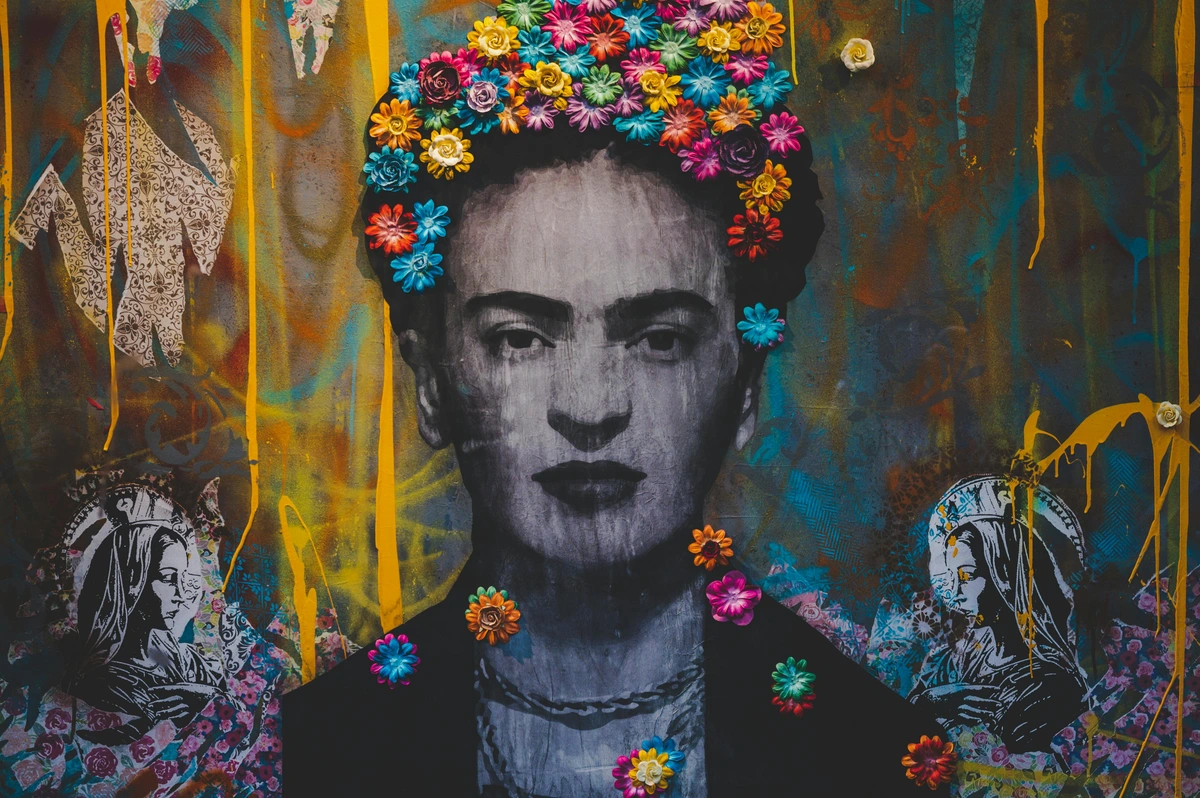
Beyond the individual achievements, the very story of these duos becomes part of art history, a narrative thread that adds layers of meaning to their oeuvre. When you look at a Frida Kahlo self-portrait, it’s almost impossible to separate it from her relationship with Diego Rivera. This intertwining creates a richer, more complex artistic landscape, proving that sometimes, the greatest art emerges from the deepest human connections.
So, What's the Secret?
After looking at these stories, I don't think there's a secret formula. And honestly, isn't that a relief? For every couple that fueled each other's genius, there's one that ended in burnout and bitterness, sometimes tragically so. It seems the same things that make any relationship work—or fail—are just amplified exponentially in the high-stakes, high-ego world of art, where vulnerability and ambition often clash with spectacular results. Communication, profound respect, and the ability to see your partner as a whole person—not just a creative resource, a rival, or a reflection of your own artistic desires—seem to be absolutely key. It's a delicate, constant balance, and one that requires immense self-awareness and emotional intelligence from both parties.
I think the real magic is that these relationships force us to ask bigger questions. Where does one artist's influence end and another's begin? Is great art worth the personal chaos it sometimes creates? For many, the answer, explicitly or implicitly, was yes. The personal sacrifices, the emotional turmoil, the moments of profound understanding and devastating betrayal – all somehow fed into the work, giving it a unique resonance. The art that survives these unions is more than just an object; it’s a record of a conversation, an argument, a love affair, and ultimately, a testament to the enduring human spirit. It’s living history.
It’s living history. If there’s one thing I’ve gleaned from peeling back these layers, it’s that the studio can indeed be a crucible – refining, transforming, and sometimes, tragically, consuming. It’s a place of creation, conflict, and profound connection, a space where individual visions meet and merge. But from that intense heat, something undeniably powerful emerges, leaving us with not just art, but with profound human stories that echo through time, offering endless insights into the human condition and the enduring power of creative love. And that, I think, is the real magic. It's a testament to the idea that even in the most intense partnerships, the individual voice can not only survive but be amplified, creating a legacy far grander than any single artist could achieve alone. Perhaps this journey through artistic passion has inspired you to explore the creative fire within yourself? Take a moment to browse my collection of contemporary art and see how modern visions continue to transform the canvas, the stage, and the world. Your own creative journey might just surprise you with where it leads, and who it leads you to. Who knows, perhaps your own studio is waiting to become a crucible for your next great work. Or perhaps you're already in one, and this article has offered a moment of quiet reflection, a shared understanding of the beautiful madness that is creative love. After all, the greatest art often comes from the deepest, most complex human connections. And that, I believe, is a beautiful thing.
The Global Tapestry: Artist Couples Across Cultures
While our spotlight has largely been on Western examples, the phenomenon of artist power couples is a universal one, transcending geographical and cultural boundaries. The intense interplay of creativity, love, and life finds unique expressions in every corner of the globe, influenced by local traditions, societal norms, and artistic movements. It's a rich tapestry, and one that is only now beginning to be fully appreciated in its vast diversity. I find it endlessly fascinating to see how the core dynamics of creative partnership echo across different cultures, yet always with a distinctive local flavor. For instance, in Japan, the artistic exchange between printmaker Katsushika Hokusai and his daughter Katsushika Oi, herself a remarkable artist, exemplifies a different kind of collaborative dynamic rooted in familial transmission of craft. Or consider the intricate, often spiritual collaborations found in indigenous art forms, where partnerships are deeply embedded in community and ancestral knowledge.
FAQ: Your Questions on Artist Couples Answered
Here are some of the questions I often ponder, and those I hear most frequently, when discussing the fascinating world of artist power couples. It's a rich topic, full of nuances and complexities, just like the art they create. I hope these answers provide a deeper understanding and perhaps spark your own reflections on the intertwining of love, creativity, and the often-unseen forces that shape artistic destinies.
What role did patronage play in artist couples' careers?
Patronage, from wealthy individuals to church and state commissions, was often a lifeline for artist couples, particularly before the modern art market truly established itself. For many, a supportive patron could mean the difference between artistic freedom and financial destitution. For couples, it often meant shared stability, allowing both to pursue their individual or collaborative projects. However, it also introduced external pressures; patrons might favor one artist over the other, or impose creative demands that conflicted with a couple's shared vision. Think of how Rembrandt's early career benefited immensely from the connections Saskia van Uylenburgh brought through her prominent family, providing access to circles of patronage that were crucial for his success. Beyond them, think of the Florentine painter Artemisia Gentileschi and her husband Pierantonio Stiattesi, whose marriage, while not solely based on patronage, offered a level of social and financial stability that allowed Gentileschi to navigate a notoriously challenging art world and secure commissions independently. It was a complex, delicate dance, balancing artistic integrity with the practicalities of financial survival, often navigated as a united front by the couple, or even strategically leveraged by one partner for the other's benefit. Sometimes, the patron became part of the complex web of their relationship.
How did artist couples manage family life alongside their artistic pursuits?
Managing family life alongside demanding artistic careers was, and still is, an immense challenge for artist couples. For many women artists, especially, societal expectations often forced a heartbreaking choice between career and family, or relegated their artistic pursuits to the domestic sphere, making their contributions often invisible. However, for some couples, the shared creative life extended to raising a family in an unconventional, artistically rich environment. It could mean shared childcare duties, or even integrating children into the creative process, exposing them early to a world of imagination and discipline. But it also meant navigating the constant demands of domesticity against the solitary, often obsessive, nature of artistic creation. I imagine the shared studio could sometimes become a bustling family hub, with children's laughter mingling with the scent of turpentine, or, conversely, a sacred space fiercely protected from the chaos of children. The balance was rarely perfect, often requiring immense sacrifice and creative solutions, but for those who managed it, their children grew up in a unique crucible of creativity, absorbing art and philosophy from their very upbringing, often becoming artists themselves.
What were some common challenges artist couples faced?
The challenges were myriad and often intense, sometimes feeling like a dramatic plot twist in their shared story. Beyond the typical struggles of any relationship—communication, compromise, shared finances—artist couples grappled with unique pressures. These included intense creative competition (and sometimes professional jealousy, let's be honest, it's a very human emotion), divergent artistic visions that pulled them in different directions, the constant pressure of public scrutiny (especially as their fame grew, turning their private lives into public spectacles, sometimes even fabricating narratives for dramatic effect), and the perpetual difficulty of balancing fiercely individual artistic needs with the demands of a partnership. Imagine the tension if one partner's work gained critical acclaim while the other struggled for recognition, or if their artistic paths started to diverge dramatically, pulling them in different creative directions. This constant external gaze often added another layer of performance to their already complex lives. The studio, meant to be a haven for creation, could sometimes become a battleground for egos and ideas. Moreover, societal expectations for artists, particularly women, often added another layer of complexity, demanding they conform to traditional roles while simultaneously striving for radical artistic freedom. It truly was a high-wire act, where the stakes were both personal and professional, demanding an almost superhuman level of resilience.
How did art movements or historical periods influence artist couples?
This is a profound question, because no artist, or couple, creates in a vacuum. Art movements and historical periods acted as powerful currents, either pushing artist couples together or pulling them apart, shaping not only their styles but also the very narratives of their relationships. For example, the Surrealist movement encouraged collaboration, shared exploration of the subconscious, and often blurred the lines between artistic and personal lives, fostering unconventional partnerships like Max Ernst and Dorothea Tanning. Conversely, periods of intense political upheaval, like the Mexican Revolution, provided a shared ideological crucible for Frida Kahlo and Diego Rivera, imbuing their art with a collective sense of purpose. The rise of Abstract Expressionism in post-war America created a vibrant, competitive environment that both fueled and strained partnerships like Lee Krasner and Jackson Pollock. Similarly, the radical upheaval of the Dada movement in early 20th-century Europe brought together figures like Hannah Höch and Raoul Hausmann, whose contentious personal relationship and shared political fervor found expression in their groundbreaking photomontages, challenging traditional art forms and societal norms alike. Understanding the Zeitgeist—the spirit of the age—is crucial to appreciating the unique challenges and opportunities these creative duos navigated, for their art was always a mirror of their times.

Who is the most famous artist couple?
By most measures, it's Frida Kahlo and Diego Rivera. Their story has everything: passion, politics, betrayal, and iconic art. It has been the subject of countless books, documentaries, and even a Hollywood movie, cementing their status as cultural icons and the benchmark for passionate artistic connection. Their combined influence on Mexican art and their individual legacies are immense, making them a truly unparalleled duo, a vibrant force that continues to resonate globally. Their very lives became a public spectacle, a tumultuous, passionate performance that continues to captivate audiences and artists alike, embodying the intense interweaving of the personal and the political.
Did these couples often collaborate on the same artwork?
It varies significantly, and this is where it gets really interesting for me. Marina Abramović and Ulay, for example, are a prime example of direct, constant collaboration, where their very bodies and shared experiences were literally the medium and the message. However, many other couples influenced each other more indirectly. Lee Krasner and Jackson Pollock, for instance, created distinct bodies of work, but their shared living and studio environment, coupled with their intellectual sparring and emotional support, undeniably shaped their individual artistic evolutions. Their collaboration was in building a life that allowed the art to happen, rather than necessarily working on the same canvas or sculpture. Sometimes, even the act of being a supportive critic, a primary audience, or a challenging sounding board for ideas can be the most profound, though unseen, form of collaboration. It's not always about a shared canvas; sometimes it's about a shared journey that enables individual genius. For many, collaboration manifested as intellectual sparring, rigorous critique, or simply providing the emotional and practical space for the other to create. Think of Christo and Jeanne-Claude, whose entire oeuvre was a single, indivisible collaboration, pushing the boundaries of monumental public art, or Charles and Ray Eames, whose interdisciplinary design work was a seamless merging of their distinct talents across various media, from furniture to film. The definition of 'collaboration' itself expands when applied to these intricate creative partnerships, encompassing a spectrum from literal co-creation to profound intellectual and emotional support, a constant, often invisible, exchange of energy. And it's important to remember that 'collaboration' doesn't always imply harmony; sometimes the most intense and productive collaborations are born from a dynamic of creative friction and passionate debate.
What was the psychological impact of these intense partnerships on the artists?
The psychological impact was profound and often dual-edged, a true paradox of intimacy. On one hand, these intense relationships could provide immense emotional and creative support, a shared understanding of the artistic struggle, and a unique form of intellectual companionship that few others could offer. The feeling of being truly seen and understood by another artist can be incredibly validating and inspiring. It’s like having a co-conspirator in the grand, often isolating, adventure of creation, a safe harbor in the tumultuous sea of creative endeavor. Conversely, the close proximity, creative competition, and blurred lines between personal and professional lives could lead to significant psychological strain. Issues like jealousy, codependency, artistic block, and the feeling of being overshadowed (especially for female artists) were common pitfalls. The constant feedback loop, while sometimes beneficial, could also be debilitating, leading to self-doubt or a loss of individual artistic identity. It's a testament to their passion that many persevered through such intense emotional landscapes. The very intimacy that fueled their art could also, at times, become a suffocating weight, demanding a constant negotiation between self and other, ambition and affection, sometimes pushing individuals to their absolute breaking point, yet often, ultimately, enriching their artistic output.
How did disability or chronic illness impact artistic couples?
Disability and chronic illness, whether physical or mental, profoundly shaped the lives and art of many artist couples, often becoming a central theme or a formidable challenge to their creative practice. Frida Kahlo's entire oeuvre, as we've seen, is an unflinching visual diary of her chronic pain, numerous surgeries, and emotional torment, all directly tied to her relationship with Diego Rivera. Her art became a powerful means of processing and expressing her suffering, a testament to her resilience. For couples navigating these challenges, one partner often became a crucial caregiver, advocate, and emotional anchor, enabling the other to continue creating despite immense physical or psychological barriers. This shared experience of vulnerability and resilience often infused their work with a unique depth and authenticity, transforming personal suffering into universal human statements. The art becomes a testament to enduring spirit, sometimes even a form of healing, forged in the crucible of shared adversity. It’s a powerful reminder that creative strength can arise from the most unexpected and difficult places.
Was it common for female artists to be overshadowed by their male partners?
Absolutely, and tragically so. The impact was immense and often left a profound scar on art history. For centuries, women artists faced systemic barriers at every turn: limited or no access to formal art education (academies were often closed to them), exclusion from official exhibitions and critical discourse, and overwhelming societal expectations that rigorously enforced domestic roles over professional careers. This meant that even within artist couples, the female partner's immense talents and crucial contributions were frequently minimized, dismissed as mere "assistance," attributed to their male counterpart, or simply erased from the historical record. The heartbreaking stories of Camille Claudel and Lee Krasner are stark reminders of this pervasive gender imbalance, an issue the art world is still actively working to address through re-evaluation and conscious efforts to highlight these previously marginalized voices. Another powerful, though less historically documented, example is Elsa von Freytag-Loringhoven, a pioneering Dada artist whose radical contributions were often overshadowed by male contemporaries like Man Ray and Marcel Duchamp, despite her undeniable influence. It's a critical aspect of art history that we are still grappling with, seeking to fully acknowledge and celebrate the women who were often pushed into the shadows. The struggle for recognition was, for many, an additional, exhausting layer to their creative process, making their eventual breakthroughs even more remarkable and a testament to their unwavering spirit.

Were there instances of artistic appropriation or exploitation within these partnerships?
Sadly, yes. While the ideal of an artist couple is one of mutual support and inspiration, the realities of power dynamics, ego, and societal inequalities often led to instances of appropriation or exploitation. In mentor-protégée relationships, like that of Rodin and Claudel, the senior artist sometimes directly incorporated the protégée's ideas or even physical work into their own, often without full credit. For female artists, in particular, their contributions were frequently minimized or attributed to their male partners, not just by critics but sometimes within the relationship itself. This wasn't always malicious; sometimes it was a product of the era's patriarchal structures. However, it's a stark reminder that even within the most intimate creative bonds, ethical considerations around authorship, recognition, and fair compensation are crucial. Unpacking these complex layers is vital to a more honest and comprehensive understanding of art history, and to celebrating the full spectrum of creative voices that shaped it, even those that were silenced for a time.
What role did cultural exchange play in their work?
Cultural exchange, whether through travel, shared heritage, or cross-cultural relationships, often deeply enriched the art of these couples, opening new avenues of inspiration and challenging existing artistic conventions. Think of the profound influence of Mexican folk art and pre-Columbian aesthetics on both Frida Kahlo and Diego Rivera, who actively sought to define a distinct Mexican modernism that drew from their national heritage. Or consider the impact of African art on early 20th-century European modernists, and how artists in relationships explored these new influences together. When partners come from different cultural backgrounds, their union can become a vibrant site of cross-pollination, where diverse perspectives, techniques, and philosophies merge to create something entirely new and innovative. It’s a powerful testament to how open-mindedness and a willingness to explore beyond one's immediate cultural context can lead to truly groundbreaking artistic discoveries, enriching both the individual artists and the broader art historical narrative.
Are there any famous contemporary artist couples?
Yes, though the nature of artistic fame and collaboration has certainly evolved. Today, we see several fascinating dynamics. There are duos who work exclusively as a single artistic entity, like Gilbert & George or Eva & Adele, whose entire artistic output and public persona are inextricably linked, often exploring themes of identity, collaboration, and the artist's role in society. Then there are power couples where both maintain highly distinct and globally recognized careers, such as artists Marilyn Minter and Bill Viola, or Jennifer Allora and Guillermo Calzadilla, who sometimes collaborate but primarily operate independently. Another notable contemporary duo is Tacita Dean and Matthew Marks, a filmmaker/artist and a gallerist respectively, whose professional spheres intersect and mutually support their individual successes. Beyond them, consider Jennifer Allora and Guillermo Calzadilla, whose politically charged, large-scale installations are always conceived and executed as a single, shared artistic voice, or the celebrated photographers Annie Leibovitz and Susan Sontag, whose intellectual and personal partnership profoundly shaped Leibovitz's iconic portraits and intellectual approach. This dynamic often reflects changing societal views on gender, professional equality, and the complexities of individual celebrity within a shared life. The lines are perhaps blurrier than ever, making these contemporary pairings equally compelling. It's less about a single 'muse' and more about two independent creative forces finding ways to intertwine their lives while maintaining their distinct artistic voices. I find it a hopeful sign of how relationships in art can evolve, moving towards greater equity and recognition for both partners.
How did external factors like critics and the art market impact these relationships?
External factors, particularly critical reception and the relentless demands of the art market, played a significant role, often amplifying the internal dynamics of artist couples. Positive critical attention for one partner could spark jealousy or resentment in the other, while shared struggles against an indifferent market could either forge a stronger bond or fray it beyond repair. Gallerists and collectors sometimes preferred to champion one artist over the other, inadvertently creating competitive pressure and deepening existing inequalities. In some cases, the market's perception of one artist could overshadow the other, making it harder for the less-recognized partner to gain traction independently. These external pressures often forced couples to make difficult choices about their careers, their collaborative projects, and even their individual artistic identities. I mean, imagine your partner's work selling for millions while yours struggles to find a buyer; that's bound to create some tension, no matter how strong the love. It added a layer of brutal reality to the romantic ideal of the starving artist, forcing a constant negotiation between artistic integrity and commercial viability, often demanding an almost ruthless pragmatism.
How do artist couples navigate creative competition?
This is a tricky one, and it varies wildly, often becoming a defining aspect of their partnership. For some, like Robert Rauschenberg and Jasper Johns, the competition was a driving, almost electric force, pushing them to innovate and break new ground, directly leading to major artistic movements. They saw each other's success as a challenge to their own, in a way that spurred creativity, fostering an environment of continuous experimentation. Think also of Elaine and Willem de Kooning, whose shared immersion in the Abstract Expressionism scene often saw them subtly (or not so subtly) challenging each other's approaches to gestural painting, pushing both to greater heights of expressive freedom and critical dialogue. For others, however, it might have been a source of immense tension or even deep resentment, particularly when one partner's career dramatically overshadowed the other's, leading to feelings of being unrecognized or undervalued, which is a truly heartbreaking scenario. Open communication, mutual respect for individual artistic paths, and a genuine appreciation for each other's distinct creative voices seem to be the most crucial ingredients for healthy creative competition, transforming it from a potentially destructive force into a powerful catalyst for artistic growth. It's a delicate balance, and I imagine it requires constant negotiation and a lot of self-awareness, acknowledging that sometimes, the creative ego needs a gentle hand, other times a firm push.
How did financial pressures influence artist couples?
Financial pressures were a constant, often suffocating, reality for many artist couples throughout history, just as they are for most artists today. Beyond the emotional and creative dynamics, the practicalities of making a living from art could strain even the most devoted partnerships. If one partner achieved commercial success while the other struggled, it could lead to resentment, feelings of inadequacy, or an imbalance of power. Conversely, shared financial hardship could forge an incredibly strong bond, a sense of shared purpose that transcends mere artistic ambition. It’s a complex interplay, where the drive to create often bumps up against the stark realities of making a living, and how a couple navigates that can be as telling as their art itself. Sometimes, one partner took on more traditional work to support the other's artistic pursuits, a sacrifice that, while enabling art, could also create its own kind of imbalance. It's a reality check that even the most passionate creative partnerships couldn't escape the mundane struggles of money. This often led to innovative solutions, such as shared studios in cheaper locales or the pooling of meager resources to support one's artistic education or exhibition, demonstrating immense resourcefulness and commitment to their craft. Consider Bernd and Hilla Becher, whose early careers involved meticulous documentation work that, while not always celebrated, provided the financial bedrock for their groundbreaking typological photography, a shared endeavor built on mutual support and economic pragmatism, ensuring their artistic vision could be realized regardless of immediate commercial success.
Did artist couples influence each other's styles, or did they maintain distinct artistic voices?
Often, it was a fascinating blend of both, a subtle dance between individual expression and shared experience! While most maintained distinct artistic voices – Frida's searingly intimate self-portraits are clearly not Diego's monumental murals, nor are Krasner's lyrical abstractions identical to Pollock's chaotic drips – there was almost always a subconscious or even direct cross-pollination of ideas, techniques, or thematic concerns. Sharing a studio, engaging in constant critical dialogue, and living through common experiences inevitably led to a subtle, sometimes profound, influence. Lee Krasner, for example, maintained her own unique style throughout her career, but her deep understanding of European modernism and her rigorous artistic discipline provided a crucial intellectual framework that was fundamental to the evolution of Jackson Pollock's groundbreaking drip paintings. Likewise, aspects of their personal struggles often found their way into both partners' work, albeit expressed through their unique artistic lexicons. It's a testament to the idea that true influence isn't about replication, but about opening new avenues of thought and expression, even when the aesthetic outcomes are wildly different, fostering a richer, more complex artistic landscape. This subtle cross-pollination can be seen in shared palettes, recurrent motifs, or even a similar underlying emotional tone, manifesting in distinct yet harmonically resonant works, like the muted color palettes sometimes found in both Bernd and Hilla Becher's early works, or the shared sense of architectural abstraction in Anni and Josef Albers' diverse practices.
How did broader societal views on marriage and artistic careers impact these couples?
Beyond the specific gender inequalities, broader societal views on marriage and artistic careers profoundly influenced these partnerships. For much of history, marriage was seen as a woman's primary role, and a career in art was often considered a frivolous pursuit, especially if it detracted from domestic duties. This meant that the male artist's career was almost always prioritized, often at the expense of his partner's ambitions and professional development. Moreover, the very idea of a "bohemian" artistic life, while romanticized, often clashed with conventional expectations of stability, family, and public decorum, creating intense internal and external pressures on couples trying to forge a life and art together. The gradual shifts in these societal views over time have, thankfully, allowed for more equitable and openly collaborative artistic partnerships to emerge, allowing both partners to flourish, though challenges certainly persist and new forms of pressure arise. It's fascinating to see how the tides of social acceptability shaped not just individual careers, but the very dynamics within these intimate creative unions. A subtle change in societal norms could unlock entirely new possibilities for artistic partnership, revealing a more complex and varied tapestry of creative lives. For instance, the greater acceptance of unconventional lifestyles during the early 20th-century avant-garde movements, like Surrealism and Dada, allowed couples like Man Ray and Lee Miller or Meret Oppenheim and Max Ernst to pursue more openly experimental personal and artistic relationships that would have been unthinkable in earlier, more rigid eras, fostering a climate of radical self-expression.
How did their daily routines and domestic habits impact their art?
This might seem like a mundane detail, but for many artist couples, the rhythm of their daily lives profoundly shaped their creative output. Shared routines – from morning coffee in the studio to evening discussions over dinner – could provide a quiet framework for intense periods of artistic focus, or spark unexpected breakthroughs. The domestic space often became an extension of the studio, a place where ideas were constantly exchanged, tested, and sometimes argued over. Imagine the constant visual dialogue in a home shared by two artists, filled with works in progress, sketchbooks, and found objects, creating a constant, unspoken conversation. For someone like Lee Krasner, managing a household and providing stability for Jackson Pollock allowed him the space for his chaotic creative process. Conversely, the absence of a stable domestic life, or constant upheaval, could directly manifest in the art, as seen in the tumultuous lives of Frida Kahlo and Diego Rivera, where personal drama fueled their deeply expressive works. The seemingly small, everyday habits of a shared life often acted as an invisible scaffolding, supporting monumental artistic endeavors. Imagine the quiet mornings Georgia O'Keeffe and Alfred Stieglitz spent discussing art and ideas over breakfast, or the routine of Lee Krasner preparing meals and organizing the studio, creating a necessary calm amid Jackson Pollock's creative storms. These rituals, however domestic, provided the fertile ground for their monumental works, transforming the ordinary into the extraordinary.
How did their health struggles or personal tragedies impact their work?
Personal tragedies and health struggles, sadly, were often deeply intertwined with the artistic output of these couples, acting as both debilitating obstacles and powerful catalysts for creation. Frida Kahlo's entire oeuvre, for instance, is an unflinching visual diary of her chronic pain, numerous surgeries, and emotional torment, all directly tied to her relationship with Diego Rivera, finding powerful expression in works like The Broken Column. Lee Krasner channeled her grief and rage after Jackson Pollock's death into monumental, explosive paintings, notably her "Earth Series", a visceral outpouring of emotion. For many, art became a vital coping mechanism, a way to process unimaginable pain, loss, or illness. These intimate, often raw, experiences imbued their work with an undeniable authenticity and emotional resonance, transforming personal suffering into universal human statements, making the art itself a testament to resilience in the face of adversity. It's a reminder that art isn't just about beauty; it's often about survival, about making sense of the chaos of existence, a profound act of transmuting personal anguish into public catharsis. The crucible of their shared suffering often forged a deeper, more resonant artistic language, echoing through time with profound human depth. Think of Eva Hesse's tragically short life, riddled with personal loss and illness, which profoundly informed her minimalist yet deeply expressive sculptures; her relationship with artist Tom Doyle provided a crucial, though often painful, support system that enabled her to continue creating despite immense challenges.
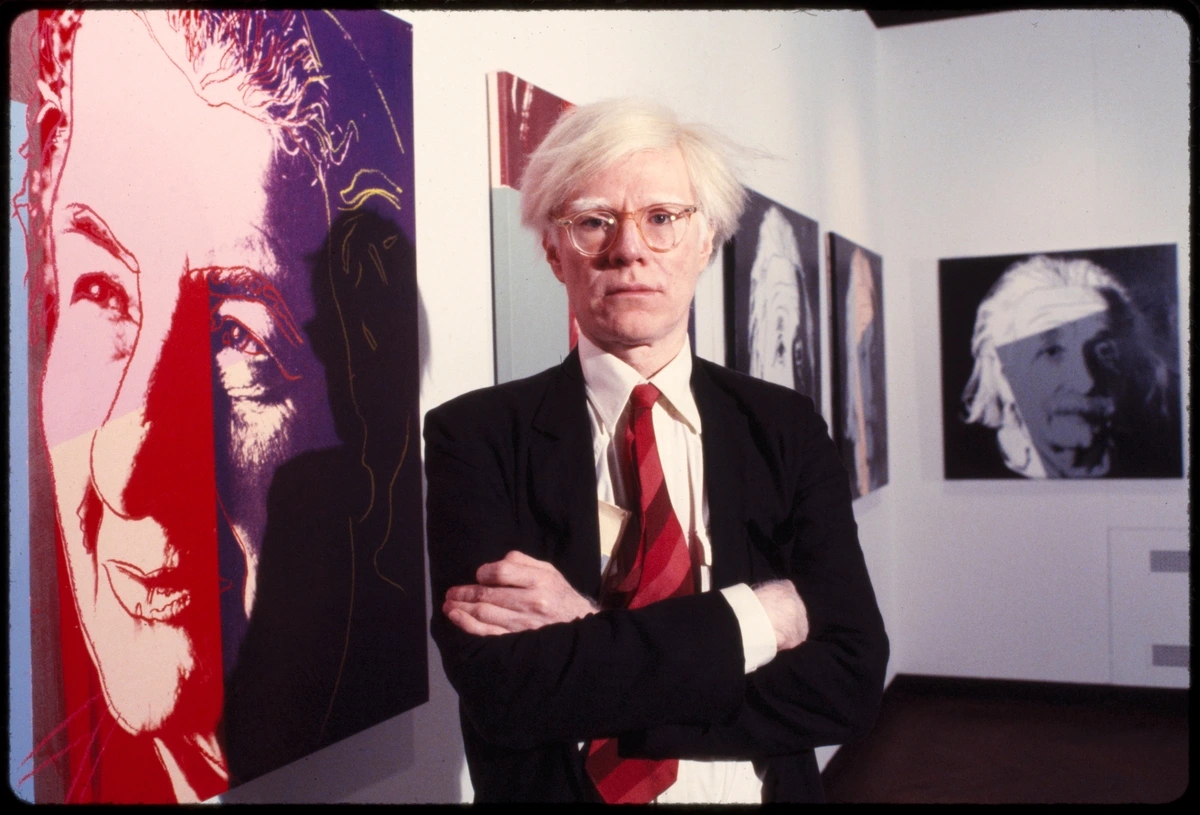
What is the enduring legacy of these artist couples on art history?
The enduring legacy of these artist couples is far-reaching and multifaceted, a tapestry woven with threads of personal narrative and monumental artistic achievement. Individually, they produced masterpieces that define entire movements and challenged aesthetic norms. Collectively, their relationships offer profound insights into the creative process, the complexities of human connection, and the inseparable intertwining of life and art. They challenged conventions, pushed boundaries, and in many cases, laid the groundwork for future generations of artists, demonstrating new ways of living, loving, and creating that continue to influence contemporary practice. Their stories remind us that art is rarely created in a vacuum; it is often born from the messy, beautiful, and sometimes chaotic tapestry of human relationships, leaving an indelible mark on the cultural landscape and continuing to inspire discussions about love, art, influence, and the very nature of genius. I believe their most profound legacy is the demonstration that vulnerability, passion, and shared experience can be the most potent ingredients for artistic alchemy, continually enriching our understanding of human creativity. Their stories pave the way for future generations, inspiring new models of collaboration, mutual support, and artistic independence within the context of loving partnerships, demonstrating that the personal is indeed profoundly political and artistic. These pairings are not just chapters in art history; they are vivid, living testament to the human spirit's boundless capacity for creation and connection.
What about same-sex artist couples in history?
While historical documentation often focused on heteronormative relationships, significant same-sex artist couples have existed and profoundly influenced art, even if their stories were sometimes obscured or deliberately hidden due to societal prejudices. For example, the intense, albeit secret, partnership between Robert Rauschenberg and Jasper Johns in the 1950s was pivotal in the shift from Abstract Expressionism to Pop Art, though its full nature was not widely acknowledged for decades. Another powerful example is the relationship between the painter Rosa Bonheur and Nathalie Micas in the 19th century, or the bohemian lives of Claude Cahun and Marcel Moore, whose collaborative photographic self-portraits radically questioned gender and identity, influencing later feminist and queer art. Their relationships, often lived on the fringes of societal acceptance, frequently fueled groundbreaking work that challenged norms and expanded the very definition of artistic expression, leaving a profound, if sometimes less visible, mark on art history. In addition to Claude Cahun and Marcel Moore's radical explorations of gender fluidity and identity through their photography, consider the enduring partnership of Gertrude Stein and Alice B. Toklas, whose Parisian salon fostered modernism and whose shared life created an unparalleled intellectual and artistic hub that nurtured countless artists. It's a vital part of art history that is thankfully gaining more recognition, allowing us to appreciate the full spectrum of human connection that has shaped our creative landscape. These narratives challenge us to look beyond conventional understandings of artistic partnerships, enriching our historical perspective.
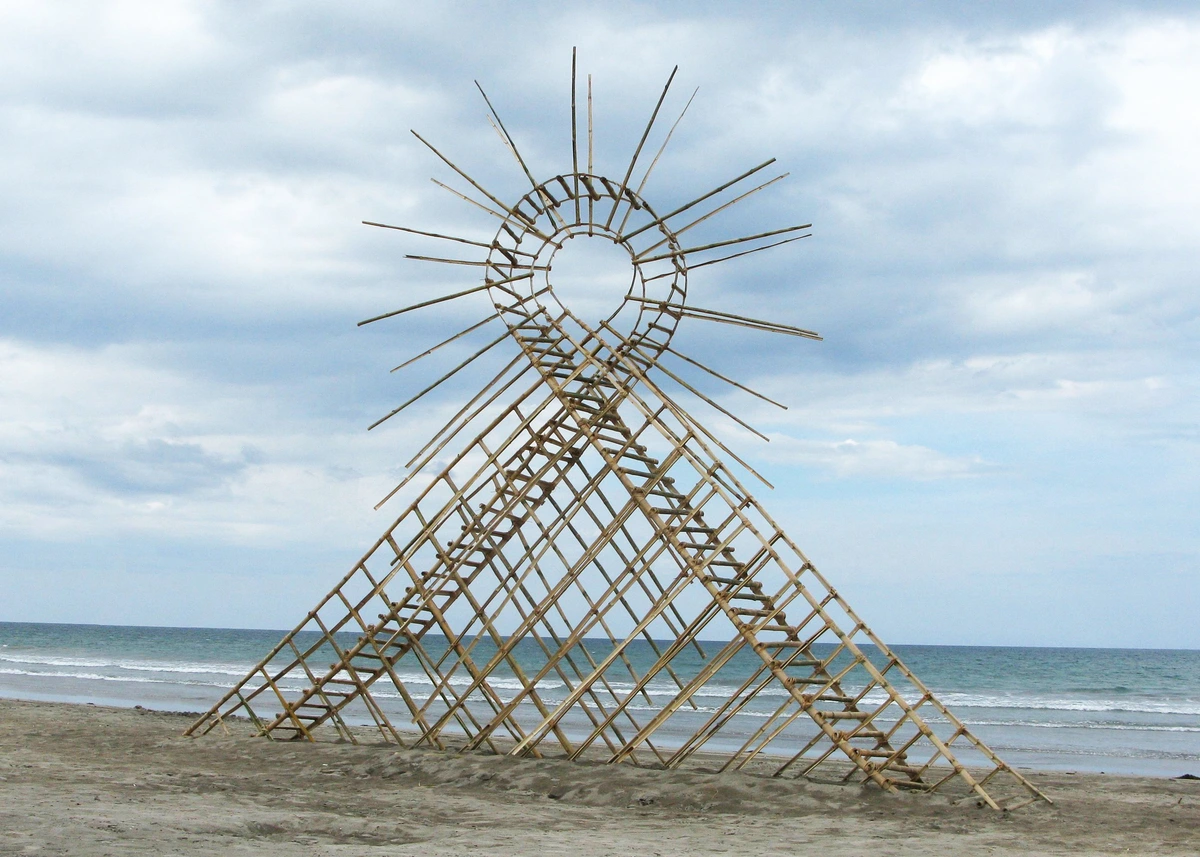
Did their relationships affect their public image?
Absolutely, their relationships often became as much a part of their public image as their art, sometimes for better, often for worse. For Frida Kahlo and Diego Rivera, their tumultuous love story, passionate political activism, and unconventional lives were intrinsically linked to their public personas and the reception of their art, often fueling their celebrity beyond the art world itself. The scandal and drama surrounding certain couples could both attract intense media attention and, at times, overshadow their artistic contributions, especially for the female partner, creating a double-edged sword of fame. In other cases, a couple's unified front, like Christo and Jeanne-Claude, reinforced their collaborative identity and unwavering commitment to their ambitious projects. How their relationships were perceived by critics, gallerists, and the public could profoundly shape their careers, influencing everything from exhibition opportunities to market value. It's a reminder that artists, even when striving for pure expression, are rarely isolated from the societal gaze. Their personal narratives, whether meticulously curated or sensationally leaked, became an undeniable part of their artistic mythology, influencing public perception and often becoming inseparable from their oeuvre. It's almost like their relationships were another layer of performance art, constantly playing out on the public stage. For couples like Gilbert & George, their entire existence is the art, meticulously curated public personas that blur the lines between life and performance, making their shared identity their most enduring artistic statement.
How did artistic communities or movements foster these partnerships?
Artistic communities and movements were often the incubators for these intense partnerships, providing a shared intellectual and social environment where like-minded individuals could connect, collaborate, and fall in love. Imagine the Parisian salons of the Belle Époque, the Dadaist cabarets of Zurich, or the Abstract Expressionist milieu of post-war New York – these were fertile grounds where artists found both their artistic and romantic soulmates. The shared ideals, artistic manifestos, and collective struggles of a movement could forge incredibly strong bonds, creating a sense of shared mission that deepened personal connections. It was in these melting pots of ideas and passions that many of the duos we discuss truly found each other, their relationships becoming emblematic of the movements themselves. The energy of a collective could amplify individual creative sparks into a blazing shared fire, propelling both the artists and the art movement forward in exciting, often radical, new directions.
How did their art collections influence each other?
This is a fascinating point I often consider! For many artist couples, their shared living spaces were also their galleries and, often, their working studios. The art they collected, whether by contemporaries, historical masters, or even each other, profoundly influenced their creative dialogue. Imagine living with a partner who is constantly acquiring new works that challenge your perspective, or seeing their own masterpieces evolving on the walls around you. A shared collection meant shared visual references, intellectual debates, and a constant, unspoken conversation about art history and contemporary movements. It could be a source of mutual inspiration, a benchmark for quality, or even a subtle source of competitive tension. Their homes became curated extensions of their artistic minds, constantly feeding their creative output. I often think of Gertrude Stein and Alice B. Toklas, whose legendary Parisian salon and burgeoning art collection provided a vibrant intellectual and artistic hub, profoundly shaping the modernist movement they were at the heart of, or how Max Ernst and Dorothea Tanning's shared collection of Surrealist works fueled their own imaginative explorations, creating a unique visual language for their shared creative world. It’s a powerful, often overlooked, form of artistic cross-pollination, where the very act of living with art shapes the art you create.
What are common misconceptions about artist couples?
Oh, there are so many! One common misconception is that artist couples are always in a constant state of harmonious creation, a perfect blend of two minds. The reality, as we've explored, is often far messier, filled with ego clashes, creative differences, and profound personal sacrifices. Another myth is that one partner is always the dominant force, with the other merely serving as a passive muse or assistant. As we've seen, even in seemingly unequal partnerships, the influence is often bidirectional and far more nuanced than history initially recorded. It's rarely a one-way street in the studio, or in life for that matter, when two creative minds collide. I think the biggest misconception is that their personal lives were somehow separate from their art; for these duos, their very existence together was often the primary canvas, bleeding into every aspect of their creative output. It’s a beautifully tangled web, not a perfectly symmetrical drawing. We often project our romantic ideals onto these partnerships, overlooking the very real struggles, compromises, and sheer hard work involved in building both a life and an artistic career with another intensely creative individual. Another common misconception is that the 'artistic temperament' automatically leads to drama; while passion is undeniable, many successful artist couples cultivated profound respect and practical strategies to navigate their creative and personal lives, proving that collaboration isn't solely about chaos, but often about structured, intentional work. Finally, there's the misconception that all artistic collaboration is overt; often the most profound influences are subtle, unspoken, and deeply embedded in the shared rhythms of life.
What about artistic couples whose relationships ended?
The dissolution of an artistic partnership, whether through divorce, separation, or even tragic death, often had a profound and complex impact on the artists' work, sometimes leading to new creative directions or intense periods of reflection. For Marina Abramović and Ulay, their breakup was famously transformed into a monumental performance piece, The Lovers, marking a poignant artistic culmination of their shared journey. In other cases, the emotional turmoil of a separation could fuel a raw, introspective period in an artist's career, producing works charged with grief, longing, or liberation. Lee Krasner's explosive later works, for instance, were created in the wake of Jackson Pollock's death, channeling her immense sorrow and resilience into powerful new artistic expressions. These endings, while often painful, were rarely definitive for the art itself; the echoes of the shared life continued to resonate, sometimes subtly, sometimes dramatically, in the individual works that followed. It’s a testament to the enduring power of these connections that even in their absence, they continue to inspire, provoke, and shape artistic destinies.
How did their shared experiences of place influence their art?
The sense of place – whether a bustling city, a serene rural retreat, or a specific studio – often profoundly influenced the art of these couples, becoming a silent, yet powerful, collaborator. For Lee Krasner and Jackson Pollock, their move to Springs, Long Island, provided the physical and mental space necessary for Pollock's groundbreaking drip paintings to emerge, away from the pressures of the city. Their barn studio became a laboratory for Abstract Expressionism. Similarly, the vibrant, chaotic energy of early 20th-century Mexico City was intrinsically woven into the political and artistic visions of Frida Kahlo and Diego Rivera. These shared geographies provided not just scenery, but a collective context, a unique set of sensory experiences, cultural influences, and community interactions that seeped into their respective works. It's a reminder that artists are not just isolated creators; they are deeply embedded in their environments, and when two artists share that environment, its influence can be magnified and transformed into something truly unique, creating a visual and emotional landscape that defines their art.
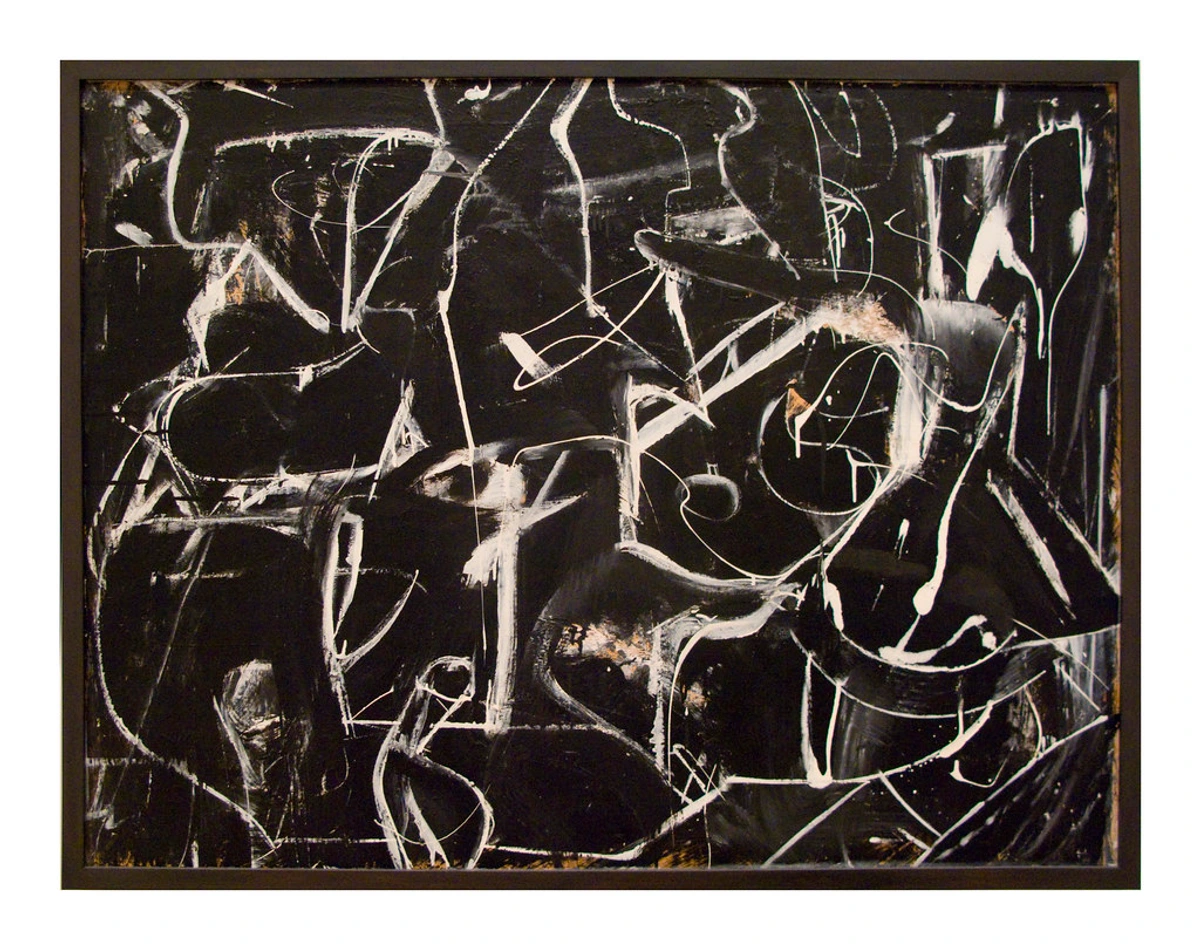
Did technology or new media create new forms of artistic partnership?
Absolutely, and this is an evolving story! The advent of photography, film, video, and now digital and internet art has continually redefined the possibilities for artistic collaboration within couples. Think of Man Ray and Lee Miller in the Surrealist movement, whose collaborations in photography pushed the boundaries of the medium, with Miller often serving as both muse and technical innovator. Later, video art pioneers like Shigeko Kubota and her partner Nam June Paik (often called the 'father of video art') explored new electronic frontiers together, albeit often in distinct works, sharing a radical vision for the medium. In contemporary art, digital platforms allow for remote or distributed collaborations, and new media practices often inherently require interdisciplinary teamwork, making partnerships not just possible but often necessary for complex projects. These technological shifts have continually opened up new realms for creative duos to explore, challenging traditional notions of authorship and extending the very definition of what 'art' and 'partnership' can mean in the 21st century.
How did their relationships influence their teaching or mentorship?
For many artist couples who were also educators or mentors, their relationships profoundly influenced their pedagogical approaches, often creating a unique, shared philosophy of teaching. Anni and Josef Albers at the Bauhaus, for instance, developed a rigorous, experimental, and highly influential teaching methodology that was deeply interwoven with their individual artistic practices and shared intellectual pursuits. They modeled a collaborative and inquiry-based approach to art education that emphasized material exploration and fundamental design principles. Similarly, the shared life of Merce Cunningham and John Cage extended into their teaching, with their workshops and classes often reflecting their revolutionary ideas about chance operations and independent elements in dance and music. Their personal and creative synergy created an environment where students were encouraged to challenge conventions and explore new artistic possibilities. A unified front in teaching, born from a deep personal and professional bond, could create a particularly potent and inspiring learning environment, shaping generations of artists and thinkers.
What role did spirituality or mysticism play in some artist couples' work?
For a significant number of artist couples, particularly in certain historical periods or movements, shared spiritual beliefs, mystical inclinations, or esoteric philosophies became a powerful unifying force that deeply informed their art. Think of the Symbolist artists like Odilon Redon and his wife, Camille Redon, whose work was often imbued with dreamlike, allegorical, and mystical imagery. In the Surrealist movement, many couples, including Leonora Carrington and Max Ernst (and later Tanning), explored Jungian psychology, alchemy, and various esoteric traditions, using them as springboards for their fantastical, subconscious-driven art. These shared spiritual or philosophical quests could lead to a profound artistic symbiosis, where each partner's individual explorations contributed to a deeper, more resonant collective meaning. Their art became a visual manifestation of their shared inner worlds, a dialogue with the unseen, transforming their personal spiritual journeys into universal artistic statements that continue to captivate and mystify viewers.
How did their friendships and broader social circles impact their partnerships?
Beyond their intimate bond, the friendships and broader social circles of artist couples played an absolutely crucial role, forming a vital ecosystem that nourished their creativity and sustained their relationships. Think of the vibrant intellectual and artistic exchange that characterized the salon of Gertrude Stein and Alice B. Toklas in Paris, which was a hub for modernist artists, writers, and thinkers like Picasso, Matisse, and Hemingway. These networks provided not just social connection, but also critical dialogue, exhibition opportunities, emotional support, and sometimes even financial assistance. For many couples, their friends were their first audience, their toughest critics, and their most ardent champions. These external relationships could either reinforce their artistic vision or challenge it, leading to periods of intense growth or productive friction. The shared social life of a couple often became an extension of their artistic life, with conversations over dinner spilling into studio practice, and shared experiences becoming fodder for new works. It’s a powerful reminder that creativity is rarely a solitary pursuit, even for a duo; it thrives within a broader human context.
Were there examples of 'found families' or communes influencing artistic couples?
Yes, absolutely! Throughout history, especially during periods of counter-cultural movements or artistic experimentation, many artist couples thrived within larger 'found families,' collectives, or communes. These communal living arrangements often provided crucial economic support, shared resources (like studios or equipment), and a vibrant intellectual atmosphere that fueled their creative output. The Bauhaus, while a formal institution, fostered a collective spirit that influenced couples like the Albers. In the 1960s and 70s, many artistic communes, particularly in places like California or upstate New York, became sites for radical experimentation where couples explored new forms of art, life, and social structures. These environments blurred the lines between personal and artistic, domestic and public, offering a supportive, yet sometimes challenging, context for creative partnerships to flourish. The shared ideals, collective labor, and intense interpersonal dynamics of these 'found families' often left an indelible mark on the art produced, creating works that reflected a broader, communal vision rather than just individual or couple-centric concerns. It's a fascinating example of how artistic inspiration can be collectively generated and shared.
How did the art market's commodification of their personal lives affect them?
The art market's relentless drive to commodify not just artwork but also artists' personal narratives, particularly for couples, had a profound and often complex impact. For charismatic duos like Frida Kahlo and Diego Rivera, their tumultuous love story, passionate politics, and unconventional lifestyles became integral to their public persona, inadvertently fueling their celebrity status beyond the art world. While this could lead to increased recognition and market value for their art, it also meant a loss of privacy and the constant pressure to perform their 'relationship' for public consumption. The narrative of the 'starving artist' or the 'tortured genius' (often gendered) could be actively promoted by gallerists and critics to enhance marketability, sometimes at the expense of a nuanced understanding of their work or personal well-being. This commodification often created a 'double-edged sword': fame and financial success often came hand-in-hand with intense public scrutiny, misrepresentation, and the emotional toll of having one's most intimate experiences become marketable content. It forced many couples to navigate a delicate balance between authenticity and public image, often leaving them feeling exposed and exploited, even as it cemented their legacies.
What kind of artistic 'rituals' did some couples share?
Shared artistic rituals, whether conscious or subconscious, often formed the invisible scaffolding of an artist couple's creative life, providing structure, inspiration, and a sense of shared purpose. These rituals could range from the mundane to the mystical. It might be the daily routine of working side-by-side in the studio, sharing coffee and critiques as with Lee Krasner and Jackson Pollock in their barn. Or perhaps a more formal ritual, like the collaborative performances of Marina Abramović and Ulay, where their bodies and minds became inextricably linked in a shared artistic act. For some, it was a shared engagement with spiritual practices or intellectual pursuits that began each creative day, setting a philosophical tone for their work. Even simply discussing ideas over dinner, or taking walks together to observe nature, could become an integral part of their creative process, feeding their individual and collective visions. These rituals, however small, created a shared rhythm and a deeper sense of connection that transcended words, allowing their individual voices to resonate within a harmonious, or sometimes dissonant, shared artistic cadence. They became the quiet engines of their creative output.
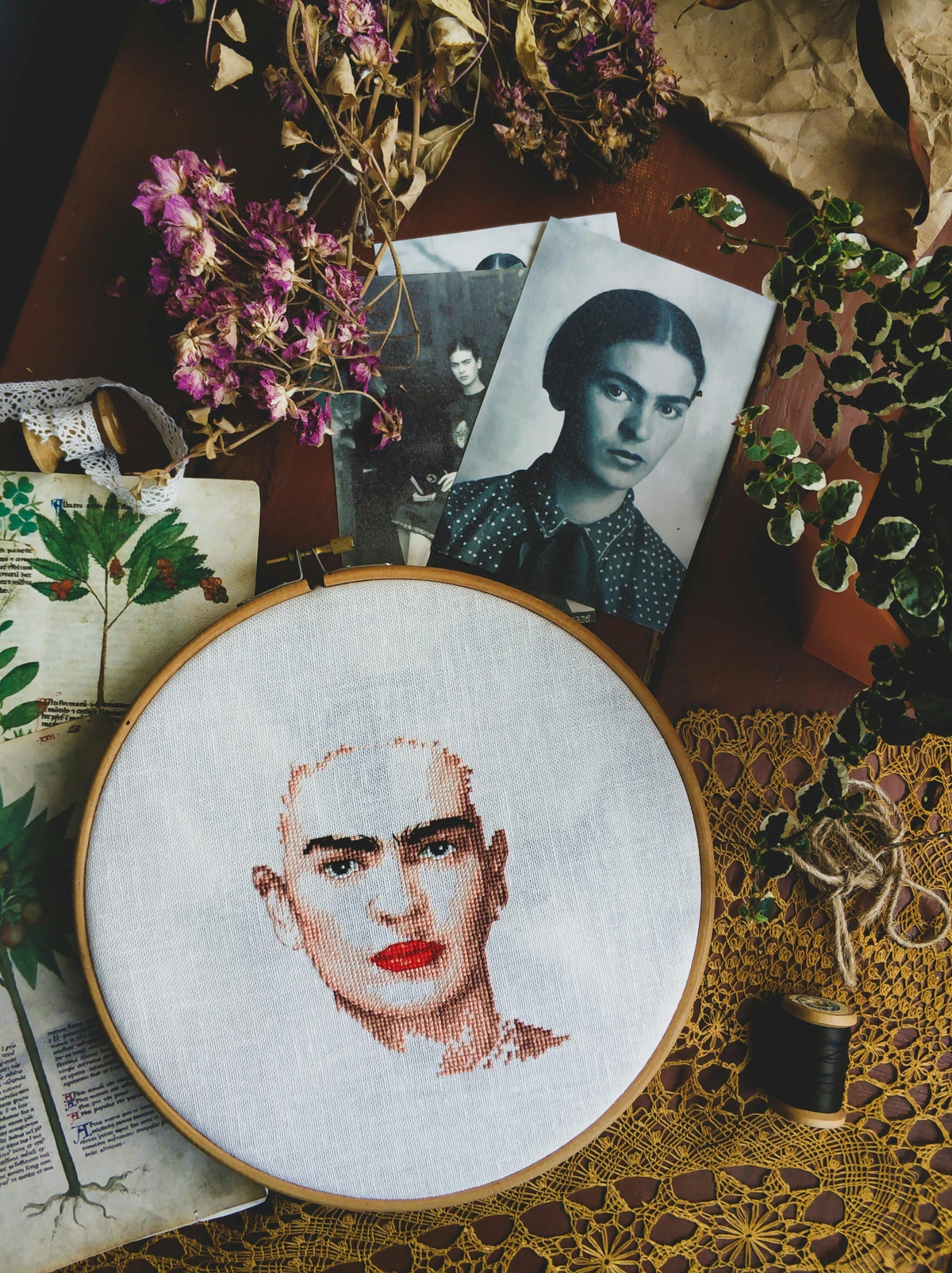
How did their collaborations evolve over decades?
The evolution of artistic collaborations within couples over decades is a truly fascinating study, often mirroring the arc of their personal relationships. Initial collaborations might be intensely symbiotic, with boundaries blurring, as seen with early Abramović and Ulay works. Over time, as individual voices mature and paths diverge, the collaboration might become more indirect, manifesting as mutual influence, critique, or a shared intellectual dialogue, as with many Abstract Expressionist couples. For some, like Christo and Jeanne-Claude, their collaborative process remained remarkably consistent throughout their long careers, driven by an unwavering shared vision for monumental public art. Others might see periods of intense joint projects interspersed with periods of individual focus, reflecting shifts in personal dynamics or artistic interests. The ability of a couple to sustain and evolve their artistic partnership through different phases of life, career, and personal growth speaks volumes about their resilience, adaptability, and enduring mutual respect. It's rarely static; it's a living, breathing process, reflecting the ongoing dialogue between two creative souls.
What artistic movements were most fertile for these kinds of intense partnerships?
Certain artistic movements, due to their inherent philosophies or social contexts, proved particularly fertile ground for the emergence of intense artist power couples. Surrealism, with its emphasis on the subconscious, dreams, and challenging societal norms, fostered many unconventional and passionate pairings like Max Ernst and Dorothea Tanning, or Leonora Carrington and Max Ernst. The collective spirit of Dada in early 20th-century Europe, driven by anti-establishment ideals, also saw the rise of co-conspirators like Hannah Höch and Raoul Hausmann. Abstract Expressionism in post-war New York, a movement defined by intense emotional expression and radical individualism, paradoxically nurtured several influential couples, including Lee Krasner and Jackson Pollock, and Elaine and Willem de Kooning, whose shared struggles and breakthroughs defined the era. More recently, Performance Art and Conceptual Art, which often blur the lines between art and life, naturally led to iconic collaborative duos like Marina Abramović and Ulay, and Gilbert & George. These movements often provided not just a shared aesthetic, but a common ideological crucible that forged both personal and artistic bonds of extraordinary intensity.
How did critical reception of one partner's work impact the other?
Critical reception, especially when divergent, could create immense pressure and complex dynamics within artist couples. If one partner achieved critical acclaim or commercial success while the other struggled, it could lead to feelings of resentment, inadequacy, or being overshadowed, particularly for women artists in patriarchal systems. Lee Krasner, for instance, experienced decades of being primarily defined as "Mrs. Jackson Pollock," despite her formidable talent and independent contributions, a critical oversight that deeply affected her career trajectory. Conversely, shared critical success could reinforce a couple's bond, creating a united front against detractors or a shared celebration of their achievements. Sometimes, a more critically astute partner might even provide crucial intellectual and theoretical frameworks for the other's work, helping to shape its reception. However, the external gaze of critics and the market often amplified existing insecurities or power imbalances, forcing couples to navigate the delicate interplay between individual recognition and shared identity in the public eye. It's a reminder that the art world's judgments extend beyond the canvas, seeping into the most personal aspects of artists' lives.
What is the ultimate lesson from studying these artist couples?
For me, the ultimate lesson from studying these artist couples is the profound, undeniable truth that creativity and connection are inextricably intertwined. There's no single formula for success or harmony, but the stories of these duos consistently highlight that the deepest human relationships, in all their messy glory, can be the most potent ingredients for artistic alchemy. They teach us about resilience in the face of adversity, the power of mutual support, the challenges of ego, and the endless ways love can transform not just lives, but entire artistic movements. These partnerships are a testament to vulnerability, passion, and the courage to share one's inner world with another, translating that intimacy into works that resonate across generations. They force us to look beyond the individual genius and appreciate the intricate web of human interaction that truly fuels groundbreaking art. It's a humbling and inspiring reminder that even in the most solitary act of creation, we are rarely truly alone.
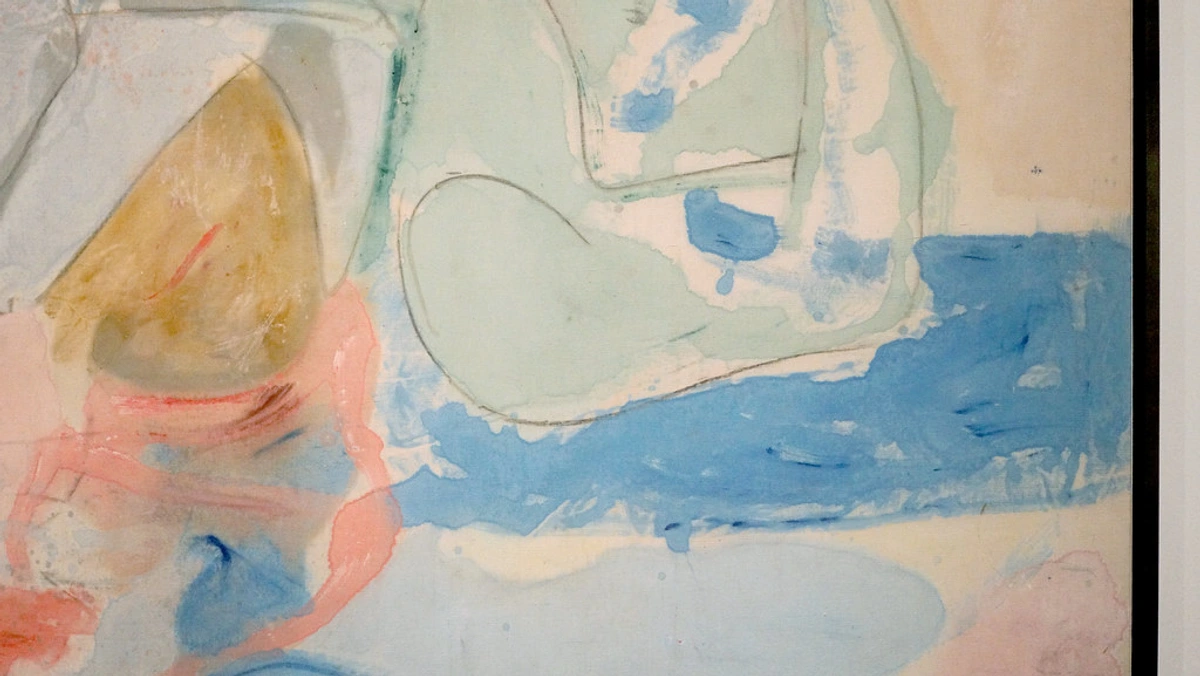



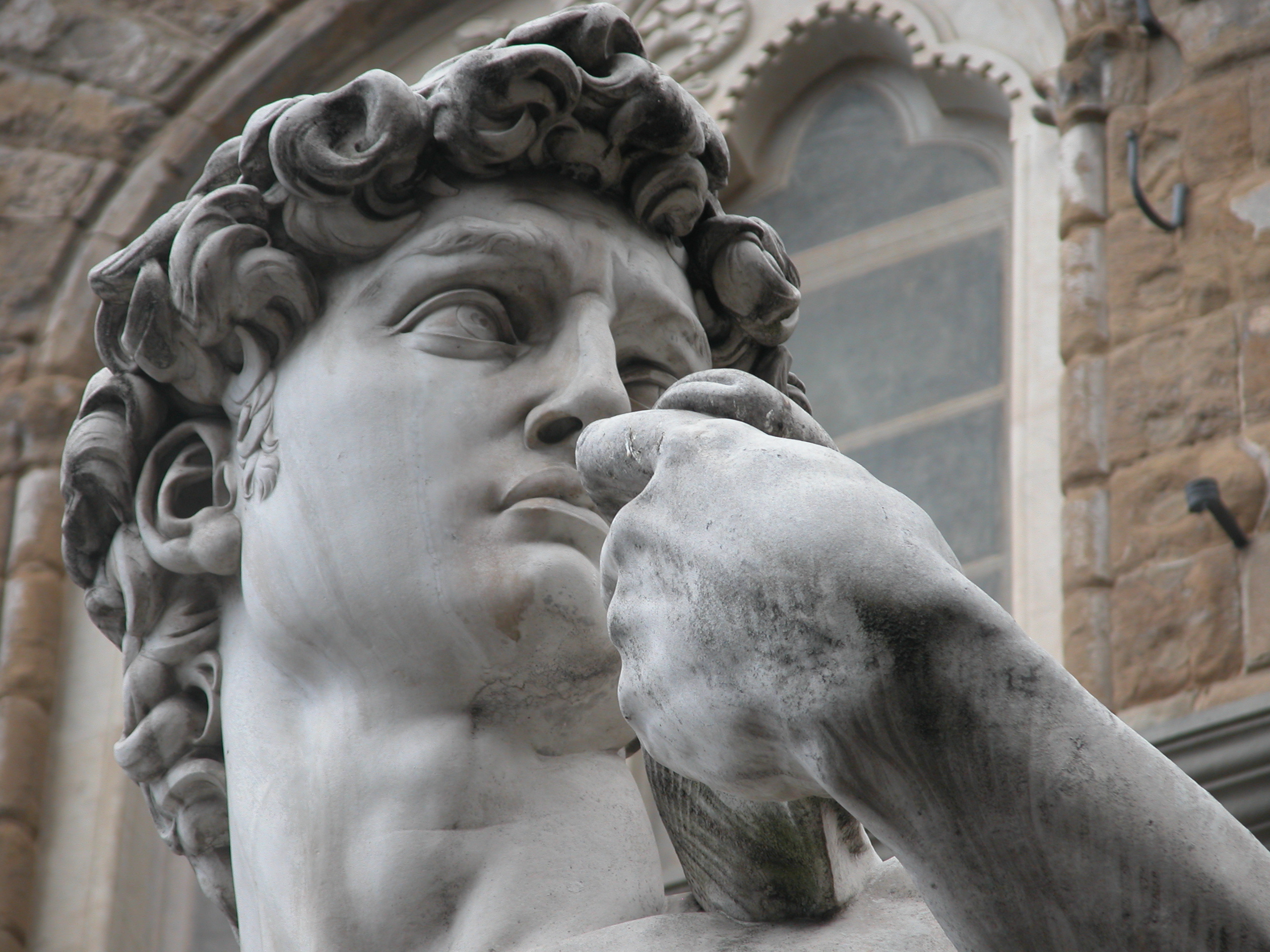










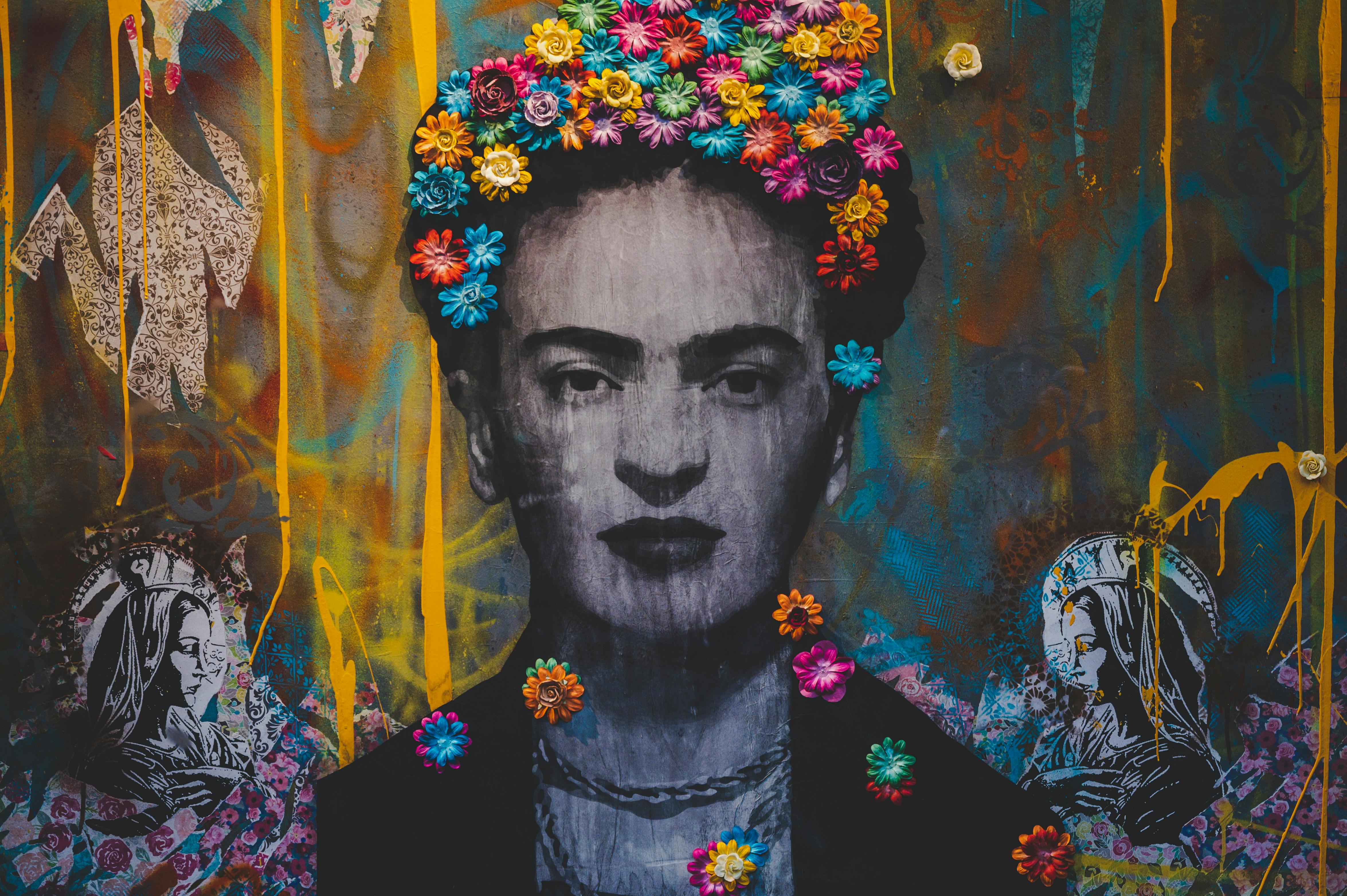


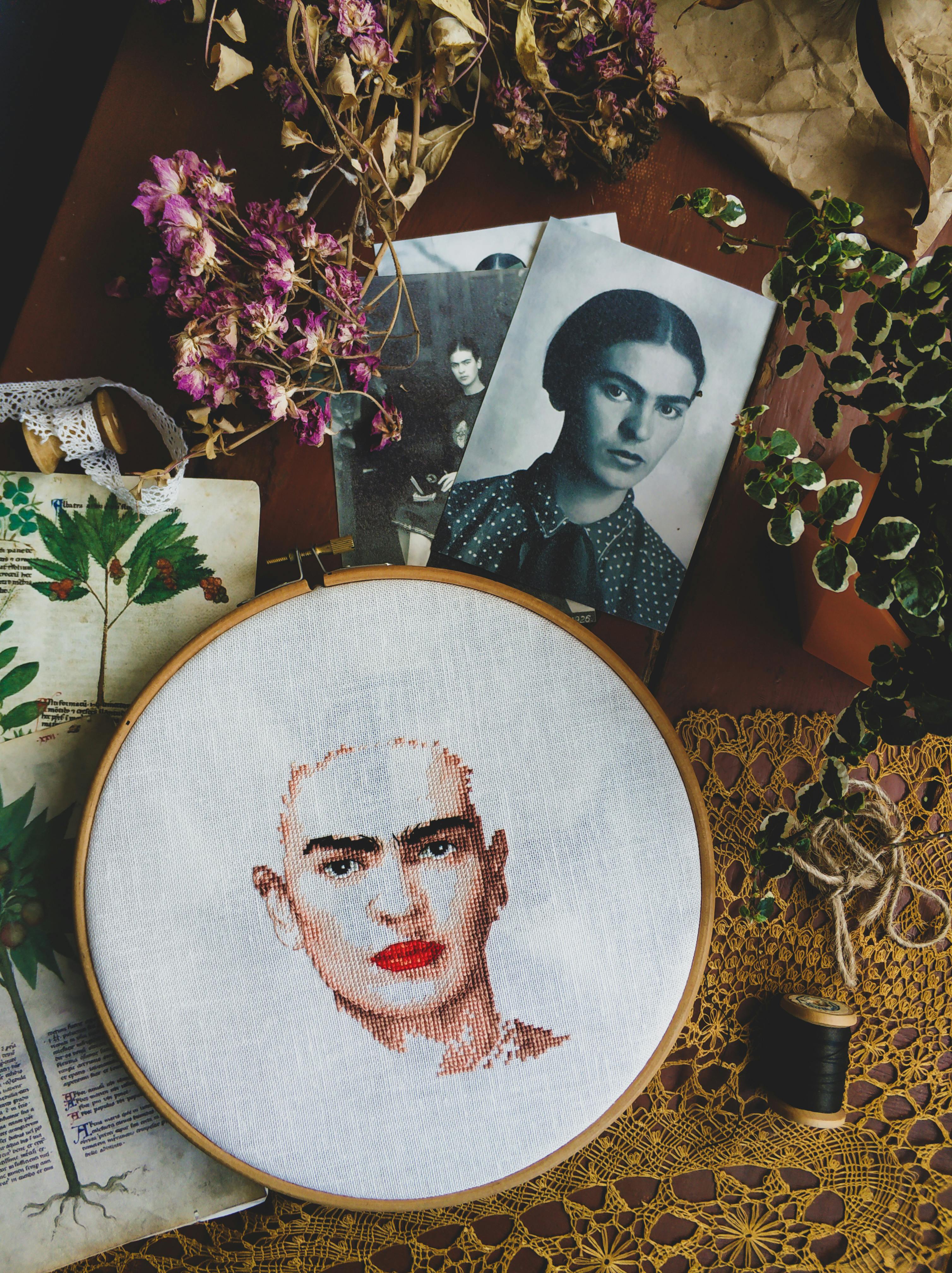

How can aspiring artist couples learn from these historical examples?
Aspiring artist couples can learn an immense amount from these historical examples, not by seeking to replicate their paths, but by understanding the universal dynamics at play. Firstly, recognize the importance of mutual respect and genuine appreciation for each other's distinct artistic visions, even if they diverge wildly. Secondly, cultivate open and honest communication, especially around issues of ego, competition, and shared resources. Third, actively work to create a supportive ecosystem – whether that's a shared studio, a network of friends, or a clear division of domestic labor that frees both partners to create. Fourth, be prepared for the inevitable challenges – personal, professional, and financial – and develop strategies for navigating them as a united front. Finally, understand that your shared life itself is a form of art; document it, reflect on it, and allow its complexities to inform your creative practice. The goal isn't to avoid friction, but to learn how to transform that friction into fuel. These stories are a rich guide, not a strict blueprint, offering insights into how love, ambition, and creative passion can converge to forge something truly extraordinary.
What about polyamorous or unconventional artistic relationships?
This is a fascinating and increasingly explored area! While historical records are often biased towards heteronormative and monogamous relationships, unconventional unions have always existed, and in the art world, they sometimes fueled radical creativity. Think of the Bloomsbury Group in early 20th-century England, where fluid relationships and intellectual exchange were central to their artistic output, involving figures like Vanessa Bell and Duncan Grant. In more contemporary contexts, there are performance collectives and artistic communities where the lines between romantic and creative partnerships are intentionally blurred or expanded, challenging traditional notions of family and collaboration. These relationships, often characterized by a shared commitment to radical ideas and unconventional lifestyles, offer rich ground for understanding how love, intimacy, and multiple connections can shape groundbreaking art. They force us to reconsider our narrow definitions of partnership and recognize the diverse ways artists find connection and inspiration.