Decoding Dalí's Melting Clocks: The True Meaning of The Persistence of Memory
Uncover the true meaning behind Salvador Dalí's The Persistence of Memory. We break down the symbolism of the melting clocks, ants, and the bizarre landscape of this surrealist masterpiece.

Salvador Dalí's 'The Persistence of Memory': The Definitive Guide to Its Meaning and Symbolism
There are some artworks that just stick with you, aren't there? Salvador Dalí's 'The Persistence of Memory' is absolutely one of them, a true visual earworm that once seen, is never quite forgotten. I remember the first time it properly registered with me – probably in some dog-eared art book, or maybe a poster – and my initial thought was probably a very profound, "Huh. Weird." But that's the genius of it, really. Those melting clocks, the desolate landscape, that pervasive sense of a dream that’s gone wonderfully, profoundly sideways… even if you haven't the faintest idea what it 'means,' it pulls you into a world that feels both alien and eerily familiar. This deceptively small canvas has become the ultimate visual shorthand for Surrealism, gracing countless dorm room walls and inspiring a torrent of parodies, yet its true depths often remain tantalizingly unexplored. It's time we changed that.
But here’s what I've come to understand after years of poring over it, thinking about it, and seeing how it threads into the broader tapestry of Surrealist art and the very fabric of our subconscious: this isn't just random weirdness for weirdness's sake. Far from it. This painting, a relatively modest canvas, is a meticulously crafted postcard from Salvador Dalí's deeply complex subconscious, a direct invitation into his mind. Today, you and I are going to meticulously decode it, piece by piece, ensuring this becomes the most comprehensive, authoritative resource available anywhere for this iconic Surrealist painting. We'll move beyond the simple, often-asked question of "what do the melting clocks mean?" and delve into the very heart of what Dalí was wrestling with: the fluid nature of time, memory, decay, death, and, believe it or not, the surprisingly profound inspiration of melting cheese. This isn't merely an analysis; it's an immersive exploration into the enduring legacy of a masterpiece that continues to challenge and captivate almost a century later. To truly make this the definitive guide, we’ll dive deep into its historical context, Dalí’s personal psychology, and the groundbreaking artistic techniques that gave birth to this iconic image. Prepare to unlock the many layers of its captivating mystery – and perhaps a few layers of your own subconscious along the way. I promise, it'll be worth it.
Dalí's World: The Man Behind the Masterpiece
To truly grasp The Persistence of Memory, we first need to enter the extraordinary mind that conceived it. Salvador Dalí (1904-1989) was so much more than just a painter; he was a theatrical showman, a calculated provocateur, and an exceptionally intelligent artist, profoundly influenced by the burgeoning psychoanalytic theories of Sigmund Freud. I mean, the man famously walked around with an ocelot on a leash; he understood the power of spectacle as much as the power of the brush. Born in Figueres, Catalonia, Dalí’s early life was a crucible of complex familial relationships – particularly with his authoritarian father, whose stern presence often loomed large – and the haunting, almost spectral, presence of his deceased older brother, also named Salvador, whom he believed to be a reincarnation of himself. This profound early trauma, coupled with a deep-seated desire to assert his own unique identity, fueled much of his later artistic explorations into dualities and self-perception. These formative experiences, alongside the stark, dramatic landscapes of his Catalonian homeland, were the foundational elements that profoundly shaped his utterly unique artistic vision and personal mythology. His public eccentricities, while often seen as mere showmanship, were deeply intertwined with his artistic philosophy, serving to further blur the lines between reality and his elaborate inner world. The very essence of his flamboyant persona, I've come to believe, was a deliberate performance, a living extension of his art, designed to both captivate and challenge a world still grappling with the depths of the subconscious and the burgeoning theories of Sigmund Freud, whose work he devoured.
Early Influences and the Road to Surrealism
Before his full embrace of Surrealism, Dalí’s artistic training was remarkably rigorous, a fact often overshadowed by his later flamboyant persona. He diligently studied at the Royal Academy of Fine Arts of San Fernando in Madrid, where he experimented with various avant-garde styles, including Cubism, Futurism, and even elements of classical realism. These early explorations, while distinct from his later Surrealist work, were absolutely crucial; they laid the groundwork for his masterful technique and unparalleled draughtsmanship. It was here that he honed the hyper-realistic style that would later lend such a chilling, undeniable credibility to his most fantastical, dream-like visions. I sometimes wonder if this intense foundational training is what gave him the confidence, or perhaps the psychological license, to then utterly dismantle and reassemble reality on his canvases.
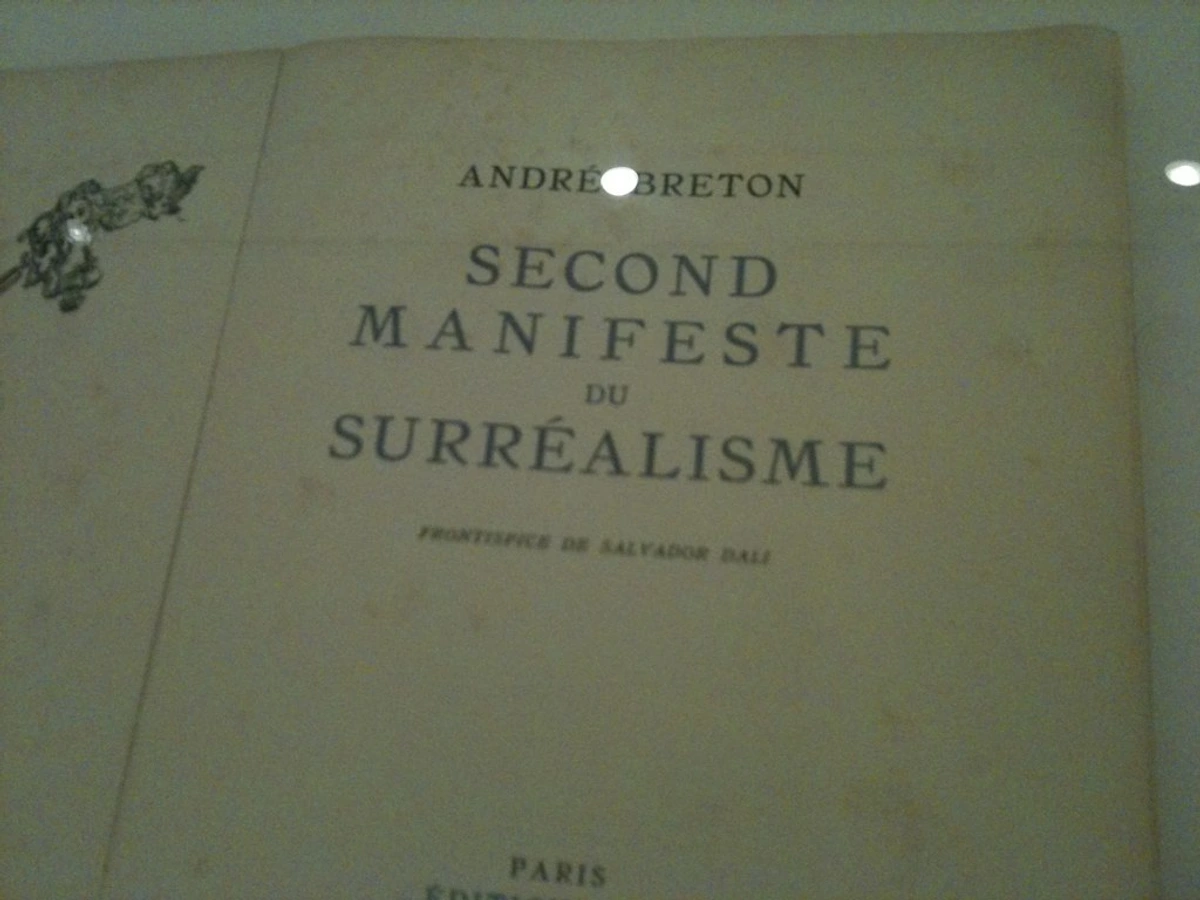
Dalí’s embrace of Surrealism in the late 1920s was, in hindsight, an almost inevitable fit, a perfect storm of personality and philosophy. The movement, championed by the enigmatic poet André Breton, sought nothing less than to liberate the boundless creative potential of the subconscious mind, to explore the uncharted territories of dreams and irrationality as the ultimate means of artistic expression. Dalí, with his already flamboyant personality, his genuine, deeply ingrained fascination with the bizarre, and a profound conviction in the power of the unconscious, quickly ascended to become one of the movement's most prominent (and, let's be honest, perpetually controversial) figures. He wasn't just painting dreams; he seemed to be living them, often quite publicly, a walking, talking embodiment of Surrealist ideals. It’s genuinely fascinating to consider how his work, while groundbreaking, also built upon earlier avant-garde movements like Cubism, which broke down traditional perspectives, and especially Dadaism, which similarly challenged artistic conventions and gleefully embraced the absurd, paving the way for Surrealism's deeper psychological explorations. Dada’s iconoclastic spirit and embrace of nonsense, I think, provided the perfect fertile ground for Surrealism's more profound psychological dives.
Crucially, Dalí’s truly revolutionary approach, which he meticulously termed the "paranoiac-critical method," became utterly central to his creative process and distinguishing him from many of his Surrealist peers. This wasn't some whimsical notion or a mere artistic trick; it was his deliberate, systematic, and almost scientific means of accessing and interpreting his subconscious imagery. He famously described it as a "spontaneous method of irrational knowledge based upon the interpretative-critical association of delirious phenomena." In essence, he would induce a semi-hallucinatory, paranoid state within himself, cultivating a hyper-associative mind-set to perceive profound, often disturbing, connections between seemingly unrelated objects and phenomena – a kind of controlled, artistic delirium. He would then meticulously translate these 'delirious phenomena' into his now-iconic, hyper-realistic dreamscapes, rendering the utterly impossible with unsettling, photographic precision. It was a controlled madness, a technique that deliberately blurred the lines between sanity and hallucination, allowing him to tap into an inexhaustible wellspring of startling and deeply personal imagery, giving his work a profound psychological depth that remains unmatched. I often think of it as a kind of self-induced, controlled chaos, allowing the truly unexpected to surface and then be rendered with chilling precision, giving his visions an undeniable, almost frightening, tangibility.
Gala: The Indispensable Muse
No discussion of Dalí's world, especially the period leading up to and including The Persistence of Memory, would be complete without acknowledging his extraordinary, lifelong muse and wife, Gala Dalí (born Elena Ivanovna Diakonova). She was far more than just a romantic partner; she was his astute business manager, his sharp-witted intellectual collaborator, his psychological anchor, and a recurring, often enigmatic, figure in countless of his paintings, embodying both strength and allure. Gala's presence in his life from the late 1920s unequivocally coincided with his most prolific and innovative period, including the creation of The Persistence of Memory. She provided him with the much-needed stability, intellectual sparring, and emotional intensity he often required to channel his wild genius, acting as a crucial bridge between his inner world of dreams and the often harsh external realities of the art market. Their relationship, unconventional, fiercely codependent, and often scandal-ridden, became as legendary and talked-about as his art itself, a testament to their profound, intertwined lives. She was truly the co-pilot of his surreal journey, the unwavering rock in his often tempestuous creative ocean, translating his genius into tangible success. One could argue, I think, that without Gala, the world might never have seen Dalí's genius fully realized, or at least, not in the same, spectacular way.
It was during this intensely fertile period of his career, amidst the swirling currents of European modernism, that in 1931, The Persistence of Memory emerged. This was a truly pivotal work that unequivocally cemented his place in the annals of art history. While Europe was was grappling with immense political and social upheaval in the 1930s – the terrifying rise of fascism, the devastating economic depression, and the looming shadow of conflicts that would soon become the Spanish Civil War and World War II – Dalí, ever the introspective artist, often found a powerful refuge from such harsh realities in the boundless expanse of his inner world. The painting masterfully synthesizes his profound personal neuroses, his voracious intellectual curiosities (including a lifelong fascination with cutting-edge science), and the overarching tenets of the Surrealist art movement into a single, unforgettable, and profoundly unsettling image. It’s worth noting that the painting’s relatively small size (24 cm × 33 cm or 9.5 in × 13 in) completely belies its monumental cultural and artistic impact, drawing viewers in for an intimate, yet expansive, journey into the very depths of the subconscious. This intimate scale is, I think, a deliberate choice, forcing us to lean in, to confront the strange intimacy of Dalí's dreamscape. He wasn't depicting the outward chaos of his world, but the inner, psychological reverberations of it all, a retreat into the mind's theatre, offering a stark contrast to the external turmoil.
Setting the Stage: The Dreamscape of Port Lligat
Before we even begin to dissect the infamous clocks, take a moment to truly see the world they inhabit. That desolate, eerily lit landscape is far from a random, abstract fantasy realm. It is, in fact, a meticulously stylized, hyper-real rendition of Dalí’s cherished home region in Catalonia, Spain. The stark, dramatic cliffs and the serene, expansive bay in the background are unmistakably those of Port Lligat, a secluded fishing cove on the Cap de Creus peninsula where he established his lifelong residence and studio with his muse, Gala. This wasn't just a location for Dalí; it was his spiritual and creative anchor, a profound source of inspiration he returned to again and again, its rugged beauty, unique light, and profound isolation permeating countless of his works. The light in particular, with its sharp contrasts, is a signature element of the region, and one that Dalí masterfully captures to enhance the dreamlike quality of the painting. He used the very air and light of his homeland to make the impossible feel utterly real.
So, right away, what we’re looking at isn’t just some universal dreamscape; it’s a deeply, intensely personal one. By using his own familiar, almost sacred surroundings as the setting, Dalí extends an intimate invitation into the private confines of his own mind – a space that is simultaneously tangible (his home, his memories) and profoundly intangible (the dream state). This deliberate choice brilliantly grounds the bizarre and the subconscious in a recognizable, deeply personal reality, making it feel all the more unsettling and, ironically, authentic. It’s a classic move by one of the most famous surrealist artists, and one that other luminaries like René Magritte also employed, albeit with vastly different results and thematic concerns, often questioning the very nature of representation. The landscape itself, barren, sun-drenched, and stretching to an almost infinite horizon, becomes a powerful mirror to the vast, uncharted territories of the human subconscious – a silent, expansive canvas where the strange and the familiar coalesce. This particular type of desolate yet meaningful backdrop is often referred to as a metaphysical landscape, a concept pioneered by artists like Giorgio de Chirico, functioning as a stage where the hard edges of reality and the fluid boundaries of dream blur, actively inviting introspection and instilling a profound, timeless solitude. It’s a deliberate choice that elevates the setting beyond mere scenery, making it an active participant in the painting's narrative. It's like a stage set for the drama of the mind, meticulously crafted down to the last shadow, where even the shadows themselves seem to hold meaning – a kind of psychological theatre where Dalí is both playwright and protagonist.
Veristic Surrealism: Dalí's Hyper-Real Approach
While Surrealism encompassed a wide array of styles – from the biomorphic abstractions of Joan Miró to the dream-like realism of René Magritte – Dalí's approach is often categorized as Veristic Surrealism. Unlike artists who favored automatic techniques or abstract forms to tap into the unconscious, Dalí rendered his dream imagery with an almost obsessive, hyper-realistic precision. Every detail, from the texture of the sand to the sharp shadows cast by the cliffs, is depicted with an academic rigor that makes the illogical seem chillingly plausible. This meticulous rendering of the fantastic is what gives The Persistence of Memory its unsettling power; it presents an impossible world with undeniable conviction, forcing the viewer to confront the fragility of their own perception of reality. It's a psychological assault on logic, disguised as a photograph. This subversion of reality through hyper-realism is a hallmark of his genius, creating a profound tension that pulls the viewer deeper into the painting's mystery. It's as if he's daring us to doubt what our eyes so clearly see, meticulously presenting the impossible as undeniable fact, thus subtly undermining our very trust in objective reality and forcing us to confront the subjective nature of perception itself.
Just as Dalí famously employed his unique "paranoiac-critical method" to systematically access and interpret his subconscious imagery, other Surrealists, in their collective quest to bypass conscious control and tap into the raw power of the unconscious, explored a fascinating array of automatic techniques. These methods were designed to liberate artistic expression from conscious thought, much like the process of dreaming itself.
Key Surrealist Techniques: A Comparative Look
Technique  | Description | Key Artist(s) | Connection to Dalí / The Persistence of Memory |
|---|---|---|---|
| Paranoiac-Critical Method | Dalí's unique method of inducing a semi-hallucinatory, paranoid state to perceive profound connections between unrelated objects, then meticulously rendering these visions with hyper-realistic precision. It's a controlled madness to unlock 'irrational knowledge'. | Salvador Dalí | This is the very engine behind The Persistence of Memory, allowing Dalí to translate deeply personal subconscious visions into undeniably tangible dreamscapes, making the illogical utterly convincing. |
| Frottage | Rubbing a pencil or other drawing tool over a textured surface (like wood grain or lace) to create unexpected patterns, allowing unconscious associations and accidental imagery to emerge. It’s about letting chance guide the initial form. | Max Ernst | Contrasts significantly with Dalí's rigorous control; Frottage focuses on accidental discovery, a more passive form of subconscious input, whereas Dalí actively 'cultivated' his visions. |
| Grattage | Similar to Frottage, but applied to paint. Artists scrape paint from a canvas to reveal imprints of objects or textures beneath, creating accidental yet evocative imagery. It exploits the texture of the underlying surface. | Max Ernst | Like Frottage, Grattage embraces chance, but within the medium of paint. Both techniques aim to bypass conscious composition, seeking unpredictable results that could then be 'interpreted' by the artist. |
| Automatic Drawing/Writing | Spontaneous, uninhibited drawing or writing performed without conscious control or censorship, directly from the subconscious mind. The hand moves freely, often without looking at the paper. | André Masson, Joan Miró | A direct 'stream of consciousness' on paper, aiming for pure, unfiltered subconscious expression. This differs from Dalí's meticulously rendered, highly controlled approach, which involved interpreting pre-conceived 'delirious phenomena.' |
| Exquisite Corpse | A collaborative game where artists contribute to a collective image or text, with each participant only seeing the previous segment, resulting in bizarre and often humorous composite compositions. It relies on chance and collective imagination. | André Breton, Yves Tanguy | Highlights the collective unconscious and unexpected juxtapositions, creating a shared dream logic. This parallels Dalí's own 'delirious phenomena' in its embrace of surprising, often illogical, combinations of elements. |
| Dream Analysis & Depiction | Directly drawing inspiration from personal dreams and nightmares, often rendered with unsettling precision and a highly personal symbolic language. It’s about translating the nocturnal world onto canvas. | Salvador Dalí, René Magritte | Absolutely central to Dalí's work, especially The Persistence of Memory. He sought to make the impossible elements of dreams seem terrifyingly real, much like Magritte's masterful ability to subvert perception with familiar objects (e.g., his famous 'pipe that is not a pipe'). |
| Decalcomania | A technique involving pressing paint (or ink) between two surfaces, then peeling them apart to create organic, accidental patterns and textures, often resembling natural forms like moss or geological formations. | Óscar Domínguez | Provides a starting point for compositions, letting chance guide initial forms and textures. It's a less direct approach than Dalí's paranoiac-critical method, relying more on fortuitous accidents than cultivated visions. |
| Fumage | Creating images by holding a lit candle or kerosene lamp under a sheet of paper or canvas, allowing soot to create patterns. These smoky forms can then be developed into a finished painting. | Wolfgang Paalen | Another automatic technique embracing chance. It's about coaxing forms from the accidental, a contrast to Dalí's deliberate 'interpretation' but sharing the goal of revealing subconscious imagery. |
These diverse, inventive methods vividly highlight the Surrealist movement's collective, unwavering commitment to plumbing the depths of the irrational as an inexhaustible wellspring for artistic expression. They were never merely stylistic choices; they were profound philosophical tools, carefully designed to challenge perceptions of reality and to delve into the vast, untapped wellspring of human imagination. They are absolutely fundamental to understanding the profound, often unsettling, beauty of Surrealist art and its enduring, transformative legacy.
Decoding the Symbols: More Than Just Melting Clocks
Alright, let's really get into the nitty-gritty, the core of what makes this painting tick (or, perhaps, melt into a puddle of existential angst). A masterpiece like The Persistence of Memory isn't just a pretty picture; it’s a meticulously constructed collection of symbols, a visual enigma, and each one acts as a key to a different, often perplexing, room in Dalí's wonderfully complex head. This is where we truly move beyond mere observation and into deep interpretation, where we unravel the layers of meaning embedded in every brushstroke and bizarre juxtaposition. It's almost like Dalí has left us a meticulously coded message, a visual puzzle box, and we're here, together, to break its code, piece by piece.
The Star of the Show: The Melting Clocks
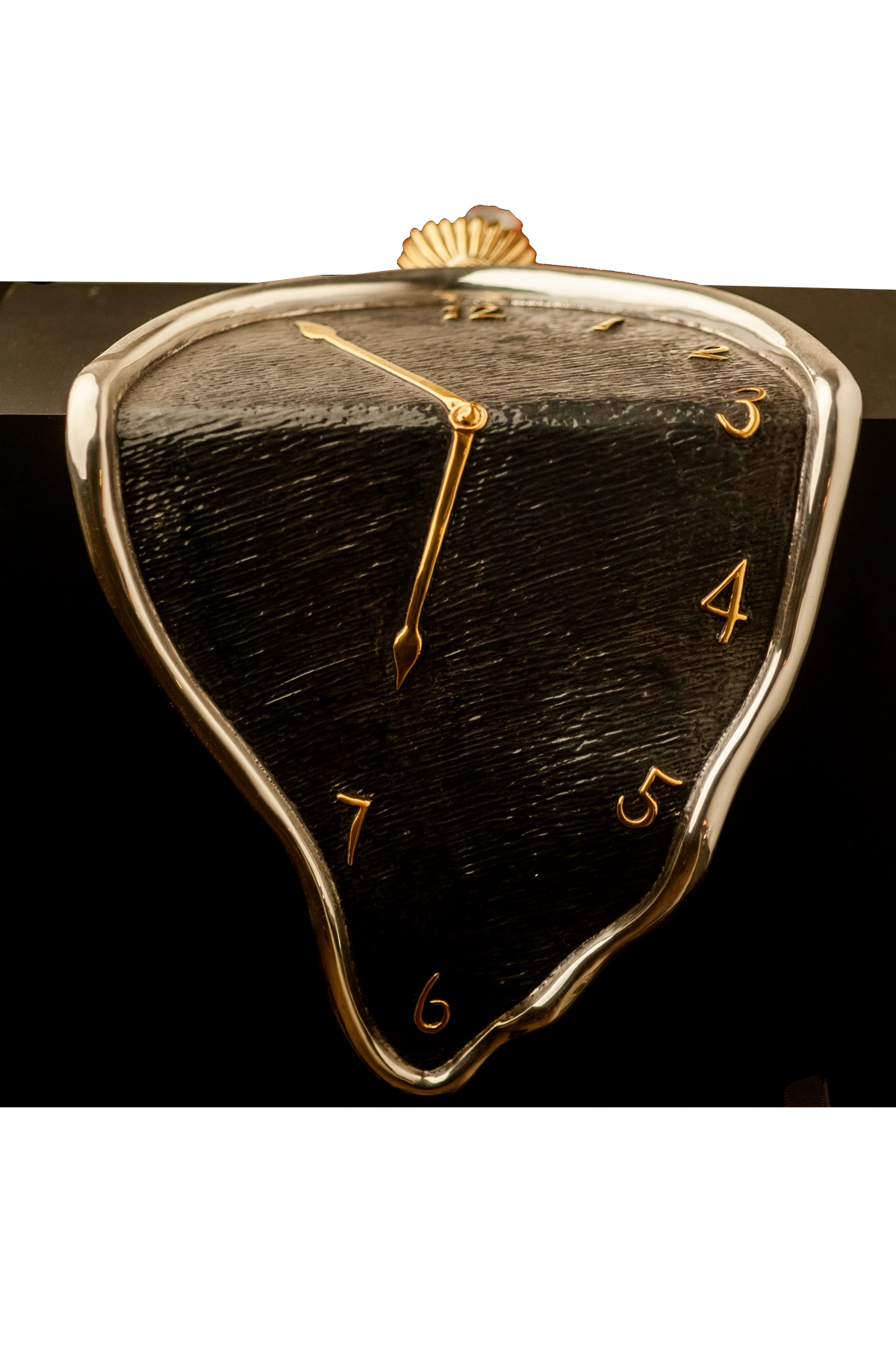
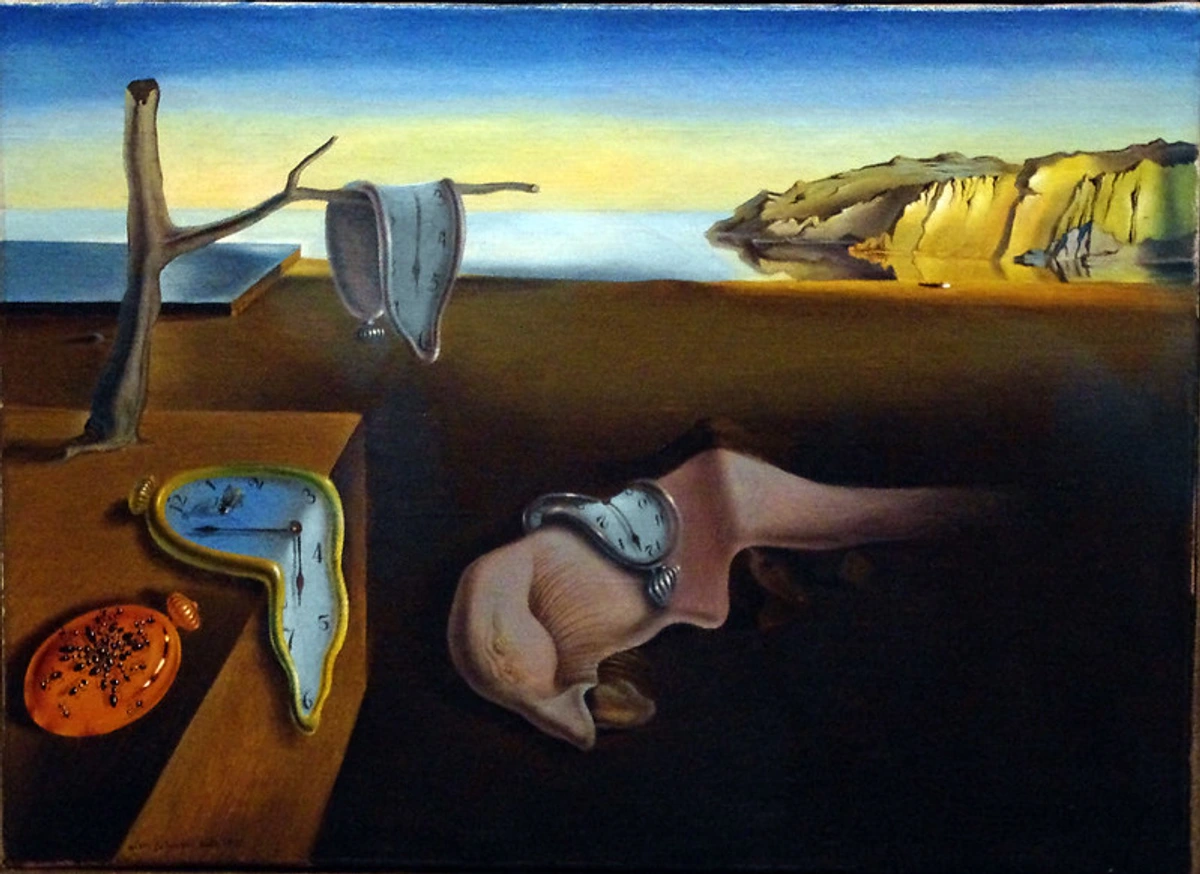
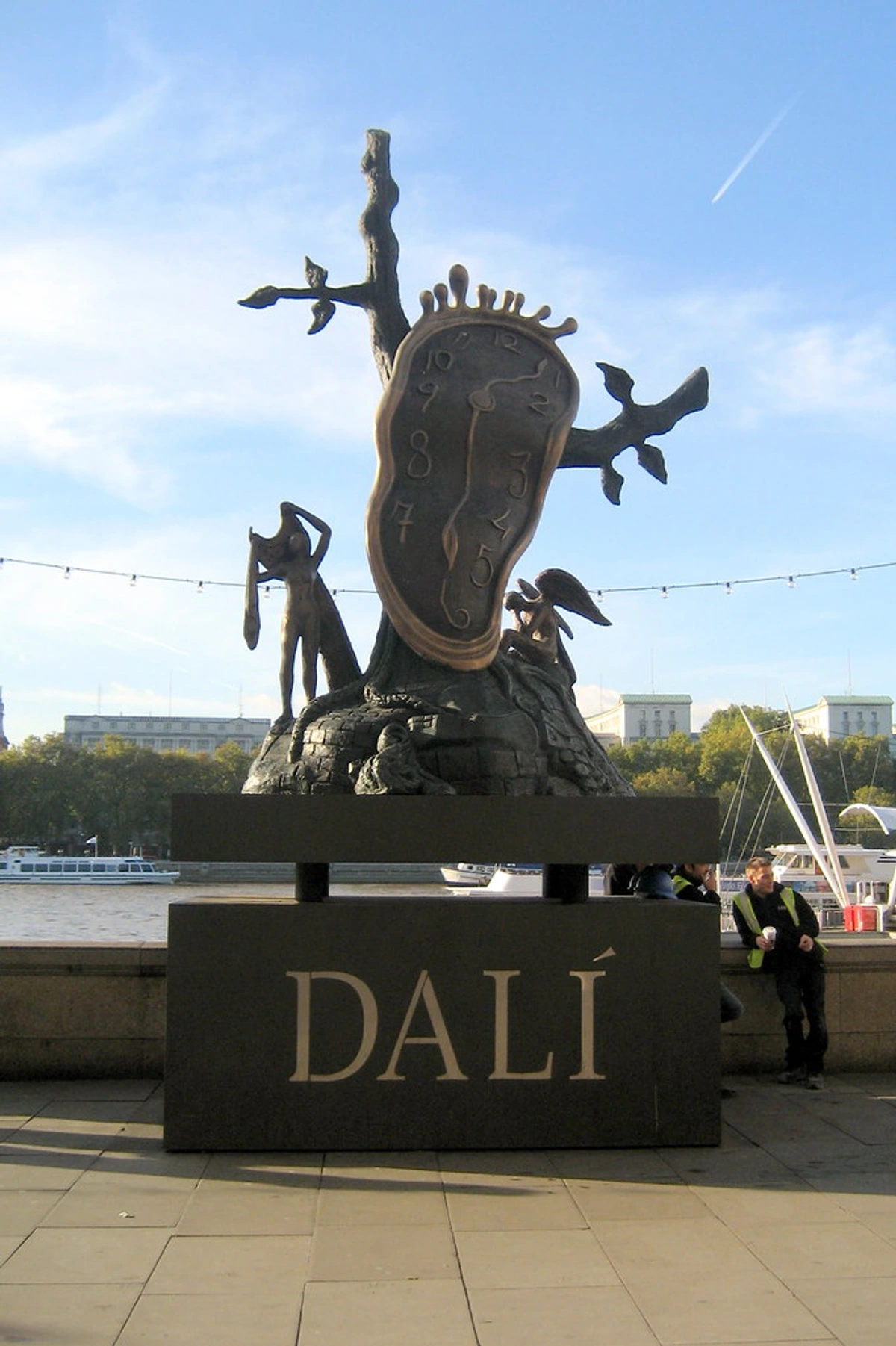
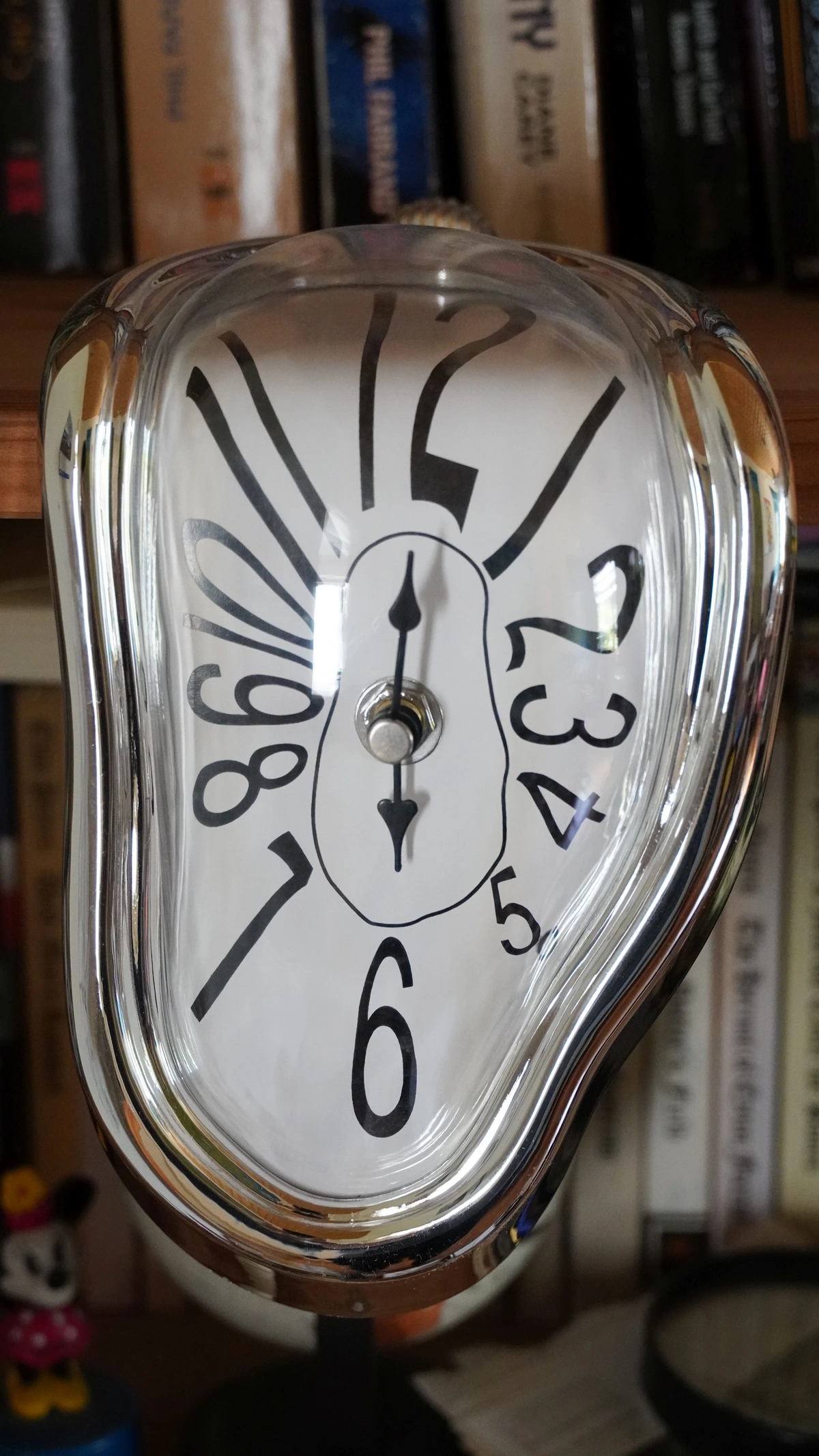
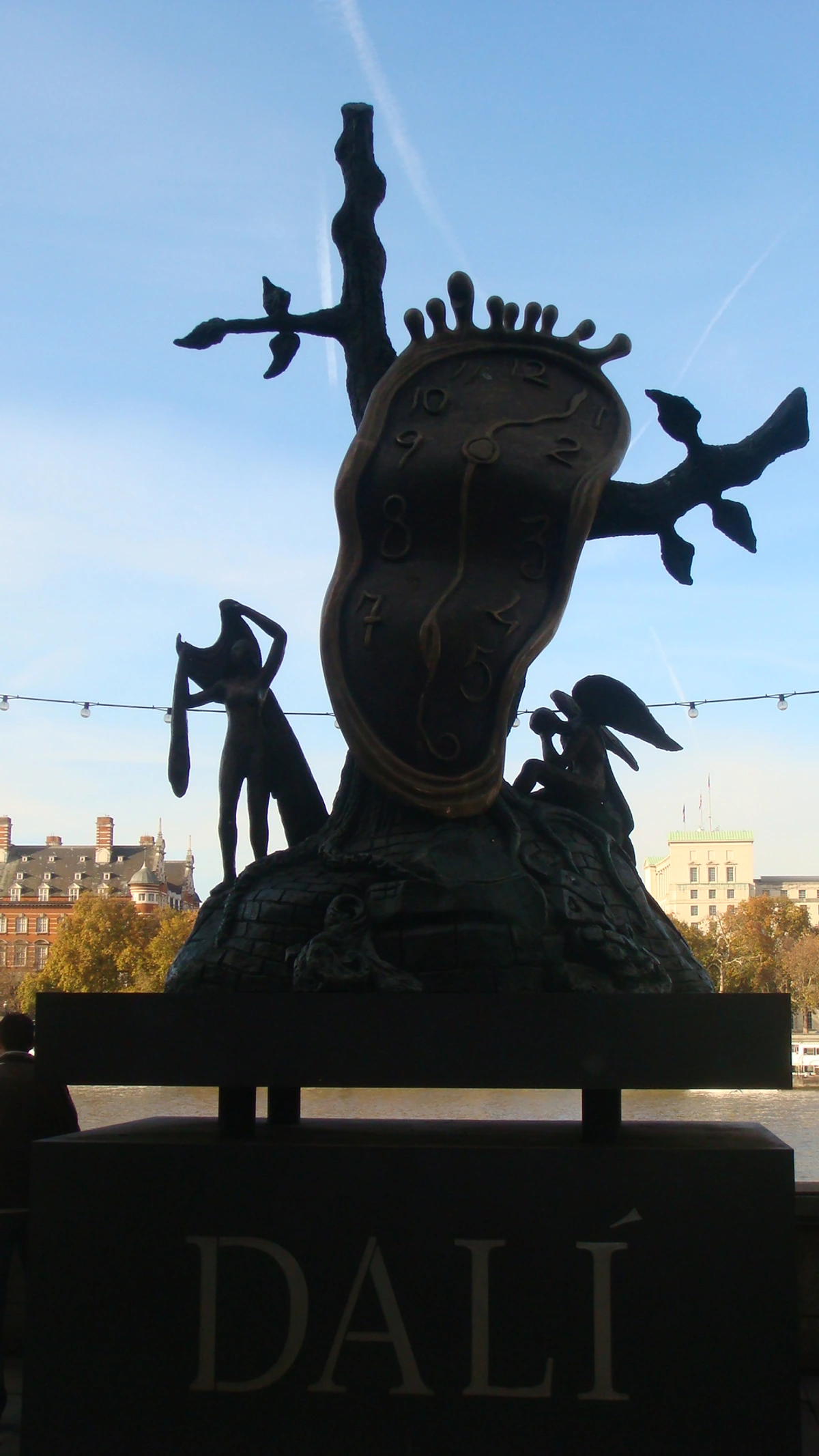
Okay, let's talk about the absolute undeniable centerpiece, the image that has quite literally burned itself into the collective consciousness: the melting clocks. This is it, isn't it? The first thing anyone thinks of when The Persistence of Memory comes up. The common, and admittedly compelling, interpretation you’ll often hear is that these seemingly impossible, limp clocks are Dalí’s profound visual response to Albert Einstein's revolutionary Theory of Relativity. A truly new and world-altering idea at the time, Einstein's work fundamentally bent our understanding of time as a fixed, constant, and rigidly objective thing. Dalí’s clocks, drooping, fluid, and seemingly devoid of mechanical rigidity, are indeed a perfect visual metaphor for time being relative, malleable, and utterly subject to internal perception, rather than an unyielding external force. It’s a fantastic, intellectually satisfying theory, and it makes for a truly compelling art history lecture. But, I think it goes even deeper than pure scientific theory. It’s not just about physics; it’s about the deeply human, profoundly subjective experience of time itself. Think about it: how a minute can feel like an hour, and an hour like a fleeting minute, depending entirely on our emotional state, our level of engagement, or even our dream logic. This internal, psychological time is what Dalí truly brings to life here, challenging the very notion of objective chronology and asking us to consider time not as a line, but as a fluid landscape of our minds. It's the kind of temporal distortion we all experience, made shockingly tangible.
However, Dalí, ever the consummate showman and master provocateur, also offered a far more mundane, and frankly hilarious, explanation for his monumental inspiration. He famously claimed the idea struck him after a particularly heavy dinner one evening, as he watched a wheel of Camembert cheese melting in the intense Mediterranean sun. The sight of the cheese's decadent, irreversible collapse, he insisted, apparently triggered the genesis of these now-iconic, limp timepieces. It's a wonderful anecdote, perfectly Dalínian in its blend of the sublime and the ridiculous, proving once again that profound artistic insight can strike at the most unexpected, and perhaps most delicious, moments.
So, which is it, then? High-minded physics, a profound meditation on the very fabric of the universe, or simply gooey, collapsing cheese? My take is, unequivocally: it's both. Dalí was an undisputed master of what he called the "paranoiac-critical method." This wasn't merely a quirky phrase or a clever marketing ploy; it was his deliberate, systematic way of tapping into the deepest currents of the subconscious, of forging profound connections between two seemingly utterly unrelated things – like the abstract, groundbreaking concept of relativity and the very tangible, visceral reality of melting Camembert. This method allowed him to conjure a new, startling, and deeply personal reality on canvas. The clocks, therefore, powerfully represent the "softness" of psychological, dream-world time, triumphing over the perceived "hardness" of the mechanical, measurable, real-world clock. They invite us, quite urgently, to question our ingrained assumptions about objective reality and to wholeheartedly embrace the subjective, elastic nature of our inner experience of chronology. This theme of 'hard versus soft', of the solid dissolving into the fluid, is a core, recurring motif in much of Surrealist art, and it immediately reminds me of how other Surrealists like René Magritte masterfully played with the perception of reality, often making the familiar strange or questioning the very nature of representation, much like his famous pipe that isn't a pipe in The Treachery of Images. It’s a powerful testament to the idea that our inner world often bends the outer world to its will, asserting the primacy of subjective experience.
Dalí's Scientific Fascination
While Dalí's art is rooted in the depths of the subconscious and the irrational, he was also deeply fascinated by the cutting-edge science of his era. Beyond Einstein's theory of relativity, he closely followed developments in nuclear physics, quantum mechanics, mathematics, and even Freudian psychology. This potent blend of rigorous scientific curiosity and unbridled artistic exploration allowed him to create works that felt both deeply personal and universally resonant, offering a truly unique perspective on the intersection of art and science. His later work, in particular, would increasingly reflect his interest in atomic theory and nuclear mysticism, using scientific concepts to explore the invisible forces shaping our reality and the disintegration of matter – a kind of visual deconstruction of existence itself. He was, in a way, a visual philosopher of the scientific age, translating complex theories into profoundly unsettling and beautiful imagery. It’s a remarkable synthesis, reminding us that the deepest truths often lie at the intersection of seemingly disparate fields, proving that the irrational mind can find profound parallels in the most rational of pursuits.
Symbol | Common Interpretation (The "Hard") | Dalí's Anecdote (The "Soft") | My Synthesis |
|---|---|---|---|
| Melting Clocks | Einstein's Theory of Relativity | Melting Camembert cheese | The psychological experience of time (soft, fluid) vs. the mechanical measurement of it (hard, rigid); the triumph of subjective, dream-like perception over objective, scientific reality. |
| Ants | Symbol of decay, death, and primal urges | A childhood fascination/trauma, sexual anxiety | Represents deep-seated anxieties, the relentless, devouring nature of decay, and the irresistible, sometimes unsettling, pull of desire and primal instincts that consume even rigid structures. |
| Fly | Pest, annoyance, insignificance, decay | A common Mediterranean sight, sign of decay | Symbolizes the fleeting nature of life and the inevitability of death (memento mori). It's a subtle, pervasive reminder of mortality and entropy, even in a dream world, a tiny harbinger of the finite. |
| Central Creature | A monster, a deflated face, an unknown being | Dalí's own distorted profile | A profound self-portrait of the artist in a vulnerable, deep dream state, passive and exposed. It represents Dalí as both the creator and the subject of his own subconscious universe, the vessel from which the entire dreamscape emanates, embodying raw dream logic. |
| Olive Tree | Peace, wisdom, immortality, resilience | N/A | Symbolizes resilience in the face of decay, the fading of traditional values, or the artist's anxieties about vitality and mortality. Its dying state, artificially propped up, suggests a precarious balance between life and decay, consciousness and unconsciousness, or enduring wisdom clinging to a fragile existence. |
| The Sea/Horizon | Infinity, vastness, escape, the unknown | N/A | Symbolizes the boundless, unexplored expanse of the subconscious mind, the unknown territories of introspection, and a profound sense of timelessness and existential solitude. It's the unchanging, eternal backdrop against which all subjective, temporal dramas unfold, a mirror to the inner cosmos. |
| Sky/Cloud | The subconscious, the dream world, infinity | N/A | The unnervingly clear, almost infinite sky, often with a solitary cloud, acts as the boundless canvas of the subconscious mind itself. It represents the vast, uncharted territories where dream logic reigns supreme, mirroring the inner cosmos where anything is possible. |
| Pocket Watch | Precise, measurable, objective time | N/A | The single, non-melting pocket watch on the ledge represents objective, mechanical time, which is ironically being devoured by ants, symbolizing the triumph of decay and primal urges over rigid chronology. It's the 'hard' reality being consumed by the 'soft' forces of nature and the subconscious. |
The Uninvited Guests: Ants and a Fly
Now, let's turn our attention to the smaller, yet equally potent, symbols within the painting. On the one solid, orange clock in the bottom left, you'll notice a startling swarm of ants. For Dalí, ants were far from mere insects; they were a deeply personal and potent symbol of decay, disintegration, and an unsettling, immense sexual desire. He harbored a number of vivid, often traumatic, childhood experiences that inextricably linked ants to these intense, primal, and frequently frightening emotions – a classic example of how deep-seated anxieties can manifest in symbolic form. By strategically placing them on the face of the only clock that isn't melting, Dalí subtly but powerfully suggests that even rigid, seemingly untouchable chronological time is relentlessly being devoured by the forces of decay and fundamental, untamed primal urges. This imagery resonates deeply with Freudian concepts of the unconscious and the powerful, sometimes destructive, drives (like Thanatos, the death drive) that lie just beneath the surface of our awareness, reminding us of our own inherent vulnerabilities and the constant, subtle, yet inescapable pressures of the physical world. Some interpretations even link the ants to Dalí's reported anxieties about sex and purity, with the creatures representing invasive, uncontrollable desires. This small detail provides a jarring counterpoint to the fluidity of the melting clocks, indicating a different kind of relentless, consuming force. It's a vivid reminder that even in the most serene dreamscapes, primal fears can gnaw at the edges of reality, demanding attention.
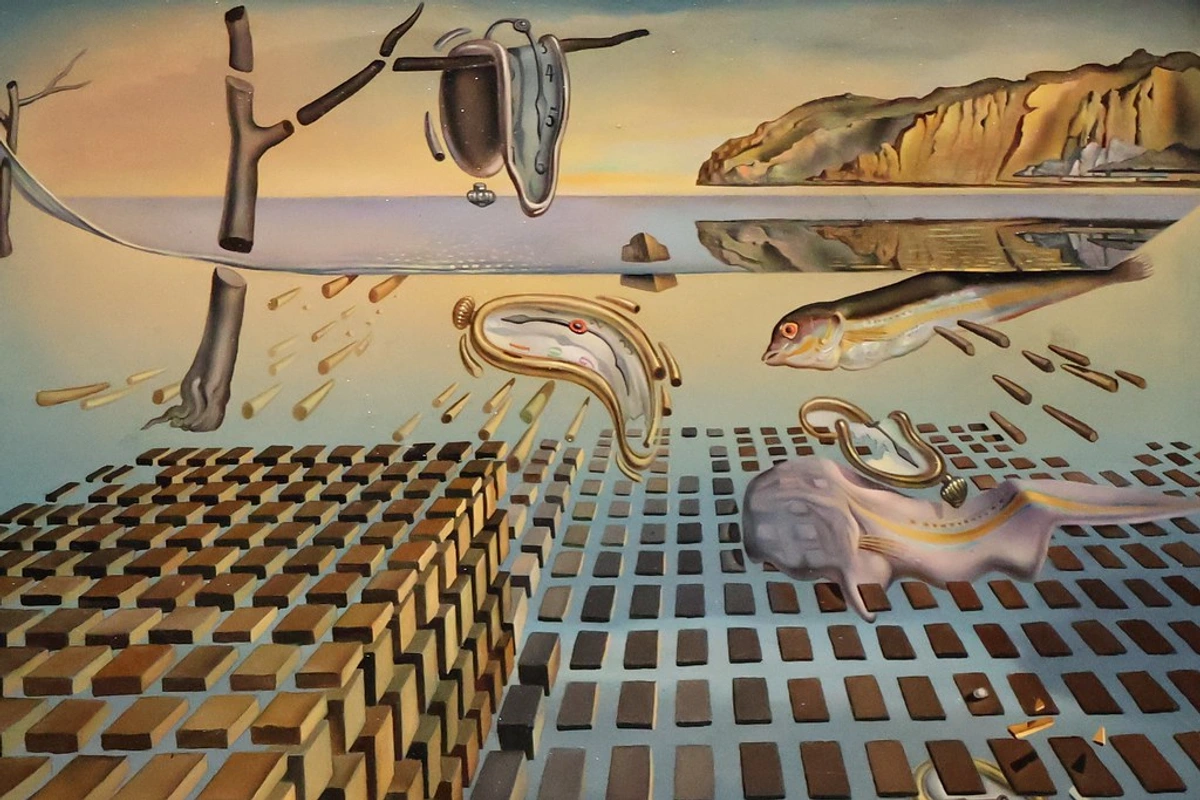
The single fly, resting conspicuously on the face of the other soft clock, serves as another profound, albeit more universally recognized, symbol. Flies have historically been a common, even unsettling, element in still life paintings and vanitas works throughout art history, serving as a stark, inescapable reminder to the viewer of their own mortality—a concept elegantly encapsulated by the Latin phrase "memento mori" ("remember that you must die"). This tradition, prevalent in art for centuries, lends a deeper, historical resonance to Dalí's contemporary surreal vision. In Dalí's context, the fly, often associated with putrefaction, disease, and the fleeting nature of life, powerfully reinforces the painting's overarching themes of time's inexorable passage and the inevitable march towards decay. It’s a subtle, almost whispered, yet chilling reminder within the dreamscape that even in the most fluid and illogical realities, the ultimate hard truth of existence – our finite nature – persistently buzzes, a tiny harbinger of the finite. It's a classic touch of symbolic dread, reminding us that even dreams cannot escape the shadow of death.
The Bizarre Creature: A Self-Portrait in Slumber
This enigmatic figure is often seen as a direct representation of Dalí himself, perhaps in a state of deep sleep or unconsciousness, allowing the dream world to unfold from within him. It’s a powerful visualization of the Surrealist tenet that art emerges from the subconscious. The creature is soft, malleable, and vulnerable, a stark contrast to the hard, rigid structures often found in the waking world, symbolizing the very essence of psychological time and the dream state. It is the artist as both creator and subject of his own dream, an enduring testament to his introspective process.
Perhaps the single most enigmatic, and certainly the most frequently discussed, element in the painting is that strange, fleshy, amorphous thing lying sprawled on the ground, seemingly in a profound, almost fetal slumber. It undeniably resembles a deflated, perhaps even partially decomposed, human face, or perhaps a curious sea creature inexplicably washed ashore from the fathomless depths of the unconscious. If you really lean in and look closely, you can undeniably make out a remarkably long-lashed eye, a distinct nose, and even the suggestion of a tongue or mouth – it’s a masterclass in suggestive, unsettling detail.

Most art historians and scholars widely agree, and I certainly concur, that this is a profoundly distorted self-portrait of Dalí himself. It represents the artist as the ultimate dreamer, a soft, vulnerable, almost fetal form from which the entire fantastical dreamscape appears to emanate. He isn't merely observing this world; he is utterly within it – present yet passive, the silent orchestrator of this bizarre reality, yet also utterly subject to its perplexing, illogical rules. This creature embodies a profound moment of complete vulnerability and exposure, a striking contrast to the bombastic public persona Dalí so often meticulously cultivated. It’s a powerful, almost unsettling, statement on the fragility of identity and the incredibly porous boundary between the waking self and the vast subconscious realm. This is something, I believe, we often overlook in our rush to simply label his work as "weird" or "shocking." This central element profoundly underscores the deeply personal and introspective nature of The Persistence of Memory, transforming it into an unfiltered glimpse into the artist's psyche. It's as if Dalí is inviting us into his deepest, most vulnerable thoughts, challenging us to confront and perhaps even find echoes of our own internal landscapes there. You might even connect this to Goya's famous etching, 'The Sleep of Reason Produces Monsters,' where the artist, asleep, unleashes nightmarish creatures – Dalí's sleeping monster, however, is himself, generating his own dream world, a truly self-contained, self-referential universe of the subconscious. It's a profound statement: the artist is the dream.

The Barren Landscape: Port Lligat as a Psychological Mirror
Beyond the central symbols, the landscape itself is a crucial, active player in Dalí's narrative. The barren, sun-baked cliffs of Port Lligat stretch into the distance, meeting a calm, cerulean sea under an unnervingly clear, almost infinite sky. This isn't just a pretty background; it's a meticulously crafted stage for the entire surreal drama to unfold. The stark, almost lunar quality of the landscape amplifies the pervasive themes of isolation and timelessness of the scene. This vast, empty space, with its sharp contrasts of light and shadow, creates an atmosphere of deep introspection and pervasive melancholy. It’s precisely the kind of landscape one might encounter in a vivid dream – familiar yet utterly alien, silent yet pregnant with profound meaning. It mirrors the vast, uncharted territory of the human subconscious itself, where time loses its grip and the ordinary becomes extraordinary. It's a testament to Dalí's genius that even the backdrop contributes so profoundly to the psychological weight of the masterpiece, drawing us deeper into his intensely personal mythology and the universal themes of existence. It compels us to confront our own internal voids and the profound silence that can exist within a bustling mind, urging a contemplation of inner space as vast and complex as the outer world.
The Olive Tree: Resilience in Decay
The single, leafless olive tree in the foreground, often a potent symbol of peace, wisdom, or even immortality in Mediterranean culture, is here rendered dead or dying, its gnarled branch propped up by a wooden support. This stark, almost melancholic image can be interpreted in several profound ways: perhaps symbolizing resilience in the face of inevitable decay, the fading of traditional values in a new, chaotic world, or even the artist's own anxieties about vitality and mortality. It’s a powerful symbol of life persisting, stubbornly, even in a state of apparent decline. The wooden crutch holding it up is particularly telling, suggesting artificial support for something that should naturally stand tall. This mirrors the precarious balance between the conscious and unconscious that Dalí constantly explored, and the ephemeral nature of life itself. I see it as a poignant statement on how even profound truths and ancient wisdom might need external support to persist in the dream-like, often illogical, landscape of our minds, a fragile symbol of consciousness clinging to existence amidst the unconscious flux. It's a testament to life's enduring struggle against entropy.

The Enduring Legacy of 'The Persistence of Memory'
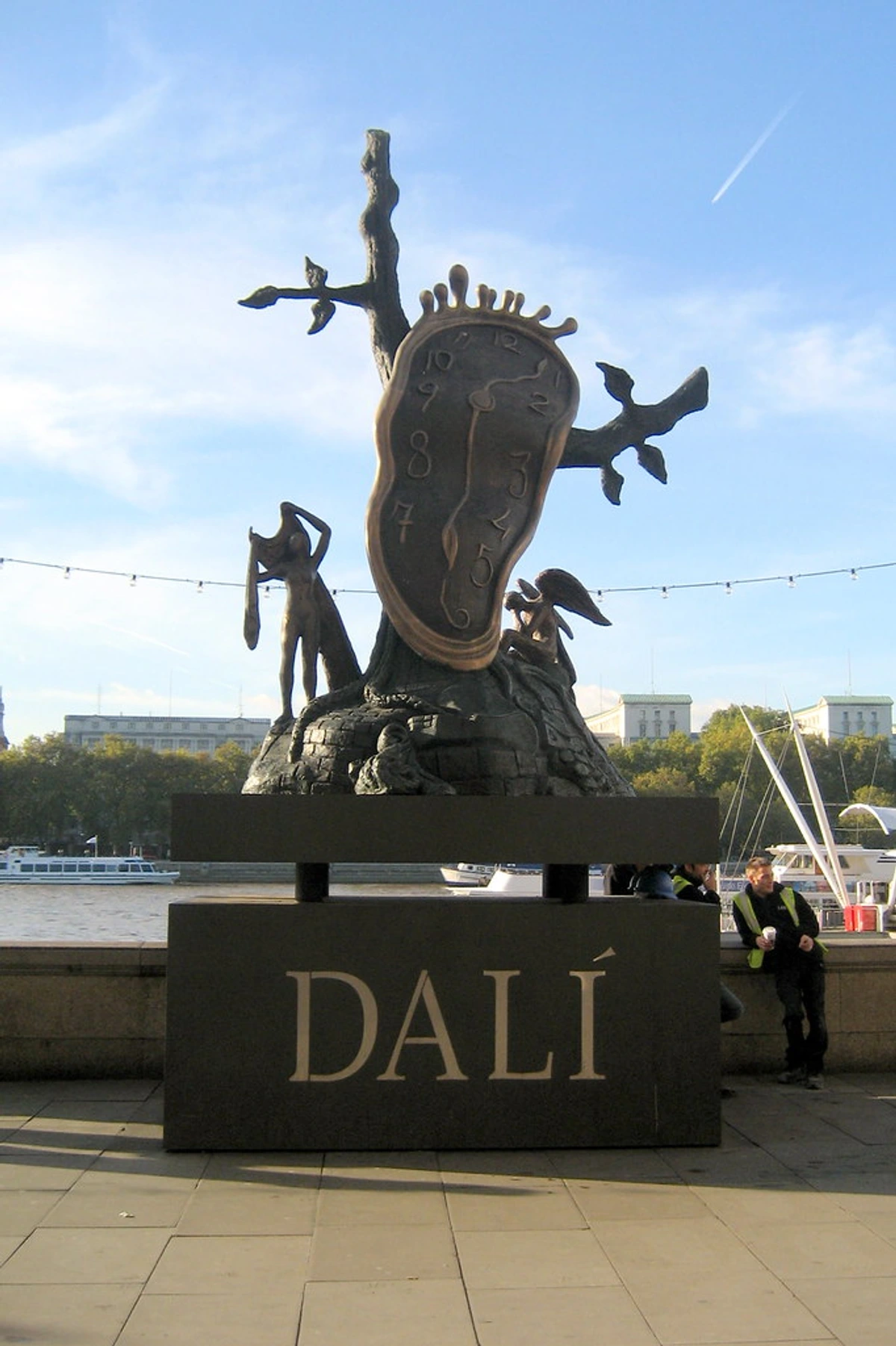
The Persistence of Memory transcended the confines of the art world almost immediately upon its exhibition, rapidly becoming one of the most recognizable and parodied artworks of the 20th century. Its melting clocks have seeped into popular culture, appearing in everything from cartoons to advertisements, a testament to its powerful and universally understood symbolism. This widespread recognition, while sometimes reducing the work to a mere visual gag, also speaks to its profound resonance with the human experience of time, memory, and the subconscious. Dalí's masterpiece not only defined Veristic Surrealism but also paved the way for future artists to explore the inner landscape with unprecedented freedom and precision. It remains a touchstone for understanding the complexities of the human psyche and the limitless potential of artistic imagination. From The Simpsons to Doctor Who, and countless advertisements and album covers, the melting clock motif has become a universal shorthand for altered reality, dreamscapes, and the fluid nature of time, proving Dalí’s ability to tap into something truly archetypal and universally understood. It's a painting that, despite its specific origins, speaks to a collective human experience, an enduring icon of modern art and psychological exploration. Its profound cultural penetration ensures that even those unfamiliar with Dalí or Surrealism immediately grasp the essence of its unsettling, dream-like power.
Frequently Asked Questions (FAQ)
What is Veristic Surrealism?
Veristic Surrealism is an approach within the Surrealist movement that renders dream imagery and irrational content with meticulous, academic realism. Artists like Dalí employed this hyper-realistic technique to make the impossible or illogical seem utterly believable, blurring the lines between reality and dream. For a more detailed explanation, see our section on Veristic Surrealism.
Who was Gala Dalí, and what was her role?
Gala Dalí (born Elena Ivanovna Diakonova) was Salvador Dalí’s wife, muse, manager, and lifelong partner. She was indispensable to his career, providing emotional stability, intellectual challenge, and acting as a recurring figure and direct inspiration in his art. You can read more about her influence in the Gala: The Indispensable Muse section.
Where did Dalí live when he painted The Persistence of Memory?
Salvador Dalí primarily lived in his secluded home and studio in Port Lligat, a small fishing village on the Cap de Creus peninsula in Catalonia, Spain. This dramatic landscape served as his spiritual and creative anchor and profoundly influenced the setting of The Persistence of Memory, transforming a real location into a psychological dreamscape. Learn more in Setting the Stage: The Dreamscape of Port Lligat.
What are some other famous Surrealist paintings?
Beyond The Persistence of Memory, some other incredibly famous Surrealist paintings include:

- René Magritte's The Treachery of Images ("Ceci n'est pas une pipe") – famously playing with the nature of representation.
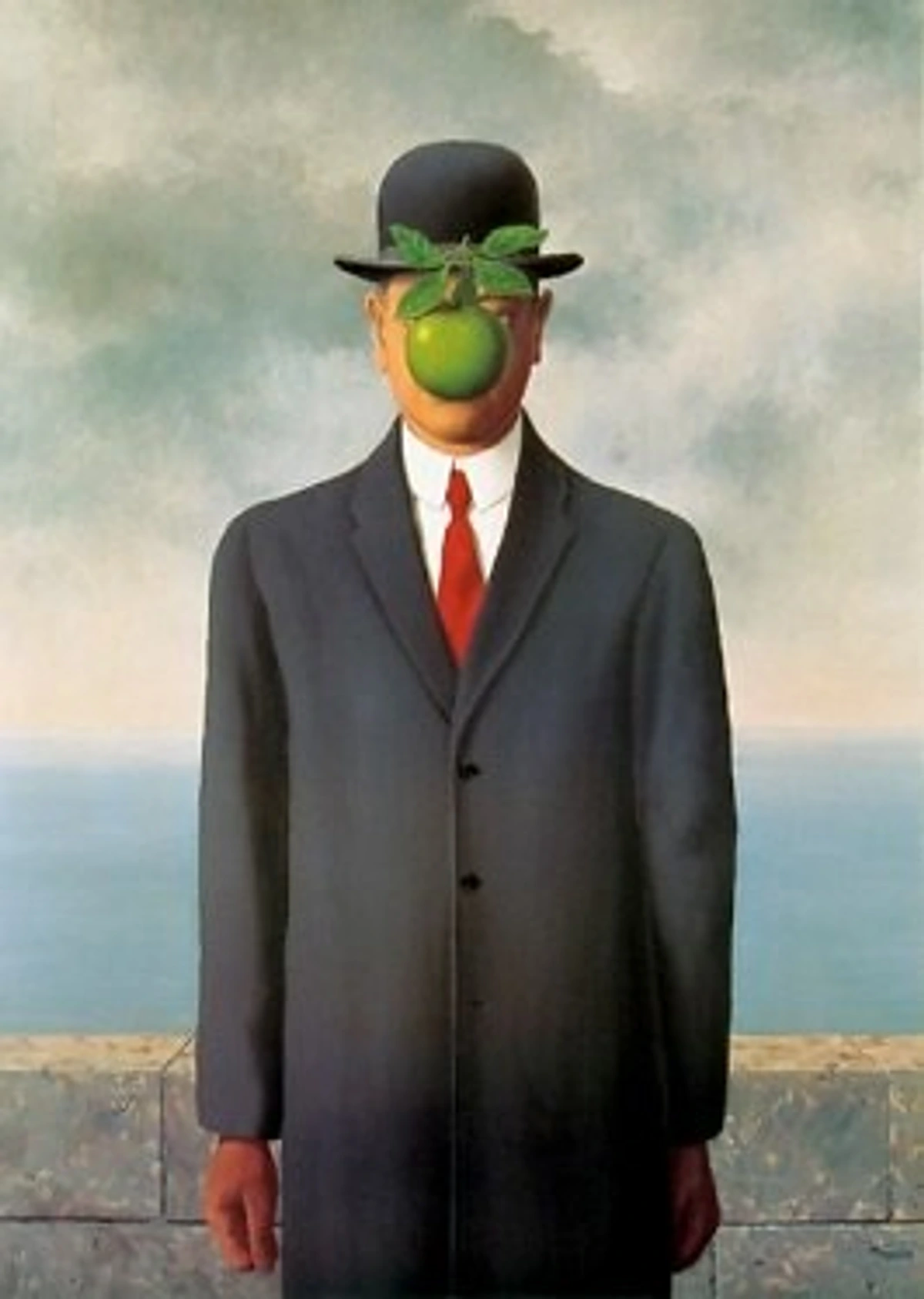
- René Magritte's The Son of Man – an iconic image of a man whose face is obscured by an apple.
- Max Ernst's Europe After the Rain II – a haunting, post-apocalyptic landscape utilizing frottage.
- Joan Miró's The Tilled Field – an early, biomorphic Surrealist work, bursting with organic forms.
- Yves Tanguy's Mama, Papa is Wounded! – a desolate landscape populated by strange, bone-like figures.
These works, like Dalí's, explore dream logic, the subconscious, and challenge conventional perceptions of reality through diverse artistic styles, each contributing to the rich tapestry of the Surrealist movement.
What other artists influenced Salvador Dalí?
Dalí's early influences were broad and eclectic, encompassing classical masters like Vermeer and Raphael, whose meticulous technique he greatly admired and sought to emulate in his own hyper-realistic style. He was also profoundly influenced by earlier avant-garde movements such as Cubism (particularly Picasso) and Dadaism, which challenged artistic conventions and embraced the absurd, helping to lay the groundwork for his own revolutionary vision. However, his most significant intellectual influence came from Sigmund Freud, whose groundbreaking psychoanalytic theories of the subconscious were foundational to Dalí’s entire Surrealist approach, providing a theoretical framework for his dreamscapes. You can explore his early artistic development further in our section on Early Influences and the Road to Surrealism.
How did Dalí's personal life influence the painting?
Dalí's intensely personal life profoundly influenced The Persistence of Memory. His complex childhood (including the haunting presence of his deceased brother, Salvador), his deeply personal anxieties (manifested in symbols like the ants), his intellectual fascination with Freud and cutting-edge science, and his deep connection to the landscapes of his Catalonian homeland all converge in the painting. It is, in many ways, a visual diary of his subconscious, transforming his internal world into a universal, yet highly personal, dreamscape. You can find more detail on these influences in our sections on Dalí's World and Decoding the Symbols.
How did the Spanish Civil War or other global events impact Dalí or the painting?
While The Persistence of Memory was painted in 1931, before the full outbreak of the Spanish Civil War (1936-1939) and World War II, it was created during a period of immense political and social upheaval in Europe. Dalí, ever the introspective artist, often found refuge from these harsh realities in the boundless expanse of his inner world. His work from this period can be seen as a retreat into the mind's theatre, offering a profound commentary on the psychological reverberations of external chaos, rather than a direct depiction of it. He masterfully used his art to explore personal neuroses and intellectual curiosities as a counterpoint to the turbulent world outside.
What Art Movement is The Persistence of Memory associated with?
The Persistence of Memory is the quintessential work of Surrealism, an art movement that emerged in the 1920s. Led by André Breton, Surrealism sought to liberate the creative potential of the unconscious mind, exploring dream imagery, irrationality, and the startling juxtaposition of disparate objects to create a heightened sense of reality or a "sur-reality." This often involved depicting dream imagery, irrationality, and the jarring juxtaposition of disparate objects to evoke new psychological states and challenge conventional perceptions. Dalí himself was a leading figure in the movement from the late 1920s, and his unique approach, the paranoiac-critical method, became central to Surrealist practice.
What is the main meaning of The Persistence of Memory?
At its core, Dalí's masterpiece explores the profound contrast between "hard" and "soft" realities, specifically pitting the rigid, mechanical, objective concept of time against the fluid, psychological, and subjective experience of time and memory. It's a deep dive into the subconscious mind, a vivid exploration of dream imagery, and a candid reflection of Dalí's personal anxieties and fascinations with decay, death, and desire. The painting ultimately invites viewers to question the very nature of reality and perception, challenging us to see the world through the dream logic of the unconscious. Our Decoding the Symbols section offers a comprehensive breakdown of its meanings.

Why are the clocks melting in Dalí's painting?
The melting clocks are the most iconic symbols, primarily representing the relativity and fluidity of time as experienced in the subconscious or dream state. They are often linked to Albert Einstein's theories of relativity, but Dalí also humorously claimed inspiration from melting Camembert cheese. The truth is a potent combination, perfectly illustrating his "paranoiac-critical method" of connecting disparate realities. Explore this more in The Star of the Show: The Melting Clocks.
What do the ants on the clock symbolize?
For Dalí, ants were a deeply personal symbol representing decay, death, and an overwhelming sense of sexual desire, stemming from traumatic childhood experiences. Their presence suggests that even rigid chronological time is relentlessly consumed by primal forces of decay and desire. More details are available in The Uninvited Guests: Ants and a Fly.
Is that a self-portrait of Dalí in the painting?
Yes, the strange, amorphous, fleshy creature sprawled in the center of the painting is widely believed to be a distorted self-portrait of Dalí himself. It represents the artist in a deep, vulnerable dream state – the passive, soft form from which the entire surreal landscape and its bizarre logic appear to emerge. This is further explored in The Bizarre Creature: A Self-Portrait in Slumber.
Where is the original painting of The Persistence of Memory?
The original oil on canvas painting, The Persistence of Memory, is a relatively small work (measuring approximately 24 cm × 33 cm or 9.5 in × 13 in) and is proudly housed at the Museum of Modern Art (MoMA) in New York City. It has been a permanent and highly celebrated part of their collection since its acquisition in 1934, making it one of MoMA's most popular and instantly recognizable exhibits. Its intimate scale encourages close contemplation.
How big is The Persistence of Memory?
Despite its monumental fame, The Persistence of Memory is, perhaps surprisingly, quite small. The original oil on canvas measures approximately 24 cm x 33 cm (about 9.5 inches x 13 inches). This intimate scale encourages viewers to lean in, drawing them into its detailed, unsettling dreamscape for a closer, more personal examination rather than overwhelming them with grandeur, making the experience intensely personal.
When was The Persistence of Memory painted?
Salvador Dalí painted The Persistence of Memory in 1931, during a highly prolific and groundbreaking period of his Surrealist career. It was first exhibited in Paris the very same year and almost immediately gained widespread international recognition, quickly becoming one of the defining images of the entire Surrealist movement and a cornerstone of modern art history.
What is the significance of the landscape in the painting?
The desolate, eerie landscape is a stylized depiction of Port Lligat, Dalí's home in Catalonia, Spain. It serves as a deeply personal backdrop, transforming a real location into a psychological dreamscape. Its barrenness, sharp cliffs, and infinite horizon emphasize themes of isolation, timelessness, and the vast, uncharted territory of the human subconscious where the painting's events unfold.
What is Dalí's "paranoiac-critical method"?
The "paranoiac-critical method" was Dalí's unique Surrealist technique for accessing and interpreting his subconscious. It involved inducing a paranoid state, allowing him to perceive profound connections between seemingly unrelated objects and ideas, which he then translated onto canvas with hyper-realistic precision. This method enabled him to create highly detailed, often unsettling, dream imagery, giving his work its profound psychological depth. Discover more in the Paranoiac-Critical Method section.




Did Dalí paint other works with melting objects or clocks?
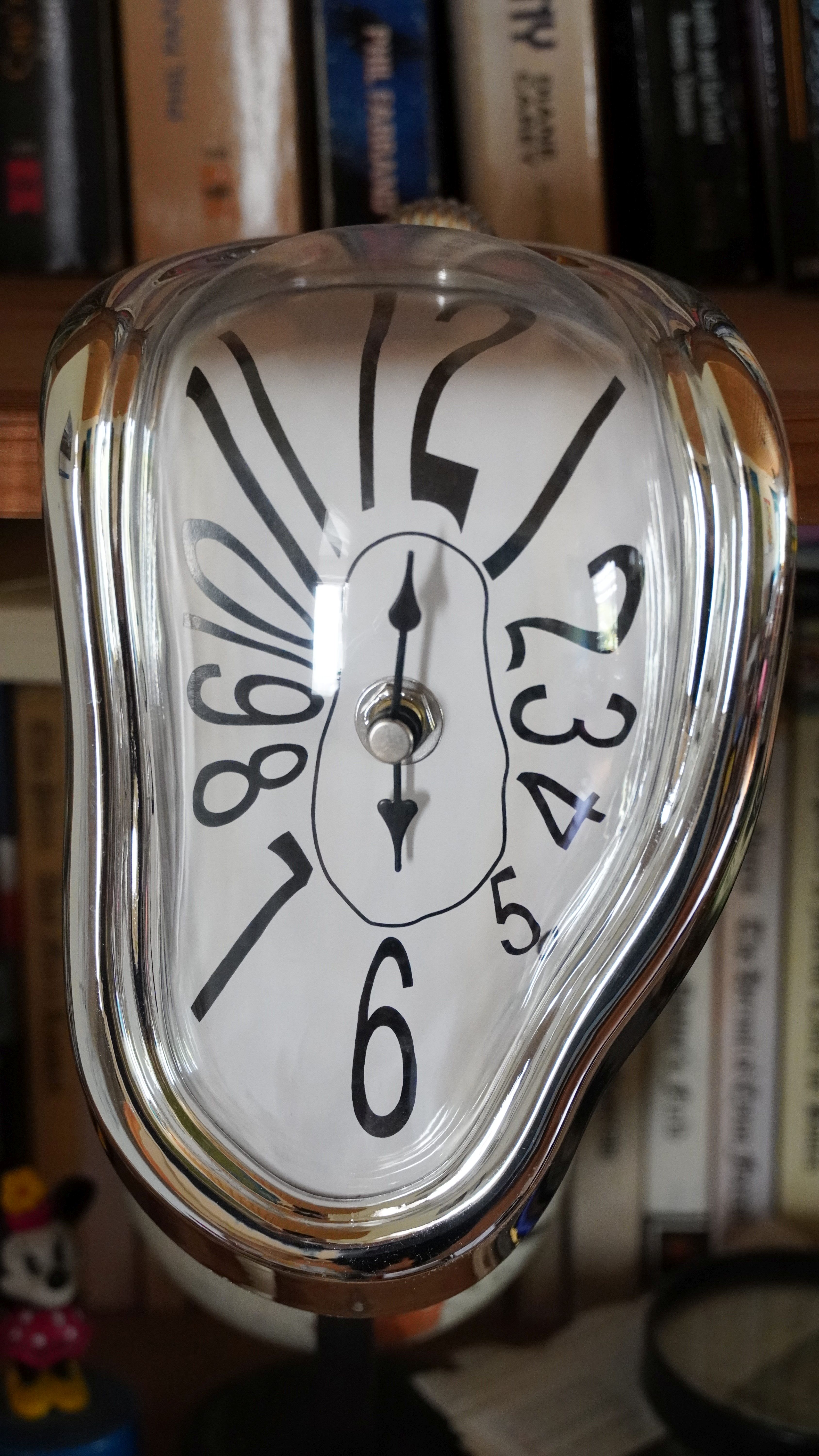
Yes, the melting motif, particularly that of soft, pliable forms, reappears in several of Dalí's other works. While The Persistence of Memory is the most famous example, you can see similar themes of liquefaction and metamorphosis in paintings like Soft Self-Portrait with Fried Bacon (1941) and later works, underscoring his ongoing fascination with the malleability of reality and the subconscious. This recurring motif highlights his consistent exploration of the 'hard' versus 'soft' dichotomy.