
The Surprising Benefits of Viewing Art: How It Changes Your Brain
Discover the real, science-backed benefits of looking at art. From reducing stress to boosting empathy, learn how engaging with art can improve your well-being.

More Than Just Pretty Pictures: How Looking at Art Rewires Your Brain
We all have those days, don't we? The world feels a bit gray, the to-do list stretches to infinity, and your brain hums with a low, unproductive static. I certainly do. Just recently, after one of those particularly draining mornings, when my focus felt like a sieve and my creativity was playing hide-and-seek, I found myself drawn, almost magnetically, into a small local gallery. No grand plans, no intellectual agenda – just a quiet space offering a momentary escape, a break from the relentless mental chatter.
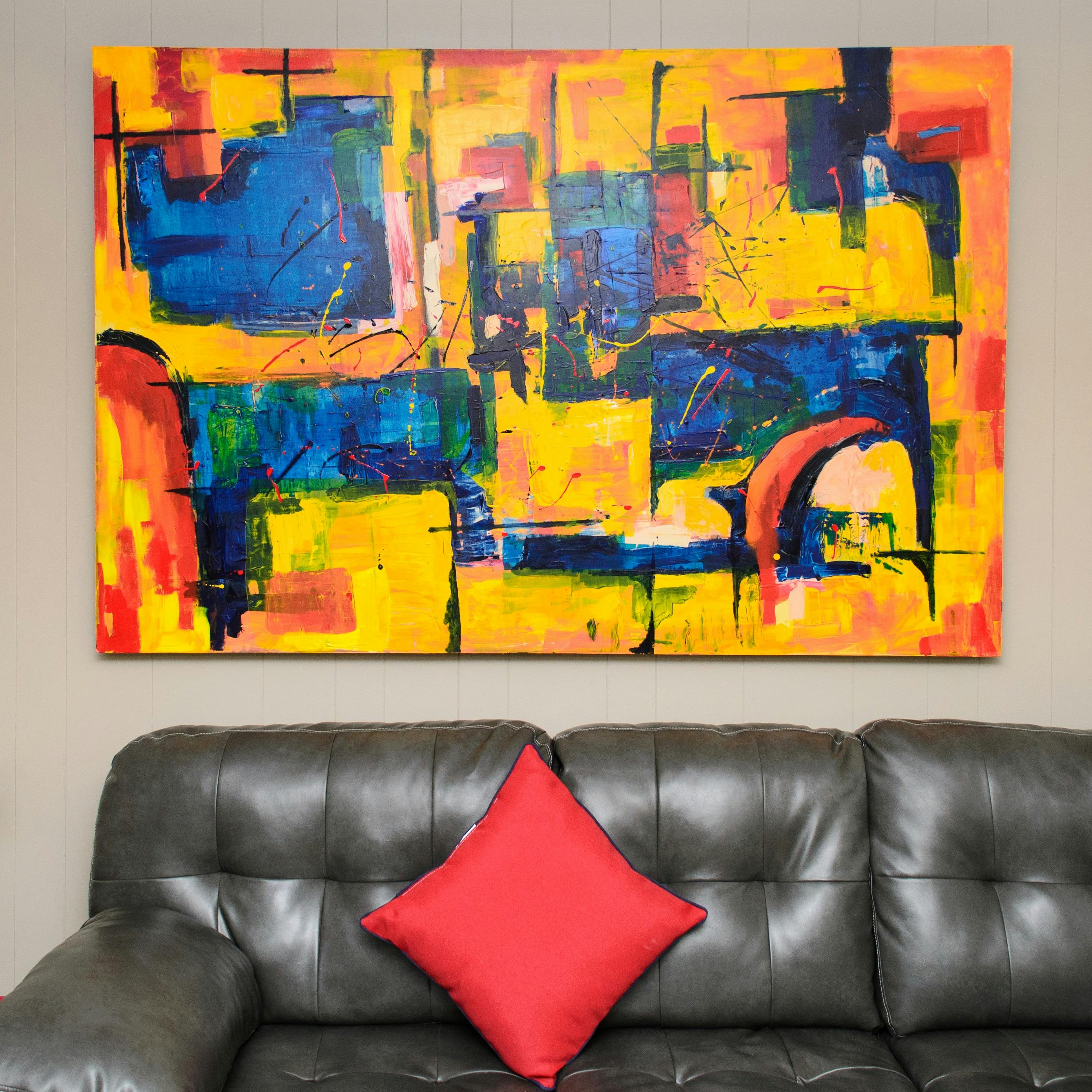
And in that quiet space, standing before a canvas alive with unexpected colors and forms, something remarkable, profoundly internal, shifted. I wasn't there to 'study' or 'analyze' the art, or even to pretend I understood every nuance. I was simply looking. My shoulders, which I hadn't realized were tense, gradually unclenched. The persistent chatter in my mind, that exhausting loop of tasks and worries, began to subside, replaced by a curious quiet. It felt like taking a deep, restorative breath after holding it for far too long, a gentle recalibration of my entire being. If you've ever felt that subtle, profound shift, that unexpected moment of mental clarity and calm, then you already understand a glimpse of art's extraordinary, brain-rewiring power. It's a power accessible to all of us, often when we least expect it. This profound impact of art, from ancient cave paintings to contemporary digital installations, has been a constant in human experience. But what exactly is happening in our brains when we engage with these visual narratives? And how can we harness this power for daily well-being? This isn't just about cultural enrichment; it's a powerful, natural pathway to enhanced mental and emotional health, a silent language that speaks directly to your nervous system. For me, these moments are not just about appreciating a beautiful object, but about a deep, internal reset that leaves me feeling more focused, calmer, and surprisingly, more connected to the world around me. It's truly a form of accessible wellness, available to everyone.
It’s a persistent, and frankly, unhelpful misconception that art is reserved for a select few – the experts, the historians, the seasoned collectors. We often view it through the lens of academic study, exclusive events, or a seemingly impenetrable world of highbrow critiques. But the truth, as neuroscience and psychology are increasingly revealing, is far more democratic, far more universal, and far more profound: the simple, accessible act of viewing art has tangible, deeply impactful, and thoroughly science-backed benefits for everyone. You absolutely do not need a degree in art history, nor do you need to grasp every brushstroke's intention to tap into this power; you just need a pair of eyes, an open mind, and a flicker of curiosity. This isn't just about aesthetics; it's about a deep, often subconscious, dialogue between the artwork and your innermost self, a dialogue that subtly, yet powerfully, rewires your brain for enhanced well-being, improved cognition, and a richer emotional life. Think of art as a silent language, one that speaks directly to your nervous system, offering a potent, natural pathway to stress reduction, cognitive agility, and profound emotional understanding. It’s a holistic workout for your mind, body, and spirit. For me, understanding the science behind this often-subtle shift has only deepened my appreciation for art's power, moving it from something purely 'beautiful' to something profoundly beneficial for my everyday life. It's a powerful tool for self-care, and one that is endlessly fascinating to explore.
The Brain on Art: What's Actually Happening Up There? Unpacking the Neuroscience
It turns out, the experience of viewing art is a complex neurological event, not a passive one. Beyond the immediate dopamine rush, research shows significant activity in several key brain regions, each contributing to the multifaceted benefits we gain. When you stand before a canvas, your brain doesn't just register colors and shapes; it embarks on a complex dance of perception, emotion, and cognition, firing up a fascinating array of neural circuits. This isn't just my subjective experience; this is what the science tells us.
- Visual Cortex: Naturally, this area, responsible for processing visual information, is highly active, but it’s not just recognizing shapes and colors; it's actively interpreting, filling in gaps, and constructing meaning. It's where your brain starts to construct the initial 'story' of what you're seeing.
- Prefrontal Cortex: This is the brain's executive control center, involved in planning, decision-making, and abstract thought. Art engages this area in problem-solving and critical analysis, especially with complex or abstract works. I often find myself consciously or unconsciously trying to 'solve' the visual puzzle of an abstract piece, and that's my prefrontal cortex getting a workout.
- Limbic System: Beyond the dopamine-rich reward pathways, the amygdala and hippocampus (parts of the limbic system) are crucial for emotional processing and memory formation, explaining art’s profound impact on our feelings and recollections. This is where art can truly 'move' you, sparking memories or triggering deep emotional responses.
- Parietal Lobe: This area helps with spatial awareness and navigation. When we mentally 'walk' through a painting or imagine interacting with a sculpture, this region activates, enhancing our spatial reasoning and visual processing. It's like a mental scavenger hunt within the artwork itself, training your brain to better understand the world around you, even if it's just a fleeting glimpse of a street art mural, or considering the symbolism of geometric shapes in abstract art.
- Fusiform Face Area (FFA): While not exclusively for art, this region is highly specialized in recognizing faces. When you encounter a portrait or even an abstract piece that vaguely resembles a face, the FFA can light up, demonstrating how deeply ingrained our need to connect with human forms (or perceived forms) is, even in non-representational art.
- Mirror Neuron System: Though still an area of active research, the mirror neuron system is thought to be involved in empathy and understanding the actions and intentions of others. When we observe a dynamic brushstroke or a figure in motion, these neurons might fire as if we ourselves are performing the action, potentially contributing to our emotional connection and sense of 'feeling' the art. This is fascinating to me, as it suggests a neurological basis for truly 'feeling' the art rather than just seeing it.
When you look at a piece of art that genuinely resonates with you – something that captures your attention and holds it – it’s not just an abstract appreciation or a fleeting visual experience. Your brain is actually having a full-blown party, orchestrating a complex symphony of neural activity. Seriously. Neuroscientists, using fMRI scans and other advanced imaging techniques, have consistently found that looking at art can trigger a surge of dopamine—that wonderfully feel-good chemical associated with reward, motivation, and pleasure—in the same mesolimbic pathways of the brain that light up when you fall in love, experience a moment of triumph, or savor a piece of decadent chocolate cake. This isn't just an abstract appreciation; it’s a genuine, physiological source of pleasure and a subtle invitation to explore deeper connections within the artwork and within yourself. But the brain’s dance with art goes much deeper than just a quick high, extending into profound cognitive restructuring.
Beyond the Buzz: Sharpening Your Mind – A Cognitive Workout
Beyond the immediate pleasure response and the initial neural fireworks, engaging with art offers a remarkable, multifaceted workout for your core cognitive functions. Think of it as a low-impact, high-reward mental gym session that subtly sculpts and strengthens various aspects of your intellect, making you sharper, more adaptable, and more creatively agile. This cognitive enrichment isn't passive; it's an active process of interpretation, analysis, and synthesis that deeply engages your brain's processing power.
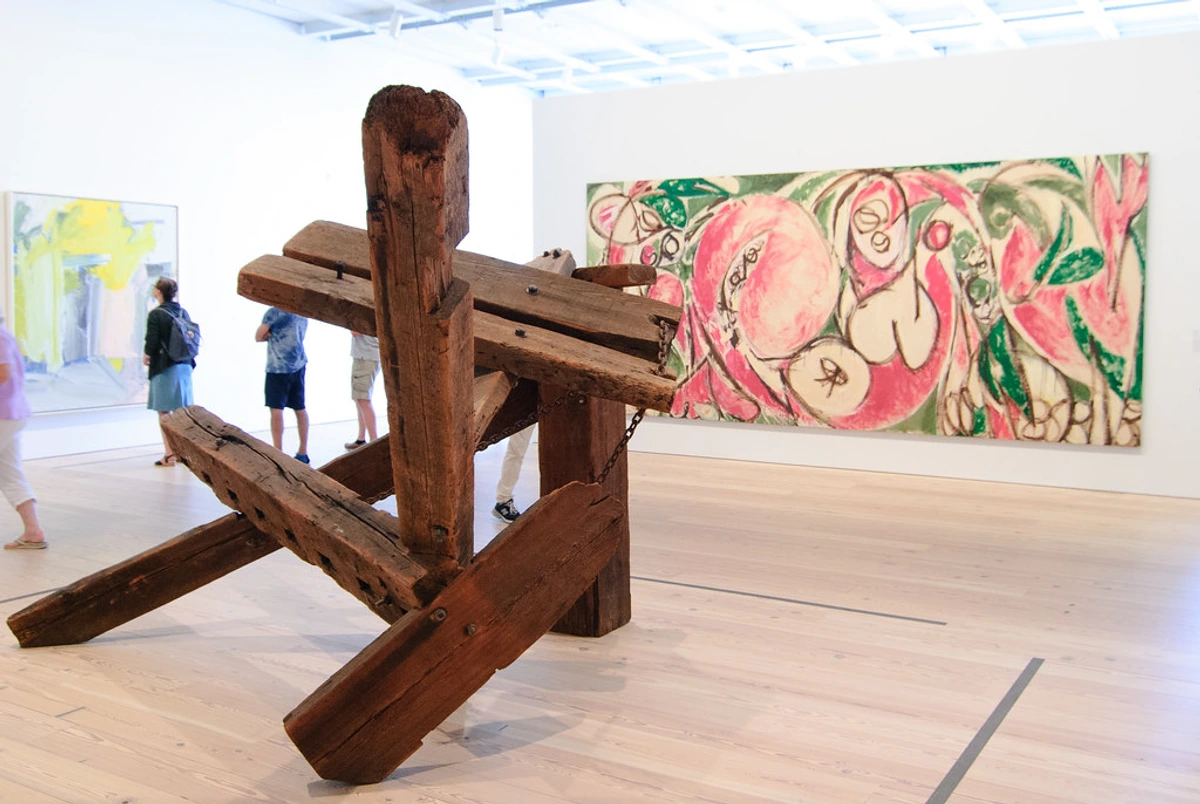
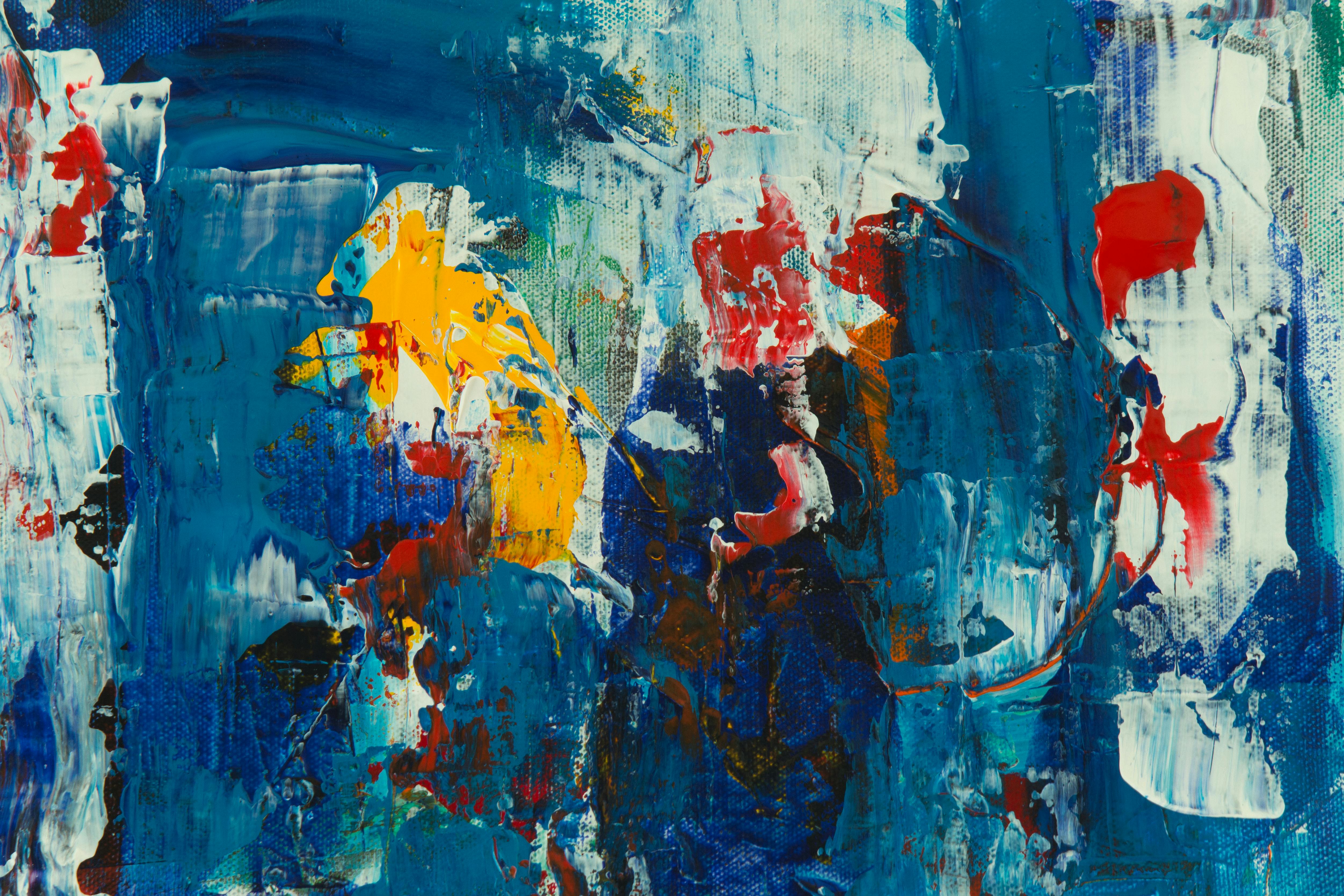
When you encounter a piece of art, especially something abstract, complex, or even conceptually challenging, your brain doesn't simply passively absorb information. Instead, it gears up for active, vigorous engagement. For instance, with an abstract piece, your brain is challenged precisely because there isn't a clear, recognizable image or narrative to immediately latch onto. This delightful ambiguity forces it to actively make sense of the visual information – filling in perceived gaps, identifying subtle patterns, and forging its own unique connections and interpretations. This dynamic process isn't just about passive appreciation; it powerfully fires up your creative problem-solving muscles, enhances your pattern recognition abilities, and significantly boosts your capacity to perceive and interpret complex, ambiguous information in a myriad of contexts, from everyday life to professional challenges. It’s a fantastic pathway to mindful moments and inner reflection and a brilliant exercise in mental agility.
This active engagement with art, particularly non-representational forms, actively challenges our ingrained ways of thinking and expands our mental horizons. It encourages us to consider multiple perspectives, tolerate ambiguity, and explore diverse meanings without needing a single "correct" answer or a neatly packaged conclusion. This cognitive flexibility is an incredibly crucial skill in our rapidly changing world, translating directly into all aspects of life, from fostering innovative creative endeavors and adapting to new technologies to making nuanced critical decisions and navigating complex social situations. Personally, I've found that grappling with a particularly enigmatic abstract painting, one that initially leaves me utterly bewildered, can often spark unexpected breakthroughs for my own work or even everyday problems, simply because it compels me to deconstruct established visual narratives and think beyond conventional boundaries. It's like a mental stretch for your comfort zone. This engagement with the unknown, this willingness to interpret without a clear map, is a skill that translates into innovative thinking in almost every field imaginable. It's a key ingredient for developing resilience in the face of uncertainty. For me, this is where the power of imperfection: embracing accidents and evolution in my abstract art truly comes to life, as I learn to find meaning in the unexpected.
Furthermore, consistent, mindful art viewing has been consistently shown to significantly improve both memory and observation skills. When you consciously try to recall intricate details from an artwork you've seen – the specific hue of a color, the texture of a brushstroke, the subtle interplay of light and shadow, or the overall composition of elements – you are actively strengthening neural pathways associated with visual memory encoding and retrieval. Even a casual glance, if it genuinely captures your attention, plants a seed that your brain continues to process and integrate over time, often subconsciously. It’s a quiet, sustained form of mental enrichment that subtly builds cognitive reserves, enhances your working memory, and significantly boosts your ability to notice the world around you with greater depth and precision. This heightened observational capacity isn't just for appreciating art; it makes you more attuned to crucial details in everyday life, from reading facial expressions to noticing changes in your environment, enhancing everything from problem-solving to personal interactions. It's like your brain is building a more robust internal database, improving its ability to store and retrieve complex visual data, a skill that's surprisingly relevant whether you're trying to remember where you left your keys or analyzing complex data for work. This is particularly true when you engage with the subtle nuances of how artists use color or delve into the language of light: how illumination shapes my abstract compositions, forcing your brain to truly see rather than just glance.
The Elements of Art as Brain Trainers
Think about how specific visual elements within an artwork actively engage and train your brain:
Element  | Cognitive Skill Enhanced | Example of Engagement |
|---|---|---|
| Line | Problem-solving, focus | Following a leading line through a composition; interpreting gestural vs. geometric lines. (The Definitive Guide to Understanding Line in Abstract Art) |
| Color | Emotional intelligence, perception | Discerning subtle shifts in hue; understanding how color temperature affects mood. (The Psychology of Color in Abstract Art) |
| Shape/Form | Spatial reasoning, pattern recognition | Identifying hidden geometric patterns; visualizing how forms occupy space. (The Definitive Guide to Understanding Form in Abstract Art) |
| Texture | Sensory imagination, detail orientation | Imagining how a surface would feel; appreciating the tactile quality of a painting. This also involves understanding how texture can create visual interest and movement. (Exploring Texture: My Favorite Techniques for Adding Depth to Abstract Paintings) |
| Composition | Critical thinking, balance | Analyzing how elements are arranged for balance or tension, and how these choices guide the viewer's eye. This involves recognizing both harmonious and discordant arrangements, and understanding their psychological impact. (Understanding Balance in Art Composition) |
| Space | Spatial reasoning, depth perception | Interpreting positive and negative space; perceiving depth and distance within a two-dimensional work. This actively trains your brain to process spatial relationships in complex ways, whether it's the illusion of vast landscapes or the tight confinement of a portrait. It's also about understanding the unseen structure: how composition guides my abstract art. |
| Value | Visual discrimination, mood perception | Discerning the lightness or darkness of colors; understanding how contrast creates drama or subtlety. Mastering the subtle shifts in value in an artwork can significantly enhance your ability to read visual cues in other contexts, from identifying emotions to assessing environmental conditions. |
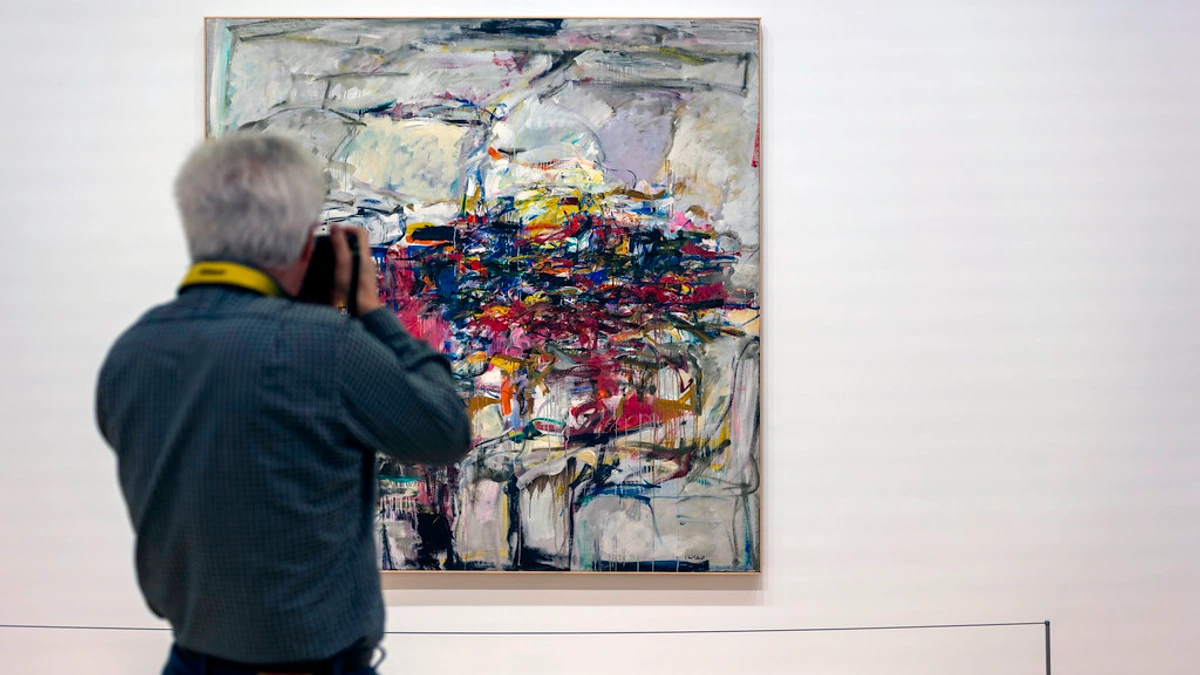
Each time you consciously engage with these elements, you’re not just looking at art; you're actively sharpening your mental toolkit. It's a fantastic way to develop your appreciation for understanding the elements of design in art: a comprehensive guide.
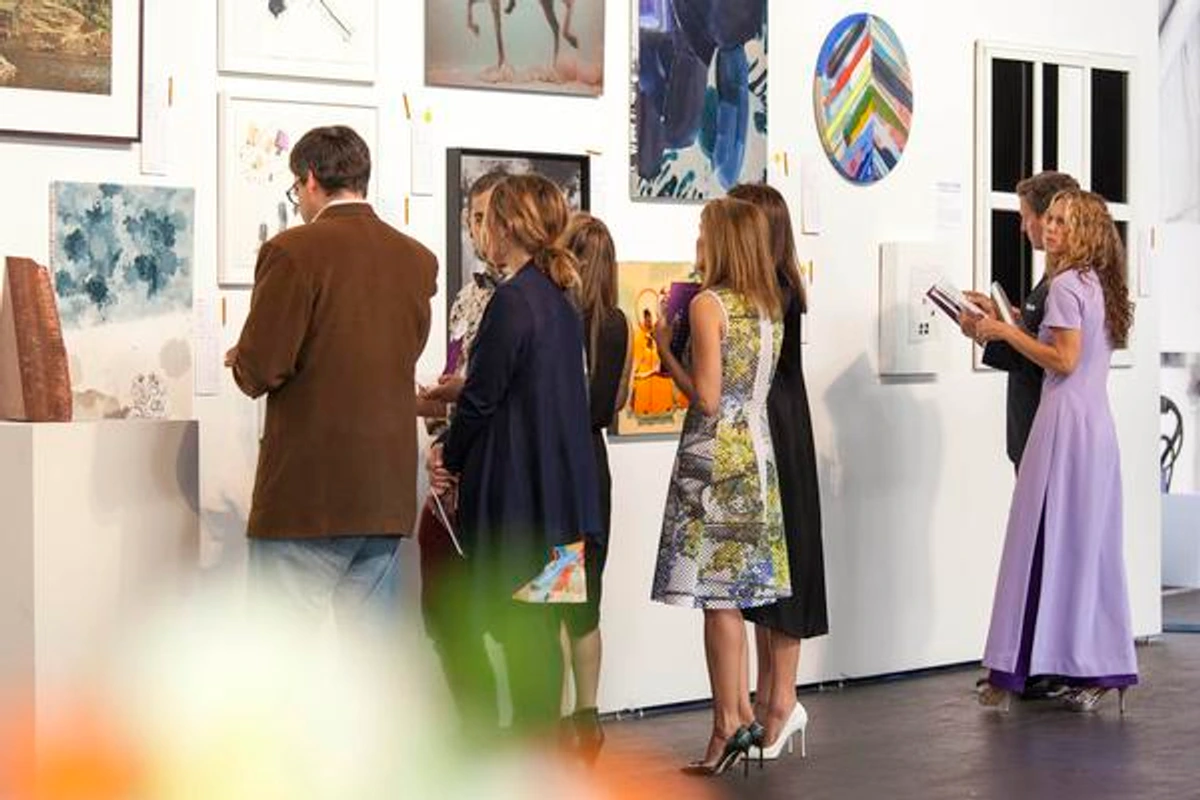
It's an active, creative engagement with the very fabric of visual communication, and it's always available to you. These elements, when viewed together, create a holistic sensory experience that is far more than the sum of its parts, engaging your brain in a deep, multi-layered dialogue with the artwork. This isn't just about passive viewing; it's about active participation, where your mind fills in the gaps and creates its own narrative. It’s about building a richer understanding of what is design in art, and how these principles influence our perception of the world.
Your Built-In Stress Reducer – Cultivating Calm
Remember that "fuzzy-brained" day I mentioned earlier? That wasn't just a subjective feeling; it was almost certainly my cortisol levels (the body's primary stress hormone) running rampant, signaling a state of heightened physiological stress. The good news? Scientific studies, utilizing biometric data like heart rate variability and skin conductance, have consistently demonstrated that even a brief, focused period of art viewing—whether immersing yourself in a hushed gallery or simply lingering over images on your phone—can significantly lower these harmful cortisol levels. This isn't magic; it's a direct, physiological intervention. Art viewing actively engages your parasympathetic nervous system, which is responsible for the body's 'rest and digest' functions, and can even induce slower brainwave states, like alpha waves, associated with deep relaxation and meditation. Essentially, art viewing helps to consciously shift your body out of its default 'fight or flight' response, promoting a profound state of relaxation and physiological calm. It’s a potent, accessible form of mindfulness, gently pulling you out of anxious feedback loops and firmly grounding you in the present moment, offering a quiet sanctuary for your mind. It truly embodies mindful moments: how abstract art can be a gateway to inner peace and reflection.
What I find truly fascinating is that this stress reduction doesn't exclusively come from traditionally "calming" art, like serene landscapes or tranquil still life paintings. While those can certainly soothe, sometimes, the raw energy, the bold expressiveness, or even the perceived chaos within an abstract piece can be incredibly validating. There have been countless times when a vibrant, almost tumultuous abstract work has made my own inner turmoil feel seen, understood, and even beautifully articulated on the canvas. This recognition, this sense of having complex emotions mirrored in an external form, can be an immensely cathartic experience, offering a quiet, non-judgmental conversation between you and the artwork. It provides a unique, safe space to acknowledge and process complex emotions without the need for words, allowing your nervous system to slowly recalibrate and find equilibrium. Art, in this sense, acts as a visual anchor, drawing you into a different, more contemplative rhythm, whether through the meticulous detail of a hyperrealist piece or the expansive freedom of an abstract expressionist work. This principle extends to various artistic styles, from the intricate patterns of mandala art, which are often used in meditation for their calming repetition, to the vibrant, spontaneous strokes of action painting, which can offer a cathartic release through their sheer energy. It's a testament to the idea that the healing power of color: how abstract art transforms my space is deeply personal.
The Art of Emotional Regulation – A Visual Language for Feelings
Beyond merely reducing immediate stress, art plays a profoundly crucial role in helping us process, understand, and ultimately regulate our emotions—a cornerstone of psychological well-being. When you encounter an artwork that evokes a strong feeling—be it a surge of joy, a quiet melancholy, an overwhelming sense of awe, or even a perplexing confusion—you are engaging in a sophisticated form of emotional intelligence and deep self-reflection. Art, in its very essence, provides a safe, non-threatening space to explore complex feelings without the pressure of verbal articulation. It acts as an externalization of these internal states, allowing us to observe them from a necessary, often comforting, distance. This psychological distancing can be incredibly therapeutic, enabling us to examine intense emotions, even those tied to difficult experiences or trauma symptoms, without being overwhelmed by them. It's like a visual catharsis.
I’ve often found myself connecting with a painting on a deeply emotional, almost subconscious level, only to later realize it was helping me articulate something I hadn't yet been able to put into words myself. It’s akin to a visual diary, but one that speaks a universal language, allowing you to recognize your own experiences mirrored in the brushstrokes or forms created by another. This process of identifying with an artwork's emotional landscape, or projecting your own feelings onto it, helps build a stronger internal vocabulary for your emotional world, making feelings less overwhelming and more understandable. This connection is further amplified when we delve into concepts like the emotional language of color in abstract art or the psychology of color in abstract art: beyond basic hues, which explore how specific artistic choices directly impact our emotional responses and how artists use color to convey their inner world. It's a journey into your own interior landscape, guided by the visual cues of another, allowing for a profound sense of recognition and validation. For me, this resonates deeply with translating emotion into abstract art: my process of visual expression, as I often try to convey these complex inner states through my own work.
Art as a Healing Tool: Beyond Regulation
Beyond simply regulating emotions, art can be a profoundly powerful tool for outright healing and self-discovery. Art therapy, a recognized mental health profession, leverages the creative process to improve physical, mental, and emotional well-being across diverse populations. But even without a formal therapist, simply engaging with art—either by viewing it thoughtfully or creating it yourself—can provide immense therapeutic benefits. Here’s a quick overview of how art serves as a healing modality:
Benefit Area | How Art Helps |
|---|---|
| Trauma Processing | Visualizing and externalizing difficult experiences through art provides a safe, non-verbal channel to process trauma, often circumventing verbal blocks and allowing for emotional release. |
| Anxiety & Depression Reduction | The focused, meditative attention required for art engagement, combined with the cathartic emotional release it provides, has measurable positive effects on mood disorders, fostering a sense of calm and present-moment awareness. (Mindful Moments: How Abstract Art Can Be a Gateway to Inner Peace and Reflection) |
| Self-Esteem & Empowerment | Successfully creating or interpreting art, regardless of skill level, can significantly boost confidence, foster a sense of accomplishment, and provide a tangible representation of one's inner world and capabilities. |
| Communication & Connection | Art provides an alternative language for expressing complex feelings and experiences that words might fail to capture, facilitating communication with others and strengthening interpersonal bonds. This can be particularly vital in therapeutic settings where verbal expression is difficult, offering a bridge to understanding and shared experience. It's a truly profound way to build bridges between people, even without a single word. |
| Mindfulness & Presence | The act of observing or creating art necessitates being fully present in the moment, drawing your attention away from distractions and fostering a meditative state. This focus on the 'now' is a powerful antidote to anxiety and overthinking, cultivating a sense of calm and heightened awareness. This is akin to the feeling I strive for in a dialogue with art: my guide to meditating with an abstract painting. |
This underscores that art isn't just a leisure activity; it's a fundamental aspect of human flourishing, a deeply therapeutic practice, and a profound pathway to inner resilience.
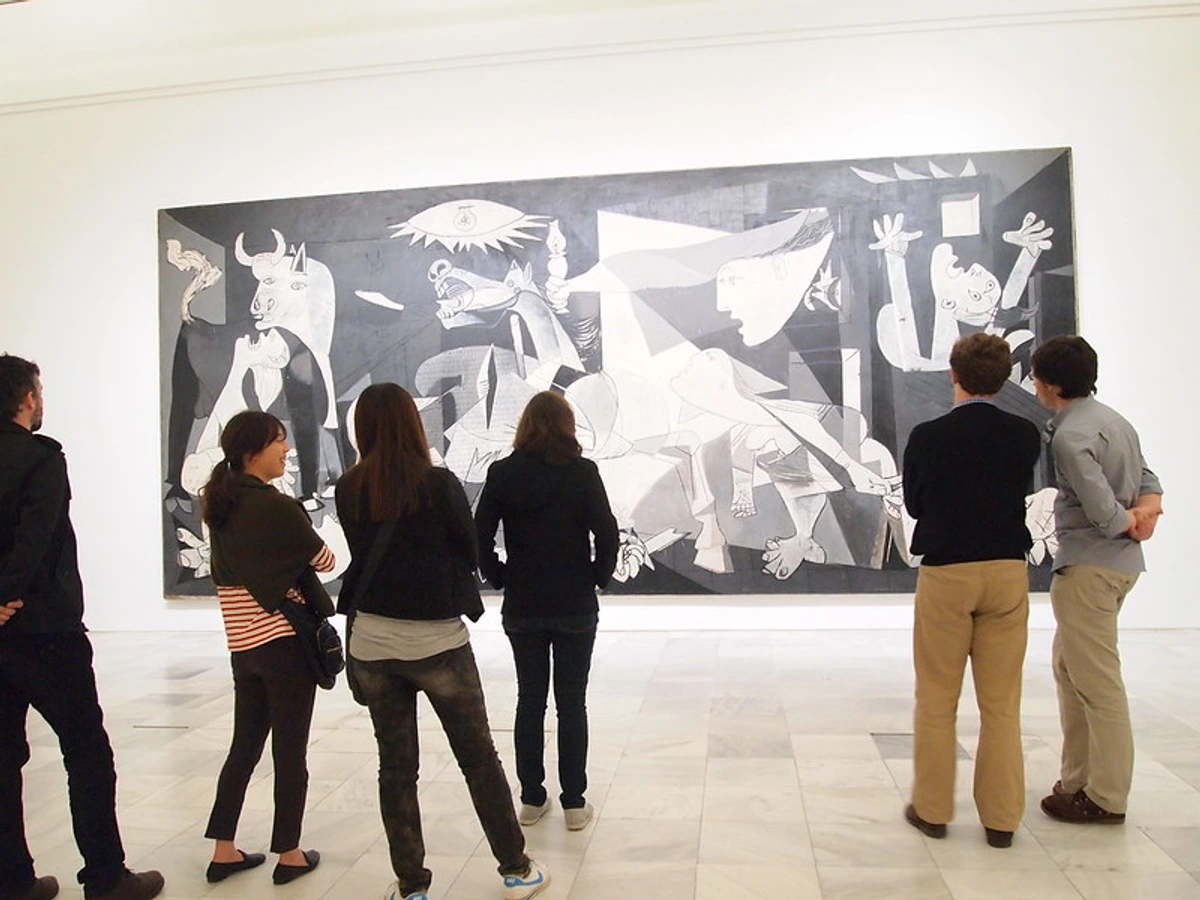
Similarly, the timeless narratives embedded in classical sculptures, like Michelangelo's David, offer a shared human experience that transcends centuries, allowing us to connect with universal themes of strength, vulnerability, and aspiration. From the stoic beauty of ancient Greek kouros figures to the dramatic realism of Baroque sculptures, each piece carries with it a story, a philosophy, and a window into the human condition that speaks to us across time. It's a powerful reminder that human emotions and experiences are universal, echoing across generations and cultures. This is why I find the study of art history, like exploring the definitive guide to the history of abstract art: key movements, artists, and evolution, so enriching, as it reveals these enduring narratives.
A Workout for Your Empathy Muscles – Connecting Through Shared Humanity
Art is arguably one of the most profound and accessible windows into another person's experience—their triumphs, their profound sorrows, their moments of confusion, and their deepest, most unspoken hopes. When you actively engage with a piece, attempting to decipher the narrative, grasp the underlying emotion, or understand the concept an artist was striving to convey, you are, in essence, practicing empathy on a deeply cognitive and emotional level. You are deliberately stepping outside the comfortable confines of your own perspective and, even if just for a fleeting moment, entering another's shoes. This active mental exercise in "theory of mind"—the psychological ability to attribute mental states (beliefs, intentions, desires, emotions, knowledge) to oneself and to others—is incredibly powerful, directly enhancing your capacity for social understanding and compassion.
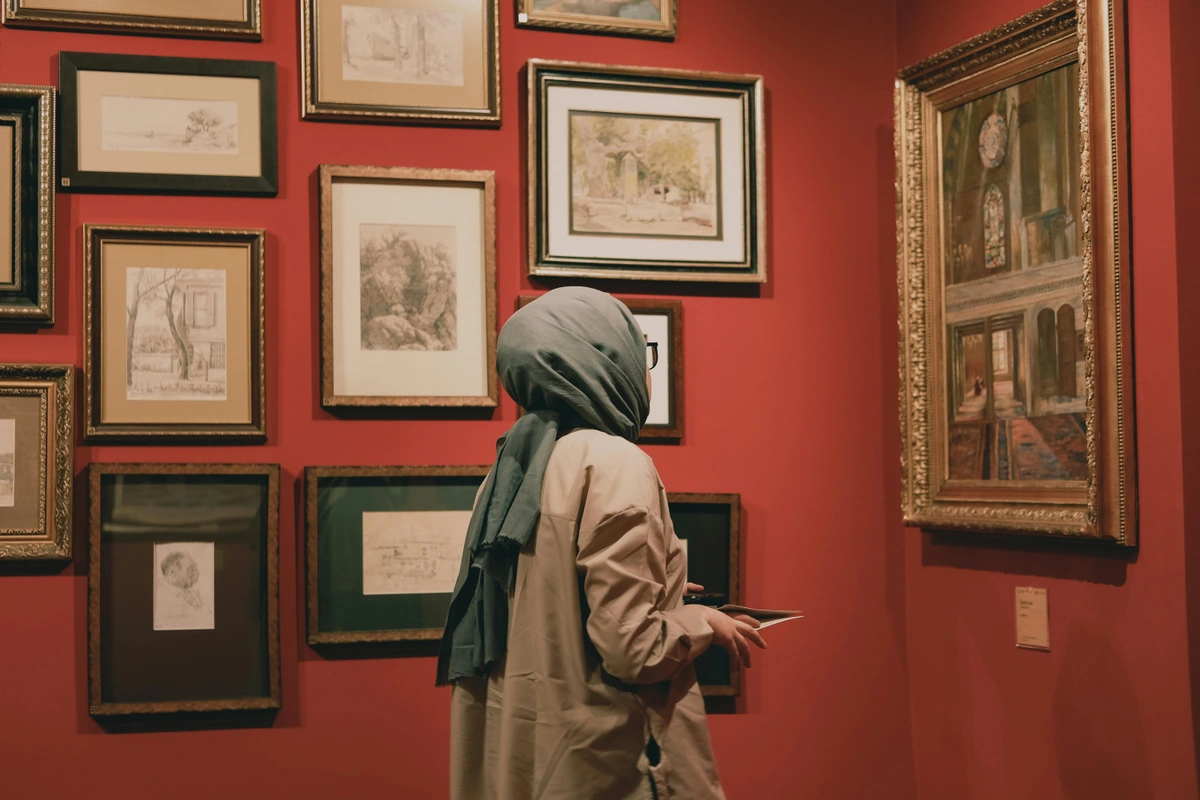
Works like Kara Walker's powerful silhouettes, for example, force us to confront uncomfortable historical narratives and empathize with experiences often marginalized or ignored. Her art doesn't just present history; it reinterprets it, inviting us to see familiar events through the lens of those who lived them most acutely.
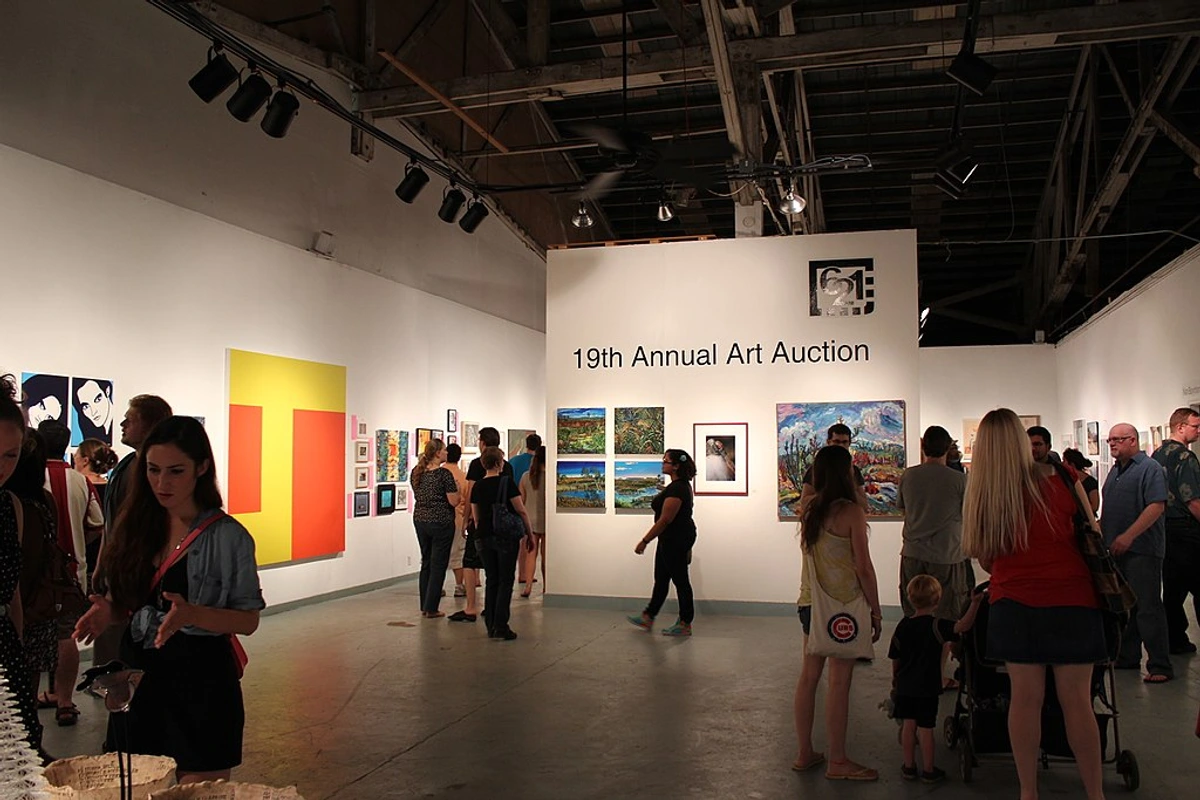
It's precisely why organizations across various sectors increasingly integrate art into diversity and inclusion training programs; it serves as a remarkably effective tool for fostering understanding and bridging gaps across different viewpoints, cultures, and historical contexts. This deep connection isn't just a pleasant side effect; it's a foundational part of how art truly connects us all, a concept beautifully explored in how art serves as an art-as-catalyst-for-social-change and understanding the symbolism of colors in different cultures. By consciously exposing ourselves to art from various periods, geographical locations, and diverse cultural origins, we actively broaden our worldview, challenge our preconceptions, and significantly deepen our inherent capacity for compassion and global understanding. It reminds us that despite our differences, many core human experiences are universally expressed through art, from the enduring influence of ancient Egyptian art to the urgent modern narratives presented by contemporary global artists. Each piece, regardless of its origin, acts as a historical and cultural ambassador, inviting us to transcend our immediate realities and connect with a broader human story. This cross-cultural dialogue through art offers us a chance to not only learn about others but also to re-evaluate our own perspectives. I find this particularly compelling when considering works that explore global narratives, such as collecting emerging abstract art: a guide to discovering tomorrow's masters, which often introduces us to new perspectives from around the world.
Beyond the Gallery Walls: Finding Art in Your Daily Life
The truly liberating secret, the one I often whisper to myself on mundane days, is this: you absolutely do not need to plan a grand pilgrimage to the Louvre or book a flight to Paris (though, let's be honest, those experiences are magnificent if you can swing them!). The profound benefits of art are not confined to hallowed museum halls or exclusive exhibitions. Art is truly ubiquitous, woven into the very fabric of our daily lives, and you can easily integrate its uplifting and brain-rewiring effects into your routine, often without even consciously realizing it. It’s not about being a connoisseur with a specialized vocabulary or having an encyclopedic knowledge of art history; it's about cultivating a mindset of observation, curiosity, and openness to visual stimuli wherever you are, transforming everyday moments into micro-doses of aesthetic enrichment. Let me show you how to start 'art spotting' in your own world. It's a journey I've found incredibly rewarding, shifting my perspective and making the ordinary feel extraordinary.
Art in Nature: The Original Masterpiece – A Timeless Gallery
Before any human brush touched canvas or chisel met stone, nature was, and remains, the ultimate artist. I've often found immense solace and profound inspiration in simply observing the natural world around me. The intricate, spiraling patterns of a fern, the dramatic, ever-changing sweep of a sunset sky, the rhythmic crash of waves against a shore, the perfect, fractal symmetry of a snowflake, or the vibrant, living tapestry of a coral reef – these are all profound aesthetic experiences that engage our senses and stimulate our minds just as deeply as any gallery piece.
Engaging with art in nature, or even art inspired by nature, taps into our innate biophilia—our deep-seated human tendency to connect with life and natural processes, a concept I find endlessly fascinating. Consider the mesmerizing fractals in a fern's fronds, the mathematical precision of the golden ratio present in a sunflower's seed arrangement, or the incredibly diverse and vibrant color palettes found in a hidden forest. These aren't just pretty sights; they're complex visual puzzles that engage our brains in pattern recognition and aesthetic appreciation, much like what is design in art. This direct, unfiltered connection to natural beauty can evoke similar, if not deeper, emotional and cognitive responses to formal artworks, powerfully reminding us of the inherent, boundless artistry that surrounds us. It’s a powerful, utterly free, and endlessly evolving "gallery" that requires no admission fee, only an open heart and keen observation. From the rugged peaks of mountain ranges that evoke feelings of awe and grandeur to the gentle ripple of a stream that brings a sense of calm, nature provides a continuous, dynamic exhibition of form, color, and movement. I often think of how many artists, myself included, draw deeply from this wellspring of natural beauty for inspiration in their own abstract creations. It's a reminder that truly impactful art can be found everywhere, if we just take the time to look and truly connect.
Observing the abstract forms and vibrant colors in a natural landscape, or in art inspired by it, can be a deeply restorative experience. Many artists, myself included, draw endless inspiration from these organic patterns and hues, transforming them into new visual dialogues on canvas. It's a testament to nature's enduring power as the ultimate muse.
Art in Your Home: Cultivating Your Personal Gallery
I’m a huge advocate for curating your own personal gallery at home. And when I say 'gallery,' I don’t mean a sterile white box; I mean a space filled with intention and personal resonance. Your home gallery isn't just decoration; it's a dynamic, evolving collection of things that genuinely make you feel something, that spark joy, contemplation, or inspiration. It can be a vibrant mix of professional prints, cherished family photographs, postcards from travels, and yes, even your kids' magnificent, crayon-on-napkin masterpieces. The point is to surround yourself with visual anchors that uplift, inspire, or simply bring you a moment of calm. If you’re looking for ideas, we have great guides on how to choose the right lighting to enhance your abstract art collection, practical tips on the art of display: how to light and position abstract art for maximum impact, and even advice on beyond the gallery wall: creative ways to display abstract art in unexpected spaces. It's about making your space a reflection of your inner world, a constant source of micro-doses of beauty and meaning. Even choosing art for a room with low light or small spaces can be an enjoyable creative exercise, transforming challenges into opportunities for personal expression. Don't forget, collecting art for small apartments: maximizing impact in limited spaces also offers fantastic ideas for making the most of your home gallery.
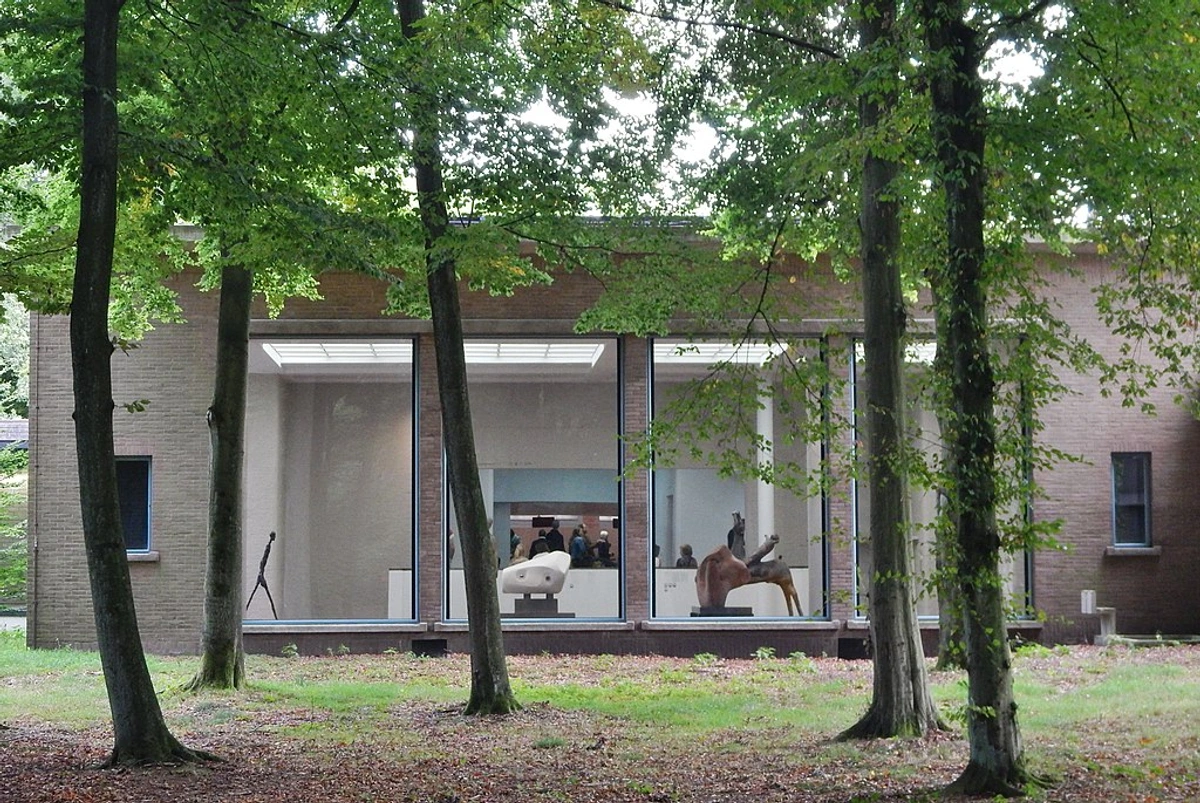
And please, whatever you do, never underestimate the power and accessibility of public art! That vibrant mural you pass on your daily commute, the intriguing sculpture gracing a city park, the meticulously designed mosaic adorning a subway station – these aren't merely urban adornments. They are democratic, often monumental expressions of creativity, frequently carrying deep cultural, historical, or poignant social narratives that reflect the very soul of a community. I personally find endless inspiration simply by actively walking around my own city, something you can experience in some of my works at the /den-bosch-museum, as I observe how art breathes life into public spaces. Public art is an incredible testament to the idea that beauty and meaning are not confined to elite institutions; they are for everyone, woven into the very fabric of our shared spaces. It's a spontaneous gallery, constantly changing with the light and the seasons, offering daily doses of unexpected wonder.
Actively paying attention to these ubiquitous pieces can utterly transform a mundane routine walk into a powerful micro-dose of creative inspiration and a profound sense of civic connection. Public art is, by its very nature, art for everyone, often created by members of the community, and always telling the story of a place and its people. From ancient monuments like Egyptian obelisks or Roman triumphal arches, which tell stories of power and belief, to contemporary street art by artists like Banksy, which challenges societal norms, these works challenge, delight, and connect us in shared public spaces, reminding us that beauty and meaning are always just around the corner. They serve as open-air museums, constantly evolving with the pulse of the city. Consider the impact of large-scale public installations, like Christo and Jeanne-Claude's wrapped buildings, which temporarily transform familiar landscapes into new artistic statements, encouraging us to see our environment with fresh eyes.
Street art, in particular, offers a raw, unfiltered commentary on society, often sparking immediate dialogue and challenging perceptions, as seen in the provocative works of artists like Banksy.
Then there are the ephemeral forms of public art – temporary installations that transform a space for a season, performance art in public squares that engage passersby, or even flash mobs that create a collective, spontaneous artistic moment. These fleeting experiences can be incredibly potent, fostering a sense of shared wonder, provoking thought, and creating vivid, collective memories and conversations within a community. They remind us that art doesn't always have to be permanent to be impactful, and sometimes its very transience makes it more precious. Think of the ephemeral nature of chalk art on sidewalks, which, despite its impermanence, can bring a burst of joy and creativity to countless individuals throughout its brief existence. These are the spontaneous moments of beauty that often catch us off guard and leave a lasting impression, proving that art is truly everywhere.
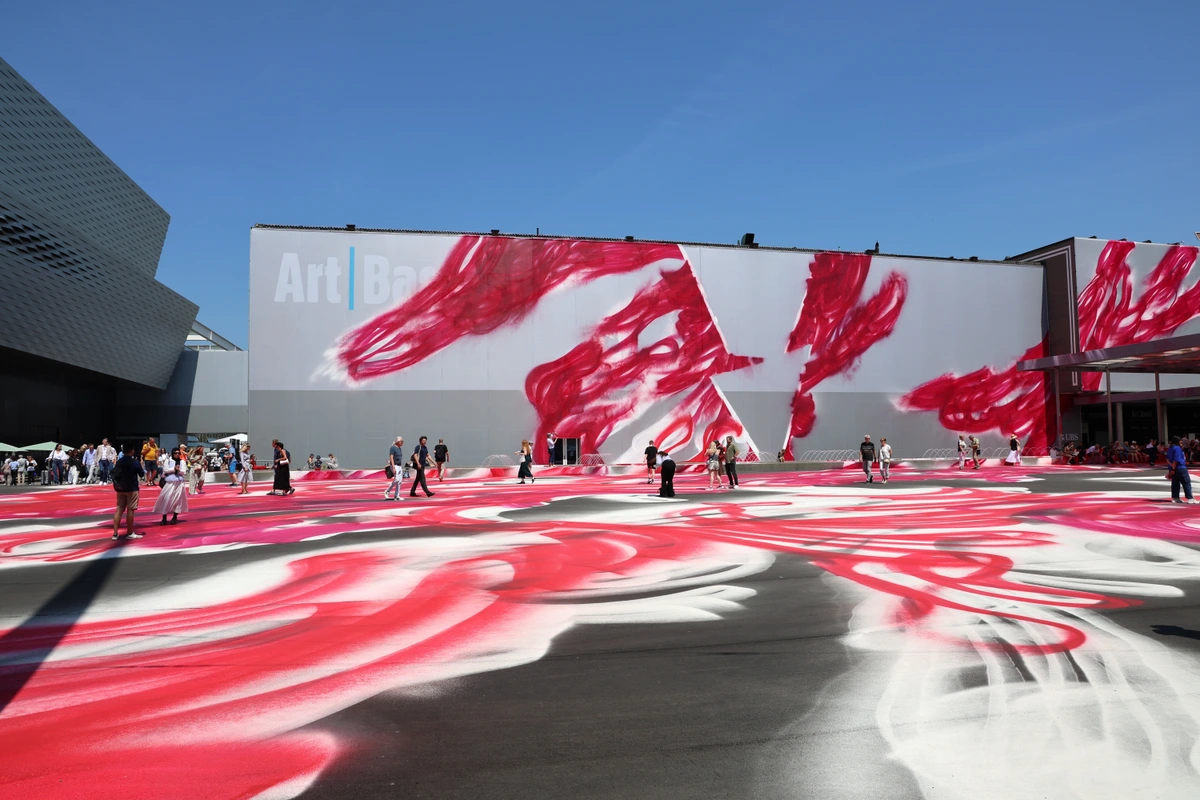
Even a colorful mural by an artist like Pastel can lift spirits and infuse a sense of vibrancy into the urban landscape, proving that art is always around us, ready to be discovered.
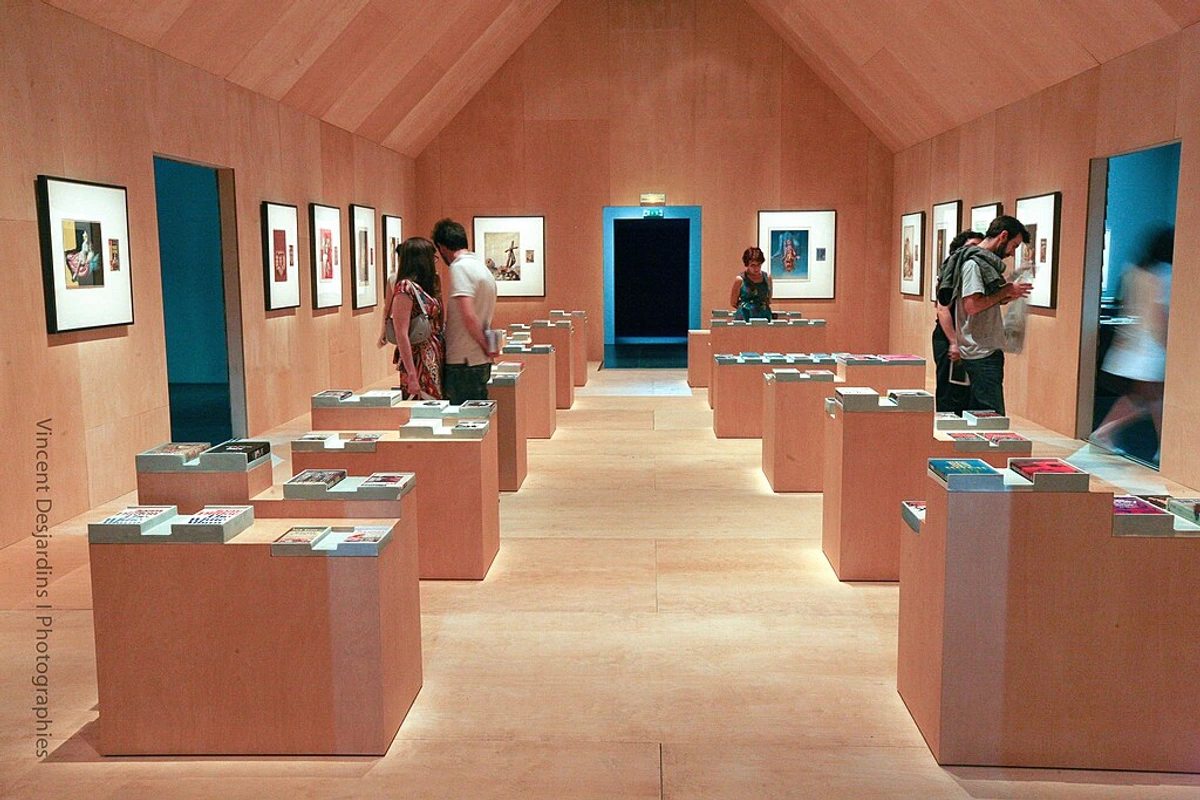
Art in Design and Architecture: Everyday Aesthetics
Beyond formal artworks and public installations, our daily lives are absolutely saturated with intentional design that functions, at its core, as a form of art. From the sleek, minimalist lines of a modern smartphone to the intricate patterns on a textile, or the soaring grandeur of a Gothic cathedral, design and architecture are fundamentally about aesthetics, form, and function working in harmony. This pervasive presence of thoughtful design means that every day, we are unknowingly engaging with artistic principles that stimulate our appreciation for beauty and order, subtly shaping our experiences. It’s a constant, often subconscious, interaction with creative intelligence, enhancing our perception of the world around us. For me, appreciating the design of an everyday object can be just as inspiring as a visit to a museum.
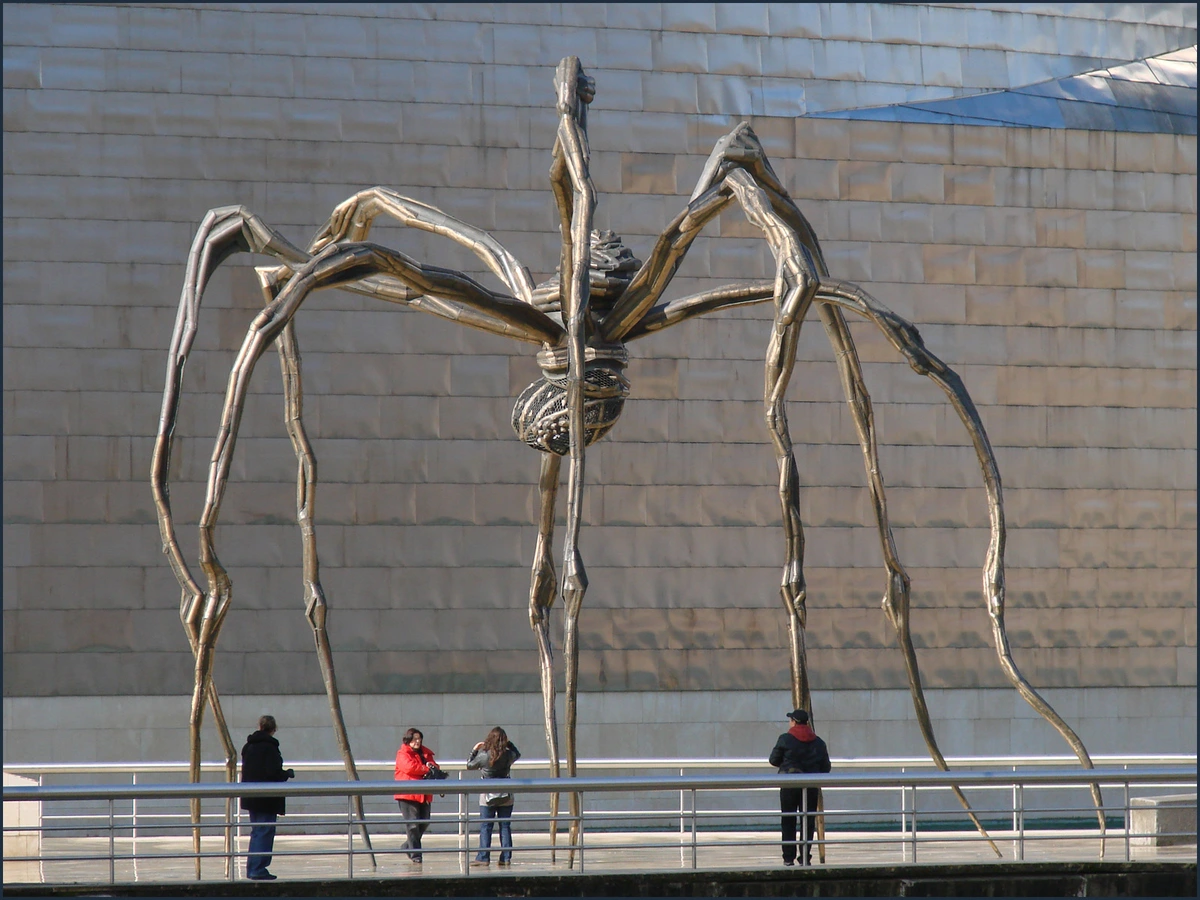
- Architecture: When you walk into a beautifully designed building, your brain processes not just its utility, but its scale, light, shadows, and materials. This engagement can evoke feelings of awe, tranquility, or inspiration, much like a great work of art. Think of the way light filters through a stained-glass window in a Gothic cathedral, creating a spiritual experience, or the harmonious proportions of a classical facade, embodying principles of understanding balance in art composition. Different architectural styles—from the brutalist honesty of concrete to the intricate ornamentation of Art Nouveau—each offer a distinct aesthetic dialogue, inviting us to appreciate the deliberate artistry in our built environment. Consider the powerful visual storytelling in structures like the ancient Roman Colosseum or the intricate detail of a Renaissance palazzo. This is also where you can appreciate the language of light: how illumination shapes my abstract compositions in a very grand, tangible way.
- Product Design: The elegant curves of a well-designed car, the satisfying tactile feel of a perfectly balanced ceramic mug, or the intuitive interface of a thoughtfully constructed app – these are all carefully considered artistic choices that profoundly impact our daily interactions and emotional responses. Good design makes life not just easier and more efficient, but undeniably more beautiful, adding layers of subtle pleasure to our routines. It's about how form, function, and aesthetics coalesce to create a seamless and enjoyable experience. Even the everyday chair or lamp has undergone countless artistic iterations to reach its current form, reflecting evolving aesthetics and ergonomic considerations. I often think about how this applies to what is design in art on a micro-level.
- Graphic Design: From the thoughtfully considered layout of this very article you're reading to the distinctive branding of your favorite coffee shop, graphic design is omnipresent. It uses principles of composition, color, and typography to convey messages, evoke feelings, and establish identity. It's art in service of communication, constantly shaping our visual landscape and influencing our perceptions, from subtle cues to powerful campaigns for social change. Think about the impact of a well-designed book cover or a compelling advertising poster – these are miniature artworks influencing our choices and understanding on a daily basis. This is where visual storytelling techniques in narrative art finds a modern, everyday application.
By becoming more attuned to the art inherent in our designed world, we elevate our everyday experiences and continuously engage our aesthetic appreciation centers, cultivating a deeper connection to the human creativity that surrounds us. This conscious recognition of design as art allows us to live in a more beautiful and thoughtfully constructed world, and to appreciate the profound impact of human ingenuity on our daily lives. It's a constant reminder that aesthetic choices are not frivolous, but deeply impactful.
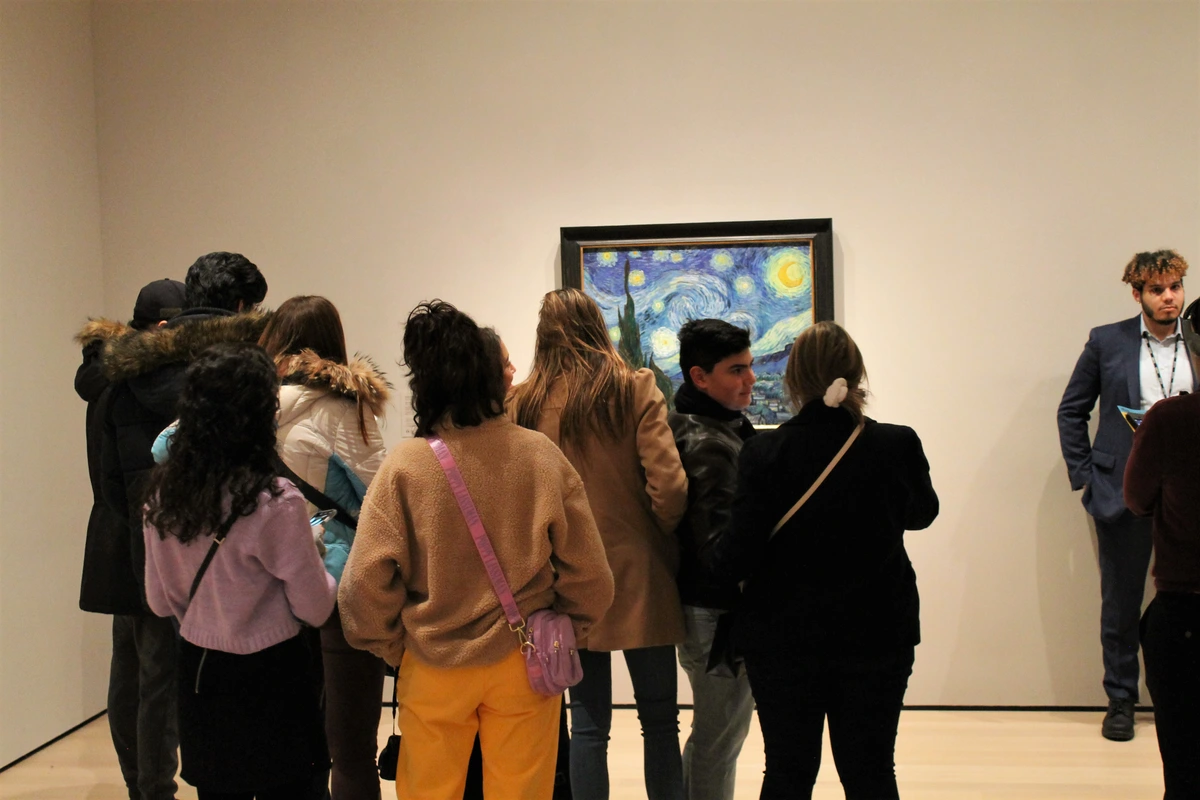
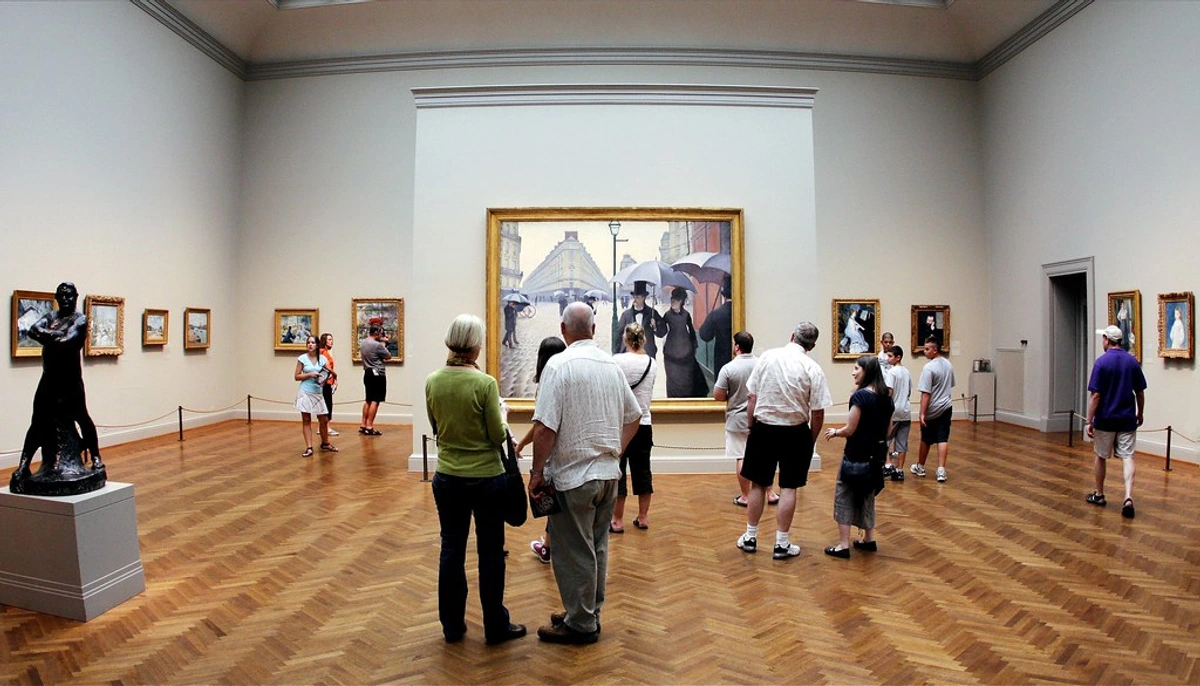
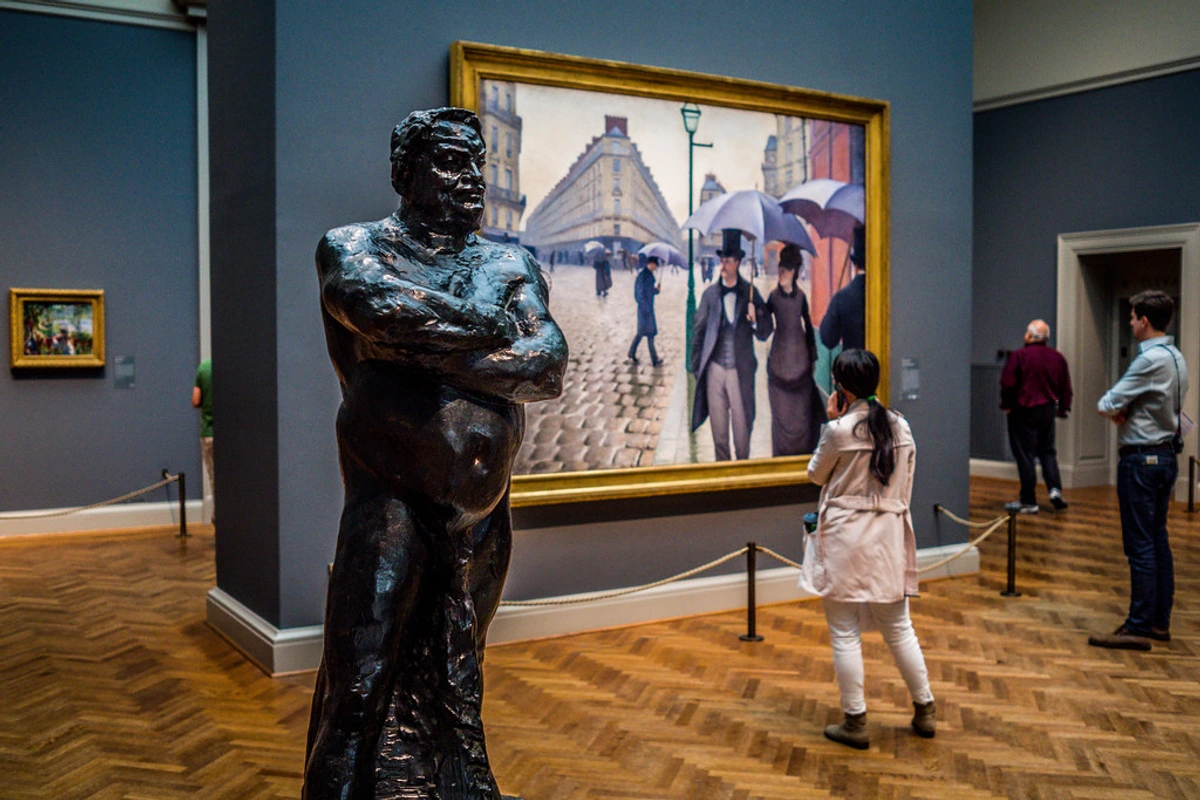
The grandeur of architectural spaces, such as the Art Institute of Chicago, consistently demonstrates how design can inspire awe and reflection.
The Digital Canvas: Art in the Palm of Your Hand
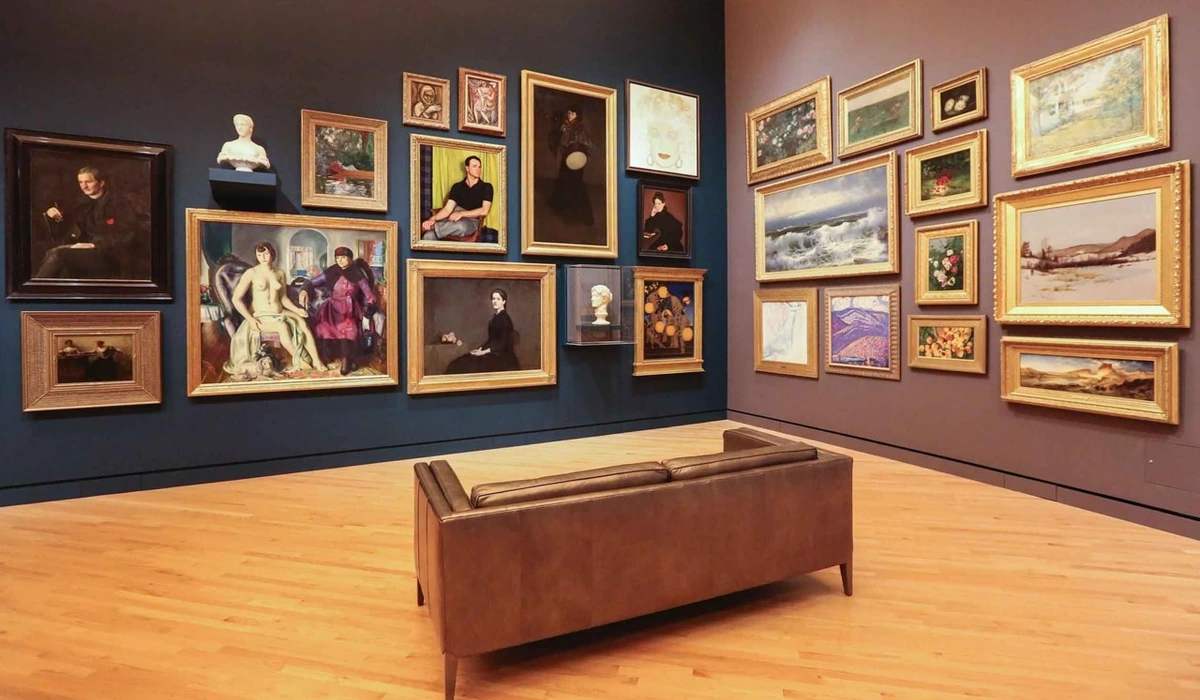
In our increasingly digital world, the accessibility of art has absolutely exploded, democratizing access in ways unimaginable a few decades ago. You might think gazing at a masterpiece on a tiny screen can't possibly compare to the visceral experience of standing before the real thing, and in some ways, you'd be right—you inevitably lose the monumental sense of scale, the subtle texture of brushstrokes you can almost feel, and the ambient hush of a physical gallery. However, what you gain in the digital realm is unparalleled accessibility, a global reach, and a new universe of artistic expression. You can, quite literally, visit the Louvre in your pajamas, explore the collections of the Rijksmuseum during your lunch break, or discover an emerging artist from halfway across the globe, all with a few taps. Digital platforms and virtual galleries offer incredible opportunities to find what resonates with you, exposing you to a broader spectrum of art than ever before, often with rich contextual information and interactive features that enhance understanding. It's a vast, interconnected art world at your fingertips. I've personally spent countless hours exploring online archives and virtual tours, discovering artists and movements I might never have encountered otherwise. It's a fascinating way to expand your artistic horizons, and one that fits seamlessly into modern life.
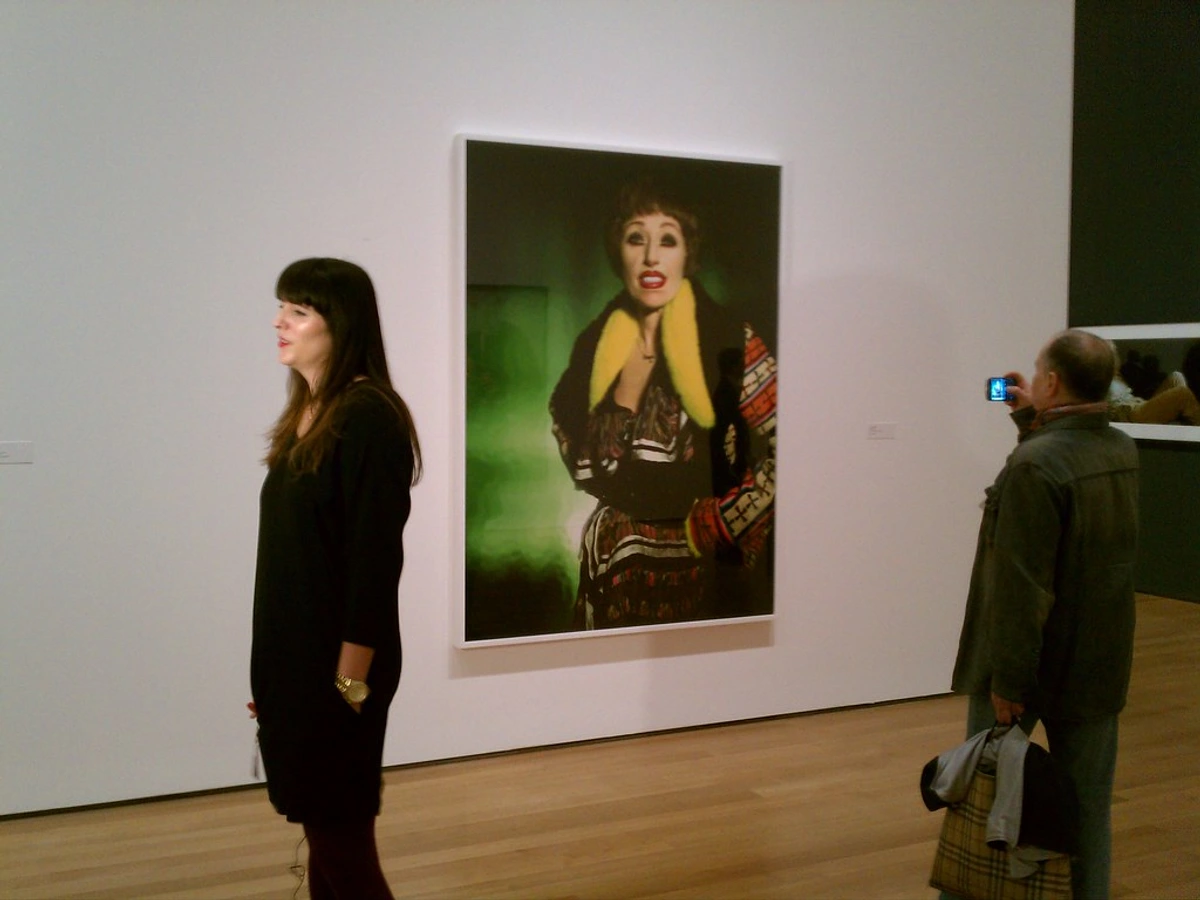
Moreover, digital art itself is a burgeoning universe, encompassing everything from intricate generative art and interactive web experiences to immersive virtual reality installations. Artists are pushing the boundaries of what art can be, creating works that are specifically designed for, and often only possible within, the digital realm. Engaging with these forms sharpens different cognitive skills, challenging us to interact with art in new and dynamic ways, often blurring the lines between viewer and participant. While the world of NFTs (Non-Fungible Tokens) and blockchain art has certainly brought a wave of discussion and, shall we say, enthusiasm, I tend to approach it with a healthy dose of skepticism, focusing more on the artistic merit and accessible innovation than speculative markets. Nonetheless, it’s undeniably a frontier of creativity that’s constantly expanding, offering endless opportunities for the rise of digital abstract art and engagement. And, let's be honest, it’s often a far less intimidating way to dip your toe into the art world without the perceived pressure of a physical gallery, allowing for a more personal and exploratory journey. This digital revolution also makes art creation more accessible, allowing aspiring artists to experiment with tools like Procreate for abstract art sketches, further blurring the lines between viewer and creator. For me, this is an exciting extension of beyond the brush: exploring digital tools in my abstract art practice, where traditional and digital merge.
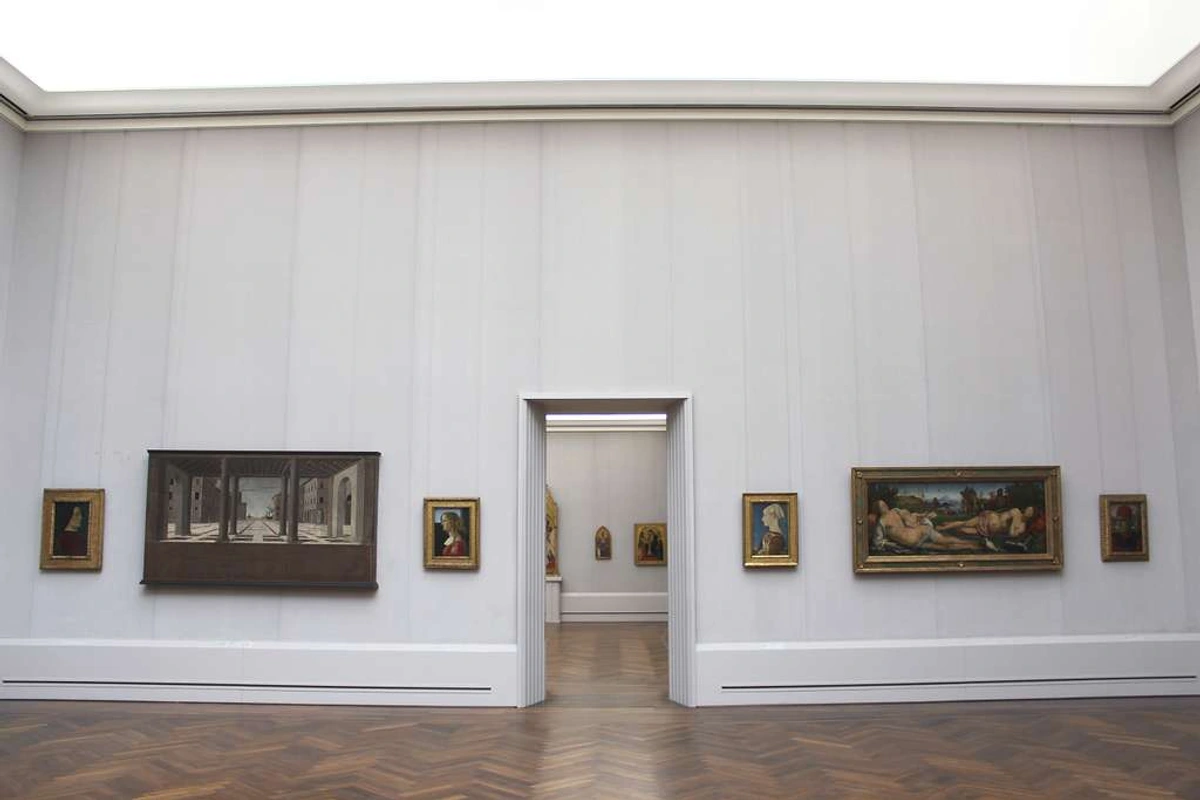
How to 'Look' at Art (Spoiler: There Are No Rules)
How to 'Look' at Art (Spoiler: There Are No Rules and You Can't Get It Wrong)
Okay, so you’ve found a piece that genuinely caught your eye, whether it’s hanging in a bustling museum, nestled in a quiet gallery, or simply appearing on your screen. Now what? This is often the point where people seize up, paralyzed by the fear of doing it "wrong," or worse, not "getting it." Let me liberate you from that pressure right now, with absolute certainty: you literally cannot get it wrong. There are no secret codes to decipher, no mandatory emotional responses you must feel, and absolutely no single "correct" interpretation that you're expected to stumble upon. The goal is never to perfectly guess the artist's exact intention—that’s their journey, their private conversation with the canvas. Your goal, your only goal, is to allow yourself to have your own, unique, and deeply personal experience. It’s about being present, being open, and simply allowing the art to interact with your inner world, not about deciphering some hidden truth. This is what I like to call 'slow looking'—a deliberate, unhurried, and mindful engagement that allows the artwork to gradually unfold for you, revealing layers you might otherwise miss in a quick glance. It's an antidote to our fast-paced, consume-and-move-on culture, offering a precious pause for genuine connection and a chance to engage in active, rather than passive, viewing. It's like a conversation with an old friend where you're not trying to solve a puzzle, but simply enjoying the shared presence and discovering new aspects of each other. I've found this approach to be incredibly freeing, allowing for a much richer and more personal connection with art.
Tools for Engagement: How to Make Art Your Own
There’s no single instruction manual, but I've found a few approaches that reliably deepen the experience. Think of these less as rules and more as gentle invitations.
Here are a few ways I approach it:

- The Gut Reaction: This is my absolute favorite starting point, and frankly, it's often the most insightful. Don't overthink it, don't intellectualize it, and definitely don't censor it. Just feel. What's the very first word or sensation that pops into your head? Is it 'sad'? 'Energetic'? 'Calm'? 'Confused'? Perhaps a particular color makes you feel anxious, or a certain shape brings a sense of joy. Trust that initial, unvarnished hit. Our subconscious often picks up on things long before our conscious mind catches up, offering a direct, unfiltered emotional response. This is raw, honest engagement, and it's always valid. You might be surprised at how much you're already feeling, even if you can't explain why in that moment. I once felt an overwhelming sense of 'release' from a chaotic abstract painting, only to realize later it mirrored my own need to let go of a demanding project. This immediate, unfiltered response is your brain's primal communication with the art, often revealing truths before your conscious mind has a chance to analyze them away. It's a key part of what I explore in the emotional resonance of my abstract art: how feelings guide my brushstrokes.
- Follow Your Eyes: This is a surprisingly powerful technique, and it requires no special training. Instead of trying to take everything in at once, simply let your gaze wander naturally, unhurriedly, across the piece. Where does it land first? What elements immediately draw you in? Where does your eye linger, and where does it move next? Artists are masters of composition and visual weight, meticulously constructing a path for your eyes to follow, often guiding you through narrative or emotional arcs. Following this path, noticing the lines, shapes, colors, and textures that subtly guide you, becomes an active, almost meditative part of the experience. It helps you see the artwork not as a single static image, but as a journey, a conversation between the artist's intention and your own perceptual exploration. (Understanding Balance in Art Composition) This gentle exploration allows your brain to process the visual information at its own pace, creating a more profound and lasting impression, much like savoring a complex meal instead of rushing through it. I often think about the language of line: how gestural marks define emotion in my abstract art when I do this.
- Ask Simple Questions: Instead of the often-intimidating 'what does it mean?', which can feel like a riddle you're destined to fail, try these more personal and open-ended prompts. These aren't tests; they're invitations to a dialogue:
- What emotions does this piece stir in me, even subtly? Is it joy, unease, wonder, curiosity?
- What does this remind me of in my own life – a memory, a dream, a sensation, a person?
- If this artwork were music, what would its melody be like? Would it be a soaring symphony, a melancholic jazz tune, a frenetic drum solo, or a quiet, ambient hum?
- Which color is the loudest or most dominant? Which is the quietest or most harmonious? Exploring the emotional language of color in abstract art or even the psychology of color in abstract art: beyond basic hues can unlock a whole new layer of understanding and personal resonance. This is where what is a color study in art? becomes incredibly insightful.
- If I could step into this artwork, what would I hear, smell, or feel? What would the temperature be?
- What kind of marks has the artist made? Are they bold, delicate, aggressive, or subtle? This helps me connect with the art of mark-making: expressive lines and gestures in abstract painting.
These questions invite a personal, evolving dialogue, not a single, definitive answer. The 'meaning' isn't fixed; it's co-created with your unique perspective.
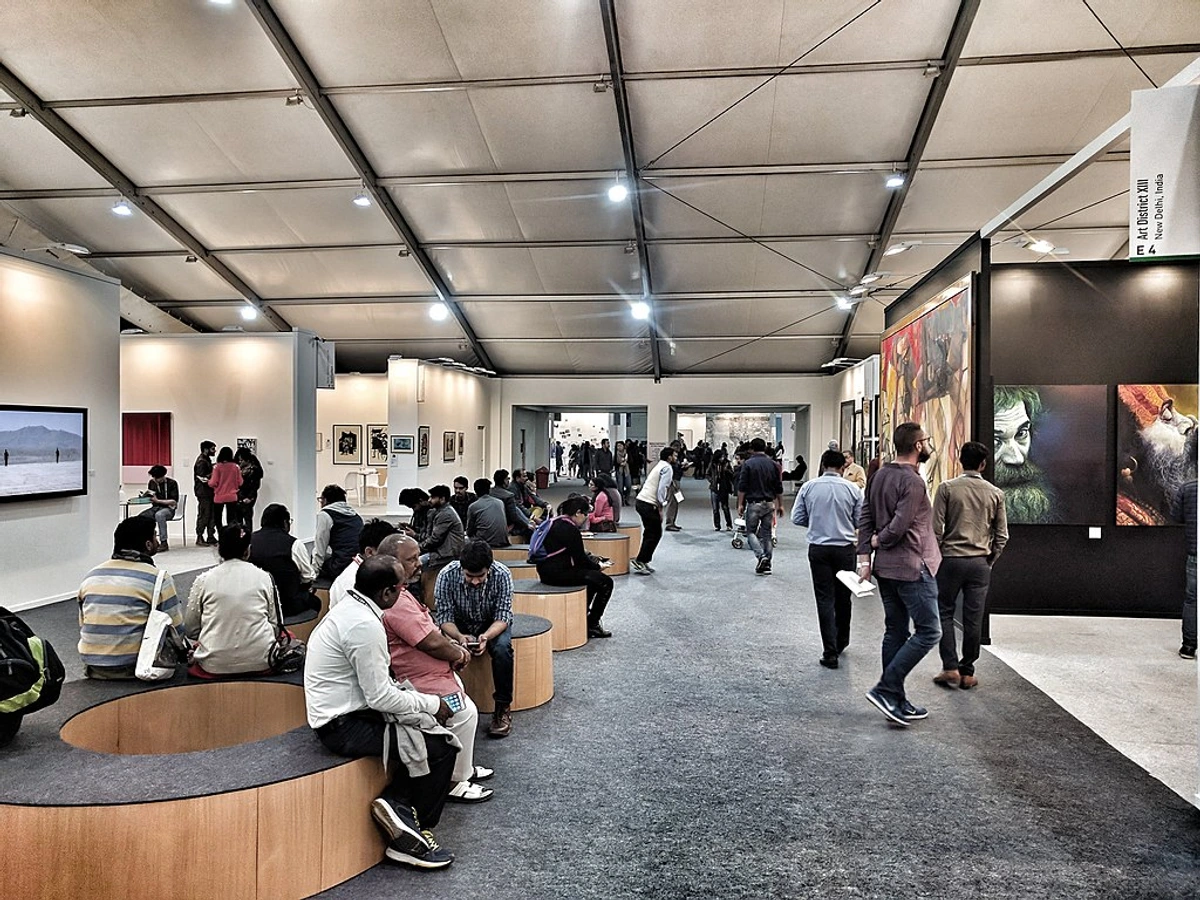
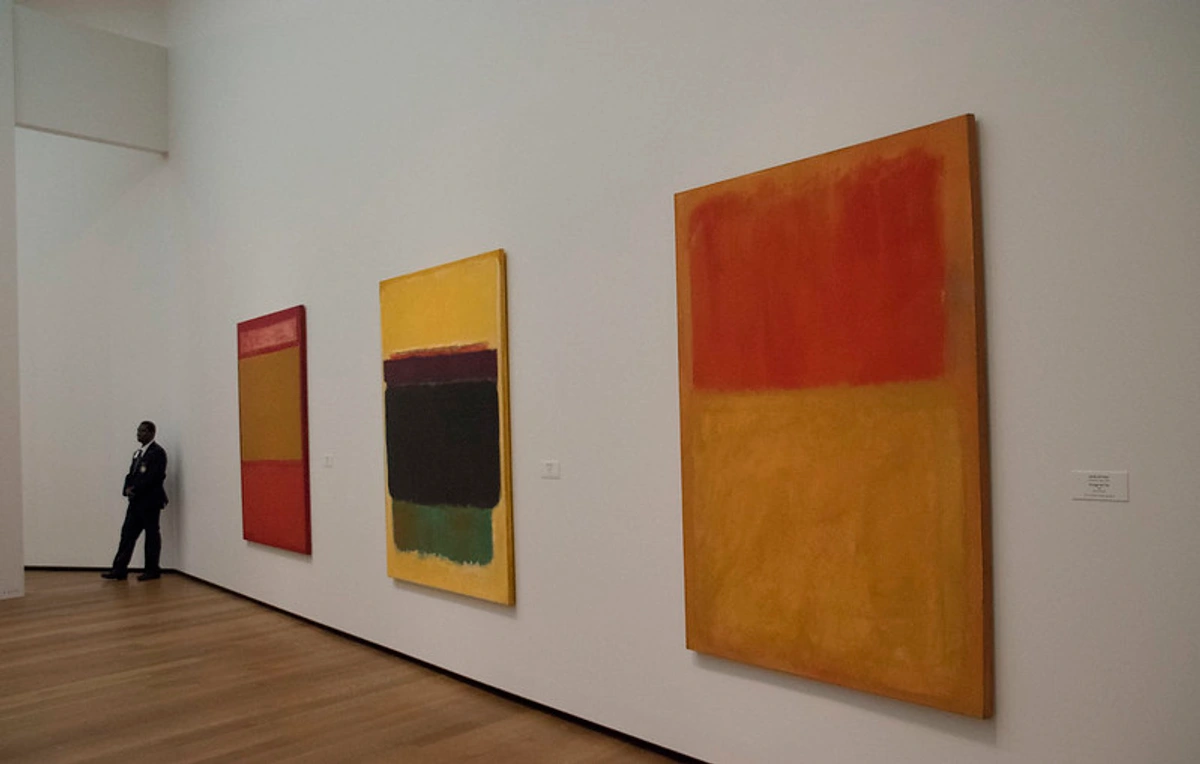
This empathetic, feeling-first approach is especially potent with abstract art. Many people get intimidated by abstract pieces, feeling like they're missing some secret key or intellectual password. But it's precisely because abstract art doesn't give you a clear, recognizable image that it becomes such a powerful, almost unrestrained, invitation to feel, to imagine, and to connect with your own inner landscape. It's not a riddle to be solved; it's a mirror reflecting your own interpretations and emotions back at you, a unique dialogue where your perspective is paramount. This philosophy of open engagement is at the core of my personal philosophy as an artist and how I approach the creation of my own abstract pieces, hoping to spark a unique conversation with each viewer. If you're curious to dive deeper into how abstract art came to be, check out the ultimate guide to abstract art movements: from early pioneers to contemporary trends, and perhaps even explore how to abstract art yourself. Understanding the historical context, from the groundbreaking work of Wassily Kandinsky to the minimalist expressions of Agnes Martin, can further enrich this personal journey, but it's never a requirement for initial engagement. You can also dive into the definitive guide to understanding abstraction in contemporary art for more insights.
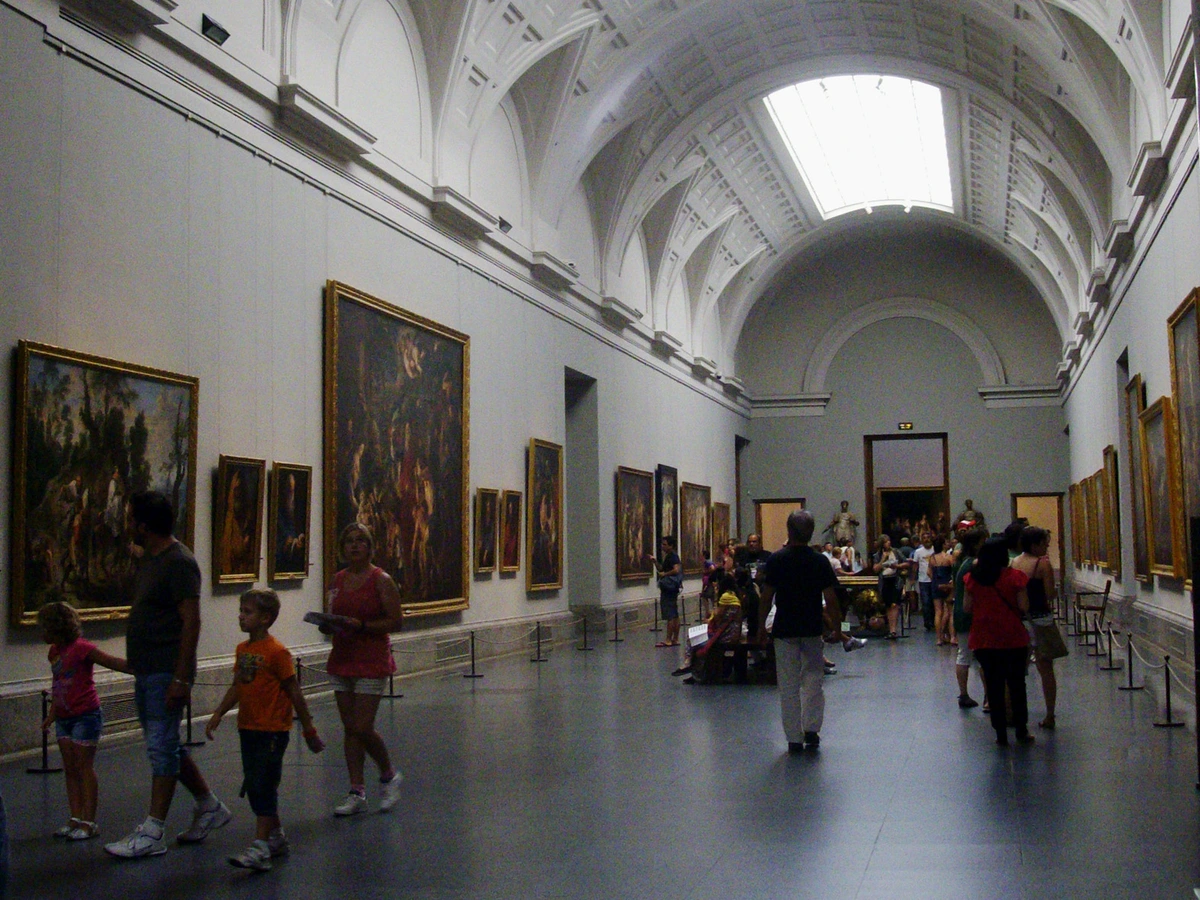
A Quick Guide to 'Looking' Beyond the Surface
To help solidify these approaches, here’s a quick guide summarizing various ways you can consciously engage with art. Remember, mix and match these, or ignore them completely! The goal is always your experience.
Approach | Your Goal | A Simple Prompt |
|---|---|---|
| The Storyteller | Invent a narrative. | What happened right before this scene? What happens next? Who are these people? |
| The Analyst | Notice the details. | How many different shades of blue can you find? Notice the texture, the lines, the light source. What materials were used? Consider whether it's an alla prima painting or a complex mixed media piece. (What is Giclee Print) |
| The Meditator | Use it as a focus point. | Breathe deeply and just let your eyes rest on one part of the image for a minute or two, observing without judgment, allowing the art to guide you into a state of mindful reflection. |
| The Emotionalist | Connect with the feeling. | Does this piece feel like a memory, a dream, or a strong feeling you've had? What colors trigger what emotions? |
| The Explorer | Discover new elements. | What's in the background? Are there hidden symbols or small details I missed on the first glance? How does the artist use shadow boxes or other techniques to create depth and hidden narratives? |
| The Questioner | Engage intellectually. | If this artwork could speak, what question would I ask it? What question does it ask of me? |
| The Contextualizer | Briefly consider its world. | Who made this, and why? What was happening in the world when it was created? (The Definitive Guide to the History of Abstract Art) Does it reflect broader art movements of the 21st century or a specific cultural moment? |
| The Critic | Form an informed opinion. | What works well in this piece, and what might be less successful for me? What makes it unique? (Remember, your opinion is valid!) |

Frequently Asked Questions
What are the key benefits of looking at art?
Beyond just aesthetic pleasure, looking at art offers a wide array of scientifically backed benefits. It can reduce stress by lowering cortisol levels and activating the parasympathetic nervous system, leading to a state of calm. Cognitively, it acts as a mental workout, enhancing creative problem-solving, pattern recognition, memory, and observation skills, especially with abstract and complex works. Emotionally, it provides a safe space for processing and regulating feelings, fostering emotional intelligence and even aiding in trauma processing. Furthermore, art is a powerful tool for cultivating empathy, allowing us to step into different perspectives and connect with shared human experiences across cultures and time. In essence, art rewires your brain for enhanced well-being, improved cognition, and a richer emotional life.
Do I need to know art history to benefit from viewing art?
Absolutely not. Zero. Zilch. Let me repeat, and this is crucial: You do not need to be an art historian, or even know a single artist's name, to gain profound benefits from looking at art. While a deep dive into art history can certainly enrich intellectual appreciation, add fascinating layers of context, and illuminate the cultural significance of a work (and I love those dives myself!), it is in no way a prerequisite for experiencing the profound emotional, psychological, and cognitive benefits we've discussed throughout this article. Think of it this way: you don't need to understand the physics of flight to enjoy a breathtaking sunset, do you?
Your personal, visceral, and unmediated response to a piece—that gut feeling, that unexpected sense of calm, that flicker of curiosity, or even a moment of confusion—is entirely valid on its own. In fact, I'd argue it's often the most authentic and direct way to connect with art. Think of art history as a fascinating optional extra, a rich library of stories and facts available if you're curious (like the definitive guide to the history of abstract art or art movements of the 21st century), but absolutely not a mandatory entry fee to experience art's power. The art truly meets you where you are, with whatever knowledge and experience you bring to it. It’s an open invitation, not an exclusive lecture or an academic hurdle. Whether it's the raw emotional power of a Francis Bacon painting or a simple abstract doodle, your authentic response is the most important part.
Whether it's the raw emotional power of a Francis Bacon painting or a simple abstract doodle, your authentic response is the most important part.
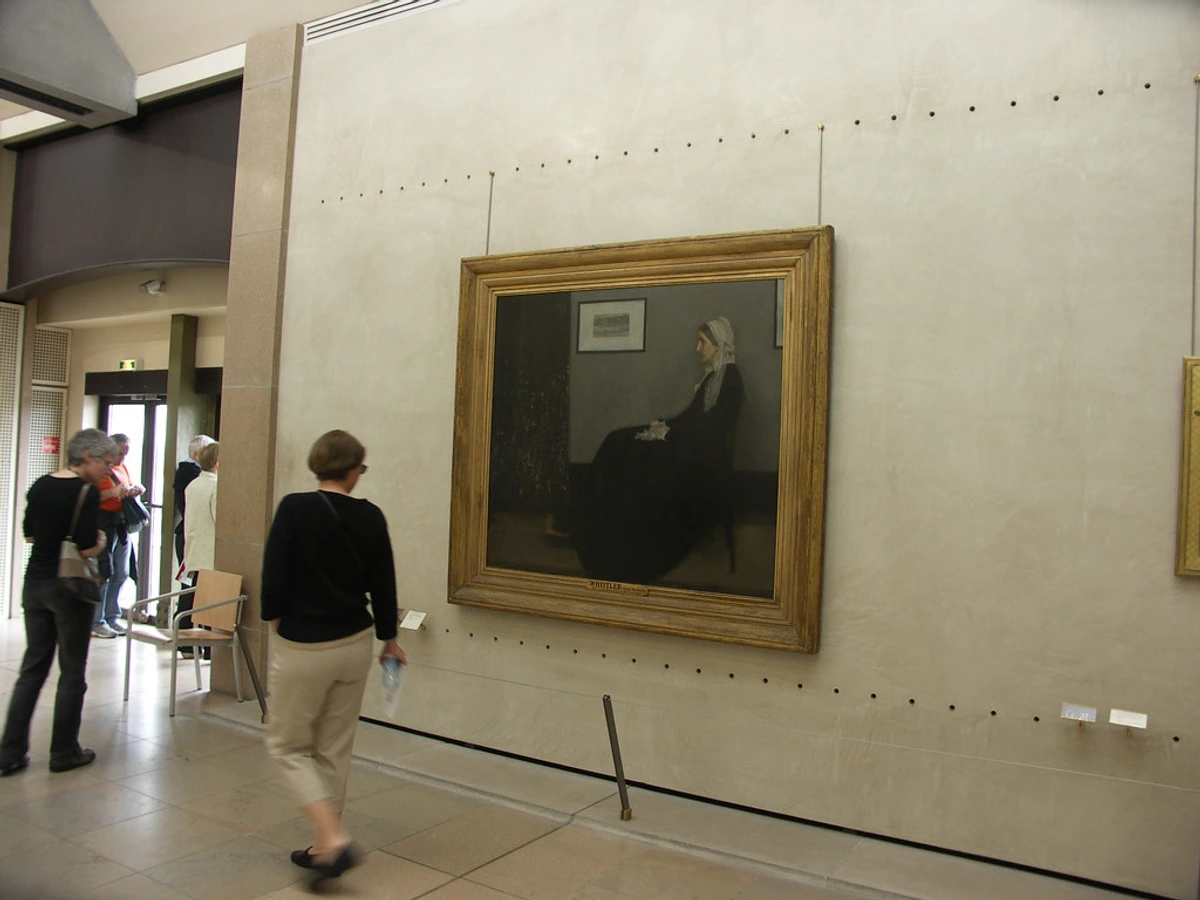
What if I don't 'feel' anything when I look at a famous piece of art?
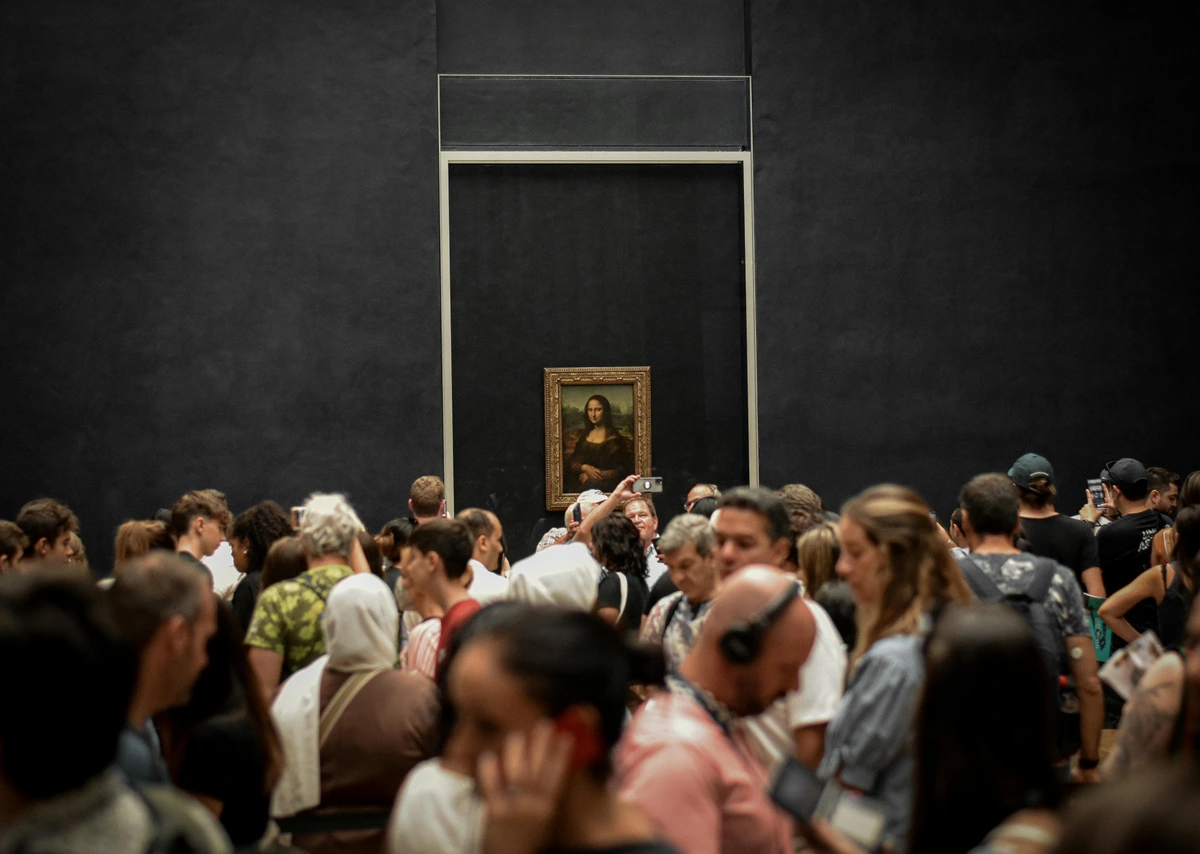
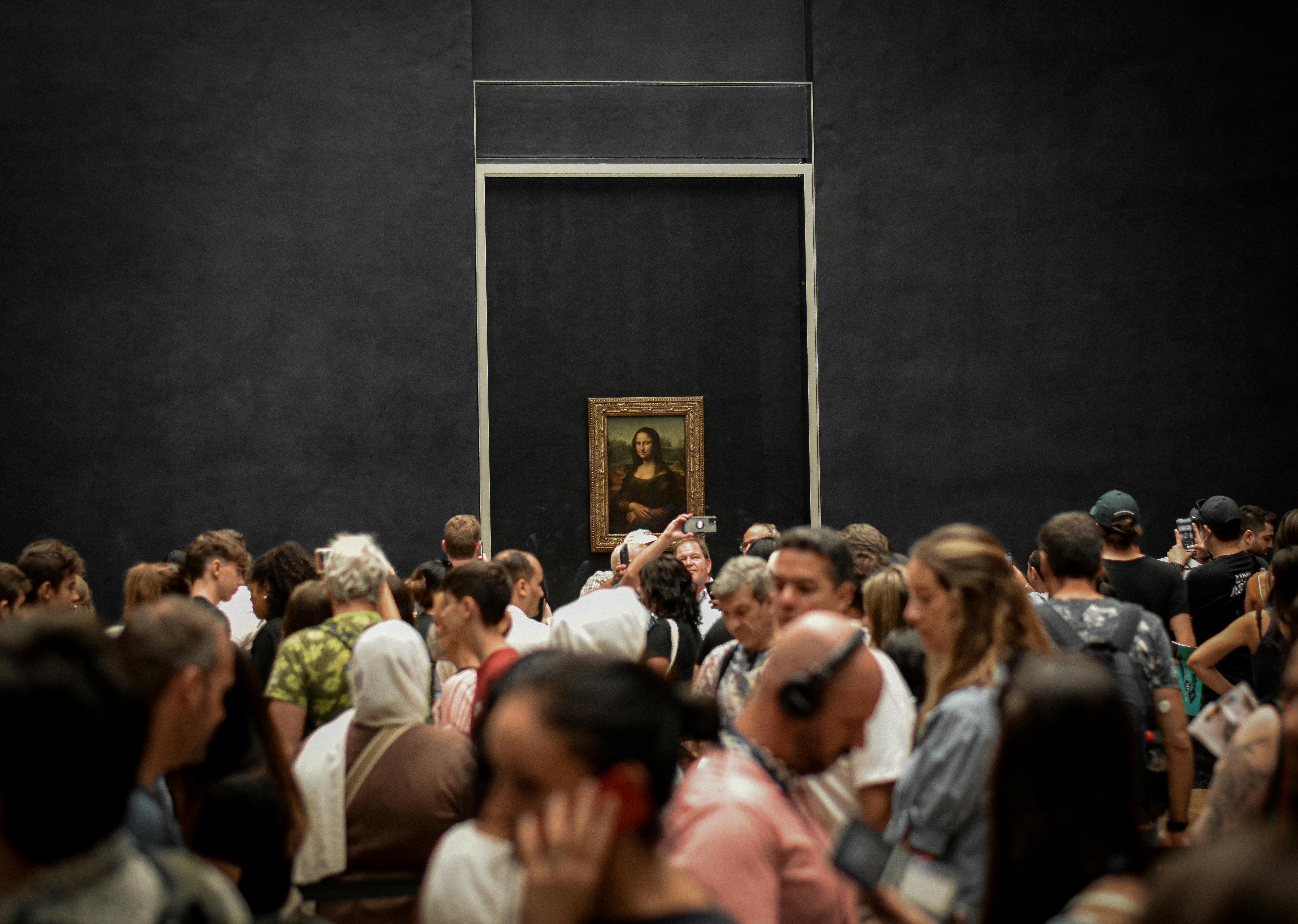
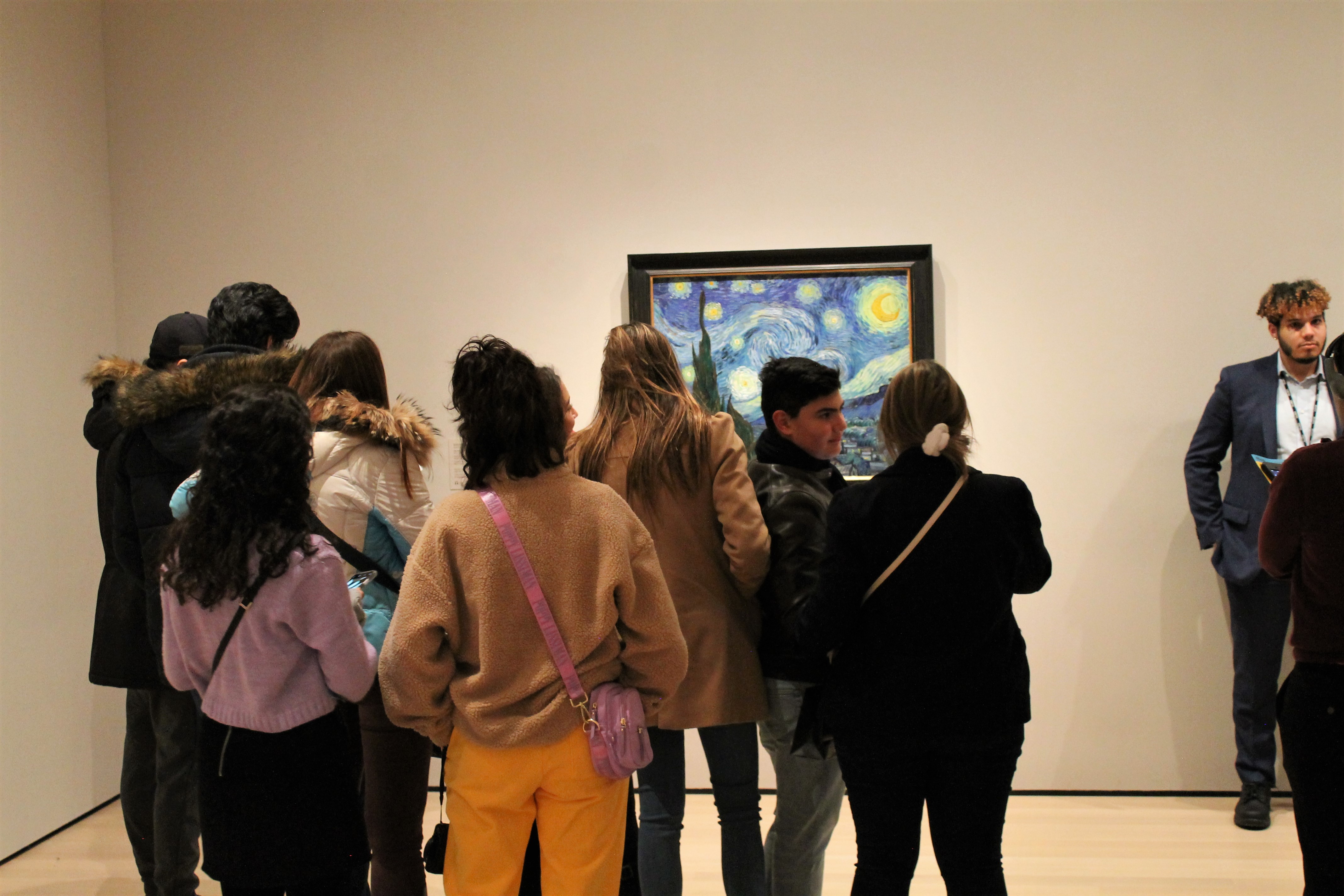
Oh, this is such a common, almost universal worry, and let me tell you, it's something I’ve experienced countless times myself! The answer is simple, yet incredibly liberating: that is completely and utterly okay! And perfectly, wonderfully normal. There's this unspoken pressure, this societal expectation, to be moved by every "masterpiece" you encounter, especially the famous ones. But the truth is, not every single piece of art, no matter how famous, revered, or historically significant, is going to resonate with you personally. And yes, that absolutely includes icons like the Mona Lisa, a Starry Night by Van Gogh, or even a towering Rodin sculpture like The Thinker. It's like not every song on the radio is going to be your favorite, even if millions love it.
Art is, at its core, deeply subjective. Our connection to it is a complex tapestry influenced by a myriad of factors: our current mood, our past life experiences, our cultural background, our personal aesthetic, and frankly, even the weather or how much sleep I got last night (at least for me!). Maybe that particular piece isn't speaking your language today, or perhaps it's simply not the right moment for it. The crucial thing is to acknowledge that feeling—or lack thereof—without judgment or self-criticism. There’s an entire, vast universe of art out there, spanning millennia and countless cultures; you will find your connections. The journey is about authentic discovery and personal resonance, not about forced appreciation or checking off a list of "must-sees." Just move on, explore, and trust that the right piece will find you when you're ready, perhaps when you least expect it.
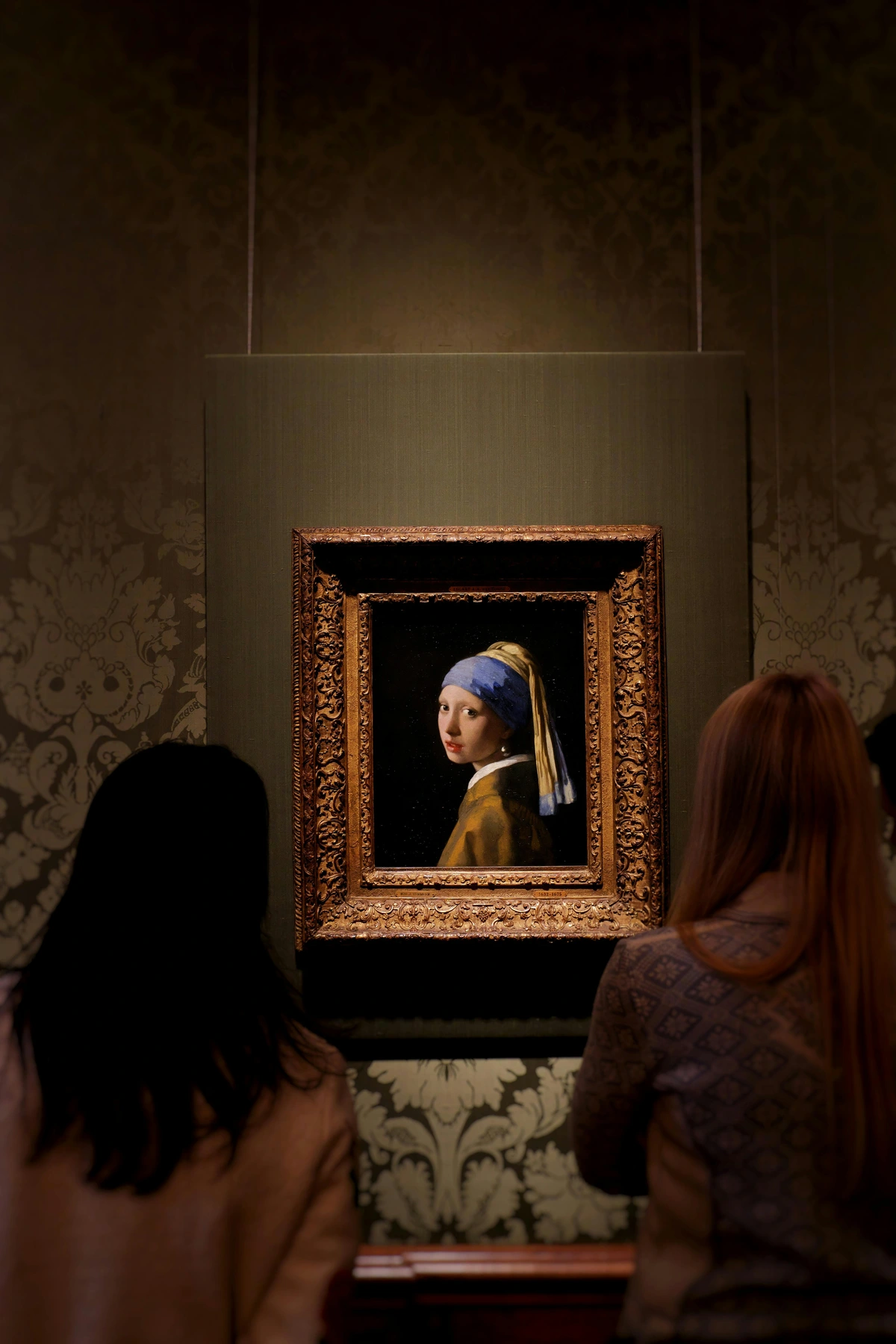
The Mona Lisa might draw crowds, but it's your personal connection, not its fame, that truly matters. Sometimes an abstract interpretation speaks louder. As someone who creates abstract art, I find that the freedom of interpretation in non-representational works often allows for a more direct, emotional dialogue with the viewer, unburdened by historical context or societal expectations.

Can looking at art online have the same effect as in person?
It's absolutely a different experience, but I firmly believe it's still incredibly valuable. Yes, you inevitably lose the immersive sense of scale, the subtle nuances of texture, and the unique aura a physical artwork often possesses. There’s something undeniably powerful about standing before a monumental painting or a delicate sculpture in person. However, what you gain with online art viewing is unparalleled accessibility. You can indeed visit the Louvre in your pajamas, explore obscure galleries in far-flung corners of the world, and discover new artists you might never encounter otherwise, all from the comfort of your couch. It democratizes art, making it available to everyone, everywhere. This digital access also allows for a more personalized and less intimidating introduction to the art world, especially for those who might feel overwhelmed by traditional gallery settings.
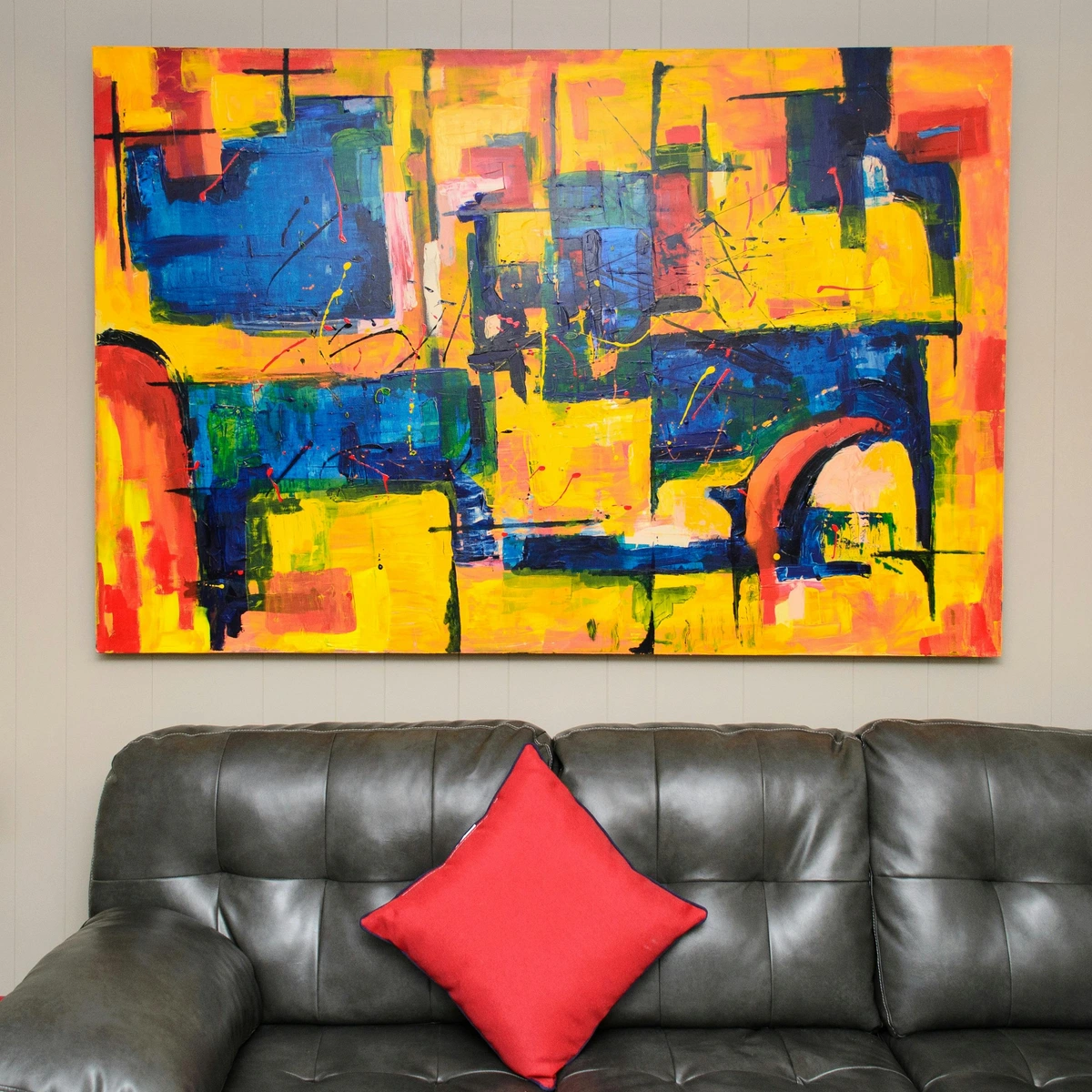
Furthermore, the digital realm has fostered the emergence of entirely new artistic forms. Digital art, NFTs (though I approach them with a healthy dose of skepticism), virtual reality installations, and interactive online experiences are pushing the boundaries of what 'art' even means. Engaging with these forms demands different kinds of attention and interaction, providing their own unique cognitive and emotional stimuli. So while it may not replicate the in-person sensation, it offers its own rich and expansive universe of artistic engagement.
Is looking at abstract art particularly 'good' for the brain?
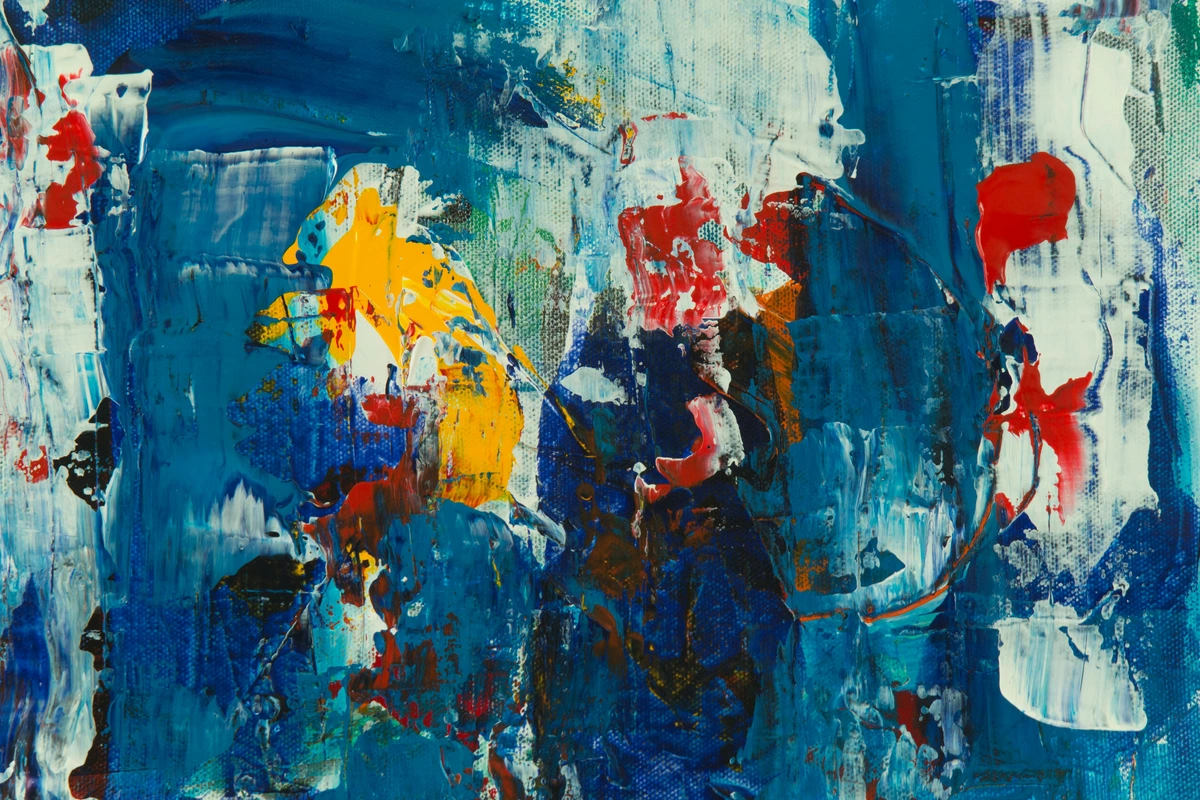
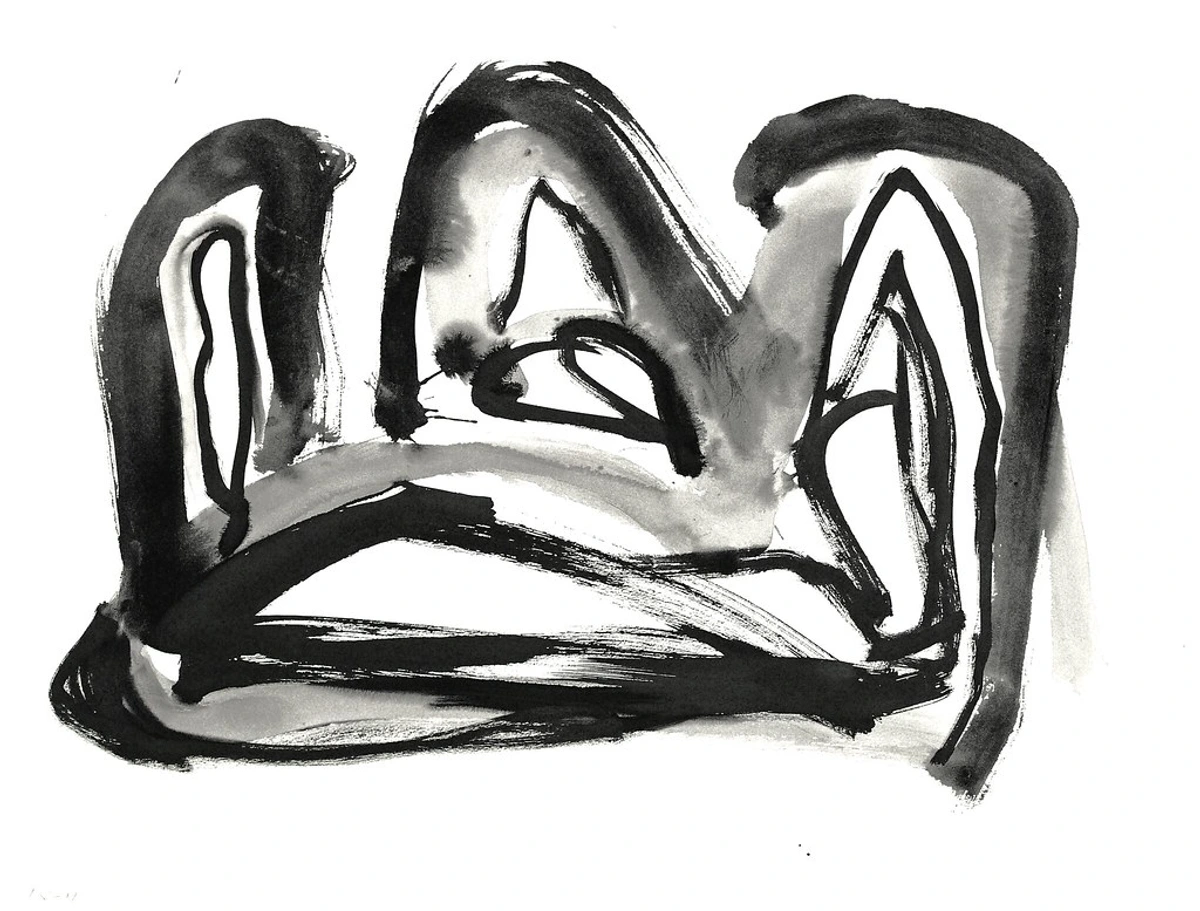
I absolutely think so! And thankfully, science increasingly tends to agree. The unique power of abstract art lies precisely in what it doesn't explicitly depict. Because it doesn't present a clear, recognizable narrative or a conventional image, your brain isn't passively receiving information to categorize and store. Instead, it’s invited, or rather compelled, to actively work a little harder. It fills in the perceptual gaps, makes its own unique connections, and engages its creative problem-solving muscles in a way that representational art often doesn't. It's a true exercise in visual discernment and imaginative interpretation, firing up neural pathways that might otherwise lie dormant. This makes it a fantastic mental workout, encouraging your brain to forge new connections and perspectives, much like learning a new language or mastering a musical instrument.
This process of active interpretation can stimulate different areas of the brain involved in perception, imagination, emotional processing, and even reward systems, thereby fostering greater cognitive flexibility, imaginative thinking, and enhanced visual discrimination. It’s like a mental playground where your brain is truly free to roam, interpret, and create meaning without the often-confining constraints of realistic representation. This open-ended engagement can be a wonderful gateway to mindful moments and inner reflection, cultivating a deeper sense of presence, and might even inspire you to explore how to abstract art yourself, discovering your own unique visual language and fostering your inner artist. This is also why many find abstract art to be a powerful tool for overcoming fear of the blank canvas, as it encourages a non-judgmental approach to creation.
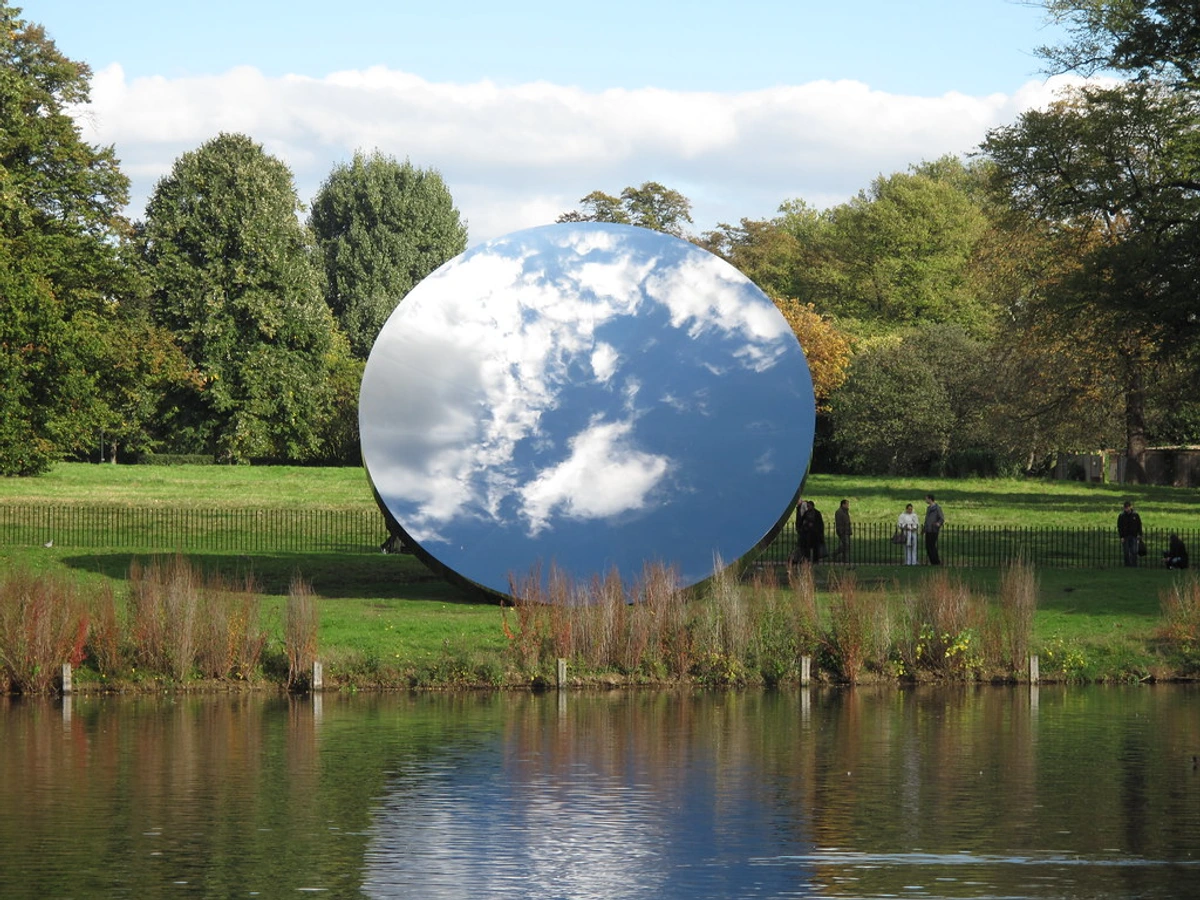
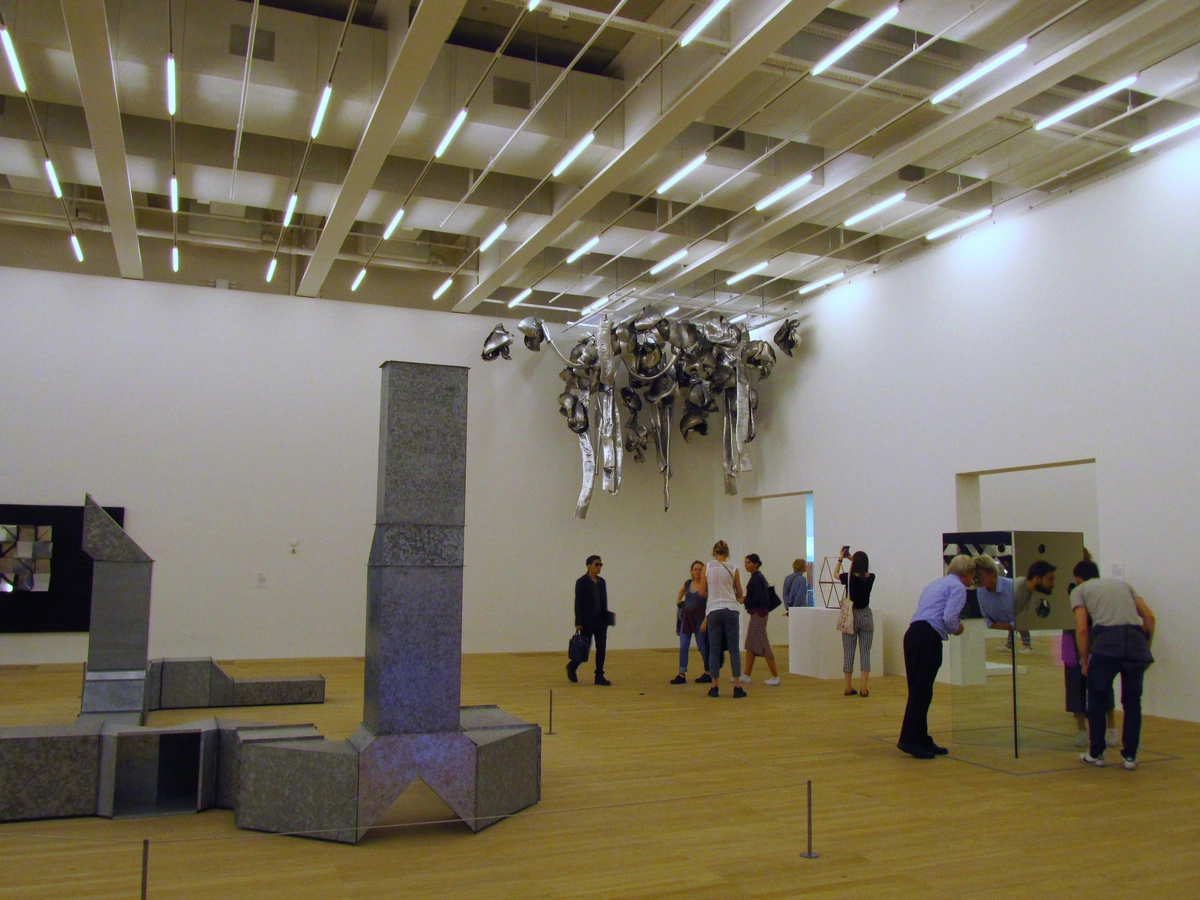
Abstract works, whether paintings or sculptures like Anish Kapoor's reflective spheres, invite a direct, visceral engagement, challenging our perceptions and sparking new connections.
What if I don't 'get' abstract art?
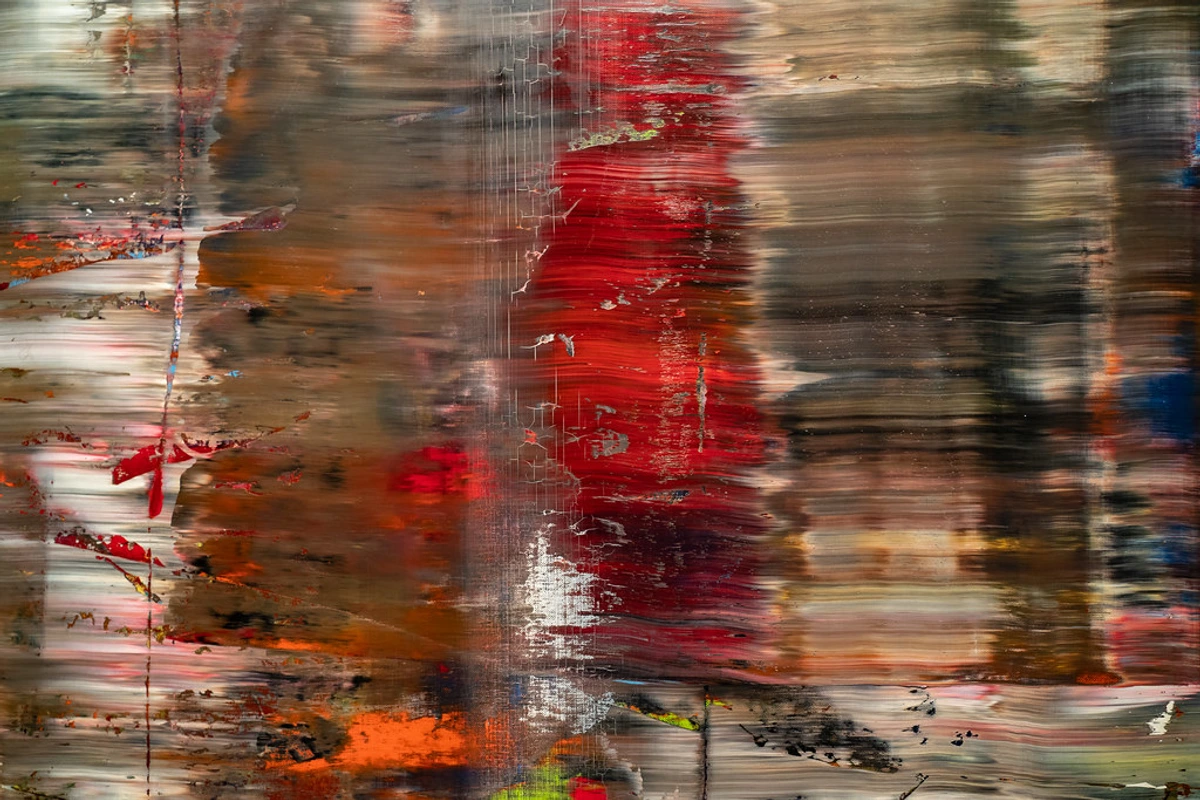
Ah, this is a truly significant and common hurdle for many, and it's a feeling I completely understand! Many people feel a deep sense of inadequacy or even frustration when confronted with abstract art, often operating under the mistaken belief that there’s a secret meaning they're missing, or an intellectual key they haven't found. But here’s the wonderful truth, the liberating beauty of abstract art: it doesn't demand to be 'gotten' in a literal, rational sense. It’s not a puzzle with a single, verifiable solution. Think of it less like a math problem and more like a piece of instrumental music; you don't need lyrics to feel it, do you?
Instead, abstract art powerfully invites a personal, intimate dialogue. If you genuinely don't 'get' it, that is not only perfectly fine but often the very starting point of a deeper engagement. Don't force a narrative or a conventional interpretation onto it. Instead, try asking yourself: 'What does this make me feel, even if subtly?' or 'What colors, shapes, and textures are most dominant or compelling to me?' Allow your own subjective experience, your gut reaction, and your imaginative impulses to be your primary guide, rather than frantically searching for an external 'correct' answer. Sometimes, the initial discomfort or the feeling of 'not getting it' is precisely the point – it's an invitation to sit with ambiguity, to expand your aesthetic boundaries, and to discover entirely new facets of your own emotional and cognitive responses. Don't force it, but absolutely do stay open. The reward isn't understanding the meaning, but discovering your meaning, and that's a truly profound experience. This is especially true when exploring different abstract art styles, as each offers a unique entry point for personal interpretation. It's a journey, not a destination, and it's always evolving, much like finding my voice: the evolution of my abstract artistic style.
Even emotionally charged works like Munch's 'Angst' can, paradoxically, offer a sense of release by externalizing complex human emotions, validating our own inner turmoil.
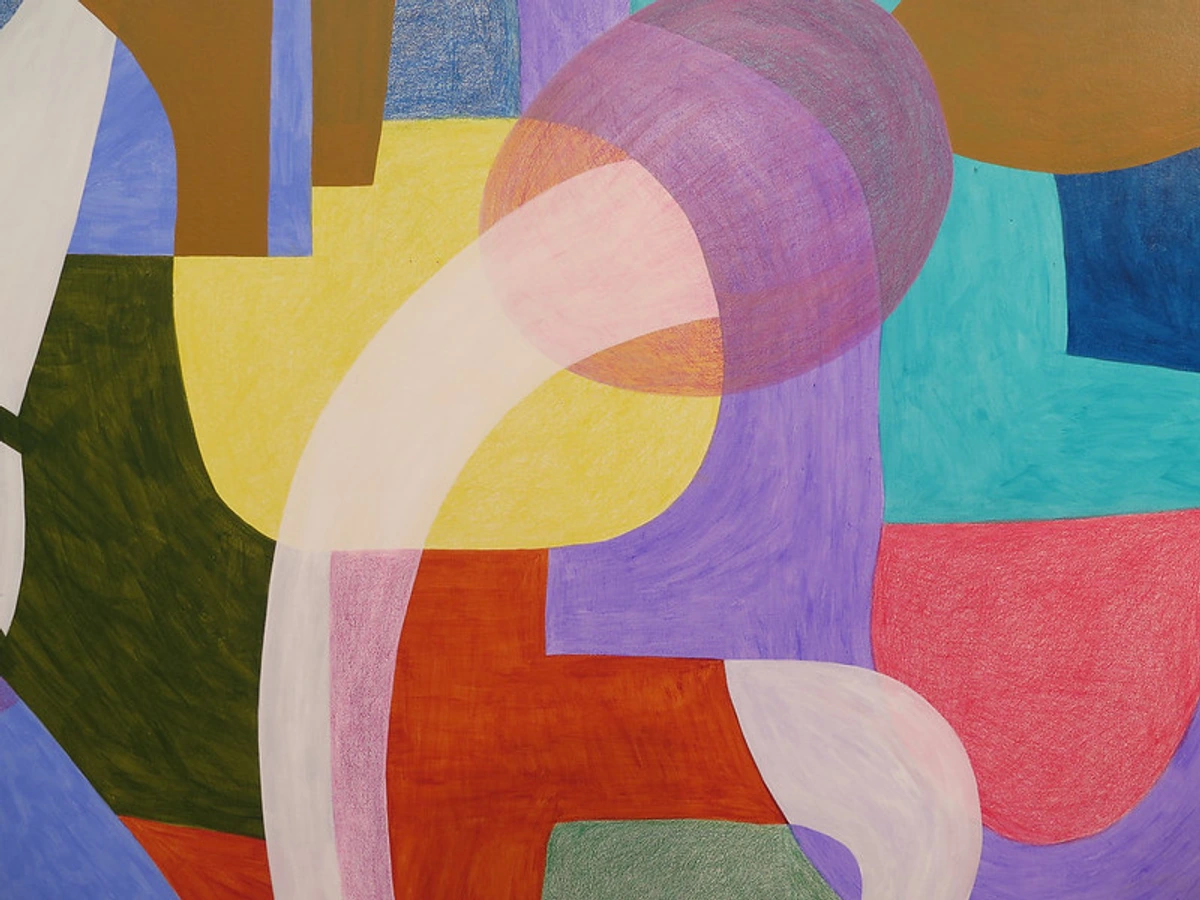
How does art interact with technology or AI?
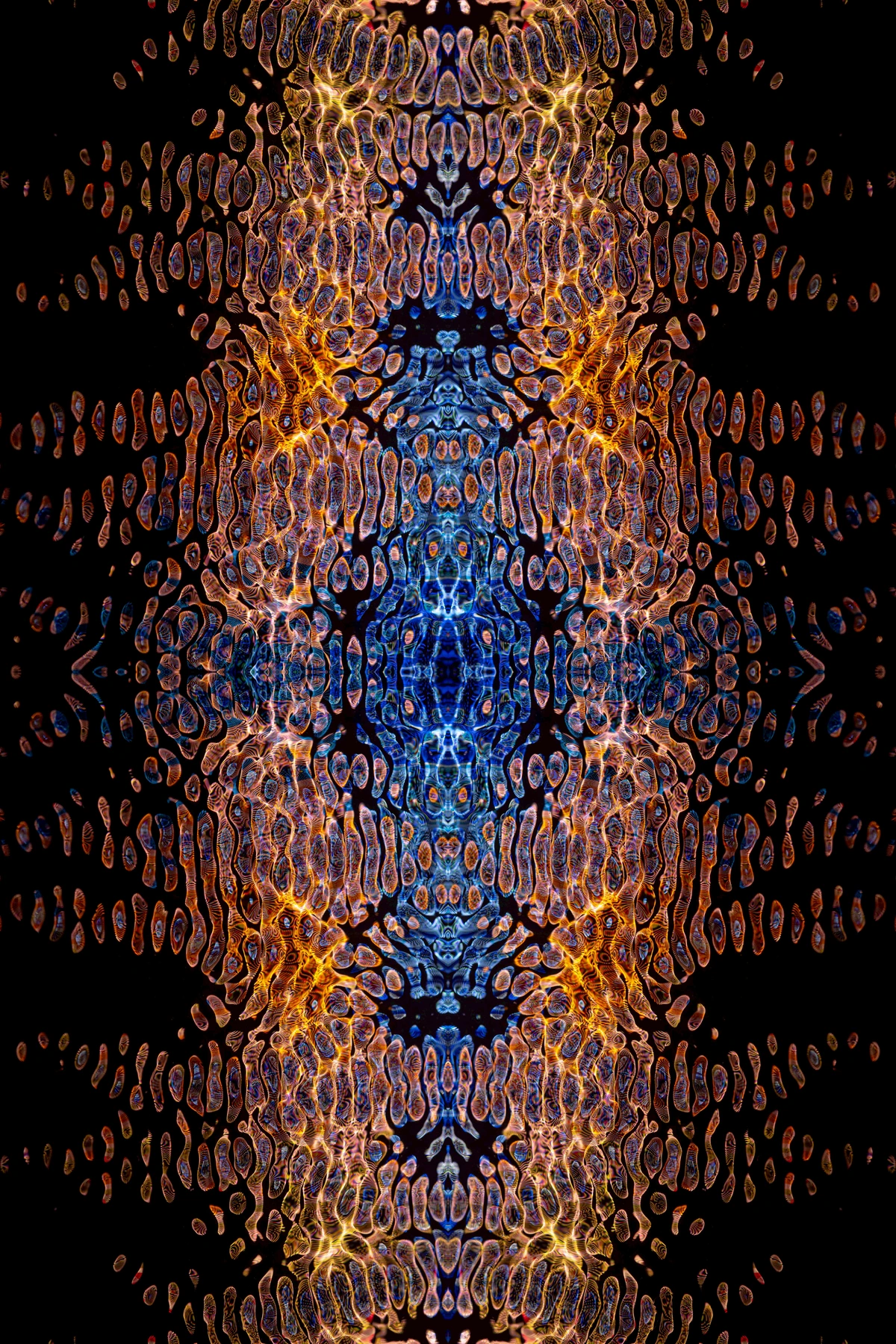
This is a fascinating, and rapidly evolving, question! Art has always adapted to new technologies, from oil paints to photography. Today, we see artists leveraging digital tools, virtual reality, and even Artificial Intelligence to create entirely new forms of expression. AI can be used as a tool to generate images, create interactive installations, or even compose music and poetry. It opens up incredible possibilities for exploring new aesthetics and pushing creative boundaries. I've even dabbled a bit in collaborative art projects with AI myself, which you can read about in AI as Co-Creator: Exploring Collaborative Art Projects with Artificial Intelligence.
However, it's a double-edged sword, isn't it? While AI can be a powerful assistant and a source of novel ideas, the fundamental human element – the intention, the emotion, the unique perspective of the artist – remains, for me, the irreplaceable core of art. AI generates based on algorithms and existing data; it doesn't feel or experience in the human sense. So, while technology expands the canvas, the most compelling art, I believe, still comes from the intricate, sometimes messy, and always deeply human wellspring of creativity. It's a tool, not a replacement for the soul.






Your Invitation
So, here’s my personal invitation, my challenge to you, from one curious human to another. You truly don't need to book a flight to Paris, spend a fortune, or even understand the intricacies of art history to unlock these profound benefits. The journey is far simpler, yet incredibly potent. Just take five minutes today. Find one piece of art—it could be a print on this website, an image in a book, a vibrant mural on your daily walk, or even something you’ve scrolled past a hundred times on your phone. And just look at it. Really look, with an open heart and an unburdened mind. Or perhaps, if you're feeling a creative spark, try your hand at how to abstract art yourself. The act of creation can be just as, if not more, rewarding than observation.
Don't try to be smart. Don't worry about finding the 'right' answer or deciphering a hidden meaning. Just allow yourself a moment of quiet, unjudged connection. It’s not about becoming an art expert overnight; it’s about becoming a little more connected to the vast, beautiful, and often surprising world around you and, perhaps most importantly, to the rich, complex world within yourself. It’s about cultivating those small, precious moments of presence and wonder that can profoundly impact your well-being, shift your perspective, and enrich your everyday life. And if you discover something that truly speaks to your soul, that evokes a feeling you want to keep close, consider bringing that feeling home by checking out the art available to /buy or exploring my journey as an artist through the /timeline and other works at the /den-bosch-museum. You might even find inspiration for your own creative journey, whether it's through finding your art subject or exploring the unseen layers: my process of building depth and narrative in abstract mixed media. Remember, every artist, including myself, started somewhere, often with that same flicker of curiosity you're feeling now, exploring my journey with mixed media: blending materials for abstract expression.
It’s a small act, almost deceptively simple, but one with surprisingly powerful, lasting results for your brain, your spirit, and your overall sense of wonder. Give it a try. I promise, your brain, and your spirit, will thank you.
Additional Resources & Further Exploration
If you're eager to continue your journey into the transformative power of art, here are some links to deeper dives into specific topics and related art concepts:
- From Pixels to Paint: My Creative Journey Integrating Digital Tools in Abstract Art