
Courbet's Bold Brushstrokes: How Realism Revolutionized Art
Dive into Gustave Courbet's raw techniques that shattered art conventions. Discover how this painter made the ordinary extraordinary through texture, honesty, and unapologetic realism.

Courbet's Bold Brushstrokes: How Realism Revolutionized Art
Gustave Courbet, a name synonymous with rebellion and raw authenticity, reshaped the trajectory of art history. His bold brushstrokes and unapologetic focus on the mundane and the real challenged the very foundations of 19th-century art. This article delves into how Courbet's Realism movement not only revolutionized art but also paved the way for modern artistic expression.
Courbet's influence extends beyond his artistic techniques; it encompasses a philosophical shift in how art is perceived and created. His work was not just about aesthetics but about challenging societal norms and redefining the purpose of art itself.
Gustave Courbet, a name synonymous with rebellion and raw authenticity, reshaped the trajectory of art history. His bold brushstrokes and unapologetic focus on the mundane and the real challenged the very foundations of 19th-century art. This article delves into how Courbet's Realism movement not only revolutionized art but also paved the way for modern artistic expression.
I’ve spent hours staring at Gustave Courbet’s work—really studying it. And let me tell you, these paintings don’t just hang on walls; they punch you in the gut. Forget ethereal angels and perfect mythological scenes for a moment. Courbet dragged art back to earth, kicking and screaming. His technique wasn’t just paint on canvas; it was a declaration that this is real life. Here’s how he pulled it off.
Courbet’s approach was not just about technique; it was about capturing the essence of reality in its rawest form. His paintings were a rebellion against the idealized and often escapist themes of his contemporaries, making them a cornerstone of the Realism movement.
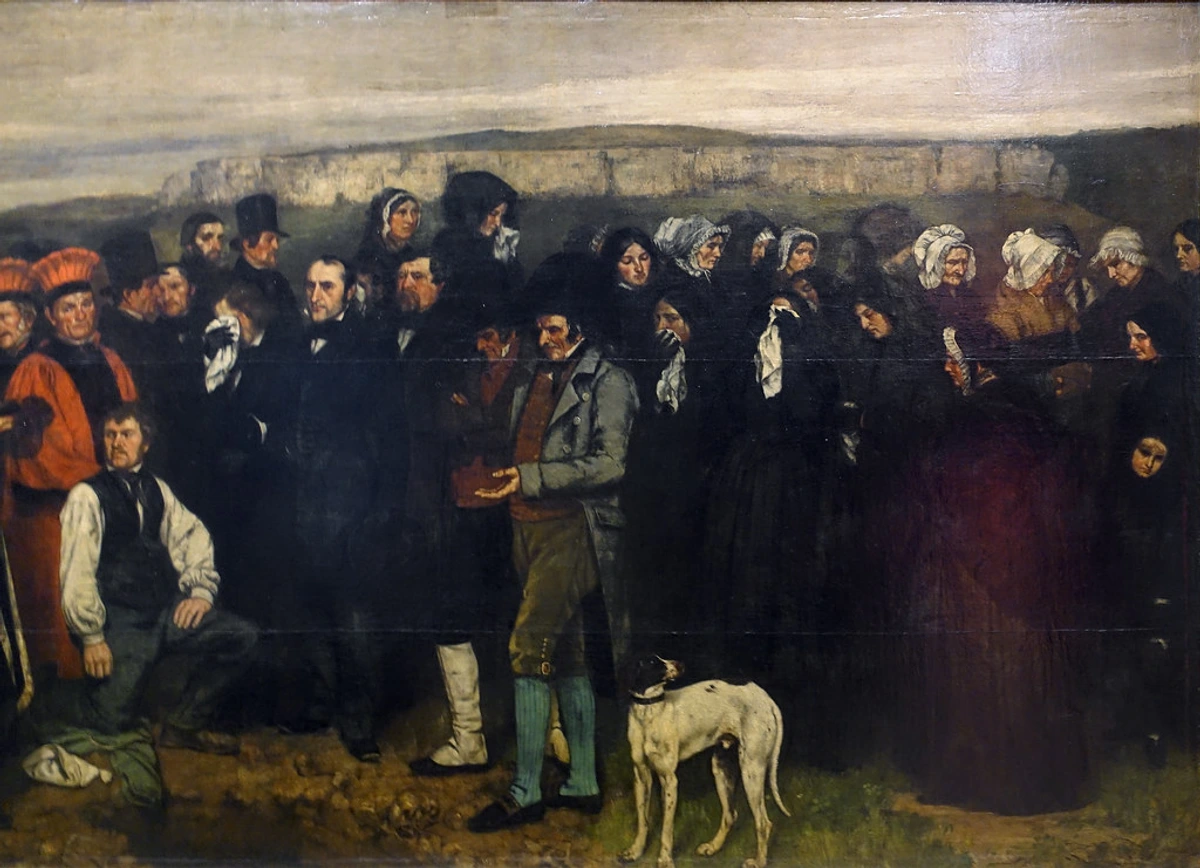
Courbet’s journey into Realism wasn’t just about technique; it was a philosophical stance. He believed that art should reflect the world as it is, not as it is imagined or idealized. This belief was radical in an era dominated by Romanticism and Neoclassicism, where art was expected to elevate and beautify reality.
The Impact of Industrialization on Realism
The 19th century was a period of rapid industrialization and social change. Courbet's focus on the everyday lives of ordinary people was a direct response to these transformations. As cities grew and traditional ways of life were disrupted, Courbet's paintings captured the struggles and resilience of the working class. His work served as a visual commentary on the societal shifts of his time, highlighting the dignity and humanity of those often overlooked by mainstream art.
Gustave Courbet, a name synonymous with rebellion and raw authenticity, reshaped the trajectory of art history. His bold brushstrokes and unapologetic focus on the mundane and the real challenged the very foundations of 19th-century art. This article delves into how Courbet's Realism movement not only revolutionized art but also paved the way for modern artistic expression.
I’ve spent hours staring at Gustave Courbet’s work—really studying it. And let me tell you, these paintings don’t just hang on walls; they punch you in the gut. Forget ethereal angels and perfect mythological scenes for a moment. Courbet dragged art back to earth, kicking and screaming. His technique wasn’t just paint on canvas; it was a declaration that this is real life. Here’s how he pulled it off.
Courbet’s journey into Realism wasn’t just about technique; it was a philosophical stance. He believed that art should reflect the world as it is, not as it is imagined or idealized. This belief was radical in an era dominated by Romanticism and Neoclassicism, where art was expected to elevate and beautify reality.
Realism, as Courbet envisioned it, was not merely a style but a rebellion against the idealized and often escapist themes of his contemporaries. He sought to capture the essence of everyday life, portraying the struggles, joys, and complexities of ordinary people. This approach was not just innovative; it was revolutionary, challenging the very foundations of the art world.
Courbet's Influence on Modern Art Movements
Courbet's influence extends far beyond the 19th century. His emphasis on realism and emotional honesty laid the groundwork for movements like Impressionism, Expressionism, and Social Realism. His techniques and philosophy continue to inspire artists to challenge societal norms and explore new forms of expression. Understanding Courbet's legacy is key to understanding the evolution of modern art.
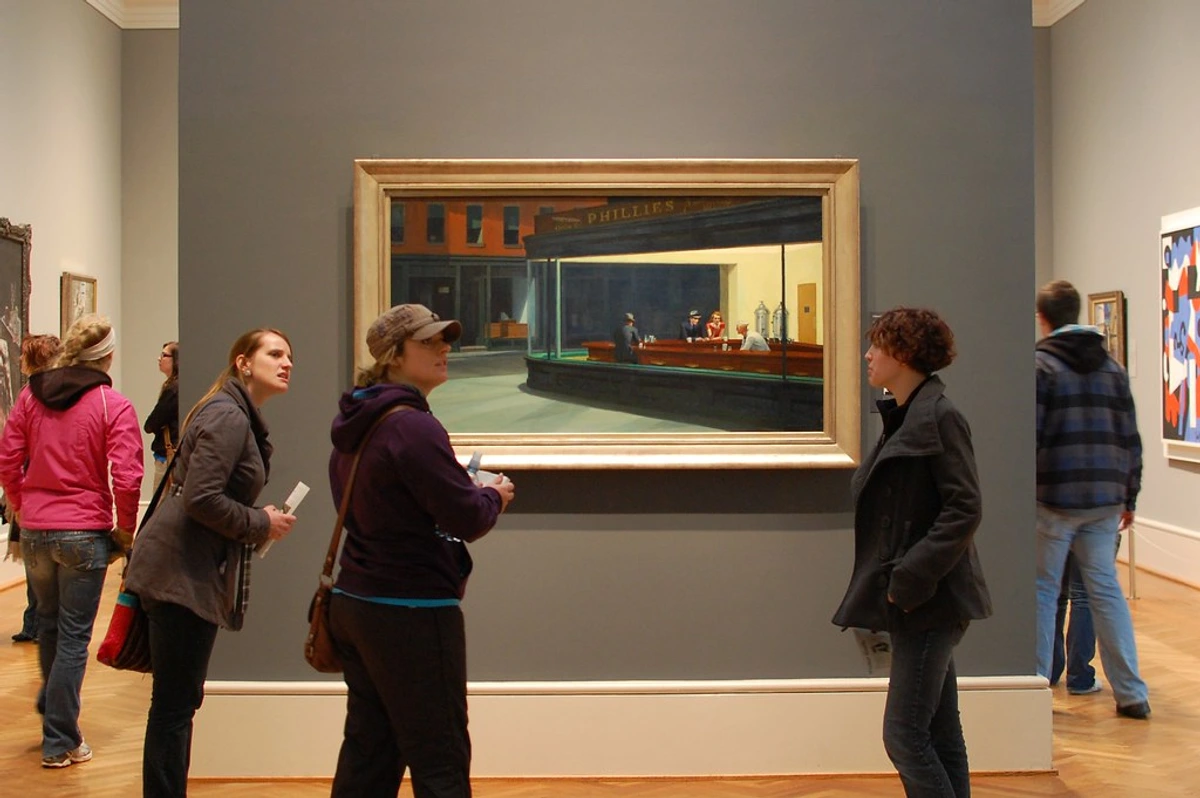
Before Courbet, art was all about idealism. Gods, goddesses, perfectly smooth figures—anything messy or "common" was beneath the canvas. But in a world changing with industrialization and social upheaval, Courbet looked at peasants and laborers and said, This matters. His mission was radical: Art must reflect real life—raw, unfiltered, and sometimes painfully ordinary. He famously declared, "Show me an angel, and I’ll paint one." But he’d never paint one because they didn’t exist in his world. Realism wasn’t just a style; it was a rebellion.
The Role of Realism in Social Change
Courbet's Realism was not just an artistic movement; it was a catalyst for social change. By elevating the everyday lives of ordinary people, he challenged the elitism of the art world and the broader societal structures that marginalized the working class. His paintings served as a visual manifesto for the dignity of labor and the humanity of those often overlooked by mainstream society.
Courbet’s rebellion was not just against artistic norms but also against the social hierarchies of his time. By elevating the everyday lives of ordinary people, he challenged the elitism of the art world and the broader societal structures that marginalized the working class.

The Evolution of Realism in Art
Realism did not emerge in a vacuum. It was part of a broader cultural and intellectual movement that sought to engage with the world as it is, rather than as it is imagined. Courbet's work was influenced by the writings of philosophers and thinkers who advocated for a more grounded and authentic approach to life and art. His paintings reflected this intellectual shift, capturing the complexities and contradictions of the human experience.
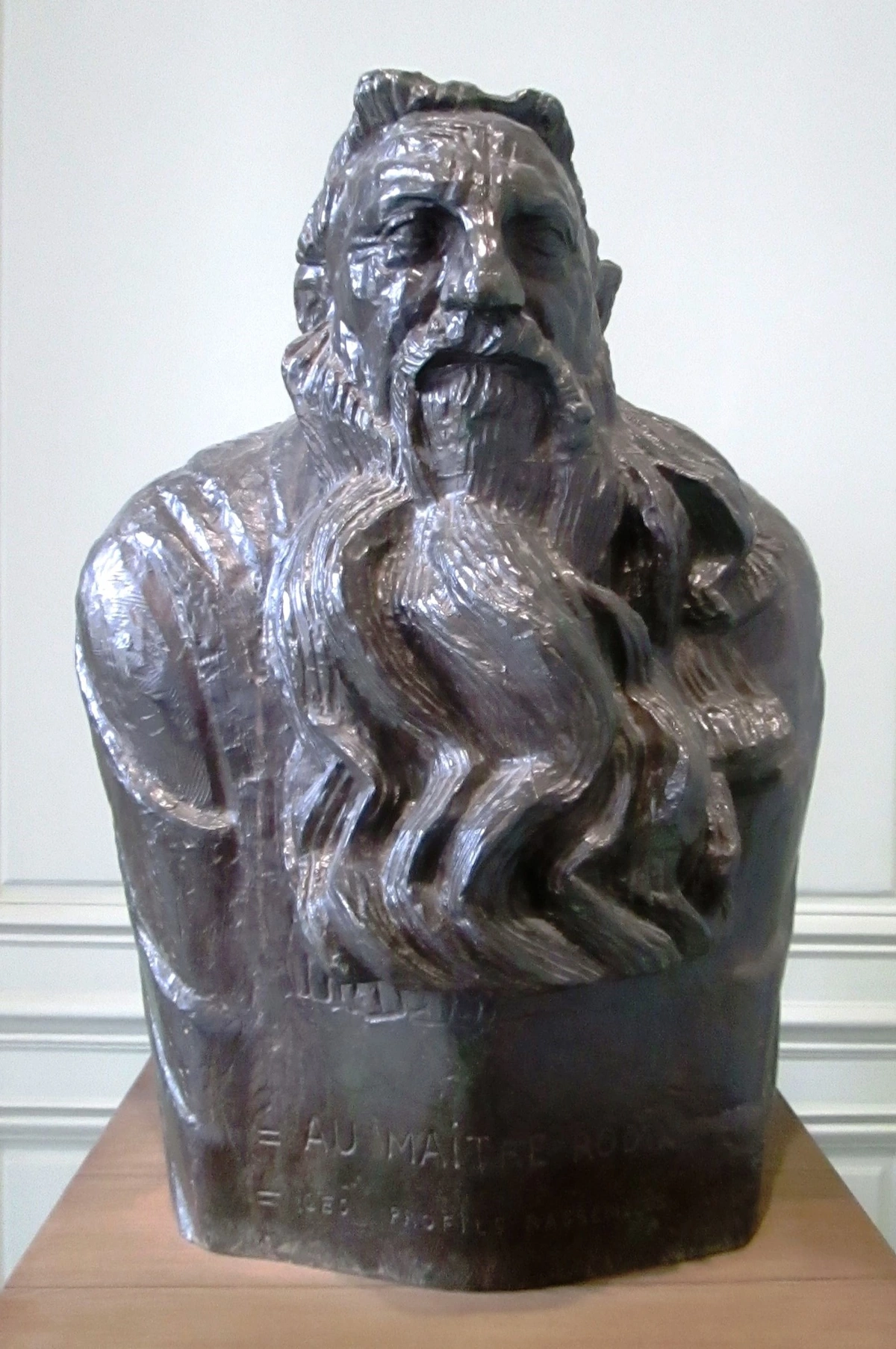
This painting, A Burial at Ornans, wasn't just controversial—it was a bombshell. Measuring over 22 feet wide, it depicted a mundane rural funeral with the same grandeur typically reserved for royal events. The Paris art establishment was horrified. How dare he give ordinary people such importance? But Courbet didn't care. He was making a point: every human life deserves recognition, regardless of social status.
The Symbolism in Courbet's Work
Courbet's paintings were rich in symbolism, often reflecting his political and social beliefs. His use of everyday objects and scenes was not merely a stylistic choice but a deliberate attempt to convey deeper meanings. For example, his depiction of rural life was not just about capturing the beauty of the countryside; it was a commentary on the struggles and resilience of the working class. His work invited viewers to look beyond the surface and engage with the underlying themes and messages.
The painting’s impact extended beyond its size and subject matter. It was a visual manifesto of Courbet’s belief in the dignity of all individuals. By portraying a rural funeral with such solemnity and scale, he forced viewers to confront the humanity of those they might otherwise overlook.
The Reception of Courbet's Work
Courbet's work was met with both admiration and controversy. While the public embraced his paintings for their authenticity and emotional resonance, the art establishment often criticized them for their perceived lack of refinement and idealization. This tension between public acclaim and institutional resistance highlighted the radical nature of Courbet's approach and the challenges he faced in redefining the boundaries of art.
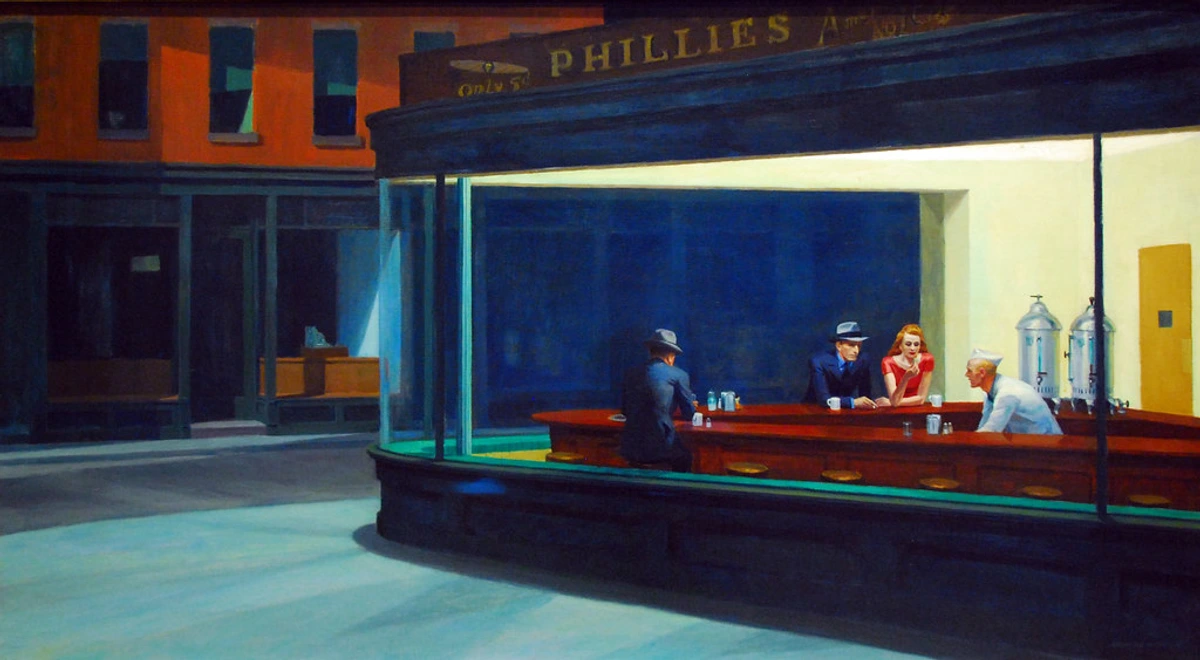
The painting was revolutionary in several ways:
- Scale: It was enormous for such "ordinary" subjects
- Composition: It broke traditional rules of perspective and hierarchy
- Subjects: Over 150 portraits of real people from his hometown
- Emotion: It captured genuine grief rather than staged drama
These elements combined to create a work that was not just a painting but a statement. It challenged the conventions of the time and set a new standard for what art could achieve.
When it was exhibited in 1850-51, it caused a sensation. Critics called it "ugly," "barbaric," and "offensive." But the public loved it—they saw themselves in the painting, finally reflected in the grand halls of the Salon.
The public’s embrace of A Burial at Ornans underscored a growing desire for art that resonated with their lived experiences. It marked a turning point in the art world, where the voices of the people began to challenge the authority of the establishment.
Courbet’s Bag of Tricks: How He Made It Work
Courbet’s approach to painting was as much about technique as it was about philosophy. His methods were innovative, bold, and unapologetically raw. Let’s explore the techniques that made his work so groundbreaking.
Courbet’s techniques were not just about creating visually striking paintings; they were about conveying the raw, unfiltered essence of his subjects. His methods challenged the norms of his time and continue to inspire artists today.
Let’s get into the nitty-gritty. What made Courbet’s art feel so alive? It’s all in the details—both the ones he included and the ones he ignored.
Courbet’s use of texture was revolutionary. He didn’t just paint his subjects; he made them tangible. His thick, visible brushstrokes and use of a palette knife created a tactile quality that invited viewers to feel the roughness of the rocks and the wear of the peasants’ clothes.
Let’s get into the nitty-gritty. What made Courbet’s art feel so alive? It’s all in the details—both the ones he included and the ones he ignored.

1. The Texture of Truth
Courbet’s use of texture was revolutionary. He didn’t just paint his subjects; he made them tangible. His thick, visible brushstrokes and use of a palette knife created a tactile quality that invited viewers to feel the roughness of the rocks and the wear of the peasants’ clothes.
Academic artists would smooth every brushstroke to oblivion. Courbet? He left his marks visible. In The Stone Breakers, those rocks don’t just look rough; they feel rough because you can see how he scraped the paint with a palette knife. Same with the peasants’ worn clothes—thick, layered strokes make the fabric tangible. He wasn’t hiding his process; he made the brushwork part of the story. It’s like he’s saying, "This took effort. This is real."
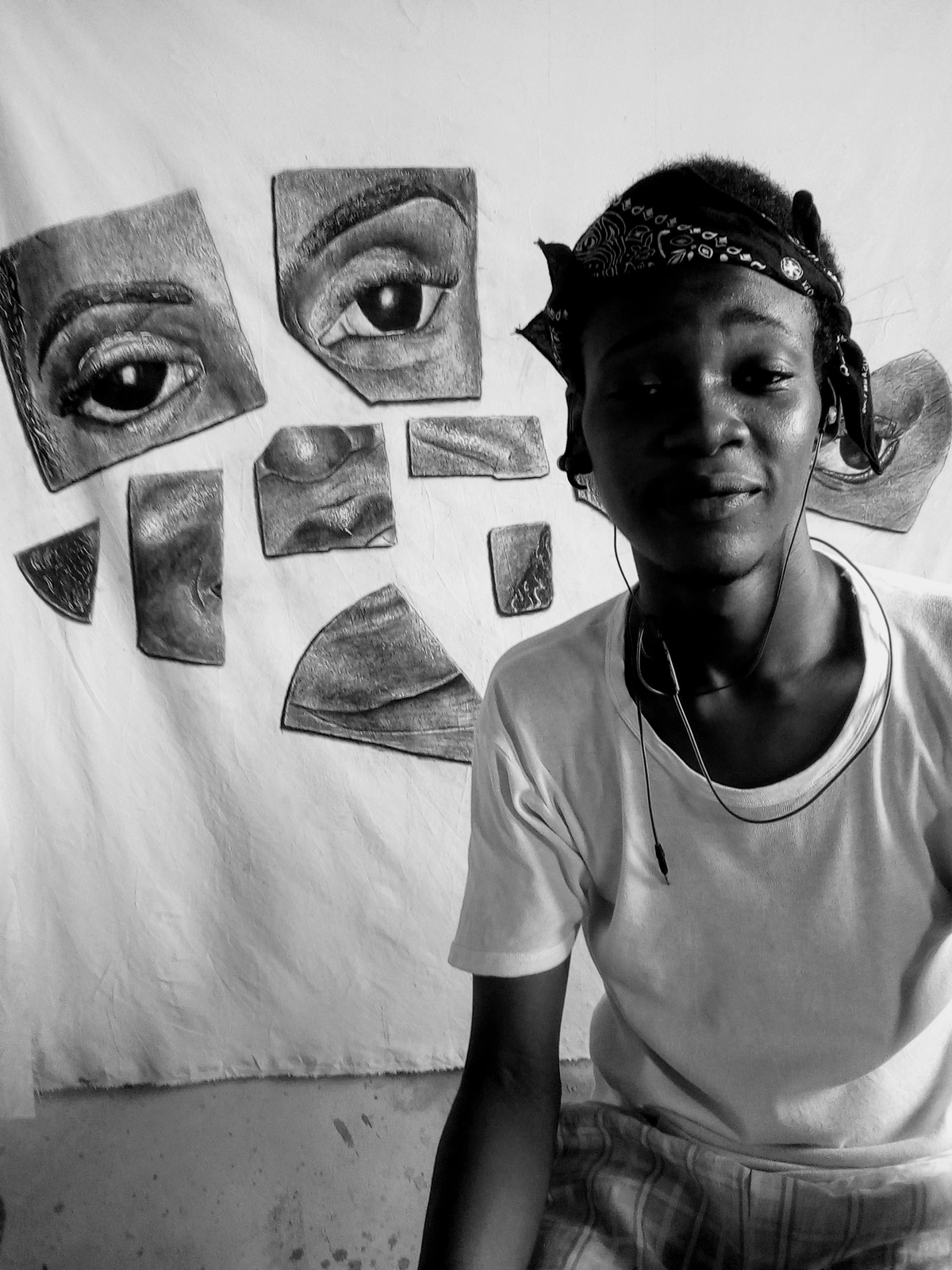
This technique wasn’t just about aesthetics; it was about authenticity. By making the process visible, Courbet invited viewers to engage with the work on a deeper level, to see the effort and intention behind every stroke.
The Role of Texture in Emotional Expression
Texture was not just a visual element in Courbet's work; it was a means of emotional expression. The rough, tactile quality of his paintings conveyed the struggles and resilience of his subjects. By emphasizing the physicality of his materials, Courbet created a sense of immediacy and intimacy that drew viewers into the emotional world of his paintings.

2. No Polishing Required
Courbet’s rejection of idealization was a cornerstone of his Realism. He embraced the imperfections of his subjects, portraying them with honesty and dignity. This approach was a direct challenge to the polished, idealized figures of academic art.
Courbet hated "pretty." If a model had wrinkles, he painted them. If a landscape was muddy, he didn’t make it golden-hour romantic. A Burial at Ornans (scandalously huge) depicts a funeral crowd—all imperfect, all human. It’s chaotic, asymmetrical, and utterly unglamorous. He’d rather show truth than beauty because he believed that truth was inherently beautiful in its own right.

The Rejection of Idealization
Courbet's rejection of idealization was a cornerstone of his Realism. He embraced the imperfections of his subjects, portraying them with honesty and dignity. This approach was a direct challenge to the polished, idealized figures of academic art. By celebrating the flaws and complexities of his subjects, Courbet redefined the standards of beauty and authenticity in art.
Courbet's Revolutionary Approach  | Traditional Academic Standards |
|---|---|
| Visible, expressive brushwork | Smooth, invisible finish |
| Flaws and imperfections embraced | Idealized perfection enforced |
| Asymmetry and "messy" composition | Balanced, harmonious layouts |
| Laborers, peasants, landscapes as main subjects | Heroes, gods, mythology only |
| Raw, unvarnished truth | Polished, idealized beauty |
| Thick impasto texture | Thin, blended applications |
| Direct, confrontational lighting | Dramatic, theatrical lighting effects |
| Ordinary people in monumental scale | Extraordinary people in heroic scale |
| Emotional honesty over aesthetic beauty | Aesthetic beauty over emotional truth |
| Art as social commentary | Art as aesthetic decoration |
| Process visible and celebrated | Process hidden and perfected |
| Challenge to established power structures | Reinforcement of established hierarchies |
3. Light That Doesn’t Lie
Courbet’s use of light was another tool in his quest for realism. He avoided the dramatic, theatrical lighting of the Romantics, opting instead for a neutral, almost confrontational illumination. This approach stripped away the poetic haze and revealed his subjects in unflinching clarity.
Unlike dramatic Romantic lighting (think sunsets and dramatic shadows), Courbet’s light is... neutral. Think overcast afternoon light. It flattens scenes, removing theatrics. In The Desperate Man, the light hits the subject directly, casting no flattering shadows. It’s intense, almost confrontational—like Courbet wants you to see every pore, every doubt. No poetic hazing here—just unflinching clarity.
This lighting technique was not just about realism; it was about honesty. By removing the dramatic effects, Courbet forced viewers to engage with the raw, unfiltered reality of his subjects.
4. Scale That Makes You Uncomfortable
Courbet’s use of scale was a political statement. By painting ordinary people on a monumental scale, he challenged the hierarchies of the art world and society at large. His large canvases demanded attention and respect for his subjects, forcing viewers to confront their humanity.

Courbet knew big equals important. The Stone Breakers and A Burial at Ornans were enormous for their subjects. Painting peasants life-size? Unheard of. It forced viewers to see them as full humans, not decorative accessories. It’s like making you sit face-to-face with someone society dismisses. Courbet’s scale was a political act
The Symbolism of Scale
Courbet's use of scale was not just about making a statement; it was about redefining the value of ordinary lives. By giving his subjects the grandeur typically reserved for royalty, Courbet elevated their dignity and challenged societal norms. His bold use of scale was a visual manifesto for the importance of recognizing and celebrating the humanity of all individuals.
This bold use of scale was not just about making a statement; it was about redefining the value of ordinary lives. By giving his subjects the grandeur typically reserved for royalty, Courbet elevated their dignity and challenged societal norms.
The Legacy of Courbet's Techniques
Courbet's techniques were not just about creating visually striking paintings; they were about conveying the raw, unfiltered essence of his subjects. His methods challenged the norms of his time and continue to inspire artists today. By emphasizing texture, rejecting idealization, and using scale as a political statement, Courbet redefined the boundaries of art and paved the way for future generations of artists.
Why It Still Matters: Courbet's Enduring Legacy
Courbet’s influence extends far beyond the 19th century. His revolutionary approach to art laid the groundwork for countless movements and artists who followed. Understanding Courbet’s legacy is key to understanding the evolution of modern art.
Okay, so some 19th-century Parisians hated it. The critics called his work "ugly," "unfinished," and "offensive." The Salon jury rejected his submissions. But why should you care about all this today? Because Courbet wasn't just making paintings—he was creating a revolution that fundamentally changed what art could be. His influence stretches far beyond the 19th century, touching almost every major art movement that followed. When you understand Courbet, you understand the DNA of modern art itself.
Courbet’s legacy is not just about his techniques or his subjects; it’s about his philosophy. He believed that art should reflect the world as it is, not as it is imagined. This belief resonates with artists and viewers alike, making his work timeless and universally relevant.
Courbet's Influence on Contemporary Art
Courbet's influence can be seen in a wide range of art movements that followed. His emphasis on realism, emotional honesty, and social commentary paved the way for artists to explore new forms of expression and challenge societal norms. His ideas and techniques have inspired generations of artists, each building on his legacy in their own unique ways.
The Direct Line: Courbet's Artistic Children
Courbet’s influence can be seen in a wide range of art movements that followed. His emphasis on realism, emotional honesty, and social commentary paved the way for artists to explore new forms of expression and challenge societal norms.
Every major art movement after Courbet owes him something. Let's trace the family tree:

Courbet’s impact on the art world is profound and far-reaching. His ideas and techniques have inspired generations of artists, each building on his legacy in their own unique ways.
Later Movement | Courbet's Influence | Key Artists Who Followed |
|---|---|---|
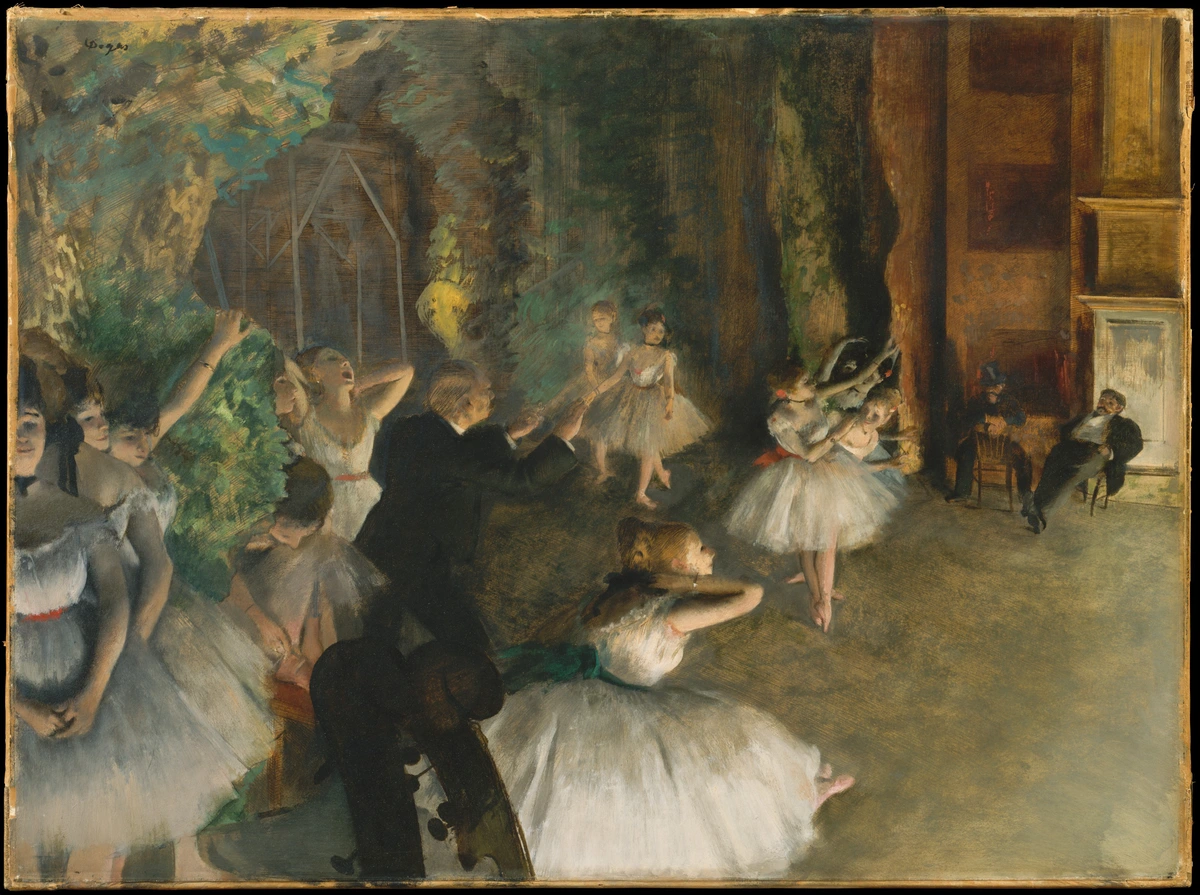
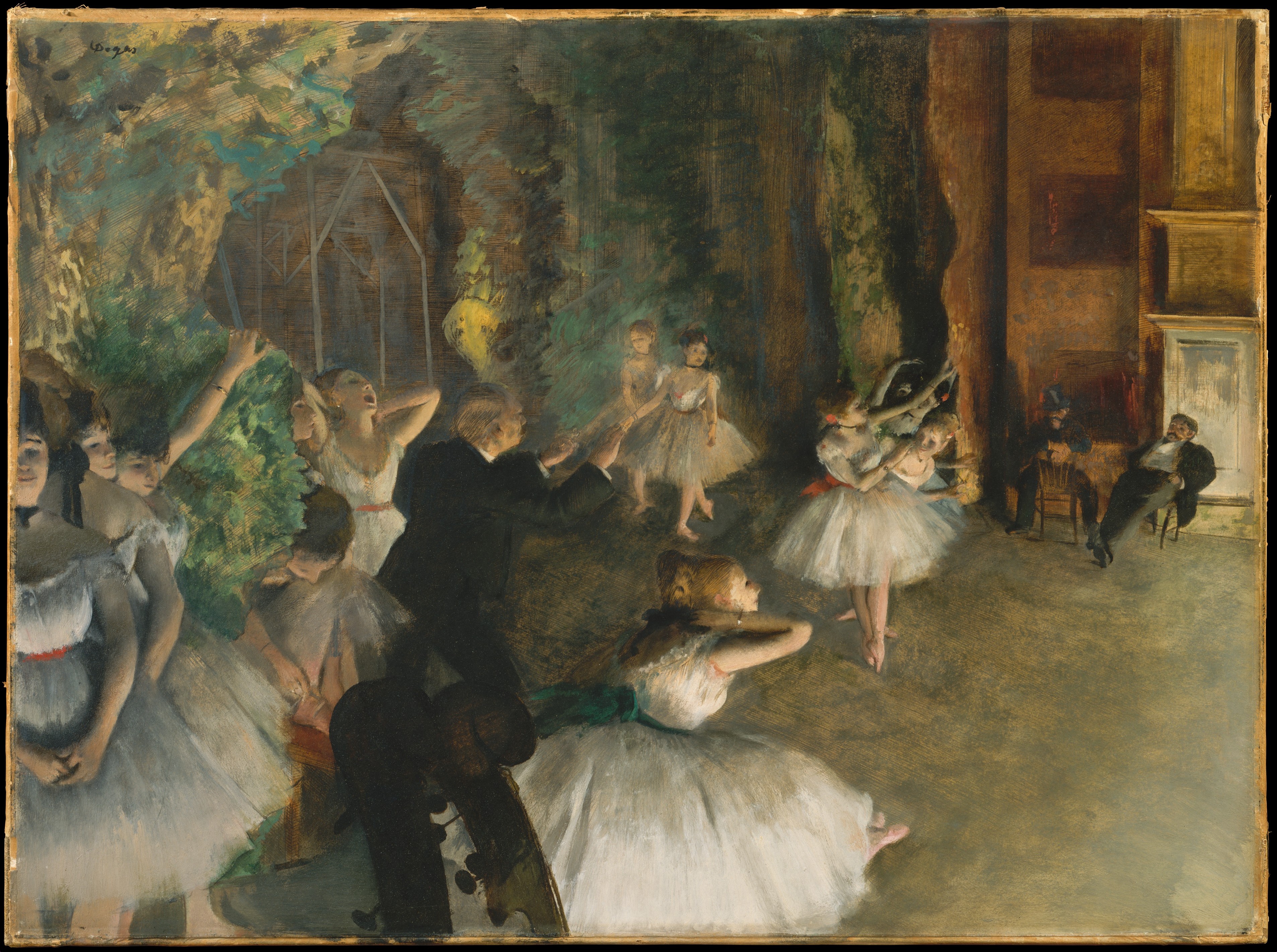
| Impressionism | Focus on modern life, visible brushwork | Monet, Renoir, Degas |
| Post-Impressionism | Emotional honesty, rejection of perfection | Van Gogh, Cézanne, Gauguin |
| Expressionism | Raw emotion over aesthetic beauty | Munch, Kirchner, Kandinsky |
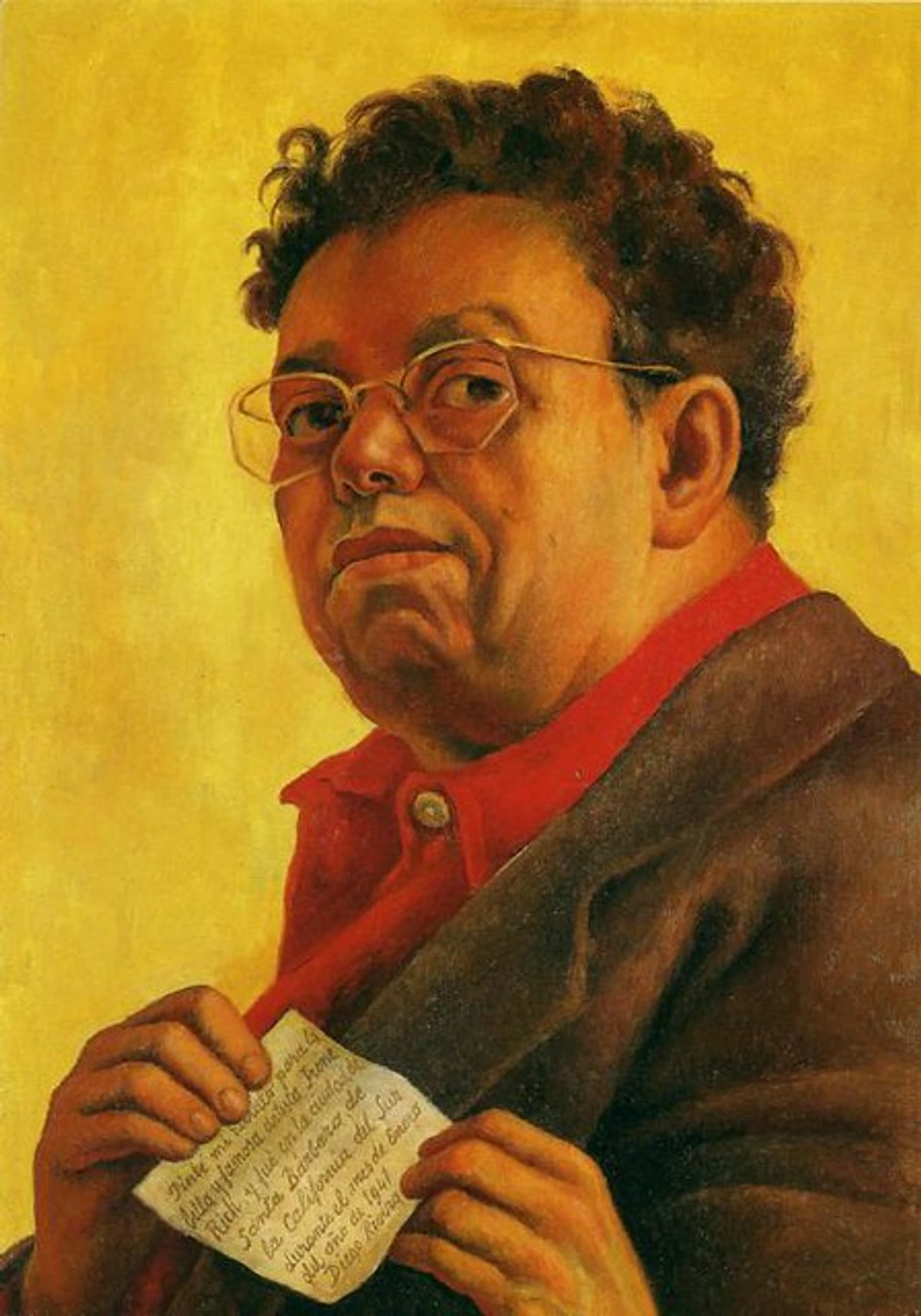
| Social Realism | Art as social commentary | Käthe Kollwitz, Diego Rivera |
| Abstract Expressionism | Process visible, emotion paramount | Pollock, de Kooning, Rothko |
| Contemporary Realism | Truth over beauty, everyday subjects | Chuck Close, Gerhard Richter |

When you stand in front of a Mark Rothko painting, you're seeing Courbet's influence. When you look at a street photograph by Dorothea Lange, you're seeing Courbet's vision. When you watch a documentary about ordinary people, you're experiencing Courbet's legacy.
Courbet's Impact on Modern Media
Courbet's influence is not confined to the art world; it extends to how we perceive and represent reality in all forms of media. His commitment to truth and authenticity continues to inspire artists and creators across disciplines. From film and photography to literature and journalism, Courbet's philosophy of realism resonates with those who seek to capture the essence of the human experience.
Courbet’s influence is not confined to the art world; it extends to how we perceive and represent reality in all forms of media. His commitment to truth and authenticity continues to inspire artists and creators across disciplines.
The Enduring Relevance of Realism
Realism, as championed by Courbet, remains a powerful and relevant force in contemporary art and media. Its emphasis on authenticity and emotional honesty resonates with audiences who seek to engage with the complexities and contradictions of the human experience. Courbet's legacy serves as a reminder of the enduring power of art to challenge, inspire, and transform.
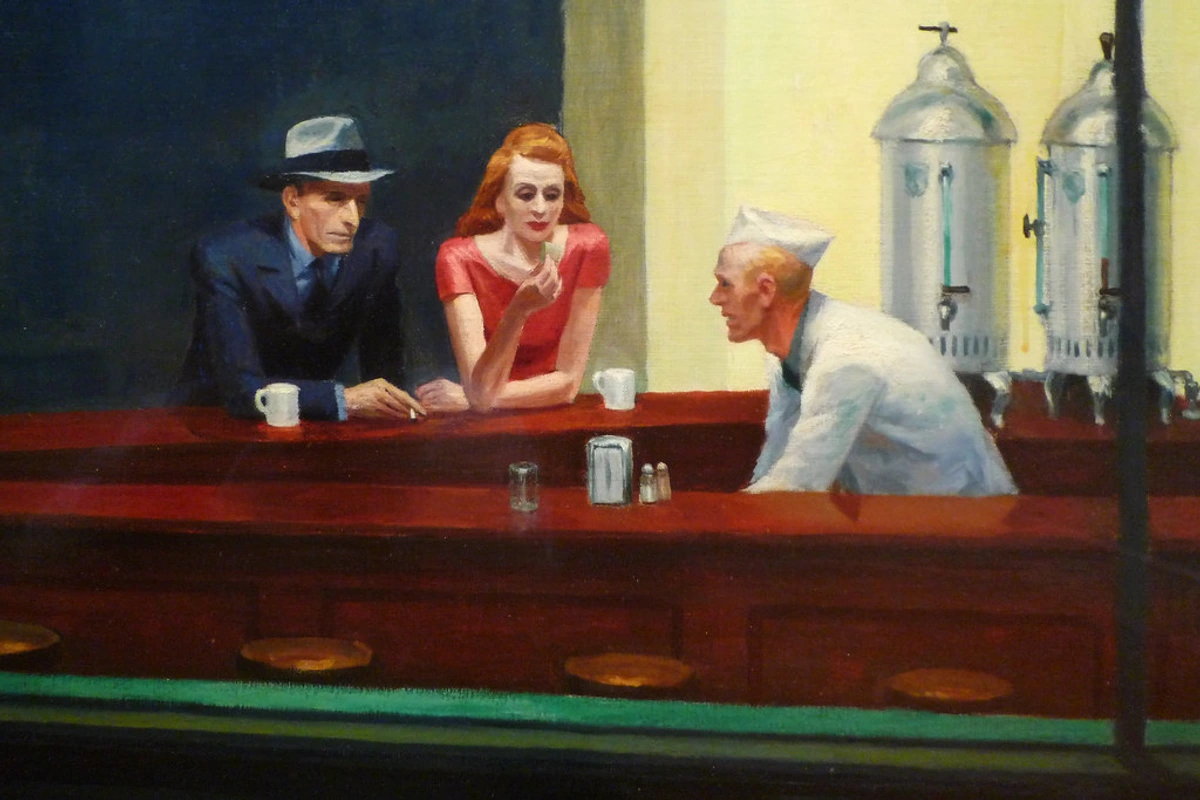
Because Courbet’s rebellion paved the way for everyone who ever said, "Art doesn’t have to be decorative." He gave permission to:
- Paint your own neighborhood (hello, Hopper).
- Embrace imperfection (thanks, Abstract Expressionists).
- Tell uncomfortable truths (you’re welcome, Kehinde Wiley).
Courbet’s legacy is a testament to the power of art to challenge, inspire, and transform. His work reminds us that art is not just about beauty; it’s about truth, authenticity, and the courage to see the world as it is.
The Future of Realism
As we look to the future, the principles of Realism continue to evolve and adapt to new contexts and challenges. Artists today are exploring innovative ways to engage with the complexities of the modern world, drawing inspiration from Courbet's commitment to truth and authenticity. The legacy of Realism serves as a foundation for these explorations, reminding us of the enduring power of art to reflect and shape our understanding of the world.
His techniques weren’t just a trend—they were a philosophy: Art must reflect the world around us, not escape it. I think that’s why artists like myself are still drawn to it. It’s honest. It’s human.
The Role of Realism in Contemporary Art
In contemporary art, Realism continues to be a vital and dynamic force. Artists are exploring new ways to engage with the complexities of the modern world, drawing inspiration from Courbet's commitment to truth and authenticity. From hyperrealism to social practice, the principles of Realism are being reimagined and reinvented, reflecting the evolving nature of art and society.
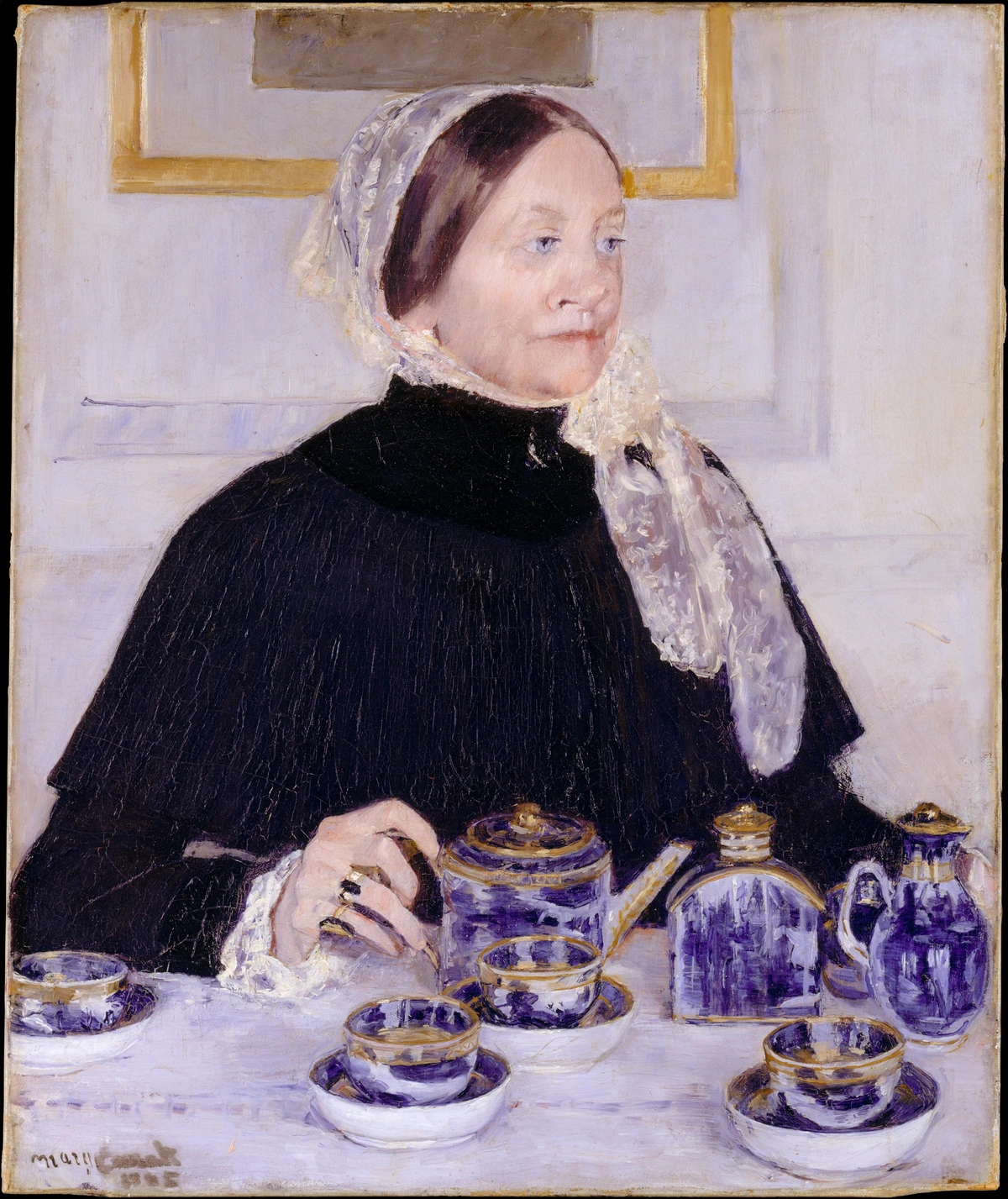
Courbet’s philosophy continues to resonate with artists today. His commitment to realism and authenticity serves as a guiding principle for those who seek to create meaningful, impactful art.
The Intersection of Realism and Technology
The advent of digital technology has opened up new possibilities for Realism in art. From digital painting to virtual reality, artists are exploring innovative ways to engage with the principles of Realism. These technological advancements are expanding the boundaries of what is possible in art, allowing for new forms of expression and engagement with the world around us.
FAQ
Here are some frequently asked questions about Gustave Courbet and his impact on the art world. These answers provide deeper insights into his life, work, and enduring influence.
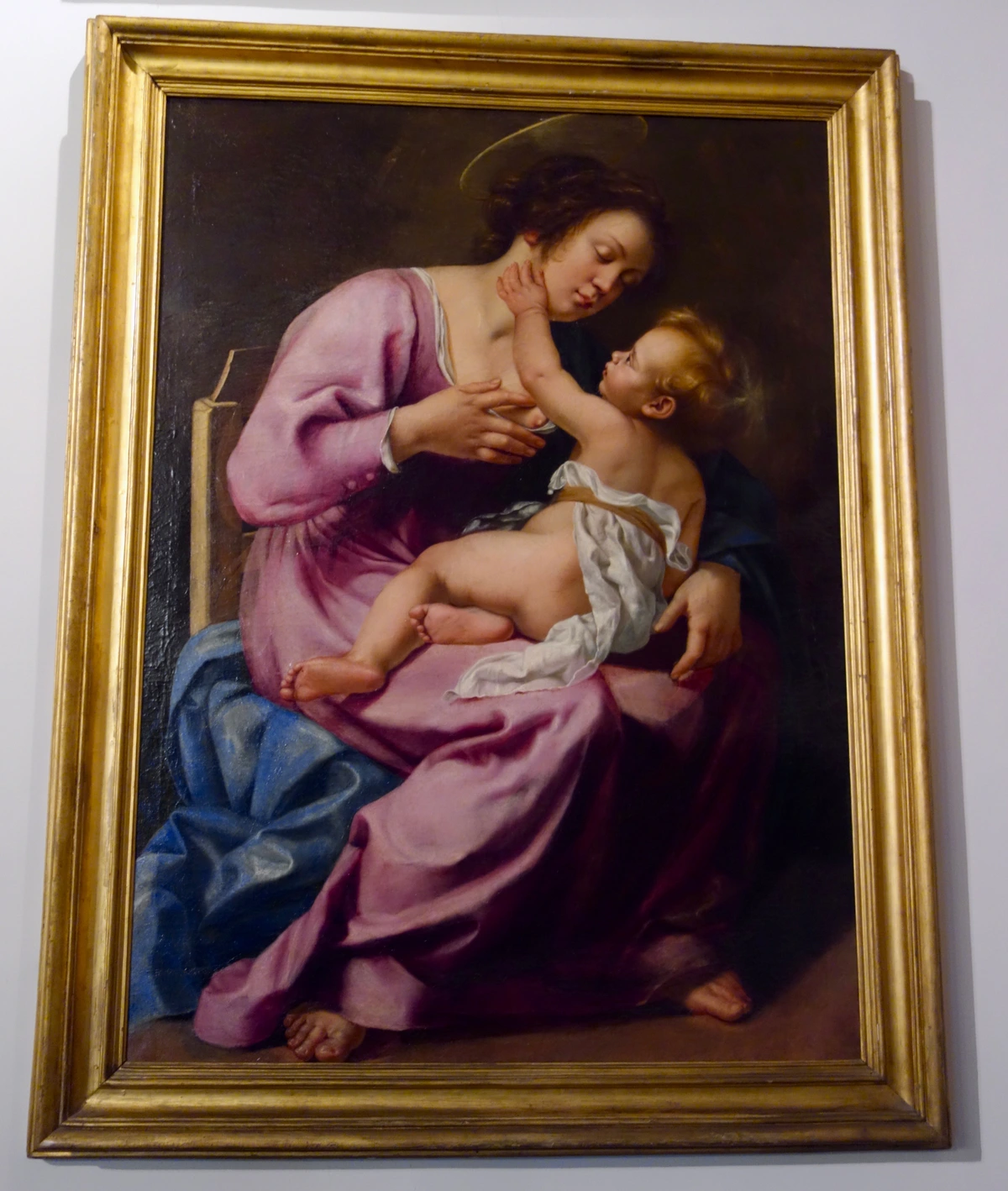
Q: Was Courbet the only Realist painter? A: Not alone, but he was the loud, brash leader. Artists like Jean-François Millet shared his focus on rural life, but Courbet made the biggest waves. His boldness and unapologetic approach set him apart from his contemporaries.
Q: Why were people so offended by his work? A: They saw it as "ugly" and "unfinished." Academic artists thought his visible brushwork was amateurish. His subjects? "Unworthy" of grand canvases. Courbet’s work challenged the established norms of beauty and subject matter, making it controversial in its time.
Q: Did Courbet invent realism? A: Not exactly. Artists before him painted realistically (think Dutch genre painters), but Courbet made it a movement. He embraced it as a reaction against the status quo. His approach was not just about technique; it was about challenging the artistic and societal norms of his time.
Q: Where can I see his best work today? A: Major museums have him—Paris, New York, London. Check his timeline for key exhibitions or visit his homeland at your local museum. Courbet’s works are displayed in some of the world’s most prestigious institutions, offering viewers the opportunity to experience his revolutionary art firsthand.
Q: Are Courbet’s techniques still relevant for today’s artists? A: Absolutely. Any artist using thick impasto, focusing on everyday subjects, or rejecting "perfect" beauty owes him a debt. His "roughness" is in every modern portrait that shows wrinkles and scars. Courbet’s techniques continue to inspire artists who seek to capture the raw, unfiltered essence of their subjects.
Q: How did Courbet’s work influence modern art? A: Courbet’s emphasis on realism and emotional honesty laid the groundwork for movements like Impressionism, Expressionism, and Social Realism. His techniques and philosophy continue to inspire artists to challenge societal norms and explore new forms of expression.
Q: What was Courbet’s most controversial painting? A: A Burial at Ornans is often considered his most controversial work. Its monumental scale and depiction of ordinary people in a rural funeral challenged the artistic and societal norms of the time, sparking both criticism and admiration.
Q: How did Courbet’s political views influence his art? A: Courbet was deeply political, and his beliefs were reflected in his art. He was a socialist and believed in the dignity of labor and the working class. His paintings often depicted the struggles and lives of ordinary people, challenging the elitism of the art world and society at large.
Q: What was Courbet’s relationship with the art establishment? A: Courbet had a contentious relationship with the art establishment. His work was often rejected by the Salon, the official art exhibition in France, because it challenged traditional artistic norms. Despite this, he continued to exhibit his work independently and gained a following among the public.
Q: How did Courbet’s personal life influence his art? A: Courbet’s personal life, including his political activism and his relationships, deeply influenced his art. His experiences and beliefs shaped his commitment to realism and his focus on the lives of ordinary people. His art was a reflection of his worldview and his desire to challenge societal norms.
Q: What was Courbet’s impact on the art world? A: Courbet’s impact on the art world is profound and far-reaching. His ideas and techniques have inspired generations of artists, each building on his legacy in their own unique ways. His work continues to challenge and inspire, reminding us of the enduring power of authenticity in art.
Q: How did Courbet’s work influence contemporary art movements? A: Courbet’s influence can be seen in a wide range of contemporary art movements, from hyperrealism to social practice. His emphasis on realism and emotional honesty continues to inspire artists to explore new forms of expression and challenge societal norms.
Q: What is the significance of Courbet’s use of texture? A: Courbet’s use of texture was revolutionary. It was not just a visual element but a means of emotional expression. The rough, tactile quality of his paintings conveyed the struggles and resilience of his subjects, creating a sense of immediacy and intimacy.
Q: How did Courbet’s work challenge societal norms? A: Courbet’s work challenged societal norms by elevating the everyday lives of ordinary people and celebrating their dignity and humanity. His paintings served as a visual manifesto for the importance of recognizing and celebrating the humanity of all individuals, regardless of social status.
Q: What is the legacy of Courbet’s Realism? A: The legacy of Courbet’s Realism is a testament to the power of art to challenge, inspire, and transform. His commitment to truth and authenticity continues to resonate with artists and viewers alike, making his work timeless and universally relevant.
Q: What was Courbet’s role in the Realism movement? A: Courbet was a central figure in the Realism movement. His bold approach and commitment to depicting the real world, rather than idealized scenes, set the tone for the movement. He inspired other artists to follow his lead and challenge the norms of the art world.
Q: How did Courbet’s work influence the development of modern art? A: Courbet’s work laid the foundation for modern art by emphasizing realism and emotional honesty. His techniques and philosophy influenced movements like Impressionism, Expressionism, and Social Realism, which continue to shape contemporary art.
Q: What is the significance of Courbet’s use of scale? A: Courbet’s use of scale was a political statement. By painting ordinary people on a monumental scale, he challenged the hierarchies of the art world and society at large. His large canvases demanded attention and respect for his subjects, forcing viewers to confront their humanity.
Q: How did Courbet’s work reflect his political beliefs? A: Courbet’s work was deeply influenced by his political beliefs. As a socialist, he believed in the dignity of labor and the working class. His paintings often depicted the struggles and lives of ordinary people, challenging the elitism of the art world and society at large.
Q: What is the enduring relevance of Courbet’s Realism? A: Courbet’s Realism remains relevant today because it emphasizes authenticity and emotional honesty. These principles resonate with contemporary artists and viewers who seek to engage with the complexities and contradictions of the human experience.
Take This with You
Courbet’s legacy is a reminder of the power of art to challenge, inspire, and transform. His commitment to realism and authenticity continues to resonate with artists and viewers alike, making his work timeless and universally relevant.
Courbet was arrogant, controversial, and brilliant. He proved that art’s power comes from courage, not polish. So next time you paint, draw, or even take a photo: ask yourself—what’s true here? What’s real? Courbet wouldn’t have it any other way.
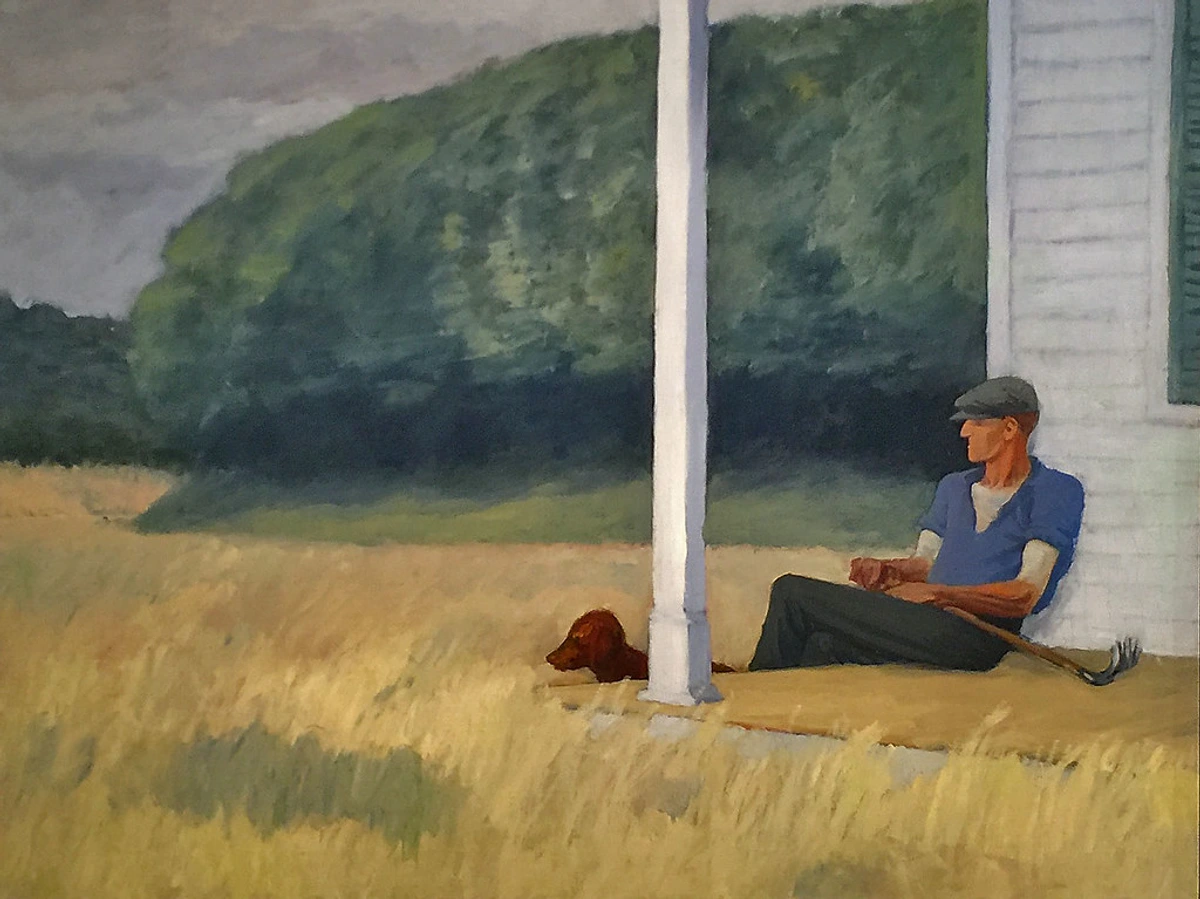
His life and work serve as a testament to the transformative power of art. By embracing the real and the raw, Courbet challenged the norms of his time and paved the way for future generations of artists to do the same.
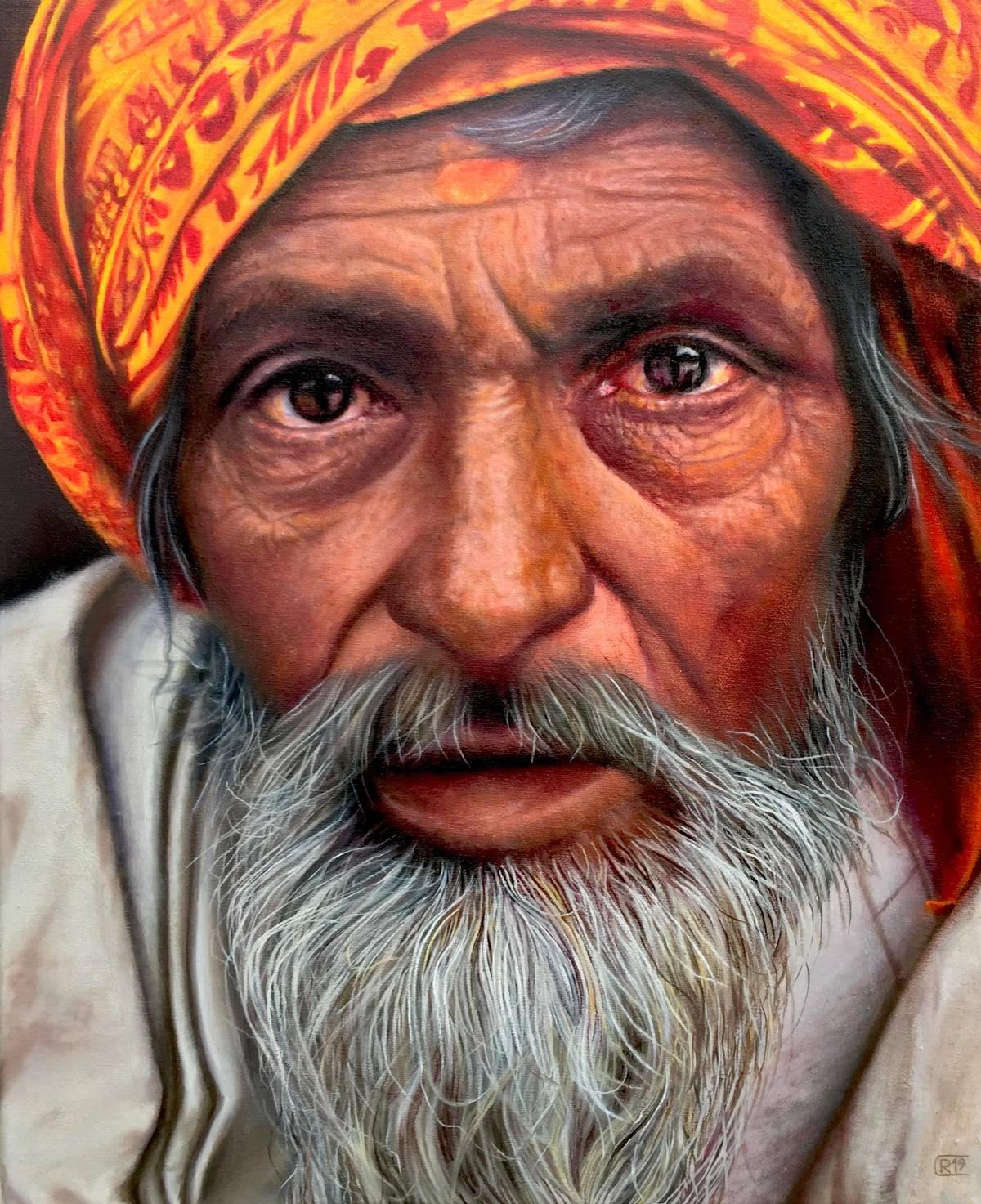
And hey, if you’re feeling brave, you can explore his influence in my own abstract work. Sometimes the boldest realism comes from being unapologetically yourself.










Courbet’s legacy is not just about his art; it’s about the courage to be true to oneself and to the world around us. His work continues to inspire and challenge, reminding us of the enduring power of authenticity in art.