Who Was Gustave Courbet? The Rebel Who Painted Reality
Discover Gustave Courbet, the revolutionary Realist painter who shattered 19th-century art conventions and painted life unflinchingly.

# Who Was Gustave Courbet? The Rebel Who Painted Reality Imagine standing in a Paris salon in 1855, surrounded by mythological scenes and ethereal angels—until you turn a corner and gasp. There, larger than life, are laborers sweating at a stone quarry, ordinary peasants gathered around a funeral, and a woman’s naked body staring back at you with defiance. That’s the power of [Gustave Courbet](/finder/page/gustave-courbet-realism-techniques). He didn’t just paint—he provoked, challenged, and rewrote the rules of [art](/finder/page/history-of-art-guide). I’ve spent hours staring at his work, and I still feel that jolt. Who *was* this man who dared to paint the *real* world when everyone wanted escapism? Let’s unpack it. [Gustave Courbet](/finder/page/gustave-courbet-realism-techniques) was a man of contradictions—both a product of his time and a revolutionary who defied it. His life and work were intertwined with the social and political upheavals of 19th-century France, making him a figure of enduring fascination. To understand Courbet is to understand the birth of [modern art](/finder/page/modern-art) and the power of authenticity in a world obsessed with idealism. [Gustave Courbet](/finder/page/gustave-courbet-realism-techniques) was more than an artist; he was a revolutionary. His work challenged the norms of his time, pushing boundaries and forcing society to confront uncomfortable truths. His legacy continues to inspire artists and thinkers today, reminding us of the power of authenticity and the importance of questioning the status quo. ### Why Courbet Matters in Art History [Courbet](/finder/page/gustave-courbet-realism-techniques)'s influence on the [art world](/finder/page/guerrilla-girls-art-activism-and-the-art-world) cannot be overstated. He was a pioneer of the [Realism](/finder/page/what-is-realism-art-movement) movement, which sought to depict life as it truly was, without idealization or romanticism. His bold approach to subject matter and technique laid the groundwork for future movements like [Impressionism](/finder/page/ultimate-guide-to-impressionism) and [Post-Impressionism](/finder/page/what-is-post-impressionism). By focusing on the everyday lives of ordinary people, Courbet democratized art and made it accessible to a broader audience. Courbet's impact extended beyond his immediate contemporaries. His emphasis on [realism](/finder/page/what-is-realism-art-movement) and social critique influenced artists across generations, from Édouard Manet to contemporary street artists. His work challenged the elitism of the [art world](/finder/page/guerrilla-girls-art-activism-and-the-art-world) and paved the way for a more inclusive and diverse artistic landscape. Courbet's impact on [art history](/finder/page/intellectual-curiosity-art-history) is profound. His rejection of academic conventions and his commitment to [realism](/finder/page/what-is-realism-art-movement) challenged the elitism of the [art world](/finder/page/guerrilla-girls-art-activism-and-the-art-world) and paved the way for future generations of artists to explore social and political themes in their work. His influence can be seen in the works of artists like Édouard Manet, who continued to push the boundaries of [artistic expression](/finder/page/capturing-magic-artistic-expression).  [credit](https://live.staticflickr.com/1516/23770474793_fba41c4056_b.jpg), [licence](https://creativecommons.org/licenses/by-nc-sa/2.0/) ### The Man Behind the Mustache: A Brief Biography Gustave Courbet was born in 1819 in Ornans, a small rural town in eastern France. His father was a wealthy landowner, and young Gustave was expected to become a lawyer. Classic right? But here’s where the story gets interesting. By 20, he’d abandoned law school for Paris and a life of paint. He’d sit for hours at the [Louvre](/finder/page/a-first-timers-guide-to-the-louvre), not copying Van Dykes and Raphaels like his peers, but studying masters like [Caravaggio](/finder/page/ultimate-guide-to-caravaggio) for their raw honesty.  [credit](https://images.pexels.com/photos/6713752/pexels-photo-6713752.jpeg), [licence](https://creativecommons.org/public-domain/) Courbet's early years in Paris were marked by a relentless pursuit of his artistic vision. He rejected the academic conventions of the time, choosing instead to focus on the raw and unfiltered realities of life. His decision to abandon law school and pursue art was a bold statement of his commitment to authenticity and his belief in the power of art to reflect the world as it truly was.  [credit](https://images.pexels.com/photos/11540177/pexels-photo-11540177.jpeg), [licence](https://creativecommons.org/public-domain/) Courbet never lost that provincial grit. He wore his beard like a manifesto—untamed, unapologetic. When the [art world](/finder/page/guerrilla-girls-art-activism-and-the-art-world) tried to box him into "schools," he’d laugh. Once, when asked why he called himself a "Realist," he replied: "I paint only what I see. Show me an angel, and I’ll paint one—if you can show me the model."  [credit](https://images.pexels.com/photos/7859062/pexels-photo-7859062.jpeg), [licence](https://creativecommons.org/public-domain/) Courbet's early life in Ornans deeply influenced his artistic vision. The rural landscapes, the hardworking peasants, and the unfiltered reality of provincial life became recurring themes in his work. His rejection of the bourgeois lifestyle and his embrace of the working class set him apart from his contemporaries. ### Courbet's Personal Life and Relationships Courbet's personal life was as unconventional as his art. He had a tumultuous relationship with his family, who struggled to understand his artistic ambitions. Despite their wealth, Courbet chose to live a bohemian lifestyle, often associating with writers, philosophers, and other artists who shared his radical views. His friendships with figures like Pierre-Joseph Proudhon, a prominent anarchist, further fueled his rebellious spirit and influenced his political activism. Courbet's relationships were not just personal; they were deeply political. His associations with radical thinkers and activists shaped his worldview and reinforced his commitment to using art as a tool for [social change](/finder/page/art-as-catalyst-for-social-change). His personal life was a reflection of his artistic philosophy—a rejection of societal norms and a celebration of authenticity. Courbet's relationships were not limited to his personal circle. He engaged with a broader community of thinkers and activists who shared his vision for a more equitable society. His interactions with these individuals shaped his worldview and reinforced his commitment to using art as a tool for [social change](/finder/page/art-as-catalyst-for-social-change). ### Early Influences and Education Courbet's education was not confined to the walls of a classroom. His time in Paris exposed him to a diverse range of artistic styles and philosophies. He was particularly drawn to the works of Spanish and Dutch masters, whose emphasis on [realism](/finder/page/what-is-realism-art-movement) and [everyday life](/finder/page/finding-inspiration-in-everyday-life) resonated with him. This period of self-education was crucial in shaping his artistic identity and his commitment to depicting the world as he saw it. Courbet's exposure to the works of artists like Diego Velázquez and [Rembrandt](/finder/page/ultimate-guide-to-rembrandt-van-rijn) further solidified his belief in the power of realism. Their ability to capture the essence of human experience without idealization inspired Courbet to pursue a similar path in his own work. His education was not just about technique; it was about understanding the world and the people in it. Courbet's exposure to the works of artists like Diego Velázquez and Rembrandt further solidified his belief in the power of [realism](/finder/page/what-is-realism-art-movement). Their ability to capture the essence of human experience without idealization inspired Courbet to pursue a similar path in his own work.  [credit](https://images.pexels.com/photos/9414404/pexels-photo-9414404.jpeg), [licence](https://creativecommons.org/public-domain/) ### Courbet's Artistic Philosophy Courbet's artistic philosophy was rooted in his belief that art should reflect the realities of life. He rejected the idealized and romanticized depictions of the world that were prevalent in [academic art](/finder/page/what-is-realism-in-art). Instead, he sought to capture the raw, unfiltered essence of human existence. This philosophy was not just a stylistic choice but a political statement, as it challenged the elitism and hypocrisy of the [art world](/finder/page/guerrilla-girls-art-activism-and-the-art-world) and society at large. Courbet's philosophy extended beyond his choice of subjects. He believed that the technique and style of a painting should also reflect the truth of the subject matter. His use of bold brushstrokes and a gritty, textured approach to painting was a deliberate rejection of the polished, idealized techniques of [academic art](/finder/page/what-is-realism-in-art). For Courbet, art was not just about aesthetics; it was about truth and authenticity. Courbet's philosophy extended beyond his choice of subjects. He believed that the technique and style of a painting should also reflect the truth of the subject matter. His use of bold brushstrokes and a gritty, textured approach to painting was a deliberate rejection of the polished, idealized techniques of [academic art](/finder/page/what-is-realism-in-art).  [credit](https://www.publicdomainpictures.net/pictures/710000/nahled/image-1751485210F2i.jpg), [licence](https://creativecommons.org/publicdomain/zero/1.0/) ### The Revolution of Realism: Courbet’s Artistic Manifesto Before Courbet, [academic art](/finder/page/what-is-realism-in-art) was obsessed with beauty, idealism, and lies—gods in togas, perfect princesses, and sanitized history. Courbet’s philosophy? **"Show me an oyster, and I’ll paint you an oyster."** He believed [art](/finder/page/history-of-art-guide) had to reflect the *here and now*, especially the lives of ordinary people. No fluff. No sugarcoating. Courbet's manifesto was not just about subject matter; it was about the role of the artist in society. He saw himself as a chronicler of his time, capturing the essence of the people and the world around him. This belief in the power of art to reflect and critique society was a radical departure from the academic traditions of his time.  [credit](https://images.pexels.com/photos/6989/city-love-rainbow-nyc.jpg), [licence](https://creativecommons.org/public-domain/) Think about it: in 1850, when he unveiled *The Stone Breakers*, critics recoiled. Two working-class men—one old, one young—hunched over rocks, their muscles strained, their clothes tattered. It wasn’t noble. It wasn’t pretty. But it was *truth*.  [credit](https://images.pexels.com/photos/5393580/pexels-photo-5393580.jpeg), [licence](https://creativecommons.org/public-domain/) Here’s how Courbet’s [Realism](/finder/page/what-is-realism-art-movement) differed from the mainstream:  [credit](https://live.staticflickr.com/65535/53869353823_1bab6e0f7a_b.jpg), [licence](https://creativecommons.org/licenses/by/2.0/) Courbet's [Realism](/finder/page/what-is-realism-art-movement) was not just a style; it was a movement that sought to democratize art. By focusing on the everyday lives of ordinary people, he challenged the elitism of the [art world](/finder/page/guerrilla-girls-art-activism-and-the-art-world) and paved the way for future generations of artists to explore social and political themes in their work.  [credit](https://live.staticflickr.com/8208/8185829539_c527bed5af_b.jpg), [licence](https://creativecommons.org/licenses/by-nc/2.0/) | Feature | [Academic Art](/finder/page/what-is-realism-in-art) (Pre-Courbet) | Courbet's [Realism](/finder/page/what-is-realism-art-movement) | |---------|----------------------------|-------------------| | **Subjects** | Gods, heroes, mythology | Peasants, workers, landscapes, nudes | **Style** | Idealized, smooth, polished | Raw, textured, visceral | **Message** | Escapism, beauty, perfection | [Social critique](/finder/page/social-critique-in-art), humanity | **Technique** | Studio perfection | Brushstrokes visible, gritty | **Audience** | Elite and aristocracy | Common people and working class | **Influence** | Reinforced societal norms | Challenged societal norms and inspired change  [credit](https://images.pexels.com/photos/16313516/pexels-photo-16313516/free-photo-of-woman-writing-on-tablet.jpeg), [licence](https://creativecommons.org/public-domain/) ### Masterpieces That Shocked the World Courbet didn’t just talk about change—he painted it. His works were grenades tossed into the salons. Let’s dissect a few: Courbet's masterpieces were not just paintings; they were statements. Each piece challenged the norms of the time and forced viewers to confront the realities of life. His works continue to inspire and provoke thought, making him one of the most influential artists in history.  [credit](https://images.pexels.com/photos/15522372/pexels-photo-15522372/free-photo-of-artist-among-paintings.jpeg), [licence](https://creativecommons.org/public-domain/) Courbet's ability to capture the essence of human experience in his paintings set him apart from his contemporaries. His works were not just about aesthetics; they were about truth, [social justice](/finder/page/art-and-social-justice-movement), and the power of art to challenge the status quo. ### Courbet's Most Controversial Works Courbet's most controversial works were not just about their subject matter but also about their unapologetic realism. These works challenged societal norms and forced viewers to confront uncomfortable truths. They remain some of the most discussed and debated paintings in [art history](/finder/page/intellectual-curiosity-art-history). Courbet's willingness to tackle taboo subjects and his refusal to conform to societal expectations made his works a lightning rod for controversy. His paintings were not just about aesthetics; they were about challenging the status quo and forcing viewers to confront the realities of life. ### The Evolution of Courbet's Style Courbet's [artistic journey](/finder/page/my-artistic-journey:-from-early-explorations-to-embracing-abstract-expression) was marked by a continuous evolution of his style and subject matter. While his early works focused on rural life and the working class, his later pieces explored a wider range of themes, including landscapes, seascapes, and even allegorical compositions. This evolution reflects his deepening understanding of the world and his commitment to capturing its essence in his art. Courbet's later works, particularly his landscapes and seascapes, showcased his ability to capture the raw beauty of nature. His use of bold brushstrokes and a gritty, textured approach to painting remained consistent, but his subject matter expanded to include the natural world, reflecting his deep connection to the environment.  [credit](https://images.pexels.com/photos/7302087/pexels-photo-7302087.jpeg), [licence](https://creativecommons.org/public-domain/) ### Courbet's Later Years and Exile Courbet's later years were marked by political activism and personal struggles. His involvement in the Paris Commune led to his imprisonment and eventual exile to Switzerland. Despite these challenges, he continued to paint, focusing on landscapes and seascapes that reflected his deep connection to nature. His later works are a testament to his resilience and his unwavering commitment to his artistic vision. Courbet's exile to Switzerland was a difficult period in his life, but it also provided him with the opportunity to explore new themes and subjects in his work. His landscapes and seascapes from this period are some of his most evocative and powerful works, reflecting his deep connection to the natural world. #### 1. *A Burial at Ornans* (1849)  [credit](https://live.staticflickr.com/139/318065672_57cfb7dcc6_b.jpg), [licence](https://creativecommons.org/licenses/by/2.0/) collection of the Musée d'Orsay, [Public Domain](https://creativecommons.org/publicdomain/zero/1.0/)  [credit](https://images.pexels.com/photos/30323401/pexels-photo-30323401.png?cs=srgb&dl=pexels-anh-nguyen-517648218-30323401.jpg&fm=jpg), [licence](https://creativecommons.org/public-domain/) This painting is a masterpiece of audacity. It’s massive—nearly 10 feet tall—and depicts a humble village funeral. No grand heaven. No melodrama. Just rows of faces—some grieving, some bored, some indifferent—as real as the people who attended my own grandfather’s funeral. When it debuted, it was called "a parody of a burial." Today? It’s a cornerstone of [modern art](/finder/page/modern-art). I remember seeing it in person and feeling like I’d crashed a private ceremony. That’s how real it gets.  [credit](https://images.pexels.com/photos/4238489/pexels-photo-4238489.jpeg), [licence](https://creativecommons.org/public-domain/) ### The Symbolism in *A Burial at Ornans* *A Burial at Ornans* is not just a depiction of a funeral; it is a commentary on the human condition. The painting captures the diversity of human emotions and experiences, from grief to indifference. Courbet's decision to include a wide range of characters, each with their own story, reflects his belief in the universality of human experience. This approach challenged the traditional focus on idealized beauty and instead celebrated the complexity and authenticity of [everyday life](/finder/page/finding-inspiration-in-everyday-life). #### 2. *The Origin of the World* (1866)  [credit](https://www.publicdomainpictures.net/pictures/540000/nahled/image-1695793208HPo.jpg), [licence](https://creativecommons.org/publicdomain/zero/1.0/) Ah, the controversy magnet. This is just a close-up of a woman’s torso, hips, and thighs—no face, no context. Unflinching. Intimate. In 1866, it was so scandalous it was hidden behind a curtain for decades. Why does it endure? Because it strips away artifice. No Venus. No myth. Just raw biology. When I first saw it (in a dimly lit room, naturally), I felt a wave of discomfort followed by revelation. It’s not erotic—it’s *human*.  [credit](https://upload.wikimedia.org/wikipedia/commons/9/9f/Artists_paints.jpg), [licence](http://creativecommons.org/licenses/by-sa/3.0/) *The Origin of the World* challenged societal norms and forced viewers to confront the raw and unfiltered reality of the human body. Courbet's unapologetic portrayal of female sexuality was groundbreaking and continues to spark discussions about art, censorship, and the female form. ### The Legacy of *The Origin of the World* *The Origin of the World* remains one of the most discussed and debated paintings in [art history](/finder/page/intellectual-curiosity-art-history). Its bold and unapologetic depiction of the female body has inspired countless artists and feminists. The painting's legacy extends beyond its artistic merit; it is a symbol of the ongoing struggle for gender equality and the right to represent the human body in all its forms.#### 3. *The Painter’s Studio* (1855)  [credit](https://live.staticflickr.com/3746/19021280893_ec105328dd_b.jpg), [licence](https://creativecommons.org/licenses/by-nc-sa/2.0/) This is Courbet’s ultimate "I told you so." In a massive canvas, he paints himself in his studio, palette in hand, standing before a landscape. Around him? On the right: "the people I love" (workers, peasants, intellectuals). On the left: "the world I hate" (priests, elites, aristocrats). It’s a self-portrait as a revolutionary.  [credit](https://images.pexels.com/photos/4442006/pexels-photo-4442006.jpeg), [licence](https://creativecommons.org/public-domain/) *The Painter’s Studio* is a powerful allegory of Courbet's artistic philosophy. By positioning himself at the center of the composition, he asserts his role as a chronicler of his time, capturing the essence of the people and the world around him. This painting is a testament to his commitment to realism and his belief in the power of art to reflect and critique society. ### The Symbolism in *The Painter’s Studio* *The Painter’s Studio* is rich in [symbolism](/finder/page/what-is-the-symbolism-art-movement) and allegory. Courbet's decision to place himself at the center of the composition underscores his belief in the artist's role as a witness to history. The figures on the right represent the people and ideas he admired, while those on the left symbolize the forces of oppression and elitism. This dichotomy reflects Courbet's commitment to [social justice](/finder/page/art-and-social-justice-movement) and his belief in the power of art to challenge the status quo. ### Courbet vs. the Salon: The Battle for Art’s Soul You can’t discuss Courbet without discussing **The Salon of 1855**. The jury rejected 14 of his paintings, including *The Stone Breakers*. So what did he do? He built his own pavilion next door to the official exhibition. He called it **Le Réalisme** and hung 40 works himself. The banner outside? "Exhibition of [Realism](/finder/page/what-is-realism-art-movement) by Gustave Courbet." Nuts, right? But genius. He wasn’t just an artist—he was an art-world entrepreneur. Courbet's defiance of the Salon was a defining moment in his career. It was a bold statement of his commitment to realism and his belief in the power of art to challenge the status quo. His actions inspired future generations of artists to push the boundaries of artistic expression and to challenge the established order.  [credit](https://images.pexels.com/photos/7951228/pexels-photo-7951228.jpeg), [licence](https://creativecommons.org/public-domain/) Anyway, where was I? Oh right—the rebellion. Courbet’s motto? "I am not a Socialist. I am simply a painter of people." Yet his [art](/finder/page/history-of-art-guide) was inherently political. When workers revolted in Paris in 1871 (the **Paris Commune**), Courbet became the "delegate for the preservation of museums." He argued that [art](/finder/page/history-of-art-guide) belonged to the people, not the elite. Later, when the Commune fell, he was blamed for the destruction of the Vendôme Column. He was fined, imprisoned, and exiled to Switzerland. He died in 1877, painting landscapes until the end—his rebellion never quieted. ### Courbet's Political Legacy Courbet's political activism and his involvement in the Paris Commune were integral to his artistic identity. His belief in the democratization of art and his commitment to [social justice](/finder/page/art-and-social-justice-movement) continue to inspire artists and activists today. His legacy is a reminder of the power of art to challenge the status quo and to advocate for change. Courbet's political legacy extends beyond his involvement in the Paris Commune. His belief in the power of art to challenge societal norms and to advocate for [social justice](/finder/page/art-and-social-justice-movement) continues to inspire artists and activists around the world. His works remain a testament to the enduring power of art to drive change and to challenge the status quo.  [credit](https://images.pexels.com/photos/8381965/pexels-photo-8381965.jpeg), [licence](https://creativecommons.org/public-domain/) ### Courbet's Political Activism Courbet's involvement in the Paris Commune was a natural extension of his artistic philosophy. He believed that art should serve the people and challenge the established order. His role in the Commune was not just symbolic; he actively worked to preserve [cultural heritage](/finder/page/the-ethics-of-repatriation-navigating-cultural-heritage-in-art-collecting) and promote the democratization of art. His political activism and artistic vision were intertwined, reflecting his commitment to [social justice](/finder/page/art-and-social-justice-movement) and equality. Courbet's political activism was a defining aspect of his life and work. His belief in the power of art to challenge societal norms and to advocate for social justice was a driving force behind his artistic vision. His involvement in the Paris Commune was a natural extension of this belief, and his actions continue to inspire artists and activists today.  [credit](https://live.staticflickr.com/5334/8987127837_5abf716c18_b.jpg), [licence](https://creativecommons.org/licenses/by-nc/2.0/) Courbet's defiance of the Salon and his involvement in the Paris Commune highlight his commitment to [social justice](/finder/page/art-and-social-justice-movement) and his belief in the democratization of art. His actions challenged the established order and inspired future generations of artists to use their work as a tool for political and [social change](/finder/page/art-as-catalyst-for-social-change).  [credit](https://upload.wikimedia.org/wikipedia/commons/2/2f/Royal_Academy_sculpture_gallery_-_geograph.org.uk_-_3763947.jpg), [licence](https://creativecommons.org/licenses/by-sa/2.0) ### Why Courbet Still Matters Today I know what you’re thinking. "Cool history, but what does this have to do with *now*?" Everything. Courbet broke the rules so we could make new ones. He proved: - **[Art](/finder/page/history-of-art-guide) doesn’t have to be pretty to be profound.** Think of Basquiat’s graffiti or Käthe Kollwitz’s [social commentary](/finder/page/art-as-a-tool-for-social-commentary). - **Authenticity beats perfection.** Today’s influencers take notes—Courbet’s grit is more timeless than any filter. - **Art is a mirror, not a window.** He didn’t show us *other* worlds—he showed us *our* world, stripped bare. Courbet's influence extends beyond the art world. His commitment to realism and social justice continues to inspire artists, activists, and thinkers today. His legacy reminds us of the power of art to challenge norms, provoke thought, and drive change. Courbet's influence extends beyond the [art world](/finder/page/guerrilla-girls-art-activism-and-the-art-world). His commitment to realism and [social justice](/finder/page/art-and-social-justice-movement) continues to inspire artists, activists, and thinkers today. His legacy reminds us of the power of art to challenge norms, provoke thought, and drive change.  [credit](https://freerangestock.com/photos/177284/artists-workspace-filled-with-paint-brushes-and-supplies.html), [licence](https://creativecommons.org/public-domain/cc0/) ### Courbet's Influence on Modern Art Movements Courbet's influence can be seen in various [modern art](/finder/page/modern-art) movements, from [Impressionism](/finder/page/ultimate-guide-to-impressionism) to contemporary street art. His emphasis on realism and [social critique](/finder/page/social-critique-in-art) has inspired artists to explore themes of identity, inequality, and human experience. His legacy continues to resonate in today's [art world](/finder/page/guerrilla-girls-art-activism-and-the-art-world), reminding us of the enduring power of authenticity and social justice. Courbet's impact on modern art is profound. His emphasis on realism and his rejection of academic conventions laid the groundwork for movements like Impressionism, [Post-Impressionism](/finder/page/what-is-post-impressionism), and even Cubism. His focus on everyday life and social issues continues to inspire artists today. Courbet's impact on [modern art](/finder/page/modern-art) is profound. His emphasis on realism and his rejection of academic conventions laid the groundwork for movements like [Impressionism](/finder/page/ultimate-guide-to-impressionism), [Post-Impressionism](/finder/page/what-is-post-impressionism), and even [Cubism](/finder/page/ultimate-guide-to-cubism). His focus on [everyday life](/finder/page/finding-inspiration-in-everyday-life) and social issues continues to inspire artists today.  [credit](https://images.pexels.com/photos/15870647/pexels-photo-15870647/free-photo-of-young-woman-in-an-art-studio.jpeg), [licence](https://creativecommons.org/public-domain/) ### Courbet's Influence on Contemporary Art Courbet's impact on [contemporary art](/finder/page/how-do-you-define-contemporary-art) is profound. His emphasis on realism and [social critique](/finder/page/social-critique-in-art) has inspired countless artists to explore themes of identity, inequality, and human experience. From street art to digital media, Courbet's legacy can be seen in the work of artists who seek to challenge societal norms and provoke thought. His commitment to authenticity and social justice continues to resonate in today's art world. Courbet's influence on contemporary art is evident in the work of artists who continue to challenge societal norms and explore the complexities of human experience. His legacy is a reminder of the enduring power of art to inspire and provoke, and his commitment to authenticity and social justice continues to resonate in today's art world. Courbet's influence on [contemporary art](/finder/page/how-do-you-define-contemporary-art) is evident in the work of artists who continue to challenge societal norms and explore the complexities of human experience. His legacy is a reminder of the enduring power of art to inspire and provoke, and his commitment to authenticity and social justice continues to resonate in today's art world.  [credit](https://upload.wikimedia.org/wikipedia/commons/6/67/Gerhard_Richter_%282017%29.jpg), [licence](https://creativecommons.org/licenses/by-sa/4.0) ### Courbet's Legacy in Popular Culture Courbet's influence extends beyond the art world and into popular culture. His rebellious spirit and commitment to realism have inspired musicians, writers, and filmmakers. His works have been referenced in films, literature, and music, further cementing his legacy as a cultural icon. His story continues to inspire new generations of artists and thinkers. Courbet's legacy in popular culture is a testament to the enduring power of his artistic vision. His rebellious spirit and commitment to realism have inspired countless artists, musicians, and filmmakers, and his works continue to resonate with audiences around the world. His story is a reminder of the power of art to challenge norms and to inspire change. 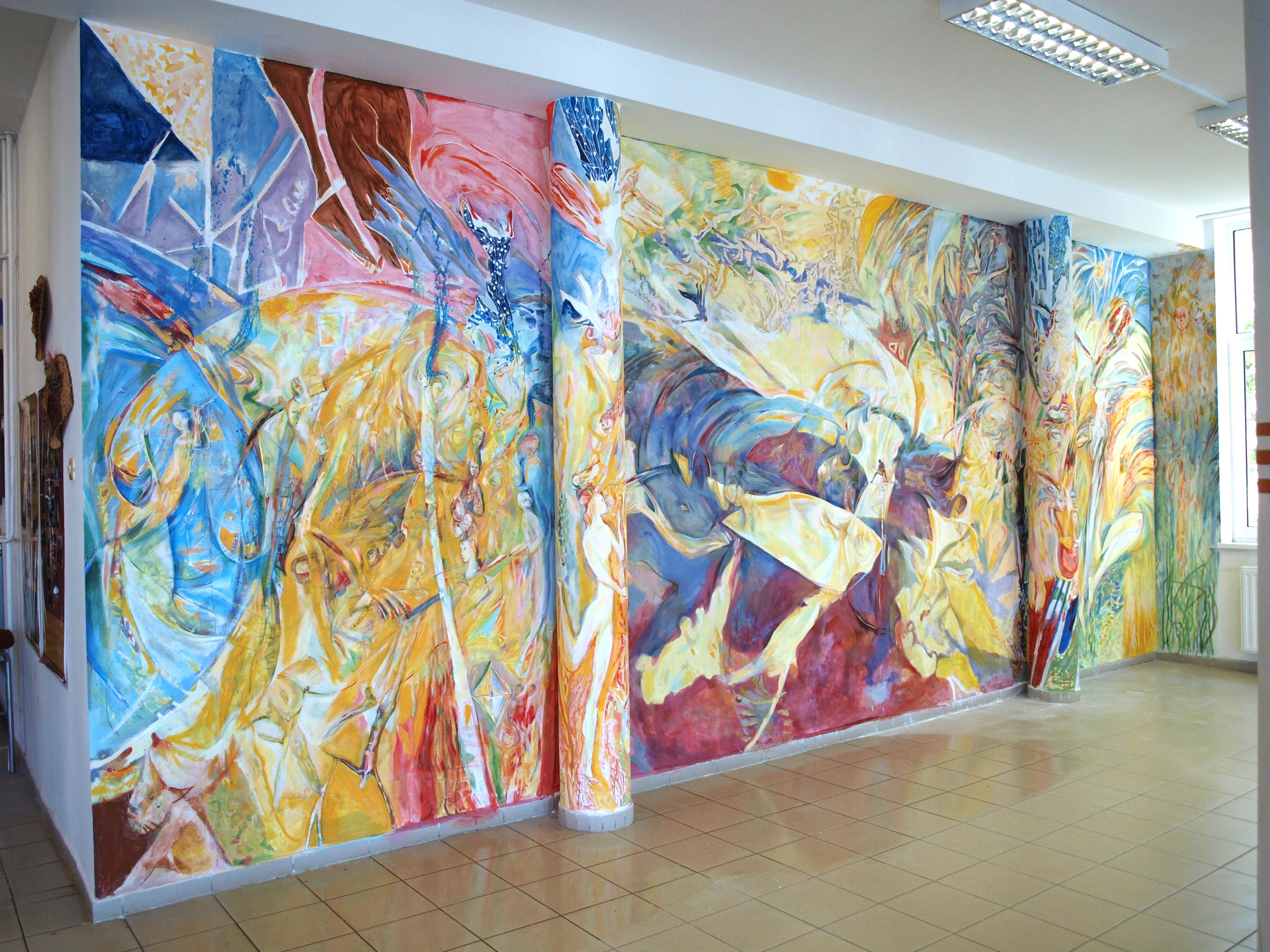 [credit](https://upload.wikimedia.org/wikipedia/commons/6/61/Fresco_for_Clint_Eastwood_from_slovak_artists_Peter_Mester_and_Pavel_Mester_-_panoramio_%281%29.jpg), [licence](https://creativecommons.org/licenses/by-sa/3.0) If his story resonates, you might explore our artist’s timeline at [/timeline](/timeline) or visit the [/den-bosch-museum](/den-bosch-museum). And yes—buying art is its own kind of rebellion. Explore our [/buy](/buy) page for originals that challenge convention. 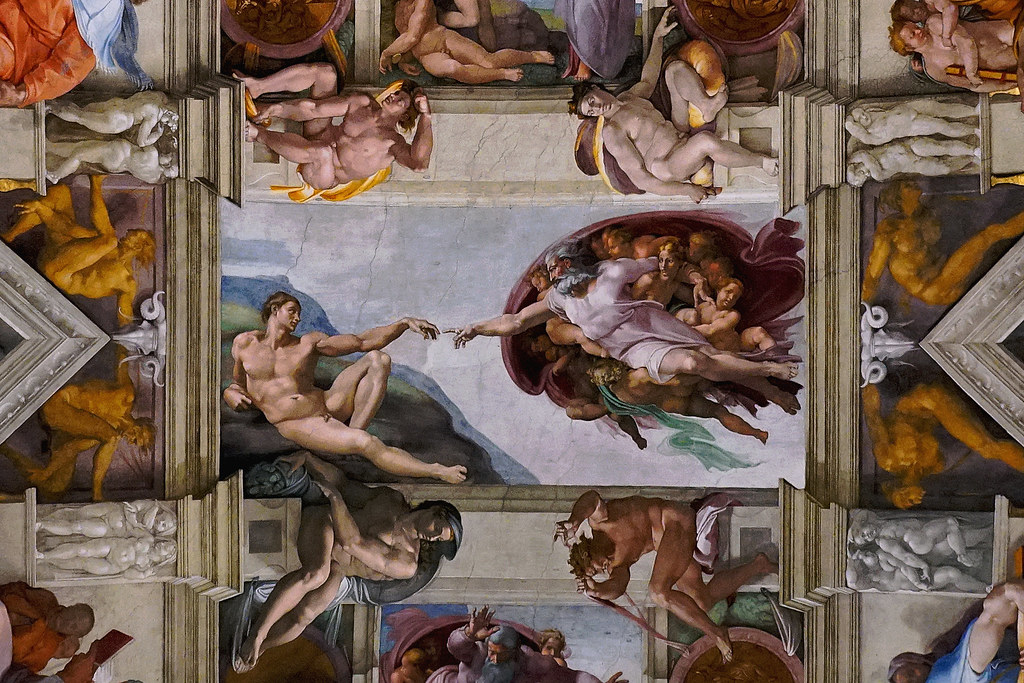 [credit](https://live.staticflickr.com/65535/49909908272_da2e3db314_b.jpg), [licence](https://creativecommons.org/licenses/by-nc-nd/2.0/) ### FAQ: Your Burning Questions About Courbet **1. Was Courbet part of a formal art movement?**<br>Nope. He rejected the idea of being labeled. "[Realism](/finder/page/what-is-realism-art-movement)" was a term critics pinned on him. He called himself simply "a painter." **2. What’s with his giant beards?**<br>Courbet’s beard was a symbol of his nonconformity. In an era of clean-shaven aristocrats, his wild facial hair screamed: "I’m not playing your game." **3. Did Courbet ever paint landscapes?**<br>Absolutely! Later in life, he painted dramatic seascapes and stormy skies from exile in Switzerland. These are more "romantic" but still rooted in physical observation. **4. Why was *The Origin of the World* so scandalous?**<br>It was unapologetically realistic—a woman’s body without idealization or mythology. The 19th century couldn’t handle that much truth. **5. How did Courbet affect modern artists?**<br>He paved the way for everyone from [Manet](/finder/page/who-is-edouard-manet) to Cézanne. If you see a brushstroke that’s too "messy" or a subject deemed "too ordinary," thank Courbet. He made space for imperfection. **6. What was Courbet's relationship with the Paris Commune?**<br>Courbet was actively involved in the Paris Commune of 1871, serving as the "delegate for the preservation of museums." His political activism and belief in the democratization of art led to his imprisonment and exile after the fall of the Commune. **7. How did Courbet's work influence the development of [modern art](/finder/page/modern-art)?**<br>Courbet's emphasis on realism and his rejection of academic conventions laid the groundwork for [modern art](/finder/page/modern-art) movements such as [Impressionism](/finder/page/ultimate-guide-to-impressionism), Post-Impressionism, and even [Cubism](/finder/page/ultimate-guide-to-cubism). His focus on [everyday life](/finder/page/finding-inspiration-in-everyday-life) and social issues continues to inspire artists today. **8. What was Courbet's relationship with other artists of his time?**<br>Courbet had a complex relationship with his contemporaries. While he admired the works of masters like Caravaggio, he often clashed with the academic establishment and other artists who adhered to traditional styles. His rebellious spirit and commitment to realism set him apart from his peers. **9. How did Courbet's personal life influence his art?**<br>Courbet's personal experiences, from his upbringing in Ornans to his political activism, deeply influenced his artistic vision. His rejection of bourgeois values and his embrace of the working class are reflected in his choice of subjects and his unapologetic portrayal of reality. **10. What is Courbet's legacy in the art world?**<br>Courbet's legacy is one of rebellion, authenticity, and social justice. His commitment to realism and his belief in the power of art to challenge societal norms continue to inspire artists and thinkers today. His works remain a testament to the enduring power of truth and the importance of using art as a tool for change. **11. What were Courbet's views on politics?**<br>Courbet was deeply political and believed in the democratization of art. His involvement in the Paris Commune reflected his commitment to social justice and his belief that art should serve the people. **12. How did Courbet's art challenge societal norms?**<br>Courbet's art challenged societal norms by depicting the realities of life, including the struggles of the working class and the unfiltered human experience. His works forced viewers to confront uncomfortable truths and question the status quo. **13. What is the significance of Courbet's *The Painter’s Studio*?**<br>*The Painter’s Studio* is a powerful allegory of Courbet's artistic philosophy. It reflects his belief in the artist's role as a witness to history and his commitment to realism and social justice. **14. How did Courbet's exile affect his art?**<br>Courbet's exile to Switzerland marked a shift in his artistic focus. He turned to landscapes and seascapes, reflecting his deep connection to nature and his resilience in the face of adversity. **15. What can we learn from Courbet's life and work?**<br>Courbet's life and work remind us of the power of authenticity and the importance of using art as a tool for [social change](/finder/page/art-as-catalyst-for-social-change). His legacy continues to inspire artists and thinkers to challenge norms and advocate for justice. **16. What was Courbet's relationship with the academic art establishment?**<br>Courbet had a contentious relationship with the academic art establishment. He rejected their idealized and romanticized depictions of the world and instead sought to capture the raw, unfiltered essence of human existence. His defiance of the Salon and his establishment of his own exhibition, "Le Réalisme," were bold statements of his commitment to realism. **17. How did Courbet's works influence the development of [social realism](/finder/page/what-is-social-realism-in-art)?**<br>Courbet's emphasis on depicting the lives of ordinary people and his commitment to social justice laid the groundwork for the development of social realism. His works inspired future generations of artists to explore themes of identity, inequality, and human experience, and to use their art as a tool for social change. **18. What was Courbet's approach to painting techniques?**<br>Courbet's approach to painting techniques was characterized by bold brushstrokes and a gritty, textured approach to painting. He rejected the polished, idealized techniques of academic art and instead sought to capture the raw, unfiltered essence of his subjects. His use of bold brushstrokes and a gritty, textured approach to painting was a deliberate rejection of the academic traditions of his time. **19. How did Courbet's political activism influence his artistic vision?**<br>Courbet's political activism was a defining aspect of his life and work. His belief in the power of art to challenge societal norms and to advocate for social justice was a driving force behind his artistic vision. His involvement in the Paris Commune was a natural extension of this belief, and his actions continue to inspire artists and activists today. **20. What is the significance of Courbet's *A Burial at Ornans*?**<br>*A Burial at Ornans* is a masterpiece of audacity. It is a massive canvas that depicts a humble village funeral, capturing the diversity of human emotions and experiences. Courbet's decision to include a wide range of characters, each with their own story, reflects his belief in the universality of human experience. This approach challenged the traditional focus on idealized beauty and instead celebrated the complexity and authenticity of [everyday life](/finder/page/finding-inspiration-in-everyday-life). **21. How did Courbet's work influence the development of [Impressionism](/finder/page/ultimate-guide-to-impressionism)?**<br>Courbet's emphasis on realism and his rejection of academic conventions laid the groundwork for the [Impressionism](/finder/page/ultimate-guide-to-impressionism) movement. His focus on [everyday life](/finder/page/finding-inspiration-in-everyday-life) and the use of bold brushstrokes inspired Impressionist artists to explore new techniques and subjects. **22. What was Courbet's relationship with the French government?**<br>Courbet's relationship with the French government was tumultuous. His involvement in the Paris Commune and his political activism led to his imprisonment and exile. His defiance of authority and his commitment to social justice made him a controversial figure in the eyes of the government. **23. How did Courbet's art reflect his political beliefs?**<br>Courbet's art was deeply intertwined with his political beliefs. His focus on the working class and his unapologetic portrayal of reality reflected his commitment to social justice and his belief in the power of art to challenge societal norms. **24. What was Courbet's impact on the development of [Post-Impressionism](/finder/page/what-is-post-impressionism)?**<br>Courbet's emphasis on realism and his rejection of academic conventions influenced the development of [Post-Impressionism](/finder/page/what-is-post-impressionism). His focus on everyday life and the use of bold brushstrokes inspired Post-Impressionist artists to explore new techniques and subjects. **25. How did Courbet's work influence the development of [Cubism](/finder/page/ultimate-guide-to-cubism)?**<br>Courbet's emphasis on realism and his rejection of academic conventions laid the groundwork for the development of [Cubism](/finder/page/ultimate-guide-to-cubism). His focus on everyday life and the use of bold brushstrokes inspired Cubist artists to explore new techniques and subjects. ### Final Thoughts: The Rebel’s Legacy Courbet once said, "I have studied the grandeur and the misery of mankind." That’s what endures. He didn’t paint angels or kings—he painted *us*. Flawed, beautiful, sweating under the weight of life. In an age of AI-generated perfection and digital filters, his rebellion feels urgent. So next time you see a Courbet, don’t just admire it. Ask yourself: *What truth does this dare me to see?* Courbet's legacy is a reminder of the power of art to challenge, provoke, and inspire. His commitment to realism and social justice continues to resonate, urging us to question the world around us and to seek truth in all its forms. His work is a testament to the enduring power of authenticity and the importance of using art as a tool for change.  [credit](https://images.pexels.com/photos/102127/pexels-photo-102127.jpeg), [licence](https://creativecommons.org/public-domain/) Courbet's legacy is a call to action for artists and thinkers to use their work as a tool for social change and to embrace the power of authenticity. As we navigate an increasingly digital and filtered world, Courbet's rebellion reminds us of the importance of truth and the enduring power of art to inspire and provoke. ### Exploring Courbet's Influence Today Courbet's influence can be seen in the work of contemporary artists who continue to challenge societal norms and explore the complexities of human experience. His legacy is a call to action for artists and thinkers to use their work as a tool for social change and to embrace the power of authenticity. As we navigate an increasingly digital and filtered world, Courbet's rebellion reminds us of the importance of truth and the enduring power of art to inspire and provoke. Courbet's influence on contemporary artists is a testament to the enduring power of his artistic vision. His commitment to realism and social justice continues to inspire artists to challenge societal norms and to explore the complexities of human experience. His legacy is a reminder of the power of art to inspire and provoke, and his rebellion continues to resonate in today's art world.  [credit](-), [licence](-) --- *For more on artists who broke the mold, explore our comprehensive timeline of artistic revolutions at [/timeline](/timeline).* ### Additional Resources For those interested in diving deeper into Courbet's life and work, here are some recommended resources:  [credit](https://live.staticflickr.com/5334/8987127837_5abf716c18_b.jpg), [licence](https://creativecommons.org/licenses/by-nc/2.0/) - **Books:** - *Gustave Courbet* by Sarah Faunce and Linda Nochlin - *Courbet: A Dream of [Modern Art](/finder/page/modern-art)* by Klaus Herding - *The Realist Tradition: French Painting and Drawing 1830-1900* by Gabriel P. Weisberg - **Documentaries:** - *The Impressionists: Painting and Revolution* (BBC) - *The Art of the Western World* (PBS) - **Museums and Exhibitions:** - Musée d'Orsay, Paris - The Louvre, Paris - The Metropolitan Museum of Art, New York These resources provide a comprehensive look at Courbet's impact on the art world and his enduring legacy. 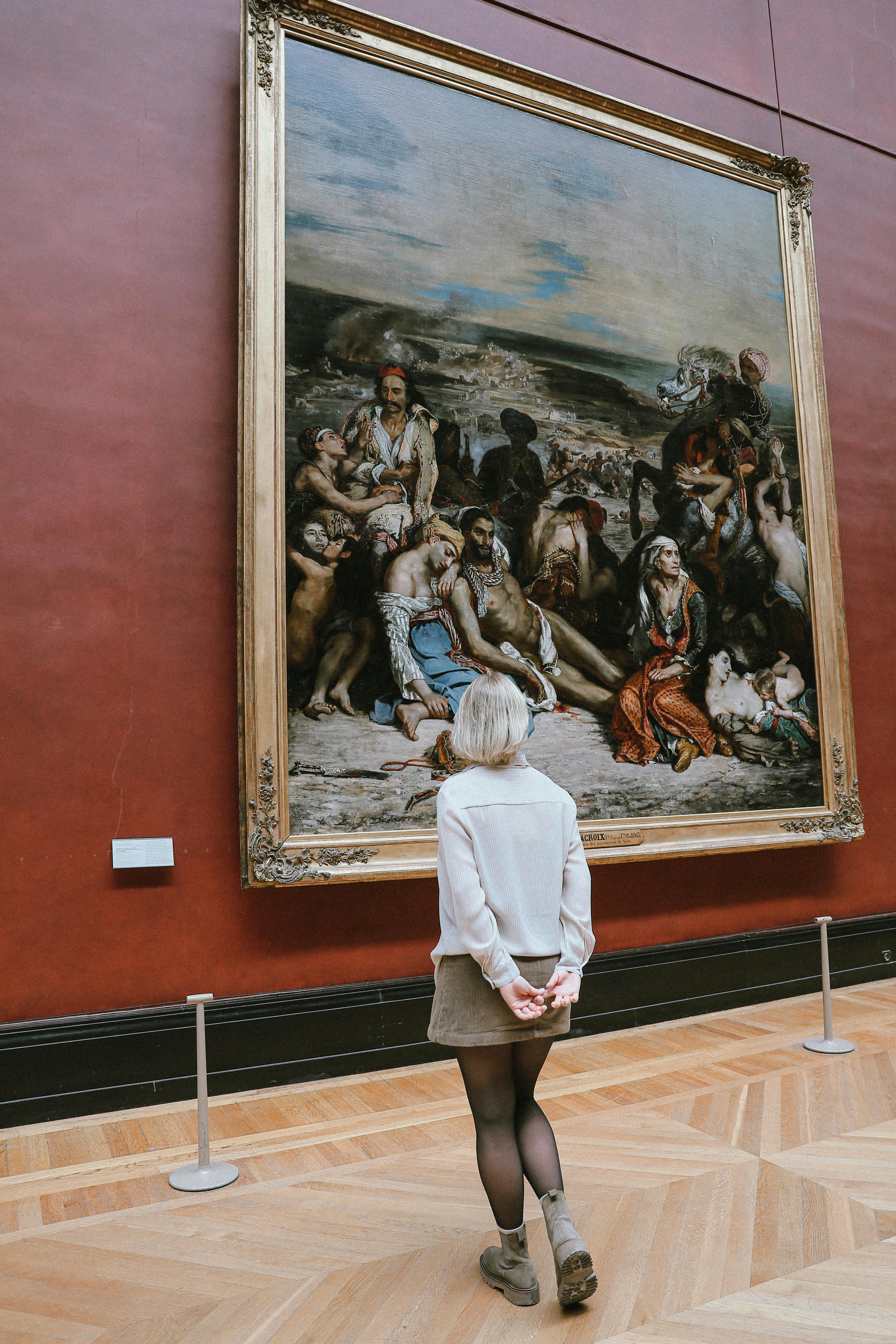 [credit](https://images.pexels.com/photos/16960922/pexels-photo-16960922/free-photo-of-woman-in-a-museum-looking-at-paintings.jpeg), [licence](https://creativecommons.org/public-domain/) ### Further Reading and Exploration For those who want to explore Courbet's influence further, consider visiting the following exhibitions and museums: - **Exhibitions:** - *Courbet and the Modern Landscape* (Various locations) - *Realism and Revolution: Courbet and His Contemporaries* (Various locations) - **Online Resources:** - The Courbet Museum - The Metropolitan Museum of Art - Gustave Courbet These resources offer a deeper understanding of Courbet's life, work, and enduring influence on the art world.