
Mastering Console Table Art: The Ultimate Guide to Scale, Style & Stunning Displays
Unlock the secrets to perfectly styling art above your console table! This definitive guide covers scale, diverse styles, unexpected mediums, and pro tips for creating impactful, personalized displays in any room. Your console table's ultimate transformation starts here.

Mastering Console Table Art: The Ultimate Guide to Scale, Style & Stunning Displays
There’s a silent battle fought in homes everywhere, often right above a console table. That blank expanse of wall feels like it should be the simplest canvas, a contained zone, yet it frequently becomes a source of decorating paralysis. Is it too big? Too small? Too high? Too low? I’ve certainly been there, staring at an empty space that felt less like a focal point and more like a hesitant whisper, waiting for permission to truly shine. I remember one particularly frustrating Saturday, armed with a measuring tape and three different paintings, convinced that this simple stretch of wall above my entryway console was actively rebelling against me. It felt less like design and more like a wrestling match. And let’s be honest, the pressure is on to get it just right because this little spot—whether in your entryway, living room, or a narrow hallway—is a powerhouse of first impressions. It’s the handshake of your home, the quiet statement that sets the tone. So, if you're ready to master the art above your console, this guide will walk you through every essential consideration, from the nuances of scale and style to diverse artistic approaches, ensuring your console table becomes a beautifully curated vignette.
Understanding Your Console's Foundation: The Table Itself
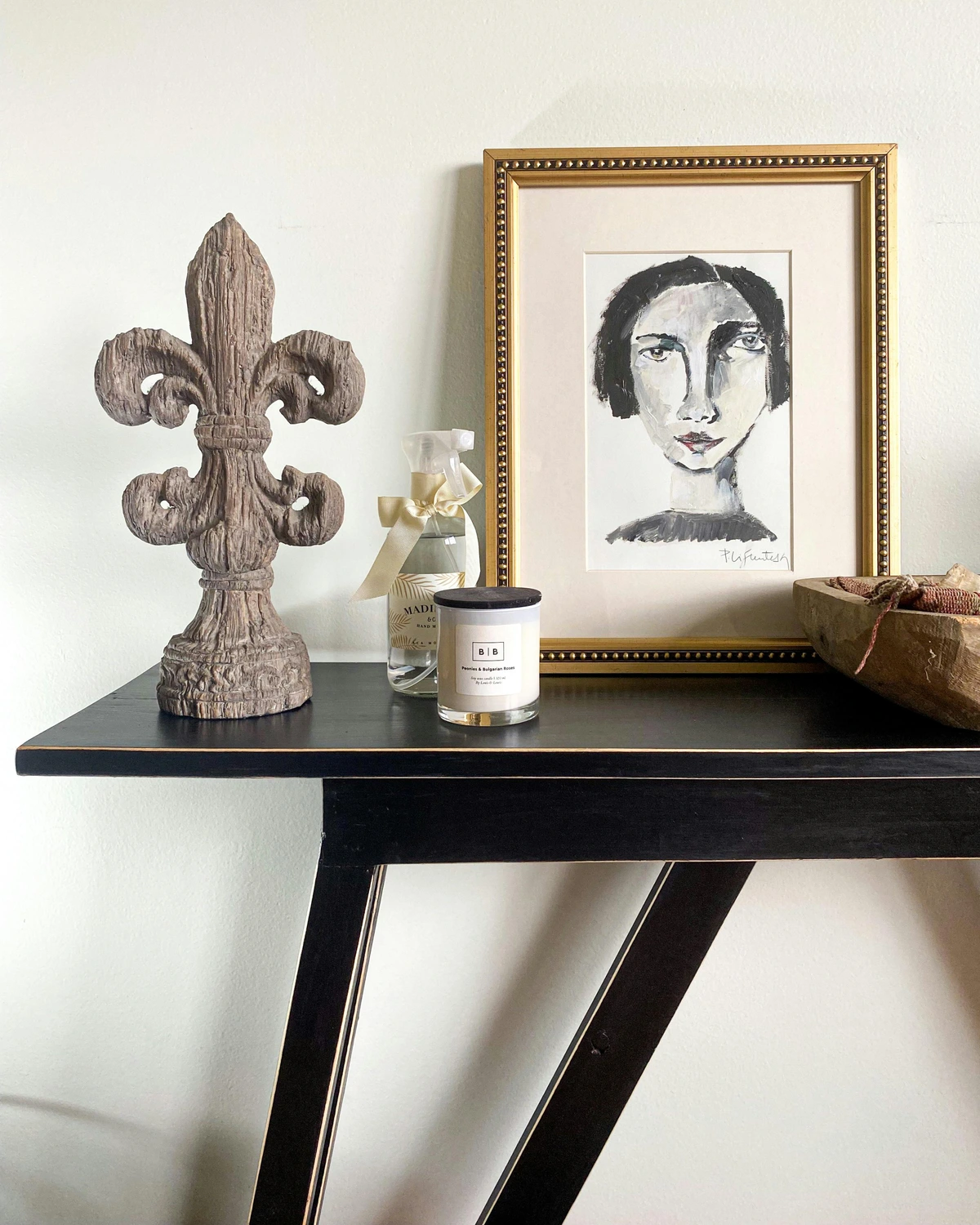
Your console table isn't just a surface; it's the very foundation for your artistic display, setting the stage for what comes next. Its material, finish, overall design, and even its proportions (is it long and narrow, or shorter and deeper?) are crucial elements that will dictate how your chosen art will feel in the space. Think of it as the anchor – what kind of boat is it meant to hold? Getting this right ensures your wall art over console feels like a natural extension of your decor, not an alien intruder.
Historically, console tables emerged in 17th-century France as purely decorative pieces, often requiring wall support and becoming popular in Baroque and Rococo salons. Their role in displaying art evolved from holding busts and small sculptures to becoming the perfect pedestal for increasingly elaborate wall hangings and paintings, particularly popularized in grand European homes and later, Victorian interiors. In the Neoclassical era, their clean lines often paired with classical busts or framed engravings, while the Beaux-Arts period saw them as grand statements under equally monumental paintings. By the mid-20th century, their minimalist forms called for equally understated or abstract art. Now that we've explored the console's own character, let's dive into the crucial aspect of ensuring your art is the perfect size.
Sleek & Modern Console Tables
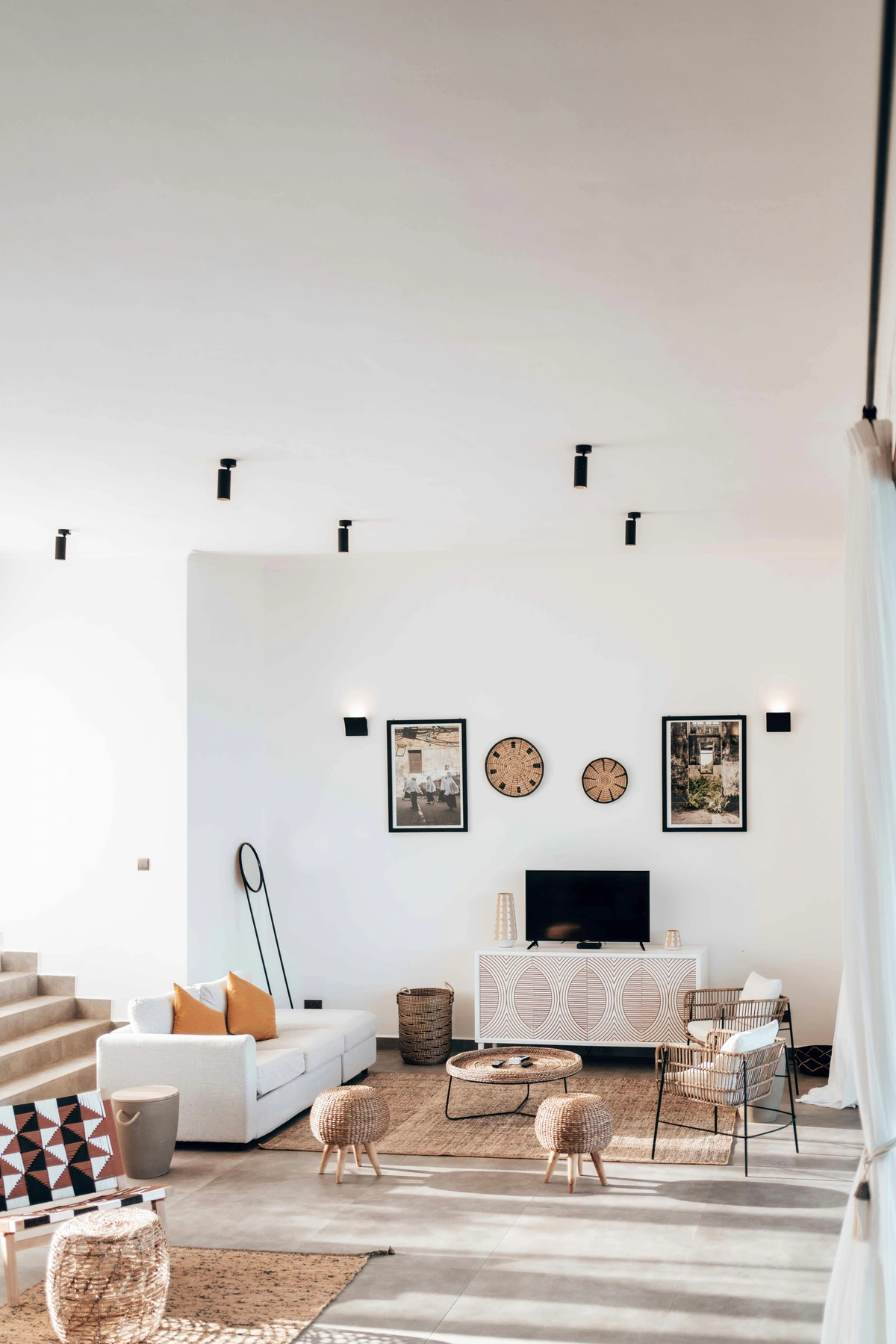
If your console boasts minimalist lines, perhaps crafted from glass, polished metal, or high-gloss lacquer, it often calls for art that is equally clean and contemporary. I've found that bold abstract expressionism with sharp lines (think Ellsworth Kelly's hard-edge paintings or the vibrant geometric compositions of Carmen Herrera), large-format minimalist photography, or striking geometric prints (like those from Frank Stella) truly sing here. Sometimes, a subtle contrast works wonders – consider a highly textured abstract piece in a neutral palette to add depth without disrupting the clean aesthetic of your modern art console table.
Rustic & Organic Console Tables
A wooden console with visible grain, perhaps reclaimed, distressed, or featuring a live edge, pairs beautifully with art that celebrates nature and authenticity. Think serene landscapes (like those by Albert Bierstadt), intricate botanical illustrations (like those by Audubon or Maria Sibylla Merian), or earthy abstract pieces with strong textural elements. Textile art, like woven tapestries or macrame hangings, or even artisanal ceramics, can also feel wonderfully at home here, softening the hard edges of the wood and infusing warmth. This style is perfect for rustic console table decor.
Traditional & Elegant Console Tables
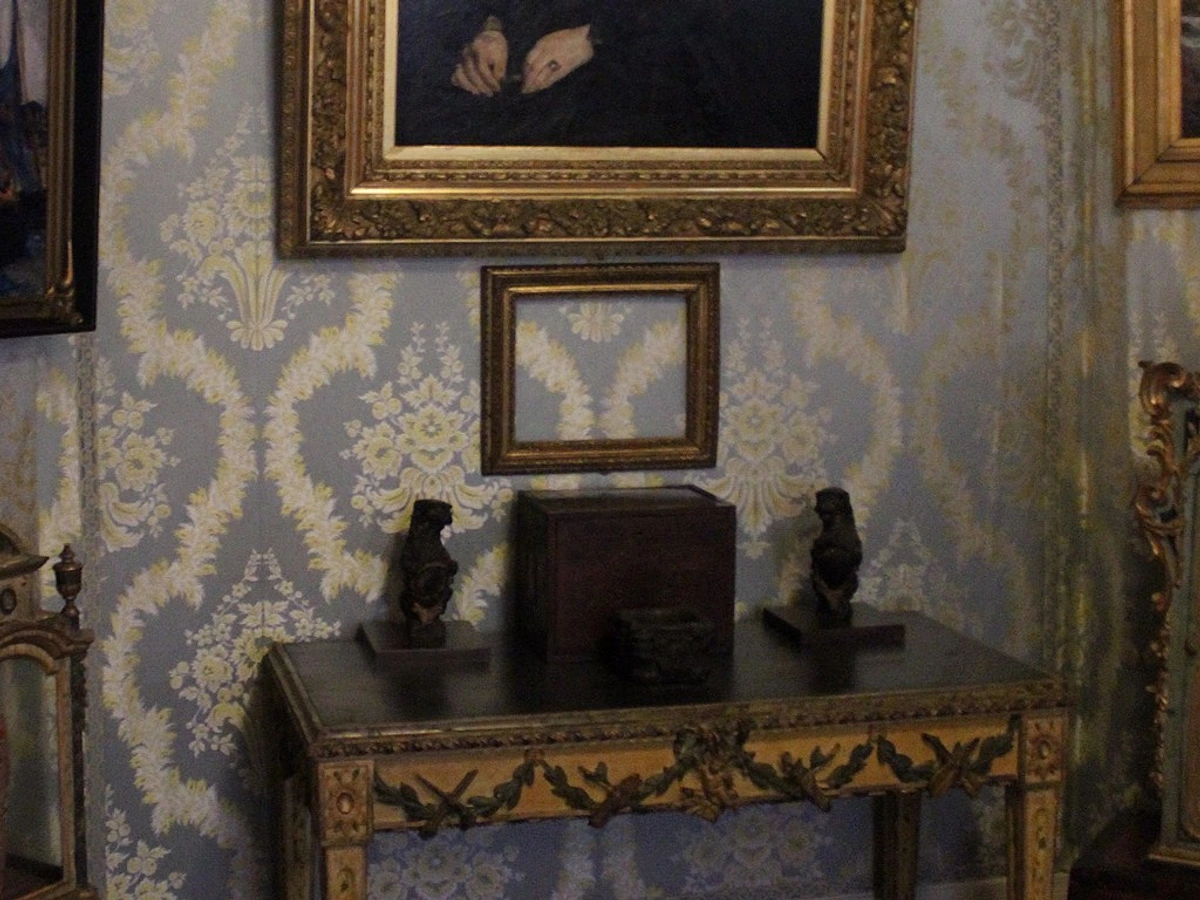
Ornate consoles, dark wood, or antique pieces often create a sophisticated backdrop. Here, classic portraits (perhaps reminiscent of Rembrandt or Mary Cassatt), intricate still life paintings (inspired by the Dutch Masters like Jan van Huysum, or even a historical piece like Still Life with Rayfish), or beautifully framed historical maps can resonate deeply. Interestingly, a contemporary abstract piece with a muted, sophisticated palette or even a neo-classical interpretation can also create an intriguing contrast that bridges old and new, adding a fresh twist without sacrificing elegance.
Eclectic & Bohemian Console Tables
For consoles that embrace a mix of patterns, textures, and global influences – perhaps a piece with carved details from travels, or a mix of vintage and new, or even one crafted from mixed materials like metal and wood – your art can be equally free-spirited. This is where vibrant mixed media, global-themed textiles (think Moroccan patterns or South American weaves), folk art (like Aboriginal dot paintings or Central American retablos), or a curated collection of diverse prints really shines. Don’t be afraid to layer different styles and cultural references; the key is thoughtful curation that feels personal and expressive.
First Things First: Nailing the Scale Right (Without Overthinking It)
Once you've considered your console's style and foundation, the next crucial step is ensuring the art sits harmoniously upon it, which brings us to the all-important aspect of scale. This is, hands down, where most people get tripped up, but I promise you, it's simpler than it seems. I’m not a fan of rigid, unbreakable laws when it comes to decorating, but a couple of foundational guidelines can save you a world of frustration and ensure your art and table feel like they belong together, not just awkwardly coexisting. Getting the scale right instantly elevates your space from "decorated" to "designed." This is key for any console table styling.
The Rule of Two-Thirds: Visual Harmony
Here’s the golden nugget for console table art: aim for artwork (or a grouping of art) that is roughly two-thirds the width of your console table. Why two-thirds? This proportional principle is a long-standing design secret for creating visually pleasing compositions. It creates a dynamic yet balanced relationship, preventing the art from either overpowering the table or looking like a tiny postage stamp lost on a vast wall. It allows for intentional negative space around the art, which is crucial for it to breathe and truly stand out. It helps to evenly distribute visual weight, which refers to how much an element attracts the eye due to its size, color, texture, or complexity. For more on choosing the right size, check our guide on how to choose the right size art for your space: a decorators guide.
Imagine your console is 48 inches wide; a piece (or a grouping) that is about 32 inches wide will feel inherently "right." If your console is 40 inches wide, aim for art that is around 26-27 inches. It doesn't have to be exact – we're decorating a home, not performing surgery – but this proportion just feels right, hitting a sweet spot of aesthetic harmony. This principle can also be applied in other areas of your home; for instance, when considering art above the sofa: a guide to perfect placement and scale, the same proportional thinking applies.
The Height Rule: Connecting Art and Table
Now, for height. Hang your artwork so the bottom edge is 4 to 6 inches above the surface of the console table. This creates a crucial visual connection, making the art and table feel like a single, cohesive unit – a beautifully composed vignette (that's just a fancy word for a small, artful display of objects, creating a focused visual story). If you hang it too high, they’ll look like two strangers awkwardly avoiding eye contact at a party, completely disconnected. Conversely, if it's too low, the display can feel cramped and claustrophobic. Remember, this range offers flexibility; if your console is unusually low or high, you might adjust to the lower or higher end of the 4-6 inch range to keep it proportionate with the overall wall space. My personal rule of thumb is about a hand's width between the art and the table's surface.
If you have tall items on the table, like a striking lamp or a sculpture, make sure the art clears them by at least 2-3 inches, giving everything a bit of breathing room and preventing visual clutter.
Quick Guide to Console Art Measurements
Feature  | The Sweet Spot | Common Mistake (and why it fails) | Considerations |
|---|---|---|---|
| Width | Art is about 2/3 the width of the table (or total width of art grouping). | Art is wider than the table, creating a top-heavy and unbalanced look. Or, art is much too small, making the console feel empty and the art insignificant. | For gallery walls, apply the 2/3 rule to the entire grouped composition. |
| Height | Bottom of the frame is 4-6 inches above the table. | A large, disconnected gap between the table and art, making them feel like separate entities. | Adjust slightly within the range based on console height and ceiling height. |
| Clearance | Art clears tall table objects by 2-3 inches. | Art is obstructed by or awkwardly close to lamps or decor, creating visual clutter. | This ensures visual flow and prevents visual "chatter." |
| Total Vignette | Art + table + decor feel like one cohesive unit. | The art and table decor feel like a random collection of items rather than a thoughtfully composed arrangement, lacking intention. | Step back often to assess the overall balance and story. |
If you're dealing with a particularly tall space, you might want to explore some ideas for maximizing impact: choosing art for high ceilings to make the whole wall feel intentional. And trust me, it’s worth the extra thought. Next, let's explore the different ways art can be approached: as a single statement or a lively collection.
One Big Statement or a Friendly Crowd? Deciding Your Artistic Approach
Once you've nailed the foundational scale, you have a glorious choice to make: do you want one powerful piece to command the space, or a thoughtfully assembled collection that tells a story? Each approach creates a distinctly different mood and allows for unique expressions of your personal taste. This choice significantly influences your console table styling.
The Single Statement Piece: Bold and Confident
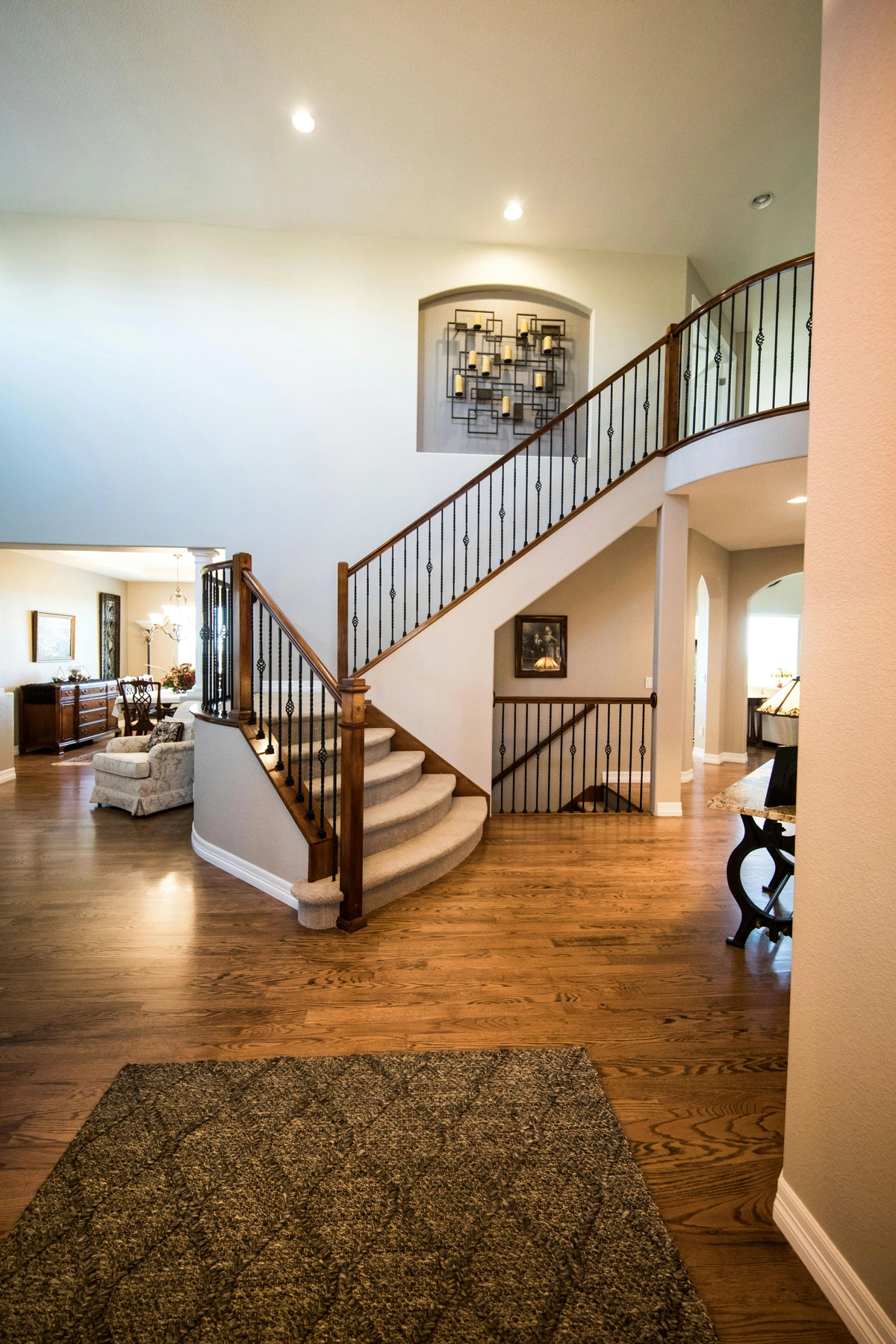
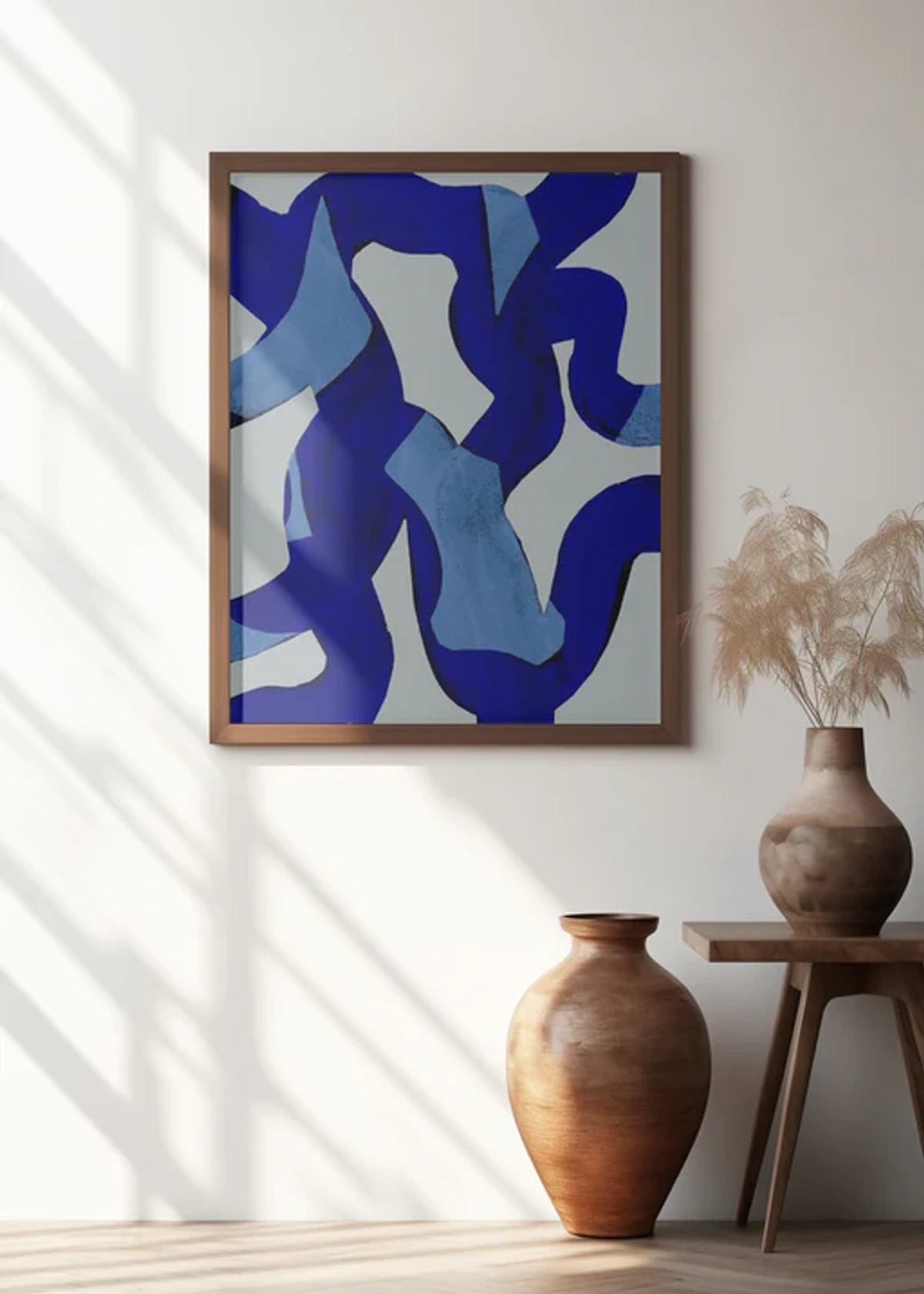
This is the bold, confident choice for art above a console table. A single, large piece of art can instantly define the mood of a space – a vibrant abstract painting (like a dynamic Rothko or an energetic Pollock), a dramatic black-and-white photograph, a striking textile art piece, a commanding sculptural relief that pops off the wall, or even a curated diptych or triptych that acts as one unified statement. It's clean, impactful, and perfect for when you have a piece you absolutely love that deserves to be seen without distraction.
I often lean towards a single statement when I want to create an immediate focal point, especially in entryways where a strong first impression is key. Think of a piece with strong visual weight, commanding attention through its size, color, or subject. It often requires less intricate planning than a gallery wall, which is a bonus if you're like me and sometimes just want to get it done.
The Curated Gallery Wall: Personal and Evolving
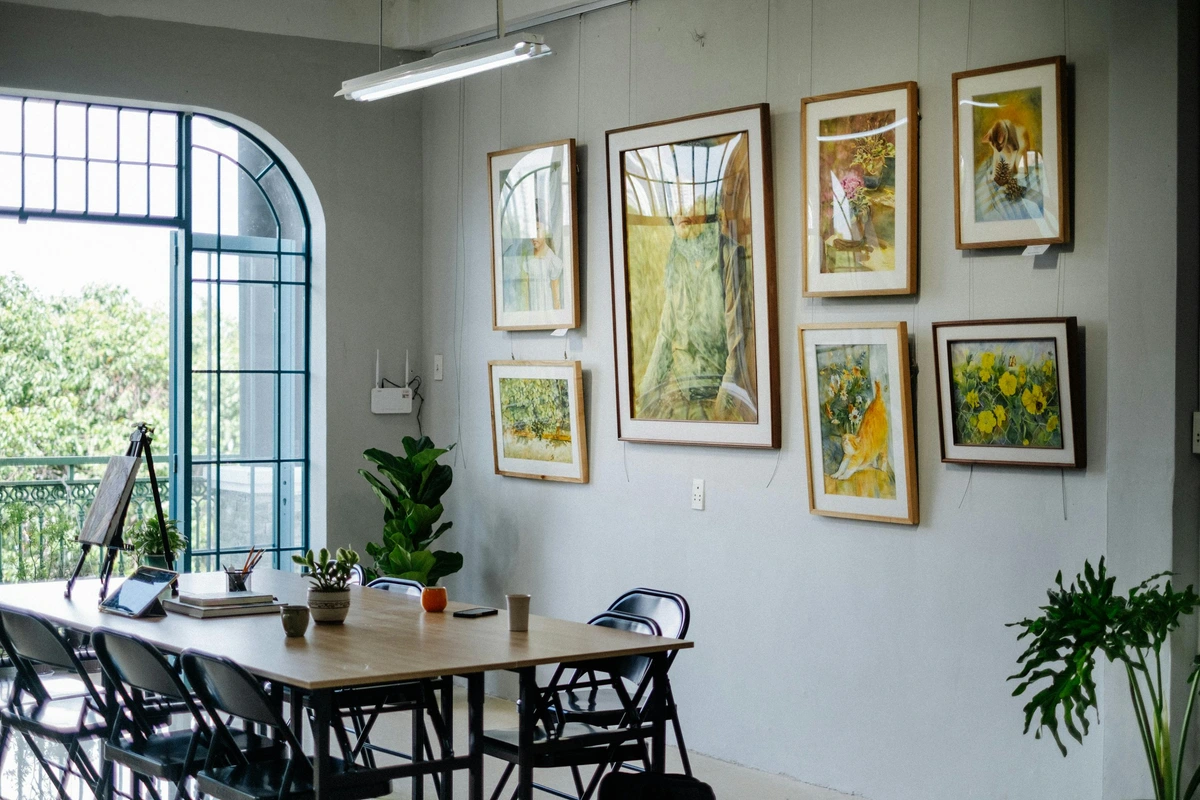
A gallery wall is more personal and can evolve over time, much like a visual diary. It's a fantastic opportunity to group smaller pieces—photos, prints, sketches, or even sculptural objects—that mean something to you, adding layers of personality and texture. The key is to find a common thread that ties the collection together, whether it’s:
- A consistent color palette: Perhaps a shared hue across multiple pieces that unifies them.
- A unified frame style: All black frames, all natural wood, or a mix of metallics can create cohesion.
- A compelling theme: Travel photography from a cherished journey, botanical prints, architectural studies, or even abstract works with a shared motif.
- A shared mood or aesthetic: All serene landscapes, all vibrant pop art, or all monochromatic portraits.
Don't forget to play with varying sizes and orientations – that’s where the magic happens and you tell a deeper, more layered story than a single piece might. Even two or three well-placed pieces can create a beautiful effect. When arranging, think about distributing visual weight evenly, ensuring no single part of the grouping feels too heavy or too light. Also, consider the physical spacing between frames: a consistent gap often creates a more formal, ordered look, while intentionally varied spacing can make it feel more organic and collected. For a deeper dive into arranging multiple pieces, you can check out some tips on how to arrange pictures on a wall or curating your perfect gallery wall: a step-by-step guide for abstract art lovers.

The Unconventional Choice: Beyond the Frame
Who says art above a console table has to be a traditional framed painting or print? That space is your oyster, an opportunity to make a truly unique statement. Consider these options if you're feeling adventurous and want to break the mold:
- A beautiful mirror: More than just reflective, a mirror can make a small entryway feel larger and brighter, reflecting light and adding depth. An ornate gilded mirror can bring historical elegance (like the Rococo style mirror shown, or a delicate Venetian mirror), while a sleek, minimalist design or an industrial-framed mirror maintains a modern vibe. Consider a sunburst mirror for a touch of glam, or an arched mirror to mimic architectural elements. When choosing, consider the mirror's frame style in relation to your console and the room's aesthetic – it's an extension of your decor. I once used a large, distressed mirror above a console in a narrow hallway, and it completely transformed the perception of space. If a mirror extends just slightly beyond the table’s edges, it can sometimes work, especially if the console itself is quite narrow, creating an illusion of expanded space. However, generally, sticking to the two-thirds rule for width helps maintain visual balance.
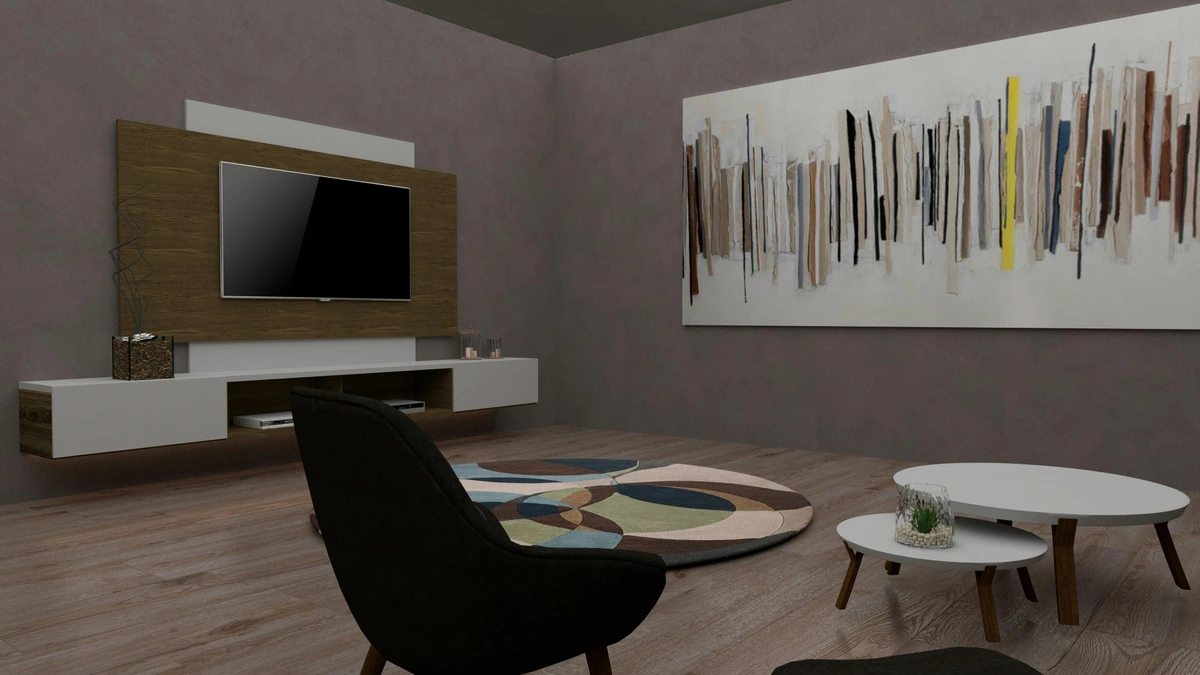
- Textile art: From intricate macrame hangings and woven tapestries to framed pieces of embroidered fabric or vintage scarves, textile art adds unparalleled softness and texture. It contrasts beautifully with a hard-surfaced table and infuses warmth into a space. These pieces instantly add an organic, handcrafted feel, but remember to consider their care; textiles can be susceptible to fading in direct sunlight and dust accumulation, so proper placement or protective casing is essential. I've always been drawn to the tactile quality of a beautifully woven piece; it invites you to look closer, to almost feel the art.

- Sculptural objects: A set of interesting wall-mounted objects, like ceramic forms, abstract metal pieces (perhaps inspired by industrial aesthetics), antique architectural fragments, or even a collection of unique decorative plates, can be just as compelling as a traditional print. Consider found objects transformed into art, vintage signage, or even a curated stack of beautifully bound books arranged sculpturally on a floating shelf above the console. They add three-dimensional interest, unexpected depth, and a unique artistic flair that draws the eye. Consider grouping objects of varying sizes or materials to create a dynamic display.
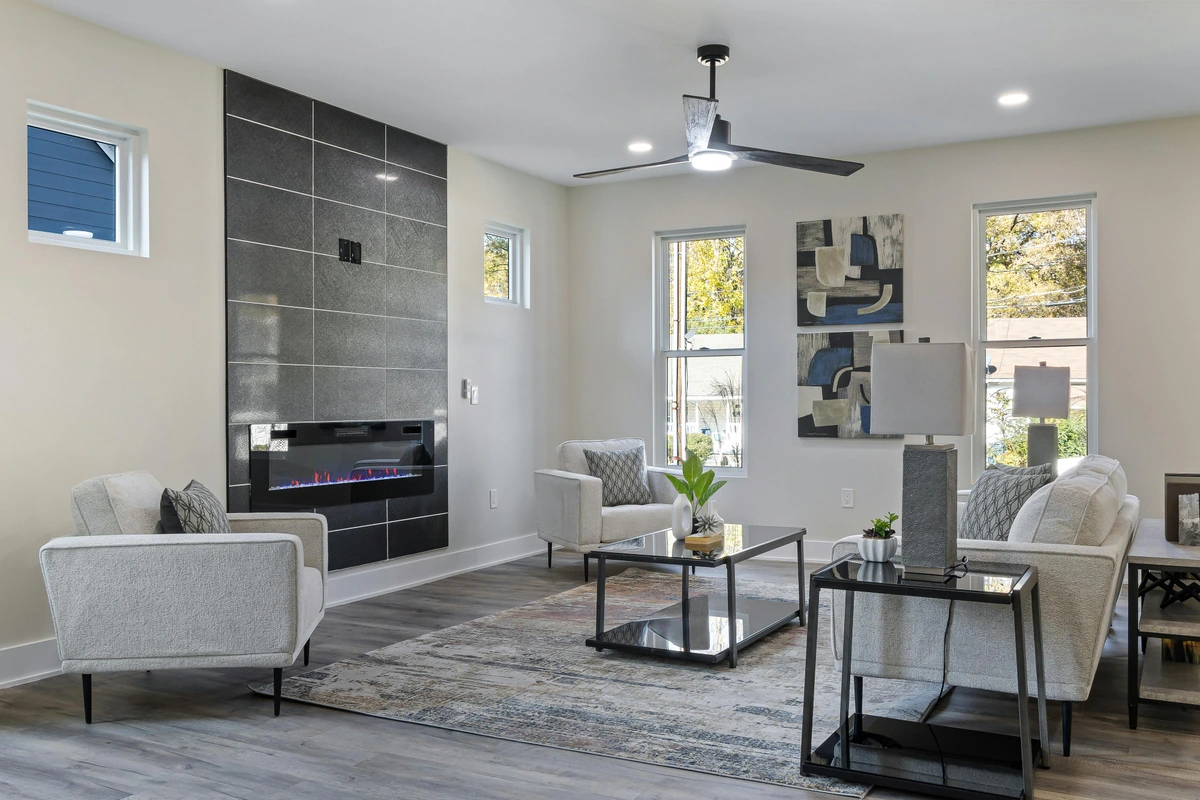
- Digital Art Displays: In a truly modern space, a high-resolution digital art frame offers a dynamic, ever-changing display. Imagine rotating through abstract pieces, captivating landscapes, data visualization art, or even your own photography, offering fresh visuals without changing a single physical piece. Online galleries, digital art apps, and smart home displays make high-quality digital art more accessible than ever. It’s a fantastic way to keep your console vignette feeling alive and constantly updated. When choosing, look for frames with high pixel density for clear images, consider the aspect ratio of the frame relative to your chosen art, and prioritize smart features for easy content rotation. While the world of AI-generated art is emerging, I approach it with a healthy skepticism; its novelty is undeniable, but the debate about its artistic merit, originality, and soul is still very much alive. For now, I find true artistic connection in human-created digital works or high-quality photographic displays, but the technological possibilities are certainly intriguing.
Considering Your Frame: An Extension of the Art
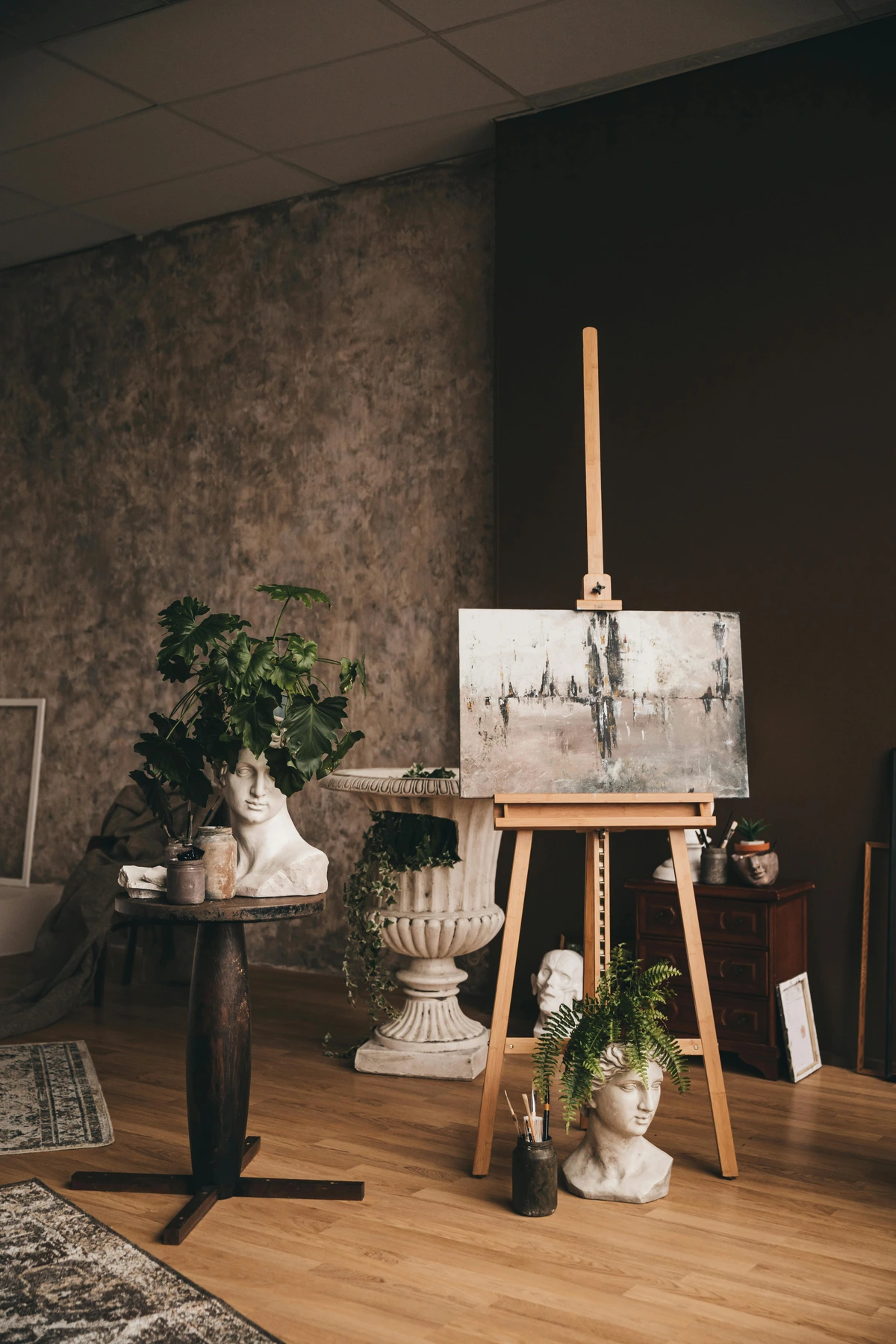
Don't underestimate the power of a frame; it's like the outfit your art wears, and it dramatically influences how the piece interacts with its surroundings. A chunky, ornate frame can make a smaller piece feel more substantial and add traditional elegance, while a sleek, minimalist frame enhances a modern aesthetic. Consider the frame's material and color in relation to your console table and the overall room decor. A simple canvas wrap without a frame, often called a gallery wrap, is the perfect understated statement for contemporary pieces, allowing the art to speak for itself with raw authenticity. Now, let's delve deeper into how the artistic medium itself shapes the impact.
Artistic Mediums and Their Impact: Beyond the Canvas
Just as important as subject matter and scale is the very medium of the artwork itself. Different artistic mediums inherently bring different qualities – depth, vibrancy, texture, fluidity, tactility – each capable of influencing the overall feel above your console table. When I'm thinking about a space, I consider what kind of sensory experience I want to create. Here’s a quick overview of how different mediums impact the ambiance and budget:
Medium | Key Characteristics | Impact on Console Space | Accessibility/Budget |
|---|---|---|---|
| Oil & Acrylic Paintings | Rich textures, vibrant, layered colors, visible brushstrokes (impasto). | Adds gravitas, visual warmth, tactile quality. Can create a striking contrast with smooth console surfaces, or complement a rustic wood. | Originals often higher cost; prints more accessible. |
| Watercolors & Ink Drawings | Luminosity, fluidity, delicate washes, subtle color shifts, transparent layers. | Creates a lighter, airier, and more serene or minimalist feel. Perfect for an understated elegance. Pairs well with delicate or minimalist consoles. | Generally more affordable than oils; prints very accessible. |
| Photography | Sharp clarity, direct connection to reality or a captured moment. Matte or glossy finishes. | Offers modern sophistication, a window to another scene, or a personal narrative. Glossy can add bold reflection, matte adds understated elegance. | Wide range, from accessible prints to high-end limited editions. |
| Mixed Media & Assemblage | Incorporates various materials, unexpected textures, 3D elements. | Adds layers of interest, sparks curiosity, brings a truly unique, handcrafted, and tactile feel. Great for eclectic spaces, creating dialogue with diverse console materials. | Highly variable, depends on materials and artist. |
| Textile Art (Woven, Macrame) | Softness, organic textures, warmth, handcrafted appeal. | Introduces a contrasting softness against hard furniture, adds warmth, and a bohemian or artisanal touch. Excellent for softening metal or glass consoles. | Can be very affordable DIY to high-end artisanal. |
| Sculpture / 3D Art | Three-dimensional form, shadows, tangible volume, material richness. | Creates dramatic focal points, adds depth and architectural interest. Interacts with light and space dynamically, adding a unique profile. | Varies greatly, from mass-produced decor to fine art. |
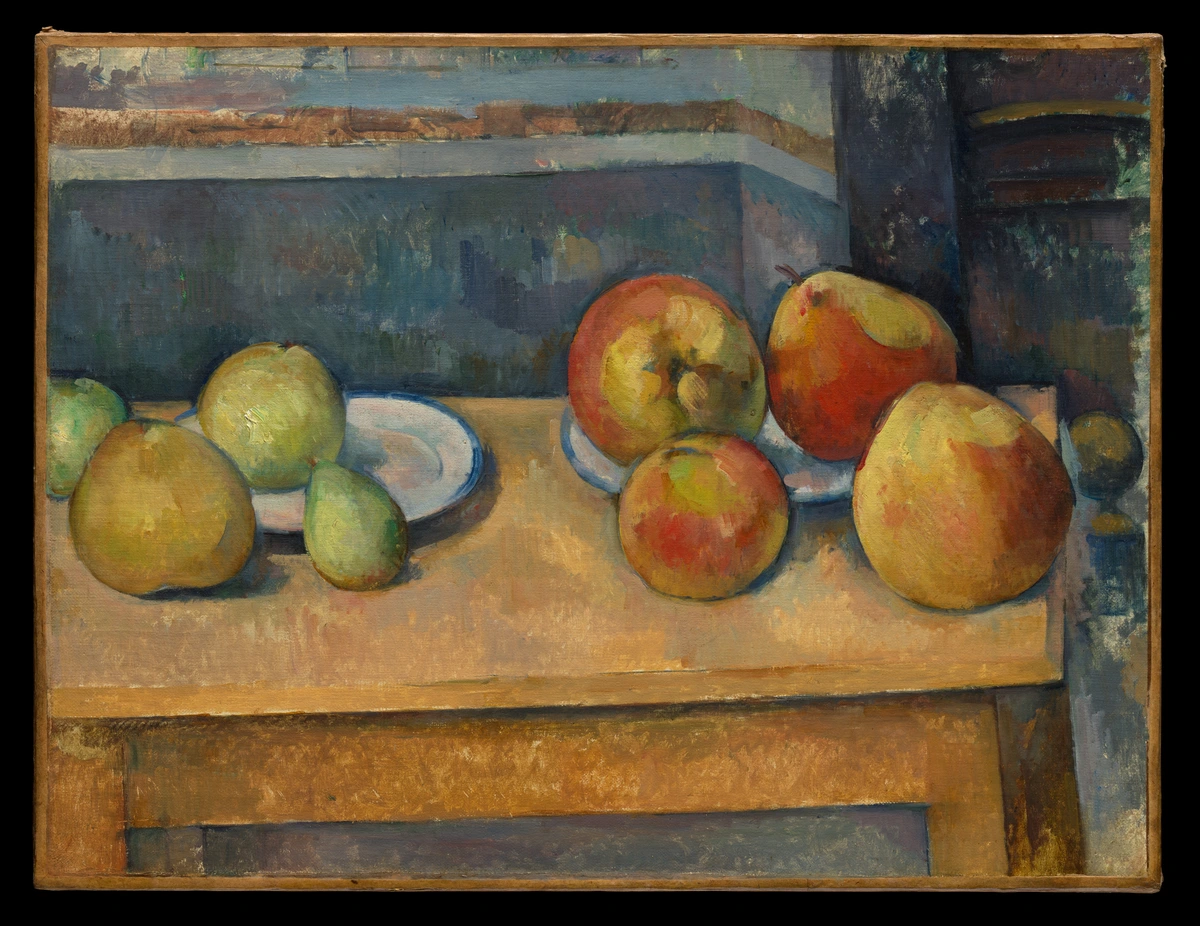
An impasto oil painting, for instance, with its thick, visible brushstrokes, brings a tactile, almost sculptural quality that can add gravitas and visual warmth, contrasting beautifully with a smooth, polished console surface. Conversely, watercolors, known for their luminosity and delicate washes, tend to create a lighter, airier feel. The choice of matte versus glossy finish for photography can further alter its impact, from a sophisticated, understated elegance to a bold, reflective statement. Knowing how different mediums speak allows you to orchestrate the mood of your entire room.
Beyond the Visual: Setting the Mood for Each Space
Art isn't just something pretty to look at; it's a powerful, almost alchemical tool for dictating the mood of a space. This is especially true above a console table, often a welcoming or transitional point in your home. What feeling do you want to evoke the moment someone steps through your door, or as you pass by? I find that each area of the home subtly asks for a different emotional tone from its art. Let's consider how different rooms call for different artistic approaches.
- The Welcoming Entryway: In an entryway, I often lean towards art that offers a sense of calm, curiosity, or gentle energy. Think abstract landscapes, serene portraits, or pieces with soft, inviting color palettes. The goal is to set a positive tone for visitors, making it perfect for entryway art. Avoid anything too intense or overtly challenging right where guests arrive – you want to spark connection, not introspection or unease. Consider linking to art for entryway for more tailored advice on entryway art placement.
- The Lively Living Room: Here, you have more freedom to express your personality and reflect the varied activities and moods of a central gathering space. A bold, vibrant piece can energize the room, sparking conversation, while a thoughtful, contemplative artwork might encourage quiet reflection. The subject matter can be deeply personal and expressive, making this a great spot for your truly beloved pieces. For more inspiration, explore choosing art for your living room.
- The Calming Bedroom Hallway: If your console is in a private hallway leading to bedrooms, art that promotes tranquility and peace is ideal. Soft colors, abstract forms that evoke serenity, or natural scenes can contribute to a restful, unwinding atmosphere. Consider pieces with soft, muted textures or materials like textile art or subtle abstract prints to visually convey quietness. This is not the place for jarring or overly stimulating visuals. For more specific guidance, you could explore how to choose art for bedroom.
- The Stimulating Dining Room: For a dining room console, art that encourages conversation or stimulates the appetite can be wonderful. Think still life paintings of food (like the Dutch Masters), vibrant abstract pieces, or scenes that evoke convivial gatherings. Dive deeper into how to choose art for a dining room for ideas.
- The Focused Home Office: If your console lives in a home office, consider art that inspires creativity, focus, or calm. Abstract art with clean lines, serene landscapes, or even motivational graphic prints can set the right tone. Explore decorating with art in a home office: boosting creativity and focus for specialized advice.
Weaving It All Together: Style and The Supporting Cast
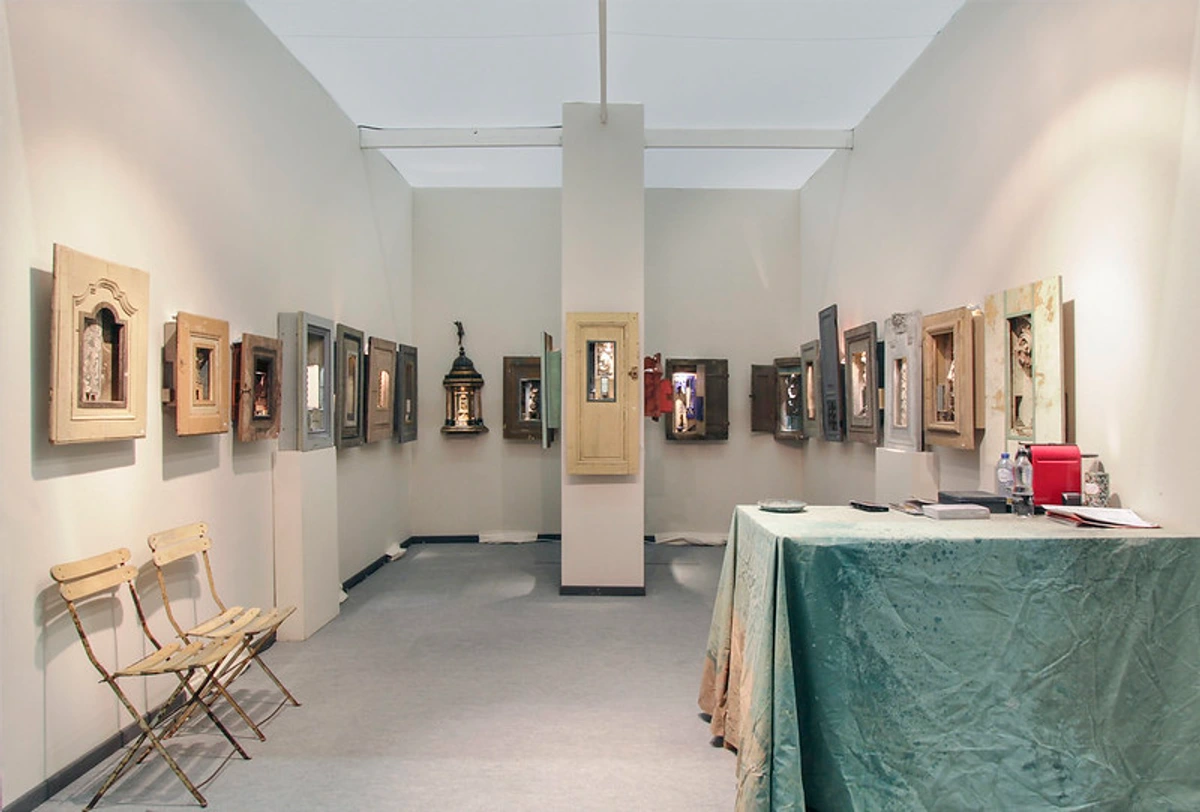
The art above your console table doesn't exist in a vacuum; it’s part of a larger conversation with the table beneath it and the entire room around it. This is the fun part—creating a complete picture, a little story. Think of yourself as a mini-curator, bringing elements into conversation with each other, ensuring every piece feels intentional and cohesive, elevating your console table styling. Here's how to ensure everything sings in harmony.
Harmonizing with Your Home’s Style
Consider the overarching style of your home. What story are your walls already telling? The art should feel like a natural extension of your existing decor, not an alien intruder that just landed. For general decorating tips, you might find inspiration in how to decorate a house.
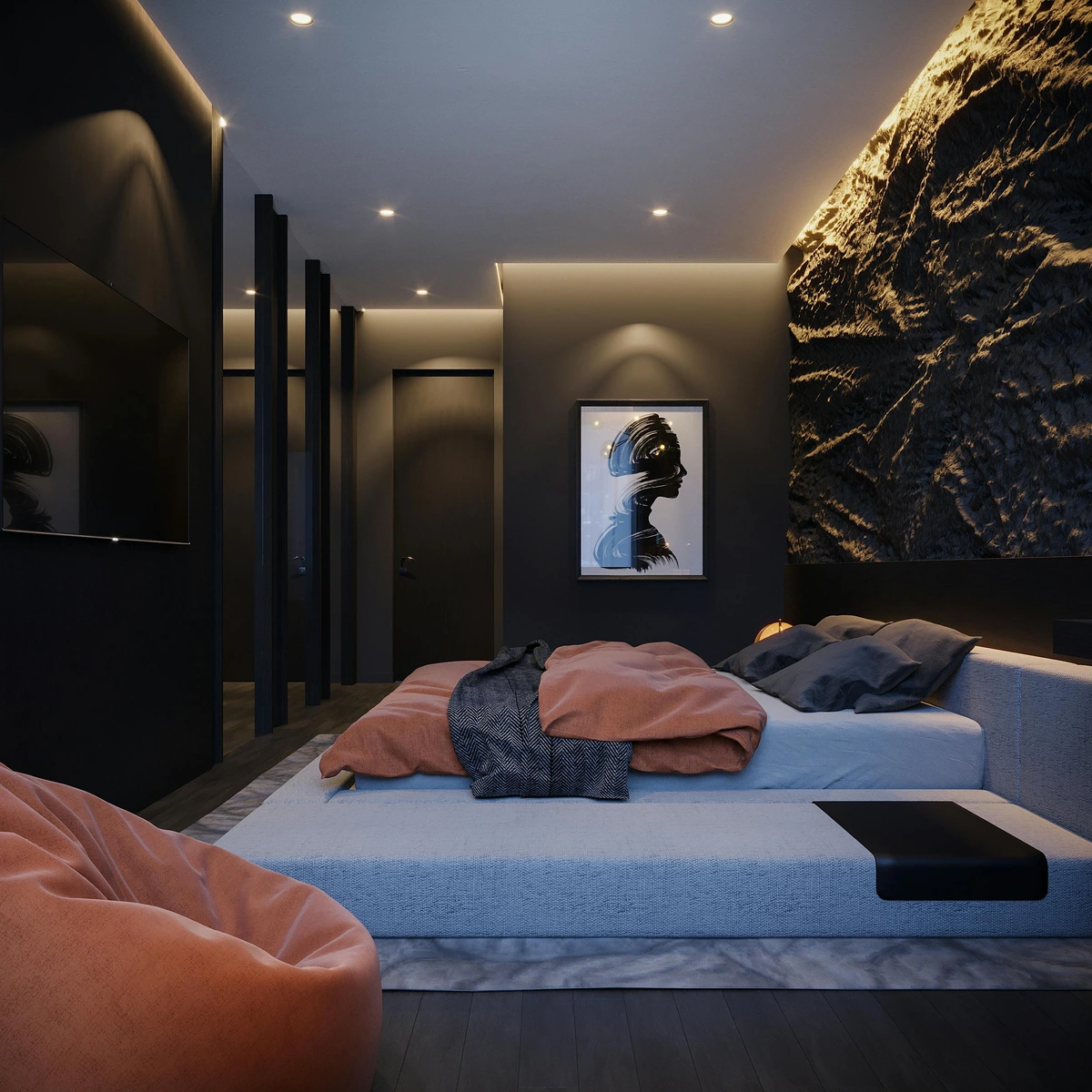
- Are you going for a Japandi style home that calls for something minimal and serene, perhaps a subtle abstract or a piece with natural textures?
- Or maybe a modern coastal home that would look amazing with an abstract piece featuring blues, sandy tones, or dynamic brushstrokes reflecting water?
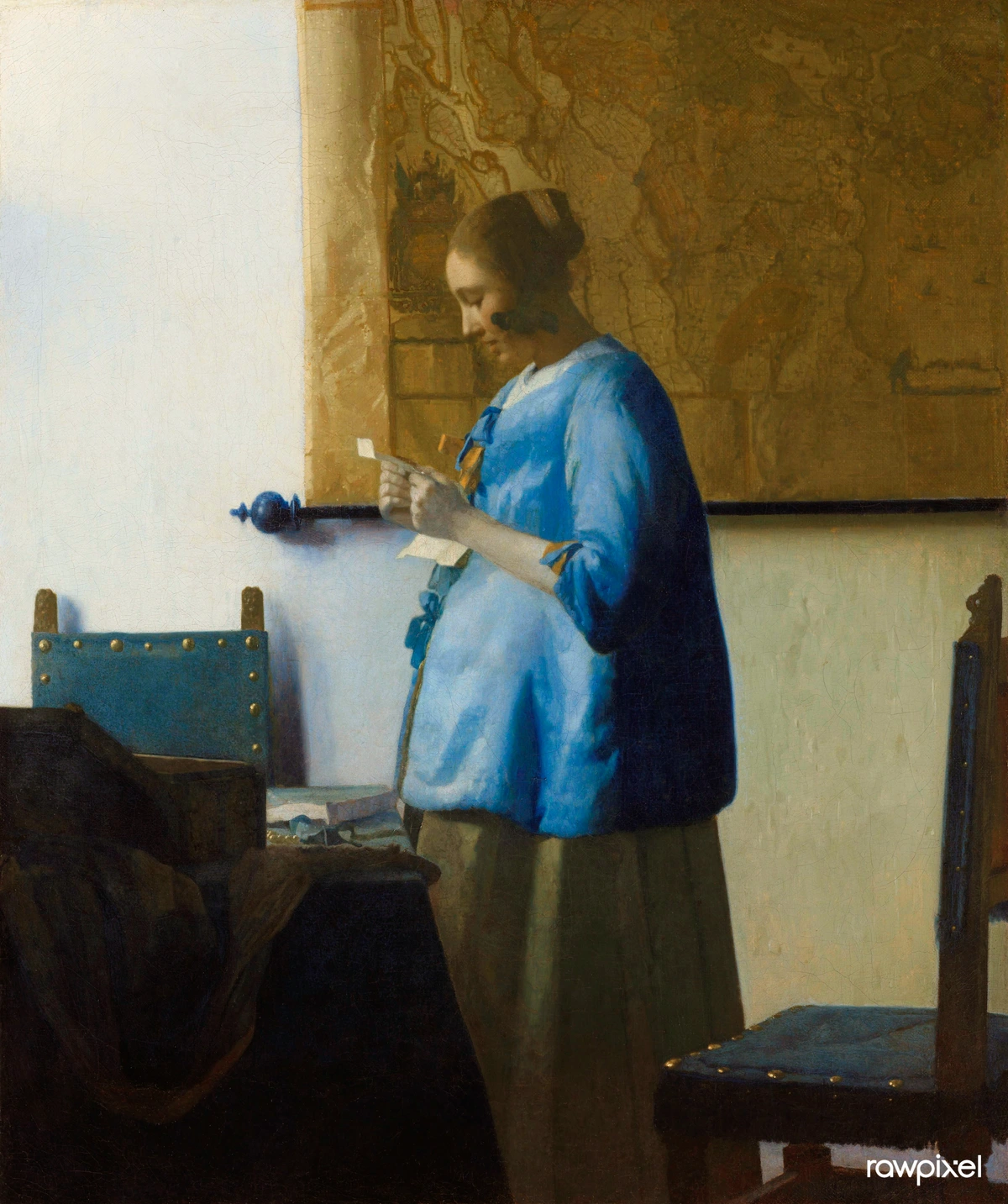
- Perhaps your home leans Traditional, where classic landscapes, dignified portraits, or still life paintings (like
Whistler's Motherfor a dignified feel) feel most at home. If your home has ornate moldings or architectural details, an art piece that either subtly complements or dramatically contrasts (e.g., a stark modern abstract) can create visual interest. - Or maybe you're embracing a Bohemian vibe, allowing for eclectic patterns, global themes, or vibrant textile art.
- For an Industrial aesthetic, stark photography or abstract metalwork (perhaps reminiscent of Man Ray's found objects) might resonate, adding a raw, urban edge.
Curating the Console Surface: The Supporting Cast
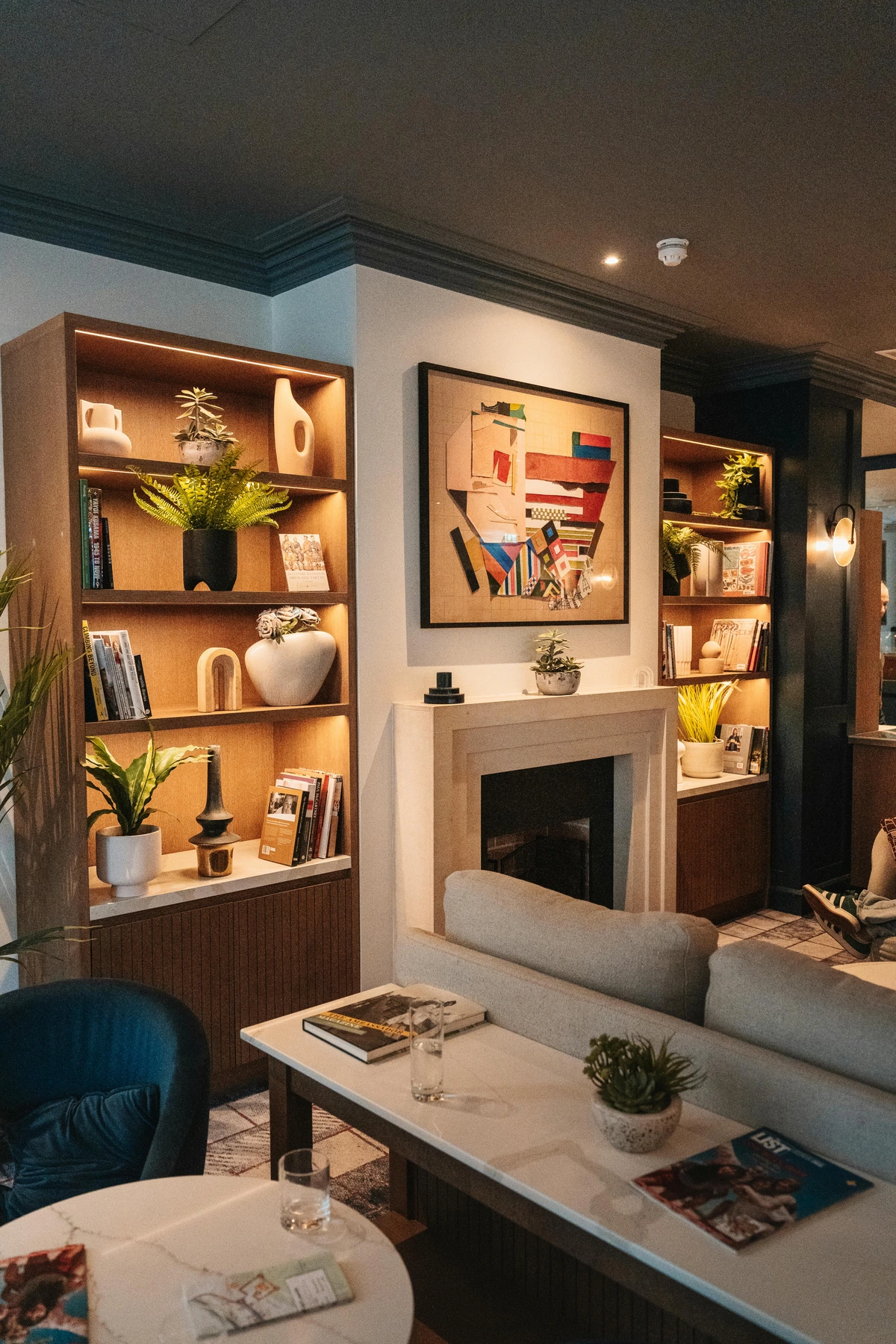
Then, consider the supporting cast on the console table itself. The lamp, the vase, the stack of books, the small decorative bowl – they’re all part of the composition, the vignette. They should complement, not compete with, your chosen artwork. My personal rule is always: less is more. I’ll admit, my own console used to be a graveyard for forgotten mail and random trinkets until I forced myself to apply the 'less is more' mantra. Choose a few meaningful objects over many cluttered ones – think vintage cameras, uniquely shaped ceramic pieces, a stack of art books with beautiful covers, or heirloom objects that tell a story. When you have too many objects, they fight for attention, and both the art and the decor lose their impact.
- Balance is key: This is perhaps the most crucial element. Think of your console and art as a seesaw; you want to make sure both sides have a satisfying visual weight. If you have a tall, chunky lamp on one side, your art might need to be centered over the remaining space, not the entire table. Alternatively, you could balance the lamp with a stack of books and a small plant on the other side, creating visual equilibrium. Or, create a collection of varied height objects – candles, small sculptures, potted succulents – unified by a tray on one side to balance a single, taller item on the other. What objects can you use to create this visual harmony and a compelling console table vignette? For more ideas on how to style, check out how to decorate a table.
- Color harmony: Pull a secondary, or even a subtle accent color, from your artwork and repeat it in a vase, a decorative bowl, or the spine of a book on the table. It’s a simple trick that makes everything feel intentional, tying the whole vignette together visually. For example, if your art has hints of deep emerald green, a small emerald ceramic dish or a plant in a green pot can echo that hue beautifully.
- Layering: Don't be afraid to lean a smaller, framed piece directly against the wall, sitting on the table behind other objects. This adds depth, interest, and a casual, collected feel, almost like a little secret waiting to be discovered. It creates a sense of effortless curation.
Pairing art with the material of your furniture can also be incredibly powerful. There’s a certain magic in how abstract art pairs with wood furniture, for example, creating a warm, organic, and textured look that feels incredibly sophisticated.

The Power of Negative Space
Don’t underestimate the quiet power of negative space. This is the empty wall around your art, the breathing room between objects on your console, and even the untouched areas within the art composition itself. It's the silent partner that makes everything else stand out. Too much art or too many objects can feel cluttered and overwhelming, leaving the eye nowhere to rest. Sometimes, the most impactful statement is the one made with restraint, allowing each element to shine without clamoring for attention. Think of it as the pause in music, essential for the notes to truly resonate.
Illuminating Your Masterpiece
Lighting can dramatically transform how your art is perceived, bringing out colors and textures you might otherwise miss. Natural light, of course, is a dynamic element, changing the piece throughout the day. For darker spaces, or simply to give your chosen artwork the attention it deserves, consider adding a picture light. It's not just functional; it adds a layer of gallery-like sophistication and can bring much-needed ambient light to an otherwise dim hallway, making the space feel more welcoming. This is a topic I’ve explored extensively when choosing art for low-light rooms and in our guide to how to light art in your home.
Practicalities & Personal Flair: Making It Yours
Beyond the grand design principles, there are always those practical considerations and opportunities to truly infuse your personality into your console table decor.
Playing with Texture: A Deeper Sensory Layer
The texture of your art can add another layer of sophistication and sensory experience to your console vignette. A heavily impastoed painting brings a tactile quality, its raised brushstrokes casting subtle shadows and contrasting beautifully with a smooth, polished console surface. Conversely, a sleek, minimalist print or a piece of glass art can provide a visual break against a rough, reclaimed wood table. Consider how the art’s texture will interact with the materials of your console and other decor items to create a richer, more engaging display that invites touch as much as sight. Think of a rough-hewn textile softening a cold metal console, or a sleek, photographic print adding precision to a chunky, rustic wood piece.

Temporary Installations: For Renters & Re-Decorators
If you're renting or simply love to frequently change your decor, consider more flexible options. Leaning larger framed pieces directly against the wall on your console table can create a relaxed, curated look without needing to put holes in the wall. You can also use temporary adhesive hooks (like command strips) for lighter pieces, allowing for easy swaps and rearrangements whenever the mood strikes. Even temporary wallpaper or decorative panels can create a faux "gallery wall" effect that can be removed without damage. Don't be afraid to experiment; it’s your space, after all, and flexibility often sparks creativity! This is crucial for art for rental properties.

Budget-Friendly Art: Where to Find Your Next Piece
Beautiful art doesn't have to break the bank. If you're decorating on a budget, consider high-quality prints, limited edition reproductions, or even creating your own abstract pieces if you're feeling adventurous! Thrift stores, flea markets, local artist markets, and online marketplaces (like Etsy, Society6, Redbubble, or even less curated options like Facebook Marketplace for hidden gems) can also be treasure troves for unique, vintage art that adds character and history. Look for interesting old frames that can be repurposed, or unsigned landscape paintings that offer charm without the price tag. Don't overlook the power of framing personal photography, public domain prints (sites like Unsplash or the MET's open access collection), or creating DIY art projects. The key is to focus on scale, aesthetic contribution, and personal connection, rather than just its price tag. Finding budget art for home is easier than you think!

Environmental Considerations: Protecting Your Art for Longevity
When choosing art for your console, especially if it's in an area with direct sunlight, fluctuating humidity (like near a window or in an older home), or high traffic, consider protective measures for longevity. UV-protective glass (or better yet, UV-filtering acrylic for shatter resistance and lighter weight) for framed pieces can significantly prevent fading, especially for delicate materials like textiles, watercolors, or photographs. Acrylic is often preferred over traditional glass for safety and durability in busy households. Avoiding direct sunlight for any artwork is always a good idea. Humidity can cause paper-based art to buckle or even lead to mold growth, while excessive dryness can cause cracks in oil paintings. Always use acid-free mats and backing boards for framed paper-based art; acid can yellow and degrade paper over time, so this is crucial for long-term preservation. For original paintings and fine art prints, discussing archival quality materials with your framer or conservator ensures your beloved piece will stand the test of time, preserving its beauty and value for years to come. This is especially important for choosing art for high-traffic areas: durability tips.
FAQ: Your Burning Questions, Answered
Let’s get straight to the point on some common questions I hear all the time about styling that tricky spot above your console table, ensuring your decorating console table wall efforts are fruitful.

What’s the absolute best height to hang art above a console table?
Aim for the bottom of the frame to be 4-6 inches (about a hand's width) above the table surface. This ensures a vital visual connection without feeling cramped. If you have tall items on the table, like a lamp or a sculpture, make sure the art clears them by at least 2-3 inches to give everything breathing room. Remember, this range offers flexibility depending on the console's height and the overall wall space – go slightly lower for a very short console, or higher for a very tall one, to maintain balance.
Should the art ever be wider than the console table?
In almost all cases, no. It makes the arrangement look top-heavy, unbalanced, and quite frankly, a little awkward. Stick rigidly to the two-thirds width rule as your guiding principle – your console table is the anchor, the art is the sail. The only exception I’d consider is if the art is a very light, airy abstract piece or a mirror that extends just slightly beyond the table’s edges, perhaps reflecting a desirable view or making a very narrow console appear wider. Even then, proceed with caution and a critical eye; it's a look that's difficult to pull off successfully.

Can I use a vertical (portrait orientation) piece of art?
Absolutely! A vertical piece can be a great way to draw the eye upward, especially if you have high ceilings and want to emphasize that architectural feature. Just make sure its width still feels balanced with the table’s width, following that crucial two-thirds rule. It’s about maintaining the correct proportion within your vignette, not just the orientation of the piece.

What if I have a really tall lamp on my console table?
This is a common dilemma, and a fun design challenge! If the lamp is particularly tall, you have a few great options for your entryway art placement:
- Offset a single piece: Hang a single piece of art off-center, next to the lamp, balancing the visual weight on the opposite side of the table with other decor items.
- Create a gallery wall around it: Thoughtfully create a small gallery wall that wraps around the lamp, integrating it into the display as part of the overall composition rather than a separate entity. The lamp becomes a 3D element within your art arrangement.
- Opt for tall and narrow art: Find artwork that is specifically tall and narrow itself. When placed adjacent to the lamp, it can visually extend the vertical line, creating a harmonious and dramatic statement.
- Replace or rebalance the lamp: If the height is truly problematic for your art vision, consider replacing the lamp with a shorter, wider decorative object, or balancing it with a taller, symmetrical object on the other side of the art.

How do I choose art for a console in a dark hallway or entryway?
This is a perfect scenario to get strategic. Choose artwork that is bright, has a lot of white space, or is vibrant in color. This helps to reflect any available light and adds a much-needed pop. You can also hang a picture light above the frame to both illuminate the art itself and add ambient light to the hallway, making the space feel more welcoming and less like a cave. It’s a crucial consideration, and I’ve explored it in depth in my guide on choosing art for low-light rooms.

credit, licence
How does the subject matter of the art affect its placement above a console table?
As discussed earlier, subject matter profoundly influences the mood. In an entryway, I lean towards welcoming, calm, or intriguing subjects – think abstract landscapes, serene portraits, or something that sparks gentle curiosity. Avoid anything too intense or overtly challenging right where guests arrive. For a console in a living room, you can be more personal and expressive, reflecting your taste. In a dining room, perhaps something food-related, a still life, or vibrant abstract to stimulate conversation and appetite. For more specific guidance, you could explore how to choose art for a dining room or how to choose art for bedroom.

How do I create a cohesive look with art and decor on my console table?
Achieving cohesion is all about balance, harmony, and thoughtful layering. Start with the correct scale of your art to the table (the two-thirds rule!). Then, select a few meaningful decorative objects that complement the art’s style, colors, or materials, rather than competing with them. Use color harmony by repeating subtle hues from the art in your objects. Finally, play with layering—leaning smaller pieces behind larger ones, or placing objects at varying heights—to create depth and visual interest. Think of it as telling a mini-story with carefully chosen characters that all contribute to a single, beautiful narrative.

What about framing? Does it matter?
Absolutely! Framing is like the outfit your art wears, and it matters immensely. A chunky, ornate frame can make a small piece feel more substantial and add traditional elegance, while a sleek, minimalist frame enhances a modern aesthetic. Consider the frame's material and color in relation to your console table and the overall room decor. Sometimes, a simple canvas wrap without a frame, a gallery wrap, is the perfect, understated statement, letting the art speak for itself.






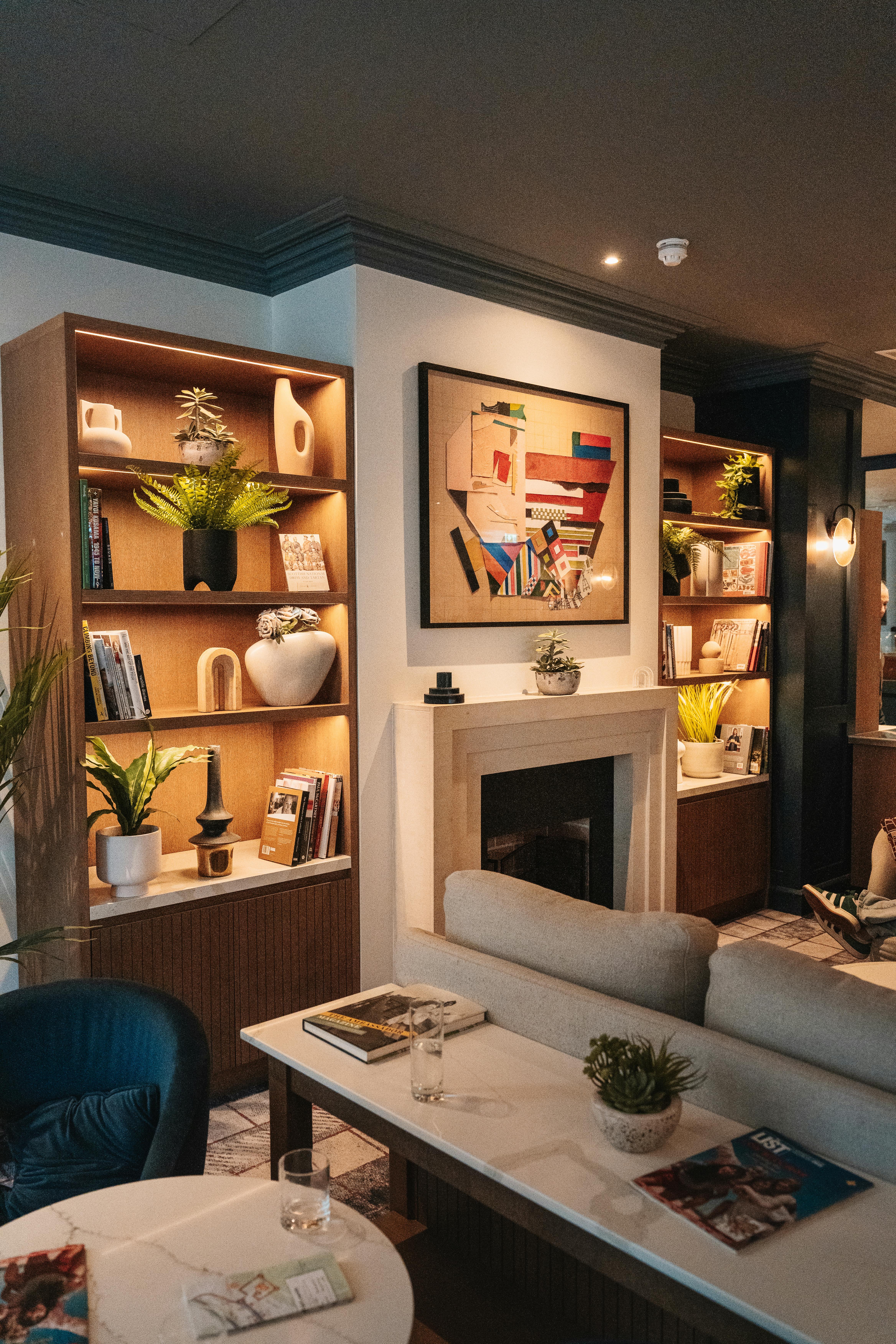




What if my console is in a high-traffic area?
If your console table is in a busy spot like an entryway or a narrow hallway, choose art that can withstand incidental bumps or splashes. Framed prints with protective glass (especially UV-filtering acrylic panes or shatterproof options are preferred over traditional glass for safety and durability) are a good choice. Avoid delicate, protruding sculptures or unframed canvases that could be easily damaged. Opt for sturdy mounting hardware. For more on this, check out choosing art for high-traffic areas: durability tips.
Do the same rules apply for art above a fireplace mantel?
Yes, many of the principles discussed here, especially regarding scale (the two-thirds rule!), height, and creating a cohesive vignette with surrounding decor, directly apply to styling art above a fireplace mantel. While a mantel often presents a different architectural focal point, the goal remains the same: to create a balanced, intentional, and aesthetically pleasing display. Consider the material and style of your fireplace in the same way you would your console table when selecting art. Also, be mindful of heat from the fireplace; some delicate artworks or materials may require greater distance or specific heat-resistant framing to prevent damage.
What if my console table is very deep or very shallow?
This affects the overall depth of your vignette. For a deep console, you have more room for layered objects on the surface, which can help visually bridge the gap to wall art that might feel a bit far back. You can lean larger pieces or create a deeper display of objects. For a shallow console, it’s crucial to keep surface decor minimal to avoid clutter. Choose slimmer frames or canvas wraps for your art, and ensure tall objects on the table are very slender to maintain a sense of openness. The art itself can be a bolder statement here, as the table's minimal depth means less competition.
Can I use a collection of small art pieces instead of one large one?
Absolutely, and this is where the gallery wall truly shines! A collection of smaller pieces (photos, prints, sketches) can create a dynamic, personal, and evolving display. The key is to treat the entire grouping as a single unit when applying the two-thirds width rule. Ensure there’s a common thread (color, theme, frame style) to maintain cohesion, and experiment with varying sizes and orientations to add visual interest. It offers a more intimate and layered story than a single piece.
How do I deal with a console table that has shelves or drawers?
Consoles with built-in storage offer both opportunity and challenge. For shelves, think about styling them with artful objects that complement the wall art, maintaining balance and avoiding clutter. Perhaps a few carefully chosen books or small sculptures. If the shelves are open, ensure their contents don't compete visually with the art above. For drawers, consider their visual weight. If they are prominent, they become part of the table's design and should inform the art's scale and style. Keep the surface above drawers relatively clear to allow for easy access and prevent a top-heavy look. Simplicity is often best when the console itself has strong visual elements.
What are some common mistakes to avoid when choosing art for a console table?
The biggest mistakes I see are incorrect scale (art too small or too wide), hanging art too high (disconnecting it from the table), and cluttering the console surface (too many competing objects). Other pitfalls include ignoring the console’s style (e.g., traditional art on a modern table without intentional contrast) and neglecting the overall room’s mood. Always step back and assess the entire vignette as one unified composition. And remember, decorating is an iterative process – don't be afraid to adjust!
The Final Word: Your Stage, Your Story
Ultimately, that space above your console table is a tiny stage. It’s the opening act for your home, or a quiet, beautiful interlude in a hallway, waiting for your personal touch. Don't let the "rules" paralyze you; they’re just well-worn guidelines to give you a solid foundation of confidence. Having wrestled with art in countless ways throughout my own creative journey, I've learned that the most important "rule" is to choose something that you absolutely love to look at, something that authentically speaks to you and brings you joy.
Just like creating art, decorating is a journey of self-expression, discovery, and sometimes, happy accidents. Find a piece that makes you smile when you come home and drop your keys in the bowl. It can be a sophisticated abstract, a quirky print, or a photo from a memorable trip. If you’re on the hunt for something new to fall in love with, you might find something in the art I’ve created over the years, which you can see on my /buy page.
Just start. Put something on the wall. Live with it. If you hate it in a month, or if a better piece finds you, change it. That’s not a failure; that’s the fun part – the evolution of your space. You’re the curator of your own life, and this is just one small, beautiful exhibit waiting for your thoughtful, confident touch. What story will your console table tell? I can't wait to see (or imagine!) what you create.