
Famous Romanticism Artists: A Guide to Friedrich, Delacroix & More
Dive into the dramatic world of Romanticism. Discover the famous artists like Friedrich, Delacroix, Turner, and Goya who prioritized emotion over reason.

Titans of Turmoil: A Deep Dive into the Most Famous Romantic Artists
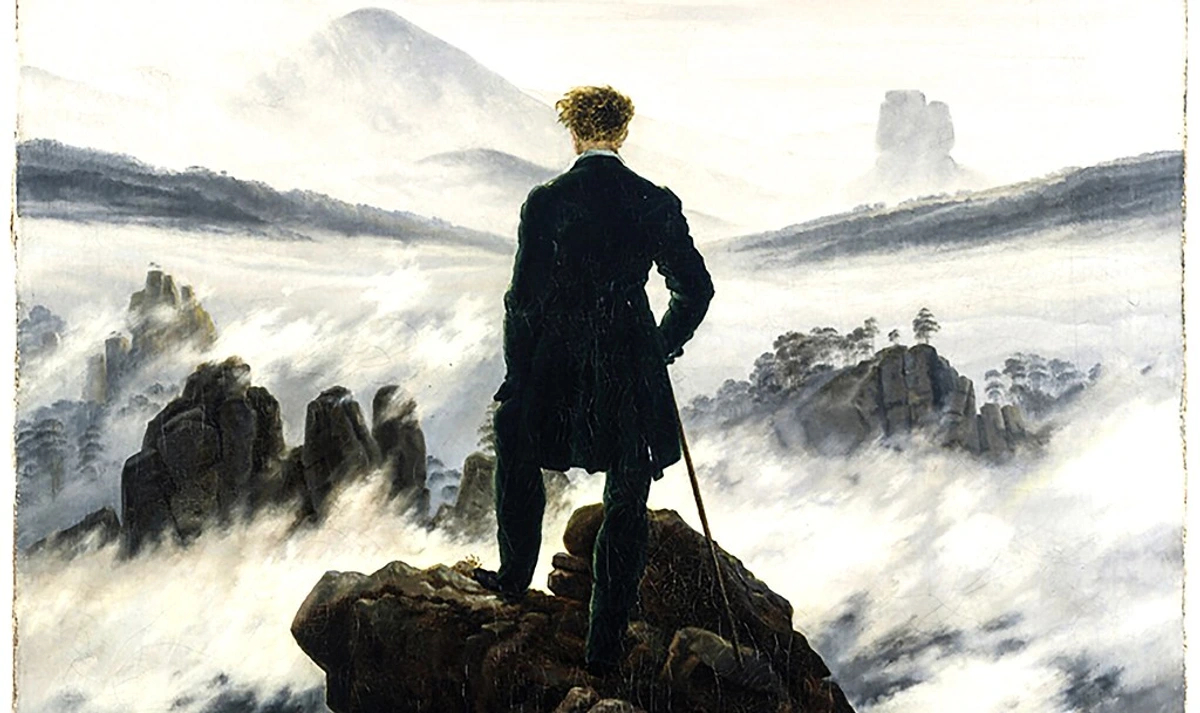
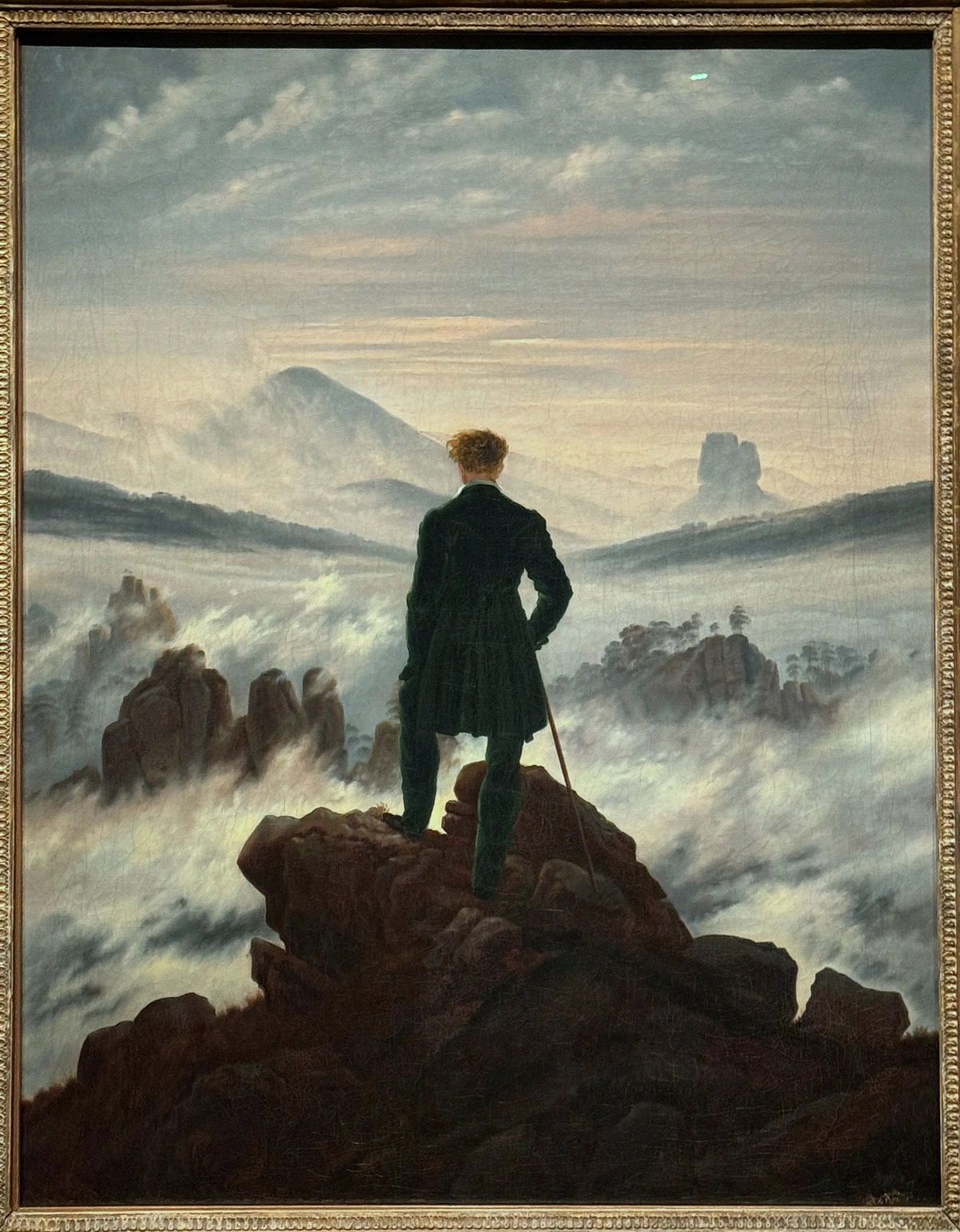
Have you ever stood on the edge of a vast, wild landscape, feeling utterly insignificant yet profoundly connected? Or been swept away by an emotion so intense it felt almost physical? If so, you've touched the raw nerve of Romanticism. And no, for the record, this isn't about candlelit dinners and Hallmark cards (though those feelings are certainly part of the human experience!). This is about the tempestuous, untamed spirit of the late 18th and early 19th centuries – a pivotal period when artists dared to look inward and grapple with the colossal forces of nature and human emotion. I remember the first time I really saw Caspar David Friedrich's "Wanderer Above the Sea of Fog." I wasn't in a museum; I saw it in a book, and it hit me. Here was a painting that wasn't just a picture; it was a whole mood, a visceral echo of standing on the edge of something immense and overwhelming, a feeling that still resonates deeply today. That, my friends, is the beating heart of Romanticism, and trust me, by the end of this guide, you’ll not only understand it but feel it deeply within your own creative spirit. This isn't just an article; it's your most comprehensive companion to this incredible, world-changing movement, designed to be the ultimate resource for anyone seeking to truly grasp the titans of turmoil who shaped our understanding of emotion, nature, and the human spirit. I promise, we'll dive deeper than ever before, unraveling the very fabric of this impactful era.
This wasn't just another art movement; it was a profound cultural rebellion, a seismic shift in how humans perceived themselves and their place in the universe. Coming after the cool, rational elegance of Neoclassicism, Romanticism burst forth, a passionate assertion of the individual's spirit and the raw power of the irrational. It championed feeling over reason, intuition over intellect, and the wild, awe-inspiring beauty of nature – often termed the Sublime – over mankind's ordered dominion. The Romantics were, in a way, the rock stars of their day, channeling personal feeling and dramatic storytelling onto the canvas, transforming art into a direct conduit for the soul. But who were these artistic titans, what exactly drove this monumental shift, and what were its defining characteristics that still echo today? Strap in, because we're about to explore a world where emotions run wild and imagination reigns supreme. We're going beyond the familiar faces to truly unpack the nuances of this world-changing period in art history, including its profound philosophical roots, its diverse regional expressions, and its lasting legacy that continues to shape contemporary thought and artistic practice.
Key Themes and Characteristics of Romanticism
At its core, Romanticism wasn't a rigid style, but a shared philosophy, a deep-seated way of seeing the world, an almost spiritual quest for deeper truths. It was a yearning for something beyond the rational, a celebration of the unique human spirit, and a deep introspection into the self. Here are the pillars upon which the movement was built, the conceptual framework that artists across Europe (and even America) passionately explored:
- Emphasis on Emotion and Passion: If Neoclassicism was about cool restraint, then Romanticism was its wild, untamed opposite – an explosive, often unrestrained, emotional release. Artists didn't just depict scenes; they sought to evoke intense, raw feelings – awe, fear, love, grief, longing, melancholy, and even madness – both in themselves during creation and, crucially, in the viewer. It wasn't about objective depiction, but rather capturing the emotional experience of a moment, an idea, or a landscape, making art a direct conduit for the soul's deepest stirrings. I always tell aspiring artists, don't just paint what you see, paint what you feel. The Romantics absolutely championed this, transforming art into a powerful language of the heart, a stark contrast to the Enlightenment's cerebral detachment. Think of the intense chiaroscuro in a Goya or the stormy skies of a Turner; these weren't just visual effects, they were direct emotional appeals, pulling viewers into the very heart of the depicted experience. This focus also extended to depicting heightened states of consciousness, dramatic human suffering, and triumph, aiming for a profound, almost visceral, connection with the audience.
- The Individual and Subjectivity: This was, quite frankly, a seismic shift. The focus decisively moved from universal truths and societal norms to deeply personal, individual experience, much like the contemporary art world often celebrates the unique perspective of each artist. The artist's inner world, their unique vision, their individual struggles, dreams, and anxieties became paramount. This era saw a significant rise in self-portraits (often introspective or tormented, like some of Goya's later works) and deeply personal allegories, where the artist used symbolic imagery to explore their own psyche and philosophical questions. It was about their truth, their feeling, and their unique lens on the world, a direct ancestor to the introspective works we see today, for example, in abstract art that delves into the artist's inner landscape. This profound focus on the self laid crucial groundwork for the psychological explorations of modern art.
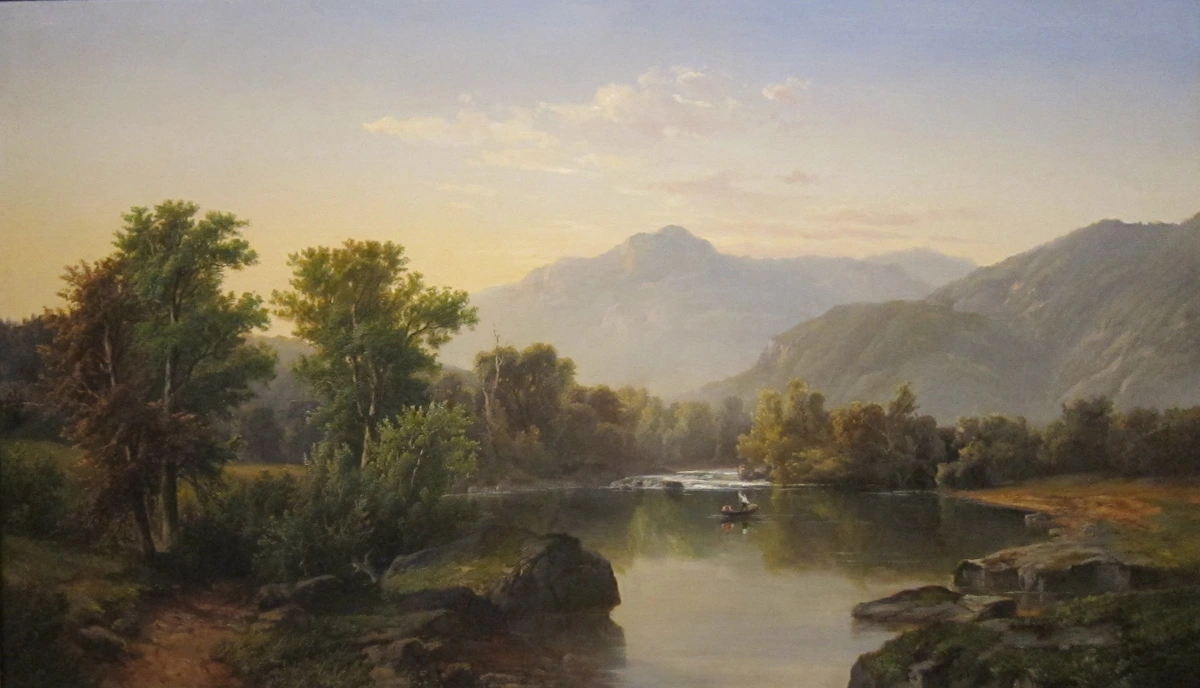
- The Sublime in Nature: This is perhaps the most iconic Romantic theme, a concept that frankly still gives me chills and reminds me of the profound connection we can feel to the natural world when painting plein air. The Sublime refers to an experience of overwhelming grandeur, terror, and beauty in nature that transcends human comprehension and often makes one feel simultaneously tiny and utterly alive. Think of towering mountains, raging storms, or endless oceans – scenes that inspire both dread and awe, pushing the limits of human perception. Philosophers like Edmund Burke, in his A Philosophical Enquiry into the Origin of Our Ideas of the Sublime and Beautiful, and Immanuel Kant deeply explored this concept, recognizing its power to elevate the spirit through terror and vastness, suggesting an inherent human capacity for profound, non-rational experience. It reminded humanity of its small, often vulnerable, place in a vast, powerful, and indifferent universe, a powerful antidote to Enlightenment hubris that had placed human reason at the center of everything. It’s an almost spiritual connection, a profound dialogue between the human soul and the untamed cosmos, an experience that for many Romantics, bordered on the spiritual and offered a profound counterpoint to the perceived coldness of urban life and industrial progress. This fascination also led to an exploration of ancient ruins, which combined natural decay with the vastness of historical time, evoking a similar sense of the sublime.
- Imagination and the Irrational: Imagination wasn't just a tool; it was elevated to a primary creative faculty, a sacred gateway to truths that lay beyond empirical observation or cold reason. This was a direct counter to the Enlightenment's rigid empiricism. Romantics delved fearlessly into dreams, mythology, folklore, and the supernatural, embracing the mysterious, the inexplicable, and even the grotesque. They believed imagination could reveal deeper realities, spiritual insights, and profound emotional truths that pure intellect simply couldn't touch. It’s why you see so many works with fantastical elements, unsettling visions, and a blurring of the lines between reality and dream – something that would profoundly influence later movements like Surrealism and even contemporary art's exploration of the subconscious. Think of the vivid dreamscapes in Henry Fuseli's paintings or the fantastical beasts that populate William Blake's illuminated books; these artists were tapping into a wellspring of inner vision, believing the artist was a visionary whose internal landscape held profound significance.
- The Role of the Artist as Genius: This era saw the elevation of the artist from skilled artisan to a visionary genius, a figure endowed with unique creative insight and an almost divine capacity to perceive and express profound truths. The artist was seen as a conduit for a higher power or deeper understanding, not merely a technician adhering to established conventions. This notion of the original genius fostered a cult of personality around artists and encouraged radical individualism and a break from academic rules, profoundly shaping how society viewed creative endeavors and laying groundwork for the modern celebrity artist. It was a rejection of the idea that art could be taught purely through adherence to rules, emphasizing instead an innate, often mystical, creative spark.
- The Gothic and Macabre: Hand-in-hand with the embrace of the irrational was a potent fascination with the darker, often terrifying, aspects of human experience and the supernatural. This manifested in art and literature that explored themes of death, madness, ruins, ghosts, and the grotesque. Think of Fuseli’s unsettling nightmares, his iconic The Nightmare with its suffocating incubus, or Goya’s terrifying "Black Paintings"; these artists weren't shying away from horror but confronting it, believing that profound truths could be found in the shadows as well as the light. This often involved a deliberate evocation of fear and discomfort, challenging the viewer to grapple with their own mortality and the inexplicable forces that lie beyond the rational, finding beauty even in decay. It was a direct engagement with the shadow side of humanity, something I find incredibly brave and enduring, influencing everything from literature like Mary Shelley's Frankenstein to the darker forms of modern expression.
- Mysticism and Spirituality: Hand-in-hand with their embrace of the irrational and the imaginative, many Romantics sought profound spiritual meaning in nature and individual experience, often outside of established religious dogma. They frequently imbued landscapes with religious or philosophical significance, seeing the natural world as a direct manifestation of the divine or a place for profound contemplation, rather than merely a scientific object to be cataloged. This search for the numinous in the everyday, or in the overwhelming grandeur of nature, was a defining characteristic. It was a deeply personal quest, moving beyond institutional religion towards a more individual, pantheistic communion with the universe, where God could be found in the swirling mists or the silent forests. Caspar David Friedrich's works, for instance, are often read as profound visual meditations on spiritual transcendence within the natural world, transforming landscapes into altars of contemplation.

- Nationalism and the Glorification of the Past: In fervent response to the era's profound political upheavals (like the American and French Revolutions and the subsequent Napoleonic Wars), many Romantic artists explored their national histories, ancient legends, and unique landscapes. This wasn't just about recording history; it was about actively fostering a powerful sense of cultural identity, pride, and sometimes, a melancholic longing for a perceived simpler or more heroic past. Think of the renewed interest in Arthurian legends in England, the dramatic historical narratives that fueled national pride in countries like France and Germany (Delacroix's depictions of historical battles and scenes from the Greek War of Independence are prime examples), or the celebration of the American wilderness by the Hudson River School as a new national identity. It was a way to anchor a chaotic present in a glorious, often idealized, past, offering a sense of continuity and shared heritage in a world rapidly transforming, influencing everything from epic poetry to the design of national monuments.
- Exoticism and the Faraway: A profound fascination with distant lands, unfamiliar cultures, and remote historical periods (especially the perceived grandeur of the Middle Ages or the mystique of the "Orient") emerged. This often manifested in vivid, dramatic depictions of scenes from North Africa, the Middle East, or ancient Europe, though it was often filtered through a Western, idealized, and sometimes problematic colonial lens. It offered an escape from the mundane, a thrill of the unknown, and an opportunity for vivid, unbridled imagination and dramatic storytelling, allowing artists to explore themes of sensuality, mystery, and cultural difference, even if sometimes through a prejudiced gaze. While sometimes critiqued today for its romanticized and Eurocentric perspective, this theme undeniably broadened the artistic palette and subject matter, pushing artists to explore new visual vocabularies, as seen in Delacroix's powerful portrayals of Algerian women or his Moroccan sketches. This interest also extended to literature, with tales of foreign adventures and mysterious lands captivating readers.
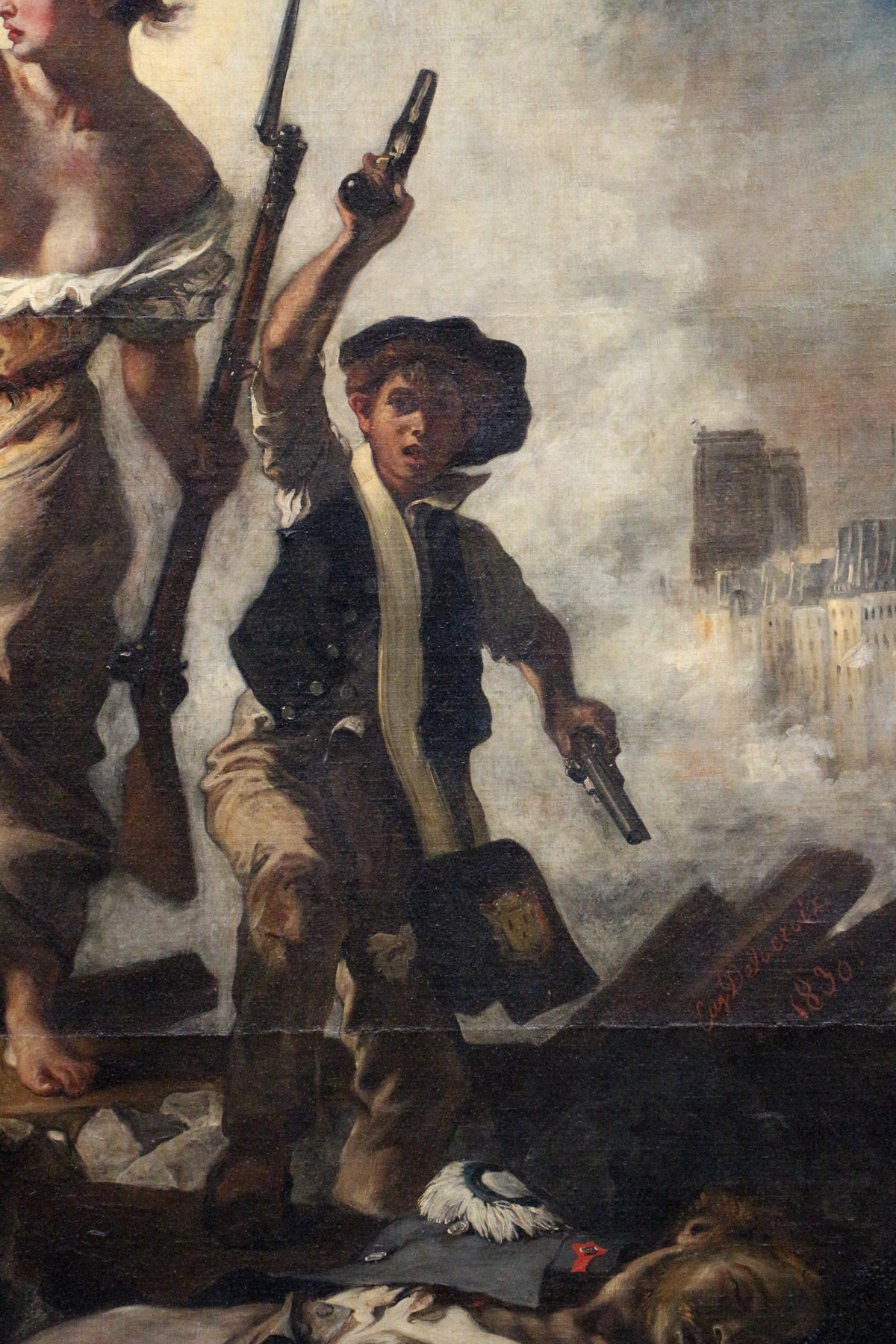
- Heroism and the Anti-Hero: The era saw a strong fascination with the heroic individual, often a figure in rebellion against society or grappling with profound inner turmoil – the quintessential Byronic hero. This figure, named after the poet Lord Byron, could be a revolutionary (like the figures in Delacroix's Liberty Leading the People), a suffering genius (a tormented artist striving for recognition), or a lone wanderer, often characterized by charisma, intelligence, and intense passion, yet also by moodiness, self-destructiveness, and a profound alienation from society. Yet, alongside this, there was also an exploration of the common person's suffering, often in the face of overwhelming odds, transforming them into a kind of unsung hero or anti-hero – a recognition that heroism wasn't just for the grand, but also for the resilient spirit. I see echoes of this complex hero in many contemporary narratives, where the lines between good and bad, success and failure, are often beautifully blurred, reflecting a deeper psychological realism.
- Melancholy and Nostalgia: While Romanticism celebrated grand emotions, it also had a profound, often poignant, vein of melancholy and nostalgia. This was a longing for a perceived lost past, a simpler time, or an idealized state of being that contrasted sharply with the turbulent present. You see this in depictions of ruins, desolate landscapes (like many of Friedrich's), or in the introspective gaze of a solitary figure. It's that feeling of Sehnsucht, a deep yearning for something indefinable, that truly defines this aspect, a wistful sorrow mixed with a profound appreciation for beauty and transience. This wasn't merely sadness; it was a profound emotional state that acknowledged the fleeting nature of existence while still finding beauty in its impermanence, a deeply human response to rapid societal change.
These themes weren't just abstract ideas to be debated in salons; they were the very blood and bone, the living, breathing fabric of the Romantic artistic output, passionately rendered in paint, poetry, and music. They offer a rich tapestry of human experience and thought, truly a testament to the era's boundless energy.
The Romantic Rebellion: A Historical Context
To truly appreciate the Romantics, you have to understand the dynamic, often chaotic world they were reacting against, and the visionary one they were striving to forge. The late 18th and early 19th centuries were a veritable whirlwind of change, a societal earthquake. The Enlightenment, with its unwavering faith in reason, empirical science, and orderly systems, had paradoxically given way to revolutionary fervor – the American and French Revolutions (with their promises of liberty and their brutal excesses, like the Reign of Terror), followed by the continent-shaking Napoleonic Wars, truly rattled Europe to its core. This wasn't just political upheaval; it was a profound questioning of authority and tradition that echoed through every aspect of life. Simultaneously, the Industrial Revolution was rapidly transforming traditional landscapes and upending lives, creating both unprecedented progress and profound social dislocation, urban squalor, and a sense of alienation from nature. Factories scarred the once-pristine countryside, and the rhythm of life shifted from agrarian cycles to the relentless grind of the machine, leaving many feeling dispossessed and longing for a connection to something more authentic. It was a period of both dizzying progress and deep human cost.
In this turbulent, exhilarating, and often frightening climate, artists and thinkers increasingly turned away from the cool, classical ideals that had dominated the preceding era. They felt that cold reason and scientific measurement alone simply couldn't capture the profound complexities of human experience, the existential terror of war, the raw power of individual suffering, or the overwhelming, awe-inspiring force of nature. The Enlightenment's promise of perfectibility through reason seemed to have collapsed into revolutionary chaos and industrial alienation, leaving many searching for meaning beyond the purely rational. Romanticism was, in essence, a guttural cry from the heart, a passionate assertion of individual freedom, subjective truth, and raw emotional power in a world that often felt chaotic, dehumanizing, and profoundly uncertain. It wasn't just about a new artistic style; it was a radical worldview, a revolutionary way of being and perceiving. It was a movement born from a desperate need for meaning in a world turned upside down, seeking solace and truth in the human spirit and the untamed grandeur of nature. This period also saw the rise of new social classes, increasing urbanization, and a growing sense of nostalgia for a perceived simpler, more authentic past, all of which fueled the Romantic imagination. For me, it highlights how art is never created in a vacuum; it’s always a powerful, deeply human, response to the world around it.
The Titans of the Movement
While countless artists contributed to the Romantic wave, a few stand out as giants whose work defined the era's spirit. They came from different countries and had different styles, but they all shared a commitment to exploring the depths of human experience.
Caspar David Friedrich (1774-1840): The Soulful German Wanderer
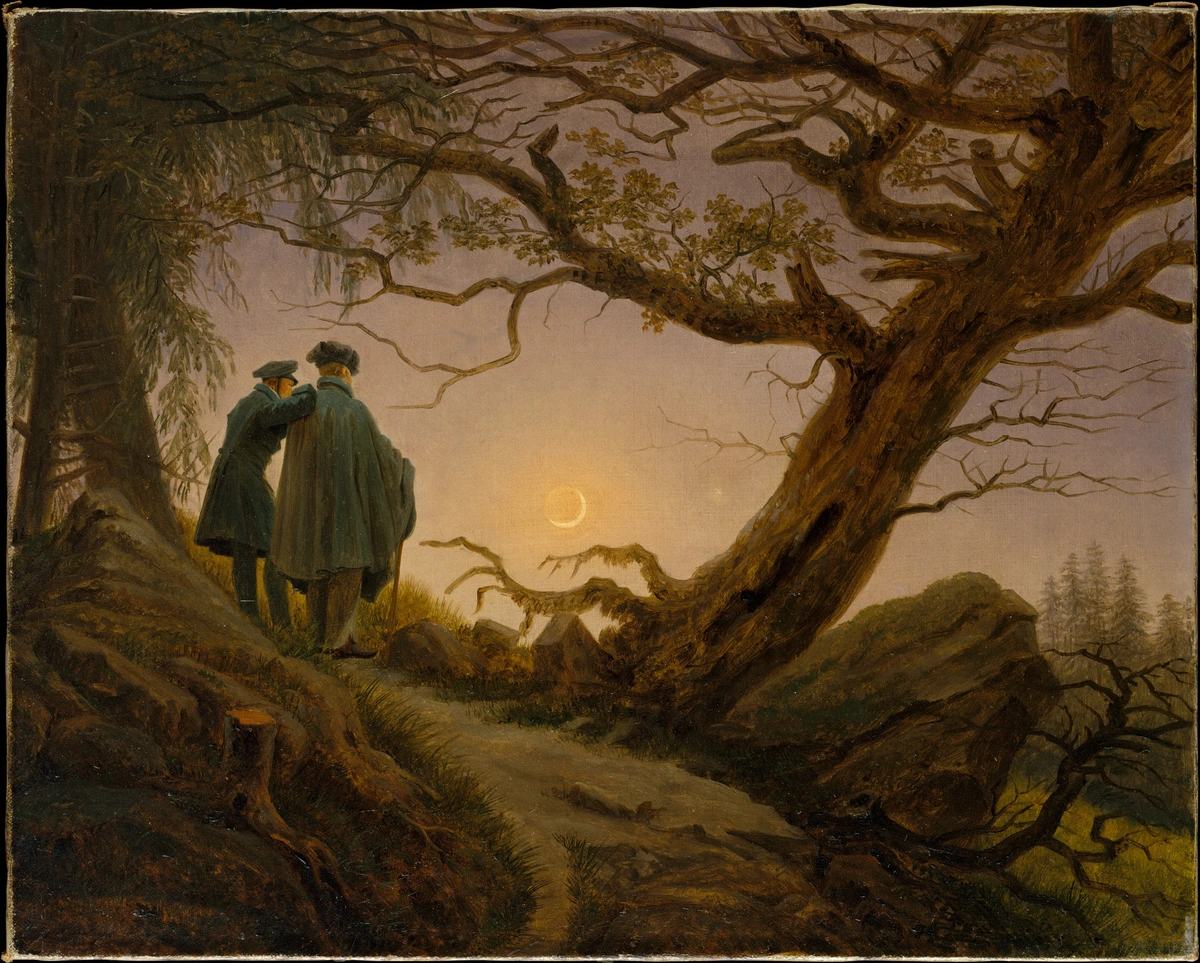
For me, Caspar David Friedrich truly embodies the profound introspection and spiritual yearning of German Romanticism. His canvases aren't merely landscapes; they are meticulously constructed stages for existential drama, often featuring solitary figures (known as Rückenfiguren) with their backs to the viewer. This artistic choice isn't just a compositional trick; it's a profound invitation for us to step into their shoes, to experience their solitude, and to confront the overwhelming immensity of nature and our own place within it. Friedrich wasn't interested in simply rendering pretty scenery; he was deeply engaged in exploring the spiritual resonance of the natural world, meditating on life, death, the passage of time, and humanity's often fragile position in the infinite. He was a master of psychological landscapes, where the external world mirrors an internal state.
His work is a masterclass in evoking the Sublime, often layering deep, sometimes melancholic, symbolism into seemingly simple scenes. A leafless tree might represent mortality, a desolate ruin the fleeting nature of human endeavor, and a distant mountain range, the eternal. Think of "The Sea of Ice" (also known as "The Wreck of the Hope"), a terrifying yet undeniably beautiful depiction of a shipwreck engulfed by a monumental ice floe. It’s not just a disaster; it’s a powerful, almost apocalyptic, commentary on human fragility against nature's raw, indifferent power and the futility of human ambition. Friedrich’s distinctive use of stark silhouettes, muted palettes, and dramatic, often ethereal light transforms even mundane scenes into profound spiritual experiences. You don't just look at a Friedrich painting; you feel it deep in your bones, a quiet, resonant echo of the cosmic, a feeling that connects you to something ancient and profound. His meticulous detail combined with an almost hazy, ethereal quality creates a sense of the mystical, transforming the landscape into a canvas for profound spiritual contemplation, truly a master of what I call "painted introspection." Beyond his famous Rückenfiguren, his landscapes often feature religious motifs, like crosses amidst the wilderness, further blurring the lines between nature and the sacred, creating a sense of sacred solitude.
Eugène Delacroix (1798-1863): The French Revolutionary of Color
If Friedrich is the quiet, contemplative introvert, then Eugène Delacroix is the passionate revolutionary, a veritable whirlwind of dynamism, drama, and vibrant color. He wasn't just painting historical events; he was painting the feeling of history, the raw human emotion that fueled revolutions, heroic struggles, and epic narratives. His canvases don't just tell stories; they explode with energy, foreshadowing the expressive brushwork and emphasis on color that would define later movements. He really understood how to capture a moment of heightened emotion, making him a true master of the dramatic.
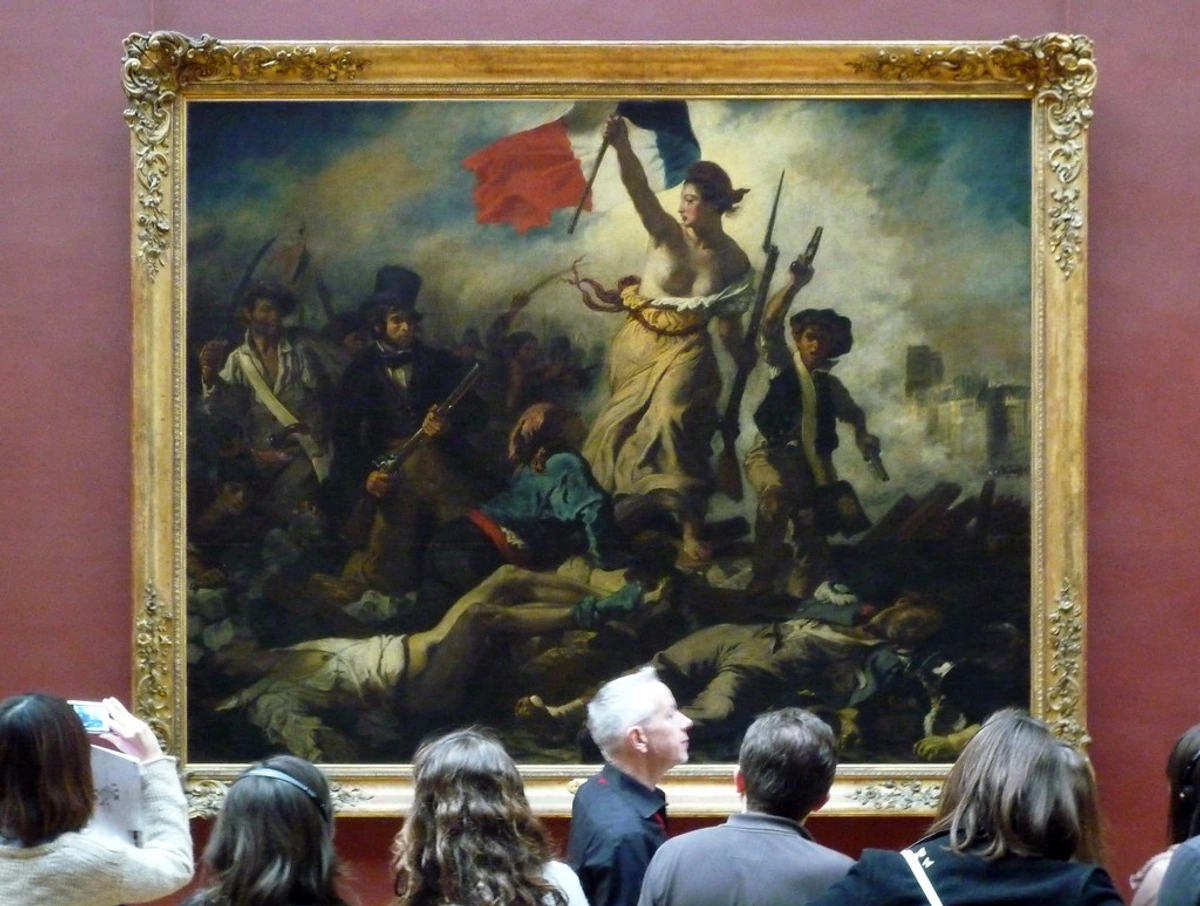
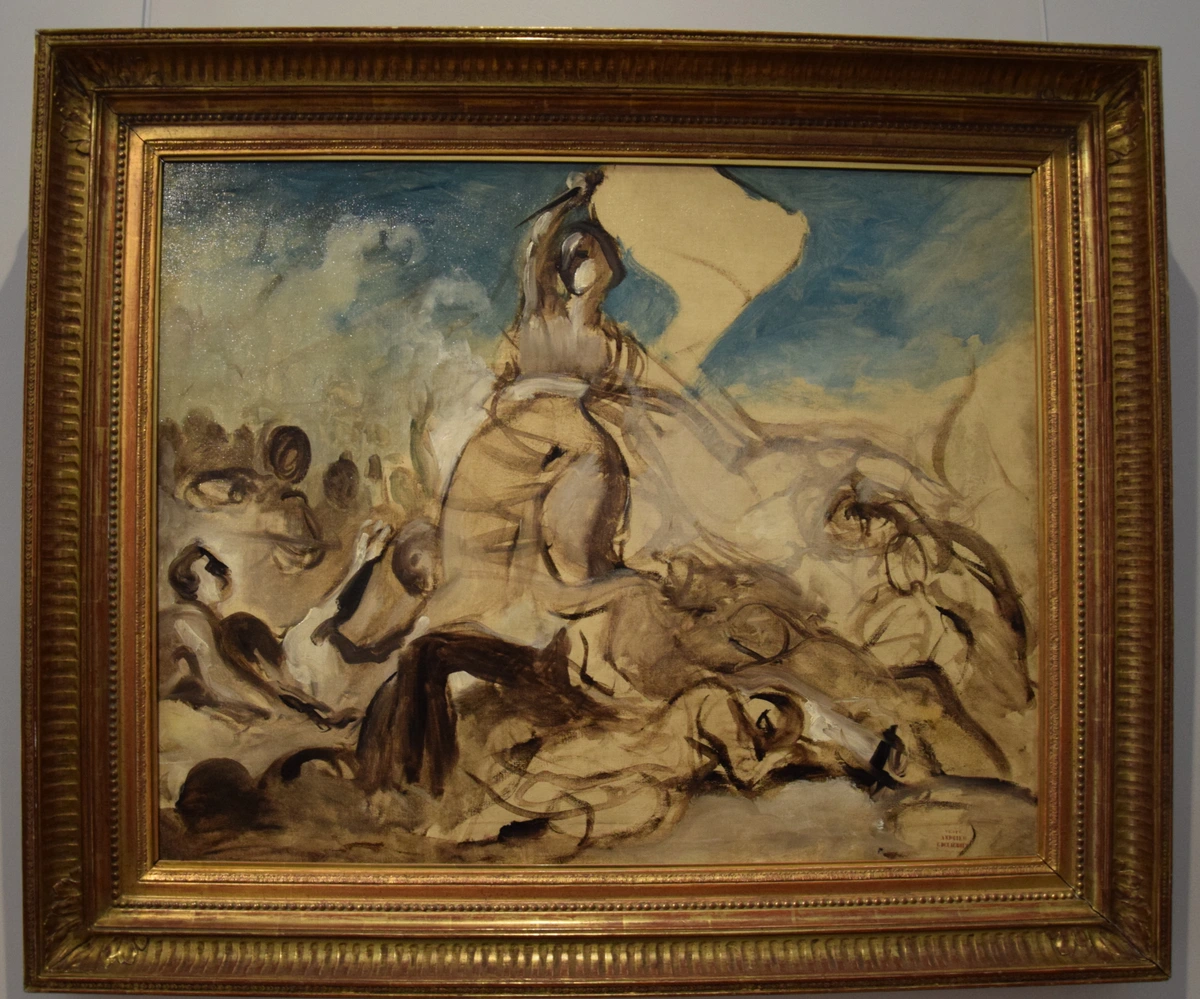
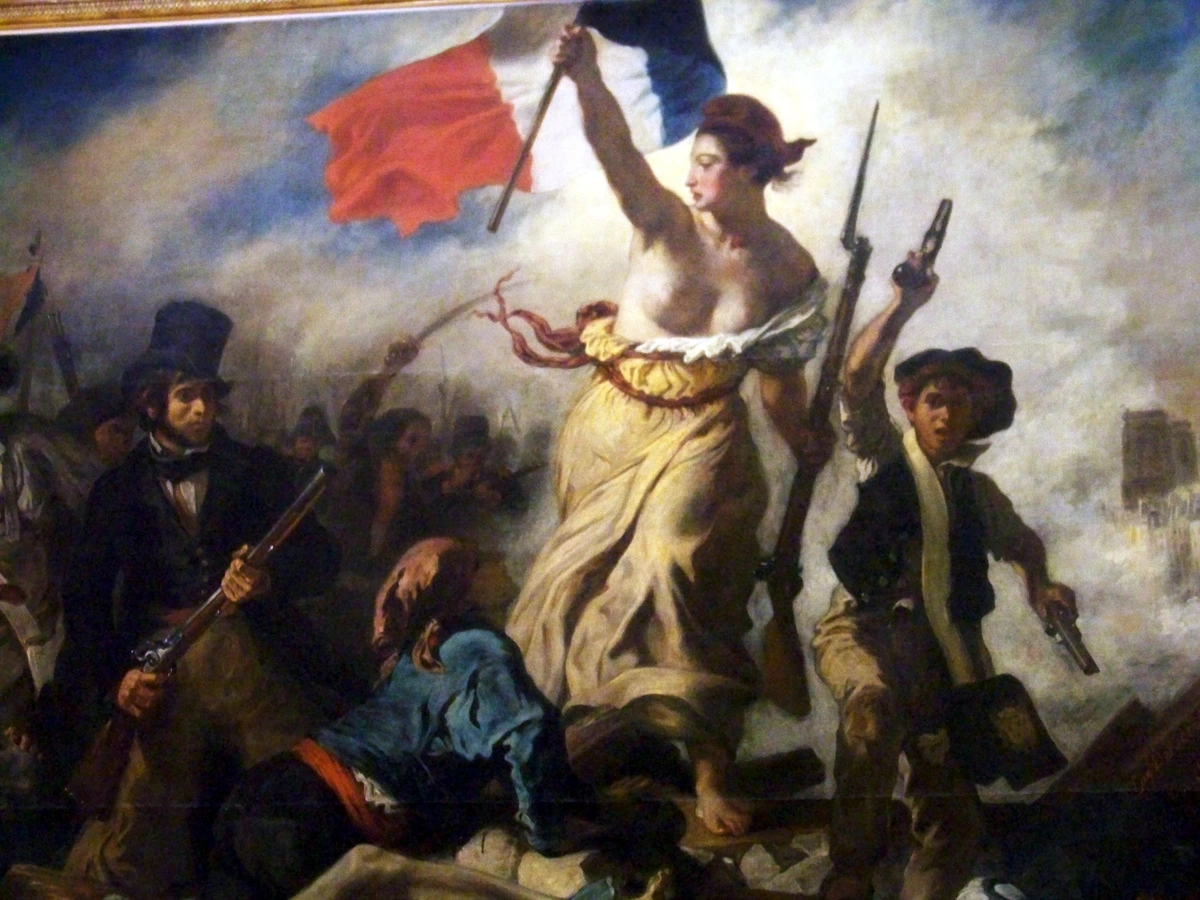
Take his masterpiece, "Liberty Leading the People." It’s not a dispassionate news report of the 1830 July Revolution. Oh no, it’s far more than that. It’s a powerful, almost primal allegory, a chaotic, emotional, and resounding cry for freedom where allegorical figures (most notably Marianne, personifying Liberty herself, a bare-breasted symbol of the republic) mingle fearlessly with the common people – students, workers, and even children. You can almost hear the shouts, smell the gunpowder, and feel the surging hope and desperation. Delacroix’s swirling brushstrokes and audacious, bold use of color were genuinely radical for his time, fiercely pushing the boundaries of staid academic painting and paving the way for the Impressionists and beyond. He also famously explored themes of exoticism, finding potent inspiration in his travels to North Africa (Algeria and Morocco) and in literary works like Lord Byron's dramatic poetry and Shakespeare's plays, which allowed him to inject even more vibrant color, sensual detail, and dramatic narrative into his already intense work. His "The Death of Sardanapalus," for instance, is a swirling vortex of violence, luxury, and despair, drawn from Byron, showcasing his fascination with extreme emotions and the dramatic narrative. For a deeper dive into the movement as a whole, our ultimate guide to Romanticism is, naturally, a great place to start, as is exploring the evolution of expressive movements like Expressionism. Delacroix also made several versions of "Women of Algiers," showcasing a deep fascination with the domestic lives and exotic allure of North Africa, a theme that would resonate for decades to come. His legacy is one of boundless energy and a fearless embrace of color, forever changing the trajectory of European art, establishing a precedent for artistic freedom and emotional honesty. For me, his work feels like a direct invitation to engage with history not as dry facts, but as living, breathing human drama. He didn't just depict history; he made you feel it.
Théodore Géricault (1791-1824): The Reporter of Human Suffering
You know, sometimes I think of Géricault as the ultimate Romantic journalist, though I suspect he'd probably loathe that comparison. He captured intense, often grim, human experiences with an unflinching, almost brutal, eye. His short but undeniably impactful career defined a raw, profoundly passionate, and often unsettling side of French Romanticism, focusing intently on contemporary events and the suffering of ordinary people rather than idealized classical subjects.
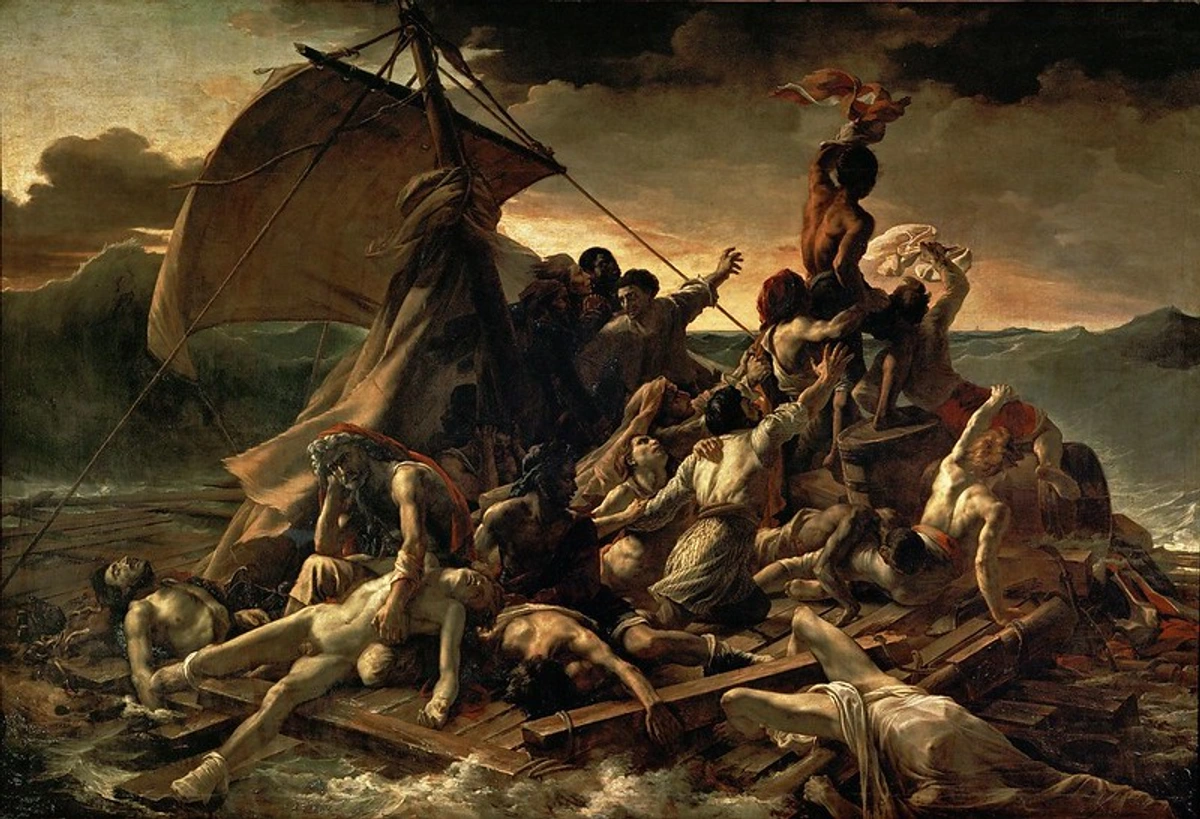
His magnum opus, "The Raft of the Medusa," is nothing short of a visceral punch to the gut. It depicts the horrifying aftermath of a real-life shipwreck, a harrowing tale of cannibalism, despair, and ultimately, faint hope. Géricault didn't just imagine this; he researched it with an almost obsessive dedication, interviewing survivors, sketching cadavers in morgues, and even bringing severed limbs into his studio to ensure anatomical accuracy and emotional truth. The result is a monumental painting that is both a tragic human drama of survival against unimaginable odds and a stinging critique of political incompetence and corruption. It’s a powerful testament to the Romantic fascination with extreme emotion and the human struggle against overwhelming, often man-made, forces. Beyond this iconic work, his series of "Portraits of the Insane" (or Monomanes) further showcases his profound interest in the human psyche, depicting individuals afflicted with various forms of mental illness with both clinical observation and deep empathy, further blurring the lines between art, science, and social commentary. These portraits, created with a profound humanity, challenged prevailing views of mental illness, treating the subjects not as caricatures but as individuals worthy of profound artistic attention. Géricault's tragically short life (he died at 32) only amplified the intensity of his work, leaving behind a powerful, albeit compact, body of art that screams with the raw, unvarnished truth of human experience. He wasn't afraid to confront uncomfortable truths, and I find that courage incredibly inspiring, foreshadowing later movements like Realism.
J.M.W. Turner (1775-1851): The British Master of Light and Storm
Joseph Mallord William Turner, or "the painter of light and atmosphere" as he's often called, was utterly obsessed with the raw, untamable power of nature. He didn't just paint what he saw; he painted light, wind, and water with an almost furious energy that was truly unheard of for his time, often depicting tiny, vulnerable ships battling the overwhelming fury of the elements. His seascapes are simultaneously terrifying and breathtakingly beautiful, capturing raging storms, dense fogs, and the ethereal, almost divine, glow of sunrise and sunset. Works like "The Fighting Temeraire" (a poignant elegy to a bygone era of sail and a stunning depiction of a warship being towed to its last berth), or "Snow Storm: Steam-Boat off a Harbour's Mouth" perfectly illustrate his unparalleled mastery of dramatic marine scenes. When I look at a Turner, I don’t just see a scene; I feel the icy spray of the sea, the oppressive weight of the clouds, and the intense heat of the sun on my face.
His work truly embodies the Sublime, not just in its chosen subject matter but profoundly in its revolutionary execution. He was incredibly innovative with his brushwork, often applying paint thickly (impasto) to create tangible texture, or using translucent washes to build up atmospheric effects that were so radical they pushed painting firmly towards abstraction. What I find most fascinating, and frankly exhilarating, is how his later works almost dissolve into pure light and incandescent color, blurring forms and focusing on the very essence of the elements rather than precise detail. He was pushing the boundaries of painting so far, so boldly, that he becomes a clear precursor to not only Impressionism but even later movements like Abstract Expressionism. He wasn't just painting a storm; he was painting the experience of being utterly immersed in a storm, the overwhelming, humbling sensation of it all. His revolutionary approach to light, often using rapid, almost abstract washes of color, meant his paintings weren't mere depictions but visceral encounters with the elemental forces of the universe. It's this audacious vision that makes him, in my opinion, one of the most exciting painters in art history. He truly understood the power of elemental forces to both destroy and inspire, challenging the very notion of what a painting could be.
Francisco Goya (1746-1828): The Spanish Prophet of Darkness
Francisco Goya is, for me, one of the most compelling, unsettling, and profoundly modern figures of the Romantic era, precisely because he seemed to straddle so many worlds. He began as a highly successful court painter, even dabbling in the elegant, lighthearted Rococo style, but his long life spanned a period of immense political and social upheaval in Spain – the idealistic hopes of the Enlightenment, the seismic aftershocks of the French Revolution, and the brutal, dehumanizing reality of the Napoleonic Wars. This turbulent environment profoundly changed him and his art, transforming him into an unflinching, often ruthless, chronicler of humanity's darker side.
He captured the horrors of war with stark, almost journalistic, realism in his powerful "Disasters of War" etchings, exposing the true barbarity of conflict. He fearlessly exposed the corruption of power and delved deep into the grotesque and irrational fears of the human psyche. His series of satirical etchings, "Los Caprichos," critiqued social follies, ignorance, and superstitions with biting wit and chilling imagination. And then there are his famous "Black Paintings," painted directly onto the walls of his house late in life when he was deaf and isolated. These are the stuff of nightmares – raw, terrifying, deeply personal, and shockingly prescient. They are the ultimate expression of an individual's inner turmoil and a chilling foreshadowing of modern psychological art and Expressionism. A visit to the Prado Museum in Madrid (it’s truly one of my favorite places in the world), where many of his masterpieces reside, is an unforgettable, albeit sometimes profoundly disturbing, experience. His "The Third of May 1808" stands as a searing indictment of war, capturing the brutal anonymity of execution and the terror of the condemned, a powerful precursor to photojournalism in its raw immediacy. Goya was a master of capturing the universal human experience, from the beautiful to the grotesque, with an unflinching eye, offering a stark counterpoint to the more idealized portrayals of heroism seen in other Romantic works. His willingness to confront the darkness of humanity makes him incredibly relevant even today, his visions echoing the deepest fears and moral complexities of the modern world.

William Blake (1757-1827): The Visionary Poet and Painter
Where do you even begin with William Blake? He's a category unto himself, a polymath – poet, painter, and printmaker – whose work truly defies easy classification. Though often associated with early Romanticism, his intensely personal, syncretic mythology and profound spiritual visions place him firmly in a unique visionary tradition. He didn't just paint what he saw; he painted what he felt, what he believed, and what he beheld in his inner eye, often illustrating his own complex, prophetic books. His unique relief etching method also gave his illuminated books a distinct, mystical quality, combining text and image seamlessly into singular, powerful artifacts.
Blake was a fierce, uncompromising critic of the burgeoning Industrial Revolution and the cold, rigid rationality of his time, which he saw as stifling the human spirit. He championed imagination, unbridled spirituality, and radical individual freedom above all else. His iconic works, like "The Ancient of Days" or his critiques of scientific reductionism such as "Newton," are often highly symbolic, depicting cosmic struggles between good and evil, reason and imagination, oppression and liberation. For me, Blake is a powerful reminder that the Romantic spirit wasn't just about dramatic landscapes or grand history paintings; it was about the profound, almost divine, capacity of the human mind to create entire worlds, to see 'a World in a Grain of Sand / And a Heaven in a Wild Flower.' His unique vision, often expressed in his hand-colored relief etchings, merged poetry and visual art into a singular, mystical experience. He was a radical individualist, fiercely independent and utterly committed to his personal mythology, making him a true iconoclast of the era, whose influence continues to be felt in art and literature that dares to challenge conventional perception. His unique blending of visual and textual storytelling created a body of work unlike any other.
Henry Fuseli (1741-1825): The Master of the Macabre and Mythic
Another fascinating figure who bridged the late 18th and early 19th centuries was the Swiss-born British painter Henry Fuseli. While sometimes categorized as Neoclassical due to his academic training and classical subject matter, his highly idiosyncratic style, profound interest in the supernatural, the fantastic, and the darker recesses of the human psyche places him squarely within the Romantic sensibility. Fuseli was obsessed with dreams, nightmares, and the irrational, drawing heavily on mythology, literature (especially Shakespeare and Milton), and folklore for his intense, often unsettling themes.
His most famous work, "The Nightmare" (1781), is a chilling depiction of a sleeping woman oppressed by an incubus, with a spectral horse peering in from the darkness. It’s a visceral exploration of fear, vulnerability, and the subconscious mind – a powerful, almost proto-Surrealist image that perfectly encapsulates the Romantic fascination with the inexplicable. Fuseli's dramatic compositions, exaggerated figures, and intense psychological focus were highly influential, pushing the boundaries of what was considered acceptable subject matter and paving the way for the more overt emotionality of later Romantics like Goya and Géricault. He reminds us that Romanticism wasn't always beautiful; sometimes it was utterly terrifying, a raw confrontation with primal fears. His profound interest in the night, in psychological states, and in the unsettling power of the subconscious, influenced a whole generation of artists and writers drawn to the Gothic and the mysterious. Fuseli was truly the master of the macabre imagination, daring to expose the darker, often repressed, corners of human experience. He wasn't afraid to walk through the shadows of the human mind, and in doing so, illuminated them for us all, revealing the complex interplay of human psychology and the supernatural.
John Constable (1776-1837): The Gentle Revolutionary of English Landscape
If Turner depicted nature's terrifying grandeur, his contemporary John Constable found his version of the sublime in the everyday English countryside. He wasn't interested in dramatic, fantastical scenes or grandiose historical narratives; instead, he painstakingly captured the changing light, shifting weather, and unique textures of his beloved Suffolk. He famously declared that "painting is but another word for feeling," and his landscapes are indeed imbued with a deep, almost reverent, personal connection to the land. His dedication to capturing fleeting atmospheric conditions and his observational realism had a significant, revolutionary impact on later landscape painters, particularly those of the Barbizon School in France, and eventually the Impressionists.
Constable famously painted outdoors (plein air), making countless oil sketches directly from nature to capture fleeting atmospheric effects and the immediate sensation of a scene. His monumental "six-footers," like "The Hay Wain" (a scene of rural life that feels both immediate and timeless) or "Salisbury Cathedral from the Meadows," elevate humble, familiar scenes to epic status, often filled with vibrant greens, restless, cloud-strewn skies, and a palpable sense of fresh, dewy air. For me, Constable reminds us that Romanticism wasn't always about grand, dramatic gestures; sometimes, it was about finding the infinite in the intimately familiar, and expressing a profound, almost spiritual, love for one's own patch of earth. His revolutionary plein air studies, capturing fleeting light and atmospheric conditions with uninhibited brushwork, would later be incredibly influential on the French Barbizon School and, subsequently, the Impressionists, directly impacting how future generations would engage with landscape. He captured the true soul of the English countryside, moving beyond mere topographical depiction to infuse his landscapes with deep personal feeling and a sense of timeless rural beauty. It's that quiet devotion to observation that truly speaks to me as an artist, demonstrating that profound emotion can be found in the subtle shifts of a cloud as much as in a dramatic storm.
Thomas Cole (1801-1848): The American Wilderness Visionary
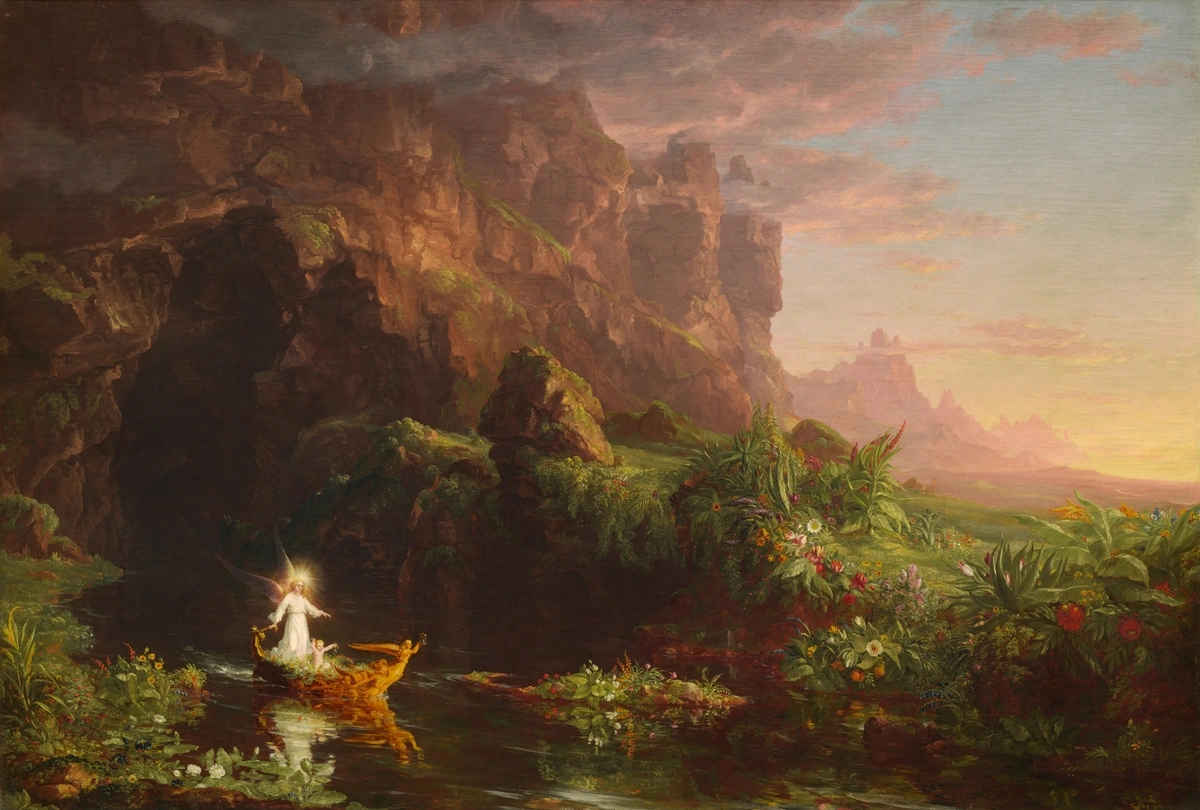
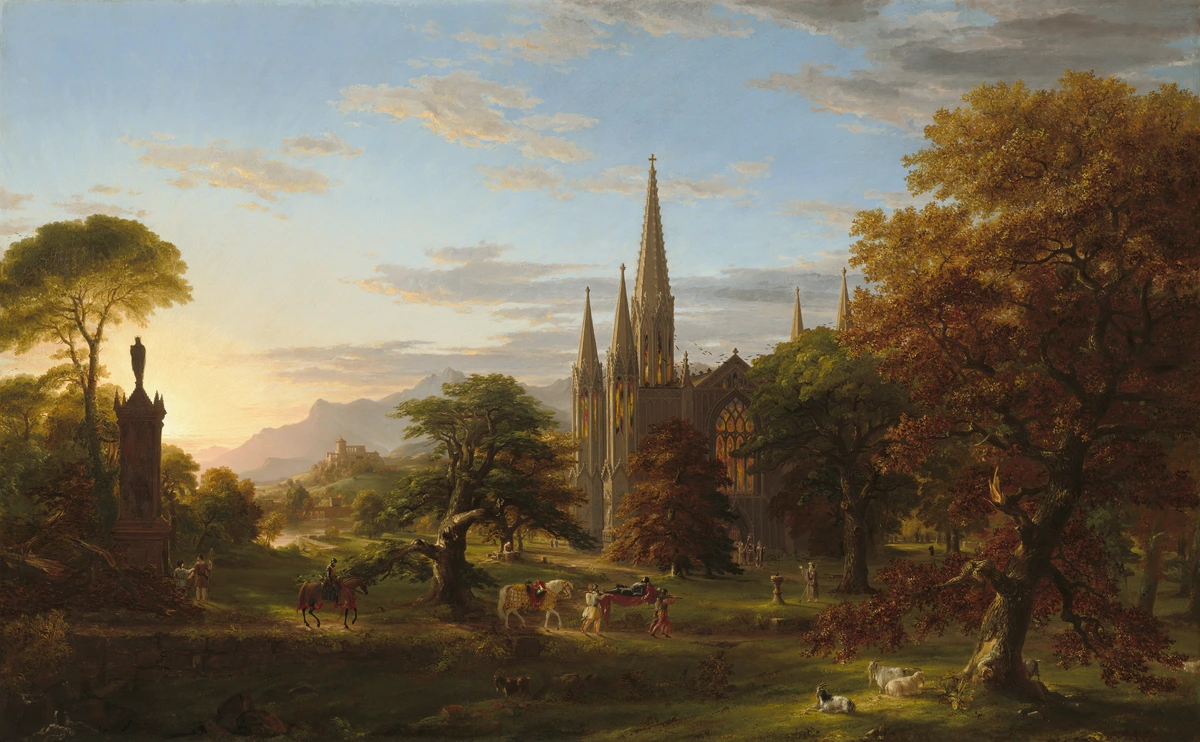
Crossing the Atlantic, we encounter Thomas Cole, the undisputed founder of America's first truly indigenous art movement: the Hudson River School. While European Romantics looked to ancient ruins or stormy seas, Cole found his sublime in the untouched grandeur of the American wilderness – its vast forests, dramatic mountains, and pristine lakes. He wasn't just painting landscapes; he was painting a distinctly American identity, seeing the vastness of the continent as a reflection of national promise, yet often tinged with a melancholic awareness of its fragility in the face of expansion.
Works like "The Oxbow" (View from Mount Holyoke, Northampton, Massachusetts, after a Thunderstorm) aren't just scenic views; they're moral allegories, contrasting wild nature with cultivated land, and asking profound questions about humanity's relationship with the environment. His epic five-part series, "The Course of Empire," is an even grander philosophical statement, charting the rise and fall of civilization through a series of dramatic landscapes, moving from the pristine wilderness to the opulent city, then destruction, and finally desolation. Cole’s paintings often imbued natural scenes with spiritual and moral significance, reflecting a deep reverence for the divine presence in nature and echoing the mysticism of his European counterparts. His detailed, almost theatrical compositions invited viewers to contemplate the grandeur and meaning of the American landscape, firmly establishing Romanticism's foothold in the New World. Cole’s deep reverence for nature also carried an implicit conservationist message, often hinting at the transient beauty of the wilderness in the face of human expansion. He truly gave America its first distinctive artistic voice, inspiring generations of landscape painters to explore the unique spirit of the continent, and laying the groundwork for a distinctly American school of landscape painting focused on grand moral and national themes. His vision was vast, encompassing both the hope and the warning within the American experiment, making him a profound cultural commentator.
Frederic Edwin Church (1826-1900): The American Grand Tour
A towering figure of the second generation of the Hudson River School, Frederic Edwin Church took Thomas Cole's vision and expanded it to truly monumental, almost epic, proportions. Where Cole often focused on moral allegories within the American landscape, Church became renowned for his vast, panoramic canvases that celebrated not only the American wilderness but also exotic natural wonders across the globe. His work often felt like a visual manifestation of Manifest Destiny, capturing the continent's untapped grandeur and resource.
Church traveled extensively, bringing back awe-inspiring scenes from the Arctic, South America, and the Middle East. Paintings like "The Heart of the Andes" (which caused a sensation when first exhibited, often viewed as a spiritual journey into the heart of a continent), "Niagara," and "Cotopaxi" are not merely landscapes; they are meticulously detailed, almost hyper-real depictions that combine scientific observation with a profound sense of the sublime and spiritual. His ability to render dramatic light effects, vibrant colors, and intricate details made his scenes feel incredibly immersive, inviting the viewer to lose themselves in the grandeur of untamed nature. For me, looking at a Church painting is like taking a grand tour of the world's most spectacular natural sites, all from the comfort of a gallery – a true testament to the Romantic desire for boundless exploration and awe. His work often conveyed a sense of manifest destiny, not just through American expansion, but through the boundless wonder of the natural world itself. He was a master of grand spectacle, making the viewer feel tiny yet utterly captivated, and deeply impacting the public's perception of the American landscape.

Key Romantic Artists at a Glance
To help keep these extraordinary figures straight and provide a quick overview of their monumental contributions, here’s a comprehensive reference table of the titans of the Romantic movement:
Artist  | Nationality | Key Themes | Famous Work(s) | Notable Contribution/Legacy |
|---|---|---|---|---|
| Caspar David Friedrich | German | Nature, spirituality, solitude, the sublime | Wanderer Above the Sea of Fog, The Sea of Ice, Monk by the Sea | Pioneered symbolic psychological landscapes; master of Rückenfigur |
| Eugène Delacroix | French | Revolution, liberty, passion, exoticism, literary narratives | Liberty Leading the People, The Death of Sardanapalus, Women of Algiers | Championed vibrant color, dynamic composition, and dramatic brushwork; influenced Impressionism |
| Théodore Géricault | French | Human suffering, contemporary events, social critique, psychological study | The Raft of the Medusa, Portraits of the Insane, Charger Wounded Fleeing from the Battle | Elevated human drama and unflinching realism in history painting; powerful social commentary |
| J.M.W. Turner | British | Power of nature, light, atmosphere, the sublime, modernity | The Fighting Temeraire, Snow Storm: Steam-Boat off a Harbour's Mouth, Rain, Steam and Speed | Revolutionary depictions of light and atmospheric effects; precursor to abstraction and Impressionism |
| John Constable | British | English landscape, changing weather, rural life, naturalism | The Hay Wain, Salisbury Cathedral from the Meadows, The Lock | Elevated naturalistic landscape painting; pioneer of plein air studies and observational realism |
| Francisco Goya | Spanish | War, social critique, psychology, the grotesque, political satire | The Third of May 1808, Saturn Devouring His Son, Los Caprichos | Unflinching chronicler of war and human depravity; "Black Paintings" and biting social commentary |
| William Blake | British | Mysticism, imagination, mythology, spirituality, social critique | The Ancient of Days, Newton, Songs of Innocence and of Experience | Unique fusion of poetry and art through illuminated printing; visionary and anti-establishment |
| Henry Fuseli | Swiss-British | Supernatural, dreams, macabre, literary themes, psychological horror | The Nightmare, Titania and Bottom, Lady Macbeth Seizing the Daggers | Explored subconscious and gothic horror; highly influential on early Romanticism's darker themes |
| Thomas Cole | American | Wilderness, national identity, moral allegory, transience | The Oxbow, The Course of Empire, Dream of Arcadia | Founder of the Hudson River School; celebrated American landscape and its spiritual meaning |
| Frederic Edwin Church | American | Panoramic landscapes, manifest destiny, exotic natural wonders | The Heart of the Andes, Niagara, Cotopaxi | Leading figure of the Hudson River School; monumental depictions of American and South American landscapes |
Philosophical Underpinnings of Romanticism: Beyond the Canvas
While we've explored the visual titans, it's crucial to understand that Romanticism was more than an art movement; it was a profound philosophical and intellectual shift. Its roots burrowed deep into the works of thinkers who questioned the Enlightenment's rigid rationalism and celebrated the human spirit's boundless capacity for emotion and imagination. For me, connecting these dots makes the whole picture so much richer, adding layers of intellectual depth to the visual splendor.
- The Enlightenment's Shadow: Romanticism emerged as a powerful counter-movement to the Enlightenment's emphasis on reason, order, and scientific empiricism. While not entirely rejecting rationality, Romantics felt that cold logic alone couldn't capture the full spectrum of human experience. They sought a balance, or even a transcendence, of reason through emotion and intuition. It was a recognition that the human heart and spirit held truths that the intellect alone couldn't grasp, often seeing Enlightenment ideals as overly mechanistic and restrictive.
- Idealism and Subjectivity: German Idealist philosophers like Johann Gottlieb Fichte, Friedrich Wilhelm Joseph Schelling, and Georg Wilhelm Friedrich Hegel (among others, even Kant, as mentioned earlier in the context of the Sublime) profoundly shaped the Romantic worldview. They emphasized the active role of the mind in shaping reality and the importance of subjective experience, asserting that our perception isn't just a passive reception of external data, but an active creation. This philosophical bedrock resonated with artists who championed individual vision and sought to express their inner worlds on canvas, leading to the introspective intensity we see in a Friedrich. Their ideas posited that consciousness itself was fundamental, rather than merely a reflection of an external world.
- The Power of Intuition and Emotion: Philosophers like Jean-Jacques Rousseau (whom I touched upon earlier) laid the groundwork for Romantic thought by celebrating innate human goodness, the corrupting influence of society, and the primacy of feeling. His emphasis on the 'noble savage' and a return to nature directly influenced the Romantic reverence for the untamed. This belief in the wisdom of the heart, rather than just the head, gave artists permission to explore raw emotions without restraint, embracing passion as a legitimate source of knowledge and truth. This was a radical departure from the Enlightenment's emphasis on empirical observation.
- Nature as a Moral Compass: Beyond its aesthetic grandeur, nature became a moral and spiritual teacher for many Romantic thinkers. It was seen as a source of unspoiled truth, a direct connection to the divine, and a refuge from the artificiality of urban life and the dehumanizing aspects of industrialization. Poets like William Wordsworth found spiritual solace and profound lessons in the simple beauty of the natural world, seeing it as a direct manifestation of God's presence or a sacred space for profound self-discovery. This reverence for nature also fueled early calls for its preservation.
- Individuality and Genius: The concept of the "original genius," an artist or thinker whose creative output stemmed from an innate, divinely inspired talent rather than mere imitation or adherence to rules, was a profound Romantic ideal. This resonated deeply with the movement's celebration of unique individual expression, elevating the artist to a prophetic figure whose unique vision offered profound insights into the human condition. This contrasted sharply with the Neoclassical emphasis on emulating classical masters, asserting the artist's unique voice as paramount.
These philosophical currents provided the intellectual scaffolding for the passionate expressions we see in Romantic art, music, and literature. They were searching for deeper truths, often found not in textbooks or laboratories, but in the untamed wilderness, the depths of the human heart, and the boundless reaches of the imagination. It’s a powerful reminder that art and philosophy are often two sides of the same coin, constantly informing and inspiring one another, a fertile ground for the revolutionary spirit of the age.
Regional Variations: Romanticism Across Europe and America
While Romanticism was a widespread European phenomenon, it manifested with distinct flavors and preoccupations in different regions. It’s like a universal language spoken with unique local accents, each adding its own nuance and depth. Understanding these national variations helps us appreciate the true breadth of the movement.
German Romanticism: The Soulful & Introspective
Often characterized by a profound introspection, philosophical depth, and a deep connection to nature and folklore, German Romanticism, epitomized by Caspar David Friedrich, was a quest for spiritual meaning. It was less overtly revolutionary than its French counterpart, focusing more on the inner world, the sublime in untouched landscapes, and a yearning (Sehnsucht) – that untranslatable German word for a deep, often melancholic, longing for an ideal or a lost golden age. Artists explored themes of solitude, melancholy, and humanity's small, often vulnerable, place in a vast, often mysterious, universe. It was a more quiet, contemplative, and sometimes mournful expression of the Romantic spirit, often drawing on mystical and pantheistic ideas, and deeply influenced by poets like Novalis and philosophers such as Schelling. Their art often feels like a whispered secret shared between the soul and the cosmos, a profound dialogue between the individual and the infinite.
French Romanticism: The Dynamic & Politically Charged
In contrast, French Romanticism, led by figures like Eugène Delacroix and Théodore Géricault, tended to be far more overtly dramatic, politically charged, and socially engaged. Fuelled by the French Revolution and the subsequent Napoleonic Wars, it embraced themes of liberty, revolution, heroism, and human suffering with a dynamic energy and vibrant, often audacious, use of color. French Romantics were deeply interested in contemporary events and often used their art as a form of social commentary, making their canvases explode with action, passion, and vivid storytelling. Think of Delacroix's powerful allegories of revolution or Géricault's unflinching reportage of human tragedy. It was a loud, passionate assertion of emotional freedom in the face of political turmoil, often employing grand narratives and allegorical figures to convey their powerful messages. Their art feels like a clarion call, demanding attention and empathy, reflecting the tumultuous political landscape of the time with unparalleled intensity.
British Romanticism: Nature's Grandeur and Social Realities
British Romanticism shared the German reverence for nature but often imbued it with a more dramatic, tempestuous spirit, as seen in the awe-inspiring seascapes of J.M.W. Turner and the pastoral idylls of John Constable. It also had a strong literary component, with poets like William Wordsworth and Samuel Taylor Coleridge (the Lake Poets) capturing the sublime in everyday nature, and the rebellious Lord Byron embodying the Byronic hero. These literary figures shaped its philosophical landscape with their evocative verse. Additionally, British artists like William Blake combined visionary spirituality with sharp social critique, while others, like Goya (whose work influenced British sensibilities), depicted the brutal realities of war and societal injustice. It was a blend of natural grandeur, individual introspection, and a keen awareness of social upheaval, often reflecting the specific challenges of industrialization and empire, creating a rich tapestry of artistic response that often felt like a direct engagement with the changing world.
American Romanticism: The Wilderness and National Identity
Across the Atlantic, American Romanticism found its unique voice in the Hudson River School, led by artists like Thomas Cole and Frederic Edwin Church. Instead of ancient ruins, they celebrated the pristine grandeur of the American wilderness – its vast mountains, untamed forests, and dramatic waterfalls. These landscapes were not just scenic views; they were imbued with spiritual and moral significance, reflecting a nascent national identity tied to unspoiled nature and the concept of Manifest Destiny. American Romantics explored themes of exploration, the fragility of the wilderness, and humanity's place within the vast, awe-inspiring new world, often with a sense of melancholic wonder at its transience, and a growing concern for its preservation.
Beyond the Canvas: Romanticism in Other Arts
It’s important to remember that Romanticism wasn’t confined solely to painting; it was a pervasive, transformative cultural phenomenon that swept across all art forms, profoundly shaping European thought, expression, and even daily life. In many ways, the visual arts were simply one compelling facet of a much larger, interconnected movement that championed the subjective experience, the raw power of emotion, and the unfettered imagination. It was a true cultural zeitgeist, influencing how people thought, wrote, built, and even lived.
Romanticism in Other Visual Arts: Sculpture and Architecture
While painting undeniably dominated the visual arts of the Romantic era, its spirit also touched sculpture and architecture, though perhaps with less overt revolutionary zeal compared to other mediums. Romantic sculpture often leaned towards dramatic narratives, emotional intensity, and dynamic compositions, moving away from the cool idealization of Neoclassicism. Think of works depicting mythological heroes in moments of intense struggle or historical figures captured in highly expressive poses, conveying inner turmoil or heroic action. For instance, Jean-Pierre Dantan's caricatures of contemporary figures captured personality with a Romantic vivacity. In architecture, while Neoclassical styles remained popular for public buildings, Romanticism fostered a distinct revival of interest in the Gothic (Gothic Revival), seen in structures like the British Houses of Parliament or New York's Trinity Church. This embrace of medieval forms wasn't just about aesthetics; it was a nostalgic longing for a perceived organic, spiritual past, contrasting sharply with the industrial present. It's about feeling and association, rather than just form and function. For example, Antonio Canova's "Psyche Revived by Cupid's Kiss," while classically inspired, overflows with a tender emotionality and dramatic narrative that speaks volumes about Romantic sentiment, demonstrating how even classical forms could be infused with Romantic feeling. These weren't just buildings; they were expressions of historical yearning and emotional resonance, often seeking to recreate the grandeur and spiritual solemnity of medieval cathedrals. It's a reminder that beauty isn't just in proportion, but in feeling and the powerful associations it evokes.
Literature: Passion and the Inner World
Think of Lord Byron’s brooding, rebellious heroes (so dramatic!), Mary Shelley’s groundbreaking Frankenstein grappling with scientific hubris and existential dread, or the intense emotional landscapes painted by German poets like Goethe (Faust), Schiller, and Novalis. And let's not forget the profound nature poetry of William Wordsworth and Samuel Taylor Coleridge in England, or the macabre tales of Edgar Allan Poe in America. Romantic literature absolutely championed:
- Emotional Intensity: An unrestrained focus on raw passion, ecstatic joy, profound melancholy, and deep introspection. Authors sought to explore the full spectrum of human feeling, delving into the intricacies of the human psyche.
- The Individual Hero: Often an alienated, heroic figure – a Byronic hero – battling societal norms, inner demons, or insurmountable odds, always driven by intense personal conviction or fate. This anti-establishment figure became a powerful archetype.
- Nature as a Mirror and a Force: Landscapes served not just as settings, but as powerful mirrors reflecting internal emotional states, from awe and spiritual solace to despair and terror. Nature was also depicted as a sublime, untamed force unto itself, indifferent yet awe-inspiring.
- Folklore and the Supernatural: A fervent revival of interest in national myths, medieval legends, ghost stories, and the fantastical. This provided an escape from rationalism and a connection to a mysterious, ancestral past, often revealing deeper, archetypal truths.
For me, reading a Romantic poet like William Wordsworth or John Keats often feels very much like standing before a Friedrich painting – it’s about that quiet, profound connection to something larger than oneself, that sense of wonder and deep resonance, that profound sense of personal experience. Think of Wordsworth's "Lines Composed a Few Miles above Tintern Abbey," a profound meditation on memory, nature, and the self. Or perhaps, diving into Edgar Allan Poe's macabre tales offers a literary equivalent to Goya's darkest visions, plunging you into the psychological depths of terror and the grotesque in stories like "The Raven" or "The Fall of the House of Usher." Victor Hugo's Les Misérables or Walter Scott's historical novels, meanwhile, capture the epic sweep of human drama and national identity with breathtaking scope. The Brontë sisters' novels, Jane Eyre and Wuthering Heights, also exemplify Romantic literature with their intense emotional landscapes, wild natural settings, and passionate, often tormented, protagonists.

Music: Grandeur and Feeling
The Romantic era in music, with towering composers like Ludwig van Beethoven (who magnificently bridged the classical and romantic periods with his powerful symphonies), Franz Schubert (master of the Lied or art song), Frédéric Chopin (poet of the piano), Franz Liszt (the virtuosic showman), and Hector Berlioz (innovator of orchestration), was equally revolutionary and emotionally charged. They boldly broke free from the strict, often rigid, forms of the Classical period, prioritizing raw expression and individual genius, using music to tell stories and evoke profound emotions. This meant:

- Expressive Melodies: Expect rich, soaring, and often intensely dramatic melodies designed to stir the soul, moving beyond the balanced restraint of the Classical period.
- Expanded Orchestration: Larger orchestras were employed to achieve an unprecedented dynamic range and emotional impact, creating truly monumental soundscapes, allowing for vast sonic narratives and heightened drama.
- Program Music: A significant development where musical pieces were explicitly designed to tell a story, evoke a specific image, or portray a feeling – think Berlioz’s Symphonie fantastique, which vividly narrates an artist's opium-induced dreams with unprecedented orchestral color and dramatic shifts. This was a direct musical parallel to narrative painting and literature, breaking free from abstract forms to engage the listener's imagination directly, giving music a narrative voice.
- Virtuosity: This era celebrated the individual performer's skill and charisma to an almost superhuman degree, with pianists like Liszt becoming the rock stars of their time, captivating audiences with their technical prowess and emotional intensity, making the performer as much a 'genius' as the composer.
- Emphasis on Folk Music and National Identity: Echoing the nationalism in painting and literature, composers increasingly incorporated folk melodies, dances, and national narratives into their music, fostering a distinctive national sound that would later blossom into explicit Nationalism in music. This was a way of connecting with a shared cultural heritage and asserting unique national character.
Listening to a grand Romantic symphony, or a passionate Chopin nocturne, you can almost feel the dramatic chiaroscuro of a Delacroix or envision the turbulent, awe-inspiring skies of a Turner – the emotional through-line across mediums is utterly unmistakable. Think of the monumental scale and emotional journey of Beethoven's "Symphony No. 9," or the heartbreaking intimacy of a Schubert Lied. Chopin's piano works, like his Nocturnes and Ballades, are miniature emotional landscapes, while Liszt’s dazzling virtuosity pushed the boundaries of what was musically possible. It's a powerful testament to how deeply intertwined the arts were in expressing this profound shift in human sensibility, an era truly defined by boundless creative energy. Consider also the operas of Richard Wagner, with their emphasis on mythical narratives, grand spectacle, and intense emotional expression, pushing the boundaries of musical drama to unprecedented levels.
Romantic Painting Techniques
Beyond the shared themes, Romantic artists often employed specific techniques to amplify emotional impact and individual expression. It wasn't just what they painted, but how – and the 'how' was often as revolutionary as the 'what'. These techniques were consciously used to break away from the academic strictures of the past and to speak directly to the viewer's emotions.
- Emphasis on Mood and Atmosphere: Beyond specific light and shadow, Romantics were masters of creating an overarching mood or atmosphere in their paintings. This could be achieved through color, light, composition, and subject matter, enveloping the viewer in a specific emotional state – be it melancholy, awe, terror, or serene contemplation. Think of the pervasive mist in a Friedrich landscape or the brooding skies in a Constable; the atmosphere itself becomes a character in the narrative, a direct appeal to the viewer's emotional world. It's about setting a scene that resonates deeply within, a true immersion.
- Dramatic Chiaroscuro: This isn't just about light and shadow; it's about a strong, often theatrical contrast between them, frequently employed to intensify emotional impact. Bold, dramatic lighting was frequently employed to heighten mood, emphasize key figures or elements, and create a palpable sense of tension and mystery, drawing the viewer deeper into the narrative's emotional core. Think of Goya's intense use of shadows and harsh light to convey horror and human vulnerability, or Delacroix's spotlights on heroic figures to magnify their emotional state. It's about using light to sculpt emotion, making the emotional stakes unmistakable.
- Symbolic Color and Light: Beyond mere vibrancy, Romantic artists often used color and light with explicit symbolic intent. A fiery sunset might signify impending doom or divine glory; a stark, cold light could evoke desolation or spiritual truth. Color was not just descriptive; it was an emotional and philosophical tool, employed to infuse scenes with deeper layers of meaning and to speak directly to the viewer's subconscious, something I explore often in my own abstract art. For them, every hue and every ray of light could carry a hidden message.
- Vibrant and Expressive Color Palettes: Moving decisively away from the restrained, often muted tones and localized colors of Neoclassicism, Romantics embraced rich, saturated, and often audacious color. They weren't afraid to use color symbolically or expressively, to directly evoke intense emotion and passion rather than adhering strictly to realistic depiction. Delacroix, with his swirling reds, golds, and blues, is a prime example, making color itself a primary vehicle for conveying feeling and drama, a radical departure that would pave the way for later movements. It was a liberation of the palette, an explosion of chromatic freedom.
- Loose Brushwork (Impasto): Many Romantic artists, particularly later figures like Turner and Delacroix, liberated their hands and used visible, energetic brushstrokes (often applying paint thickly, known as impasto). This wasn't a lack of skill or precision; it was a deliberate choice to create a sense of movement, raw texture, and immediacy, capturing the fleeting quality of light or the intensity of emotion in a much more dynamic way. This stands in sharp contrast to the meticulously smooth, almost invisible brushwork prized by academic painting, actively inviting the viewer to see the hand of the artist, to feel the urgency of their creation.
- Dynamic Compositions: Forget the calm, static, and balanced compositions of earlier eras. Romantic paintings often burst with energy, featuring dramatic diagonal lines, swirling forms, and deliberately off-center arrangements. These compositional choices were designed to create a powerful sense of drama, chaos, emotional turmoil, or exhilarating movement, pulling the viewer into the heart of the action or emotion. Just look at the surging, swirling energy in Delacroix's "Liberty Leading the People" or Géricault's "The Raft of the Medusa" – they practically vibrate with action and despair. The composition itself becomes a narrative tool, directing the eye and stirring the soul.
- Sublime Scale: A key strategy to evoke the feeling of the Sublime. Artists frequently employed vast, often overwhelming, landscapes, towering figures (even if small within the grand scene), or depicted monumental historical events. The goal was to humble the viewer, to evoke a sense of awe, terror, and humanity's profound insignificance in the face of grand, often terrifying, natural or historical forces. Think of Friedrich's immense mountains dwarfing his solitary figures, or Turner's tiny ships tossed on colossal waves; the sheer scale forces contemplation and a realization of cosmic indifference.
- Dynamic Narrative and Storytelling: Romantic artists were master storytellers, using their canvases to unfold dramatic narratives, whether historical, mythological, or deeply personal. They were less interested in static, idealized moments and more in capturing the peak of action, the emotional climax, or the unfolding drama of a scene. This often involved complex multi-figure compositions, gestures, and expressions designed to draw the viewer into the unfolding tale, making them feel like a participant rather than a mere observer.
- The Romantic Hero: A recurring figure in both literature and visual arts, often an individual in heroic isolation, defiant, passionate, misunderstood, or grappling with inner torment. This hero (or anti-hero) resonated deeply with the Romantic emphasis on individualism and heightened emotion, becoming a potent symbol of the era's rebellious spirit and often serving as a stand-in for the artist themselves.
- Symbolism and Allegory: Romantic artists often imbued their works with deep, often personal, symbolism and allegory, inviting viewers to delve beneath the surface to find layers of meaning. Objects, colors, and figures frequently carried philosophical, spiritual, or political significance, turning a seemingly simple scene into a profound commentary on life, death, or society. It was about creating art that asked questions, rather than just providing answers.
- Symbolism and Allegory: Romantic artists often imbued their works with deep, often personal, symbolism and allegory, inviting viewers to delve beneath the surface to find layers of meaning. Objects, colors, and figures frequently carried philosophical, spiritual, or political significance, turning a seemingly simple scene into a profound commentary on life, death, or society.
These techniques weren't just stylistic choices; they were absolutely integral to conveying the intense subjectivity, profound emotional power, and individual vision that defined the movement and made it so revolutionary. They were the tools that allowed these titans to pour their very souls onto the canvas.
Symbolism, Expressionism, and Early Modernism
The profound focus on individual feeling, inner vision, and subjective experience that defined Romanticism didn't just end; it fundamentally planted the seeds for so much of modern and contemporary art. Movements like Symbolism, emerging in the late 19th century, directly drew upon the Romantic fascination with dreams, mythology, and the unseen forces of the human psyche. Artists like Gustave Moreau or Odilon Redon, in their enigmatic and often melancholic works, sought to evoke ideas and emotions rather than directly represent reality, a direct continuation of Romantic spiritual and imaginative quests.
Then came the raw emotionality of Expressionism and Neo-Expressionism in the early 20th century, movements that owe a massive, undeniable debt to these pioneering Romantic artists. Figures like Edvard Munch, with his intensely psychological portrayals of anxiety and despair, gave form to inner turmoil in a way that Goya or Fuseli would have understood perfectly. The Expressionists gave future generations of artists permission to paint not just what they saw, but courageously, sometimes violently, what they felt and believed, laying the groundwork for abstraction and intensely personal art. Even Surrealism, with its delve into dreams and the subconscious, has a clear lineage back to the Romantic fascination with the irrational and the depths of the psyche, showcasing how these early explorations cracked open the door to entirely new artistic territories.
The Enduring Echo of Romanticism
The Romantics' profound focus on individual feeling, inner vision, and subjective experience didn't just end when the movement officially wound down; it fundamentally planted the seeds for so much of modern and contemporary art. Movements like Symbolism (with its focus on inner worlds and spiritual truths) and, later, the raw emotionality of Expressionism and Neo-Expressionism owe a massive, undeniable debt to these pioneering artists. They essentially gave future generations of artists permission to paint not just what they saw, but courageously, sometimes violently, what they felt and believed, laying the groundwork for abstraction and intensely personal art. Even Surrealism, with its delve into dreams and the subconscious, has a clear lineage back to the Romantic fascination with the irrational and the depths of the psyche. In essence, the Romantics threw open the doors to the inner world as a legitimate subject for art, proving that internal landscapes are as valid as external ones.

Even today, in our hyper-digital world, that powerful Romantic urge persists with remarkable resilience. It's in the awe we feel looking at a Hubble telescope image, the deeply personal stories we share online, and the art we create to make sense of our own chaotic, complicated lives. It's that visceral pull towards the inexplicable, the longing for authenticity, and the unwavering celebration of individual expression. The Romantics, through their triumphs and struggles, taught us that our inner world matters profoundly, that our emotions are valid and potent forces, and that art can be a powerful, transformative mirror to the soul – timeless themes you can see explored in different ways throughout my own artistic timeline and, indeed, in the contemporary pieces available to buy on this site. I find myself constantly returning to their raw honesty and audacious vision when I approach my own work. Whether it's the profound contemplation of the universe in a science fiction film, the intense personal narratives of contemporary memoirs, or the emotionally charged performances of modern musicians, the Romantic spirit continues to shape our cultural landscape, proving that the human heart's yearning for meaning and grand experience is truly timeless. They didn't just create art; they laid the foundation for how we understand and express ourselves in the modern world.
Conclusion: The Undying Flame of Romanticism
As we've journeyed through the turbulent, passionate, and visionary world of Romanticism, I hope you’ve come to see it not just as a dusty historical period, but as a living, breathing testament to the boundless capacity of the human spirit. It was an era when artists dared to challenge convention, to look inward, to embrace the wildness of nature, and to champion the raw power of emotion and imagination above all else. From the solitary contemplation of Friedrich to the revolutionary fervor of Delacroix, from Turner's tempestuous seascapes to Goya's searing social critiques, these artists poured their very souls onto the canvas, creating a legacy that continues to resonate profoundly today.
The Romantics taught us that art is more than mere representation; it is a conduit for feeling, a mirror to the soul, and a powerful voice for individual truth. They opened the doors for future movements, giving artists permission to explore the irrational, the subjective, and the deeply personal. So, the next time you stand before a work of art that stirs your emotions, or find yourself awestruck by the grandeur of nature, remember the titans of turmoil who shaped this period. Remember the Romantic spirit that first articulated these profound human experiences, and perhaps, like me, you’ll find inspiration for your own journey, whether it's through creating art to buy or simply engaging with the world with a more open and passionate heart. It’s a legacy that, for me, remains as vibrant and vital as ever, a testament to the enduring power of human emotion and imagination.
Frequently Asked Questions (FAQ)
What are the common motifs and symbols in Romantic art?
Romantic art is incredibly rich with recurring motifs and symbols, forming a visual language that speaks directly to the soul. You'll frequently encounter vast, untamed landscapes (towering mountains, raging storms, desolate ruins, or serene yet immense oceans), often featuring solitary figures (the Rückenfigur being a prime example, inviting you into the scene) contemplating nature's grandeur. Other common symbols include the Sublime (evoking both awe and terror, that profound sense of humanity's smallness), the exotic (scenes from the 'Orient' or distant, idealized lands, often with a mix of fascination and problematic Western interpretation), dramatic historical events infused with emotional intensity, and allegories of liberty and national identity. The macabre, the supernatural, and dreamlike imagery also feature prominently, reflecting the Romantic fascination with the irrational. Animals, particularly powerful or symbolic ones like horses or eagles, often represent untamed natural forces or human traits or even the untamed human spirit. The moon, twilight, ancient forests, ruins, and stormy skies are also recurrent visual metaphors for the mysterious, the spiritual, and the introspective journey, often hinting at themes of transience and the passage of time. And of course, the Byronic hero himself, often appearing as a lone, tormented figure, is a powerful symbol of the era's focus on individualism and inner struggle. These motifs serve to heighten emotional impact and encourage profound introspection.
Who are the 3 most famous Romantic artists?
While "fame" can certainly be subjective and vary by region (my own favorites might shift, depending on my mood!), the trio most often cited as the foundational pillars of the movement for their groundbreaking contributions and widespread influence are unequivocally: Caspar David Friedrich for his profound, contemplative, and spiritual landscapes that invite deep introspection into humanity's place in the vast cosmos; Eugène Delacroix for his dynamic, revolutionary historical scenes and incredibly vibrant, expressive use of color that captured the raw passion of his age; and J.M.W. Turner for his utterly revolutionary depictions of light, atmosphere, and the raw, untamable power of nature, pushing painting towards abstraction in a way that was truly ahead of his time. Each of these artists redefined what painting could achieve, influencing generations. But as we've explored, many other artists made truly monumental and equally captivating contributions, each adding their unique voice to this incredible era! It’s like trying to pick your three favorite songs – impossible, but these three are certainly iconic for their profound impact and enduring legacy.
What is the concept of the 'Romantic hero'?
The 'Romantic hero' (often synonymous with the 'Byronic hero', named after the wildly influential and dramatic poet Lord Byron) is a quintessential figure of the era, deeply influential in both literature and visual arts. This hero is typically a passionate, often brooding and alienated individual who challenges societal norms, pursues ideal love, rebels against authority, or grapples with profound inner torment and melancholy. They are often portrayed as charismatic, intelligent, fiercely independent, and profoundly sensitive, yet also flawed, self-destructive, and capable of intense suffering – a complex, contradictory figure much like many artists I know! Think of the revolutionary figures in Delacroix's paintings, or the protagonists of Lord Byron's poetry like Childe Harold and Manfred – individuals whose emotional intensity, moral struggle, and defiance are central to their identity and narrative. This archetype profoundly shaped subsequent literary and artistic movements, laying the groundwork for many of our modern anti-heroes, from the tortured artist to the rebellious outsider. It’s a character that still resonates deeply because of its raw humanity and refusal to conform, embodying the era's focus on radical individualism and intense emotion.
What defines a Romantic artist?
For me, a Romantic artist is someone who fundamentally prioritizes emotion, intuition, and fierce individualism over the cold reason, rigid order, and classical ideals that defined the preceding Neoclassical era. They are deeply drawn to the wildness and untamed power of nature, the intense drama of human experience (both heroic and tragic), and the profound depths of their own imagination and inner world. A true Romantic artist seeks not merely to depict external reality objectively, but to evoke strong, often overwhelming, feelings in the viewer and to express their unique, subjective experience of the world, making the artwork a direct conduit for the soul. It's about feeling, not just seeing, and about allowing that feeling to guide the hand and the brush. They are, in essence, translators of the soul’s language, challenging traditional notions of beauty and artistic purpose.
How did Romanticism influence American art?
Romanticism profoundly influenced American art, giving rise to its first truly distinctive and celebrated art movement: the Hudson River School. Led by visionary artists like Thomas Cole and Frederic Edwin Church, these painters turned their gaze to the pristine grandeur of the American wilderness – its vast mountains, pristine lakes, dramatic waterfalls, and untamed forests. Their landscapes were not just topographical records; they were imbued with profound spiritual and moral significance, reflecting a burgeoning national identity tied to unspoiled nature and the concept of Manifest Destiny, the belief in the inevitable westward expansion of the United States. They often explored themes of exploration, the inherent fragility of the wilderness, and humanity's place within its overwhelming beauty and power. It’s a wonderful example of how global movements adapt to local contexts, finding new expressions of the sublime in their own unique and awe-inspiring surroundings, shaping a distinctly American artistic sensibility that celebrated the vastness and mystery of the continent, and often carrying an implicit message about conservation.
Is Romanticism art just about love and romance?
Absolutely not! This is, without a doubt, the biggest misconception, and it's absolutely crucial to clarify the difference between "romantic" (lowercase 'r') and "Romanticism" (uppercase 'R'). Romanticism (with a capital 'R') is about a vast and often tumultuous range of intense human emotions: awe, terror, passion, melancholy, profound spiritual longing, fear, and even madness. It's more about the sublime, untamed power of a raging storm, a dramatic and often violent historical event, or a profound, introspective inner journey than it is about a candlelight dinner or a gentle love story. While love can certainly be a theme, it's typically explored with grand, often tragic, emotional intensity, reflecting the era's fascination with extreme states of being and the heightened drama of human relationships. I always tell people, think more epic poem, less rom-com! It embraces the full, often contradictory, spectrum of human feeling, not just its tender side.
What distinguished German Romanticism from French Romanticism?
While both shared core Romantic tenets and a deep commitment to emotion, German and French Romanticism often had quite distinct flavors, reflecting their unique cultural and political landscapes. German Romanticism, epitomized by the contemplative works of Caspar David Friedrich, was generally more introspective, philosophical, and mystical, focusing on profound spiritual experiences in nature, existential solitude, and a deep connection to folklore and national myths. It often had a melancholic, almost mournful, quality, a pervasive sense of longing (Sehnsucht) for the infinite or a perceived lost past. French Romanticism, on the other hand, often led by dynamic figures like Eugène Delacroix and Théodore Géricault, tended to be more overtly dramatic, politically charged, and socially engaged. It passionately embraced revolution, civic liberty, intense passion, and exoticism, often depicting contemporary events with a vibrant energy and audacious use of color. If German Romanticism whispered the secrets of the soul amidst misty mountains, French Romanticism shouted its defiance from the barricades of social and political upheaval, reflecting the very different political realities of their nations, one responding with inner reflection, the other with outward action. It's a fascinating study in cultural divergence within a shared artistic spirit.
How did Romanticism differ from Neoclassicism?
They were essentially opposites, almost a philosophical tug-of-war that profoundly shaped art history. Neoclassicism valued order, logic, clarity, and rational thought, drawing heavily from the ideals of classical Greece and Rome – think clean lines, balanced compositions, and heroic, stoic figures embodying universal ideals, much like the perfect proportions of Michelangelo's David. This was about restraint, universal appeal, and moral clarity. Romanticism, by stark contrast, championed raw emotion, intuition, radical individuality, and the mysterious aspects of existence. It found profound inspiration in the wildness of nature, dramatic historical events, the tumultuous depths of the human psyche, and an unwavering celebration of individual genius. It was, quite simply, the heart triumphing over the head, passion over stoicism, and the unique, often flawed, individual over universal ideals – a fundamental, revolutionary shift in artistic and philosophical priorities that still defines much of what we consider "modern" art. It's the difference between a meticulously crafted sonnet and a passionate, unrestrained ballad, reflecting a deep societal shift in values.
What was the role of nature in Romantic art?
Nature was absolutely central to Romanticism, not just as a picturesque backdrop, but as a living, breathing, almost sentient entity capable of evoking powerful emotions and profound spiritual truths. Artists depicted nature in two predominant, often intertwined, ways: first, as the embodiment of the Sublime (that overwhelming, awe-inspiring, and even terrifying power that humbles humanity and makes us feel tiny yet connected, forcing a confrontation with our own mortality and the vastness of the universe); and second, as a source of spiritual solace, profound contemplation, and an escape from the burgeoning industrial world. It was a place where one could confront the infinite, experience raw, unfiltered emotion, and connect with a spiritual truth beyond human artifice and the constraints of urban life. Nature, in essence, became a powerful mirror to the human soul, reflecting inner states and offering pathways to the divine, much like I try to connect with the landscape in my plein air studies. It was a sanctuary and a force, both comforting and terrifying, a profound counterpoint to the rational order championed by the Enlightenment.
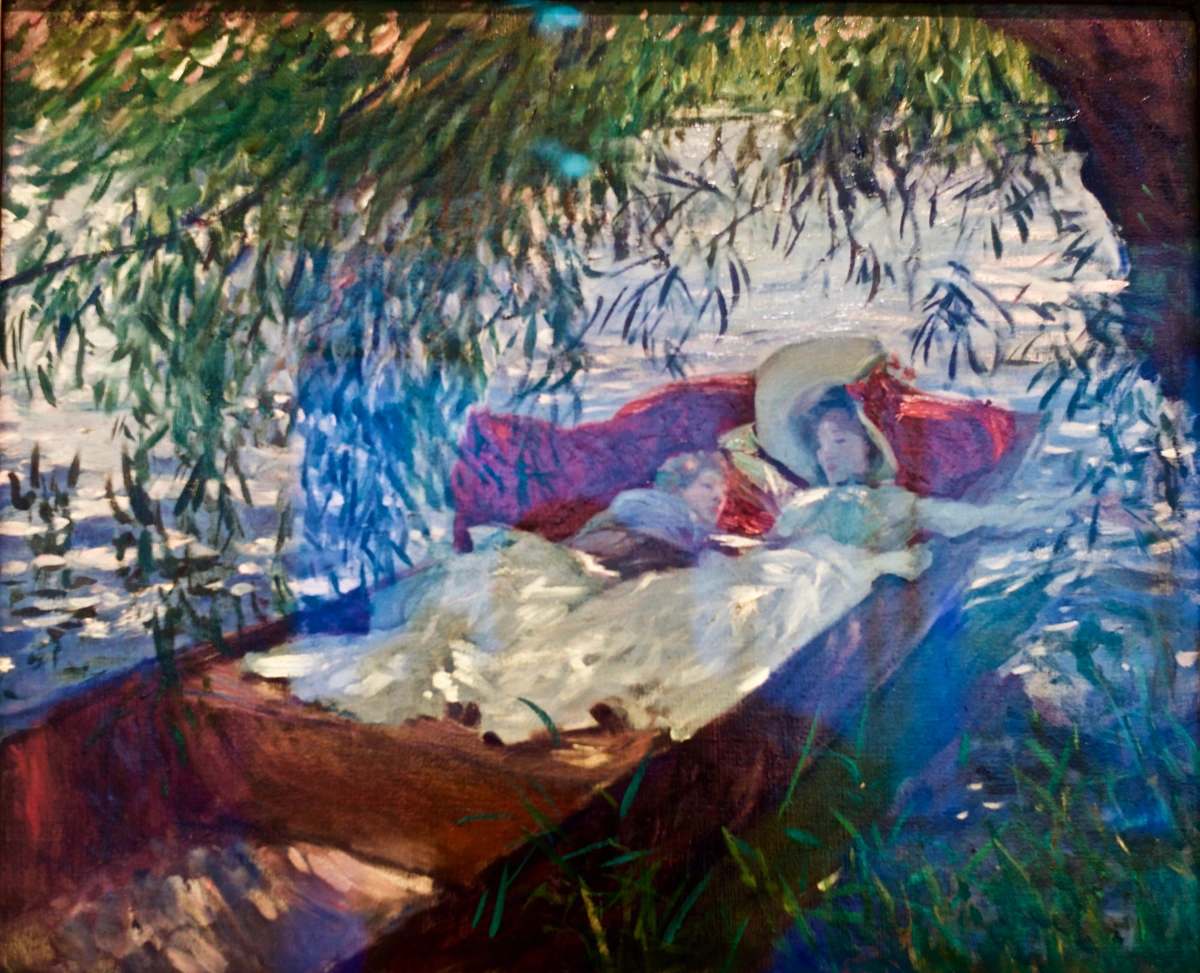
Did Romanticism influence other art forms?
Absolutely! To think of Romanticism as solely a painting movement would be to miss its profound and sweeping impact. It was a transformative cultural phenomenon that deeply influenced literature (think the brooding heroes of Lord Byron, the Gothic terror of Mary Shelley’s Frankenstein, the psychological depths of Goethe, or the macabre tales of Edgar Allan Poe). In music, towering figures like Ludwig van Beethoven, Franz Schubert, Frédéric Chopin, and Franz Liszt boldly broke from classical forms to prioritize raw expression and emotional grandeur, creating monumental symphonies and intimate art songs. Even philosophy and societal thought were shaped by its core tenets – emphasis on emotion, individualism, imagination, and the sublime – permeating all creative endeavors of the era. It fundamentally changed how artists across disciplines approached their craft and their subject matter, prioritizing personal expression and subjective truth above all else, leaving an indelible mark on Western culture. It wasn't just a style; it was a way of seeing and being that permeated every creative outlet, from grand opera to landscape gardening.
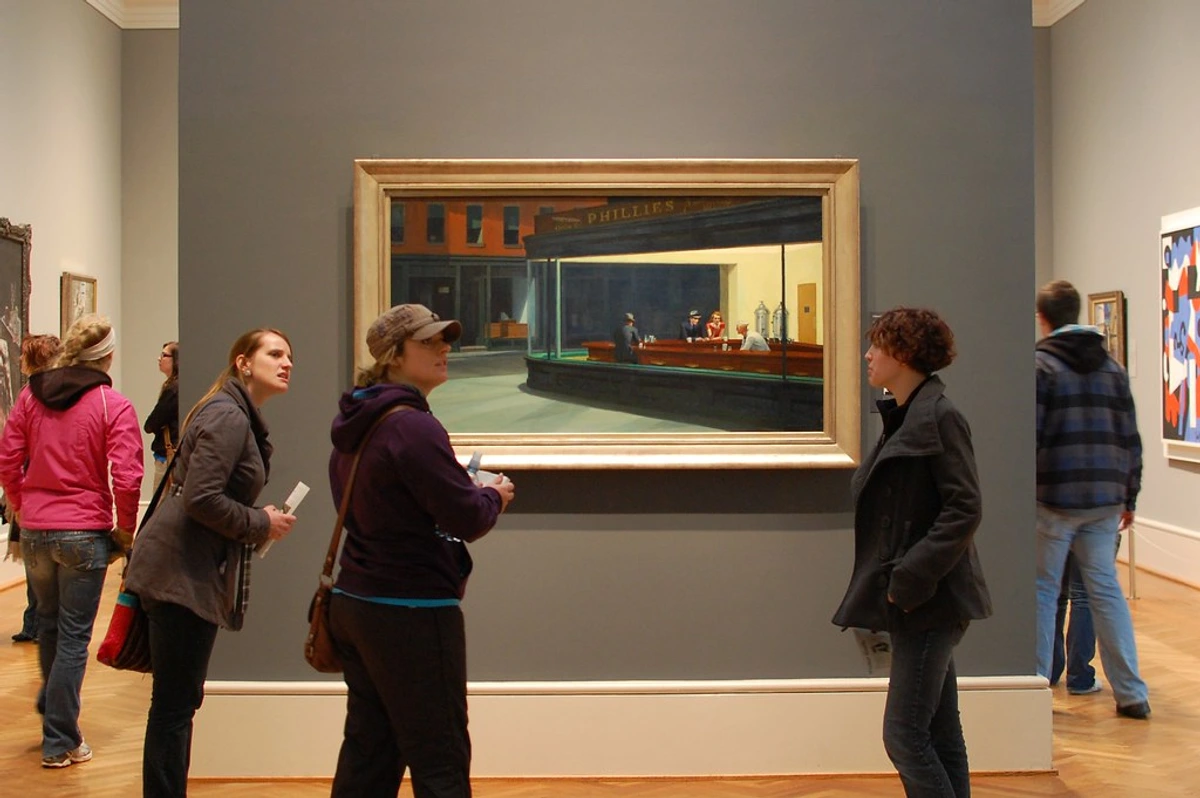


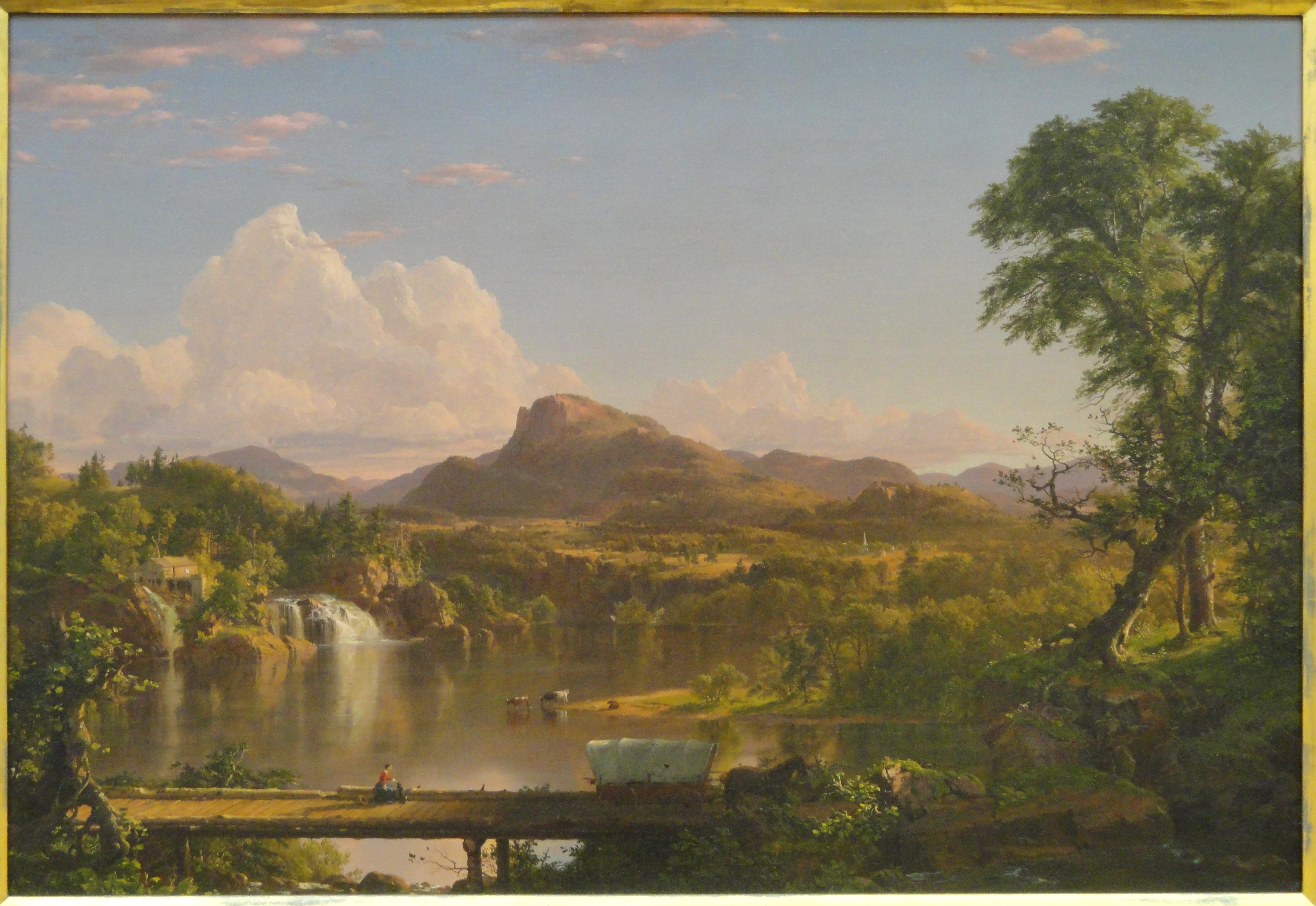


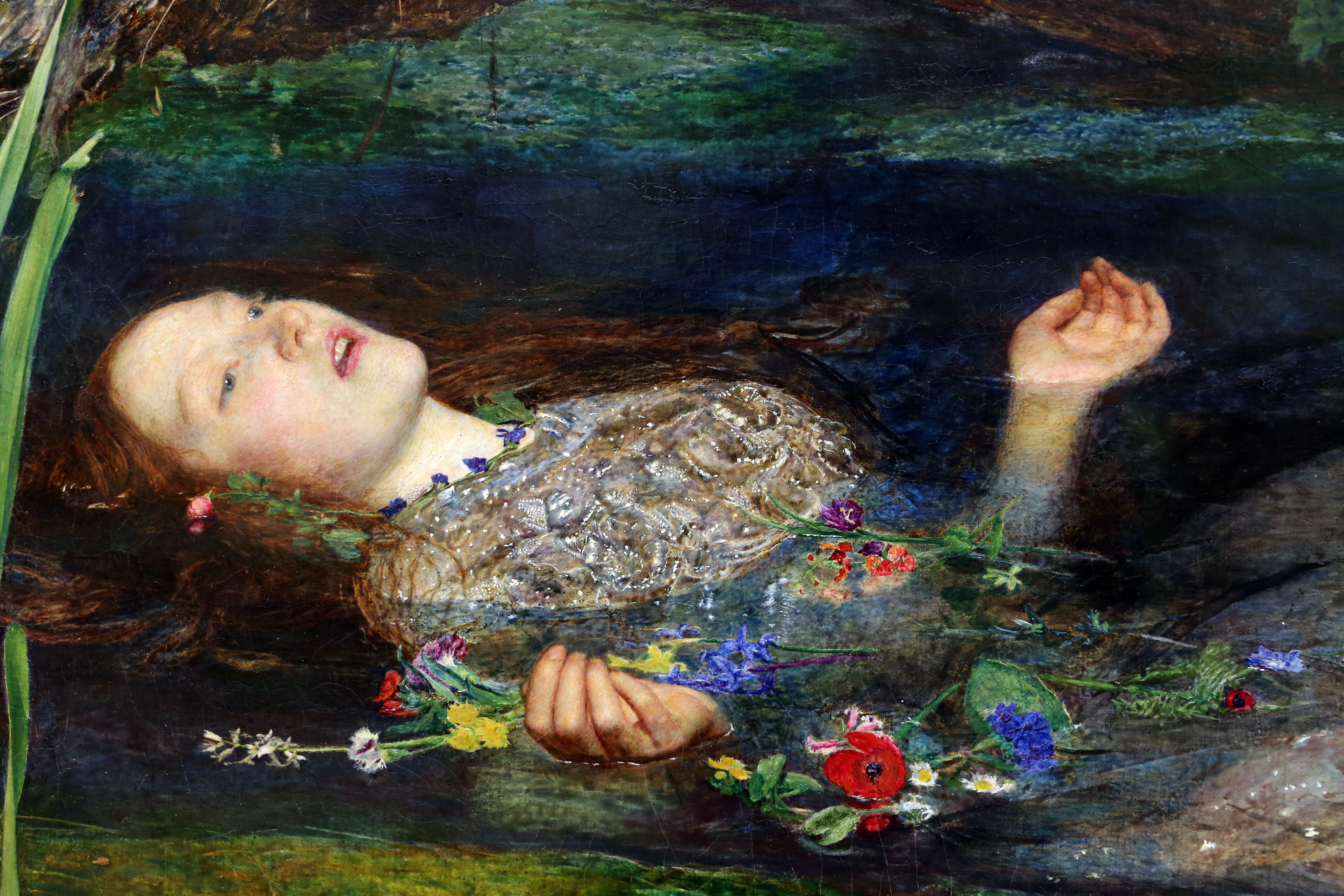


Who was the key figure of German Romanticism?
While many brilliant artists contributed, Caspar David Friedrich is unequivocally the most iconic and defining figure of German Romanticism. His contemplative, often melancholic, landscapes, frequently featuring solitary figures (his famous Rückenfiguren) gazing into vast, symbolic natural scenes, perfectly encapsulate the movement's spiritual and introspective qualities, and its deep connection to the German soul. He wasn't just painting nature; he was painting a profound dialogue between humanity and the divine, often using subtle symbolism to evoke existential questions about life, death, and the infinite. If you want to truly understand the soul of German Romanticism, you start with the quiet, powerful grandeur of Friedrich, whose work remains as haunting and thought-provoking today as it was centuries ago, setting a benchmark for profound landscape painting.
How did the political climate impact Romantic art?
The political landscape of the late 18th and early 19th centuries – a whirlwind of upheaval with the seismic French Revolution, the continent-shaking Napoleonic Wars, and the powerful surge of nationalism – profoundly shaped Romantic art. This tumultuous era fueled a fervent desire for freedom, an intense exploration of national identity, and a harsh critique of societal injustices and the brutal horrors of war. Artists like Goya, with his unflinching "Disasters of War" etchings, and Delacroix, with his iconic "Liberty Leading the People," directly responded to these tumultuous times, infusing their work with powerful political commentary and raw human drama. This art reflected the era's chaotic energy, the longing for radical change, and the widespread disillusionment that often followed the failed promises of revolution, contributing to a profound sense of melancholy and introspection in much Romantic art. It was art born from a world turned upside down, a visual outcry against injustice and a passionate plea for human dignity, demonstrating art's enduring role as a mirror and a catalyst for social change.
What is Neo-Romanticism?
Neo-Romanticism is a fascinating term used to describe a broad range of artistic and cultural movements that emerged in the late 19th and 20th centuries, rekindling or reinterpreting the potent themes and sensibilities of historical Romanticism. While not a single, unified movement, it consistently features a renewed emphasis on emotion, imagination, the subconscious, spirituality, and a retreat from the strictures of pure rationalism or realism. In literature, it might manifest as a return to mythical narratives, introspective poetry, or tales of the fantastic; in visual arts, it could involve symbolic imagery, dreamlike qualities, or a subjective, expressive approach to color and form, often with a melancholic or nostalgic undertone. It’s a testament to the enduring power of Romantic ideals that artists continually return to them for inspiration, adapting them to new historical contexts and artistic languages, often with a sense of poignant nostalgia or a fervent search for deeper meaning in an increasingly fragmented, modern world. It’s a reminder that those fundamental Romantic yearnings never truly die, but simply evolve to meet the challenges of new eras, affirming the timeless appeal of exploring the profound depths of human experience. Think of it as the Romantic spirit finding new expressions, refusing to be confined to history books.