Art & Resilience: Famous Artists Who Overcame Disability
Explore the incredible stories of artists like Frida Kahlo, Van Gogh, and Chuck Close who transformed their disabilities into unique creative strengths. A testament to resilience.

The Unstoppable Creative Force: How Artists with Disabilities Redefined Art History
I've always been profoundly moved by the sheer tenacity of the human spirit, especially when it comes to the act of creation. There's something truly astonishing about individuals who, when confronted with immense personal challenges—be they physical, sensory, or mental—find the strength, the vision, and that incandescent spark to produce art that not only endures but profoundly resonates across centuries. For me, it’s never just about 'overcoming' something in a simplistic, heroic sense; it’s about a far deeper kind of transformation, a radical recalibration of how one experiences and interprets the world. It’s a profound shift in perspective, where what might seem like a hindrance becomes a unique lens, sharpening focus and deepening insight. In essence, art becomes this incredible, universal language, effortlessly transcending physical and mental barriers, offering us a unique, often raw, window into the human condition—a truth that frankly, keeps me coming back to the canvas day after day. This article is your comprehensive guide to understanding this profound connection, delving deep into the lives and works of artists who, despite or perhaps because of their disabilities, forged masterpieces, and fundamentally redefined what it means to be a creator, impacting movements from the Renaissance to contemporary times. It truly showcases art as an unstoppable creative force, breaking down barriers and enriching our collective cultural tapestry.
This article isn't just another list or a superficial glance at artists with disabilities. Oh no, it’s far more than that. My goal here is to offer the most comprehensive and deeply engaging resource you'll find on this inspiring subject, celebrating the extraordinary resilience and genius that shines through adversity. We’re going to embark on a deep dive, truly dissecting how these unique embodied experiences—from chronic pain and mental health struggles to failing eyesight and physical paralysis—didn't just shape their daily realities, but fundamentally altered, and often dramatically elevated, their artistic vision. These artists didn't simply work despite their disabilities; in many profound ways, their conditions became an integral part of their unique perspective—a powerful lens through which they saw and translated the world's complexities onto canvas, into sculpture, or through daring new mediums. It's a potent testament to the enduring power of art as an outlet, a voice, and a transformative force, challenging our conventional perceptions of ability and creativity, and expanding the very definition of what art can be. I mean, think about it: how often do we truly consider what it means to see or hear or move when we look at a masterpiece, or how these very sensory experiences shape the creation itself? This article is our chance to do just that, offering you a unique vantage point on the profound interplay between lived experience and artistic output, making this the ultimate guide to the subject. My hope is that by the end of this journey, you'll not only have a deeper appreciation for these individual artists but also a fundamentally richer understanding of creativity itself.
Historical Context: Disability and Artistic Expression Through the Ages
It's crucial, I think, to briefly reflect on how society has viewed disability throughout history, and how this perception has, in turn, profoundly shaped the narrative around artists with disabilities. For centuries, across ancient civilizations and through the medieval period, disability was often met with misunderstanding, fear, stigma, or even seen through a purely medical lens, focusing solely on 'cure' or 'deficiency.' This approach, which I find deeply problematic, often led to the marginalization of individuals and, by extension, overlooked or misinterpreted the profound contributions of artists whose lives were touched by various conditions. Think about the historical exclusion of people with physical impairments from public life or the widespread fear and institutionalization of those with mental health conditions. Their voices, their experiences, and their artistic output were often silenced or dismissed as mere curiosities. I mean, who gets to decide what's 'normal' anyway? However, if you look closely, history reveals a persistent, undeniable thread of creative expression from individuals who experienced the world differently. Their work, even when not explicitly framed through the lens of disability, often bore the unique imprint of their embodied experience, whether through chosen subject matter, innovative techniques, or simply the sheer force of will required to create. Recognizing this historical backdrop helps us appreciate the true groundbreaking nature of the artists we'll explore, and how their defiance of societal norms and physical limitations paved the way for a more inclusive understanding of genius in the art world. For example, during the Renaissance, notions of the 'ideal' human form often overshadowed the reality of diverse bodies, yet artists like Michelangelo still created masterpieces while battling their own physical challenges. It's a complex history, to say the least.
This early, often oppressive, medical model of disability fundamentally shaped how society understood and reacted to physical and mental differences, frequently conflating difference with defect and often leading to institutionalization or forced societal exclusion. It's a lens that actively obscured the rich contributions of those who didn't conform to a narrow definition of "normality." This model viewed disability as an individual problem to be 'fixed' or 'cured.' However, as we'll see, artists continually challenged these constraints, both implicitly through their existence and explicitly through their work, pushing humanity to evolve its understanding of capability and creativity, slowly paving the way for a more social model of disability, which recognizes that societal barriers, not individual impairments, are the primary disabling factor.
The Indomitable Spirit: How Challenges Fuel Creativity
I often ponder the wellspring of creativity, and time and again, it seems to flow most powerfully when met with resistance. It's almost as if the human spirit, when confronted by a wall, simply finds a way to climb over, tunnel under, or perhaps, most interestingly, sprout wings and fly right over it. The artists we celebrate here embody this phenomenon. Their challenges weren't just obstacles; they were, in a very real sense, catalysts—forcing a re-evaluation of technique, a deepening of perspective, and often, an entirely new way of seeing and expressing the world. It's like the universe throwing a curveball, and instead of ducking, they learned to hit it out of the park, creating a new game altogether. This isn't just about perseverance; it's about a profound, almost alchemical process where personal hardship is transmuted into artistic gold, offering unique visual, tactile, and conceptual languages that enrich the entire spectrum of human expression. It's about repurposing perceived limitations into foundational strengths, transforming their narrative from one of deficit to one of profound capability. It's a remarkable dance between constraint and freedom, where the very act of overcoming becomes intertwined with the act of creation.
Imagine the sheer frustration, the physical agony, the mental fog—and then imagine transforming that raw, often chaotic, internal experience into something external, tangible, and beautiful. That's the alchemy at play, the very essence of artistic resilience. This isn't merely about coping; it's about a profound process akin to sublimation, where intense, often painful, internal experiences are redirected and transformed into highly creative and socially valuable outputs. For me, it's also about a radical act of cognitive restructuring, where what might seem like an impenetrable barrier becomes a unique vantage point, forcing the mind to seek alternative, often more inventive, solutions. This section will explore the broader themes of how adversity, far from stifling the muse, can actually sharpen its focus, broaden its scope, and push artistic boundaries into uncharted, brilliant territory. It’s a powerful testament to our innate drive to create meaning, even when the world seems determined to impose meaninglessness. It truly makes me think about how even my own creative blocks often lead to unexpected detours that turn out to be far more interesting and innovative than my original path, almost as if my brain needs that friction to spark something truly new. It's a fascinating paradox, isn't it? That sometimes, the very things that hinder us can, in fact, be the very things that propel us. This profound interplay between challenge and creation often results in art that is not just aesthetically pleasing but deeply insightful and emotionally resonant, reflecting a unique understanding of the human condition. It's a powerful argument against simplistic notions of "normalcy" in artistic endeavor. It forces us to re-evaluate our preconceived notions of what constitutes both inspiration and creative capacity.
Frida Kahlo (1907-1954): Painting Her Reality
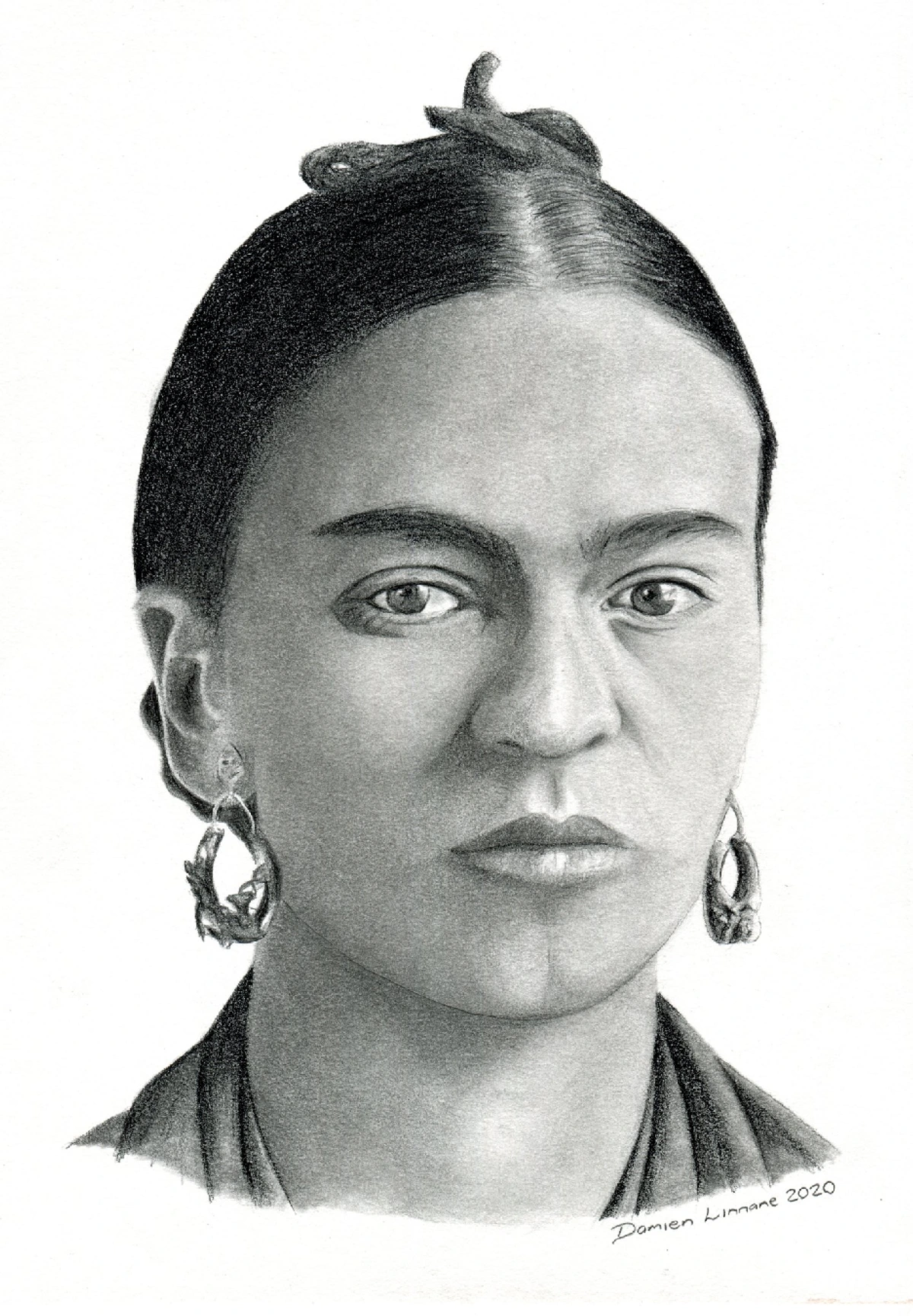
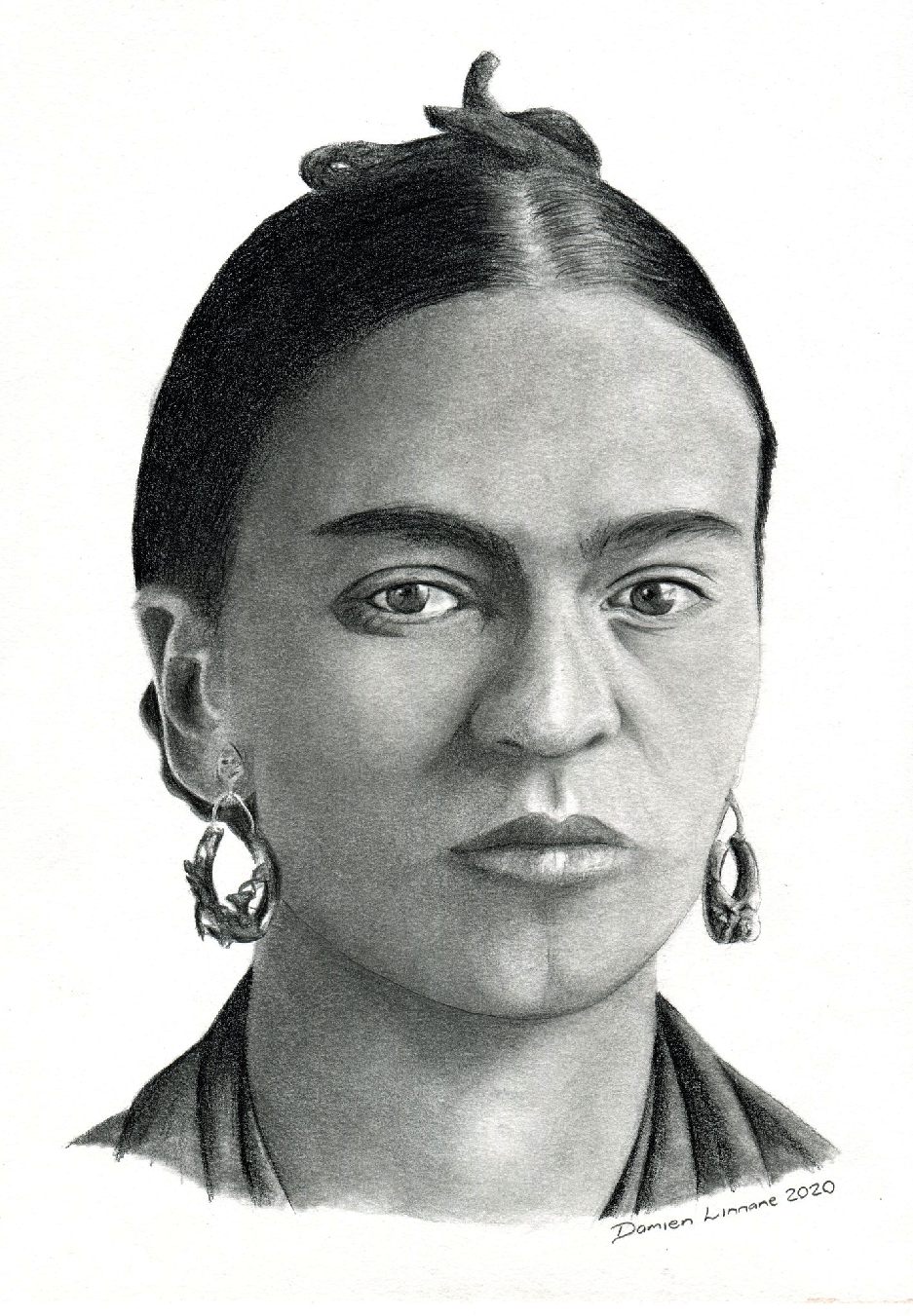
Perhaps no artist is more famously associated with disability than Frida Kahlo. Her early life was marked by immense physical hardship: contracting polio as a child left one leg shorter and thinner than the other, leading to a lifelong limp, and then, at age 18, she survived a horrific bus accident that caused severe injuries to her spine, collarbone, ribs, pelvis, and right leg. This catastrophic event, which included a metal handrail piercing her abdomen, fractured her spine in three places, dislocated her shoulder, and shattered her pelvis—leaving her in agonizing pain, necessitating dozens of surgeries and periods of immobilization throughout her life, often leaving her confined to bed in a full-body cast or a steel corset. Yet, instead of being consumed by her suffering, Kahlo channeled it directly into her art. This wasn't a detached artistic process; it was visceral, raw, and deeply personal, transforming her physical agony into universal emotional truths about pain, loss, identity, and resilience. Her art became both her diary and her liberation, a powerful act of self-expression in the face of profound physical constraints, using her unique experiences as the very foundation of her creative output. It’s almost as if her body became the canvas itself, forcing an intimacy with her pain that few artists have ever achieved.
Her expansive body of work is dominated by powerful self-portraits that unflinchingly depict her physical and emotional anguish. Canvases like The Broken Column (1944), where her torso is depicted as a crumbling classical column, and Without Hope (1945), a surreal exploration of forced feeding, are raw, often shocking, explorations of her lived reality. Henry Ford Hospital (1932) unflinchingly portrays her experience with miscarriage, while The Two Fridas (1939) delves into her dual identity and emotional pain. I find these particularly impactful because they don't shy away from the grotesque or the uncomfortable; they confront it head-on, almost daring you to look away. Her disability was not just a theme in her work; it became the very framework of her artistic identity, forcing her to paint from her bed for extended periods and, in a profound sense, literally making her own body the subject of her life's work. Beyond the intensely personal narrative, her art is rich with vibrant use of color, deep symbolism drawn from Mexican folk art and indigenous beliefs, and a fiercely independent spirit that still speaks volumes today. She consciously wove pre-Columbian mythology and traditional Mexican iconography into her visual language, creating a powerful fusion of autobiography and cultural identity, often reflecting her socialist political convictions and fierce nationalism, even participating in political demonstrations despite her physical limitations. This unflinching gaze she cast upon her own suffering created a visual language that remains incredibly powerful, deeply resonant, and highly influential in contemporary art and feminist discourse today, cementing her status as a pioneering figure who used her art as a potent tool for self-definition and social commentary. Her ability to externalize such profound internal pain into universally understood art truly continues to awe me, offering a blueprint for vulnerability as strength.

Vincent van Gogh (1853-1890): A Battle for Mental Health
While the exact diagnosis remains a subject of intense debate among art historians and medical professionals, Vincent van Gogh undoubtedly lived with severe mental health issues throughout much of his adult life. Speculations range from bipolar disorder and depression to epilepsy or even lead poisoning from his paints—a grim possibility given the pigments available in his era, where toxic pigments were common. What is undeniable, however, is that his profound emotional turmoil is vividly palpable in the expressive, almost frenetic brushstrokes and the vibrant, often jarring color palettes of his later, most iconic works. His canvases frequently feature impasto, thick layers of paint that create a tactile, almost sculptural surface, which I feel adds another layer of visceral emotion to his already intense imagery, making his psychological state almost physically present on the canvas. The famous incident where he mutilated his own ear after an argument with Gauguin is a stark, shocking testament to the severity of his struggles, a raw manifestation of his internal chaos, and a tragic example of the mental health crises he endured, often characterized by episodes of intense agitation, confusion, and despair. Historical accounts often highlight his unpredictable periods of intense lucidity and creative fervor interspersed with debilitating psychological crises and hospitalizations, making his unwavering dedication to painting all the more remarkable, and frankly, heartbreaking. It's a stark reminder that even in the throes of profound mental distress, the drive to create can persist with astonishing force. His mental health challenges often led to social isolation and misunderstandings, which in turn, seemed to deepen his introspective vision and connection to nature, transforming his internal battles into externalized visual poetry.

Works like The Starry Night (1889), painted from his asylum room in Saint-Paul-de-Mausole, transcend mere landscapes. They are powerful, almost hallucinatory, externalizations of his tumultuous inner world. The iconic swirling, dynamic energy of the cypress tree and the celestial sky isn't just an interpretation of nature; it reflects a mind in beautiful, chaotic motion, interpreting the world through the lens of heightened emotion and spiritual quest, making it one of the most recognizable and impactful works of Western art. You can almost feel the raw anxiety and visionary intensity pulsating through the canvas, a direct window into his mental landscape. His later works, like Olive Trees (1889-1890), painted during a period of relative calm but still within the asylum, demonstrate a profound connection to the natural world, infused with a spiritual energy that is almost unmatched. Other notable works from this period include Self-Portrait with Bandaged Ear (1889) and Wheatfield with Crows (1890), often interpreted as a premonition of his impending death, with its dark, agitated sky and tumultuous brushstrokes. His condition, whatever its specific medical label, allowed him to see and feel the world with an intensity that he translated onto the canvas, imbuing ordinary scenes with extraordinary psychological depth and forever changing the course of modern art, influencing subsequent generations of Expressionists and beyond. It’s a powerful, enduring reminder that sometimes, what society hastily labels as a 'disability' can, in fact, unlock unparalleled creative insight and a profoundly unique vision, pushing the boundaries of human expression, compelling us to look deeper into the interplay between psyche and canvas. His work makes me feel that intensity in my gut every time I see it, a true testament to the artist as a conduit for profound emotional truth.
Claude Monet (1840-1926): Painting Through Failing Sight
One of the undisputed founders of French Impressionism, Claude Monet dedicated his entire artistic life to capturing the fleeting, changing effects of light and atmosphere. His ambition was to depict the ephemeral beauty of the natural world, a task intimately tied to keen visual perception. So, imagine the crushing irony when, in his later years, he developed severe cataracts in both eyes, a condition that severely impaired his vision, causing blurriness, dullness of colors, and extreme light sensitivity. For a painter whose very essence was about seeing the world with unparalleled clarity and translating its ephemeral beauty, this could have easily been a career-ending diagnosis, a cruel twist of fate that would silence his artistic voice forever. I can only imagine the despair that must have set in initially, the world slowly fading from crisp detail to a hazy, blurred dream, making every brushstroke an act of immense will. It was a direct challenge to the very foundation of his artistic practice.
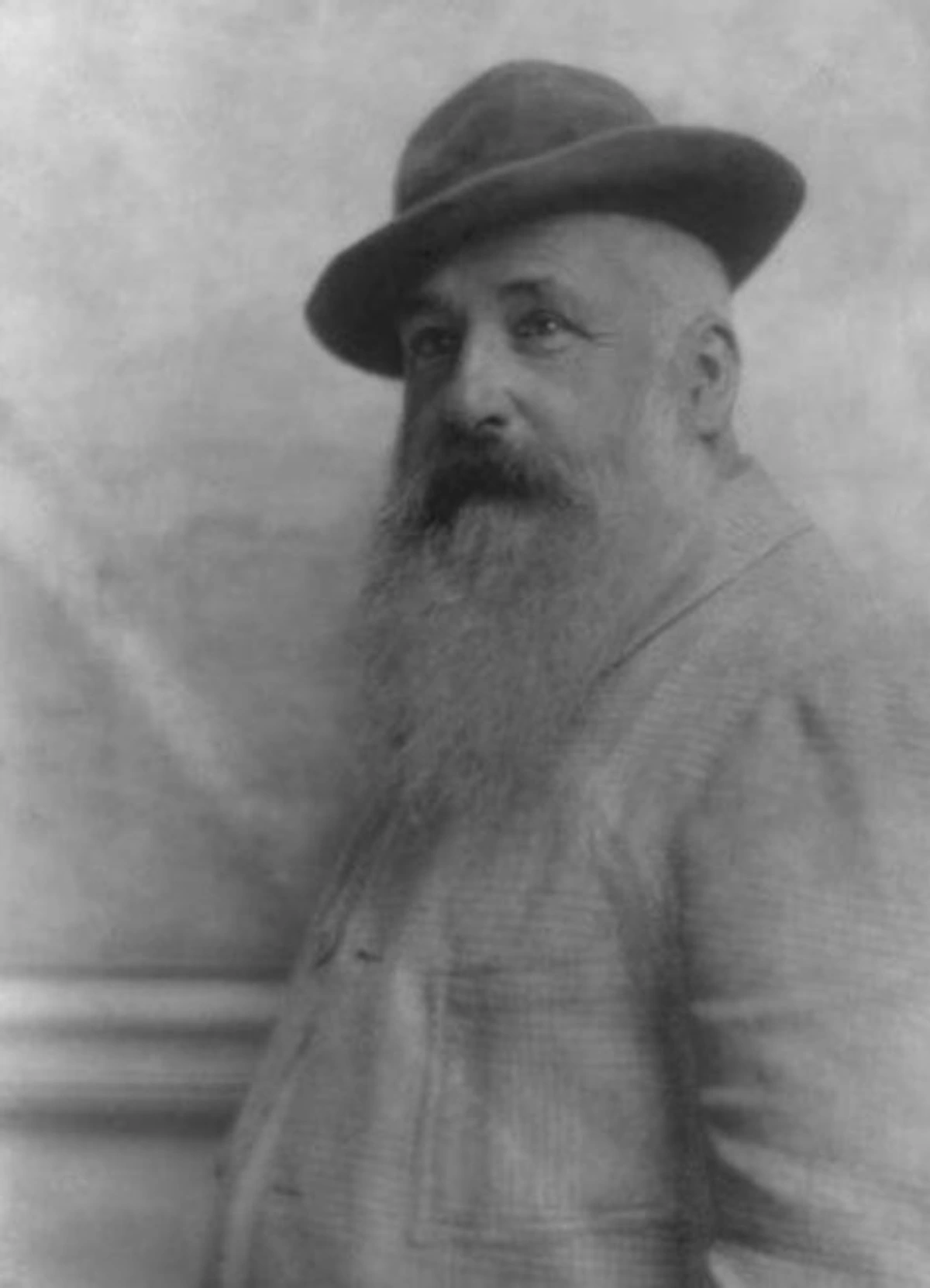
However, Monet, with characteristic tenacity and an unyielding commitment to his art, continued to paint. He even underwent two surgeries in 1923 to remove the cataracts, though the results were not entirely satisfactory and he often refused to wear the corrective glasses prescribed, finding that they distorted his perception even further. What's truly fascinating is how his failing eyesight didn't stop him; it arguably pushed his work further into abstraction, inadvertently carving out new paths to artistic innovation. His perception of color shifted dramatically as his cataracts worsened. Blues and greens, once distinct, became muddy, almost indistinguishable, blurring into murky tones, while reds and yellows appeared more vivid, intensely so, often with a brownish-orange cast—a phenomenon known as xanthopsia. This profound change is dramatically evident in his famous Water Lilies series, particularly the later works. The once crisp forms of the lilies and the water's surface become less distinct, dissolving into shimmering, almost chaotic, patches of pure color and light. The focus shifts almost entirely to broad, gestural strokes, demonstrating a reliance less on literal representation and more on memory, internal sensation, and raw emotional interpretation. These late works, born directly from his struggle, are now considered some of his most revolutionary, powerfully foreshadowing later abstract movements of the 20th century. It’s a remarkable testament to how physical limitations can inadvertently, or perhaps inevitably, open up entirely new avenues for artistic expression and innovation, truly challenging our preconceived notions of what 'seeing' actually means in art. He wasn't just painting what he saw; he was painting what he felt and remembered, creating a unique visual language of subjective experience.
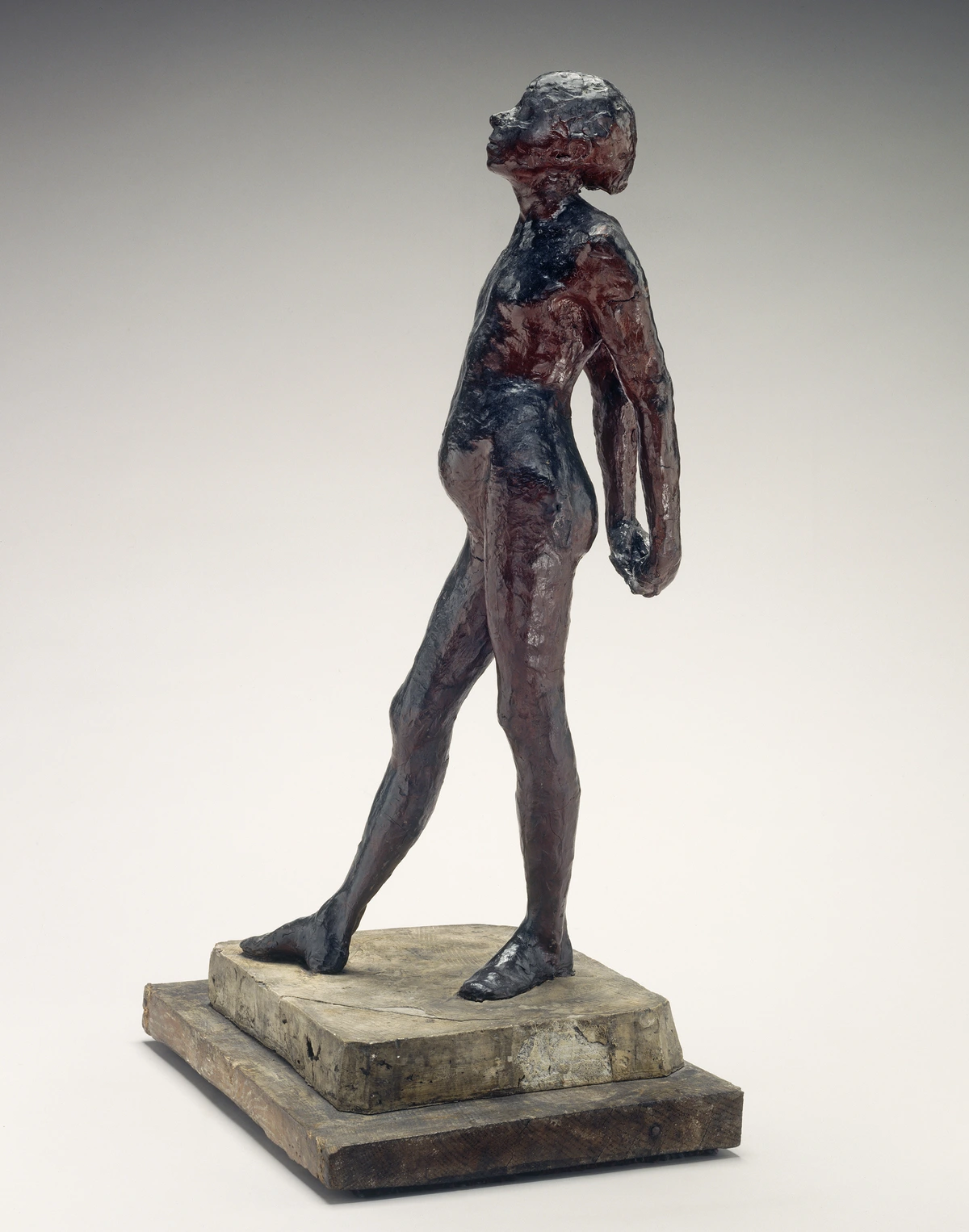
Edgar Degas (1834-1917): The Shifting Focus of Vision
While often celebrated for his vibrant depictions of ballet dancers and racehorses, Edgar Degas also contended with significant and progressively worsening eyesight throughout his career. This wasn't a sudden onset, but a gradual, relentless decline that began in his twenties and profoundly impacted his later work, particularly his ability to capture the fine details of his subjects. For an artist whose keen observational skills were paramount to capturing the subtle movements and intimate moments of modern life, this was an immense challenge. I can only imagine the profound frustration of a world slowly blurring, colors becoming less distinct, and fine details dissolving into generalized forms—a painter losing his most vital sense for his craft, forced to adapt his entire artistic methodology. This particular form of vision loss, potentially a retinopathy, often affects central vision, making detailed work increasingly difficult.
Initially, his condition caused extreme sensitivity to bright light, a medical condition known as photophobia, which led him to prefer working indoors and focusing on artificial light sources, such as gaslight and lamplight, and to explore intimate interior scenes like theaters and cafés, away from the harsh glare of direct sunlight. As his vision deteriorated further, especially affecting his central vision, he adapted by working in larger formats, using bolder, broader strokes, and relying more on his memory and tactile sense rather than direct visual observation. His later pastels and charcoal drawings, though less detailed than his earlier oils, gain an incredible emotional depth and raw energy. The forms become more generalized, the colors more vivid and less blended, pushing his art towards a more expressive, almost abstract quality, much like Monet in a different context. His bronze sculptures of dancers, too, became more prominent in his later years, allowing him to explore form and movement in a three-dimensional, tactile way when detailed painting became too arduous, showcasing his masterful understanding of anatomy and motion. This shift wasn't a concession; it was a profound evolution, forcing him to engage with his subjects on a deeper, more conceptual level. Degas’s journey, I think, powerfully illustrates how a physical challenge can, paradoxically, compel an artist to find new pathways to visual expression, transforming perceived limitations into unique artistic strengths, fundamentally altering their aesthetic towards a more subjective, powerful representation, and ultimately, enriching his legacy.
Henri Matisse (1869-1954): The Second Life of Paper Cut-Outs
In 1941, after undergoing extensive surgery for abdominal cancer, Henri Matisse found himself severely debilitated, left unable to stand for long periods or comfortably use an easel. Confined to a wheelchair, and increasingly reliant on assistants, the great painter and one of the pivotal leaders of the Fauvist movement could no longer engage with painting in the traditional, physically demanding sense. But, as I've observed time and again, a true artist doesn't simply stop when faced with such a monumental challenge; they adapt, they innovate. Instead of succumbing to despair, Matisse embarked on what he famously called his "second life," a period of profound artistic reinvention that would prove to be one of the most creatively fertile of his entire career. It’s a powerful illustration of how the artistic spirit, when truly ignited, will always find a way to manifest, even against seemingly insurmountable odds—a stubborn refusal to let the body define the spirit, transforming physical constraint into creative liberation.
Matisse, with the aid of his assistants, began creating vibrant, expansive compositions from paper cut-outs (or gouaches découpées), a technique that would become as iconic, if not more so, than his earlier paintings. The process involved painting large sheets of paper with brilliant gouache, which assistants would then cut into shapes under Matisse's precise direction. These forms were then arranged into large-scale, often monumental, works directly onto walls, or bound into books. Masterpieces from this period include The Snail (1953), an incredible orchestration of color and form, and his illustrated book Jazz (1947), which vibrantly captured his enduring love for music and movement, a true explosion of chromatic energy. This new medium, born directly from physical limitation, was a radical simplification of form and color, but it was also a profound philosophical statement. Yet, paradoxically, it represented a profound culmination of his life's work, stripping art down to its most essential, joyful, and often audacious elements, demonstrating his unwavering belief that color and line were the fundamental building blocks of artistic expression. He famously called the process "drawing with scissors," and it allowed him to continue creating art with undiminished energy, joy, and a profound sense of liberation, proving that true creativity knows no physical bounds and can even be intensified by seemingly restrictive circumstances. It makes me wonder what limits I might be able to turn into new freedoms in my own work, finding a new kind of creative fluency.
Chuck Close (1940-2021): Reinventing Portraiture
Chuck Close first rose to fame in the late 1960s for his monumental, hyper-realistic portraits, often monumental in scale. What many don’t realize is that even before his life-altering event, Close already navigated significant challenges, living with severe dyslexia. This learning disability, which made him struggle profoundly in traditional academic settings, paradoxically seemed to free him in art, fostering a unique way of processing visual information and recognizing patterns, allowing him to break down complex images into manageable components, much like a meticulous grid. This pre-existing cognitive difference, I believe, actually laid the groundwork for his later adaptive techniques. He once said, “I don’t have good hand-eye coordination. I am not a good draftsman. I am not a particularly good painter.” Yet, he meticulously created photographic realism, a style often associated with Photorealism. Then, in 1988, a sudden spinal artery collapse left him a quadriplegic, paralyzing him from the neck down. It was a devastating blow, yet, in true artist fashion, it proved to be a catalyst for reinvention, a moment that could have ended his career but instead reshaped it, forcing him to reimagine his entire artistic process.
Determined to continue working, Close adapted his process with remarkable, almost defiant, ingenuity. With a brush strapped to his wrist, and often utilizing a specialized motorized easel that allowed him to move the canvas, he began painting in a completely new, revolutionary style. Instead of the meticulous photorealism that defined his earlier career, he now created his monumental portraits using a grid system, meticulously filling each small cell with abstract, colorful marks—circles, squares, squiggles, even fingerprints. The magic, as I see it, lies in the perception: from a distance, these individual, seemingly disparate cells brilliantly cohere into a recognizable face, a stunning testament to the power of human perception and optical mixing, much like how a digital image is composed of individual pixels. But up close, they remain distinct abstract paintings, mini-compositions in themselves, inviting a different kind of engagement, a conceptual dance between the macro and the micro, exploring the very mechanics of perception. His disability didn't just alter his career; it forced a complete, radical reinvention of his technique, leading to a body of work that is arguably even more complex, conceptually rich, and widely celebrated than his earlier pieces. It’s a powerful, inspiring example of how profound limitations, when met with unwavering artistic will, can lead to unforeseen breakthroughs and a deeper exploration of the very nature of art and perception, challenging us to consider how we truly 'see' and interpret the world, and indeed, what constitutes a 'portrait.'
Francisco Goya (1746-1828): The Silence of the Black Paintings
Francisco Goya, while not strictly a Romantic artist himself, deeply influenced the movement with his intensely emotional and often dark works. The renowned Spanish court painter suffered a severe, mysterious, and undiagnosed illness in 1793 that left him profoundly deaf. This sudden and total loss of hearing dramatically impacted his life, plunging him into a world of oppressive silence, and perhaps even more profoundly, irrevocably altered his art. Cut off from society’s chatter and the world of sound, Goya retreated inward, and his work underwent a radical, often unsettling, transformation, becoming more personal, psychological, and socially critical. This isolation, I believe, stripped away external pleasantries and forced him to confront the darker truths of existence. It's a stark reminder of how deeply our sensory experiences shape our perception and, by extension, our entire creative output, sometimes stripping away external distractions to reveal a raw inner landscape.
His later period, particularly the haunting Black Paintings (1819-1823), executed directly onto the walls of his farmhouse, known as Quinta del Sordo (House of the Deaf Man), are a direct and visceral testament to this isolation and profound psychological turmoil. These aren't pleasant pieces; they are dark, unsettling, and profoundly introspective works, a stark and often shocking contrast to the earlier, more conventional portraits and religious commissions that had defined much of his career. Works like Saturn Devouring His Son, depicting the gruesome act of a god consuming his child, and The Witches' Sabbath, with its grotesque figures and eerie atmosphere, are prime examples of this terrifying vision. The tumultuous political climate of Spain, marked by the repressive reign of Ferdinand VII and the aftermath of the Napoleonic Wars, undoubtedly fueled his disillusionment, which poured into these canvases. They depict terrifying mythological scenes, macabre witches' sabbaths, and desperate human struggles, reflecting a profound disillusionment with humanity, the brutalities of war, and the socio-political realities of his time. Goya’s deafness seems to have forced him to rely almost entirely on his internal world—his imagination, his memories, and his fears—giving birth to a body of work that is not only considered some of the most powerful and influential in art history but also deeply unsettling, even today, serving as a raw commentary on the darker aspects of the human condition, an unflinching gaze into the abyss. It's almost as if, in the absence of external sound, the internal cacophony became his primary muse, shaping a unique visual lexicon of despair and moral critique, pushing him towards a radical subjectivity previously unseen in Western art.

Leonardo da Vinci (1452-1519): The Unfinished Genius of Divergent Thinking
Leonardo da Vinci, the quintessential Renaissance master, is celebrated globally for his unparalleled genius across art, science, and invention. He was, in essence, the ultimate polymath, embodying the Renaissance ideal of the "universal man." However, modern researchers, applying contemporary understanding to historical records, have proposed that Leonardo may have navigated what we now understand as dyslexia and ADHD (Attention-Deficit/Hyperactivity Disorder). While such diagnoses are, by their very nature, retrospective and thus speculative, the circumstantial evidence is surprisingly compelling and offers a fascinating new lens through which to view his extraordinary mind and his incredibly diverse, often seemingly disparate, endeavors. For instance, his mirrored handwriting, a practice of writing from right to left that required a mirror to read, is a particularly intriguing clue.
His famous mirrored handwriting (writing from right to left, a personal script that required a mirror to read easily, perhaps a way to protect his innovative ideas or simply a natural manifestation of his visual processing) is often cited as a key potential indicator of dyslexia, a condition affecting reading and writing, which can affect visual processing. Furthermore, his famously prolific yet often incomplete nature—starting countless projects across diverse fields like painting, anatomy, engineering, and botany, but often leaving them unfinished, jumping between disciplines, and constantly exploring new, unrelated ideas—aligns remarkably with characteristics commonly associated with ADHD, such as hyperfocus, impulsivity, and a constant need for novel stimulation. Think of his meticulously detailed flying machine designs, his anatomical drawings that rival modern medical texts, or his meticulous botanical studies, all alongside masterpieces like the Mona Lisa. But here's the kicker, and what I find truly thought-provoking: rather than being hindrances, these traits may have been absolutely integral to his incredible, almost unparalleled, creativity and his ability to think so profoundly outside the box. His boundless curiosity, his innovative approach to problem-solving, and his unique ability to connect seemingly disparate fields might have been precisely because his mind worked differently, unconstrained by conventional thought patterns. It strongly suggests that what might be perceived as a 'disability' in one context can, in another, be the very engine of genius, offering a distinct advantage, a true testament to neurodiversity's potential and the varied ways human intelligence can manifest. It makes me wonder how many 'unfinished' projects are actually just stepping stones to the next great idea, a hallmark of a mind always moving forward, always seeking the next intellectual adventure, constantly iterating and refining his understanding of the world.

Pierre-Auguste Renoir (1841-1919): The Unyielding Brush
Pierre-Auguste Renoir – one of the central figures of Impressionism – painted prolifically throughout his life, but his later years were marked by severe rheumatoid arthritis. This debilitating condition caused progressive deformation of his hands and joints, leading to excruciating pain and significant physical limitations, eventually forcing him into a wheelchair. Imagine trying to hold a brush, let alone execute delicate strokes or vigorous impasto, when your fingers are gnarled and stiff. Yet, Renoir famously refused to stop. He adapted his technique with astonishing resilience, having brushes tied to his hands when he could no longer grip them, and painting with a determination that transcended his physical suffering. His focus shifted somewhat in his later work, often depicting voluptuous nudes and serene landscapes, imbued with a vibrant sensuality that belied his personal agony. These late works, characterized by looser brushwork and a more expansive use of color, are a profound testament to the enduring power of the artistic spirit to find expression even when the body rebels. It truly showcases how the internal drive to create can overcome almost any physical barrier, twisting adversity into a unique artistic style. His later work proves that the essence of art lies not just in dexterity, but in vision and an unwavering will.
Other Inspiring Artists: Expanding the Narrative
While we've delved into some of the most prominent examples, the tapestry of art history is woven with countless other stories of resilience and creation in the face of adversity. These artists further illustrate how personal challenges can fuel unparalleled artistic vision, reminding us that genius truly comes in all forms.
Michelangelo (1475-1564): Sculpting Through Joint Pain
It’s hard to imagine the physical toll involved in creating monumental works like David or painting the vast expanse of the Sistine Chapel ceiling. The great Renaissance master Michelangelo, despite his Herculean output, likely suffered from severe osteoarthritis in his hands and other joints, particularly affecting his dominant right hand. This debilitating condition would have caused immense pain, stiffness, and limitation, particularly for someone whose artistry demanded such intense physical exertion in carving marble, hammering chisels, and painting frescoes in often uncomfortable, contorted positions for decades. Imagine working overhead on the Sistine Chapel ceiling for years, with paint dripping into your eyes, or tirelessly chipping away at a block of marble to reveal the Pietà or David from a raw stone, feeling every ache in your joints. Yet, with an almost unbelievable willpower and dedication, he continued to sculpt and paint masterpieces until his death at the remarkable age of 88. Interestingly, his later drawings often depict figures with exaggerated, powerful hands, which some art historians interpret as a subconscious reflection of his own physical struggles, transforming his personal pain and the visible effects of arthritis into a source of expressive power in his subjects, emphasizing their strength and struggle. It’s a powerful testament to enduring creative fire, a stubborn refusal to let the body dictate the spirit's ambition, and a profound example of artistic perseverance—a true definition of turning struggle into profound artistic statement. His enduring legacy stands as a monumental triumph of will over bodily decay.
Edvard Munch (1863-1944): The Scream of Inner Turmoil
Known globally for The Scream, Edvard Munch battled lifelong struggles with anxiety, depression, and alcoholism. His childhood was marked by profound tragedy, including the early deaths of his mother and sister from tuberculosis, and another sister institutionalized for mental illness. These profound personal and family mental health challenges were not merely background noise to his art; they became the thematic core of his intensely psychological and groundbreaking Expressionist art. Munch’s work externalized the raw emotions of fear, isolation, and anguish that he experienced, making visible the invisible landscapes of the human psyche. He explored themes of love, sickness, and death with a brutal honesty that was revolutionary for its time, often using vivid, unsettling colors and distorted figures to convey his psychological state. His iconic work, The Scream, with its haunting, elongated figure clutching its head against a swirling, blood-red sky, is a potent symbol of universal anxiety and a direct window into his personal torment, creating a powerful legacy that continues to resonate with contemporary anxieties, making us confront our own internal struggles and the universal aspects of human suffering. Other works like Melancholy, which captures a profound sense of sadness and alienation, and Death in the Sickroom, a poignant depiction of family grief, further illustrate his preoccupation with themes of loss and existential angst, cementing his status as a pioneer in expressing psychological states through art. It’s a powerful example of how deeply personal pain can become a universally understood visual language, laying the groundwork for much of 20th-century art that delved into the human psyche.
Agnes Martin (1912-2004): The Serenity of Schizophrenia
A key figure in Minimalism, Agnes Martin lived with schizophrenia throughout much of her adult life. She often described her art as coming from internal visions and emotional inspiration, believing her canvases were reflections of perfect, abstract states. Her serene, grid-based paintings, characterized by delicate lines and subtle washes of color, were a way of mapping these internal, non-verbal experiences, a visual diary of her search for order and tranquility amidst internal chaos. For Martin, art was a conduit for transcending the difficulties of her condition, a pursuit of innocence and beauty that offered both herself and viewers a sense of peace and transcendence, a quiet rebellion against the disorder she experienced. She meticulously hand-drew thousands of thin lines to create her subtle grids, an act of repetitive focus that was both meditative and highly controlled, a profound counterpoint to the unpredictable nature of her illness, and a way to manifest her search for perfection and absolute freedom, almost as if constructing a visual refuge. It's a powerful reminder that even in the face of profound internal struggles, the drive to create beauty, order, and meaning can provide a profound anchor and a path to self-expression, offering solace not just to the artist, but to those who encounter her work. Her work invites a deep contemplation, a calm within the storm.
Yayoi Kusama (b. 1929): Infinite Obsession
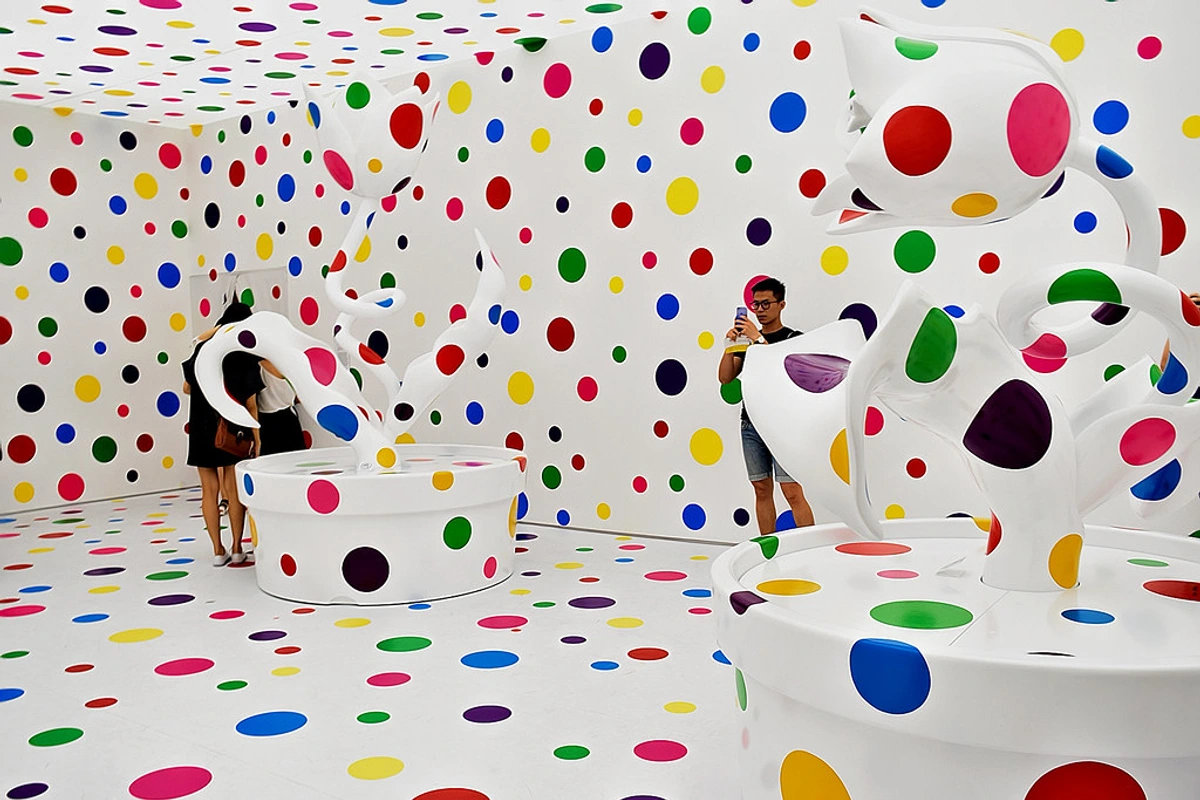
One of the most recognizable and globally celebrated contemporary Japanese artists, Yayoi Kusama has voluntarily lived in a psychiatric institution since 1977, choosing this environment as a space for both healing and continuous creation. Her art is her primary means to cope with lifelong hallucinations and obsessive-compulsive disorder, which have been a constant presence since childhood. Her iconic dots, nets, and infinity rooms are not merely aesthetic choices; they are direct, visual representations of the visions she experiences, particularly a profound sense of self-obliteration within infinite patterns and the universe expanding into endless repetition, often referred to as 'obliteration art'. The polka dots, for instance, emerged from childhood hallucinations where the world seemed to be covered in them, and painting them became a way to externalize and, in a sense, control these overwhelming visions. Her Infinity Mirror Rooms, such as Phalli's Field or Fireflies on the Water, are immersive environments that transport viewers into her hallucinatory world, allowing them to experience her internal landscapes firsthand, a truly unique invitation to step into another's mind, making her a pioneer in immersive art. Kusama's prolific and diverse body of work is a testament to the power of turning intensely personal, internal struggles into universally engaging, profoundly beautiful, and often playful public art. She invites viewers into her unique perception of reality, creating immersive experiences that resonate deeply and challenge our understanding of space and self. It's a powerful and deeply moving example of how art can transform personal struggle into a shared human experience, connecting us through the universal language of visual wonder, a powerful act of creative resilience and vulnerability. She truly makes me consider how much of our reality is subjective, and how art can bridge those gaps. Her impact extends beyond the art world, influencing fashion, music, and popular culture globally.
Adaptation and Ingenuity: The Power of Creative Workarounds
I find it endlessly inspiring how these artists, when faced with profound physical or mental limitations, didn’t just give up. Instead, they innovated, adapted, and in many cases, fundamentally reinvented their entire artistic practice. It’s almost as if the restriction itself became a powerful catalyst for an entirely new way of seeing, a novel method of making. Think about it for a moment: when your usual tools or tried-and-true methods are no longer viable, your brain is almost forced to find a workaround, to rethink the very fundamentals of your craft. This isn't just problem-solving; it's a profound leap of creative imagination, a testament to the boundless capacity of the human mind to find novel solutions, a true exercise in adaptive creativity.
What we see across these diverse stories is a powerful pattern of artistic reinvention through necessity. Whether it was Matisse's "drawing with scissors" from his wheelchair, Close's grid-based system born from paralysis, or Goya's retreat into a profoundly internal, dark style due to deafness, these aren't just mere workarounds. They are fundamental shifts in artistic methodology and conceptualization that pushed the very boundaries of what art could be, and crucially, how it could be made. This process isn't just about finding a new technique; it's about a profound cognitive reframing, where the perceived weakness becomes a unique strength, leading to stylistic innovations that might never have emerged otherwise, and proving that resourcefulness is a cornerstone of artistic genius. These artists exemplify the idea that creativity isn't solely about freedom from constraints, but often flourishes because of them, forcing a deeper engagement with materials, concepts, and self. It’s a powerful, humbling lesson in how constraints can, surprisingly, be the very things that set our creativity free and force us to discover new, unimagined paths, fostering a deeper, more resilient artistic identity and proving that innovation often thrives under pressure. It's almost like the universe is saying, "Okay, you can't go that way, but look at all these other incredible paths you never even considered!"## A Tapestry of Resilience: Comprehensive Artist Overview
To truly grasp the breadth of impact and ingenuity, I think it's incredibly helpful to consolidate these remarkable journeys into a single, comprehensive overview. This table serves as a quick reference, highlighting the core challenges faced by each artist and the profound ways those experiences shaped their indelible contributions to art history, offering a snapshot of their extraordinary resilience.
Artist  | Disability/Challenge | Impact on Art / Innovation | Key Works / Style |
|---|---|---|---|
| Frida Kahlo | Polio, severe accident injuries, chronic pain | Transformed suffering into visceral, raw, deeply personal, and symbolic art; body as central subject; pioneer of feminist art and self-representation. | Self-portraits (The Broken Column, Without Hope, The Two Fridas), Mexican folk art influence, Surrealism. |
| Vincent van Gogh | Bipolar disorder, depression, epilepsy (speculative) | Externalized inner turmoil through expressive, frenetic brushstrokes, vibrant, jarring color palettes, and psychological landscapes. | Landscapes (The Starry Night, Olive Trees, Wheatfield with Crows), Post-Impressionism, Expressionism, psychological depth. |
| Claude Monet | Cataracts (failing eyesight), xanthopsia | Pushed towards abstraction, forms dissolving, focus on broad strokes of color and light, relying on memory and emotion; pioneered serial painting. | Later Water Lilies series, Impressionism, proto-abstraction, Nymphéas. |
| Henri Matisse | Confined to wheelchair after cancer surgery, abdominal cancer | Developed "cut-out" technique (gouaches découpées); radical simplification of form and color, culmination of his life's work, "drawing with scissors." | The Snail, Jazz, Fauvism, simplified forms, Chapel of the Rosary. |
| Chuck Close | Dyslexia, quadriplegia (spinal artery collapse) | Reinvented portraiture from meticulous photorealism to grid-based abstract marks coalescing into recognizable faces; explored perception. | Hyper-realistic portraits, grid technique, optical effects, large-scale prints, contemporary art. |
| Francisco Goya | Profound deafness, mysterious illness | Retreat into introspective, dark, and unsettling themes, reflecting disillusionment with humanity, war, and societal brutality. | Black Paintings (Saturn Devouring His Son, The Witches' Sabbath), Romanticism, social critique. |
| Leonardo da Vinci | Dyslexia, ADHD (speculative), ambidexterity | Boundless curiosity, innovative problem-solving, ability to connect disparate fields, "unfinished genius," scientific observation, mirrored writing. | Mona Lisa, The Last Supper, anatomical drawings, diverse projects across art and science, Renaissance polymath. |
| Michelangelo | Severe osteoarthritis, joint pain | Continued monumental works despite immense pain; physical struggle perhaps influencing depiction of powerful, expressive hands and heroic forms. | David, Sistine Chapel ceiling, Pietà, Renaissance sculpture and painting. |
| Pierre-Auguste Renoir | Severe rheumatoid arthritis, progressive physical deformation | Adapted techniques (brushes tied to hands, painted from wheelchair); shifted focus to voluptuous nudes and serene landscapes, expressing sensuality despite pain. | Later Impressionist works, Bathers series, vibrant color palettes, fluid brushwork, post-Impressionist leanings. |
| Edvard Munch | Anxiety, depression, alcoholism, familial mental illness | Thematic core of intensely psychological Expressionist art, externalizing raw emotions of fear, isolation, anguish, and existential dread. | The Scream, Expressionism, explored love, sickness, death (Death in the Sickroom, Melancholy). |
| Agnes Martin | Schizophrenia | Serene, grid-based Minimalist paintings, mapping internal visions, pursuit of innocence and beauty, transcendence, meditative lines. | Grid paintings, Minimalism, subtle washes of color, abstract art, post-painterly abstraction. |
| Yayoi Kusama | Hallucinations, obsessive-compulsive disorder | Direct translation of internal visions (dots, nets, infinity) into immersive, universally engaging public art; 'obliteration art.' | Infinity Rooms, dot paintings, immersive installations, Pop Art, conceptual art, performance art. |
| Edgar Degas | Progressive eyesight degeneration, photophobia | Adapted by working in larger formats, bolder strokes, relying on memory and tactile sense; increased focus on sculpture and interior scenes. | Later pastels and drawings, bronze sculptures of dancers (Little Dancer Aged Fourteen), Impressionism, Realism. |
What can we learn from the stories of these artists?
The stories of these artists are incredibly rich with lessons, aren't they? I think the most important takeaway for me is the extraordinary, almost unyielding, power of resilience and the sheer force of the human creative spirit. They show us, unequivocally, that limitations are not always impenetrable barriers. In fact, more often than not, they can be powerful catalysts for profound innovation and incredibly unique perspectives. Their individual journeys teach us so much about the adaptability of the mind and body, and how a fundamentally different way of experiencing the world—what we might now call neurodiversity or varied physical experiences—can lead to some of the most powerful and enduring art the world has ever seen. It really challenges us to look beyond conventional, often rigid, notions of 'ability' and to truly appreciate the diverse, vibrant tapestry of human experience that enriches our cultural landscape. It makes me wonder, what limitations might I be unknowingly transforming into opportunities in my own creative process, or even just in my daily life? It's a thought that keeps me going, a constant whisper to embrace difference as a wellspring of strength and a unique vantage point, fostering a deeper, more inclusive understanding of genius.
Contemporary Voices: Artists Continuing the Legacy
Are there contemporary artists with disabilities who continue this legacy?
Absolutely! The legacy of artists transforming their challenges into profound creative output continues vibrantly with many contemporary artists today. I find it endlessly inspiring to see new generations building upon this foundation and pushing the boundaries even further. For instance, Stephen Wiltshire, an autistic savant, is internationally famous for his incredible ability to draw entire, intricate cityscapes from memory after only a single, brief helicopter ride. His memory and precision are breathtaking, allowing him to capture minute architectural details—from individual windows to complex building facades—that most eyes would miss, offering a truly unique and intricate perspective on urban landscapes, often depicted in sweeping panoramic views. Then there’s John Bramblitt, who, after losing his sight due to complications from epilepsy in 2001, began creating vibrant, tactile paintings by distinguishing different colors through touch, relying on texture and consistency. He developed his own unique system of raised lines and textured paints to navigate his canvases, demonstrating a truly remarkable adaptation of technique and sensory perception, essentially teaching himself to 'see' through touch and translate sensory input into vivid visual compositions. Amanda Matthews, a sculptor, despite dealing with spinal issues, creates powerful works that explore the human form and resilience, often engaging with themes of strength and vulnerability. Another compelling example is Alison Lapper, a British artist born with phocomelia (a condition causing shortened limbs), who creates striking sculptures and portraits that powerfully celebrate the human form in all its diversity, often using herself as a model. Her work challenges conventional notions of beauty and ability, reclaiming the disabled body as a subject of strength, grace, and artistic power, famously depicted in Marc Quinn's sculpture of her during pregnancy. We can also look at Christine Sun Kim, a deaf sound artist whose work challenges hearing-centric notions of sound, translating her experience of deafness into visual and conceptual art forms, often through drawings, performances, and installations. Her art forces us to 'listen' in new ways, exploring concepts like "captioning as a form of art," the social politics of sound, and the physicality of listening, effectively giving visual and physical form to a sensory experience often misunderstood by the hearing world. Also worth noting is Ron Amir, a blind photographer whose work explores themes of vision, memory, and perception through unconventional methods, creating compelling images that challenge sighted viewers' assumptions about visual experience. These artists, among countless others globally, continue to push boundaries and enrich the art world with their unique talents and perspectives, powerfully demonstrating that creativity is truly boundless and adaptable across all forms of human experience. They remind us that the conversation about art and disability is ongoing and ever-evolving, constantly redefining what's possible and what it means to be an artist. It's truly a thrilling time to witness this ongoing evolution, as artists continue to redefine what it means to create and experience art in a truly inclusive world.









The Evolving Dialogue: Disability, Art History, and the Future of Inclusion
Historically, I've noticed that discussions of disability in art were often, and rather unfortunately, framed through a narrow lens of tragedy, pity, or even purely medical curiosity. The focus was predominantly on the 'suffering artist,' emphasizing their challenges as impediments to be heroically 'overcome,' rather than seeing them as integral, formative elements of their unique perspectives and artistic voices. However, modern art history and the burgeoning, vital field of disability studies are increasingly and critically re-evaluating these traditional, often reductive, narratives. There's a growing understanding that disability isn't just a personal struggle or a medical condition; it’s a profound and multifaceted cultural phenomenon that deeply shapes identity, informs experience, and, crucially, profoundly influences artistic expression, offering unique insights into the human condition. This pivotal shift moves us from a purely medical model of disability to a more inclusive social and cultural model, recognizing systemic barriers and societal attitudes rather than individual impairments and actively working to dismantle them. It's a fundamental change in perspective that I believe is essential for a truly equitable and comprehensive understanding of art history and contemporary art, challenging us to look beyond simplistic narratives of 'heroic overcoming.'
Contemporary scholars now emphasize how unique embodied experiences can be a powerful source of artistic strength, innovation, and a distinct lens through which to interpret the world, rather than solely an impediment. This vital shift encourages a far more nuanced, respectful, and celebratory appreciation of the diverse contributions of artists with disabilities throughout history and right up to today. It’s about recognizing their artistic agency—their ability to shape their own narratives and exert control over their creative output—their inherent worth, and the richness their perspectives bring to the broader cultural landscape, rather than merely focusing on their condition. This includes robust advocacy for greater physical and programmatic accessibility in galleries and museums, and actively ensuring diverse voices are represented in curation, scholarship, and leadership roles within the art world. And honestly, I think it’s a perspective that not only makes for much richer art history but also cultivates a more inclusive, dynamic, and truly representative artistic dialogue overall. It's about recognizing that diversity, in all its forms, is a profound asset to the creative world. This broader lens helps us uncover previously overlooked narratives and appreciate the full spectrum of human creative potential.
Frequently Asked Questions (FAQ)
I often get asked about the practicalities and broader implications of artists working with disabilities. So, to cover some common inquiries, I've put together a quick FAQ to delve into some frequently asked questions that illuminate the nuances of this inspiring topic.
Q1: What is the role of technology in supporting artists with disabilities today?
A: Technology has become an absolute game-changer, opening up previously unimaginable avenues for artistic expression! From specialized motorized easels for painters with mobility issues to advanced voice-activated software for digital artists, and haptic feedback devices that allow blind sculptors to 'feel' their creations through vibrations or textures, innovation is constantly creating new possibilities. Think about virtual reality (VR) and augmented reality (AR) tools that allow artists with physical limitations to create immersive digital worlds with subtle movements, or specialized drawing tablets that adapt to different levels of dexterity and provide programmable shortcuts. Even basic adaptive tools, like modified paintbrushes or ergonomic art supplies, can make a profound difference. These tools effectively level the playing field, allowing artists to bypass physical barriers and focus purely on their creative vision. It's an incredibly exciting frontier that continues to expand the very definition of who can be an artist and how art can be made, fostering a new era of inclusivity and pushing the boundaries of artistic practice. For example, eye-tracking technology allows artists with limited motor control to paint or draw using only their gaze, translating their intent directly onto the canvas or screen.
Q2: How has the perception of disability in art changed over time?
A: As we've discussed throughout this article, historically, the perception of disability in art often focused narrowly on 'overcoming' challenges or solely on the purely medical aspect. It was a rather limited and often pitying view, sometimes even exoticizing or marginalizing the artists, reducing their complex identities to their conditions. However, thanks to the exponential growth of disability studies as an academic field and a much more inclusive cultural dialogue, the focus has profoundly shifted. We now increasingly recognize disability as a legitimate source of unique perspective, innovation, and a powerful, distinct lens for artistic expression. It's truly about celebrating diversity and the rich tapestry of human experience, rather than lamenting perceived deficiency, which I find incredibly liberating and deeply enriching for the art world as a whole. We're moving towards a model where difference is seen as a generative force, contributing unique aesthetic and conceptual insights, moving beyond mere tolerance to genuine appreciation.
Q3: What is 'artistic agency' in the context of artists with disabilities?
A: Artistic agency refers to the artist's ability to exert control and intention over their creative process, their aesthetic choices, and the overarching message of their work, fundamentally dictating their own artistic journey. For artists with disabilities, recognizing their agency is absolutely crucial. It means valuing their unique voice and perspective as central to their artistic identity, rather than viewing their work solely through the reductive lens of their condition or reducing their art to a mere byproduct of their struggles. It's a profound recognition of their inherent worth, intellectual contribution, and creative autonomy as creators, emphasizing their active role in shaping meaning and challenging societal perceptions of both art and disability, moving beyond notions of 'inspiration porn' to acknowledge genuine creative achievement. It's about empowering the artist, not pitying them.
Q4: Where can I learn more about contemporary artists with disabilities or support their work?
A: There are many wonderful organizations dedicated to promoting and supporting artists with disabilities, such as the National Endowment for the Arts (NEA) in the US, Arts Council England, Arts Access Australia, or various regional arts councils that often have specific programs. I encourage you to seek out local art galleries and museums that highlight inclusive exhibitions—you might be surprised by the incredible talent in your own community! Online platforms and specialized art collectives, like the Disability Art and Culture Project, Art Beyond Sight, or Creativity Explored, often showcase the incredible talent in this space. I always recommend digging a bit deeper; you'll find a wealth of inspiring artists contributing uniquely to the global art dialogue. Supporting them through purchasing their art, attending their shows, or simply sharing their stories helps amplify their voices and enrich the art world as a whole. It's a powerful way to contribute to a more inclusive artistic landscape, and frankly, you'll discover some truly groundbreaking work!
Q8: How does neurodiversity intersect with artistic expression?
A: Neurodiversity refers to the natural variations in the human brain regarding sociability, learning, attention, mood, and other mental functions. In the context of artistic expression, it means recognizing that conditions like autism, ADHD, dyslexia, and others aren't necessarily deficits but can be different ways of processing information that lead to unique creative strengths and insights. For example, an artist with autism might have an exceptional eye for detail or pattern recognition, while an artist with ADHD might excel at rapidly generating novel ideas or embracing non-linear thinking. It's about appreciating that these different cognitive styles can unlock unparalleled creative approaches, distinct aesthetic sensibilities, and fresh perspectives that enrich the art world immensely, challenging conventional notions of talent and creative process.
Q6: What is the importance of inclusive language when discussing artists with disabilities?
A: The language we use profoundly shapes perception. Employing inclusive language means moving away from outdated or stigmatizing terms and embracing person-first language (e.g., "artist with a disability" rather than "disabled artist," though some in the disability community prefer identity-first language to highlight their disability as a core part of their identity). It also means focusing on the artist's agency, talent, and contributions, rather than solely their condition. This shift in vocabulary helps dismantle biases, promotes respect, and ensures that the narrative around artists with disabilities is empowering and affirming, reflecting a more nuanced and respectful understanding of their identities and their work.
Q5: How do museums and galleries ensure accessibility for artists and viewers with disabilities?
A: This is such an important question, and I'm glad you asked it! Modern museums and galleries are increasingly prioritizing accessibility, moving beyond mere physical ramps. This includes providing audio descriptions for visually impaired visitors, tactile exhibits for a multi-sensory experience, sign language interpretation and closed captions for video art, and accessible digital content for online engagement, including screen reader compatibility and keyboard navigation. Beyond physical spaces, there's a growing focus on inclusive programming, employing staff with diverse backgrounds, and ensuring the stories of artists with disabilities are authentically represented in curation and educational materials. Many institutions now offer sensory-friendly visiting hours, or workshops specifically designed for neurodiverse audiences. It's an ongoing, vital effort to make the art world truly welcoming to everyone, reflecting a broader commitment to equity and inclusion that I find incredibly encouraging. This holistic approach ensures that art is not just seen, but truly experienced by all.
Q9: What are some common misconceptions about artists with disabilities?
A: One of the most common misconceptions is that their art is only about their disability, or that their work is solely a form of therapy. While personal experience often informs art, reducing an artist's entire oeuvre to their condition diminishes their broader artistic intent, skill, and conceptual depth. Another misconception is that artists with disabilities are seeking pity or are inherently "inspirational" simply for creating work—this often falls into the trap of "inspiration porn," which objectifies individuals for the benefit of others, rather than recognizing their artistic agency and achievements on their own merits. It's crucial to remember that their art, like all art, should be judged on its aesthetic, conceptual, and technical qualities, with their lived experience being one of many rich influences, not the sole defining characteristic. A third misconception is that all artists with disabilities are automatically 'disabled artists' whose work must address disability, which limits their creative scope.
Q7: Are there legal protections or rights for artists with disabilities?
A: Absolutely. Many countries have robust legislation designed to protect the rights of people with disabilities, including artists. In the United States, for example, the Americans with Disabilities Act (ADA) ensures equal opportunity for individuals with disabilities in public accommodations, employment, transportation, and state and local government services. This means museums, galleries, and art institutions are often legally required to provide reasonable accommodations and ensure accessibility. Similar legislation exists in other nations (e.g., the Equality Act 2010 in the UK, the Disability Discrimination Act in Australia, or the UN Convention on the Rights of Persons with Disabilities internationally). These legal frameworks are crucial for fostering an equitable environment where artists with disabilities can thrive without facing systemic discrimination, providing a foundation for advocacy and inclusion.


Conclusion: Art as an Unstoppable Force
Reflecting on the lives and legacies of these incredible artists, I’m left with an overwhelming sense of awe and a renewed conviction that borders on certainty. Their stories aren't just fascinating anecdotes from history; they are powerful, living proof that the human spirit, particularly the artistic spirit, is an unstoppable force. When confronted with what might seem like insurmountable challenges—be it physical paralysis, profound deafness, debilitating illness, or the tumultuous landscape of mental health—these creators didn't merely endure. They innovated, they redefined, and they profoundly transformed their unique experiences into art that speaks to universal truths, often pushing the boundaries of their respective mediums in ways no one could have foreseen, leaving an indelible mark on art history and our collective consciousness. What they show us, I think, is that the human capacity for imagination and creation is truly limitless, even when the body faces limitations. It's a profound reminder that creativity often thrives not despite, but because of, different ways of perceiving and interacting with the world.
What these artists teach us, fundamentally, is that vulnerability can be a source of immense strength, and that difference can be a wellspring of profound, irreplaceable originality. Their lives challenge us to look beyond superficial, often rigid, notions of 'ability' and to embrace the rich, diverse tapestry of human experience in all its forms. Every brushstroke, every cut-out, every haunting figure, and every shimmering grid is a testament to unwavering dedication, radical adaptation, and the sheer, unbridled joy of creation. I truly believe their legacies will continue to inspire generations, reminding us all that art is not just a reflection of life, but a powerful, transformative response to it—a way of carving beauty and meaning out of the raw material of existence itself. It makes me reflect on my own creative journey and the endless possibilities that lie within every challenge, and how we can all cultivate a more inclusive and appreciative view of creativity in all its wondrous forms. It’s a powerful, enduring whisper to never give up on the urge to create, no matter what. These narratives powerfully demonstrate that art is not merely an escape from reality, but a profound and often necessary engagement with it, transforming personal struggles into universal dialogues, and ultimately enriching our shared human story.
It makes me reflect on my own creative journey and the endless possibilities that lie within every challenge, and how we can all cultivate a more inclusive and appreciative view of creativity in all its wondrous forms.