The Judgment Paradox: Your Complete Guide to Art's Critical Reception History
From Plato's distrust to Instagram's likes - I explore how we've judged, adored, and misunderstood art across the centuries, revealing why your gut reaction matters more than you think.

The Judgment Paradox: A Personal Journey Through Art's Critical Reception
I have a confession to make: I've spent years both craving and dreading criticism. There's something uniquely vulnerable about putting your work out there, knowing it will be dissected, celebrated, or simply ignored. I remember standing in my studio at 3 AM, staring at a canvas I'd poured months into, simultaneously terrified and desperate for someone—anyone—to tell me if it was any good. It made me wonder—how did we get here? When did we start deciding what makes art 'good' or 'bad,' and who gave us the right?
Here's your guide to navigating art's most enduring battleground: Every time someone scrolls past your painting online or pauses to really look, they're participating in a conversation that's been happening for over two thousand years. We're carrying the baggage of Plato's skepticism, Kant's intellectual frameworks, and Clement Greenberg's razor-sharp opinions—even if we've never read a word they wrote. This journey will take us from dusty philosophical scrolls to the chaos and opportunity of social media, unpacking the tools, theories, and power dynamics that shape how we see.
What You'll Discover in This Guide
This isn't just history—it's about understanding why art criticism matters today:
- The Four Pillars of Criticism: How every judgment balances work, artist, culture, and viewer
- The Power Shifts: From ancient philosophers to today's algorithm-driven opinions
- Critical Frameworks Decoded: What formalism, social history, and postmodernism actually mean
- Your Own Critical Voice: How to develop confidence in your artistic judgments
- The Money Question: When market value becomes part of critical conversation
- Digital Revolution: How social media is reshaping who gets to speak about art
- The Psychology of Taste: Why we're drawn to certain aesthetics and repelled by others
- Institutional Power: How museums, galleries, and biennials shape what gets celebrated
- Global Perspectives: How non-Western critical traditions challenge Eurocentric assumptions
- Practical Criticism: Step-by-step frameworks for analyzing any artwork confidently
- The Future of Judgment: AI critics, virtual reality exhibitions, and tomorrow's critical conversations
If you've ever stared at a painting in a gallery and thought, "Am I supposed to 'get' this?" or felt a rush of defensiveness when someone dismisses artwork you love, you're already standing in the middle of an argument that stretches back millennia. You're not just looking at colors on canvas—you're witnessing philosophy, psychology, politics, and economics colliding in real time. This conversation about beauty and meaning has shaped empires, toppled art movements, and yes, determined which works hang in museums while others are forgotten.
This isn't just academic curiosity. Every time someone scrolls past your painting online or pauses to really look, they're participating in a conversation that's been happening for over two thousand years. We're carrying the baggage of Plato's skepticism, Kant's intellectual frameworks, and Clement Greenberg's razor-sharp opinions—even if we've never read a word they wrote.
So let me take you on a slightly messy, very personal tour through how we learned to think and talk about art. It's a story of power, beauty, betrayal, and why your opinion matters far more than you think.
What Even Is Art Criticism? A Starting Point
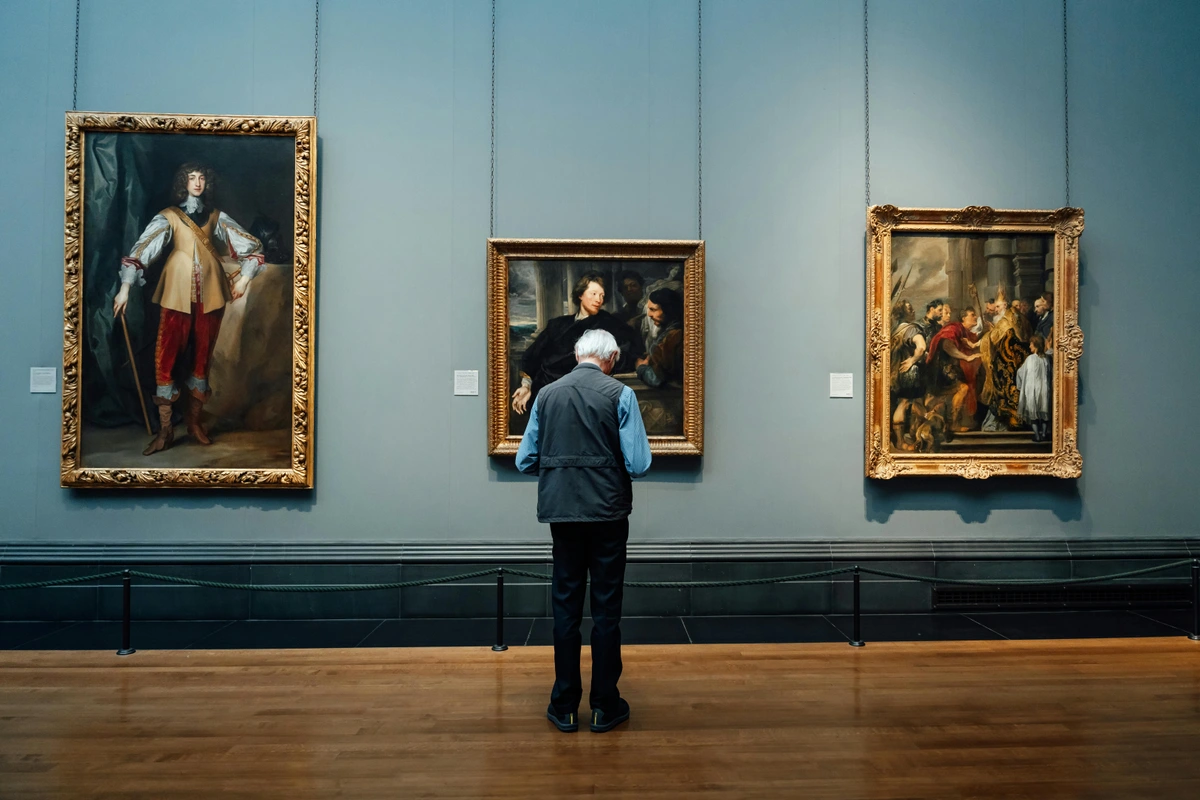
A quick note on what we're really talking about: Art criticism, despite its serious reputation, is fundamentally about conversation. And here's the uncomfortable truth most people won't admit: we're all critics, whether we realize it or not. That moment you walked into a gallery and thought "my kid could paint that"? That's criticism. When you scrolled past an Instagram post and felt that pang of envy or dismissal? That's criticism too. It's people trying to explain why certain arrangements of color, light, and form can stop us in our tracks or leave us completely cold. And here's the thing—this practice has always been a messy, contentious, beautiful attempt to answer questions that don't have easy answers.
Think of it as a four-way relationship—and like any relationship, it gets complicated fast when everyone has different opinions about what's really important. Art criticism isn't just fancy people saying fancy things about paintings. At its heart, it's simply the process of interpreting, evaluating, and contextualizing visual art. But here's what makes it fascinating: criticism doesn't just describe art—it actively shapes what art becomes. The same painting viewed through feminist, formalist, or market-driven lenses becomes completely different artworks. It's a way of processing the encounter between an object and a viewer, and making that encounter meaningful. Think of it as a conversation between the artwork, the artist's intentions, the viewer's experience, and the cultural moment.
You have:

- The work itself (what's actually there, the materials, the technique)
- The artist's intent (what they thought they were doing)
- The cultural context (what was happening in the world when it was made)
- Your personal experience (how it makes you feel, right here, right now)
When these four elements clash—when what you see contradicts what you know about the artist, or when the cultural moment seems completely alien—that's where criticism gets interesting. That tension is where new meanings are born.
What fascinates me is how these four elements have fought for dominance across different historical periods. We've swung wildly from worshiping perfect technique to valuing raw emotion, from demanding political messages to celebrating pure aesthetic joy.
Let me put it another way: if you've ever argued about whether a kid's drawing is "real art," or felt intimidated by a piece of contemporary art because you didn't understand it, you're actually participating in an argument that has been happening since the ancient Greeks. The terms change, the players change, but the fundamental tension between skill and emotion, message and form, remains constant.
Why this framework matters today: Understanding these four elements helps you navigate everything from Instagram comments to formal gallery reviews. It explains why the same artwork can be praised for its technical mastery and criticized for being politically naive. It's also the foundation that every major critic in history—whether they admitted it or not—has wrestled with.
But here's what I've learned: these four elements are never equally weighted. Different historical moments prioritize different pillars. The Renaissance worshipped technical mastery (the work itself). Romanticism elevated the artist's tortured soul (the maker's intent). Postmodernism insisted everything is political (cultural context). And our current moment? We're drowning in personal experience—everyone's immediate reaction validated by algorithms that reward emotional intensity over thoughtful reflection.
The Ancients: Philosophy Meets Beauty
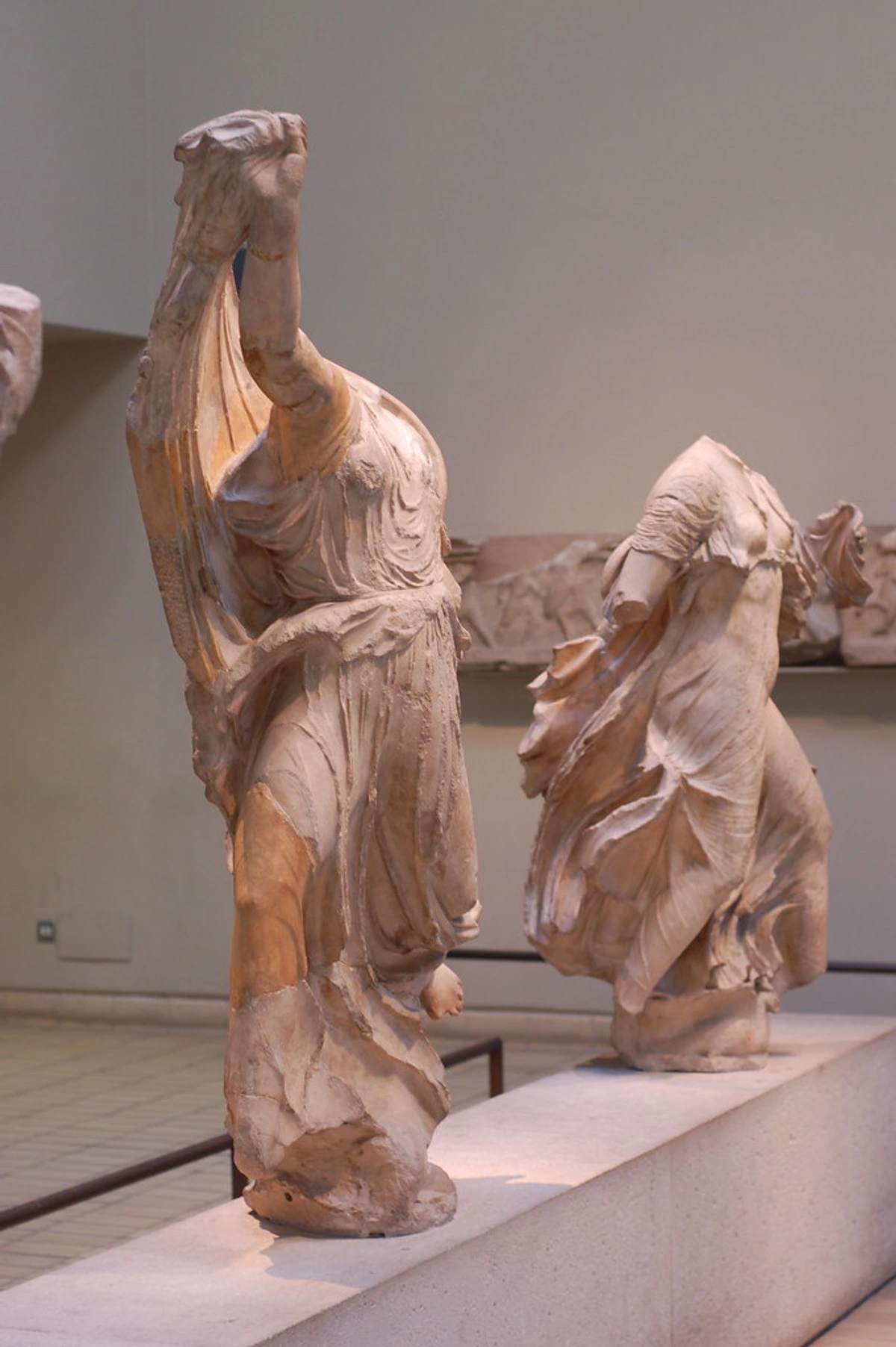
Our story starts, as many Western stories do, with the Greeks. But I need to pause here and acknowledge something important: focusing on the Greek tradition means we're telling a particular story—one that centers European thought. The truth is, sophisticated critical traditions existed simultaneously in China, India, Africa, and the Americas. The Chinese scholar-painters of the Song Dynasty were having incredibly nuanced conversations about brushwork, spirituality, and the relationship between art and nature. The Yoruba traditions of West Africa developed complex aesthetic vocabularies that connected artistic quality to moral character and communal wellbeing. These conversations happened parallel to Plato's Republic, and they matter just as much. But here's where it gets interesting—they didn't have 'art criticism' as we know it. They had philosophy wrestling with art's dangerous power.
What I find compelling here is that the ancient world approached art with a completely different set of questions than we do today. They weren't analyzing brushstrokes or debating color theory—they were asking fundamental questions about truth, morality, and the very structure of reality. For them, encountering a work of art wasn't just an aesthetic experience; it was a philosophical crisis.
I think about this every time I see someone dismiss ancient art as "primitive" or "unsophisticated." The Greeks were wrestling with questions that still haunt us: Can images corrupt society? Does beauty reveal truth or conceal it? Should art serve moral purposes? These aren't naive concerns—they're recognition that visual representation has real power to shape how we think, feel, and behave. For them, encountering a work of art wasn't just an aesthetic experience; it was a philosophical crisis.
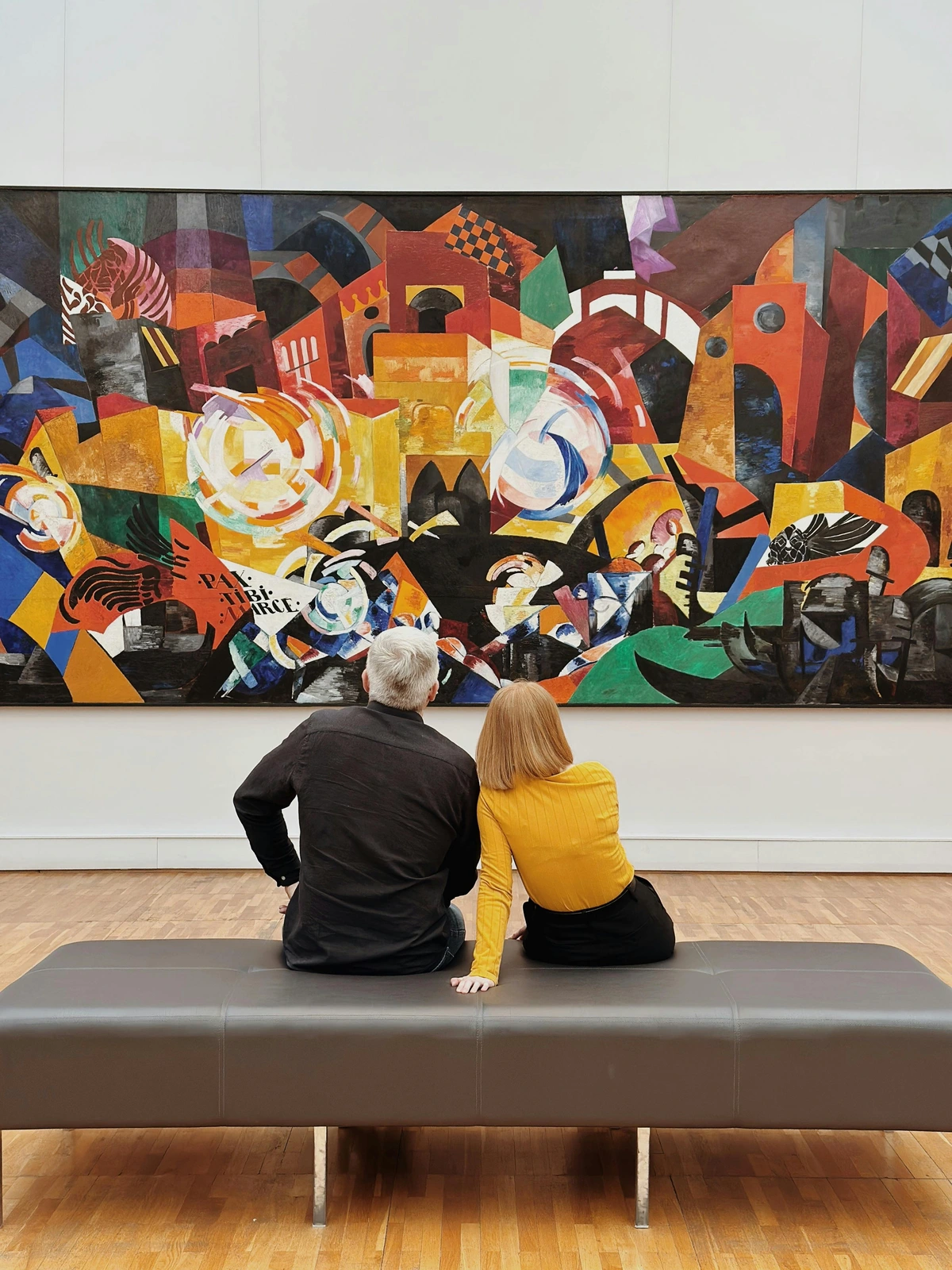
Plato famously wanted to kick artists out of his ideal republic. Why? Because he thought art was just an imitation of an imitation (a painting of a chair is a copy of the physical chair, which is itself a copy of the perfect 'Form' of chair). Art, to him, was three steps removed from truth, playing with our emotions while leading us away from rational understanding.
The man had a point, though. If you've ever spent hours scrolling through social media, looking at carefully curated images of lives more glamorous than your own, you've experienced something Plato would recognize instantly: the power of images to seduce us, to shape our desires, and to pull us away from what's true or important. He was essentially the first to articulate a deep anxiety about representation—the fear that images might be more compelling than reality.

Aristotle was a bit more generous. He saw mimesis (imitation) as a natural human instinct, something that could actually help us understand the world. But even he viewed art through the lens of moral purpose—tragic drama should purge our negative emotions, creating catharsis.
I find Aristotle's approach fascinating because it introduces something we still wrestle with today: the idea that art should do something therapeutic or socially useful. The notion of catharsis—that emotional release you feel after watching a sad movie or listening to powerful music—is essentially Aristotle's framework. He believed art could help regulate our emotional lives and make us better citizens. He was also pioneering what we might now call moral criticism, judging art based on its effects on the viewer's character.
The key takeaway for me here? Ancient criticism was almost entirely focused on utility and moral function. Beauty mattered, but it had to do something useful for society.
But here's what gets lost in most histories: the Greeks weren't actually unified in their thinking. While Plato was warning about art's corrupting influence, the practitioners and patrons of visual culture were creating some of the most technically sophisticated sculptures and paintings the world had ever seen. The tension between philosophical suspicion and practical celebration of artistic skill has been with us from the very beginning. We've never quite resolved whether art is fundamentally dangerous, fundamentally beneficial, or something else entirely.
The Game Changer: Renaissance Criticism
The moment when everything changed: If the ancients saw art as philosophy's dangerous cousin, the Renaissance decided art deserved its own spot at the intellectual table. But let me be honest about what this shift really meant: it was about power, money, and social status as much as it was about aesthetic theory.
The Renaissance art world was essentially the first art market. Wealthy merchant families like the Medici weren't just collecting beautiful objects—they were using art to signal their cultural sophistication, their political influence, their divine favor. When Alberti wrote about painting as an intellectual pursuit, he was doing something revolutionary: he was giving aristocratic patrons a language to distinguish their "refined" taste from the "vulgar" preferences of the newly wealthy merchant class. Criticism became a tool for maintaining social hierarchies. This wasn't just an evolution—it was a revolution in how we think about creativity and craftsmanship.
Fast forward to the Renaissance, and everything explodes. Suddenly, we have thinkers like Leon Battista Alberti writing actual guidebooks on painting and architecture (his De Pictura in 1435). For the first time, art is treated as a serious intellectual pursuit, not just craft. Alberti essentially gave us the language of formal analysis. He broke down painting into fundamental concepts: composition, color harmony, perspective, and what the Italians called disegno—the underlying intellectual design that gives a work its conceptual strength. For the first time, you could judge a painting based on technical criteria, not just moral ones.
I find this period thrilling because it establishes the vocabulary we still use today. Concepts like composition, perspective, and disegno become the framework for judging quality. When artists began signing their work—when individual style became more important than anonymous craft—everything changed. It's no longer just about what art does—now we're obsessed with how well it's made.
Vasari's Lives of the Artists gave us something equally revolutionary: systematic biographies mixed with juicy gossip—the birth of art history as celebrity culture. Vasari didn't just describe paintings; he created narratives of genius, rivalry, and divine inspiration. Michelangelo wasn't just a skilled craftsman; he was touched by God. This romantic notion of the artist as tortured genius has haunted us ever since.
Let me be clear about what this meant: judging art became an expert activity. You needed to understand linear perspective, anatomical accuracy, the rules of sacred geometry. It created a new class of connoisseurs who could speak knowingly about technique while ordinary viewers would simply marvel or pray.
Fast forward to the Renaissance, and everything explodes. Suddenly, we have thinkers like Leon Battista Alberti writing actual guidebooks on painting and architecture (his De Pictura in 1435). For the first time, art is treated as a serious intellectual pursuit, not just craft.
Alberti essentially gave us the language of formal analysis. He broke down painting into fundamental concepts: composition, color harmony, perspective, and what the Italians called disegno—the underlying intellectual design that gives a work its conceptual strength. For the first time, you could judge a painting based on technical criteria, not just moral ones. Vasari's Lives of the Artists gives us juicy gossip and systematic biographies—the birth of art history as celebrity culture.
I find this period thrilling because it establishes the vocabulary we still use today. Concepts like composition, perspective, and disegno (the intellectual design behind a work) become the framework for judging quality. But I also find it troubling. Alberti's framework deliberately excluded certain kinds of artistic production—folk art, decorative arts, "women's work"—from being considered serious artistic achievement. The Renaissance didn't just create new standards; it created new exclusions.
Here's what fascinates me most: when you look at Renaissance art through contemporary eyes, you can see the beginnings of every critical debate that still rages today. The tension between naturalism and idealism, between individual expression and classical rules, between sacred and secular content—all of it was already there, being argued about in workshops, palaces, and newly founded art academies.
But here's the shift I find most significant: for the first time, we have critics arguing about how well something was made rather than just what it does. When we talk about a painting's "strong composition" or praise its technical mastery, we're speaking Renaissance language. And when artists began signing their work—when individual style became more important than anonymous craft—everything changed. It's no longer just about what art does—now we're obsessed with how well it's made.
Let me be clear about what this meant: judging art became an expert activity. You needed to understand linear perspective, anatomical accuracy, the rules of sacred geometry. It created a new class of connoisseurs who could speak knowingly about technique while ordinary viewers would simply marvel or pray.
Tectonic Shifts: Three Revolutionaries Who Changed Everything
If the Renaissance gave us the language of criticism, the modern era gave us completely new operating systems. Three thinkers fundamentally rewired how we approach art. But before we dive in, let me confess something: part of me resists the "great man" version of history. Yes, Kant, Ruskin, and Greenberg were enormously influential—but they were influential because their ideas served powerful interests. Kant's aesthetic theory appealed to an emerging bourgeoisie desperate to prove their cultural sophistication. Ruskin's moralism resonated with Victorian anxieties about industrial capitalism's soul-destroying effects. Greenberg's formalism gave Cold War America a way to claim cultural superiority over Soviet socialist realism.
All of which is to say: criticism never happens in a vacuum. The ideas that become influential are the ones that help people navigate their historical moment. When we study these thinkers, we're not just learning abstract theory—we're learning how people used ideas about art to make sense of their world.
What I find striking about this period is how criticism moved from rules about making art to theories about experiencing art. The Renaissance gave us tools to analyze technique; the Enlightenment and its successors gave us frameworks for thinking about beauty, morality, and meaning. It's the difference between learning grammar and studying poetry.
This shift marks something profound: the emergence of the modern individual as the center of aesthetic experience. Before Kant, beauty was generally understood as an objective property of the world—certain proportions, colors, and arrangements were simply beautiful by nature. After Kant, beauty becomes something that happens in the encounter between an object and a perceiving subject. This doesn't just change criticism—it changes what we think art is for. If art's purpose is to create certain kinds of experience in viewers, then judging art means judging those experiences. The Renaissance gave us tools to analyze technique; the Enlightenment and its successors gave us frameworks for thinking about beauty, morality, and meaning. It's the difference between learning grammar and studying poetry.
Immanuel Kant: The Beauty Police
Kant, in his Critique of Judgment (1790), introduced the idea of disinterested pleasure. Now, I'll be honest: the first time I read Kant's aesthetic theory, I wanted to throw the book across the room. The idea that proper aesthetic appreciation requires you to bracket your personal feelings, your desires, your practical interests—it felt like being told you're doing something wrong when you look at a beautiful sunset and wish you could paint it, or when you see a stunning sculpture and imagine what it would feel like to touch it.
But here's what I eventually understood: Kant was trying to solve a real problem. In a world where everything is for sale, where every experience can be commodified, where value is always measured in usefulness or exchange, Kant wanted to protect a space for something different—a kind of value that can't be bought, sold, or used. Disinterested pleasure was his name for that protected space. He argued that true aesthetic judgment happens when we appreciate something's beauty without any personal desire or practical interest. You don't want to own the sunset—you just find it beautiful.
Kant was doing something radical here. He was carving out a special category for aesthetic experience—distinct from scientific knowledge, moral judgment, or practical utility. Beauty, for Kant, was about form and purposefulness without a specific purpose. Think about that for a moment: he believed you could appreciate a beautiful object without wanting to use it, own it, or understand it scientifically.
The problem? This creates a kind of aesthetic priesthood. Suddenly, 'proper' appreciation requires philosophical training. I've always felt a bit suspicious of this—it feels like it splits art appreciation into 'enlightened' viewers and everyone else.
But here's the paradox: Kant's attempt to democratize aesthetic judgment (beauty isn't in the object, it's in your experience) ended up creating new hierarchies of sophistication. Suddenly there are right and wrong ways to have an aesthetic experience. Your gut reaction isn't enough—you need to purify it of personal associations, desires, practical interests. You need to achieve this special state of "disinterested contemplation" that, frankly, sounds exhausting. I've always felt a bit suspicious of this—it feels like it splits art appreciation into 'enlightened' viewers and everyone else.
The legacy of Kant haunts every gallery visit: the idea that your personal feelings about a work might be "impure" if they're mixed with personal associations. If you look at a painting and think "that reminds me of my grandmother's house," Kant might accuse you of being insufficiently disinterested. This creates what I think of as gatekeeper criticism—the notion that some forms of engagement are more legitimate than others.
John Ruskin: The Moral Crusader
Where Kant cared about philosophical purity, Ruskin cared about moral truth: If Kant wanted to purify aesthetic experience, Ruskin wanted art to save your soul. And let me tell you, the man was not subtle about it.
Reading Ruskin is like being yelled at by your most passionate, judgmental, endlessly articulate friend. He doesn't just dislike certain buildings or paintings—he thinks they're actively corrupting your soul and destroying civilization. Venetian architecture? Dishonest, decadent, morally suspect. Gothic cathedrals? Pure, honest, spiritually elevating expressions of craft and faith. The man had opinions, and he wasn't afraid to use them as weapons.
But here's why I keep returning to Ruskin, even when he drives me crazy: he understood something most critics miss. Our aesthetic preferences aren't innocent. When we praise certain kinds of beauty, we're making claims about what kind of world we want to live in. Victorian England's most influential critic saw artistic choices as moral choices.
Jump to Victorian England, and Ruskin is fighting a completely different battle. For him, art's quality was inseparable from the moral character of both the artist and society.
Ruskin would visit a building or look at a painting and ask: Did the makers have creative freedom? Does this work express honest labor, or is it mechanical reproduction? Does it serve some higher moral purpose? He saw the Industrial Revolution's machine-made ornaments as not just ugly, but morally corrupt—essentially dishonest. He championed the raw honesty of Gothic architecture while condemning the decorative excesses of the Renaissance as 'dishonest'—a moral failing.
This might sound bizarre to modern ears, but Ruskin was articulating something powerful: the idea that our aesthetic preferences aren't neutral. When we value certain kinds of beauty, we're making claims about what kind of society we want to live in. His passion for Gothic architecture wasn't just about pointed arches—it was about celebrating craftsmanship, individual expression, and the dignity of labor over industrial uniformity.
I think about Ruskin every time I hear someone praise handmade objects over mass-produced ones, or when people express discomfort about perfectly Photoshopped images, or when we debate whether something feels "authentic" or "artificial." We're still using his moral framework, even if we don't know his name. The idea that something can be beautiful but somehow ethically compromised—that's pure Ruskin.
What troubles me about Ruskin, though, is his certainty. He knew exactly which art was good (morally pure, honest, traditional) and which was bad (decadent, dishonest, industrial). This kind of moral confidence can be seductive—who doesn't want clear rules for distinguishing good from bad?—but it also becomes a weapon for dismissing anything unfamiliar or challenging. When we value certain kinds of beauty, we're making claims about what kind of society we want to live in. His passion for Gothic architecture wasn't just about pointed arches—it was about celebrating craftsmanship, individual expression, and the dignity of labor over industrial uniformity.
Ruskin makes me uncomfortable because he's so incredibly judgmental, but also because he has a point. When we praise a work's 'integrity' or dismiss another as 'cynical,' we're still using his moral framework, whether we realize it or not.
Think about how we discuss street art versus corporate art, or handmade objects versus mass-produced ones. We're still haunted by Ruskin's ghost, still asking whether creative work is authentic and soulful or impersonal and commercial.
Clement Greenberg: The Modernist Referee
Clement Greenberg dominated mid-20th century criticism by creating a powerful, exclusionary system. And when I say powerful, I mean it: for about two decades, if Greenberg said your work was important, it was important. Museums collected it, magazines wrote about it, wealthy patrons bought it. If he ignored you, good luck getting anyone to take you seriously.
Greenberg did something both brilliant and deeply problematic: he created a theory of art history that made certain contemporary developments seem inevitable and necessary. According to his narrative, painting had been moving toward greater self-awareness for centuries, shedding everything that wasn't essential to painting as a medium—illusionism, narrative, theatricality. What remained? Flatness, color, composition, the physical properties of pigment and canvas. He believed each artistic medium should focus on what makes it unique—painting should be about flatness, color, and composition, not try to tell stories or create illusions of depth.
What made Greenberg so influential—and so controversial—was his insistence that great art had to be self-critical. A painting worth taking seriously wasn't about depicting the world; it was about exploring what painting is. Flatness, pigment, canvas, brushstrokes—these were the proper concerns of painting. Narrative, illusionism, political messages? Those belonged to literature or propaganda, not serious painting.
Formalism became his weapon. Judging art meant analyzing its formal qualities: line, color, shape, texture—nothing else. Context, emotion, and social meaning were irrelevant distractions. This was incredibly liberating for some artists—finally, painting could be about painting, not about telling stories or making political points. But it was also incredibly limiting. If you were an artist interested in narrative, politics, identity, social issues—tough luck. You weren't making serious art.
What I find fascinating about Greenberg is how his personal taste became presented as historical necessity. He didn't just happen to like abstract painting that emphasized flatness and optical experience—no, this was the logical endpoint of centuries of artistic development. Artists who made different choices weren't just making different aesthetic decisions; they were failing to understand what painting 'really' was.
The legacy of Greenberg still haunts contemporary art criticism. When someone dismisses political art as "mere propaganda," or when conceptual art gets criticized for not being "visually interesting" enough, they're channeling Greenberg's assumptions about what makes art important versus what makes it illustration or sociology.
The power of this approach—and its profound limitations—became clear in how Greenberg championed certain artists while dismissing others. If you made abstract paintings that emphasized flatness and optical experience, you were a serious artist. If you told stories, depicted political struggles, or made work that seemed too personal or emotional, you simply weren't making important art.
The legacy of Greenberg's approach is something I think about constantly. It gave critics enormous power to police the boundaries of 'serious' art. Go to any contemporary gallery today, and you'll still feel his influence in how abstract works are presented and discussed.

There's something seductive about Greenberg's formalism—it promises objectivity, rigorous standards, clear criteria for judgment. But it also excludes so much human experience. It creates a kind of critical blindness to anything that doesn't fit its narrow definitions.
The Postmodern Avalanche: When Everything Became Possible
By the late 20th century, the Greenbergian fortress started crumbling. And honestly? Good riddance. Not because Greenberg's insights were useless—formalism is still a valuable critical tool—but because his single-minded version of art history excluded so much interesting work being made by women, people of color, queer artists, and anyone outside the narrow confines of Euro-American modernism.
The rebellion came from multiple directions simultaneously. Feminist art historians like Linda Nochlin and Griselda Pollock pointed out that the "universal" values of art history were mostly straight white male values. Postcolonial scholars like Edward Said and Homi Bhabha showed how Western art had systematically marginalized or exoticized other cultures. Queer theorists argued that sexuality and identity weren't incidental to artistic production—they were central to how art was made and seen.
Meanwhile, philosophers were dismantling the theoretical foundations of modernism. Roland Barthes declared "the death of the author"—meaning an artwork's meaning isn't controlled by what the artist intended. Jean Baudrillard argued that in our media-saturated world, images don't represent reality anymore; they become our reality. And Jacques Derrida taught us that any interpretation is inherently unstable—there's no single "correct" reading waiting to be discovered.
What happened next felt like someone had opened all the windows in a stuffy room. Suddenly, there were multiple ways to think, talk about, and judge art—and many of them passionately rejected everything that had come before. Postmodern criticism basically said: 'All those rules? We're throwing them out.'

The rebellion came from multiple directions: feminists pointing out that the "universal" values of art history were mostly straight white male values; postcolonial scholars showing how Western art had marginalized or exoticized other cultures; queer theorists arguing that sexuality and identity shaped how art was made and seen; and philosophers suggesting that meaning itself might be unstable.
Roland Barthes declared 'the death of the author'—meaning an artwork's meaning isn't controlled by what the artist intended. Jean Baudrillard argued that in our media-saturated world, images don't represent reality anymore; they become our reality. And Jacques Derrida taught us that any interpretation is inherently unstable—there's no single 'correct' reading.
I love the chaos this unleashed. Suddenly, interpretation wasn't about finding the "right" meaning hidden in the work—it was about creating new meanings through the act of viewing. The viewer became a collaborator in meaning-making, not just a passive receiver of messages. Your personal associations, cultural background, and emotional responses weren't distractions from proper appreciation—they were essential to it.
This is where criticism becomes wonderfully chaotic and democratic. Suddenly, feminist scholars, postcolonial theorists, and queer activists are pointing out that the 'universal' values of Western art were never actually universal—they were just straight white male perspectives masquerading as objective truth.
The most exciting change for me is how postmodernism validates pluralism. We no longer ask 'Is this good art?' but rather 'Good for whom? In what context? For what purpose?' The same artwork can be terrible if judged by formalist criteria but brilliant if analyzed for how it challenges gender norms. A painting can be aesthetically conservative but politically radical, or technically skillful but ideologically problematic.
The point isn't that "anything goes"—that's a misreading of postmodern thought that drives me crazy. The point is that different questions reveal different kinds of value, and no single framework can capture everything that matters about a work of art.
This is also where criticism becomes wonderfully personal and creative. If meaning isn't fixed in the object, if interpretation is always an act of creation rather than discovery, then your background, your experiences, your passions aren't obstacles to "correct" viewing—they're precisely what make your perspective valuable. Criticism stops being about proving how smart you are and starts being about describing what you see and why it matters to you. It's messier, but it feels more honest.
This shift—from universal standards to contextual understanding—felt revolutionary. It meant that a hip-hop video, a comic book, and a Renaissance painting could all be approached as legitimate objects of serious analysis. It meant that your identity, your experiences, your cultural position weren't things to transcend for "pure" aesthetic experience—they were precisely what made your perspective valuable. It's messier, but it feels more honest.
The Digital Storm: Everyone's a Critic Now
Which brings us to today. Instagram likes, TikTok art 'roasts,' online review aggregators—we're living through the most radical democratization of art criticism in history. And it is glorious, terrifying chaos.
I think about this every time I post a painting online. Within minutes, I get feedback from professional artists, from teenagers who've never been to a museum, from collectors with deep knowledge of art history, from people who just discovered art last week. The conversation has exploded beyond anything Greenberg or Ruskin could have imagined. We don't have gatekeepers anymore; we have an endless, cacophonous public square where everyone's shouting at once.
Here's what fascinates me most: digital criticism functions more like ancient Greek reactions than Enlightenment philosophy. We're back to immediate, visceral responses—\“it's beautiful,\” \“it's offensive,\” \“it's boring\”—filtered through social signaling rather than learned aesthetic theory. The couple thousand years of critical sophistication? It's still there in academic journals and art magazines, but for most people encountering art online, it's back to gut reactions and tribal affiliation.
What we're witnessing is something unprecedented: the complete collapse of traditional gatekeepers. For centuries, if you wanted your thoughts about art to reach a wide audience, you needed credentials, institutional backing, or access to established publications. Today, anyone with a smartphone can publish their reviews, analyses, and rants to a global audience.
I have incredibly mixed feelings about this. On one hand, it's thrilling that more people than ever are engaging with visual culture. Artists can build global audiences without needing approval from traditional gatekeepers. The conversation is louder, faster, and more diverse.

We're seeing conversations about art happening in comments sections, in DMs, in YouTube videos with millions of views. People who might never set foot in a conventional gallery are having passionate discussions about whether an NFT artwork is "real art" or whether a mural in their neighborhood represents their community. The barriers to entry have fallen completely.
On the other hand... well, have you read YouTube comments? The internet's version of criticism tends toward either hype-driven superlatives or cynical takedowns. Nuance dies in algorithm-driven outrage cycles, and criticism becomes performance art.
The deepest irony is that the internet has made us all critics while often stripping away the very skills that make criticism meaningful: close looking, historical awareness, intellectual generosity, the willingness to sit with uncertainty. Criticism in the age of social media often feels less like thoughtful dialogue and more like sport—who can land the cleverest take, gather the most likes, or destroy a reputation most efficiently.
But let me push back against the usual "everything was better before the internet" nostalgia. Yes, we've lost something—deep expertise, patient looking, generosity toward difficult work. But we've also gained voices and perspectives that were systematically excluded from traditional art criticism. Black art critics, queer critics, critics from outside major art centers, critics who approach art through popular culture rather than high theory—these voices now have platforms that reach larger audiences than Greenberg ever dreamed of.
What's changed isn't just who gets to speak, but how we speak about art. TikTok art criticism isn't trying to be Kant. It's performative, personal, emotionally honest, algorithmically optimized for maximum engagement. It's criticism as entertainment, as community-building, as identity performance. Whether this is "better" or "worse" than traditional criticism depends, I think, on what you think criticism is for. Criticism in the age of social media often feels less like thoughtful dialogue and more like sport—who can land the cleverest take, gather the most likes, or destroy a reputation most efficiently.
The strange part is that I see digital criticism functioning more like ancient Greek reactions than Enlightenment philosophy. We're back to immediate, visceral responses—'it's beautiful,' 'it's offensive,' 'it's boring'—filtered through social signaling rather than learned aesthetic theory.
It's as if we've come full circle: from immediate emotional reactions (the Greeks), through centuries of learned frameworks (Renaissance to modernism), and back to immediate emotional reactions—but this time the reactions are monetized, algorithmically amplified, and performatively shared.
Case Studies: When Criticism Changed Art Itself
The critic's power to transform: Sometimes critical response doesn't just interpret art; it fundamentally alters what the work becomes in our cultural memory. These moments reveal criticism at its most potent—when evaluation creates value, constructs meaning, or permanently changes how we see.
This is what fascinates me most about criticism: it's not just commentary on art—it's an active force that changes what art is. The same physical object viewed through different critical lenses becomes different artworks. This isn't just academic wordplay; it has real consequences for how art gets valued, preserved, and remembered.
The examples that follow show criticism doing different kinds of work. Sometimes hostile reviews create a work's meaning as much as the artist's brushstrokes. Sometimes a supportive critic's theoretical framework constructs an artwork's cultural importance. Sometimes criticism becomes a battleground for larger social conflicts. But in every case, the critic isn't just describing something that already exists—they're helping to create something new.
Manet's Olympia (1863): A Scandal That Created Modern Art
The painting that changed the rules: Manet's Olympia might be the most significant example of how criticism can transform a work from scandal to masterpiece. But what fascinates me isn't just that critics hated it—it's why they hated it, and how their outrage ended up making the painting more important than anyone, including Manet, could have predicted.
When Édouard Manet exhibited this painting, the Salon audience and critics were genuinely shocked. But not because nudity was shocking—the Paris Salon was full of nude paintings. What shocked them was Olympia's direct, unapologetic gaze. She looks out at the viewer with an expression that's been described as bored, defiant, knowing, contemptuous. She's not a mythological Venus safely distanced by allegory—everything about her suggests a contemporary Parisian prostitute, aware that she's being looked at and returning that gaze with something like power. The story shows how hostile reviews can sometimes create a work's meaning as much as the artist's brushstrokes.
When Édouard Manet exhibited this painting, critics lost their minds. Why? Because Olympia, a reclining nude, stared directly at the viewer with an expression of bored defiance. She wasn't a mythological Venus—everything about her suggested a contemporary prostitute.
The critics' violent reaction reveals something crucial: they understood immediately that Manet was breaking an unwritten contract. For centuries, the female nude had been safely mythologized—Venus, Diana, allegorical figures. Olympia was none of these. Her direct gaze, the contemporary setting, even the flowers (likely from a client) signaled that this was a real woman with agency and economic power, returning the viewer's gaze with something like defiance. The flowers she holds might be from a client; her shift is a piece of clothing, not classical drapery.
Contemporary critics called it 'yellow-bellied,' 'filthy,' and morally corrupt. One warned that pregnant women shouldn't even look at it. Another described Olympia as \“a sort of female gorilla, a grotesque in India rubber\” who would \“make the public laugh.\” The important thing to understand here: these weren't aesthetic judgments in our modern sense. The critics were reacting to a violation of social and sexual contract—the contract that said female nudes in art existed for the viewer's pleasure, that they were passive objects of desire, that they wouldn't look back with agency or judgment of their own.
The outrage tells us something crucial: audiences understood immediately that Manet had broken the fantasy. He had taken the familiar genre of the reclining nude and injected it with contemporary reality, class tension, and female subjectivity. The critics weren't just attacking a painting; they were defending a whole system that kept certain kinds of truth out of respectable art.
Here's the paradox that still fascinates me: the hostile criticism performed the very work the painting was trying to do. By attacking Olympia as immoral and threatening, critics made visible the assumptions about class, gender, and power that the painting was critiquing. They became unintentional collaborators in creating the work's meaning.
What strikes me about these reactions isn't just their viciousness—it's their intelligence. The critics understood exactly what Manet was doing: stripping away the pretenses that made nudity "respectable." They knew Olympia broke the fantasy by being too real, too contemporary, too aware of being looked at. In attacking the painting, they were defending a system that kept certain kinds of truth out of art. But here's what's fascinating: all that outrage forced viewers to confront the difference between idealized art and uncomfortable reality. The criticism created the painting's meaning as much as Manet's brushstrokes did.
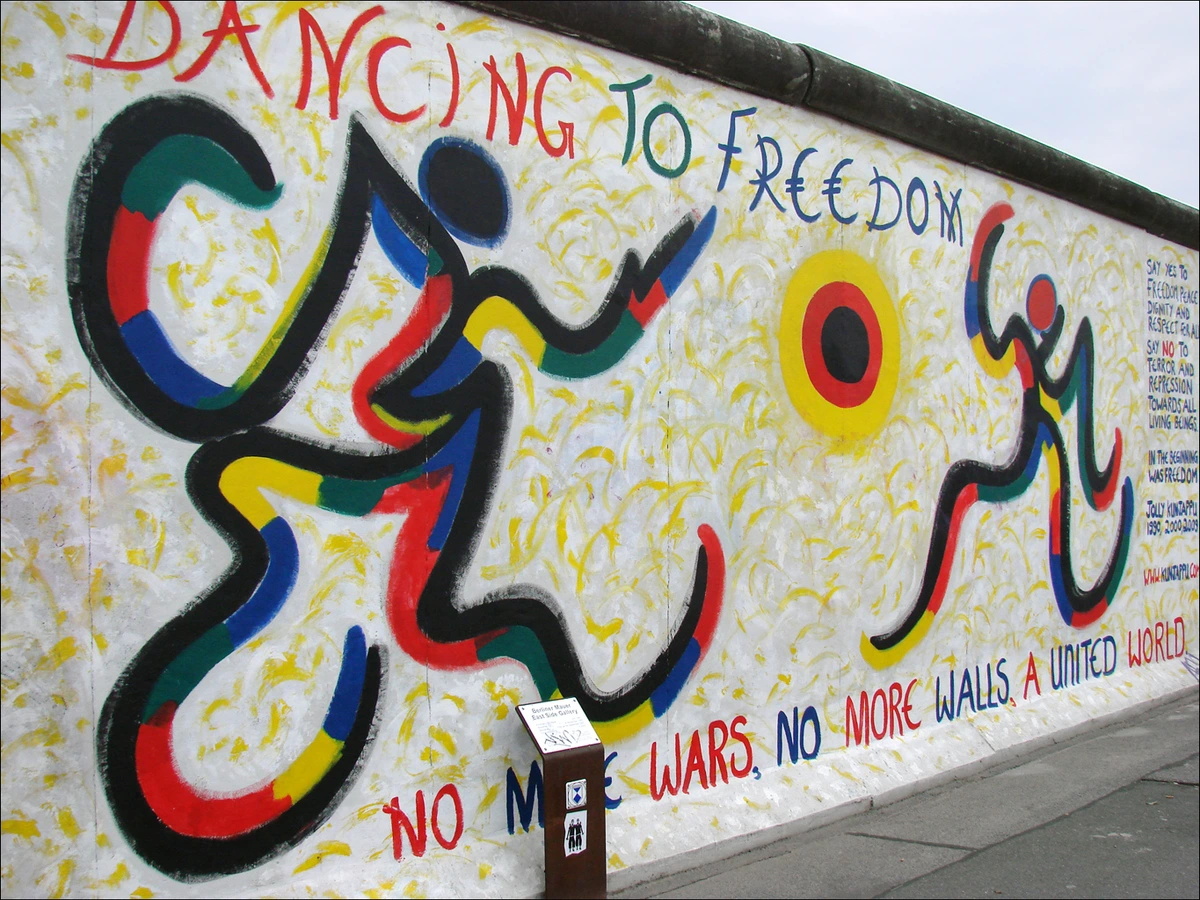
The scandal surrounding Olympia demonstrated something profound: sometimes hostile criticism performs the very work the art is trying to do. The critics who attacked Manet were unintentionally making his point for him—that art had become too comfortable with fantasy and needed a dose of uncomfortable reality.
Today, we see Olympia as the birth of modernism's self-awareness. None of that would have happened without critics trying to destroy it first. But here's what gets lost in that triumphal narrative: it took more than a century for this transformation to happen. Manet died thinking the painting was a failure. It was only through later critical interpretation—through feminist art historians, postcolonial theorists, and social art historians—that we came to understand the painting's radical power.
This is what I mean when I say criticism creates meaning: Olympia in 1863, Olympia in 1963, and Olympia in 2023 are different artworks. They haven't changed physically, but the critical conversations around them have created new layers of meaning that Manet couldn't have anticipated. This is criticism at its most powerful: not just evaluating what's there, but revealing what could be seen.
It's a perfect paradox: the very venom directed at Olympia cemented its importance. The painting became a battleground for questions that still haunt us: Who gets represented in art? Whose gaze matters? What happens when art stops flattering its audience?
Pollock's Drip Paintings: From 'Chaos' to 'Genius'
How one critic's theory made a movement: If Manet shows us how hostile criticism can create meaning, Jackson Pollock shows us how a single critic's determined advocacy can construct an entire art movement's importance. This is the critic as kingmaker—with all the power and problems that implies.
When Jackson Pollock first showed his poured canvases in the late 1940s, plenty of critics saw them as a joke. Time magazine called him \“Jack the Dripper.\” Conservative critics wrote him off as a charlatan exploiting a gullible art world. Even some sympathetic viewers were confused—what were they supposed to be looking at? How could you tell if this was good or bad? The traditional criteria—draftsmanship, composition, representation—didn't seem to apply.
Then Clement Greenberg stepped in. Over the next decade, he wrote essay after essay arguing that Pollock's work represented a revolutionary breakthrough in painting. In Greenberg's reading, Pollock wasn't making random splatters—he was exploring painting's fundamental properties. Flatness, all-over composition, the physical process of making, the optical experience of viewing—these weren't accidental features but deliberate investigations of what makes painting unique as a medium.
When Jackson Pollock first showed his poured canvases, plenty of critics saw them as a joke. Time magazine called him 'Jack the Dripper,' comparing his work unfavorably to wallpaper patterns. Detractors saw random chaos.
For many early viewers, Pollock's drip paintings looked like accidents or jokes. Critics accustomed to judging art by its representation of the visible world simply didn't have the language to describe what they were seeing. How do you evaluate something that seems to reject all the traditional markers of skill and intention?
But then Clement Greenberg stepped in. His formalist analysis recast Pollock's work as a revolutionary exploration of painting's fundamental elements: flatness, process, and the artist's bodily engagement with the canvas. What looked random to some became pure optical experience to others.
Greenberg did something extraordinary: he created a critical framework that made Pollock's radical gestures legible. Instead of seeing chaos, he saw rigor. Instead of random splatters, he saw deliberate exploration of painting's essential qualities. Greenberg taught audiences how to look at Pollock—what to notice, what to value, why it mattered.
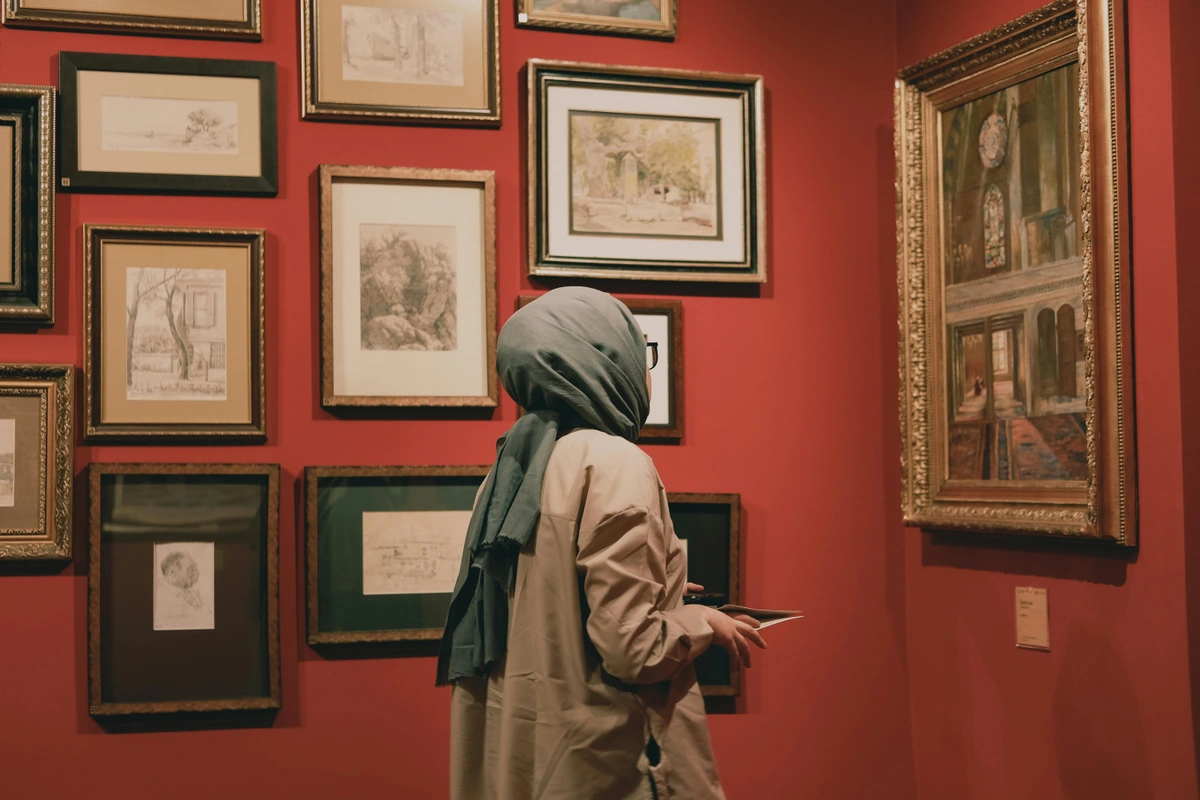
Greenberg's stubborn advocacy didn't just change minds; it literally created the market and institutional value for Abstract Expressionism.
Within a few years of Greenberg's championing, Pollock went from being seen as eccentric to being hailed as America's greatest living painter. Museums that had ignored him began acquiring his work. Collectors who had laughed at the drip paintings started buying them. The critic's words—his theoretical framework—didn't just interpret the art; they created its cultural importance and market value.
But here's what troubles me about this case: Greenberg's advocacy came with a cost. To make Pollock's work fit his formalist theory, he had to ignore or dismiss aspects that didn't fit—the psychological intensity, the references to surrealism and psychoanalysis, the myth-making about the creative process. More significantly, Greenberg's framework made it difficult for artists working in different modes—especially women, artists of color, and those interested in social content—to be taken seriously as \“important.\” His version of modernism became a narrow gate that excluded many of the most interesting artists of his time.
This is criticism's double-edged sword: the same power that can illuminate and validate can also exclude and marginalize. Greenberg helped create what we now call Abstract Expressionism, but he also created a hierarchy of value that we're still working to dismantle more than half a century later. The critic's words—his theoretical framework—didn't just interpret the art; they created its cultural importance and market value. This is the critic as kingmaker—and a troubling example of how one person's theoretical framework can determine what becomes 'important' art.
I find the Pollock case fascinating and deeply problematic. On one hand, it demonstrates criticism's power to help us see things we might have missed. On the other hand, it shows how one critic's preferences—backed by institutional authority and theoretical sophistication—can elevate certain kinds of art while marginalizing others. For decades after Greenberg, painting that didn't fit his formalist criteria struggled to be taken seriously.
Contemporary Critical Languages: A Field Guide
Today's art world doesn't speak one critical language—it's more like a chaotic multilingual conference where everyone's arguing passionately in different theoretical dialects. The same artwork might be analyzed formally (its composition), politically (its representation of power), psychoanalytically (its unconscious content), and economically (its market appeal) simultaneously.
This multiplicity can feel overwhelming, but here's how I think about it: we're living through a moment of critical pluralism after decades of theoretical orthodoxy. Instead of one \“correct\” way to think about art, we have multiple frameworks that ask different questions and reveal different aspects of artistic value. The challenge isn't to master them all—that's impossible—but to understand which questions matter for which encounters with art.
What follows are some of the most influential contemporary approaches. Think of them as different lenses you can turn toward the same object, each revealing something the others might miss.
What strikes me most is that we don't have a unified theory anymore. Instead, we have multiple, often competing frameworks that can be applied to the same work. A painting might be analyzed formally (its composition and color), politically (its representation of power), psychoanalytically (its unconscious content), and economically (its market value) simultaneously.
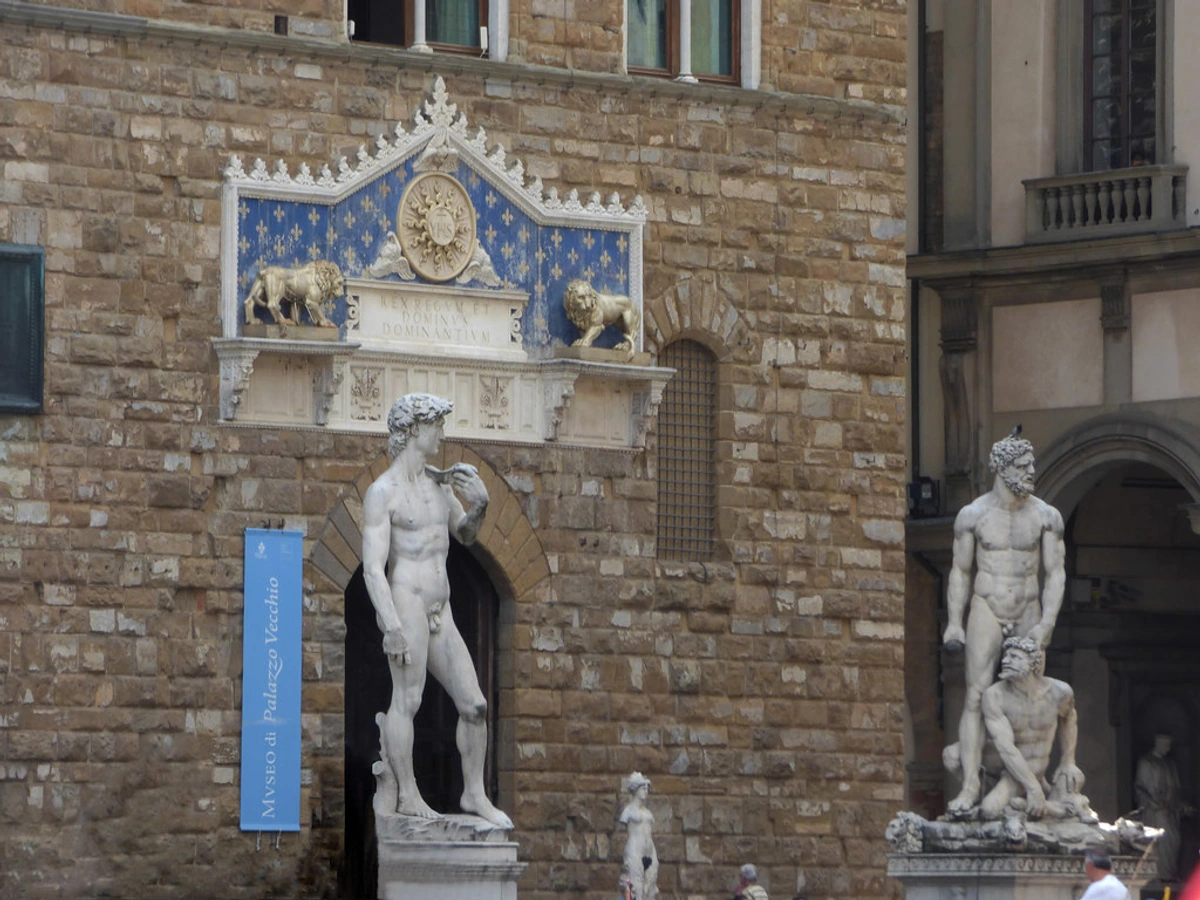
Formalism (Still Kicking)
Despite postmodern challenges, analyzing an artwork's formal qualities remains a core skill. But contemporary formalism has evolved significantly from Greenberg's rigid version. Today, we're more likely to encounter critical formalism—analysis that pays attention to formal properties while remaining aware that these properties carry cultural meanings and exist within power structures.
Here's what I mean: when I look at a painting's formal qualities now, I try to notice not just what choices were made, but why these choices might matter culturally. Why does this artist use hard edges while that one favors soft blending? What does this color palette suggest about emotion, politics, or cultural references? How does this composition reflect or challenge traditional ways of organizing visual information?
Contemporary formalism acknowledges that formal decisions aren't innocent or purely aesthetic. The way an artwork looks reflects its historical moment, its cultural context, and its relationship to power. Paying attention to form doesn't mean ignoring meaning—it means understanding how form creates meaning. But now it's usually mixed with other approaches rather than standing alone.
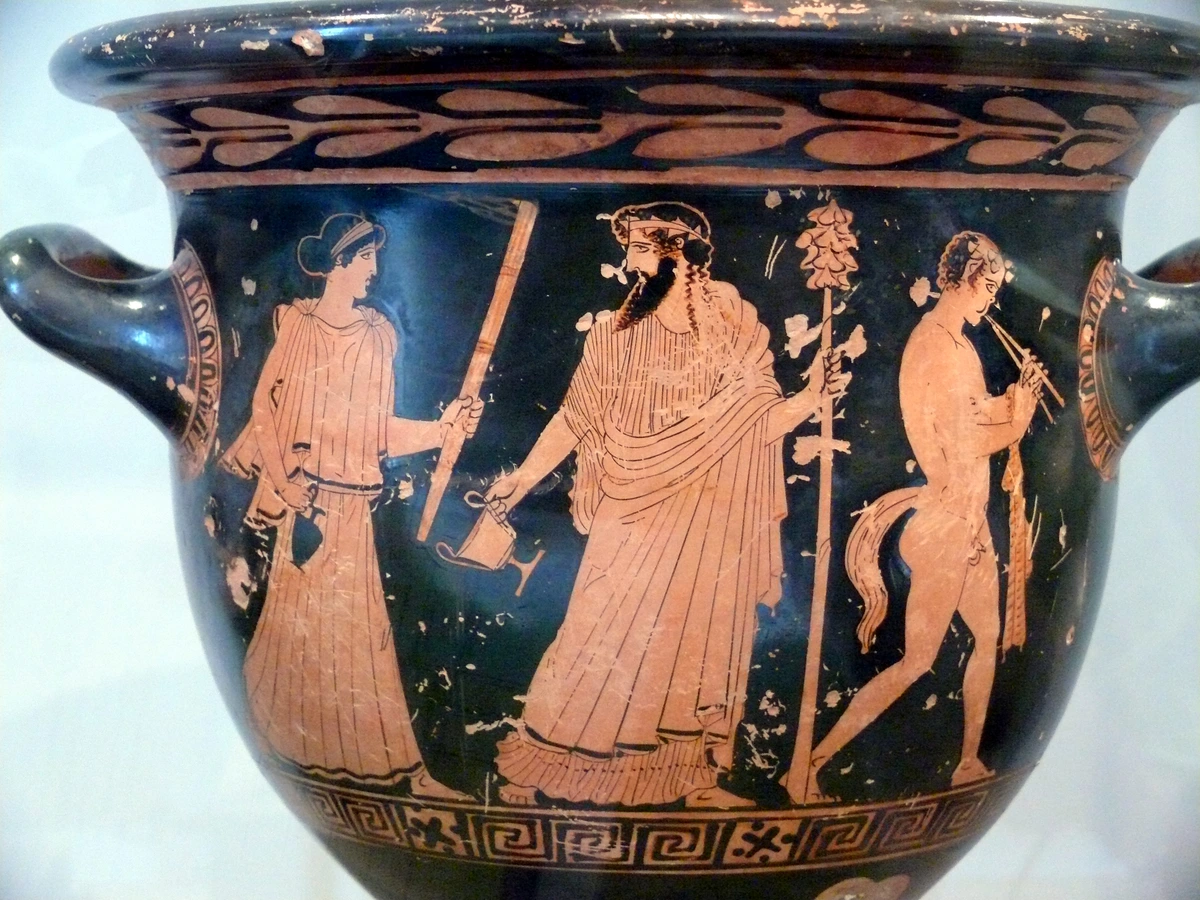
What this means in practice: we still talk about composition, color relationships, and material choices—but now we're more likely to ask why certain formal choices were made. What cultural meanings do those choices carry? How do they relate to power, identity, or social context? Contemporary formalism is usually critical formalism—aware of its own assumptions and limitations.
Social Art History
This approach asks: Who had the power to make and display art? Who was excluded? How does art reinforce or challenge social hierarchies? It's criticism as political investigation, and it's been revolutionary in expanding what counts as historically significant.
Social art historians have transformed our understanding of art history by insisting that questions of power, access, and exclusion aren't secondary to aesthetic evaluation—they're central to understanding how art functions in the world. Why have women artists been systematically excluded from museum collections and art historical narratives? How has colonialism shaped what gets labeled \“important\” art versus \“primitive\” or \“ethnic\” craft? What does it mean that most celebrated artists came from privileged backgrounds with access to education, travel, and influential networks?
This framework has been particularly crucial for recovering the work of artists who were marginalized during their lifetimes—not because their work was aesthetically weak, but because they lacked access to the institutions and critical attention that create cultural importance. It's also transformed how we view canonical works. That beautiful Renaissance painting isn't just a technical achievement; it's a document of wealth, power, religious authority, and social hierarchy. How does art reinforce or challenge social hierarchies? It's criticism as political investigation.
This framework has been particularly influential in how we now view the traditional Western canon. It asks uncomfortable questions: Why have women artists been systematically excluded from museum collections? How has colonialism shaped what we consider "important" art? What does it mean that most celebrated artists came from privileged backgrounds? Fair criticism in this mode isn't just about aesthetics—it's about justice and representation.
Reception Theory
Here, the focus shifts to audiences rather than creators. How have different communities interpreted the same work across time? What can changing responses tell us about cultural transformation?
Reception theory fascinates me because it treats meaning as something that happens in the encounter between work and viewer, not as a fixed property of the object. A painting made in 1950s America might mean something completely different when viewed by audiences in 2020s Lagos or Tokyo. The critic's job becomes tracing how meanings shift across time and cultures—helping us see that there's no single \“correct\” interpretation, only interpretations shaped by particular viewers in particular moments.
I find this especially powerful when thinking about how marginalized communities have reinterpreted mainstream art. Slave narratives that transformed the meaning of biblical stories, queer readings that find hidden messages in coded imagery, feminist interpretations that recover women's agency in seemingly conventional portraits—these aren't \“misreadings\” of artist intention; they're examples of how art becomes meaningful through use and interpretation.
The crucial insight here: if meaning is created through reception, then criticism isn't just about the object—it's about tracing the history of encounters between objects and their various publics. How have different communities interpreted the same work across time? What can changing responses tell us about cultural transformation?
Reception theory fascinates me because it treats meaning as something that happens in the encounter between work and viewer, not as a fixed property of the object. A painting made in 1950s America might mean something completely different when viewed by audiences in 2020s Lagos or Tokyo. The critic's job becomes tracing how meanings shift across time and cultures—helping us see that there's no single "correct" interpretation, only interpretations shaped by particular viewers in particular moments.
Affect Theory
A newer approach focusing on how art makes us feel physically and emotionally—the gut reactions, the embodied responses that happen before we start intellectualizing. It's criticism trying to capture the unspoken, the visceral, the things that happen in your body before your brain has time to formulate thoughts.
I find affect theory refreshing because it brings us back to something fundamental: art's power to move us before we understand why. This approach pays attention to what happens in your body when you encounter certain images or forms—the way a color can trigger a memory, or a gesture can create tension in your muscles, or a particular texture can evoke disgust or desire.
What I love about this framework is how it validates experiences that traditional criticism has often dismissed as \“merely subjective\” or \“emotional.\” Those responses aren't obstacles to proper understanding—they're valuable forms of knowledge. The way your heart rate changes when you look at a certain painting, the way your breathing shifts when you stand before a sculpture—these embodied responses are telling you something important about the work's power, something that formal analysis might miss completely.
Affect theory also helps explain why some art generates such intense controversy. When people have strong physical/emotional reactions to art they find offensive, beautiful, or moving, they're not being irrational—they're having an embodied response to aesthetic power. Criticism that ignores these responses is missing something essential about how art actually functions in human life. It's criticism trying to capture the unspoken.
I find affect theory refreshing because it brings us back to something fundamental: art's power to move us before we understand why. This approach pays attention to what happens in your body when you encounter certain images or forms—the way a color can trigger a memory, or a gesture can create tension in your muscles. It's criticism that doesn't apologize for having a physical, emotional response—it sees that response as knowledge.
Market Criticism
Not just connoisseurship anymore. Now we analyze auction prices, collector behavior, and social media metrics as forms of critical evaluation. Whether we like it or not, the market speaks—and we've learned to listen, even when what it's saying makes us uncomfortable.
Here's where things get complicated: in our hyper-capitalist moment, market value often functions as critical validation. When a living artist's work sells for millions at auction, or when an Instagram artist gains hundreds of thousands of followers, those metrics become part of how we evaluate their significance. We're living in an era where critical acclaim, social media virality, and financial value are deeply entangled in ways that would have horrified earlier critics.
But market criticism isn't just about cynically chasing whatever sells. Serious analysis of art markets can reveal important information about cultural values, power structures, and institutional gatekeeping. Why do certain kinds of art command astronomical prices while others remain invisible? How do auction houses, galleries, and collectors shape which artists get attention? What happens to art's meaning when it becomes primarily an investment vehicle?
I have deeply mixed feelings about market-driven criticism. On one hand, it's reductive to equate artistic value with sale price. On the other hand, ignoring market dynamics means ignoring a crucial dimension of how art actually functions in contemporary society. The challenge, I think, is to analyze market forces critically rather than simply accepting them as measures of quality. Whether we like it or not, the market speaks—and we've learned to listen.
Here's where things get uncomfortable: in our hyper-capitalist moment, market value often functions as critical validation. When a living artist's work sells for millions at auction, or when an Instagram artist gains hundreds of thousands of followers, those metrics become part of how we evaluate their significance. We're living in an era where critical acclaim, social media virality, and financial value are deeply entangled in ways that would have horrified earlier critics.
Critical Approach  | Core Question | What It Values | What It Ignores |
|---|---|---|---|
| Formalism | 'How is it made?' | Composition, material, technique | Social meaning, artist's biography |
| Social History | 'Who benefits?' | Power dynamics, inclusion/exclusion | Purely aesthetic experience |
| Postmodern | 'What does it mean?' | Plurality of interpretations | Single 'correct' readings |
| Market-Based | 'How much is it worth?' | Demand, scarcity, investment potential | Non-commercial value |
| Affect Theory | 'How does it feel?' | Bodily response, emotion | Narrative, clear messages |
This table isn't exhaustive, but it gives you a sense of how dramatically critical frameworks shift what we even notice about an artwork. Each approach isn't just offering a different opinion—it's literally directing your attention to different aspects of the same object.
What fascinates me is how these competing frameworks create productive tension. When a formalist praises an artwork's perfect composition while a social art historian criticizes its racist stereotypes, they're both offering valid insights. The artwork can be technically brilliant and ideologically problematic—these judgments don't cancel each other out.
The crucial thing to understand: these approaches aren't just different opinions—they're different ways of seeing. A formalist and a social art historian might look at the same painting and literally notice different things. The formalist might focus on color relationships and compositional balance; the social historian might focus on who's represented, who's excluded, what power dynamics are visible or invisible. Neither is "wrong"—they're asking different questions.
The Critic's Toolkit: How to Build Your Own Judgment
If you're feeling overwhelmed by all these competing theories, here's the good news: developing your critical voice is mostly about learning to pay attention to your own experience.
All those historical frameworks and theoretical approaches can feel intimidating—like you need a PhD just to have an opinion about a painting. But here's what I've learned: the most interesting criticism comes from people who've figured out how to be honest about their own responses while remaining curious about why others respond differently. It's about finding your own voice within the conversation, not mimicking expert language. Here's a simple framework I use:
- Notice your first reaction. Don't edit it. Just observe what you feel in the first five seconds.
- Describe what you see. Literally walk through the formal elements: colors, lines, textures, composition.
- Contextualize. When was this made? By whom? What was happening in the world?
- Interpret. What might it mean? What does it remind you of?
- Evaluate. Do you think it 'works'? Why or why not?
- Reflect on your reflection. What does your opinion reveal about you?
The magic happens in that last step. Good criticism reveals as much about the critic as the artwork.
What I find liberating about this framework is how it turns criticism into self-discovery. You start with \“Here's what I see\” but you end up with \“Here's what my seeing reveals about how I think about the world.\” When I look at a painting and find myself drawn to the color relationships rather than the subject matter, that tells me something about my own aesthetic priorities. When I realize I'm more interested in an artwork's social implications than its formal qualities, that's a clue about what matters to me.
This is criticism as a practice of self-awareness. You're not just learning to see art more clearly—you're learning to see yourself more clearly.
This is something I wish someone had told me when I started out: your opinions will change, and that's not failure—it's growth. The painting you dismissed as boring last year might stop you in your tracks this year because you've changed, not because the painting has. Good criticism is always provisional, always open to revision, always aware of its own limitations.

A Personal Take: Why Your Opinion Actually Matters
Here's what I've learned after years of making, showing, and thinking about art: there's no 'correct' way to respond to visual work. But there are more and less interesting ways to respond. And here's what I've come to believe: your opinion matters not because it's \“right\” in some absolute sense, but because your particular perspective—shaped by your background, experiences, passions, and blind spots—reveals something that wouldn't be visible from any other vantage point.
This is why diversity in criticism matters so urgently. When art criticism was dominated by straight white men from privileged backgrounds, certain questions never got asked, certain artworks never got serious attention, certain values never got challenged. The explosion of voices we're witnessing—from critics of color, queer critics, critics from outside major art centers, critics who approach art through popular culture or social justice or digital media—this isn't a dilution of critical standards. It's an expansion of what we can see when we look at art.
And here's the crucial distinction I've come to appreciate: authoritative criticism doesn't claim to have the final word—it gives you tools to form your own. The critics I return to aren't the ones who pronounce verdicts; they're the ones who help me see more, think more deeply, and approach art with greater curiosity and intelligence. They don't tell me what to think; they show me how to think.
The least interesting response is dismissal without curiosity ('I could do that'). The most interesting responses come from genuine engagement, even when you dislike something. The question isn't 'Do I like this?' but rather 'What happens when I pay attention to this? What does it make me think about that I wasn't thinking about before?'
If you take away one thing from this whole discussion, it should be this: dismissal is easy, but understanding is hard work. Anyone can say "this is bad" or "this is good." It takes much more effort—and yields much more insight—to ask: "What is this trying to do? How does it work? What assumptions am I bringing to this encounter? What might someone else see that I'm missing?" The goal isn't to like everything—it's to understand why you respond the way you do.
I've also realized that the history of art criticism is ultimately the history of trying to figure out who gets to speak about culture. For centuries, that privilege belonged to a tiny elite. Today, that conversation is open to anyone with an internet connection—including you.
We're living through a profound democratization of cultural commentary. This opens up incredible opportunities—more voices, more perspectives, more lived experiences being brought to bear on art. But it also creates new challenges: how do we distinguish thoughtful engagement from mere opinion? How do we learn from each other rather than just performing our tastes for likes and shares? How do we hold space for complexity in an attention economy that rewards simplicity?"
The digital revolution has its costs. We've lost some of the deep expertise that comes from critics spending decades looking at art. But we've gained something too: the chance for more voices, more perspectives, and more lived experiences to shape our understanding of what art can be.
Maybe what we're seeing isn't the death of criticism, but its evolution into something more democratic and diverse. Maybe the challenge now isn't to return to an imagined golden age of expert authority, but to figure out how to be thoughtful participants in a much larger, much noisier conversation.
I think about how the Impressionists were initially trashed by the official art establishment. About how the Academy literally refused to display Manet's work. About how Greenberg's narrow formalism made it nearly impossible for women and artists of color to be taken seriously as 'important' painters. And then I think about how today, a teenager's TikTok video can start a critical conversation that reaches millions.
Additional Case Studies: Criticism in Action
To help these frameworks feel less abstract, let's look at how they might approach some contemporary examples.
Kara Walker's Silhouettes: Multiple Meanings, Multiple Criticisms
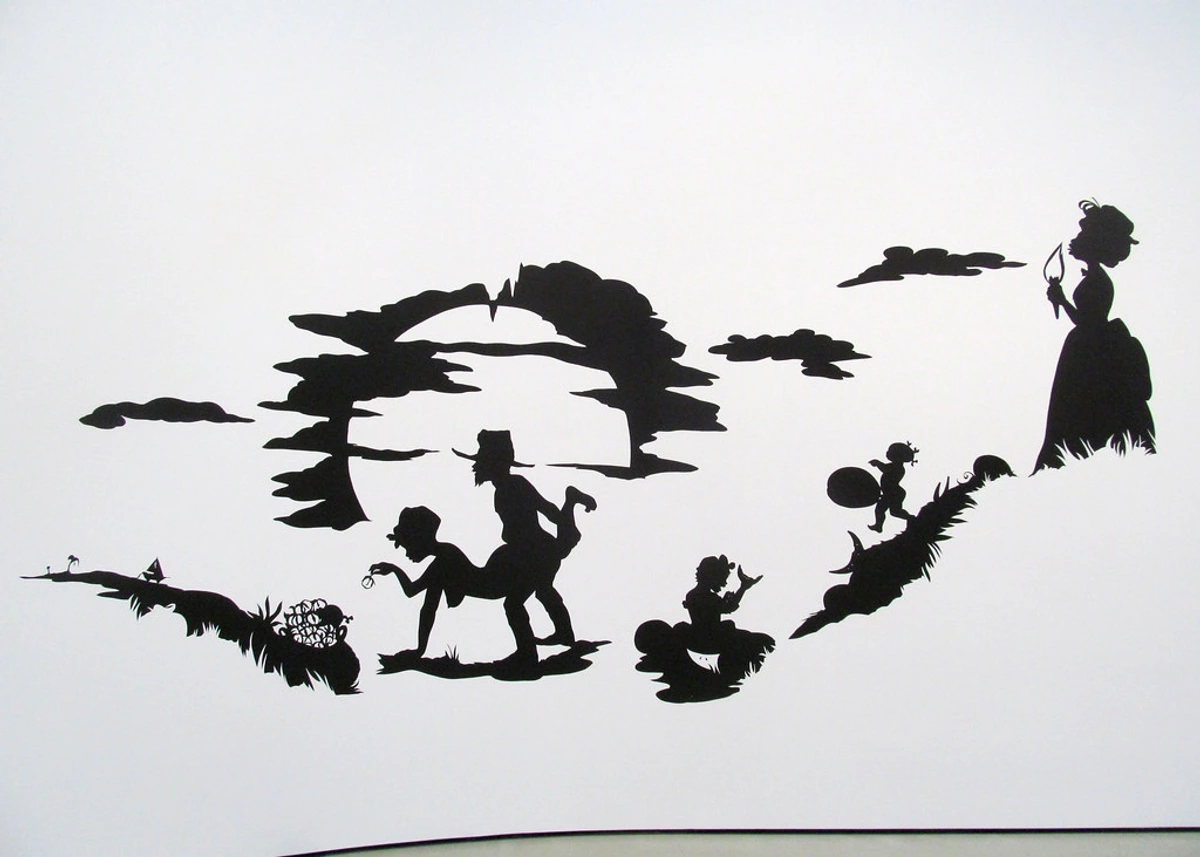
Kara Walker's massive silhouette installations depicting antebellum scenes of violence and sexuality generate exactly the kind of critical complexity that fascinates me. A formalist analysis might focus on Walker's masterful use of the silhouette form—how she transforms this innocent, decorative Victorian craft into something menacing and psychologically complex. The contrast between the beautiful, delicate cutting and the horrific content creates powerful aesthetic tension.
But a purely formalist reading misses what makes Walker's work so significant. Social art history approaches reveal how her work engages with the history of minstrelsy, the persistence of racist imagery in American culture, and the representation (or lack thereof) of Black women in art history. Feminist criticism highlights how Walker explores relationships between power, desire, and violence in ways that complicate simple narratives about victimhood and agency.
What I find most interesting, though, is how reception theory helps us understand the controversy her work generates. Some Black viewers find her work empowering for its unflinching engagement with traumatic history; others criticize it for reproducing degrading imagery. Walker's work demonstrates that the same formal choices and iconographic content can generate radically different meanings depending on who's looking and what experiences they bring to the encounter.
Theaster Gates: Social Practice as Artistic Material
Theaster Gates's projects—turning abandoned buildings on Chicago's South Side into cultural spaces, or organizing community archives—don't look like traditional art. If you approach them with formalist criteria (composition, color, material properties), you'll miss what makes them significant.
But if you understand social practice as an artistic medium, Gates's work becomes incredibly sophisticated. He's using community organizing, urban planning, material culture, and economic development as his artistic materials. The \“composition\” isn't visual—it's the relationships between people, the transformation of neighborhoods, the creation of new possibilities for collective life.
Critical approaches that focus on social impact, institutional critique, or community engagement have the tools to analyze Gates's work thoughtfully. Market-based criticism has a harder time—what do you do with art that deliberately resists commodification? Gates's practice challenges critics to expand their understanding of what counts as artistic achievement and how we evaluate it.
Yayoi Kusama: Market Success vs. Critical Recognition
Yayoi Kusama presents a fascinating contemporary case study in how market success, popular appeal, and critical recognition interact—or fail to. Her Instagram-friendly Infinity Mirror Rooms draw enormous crowds and command astronomical prices, but some critics dismiss them as crowd-pleasing spectacle rather than serious art.
This tension between popular success and critical legitimacy isn't new—similar arguments happened around the Impressionists, around Warhol, around countless artists who were accused of being too commercial or too accessible. But Kusama's case is particularly interesting because her market triumph is so undeniable. Can work be critically significant if millions of people love it? Does accessibility automatically mean lack of depth?
The critical split over Kusama often comes down to which framework you prioritize. Critics who emphasize formal innovation or conceptual rigor often find her work repetitive or shallow. Critics focused on affect theory, popular culture, or the politics of mental health find her work incredibly rich. Market-based critics point to her undeniable cultural impact and influence. None of these perspectives is necessarily \“wrong\”—they're asking different questions and therefore arriving at different conclusions.
The Psychology of Taste: Why We Like What We Like
Before we get to the FAQ, let me pause here and talk about something that's fascinated me for years: why do we respond to certain aesthetics and find others repellent? This isn't just about education or cultural exposure—though those matter—it's also about the psychology of perception, memory, and identity.
The Comfort of the Familiar
We're drawn to art that feels familiar, even if we can't articulate why. This might be because it uses compositional patterns we've seen before, color palettes that evoke comfortable associations, or subject matter that reinforces our worldview. There's nothing wrong with enjoying familiar aesthetics—the problem comes when we mistake personal comfort for objective quality.
I've noticed this in my own viewing habits. I have a weakness for certain kinds of abstraction—loose brushwork, atmospheric color, ambiguous space. I used to think this was just \“good taste.\” Now I realize it's partly about my personality (I prefer suggestion over declaration), partly about my artistic training (I learned to paint in a particular tradition), and partly about my psychological needs (I'm drawn to art that creates space for contemplation rather than demanding immediate comprehension).
The Fear of the Unknown
We're often repelled by art that feels alien or challenging. This isn't necessarily ignorance or close-mindedness—it's a natural psychological response to the unfamiliar. When we encounter art from cultures we don't understand, or art that violates our expectations, or art that challenges our identities, our first response is often discomfort or dismissal.
The difference between an open and closed mind isn't whether you feel this initial resistance—everyone does—but what you do with it. Do you lean into the discomfort with curiosity, or do you retreat into familiar territory? Good criticism often happens in that moment of choice.
The Social Dimension of Taste
We use our aesthetic preferences to signal who we are and who we want to be. The art we praise, collect, and share isn't just about personal pleasure—it's about identity construction and social positioning. This is why arguments about art can feel so personal and high-stakes: we're often defending not just a painting, but a vision of ourselves and our place in the world.
Understanding this social dimension doesn't mean our tastes are \“fake\” or purely performative. It means recognizing that aesthetic judgment always happens in a social context, with social consequences. When I choose to display certain artworks or praise certain styles, I'm participating in the ongoing cultural conversation about what matters and why.
Frequently Asked Questions
Let's tackle some practical questions: The theory is fascinating, but you probably have more immediate questions about how art criticism actually works today. Here are answers to some common questions I hear from people trying to navigate the contemporary art world.
What's the difference between art criticism and art history?
They overlap constantly, but here's a rough distinction: Art history tends to focus on what happened—chronologies, attributions, cultural contexts. Art criticism focuses on what it means and whether it succeeds—interpretation, evaluation, and judgment. Historians might analyze what happened when Pollock painted Autumn Rhythm; critics argue about why it matters (or doesn't).

Can an artist also be a critic?
Absolutely—and some of the most powerful criticism has come from practicing artists. Think of Donald Judd's writing, or Robert Motherwell's editorial work. But it creates a tricky dynamic. Artist-critics risk either promoting their own aesthetic allies or being unfairly harsh to competitors. The best ones acknowledge their biases upfront.
Is art criticism objective or subjective?
This is the billion-dollar question, and I think most contemporary critics would say: neither pure objectivity nor pure subjectivity. Good criticism is argued subjectivity. You start with your personal response, then build a case using evidence from the work, context, history, and theory. You're not claiming universal truth—you're saying \“Here's what I see, and here's why you should consider seeing it too.\”
I think about it this way: criticism is like describing a landscape. The landscape exists independently of any particular viewer (that's the \“objective\” part), but every description is shaped by where the viewer stands, what they choose to focus on, and what language they use (that's the \“subjective\” part). A geologist, a poet, and a real estate developer will describe the same landscape very differently—and all three descriptions can be valuable without any of them being the single \“correct\” one. Criticism works similarly: the artwork exists, but our descriptions and evaluations are always perspectival.
This is the billion-dollar question, and I think most contemporary critics would say: neither pure objectivity nor pure subjectivity. Good criticism is argued subjectivity. You start with your personal response, then build a case using evidence from the work, context, history, and theory. You're not claiming universal truth—you're saying 'Here's what I see, and here's why you should consider seeing it too.'












Why do critics seem to love controversial art?
Controversial art forces us to confront our assumptions about what art should be or do. It creates friction—and friction creates energy for critical conversation. I'd also add that critics who only praise conventional work quickly become boring. Pushing boundaries is part of the job description.
How has social media changed art criticism?
Social media has demolished the gatekeepers. Anyone can now publish their thoughts about art to a global audience instantly. This has created radical democratization—but it's also created an attention economy where extreme opinions thrive. Nuance struggles to compete with hot takes and algorithm-friendly outrage.
Do I need to study art history to be a good critic?
No—but it helps enormously. Think of it this way: the more art you've seen and thought about, the more reference points you have for comparison and analysis. You don't need a PhD, but you do need curiosity. What you lack in formal education, you can make up for in close looking and willingness to learn.
Can art be criticized on moral grounds?
We've been doing this since Plato, and the conversation is more urgent than ever. The question isn't whether morality enters criticism—it's how. Does an artwork's content deserve moral judgment? What about an artist's biography? Does buying art from a problematic figure implicate you? These don't have easy answers, but pretending morality doesn't matter feels like bad faith.
What makes art criticism 'good' or 'bad'?
For me, good criticism does four things: it helps me see the work more clearly, it makes me think about things I hadn't considered, it's honest about its own perspective and limitations, and it's written with care for language. Bad criticism is dull, predictable, self-important, or so jargon-heavy that it obscures rather than illuminates. The worst criticism is the kind that makes you feel stupid for liking what you like.
The Future of Judgment: AI, VR, and Tomorrow's Critical Conversations
Before we wrap up, let me say something about where I think criticism is heading. We're living through a moment of profound technological transformation, and it's reshaping how we create, encounter, and judge art in ways we're just beginning to understand.
AI as Critic (and Artist)
We're already seeing AI tools that can analyze art for formal patterns, identify influences, even generate their own \“critical responses.\” Some AI can look at a painting and tell you which art historical movements it resembles, which artists might have influenced it, what formal qualities dominate. Within a few years, we'll have AI that can generate fluent art criticism in any style you want—formalist, social-historical, postmodern, whatever.
This raises fascinating and slightly terrifying questions: Can an AI be a good critic if it has no subjective experience, no personal history, no emotional life? Or does AI criticism represent the ultimate fantasy of objectivity—judgment free from the messy complications of human psychology and social positioning? What happens to human critics when AI can process more art history, recognize more patterns, and generate more sophisticated analysis than any person ever could?
I don't think AI will replace human critics, but I suspect it will force us to clarify what's uniquely human about aesthetic judgment. Maybe we'll discover that the most valuable criticism isn't about information processing or pattern recognition, but about the deeply personal encounter between a particular consciousness and a work of art. Or maybe we'll decide that what matters isn't the critic's individual perspective, but their ability to mobilize knowledge and argument—in which case, AI might well be better at criticism than humans.
Virtual Reality and the Evolution of Experience
Virtual and augmented reality are creating entirely new modes of aesthetic experience—art you don't just look at, but inhabit. How do you critique an artwork when you can walk through it, when your body's movement affects what you see, when the experience is different for every viewer and every viewing?
These immersive technologies will also challenge our assumptions about where art happens and who gets to see it. If you can visit a major museum exhibition from your living room, or if artists can create worlds that exist only in virtual space, we'll need new critical languages to describe and evaluate these experiences. Formalism developed for painting won't help much when you're analyzing the rhythm of interaction design or the politics of virtual world-building.
Globalization and Decentralization
Perhaps the most important change is the ongoing decentering of Western art institutions and critical traditions. Art criticism is becoming genuinely global and multilingual in ways that would have been impossible even twenty years ago. Critics working from Lagos, São Paulo, Mumbai, and Seoul are developing frameworks that don't take European modernism as their starting point or endpoint. Artists from these contexts aren't just being assimilated into Western art history—they're creating new histories and new critical traditions.
What excites me most about this globalization isn't just that more voices are included, but that the fundamental assumptions of Western art criticism—about individualism, innovation, progress, autonomy, the relationship between art and politics—are being challenged by radically different ways of thinking about art's purposes and meanings.
The End of the Beginning
I'll leave you with this thought: we've spent centuries building increasingly sophisticated tools for understanding art. But I keep returning to something simpler—what happens in that moment before you start analyzing, before you remember what the experts said, before you worry about getting it 'wrong.'
That moment of pure, un-self-conscious encounter—when a color stops you, when a shape confuses you, when something inexplicably moves you—that's where all criticism begins and ends. All the theories, all the historical knowledge, all the sophisticated frameworks are ultimately just attempts to understand that moment—to figure out why certain arrangements of form and color can make us feel so much, think so deeply, argue so passionately.
That initial reaction—the gasp, the frown, the curiosity, the boredom—is the foundation of everything. All the theory, all the history, all the critical frameworks are just attempts to understand why we respond the way we do, and what those responses tell us about being human.
What I find most hopeful about our current moment is that more people than ever are participating in these conversations. Yes, social media creates noise and outrage cycles. But it also creates space for new voices, unexpected perspectives, and fresh ways of seeing. We're witnessing the democratization of something that was once reserved for elites—and that's chaotic, messy, but ultimately beautiful.
So the next time you're looking at something that stops you in your tracks—whether it's in a major museum or on your neighbor's Instagram feed—trust that moment. Start there. Your judgment isn't the final word, but it's a necessary one.
The conversation about art isn't sacred. It's not reserved for the educated or the initiated. It's a messy, ongoing argument about meaning, beauty, power, and possibility. And finally, after all these centuries, you're invited to the table.
If you've ever felt intimidated by the art world, I hope this glimpse into its behind-the-scenes arguments makes it feel a little more approachable. Every expert was once a beginner, and every critical tradition started as someone's wild idea.