What Is Art Critical Reception?
A deep dive into critical reception in art, exploring how the meaning and value of an artwork are forged not in isolation, but through the dynamic interplay of critics, the public, and history.

What Is Art Critical Reception? It's More Complicated Than You Think (And Way More Personal)
You've probably heard the story, maybe in a movie: the brilliant artist, misunderstood in their own time, dies penniless, only for their work to be "discovered" decades later and sold for millions. We love this story of Vincent van Gogh because it confirms our belief in hidden genius. It's a powerful myth, one that suggests art has a single, true value that stubborn critics simply fail to see. It makes for a good plot, but it completely misunderstands what art critical reception actually is—not a final judgment handed down from on high, but a messy, continuous, and deeply human conversation.
I want you to forget that myth for a moment. Let's talk about how it really works. Critical reception isn't just about a snobby art critic in a tweed jacket giving a thumbs-up or thumbs-down. It's a messy, chaotic, and deeply human conversation between an artwork and its world. It’s the process that decides if a painting is a masterpiece or just paint on a canvas, a decision made not once, but over and over again.
It's also something you can participate in right now. Think of this article as your guide to a conversation that never ends.
Beyond the Thumbs-Up: Deconstructing Critical Reception
At its core, critical reception is the collective process of evaluation, interpretation, and contextualization of an artwork by an audience. This process is dynamic, not static; it morphs as cultures shift, new theories emerge, and forgotten voices are finally heard. Notice I didn't say "the critic." I said "an audience." That audience can be:
- An individual, influential critic writing for a magazine.
- A tight-knit circle of fellow artists whose opinion matters more than any review.
- The public, voting with their feet at an exhibition.
- The patrons and collectors who literally buy into an artist's vision.
- Historians from the next century, analyzing the work with cool detachment.
Each one brings a different lens to the work. This process isn't a final verdict; it's an ongoing debate that can last for centuries, long after the artist has put down their brush.
Why does this matter so much? Because art doesn't speak for itself. A canvas with a red square on it can be a radical political statement, a formalist exploration of color, or just a red square (in Russian, 'красный' also means 'beautiful''). The meaning is not inherent; it's bestowed. Context is the magic ingredient. A painting doesn't get famous just because it's 'good.' A sculpture isn't called a masterpiece just because it's technically perfect. The critical conversation surrounding the work gives it meaning, value, and a place in history. Without that conversation, the art is just an object, inert and mute.
Think of it like this: an artwork is a question mark. Critical reception is the long, winding, and sometimes furious attempt by the world to write the answer. And every new generation picks up the pen and edits the last draft. Some answers are elegant and concise, others are messy and contradictory, and the best ones raise entirely new questions. The artist asks the question, but it's the audience that provides the answer—and that answer is never final.
The Unlikely Heroes of Art History: A Stroll Through Critical Reception
The history of art is, in many ways, a history of terrible first reviews. Let's look at some examples that have always stuck with me. What’s fascinating is that these initial pans and dismissals often form the very bedrock of an artwork’s legend. The public's indignation, the critics' ridicule—it all gets folded back into the work's meaning, becoming part of the story the next generation learns. This concept, which I like to call the History of Failure, reveals that critical rejection isn't necessarily the end of the story, but often its dramatic beginning.
The Salon des Refusés and the Birth of the Avant-Garde
Imagine you’re an artist in 1863 Paris. To have a career, you have to get your work into the official Salon. A jury of esteemed Academic painters decides what is "good art"—impeccable technique, classical subject matter, historical or mythological narratives. You send in your work, and it gets rejected. You’re a nobody. But that year, so many artists were rejected that Emperor Napoleon III, partly to quell the uproar, allowed them to exhibit in a separate show, which became known as the Salon des Refusés (the Exhibition of the Rejects).
The critics and the public showed up not to appreciate, but to laugh. The paintings were regarded as clumsy, unfinished, and an affront to public decency. Édouard Manet’s Le Déjeuner sur l'herbe was considered a vulgar, scandalous joke. Why? It depicted a nude woman picnicking with fully clothed men, treating a classical subject with stark, contemporary realism. The guardians of culture thought it was a prank. It broke every rule the Salon held sacred.
But that harsh reception was a catalyst. It forced a conversation. It drew a line in the sand. The critics who hated it defined it, and in doing so, they helped create the very movement they despised: Impressionism. The initial rejection was not a failure; it was the first, most crucial step in its critical life. It’s a powerful reminder that sometimes, being hated by the right people is more important than being loved by everyone. The Salon des Refusés is the primal scene of the avant-garde, the moment it was named and therefore born. This demonstrates a key principle: critical outrage is often the engine of art history.
The Armory Show: A Transatlantic Shockwave
Jump ahead fifty years to 1913 in New York City. The International Exhibition of Modern Art, held in an armory on Lexington Avenue, introduced a baffled American public to the radical ideas of European Modernism—Cubism, Fauvism, and Futurism. The star of the show, for all the wrong reasons, was Marcel Duchamp’s Nude Descending a Staircase, No. 2.
Critics called it "an explosion in a shingle factory." They couldn't see a nude, they couldn't see a staircase—they saw a mess. Cartoonists made fun of it in newspapers. It was an object of pure ridicule. But within that ridicule was a powerful idea: art could be something other than a nice picture of a bowl of fruit. It could be motion, chaos, and fractured perspective. Duchamp himself understood this perfectly, recognizing that the public's confusion was a feature, not a bug, of his artistic project. The painting became the talk of the town, a cultural flashpoint that separated the curious from the conservative.
The Armory Show's reception was a culture shock that permanently changed the American art landscape. It wasn't just Duchamp; the works of Picasso, Matisse, and van Gogh (yes, he was still shocking in 1913) created a critical firestorm that, again, forged a new understanding of what art could be. A critic at the time, writing for The New York Times, declared that the exhibition was "pathological" and had "no relation to art." This type of critical hysteria often serves as a historical marker, signaling a profound shift in aesthetic values that the establishment is not yet ready to accept. The outrage was the point; it proved the art was working.
When the Critics Got It "Wrong" (Or Did They?)
The stories of critical rejection that lead to triumph are easy to love. But what about the flip side? What about the artists the critics loved, that history has mostly forgotten? In the 19th century, William-Adolphe Bouguereau was the undisputed king of the Paris Salon. Critics adored his mythological scenes rendered with flawless, porcelain-smooth technique. He was considered the pinnacle of French painting. This introduces another key idea: the critical afterlife, where an artist's reception can be completely inverted by subsequent generations.
A century later, his name was a footnote, a symbol of everything the Modernists rebelled against: empty, academic perfection. His critical reception did not disappear, it just inverted. He became the "other" against which modern art defined itself. It proves that reception is never static; it’s a pendulum that swings with the values of each new generation. What was once a model of excellence can, in time, become an example of what to avoid—a fascinating and slightly terrifying thought for any artist working today. It reminds us that reception is history, and history is always being rewritten. The art that is popular today is not guaranteed a place in the canon of tomorrow. Taste is a fickle master.

The Critical Toolkit: Arguments in the Critical Conversation
So, what exactly are critics talking about? When they look at a piece, they’re usually arguing from a few distinct perspectives. They're never just saying "I like it." They're building a case, constructing an argument with evidence drawn from the artwork itself. Think of them as lawyers in a courtroom, each trying to persuade the jury—which is you, the public—of their interpretation.

Formalist Criticism: The Art Itself, Stripped of Story
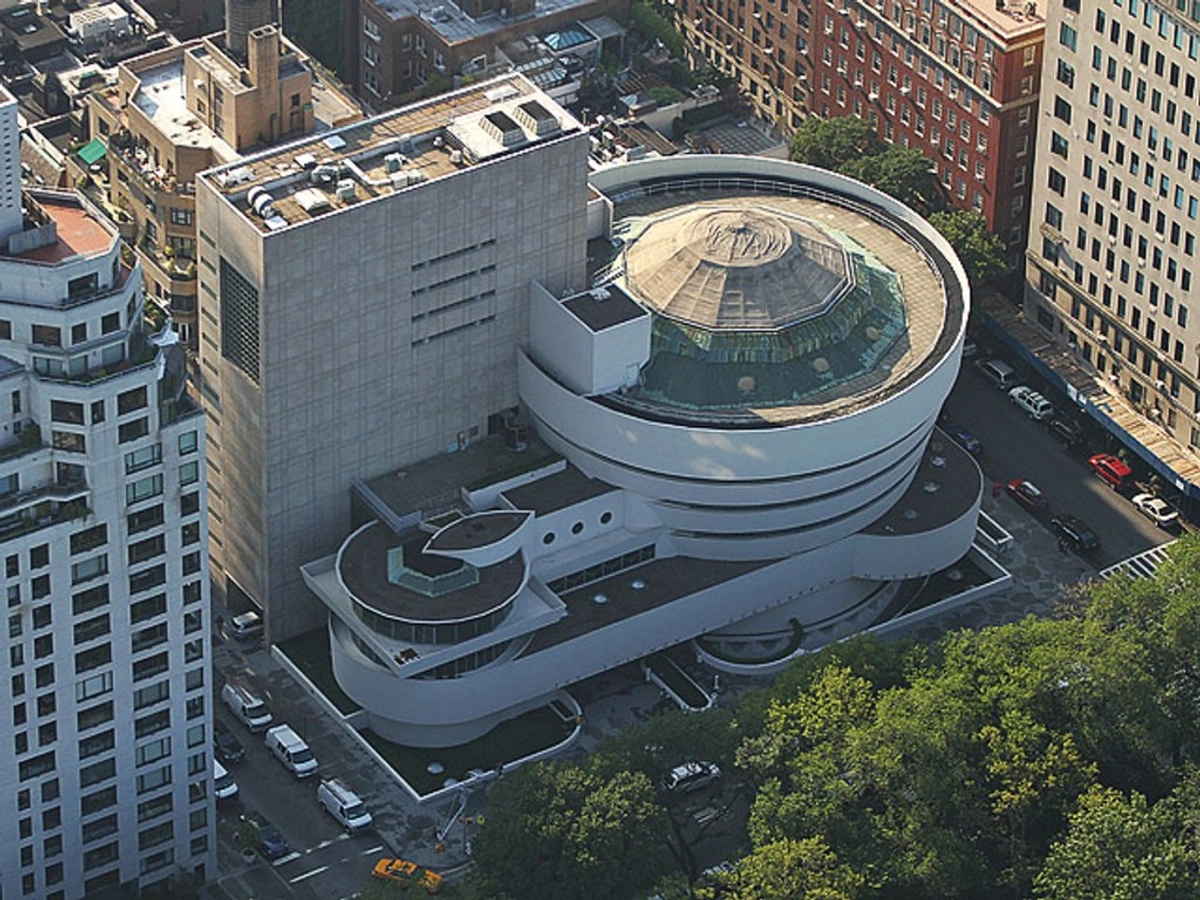
This is criticism that focuses on the object, and only the object. Formalists care about line, color, composition, shape, and texture. They ignore the biography of the artist, the historical context, and any political message. It’s all about the visual elements and how they work together. Think of it as judging a car by its engine and design, not by who the driver is. The influential mid-century critic Clement Greenberg was a strong proponent of this approach, arguing that the essence of modern art lay in its formal, painterly qualities—flatness, color, and brushstroke—rather than in any external narrative. For a formalist, a Jackson Pollock drip painting is powerful not because it reflects post-war anxiety, but because of its complex web of line and color. This approach, while sometimes seen as overly rigid, trains your eye to see the formal language of art itself.
Contextual Criticism: The World the Art Lives In
If formalists look at the work, contextual critics look through it, seeking meaning beyond the immediate visual experience. They believe an artwork is inseparable from the world that created it. This is a huge umbrella that includes several approaches:
- Biographical Criticism: How does the artist's life story—their struggles, relationships, mental state—influence the work? For example, knowing that Frida Kahlo endured immense physical pain adds a profound layer of meaning to her visceral self-portraits. It suggests her art was a vital tool for survival, not just aesthetic expression.
- Social and Political Criticism: How does the artwork reflect, challenge, or critique the society in which it was made? What does it say about power, class, gender, or race? Think of the charged works of the Guerrilla Girls, who use humor and statistics to critique the art world's inherent sexism and racism. Their work is a direct attack on the system itself, forcing a conversation about who gets to participate.
- Feminist and Postcolonial Criticism: These frameworks specifically analyze how art has historically represented (or failed to represent) women and non-Western cultures, often challenging the traditional, Euro-centric "canon" of art history. The work of groups like the Guerrilla Girls forces us to ask: whose stories are being told, and whose are being left out? Writers like Bell Hooks and Edward Said opened up entirely new avenues for understanding how power and perspective are embedded in visual culture. They taught us that 'the gaze'—who is looking at whom, and from what position of power—is itself a subject of the artwork.
Philosophical and Psychoanalytic Criticism: The Hidden Depths
This is the heady stuff. Critics using this lens might draw on philosophers like Walter Benjamin to discuss how mechanical reproduction changes an artwork's "aura," or how an original painting in a museum holds a different kind of power than a poster of it on a dorm room wall. Or, they might use the ideas of Sigmund Freud or Carl Jung to interpret the symbolic, subconscious content of a Surrealist painting, seeing drips of paint not as accidents, but as windows into the artist's psyche. These approaches remind us that meaning isn't just in the art; it's also projected onto it from our own minds and cultural frameworks. A philosopher might look at Duchamp's Fountain and discuss its challenge to our very definition of art, while a psychoanalyst might see it as a symbolic act of rebellion against the father figure of the art establishment.
Each of these arguments contributes a different voice to the conversation. The loudest argument at any given time often shapes the prevailing critical reception of an era, but a quieter, more nuanced voice can sometimes resonate more deeply with future generations. A great critic is able to draw from multiple toolkits, creating a rich, multi-layered interpretation that feels both personal and profound. They understand that no single perspective can ever tell the whole story, and that the most interesting truths often live in the contradictions.
The Digital Echo Chamber: Critics, Audiences, and Algorithms
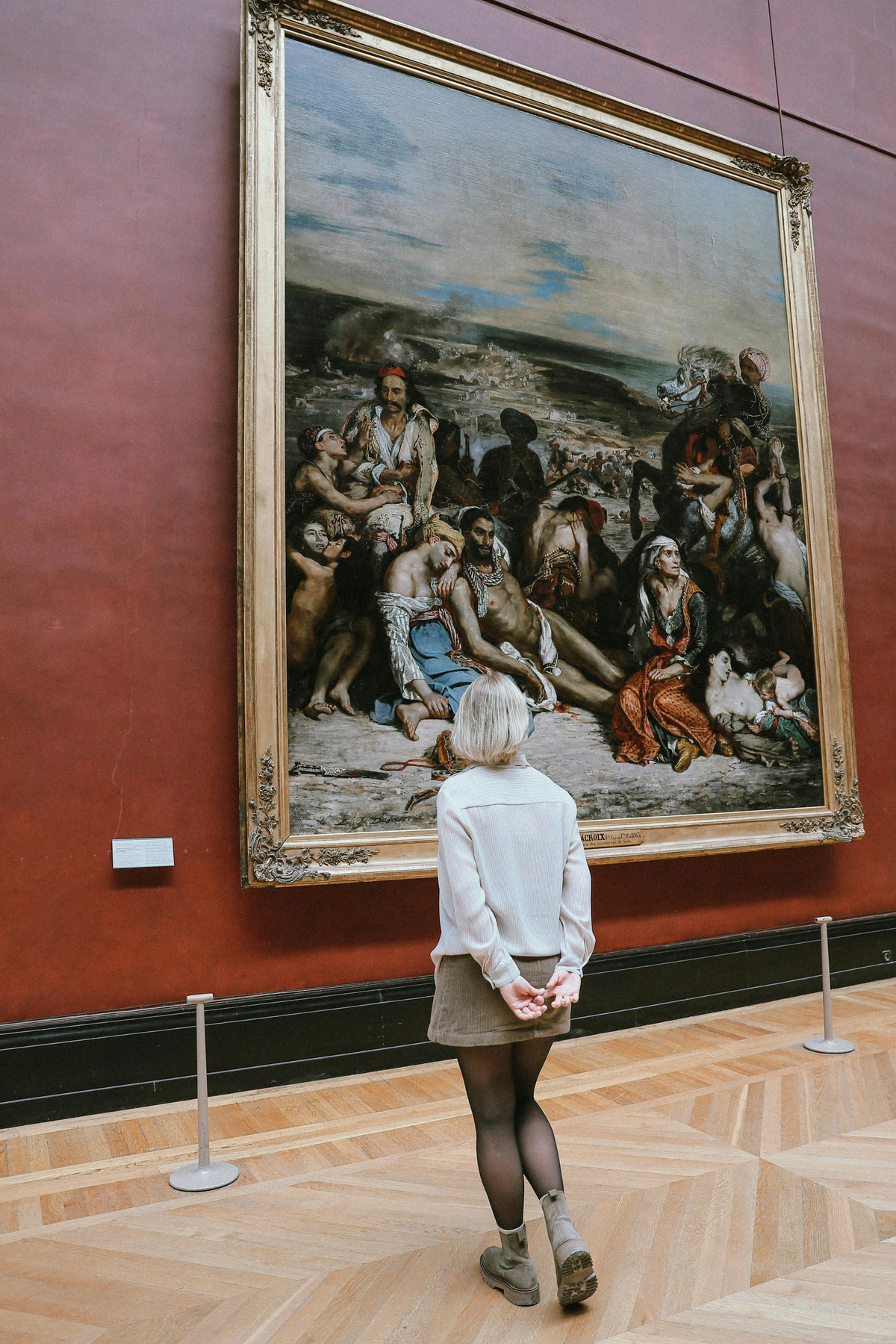
Let's fast-forward to today. The art critic is no longer a solitary figure typing in a newspaper office. The power of a few gatekeepers has shattered into a million tiny fragments. This Great Fragmentation has completely transformed the landscape. Critics are now digital tastemakers on Substack, academics publishing in online journals, TikTokers explaining art theory in 60 seconds, and—more than ever—you.

This shift has transformed the speed, scale, and very nature of how art is received and debated.
Platforms like Instagram or TikTok have completely rewritten the rules. A painting can go "viral," its reception measured in likes, shares, and save counts. This is reception-by-engagement, driven by social proof and algorithmic amplification. The loudest voice isn't necessarily the most thoughtful; it's the one best suited to the platform’s format—immediate, visually striking, and easily digestible. A work that requires long, slow contemplation is at a distinct disadvantage in an algorithm-driven world.
This is a double-edged sword. It’s incredibly democratic. It can give a platform to an outsider artist who would have been ignored by the old gatekeepers. But it can also flatten complexity into a simple binary of 'like' or 'skip.' It’s harder to have a deep conversation about a work’s formal qualities when your main tool is a heart emoji. A painting that's perfectly sized for a phone screen, vibrant, and immediately striking might outperform a subtle, large-scale work that demands in-person contemplation. The algorithm becomes an invisible curator, shaping taste on a global scale. It favors the instantly rewarding over the slowly revealing.

And let's talk about the elephant in the room: the art market (never to be confused with critical reception, though the two often get tangled up in a messy, complicated dance). Auction prices are a form of reception, a vote of confidence from the ultra-wealthy. A painting selling for $100 million is a cultural event that shapes its critical story, regardless of what the critics wrote. It shifts the perception from "Is this good?" to "This is clearly important." This creates a feedback loop where market value can be mistaken for cultural or artistic value, a topic that keeps both art historians and economists awake at night. Money, in this context, is the loudest and most polarizing voice in the conversation. It begs the question that haunts the modern art world: are we looking at a masterpiece, or just a very expensive asset class?
Your Turn: How to Think Like a Critic
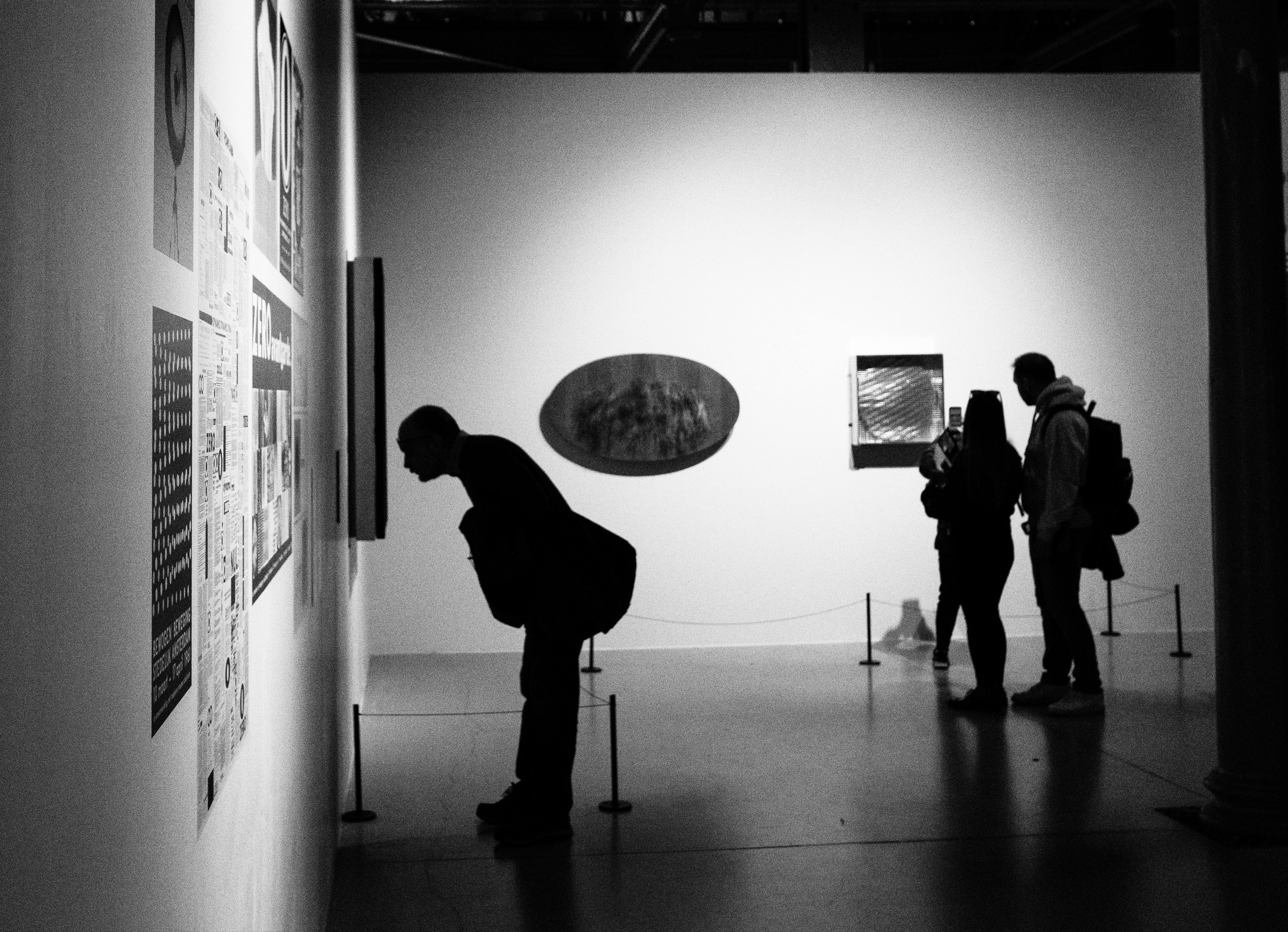
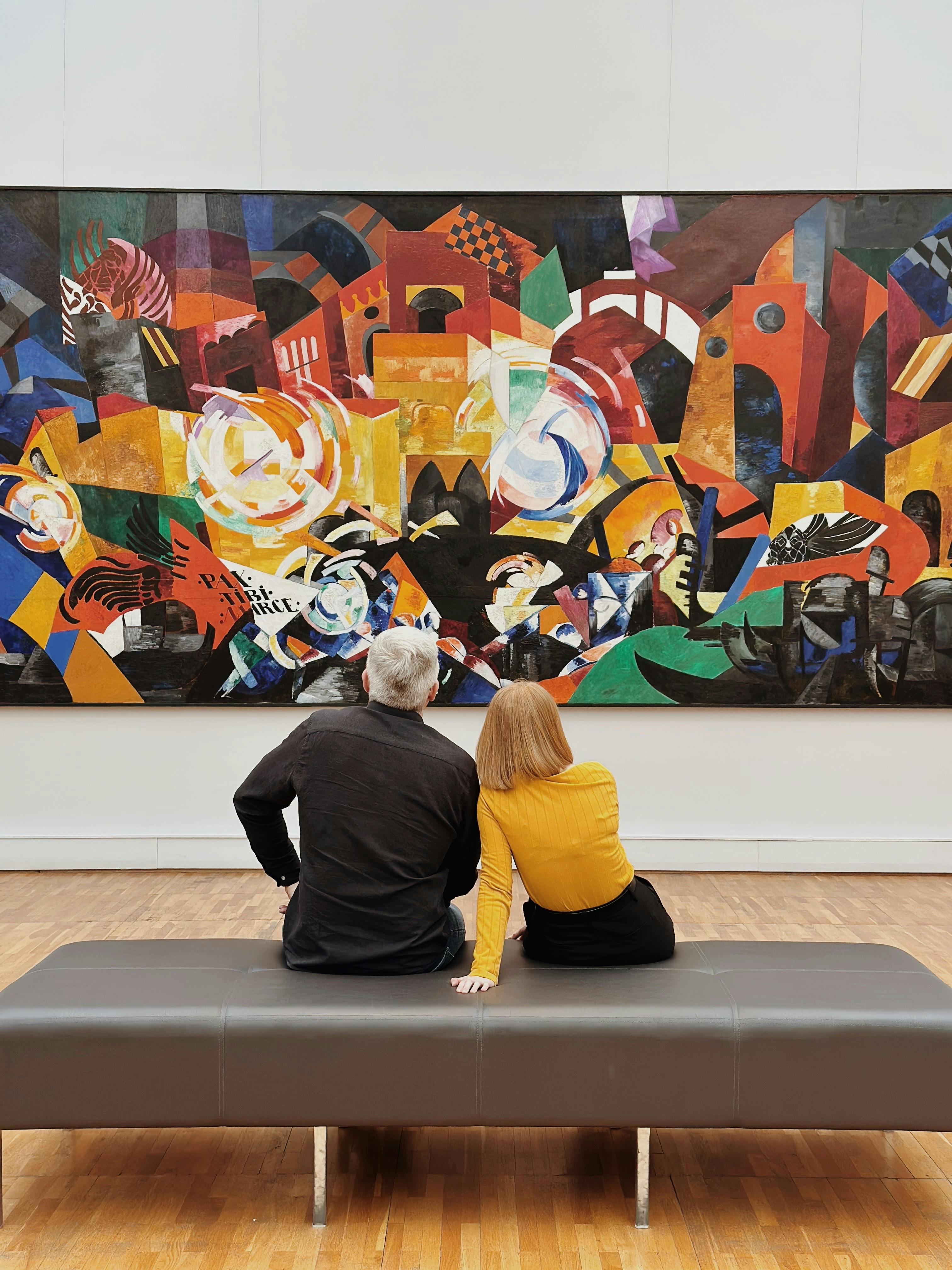
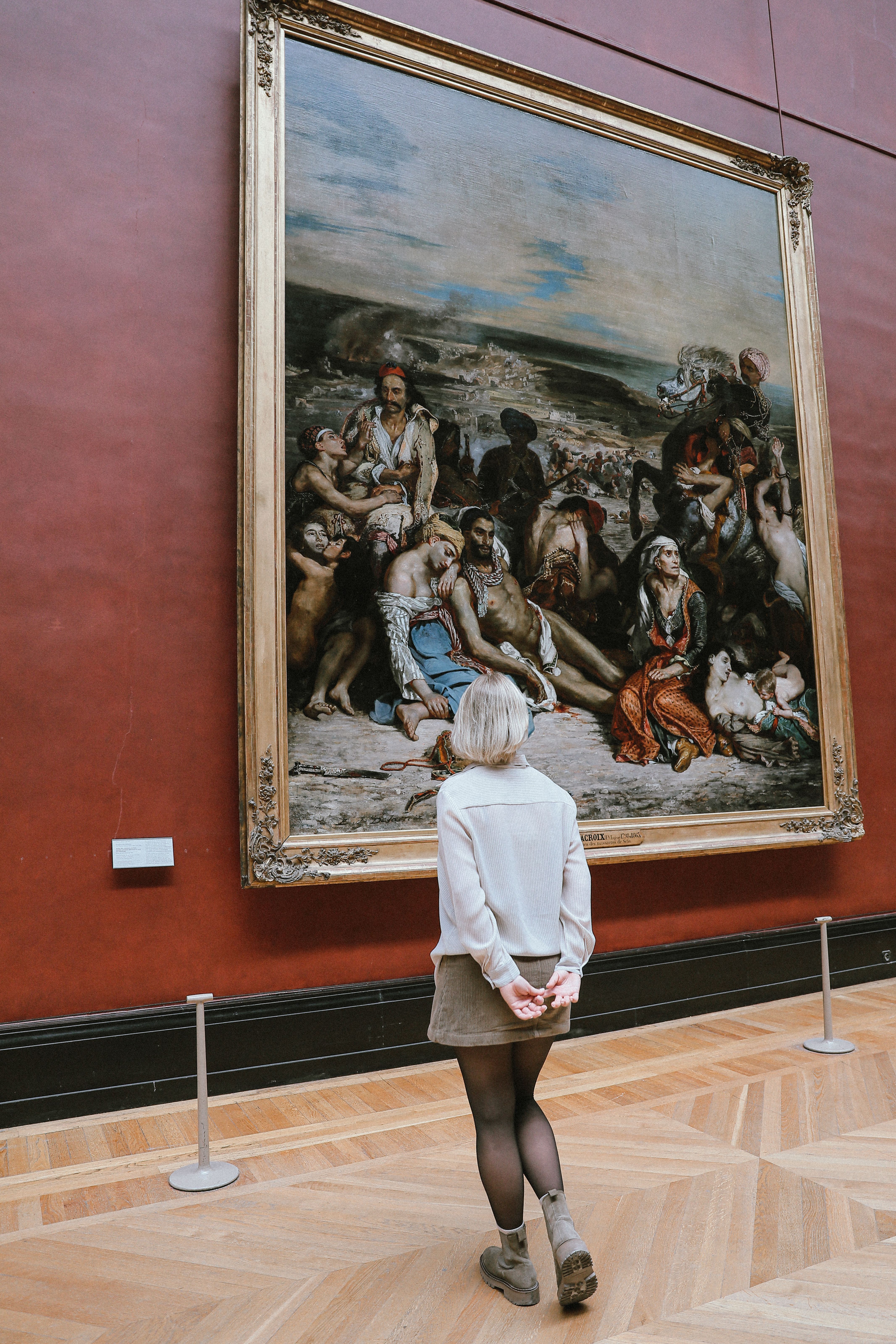
This isn't just an academic exercise. It changes the way you look at art. It transforms a museum visit from a passive sightseeing tour into an active, engaging dialogue with the works on display. It's about reclaiming your own judgment from the experts and the algorithms. The next time you're walking through a museum or scrolling online, try this:
This isn't just an academic exercise. It changes the way you look at art. It transforms a museum visit from a passive sightseeing tour into an active, engaging dialogue with the works on display. The next time you're walking through a museum or scrolling online, try this:
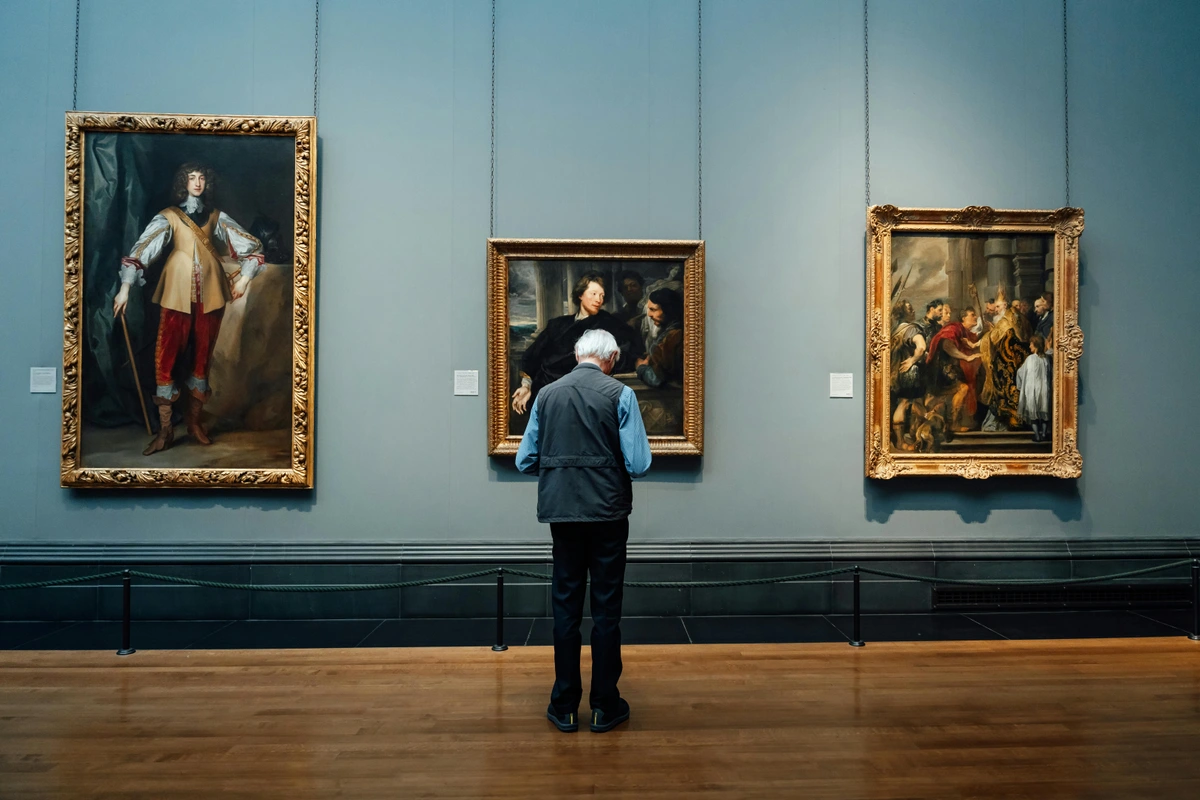
- First Glance: What is your gut reaction? Don't judge it, just notice it. Do you like it? Are you bored? Are you offended? Don't dismiss this initial feeling; it’s a valuable piece of data.
- Formalism: Now, look closer. Block out everything else. How do the colors interact? What is the brushstroke like—smooth or frantic? How does your eye move around the canvas? See if you can identify which formal elements are creating the feelings you identified in step one.
- Contextualization: Read the little card on the wall. When was it made? What was happening in the world then? Who was the artist? Suddenly, that abstract painting might become a response to war, or that violent image a product of a turbulent personal life. The context is the key that unlocks the hidden maps within the art.
- Your Judgment: Now, bring it all back together. How has your initial gut reaction changed, if at all? Your final opinion—your personal reception of the work—is a synthesis of your gut feeling, your formal analysis, and the context you've discovered. Congratulations, you're now part of the conversation. The artwork is no longer just an object; it's an experience you've actively participated in creating. You have added your own voice, however small, to the great, ongoing argument of art history.
More Critical Stories: When Reception Goes to War
Beyond the famous cases of initial ridicule, there are other, more complex stories of critical reception that show just how high the stakes can be. These are moments where art wasn't just critiqued; it was put on trial by society itself.

The Degenerate Art Exhibition: When the State Attacks
In 1937, the Nazi regime in Germany staged a massive exhibition in Munich titled "Entartete Kunst," or Degenerate Art. Its purpose was not to celebrate, but to vilify. They gathered over 600 works by modern artists like Paul Klee, Wassily Kandinsky, and Ernst Ludwig Kirchner, hanging them haphazardly and accompanying them with mocking labels. Millions of people attended, many to jeer. This is perhaps the most chilling example of reception as a weapon. The goal was to turn public opinion against modernism, branding it as diseased, Jewish, and "un-German." The reception was a state-sponsored condemnation. Yet, paradoxically, this act of censorship became a powerful part of these artworks' story, imbuing them with an aura of resistance and moral courage that persists to this day. It proves that reception can be a life-or-death struggle over what kind of world we want to live in.
The Culture Wars: Serrano, Mapplethorpe, and the "NEA Four"
In the late 1980s and early 1990s, the American art world was rocked by the "Culture Wars." Andres Serrano's photograph Piss Christ (a crucifix submerged in the artist's urine) and the posthumous exhibition of Robert Mapplethorpe's explicit and homoerotic photographs sparked a firestorm. Critics in Congress and the media accused the artists of obscenity and blasphemy, pulling their work from exhibitions and threatening to defund the National Endowment for the Arts (NEA). The reception was not just a review; it was a public trial. Four performance artists, the "NEA Four," had their grants revoked. The critical conversation became a proxy war over free speech, public funding, and American values. These events cemented the works in art history, not just as aesthetic objects, but as symbols of a fundamental struggle between artistic freedom and social control.
Deconstructing the Critics: Schools of Thought in Action
To really understand reception, it's helpful to see how different schools of thought would approach the same famous work. Let's take a classic: Sandro Botticelli's The Birth of Venus.
School of Thought  | What They See When They Look at The Birth of Venus | Key Question |
|---|---|---|
| Formalist | The graceful S-curve of Venus's body, the harmonious blending of pastel colors, the rhythmic patterns in the flowers and the sea. | "How are the formal elements arranged to create a sense of harmony and grace?" |
| Biographical | The influence of Botticelli's patron, the powerful Medici family. The revival of classical mythology during the Italian Renaissance. | "How did the artist's time and patrons shape this depiction of a pagan goddess?" |
| Feminist | Venus as an object of beauty for the male gaze. The focus on her nudity and idealized form as a reflection of Renaissance patriarchal values. | "How does this painting represent and create ideals of female beauty and passivity?" |
| Postcolonial | A product of a specific European, Christian culture re-appropriating its own classical (pagan) past. It's a statement of Western heritage. | "What does this celebration of a Greco-Roman goddess say about cultural identity?" |
Seeing this, you realize that there is no single "real" meaning of the painting. Its meaning is generated in the space between the object and the critical lens you apply to it. Each perspective is a valid part of the conversation, revealing a different layer of the work's complex life.
The Evolving Canon: What Gets In, What Gets Left Out
A critical conversation never really ends, but its conclusions have a huge impact: they determine the canon. The canon is the collection of artworks and artists that are considered essential, that are taught in schools and given pride of place in museums. For centuries, this canon was dominated by the "Dead White European Males," or DWEMs. The critical reception of their work was so powerful that it erased almost everyone else.
But the conversation is changing. The work of feminist and postcolonial critics has challenged the very foundations of the canon. Why, they asked, were there so few women artists in the history books? So few artists of color? This new wave of criticism began the work of recovery. Art historians began digging up forgotten artists like Artemisia Gentileschi (a brilliant Baroque painter), María Izquierdo (a key figure in Mexican modernism), and Jacob Lawrence (who chronicled the Great Migration).
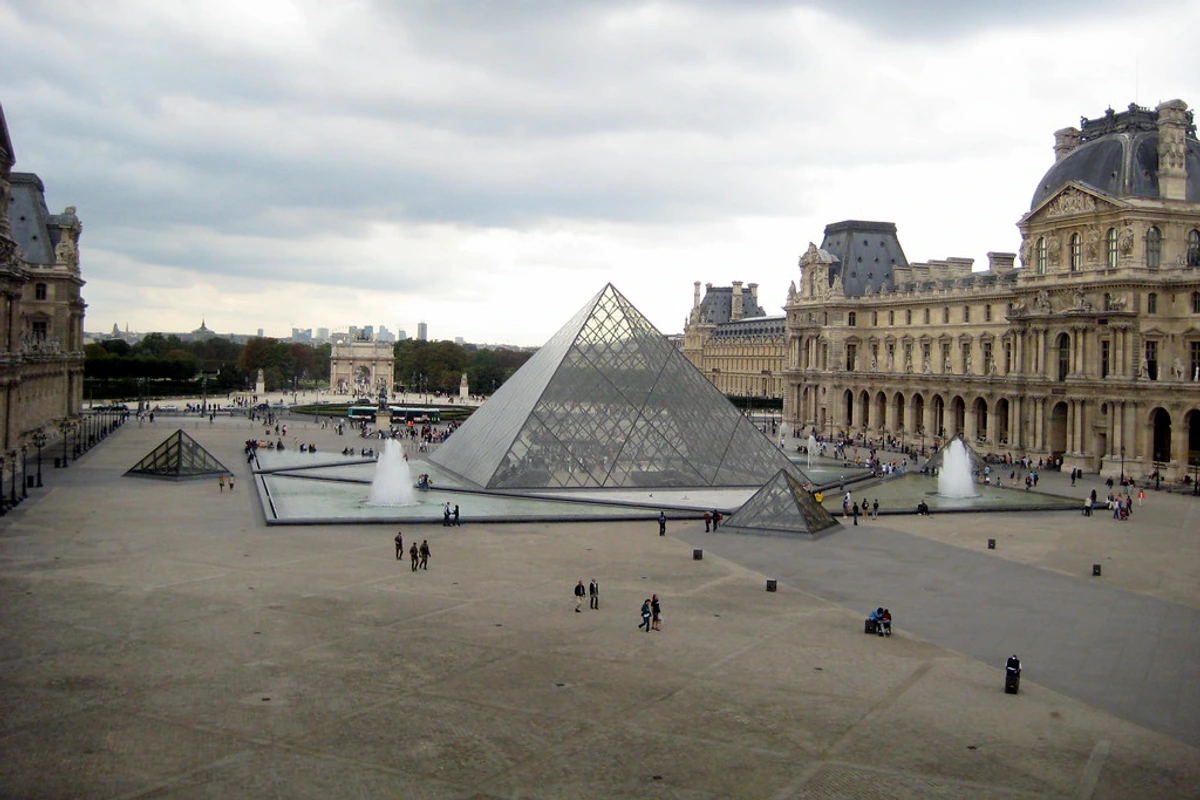
Today, museums are actively trying to expand the canon, acquiring works by these rediscovered artists and by contemporary artists from diverse backgrounds. This is perhaps the most important function of modern critical reception: not just to judge the new, but to re-evaluate the past. It's a process of historical housekeeping, ensuring that the story we tell about art includes all the voices that have contributed to it. The canon is no longer a fixed monument; it's a living document, constantly being edited by each new generation of critics and audiences.
Frequently Asked Questions (FAQ)
Does critical reception determine an artwork's financial value?
It's complicated. They influence each other, but they aren't the same. A glowing review in a prestigious journal can make an artist's market soar. Conversely, a painting breaking records at auction forces critics to re-evaluate it. But art history is also full of commercially successful artists who are critically ignored and revered artists who were poor. Think of it as a long, messy argument between cultural value and market price that has raged for centuries, with no sign of a final resolution. Market value is a snapshot of what the rich want now; cultural value is built over generations by critics, historians, and the public.

How has the internet changed critical reception?
It has completely democratized and fragmented it. Before, a few dozen powerful newspaper critics acted as gatekeepers, dictating what was "important." Now, everyone is a critic. Blogs, social media, and comment sections allow for a massive, global, and immediate conversation. The downside is that it's harder for a single, coherent critical voice to emerge, and the conversation can be steered by popularity and algorithms rather than deep analysis. The barrier to entry has vanished, which is both liberating and chaotic. We gained a million new voices, but we lost the shared table where they could all be heard.
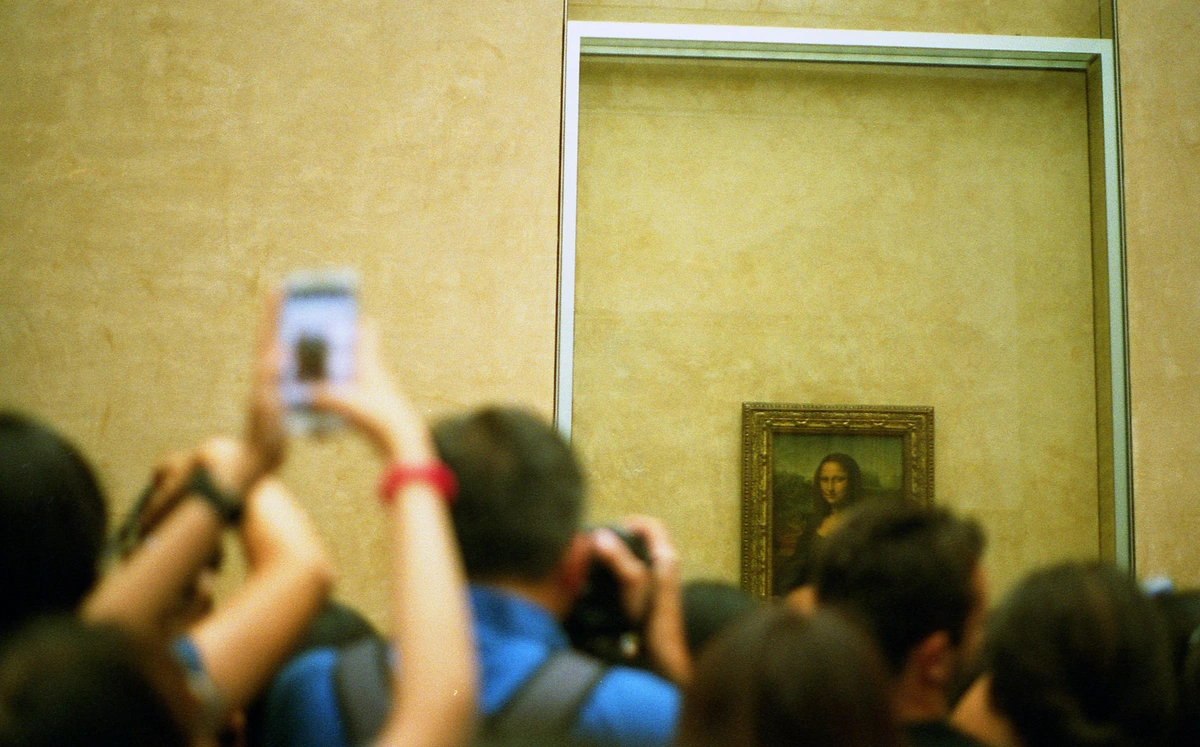
How can I understand an artwork when the interpretation seems subjective?
Interpretation isn't about finding the one correct answer; it's about building the most compelling, evidence-based argument. Think of it less like a math problem and more like a court case. The artwork is the evidence. Formal analysis, historical context, and the artist's biography are your witnesses. A strong interpretation uses these pieces of evidence to make a convincing case. The goal is not to be "right," but to be thoughtful, observant, and persuasive. Two people can have different but equally valid interpretations if they both support their claims with evidence from the work itself. The best interpretations are not the ones that end the conversation, but the ones that start a new one.

What is the difference between an art critic and an art historian?
Think of the critic as a journalist and the historian as a biographer. A critic typically deals with contemporary art, making judgments about work that is fresh and still being digested by the culture. Their work is immediate and often news-driven. An art historian studies art from the past, analyzing how its meaning has been shaped over decades or centuries. The critic is on the front lines of the conversation; the historian is back at headquarters, analyzing the battle reports long after the smoke has cleared.
Why should I even care what critics think?
You don't have to agree with them. But caring about the conversation is worth it. Reading a critic is like having a conversation with someone who has spent years thinking deeply about a subject. They can point out things you missed, draw connections you didn't see, and challenge your assumptions. They enrich your own experience. View them not as an authority to obey, but as a very smart, very opinionated friend you can argue with. Your own interpretation gains depth when it has something to push against. They teach you how to see, not what to see.
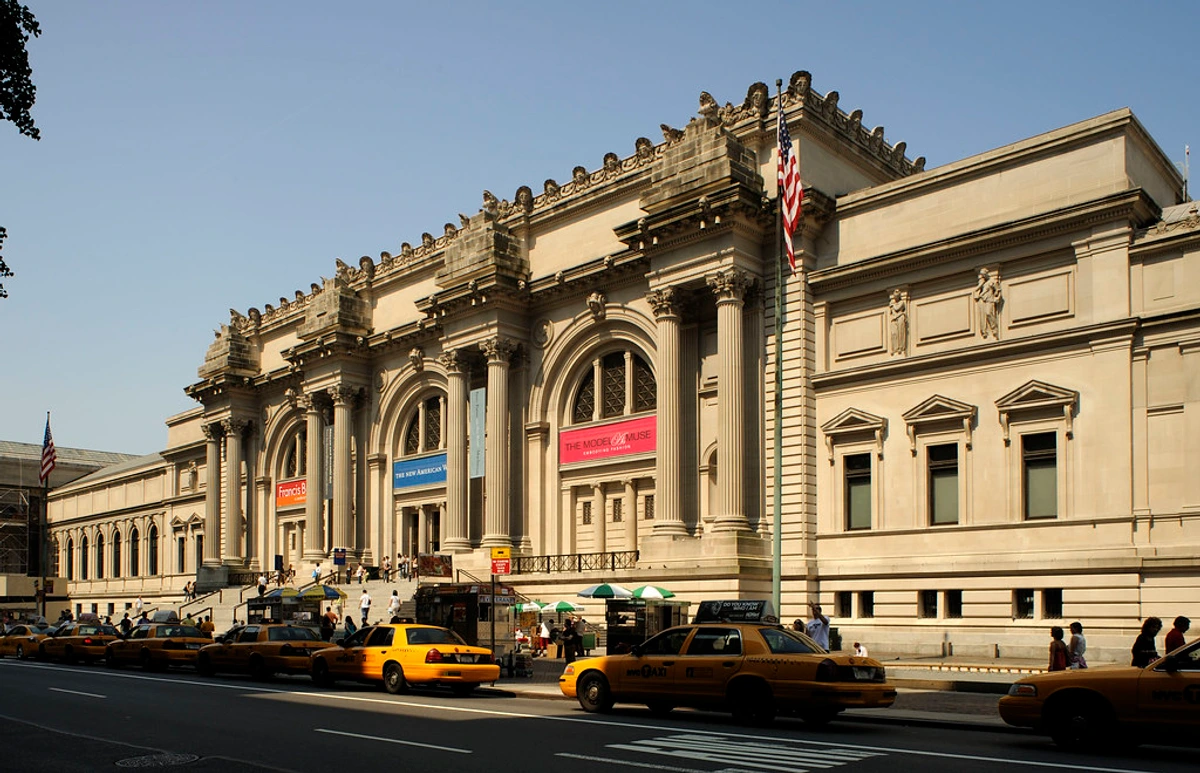
Conclusion: The Conversation Never Ends
In the end, I think that's the most beautiful thing about critical reception. It refuses to let art be a static object. It insists that art is a relationship. It happens in the space between the viewer and the canvas, in the debates online, in the quiet moment of personal connection. It's a never-ending story. A story we are all invited to help write.
Your unique perspective, background, and emotional state are all valid tools for interpretation.
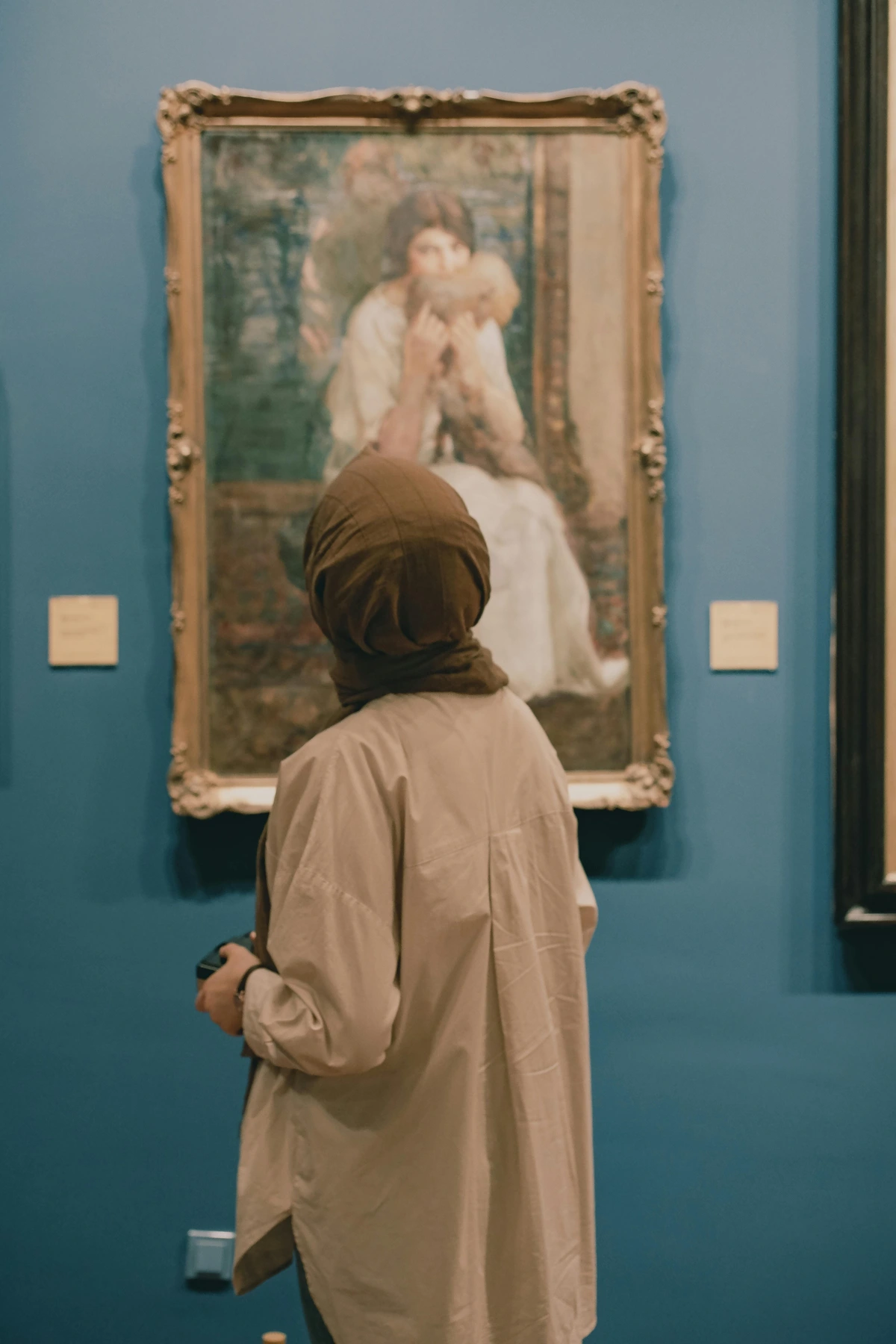








So the next time you see a painting and think, "I don't get it," remember: that feeling is the very beginning of critical reception. It's the invitation. You have a seat at the table. The question isn't whether the experts will have the final say, but what you will add to the conversation. Don't be afraid to have an opinion, to be wrong, or to change your mind. That's what keeps the conversation alive.