Why is Art So Expensive? Unmasking the Art Market's Billion-Dollar Secrets
Ever wondered why art fetches millions? Our ultimate guide demystifies the art market, covering provenance, artist legacy, rarity, psychological biases, market trends, investment, and regulation. Get the definitive, authoritative perspective.

Why is Art So Expensive? Unmasking the Art Market's Billion-Dollar Secrets
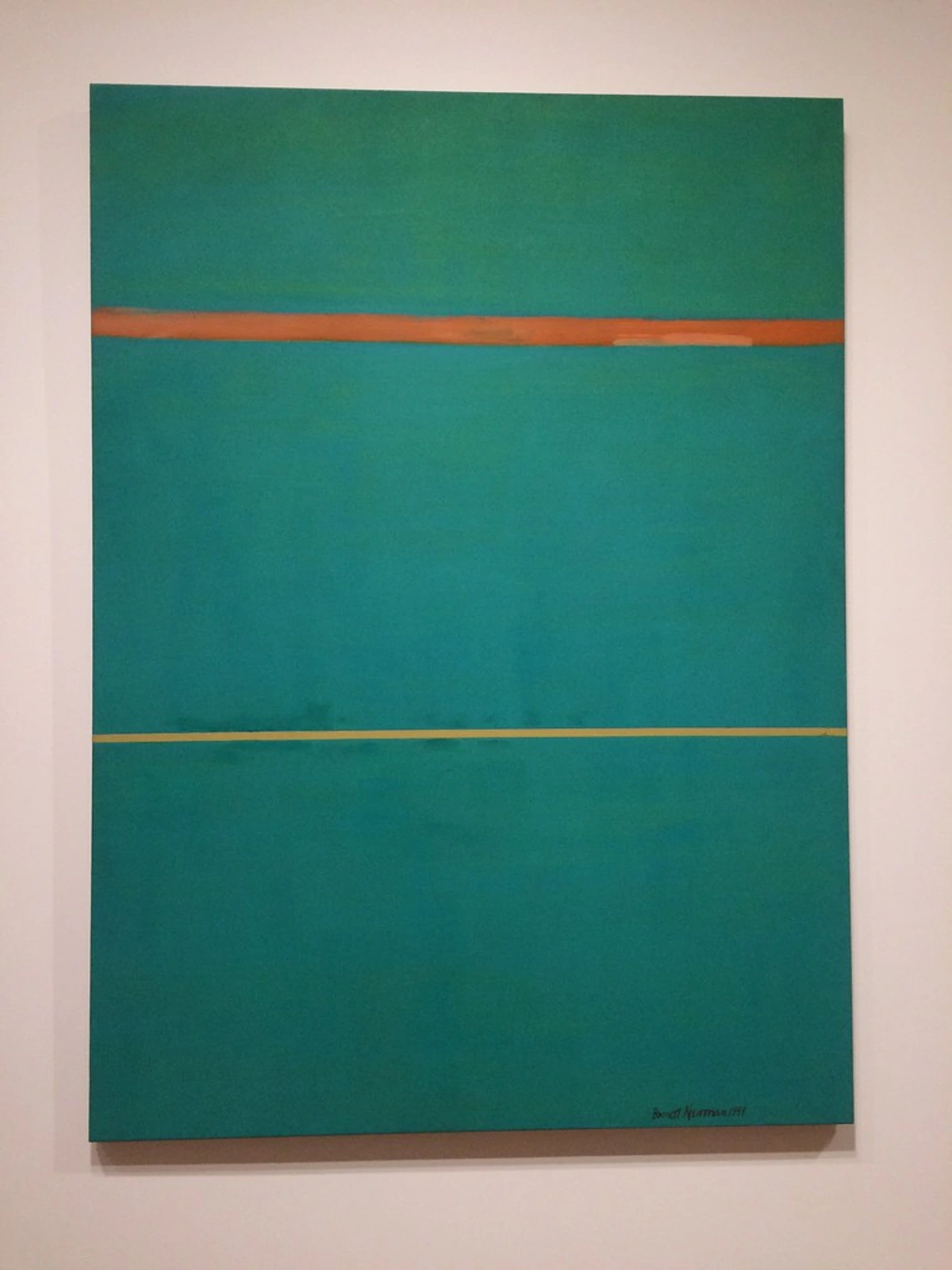
Have you ever stood before a seemingly simple artwork—perhaps a canvas painted a single, very specific shade of blue—and found yourself utterly bewildered by its astronomical price tag? I certainly have. I remember it vividly, probably at Art Basel a few years back. The price? More than the down payment on my childhood home. In that moment, the perennial question wasn't just what made this art, but why on earth it was so expensive. Was I missing something absolutely fundamental? What, in this vast, shimmering spectacle of champagne and whispered deals, truly defines value versus mere price? This is the core problem, isn't it? And my goal today is to unravel it, giving you a crystal-clear understanding of how it all works.
This bewilderment, I've found, is a common entry point into the often-opaque world of art valuation. It's a realm where an object's worth isn't just about paint on canvas, but a complex alchemy of reputation, scarcity, historical significance, and even collective psychology. Today, we're peeling back these layers, diving deep into the tangible and intangible forces that determine why some canvases command fortunes, while others, perhaps just as visually compelling, fetch mere pennies. My goal is to demystify this fascinating, sometimes baffling, system, equipping you with a real understanding of how it all works. We'll explore everything from the artwork's documented history and the artist's enduring vision, to the fundamental laws of supply and demand, and the fascinating psychological currents that can inflate prices.

credit, licence
The Artwork's Foundation: Provenance, Authenticity, and Preservation
Before we even talk about the artist, let's establish the foundational trust in the artwork itself. At its heart, Provenance is simple: it's the artwork's complete, documented chain of ownership. Think of it like a meticulously kept logbook or a detailed family tree for a painting. Every missing entry—every gap in that chain—can raise serious questions, immediately eroding trust and drastically reducing a piece's market value. Imagine a piece resurfacing with no clear record for 50 years; it instantly triggers red flags about its authenticity and legal ownership. A well-documented provenance, supported by exhibition labels, gallery invoices, auction records, and expert certificates, is, in essence, a certificate of authenticity and importance rolled into one. For higher value pieces, specialized art databases and registries often play a crucial role in verifying and recording this history.
If a painting was once owned by a famous collector—a Rockefeller, a Mellon, a royal family, or even a contemporary tech billionaire—or displayed in a seminal exhibition at the MoMA, its value skyrockets. Imagine a Picasso that once hung in Gertrude Stein's salon; that historical context adds immense value beyond its visual appeal alone. It tells a potential buyer, "Look, other important people with impeccable taste and deep pockets thought this was worth owning, and here's the paper trail to prove it." Practically speaking, a solid provenance is crucial for insurance, institutional loans, and resale, serving as a critical benchmark for its value and reliability in the market.
Art Conservation: Protecting the Artistic Statement
This is also where the often-overlooked field of art conservation and restoration plays a critical role. Skilled conservation ensures that the artist's original brushstrokes, colors, and textures remain as intended, protecting the integrity of the artistic statement for future generations. For example, a painting with delicate glazes might develop tiny cracks over centuries; a skilled conservator can stabilize these using reversible consolidants, prevent further degradation, and meticulously document their work, preserving both the aesthetic and financial value. This involves not just repairs but also preventative measures like archival framing materials and environmental controls. Meticulously cared-for works, with documented repairs and treatments, can maintain or even enhance their value over centuries, whereas neglect or amateurish restoration can severely devalue them, sometimes beyond repair. Ethical considerations are paramount here; conservators adhere to strict principles of minimal intervention and reversibility. It’s an ongoing process for valuable artworks, with dedicated conservation plans often implemented for major collections to ensure their longevity. Good conservation, as we'll see, also underpins market confidence for potential buyers and institutions alike, and scientific analysis (like pigment identification or canvas dating) often aids in confirming the artwork's original state and age, further bolstering its provenance.
Art Forgery & Authentication: The Dark Side of the Market
Speaking of provenance, we simply cannot talk about pedigree without addressing the elephant in the room: art forgery. This is a dark, pervasive undercurrent in the art market, costing collectors and institutions billions. A clear, unbroken provenance is your first line of defense, but true authentication often involves a combination of expert connoisseurship, scientific analysis, and meticulous historical research performed by a network of specialized art historians, scientists, and dedicated organizations. The subjective element of connoisseurship – an expert's trained eye for an artist's unique hand and style – complements scientific rigor. Learning to spot forgeries is a critical skill for any serious collector, as detailed in this guide to avoiding art forgeries.
Scientific techniques are invaluable here. Infrared reflectography, for instance, can reveal underdrawings that betray an artist's typical process or show anachronistic elements. Famously, it helped reveal that a supposed Vermeer had an underlying sketch inconsistent with his known technique. X-radiography can expose previous restorations, hidden layers, or even entirely different compositions underneath the visible paint, helping to verify age and artistic hand. Pigment analysis is especially effective in dating works by identifying pigments not available in a certain era (e.g., finding modern titanium white in a supposed Old Master painting is an immediate red flag, as happened in the case of some famous forgeries). Lastly, spectral imaging can detect subtle alterations or overpainting invisible to the naked eye. Formal authentication often goes through expert committees or authentication boards dedicated to a specific artist's oeuvre. The financial and reputational damage of acquiring a fake can be devastating, making expert authentication an invaluable, albeit often costly, part of any major art acquisition.
The Artist's Legacy: Reputation, Vision, and Cultural Capital
Once the authenticity of the artwork is established, our focus shifts to its creator. When you acquire a piece of art, you're not merely buying an object; you're investing in the culmination of an artist's entire journey: their unique vision, their struggles, their breakthroughs, and their indelible mark on cultural history. You're also acquiring a powerful form of cultural capital. Think of it as a social currency, much like financial capital, but instead of buying goods, it buys you status, recognition, and belonging to a sophisticated intellectual sphere. It's a statement, a signal of refined taste and intellectual engagement, as much as it is an object. I often think about my own struggles in finding my own artistic voice and how that long, often solitary process culminates in a single piece. For established masters, that entire lived experience—the breakthroughs, the failures, the endless hours of practice—is what you're truly investing in.
Think about it. An artist like Jean-Michel Basquiat wasn't just a guy who painted; he was a phenomenon, a comet blazing across the 1980s New York art scene, a friend of Warhol, a cultural icon. When you buy a Basquiat, you're buying a piece of that explosive, tragic, brilliant history—a narrative that resonates deeply, often unsettlingly. The canvas is simply a vessel for that profound story. If you're as fascinated by his story as I am, you'll want to dive into this ultimate guide to Jean-Michel Basquiat.
Building a Legacy: The Pillars of Artistic Reputation
This reputation is built over a lifetime (and sometimes, even more powerfully, after death) through a complex web of interconnected factors:
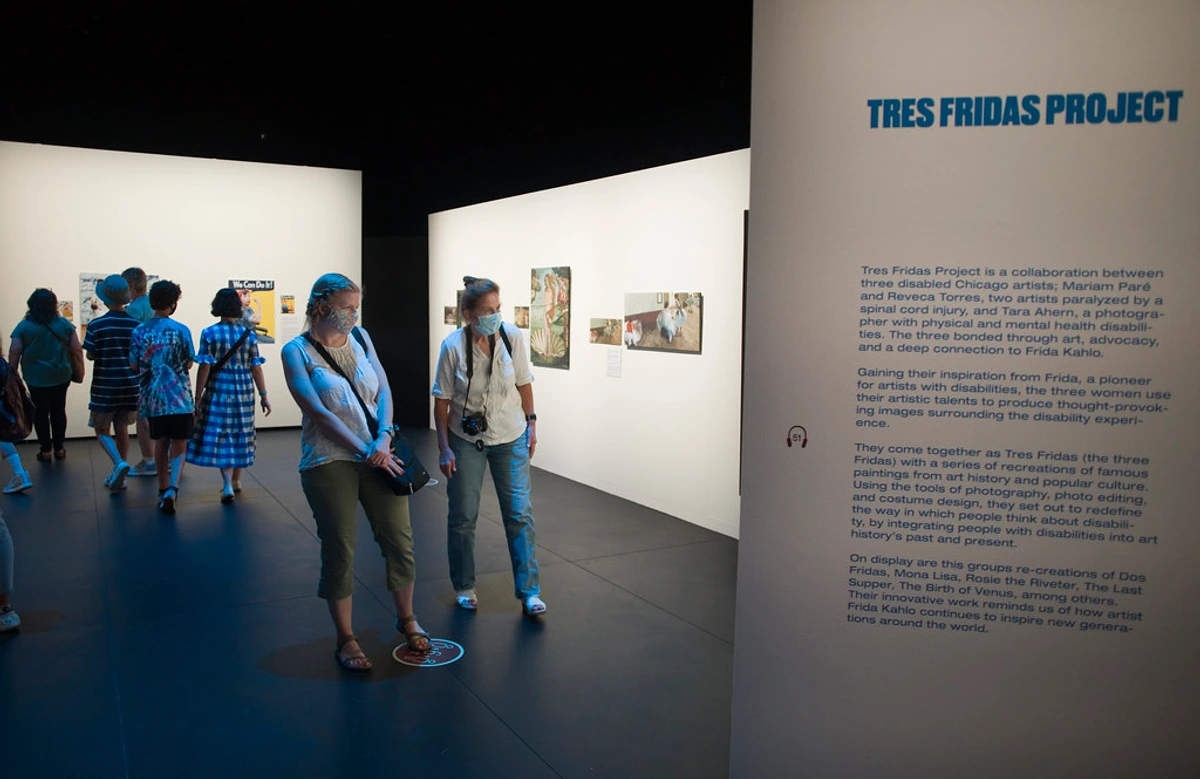
- Exhibitions & Curation: Showing at prestigious museums (like the Guggenheim, MoMA, Rijksmuseum) or major galleries signals critical validation and historical importance. These institutions aren't just showing art; they're sanctifying it, granting it a place in the cultural canon. Crucially, museum curators play an immense role here, selecting works and shaping narratives that directly influence an artist's perceived significance and market value. A solo exhibition at a major institution, for example, is a career-defining moment, a powerful endorsement that can significantly boost an artist's prices. For more insight, check out this QA with an expert art critic.
- Critical Acclaim: What do influential art critics and historians say? Their reviews, essays, and academic writings can elevate an artist's status from "interesting" to "historically important," shaping public perception and scholarly discourse. Their words literally rewrite an artist's place in history.
- Artistic Movements: An artist's association with a pivotal art movement dramatically affects their perceived significance. Think of how the Abstract Expressionists like Jackson Pollock and Willem de Kooning were elevated by defining a new American art, a powerful, raw expression after the devastation of war. Or how Andy Warhol's Pop Art, with its embrace of consumerism and mass media, perfectly captured the zeitgeist—the defining spirit or mood of a particular period. Movements become pivotal when they reflect or react to significant social change, technological advancements, or fundamentally challenge existing paradigms. Being at the forefront, or even a key participant, in such a seismic shift, whose ideas were then widely disseminated through influential exhibitions and critical publications, creates an undeniable historical gravitas. You can learn more about this in our guide to abstract art's history.
- Art Education & Networks: While not always a guarantee (many masters are self-taught!), a degree from a top art school (like Yale, RCA, or the Bauhaus) can act as an early filter, providing credibility, initial networks, and access to influential mentors. More than that, the alumni networks from these institutions can provide a lifelong support and validation system, opening doors you never knew existed and providing a crucial leg up in the competitive art world. Influential teachers, such as Hans Hofmann at the Art Students League, whose students included Lee Krasner and Helen Frankenthaler, can profoundly shape the next generation of artists, indirectly boosting the value of their lineage.
- Consistency & Vision: A unique, recognizable style developed over decades, paired with a consistent artistic philosophy—like my own personal philosophy on painting—shows a sustained artistic practice and intellectual rigor. It's about demonstrating a coherent artistic journey, not just a series of disconnected works, much like a signature motif or a consistent emotional undercurrent across a body of work.
- Market Influence & Early Validation: Beyond critical acclaim, the market itself plays a huge, sometimes recursive, role. Consider a new artist championed early by a single influential collector, say, a Charles Saatchi (who famously boosted the Young British Artists) or an Eli Broad (whose support was critical for artists like Jeff Koons and Cindy Sherman). Their acquisition, often highly publicized, instantly grants an emerging artist immense credibility, acting as a powerful signal to other collectors and institutions that this artist is "one to watch." This early validation, sometimes preceding widespread critical recognition, significantly boosts their profile and often triggers a rapid ascent in prices. It's a bit of a self-fulfilling prophecy: people buy because others are buying, believing it signifies importance, which in turn makes it important (and expensive).
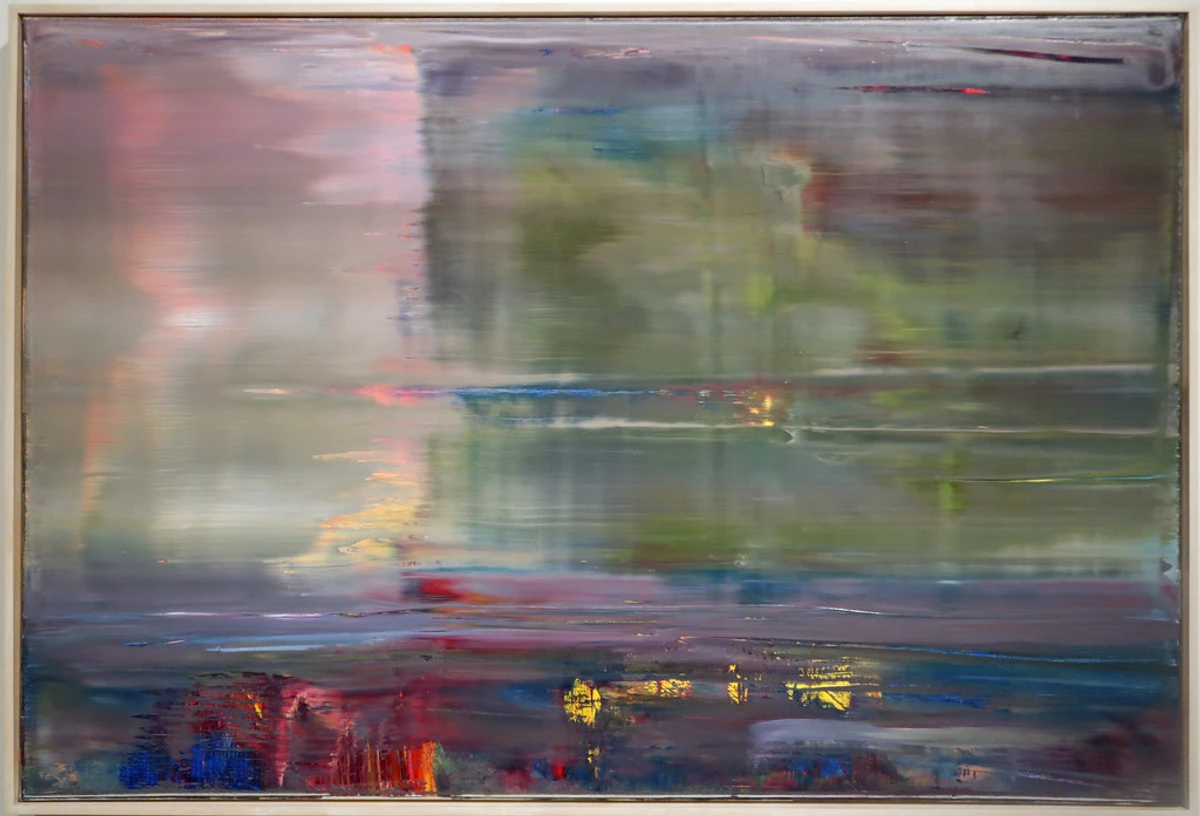
An emerging artist might charge a few thousand dollars, reflecting their current stage of development and the nascent steps of their legacy. But an artist with a 40-year career, a dozen museum shows, and a consistent, evolving body of work has a proven track record, an established narrative, and a tangible impact on art history. That history, that enduring vision, has a price. It’s why "blue-chip" artists like Gerhard Richter, Cindy Sherman, or Jasper Johns command such high prices; their legacies are not just established but meticulously cultivated and maintained, often by their estates or dedicated foundations, ensuring their enduring market value. Artists whose work gained significant posthumous recognition, like Vincent van Gogh or Frida Kahlo, also exemplify this, where a tragic or underappreciated life story amplified their market value after death.
One of a Kind: Rarity, Scarcity, and the Fixed Supply
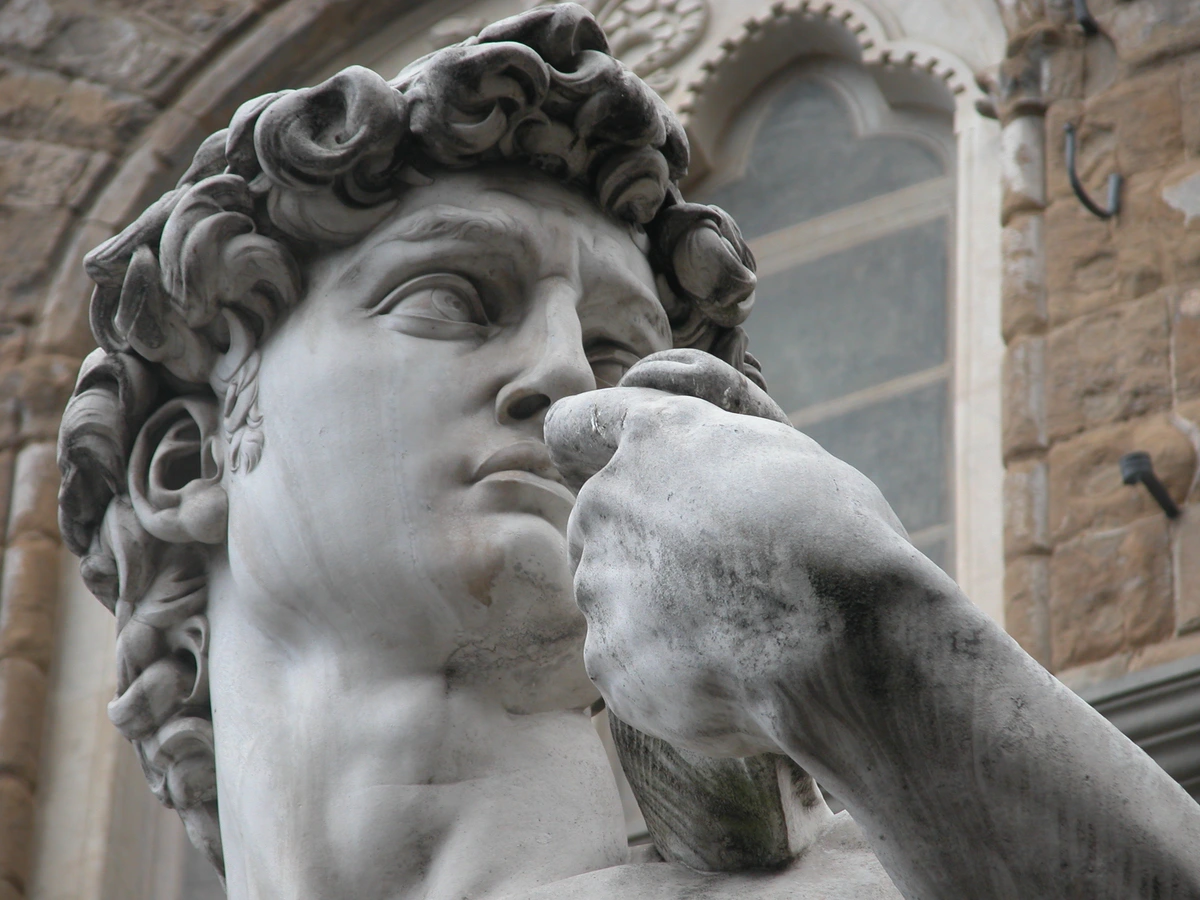
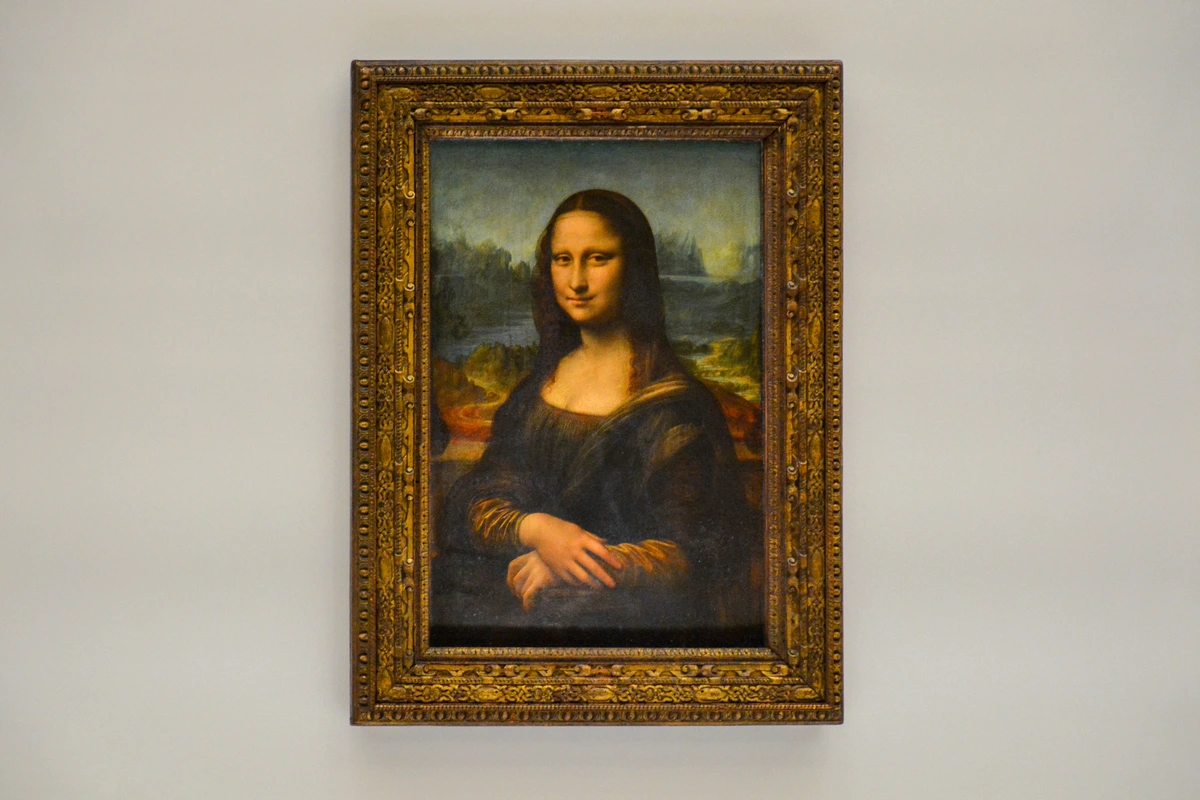
This is basic economics, plain and simple: supply and demand. Most fine art is, by its very nature, unique. There is only one Mona Lisa. Similarly, a limited edition print series by a highly sought-after contemporary artist like Rudolf Stingel, if carefully managed, can command incredible prices due to its inherent scarcity. Even in the world of prints, limited editions are carefully controlled to maintain scarcity, turning a multiple into a rarity. Each print in a limited edition is typically numbered (e.g., 1/50, 2/50), indicating its sequence within the finite run. A truly unique piece offers infinite scarcity, while a limited edition provides a finite, controlled supply, both of which drive up demand. The artist's involvement in the printing process, or their approval of each print, also significantly affects its value.
When an artist is no longer living, their body of work is finite. The supply is permanently capped. This is often called the "artist's death effect" – absence truly amplifies presence (and price). Economically, the fixed supply meets often increasing demand (driven by critical re-evaluation, new exhibitions, or cultural shifts), pushing prices inexorably upward. Psychologically, there's a heightened sense of urgency and finality; no new works will ever enter the market. This is also where artist estates and foundations, like those for Frida Kahlo, Jean-Michel Basquiat, or even the estate of Georgia O'Keeffe, play a crucial, sophisticated role. They meticulously manage the release, authentication, and exhibition of remaining works, often strategically limiting supply to maintain or enhance market value and meticulously curating the artist's legacy, ensuring their historical narrative remains powerful and intact. For example, the Basquiat estate carefully controls the number of works made available for sale or exhibition each year to prevent market saturation and maintain high demand. Think of a master like Gerhard Richter; his body of work is complete, and the pieces that exist are highly sought after. Or the tragically short but prolific career of Frida Kahlo, whose limited output drives incredible demand and often sees works rediscovered or recontextualized years after her passing.
Even with living artists, scarcity is a carefully managed factor. A highly sought-after artist might only produce a handful of major works per year, or a significant series once every few years. Limited edition prints are another example—a run of 50 will always be more valuable, all else equal, than a run of 500. It's all about controlling the availability, cultivating an aura of exclusivity that makes each piece feel like a treasure, signaling to potential buyers that they are acquiring something truly unique and difficult to obtain. This deliberate scarcity drives both immediate demand and long-term value.
But beyond the sheer availability of a piece, the very materials and the intense labor that went into its creation also play a significant, often surprising, role in its ultimate price.
Beyond the Canvas: Materials, Labor, Scale, and Concept
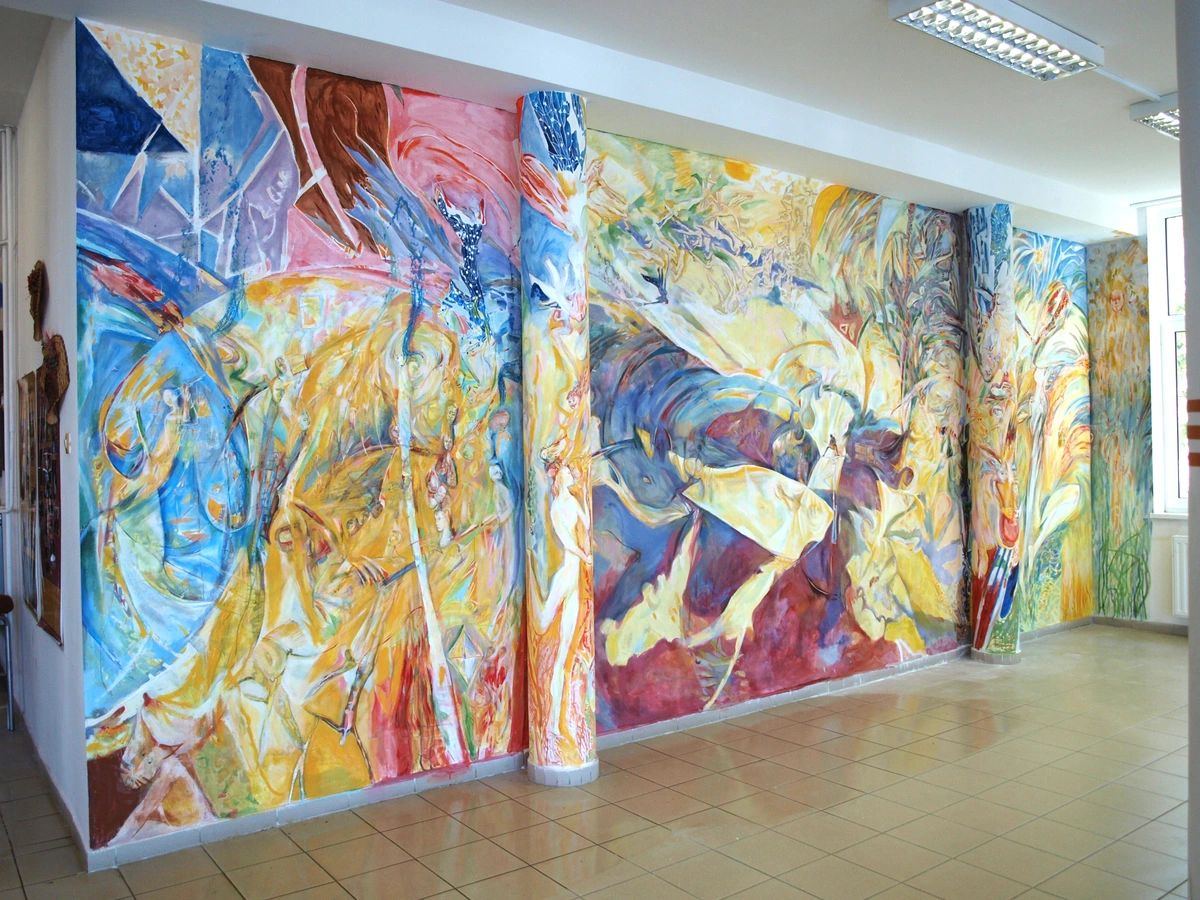
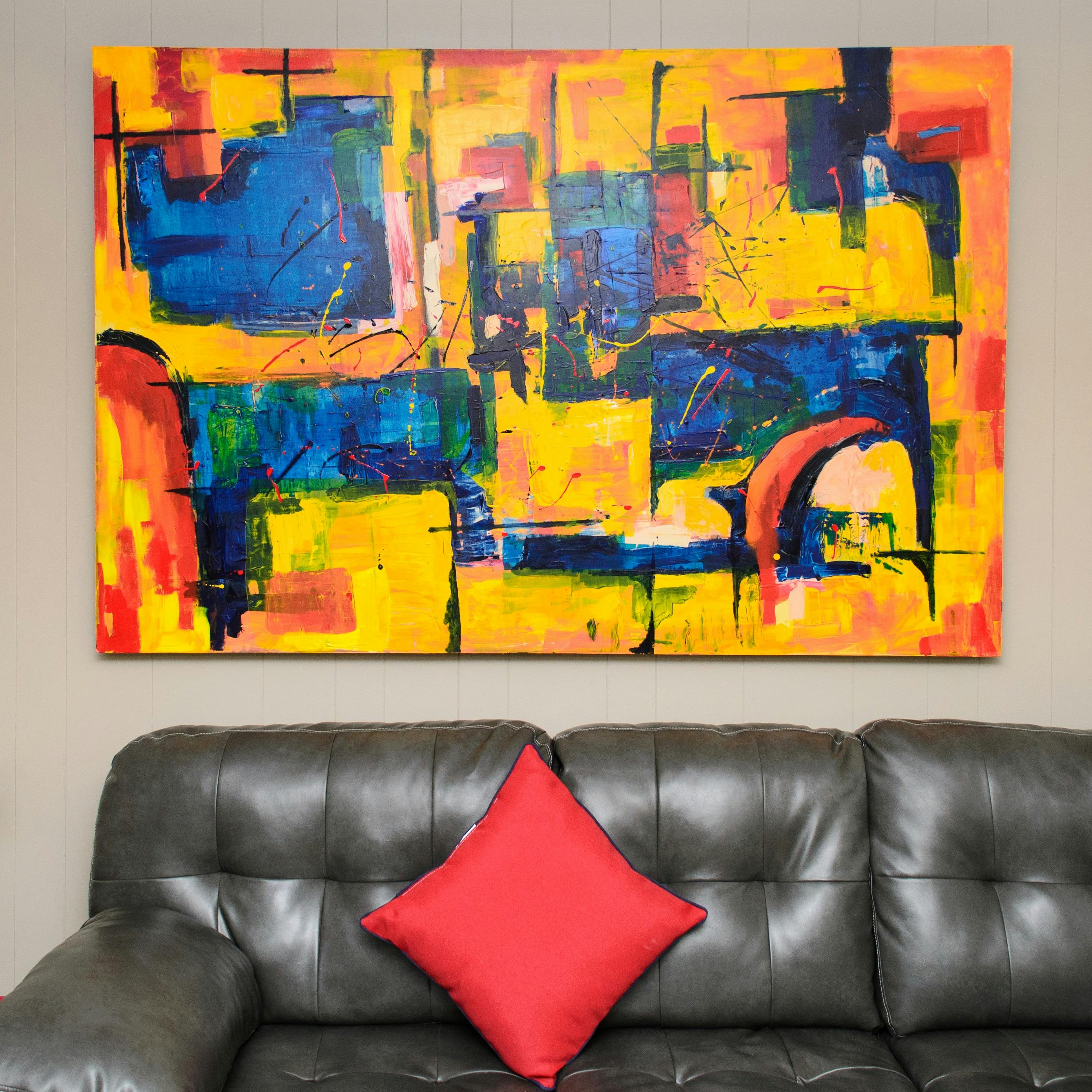
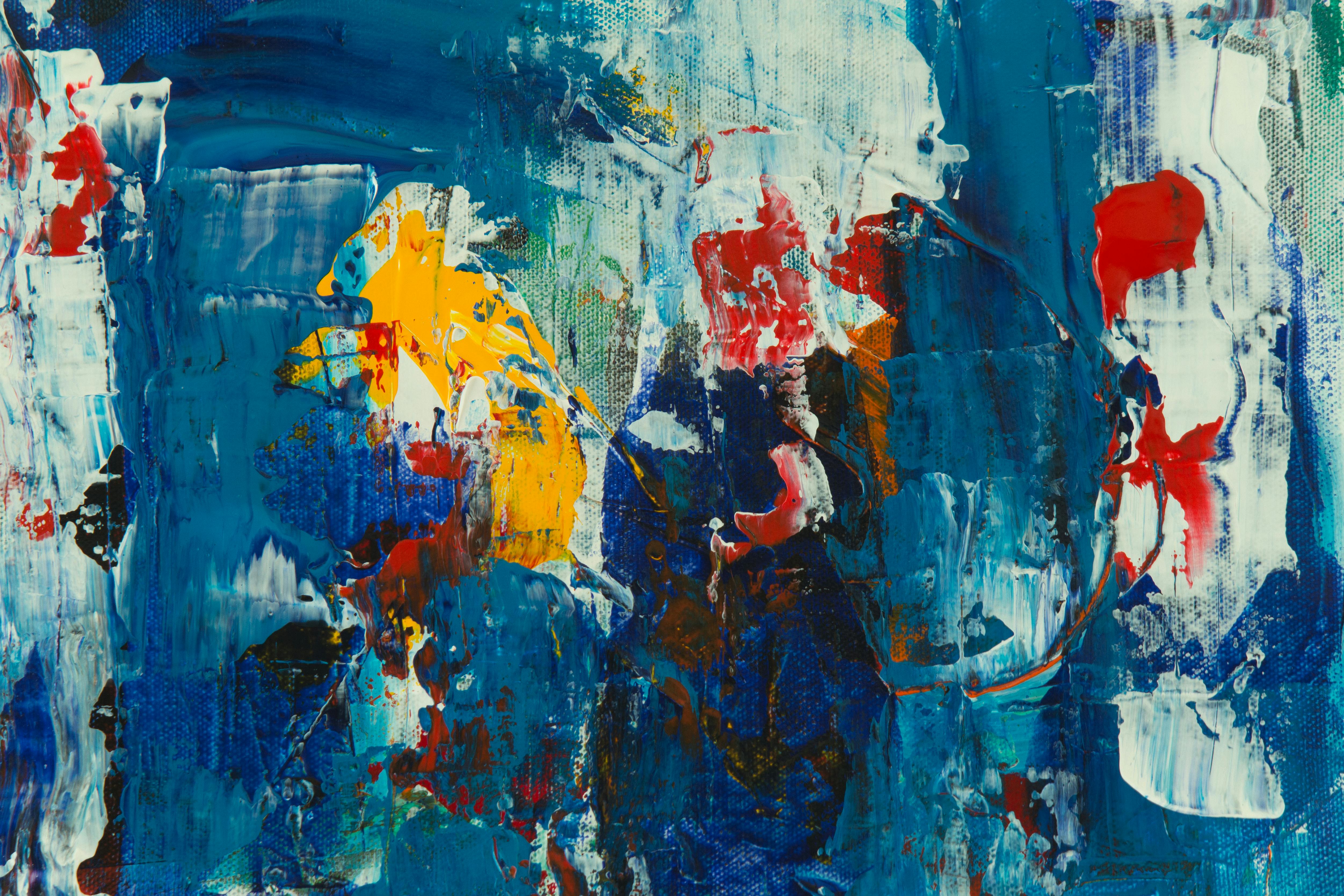
Let's get practical for a second. The classic dismissal, "My kid could paint that!" often ignores the reality of creating a professional artwork. There's a lot more to it than meets the eye, both tangible and intangible, especially when you consider what goes into a truly monumental piece, or one that pushes conceptual boundaries. So, why are abstract paintings so expensive, even if they look simple?
Materials: More Than Just Paint
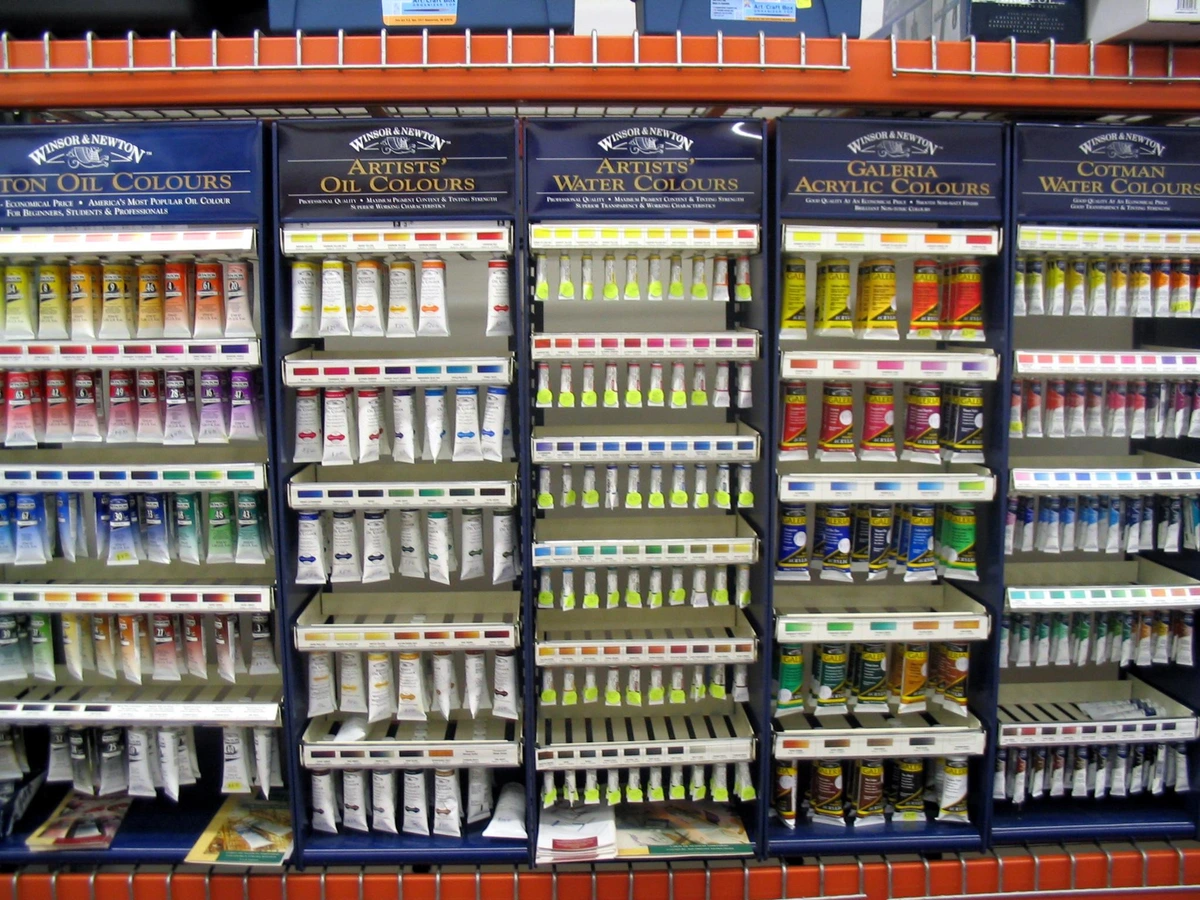
Artist-grade oils, pigments, and archival-quality canvases are incredibly expensive. I've spent countless hours sourcing the perfect pigments, ensuring their longevity and vibrance. Some pigments, like natural ultramarine, derived from the semi-precious stone Lapis Lazuli, were historically worth more than their weight in gold. Even today, the sourcing, grinding, and refinement of rare or ethically produced pigments can be incredibly costly, especially when you consider the commitment to lightfastness (resistance to fading) and archival quality—ensuring the artwork endures for centuries. When you're working on a huge scale, those material costs multiply dramatically. Consider also the cost of specialized tools, custom-built brushes, solvents, unique chemical compounds, or even rare metals and stones required for mixed media or sculptural works. For instance, artists working with precious metals like gold leaf or rare earth pigments face inherently higher material costs. What makes a blank canvas worth so much? Sometimes, it's the sheer quality of the materials and their preparation.
Labor & Skill: A Lifetime of Practice
You're certainly not just paying for the four hours it took to apply the paint. You're paying for the 20 years of dedicated practice it took to learn how to apply the paint in that specific way, with that precision, that emotion, that vision. Believe me, the mental and physical drain of trying to wrestle a complex vision onto a canvas, day after day, year after year, through bouts of self-doubt, creative block, and the relentless pursuit of an elusive artistic truth—that, I can tell you from personal experience, is immense. It's a vast, accumulated intellectual and physical labor, a lifetime of practice compressed into a single moment of execution, much like a master chef's decades of honing their craft for one perfect dish, or a virtuoso musician's thousands of hours for a flawless performance. This simply cannot be measured by the hour like a plumber's visit. This is the heart of my personal philosophy on painting, where the deepest struggles often lead to the most profound breakthroughs.
Scale: The Greater the Vision, The Greater the Cost
A larger painting isn't just linearly more expensive; it's often exponentially more difficult to compose and execute effectively. Consider the monumental canvases of a Rothko or a Pollock; they demand significantly more materials, a larger (and thus more expensive) studio space, specialized equipment (from massive easels to forklifts for moving monumental canvases), and a far greater physical and mental effort from the artist. Trying to maintain coherence, impact, and a unified vision across a massive surface, ensuring every detail works in harmony, is a different beast entirely. And let's not forget the logistical costs of specialized crating, framing, insurance, shipping, and professional installation required for such monumental works. Imagine shipping a sculpture the size of Jeff Koons's Balloon Dog – the costs would be astronomical. For more on framing, consider checking out this QA with an expert art framer.
Concept & "Finishedness": The Idea is the Art
Especially in contemporary and abstract art, the value can lie as much in the conceptual framework and intellectual rigor as in the physical execution. The artist's decision to declare a piece "finished" at a certain stage, even if it appears minimalist, incomplete, or even provocative to some, is part of their artistic statement and vision. You're buying into that intellectual journey, that unique perspective, which is, in essence, a powerful form of intellectual property. Just as a patent protects an invention or a copyright safeguards a novel, the artist's unique conceptual framework—the very idea—is a protected asset, distinct from the physical object itself. Think of Marcel Duchamp's Fountain (a urinal); the idea of challenging what art could be was the art, the object merely its physical manifestation. Or the quiet, meditative grids of Agnes Martin; their deceptive simplicity belies a profound philosophical depth and rigorous artistic practice. Other conceptual artists like Yves Klein, with his famous blue monochromes, or Sol LeWitt, whose art was often a set of instructions rather than a physical object, also demonstrate this principle. The thought, the provocation, the conversation it sparks—that's what you're valuing. For me, deciding when my own abstract work is "finished" is a deeply intuitive, sometimes agonizing process; it's when the dialogue between the canvas and my vision feels complete, not necessarily when every inch is covered.
The Psychology of Art Pricing: Anchoring, Herding, Exclusivity, and Cultural Capital
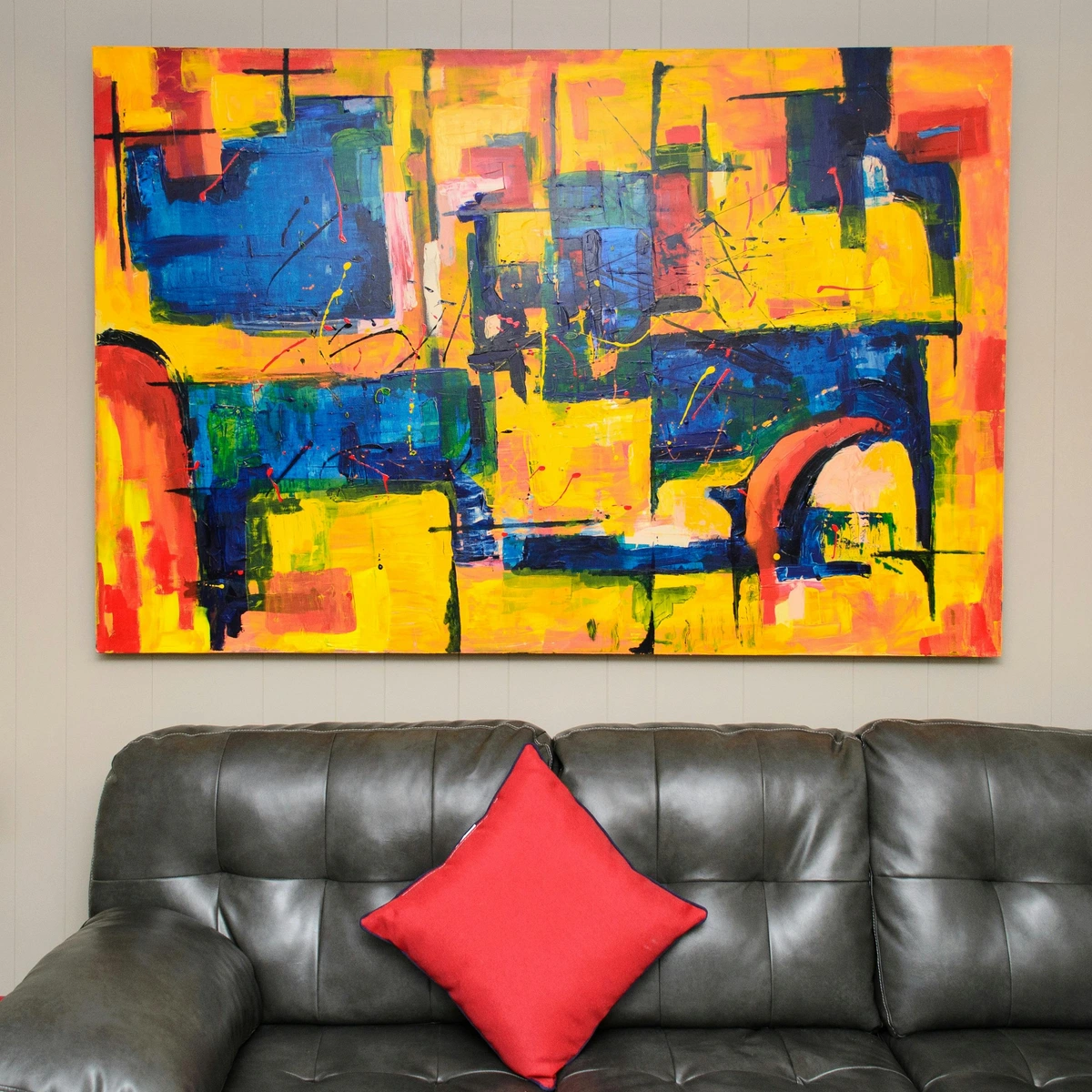
Beyond the tangible factors, the human mind plays a subtle yet powerful role in how art is valued. The art market, like any luxury market, is deeply susceptible to psychological influences. It’s a fascinating, sometimes bewildering, dance of perception that can turn a simple object into a covetable, high-value asset. I know what you're probably thinking: "This all sounds a bit... manipulated." And to a degree, you're not wrong. We humans are wonderfully irrational creatures. How else do we explain the phenomena that follow?
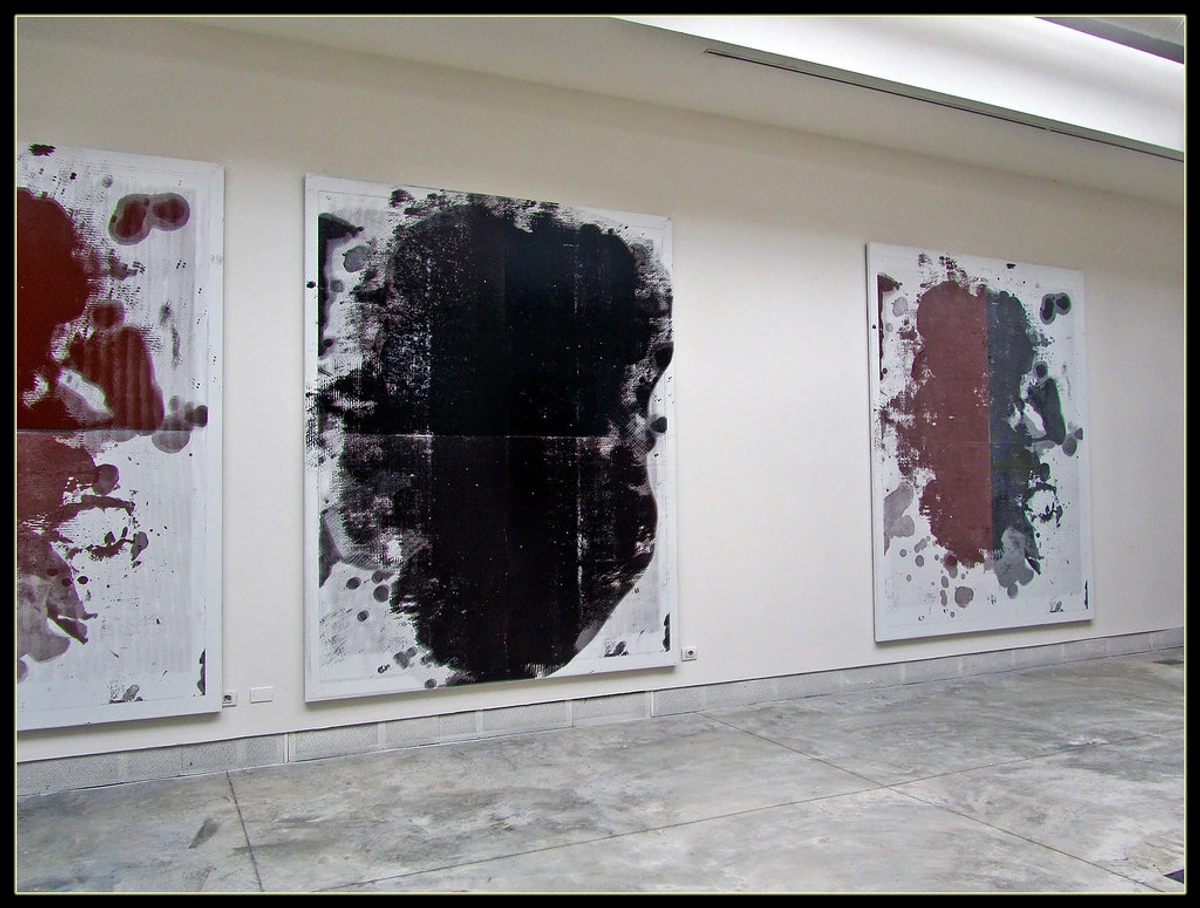
- Anchoring: This is a cognitive bias where an initial piece of information (the "anchor") strongly influences subsequent judgments. If you first see a prominent artist's masterpiece valued at, say, ten million dollars, a lesser, but still significant, work by the same artist priced at two million suddenly registers as 'affordable' or 'a good entry point'—a mental benchmark is set, influencing subsequent evaluations. Galleries and auction houses use this by carefully setting initial price expectations or by highlighting past record sales. That first price tag you see subtly sets your mental benchmark, even if you don't realize it, making you think "Ah, that's what art by this person costs." Conversely, a shockingly low price for one piece might make a moderately priced item seem like an incredible bargain, even if it's still objectively expensive.
- Herd Behavior: We humans are inherently social creatures, and we tend to follow the crowd, especially when we're navigating a complex, expert-driven market like art. When influential collectors, institutions, or major tastemakers (sometimes guided by art advisors or social media influencers) start buying a particular artist, others often follow suit, believing that if someone else with good taste and deep pockets thinks it's valuable, it must be. This creates momentum, driving up demand and prices—a phenomenon amplified at high-energy events like major art fairs, where FOMO (Fear Of Missing Out) becomes a potent motivator, and trends are forged. In our hyper-connected world, this 'herding' is further amplified by social media and online art communities, where viral discussions and influencer endorsements can rapidly inflate perceived value.
- Exclusivity and "Velvet Rope" Effect: The very difficulty of acquiring certain art can make it exponentially more desirable. Limited editions, invitation-only gallery previews, and the famously long waiting lists for a highly sought-after artist (sometimes years long, like for a Murakami or a Kaws) all contribute to a powerful sense of exclusivity. This scarcity, whether real or carefully engineered, elevates the object's status and, consequently, its price. We want what's hard to get, what marks us as "in the know" or as members of an elite club. It’s a classic human trait, isn't it?
- Art as Cultural Capital: Owning significant art goes beyond mere financial investment; it's a powerful form of cultural capital. It confers social status, intellectual prestige, and demonstrates a refined taste and commitment to the arts. Displaying a rare masterpiece by a canonical artist in one's home or a corporate lobby signals wealth, education, and influence, often opening doors to exclusive social circles, networking opportunities, and even positions on museum boards. For example, a prominent collector might find themselves invited to exclusive art world galas or gain access to private tours with curators, all by virtue of their art collection. It's not just a beautiful object; it's a key to a certain world.
Expert Bias and the Echo Chamber Effect
It's also worth acknowledging the subtle, often unconscious, expert bias at play. The opinions of influential gallerists, critics, art historians, and advisors can create a powerful echo chamber. I've seen it firsthand: when a few authoritative voices—a prominent critic in a major publication, a leading gallerist (perhaps one whose insights are like those in our QA with a gallerist on discovering new talent), and an acquisition specialist for a top museum—collectively champion an artist, their synchronized validation can inadvertently sway perceived value, sometimes independent of broader public consensus or even the inherent quality of the art itself. Clement Greenberg's influence on the Abstract Expressionists, for instance, created a powerful critical framework that elevated certain artists and dictated taste for decades. It's a testament to the power of curated opinion, shaping narratives and prices with a quiet authority.
These psychological currents, often invisible, flow beneath the surface, subtly yet profoundly shaping how we perceive and value art. But who exactly are the architects of this perception? Let's peel back the curtain on the institutions and individuals that form the intricate machine of the art world.
The Art World Machine: Galleries, Critics, and Auction Houses – An Ecosystem of Value Creation
Artists don't just hang a painting on their wall with a price tag and hope for the best. Trust me, if it were that simple, my own studio would be a lot less crowded! Instead, there's a colossal, intricate ecosystem that supports—and yes, often inflates—the art market. From the outside, it can look like a secret society, a clandestine network of whispered deals and exclusive invitations, but it's more like a very well-oiled machine with many moving parts, all influencing perception and price. This complex web of relationships and institutions works in tandem to build an artist's reputation and create value, often across the primary market (the initial sale from the artist or their gallery) and the secondary market (resales, typically at auction or through private dealers). It's crucial to understand that strong performance in the secondary market often creates a feedback loop, driving up prices and demand for an artist's new work in the primary market.
This table breaks down the key players in this fascinating, sometimes baffling, world:
Market Player  | Role in Pricing | How They Influence Value |
|---|---|---|
| Galleries | Nurture & Promote, Facilitate Sales | They invest in an artist's career, provide studio space, market them to their network of collectors, and set initial prices in the primary market. They are crucial gatekeepers, filtering talent and building careers, often facilitating discreet private sales that bolster an artist's profile away from public scrutiny. Gallery assistants and dealers often act as the first point of contact and build relationships. |
| Art Critics & Historians | Validate & Contextualize | Their reviews, essays, and academic writings provide intellectual gravitas, transforming "interesting" art into "historically important" art, influencing both collectors and institutions. Their words literally rewrite an artist's place in history. While traditional print critics were once dominant, online art bloggers and social media influencers now also contribute to shaping public discourse. |
| Auction Houses | Create Price Records & Liquidity | Public sales at places like Christie's or Sotheby's create headline-grabbing prices. These records don't just sell one piece; they set new benchmarks for an artist's entire body of work, driving up perceived value across the secondary market. They also provide a mechanism for reselling art, albeit with high transaction costs. "Guaranteed bids" and "third-party guarantees" can also influence prices by ensuring a minimum sale, which can encourage bolder bidding. |
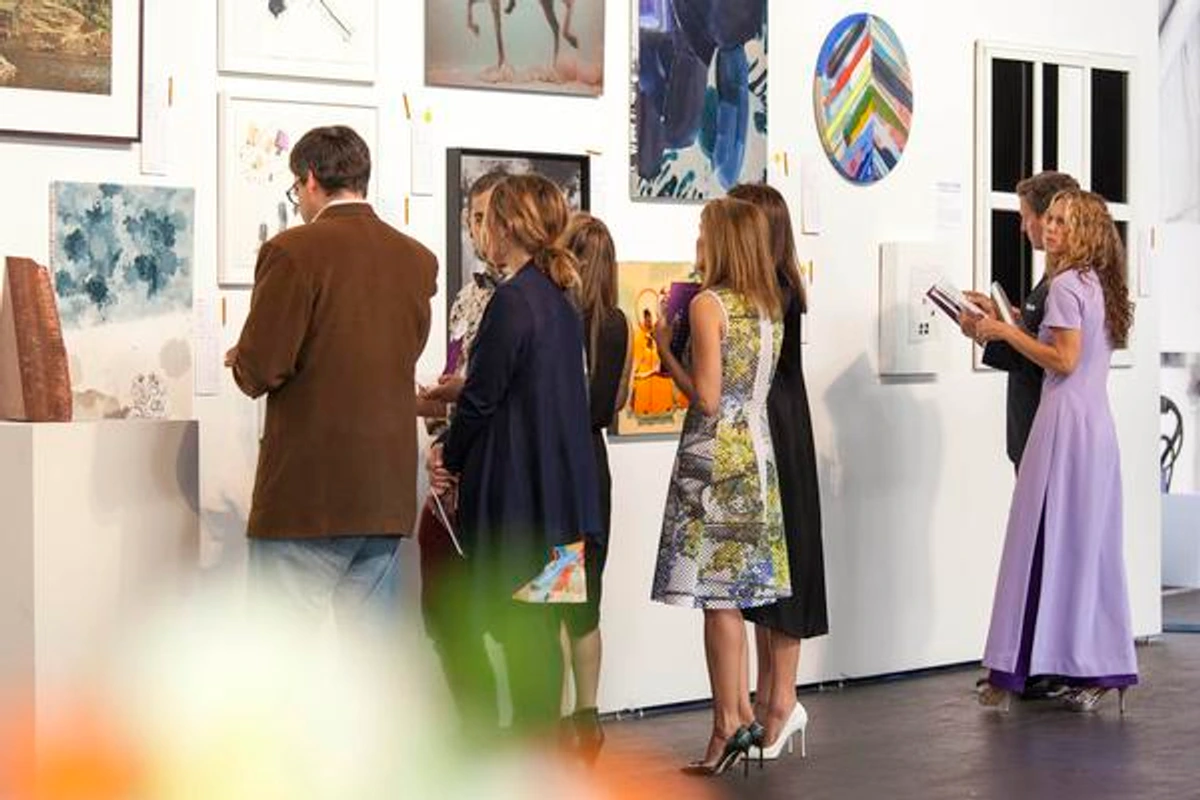
| Art Fairs | Concentrate Demand & Generate Hype | Events like Art Basel or Frieze bring thousands of wealthy collectors, gallerists, and advisors together, often in art capitals of the world. This concentration of potential buyers, combined with the FOMO (Fear Of Missing Out) effect, often creates a high-energy buying frenzy and inflated prices. They're like condensed marketplaces where trends are amplified. |
| Museums & Curators | Canonize & Endorse | When a museum acquires an artist's work, especially through the strategic eye of a curator, it's the ultimate stamp of approval. It removes the piece from the open market forever, making the remaining pieces by that artist even more rare and valuable, and solidifying their place in art history and the cultural canon. A museum loan can also significantly elevate an artist's profile, even without outright acquisition. |
| Collectors | Validate & Drive Demand | Influential collectors, especially those with significant holdings or cultural caché, act as early validators. When private collectors buy an emerging artist, it signals to others that the artist is "one to watch," significantly boosting their profile and future prices. Institutional collectors (like corporate collections or other museums) and speculative collectors (focused purely on investment return) also shape market trends. |
| Collectors' Associations/Clubs | Foster Networks & Shape Trends | These private groups provide exclusive access, education, and networking opportunities for serious collectors. Their collective interest and shared expertise can amplify certain artists' visibility and desirability within elite circles, subtly influencing market direction. |
| Art Advisors | Facilitate & Guide, Mitigate Risk | Acting on behalf of wealthy clients, art advisors identify, vet, and negotiate purchases. Their expertise, network, and stamp of approval can significantly drive demand for certain artists, adding a layer of professional validation to market activity. They don't just find art; they curate collections, often shaping market trends through their recommendations, and crucially, help clients avoid costly mistakes and navigate the opaque market with confidence. They also assist with collection management, appraisal sourcing, and condition reports. |
| Appraisers | Assess & Certify Value | They provide independent, objective valuations for insurance, estate planning, charitable donations, and resale, based on market trends, provenance, and condition. Their reports are crucial for financial and legal purposes, offering a benchmark of value. |
| Art Insurance Companies | Protect Investment & Facilitate Display | Specialized insurers provide coverage for high-value artworks during transit, display, or storage solutions, mitigating financial risk for collectors and institutions. This assurance of protection helps underpin confidence in the market, making high-value acquisitions feasible. They rely on detailed appraisals to underwrite policies. |
| Art Authentication Services | Verify Legitimacy | Experts, scientists, and provenance researchers confirm the authorship and legitimacy of artworks, providing crucial validation against rampant forgery. This directly impacts market confidence and value, especially for high-value transactions. Art conservators often play a vital role here, using scientific techniques to analyze materials and detect alterations. |
| Art Investment Funds | Treat Art as Financial Asset | These funds pool capital from investors to acquire art as a purely financial asset, aiming for capital appreciation, much like stocks. Their activity can significantly influence market demand and pricing for certain blue-chip artists, adding a layer of financial speculation to the art world. |
| Art Conservators | Preserve & Inform Value | They ensure the physical longevity and integrity of artworks. Their careful, documented interventions preserve the artist's original intent and condition, which is paramount for maintaining and enhancing both historical and market value. Their work also informs authentication and provenance. |
This system functions as a powerful, self-reinforcing cycle of prestige. The top galleries represent the top artists, who get reviewed by the top critics, and whose work is sold to the top collectors and acquired by the top museums. Each player, in their own way, contributes to the narrative and the ultimate price tag, creating a consensus around value that few individual buyers would dare to challenge. It’s a fascinating, complex dance, to say the least.
A Brief History of Art Valuation: From Patronage to Global Market Capitalization
To truly understand today's prices, it helps to look back. Art valuation hasn't always been about public auctions and market speculation. For centuries, art was commissioned through patronage systems, where wealthy individuals, the church, or royalty directly funded artists. Think of the Medici family's lavish commissions for Renaissance masters like Michelangelo and Botticelli, where the artist was essentially a highly skilled artisan fulfilling a specific request. Or consider the Fugger banking family in Augsburg, who not only commissioned art but also used it to signal their wealth and piety, fostering a close relationship with artists. Wealthy merchants in the Dutch Golden Age similarly commissioned works, often for their homes, driving a vibrant local market. The price was often a negotiated sum for labor and materials, with the artist's skill and the patron's prestige playing a significant role. The idea of "art for art's sake" or art as an investment only truly emerged much later.
The 19th and 20th centuries saw a radical shift. The emergence of the artist's statement or manifesto—written declarations by artists outlining their philosophical intentions and artistic methods—played a crucial role here, elevating the conceptual value of art and providing a framework for critical discourse, often even before the art was made. The rise of a middle class, the establishment of commercial galleries, and the professionalization of auction houses like Sotheby's (established 1744) and Christie's (established 1766) began to create a more formalized, public market. This period also saw the proliferation of influential art magazines and publications, which played a significant role in shaping critical opinion, disseminating artistic trends, and thus influencing both collector interest and market demand. Crucially, the rise of art historical scholarship and academic study of art provided intellectual frameworks for understanding and valuing art beyond mere aesthetics. Post-World War II, the emergence of Abstract Expressionism in New York, followed by Pop Art, cemented the idea of art as a global commodity and a significant asset class. Influential critics like Clement Greenberg, whose theories heavily shaped the reception of Abstract Expressionism, wielded immense power, effectively canonizing certain artists and movements and influencing both institutional acquisitions and collector interest. This era, fueled by post-war economic prosperity and America's burgeoning cultural dominance, saw a rapid expansion of the collector base. The rise of major art fairs like Art Basel (founded 1970) further transformed the market from individual gallery sales to concentrated, high-stakes events, amplifying visibility and demand. For a deeper dive into how art movements evolve and gain value, check out The Evolution of Abstract Art: Key Movements and their Collectible Value.
Today, the art market is a truly global phenomenon. New players from emerging economies like China, India, and the Middle East have dramatically expanded the collector base and introduced new cultural influences, further driving demand and creating regional price benchmarks. The increasing prominence of art from non-Western markets has diversified global pricing and broadened aesthetic considerations. For me, understanding this historical trajectory makes the contemporary art market less baffling. It shows that while the players and scale have changed, the fundamental human desire to create, own, and signal through art remains constant. It's a journey from direct commission to a complex interplay of financial and cultural capital on an international stage, a truly fascinating evolution.
Art Market Regulation, Investment & The "Bubble"
With this intricate history in mind, let's turn to the hard realities of the art market itself: its unique regulatory landscape, its role as an investment, and the perennial question of whether it's all just one big bubble.
The Unregulated Canvas: Why the Art Market is Different
Unlike traditional financial markets, the global art market operates with remarkably little regulation. This lack of oversight contributes significantly to its opacity, often making it feel like a members-only club where deals are struck behind closed doors. This is largely because art is often viewed as a luxury good rather than a financial instrument, and its inherent subjectivity makes unified valuation difficult across international borders. While this freedom from heavy regulation allows for remarkable flexibility and innovation, it's also a double-edged sword: it opens the door to potential conflicts of interest, less transparent pricing mechanisms, and makes it a challenging terrain for new investors. There's no equivalent of a stock exchange commission diligently monitoring every transaction, which means due diligence, expert advice, and trust become even more paramount. It's worth noting that in recent years, some regions have begun exploring or implementing stricter regulations, particularly regarding anti-money laundering (AML) and transparency in high-value transactions (e.g., the EU's 5th Anti-Money Laundering Directive), but it remains a patchwork of rules rather than a unified global standard. This lack of a cohesive regulatory framework also highlights the importance of ethical considerations when buying cultural art.
Art as Investment: High Stakes, High Costs, and High Hopes
Can art be a good investment? The short answer is: it can be, but it's fundamentally different from traditional assets. Art is an illiquid asset – meaning it's not easily convertible to cash without a significant impact on its price, especially if you need a quick sale. Unlike stocks or bonds that can be traded daily, selling a major artwork involves finding the right buyer, often through a lengthy auction process or private sale, incurring substantial commissions (which can be 15-25% for auction houses), insurance, and shipping costs. The market moves slowly, and transaction costs are high. While "blue-chip" art by established masters like Gerhard Richter or Jean-Michel Basquiat has historically shown resilience and even capital appreciation (the increase in the value of an asset), it's far from a guaranteed return. Investors often aim for long-term capital appreciation, sometimes viewing art as a hedge against inflation, where its value may increase as currency depreciates, offering a tangible store of wealth. However, this is a strategy for the very patient and well-resourced. Moreover, the costs of ownership—insurance, specialized storage, and potential conservation (as we discussed earlier), plus fees for expert art advisors who guide purchases—can be substantial and eat into potential returns. Investing in blue-chip art generally presents lower volatility but also lower returns compared to high-risk emerging art, which offers greater potential but far less certainty.
My advice, always, and I truly mean this: buy art because you love it, because it speaks to your soul, because it enriches your daily life. If it appreciates financially, consider that a wonderful bonus, but never let it be the primary motivation. Investing in art is, for me, an investment in joy and beauty first, and profit second. For a deeper dive, understanding art appraisals is crucial.
Is the Art Market a Bubble? A Perennial Debate
The question, "Is the art market a bubble?" is as old as the commercial market itself. We've seen periods of irrational exuberance before, from the Dutch Tulip Mania (a non-art market but a classic example of speculative bubbles) to the Japanese art market boom of the late 1980s, which spectacularly burst. Skeptics point to astronomical prices for seemingly simple works, the prevalence of speculation, and the market's reliance on a small number of ultra-wealthy buyers. They argue it's an artificial construct, inflated by hype, and that its resilience (or lack thereof) during economic downturns can be a telling sign. Proponents, however, contend that art's value is underpinned by genuine global wealth, its status as a unique, tangible asset, and its enduring cultural importance. They see it as a legitimate asset class, a hedge against inflation, and a reflection of growing affluence worldwide. They emphasize that truly rare and culturally significant artworks possess an intrinsic value that transcends short-term market fluctuations. The truth, as always, probably lies somewhere in the middle: certain segments may be speculative, but the underlying demand for significant cultural artifacts is real and enduring.

So, Is It Worth It? Decoding Price vs. Intrinsic Value
This is the million-dollar question, isn't it? And it's where the art world often feels most opaque. We've explored so many factors—from documented ownership to global market trends—but how do we reconcile them with that initial gasp at a high price tag? It comes down to a crucial distinction.
The price of an artwork is determined by the complex interplay of market factors we've just dissected—reputation, provenance, rarity, and the machinery of galleries and auctions. It's an objective financial figure, a number the market, collectively, agrees upon at a specific moment. An auction house, for instance, arrives at an estimated price range by meticulously researching comparable sales of similar works by the artist, verifying provenance, assessing the artwork's condition, and seeking expert opinions.
But its value? That's entirely different, deeply personal, and often unquantifiable. Think of it like this: a sleek, high-performance sports car has a staggering market price, reflecting engineering, brand, and exclusivity. Its value, to its owner, might be the thrill of the drive, the status it confers, or the sheer aesthetic pleasure. Meanwhile, a worn, comfortable armchair, perhaps a family heirloom, might have a negligible market price but hold immense intrinsic value for the memories it embodies and the comfort it provides. I believe this distinction is crucial for any new collector or art enthusiast to grasp, because confusing the two can lead to a lot of frustration.
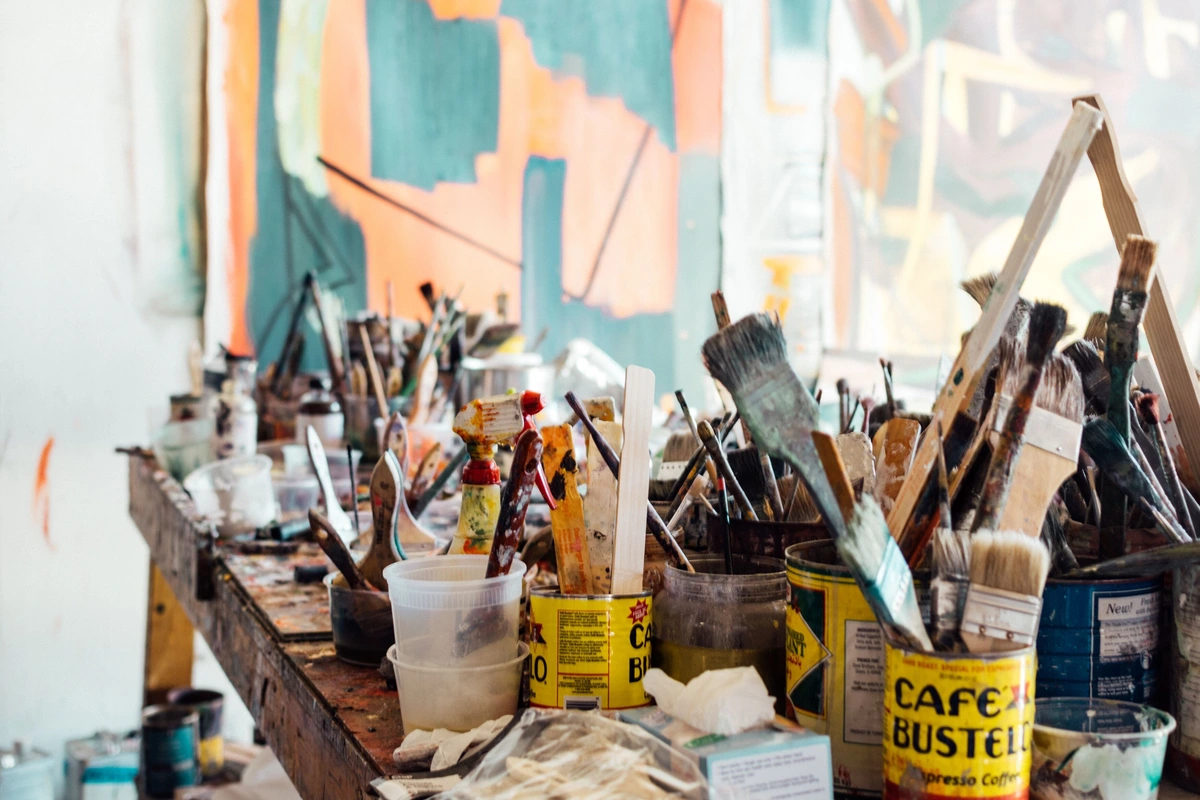
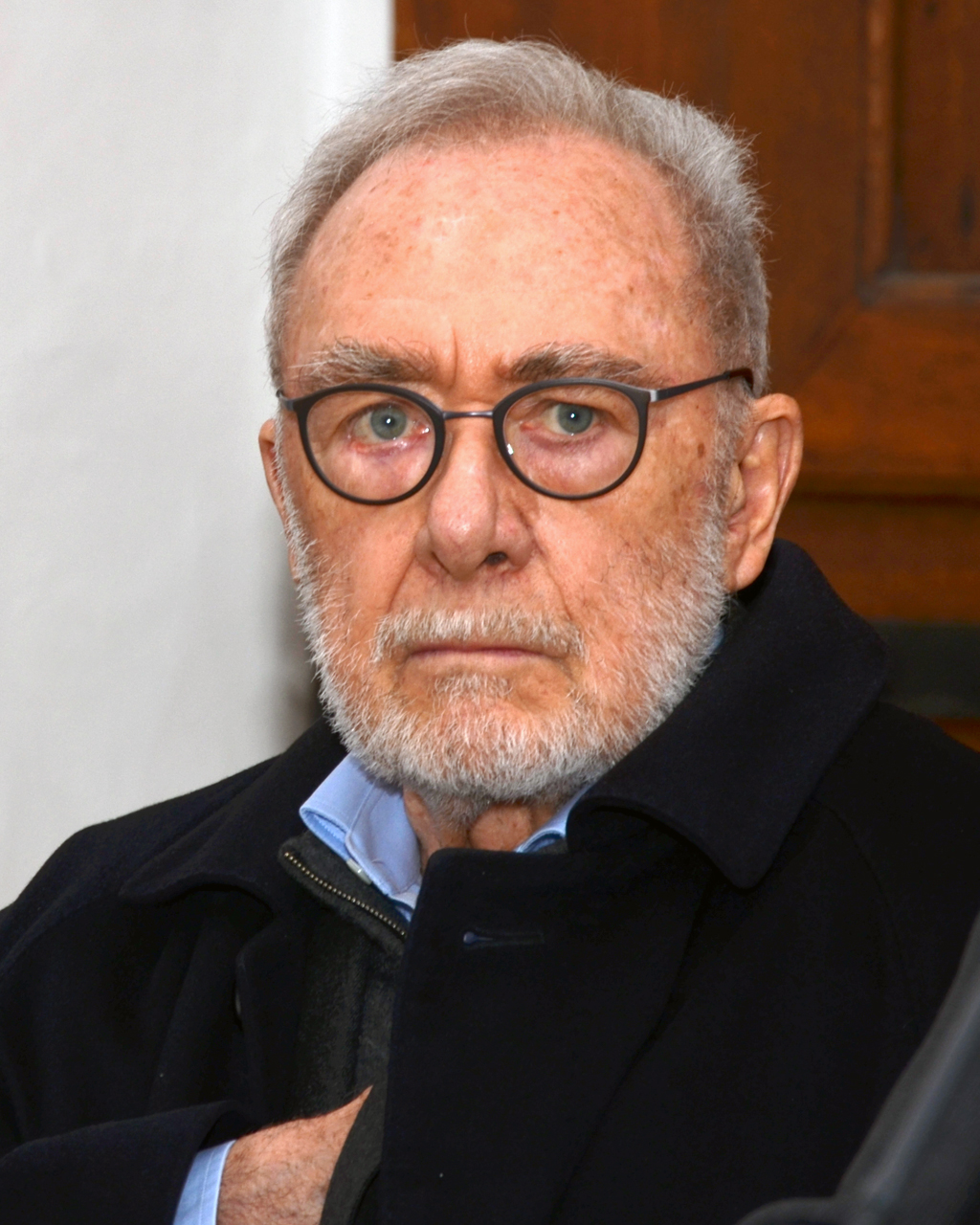
- Market Value (Price): This is the objective financial figure. For an investment banker, the market value of a Gerhard Richter painting, even an abstract one, would be meticulously assessed based on his auction records, its provenance, size, exhibition history, and current market demand, with a keen eye on its potential to appreciate by 15% over the next decade, or its prestige as a blue-chip asset. Richter's work, like that of many masters, holds significant financial weight, a testament to his enduring impact, as explored in this ultimate guide to Gerhard Richter. For a speculator, it's about return on investment.
- Intrinsic Value: This is the subjective, profound impact a piece has. For me, the intrinsic value of a piece is everything. It's the quiet sense of awe I feel when I look at a canvas that challenges my perceptions, the way it makes me reflect on my own creative journey, or the profound emotional connection it sparks, a silent conversation across time and space. Beyond purely personal connection, it could be the cultural capital it confers, marking them as someone with taste, knowledge, and a commitment to the arts. More profoundly, it's about its cultural relevance, its ability to speak to contemporary issues, challenge perceptions, or illuminate enduring human truths. For instance, a powerful protest piece might not fetch the highest price but hold immense value for its social impact and historical commentary. The story behind a piece—its creation, its struggles, its moments of breakthrough—also deeply contributes to its intrinsic value. It's the silent conversation between the viewer and the art, the way it enriches a space and a soul. That's the real magic. To begin discerning intrinsic value for yourself, I suggest spending time with art, reading artist statements, and understanding the context in which a piece was created.
There's no right or wrong answer when it comes to intrinsic value. The art world can feel absurd from the outside, a playground for the ultra-rich. And in many ways, it is. But it's also a place where a physical object can carry millennia of history, profound human emotion, and intellectual expression. It's about social signaling, yes, but also about genuine connection. The very knowledge that a piece is "expensive" or "important" can, paradoxically, influence our perception, making us look harder, think deeper, and perhaps even appreciate it more. It invites us to engage.
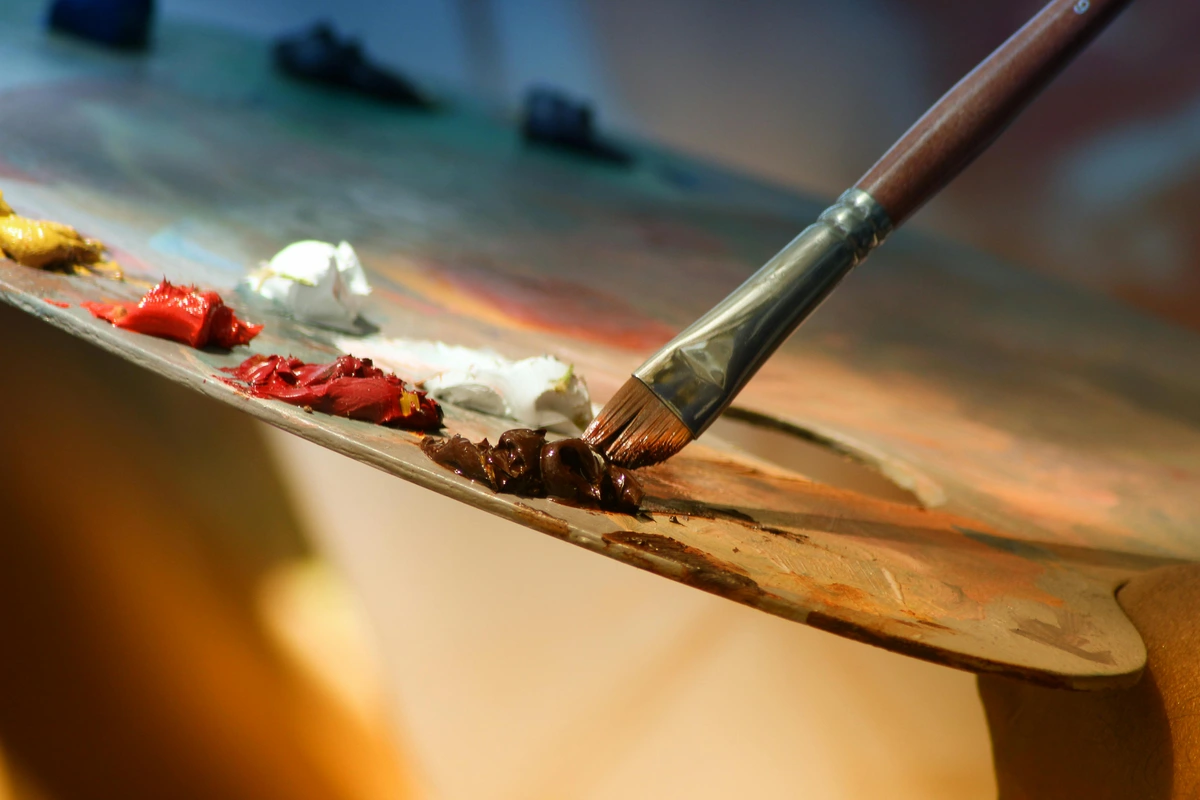
My take? The price is a market signal, a testament to its journey through the art world's ecosystem, a reflection of countless interwoven factors. But the real value, the one that truly matters, is what it means to you, what it adds to your life, your space, your soul. That, I believe, is where true artistic wealth lies. My own journey as an artist is deeply rooted in this belief—that art, at its best, transcends price tags. It's about sparking dialogue, fostering connection, and bringing a unique resonance to the spaces we inhabit. And that's why, when I create pieces that are available to buy here at Zenmuseum, I hope they don't just find a wall, but a home in your heart, sparking that priceless connection. The profound human experience of engaging with art, the silent conversation between viewer and creation, the way it enriches our understanding of the world – that's the ultimate, priceless reward. So, as you navigate the fascinating, often bewildering, world of art, remember to look beyond the numbers. Seek out the stories, the legacies, the ideas, and most importantly, the pieces that speak directly to you. That's where you'll find true artistic value.
FAQ: Answering Your Burning Questions About Art Prices
Why is contemporary art, which sometimes looks simple, so expensive?
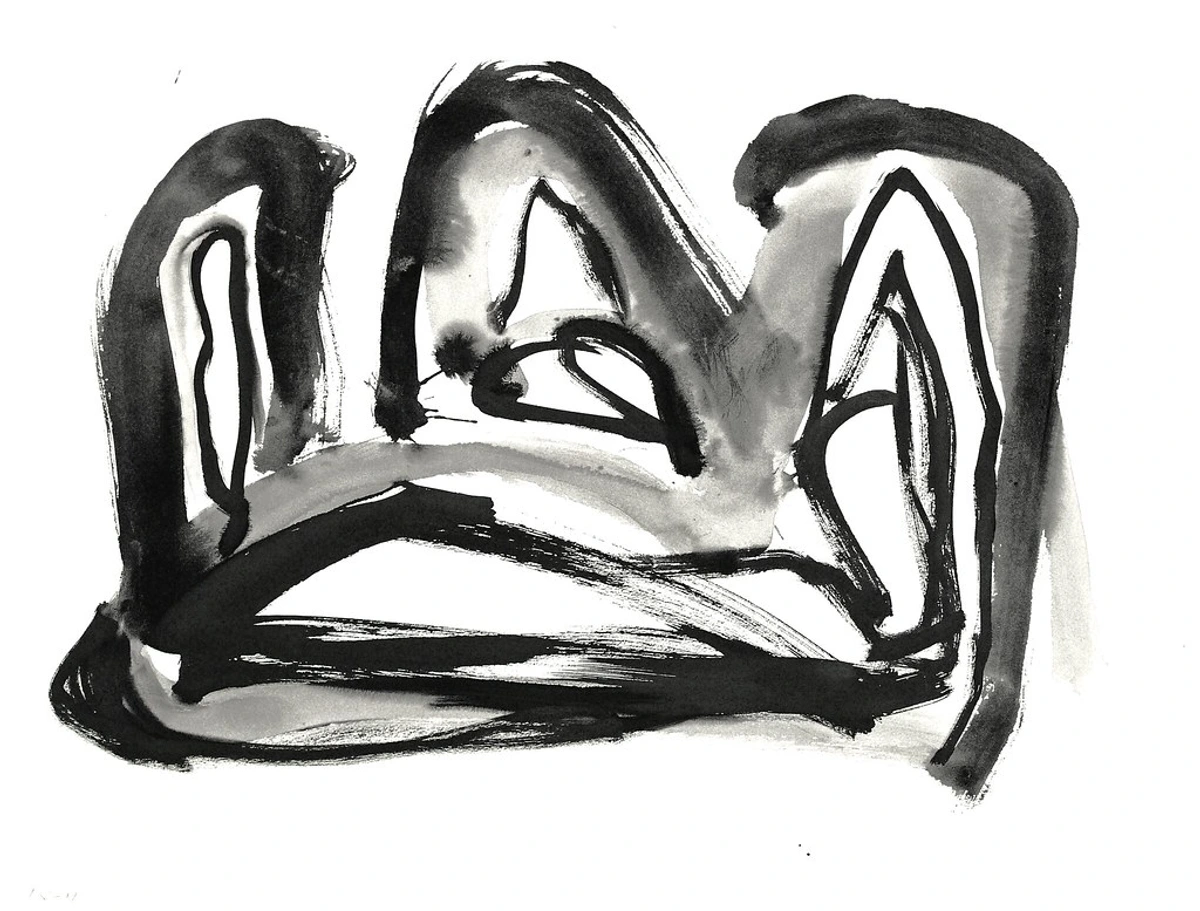
Contemporary art prices are often driven by concept and the artist's reputation rather than just technical skill or materials. The value is in the idea behind the work, its intellectual journey, its historical context, and its place in the ongoing conversation of art history. Think of the minimalist lines of Donald Judd or the quiet, meditative grids of Agnes Martin. Their deceptive simplicity belies a profound philosophical depth (e.g., exploring perfection, the sublime, human perception) and rigorous artistic practice. For artists creating installation art or performance art, the 'piece' might be the ephemeral experience itself, and the value then lies in the documentation (photos, videos), the conceptual framework, or even a signed conceptual certificate of ownership. A strong exhibition history at prestigious museums and biennales also significantly contributes to an artist's reputation and, consequently, their prices. The artist's intention and conceptual innovation are often valued as highly as, or even more highly than, traditional craftsmanship. You're buying into a unique way of seeing the world, a provocative idea, or a memorable experience, rather than just a physical object. For generative art or AI art, value is often assessed by the originality of the algorithms, the artist's unique creative input, the scarcity of editions, and its commentary on technology and art itself.
What makes an emerging artist's work expensive?
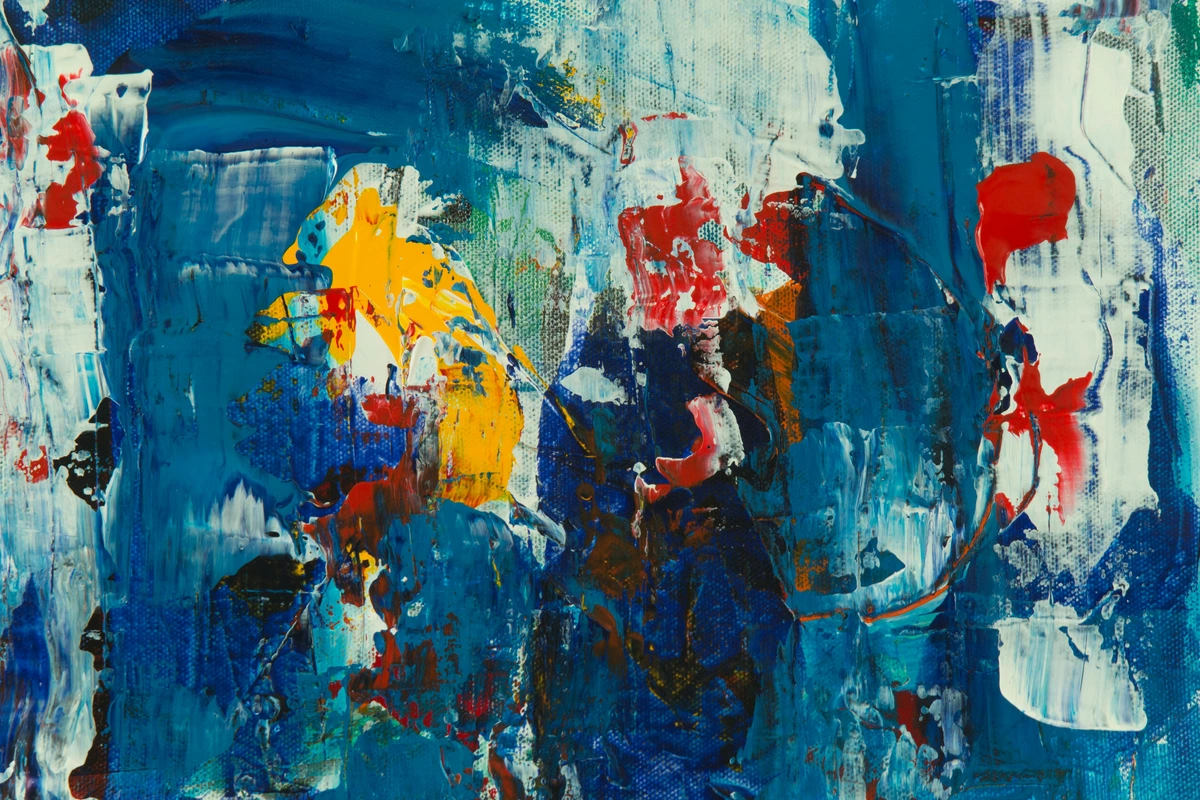
For emerging artists, high prices are typically a reflection of strong gallery representation, early critical acclaim, and significant interest from influential collectors or institutions. When a reputable gallery takes on an emerging artist, they invest heavily in building that artist's career, and initial prices reflect that belief in future potential and market positioning. Furthermore, if a few major collectors quickly acquire pieces, it creates a sense of immediate demand, hype, and speculation, validating the artist's perceived importance and driving prices up rapidly. This can be a high-risk, high-reward gamble for collectors. It's less about a long history and more about current momentum and future promise, often a gamble on future legacy.
Is expensive art a good investment?
It can be, but it's a risky, illiquid (hard to sell quickly without affecting price), and largely unregulated market—definitely not for the faint of heart or those seeking quick returns. While some artworks have famously sold for huge profits, others can lose value dramatically. Some view blue-chip art as a potential hedge against inflation, a way to preserve wealth during economic uncertainty where its value may increase as currency depreciates, offering a tangible store of wealth. However, this should be approached with extreme caution and expert advice, as it's not a guaranteed strategy. There's a distinction: "blue-chip" art (established masters with stable markets) tends to be less volatile but still carries risk, while emerging art offers higher potential returns but also significantly higher risk. Remember, the costs of owning art (insurance, specialized storage, conservation, transaction fees, and potential art advisor fees) can also be substantial and eat into potential returns. Most experts, and certainly I, advise buying art primarily because you love it and want to live with it, not purely for financial gain. For a deeper dive into how value is assessed, check out this guide on understanding art appraisals.
Do artists get rich from these huge auction sales?
Usually, no. This is one of the biggest misconceptions. Artists typically only make money on the first sale of their work (the primary market), usually through a gallery which takes a significant cut (often 50% or more). When a painting is resold at auction years later for millions (the secondary market), the artist or their estate rarely sees any of that money directly. The increased visibility and prestige from high auction sales can, however, significantly boost demand for new works from the artist, allowing them to command higher prices from galleries for their next creations. While the initial sale price for an artist might rise due to secondary market activity and increased demand, which indirectly benefits their career and primary market sales, they don't directly benefit from the resale of that specific piece. Some countries have introduced resale royalty rights (Droit de Suite) to try and address this, granting artists a small percentage (typically 0.25% to 5%) of subsequent sales, usually capped at a maximum amount and often only applicable above a certain price threshold (e.g., in the EU, often for works over €10,000). However, it's far from universal, frequently opposed by collectors and auction houses who argue it complicates transactions, introduces administrative burdens, and could potentially disincentivize investment by reducing the profit margins for resellers. The lack of widespread adoption means that most artists, globally, do not benefit financially from secondary market sales. It's a complex ethical debate within the art world, balancing artist rights with market efficiency.









How does digital art and NFTs fit into this?
That's a whole other can of worms, and frankly, a topic I approach with significant skepticism. NFTs (Non-Fungible Tokens) attempted to create artificial scarcity and verify ownership for digital files, which are inherently infinitely reproducible. The intent was to establish digital provenance and unique ownership in a decentralized ledger, allowing digital artists to gain similar benefits as traditional artists from initial sales and potentially royalties from resales. However, while they created a highly speculative bubble that generated headline-grabbing sales, the long-term market stability, the often severe environmental impact associated with energy-intensive proof-of-work blockchains, and the underlying technology's actual place in the established art world are still very much in question. Many have already seen their values plummet, highlighting the extreme volatility of this highly speculative market, and NFTs have largely failed to replicate the stable, long-term value accrual seen in traditional art markets. I remain skeptical of NFTs as a primary driver of artistic value, as the focus often seemed to be on the blockchain transaction and speculation rather than the artistic merit or intrinsic value of the digital creation itself. Furthermore, ethical concerns about the reproducibility of digital art outside of NFT ownership and the potential for copyright infringement remain. While an interesting experiment in digital ownership, it's yet to prove its enduring artistic or market significance beyond the initial hype, though the underlying digital art itself (the image, the animation, the concept) can certainly hold intrinsic value independently of any token. For a different perspective on the digital art market, you might explore resources like our understanding the AI art market.
What role does art conservation play in value?
Art conservation and restoration are absolutely critical for maintaining an artwork's long-term value and historical integrity, especially for older pieces. A well-preserved work, with documented professional care and minimal damage, retains its original condition and therefore its market value. Conservation is about careful, ethical interventions to stabilize, clean, and repair artworks, ensuring they can be passed down through generations. Conversely, a piece suffering from neglect, irreversible damage, or amateurish restoration can see its value severely diminished, as its authenticity and aesthetic appeal are compromised. Good conservation ensures that the artwork can continue its journey through history, retaining its provenance and visual power, thereby preserving its investment and intrinsic value. Documented conservation efforts (e.g., comprehensive conservation reports) themselves add to an artwork's provenance and credibility. Moreover, conservation often involves understanding the artist's original intent, materials, and techniques, which further informs its historical significance and cultural value. It's an ongoing process for valuable artworks, with dedicated conservation plans often implemented for major collections to ensure their longevity. Remember, the true value of art lies in its ability to inspire, provoke, and connect, far beyond any price tag.