Beyond the Boys' Club: The Women Who Invented Abstract Art
Discover the incredible female abstract artists who were pioneers of the movement. A personal, in-depth guide to the women art history tried to forget.

Beyond the Boys' Club: The Women Who Actually Invented Abstract Art
I’m going to be honest with you. For a long time, my mental image of an 'abstract artist' was a man. Probably a brooding one, in a paint-splattered New York loft, chain-smoking and talking about existential angst. You know the type: Pollock, de Kooning, Rothko. They’re the titans, the names that get the big museum retrospectives and the nine-figure auction prices.
But that whole picture? It's a historical sleight of hand, a story with the most important pages ripped out. The more I’ve dug into the real history of abstract art, the more I've realized that women weren't just participating in the movement; in many ways, they were inventing it, refining it, and pushing it to its most radical conclusions while the men were still catching up. It’s a bit like finding out the person who invented your favorite dish was never credited on the menu, and frankly, my blood boils just thinking about it. This isn't just about 'adding women and stirring.' This article is about re-reading the entire map, blowing up the old narratives, and giving credit where credit is profoundly overdue. We're talking about revolutionaries who changed how we see the world, often in the face of immense institutional and societal resistance. It's a story of genius, grit, and a re-imagining of what art could be – a story that challenges your perceptions and might just have you wanting to rewrite your art history books, permanently altering your perception of art history. Prepare to dive deep into the untold stories, the radical visions, and the enduring legacies of the women who didn't just participate in abstract art – they invented it, refined it, and pushed its boundaries in ways we're only now fully appreciating.
The Pre-Abstract Landscape: Institutional Barriers and Suppressed Creativity
Before we even talk about abstract art, it's vital to acknowledge the landscape women artists faced for centuries. Historically, formal art education and professional artistic circles were largely closed off to women. Academies were often segregated, or women were simply not admitted to classes involving nude models – a fundamental aspect of classical training. This exclusion wasn't accidental; it was systemic, designed to keep women out of the 'serious' art world and confine their creative endeavors to the domestic sphere or to 'crafts.' Think about it: without access to foundational training, patronage, and exhibition opportunities, how could groundbreaking female artists emerge and thrive? Their stories, when they did emerge, were often sidelined, their work dismissed, and their innovations conveniently forgotten by a male-dominated art historical narrative. Understanding these deep-seated historical disadvantages makes the achievements of the women we're about to discuss all the more astonishing and defiant.
Challenging the Canon: Why Herstory Matters in Abstract Art
I used to buy into the mainstream art historical narrative, honestly. It felt complete, logical, and frankly, a little unchallengeable. But the truth is, art history, like all history, is a story told by those in power, and for centuries, that power has largely been male. This bias didn't just sideline women; it actively shaped what was considered 'important,' 'innovative,' or even 'art' at all. Think about it: entire movements, styles, and even media were dismissed because they didn't fit the predetermined 'heroic' male trajectory. Academic institutions, major galleries, critical publications, and even social conventions, all largely male-dominated, actively created an environment where women's art was either ignored, relegated to 'craft,' or simply not seen as 'serious.' This wasn't just passive oversight; it was an active process of cultural conditioning that dictated what was valued and what was not, subtly (and not so subtly) discouraging women from pursuing radical artistic paths.
Abstract art, with its radical departure from tradition and emphasis on new visual languages, offered a fertile ground for women to innovate. It was a space where the old rules of representation and hierarchy could be broken. Yet, even here, their profound contributions were systematically minimized, ignored, or even worse, attributed to their male counterparts. This article aims to correct that oversight, not just by listing names, but by demonstrating the profound impact these women had on the very evolution of abstract thought and practice, fundamentally altering the artistic landscape and challenging the very foundations of how we tell art's story.
Unearthing the Roots: The Male-Centric Narrative (and its Blind Spots)
Before we dive into the incredible women who pioneered abstract art and radically reshaped its landscape, it's absolutely crucial to acknowledge, and indeed challenge, the narrative that dominated art history for so long. When you hear "the first abstract painting" or discussions of foundational figures, names like Wassily Kandinsky (often cited for his work around 1911 and his seminal text Concerning the Spiritual in Art), Piet Mondrian (a master of Neoplasticism and the De Stijl movement), or Kazimir Malevich (the architect of Suprematism) frequently come up. And don't get me wrong, their contributions to movements like Expressionism, Cubism, and Suprematism were undeniably groundbreaking, vital pillars of modernism. But for decades, this version of history essentially airbrushed out half of the innovators, half of the true visionaries. It created a tidy, linear progression, almost exclusively through the lens of male genius, often overlooking critical parallel developments and sometimes even earlier breakthroughs by women. It’s a classic, infuriating example of how the 'canon' is constructed, often with significant blind spots, selective memory, and, frankly, a lot of patriarchal bias.
Male Pioneer (Commonly Cited)  | Associated Movement(s) | Year of First Abstract Work (Approx.) | Female Pioneer (Often Overlooked) | Associated Movement(s) | Year of First Abstract Work (Approx.) |
|---|---|---|---|---|---|
| Wassily Kandinsky | Expressionism, Abstract | 1911 | Hilma af Klint | Spiritual Abstraction, Theosophy | 1906 |
| Piet Mondrian | De Stijl, Neoplasticism | ~1913 | Sonia Delaunay | Orphism, Cubism, Simultaneous Contrasts | ~1912 |
| Kazimir Malevich | Suprematism | ~1915 | Natalia Goncharova | Rayonism, Futurism, Neo-Primitivism | ~1910 |
| František Kupka | Orphism, Abstract | ~1912 | Lyubov Popova | Constructivism, Cubo-Futurism | ~1916 |
| Robert Delaunay | Orphism, Cubism | ~1912 | Sophie Taeuber-Arp | Dada, Concrete Art, Textile Abstraction | ~1916 |
| Jackson Pollock | Abstract Expressionism | ~1947 | Lee Krasner | Abstract Expressionism | ~1946 |
| Hans Hofmann | Abstract Expressionism | ~1940s | Helen Frankenthaler | Color Field, Post-Painterly Abstraction | ~1950s |
This male-centric narrative wasn't just an oversight; it was a deliberate, often institutionalized construction, born from the exclusive nature of art academies, critical circles, and the prevailing social structures that limited women's access to formal education, professional networks, patronage, and public exhibition. For decades, the very criteria of 'artistic genius' were implicitly (and sometimes explicitly) gendered. This meant that while women were innovating with breathtaking originality, their work was frequently confined to private spheres, dismissed as 'amateur,' or simply not documented in the ways male artists' work was, making it incredibly harder for art historians to 'discover' them later. It's a sobering thought, isn't it? How many more hidden histories, how many more revolutionary minds, are still waiting to be unearthed, challenging our tidy, incomplete narratives? The suppression of female talent wasn't just a byproduct of the times; it was a structural issue, woven into the very fabric of art education, criticism, and exhibition, making their eventual breakthroughs even more remarkable.
The Historical Erasure of Female Visionaries
For a long time, the institutional art world – the galleries, museums, critics, and historians – operated on a default assumption of male genius. Women artists were often relegated to categories like 'craft,' 'amateur,' or seen merely as muses or assistants to their male partners. This systemic bias meant their work was less likely to be exhibited, acquired by major institutions, or critically lauded, leading to a profound historical erasure. Even when their art was undeniably innovative and abstract, it was often framed within the context of their gender or domestic roles, rather than recognized for its radical artistic merit. Understanding this context is crucial to appreciating the sheer determination and vision of the women we're about to explore. This erasure wasn't just passive; it was an active process of minimizing contributions, often through a lack of documentation, biased critical reviews, or outright exclusion from major exhibitions and historical texts. Imagine pouring your soul into groundbreaking work, only for it to be dismissed as 'feminine,' 'decorative,' or even attributed to a male counterpart, rather than recognized for its radical, revolutionary merit. That was the constant, often exhausting, battle many of these women faced. This systemic invalidation, born from a culture that valued male genius above all else, makes their enduring impact, their sheer will to create, all the more remarkable. It's a deeply disheartening thought, this systematic silencing of voices, and it forces us to question every 'definitive' history we've ever read, not just adding women, but fundamentally dismantling the biased structures that shaped those narratives.
The True Pioneer: Hilma af Klint (1862-1944)
Let’s start with the biggest art history bombshell of the last few decades. For years, the story went that Wassily Kandinsky painted the first abstract work around 1911. It's a nice, tidy story. It’s also completely wrong, and frankly, I find it a bit infuriating how long it took for the truth to surface. For a truly deep dive, I highly recommend our ultimate guide to Hilma af Klint, where you can explore her revolutionary vision in even greater detail.
Years earlier, a Swedish artist and mystic named Hilma af Klint was creating huge, vibrant, completely non-representational paintings. We're talking 1906 – a full five years before Kandinsky's purported breakthrough. She wasn't just dabbling; she was systematically exploring a new visual language, meticulously documenting her process and the spiritual sources of her inspiration. Af Klint was part of a group of women called 'The Five' (De Fem) who conducted séances and were deeply involved in Theosophy, a spiritual movement that sought universal truths beyond organized religion. She firmly believed higher spirits were guiding her hand to depict a reality beyond the visible world, using a systematic and symbolic language of colors, geometric shapes, and biomorphic forms. Through a process akin to automatic drawing and painting, she channeled complex spiritual concepts like the duality of existence (male/female, visible/invisible), evolution, and the unity of all things into tangible, abstract forms. Her commitment to Theosophy and spiritualism wasn't just a personal belief; it was the engine of her artistic revolution, making her art a visual record of spiritual enlightenment. Her work wasn't merely aesthetic; it was a profound spiritual quest, a visual mapping of the unseen, a bold attempt to transcend the material world through pure form and color. Talk about a radical concept, and a truly original artistic process, predating virtually all other abstract art, and doing so with a systematic rigor that demands our attention, revealing a universe of inner experience and cosmic order.
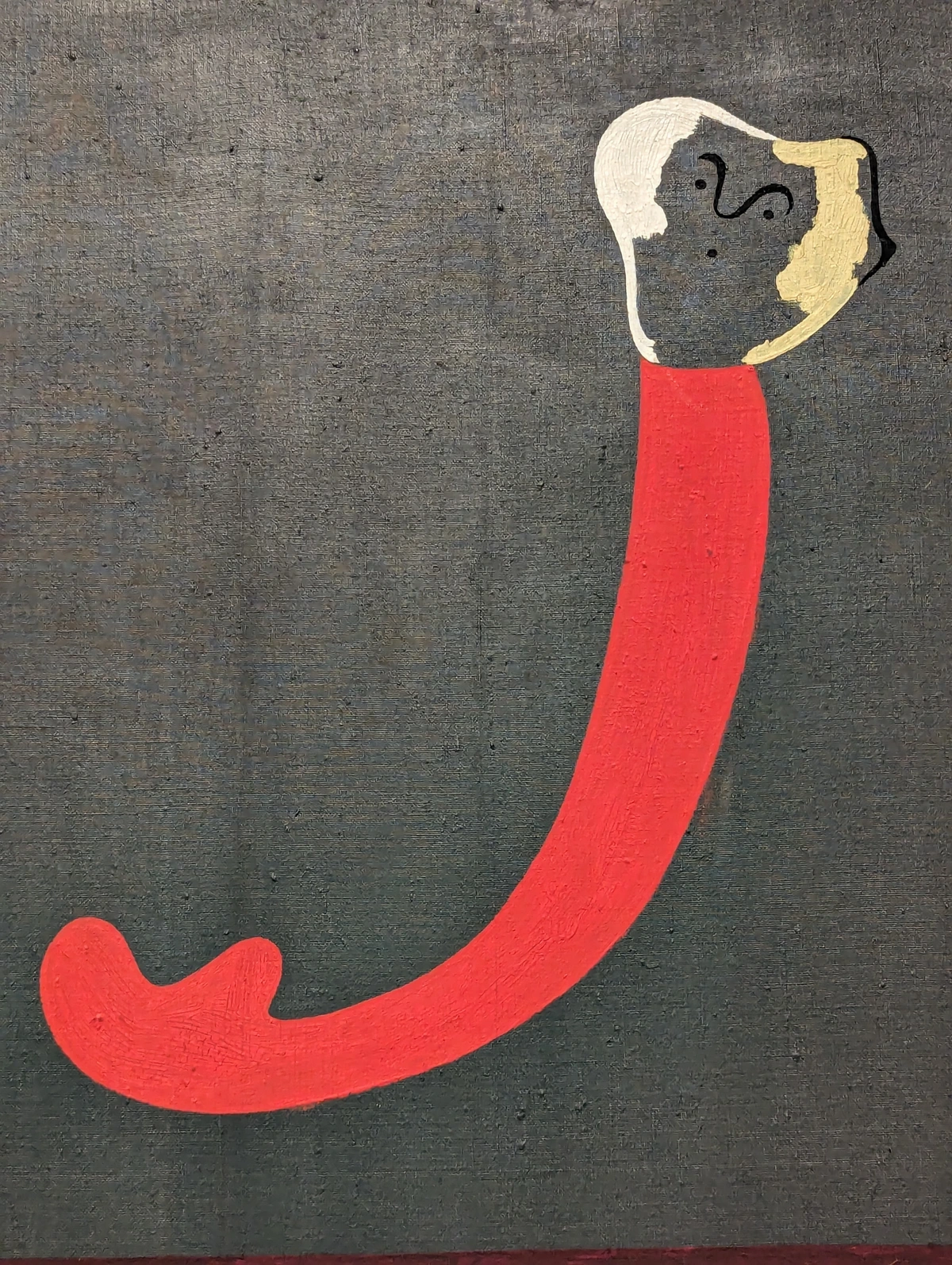
Her monumental series, "Paintings for the Temple," are a testament to this spiritual quest – filled with spirals, concentric circles, biomorphic shapes, and a dazzling palette that feels utterly contemporary. Imagine being so far ahead of your time that you consciously decide to hide your revolutionary work for decades! Her work is spiritual, symbolic, and jaw-droppingly ahead of its time, but also incredibly systematic, almost scientific in its exploration of unseen realms. The reason we didn't know about her for so long? She stipulated that her abstract work shouldn't be shown until 20 years after her death, fearing the world wasn't ready. And honestly, she was probably right; the art world of her time, obsessed with traditional representation and still grappling with Impressionism, simply wasn't equipped to understand her profound, transcendental vision. The Guggenheim Museum's groundbreaking 2018 retrospective changed everything, finally giving her the global recognition she deserved and forcing a complete rewrite of early abstract art history. If you ask me, this story alone should make anyone question every "definitive" art history book they've ever read. Her deliberate choice to delay her public debut highlights the immense courage and foresight required to create art that was so far beyond the comprehension of her contemporaries. It also speaks volumes about the institutional reluctance to embrace female artistic innovation, especially when it challenged established norms.
The Queen of Color and Rhythm: Sonia Delaunay (1885-1979)
While Hilma af Klint was channeling the spiritual, Sonia Delaunay (1885-1979) was finding abstraction in the pulsing rhythm of modern life. Alongside her husband Robert, she co-founded a movement called Orphism, which was all about pure color, light, and geometric shapes creating a sense of visual music – a symphony for the eyes, specifically through the theory of simultaneous contrasts. It was a vibrant, lyrical branch of Cubism, but infused with a joy and dynamism that was all its own, moving beyond the monochromatic palettes of early Cubism into a world of dazzling, interlocking hues and pulsating forms. Her theory of simultaneous contrasts, a core tenet of Orphism, posited that colors placed next to each other affect each other, amplifying their intensity and creating a dynamic visual rhythm without the need for traditional lines or representation. This wasn't just an aesthetic choice; it was a profound exploration of perception, a belief that color itself, in its pure form, could become the ultimate subject and expressive force of art. She believed that color could evoke emotion and convey meaning just as music does, creating a kind of 'symphony for the eyes.' This exploration of how artists use color was deeply influential.
What I love about Sonia is that she didn't see a boundary between fine art and everyday life. Her abstract principles permeated everything she touched. She designed textiles, clothes (her iconic "simultaneous dresses" were a bold fusion of geometric patterns and vibrant hues, creating optical effects that moved with the body!), furniture, stage sets, and even cars, bringing the dynamism of modern art directly into daily experience. She was truly a pioneer of multidisciplinary art, blurring the lines between art, fashion, and design, anticipating many contemporary practices. For her, art wasn't something to be stuck on a wall in a museum; it was something to be lived in, worn, and experienced as part of the urban fabric. That idea feels more relevant today than ever, especially in a world grappling with the lines between art, design, and commerce. She wasn't just an artist; she was, in essence, a brand before brands were really a thing, a visionary entrepreneur driven by a singular artistic vision and an unwavering belief in the pervasive power of color and form. Her seamless integration of art into daily life – from haute couture to home décor – was a radical statement, challenging the elitist separation of fine art from applied arts and paving the way for a more democratic, accessible approach to artistic expression. It's a powerful reminder that art can transform our everyday existence, not just adorn it, and that true creativity knows no disciplinary bounds. To me, she embodies the spirit of an artist who truly lived her art.
The American Modernist: Georgia O'Keeffe (1887-1986)
Everyone knows Georgia O'Keeffe for her magnified flowers, towering skyscrapers, and sun-bleached desert skulls. But at the heart of her work is a profound engagement with abstraction, often misunderstood or oversimplified by critics. She wasn't simply painting a flower; she was painting the feeling of a flower, its forms, colors, and textures, distilling it to its purest essence until it became something universal and monumental. She famously distilled natural forms, taking the familiar and making it alien, monumental, and deeply abstract. What she was really doing, and what I find utterly fascinating, was taking the familiar and making it alien, monumental, and deeply abstract, forcing us to look closer, to see the intricate details and hidden power within a single bloom or a bleached bone. Her unique approach to American Modernism sought to express the essential forms and rhythms of nature, creating a powerful, almost spiritual connection between the viewer and the subject. For a deeper look into her groundbreaking contributions, explore our ultimate guide to Georgia O'Keeffe, and prepare to see the world through her uniquely magnified lens.
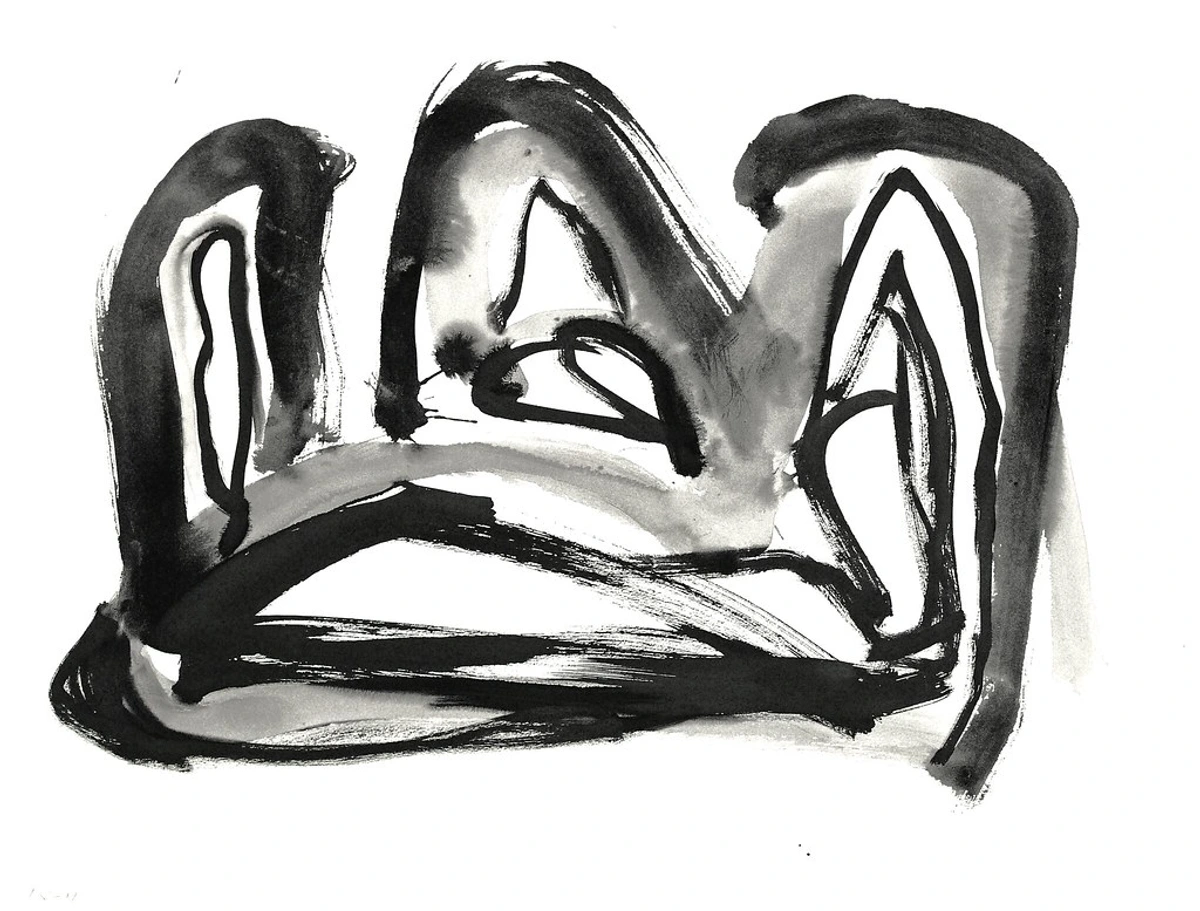
Her connection to nature and the American landscape, particularly New Mexico, was central to her unique brand of American Modernism. She took organic forms – the curve of a bone, the unfurling of a petal, the vastness of a desert sky – and distilled them into abstract compositions that explored line, color, and negative space with incredible sensitivity. This wasn't merely simplification; it was an act of profound contemplation, almost meditative in its intensity, reducing forms to their most powerful, sculptural essence. It's a quieter, more grounded form of abstraction than the explosive, gestural work of some Europeans, but I'd argue it's no less revolutionary in its relentless pursuit of underlying forms, their emotional resonance, and their spiritual power. Her ability to find the abstract in the very real world around her is a profound lesson for any artist, showing that the path to non-objectivity can be deeply rooted in observation. Dive deeper with the ultimate guide to Georgia O'Keeffe. She truly redefined how we see and interpret the world around us, inviting us into a heightened state of perception.
The Abstract Expressionist Powerhouses: Beyond the Macho Myth
This is where the story gets really interesting, and frankly, where some of the biggest historical corrections are happening, revealing the true breadth and depth of a pivotal art movement. The New York School of the 1940s and 50s is still widely seen as the pinnacle of macho, heroic art, dominated by larger-than-life male figures like Jackson Pollock and Willem de Kooning. But the truth? Women were absolutely central to its development, often making work that was more experimental, conceptually rigorous, and emotionally complex than their male peers, challenging the very definition of painterly expression. They weren't just on the sidelines; they were in the thick of it, actively shaping and pushing the movement forward even as they faced systemic obstacles from critics, galleries, and even their male colleagues. It’s high time we stopped calling it a "boys' club" and started acknowledging the true, diverse roster of talent that defined Abstract Expressionism.
This era, often celebrated for its raw energy and radical individuality, was paradoxically fraught with deep-seated gender bias, making the achievements of these women all the more defiant and inspiring. They carved out formidable artistic identities in a scene that frequently preferred to see them as muses, partners, or adjuncts, rather than leading innovators whose work commanded equal intellectual and emotional gravity. This systemic marginalization meant their contributions were often downplayed, their prices remained lower, and their legacies struggled for recognition long after their male counterparts were cemented in the canon. But as we'll see, their resilience and vision ultimately broke through. Many of these women deliberately challenged the machismo and traditional narratives of the movement, forging their own paths with radical materials, conceptual rigor, and an unwavering commitment to their unique artistic voices.
Artist | Known For | Why She Matters | Style Characteristics | Key Works / Contributions |
|---|---|---|---|---|
| Lee Krasner | Lyrical, dense, and constantly evolving abstraction | Refused to have one 'signature style'; her work is a testament to resilience and evolution. | Dynamic compositions, rich textures, varied scales, gestural freedom. | Dynamic collages, "Little Image" series, later large-scale gestural works. |
| Joan Mitchell | Huge, energetic canvases; gestural and emotional | Translated memories of landscapes into pure, symphonic color and raw energy. | Visceral brushwork, vibrant palettes, immersive scale, emotional resonance. | Series like "City Landscape," powerful, immersive emotional landscapes. |
| Helen Frankenthaler | The revolutionary 'soak-stain' technique | Revolutionized painting by pouring thinned paint onto raw canvas, inspiring Color Field. | Luminous color fields, fluid forms, transparent washes, organic feel. | Early seminal works like "Mountains and Sea," creating luminous fields of color. |
| Elaine de Kooning | Energetic portraits, abstract works, and critical writing | A pivotal figure as both an artist and a critic who championed the movement vigorously. | Bold, gestural brushwork, expressive figuration, fluid abstraction. | Bold portraits (e.g., of John F. Kennedy), abstract expressionist landscapes. |
| Grace Hartigan | Bold, large-scale canvases fusing figuration and abstraction | Combined pop culture, figuration, and abstract gesture with powerful emotional intensity. | Energetic compositions, vibrant colors, narrative hints, expressive marks. | "Grand Street Brides," exploring everyday life with expressive freedom. |
| Hedda Sterne | Diverse, experimental, and intellectually rigorous abstractions | Resisted categorization, explored complex structures, and pushed conceptual boundaries. | Evolving styles, mechanical motifs, subtle abstractions, intellectual depth. | "NY School" series, "Machine Parts" series, a true intellectual pioneer. |
| Alma Thomas | Luminous color fields, mosaic-like patterns | Discovered abstraction later in life, adding a unique voice to post-war art. | "Breezy" dashes, vibrant mosaic patterns, natural forms, rhythmic brushwork. | "Resurrection" series, paintings inspired by space and cherry blossoms. |
Grace Hartigan: Bridging Worlds
Grace Hartigan (1922-2008) burst onto the scene in the 1950s with bold, large-scale canvases that brilliantly fused figuration and abstraction. Unlike some of her peers who moved towards pure non-objectivity, Hartigan was fascinated by the potential to weave elements of popular culture, everyday life, and art historical references into her expressive abstract gestures. Her work, like "Grand Street Brides" or "City Life," vibrated with a raw emotional intensity and a vibrant palette, capturing the relentless energy and grit of New York City while pushing the boundaries of what Abstract Expressionism could encompass. She fiercely defied easy categorization, a true independent voice in the movement who refused to sacrifice narrative and recognizable elements for purely abstract ideals. Her early exposure to the New York art scene, and her independent spirit, allowed her to forge a unique path, often incorporating urban landscapes and figural fragments into her vibrant compositions. Hartigan's unique approach demonstrated that abstraction didn't have to be entirely divorced from the observable world; it could absorb and reinterpret it, creating a richer, more narrative, and deeply human form of Abstract Expressionism. Her use of fragmented figures and recognizable motifs allowed her to engage with the complexities of the human experience in a way that resonated deeply with audiences – a true bridge between worlds, and a testament to her artistic courage.
Hedda Sterne: The Uncategorizable Innovator
Hedda Sterne (1910-2011) was perhaps the ultimate individualist within the Abstract Expressionist circle, so much so that she often resisted being associated with any group. "I am not an Abstract Expressionist. I am not an Abstract Surrealist. I am not a Cubist. I am not a Fauvist. I am not anything," she famously declared, and I just love that kind of defiant spirit. A Romanian-American artist, Sterne was an intellectual powerhouse whose work consistently evolved, exploring complex structures, mechanical forms, and subtle atmospheric abstractions. Her "NY School" series, for instance, captured the dynamic energy of the city's towering skyscrapers, while her "Machine Parts" series delved into the intricate beauty of industrial forms, revealing their inherent abstract rhythms and geometries. Later, her subtle, atmospheric works explored the delicate interplay of light and shadow, pushing abstraction into a more introspective realm. She was famously the only woman included in the iconic "The Irascibles" photograph of Abstract Expressionist artists for Life magazine, a stark testament to her standing among her male peers, despite her later disavowal of the group. Her diverse approach, constantly pushing conceptual and visual boundaries, proved that abstraction could be both rigorously intellectual and deeply personal, refusing to settle into any convenient category. Sterne's profound intellectual curiosity led her to continuously experiment with different styles and media, making her one of the most versatile and intellectually stimulating artists of her generation. Her refusal to conform to a single artistic identity was, in itself, a powerful statement of artistic freedom, and a testament to her unwavering intellectual independence in an art world obsessed with labels.
Lee Krasner: More Than 'Mrs. Pollock'
For too long, Lee Krasner (ultimate guide to Lee Krasner) was known primarily as Jackson Pollock's wife. It’s an injustice that makes my blood boil, a perfect example of how easily female artists were eclipsed. Krasner was a formidable artist in her own right, a key figure in the Abstract Expressionist movement whose work constantly reinvented itself through different stylistic periods. She never settled on one 'signature style,' a move that perhaps hindered her market recognition and easy categorization, but for me, it simply demonstrated her fierce artistic independence and restless spirit. From her dense, all-over "Little Image" paintings of the 1940s, characterized by intricate, almost hieroglyphic markings that hinted at hidden meanings and a profound engagement with psychic automatism, to her powerful, large-scale collages of torn earlier works (a brilliant act of recycling and reinvention born from a period of artistic block), and later her monumental, gestural canvases that exploded with raw energy and a renewed sense of purpose, Krasner channeled her experiences – grief, rage, resilience, passion – into art that practically vibrates with palpable emotion and profound intellect. After Pollock's tragic death, she took over his studio, transforming her grief into a furious creative output and producing some of the most powerful work of her career, finally stepping out of his colossal shadow to achieve her rightful place as an Abstract Expressionist pioneer. Her journey is a masterclass in artistic survival, integrity, and the sheer will to create, a testament to an artist who never stopped searching, never stopped pushing, and consistently redefined her own artistic language. Her fearless experimentation with form and material cemented her legacy as a true innovator.
Joan Mitchell: Symphonies of Color and Emotion
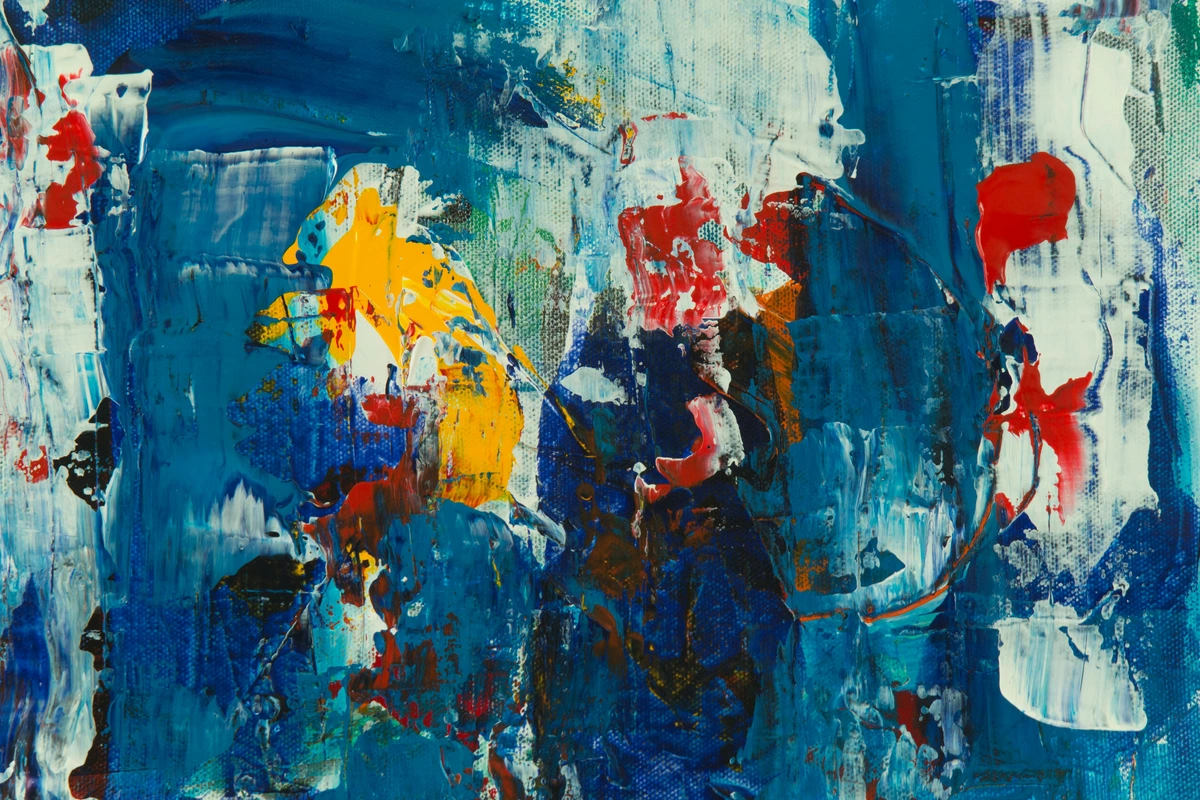
Joan Mitchell created symphonies of color on canvas, works that truly envelop you. Her works are enormous, immersive experiences that feel like standing in the middle of a storm of memory, raw emotion, and the profound beauty of nature. Mitchell spent much of her career living and working in Vétheuil, France, yet her connection to American Abstract Expressionism remained profound, evident in the sheer scale and gestural intensity of her work. She famously worked in series, often revisiting landscapes from her memory – the fields of sunflowers, the shifting light over the Seine – translating the feeling of a place – its light, its weather, its psychological resonance – into pure, visceral paint. Her gestural brushstrokes are far from random; they are a language of feeling, a direct articulation of her inner world onto huge canvases that demand your full attention. It's painting as a full-body experience, a dynamic interplay between raw spontaneity and rigorous control, evoking both sublime chaos and profound beauty. Mitchell's canvases are often characterized by their vibrant, almost aggressive use of color and complex layering, creating a dense, pulsating visual field that draws the viewer in and demands prolonged contemplation. She often used a specific palette – searing yellows, deep blues, turbulent greens, and flashes of fiery red – to evoke the sensation of a landscape rather than its literal appearance. Her abstract landscapes are less about direct representation and more about channeling an emotional response to nature, making them deeply expressive and universally resonant, true symphonies of feeling that reveal themselves with time. Her application of paint was often thick, almost sculptural, building up layers of rich, luminous color that seemed to breathe with an internal light.
Helen Frankenthaler: The 'Soak-Stain' Revolution
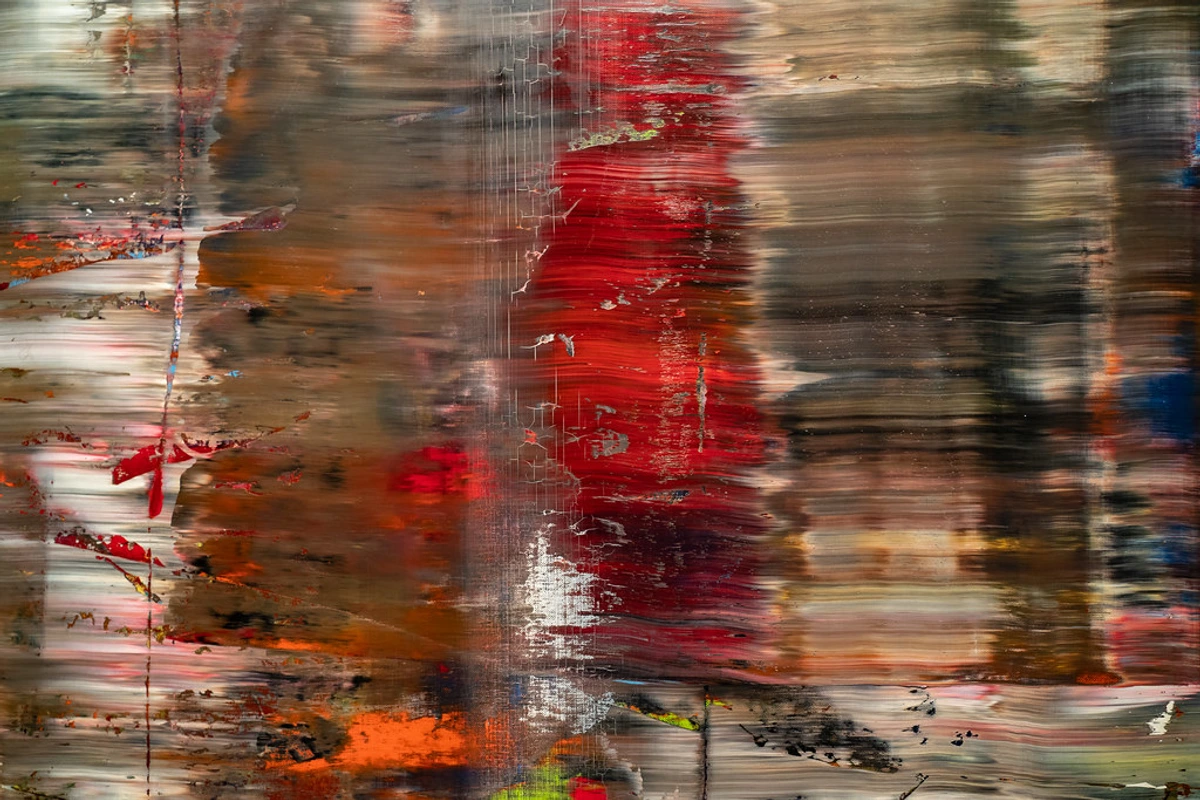
And Helen Frankenthaler (1928-2011) completely changed the game with her revolutionary 'soak-stain' method. By thinning her paint with turpentine so it literally soaked right into the unprimed canvas, she created luminous, ethereal fields of color that merged figure and ground, erasing the traditional separation between paint and support. This technique resulted in unprecedented transparency, fluidity, and a sense of organic unfolding, opening up entirely new possibilities for abstraction, creating paintings that felt as natural and unbounded as a watercolor. By eliminating the traditional gesso primer, she dissolved the historic separation between paint and support, making the canvas itself an active, absorbent participant in the creation, rather than just a passive surface. It directly inspired a whole new movement, Color Field painting, and influential artists like Morris Louis and Kenneth Noland owe a huge debt to her pioneering spirit and radical vision. Frankenthaler's approach emphasized the inherent qualities of paint and canvas, making the very process of painting – the flow, the absorption, the subtle blending – a central part of the artwork's meaning, creating vast, expansive works that invite deep contemplation. If you've ever wondered how artists use color to such a transformative effect, her work is a masterclass in the psychology of color in abstract art and the sheer poetry of paint, showcasing the profound impact of how artists use color to evoke emotion and space.
Elaine de Kooning: Artist, Critic, and Force of Nature
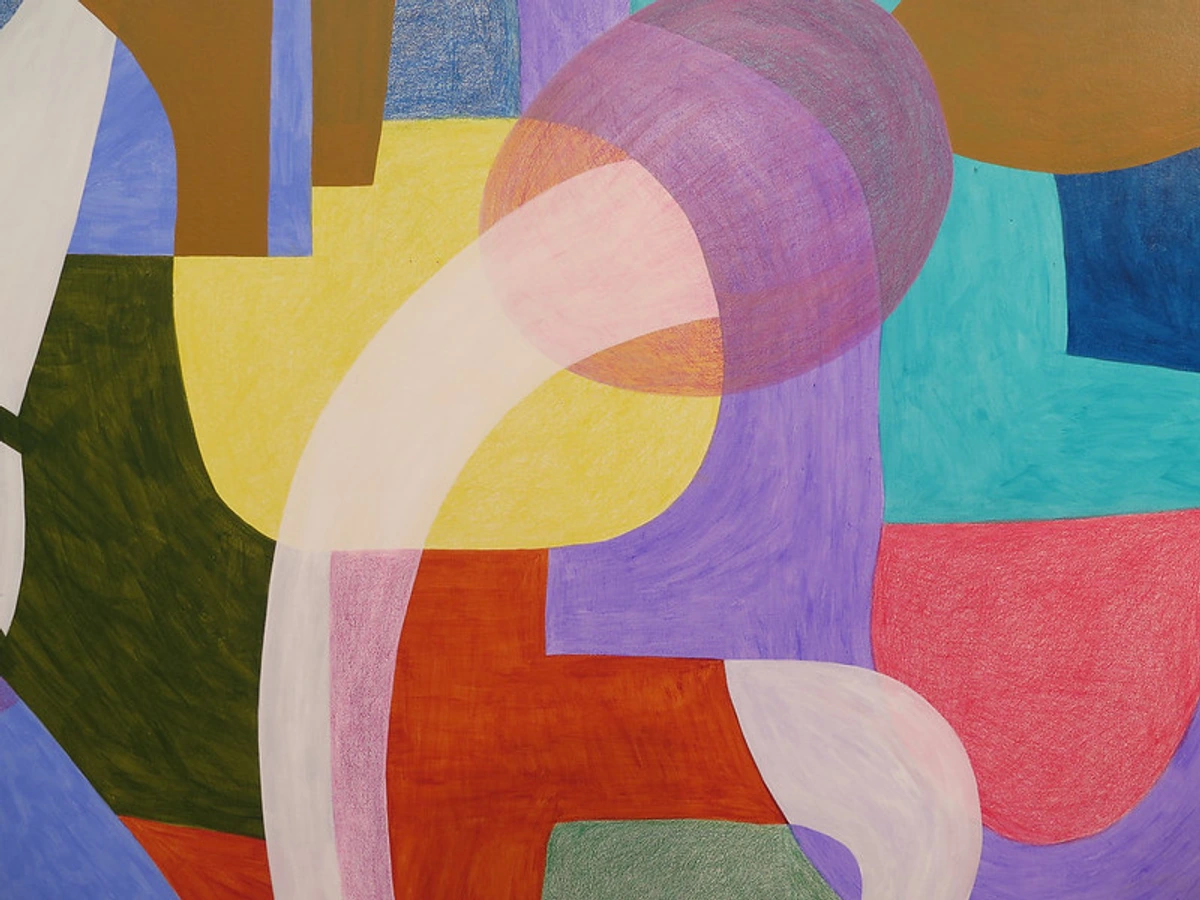
Often, and unjustly, overshadowed by her husband, Willem de Kooning, Elaine de Kooning (1918-1989) was a formidable artist and intellectual in her own right. She painted dynamic abstract works, powerful gestural portraits (including a renowned series of John F. Kennedy that captured his restless energy, a far cry from static official portraits), and was a prolific, incisive writer and critic. Her critical eye and sharp intellect didn't just articulate the tenets of Abstract Expressionism; they helped shape its very reception, making her a pivotal figure not just as a creator, but as a thought leader and a vital bridge between artists and the public. Her incisive essays and reviews provided invaluable insights into the movement, championing her peers and dissecting the era's artistic innovations with unparalleled clarity. She refused to be pigeonholed, constantly experimenting and pushing her own boundaries, making her a true testament to artistic independence and the multifaceted, often unacknowledged, role women played in shaping the era. Her profound influence as both practitioner and theoretician is only now being fully appreciated, and frankly, it's about time. Elaine de Kooning's bold, energetic brushwork, whether in her abstract landscapes that teemed with life or her expressive portraits, captured the very spirit of Abstract Expressionism – a raw, immediate engagement with the act of painting. Her writings were equally incisive, providing invaluable insights into the movement and its key players from an insider's perspective, truly shaping the critical discourse around this pivotal era. She was, quite simply, an intellectual force of nature, whose legacy is finally getting its deserved spotlight.
Alma Thomas: Luminous Color Fields Emerge Late
An incredible late bloomer, Alma Thomas (1891-1978) was an African-American artist who, after a long and dedicated career as an art teacher in Washington, D.C., began painting full-time in her late 60s. Her vibrant, mosaic-like abstract paintings, often inspired by nature, space, and movement (like the Apollo moon missions, the cherry blossoms of her beloved Washington, or patterns in her own garden), are a testament to the power of pure color and rhythmic brushwork. She developed her unique style of "breezy" abstract dashes, meticulously arranged to create luminous, often joyous, color fields that radiate with energy and a unique visual pulse. Thomas’s story is a powerful reminder that artistic genius can emerge at any age, and that the language of abstraction is truly universal, transcending both gender and generation and adding a vital, celebratory voice to American post-war abstraction. Her vibrant, unmixed color choices felt utterly modern and timeless, creating an optimistic, spiritual glow that truly sets her apart.
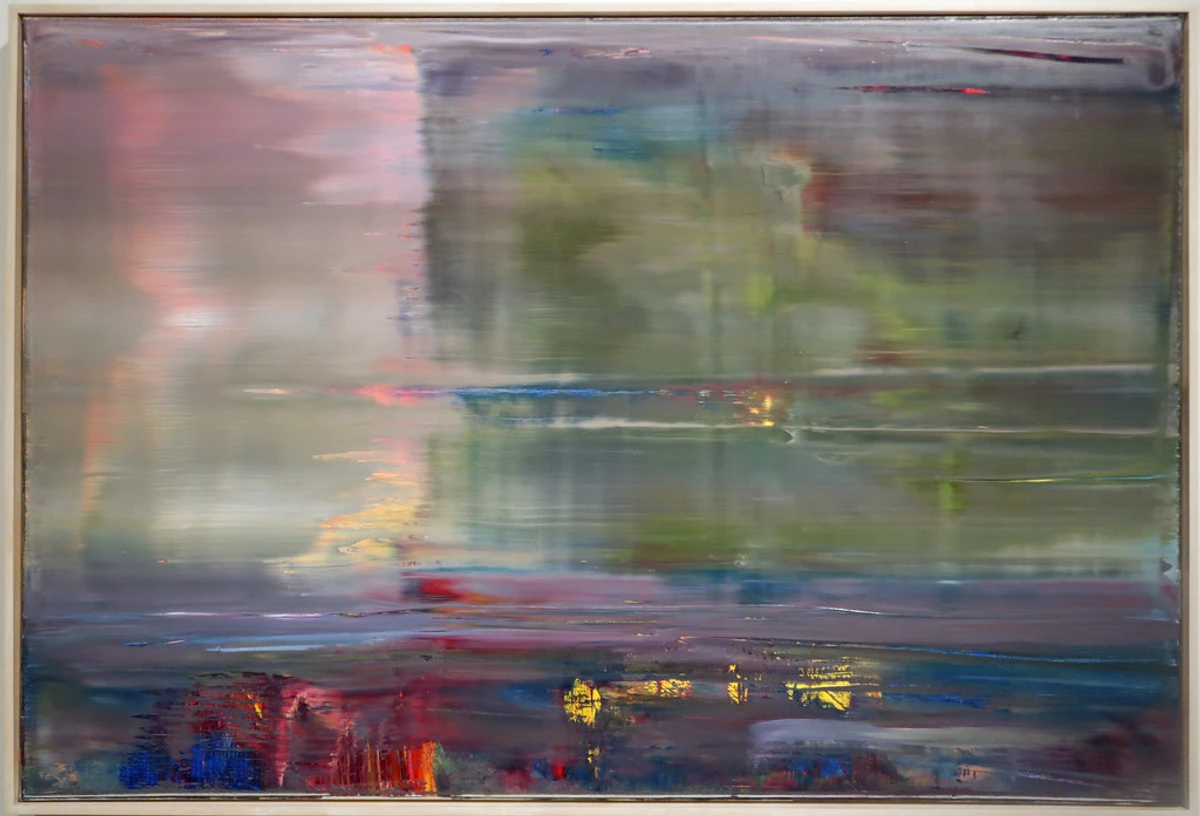
The Quiet Rebels: Minimalism and Beyond
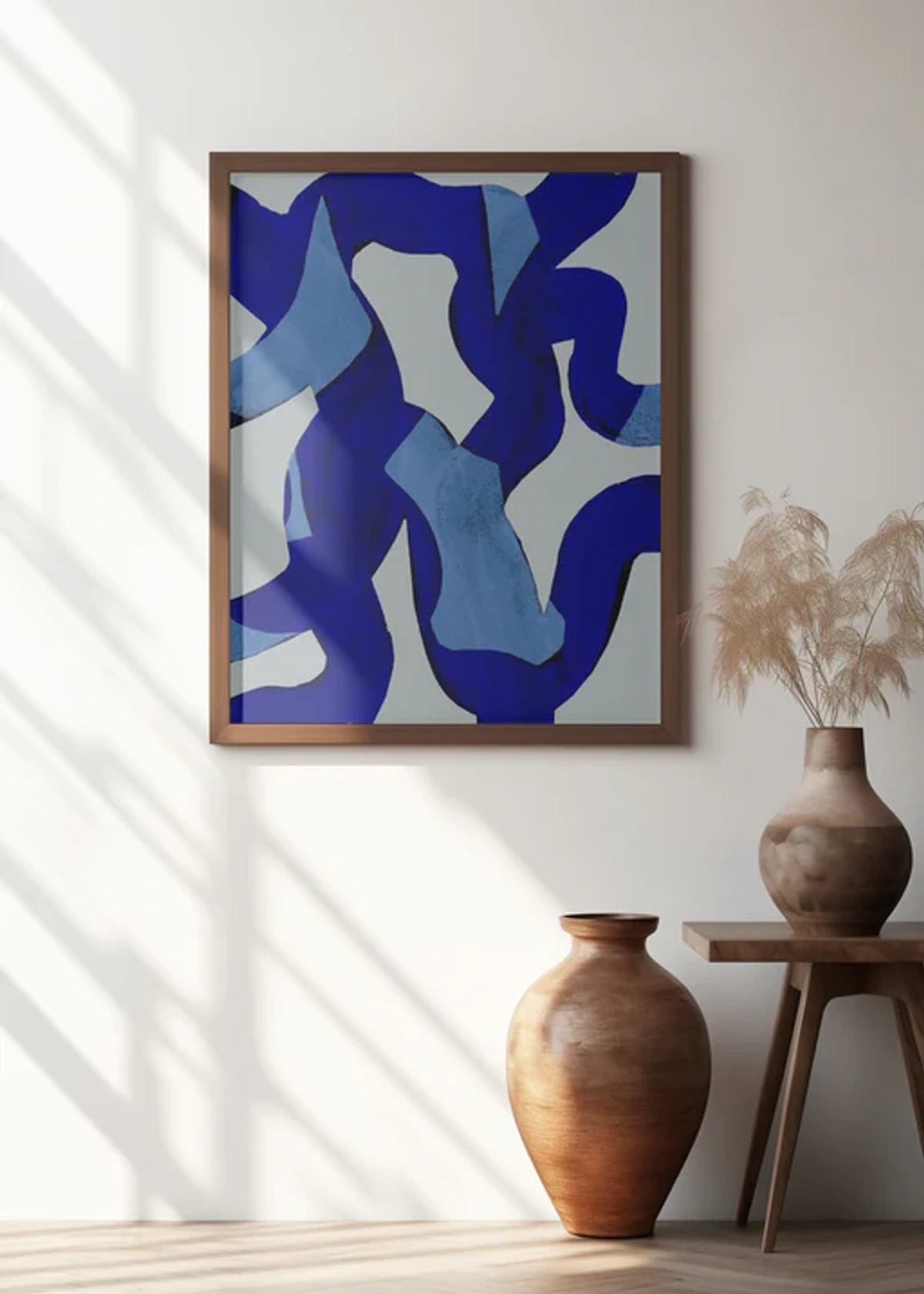
As abstraction moved away from the hot emotion of the Expressionists towards cooler, more cerebral explorations in the mid-20th century, women were again at the forefront, exploring structure, subtlety, and perception. They carved out spaces for profound contemplation in a world often demanding noise, proving that quiet revolution can be the most impactful. This shift, often dubbed Post-Painterly Abstraction or Minimalism, sought to purify art, focusing on essential forms and experiences, and these women were instrumental in defining its profound, understated power.
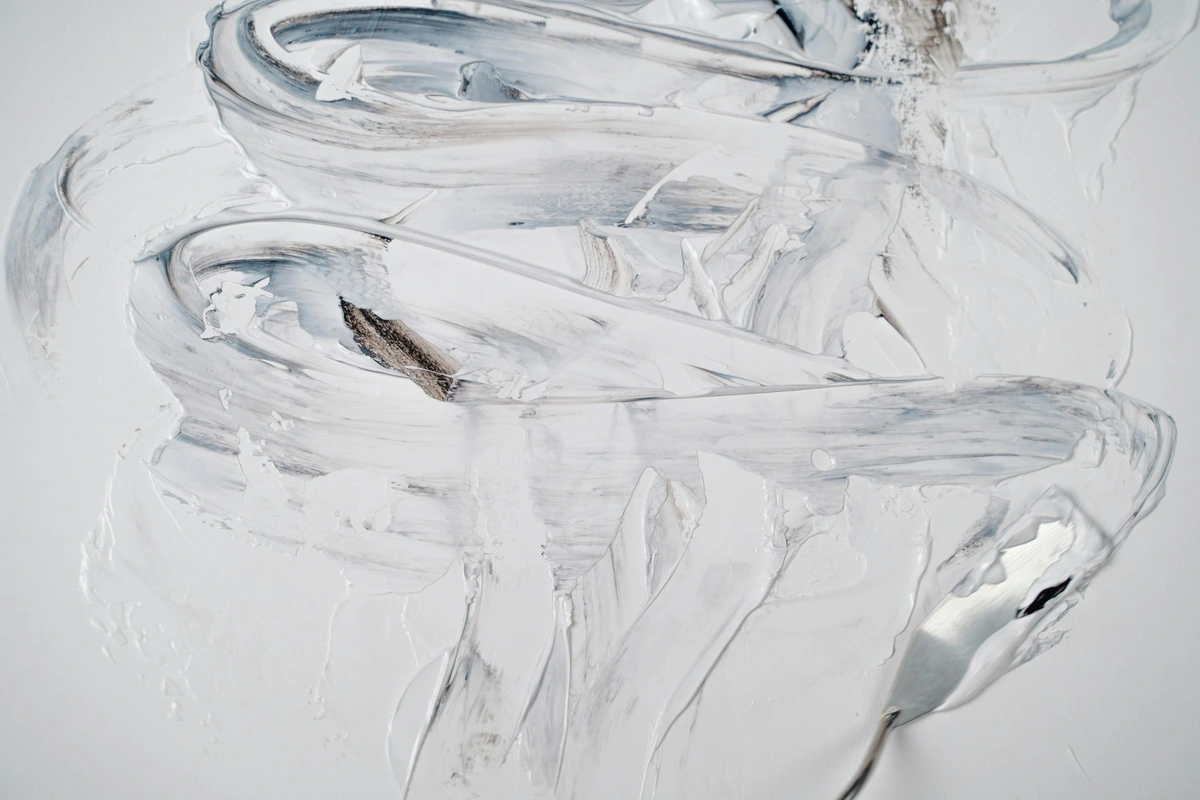
Agnes Martin: The Pursuit of Perfection
Looking at an Agnes Martin (1912-2004) painting is like embarking on a deep meditation, a quiet conversation with infinity itself. Her meticulously hand-drawn grids and pale color washes might seem deceptively simple, but they are, in fact, incredibly complex fields of subtle emotion and transcendental contemplation. She wasn't interested in grand, dramatic statements, but in evoking universal feelings of joy, innocence, beauty, and happiness through meticulous, almost imperceptible, lines and ethereal washes of color. In a loud, chaotic art world, her quiet, contemplative work feels like a necessary antidote, a serene space for inner reflection and profound calm. She was a key figure in Minimalism, even if she preferred to call herself an Abstract Expressionist, famously insisting her work was about emotion, not intellect. I think that's precisely why her work resonates so deeply; it speaks to something beyond the visual, tapping into a collective sense of peace and order. Martin's unwavering commitment to repetition and subtle variation created a sense of infinite expanse within a seemingly confined space, inviting viewers to slow down, breathe, and engage with the quiet, profound power of her compositions. Her philosophical approach, often drawing from Eastern spirituality and her own rigorous pursuit of happiness and inner peace, imbued her seemingly simple lines with a profound, almost meditative, energy, transforming the grid from a rigid structure into a vehicle for contemplation. Her work is a testament to the idea that profundity can be found in the most understated forms, and that the path to transcendence can be found in a perfectly rendered grid, echoing the rhythms of existence.
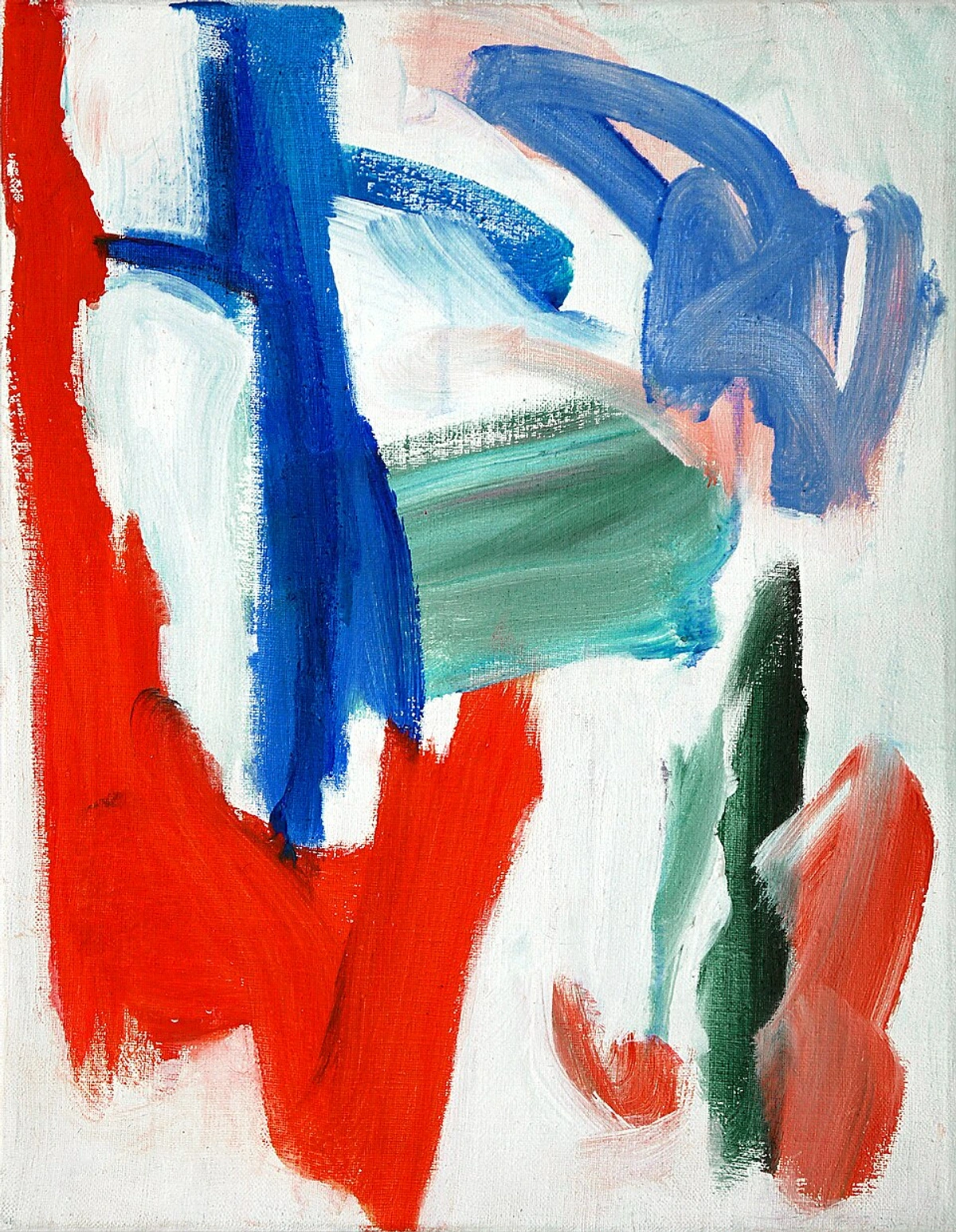
Bridget Riley: The Mistress of Illusion
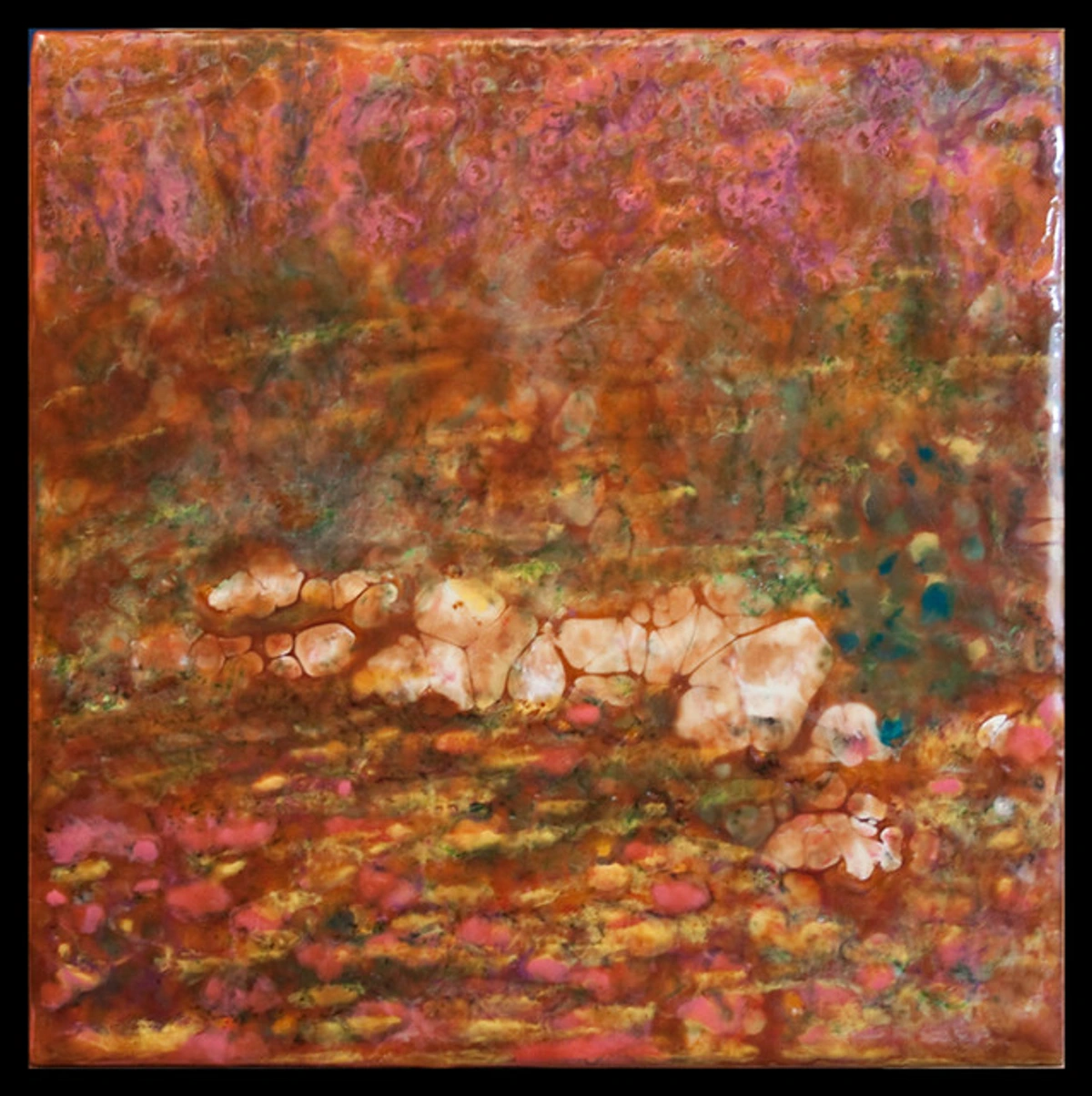
And then you have the sheer visual punch of Bridget Riley (b. 1931). A leading figure in Op Art (Optical Art), she uses precise geometric patterns and meticulously calculated color arrangements to create dizzying sensations of movement, vibration, and pure visual energy. Her work isn't just something you passively look at; it's something that actively happens to you, engaging your retina and your brain in a direct, almost physiological way. It literally messes with your perception, creating powerful illusions of depth, motion, and even sound, making you acutely aware of the very act of seeing, questioning the very nature of visual reality itself. It’s brainy, beautiful, and a little bit disorienting in the best possible way – a true masterclass in manipulating visual perception and exploring the subjective nature of sight. She’s like a magician, but with paint and geometry instead of cards and doves, conjuring worlds of pure optical dynamism. Read more in our guide to Bridget Riley. Riley's rigorous, almost scientific, approach to optical effects transformed the static canvas into an active, pulsating space, where static lines and shapes generated dynamic illusions, challenging the viewer's perception and proving that abstract art could be both intellectually stimulating and viscerally engaging. She shares a fascinating lineage with other geometric abstraction masters like Victor Vasarely, yet her unique focus on subjective visual experience sets her apart. Riley's meticulous work, often in black and white or with precise color gradations, demonstrates how manipulating fundamental visual elements can create an immersive, almost hallucinatory, experience.
credit, licence
Unsung European Trailblazers: Before and During the Wars
Beyond the well-trodden paths of New York and the major European movements, there were incredible women across Europe making significant abstract contributions, often working in multidisciplinary ways and challenging the very definition of art itself. Their stories remind us that innovation wasn't confined to a few famous centers, but was bubbling up everywhere.
Sophie Taeuber-Arp: Dada, Dance, and Geometric Precision
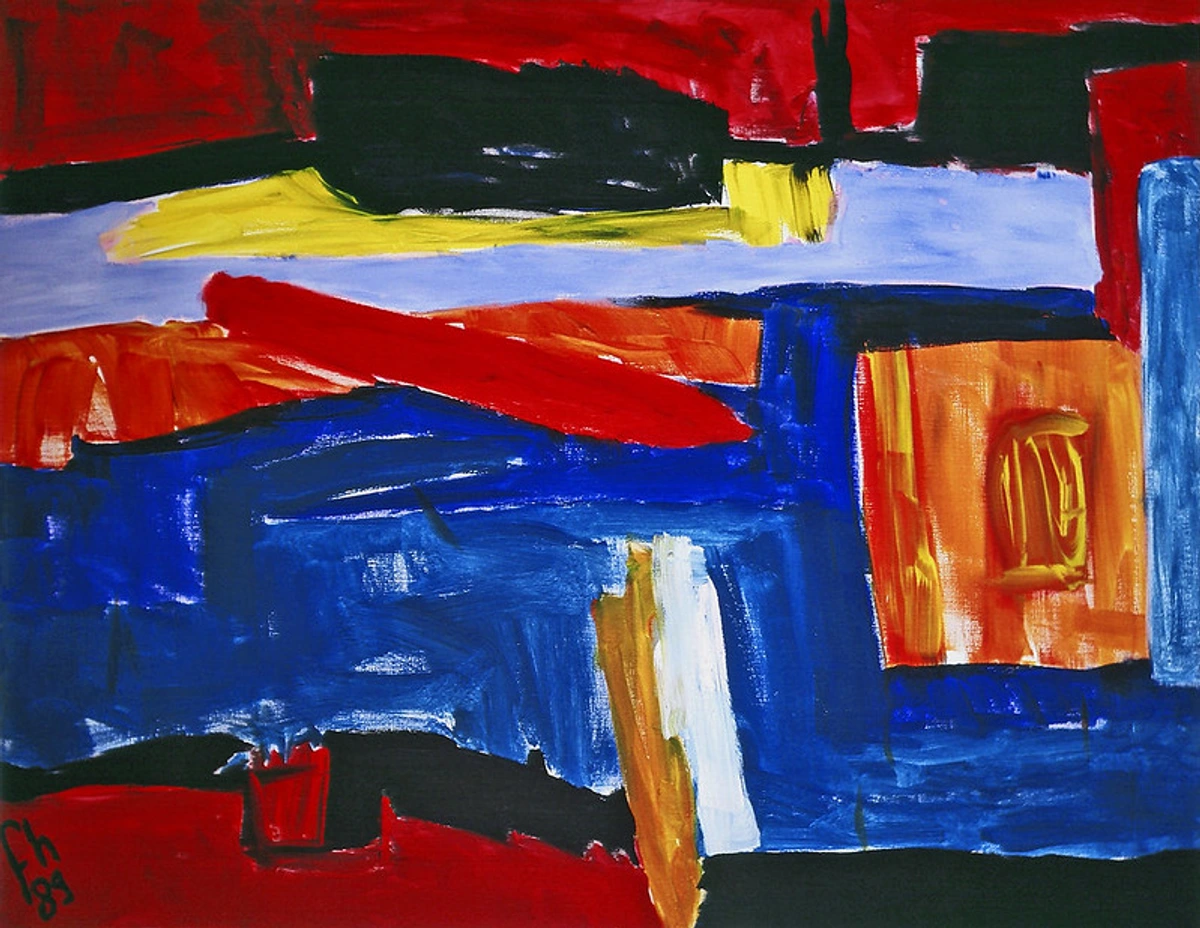
Sophie Taeuber-Arp (1889-1943) was a truly multidisciplinary Swiss artist, dancer, and designer who was a central figure in the Dada movement and a pioneer of Concrete Art. Her abstract work, often incorporating rigorous geometric forms and vibrant colors, spanned painting, sculpture, textiles, and even puppetry, consistently challenging the very definition of fine art and breaking down arbitrary hierarchies. She was instrumental in the Cabaret Voltaire in Zurich, a hotbed of Dadaist experimentation, where her abstract puppets and innovative costume designs blended performance with radical visual art, pushing boundaries in every direction. She challenged traditional artistic hierarchies, proving unequivocally that a meticulously woven tapestry or a beadwork object could be as profound and radical, as intellectually rigorous, as any painting on canvas. Her involvement with the Cabaret Voltaire in Zurich, a hotbed of Dadaist experimentation, saw her creating abstract puppets, costumes, and choreography that blurred the lines between performance, fine art, and applied arts. For her, abstraction wasn't just an aesthetic choice; it was a way of living and thinking, a philosophy that integrated art into every facet of existence. Her textiles, for instance, were not merely decorative but rigorously geometric, exploring rhythmic patterns and color relationships with a precision and conceptual depth that rivaled any canvas. She's a personal hero of mine for that very reason – breaking down those stuffy categories and advocating for art's pervasive, transformative role in daily life. Taeuber-Arp's dedication to the functional and decorative arts, alongside her 'fine art' paintings and sculptures, was a powerful act of defiance against the rigid distinctions of the art world. Her work prefigured much of the conceptual art of later decades, demonstrating that abstract principles could be applied across an astonishing range of creative outputs, from a simple cup to a complex dance performance.
Russian Avant-Garde Powerhouses: Goncharova, Popova, and Stepanova
The Russian Avant-garde of the early 20th century was a hotbed of abstract experimentation, a crucible of radical ideas and revolutionary artistic expressions. Women like Natalia Goncharova (1881-1962), Lyubov Popova (1889-1924), and Varvara Stepanova (1894-1958) were absolutely critical to its development, not just participants, but driving forces. Goncharova, for instance, co-founded Rayonism, one of the first abstract art forms in Russia, characterized by dynamic, intersecting rays of color that conveyed movement, light, and a sense of cosmic energy, reflecting the modern fascination with speed, technology, and cosmic forces. Her vibrant, folk-art inflected abstract works broke decisively from Western European traditions, forging a distinctly Russian modernism. Popova and Stepanova were leading figures in Constructivism, advocating for the integration of art into everyday life, applying abstract principles to utilitarian designs, clothing, textiles, and theater sets, from propaganda posters to practical workwear. They firmly believed art should serve society, helping to build a new socialist society by making aesthetics functional and accessible. Their work was bold, innovative, and unapologetically modern, often pushing social and political boundaries right alongside the artistic ones. They literally helped design a new world through abstraction, demonstrating how aesthetic principles could drive profound societal change, creating a visual language for a new era.
Geometric Precision and Lyrical Abstraction: New Forms, Enduring Legacies
As abstraction continued to evolve through the mid to late 20th century, new generations of women picked up the mantle, refining existing forms and inventing entirely new ones. They explored the profound power of pure geometry, the emotional resonance of color, and the subtle complexities of line, often working for decades in quiet dedication before receiving widespread recognition. This era saw the emergence of movements like Hard-Edge painting, characterized by sharp, clean lines and distinct areas of color. Despite its cool, intellectual precision, in the hands of these pioneering women, it was deeply expressive, conveying profound emotional depth and conceptual rigor. They stripped away the gestural flourishes and overt narratives, but never the feeling, proving that emotional depth and intellectual power could be found in the sharpest of lines and the most pristine of forms, a true testament to the versatility of abstraction.
Carmen Herrera: A Century of Geometric Brilliance
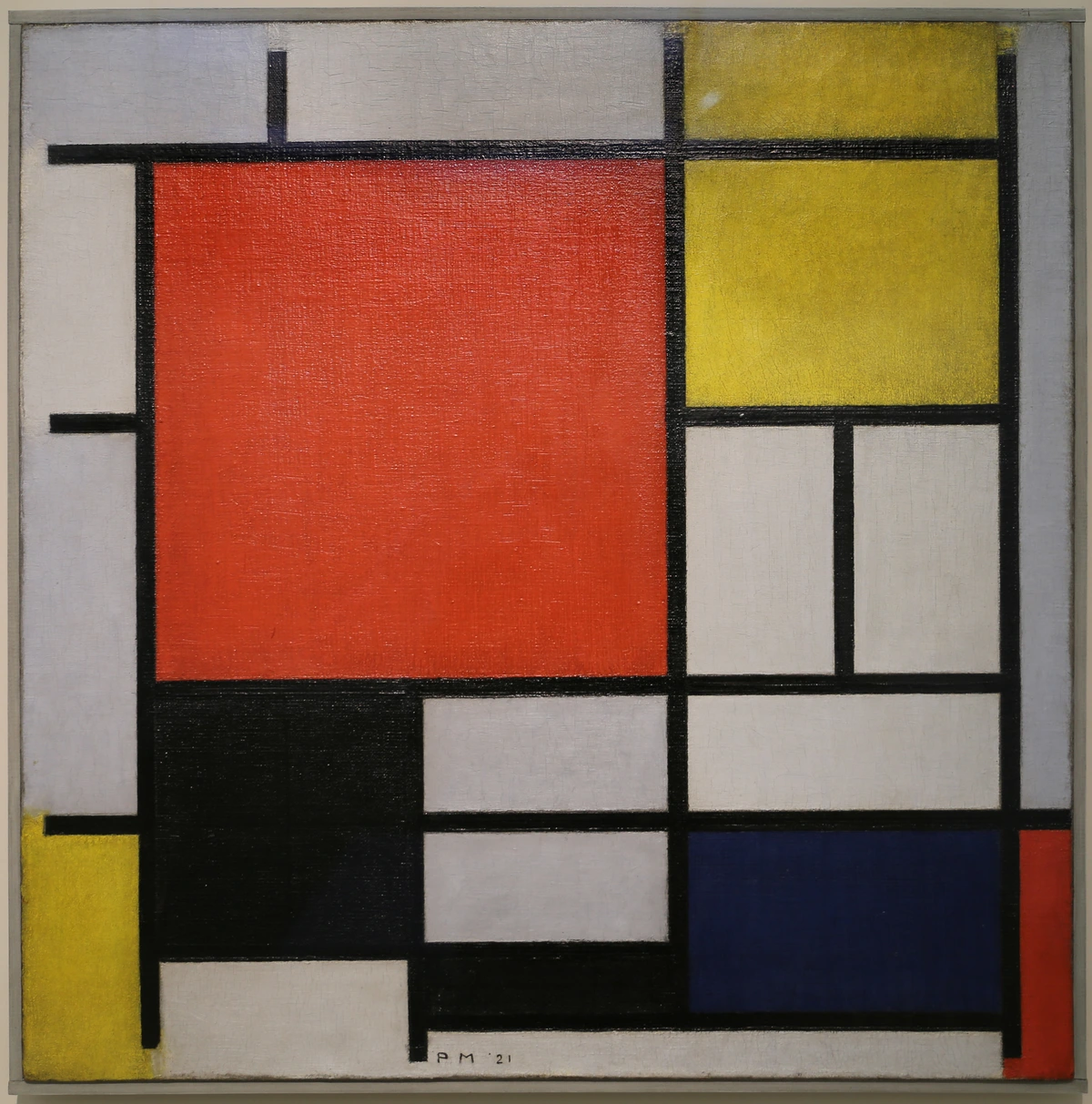
Imagine working for nearly a century before getting your due! That's the extraordinary story of Cuban-American artist Carmen Herrera (1915-2022). For decades, she created crisp, hard-edge geometric abstractions, often using just two or three vibrant, contrasting colors, long before male artists gained fame and fortune for strikingly similar work. Her paintings are not merely exercises in geometry; they are about precision, tension, and the dynamic interplay of form and space, often featuring sharp angles and bold, contrasting hues that create a powerful sense of optical vibration and energetic dynamism. She was, as the art world finally realized in her late 80s and 90s (a truly belated recognition, if you ask me!), a minimalist and geometric abstraction pioneer whose vision was decades ahead of her time. Her steadfast dedication to her singular vision, despite decades of neglect and the compounded challenges faced by women artists and artists of color, is incredibly inspiring and a profound testament to her unwavering artistic integrity. Her iconic 'estructuras' (structures), which are three-dimensional wall-mounted forms, and 'blanco y negro' (black and white) series are prime examples of this relentless pursuit of formal purity, a quiet but potent rebellion against the noise and fleeting trends of the art market. Her work is a powerful reminder that sometimes, the greatest revolutions unfold with quiet persistence.
Anni Albers: Weaving the Future of Abstract Art
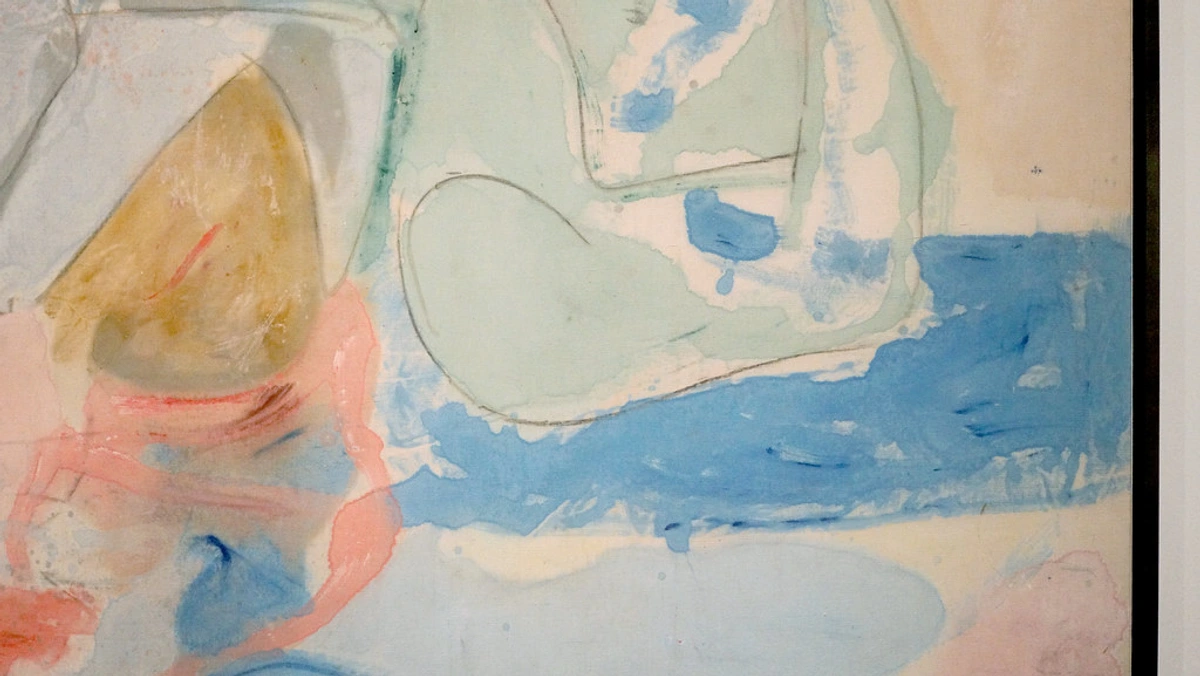
At the legendary Bauhaus, a German art school that fundamentally revolutionized design and art education, Anni Albers (1899-1994) transformed the traditional, often-undervalued craft of weaving into a radical form of abstract art. Despite initial limitations placed on women at the Bauhaus, who were often steered towards crafts like weaving rather than the 'higher' art forms of painting or sculpture, Albers didn't just accept; she embraced weaving as a medium for profound abstract expression and groundbreaking innovation. She explored the structural possibilities of thread – its tensile strength, its tactile qualities, its inherent geometry – creating intricate, rhythmic compositions that are as complex, innovative, and intellectually rigorous as any painting. Experimenting tirelessly with texture, pattern, and color, Albers not only elevated textiles to the realm of fine art but also pushed the very boundaries of what materials and techniques could be considered "serious" artistic mediums. Her influence on modern design, textile art, and abstract art is immense, proving that true abstraction can emerge from the most unexpected places and materials. Seriously, she made thread sing, creating intricate, tactile works that explored complex concepts of rhythm, spatial illusion, and material truth with unparalleled sophistication. Her theoretical writings, particularly 'On Weaving,' remain highly influential to this day, articulating a profound philosophy of design, material, and abstraction. Her groundbreaking work in textiles demonstrated that the grid, a fundamental element of modernist abstraction, could be explored with unparalleled depth and nuance through the warp and weft of woven material. She challenged the very hierarchy of artistic mediums, asserting the intellectual and aesthetic rigor of textile art, and I think that’s incredibly powerful and deeply inspiring. Her theoretical writings, particularly the seminal text On Weaving (1965), further articulated her philosophy, solidifying textiles as a legitimate and profound medium for abstract expression and design.
Latin American Abstraction: Pioneers from the South
While European and North American narratives often dominate the story of abstract art, incredible women artists in Latin America were also forging radical, utterly original paths in abstraction, often with a profound connection to social and political thought. Their work, though sometimes overlooked in global histories, offers rich, complex, and deeply innovative contributions to the movement, challenging prevailing Eurocentric views. This vibrant scene was not merely echoing European trends; it was developing unique forms of abstraction rooted deeply in local contexts, exploring universal themes of national identity, social justice, and the transformative potential of art within society. These artists brought a distinct cultural sensibility, an urgency, and a powerful experimental spirit to abstract forms, proving its versatility and universal appeal, and often, I believe, surpassing their European counterparts in audacity and conceptual depth. Think about the energy, the political ferment, the sheer audacity of these artists operating in a vibrant, yet often challenging, environment, creating art that was both formally brilliant and deeply engaged with their world.
Lygia Clark: From Painting to the Participatory Object
Lygia Clark (1920-1988) was a groundbreaking Brazilian artist who began her career firmly rooted in geometric abstraction, famously co-founding the influential Neo-Concrete movement in Brazil. But her restless, brilliant mind quickly moved beyond the static canvas, transforming the very relationship between artwork and viewer. She created "Bichos" (Critters), ingenious hinged metal sculptures that could be manipulated and reconfigured by the viewer, thereby making them active, indispensable participants in the artwork's creation. Her later, even more radical work, delving into sensory objects and therapeutic proposals (what she called her "Nostalgia of the Body" series), pushed abstraction into the realm of the interactive, the embodied, and even the therapeutic experience. For Clark, art was not just to be seen, but to be felt, touched, and engaged with on a fundamental, visceral level, blurring the lines between art, life, and the body itself. Her revolutionary shift from static object to interactive experience radically redefined the role of the viewer, transforming them from passive observer to active co-creator, where the artwork existed only in its interaction with the participant. This pioneering spirit in participatory art makes her an absolutely essential figure in the history of global abstraction and a profound precursor to much of today's immersive and experiential art, literally inviting you to physically engage with the abstract forms and ideas.
Gego: Weaving Space with Line
Gertrud Goldschmidt, known universally as Gego (1912-1994), was a German-Venezuelan artist whose delicate, intricate wire sculptures and installations redefined what abstract drawing could be, expanding it into three dimensions. Her iconic "Reticuláreas" (Reticulars) are large-scale, ethereal networks of interlocking lines that seem to float weightlessly in space, creating an illusion of density and transparency, sometimes even subtly vibrating as you move around them, engaging the viewer in a dance of perception. Gego explored the fundamental relationship between line, space, and volume without ever creating solid forms, emphasizing the ephemeral, the transparent, and the dynamic nature of existence. Her work is a masterful, almost poetic, meditation on the nature of structure and anti-structure, challenging traditional sculptural forms and offering a unique, lyrical approach to geometric abstraction, blurring the boundaries between drawing and sculpture. Her profound exploration of the immateriality of line and its ability to define and deconstruct space positioned her as a singular, indispensable voice in 20th-century abstraction, blurring the conventional boundaries between drawing, sculpture, and even architecture. Her delicate yet monumental works invite a contemplative engagement with the subtle forces that shape our visual world, truly drawing in space rather than on a surface.
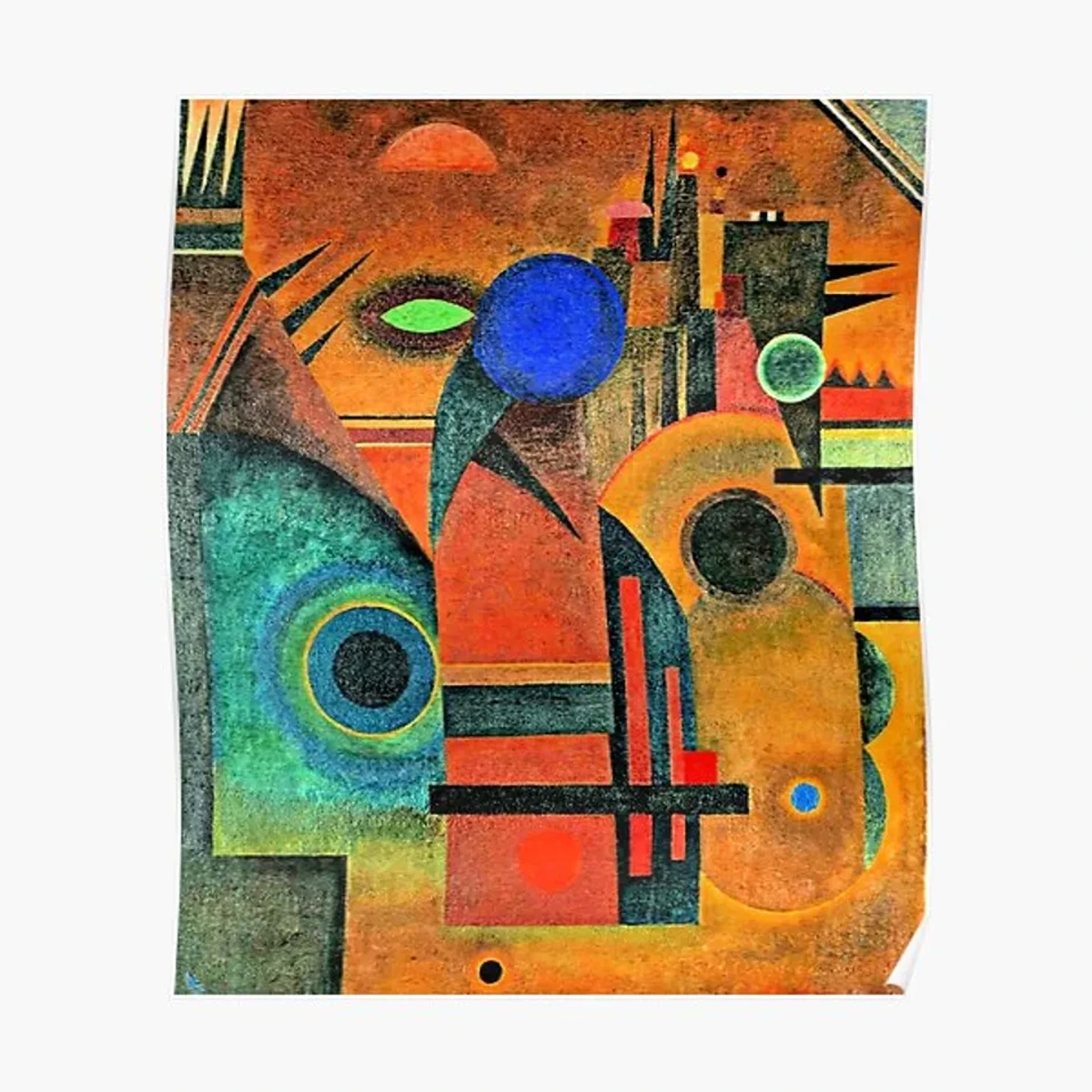
Key Themes and Enduring Legacies: A Synthesis of Female Abstract Visionaries
Looking across the incredible breadth of work by these pioneering women, several overarching themes and innovations emerge that collectively redefine our understanding of abstract art's evolution:
- Spiritual and Metaphysical Exploration: From Hilma af Klint's Theosophical visions to Agnes Martin's meditative grids, many women harnessed abstraction as a direct conduit to unseen realms, universal truths, and inner peace, often predating similar explorations by their male counterparts.
- Integration of Art and Life: Artists like Sonia Delaunay and Sophie Taeuber-Arp actively blurred the lines between fine art, fashion, design, and performance, proving that abstract principles could enrich everyday experience and challenge rigid artistic hierarchies. This multidisciplinary approach was often characteristic of women artists, perhaps a necessity given their exclusion from traditional 'high art' venues.
- Innovation in Material and Technique: Helen Frankenthaler's 'soak-stain' method, Anni Albers' elevation of weaving, Lygia Clark's participatory objects, and Howardena Pindell's intricate collages demonstrate a relentless drive to expand the very definition of what painting and sculpture could be, pushing the boundaries of medium and process.
- Emotional and Psychological Depth: Whether it's Joan Mitchell's visceral landscapes of memory, Lee Krasner's expressions of grief and resilience, or Yayoi Kusama's profound self-obliteration through pattern, these artists infused abstraction with deeply personal and often raw emotional content, challenging the notion of a detached, intellectualized art form.
- Engagement with Social and Political Issues: While often subtle, the work of artists like Alma Thomas (emerging in the Civil Rights era) and Julie Mehretu (mapping globalization) demonstrates how abstract forms can powerfully comment on identity, history, urbanism, and the complexities of the modern world, often from marginalized perspectives.
- Challenging the Canon and Systems of Power: Fundamentally, the very act of these women creating and persevering in abstract art was a radical challenge to a patriarchal system. Their work, now being rediscovered and re-evaluated, forces a complete rewriting of art history, revealing a much richer, more diverse narrative of innovation and genius.
These interconnected threads reveal not just individual brilliance, but a collective force that shaped abstract art in profound and often unacknowledged ways. Their legacy is not just about adding names to a list, but about understanding a more complete and truthful story of modern art's development.
Global Voices in Contemporary Abstraction: Expanding the Map
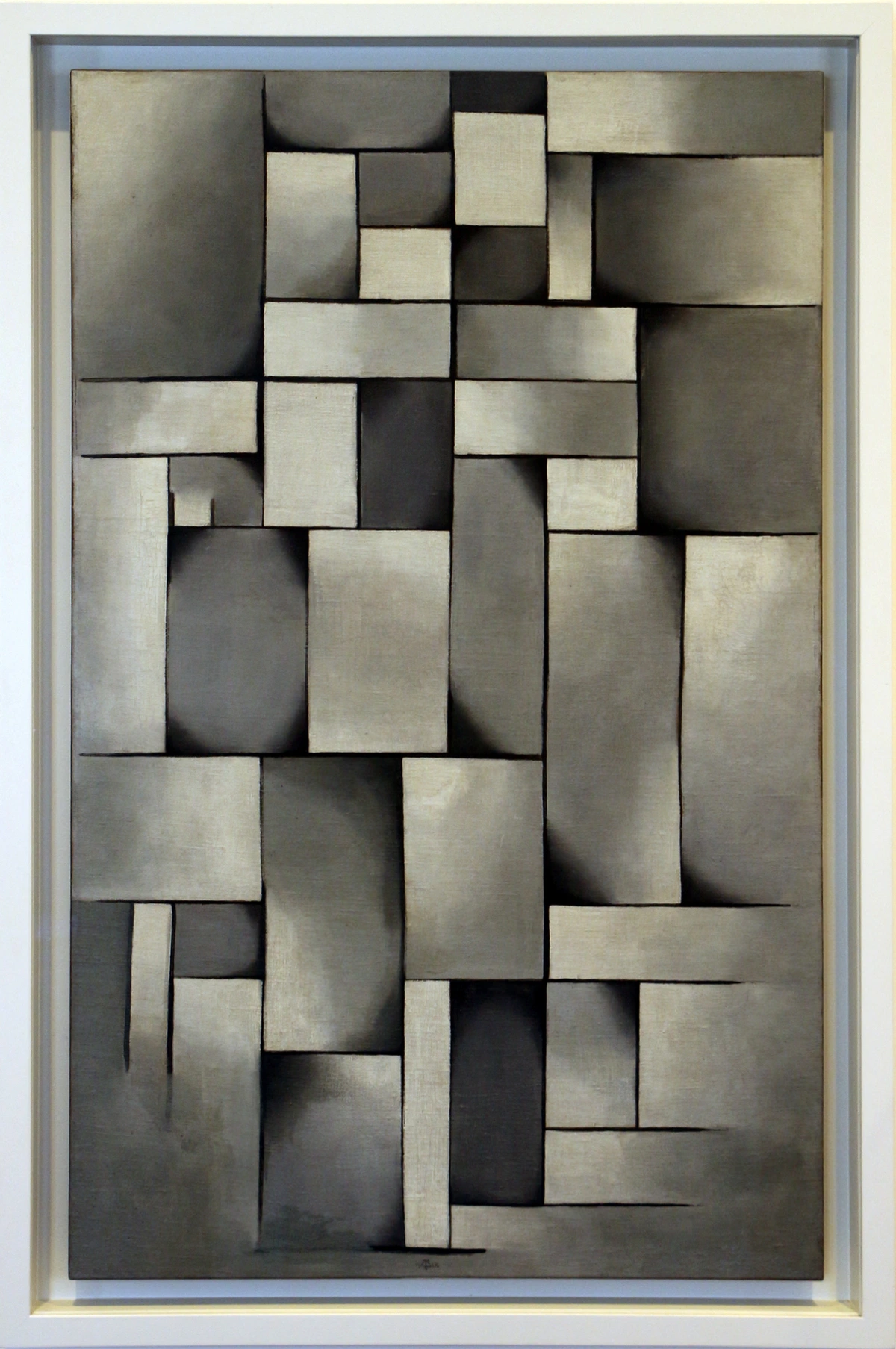
credit, licence
What I find truly exhilarating is that the story of women in abstract art continues to unfold and expand, with contemporary artists from diverse backgrounds across the globe pushing the boundaries of what abstraction can be, both conceptually and materially. They tackle complex themes, innovate fearlessly with materials and technologies, and continue to challenge our perceptions, ensuring the narrative remains dynamic, inclusive, and constantly evolving. These artists are not just adding to the conversation; they are reshaping its very framework, proving that abstraction remains a vital, relevant language for our complex modern world.
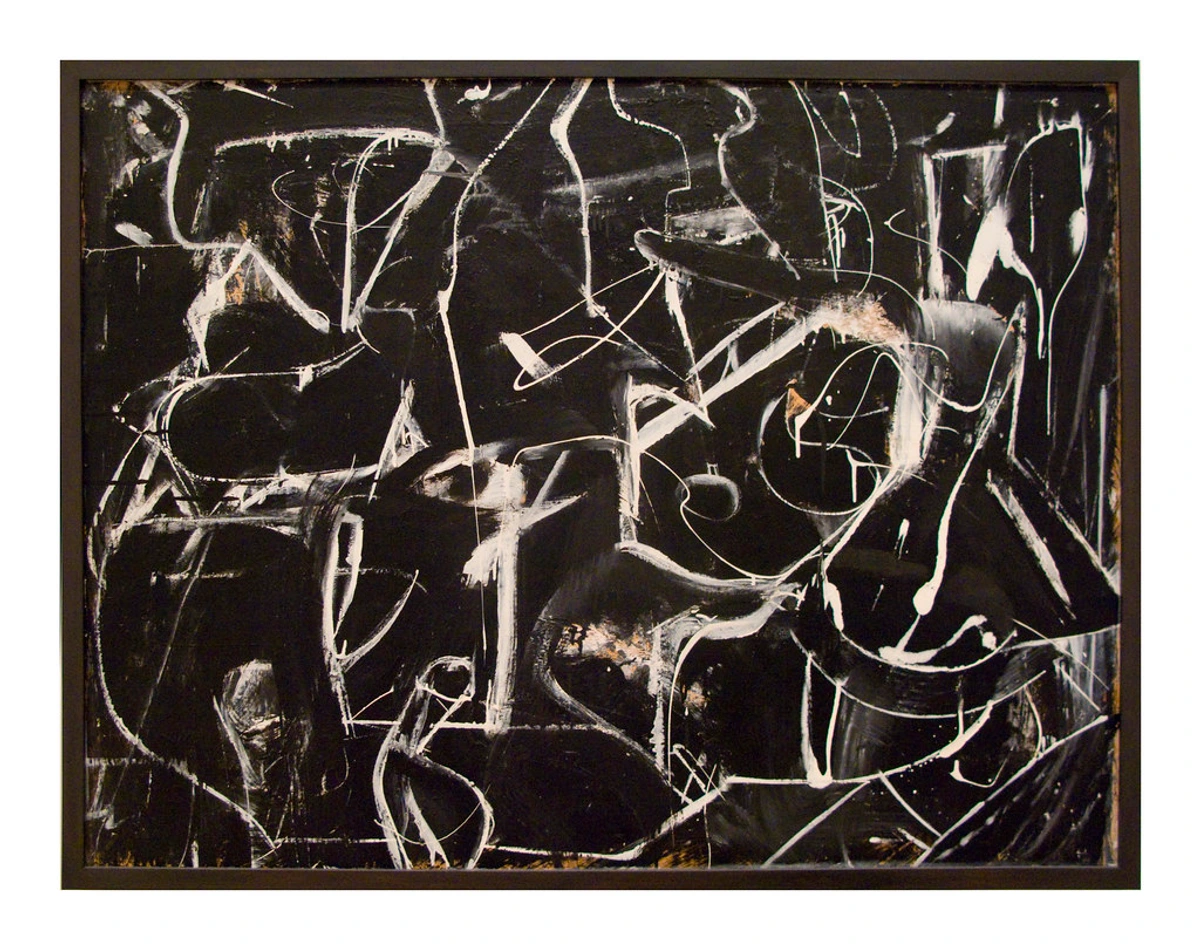
Yayoi Kusama: Infinity, Dots, and the Cosmic Self
Japanese artist Yayoi Kusama (b. 1929) is a global phenomenon, and while her prodigious output often straddles conceptual art, minimalism, and pop art, her iconic "Infinity Nets" and ubiquitous polka dot motifs are profoundly, fundamentally abstract. For Kusama, these endless, obsessive patterns are far more than just visual aesthetics; they are a profound way of self-obliteration, a connection to the infinite cosmos, and a vital means of coping with her own psychological experiences and obsessions. Her iconic "Infinity Nets" – meticulously painted canvases covered in tiny, repetitive arcs – create a dizzying sense of infinite space, while her immersive installations, her famous "Infinity Mirror Rooms," and her ubiquitous polka dot motifs create a universe of pure abstraction that is both playful and deeply philosophical, simultaneously unsettling and exhilarating. There's truly nobody quite like her, and her colossal impact on contemporary art, pushing the boundaries of what abstraction can be, is undeniable. When you step into one of her iconic "Infinity Mirror Rooms," surrounded by endless reflections of glowing polka dots or shimmering lights, it's an abstract experience that literally swallows you whole, blurring the boundaries between yourself and the cosmos, dissolving the self into an infinite field of form and light. Kusama's unique blend of autobiography, psychology, and cosmic exploration has made her an endlessly compelling figure whose work resonates with millions around the world. Her use of repetitive motifs creates an all-encompassing visual environment that challenges our sense of scale and individuality, pushing abstraction into a deeply immersive and experiential realm – a truly unique fusion of the personal and the universal.
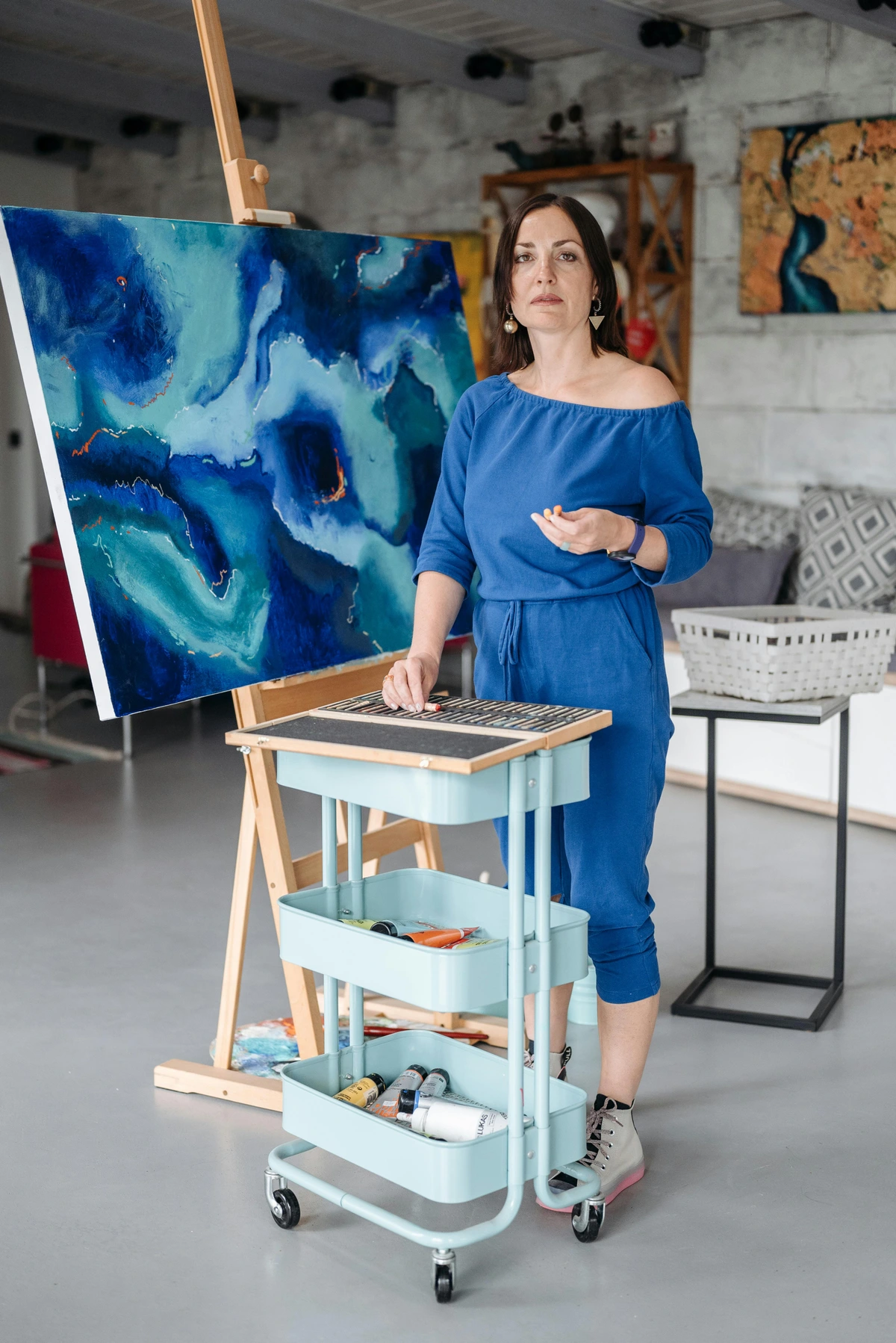
Julie Mehretu: Mapping the Modern World
Ethiopian-American artist Julie Mehretu (b. 1970) creates massive, multi-layered abstract canvases that are like intricate, sprawling maps of modern existence – urgent, complex, and breathtaking in their scope. Her monumental work incorporates architectural drawings, urban grids, exploded diagrams, and calligraphic marks, exploring pressing themes of globalization, migration, geopolitics, and the relentless acceleration of contemporary life. These aren't just pretty pictures or decorative abstractions; they are dense, complex visual narratives, often monumental in scale, that compel you to think deeply about the invisible forces shaping our world and the bewildering complexities of urban space and human interaction. Mehretu's dynamic compositions use a unique, almost orchestral vocabulary of line and gesture, built up in countless translucent layers of acrylic paint and ink, creating a profound sense of deep, shifting space that simultaneously evokes frenetic movement and an underlying, sometimes precarious, order. Her technique involves both drawing and painting, building up these luminous, overlapping layers that create a sense of deep, shifting space, often reflecting the chaotic beauty and disorienting energy of global cities and the constant flux of contemporary life. She's a contemporary titan, weaving history, society, and pure artistic energy into breathtaking abstractions, truly mapping the modern world through paint and line, inviting us to contemplate our place within it.
Howardena Pindell: Process, Identity, and Abstract Form
Howardena Pindell (b. 1943) is an African-American artist whose abstract work, particularly from the 1970s onwards, is deeply engaged with issues of process, identity, and the materiality of painting – a powerful fusion of the personal and the political. Known for her meticulously constructed canvases often incorporating punched paper discs, glitter, and stitched elements, Pindell's work bravely challenges traditional notions of painting surfaces, conventional beauty, and urgent feminist and anti-racist concerns. Her distinctive, highly process-oriented approach, using techniques like spraying paint through stencils, meticulously punching and sewing hundreds of paper discs onto canvases, or building up dense, heavily textured surfaces, results in visually rich and conceptually rigorous abstractions that explore profound themes of race, memory, trauma, and the physical body, often reflecting her own lived experiences as an African-American woman. Her unwavering dedication to pushing the boundaries of abstraction while unflinchingly addressing critical social issues makes her an enduring, indispensable force in contemporary art. Pindell's innovative use of unconventional materials and repetitive, labor-intensive techniques transforms the act of painting into a profound exploration of personal and collective history, an archaeological digging into memory and experience. Her work, both visually stunning and intellectually challenging, demands a deeper engagement with the complexities of identity, memory, and artistic labor, making you truly consider the layers of meaning embedded in every single mark, every single stitch, every single punched hole.
Why Were They Overlooked? Deciphering the Historical Silencing
So if these women were so pivotal, why are they only now getting their due? It’s a mix of things, really, and it's a topic I could rant about for hours. Garden-variety sexism is, of course, a huge part of it. The art world of the 20th century was, let's be honest, an entrenched boys' club. Women were often seen as wives, muses, or students—rarely as serious, intellectual, or financially viable peers. Galleries and museums simply didn't take them as seriously, often offering fewer exhibitions, lower prices, and less critical attention, exacerbating their financial precarity and hindering their professional development. It was a systemic exclusion. This institutional bias meant that their work was less likely to be acquired by major collections, included in prominent exhibitions, or featured in art history textbooks, creating a self-perpetuating cycle of invisibility. The academic canon itself, the very structure of art history, often reinforced this, seeking tidy, linear narratives that conveniently left out the 'messy' contributions of those who didn't fit the mold. It's a staggering thought, the amount of genius simply ignored.
There's also the fact that many of these women, in their boundless creativity, rejected easy categorization. They experimented relentlessly, changed styles frequently, and bravely fused what was considered 'fine art' with disciplines like design, craft, or performance – fields that were (and sometimes, shamefully, still are) seen as less "serious" or "masculine" than painting or monumental sculpture. Their stories are more complicated, multi-faceted, and defy simple labels, whereas art history has always preferred a clear, linear, often male-dominated narrative that conveniently simplifies things. But, thankfully, the tireless, dedicated, and often radical work of feminist art historians, critics, and curators, often working against established institutions, has been absolutely crucial in unearthing these hidden histories and re-evaluating the canon. These visionary scholars and advocates have not only brought individual artists to light but have also fundamentally challenged the methodologies and assumptions of art history itself, leading to a much richer, more nuanced, and ultimately more accurate understanding of artistic innovation across the board. This is not just about 'correcting' history; it's about making history whole, more truthful, and infinitely more inspiring for everyone.






But that's changing, thank goodness. Slowly, sometimes painfully, but inexorably. And as these incredible artists are brought back into the light, as their profound contributions are properly acknowledged, our understanding of art history becomes infinitely richer, more complex, and a hell of a lot more interesting. It's not just about adding names to a list; it's about fundamentally reshaping our understanding of creativity, genius, and innovation itself, recognizing that it blooms in unexpected places and forms. By fully recognizing these foundational female figures, we gain a more accurate, inclusive, and inspiring picture of how abstract art truly came to be – a vibrant, multifaceted testament to diverse voices and persistent vision. This richer, more truthful tapestry of art history is not just an academic correction; it's a more compelling, deeply human story for everyone who loves art.
Embrace the Abstract Journey
I truly hope this journey through the groundbreaking contributions of women in abstract art has opened your eyes, as it has mine, to the incredible depth, diversity, and often hidden histories of this revolutionary movement. These artists pushed boundaries, defied expectations, and created powerful, transformative work that continues to resonate with profound relevance today. Their stories remind us that true innovation often comes from unexpected places, sometimes from the margins, and that questioning established narratives is absolutely essential for a complete, truthful understanding of our world. If you're inspired to explore abstract art further, perhaps even try your hand at creating your own, consider delving into the elements of art: line or understanding what is design in art. Or, perhaps, even collecting works by contemporary female abstract artists – a powerful way to support this ongoing, vibrant legacy. Every brushstroke, every form, every color tells a story, and the more diverse voices we hear, the richer and more truthful the conversation becomes. By continuing to champion these diverse voices, we're not just correcting historical oversights; we're enriching the entire tapestry of human creativity and inspiring future generations of artists to break new ground and challenge the status quo. The Zen Museum is committed to celebrating these diverse narratives, and we hope this journey has inspired you to look closer, question more, and embrace the boundless potential of abstract art.
Ready to start your own abstract art journey? Discover guides like How to Abstract Art or delve into The Ultimate Guide to Abstract Art Movements.
Feeling inspired by the power of abstraction and the incredible women who shaped it? Explore contemporary abstract art pieces, including originals and prints, in the Zen Museum Shop or delve into the vibrant art scene of Den Bosch, a city rich with artistic history and modern creativity. You can also trace the captivating evolution of art through our comprehensive Art History Timeline.
FAQ: Trailblazing Women in Abstract Art
What are some common misconceptions about women in abstract art? One major misconception is that women were merely secondary figures or followers of male artists. The truth, as this article demonstrates, is that many women were pioneers, innovators, and leaders who developed groundbreaking abstract styles independently, often before their male counterparts. Another misconception is that their work was less 'serious' or purely decorative, a bias that often relegated their contributions to the sidelines. Modern scholarship is dismantling these myths, revealing their profound intellectual and artistic rigor.
How did global movements outside of Europe and North America contribute to women's abstract art? Latin American abstraction, in particular, provided a fertile ground for women to innovate, often with strong social and political undertones. Artists like Lygia Clark and Gego pushed the boundaries of abstraction into interactive, participatory, and spatial experiences, demonstrating a unique conceptual rigor rooted in their specific cultural contexts. The contributions of artists from the Russian Avant-garde, like Goncharova, Popova, and Stepanova, also highlight how non-Western European movements fostered groundbreaking female abstract artists who integrated art into daily life and revolutionary societal change.
Are there still women abstract artists being overlooked today? While significant progress has been made in recent decades, the work of recognizing and celebrating women in abstract art is ongoing. Many talented contemporary female abstract artists may still face challenges in gaining equal representation and recognition in the art market and in major institutions. Continued vigilance from curators, critics, and collectors is essential to ensure that no new generation of innovators is overlooked.
Who is considered the first female abstract artist? Hilma af Klint is now widely recognized as the first female abstract artist, and arguably the first abstract artist, period. Her first completely non-representational works date back to 1906, predating Kandinsky and others. It's a game-changer for art history, forcing us to reconsider the entire narrative.
What are the main movements associated with female abstract artists? Women have been pioneers and vital shapers in virtually every abstract movement, often influencing them in profound and unacknowledged ways. This includes Spiritual Abstraction (Hilma af Klint), Orphism (Sonia Delaunay), American Modernism (Georgia O'Keeffe), Abstract Expressionism (Lee Krasner, Joan Mitchell, Helen Frankenthaler, Elaine de Kooning, Grace Hartigan, Hedda Sterne), Dada/Concrete Art (Sophie Taeuber-Arp), Russian Avant-garde/Constructivism (Natalia Goncharova, Lyubov Popova, Varvara Stepanova), Bauhaus/Textile Abstraction (Anni Albers), Geometric Abstraction/Hard-Edge (Carmen Herrera), Neo-Concretism (Lygia Clark), Minimalism (Agnes Martin), Op Art (Bridget Riley), and significant, ongoing contributions to Contemporary Abstraction (Yayoi Kusama, Julie Mehretu, Alma Thomas, Gego, Howardena Pindell).
How did abstract art offer unique opportunities for women artists? Abstract art, with its emphasis on new visual languages and a departure from traditional representation, often provided a more open field for women to innovate. Unlike figurative art, which could be heavily gendered in its subject matter or expectations, abstraction allowed women to explore pure form, color, and concept, often sidestepping some of the biases associated with depicting the human figure or domestic scenes. It offered a space for radical experimentation and intellectual rigor that was less easily dismissed as merely 'feminine' or 'decorative' by some critics, even though they still faced immense challenges. It was a realm where their unique visions could truly shine.
Did women face specific challenges in the abstract art movement? Absolutely. They often faced systemic sexism, dismissive critics, limited gallery representation, and societal expectations that prioritized domestic roles over artistic careers. Many were overshadowed by male partners or colleagues, and their innovative work was frequently categorized as