Navigating the Art World: Your Ultimate, Unintimidating Guide to Visiting an Art Gallery
Feeling shy about art galleries? This guide demystifies the experience, offering personal insights and practical tips for first-timers to confidently enjoy and connect with art.

Unlocking the Canvas: Your Ultimate, Unintimidating Guide to Visiting an Art Gallery
I know what you're thinking. "Art galleries? Aren't those for serious collectors, or people who use words like 'juxtaposition' in casual conversation?" And if you're anything like I used to be, the mere thought might conjure images of hushed, intimidating spaces, critical stares, and a nagging fear of 'not getting it.' But here's the thing: art is for everyone. Every single one of us. And visiting an art gallery? It's less about knowing everything and more about opening yourself up to a conversation with creativity.
I remember my very first "proper" gallery visit. I was probably nineteen, felt completely out of my depth, and kept my hands firmly clasped behind my back, terrified of accidentally touching something priceless. My biggest takeaway? I barely saw the art because I was so worried about looking like I knew what I was doing. What a waste! My mission today, if you'll join me, is to help you bypass that awkward phase and dive straight into the good stuff: the pure, unadulterated joy of connecting with art.
Why Even Go? The Unexpected Joys of a Gallery Visit
Beyond the obvious (and let's be honest, seeing cool stuff is a pretty good reason!), there are so many deeper, more resonant reasons to step inside an art gallery. For me, it's often about finding a moment of quiet reflection in a world that often feels relentlessly noisy. It's a chance to see the world through someone else's eyes, to be challenged, inspired, or simply to find profound beauty in unexpected places. It’s a uniquely human experience that reminds us of our shared capacity for creation and expression – something I feel every day in my own studio. Plus, let's be honest, sometimes you just need a great indoor activity that doesn't involve a screen, and an art gallery offers a genuine escape.
Here’s what I truly believe you'll gain from a visit:
- A Sanctuary for Reflection: In our fast-paced lives, galleries offer a peaceful haven for contemplation, allowing you to slow down and simply be.
- New Perspectives: Art challenges your preconceived notions. It's a window into different cultures, histories, and ways of thinking, prompting you to see the world anew.
- Pure Inspiration: Whether it's the audacious brushstrokes of a master or the innovative concept of a contemporary artist, art ignites creativity within us. As an artist myself, I find endless inspiration in the works of others.
- Emotional Connection: Art has a powerful way of tapping into our emotions. A piece might evoke joy, sorrow, wonder, or even a delightful confusion – and all those feelings are valid.
- Community and Conversation: Galleries can be buzzing with activity, a place to connect with fellow art lovers, or even engage in fascinating conversations with gallerists (more on that later!). It's a shared cultural experience.
- Supporting Creativity: Visiting, and even buying art, directly supports artists and the vibrant cultural ecosystem they inhabit. It's how we keep the creative conversation alive.
A Deeper Dive into Art History: Beyond the Movements
Beyond individual artists and diverse mediums, art often coalesces into movements – shared philosophies, styles, and periods that tell a larger story about human history and creativity. Understanding these movements isn't about memorizing dates; it's about gaining a lens through which to appreciate the evolution of artistic thought. It's like having a secret decoder ring for the art world, helping you connect the dots between seemingly disparate works.
More Than Just Paintings on Walls: A Kaleidoscope of Creativity
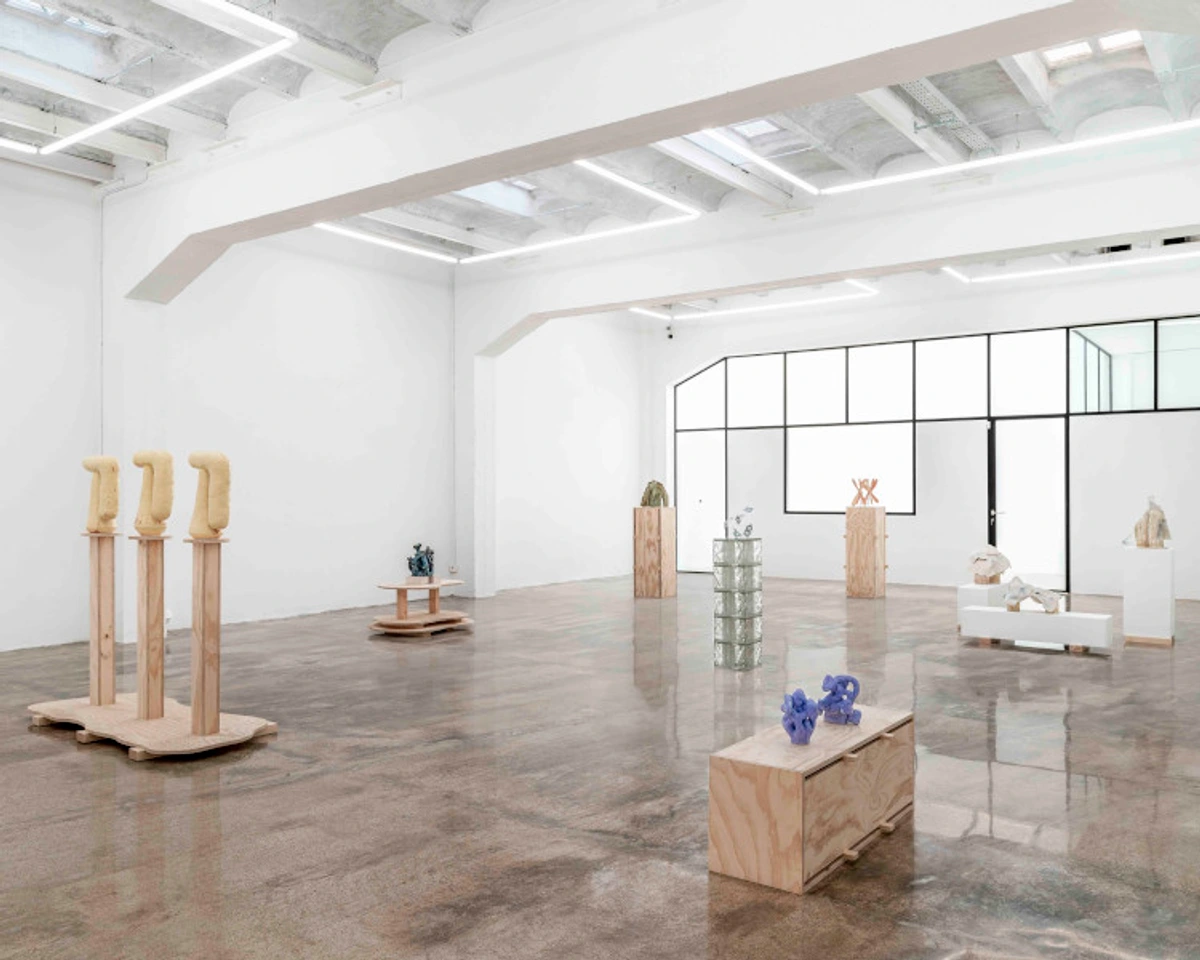
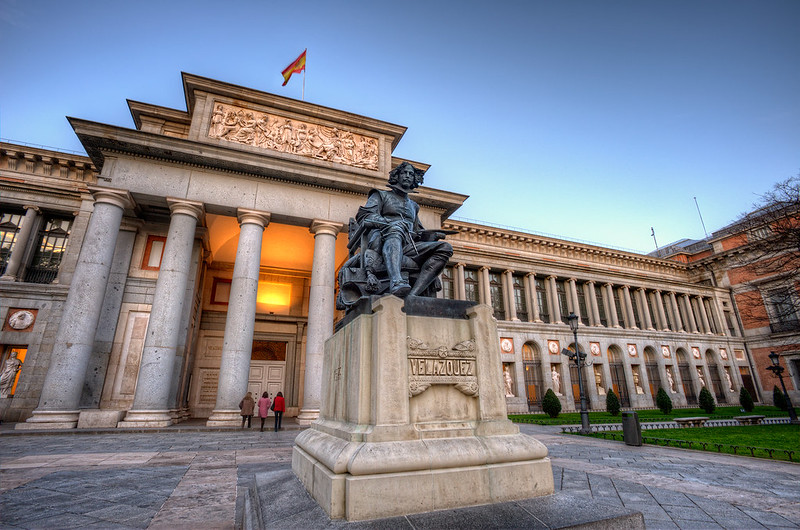
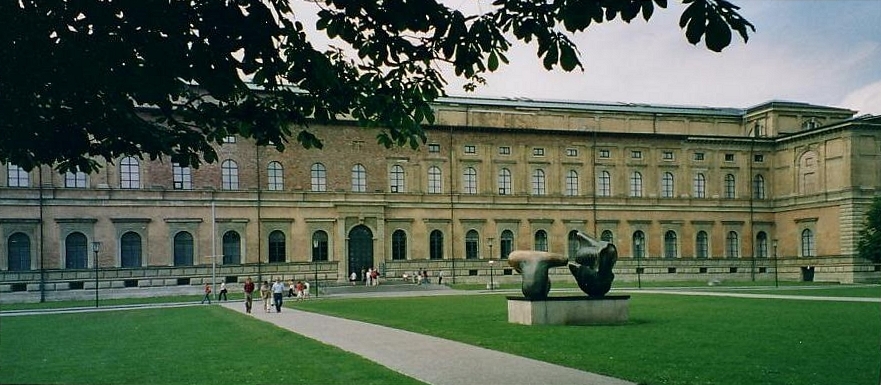
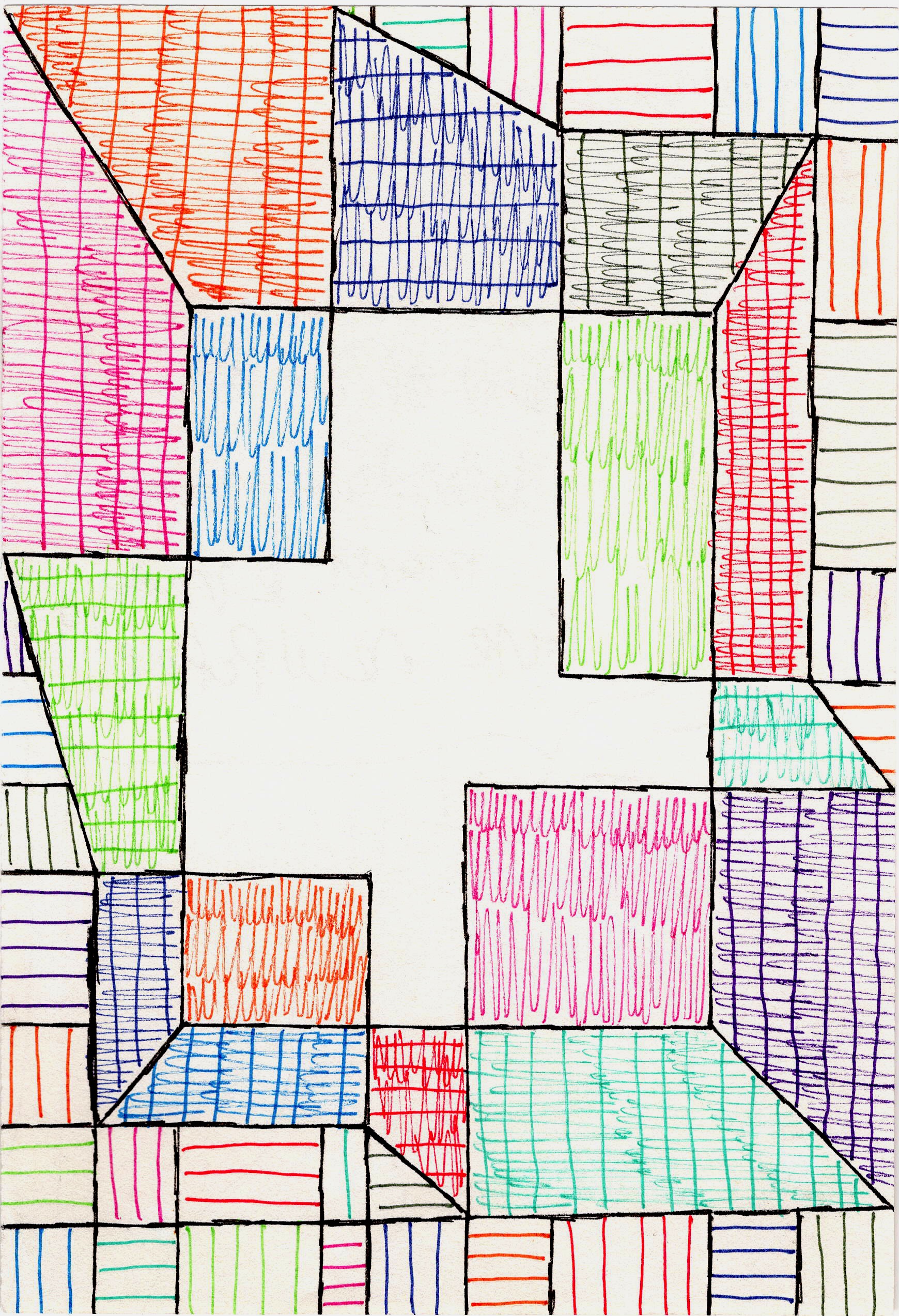
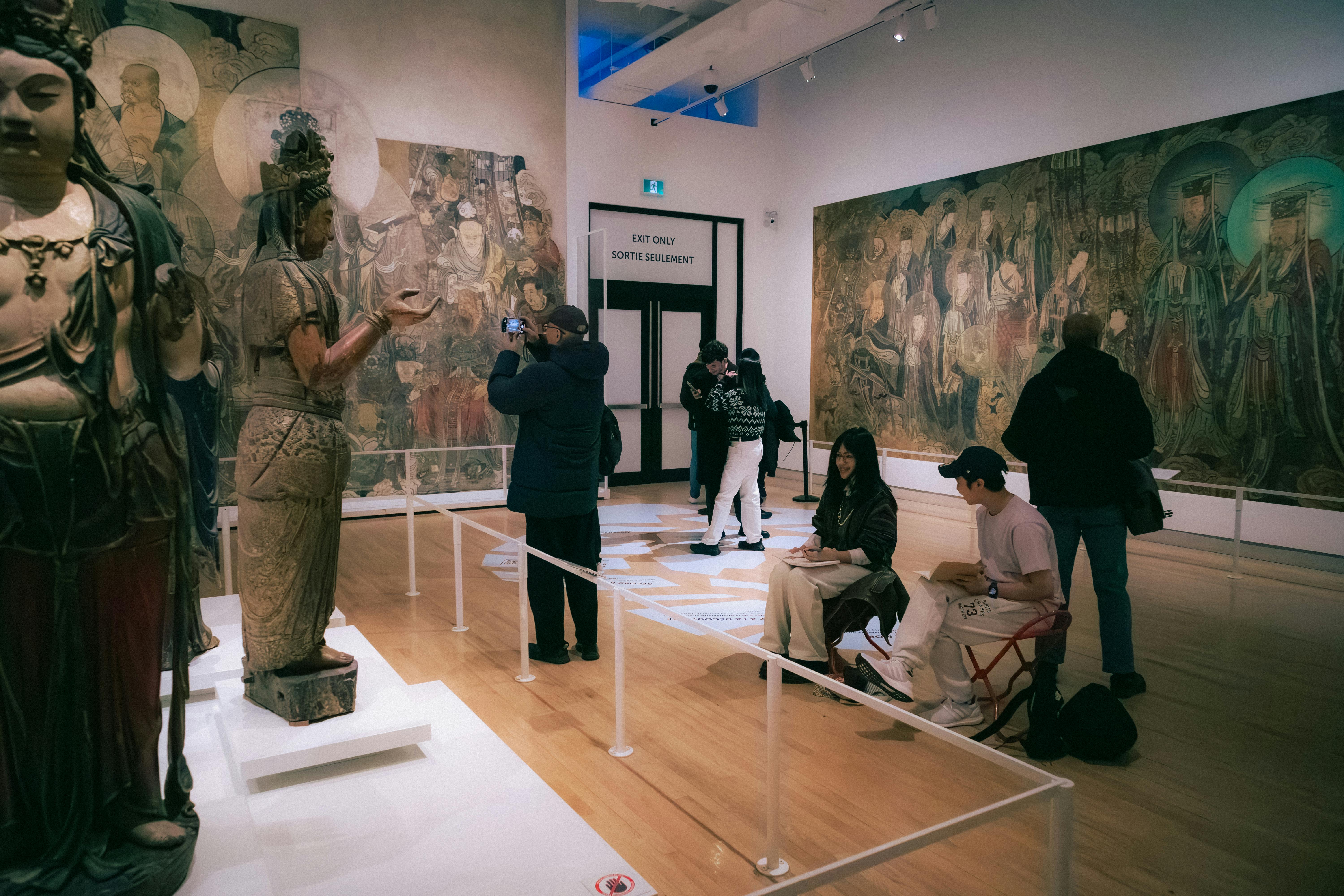
When I say "art gallery," your mind might immediately go to classical paintings – those grand landscapes and portraits, right? And yes, you'll absolutely find those! Places like the Prado Museum in Madrid or the Alte Pinakothek in Munich are treasure troves of old masters. But trust me, the art world is vastly and wonderfully diverse. Step into many contemporary galleries, much like my own online space, and you'll encounter a dizzying array of mediums: from vibrant abstract works and colorful pieces that play with geometric shapes (a personal favorite of mine!) to intricate sculptures, evocative photography, immersive video installations, and even live performance art. It's a whole universe out there, constantly expanding and redefining itself!
Let’s break down some of the fascinating mediums you might encounter:
- Painting: Of course! This is the classic. But it's not just oil on canvas; think acrylics, watercolors, mixed media, even digital painting. You’ll see everything from hyper-realism to abstract expressionism, each with its own unique story and technique. (And yes, you can explore the psychology of color in abstract art right here!)
- Sculpture: Moving from two dimensions to three! Sculptures can be carved from stone, cast in bronze like Rodin's "The Thinker," assembled from found objects, modeled in clay, or even created using light and sound. They occupy space in a way paintings can’t, inviting you to walk around them and experience them from every angle.
- Photography: Far beyond snapshots, artistic photography captures moments, tells stories, and explores themes with incredible depth. From documentary to experimental, black and white to vibrant color, it offers a powerful lens on the world.
- Video and New Media Art: This is where technology meets creativity. Video installations can be immersive, challenging, or simply beautiful, often exploring narratives, social commentary, or abstract concepts. Digital art, virtual reality, and interactive pieces are also increasingly prevalent.
- Performance Art: This is living art! It's an ephemeral experience where the artist's body, actions, and presence are the medium. It might be challenging, thought-provoking, or even humorous, and it's always unique.
- Textile and Fiber Art: Don't underestimate the power of fabric, thread, and natural fibers! Weaving, embroidery, quilting, and sculptural textile works can be incredibly detailed, politically charged, or deeply personal, blending craft with fine art.
- Ceramics: From delicate porcelain to robust stoneware, ceramics have a rich history as both functional objects and exquisite art forms. Modern ceramicists push boundaries with innovative glazes, forms, and conceptual approaches.
- Street Art/Graffiti: Increasingly recognized by mainstream galleries, this vibrant, often politically charged art form born on the streets brings an urban edge and raw energy indoors. Artists like Banksy have shown how potent this medium can be.
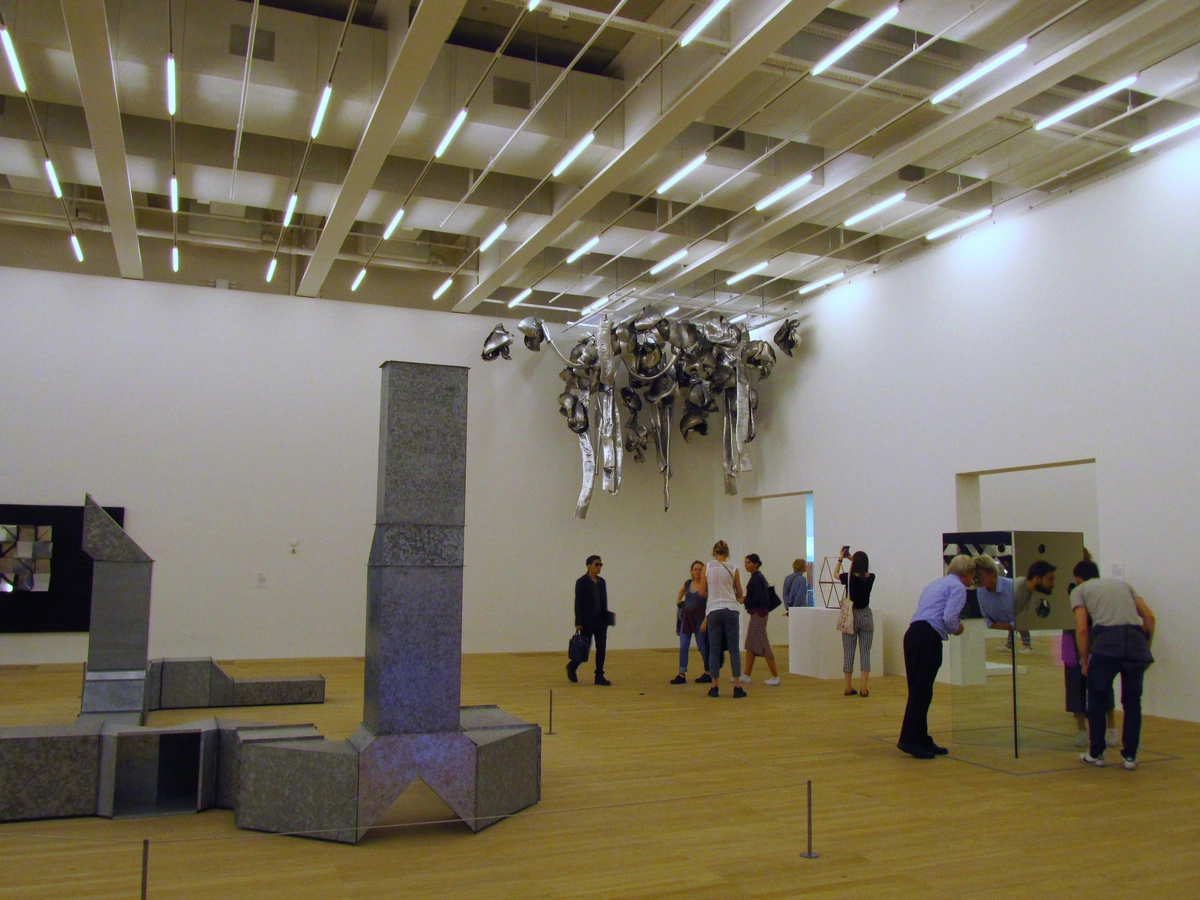
- Mixed Media & Installation: Many artists combine various materials and techniques, blurring the lines between categories. Installations can transform an entire room, creating an immersive experience for the viewer, inviting you to become part of the artwork itself.
As you can see, the possibilities are truly endless, and each medium offers a distinct way for artists to express themselves and for you to connect with their vision.
Getting Ready: A Little Prep, A Lot Less Stress
Tracing the Threads: Understanding Art Movements and Their Stories
Beyond individual artists and diverse mediums, art often coalesces into movements – shared philosophies, styles, and periods that tell a larger story about human history and creativity. Understanding these movements isn't about memorizing dates; it's about gaining a lens through which to appreciate the evolution of artistic thought. It's like having a secret decoder ring for the art world, helping you connect the dots between seemingly disparate works.
From the Classical to the Contemporary: A Whirlwind Tour Through Time
Exploring art movements can provide an incredibly rich context for what you see in a gallery. It’s like having a secret decoder ring for the art world, helping you connect the dots between seemingly disparate works. Understanding these movements isn't about memorizing dates; it's about gaining a lens through which to appreciate the evolution of artistic thought. It helps you understand why certain art looks the way it does, and what ideas artists were wrestling with at particular times, reflecting the world around them. Let's take a quick journey through some key eras:
Classical and Ancient Art: The Roots of Beauty
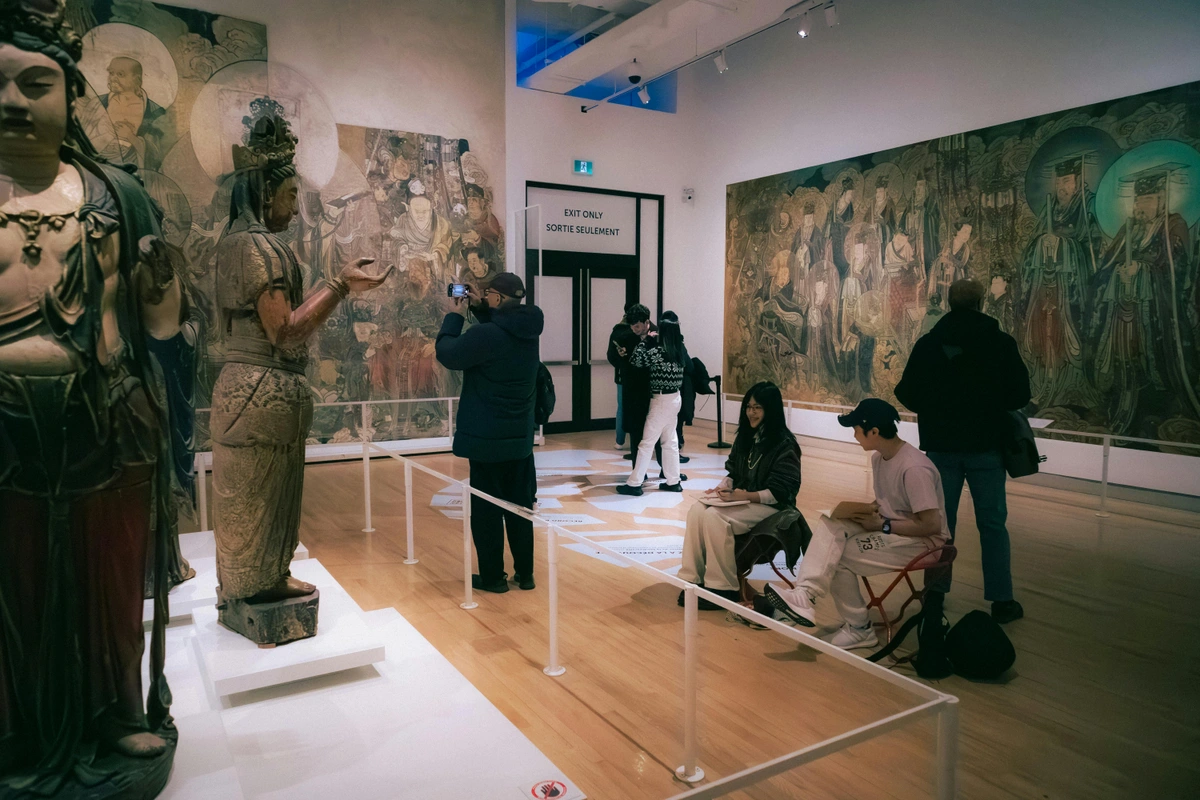
Before we dive into the more 'modern' movements, it's worth a quick nod to the foundations. Think of the serene sculptures of ancient Greece and Rome, emphasizing harmony, balance, and the idealized human form. Or the intricate symbolism of Egyptian tomb paintings. While you might not find these in a contemporary gallery, their influence echoes through centuries of art.
The Renaissance: A Rebirth of Humanism
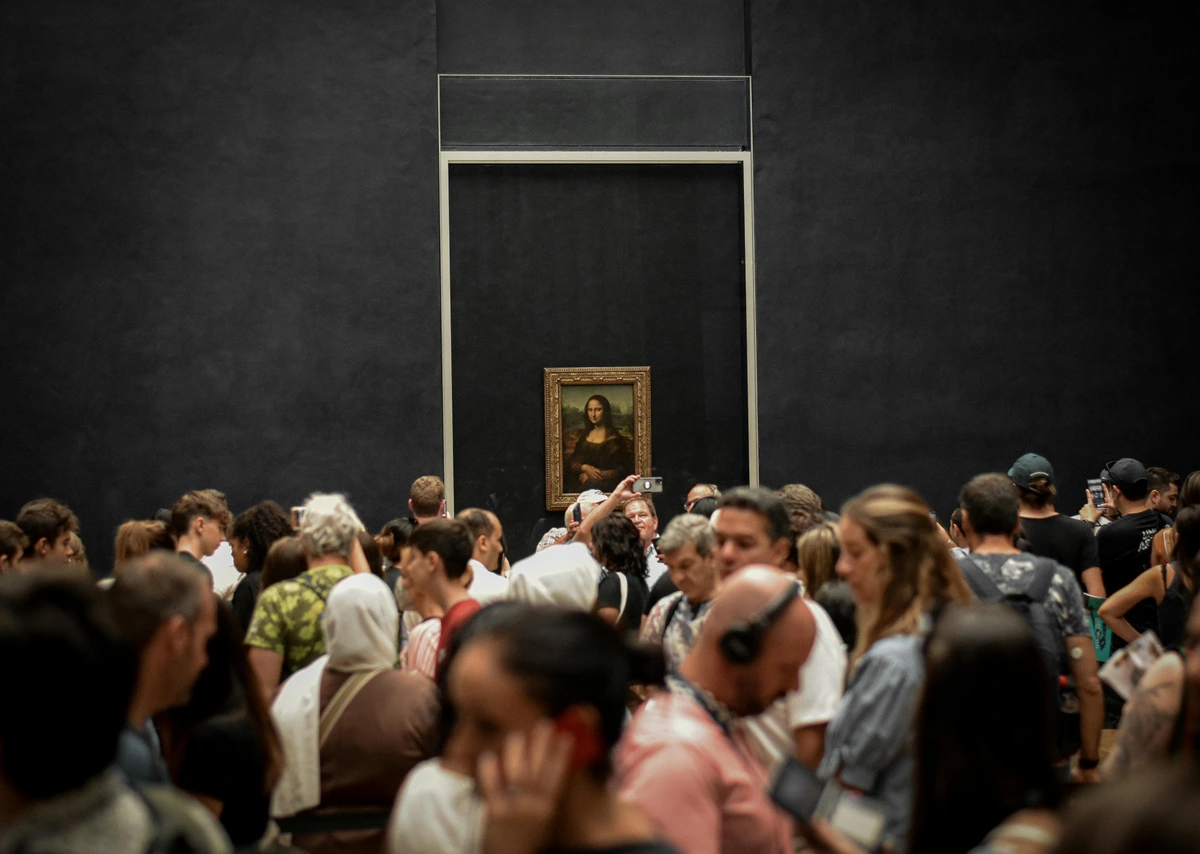
Emerging in 14th-century Italy, the Renaissance (meaning "rebirth") marked a profound shift towards humanism, realism, and classical ideals. Artists like Leonardo da Vinci, Michelangelo, and Raphael brought a new level of naturalism and emotional depth to painting and sculpture, mastering perspective and anatomy. It's a period of breathtaking beauty and intellectual awakening.
Baroque and Rococo: Drama, Grandeur, and Playfulness
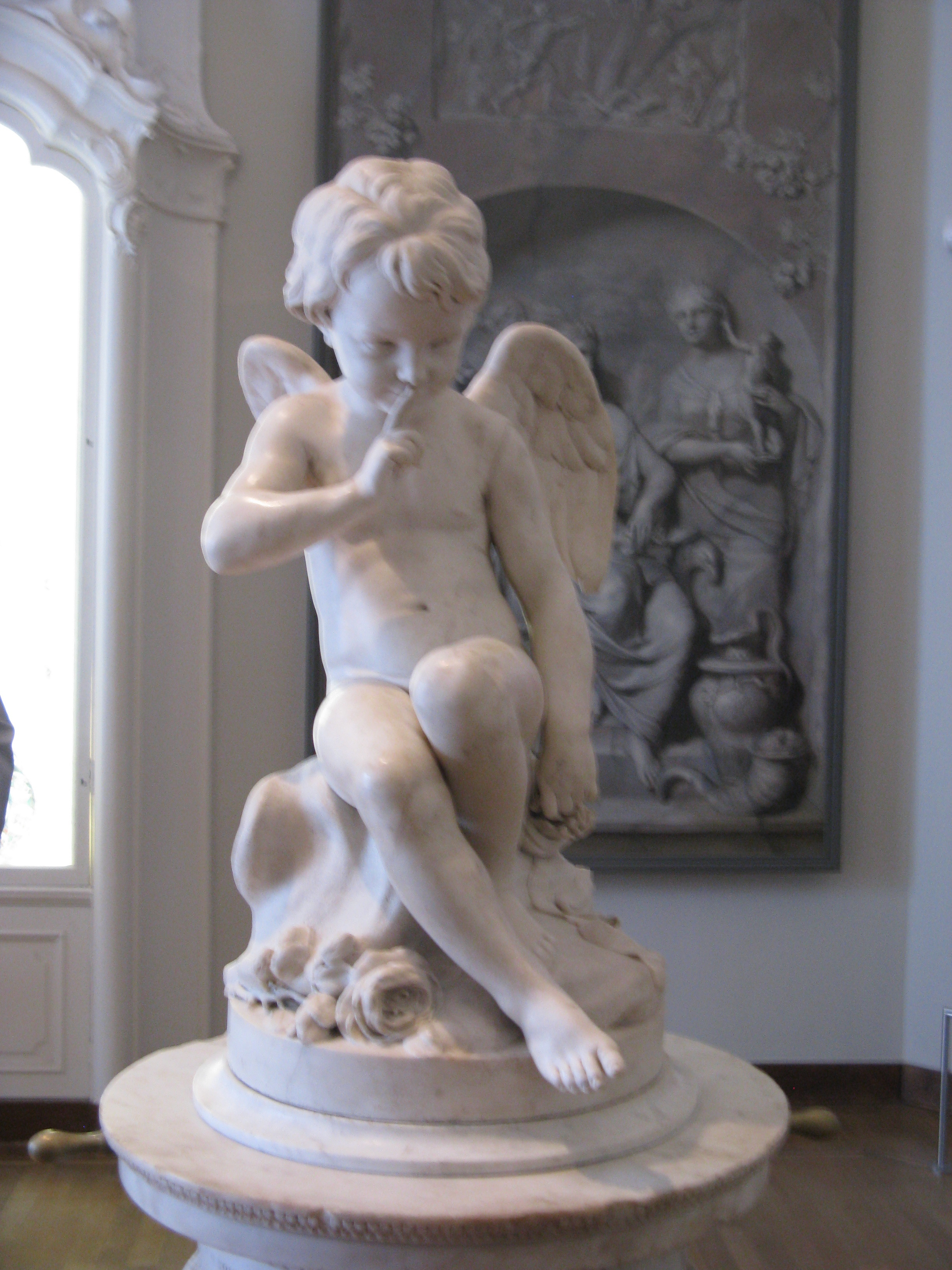
Following the Renaissance, the Baroque period (roughly 17th century) burst forth with drama, grandeur, and intense emotion. Think of the dynamic compositions and rich colors of Rembrandt or the theatricality of Caravaggio. It was art designed to impress and inspire awe. Then came Rococo (18th century), a lighter, more playful, and ornate style, often characterized by delicate colors, intricate details, and themes of love and leisure. If you see a charming marble sculpture of Cupid, you might be looking at a Rococo gem like those by Étienne Maurice Falconet.
Impressionism: Capturing a Fleeting Moment and the Magic of Light
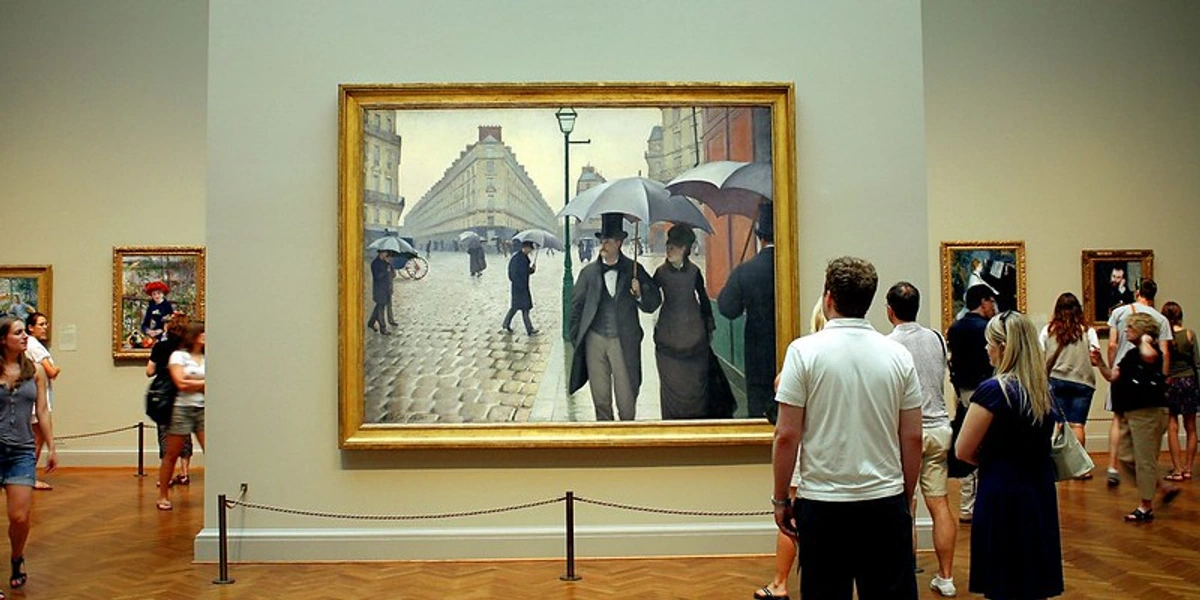
Imagine a world where painting was about light, color, and atmosphere, rather than precise detail. That's Impressionism, a 19th-century movement that sought to capture the 'impression' of a scene. Think of the shimmering light in Monet's water lilies or the bustling Parisian streets of Gustave Caillebotte. It's about how light plays on a surface, how a moment feels. If you love paintings that transport you to a different time and place, often with a dreamlike quality, then definitely delve into Impressionism. It truly revolutionized how artists approached light and color, paving the way for so much that came after.
Cubism: Shattering Reality into New Forms
Before the surrealists, Cubism, pioneered by artists like Pablo Picasso and Georges Braque in the early 20th century, completely shattered traditional perspective. Imagine taking an object or figure, breaking it down into geometric shapes, and then reassembling it from multiple viewpoints simultaneously on a two-dimensional canvas. It's about showing all sides at once, challenging our perception of reality and ushering in a whole new way of seeing. You can dive deeper into the fascinating world of Cubism here.
Expressionism: Raw Emotion on Canvas
At roughly the same time, Expressionism emerged, particularly in Germany, emphasizing emotional experience over objective reality. Artists sought to express inner feelings rather than to depict external appearances. Think of the distorted figures and intense colors in works by artists like Edvard Munch (whose iconic "The Scream" is a perfect example of this emotional intensity) or Ernst Ludwig Kirchner. It's art that's less about what something looks like and more about what it feels like. Explore the depths of Expressionism to understand this powerful movement.
Dadaism & Surrealism: Challenging Logic and Unleashing Dreams
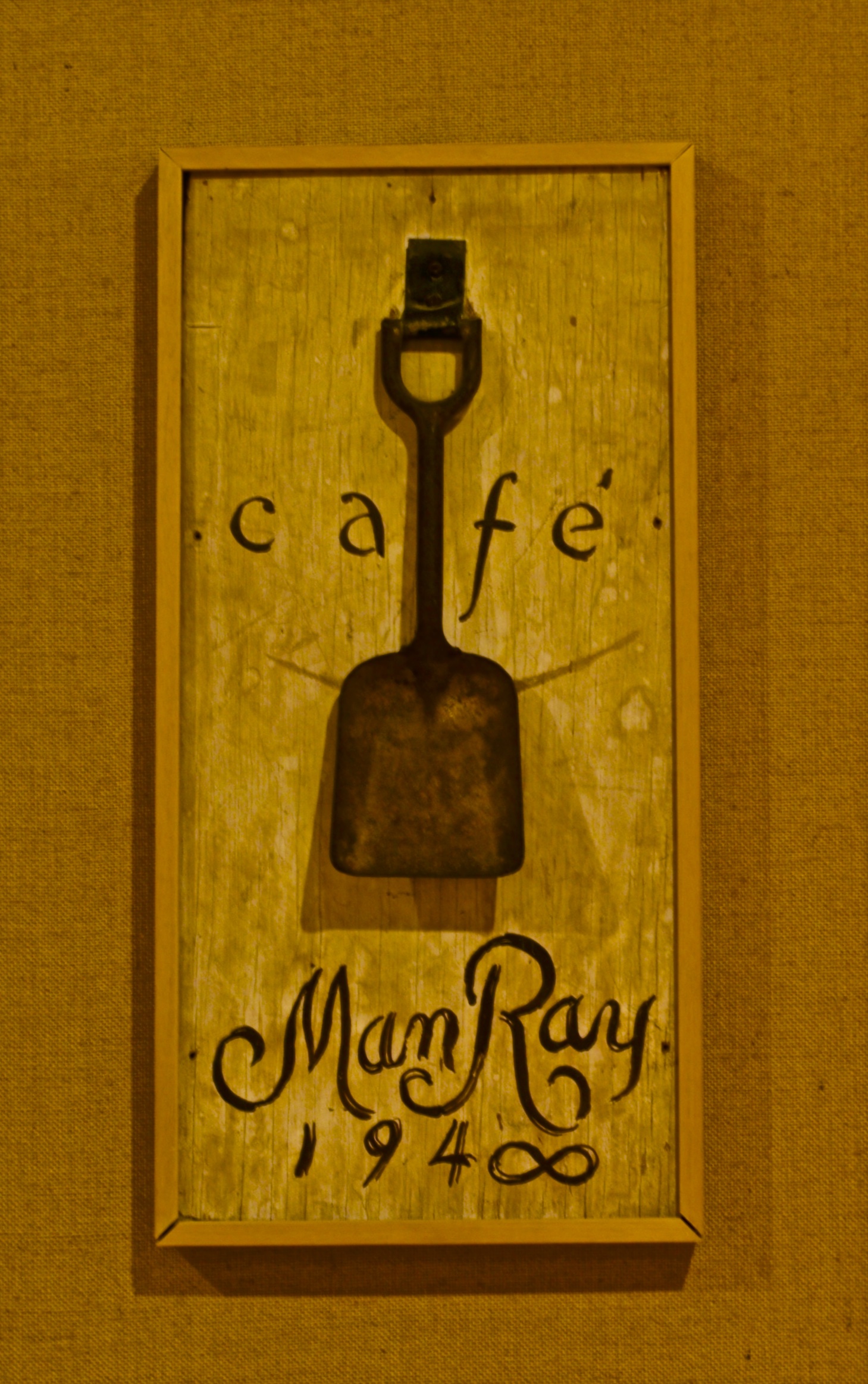
Ever seen something in a gallery that made you think, "What on earth...?" You might have encountered the legacy of Dadaism and Surrealism. Born out of the chaos of World War I, Dada rejected logic and reason, often creating deliberately absurd or nonsensical art (like Man Ray's 'Cafe Man Ray'). Surrealism, championed by artists like Salvador Dalí and Frida Kahlo, delved into the dream world and subconscious. These movements are about breaking rules, pushing boundaries, and making you question everything you thought you knew about reality. Dadaism's legacy, in particular, continues to influence contemporary art and its legacy, while Surrealism's exploration of the subconscious still captivates. Prepare to be delightfully disoriented, and maybe even find a piece that feels like a window into your own dreams. For a deeper dive, check out our ultimate guide to Surrealism.
Art Deco: Glamour, Geometry, and the Modern Age
As the world sped into the Roaring Twenties and beyond, Art Deco swept through design, architecture, and of course, art. Characterized by sleek, geometric forms, rich colors, and lavish ornamentation, it embodied the optimism and sophistication of the Jazz Age. Think of the iconic Chrysler Building in New York or the elegant posters of the era. It's a style that exudes glamour and modernity, and you can explore its lasting influence in our ultimate guide to the Art Deco movement.
Abstract Expressionism & Minimalism: Emotion, Essence, and the Post-War World
Moving into the mid-20th century, Abstract Expressionism burst onto the scene, prioritizing raw emotion and spontaneous gesture over representational forms. Think of the energetic drips and splashes of a Jackson Pollock or the intense brushwork of a Willem de Kooning. It's art that feels like an emotional outburst on canvas. In contrast, Minimalism emerged as a counter-reaction, stripping art down to its essential forms, colors, and textures, often with repetitive geometric patterns, much like the calming grids of Agnes Martin or the stark simplicity of a Rudolf Stingel. These movements invite you to connect with art on a deeper, more elemental level, often asking you to bring your own interpretations to the forefront. If you're drawn to the sheer energy of a Jackson Pollock or the intense presence of a Willem de Kooning, you're engaging with Abstract Expressionism. For those who find beauty in simplicity and order, the calming grids of Agnes Martin or the stark yet profound works of Rudolf Stingel in Minimalism might resonate deeply.
Pop Art: The Everyday Elevated to Icon Status
If you've ever seen a painting of a soup can or a comic strip panel in a museum, you've definitely encountered Pop Art. Led by icons like Andy Warhol and Roy Lichtenstein, Pop Art took inspiration directly from popular culture, advertising, and consumerism, radically challenging the traditional boundaries of 'high art.' It's often incredibly colorful, bold, and can be wonderfully witty, making you look at everyday objects with fresh, appreciative eyes.
Op Art: Dazzling the Eye with Illusion
Emerging in the 1960s, Op Art (short for Optical Art) takes a different approach to abstraction. Instead of emotion or personal gesture, it focuses on optical illusions. Through precise arrangements of lines, shapes, and colors, Op Art creates a sense of movement, vibration, or hidden images that literally play tricks on your eyes. Artists like Victor Vasarely are masters of this captivating, brain-bending style, proving that art can be a truly interactive visual experience.
Contemporary Art: The Ever-Evolving Present
And then, we arrive at Contemporary Art, which is essentially the art being made now. This is the most diverse and often the most challenging category, as it reflects our current global society, technology, and culture. You'll find everything from massive installations to performance pieces, digital art, and works that blend political commentary with personal narrative. Artists like Jeff Koons, Banksy, Kara Walker, Damien Hirst, and Olafur Eliasson are just a few of the many figures shaping the art world today. It’s a dynamic, exciting, and often provocative space where the only constant is change, and your personal interpretation becomes even more vital.
Alright, enough with the history lesson (though I hope you found it as fascinating as I do!). Let's get practical. A little preparation can make a world of difference in your gallery visit. Think of it as setting the stage for a truly great experience, not as tedious homework. It's about removing potential stressors so you can genuinely connect with the art.
1. Choosing Your Adventure: What Kind of Gallery or Art Space?
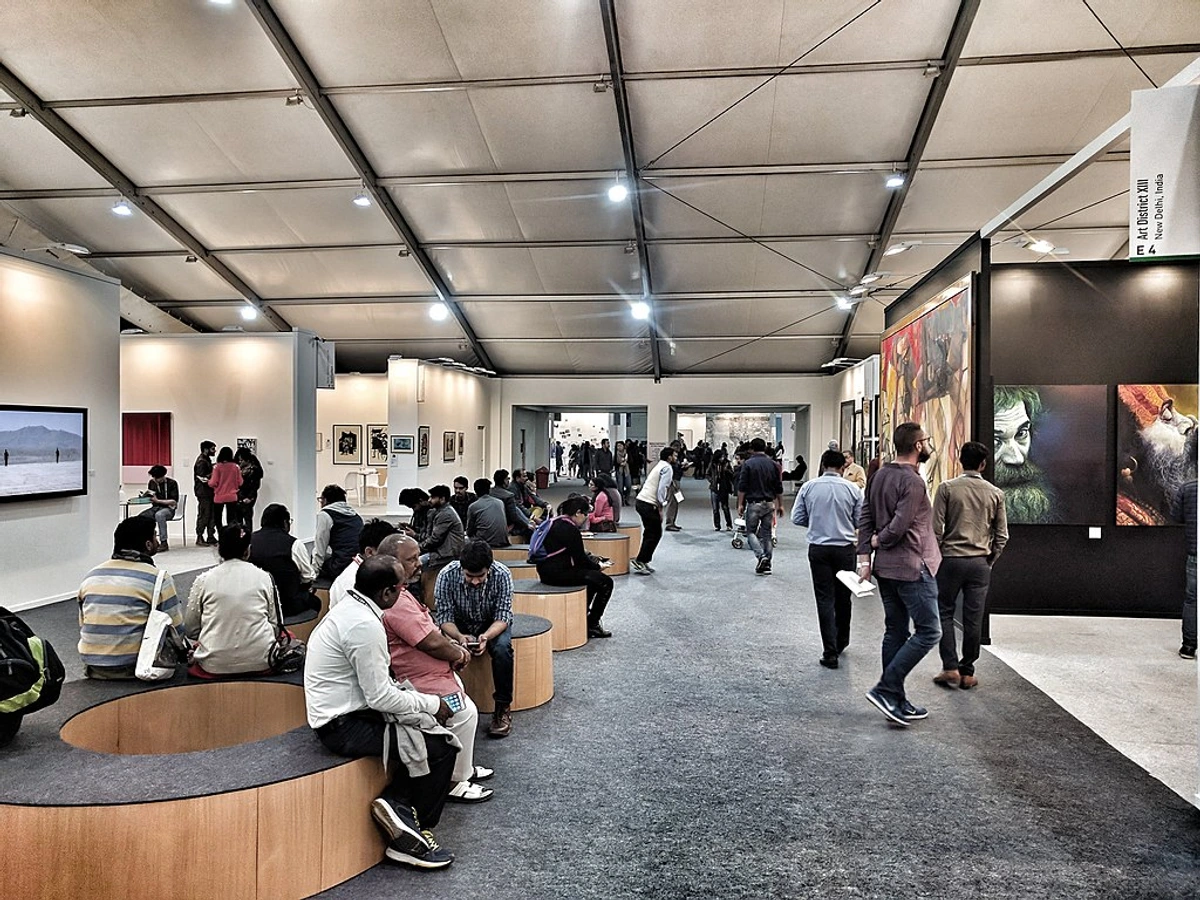
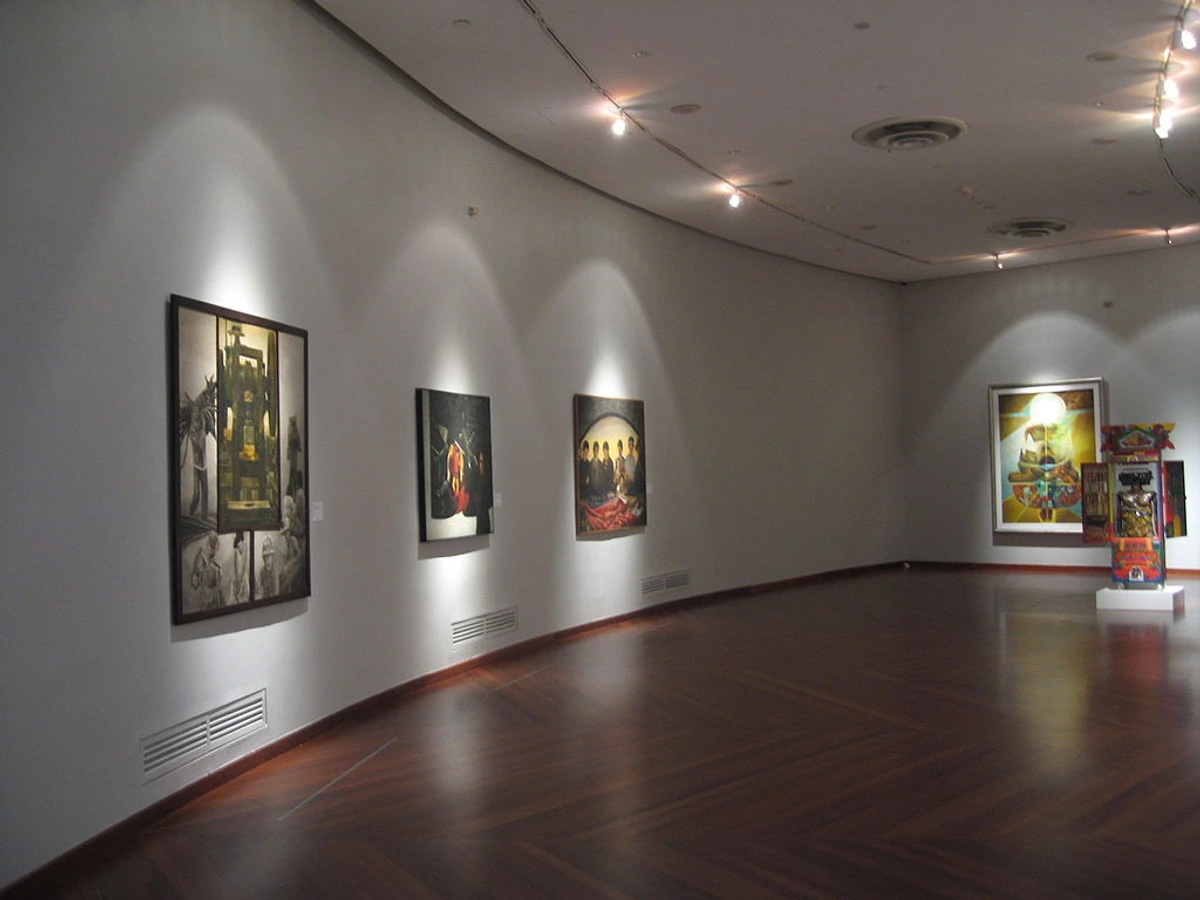
This is truly crucial. Are you in the mood for historical gravitas and grand narratives, or are you craving cutting-edge contemporary works and fresh perspectives? Knowing the general vibe and focus of a space will help manage your expectations and ensure you pick an adventure that perfectly suits your mood. After all, you wouldn't go to a classical symphony expecting punk rock, right? Same principle applies here.
This is crucial. Are you in the mood for historical gravitas or cutting-edge contemporary? Knowing the general vibe will help manage expectations.
Type of Gallery  | What to Expect | Best For... |
|---|---|---|
| Museum Art Gallery | Large, diverse collections, often historical or themed, strong educational focus. | Broad overviews, famous works, context building, longer, immersive visits. |
| Commercial Gallery | Smaller, focused exhibitions, often representing living artists, aims to sell art. | Discovering new talent, seeing contemporary trends, potential purchases, direct artist support. |
| Non-Profit/University | Experimental art, community focus, emerging artists, academic or social themes. | Unique perspectives, challenging conceptual art, supporting local scenes and artistic exploration. |
| Alternative Spaces | Pop-ups, artist-run spaces, public art installations, often unconventional settings. | Unexpected encounters, site-specific work, breaking conventions, raw creativity. |
| Online Gallery | Digital viewing, global reach, often curated, accessible from anywhere. | Browsing from home, discovering artists globally, specific genres like abstract art, easy purchasing. |
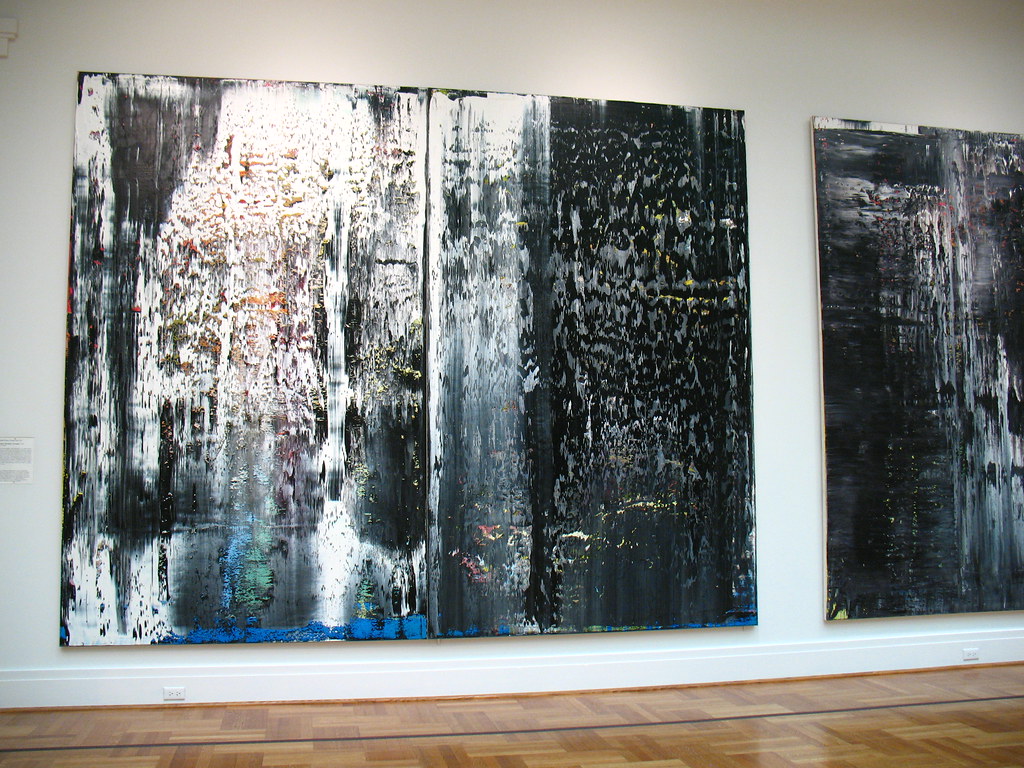
I always recommend starting with a local commercial gallery if you're feeling a bit intimidated. They're often smaller, more intimate, and the staff are usually incredibly passionate and approachable. You might even find works by internationally renowned artists like Gerhard Richter or George Condo at a top-tier gallery, or equally compelling local talent in a more modest setting. And, if you're into abstract art like my own, definitely check out places that feature vibrant, expressive pieces – you never know what will speak to you! Don't forget to explore online galleries too; they offer a fantastic, pressure-free way to discover art from the comfort of your couch.
2. Quick Research is Your Friend (But Don't Overdo It!) (But Don't Overdo It!)
A quick peek at the gallery's website or social media can truly tell you a lot – think of it as a sneak preview, not a pop quiz. What's currently on display? Are there any special events, artist talks, or guided tours happening? Do they have a particular focus (e.g., photography, abstract art, sculpture, or perhaps a regional specialty)? This isn't about memorizing artist bios or exhibition dates, but simply about getting a general idea of what's in store. You can also check for practical details like accessibility (ramps, elevators), coat check options, and if photography is allowed. A little intel goes a long way in making your visit smoother and more enjoyable. And remember, sometimes the best discoveries are made by simply walking in with an open mind, even without any prior research!
3. Budgeting for Your Visit: Free Fun or Ticketed Treasures?
This is a practical point, but an important one! Commercial galleries are almost universally free to enter – they want you to come in and see the art. Larger museums or special exhibitions, however, often have an admission fee. Don't let this deter you! Many offer:
- Free Days/Evenings: Check their website; many institutions have specific times for free entry.
- Student/Senior/Military Discounts: Always ask if these are available.
- Memberships: If you plan to visit frequently, an annual membership can quickly pay for itself and often comes with extra perks.
Always check their website beforehand for details. Sometimes, a small investment unlocks a world of artistic wonder!
3. What to Wear? (Spoiler: Anything Comfortable!) - Your Comfort is Key!
Forget the outdated idea that you need to 'dress up' for an art gallery. Seriously, wear what makes you feel comfortable and confident. Jeans and a t-shirt? Perfect. Your favorite quirky outfit? Even better. The absolute goal here is to feel completely at ease so you can focus entirely on the art, not on whether your shoes are too loud or your shirt is too casual. I've seen it all in galleries, from high fashion to hiking gear, and trust me, no one truly cares as long as you're respectful of the space and the artwork. Comfort equals confidence, and confidence lets you truly engage.
During Your Visit: Just Be Present – Let the Magic Unfold
This is truly where the magic happens. Your only job now is to experience, to feel, to allow yourself to react honestly. Drop all expectations of 'understanding' or even 'liking' everything. It's completely okay to feel confused, deeply moved, or even wonderfully indifferent to a piece. It’s all part of the process, a personal dialogue that no one else can dictate. Think of it as a guided meditation, but with more vibrant colors (especially if you're looking at my art!).

1. Pacing Yourself: It's Not a Race, It's a Wander
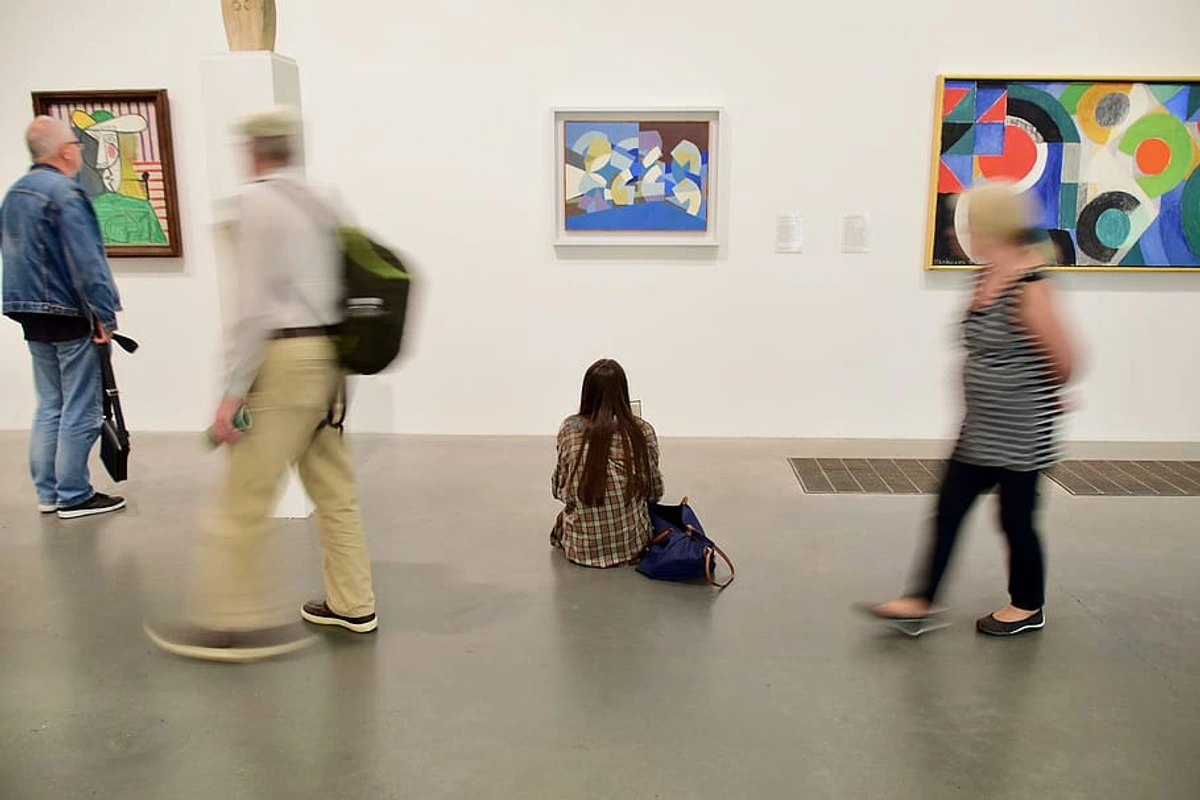
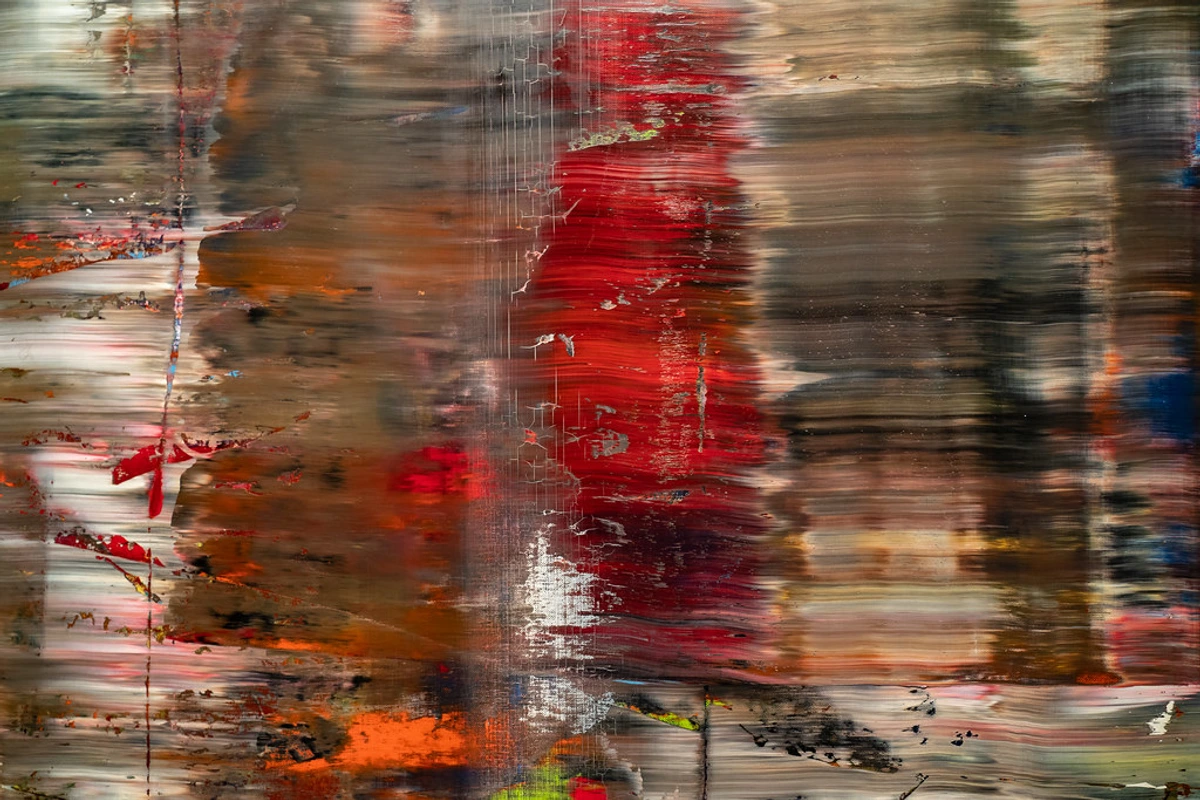
Resist the urge to rush. Walk slowly. Stop when something catches your eye, even if you don't know why. Sometimes I just stand there for a good five, ten, or even fifteen minutes, letting a piece of art (especially a complex abstract art like my own) simply exist in front of me. It's about taking it all in, letting your eyes wander, noticing details you missed the first time. It's not about ticking boxes off a list or seeing everything; it's about connecting deeply with what resonates. Remember, it's a personal journey, a delightful wander, not a marathon. Allow yourself to be drawn in, to linger, and to move on when you're ready.
2. Engaging with the Art: Trust Your Gut, Open Your Mind
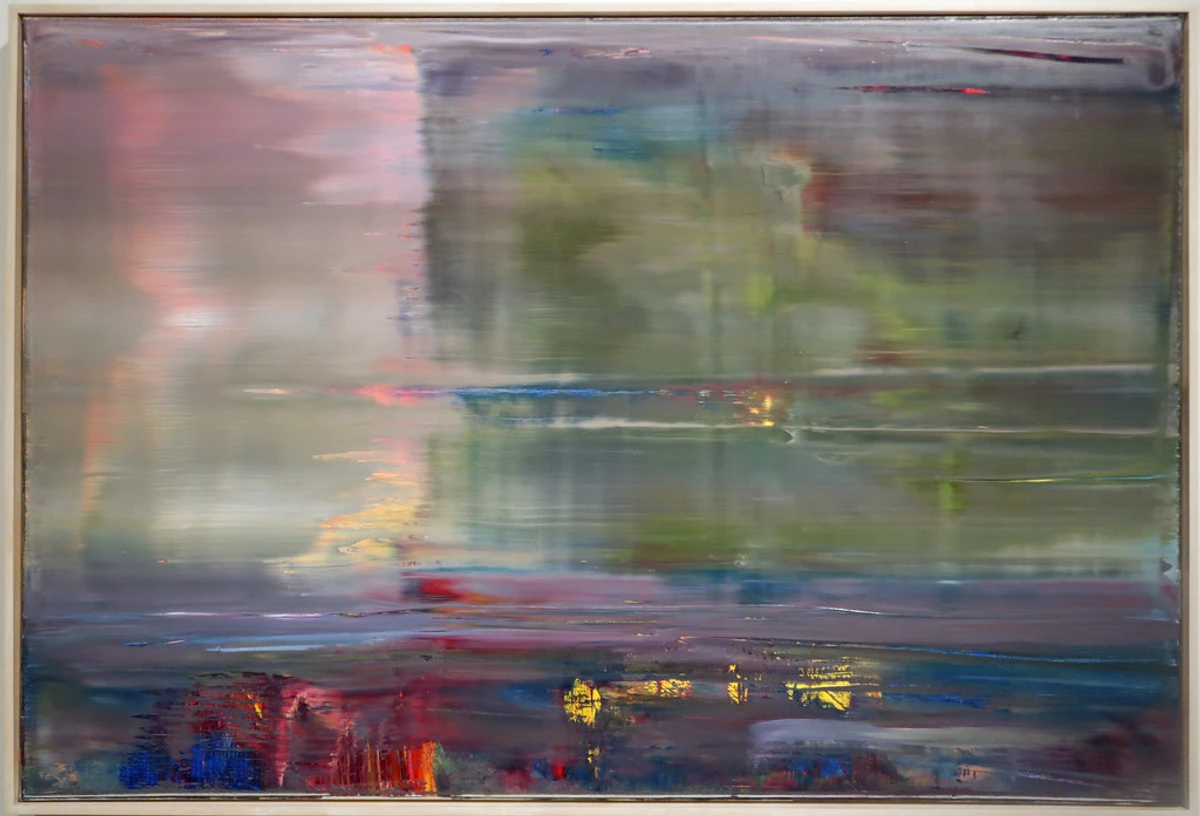
So, how do you "look" at art? My best advice, as an artist who creates abstract work that often asks for a personal response: don't overthink it, at least not initially. Let your authentic self react. Here are a few ways to engage:
How do you 'look' at art? My advice: don't overthink it.
- First Impression: The Gut Reaction. What's your immediate, unfiltered reaction? A specific color, a striking shape, a flash of emotion? Just notice it. Don't judge it, just acknowledge it. For many abstract works, like those you’ll find in my online gallery, I often find myself drawn to the immediate psychology of color or the sheer, undeniable energy of the composition. It’s about feeling, first and foremost.
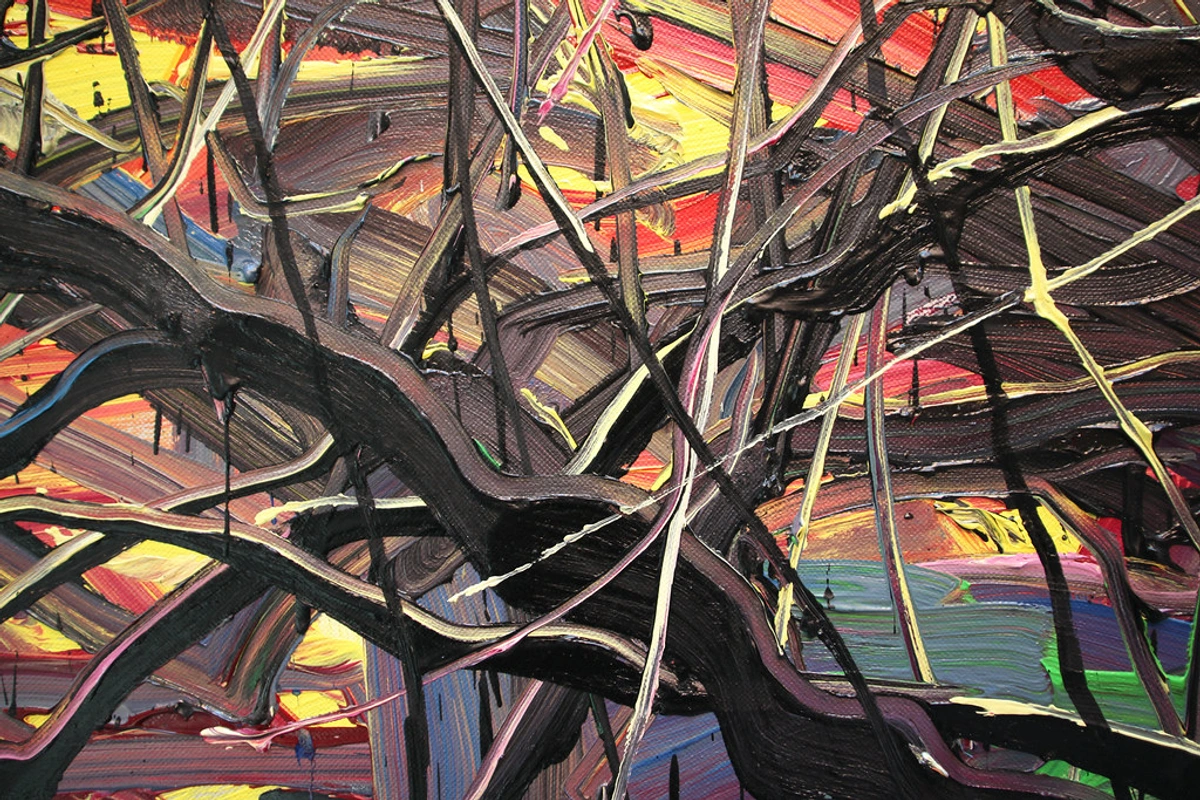
- Step Closer, Step Back: Changing Perspectives. Don't just stand in one spot. Move around! See how the details change when you step closer – the texture of the paint, the individual brushstrokes, the subtle layers (something I obsess over in my own work). Then, step back to see the piece as a whole, how light plays on it, how it interacts with the space around it. Sometimes a large piece, like those I create, reveals entirely new worlds up close.
- Read the Plaque (or Don't): Context, Not Commandment. The little information card next to the art can offer great context: the artist's name, title, date, and sometimes a brief explanation. But don't let it dictate your experience. If you prefer to form your own opinions and feelings first, that's perfectly fine. I often read it after I've had my initial, personal moment with the piece, using it to deepen my understanding rather than pre-coloring it.
- Ask Yourself Questions: The Inner Dialogue. Instead of the daunting "What does it mean?" try gentler, more open-ended questions like: "What does it make me feel?" or "What colors did the artist use and why?" or "How does this piece relate to the world I live in?" There's no single 'right' answer, and your personal interpretation is valid and valuable. And if it's an abstract piece, remember that the artist's personal philosophy often plays a huge role in its creation.
- Step Closer, Step Back: See how the details change when you move. The texture of the paint, the brushstrokes – it's fascinating. Sometimes a large piece like those I create for my online gallery reveals entirely new worlds up close.
- Read the Plaque (or Don't): The little information card next to the art can offer great context. But don't let it dictate your experience. If you prefer to form your own opinions first, that's perfectly fine. I often read it after I've had my initial moment with the piece.
- Ask Yourself Questions: Instead of "What does it mean?" try "What does it make me feel?" or "What colors did the artist use?" There's no single right answer, and your personal interpretation is valid. And if it's an abstract piece, remember that the artist's personal philosophy often plays a huge role in its creation.
3. Beyond the Visual: Engaging Other Senses (Responsibly!)
While most art is visual, don't forget your other senses (where appropriate and respectful, of course!).
- Sound: Some installations incorporate soundscapes, music, or spoken word. Let these auditory elements wash over you and consider how they enhance or alter your visual experience.
- Texture (from a distance): While you absolutely must not touch anything unless explicitly invited, you can still imagine the texture. How would that rough sculpture feel? How smooth is the surface of that painting? This imaginative engagement can deepen your connection.
- Movement: Performance art is all about movement. Even static pieces might imply movement or have dynamic compositions that guide your eye. Notice how your body reacts to the art.
4. Talking to the Gallerist: Your Friendly Guide, Not a Salesperson
This is often the most intimidating part for first-timers, but it doesn't have to be! Gallerists are often the most passionate people you'll meet, eager to share their knowledge and love for the art they represent. Think of them as storytellers, not salespeople.
What to Ask (and How to Ask It) | Why It's a Good Question |
|---|---|
| "Could you tell me a little about this artist's work?" | This is a great, open-ended starter. It shows genuine interest and invites a narrative. |
| "What inspired this particular series/piece?" | Helps you understand the artist's intention, the story behind the art, and their process. |
| "How did you discover this artist, and what drew you to their work?" | Great for insight into the gallery's unique perspective and philosophy, and discovering new talent. It often reveals a gallerist's passion! |
| "Are there any other pieces by this artist I should see, perhaps in the back room?" | Shows you're engaged and interested in exploring further than just what's on display. |
| "Do you have any upcoming exhibitions I might enjoy, based on what I've resonated with today?" | Helps you plan future visits and discover more art that aligns with your taste, tailored to your preferences. |
| "What's the story behind the gallery itself?" | Offers insight into the space you're in, its history, and its mission. |
| "Is the artist local? Do they have a studio nearby?" | If you're interested in supporting local artists or learning more about their practice. |
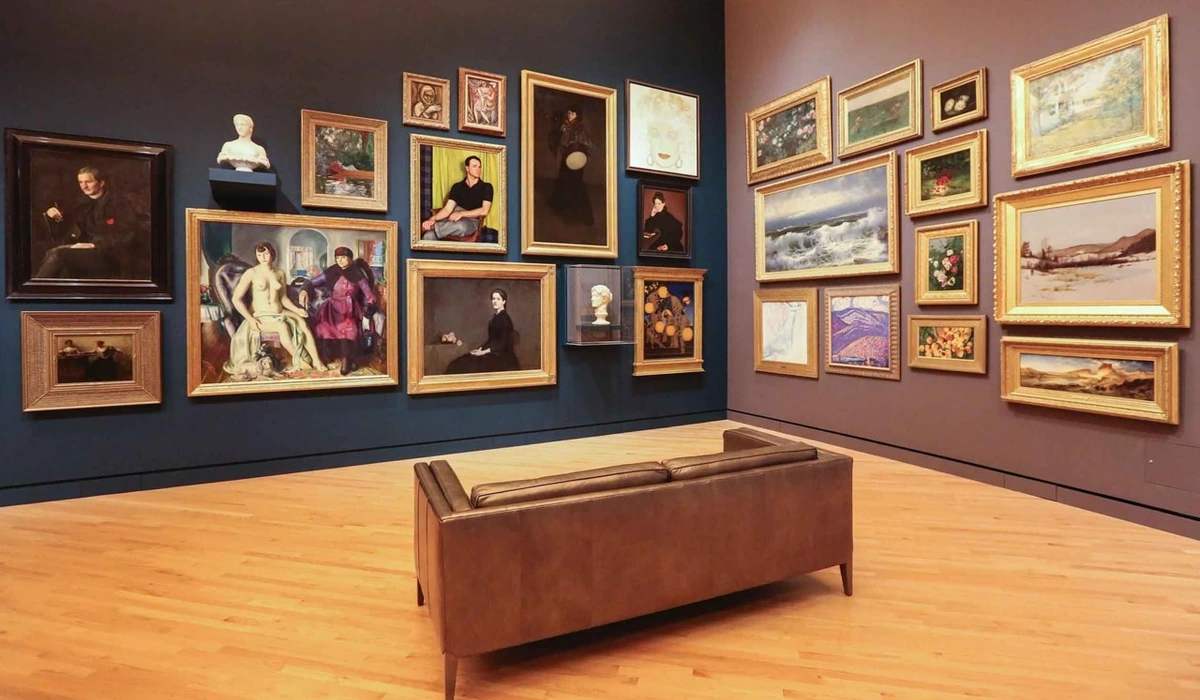

Remember, you absolutely do not need to pretend you're going to buy something. Most gallerists are simply thrilled to talk about art, share their knowledge, and connect with people who are genuinely interested. Think of it as a free, informal art history lesson, often with personal insights! And who knows, you might just find yourself so smitten with a piece that you do consider buying art! (It happens, trust me, I’ve been there). It's a wonderful way to support artists directly.
5. Basic Etiquette: Keep it Simple, Respectful, and Stress-Free
Don't worry, there's no secret handshake. A few simple rules will ensure a pleasant visit for everyone:
- The "Look, Don't Touch" Rule: This is probably the most important one. Unless a sign explicitly says "Please Touch" (which does happen with some interactive pieces!), assume everything is hands-off. The oils and dirt on our fingers, however invisible, can damage delicate surfaces over time. It’s a matter of preserving the art for everyone.
- Photos: Ask First, No Flash Always. Many galleries are quite happy for you to take photos (without flash!) for personal use – it's free publicity, after all! But if you're unsure, just politely ask. And definitely, absolutely, positively no flash. Flash can cause irreversible damage to sensitive artworks over time, fading colors and materials.
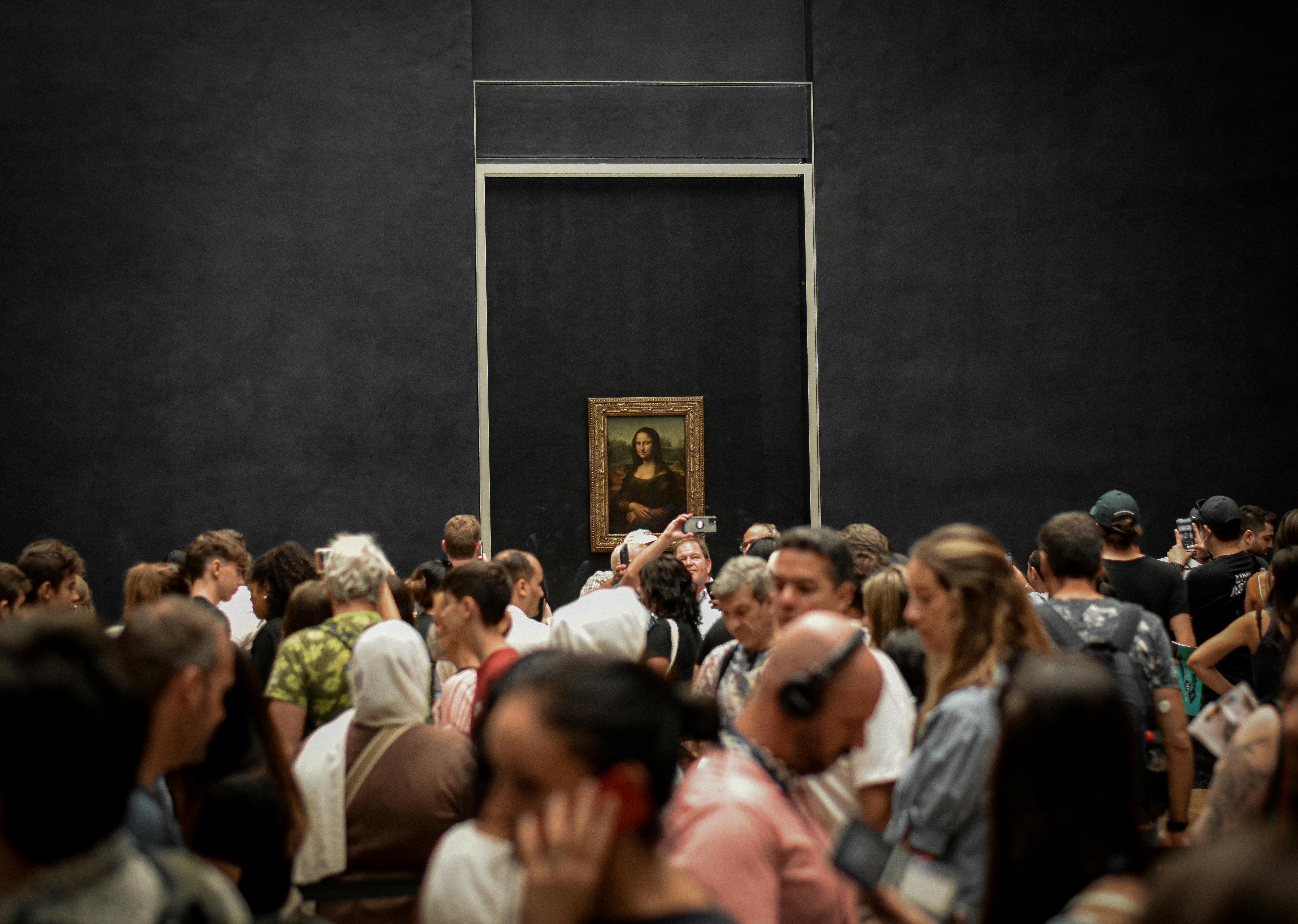
- Noise Level: A Respectful Hush. It’s not a library, so quiet conversation is perfectly fine. But it’s also not a concert hall or a sports bar. Keep your voice down and your phone on silent. Respect other visitors' quiet contemplation and their personal space.
- Food & Drink: Outside the Exhibition. Generally, food and drink are a no-go inside the exhibition spaces. Crumbs, spills, and sticky fingers are not ideal for preserving priceless artworks. Most larger museums or galleries will have a designated cafe or seating area if you need a refuel.
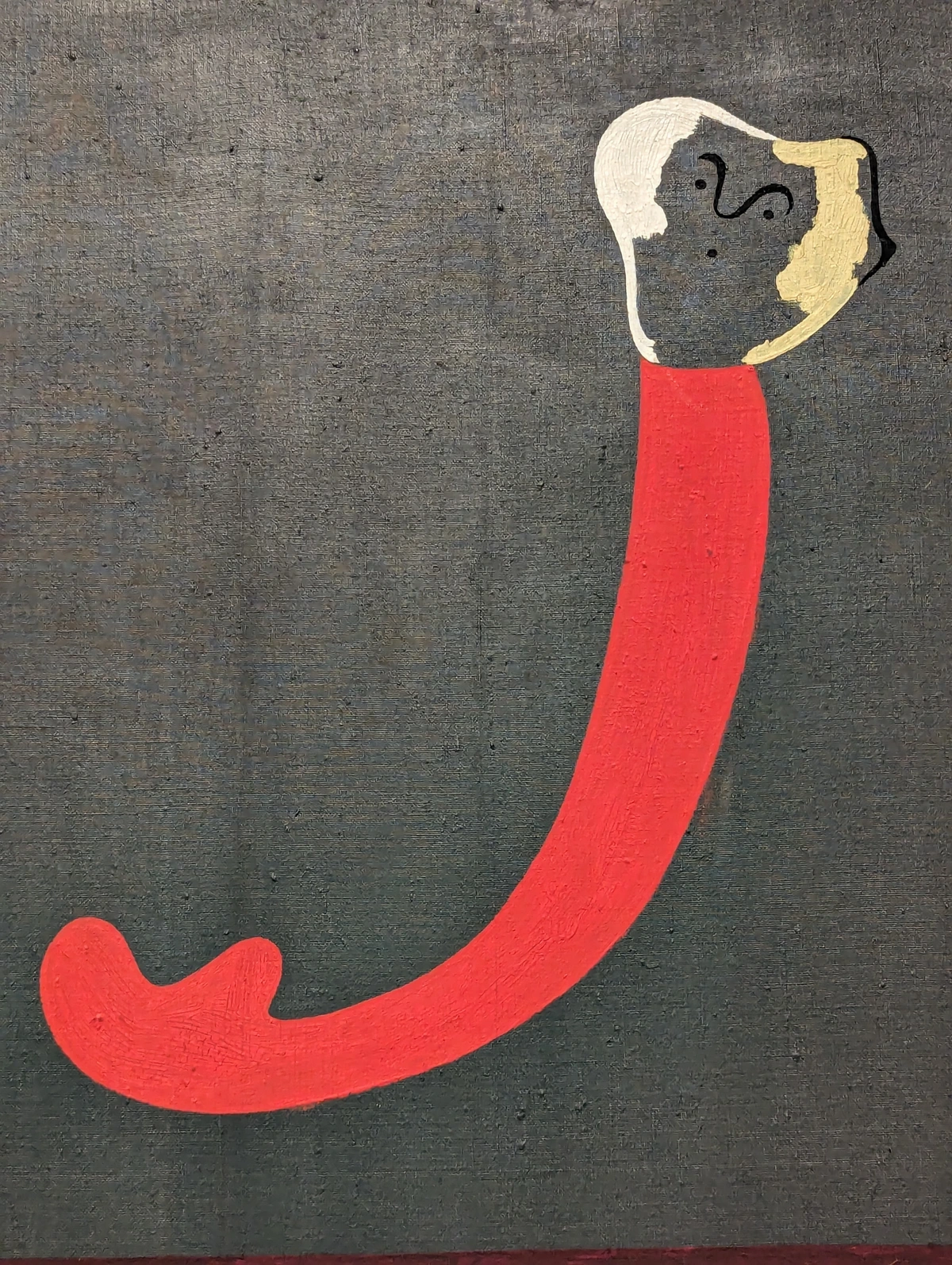
After Your Visit: Reflect and Remember – The Art Lives On
Your art gallery experience doesn't truly end when you walk out the door. In fact, for me, the best part is often the lingering thoughts, the unexpected images replaying in my mind, and the new questions that have sparked. Art has a way of staying with you, often subtly shifting your perspective long after you’ve left the physical space.
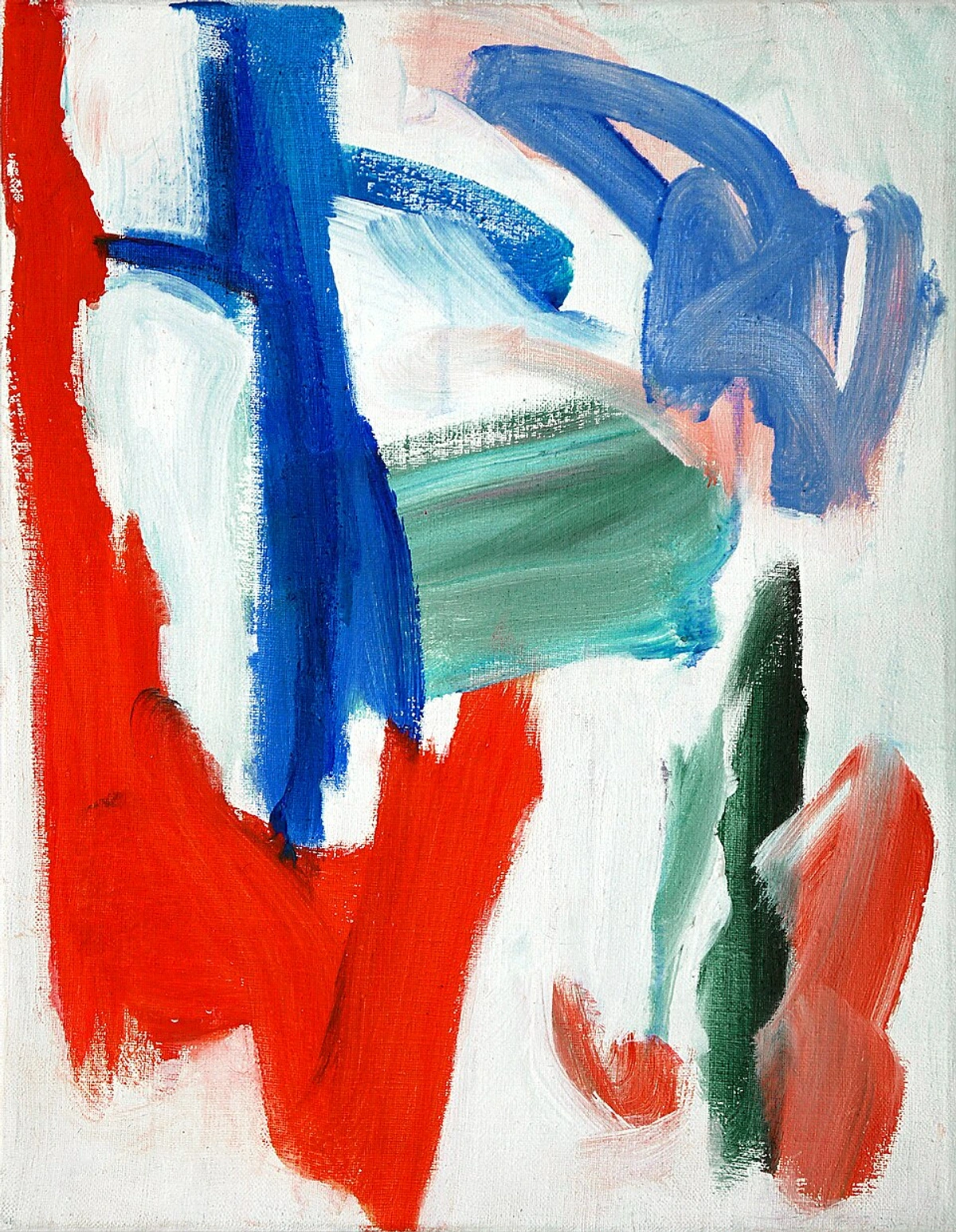
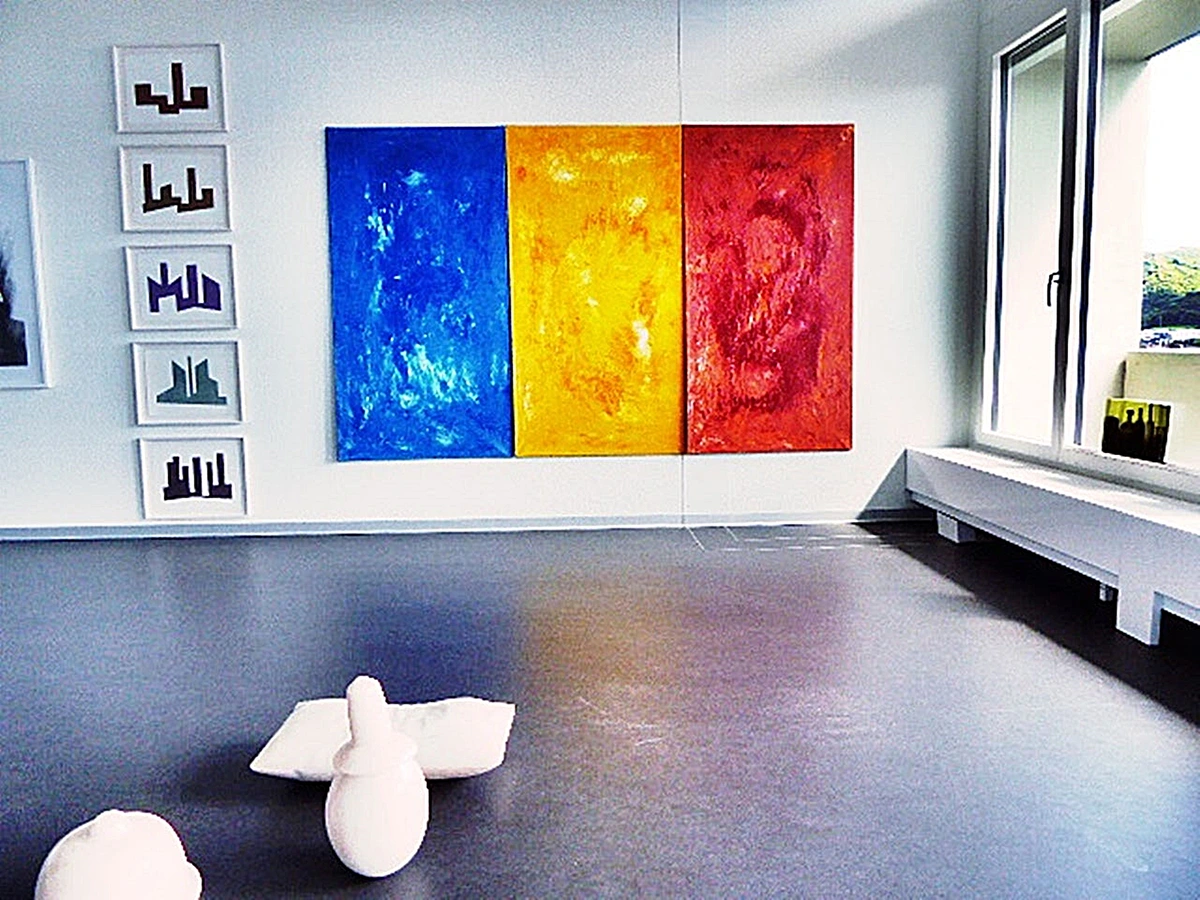






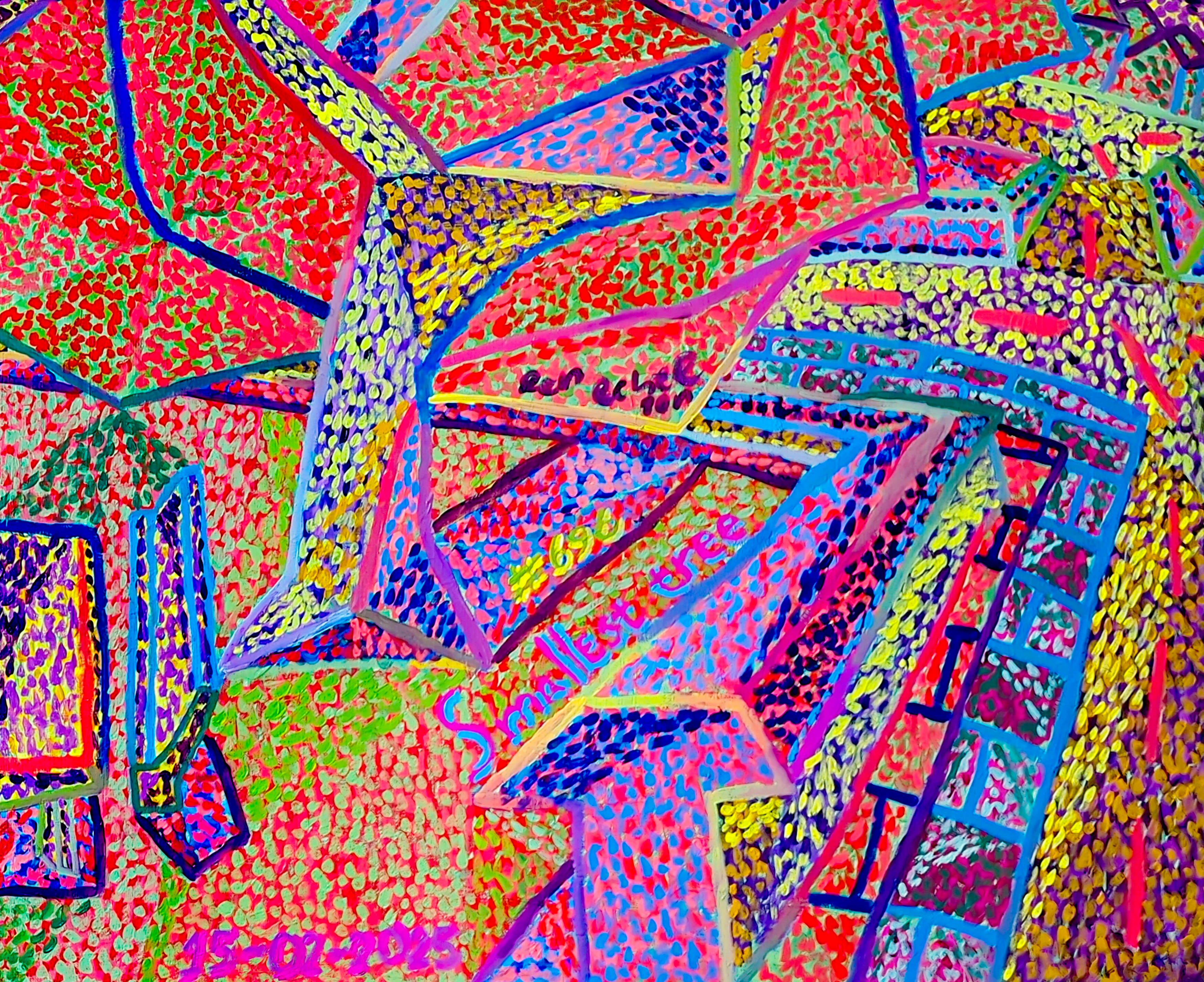


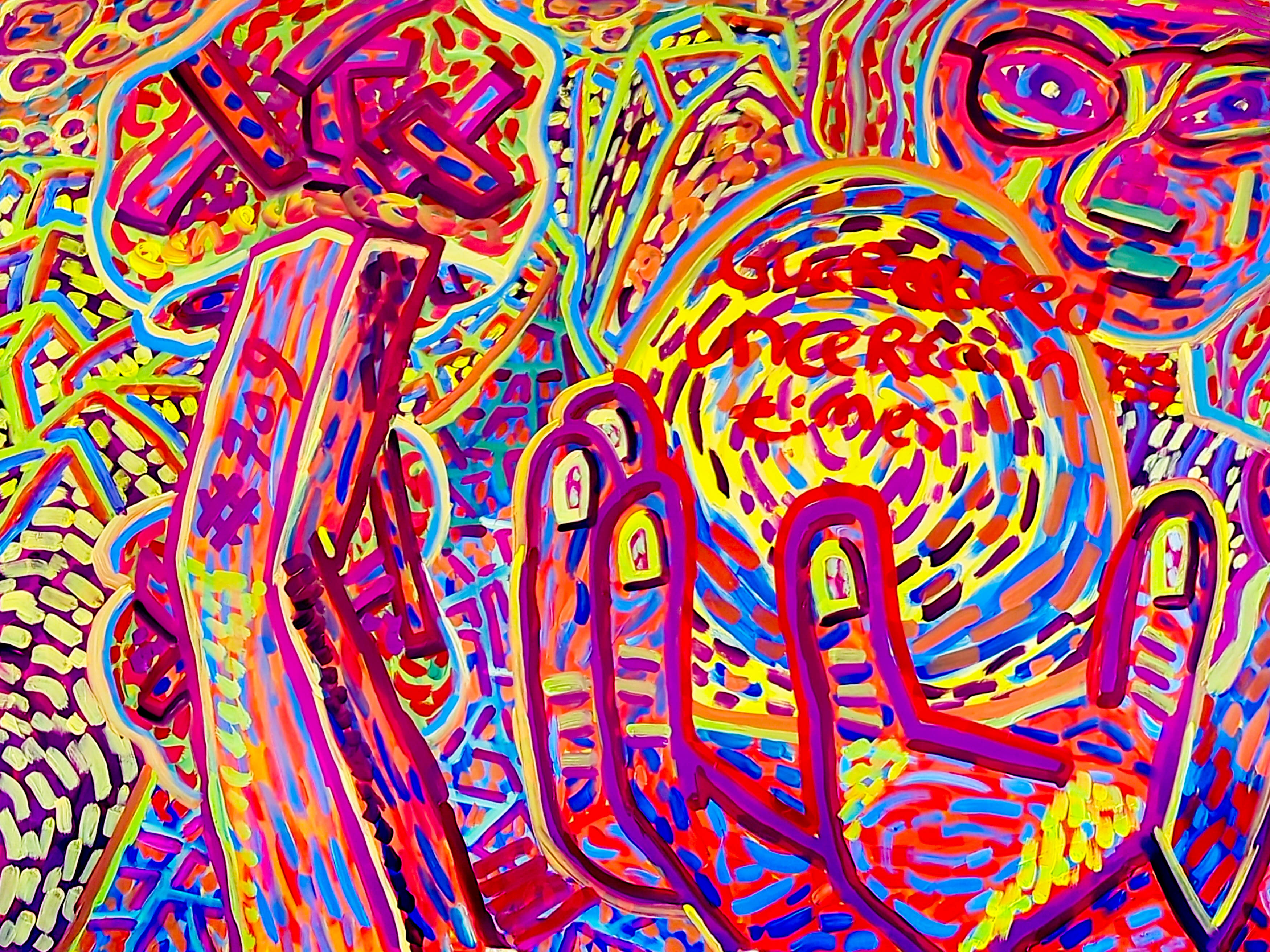


- Talk About It: Share the Experience. Discuss what you saw with whoever you went with. Or, if you went alone, call a friend! Art is a fantastic conversation starter. "Hey, I saw this crazy abstract piece today that made me think of..." – you’ll be amazed at the insights and differing perspectives that emerge.
- Journal It: Solidify Your Connection. Jot down a few notes. What pieces stood out? How did they make you feel? Why? What colors caught your eye? This simple act helps solidify the memory, deepen your personal connection to the art, and allows you to track your evolving tastes.
- Explore Further: The Rabbit Hole Awaits! If an artist or style truly captivated you, don't let the curiosity fade! Dive deeper. Maybe read up on the definitive guide to the history of abstract art, or explore the unseen layers of an artist's process. Our art history timeline can provide incredible context, and if you're ever in the Netherlands, visiting a place like the Den Bosch Museum could offer a whole new level of engagement. The internet (and this website!) is a treasure trove of further exploration, so dig in!
Frequently Asked Questions (FAQ): Demystifying Common Queries
It’s natural to have questions, especially when you’re venturing into a new-to-you space like an art gallery. Here are some of the most common ones I hear, and my honest answers:
Q: What if I feel overwhelmed or intimidated by the art?
A: This is a super common feeling, and it’s perfectly normal! Art, especially contemporary or abstract work, can be challenging. My advice? Don't fight it. Acknowledge the feeling, and then try to shift your focus. Instead of trying to understand every piece, try to experience it. Find one or two pieces that pique your curiosity, even if it's just a color or a texture, and spend a little more time with them. Give yourself permission not to 'get it' all at once. The more you visit, the more comfortable you’ll become, I promise.
Q: How do I find local galleries or exhibitions?
A: This is easier than you think! Start with a quick online search for "art galleries near me" or "art exhibitions [your city/region]". Check local tourism websites, university art departments, and community arts centers. Social media platforms like Instagram are also fantastic for discovering local artists and galleries. Don't be afraid to just walk by and peek in when you see an interesting space! Sometimes the best finds are serendipitous.
Q: What's the best time to visit an art gallery?
A: Generally, weekdays during non-lunch hours are the quietest. If you prefer a more contemplative experience with fewer crowds, aim for a Tuesday, Wednesday, or Thursday morning. Weekends can be busier, but they also often have a more vibrant, community atmosphere. For special exhibition openings or artist talks, check the gallery's schedule – these can be fantastic, but also very crowded!
Q: Do I need to buy art when I visit a gallery?
A: Absolutely not! Let's debunk this myth right now. Most visitors are there just to look, enjoy, and find inspiration. Think of it like window shopping, but for your soul. Of course, if you fall in love with a piece and it's within your means, a gallery is indeed the place to buy art and support artists directly. But there's zero obligation or expectation for you to make a purchase. Your presence and engagement are valued enough.
Q: What if I don't "get" the art, especially abstract pieces?
A: That's completely, utterly okay! Art isn't a puzzle you must solve with a single, definitive answer. Some art resonates deeply, some leaves you cold, and some simply makes you scratch your head. With abstract art, especially the kind I create, it's often more about the feeling it evokes, the interplay of colors and shapes, the energy of the composition, or even the delicious uncertainty it stirs within you, rather than a clear narrative or literal depiction. Just let it be. Engage with it on your terms. Your authentic reaction, whatever it may be, is absolutely the 'right' one.
Q: Is it okay to go to a gallery alone?
A: Yes, and I wholeheartedly recommend it! Going alone allows you to set your own pace, linger where something truly captures your eye, and have a wonderfully personal, uninterrupted experience. It's a fantastic form of self-care, a quiet exploration where you can truly connect with your own thoughts and feelings without external distractions or pressures.
Q: Can I bring children to an art gallery?
A: Absolutely! Many galleries and museums are incredibly child-friendly, often offering dedicated family programs, interactive exhibits, or specific visiting hours. Check their website beforehand for details. Encourage kids to point out what they like, what colors they see, or what stories they imagine from the artworks. It's a fantastic, hands-on way to introduce them to creativity, open their minds, and spark a lifelong love for art.
Q: How do I handle art that I find challenging or even offensive?
A: This is a great question, as art isn't always comfortable or beautiful. Challenging art is often designed to provoke thought, question norms, or highlight difficult truths. Instead of immediately dismissing it, try to approach it with curiosity. Ask yourself: "Why did the artist create this? What message are they trying to convey? What emotions does it stir in me, and why?" You don't have to like it, but engaging with why it makes you uncomfortable can be a powerful learning experience, even if it just confirms your dislike. It’s all part of the conversation art creates.
Q: How much does it cost to visit an art gallery?
A: Commercial galleries are almost always free to enter. Larger museums or special exhibitions often have an admission fee, but many offer free days, student discounts, or membership options. Always check their website beforehand for details.
Your Next Masterpiece Moment Awaits: A Call to Explore
So, there you have it. My not-so-secret guide, born from my own journey as an artist and art lover, to making your next art gallery visit an absolute joy. Forget the intimidation, ditch the pressure to be an expert. Just go, look, feel, and let the art work its quiet magic. Who knows, you might just find your new favorite artist, a piece that sparks an unexpected emotion, or simply a peaceful moment away from the relentless everyday. The art world, in all its diverse, colorful, and sometimes challenging glory, is waiting for you, with open arms and endless stories. Go explore, connect, and let your own masterpiece moment unfold!