
Mastering 'Done': The Artist's Ultimate Guide to Finishing a Painting
Master artistic completion. Explore psychological insights, historical context, and practical techniques to confidently declare a painting 'done,' avoiding overworking, and embracing resolution.

Mastering 'Done': The Artist's Ultimate Guide to Finishing a Painting
I've been there, fingers stained with ultramarine, eyes stinging from studio light, staring at the canvas that's been my world for weeks. It's a large abstract, a riot of greens and purples, and I've pushed the paint around so much it feels like a living, breathing entity. One more brushstroke, and it could ascend to that sublime, resolved state. Or, it could plunge headfirst into the abyss of 'overworked and ruined,' the kind of piece you end up facing the wall. It’s a high-stakes moment, an internal negotiation as thick as the smell of linseed oil in the air. What are the signs a painting is finished? How do artists truly know when a painting is done? And how do we avoid the soul-crushing despair of overworking a piece we once loved?
This agonizing decision—knowing when a painting is truly finished—is less a rigid science and more a dark art, a gut feeling honed over years of triumphs and, let's be honest, quite a few unmitigated disasters. This 'gut feeling' isn't pure mysticism; it's a deeply developed intuition built on countless hours of practice, a subconscious processing of color theory, compositional principles, and the accumulated wisdom of art history. You internalize these principles so deeply that they manifest as an instinctive 'rightness' or 'wrongness' on the canvas – a quiet sense that everything just clicks. In this guide, we'll navigate both the intuitive whispers and the analytical checkpoints, diving into the psychology, history, and practical tricks that define artistic completion. Consider this your ultimate resource for [/finder/page/how-to-know-when-a-painting-is-finished] and [/finder/page/knowing-when-a-painting-is-finished].

The Intuitive Dance: When a Painting Talks Back
First things first: a painting isn't an Ikea flat-pack with a finite set of instructions, nor is it a perfectly composed symphony with a pre-written finale. It's a conversation. In the beginning, you're doing all the talking—making marks, laying down color, establishing a composition. You're shouting your ideas onto the canvas. It's like the initial brainstorming for a novel, full of raw ideas.
But at some point, a good painting starts talking back. It's like the story finding its own direction, dictating its needs to you. A patch of blue might subtly suggest a sliver of orange next to it. I remember one landscape where I was convinced a massive, dark tree was needed in the foreground to balance the sky. The painting, however, kept nudging me, through subtle visual tensions, towards a cluster of smaller, lighter saplings instead, opening up the space. It felt like the painting itself was completing a thought I hadn't yet articulated. Or that time a chaotic area demanded a sudden moment of serene, unpainted negative space. This back-and-forth is the creative process. This is also where happy accidents come into play – those unexpected drips or brushstrokes that the painting seems to absorb and make its own, subtly altering your initial plan for the better. The key is recognizing when these unexpected elements enhance, rather than detract from, the overall vision. The painting is "finished" when the conversation comes to a natural, satisfying close. When you've both said all you need to say. Any further marks feel like interrupting or just rambling – like adding tiny, meaningless details that don't serve the whole.
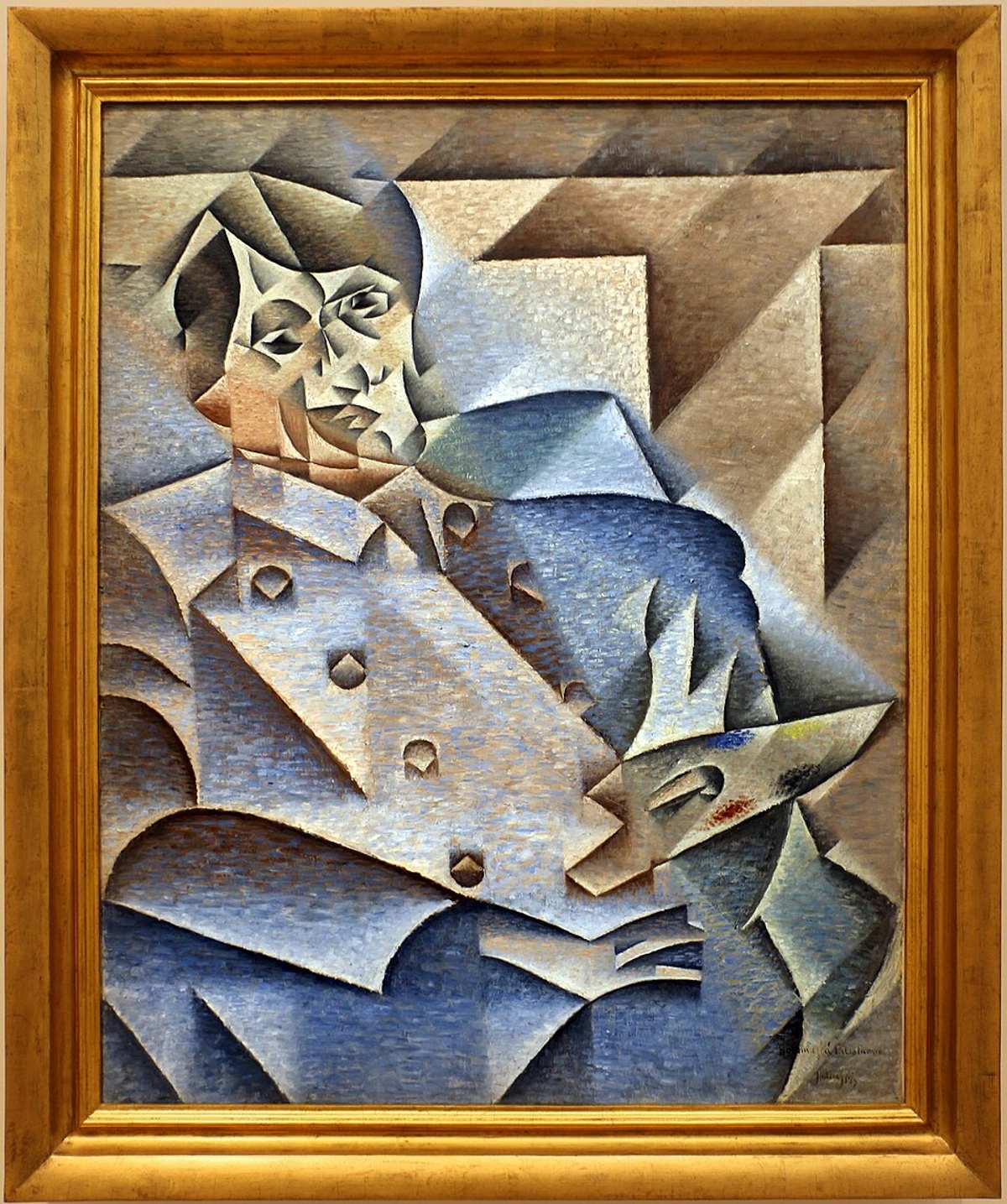
When you look at the canvas and you don't feel an immediate, nagging urge to "fix" something, that's a powerful sign. It's a feeling of rest. Of equilibrium. The piece feels settled, confident in what it is. This feeling of quiet resolution is, for me, the core of art completion. It's the moment the painting stops demanding things from you.
The Unseen Battle: Psychological Traps on the Path to 'Done'
However, this intuitive dance, while exhilarating, is also where many artists find themselves tripped up, letting external pressures or internal doubts derail the process. Before we dive into the practical checks, let's acknowledge the silent saboteurs that often lead us to push a painting too far. I've fallen prey to every single one of these, and believe me, it's a painful lesson learned. What are the signs a painting is overworked? The primary indicator you're heading into the 'overworked' zone is when you're no longer making bold, decisive changes but are just 'pushing paint around', hoping for a miracle that rarely comes.
Common Pitfalls of Overworking Art
- The colors start getting muddy, losing their initial vibrancy and clarity, often due to excessive blending.
- The initial energy and spontaneity of the piece are gone, replaced by a dull flatness.
- You're adding tiny, meaningless details that don't serve the overall vision, a feeling of 'fiddling' rather than genuine creation. It's the difference between necessary refinement and frantic, unfocused manipulation.
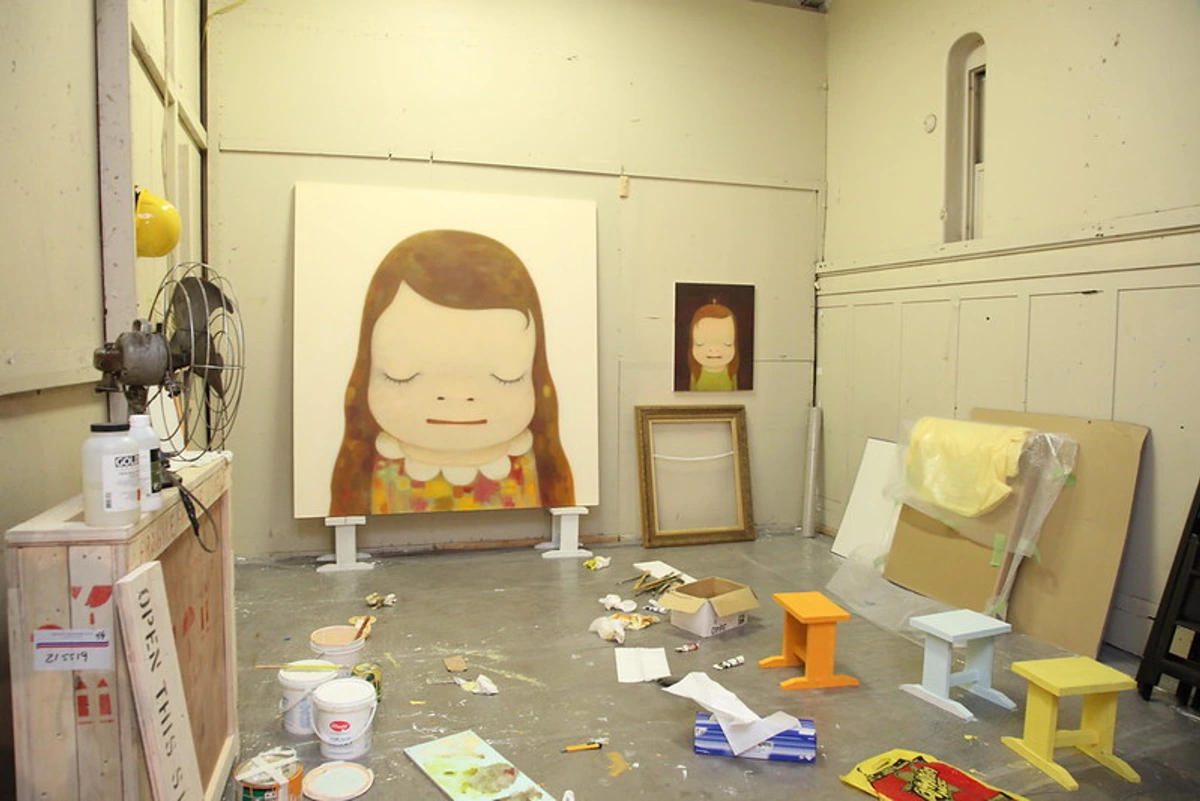
Here are some of the psychological pitfalls that keep us from declaring a work finished:
- Chasing "Perfection": The Artist's Dilemma. That endless quest for a flawless edge or a perfectly smooth gradient. This is the big one, the artist's dilemma. The fear that it's not 'perfect' yet. I used to chase perfection relentlessly, convinced that every edge needed to be razor-sharp and every surface pristine. Then one day, I realized I'd smoothed out all the life from a piece. That's when I truly understood the truth bomb: no painting is perfect. The pursuit of perfection can be the enemy of good, often leading to over-blending that kills vibrant brushwork or obsessive detailing that suffocates the main form. Aim for 'resolved' or 'compelling,' not 'perfect.' Let the piece have its own quirks and imperfections. That's what gives it life and authenticity. This is the distinction between a painterly finish, where visible brushstrokes and texture are celebrated as part of the artwork's character (think Van Gogh's expressive texture or even some folk art), and photographic realism, which aims for a meticulous illusion of reality. Perfection often drains the life out of a piece, stripping away its spontaneity and energy in favor of sterile technicality. Imperfections often give a painting character. Think of a master like Pierre-Auguste Renoir, known for his spontaneous, light-filled brushstrokes, whose 'done' was about capturing a fleeting impression, not meticulous rendering. Or consider Christopher Wool, known for his deliberate, layered process, often using stencils, where each mark is carefully considered; his 'perfection' is in the controlled rawness, not a pristine surface. Louise Bourgeois, for example, famously revisited and re-worked pieces throughout her career, constantly seeking a deeper expression, often challenging the notion of a 'final' perfection. What you learn by trying to fix an 'imperfect' piece often serves the next one better.
- Fear of Emptiness: The Power of Negative Space. Every square inch doesn't need to be "filled." Sometimes the most powerful statements are made by what's left unsaid, or unpainted. Negative space is a potent compositional tool, not an empty void to be crammed with detail. It gives the eye a place to rest, allows elements to breathe, and can even define the scale and atmosphere of a piece. I remember one time I felt pressured to add more and more elements to a landscape, including a flock of birds and an extra tree, only to step back and realize I'd suffocated the breathing room that made it compelling. Embracing negative space often amplifies the impact of what is there, giving the eye a place to rest and truly see the positive forms. The goal is to make negative space an active, intentional part of your composition, not merely an undeveloped area.
- Trying to Please Everyone: Trusting Your Vision. Asking too many opinions, or letting others' expectations override your own vision. Suddenly, you're not painting your painting anymore; you're trying to synthesize a committee's desires. Trust your own artistic voice. I once showed a work-in-progress to three friends and got three completely different, contradictory suggestions. Trying to incorporate them all led to a truly confused piece. Your unique voice is your greatest asset; compromising it for external validation dilutes your vision. This is your conversation with the canvas.
- Lack of a Clear Vision: Your Internal Compass. Starting without even a whispered idea of the 'heart' of the painting. It's like building a house without blueprints – you just keep adding rooms and extensions until it becomes an incoherent mess, or collapses under its own weight. A clear, even if evolving, vision acts as your internal compass, guiding you towards a resolved finish. Sometimes writing an informal artist's statement early on can help solidify this vision by articulating your inspiration, technique, and intent. This clarity can then serve as a benchmark for completion. Another useful technique is to create small thumbnail sketches or color studies before committing to the main canvas, helping you to refine your core idea and define the overall mood or theme.
- The Impostor Syndrome Whisper: Fighting Insecurity. That nagging voice that tells you, "This isn't good enough, you're not a real artist if you can't push it further." This often leads to endless tweaking out of insecurity, rather than genuine artistic need. The constant comparison to other artists online or in galleries can significantly exacerbate this feeling. It's a common struggle, and recognizing it is the first step to silencing it. Remember, artistic judgment isn't about external validation; it's about your internal knowing—a developing sense of what feels artistically right, honed through practice and critical self-reflection.
Texture and Surface Quality: The Intentional Finish
Beyond composition and color, the very surface of your painting plays a huge role in its perceived completion. Is the texture intentional? Do you want a buttery impasto (thick, sculptural application of paint), a smooth glaze (thin, translucent layer of paint), or a raw, unfinished look that reveals the canvas? Sometimes chasing 'perfection' leads to over-sanding or over-blending, destroying the beautiful, tactile qualities that give a painting its unique character. Knowing when the surface feels right for your intent is a crucial part of declaring a piece finished. A painting isn't just a visual experience; it's a tactile one, too.
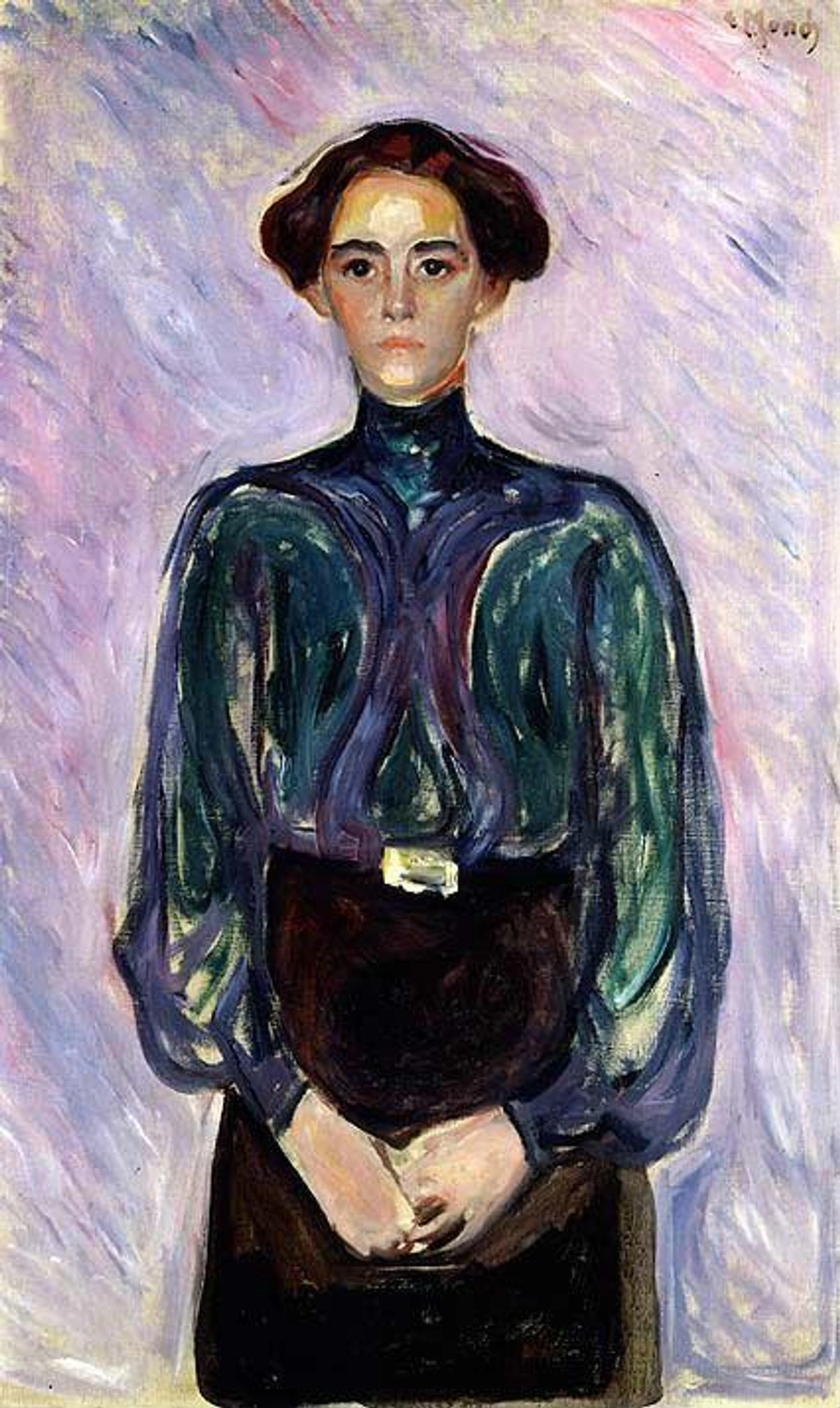
The Shifting Sands of 'Done': A Historical & Theoretical Perspective
How has the concept of 'finished' art evolved? The idea of a "finished" work of art hasn't always been static; it's a fluid notion that has evolved significantly through art history and various theoretical lenses. Understanding this can free us from rigid contemporary expectations and emphasize that the artist's intent is the ultimate arbiter of completion. It helps us see that there's no single, universal answer to [/finder/page/how-artists-convey-finality-in-painting]. Historically, the understanding of 'finished' was often dictated by external factors as much as individual aesthetic judgment.
- Ancient & Medieval Art: For much of ancient and medieval times, art served a specific function – religious, commemorative, or didactic. The concept of individual artistic genius was less prominent, and works were often attributed to workshops rather than singular artists. "Finished" meant fulfilling its purpose and enduring, often with patronage playing a huge role in defining requirements. Sometimes, elements were even added or re-worked over centuries by different hands, as seen in many cathedrals or tapestries like the Bayeux Tapestry. The process was often as important as the final product, with less emphasis on a singular moment of completion dictated by an individual's aesthetic judgment.
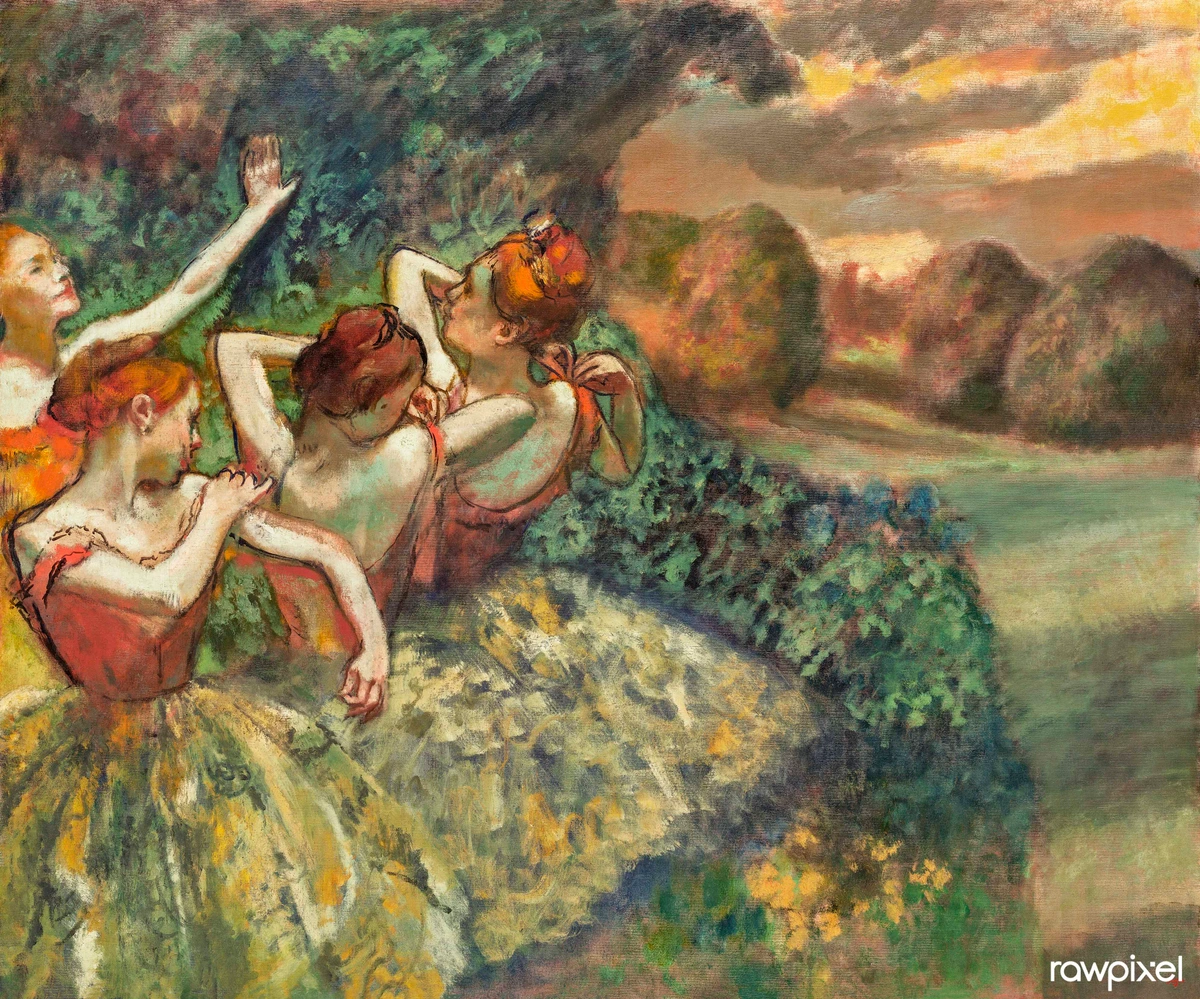
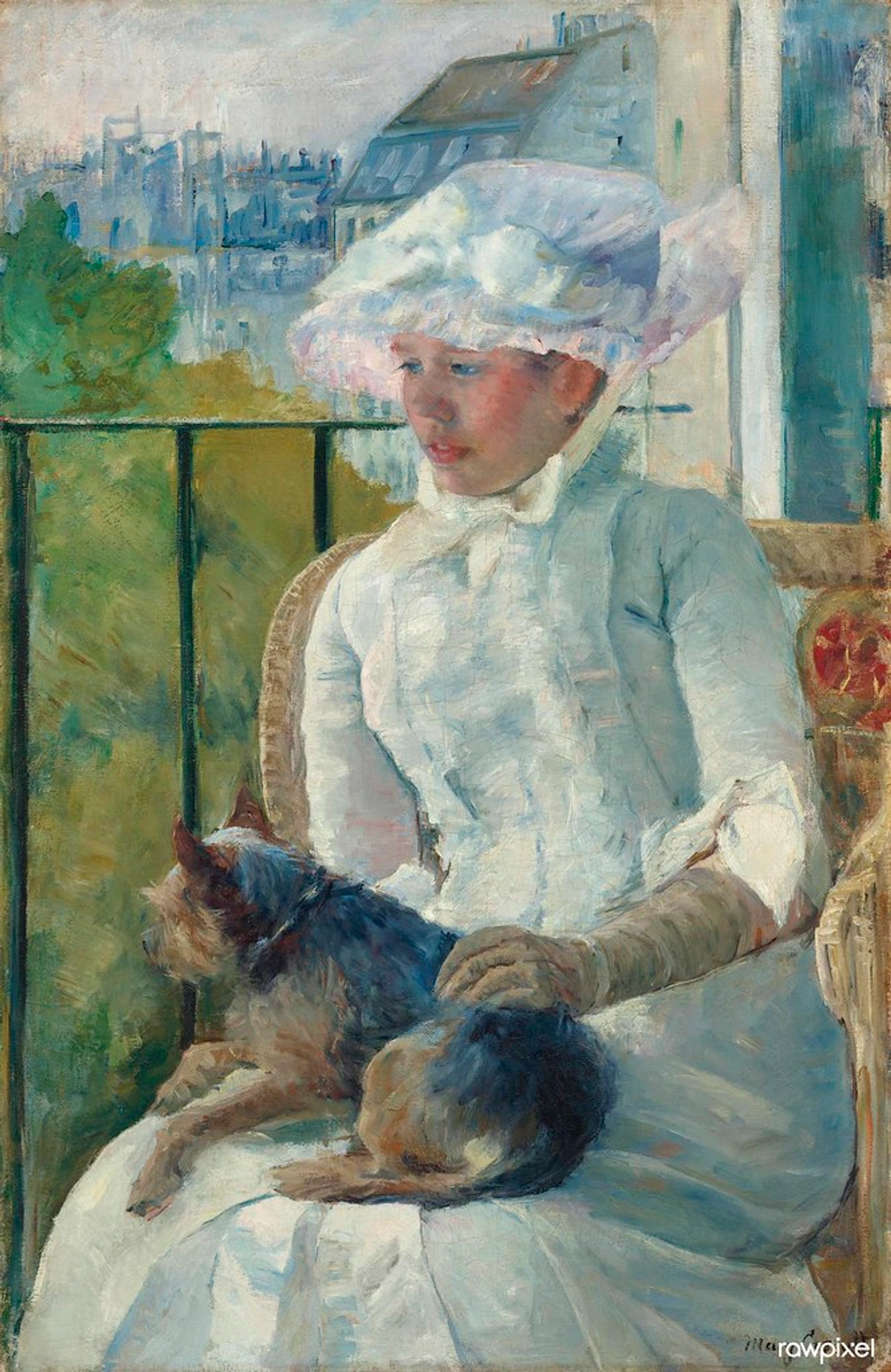
- Renaissance to Academia: The Renaissance saw the rise of the artist as an individual genius. Here, the idea of a meticulously rendered, visually harmonious, and ideally 'perfect' work began to solidify. Academic art later codified this, valuing highly polished surfaces, detailed realism, and a clear resolution. For artists like Sofonisba Anguissola, 'finished' implied a painstaking execution where every detail served a unified vision, aligning with the patrons' expectations of grandeur and skill. This era also introduced the concept of a finished presentation, with elaborate frames and salon exhibitions influencing the perception of a completed, polished surface. However, even within this era, artists like El Greco, with his expressive forms and dramatic brushwork, challenged the 'polished' ideal, showing that 'finish' was already a nuanced concept. His works, while complete in their emotional intensity, might have been seen as less 'finished' by some academic contemporaries, while masters like Titian, in his later works, exhibited a freedom of brushstroke that hinted at the expressive qualities later embraced by others.
credit, licence
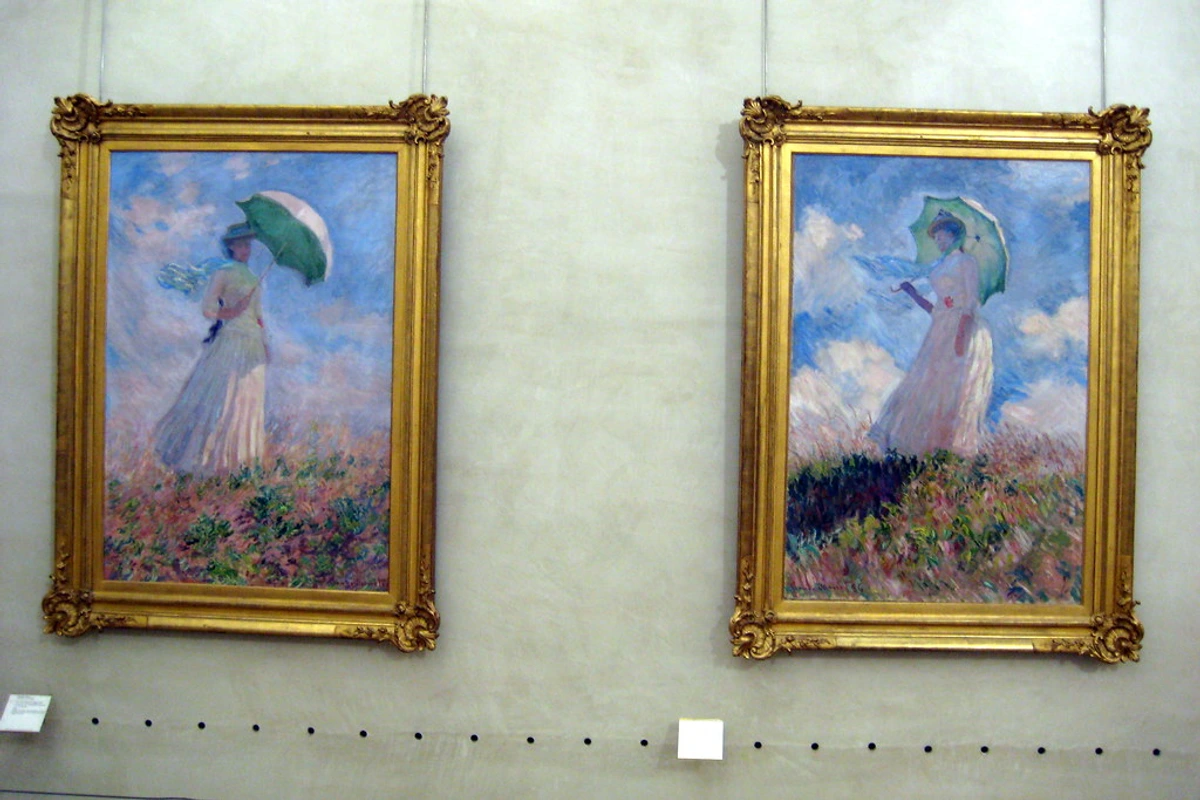
- Impressionism & Beyond: The 19th century brought radical shifts. Impressionists like Renoir prioritized capturing fleeting moments and effects of light, often leaving visible brushstrokes that would have been considered "unfinished" by academic standards. Their "done" was about conveying an impression and an emotional truth, not meticulous detail. Later, movements like Post-Impressionism (e.g., Cézanne's structural explorations, Van Gogh's emotional intensity), Symbolism, and Abstract Expressionism further redefined completion. Jackson Pollock's action painting, for instance, elevated the process itself, where the canvas became an arena of activity, and completion was a cessation of that action, often declared when the canvas felt energetically full. Learning about these diverse approaches really liberated me from the rigid academic idea that every brushstroke needed to be invisible.

- Conceptual & Contemporary Art: In the modern era, the very definition of a "finished" artwork has become even more complex. Conceptual art might exist purely as an idea, with documentation as its 'finished' form. For instance, Sol LeWitt's "Wall Drawings" are often sets of instructions, the 'finished' artwork being the realization of those instructions by others, not a singular object made by his hand. Performance art is often ephemeral, with the live event being the 'work' and any photo or video merely an artifact; here, the artist's conceptual intent becomes the primary arbiter of completion. The advent of digital art, with its infinite 'undo' capabilities, and even AI art generation, further challenges traditional notions of 'finish,' making the artist's explicit declaration of intent even more crucial. Understanding this historical ebb and flow provides crucial perspective. It reminds us that "finished" is not a universal constant, but a flexible concept shaped by context, the artist's intent, and prevailing artistic philosophies.
The Practical Sanity Check: Your Analytical Toolkit
Okay, the whole "conversation" thing is great, but sometimes your gut is confused or just tired. Even after years, my own compositions sometimes look like a toddler's first attempt at stacking blocks if I'm not careful (and caffeinated). That's when a more analytical approach can be your best friend. This isn't about killing the magic; it's about giving the magic a solid foundation to stand on.
Think of this table as a pre-flight check before you declare the journey over, a diagnostic tool to pinpoint lingering uncertainties. Which of these diagnostic questions do you find most challenging? What are the practical checks to know if a painting is finished?
Checkpoint  | Question to Ask Yourself | Technique/Approach | Why it matters for Completion | Related Reading |
|---|---|---|---|---|
| Composition | Does my eye travel around the entire piece, or does it get stuck in one corner? Is there a clear focal point, or a deliberate lack of one? Do elements possess appropriate visual weight? | Use the Rule of Thirds or leading lines. Squint your eyes to identify the 3-5 largest shapes of light and dark – do they form a compelling pattern (e.g., strong diagonals, balanced masses)? | Ensures visual coherence and guides the viewer's experience. | |
| Focal Point(s) | Is there a clear hierarchy of importance? Does the viewer's eye land where I want it to first, and then naturally explore? | Overlay a simple grid or a Venn diagram to see where elements naturally converge. Introduce subtle contrasts (color, value, detail) around key areas. | Directs attention, prevents confusion, and establishes the narrative or emotional core. | Understanding Elements of Art |
| Balance | Does the painting feel visually stable? Do the "heavy" elements (darker values, higher contrast, intricate detail) feel balanced by areas of "lightness" or negative space? | Mentally divide the canvas and assess the distribution of elements. Imagine moving an element – would the piece feel stronger or weaker? | Creates a sense of equilibrium and prevents parts from feeling isolated or overwhelming. | Understanding Balance in Art |
| Value & Depth | Is there a full range of values, from light to dark? Does this create a sense of depth and dimension, or does it feel intentionally flat? | Convert to grayscale mentally (or with a phone photo) to isolate value structure. Look for strong contrast where needed to create form. | Establishes dimensionality and creates visual interest, crucial for impactful forms. | Understanding Light in Art |
| Color Harmony | Do the colors work together to create the intended mood? Is there a rogue color that's screaming for attention for no good reason? Does the overall palette support the emotional impact? | Look for shifts in color temperature (warm vs. cool) and how analogous or complementary colors interact. Temporarily desaturate the image to check value structure without color distractions. | Supports the emotional tone and prevents distracting clashes, ensuring all colors work in concert. | A Guide to Color Theory |
| Unity | Does the painting feel like a single, cohesive statement? Do all the parts, marks, and colors feel like they belong to the same family, contributing to the whole? | Step back significantly. Does the piece hold together as one entity, or do parts feel disconnected? | Ensures all elements contribute to a singular, clear artistic vision. | Elements of Art Guide |
| Storytelling/Emotion | Does the painting evoke the intended emotion or narrative? Does it feel like it has something to say? | Step back and consider your initial emotional response. If you had to describe the feeling or story in a few words, what would they be? | A painting might be technically perfect but emotionally hollow. 'Finished' often means the emotional or narrative intent has been successfully conveyed. | The Power of Emotion in Art |
| Scale and Impact | Does the scale of the painting feel appropriate for its subject matter and intended impact? Does it command attention or recede too much? | Consider the physical presence of the work. Does it fill the space intended or feel dwarfed by it? Does the detail level match the viewing distance? | The artist's intention for how the piece will be experienced is crucial. A small, intricate piece might be 'finished' differently than a large, gestural one. | Creating Impact with Scale in Art |
This table isn't a scorecard that determines a "good" painting. Instead, think of it as a diagnostic checklist. If you're stuck, running through these questions can often reveal why that uncertainty lingers, not whether your art "breaks rules." A painting can indeed break all these rules and still be a masterpiece – but it will likely do so deliberately and with compelling artistic intent. That, my friend, is where artistic judgment truly comes into play: understanding the rules so you can intentionally break them. Which of these checks do you find most challenging in your own work? Let us know below!
credit, licence
Resetting Your Gaze: Tricks to Fool Your Brain
Our brains get used to things. After hours staring at the same canvas, you're not really seeing it anymore. You're seeing what you think is there. The key is to trick your brain into seeing it for the first time again. It’s like hitting a mental reset button to bypass habituation. Here are my favorite methods:
Instant Visual Jolts
- The Upside-Down Turn: Turn the painting upside down or on its side. This is a trick I learned years ago, and it completely changed how I saw my own work. Immediately, your brain will stop seeing "a tree" or "a face" and will only see shapes, colors, and lines. When you flip it, your brain's left hemisphere, the one that likes to label and categorize, gets confused. It struggles to identify "this is a tree" or "that is a face," forcing your right hemisphere, which deals with spatial awareness and abstract forms, to take over. This disruption of your brain's learned association of shapes with objects forces it to analyze form and line objectively, instantly revealing compositional flaws and imbalances that were previously hidden by familiarity. It's almost like magic.
- The Mirror Gaze: Look at the painting's reflection in a mirror. This reverses the image and provides a jolt of newness, similar to the upside-down trick. The mirror effect is fascinating; it's not just a reversal, but a completely fresh perspective that bypasses your brain's habituation to the original image. It's shocking how effective this is for spotting things that are "off." I remember looking at a still life I'd been struggling with, and the mirror showed me one of the apples was practically floating off the table! You'll immediately notice awkward angles or unbalanced areas. Have you ever experienced that instant clarity when looking at your work in a new way?
- The Phone Photo: Take a picture of it with your phone. Seeing it on a small, backlit screen does two critical things: it flattens the image, making the value structure clearer by eliminating the physical texture and depth of the paint, and it distances you from the physical object. The small scale, combined with this flattening effect, forces you to see the painting as a pure abstract arrangement of shapes and values, instantly revealing issues with compositional balance, focal points, and overall coherence that are harder to detect on a large, physically present canvas. I've solved more compositional problems by looking at a tiny thumbnail on my phone than I have by staring at the actual canvas.
- Viewing Through a Different Lens: Take a phone photo, but then apply various filters. A black and white filter can strip away color distractions, forcing you to see only the value structure and composition. A sepia filter might reveal unexpected tonal relationships. This small digital manipulation can provide invaluable insights into the underlying structure of your painting.
- Discuss it with Someone Unfamiliar: While I generally advocate trusting your own vision, sometimes a fresh pair of eyes can be invaluable, especially if that person is not an artist and is unfamiliar with your piece. They won't have your baggage or preconceived notions. Their initial, unadulterated reaction can highlight things you've become blind to. "What's the first thing you notice?" or "What does this painting make you feel?" can be incredibly insightful prompts.
The Ultimate Perspective Shift
And the most powerful tool of all?
Walk away.
Seriously. Take it off the easel, turn it to the wall, and leave the room. Don't look at it for a day. A week, if you can stand it. Go work on something else. Live your life. This isn't just a trick; it's the trick. It's the artistic equivalent of hitting the reset button on your brain. When you come back and turn it around, your immediate, split-second gut reaction is the truest answer you will ever get. You'll either think, "Wow, that's actually pretty good," or you'll see the one glaring problem immediately. Which of these tricks will you try first?
The Final Declaration: Signing Your Work and Letting Go
Once the visual and intuitive aspects feel resolved, once that conversation with the canvas has come to a satisfying close, there's one final, symbolic act that solidifies completion for many artists: signing the painting. Signing a painting is a powerful act. It's a period at the end of a sentence. It's you, the artist, declaring, "This conversation is over. This is my statement." It's also a psychological barrier, a clear demarcation that helps you, the artist, move on. This feeling of liberation that comes with signing a piece, even a slight melancholy of saying goodbye, is a truly unique artistic experience.
Historically, the signature itself has evolved from a simple mark of ownership to an integral part of the artwork. In the Renaissance, for instance, artists like Albrecht Dürer used prominent monograms, a declaration of individual authorship that was quite modern for his time. Contrast this with earlier medieval artisans, whose works were often unsigned, attributed more to workshop than individual genius. From the modest, often hidden monograms of medieval artisans to the bold, integrated declarations of someone like Jackson Pollock whose very signature became part of the action, it's always been the artist's final stamp of approval. Or think of Peter Doig, whose signature is often subtle, almost blending into the painting, reflecting his atmospheric style. For others, it's a quiet, discreet mark in a corner. But in all cases, it's a line drawn in the sand – a declaration of finality. Sometimes, the placement of the signature itself becomes a compositional element, guiding the eye or adding a final visual weight. This act also serves as a crucial element for authenticity and provenance, confirming the work's origin and history. From a legal perspective, signing a painting also contributes to copyright protection, establishing your ownership of the artistic expression.
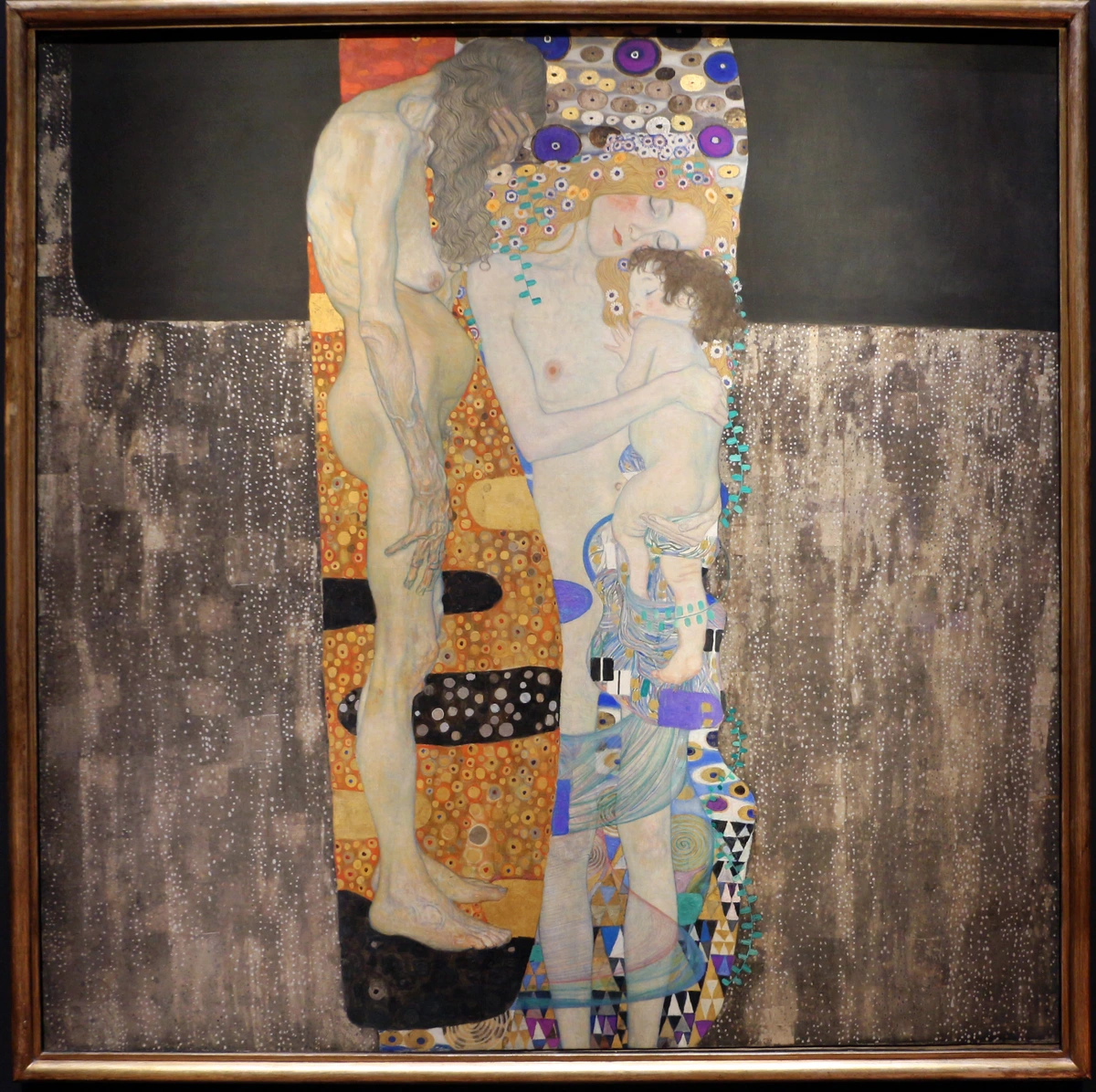
I find that once I sign a piece, I'm far less tempted to go back and fiddle with it. It's a psychological commitment that signals completion, transforming a work-in-progress into a finished statement. This act also signals its readiness for the world – whether for exhibition, sale on sites like [/buy], or simply to begin its own life in someone's home. How do you physically stop yourself from tweaking a finished piece? Varnish it. Once that final coat of varnish is on, it's a real pain to go back in. It's the artistic equivalent of putting a file in a locked cabinet. Another trick is to immediately start a new, exciting piece. Channel that creative energy forward, not backward. You could also document the process: take high-quality photos or even videos. This act of archiving can create a mental 'finality' for that specific stage of the artwork. Sometimes, I even frame it immediately – it's amazing how a frame can transform a piece and cement its completion. This is all part of [/finder/page/the-final-touches-that-complete-a-painting].
Beyond the Canvas: 'Finished' in Diverse Artistic Practices
The concept of 'finished' isn't confined to a single approach; each artistic medium brings its own set of characteristics that profoundly impact the decision-making process for declaring a work "finished." The choice of medium directly influences the conversation with your art and how you, as the artist, recognize its conclusion. This extends far beyond just painting: as I've worked in different mediums throughout my career, I've learned that the feeling of 'done' shifts with each one.
- Painting (Oils, Acrylics, Watercolors): With fast-drying acrylics, a quicker 'done' decision might be made due to their rapid setting time, often pushing artists towards more decisive strokes; the 'finished' point often aligns with the preservation of spontaneity, but the potential for over-smoothing due to quick drying can also be a trap. Slow-drying oils, by contrast, allow for weeks or even months of subtle layering, blending, and adjustments, demanding patience and a longer gestation period for completion; here, 'finished' often means achieving a rich depth and luminous quality, but overworking can easily lead to a muddy finish. Watercolors, with their unforgiving nature, often demand a decisive 'done' from the start, leaving less room for extensive reworking; 'finished' is often declared when the luminosity and freshness are still present, before overworking can muddy the delicate washes. The inherent permanence of initial marks necessitates a strong vision from the outset.
- Drawing (Graphite, Charcoal, Colored Pencils): The permanence of marks, especially with ink or heavy charcoal, often dictates an earlier 'finished' point, as erasing or altering can be difficult without compromising the paper's integrity. For charcoal, finish can involve the subtle layering of tones to achieve depth, but excessive smudging can flatten forms. Layering with colored pencils or graphite can allow for extensive refinement until the desired depth and texture are achieved, often with the artist looking for a 'fullness' of tone and detail, a sense of rich saturation, or a delicate whisper of form. The 'finished' drawing often balances precision with expressive mark-making.
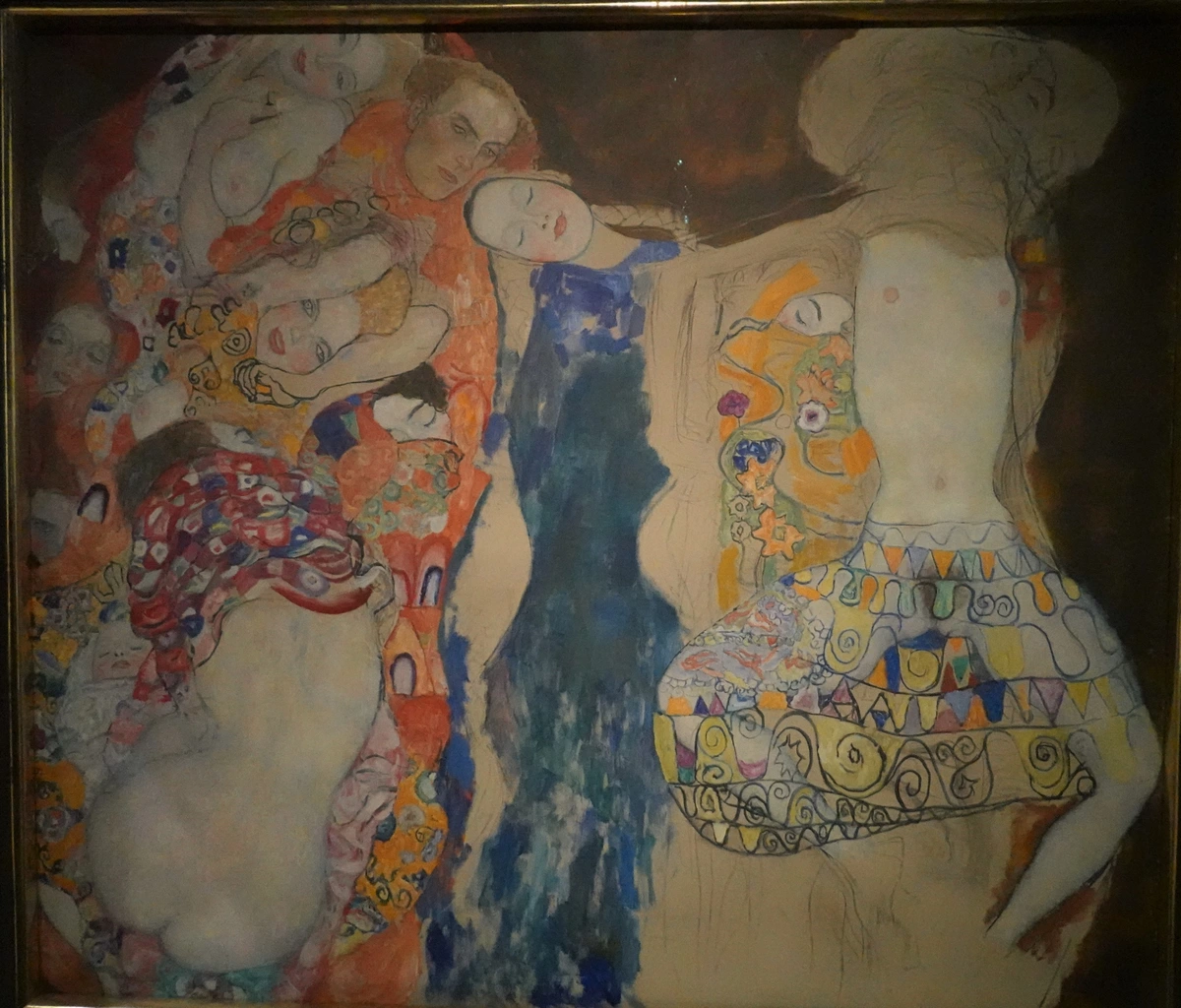
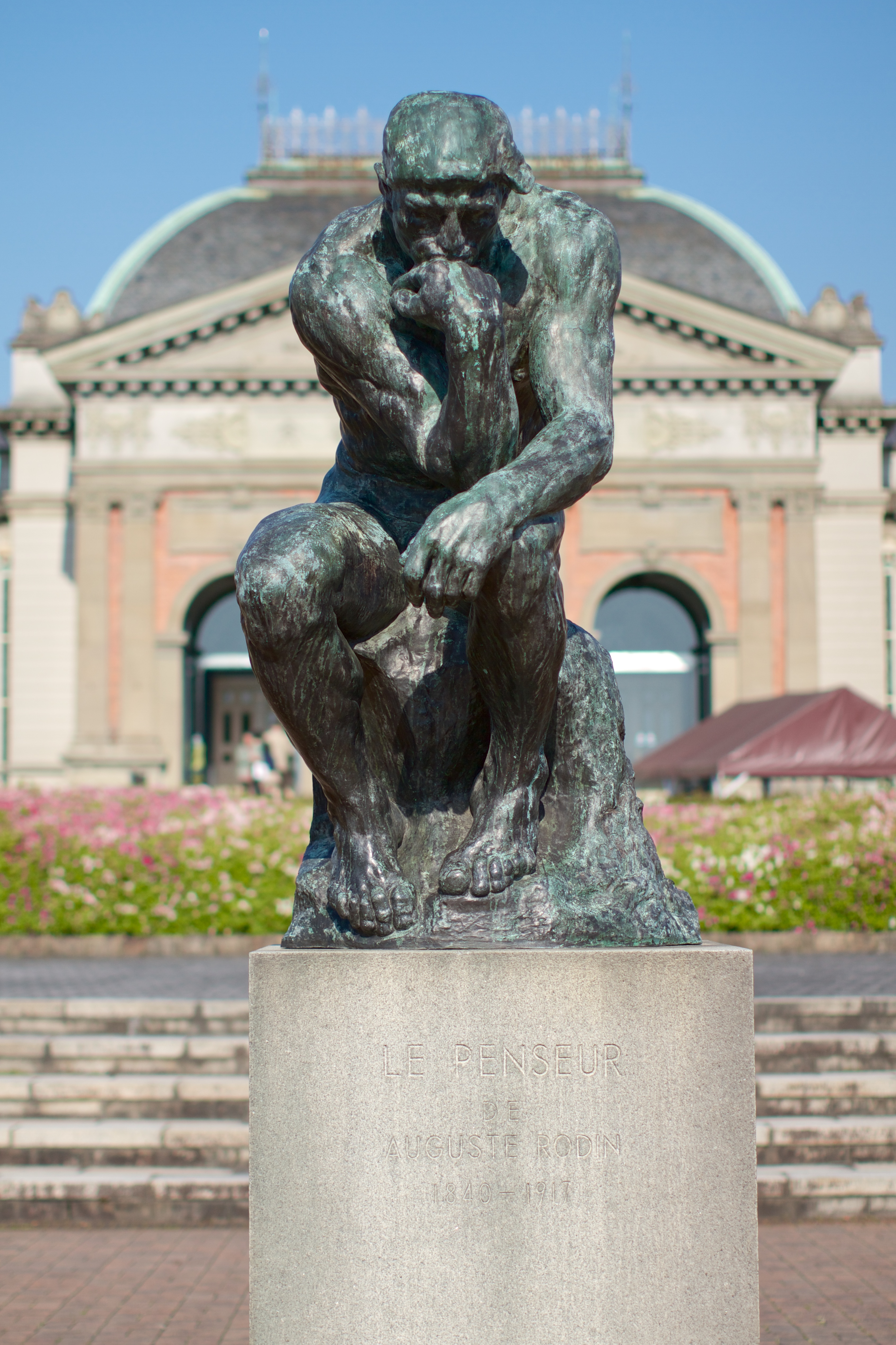
- Sculpture: The 'finished' state often depends on material limits (e.g., clay drying, stone carving tools) and the permanence desired. For a bronze sculpture like Rodin's The Thinker, 'finished' implied a casting that captured every nuance of the artist's original vision, including the choice of patination (chemical treatment to create a surface color) and surface treatment. The final patination is often the definitive 'finish' for metal pieces. Additive processes (like modeling clay) allow for continuous adjustments, while subtractive processes (like carving stone) demand decisive, irreversible marks. A temporary installation, however, might be 'finished' when its site-specific message is fully realized, even if ephemeral, its completion tied to its intended temporal existence. For ceramics, the firing process provides a definitive end, transforming malleable clay into a permanent form.
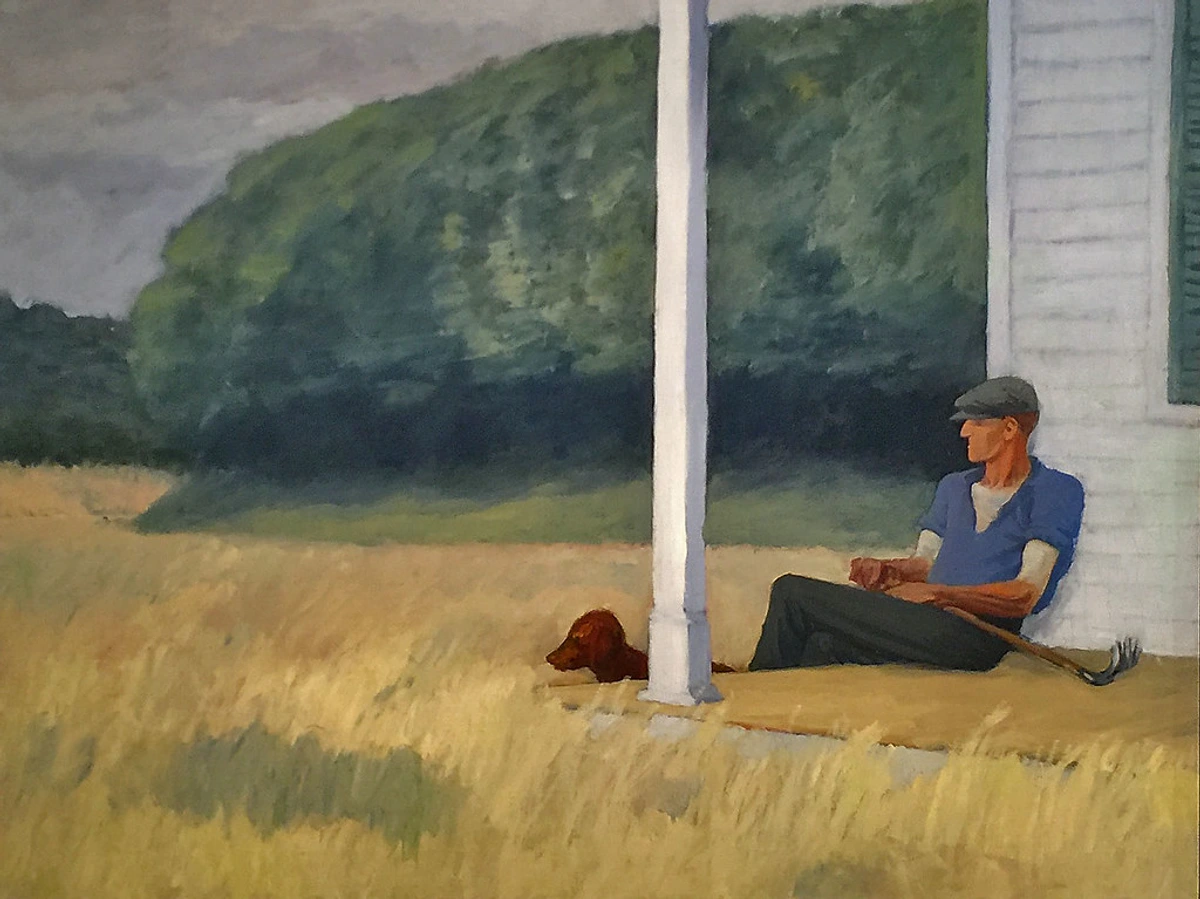
- Printmaking: The concept of editions and artist's proofs defines 'finished' here. Once the plate or block is deemed complete and a satisfactory proof is pulled, the artist decides on a limited edition, with each print within that edition being a 'finished' work. An artist's proof (AP) is often a more personal 'finished' version before the full edition is finalized. The declaration of 'finished' here relates to the reproducibility and consistency of the image, where the 'final' state of the matrix (plate, screen, block) marks the completion. A monoprint, by contrast, is a unique, one-off print, and its 'finished' state is akin to a painting.
- Photography: While the click of the shutter captures the moment, the 'finished' piece often involves significant darkroom processing or digital manipulation. The decision point shifts from capture to post-production, where endless tweaks are technically possible. This raises ethical questions about how much manipulation is too much, and when post-production becomes over-editing that detracts from the original artistic intent. The artist's subjective judgment of composition, lighting, and mood is paramount. The choice to 'flatten' layers or export a final image often signals completion, an acknowledgement that no further manipulation will enhance the captured vision.
- Digital Art: With infinite undo buttons and non-destructive editing, digital art presents a unique challenge. The temptation for endless tweaking is always present, making the artist's internal 'conversation' and external critique even more crucial to declare a piece finished. The constant availability of the 'undo' button can lead to a psychological paralysis, preventing artists from truly committing to a decision. Artists often employ version control by saving iterations as milestones, and the distinction between 'saving as' a working file (for potential future revisions) and 'exporting' a final, flattened image is often the technical marker of completion, forcing a declaration of finality onto an endlessly mutable medium. There's also the temptation to over-render or add excessive detail simply because it's technically possible.
- Mixed Media/Installation Art: Here, the concept of 'finished' can be extremely fluid. Layers might be added or removed, or the artwork itself might be designed to evolve over time, making the process the art, rather than a singular static object. For these, the artist might declare a 'finished' state for a specific exhibition or phase, knowing it could be reconfigured later. For example, an installation might be declared 'finished' when it achieves a specific narrative arc or emotional impact over a set duration, its completion intrinsically tied to its intended temporal or site-specific existence. The artist's statement is particularly vital here, clarifying the intended temporary or evolving nature of the work.
Knowing when to stop is less about technical limits and more about the artist's profound understanding of their chosen medium's capabilities and their own artistic intent within that framework. It's about recognizing when the medium has truly served the message.
The Business of 'Finished': Pricing, Presentation, and Preservation
Declaring a work "finished" isn't just an artistic decision; it's a crucial step in its journey from the studio to the wider art world. A resolved piece communicates confidence and professionalism, directly impacting its perceived value and readiness for exhibition or sale. It means you've put in the time for [/finder/page/the-final-touches-that-complete-a-painting] and understand [/finder/page/how-artists-convey-finality-in-painting]. Not declaring a piece finished can lead to significant opportunity cost, preventing you from moving on to new projects and potentially causing financial strain due to unsold inventory.
- Pricing & Marketability: Galleries and collectors typically seek works that feel complete and self-contained. An artist who consistently presents resolved pieces builds a reputation for professionalism and reliability. The "finished" state often informs the asking price, as it signifies a clear investment of artistic labor, vision, and intent. More importantly, the artist's confidence in a finished work allows them to price it assertively and professionally. While "unfinished" works or studies can sometimes be marketed as such, with a clear distinction, a perpetually evolving piece can be harder to value or sell. Your declaration of completion is a declaration of value.
- Presentation & Documentation: Once a work is declared finished, it's ready for high-quality documentation (photographs, videos) crucial for portfolios, websites, and gallery submissions; these high-resolution images are often the first impression for potential buyers. Professional framing, varnishing, or mounting become the final physical acts of presentation, solidifying its status as a complete entity. This framing is not just for protection, but a critical aesthetic choice that can enhance or detract from the artwork. This readiness for public display is a key aspect of completion, marking its transition from private creation to public artifact. For professional artists, documentation is a silent partner in the declaration of 'finished.' A well-organized artist's archive is also invaluable for future retrospectives or publications. For insurance purposes, clear documentation of finished works is also paramount.

- Conservation: From a conservation perspective, the 'finished' state defines the artwork's integrity for posterity. Conservators work to maintain the piece in its artist-intended final form, often referring to historical documentation or artist statements to understand the original intent. The choice of materials and techniques for a "finished" work directly impacts its longevity and preservation. Any future interventions are guided by this understanding of its 'finished' condition, ensuring the preservation of the artist's ultimate statement. The 'finished' state is, in essence, the blueprint for its enduring life.
The Echo in the Room: How Others Perceive 'Done'
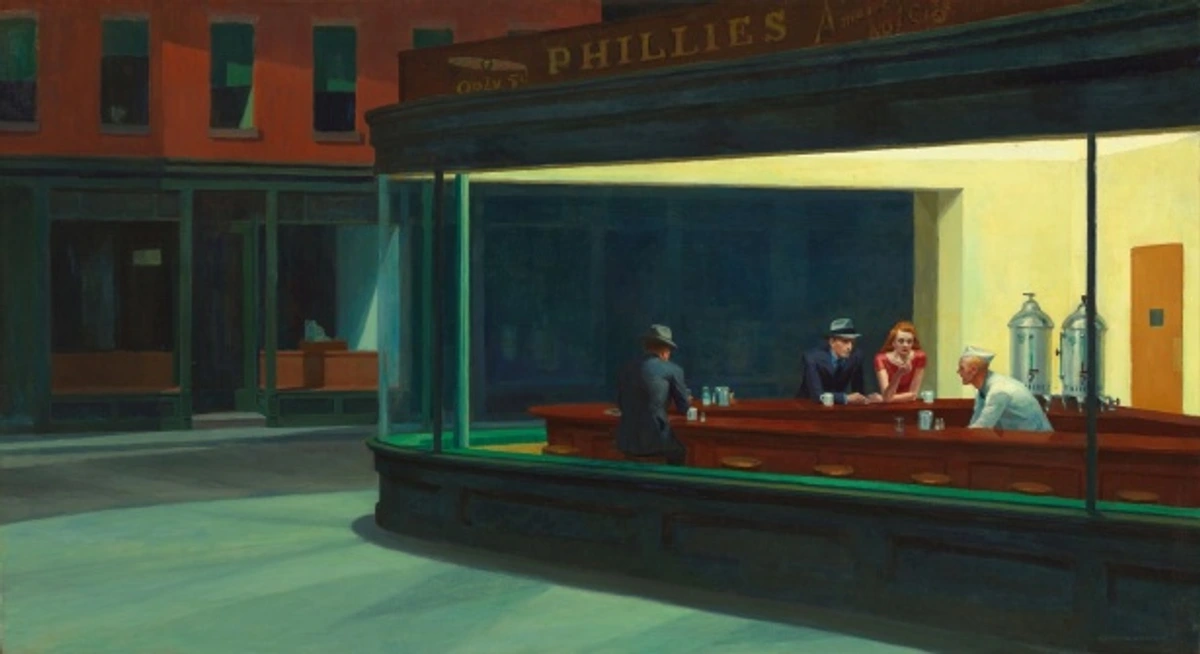
That's a fascinating perspective, isn't it? While your feeling of "done" is paramount, it's worth considering how others perceive it. For a collector or viewer, a painting feels 'finished' when it evokes a sense of visual resolution. They might look for several cues: the composition feels balanced, colors harmonize, the light and shadow create a convincing atmosphere, and there are no jarring elements that pull them out of the experience. Different viewers might prioritize different aspects of visual resolution – some focus on color harmony, others on precise drawing, still others on the emotional impact. Ultimately, they're looking for a piece that stands confidently on its own, a coherent statement that resonates with them. However, sometimes a piece can feel profoundly finished to the artist, yet leave a viewer feeling unsettled or unresolved, perhaps intentionally so. This intentional ambiguity is not a sign of an unresolved painting, but a deliberate choice that makes the work "finished" in its capacity to provoke thought, dialogue, or even disagreement among viewers. This can be a sign of a truly powerful, thought-provoking work.
It doesn't necessarily mean flawless technical execution, but rather that the artist's intent feels fully realized and compelling to their eye. This also extends to the emotional and intellectual resonance a work creates. Sometimes, a piece is 'finished' for a viewer not when it provides all answers, but when it poses compelling questions or leaves a lasting impression that encourages contemplation, much like Magritte's 'The Fifth Season.' The intentional ambiguity can, paradoxically, be the mark of a truly finished work for an engaged viewer, leading them through an emotional journey of interpretation. A "finished" artwork, in this sense, acts as a catalyst for ongoing engagement.
Frequently Asked Questions (FAQ)
Is it okay to go back to a "finished" painting months or years later?
Absolutely! There are no hard and fast rules in art. Some artists do, some don't. I personally try not to. I see each painting as a snapshot of who I was and what I knew at that moment in my [/timeline]. To change it later feels like trying to edit a diary entry from five years ago. I'd rather take what I've learned and apply it to the next piece. However, many masters, like Leonardo da Vinci (whose notebooks are legendary for their "unfinished" studies), famously revisited and refined works over decades. Ultimately, it's a personal choice. Your art, your rules! The real question is, what would such a revision add that the current version doesn't already say?
Does 'finished' mean perfect?
No, absolutely not! This is one of the biggest misconceptions. As we discussed, chasing "perfection" is often a psychological trap that leads to overworking. 'Finished' means resolved, cohesive, and that the artist's intent feels fully realized. It means the conversation between you and the canvas has reached a natural conclusion, not that every single detail is flawless or that there's no room for the viewer's interpretation. Embrace the life and character that minor imperfections can bring! A perfect painting is often a lifeless one. The true perfection is often in its vitality.
How does declaring a work 'finished' impact its marketability or exhibition readiness?
For many artists, declaring a work 'finished' is a crucial step towards its public life. It signals that the piece is ready for framing, high-quality documentation (essential for portfolios and sales), and inclusion in a collection or exhibition. A resolved work often communicates confidence and professionalism to galleries and collectors, significantly enhancing its perceived value. While some artists deliberately leave works open-ended or present them as 'studies,' a clear declaration of completion generally enhances its marketability and readiness for the art world. It shows you respect your own work enough to give it a definitive ending.
What if I feel a painting is finished, but others disagree?
This is incredibly common! Ultimately, your intent as the artist is paramount. While outside opinions can offer valuable perspective, the final declaration of "finished" rests with you. Differing opinions are normal, and a powerful piece can often spark diverse interpretations. Trust your own artistic judgment and conviction; it's your conversation with the canvas that matters most. A painting might be "finished" for you precisely because it achieves a specific effect that others might not immediately grasp.
Are 'studies' or 'sketches' considered finished works?
Generally, no. Studies and sketches are typically developmental stages, explorations of ideas, compositions, or techniques. However, some artists intentionally create highly resolved studies that can stand alone as complete works, especially if the intent is to capture a specific impression or idea in its raw form. The key differentiator is the artist's clear intent: was it created as an end in itself, or as a stepping stone to a larger piece?
How do I know if my painting is overworked?
Look for the common pitfalls of overworking that we discussed earlier: colors becoming muddy, loss of initial energy, a dull flatness, or simply "pushing paint around" without clear intent. When you find yourself adding tiny, meaningless details out of anxiety rather than genuine creative impulse, that's a strong sign. Also, run through the "Practical Sanity Check" questions – if several points consistently feel off, you might have gone too far.







The Final Thought is a Feeling of Peace
In the end, knowing when a painting is finished comes down to a feeling of peace. It's a quiet satisfaction, a deep sigh of relief. The struggle is over, the questions have been answered, and the painting is now its own entity. It no longer needs you. It’s a bittersweet moment, really. It's the end of a creative partnership with this piece, a moment of both liberation and a slight melancholy of saying goodbye. But it's also the beginning of the painting's own life, and for you, it's the beautiful, exciting signal that it's time to face the most wonderful thing in an artist's life: a fresh, blank canvas. And when you feel your own finished works are ready for their next conversation with the world, you might find inspiration for them here on Zenmuseum.com or even consider showcasing them on [/buy]. What's your most profound realization about 'finished' art? I'd love to hear your stories and insights in the comments below!