Reclaiming Herstory: The Enduring Legacy of Revolutionary Female Impressionists
Uncover the profound impact of revolutionary female Impressionists like Cassatt, Morisot, Gonzalès, and Bracquemond. Explore how they bravely defied 19th-century societal barriers, pioneered unique artistic techniques, and elevated intimate domestic life to the realm of high art, irrevocably reshaping art history's narrative and paving the way for future generations.

Reclaiming Herstory: The Enduring Legacy of Revolutionary Female Impressionists
When I walk through a gallery filled with Impressionist masterpieces, I often find myself doing a mental roll call. Monet, Renoir, Degas... but then a question inevitably forms in my mind, a subtle discord in the symphony of colors and light: where were the women? It often feels like history has played a magnificent score with several crucial instruments muted, a narrative told predominantly from a singular, often male, perspective. But what if I told you that the audacious, revolutionary spirit of Impressionism resonated just as powerfully, if not more subtly, in the groundbreaking works of women who, against formidable societal headwinds, meticulously carved out their own artistic paths? This isn't just a re-evaluation; it's a comprehensive unveiling, revealing that their 'private' world was, in fact, the very forge of a quiet, profound revolution, subtly challenging the established norms of what art should be. I've come to understand that the prevailing historical account of Impressionism isn't just incomplete; it regrettably diminishes, and at times actively obscures, the foundational contributions of profoundly dedicated and professional female artists. These women were never peripheral; they were the very warp and weft (the essential threads that give strength and texture) of the movement, deftly navigating a world that systematically sought to bar them from formal artistic training and severely curtailed the very subjects considered 'appropriate' for their canvases. Yet, with an unwavering resolve that I find truly inspiring, they persevered, creating some of the most emotionally resonant and technically dazzling works of their epoch. This article aims to comprehensively unveil these often-overlooked pioneers, celebrating their unique visions and enduring impact. Let’s peel back the layers of history and truly behold the women who were not just present at the birth of Impressionism, but who actively and irrevocably shaped its enduring legacy.
The Context of Rebellion: A Shifting Art World
Before we even dive into the incredible women themselves, it’s vital to grasp the tumultuous art world they were trying to navigate. I find it fascinating to consider that the very ground for Impressionism’s rebellion was paved years before the movement officially coalesced. For instance, the Realist movement, championed by figures like Gustave Courbet, had already begun to challenge academic art's grand narratives by focusing on everyday life, grounding painting in the observable world. This shift, in its own way, laid crucial groundwork for Impressionism's later embrace of contemporary subjects. The Salon des Refusés in 1863, for instance, had already sent shockwaves through the established art world. This pivotal event, featuring works rejected by the official Salon (the traditional, state-sponsored exhibition), legitimized the radical idea of independent exhibitions. It was, in a way, art’s first major act of collective defiance, and it indirectly benefited women by opening up a more fluid, albeit still challenging, landscape for showcasing art outside the traditional, gatekept system. It told artists, 'Hey, there are other ways to be seen,' a message that undoubtedly resonated with those systematically excluded. Though it offered new visibility, it’s important to remember that women's participation and critical reception even in these alternative spaces often remained constrained by prevailing societal biases.
The Unseen Canvas: Navigating a Woman's World in 19th-Century Art
Imagine, if you will, the palpable excitement of Paris in the late 19th century—a city teeming with artistic innovation, brimming with talent, and an almost burning desire to capture the fleeting beauty of the world around you. Now, amplify that challenge a thousandfold by imagining you are a woman. You are confronted with systemic barriers that would make even the most resolute artist falter. It's truly a testament to their unwavering spirit that they didn't just survive but thrived.
Formal Training Denied: The Bedrock Barrier
Imagine being an aspiring artist today, and the most prestigious institutions, the very heart of foundational training, are simply closed off to you because of your gender. This was the stark reality for most 19th-century women. They were largely barred from prestigious art academies such as the École des Beaux-Arts. What's more, and I think this is absolutely critical, this meant being denied access to life-drawing classes, especially those involving nude models. These classes were considered the absolute bedrock of academic art, teaching anatomy, proportion, and the mastery of the human form – skills male artists took for granted. Without this foundational training, how do you truly develop a comprehensive craft? It’s almost unthinkable. Many female artists, with an inspiring ingenuity, instead relied on private tutors (often sympathetic male artists or older female mentors), family connections, or less formal, often all-female, art schools like the Académie Julian or Académie Colarossi, to hone their skills. They studied from plaster casts, meticulously rendered still lifes, and focused intensely on portraiture. This absence of direct nude study, I believe, inherently pushed them towards developing a unique sensibility, one that emphasized light, textile, and the subtle gestures of domestic life over strict anatomical precision, inadvertently fostering a distinct stylistic approach that would become their strength.
Navigating Public and Private Spheres
Could you imagine being an artist today and being told entire swathes of modern life were off-limits? These women were largely excluded from the very public spaces that fueled many male Impressionists’ canvases: the bustling cafés, the lively dance halls, the vibrant boulevards, and even the gritty underbelly of urban life. These environments were deemed inappropriate for 'respectable' women, severely limiting the modern subjects they were "allowed" to observe and depict. This fundamentally shaped their artistic perspective, pushing them to find profound meaning in what was accessible. While male artists explored the anonymity and energy of urban life, women had to find different avenues for capturing modernity. And even if they did manage to venture out, social convention often dictated they do so with a chaperone, transforming spontaneous plein air painting (painting outdoors, directly from nature) from a free artistic endeavor into a logistical and often awkward challenge. Imagine lugging your easel, paints, and canvas across Parisian cobblestones, with your watchful aunt or governess in tow, attracting stares and whispered judgments simply for trying to capture a sun-dappled garden scene. The sheer impropriety of a woman alone with an easel in public was enough to deter many, making the act of painting outdoors, for some, an act of quiet defiance and for others, a carefully orchestrated event, often relegated to private gardens or family estates. This significantly impacted their ability to capture truly candid, unobserved moments of public life. It's a logistical nightmare, frankly, and makes me wonder how much sheer willpower was required just to set up an easel!
Dismissal as a 'Hobby': The Battle for Professional Identity
To top it all off, your artistic aspirations are frequently relegated to the realm of a 'feminine hobby,' suitable only for polite domestic scenes, rather than being recognized as a serious, professional artistic pursuit. I can almost hear the condescending remarks. While their male counterparts were almost automatically presumed to be pursuing a career, women had to constantly justify their commitment. This pervasive skepticism undermined their professional credibility at every turn, making it harder to secure lucrative commissions, gallery representation, and financial independence. It forced them to fight for recognition in a way their male counterparts rarely had to. It wasn't just a dismissal of their seriousness; it was an active devaluing of their intellectual and creative contributions, subtly (or not so subtly) pushing them away from the vibrant, male-dominated art market and critical discourse.
These were not minor hurdles; they were entrenched, systemic barriers designed to keep women from fully participating in the professional art world. It’s hardly surprising, then, that their artistic output often gravitated towards the domestic sphere—intimate interiors, serene gardens, sensitive portraits of family, and the profound bond between mothers and children. But here’s the crucial, revolutionary twist that I find so compelling: these women didn't just passively accept these limitations. They fiercely transformed them into a unique artistic strength. They elevated the private, often-overlooked world of women and children to a realm of profound artistic inquiry, forcing a re-evaluation of what constituted 'high art' and proving that everyday life, observed with keen insight, was a powerful and worthy subject. This, in itself, was a proto-feminist act (an early form of feminist thinking or activism), laying the groundwork for later feminist art that would champion personal narratives and domesticity as central artistic themes, implicitly critiquing the traditional male gaze that had dominated art history.
The Artistic Toolkit: Materials, Methods, and Innovation
Even the artistic toolkit, while seemingly neutral, presented subtle challenges and opportunities. Artists in this era eagerly adopted innovations like pre-mixed paints in tubes, which were revolutionary for plein air excursions (painting outdoors, directly from nature) and a more spontaneous approach. Portable easels were becoming common, too. For women, while these tools were generally available, the more rigorous academic training that taught male artists to master large-scale canvases or complex historical narratives was often denied. Societal expectations also played a role; monumental works were often associated with grand public commissions, deemed 'unfeminine' or overly ambitious for women. This push towards smaller, more intimate formats and mediums like pastels and printmaking speaks volumes about their adaptability and ingenuity. These mediums were not only less physically demanding than large oil paintings but also more easily managed in private studios or limited spaces, bypassing the need for grand public display and the logistical challenges associated with it. It’s a powerful example of transforming constraint into innovative artistic choices. Think about it: a small, portable pastel set or a printmaking plate could be a private studio on the go, a quiet rebellion against the grand pronouncements of academic oil painting.
Global Inspiration: Japonisme and the Photographic Eye
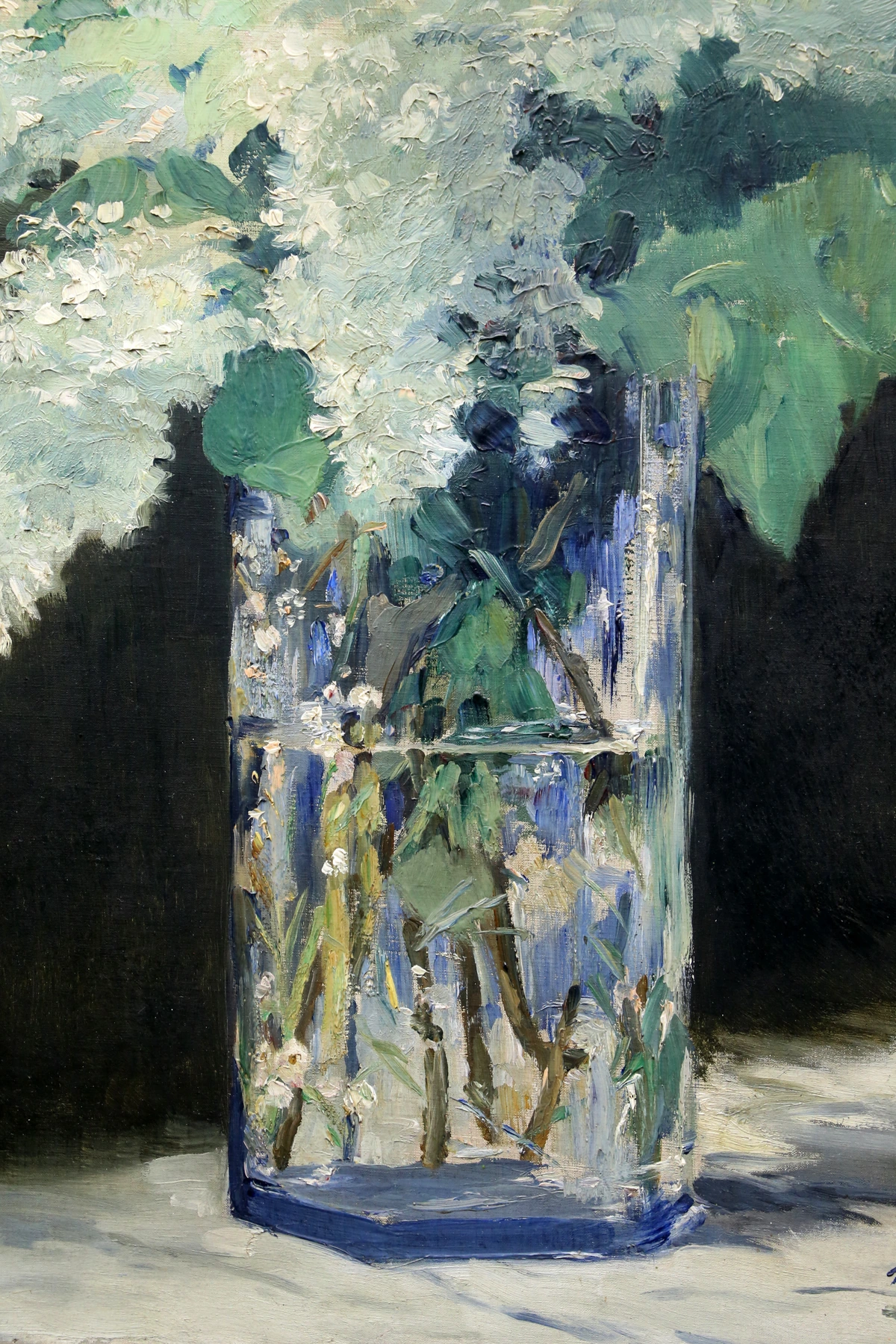
Adding further context to this burgeoning art scene, and a significant influence that many Impressionists, including the women, embraced, was Japonisme – the widespread fascination with Japanese art, particularly woodblock prints. These prints offered a breath of fresh air, providing novel compositional ideas: asymmetrical arrangements, elevated viewpoints, simplified forms, and radically cropped compositions. I can only imagine how liberating this was for artists seeking to break free from traditional Western artistic conventions. For female artists, who were often denied access to the traditional training that emphasized classical composition and perspective, Japonisme offered a new visual language they could readily adopt and adapt. It provided alternative avenues for innovation and expression, encouraging experimentation with bold outlines, flattened spaces, and cropped compositions that profoundly influenced their unique stylistic development, particularly in portraying domestic scenes with fresh vitality and a sense of immediacy. Consider how elements of Japonisme, like heightened linearity and unconventional viewpoints, could be particularly powerful when depicting the intimate, sometimes claustrophobic, domestic spaces traditionally assigned to women. For example, a child seen from a high angle, or a figure cropped by a doorway, transforms a mundane interior into an avant-garde composition, infusing it with fresh, dynamic flair. It's truly ingenious.
Similarly, the emerging art of photography also subtly influenced their approach. The candid, often unposed quality of early photographs, with their sometimes accidental cropping and immediate capture of a moment, echoed the Impressionist desire to freeze a fleeting instant. This wasn't about meticulous, drawn-out sittings; it was about capturing life as it happened, a 'snapshot' sensibility that resonated deeply, particularly with artists observing everyday life and its subtle, unposed beauty.

The Systemic Divide: Male vs. Female Impressionists
To really understand the full scope of their achievement, it's crucial to acknowledge the different playing fields male and female artists operated on. Below, I've outlined the stark differences in experience that shaped the careers of male and female artists in the Impressionist era. It's a powerful reminder of the hidden obstacles many had to overcome, and why their success was, in many ways, a double triumph.
Barrier Category  | For Male Artists | For Female Artists | Impact on Women Artists |
|---|---|---|---|
| Formal Training | Access to top academies (e.g., École des Beaux-Arts), life drawing with nude models essential for academic mastery. | Largely excluded from top academies and essential life-drawing classes, hindering mastery of foundational human anatomy and proportion. | Limited foundational skills in traditional academic subjects; instead fostered innovative self-directed learning and unique stylistic development, emphasizing light, color, and emotional resonance over strict anatomical accuracy. |
| Subject Matter | Freedom to depict public life (cafés, brothels, battlefields), diverse social strata. | Confined mostly to domestic scenes, portraits, landscapes, and polite social gatherings. | Developed unique perspectives on intimacy and everyday life, elevating the private sphere to 'high art' status; this choice was a revolutionary critique of traditional art hierarchies, demonstrating profound depth in seemingly ordinary moments. |
| Public Sphere | Unrestricted access to public spaces for observation and networking, allowing for candid depictions of modern urban life. | Restricted access, often requiring chaperones, limiting independent exploration and observation of public modernity. | Nurtured a focus on interiority, personal relationships, and accessible natural environments like gardens; transformed limitations into a signature strength, influencing thematic depth and pushing innovation in capturing subtle emotions and familial bonds. |
| Professional Path | Accepted as a viable, respected career, easier gallery representation, access to lucrative commissions, and male-dominated art circles. | Often seen as a 'hobby,' facing skepticism, difficulty in establishing credibility, securing commissions, and market access due to pervasive gender bias. | Required immense perseverance, often relied on private sales or supportive networks; professional recognition was an uphill battle, often achieved despite, rather than with, institutional support. Many found success through independent exhibitions rather than the traditional Salon. |
| Market & Critics | Easier access to dealers, patrons, and more serious critical attention, often from male critics who understood their 'masculine' subjects. | Struggled for recognition, often patronized or relegated to 'women's art,' less commercial opportunity, and critical dismissal of their domestic subjects. | Delayed or obscured recognition, making lasting careers harder to sustain and often leading to re-evaluation much later. Works were sometimes misattributed or overshadowed by male artists in auction records for decades, though many actively built their own networks of patrons and defied prejudiced reception. |
This table, I think, paints a pretty vivid picture. It’s not about diminishing the achievements of male Impressionists, but about fully appreciating the sheer grit, ingenuity, and talent required for their female counterparts to not just participate, but to leave an indelible mark on art history against such formidable odds. Their canvases, in a very real sense, became a quiet battleground for gender equality in art, pushing boundaries not just in style but in what art could be about and who could create it professionally.
The Core Four: Pillars of Female Impressionism
These systemic barriers notwithstanding, a select group of women not only persevered but thrived, becoming the veritable pillars of female Impressionism. While the broader Impressionist circle brimmed with fascinating individuals, four women, in particular, solidified truly indispensable legacies through their audacious innovation, unyielding dedication, and the sheer, breathtaking quality of their work. I’ve always thought of them as the irreplaceable quartet, each contributing a distinct voice and a powerful story to the ever-expanding canvas of art history. Their inclusion in the narrative today often represents a modern re-evaluation, bringing their historically obscured contributions firmly into the light. These women—Mary Cassatt, Berthe Morisot, Eva Gonzalès, and Marie Bracquemond—demonstrated that professional commitment and groundbreaking talent were not exclusive to one gender, despite pervasive societal pressures.
Mary Cassatt: The American in Paris
What's consistently striking about Mary Cassatt's work is her ability to unearth the profound authenticity of human connection. This remarkable American, who purposefully chose Paris as her artistic crucible, swiftly became a central figure within the Impressionist movement. What I find consistently moving about Cassatt is her resolute refusal to be confined by the restrictive expectations of her era. When her friend, the revered Edgar Degas, extended an invitation for her to exhibit with the Impressionists, I imagine it wasn't just an exhibition space she found, but a true spiritual and artistic sanctuary—a moment of exhilarating validation. For more on her life, see our mary-cassatt-biography.
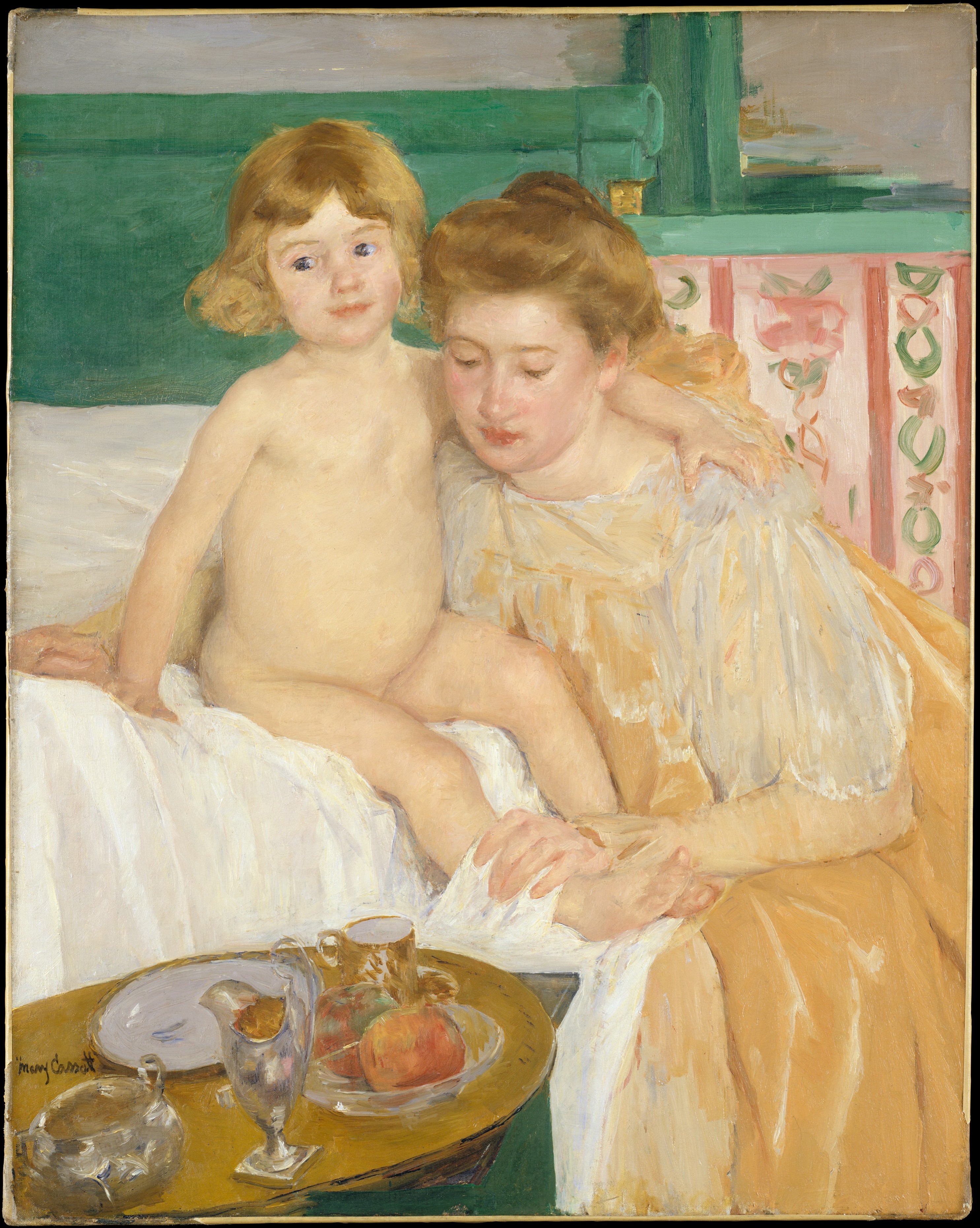
Cassatt is, quite rightly, celebrated for her incredibly intimate yet unsentimental portrayals of the lives of women and children. She didn't merely dabble in 'sweet' domestic scenes; she was, I believe, a profound psychologist wielding a paintbrush, elevating the often-overlooked private world of women and the deeply complex bond between mother and child to the hallowed realm of high art. This focus, born partly from necessity due to limited access to public spaces, became her artistic superpower. Take, for instance, her painting Mother and Child (Baby Getting Up from His Nap). The way she captures the tender interaction, the child’s burgeoning awareness, and the mother’s gentle embrace reveals an extraordinary psychological depth and raw emotion that is, frankly, breathtaking. You don't just see the figures; you almost feel the texture of their love and daily existence, a quiet poetry of the everyday. Beyond her canvases, her mastery of printmaking, particularly drypoint (an intaglio printmaking technique where a sharp pointed tool or 'needle' is used to incise a line into a copper plate, creating a burr that holds ink and produces a soft, velvety line) and aquatint (an intaglio printmaking technique that creates tonal areas rather than lines, by using powdered resin to resist acid on a metal plate, producing effects similar to watercolor washes), offered a novel way to explore these intimate scenes. These graphic mediums, requiring less monumental studio space and allowing for a more focused, private engagement, perfectly suited her preferred subjects. The fine, velvety lines of drypoint and the delicate tonal washes of aquatint allowed her to capture subtleties of emotion and texture that perfectly suited her subjects, showcasing her technical versatility and command of different mediums. She employed innovative cropping and flattened perspectives, often strikingly reminiscent of Japanese ukiyo-e prints, in her groundbreaking series of color prints, further pushing Impressionist boundaries in composition and psychological nuance. This astute observation of life, often influenced by the emerging art of photography with its candid, cropped compositions, allowed her to achieve a remarkable sense of immediacy and truth.
Beyond her artistic creations, Cassatt was exceptionally instrumental in transplanting the seed of Impressionism to the fertile ground of the United States. She acted as a shrewd advisor and discerning curator, guiding wealthy American friends, notably collectors like Louisine Havemeyer and others such as the Potter Palmers, on astute art collecting, thereby profoundly shaping the nascent perception of modern art across the Atlantic. Her influence extended to inspiring a generation of American women artists who saw in her a model of professional success. Her story is one of unwavering dedication, formidable talent, and significant cultural influence. If her unique perspective intrigues you as much as it does me, we have an even more in-depth ultimate guide to Mary Cassatt available for further exploration, and her pioneering printmaking certainly deserves a closer look.
Key Facts about Mary Cassatt | Detail | Significance to Impressionism |
|---|---|---|
| Nationality | American (born in Allegheny City, Pennsylvania) | Bridged American and European art worlds, influential in bringing Impressionism to the U.S. and shaping American taste for modern art through her astute guidance of collectors; a vital ambassador for the movement. |
| Active Years | 1868-1915 | Maintained a long, productive career despite societal barriers and actively participated in the Impressionist movement for decades, demonstrating lasting professional commitment and evolving her unique style. |
| Known For | Intimate portrayals of mothers and children, domestic scenes, elevating the female sphere, exceptional printmaking (drypoint, aquatint) often incorporating Japonisme. | Redefined 'acceptable' subject matter for women, injecting profound psychological depth into everyday life; her printmaking mastery was groundbreaking, incorporating Japonisme influences through innovative cropping and flattened perspectives, expanding Impressionist techniques and themes. |
| Associated With | Edgar Degas (mentor and friend), Parisian Impressionists. | Only American artist to officially exhibit with the core Impressionist group, a central figure in their circle and critical to their American exposure; challenged Degas artistically and served as a crucial American link, actively shaping the movement's public face. |
| Commercial Success | Despite coming from a wealthy family, she was a professional who actively sold her work and curated collections for others, cultivating a strong network of patrons. | Her ability to navigate the art market and secure sales underscores her professional status and economic independence as a woman artist, dispelling the notion of art as merely a hobby. Her success helped legitimize women's professional careers. |
| Fun Fact | She was one of only three women, and the sole American, to officially exhibit with the Impressionists in Paris, participating in four crucial exhibitions. | Underscores her unique position and the significant challenges she overcame for recognition within a male-dominated movement, highlighting her professional stature and influence on the movement's public face. |
Berthe Morisot: The Luminous Heart of the Movement
If you ask me to picture the quintessential Impressionist spirit – luminous, spontaneous, effortlessly elegant – it’s Berthe Morisot who often comes to mind. She was there from the outset, a consistent, unyielding presence, exhibiting in all but one of the foundational Impressionist exhibitions. Her commitment was simply unwavering, a powerful testament to her profound belief in the movement's radical ideals. Morisot's work is alive with flickering light, characterized by delicate yet utterly confident brushstrokes, and imbued with an almost tangible sense of immediacy. She possessed an uncanny ability to make the fleeting moment feel eternally captured. Despite the societal inclination to view her art as a genteel pastime, Morisot's consistent exhibition record and the profound emotional resonance of her work firmly established her as a serious, professional artist. She was, quite simply, a titan among famous female painters.
Morisot was a true virtuoso of plein air painting, demonstrating an exquisite adeptness at capturing ephemeral moments in sun-drenched gardens, tranquil parks, and by the shimmering, reflective sea. While many of her male colleagues ventured into the public spectacle of café scenes or the energy of dance halls, Morisot, perhaps by necessity but certainly by revolutionary choice, turned her discerning eye to her own intimately accessible world—the domestic sphere. She didn’t just paint what she knew; she transformed it, revealing its profound vibrancy, delicate beauty, and often-underestimated importance, establishing a counter-narrative to the prevailing male gaze. Her brushwork, often described as feathery, translucent, or 'transparent,' almost seems to breathe with the light she captured, dissolving forms into atmospheric beauty and translating observed reality into shimmering compositions. Her landscapes and portraits of women and children resonate with an authentic tenderness and quiet power that feels deeply personal and, frankly, unmatched. Consider her work The Cradle (1872), where she depicts her sister Edma watching over her sleeping infant. The soft, airy brushwork and the gentle light perfectly encapsulate the intimacy and quiet devotion of motherhood, a theme she returned to with unparalleled grace, demonstrating how profound art could be made from the most intimate of subjects. This work alone speaks volumes about the emotional depth female Impressionist painters brought to the movement.
Her marriage to Eugène Manet, the brother of the celebrated Édouard Manet, strategically placed her at the very epicenter of the Parisian avant-garde (the cutting edge of new artistic developments). She was more than just an artist; she was a gracious host, a trusted confidante, and a crucial social connector within the Impressionist group, fostering invaluable intellectual and artistic exchange through her salon gatherings and active participation in discussions. Édouard Manet himself was an admirer and patron, sometimes responding to her artistic innovations in his own work, highlighting their mutual artistic exchange. Her consistent exhibition record and shrewd salesmanship, supported by a network of collectors (including a significant number of women patrons), meant her professional standing was undeniable. Her expansive body of work stands as a powerful, luminous testament to the enduring idea that everyday life, when observed with such piercing insight and rendered with such delicate mastery, is a profoundly worthy subject for truly enduring art. She didn't just capture life's quiet poetry; she painted it into existence, challenging the very definition of what-is-impressionism-art-movement.
Berthe Morisot: Key Artistic Traits | Description | Impact on Impressionism |
|---|---|---|
| Signature Style | Luminous palettes, delicate yet confident brushwork (often described as feathery or transparent), capturing fleeting moments and natural light with remarkable spontaneity. | Defined a uniquely feminine approach to Impressionism, emphasizing subtlety, atmosphere, and the shimmering quality of light, expanding its stylistic range and emotional depth. Her delicate touch brought new nuance to the movement's focus on optical effects and intimate observation. |
| Preferred Subjects | Domestic scenes, gardens, landscapes, portraits of women and children, especially those of her family and intimate circle, imbued with psychological depth and gentle realism. | Elevated the intimate sphere into 'high art,' providing a vital counterbalance to male-dominated urban scenes and broadening Impressionism's thematic scope; her focus on interiority was revolutionary and quietly proto-feminist, validating women's lived experiences as profound artistic statements. |
| Innovation | Masterful use of natural light and plein air techniques, translating observed reality into shimmering, emotionally resonant compositions with a distinct atmospheric quality and a remarkable sense of spontaneity. | Demonstrated the versatility and emotional depth achievable within the Impressionist aesthetic, particularly in capturing the nuances of light and tenderness in seemingly ordinary moments. Her ability to suggest rather than define forms contributed significantly to the movement's aesthetic and expanded its emotional vocabulary. |
| Exhibition Record | Exhibited in seven of the eight Impressionist exhibitions, a consistent presence from the movement's inception, showcasing unwavering commitment and belief in independent exhibition. | Showed unwavering commitment and helped solidify the Impressionist movement's identity and legitimacy; a truly foundational member whose consistent contributions were recognized and respected by peers, proving women's integral and professional role. |
| Influence & Commercial Success | Provided a crucial, respected female perspective, enriching the movement's thematic and stylistic scope; a commercially successful and critically acclaimed artist in her own right, with an established network of patrons. | Her consistent quality and innovation made her an undeniable force, influencing peers (like Édouard Manet, her brother-in-law) and future generations, proving that a woman could achieve both artistic and commercial success while maintaining a unique artistic vision. |
Eva Gonzalès: A Brilliant Spark Tragically Extinguished
It's difficult for me to reflect on Eva Gonzalès without feeling a deep sense of loss for the artistic potential tragically extinguished. She holds the unique distinction of being Édouard Manet's only formal student, and her innate talent was, by all accounts, immediately recognized and prodigious. Early in her career, her style unmistakably echoed her teacher's characteristic bold realism and striking contrasts, employing a darker palette and more defined lines. However, it's the artistic evolution she was rapidly undergoing—her emerging softer, more delicate touch and increasingly loose brushwork, subtly infused with Impressionist ideals—that makes her story so incredibly poignant. Her career, and indeed her life, was tragically abbreviated at the tender age of just 34 years old due to complications of childbirth, a mere few days after her beloved mentor Manet himself passed away. It makes one genuinely ponder the masterpieces and new directions we lost.

Unlike Cassatt and Morisot, Gonzalès deliberately chose not to officially exhibit with the independent Impressionist group, opting instead for the more traditional, state-sanctioned route of the official Paris Salon. For her, this was a strategic decision to gain legitimacy and recognition within the established art world, believing that success there would grant her a more respected professional standing than the then-radical Impressionist exhibitions. Because of this strategic decision, she is sometimes, quite unfairly I believe, marginalized or even excluded from the core conversation about Impressionism. And honestly, that’s a huge mistake. Her body of work, particularly in its astute focus on capturing modern Parisian life and its progressively lighter palette and looser brushwork, unequivocally demonstrates the profound influence of Impressionist ideas. You can see this evolution clearly in works like The Laundress (1879-80) or The Muff (1875), where her earlier, bolder Manet-esque lines begin to soften, yielding to a more delicate palette and a brushwork that dissolved forms into atmospheric light, truly embracing Impressionist principles. Her canvas A Box at the Théâtre des Italiens (1874) perfectly illustrates her acute eye for contemporary society and her growing embrace of fleeting light and movement, a quintessential Impressionist theme. Her untimely death deprived the art world of a rapidly maturing talent who was unquestionably on the cusp of defining her own formidable and unique artistic legacy. I often find myself contemplating the truly extraordinary achievements she might have realized had she simply been granted more time.
Marie Bracquemond: The Undervalued Genius
Of the 'grandes dames' of Impressionism, Marie Bracquemond is arguably the one whose light was most unjustly dimmed, a fact I find particularly frustrating. Yet, her genius was certainly not overlooked by her discerning contemporaries. The highly respected critic Gustave Geffroy, for instance, boldly and unequivocally declared her one of the 'trois grandes dames' of Impressionism, placing her esteemed work directly alongside that of Cassatt and Morisot, praising her dazzling command of color and light, especially in her remarkable outdoor scenes. She was a professional artist of immense skill, despite the pervasive societal notion that women’s art was merely a 'hobby'. Her work embodies the spirit of famous impressionist artists.
However, the darkest cloud that overshadowed and ultimately curtailed her artistic journey was cast by her husband, Félix Bracquemond, who was also an artist himself. Sadly, and infuriatingly, he was consumed by jealousy of her superior talent and openly, often harshly, critical of the nascent Impressionist style she passionately embraced. He would, for example, frequently dismiss her vibrant brushstrokes as 'too wild' or 'unfeminine,' and actively discourage her participation in the independent exhibitions. Was it her innovative color palette, her loose, vibrant brushwork, or simply the threat of a woman's artistic success surpassing his own? It seems it was a destructive combination of professional rivalry fueled by personal insecurity, manifesting as active and persistent discouragement. I can only imagine the toll this took. In a truly tragic turn for art history, she eventually, and heartbreakingly, gave up painting almost entirely in the 1890s to mitigate the incessant conflict and tension within her home. This magnificent triptych, Three Women with Umbrellas (c. 1880), with its vibrant color harmonies, dynamic interplay of light and shadow, and sophisticated composition, hints at a formidable artistic vision. Its luminous outdoor setting and exquisite capture of natural light exemplify the very best of Impressionist principles. Her ability to render changing light and atmospheric effects with such precision and vibrancy was truly exceptional, making her outdoor scenes resonate with an almost palpable energy. I often imagine what an entire career of such monumental, luminous outdoor scenes would have contributed, had she been allowed to flourish. It remains a poignant and infuriating example of the profound personal barriers, often domestic, that many famous female painters were forced to confront. What precious fragments we are left with of her work are vibrant, radiant snapshots that reveal a brilliant artist at the absolute zenith of her powers, a powerful, albeit tragic, testament to what might have been. Her story is a stark reminder of how much art history we may have lost due to societal and personal oppression.
Beyond the Core Four: Other Influential Female Impressionists
While Cassatt, Morisot, Gonzalès, and Bracquemond rightfully stand as central figures, I believe it's vital to remember that the landscape of female Impressionism was far richer and more diverse than often acknowledged. Think of it as a constellation, with many other bright stars contributing their unique light. After focusing on the celebrated quartet, let's cast our gaze wider to appreciate the many other talented female Impressionist painters who were active, contributing their unique visions to the movement. These artists, often operating slightly outside the most celebrated Parisian circles, nonetheless played crucial roles in expanding Impressionism's reach and thematic depth. Their stories further underscore the immense perseverance required for 19th-century women artists to pursue professional careers and gain recognition, often fighting on multiple fronts to simply be seen as serious artists.
Artist Name | Nationality | Key Contributions & Style |
|---|---|---|
| Lilla Cabot Perry | American | A fervent advocate for Impressionism in America and a key figure in the Giverny art colony; known for evocative portraits and atmospheric landscapes, especially of Giverny, capturing light with vibrant, loose brushwork and a keen eye for color. Her Lady with a Bowl of Hyacinths beautifully blends domesticity with Impressionistic light and an intimate psychological portrayal, showcasing a direct link to Monet's influence through her subtle use of broken color. |
| Anna Boch | Belgian | Though later linked to Post-Impressionism, her early works exhibited strong Impressionist characteristics. She was a significant patron and collector, notably supporting artists like Van Gogh by purchasing his The Red Vineyard. Her landscapes often featured bold color and light, particularly her expressive seascapes like Beach at Zeebrugge, which buzz with Impressionistic energy and a remarkable freshness of vision. |
| Ellen Day Hale | American | Celebrated for her masterful portraits and introspective genre scenes, often depicting independent women engaged in thought or work. She skillfully employed Impressionistic light and shadow, creating contemplative, richly composed settings with psychological depth. Her The Lame Beggar showcases her ability to combine social observation with painterly skill, offering a distinct American perspective on Impressionism through her keen eye for detail and expressive brushwork. |
| Cecilia Beaux | American | While rooted in academic training, her society portraiture masterfully incorporated Impressionistic qualities, particularly in capturing the psychological depth and vitality of her sitters with remarkable freshness and fluid brushwork. Works like Sita and Sarita illustrate her unique blend of traditional draughtsmanship with Impressionistic spontaneity, making her portraits feel alive and modern, often with a luminous quality. |
| Marie Bashkirtseff | Russian | A prodigious artist and renowned diarist who ardently championed women's rights in art. Her naturalistic yet Impressionistic works often captured Parisian street life and intimate studies with great spontaneity and keen observation, making works like The Meeting vibrant social commentaries. Her exceptionally candid diaries provide invaluable insight into the challenges of a 19th-century woman artist and her uncompromising artistic ambition, often using rapid, visible brushstrokes to convey the immediacy of urban scenes. |
These women, and others like them, demonstrate that the Impressionist movement was not a monolithic entity but a dynamic, multifaceted phenomenon, constantly enriched by diverse perspectives and the unwavering dedication of its female practitioners. You can delve deeper into their contributions and explore more about these inspiring figures on pages like Women Impressionists Beyond Morisot and Cassatt, because, let's be honest, there's so much more to discover.
Their Lasting Legacy: A Redefined Canvas and an Ongoing Revolution
So, why does it matter so profoundly that we remember, study, and celebrate these extraordinary women? I genuinely believe that without their contributions, our understanding of the ultimate guide to Impressionism is not merely incomplete; it is fundamentally skewed and impoverished, like listening to a favorite album with half the tracks missing. They were not simply observers or passive followers of trends; they were audacious innovators, broadening the very subject matter of art. They challenged the traditional hierarchy of subjects by elevating the intimate and personal over grand historical narratives, championing a new, more intimate way of seeing the world, and unequivocally proving that artistic genius recognizes no gender, no social confines. Just as a composer might introduce a new harmonic structure to music, these women introduced a new emotional and thematic vocabulary to painting, re-tuning our perception of what art could be.
They were revolutionaries in their own right, quietly (and sometimes, like Morisot, with resolute public presence) painting their world exactly as they saw it, boldly challenging artistic and societal conventions from the inside out. Their immense legacy extends far beyond their individual masterpieces. They bravely paved the way for future generations of famous female painters by fiercely asserting their professional identity and profoundly validating the intimate, everyday experiences of women and children as not just worthy, but essential subjects for enduring art. This ethos provided crucial visual evidence for the burgeoning feminist movement's ideals. They were, in a very real sense, proto-feminists of the canvas, demonstrating with every brushstroke that the personal is profoundly artistic, and that beauty, meaning, and psychological depth could be discovered and celebrated in a mother's embrace, a quiet garden, or a woman simply lost in the act of reading a letter. This ethos would echo through the works of later artists, from Symbolists who explored inner worlds to Fauvists who championed personal expression, validating intimate narratives as powerful artistic statements and urging us to re-examine who gets to tell history, and whose stories are remembered. For this, for their unparalleled courage, and for their sheer, unadulterated artistic brilliance, they deserve to be household names, celebrated right alongside their male peers. I wholeheartedly encourage you to seek out their work, immerse yourself in their compelling stories, and perhaps even discover your own unique path to creative expression, whether through appreciating the masters or finding something new to buy that speaks to you. After all, art history is still being written, continuously re-examined and enriched, and there's always more to explore, to question, and to champion. Perhaps you'll even find inspiration to revisit our other guides on Impressionism or explore the fascinating world of Impressionism vs. Post-Impressionism.
FAQ: Trailblazing Female Impressionist Artists
Who was the most famous female Impressionist?
While the ebb and flow of fame can be subjective and shift dramatically over time, Mary Cassatt is arguably the most widely recognized today, especially in the United States. This is thanks to her extensive and impactful body of work, her pioneering role in promoting Impressionism abroad, and the universal appeal and psychological depth of her intimate mother-and-child depictions. However, it’s crucial to remember that in her own lifetime, Berthe Morisot was exceptionally well-regarded, enjoying significant critical and commercial success within Paris, and was truly central to the Impressionist movement from its very inception. Their fame, then, depends on the lens through which you view it – historical impact versus contemporary recognition, but both female Impressionist painters were undeniably titans. During their active years, both built significant networks of collectors and exhibited widely, challenging the notion of art as a mere 'hobby' for women. Morisot, in particular, was lauded by critics for her luminous brushwork and her ability to capture fleeting light, making her a formidable presence in the Parisian art world. It's also worth noting that contemporary art historical scholarship is continually re-evaluating and elevating the recognition of all these women, ensuring their diverse contributions are increasingly brought to light, not just those most prominent in historical narratives.
Why weren't there more openly recognized female Impressionists?
The primary reasons stemmed from a pervasive web of deeply entrenched societal and institutional barriers. Women were largely barred from the formal, state-sponsored art schools like the École des Beaux-Arts, severely limiting their foundational training, particularly in essential life drawing with nude models. Beyond this, restrictive social norms dictated their access to many public spaces—such as cafés, bars, and certain vibrant urban street scenes—where male artists freely found both compelling subjects and crucial networking opportunities. Furthermore, even when their work was exhibited, it was often reviewed differently, sometimes patronizingly, or relegated to a lesser category of 'women's art.' Critics, often male, struggled to apply the same rigorous standards to art depicting domestic subjects, unconsciously devaluing them. Navigating a professional art career, gaining patronage, and achieving widespread critical recognition as a woman was simply a much more arduous, often solitary, and economically precarious endeavor, even for those from privileged backgrounds. To compound this, their works were sometimes misattributed to male artists or overshadowed in auction records and historical catalogues for decades. The structures of the art world itself were designed to exclude them, making it an extraordinary feat for any 19th-century woman artist to gain recognition. This systemic bias meant their contributions were often overlooked or diminished for decades, if not centuries.
What subjects did female Impressionists typically paint? How did they elevate these?
Their work typically revolved around the deeply personal and often-overlooked domestic sphere, offering a unique and invaluable perspective: intimate interiors, serene gardens, sensitive portraits of family and friends, and nuanced, psychologically rich depictions of mothers with their children. This focus was partly due to the social constraints of their era, but it was also a deliberate and revolutionary artistic choice. They elevated these domestic scenes in art by infusing them with an unprecedented emotional depth, masterful use of light, and compositions that revealed the profound beauty and complexity within everyday life. They achieved this emotional profundity by capturing subtle gestures, fleeting expressions, and using light to convey mood and atmosphere, transforming seemingly ordinary moments into powerful reflections on human connection and experience. By choosing these subjects, they implicitly critiqued the traditional male gaze that had dominated art history, asserting the importance of women's lived experiences as central artistic statements. They proved that a quiet moment of reading or a mother's tender embrace could be as grand and significant as any historical or mythological scene traditionally deemed 'high art,' fundamentally expanding the boundaries of worthy artistic subjects.
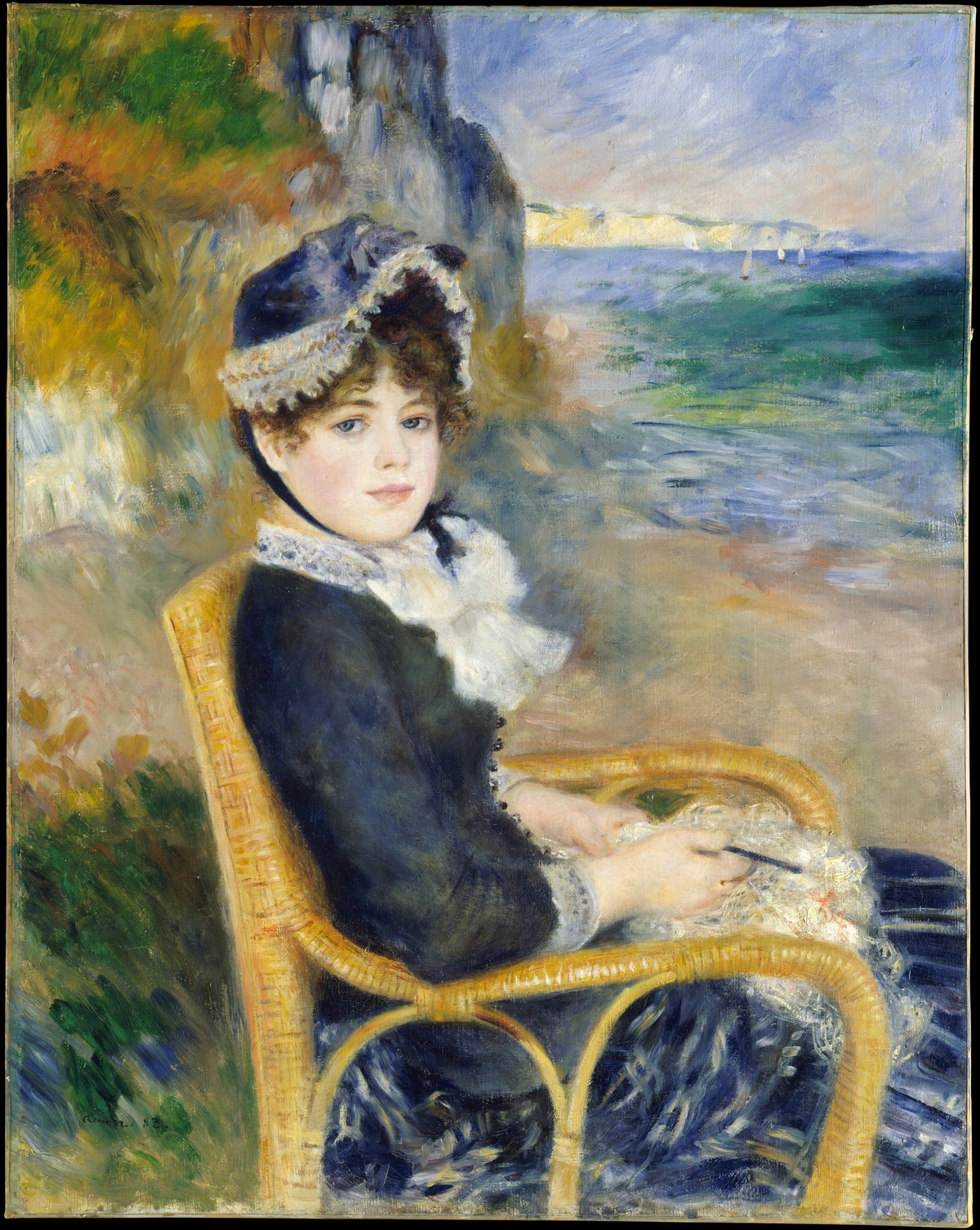
Did the female Impressionists sell their work and achieve commercial success?
Yes, absolutely! These were not mere amateurs engaging in a pastime; they were committed, professional artists navigating the burgeoning art market. Mary Cassatt, though from a wealthy family and perhaps less reliant on immediate sales for survival, was a shrewd professional who successfully sold her art and played a pivotal role in promoting Impressionism to American collectors. She also actively advised on art acquisitions, further cementing her influence. Berthe Morisot, similarly, achieved considerable commercial and critical success during her lifetime, actively participating in exhibitions (including 7 of the 8 Impressionist shows) and cultivating a strong network of collectors for her luminous work. She meticulously tracked her sales and managed her career with remarkable professionalism. They were often championed by progressive art dealers and a growing number of upper-middle-class women patrons who connected with their subject matter. While the journey was undoubtedly harder due to their gender, and often achieved despite prejudice and systemic disadvantages, many did manage to build successful, recognized careers and contributed significantly to the dynamic art market of their time, leaving behind a legacy of both artistic and financial independence, truly women who shaped art history through their perseverance and talent. Their professional approach to their art was a quiet rebellion against the 'hobby' label.







What specific artistic techniques did female Impressionists employ, and how did they differ from their male counterparts?
Female Impressionists embraced the core techniques of the movement: visible, broken brushstrokes to capture the immediacy of light and atmosphere, a vibrant palette, and plein air painting. However, their unique circumstances led to distinct applications and emphases. Denied academic training in figure drawing and often restricted from public urban scenes, they often honed their skills in portraying intimate domestic scenes with unparalleled psychological depth and emotional nuance. Their brushwork, particularly Morisot's 'feathery,' translucent touch, often created a delicate, shimmering quality unique to their work, emphasizing softness and fleeting moments rather than the sometimes bolder, more analytical approach some male Impressionists applied to urban landscapes. They also masterfully adopted compositional innovations from Japonisme, using flattened perspectives and asymmetrical arrangements to bring fresh vitality to interior scenes, elevating what might traditionally be seen as mundane into captivating, modern compositions. Cassatt, in particular, excelled in printmaking (drypoint, aquatint), using these graphic techniques to explore intricate details and bold outlines, creating a distinct visual language within the Impressionist sphere and allowing for deep exploration of intimate subjects without the need for large-scale canvases.
Were there other notable female Impressionists beyond the Core Four?
Absolutely, while Cassatt, Morisot, Gonzalès, and Bracquemond are often highlighted as the "Core Four" due to their consistent involvement and significant impact, many other talented female Impressionist painters were active during the era. Artists like Lilla Cabot Perry, Anna Boch, Ellen Day Hale, Cecilia Beaux, and Marie Bashkirtseff, among others, were also working within or adjacent to the Impressionist style, contributing their unique perspectives to the movement. Their stories are increasingly being brought to light, further enriching our understanding of women in Impressionism and the broader contributions of 19th-century women artists. As we continue to re-examine art history, more of these hidden figures will undoubtedly emerge, demanding their rightful place in the narrative and showcasing the true breadth of talent that defined the era.
What was the legacy of female Impressionism in modern art?
The legacy of female Impressionists extends far beyond their immediate impact on the movement; it laid crucial groundwork for modern art, particularly feminist art. By elevating everyday domestic scenes in art and the intimate lives of women and children to the status of 'high art,' they challenged traditional hierarchies and the pervasive male gaze that had dominated art history. They proved that profound artistic statements could emerge from personal experience, paving the way for later artists to explore themes of identity, gender, and the politics of the private sphere. Their innovative use of composition (often influenced by Japonisme) and their nuanced depiction of emotional states in everyday settings demonstrated new ways of seeing and representing the world. This proto-feminist stance, though often quiet and implicit, profoundly influenced generations of artists who would explicitly champion personal narratives and domesticity as central to their work. Their emphasis on interiority and emotional depth can be seen echoing in movements like Symbolism, the Nabis, and even early aspects of Abstract Expressionism's focus on personal expression and lived experience, forever changing the dialogue around who creates art, what art can depict, and whose stories are deemed worthy of immortalization. They didn't just paint pictures; they painted a new future for art.