Famous Abstract Painters: The Titans Who Redefined Art
A personal journey through the lives and work of famous abstract painters like Kandinsky, Pollock, and Rothko. Discover why their 'messy' art still matters.

The Greats of Abstract Art: More Than Just Splatters and Squares
Abstract art is often misunderstood. Many people walk through modern art museums and feel lost, wondering how a canvas of chaotic lines or simple blocks of color can be considered art. But abstract art is more than just random acts of paint; it's a revolution. It's a way for artists to express feelings, ideas, and even sounds without needing to represent a physical object. This article will take you on a journey through the lives and works of the most influential abstract artists, showing you how they changed the world of art forever.
What is Abstract Art?
Abstract art is a form of art that does not attempt to represent an accurate depiction of visual reality. Instead, it uses shapes, colors, forms, and gestural marks to achieve its effect. The movement emerged in the early 20th century as artists sought to break away from traditional forms of representation and explore new ways of expressing emotions and ideas.
Abstract art is not just about aesthetics; it's about breaking boundaries and challenging perceptions. It invites viewers to explore their own emotions and interpretations, making it a deeply personal experience. Whether you're an art enthusiast or a curious beginner, this guide will help you appreciate the depth and significance of abstract art.
I used to walk through modern art museums and feel a bit... lost. I'd stand in front of a giant canvas of chaotic lines or a few simple blocks of color and think, "Okay, I could have done that." It's an honest thought, right? We've all had it. It took me a long time, and a lot of looking, to realize that I was missing the point entirely. These weren't just random acts of paint. They were revolutions. Abstract art is not about the final product alone; it's about the process, the emotion, and the story behind it. It's about breaking free from the constraints of traditional art and exploring new ways of seeing the world.
Why Abstract Art Matters
Abstract art matters because it challenges us to see beyond the surface. It encourages us to explore our emotions, ideas, and perceptions in ways that traditional art cannot. By breaking free from the need to represent reality, abstract art opens up new possibilities for expression and interpretation, making it a vital and dynamic part of the art world.
Abstract art is a journey into the unknown. It challenges us to see beyond the surface and connect with the artist's inner world. It's not about replicating reality but about expressing the intangible—the emotions, ideas, and experiences that define our humanity.
This isn't going to be a stuffy art history lecture. Think of it more as a conversation, me sharing with you the stories of the artists who ripped up the rulebook. We'll look at the famous abstract painters who decided that art didn't need to be a picture of something; it could be the picture of a feeling, an idea, or even a sound. It's a wild ride, and it completely changed how I see the world. Abstract art is not just about the visual; it's about the experience, the emotion, and the connection between the artist and the viewer.
Abstract art is a dialogue between the artist and the viewer. It invites us to explore our own interpretations and emotions, making each encounter with a piece unique and personal. It's a celebration of creativity and individuality, and it continues to inspire and challenge us to this day.
The Pioneers: Ditching Reality for Something Deeper
Before you can have a revolution, you need someone brave enough to throw the first stone. In the early 20th century, the world was changing fast—new technologies, new ideas, new anxieties. Artists started feeling that old-school painting just couldn't capture this new, complicated reality. They sought to express the intangible, the emotional, and the spiritual through their work.
The early 20th century was a time of profound transformation. Artists were no longer content with merely depicting the world as it appeared; they wanted to capture its essence, its emotions, and its hidden truths. This shift marked the beginning of a new era in art, one that would challenge conventions and redefine creativity.
Wassily Kandinsky: The Spiritualist
First up is Wassily Kandinsky. This guy was on track to be a lawyer, which is about as far from a pioneering abstract artist as you can get. But an opera performance changed everything for him. He experienced synesthesia, a neurological trait where you can "hear" colors and "see" sounds. For him, art became a kind of music for the eyes. He believed that colors and shapes could touch the soul directly, without needing to represent a tree or a bowl of fruit. His work isn't chaos; it's a carefully composed symphony. Looking at his paintings is like trying to see the melody.
Kandinsky's journey from law to art is a testament to the power of passion and creativity. His belief in the spiritual power of art transformed the way we perceive and create, making him a true pioneer of abstract expression.
Hilma af Klint: The Mystic Ahead of Her Time
Now, here’s a fantastic plot twist in art history. For decades, everyone credited Kandinsky as the first abstract painter. But it turns out, a Swedish artist named Hilma af Klint was creating massive, stunningly abstract works even earlier. The catch? She was a mystic, channeling what she believed were messages from higher spirits. She knew the world wasn't ready for her work and stipulated that it shouldn't be shown until 20 years after her death. It ended up taking much longer, but her rediscovery has completely rewritten the history of abstract art. She is a powerful reminder that sometimes the most important voices are the ones we don't hear until much later. You can dive deeper into her incredible story in our ultimate guide to Hilma af Klint.
Hilma af Klint's story is a testament to the power of intuition and the importance of staying true to one's vision, even in the face of skepticism. Her work challenges us to look beyond the surface and explore the deeper, spiritual dimensions of art.
Piet Mondrian: The Seeker of Universal Harmony
Then you have Piet Mondrian. If Kandinsky's art is a symphony, Mondrian's is a perfectly balanced equation. He started out painting recognizable things, like trees. But over time, he stripped them down, and down, and down, until he was left with what he considered the essential building blocks of reality: straight lines and primary colors. He wasn't just making pretty patterns; he was on a spiritual quest for universal truth and harmony. His grids look simple, but that simplicity is deceptive. It's a kind of visual meditation.

Mondrian's journey from representational art to pure abstraction reflects his belief in the power of simplicity and balance. His work invites us to explore the fundamental elements of existence and find harmony in the chaos of the modern world.
The American Titans: When Abstract Expressionism Took Over
After World War II, the center of the art world shifted from Paris to New York. A group of artists there, later dubbed the Abstract Expressionists, took the European pioneers' ideas and cranked them up to eleven. Their art was big, bold, and bursting with raw emotion. This movement was not just about creating art; it was about expressing the complexities of the human experience in a post-war world.
The Abstract Expressionist movement was a response to the turmoil and uncertainty of the post-war era. It was a time of experimentation and innovation, as artists sought to capture the raw emotions and experiences of a world in flux. Their work challenged conventions and redefined the boundaries of art, making it a pivotal moment in the history of creativity.
Jackson Pollock: The Action Painter
When people think of abstract art, they often picture Jackson Pollock flinging paint at a canvas on the floor. And yeah, that's what he did. But it wasn't a tantrum. His "drip" technique was a radical invention. By moving around the canvas, he made the act of painting—the physical gesture itself—the subject of the work. He called it "action painting." It's pure energy, anxiety, and freedom made visible. Want to know more? We have an ultimate guide to Jackson Pollock that explores his method and madness.
Pollock's approach to painting was a revolutionary departure from traditional techniques. His work captures the raw energy and spontaneity of the creative process, making it a powerful expression of the human experience.
Willem de Kooning: The Abstract Brawler
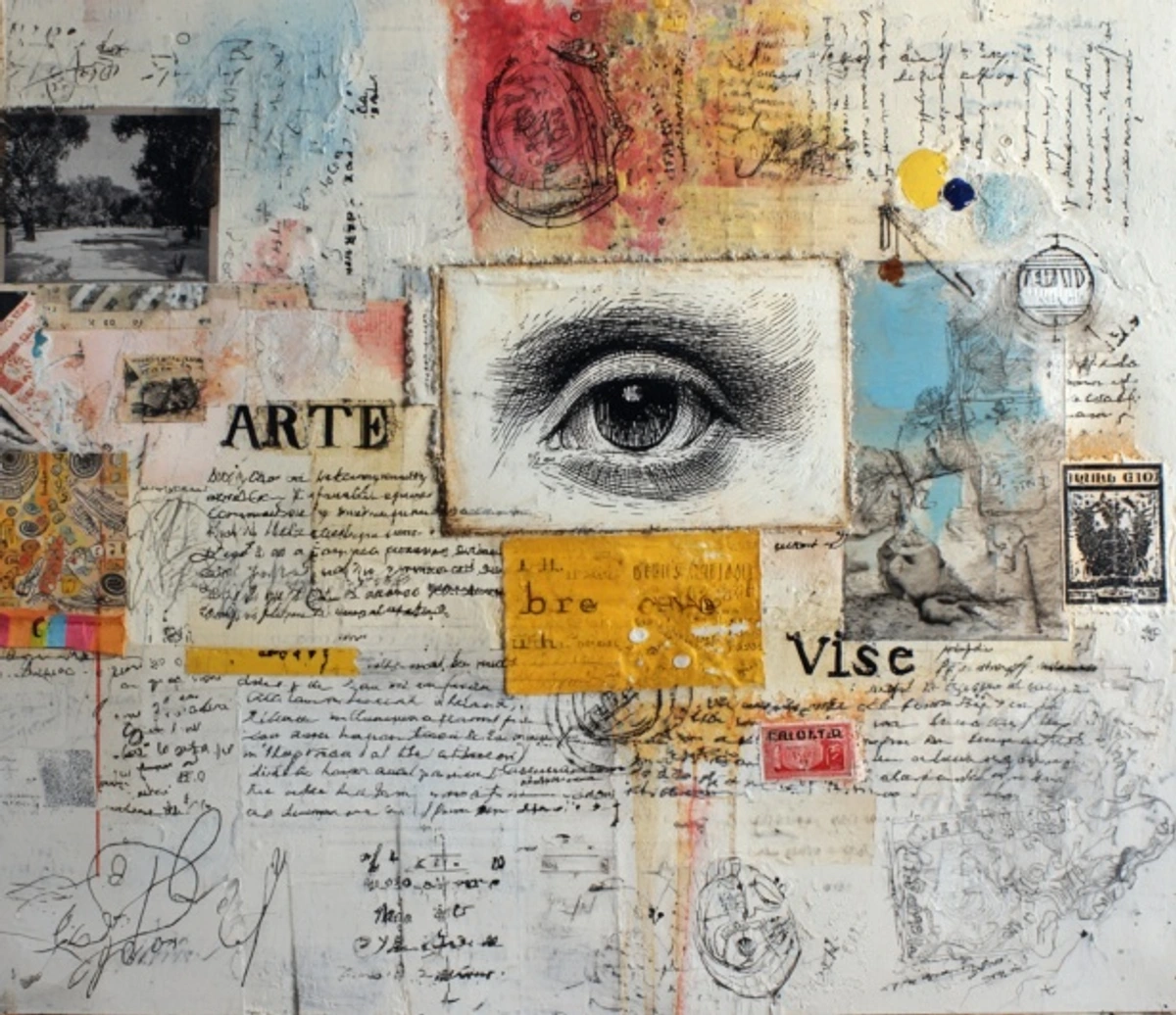
Not all Abstract Expressionists abandoned the human figure. Willem de Kooning wrestled with it his entire career. His famous 'Woman' series is a perfect example—they're aggressive, messy, and kind of terrifying, but also incredibly powerful. He attacked the canvas, building up and scraping away layers of paint. His work shows that abstraction and representation aren't opposites; they can be locked in a beautiful, brutal fight. Learn more about him in our guide to Willem de Kooning.
de Kooning's exploration of the human figure in abstract art challenges us to see beyond the surface and explore the deeper, emotional dimensions of existence. His work is a testament to the power of creativity and the complexity of the human experience.

Mark Rothko: The Poet of Color
Standing in front of a Mark Rothko painting is a different experience altogether. It's quiet. His massive canvases with their soft, hovering blocks of color are meant to be immersive. Rothko hated the idea of his work being decorative. He wanted people to have a deep, emotional, even spiritual reaction. He said that a lot of people broke down and cried in front of his paintings, and he felt that was the ultimate compliment—that he had communicated a fundamental human emotion. Our guide to Rothko delves into the profound experience his art offers.
Rothko's work is a meditation on the power of color and emotion. His paintings invite us to explore our own feelings and experiences, making each encounter with his art a deeply personal and transformative experience.
The Women of Abstract Expressionism
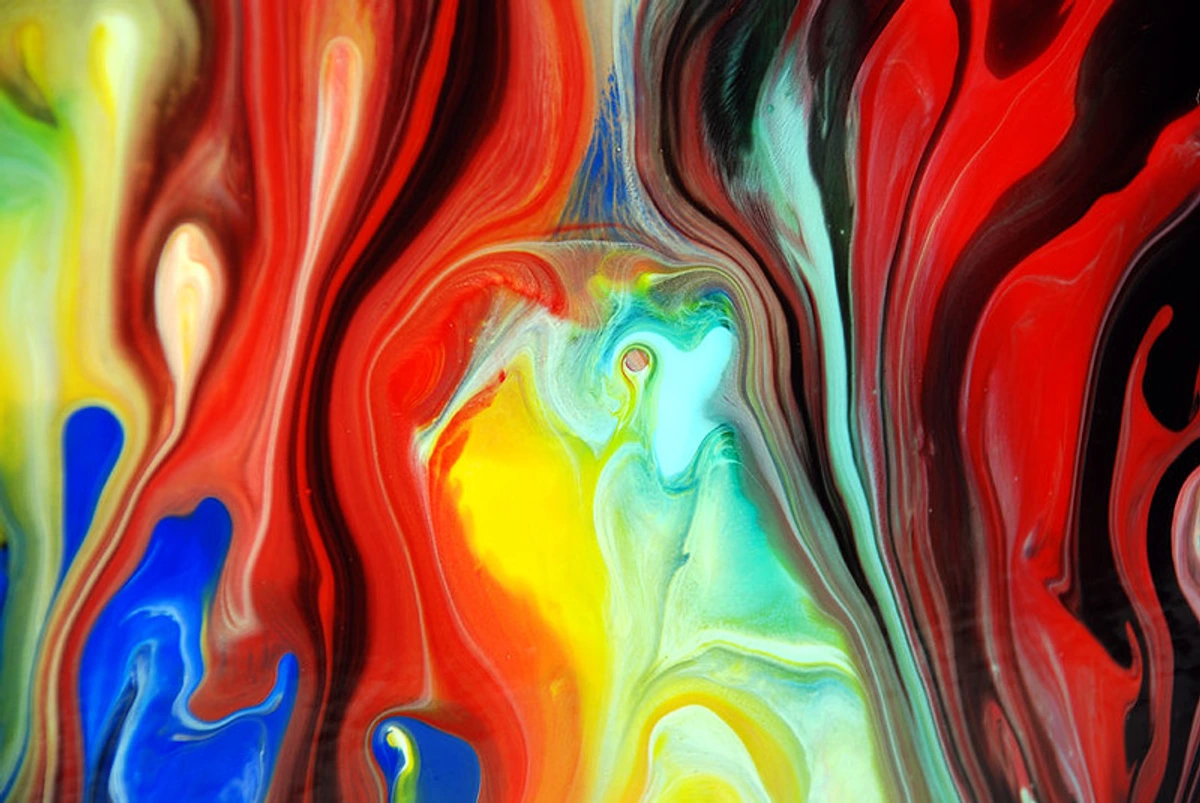
For too long, the story of Abstract Expressionism was all about the men. But artists like Helen Frankenthaler and Joan Mitchell were creating some of the most innovative work of the era. Frankenthaler invented the "soak-stain" technique, pouring thinned paint directly onto raw canvas to create luminous, atmospheric fields of color. Mitchell's work, on the other hand, is a whirlwind of energetic, lyrical brushstrokes. Both carved out their own unique languages within the movement. Don't miss our features on Helen Frankenthaler and Joan Mitchell.
The contributions of women to Abstract Expressionism are a testament to the power of creativity and individuality. Their work challenges us to see beyond the surface and explore the deeper, emotional dimensions of art.
A Quick Guide to the Greats
It's a lot to take in, I know. Here’s a quick table to help keep some of these titans straight.
Artist  | Key Movement/Style | What to Look For | Why They're Famous |
|---|---|---|---|
| Wassily Kandinsky | Early Abstraction | Musical, spiritual compositions, vibrant color. | Considered one of the first purely abstract artists. |
| Hilma af Klint | Spiritual Abstraction | Mystical symbols, massive scale, bold palettes. | The secret pioneer of abstract art, rediscovered recently. |
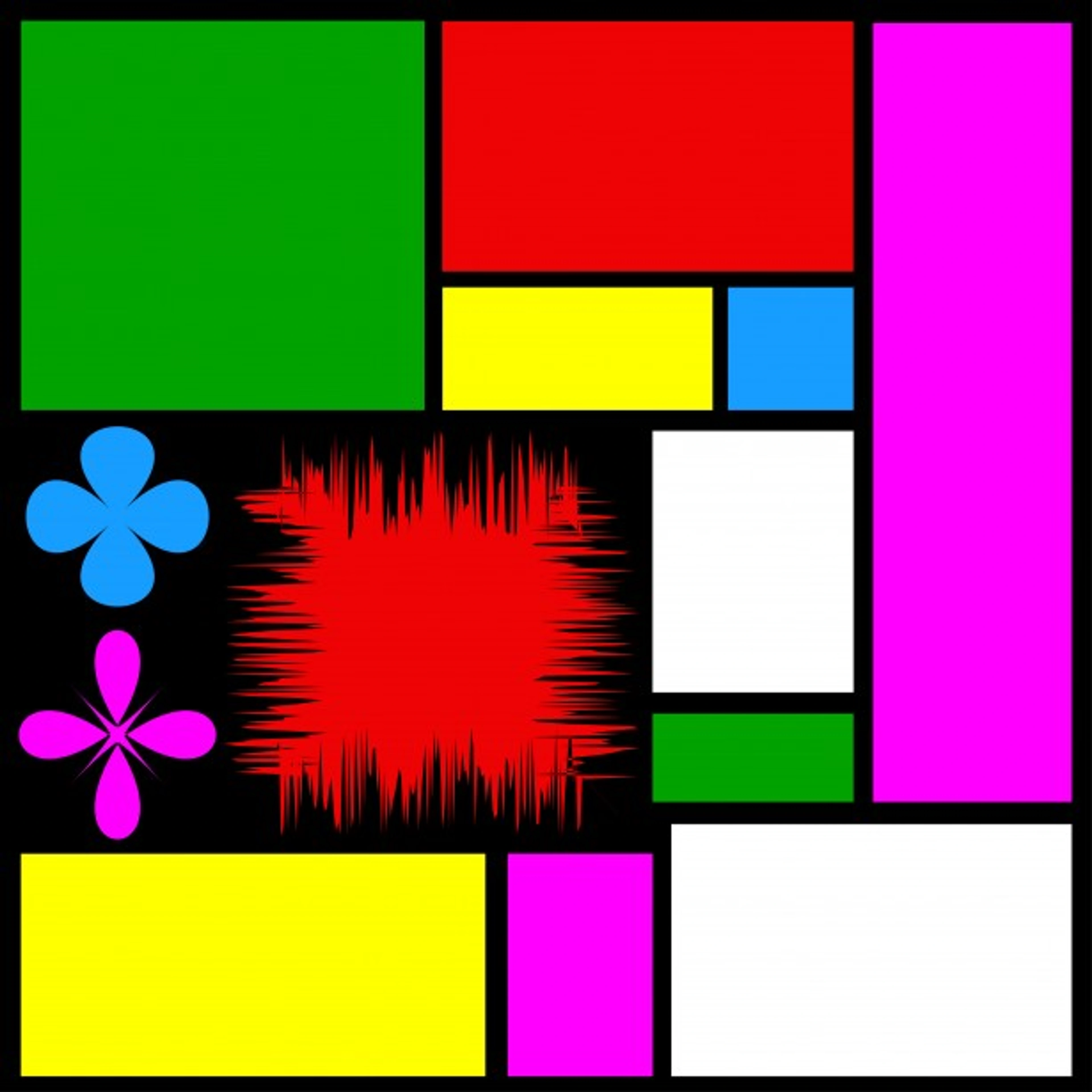
| Piet Mondrian | De Stijl / Neoplasticism | Grids of black lines, primary colors, and white. | His quest for universal harmony through pure form. |
| Jackson Pollock | Abstract Expressionism | Dripped, poured, and splattered paint; no central focus. | Inventing "Action Painting" and becoming an icon of American art. |
| Willem de Kooning | Abstract Expressionism | Aggressive brushwork, clashing colors, distorted figures. | Masterfully blending figuration with abstraction. |
| Mark Rothko | Color Field Painting | Large, soft-edged rectangles of luminous color. | Creating immersive, emotional experiences for the viewer. |
| Helen Frankenthaler | Color Field Painting | Stained canvases, fluid and atmospheric color. | Inventing the "soak-stain" technique. |
| Joan Mitchell | Abstract Expressionism | Energetic, lyrical brushstrokes, often inspired by nature. | A powerhouse of gesture and color. |
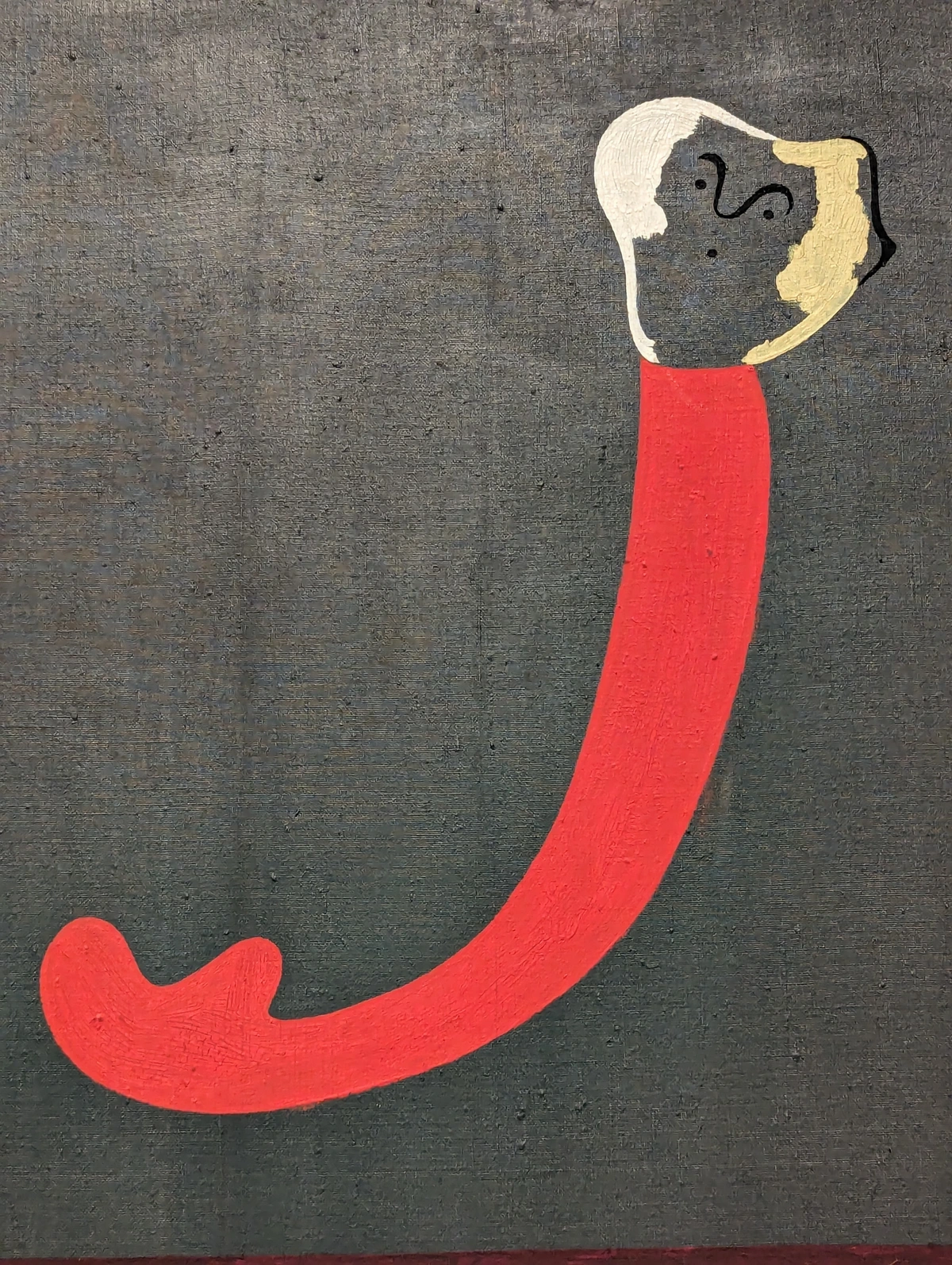
| Joan Miró | Surrealism / Abstraction | Playful, symbolic shapes, biomorphic forms, primary colors. | Creating a unique and personal visual language. |
| Gerhard Richter | Varied / Abstract | Squeegeed layers of paint, blurring and scraping. | His exploration of the relationship between painting and photography. |
This table provides a snapshot of the diverse styles and contributions of these influential artists. Each one brought a unique perspective to the world of abstract art, shaping its evolution and inspiring future generations.
Frequently Asked Questions (FAQ)
Let's tackle some of the common questions that pop up when you're diving into this world.
What is the difference between abstract art and modern art?
While abstract art is a subset of modern art, not all modern art is abstract. Modern art encompasses a wide range of styles and movements that emerged in the late 19th and early 20th centuries, including abstract art. Abstract art specifically focuses on non-representational forms and the expression of emotions and ideas through color, shape, and composition.
Who is considered the father of abstract art?
For a long time, the undisputed answer was Wassily Kandinsky. His theoretical writings and his 1910-1913 works were seen as the starting point. However, the posthumous discovery of Hilma af Klint's work from as early as 1906 has completely changed the conversation. So, who's the true "father" (or "mother")? It's complicated, but it's safe to say they both arrived at pure abstraction independently, driven by very different spiritual pursuits.
The debate over who truly pioneered abstract art highlights the complexity of artistic evolution. Both Kandinsky and af Klint made groundbreaking contributions, each driven by their unique visions and experiences.
What are the main types of abstract art?
That's a big question! It's not one single style. Major branches include Geometric Abstraction (like Mondrian), which is all about lines and shapes, and Lyrical Abstraction (like Kandinsky), which is more fluid and expressive. Then you have movements like Abstract Expressionism, which includes both Action Painting (Pollock) and Color Field Painting (Rothko). The history of abstract art is a sprawling family tree of ideas.
Abstract art encompasses a wide range of styles and techniques, each offering a unique perspective on the world. From the precision of geometric abstraction to the emotional intensity of abstract expressionism, there's something for everyone to explore and appreciate.
Do you have to "get" abstract art to enjoy it?
Absolutely not. I think this is the biggest barrier for people. We're taught to look at a painting and ask, "What is it?" With abstract art, a better question is, "How does it make me feel?" Let the colors, textures, and energy wash over you. Sometimes a piece will connect, and sometimes it won't, and that's perfectly okay. It's an experience, not a puzzle to be solved.
Abstract art is about the journey, not the destination. It invites us to explore our own emotions and interpretations, making each encounter with a piece a unique and personal experience.
Why is their work so valuable?
It's a mix of historical importance, rarity, and influence. These artists didn't just create paintings; they created new ways of seeing. They are pillars of art history, so their works are incredibly sought after by museums and collectors. They broke the mold, and that makes their legacy priceless.
The value of abstract art lies not just in its aesthetic appeal but in its ability to challenge and inspire. These artists transformed the way we perceive and create, making their contributions to the world of art truly invaluable.
It’s All a Beautiful, Meaningful Mess
So, back to that initial feeling: "I could have done that." The more I learned, the more I realized the proper response is, "...but you didn't." These artists had the courage to step into the unknown, to face a blank canvas and pour out their inner worlds in a language that hadn't existed before.
The Legacy of Abstract Art
The legacy of abstract art is vast and enduring. It has influenced countless artists and movements, shaping the way we think about and create art. From the early pioneers to the bold expressions of the Abstract Expressionists, abstract art continues to inspire and challenge us, reminding us of the power of creativity and the importance of exploring the unknown.



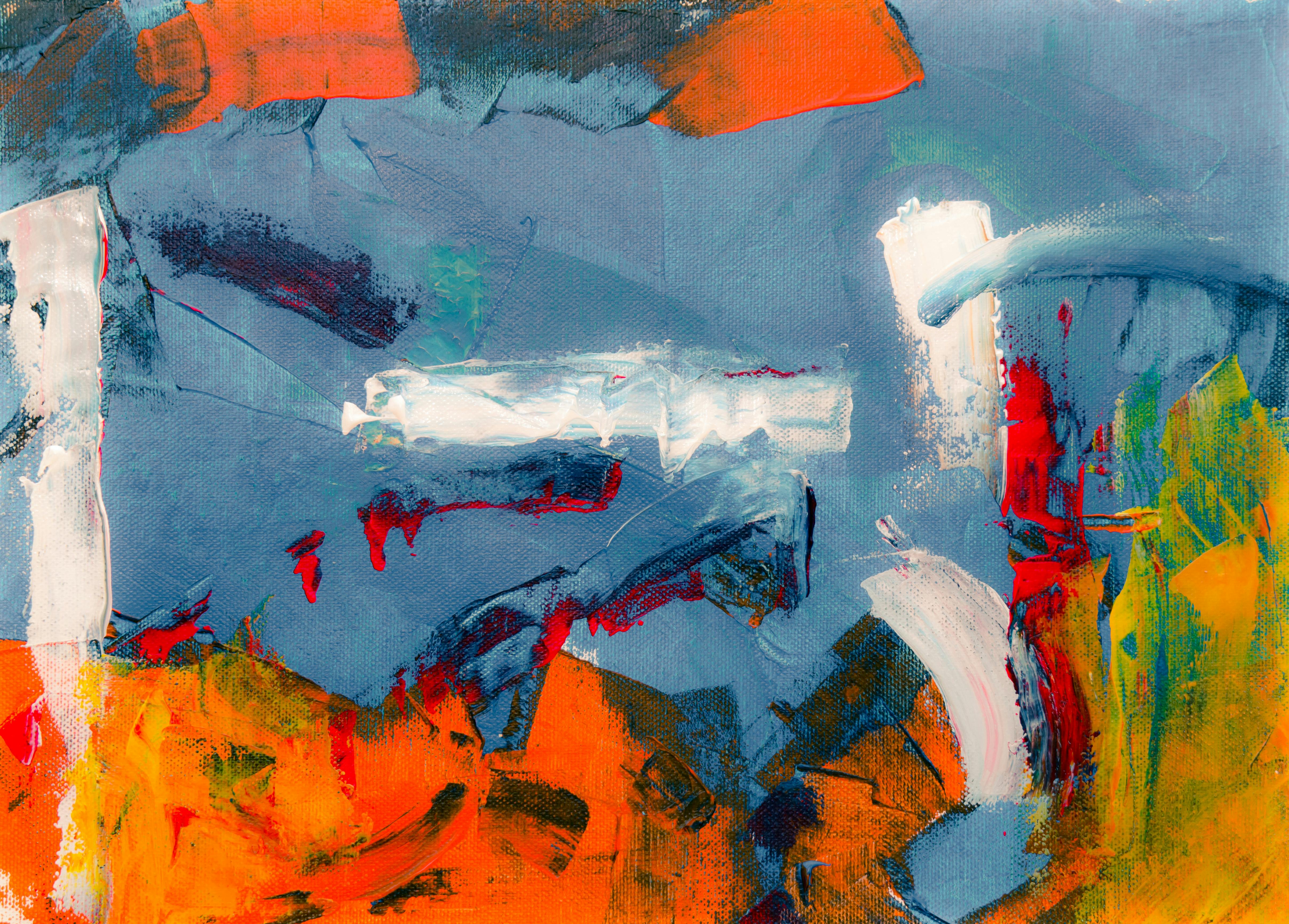


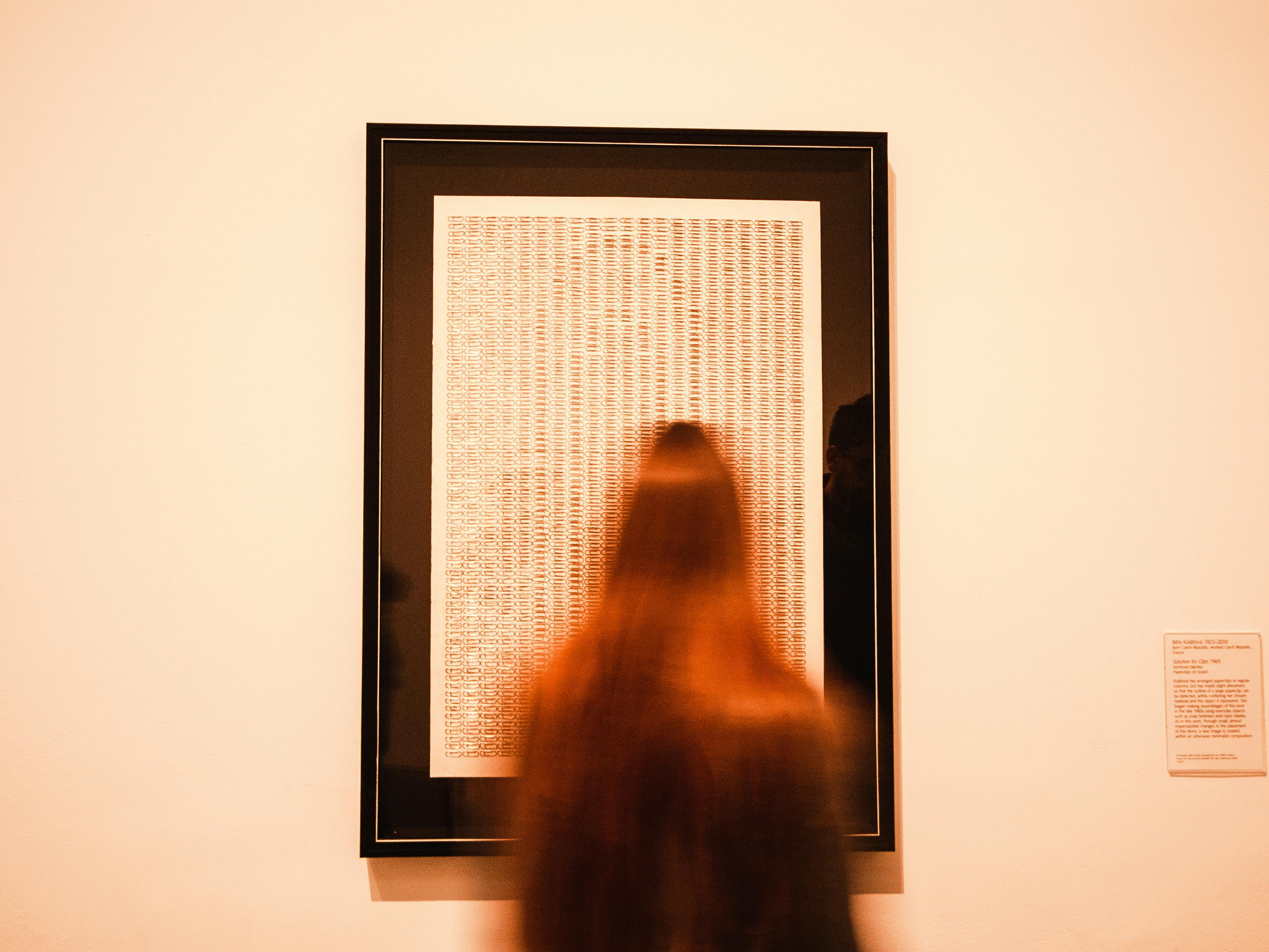

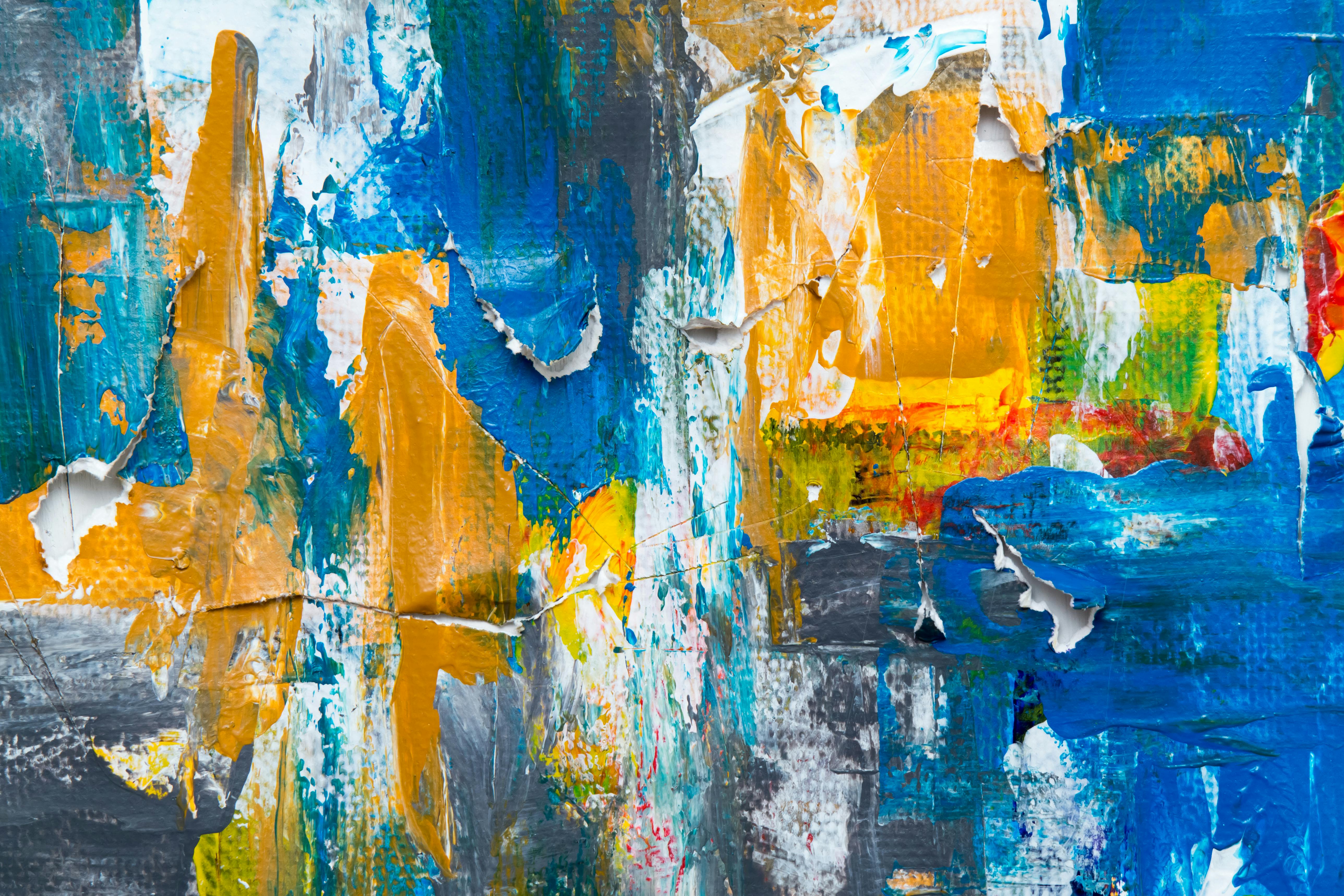
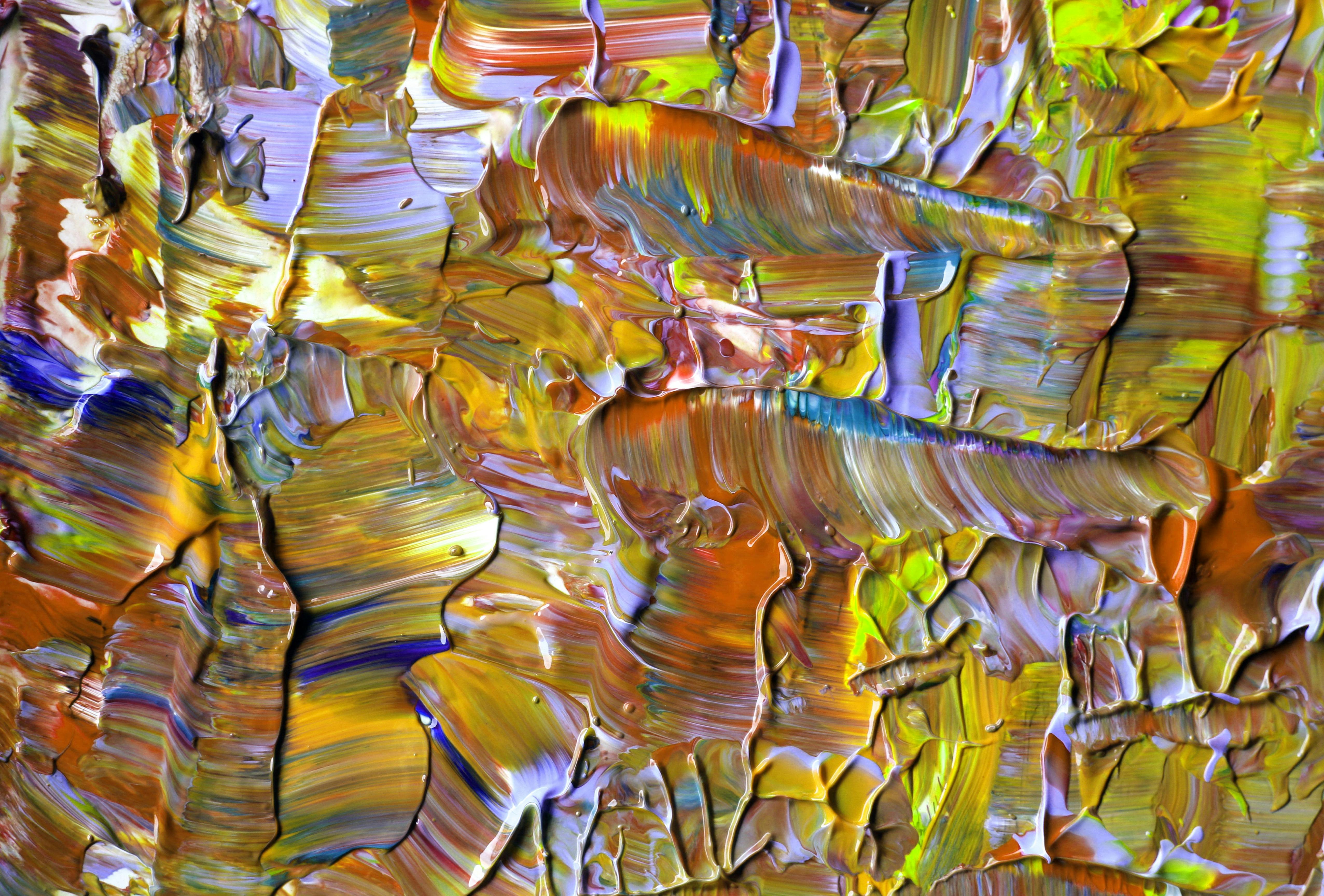

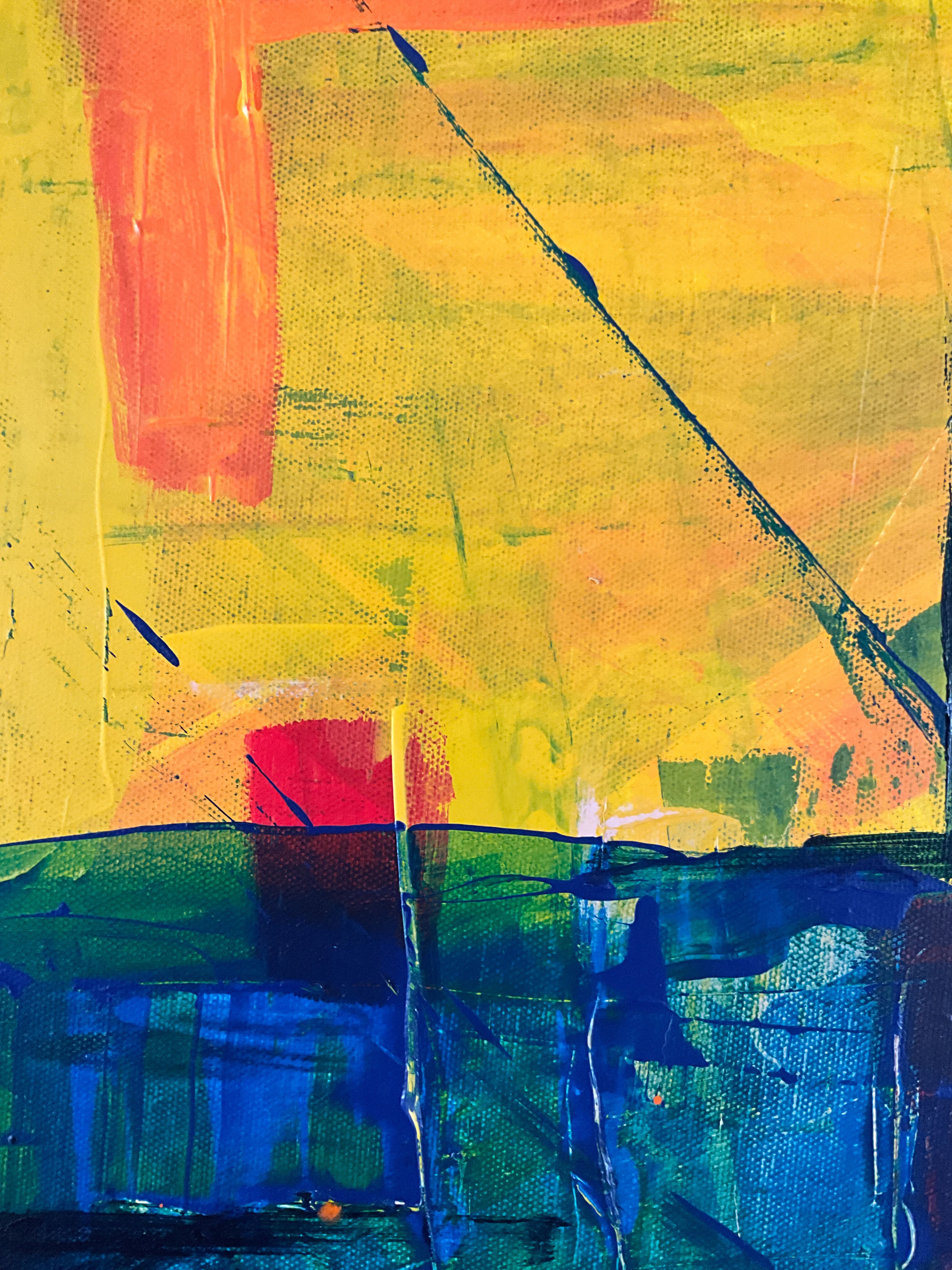
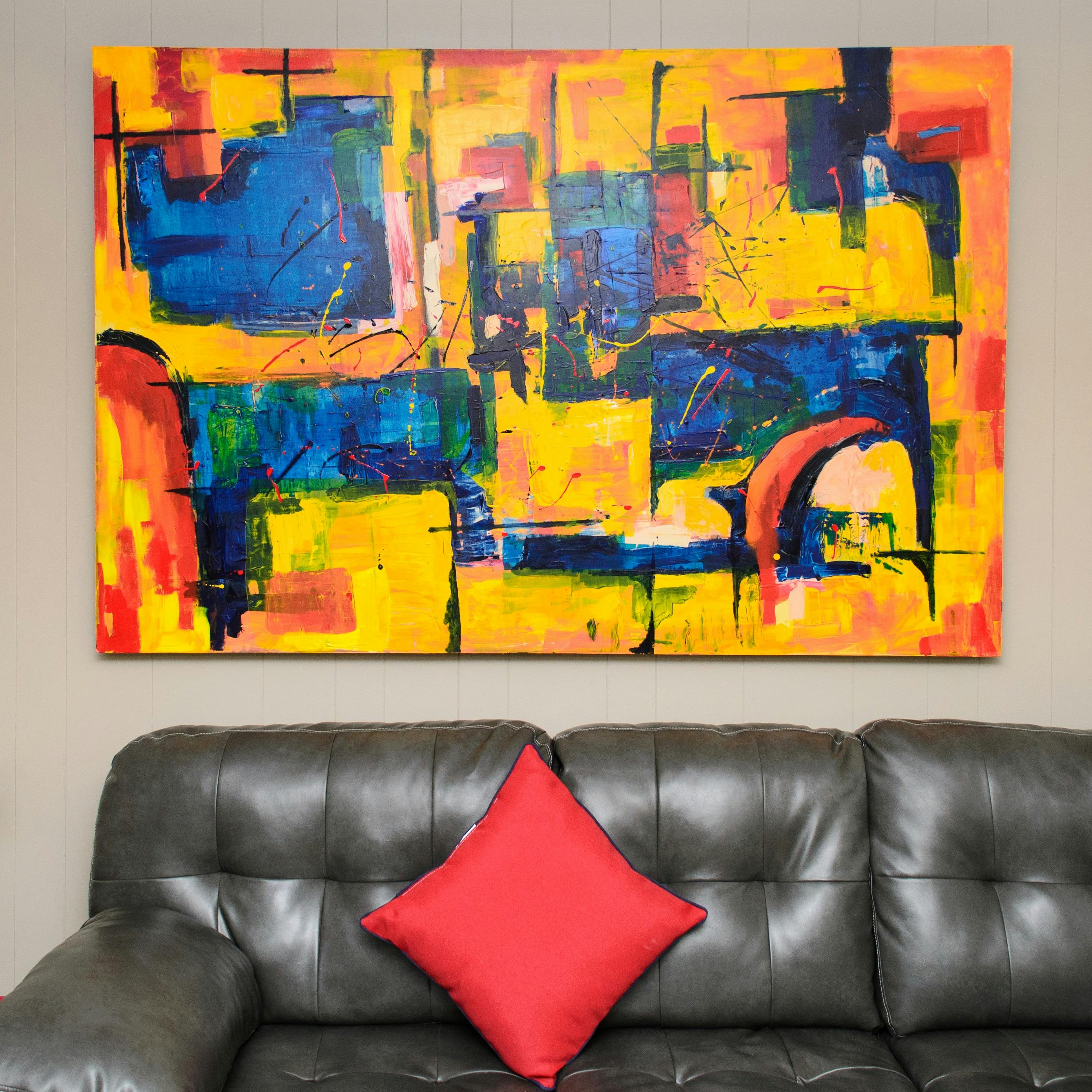
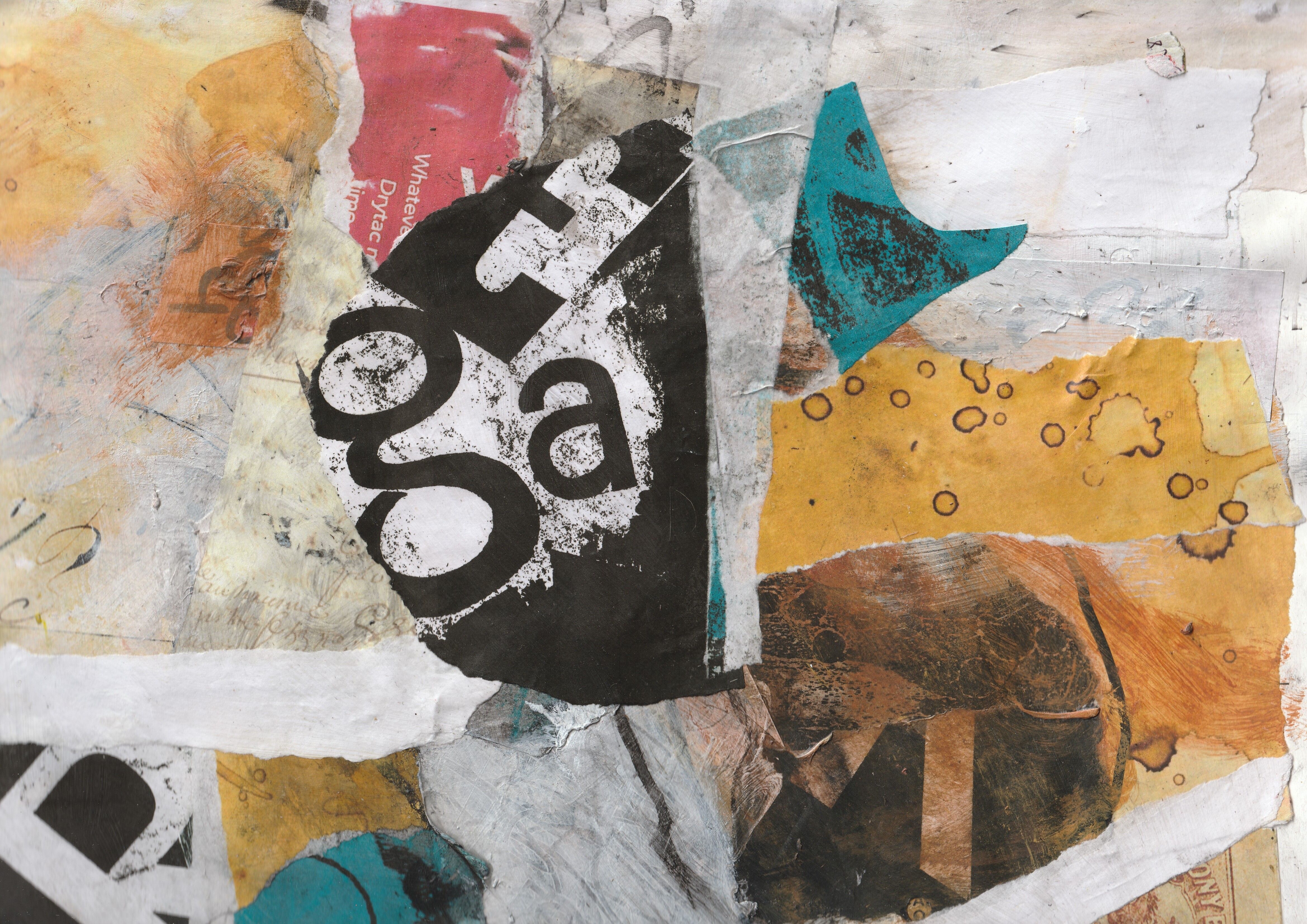


They weren't just making a mess. They were charting new territory, exploring the frontiers of human emotion and spirituality. And that's a journey that's still relevant today. It's a path I think about often, especially when I'm working on my own pieces, which you can see evolve on my [/timeline]. These giants of the past remind me that art is about taking a risk and showing a part of your soul. And that's a beautiful mess worth making.
Abstract art is a celebration of creativity and individuality. It challenges us to see beyond the surface and explore the deeper, emotional dimensions of existence. It's a journey that continues to inspire and transform us, making it a truly beautiful and meaningful mess.