
The Enduring Allure of Classic Art Movements
Discover why classic art movements continue to captivate audiences and how their timeless qualities inspire contemporary art.

The Enduring Allure of Classic Art Movements
I remember the first time I stood in front of a Renaissance painting. It was like stepping into a different world, one where every brushstroke told a story. That moment got me thinking: why do certain art movements stand the test of time? What is it about classic art that continues to captivate us, even in today's fast-paced, digital world?
Perhaps it's the way these movements capture the essence of humanity, transcending time and culture. Or maybe it's the sheer skill and creativity of the artists who dared to challenge the norms of their era. Whatever the reason, classic art movements have a unique ability to resonate with us, even centuries after their creation.
But what exactly makes these movements so timeless? Is it their ability to evoke emotions, their historical significance, or the sheer mastery of the artists? Let's explore this further.
Introduction
Art movements come and go, but some leave an indelible mark on history. From the intricate details of the Renaissance to the bold colors of Impressionism, these movements have shaped the way we perceive and create art. But what makes them enduring? Is it their historical significance, their aesthetic appeal, or something more profound?
To answer this, we need to delve deeper into the characteristics that define these movements and explore why they continue to inspire and influence artists and art lovers alike. Understanding these movements is not just about appreciating their beauty but also about recognizing their role in shaping our cultural and artistic heritage.
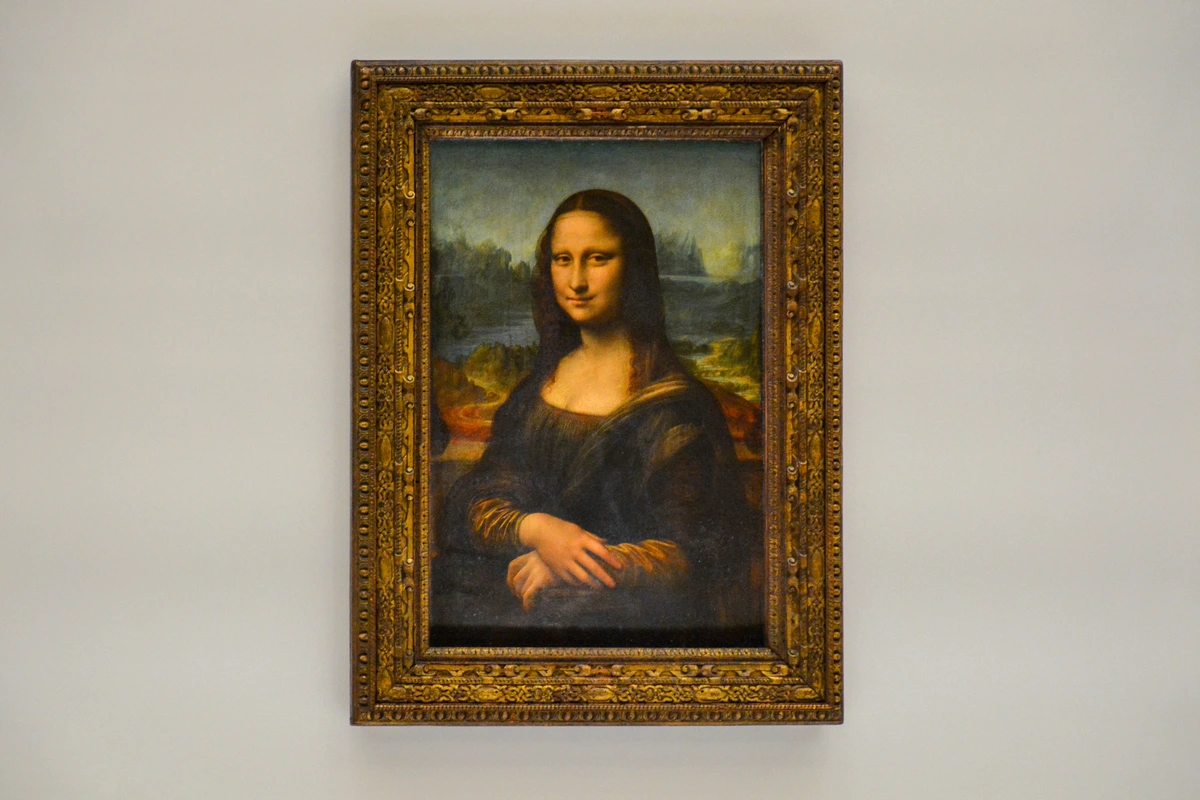
Key Concepts
Historical Significance
Classic art movements often reflect the cultural, political, and social contexts of their time. For example, the Baroque period, with its dramatic use of light and shadow, was a response to the Counter-Reformation. Understanding the historical backdrop can deepen our appreciation for these art forms.
Aesthetic Appeal
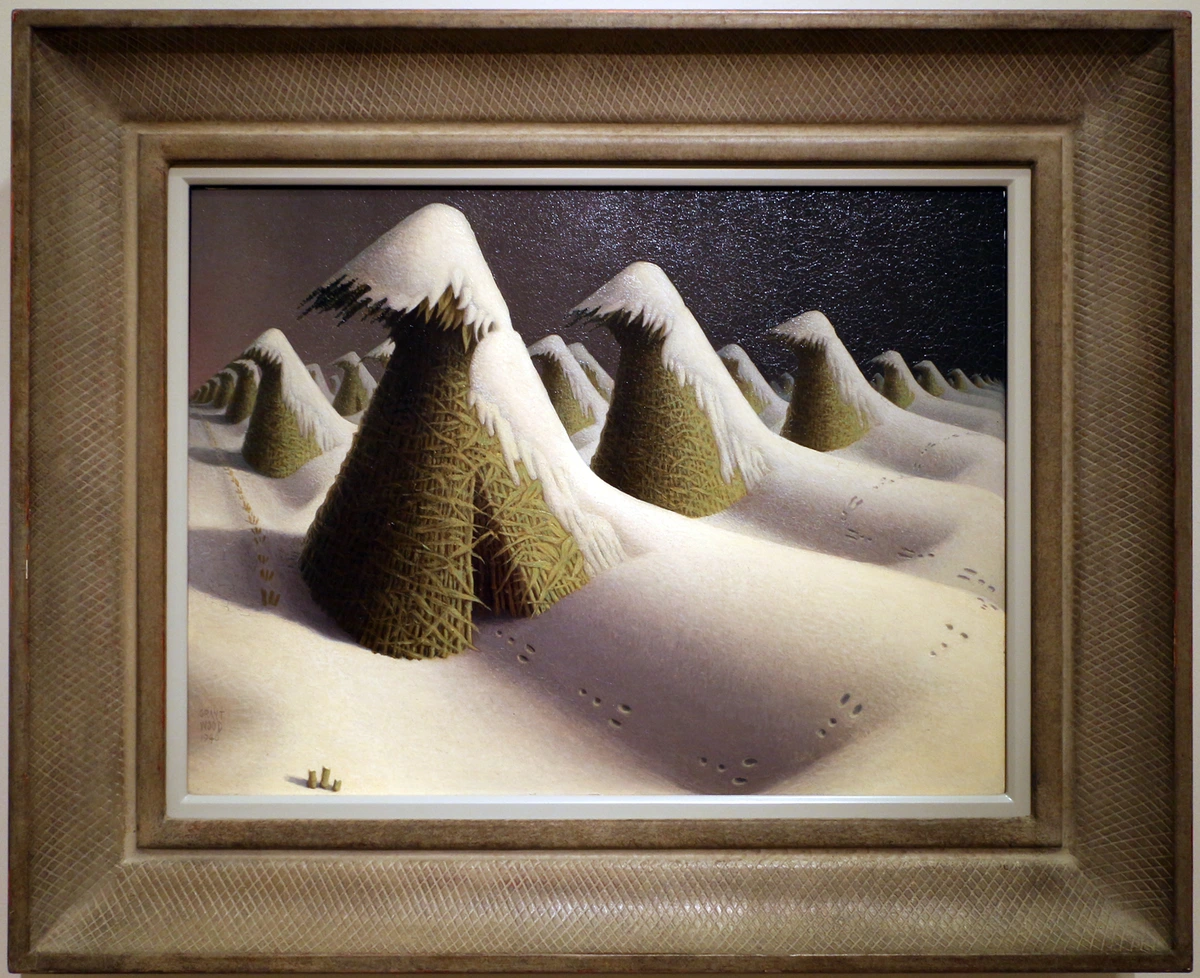
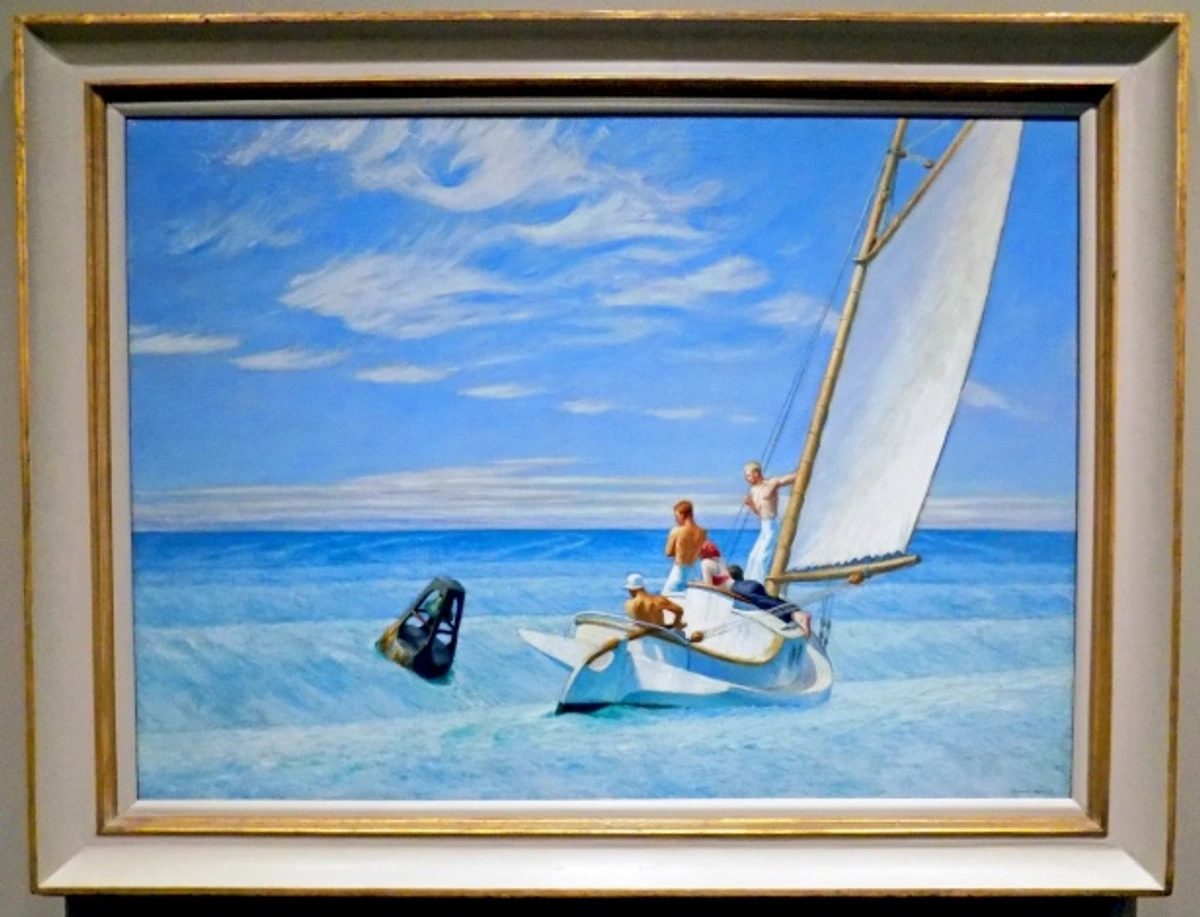
The beauty of classic art lies in its ability to evoke emotions and tell stories. Whether it's the serene landscapes of the Hudson River School or the vibrant colors of Fauvism, each movement has its unique aesthetic that continues to inspire artists today.
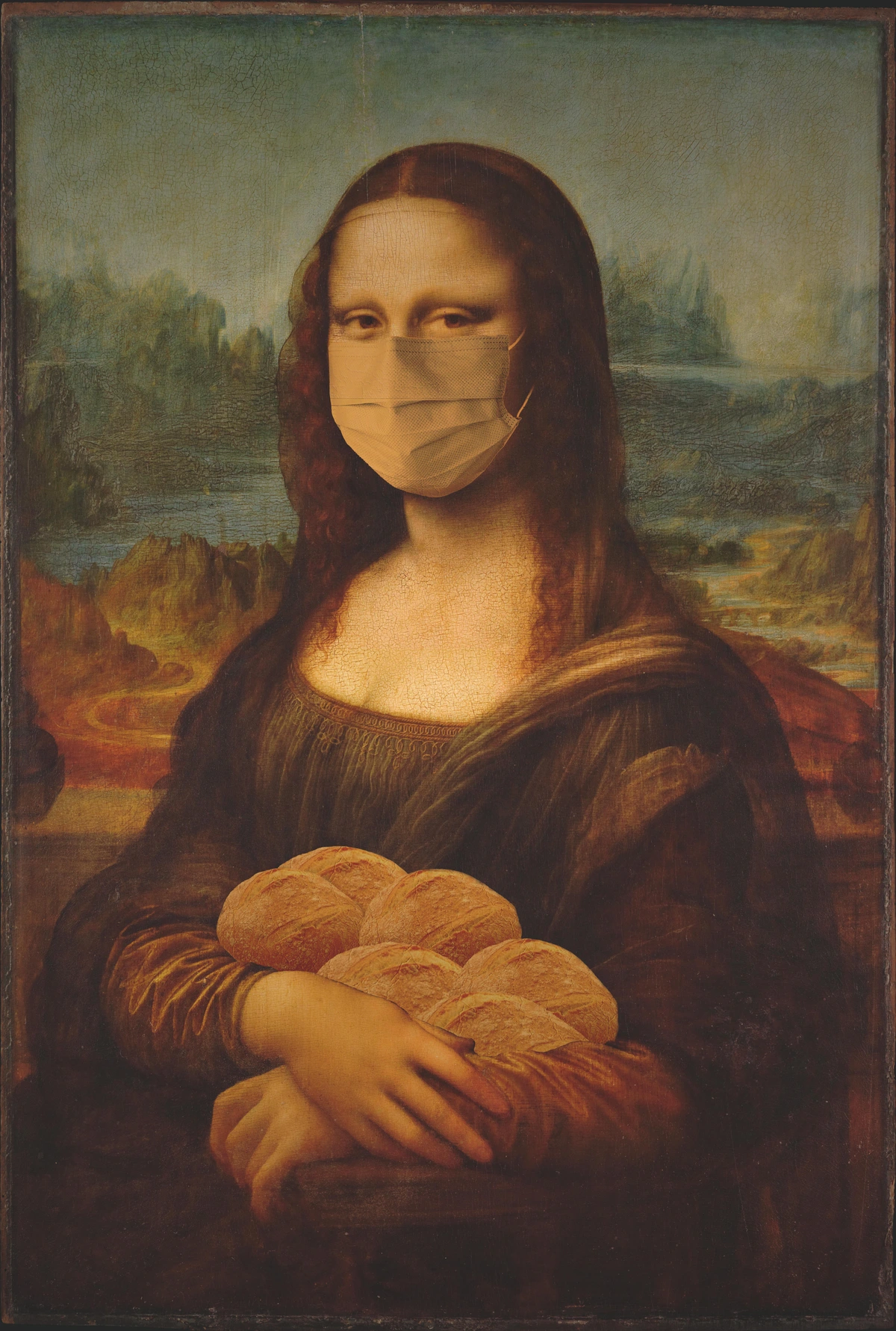
Timeless Themes
Many classic art movements explore universal themes such as love, death, and the human condition. These themes resonate with us on a deep level, making the art relevant across generations.
Technical Mastery
The technical skill demonstrated in classic art movements is another reason for their enduring appeal. Artists like Leonardo da Vinci and Michelangelo showcased unparalleled mastery of techniques such as perspective, anatomy, and composition. This level of craftsmanship continues to awe and inspire artists and art enthusiasts alike.
Examples
Renaissance
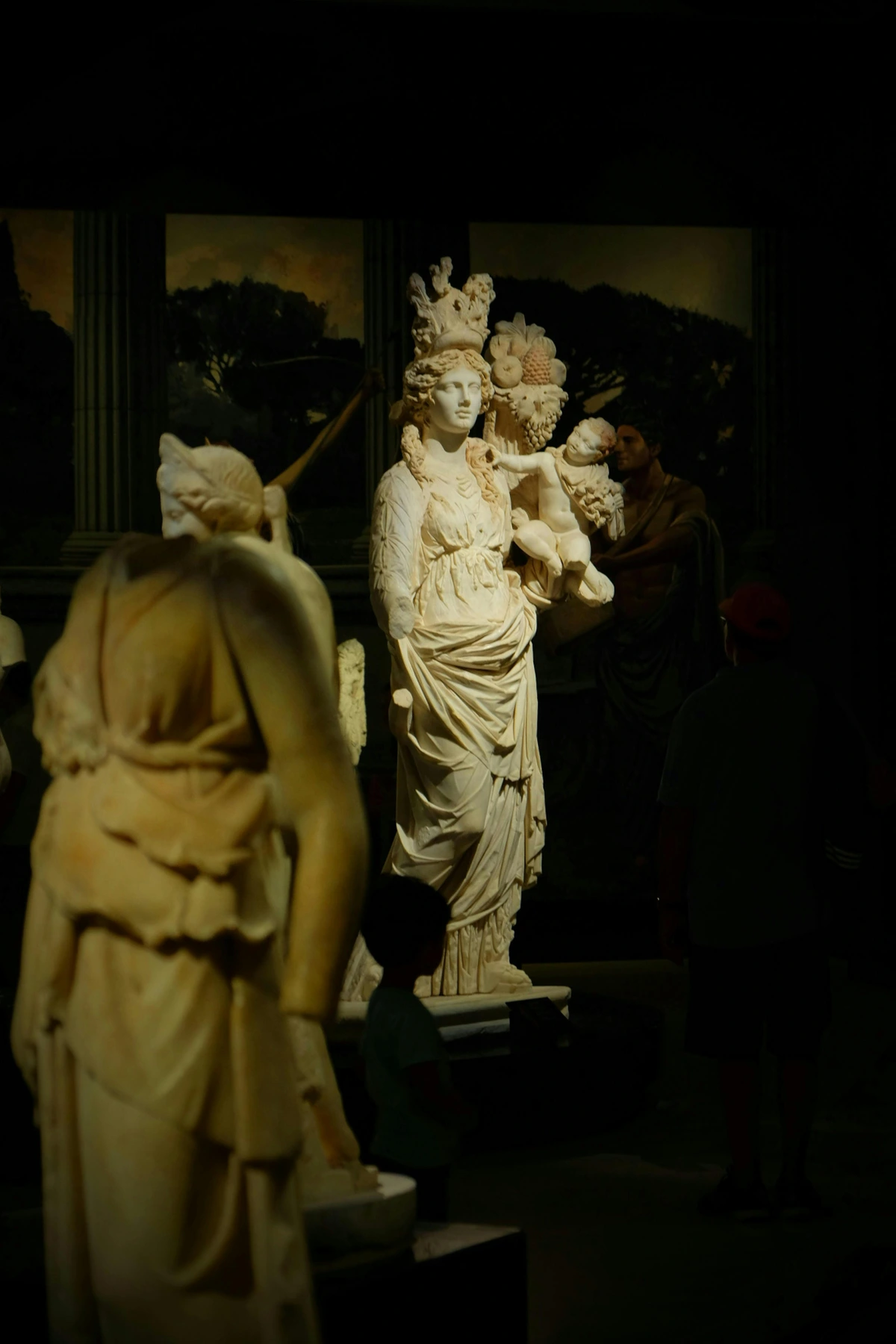
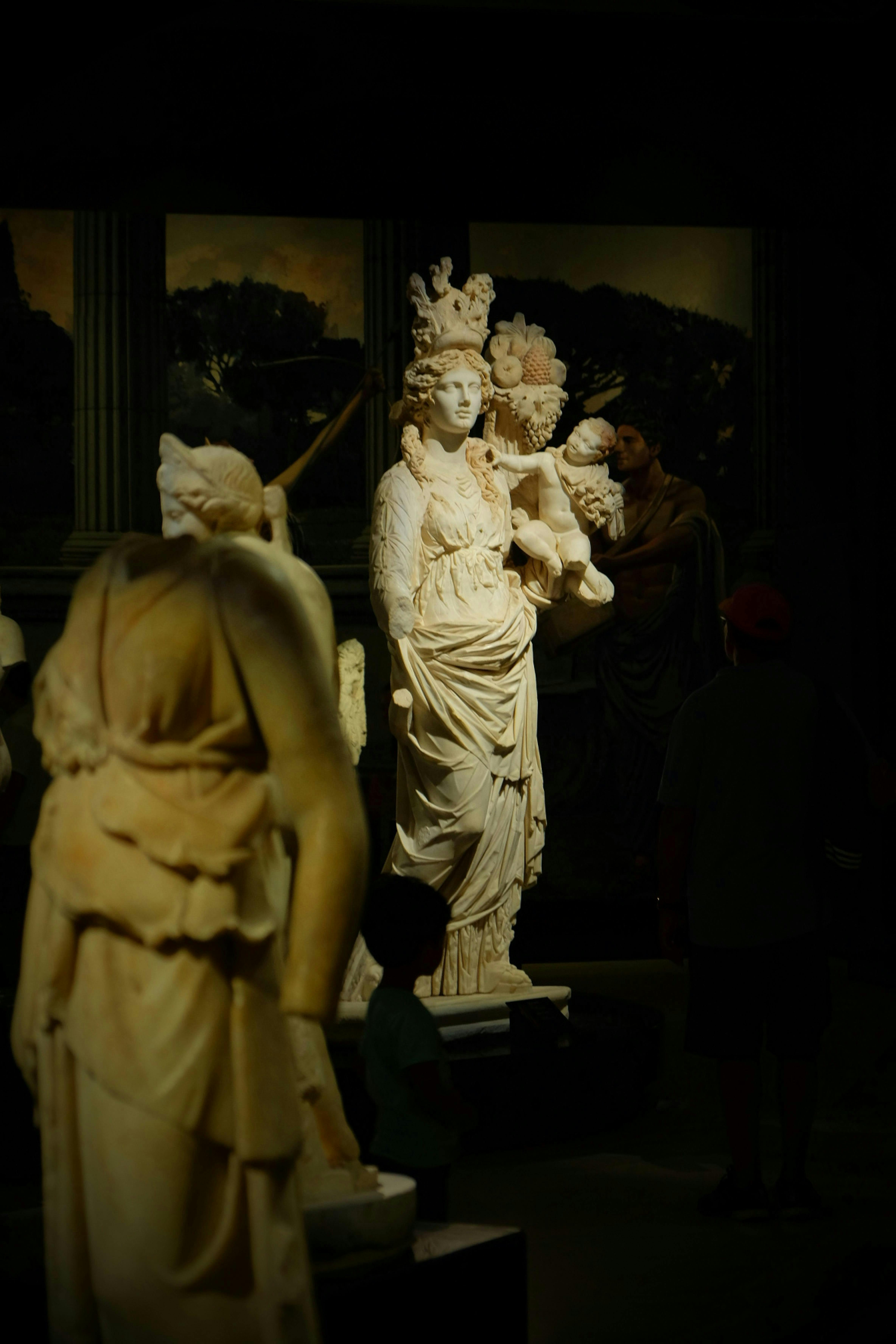
The Renaissance, spanning from the 14th to the 17th century, is known for its focus on humanism and the revival of classical antiquity. Artists like Leonardo da Vinci and Michelangelo created works that are still celebrated today.

credit, licence
Impressionism
Impressionism, which emerged in the late 19th century, is characterized by its emphasis on capturing the fleeting effects of light and color. Artists like Claude Monet and Pierre-Auguste Renoir revolutionized the way we perceive the world.
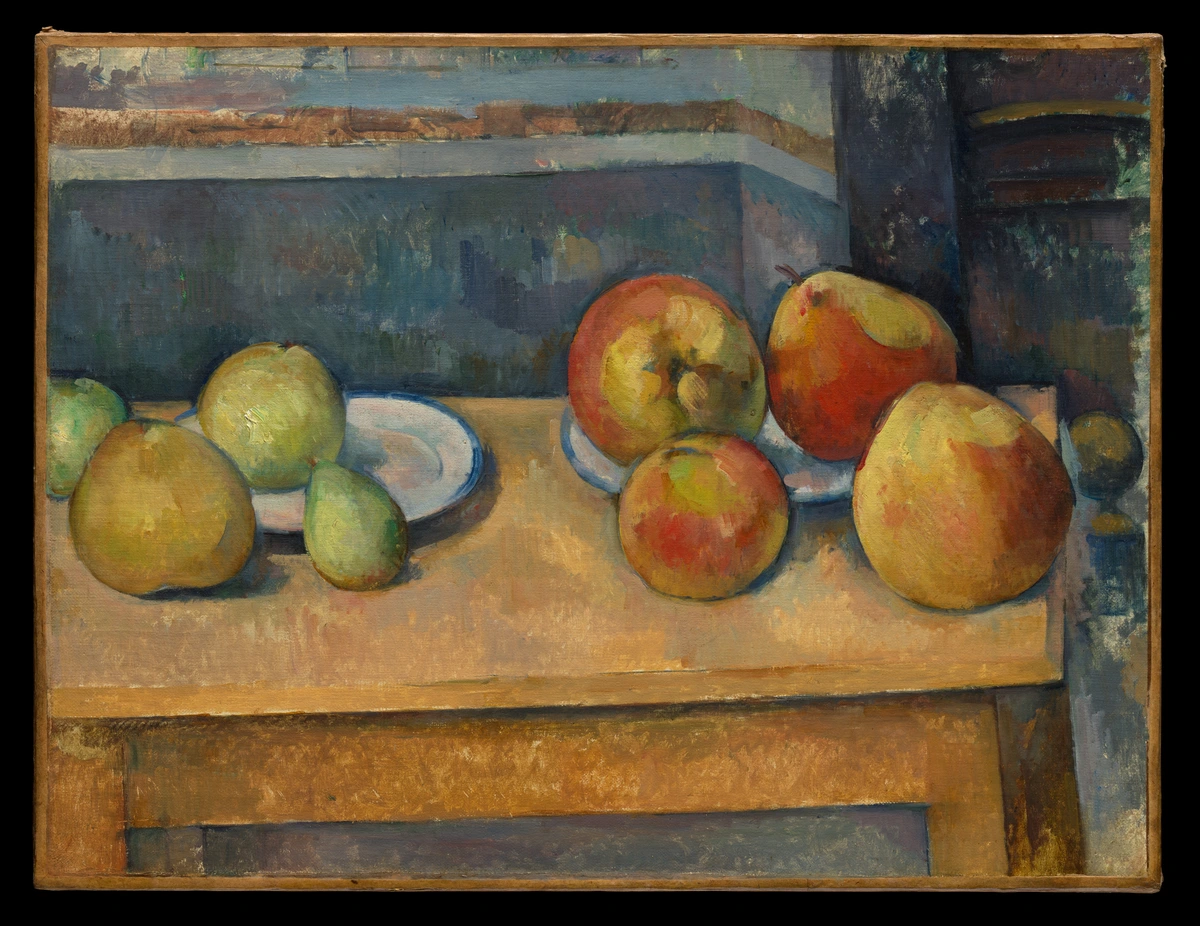
Impressionism was a radical departure from the traditional styles of the time. Artists focused on capturing the momentary and transient aspects of life, often painting en plein air (outdoors) to achieve a sense of immediacy and vibrancy.
Baroque
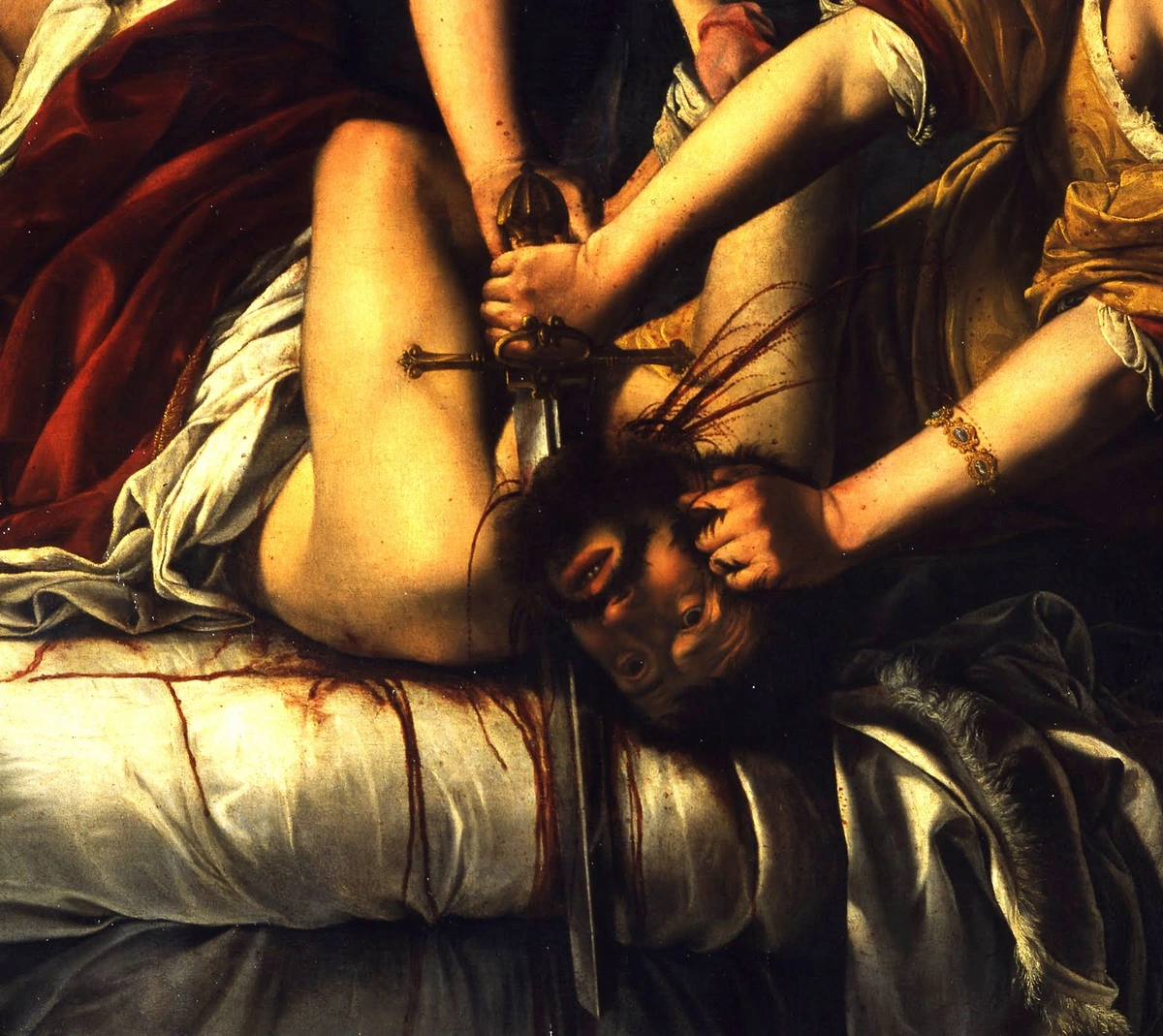
The Baroque period, roughly from the late 16th to the early 18th century, is known for its dramatic use of light and shadow, often referred to as chiaroscuro. Artists like Caravaggio and Rembrandt created works that are both visually stunning and emotionally powerful.
credit, licence

Cubism
Cubism, pioneered by Pablo Picasso and Georges Braque in the early 20th century, is characterized by its fragmented and abstracted forms. This movement challenged traditional perspectives and paved the way for modern art. The use of geometric shapes and multiple viewpoints created a new way of seeing and representing the world.

credit, licence

Surrealism
Surrealism, led by artists like Salvador Dalí and René Magritte, sought to unlock the creative potential of the unconscious mind. This movement is known for its dreamlike imagery and unexpected juxtapositions, which continue to fascinate and inspire artists and viewers alike.
Surrealism challenged conventional notions of reality and sought to explore the depths of the human psyche. By tapping into the subconscious, artists created works that were both mysterious and thought-provoking.
Romanticism
Romanticism, which flourished in the late 18th and early 19th centuries, emphasized emotion, individualism, and the sublime beauty of nature. Artists like Caspar David Friedrich and J.M.W. Turner captured the awe-inspiring power of landscapes and the intensity of human emotions.
Romanticism was a reaction against the rationalism of the Enlightenment. Artists sought to evoke strong emotions and celebrate the beauty and power of nature, often depicting dramatic and untamed landscapes.
How-To: Appreciating Classic Art
Visit Museums
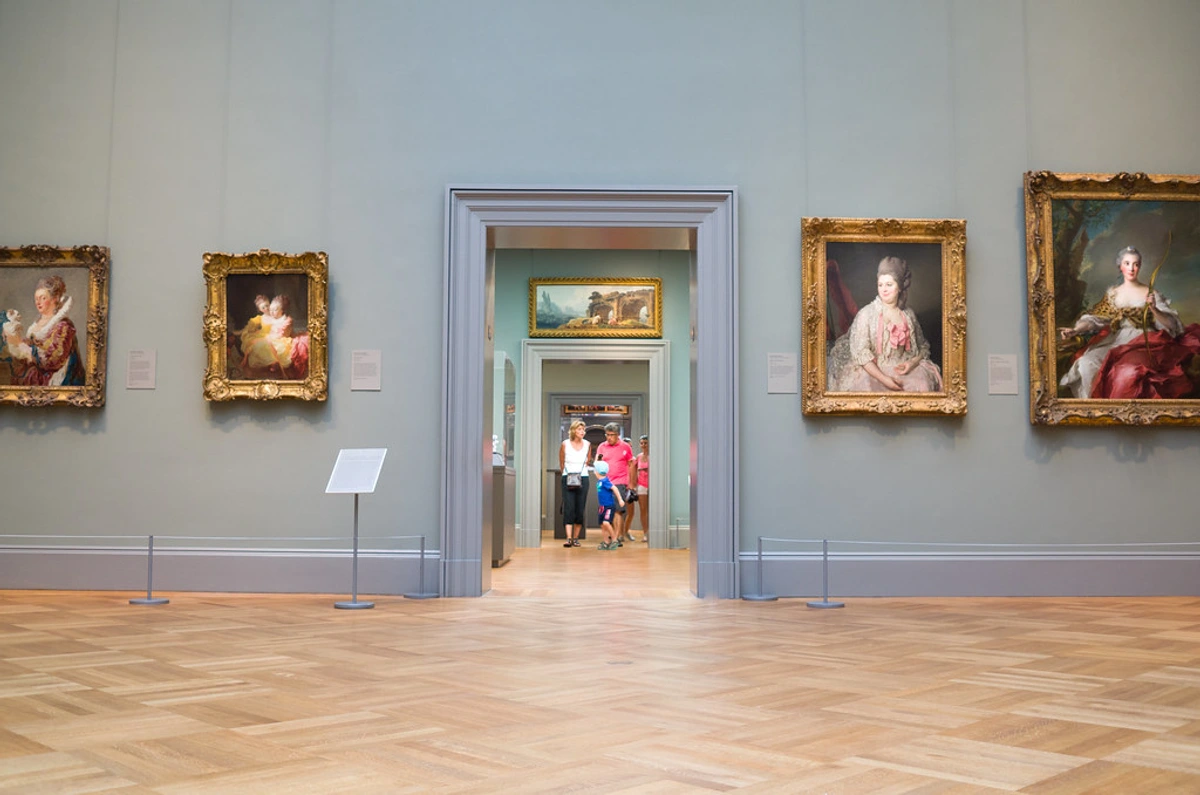
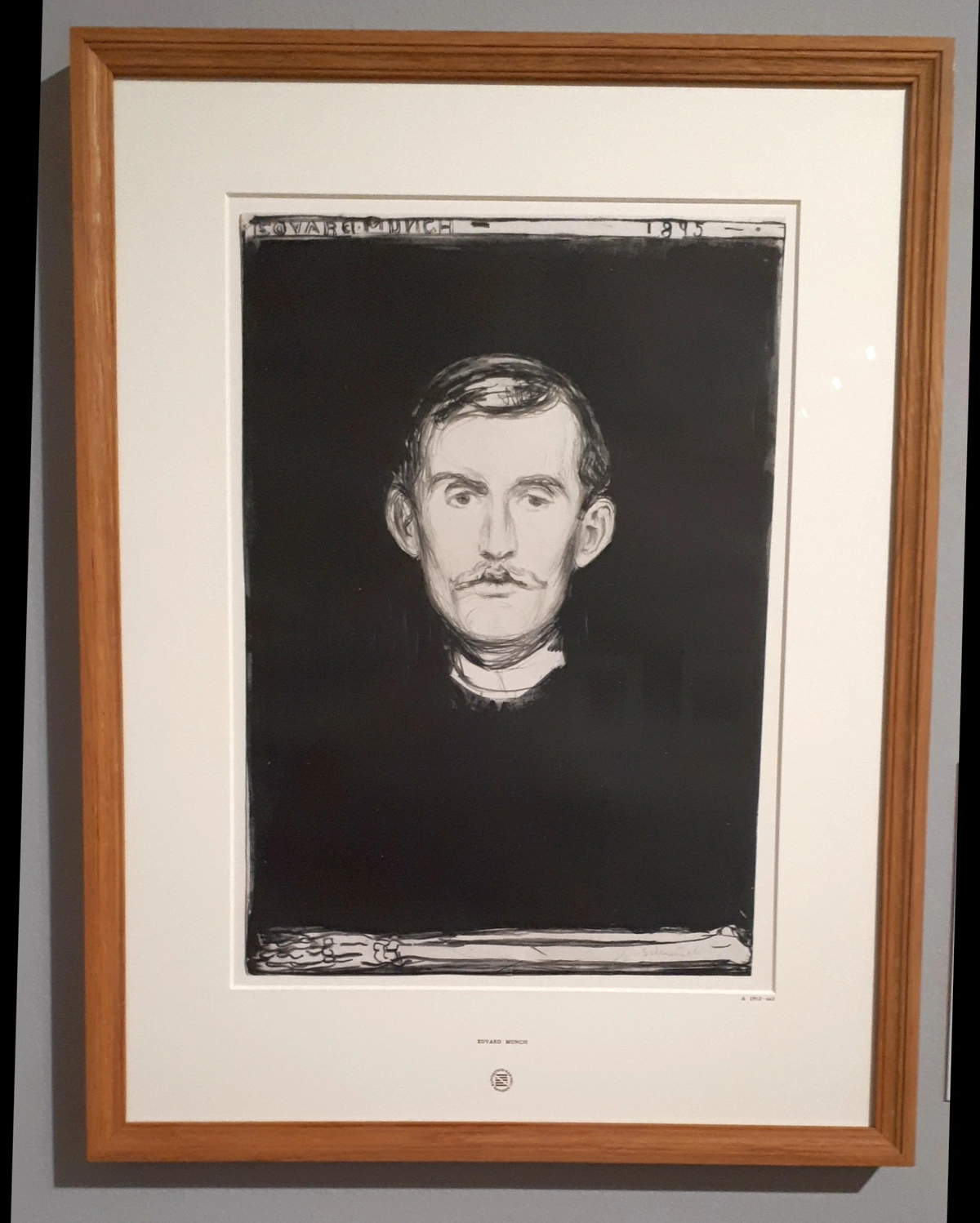
One of the best ways to appreciate classic art is to visit museums. Standing in front of a painting, you can see the texture of the brushstrokes and the subtle details that are often lost in reproductions. Many museums also offer guided tours and educational programs that can enhance your understanding and appreciation of the art.
Study Art History
Understanding the historical context and the techniques used by artists can deepen your appreciation. There are many resources available, from books to online courses. Exploring the lives and motivations of the artists can also provide valuable insights into their works.

Create Your Own Art
Sometimes, the best way to understand art is to create it yourself. Whether it's painting, drawing, or sculpting, the process of creation can give you a new perspective on classic art movements. Experimenting with different techniques and styles can also help you appreciate the skill and creativity of the artists.
Creating your own art allows you to experience the challenges and joys that artists face. It can deepen your appreciation for the technical mastery and creative vision of classic artists.
Engage with Art Communities
Joining art communities, both online and offline, can provide opportunities to discuss and learn about classic art movements. Engaging with other art enthusiasts can offer new perspectives and deepen your appreciation for the art.
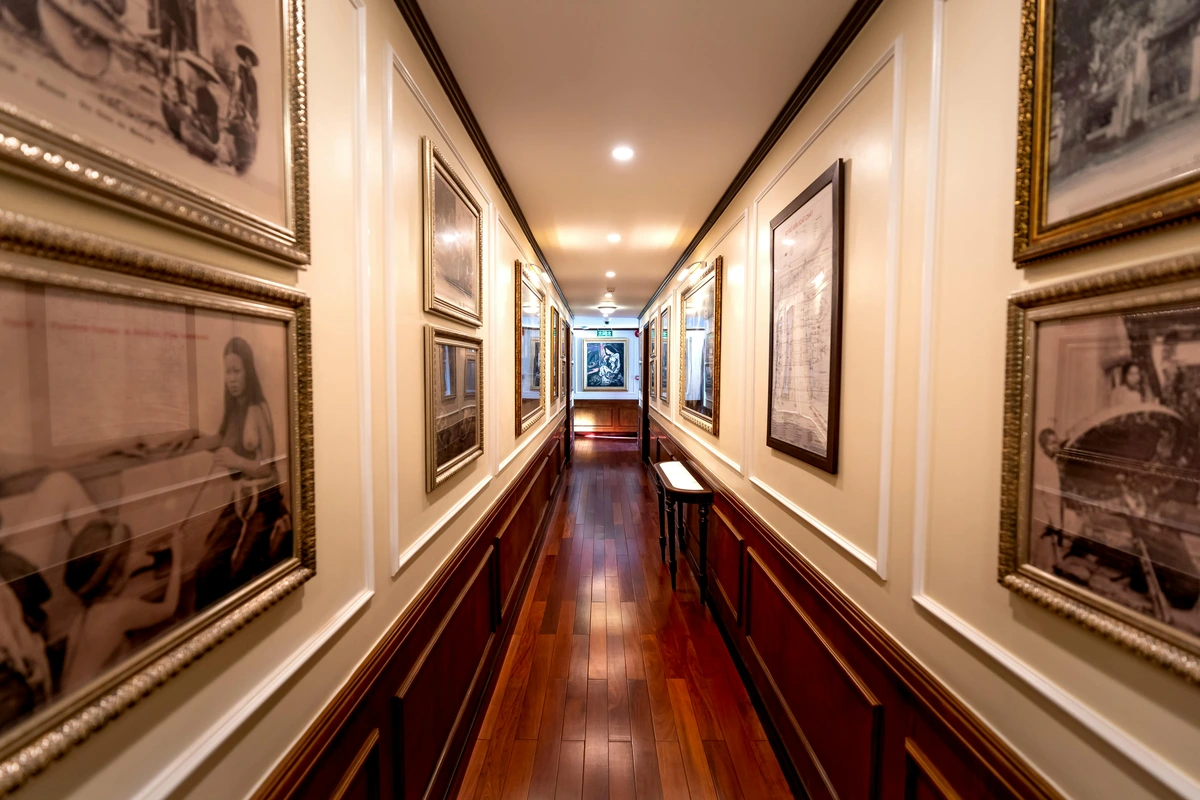
Engaging with art communities allows you to share your passion for art with others. It can provide a platform for learning, discussion, and collaboration, enriching your understanding and appreciation of classic art.
Considerations
Subjectivity of Art
Art is subjective, and what resonates with one person may not resonate with another. It's important to approach art with an open mind and appreciate the diversity of expressions. The beauty of art lies in its ability to evoke different emotions and interpretations in each viewer.
Evolution of Art
Art is constantly evolving, and new movements are always emerging. While classic art movements have their place, it's also important to appreciate contemporary art and the new perspectives it brings. The interplay between classic and contemporary art can provide a richer understanding of the art world.

Preservation and Accessibility
The preservation of classic art is crucial for future generations to appreciate and learn from these movements. Museums and galleries play a vital role in making art accessible to the public. Digital platforms and online exhibitions have also made it easier for people to explore and engage with classic art from around the world.
The Role of Technology
Technology has revolutionized the way we access and interact with classic art. Virtual reality tours, high-resolution digital scans, and online databases have made it possible to explore artworks in unprecedented detail. These advancements have democratized art appreciation, allowing people from all over the world to experience masterpieces without leaving their homes.
FAQ
Why are classic art movements still relevant today?
Classic art movements are still relevant because they explore universal themes and emotions that resonate with people across generations. Additionally, their aesthetic appeal continues to inspire contemporary artists. The technical mastery and historical significance of these movements also contribute to their enduring relevance.
How can I learn more about classic art movements?
There are many resources available, including books, online courses, and museum visits. Studying art history and understanding the historical context can deepen your appreciation. Engaging with art communities and creating your own art can also enhance your understanding and appreciation of classic art movements.

What are some of the most influential classic art movements?
Some of the most influential classic art movements include the Renaissance, Baroque, Impressionism, and Post-Impressionism. Each of these movements has had a significant impact on the development of art. Other notable movements include Cubism, Surrealism, and the Hudson River School.

How do classic art movements influence contemporary art?
Classic art movements influence contemporary art in various ways. Artists often draw inspiration from the techniques, themes, and styles of classic movements, incorporating them into their own work. The exploration of universal themes and the emphasis on technical mastery continue to inspire and inform contemporary artists.
What role do museums play in preserving classic art movements?
Museums play a crucial role in preserving classic art movements by housing and displaying works of art for the public to view and appreciate. They also provide educational programs and resources that help visitors understand the historical and cultural significance of these movements. Digital platforms and online exhibitions have further expanded the reach and accessibility of classic art.
Can classic art movements inspire modern artists?
Absolutely. Many modern artists draw inspiration from classic art movements, whether it's through techniques, themes, or styles. The timeless qualities of classic art provide a rich source of creativity and innovation for contemporary artists.











Conclusion
The enduring allure of classic art movements lies in their ability to capture the essence of the human experience. Whether it's the historical significance, the aesthetic appeal, or the timeless themes, these movements continue to inspire and captivate us. As we move forward, it's important to appreciate both the classics and the new perspectives that contemporary art brings.
If you're interested in exploring more about art, consider visiting our museum in Den Bosch or browsing our collection of contemporary art here. The journey through art is a continuous one, and there is always more to discover and appreciate.
Classic art movements remind us of the power of creativity and the enduring impact of artistic expression. They invite us to explore the depths of human emotion, the beauty of the natural world, and the complexities of our shared history. As we continue to evolve, these movements serve as a testament to the timeless nature of art and its ability to connect us across time and space.