What is Technical Mastery in Art?
Explore the essence of technical mastery in art, its key components, and why it matters for artists. Learn how it differs from natural talent and its role in artistic development.

What is Technical Mastery in Art?
I remember the first time I stood in front of a painting and thought, "How did they do that?" It wasn’t just the colors or the subject that captivated me—it was the precision, the control, the sheer skill that made the artwork feel alive. That moment sparked a question I’ve been chasing ever since: What is technical mastery in art?
Technical mastery in art isn’t just about being able to draw a straight line or mix the perfect shade of blue. It’s about understanding the tools, the materials, and the techniques so deeply that they become an extension of your creative vision. It’s the difference between a sketch and a masterpiece, between a doodle and a work that stops people in their tracks.
But what does it truly mean to master a craft? Is it about perfection, or is it about the journey of continuous improvement? These are the questions that drive artists to push their boundaries and explore the depths of their creativity.
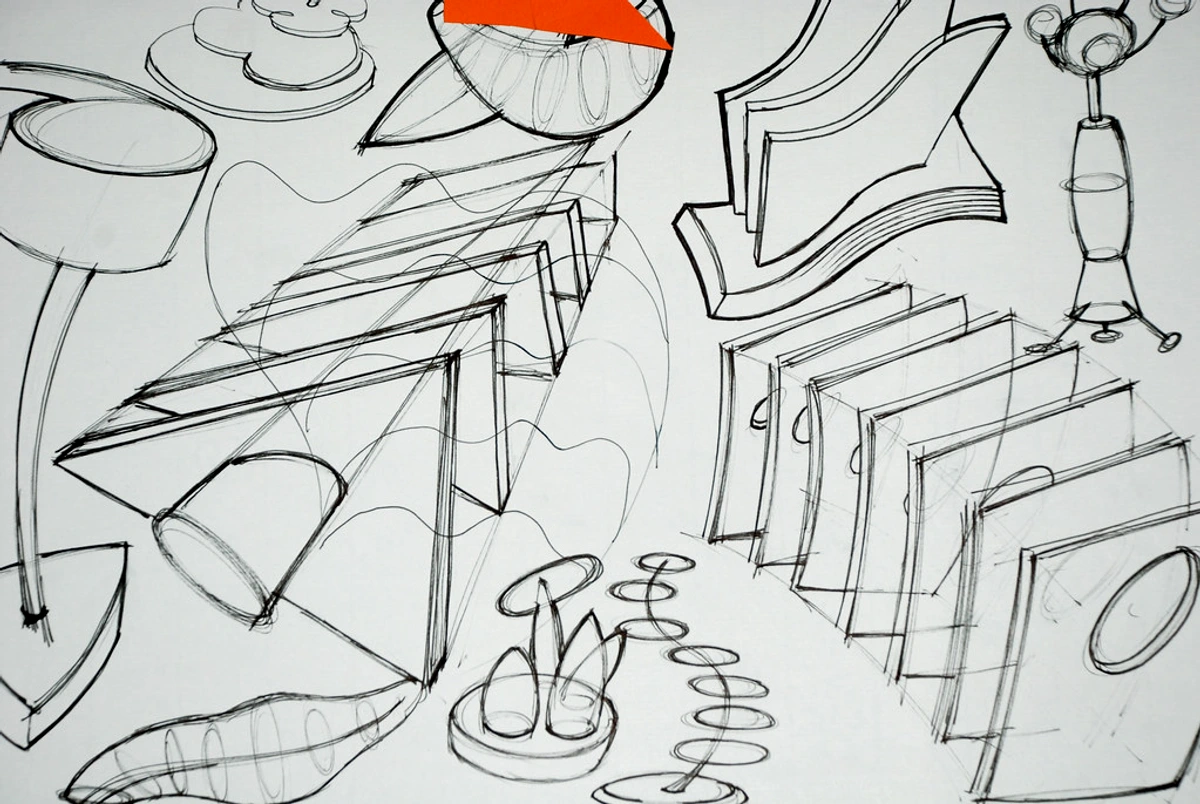
Technical mastery is not just about the final product; it’s about the process. It’s about the hours spent practicing, the mistakes made, and the lessons learned. It’s about the willingness to experiment and the humility to learn from others. It’s what transforms a hobbyist into a professional and an amateur into an artist.
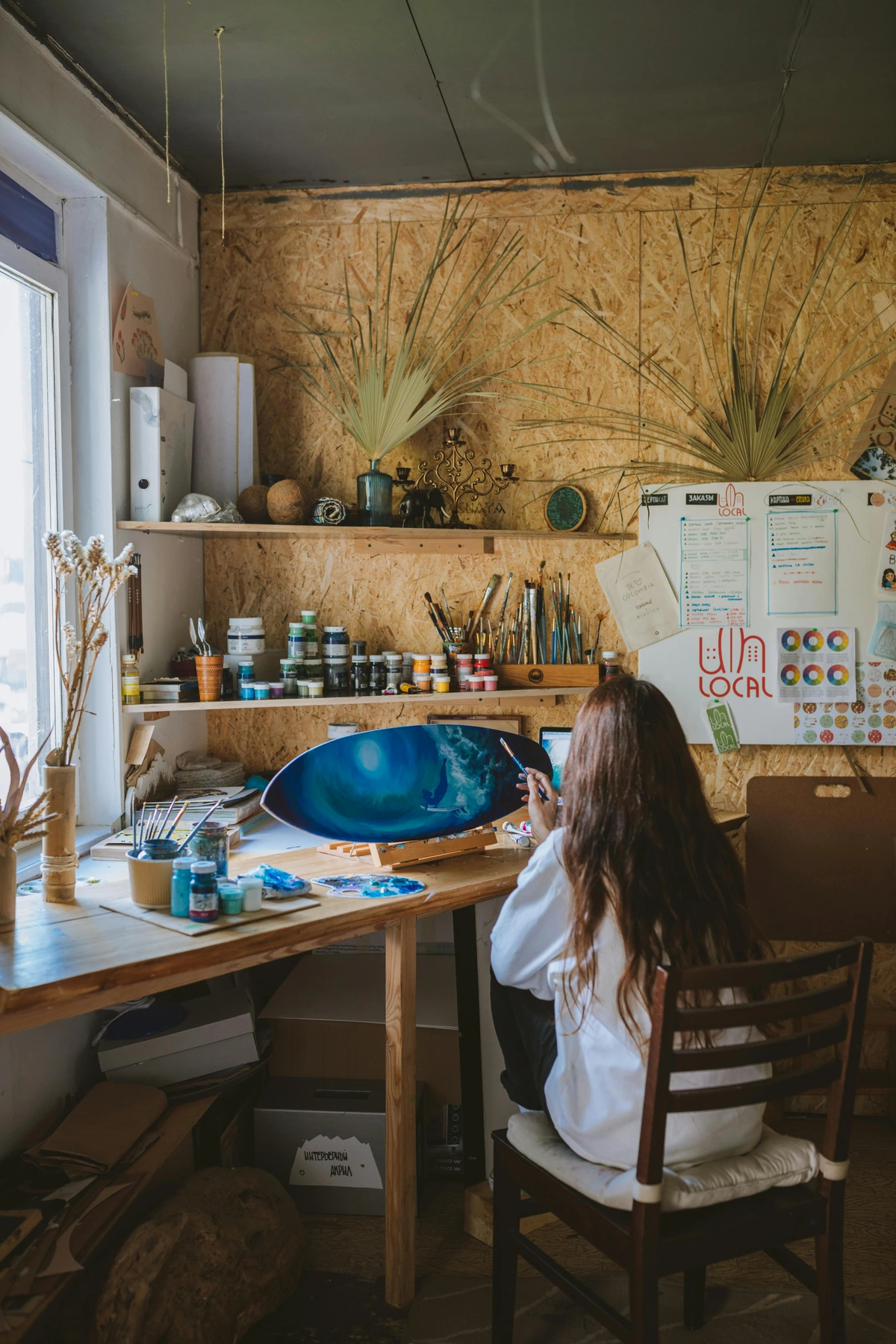
Technical mastery is not a destination but a journey. It’s about the relentless pursuit of improvement, the willingness to experiment, and the humility to learn from mistakes. It’s what separates the amateur from the professional, the hobbyist from the artist.
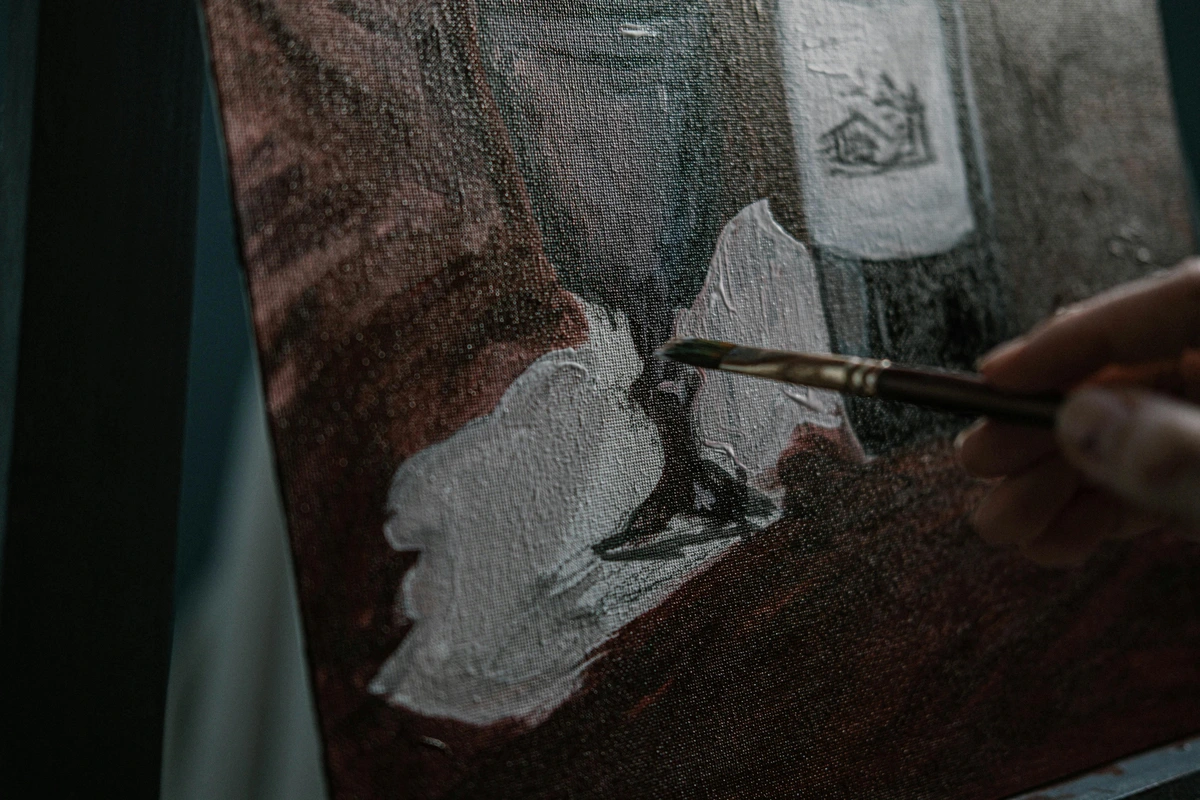
But here’s the thing: technical mastery isn’t something you’re born with. It’s not about natural talent, though that can certainly help. It’s about practice, patience, and a relentless curiosity to learn and improve. And in this article, we’re going to dive deep into what it means, why it matters, and how you can cultivate it in your own artistic journey.
What Exactly is Technical Mastery in Art?
At its core, technical mastery in art refers to the artist’s ability to control and manipulate their chosen medium with precision and intent. It’s about having the skills to execute your creative vision without being limited by the tools or techniques.
Think of it like this: if art is a language, then technical mastery is your fluency in that language. You might have a lot to say (your creative vision), but without the vocabulary and grammar (the technical skills), your message might get lost in translation.
Technical mastery is not just about the ability to create visually appealing work; it’s about the ability to convey emotion, tell a story, and evoke a response from the viewer. It’s the bridge between the artist’s imagination and the audience’s perception.
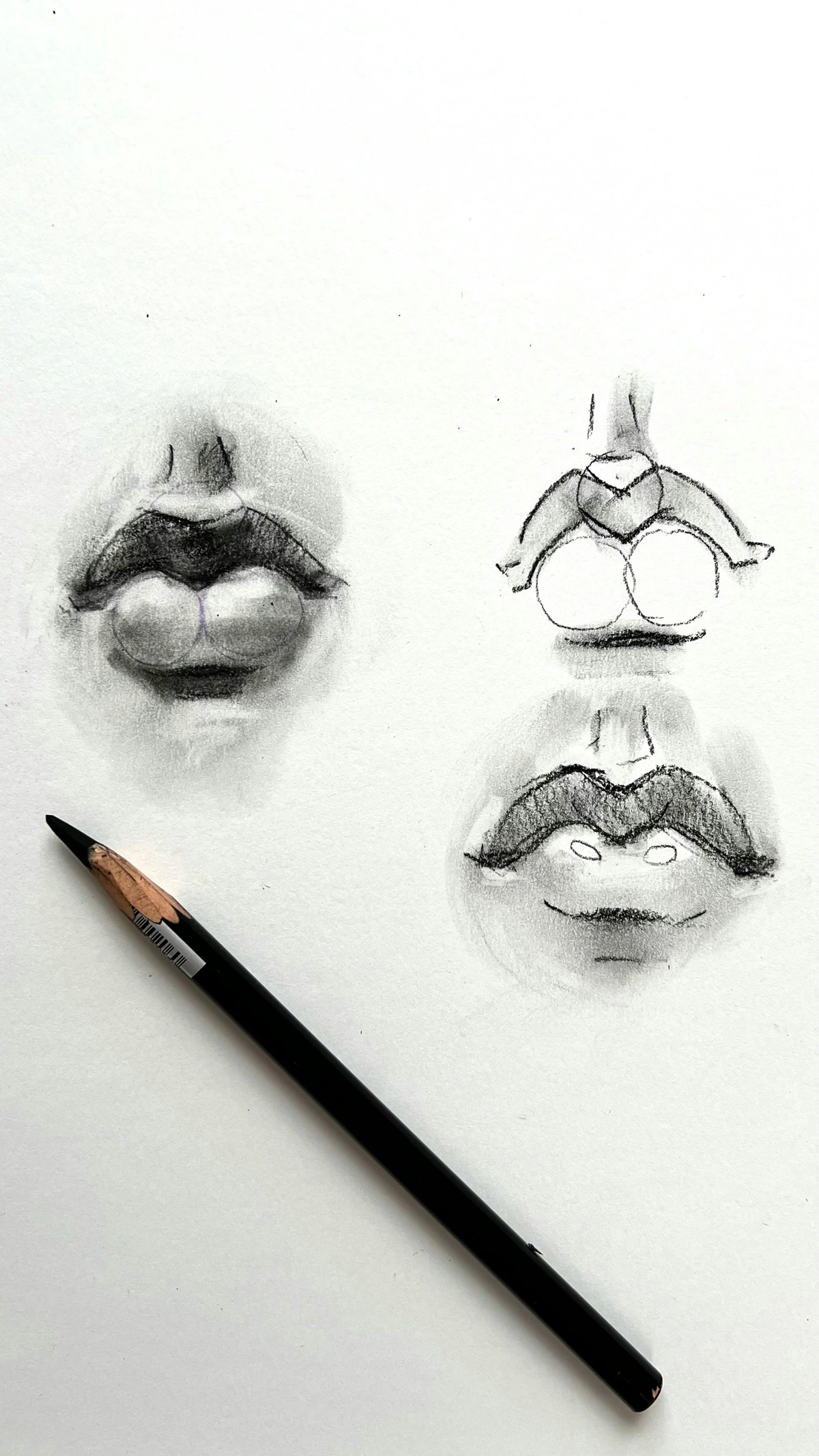
Technical mastery is not just about the ability to replicate reality or create visually appealing work. It’s about the ability to convey emotion, tell a story, and evoke a response from the viewer. It’s the bridge between the artist’s imagination and the audience’s perception.
The Science Behind Technical Mastery
Technical mastery is not just an artistic concept; it’s also rooted in cognitive science. Studies have shown that the brain’s ability to process and execute complex motor skills, such as those required in art, improves with deliberate practice. This process, known as neuroplasticity, allows the brain to rewire itself, forming new neural pathways that enhance skill acquisition and retention.
Neuroplasticity is the brain’s ability to adapt and change in response to new experiences. It’s what allows us to learn new skills, improve existing ones, and recover from injuries. For artists, this means that the more they practice, the more their brain adapts to the demands of their craft, making it easier to execute complex techniques and create more refined work.
The Role of Muscle Memory
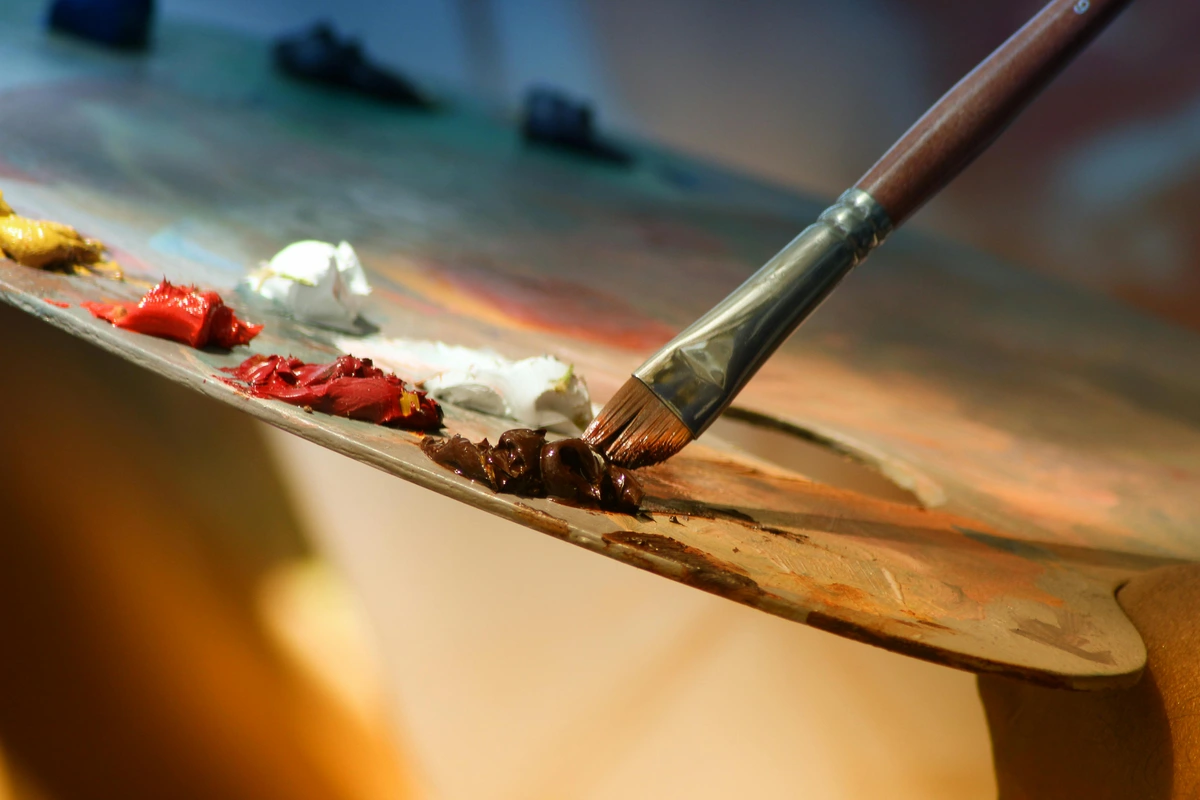
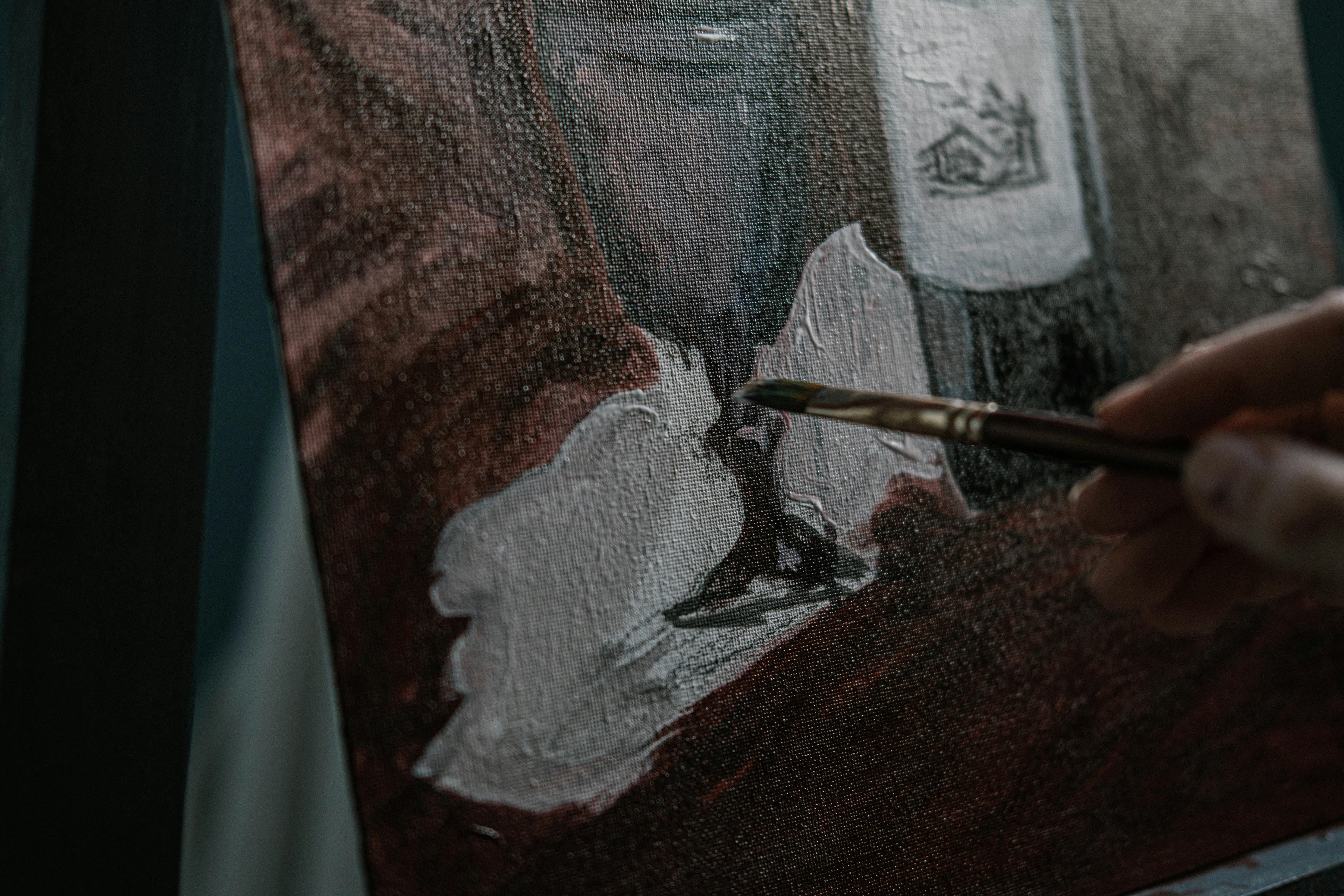
Muscle memory plays a crucial role in technical mastery. Repetitive practice allows artists to perform techniques automatically, freeing up mental space for creativity and innovation. For example, a painter who has mastered brushstrokes can focus more on the emotional impact of their work rather than the mechanics of applying paint.
Muscle memory is not just about physical repetition; it’s about training the brain to recognize patterns and execute movements with precision. This allows artists to focus on the creative aspects of their work, such as composition, color theory, and storytelling, rather than the technical details.
The Role of Technical Mastery in Different Art Forms
Technical mastery isn’t confined to painting or drawing. It spans across all forms of art, from sculpture to digital art, and even performance art. Each medium demands its own set of skills and techniques, and mastering them allows artists to express their ideas more effectively.
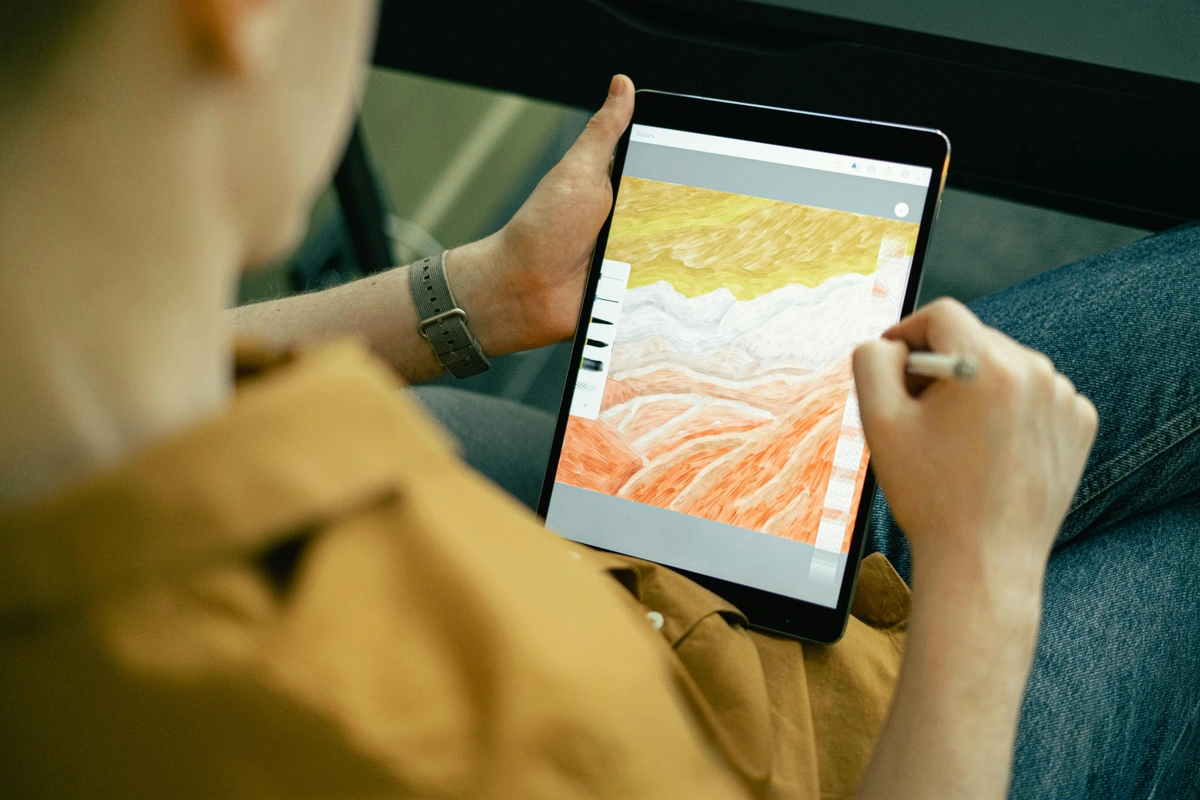
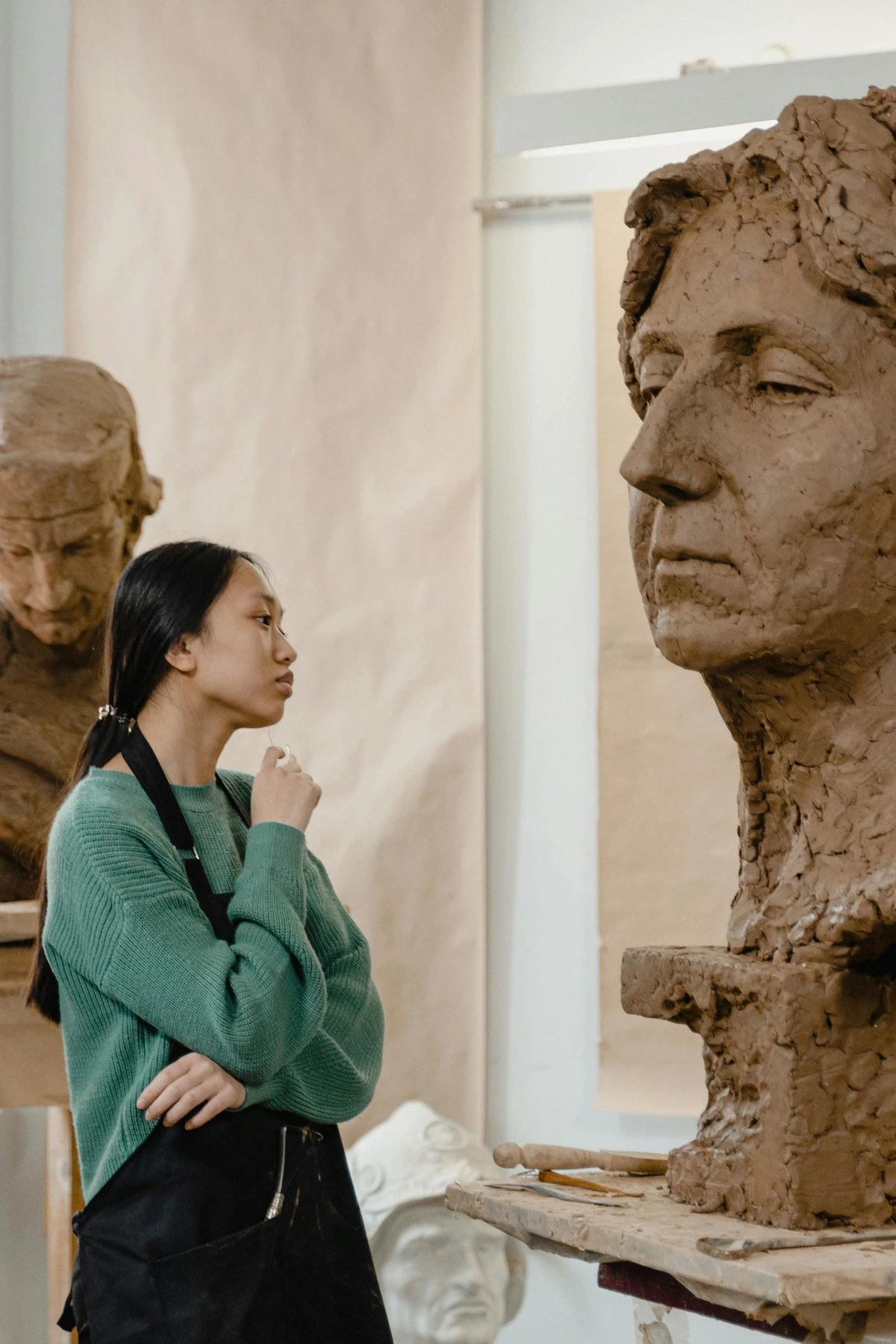
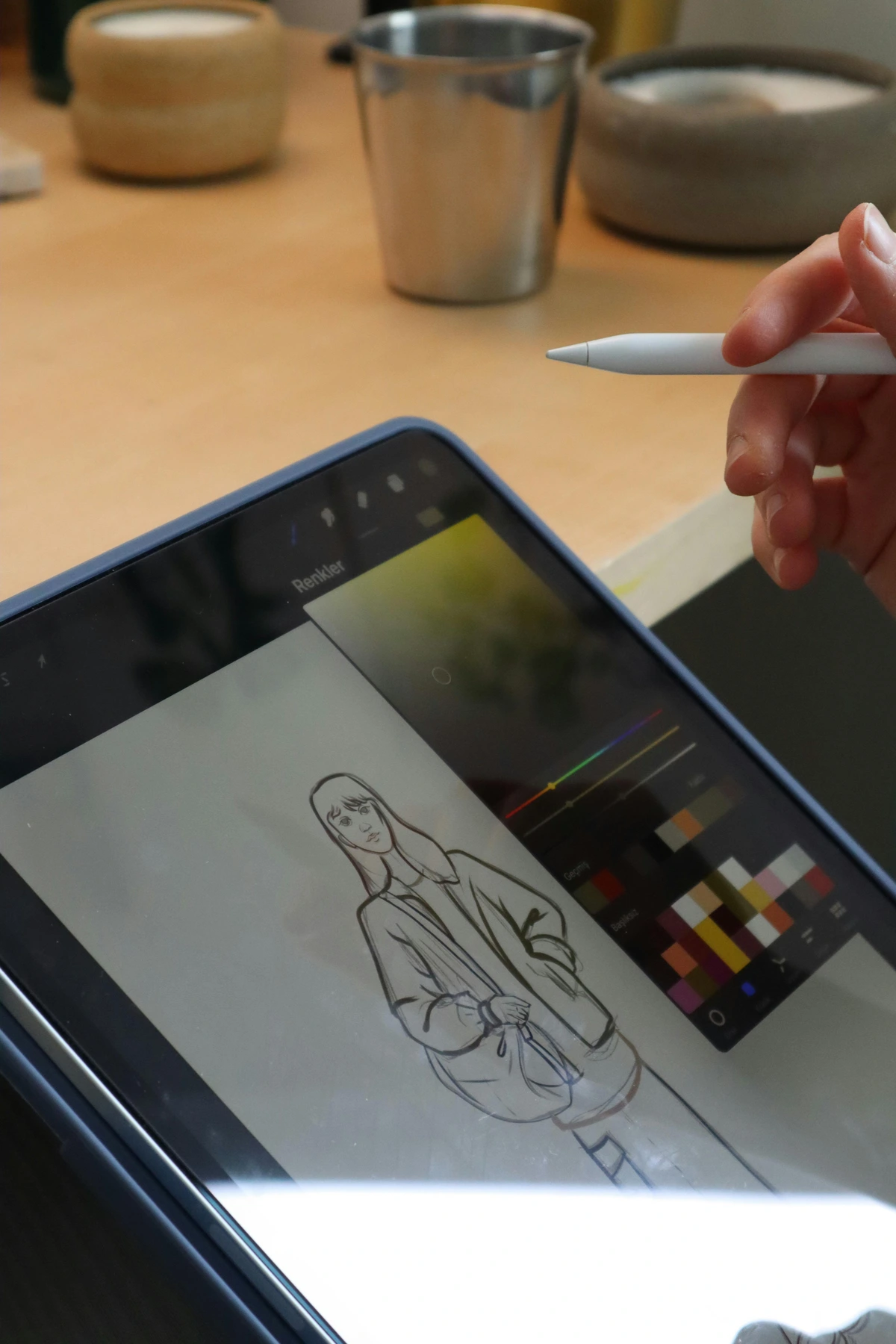
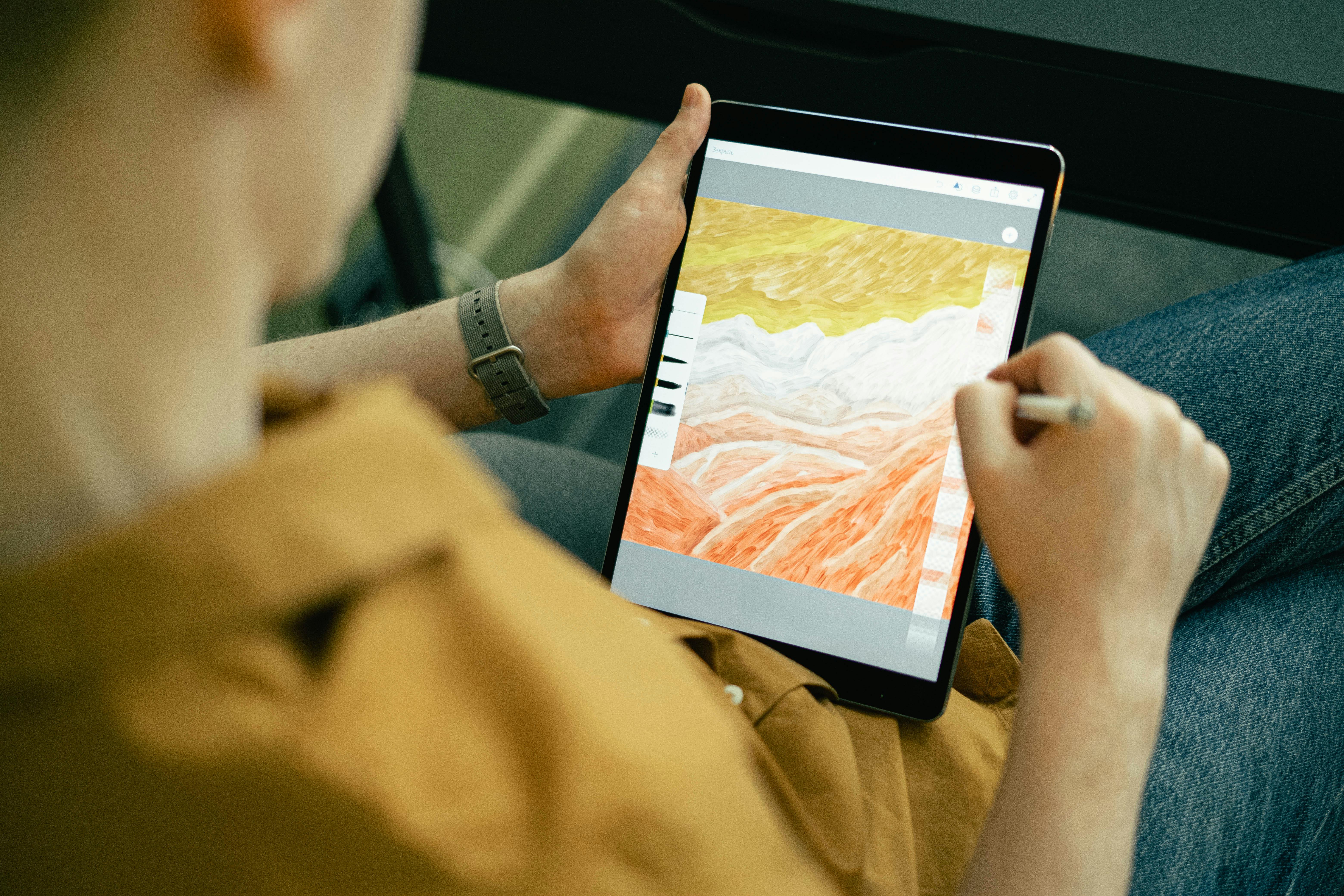
For example, a sculptor must understand the properties of their chosen material, whether it’s marble, clay, or metal. A digital artist must be proficient in software tools and understand how to manipulate digital brushes and layers. Even performance artists rely on technical skills such as body control, timing, and spatial awareness to convey their message.
Each art form presents its own unique challenges and opportunities. For example, a sculptor must consider the weight, texture, and durability of their materials, while a digital artist must navigate the complexities of digital tools and software. Performance artists, on the other hand, must master the art of storytelling through movement and expression.

Technical Mastery in Photography
Photography is another art form where technical mastery is essential. Understanding exposure, composition, and lighting can transform a simple snapshot into a powerful visual narrative. Photographers must also master post-processing techniques to enhance their images while maintaining their artistic integrity.

Photography is a unique blend of technical skill and artistic vision. It requires an understanding of the technical aspects of the camera, such as aperture, shutter speed, and ISO, as well as the creative aspects of composition, lighting, and storytelling. Mastering these skills allows photographers to capture moments in a way that resonates with viewers and conveys their intended message.
Technical Mastery in Music
While not traditionally considered a visual art, music also requires technical mastery. Musicians must develop their skills in playing instruments, understanding music theory, and interpreting compositions. This technical foundation allows them to express emotions and tell stories through sound.
Music is a universal language that transcends cultural and linguistic barriers. It’s a powerful medium for expressing emotions, telling stories, and connecting with others. Technical mastery in music is about understanding the mechanics of sound, the structure of compositions, and the nuances of performance. It’s about developing the skills to convey emotions and tell stories through sound.
Key Components of Technical Mastery
Technical mastery isn’t a single skill—it’s a combination of many. Here are some of the key components:
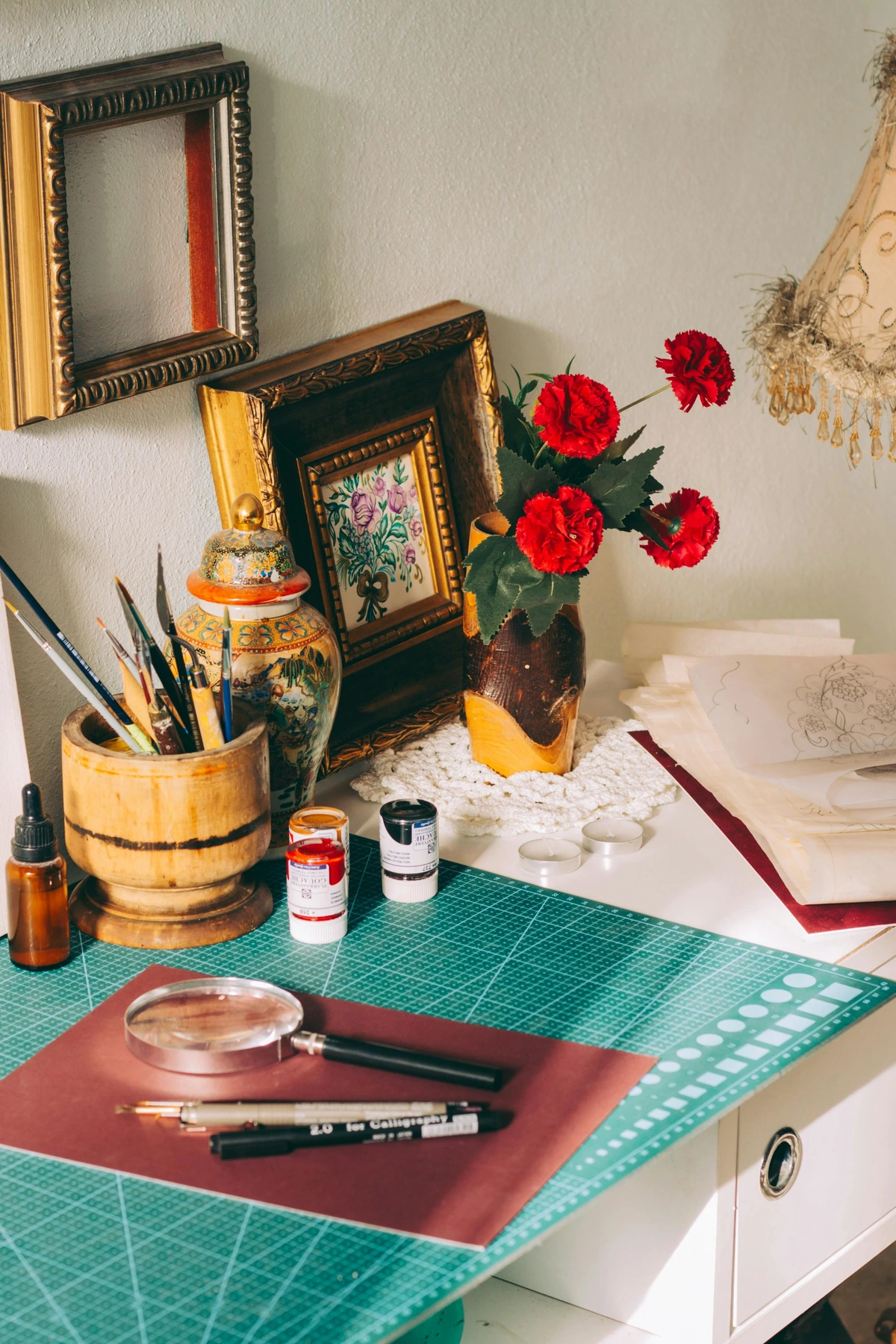
- Drawing Skills: The foundation of most visual arts. This includes understanding proportions, perspectives, and anatomy.
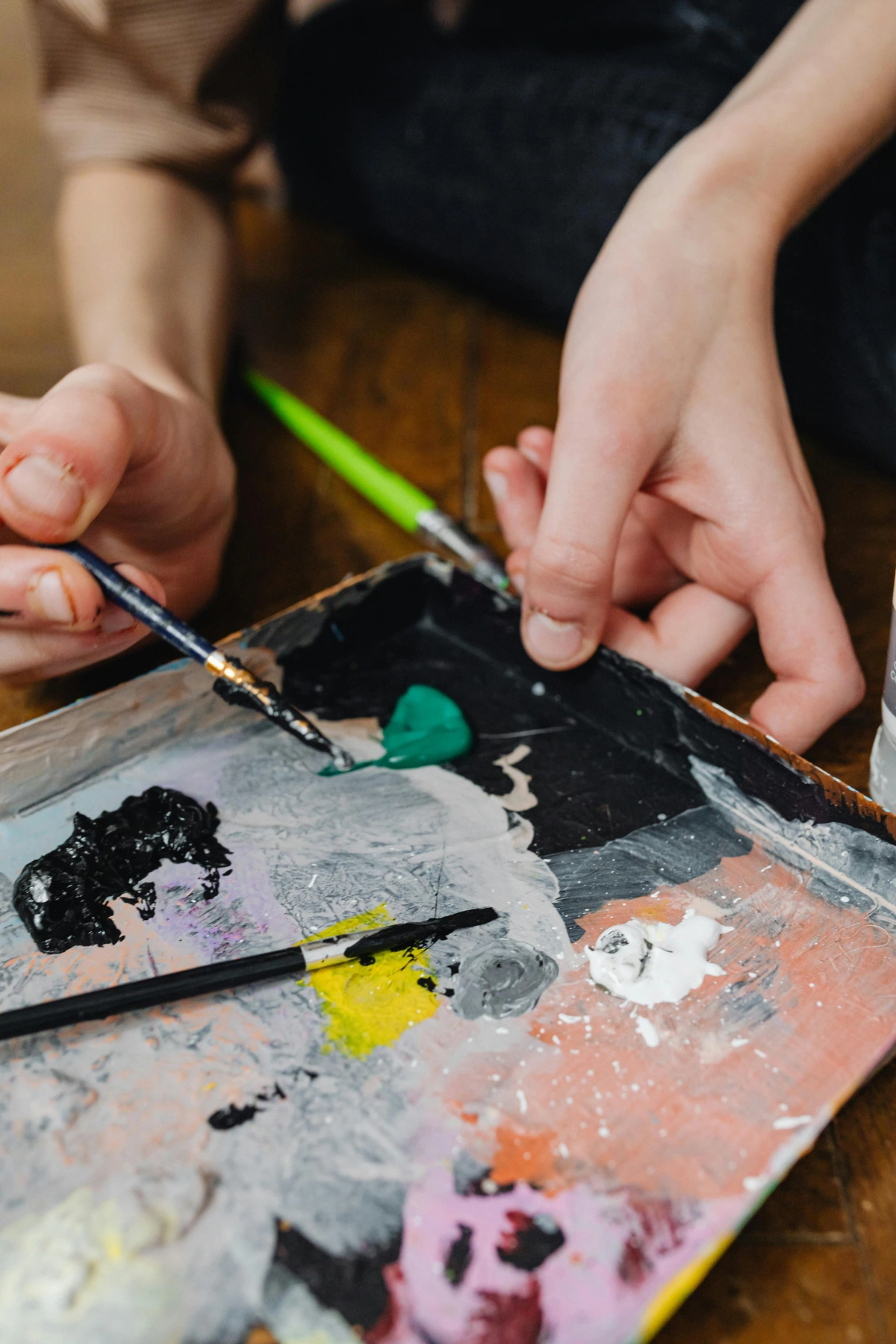
- Color Theory: Knowing how to mix, blend, and use colors to create harmony, contrast, and emotion.
- Composition: The arrangement of elements within a piece to create balance, focus, and visual interest.
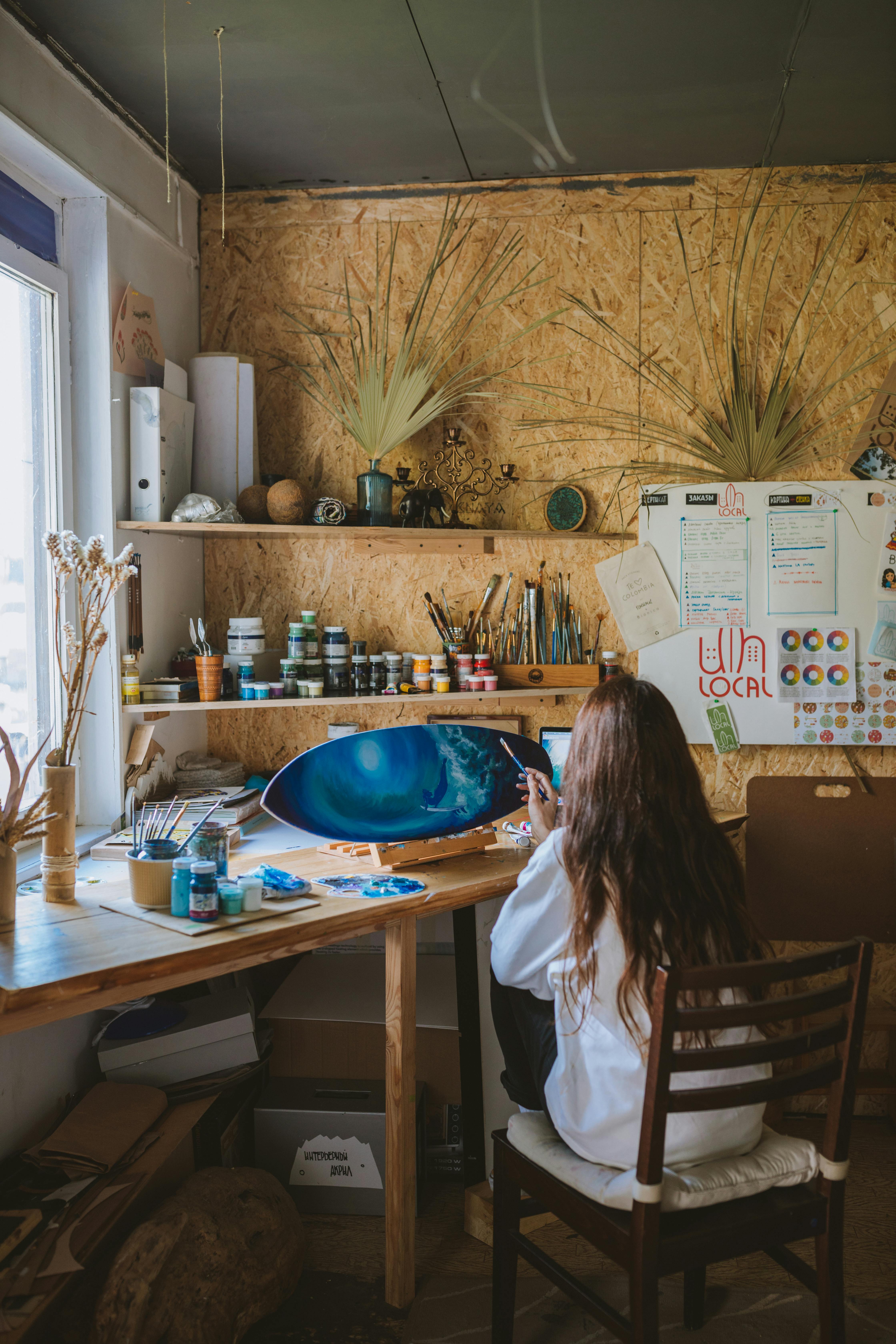
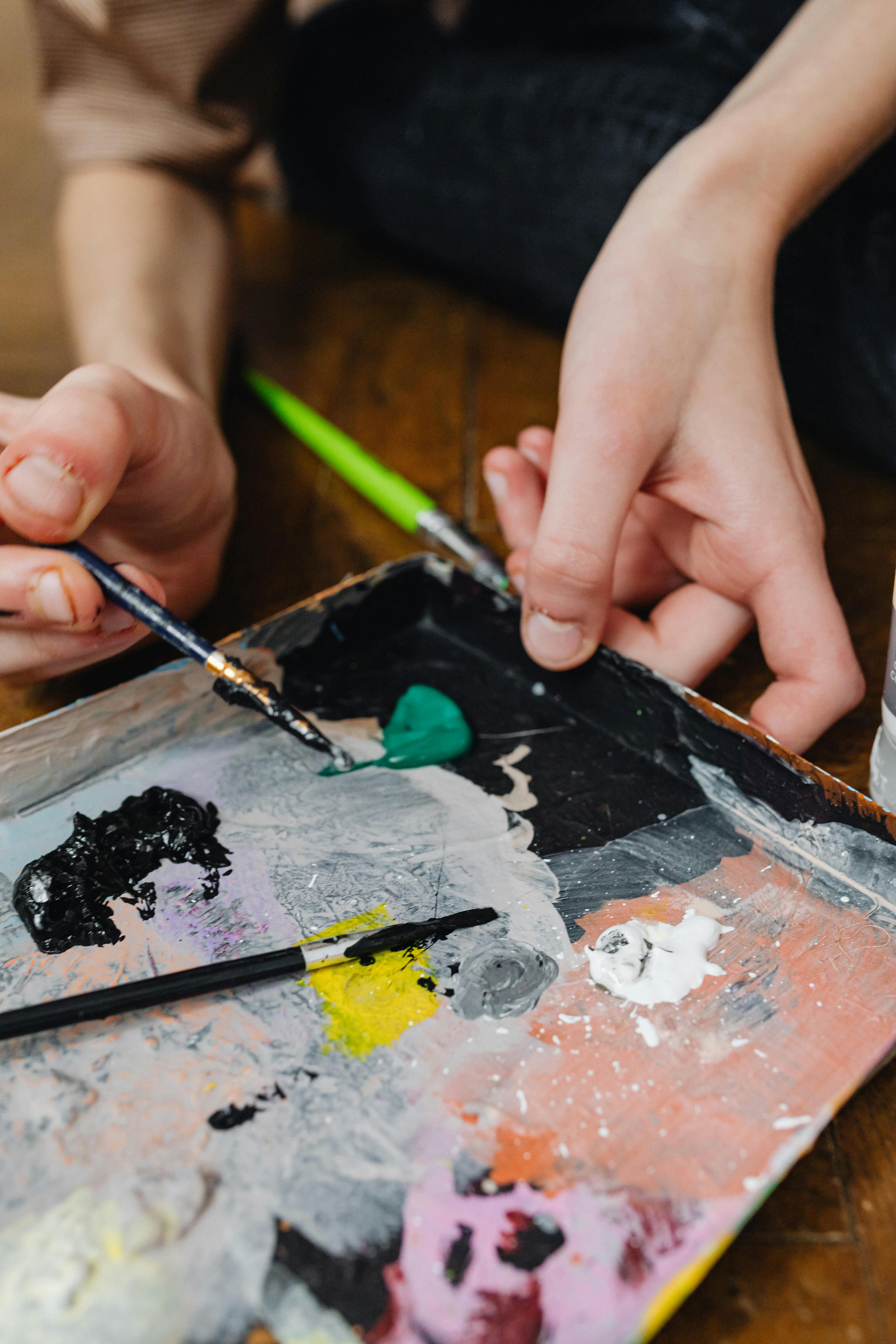
- Material Knowledge: Understanding the properties of your materials, whether it’s paint, clay, digital tools, or something else.
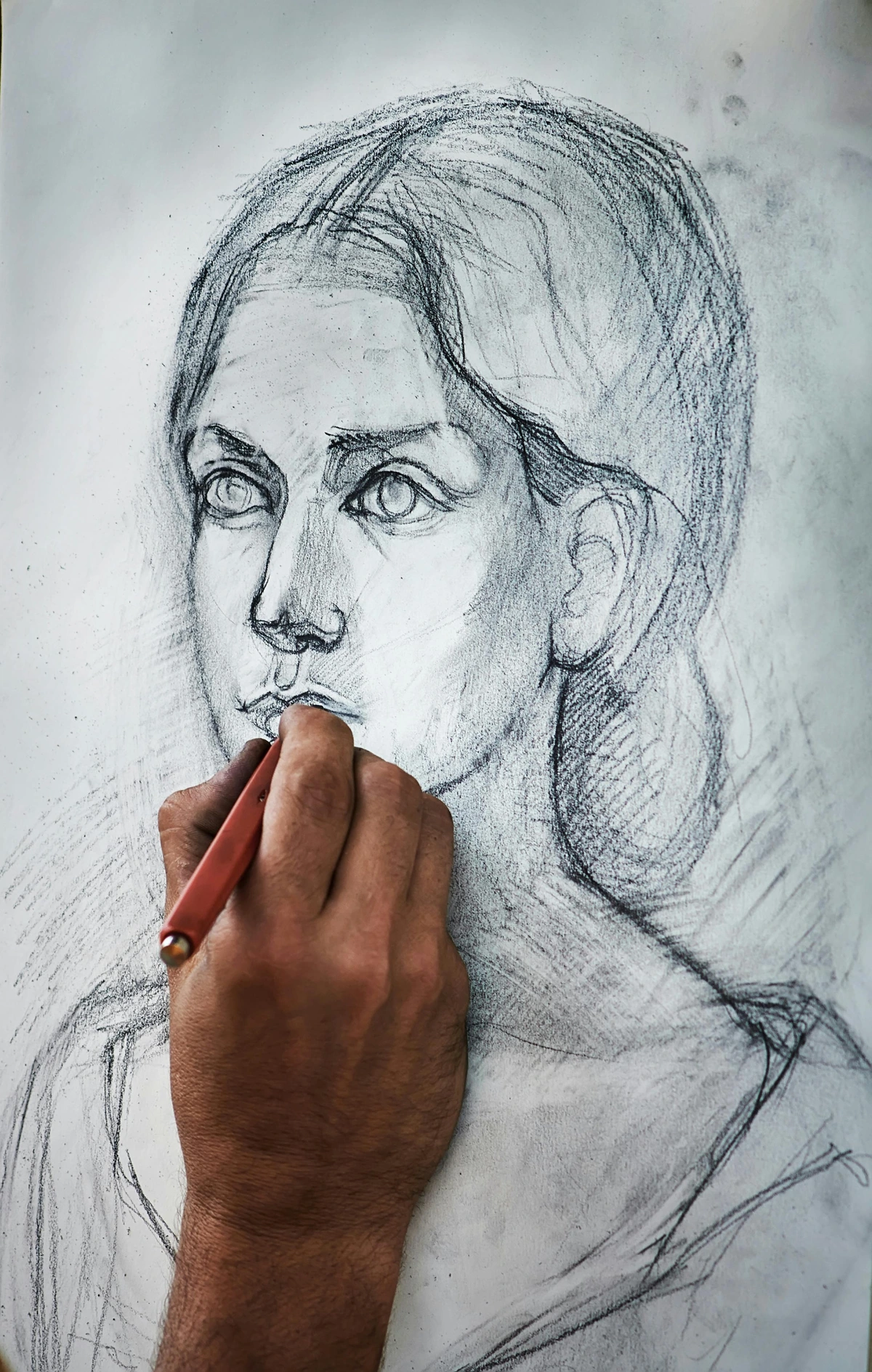
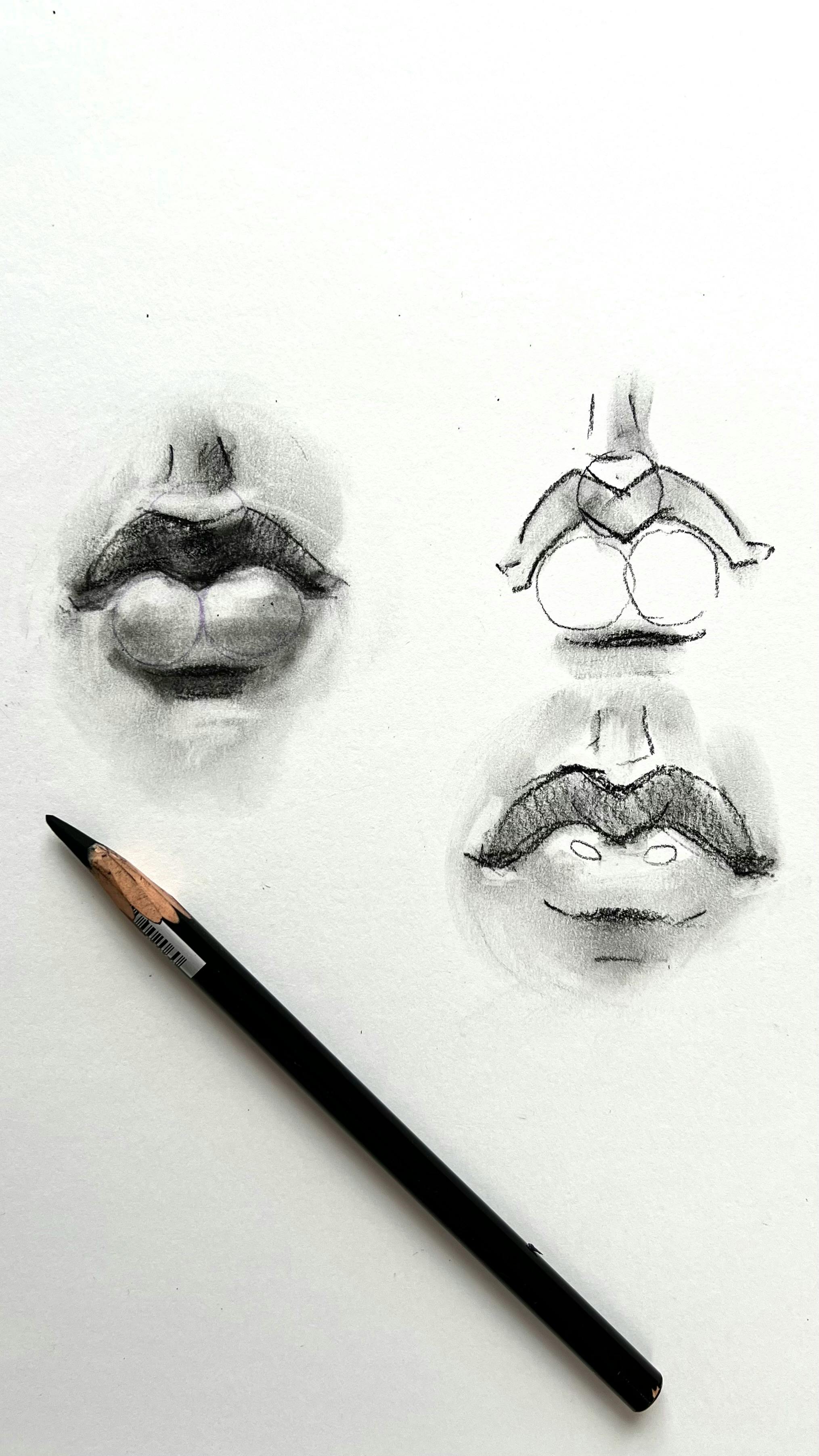
- Technique: The specific methods you use to apply your skills, like brushstrokes in painting or shading in drawing.
- Light and Shadow: Mastering the interplay of light and shadow can bring depth and dimension to your artwork, making it more lifelike and engaging.
- Texture: The ability to create and manipulate textures can add a tactile quality to your work, making it more immersive and realistic.
- Storytelling: The ability to convey a narrative or emotion through your artwork is a crucial component of technical mastery. It allows you to connect with your audience on a deeper level.
Technical Mastery vs. Natural Talent
I know what you’re thinking: "But isn’t technical mastery just about talent? Either you have it or you don’t." Not quite. Natural talent can give you a head start, but technical mastery is something you build over time.

- Natural Talent: This is the innate ability to create something that looks good, even if you don’t fully understand why. It’s like having a good ear for music without knowing how to read sheet music.
- Technical Mastery: This is the learned ability to control and refine your skills. It’s like learning to read and write music, understanding the theory, and being able to compose a symphony.
Talent might get you started, but mastery is what keeps you going. It’s what turns a promising artist into a great one.
The Role of Passion and Perseverance
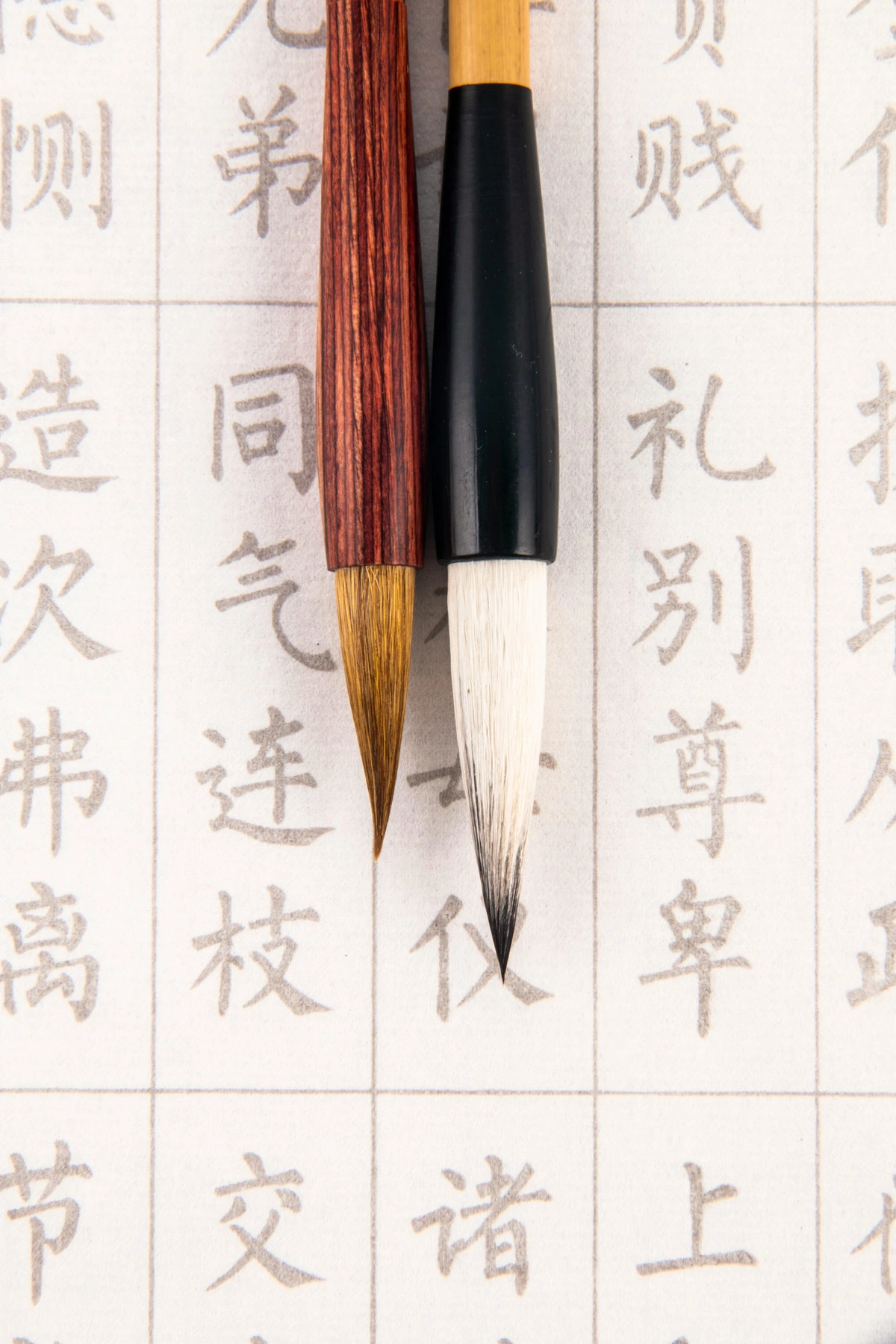
Passion and perseverance are essential components of technical mastery. Without a deep love for your craft, it’s challenging to stay motivated during the long hours of practice and experimentation. Perseverance allows you to push through setbacks and continue improving, even when progress seems slow.
Passion is what fuels the journey of technical mastery. It’s what keeps artists motivated, even when the going gets tough. It’s what drives them to push their boundaries, experiment with new techniques, and explore the depths of their creativity. Perseverance, on the other hand, is what allows artists to overcome obstacles, learn from failures, and keep moving forward, even when progress seems slow.

The Myth of the "Natural Genius"
The idea of the "natural genius" who achieves mastery without effort is a myth. Even the most talented artists must put in the time and effort to develop their skills. Technical mastery is a journey that requires dedication, discipline, and a willingness to learn from both successes and failures.
The myth of the "natural genius" can be discouraging for those who are just starting out. It can make it seem like mastery is something that only a select few can achieve. But the truth is, technical mastery is something that anyone can develop with the right mindset, dedication, and practice. It’s about embracing the journey, learning from mistakes, and celebrating small victories along the way.
Why Does Technical Mastery Matter?
You might be wondering, "Why does technical mastery matter? Can’t art just be about expression and emotion?" Absolutely, art is about expression and emotion—but technical mastery is what helps you communicate those emotions effectively.

The Role of Technical Mastery in Artistic Development
Technical mastery is like the foundation of a house. Without it, your creative ideas might not have the structure they need to stand tall. Here’s why it’s so important:
- Freedom of Expression: The more control you have over your tools and techniques, the more freely you can express your ideas. You’re not limited by what you can’t do—you’re only limited by your imagination.
- Consistency: Technical mastery allows you to produce consistent results. Whether you’re working on a series of paintings or a single piece, your skills ensure that your work meets your standards.
- Problem-Solving: Art is full of challenges—whether it’s getting the right shade of green or fixing a composition that just isn’t working. Technical mastery gives you the tools to solve these problems.
- Confidence: When you know you have the skills to execute your vision, you’re more likely to take creative risks and push your boundaries.
Historical Context: Technical Mastery Through the Ages
Technical mastery has always been a cornerstone of great art. Let’s take a quick look at how it’s evolved over time:
Era  | Focus of Technical Mastery | Example Artists |
|---|---|---|
| Renaissance | Perspective, anatomy, realism | Leonardo da Vinci, Michelangelo |
| Baroque | Dramatic lighting, emotion | Caravaggio, Rembrandt |
| Impressionism | Light, color, brushwork | Monet, Renoir |
| Modern Art | Experimentation, abstraction | Picasso, Kandinsky |
| Contemporary Art | Digital tools, mixed media, conceptual depth | Banksy, Yayoi Kusama |
Each era had its own focus, but the underlying principle was the same: mastering the techniques to bring the artist’s vision to life. From the meticulous realism of the Renaissance to the bold experimentation of modern art, technical mastery has been the driving force behind artistic innovation.

The evolution of technical mastery is a testament to the power of human creativity and innovation. It’s a journey that has taken us from the caves of Lascaux to the digital canvases of today, from the brushstrokes of the Renaissance to the pixels of contemporary art. It’s a journey that continues to inspire and challenge artists to push the boundaries of their craft and explore new possibilities.
The Evolution of Technical Mastery in the Digital Age
The digital age has brought about significant changes in the way artists approach technical mastery. Digital tools have democratized art, making it more accessible to a broader audience. However, they have also introduced new challenges, such as the need to master complex software and understand digital workflows.
The digital age has revolutionized the way artists create, share, and experience art. It has opened up new possibilities for creativity and expression, allowing artists to explore new techniques, experiment with new materials, and connect with audiences in ways that were previously unimaginable. But it has also raised questions about the role of traditional techniques in a digital world, and the impact of technology on the creative process.
The Future of Technical Mastery
As technology continues to evolve, so too will the concept of technical mastery. Emerging technologies like virtual reality, artificial intelligence, and 3D printing are opening up new possibilities for artists. These tools will require new skills and techniques, pushing the boundaries of what is possible in the world of art.
The future of technical mastery is an exciting and unpredictable journey. It’s a journey that will take us into uncharted territories, challenge our perceptions of what art can be, and inspire us to push the boundaries of our creativity. It’s a journey that will require us to embrace new technologies, learn new skills, and adapt to new ways of creating and experiencing art.
The Impact of Technology on Technical Mastery
The advent of digital tools has revolutionized the way artists approach technical mastery. From digital painting software to 3D modeling, technology has opened up new avenues for creativity and expression. However, it has also raised questions about the role of traditional techniques in a digital age.
While digital tools offer unprecedented flexibility and efficiency, they also require a new set of technical skills. Artists must learn to navigate software interfaces, understand digital brush dynamics, and master layering techniques. Yet, the core principles of art—such as composition, color theory, and storytelling—remain unchanged. Technology is a tool, not a replacement for the foundational skills that define artistic mastery.

The impact of technology on technical mastery is a complex and multifaceted issue. It’s about finding a balance between tradition and innovation, between the old and the new. It’s about embracing the opportunities that technology provides while staying true to the core principles of art. It’s about using technology as a tool to enhance our creativity, not as a replacement for the skills and techniques that define artistic mastery.
The Role of Artificial Intelligence in Art
Artificial intelligence (AI) is another technological advancement that is reshaping the art world. AI tools can assist artists in generating ideas, creating compositions, and even producing entire artworks. While these tools can be incredibly powerful, they also raise ethical questions about authorship and creativity.
The role of AI in art is a topic of much debate and discussion. It’s about finding a balance between the opportunities that AI provides and the ethical considerations that it raises. It’s about using AI as a tool to enhance our creativity, not as a replacement for the skills and techniques that define artistic mastery. It’s about embracing the possibilities of AI while staying true to the core principles of art.
The Importance of Balancing Tradition and Innovation
While technology offers exciting new possibilities, it’s essential to maintain a balance between tradition and innovation. Traditional techniques provide a strong foundation for artistic expression, while innovation allows artists to explore new ideas and push the boundaries of their craft.
The balance between tradition and innovation is a delicate and complex issue. It’s about finding a way to honor the past while embracing the future. It’s about using traditional techniques as a foundation for innovation, and using innovation as a way to enhance and expand our understanding of traditional techniques. It’s about finding a way to create art that is both rooted in tradition and open to the possibilities of the future.
How to Develop Technical Mastery
So, how do you develop technical mastery? It’s not something that happens overnight, but with the right approach, you can make steady progress. Here’s how:
The Importance of a Growth Mindset
Developing technical mastery requires a growth mindset. This means believing that your abilities can be developed through dedication and hard work. A growth mindset allows you to embrace challenges, learn from criticism, and persist in the face of setbacks.
The Role of Mentorship
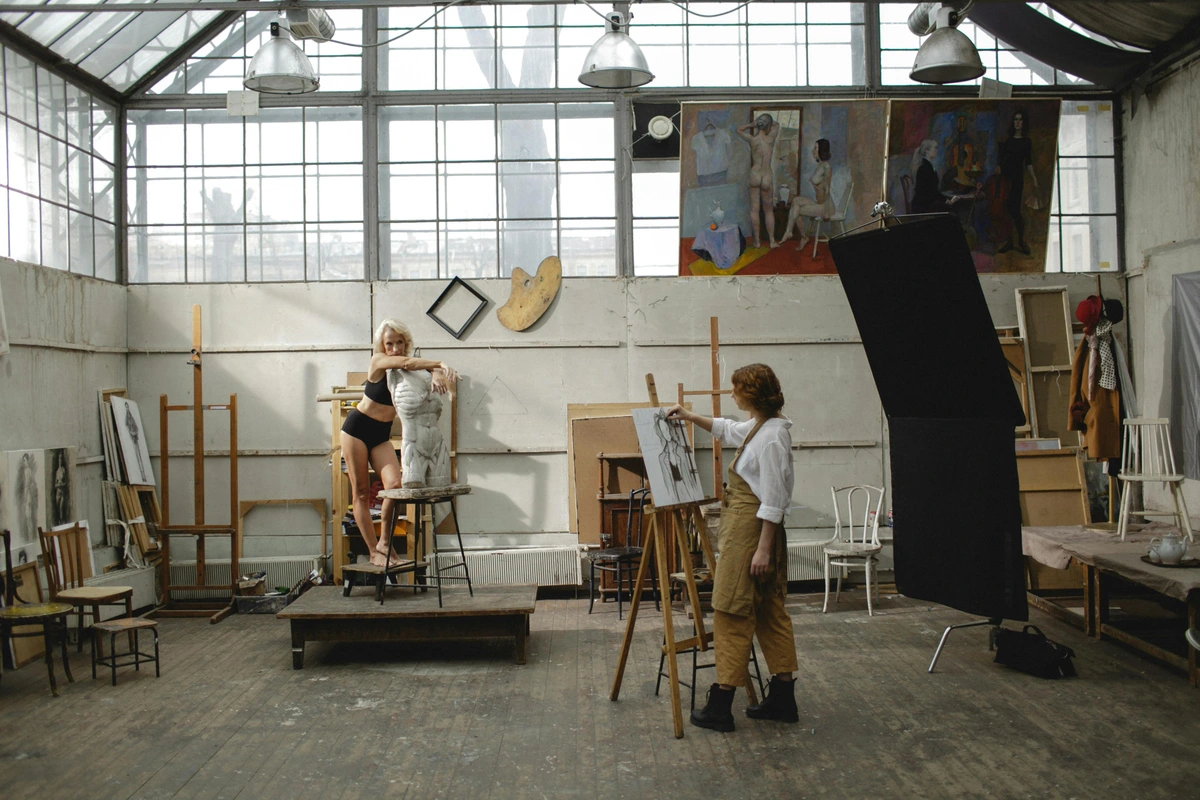
Mentorship can play a crucial role in developing technical mastery. A mentor can provide guidance, feedback, and support, helping you navigate the challenges of your artistic journey. They can also share their own experiences and insights, offering valuable lessons that can accelerate your growth.
Mentorship is not just about receiving guidance and feedback; it’s about building a relationship with someone who can inspire, challenge, and support you on your journey. It’s about finding someone who can help you see the world in new ways, push your boundaries, and achieve your full potential. It’s about finding someone who can help you navigate the ups and downs of the artistic journey and celebrate the small victories along the way.
1. Practice Deliberately
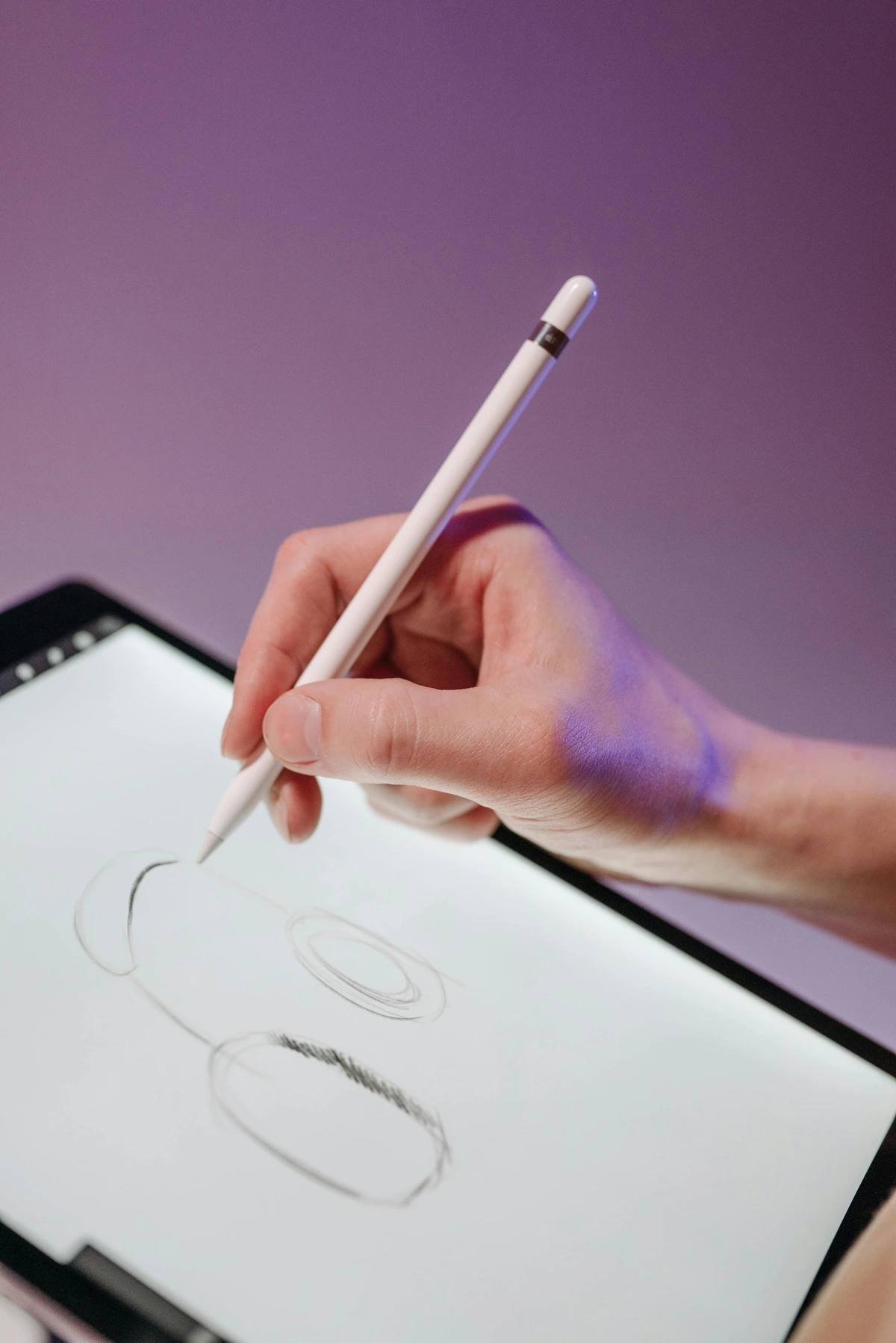
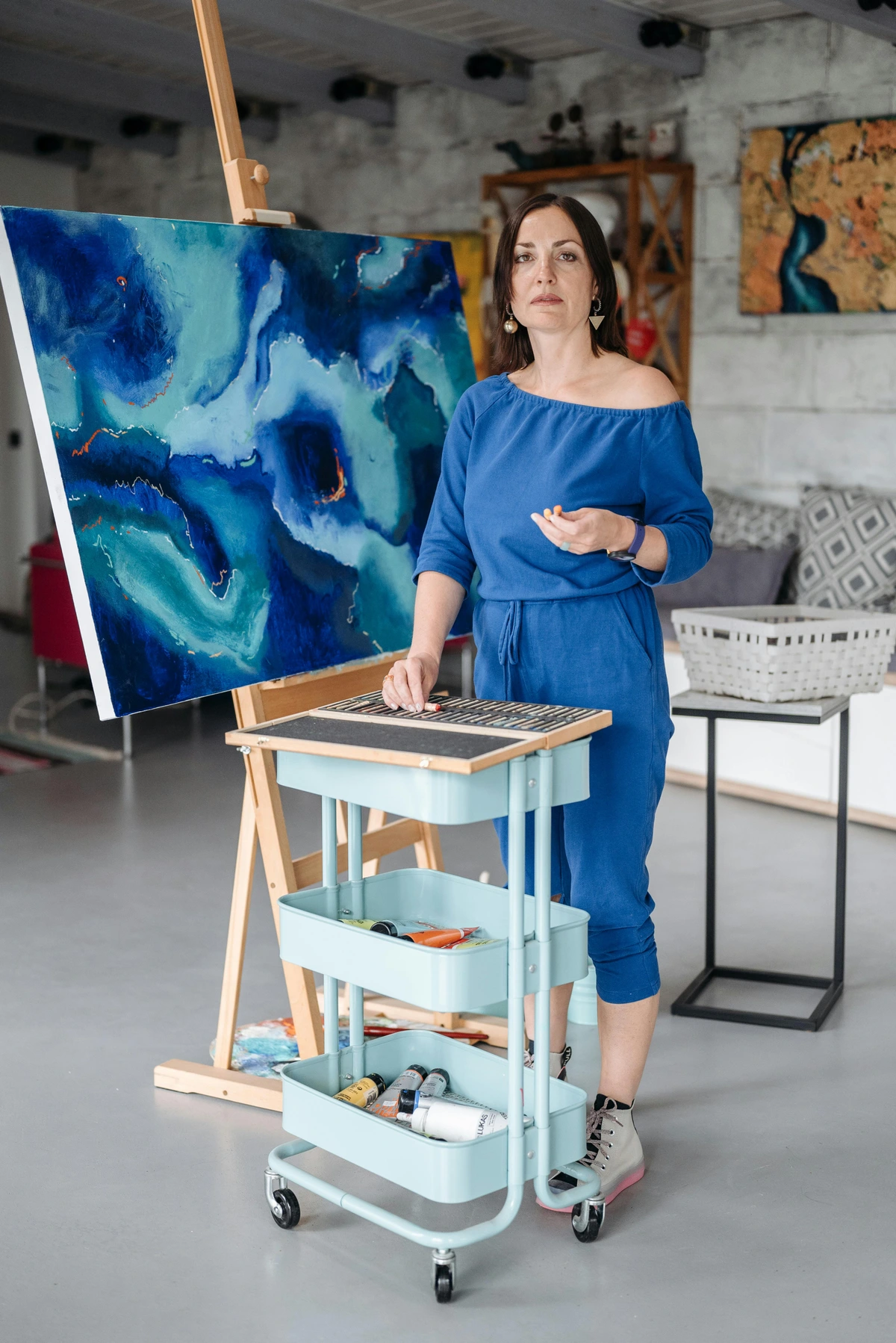
Practice isn’t just about repeating the same thing over and over. It’s about deliberate practice—focusing on specific skills, getting feedback, and pushing yourself out of your comfort zone.
- Set Goals: Identify what you want to improve and set clear, achievable goals. For example, "I want to improve my shading techniques in the next month."
- Get Feedback: Share your work with others and ask for constructive criticism. This could be from a mentor, a teacher, or even an online community.
- Challenge Yourself: Try new techniques, experiment with different materials, and take on projects that push your limits.
The Role of Reflection in Practice
Reflection is a crucial part of deliberate practice. Taking the time to reflect on your work allows you to identify areas for improvement and celebrate your progress. It also helps you develop a deeper understanding of your artistic process and the techniques you use.
Reflection is not just about looking back on your work; it’s about looking forward to the future. It’s about identifying areas for improvement, setting new goals, and planning your next steps. It’s about developing a deeper understanding of your artistic process and the techniques you use, and using that understanding to inform your future work. It’s about embracing the journey of learning and growth, and celebrating the small victories along the way.
The Importance of Consistency
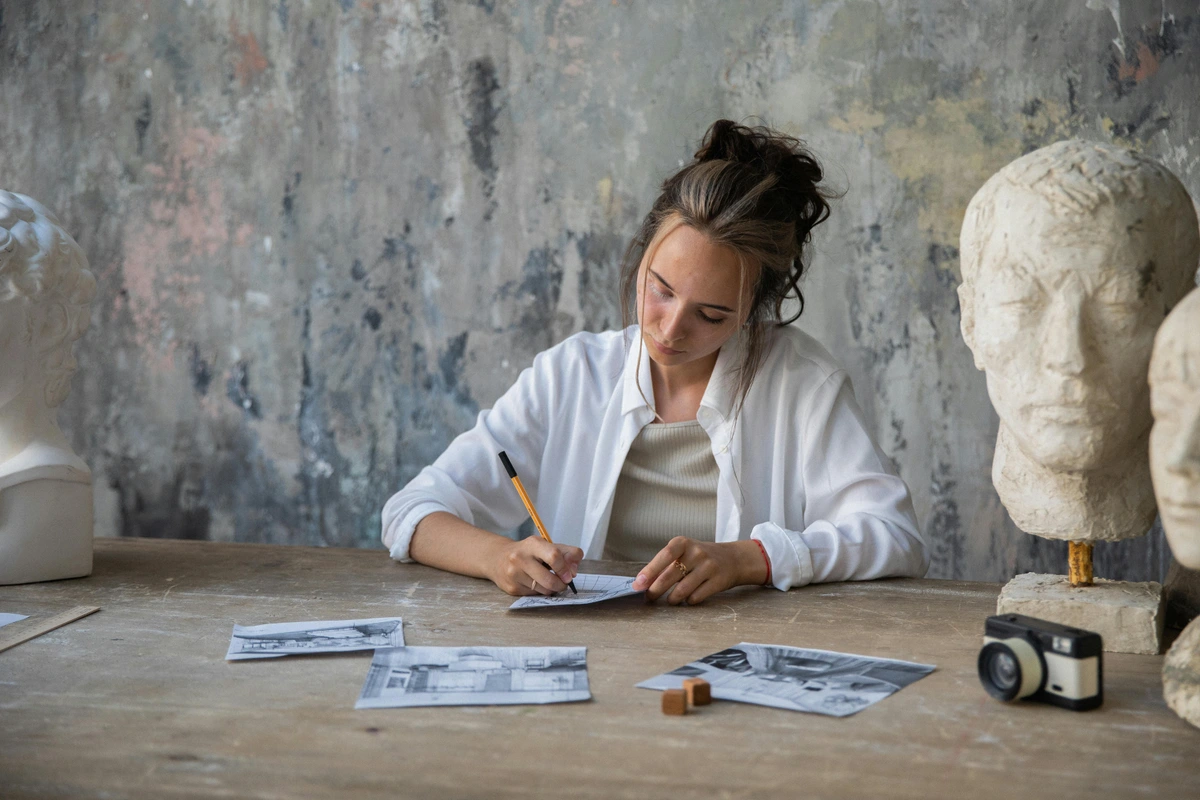
Consistency is key to developing technical mastery. Regular practice, even in small increments, can lead to significant improvements over time. It’s better to practice for a short time every day than to have long, infrequent practice sessions.
Consistency is not just about putting in the hours; it’s about making the most of those hours. It’s about developing a routine, setting goals, and sticking to them. It’s about embracing the journey of learning and growth, and celebrating the small victories along the way. It’s about understanding that progress is not always linear, and that setbacks are a natural part of the process.
2. Study the Masters
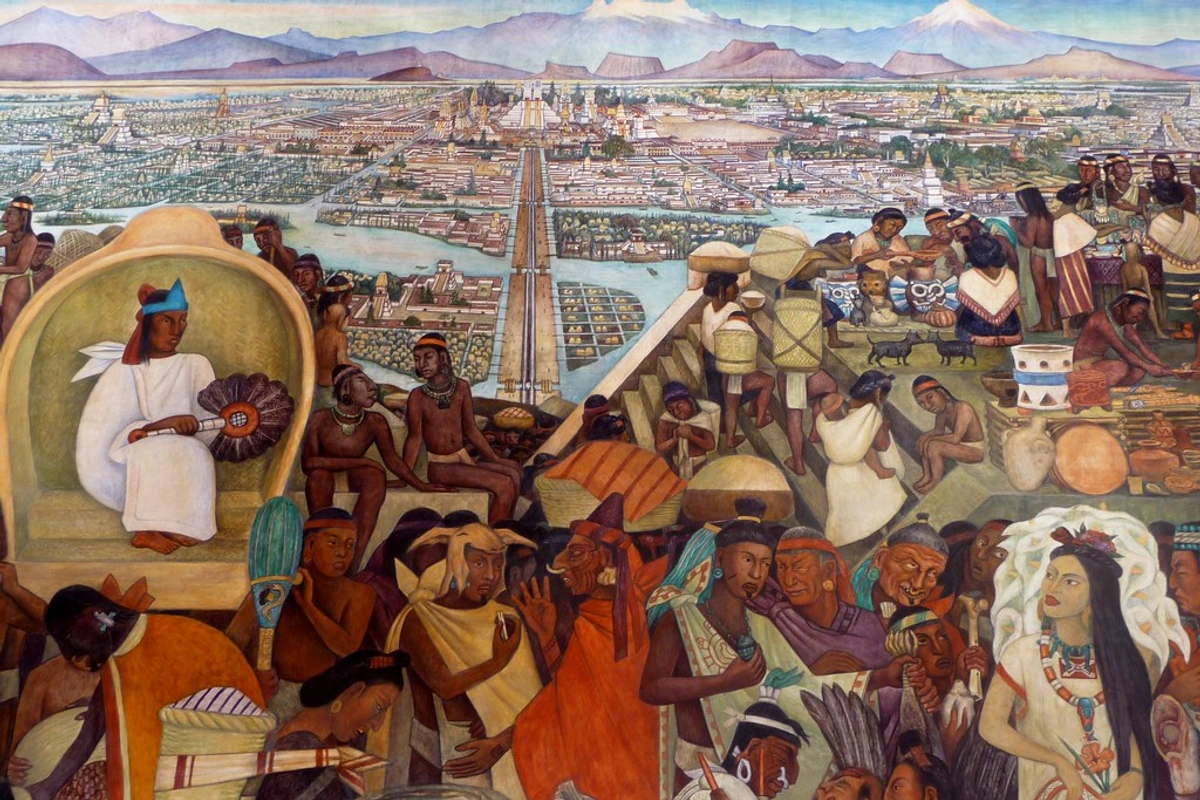
One of the best ways to learn is to study the work of artists who have already achieved technical mastery. Look at their techniques, their use of color, their compositions, and try to understand what makes their work so effective.
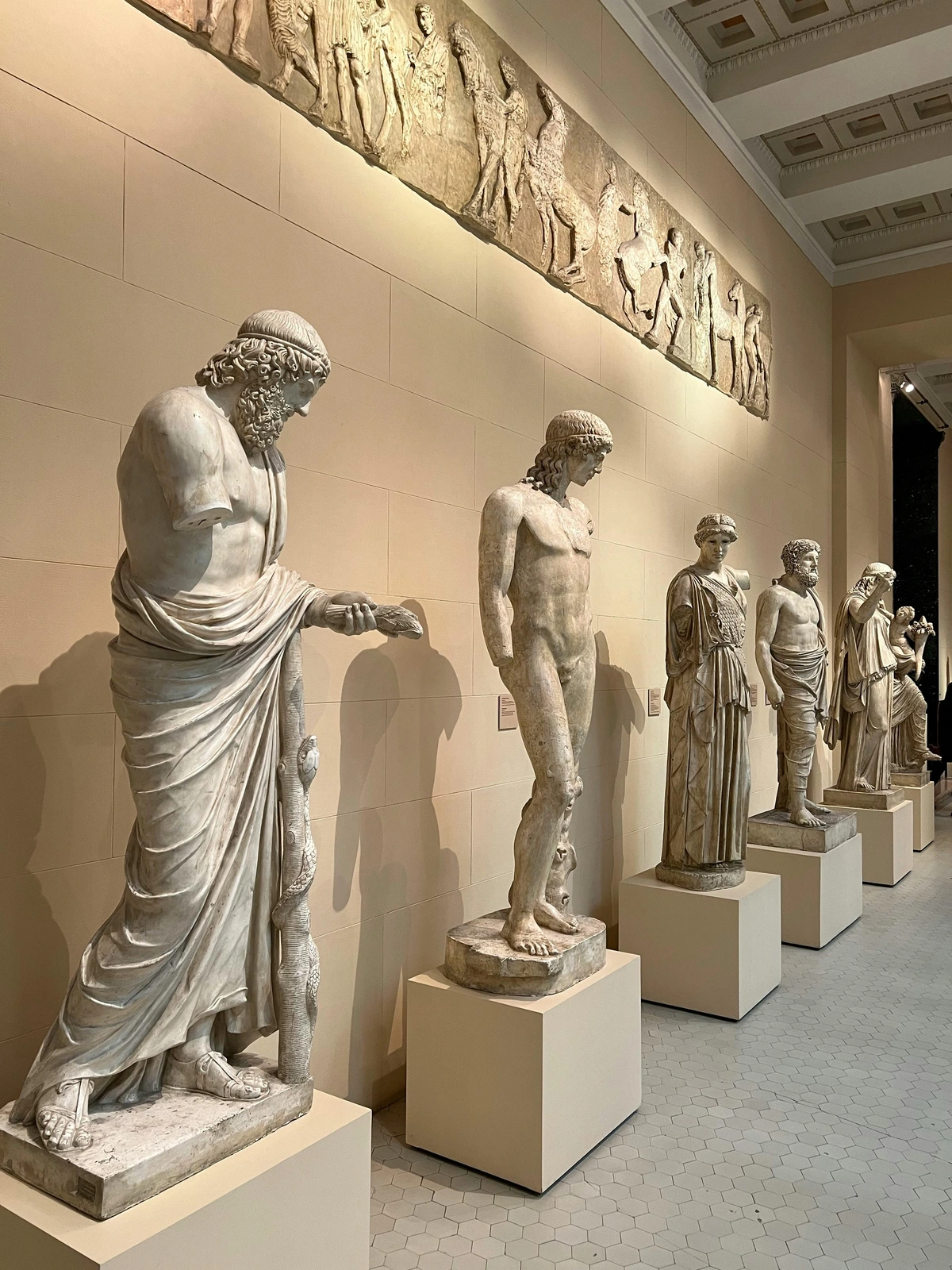
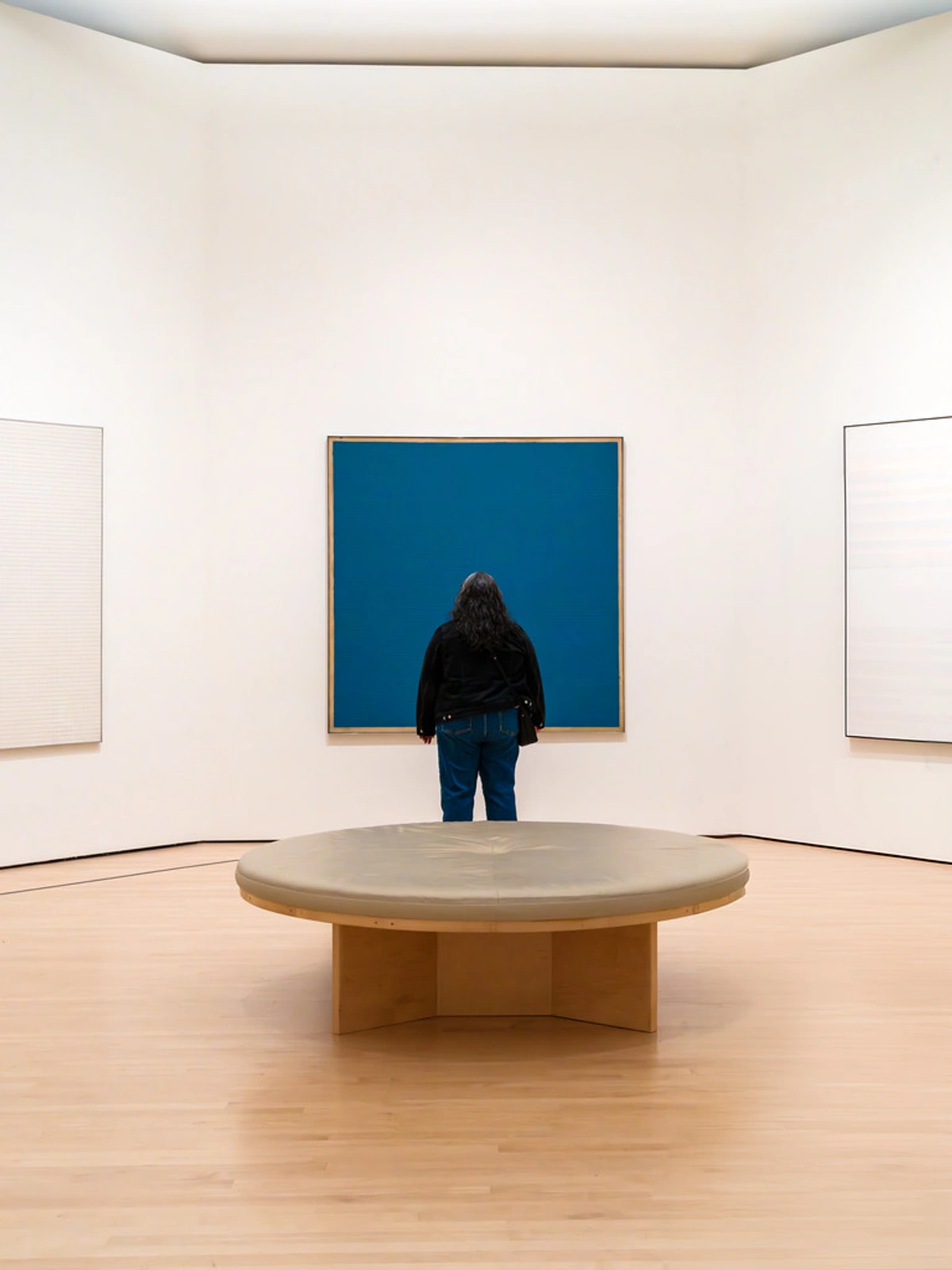
- Visit Museums: If you can, visit museums and galleries to see great art up close. Pay attention to the details—the brushstrokes, the textures, the way the light plays on the surface.
- Analyze Artwork: Spend time analyzing the work of artists you admire. What techniques are they using? How do they create depth or emotion?
- Copy (But Don’t Plagiarize): Copying the work of master artists is a time-honored way to learn. It’s not about creating a forgery—it’s about understanding how they achieved their effects.
The Role of Art History in Technical Mastery
Understanding art history can provide valuable insights into the development of technical mastery. By studying the evolution of artistic techniques and styles, you can gain a deeper appreciation for the craft and learn from the innovations of past artists.
Art history is not just about learning from the past; it’s about understanding the present and shaping the future. It’s about seeing the world through the eyes of past artists, understanding their inspirations, and learning from their experiences. It’s about embracing the journey of learning and growth, and celebrating the small victories along the way.
The Importance of Context in Art
Context plays a crucial role in understanding and appreciating art. By learning about the historical, cultural, and social context of a piece, you can gain a deeper understanding of its significance and the techniques used to create it.
Context is not just about understanding the past; it’s about shaping the future. It’s about seeing the world through the eyes of past artists, understanding their inspirations, and learning from their experiences. It’s about embracing the journey of learning and growth, and celebrating the small victories along the way.
3. Learn the Fundamentals
No matter what medium you work in, the fundamentals are essential. These include:
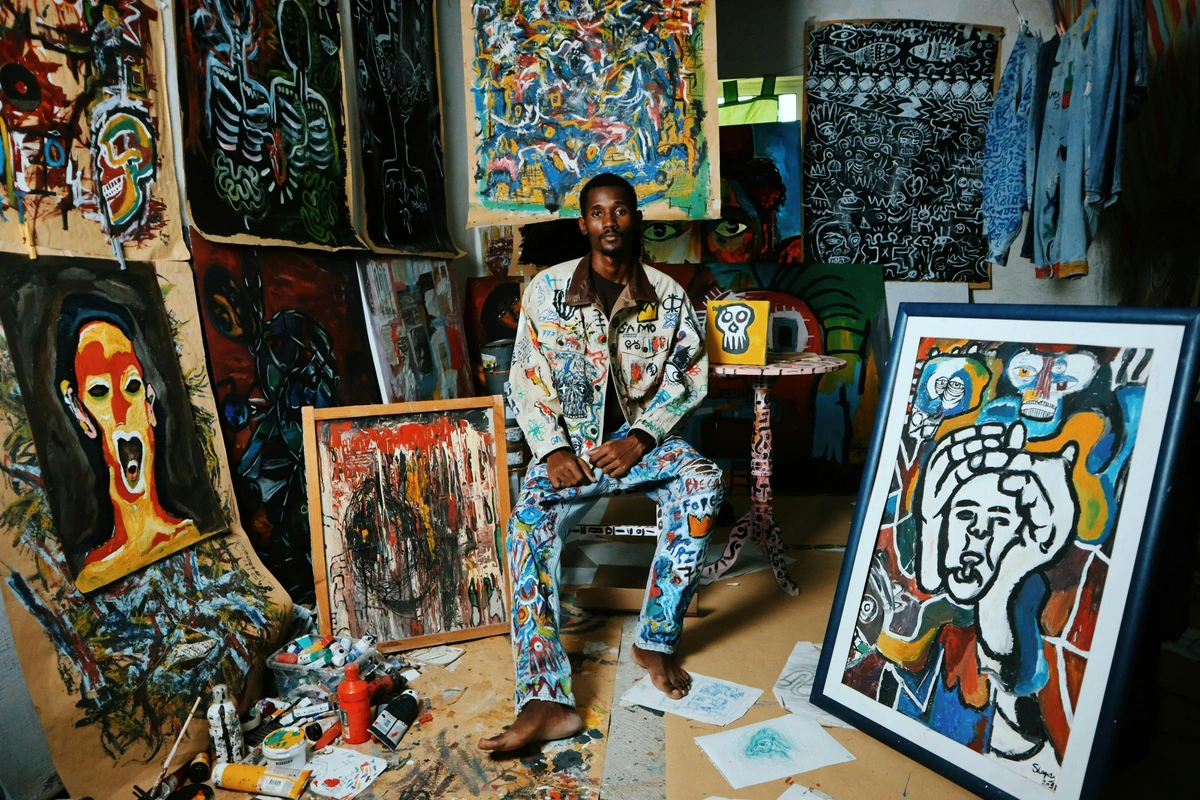
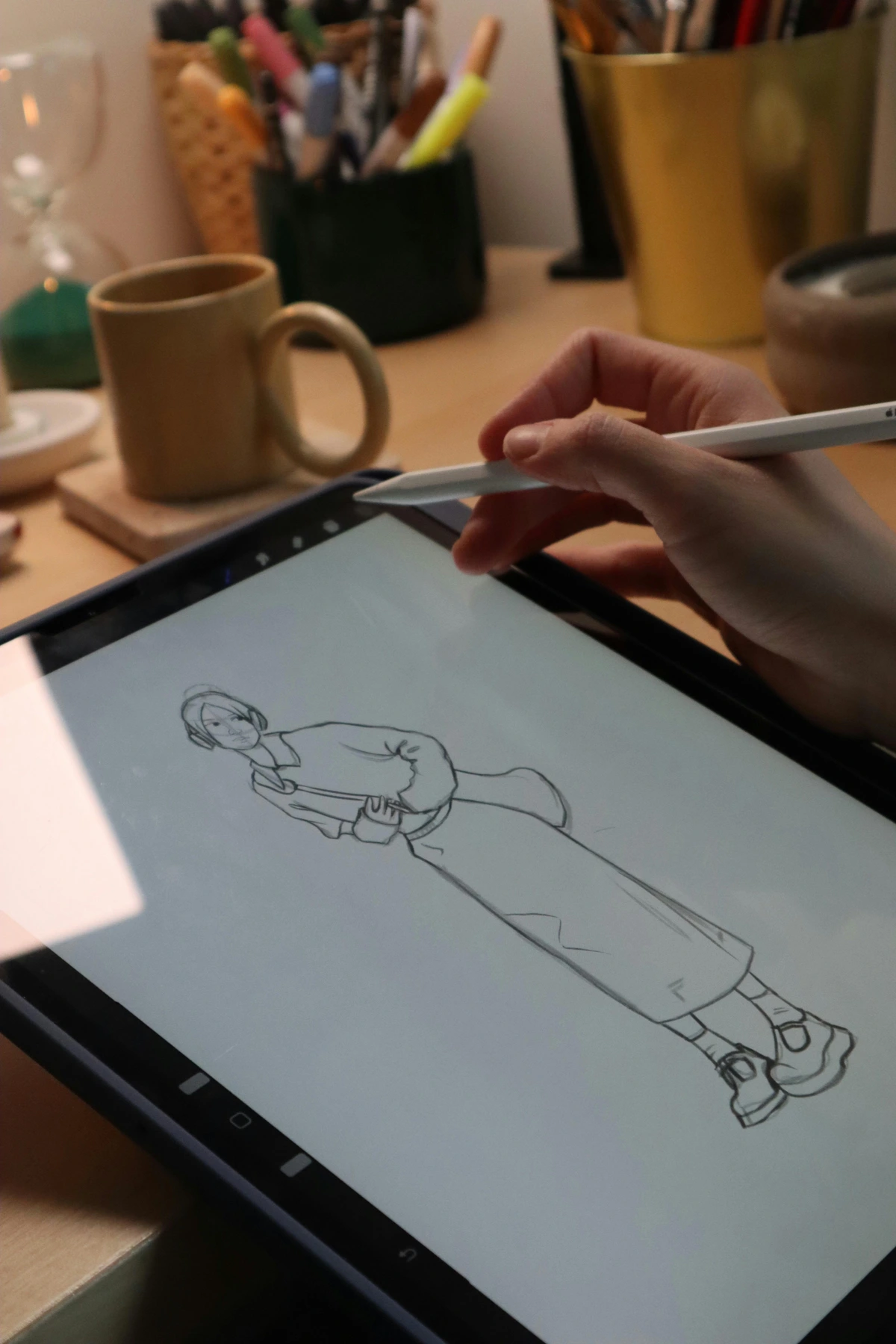
- Drawing: Even if you’re a painter or a sculptor, drawing is the foundation of visual art. Practice sketching, shading, and understanding proportions.
- Color Theory: Learn how colors interact, how to mix them, and how to use them to create mood and emotion.
- Composition: Study how to arrange elements within your artwork to create balance, focus, and visual interest.
- Perspective: Understanding perspective is crucial for creating depth and realism in your artwork. It allows you to represent three-dimensional objects on a two-dimensional surface accurately.
- Light and Shadow: Mastering the interplay of light and shadow can bring your artwork to life, adding depth and dimension to your pieces.
Learning the fundamentals is not just about acquiring skills; it’s about developing a deeper understanding of the creative process. It’s about seeing the world through the eyes of past artists, understanding their inspirations, and learning from their experiences. It’s about embracing the journey of learning and growth, and celebrating the small victories along the way.
The Importance of Foundational Skills
Foundational skills are the building blocks of technical mastery. They provide the framework upon which more advanced techniques are built. Without a strong foundation, even the most creative ideas can fall flat. Investing time in mastering the fundamentals can pay off in the long run, allowing you to tackle more complex projects with confidence.
Think of foundational skills as the roots of a tree. The deeper and stronger the roots, the taller and more resilient the tree can grow. Similarly, the stronger your foundational skills, the more complex and innovative your artwork can become.
Foundational skills are not just about acquiring skills; they are about developing a deeper understanding of the creative process. They are about seeing the world through the eyes of past artists, understanding their inspirations, and learning from their experiences. They are about embracing the journey of learning and growth, and celebrating the small victories along the way.
4. Experiment and Innovate
Technical mastery isn’t just about following the rules—it’s about knowing when to break them. Once you’ve built a strong foundation, don’t be afraid to experiment and innovate.
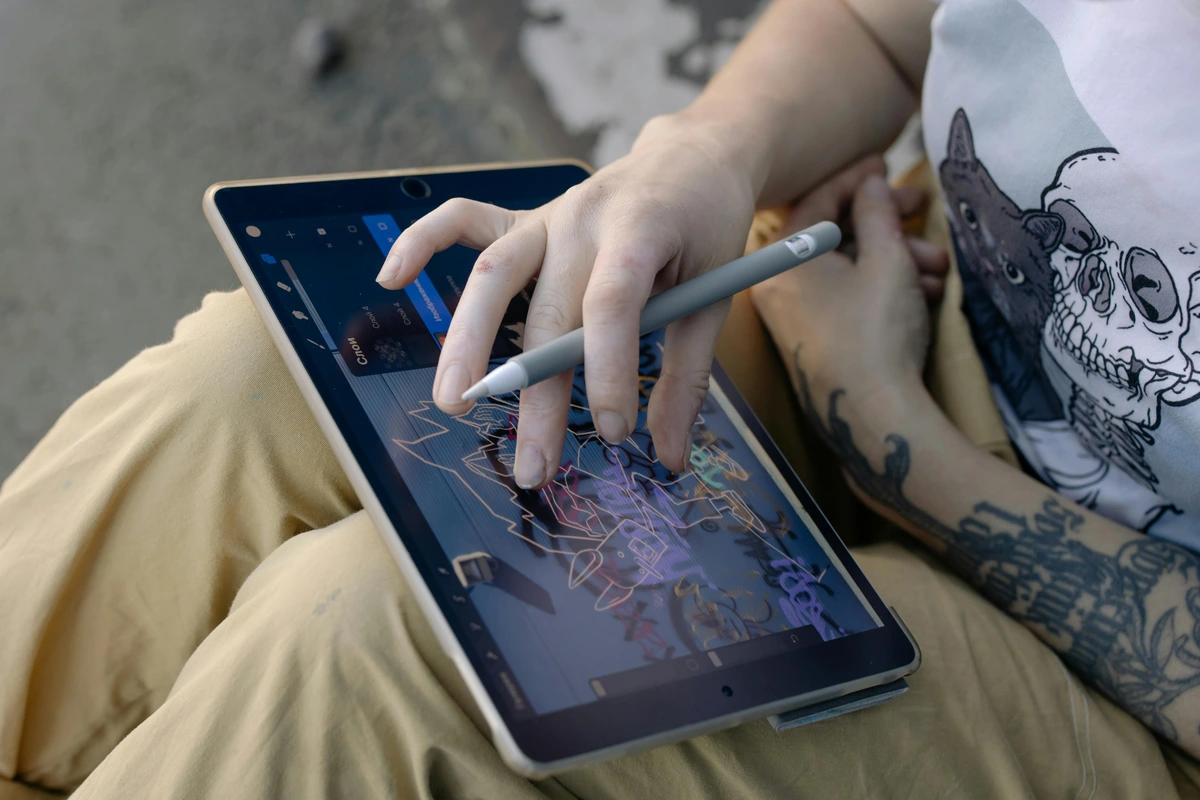
- Try New Materials: If you usually work with acrylics, try oils or watercolors. If you’re a digital artist, experiment with traditional media.
- Explore Different Styles: Don’t limit yourself to one style. Try realism, abstraction, impressionism—whatever speaks to you.
- Take Risks: Some of the greatest artistic breakthroughs came from artists who were willing to take risks and try something new.
The Role of Failure in Innovation
Failure is an inevitable part of the creative process. Embracing failure and learning from it can lead to breakthroughs and innovations. Don’t be afraid to take risks and make mistakes—each one is an opportunity to learn and grow.
Failure is not just about making mistakes; it’s about learning from them. It’s about embracing the journey of learning and growth, and celebrating the small victories along the way. It’s about understanding that setbacks are a natural part of the process, and that each failure brings you one step closer to success.
The Importance of Play in Art
Play is a crucial part of the creative process. By approaching your work with a sense of playfulness and curiosity, you can unlock new ideas and techniques. Don’t be afraid to experiment and have fun with your art—it’s often the unexpected discoveries that lead to the most exciting innovations.
Play is not just about having fun; it’s about embracing the journey of learning and growth, and celebrating the small victories along the way. It’s about finding new ways to express your ideas, convey emotions, and connect with your audience. It’s about understanding that creativity is a process, not a destination, and that each step along the way is an opportunity to learn and grow.
Common Misconceptions About Technical Mastery
There are a lot of myths about technical mastery in art. Let’s clear a few of them up:

Misconception 1: Technical Mastery is Only for Realists
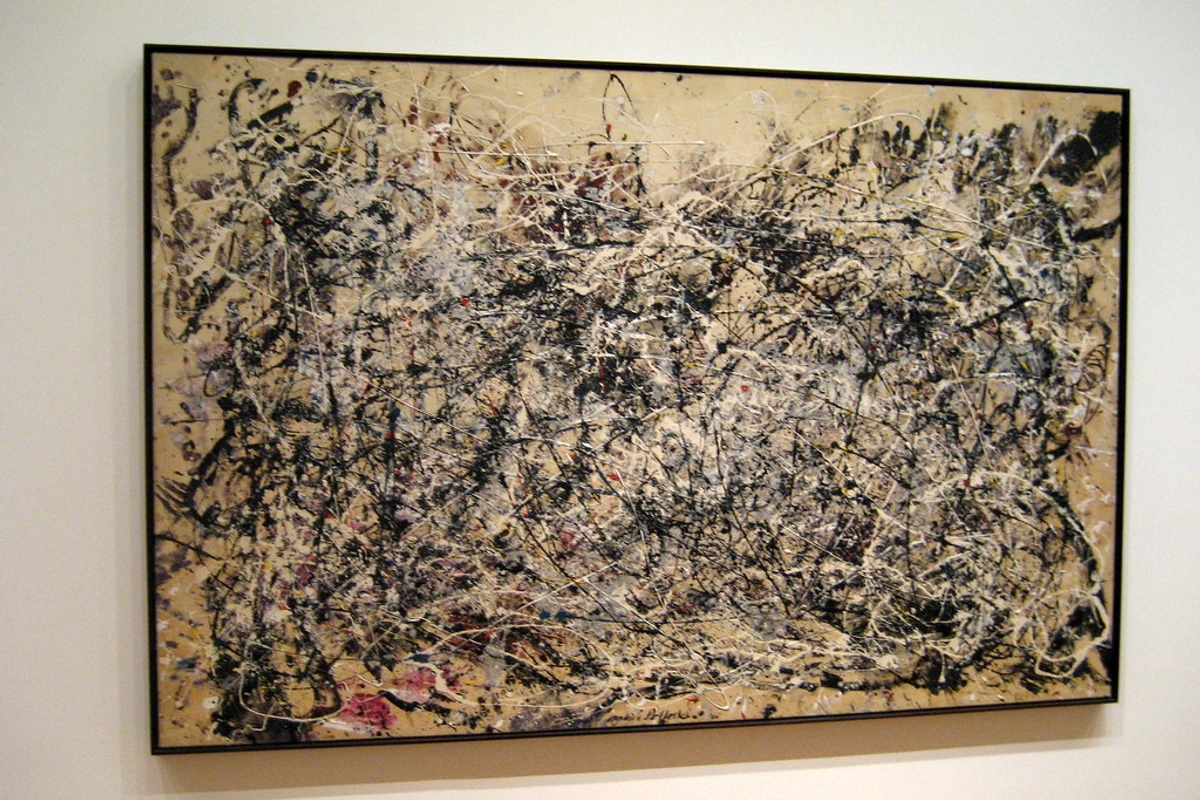
Some people think that technical mastery is only important for artists who work in realistic styles. But that’s not true. Even abstract artists need technical skills to control their materials and create the effects they want.

Misconception 2: Technical Mastery is Static
Another misconception is that technical mastery is a static achievement—something you either have or don’t. In reality, technical mastery is a dynamic process that evolves with your artistic journey. It’s about continuous learning, adaptation, and growth.
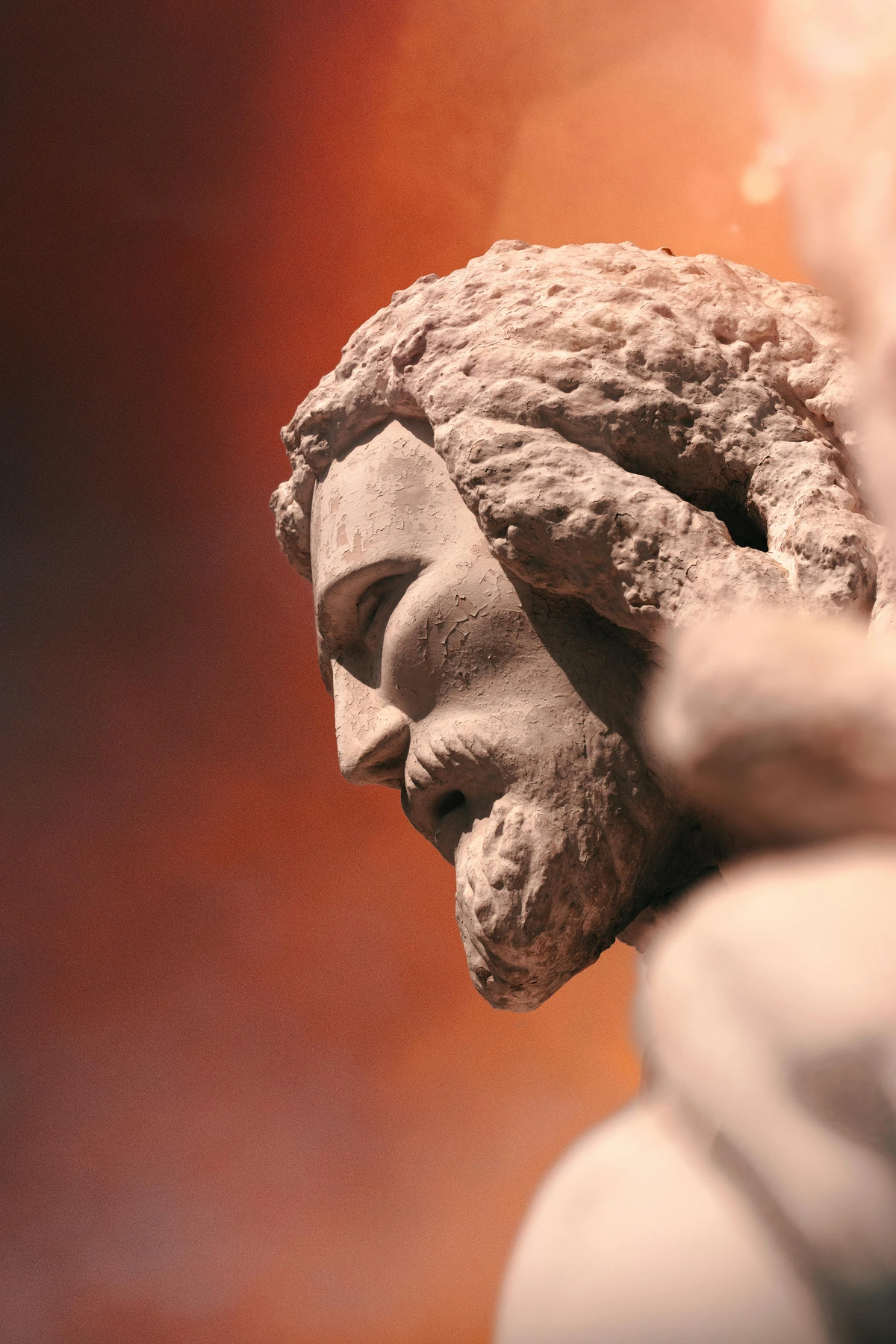
Misconception 3: You Either Have It or You Don’t
As we’ve already discussed, technical mastery isn’t about natural talent—it’s about practice and learning. Anyone can develop technical skills with the right approach.
Misconception 4: Technical Mastery Stifles Creativity
Some artists worry that focusing too much on technique will stifle their creativity. But the opposite is true. The more skills you have, the more freely you can express your creative ideas.
Misconception 5: Technical Mastery is Only About Perfection
Technical mastery is not about achieving perfection; it’s about the journey of continuous improvement. It’s about embracing imperfections and learning from mistakes. The pursuit of perfection can be paralyzing, while the pursuit of mastery is liberating.
FAQ
What’s the difference between technical skill and artistic vision?
Technical skill is about the ability to execute your ideas—it’s the "how." Artistic vision is about the ideas themselves—it’s the "what." Both are essential, but technical mastery is what allows you to bring your vision to life.
Can you be a great artist without technical mastery?
It’s possible to create meaningful art without technical mastery, but having strong technical skills gives you more tools to express your ideas effectively. Think of it like writing a poem—you can write something beautiful with a limited vocabulary, but having a rich vocabulary gives you more options.
How long does it take to achieve technical mastery?
There’s no set timeline for achieving technical mastery. It depends on how much you practice, how you learn, and what your goals are. Some artists spend years honing their skills, while others might achieve mastery more quickly. The key is to keep learning and growing.

Is technical mastery more important than creativity?
Neither is more important than the other—they’re two sides of the same coin. Creativity gives you the ideas, and technical mastery gives you the tools to bring those ideas to life.
Can technical mastery be learned online?
Absolutely! There are countless online resources, from tutorials to courses, that can help you develop your technical skills. Just remember that practice is key—watching a tutorial won’t make you a master, but applying what you learn will.

What are some common mistakes to avoid when developing technical mastery?
Some common mistakes include focusing too much on perfection, neglecting the fundamentals, and not seeking feedback. It’s important to embrace imperfections, invest time in mastering the basics, and actively seek constructive criticism to accelerate your growth.
How can I stay motivated during the journey to technical mastery?
Staying motivated requires setting clear goals, celebrating small victories, and surrounding yourself with a supportive community. It’s also helpful to remind yourself of why you started and to keep your passion for art alive by exploring new ideas and techniques.

Conclusion
Technical mastery in art is about more than just being able to draw a straight line or mix the perfect shade of blue. It’s about understanding your tools, your materials, and your techniques so deeply that they become an extension of your creative vision. It’s the foundation that allows you to express your ideas freely, solve problems, and create work that resonates with others.
And here’s the best part: technical mastery isn’t something you’re born with. It’s something you build, one brushstroke, one sketch, one experiment at a time. So whether you’re just starting out or you’ve been creating art for years, keep practicing, keep learning, and keep pushing your boundaries. Because the journey to mastery is just as beautiful as the art you’ll create along the way.




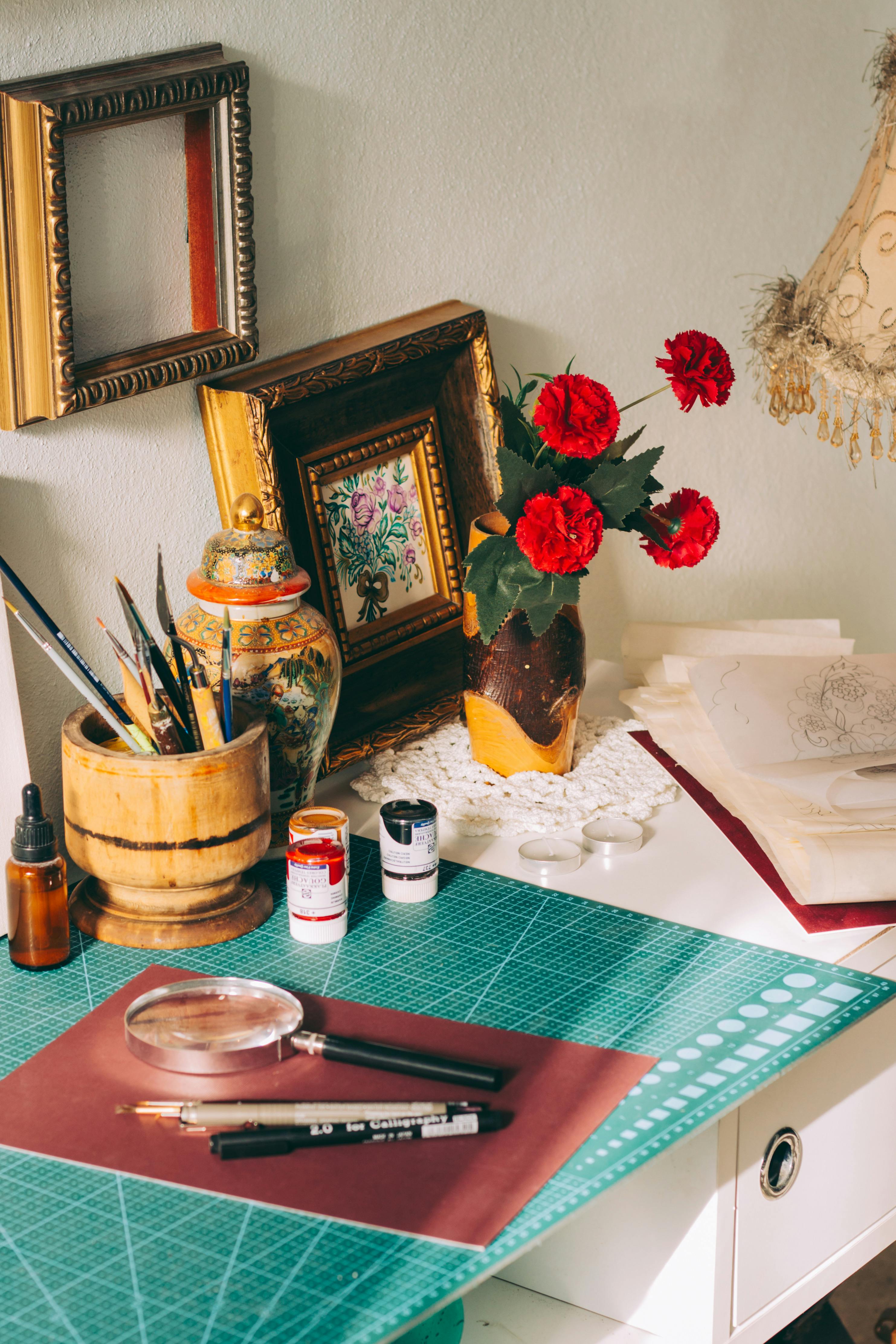

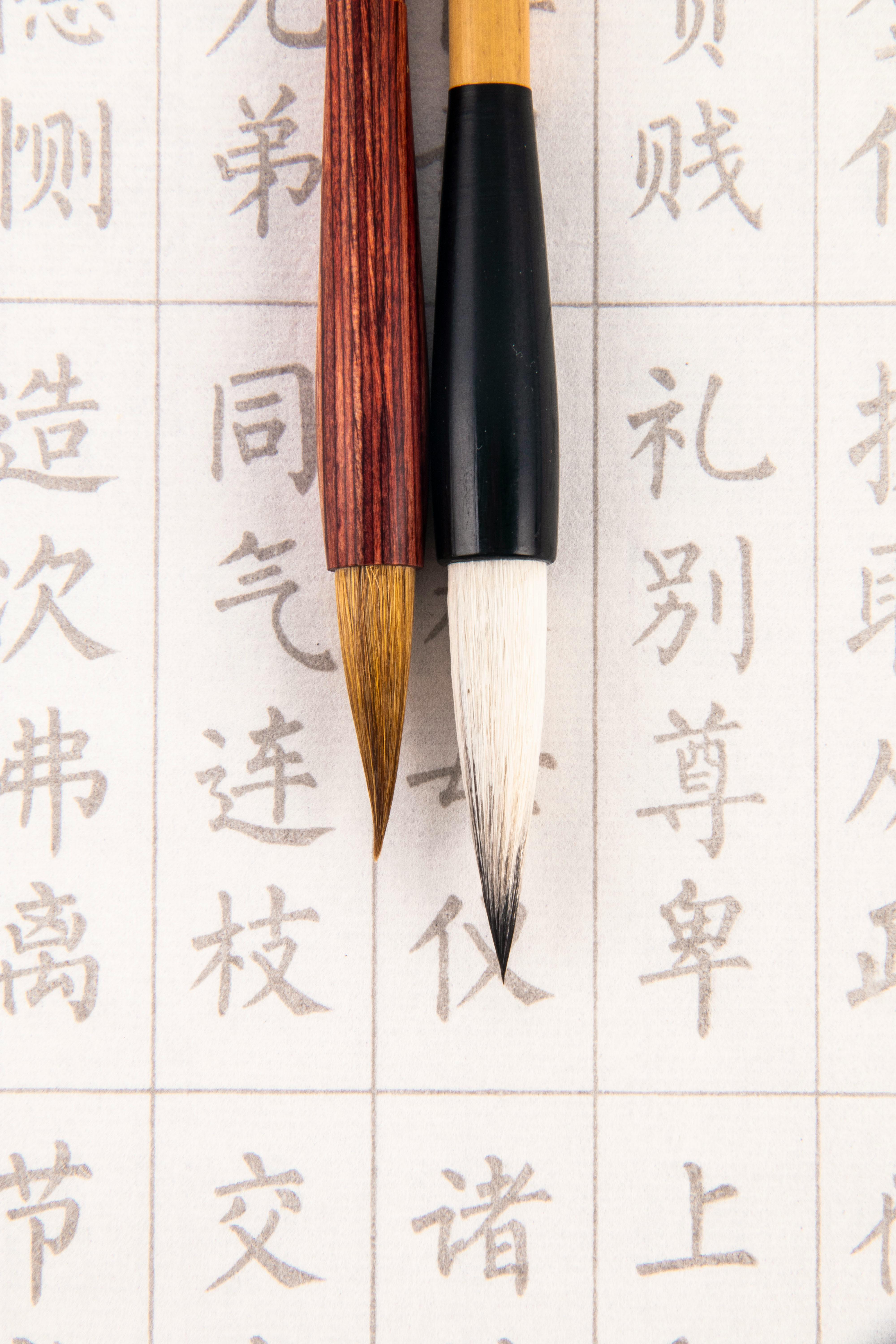


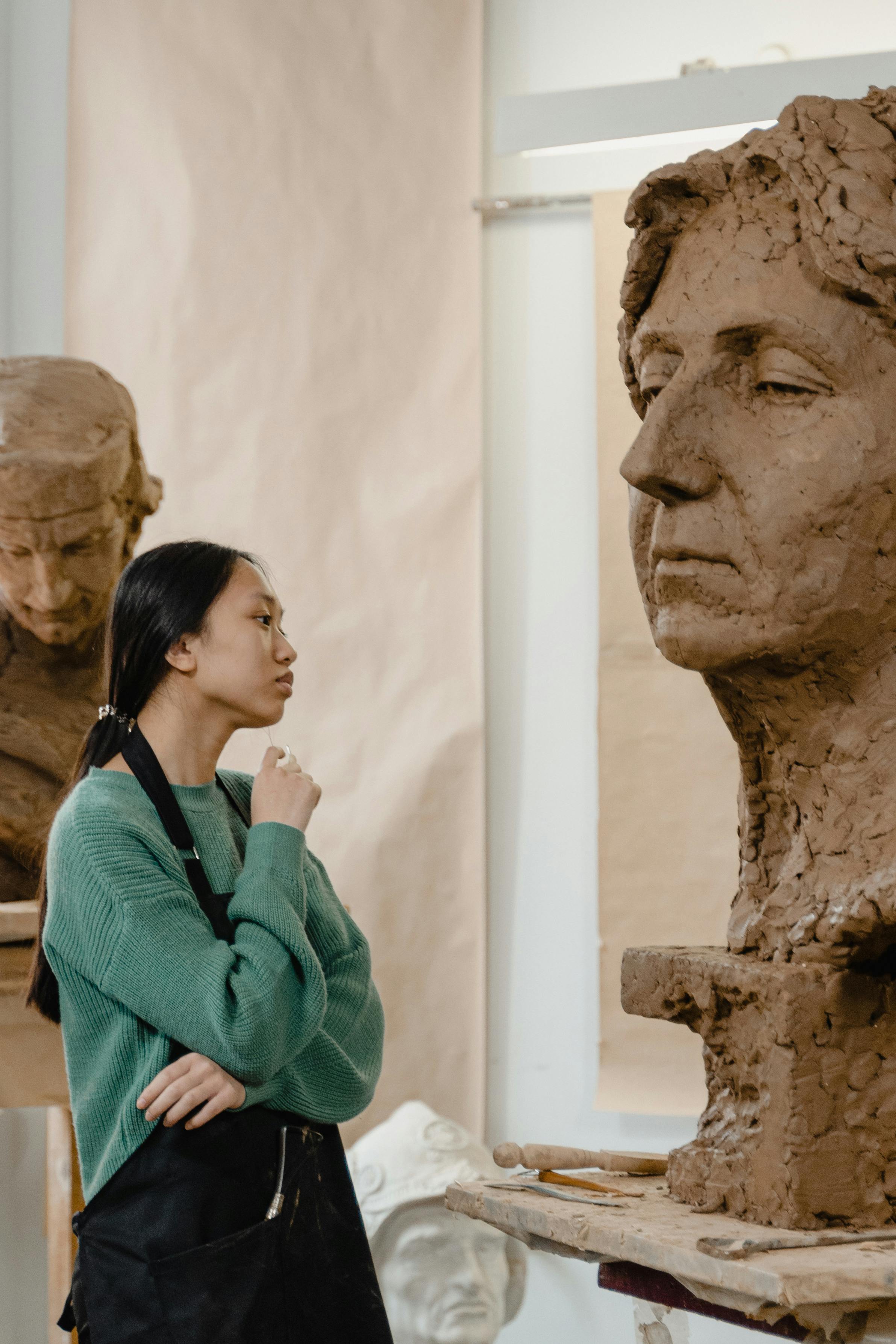

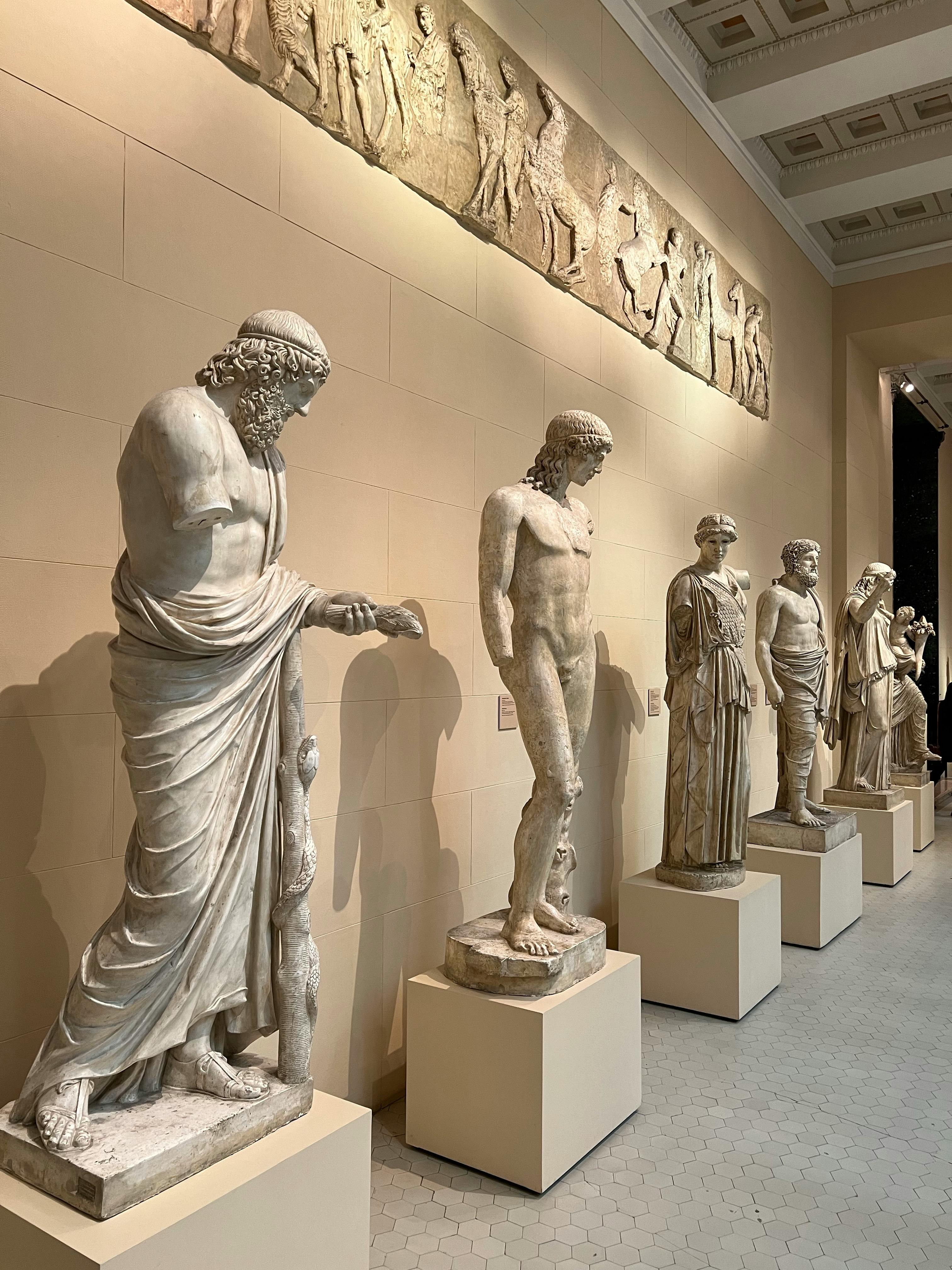


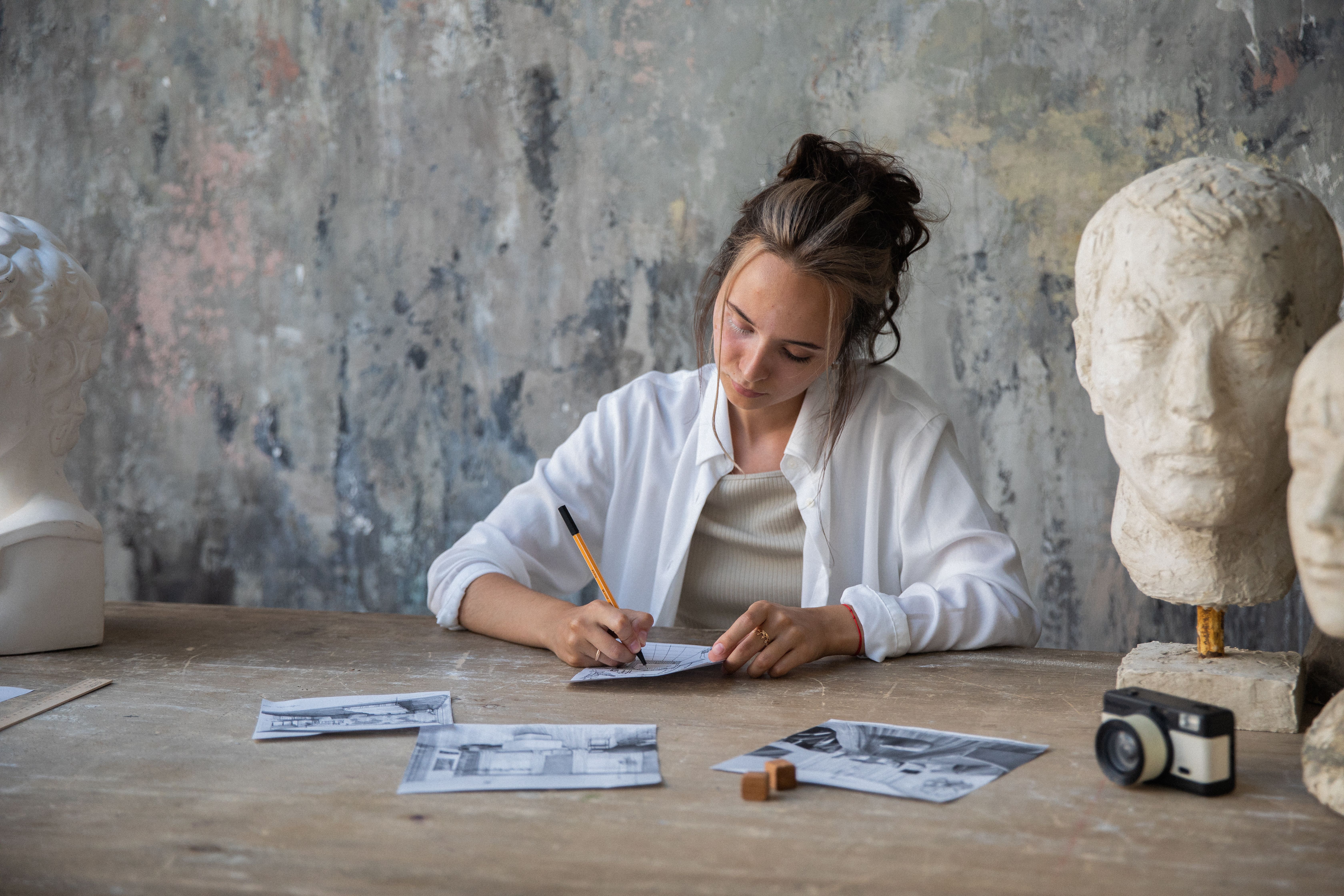

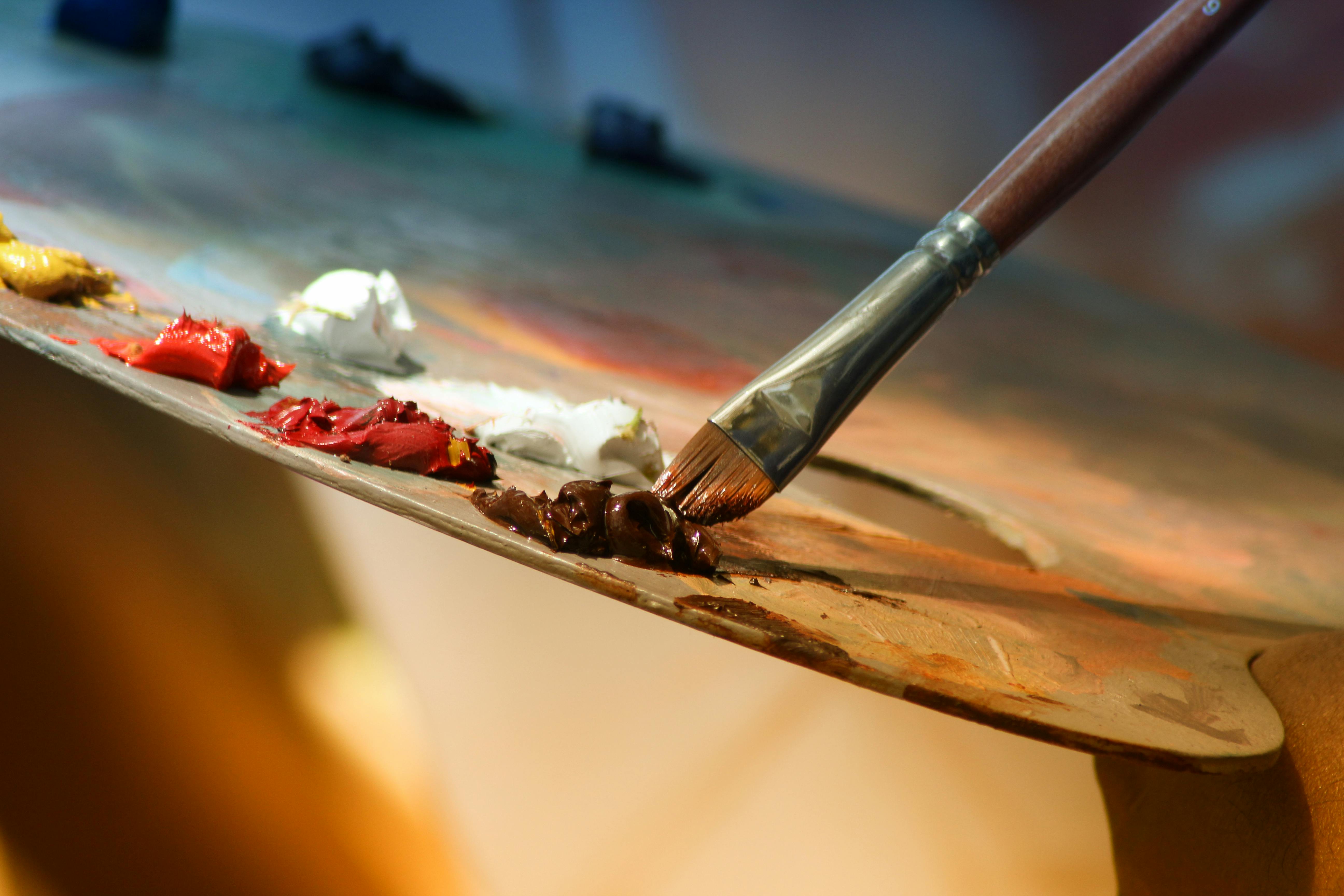

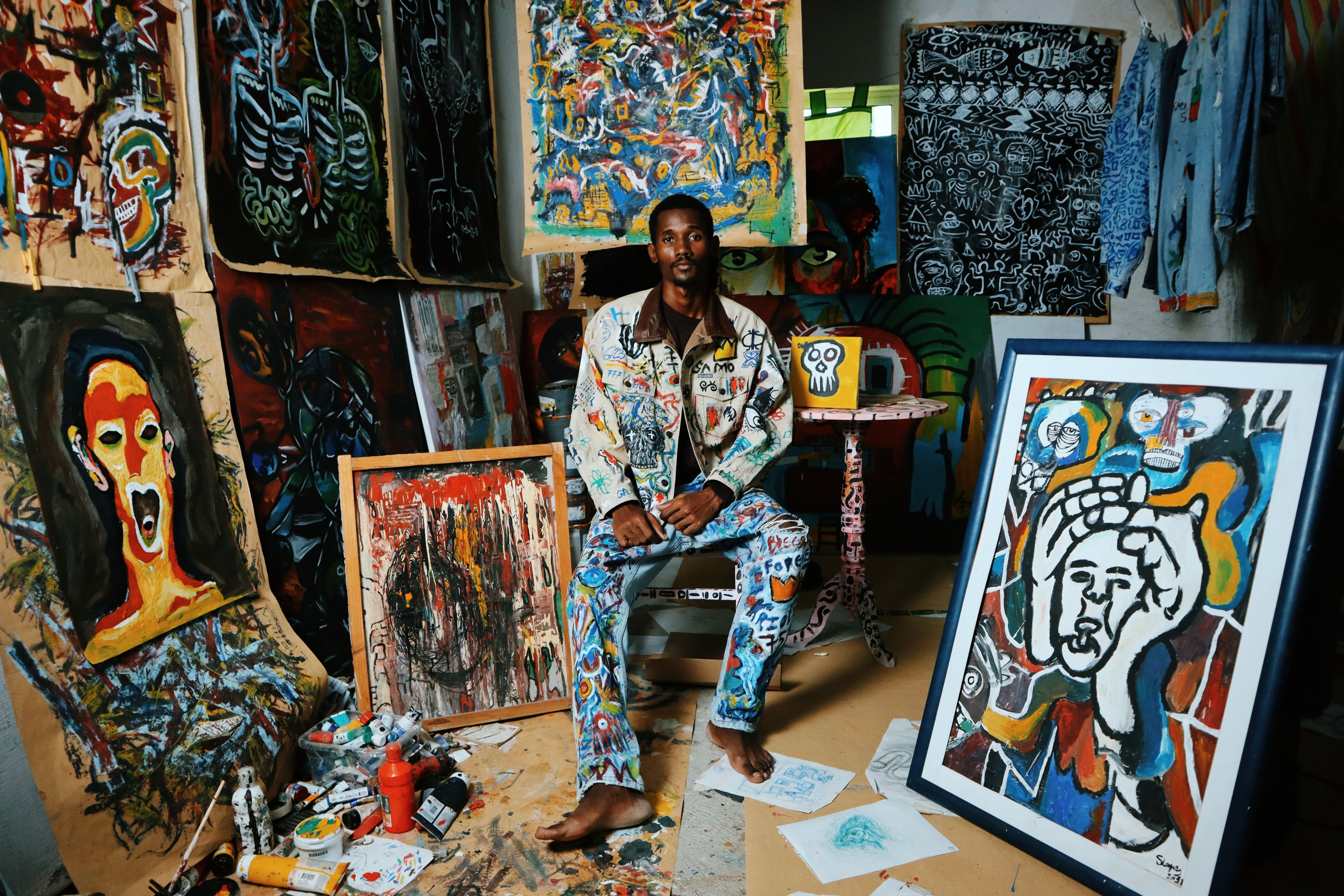

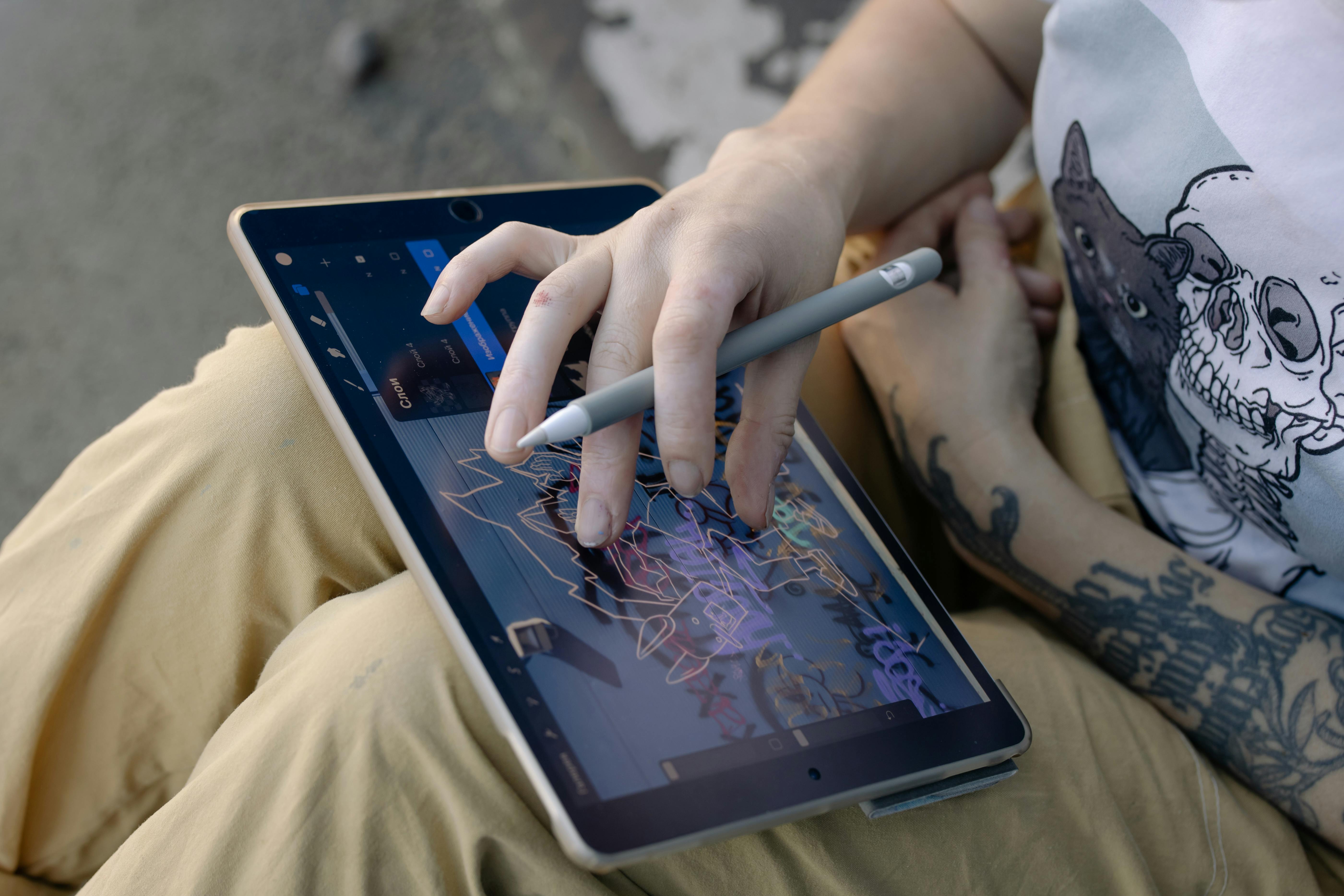







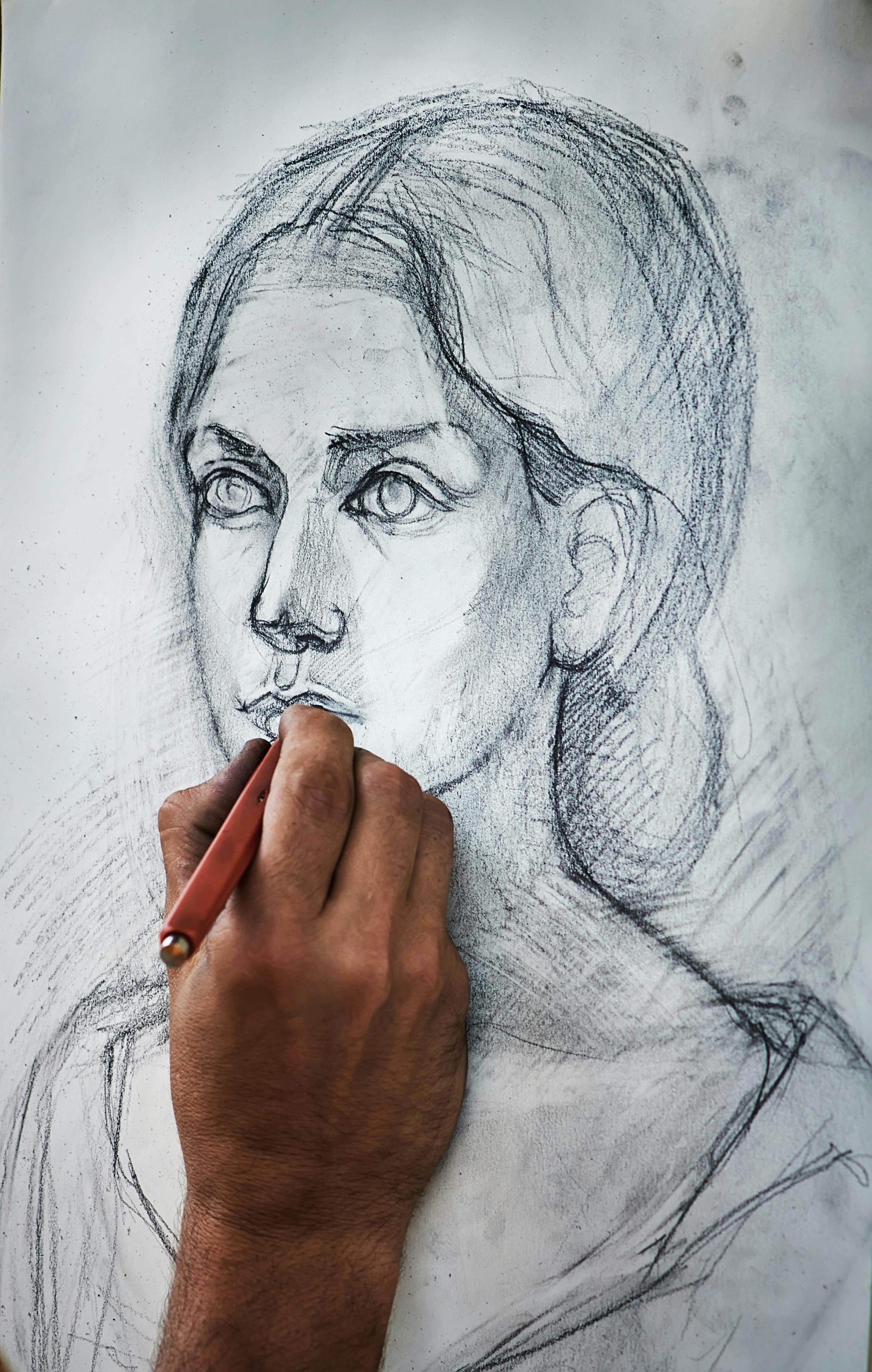

If you're inspired to start or continue your own artistic journey, consider exploring original artworks and prints to see how technical mastery comes to life in different styles and mediums. And if you're ever in Den Bosch, the museum is a fantastic place to see masterful techniques up close.
Happy creating!
Final Thoughts
Technical mastery is a journey, not a destination. It’s about embracing the process, learning from your mistakes, and continuously pushing the boundaries of your craft. Whether you’re a beginner or an experienced artist, there’s always something new to discover and explore. So keep creating, keep learning, and enjoy the journey!