
Long-Run Art Career Strategies: A Stamina-First Guide to Lasting Success
A personal, comprehensive guide for artists on building a resilient and fulfilling long-term career, from studio habits to financial and mental endurance.

The Art of the Long Run: A Stamina-First Guide to a Lifetime in Art
What if the most radical act in your art career isn't a single, brilliant masterpiece, but the decision to simply... keep going? In a world obsessed with the "overnight success" myth—the viral hit, the gallery sensation, the Instagram famous—we've lost sight of the deeper truth. I'm not talking about the frantic hustle to get into the next gallery or the sprint to go viral online. I mean the slow, deliberate, and often unglamorous work of building a creative life that can last for decades, one that nurtures you as much as your art. This is for anyone who's ever felt overwhelmed by the pressure to "make it" quickly, watched peers seemingly skyrocket overnight, or felt their own creative flame flicker under the weight of it all. This isn't about a sprint; let's talk about the art of the long run.
It's a strange paradox, isn't it? Our entire culture seems to be screaming at us to "move fast and break things," to chase virality and instant success. But the most profound creative work—the kind that changes us, that changes how others see the world, that leaves a lasting mark—simply cannot be rushed. It demands a different engine altogether. This guide is about swapping the rocket fuel of hype for the deep-burning coal of stamina. We're going to explore why a career built on endurance, not explosions, is not only more sustainable but also more likely to produce work of genuine depth and significance.
Defining Your Marathon: What Does a Long-Run Career Even Mean?
When we say "long-run," I don't mean just surviving or grinding it out until you're exhausted. That's a recipe for burnout, and I've seen it happen to too many talented people. A long-run career is not a war of attrition. It's more like building a rich, complex ecosystem around your practice—a life where your art is an integrated, resilient part of who you are, not the only thing that defines you. It's about creating a structure so robust that your creativity can flourish within it, protected from the volatile whims of the market and your own inner critic.
This means looking at your creative life holistically. It's about becoming a student of the entire game—not just the part that happens when you're holding a brush. It requires you to become a strategist, a business owner, a student of your own psychology, and most importantly, a good caretaker for your own creative spirit. A marathon runner doesn't just think about the finish line; they obsess over their nutrition, their sleep, their pacing, their mental state. We should too.
Think of it as the difference between a firework and a hearth. A firework is spectacular, bright, and vanishes in an instant. A hearth provides steady warmth, light, and a center for the home for years. Your career can be a hearth. It's about integrating your passion into a sustainable lifestyle, ensuring financial stability, building psychological resilience, and creating a support system that helps you navigate the inevitable ups and downs. It's a life where your art is a resilient, integrated part of who you are, not just a job that consumes you.
The Four Cornerstones of Longevity
To build something that lasts, you can't just wing it. You need to lay a strong foundation. I've found that it all rests on four interconnected cornerstones: your process, your business, your mindset, and your life. Neglect any one of them, and the entire structure can become unstable. Think of it like a table with four legs—if one is weak or missing, the whole thing wobbles and eventually collapses. Let's dig into each one, because understanding them is the first step to building a career that endures.
The Process: The Slow Burn of the Studio
Your daily process is your career's engine room. It’s not about waiting for inspiration; it's about the tiny, consistent actions that build a body of work over time. This is where your artistic voice is truly forged, not in sudden bursts of genius, but in the quiet accumulation of days spent showing up. It's the difference between hoping to find water and digging a well.
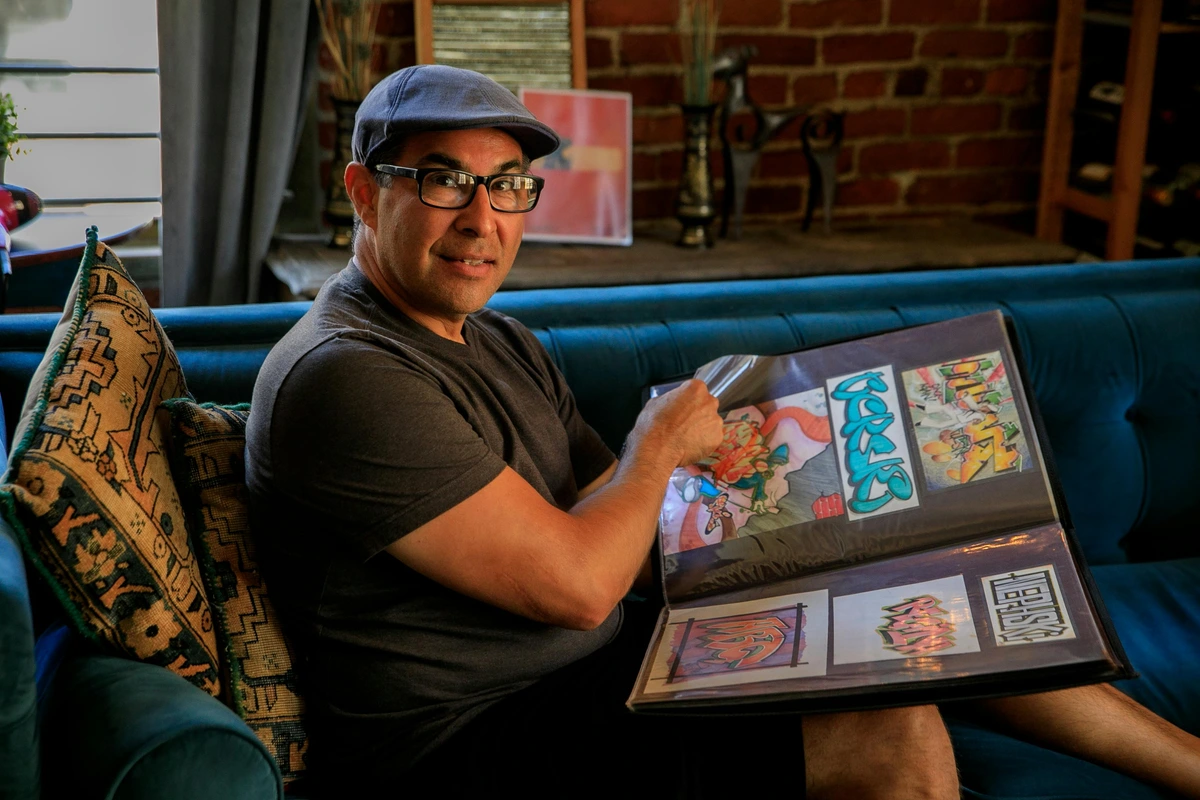
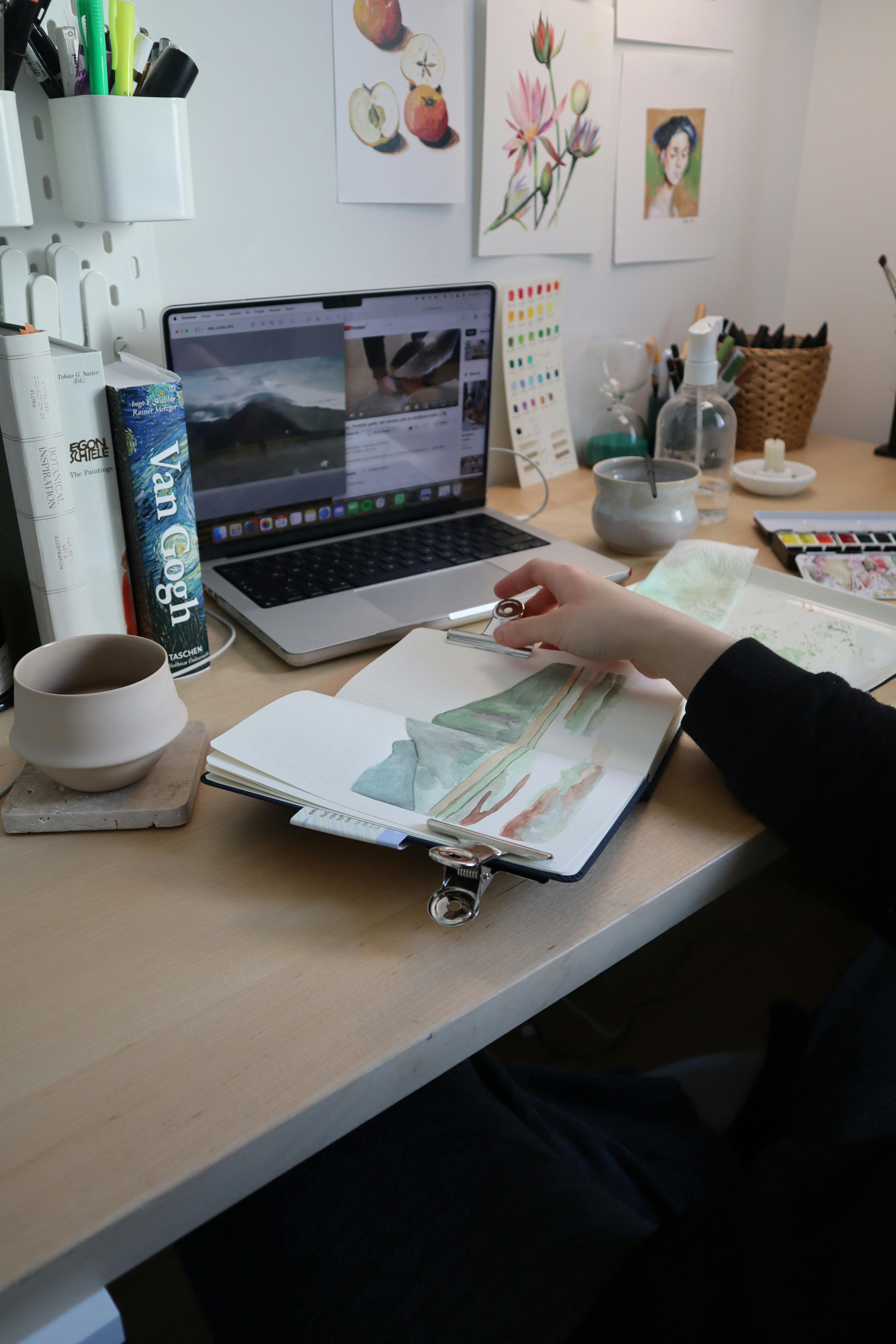
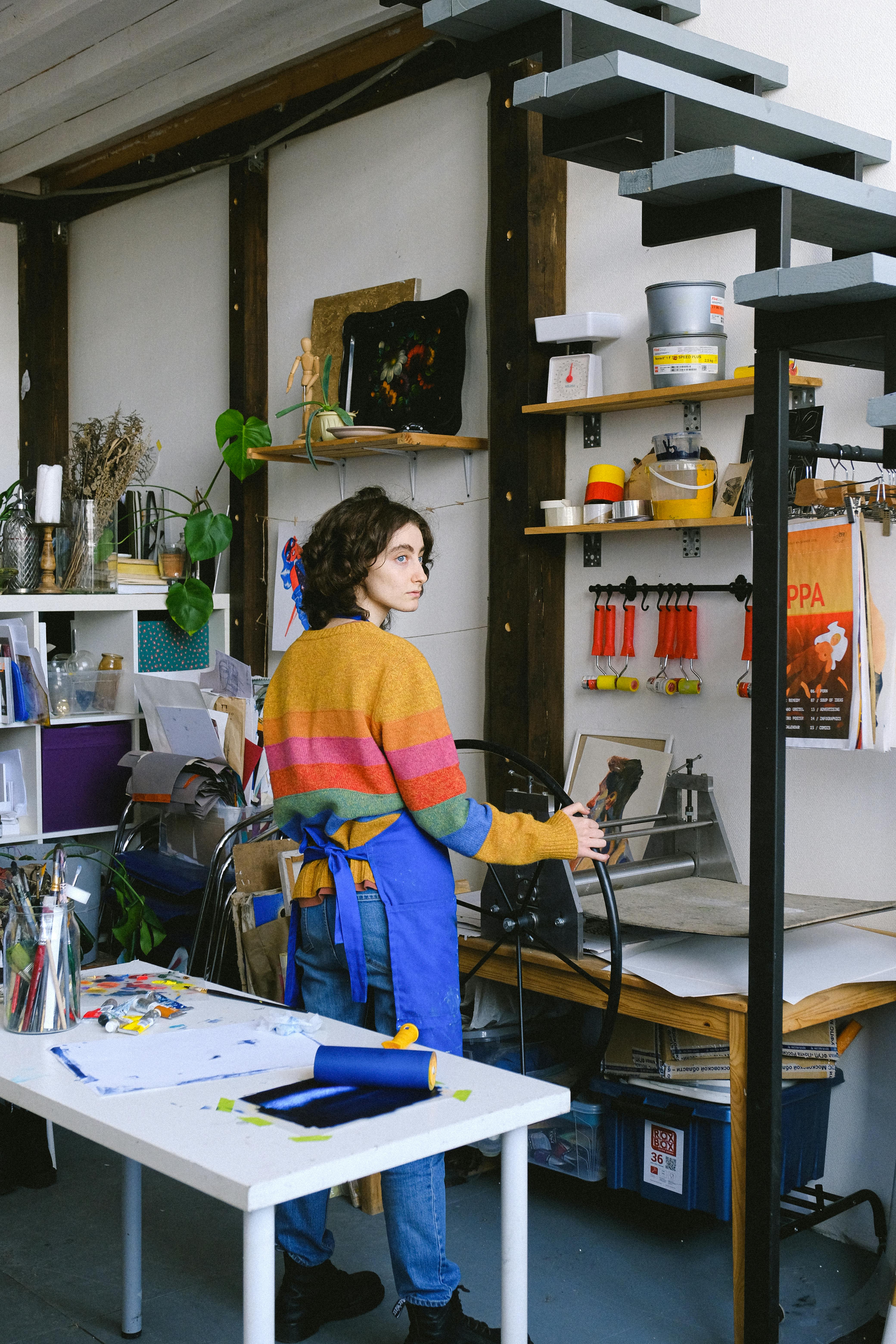
Embrace the Gentle Ritual: Forget waiting for the muse. She's notoriously unreliable. A sustainable practice is built on small, non-negotiable habits. It could be as simple as spending the first 20 minutes in the studio just sharpening pencils, mixing paint, or tidying brushes. This isn't procrastination—it's a transition ritual. It signals to your brain, "We are here now. We are working." It lowers the pressure of having to create a masterpiece every single day.
I have a friend who's a writer, and before she can write a single word, she has to clean her entire desk and make a perfect cup of tea. I used to think it was procrastination. Now I realize it's a genius-level warm-up routine. It's Pavlovian. The cleaning and the tea-making are the trigger; writing is the conditioned response. It's a way of consciously manufacturing a creative state, so you're not a slave to the unpredictable whims of inspiration. You're hacking your own brain to become reliably creative.
1.2 Finding Your Medium and Surface: Removing Friction
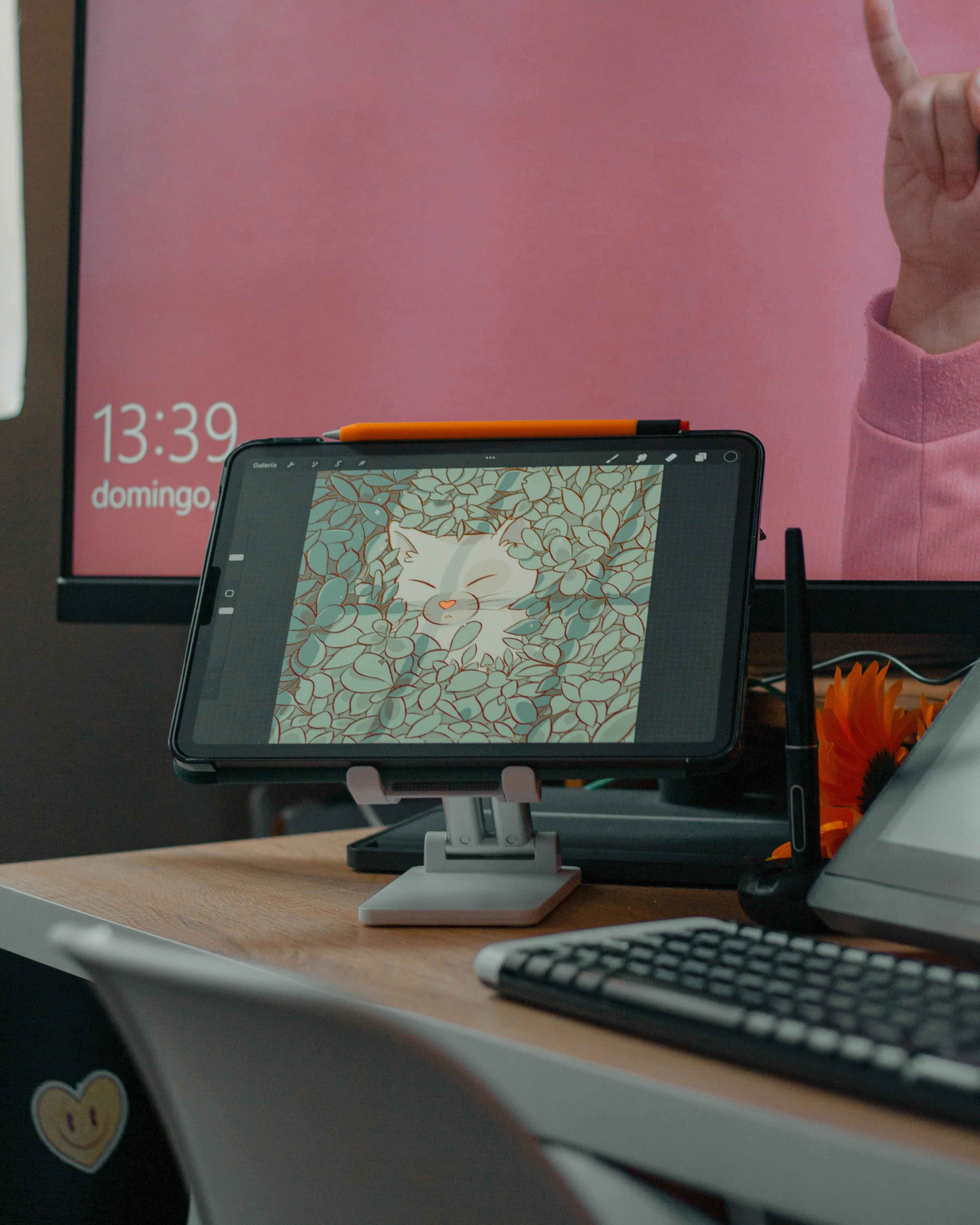
Before the ritual, you need your materials. For many, this is a non-issue, but for others, the sheer volume of choice can be paralyzing. My advice? Go stupidly simple at the start. The goal isn't to have the most professional setup; it's to remove every possible barrier between you and the act of creation. A cheap sketchbook and a Bic pen can be a more powerful tool for a daily habit than a $300 set of paints you're terrified to "waste." Don't let the pressure of "the perfect setup" become another form of procrastination. The magic is in the doing, not in having the right gear.
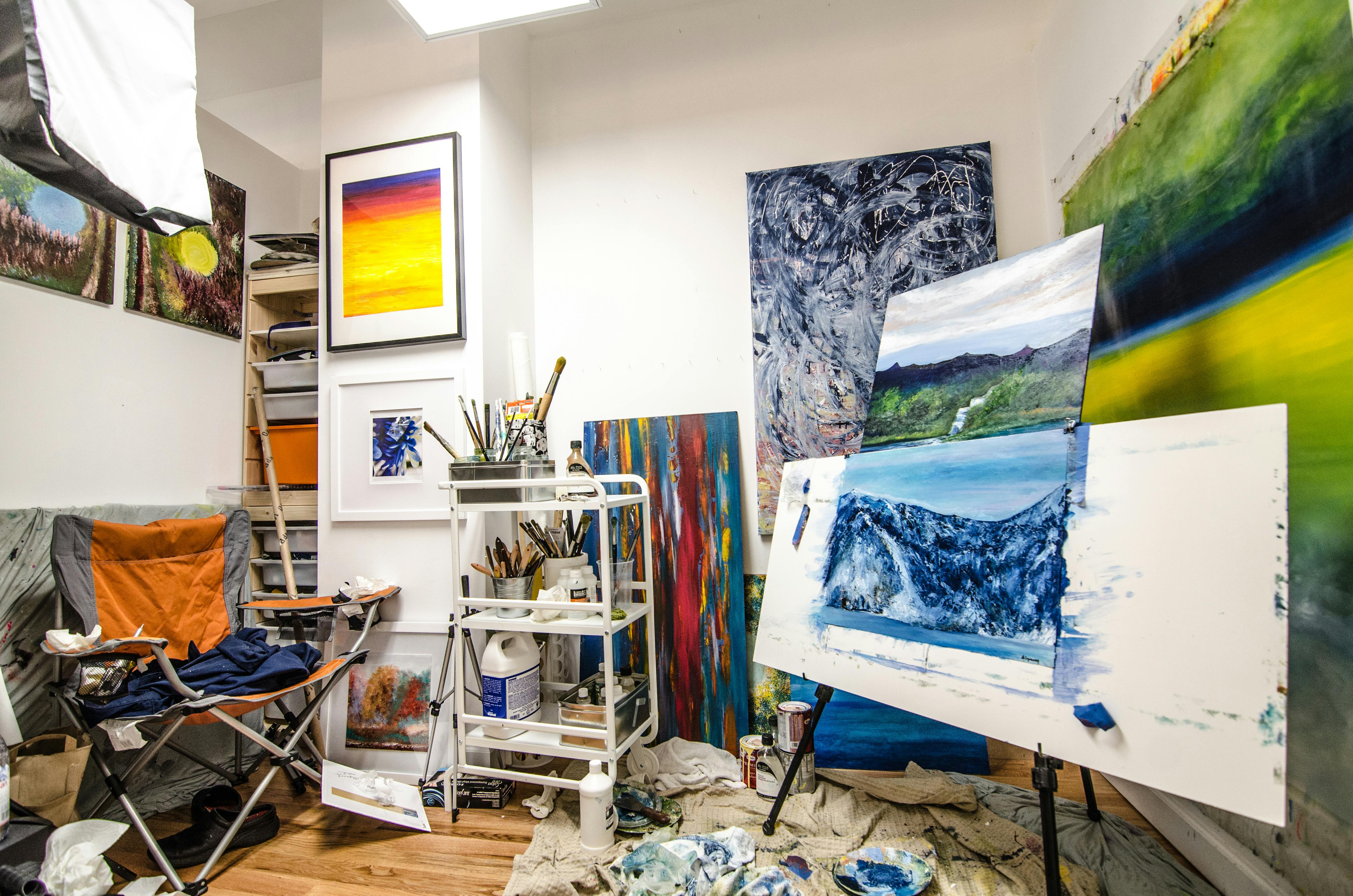
I used to think I needed a perfectly organized, Instagram-worthy studio before I could make anything worthwhile. It was a beautiful form of procrastination. The truth is, the most potent creative periods of my life have happened at my kitchen table with a single pen and the back of an envelope. Friction is the enemy of consistency. Your first job is to make the entry cost to create as close to zero as possible.
1.3 Quantity is a Quality All Its Own
I'm a huge believer in making a lot of work, knowing full well that the majority of it will be, frankly, terrible. The goal isn't to show every piece, but to grant yourself the freedom to experiment, fail spectacularly, and discover hidden paths you never would have found if you were trying to be perfect. A daily practice, even for just 30 focused minutes, builds creative muscle memory in a way that sporadic bursts of inspiration simply can't. The more you work, the more you learn, and the more those truly original ideas have a chance to bubble up from your subconscious.
It's physics, really. A body in motion tends to stay in motion. The artist who is constantly making is building momentum. An artist's soul isn't found in one perfect painting, but in the accumulated wisdom of a thousand sketches. You are not what you produce; you are the process that produces it.
The ceramicists have a philosophy for this: you have to make 100 pots before you're allowed to keep one. The first 99 are just tuition for the 100th. We could all learn a lot from that. The permission to be bad is the secret permission you need to eventually get good.
1.4 Track Your Work (The Non-Judgmental Way)
How do you even know if you're making a lot of work? It's easy to feel like you're doing nothing, especially on the hard days. I keep a simple tally on my studio wall. At the end of each session, I add a tick mark. That's it. The goal is just to accumulate the tick marks. Some days I get one tick for a 20-minute sketch. Other days I get five ticks in a marathon session. This simple metric shifts the focus from the quality of what I made to the simple, profound act of having made it. It's a reward for process, not product.
This act of tracking is crucial. Without it, you're flying blind. You only remember the failures or the rare, perfect successes. The tick marks become a visual, non-judgmental history of your commitment. They are proof that you are showing up, and over a year, that wall tells a story of dedication that is far more powerful than any single piece.
2. The Business: Building a Resilient Financial Engine
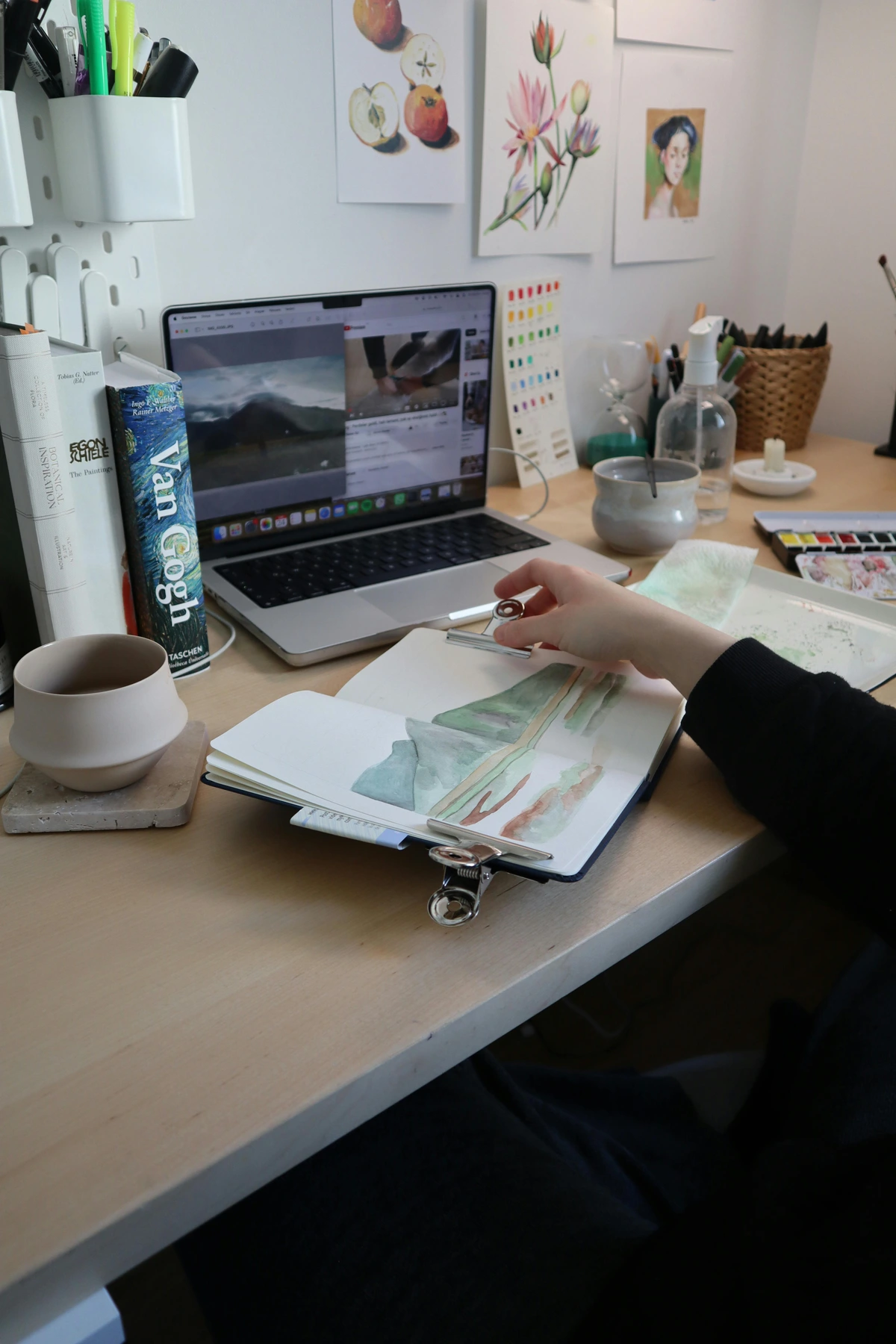
Let's be real: passion doesn't pay the rent, and idealism won't cover the cost of canvas. A long-term career requires a pragmatic, but not soulless, approach to money. The goal isn't to get rich quick; it's to insulate your creative freedom from the whims of the market. Too many brilliant artists I know treat "business" as a dirty word, as if making money somehow corrupts the soul of the art. This is a recipe for burnout and bitterness.
A sustainable business is the scaffolding that holds up your creative cathedral. It's not the cathedral itself, but without it, the whole thing can come crashing down. This section is about pouring a solid foundation so you can build whatever you want on top of it. Think of it as creative infrastructure. You are building a system that allows your art to exist and thrive in the real world.
Diversify Your Income Like an Investor: Relying on a single source of income—say, only gallery sales or just one kind of commission—is like walking a tightrope without a net. It's incredibly risky and will fill your life with anxiety. The gallery that loves your work today might close tomorrow, or a new curator might come in with a different vision. Think like an investor building a portfolio, not a gambler putting everything on one spin of the wheel. Diversify.
This isn't just about stability; it's about creative freedom. When you have multiple income streams, you're not as desperate to sell a painting. You can make work that's truly, honestly yours, not work that you think will please a specific buyer or chase a fleeting trend. That financial breathing room is one of the most powerful creativity boosters there is. It's the freedom to say no. It's the freedom to experiment without financial ruin. It's the difference between making art that is reactive to the market and making art that is proactive from your soul.
Income Stream  | What It Is | The Stability Factor | Potential Earnings (Scale) |
|---|---|---|---|
| Direct Print Sales | Selling your own prints online or in person. | High (You control pricing and inventory) | Low to Medium |
| Original Artwork Sales | The core business of selling your primary work. | Medium (Subject to market trends) | Very High (but inconsistent) |
| Licensing | Allowing companies to use your art on products. | Medium (Can provide steady, passive income) | Medium to High |
| Teaching & Workshops | Sharing your knowledge online or in person. | High (Builds community and expertise) | Medium |
| Grants & Residencies | Non-commercial funding for specific projects. | High (Supports creative freedom, but competitive) | Low to Medium |
| Freelance/Illustration | Commercial client work, book covers, editorial. | Medium (Project-based) | Medium |
| Merchandise & Products | T-shirts, tote bags, or other physical goods with your art. | High (Creates brand loyalty) | Low to Medium |
| Patreon / Substack | Recurring revenue from a dedicated fanbase. | High (Provides a financial "floor") | Low to Medium (but growing) |
The most resilient artists I know have at least three of these streams active at any given time. It's not about being an expert in everything at once. It's about slowly building one new channel every year or two, until your financial picture looks less like a single tightrope and more like a wide, stable web.

Know Your Numbers (The Minimalist Way): You don't need to be an accountant, but you absolutely need to know what it costs to run your life and your art practice for a year. How much do you need to live on? How much do materials cost? Once you have that number, you can start reverse-engineering your goals. It takes the emotion out of pricing and allows you to see your art practice as a legitimate, viable business that supports you.
Here’s a simple starting point: for one month, track your expenses religiously. Every coffee, every tube of paint, every rent payment. Don't change your habits; just observe them. Use a simple spreadsheet or an app; it doesn't have to be fancy. The first time I did this, I was genuinely shocked by how much I was spending on shipping supplies without even thinking about it. That simple act of awareness is the foundation for everything that comes next.
Here's a simple starting point: for one month, track your expenses. Every coffee, every tube of paint, every rent payment. Don't change your habits; just observe them. The first time I did this, I was horrified by how much I was spending on shipping supplies without even thinking about it. That simple act of awareness is the foundation for everything that comes next.
Pricing Your Work Without Panic: Once you know your numbers, you can anchor your prices to something real. Instead of guessing or basing it on the artist you saw on Instagram, use a formula. A simple one is: (Cost of Materials + Hourly Rate x Hours Spent) x 2.
The hourly rate should be a living wage for you, and the final multiplier (in this case, 2) accounts for the time you spend on the business of art—marketing, admin, packing, emails. This formula won't work for every piece, especially very large or very small ones, but it gives you a rational, defensible starting point that's tied to the reality of your life. It takes the emotion out of the equation and lets you price with confidence. It's hard to argue with math. When a collector asks, "Why is this priced this way?" you have a clear, business-like answer that isn't just "Because I think it's good." Another model some artists use is pricing by square inch, especially for smaller works, as it standardizes value and simplifies price calculation. It's hard to argue with math. When a collector asks, "Why is this priced this way?" you have a clear, business-like answer that isn't just "Because I think it's good."
3. The Mindset: Cultivating Mental Endurance
Your mindset is the software that runs your career. If it's buggy, even the best business plan will crash. This is the internal work, and in many ways, it's the hardest. It's about managing your inner world so you can keep showing up in the outer one.
Redefine Failure as Data: This is the most important mindset shift you can make. A painting that doesn't work out isn't a failure; it's a lesson in what not to do. A gallery rejection isn't a judgment on your worth; it's a single data point suggesting your work wasn't the right fit for them, at that moment. Reframing setbacks as neutral information is one of the most powerful skills you can develop. It builds a psychological resilience that becomes your armor against the slings and arrows of a creative career.
Author Neil Gaiman gives a brilliant piece of advice to writers that applies perfectly to artists: when you get stuck, you just write the next sentence. Not the whole chapter. Just the next sentence. For us, it's "just mix the next color." "Just draw the next line." It's the creative equivalent of putting one foot in front of the other on a long hike. The small, doable action keeps you moving forward when the overarching vision feels overwhelming.
Author Neil Gaiman gives a brilliant piece of advice to writers that applies perfectly to artists: when you get stuck, you just write the next sentence. Not the whole chapter, not the perfect paragraph. Just the next sentence. For us, it's "just mix the next color." "Just draw the next line." It's the creative equivalent of putting one foot in front of the other on a long hike. The small, doable action keeps you moving forward when the overarching vision feels overwhelming.
Protect Your Attention: The Curse of the Feed: In an age of infinite scrolling and instant feedback, your most precious resource is your attention. Not time—attention. The constant noise of social media trends, algorithm changes, and other artists' successes can fracture your focus and erode your unique voice. Schedule specific times to be online for work, and then log the hell off. Protect your creative headspace as fiercely as you would guard your physical studio.
I've seen too many talented artists get pulled into the vortex of the feed, constantly comparing, adjusting their work to fit the algorithm, and slowly losing the very thing that made them unique. The feed is not neutral. It is designed to capture and keep your attention. Your job is to reclaim it.
Here's a practical trick that worked for me: I turned my phone's screen to grayscale. It's a small change, but it makes the entire device less hypnotically stimulating. The colorful, dopamine-triggering icons become more utilitarian. It's easier to put down. It's a simple intervention between you and the endless scroll. Try it for a week. You might be shocked at how much mental space it frees up.
Another strategy is to get an old-fashioned alarm clock and banish your phone from the bedroom. The first 30 minutes and the last 30 minutes of your day are precious ground for your subconscious. Don't cede that territory to a glowing screen full of other people's thoughts and accomplishments.
The Comparison Trap is a Dead End: Theodore Roosevelt allegedly said, "Comparison is the thief of joy." It's worse than that—it's a thief of time, energy, and creative identity. Your path is unique. Someone else's success does not diminish yours. Someone else's style does not invalidate yours. Focus on your own marathon—your own pace, your own progress, your own work. The only artist you should compare yourself to is the artist you were yesterday.
When you feel that familiar pang of envy looking at another artist's success, that's actually a useful signal. Instead of letting it curdle into self-criticism, try letting it be a question. "What is it about their work that I'm drawn to right now?" "What can I learn from their career path?" By turning comparison into curiosity, you reclaim your power and transform a negative emotion into fuel for your own journey.
When you feel that pang of envy looking at another artist's success, that's actually a useful signal. Instead of letting it turn into self-criticism, try letting it be a question. "What is it about their work that I'm drawn to right now?" "What can I learn from their career path?" By turning comparison into curiosity, you reclaim your power.
Imposter Syndrome is a Feature, Not a Bug: You will, at some point, feel like a fraud. Good. That feeling is your compass, not your enemy. It means you're still growing, still venturing into territory that's new and challenging. The day you feel like a complete, finished expert is the day you've stopped learning and started repeating yourself. I've learned to treat that little voice of "who do you think you are?" not as an accusation, but as a welcome mat to a new challenge. It's a sign you're pushing your own boundaries. Embrace the discomfort; that's where the growth happens, right on the edge of what you think you're capable of.
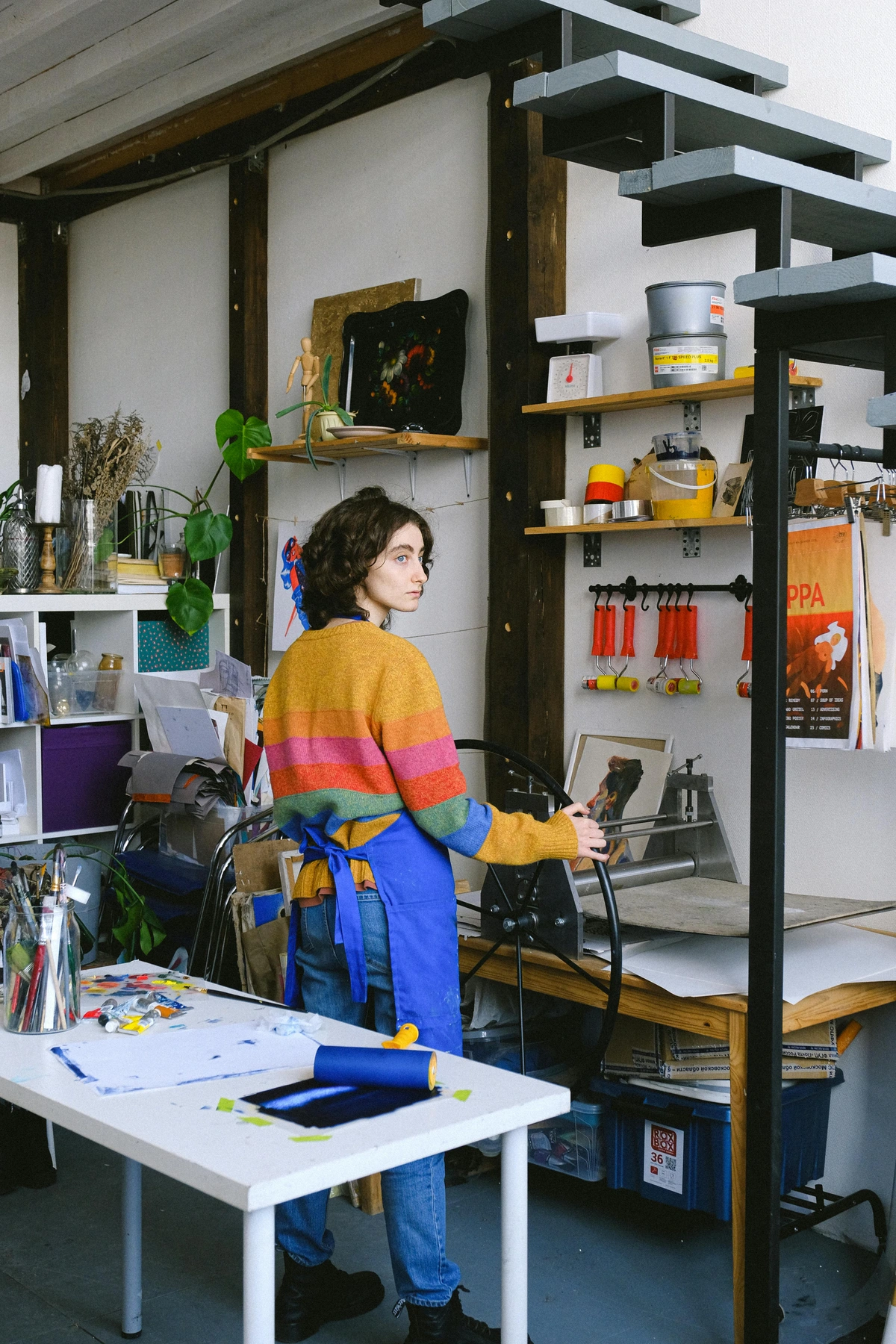
4. The Life: Your Art is What You Do, Not Who You Are
This might be the most important cornerstone of all. If your entire identity is fused to your art, every setback becomes an existential crisis. A bad review isn't just criticism, it's a personal attack. A slow sales month isn't just a market fluctuation, it's proof you're a failure. If your self-worth is determined by sales or likes, you're setting yourself up for a lifetime of anxiety.
Building a life that can hold your art, without being entirely defined by it, is the ultimate act of creative sustainability. Let me be clear: I am not suggesting you be any less passionate about your work. Please, be obsessed. Be consumed. But also be a person who exists outside of the studio. Nurture the other parts of you. It's not a betrayal of your artistic self; it's a form of creative insurance. When a painting fails (and it will), your entire world won't collapse because you will still have a life—a good life—outside of it. It's the difference between having a single, fragile tree and having a whole forest of interests and connections to support you.
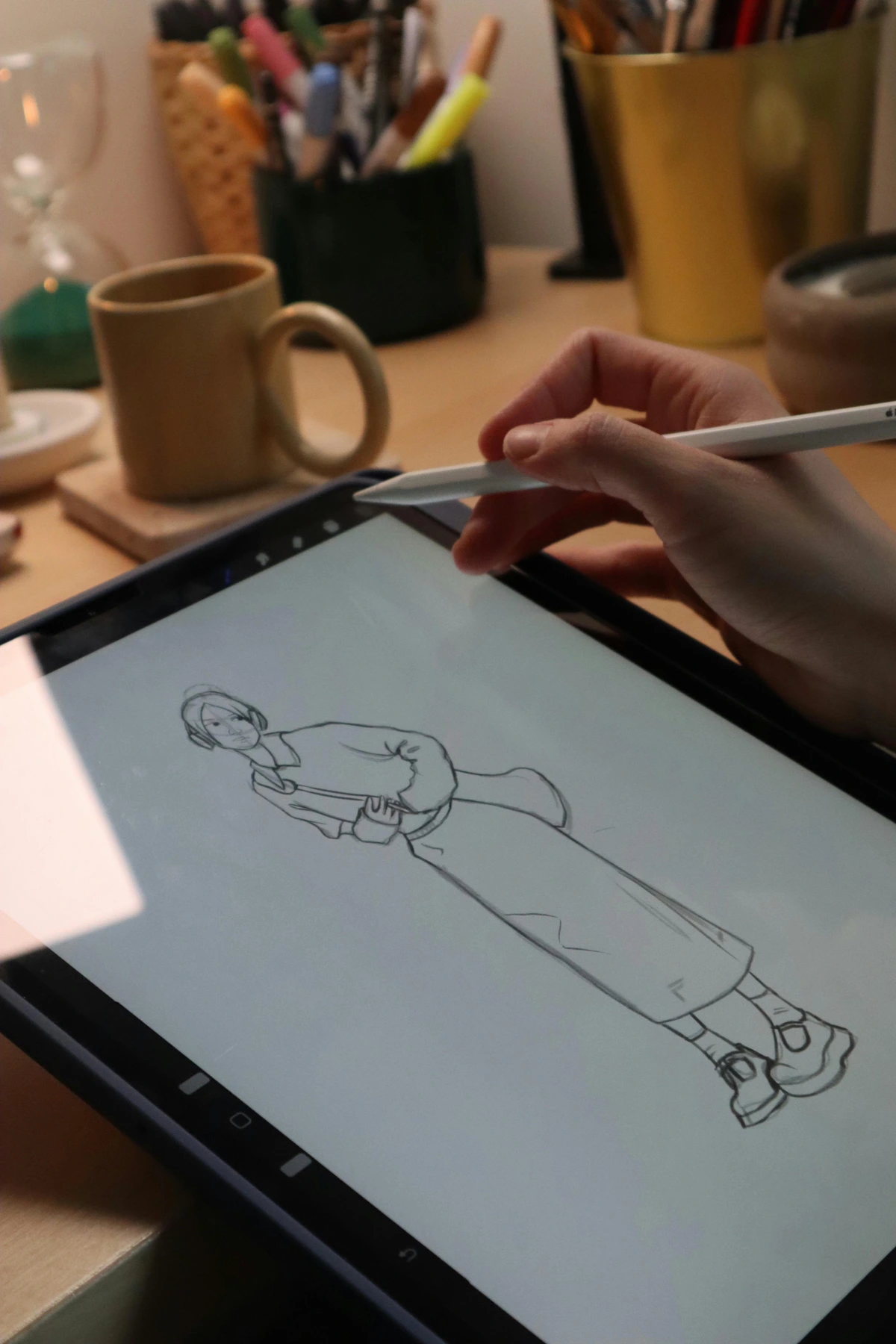
Cultivate Interests Outside of Art: Have hobbies that have absolutely nothing to do with your work. Go hiking. Learn to cook a difficult recipe. Play an instrument terribly. Read fiction voraciously. These things aren't distractions; they are essential sources of new ideas, metaphors, and energy. They keep you from becoming a one-dimensional art robot. They remind you that you are a whole person, which paradoxically makes your art richer and more relatable. A curious artist is a growing artist, and growth is the engine of longevity.
Let me tell you about my obsession with sourdough. It might seem completely unrelated to painting, but the patient waiting, the understanding of fermentation and life, the way you have to work with the dough instead of forcing it—these insights have snuck into my studio practice in ways I never expected. That's the magic. The more you let yourself be a beginner at something else, the more you disrupt your own creative ruts.
4.1 The Physical Foundation: Health as a Creative Tool
Your body is your primary studio tool. You can't run a marathon if you're out of breath after a flight of stairs, and you can't sustain a 50-year career if you're burned out at 30. This is the least glamorous, most essential advice I can offer: take care of your physical self.
It doesn't have to be a punishing regime. It can be as simple as a 20-minute walk every day, a commitment to stretch for five minutes after a long painting session, or learning how to cook a few simple, healthy meals. I found that I was getting intense back pain from hunching over my work. The solution wasn't a fancy new chair; it was a simple yoga routine I found for free on the internet. That small investment in my physical health paid dividends in my ability to work longer, more focused hours.
Think of it this way: every hour you spend maintaining your physical health is an investment in the longevity of your creative career. It's preventative maintenance, and your future self will thank you for it.
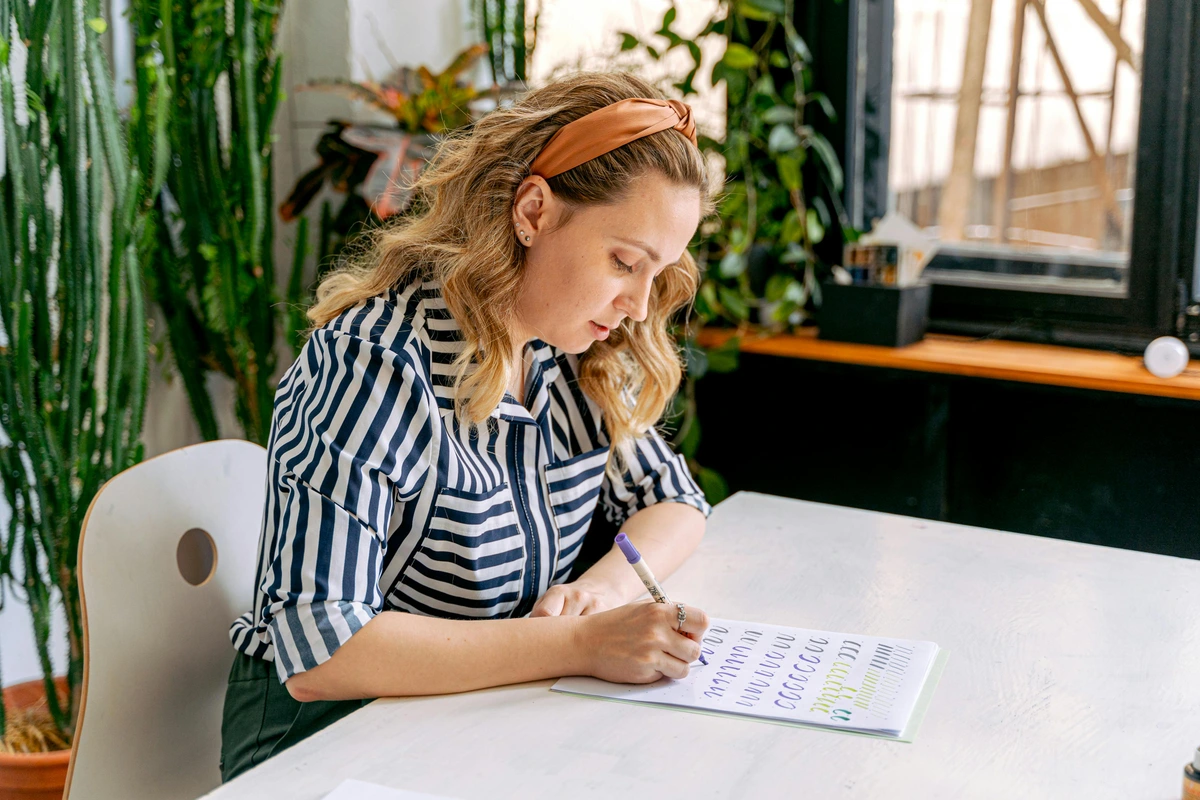
Build a Real Support System: Surround yourself with people who love you for you, not for your accomplishments. Have friends who genuinely don't care if you sell a painting. These are the people who will be there during the inevitable dry spells, who will listen to you vent after a rejection, and their love will help you remember why you started making art in the first place. This isn't just about comfort; it's about grounding your identity in your humanity, not your productivity.
I'm also a huge believer in "trade deadlines." Find another artist or creator and make a pact. You'll both send each other a piece of work—not for critique, not for praise—just to say "I finished this." It's a simple act of witnessed accountability that's surprisingly powerful and much gentler than the pressure of the public spotlight.
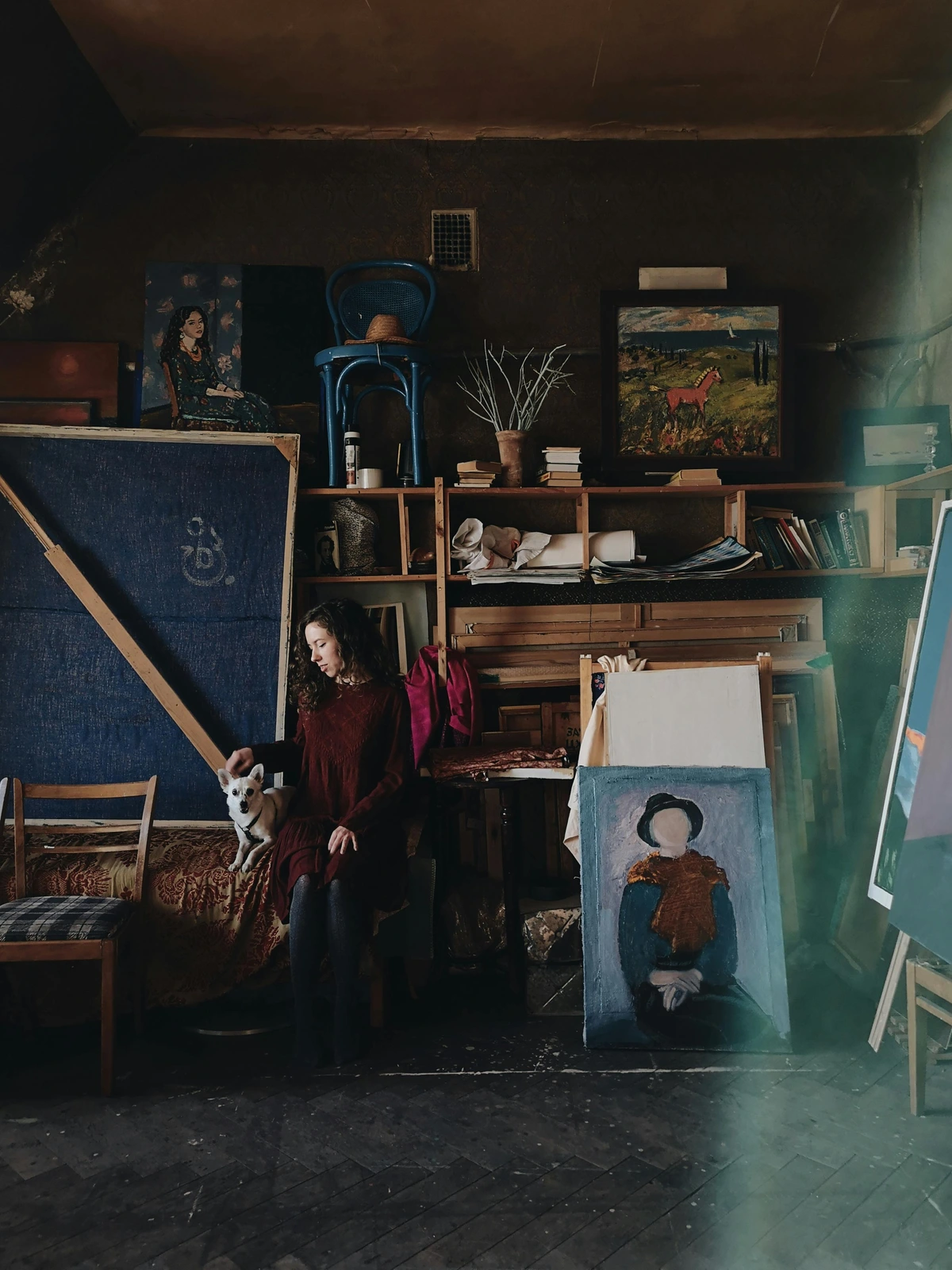
The Inner Circle vs. The Outer Circle: Not all support is created equal. Your inner circle (maybe 2-4 people) should be trusted confidantes you can tell anything to—your creative wins, your crushing doubts, the half-baked ideas you're terrified to share with anyone else. This circle is for unfiltered, unconditional support. Your outer circle is your broader community—fellow artists you admire, collectors who love your work, curators you're building a relationship with. This circle is for professional connection, inspiration, and finding opportunities. Knowing which circle someone belongs in helps you get the right kind of support at the right time, without oversharing your deepest fears on a public stage or feeling completely isolated from your peers.
credit, licence
The Power of Rhythms Over Goals
We're often obsessed with goals: "I want to have a solo show by next year" or "I want to sell 50 prints this month." Goals are useful for providing direction, but they can also be brittle. If you fail to meet a goal, it can feel like a devastating defeat. They put all the pressure on a single, future outcome, and in a career as unpredictable as art, that's a dangerous way to live.
I've found that rhythms are far more powerful. A rhythm is a consistent pattern of behavior that isn't tied to a specific outcome. It's the process you trust, not the product you're desperately hoping for.
Instead of the goal "finish five paintings," try the rhythm: "I go to the studio from 9 am to 12 pm, Monday to Friday, no matter what."

Instead of the goal "get 10,000 followers," try the rhythm: "I post one honest piece of work-in-progress to my blog every Sunday."
Goals are external, and often outside your control. Rhythms are internal and completely within your control. A career built on strong, gentle rhythms is like a river—it keeps flowing, around obstacles, through droughts, steadily carving its own path forward. It's the difference between being a leaf that's pushed around by the wind (goals) and being the water that shapes the landscape (rhythms).
How do I find and apply for grants and residencies?
Start by searching for "[your country/region] art grants for individual artists" or "[your medium] artist residency". There are many databases out there, like the Foundation Center or your local arts council website. The key to a good application is to be genuine, specific, and professional. They want to fund people who have a clear vision and the discipline to see it through. Don't just say what you want to do; explain why it matters to you and how the grant or residency is the crucial next step in your journey. Tailor each application. A generic, copy-paste job is easy to spot and easy to reject. And for goodness' sake, proofread your application. A sloppy application suggests a sloppy artist.
Real-World Case Studies: How the Masters Do It
It's one thing to talk about theory, but it's another to see it in action. Let's look at a few artists who embody the principles of a long-run career. These aren't just stories; they are blueprints for how to build a creative life that endures.
Case Study 1: The Slow and Steady Craftsman
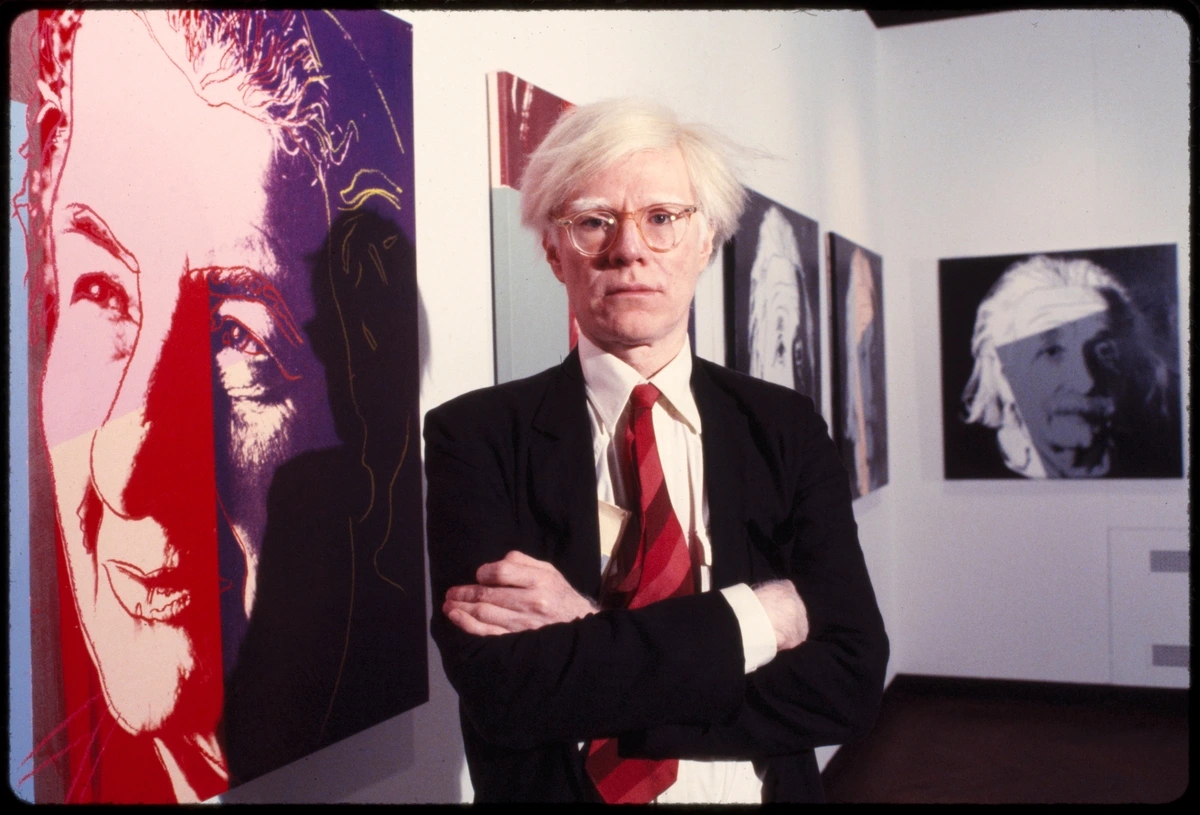
Think of an artist like Wayne Thiebaud. He wasn't part of any major art movement trend. He just kept painting his cakes, his pies, his cityscapes, over and over again, each time with a little more nuance, a little more understanding of light and color. He was in his 70s before he started getting major recognition. He didn't chase the spotlight; he just did the work, year after year, trusting that quality and dedication would eventually find their audience. He's the poster child for the power of rhythm over goals.
The Lesson: Your audience doesn't need to find you this year. Focus on deepening your craft, and trust that a body of consistent, well-made work will create its own gravity over time.
Case Study 2: The Community Architect
Artist and author Austin Kleon is a master of building a career on generosity. He's made his process and his thinking public from the very beginning through his blog and newsletter. He shares his influences, his failures, his reading list. This isn't just "content marketing"; it's the core of his practice. It has built him a deeply loyal community that supports his work because they feel like they're part of the journey. He has diversified income streams (books, speaking, sharing) all built on the foundation of his generous spirit.
The Lesson: Your career doesn't have to be a solo act. Building a community by openly sharing your journey can create a powerful support system that sustains you financially and creatively for the long term.
Case Study 3: The Adaptive Explorer
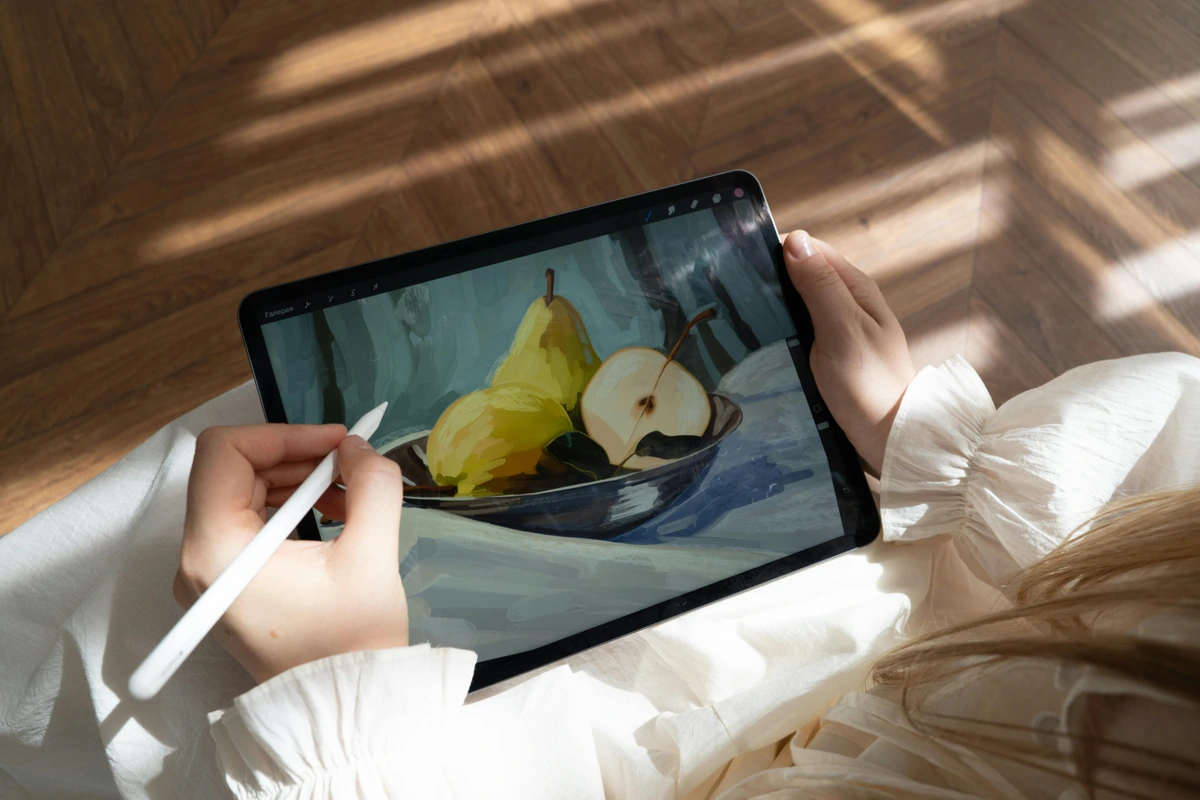
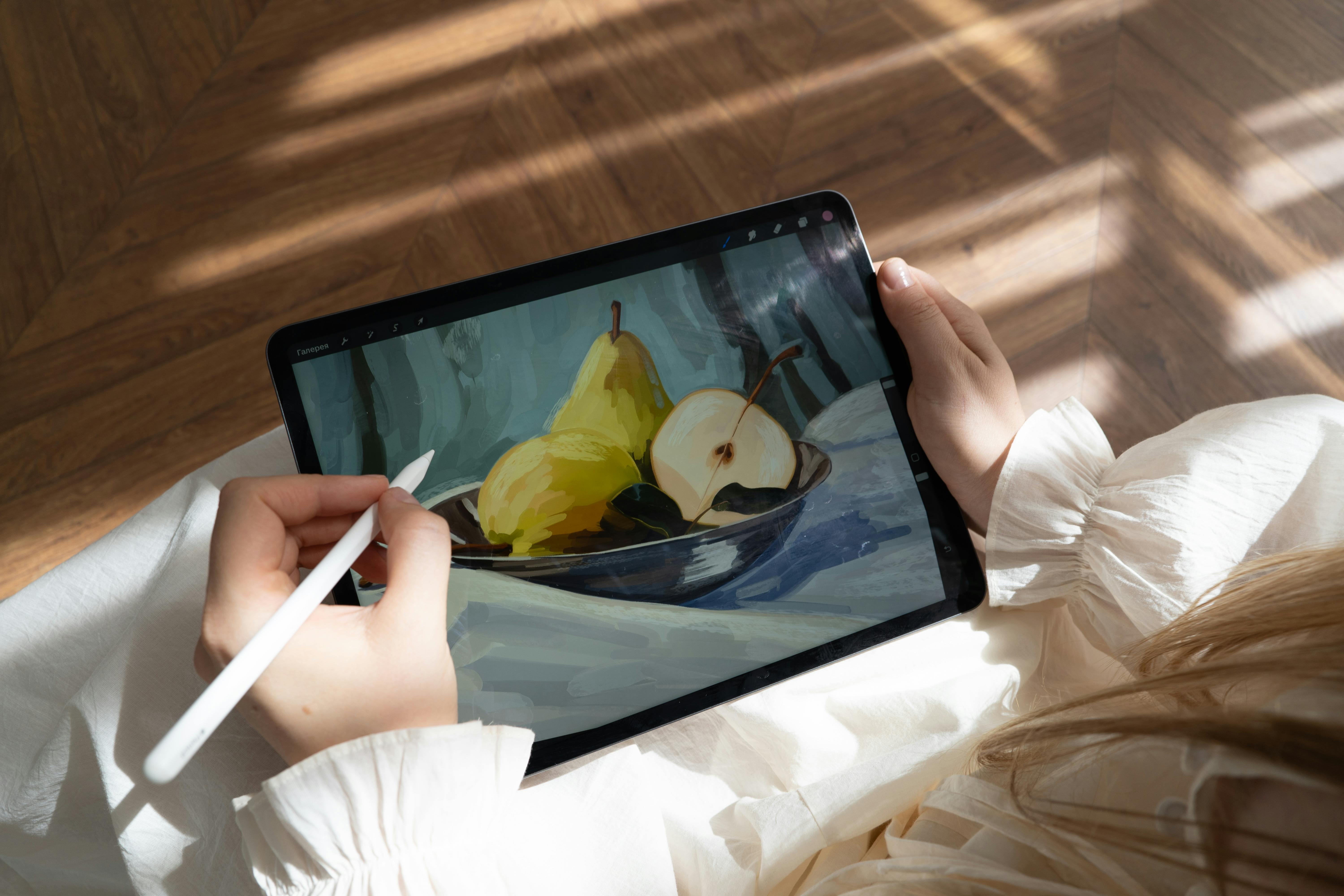
Look at an artist like David Hockney. He didn't stop when he mastered one medium. He moved from painting to photography to drawing on an iPad. He has never stopped being a student, never stopped asking "what if?" This ability to stay curious, to adapt to new tools and ways of seeing, is what has kept his work relevant for over half a century. He proves that a long career doesn't have to be static. It can be a constant process of evolution.
The Lesson: Stagnation is the enemy of a long career. By embracing curiosity and new technologies, you can keep your work fresh and continue to evolve your practice over decades.
Frequently Asked Questions About a Long-Run Art Career
This section tackles the most common roadblocks and questions artists face when trying to build a lasting career. If you have a question that isn't answered here, it probably means you're on the right track by asking it.

How do I deal with the pressure to find a "signature style"?
This is a classic pressure point, and I believe the idea of a single, static signature style is a myth that paralyzes more artists than it helps. Your voice isn't something you find; it's something that emerges over years of consistent work. Focus on the questions that fascinate you, the colors that move you, the forms that you can't stop thinking about. Do that for long enough, and your style will be whatever you leave behind.
I'm constantly broke. How do I finance my art career?
This is the brutal, practical reality for most of us. Beyond diversifying income, consider the concept of the "day job" differently. Instead of a soul-crushing office job you despise, look for "good enough" jobs that pay the bills but actively protect your mental and creative energy. Bartending, freelance administrative work, or working at a gallery or library can offer a steady paycheck without the creative drain of a high-pressure career. The "starving artist" isn't a romantic ideal; it's a quick path to burnout. Financial stability, even if modest, is a tool for creative freedom. One artist I know works as a night security guard at a museum; he gets paid to be in a building full of art, and he has hours of quiet time to sketch and read.
Is it better to be a specialist or a generalist?
There's no one-size-fits-all answer, but for a long career, a deep specialization can be a powerful anchor. It gives the market a clear story about who you are. That said, within your specialty, you should allow yourself infinite freedom to explore. A generalist approach can be exciting, but you risk spreading yourself too thin. My advice? Go deep on one thing, but stay curious about everything.
How important is networking?
It's crucial, but let's reframe it. Don't think of it as "networking." Think of it as "building your community." Focus on genuine connections with other artists, curators, and art lovers whose work you genuinely admire. Go to shows. Have real conversations. Be generous. A strong, authentic community will support you through the long run in ways that a Rolodex of superficial contacts never will.
Should I go to art school?
Art school can be wonderful for some and a source of immense debt and creative constraint for others. There's no single answer. Before you commit, ask yourself what you really need. Do you need the formal critique, the structured time, and the mentorship? Or can you get those things from an artist residency, a rigorous self-directed program, or an online mentorship? I know incredible artists with MFAs and incredible artists who never set foot in a university. The degree doesn't make the artist. The work does.
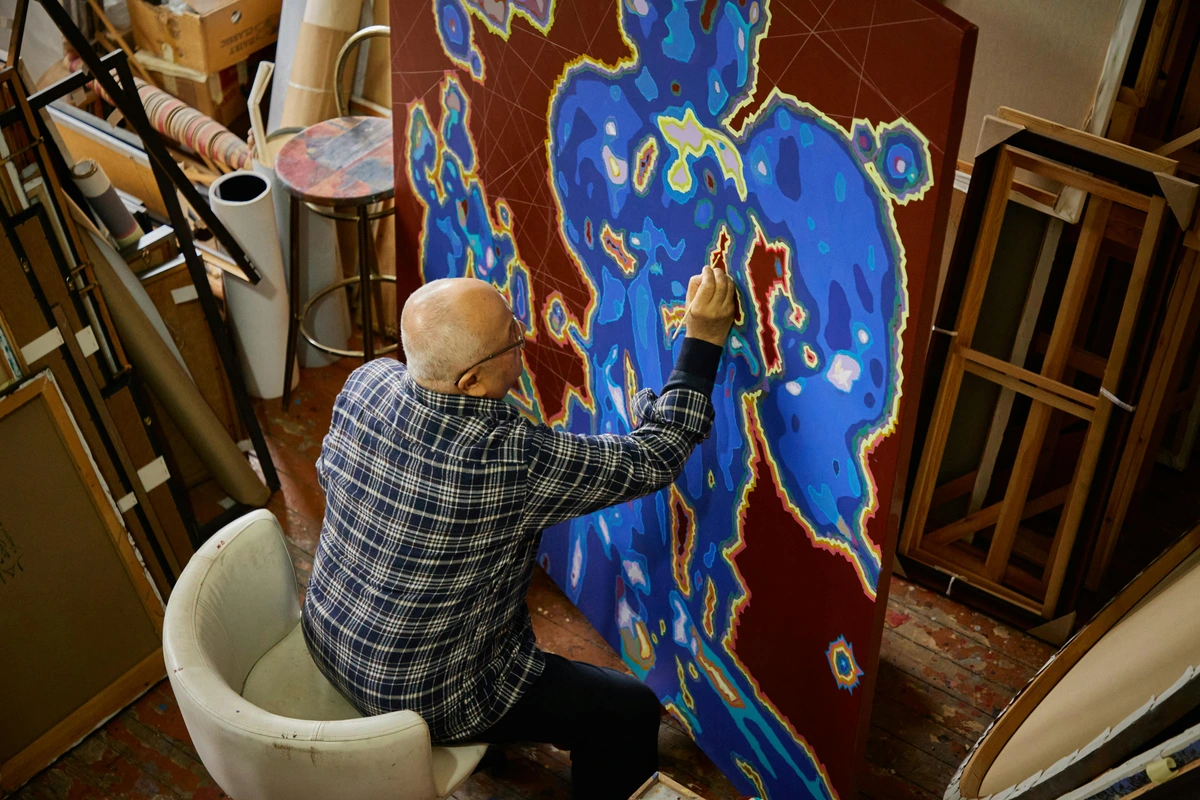
I feel like I'm running out of creative energy. What do I do?
This is a sign of burnout, and it's your body and mind asking for a break. The answer is almost never to push harder. Take a real rest. A few days, a week—whatever you can manage. Step away from the studio. Reconnect with the parts of life that aren't about output. Go for walks. Rest isn't a deviation from your creative path; it is an essential part of the path itself.
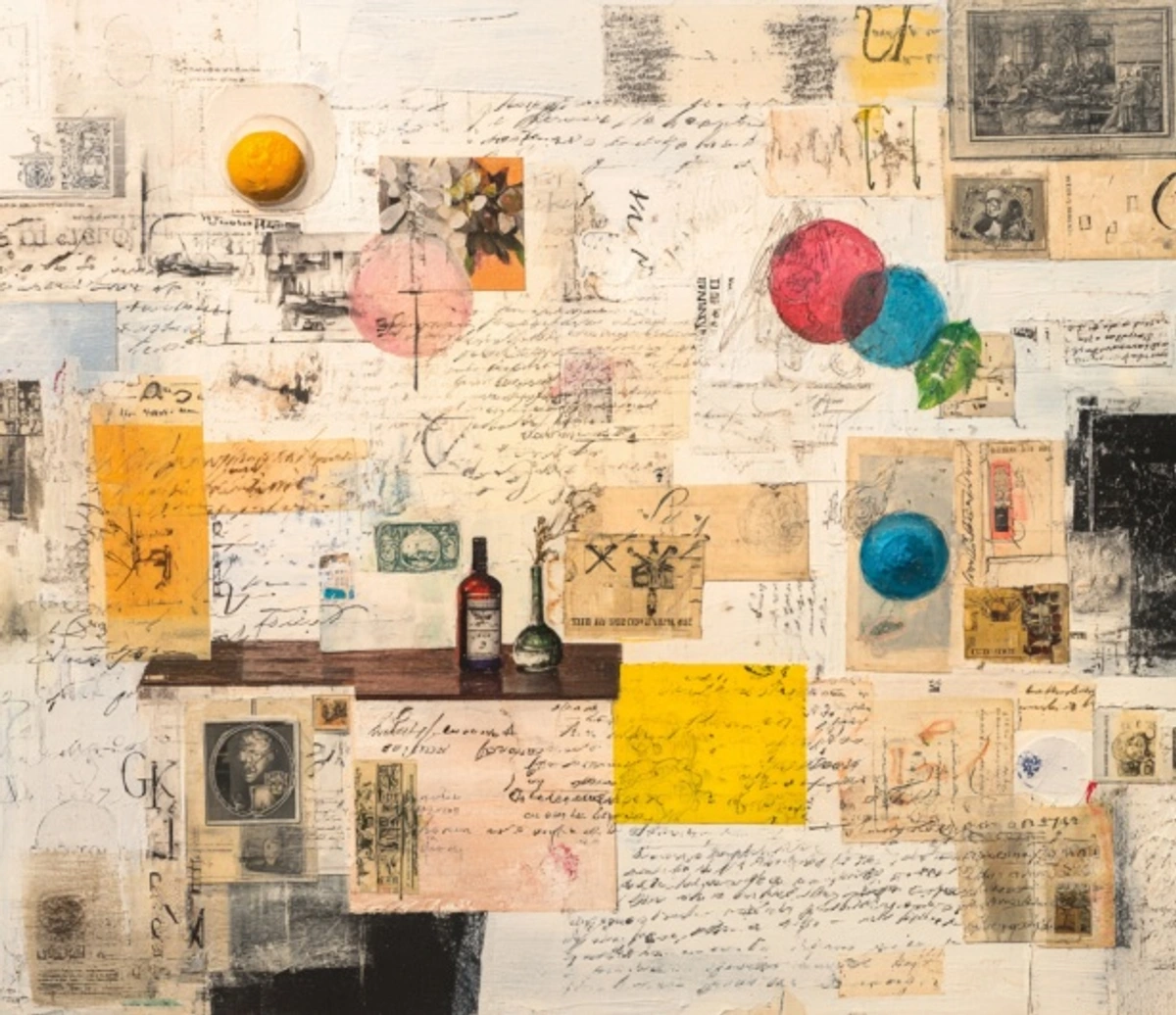
What's the role of technology and social media in a long career?
Technology is a powerful servant but a terrible master. Social media can be a great tool for connection and community, but it's a toxic place to seek validation for your work. Use it as a megaphone, not a mirror. Post your work, share your process, connect with others, and then close the app. Don't let its constant pressure for newness warp your long-term, slow-cooked creative process. Your best work will likely happen offline, in the quiet of your studio.
The Generosity Loop: Why Sharing Your Process Pays Off
In a culture that often feels competitive and zero-sum, it's easy to think you have to hoard your secrets. Protect your process. Guard your contacts. But I've found that the most resilient, long-lasting careers are often built on the opposite principle: generosity. I'm not talking about giving away all your work for free (please don't do that). I'm talking about a strategic, sustainable generosity with your knowledge and your spirit. If you've learned how to properly pack a canvas for shipping so it doesn't get damaged, write a post about it. If you've had a great experience with a particular print house, share their name. If you've found a clever way to manage your art inventory, a spreadsheet, offer the template to a few artist friends.
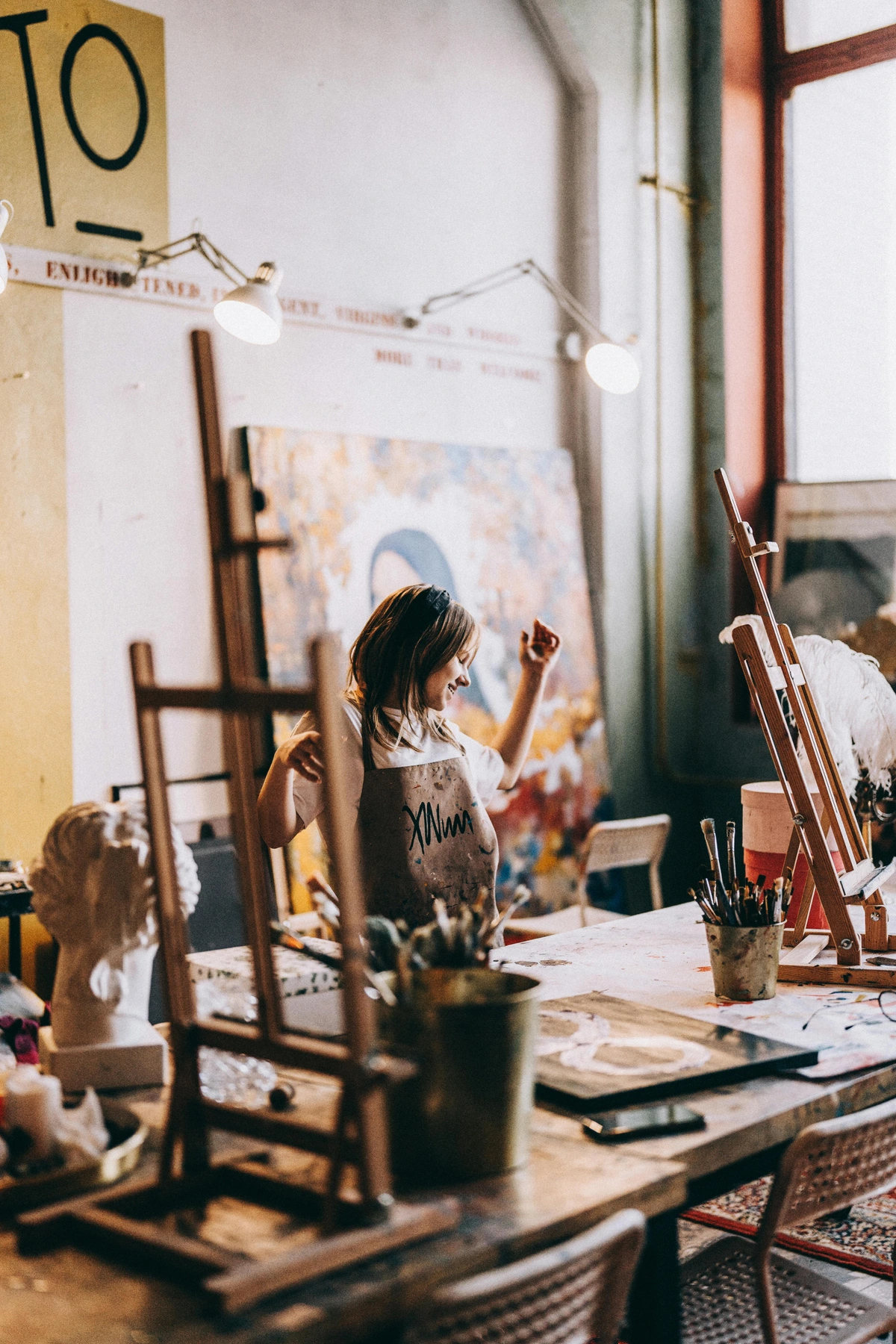
This creates what I call a "generosity loop." When you put genuine value out into the world, it has a funny way of coming back to you. Other artists start sharing their tips with you. You get invited into conversations you wouldn't have known about otherwise. You build a reputation as a helpful, connected person, not just a self-promoter. This isn't about keeping score; it's about fostering a healthy ecosystem around you, which is a much more pleasant and sustainable way to live than constantly fighting your way to the top.



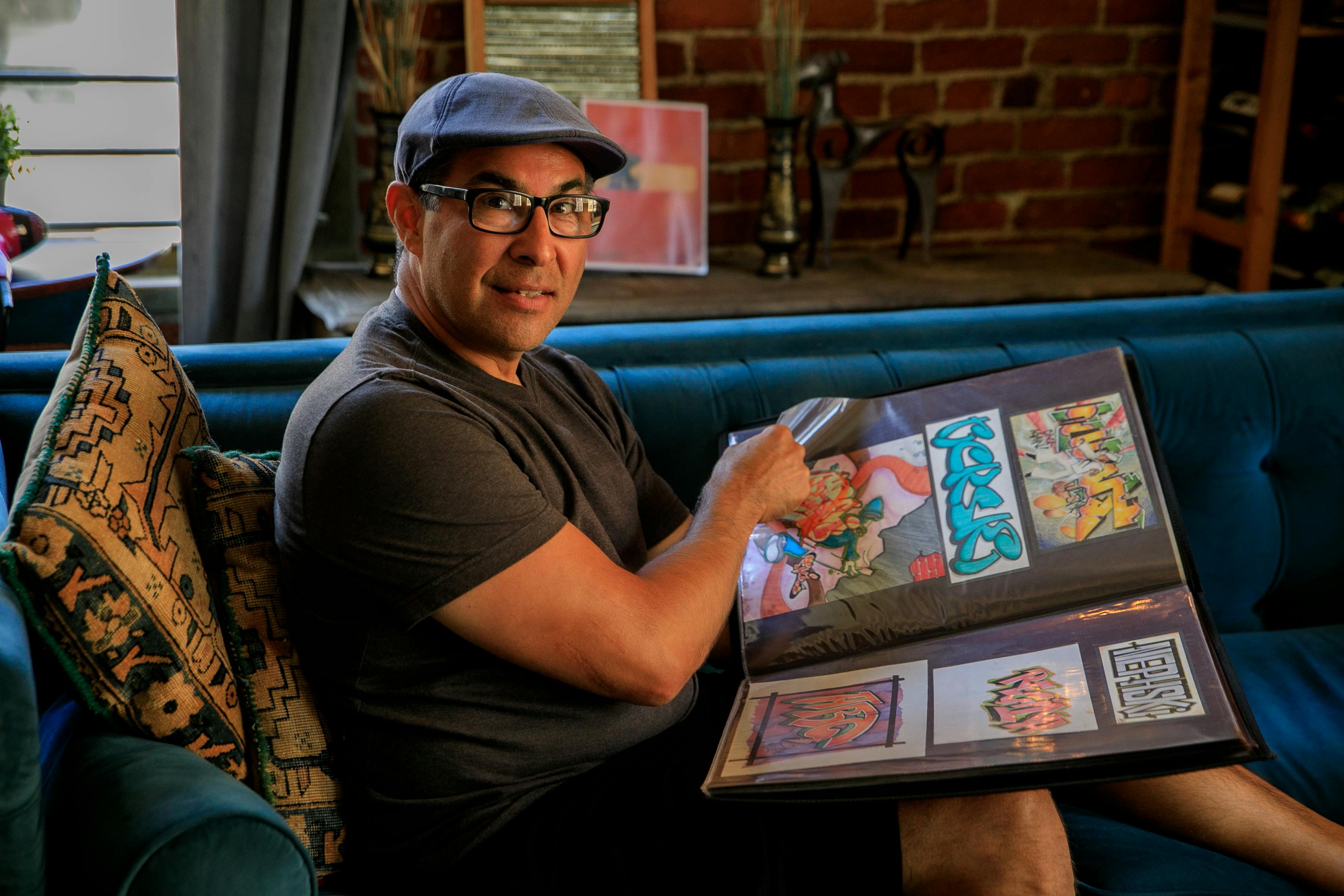














And on a purely practical level, teaching others what you know is one of the most effective ways to solidify your own knowledge. It forces you to clarify your thinking and systematize your process. You become a better artist by becoming a better teacher of your own work.
My final thought on this is simple but profound. The world doesn't need another artist who burned out after a few years from chasing trends or seeking validation. It needs more artists who are in it for the long run—artists who are patient, persistent, and passionate about the slow, beautiful work of a creative life. That can be you. And it starts with the decision to keep going, even when it's hard, even when no one is looking, even when the finish line is nowhere in sight. ### Playbook: Creating a Basic Annual Review
Once a year, I do a personal "annual review" for my art practice. It's not about beating myself up over missed goals; it's about gently taking stock and setting an intention for the year ahead. I ask myself three simple questions:
- What did I make that I'm truly proud of? (This forces me to focus on the wins, not just the failures.)
- What did I learn this year? (This could be a new technique, a business lesson, or something about my own psychology.)
- What do I want to explore next year? (This isn't a rigid goal, but a theme or a direction to lean into.)
This 30-minute ritual helps me step out of the daily grind and see the bigger narrative of my creative journey. It connects the dots and reminds me that I'm making progress, even when it doesn't feel like it.
The best time to start was years ago. The second-best time is today.