Developing Technical Mastery in Painting: A Practical Guide
Explore a comprehensive guide to developing technical mastery in painting, including exercises, routines, and techniques to elevate your artistic skills.

Developing Technical Mastery in Painting: A Practical Guide
I remember the first time I stood in front of a blank canvas, brush in hand, feeling equal parts excited and overwhelmed. The journey to technical mastery in painting isn’t just about talent—it’s about practice, patience, and a willingness to learn. If you’ve ever felt stuck or unsure of how to improve, this guide is for you. Let’s break it down step by step.
Painting is a skill that evolves over time, and every artist, from beginner to master, faces challenges. The key is to embrace the process, learn from mistakes, and continually push yourself to grow. Whether you’re just starting or looking to refine your skills, this guide will provide actionable steps to help you achieve your artistic goals.
Why This Guide?
This guide is designed to be your companion on the journey to mastering painting. It’s not just about techniques; it’s about understanding the mindset, tools, and practices that will help you grow as an artist. By the end of this guide, you’ll have a clear roadmap to follow, whether you’re a beginner or an experienced painter looking to refine your skills.
The Importance of a Growth Mindset
Before diving into techniques, it’s essential to cultivate a growth mindset. Believe that your abilities can be developed through dedication and hard work. This mindset will help you stay motivated and resilient, even when faced with challenges. Embrace failures as learning opportunities and celebrate small victories along the way.
Cultivating Resilience
Resilience is a key component of a growth mindset. It’s about bouncing back from setbacks and using them as stepping stones to improve. Remember, every mistake is a lesson in disguise. The more you practice, the more you’ll learn to adapt and overcome obstacles.
Why Technical Mastery Matters
Technical mastery is the foundation upon which artistic expression is built. It allows you to translate your creative vision into tangible art with confidence and precision. Without it, even the most brilliant ideas can fall flat. Mastery empowers you to experiment, innovate, and ultimately find your unique voice in the world of art.
The Role of Mastery in Artistic Freedom
Mastery isn’t about rigidly following rules; it’s about understanding them so well that you can break them creatively. When you have a strong technical foundation, you gain the freedom to explore new ideas and push the boundaries of your art. This balance between structure and creativity is what makes art truly compelling.
Benefits of Technical Mastery
- Confidence: Mastery gives you the confidence to take creative risks and explore new ideas.
- Precision: It enables you to execute your vision with accuracy and detail.
- Innovation: With a strong foundation, you can push boundaries and develop unique techniques.
- Expression: Mastery allows you to communicate your ideas and emotions more effectively through your art.
- Adaptability: A strong technical foundation allows you to adapt to new styles and mediums with ease.
- Problem-Solving: Mastery equips you with the skills to troubleshoot and overcome artistic challenges.
Understanding Technical Mastery in Painting
Technical mastery in painting refers to the ability to control your tools, materials, and techniques to achieve your artistic vision. It’s not about perfection but about confidence and consistency. Whether you’re working with oils, acrylics, or watercolors, the principles remain the same: control, precision, and intentionality.
Mastery is a journey, not a destination. It’s about understanding the fundamentals, experimenting with techniques, and developing a personal style that reflects your unique perspective. The more you practice, the more intuitive these skills become, allowing you to express yourself freely and creatively.
The Role of Experimentation
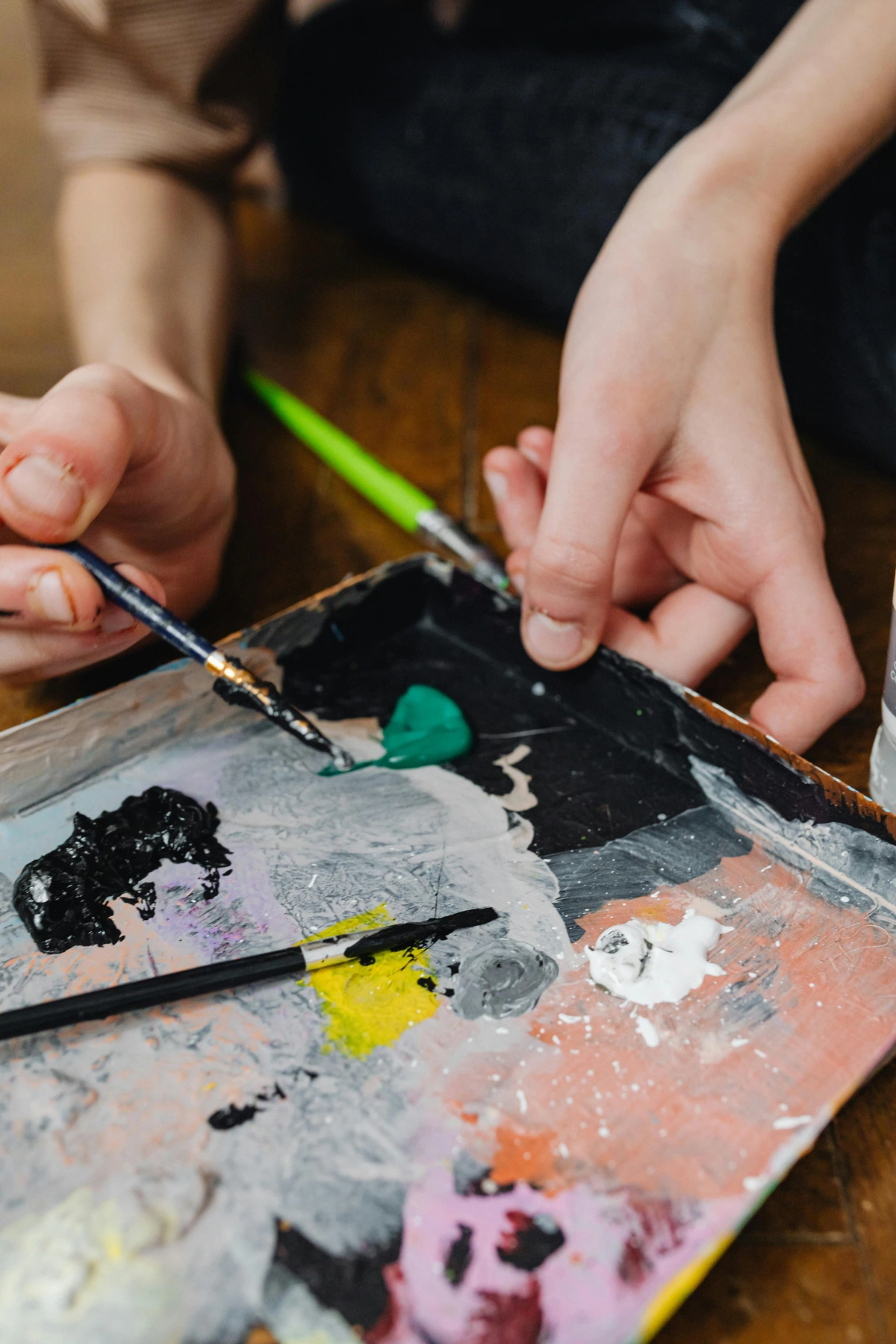
Experimentation is a crucial part of developing technical mastery. Don’t be afraid to try new techniques, mix different mediums, or explore unconventional methods. Each experiment, whether successful or not, provides valuable insights and helps you grow as an artist.
Learning from Mistakes
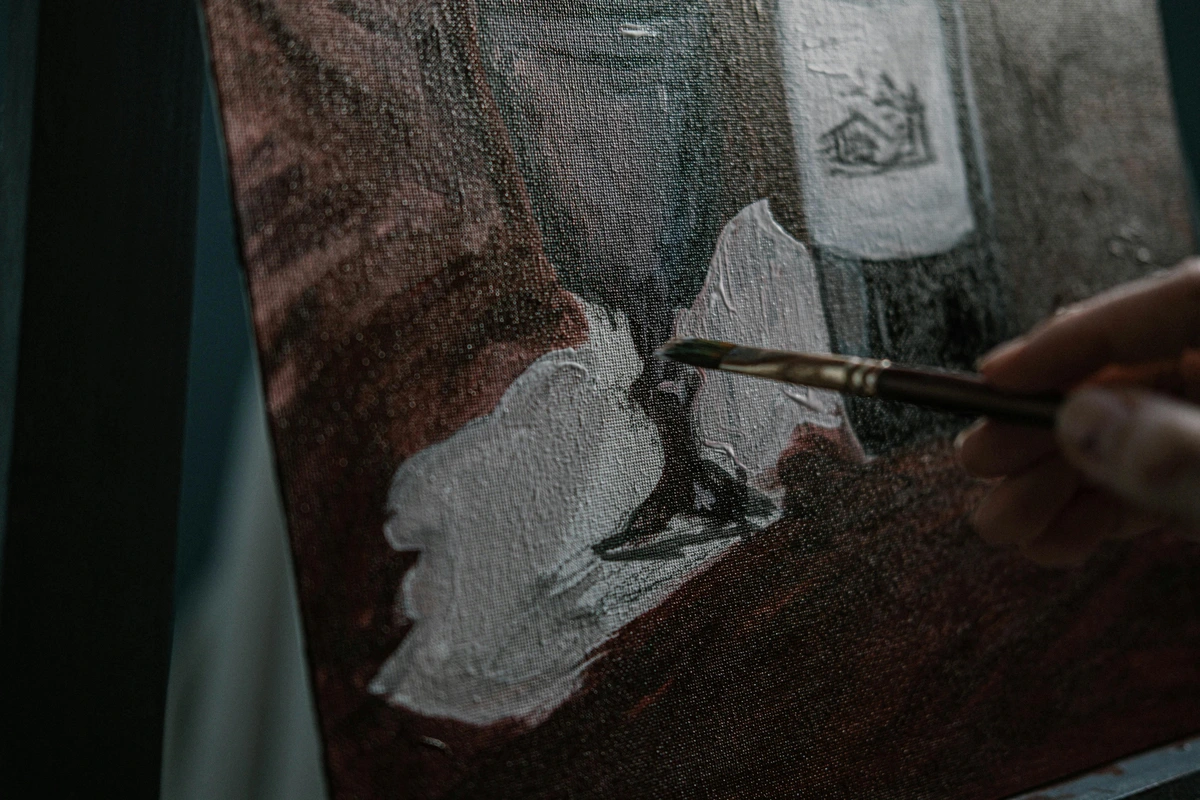
Mistakes are an inevitable part of the learning process. Instead of viewing them as failures, see them as opportunities to learn and improve. Analyze what went wrong, adjust your approach, and try again. This iterative process is key to mastering any skill.
Key Concepts
- Brush Control: The way you hold and manipulate your brush affects every stroke. Experiment with different grips and pressures to see how they change your lines and textures.
- Color Theory: Understanding how colors interact is fundamental. Learn about the color wheel, complementary colors, and how to mix hues effectively.
- Composition: How you arrange elements in your painting can make or break its impact. Study the rule of thirds, balance, and focal points.
- Layering and Blending: Building up layers of paint and blending them smoothly can add depth and dimension to your work.
- Understanding Light and Shadow: Mastering the interplay of light and shadow is crucial for creating realistic and dynamic paintings. Practice observing how light falls on objects and how shadows are cast.
- Edge Control: The edges of your shapes and strokes can dramatically affect the mood and realism of your painting. Soft edges create a sense of distance, while hard edges bring elements into focus.
- Underpainting: This technique involves creating a monochromatic base layer to establish values and composition before adding color. It’s a powerful way to build a strong foundation for your painting.
- Perspective: Understanding perspective is essential for creating depth and realism in your paintings. Practice one-point, two-point, and three-point perspective to enhance your compositions.
- Glazing: Applying thin, transparent layers of paint can create luminous effects and enhance the vibrancy of your colors.
- Value and Tone: Understanding the range of values from light to dark is essential for creating depth and contrast in your paintings.
- Proportion and Scale: Accurate proportion and scale are crucial for creating realistic and balanced compositions.
Progressive Exercises to Build Skills
Beginner Exercises
- Line Drawing: Start with simple line drawings to improve your control and precision. Focus on straight lines, curves, and shapes.
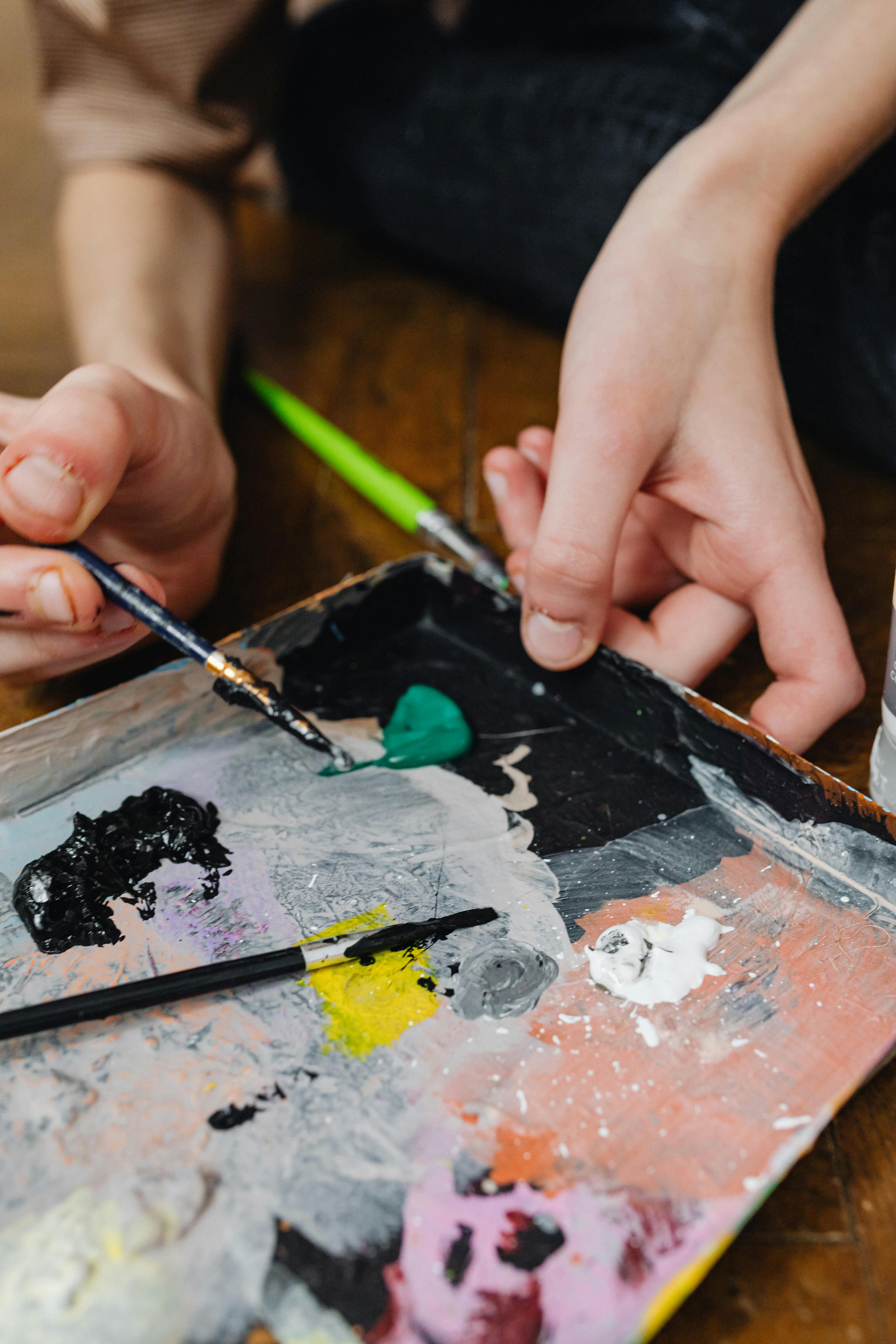
- Color Mixing: Practice mixing primary colors to create secondary and tertiary colors. This will help you understand color relationships.
- Basic Shapes: Paint basic shapes like circles, squares, and triangles. This helps in understanding form and structure.
- Value Scales: Create gradients of a single color to understand the range of values from light to dark. This is essential for creating depth in your paintings.
- Simple Still Life: Start with a single object and practice capturing its form, light, and shadow.
- Gesture Drawing: Practice quick, loose sketches to capture the essence of movement and form. This exercise helps in developing a sense of fluidity and spontaneity in your work.
- Blending Techniques: Experiment with blending colors directly on the canvas to create smooth transitions and gradients.
- Monochromatic Studies: Paint using only one color to focus on value and tone, which helps in understanding the importance of light and shadow.
Intermediate Exercises
- Still Life: Set up a simple still life and paint it. Focus on capturing the light, shadow, and texture.
- Landscape Studies: Paint landscapes to practice perspective, depth, and atmospheric effects.
- Portrait Sketches: Sketch portraits to improve your understanding of human anatomy and proportions.
- Figure Drawing: Practice drawing the human figure to enhance your understanding of anatomy and movement.
- Texture Studies: Experiment with creating different textures, such as wood, fabric, or metal, to add realism to your paintings.
- Color Studies: Focus on creating harmonious color palettes and understanding how color temperature affects mood and depth.
- Composition Studies: Experiment with different compositions to understand how arrangement affects the overall impact of your painting.
- Glazing Techniques: Practice applying thin, transparent layers of paint to build up color and depth in your work.
Advanced Exercises
- Complex Compositions: Create paintings with multiple elements and complex compositions. This will challenge your planning and execution skills.
- Experimental Techniques: Try out different techniques like impasto, glazing, or sgraffito to expand your repertoire.
- Master Studies: Copy works by master artists to learn from their techniques and styles.
- Abstract Painting: Explore abstract painting to develop your creativity and understanding of color, form, and composition.
- Plein Air Painting: Paint outdoors to capture the natural light and atmosphere, which can significantly enhance your observational skills.
- Series Development: Create a series of paintings that explore a single theme or concept. This helps in developing a cohesive body of work and deepening your understanding of a subject.
- Mixed Media: Experiment with combining different mediums, such as acrylics and pastels, to create unique textures and effects.
- Large-Scale Works: Challenge yourself by working on larger canvases to improve your ability to manage space and composition.
Daily Practice Routines
Consistency is key to developing technical mastery. Here’s a suggested daily routine:
- Warm-Up (10-15 minutes): Start with quick sketches or simple exercises to get your hand moving.
- Focused Practice (30-60 minutes): Work on a specific skill or technique. This could be anything from color mixing to detailed shading.
- Reflection (5-10 minutes): Review your work, identify areas for improvement, and plan for the next session.
- Study and Inspiration (15-20 minutes): Spend time studying the works of other artists, reading about art techniques, or exploring new ideas to keep your creativity flowing.
- Experimentation (10-15 minutes): Dedicate time to trying out new techniques or materials. This keeps your practice fresh and exciting.
Weekly and Monthly Goals
Setting weekly and monthly goals can help you stay on track and measure your progress. For example, you might aim to complete a certain number of paintings, experiment with a new technique, or participate in an art challenge. These goals provide structure and motivation to keep improving.
Skill-Building Techniques
Brush Techniques
Technique  | Description |
|---|---|
| Dry Brush | Use a dry brush to create textured, scratchy effects. |
| Wet-on-Wet | Apply paint to a wet surface to create soft, blended edges. |
| Glazing | Apply thin, transparent layers of paint to build up color and depth. |
| Stippling | Use small, dotted strokes to create texture and shading effects. |
| Cross-Hatching | Layer intersecting lines to build up tone and texture. |
| Scumbling | Apply a thin layer of opaque paint over a dry layer to create a soft, textured effect. |
| Impasto | Apply thick layers of paint to create a textured, three-dimensional effect. |
| Sgraffito | Scratch through a layer of paint to reveal the layer beneath, creating interesting textures and patterns. |
Advanced Brush Techniques
Technique | Description |
|---|---|
| Washing | Apply a thin, transparent layer of paint to create a subtle, watercolor-like effect. |
| Splattering | Flick paint onto the canvas to create a dynamic, textured effect. |
| Palette Knife Techniques | Use a palette knife to apply paint in thick, bold strokes or to create intricate textures. |
| Feathering | Use a soft brush to create delicate, feathery strokes for a subtle, ethereal effect. |
Color Techniques
Technique | Description |
|---|---|
| Gradient Blending | Practice blending colors smoothly to create gradients. |
| Complementary Colors | Use complementary colors to create contrast and vibrancy. |
| Monochromatic Studies | Paint using only one color to focus on value and tone. |
| Color Temperature | Experiment with warm and cool colors to create mood and depth in your paintings. |
| Limited Palette | Restrict yourself to a limited palette to improve your color mixing skills and create harmonious compositions. |
| Color Blocking | Use large areas of solid color to create bold, graphic compositions. |
| Underpainting | Create a monochromatic base layer to establish values and composition before adding color. |
| Optical Mixing | Use small, distinct strokes of different colors to create the illusion of a new color when viewed from a distance. |
Advanced Color Techniques
Technique | Description |
|---|---|
| Color Layering | Build up layers of color to create depth and complexity in your paintings. |
| Color Glazing | Apply thin, transparent layers of color to create luminous, glowing effects. |
| Color Washing | Use a thin wash of color to create a subtle, atmospheric effect. |
| Color Harmonization | Experiment with different color combinations to create harmonious and visually pleasing compositions. |
Brush Techniques
- Wet-on-Wet: Apply paint to a wet surface to create soft, blended edges.
- Glazing: Apply thin, transparent layers of paint to build up color and depth.
- Stippling: Use small, dotted strokes to create texture and shading effects.
- Cross-Hatching: Layer intersecting lines to build up tone and texture.
- Impasto: Apply thick layers of paint to create a textured, three-dimensional effect.
- Sgraffito: Scratch through a layer of paint to reveal the layer beneath, creating interesting textures and patterns.
Advanced Brush Techniques
- Washing: Apply a thin, transparent layer of paint to create a subtle, watercolor-like effect.
- Splattering: Flick paint onto the canvas to create a dynamic, textured effect.
- Palette Knife Techniques: Use a palette knife to apply paint in thick, bold strokes or to create intricate textures.
- Feathering: Use a soft brush to create delicate, feathery strokes for a subtle, ethereal effect.
Color Techniques
- Gradient Blending: Practice blending colors smoothly to create gradients.
- Complementary Colors: Use complementary colors to create contrast and vibrancy.
- Monochromatic Studies: Paint using only one color to focus on value and tone.
- Color Temperature: Experiment with warm and cool colors to create mood and depth in your paintings.
- Limited Palette: Restrict yourself to a limited palette to improve your color mixing skills and create harmonious compositions.
- Color Blocking: Use large areas of solid color to create bold, graphic compositions.
- Underpainting: Create a monochromatic base layer to establish values and composition before adding color.
- Optical Mixing: Use small, distinct strokes of different colors to create the illusion of a new color when viewed from a distance.
Advanced Color Techniques
- Color Layering: Build up layers of color to create depth and complexity in your paintings.
- Color Glazing: Apply thin, transparent layers of color to create luminous, glowing effects.
- Color Washing: Use a thin wash of color to create a subtle, atmospheric effect.
- Color Harmonization: Experiment with different color combinations to create harmonious and visually pleasing compositions.
Tracking Improvement
Keeping track of your progress is essential. Here are some methods:
- Sketchbook Journal: Keep a sketchbook to document your daily practice and experiments.
- Photograph Your Work: Take photos of your paintings to compare them over time.
- Set Goals: Set specific, measurable goals for each practice session and review them regularly.
- Artistic Community: Join art groups or online communities to share your work, receive feedback, and stay motivated.
- Regular Critiques: Seek constructive criticism from peers or mentors to identify areas for improvement and gain new perspectives.
- Progress Portfolio: Create a digital or physical portfolio that showcases your progress over time. This helps in visualizing your growth and identifying patterns in your work.
- Self-Reflection: Regularly review your work and reflect on what you’ve learned and what you still need to improve.
- Art Challenges: Participate in art challenges or competitions to push yourself and gain exposure to new ideas and techniques.
Digital Tools for Tracking Progress
- Art Apps: Use apps designed for artists to track your progress, organize your work, and set reminders for practice sessions.
- Social Media: Share your work on social media platforms to receive feedback and connect with other artists.
- Online Portfolios: Create an online portfolio to showcase your work and track your artistic journey over time.
FAQ
What are the best brushes for beginners?
For beginners, a set of synthetic brushes in various sizes (round, flat, and filbert) is a good start. They’re affordable and versatile.
How do I choose the right paint?
The choice of paint depends on your preferred medium. Acrylics are great for beginners because they’re easy to use and dry quickly. Oils offer more blending time but require more setup and cleanup.
How can I improve my color mixing skills?
Practice mixing colors regularly. Start with primary colors and experiment with different ratios. Use a color wheel as a reference.
What’s the best way to learn composition?
Study the works of master artists and analyze their compositions. Practice creating your own compositions using the rule of thirds and other principles.
How do I stay motivated?
Set small, achievable goals and celebrate your progress. Join art communities or take classes to stay inspired and connected.
What are some common mistakes beginners make?
Beginners often struggle with overworking their paintings, neglecting the importance of light and shadow, or not planning their compositions. Focus on one skill at a time and be patient with your progress.
How can I develop my own artistic style?
Experiment with different techniques, subjects, and mediums. Over time, your unique style will emerge as you refine your skills and explore your creative interests.
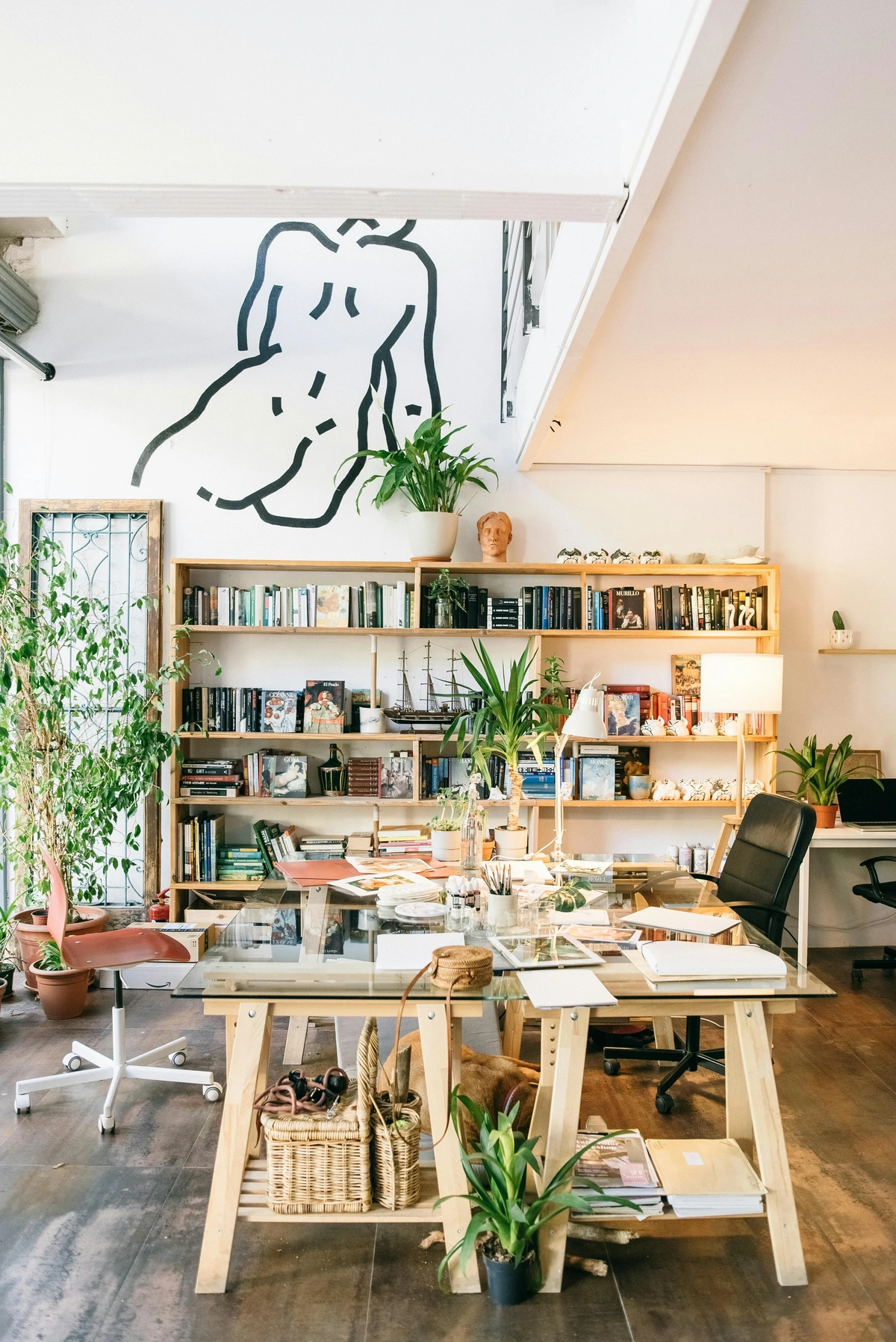
What are the benefits of studying master artists?
Studying master artists can provide insights into their techniques, use of color, and composition. It can also inspire you to explore new ideas and approaches in your own work.
How can I overcome creative blocks?
Creative blocks are a natural part of the artistic process. To overcome them, try changing your environment, experimenting with new techniques, or taking a break to recharge your creativity.
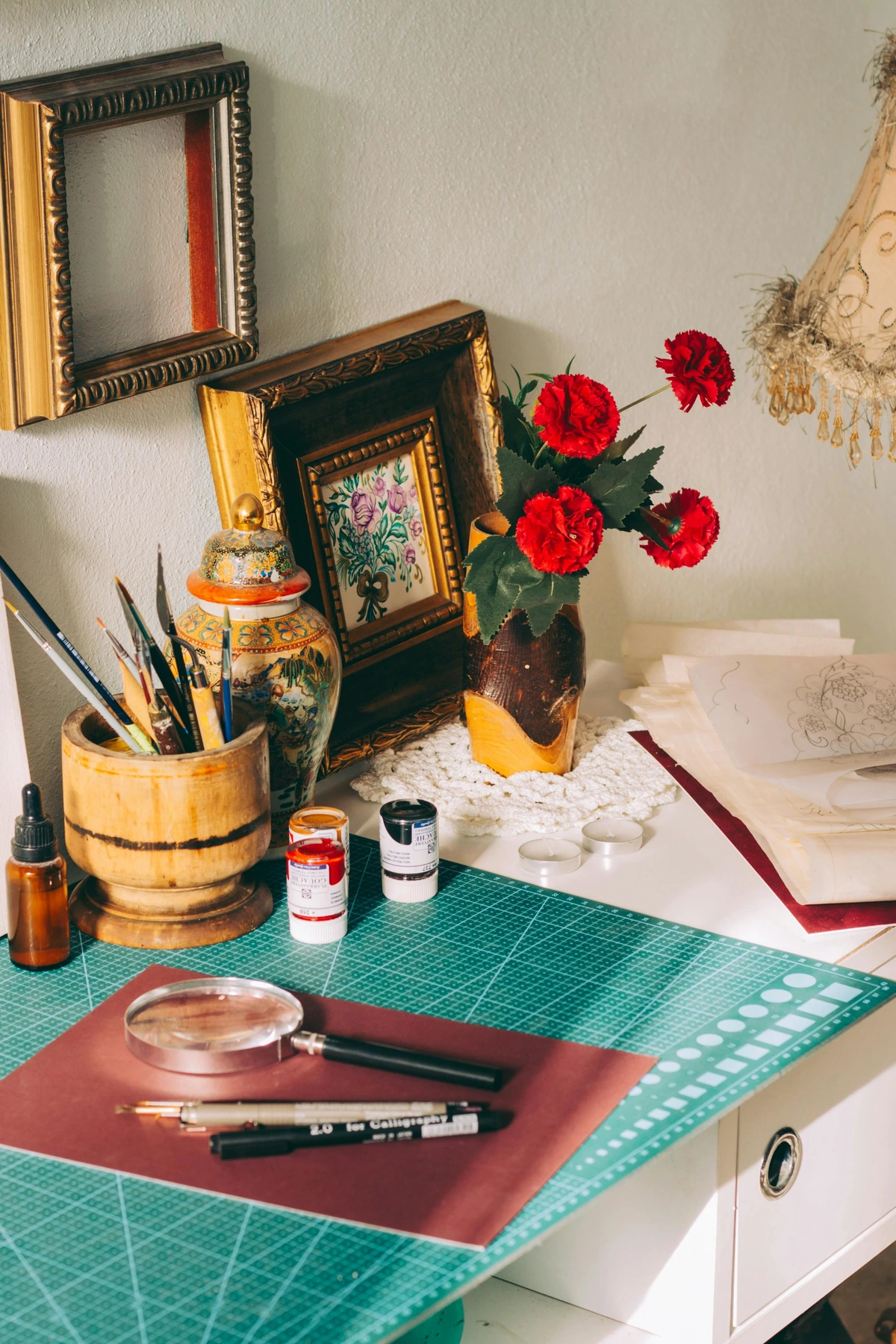
What are some essential tools for painters?
Essential tools include a variety of brushes, a palette for mixing colors, a range of paints, and a sketchbook for planning and practicing your ideas.
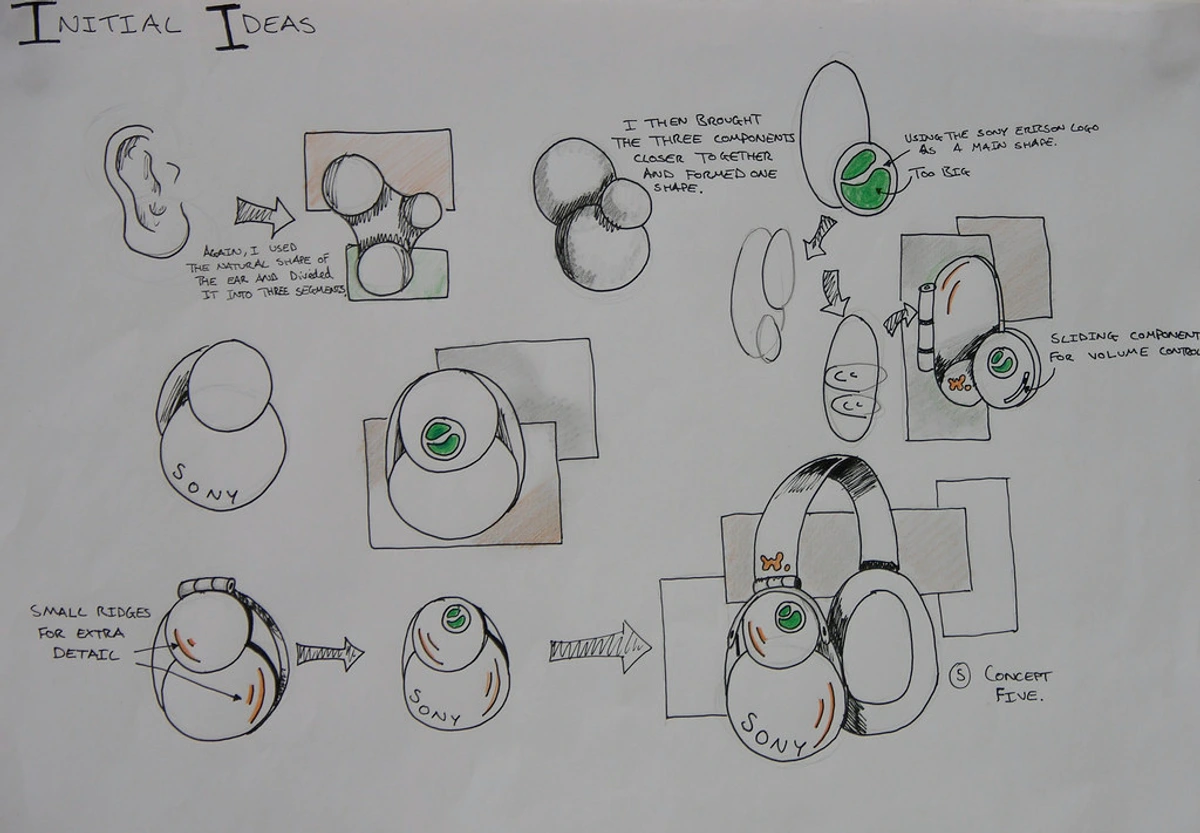
How can I improve my understanding of light and shadow?
Practice observing how light interacts with objects in real life. Experiment with different lighting conditions and study how shadows are cast. This will help you create more realistic and dynamic paintings.
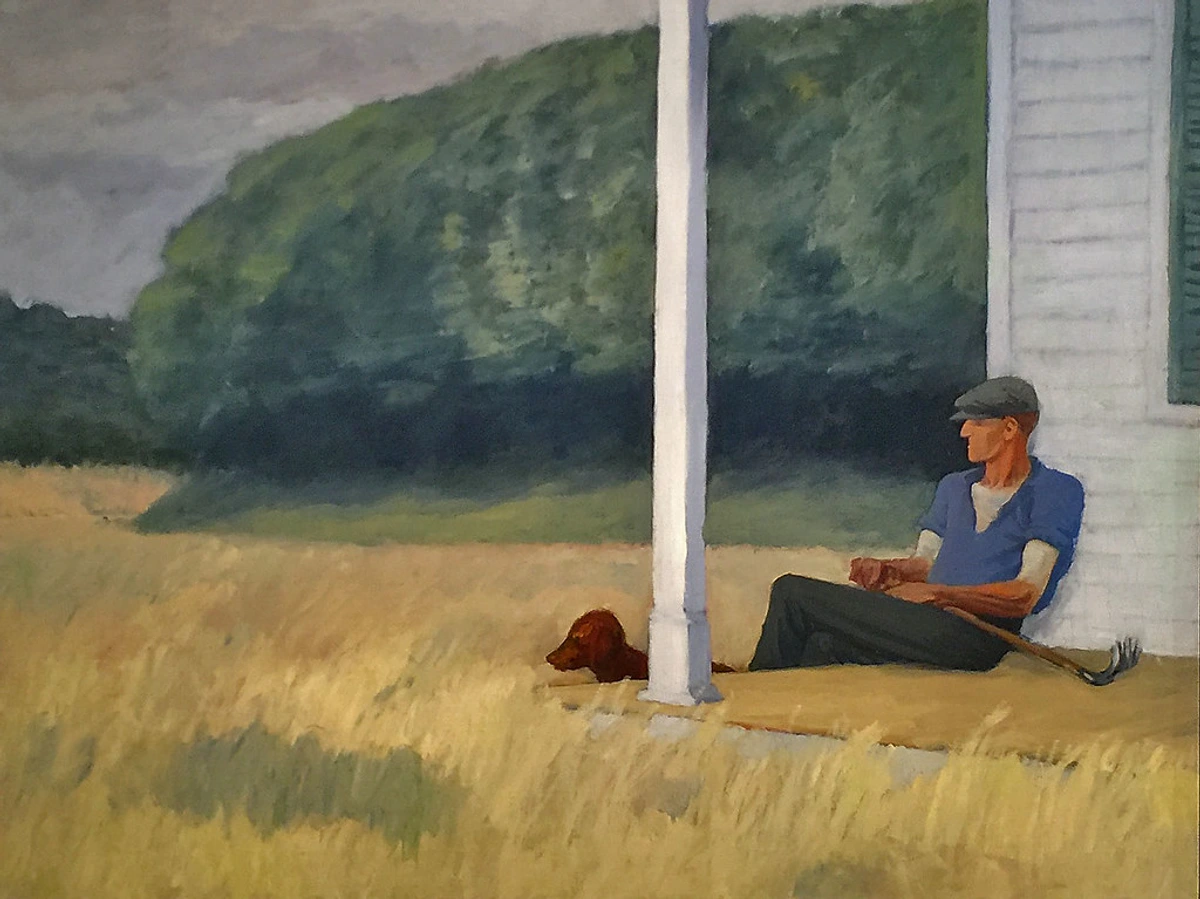
What are some tips for creating depth in my paintings?
Use techniques like layering, glazing, and understanding perspective to create depth. Experiment with different textures and colors to add dimension to your work.
How can I make my paintings more expressive?
Focus on conveying emotion and mood through your use of color, brushwork, and composition. Don’t be afraid to experiment and take creative risks.
What are some common challenges in painting and how can I overcome them?
Common challenges include color mixing, composition, and capturing light and shadow. Practice regularly, seek feedback, and study the works of other artists to overcome these challenges.
Conclusion
Developing technical mastery in painting is a journey, not a destination. It’s about embracing the process, learning from your mistakes, and continually pushing yourself to improve. Remember, every great artist started somewhere. Keep practicing, stay curious, and enjoy the ride.
If you're looking for inspiration or want to see how these techniques are applied in contemporary art, check out our collection. You might find something that resonates with you.
As you continue to grow as an artist, remember that the most important thing is to enjoy the creative process. Whether you’re painting for fun or pursuing a career in art, the skills and techniques you develop will serve you well. Keep experimenting, learning, and creating, and you’ll find your own unique voice in the world of art.





Final Thoughts
Artistic growth is a lifelong journey. Embrace the challenges, celebrate your progress, and never stop exploring new ideas and techniques. The world of art is vast and full of possibilities, and your unique voice is waiting to be discovered.
Additional Resources
- Books: Explore books on painting techniques, art history, and color theory to deepen your understanding.
- Online Courses: Enroll in online courses to learn from experienced artists and expand your skills.
- Workshops: Attend workshops and art classes to gain hands-on experience and connect with other artists.
- Art Museums: Visit art museums to study the works of master artists and gain inspiration for your own work.
By continuing to learn and grow, you’ll not only improve your technical skills but also develop a deeper appreciation for the art of painting. Keep creating, and enjoy the journey!