The Blue Rider Art Movement: Origins, Style, and Legacy
Discover spiritual abstractions and explosive colors of Der Blaue Reiter—how Kandinsky, Marc, and friends rewrote art rules before WW1. Dive in!

The Blue Rider Art Movement: Origins, Style, and Legacy
Imagine standing in a Munich exhibition in 1911. Instead of predictable portraits and landscapes, you face a canvas humming with wild colors and shapes—purples so deep they feel cosmic, blues that vibrate like a tuning fork. That was Der Blaue Reiter (The Blue Rider), a revolution disguised as an art group. They didn’t just paint pictures; they painted invisible music. And honestly? Sometimes my own abstract work feels tame compared to their fearless leaps into the soul of things. Let’s unravel this movement that taught us (yes, us contemporary artists) that art doesn’t need to look like anything at all to mean everything.
Origins: When Art Needed a Spiritual Kick
The Crisis of Modernity
To understand why the Blue Rider emerged when it did, you need to grasp the profound spiritual crisis facing European artists in the early 20th century. Industrialization had transformed society beyond recognition:
The cultural landscape of Europe in 1911 was a perfect storm of change and uncertainty. Artists felt this shift acutely, sensing that traditional approaches to art were no longer sufficient to express the complex realities of modern life. The Blue Rider artists weren't just reacting to aesthetic trends—they were responding to what Kandinsky called "the spiritual void" created by rapid social transformation. This wasn't simply a stylistic revolution; it was a profound philosophical challenge to the very purpose of art in society.
The Munich Art Scene: A Breeding Ground for Revolution
Munich in 1911 wasn't just any European city—it was the epicenter of artistic rebellion. The Neue Künstlervereinigung München (New Artists' Association of Munich), which Kandinsky helped found in 1909, had already begun challenging Bavarian artistic conservatism. But by 1911, even that group felt too conservative for Kandinsky's radical vision.
The city's art academies still taught traditional representational art, while progressive artists were pushing boundaries in secret studios and cafés. The Café Stefanie became their unofficial headquarters—a place where artists argued about Nietzsche, discussed the latest Parisian avant-garde movements, and dreamed of creating something entirely new. I've spent countless hours in similar artist hangouts, and there's something electric about the friction between tradition and innovation that sparks real creativity.
What made Munich special was its position between East and West—a German city with strong Russian connections (thanks to Kandinsky) and French artistic influences. This cross-pollination created fertile ground for the Blue Rider's unique blend of German philosophical rigor and Russian spiritual sensibility.
- Urbanization: Cities grew exponentially, creating anonymous masses where community had once existed
- Technological Change: The automobile, telephone, and cinema changed how people experienced time and space
- Intellectual Revolution: Darwin's evolution, Freud's psychoanalysis, and Einstein's relativity had shattered traditional worldviews
- Political Instability: Rising nationalism and imperial competition created an atmosphere of impending crisis
Artists felt this shift acutely. The traditional subjects of painting—landscapes, portraits, historical scenes—seemed increasingly irrelevant. Academic art, with its polished techniques and conventional subjects, felt like a relic of a bygone era. Something new was needed, not just in style but in essence.
The Blue Rider artists sensed that art was at a crossroads. It could either become decorative entertainment or reclaim its spiritual purpose. They chose the latter, believing that in a world losing its connection to the transcendent, art could become a bridge to the spiritual realm.
By 1911, Europe was buzzing with new ideas—Freud’s psychoanalysis, Einstein’s relativity, and the buzz of industrialization. Art was changing too (hello, Cubism!), but something felt... missing. Enter Wassily Kandinsky—a Russian painter who’d just created the first purely abstract painting (Composition VII, 1913). He believed art could bypass the intellect and speak directly to the spirit. Around the same time, Franz Marc, a German painter obsessed with animals, felt trapped by the "ugliness" of modern life. And then there was August Macke, with his optimistic colors bridging the abstract and the real. They met over shared frustration: art had lost its soul. So they founded Der Blaue Reiter in December 1911. No manifesto, just a shared belief that color and form could channel higher truths. The name? A nod to Kandinsky’s love of horses and blue—a color he tied to spirituality.
The Murnau Colony: Where Magic Happened
If Munich was the Blue Rider's intellectual home, then the Bavarian village of Murnau was their creative sanctuary. Starting in 1909, Kandinsky and Münter rented a house there, and soon other members followed. This wasn't just a summer retreat—it was where the movement's visual language was forged.
Imagine this: rolling green hills, the Bavarian Alps in the distance, and artists painting en plein air but with revolutionary approaches. They'd set up their easels, but instead of painting what they saw, they painted what they felt. A blue horse wasn't just a blue horse—it was a spiritual entity vibrating with cosmic energy.
The Murnau house became a laboratory for artistic experimentation. Kandinsky developed his theories of color and form while watching the changing light on the landscape. Marc studied the local animals but transformed them into symbols. Münter documented everything in her distinctive style. This collaborative environment—shared meals, intense discussions, mutual critique—created the kind of creative community that nurtures groundbreaking work.
I've experienced similar energy in artist residencies—there's something magical about living and working with people who share your vision. The Murnau colony shows us that great art often emerges not from isolated genius, but from collective inspiration.
What’s fascinating? They weren’t just a clique. Their circle included artists like Gabriele Münter, Alexej von Jawlensky, and even composer Arnold Schoenberg—a reminder that art thrives at intersections. They published almanacs, hosted exhibitions, and wrote passionate letters. This wasn’t just about aesthetics; it was a spiritual quest in a world tipping toward war. I know, heavy stuff. But their urgency? It still resonates when I wrestle with a canvas that refuses to cooperate.
Core Ideals: Art as Spirit in Motion
Der Blaue Reiter wasn’t after pretty pictures. They wanted to capture the "inner necessity" of art—Kandinsky’s phrase for that force that compels creation. Their beliefs were radical then, almost prophetic now:
Kandinsky's Color Theory: Painting with Sound
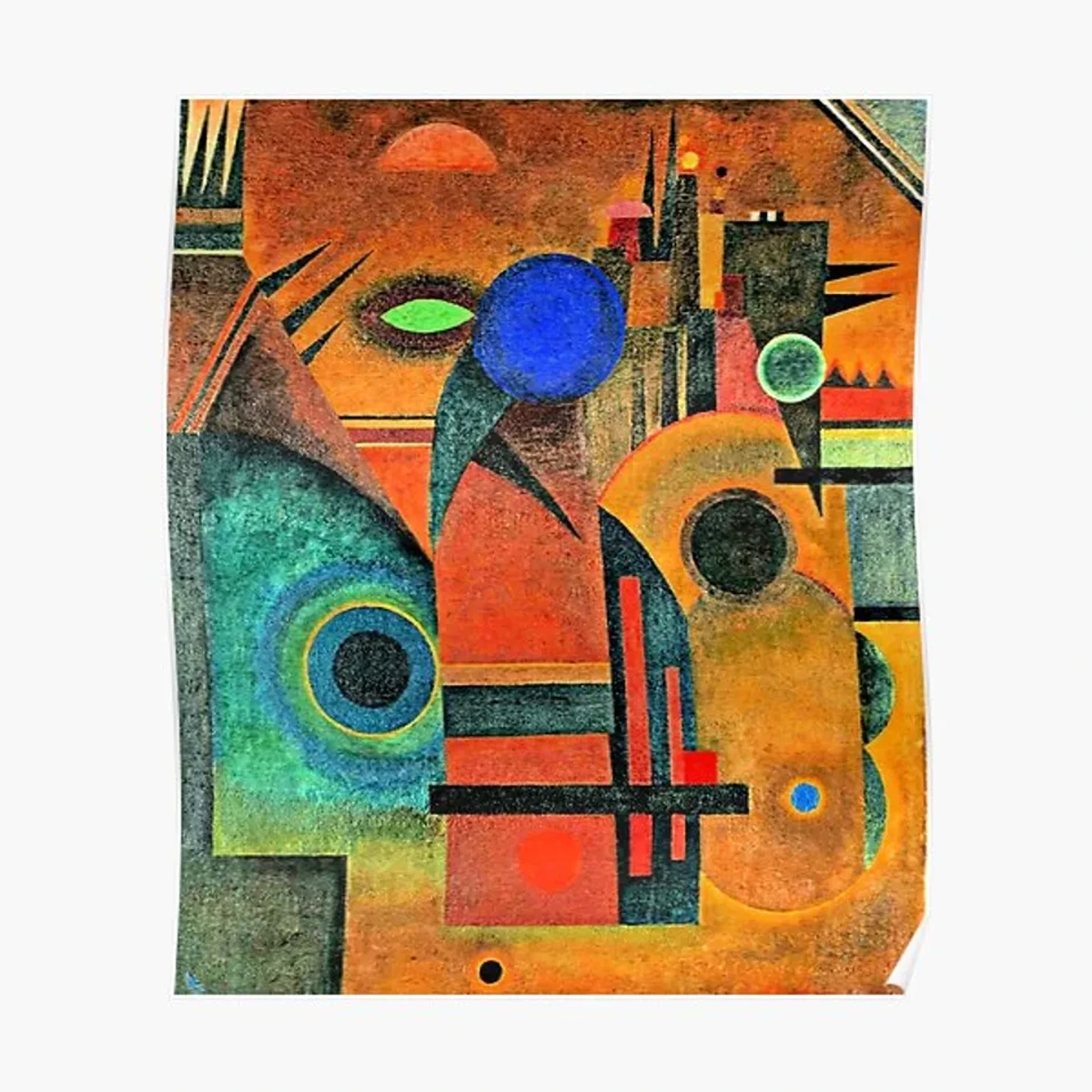
Kandinsky didn't just paint—he composed. His color theory was revolutionary because he treated colors like musical notes, each with its own emotional and spiritual resonance. This wasn't just metaphor; he experienced synesthesia—a neurological condition where senses overlap. For Kandinsky, yellow was the sound of a trumpet blast, blue was a cello's deep notes, and red was a drum's powerful beat.
In his 1911 book Concerning the Spiritual in Art, Kandinsky detailed this system:
Color  | Emotional Quality | Spiritual Association | Musical Equivalent |
|---|---|---|---|
| Yellow | Disturbing, aggressive | Earthly materialism | Trumpet blast |
| Blue | Deep, peaceful | Spiritual transcendence | Cello |
| Red | Urgent, passionate | Life force | Drum |
| Green | Balanced, harmonious | Nature's rhythm | Double bass |
| White | Silent, pure potential | Spiritual beginning | Silence |
| Black | Oppressive, heavy | Material death | Funeral dirge |
This system allowed Kandinsky to create "visual symphonies" where colors interacted like musical instruments. His famous "Composition" series can almost be heard as well as seen—the forms dance, clash, and harmonize in ways that suggest musical progression.
What's fascinating is how this color theory continues to influence artists today. When I choose colors for my own work, I'm still thinking in Kandinskyian terms: What emotional story do I want to tell? What spiritual state am I trying to evoke? The Blue Rider didn't just change how we paint—they changed how we think about color.
- Color as Emotion: Forget "blue = sky." Marc saw blue as masculinity, red as violence. Kandinsky linked colors to sounds and feelings. Red wasn’t just red; it was a trumpet blast in your soul.
- Abstraction as Truth: If a tree’s soul is more important than its leaves, why paint leaves? They stripped away literalism to reveal universal vibrations.
- Primitive & Folk Art: They admired African masks, Russian icons, and Bavarian folk crafts—seeing "primitive" art as more spiritually potent than academic perfection.
- Universal Language: Art wasn’t German, French, or Russian. It was human. They believed a child’s scribble or a shaman’s mask could teach more than a polished museum piece.
I love this last point. It’s why I keep a sketchbook where I scribble nonsense shapes every morning—because sometimes the "unskilled" line has more spirit than the perfect one. Blue Rider artists would’ve gotten it.
Style Evolution: From Figuration to Abstraction
The Artistic Timeline: 1911-1914
The Blue Rider's style wasn't static—it evolved dramatically between 1911 and 1914. Understanding this evolution helps explain their enormous influence.
Year | Key Developments | Notable Works | Artistic Shift |
|---|---|---|---|
| 1911 | Group formation, first exhibition | Kandinsky: Composition V | Early abstraction with figurative hints |
| 1912 | Murnau colony peak, almanac publication | Marc: Blue Horse I | Stronger symbolic language |
| 1913 | Full abstraction achieved | Kandinsky: Composition VII | Pure spiritual expression |
| 1914 | War begins, group dissolves | Marc: Fighting Forms | Apocalyptic symbolism |
This progression wasn't linear—different artists moved at different paces. While Kandinsky was painting pure abstraction by 1912, Marc was still working with recognizable animal forms, though transformed by symbolic color and simplified shapes. This diversity within unity was actually the group's strength—they supported each other's individual journeys while maintaining shared philosophical principles.
Early Period (1911-1912): Bridging Worlds
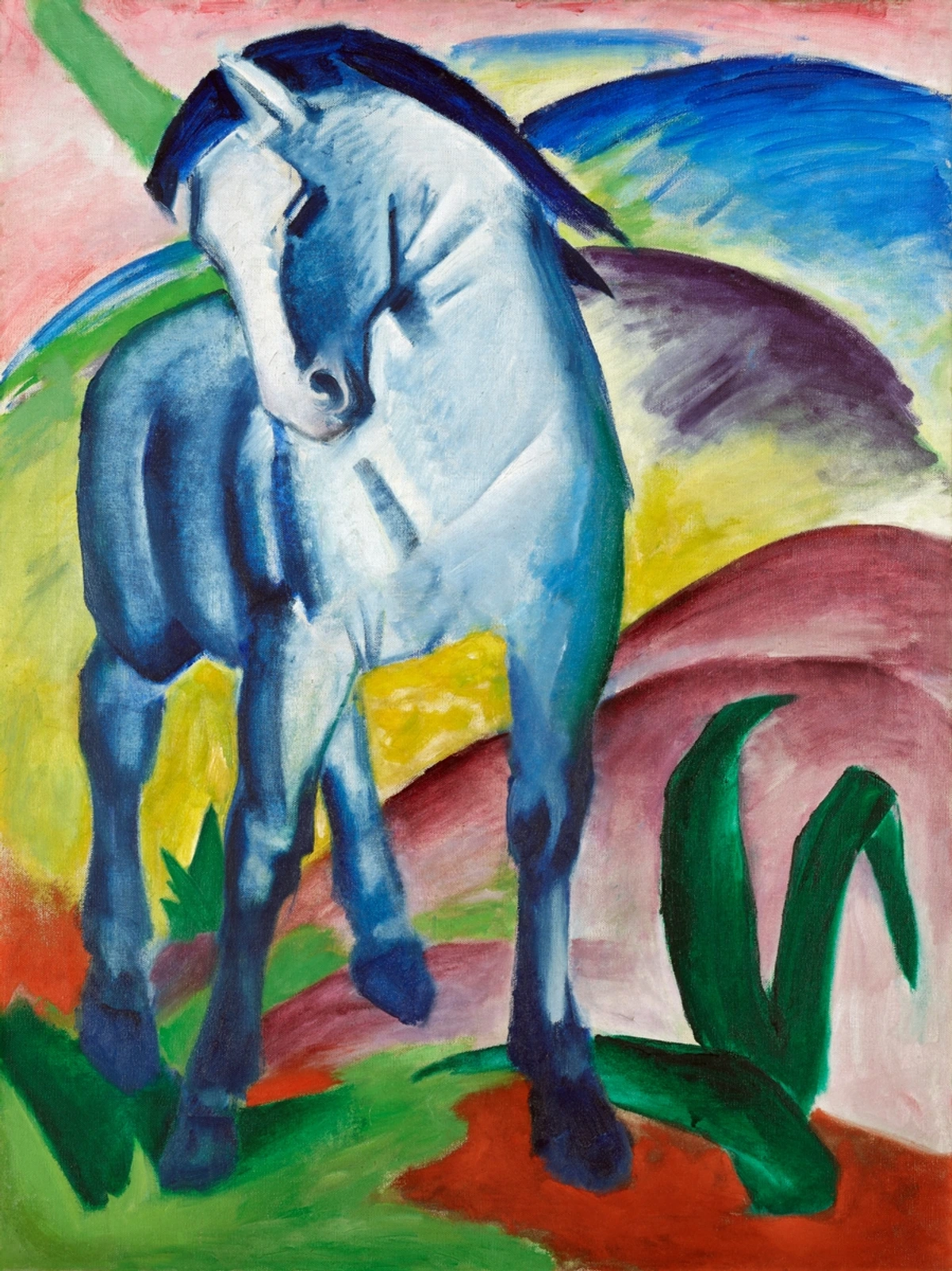
In their first year, many Blue Rider artists were still working in relatively figurative styles, but with revolutionary color sensibilities. Marc's early animal paintings, like "Blue Horse I" (1911), still look like horses—but they're transformed into spiritual symbols through color and simplified forms. Macke's work from this period shows clear influence of both Fauvism (bold colors) and Cubism (fragmented forms), but with a uniquely optimistic German sensibility.
Kandinsky was the most radical—his 1911 "Composition V" already shows his complete break from representation, though it still contains hints of figurative elements that gradually dissolve into pure abstraction.
This early period was marked by intense experimentation and mutual influence. The artists spent summers together in the Bavarian village of Murnau, where they painted en plein air but with revolutionary approaches. In Murnau, they developed the techniques that would define their mature styles—Kandinsky's bold color fields, Marc's symbolic animal imagery, and Macke's blend of abstraction and everyday scenes. They shared studios, critiqued each other's work constantly, and developed a visual language that was both individual and collective. This collaborative spirit was unusual in the art world, which tended to prize individual genius over community effort.
Technical Innovations of the Early Period
The Blue Rider weren't just innovating conceptually—they were developing new painting techniques that would influence generations of artists:
1. Reverse Perspective: Unlike traditional Western art that uses single-point perspective to create depth, Blue Rider paintings often flatten the picture plane or use multiple viewpoints. This wasn't just a stylistic choice—it reflected their belief that spiritual reality exists beyond physical laws.
2. Color Field Painting: Kandinsky's work from this period anticipates later color field movements. He would apply thick, vibrant colors in large areas, creating fields of pure emotional energy rather than descriptive representation.
3. Simplified Forms: Marc's animal paintings reduce creatures to their essential characteristics—a horse might be just a few bold curves and areas of color. This simplification wasn't about laziness; it was about capturing the animal's spiritual essence rather than its physical appearance.
4. Mixed Media Experiments: Some Blue Rider artists began experimenting with combining oil paint with other materials—sand, cardboard, even paper fragments. This textural experimentation added another dimension to their work, making it more tactile and visceral.
These technical innovations weren't developed in isolation. The artists would literally stand side by side in their Murnau studios, watching each other's techniques evolve. This kind of collaborative technical development is rare in art history and helps explain why their innovations felt so revolutionary—they weren't just one person's genius idea, but the collective result of many minds working together.

Mature Period (1912-1914): Pure Abstraction
By 1912, Kandinsky had achieved full abstraction with works like "Improvisation 28" (1912) and "Composition VII" (1913). These paintings aren't just "abstract"—they're visual symphonies, with forms that seem to move and interact like living organisms. Kandinsky talked about his work in musical terms: "Improvisations" were spontaneous, emotional pieces, while "Compositions" were more structured, intellectual works.
Marc's work became increasingly symbolic, with animals represented as pure spiritual essences rather than literal creatures. His "Fighting Forms" (1914) almost completely abandons representation in favor of abstract shapes that suggest spiritual conflict and harmony.
Münter developed her distinctive style of simplified forms with bold outlines and emotional color, while Jawlensky perfected his "Meditative Heads"—abstract portraits that reduce the human face to its spiritual essence.
Style Visuals: Spotting the Vibe
The Visual DNA: How to Identify a Blue Rider Painting
Recognizing a Blue Rider painting requires more than just looking at the surface—you need to understand the spiritual and philosophical principles that guided these artists. Their work has a distinctive visual signature that reflects their revolutionary ideas about art's purpose.
When you're in a museum or gallery, here's how to recognize a Blue Rider work at a glance:
Technical Analysis: What to Look For
Beyond the visual characteristics, Blue Rider paintings have technical features that set them apart:
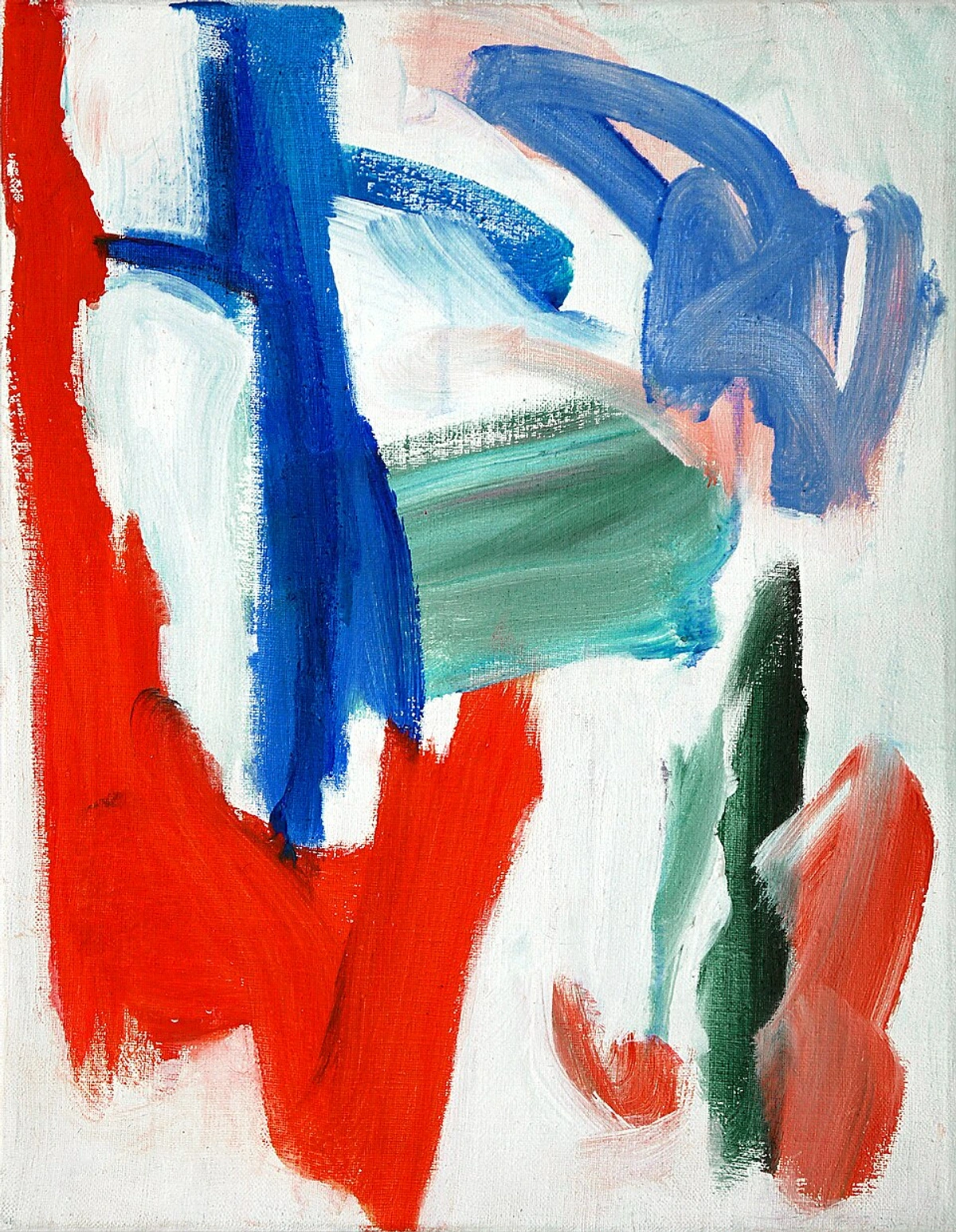
1. Brushwork: Kandinsky often used thick, expressive brushstrokes that create texture and movement. Marc's brushwork was smoother, more controlled, almost like stained glass. Macke combined both approaches—energetic but precise.
2. Layering: Many Blue Rider paintings show evidence of significant reworking. Kandinsky would paint over areas multiple times, building up layers of color and meaning. This wasn't indecision—it was part of his process of "finding" the composition beneath the surface.
3. Material Use: While primarily oil on canvas, some works incorporate unusual materials. Marc sometimes mixed sand into his paint to create texture, while Münter experimented with different grounds and primers.
4. Scale and Format: Blue Rider paintings vary widely in size—from intimate small works to massive compositions. The format (landscape, portrait, square) often relates to the emotional content—vertical formats for spiritual ascension, horizontal for earthly harmony.
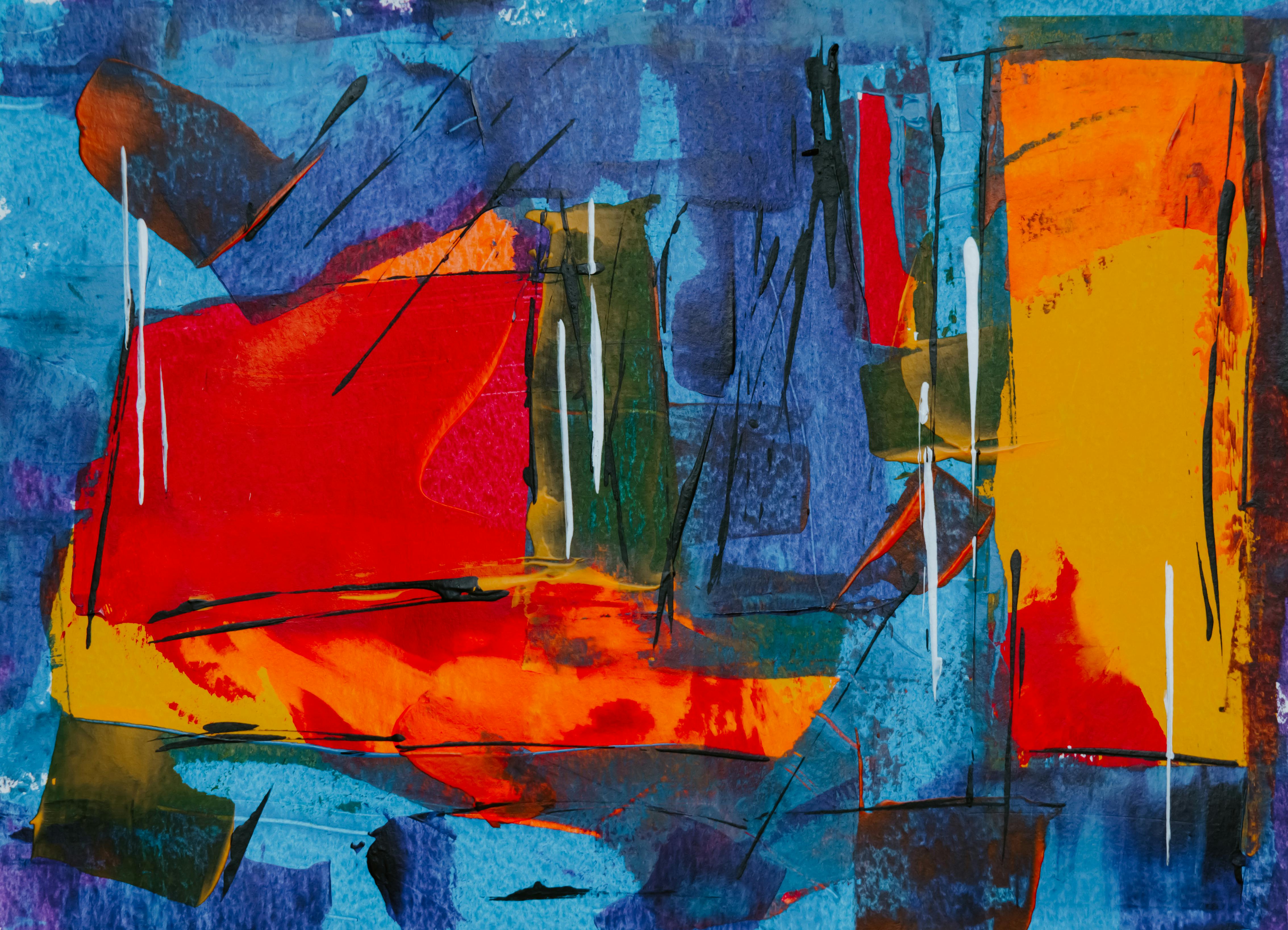
1. Look at the Color: Blue Rider paintings use color expressively, not realistically. You'll see electric blues that don't appear in nature, purples that vibrate with intensity, and reds that feel like they're glowing from within. The colors aren't just there to look pretty—they're meant to evoke specific emotions and spiritual states.
2. Notice the Forms: The shapes will be simplified—circles, triangles, rectangles, and organic curves that don't correspond to physical objects. Animals might be reduced to their essential characteristics (Marc's horses are often just a few bold curves and areas of color).
3. Feel the Energy: Blue Rider paintings have a sense of movement and energy. Lines will seem to race across the canvas, forms will appear to vibrate or pulse, and the overall composition will feel dynamic rather than static.
4. Check for Perspective: Traditional single-point perspective will be absent or distorted. Space might be flattened, multiple viewpoints might be combined, or the picture plane might break into abstract zones.
5. Look for Spiritual Symbols: If you see animals, they're probably symbolic rather than literal. Blue horses suggest spirituality, yellow deer suggest earthly qualities, and red forms might suggest violence or passion.
Blue Rider Style vs. Other Movements: A Detailed Comparison
Here's how Blue Rider style compares to other contemporary movements:
Feature | Blue Rider | Fauvism | Cubism | German Expressionism | Futurism |
|---|---|---|---|---|---|
| Primary Focus | Spiritual truth | Visual impact | Structural analysis | Emotional distortion | Speed and technology |
| Color Use | Symbolic, emotional | Bold, decorative | Analytical, structural | Distorted, psychological | Dynamic, energetic |
| Approach to Form | Abstract, symbolic | Simplified, expressive | Fragmented, multiple viewpoints | Distorted, psychological | Dynamic, fragmented |
| Spiritual Dimension | Central | Minimal | Minimal | Present but different | Minimal |
| Attitude Toward Viewer | Invites contemplation | Seeks visual excitement | Challenges intellect | Seeks emotional response | Invites participation |
| Time Period | 1911-1914 | 1904-1908 | 1907-1914 | 1905-1933 | 1909-1944 |
| Key Innovation | Art as spiritual practice | Color as emotion | Multiple perspectives | Emotion over form | Movement in art |
| Legacy | Abstract art foundation | Color theory influence | Modern art structure | Psychological art | Dynamic composition |
This comparison shows why the Blue Rider occupies a unique position—they share some techniques with other movements but have a completely different philosophical foundation. While Fauvism was about visual excitement and Cubism about structural analysis, the Blue Rider was fundamentally about spiritual transformation.
Feature | Blue Rider | Fauvism | Cubism | German Expressionism |
|---|---|---|---|---|
| Primary Focus | Spiritual truth | Visual impact | Structural analysis | Emotional distortion |
| Color Use | Symbolic, emotional | Bold, decorative | Analytical, structural | Distorted, psychological |
| Approach to Form | Abstract, symbolic | Simplified, expressive | Fragmented, multiple viewpoints | Distorted, psychological |
| Spiritual Dimension | Central | Minimal | Minimal | Present but different |
| Attitude Toward Viewer | Invites contemplation | Seeks visual excitement | Challenges intellect | Seeks emotional response |
This comparison shows why the Blue Rider occupies a unique position—they share some techniques with other movements but have a completely different philosophical foundation.
You’ll know a Blue Rider painting when you see one. It’s not subtle. Their style was a rebellion against subtlety:
Feature | Description | Example Artists |
|---|---|---|
| Vibrant Colors | Clashing, non-naturalistic hues—electric yellows, jarring purples. | Marc, Kandinsky |
| Futuristic Forms | Geometric shapes, fragmented figures, animals as symbols. | Macke, Marc |
| Spiritual Abstractness | No clear perspective; landscapes dissolve into emotion. | Kandinsky |
| Dynamic Lines | Jagged, curved, or racing lines that feel like movement. | All members |
| Nature Transformed | Animals as spiritual guides (Marc’s Blue Horse I, 1911). | Marc, Macke |
Think of Kandinsky’s Yellow-Red-Blue (1925)—circles float like planets in a celestial dance. Or Marc’s Fighting Forms (1914)—abstract beasts duking it out in cosmic clash. Their art didn’t describe the world; it recomposed it. Modern viewers might call it psychedelic. I call it brave. They painted what was inside, not outside.
The Circle: Who Was Who?
The Core Five: Architects of Revolution
The Blue Rider wasn't just a group of friends who painted together—it was a carefully constructed artistic community with defined roles and shared vision. Understanding each member's contribution helps explain why the group was so influential and how their individual talents combined to create something greater than the sum of their parts.
The Blue Rider wasn't just a group of friends who painted together—it was a carefully constructed artistic community with defined roles and shared vision. Understanding each member's contribution helps explain why the group was so influential.
Kandinsky as Theoretical Leader: Kandinsky provided the intellectual framework that justified the group's radical approach. His extensive writings on the spiritual dimension of art gave other artists permission to explore abstraction without feeling they were breaking artistic rules—they were following a higher spiritual calling.
Marc as Symbolic Visionary: Marc developed the group's unique symbolic language, particularly through his animal imagery. He created a system where animals represented different spiritual qualities, allowing the group to express complex philosophical ideas through accessible visual forms.
Macke as Humanist Bridge: Macke ensured the group didn't become too abstract or detached from human experience. His work showed that spiritual art could also be joyful, accessible, and connected to everyday life—proving that abstraction didn't have to be cold or intellectual.
Münter as Organizational Heart: While often overlooked, Münter was crucial to the group's practical functioning. She organized exhibitions, managed logistics, preserved works, and provided emotional support. Without her administrative work, the Blue Rider might never have achieved the influence it did.
Jawlensky as Meditative Voice: Jawlensky brought a contemplative, almost mystical quality to the group through his abstract portraiture. While others focused on landscape, animals, or pure abstraction, Jawlensky explored the spiritual dimension of human presence, reducing the face to its essential spiritual qualities.
Der Blaue Reiter wasn’t just Kandinsky and Marc (though they’re the stars). Their circle was a constellation of talent:

Influences and Precursors: Building on the Past
The Blue Rider didn't emerge in a vacuum—they were deeply influenced by earlier artists, movements, and cultural currents. Understanding these influences helps explain their unique contribution to art history and how they synthesized diverse elements to create something entirely new.
The Blue Rider didn't emerge in a vacuum—they were deeply influenced by earlier artists and movements. Understanding these influences helps explain their unique contribution to art history.

Post-Impressionist Pioneers
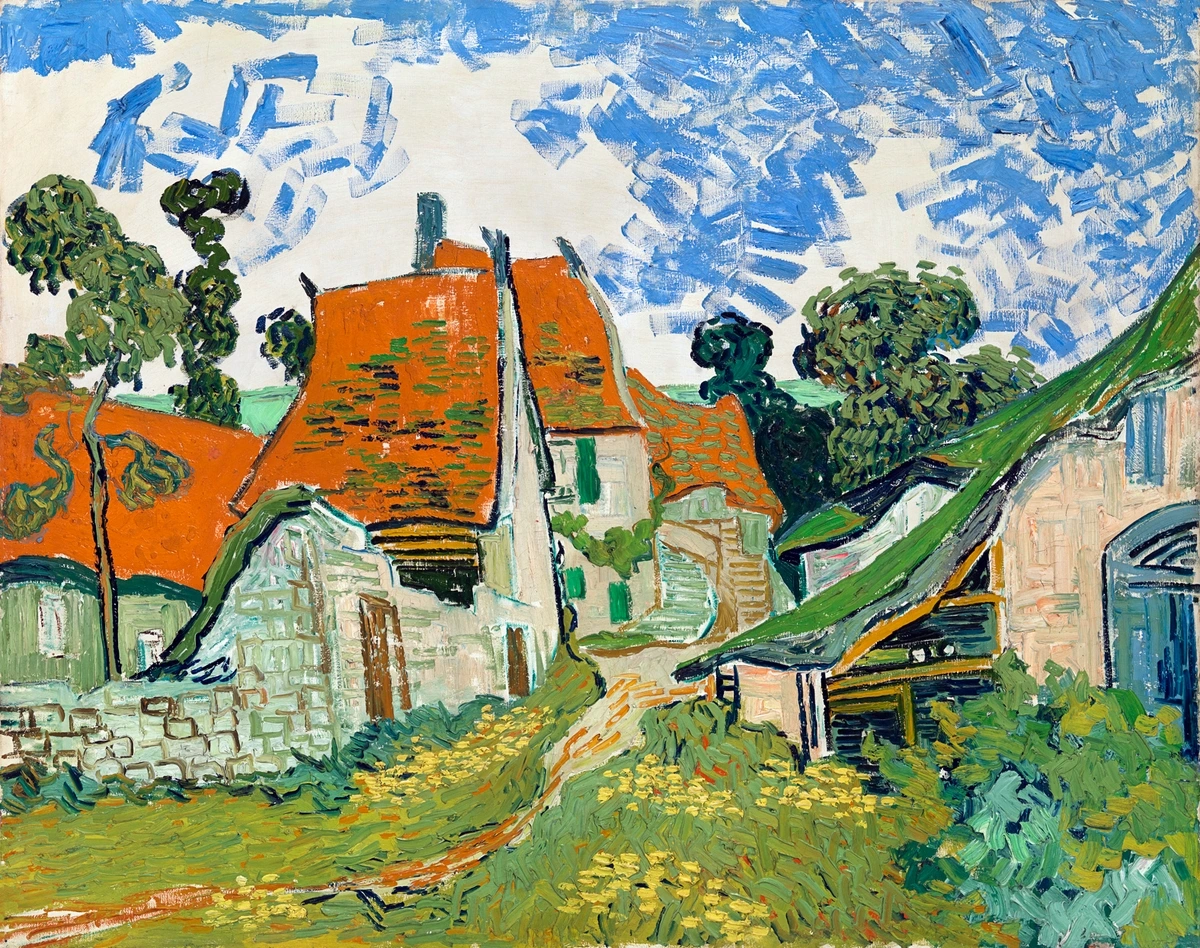
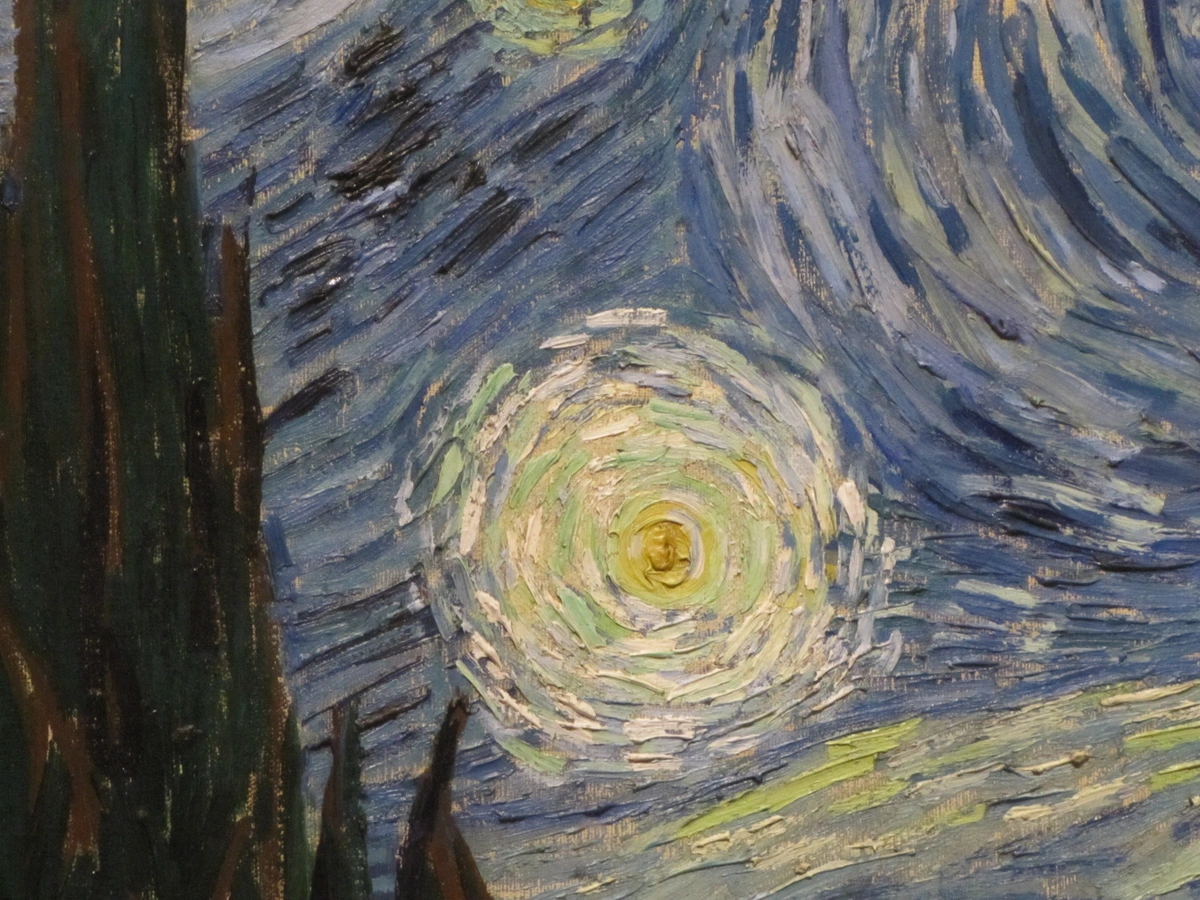
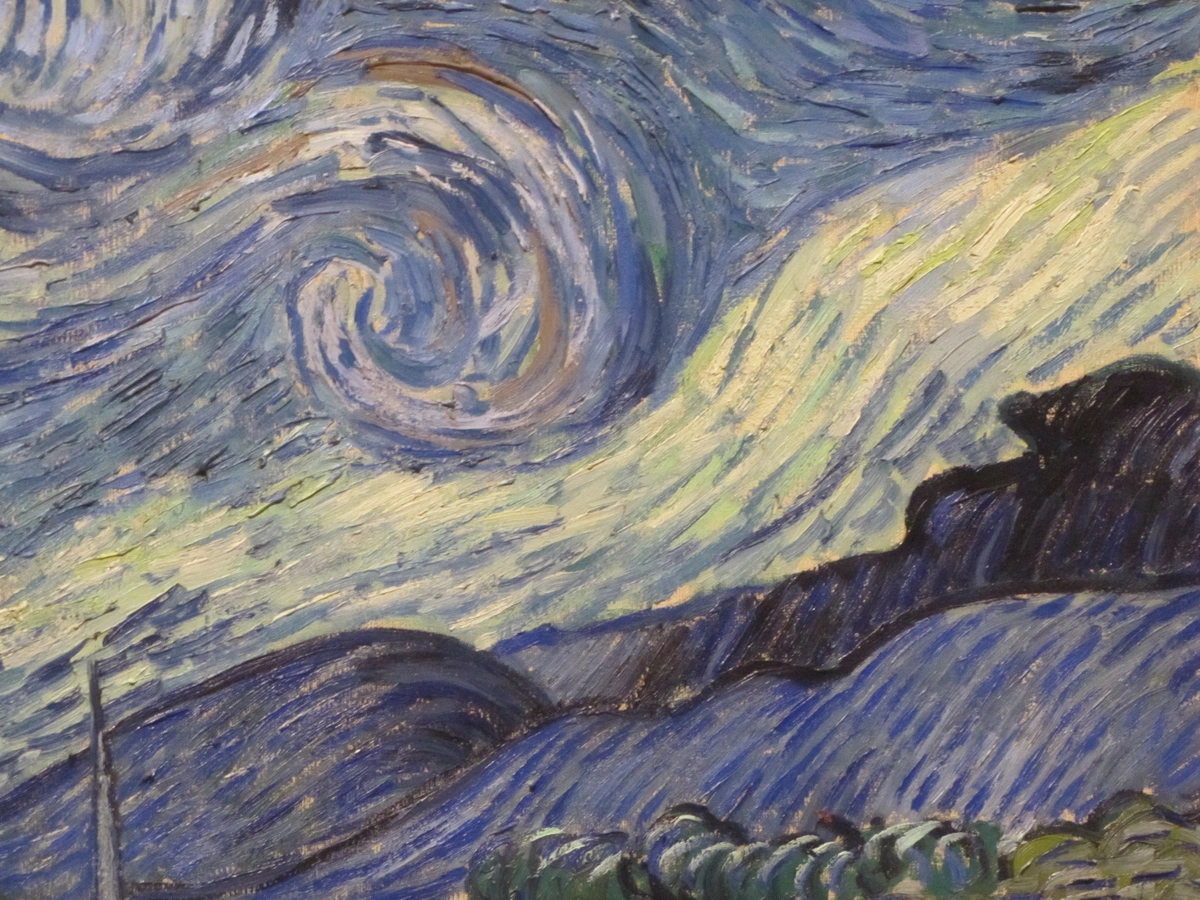
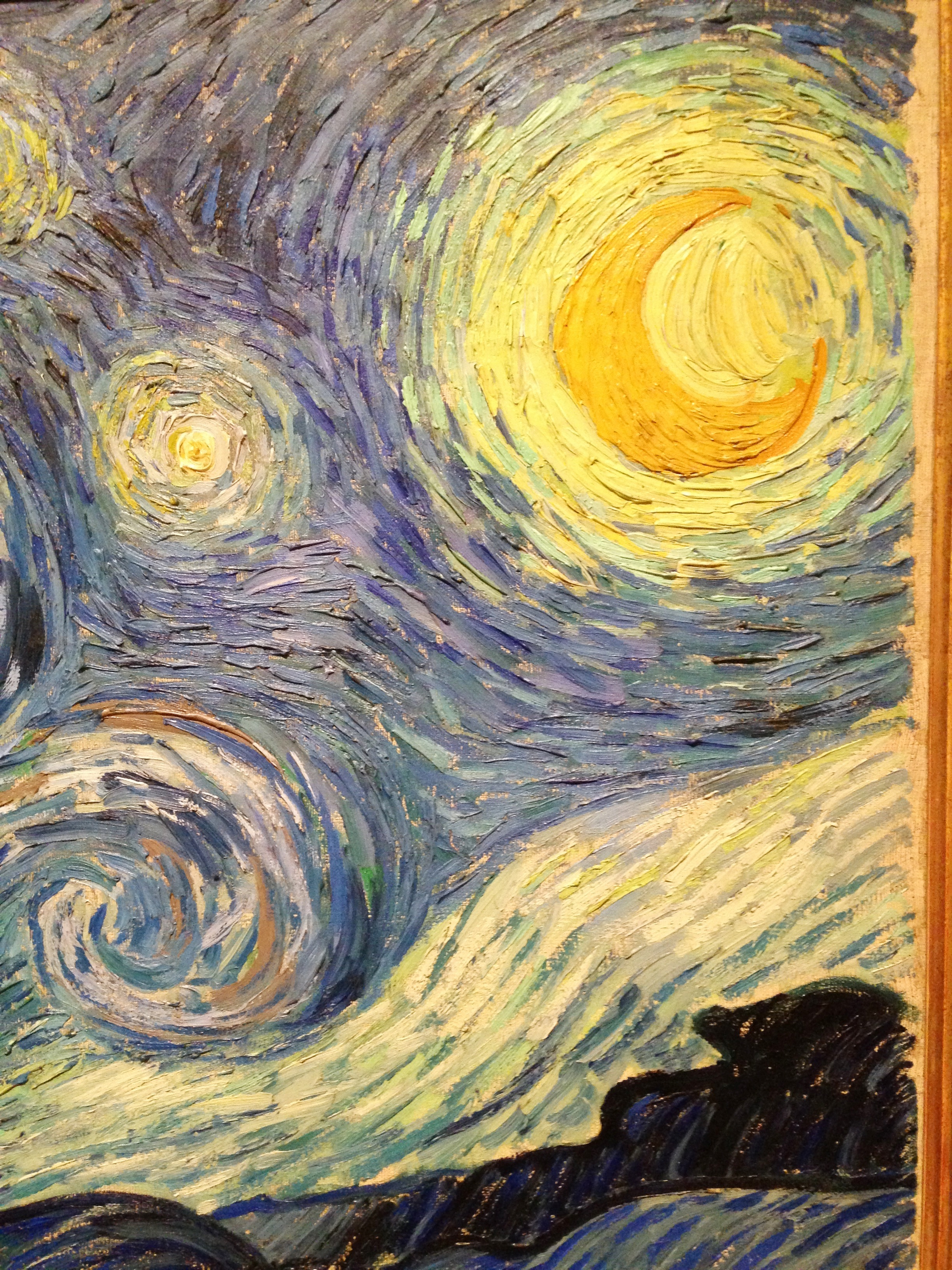
The Blue Rider artists were all students of Post-Impressionism. Van Gogh was perhaps their most important influence—his expressive use of color and line, his spiritual intensity, and his willingness to sacrifice literal representation for emotional truth all resonated deeply with them. Kandinsky owned several Van Gogh reproductions and spoke of him as a prophet of modern art.
Gauguin's symbolic use of color and his interest in "primitive" art also influenced them, particularly Marc. Gauguin's idea of using color to represent emotions rather than physical reality was revolutionary in the 1890s and became fundamental to Blue Rider theory.
Cézanne's structural approach to painting—reducing nature to geometric forms—also influenced their tendency toward abstraction, though they took Cézanne's structuralism in a more spiritual direction.
French Fauvism: The Color Revolutionaries
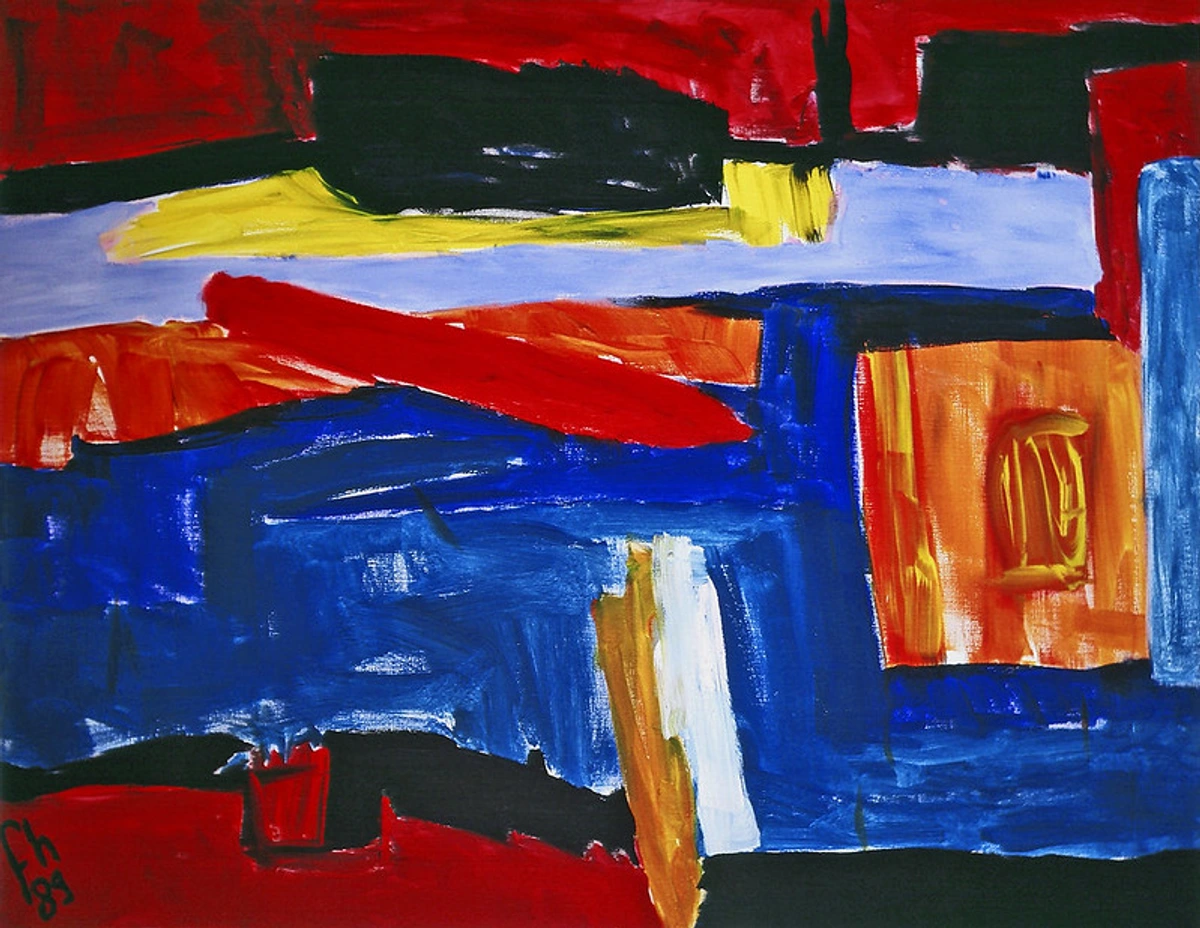
The Fauves ("wild beasts")—led by Henri Matisse—had already shocked the art world with their bold, non-naturalistic use of color. Artists like André Derain and Maurice de Vlaminac showed that color could be expressive in itself, not just descriptive. The Fauve movement, which peaked between 1904 and 1908, demonstrated that artists could break free from the constraints of natural color and create emotional impact through color alone.
The Fauves were important to the Blue Rider for several reasons:
1. Technical Innovation: Fauve artists developed new techniques for applying color directly from the tube without mixing, creating vibrant, pure hues that seemed to vibrate with energy. This technical freedom influenced Kandinsky's approach to color.
2. Breaking Tradition: The Fauves' shocking use of color challenged the academic art establishment just as the Blue Rider would challenge representational traditions. This shared rebellious spirit created a sense of solidarity.
3. International Exchange: Kandinsky actually met Matisse in Paris in 1910 and was both impressed and troubled by what he saw. He recognized Matisse's genius but felt it was missing the spiritual dimension that he believed was essential to great art.
However, the Blue Rider saw themselves as going beyond Fauvism. Where the Fauves used color primarily for visual impact and emotional expression, the Blue Rider used color as a direct conduit to spiritual truth. This difference is subtle but crucial—the Fauves were revolutionary aesthetes; the Blue Rider were revolutionaries with a spiritual mission.
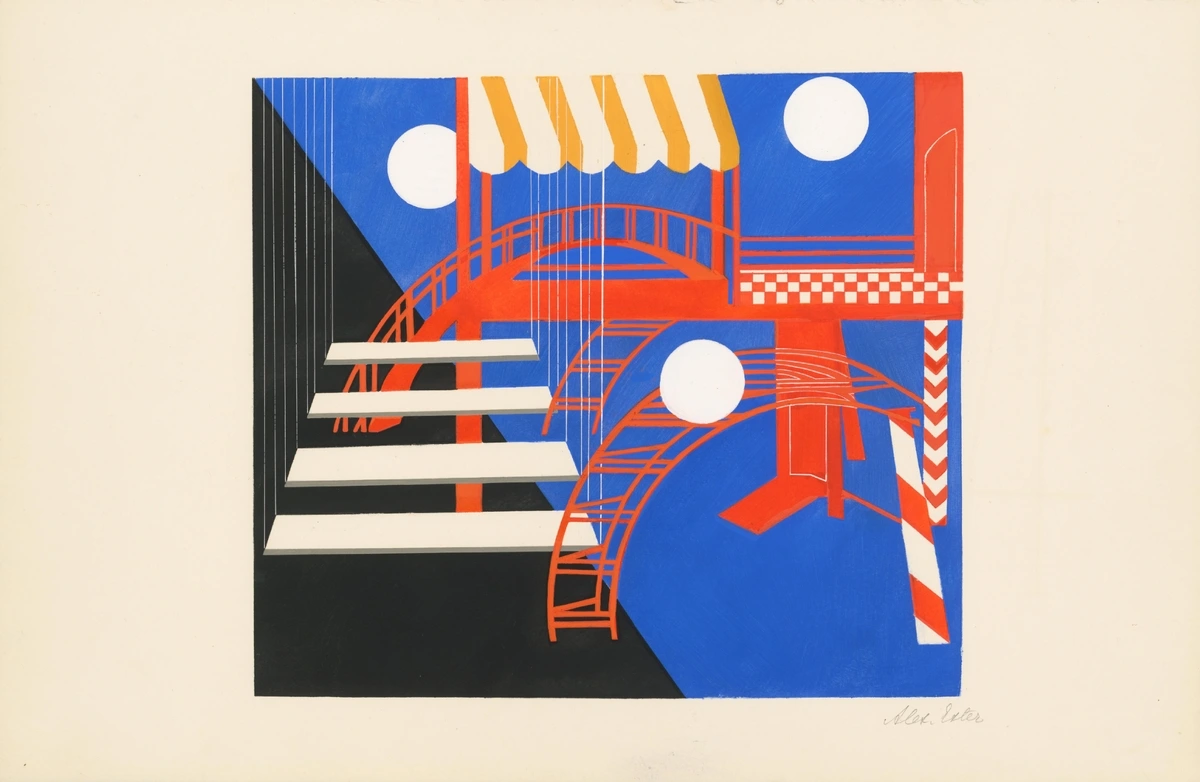
The Blue Rider admired the Fauves' color freedom but felt they lacked spiritual depth. Where the Fauves used color primarily for visual impact and emotional expression, the Blue Rider used color as a direct conduit to spiritual truth. This difference is subtle but crucial—the Fauves were revolutionary aesthetes; the Blue Rider were revolutionaries with a spiritual mission. Kandinsky actually met Matisse in Paris in 1910 and was both impressed and troubled by what he saw—he recognized Matisse's genius but felt it was missing the spiritual dimension that he believed was essential to great art.
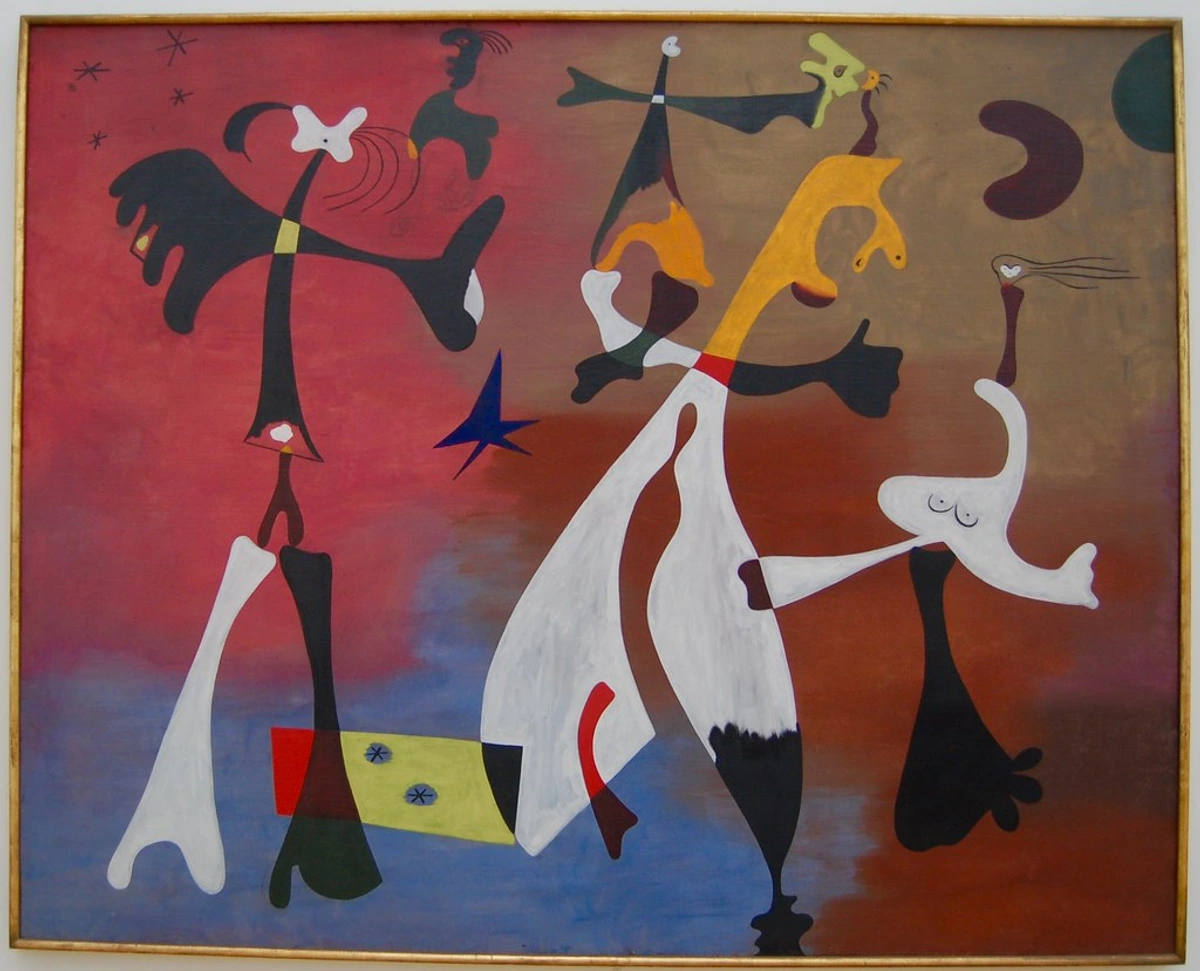
Russian Avant-Garde Connections
Many Blue Rider artists had strong connections to the Russian avant-garde. Kandinsky was Russian and maintained ties to artists in Moscow and St. Petersburg. The Russian Constructivists and Suprematists (like Malevich and Tatlin) were developing similar ideas about abstraction, though they took a more political and industrial approach rather than the spiritual approach of the Blue Rider. Kandinsky actually helped organize the first abstract art exhibition in Moscow in 1913, bringing Blue Rider ideas back to Russia.
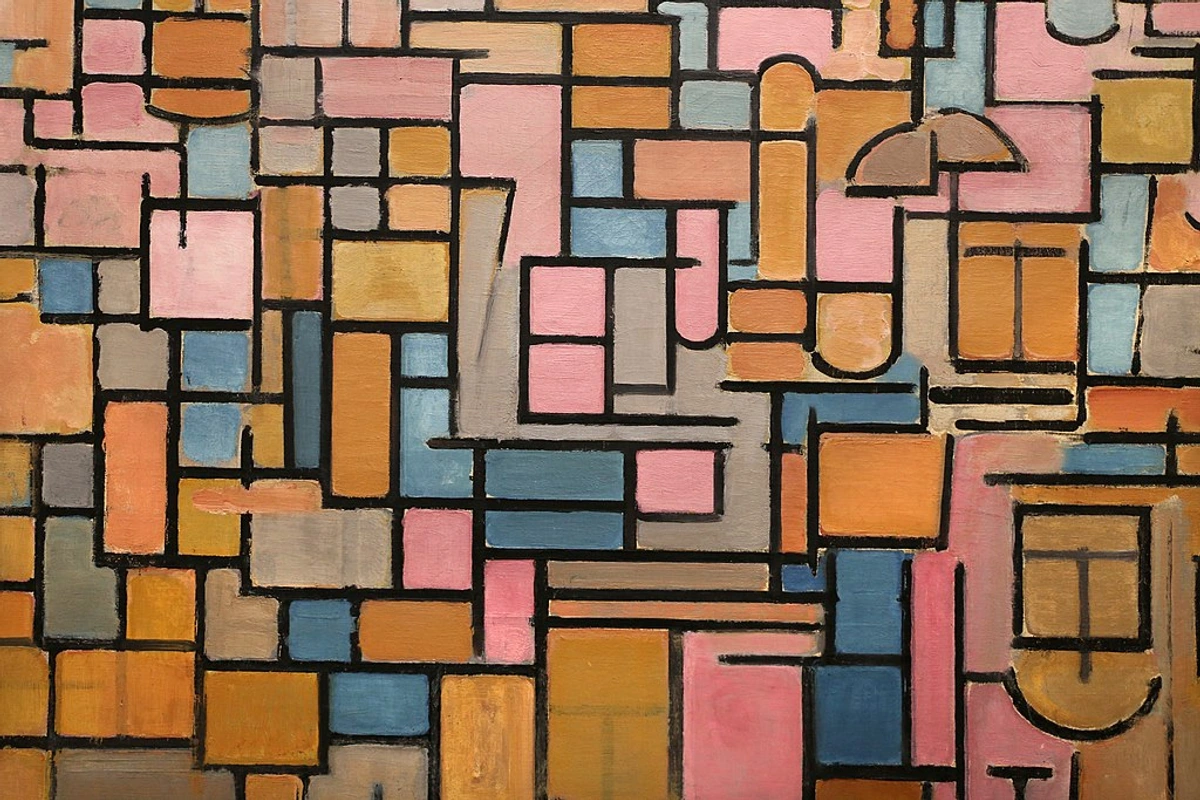
This East-West artistic exchange was incredibly important. Russian artists brought a different cultural perspective—more connected to folk traditions, Orthodox spirituality, and a sense of connection to the land—while German artists brought technical precision and philosophical rigor. The Blue Rider represented a meeting of these two worlds. Franz Marc, though German, was deeply influenced by Russian folk art and symbolism, while Kandinsky brought German Expressionist intensity to his Russian spiritual sensibilities. This cross-cultural fertilization created something entirely new in the history of art.
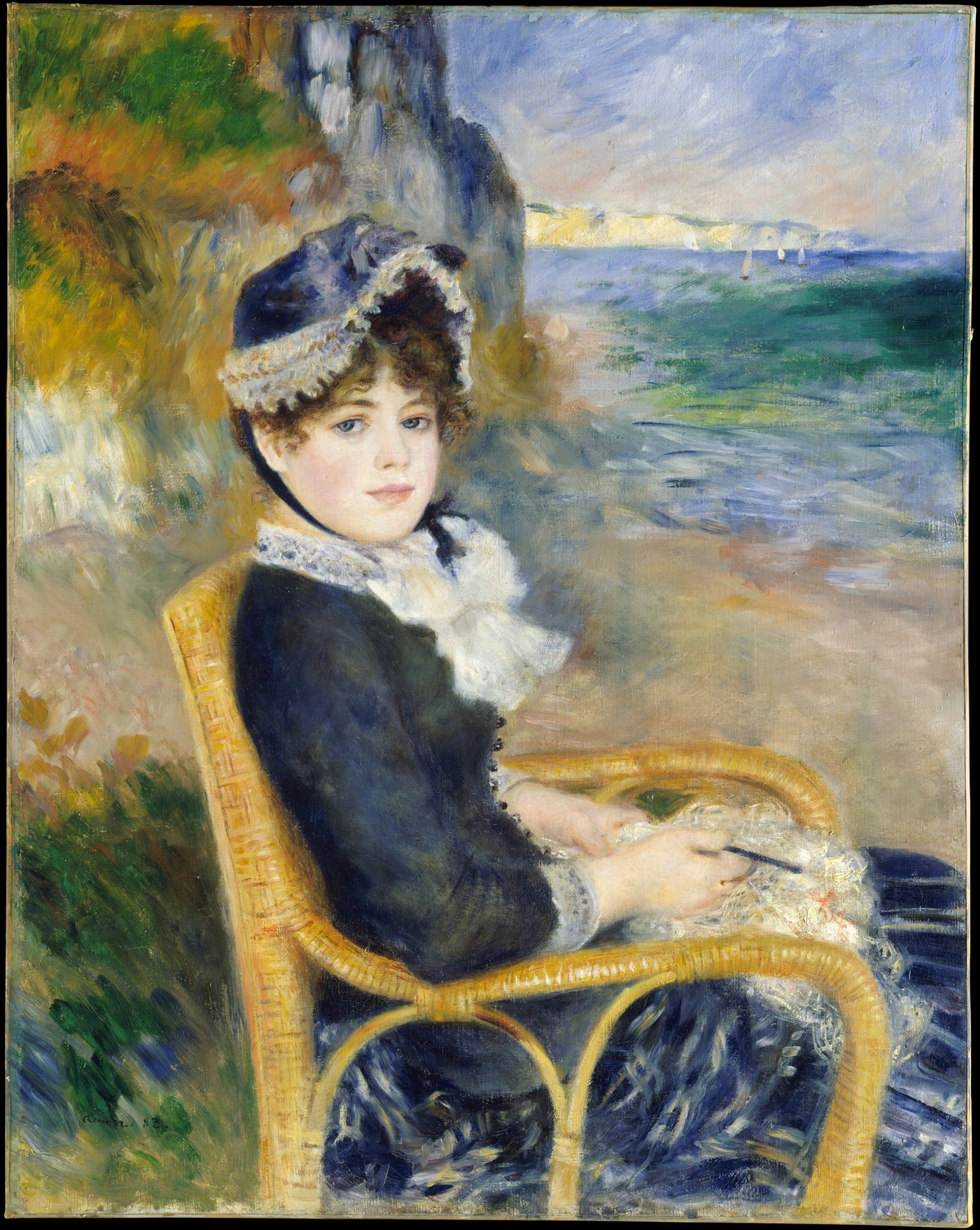
- Wassily Kandinsky: The theorist. His book Concerning the Spiritual in Art (1911) was the movement’s bible. Without him, abstract art as we know it wouldn’t exist.
- Franz Marc: The animal mystic. His horses, deer, and cows weren’t cute—they were symbols of purity in a corrupt world. Tragically killed in WWI.
- August Macke: The bridge builder. His work like The Tower of Blue Horses (1913) blended abstraction with recognizable moments of daily joy.
- Gabriele Münter: The quiet powerhouse. Her portraits of Kandinsky and self-portraits show crisp forms blended with emotional color.
- Alexej von Jawlensky: The face-simplifier. His Meditative Heads turned human faces into glowing symbols of spirituality.
What united them? A belief that art could heal a fractured world. They saw the coming of WWI and doubled down on beauty and meaning. In a gallery today, their work still feels like a defiant whisper against chaos.
Personal Relationships and Creative Dynamics
The Blue Rider wasn't just an artistic movement—it was a community of people who lived, worked, and loved together. Understanding their personal relationships helps explain the unique energy of their collective.
Kandinsky and Münter: Their romantic and professional partnership was central to the group's development. Kandinsky and Münter lived together in Murnau from 1909 to 1914, and their home became a gathering place for Blue Rider artists. Münter supported Kandinsky's theoretical work while he encouraged her artistic development. Their relationship ended when Kandinsky returned to Russia in 1914, but they maintained a lifelong artistic connection.
Marc and Macke: These two younger artists formed a close friendship and mutual admiration society. Marc wrote in his letters that Macke's work helped him maintain his optimism during the increasingly dark pre-war years. They frequently painted similar subjects (animals, dancers) but developed distinctly different approaches—Marc's symbolic intensity versus Macke's joyful accessibility.
Jawlensky's Isolation: Unlike the others, Jawlensky maintained a more independent position within the group. As a Russian émigré and older artist, he brought different cultural perspectives. While he participated in exhibitions and shared the group's spiritual concerns, his work developed along its own distinctive trajectory focused on abstract portraiture.
The Murnau Colony: Many Blue Rider artists spent summers in the Bavarian village of Murnau, where they painted en plein air but with revolutionary approaches. This "colony" atmosphere—shared meals, collaborative projects, intense discussions—created the kind of creative community that nurtured groundbreaking work. I've experienced this myself in artist residencies—there's something magical about living and creating with other people who share your vision.
Legacy: Why It Still Matters
The Blue Rider's Enduring Influence: Art's Spiritual DNA
The Blue Rider's impact extends far beyond their brief existence (1911-1914). Their ideas continue to resonate in contemporary art practice, art theory, and even broader culture. Here's why their legacy matters today:
The Historical Impact: Immediate and Long-Term
The Blue Rider's influence can be seen in several historical waves:
First Wave (1915-1930s): Immediately after WWI, survivors like Kandinsky and Münter helped spread Blue Rider ideas through teaching and exhibitions. Kandinsky's work at the Bauhaus (1922-1933) institutionalized many of their principles.
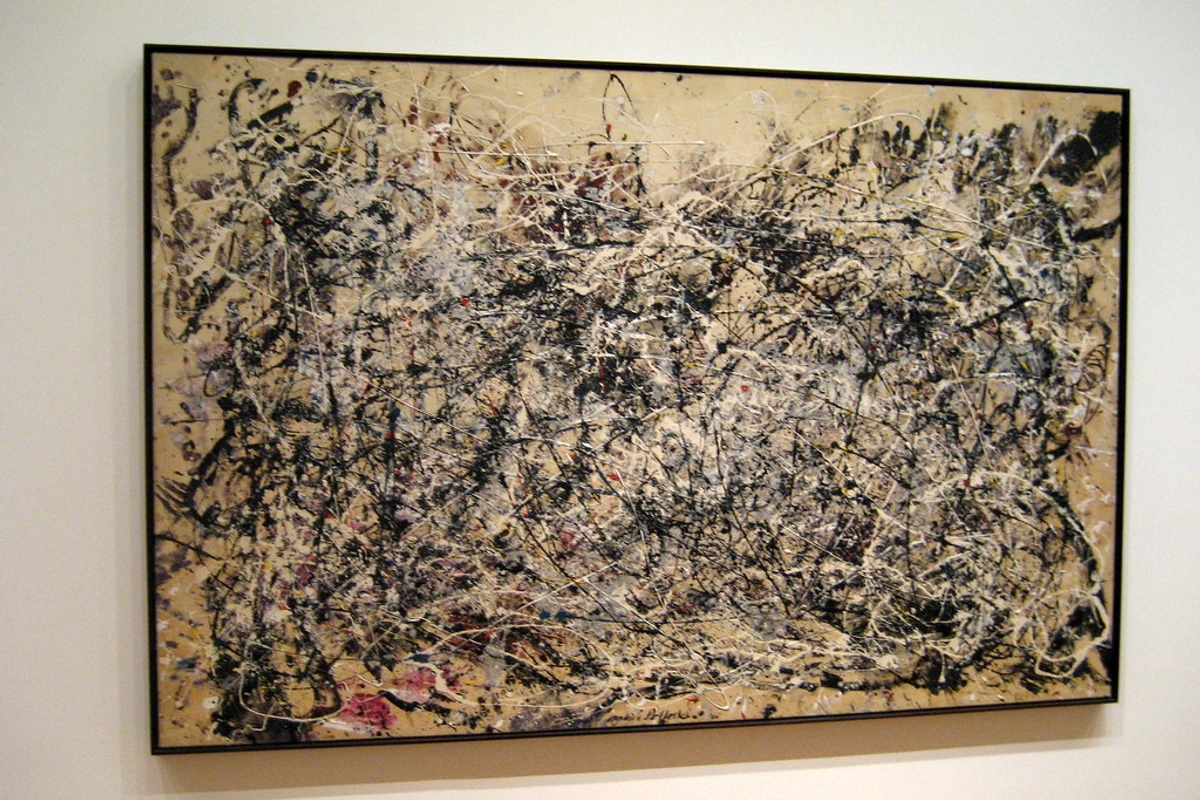
Second Wave (1940s-1960s): Abstract Expressionists like Jackson Pollock, Mark Rothko, and Willem de Kooning directly built on Blue Rider foundations. Rothko's color field paintings, in particular, echo Kandinsky's spiritual approach to color.
Third Wave (1970s-Present): Contemporary abstract artists continue the Blue Rider tradition of using form and color to express spiritual and emotional states. The movement's interdisciplinary approach also anticipates contemporary multimedia art.
Influence on Specific Art Movements
The Blue Rider directly influenced several major art movements:
Bauhaus Design: Kandinsky joined the Bauhaus in 1922, bringing Blue Rider spiritual principles to design education. The school's emphasis on unity of all arts and design's spiritual potential came directly from Blue Rider ideas.
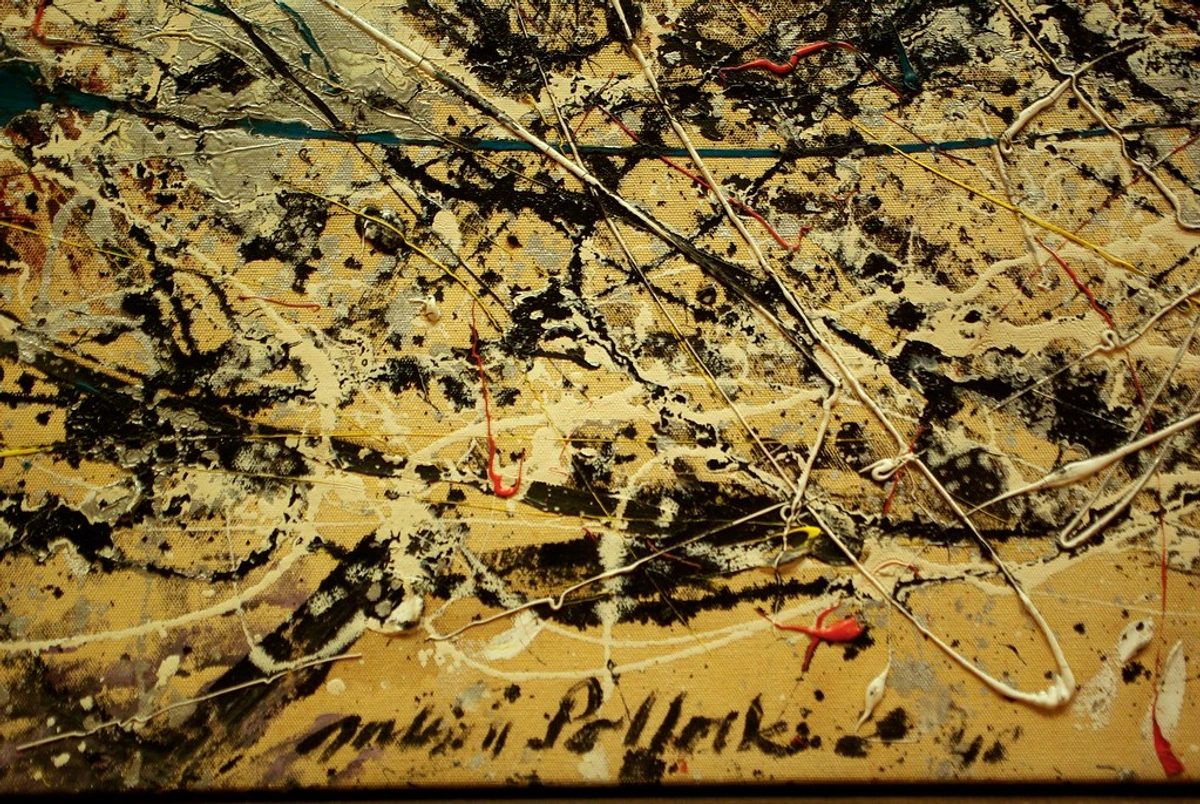
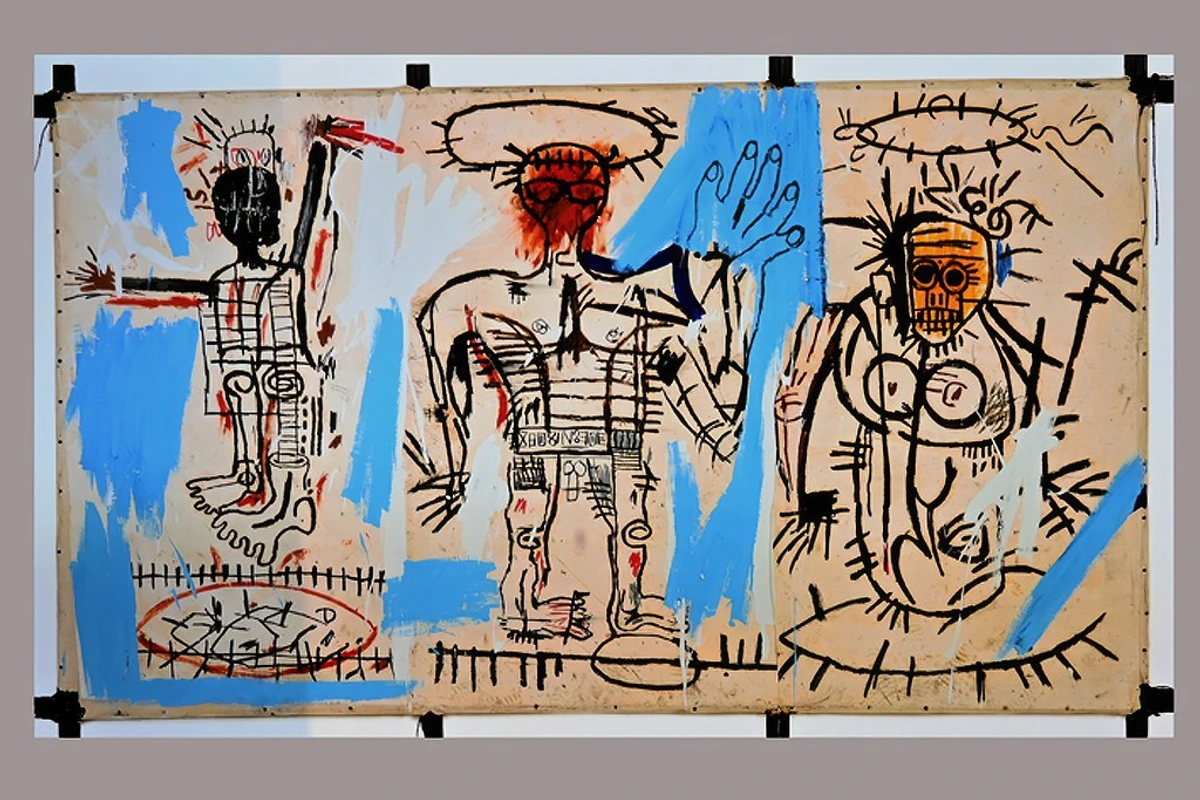
Abstract Expressionism: American artists in the 1940s discovered Blue Rider work through European émigrés and were profoundly influenced by their approach to abstract expression. Pollock's drip paintings and Rothko's color fields both trace their lineage to Kandinsky.
Color Field Painting: Artists like Mark Rothko and Barnett Newman took Blue Rider color theory to new extremes, creating fields of pure color that evoke spiritual states rather than represent objects.
Minimalism: While seeming opposite to the Blue Rider's expressive style, Minimalism shares their belief in art's ability to transcend the physical and connect with something universal.
Digital Art: The Blue Rider's belief in abstraction as a language of universal truth finds new expression in digital art, where artists create abstract experiences that exist beyond traditional media.
1. Redefining Art's Purpose: Before the Blue Rider, art was generally understood as either decorative entertainment or representational documentation. The Blue Rider argued that art could be a spiritual practice—a way of accessing and expressing truths that couldn't be put into words. This expanded definition of art's purpose continues to influence artists today.
2. Legitimizing Abstraction: When Kandinsky painted his first completely abstract works in 1911, they were considered bizarre and unacceptable. The Blue Rider's collective effort to develop a theoretical framework for abstraction helped make it a legitimate artistic language. Today, abstract art is a major component of the art world, and we have the Blue Rider to thank for pioneering this acceptance.
3. Interdisciplinary Thinking: The Blue Rider was remarkable for its interdisciplinary approach. They didn't see painting, music, poetry, and dance as separate activities but as different expressions of the same spiritual impulse. This holistic approach to creativity anticipates many contemporary ideas about art and technology, art and science, art and spirituality.
4. Cultural Exchange: The Blue Rider was one of the first truly international art movements, with members from Russia, Germany, and beyond. They actively sought out and incorporated influences from non-Western art, folk traditions, and "primitive" cultures. This openness to cultural exchange was revolutionary in an era of intense nationalism and continues to be an important value in contemporary art.
5. Art as Social Commentary: While primarily focused on spiritual matters, the Blue Rider's work also contains implicit social commentary. Their rejection of materialism and their search for spiritual truth can be seen as a response to the social problems of their time—industrialization, urbanization, and the alienation they caused. This connection between art and social awareness continues to be important in contemporary practice.
Blue Rider in Contemporary Culture
The Blue Rider's influence extends beyond fine art into broader culture in ways that continue to evolve:
Digital Art and New Media: The Blue Rider's belief in the spiritual potential of abstract forms finds new expression in digital art, generative art, and virtual reality. Contemporary digital artists who create immersive, abstract experiences are working in the tradition of artists who believed that visual forms could convey spiritual truths.
Therapeutic Applications: The Blue Rider's emphasis on art's emotional and spiritual power has influenced art therapy practices. Therapists today use abstract art to help patients express emotions that are difficult to put into words, continuing the Blue Rider's belief in art's healing potential.
Environmental Art: The Blue Rider's connection to nature and their symbolic use of animal imagery finds echoes in contemporary environmental art. Artists who create works about climate change and humanity's relationship to the Earth are working in a tradition that sees nature as a source of spiritual meaning.
Popular Culture: Blue Rider imagery and ideas have appeared in films, literature, and music. Directors like Terrence Malick, whose films often feature spiritual themes and abstract visual sequences, show the Blue Rider's influence on contemporary visual culture.
The Blue Rider's influence extends beyond fine art into broader culture:
Design and Architecture: The Bauhaus movement, which Kandinsky later joined, took Blue Rider ideas about the spiritual dimension of design and made them foundational to modernist design principles. This influence continues in contemporary design thinking.
Music and Visual Art: The connection between music and visual art that the Blue Rider emphasized has become a major theme in contemporary multimedia art. Many contemporary artists work across multiple media, inspired by the Blue Rider's belief in the unity of all arts.
Spirituality and Art: In an era when many people are seeking spiritual meaning outside traditional religions, the Blue Rider's approach to art as a spiritual practice resonates strongly. Their idea that art can be a form of spiritual experience without being religious has become increasingly relevant.
Education: Art education continues to be influenced by Blue Rider ideas about the importance of emotional expression, creative freedom, and the spiritual dimension of making art. Many contemporary art schools incorporate these values into their teaching philosophies.
Der Blaue Reiter dissolved in 1914 when its members went to war (Macke and Marc died). But their influence? Explosive. They proved that:
- Abstract Art Could Be Profound: Before them, abstraction was dismissed as decorative. After, it was a language of the soul.
- Art Could Be Spiritual Beyond Religion: You don’t need a church to find transcendence in color and form. That’s core to contemporary abstract art.
- Collaboration Fuels Innovation: Their almanacs and group shows modeled how artists challenge each other’s ideas. My own timeline of artistic growth owes them a nod.
- Animals & Nature as Symbols: Marc’s horses live on in every artist painting nature as a force beyond the physical. Even my work here plays with that tension.
They were visionaries cut short by history, but they rewrote the rules. Next time you see abstract art that makes you feel something, thank the Blue Rider. Without them, my studio walls—and probably yours—would be very, very quiet.

The End of an Era: War and Dissolution
The Gathering Storm: Art in the Shadow of War
The Blue Rider's existence was tragically brief. The group formed in December 1911 and effectively ended by August 1914 when World War I broke out. Their story is both inspiring and heartbreaking—a testament to the power of artistic vision in the face of historical catastrophe.
The timing of the Blue Rider's dissolution was particularly cruel. They had just begun to achieve international recognition—their exhibitions were attracting critical attention, their almanacs were being read by artists across Europe, and their theoretical ideas were beginning to influence the broader art world. Then, in August 1914, the world they had sought to transform through art descended into the horror of total war. Many Blue Rider artists felt that their spiritual mission was tragically ironic—they had been working to create art that could heal a broken world, only to watch that world shatter completely.
The Personal Toll: Lives Interrupted
The war's impact on individual Blue Rider members was devastating:
Franz Marc (1880-1916): Killed at the Battle of Verdun in March 1916 at age 36. His death was a tremendous loss to art—Marc was just reaching his mature style when war cut him down. His final works, like "Fighting Forms" (1914), show a darker, more apocalyptic vision that might have evolved into something extraordinary if given more time.
August Macke (1887-1914): Killed at the Battle of Champagne in September 1914, just weeks after war was declared. His death left behind a wife and newborn son. Macke's optimistic, joyful style might have provided an important counterbalance to the growing darkness in art if he had survived.
Wassily Kandinsky (1866-1944): Was visiting Russia when war broke out and couldn't return to Germany. This separation from his artistic community and his partner Münter was deeply painful. However, the time in Russia allowed him to further develop his theories, which he later brought to the Bauhaus.
Alexej von Jawlensky (1864-1941): As a Russian citizen in Germany, he was classified as an "enemy alien" and forced to leave. This displacement affected his health and artistic output. His later work never achieved the same spiritual intensity as his Blue Rider period.
Gabriele Münter (1877-1962): Stayed in Germany but was cut off from her artistic community. She became the group's unofficial archivist, preserving their works and ensuring their legacy wouldn't be lost to history.
The Gathering Storm
By 1913, tensions were rising across Europe. The assassination of Archduke Franz Ferdinand in June 1914 was the spark that ignited the powder keg. Many Blue Rider artists sensed the coming disaster and tried to create as much meaningful art as possible in their remaining time together.
Marc became increasingly political in his later works, using animal symbolism to comment on what he saw as the destructive forces of modern civilization. His 1914 painting "Fighting Forms" can be read as a prophetic vision of the chaos that would soon engulf Europe.
Kandinsky, ever the philosopher, tried to maintain the group's spiritual focus even as the world around them descended into madness. He continued working on his theoretical writings, believing that art's spiritual importance would only grow in times of crisis.
The Great War and Its Impact
When war was declared in August 1914, the Blue Rider circle was scattered:
- Kandinsky was visiting Russia and was unable to return to Germany due to wartime restrictions
- Marc was immediately drafted and sent to the Western Front
- Macke was drafted and sent to the Eastern Front
- Jawlensky, as a Russian citizen, was classified as an "enemy alien" and forced to leave Germany
- Münter stayed in Germany but was cut off from her artistic community
The war's toll was immediate and devastating:
- Franz Marc was killed at the Battle of Verdun in March 1916, at the age of just 36
- August Macke was killed at the Battle of Champagne in September 1914, leaving behind a wife and newborn son
- Alexej von Jawlensky suffered severe health problems due to the stress and displacement, and his work never fully recovered
- Many of their works were destroyed or lost during the chaos of war, including paintings that had been exhibited in major galleries
The personal tragedies were compounded by the loss of their creative community. The Blue Rider had been more than just an artistic movement—it was a family of sorts. They had lived and worked together, shared meals and philosophical discussions, and supported each other through personal and professional challenges. The war destroyed this community literally and figuratively. When the survivors tried to reunite after the war, the magic was gone—too much had changed, too much had been lost.
What's remarkable is how the surviving artists continued to work despite these losses. Münter preserved many of the group's works and papers, ensuring that their vision wouldn't be lost to history. Kandinsky, though separated from his German colleagues, continued developing his abstract theories in Russia, eventually helping to establish the revolutionary art school Vkhutemas.
The Blue Rider's dissolution wasn't just the end of a group—it was the end of a particular moment in cultural history. A moment when artists believed they could create a new spiritual language that would heal a broken world. The war proved tragically that art alone couldn't stop history's destructive forces, but the Blue Rider's vision of art as a spiritual force continues to resonate.
FAQ: Your Blue Rider Questions, Answered
Common Questions About the Movement
The Blue Rider movement raises many questions for contemporary viewers and art historians alike. Here are some of the most frequently asked questions about this revolutionary artistic group:
Practical Questions for Art Lovers
Q: Where can I see Blue Rider art today?
A: Major collections are at the Lenbachhaus in Munich (their spiritual home), the Städel Museum in Frankfurt, and the Met in New York. Smaller gems like Münter's works are in private collections. My favorite? Standing before Kandinsky's originals—it's humbling. Like encountering a founding parent of abstract painting.
Pro tip: The Lenbachhaus has reconstructed Kandinsky and Münter's Murnau studio—it's like stepping back in time to where the magic happened.
Q: How much does Blue Rider art cost?
A: Authentic Blue Rider works are extremely valuable and rarely come on the market. At auction, major works can sell for tens of millions of dollars. For example, Kandinsky's "Bild mit Weissen Linien" sold for $23 million in 2017. However, high-quality prints and reproductions are available for art lovers on more modest budgets.
Q: Are there any forgeries to watch out for?
A: Unfortunately, yes. The Blue Rider's popularity has led to a market in forgeries, particularly of Kandinsky and Marc works. Authenticity is determined by:
- Provenance: Clear history of ownership back to the artist
- Material analysis: Pigment composition from the period
- Style analysis: Consistency with the artist's known techniques
- Documentation: Letters, exhibition records, or gallery paperwork
The Gabriele Münter and Johannes Eger Foundation in Munich maintains a database of authenticated works—always check there before purchasing.







Q: What should I look for in a Blue Rider reproduction?
A: Quality reproductions should:
- Use archival-quality inks and papers
- Match the original color palette accurately
- Include proper provenance information
- Be licensed by the holding institution
Avoid cheap digital prints that flatten the subtle color relationships and textures of the original works.
**Q: Was Der Blaue Reiter part of Expressionism?
A: Close! They’re often called German Expressionists, but they rejected the label. Expressionism focused on emotional distortion—think Scream-face agony. Blue Rider targeted spiritual states, not just angst. Less drama, more contemplation. Think of them as Expressionism’s introspective cousin.
**Q: Where can I see Blue Rider art today?
A: Major collections are at the Lenbachhaus in Munich (their spiritual home), the Städel Museum in Frankfurt, and the Met in New York. Smaller gems like Münter’s works are in private collections. My favorite? Standing before Kandinsky’s originals—it’s humbling. Like encountering a founding parent of abstract painting.
**Q: How does this connect to modern abstract art?
A: Modern abstraction, even my own, builds on their legacy. When I layer bold colors or simplify forms, I’m echoing Marc’s symbolism and Kandinsky’s quest for inner necessity. They didn’t just paint—they built the philosophical bridge from figurative art to the freedom of contemporary expression.
**Q: Why is the movement called "The Blue Rider"?
A: A nod to Kandinsky’s love of equestrian themes (he had 50+ horse paintings) and blue’s symbolic weight. Blue, to him, represented the spiritual, the infinite, even the immaterial. The rider? A symbol for the artist as a spiritual guide charging into the unknown. It’s poetic, right? I’ve got prints of my own blue-horse series—if you’re curious, peek here.
Final Thought
Der Blaue Reiter didn’t just create art; they created a permission slip for artists to be unapologetically, vulnerably human. In a world that still demands answers, they offered a better question: What if art could be the answer you feel, not the thing you understand? Their work lives in that space—between chaos and clarity. And honestly? It’s a lesson I revisit daily, whether I’m staring at a blank canvas or explaining why blue isn’t just blue. It’s everything.