The Wild Dance of Culture: How Art Movements Shape Our World
Discover how art movements act as cultural mirrors and change-makers. From Impressionism's rebellious light to Abstract Expressionism's raw emotion, explore the profound dialogue between art and society.

What is a Defining Moment in Art History? The Wild Dance of Culture and How Art Movements Shape Our World
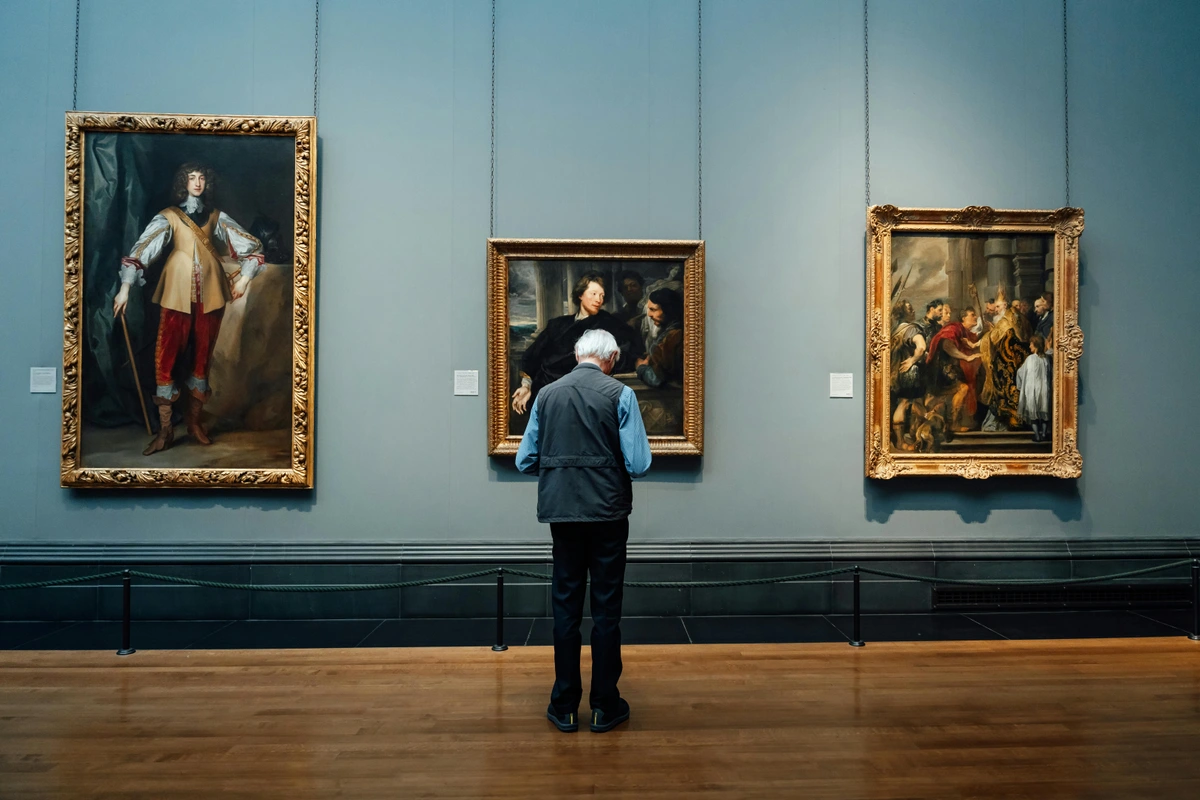
Ever stood staring at a painting that felt less like an image and more like a whispered conversation with an entire era? I have. There’s this piece in a dusty corner of a museum—just slashes of ochre and cobalt blue—that stopped me cold. It wasn’t just a painting; it was a cultural artifact, vibrating with all the anxieties, hopes, and raw energy of its time. It made me realize something that’s become a bit of an obsession: art movements aren’t just stylistic trends. They’re ecosystems. They’re rebellions. They’re the secret language through which societies talk to themselves, process their world, and ultimately, define their future.
Art history is filled with these seismic shifts, moments when a small group of visionaries decide the old rules no longer apply. They pick up a brush, a chisel, or a digital stylus, and in doing so, they rewrite the contract between the artist and the world. This article isn’t just a list of dates and names; it’s a deep dive into why these movements happen, how they ripple out to touch every corner of our lives—from the buildings we inhabit to the ads that bombard us—and how you, whether you realize it or not, are a part of this ongoing cultural conversation.
This isn’t about memorizing dates for an art history exam. It’s about understanding the invisible currents that shape everything from the ads we see to the buildings we live in. It’s about seeing the wild dance of culture, with all its missteps, leaps of faith, and moments of breathtaking genius. From the angst of Romanticism to the digital chaos of today’s AI-driven aesthetics, art movements are our species’ way of processing the world. Let’s dive in and find your place in that history.
What Are Art Movements, Really? Unpacking the Cultural Rumor
Think of an art movement as a rumor that gets out of control, but in the best possible way. It starts with a handful of artists, writers, or musicians who feel out of step with the world. The old rules—the old ways of seeing and creating—feel stale, like a language they can no longer speak fluently. So, they invent a new one. They gather in cramped apartments, smoky cafes, or drafty studios, and they share a vision. It's messy, it's personal, and it’s often fueled by equal parts genius and desperation.
It’s a fascinating paradox: these movements, which often define entire eras, are almost never planned by a central committee. They emerge, organically and chaotically, from a shared sense of urgency. I remember reading about the first Impressionist exhibitions in Paris and picturing it less as a grand opening and more as a mutiny. A group of artists, rejected by the official Salon, simply decided to rent a space and hang their own work. It was an act of defiance that accidentally gave birth to modern art. That energy—the feeling of “we’re onto something, and the world needs to see it”—is the engine of every significant movement.
To define it more formally, an art movement is a tendency or style in art with a specific common philosophy or goal, followed by a group of artists during a specific period. The key ingredients are:
- A Shared Ideology: It’s more than just a look. It’s a shared belief system—a reaction against something (the establishment, a war, social injustice) or a passionate push for something new (spirituality, technology, pure emotion).
- A Core Group of Practitioners: You need the provocateurs, the brilliant weirdos who codify the ideas and create the initial shockwave. They are the nucleus of the cultural atom about to be split.
- A Manifesto (Spoken or Unspoken): This is the battle cry. It doesn’t always need to be a written document. Sometimes the manifesto is just the work itself, screaming, “Look at the world this way!”
And here’s the crucial part: the magic, the really intoxicating part, is when that shared energy escapes the studio and seeps into the streets. It’s when you see a Cubist angle in a 1920s flapper dress, or a Surrealist dream-logic in a modern music video. This is where a movement stops being a private club and becomes a public conversation. It starts telling us what to wear, how to build our homes, and even how to see ourselves.
The Engine Room: The Five Catalysts of Cultural Explosion
Movements don’t just appear out of thin air. They’re usually a direct, often frantic, response to the world around them. I like to think of them as pressure valves for a culture, releasing all the steam that builds up when a society is pushed to its limits. If you chart the birth of major movements, you’ll almost always find one of these powerful engines churning in the background. It’s messy, it's political, and it’s always more interesting than a simple story about a bunch of artists deciding to paint differently.
Understanding these engines helps you see the difference between a mere trend and a true movement. A trend is a new color for the season; a movement is a fundamental rethinking of what color even means. Let’s crack open the engine room and look at the five main drivers that have powered the most significant cultural shifts in history.
- Social & Political Upheaval: This is the big one. The chaos and disillusionment of World War I didn’t just change borders; it shattered a whole generation’s faith in reason and order. The result? The fractured, nightmare-ish worlds of Dada and Surrealism. Similarly, the social revolutions of the 1960s fueled the rebellious, anti-establishment spirit of Pop Art. Art becomes a way to scream, to mourn, or to satirize when words are no longer enough. We see this today in the rise of activist art and collectives responding to global crises and social justice movements, proving that the canvas can be as powerful as the placard.
- Technological Shockwaves: Every time a new technology hits, artists react. The invention of the camera was a massive gut punch to realistic painting. If a machine could capture a perfect likeness in seconds, what was left for the painter? The answer was Impressionism—a focus on light, atmosphere, and fleeting moments, things the camera of the time couldn’t grasp. Fast forward to the 21st century, and we see the rise of digital art and new media art, wrestling with questions of virtual identity, data, and the very nature of reality in a hyper-connected world. The current AI boom is just the latest chapter in this long story, forcing us to ask what “creation” even means when a machine can do it.
- The Oedipal Rebellion (Reacting to the “-ism” Before): Art history is a long, glorious chain of teenage rebellions. Neoclassicism was a stuffy, academic reverence for ancient ideals. So, Romanticism burst onto the scene with a focus on raw emotion, wild nature, and the tortured individual soul. Then came the Realists, who got tired of all the melodrama and said, “Let’s just paint the hard, honest truth of peasants and laborers.” This endless cycle of action and reaction is the heartbeat of cultural evolution. It’s a dialogue across generations, a constant re-evaluation of what art is for.
- Philosophical & Existential Shifts: Sometimes, the change is in the very air we breathe. The existentialist questions that gripped 20th-century thought, for instance, are palpable in the absurdity of Dada and the existential angst of Abstract Expressionism. The work of artists like Jackson Pollock isn’t just about paint on canvas; it’s about the search for meaning in a world that may have none. Today, you can feel the weight of postmodernism and post-structuralism in contemporary work that deconstructs narratives and challenges notions of truth.
- Economic and Geographic Fortunes: This is the often overlooked ‘where’ and ‘for whom.’ The rise of prosperous merchant classes in 15th-century Florence created patrons beyond the church, fueling the Renaissance. The economic boom of post-war America shifted the art world’s center of gravity from Paris to New York, giving Abstract Expressionism the financial fuel and cultural platform to become a global force. Wealth, trade routes, and new centers of power don’t just fund art; they create the fertile ground for new ideas to take root and flourish.
A Whirlwind Tour of World-Shaping Movements: Four Seismic Shifts
Trying to capture every important movement in one section is like trying to catch lightning in a bottle, but I'll sketch a few of the most seismic shifts. These are the ones that didn’t just change art; they changed us. Understanding these giants gives you a skeleton key to unlocking the last two centuries of culture, explaining why our cities look the way they do, why our movies feel the way they do, and even why we think about ourselves the way we do.
Romanticism (c. 1800-1850): The Rise of the Feeling Self
Before the late 18th century, art was largely about order, reason, and celebrating gods, kings, and empires. Then came Romanticism, which essentially declared, “Enough of that. Let’s talk about me.” It was the birth of the modern individual, placing personal emotion, untamed nature, and the glories of the sublime over cool-headed rationality. Imagine Caspar David Friedrich’s lonely figure gazing out over a sea of fog. He isn’t just looking at a landscape; he’s contemplating his own soul. This shift—from the objective to the subjective—is the foundation of so much art that followed.
What fueled this eruption of feeling? The Industrial Revolution had begun to mechanize life, and the French Revolution had shown the old orders could be toppled. The world was changing too fast, and Romanticism was the soul's fight back. It celebrated the outsider, the melancholic poet, the misunderstood genius gazing at storms. It turned a storm cloud into a symbol of inner turmoil and a crumbling abbey into a monument to the passage of time. Without Romanticism, would we even have rock and roll, the gothic novel, or the modern concept of the tortured artist? It’s unlikely. This was the moment Western culture discovered its own inner life and decided it was more interesting than any external glory.
Impressionism (c. 1860-1890): Capturing the Fleeting Moment
Let’s go back to that camera. In the 1860s, a bunch of Parisian artists got fed up with the stiff, historical scenes favored by the official art salon. Inspired by faster-drying paints (a technology shockwave in itself) and a desire to paint modern life, they went outside. They painted picnics (Le déjeuner sur l’herbe), train stations, and ballet dancers, using rapid, visible brushstrokes to capture the shimmer of light on water or the hustle of a Parisian boulevard. The city itself, with its new wide boulevards and bustling cafes, became their studio.
Critics hated it, calling it “unfinished.” They missed the point entirely. Artists like Claude Monet and Pierre-Auguste Renoir weren’t trying to paint a thing; they were trying to paint an impression, a flicker of a moment in time, a sensory memory. It was a radical celebration of the here and now—the beauty of a middle-class Sunday afternoon, the fleeting steam of a train engine. In their quest to capture the ephemeral, they discovered a whole new visual language built on light and movement. They taught us to see the world not as a collection of static objects, but as a shimmering, ever-changing spectacle.
Cubism (c. 1907-1914): Shattering the Picture Plane
If Impressionism was about the eye, Cubism was about the mind. Around 1907, Pablo Picasso and Georges Braque decided that painting from a single, fixed viewpoint was basically a lie. How can you show the whole truth of a table, a person, or a guitar from just one angle? You can’t. So, they shattered reality into geometric shards, showing objects from multiple perspectives all at once.
This wasn’t just a new style; it was a new way of thinking. Influenced by everything from the ‘primitive’ sculptures of Africa to the geometric anxieties of Cézanne, Picasso’s Les Demoiselles d’Avignon was the first big bang. Looking at a Cubist painting is like looking at a moment dissected and then put back together by a philosopher. It was disorienting, chaotic, and it completely rewired our understanding of what a painting could be. This was the movement that fundamentally broke the 500-year-old rules of Renaissance perspective, paving the way for pure abstraction and becoming the most influential art movement of the 20th century. Every time you see a building with a strange, angular facade or a movie shot with a disjointed perspective, you’re seeing the long shadow of Cubism.
Pop Art: When Art Ate the World
By the 1950s, the art world was full of the serious, brooding intensity of Abstract Expressionism. It was all very high-brow and serious. Then Andy Warhol painted a Campbell’s soup can, and all hell broke loose.
Pop Art gleefully raided the imagery of mass media, advertising, and consumer culture. Marilyn Monroe, comic books, Brillo boxes—nothing was off-limits. An important distinction is that early Pop in the UK, led by Richard Hamilton and the Independent Group, was more academic, analyzing post-war consumer culture from an intellectual distance. American Pop, led by Warhol, Roy Lichtenstein, and James Rosenquist, was more of a full-throttle embrace of it. It was a provocative question: Is there a difference between a soup can in a grocery store and one on a gallery wall? By embracing the everyday, Pop Art blurred the lines between “high” and “low” culture forever, holding up a mirror (often a funhouse mirror) to our consumerist society. It told us that we are what we buy.

Street Art (c. 1970s-Present): The City as a Canvas and a Battleground
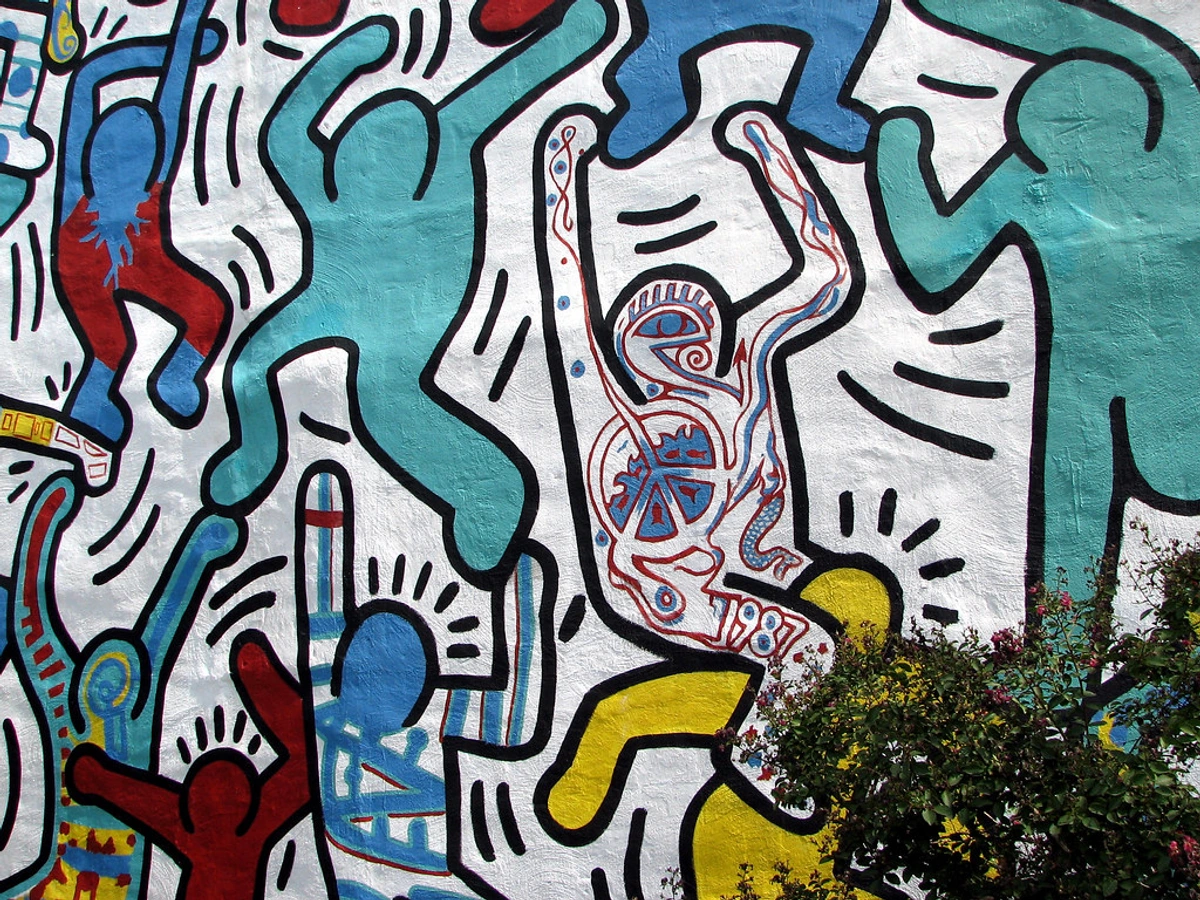
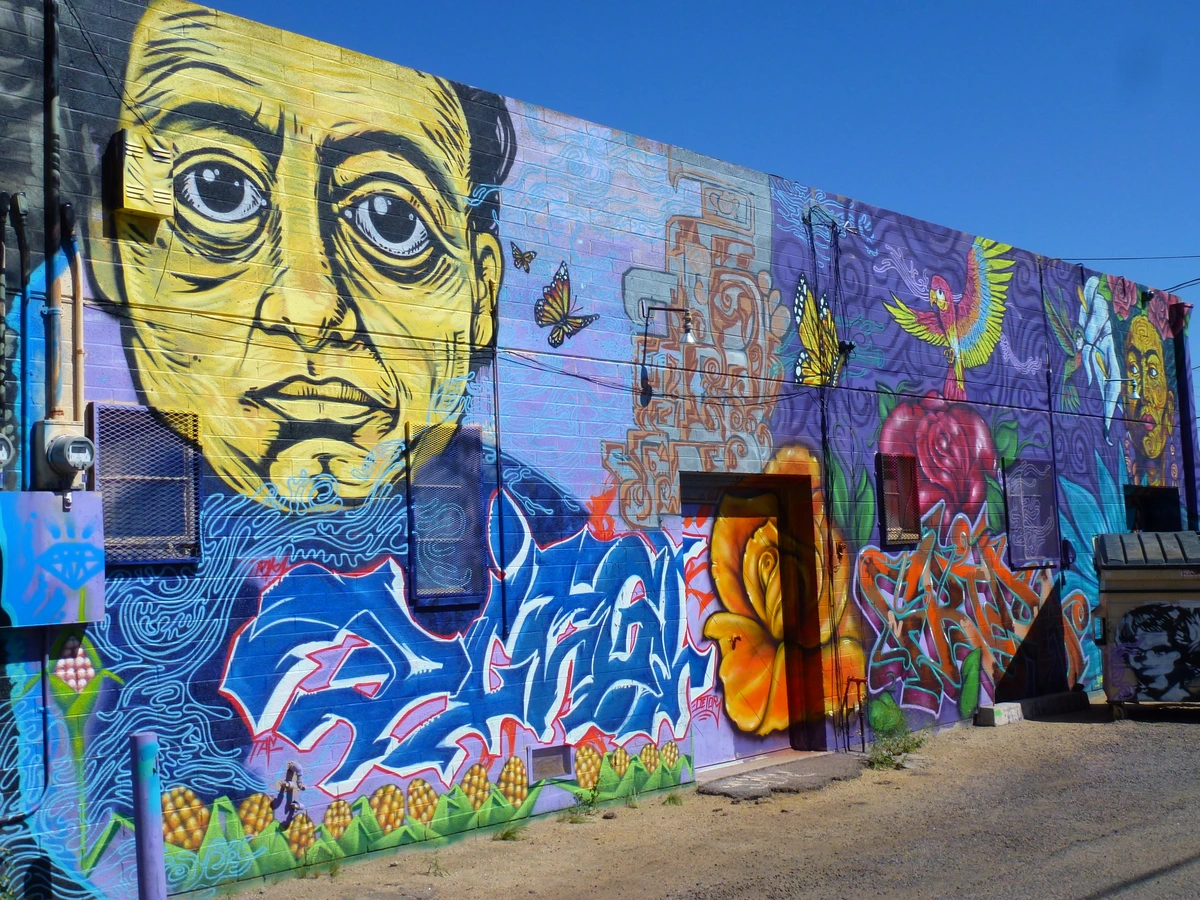
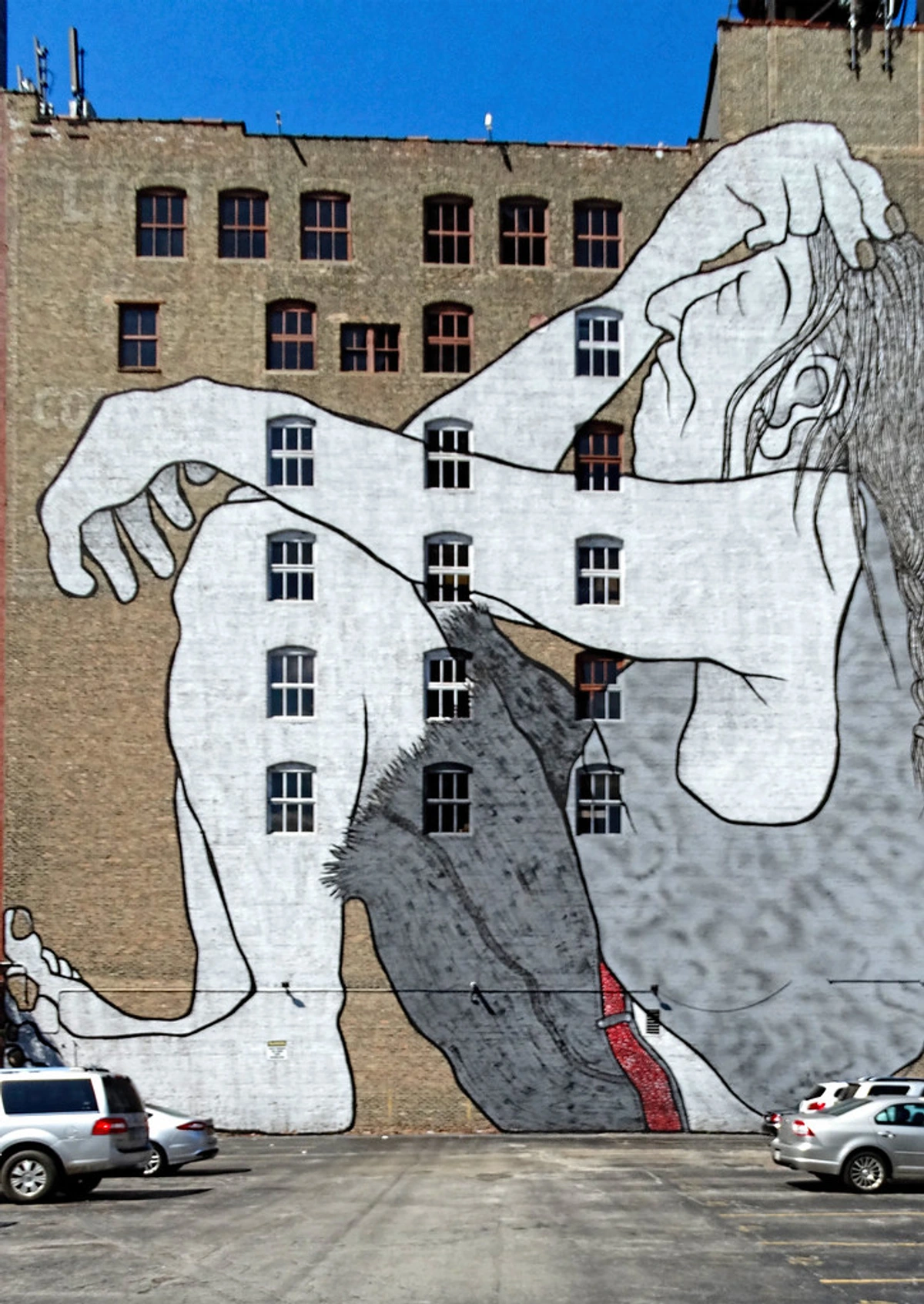
Often dismissed as mere vandalism, the rise of Street Art represents one of the most significant democratizations of art in the 20th and 21st centuries. It’s the ultimate double middle-finger to the establishment—a rejection of the gallery system, the art market, and the idea that art should be locked away for the elite. Artists like Banksy, Jean-Michel Basquiat, and Keith Haring turned the gritty, sprawling cityscape into a global gallery.
Their work is political, urgent, and ephemeral. It speaks directly to the public, unfiltered. A Banksy stencil appears overnight, a witty, subversive comment on politics or society that’s gone by morning, either painted over or chiseled off by someone hoping to sell it. This urgency is central to its power. Street art forces a conversation in a public space, making everyone who passes by a participant. It’s a powerful reminder that art doesn’t need permission or a white wall to change the world; it can do it from a crumbling alleyway. It turns the entire city into a living, breathing, and ever-changing exhibition space.
From Canvas to Culture: The Ripple Effect in Four Dimensions
This is where the abstract becomes concrete. Art movements don’t stay put. They leak. They influence. They mutate as they travel from the studio into the broader culture. The painting you see in a museum on Sunday influences the shoes you want to buy on Monday. This is how a small group of artists in a studio can, over time, redesign the entire world we live in. Let’s trace the ripples across four key dimensions of our daily lives.
The Echo in Style: Fashion and Design
Art Deco is the poster child for this. Born from the geometric optimism of early 20th-century art, it didn’t just stay in paintings. It became the style of an era. You saw it in the sleek lines of the Chrysler Building, the glamorous gowns of the flappers, and the luxurious interiors of ocean liners. It was a total visual philosophy for the machine age, a belief that the future should be sharp, fast, and beautiful.
The bold, simple color-blocking of the De Stijl movement, championed by Piet Mondrian, is another perfect example—you can see its DNA in everything from architectural facades to iPhone cases. But it’s the Bauhaus school that arguably left the deepest mark. It was more than an art movement; it was a design revolution. Its core idea—that art must serve a social purpose—literally designed our world. The clean sans-serif fonts on your screen, the functional beauty of an IKEA chair, the idea that a building's form should follow its function—that’s all Bauhaus thinking, seeping from a German workshop in the 1920s into every corner of our lives. It proved that a movement could be so powerful, its principles could become invisible, turning into the default settings for modern life.
The Sound of Rebellion: Music and Performance
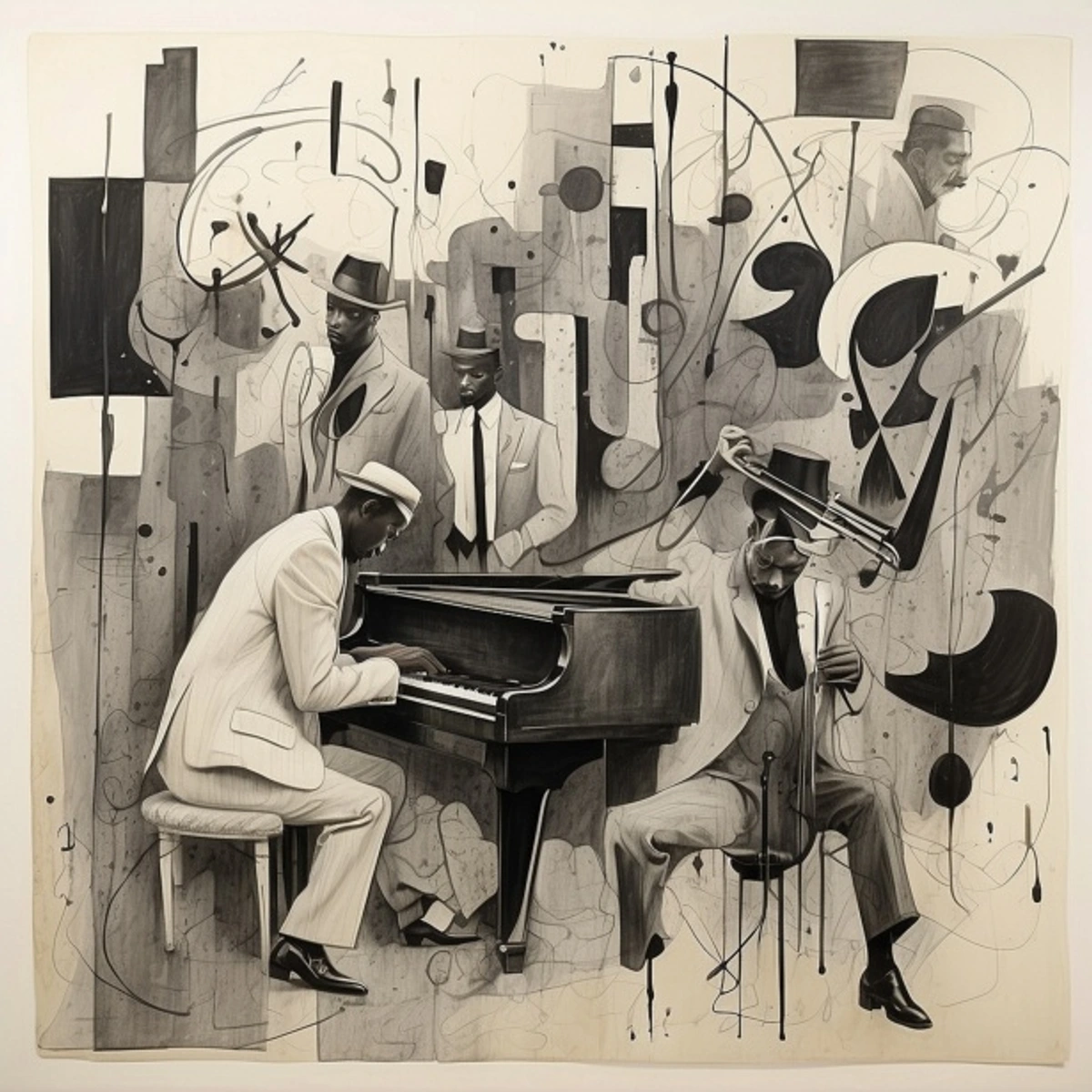
Art and music have always been dance partners, two sides of the same cultural coin. The frantic, syncopated rhythms of early Jazz in the 1920s felt like a sonic version of the fractured paintings of Cubism, both capturing the fragmented energy of modern city life. The improvisational nature of Jazz shares a soul with the gestural freedom of Abstract Expressionism—both are about spontaneous creation and raw emotion made visible (or audible).
The Psychedelic Art of the 1960s, with its swirling fonts and mind-bending patterns inspired by Art Nouveau, was the visual soundtrack to the psychedelic rock revolution. Album covers—like Peter Blake’s design for Sgt. Pepper’s Lonely Hearts Club Band—became iconic canvases you could hold in your hands, fusing the audio and visual experience into a single cultural package.
The punk movement of the 1970s paired its raw three-chord music with a D.I.Y. aesthetic that was pure anti-art. The ripped t-shirts, chaotic flyers made with glue sticks and photocopiers, and the crude graphics of bands like The Sex Pistols weren’t just a look; they were a philosophy. It was the anti-art stance of Dada reborn in a squat in London, channeling the raw, unsanctioned energy of future street art. More recently, the visual world of hip-hop, from graffiti-covered trains to the Afrofuturist aesthetics of artists like Janelle Monáe, continues this tradition of art and music creating a unified cultural force.
The Shape of the City: Architecture and Urban Life
You can’t walk through a modern city without walking through the history of art movements. Art Nouveau gave us the organic, flowing ironwork of the Paris Métro entrances, nature captured in metal.
The raw, imposing concrete blocks of Brutalist architecture weren’t just a style; they were a political and social statement in concrete. Born from post-war necessity and a utopian desire for affordable, functional housing, they mirror the unadorned truths of social realist art. They scream, "Form follows function, and life isn’t always pretty."
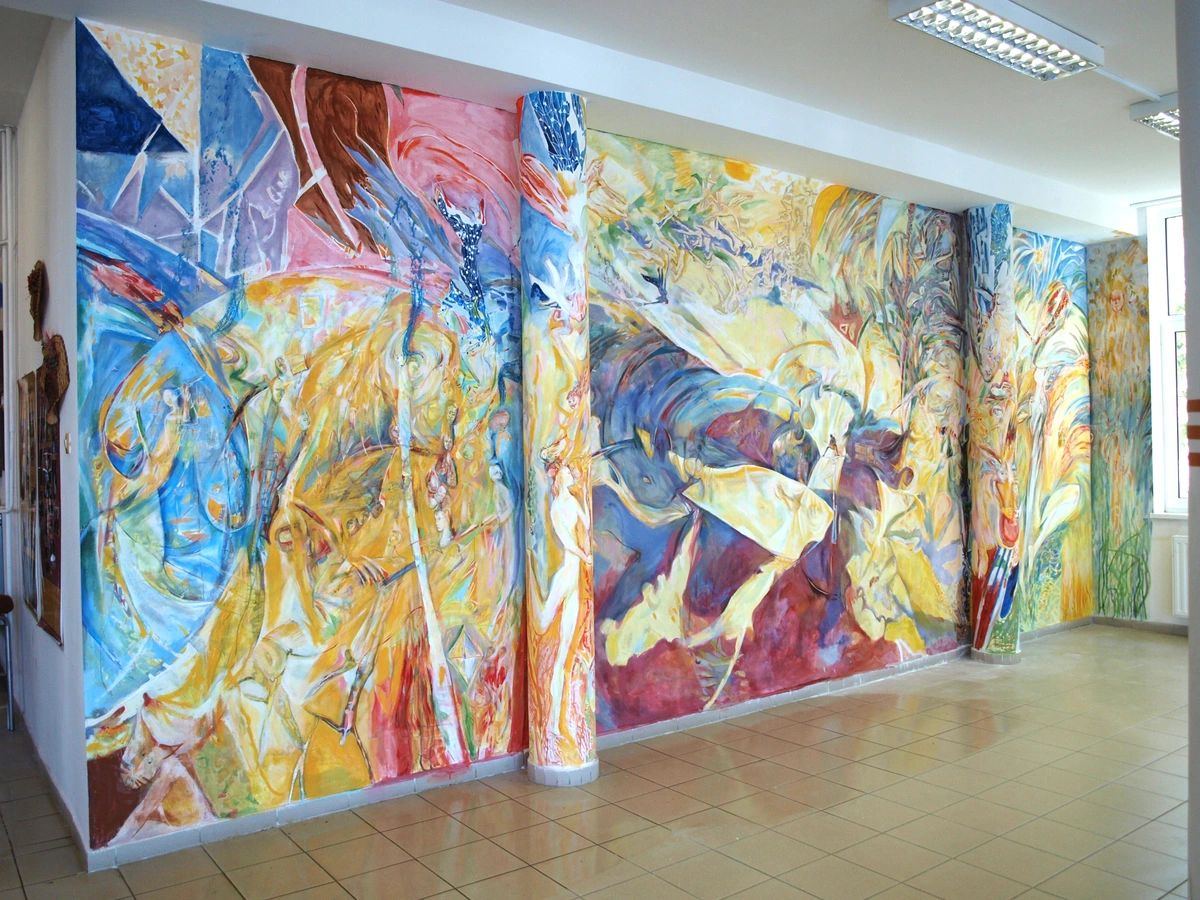
The chaotic, colorful, and often baffling world of Postmodern architecture, like Philip Johnson’s AT&T Building in New York, is a direct descendant of postmodern art’s playful and ironic relationship with history. They borrow from classical forms, stick a funny hat on top, and ask, "Why so serious?" We don’t just look at these movements; we live, work, and commute inside of them.
The Feel of the Times: Philosophy, Social Norms, and Values
This is the deepest, and perhaps most important, level of influence, where art becomes a catalyst for social change. The feminist art movement of the 1970s, led by pioneers like Judy Chicago and her monumental work The Dinner Party, didn’t just put female-centric imagery into galleries; it was a new framework. It demanded that the personal—domestic life, the body, sexuality—was political and valid subject matter for ‘high art,’ forcing a global conversation that’s still happening today.
Going back further, the socially conscious photography of the FSA photographers like Dorothea Lange during the Great Depression didn’t just document poverty; her ‘Migrant Mother’ image became an icon that shaped public policy and empathy, putting a human face on a national crisis.
The AIDS crisis of the 1980s gave rise to the collective Gran Fury, whose stark, powerful graphics like the ‘Kissing Doesn’t Kill’ poster were acts of political protest that brought activism directly into the gallery. These movements change how we see each other, how we think about justice, and what we consider normal. They challenge our deepest assumptions and often make us uncomfortable—which is usually a sign they’re working. More recently, the Black Lives Matter and #MeToo movements have been amplified by a new wave of socially engaged artists, proving that the gallery and the street are more connected than ever.

A Comparative Look at Major Movements
To really see the patterns of rebellion and evolution, it helps to lay them out side-by-side. This table isn’t about memorizing facts; it’s about seeing the dominoes fall, one after another.
Movement  | Key Period | Core Idea (The Manifesto) | Key Figures | The Rebellion Against... | Legacy & Cultural Impact |
|---|---|---|---|---|---|
| Romanticism | Late 18th - Mid 19th C. | Exalts emotion, nature, and the sublime over reason. | J.M.W. Turner, Caspar David Friedrich | The cold, rational order of Neoclassicism. | Cemented the importance of subjective experience in art; foundation of modern individualism. |
| Impressionism | 1860s - 1880s | Capture the fleeting, sensory impression of a moment. | Claude Monet, Pierre-Auguste Renoir | The rigid, historical scenes of the French Academy. | Created a new visual language for modern life; paved the way for all modern art. |
| Cubism | 1907 - 1914 | Abandons single-point perspective to show multiple viewpoints at once. | Pablo Picasso, Georges Braque | The idea that a painting must represent a fixed reality. | Shattered Renaissance perspective; opened the door to full abstraction. |
| Dada | 1916 - 1924 | An anti-art movement rejecting logic and reason after WWI's madness. | Marcel Duchamp, Hannah Höch | Everything, especially bourgeois values and the logic that led to war. | The ultimate punk rock ethos; introduced irony and found objects; father of Surrealism and Pop Art. |
| Surrealism | 1924 - 1966 | Unlocking the subconscious mind, the power of dreams and the irrational. | Salvador Dalí, René Magritte | The dominance of the conscious, rational mind. | Changed how we think about psychology and creativity; had a massive, lasting impact on advertising. |
| Abstract Expressionism | 1940s - 1950s | Art is an event, a record of the artist's gesture and emotion. | Jackson Pollock, Mark Rothko | European dominance in art; the idea that art must represent something. | Moved the art world's center to NYC; focused on pure abstraction and emotion. |
| Pop Art | 1950s - 1960s | Blurring high art with low culture, celebrating mass media and consumerism. | Andy Warhol, Roy Lichtenstein | The emotional angst and elitism of Abstract Expressionism. | Made art accessible and relevant to the public; critique of consumer culture is more relevant than ever. |
| Street Art | 1970s - Present | Art for the public, outside the gallery, often political and unsanctioned. | Banksy, Jean-Michel Basquiat, Keith Haring | The entire gallery system, commercialism, and authority. | Democratized art; brought urgent social/political commentary to the urban landscape. |
| Bauhaus | 1919 - 1933 | The unification of art, craft, and technology for a new democratic society. | Walter Gropius, Wassily Kandinsky, Paul Klee | The separation of fine art from practical craftsmanship. | Designed the modern world. Influenced modern architecture, typography, graphic design, and industrial design profoundly. |
| Fauvism | c. 1904 - 1908 | Liberation of pure, non-naturalistic color to express emotion. | Henri Matisse, André Derain | The muted, realistic palette of Impressionism. | Established color as a primary emotional element in modern painting, paving the way for Expressionism. |
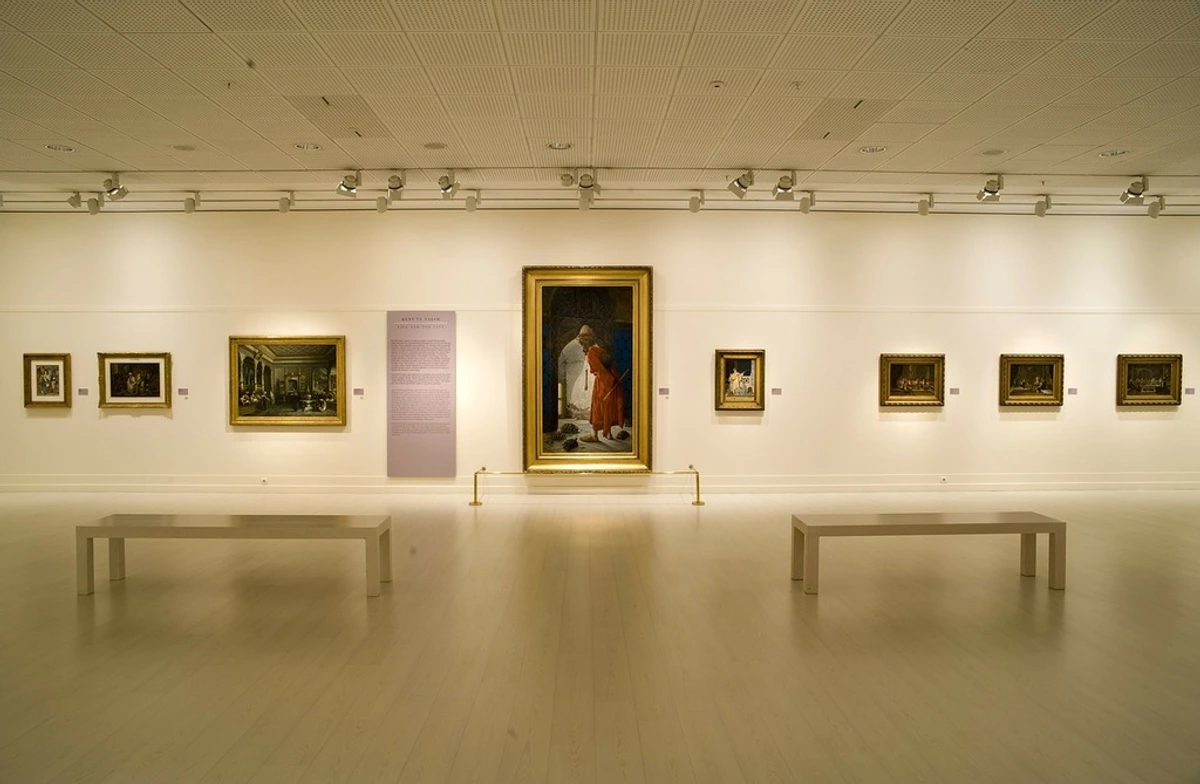
Looking at this, you start to see it: the constant push and pull, the desire to either create a better, more truthful version of the world or to tear the old one down and start again.
Are We in a Movement Right Now? The Chaotic Pluralism of the 21st Century
This is a question I get a lot, and the honest answer is: we’re probably too close to tell for sure. Trying to name the art movement of the 21st century is like trying to put a name tag on a whirlwind. The art world feels more fragmented and diverse than ever before. The old, singular battle cry has been replaced by a million different voices shouting in a global arena.
We live in an age of pluralism, where there isn’t one dominant “-ism.” Instead, we have a multitude of co-existing styles and ideas. An artist might be working with hyper-realism, augmented reality, ancient mythology, and AI all in the same week. It can feel chaotic, but it’s also incredibly exciting. Paradoxically, the defining characteristic of our era might be the absence of a single, defining movement. It’s a great, sprawling, noisy marketplace of ideas, all happening at once.
A few powerful currents shaping the art world of today include:
- A Crisis of Authenticity and Reality: In a world of deepfakes, filters, and AI, artists are asking profound questions about what’s real and what’s fake, and whether that distinction even matters anymore. Works like Trevor Paglen’s images of NSA data centers or Hito Steyerl’s dizzying video essays explore how images are used to create, maintain, and dismantle power in our digital age. We are seeing artists grapple with the very nature of reality itself.
- The Democratization of Creation and Distribution: Technology has put incredibly powerful tools into the hands of billions. AI art generators, digital sculpting, and even the humble smartphone camera are creating a Cambrian explosion of new imagery and generative art. Platforms like Instagram and TikTok have become global galleries, bypassing traditional gatekeepers and allowing artists to build massive audiences directly, completely changing the power dynamics of the art world.
- The Rise of Identity and Decolonization: More than ever, artists are creating work that explores and affirms personal and cultural identity, challenging the Eurocentric narratives that have dominated art history for centuries. Artists like Kerry James Marshall, whose monumental paintings forcefully place Black figures at the center of art history, or the collective RAQS Media, whose work pulls from science, fiction, and post-colonial history, are driving this powerful, necessary reckoning. It’s a movement to reclaim narratives and expand the definition of what art history is and who it belongs to.
- The Consciousness of Crisis (Climate and Beyond): A new wave of artists is deeply engaged with the defining crises of our time, particularly climate change. Think of Olafur Eliasson’s glacial ice installations melting in city squares, or Agnes Denes’s Wheatfield – A Confrontation, a two-acre wheatfield planted in downtown Manhattan. This work is a powerful reminder of art’s ability to make the abstract, existential threats of our time viscerally real and emotionally resonant.
So, to answer the question, we’re likely in an era defined by its lack of a single movement. We’re experiencing the rise of the individual voice, amplified by technology and a global conversation. This isn’t the death of movements; it’s evolution. The dance is just getting more complex.
How to Understand Contemporary Art Movements: A Beginner's Field Guide
Let’s be honest, sometimes walking into a modern art gallery can feel like walking into a conversation that started 50 years ago, in a language you don't quite speak. You nod along, but you’re not entirely sure what’s going on. If you feel that way, you are not alone. We’ve all been there, staring at a fire extinguisher on a pedestal, debating whether it’s a profound statement or just a fire extinguisher someone forgot to move.
But that confusion is actually your greatest asset. Don't fight it. It means you're looking at something that is genuinely pushing against your expectations, and that’s where the magic happens. Here are a few things I’ve found helpful for getting past the initial shock and starting to see the patterns in the chaos.
- Don’t Ask “What is it?”, Ask “What is it DOING?” This little mental switch changes everything. You stop looking for a literal picture of a tree and start asking: What feelings is this color field creating? Is this chaotic sculpture trying to make me feel uneasy? Is that video installation questioning privacy? Art isn’t always a noun; it’s often a verb. It’s an action, an event, a question. And the question is rarely about the object itself.
- Context is Everything. That pile of bricks on the floor? It probably isn’t just a pile of bricks. It was created at a specific time, by a specific person, reacting to specific ideas. A quick look at the wall label or even just asking yourself, “What was happening in the world when this was made?” can unlock its meaning. A seemingly blank canvas from 2024, an era of information overload, means something very different from one made in 1924, an era of existential angst. The context is the key.
- Embrace Your Confusion. It’s okay not to “get it.” Honestly, the artist might not want you to “get it” in a simple, linear way. They might want you to feel perplexed, or annoyed, or bored, or ecstatic. The most memorable art experiences I’ve had were the ones I understood the least at first. They stuck with me, made me ask questions, and forced me to see the world a little differently. That’s the art doing its job. The goal isn’t to pass a test; it’s to have an experience.
- Trust Your Gut, But Interrogate It. Your first reaction—love, hate, indifference—is valid. But then ask why. Why does this chaotic jumble of wires make me feel anxious? Why does that serene, blue monochrome painting make me feel so calm? The art is often a mirror, reflecting back our own assumptions, biases, and emotional states. Your gut reaction is the beginning of the conversation, not the end of it.
The Digital Edge: Art, AI, and the Internet
The internet has fundamentally changed the speed and geography of art. It’s creating something brand new: movements that are born and live online. We see them in the vaporwave aesthetics of the 2010s, the peculiar subculture of Weird Twitter, or the ephemeral trends of TikTok. These are visual languages that evolve at light speed, a global brainstorming session that never stops. It’s a messy, democratic, and often brilliant new frontier for culture, completely separate from the traditional gallery system. Artists are using it to build communities, share work, and find their people, creating movements that are decentralized, global, and, at times, anonymous.
And then there’s AI. When an AI generates a 'perfect' image, it bypasses the struggle of seeing and translating the world. It lacks intent. It hasn’t lived. The 'happy accident,' the unintended brushstroke that reveals a new idea, is the soul of creation. I worry that unchecked, AI-generated work could create a digital landfill of pleasing but ultimately hollow images, making the hard-won struggle of human art even more precious.
But here’s the other side of the coin: for artists, these AI tools can be a kind of collaborator, a way to push past creative blocks or visualize impossible forms. The real power of AI in art might not be in the final image it spits out, but in how it forces us to ask the oldest questions in a new way: What is creativity? What is originality? What part of art is uniquely human? These aren't just tools; they are philosophical challenges. The greatest art has always been a conversation between artist, material, and world. The question for the AI age is: how do we keep that conversation human? It's the cafe of the 21st century, but the coffee might be synthetic.
Conclusion: Your Place in the Dance
So, after all this, what’s the point? It’s this: art movements are the proof that culture is not a spectator sport. They happen when people—often people who feel like outsiders—get together and decide to tell a new story about what it means to be alive in their time. They are a reflection of our deepest anxieties and our wildest hopes.
That wild dance I mentioned at the beginning? You’re not just watching it. You’re in it. Your choices, your style, the ideas you gravitate toward—they are all part of this ongoing, chaotic, and beautiful conversation. Culture is a river, and art movements are its whitewater rapids—places where the current picks up speed, crashes against the rocks, and carves a new path. These defining moments in art history are like cultural earthquakes; their aftershocks are still rattling our world today, whether you recognize them or not. Your favorite sci-fi movie’s aesthetic is probably borrowing from Futurism; the layout of your tech blog is likely a child of Bauhaus. The dance never stops. Every time you share a meme, choose a font, or even decide what to wear, you are participating in this vast, unscripted, and glorious dance of human culture.
Frequently Asked Questions (FAQ)
I feel like a good conversation always leaves you with more questions than you started with. You start reading about art movements and suddenly you realize you don’t even know the difference between modern and contemporary. It’s okay. The whole point of this is to ask questions. Here are a few I get asked a lot, and my attempt at some answers.
What is the difference between modern art and contemporary art?
This is a classic point of confusion, but the difference is all about time. Modern Art refers to the period roughly from the 1860s to the 1970s, starting with movements like Impressionism and ending with Pop Art or Minimalism. It was largely defined by a grand project of experimentation and rejecting the past. Contemporary Art, on the other hand, is art made now. It’s typically used to describe work made from the 1970s to the present day and reflects the world we live in right now, often characterized by its pluralism and engagement with global, social, and technological issues.
How do art movements get their names?
It’s surprisingly random. Sometimes the artists themselves write a manifesto and give themselves a name (like the Futurists). Sometimes a critic coins the term to be insulting, and it just sticks (that’s exactly what happened with “Impressionism” and “Fauvism”). Other times, the name comes from a specific thing, like the artists’ meeting place (The Bloomsbury Group) or the common subject matter (The Hudson River School). There's no official naming committee, which is probably for the best. The names are often accidents of history, but once they stick, they create a useful shortcut for talking about a complex web of ideas.
What is the most influential art movement of all time?
If I had to pick just one, I’d say Cubism. It’s not necessarily my personal favorite, but its influence was the most profound. By shattering the traditional single-point perspective that had dominated Western art for 500 years, it effectively opened the floodgates. It gave artists permission to break reality apart and put it back together in new ways, which led directly to pure abstraction, Dada, Surrealism, and most of the “-isms” that followed. It was the big bang of modern art, the moment the picture plane fractured, and the entire 20th century fell out.
Do art movements still matter in the age of the internet and social media?
Yes, but they look different. Instead of one centralized movement like Cubism dominating for a decade, we now have hundreds of micro-movements and aesthetic trends happening simultaneously all over the globe. They form, mutate, and die out at internet speed. Social media acts as a super-fast engine for these visual ideas, creating a global conversation that is far more fragmented and democratic than anything we’ve seen before. So, the spirit of the movement is very much alive; it’s just been decentralized. The conversation is bigger and faster, even if the names are smaller and more fleeting.
Is all modern art just a scam?
Ah, the million-dollar question. I get it. Some of it feels like it’s trying to pull a fast one on us. But I think calling it a “scam” is too simple. The art market is a complex beast, driven by speculation, branding, and scarcity. It’s important to distinguish between the object and its market value—one is about experience, the other is about investment. The real question isn’t “Is it a scam?” but “What are you looking for?” If it’s a safe asset, that’s one thing. If it’s an experience that can change how you see the world, that’s something else entirely. I’d argue the real value isn’t in the price tag, but in the doors the work opens in your mind. For every overhyped piece, there’s a work of contemporary art that can genuinely make you feel or think differently. The trick is to learn how to look. Visit a few galleries with an open mind. Look for the feeling of a whispered conversation. You might be surprised by what you find.





Still curious? Explore how these ideas influence my own work in the studio or dive into the timeline to see how art history’s wild ride continues to unfold.