Camille Pissarro: The Father of Impressionism You Need to Know - zenmuseum.com
A deep dive into the life and work of Camille Pissarro, the 'father of Impressionism.' Explore his radical style, his mentorship of legendary artists, and why his commitment to truth over beauty makes him essential viewing for any art lover.

The Radical Humility of Camille Pissarro, the True Father of Impressionism
You’ve probably heard of Monet’s water lilies or Degas’s ballerinas. But what if I told you that the man who held the entire Impressionist movement together, the one they all looked up to, is the same artist who was constantly broke, repeatedly had his work destroyed by war, and chose to paint the muddy, unglamorous reality of peasant life? That man was Camille Pissarro, and honestly, I think his story is even more compelling.
The art world loves its lone geniuses—the tortured soul working in isolation, battling against an uncomprehending world. But what if that narrative is fundamentally wrong? What if the most important figures aren't the ones shouting the loudest, but the quiet architects who build the foundations that allow movements to flourish?
When I first encountered Pissarro's paintings alongside those of his more famous contemporaries, I'll admit I found them less immediately spectacular. They lacked Monet's shimmering light effects and Renoir's graceful figures. But something kept drawing me back to his work—a quality of patient observation, of finding significance in what others might consider mundane. It took me years to understand this was precisely the point. Pissarro wasn't trying to manufacture beauty; he was trying to reveal how it already existed in the most ordinary aspects of human experience.
Pissarro was precisely that architect. He wasn't just a great painter; he was the keystone, the person who provided both the philosophical framework and the practical support system that allowed Impressionism to survive its turbulent early years. Without his unwavering commitment, his generous mentorship, and his ability to mediate between the movement's often clashing personalities, the entire enterprise might have simply dissipated into scattered acts of individual brilliance.
I find myself drawn to this aspect of his character because it speaks to something deeper about collaboration versus competition in art. While we remember the rivalries—Monet versus Manet, Degas versus pretty much everyone—we often forget that the most revolutionary art movements were fundamentally collaborative enterprises. Pissarro understood this instinctively. He believed that collective growth was more important than individual recognition, a philosophy that would ultimately shape everything from his artistic style to his political beliefs.
Early Life: An Unconventional Beginning in the Caribbean
Camille Pissarro was born Jacob Abraham Camille Pissarro on July 10, 1830, in Charlotte Amalie, a port town on the island of St. Thomas in the Danish West Indies (now the US Virgin Islands). This exotic origin was more than a biographical footnote; it fundamentally shaped his worldview. His father, Frédéric Pissarro, was a Sephardic Jew of Portuguese descent who had emigrated from Bordeaux to run the family's hardware business. His mother, Rachel Manzano-Pomié, was a native of St. Thomas with Dominican roots. The Pissarros were French citizens, however, and part of the island's small but influential merchant class. The bustling, multicultural environment of a Caribbean port town, with its stark contrasts between tropical abundance and the legacy of colonialism, was the artist's first classroom. I often think that growing up watching sugarcane fields being harvested by laborers from Africa and the Danish peasantry gave him a precocious sensitivity to themes of labor, land, and humanity that would define his art.
At the age of twelve, Pissarro was sent to a boarding school near Paris, a typical practice for families of colonial merchants. For five years, he received a formal French education at the Institution Savary in Passy. It was here, surrounded by the distinctive light and landscape of the Île-de-France region, that his passion for art was likely first kindled in a serious way. His drawing master recognized his talent and encouraged him to copy from the Old Masters at the Louvre. Despite this early artistic spark, Pissarro's father insisted he return to St. Thomas at age 17 to learn the family business.
This early exposure to European art and landscape proved crucial, yet Pissarro's Caribbean upbringing remained the dominant influence. The vibrant tropical light, the multicultural social fabric, and the visible legacy of colonial labor systems had already shaped his visual consciousness in ways that would distinguish him from his future Parisian colleagues. Where they saw picturesque French countryside, Pissarro saw cultivated land as a site of human labor and social complexity—a perspective that would fundamentally shape his artistic choices.
The next seven years were a period of artistic incubation, a frustrating but formative prelude to his career. Working as a commercial clerk, Pissarro sketched incessantly in his spare time. The vivid tropical light, the lush vegetation, and the daily life of the island became his subjects. He was profoundly influenced by a visiting Danish artist, Fritz Melbye, who became his informal mentor. Melbye encouraged him to paint en plein air and provided a crucial model for a career as a professional painter.
This mentorship proved transformative, but the decisive moment came in 1852 when Pissarro abandoned his secure commercial position—an act that caused considerable family scandal—to travel with Melbye to Venezuela. For two years in Caracas and La Guaira, they lived as working artists, supporting themselves while painting tropical landscapes and urban scenes. This experience wasn't merely romantic adventure; it was rigorous training in observing unfamiliar light conditions, diverse populations, and the visual poetry of everyday life in rapidly modernizing cities. When he finally convinced his parents to support his artistic ambitions in 1855, Pissarro arrived in Paris not as a naive student but as a young man who had already developed a sophisticated understanding of painting's potential to engage with social reality.
Arrival in Paris and the Barbizon Influence
Upon his arrival in Paris, Pissarro positioned himself as an 'élève de plein air' (student of the open air). He enrolled briefly at the École des Beaux-Arts and the Académie Suisse, but he was quickly disillusioned by the rigid academic style and the emphasis on historical and mythological subjects. The academy's insistence on classical perfection felt fundamentally dishonest to an artist who had already spent years painting the actual world he could see and touch.
He found his true teachers not in the academy, but in the work of the Barbizon painters—artists like Camille Corot, Charles-François Daubigny, and Jean-François Millet. These pioneers were moving away from historical narratives to paint the French landscape directly, en plein air, imbuing it with a newfound sense of realism. Corot, in particular, became a formative influence. Pissarro adopted Corot's practice of first completing a detailed study on-site before composing a more structured final version in the studio. Yet, even as he learned from Corot, Pissarro began to diverge. Where Corot's landscapes often possessed a poetic, dreamlike quality, Pissarro's early work showed a growing commitment to a more direct, unadorned representation of rural reality.
This distinction proved crucial. While the Barbizon painters had liberated landscape from historical narrative, they often presented nature as pristine, untouched wilderness. Pissarro, drawing on his Caribbean experience of seeing land as a site of cultivation and labor, began developing a different approach—one that would eventually transform landscape painting by presenting nature not as escape from human society, but as the stage where human labor and natural forces continually interacted.
Finding His Subject: Pontoise and Louveciennes
This is where his artistic spine was formed. He moved his family first to Pontoise, a market town in the Oise valley, and later to Louveciennes, a village near the Seine. He eschewed the grand historical narratives and classical mythology favored by the academy and found his subjects in the landscape around him and the people who worked it. At the time, painting peasants was not new—Millet had famously done so—but Pissarro's approach was different. He wasn't interested in heroic labor or sentimental poverty. He was interested in the honest, unglamorous toil of the land. He painted farmers plowing fields, washerwomen by streams, and the muddy country roads that connected it all. This commitment to the unvarnished truth of rural life can be seen as a form of quiet anarchism, a philosophical stance he would hold throughout his life. He wasn’t painting peasants for their picturesque quality, but as a direct engagement with the economic and social realities of his time. Imagine the audacity of it. In an art world obsessed with grandeur, Pissarro was setting up his easel to paint a dirt path after a rainstorm.
Born in 1830 on the island of St. Thomas (then part of the Danish West Indies), Pissarro’s story doesn’t start in a Parisian atelier. It begins in a bustling port town. I often think that this unique origin gave him a different set of eyes. While his future colleagues were navigating the salons of Paris, the young Pissarro was sketching the tropical light and the diverse humanity of his Caribbean home.
The Pontoise Years: Forging an Artistic Philosophy
In 1866, Pissarro moved to Pontoise, a small town northwest of Paris, where he would spend much of the next two decades painting the surrounding countryside and developing his mature artistic voice. This period was absolutely crucial—Pontoise became his laboratory, the place where he worked out the principles that would define not just his own work, but much of what we now think of as Impressionism.
Here, he found his subjects not in the grand historical narratives or classical mythology favored by the Academy, but in the everyday landscapes around him—the orchards, the riverbanks, the rolling hills, and most importantly, the people who worked this land. Consider the sheer audacity of what he was doing. In an art world obsessed with grandeur and historical significance, Pissarro was setting up his easel to paint a dirt path after a rainstorm, a farmer carrying firewood, or a woman washing clothes in a stream.
These weren't random choices. They reflected his deepening belief that truth and beauty resided in the most ordinary aspects of daily life, if only one had the eyes to see them. He painted the same locations repeatedly—the same orchards, the same roads, the same hillsides—but always under different conditions of light, weather, and season. I see this practice as fundamentally philosophical: he was teaching himself to see beyond static appearances and capture how time, atmosphere, and human presence continuously transform familiar places.
During this period, Pissarro developed what I consider his signature contribution to landscape painting: the ability to capture what I call 'worked land.' Unlike earlier landscape painters who presented nature as pristine wilderness, Pissarro's countryside shows human presence—not as intrusion, but as integral to the landscape's character. The furrows in plowed fields, the paths worn by daily use, the orchards planted and tended by human hands—these elements became central to his artistic vocabulary.
The Cézanne Collaboration: A Meeting of Minds
The Pontoise years also witnessed one of art history's most consequential collaborations. Pissarro's friendship with Paul Cézanne—a notoriously difficult and volatile personality considered a crude outsider by the Parisian art establishment—represents perhaps the most remarkable example of his generosity as mentor. They often painted side-by-side in Pontoise and Auvers-sur-Oise, with Pissarro patiently teaching Cézanne about light, color, and disciplined observation.
What's particularly revealing about this relationship is how Pissarro adapted his mentorship to Cézanne's unique temperament. Rather than imposing his own methods, Pissarro recognized that Cézanne's apparent awkwardness with traditional techniques masked a revolutionary approach to pictorial structure. He encouraged Cézanne to work through his formal problems rather than smoothing them over, understanding that the younger artist's struggle with perspective and volume was actually a profound engagement with the fundamental geometry of visual experience. This wasn't teaching in the conventional sense; it was more like midwifery—helping another artist give birth to his own vision.
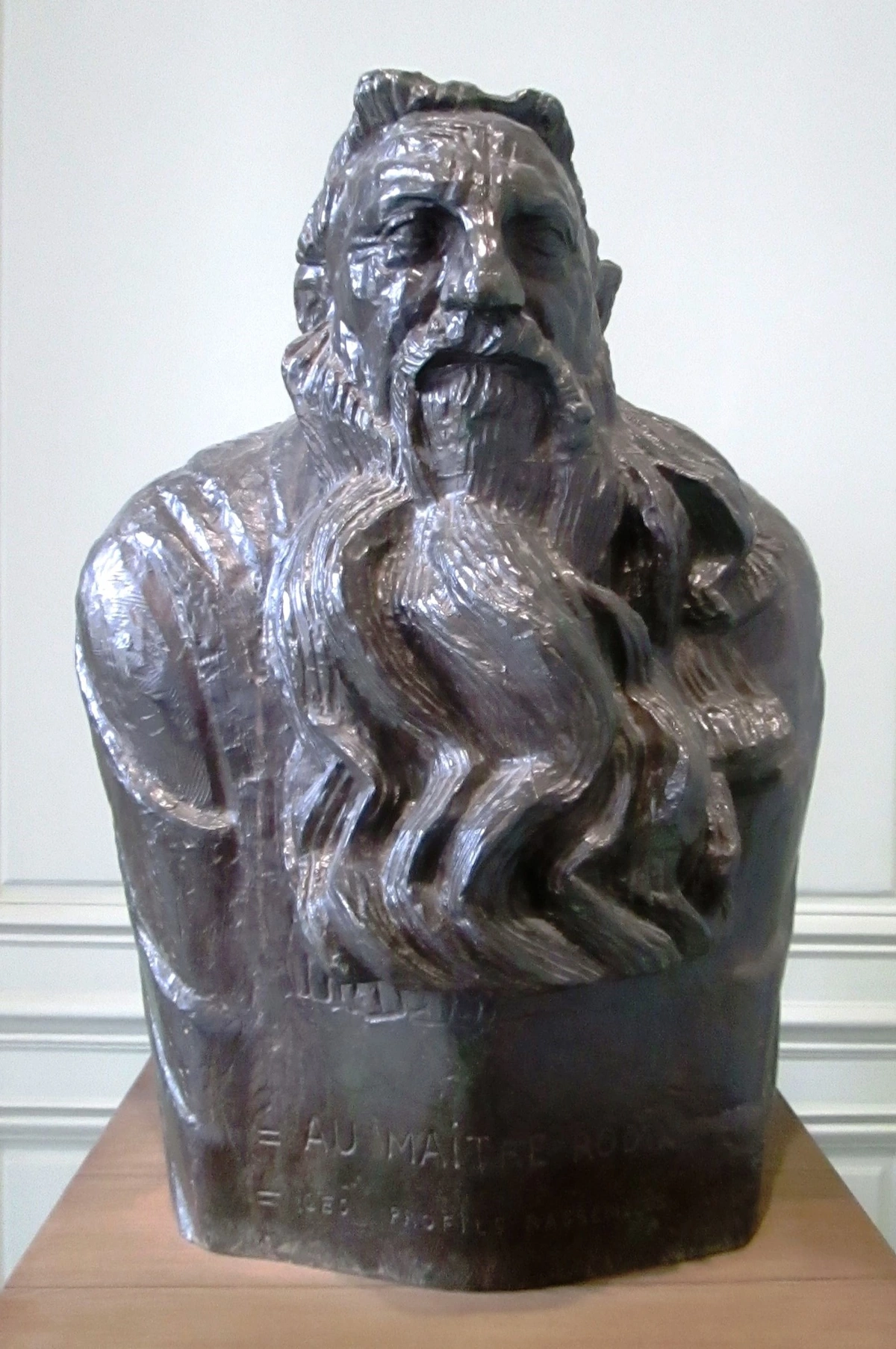
Cézanne would later credit Pissarro with being like 'a father' to him, saying he was 'like God the Father.' This wasn't just gratitude—it was recognition that Pissarro had provided the technical foundation and philosophical framework that enabled Cézanne's own artistic development. The influence was reciprocal: Cézanne's increasingly structured approach to form and his fascination with geometric underpinnings of nature would subtly but permanently influence Pissarro's own work, leading to greater compositional solidity in his later paintings.
What strikes me about this relationship is how it embodies Pissarro's core belief in artistic community over competition. While other artists guarded their techniques jealously, Pissarro shared everything he knew, believing that the advancement of art as a whole was more important than individual glory. This attitude would prove crucial not just for Cézanne's development, but for the entire trajectory of Post-Impressionism.
A Style Built on Truth and Turbulence
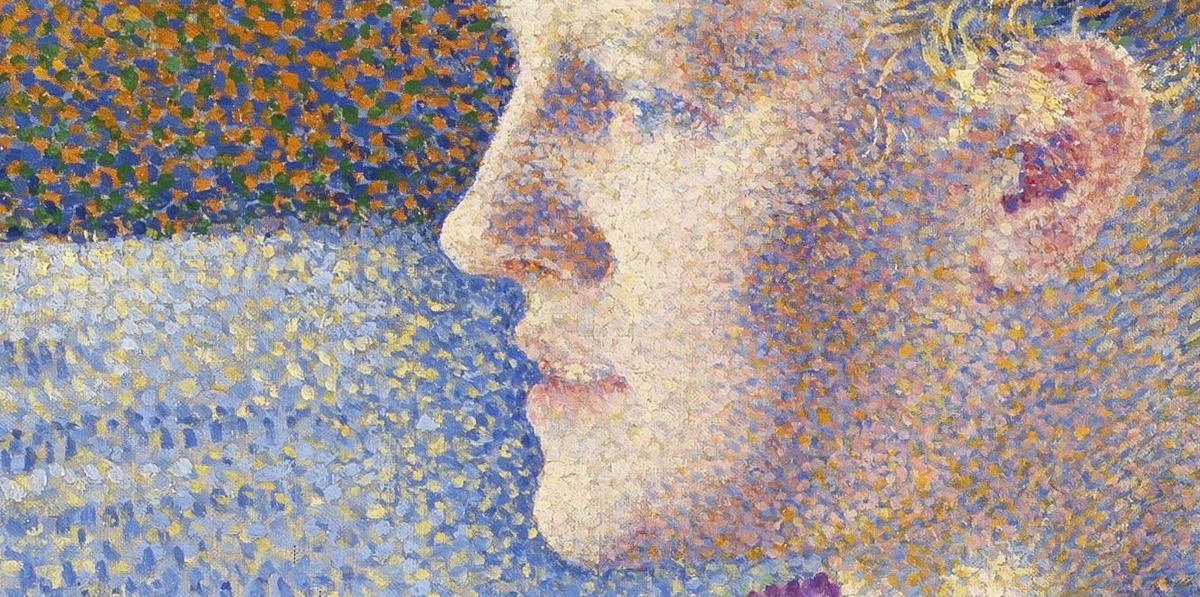
So, what does Pissarro's style actually look like? If I had to describe it in one word, I'd say honest. He used the core Impressionist techniques—broken brushstrokes, an uncommonly vibrant palette for such humble subjects, and a focus on the effects of light and atmosphere—but he applied them with a kind of structured discipline and grounded physicality that was all his own.
This honesty manifested in several specific ways that distinguished Pissarro from his Impressionist colleagues. While Monet was chasing ephemeral atmospheric effects and Renoir was perfecting his vision of bourgeois leisure, Pissarro was developing what I can only call a philosophy of the ordinary. His subject matter—plowed fields, peasant women carrying firewood, country roads after rain—wasn't chosen for its picturesque potential but for its documentary value. He was creating a visual record of a way of life that was rapidly disappearing as industrialization transformed the French countryside. His teacher Corot advised him to "paint what you see, and above all, what you feel." Pissarro took this to heart, but his feelings were rooted in a desire for empirical truth, not romantic escapism. His compositions are not fleeting glimpses; they are solid, grounded, and carefully constructed. He builds a scene rather than just capturing a moment of sunlight.

The Elements of His Style (c. 1860s-1880s)
Here’s a breakdown of what makes a Pissarro quintessentially Pissarro, something I wish I'd had laid out for me when I first encountered his work:

- The Architect's Mind: Unlike Monet, who sought the ephemeral, Pissarro often applied a methodical, almost architectural logic to his compositions. He would frequently select a slightly elevated vantage point—a hillside overlooking a valley, or a rise above a village street. This strategy gave the viewer a solid and stable framework of land and sky before inviting them into the details of the scene. It reveals the underlying structure of the world he's depicting.
- A Palette Drawn from the Soil: His color palette, particularly in his rural scenes, feels drawn directly from the earth he depicted. While the Impressionists are known for their bright, prismatic hues, Pissarro had an incredible ability to find a universe of color within what others might see as drab. A furrow of plowed earth would contain not just browns and umbers, but subtle violets, deep blues, and ochres. He understood that shadow was not merely the absence of light, but a field of reflected color.
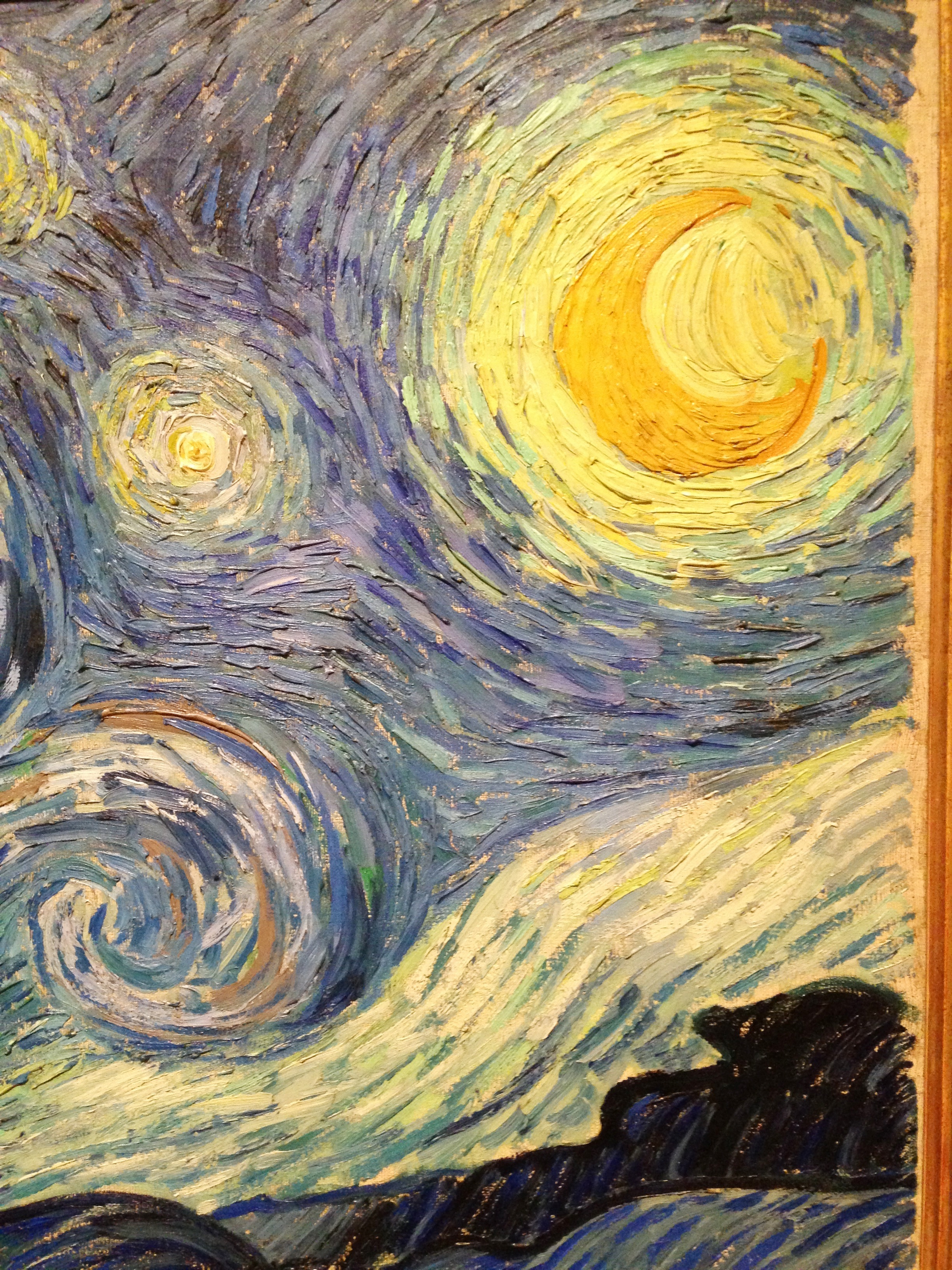
- The Deliberate Brushstroke: This is where he truly differed from his peers. His brushwork wasn’t the fluttering, hurried signature of a Monet trying to pin down a sunbeam, nor was it the feathery touch of a Renoir. It was more deliberate, more patient. During his mature Impressionist phase, he would lay down distinct, often rectangular or comma-like strokes of pure color side-by-side, allowing them to mix optically in the viewer's eye rather than on the palette. This method created a vibrant, shimmering surface that had a physical, tactile quality.
- The Weight of Time and Labor: A Pissarro landscape isn’t a single, frozen second for leisurely enjoyment. It feels inhabited, worked, and weathered. Unlike the bourgeois leisure scenes of Renoir or the transient effects of Monet, Pissarro's canvases hold the weight of seasons, labor, and time’s slow passage. The land is a partner in the human dramas it hosts, not merely a backdrop.
When I first encountered Pissarro's work, I'll admit I found it less immediately spectacular than Monet's shimmering cathedrals or Renoir's pretty women. It took me years to understand what I was seeing—that Pissarro wasn't interested in the spectacular, but in something far more profound: the honest accumulation of truth.
If I had to describe his style in one word, I'd still choose honest. But let me unpack what that really means. Yes, he used the core Impressionist techniques—broken brushstrokes, a bright palette, a focus on capturing the effects of light—but he applied these techniques with a kind of structured discipline that was entirely his own. His compositions feel solid, grounded, almost architectural in their construction. He builds a scene rather than just capturing a fleeting atmospheric effect.
What fascinates me about Pissarro's approach is how it reflects his personality. While Monet seemed to chase the most dramatic moments of light and weather, Pissarro often chose more subdued conditions—overcast days, early morning hours, the muted colors of late autumn. He wasn't interested in the fireworks of nature but in its steady, daily rhythms. This choice feels deeply philosophical to me, reflecting his belief that truth resided not in exceptional moments but in the ongoing fabric of ordinary life.
His brushwork tells the same story. It's not the feathery, dancing strokes you see in Renoir or the urgent dashes of a Monet trying to capture shifting light. Pissarro's brushwork is more deliberate, more patient. He lays down distinct, often rectangular strokes of pure color side-by-side, allowing them to mix optically rather than on the palette. The result is a surface that feels woven rather than painted—a tapestry of individual moments of observation that build into a cohesive whole.
Here’s a breakdown of what makes a Pissarro, a Pissarro, something I wish I’d had laid out for me when I first encountered his work:

- The Architect's Mind: Unlike Monet, who sought the ephemeral, Pissarro often applied a methodical, almost architectural logic to his compositions. He would frequently view a scene from a slightly elevated vantage point, giving the viewer a solid and stable framework of land and sky before inviting them into the details.
- A Palette Knit from the Earth: His color palette, particularly in his rural scenes, feels drawn directly from the soil. He had an incredible ability to find a universe of color within a single furrow of plowed earth—mauves and deep blues nestling alongside raw umbers and ochres. It’s a lesson in looking closely.
- The Deliberate Stroke: This is where he truly differed. His brushwork wasn’t the fluttering, hurried signature of a Monet trying to pin down a sunbeam. It was more deliberate, more patient. He would lay down distinct, often rectangular strokes of pure color side-by-side, allowing them to mix optically rather than on the palette.
- The Weight of Time: A Pissarro landscape isn’t a single, frozen second. It feels inhabited, worked, and weathered. Unlike the often leisurely scenes of Renoir, Pissarro’s canvases hold the weight of seasons, labor, and time’s slow passage.
The Neo-Impressionist Interlude (c. 1885-1890)
The turbulence I mentioned earlier? That came from his restless, questioning mind and a deep-seated political conviction. By the mid-1880s, despite having become a master of Impressionism, he started to doubt it. For Pissarro, the intuitive, individualistic nature of Impressionism began to clash with his growing interest in anarchist philosophy, which emphasized communal effort and a more scientific, egalitarian worldview. He felt Impressionism had become too subjective, too concerned with the artist's fleeting sensation. He sought a method that felt more structured, more universally true.
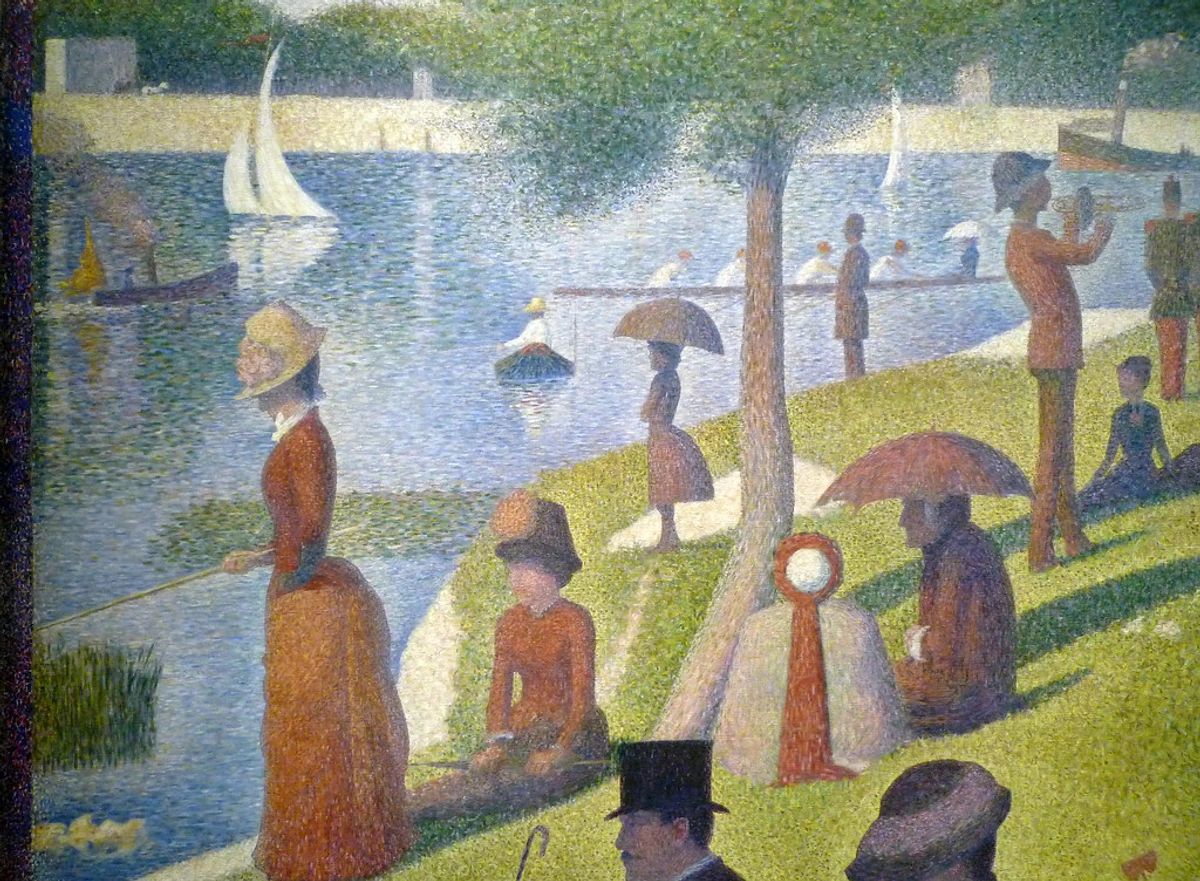
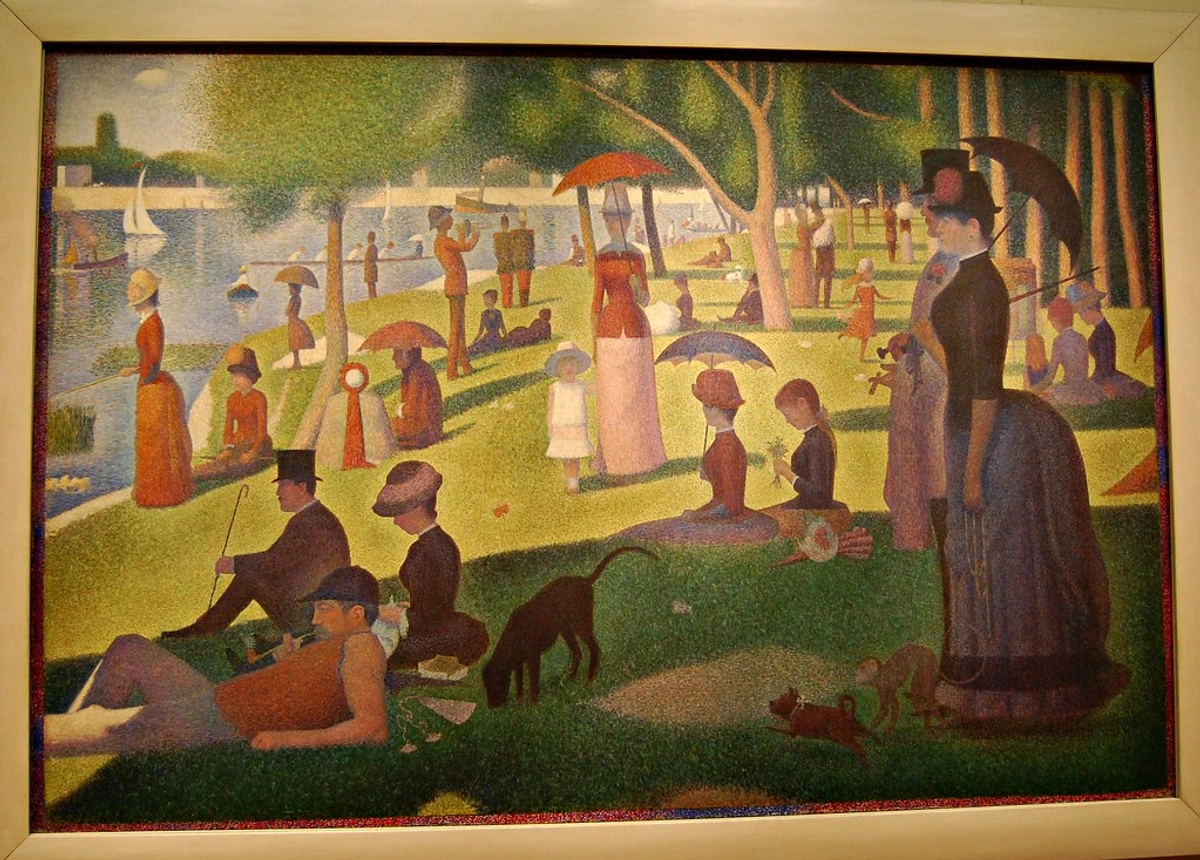
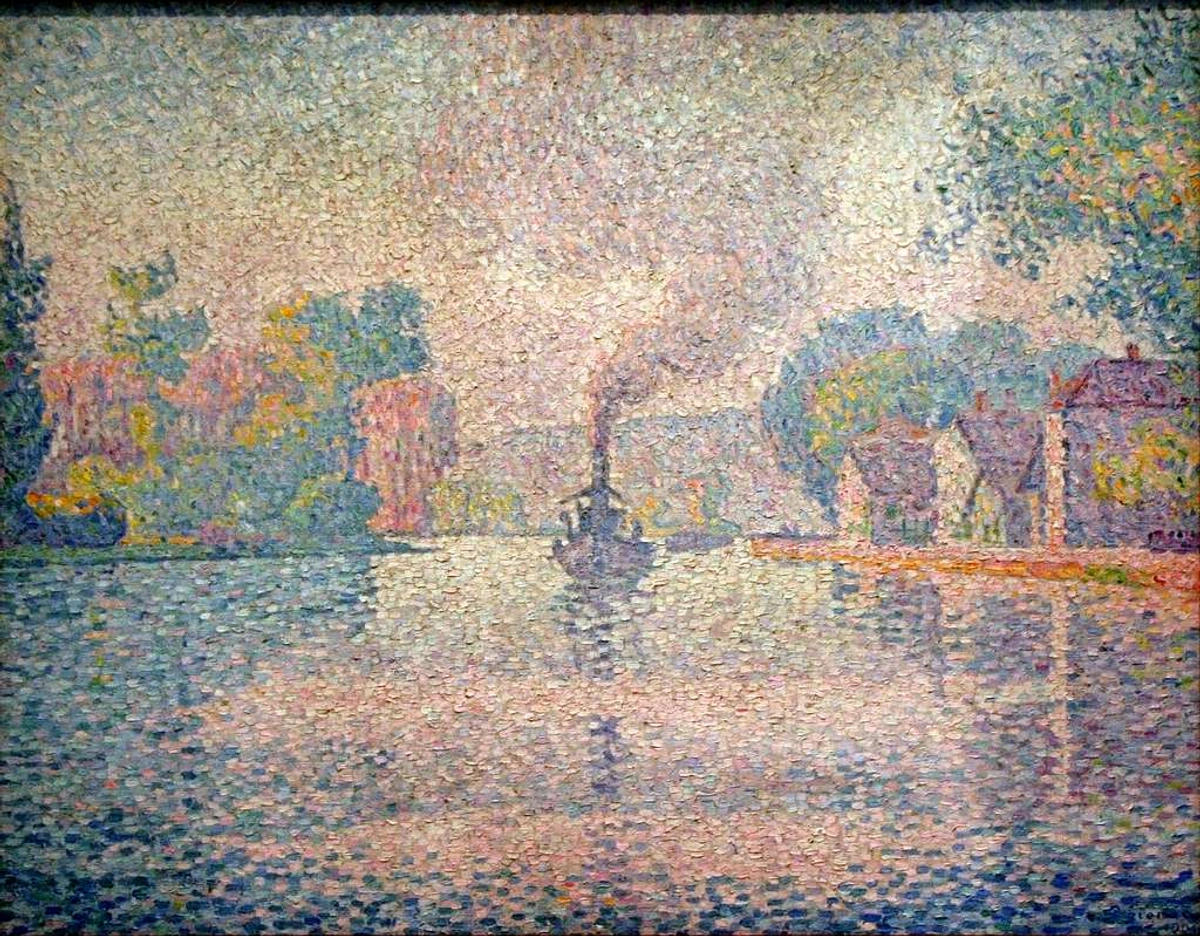
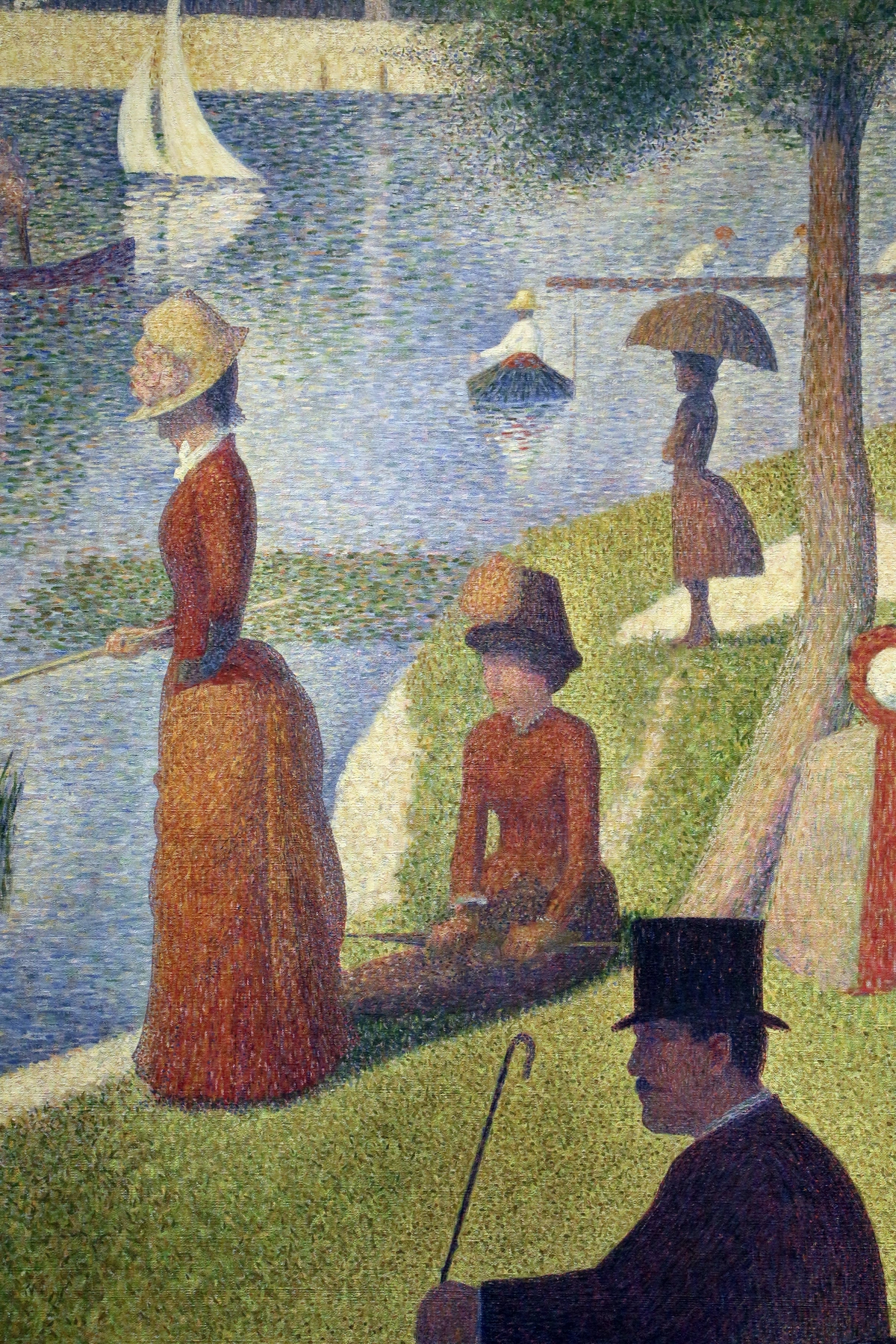
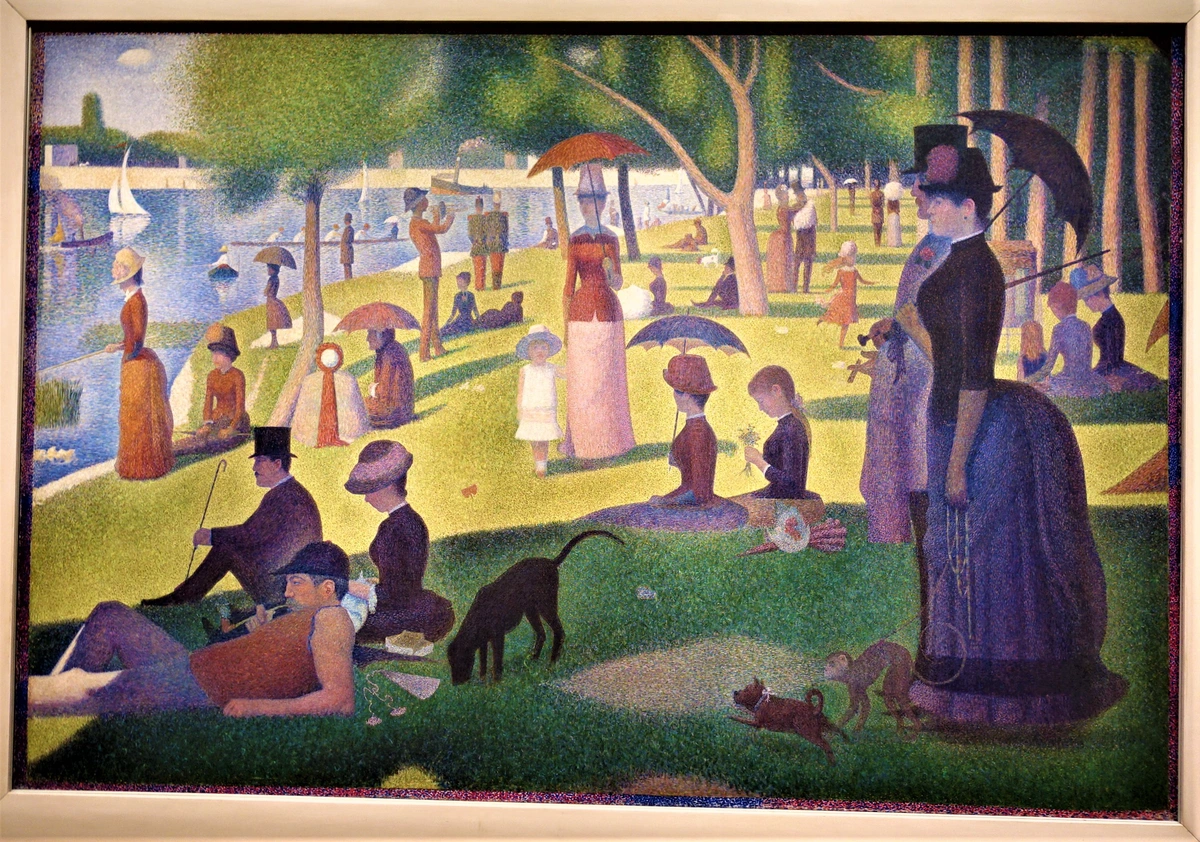
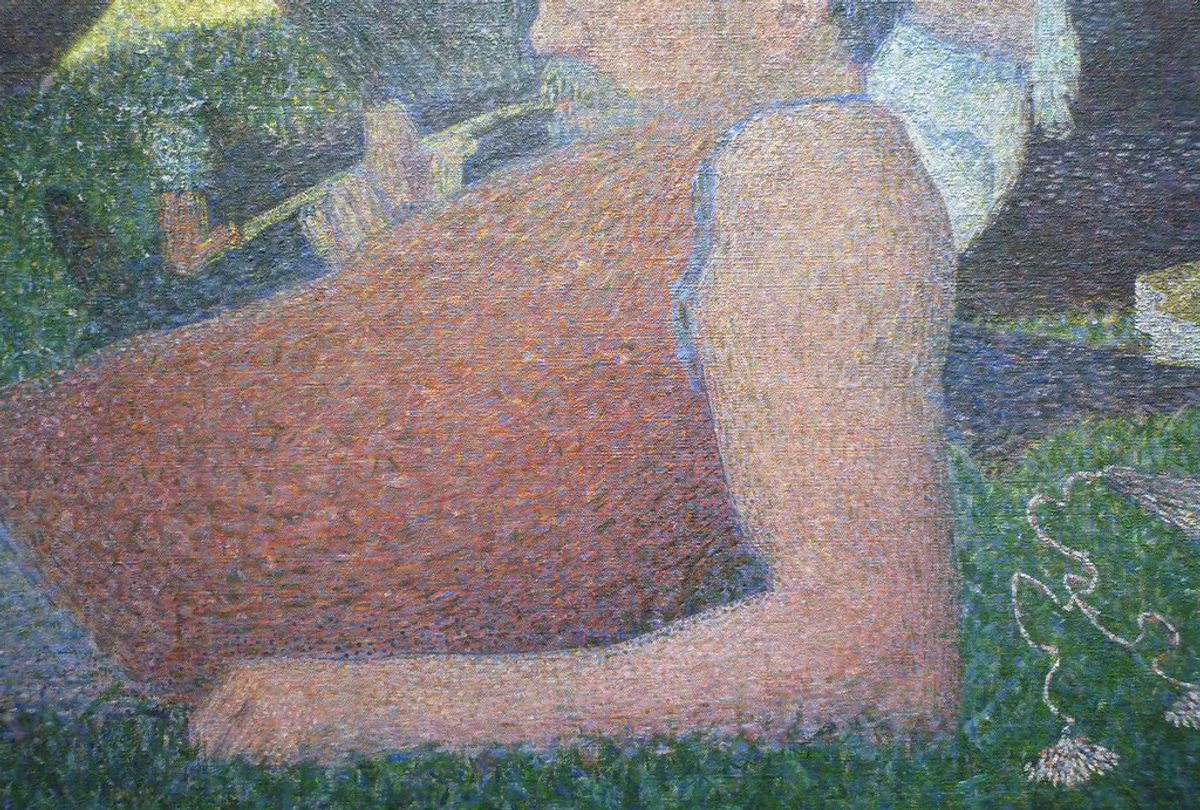
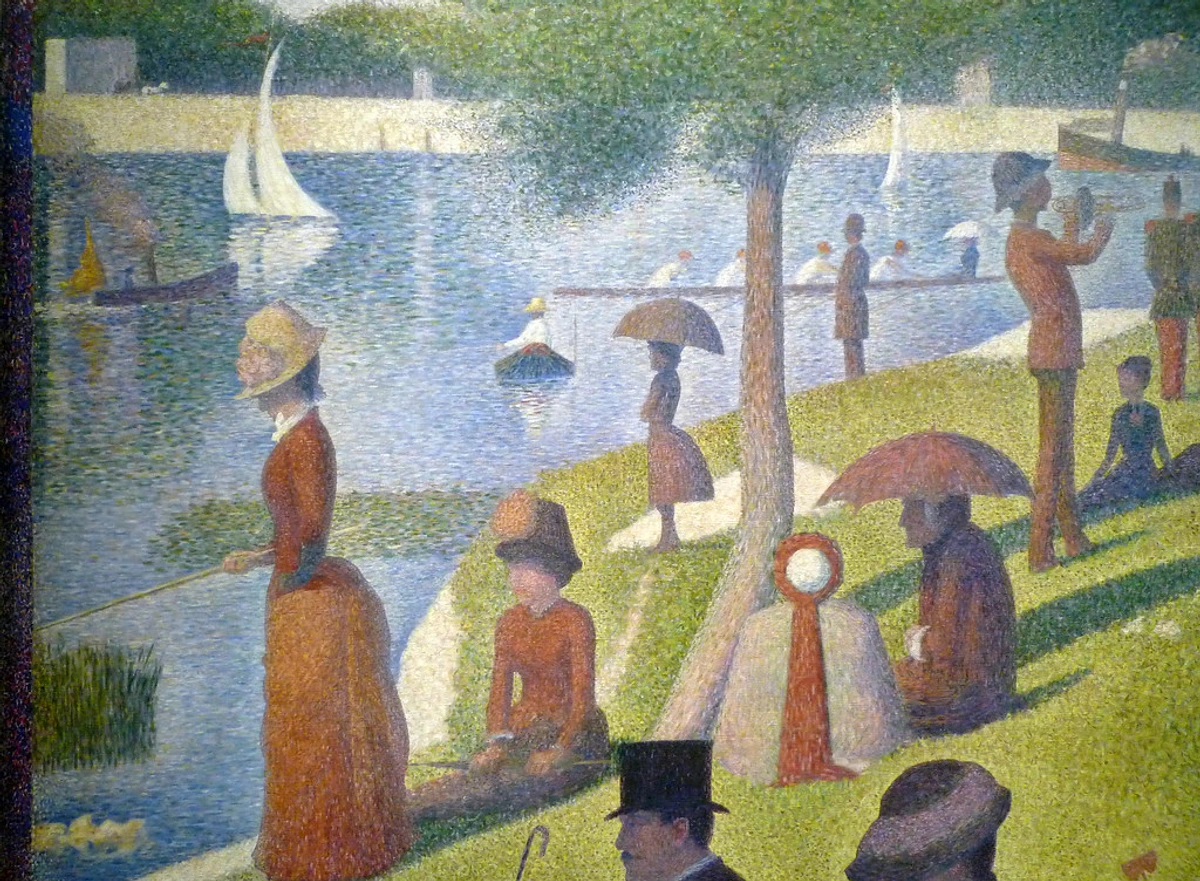
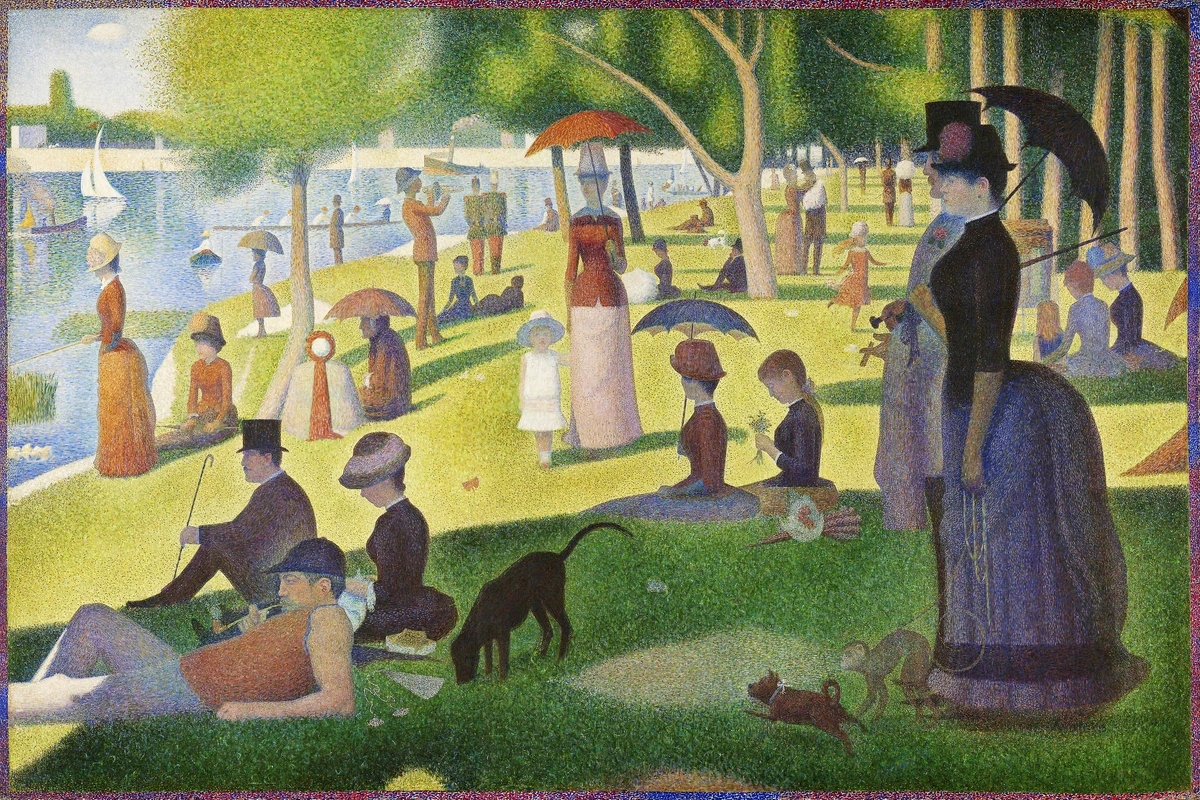
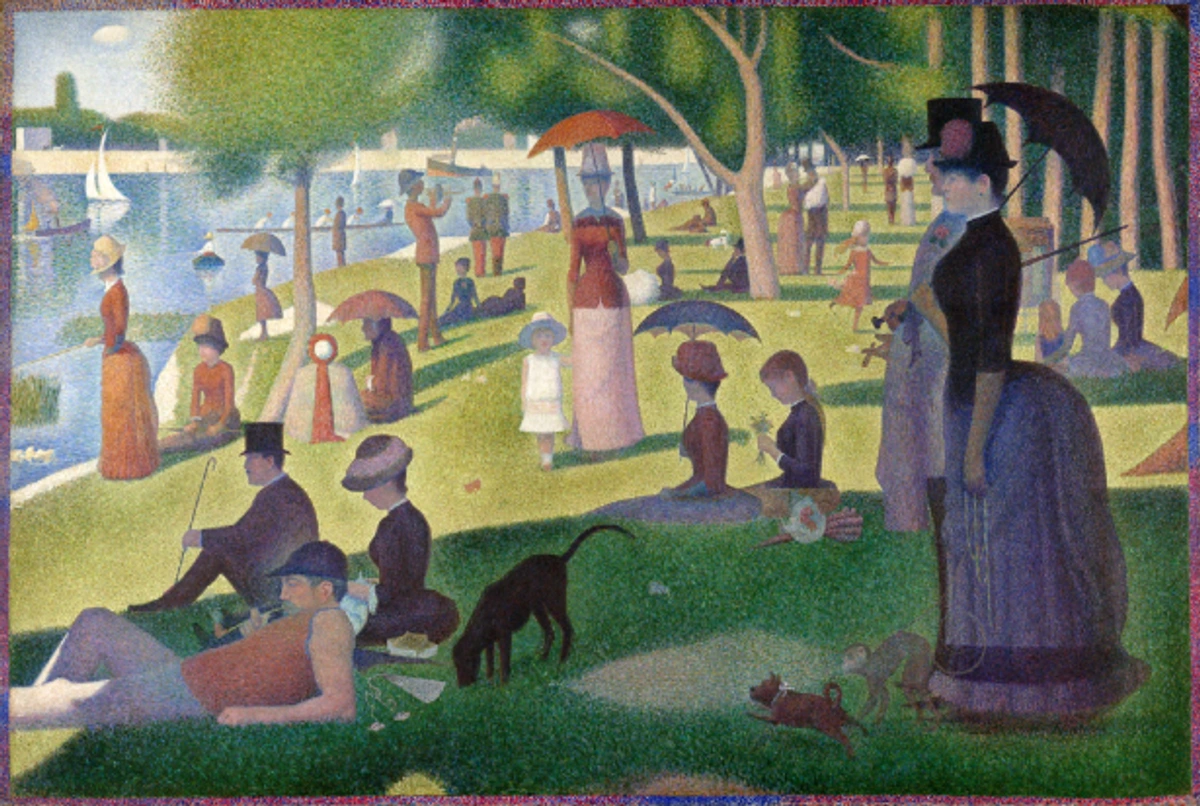
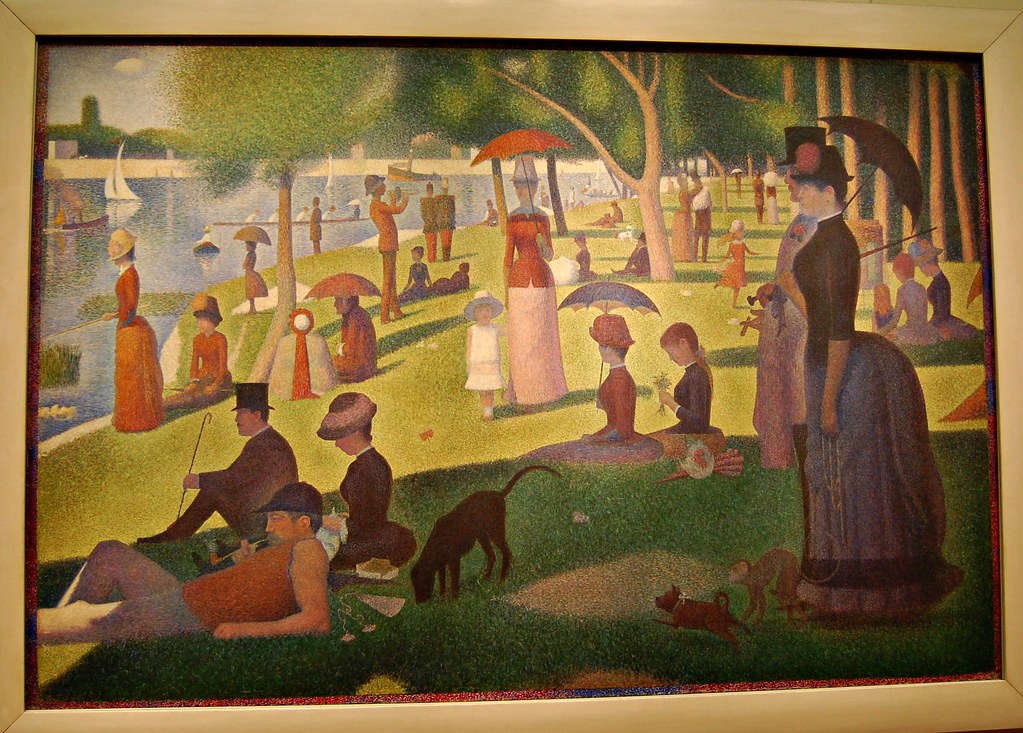
In his late fifties, he befriended younger artists like Georges Seurat and Paul Signac, who were pioneering a revolutionary technique they called Pointillism or, more formally, Neo-Impressionism. Instead of intuitive brushstrokes, they applied thousands of tiny, precise dots of pure color to the canvas. This "Divisionist" technique was based on the contemporary color theories of scientists like Michel Eugène Chevreul and Ogden Rood, who argued that placing pure colors next to each other would create a more vibrant optical mixture in the viewer's eye than colors physically mixed on a palette.
For Pissarro, this scientific approach held tremendous appeal. The systematic methodology seemed to offer a way out of the subjective individualism that he felt was limiting Impressionism's potential. If Impressionism sometimes felt too much like each artist recording their personal sensations, Neo-Impressionism promised something more universal—a scientifically grounded method that any artist could apply to achieve consistent results. This democratic impulse reflected Pissarro's anarchist political beliefs, which emphasized collective knowledge and rational social organization over individual genius or romantic inspiration. For Pissarro, this was not just a stylistic novelty; it was a revelation. He saw in it a way to create a more solid, scientific, and democratic form of art—one based on collective knowledge and methodical execution.
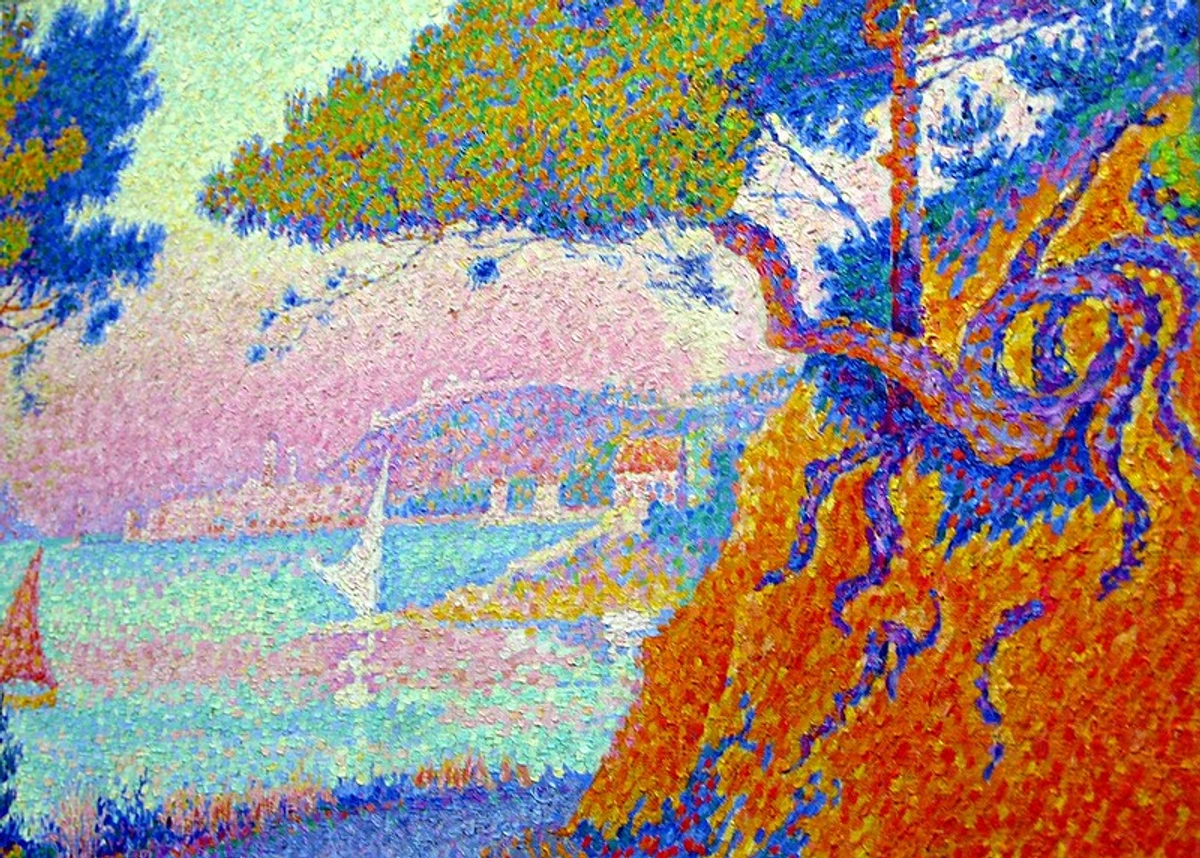
And so Pissarro, the established master, embraced this new system with a convert's zeal. For approximately five years, from 1885 to 1890, his style completely transformed. He adopted the dotted technique, applying it with remarkable rigor to his familiar rural subjects. Works from this period, such as "Haymaking, Éragny" (1887) and "The Apple Harvest" (1887-88), stand in stark contrast to his earlier work. The spontaneous, textured brushstrokes are replaced by a meticulously applied screen of colored dots. The forms are more stable, the atmosphere more crystalline, the light more structured. I find it fascinating that at an age when many artists settle into their signature style, Pissarro was completely dismantling and rebuilding his own.
Ultimately, however, he found the Pointillist technique too rigid and intellectually demanding. It was a slow, laborious process that left little room for improvisation or feeling. He lamented in a letter to his son Lucien that the strict method "paralyzes my spontaneity." He began to feel it was an artistic straitjacket, trading the intuitive truth of a moment for a theoretical perfection. By 1890, he had returned to his freer, more instinctual style.
This retreat from Neo-Impressionism wasn't a repudiation of experimentation but rather a deeper understanding of his own artistic temperament. Pissarro realized that for him, the direct engagement with sensory experience—the feeling of wind, the quality of light, the physical act of applying paint to canvas—was more important than theoretical purity. The experiment had taught him valuable lessons about color relationships and optical effects, but the method itself was incompatible with his fundamental belief that art must emerge from direct engagement with lived experience rather than systematic application of theory.
Yet even in this "failure," Pissarro demonstrated something crucial about artistic development. Most artists who achieve success in a particular style become trapped by it, repeating variations on familiar themes because collectors expect it and because it's financially safer. Pissarro's willingness to risk his hard-won reputation by adopting an experimental technique, then his honesty in abandoning it when it didn't serve his artistic goals, reveals a commitment to authentic exploration that feels remarkably modern. He proved that artistic growth isn't linear progression but continuous experimentation, willing to embrace apparent failures as necessary steps in understanding one's own creative process. Yet this period of intense experimentation was not a failure. It deeply enriched his later work, imbuing it with a greater understanding of color division and a renewed luminosity. He had taken from Neo-Impressionism what he needed—a renewed focus on the scientific basis of color—and moved on, proving that even for a master, the path of the artist is one of lifelong learning.
The turbulence I mentioned? That came from his restless mind and a deep-seated political conviction. Just when he had mastered Impressionism, he started to doubt it. For Pissarro, the individualism of Impressionism began to clash with his growing interest in anarchist philosophy, which emphasized communal effort and a more scientific, egalitarian worldview. In his late fifties, he befriended younger artists like Seurat and Signac, who were pioneering a new technique called Pointillism (or Neo-Impressionism). Instead of intuitive brushstrokes, they painted with tiny, precise dots of pure color, a method they believed was more scientific and even democratic. And Pissarro, the established master, embraced this new system with a convert’s zeal.
For approximately five years, from 1885 to 1890, Pissarro's work became almost unrecognizable as he threw himself into Neo-Impressionism with almost religious devotion. He abandoned the loose, expressive brushwork he had spent decades developing and adopted Seurat's systematic method with remarkable discipline. Works like "Haymaking, Éragny" (1887) and "The Young Shepherdess" (1888) show him applying tiny dots of pure color to his familiar rural subjects, creating surfaces that shimmer with intense chromatic energy.
I find this period both fascinating and deeply revealing about artistic experimentation. The paintings are technically brilliant—the color theory is impeccable, the surfaces glow with carefully calibrated optical mixtures—but something essential feels missing. The spontaneity, the sense of the artist's hand responding directly to what he sees, the very quality that had made Pissarro's work so vital and alive, had been sacrificed to theoretical purity. Looking at these paintings, I can almost feel the tension between what Pissarro believed he should be doing politically and what his artistic instincts were telling him.
By 1890, Pissarro was expressing serious doubts about the method he had so enthusiastically embraced. In letters to his son Lucien, he wrote that the systematic application of Divisionism "paralyzes my spontaneity" and prevented him from capturing the immediate sensations that had always been at the heart of his artistic practice. He found the technique too rigid, too intellectually demanding, too removed from the direct experience of painting from nature that had always been his touchstone.
When Pissarro returned to his earlier, more instinctual style around 1890, he brought with him the profound lessons learned from his Neo-Impressionist experiment. This wasn't simply a reversion—it was a synthesis. His brushwork became freer and more varied than ever before, but his understanding of color had been permanently transformed. The later paintings show enhanced sensitivity to optical effects and a more sophisticated understanding of how pure colors could be used to create luminosity and depth. The experiment, while ultimately unsustainable for him personally, had enriched his work in ways that would continue evolving until the end of his life, proving that even "failed" artistic experiments can bear unexpected fruit.
Beyond the Brush: Pissarro the Mentor and Organizer
Perhaps Pissarro's greatest legacy isn't even on his own canvases. It’s etched into the very foundations of modern art through the careers of artists we now consider titans. He was famously generous with his time and knowledge. In an era of fierce individualism, while other artists guarded their techniques and competed for a place in the official Salon, Pissarro believed in collective growth and dialogue. His influence wasn’t about creating followers; it was about empowering other unique voices to flourish.
The Father of Impressionism
He wasn't just the oldest; he was the philosophical anchor. While others like Degas and Renoir were prone to debates over technique and ideology, Pissarro's quiet determination and unwavering dedication to the group's independence provided the ballast that kept them from splintering. In 1873, when the idea of a collective, independent exhibition was still a radical and financially risky proposition, it was Pissarro who, along with Monet and Degas, was most instrumental in bringing the diverse group together. He drafted the statutes for the "Société Anonyme Coopérative des Artistes Peintres, Sculpteurs, Graveurs, etc." that organized the first show. More than any other member, he felt the necessity of a democratic space for artists to show their work freely, outside the rigid control of the state-sponsored Salon system.
His steadfast commitment is best exemplified by a fact I find astonishing: Pissarro was the only artist to exhibit in all eight of the Paris Impressionist exhibitions between 1874 and 1886. He never abandoned the cause, even when it was commercially disastrous to be associated with it, even when internal conflicts threatened to tear the group apart, and even when other founding members like Monet temporarily withdrew from the exhibitions. This wasn't just stubbornness; it was a principled commitment to the idea that artists needed alternative spaces beyond the official Salon system.
What's particularly striking is how this organizational role reflected his deepest artistic values. Just as his paintings revealed the underlying structure of rural life, his work within the Impressionist group involved building sustainable frameworks for artistic independence. He understood that revolutionary art required not just individual talent but institutional alternatives—a lesson that would influence generations of avant-garde artists who followed.
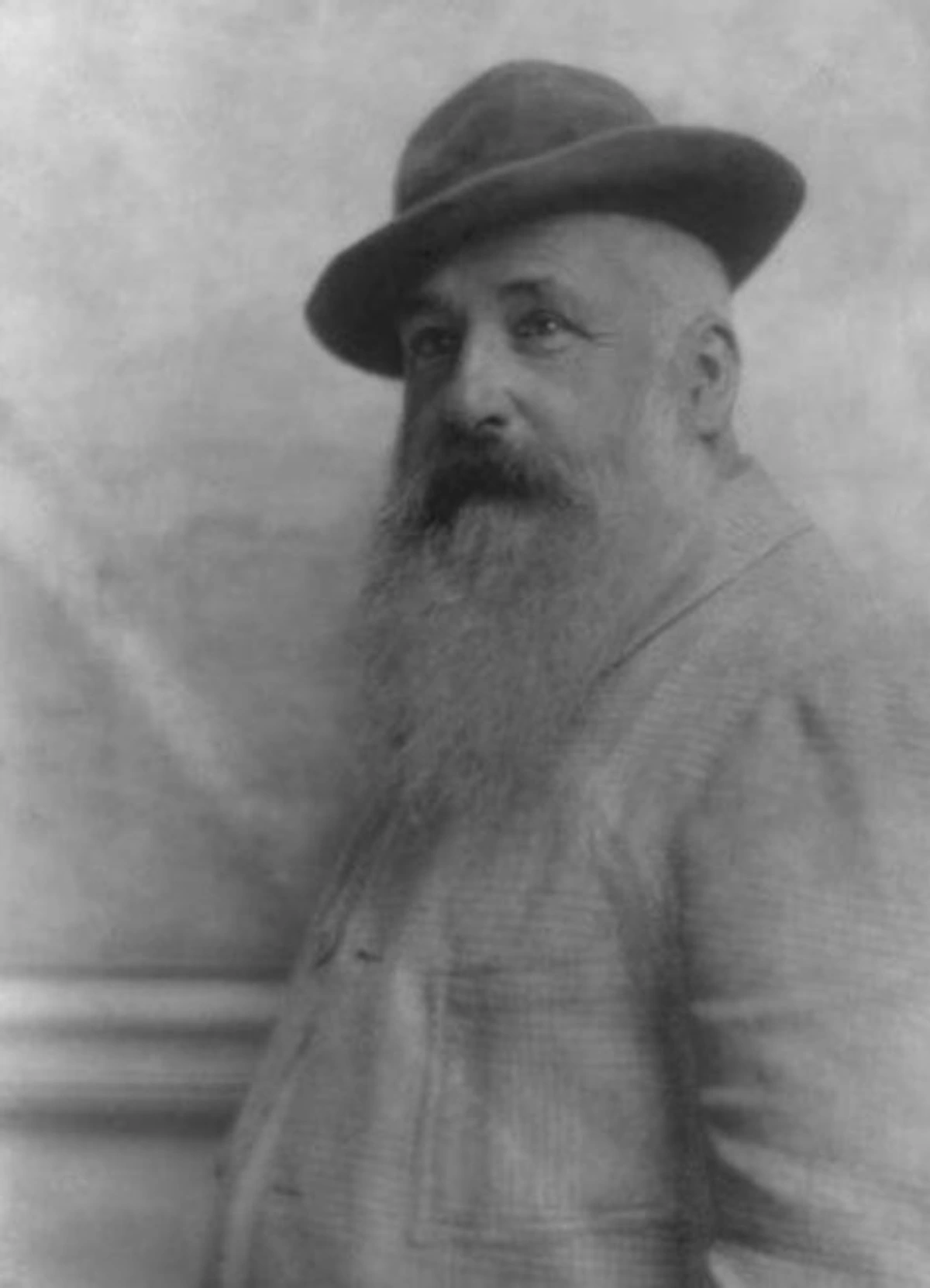
- Paul Cézanne: This relationship was perhaps the most profound. Cézanne was a notoriously difficult, volatile, and insecure personality, considered a crude outsider by the Parisian art establishment. Pissarro saw his genius and took him under his wing. They painted side-by-side for years in Pontoise, and Pissarro became his patient and encouraging mentor, teaching him the Impressionist technique of painting with pure colors. Cézanne later credited Pissarro with being a "father" to him, saying he was "like God the Father." This mentorship was reciprocal, as Cézanne's powerful, structured approach to form would subtly influence Pissarro's compositions.
- Paul Gauguin: Before he was the painter of Tahiti, Gauguin was a stockbroker and a weekend painter. It was Pissarro who provided crucial early guidance on color theory and technique, encouraging him to abandon his bourgeois life for art. He supported Gauguin's participation in the Impressionist exhibitions even when his abrasive personality clashed with other members.
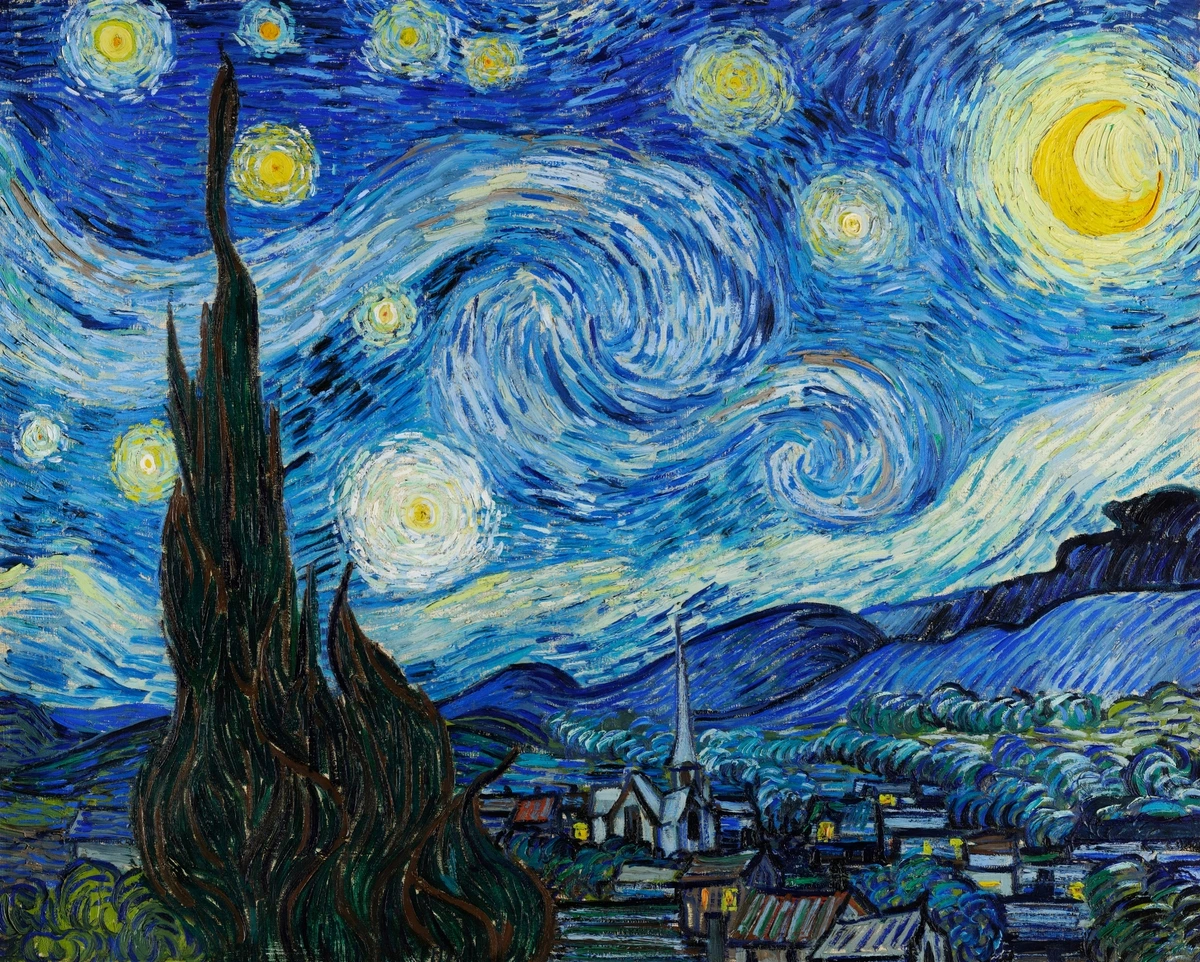
- Vincent van Gogh & Mary Cassatt: Van Gogh deeply admired Pissarro's work and saw him as a mentor from afar. Though their direct contact was limited, Pissarro's vibrant depictions of humble rural life provided a powerful model for the young Dutch artist. Mary Cassatt, the American painter, found in Pissarro a kindred spirit and an ally. He respected her talent and was a vocal advocate for her inclusion in the Impressionist circle.
In a world of fierce artistic rivalries, Pissarro stands out as a figure of profound humility and community. He believed in the movement, not just his place within it. He knew that art didn't move forward through the solitary genius, but through the collective, sometimes chaotic, conversation between unique minds. That, perhaps, is his most enduring lesson for any artist.
Political Vision: Art and Anarchism
Pissarro's commitment to collective action wasn't merely philosophical—it reflected a deeply held political vision rooted in anarchist philosophy. He maintained close friendships with prominent anarchist thinkers like Jean Grave and Élisée Reclus, contributing illustrations to anarchist publications and providing financial support to anarchist causes (when he could afford it). His political beliefs weren't incidental to his art; they fundamentally shaped his choice of subject matter, his commitment to depicting labor honestly, and his belief that art should serve social progress rather than merely decorative or commercial purposes.
This political dimension helps explain both his choices and his struggles. His anarchism wasn't about violent revolution but about creating alternative social structures based on mutual aid, voluntary cooperation, and respect for human dignity. The Impressionist exhibitions themselves can be understood as practical experiments in anarchist organization—artists banding together to create autonomous spaces outside state and commercial control. Similarly, his mentorship of younger artists reflected anarchist principles of mutual aid and collective advancement over individual competition.
When the Dreyfus Affair divided French society in the 1890s, Pissarro was one of the few prominent artists to publicly support Dreyfus, despite knowing this stance would alienate conservative collectors and potentially harm his late-career financial stability. This wasn't just political posturing; it was a principled stand that demonstrated how his art and politics formed an inseparable whole. For Pissarro, painting the dignity of rural laborers or organizing independent exhibitions was fundamentally connected to his vision of a more just and democratic society.
Perhaps Pissarro’s greatest legacy isn’t even on his own canvases. It’s in the careers of artists we now consider titans of modern art. He was famously generous with his time and knowledge. While other artists guarded their techniques, Pissarro believed in collective growth and dialogue. His influence wasn’t about creating followers, but about empowering other unique voices. Cézanne, a notoriously difficult and volatile personality who was considered a crude outsider, found a patient and encouraging mentor in Pissarro. They would often paint side-by-side in Pontoise, and Cézanne later credited Pissarro with being a "father" to him, saying he was "like God the Father." This mentorship was reciprocal, as Cézanne’s own structured approach to form would subtly influence Pissarro’s work.
But Cézanne was far from the only artist who benefited from Pissarro's generosity. When the young Paul Gauguin—then a successful stockbrocker and amateur painter—decided to abandon his career and pursue art full-time, it was Pissarro who provided crucial early guidance on technique, color theory, and the practical realities of being a professional artist. The two maintained a close friendship and correspondence for years, even as Gauguin's work evolved in increasingly radical directions.
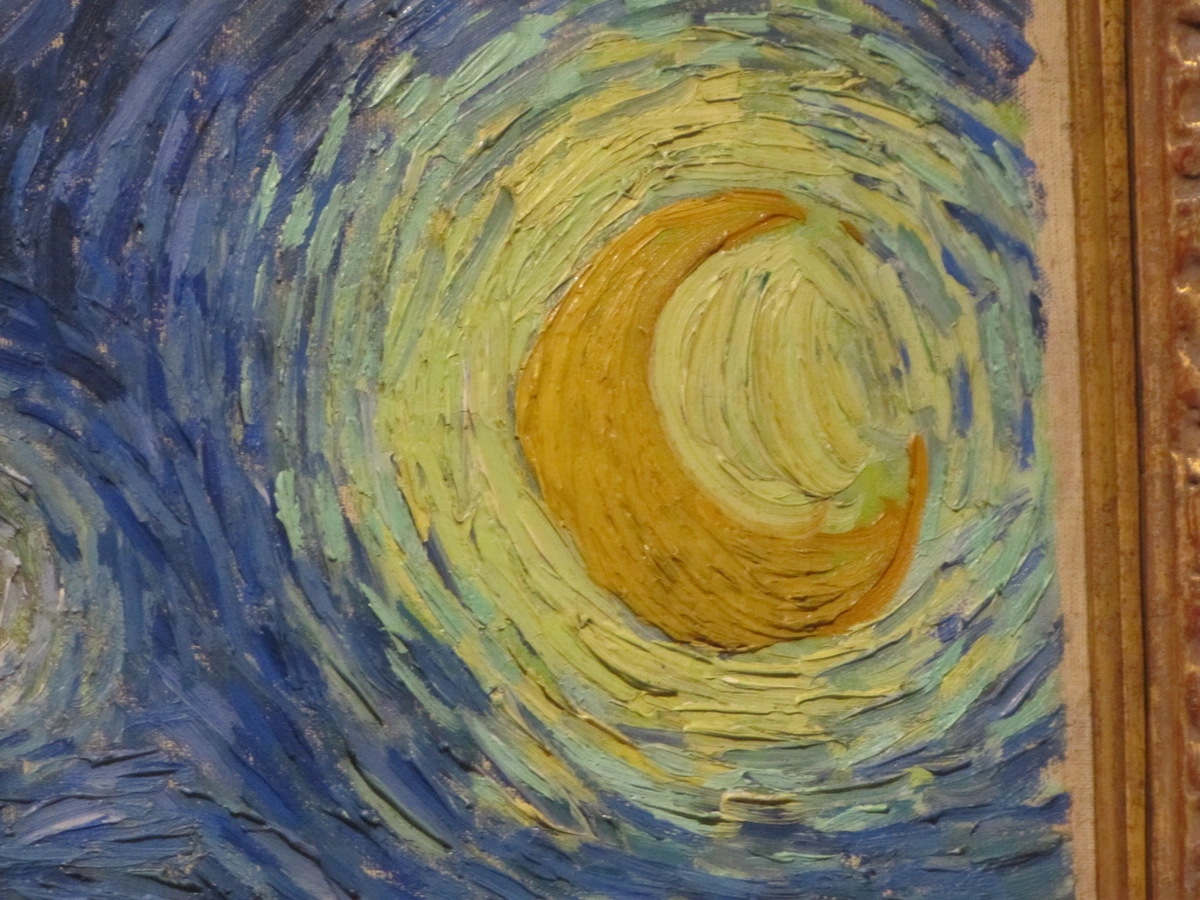
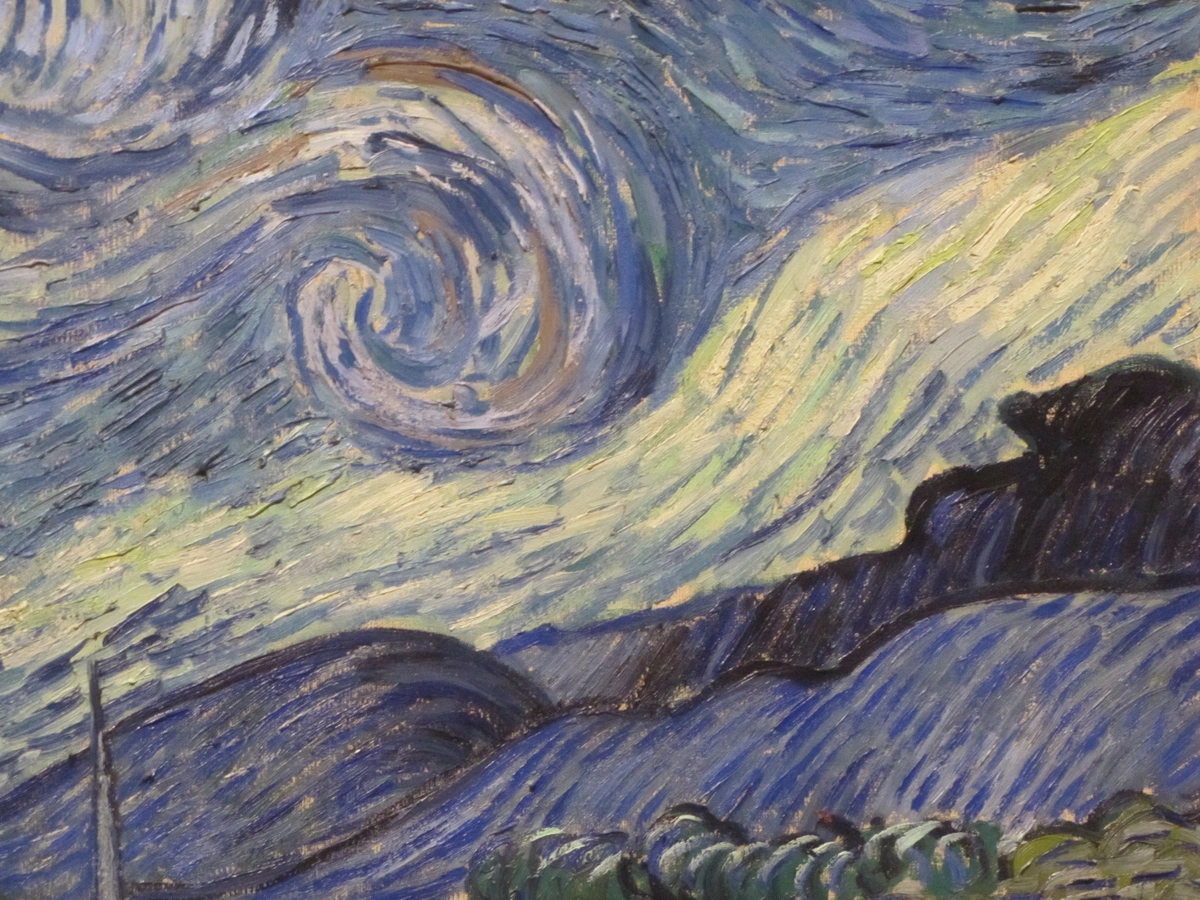
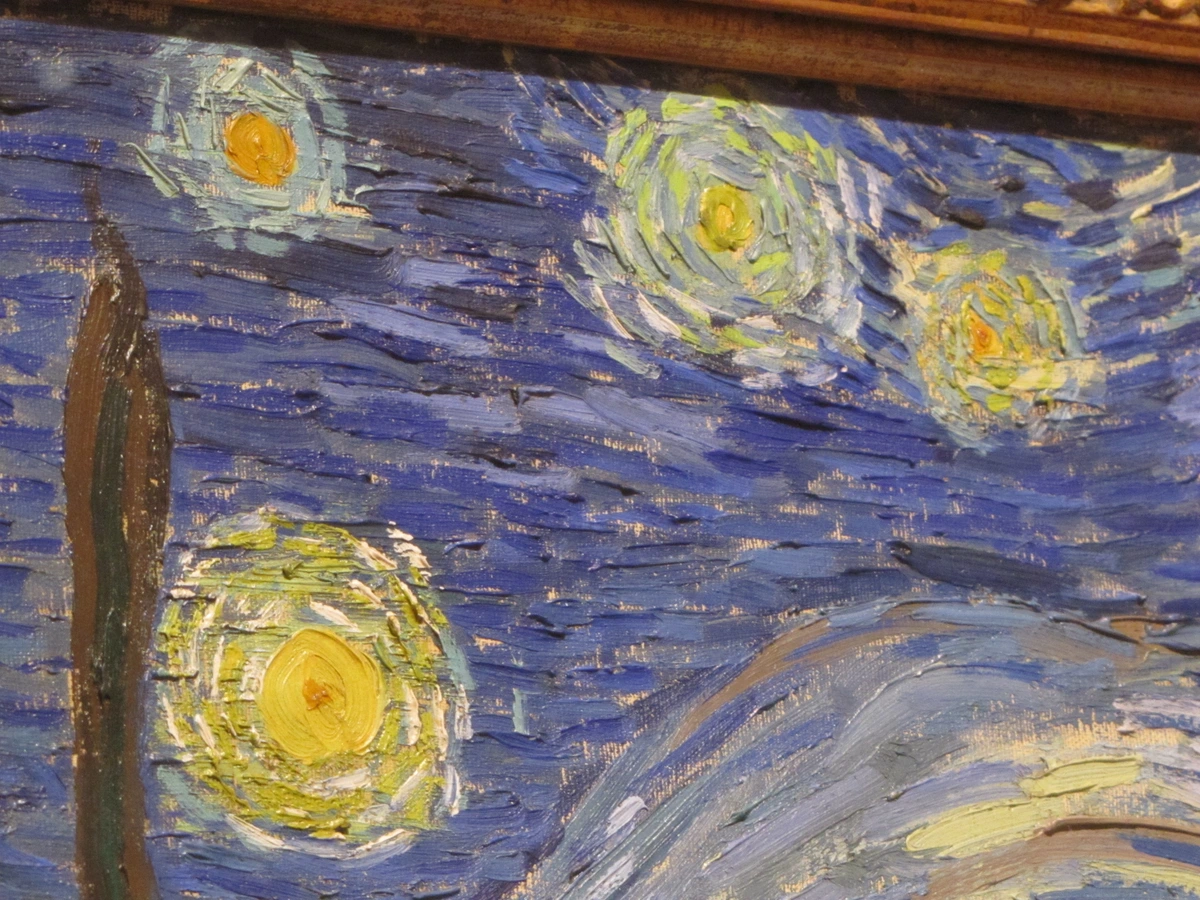
Vincent van Gogh, too, found in Pissarro a rare source of understanding and support. Though their direct contact was limited, Pissarro was one of the few established artists who recognized van Gogh's genius and encouraged his work. When van Gogh organized his ill-fated exhibition at the restaurant of Frédéric Auguste Bavoux in 1887, Pissarro was one of the few prominent artists who attended and took the young Dutchman's work seriously.
Mary Cassatt, the American Impressionist, formed a particularly close friendship with Pissarro and his family. Finding herself somewhat isolated as a foreign woman in the male-dominated Parisian art world, Cassatt relied on Pissarro's advice and support. He, in turn, admired her work and helped promote it among his own network of dealers and collectors. Their correspondence reveals a relationship of genuine mutual respect and affection.
What strikes me most about Pissarro's role as a mentor was his complete lack of ego or territoriality. He wasn't threatened by the talent of younger artists; he was genuinely energized by it. His letters reveal an almost paternal excitement about the younger generation's potential to push art in new directions, even when those directions were very different from his own. He seemed to operate on the principle that the advancement of art as a whole was more important than any individual's place within it.
I find something deeply moving about this attitude, particularly in our contemporary art world that often celebrates individual brand-building over collective growth. Pissarro understood that artistic movements aren't built by singular geniuses but by communities of practice—by artists willing to share knowledge, challenge each other's assumptions, and create the conditions for new possibilities to emerge. His mentorship wasn't about creating followers who would replicate his style; it was about empowering other unique voices to find their own authentic expression.
This approach created remarkable connections across generations. The young Paul Gauguin, when he decided to abandon stockbroking for art, found in Pissarro not just technical guidance but moral support for this radical life change. Mary Cassatt, struggling to establish herself as a woman in the male-dominated Parisian art world, discovered in Pissarro someone who took her work seriously and advocated for her inclusion. Even Vincent van Gogh, writing to his brother Theo, described Pissarro as one of the few established artists who showed him genuine kindness and recognition during his desperate early years in Paris.
What unified these various mentorship relationships was Pissarro's ability to recognize potential in artists who didn't fit conventional expectations. He saw past Cézanne's initial clumsiness to recognize his revolutionary approach to form. He encouraged Gauguin's unconventional color sense rather than trying to discipline it into traditional naturalism. He supported Cassatt's distinctively American perspective on French subjects. In each case, his role was less about imposing his own vision than about helping other artists discover and develop their own unique artistic voices.
This approach had profound practical implications. When the young Paul Gauguin—then a successful stockbroker and amateur painter—decided to abandon his conventional career and pursue art full-time, it was Pissarro who provided crucial early guidance on technique, color theory, and the practical realities of being a professional artist. The two maintained a close friendship for years, even as Gauguin's work evolved in increasingly radical directions that eventually took him far from Pissarro's own artistic concerns.
Even Vincent van Gogh, despite their limited direct contact, found in Pissarro a rare source of understanding and support. Pissarro was one of the few established artists who recognized van Gogh's genius and encouraged his work. When van Gogh organized his ill-fated exhibition at the restaurant of Frédéric Auguste Bavoux in 1887, Pissarro was one of the few prominent artists who attended and took the young Dutchman's work seriously—a gesture of support that meant everything to the struggling artist.
Mary Cassatt, the American Impressionist, formed a particularly close friendship with Pissarro and his family. Finding herself somewhat isolated as a foreign woman in the male-dominated Parisian art world, Cassatt relied on Pissarro's advice and support. He, in turn, greatly admired her work and helped promote it among his own network of dealers and collectors. Their correspondence reveals a relationship of genuine mutual respect and affection that transcended both gender and cultural boundaries.
But perhaps the most crucial aspect of Pissarro's mentorship was his ability to see potential in artists who didn't fit the conventional mold. Cézanne's inclusion in the Impressionist exhibitions, despite opposition from some members who found his work crude and unfinished, was largely due to Pissarro's persistent advocacy. He recognized that Cézanne's apparent clumsiness masked a revolutionary approach to form and structure that would ultimately prove more influential than the smoother, more immediately appealing work of many of their contemporaries.
Trials by War and Loss
Pissarro’s path was far from easy, marked by instability both personal and political. His marriage to Julie Vellay, his mother's maid, was a source of strength but also of familial conflict, as his parents initially disapproved. The Franco-Prussian War of 1870 forced him to flee his home in Louveciennes for London. He returned to find his house had been used as a slaughterhouse by Prussian soldiers, and nearly 20 years of his work—some 1,500 paintings—had been destroyed or looted. Imagine the devastation. To have your life's work, your visual diary, erased. Most artists would have been crushed. This period also saw the tragic fall of the Paris Commune in 1871, an event that deeply affected Pissarro, who sympathized with the communards' radical social ideals.
Pissarro, however, simply started again. It’s an astonishing testament to his character. He continued to paint the landscapes he loved, even as he faced persistent eye infections (a dacryocystitis that plagued him for the last decade of his life) that made it agony to work outdoors. He would often have to paint from a protected spot indoors, leading to his famous series of views from hotel rooms and borrowed apartments. He continued to push his art forward, even as he struggled to support his large family of eight children and was forced to sell his paintings for a fraction of their worth. At one point, the family was so destitute they took in boarders to make ends meet.
The Paris Series: A Master's Final Revolution
In his final decade, Pissarro achieved something that often eludes aging artists: he produced not just his most commercially successful work, but arguably his most innovative and compelling art. During the 1890s, confined to his Paris apartment by his worsening eye condition, Pissarro discovered a revolutionary solution to his inability to work en plein air. He began renting rooms in various hotels around Paris—particularly those overlooking major thoroughfares like the Boulevard Montmartre, the Avenue de l'Opéra, and the Place du Théâtre Français—creating what I consider his final artistic testament and one of the great achievements of late Impressionism.

The Paris series represents more than just a change of subject matter. It reflects Pissarro's continued intellectual engagement with modernity itself. Here he was, in his sixties, witnessing the full flowering of modern Paris—with its broad new boulevards, bustling commercial activity, and revolutionary gas and electric lighting systems that transformed the city after dark. The aging artist, who had spent decades painting pre-industrial rural life, now engaged directly with the spectacle of urban modernity.
A Closer Look: Deconstructing the Boulevard Series
The boulevard paintings represent a masterclass in observation, atmospheric rendering, and the capture of temporal change. In "Boulevard Montmartre at Night" (1897), Pissarro achieves something unprecedented: he captures the magical transformation of the city under the combined effects of gas and electric lighting, with wet cobblestones reflecting shimmering patterns of light that seem to dance across the canvas. The brushwork becomes loose and expressive, the colors intense and luminous, creating an almost musical harmony of light and movement.
But these paintings offer more than aesthetic innovation—they represent Pissarro's engagement with urban modernity itself. Here was an artist who had spent decades painting pre-industrial rural life now confronting the transformation of Paris into a modern metropolis. The broad boulevards (created by Haussmann's controversial urban renewal), the commercial spectacle of department stores and advertising, the revolutionary new lighting systems, the increasing pace and anonymity of urban life—Pissarro captured all of this not with the anxiety of someone mourning a lost past, but with the fascination of an artist recognizing that modernity itself had become a legitimate and compelling subject for painting.
This represents a crucial shift in the history of urban representation. Earlier painters had typically depicted cities as static backdrops for historical or genre scenes. Pissarro was among the first to paint the modern city as environment—as a dynamic system of movement, light, and social interaction that itself constituted the subject matter. The brushwork in these late paintings becomes almost abstract in its expressive energy, sometimes prefiguring developments that wouldn't become widespread until decades later in works by artists associated with modern art movements of the early twentieth century.
In "Boulevard Montmartre, Morning, Cloudy Weather" (1897), he shows the same scene under completely different conditions—the soft, even light of an overcast day that reveals the city's essential architecture while muting dramatic effects. Other paintings in the series capture spring sunshine, autumn rain, evening twilight, and winter snow, creating an almost symphonic exploration of how light, weather, and seasonal change transform our experience of urban space.
Key Paintings in Pissarro's Paris Series  | Year | Notable Characteristics |
|---|---|---|
| Boulevard Montmartre at Night | 1897 | Revolutionary depiction of gas and electric lighting effects; vibrant color harmony |
| Boulevard Montmartre, Morning, Cloudy Weather | 1897 | Soft, even light revealing architectural structure; subtle color relationships |
| Place du Théâtre Français, Paris: Rain | 1898 | Masterful rendering of wet pavement; atmospheric perspective in urban setting |
| Avenue de l'Opéra, Morning, Sunlight | 1898 | Dynamic play of light and shadow; bustling urban energy captured |
| Tuileries Garden, Spring Morning | 1899 | Fusion of urban and natural elements; lyrical handling of spring atmosphere |
The style of these late paintings represents the culmination of everything Pissarro had learned over four decades. His brushwork became freer and more varied than ever before—sometimes showing subtle Neo-Impressionist influence, sometimes achieving almost abstract expressiveness that points toward future developments in modern art. The colors are both more daring and more harmonious than in his earlier work, while maintaining the structural solidity that had always characterized his style.
What strikes me most profoundly about this series is how Pissarro transforms limitation into innovation. Unable to work directly in the landscape he loved, he discovers entirely new subject matter and develops new techniques for studying temporal and atmospheric change. These paintings prove that artistic evolution isn't just about learning new things, but about finding new ways to apply accumulated wisdom when circumstances force us to change our approach entirely.
The Collector's Eye: Pissarro's Market and Museums
For most of his career, Pissarro's paintings sold for modest prices—typically 100-200 francs during the 1860s-1880s, often through barter rather than cash transactions. It was only in the 1890s, through the persistent efforts of dealer Paul Durand-Ruel, that his work began achieving commercial success with prices reaching 2,000-4,000 francs for major works. Today, his paintings command millions at auction, with major works regularly selling for $2-5 million, and his finest pieces fetching over $10 million.
Period | Market Value | Collector Base | Key Factors |
|---|---|---|---|
| 1860s-1870s | 100-200 francs | Few individual supporters | Limited recognition, works often traded rather than sold |
| 1880s | 200-500 francs | Emerging avant-garde collectors | Impressionist group exhibitions, Durand-Ruel's support |
| 1890s | 2,000-4,000 francs | Growing international market | Major exhibitions in Paris, London, and New York |
| Early 1900s | 5,000-10,000 francs | Established European and American collectors | Posthumous recognition, Durand-Ruel's promotional efforts |
| Contemporary Era | $500,000-$10+ million | Major museums and private collectors | Art historical recognition, influence on modern art |
Major museums with significant Pissarro collections include the Musée d'Orsay in Paris, the Metropolitan Museum of Art in New York, the National Gallery in London, and the Art Institute of Chicago. These institutions typically hold multiple examples spanning his different periods, allowing viewers to trace his artistic evolution. For contemporary collectors interested in Pissarro's legacy, major auction houses like Sotheby's and Christie's regularly feature his work in their Impressionist and Modern art sales. However, the most significant works increasingly end up in museum collections rather than private hands, reflecting Pissarro's growing status in the art historical canon.
They also document a crucial moment in urban history—the rapidly modernizing Paris of the 1890s—while addressing questions about light, movement, and urban experience that feel completely contemporary. In our own era of rapid technological and social change, Pissarro's engagement with urban transformation speaks directly to contemporary concerns about how modernity shapes our experience of space, time, and community.
Late Recognition: The Struggle for Commercial Success
The commercial breakthrough of Pissarro's final decade came largely through the persistent efforts of Paul Durand-Ruel, the dealer who had supported the Impressionists through their most difficult years. Beginning in the late 1880s, Durand-Ruel organized major exhibitions of Pissarro's work in Paris, London, and New York, steadily building his reputation among an expanding circle of collectors.
By the 1890s, Impressionism was finally gaining widespread acceptance, and the collector base was expanding beyond France to include wealthy industrialists from Germany, Belgium, Russia, and particularly the United States. Pissarro began receiving 2,000-4,000 francs for major paintings—still modest compared to the prices commanded by academic masters, but sufficient to provide some measure of financial security after decades of hardship.
The American market proved especially crucial. Progressive American collectors like the Havemeyers, Louisine Elder (later Louisine Havemeyer), and Mary Cassatt's family proved particularly receptive to Pissarro's work. They appreciated both his artistic innovations and his social conscience, creating a market for his paintings that would ensure his long-term legacy in American museums.
Perhaps most remarkably, Pissarro achieved this recognition without compromising his artistic or political principles. He never altered his subject matter to please conservative buyers, never softened his support for radical causes, never abandoned the formal experimentation that had defined his career. His late success proves that artistic integrity and commercial viability don't have to be mutually exclusive—though they often require decades of patient persistence and an unwavering commitment to one's artistic vision.
However, this success remained somewhat precarious. The Dreyfus Affair of the late 1890s created new complications when Pissarro's publicly expressed anarchist sympathies and support for Dreyfus led some conservative collectors to avoid his work. Even at the peak of his success, Pissarro remained committed to his principles over potential profit—a stance that speaks volumes about the relationship between his art and his politics.

The Legacy: How Pissarro Changed Everything
When Camille Pissarro died in Paris on November 13, 1903, at the age of 73, he left behind a body of work that would fundamentally transform the course of modern art. But his influence extended far beyond his own paintings—through his mentorship, his organizational work, and his philosophical commitments, Pissarro had helped create the conditions for virtually every significant development in twentieth-century art.
Art historians increasingly recognize Pissarro as the crucial bridge between Impressionism and subsequent avant-garde movements. His dedication to painting everyday life provided a crucial alternative to both academic historical painting and purely decorative art. His experimental spirit—his willingness to embrace Neo-Impressionism in his fifties, then return to a freer style while incorporating its lessons—demonstrated to younger artists that innovation wasn't just for the young but could be a lifelong commitment.
The Artistic Family Tree: Tracing Pissarro's Influence
Pissarro's Direct Influence | Subsequent Movement | Ultimate Impact |
|---|---|---|
| Cézanne (mentorship in Pontoise) | Post-Impressionism | Development of geometric analysis of form |
| Seurat & Signac (Neo-Impressionist collaboration) | Divisionism/Pointillism | Systematic color theory and optical mixing |
| Gauguin (early guidance and support) | Synthetism/Symbolism | Departure from naturalism toward expressive color |
| Van Gogh (encouragement and recognition) | Expressionism | Emotional intensity and expressive brushwork |
| Cassatt (inclusion in Impressionist shows) | Modern feminist art history | Validation of women artists in avant-garde movements |
Most importantly, his nurturing mentorship directly planted the seeds for Post-Impressionism, which laid the groundwork for Fauvism, Cubism, and the entire trajectory of early twentieth-century modernism. Cézanne's famous assertion that "we all come from Pissarro" wasn't just personal gratitude—it was historical fact. The geometric analysis of form that became central to Cubism emerged from Cézanne's work, which had developed through his decade of close collaboration with Pissarro in Pontoise.
The fascinating aspect of Pissarro's influence is how it operated across multiple generations and movements. Through Cézanne, his influence reached Picasso and Braque, fundamentally shaping the development of Cubism. Through Gauguin, his impact extended to the Symbolists and eventually to early twentieth-century abstraction. Through Seurat and Signac, he participated in the Neo-Impressionist experiments that would influence Futurism and various forms of twentieth-century geometric abstraction. Through van Gogh, his commitment to honest observation and empathetic engagement with humble subjects helped lay groundwork for various forms of Expressionism.
This makes Pissarro unique among the Impressionists. While Monet's late water lilies influenced Abstract Expressionism and Renoir's decorative style influenced early twentieth-century salon painting, Pissarro's legacy is more comprehensive and fundamental. He didn't just influence specific stylistic developments; he helped create the conditions for modern art's engagement with social reality, its experimental approach to form, and its development as a collaborative avant-garde enterprise. The art world's current emphasis on community-building, mentorship, and socially engaged practice—values that contemporary artists increasingly embrace—can be traced directly back to Pissarro's example.
But Pissarro's influence extended far beyond formal innovations. His belief that art should engage with social reality, his commitment to finding beauty in humble subjects, his conviction that artistic practice should be grounded in ethical principles—these aspects of his legacy continue to resonate in contemporary art. Artists as diverse as Alice Neel, Peter Doig, and countless contemporary landscape painters working today operate within a tradition that Pissarro helped establish.
I see Pissarro's most profound legacy as demonstrating that art can be both formally innovative and socially engaged, that individual creativity can flourish within collective movements, and that artistic influence isn't about creating disciples but about empowering other unique voices. In our contemporary moment, when questions about art's social responsibility and the relationship between individual expression and collective action feel particularly urgent, Pissarro's example feels remarkably relevant.
Why Pissarro Still Matters Today: A Legacy of Radical Seeing
In our hyperconnected world, saturated with fleeting, sensational images, Pissarro’s quiet dedication to the everyday feels more necessary than ever. He teaches us that beauty isn't just reserved for grand spectacles, sunsets, and picnics. It’s in the honest labor of a farmer tending a field, the quiet geometry of an orchard, the simple dignity of a country road at dusk. His work is an invitation—a challenge, really—to look closer at our own world, to decelerate and find the extraordinary in the seemingly ordinary. It's a form of visual mindfulness.
For contemporary artists, his legacy offers a powerful model of integrity and restless curiosity. His deep dive into Pointillism late in his career is a masterclass in courage. He wasn't afraid to risk his hard-won reputation by adopting a radical new style, and he wasn't afraid to abandon it when he found it no longer served his vision. It was a profound lesson that technique and theory should always serve a deeper, humanistic purpose, not become an end in themselves. It's a lesson that resonates deeply with my own journey; you can trace the evolution of these ideas through modern works on my /timeline.
But perhaps his most profound contemporary relevance lies in his role as the "father of Impressionism." In an era obsessed with the myth of the lone genius, the solitary hero battling against the world, Pissarro's story offers a powerful counternarrative. It reminds us that most great art movements are not the product of a single brilliant mind, but of collaboration, debate, and mutual support. He was the glue, the mentor, the humble keystone. His life's work is a testament to the idea that lifting up your peers and believing in a collective vision is not a weakness, but a profound strength. He didn't just paint what was pretty; he painted what was real. He painted the feel of a place—the weight of the air, the quality of the soil, the dignity of its people. That’s what makes a Pissarro painting so captivating. It’s not just an image; it’s an honest, unflinching, and deeply empathetic piece of the world. This philosophy of honesty in expression is what guides my own collection and artistic choices. If you're interested in how these principles of integrity translate into contemporary pieces, I've curated a selection of works that embody this spirit, available to explore at /buy.
In a world saturated with sensational images, Pissarro’s quiet dedication to the everyday feels more necessary than ever. He teaches us that beauty isn't just reserved for sunsets and picnics. It’s in the honest labor of a farmer, the quiet geometry of an orchard, the simple dignity of a country road. His work is an invitation to look closer at our own world, to find the extraordinary in the seemingly ordinary. For contemporary artists, his legacy is a reminder that technique and theory, like his exploration of Pointillism, should serve a deeper, humanistic vision, not become an end in themselves. It's a lesson that resonates deeply with my own journey; you can trace the evolution of these ideas through modern works on my /timeline.
He didn't just paint what was pretty; he painted what was real. He painted the feel of a place. The weight of the air, the quality of the soil. That’s what makes a Pissarro painting so captivating. It’s not just an image; it’s an honest, unflinching piece of the world. This resonates with the philosophy that guides my own collection and artistic choices. If you're interested in how these principles of honesty in expression translate into contemporary pieces, I've curated a selection of works that embody this spirit, available to explore at /buy.
Artistic Evolution: A Lifetime of Experimentation
What makes Pissarro's career particularly remarkable is his refusal to settle into a single signature style, even after achieving mastery of Impressionism in his mature years. Between roughly 1859 and his death in 1903, he continually reinvented his approach to painting, producing work that represents multiple distinct phases:
Period | Style Characteristics | Key Works | Artistic Focus |
|---|---|---|---|
| Early Caribbean (1850s) | Realist, influenced by Danish painting | Village scenes, tropical landscapes | Documentary realism, social observation |
| Barbizon Influence (1860s) | Landscape painting, tonal realism | Forest scenes, river landscapes | Direct observation of nature, light effects |
| Mature Impressionism (1870s-1880s) | Broken brushwork, pure color | Rural labor scenes, Pontoise landscapes | Capturing atmospheric effects, social realism |
| Neo-Impressionist (1885-1890) | Pointillist technique, systematic color | Harvest scenes, Éragny landscapes | Scientific color theory, optical mixing |
| Late Synthesis (1890s-1900s) | Looser brushwork, urban subjects | Paris boulevards, city scenes | Urban modernity, temporal change |
This willingness to fundamentally reinvent himself sets Pissarro apart from artists who found a successful formula and repeated it. His Neo-Impressionist phase is particularly revealing—imagine an established master in his late fifties completely abandoning his recognizable style to adopt a radical new technique developed by artists half his age. Most established artists become more conservative as they age; Pissarro became more experimental.
Frequently Asked Questions
Life, Career, and Historical Context
What is Camille Pissarro’s most famous painting? While he painted so many incredible works, "The Boulevard Montmartre at Night" is certainly one of his most iconic. It perfectly captures his ability to translate the energy and light of a modern city onto canvas. Other masterpieces include "Hoar Frost, the Old Road to Ennery" and his series of paintings of the "Red Roofs."
What was Pissarro’s relationship with the other Impressionists? He was the undisputed patriarch and peacemaker. Renoir, Monet, Degas, and Cézanne all held him in the highest regard. While Degas and Monet clashed, they would both listen to Pissarro. He was the steady, unifying force who kept the group together in the early, turbulent years.
Did Pissarro ever achieve financial success from his paintings? For most of his career, Pissarro lived in conditions of persistent financial precarity that would have broken most artists. During the 1860s through 1880s, he frequently traded paintings for food, supplies, or rent when cash was unavailable. His work typically sold for 100-200 francs per painting throughout this period—far below the 500-1,000 francs that comparable works by Monet or Renoir might command. He supported his wife and eight children primarily through small allowances from his parents and whatever sporadic sales he could arrange.
Key Points in Pissarro's Financial Journey:
Period | Financial Situation | Notable Events |
|---|---|---|
| 1860s-1870s | Severe hardship | Franco-Prussian War destroys 1,500 paintings; family takes in boarders to survive |
| 1880s | Continued struggle | Prices remain low; relies on dealer Paul Durand-Ruel's intermittent support |
| 1890s | Growing stability | Durand-Ruel organizes successful international exhibitions; prices rise to 2,000-4,000 francs |
| Late 1890s | Partial setback | Dreyfus Affair alienates some conservative collectors due to his political stance |
It was only in his final decade that Pissarro achieved any significant financial security, largely through the persistent efforts of his dealer Paul Durand-Ruel. Even then, his prices remained modest compared to academic masters. The remarkable aspect of his story isn't that he eventually found some commercial success, but that he maintained his artistic and political integrity throughout decades of poverty, never compromising his vision to please potential buyers.
How did Pissarro influence modern art? Pissarro's influence on modern art is both profound and frequently underestimated. Art historians increasingly recognize him as the crucial bridge between Impressionism and virtually every subsequent avant-garde movement of the early twentieth century. His dedication to painting everyday life provided a crucial alternative to both academic historical painting and purely decorative art, establishing a tradition of engaged realism that continues to influence contemporary practice.
His experimental spirit—particularly his embrace of Pointillism in his fifties and his subsequent integration of its lessons—showed subsequent generations that artistic innovation wasn't limited to youth but could be a lifelong commitment. This example would influence countless artists who continued to evolve and experiment throughout their careers.






Most importantly, his nurturing mentorship of giants like Cézanne, Gauguin, and Van Gogh directly planted the seeds for Post-Impressionism, which in turn laid the groundwork for Fauvism, Cubism, and the entire trajectory of early twentieth-century modernism. Cézanne's famous assertion that "we all come from Pissarro" wasn't just personal gratitude—it was historical fact. The geometric analysis of form that became central to Cubism emerged from Cézanne's work, which had developed through his decade of close collaboration with Pissarro in Pontoise. Through Cézanne, Pissarro's influence extends to Braque, Picasso, and the entire Cubist movement, while through Gauguin it reaches the Symbolists and eventually Surrealism. He truly was the father figure of modern art in more ways than one.