Best Art History Books: A Personal Guide to Getting Started
Feeling overwhelmed by art history? I've been there. Here are my favorite books that make learning about art feel like a conversation, not a lecture.

The Ultimate Guide to the Best Books on Art History: From Passionate Beginner to Lifelong Devotee
Let's be honest, the term 'art history' can sometimes sound about as exciting as watching paint dry... which, ironically, is a core part of the subject. When I first got interested, I imagined dusty, thousand-page textbooks filled with names and dates I'd immediately forget. It felt like a test, not an adventure. And for a while, that's exactly what it was. We've all had that moment staring at a textbook, wondering if the point is to learn or just to endure. It's that feeling of being talked at, not with.
But then I found a few books that completely changed my perspective. They weren't just lists of facts; they were stories. They were opinionated, passionate, and sometimes even funny. They treated art not as a static object in a museum but as the messy, beautiful, and complicated result of human experience—a visual language shaped by revolution, faith, commerce, and individual genius. They were the keys that unlocked everything for me. A timeline that once felt like a prison sentence suddenly felt like a grand, unfolding novel. These weren't just books; they were invitations to a secret club.
That’s what this guide is for. It’s not just a list of books. It’s a map for a journey. Before we start, let’s address the elephant in the room: why read a book when you can just Google it? It’s a fair question. The internet is an incredible tool for pulling up an image in high resolution or getting a quick date. But a book offers something a search engine can't: a sustained argument, a coherent narrative, a curated path through chaos. It teaches you not just the 'what,' but the 'so what?'. Think of Google as a hyper-efficient but chaotic spice rack, and a good book as a thoughtfully prepared meal that shows you how all those spices work together. You need both, but for deep understanding, you need the meal. A book gives you the story, the argument, the context that makes the facts matter in the first place. Reading a book forces you to slow down, to sit with an idea, and to follow a train of thought from beginning to end, which is an increasingly rare luxury in our click-driven world.
So, if you're standing at the entrance to this massive world of art and feeling a little intimidated, I get it. This isn't a definitive academic list. This is my list. These are the books I press into the hands of friends, the ones with the cracked spines and underlined passages on my own shelf. This is your starting point for turning a subject into a passion. It's also a reflection of my own journey, something you can trace through the work in my own timeline.
These books are passports, not prisons. They give you the freedom to explore, to form your own opinions, to get lost and find your way back again. They turn 'art history' from a subject into a secret garden, and this guide is just the key to the gate. It's a starting point for a lifelong conversation. Keep that in mind as you read – these books are not meant to be the final word, but the first word in your own dialogue with art.
The 'Big Picture' Books: Building Your Foundation
You have to start somewhere, right? Before you can get obsessed with the drama of the Baroque period or the wild experiments of Cubism, you need a map of the territory. A good survey book is that map. But please, don't just grab the heaviest one. You need one with a voice. Don't think of it as a textbook; think of it as hiring a brilliant, articulate tour guide for your brain.
The best foundational books don't just tell you what happened; they help you understand why it happened, and why it mattered. They give you the big picture, but always keep the human element in focus.

My Top Recommendation: The Story of Art by E.H. Gombrich
If you only read one book from this section, make it this one. Gombrich achieved something miraculous: he wrote a comprehensive history of art, from cave paintings to the 20th century, that reads like a conversation with a wise and friendly guide. He avoids jargon and focuses on the why—why did this artist paint this way at this time? It’s a narrative, connecting the dots so that each new movement feels like a logical, or at least understandable, reaction to what came before. Gombrich's core idea is beautiful in its simplicity: he treats artists not as isolated geniuses, but as problem-solvers. Each generation inherits a set of artistic problems (how to represent the divine, how to capture a fleeting moment, how to express an inner feeling), and their solutions become the "styles" we study today. It's a powerful framework that turns art history into a dynamic conversation across the centuries. Let's be frank, the original edition was very Eurocentric; if you can, find a later edition that attempts to address this, or simply be aware of that lens as you read. The core thesis, however, is timeless.
I vividly remember reading Gombrich for the first time. I was on a train, and the chapter I was reading explained how ancient Egyptians drew figures in a particular way not because they lacked skill, but because they were trying to represent the most informative view of each body part. That small insight suddenly made this ancient art feel thoughtful and intentional, rather than just 'primitive.' It's these kinds of revelations that make The Story of Art so powerful. He humanizes every period, talking about artists as problem-solvers responding to the particular challenges and desires of their age, not as isolated geniuses plucking ideas from the ether. This book is the single best answer to the question, "How do all these different styles fit together into one big story?" Reading it is like having a patient, brilliant teacher sitting beside you, whispering the secrets behind every brushstroke. This book doesn't just give you facts; it teaches you how to think about art, a skill you'll use long after you've forgotten the specific dates of the High Renaissance.
A Worthy Contender: Gardner's Art Through the Ages
This is more of a traditional textbook, but it's an excellent one. What it lacks in Gombrich's narrative charm, it makes up for in sheer breadth and high-quality images. It's an incredible reference book. I often use it to look up specific works or artists after Gombrich has sparked my curiosity. It's the encyclopedia to his novel, the detailed map to his grand tour. Think of it as the anchor for your library, the book you'll pull off the shelf for years to come to fact-check, compare images, or get a more detailed historical context than a single-volume narrative can provide. It's less of a cover-to-cover read and more of an essential resource.
There are a few 'big' survey books out there, so why choose Gardner's? It has a reputation for being the most meticulous, for consistently including more non-Western art than its competitors (though this is still an area of growth for most Western survey texts), and for its exceptional production quality. The color plates are clearer, and the text is more rigorously fact-checked. It's the book you buy not just to read once, but to keep on your shelf for the next ten years as a reliable authority. While Gombrich gives you the story, Gardner's gives you the data, the context, and the wider visual culture that surrounded any given masterpiece. You really can't go wrong having both. They work in tandem beautifully.
When I'm falling down a rabbit hole about a specific 'Northern Renaissance' painter, Gardner's is where I go to find all the dates, the technical details about the medium (was it egg tempera on wood, or oil on canvas? It makes a difference), and the wider context of similar works being made across Europe at the time. It's indispensable. It's also the book that will help you understand the chronology, the patrons, and the very tangible, physical properties of the work, enriching your appreciation immensely.
Feature  | The Story of Art (Gombrich) | Art Through the Ages (Gardner) | Art: A New History (Paul Johnson) | The Annotated Mona Lisa (Carol Strickland) | Art: The Whole Story (Ed. by Stephen Farthing) |
|---|---|---|---|---|---|
| Best For | Understanding the 'why' and flow of art history. | Comprehensive reference and visual detail. | A highly opinionated, thematic take on art's history. | A quick, highly visual overview or quick refresh. | A visually-driven, global chronology. |
| Tone | Narrative, personal, and conversational. | Academic, structured, and informative. | Bold, argumentative, and compelling. | Light, accessible, and fast-paced. | Journalistic, accessible, and image-focused. |
| Strength | Connects movements into a single, compelling story. | Incredible breadth, includes more non-Western art. | Offers strong, well-defended opinions that spark debate. | Easy to digest format, good for visual learners. | Beautifully illustrated with a global scope. |
| Weakness | Older editions are light on contemporary and non-Western art. | Can feel dense and overwhelming for a first read. | Can be too opinionated for some, less neutral. | Lacks depth by design; more summary than analysis. | Analysis can be superficial compared to Gombrich. |
Diving Deeper: Books by Period or Movement
Once you have your bearings, the real fun begins. You can start to explore the neighborhoods on your map that catch your eye. Did the Renaissance intrigue you? Or are you more drawn to the emotional chaos of Expressionism? This is where you follow your gut. This is where art history stops being a lecture and starts feeling like a treasure hunt. Your foundational book gave you the 30,000-foot view; now it's time to land the plane and walk the streets of a specific time and place.
A great survey book gives you the trip-tik, but these deep-dive books are the immersive walking tours. They take you off the main highway and into the specific neighborhoods of history, where you can feel the texture of the times. They focus on the context: What did the artist eat for breakfast? Who was their rival? What were the pamphlets of the day saying? This granular detail is what transforms an appreciation of art into a deep, visceral understanding. It’s the difference between seeing a city from a tour bus and getting lost in its back alleys. It's in those back alleys that you find the real story.
Think of your foundational book as a map of a vast continent. Now, we're zooming in on specific countries, cities, and neighborhoods—the places where artists lived, worked, fought, and changed the world. We're going beyond the highlights reel and into the granular details of what it was actually like to be an artist at a particular moment in time, with all its political upheavals, religious fervor, and social changes shaping the very pigments they used.
Here are a few favorites that bring specific eras to life:
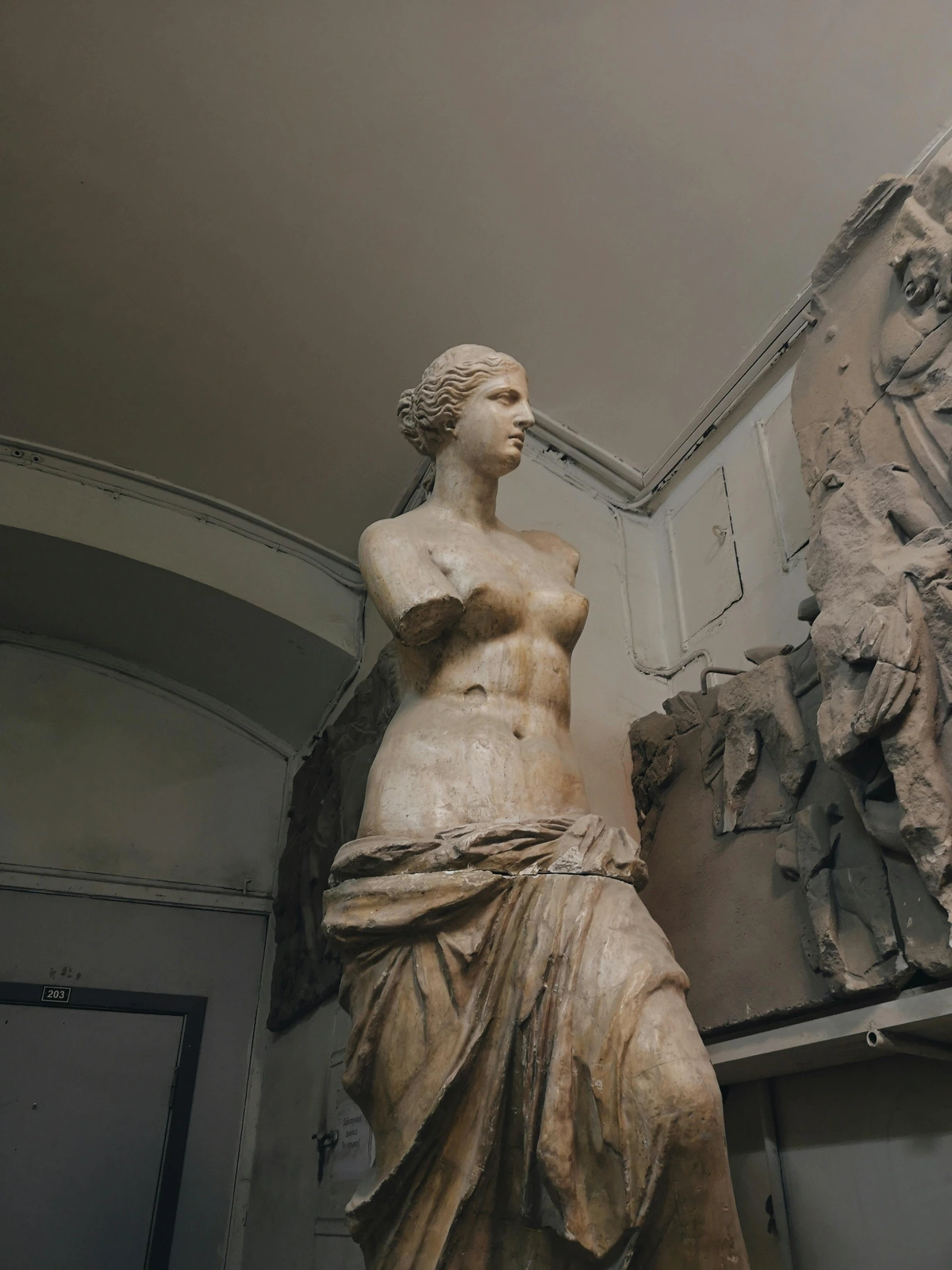
- For Ancient & Classical Worlds: The Classical World by Robin Lane Fox. Most surveys rush past the Greeks and Romans, but this book immerses you in their world. You begin to understand how their art wasn't just decoration, but an active part of their religion, politics, and science—a technology for making myths tangible. It connects the perfection of a kouros statue to the rise of democracy, and the drama of a Roman frieze to the politics of empire. For a more art-focused deep dive, Mary Beard's The Parthenon is a brilliant micro-history that uses one building to unlock the entire world of ancient Athens. It makes the abstract concepts of democracy and civic pride feel as solid as the marble itself.
- For the Renaissance: The Lives of the Artists by Giorgio Vasari. You have to take some of it with a grain of salt (Vasari loved a good story more than he loved verifiable facts), but this is basically the original art history gossip column. Written in the 16th century, it’s full of anecdotes about the masters like Michelangelo and Leonardo. It makes these legendary figures feel like real, competitive, and sometimes petty human beings. Reading Vasari feels like getting a backstage pass to the greatest artistic explosion in human history, complete with all the rivalries and drama that came with it. It’s essential for understanding how artists saw themselves for the first time as creative geniuses. For a modern counterpoint, Ross King's Brunelleschi's Dome tells a single, incredible story of architectural genius and breathtaking risk in 15th-century Florence. It's a masterclass in turning a single, monumental project into a lens for viewing an entire era.
- For the Baroque period: Caravaggio: A Life Sacred and Profane by Andrew Graham-Dixon. To understand the Baroque is to understand its enfant terrible. This is more than a biography; it's a forensic unpacking of how one extraordinarily flawed man's life and desperate circumstances produced paintings of shocking, revolutionary immediacy. You'll never see a Caravaggio the same way again. For a broader look at the era that also captures its theatrical power, Bernini: His Life and His Rome by Franco Mormando offers a dazzling portrait of the sculptor and architect who defined the look of the Catholic Counter-Reformation. These books take you out of the quiet museum and into the chaotic, passion-filled world that demanded this kind of visceral, dramatic art.
- For Impressionism: The Judgment of Paris by Ross King. This book focuses on the revolutionary moment when Manet and the Impressionists challenged the art establishment. It’s a brilliant snapshot of a specific time and place, capturing the scandal and excitement of an art movement being born. It really puts you in the cafes of 19th-century Paris. Ross King has a way of making history feel like a novel you can't put down, focusing on the human drama behind the canvases. To understand the movement from the inside out, The Private Lives of the Impressionists by Sue Roe is filled with intimate details about the artists' friendships, romances, and daily struggles. These books are so effective because they show you that these monumental works of art were made by real people juggling rent, love affairs, and persistent self-doubt.
- For Modern Art: The Shock of the New by Robert Hughes. Hughes was a brilliant, sharp-tongued critic, and this book (and the accompanying TV series) is a masterful guide to the dizzying chaos of modern art. He explains everything from Cubism to Pop Art without dumbing it down, connecting artistic shifts to the massive social and technological changes of the 20th century. He doesn't just describe the art; he judges it, and his opinions are part of what makes the book so compelling. As a perfect companion for anyone intimidated by abstract art, Will Gompertz's What Are You Looking At? uses a sharp, funny, no-nonsense approach to demystify 150 years of modern art. It's the literary equivalent of a patient friend walking you through a confusing modern art gallery and making it all make sense.
Broadening Your Horizons: Books Beyond the Traditional Canon
Let’s be real: for a long time, 'art history' mostly meant 'the history of art made by white European men.' And while that art is incredible, it’s a frustratingly small slice of the full story. The most exciting thing happening in art history right now is the effort to tell a bigger, more inclusive story. Reading these books is like discovering that the map you were given was only for one small continent, when in fact there are six more, each with its own rich and complex geography.
These books are essential because they correct a historical blind spot. They expand the map, showing us that the world of art is far wider and richer than we were led to believe. Reading them is an act of un-learning and re-learning, which is one of the most rewarding intellectual experiences you can have. It can be frustrating to realize the story you were told was incomplete, but the new, more complete story is so much more interesting. These books don't just add footnotes; they demand we rewrite entire chapters.
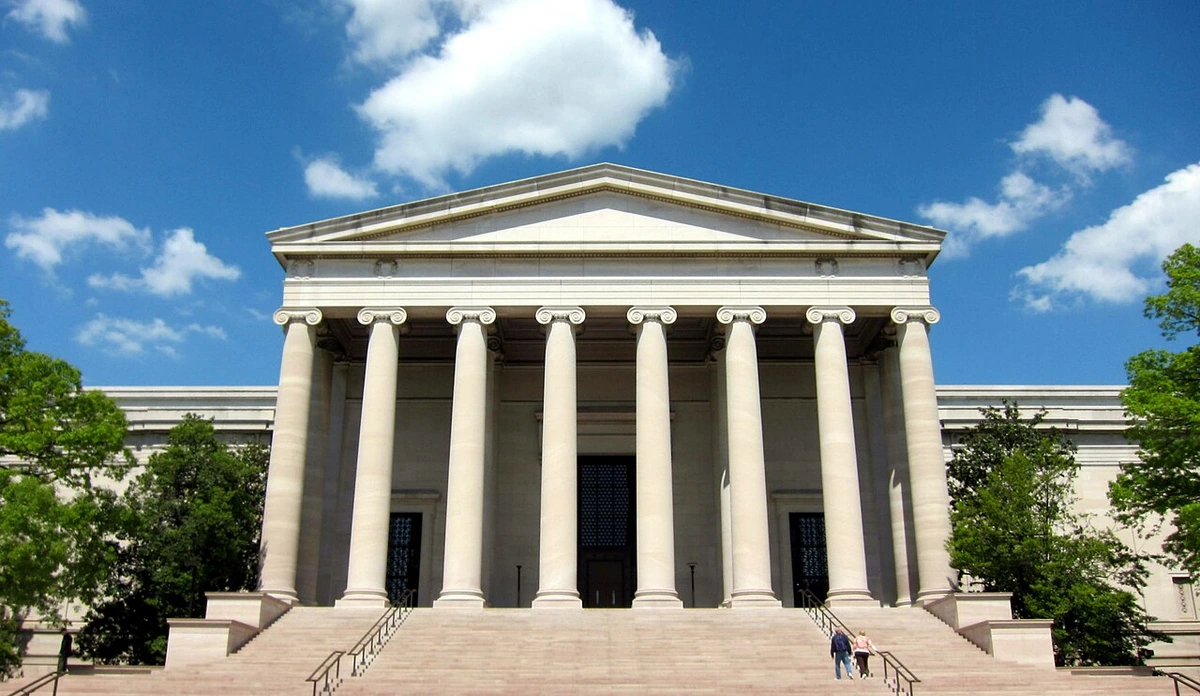
- The Story of Art Without Men by Katy Hessel: This is a direct, brilliant, and much-needed response to Gombrich's classic. It's not just about adding women back into the timeline; it's about re-evaluating the whole structure. You'll discover so many incredible artists you should have learned about years ago, from Artemisia Gentileschi to Frida Kahlo and beyond. It’s an essential corrective—a book that doesn't just fill in the gaps but rebuilds the entire picture, asking new questions about what we value in art and why. It's a vibrant, compelling, and often shocking retelling of art's story.
- A World History of Art by Hugh Honour & John Fleming: If you want a truly global perspective in a single volume, this is an excellent choice. It makes a conscious effort to break away from a purely Eurocentric timeline, weaving in the histories of art from Asia, Africa, and the Americas on their own terms, not just as footnotes to the European story. It demonstrates that while oil painting was developing in one part of the world, masterpieces in ink wash, ceramics, and monumental sculpture were developing elsewhere, each with their own rich history. It’s a crucial reminder that the history of art is not one single path, but many parallel journeys.
- Black Art: A Cultural History by Richard J. Powell: This book provides a deep, scholarly, and passionate survey of the rich legacy of art from the African diaspora. It connects historical antecedents in Africa to the powerful work being made today, exploring themes of cultural identity, resistance, and representation. It's a foundational text for understanding a huge and influential branch of contemporary art.
- Women, Art, and Society by Whitney Chadwick: This is a more academic counterpart to Hessel's book. Chadwick meticulously explores the social, economic, and political obstacles women artists faced (and still face), and how they developed their own networks and subjects to create profoundly moving work. It's less of a chronological history and more of a critical analysis of how gender has shaped the art world.
- How to Be an Explorer of the World by Keri Smith: This isn't a traditional art history book, but it's one of the most powerful tools for training yourself to see like an artist. It's an interactive guide filled with prompts and exercises to help you observe the world around you with the curiosity of an explorer and the heart of a creator.
Thinking Like an Art Historian: Books on Theory, Themes, and Ideas
This might sound scary, but stick with me. The most profound shift in my appreciation for art came not from learning more dates, but from learning to ask better questions. "Theory" is just a fancy word for learning how to look critically and understand the forces that shape what we see. Think of it this way: if the survey books are the 'what,' and the period books are the 'when' and 'who,' then theory is the 'how' and 'why.' It's the toolbox for dismantling an image to see how it actually works on your brain.
Think of it this way: if art history books teach you the what, theory books teach you the how—how to pull apart an image, how to see the meanings embedded within it, and how the context shapes our perception. These are the books that move you from being a knower of facts to a true thinker about art. They give you the tools to form your own opinions and understand why a particular artwork makes you feel a certain way. They reveal the hidden gears and levers of artistic meaning. It’s like learning the grammar of a visual language; suddenly, you can understand the poetry.
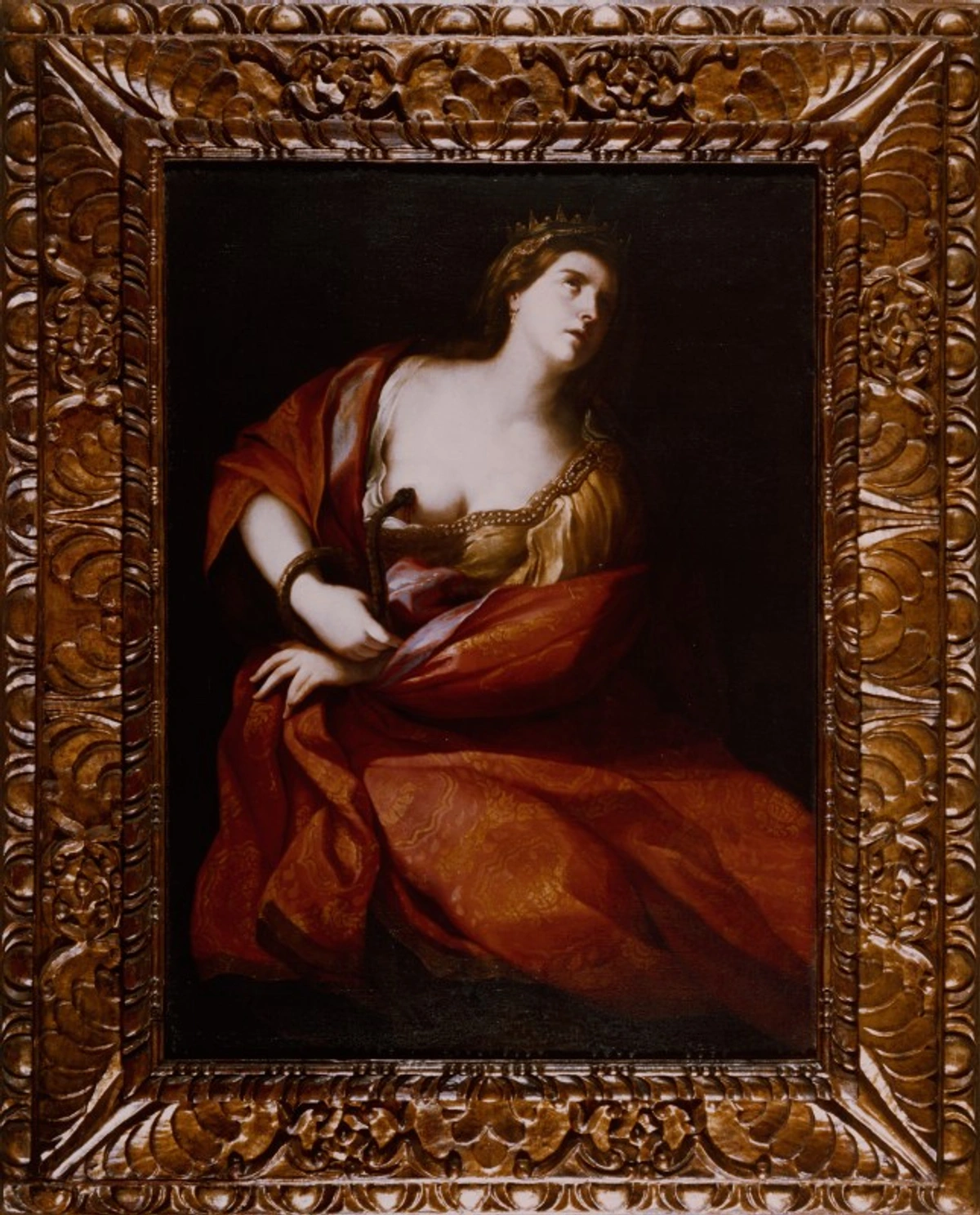
The Essential Primer: Ways of Seeing by John Berger
Ways of Seeing by John Berger is the undisputed champion here. It's a slim, unassuming book based on a 1970s BBC series, and it will permanently change how you look at art. Berger uses simple language to deconstruct everything from classical oil paintings to modern advertising. He reveals how images are used, who they are for, and the power dynamics hidden within them. It’s less of an art history book and more of a user's manual for your own eyes, teaching you to question the ideologies hidden in what seems 'natural.' It's the perfect antidote to the idea that art is just something beautiful to look at.
I still remember the specific page where Berger places a photo of a classical nude next to a similar image from a modern pin-up magazine. Suddenly, centuries of art history just clicked into a new, sharper, and slightly uncomfortable focus. He makes you see the invisible walls of the museum, the effect of a camera's reproduction, and the silent assumptions about class and gender embedded in a masterpiece. If you read only one book on this list, it should be Gombrich. If you read two, add this one right after. Reading Berger is like putting on a pair of glasses that reveal a whole new layer of social and political meaning in everything you see. It teaches you that no image is innocent.

Going Deeper: Unpacking Seminal Texts
Once Berger has re-wired your brain, these books offer more specialized but equally powerful lenses for viewing art.
- Erwin Panofsky's Meaning in the Visual Arts: This is the classic text for learning the language of symbols, or iconography. Panofsky’s method teaches you how to move beyond simply recognizing a subject (a woman with a baby) to decoding its symbolic meaning (the Virgin and Child) and understanding its deeper cultural significance. It’s a masterclass in how to look beyond the surface, providing a rigorous system for interpreting the hidden messages in art.
- Alfred Gell's Art and Agency: Gell flips the script entirely. He argues that we should think of art not as an object to be admired, but as a social agent that does things. An idol isn't just a statue; it's a vessel for a god's power. A portrait isn't just a likeness; it's a tool for asserting social status. This shift—from asking "Is it beautiful?" to "What does it do?"—is a game-changer for viewing everything from a religious idol to a piece of minimalist sculpture. It makes art feel alive and active in the world, less like a picture and more like a verb.
- Umberto Eco's On Ugliness: This one is just a joy. We spend so much time talking about beauty, but what about its opposite? Eco's anthology charts the history of ugliness, from the monstrous in ancient art to the abject in contemporary work. It shows how 'bad' can be just as powerful and complex as 'good,' and will expand your emotional and aesthetic vocabulary immensely. It’s a fascinating exploration of how our definitions of what is repellent have changed throughout history. It's a reminder that art's job isn't always to be pretty.
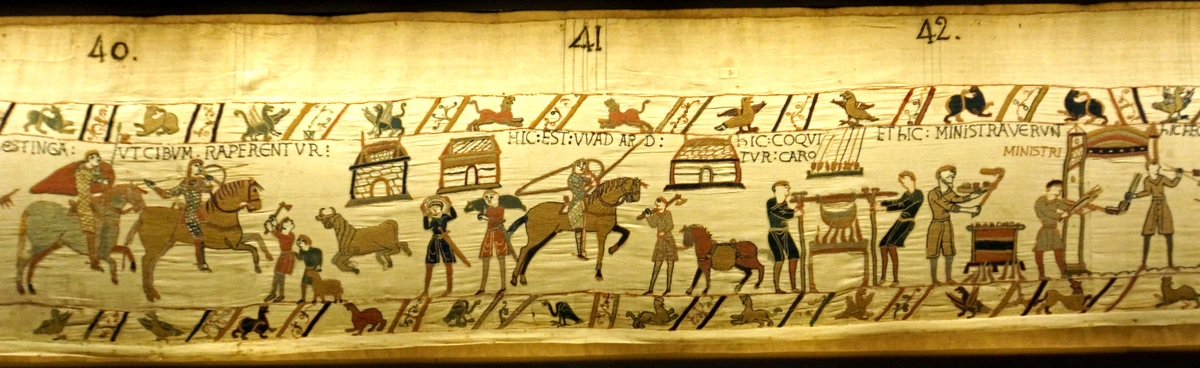
How to Actually Read These Books (Without Burning Out)
Okay, so you’ve got a book. Now what? The goal isn't to cram for an exam. It’s to feed your curiosity. Which means you get to make up your own rules. The biggest mistake people make is treating these books like homework instead of an adventure. Don't let the size of a tome like Gardner's intimidate you; you are in control of the experience, not the other way around.
Think of reading about art like visiting a giant buffet for the first time. You don't pile everything on your plate at once. You take a little bit of what looks good, you taste it, and if you like it, you go back for more. If you don't, you move on to the next dish. The goal is to enjoy the meal, not to try and eat all the food in the restaurant. These strategies are just ways to navigate that buffet without getting overwhelmed. Remember, the best meal is the one you actually enjoy, not the one you feel obligated to finish.
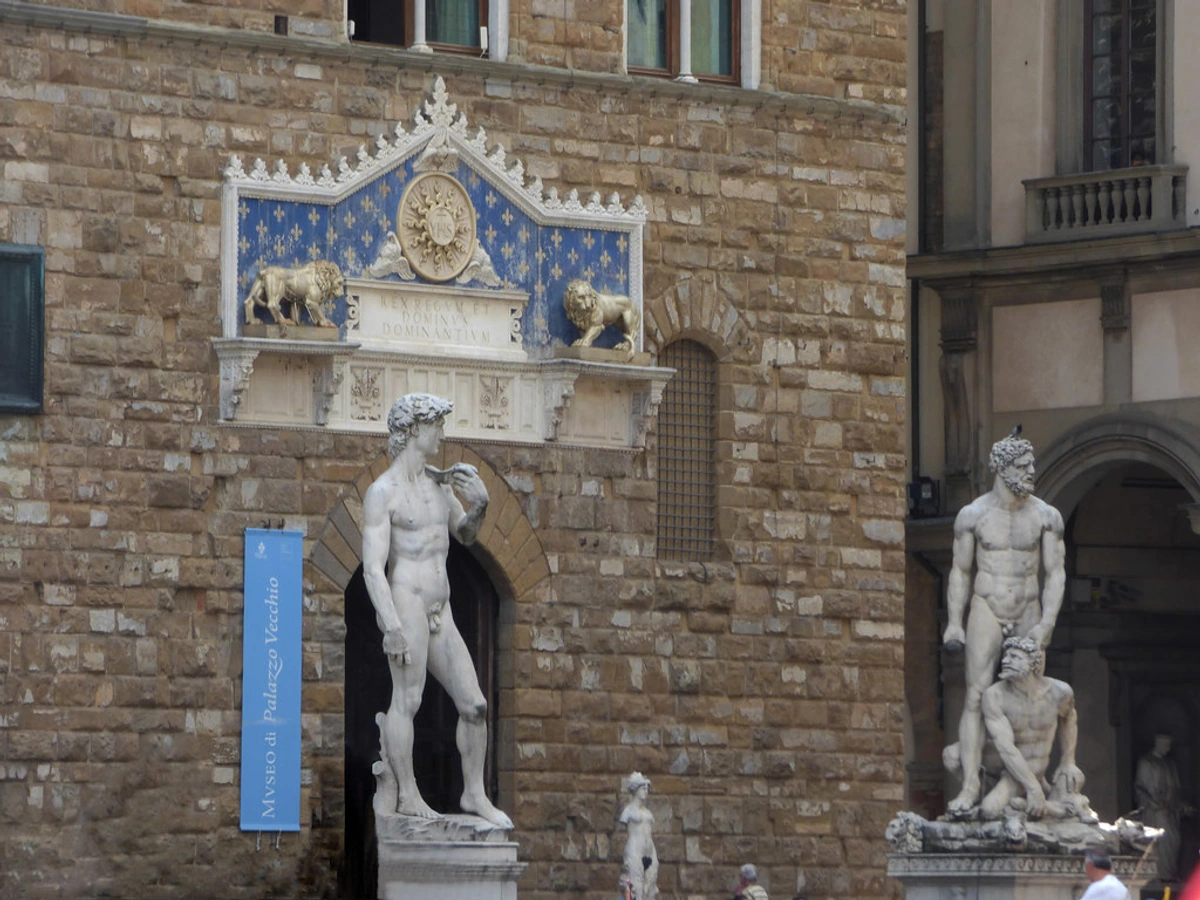
Strategy | How to Do It | Why It Works |
|---|---|---|
| Don't Be a Prisoner | You don't have to read cover-to-cover. Jump to the chapter that interests you most. Start with what excites you. | It prevents burnout and builds momentum. Passion is the best fuel for learning. |
| Use the Internet | Keep your phone or computer handy. When a piece of art grabs you, pause and look up more images. | It turns a static text into an interactive, multimedia experience, deepening your visual memory. |
| Read with a Purpose | Instead of just reading, look for the answer to a question. E.g., "Why did artists suddenly get so interested in light during Impressionism?" | It transforms passive reading into an active hunt, making the information more memorable and engaging. |
| Visit the Real Thing | Take what you're learning and visit a local museum. See if you can spot the ideas from your reading on the walls. | It bridges the gap between theory and reality, locking in concepts through direct sensory experience. |
| Start a Visual Diary | Jot down works, artists, or periods that spark something in you. It doesn't have to be fancy. | It creates a personalized roadmap of your interests, turning a book into the start of your own unique journey. |
FAQ: Your Questions Answered
This is the section for the practical, burning questions that might be holding you back. Think of it as the "myth-busting" part of the guide, where we tackle the most common hesitations and confusions head-on with straight talk and actionable advice, not academic jargon.
What's the best single book to start with if I'm a complete beginner?
Hands down, The Story of Art by E.H. Gombrich. Its narrative style makes the vastness of art history feel approachable and connected. It reads like a story, not a textbook, which makes it the perfect entry point. If you find its prose a little formal for a first pass, try a more visual book, like The Annotated Mona Lisa, to get a quick overview before circling back to Gombrich. Think of it this way: Gombrich is your patient, brilliant teacher, while The Annotated Mona Lisa is your fun, fast-paced, visual cheat sheet.
Are art history books expensive? Where can I find them?
They can be, especially new textbooks. But many of these classics are available in affordable paperback editions. I highly recommend checking out used bookstores, your local library, or online sellers of used books. You don't need the latest glossy edition to get the knowledge. The 15th edition of Gombrich is just as magical as the 16th.
The real secret weapon here is the local library's inter-library loan system: a network that can get you almost any book in the country for free. It's the single best way to 'test drive' a book before you commit to buying it. And if you find you do want to own a book, don't overlook used book sites. A history of art is written in the marginalia of other people's thoughts. I've learned as much from the notes in the margins of a second-hand book as I have from the text itself. It's a conversation across time and space, right there on the page.
Do I need to read about art in chronological order?
Absolutely not! I think it’s helpful to get a chronological overview once with a book like Gombrich’s, but after that, follow your passion. If you’re fascinated by the work of Joan Miró, dive deep into him and his contemporaries. You'll naturally start to see connections to what came before and after.
It's perfectly valid to jump from ancient Egyptian art to Dadaism in the same afternoon. Trust your curiosity; it's the best compass you have. Think of it this way: a chronological path gives you the 'string of pearls,' the linear evolution. A passion-based path gives you the deep dive, the context. Both are valid. The former is great for your first trip, the latter is the path of a lifelong devotee. Don't let some imagined rulebook dictate your journey. The history of art isn't a straight line; it's a sprawling web, and you can jump in at any node.
How are modern art history books different from older ones?
The biggest difference is perspective. Newer books, like Hessel's, are much more likely to include a global perspective, feature more female artists and artists of color, and question the traditional stories we've been told about art. Reading both old and new books gives you a richer understanding of not just art, but how our understanding of it has evolved over time—a history of art history, if you will. It reveals that the 'canon' isn't a fixed set of masterpieces, but a constantly shifting conversation about what we value and why.
Older books provide a valuable window into how art was understood in the past, but newer books are essential to seeing the full, complex, and diverse picture of human creativity. The newer books have absorbed decades of academic debate around feminism, postcolonialism, and social history. They treat art less as a parade of individual geniuses and more as a complex web of social, economic, and political forces. Reading Gombrich first, and then Hessel, is an education in itself about how the discipline has matured. It's like reading a history book from the 1950s and then another from today about the same event—the facts might be similar, but the story, and the storytellers, are completely different.
From Reading to Seeing: Bringing It All Together
So, you've read some books, you've watched some videos, maybe even gone to a museum. How do you know you're actually getting it? It's less about a test and more about a set of quiet shifts in your own perception. Real understanding doesn't feel like a list of memorized facts; it feels like seeing in a new dimension. It feels like a superpower. It's the difference between hearing a language and thinking in it—the shift from translating to simply understanding.
You know you're developing an eye for art history when…
- ...you can walk into a room in a museum and immediately get a rough sense of the era just from the "look" of the paintings, even before you read the labels. You start to see the DNA of a movement at a glance. The visual clues become a language you can read.
- ...a familiar painting you've seen a hundred times in pop culture suddenly reveals a new detail or a hidden symbol that changes its whole meaning for you. It feels like spotting a secret message meant just for you. The work becomes layered and deep in a way it never was before.
- ...instead of just thinking, "I like this," you find yourself starting to form a thought like, "This Baroque drama feels completely different from the calm reason of that Neoclassical piece over there," and you can begin to articulate why. You become your own critic.
- ...you start making weird, wonderful connections, seeing how a technique from the Italian Renaissance is being used for a completely different reason in modern advertising or a movie poster. The past stops being a separate place and starts living in the present.
- ...you can stand in front of a work you hate and find it fascinating. You’ve learned that art doesn’t have to be ‘good’ to be important or interesting.
This is the ultimate goal. Not just to know the history, but to let it animate your view of the world around you now. It’s about learning to see. It's this way of seeing that influences my own creative process, something you can see traces of in the work I sell in my shop and the path I've taken in my timeline.
A Final Thought
These books are not rulebooks. They are invitations. They are starting points for conversations with some of the most brilliant, troubled, and innovative minds in human history. They teach you a new language—a visual language—that allows you to understand the world and its history in a more profound way. And once you learn that language, you start to see it everywhere, from the design of a movie poster to the architecture of your local coffee shop—the world simply becomes more legible, more interesting.






A Final Thought: Your Journey Begins
So, where do you start? Pick up a book. Find a comfortable chair. Let your curiosity guide you. The goal isn't to know every name and date—the goal is to feel that shock of connection with a piece of art from 500 years ago. To find an artist, long gone, who somehow understands a piece of you.
That's the magic. That's the journey. It's less about acquiring information and more about finding a new way to be in the world, with your eyes wide open.
Now that you're armed with this reading list, take the next step. See this art for yourself. Don't let it just live on the page. If you can, start planning a visit to a great museum. Bring your newfound knowledge with you and see how the real thing feels. I have guides to some of the major art institutions to help you plan your trip. It's the final, crucial step in turning art from an idea into an experience. It's one thing to read about a Rothko; it's another to stand in front of one and let it wash over you.
This journey has profoundly influenced my own work, how I see the world, and what I strive to create. You can see this influence in my art on my timeline or find pieces for your own collection in my shop. Start your journey with a book, but know that it will ripple out and change how you see everything, including maybe, one day, the art you choose to bring into your own home.