Cracked Canvases: The Artists Who Painted Their Inner Turmoil
A deep, personal dive into how artists like Van Gogh, Munch, and Kahlo turned their inner turmoil into masterpieces. Explore the raw, beautiful chaos.

Cracked Canvases: The Artists Who Painted Their Inner Turmoil
Art has always been a mirror to the soul, reflecting the deepest emotions and struggles of its creators. This article explores the lives and works of artists who transformed their inner turmoil into masterpieces, offering a glimpse into the human condition through their art.
Art has always been a mirror to the soul, reflecting the deepest emotions and struggles of its creators. This article explores the lives and works of artists who transformed their inner turmoil into masterpieces, offering a glimpse into the human condition through their art.
Art is not just about aesthetics; it is a language of emotion, a medium through which artists communicate their innermost thoughts and feelings. Whether it's the vibrant swirls of a Van Gogh or the haunting figures of a Bacon, these works resonate because they capture something universal about the human experience.
Have you ever looked at a painting and felt it in your gut? Not just admired the technique, but felt a jolt, a pang of recognition? For me, that often happens with art that isn't afraid to be messy, to be raw, to show the cracks. It's a strange comfort, knowing someone, decades or even centuries ago, felt a storm inside them and decided to put it on a canvas instead of letting it consume them.
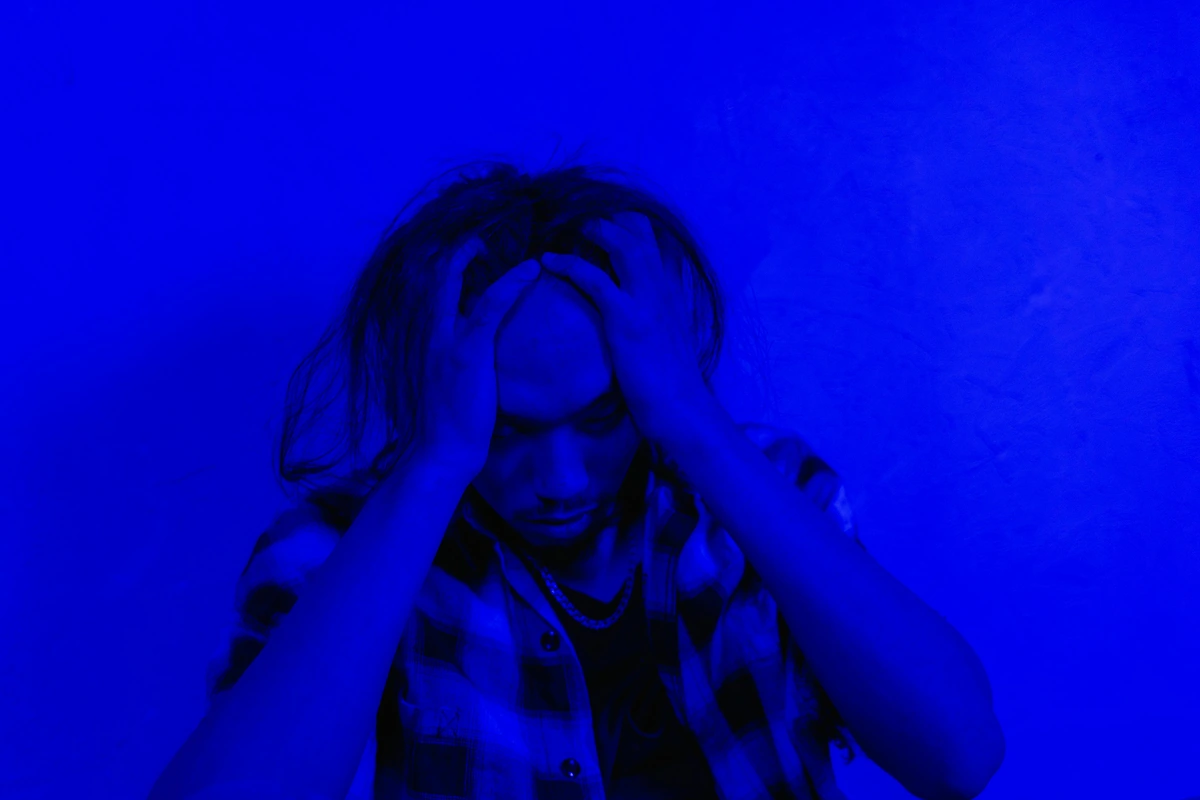
Art is not just about aesthetics; it is a language of emotion, a medium through which artists communicate their innermost thoughts and feelings. Whether it's the vibrant swirls of a Van Gogh or the haunting figures of a Bacon, these works resonate because they capture something universal about the human experience.
Have you ever looked at a painting and felt it in your gut? Not just admired the technique, but felt a jolt, a pang of recognition? For me, that often happens with art that isn't afraid to be messy, to be raw, to show the cracks. It's a strange comfort, knowing someone, decades or even centuries ago, felt a storm inside them and decided to put it on a canvas instead of letting it consume them.
This isn't just about sad paintings. It's about honesty. It's about artists who used their brushes to fight their demons, to understand their pain, or simply to survive it. Their works are not just paintings; they are testaments to the resilience of the human spirit.
Through their art, these creators invite us to explore the depths of their emotions, offering a window into their struggles and triumphs. Their works are not just paintings; they are testaments to the resilience of the human spirit.
The Historical Context of Art and Emotion
Art has always been a reflection of the human experience, capturing emotions that transcend time and culture. From the earliest cave paintings to modern abstract works, artists have used their craft to express joy, sorrow, and everything in between. This section delves into the historical significance of art as a medium for emotional expression and its evolution over the centuries.
Art has always been a reflection of the human experience, capturing emotions that transcend time and culture. From the earliest cave paintings to modern abstract works, artists have used their craft to express joy, sorrow, and everything in between. This section delves into the historical significance of art as a medium for emotional expression and its evolution over the centuries.
Early Art and Emotional Expression
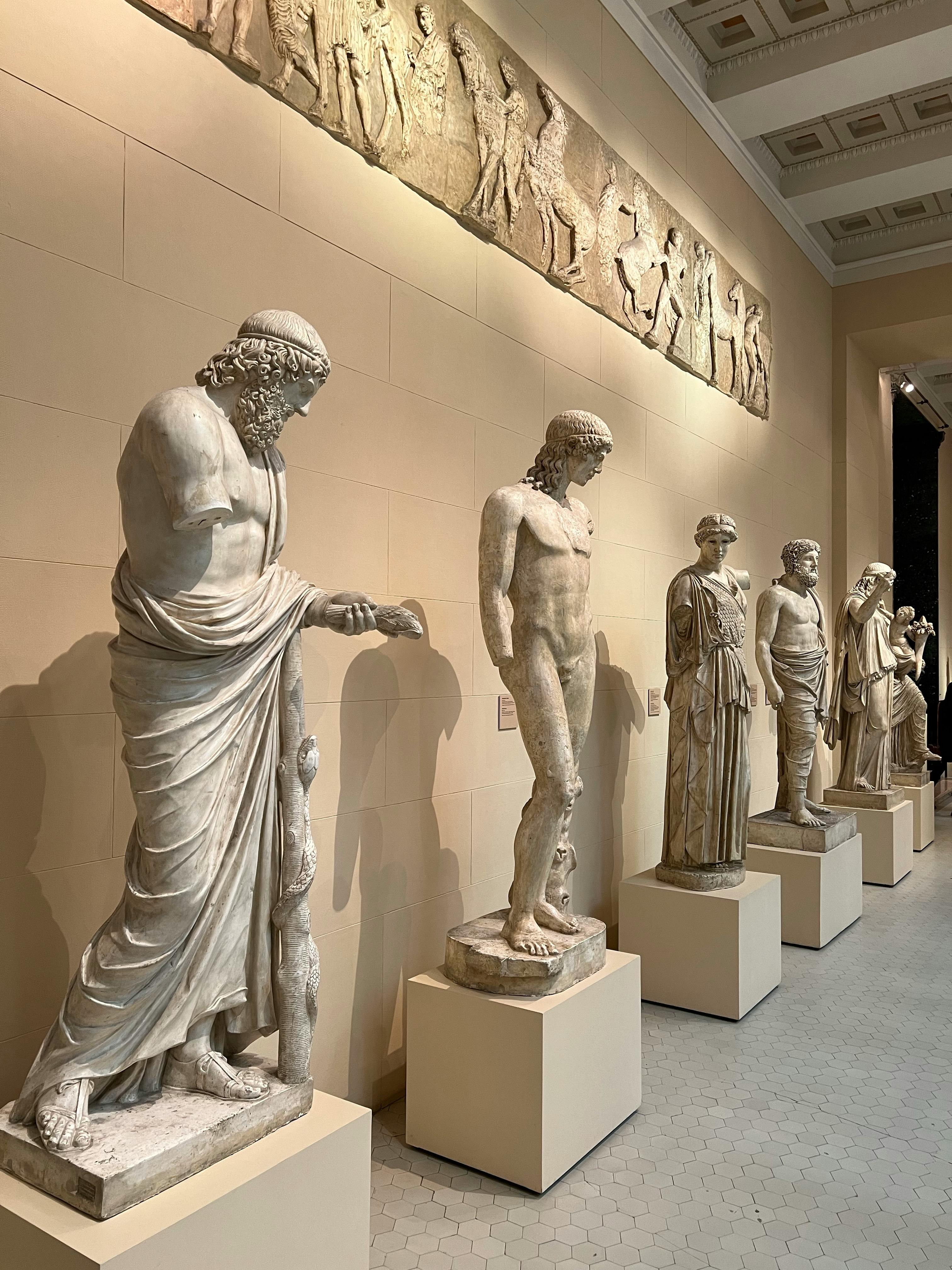
The earliest forms of art, such as cave paintings and ancient sculptures, were not merely decorative. They served as a means of communication, storytelling, and emotional expression. These early works often depicted scenes of hunting, rituals, and daily life, but they also conveyed deeper emotions like fear, reverence, and awe. The use of symbols and imagery in these works suggests a primitive yet profound understanding of the human psyche.
The earliest forms of art, such as cave paintings and ancient sculptures, were not merely decorative. They served as a means of communication, storytelling, and emotional expression. These early works often depicted scenes of hunting, rituals, and daily life, but they also conveyed deeper emotions like fear, reverence, and awe. The use of symbols and imagery in these works suggests a primitive yet profound understanding of the human psyche.
The Renaissance and Emotional Depth
During the Renaissance, art began to explore more complex emotional themes. Artists like Leonardo da Vinci and Michelangelo infused their works with a sense of drama, intensity, and emotional depth. The focus shifted from purely religious or mythological subjects to a more human-centered approach, capturing the nuances of human emotion and experience.
During the Renaissance, art began to explore more complex emotional themes. Artists like Leonardo da Vinci and Michelangelo infused their works with a sense of drama, intensity, and emotional depth. The focus shifted from purely religious or mythological subjects to a more human-centered approach, capturing the nuances of human emotion and experience.
The Power of Art as Therapy
Art has long been recognized as a form of therapy. It allows individuals to externalize their emotions, making the intangible tangible. For many artists, the act of creation is a way to process trauma, anxiety, and depression. It's a journey of self-discovery and healing, a way to confront and make sense of their inner world.
Art has long been recognized as a form of therapy. It allows individuals to externalize their emotions, making the intangible tangible. For many artists, the act of creation is a way to process trauma, anxiety, and depression. It's a journey of self-discovery and healing, a way to confront and make sense of their inner world.
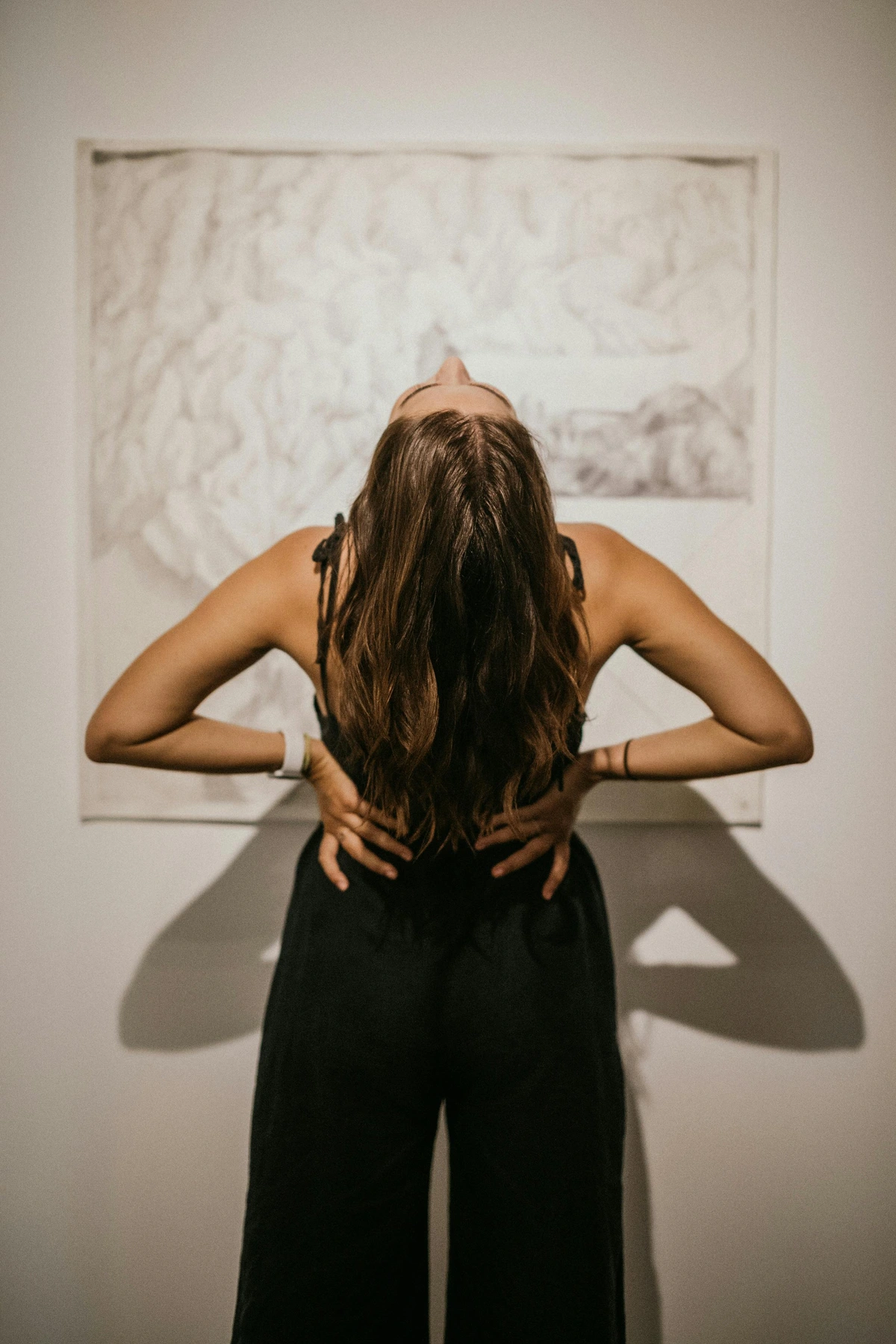
The psychological benefits of artistic expression are well-documented. Studies have shown that engaging in creative activities can reduce stress, improve mood, and enhance overall well-being. For artists like Vincent van Gogh and Frida Kahlo, painting was a way to cope with their inner turmoil and find solace in their creativity.
Why Turn Pain into a Picture?
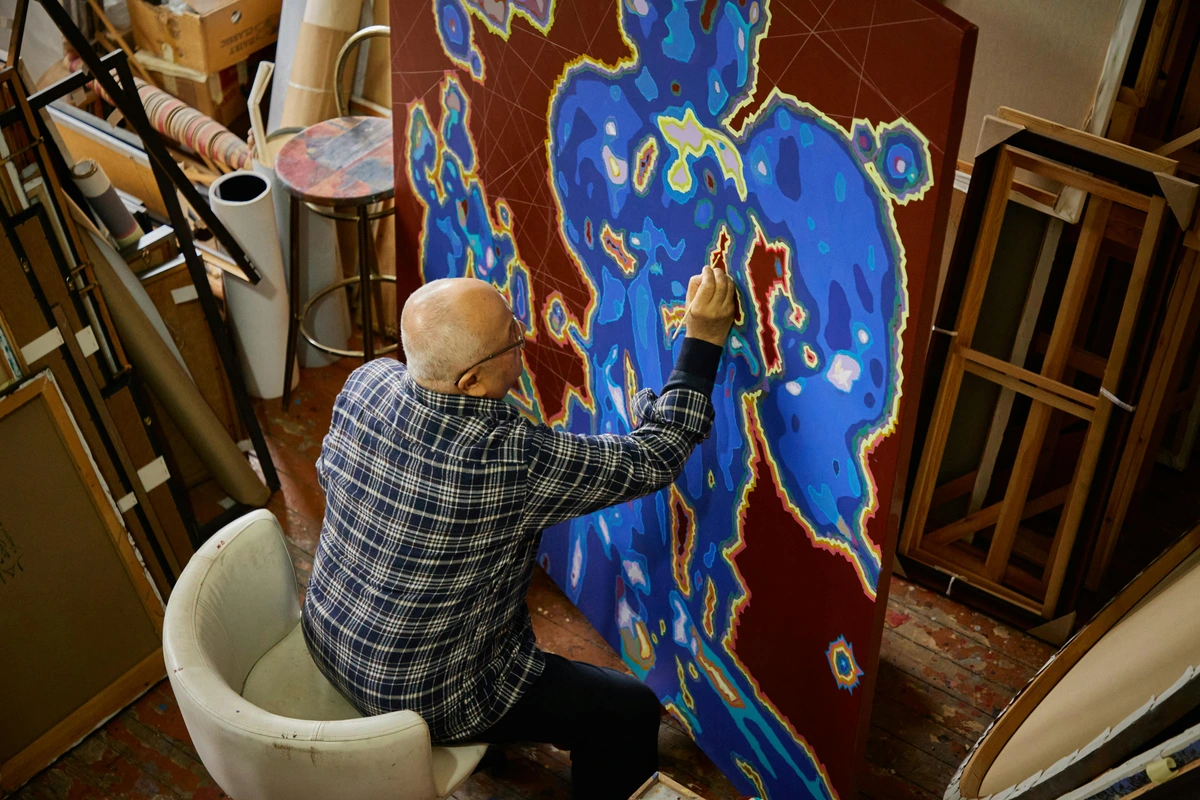
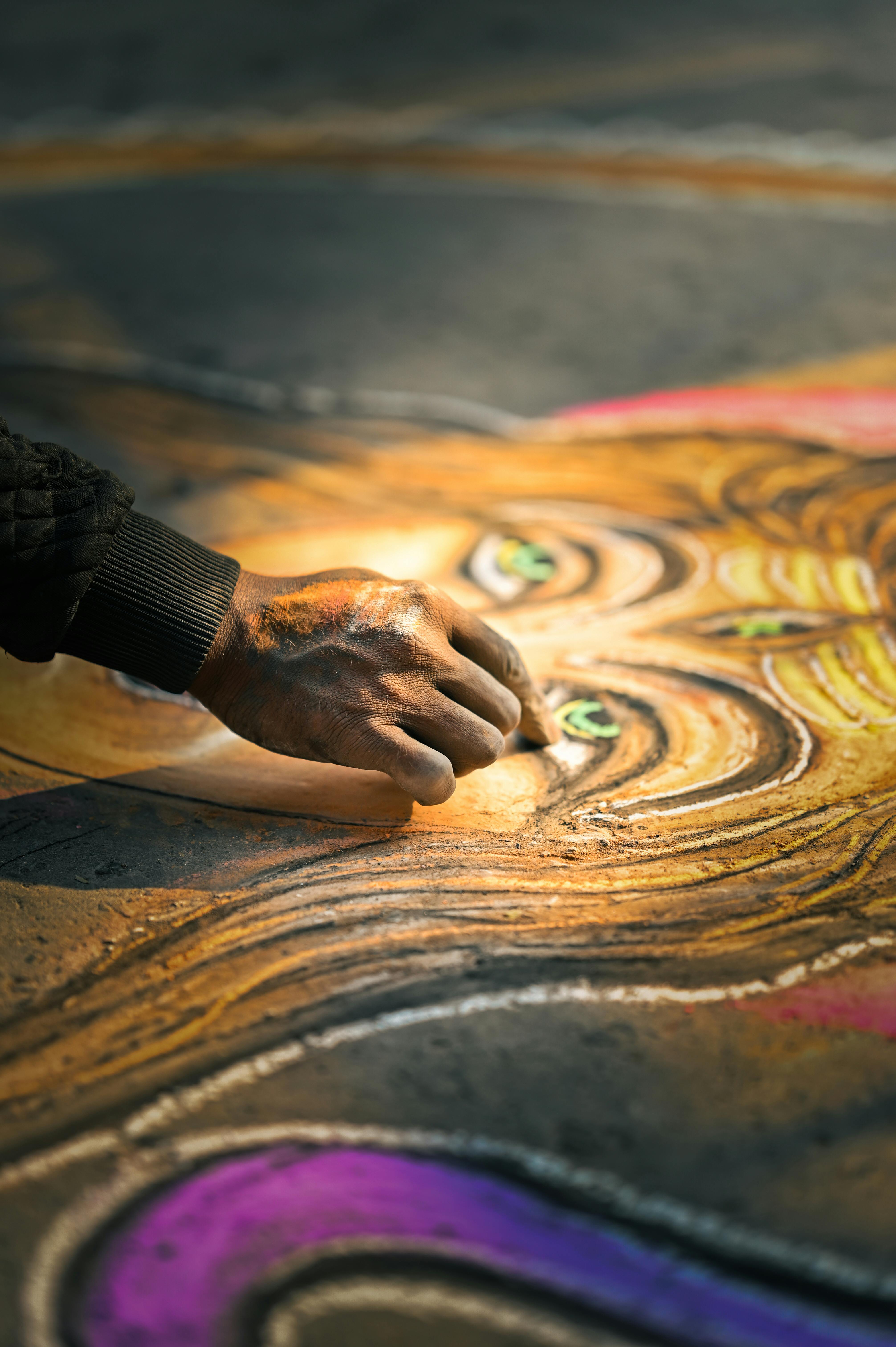
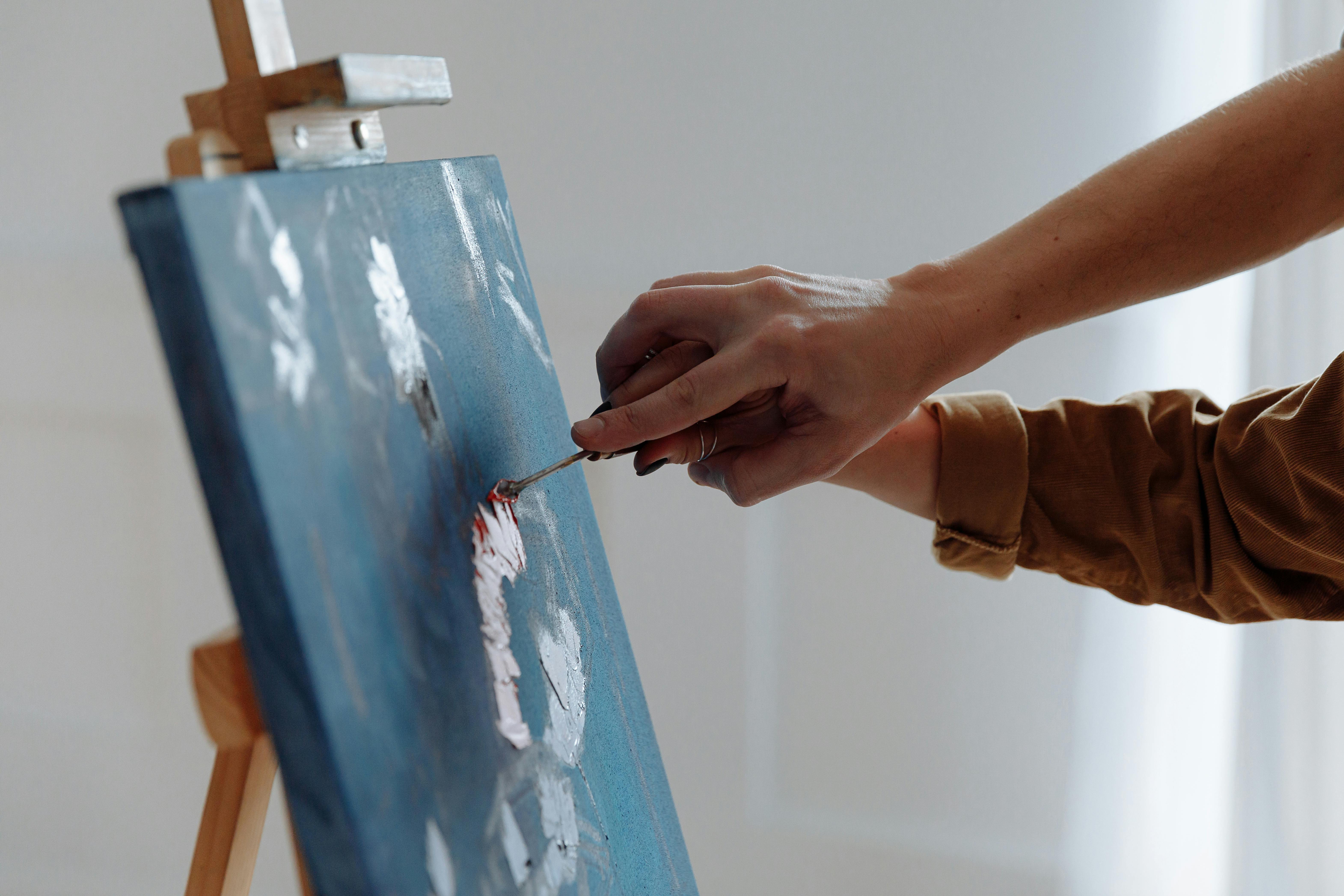
It seems counterintuitive, doesn't it? When you're feeling awful, the last thing you might want to do is wallow in it. But for an artist, the canvas is a different kind of space. It's a laboratory, a diary, and a megaphone all at once. My studio is my sanctuary, a place where I can take a feeling that's just a tangled mess in my head and give it a shape, a color, a texture. The process itself is a way of translating emotion into abstract art, of making sense of the nonsensical.
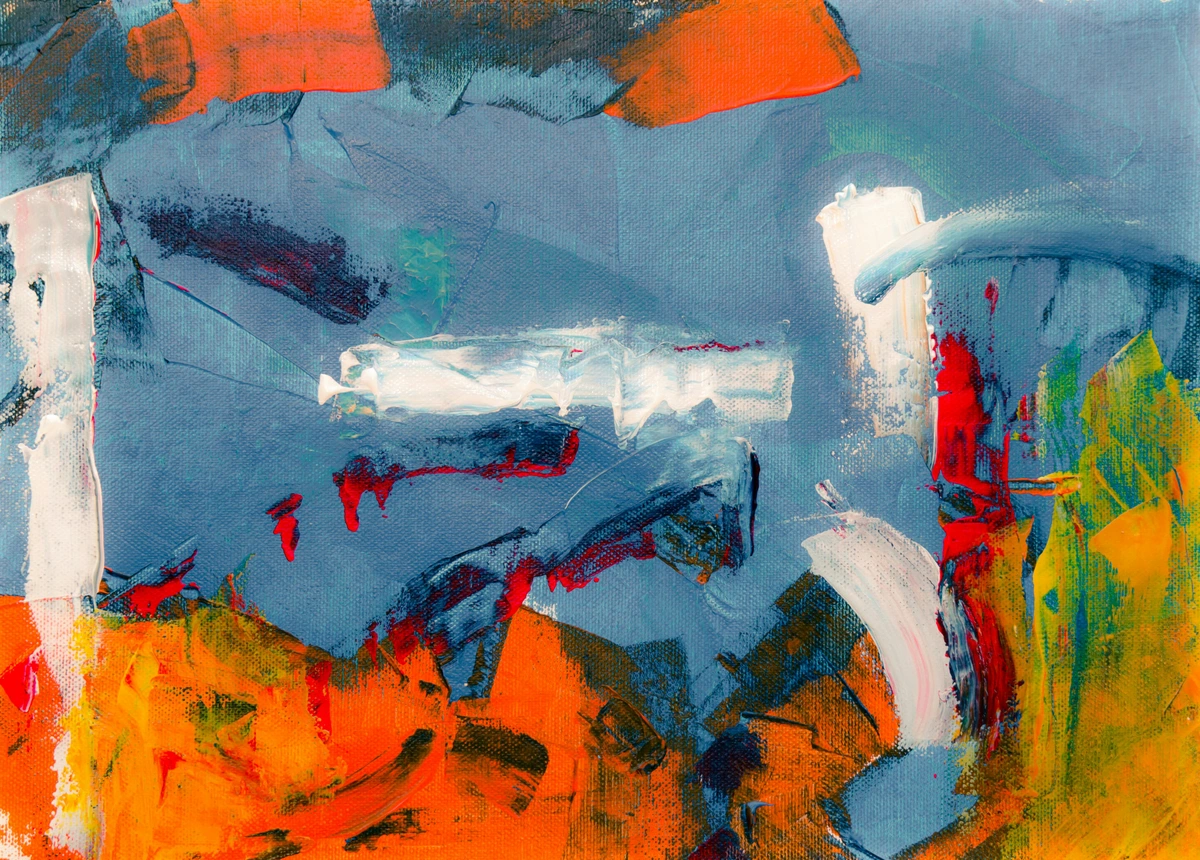
It seems counterintuitive, doesn't it? When you're feeling awful, the last thing you might want to do is wallow in it. But for an artist, the canvas is a different kind of space. It's a laboratory, a diary, and a megaphone all at once. My studio is my sanctuary, a place where I can take a feeling that's just a tangled mess in my head and give it a shape, a color, a texture. The process itself is a way of translating emotion into abstract art, of making sense of the nonsensical.
For many of the artists we'll look at, art wasn't a choice; it was a necessity. It was the only language they had to speak about the unspeakable—mental illness, physical pain, grief, and societal pressure.
The Psychological Benefits of Artistic Expression
Creating art can be a deeply therapeutic process. It allows artists to externalize their emotions, providing a sense of relief and control. Studies have shown that engaging in creative activities can reduce stress, improve mood, and enhance overall well-being. For artists like Vincent van Gogh and Frida Kahlo, painting was a way to cope with their inner turmoil and find solace in their creativity.
Art Therapy Techniques
Art therapy encompasses a variety of techniques, each designed to help individuals express and process their emotions. Some common techniques include:
- Drawing and Painting: These traditional methods allow individuals to visually represent their feelings and experiences.
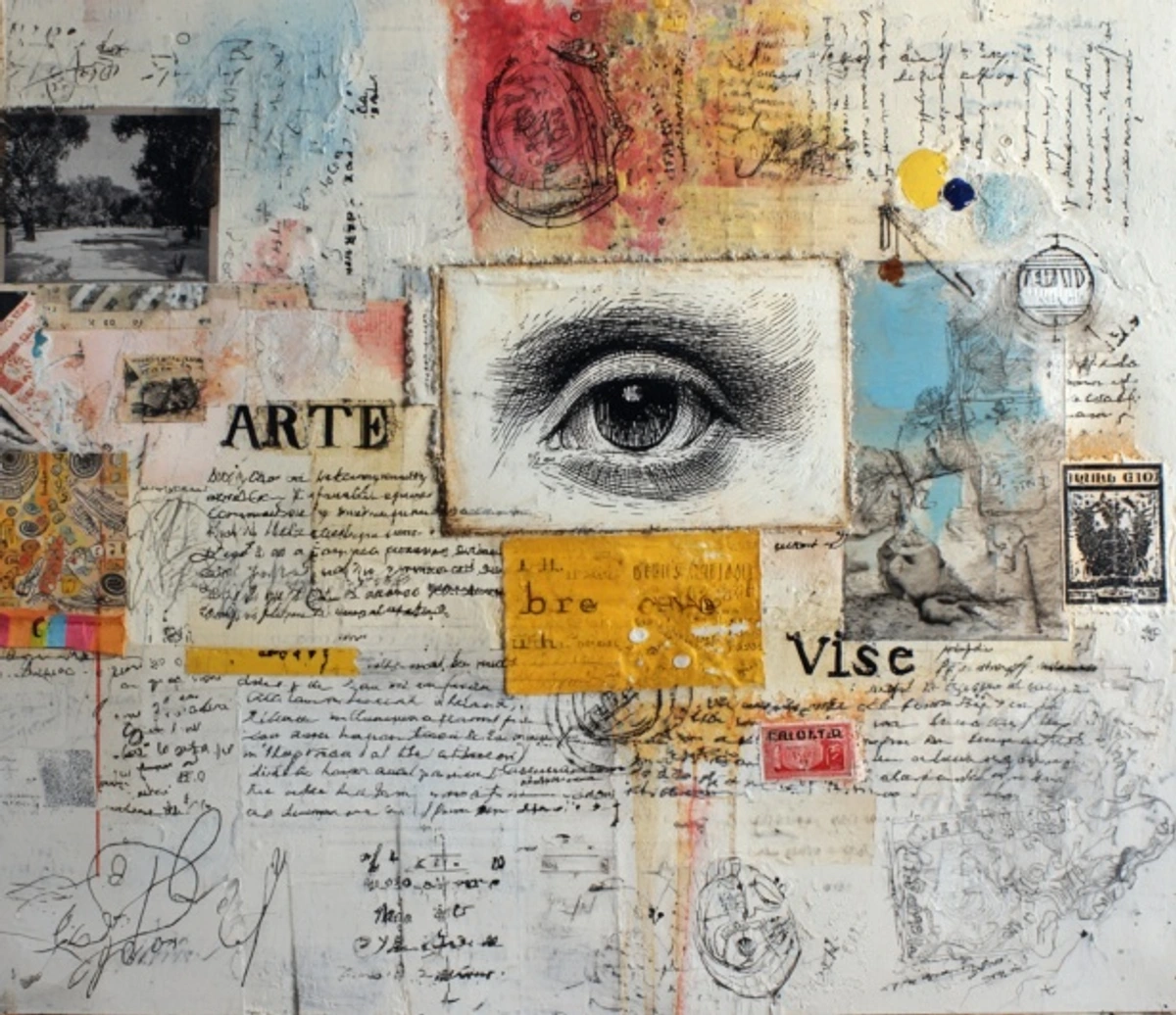
- Collage: Combining images and materials can help individuals explore their emotions and create a visual narrative.
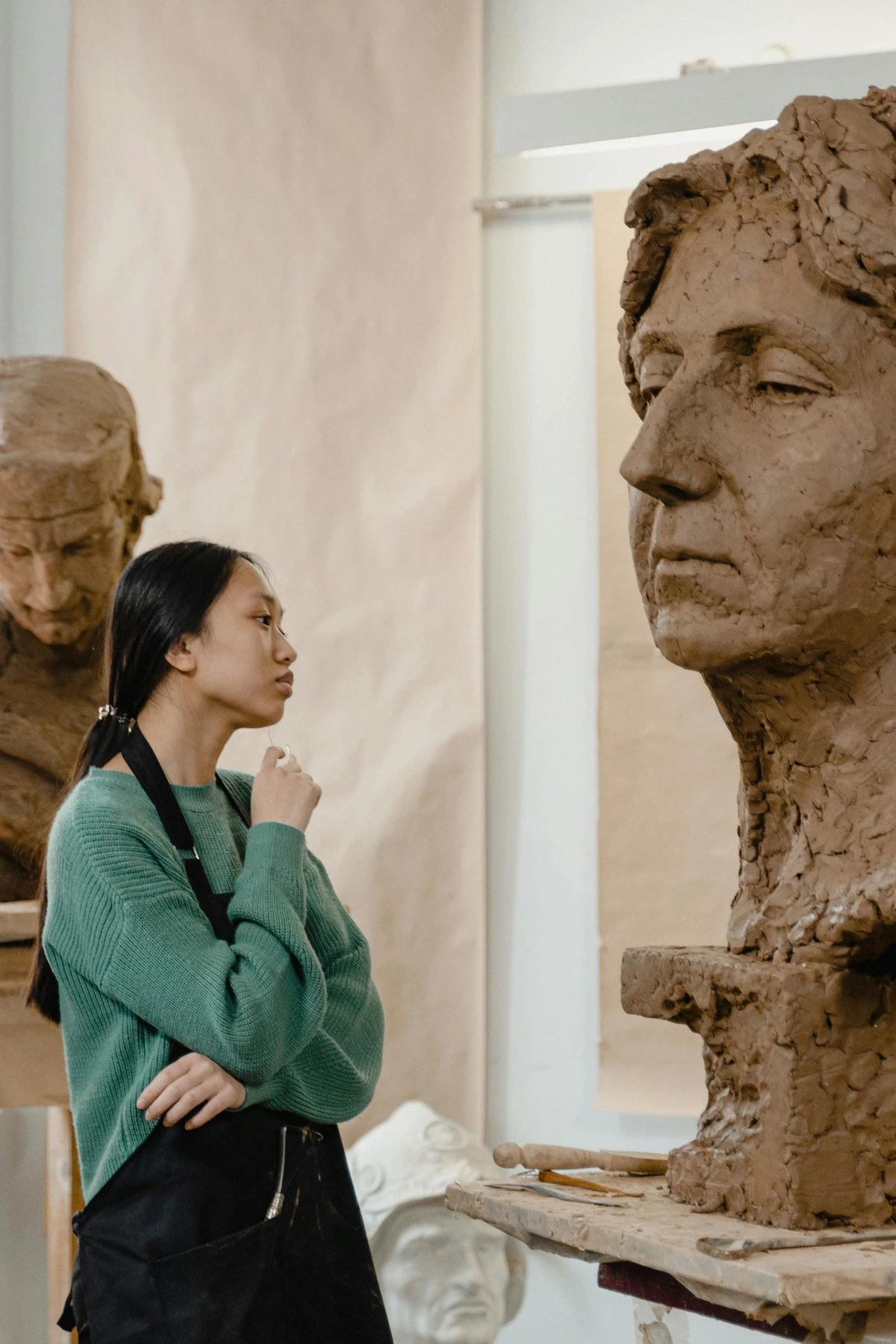
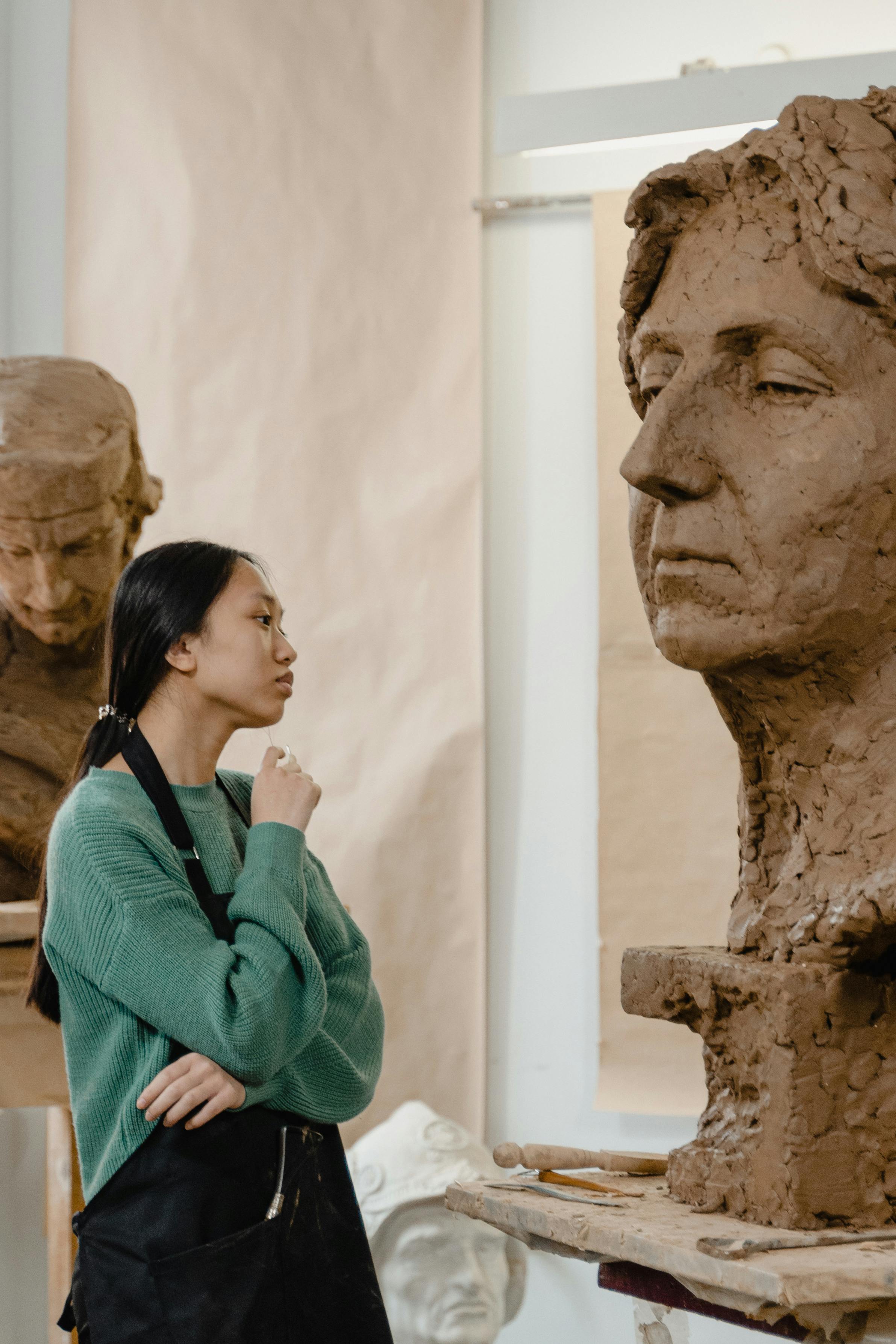
- Sculpting: Working with clay or other materials can provide a tactile way to express emotions.
- Digital Art: Using digital tools to create art can be a modern and accessible way to engage in artistic expression.
Each of these techniques offers a unique way to explore and process emotions, making art therapy a versatile and effective tool for healing.
The Masters of Melancholy
Certain names immediately come to mind when you think of art born from struggle. They weren't just painting landscapes or portraits; they were painting their very souls. These artists used their brushes to confront their demons, to understand their pain, and to transform it into something beautiful and enduring.
Their works are not just masterpieces; they are windows into the human experience, offering insights into the complexities of emotion and the resilience of the human spirit.
The Role of Art in Mental Health
Art has played a significant role in mental health throughout history. It provides a non-verbal outlet for emotions that might otherwise remain unexpressed. For many artists, creating art is a form of self-care, a way to navigate the complexities of their mental health. This section will explore how art has been used as a tool for healing and self-expression.
Art has played a significant role in mental health throughout history. It provides a non-verbal outlet for emotions that might otherwise remain unexpressed. For many artists, creating art is a form of self-care, a way to navigate the complexities of their mental health. This section will explore how art has been used as a tool for healing and self-expression.
Vincent van Gogh: The Swirling Skies of a Tortured Mind
It’s impossible to talk about this topic without talking about Vincent. His life was a relentless battle with mental illness and poverty, a struggle that deeply infused his entire artistic output. Yet, from this crucible of suffering, he produced some of the most vibrant, emotionally charged art in history. When you look at The Starry Night, you're not just seeing a serene Provençal landscape. You're seeing his turbulent inner world laid bare. The sky isn't calm; it's a roiling, cosmic sea of energy and emotion, a reflection of his own agitated state. That dark, flame-like cypress tree in the foreground? It’s often seen as a symbol of death and turmoil, reaching from the earth to that chaotic sky, almost like a conduit for his restless spirit. He painted his feelings, and they were electric, vibrant, and impossible to ignore.
It’s impossible to talk about this topic without talking about Vincent. His life was a relentless battle with mental illness and poverty, a struggle that deeply infused his entire artistic output. Yet, from this crucible of suffering, he produced some of the most vibrant, emotionally charged art in history. When you look at The Starry Night, you're not just seeing a serene Provençal landscape. You're seeing his turbulent inner world laid bare. The sky isn't calm; it's a roiling, cosmic sea of energy and emotion, a reflection of his own agitated state. That dark, flame-like cypress tree in the foreground? It’s often seen as a symbol of death and turmoil, reaching from the earth to that chaotic sky, almost like a conduit for his restless spirit. He painted his feelings, and they were electric, vibrant, and impossible to ignore.
Edvard Munch: The Scream Heard Around the World
If Van Gogh’s turmoil was a swirling storm, Edvard Munch’s was a raw, piercing scream. Growing up surrounded by illness and death, Munch's work is steeped in themes of anxiety, love, and mortality. He was a key figure in Expressionism, a movement that was all about expressing internal feelings over external reality.

The Scream is the ultimate visual representation of existential dread. Munch described the inspiration for it during a walk at sunset when he was suddenly overcome by an "infinite scream passing through nature." That blood-red sky and the distorted, agonized figure aren't just a scene; they're a panic attack on canvas.
If Van Gogh’s turmoil was a swirling storm, Edvard Munch’s was a raw, piercing scream. Growing up surrounded by illness and death, Munch's work is steeped in themes of anxiety, love, and mortality. He was a key figure in Expressionism, a movement that was all about expressing internal feelings over external reality.
The Scream is the ultimate visual representation of existential dread. Munch described the inspiration for it during a walk at sunset when he was suddenly overcome by an "infinite scream passing through nature." That blood-red sky and the distorted, agonized figure aren't just a scene; they're a panic attack on canvas.
Frida Kahlo: A Diary in Paint
Frida Kahlo didn't just paint her turmoil; she wore it as a badge of honor. Her life was defined by intense physical and emotional pain, from a crippling bus accident as a teenager to her tumultuous relationship with Diego Rivera. Her self-portraits are an unflinching, surreal chronicle of her suffering.
She said, "I paint myself because I am so often alone and because I am the subject I know best." In paintings like The Broken Column and The Wounded Deer, she uses graphic, often brutal symbolism to depict her physical agony and emotional heartbreak. It’s raw, it's personal, and it's utterly compelling.
Frida Kahlo didn't just paint her turmoil; she wore it as a badge of honor. Her life was defined by intense physical and emotional pain, from a crippling bus accident as a teenager to her tumultuous relationship with Diego Rivera. Her self-portraits are an unflinching, surreal chronicle of her suffering.

She said, "I paint myself because I am so often alone and because I am the subject I know best." In paintings like The Broken Column and The Wounded Deer, she uses graphic, often brutal symbolism to depict her physical agony and emotional heartbreak. It’s raw, it's personal, and it's utterly compelling.
Francis Bacon: The Beauty in the Brutal
Moving into the 20th century, Francis Bacon took the depiction of inner turmoil to a visceral, almost terrifying new level. His figures are often twisted, contorted, and caged, blurring the line between human and animal. His work grapples with the violence and chaos of the post-war era and his own turbulent personal life.
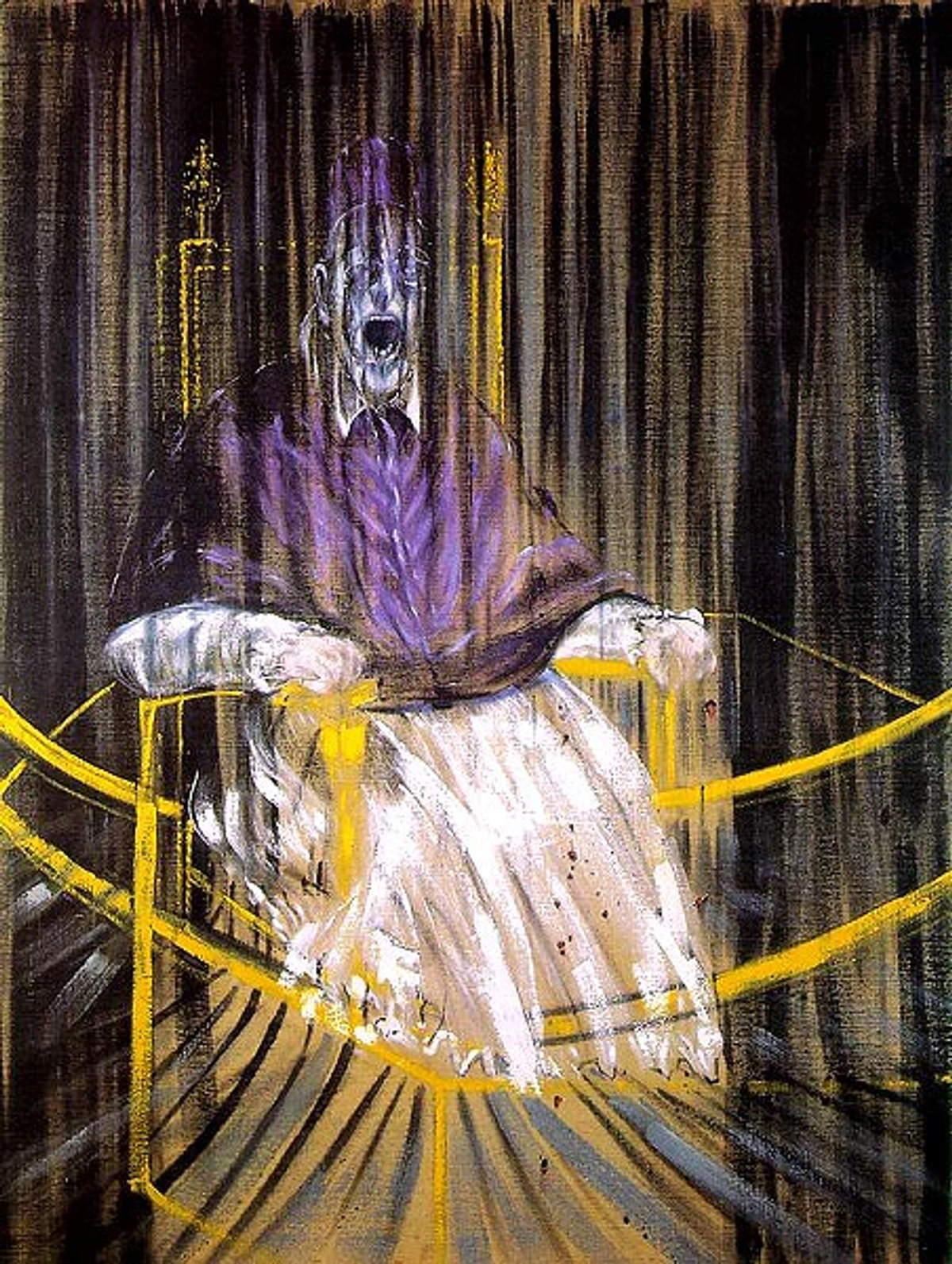
His series of "Screaming Popes," inspired by Velázquez's portrait of Pope Innocent X, transforms a symbol of power and piety into a shrieking specter of existential horror. Looking at a Bacon painting is an uncomfortable experience, and that's the point. It's a direct confrontation with the darker aspects of the human psyche.
Moving into the 20th century, Francis Bacon took the depiction of inner turmoil to a visceral, almost terrifying new level. His figures are often twisted, contorted, and caged, blurring the line between human and animal. His work grapples with the violence and chaos of the post-war era and his own turbulent personal life.
His series of "Screaming Popes," inspired by Velázquez's portrait of Pope Innocent X, transforms a symbol of power and piety into a shrieking specter of existential horror. Looking at a Bacon painting is an uncomfortable experience, and that's the point. It's a direct confrontation with the darker aspects of the human psyche.
A Quick Guide to Artistic Anguish
Here’s a simple table to keep track of these pioneers of pain.
Key Work of Turmoil  | Primary Source of Turmoil | Artistic Style | |
|---|---|---|---|
| Vincent van Gogh | The Starry Night | Mental Illness, Isolation | Post-Impressionism |
| Edvard Munch | The Scream | Family Tragedy, Anxiety | Expressionism |
| Frida Kahlo | The Broken Column | Chronic Physical Pain, Heartbreak | Surrealism, Symbolism |
| Francis Bacon | Head VI (Screaming Pope) | Existential Dread, Personal Trauma | Figurative, Expressionist |
Contemporary Artists and Inner Turmoil
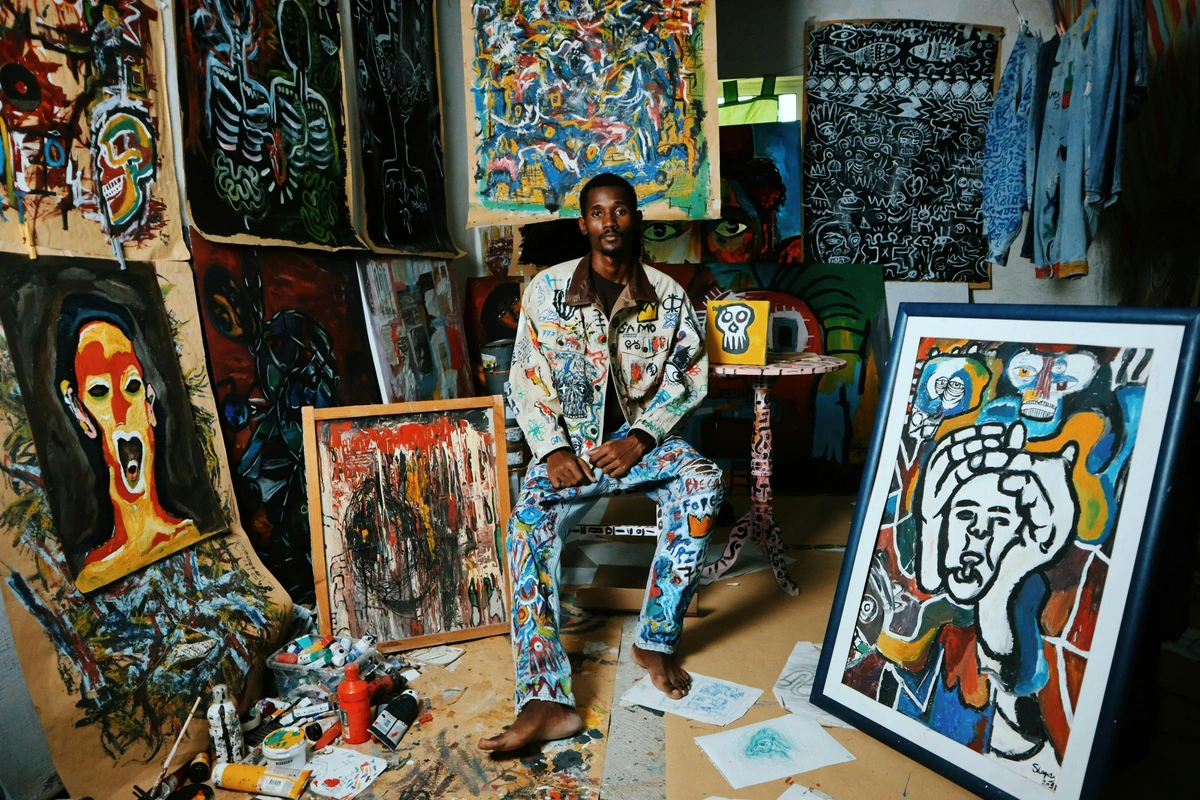
The tradition of expressing inner turmoil through art continues today. Modern artists use a variety of mediums and techniques to explore their emotions and experiences. Some notable contemporary artists include:
- Yayoi Kusama: Known for her immersive installations and polka-dot patterns, Kusama's work often reflects her struggles with mental health.
- Tracey Emin: Emin's work is deeply personal, often exploring themes of trauma, love, and loss.
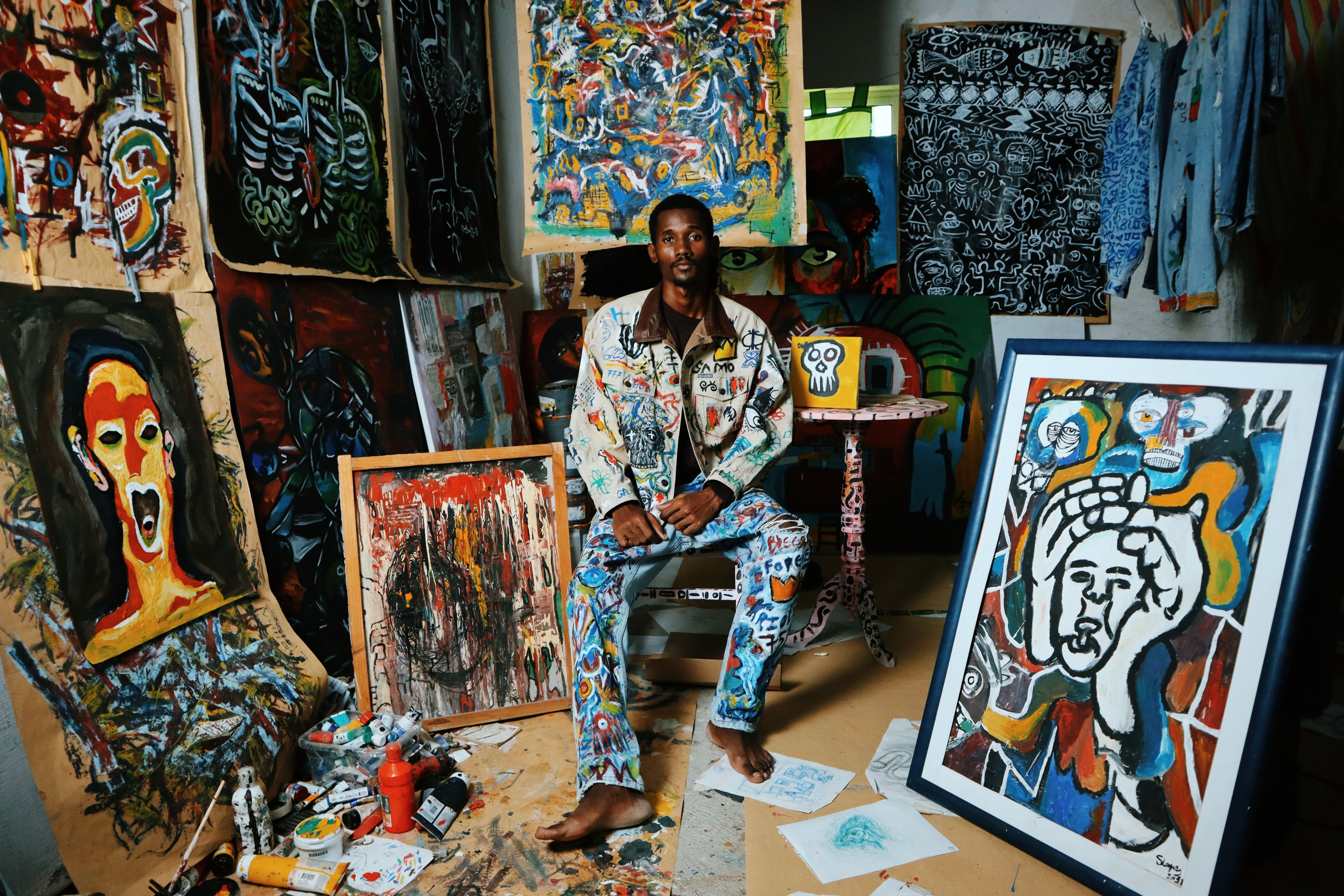
- Jean-Michel Basquiat: Basquiat's vibrant, chaotic paintings reflect his experiences with racism, identity, and mental health.
These artists, among many others, continue to push the boundaries of artistic expression, using their work to explore and confront their inner turmoil.
FAQ: Art and the Anguished Soul
Let's tackle some common questions that pop up when we talk about this kind of art, because it raises a lot of thoughtful queries, doesn't it?
Let's tackle some common questions that pop up when we talk about this kind of art.
Is all great art born from suffering?
Absolutely not. And frankly, that's a romantic and slightly dangerous myth, one that can put undue pressure on artists to be perpetually tortured. Joy, peace, curiosity, and sheer intellectual exploration have produced countless masterpieces throughout history—think of the serene beauty of a Vermeer or the vibrant energy of a Matisse. However, suffering is a powerful, universal human experience, a crucible that often forges profound insights. So, it naturally becomes a potent and compelling subject for art. It's not a prerequisite for greatness, but it is undeniably a potent catalyst, one that can strip away the superficial and expose raw truth.
Why are we drawn to looking at art about pain?
I think it's fundamentally about connection. When you see an artist's turmoil laid bare on a canvas, it's not just a spectacle; it validates your own struggles. It reminds you that you're not alone in feeling anxious, or sad, or broken. There's a profound catharsis in it, a shared humanity that transcends time and culture. It's a way of finding your reflection in the work, a recognition of universal emotions. It allows us to process our own feelings, often without having to articulate them, simply by witnessing another's expression. Plus, let's be honest, there's a certain fascination with the darker corners of the human experience; it's part of what makes us human.
Do contemporary artists still paint their inner turmoil?
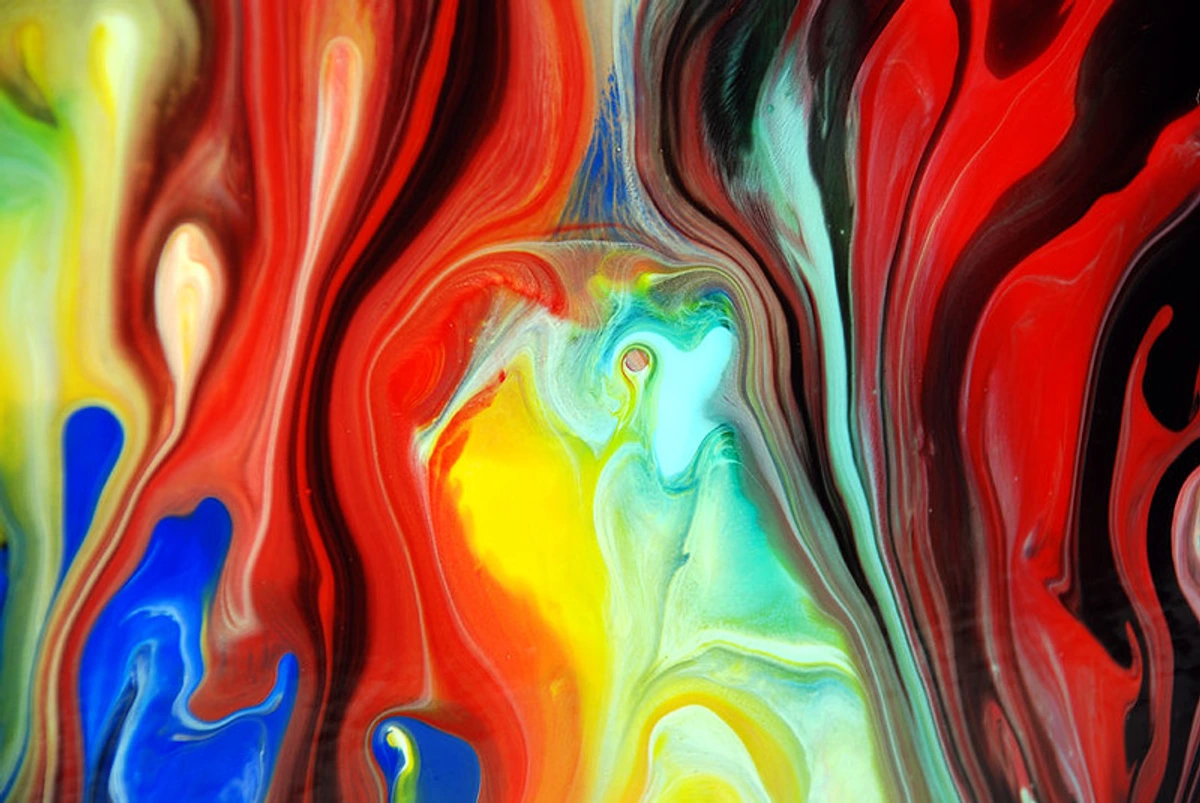
All the time. The tools and styles may have changed, but the impulse is the same. It might manifest in a chaotic abstract painting, a piece of performance art, or a digital creation. The tradition of using art to navigate the inner world is a core part of the history of abstract art and continues to this day. It's a fundamental part of my own artistic journey, which you can see in my /timeline.
How can I use art to express my own emotions?
Art is a powerful tool for self-expression. Here are a few ways you can use art to explore and express your emotions:
- Journaling: Combine writing and drawing to create a visual diary of your thoughts and feelings.
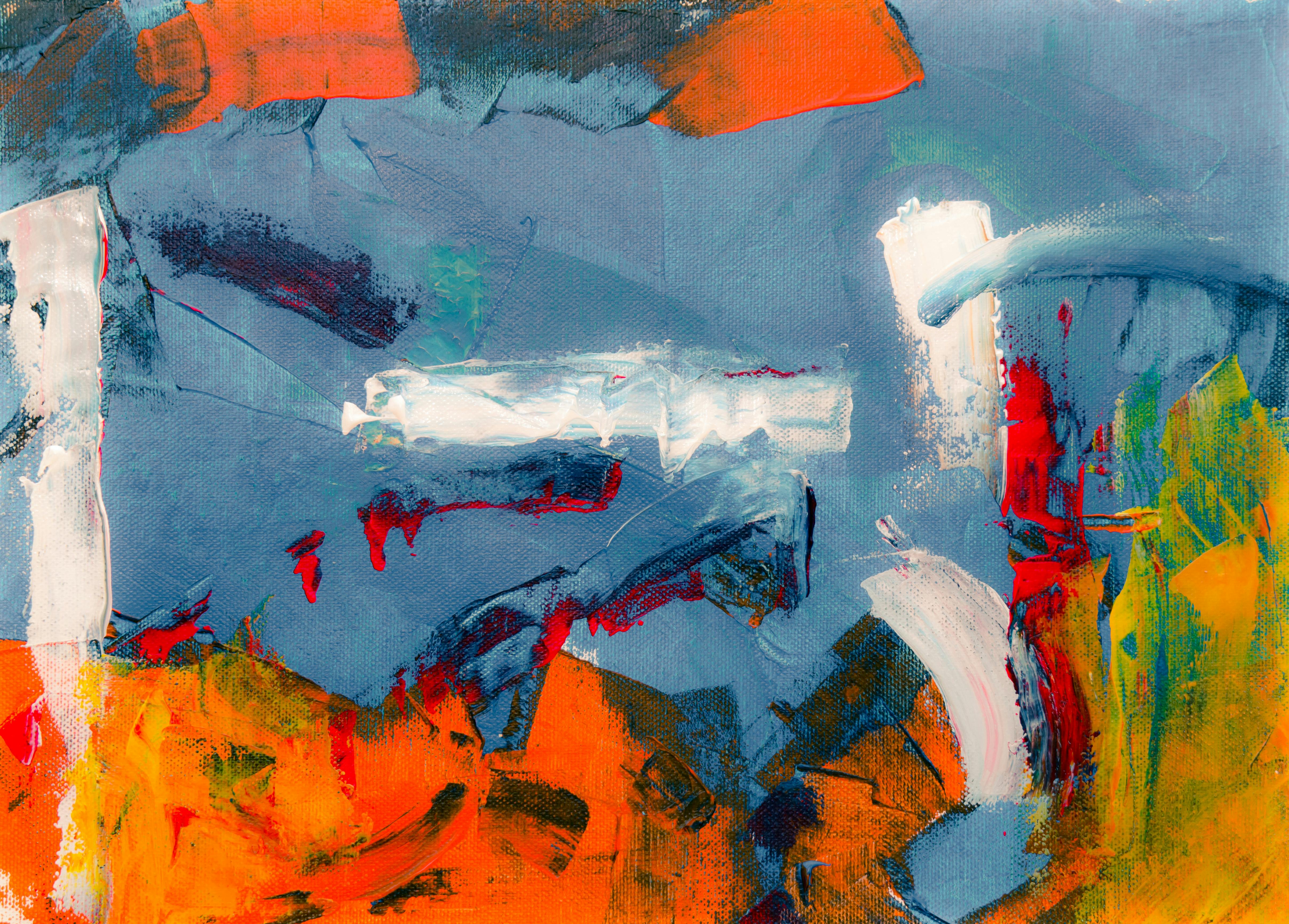
- Abstract Painting: Use colors and shapes to represent your emotions without the constraints of realism.
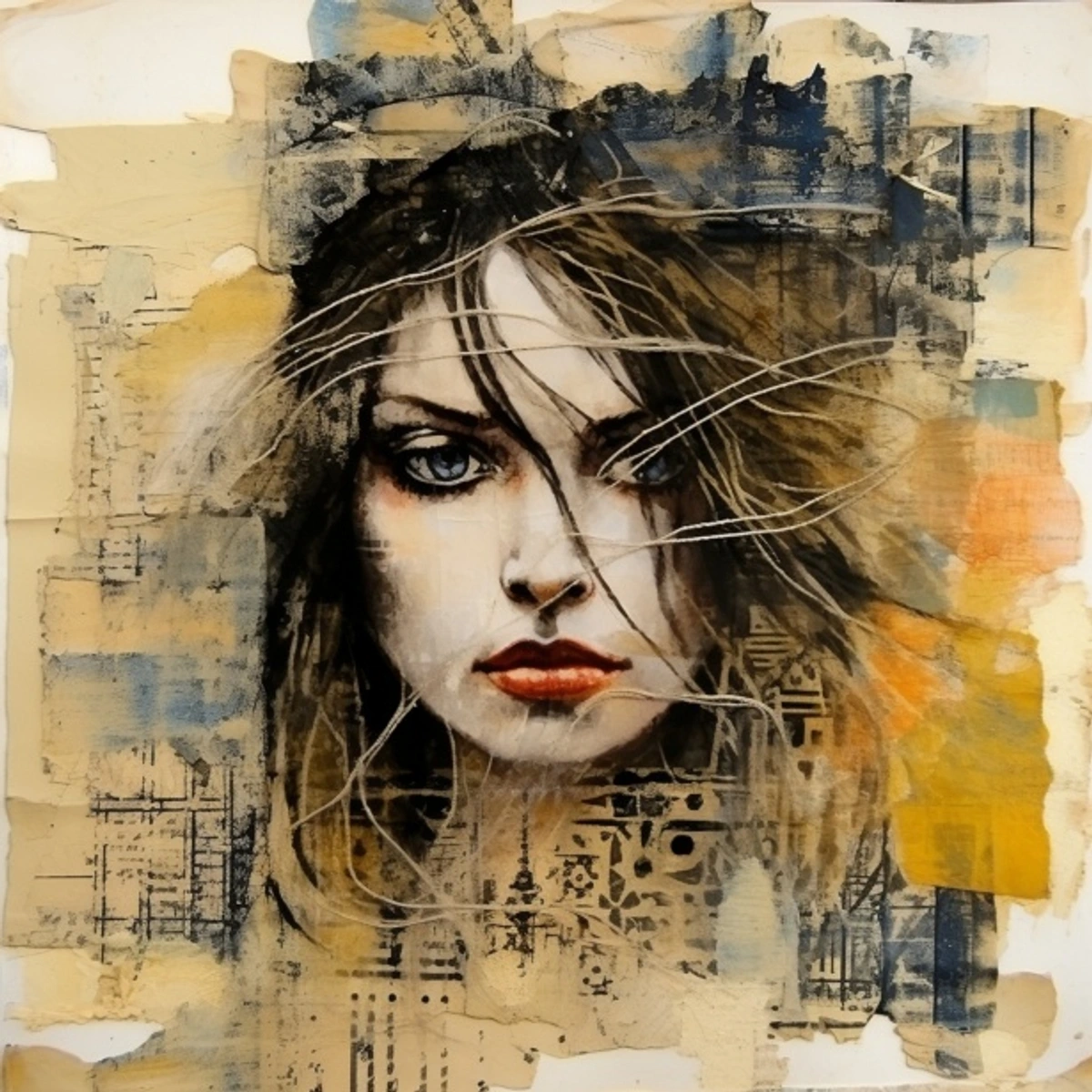
- Collage: Collect images and materials that resonate with your feelings and arrange them into a cohesive piece.
- Sculpture: Work with clay or other materials to create three-dimensional representations of your emotions.
The key is to experiment and find what works best for you. There are no rules in art, only opportunities for expression.

What are some famous art movements that focus on emotion?
Several art movements have emphasized the expression of emotion. Some notable ones include:
- Expressionism: This movement focuses on expressing internal feelings over external reality, often using bold colors and distorted forms.
- Surrealism: Surrealist artists explore the subconscious mind, creating dreamlike and often unsettling images.
- Abstract Expressionism: This movement emphasizes spontaneous, automatic, or subconscious creation, often resulting in highly emotional and abstract works.
Each of these movements offers a unique perspective on the expression of emotion through art.
The Catharsis of Creation
Looking at these works, it’s clear that for these artists, the act of creation was a lifeline. It was a way to process, to document, and to transform their pain into something else—something powerful, enduring, and strangely beautiful.
It’s a reminder that there's strength in vulnerability. By confronting their demons on the canvas, they gave us a language to better understand our own. And that, to me, is one of the most incredible gifts art can offer. It’s the driving force behind my own work, this desire to turn the internal chaos into something you can see and feel. If this exploration of emotion speaks to you, you can see how it translates into my own canvases available for /buy.
The Healing Power of Art
Art has the power to heal. It provides a safe space for individuals to explore their emotions, confront their fears, and find solace in their creativity. The process of creating art can be a transformative experience, allowing individuals to gain insight into their emotions and develop a deeper understanding of themselves. It's a journey of self-discovery and healing, a way to turn pain into something beautiful and meaningful.

The Role of Art in Society
Art plays a crucial role in society by providing a platform for individuals to express their emotions and experiences. It fosters empathy and understanding, allowing us to connect with others on a deeper level. Art can also challenge societal norms and inspire change, making it a powerful tool for social commentary and activism.












The Future of Art and Emotional Expression
As technology continues to evolve, so too does the world of art. Digital art, virtual reality, and artificial intelligence are opening up new possibilities for artistic expression. These tools allow artists to explore their emotions in innovative ways, pushing the boundaries of what is possible in the world of art.
The future of art is bright, with endless opportunities for artists to express their inner turmoil and connect with audiences in meaningful ways.