Art with Universal Themes: Examples and Insights
Explore how art transcends cultures and time through universal themes. Discover examples, insights, and how to connect with art on a deeper level.

Art with Universal Themes: Examples and Insights
I remember the first time I stood in front of Van Gogh's Starry Night. It wasn't just the swirling blues and yellows that struck me—it was the feeling that someone, over a century ago, had looked up at the same night sky and felt the same awe. That’s the magic of art with universal themes. It doesn’t just hang on a wall; it reaches across time, culture, and personal experience to say, You’re not alone in this.
But what exactly makes a theme "universal"? And why do certain artworks resonate so deeply with people from all walks of life? Let’s dive in.
The Nature of Universal Themes
Universal themes are ideas or concepts that transcend cultural, geographical, and temporal boundaries. They are the big, messy, beautiful parts of being human—love, loss, joy, fear, hope, and the search for meaning. When an artist taps into these themes, their work becomes a mirror, reflecting something fundamental about the human experience.
The Historical Context of Universal Themes
Universal themes have been a cornerstone of artistic expression since the dawn of human civilization. From the cave paintings of Lascaux to the digital art of the 21st century, artists have sought to capture the essence of the human experience. These themes serve as a bridge between the past and the present, allowing us to connect with the emotions and experiences of those who came before us.
The Evolution of Universal Themes
Universal themes have evolved alongside human civilization. From ancient cave paintings depicting the hunt to modern digital art exploring the complexities of identity, these themes have adapted to reflect the changing human experience. They serve as a testament to the enduring nature of human emotions and the timeless quest for meaning.
Why Universal Themes Matter in Art
Universal themes are the threads that connect us all. They transcend language, culture, and time, allowing us to see ourselves in the experiences of others. Whether it's a painting, a sculpture, or a digital masterpiece, these themes remind us of our shared humanity and the emotions that bind us together.
The Psychological Impact of Universal Themes
Art that taps into universal themes can have a profound psychological impact. It can evoke memories, trigger emotions, and even influence our mood. For example, a painting that depicts a serene landscape might evoke feelings of peace and tranquility, while a chaotic abstract piece might stir up feelings of anxiety or excitement. This emotional resonance is what makes art so powerful and transformative.

The Significance of Universal Themes in Art
Universal themes in art serve as a bridge between the artist and the viewer, transcending the boundaries of time and culture. They allow us to explore the depths of human emotion and experience, fostering a sense of connection and understanding. Whether it's a painting, sculpture, or digital artwork, these themes remind us of our shared humanity and the experiences that bind us together.
The Role of Art in Human Connection
Art is not just about aesthetics; it's about communication. It allows artists to express complex emotions and ideas that words alone cannot convey. For viewers, it provides a mirror to their own experiences and a window into the lives of others. This dual role of reflection and revelation is what makes art so powerful.
The Power of Universal Themes
Universal themes in art are not just about aesthetics; they are about connection. They bridge gaps between cultures, generations, and individual experiences. Whether it's a painting, sculpture, or digital artwork, these themes remind us of our shared humanity. They validate our emotions, inspire empathy, and foster a sense of belonging in an often fragmented world.
Art as a Tool for Empathy
Empathy is the ability to understand and share the feelings of others. Art, with its universal themes, acts as a catalyst for empathy. It allows us to step into the shoes of someone else, even if only for a moment, and see the world through their eyes. This ability to connect emotionally is what makes art a vital part of our cultural and personal lives.
The Role of Emotion in Universal Themes
Emotions are at the heart of universal themes. They allow us to connect with art on a deeply personal level, evoking memories, thoughts, and feelings that resonate with our own experiences. This emotional resonance is what makes art so powerful and transformative.
How Emotions Shape Artistic Expression
Artists often draw from their own emotional experiences to create works that resonate universally. Whether it's joy, sorrow, anger, or love, these emotions are translated into visual forms that speak to viewers across different cultures and backgrounds. This emotional language is what makes art a universal medium of expression.

What Are Universal Themes in Art?
Universal themes are ideas or concepts that transcend cultural, geographical, and temporal boundaries. They’re the big, messy, beautiful parts of being human—love, loss, joy, fear, hope, and the search for meaning. When an artist taps into these themes, their work becomes a mirror, reflecting something fundamental about the human experience.
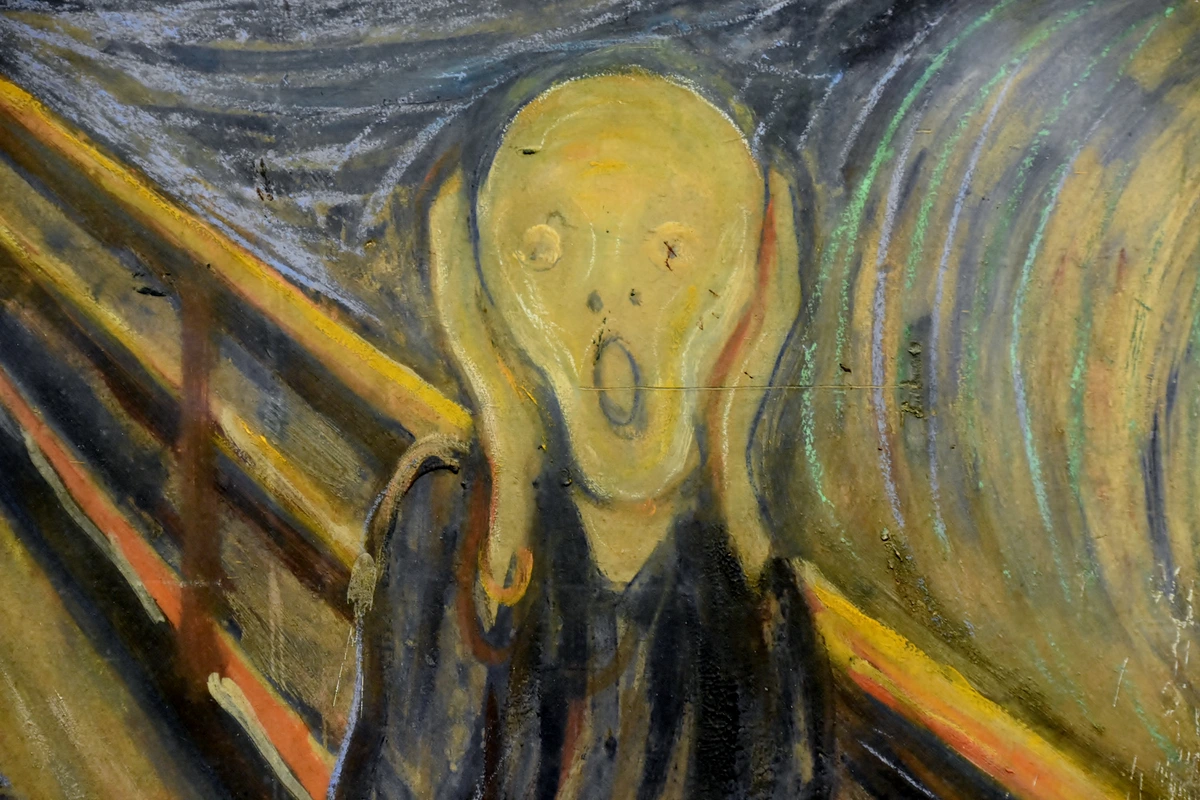
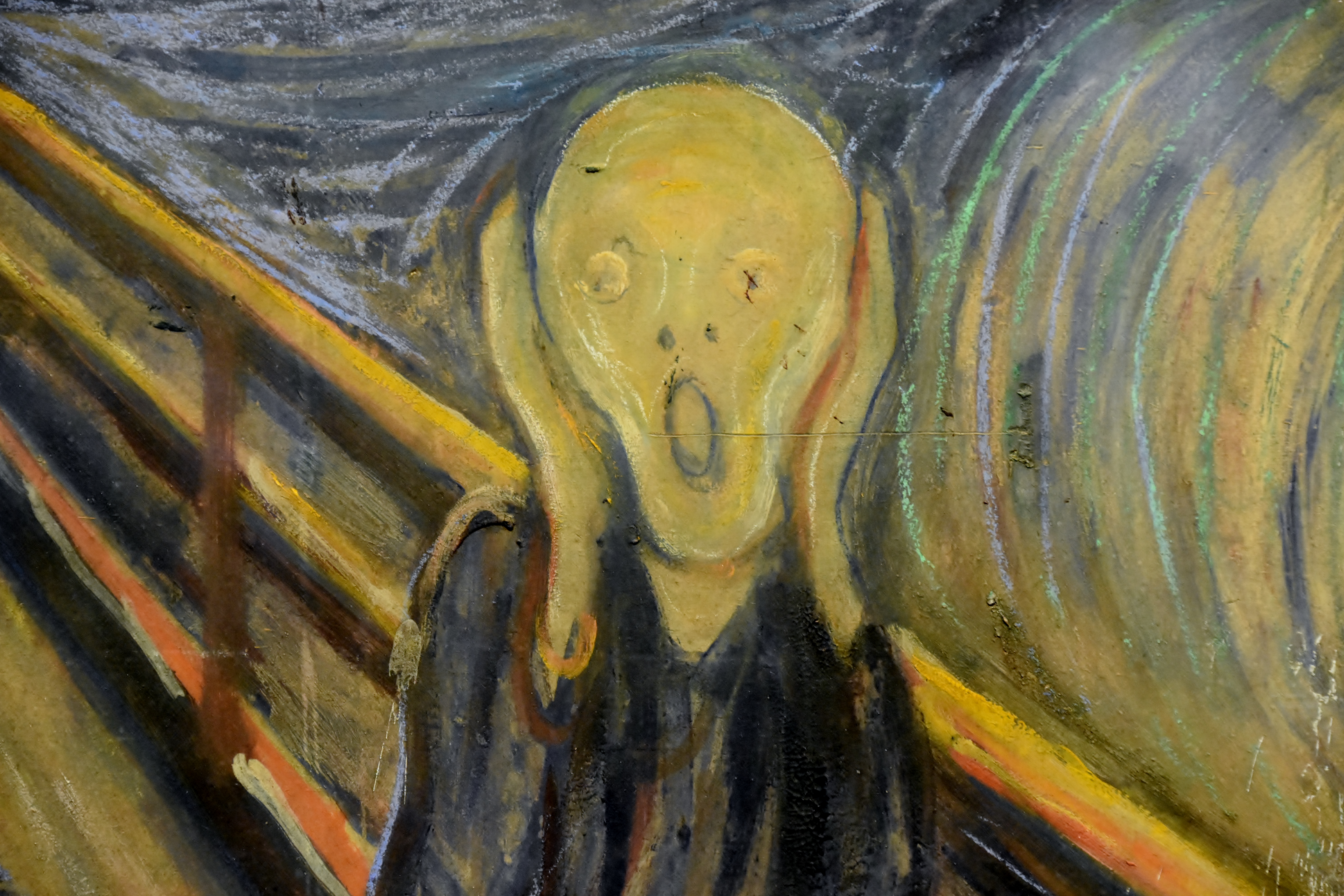
Think about it: you don’t need to be Dutch to feel the melancholy in Vermeer’s Girl with a Pearl Earring, nor do you need to have lived in the 19th century to sense the desperation in Munch’s The Scream. These artworks speak to emotions and experiences that are inherently human.
The Universality of Human Experience
The human experience is a tapestry of emotions and events that are shared across cultures and generations. Art captures these experiences and presents them in a way that is accessible to everyone. This universality is what makes art a powerful tool for communication and connection.
The Evolution of Universal Themes
Universal themes have evolved alongside human civilization. From ancient cave paintings depicting the hunt to modern digital art exploring the complexities of identity, these themes have adapted to reflect the changing human experience. They serve as a testament to the enduring nature of human emotions and the timeless quest for meaning.
The Impact of Technology on Universal Themes
Technology has opened new avenues for artists to explore universal themes. Digital art, virtual reality, and interactive installations allow artists to create immersive experiences that resonate with viewers on a deeper level. These innovations ensure that universal themes remain relevant and accessible in the modern world.
The Role of Symbolism
Artists often use symbolism to convey universal themes. Symbols can be visual metaphors that represent complex ideas or emotions. For example, a tree might symbolize growth and resilience, while a stormy sea could represent turmoil and chaos. These symbols transcend language and cultural barriers, making the artwork accessible to a global audience.

Symbolism in Modern Art
Modern artists continue to use symbolism to explore universal themes. From abstract forms to digital creations, symbols are used to convey emotions and ideas that resonate with viewers. This use of symbolism ensures that art remains a powerful medium for communication and connection.
Symbolism Across Cultures
Different cultures use symbols to represent universal themes in unique ways. For instance, the lotus flower in Eastern art often symbolizes purity and enlightenment, while the olive branch in Western art represents peace. Understanding these cultural symbols can deepen our appreciation of the universal themes they represent.
The Role of Cultural Context in Art
Cultural context plays a significant role in how universal themes are expressed and interpreted. By understanding the cultural background of an artwork, viewers can gain a deeper appreciation of its themes and the emotions it conveys. This cultural awareness enriches the experience of engaging with art.
Why Do Universal Themes Matter?
Art with universal themes does more than just decorate a space—it connects us. Here’s why that’s important:
- Bridges Differences: In a world that often feels divided, art reminds us of our shared humanity. It’s a quiet rebellion against the idea that we’re all so different.
- Validates Emotions: Ever felt something so deeply you thought you were the only one? Universal art says, Nope, we’ve all been there.
- Inspires Empathy: Stepping into someone else’s emotional landscape—even if it’s just for a moment—makes us more compassionate.
The Role of Art in Social Change
Art has the power to inspire social change by addressing universal themes such as justice, equality, and human rights. By highlighting these issues, art can provoke thought, challenge societal norms, and inspire action. This role of art as a catalyst for change is what makes it a vital part of our cultural landscape.
The Social Impact of Universal Themes
Art that explores universal themes can also have a profound social impact. It can challenge societal norms, provoke thought, and inspire change. By addressing issues such as inequality, justice, and human rights, art can serve as a catalyst for social progress and a tool for raising awareness.
Art as a Catalyst for Change
Art has the power to inspire change by addressing universal themes that resonate with viewers. Whether it's through paintings, sculptures, or digital art, artists can use their work to raise awareness about important issues and inspire action. This role of art as a catalyst for change is what makes it a vital part of our cultural landscape.
The Psychological Impact of Universal Themes
Art that taps into universal themes can have a profound psychological impact. It can evoke memories, trigger emotions, and even influence our mood. For example, a painting that depicts a serene landscape might evoke feelings of peace and tranquility, while a chaotic abstract piece might stir up feelings of anxiety or excitement. This emotional resonance is what makes art so powerful and transformative.
The Role of Art in Mental Well-being
Art has the power to influence our mental well-being by evoking emotions and triggering memories. Whether it's through paintings, sculptures, or digital art, art can provide a sense of comfort, inspiration, and connection. This role of art in mental well-being is what makes it a vital part of our lives.
Art Therapy and Universal Themes
Art therapy leverages the psychological impact of universal themes to promote healing and self-discovery. By engaging with art that resonates with their emotions and experiences, individuals can explore their feelings, reduce stress, and gain insights into their personal journeys. This therapeutic approach highlights the transformative power of art in fostering mental well-being.
The Role of Art in Self-Discovery
Art can be a powerful tool for self-discovery. By engaging with art that resonates with their emotions and experiences, individuals can explore their feelings, reduce stress, and gain insights into their personal journeys. This role of art in self-discovery is what makes it a vital part of our lives.
Examples of Art with Universal Themes
Let’s look at some iconic examples and break down why they resonate so widely.
The Role of Iconic Artworks
Iconic artworks often explore universal themes that resonate with viewers across cultures and generations. These artworks serve as a testament to the enduring nature of human emotions and the timeless quest for meaning. By examining these artworks, we can gain a deeper appreciation of the universal themes they represent.
Iconic Artworks and Their Universal Themes
The following table highlights some of the most iconic artworks and the universal themes they explore:
Artwork  | Artist | |
|---|---|---|
| Starry Night | Vincent van Gogh | Wonder and Awe |
| The Kiss | Gustav Klimt | Love and Passion |
| The Scream | Edvard Munch | Anxiety and Isolation |
| Guernica | Pablo Picasso | Suffering and Resilience |
| The Persistence of Memory | Salvador Dalí | Time and Mortality |
| The Birth of Venus | Sandro Botticelli | Beauty and Creation |
| The Last Supper | Leonardo da Vinci | Faith and Sacrifice |
| The Creation of Adam | Michelangelo | Divine Connection |
| American Gothic | Grant Wood | Family and Tradition |
| The Thinker | Auguste Rodin | Contemplation and Reflection |
The Role of Iconic Artworks in Cultural History
Iconic artworks often play a significant role in cultural history. They serve as a testament to the enduring nature of human emotions and the timeless quest for meaning. By examining these artworks, we can gain a deeper appreciation of the universal themes they represent and their impact on our cultural landscape.
The Evolution of Universal Themes in Art
Universal themes have been a constant in art throughout history. From ancient cave paintings to modern digital art, these themes have evolved and adapted to reflect the changing human experience. For example, the theme of love has been depicted in countless ways, from the romanticism of the Renaissance to the abstract expressions of contemporary art.
The Role of Art in Cultural Evolution
Art plays a significant role in cultural evolution by reflecting the changing human experience. From ancient cave paintings to modern digital art, art has evolved to reflect the universal themes that resonate with viewers across cultures and generations. This role of art in cultural evolution is what makes it a vital part of our cultural landscape.
Universal Themes in Contemporary Art
Contemporary artists continue to explore universal themes through innovative mediums and techniques. Digital art, installations, and performance art are just a few examples of how artists today are pushing the boundaries of traditional art forms to express timeless ideas. These modern interpretations ensure that universal themes remain relevant and accessible to new generations.
The Role of Innovation in Contemporary Art
Innovation plays a significant role in contemporary art by allowing artists to explore universal themes in new and exciting ways. From digital art to interactive installations, contemporary artists are pushing the boundaries of traditional art forms to express timeless ideas. This role of innovation in contemporary art is what makes it a vital part of our cultural landscape.
1. Love and Longing: The Kiss by Gustav Klimt
Credit, License
Klimt’s The Kiss is practically dripping with passion. The golden hues, the intimate embrace—it’s a celebration of love that feels both timeless and intensely personal. Whether you’re in Tokyo, Buenos Aires, or Amsterdam, love is a language everyone understands.
The Role of Love in Art
Love is one of the most powerful and enduring universal themes in art. From ancient myths to modern masterpieces, love has been depicted in countless ways, each reflecting the unique cultural and personal experiences of the artist. This role of love in art is what makes it a vital part of our cultural landscape.
2. Mortality and Transience: The Persistence of Memory by Salvador Dalí
Credit, License
Those melting clocks aren’t just surrealist gimmicks. They’re a reminder that time slips away from all of us, no matter who we are or where we come from. Dalí’s work forces us to confront our own mortality—and that’s a theme as old as humanity itself.
The Role of Mortality in Art
Mortality is a universal theme that has been explored in art throughout history. From ancient myths to modern masterpieces, mortality has been depicted in countless ways, each reflecting the unique cultural and personal experiences of the artist. This role of mortality in art is what makes it a vital part of our cultural landscape.
3. Isolation and Anxiety: The Scream by Edvard Munch
Credit, License
That face isn’t just screaming—it’s echoing a feeling we’ve all had at some point. Whether it’s existential dread or just a really bad day, Munch captured the raw, unfiltered emotion of being overwhelmed. It’s uncomfortable, but it’s also weirdly comforting to know you’re not the only one who’s felt this way.
The Role of Anxiety in Art
Anxiety is a universal theme that has been explored in art throughout history. From ancient myths to modern masterpieces, anxiety has been depicted in countless ways, each reflecting the unique cultural and personal experiences of the artist. This role of anxiety in art is what makes it a vital part of our cultural landscape.
7. Hope and Resilience: Guernica by Pablo Picasso
Credit, License
Picasso’s Guernica is a chaotic, heart-wrenching response to the bombing of a small Spanish town. But within the chaos, there’s a sense of resilience—a refusal to be broken. It’s a testament to the human spirit’s ability to endure, no matter the circumstances.
The Role of Resilience in Art
Resilience is a universal theme that has been explored in art throughout history. From ancient myths to modern masterpieces, resilience has been depicted in countless ways, each reflecting the unique cultural and personal experiences of the artist. This role of resilience in art is what makes it a vital part of our cultural landscape.
8. The Journey of Self-Discovery: The Persistence of Memory by Salvador Dalí
Credit, License
Dalí's The Persistence of Memory is not just about the passage of time; it's also a journey of self-discovery. The melting clocks symbolize the fluidity of our perceptions and the ever-changing nature of our identities. This artwork invites us to reflect on our own journeys and the ways in which we evolve over time.
The Role of Self-Discovery in Art
Self-discovery is a universal theme that has been explored in art throughout history. From ancient myths to modern masterpieces, self-discovery has been depicted in countless ways, each reflecting the unique cultural and personal experiences of the artist. This role of self-discovery in art is what makes it a vital part of our cultural landscape.
How to Connect with Universal Themes in Art
You don’t need an art history degree to feel the power of these themes. Here’s how to engage with them on a personal level:
The Role of Personal Engagement in Art
Engaging with universal themes in art begins with personal reflection. Take a moment to consider how the artwork makes you feel and what memories or emotions it evokes. This introspective approach can deepen your connection to the art and enhance your appreciation of its universal themes.
The Role of Personal Reflection
Engaging with universal themes in art begins with personal reflection. Take a moment to consider how the artwork makes you feel and what memories or emotions it evokes. This introspective approach can deepen your connection to the art and enhance your appreciation of its universal themes.
The Role of Reflection in Art Appreciation
Reflection plays a significant role in art appreciation by allowing viewers to connect with the emotions and experiences depicted in the artwork. By taking a moment to reflect on how the artwork makes you feel, you can deepen your connection to the art and enhance your appreciation of its universal themes.
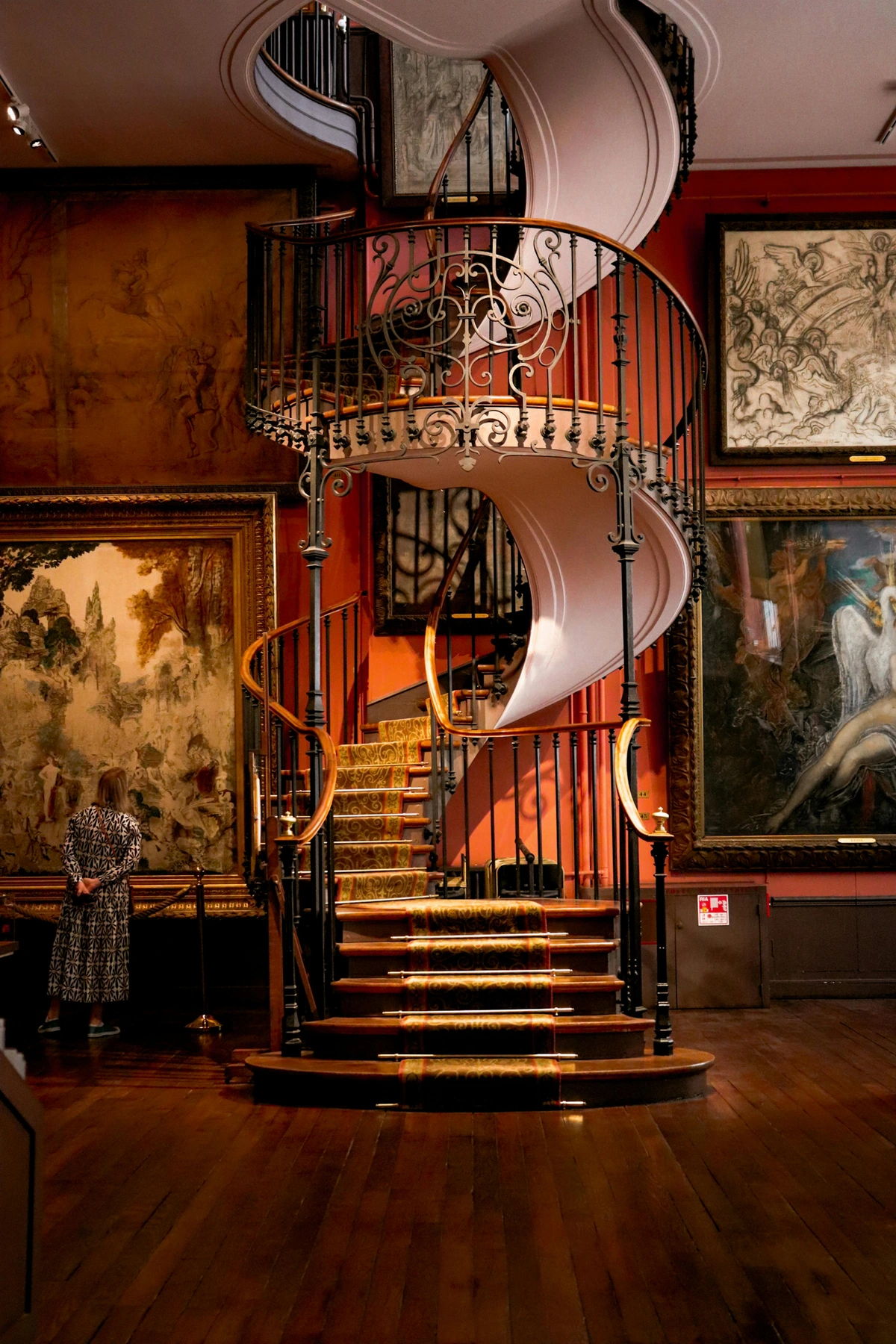
1. Look Beyond the Surface
Ask yourself: What emotion is this artwork trying to convey? Don’t worry about getting it "right." Art is subjective, and your interpretation is valid.
The Role of Interpretation in Art
Interpretation plays a significant role in art by allowing viewers to connect with the emotions and experiences depicted in the artwork. By asking yourself what emotion the artwork is trying to convey, you can deepen your connection to the art and enhance your appreciation of its universal themes.
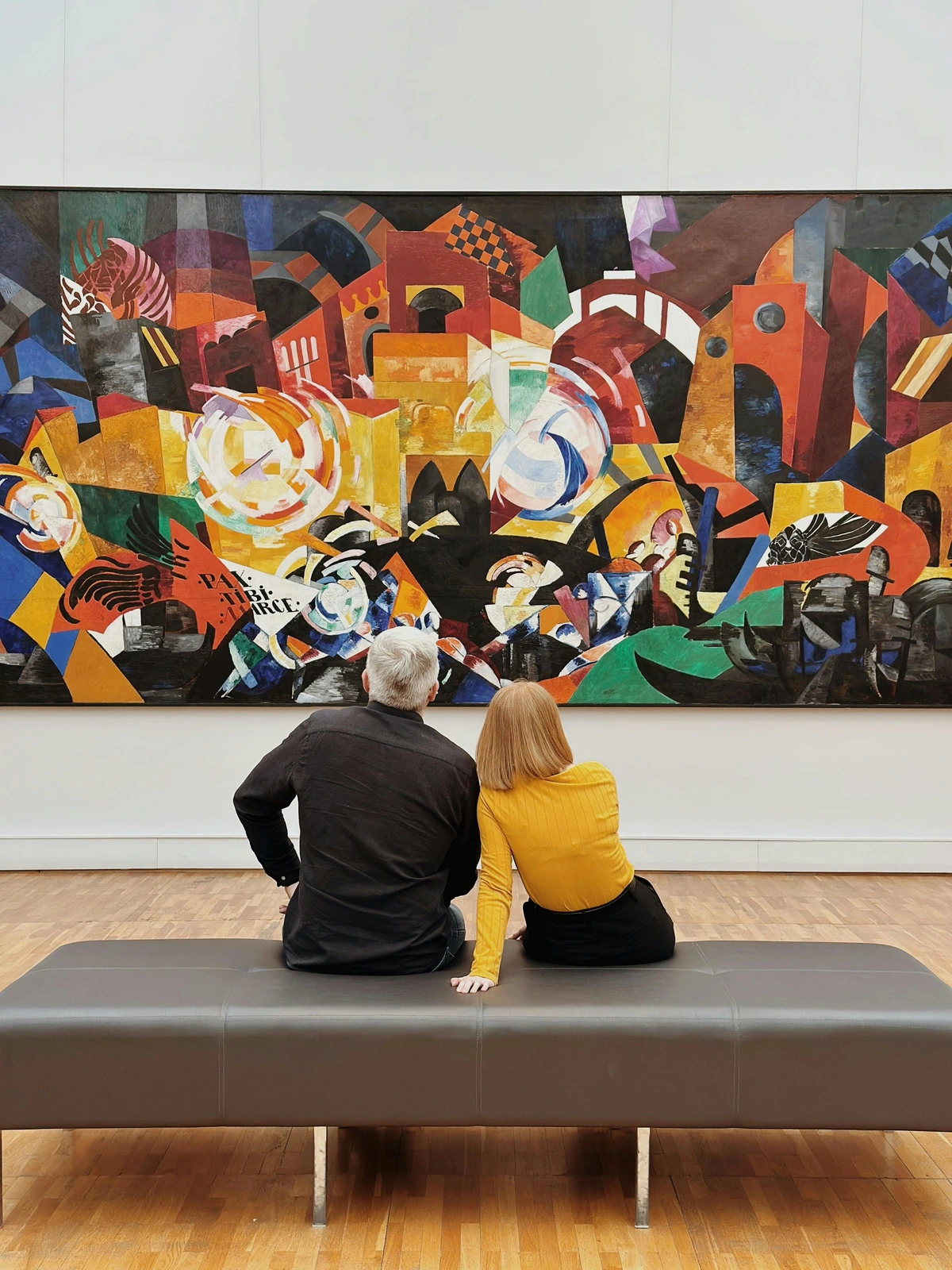
2. Explore the Artist's Intent
While your interpretation is valid, understanding the artist's intent can provide additional context. Research the artist's background, the historical context of the artwork, and any statements they have made about their work. This can enrich your understanding and appreciation of the universal themes they explored.
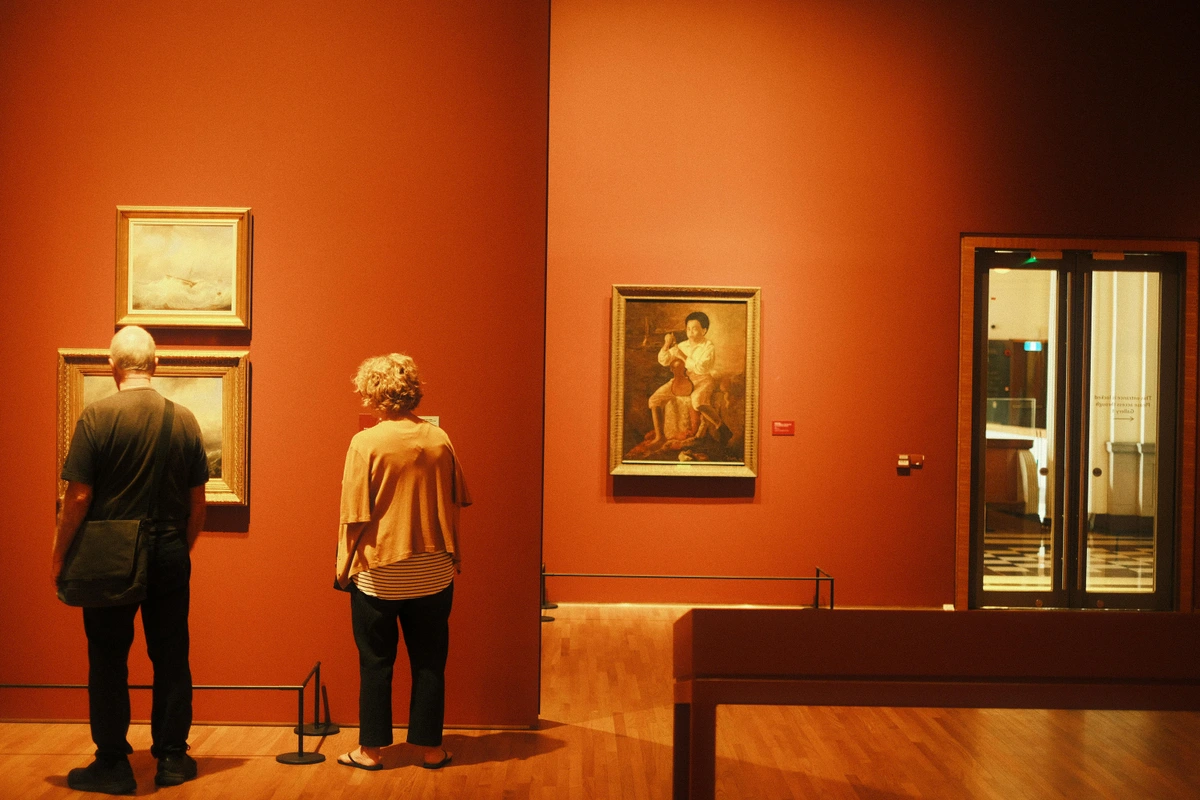
The Role of Context in Art Appreciation
Context plays a significant role in art appreciation by providing additional insights into the emotions and experiences depicted in the artwork. By understanding the artist's intent and the historical context of the artwork, you can deepen your connection to the art and enhance your appreciation of its universal themes.
3. Relate It to Your Own Life
Have you ever felt the same way the artwork seems to express? Maybe it’s a memory, a dream, or even a song that comes to mind. Let the artwork be a jumping-off point for your own reflections.
The Role of Personal Connection in Art
Personal connection plays a significant role in art by allowing viewers to relate the emotions and experiences depicted in the artwork to their own lives. By reflecting on how the artwork makes you feel, you can deepen your connection to the art and enhance your appreciation of its universal themes.
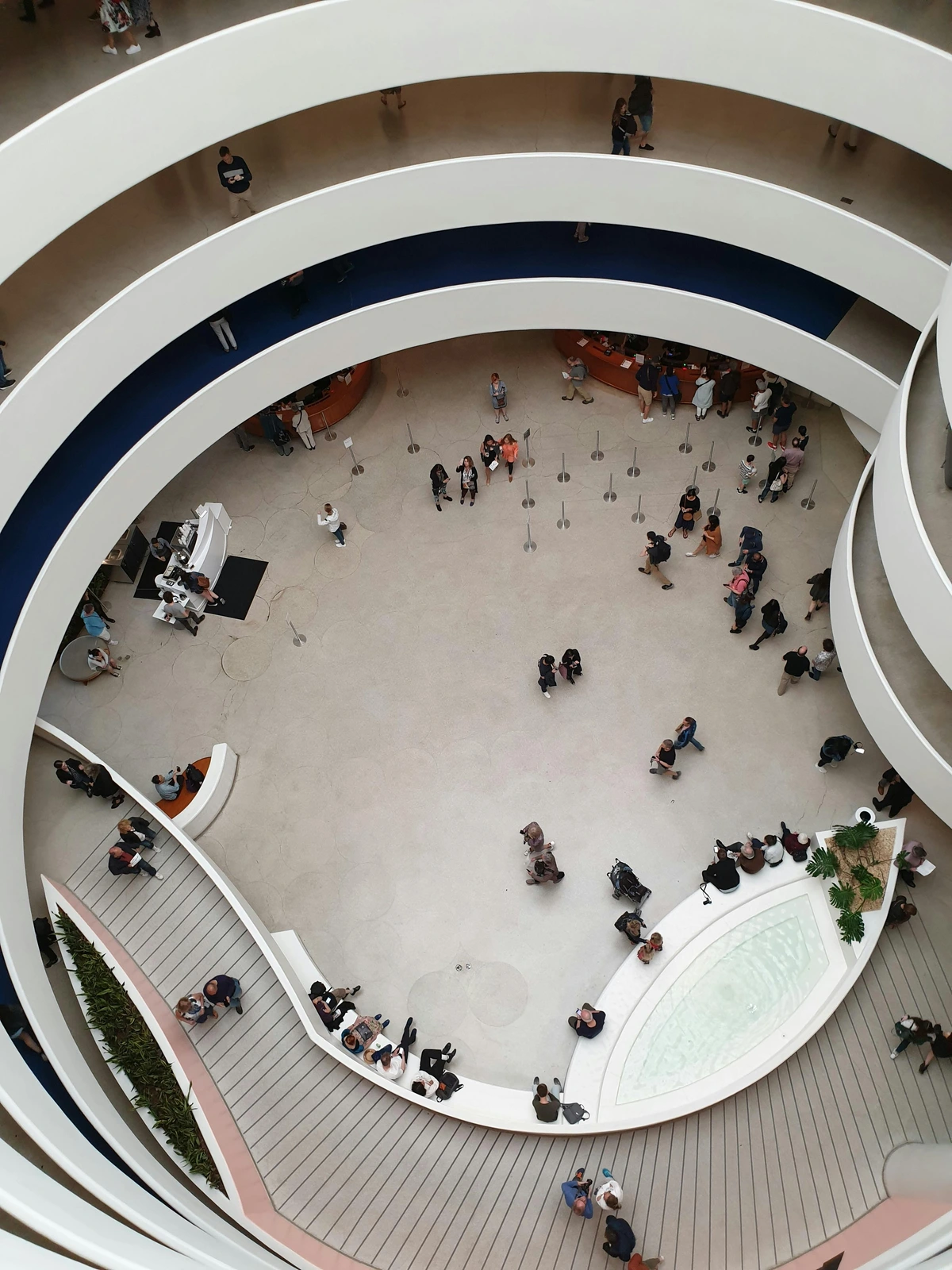
4. Engage in Discussions
Discussing art with others can provide new insights and perspectives. Join art clubs, online forums, or attend gallery talks to share your thoughts and learn from others. These conversations can deepen your understanding of universal themes and enhance your appreciation of art.
The Role of Community in Art Appreciation
Community plays a significant role in art appreciation by providing a platform for discussion and shared learning. By engaging in discussions with others, you can gain new insights and perspectives that deepen your understanding of universal themes and enhance your appreciation of art.
5. Explore Different Cultures
Universal themes show up in art from every corner of the world. Compare how different cultures express the same ideas. For example, how does a Japanese woodblock print depict love compared to a Renaissance painting?
The Role of Cultural Diversity in Art
Cultural diversity plays a significant role in art by providing a rich tapestry of expressions and interpretations of universal themes. By exploring how different cultures express the same ideas, you can gain a deeper appreciation of the universal themes they represent and their impact on our cultural landscape.
6. Visit Museums or Galleries
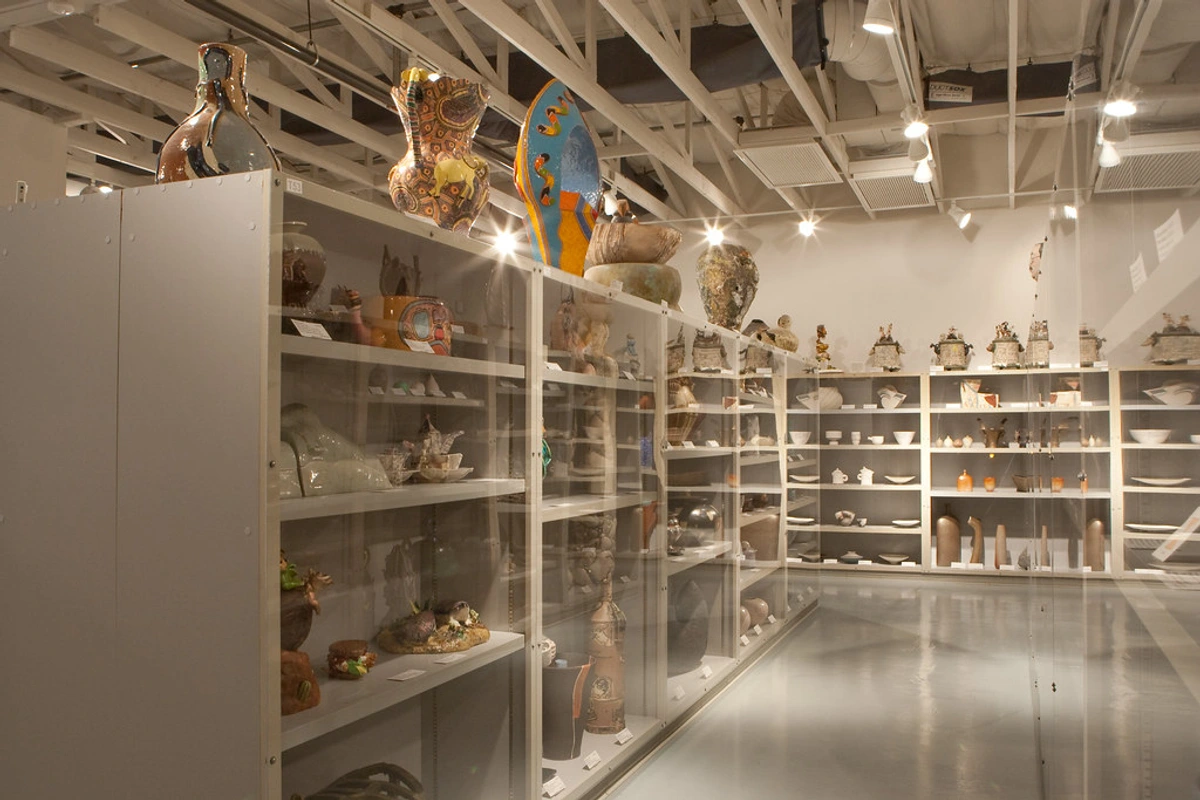
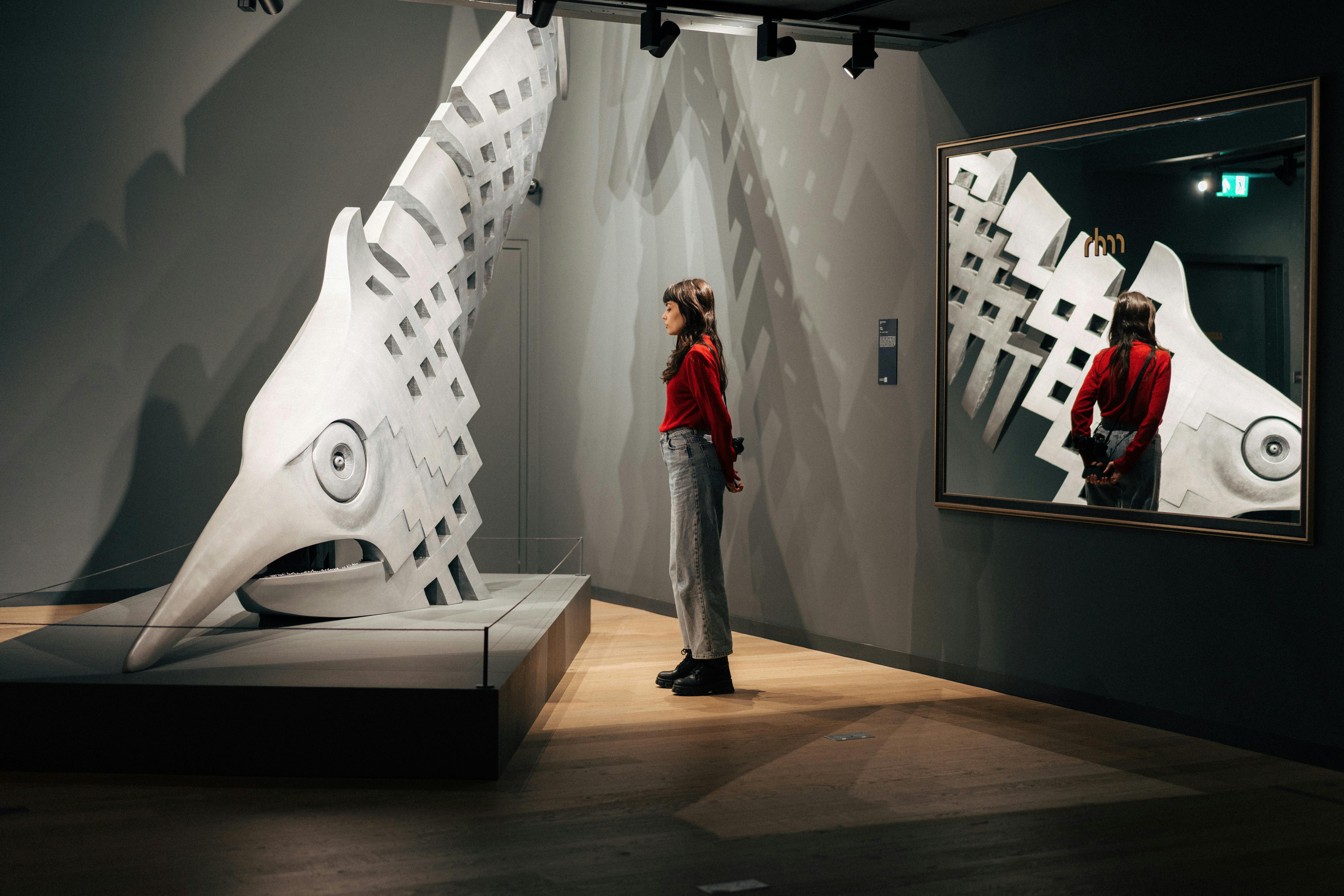
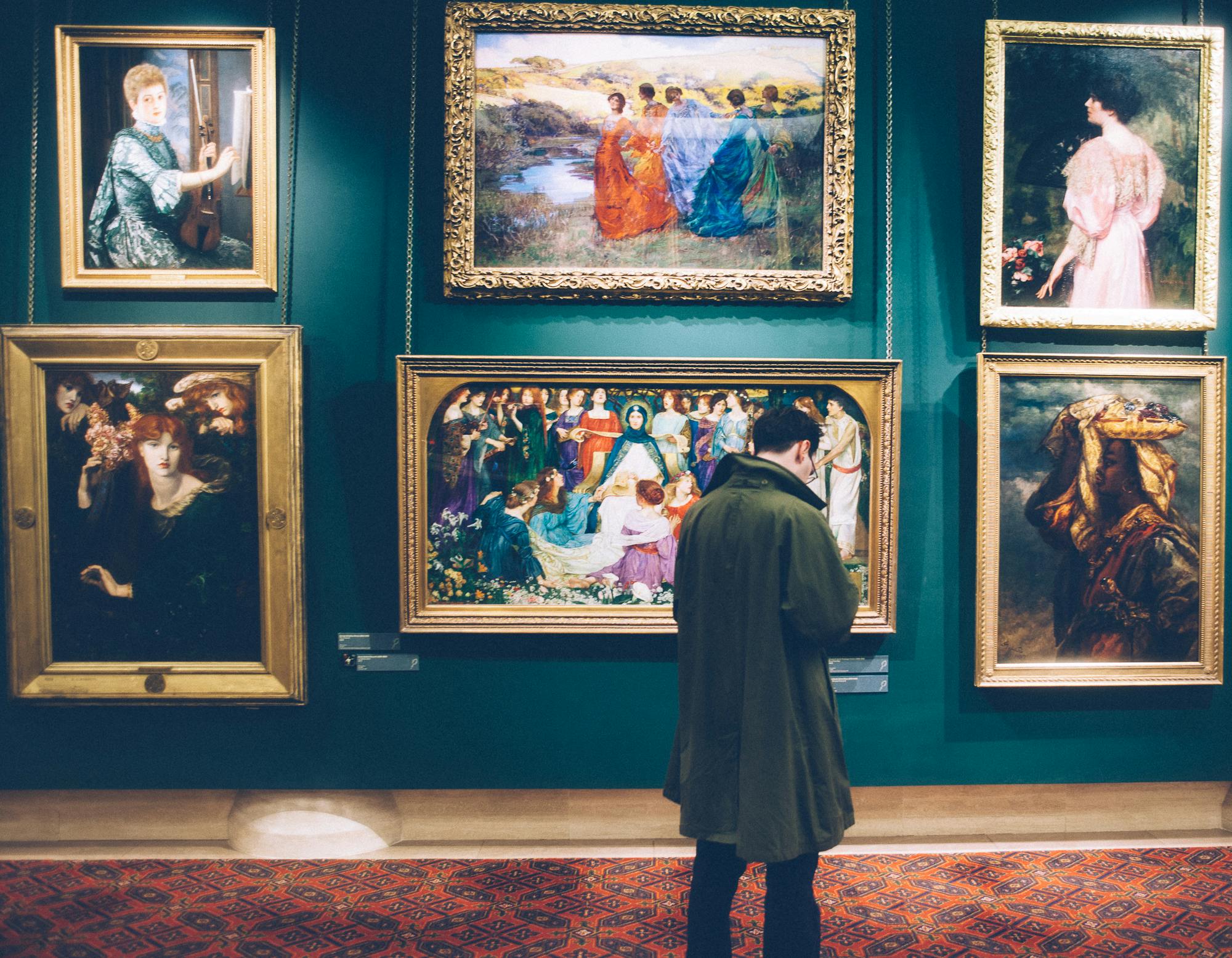
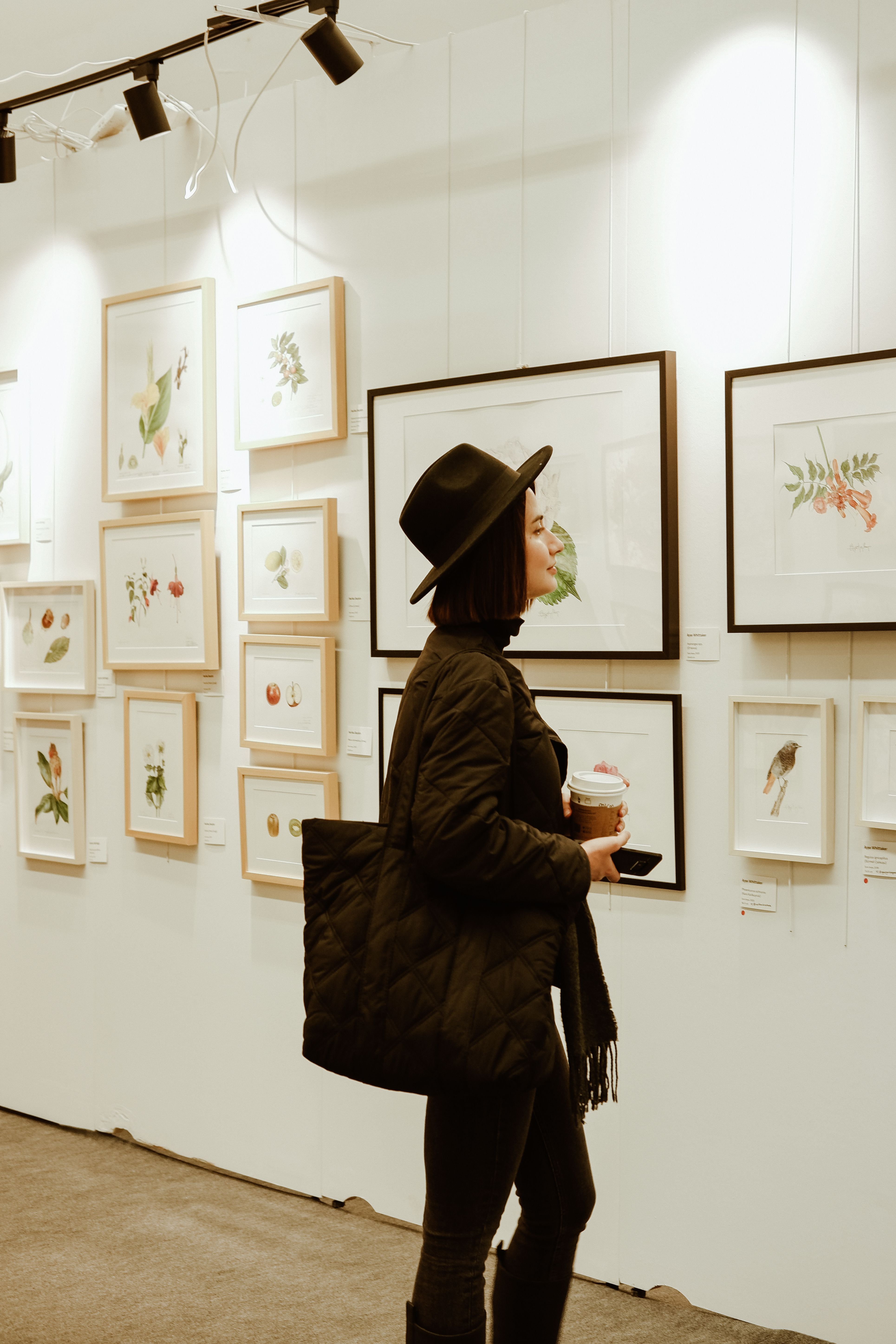
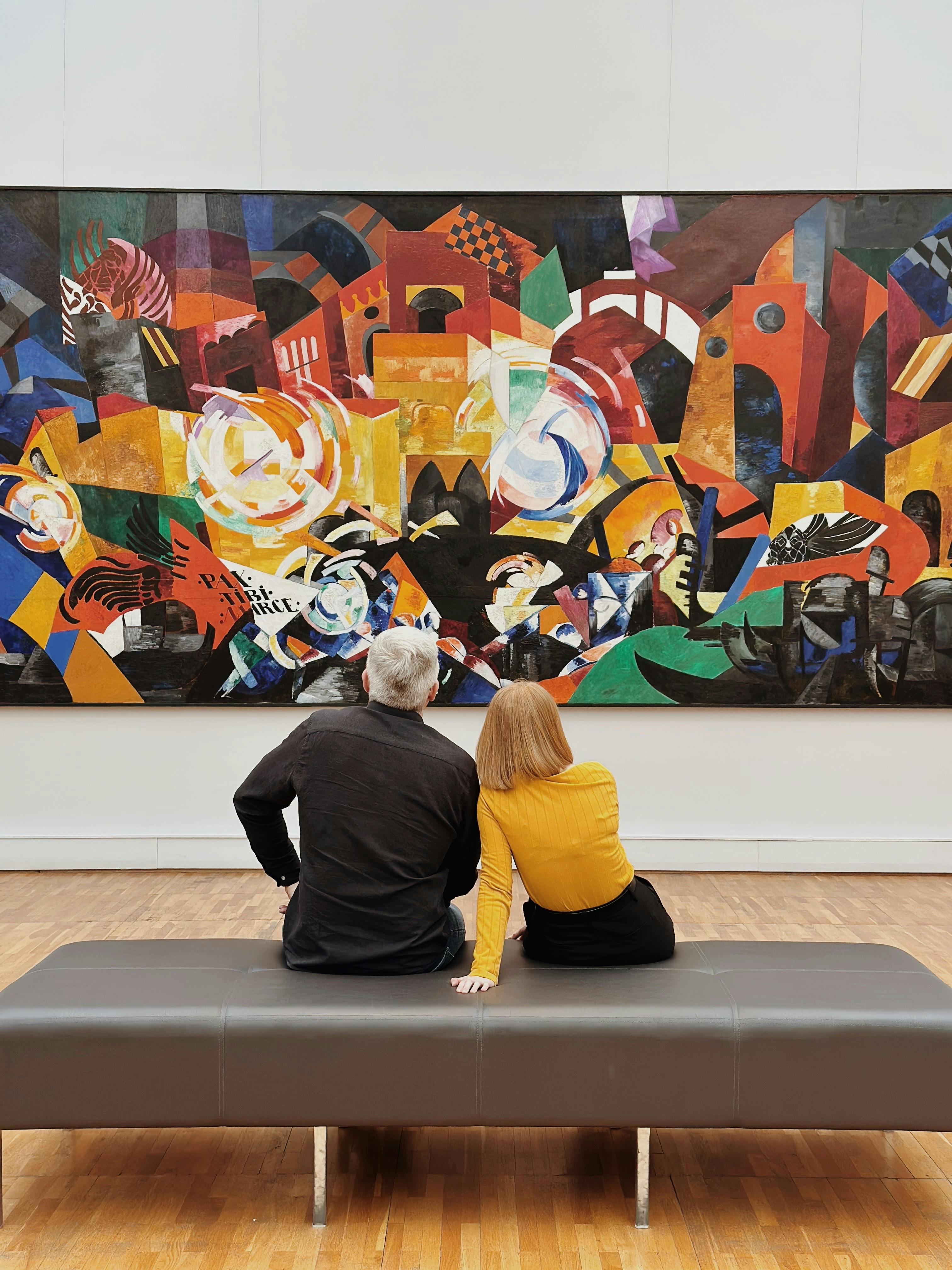
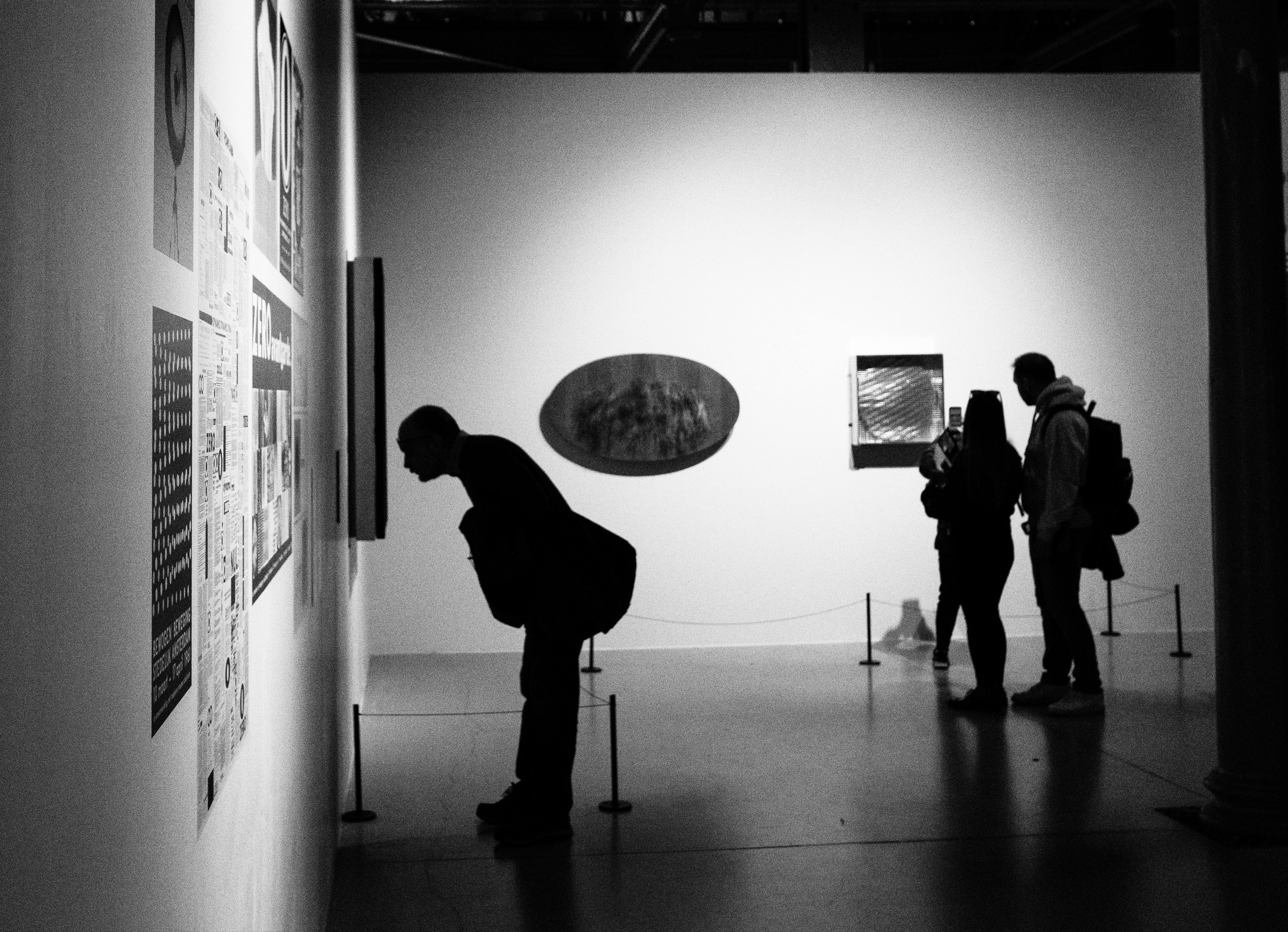
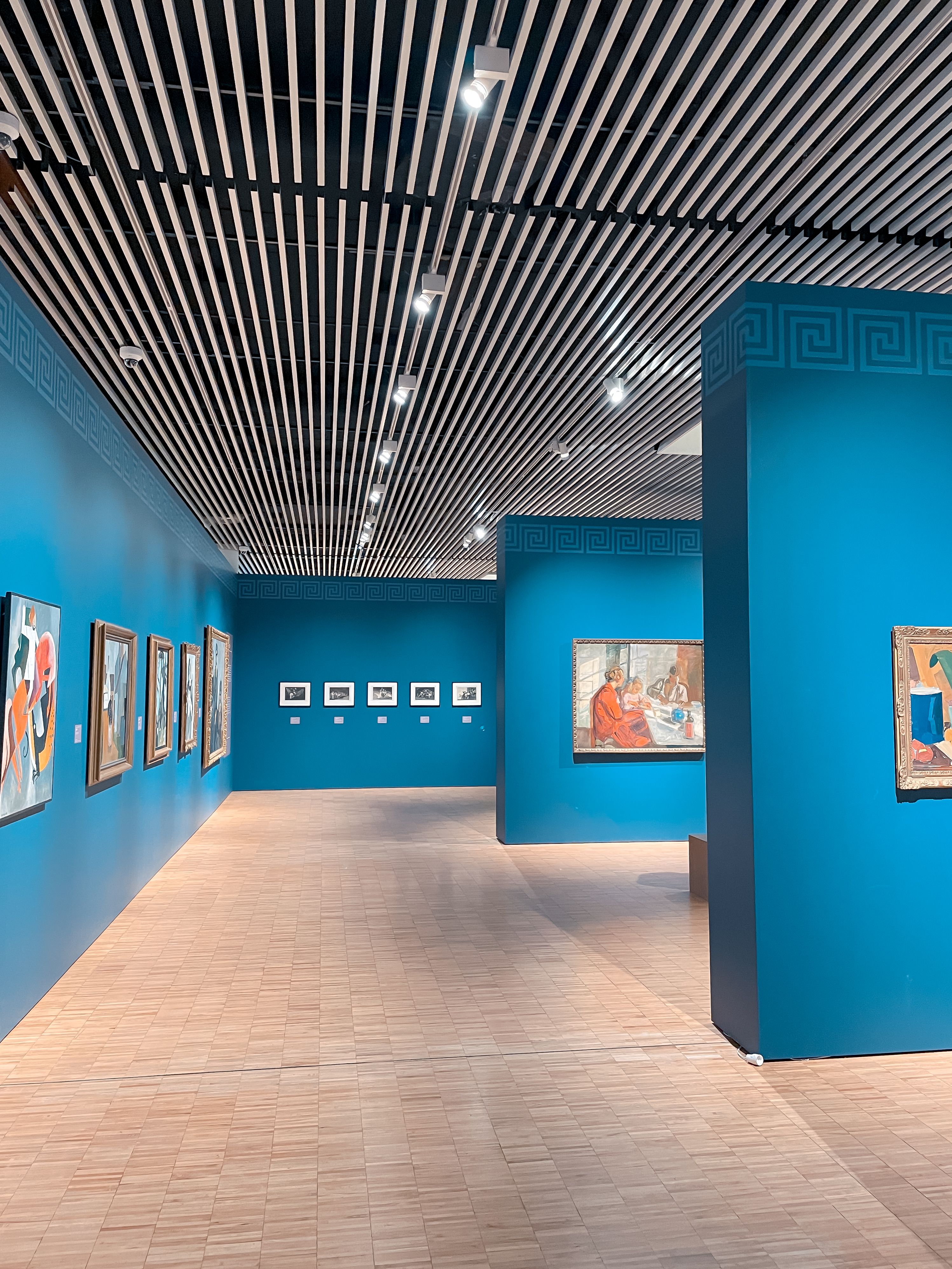
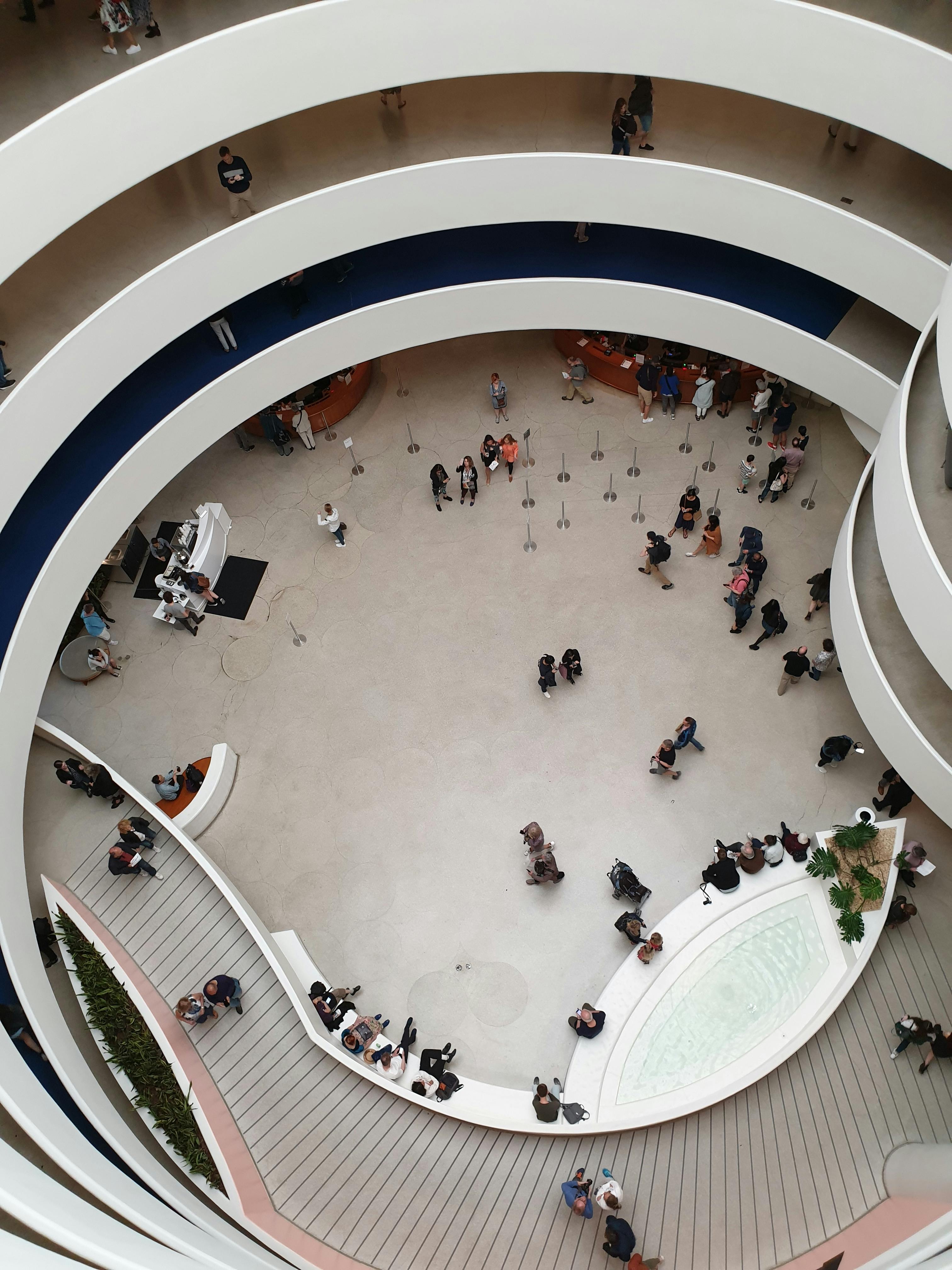
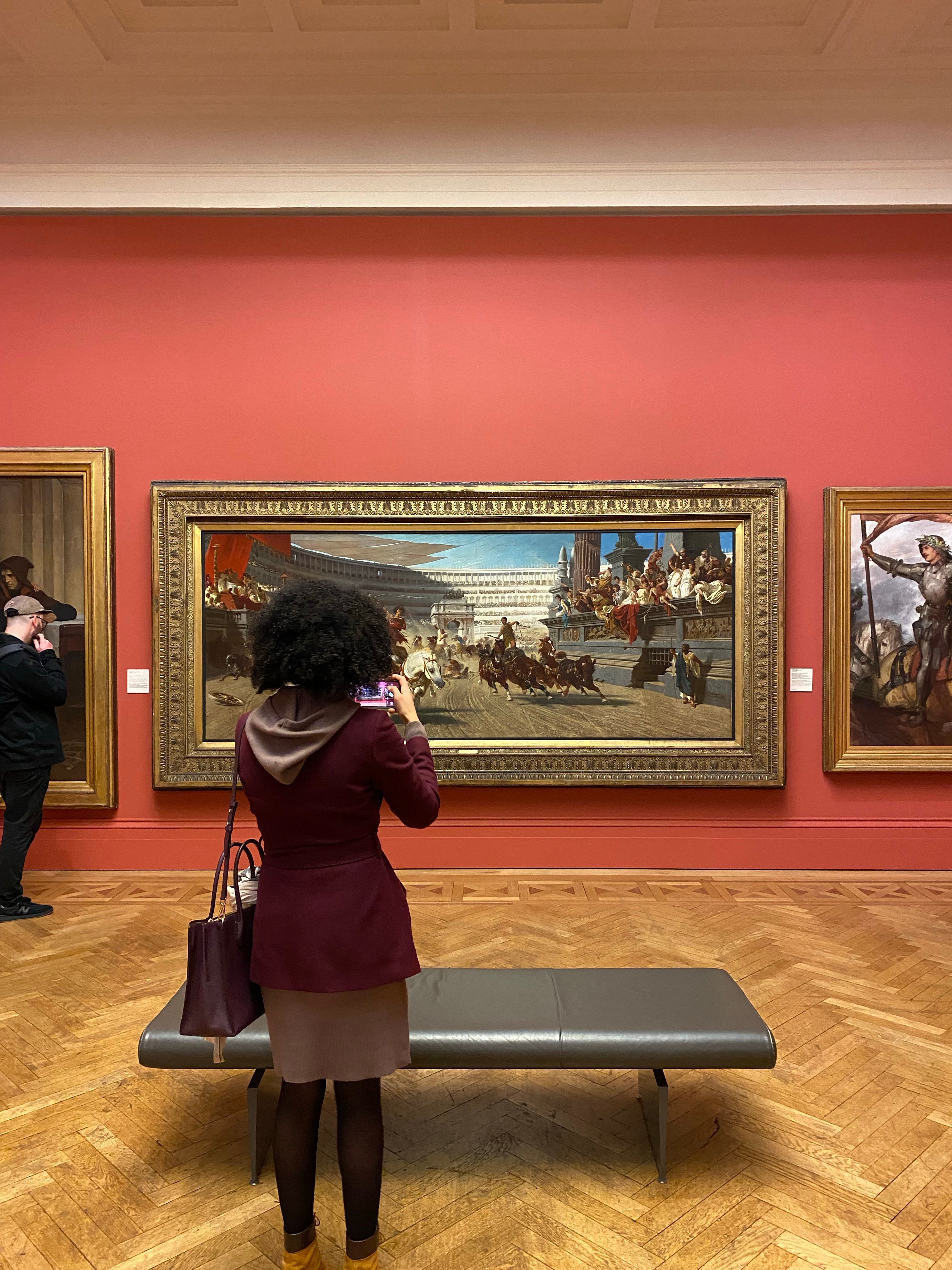
There’s something about standing in front of an artwork in person that changes the experience. If you can, visit a museum like the [/den-bosch-museum] to see these themes come to life. The immersive experience can provide a deeper connection to the art and its universal themes.

4. Visit Museums or Galleries
There’s something about standing in front of an artwork in person that changes the experience. If you can, visit a museum like the [/den-bosch-museum] to see these themes come to life.

9. Create Your Own Art
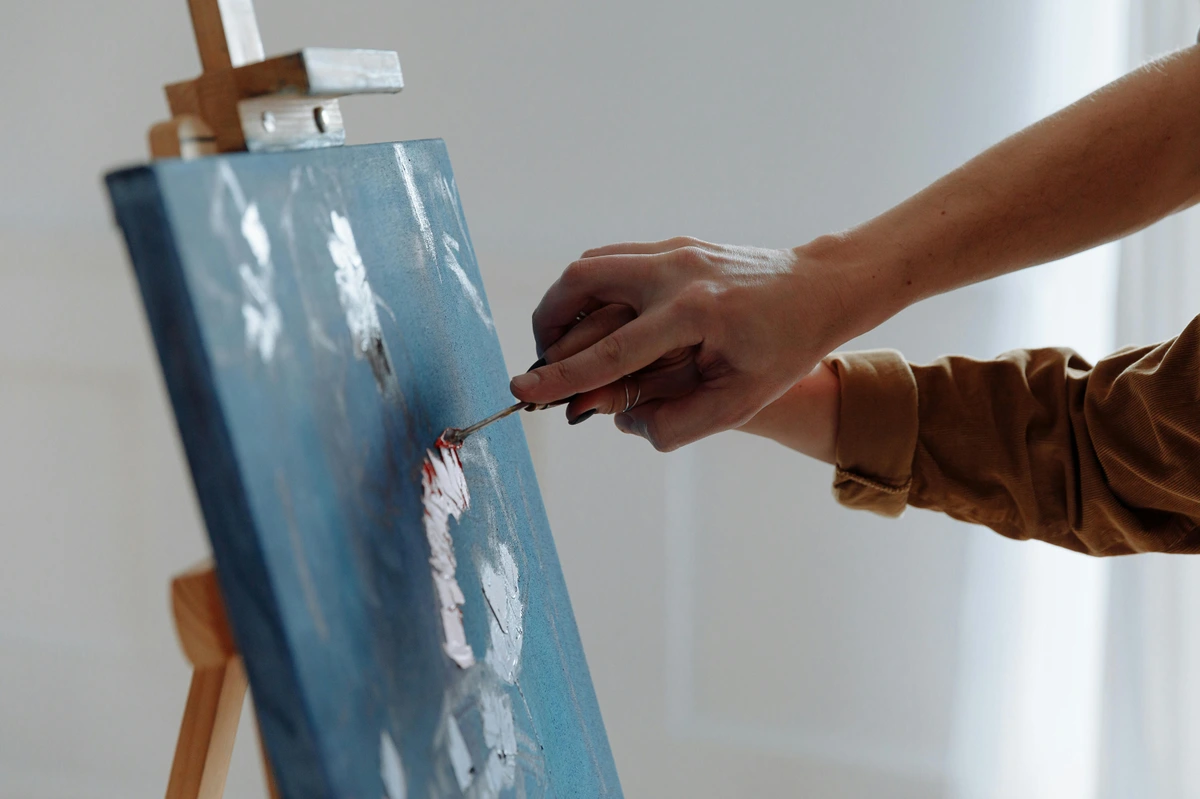
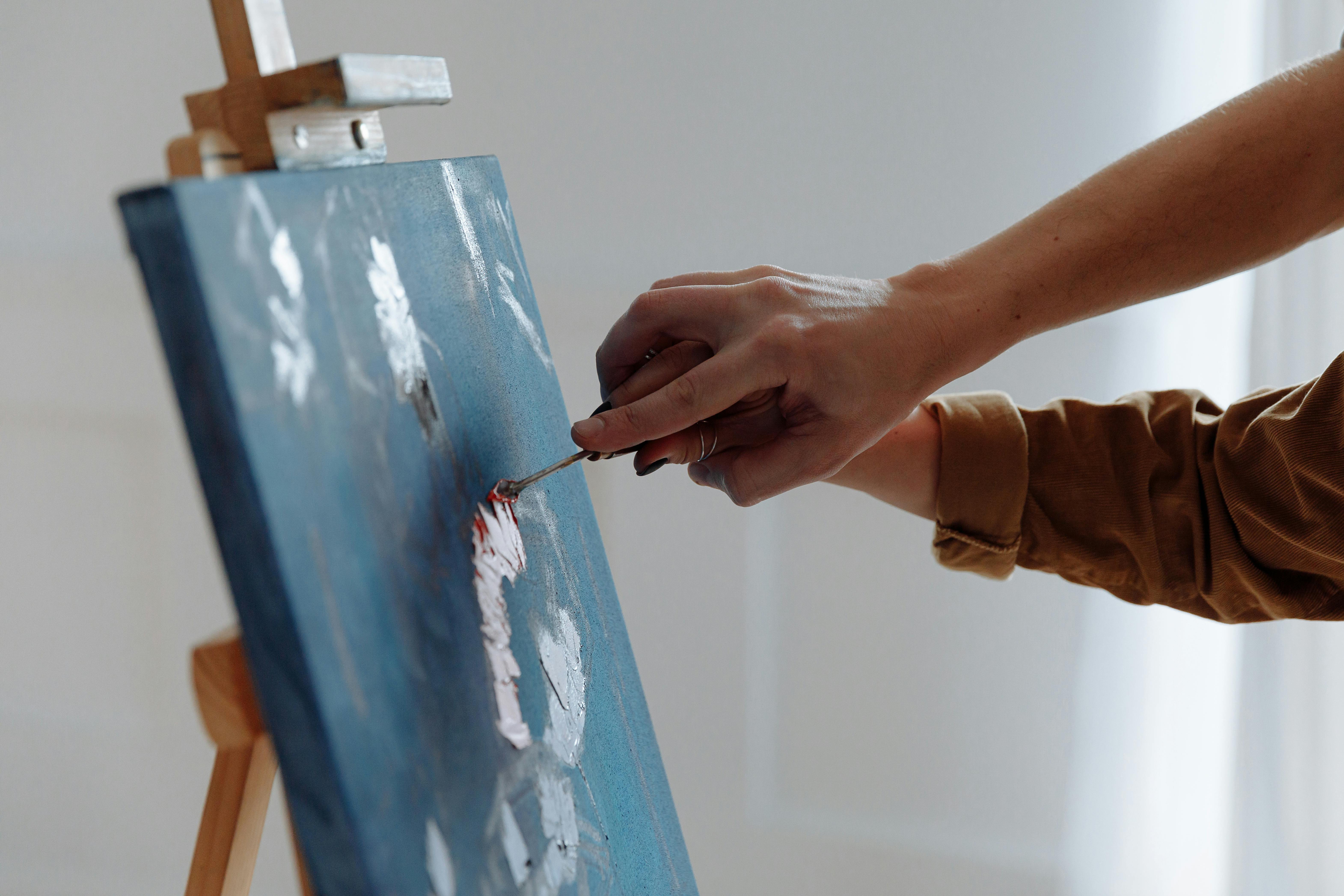
One of the best ways to connect with universal themes is to create your own art. Whether it's painting, drawing, or digital art, expressing your own emotions and experiences can help you understand and appreciate the universal themes in other artworks.
The Role of Creativity in Art Appreciation
Creativity plays a significant role in art appreciation by allowing viewers to express their own emotions and experiences. By creating your own art, you can gain a deeper understanding of the universal themes in other artworks and enhance your appreciation of their impact on our cultural landscape.
10. Attend Art Workshops and Classes
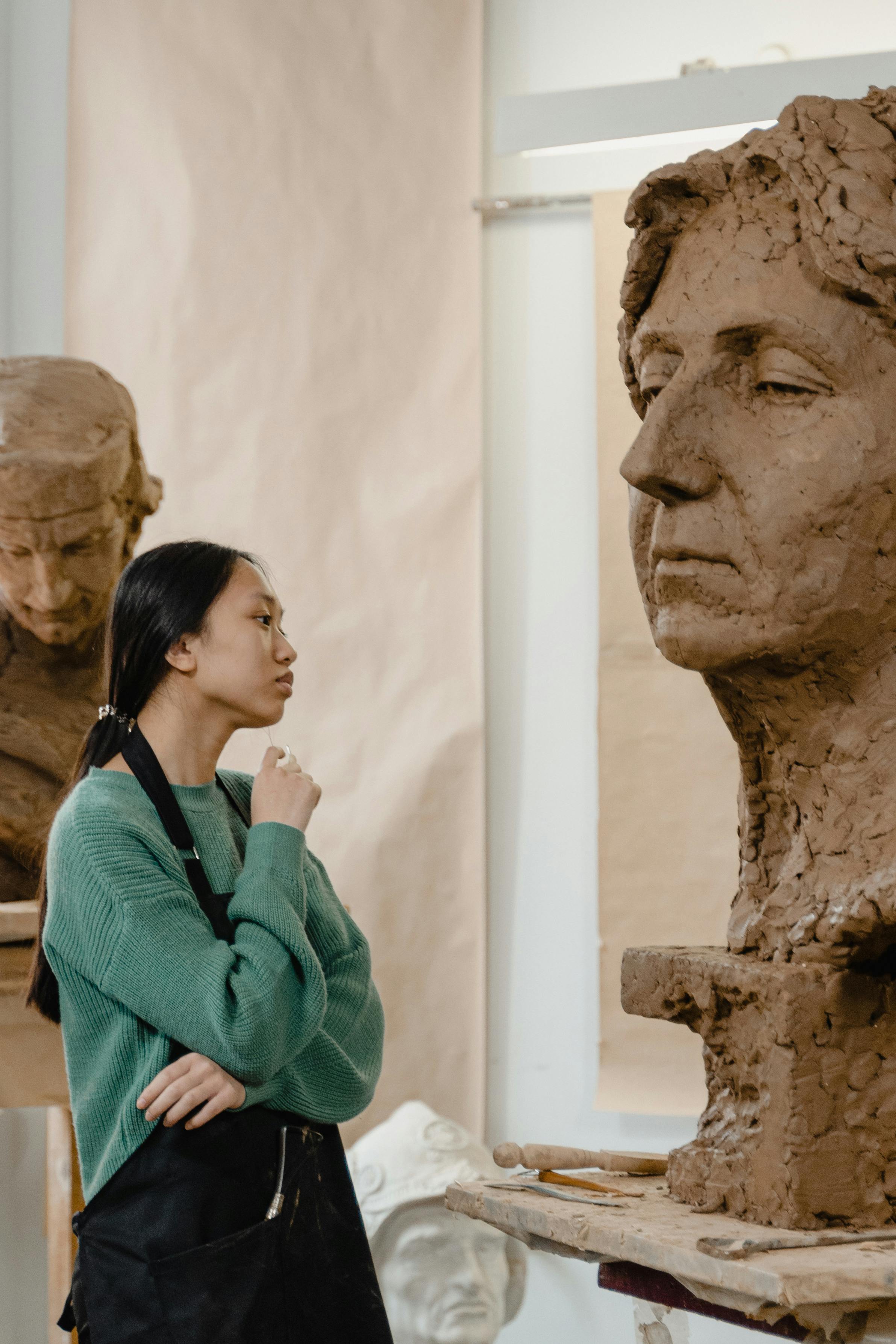
Participating in art workshops and classes can provide hands-on experience and guidance. These sessions can help you develop your skills, explore new techniques, and gain a deeper understanding of how to express universal themes in your own work.

The Role of Education in Art Appreciation
Education plays a significant role in art appreciation by providing hands-on experience and guidance. By attending art workshops and classes, you can develop your skills, explore new techniques, and gain a deeper understanding of how to express universal themes in your own work.
FAQ: Universal Themes in Art
What’s the difference between a universal theme and a cultural theme?
Universal themes are broad and relatable to almost anyone—think love, death, or justice. Cultural themes, on the other hand, are specific to a particular group or society. For example, the concept of hyggelig in Danish culture might not resonate as widely as the theme of family.
The Role of Cultural Context in Art
Cultural context plays a significant role in art by providing a framework for understanding the emotions and experiences depicted in the artwork. By understanding the cultural context of an artwork, viewers can gain a deeper appreciation of its themes and the emotions it conveys.
Can abstract art convey universal themes?
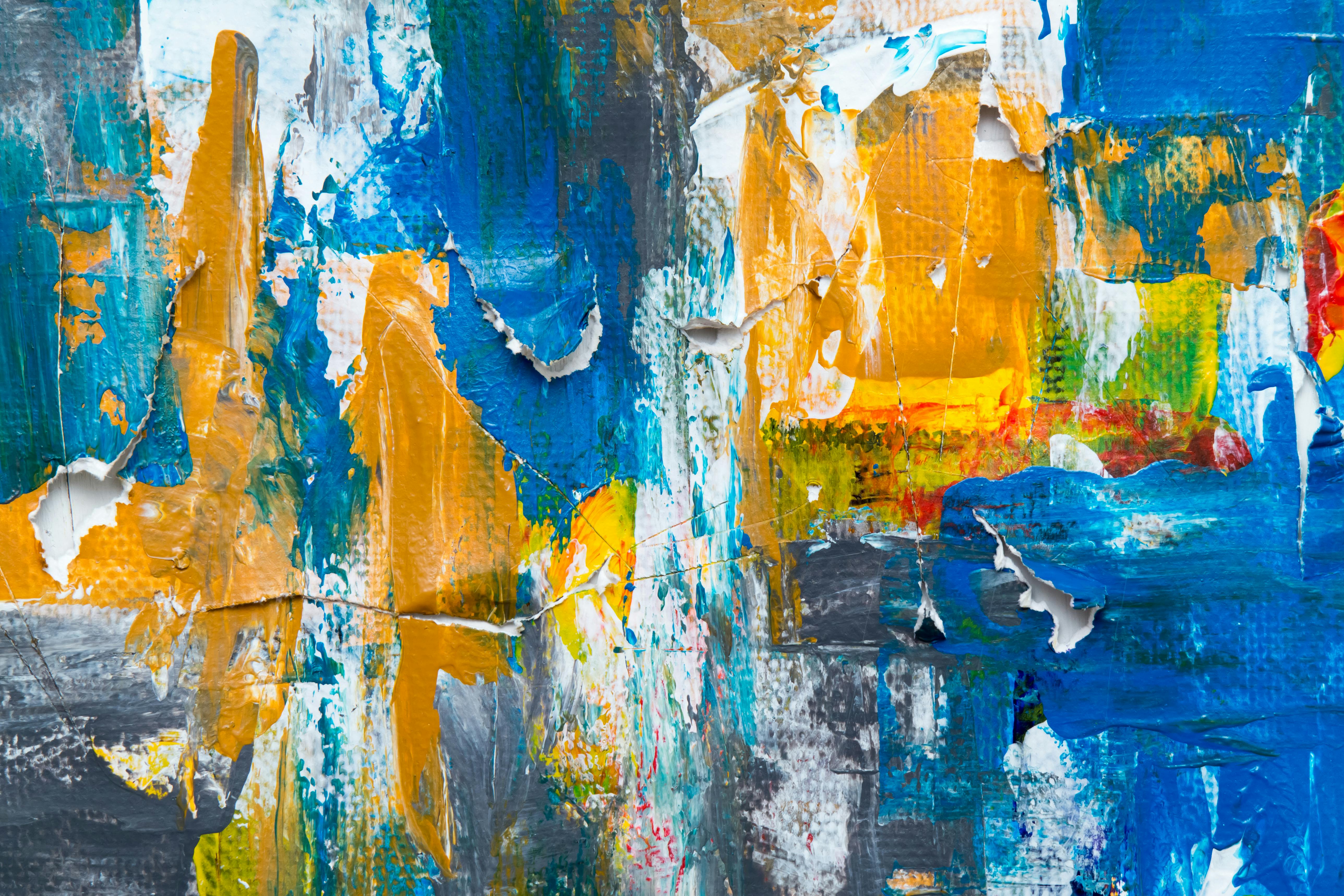
Absolutely! Abstract art might not depict recognizable scenes, but it can evoke emotions and ideas that are universally understood. A chaotic splash of color might represent turmoil, while a soft gradient could evoke peace.
The Role of Abstraction in Art
Abstraction plays a significant role in art by allowing artists to evoke emotions and ideas that are universally understood. Whether it's through chaotic splashes of color or soft gradients, abstract art can convey emotions and experiences that resonate with viewers across cultures and generations.
Why do some universal themes feel more relevant at certain times?
Context matters. During a global pandemic, themes of isolation and resilience might feel more poignant. Art reflects the times we live in, even when it was created centuries ago.
The Role of Context in Art
Context plays a significant role in art by influencing how universal themes are perceived and interpreted. By understanding the context in which an artwork was created, viewers can gain a deeper appreciation of its themes and the emotions it conveys.
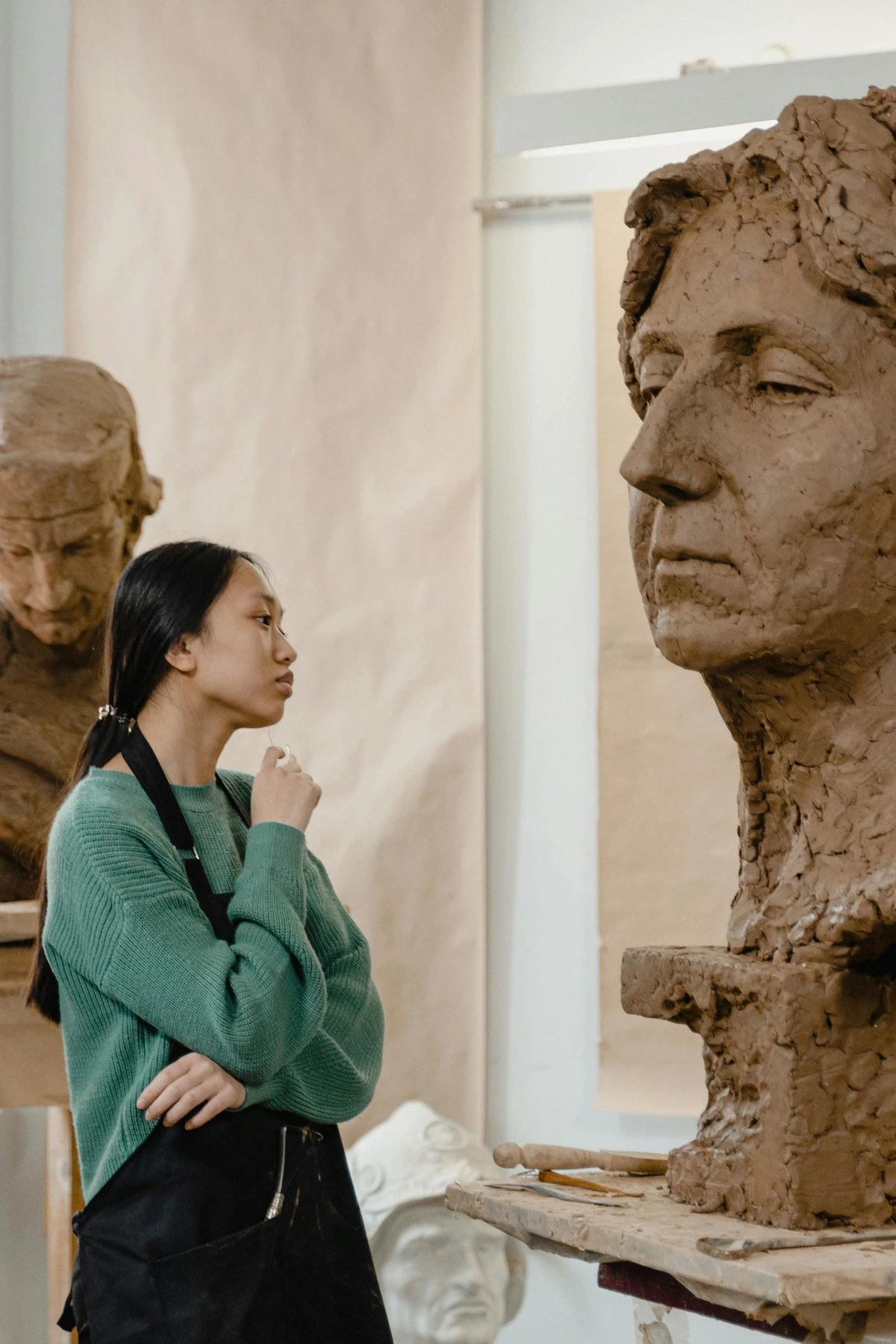
How can I use universal themes in my own art?
Start by tapping into your own emotions and experiences. What feelings or ideas do you think are shared by many? Use color, composition, and symbolism to express those themes in a way that feels authentic to you.

The Role of Personal Expression in Art
Personal expression plays a significant role in art by allowing artists to tap into their own emotions and experiences. By using color, composition, and symbolism to express universal themes, artists can create works that resonate with viewers across cultures and generations.
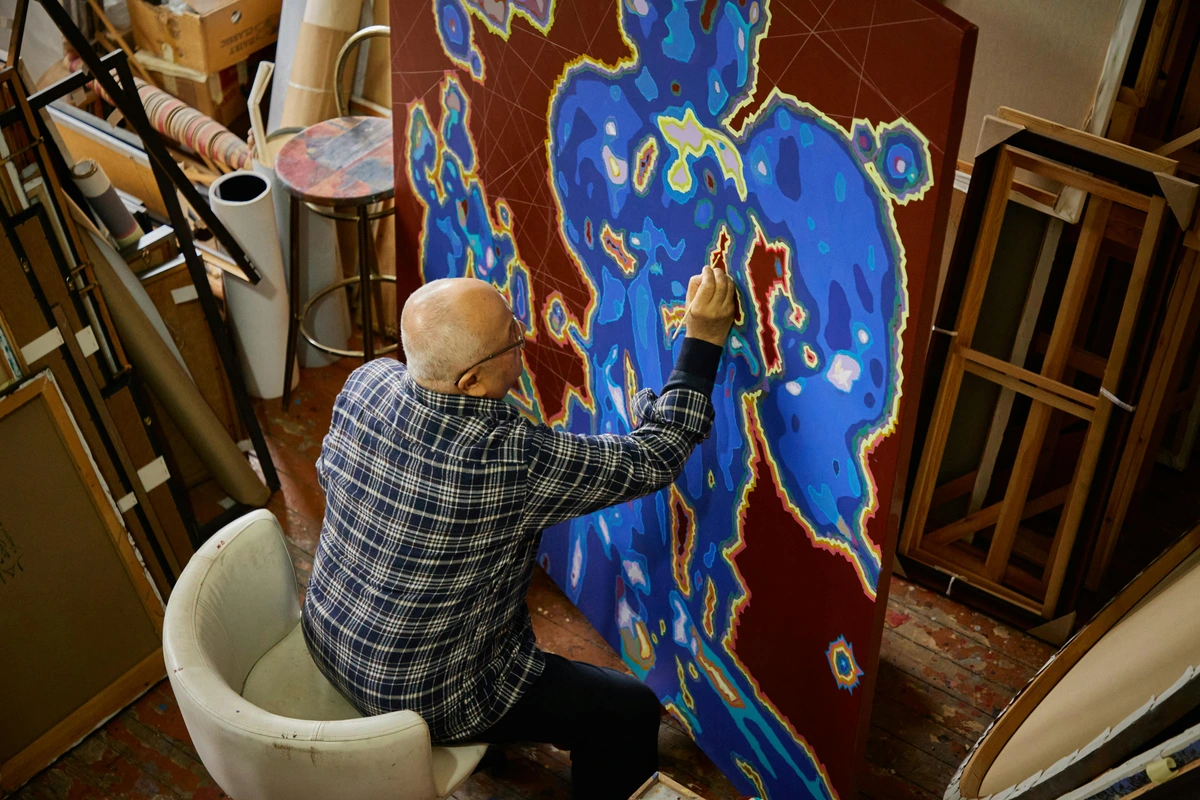
Are universal themes limited to fine art?
Not at all! You’ll find universal themes in street art, digital art, photography, and even graffiti. The medium doesn’t matter—it’s the message that counts.
The Role of Medium in Art
The medium plays a significant role in art by providing a platform for expressing universal themes. Whether it's through street art, digital art, photography, or graffiti, the medium doesn’t matter—it’s the message that counts. This role of medium in art is what makes it a vital part of our cultural landscape.
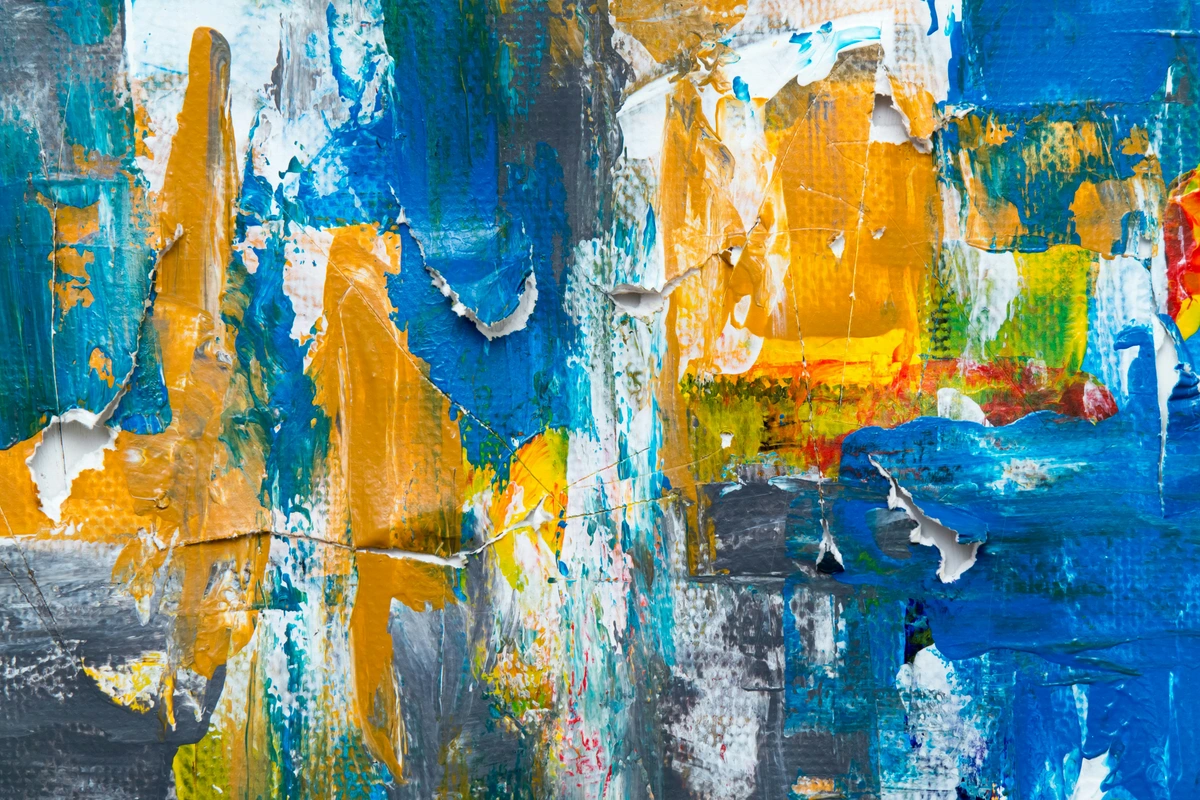
How do universal themes influence contemporary art?
Contemporary artists continue to explore universal themes in innovative ways. They use new mediums and techniques to express timeless ideas, making them relevant to modern audiences. For example, digital artists might use virtual reality to immerse viewers in experiences that evoke universal emotions like fear or joy.
The Role of Innovation in Contemporary Art
Innovation plays a significant role in contemporary art by allowing artists to explore universal themes in new and exciting ways. From digital art to virtual reality, contemporary artists are pushing the boundaries of traditional art forms to express timeless ideas. This role of innovation in contemporary art is what makes it a vital part of our cultural landscape.
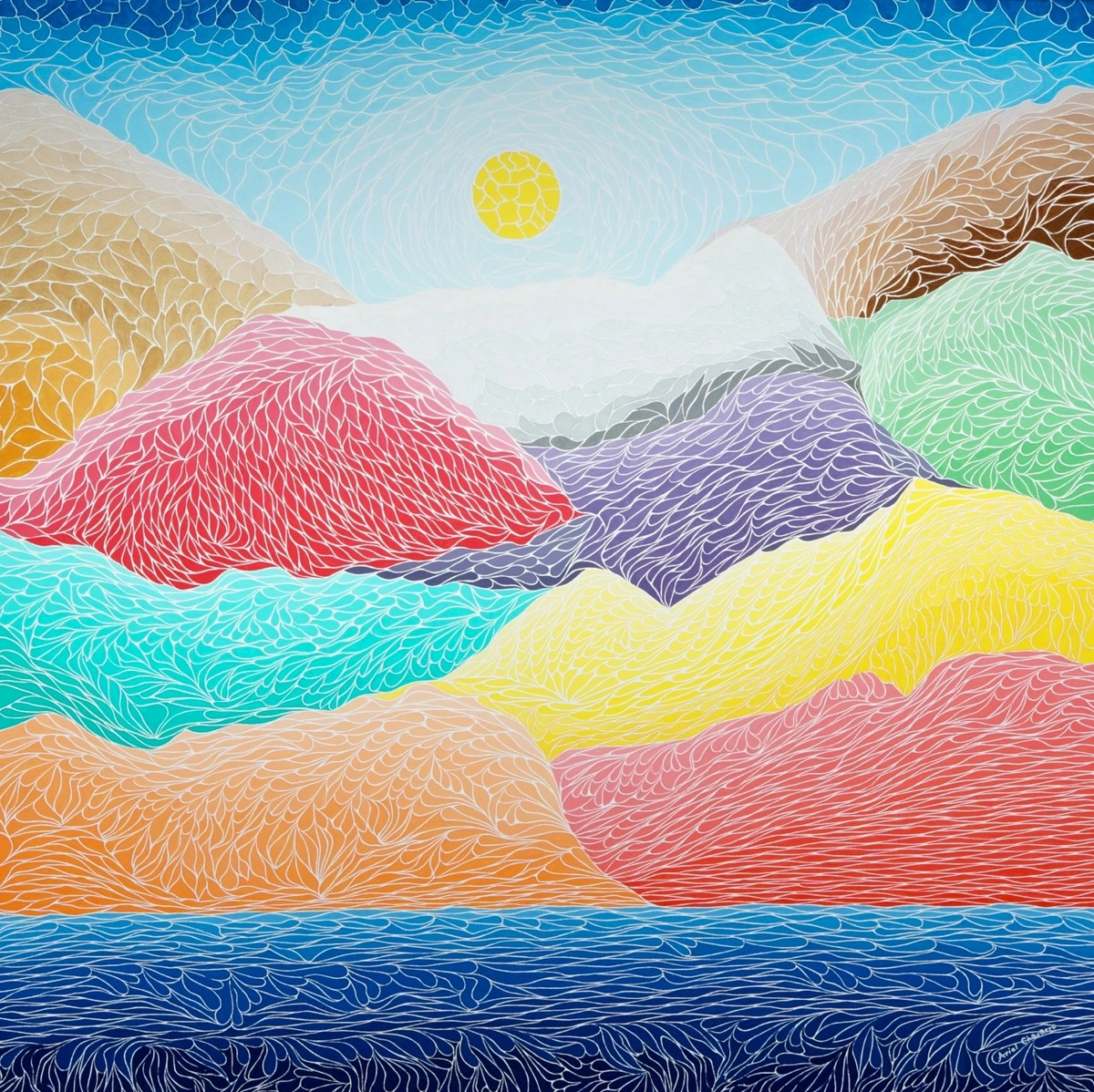
Can universal themes be found in non-visual art forms?
Yes, universal themes are not limited to visual art. They can be found in music, literature, theater, and even dance. For example, a symphony might evoke feelings of love and loss, while a novel might explore the search for meaning and identity.
The Role of Non-Visual Art in Universal Themes
Non-visual art forms play a significant role in expressing universal themes. Whether it's through music, literature, theater, or dance, non-visual art can evoke emotions and ideas that resonate with viewers across cultures and generations. This role of non-visual art in universal themes is what makes it a vital part of our cultural landscape.

Conclusion: Why Universal Themes Matter
Art with universal themes is more than just decoration—it’s a conversation across time and space. It reminds us that, no matter how different our lives may seem, we’re all connected by the same fundamental experiences. The next time you’re drawn to a piece of art, ask yourself: What is this saying to me? And what is it saying to the world?
And if you’re inspired to bring some of these themes into your own space, explore our collection of contemporary art at [/buy]. Who knows? You might find a piece that speaks to you in ways you never expected.
The Role of Art in Our Lives
Art plays a significant role in our lives by providing a platform for expressing universal themes. Whether it's through paintings, sculptures, or digital art, art can evoke emotions and ideas that resonate with viewers across cultures and generations. This role of art in our lives is what makes it a vital part of our cultural landscape.



















The Future of Universal Themes in Art
As art continues to evolve, so too will the exploration of universal themes. New technologies and mediums will provide artists with even more tools to express these timeless ideas. Whether it's through virtual reality, interactive installations, or AI-generated art, the conversation across time and space will continue, reminding us of our shared humanity.
The Role of Technology in Art
Technology plays a significant role in art by providing new tools and mediums for expressing universal themes. From virtual reality to AI-generated art, technology allows artists to explore timeless ideas in innovative ways. This role of technology in art is what makes it a vital part of our cultural landscape.