Mexico City's Art Scene: The Ultimate Guide to an Ever-Evolving Masterpiece
Uncover Mexico City's unparalleled art scene, from ancient cosmology and revolutionary murals to vibrant folk art, cutting-edge contemporary galleries, and essential travel tips. Your ultimate guide to CDMX art.

Mexico City's Art Scene: The Ultimate Guide to an Ever-Evolving Masterpiece, from Ancient Roots to Contemporary Pulse
I used to think of Mexico City, or CDMX as the cool kids call it (short for Ciudad de México), primarily through the lens of Frida Kahlo and Diego Rivera. But then I experienced it. The first thing that truly strikes you isn't just the art; it’s the sheer, overwhelming wave of life that pulses through its veins. It’s the sound of a thousand different vendors, the tantalizing smell of street tacos grilling, the impossibly vibrant colors of the buildings. This city, a UNESCO World Heritage site thanks to its layered history—from ancient civilizations to colonial grandeur and modern identity—feels like a living, breathing canvas before you even step into a museum. And that, right there, is the secret to understanding its art scene: it’s not neatly contained within four walls; it spills out onto the streets, permeates the food, and flows across its millennia of history. You see, Mexico City isn't just a place with art; it's the place where art breathes life into every corner, an expansive and dynamic art ecosystem waiting to be explored. We'll journey through its ancient foundations, colonial splendor, revolutionary fervor, the intimate world of Frida, its buzzing contemporary pulse, and defiant street art, uncovering why this city remains an ever-evolving masterpiece. While many guides will give you a simple checklist, my goal here is to offer you something more profound: a conversation, a personal exploration, and a definitive resource to truly immerse yourself in CDMX's artistic soul.
Ready to dive into CDMX's artistic soul, from monumental pre-Hispanic carvings to defiant murals and cutting-edge contemporary works? This is your ultimate art lover's guide to Mexico City, proving it's so much more than just Frida and Rivera.
Echoes of Eternity: Pre-Hispanic Art's Enduring Foundation
To truly understand the DNA of Mexican art, you have to start at its ancient roots. These aren't just buildings with old things in them; they are story-telling machines on a colossal scale, essential for understanding the very origins of art, symbolism, and cosmology (the understanding of the universe) in Mexico. You’ll quickly see how these ancient artistic philosophies and motifs continue to echo, sometimes subtly, in contemporary works, influencing everything from abstract forms to narrative compositions. Imagine the vibrant murals that once adorned these structures, telling stories through color and form—a testament to an early, sophisticated artistic tradition deeply entwined with spiritual beliefs and observations of celestial bodies. This deep connection between art, religion, and the natural world is a thread that runs through all of Mexican art history, even inspiring modern abstract movements and the enduring influence of indigenous art on modern abstract movements.
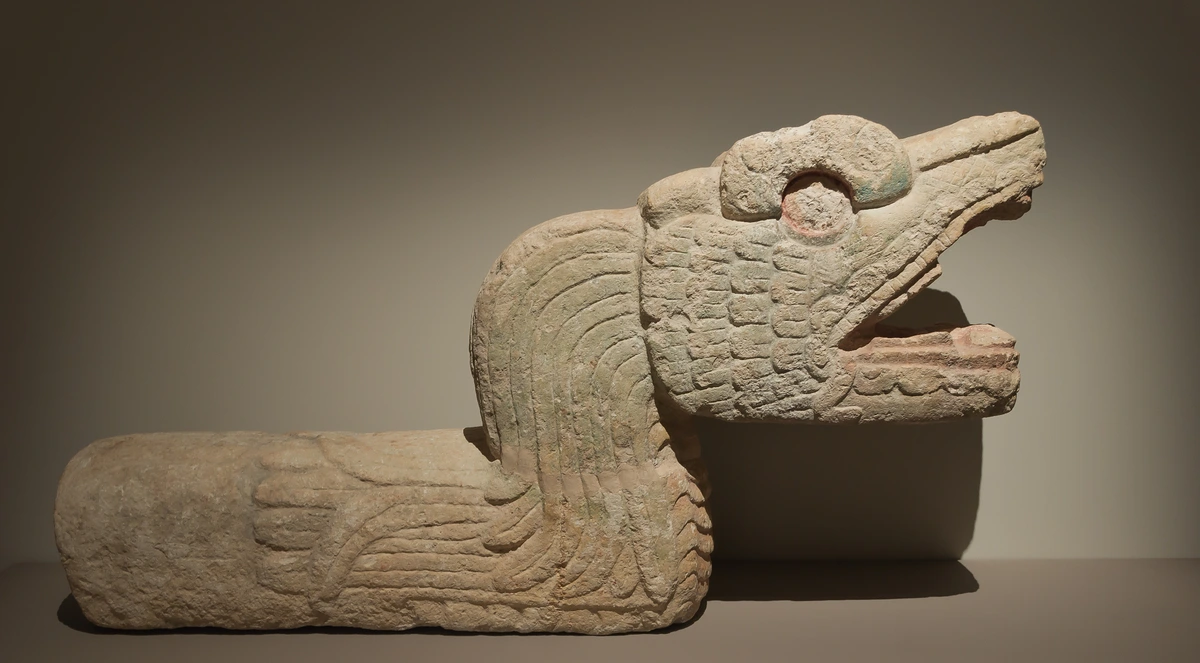
From the enigmatic Olmec colossal heads, dating back over 3,000 years, to the sophisticated Maya hieroglyphic writing (an artistic expression as much as a linguistic one), these early civilizations laid a profound groundwork. The Teotihuacanos, for example, were masters of large-scale urban planning and monumental architecture, but also created intricate stucco work and vibrant mural fragments found in palaces like the Palace of the Quetzalpapalotl—a testament to a rich inner world expressed through art. Don't forget the Zapotecs, whose elaborate funerary urns, often exquisitely crafted and depicting deities or ancestors, are considered artistic achievements for their intricate detail and profound spiritual narrative. Or the Mixtecs, master goldsmiths and creators of intricate codices that beautifully blended historical narrative with artistic flourish, serving as rich visual histories. The visual language developed by these cultures, often centered on natural forces, deities, and a cyclical view of existence, remains a powerful undercurrent in modern Mexican artistic identity.
Museo Nacional de Antropología (National Museum of Anthropology)
Look, I know what you might be thinking. An anthropology museum? But trust me on this one. To truly grasp Mexico, to understand the symbolism in Frida's work, or the powerful narratives in the murals, you have to start here. This place is, without exaggeration, one of the greatest museums in the world. It tells the story of the civilizations that existed here long before the Spanish arrived—the Teotihuacanos, Toltec, Aztec, Maya, Olmec, and more. You’ll see the actual Sun Stone (often mistakenly called the Aztec calendar), and its scale and intricate detail will absolutely humble you. Its true function was as a monumental sculptural rendition of the Aztec cosmos, a calendar yes, but also a profound map of their spiritual world. The Jade Mask of Pakal, a funerary masterpiece from the Maya civilization, also captivated me with its serene power. The very concepts of monumental public art, complex iconography, and the intertwining of art with religious and political power, which define later Mexican art, find their roots in these ancient cultures. Don't rush it. Give it a solid morning. Pro-tip: Go early to avoid the biggest crowds, especially if you want to properly absorb the main halls. The scale alone is mind-boggling, and you’ll want time to truly appreciate it.

Templo Mayor
For a more direct encounter with the artistic heart of the Aztec Empire right in the city center, a visit to Templo Mayor is essential. This archaeological site, unearthed in the heart of the Historic Centre, offers a fascinating glimpse into the artistic and religious practices of Tenochtitlan. Here, you'll find colossal stone carvings, intricate ceramic offerings, and remnants of painted structures that served as the spiritual and political nexus of the Aztec world. It’s a powerful testament to the sophistication of indigenous art before the Spanish conquest, and I find it gives a visceral understanding of the historical layers CDMX is built upon. Pro-tip: Templo Mayor is perfectly situated next to the Zócalo and the Metropolitan Cathedral, making it easy to combine with other major downtown sights for a deep dive into Mexico City's layers of history and art.
Teotihuacan: An Ancient City as Art
For a truly ancient echo, consider a day trip to Teotihuacan, the monumental pre-Hispanic city just outside CDMX. While not strictly a museum, it's an immersive archaeological site that demonstrates monumental architecture, advanced urban planning, and intricate mural painting from a civilization that predates the Aztecs. Walking its grand avenues, like the Avenue of the Dead, and climbing the Pyramids of the Sun and Moon, offers a profound understanding of the scale and artistic ambition of ancient Mesoamerican cultures. Don't miss the surviving mural fragments, especially those depicting feathered serpents and rain gods, which showcase an early mastery of color and narrative. Moreover, the very layout of the city was an artistic and cosmological statement, meticulously aligned with celestial bodies and designed to mirror the Aztec understanding of the universe on Earth. Pro-tip: Go early, wear comfortable shoes, bring water, and maybe a hat. It's a vast site; exploring beyond the main pyramids will reveal even more hidden artistic gems. For deeper context on the artifacts found here, make sure to visit the excellent Museo de Teotihuacán located right on-site.
Colonial Grandeur: The Enduring Legacy of Religious Art
Before the revolutionary fervor of muralism, Mexico's visual culture was profoundly shaped by its colonial past. The Spanish conquest brought European artistic traditions, primarily focused on religious art, serving as a powerful tool for evangelization and establishing new cultural norms. This era, lasting over 300 years, laid a foundational layer of visual storytelling and devotional art that continues to hold immense cultural and aesthetic value, influencing later artistic developments. And here's a wild tidbit: the Inquisition played a subtle yet significant role, influencing themes and censorship in religious art to ensure strict doctrinal adherence, though Mexican artists often found subtle ways to express local sensibilities within these constraints.
A visit to the Metropolitan Cathedral in the Historic Center, or any of the older churches scattered throughout the city (like the stunning Iglesia de Santo Domingo, La Profesa, or Iglesia de San Francisco el Grande with its ornate facade), will reveal a breathtaking array of Baroque religious art. Think gilded altarpieces, dramatic oil paintings, and intricate sculptures that tell biblical stories and depict saints. These grand structures and their opulent interiors are prime examples of the Churrigueresque style of Baroque architecture and ornamentation, characterized by its intensely decorative surfaces, twisted columns (often called Solomonic columns), and a profusion of gilded stucco and woodcarving. It's a visual symphony of excess, designed to inspire awe and devotion, a truly immersive artistic experience. To learn more about this era, check out our guide on what is baroque architecture.
These works, often created by indigenous artisans under Spanish guidance, represent a significant period in Mexican art history. They demonstrate a fascinating syncretism, a blending of European styles with subtle indigenous motifs and interpretations. For instance, in a colonial church, you might spot indigenous iconographic elements woven into Christian narratives, or local flora and fauna subtly replacing European counterparts, creating a uniquely Mexican colonial aesthetic. I’m always struck by how these grand European forms could still carry whispers of ancient Mexican traditions, a quiet defiance within the imposed structure. Beyond the church, powerful religious brotherhoods (cofradías) played a crucial role as patrons, commissioning vast quantities of art to adorn their chapels and aid in their devotional practices, shaping the visual landscape of the period.
Palacio de Bellas Artes: Birthplace of a Modern Revolution
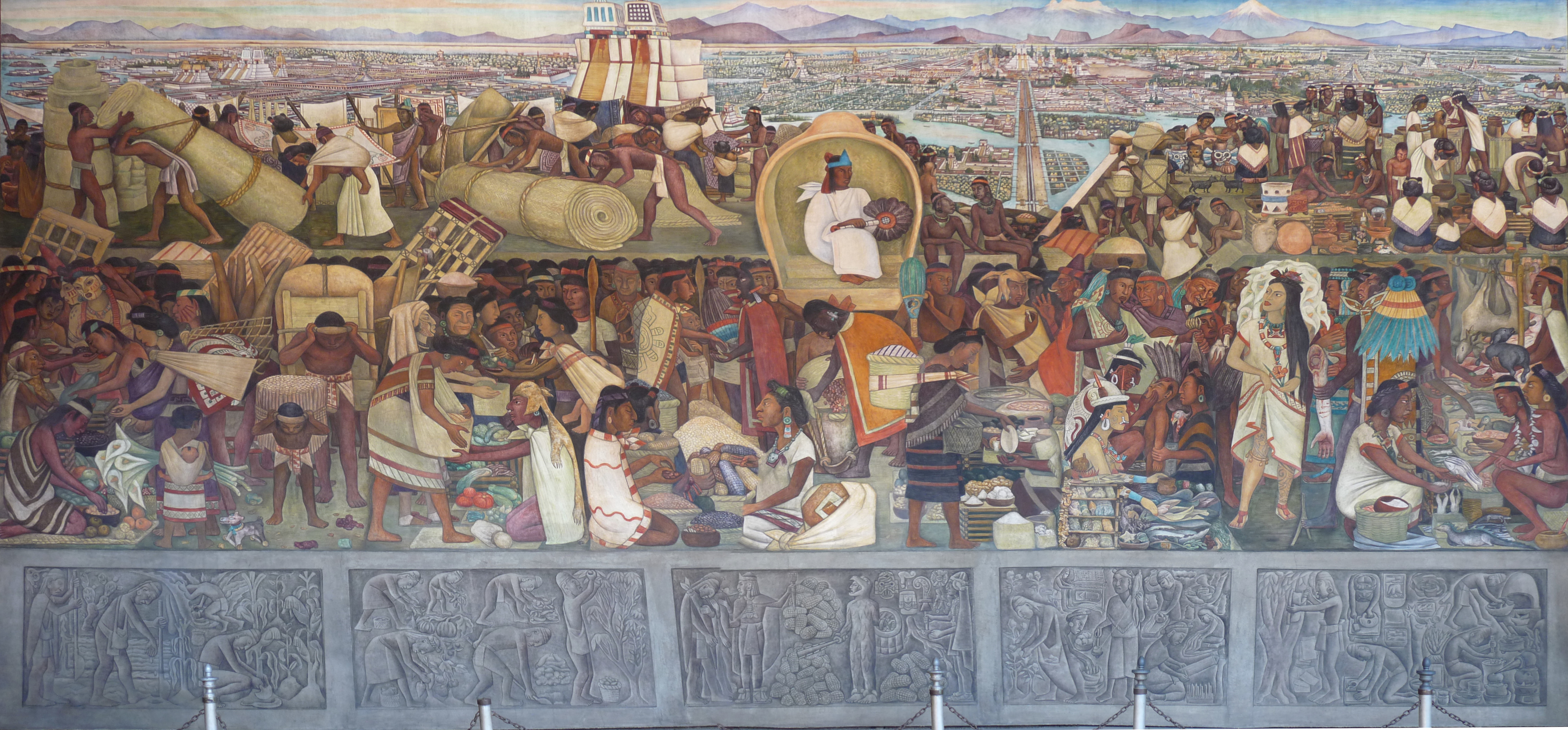
This is the grand dame of Mexico City, a breathtaking fusion of Art Nouveau and Art Deco architecture that is an artistic statement in itself, crowned by its iconic dome. The building, designed by Adamo Boari and Federico Mariscal, not only houses art but is art, symbolizing Mexico's entry into the modern age with its opulent and geometrically refined styles. But the real reason you're here is inside, on the upper floors. This is the epicenter for Mexican Muralism, a revolutionary movement born out of the fervent spirit of the Mexican Revolution. Artists like Diego Rivera, José Clemente Orozco, and David Alfaro Siqueiros (collectively known as Los Tres Grandes or "The Three Great Ones") were tasked with painting Mexico's identity, struggles, and triumphs for its people, transforming public buildings into open-air history books. This wasn't just art; it was a radical act of nation-building, aiming to educate and unite a populace, often incorporating socialist and indigenous themes. These murals fostered a powerful sense of national pride and a collective visual identity in a post-revolutionary Mexico, though their political messages weren't always without controversy and often served as a powerful form of art as catalyst for social change. To learn more about this pivotal movement, check out our guide to Mexican Muralism.

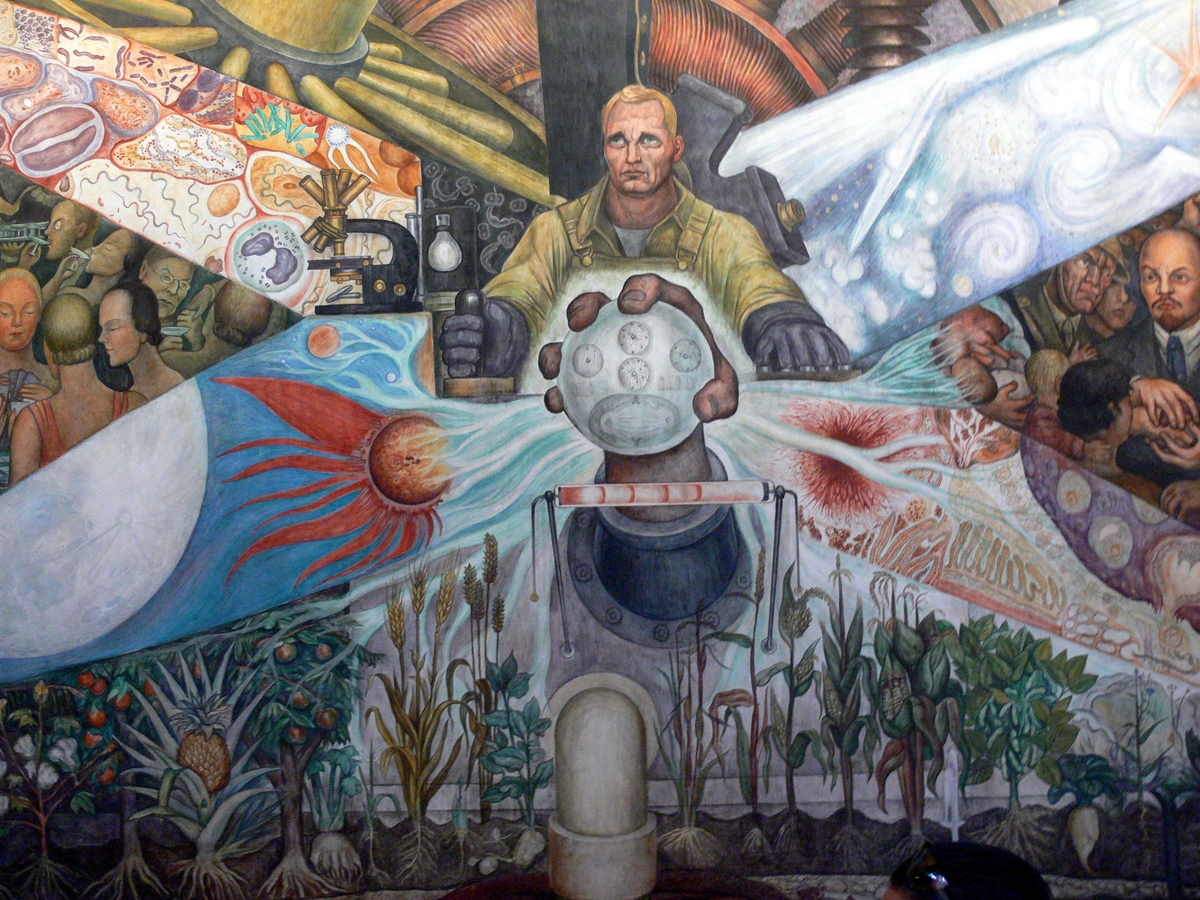
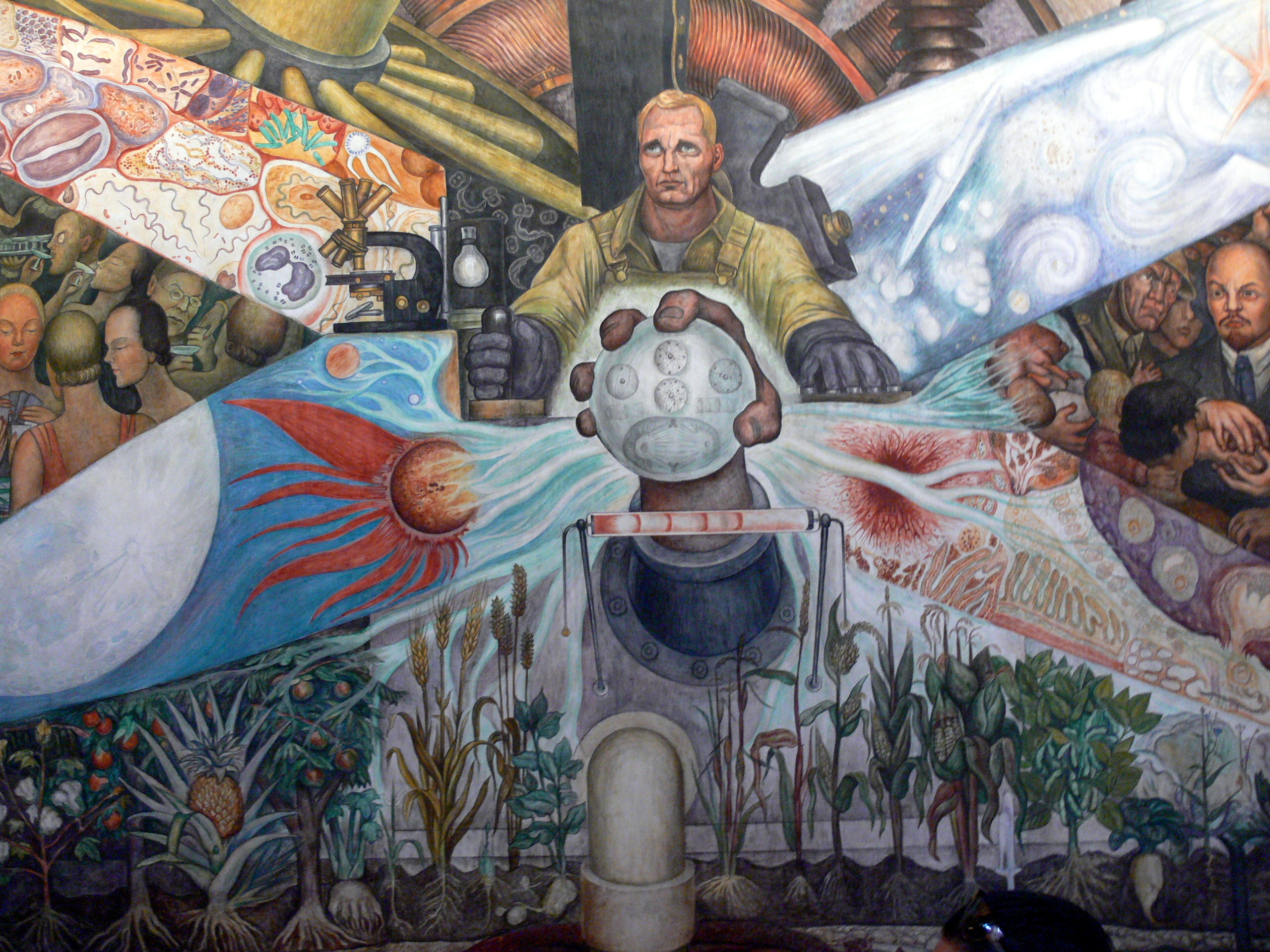
You’ll come face-to-face with these colossal works—visceral narratives painted with fierce pride. Rivera's Man at the Crossroads (recreated here as El hombre en el cruce de caminos) is particularly fascinating. This mural became a symbol of artistic defiance when its original version, commissioned for Rockefeller Center in New York, was destroyed because Rivera controversially included a portrait of Vladimir Lenin, a move deemed too radical by the anti-communist sentiments prevalent in the US at the time. His unwavering commitment to his political beliefs, even at the cost of a major commission, speaks volumes about the power and conviction behind the muralist movement. That's the kind of unyielding spirit we're talking about. These grand public narratives, my friend, set a stage for art that was deeply personal yet globally resonant, paving the way for more intimate artistic voices like Frida Kahlo. Pro-tip: Don't forget to look up at the incredible stained-glass curtain, The Legend of Popocatépetl and Iztaccíhuatl, a true masterpiece of craftsmanship, illuminating the main hall with its vibrant colors.
The Cult of Frida and the Evolving Soul of Mexicanidad
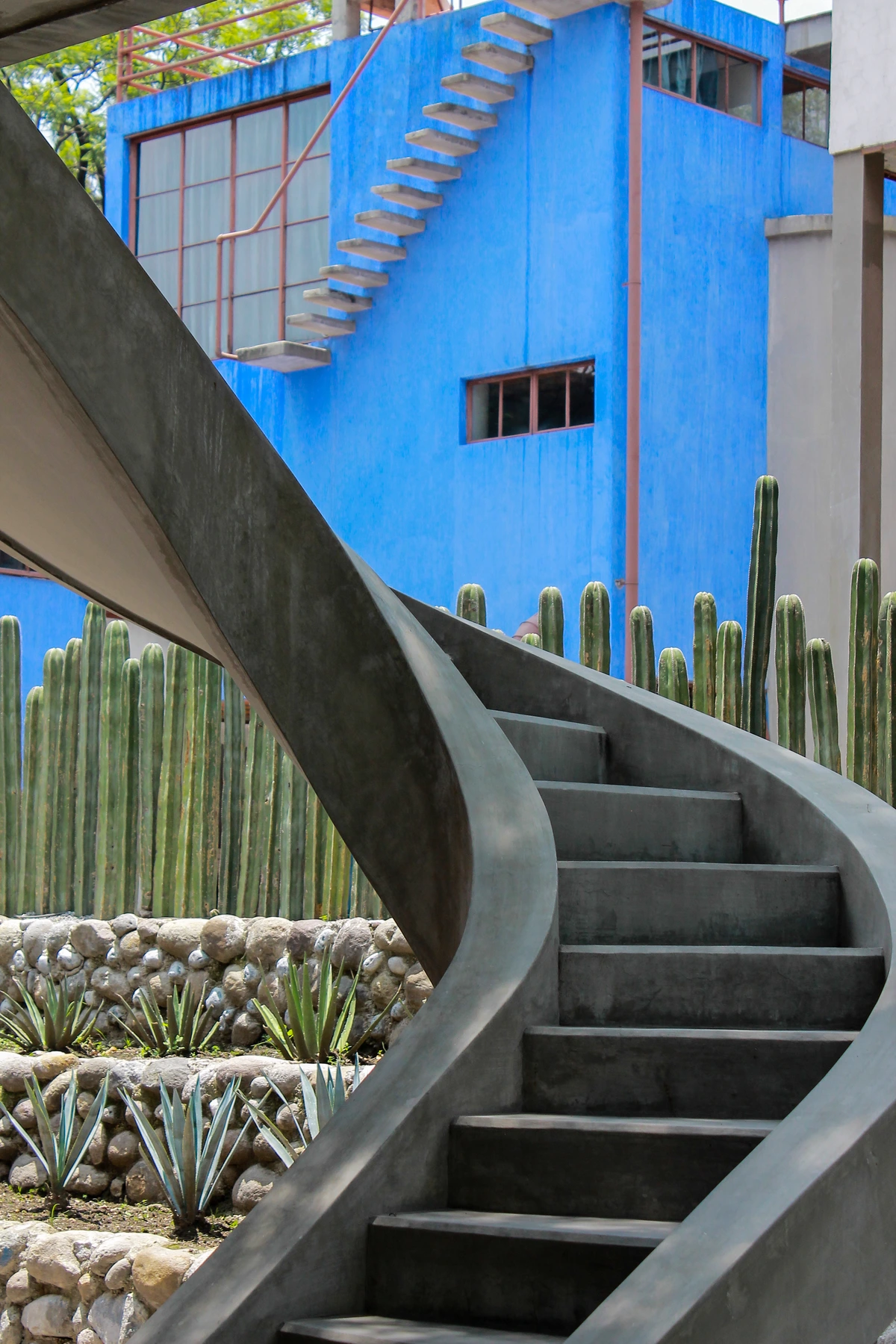
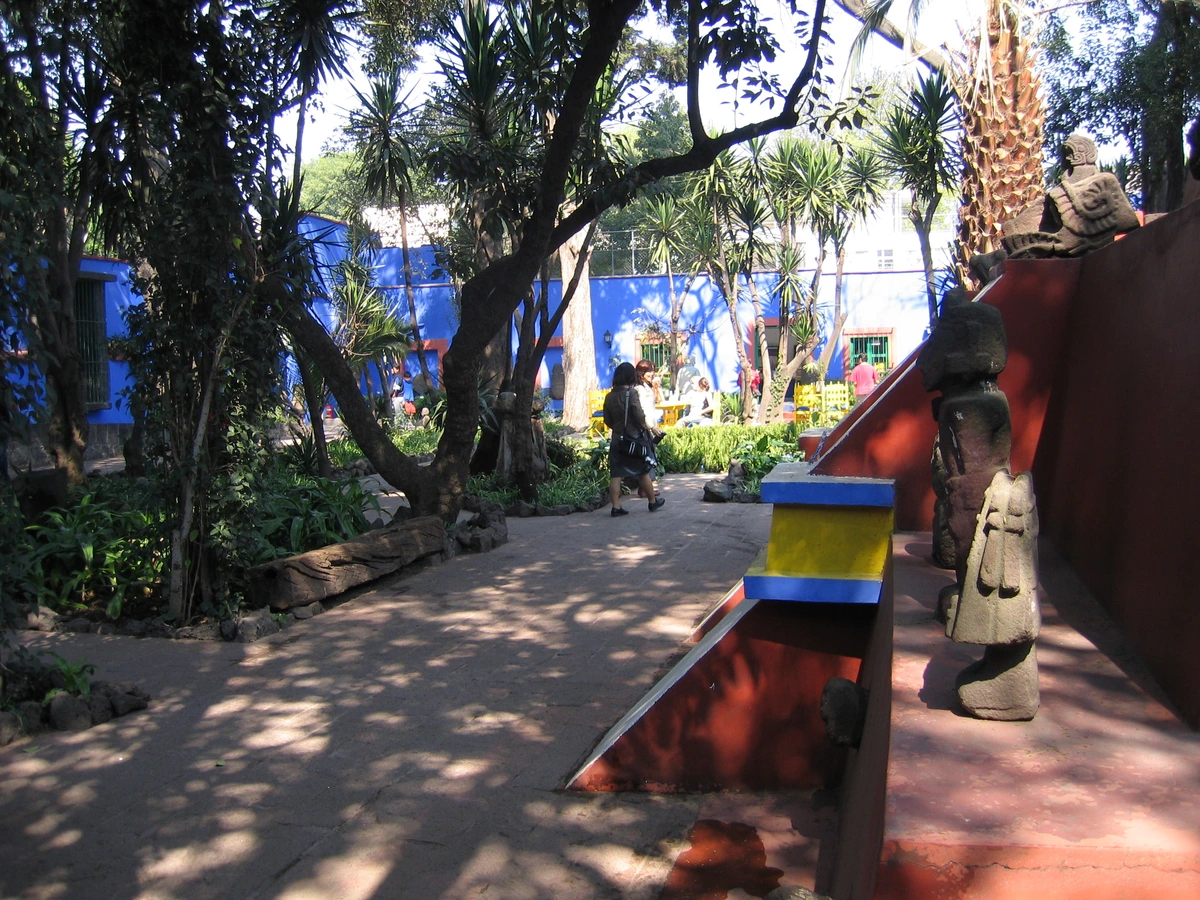
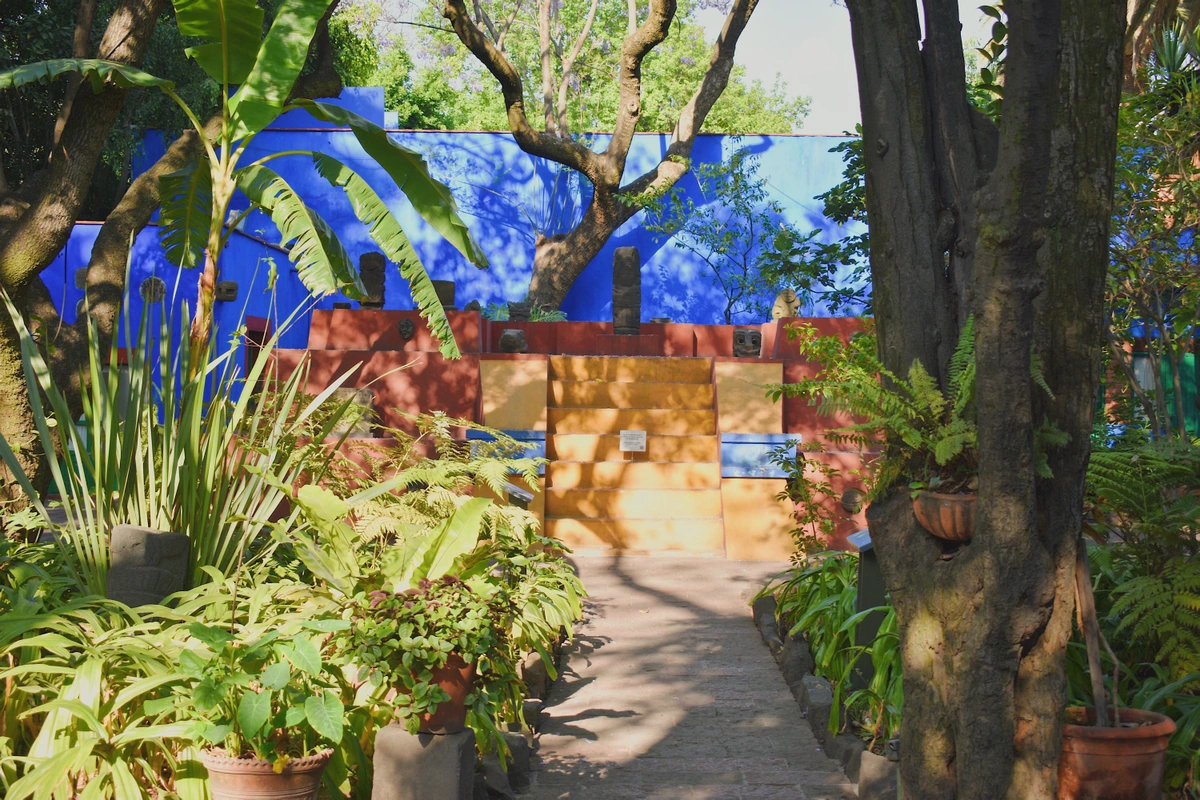
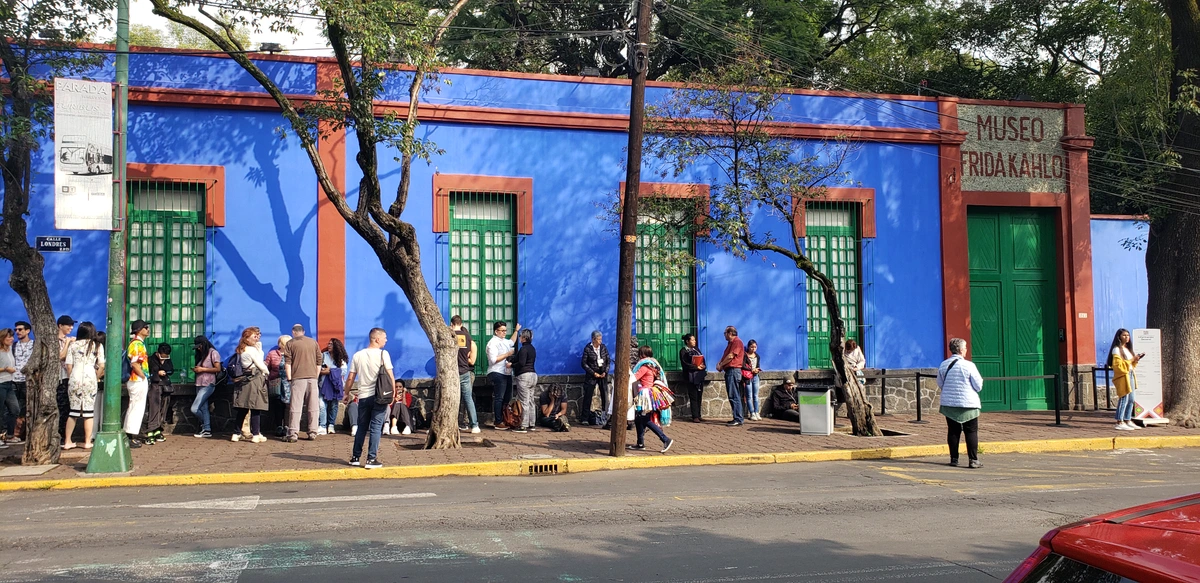
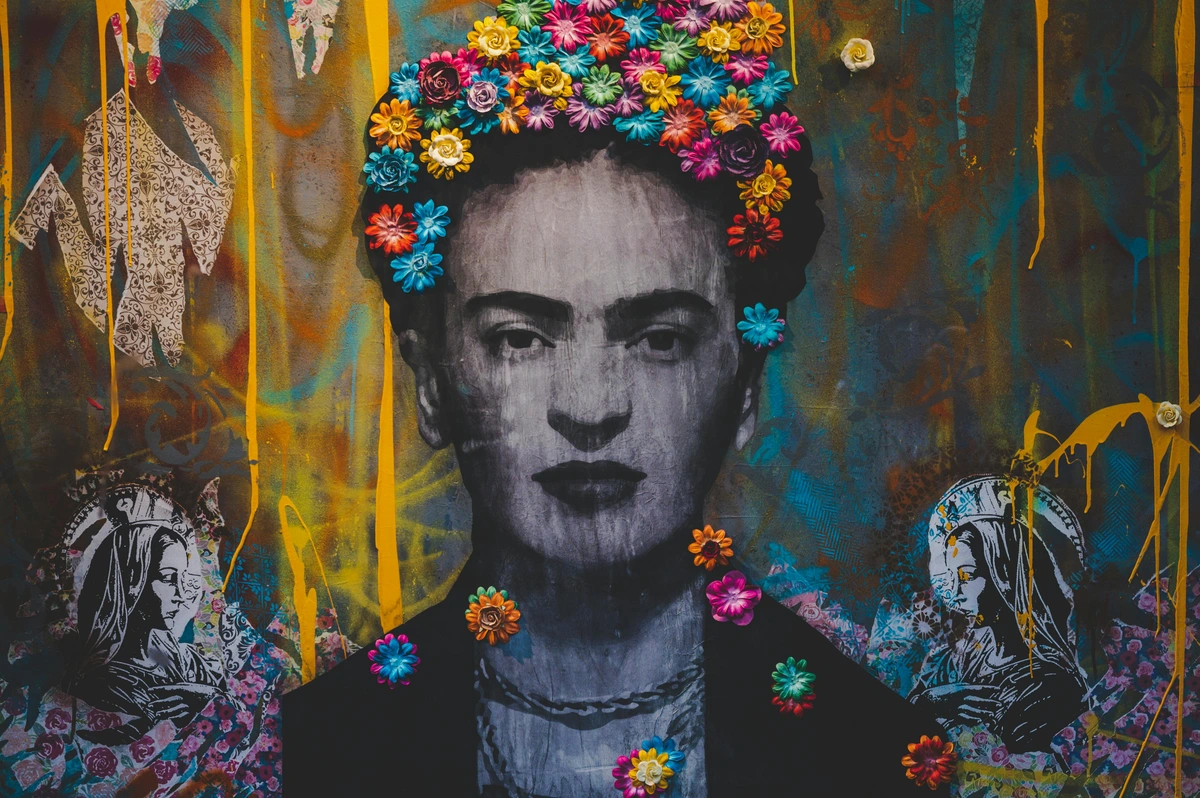
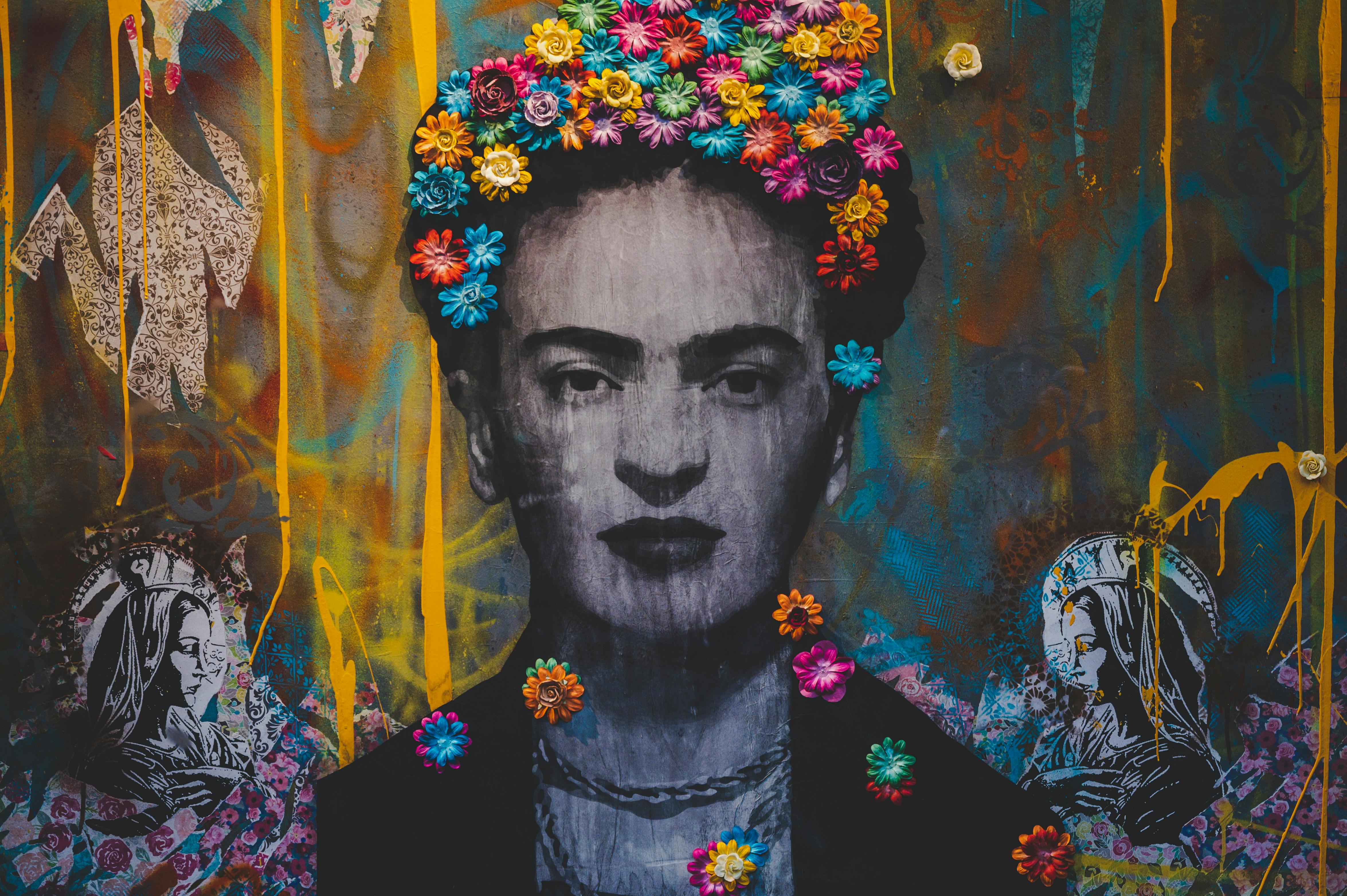
From the grand, public narratives of Mexican Muralism, we turn to a more intimate, yet equally powerful, voice in Mexican art history, a story that emerged from and then redefined the very concept of national identity. Okay, we absolutely have to talk about Frida. You can’t discuss art in Mexico City without her, it's like discussing Paris without mentioning the Eiffel Tower – a glaring omission! The Frida Kahlo Museum, or Casa Azul (Blue House), is nestled in the beautiful, quiet neighborhood of Coyoacán. This was her home, the place she was born, lived, and died. And that's exactly what it feels like—a home, not a sterile museum. It’s a deeply personal narrative, where her life and art are inextricably intertwined, giving you an ultimate guide to Frida Kahlo's life, art, and legacy.
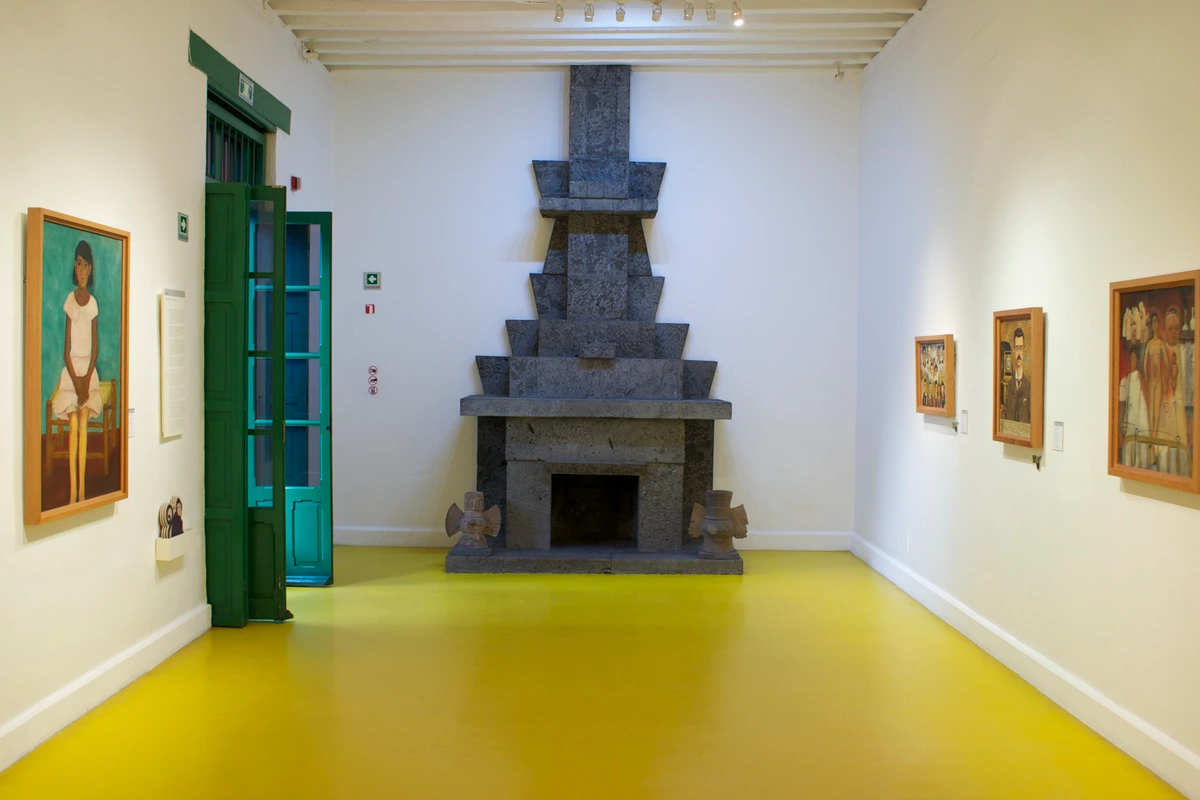
Her work, alongside her husband Diego Rivera, became a powerful emblem of Mexicanidad—a fierce affirmation of Mexican national identity deeply rooted in indigenous culture and post-revolutionary ideals. This concept, far from static, evolved over time, influencing how artists expressed their unique heritage, and even today, contemporary artists, photographers, and filmmakers engage with, critique, and reinterpret what it means to be 'Mexican' through art, challenging and expanding its definition. While Frida stands as an icon, it’s worth remembering contemporaries like María Izquierdo, another pioneering female artist whose bold self-portraits and scenes of everyday life explored similar themes of identity and tradition with her own distinct, vibrant voice. Izquierdo, known for her more intimate portrayals and rich color palette, often pushed against the established norms of her male counterparts, offering a unique perspective on Mexican life that was less overtly political than the muralists.
Her paintbrushes are still on her desk, her corsets are displayed in her closet, and Diego Rivera’s imposing presence is everywhere. It’s an intensely personal, almost voyeuristic experience, giving you a profound glimpse into her pain, passion, and resilience. You'll also encounter the profound iconography in her work, the symbolic significance of her recurring motifs – the monkeys representing her 'children' or companions, hummingbirds symbolizing luck or love, and thorns often embodying pain and self-sacrifice. Walking through her vibrant garden, I always feel like I can almost hear the echoes of conversations, feel the weight of her struggles, and the immense love that filled that space—it’s like stepping into a living painting. Her enduring legacy continues to inspire countless contemporary artists, especially women, around the globe. For a deeper dive into her extraordinary life before you go, our Frida Kahlo museum guide is a good place to start.
A crucial tip: Book your tickets online, weeks, if not a month, in advance. Seriously. The line to buy tickets on the day can be hours long, and they often sell out. Don't say I didn't warn you. Trust me, waiting isn't part of the artistic journey you want.

Beyond the Canvas: Folk Art & Traditional Crafts
From individual icons to the collective soul expressed in everyday objects, it's impossible to talk about Mexico City's visual culture without acknowledging its vibrant folk art and craft scene. This is where art and daily life truly merge, deeply rooted in indigenous traditions and a legacy of Spanish Colonial influences. It's also a powerful source of inspiration for many contemporary Mexican artists, who reinterpret traditional motifs and techniques in modern contexts. To me, this is where the city's soul truly sings, in every hand-crafted detail. It's a living dialogue with history, expressed through tangible, beautiful objects. You’ll find exquisite examples of these traditional arts in museums like the Museo de Arte Popular and the Franz Mayer Museum, but to truly experience them, you need to visit the markets.
Places like the Ciudadela Market (Mercado de Artesanías La Ciudadela), near the Balderas metro station, offer an overwhelming array of handmade treasures. Here’s a taste of what you'll find, often imbued with deep symbolism and a rich sense of history:

- Textiles: Expect intricate rebozos (shawls) from Oaxaca, beautifully embroidered garments from Chiapas, and colorful blankets. Look for regional patterns where each thread tells a story through ancient symbolism and regional identity. For instance, the brocado (brocade) weaving from Chiapas often features zoomorphic figures representing cosmic duality. These aren't just clothes; they are wearable art, embodying centuries of tradition.
- Pottery: Beyond the famed hand-painted Talavera from Puebla, you'll discover the striking black pottery (barro negro) from Oaxaca, known not just for its polished, iridescent finish but also for its laborious, centuries-old firing techniques in underground kilns. There are also vibrant utilitarian pieces from Tonalá and Tlaquepaque, showcasing diverse pre-Hispanic and colonial techniques.
- Wood Carvings: Detailed religious figures, decorative masks used in traditional dances, and charming everyday objects all carved with incredible precision. Masks, in particular, often carry profound symbolic meaning tied to rituals and folklore, acting as windows into ancient beliefs and community identity.
- Obsidian Work & Silver Jewelry: Echoes of ancient craftsmanship reimagined into wearable art. The obsidian, in particular, links directly to Mesoamerican tool and ceremonial object making, reminding us of the enduring influence of indigenous materials. Taxco, just a few hours from CDMX, is renowned for its silver, and you’ll find exquisite pieces here.
- Alebrijes: These colorful, fantastical creatures, often made of papier-mâché or carved wood, are legendary. Born from the dreams (or nightmares) of artisan Pedro Linares in the 1930s, they fuse indigenous mythology (often seen as spirit guides or fantastical beings in traditional beliefs) with vibrant contemporary imagination. Each one is unique, and they are a perfect, joyful piece of Mexico to take home, often alongside other captivating folk art forms like detailed retablos (ex-voto paintings) or finely lacquered objects.
Each piece is a unique artistic expression, often rooted in centuries-old indigenous techniques and symbolism. It's a fantastic place to find a piece of Mexico City's soul to take home, and often, quite affordable art—think unique handmade jewelry from $20, small pottery items from $10, or alebrijes starting at around $30, depending on size and detail. Engaging with the artisans themselves, hearing their stories, and supporting their craft directly is a rewarding part of the experience.
Mexican Avant-Garde: Beyond the Mural
While the monumental narrative of Muralism dominated post-revolutionary Mexico, a quieter, yet equally significant, shift began to emerge. Artists started to question the didactic nature of public art, seeking more individualistic and universal expressions. This period saw the rise of new sensibilities that paved the way for Mexico's rich contemporary scene, directly influencing what is abstract art in Mexico.
Around the 1920s and 30s, a group of writers and artists known as Los Contemporáneos emerged, advocating for a more introspective, universal art that moved beyond the purely nationalist and revolutionary themes of the muralists. Though primarily literary, their influence fostered an environment for artistic experimentation. Later, in the mid-20th century, the Ruptura movement (meaning "Rupture" or "Break") formally challenged the prevailing dogma of the state-sponsored muralist tradition. Artists like José Luis Cuevas, Lilia Carrillo, and Vicente Rojo embraced abstract expressionism, surrealism, and other international modern art movements, focusing on individual subjective experience and formal innovation rather than grand political narratives. Their defiance opened up new avenues for artistic freedom and expression, connecting Mexican art more directly with global modern art trends and laying the groundwork for the diverse contemporary landscape we see today.
The Contemporary Pulse: Roma, Condesa, and Polanco's Global Art Scene
While history is heavy in the air in CDMX, the contemporary art scene is buzzing and globally recognized. Stepping into this world feels like a thrilling conversation with the present, a clear sign that Mexico City is indeed one of the world's leading art capitals of the world. The adjacent neighborhoods of Roma Norte and Condesa are the vibrant, bohemian heart of it. These areas, with their unique blend of historic architecture and artistic spirit, naturally attracted artists and galleries, creating a dynamic hub of innovation. This is where you wander to feel the city's current artistic heartbeat, where new ideas are constantly being forged and debated. It’s like the city itself is asking, “What’s next?”
My advice? Just pick a direction and walk. You'll find world-class galleries tucked away in beautiful old buildings, showcasing art that pushes boundaries, sparks conversations, and ignites the imagination. Some key names to look for are:
- OMR: Known for showcasing bold, conceptually driven contemporary art from established and emerging Mexican and international artists, often with an avant-garde edge. Expect thought-provoking installations and abstract works that frequently engage with sociopolitical issues and innovative forms.
- Kurimanzutto: A globally recognized gallery representing leading contemporary artists with often large-scale, site-specific works, pushing the boundaries of what art can be and frequently challenging perceptions of space and material. Their exhibits often feature experimental, minimalist, and even performance art.
- Galería Hilario Galguera: Known for thought-provoking, often surreal and narrative-driven contemporary pieces, frequently engaging with cultural and philosophical themes. Many pieces here draw on Mexico's rich symbolic heritage, reinterpreted for a modern audience.
Don't be intimidated; just walk in. The people are friendly, and you'll see work that is challenging, exciting, and in direct conversation with the global art world.
Beyond the Galleries: Independent Spaces and Art Collectives
Beyond the established names, the Roma and Condesa neighborhoods, alongside areas like San Rafael and even Doctores, are brimming with independent artist-run spaces, pop-up exhibitions, and smaller galleries. These spaces are often where emerging talent first finds a voice and where experimental art thrives, offering a raw, unfiltered glimpse into the future of Mexican contemporary art. Keep an eye out for local listings or simply let serendipity guide you down a side street—you might just discover the next big thing.
Beyond the charming bohemian streets, Mexico City also boasts world-class institutions dedicated to contemporary art, particularly in the elegant Polanco district, offering a more curated, institutional experience:

- Museo Jumex: A stunning building designed by David Chipperfield, housing a world-class private collection of contemporary art. Its minimalist, industrial-inspired architecture provides a striking backdrop for works by artists like Jeff Koons and Andy Warhol alongside leading Latin American artists. Pro-tip: Check their temporary exhibitions; they often host groundbreaking international shows, offering a pulse on global art trends. This is a must-see for anyone interested in truly global modern art and art movements of the 21st century.
- Museo Tamayo: Located in the middle of Chapultepec Park, this museum focuses on international contemporary art and the work of its founder, Rufino Tamayo, one of Mexico's most important modern painters. Designed by Teodoro González de León and Abraham Zabludovsky, its brutalist architecture, characterized by robust concrete forms, is as compelling as its collection, a work of art in itself. Pro-tip: The museum's restaurant, Tamayo, is fantastic for a post-art snack with park views. It’s a peaceful retreat after intellectual stimulation.
- Museo de Arte Moderno (Museum of Modern Art): Also located in Chapultepec Park, this museum provides an essential overview of Mexican modern art from the 20th century, complementing the collections of the National Museum of Anthropology and Museo Tamayo. It houses a significant collection of works by prominent Mexican artists, showcasing the evolution of modernism in the country after the muralist era.
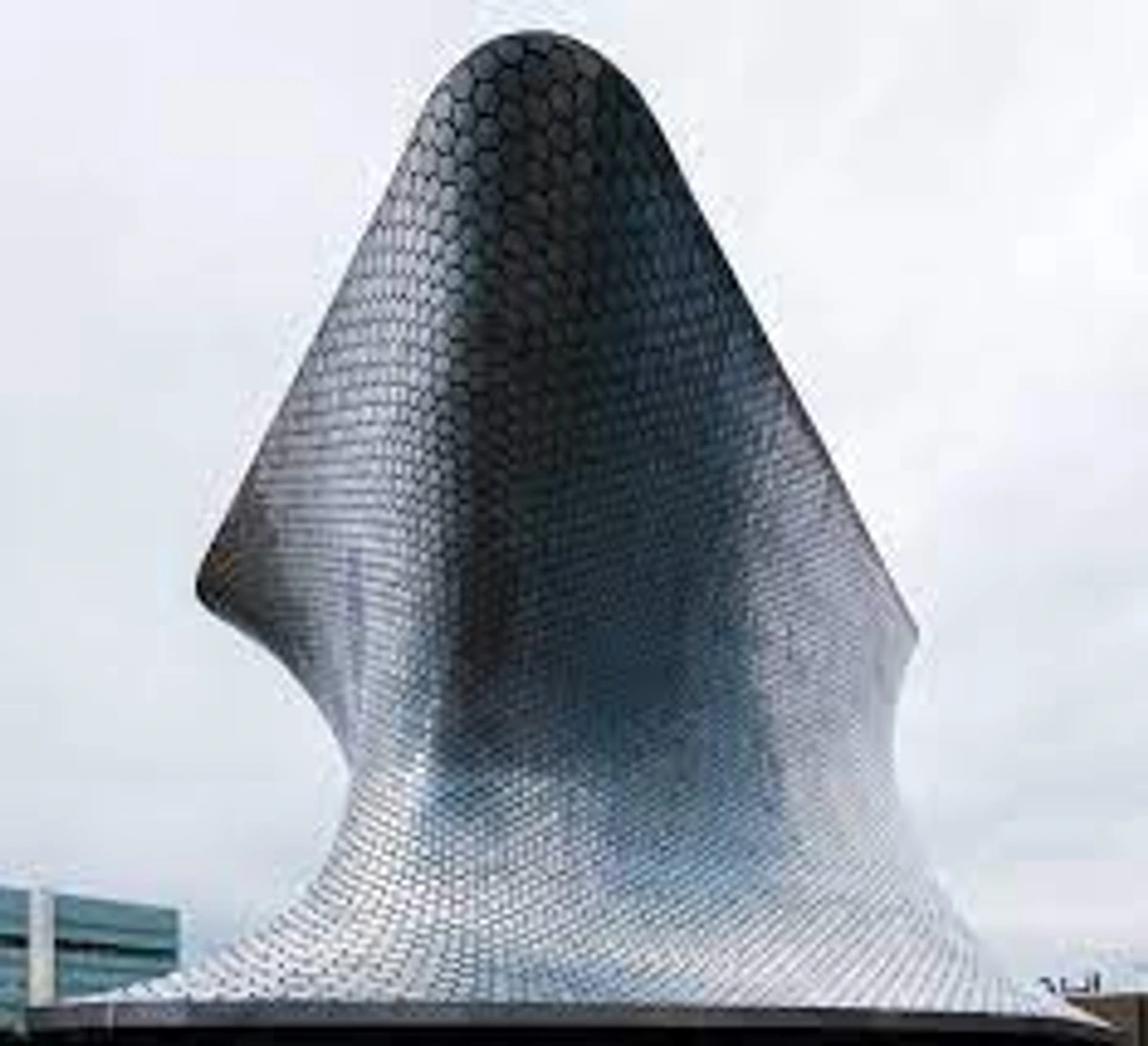
- Museo Soumaya: Instantly recognizable by its gleaming, curvilinear facade designed by Fernando Romero, this museum houses an eclectic private collection, from Rodin sculptures to European masters and a vast array of Mexican art. It’s a landmark of modern architecture and a must-see, even if just for the exterior. Pro-tip: Admission is free, making it an accessible option for everyone, and their Rodin collection is surprisingly extensive.
Digital Art, Photography, and New Media
In recent years, Mexico City's contemporary art scene has also embraced digital art, interactive installations, virtual reality experiences, and cutting-edge photography. Galleries and independent spaces increasingly feature works that explore technology's impact on society, identity, and perception, often delving into themes of AI, post-humanism, and the blurring lines between physical and virtual realities. Beyond the digital, photography has a profound legacy in Mexico, with artists like Manuel Álvarez Bravo and Graciela Iturbide having defined visual narratives of Mexican identity and social realities. Contemporary photographers continue this tradition, exploring new perspectives and techniques, building on the rich history of photography as fine art.
The city also hosts significant art fairs like Zona Maco and Material Art Fair annually, which transform into vibrant hubs for discovering new talent and global trends, showcasing everything from traditional painting to experimental new media. These events are crucial for understanding the dynamic interplay between local creativity and international discourse in the art world.

Art in the Wild: Murals, Street Art, and Public Expression
But the art in Mexico City isn't just within hallowed halls or pristine galleries; it's a living, breathing part of the urban fabric itself. Mexican Muralism wasn't just a moment in history; it created a culture of public art that is still thriving. Beyond the hallowed halls of Bellas Artes, the entire city, especially as a UNESCO World Heritage site thanks to its historical layers of pre-Hispanic, colonial, and modern identity, is an open-air gallery. From ancient monumental sculptures that defined sacred spaces to the revolutionary narratives on public buildings and the vibrant expressions found in today's neighborhoods, public art in CDMX tells an ongoing story. The art is everywhere, speaking directly to its citizens and telling untold stories. What stories do these vibrant walls tell about the city's soul, and how do they connect to centuries of artistic expression?
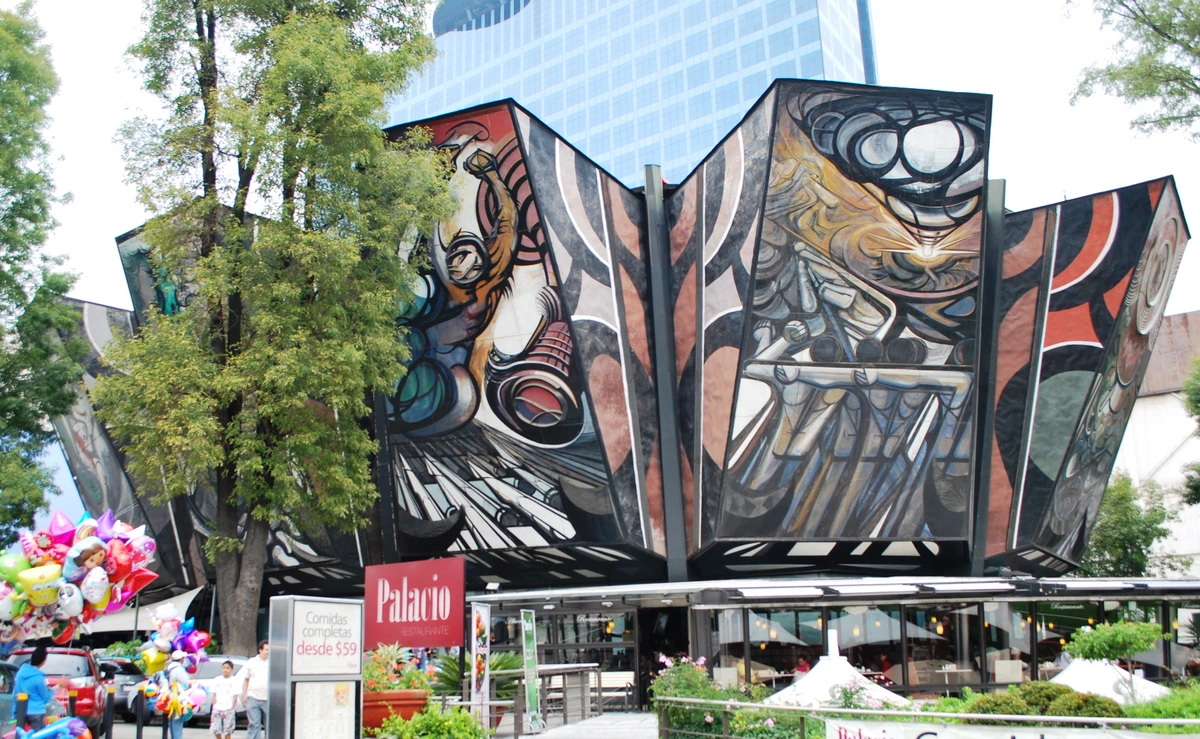
You'll see incredible street art in Roma, Condesa, and the Historic Center—from deeply political statements and indigenous motifs to whimsical, funny, or just breathtakingly beautiful pieces. Don't miss the exterior of the Polyforum Siqueiros for David Alfaro Siqueiros' monumental work, The March of Humanity, which wraps around the building. This colossal mural thematically depicts humanity's struggle for justice and progress, from oppression to a hopeful future, integrating architecture and painting into one grand artistic statement. In areas like Doctores or even parts of Coyoacán beyond Casa Azul, you might stumble upon colossal, narrative-driven pieces that transform entire building facades. Look for common themes such as social justice, tributes to indigenous heritage, critiques of gentrification or modern consumerism, celebrations of everyday life, or vibrant abstract art that simply adds beauty to the urban landscape. The scale of some of these works is mind-boggling, a testament to the enduring power of public expression and its deep roots in Mexican art history.
Beyond murals, keep an eye out for public sculptures, temporary installations, and artistic interventions that animate plazas and parks, constantly reshaping the urban visual experience. Consider the monumental sculptures of the Ruta de la Amistad (Route of Friendship), created for the 1968 Olympic Games. This series of 19 abstract and monumental sculptures by artists from around the world, including Mathias Goeritz (who also designed Museo Experimental El Eco), stands along a major highway, transforming a mundane commute into an open-air gallery. Similarly, Paseo de la Reforma, one of Mexico City's most iconic avenues, is not just a thoroughfare but a grand outdoor gallery, lined with statues, monuments, and contemporary public art installations that pay homage to Mexican heroes and artistic innovation. This explosion of color and defiant spirit is precisely the kind of energy that ignites creative impulses, reminding us of art's profound ability to transform our perception of the world. I always feel a jolt of creative energy myself, wandering these vibrant streets, a perfect example of art as a catalyst for social change. It makes me want to grab a brush and just create.
The Intellectual Backbone: Art Education, Criticism, and Theory
It's also worth a deeper mention that Mexico has a rich history of art education and critical theory, influencing generations of artists and shaping global discourse. Institutions like the Academia de San Carlos, founded in 1781, have played a pivotal role in shaping artistic movements. Initially introducing Neoclassicism and Romanticism, it fostered an academic tradition of painting and sculpture that, while dominant for centuries, was later challenged and subverted by the rise of modernism and the muralist movement it helped to inadvertently train. Today, prestigious art schools and universities like the National Autonomous University of Mexico (UNAM) and the National School of Plastic Arts (ENAP) continue to foster new generations of Mexican artists, ensuring a vibrant future for the art scene.
Beyond institutions, Mexican art critics and theorists, from figures like Octavio Paz (who deeply explored Mexican identity through art, famously in The Labyrinth of Solitude, linking the psychological and cultural dimensions of Mexican identity—such as the Pachuco, the mask, and the sense of solitude—profoundly to artistic expression) to contemporary voices, have contributed significantly to the global conversation on art. Other notable figures like Teresa del Conde and Ida Rodríguez Prampolini have critically analyzed Mexican art history, bringing new perspectives to everything from colonial art to contemporary installations. Their work, often published in influential journals like Artes de México, focuses on indigenous aesthetics, post-colonial identity, the sociopolitical role of art, and interdisciplinary connections with film, literature, and architecture. This intellectual rigor ensures a vibrant and constantly evolving backbone to the visual arts. For example, contemporary debates around how indigenous art is presented or reinterpreted by non-indigenous artists demonstrate this critical dialogue, constantly pushing boundaries and redefining what Mexican art can be. Moreover, conservation and restoration efforts are paramount in Mexico City, ensuring that this rich artistic heritage, from ancient ruins to colonial masterpieces, is preserved for future generations—a testament to an ongoing commitment to art.

Mexico City's Artistic Highlights: A Quick Guide
To help you plan your art adventure, here's a quick overview of the essential spots, blending historical depth with contemporary vibrancy:
Museum / Gallery / Location  | Key Focus | Notable Works / Artists / Vibe | Location / Best Time | Pro-Tip / Key Feature |
|---|---|---|---|---|
| Museo Nacional de Antropología | Ancient Mesoamerican civilizations (Teotihuacan, Aztec, Maya, Olmec) | Sun Stone, Jade Mask of Pakal, Olmec colossal heads, Teotihuacan murals | Chapultepec Park / Morning | Go early, allow a full morning to truly absorb the immense scale and detail of Mexico's foundational art. |
| Templo Mayor | Aztec religious and artistic practices, urban planning, religious architecture | Colossal stone carvings, intricate ceramic offerings, pyramid remnants | Historic Center / Anytime | Offers a visceral understanding of Aztec art directly in the city's heart; easy to combine with other downtown sights like the Zócalo and Metropolitan Cathedral. |
| Teotihuacan | Monumental pre-Hispanic architecture & early murals | Pyramids of Sun/Moon, Avenue of the Dead, Palace of Quetzalpapalotl murals | Day trip outside CDMX / Early morning | Go early, wear comfortable shoes, bring water. It's a vast site; explore beyond the main pyramids. Don't miss the Museo de Teotihuacán on-site for deeper context. |
| Metropolitan Cathedral | Colonial Religious Art (Baroque, Churrigueresque styles) | Gilded altarpieces, dramatic oil paintings, intricate sculptures | Historic Center / Daytime | Admire the sheer scale and ornate details of colonial craftsmanship; look for indigenous influences woven into the European styles. |
| Palacio de Bellas Artes | Mexican Muralism, Art Nouveau/Deco architecture, performing arts | Rivera's Man at the Crossroads, Orozco, Siqueiros; Tiffany glass curtain | Historic Center / Late morning/afternoon | Don't miss the stunning stained-glass curtain and the revolutionary, politically charged murals. Check for cultural performances. |
| Frida Kahlo Museum (Casa Azul) | Life and work of Frida Kahlo, personal effects, Mexicanidad | Her studio, garden, iconic paintings, corsets; glimpse into her personal world | Coyoacán / Morning/Early afternoon | Book tickets weeks in advance online. Seriously, they sell out fast and lines are immense! Consider visiting on a weekday. |
| Museo de Arte Moderno | Mexican Modern Art (20th Century) | Works by major Mexican modern artists, post-muralist movements | Chapultepec Park / Afternoon | Provides essential context on Mexican modernism and complements other Chapultepec museums. |
| Museo Jumex | International Contemporary Art, cutting-edge exhibitions | Jeff Koons, Andy Warhol, major Latin American artists; global art trends | Polanco / Afternoon | Check for groundbreaking temporary international shows and marvel at the David Chipperfield architecture. Accessible via Metro Polanco. |
| Museo Tamayo | International Contemporary Art, Rufino Tamayo's work | Rotating international shows, Tamayo's paintings, contemporary Latin American art | Chapultepec Park / Afternoon | Enjoy the museum's restaurant with beautiful park views for a reflective break after intellectual stimulation. Combine with other Chapultepec attractions. |
| Museo Soumaya | Eclectic private collection (Rodin, European masters, Mexican art) | Extensive Rodin sculptures, European fine art, diverse Mexican art | Polanco / Afternoon | Admission is free, and the Fernando Romero-designed building itself is a modern architectural marvel. A great option for art on a budget. |
| Roma/Condesa Galleries | Emerging & established contemporary Mexican art, avant-garde, experimental | OMR, Kurimanzutto, Hilario Galguera, numerous independent spaces | Roma Norte/Condesa / Afternoon/Evening | Just wander and discover; explore side streets for hidden gems and new, experimental talent. Many open late. |
| Street Art / Murals | Public expression, political statements, indigenous motifs | Polyforum Siqueiros, Historic Center, Roma, Condesa, Doctores, Coyoacán | City-wide / Daytime | Look up and around! The city is an open-air gallery; some pieces are monumental and tell profound stories. Consider a specialized street art tour to uncover hidden gems. |
| Ciudadela Market | Traditional Mexican Folk Art & Crafts | Alebrijes, rebozos, barro negro pottery, silver jewelry, textiles | Historic Center (near Balderas) / Daytime | Great for unique, affordable souvenirs rooted in tradition; haggle politely and enjoy the vibrant atmosphere! Expect unique handmade pieces for various budgets, and take the opportunity to meet artisans and hear their stories. |
| Ruta de la Amistad | Monumental Public Sculpture (1968 Olympics) | Series of 19 abstract sculptures by international artists, including Mathias Goeritz | Southern Highway (Periférico) / Daytime | Best explored by car or a specialized tour. These colossal works transform the urban landscape. |
| Zona Maco & Material Art Fair | Major art fairs for contemporary and modern art | Showcasing galleries, emerging artists, international talent | Various venues (annual, check dates) / February | Essential for serious collectors and enthusiasts to experience the pulse of the Latin American art market. Book tickets in advance. |
Frequently Asked Questions About Mexico City's Art Scene
Is Mexico City good for art lovers?
Absolutely! Mexico City is an unparalleled destination for art lovers, often considered one of the world's great art capitals of the world. It offers an incredible range of experiences, from monumental pre-Hispanic artifacts and revolutionary murals to cutting-edge contemporary galleries, digital art, and vibrant street art. The art is deeply woven into the city's fabric, reflecting its rich history and dynamic culture, making it an endlessly inspiring place. I always feel creatively recharged after a visit.
What are the must-visit art museums in Mexico City?
For a comprehensive art experience, I'd say the Museo Nacional de Antropología (for ancient art), the Templo Mayor (for Aztec art in situ), the Palacio de Bellas Artes (for muralism and architecture), the Frida Kahlo Museum (Casa Azul) (for personal history and art), and the Museo Jumex or Museo Tamayo (for contemporary art) are absolute musts. Don't forget the Museo de Arte Moderno for a thorough understanding of 20th-century Mexican art. Beyond these, exploring the galleries in Roma/Condesa and the street art across the city is essential to truly grasp the city's artistic soul and understand how these different eras dialogue with each other.
Do I need to book tickets in advance for Mexico City museums?
For the Frida Kahlo Museum (Casa Azul), yes, absolutely! Book tickets online weeks, if not a month, in advance—they sell out fast and lines are immense. For other popular museums like the Museo Nacional de Antropología, Palacio de Bellas Artes, and Museo Tamayo, booking online in advance is highly recommended, especially on weekends or during peak tourist seasons, to save time and ensure entry. Some museums, like Museo Soumaya, offer free admission and don't require advance booking.
Where can I see street art and murals in Mexico City?
Street art is virtually everywhere, but particularly vibrant scenes can be found in neighborhoods like Roma Norte, Condesa, and the Historic Center. Don't forget the monumental The March of Humanity mural on the exterior of the Polyforum Siqueiros and the abstract sculptures of the Ruta de la Amistad. Explore side streets and alleys; you'll discover everything from massive murals to intricate stencils and graffiti reflecting diverse themes from political commentary, social justice, historical memory, and indigenous heritage to whimsical cultural narratives, critiques of gentrification, or celebrations of everyday life. The areas around Doctores and Coyoacán also boast incredible public art, often on a breathtaking scale, showing the rich evolution of public expression in the city.
What is a UNESCO World Heritage site in Mexico City, and how does it relate to art?
The Historic Centre of Mexico City and Xochimilco collectively form the UNESCO World Heritage site. This designation recognizes the city's exceptional universal value due to its layers of history: the remnants of the Aztec capital Tenochtitlan (seen in archaeological sites like the Templo Mayor), the grandeur of its Spanish colonial architecture (like the Metropolitan Cathedral and Palacio de Bellas Artes), and its continued role as a major cultural center. This rich history provides an unparalleled canvas for art, directly manifesting in pre-Hispanic monumental sculptures, colonial religious art, revolutionary murals that redefined national identity, and contemporary expressions that constantly engage with this layered heritage. It means the very foundation of the city is a work of art, and its art scene is a direct reflection of this profound heritage, constantly in dialogue with its past.
What is Mexicanidad in art?
Mexicanidad is a powerful concept in Mexican art, embodying a fierce affirmation of Mexican national identity deeply rooted in indigenous culture and post-revolutionary ideals. It emerged after the Mexican Revolution as artists sought to define a unique national character, often rejecting European influences in favor of celebrating indigenous heritage, traditional crafts, and the struggles and triumphs of the Mexican people. Artists like Frida Kahlo and Diego Rivera were central to this movement, using their work to express a distinct Mexican voice and imagery. Today, contemporary artists, photographers, and filmmakers continue to engage with and reinterpret Mexicanidad, exploring its complexities and evolving meanings in a globalized world, demonstrating its enduring relevance.
What is the Ruptura movement?
The Ruptura movement (meaning "Rupture" or "Break") was a pivotal moment in mid-20th century Mexican art, challenging the dominance of the state-sponsored Muralism tradition. Artists of this movement, such as José Luis Cuevas, Lilia Carrillo, and Vicente Rojo, rejected grand political narratives in favor of more individualistic, abstract, and international artistic expressions, including abstract expressionism and surrealism. Their work opened up new possibilities for artistic freedom and helped connect Mexican art more directly with global modern art trends.
Who are some important Mexican photographers?
Mexico boasts a rich photographic legacy. Iconic figures like Manuel Álvarez Bravo are celebrated for their profound and poetic depictions of Mexican life, often infused with surrealism and a deep sense of cultural identity. Graciela Iturbide is another titan, known for her powerful black-and-white images that capture the rituals, beliefs, and daily lives of indigenous communities and contemporary Mexico. Their work, alongside a new generation of photographers, continues to shape how Mexican identity and reality are portrayed through the lens.
Why is Mexico City such an art-rich city?
Mexico City's unparalleled art richness stems directly from its incredibly layered history. Built upon the ancient Aztec capital of Tenochtitlan, the city carries millennia of indigenous artistic tradition, from monumental sculpture to complex iconography. The subsequent Spanish colonial era introduced European forms, leading to a unique syncretism in religious art. The Mexican Revolution then ignited a powerful public art movement in Muralism, creating a national identity through art. This deep historical foundation, coupled with a vibrant contemporary scene that continually reinterprets its past, a thriving folk art tradition, and a strong intellectual backbone in art education, has created an expansive and dynamic art ecosystem where art is truly integrated into every aspect of life. It’s a constant dialogue between ancient echoes and cutting-edge innovation.








Conclusion: An Ever-Evolving Masterpiece
Mexico City, my friend, is not merely a collection of museums and galleries; it is, in itself, a colossal, unending work of art, a truly ultimate destination for any art lover. From the echoing stones of ancient civilizations to the defiant brushstrokes of the muralists, the intensely personal narratives of its icons, and the ever-evolving pulse of its contemporary scene, art here is a fundamental language. It tells the story of a nation, a people, and an identity that is constantly being rediscovered and redefined. The interplay between deep-rooted traditions and global contemporary trends creates a unique artistic dialogue that truly sets this city apart.
This city's enduring artistic spirit, from ancient grandeur to cutting-edge expression, serves as a profound source of inspiration for many, myself included, encouraging us to see the world through a more vibrant lens. So, as you explore, remember to not just look, but to feel the art, to let its vibrant spirit wash over you. Take a moment to appreciate how the very fabric of the city—its architecture, its markets, its people—forms part of this magnificent, living museum. Consider seeking out some of the unique independent art spaces or participating in a local art workshop to truly connect with the creative heartbeat. Your artistic journey in CDMX will be nothing short of extraordinary. Go on, get lost in its beauty. And if this journey sparks your own creative impulses, know that many artists, myself included, find inspiration in such vibrant cultural tapestries. You might even be curious to explore more about my artistic journey and how such vibrant cultural tapestries inspire my work, or consider visiting my museum in Den Bosch.