
André Breton's Influence: The Control Freak Who Set Modern Art Free
A personal, in-depth look at André Breton, the 'Pope of Surrealism.' Discover how his obsession with the unconscious and his paradoxical nature forever changed art.

André Breton: The Maverick Who Mastered Modern Art's Liberation
I’ve always thought of art history as a conversation, a continuous dialogue where each movement responds to, rebels against, or builds upon what came before. And if you’re listening to the conversation of 20th-century art, André Breton isn't just speaking; he's practically shouting, challenging every polite assumption we might have about creativity, logic, and reality itself. For years, I just knew him as the 'Pope of Surrealism,' this stern-looking guy in old photos who wrote the manifestos. He seemed like the ultimate gatekeeper, the person who decided what was 'Surreal' and what wasn't. And honestly, that kind of rubbed me the wrong way. Art shouldn't have a pope, right? But the truth is, the very existence of a 'pope' in a movement dedicated to liberation is precisely what makes André Breton so fascinating and central to the story of Surrealism and indeed, modern art.
I have a complicated relationship with André Breton. For years, I just knew him as the 'Pope of Surrealism,' this stern-looking guy in old photos who wrote the manifestos. He seemed like the ultimate gatekeeper, the person who decided what was 'Surreal' and what wasn't. And honestly, that kind of rubbed me the wrong way. Art shouldn't have a pope, right? But the truth is, the very existence of a 'pope' in a movement dedicated to liberation is precisely what makes André Breton so fascinating and central to the story of Surrealism and indeed, modern art.
It's a paradox, isn't it? The figurehead of a movement dedicated to freeing the human spirit, yet a man notorious for his rigid pronouncements and frequent 'excommunications' of those who strayed from his path. But the more you dig, the more you realize this very contradiction – the desire for absolute control in the pursuit of absolute liberation – is not a flaw, but the very engine that powered Surrealism into the cultural phenomenon it became. He was a control freak obsessed with unleashing the uncontrollable. A poet who championed visuals. A liberator famous for excommunicating his followers. It’s a mess, and it’s brilliant. To understand modern art, you have to grapple with Breton's messy, profound, and frankly, weird influence. He was, to put it simply, a walking, talking enigma who left an indelible mark.
The Unconscious Architect: Why André Breton Still Matters Today
André Breton, a pivotal figure in 20th-century art, wasn't just a theorist; he was a revolutionary who sought to dismantle the suffocating grip of rational thought and liberate the human mind. He truly believed that a deeper, more profound reality – what he termed sur-reality – lay hidden beneath the surface of our everyday consciousness, accessible through dreams, automatic writing, and the power of the subconscious. My goal in this article is to unravel the complexities of this fascinating, often contradictory, individual, exploring the paradoxes that made him so influential. I'll delve into his early life, his radical ideas, the movements he founded and influenced, and ultimately, why his unique blend of liberation and authoritarianism continues to resonate deeply in our understanding of art and creativity today. Get ready to have your perceptions of reality, logic, and art itself challenged.
Breton's impact reverberates far beyond the art world, touching on psychology, literature, philosophy, and even our understanding of reality itself. He pushed us to consider what lies beneath the surface of conscious thought, to embrace the illogical, and to find beauty in the unexpected. His radical ideas, though sometimes delivered with an iron fist, ultimately served to crack open the creative process, inviting a richer, more profound engagement with art and life. This article will delve into his life, his pivotal role in defining Surrealism, and the enduring legacy of his often paradoxical vision. We'll explore his core concepts, the artists he influenced, and how his ideas continue to shape our world, proving that even a 'control freak' can set imaginations free. Ultimately, my goal here is to give you the most comprehensive and engaging understanding of a figure who, despite his contradictions, undeniably changed the course of art.
The Seeds of Revolution: Breton's Early Life and Formative Influences
Before he was the leader of an art movement, André Breton's life was already a crucible of fascinating contradictions. Born in 1896 in Tinchebray, France, he initially pursued a medical education, a path that would critically shape his artistic philosophy. This wasn't some minor detour; his time as a medical student, and especially his later work in psychiatric wards during World War I, put him face-to-face with the raw, unfiltered reality of the human mind under extreme duress. He witnessed the profound psychological impact of shell shock, the way trauma could fragment reality and reveal the deep, often terrifying, landscape of the unconscious. It's almost too neat, isn't it? A future art revolutionary, literally dissecting the shattered psyches of soldiers.
This visceral experience, coupled with his deep dive into the then-revolutionary psychological theories of Sigmund Freud—particularly concepts like dream analysis and free association—convinced him that the unconscious mind held a vast, untapped reservoir of human experience, far richer and more profound than our polite, rational selves typically acknowledge. It was a revelation, a scientific justification for the wild imaginings of poets, a blueprint for exploring the hidden depths of human creativity. He found in Freud a kindred spirit, a cartographer of the inner world.
He wasn't just an artist messing around; he was genuinely interested in the mechanics of the human mind, the stuff bubbling under the surface, the source of our dreams, fears, and deepest desires. This intellectual curiosity quickly found an outlet beyond his medical studies, leading him to frequent literary and artistic circles in Paris. It was during this period that he met fellow poets and intellectuals, a pivotal moment in his artistic awakening. Notably, he encountered Guillaume Apollinaire, who had already coined the term "surrealism" in 1917 to describe a new kind of theatre, seeing it as something "beyond realism" – a theatrical piece that transcended naturalism. This seed of a word, 'surrealism,' resonated deeply with Breton, perfectly encapsulating his burgeoning philosophy and providing a linguistic anchor for his ideas. He then connected with other literary radicals like Louis Aragon and Philippe Soupault, forming a tight-knit group of kindred spirits. Together, they would conduct literary experiments, including early automatic writing sessions, directly attempting to access that untapped mental wellspring. This wasn't just idle play; this scientific grounding, however unorthodox its artistic application, gave Surrealism a theoretical weight that few other art movements possessed. It gave him the confidence to declare, with a doctor's conviction, that there was a whole other reality waiting to be discovered, and a method for reaching it. This period of intense intellectual ferment and experimentation laid the crucial groundwork for the formal launch of the Surrealist movement, which was just around the corner.
Early Life and Formative Influences
Breton's journey began far from the artistic avant-garde, rooted instead in the pragmatic world of medicine. This early path, though seemingly disparate, laid crucial groundwork for his later artistic philosophies. Born into a modest family in rural France, his intellectual curiosity was evident early on. The rigid academic environment of medical school, focused on empirical observation and systematic understanding, would ironically prepare him for a movement that sought to dismantle such strictures. It taught him the value of close examination, a skill he would later apply not to the human body, but to the intricate, often chaotic, landscape of the human psyche.
His experiences during World War I were particularly transformative, truly a crucible that forged his worldview. Serving in psychiatric wards, he was confronted with the raw, visceral impact of trauma on the human mind. He witnessed conditions like shell shock, where soldiers experienced profound psychological disarray, their realities fragmented and perceptions altered in terrifying ways. This direct exposure to the fragility and complexity of the mind under duress profoundly impacted him, sowing the seeds for his belief in a deeper, often unsettling, layer of human experience beyond conscious control. It was a stark lesson in the limitations of pure rationality.
It was in this period that he encountered the groundbreaking theories of Sigmund Freud, particularly concepts such as dream analysis, the unconscious mind, and free association. Freud's ideas offered a scientific framework for the very phenomena Breton was observing in the psychiatric ward and, critically, provided a method for exploring the hidden depths of the psyche. For Breton, Freud wasn't just a clinical psychologist; he was a cartographer of the mind, mapping out a vast, untapped continent of human experience, a hidden continent ripe for artistic exploration. This intellectual revelation, combined with his wartime observations, solidified his conviction that the unconscious held the key to a more profound reality, a "sur-reality" waiting to be discovered and harnessed for artistic and personal liberation. This blend of medical observation and Freudian theory gave Surrealism a unique intellectual rigor that set it apart from many other art movements, imbuing it with a scientific veneer even as it championed the irrational. It was a revolutionary fusion of science and art, designed to shatter the shackles of conventional thought.
From Dada's Chaos to Surrealism's Cosmos: A Revolutionary Break
Initially, Breton found common ground with the Dadaists. I mean, who wouldn't be drawn to a movement that was all about tearing down the old rules of art and society, especially after the carnage of the war? The sheer iconoclasm of Dadaism, its rejection of logic and embrace of the absurd, resonated deeply with his own disillusionment and revolutionary spirit. He even joined Tristan Tzara in provocative public performances, embracing the anti-art stance, enjoying the pure, unadulterated chaos.
But for Breton, the chaos of Dadaism wasn't enough. I mean, it was cathartic, a much-needed primal scream after the war, great at destruction, brilliant at shocking the bourgeoisie, but what would they build in its place? Breton saw Dada as nihilistic and ultimately stagnant. He wasn't content to merely dance on the wreckage; he wanted to explore it, to find a systematic method for mining the unconscious and constructing a new, more profound reality. The final straw for Breton came with the perceived commercialization and theatricality of Dada, particularly Tristan Tzara's increasingly grand (and to Breton, empty) public spectacles. Breton, always seeking a deeper, more profound engagement, found Dada's nihilism ultimately unsatisfying. He respected its destructive power but sought something more enduring.
He believed Dada lacked a constructive element, a forward-looking vision for true liberation beyond mere negation. And that, my friends, is where he broke away to create his own thing: Surrealism. It was less about destroying art and more about recreating reality itself, starting from the inside out, guided by the profound truths of the subconscious. It was a move from chaos to a cosmos of the mind, a carefully constructed (or deconstructed!) universe of the mind that offered a blueprint for a new reality. He envisioned a movement that would not just negate, but transform reality, merging the dream world with the waking world to create a new, richer "sur-reality."
The Core Engine: Psychic Automatism – Unleashing the Mind's Wild Flow
If you take away only one thing about Breton, make it psychic automatism. It sounds complicated, but I promise it's not. This concept was the beating heart of Surrealism, a direct antidote to the stifling logic and reason that Breton felt had led humanity down such a destructive path (he was fresh out of a world war, after all, and saw the utter failure of so-called 'rational' thought). He famously defined it in the seminal First Surrealist Manifesto (1924) as the 'actual functioning of thought... in the absence of any control exercised by reason, exempt from any aesthetic or moral concern.' This wasn't just flowery language; it was a precise instruction, a blueprint for creative liberation.
This wasn't just some abstract philosophical concept; it was a radical call to action for artists and writers, a direct challenge to the very foundation of Western aesthetics, which had traditionally prized conscious craft, rational composition, and moral censorship. For Breton, automatism was a direct path to the subconscious, a way to tap into the wellspring of creativity untainted by societal conventions or personal anxieties. It was a revolutionary act, an attempt to bypass the conscious censor and let the mind speak its raw, unfiltered truth, a genuine attempt to tap into the source code of human imagination.
Think about it this way: have you ever had a dream that felt incredibly vivid, deeply personal, but utterly illogical? Or have you ever tried free-associating during a therapy session, just letting thoughts tumble out without censoring them? That, in a very basic sense, is automatism at play. It’s about bypassing the conscious brain—the part that rationalizes, judges, and edits—to tap into the raw, unfiltered torrent of the unconscious. It’s a direct echo of Freud’s method for accessing repressed desires and memories, but applied to artistic creation. For Breton, this wasn't just psychological insight; it was a revolutionary tool for art, an attempt to make the hidden depths of the mind manifest, to bring those bubbling, weirder, more honest thoughts to the surface and declare them as valid, even superior, forms of reality. It was a bold claim, but one that resonated deeply with a generation disillusioned by the 'rational' world.
Core Surrealist Concepts
Breton's vision was anchored by several intertwined ideas, all designed to liberate the mind and perceive a deeper reality, to access that elusive 'sur-reality'. If you're going to dive into Surrealism, these are your anchors, the theoretical bedrock of the whole movement. I always think of them as the fundamental tools in Breton's intellectual toolkit, each one designed to pry open the lid of conventional perception, to shatter the preconceived notions of what reality truly is. Understanding these concepts is key to grasping the full, revolutionary scope of Surrealism, which aimed to transform not just art, but life itself.
Breton's Big Idea  | What It Means in Plain English | Artistic Manifestation & Examples |
|---|---|---|
| Breton's Big Idea | What It Means in Plain English | Artistic Manifestation & Examples |
| --- | --- | --- |
| Psychic Automatism | Letting your mind run free without the usual filters of logic or reason. This means anything from doodling aimlessly to free-writing a stream of consciousness, without censorship or conscious control, aiming to bypass the rational mind and tap directly into the subconscious. It's about dictation from the unconscious, a direct transcript of thought before the conscious mind can edit or judge. | Automatic writing (poetry, prose), trance states, spontaneous drawing, automatic painting. Think of Robert Desnos' hypnotic trances, where he'd speak or write without conscious control, or the spontaneous drawings of André Masson. |
| The Unconscious | The vast, hidden part of your mind overflowing with dreams, hidden desires, fears, and primal urges, as theorized by Freud. Breton saw it as a treasure chest for creativity, a direct conduit to 'sur-reality' and a more authentic truth, unburdened by societal norms or rational thought. It's the wellspring of imagination and uncensored truth. | Dream imagery in paintings (Salvador Dalí's meticulously rendered hallucinatory landscapes), symbolic landscapes (Yves Tanguy's desolate vistas populated by strange, biomorphic forms), psychologically charged narratives in literature, and even the unsettling narratives found in the collaborative game 'Exquisite Corpse'. |
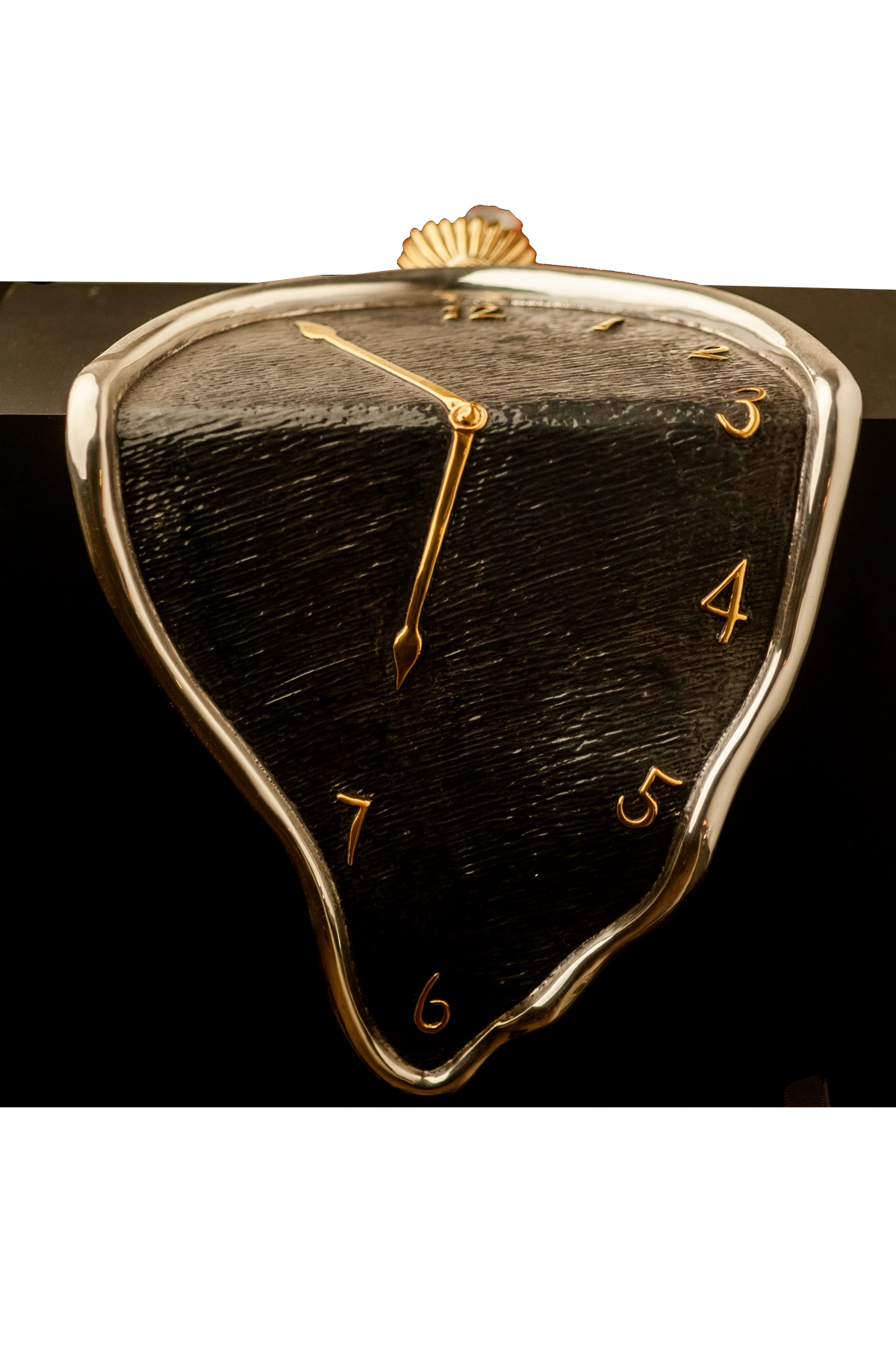
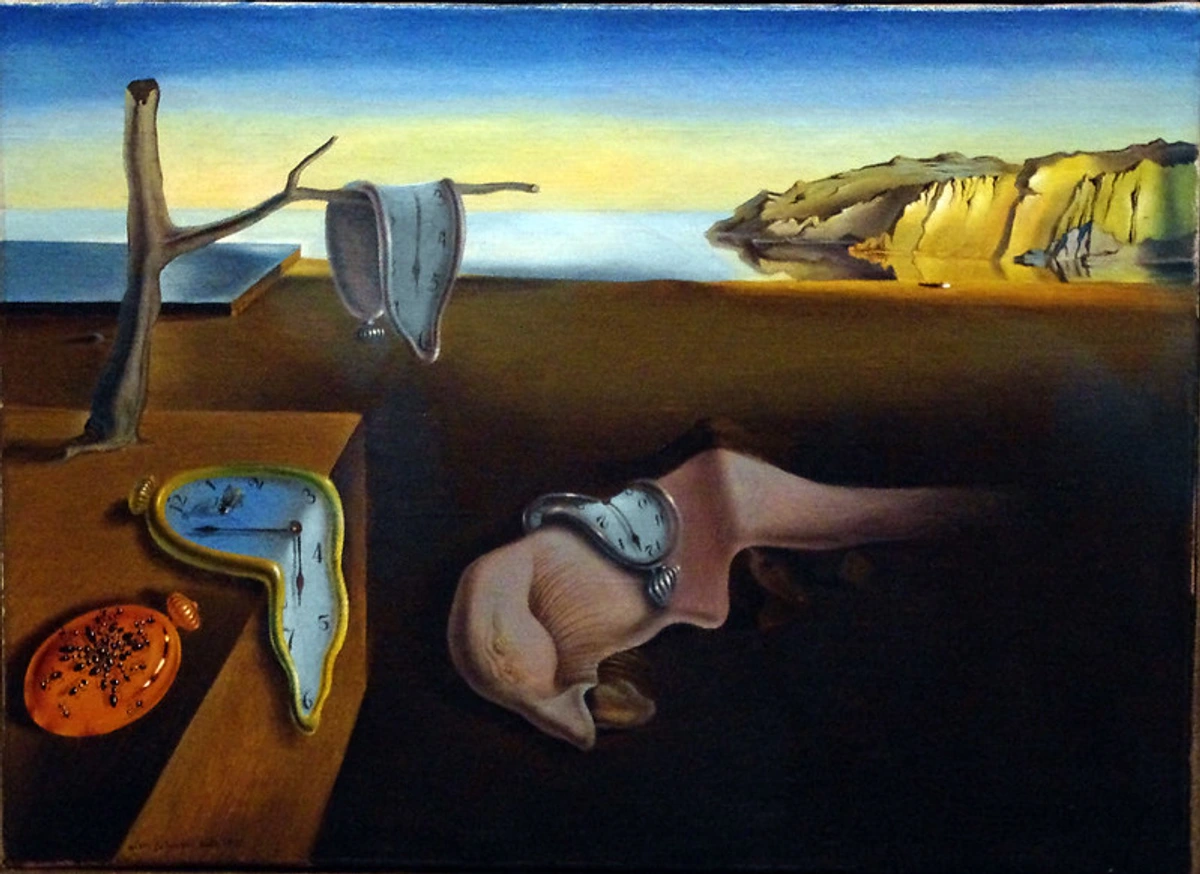
| The Marvelous | The spontaneous and often bizarre beauty found in unexpected juxtapositions or encounters in the everyday world. It's about opening your eyes to the inherent strangeness and wonder that habit usually obscures, transforming the mundane into the extraordinary and revealing a deeper, hidden significance. For Breton, the marvelous was a portal to sur-reality, a sudden jolt of profound recognition that defied rational explanation, a moment where logic breaks down and poetry takes over. | Salvador Dalí's melting clocks in The Persistence of Memory, Meret Oppenheim's fur-lined teacup (Object), Lautréamont's famous line "as beautiful as the chance encounter of a sewing machine and an umbrella on an operating table," or stumbling upon a perfectly resonant object in a flea market, which Breton called 'found objects.' |
| Objective Chance | The profound belief that meaningful coincidences and seemingly accidental encounters are not random, but rather external manifestations of inner desires or hidden truths. These events blur the line between subjective thought and objective reality, suggesting a deeper, interconnected universe and a cosmic responsiveness to our internal states. It was the universe speaking to the subconscious, confirming an inner truth. | Encountering a specific, obscure object you were just thinking about; significant meetings that feel fated (like Breton's meeting with Jacqueline Lamba); interpreting random events as prophecies or signs. Breton often cited his meeting with Jacqueline Lamba as a perfect example of objective chance at play, where inner desire manifested externally, a fated encounter that felt utterly preordained. |
| Convulsive Beauty | A disruptive, unsettling, and intensely vibrant aesthetic, often found in strange juxtapositions or unexpected places. It's not a calm, classical beauty, but one that jolts you awake, revealing hidden power, eroticism, or violence beneath the surface, challenging conventional notions of aesthetic pleasure. This beauty was meant to disturb, to shock the viewer into a new mode of perception, revealing the raw, untamed aspects of desire and the unconscious, a visceral and immediate experience. | Distorted figures, unsettling landscapes, erotic themes, unsettling object assemblages (Meret Oppenheim's fur-lined teacup again), and the strange, disquieting power of Man Ray's photographs like Violon d'Ingres, which transforms a woman's back into a musical instrument, simultaneously alluring and unsettling. |
| Sur-reality | The ultimate aim of the Surrealist project: the absolute synthesis of the dream world and waking reality into a higher, more profound reality. It's about intensifying existence by integrating repressed elements of the unconscious mind—dreams, desires, irrational thoughts—with the everyday world, dissolving contradictions and unleashing human potential. | The feeling of a vivid dream bleeding into your waking life, where symbols from your unconscious suddenly appear in the objective world, leading to a heightened, more meaningful existence. |
Artistic Techniques: A Toolkit for the Unconscious
This wasn't just a theory; it was a practical instruction, a toolkit for unlocking the hidden, a set of instructions for the aspiring psychic explorer. Breton encouraged artists to experiment wildly, creating a new vocabulary of visual and literary expression. It led to a plethora of innovative artistic techniques, each designed to bypass rational thought and access the subconscious, to truly let the unconscious mind dictate the creative process. These techniques weren't just stylistic choices; they were methodological approaches to a deeper reality:
- Automatic Writing: Where writers would simply let words flow onto the page without conscious thought or editing, hoping to tap into raw subconscious narratives. It's like transcribing a dream as it happens, letting the words dictate themselves, a direct pipeline from the unconscious to the page. Poets like Louis Aragon and Philippe Soupault were early practitioners, even before the First Manifesto. Breton believed this process bypassed the rational mind's censorship, allowing for a pure, unfiltered expression of inner truth, often leading to surprising and revelatory texts.
- Collaborative Drawing Games: Perhaps the most famous is the 'Exquisite Corpse' (Cadáver Exquisito), a game where artists (or writers) sequentially add to a drawing or sentence without seeing the previous contribution. Imagine a folded paper, one person draws a head, folds it, passes it, the next draws a torso, and so on. The result is often bizarre and unexpected figures that feel strangely coherent, a collective unconscious brought to life, revealing uncanny connections and a shared, underlying psychic landscape. This playful technique revealed the surprising coherence and shared motifs within the collective subconscious, proving that our inner worlds are more connected than we think.
- Collage (learn more about collage art): A powerful tool for creating startling juxtapositions, collage involves bringing together disparate images from magazines, newspapers, or photographs. By recontextualizing these elements, artists force new meanings and reveal hidden, often unsettling, connections, mimicking the illogical logic of dreams and the startling encounters of the marvelous. Max Ernst was particularly adept at using collage to create unsettling and dreamlike narratives, transforming mundane images into surreal compositions that felt both familiar and profoundly alien. His technique of cutting and pasting images from disparate sources created unsettling, dreamlike scenes that challenged conventional notions of reality, making the familiar strange and the strange familiar. It allowed him to explore the uncanny power of unexpected encounters, forging new mythologies from the detritus of mass culture.
- Decalcomania: A technique involving pressing paint, ink, or other viscous materials between two surfaces (like paper and glass) to create random, often organic, textures. These textures could then be 'interpreted' by the artist into landscapes or figures—a Rorschach test for art, allowing the subconscious to find forms in accidental patterns, essentially discovering images rather than consciously creating them. Oscar Dominguez and Max Ernst were masters of this, finding evocative landscapes and figures within these chance formations, letting chance guide their hand, blurring the lines between conscious intent and accidental discovery.
- Frottage and Grattage: Pioneered by artists like Max Ernst, these were tactile methods of creating images by rubbing (frottage, like rubbing a crayon over a coin to get its impression, creating patterns from textured surfaces) or scraping (grattage, scraping paint off a textured canvas, revealing layers and unexpected forms) surfaces. By removing the artist's conscious control, these techniques allowed 'chance' and the inherent properties of the material to guide the creation, much like how a dream unfolds without logical constraint. It was about discovering images rather than inventing them, tapping into the collective unconscious, or at least a very personal one. To learn more about these specific techniques, check out our guide on frottage and grattage techniques of Max Ernst.
- Dream Narration: Many Surrealists meticulously recorded and illustrated their dreams, not just as source material but as artworks in themselves, believing dreams offered unadulterated access to the subconscious, a direct visual diary of the inner world. Artists like Salvador Dalí and Leonora Carrington often drew directly from their nocturnal visions, translating the vivid imagery of their dreams onto canvas, creating visual narratives that were both intensely personal and universally resonant.
- Interpretation of Found Objects & Assemblage: Finding mundane objects and recontextualizing them or imbuing them with symbolic meaning, often leading to the creation of unsettling object assemblages that embodied the 'marvelous' and 'convulsive beauty'. Meret Oppenheim's fur-lined teacup is a quintessential example of how a familiar object could be transformed into something profoundly unsettling and poetic, challenging its utility and sparking a visceral reaction. These objects became anchors to the 'sur-reality' that Breton sought, forcing a re-evaluation of the mundane. Artists like Joseph Cornell, though working somewhat independently, created intricate box assemblages that felt like frozen dreams, filled with uncanny juxtapositions and symbolic resonance.
Beyond Automatism: The Broader Landscape of Surrealist Principles
While automatism was undoubtedly the core engine, the beating heart of the movement, Surrealism's universe was much broader, drawing heavily from Freudian dream analysis, the power of shocking juxtapositions, and the relentless pursuit of the 'marvelous' in everyday life. For Breton and the Surrealists, the goal wasn't just to make art but to revolutionize existence itself, to blur the lines between dream and reality, sanity and madness, the conscious and the unconscious. It was an ambitious project, a total assault on the perceived limitations of reality, a grand philosophical undertaking, leading to the ultimate goal: 'sur-reality.'
Sur-reality: The Ultimate Fusion
The concept of 'sur-reality' (super-reality) was the ultimate aim of the Surrealist project. It wasn't about escaping reality, but about intensifying it, enriching it by integrating the normally repressed elements of the unconscious mind—dreams, desires, irrational thoughts—with the waking world. Breton believed that when these two realms, dream and reality, were fused in an absolute synthesis, a higher, more profound reality would emerge. This 'sur-reality' was a place where contradictions dissolved, where the marvelous was commonplace, and where human potential was fully unleashed. It was a utopian vision of a transformed existence, an integration of inner and outer worlds into a seamless, more potent whole, a truly liberated state of being. Imagine waking from a vivid dream and finding its symbols and sensations bleeding into your everyday life – that's the kind of heightened reality Breton was after, a world where the boundaries of the ordinary are constantly breached by the extraordinary.
The Marvelous: When Reality Becomes Charged
This concept was central to the Surrealist quest, a beacon guiding their exploration. Breton believed that the 'marvelous' was the unexpected, the startling, the beautiful encounter that arises from the collision of seemingly unrelated elements. It's the moment when reality suddenly becomes charged with a dreamlike intensity, where the mundane transforms into the extraordinary. Think of Lautréamont's famous line, "as beautiful as the chance encounter of a sewing machine and an umbrella on an operating table" – that's the marvelous at play, a jarring yet poetic fusion. It's about opening your eyes to the inherent strangeness of the world around us, a strangeness often obscured by habit and convention. For instance, stumbling upon an ancient artifact in a modern cityscape, or discovering a forgotten letter that seems to speak directly to your current thoughts – these are flashes of the marvelous. It's a sense of wonder, a poetic shock, that reveals the hidden magic beneath the surface of everyday life, a sudden rupture in the ordinary that hints at deeper truths.
Objective Chance: The Universe Responding
Closely linked to the marvelous is the idea of objective chance. This wasn't just random luck; it was a belief in meaningful coincidences, those uncanny moments when an external event seems to perfectly mirror an internal desire or thought. For Breton, these were not mere accidents but glimpses into a deeper 'sur-reality,' where the subjective and objective worlds momentarily align, offering profound insights into the underlying structure of reality and our own unconscious desires. It's that moment you're thinking intently of someone you haven't spoken to in years, and then, inexplicably, they call you out of the blue. Or perhaps you're searching for a specific, obscure book, and you 'accidentally' stumble upon it in a forgotten corner of a dusty second-hand shop. These aren't just coincidences, for Breton, but profound manifestations of a universe responding to your subconscious desires, a thrilling crack in the facade of everyday logic that reveals a deeper truth. He saw it as proof that the inner world and outer reality were far more interconnected than typically assumed, a testament to the profound synchronicity of existence. It's the serendipity that makes you question the nature of reality, hinting at a hidden order beneath the apparent chaos, a cosmic dance of desire and destiny. This concept challenged the prevailing scientific materialism of the era, suggesting a more fluid and responsive universe where inner states could profoundly influence external events, a cosmic echo of our deepest desires.
Convulsive Beauty: The Jolt of the Unexpected
Breton also championed the idea of convulsive beauty, which he described as 'either erotic-veiled, static-explosive, or magic-circumstantial.' It's a beauty that is disruptive, unsettling, and intensely vibrant, often found in unexpected places or through strange juxtapositions. It's not a calm, classical beauty, but one that jolts you, that reveals the hidden power and strangeness beneath the surface of the ordinary. This was the aesthetic ideal that many Surrealist artworks aimed to achieve, a beauty that defied traditional academic standards. Imagine a rusted machine found decaying in a lush forest, its broken gears suddenly imbued with a haunting, almost sexual energy; that's the kind of unsettling, powerful beauty Breton was after. It's about finding the sublime in the grotesque, the alluring in the alarming, challenging our preconceived notions of what constitutes 'beautiful' art. Meret Oppenheim's fur-lined teacup is a perfect visual example of this unsettling, tactile beauty, forcing a re-evaluation of both form and function. This concept was a direct challenge to the staid, conventional aesthetics of the time, seeking a beauty that was alive, charged, and often disquieting, reflecting the raw, untamed forces of the unconscious rather than polite, academic ideals.
Beyond Manifestos: How Breton's Ideas Exploded into a Visual Revolution
Breton himself wasn't a painter, but his ideas provided the philosophical framework, the very blueprint, for a whole generation of artists. He was the gravity that held the Surrealist planet in orbit, even when its inhabitants wanted to fly off into their own strange galaxies. I often think of him as the philosophical director, a visionary maestro, guiding a cast of incredibly diverse and brilliant visual artists to bring the hidden realms of the unconscious to life. He was the catalyst, sparking a visual revolution that would forever change how art engaged with the inner world, pushing artists to look inward for their deepest inspiration. This intellectual leadership fostered an explosion of creativity that resonated across various artistic mediums.
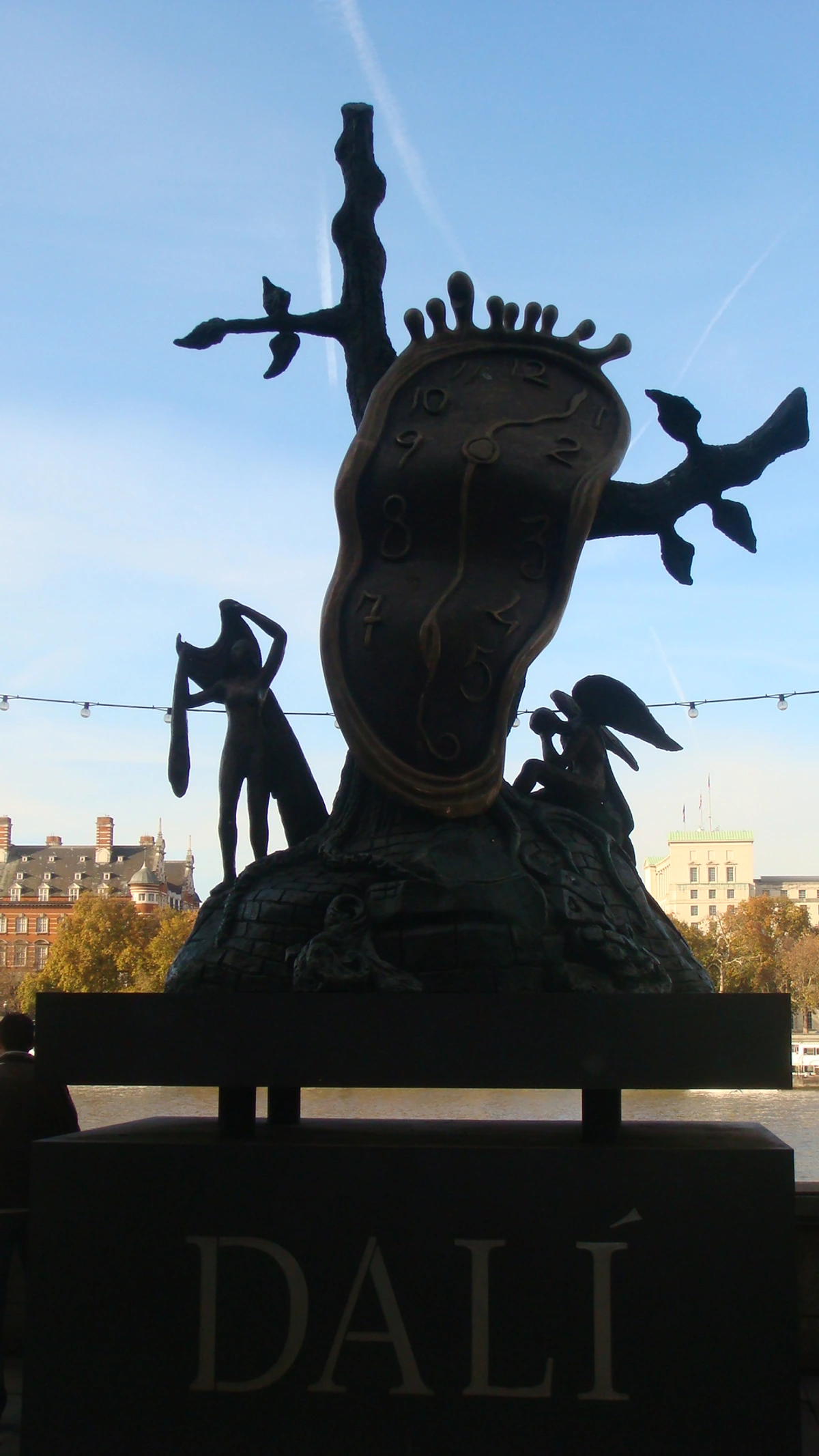
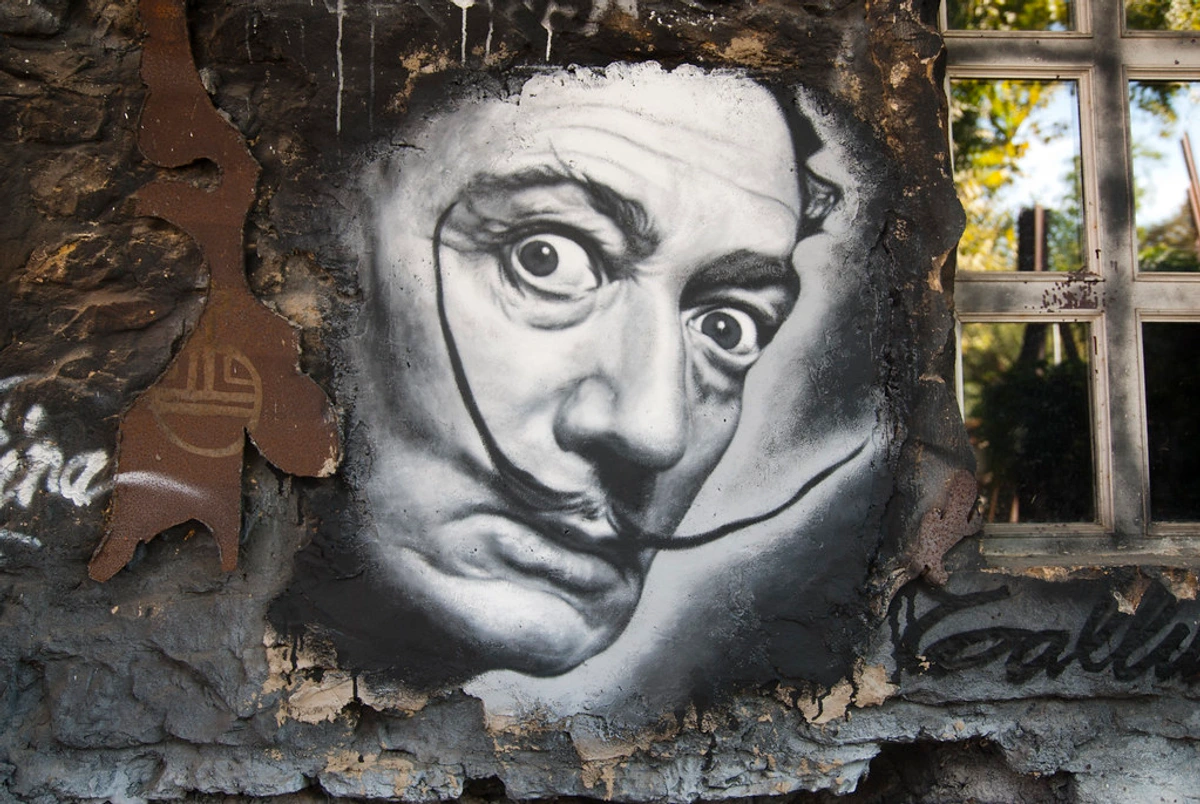
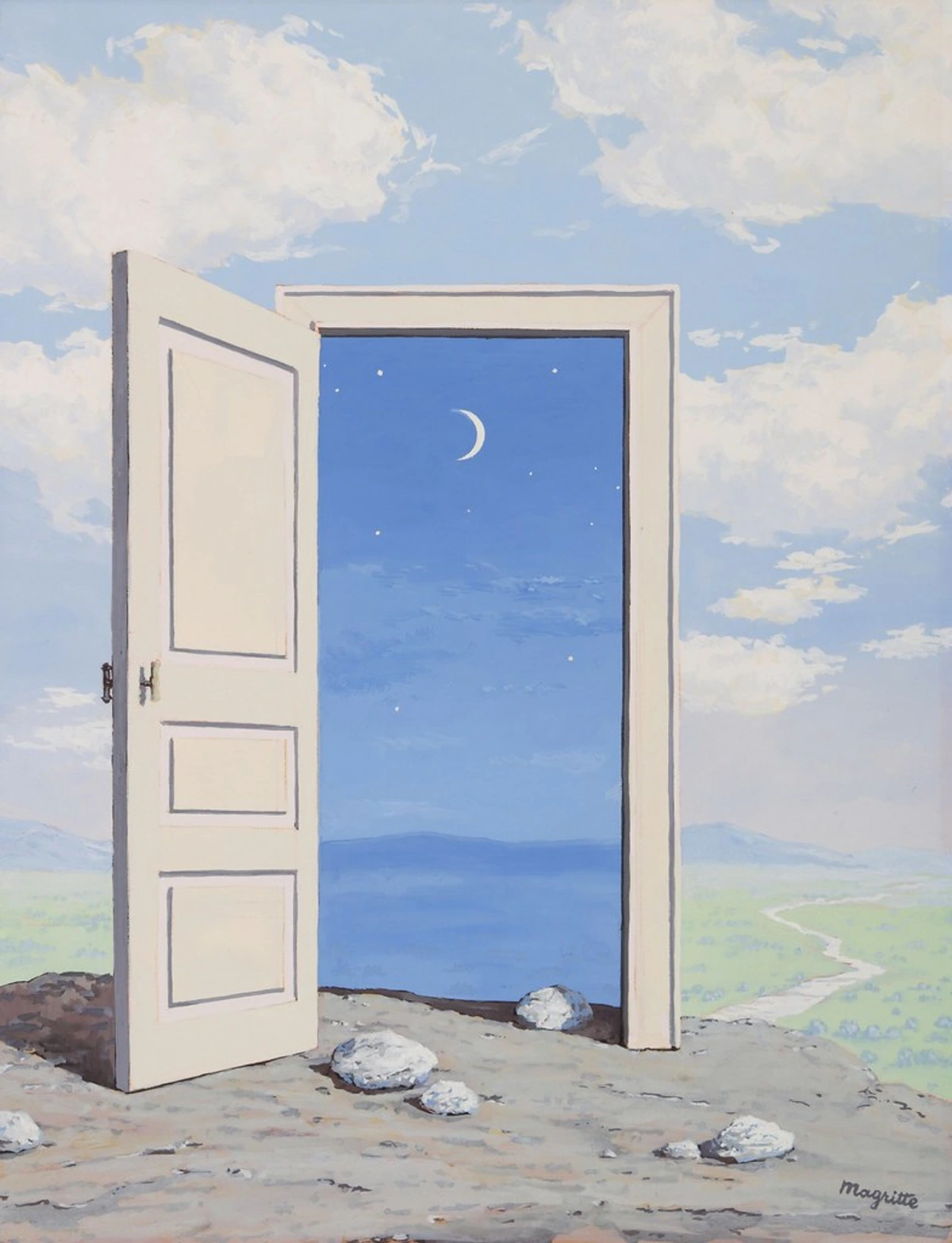
Artists like Salvador Dalí, Joan Miró, and René Magritte took this obsession with the dream world and ran with it, each in their own unique way. Dalí, for example, developed his now-iconic 'paranoiac-critical method,' a systematic and self-induced psychotic state that allowed him to tap directly into his subconscious to interpret reality in hallucinatory ways. This process led to his iconic melting clocks (The Persistence of Memory, 1931), burning giraffes, and bizarre, often unsettling, desert landscapes that explore themes of time, decay, and sexuality. He would meticulously paint these fantastical visions with academic precision, making the utterly impossible seem disturbingly real. It’s like he was taking photographs of his nightmares, but with a paintbrush, rendering the most fantastical visions with chilling realism. Other notable works include The Great Masturbator (1929) and Swans Reflecting Elephants (1937), showcasing his fascination with illusion and Freudian symbolism, as well as his audacious self-promotion that would ultimately lead to his famous 'excommunication' from the group – a true clash of egos and ideologies. Dalí's theatrical persona and commercial ventures, which Breton viewed as a betrayal of Surrealism's revolutionary ideals, cemented his contentious relationship with the group, though his visual impact remains undeniable.
Miró, on the other hand, explored a more abstract automatism, creating biomorphic forms and cosmic landscapes that felt like visual poetry emerging directly from the subconscious. His works often evoke a childlike wonder combined with a primal, universal language of shapes and colors, a kind of 'abstract Surrealism' that was less about dream narrative and more about subconscious impulse, a spontaneous explosion of form. Pieces like Harlequin's Carnival (1924–25) and The Tilled Field (1923–24) showcase his playful yet profound engagement with the unconscious, where familiar forms dissolve into a vibrant, fantastical world. He sought to tap into the very origins of form and color, creating a universal language of the irrational, a celebration of the instinctual and the untamed. Miró's process involved a deep connection to nature and a deliberate rejection of intellectualism, preferring to let his hand be guided by instinct, resulting in a vibrant, poetic universe teeming with life and movement.

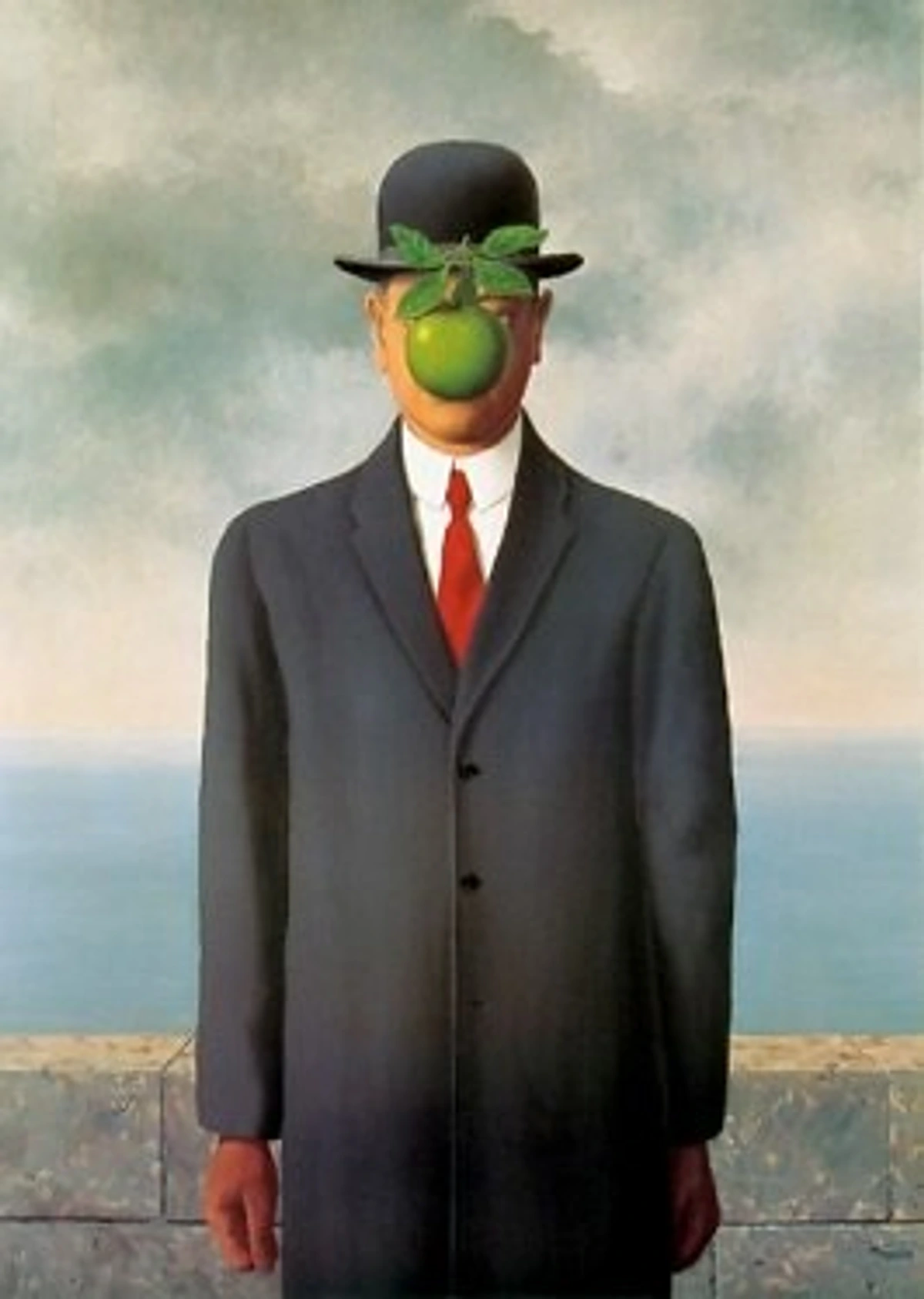
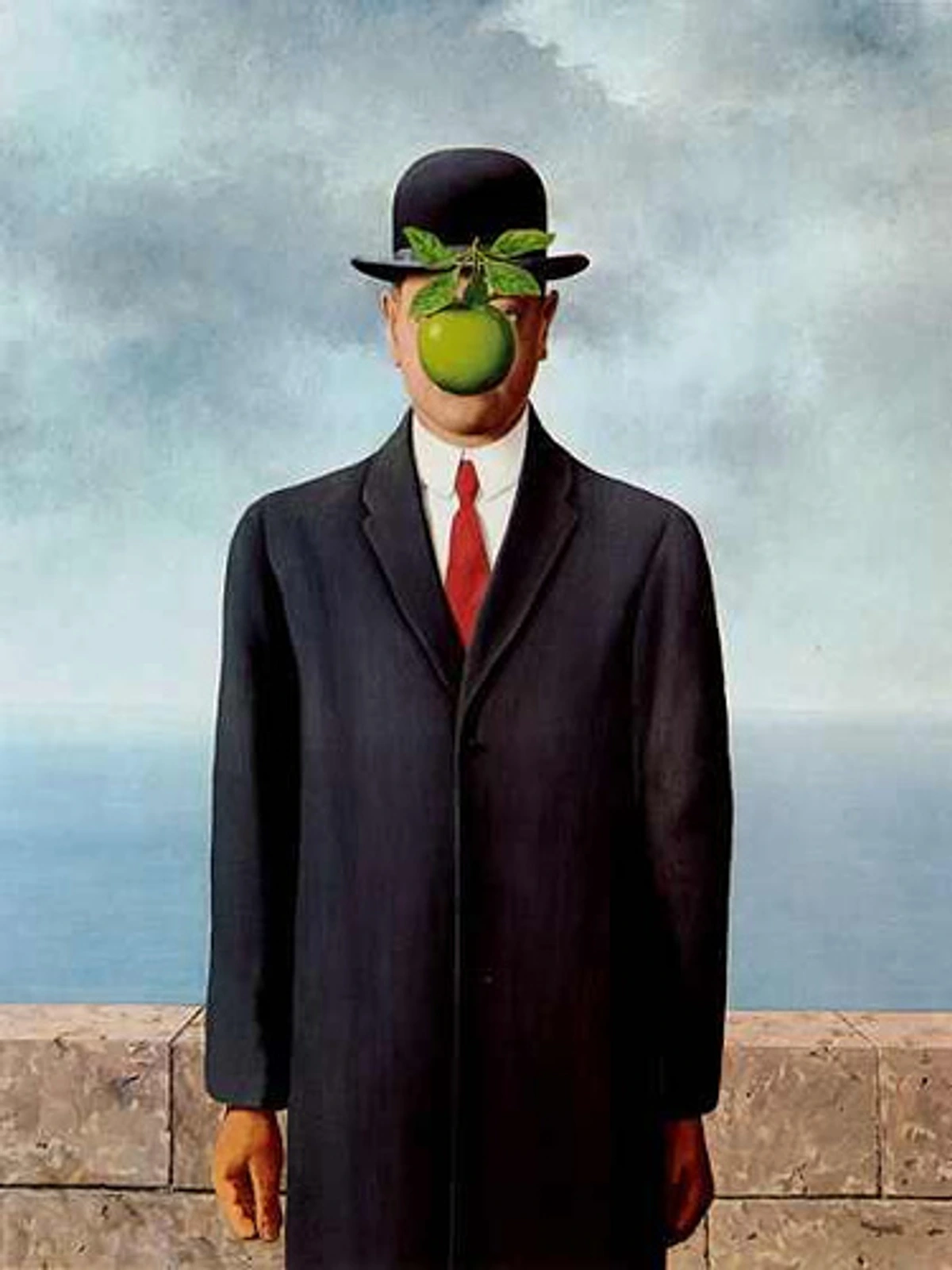
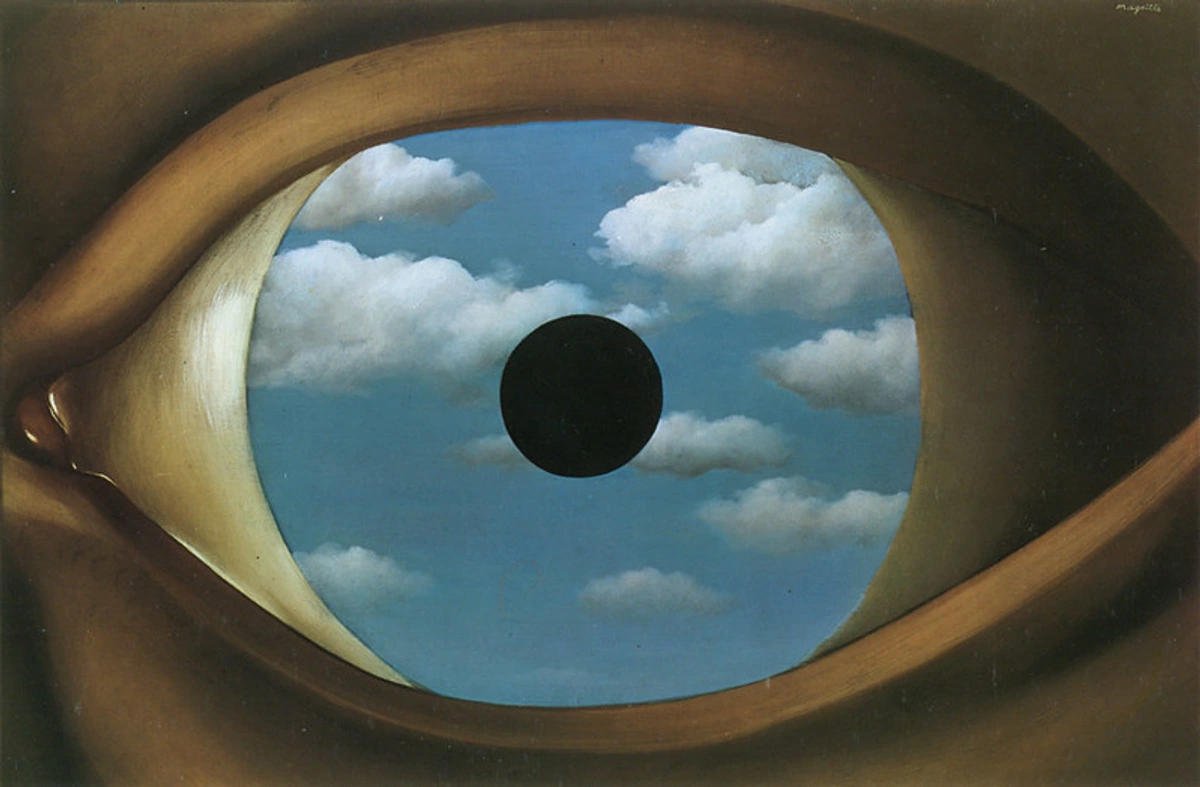
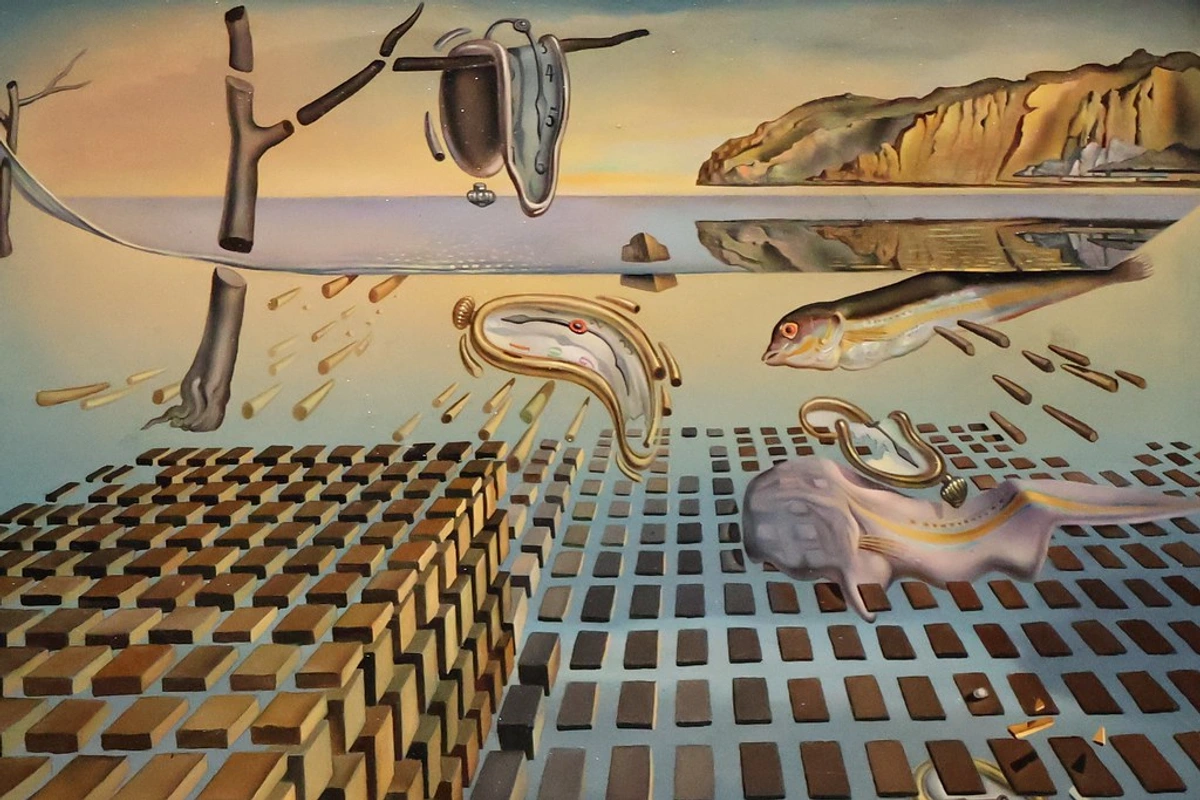
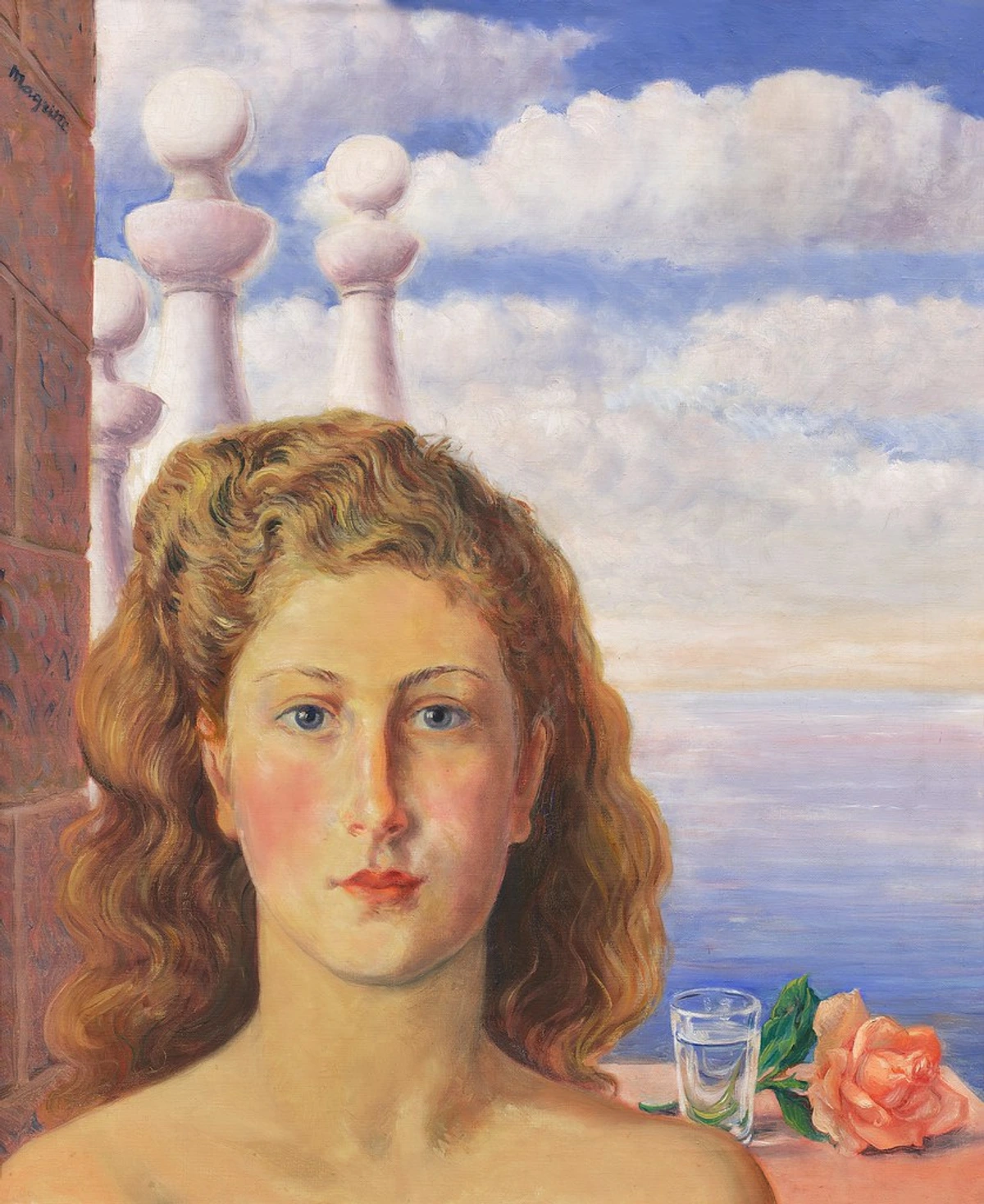
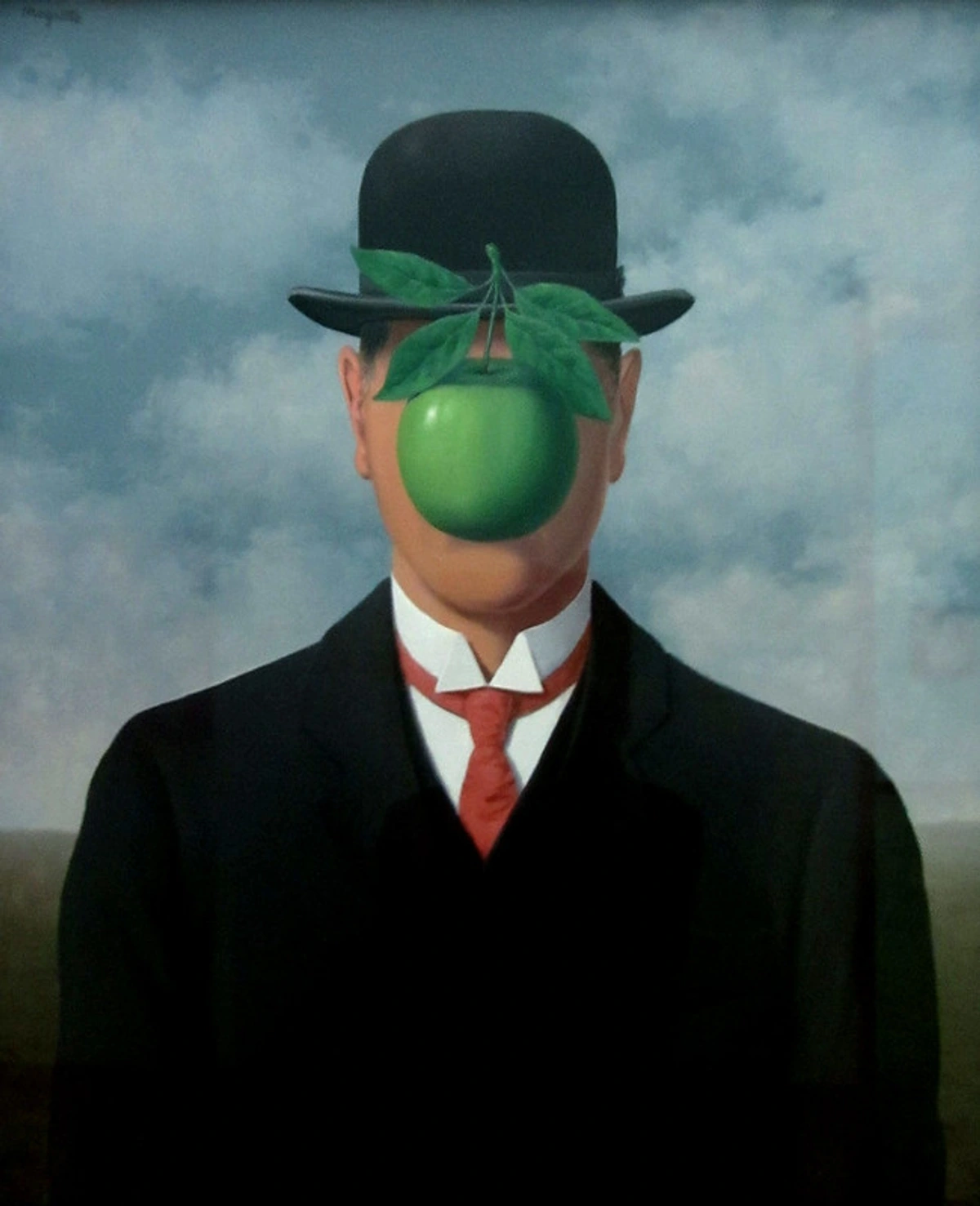
Magritte's paintings aren't 'dreamy' in a floaty, vague sense; they are hyper-realistic depictions of impossible things, which is somehow more unsettling. He’s using the language of logic to describe the illogical, a perfectly Breton-esque idea that plays on our assumptions about reality and representation. He'd paint an apple filling an entire room (The Listening Room, 1952), or a pipe that proclaimed, 'Ceci n'est pas une pipe' (This is not a pipe) in The Treachery of Images (1929), forcing you to question the very nature of representation itself, the relationship between an image and the object it depicts. Magritte's genius lay in his ability to create deeply unsettling effects using mundane objects and a precise, almost academic painting style. His works, like 'The Treachery of Images' (1929), which famously states 'Ceci n'est pas une pipe,' challenge our perception of reality and representation, forcing us to question what we see and what we believe about the very nature of art and language. He often presented objects in unexpected contexts, such as a train emerging from a fireplace (Time Transfixed, 1938), or a sky filled with detached, floating boulders (The Castle of the Pyrenees, 1959). It’s a subtle, intellectual twist on Surrealism that still packs a punch today, forcing a re-evaluation of the relationship between words, images, and the things they represent. He painted dreams with the meticulous detail of a cartographer, making the illogical feel eerily real, a true master of visual paradox and philosophical inquiry. Magritte's art is a testament to the power of intellectual provocation, using clarity of style to convey profound conceptual ambiguity, leaving viewers in a state of unsettling wonder.

Beyond the Big Names: A Pantheon of Surrealist Visionaries
But the influence didn't stop there. While Dalí, Miró, and Magritte are household names, many other incredible artists contributed to the movement's visual language, expanding its scope far beyond painting. The beauty of Surrealism, I think, is that it provided a flexible framework for artists with vastly different personal visions. It was less about a single style and more about a shared philosophy.
Let's delve into some of these other titans of the subconscious:
- Yves Tanguy: Known for his haunting, desolate dreamscapes, often rendered with a muted, ethereal palette, and populated by strange, biomorphic forms. His meticulously painted, alien-like landscapes, devoid of human presence, evoke deep-sea creatures, geological formations, or unidentifiable anatomies, creating a profound sense of mystery and cosmic isolation. Works like Mama, Papa is Wounded! (1927) are quintessential examples of his eerie, expansive visions, reflecting a subconscious world both familiar and utterly alien, a world governed by its own strange logic.
- Meret Oppenheim: A Swiss Surrealist who, at a young age, created some of the movement's most iconic and unsettling object assemblages. Most notably Object (Le Déjeuner en fourrure) (1936), the fur-lined teacup, saucer, and spoon that perfectly embodies convulsive beauty and the uncanny, forcing a visceral, tactile reaction and challenging notions of desire and utility. She also produced remarkable photographs and paintings that explored themes of identity and transformation. Her irreverent approach was a breath of fresh air, injecting a playful yet provocative intelligence into the movement, questioning the very nature of objects and our relationship to them.
- Leonora Carrington: A British-born Mexican Surrealist painter, novelist, and short story writer. Her complex narrative paintings are steeped in personal mythology, alchemy, the occult, and Celtic folklore, offering a distinct, often feminist, voice within Surrealism. Her fantastical worlds, populated by hybrid creatures and sorceresses, explore themes of transformation, identity, and female power, often drawing from her own vivid dreams and experiences. Self-Portrait (1937–38) is a powerful window into her unique vision, showcasing her deeply personal and often enigmatic symbolism, a rich tapestry of inner worlds.
- Man Ray: An American visual artist who spent most of his career in Paris, pioneering photography as a fine art medium within the Surrealist context. He pushed the boundaries of the medium with his 'rayographs' (photograms created by placing objects directly onto photographic paper and exposing it to light, creating ghostly silhouettes without a camera) and solarizations (a darkroom effect that partially reverses tones, giving images an ethereal, drawn quality). His work blurred the lines between reality and abstraction, capturing dreamlike scenes directly onto photographic paper and profoundly influencing the trajectory of modern photography. His iconic Le Violon d'Ingres (1924) perfectly captures the erotic and perplexing spirit of Surrealism, transforming a woman's back into a musical instrument, simultaneously alluring and unsettling.
- Dorothea Tanning: An American painter, sculptor, and writer whose prolific career spanned seven decades. Her work often explored themes of adolescent desire, repressed sexuality, psychological tension, and unsettling transformations through enigmatic self-portraits, unsettling domestic scenes, and fantastical figures. Her famous painting Birthday (1942), depicting her nude with a fantastic winged creature, is iconic for its dream imagery and symbolism, a truly powerful statement of female artistic agency and imaginative freedom, a bold exploration of inner life.
- Frida Kahlo (though she famously resisted the Surrealist label, stating "I never painted dreams. I painted my own reality."): Her intensely personal narratives, vibrant symbolism, and dreamlike self-portraits are deeply resonant with Surrealist aesthetics. Her work, steeped in Mexican culture and personal suffering, explored themes of pain, loss, identity, and resilience through a visually rich, often visceral language that Breton himself greatly admired and championed, even trying to claim her as a Surrealist. Her paintings, like The Two Fridas (1939), undeniably speak the language of the unconscious, offering a raw, emotional self-exploration, a visual autobiography of profound depth.
Each of these artists, among many others, expanded the visual vocabulary of Surrealism, demonstrating the sheer breadth of its artistic potential. It seeped into countless facets of culture. As World War II loomed, many Surrealists, including Breton, fled war-torn Europe for new homes, often finding refuge in New York. Their presence was a catalyst, exposing young American artists to these radical ideas about automatism and the subconscious. Suddenly, the artistic horizon exploded. Beyond painting, you can trace Surrealism's impact on literature, experimental film, fashion, and even advertising, where strange juxtapositions are now commonplace. It truly permeated the cultural landscape. You can also draw a direct line from Breton's psychic automatism to the action painting of Jackson Pollock, which I think is one of the most unexpected yet profound connections in modern art history, showing how deeply these ideas resonated across continents and artistic movements.
Surrealism's Reach: Beyond the Canvas
While painting often takes center stage in discussions of Surrealism, the movement's influence extended far beyond the easel. It profoundly impacted:
- Sculpture and Object Art: Artists transformed everyday objects into unsettling assemblages, challenging their utility and imbuing them with psychological depth. Meret Oppenheim's fur-lined teacup is the quintessential example, but other artists explored sculptural forms that defied logic and evoked dream states.
- Fashion Design: Trailblazing designers like Elsa Schiaparelli famously collaborated with Salvador Dalí, creating iconic pieces like the 'Lobster Dress' and the 'Shoe Hat.' Their creations blurred the lines between clothing and sculpture, injecting humor, absurdity, and dream logic into haute couture, demonstrating how Surrealism could transform even the most pragmatic aspects of life into art.
- Photography: Pioneered by artists like Man Ray and Dora Maar, Surrealist photography used techniques like solarization, rayographs, and photomontage to capture uncanny juxtapositions and dreamlike scenes, blurring the lines between reality and imagination. It pushed the boundaries of the photographic medium, revealing its capacity to depict the subconscious directly.
- Experimental Film: Early Surrealist films like Luis Buñuel's and Salvador Dalí's iconic Un Chien Andalou (1929) are legendary for their shocking, dreamlike sequences and non-linear narratives. These films relentlessly attacked bourgeois values and religious hypocrisy, always with a distinct Surrealist edge, paving the way for experimental cinema for decades to come.

From Psychic to Physical Automatism: The Birth of Abstract Expressionism
It might seem like a leap, but you can draw a direct, undeniable line from Breton's theories of psychic automatism to the explosive canvases of the American Abstract Expressionists. Pollock's drip paintings, for example, weren't random acts of chaos. They were a form of physical automatism, a way of recording the movements and impulses of his body directly onto the canvas, a visceral, unmediated act of creation. It's Breton's idea, just super-sized and fueled by American bravado, a translation of psychic automatism into a grand, physical gesture that redefined painting. The entire school of Abstract Expressionism, with artists like Jackson Pollock and Willem de Kooning, owes a massive debt to Breton's insistence on looking inward for source material, on prioritizing the raw impulse over rational control. Think of it as a subconscious explosion, captured on canvas, a kind of primal scream echoing Breton's call for liberation, a true release of the id onto the aesthetic plane. Artists like Helen Frankenthaler also explored spontaneous gestures and the emotional resonance of color, embodying a post-Surrealist commitment to accessing inner states through direct artistic action. This lineage underscores how profoundly Breton's theories on freeing the subconscious resonated with later generations of artists, even those who developed radically different visual styles.
Pollock's spontaneous, gestural approach, the way he let paint drip and flow, was a direct physical manifestation of automatic principles. He wasn't consciously rendering a scene; he was channeling an inner state, a primal energy onto the canvas, allowing the unconscious to guide his movements. It was the unconscious made visible, albeit through a very American, very grand, scale. The influence is undeniable. I mean, where else would a movement so focused on raw emotion and inner turmoil come from? This wasn't just paint; it was a psychological landscape, laid bare, a testament to the enduring power of Breton's initial, radical philosophical framework. This artistic lineage underscores how deeply Breton's ideas permeated the international art world, even influencing movements that, on the surface, appeared stylistically distinct, proving the universal appeal of liberating the creative impulse.
The Pen and the Path: André Breton's Revolutionary Manifestos
Breton wasn't just an artist or a theoretician; he was a revolutionary and a meticulous documentarian of his revolution. I see him as a kind of ideological cartographer, mapping out the uncharted territories of the unconscious for others to explore. He authored several manifestos, foundational texts that defined the movement's principles, outlined its ambitions, and, controversially, often served as instruments to control its direction. For me, they read like revolutionary decrees, shaping not just art but an entire way of thinking, challenging the very fabric of Western thought. These weren't mere academic papers; they were battle cries, blueprints for a different way of seeing and living, documents that shaped an entire generation of artists and thinkers. He truly believed in the power of the written word to ignite a revolution of the mind.
The First Manifesto of Surrealism (1924)
This seminal text was a passionate and provocative declaration of artistic intent, formally launching the Surrealist movement and establishing Breton as its undisputed leader. It laid out the core concept of psychic automatism, defining it as 'pure psychic automatism by which it is intended to express verbally, in writing, or by other means the real functioning of thought. The dictation of thought in the absence of all control exercised by reason, outside of all aesthetic and moral preoccupation.' What a mouthful, right? But the essence is pure, unfiltered thought, a direct conduit to the subconscious. Beyond this technical definition, it was a philosophical call to arms, demanding a liberation of the unconscious and a merging of dream and reality into a 'sur-reality.' It was a radical, almost utopian, vision for art and life, arguing that the true marvels of existence were to be found in the depths of the mind, not in the polite, rational surface of bourgeois society. This manifesto wasn't just a statement; it was an invitation to a revolution of the mind, urging artists and writers to cast aside the shackles of reason and explore the rich, chaotic landscape of their inner worlds, promising a liberation that would transform existence itself. Its impact was immediate and profound, attracting a generation of artists and writers disillusioned with traditional artistic conventions and the failures of rationalism that had led to the Great War. It established the theoretical foundation for all future Surrealist endeavors, a groundbreaking document that shook the foundations of Western thought and aesthetics.
The Second Manifesto of Surrealism (1930)
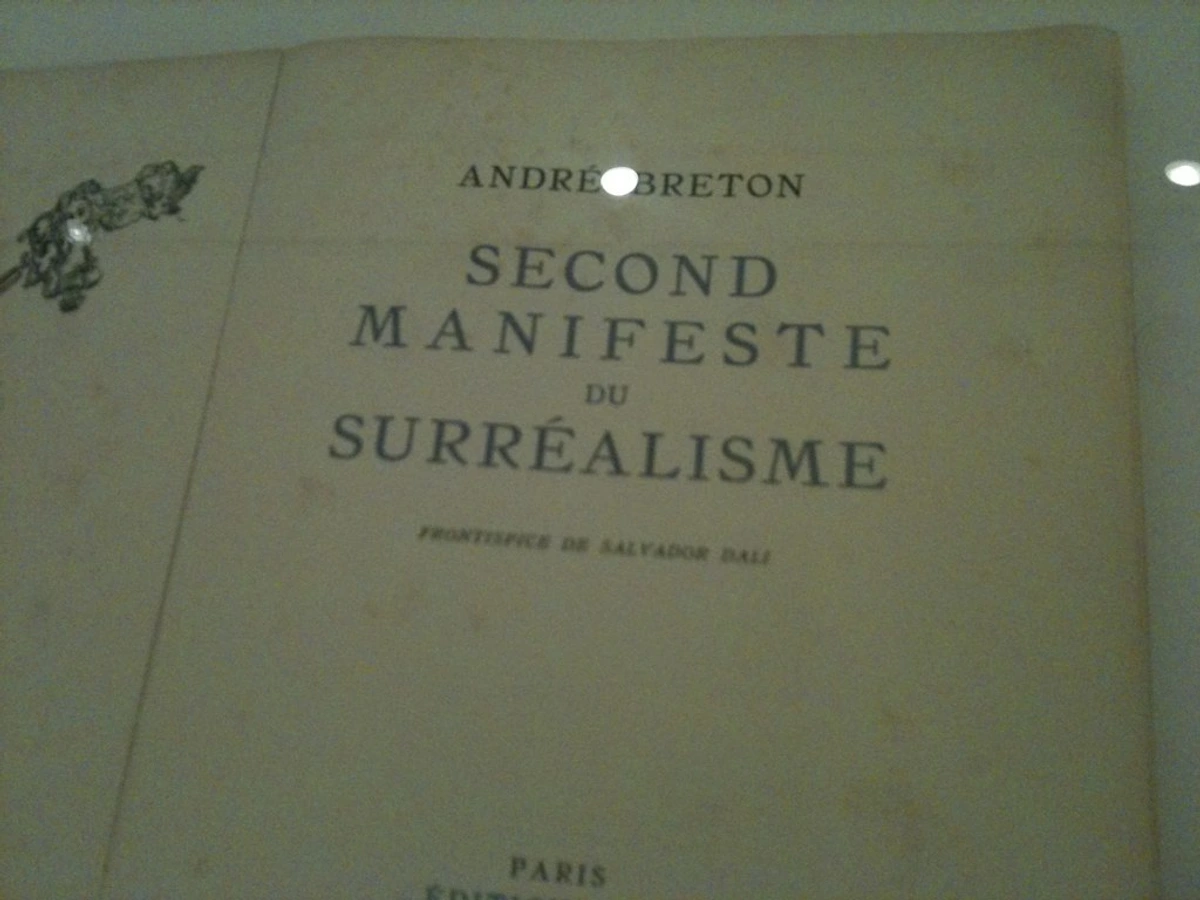
This manifesto marked a significant and contentious shift in the movement's direction, taking on a far more overtly political and polemical tone. In it, Breton explicitly aligned Surrealism with Marxist revolution, arguing that true liberation of the mind—the ultimate goal of 'sur-reality'—could only be achieved through fundamental social and political upheaval. He believed that the capitalist system was inherently repressive to the unconscious, a force that stifled genuine human expression, reducing art to a commodity. This shift led to a wave of the infamous 'excommunications' as Breton purged those who did not adhere to his increasingly rigid ideological stance, accusing them of aestheticism or insufficient political commitment. It was less about poetic exploration for its own sake and more about revolutionary action, aiming to change the world as much as it aimed to change art, an ambition that both energized and fractured the movement, revealing the inherent tensions between artistic freedom and political dogma. This manifesto solidified Breton's role as the stern arbiter of Surrealist ideology, leading to heated debates and painful ruptures within the group.
Prolegomena to a Third Manifesto of Surrealism or Else (1942)
Written during his exile in the United States during World War II, this text saw Breton reflecting on the movement's trajectory and reaffirming its core principles in the face of unprecedented global conflict. He viewed the war as a catastrophic consequence of rationalism's failure and reiterated Surrealism's role as a force for spiritual and social liberation, a beacon in a world consumed by chaos. While perhaps less impactful than its predecessors in terms of recruitment or direct ideological shifts, it underscored his unwavering belief that Surrealism was not just an art style, but a way of life, a total liberation of the human spirit, a full-scale assault on bourgeois values and the repressive forces of conscious thought. His prose was often dense, polemical, and fiercely intellectual, demanding engagement and challenging the status quo, reminding everyone that the fight for the unconscious continued even amidst global catastrophe. These manifestos weren't just essays; they were battle cries, blueprints for a different way of seeing and living, providing a philosophical anchor for the movement during its most challenging period. If you ever want to get a true sense of Breton's unyielding conviction, these texts are a must-read, offering direct insight into the mind of a revolutionary.
Written during his exile in the United States during World War II, this text saw Breton reflecting on the movement's trajectory and reaffirming its core principles in the face of unprecedented global conflict. He viewed the war as a catastrophic consequence of rationalism's failure and reiterated Surrealism's role as a force for spiritual and social liberation. While perhaps less impactful than its predecessors in terms of recruitment or direct ideological shifts, it underscored his unwavering belief that Surrealism was not just an art style, but a way of life, a total liberation of the human spirit, a full-scale assault on bourgeois values and the repressive forces of conscious thought. His prose was often dense, polemical, and fiercely intellectual, demanding engagement and challenging the status quo, reminding everyone that the fight for the unconscious continued even amidst global catastrophe. These manifestos weren't just essays; they were battle cries, blueprints for a different way of seeing and living. If you ever want to get a true sense of Breton's unyielding conviction, these texts are a must-read, offering direct insight into the mind of a revolutionary, especially as he grappled with the implications of global conflict on the human psyche.
The Relentless Purist: Politics, Excommunications, and the Struggle for Ideological Purity
Breton’s role as the 'Pope of Surrealism' wasn't just a nickname; it was a reflection of his intensely authoritarian approach to the movement. He saw Surrealism not merely as an aesthetic trend, but as a total philosophical and revolutionary project, a vehicle for profound societal and individual liberation. He believed this mission demanded absolute ideological purity, and he was willing to enforce it with an iron fist, acting as a relentless arbiter of what was, and wasn't, truly Surrealist. I mean, talk about commitment! You could say he was a control freak with a truly grand vision, a revolutionary with a rulebook. I mean, talk about commitment! You could say he was a control freak with a truly grand vision.
His political affiliations, particularly his complex relationship with Communism and later his staunch support for Trotskyism (he even met Leon Trotsky in Mexico in 1938 and co-authored 'Manifesto for an Independent Revolutionary Art' with him), deeply influenced his artistic philosophy. For Breton, the liberation of the mind was inextricably linked to social and political revolution. If the unconscious was to be freed from bourgeois repression, society itself had to be freed too. He was convinced that true liberation could only be achieved through a radical transformation of both individual consciousness and the social structure. This uncompromising stance often led to friction with the Communist Party, which he eventually broke with due to their suppression of artistic freedom, viewing their rigidity as antithetical to true liberation.

His political affiliations, particularly his complex relationship with Communism and later his staunch support for Trotskyism (he even met Leon Trotsky in Mexico in 1938 and co-authored 'Manifesto for an Independent Revolutionary Art' with him), deeply influenced his artistic philosophy. For Breton, the liberation of the mind was inextricably linked to social and political revolution. If the unconscious was to be freed from bourgeois repression, society itself had to be freed too, challenging the very foundations of capitalist society. He was convinced that true liberation could only be achieved through a radical transformation of both individual consciousness and the social structure. This uncompromising stance often led to friction with the Communist Party, which he eventually broke with due to their suppression of artistic freedom, viewing their rigidity as antithetical to true artistic and intellectual freedom. His unwavering commitment to a revolutionary ideology, whether through art or politics, made him a controversial but undeniably influential figure, constantly pushing for radical change.
When he perceived deviations, whether artistic, ideological, or personal, he didn't hesitate to 'excommunicate' members. These weren't mere disagreements; they were often dramatic public denunciations, sometimes published in Surrealist journals. Here are a few notable examples:

Beyond Dogma: Breton's Muses, Love, and the Pursuit of the Marvelous in Everyday Life
- Salvador Dalí: Perhaps the most famous (and ironically, commercially successful) 'excommunication.' Dalí was expelled in 1934 for his perceived commercialism and a lack of political commitment that Breton deemed unacceptable. Breton famously anagrammed his name to 'Avida Dollars' – 'eager for dollars' – a scathing indictment of his perceived sell-out tendencies and his embrace of Fascist aesthetics, which deeply offended Breton. Dalí, ever the showman, in turn, quipped that the only difference between him and the Surrealists was that 'I am Surrealism.' I mean, you have to admire the audacity, right? Their clash highlighted the tension between artistic freedom and political alignment within the movement, a microcosm of the larger struggles within Surrealism itself.
- Max Ernst: A close friend and early proponent, Ernst faced excommunication at various points for perceived ideological transgressions, particularly his temporary alignment with Bataille's anti-Surrealist positions. However, his artistic genius and personal rapport often saw him finding his way back into Breton's orbit, though their relationship remained complex. Their dynamic, I think, perfectly illustrates the tension between personal loyalty and ideological purity that plagued the movement. Ernst's explorations of frottage and grattage were nonetheless foundational to Surrealist techniques, often pushing the boundaries of what was considered 'acceptable' automatic art.
- Louis Aragon: An early, key figure and co-founder of Littérature (an important precursor to Surrealism), Aragon was fiercely denounced by Breton when he aligned himself more closely with the rigid doctrine of the French Communist Party line in the early 1930s, prioritizing political expediency over artistic freedom as defined by Breton. This highlighted the ideological tightrope walk required to remain in Breton's good graces, and Aragon's defection was a significant loss for the movement's literary wing, demonstrating that for Breton, political adherence was non-negotiable, even among his closest collaborators and long-time friends.
- Georges Bataille: A writer and philosopher whose darker, more transgressive, and often nihilistic vision of human experience stood in stark contrast to Breton's more idealistic and revolutionary Surrealism. Bataille formed a rival group, 'Acéphale,' and his profound intellectual challenges were a constant source of friction, pushing Surrealism to confront its own boundaries and acknowledge the darker aspects of the unconscious. He was never formally 'excommunicated' in the same way, but his philosophical divergence made him a powerful intellectual adversary, representing a darker, more visceral side of the subconscious that Breton struggled to reconcile. Their philosophical clashes illuminated the divergent paths within the broader exploration of the unconscious, a recognition that not all liberation was light and joyous.
- Antonin Artaud: A poet, actor, and theater theorist, Artaud was an early Surrealist who was famously expelled in 1926 due to his growing interest in occultism and his refusal to commit to the movement's political agenda. His expulsion marked a significant moment, leading him to develop his own radical "Theater of Cruelty," a direct challenge to conventional Western theater and a pursuit of a more visceral, primal experience of art. Artaud's departure demonstrated Breton's uncompromising stance against perceived deviations from the Surrealist path, even if it meant losing a brilliant and innovative voice. Artaud's later work, though separate from Surrealism, continued its spirit of revolutionary artistic exploration. His break with Breton highlighted the growing philosophical differences within the group, as Artaud pursued a more visceral, almost shamanic, approach to art that diverged from Breton's increasingly political focus.
- Roger Caillois: Another intellectual figure who clashed with Breton, Caillois was a sociologist and philosopher interested in the sacred, play, and the fantastic. He was expelled from the Surrealist group in 1934 due to his criticisms of Breton's authoritarianism and his belief that Surrealism was becoming too dogmatic. His expulsion underscored Breton's intolerance for intellectual dissent, even from those who shared a common interest in the irrational and the marvelous. Caillois later went on to found his own intellectual circle, actively pursuing themes related to myth, games, and the aesthetics of nature, further proving that the exploration of the uncanny and the imaginative could exist outside of Breton's strict definitions.
These public denunciations and expulsions, often conducted with great fervor and intellectual justification, led to bitter personal fallout and created a volatile, often dramatic, internal dynamic within the movement. It’s a testament to Breton's unwavering conviction, but also to a certain inflexibility that made him both revered and reviled, shaping the trajectory and composition of the Surrealist group profoundly. He truly believed he was protecting the soul and revolutionary purity of the movement from all perceived threats.
Beyond Dogma: Breton's Muses, Love, and the Pursuit of the Marvelous in Everyday Life
I think this is where you see the human side of the 'Pope,' the recognition that even the most rigorous intellectual can be swept away by love and the unexpected magic of human connection, demonstrating that even the most rigid ideologue was susceptible to the irrational forces he championed. I think this is where you see the human side of the 'Pope,' the recognition that even the most rigorous intellectual can be swept away by love and the unexpected magic of human connection.
For a man so concerned with the theoretical and the political, Breton's life was also deeply entwined with matters of the heart, with women, and with the everyday pursuit of the marvelous. While he is often portrayed as the stern patriarch, his relationships with women—both as muses and as fellow travelers in the Surrealist adventure—were profoundly influential. Figures like Jacqueline Lamba, Nadja, Elisa Claro, and others were not just objects of desire but catalysts for artistic and intellectual exploration, often inspiring his writings and shaping his understanding of convulsive beauty and objective chance.
- Nadja: The enigmatic subject of his groundbreaking 1928 semi-autobiographical novel, Nadja. She was a mysterious young woman with whom Breton had a brief but intense affair in Paris. Her unconventional perceptions, lucid visions, and fragile mental state deeply influenced his exploration of madness, objective chance, and the blurring of reality and imagination. The book itself, a blend of narrative, photographs, and automatic prose, is a testament to their encounter as a living embodiment of Surrealist principles, making her not just a muse, but a living, breathing Surrealist text. Her story, a poignant exploration of mental fragility and artistic inspiration, remains a cornerstone of Surrealist literature, a document that blurs the lines between art and life.
- Jacqueline Lamba: A talented artist, dancer, and swimmer, Lamba became Breton's second wife. Their meeting in 1934 was a classic instance of objective chance for Breton, and she was considered by many to be his ideal Surrealist woman, an embodiment of convulsive beauty. Her free spirit, striking beauty, and creative energy were a significant inspiration, particularly during the late 1930s. Together, they explored remote areas of Mexico, seeking new forms of the marvelous, and her own artistic output, though sometimes overshadowed by Breton, was significant. She was a powerful artistic voice in her own right, challenging the traditional role of the muse and making her own unique contributions to the movement. Their relationship was a living testament to the Surrealist ideal of fusing art and life, driven by passion and the pursuit of the marvelous in everyday encounters.
- Elisa Claro: His third wife, whom he met in Marseille during his exile in the early 1940s, provided a profound sense of stability and companionship in his later years. Their relationship was characterized by deep mutual respect and intellectual collaboration, and she was a significant intellectual companion. She accompanied him to New York and later back to France, sharing his dedication to Surrealism and providing a grounding presence in his often tumultuous life. She really brought a new depth to his understanding of companionship and intellectual partnership, showcasing an evolving respect for female intellect and demonstrating that even the 'Pope' could find solace and equality in love. Elisa's quiet strength and intellectual partnership provided a much-needed anchor for Breton during the turbulent years of wartime exile and his eventual return to France, enriching his later years and further solidifying his belief in the transformative power of profound human connection.
His personal life was, in many ways, an ongoing experiment in Surrealism, a continuous quest to find the extraordinary within the ordinary, to live out the ideals of the movement in every waking and dreaming moment. He believed that love, especially passionate and spontaneous love, was one of the most powerful avenues to experiencing the 'sur-reality' he so ardently sought, a direct connection to the unconscious and the marvelous. For Breton, love was not just emotion; it was a revolutionary force, capable of transforming perception and revealing hidden truths, a force that could crack open the mundane and reveal the profound. It really drives home the idea that for him, Surrealism wasn't just a philosophy; it was a way of living every single moment.
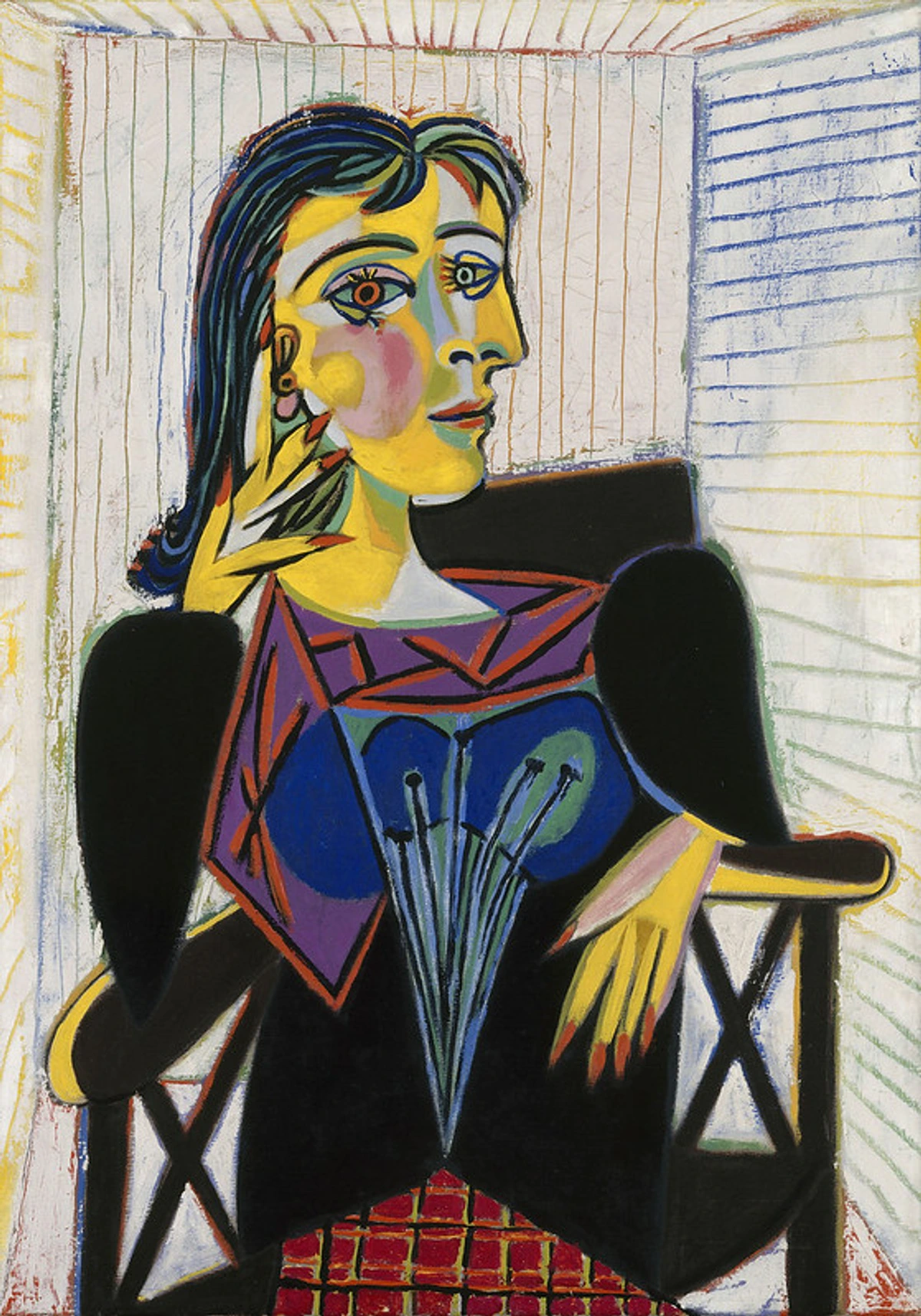
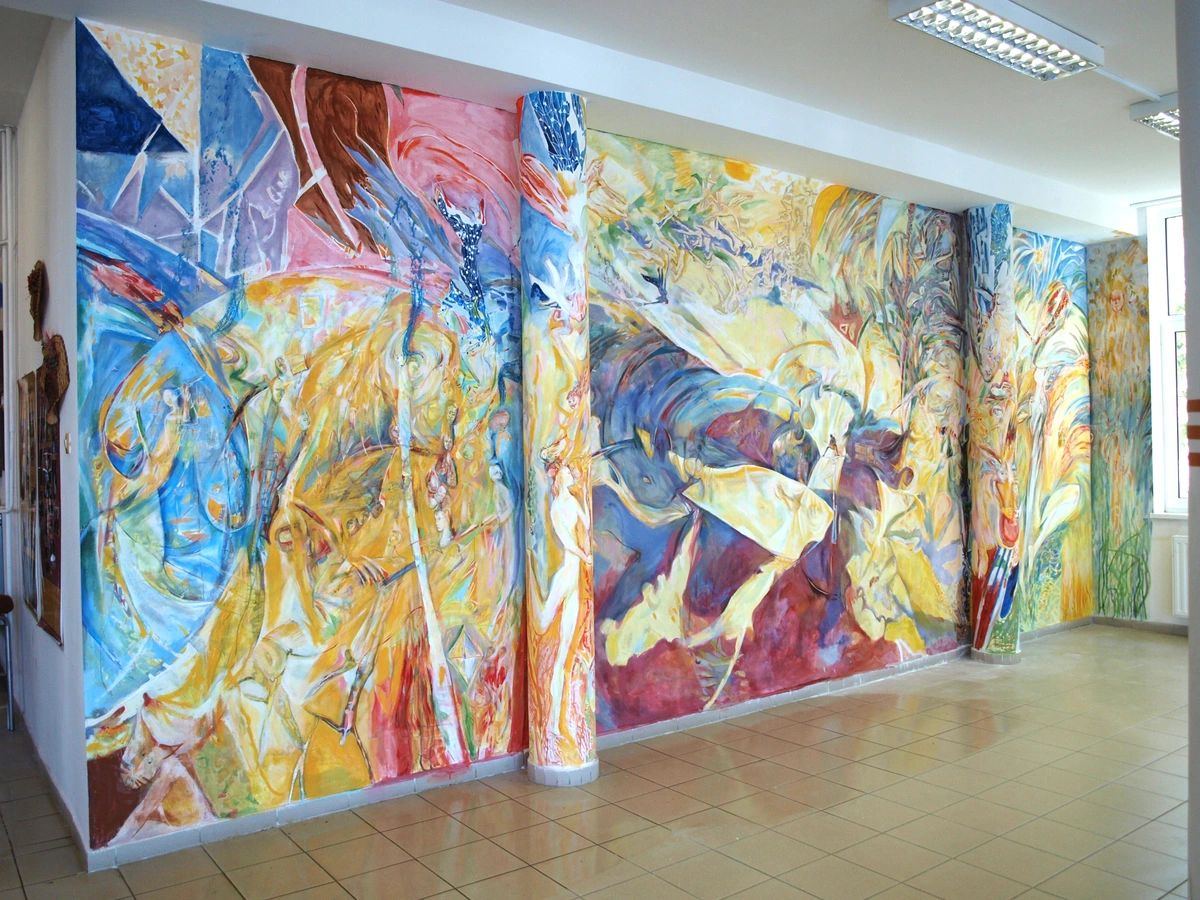
Breton's Ghost in the Machine Today: The Enduring Cultural Resonance of Surrealism
You might not see many artists today calling themselves card-carrying Surrealists, but Breton’s ghost is everywhere, lurking in the shadows and shining in the unexpected. It’s in the strange juxtapositions of contemporary advertising campaigns, designed to grab your subconscious attention by bypassing rational thought. It’s in the unsettling dream logic of a David Lynch film (think Eraserhead or Mulholland Drive), where narratives fold in on themselves and symbols resonate with primal power, or the intricate, often bizarre narratives of a Michel Gondry music video. You can feel its presence in experimental fashion design, notably with figures like Elsa Schiaparelli (who famously collaborated with Dalí on iconic designs like the 'Lobster Dress' and the 'Shoe Hat') where the absurd meets the elegant, blurring the lines between clothing and sculpture. I often see it in the way designers play with unexpected materials or forms, a direct echo of Surrealist object assemblages, transforming the mundane into the magical and the unsettling. I often see it in the way designers play with unexpected materials or forms, a direct echo of Surrealist object assemblages.
You might not see many artists today calling themselves card-carrying Surrealists, but Breton’s ghost is everywhere, lurking in the shadows and shining in the unexpected. It’s in the strange juxtapositions of contemporary advertising campaigns, designed to grab your subconscious attention by bypassing rational thought. It’s in the unsettling dream logic of a David Lynch film (think Eraserhead or Mulholland Drive), where narratives fold in on themselves and symbols resonate with primal power, or the intricate, often bizarre narratives of a Michel Gondry music video. You can feel its presence in experimental fashion design, notably with figures like Elsa Schiaparelli (who famously collaborated with Dalí on iconic designs like the 'Lobster Dress' and the 'Shoe Hat') where the absurd meets the elegant, blurring the lines between clothing and sculpture.
Its influence extends to graphic novels that play with fragmented realities and psychological landscapes, to experimental music that embraces chance operations (like the works of John Cage), and even to video games where elements of dream logic, distorted realities, and uncanny encounters are commonplace. Think of the bizarre, often beautiful worlds crafted in games like Limbo or Gris, or the unsettling narratives of many independent horror games – they are channeling the Surrealist spirit. The very idea of tapping into a collective unconscious for inspiration, or finding beauty in the grotesque, is deeply indebted to Surrealist thought. Even in fields like marketing and advertising, the unexpected juxtapositions and dreamlike imagery pioneered by Surrealism are routinely employed to capture attention and bypass rational resistance, demonstrating its pervasive and often subconscious impact on our daily lives.
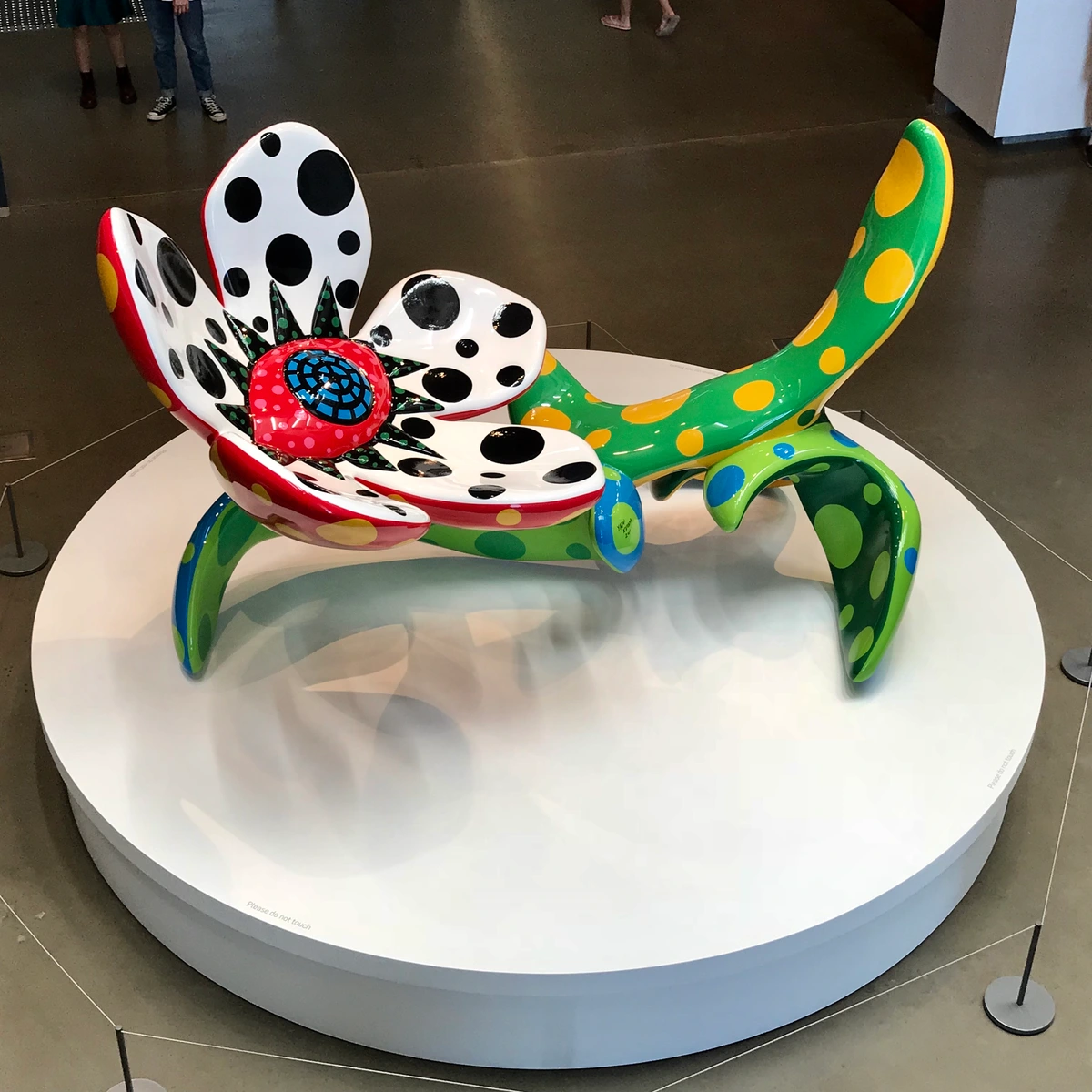
From pop culture references to serious academic discourse, the influence of Surrealism, and by extension, Breton, is inescapable. Any creative act that values intuition over careful planning, that seeks to bypass the rational censor, that dares to juxtapose the familiar in strange new ways, owes a debt to Breton's radical vision. It's truly become part of our cultural DNA, sometimes so deeply embedded we don't even recognize its origins anymore. It's like a secret language we all speak without realizing it. From fine art to everyday design, Surrealism's echoes are undeniable. This ongoing influence underscores the timeless appeal of its core ideas about imagination, freedom, and the hidden depths of the human mind. The unexpected, the dreamlike, the absurd – these elements are woven into the fabric of modern life, a testament to Breton's enduring vision, a subtle yet profound liberation of our collective imagination.
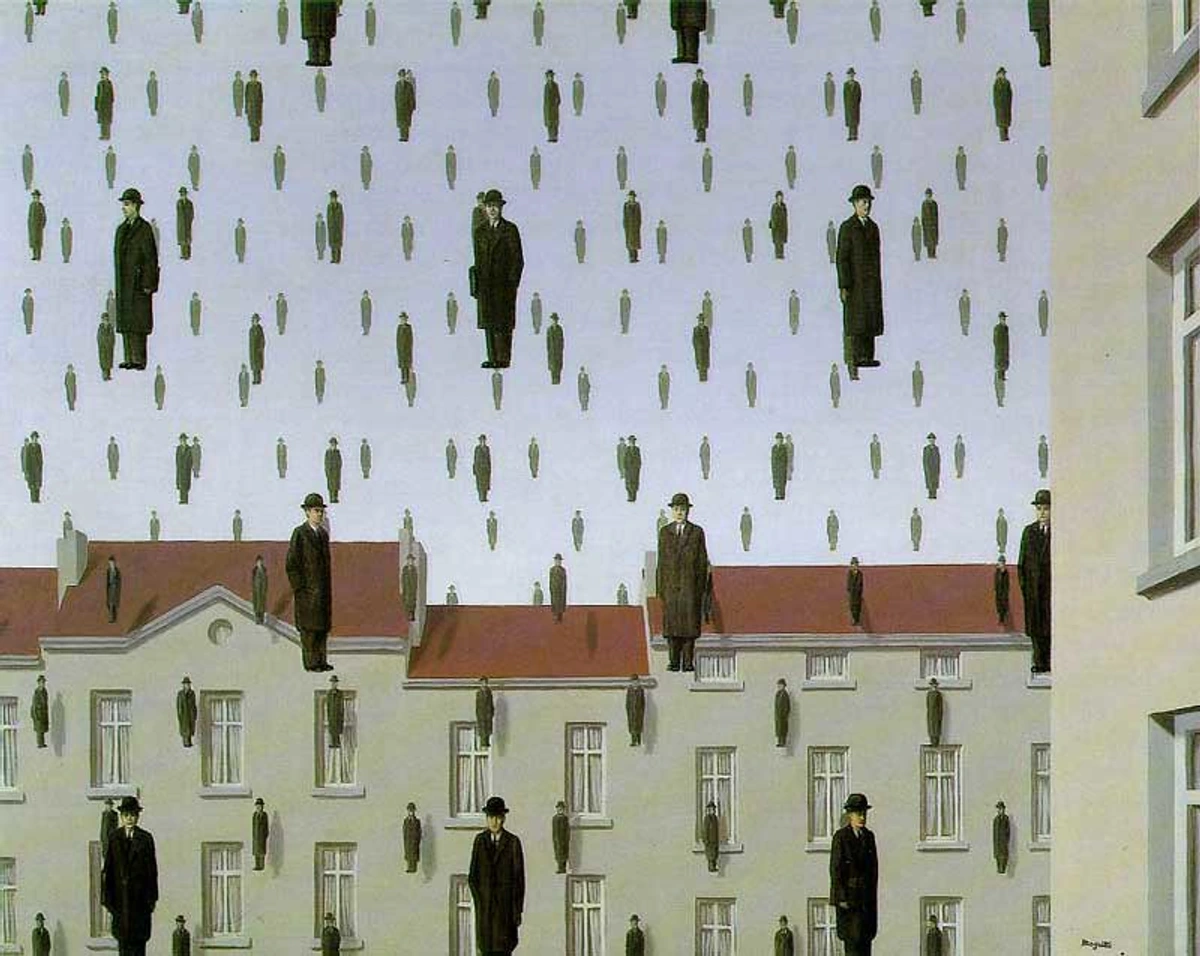
He permanently expanded the definition of what could be considered a valid source for art. After Breton, your weird dreams, your dumb jokes, your slips of the tongue—they were all fair game. He gave artists permission to be strange, to be irrational, and to trust their gut, transforming art from a purely rational endeavor into a conduit for the primal and the profound. And for that, even with all his dogma and drama, the art world owes him everything. He taught us to look for the art not just on the canvas, but in the deepest, strangest corners of our own minds. This permission to explore the irrational continues to fuel creative endeavors across disciplines, proving the lasting power of his vision. In a way, he liberated us from the tyranny of pure logic, which, if you ask me, is a pretty heroic act. His legacy is a powerful reminder that true artistic freedom often emerges from the most unexpected places, even from the stern pronouncements of a literary dictator who ultimately set imaginations free by daring to control the uncontrollable. It's a paradox, and it's brilliant.
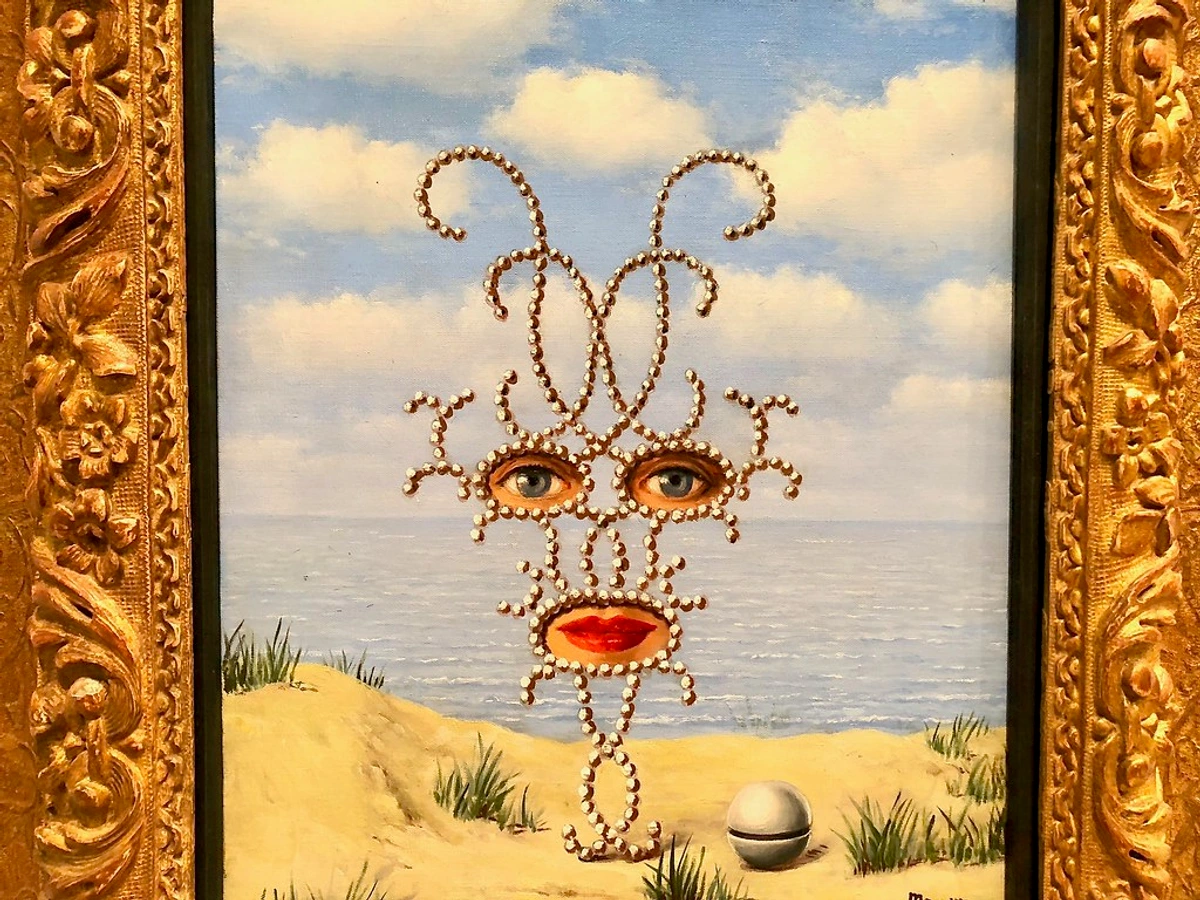
Surrealism's Global Reach: A World of Dreams Unleashed
While we often associate Surrealism primarily with Paris and its initial European flourishing, Breton's vision, often carried by the very artists he exiled, quickly transcended geographical boundaries. The diaspora of Surrealist artists during WWII, particularly to Mexico and the Americas, led to a vibrant cross-pollination of ideas. This global spread demonstrates that while Breton sought to control the movement, its core ideas about the unconscious, dreams, and challenging reality proved potent enough to take root and flourish in diverse cultural contexts, mutating and evolving in ways he perhaps never fully anticipated. It's a powerful reminder that truly revolutionary ideas, once released, take on a life of their own, adapting and transforming with each new cultural embrace. The dream world, it turns out, knows no borders.
While we often associate Surrealism primarily with Paris and its initial European flourishing, Breton's vision, often carried by the very artists he exiled, quickly transcended geographical boundaries. The diaspora of Surrealist artists during WWII, particularly to Mexico and the Americas, led to a vibrant cross-pollination of ideas. This global spread demonstrates that while Breton sought to control the movement, its core ideas about the unconscious, dreams, and challenging reality proved potent enough to take root and flourish in diverse cultural contexts, mutating and evolving in ways he perhaps never fully anticipated.
Surrealism in the Americas: A New World of Dreams
In Mexico, for instance, artists found deep resonance with Surrealist principles, often infusing them with their own rich indigenous mythologies, spiritual traditions, and political realities. Figures like Frida Kahlo (though she famously resisted the label, her intensely personal narratives and dreamlike imagery share much with Surrealist aesthetics) and Remedios Varo, a Spanish exile, created uniquely localized forms of 'sur-reality.' Varo's intricate, mystical paintings, populated by alchemists, hybrid creatures, and fantastical architectures, are a testament to this unique synthesis of European Surrealism with esoteric knowledge and Mexican cultural elements. Leonora Carrington, another British exile in Mexico, also found fertile ground for her deeply personal and often feminist Surrealism, drawing on local folklore and her own vivid dreamscapes. Her presence, alongside Varo and Kahlo, cemented Mexico as a crucial hub for Surrealist expression, especially for women artists who often found more creative freedom there than in Europe. Their art became a powerful bridge between ancient traditions and modern psychological insights, creating a vibrant and distinct Surrealist voice in the Americas. This vibrant cultural exchange demonstrated that Surrealism's core tenets were adaptable and enriching when fused with diverse local artistic and spiritual heritages, leading to entirely new forms of expression.
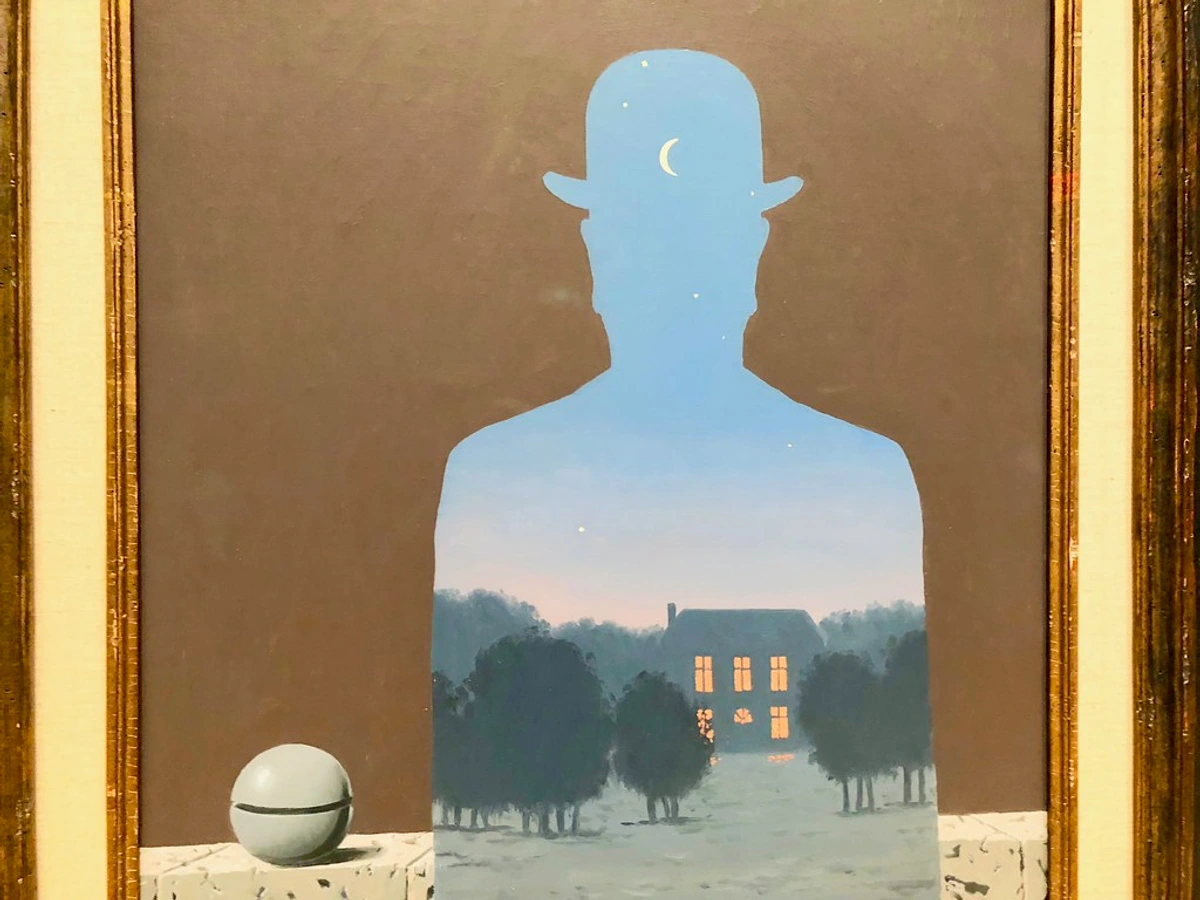
Across Latin America, artists like Roberto Matta from Chile, with his fluid 'inscapes' (inner landscapes) exploring psychological and cosmic spaces, and Wifredo Lam from Cuba, who powerfully blended Cubist and Surrealist elements with Afro-Cuban symbolism and spiritual imagery, further demonstrated the movement's adaptability and rich potential for cultural fusion. Their works spoke to both personal and collective unconscious narratives, offering critiques of colonialism and celebrating syncretic cultures. Think also of artists like Rufino Tamayo (Mexico), Antônio Bandeira (Brazil), and Enrique Tábara (Ecuador), who integrated Surrealist principles into their distinct artistic practices, often exploring national identity and social commentary through a dreamlike lens. These artists proved that Surrealism was not a monolithic European style, but a flexible framework capable of profound cultural dialogue and adaptation. The migration of key Surrealist figures during the wars meant that these ideas found new, fertile ground, evolving in unexpected and culturally rich ways, leaving an indelible mark on art across the continent. This fertile exchange led to a Surrealism that was not merely imported but re-imagined, deeply rooted in the unique histories and mythologies of the region, creating a vibrant and enduring legacy.
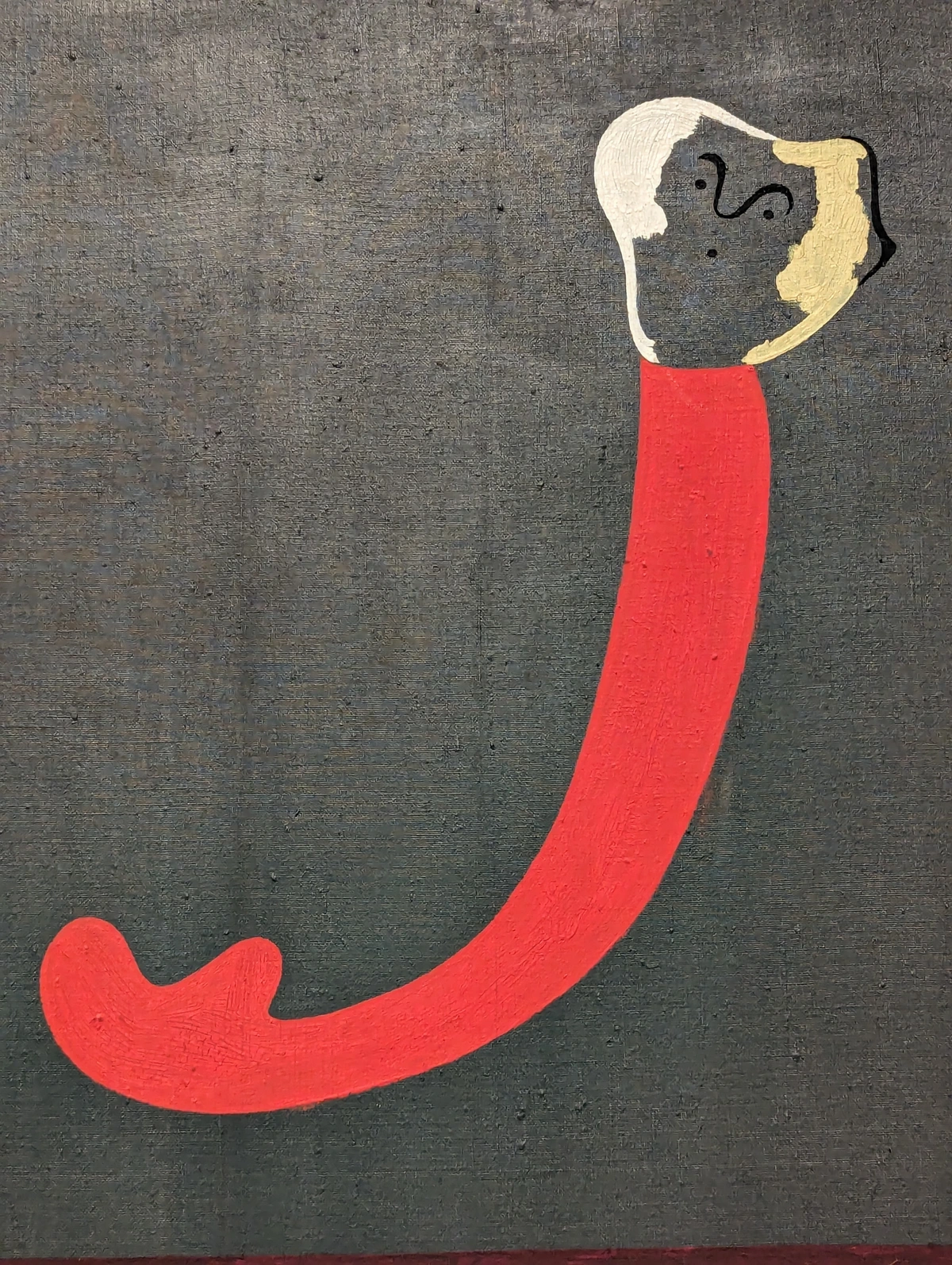
Asia and Beyond: Unconscious Connections
Even in Japan, artists and writers were deeply influenced by Breton's manifestos and the Surrealist ethos, leading to the development of a distinct Japanese Surrealist movement that blended Western avant-garde ideas with traditional Japanese aesthetics and spiritual concepts. Figures like Shuzo Takiguchi, a poet and art critic who championed the movement, and Taro Okamoto, a painter and sculptor, explored automatism and dream imagery, often with a unique sense of cultural specificity, creating works that were both globally Surrealist and distinctly Japanese. Their work showcased how readily the exploration of the unconscious could cross cultural divides and merge with local traditions, demonstrating the universal appeal of Surrealist themes.
Similarly, echoes of Surrealism can be found in nascent art movements across the globe. In Egypt, the "Art and Liberty Group" (Jama'at al-Fann wa al-Hurriyyah), founded in Cairo in 1938, explicitly championed Surrealist ideas in their critique of academic art and social conditions, weaving in local political and social narratives. In Czechoslovakia, the Prague Surrealist Group, active from the 1930s, under the leadership of Vitezslav Nezval and later Karel Teige, creatively adapted Surrealism to their own philosophical and political landscape, emphasizing its revolutionary potential and linking it to social emancipation. From the Caribbean to North Africa, and even Australia, the core tenets of Surrealism proved potent enough to take root and flourish in diverse cultural contexts, mutating and evolving in ways Breton perhaps never fully anticipated. These diverse interpretations enriched Surrealism far beyond what any single 'pope' could have dictated, ensuring its truly global, enduring legacy. The dream world, it turns out, knows no borders. And that, I think, is a beautiful thing. It reminds us that the human subconscious, with its limitless capacity for imagination and wonder, is a universal language, capable of infinite artistic expression.
Conclusion: The Enduring Paradox of André Breton's Legacy
André Breton remains a colossal, if complicated, figure in the history of modern art. He was a paradox personified: a control freak who championed liberation, a dogmatic leader who sought to unleash the uncontrollable. Yet, it was precisely this tension that fueled Surrealism's explosive power and enduring legacy. His insistence on plumbing the depths of the unconscious, on valuing dreams and desires as legitimate sources for art, irrevocably changed how we understand creativity. He didn't just expand the boundaries of art; he shattered them, demonstrating that the most profound realities often lie just beyond the veil of the rational, in the realm of 'sur-reality.'
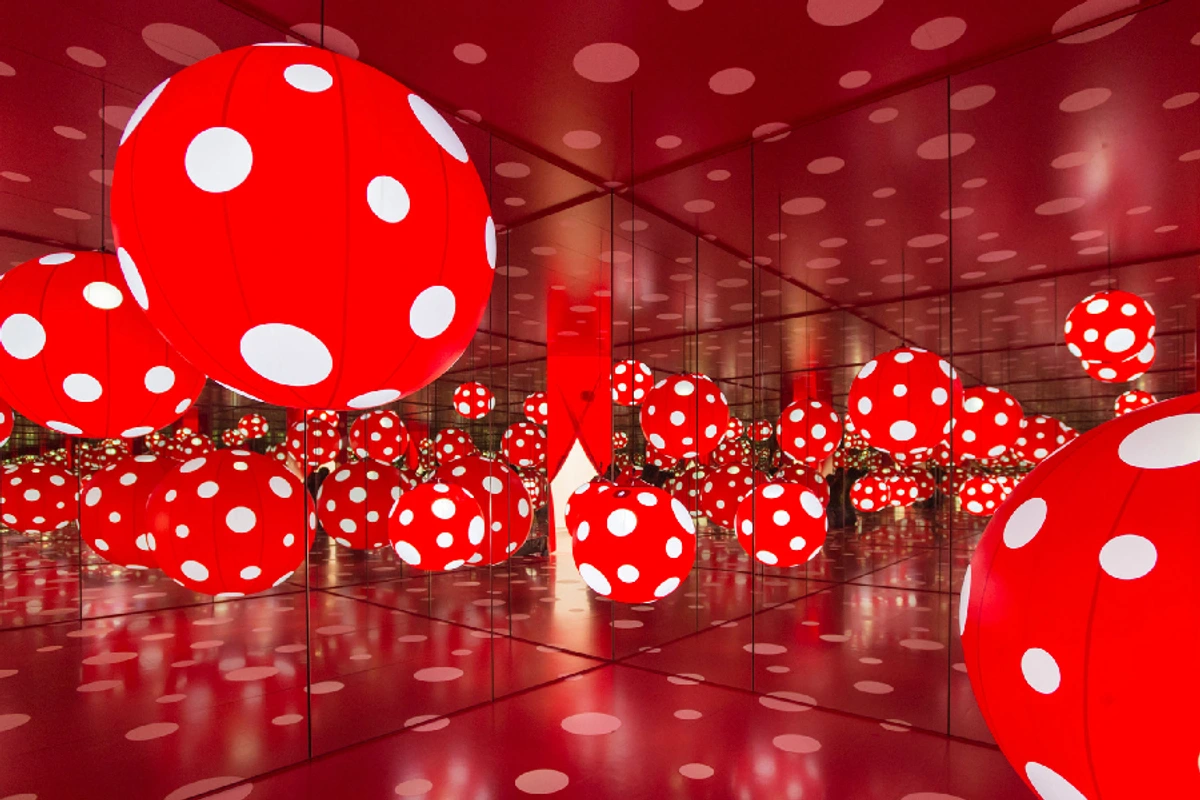
Love him or loathe him, you can't ignore him; Breton's messy, brilliant, and deeply human quest for a 'sur-reality' continues to resonate, challenging us to look beyond the obvious and embrace the beautiful strangeness of our inner worlds. So, next time you're sketching absentmindedly or get lost in a strange dream, remember the 'Pope of Surrealism'—he gave you permission to find art there. His legacy is a powerful reminder that true artistic freedom often emerges from the most unexpected places, even from the stern pronouncements of a literary dictator who ultimately set imaginations free by daring to control the uncontrollable.
FAQ: Your Burning Questions About André Breton, Answered
Who were some other influential Surrealist figures beyond the main artists and writers?
Beyond the painters and writers who dominated the spotlight, Surrealism also attracted and influenced a diverse array of thinkers and cultural figures, creating a rich tapestry of contributors. Poets like Paul Éluard, whose lyrical works often explored love and dreams, and Robert Desnos, known for his hypnotic trances and automatic speech, were integral to developing and showcasing automatic writing techniques. Louis Aragon, before his political split with Breton, was also a key literary figure. Photographers like Man Ray and Dora Maar used the camera to capture uncanny juxtapositions and dreamlike scenes, blurring the lines between reality and imagination, pushing the boundaries of the photographic medium. Even figures in philosophy and psychoanalysis, such as Jacques Lacan (who initially engaged with Surrealist ideas) and, of course, the enduring influence of Sigmund Freud, recognized their profound implications for understanding the human mind and its relationship to art and society. It was a movement that truly encompassed all forms of creative and intellectual endeavor, often blurring the lines between them and inviting interdisciplinary exploration. Think also of writers like Robert Desnos, René Crevel, and Benjamin Péret, whose literary contributions were as crucial as the visual artists', and figures like Antonin Artaud, who, despite his eventual excommunication, pushed the boundaries of theater with his 'Theater of Cruelty,' deeply rooted in Surrealist ideas of liberation and the subconscious.
Beyond the painters and writers who dominated the spotlight, Surrealism also attracted and influenced a diverse array of thinkers and cultural figures, creating a rich tapestry of contributors. Poets like Paul Éluard, whose lyrical works often explored love and dreams, and Robert Desnos, known for his hypnotic trances and automatic speech, were integral to developing and showcasing automatic writing techniques. Louis Aragon, before his political split with Breton, was also a key literary figure. Photographers like Man Ray and Dora Maar used the camera to capture uncanny juxtapositions and dreamlike scenes, blurring the lines between reality and imagination, pushing the boundaries of the photographic medium. Even figures in philosophy and psychoanalysis, such as Jacques Lacan (who initially engaged with Surrealist ideas) and, of course, the enduring influence of Sigmund Freud, recognized their profound implications for understanding the human mind and its relationship to art and society. It was a movement that truly encompassed all forms of creative and intellectual endeavor, often blurring the lines between them and inviting interdisciplinary exploration. This interdisciplinary approach was one of Surrealism's greatest strengths, allowing it to permeate countless aspects of culture.
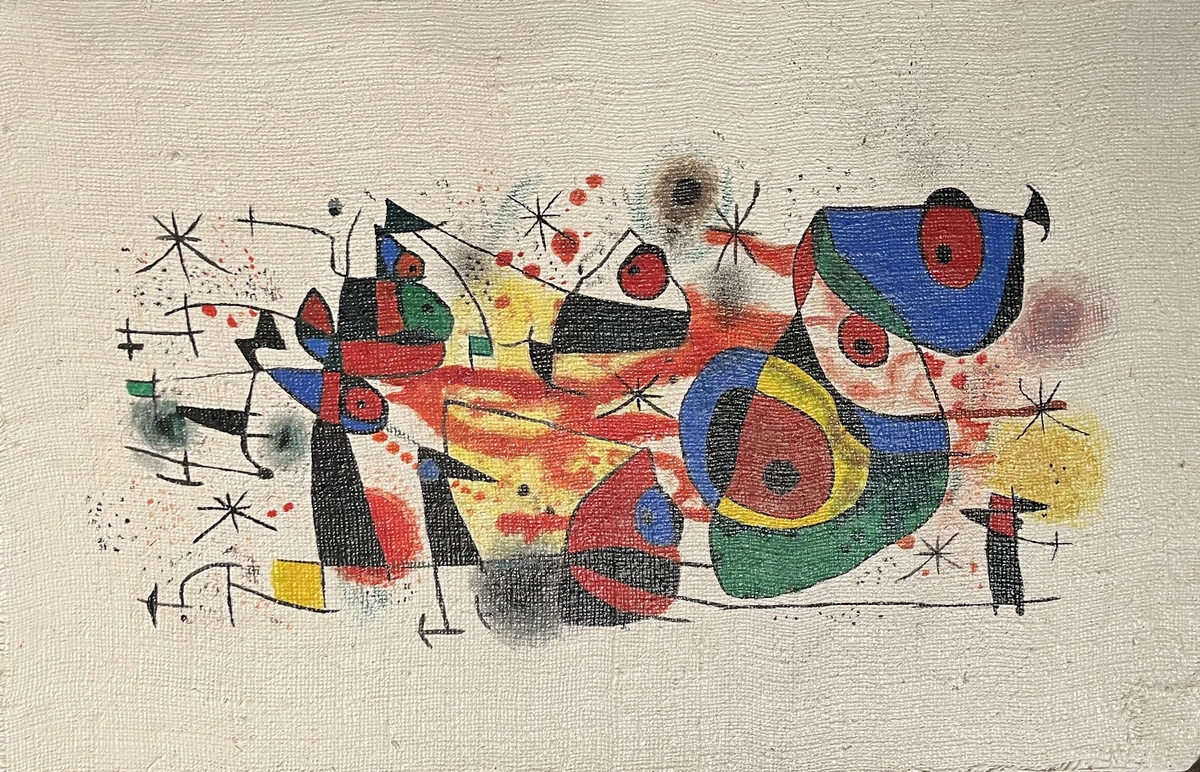
What were some common themes in Surrealist art?
Surrealist art, whether in painting, sculpture, or literature, consistently explored a set of recurring themes directly linked to the movement's core philosophy. I think of them as the recurring motifs in a grand, collective dream. These included:
- Dreams and the Unconscious: This is perhaps the most central theme, with artists often depicting vivid dream imagery, illogical narratives, and subconscious desires, directly drawing from Freudian theories. It was an attempt to make the hidden depths of the mind manifest.
- Sexuality and Eroticism: A frequent and often provocative theme, exploring repressed desires, Freudian symbolism, and the liberating power of sexual expression, often challenging societal taboos. For many Surrealists, sexuality was a primal force, deeply connected to the unconscious.
- The Marvelous and Objective Chance: The bizarre beauty and profound significance found in unexpected encounters, uncanny coincidences, and startling juxtapositions of unrelated objects, transforming the mundane. It was about seeing the extraordinary in the ordinary.
- Transformation and Metamorphosis: Figures, objects, and landscapes often shift, melt, or morph into other forms, reflecting the fluidity and instability of the subconscious, as seen in Dalí's works. This fluidity underscored the Surrealist belief that reality itself was mutable.
- Violence and Cruelty: A darker, more unsettling aspect, often used to shock viewers out of complacency and expose the hidden aggressions of society and the human psyche, reflecting the post-WWI disillusionment. This wasn't gratuitous; it was a means to provoke deeper introspection.
- Memory and Time: Explored through distorted landscapes, melting objects, and fragmented narratives, questioning linear perception and the nature of reality itself. Dalí's iconic melting clocks are a prime example.
- Childhood: Valued for its innocence, unbridled imagination, and freedom from adult reason and societal constraints, seen as a purer state of the unconscious mind. Children, unburdened by societal norms, were seen as natural Surrealists.
- Rebellion and Revolution: Underlying all these themes was a spirit of defiance against bourgeois values, political oppression, and the strictures of rational thought, advocating for a total liberation. Surrealism was, at its heart, a revolutionary movement, seeking to transform not just art, but life itself.
These themes were not merely subjects but portals to a deeper understanding of 'sur-reality,' intended to provoke, liberate, and challenge conventional perception, inviting the viewer into a richer, more unsettling engagement with art and life.
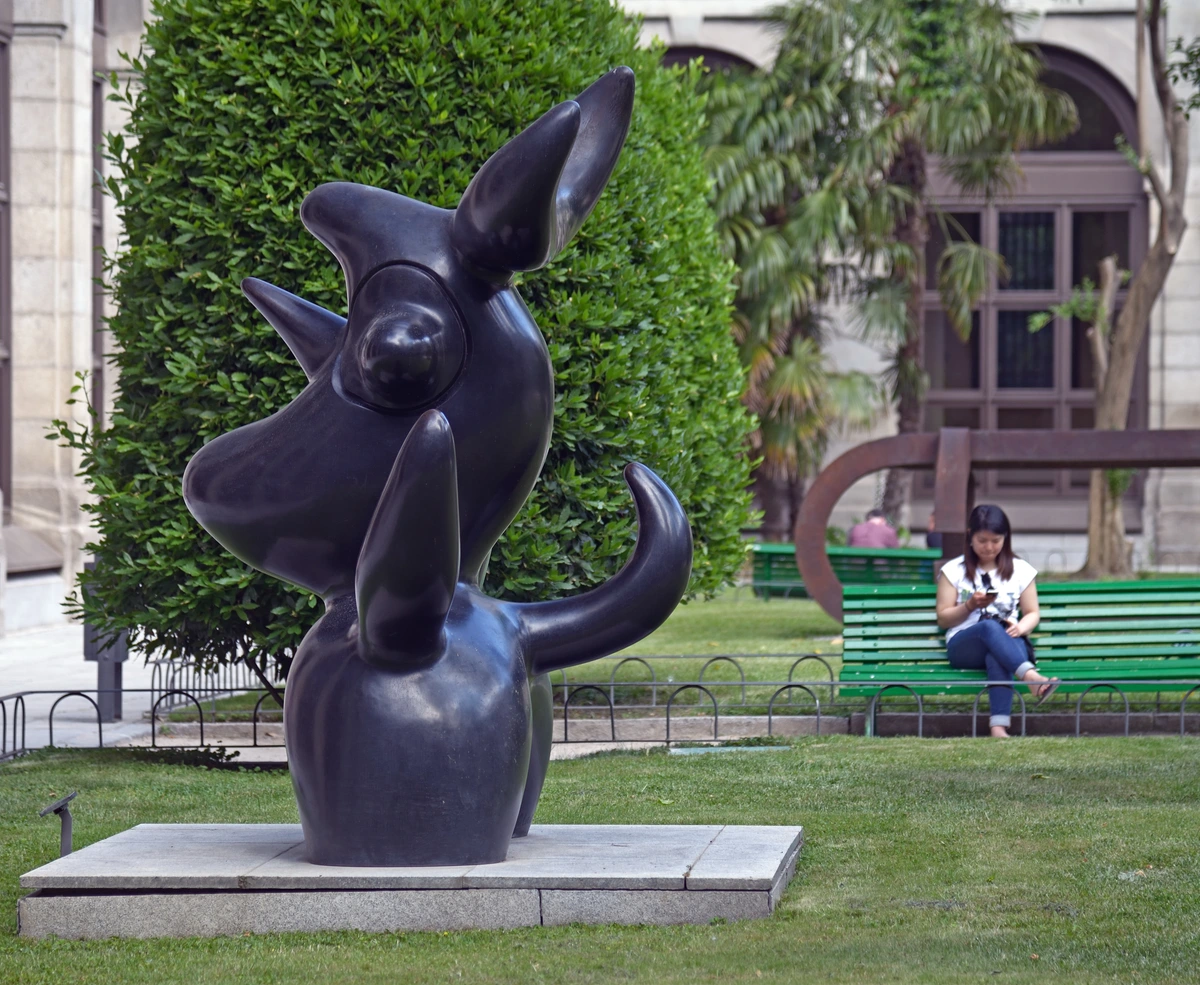
What was André Breton best known for?
He's best known, unequivocally, for being the founder, chief theorist, and often controversial leader of the Surrealist movement. He quite literally wrote the foundational texts—the Surrealist Manifesto of 1924 and its subsequent iterations—and was the movement's intellectual and ideological compass until his death. His vision for unlocking the unconscious mind truly defined an era of art and thought, shifting the focus from external reality to the rich, often unsettling, landscape of the inner world. He gave the movement its name, its core philosophy of psychic automatism, and its revolutionary agenda, making him, in my opinion, one of the most significant figures in 20th-century intellectual and artistic history. He wasn't just a figurehead; he was the driving force, the architect of a revolution of the mind, shaping its direction and fiercely protecting its perceived purity. He was the Pope of Surrealism, whether you liked it or not, and his decrees undeniably shaped an entire epoch of art.
How did Surrealism impact literature and poetry?
Surrealism had its very roots in literature and poetry, with Breton himself being a poet. The movement profoundly impacted these fields by introducing and championing automatic writing, a technique designed to bypass conscious thought and allow the subconscious to dictate text directly. This led to radically new forms of prose and poetry, characterized by an almost raw, untamed expression. I mean, imagine letting your mind just flow onto the page without any censorship! This led to:
- Stream of Consciousness: An uninterrupted flow of thoughts, feelings, and memories, directly transcribed as they occur in the mind, aiming to capture the raw, unedited flow of the psyche. This was a direct assault on linear narrative, reflecting the chaotic yet rich inner world.
- Unconventional Syntax and Punctuation: Breaking traditional grammatical rules to reflect the illogical, often fragmented, nature of dreams and subconscious thought. This disrupted conventional narrative structures, creating a sense of urgency and directness.
- Juxtaposition of Disparate Images: Creating startling and evocative metaphors and comparisons by combining unrelated concepts, forcing new and often unsettling meanings. Lautréamont's famous line is the ultimate illustration of this, revealing the poetic power of unexpected encounters.
- Exploration of Dream Logic: Narratives that mimic the non-linear, symbolic, and often bizarre progression of dreams, blurring the lines between reality and fantasy. This gave literary works a distinct, unsettling atmosphere, inviting readers into a shared dream state.
- Emphasis on the Sublime and the Grotesque: Finding beauty and revelation in the unsettling, the absurd, and the taboo, challenging conventional aesthetic sensibilities. This was a direct attack on bourgeois tastes and moral constraints, pushing for a more honest and profound engagement with reality.
Key literary figures like Louis Aragon (Paris Peasant), Paul Éluard (Capital of Pain), Robert Desnos (known for his automatic poems like Rrose Sélavy), and Breton himself (Nadja, Manifestos) produced seminal works that exemplify these principles, pushing the boundaries of what language could express and revolutionizing modern poetry and prose. They literally gave permission for writers to be as weird and unfiltered as their dreams. This legacy continues to influence experimental writing today, proving the enduring power of liberating the written word from the shackles of convention.
How did Surrealism influence film and photography?
Surrealism had a profound and lasting impact on both film and photography, offering new ways to represent dreams, fantasies, and the irrational. Early Surrealist films like Luis Buñuel's and Salvador Dalí's iconic Un Chien Andalou (1929) are legendary for their shocking, dreamlike sequences and non-linear narratives (who could forget the sliced eye, or the ants crawling from a hand?). Buñuel continued to make powerful, provocative films like L'Age d'Or (1930) that relentlessly attacked bourgeois values and religious hypocrisy, always with a distinct Surrealist edge. Other filmmakers, such as Jean Cocteau (Blood of a Poet, 1930) and Germaine Dulac (The Seashell and the Clergyman, 1928), also explored Surrealist themes and techniques, using film as a canvas for the subconscious, blurring the lines between objective reality and inner vision. These pioneering works laid the groundwork for future experimental cinema, demonstrating film's capacity to transcend linear storytelling and delve into the depths of the psyche.
Man Ray's photographic experiments, including his revolutionary 'rayographs' (photograms created by placing objects directly onto photographic paper and exposing it to light, creating ghostly silhouettes without a camera) and solarizations (a darkroom effect where the image is partially reversed in tone, giving images an ethereal, drawn quality), profoundly blurred the boundaries of reality and abstraction. His evocative images, like Le Violon d'Ingres (1924), captured dreamlike scenes directly onto photographic paper. Other photographers like Dora Maar, known for her powerful portraits and unsettling photomontages, and Claude Cahun, who used self-portraits to explore identity and gender fluidity, also used the medium to explore identity, ambiguity, and the uncanny. These artists used the mediums to bypass rational storytelling, favoring visual poetry and psychological disruption, which opened the door for experimental cinema and photographic art for decades to come. Think of the unsettling visuals in films by David Lynch or the dream logic often found in music videos today; they owe a clear debt to Surrealist cinematic pioneers, proving that Breton's ideas transcended the canvas and continue to shape visual storytelling. Surrealist photography, in particular, proved that the camera was not merely a tool for objective reproduction but a powerful instrument for capturing the hidden, the uncanny, and the dreamlike aspects of reality.
What is the main idea of Surrealism?
The core idea, as I understand it, is to unlock the power of the unconscious mind. Breton believed that the rational, logical world we live in was repressive, and that true reality—a 'sur-reality'—could be found by merging our dreams and subconscious thoughts with objective reality. The whole point was to dissolve the boundaries between the waking and dreaming worlds to achieve a higher, more profound truth, one that was richer, more complex, and ultimately more liberating. If you want to dive deeper, I'd suggest reading about the enduring legacy of Surrealism – it truly explains how this idea permeated so many aspects of culture. It was a radical call to transform not just art, but existence itself, asserting that authentic human experience resided in the unfiltered depths of the psyche rather than in the constraints of logical thought.
What was Surrealism's relationship with psychoanalysis?
The relationship between Surrealism and psychoanalysis, particularly the theories of Sigmund Freud, was foundational and profound. Breton and the early Surrealists were deeply influenced by Freud's work on dream analysis, the unconscious mind, and free association. They saw Freud's methods as a scientific justification and a practical tool for accessing the hidden depths of the psyche, which they believed were the true source of creativity and a more profound understanding of reality. For them, Freud wasn't just a therapist; he was a revolutionary who mapped out the inner landscape they were so eager to explore, providing the theoretical underpinnings for their artistic revolution. This intellectual partnership provided Surrealism with a powerful theoretical framework, elevating its artistic explorations beyond mere aesthetic whim.
For Surrealists, Freud's ideas provided:
- Validation for the Unconscious: It legitimized the exploration of dreams, fantasies, and repressed desires as valuable artistic material, moving beyond purely rational subjects. Freud's work offered a scientific backing for their artistic intuitions, giving them the confidence to explore the irrational.
- Methodology: Techniques like free association and dream interpretation directly inspired automatic writing and other automatic art techniques, providing practical pathways to the subconscious. They adapted these therapeutic tools for artistic creation, blurring the lines between therapy and art.
- Conceptual Framework: Concepts like the Oedipus complex, the libido, and the death drive provided rich thematic content for artists to explore, giving psychological depth to their work. These deep-seated human experiences became fertile ground for artistic expression, adding layers of meaning to their often bizarre imagery.
While Freud himself was somewhat skeptical of Surrealism's artistic applications (he apparently found them a bit too exuberant!), the Surrealists revered him as an intellectual precursor, seeing their artistic project as an extension of his psychological discoveries into the realm of art and daily life, aiming for a total psychic liberation. It was a fascinating, if sometimes one-sided, intellectual love affair, yet one that profoundly shaped the course of 20th-century art. The impact of Freud's theories on Surrealism is, quite frankly, immeasurable.
What was the Bureau of Surrealist Research?
The Bureau of Surrealist Research (Bureau de Recherches Surréalistes), established in Paris in 1924, was a central hub for the early Surrealist movement. I think of it as their clubhouse, their laboratory, and their publishing house all rolled into one. It was essentially a physical space—an office at 15 Rue de Grenelle—where members would meet, discuss ideas, collect and document instances of the 'marvelous' in everyday life (such as strange dreams, found objects, or uncanny coincidences), and even conduct 'séances' of automatic writing and hypnotic sleep to explore the unconscious. It served as a nerve center for the movement, a place to gather evidence for their belief in a 'sur-reality' and to formalize their investigations into the irrational. It was a fascinating, almost pseudo-scientific attempt to systematically explore the hidden realms of the mind, and a testament to their serious, almost academic, approach to the avant-garde, even while they championed the illogical. They even published a single issue of La Révolution surréaliste from this very bureau, making it a truly pivotal location in Surrealist history. This space was a crucible for ideas, fostering the collective spirit and intellectual rigor that defined early Surrealism, a place where the revolution of the mind was actively plotted. The Bureau was a physical manifestation of Surrealism's ambition to integrate the irrational into everyday life, blurring the boundaries between art, science, and the mundane.
What were the major Surrealist journals and publications?
Breton, ever the strategist, understood the power of the printed word to disseminate ideas and unify a movement, acting as a true editor-in-chief of the Surrealist project. He oversaw several influential Surrealist journals, each a vital platform for publishing manifestos, poetry, automatic texts, critical essays, and visual art, creating a vibrant intellectual space for the movement to flourish and debate. These publications were the lifeblood of Surrealist discourse, shaping public perception and directing the movement's intellectual trajectory, acting as both a mouthpiece and a filter for the official Surrealist line:
- Littérature: Initially a Dadaist publication (1919-1921, then 1922-1924), it evolved under Breton's influence to become an early mouthpiece for Surrealist ideas before the movement's formal inception. It was where many of the initial literary experiments, including automatic writing, first saw the light of day. This journal served as a crucial bridge between Dada's rebellious spirit and Surrealism's constructive vision, a transition from pure negation to a more focused artistic exploration. It provided the intellectual battleground for the nascent ideas that would soon coalesce into a formal movement.
- La Révolution surréaliste (1924-1929): This was the first official journal of the Surrealist group, publishing the works and theories of key members. Its content often mirrored scientific journals, reflecting Breton's pseudoscientific approach to exploring the unconscious, blending artistic output with pseudo-academic rigor. It was provocative and essential reading for anyone interested in the burgeoning movement, featuring a blend of revolutionary proclamations and artistic experiments, often challenging public morality and artistic conventions. It acted as a powerful voice for the movement, disseminating its manifestos and defending its radical stance against a skeptical world.
- Le Surréalisme au service de la révolution (1930-1933): Reflecting the movement's increasingly political leanings, this journal focused on aligning Surrealism with revolutionary political action, particularly Communism. Its tone was more confrontational and overtly political than its predecessor, marking a significant shift in the movement's focus and mirroring Breton's own evolving political convictions. It explicitly argued for the inseparable link between psychic liberation and social change, making it clear that art was a tool for revolution. This publication solidified Surrealism's commitment to social transformation and its often-stormy relationship with political ideologies.
- Minotaure (1933-1939): Though not exclusively Surrealist, Minotaure was a luxurious art and literary review that provided a major platform for Surrealist artists and writers during the 1930s. It featured lavish illustrations and articles by many Surrealist figures, helping to disseminate their ideas to a broader, more international audience and showcasing the visual richness of the movement. Its high production values helped legitimize Surrealism within the mainstream art world, despite its radical ideas, proving that even the avant-garde could be presented with elegance. Minotaure was instrumental in bringing Surrealist art to a wider public, cementing its visual identity and showcasing the diversity of its artistic expressions.
These publications were crucial not only for disseminating Surrealist ideas but also for establishing and maintaining Breton's ideological control over the movement, shaping its discourse and defining its boundaries. They are, in themselves, works of art and vital historical documents, offering a direct window into the dynamic and often contentious world of Surrealism.
Did André Breton and Picasso get along?
It was complicated, to say the least. Breton deeply admired Picasso and considered his work, especially early Cubism, to be a precursor to Surrealism, recognizing the revolutionary fracturing of reality that Picasso achieved. Picasso was associated with the movement for a time and even exhibited with them, notably in the 1930s when many of his works, like Guernica (1937), displayed a profound psychological depth and allegorical power that resonated deeply with Surrealist concerns. However, he never officially joined. Picasso was far too much of an individualist, a lone wolf artist, to submit to Breton's authoritarian personality and strict ideological demands. They had a relationship of mutual respect, particularly for each other's artistic genius, but also significant friction arising from their vastly different temperaments and approaches to artistic freedom. Picasso famously stated, 'I do not seek, I find,' a sentiment that both aligned with and diverged from Breton's more programmatic pursuit of the unconscious. It was a relationship built on admiration, but ultimately defined by Picasso's fierce independence. This dynamic highlights the tension between individual artistic freedom and the collective ideological demands of Surrealism. While they never fully aligned, their mutual respect for radical artistic innovation was undeniable. Their relationship, I think, perfectly encapsulates the broader struggle within modern art between individual genius and the desire for collective movements and manifestos.
While they never fully aligned, their mutual respect for radical artistic innovation was undeniable.
Did Breton's views on women evolve?
Breton's views on women were undeniably complex and, like many men of his era, often rooted in a patriarchal framework. Initially, women were frequently cast in the role of the muse, idealized as conduits to the marvelous or the unconscious, inspiring male artists like a living embodiment of the femme-enfant (child-woman). This often reduced them to symbolic figures rather than independent creative agents, which, looking back, is clearly problematic. However, I think it's important to understand the context of the time.

However, as the movement evolved and more women artists not only joined but actively challenged the group's dynamics, his perspective shifted, at least somewhat. He championed figures like Leonora Carrington, Remedios Varo, and Meret Oppenheim, recognizing and promoting their profound artistic contributions. His later relationships, particularly with Elisa Claro, were characterized by a deeper mutual respect and intellectual collaboration, moving beyond the 'muse' archetype. While he may not have fully dismantled traditional gender roles within his own thinking, his engagement with these powerful female intellects and artists certainly influenced his evolving understanding of creativity and the unconscious. It's a testament to the powerful individual voices of these women artists that they carved out their own space and made indispensable contributions within such a male-dominated movement, often pushing Breton to expand his own views and enriching Surrealism beyond his initial conceptualizations. Their very presence and creative output proved that the Surrealist exploration of the unconscious was not solely a male domain. This evolution in his perception, while imperfect, reflects the dynamic nature of the movement itself and the undeniable power of these women's artistic contributions.
What was the influence of Symbolism and Romanticism on Surrealism?
Surrealism, while certainly avant-garde and revolutionary, did not emerge in a vacuum. I think it's crucial to understand that no art movement truly exists in isolation. It drew significant inspiration from earlier movements, particularly Symbolism and Romanticism, which paved the way for its exploration of the inner world and its challenge to rational thought. These predecessors laid much of the philosophical and aesthetic groundwork that Surrealism would later build upon and transform.
From Romanticism (late 18th to mid-19th century), Surrealism inherited:
- Emphasis on Emotion and Individual Experience: A passionate rejection of Enlightenment rationalism in favor of subjective feelings, intuition, and raw human passion. The Romantics taught artists to look inward, paving the way for the Surrealist focus on inner worlds, on the primacy of subjective experience.
- The Sublime and the Fantastic: A profound fascination with the awe-inspiring, the mysterious, and the fantastical aspects of nature and the human psyche. Think of grand, dramatic landscapes and unsettling narratives, elements that Surrealists would recontextualize, but with a psychological rather than purely naturalistic bent.
- Interest in Dreams and the Supernatural: Romantics explored dreams, nightmares, folklore, and the occult as potent sources of creative inspiration, directly foreshadowing Surrealist interests in the unconscious. They provided a fertile ground for the later Freudian explorations, lending artistic credibility to the irrational.
From Symbolism (late 19th century), Surrealism took:
- Use of Symbols and Metaphors: A belief that art should evoke ideas and emotions through indirect, symbolic representation rather than direct, literal description, moving beyond mere surface appearances. This paved the way for the complex iconography of Surrealist painting, where objects carried multiple, often hidden, meanings.
- Exploration of the Unconscious and Mystical: Symbolists sought to access deeper truths, spiritual realities, and subjective inner states through intuition and the subconscious, paving the way for Freudian influences. They were the spiritual ancestors of Surrealism's psychic explorations, validating the non-rational as a source of profound truth.
- Rejection of Naturalism and Realism: A decisive turn away from depicting objective reality towards an inner, subjective truth, valuing suggestion and mood over factual representation. This anti-realist stance was crucial for the development of Surrealist aesthetics, allowing for the free play of imagination and the liberation of form.
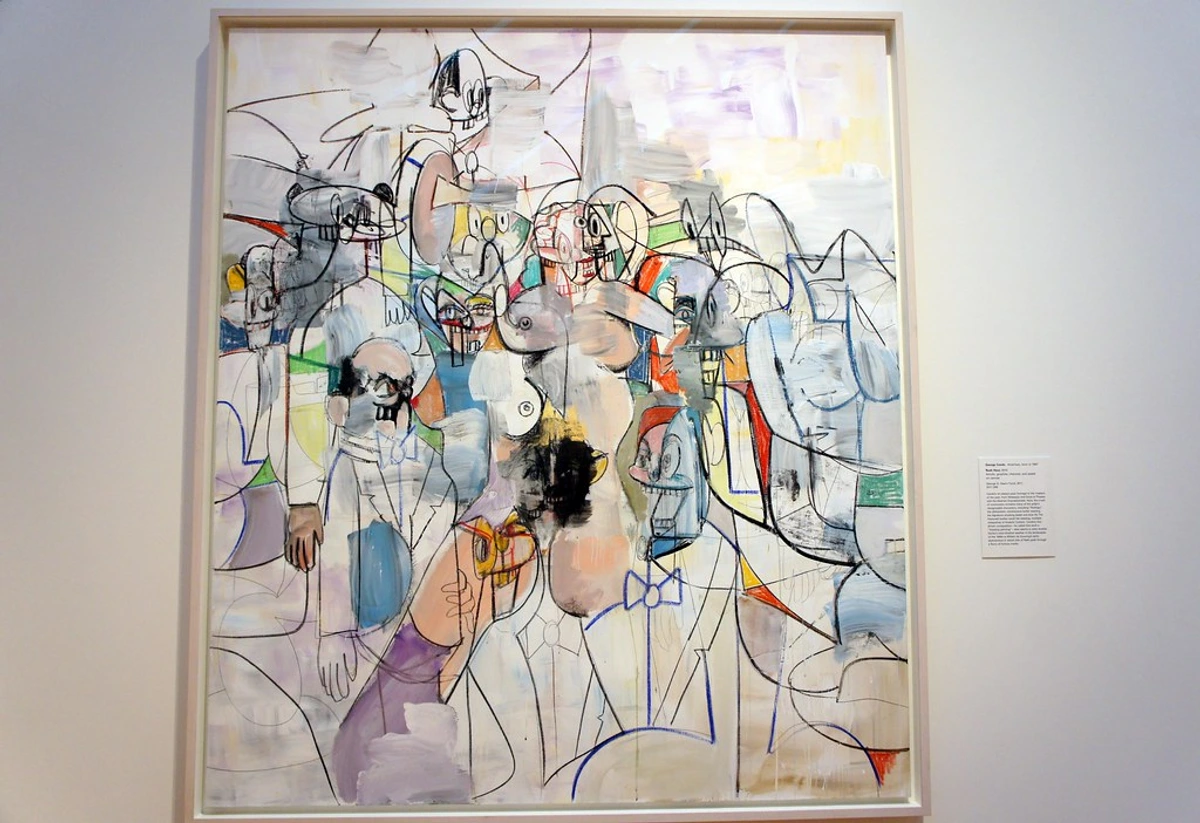
Breton himself admired Symbolist poets like Stéphane Mallarmé, whose intricate, suggestive verse embodied a new linguistic freedom, and Arthur Rimbaud, whose declaration to "systematize the derangement of all the senses" was a clear precursor to Surrealist automatism. Both movements provided a fertile ground for Surrealism's radical assertion that the most profound realities reside beyond the visible world, within the human mind and its limitless imagination. The Romantic fascination with individual genius and the Symbolist emphasis on inner vision directly informed Surrealist aims to liberate the individual and explore hidden psychological landscapes. These historical threads highlight that even the most radical movements build upon the innovations of the past. The legacy of these earlier movements provided Surrealism with a rich tapestry of ideas and aesthetic approaches to challenge the rational and embrace the enigmatic.
Who were some key women artists associated with Surrealism?
While often overshadowed by their male counterparts (and sometimes actively excluded by Breton's inner circle), a remarkable number of women artists made crucial contributions to Surrealism, enriching its thematic scope and challenging its often male-centric gaze. These women were not just muses; they were creators, thinkers, and revolutionaries in their own right, often bringing a distinct feminine perspective to the movement. I find their stories particularly inspiring, as they carved out their own space within a complex and sometimes challenging environment. Key figures include:
- Leonora Carrington: A British-born Mexican Surrealist painter, novelist, and short story writer. Her work is steeped in mythology, alchemy, and the occult, often featuring fantastical creatures and narratives drawn from her vivid inner world. She challenged conventional female roles and explored themes of transformation and identity, creating a unique visual language that was both deeply personal and universally resonant. Her canvases, like Self-Portrait (1937–38), are portals to deeply personal mythologies, rich with symbolism and enigmatic narratives.
- Remedios Varo: A Spanish Surrealist painter and anarchist, who, after exile in Mexico, developed a distinctive style blending scientific, mystical, and magical elements. Her intricate paintings often depict esoteric journeys, alchemical processes, and a sense of otherworldly wonder, creating worlds of exquisite detail and profound symbolism. Works such as Creation of the Birds (1957) showcase her meticulous, dreamlike narratives and her fascination with the esoteric.
- Dorothea Tanning: An American painter, sculptor, and writer whose work explored themes of desire, eroticism, and psychological states through unsettling domestic scenes and dreamlike figures. Her famous self-portrait Birthday (1942), depicting her nude with a fantastic winged creature, is iconic for its dream imagery and symbolism, a powerful statement of self-possession and artistic vision. Tanning's art delves into the subconscious tensions of domestic life and female identity with a profound psychological depth.
- Meret Oppenheim: A Swiss Surrealist artist best known for her fur-lined teacup, Object (Le Déjeuner en fourrure) (1936), a quintessential example of convulsive beauty and the uncanny in Surrealism. Her work often challenged notions of gender and domesticity with a playful yet provocative intelligence. Beyond the teacup, her jewelry and writings explored similar themes of transformation and subversion, always with a sharp, conceptual edge.
- Frida Kahlo (though she often rejected the label herself): The iconic Mexican painter whose intensely personal narratives, vibrant symbolism, and dreamlike self-portraits are deeply resonant with Surrealist aesthetics, even if she considered her work a depiction of her own reality rather than dreams. Breton himself tried to claim her for the movement, recognizing the profound Surrealist qualities in her raw, emotional art. Paintings like The Two Fridas (1939) or Broken Column (1944) are powerful testaments to her unique vision, merging personal suffering with universal themes.
- Kay Sage: An American Surrealist painter and poet known for her stark, architectural landscapes populated by mysterious, veiled figures, creating a sense of isolation and foreboding. Her work often explored themes of memory and psychological space with a distinctive, often melancholic, atmosphere, as seen in I Saw Three Cities (1944), conjuring desolate yet evocative dreamscapes.
- Claude Cahun: A French photographer, sculptor, writer, and performance artist whose self-portraits defied gender norms and explored themes of identity and theatricality, offering a proto-queer perspective within the movement that was decades ahead of its time. Her performative self-portraits challenged the very notion of fixed identity, a truly radical act for her era, blurring the lines between artist and artwork.
- Lee Miller: An American photographer, model, and photojournalist who initially worked as a fashion model before becoming a war correspondent. Her Surrealist photographs, often infused with a sharp wit and unsettling beauty, explored themes of the body, desire, and the uncanny. She was famously Man Ray's muse and collaborator, but her own artistic vision was distinct and powerful, particularly her use of solarization and her ability to find surreal elements in everyday life. Her work profoundly influenced the visual language of Surrealism, bringing a bold, unapologetic gaze to the movement.
These artists, among many others, explored themes of identity, mythology, dreams, and the subconscious with unparalleled depth and originality, using Surrealist tools to critique societal norms, delve into personal narratives, and reimagine archetypal figures, creating some of the movement's most enduring and powerful works. They truly enriched the movement far beyond its initial male-centric gaze, demonstrating that Surrealism was, at its heart, about liberating all voices, offering a more nuanced and expansive vision of the human psyche.
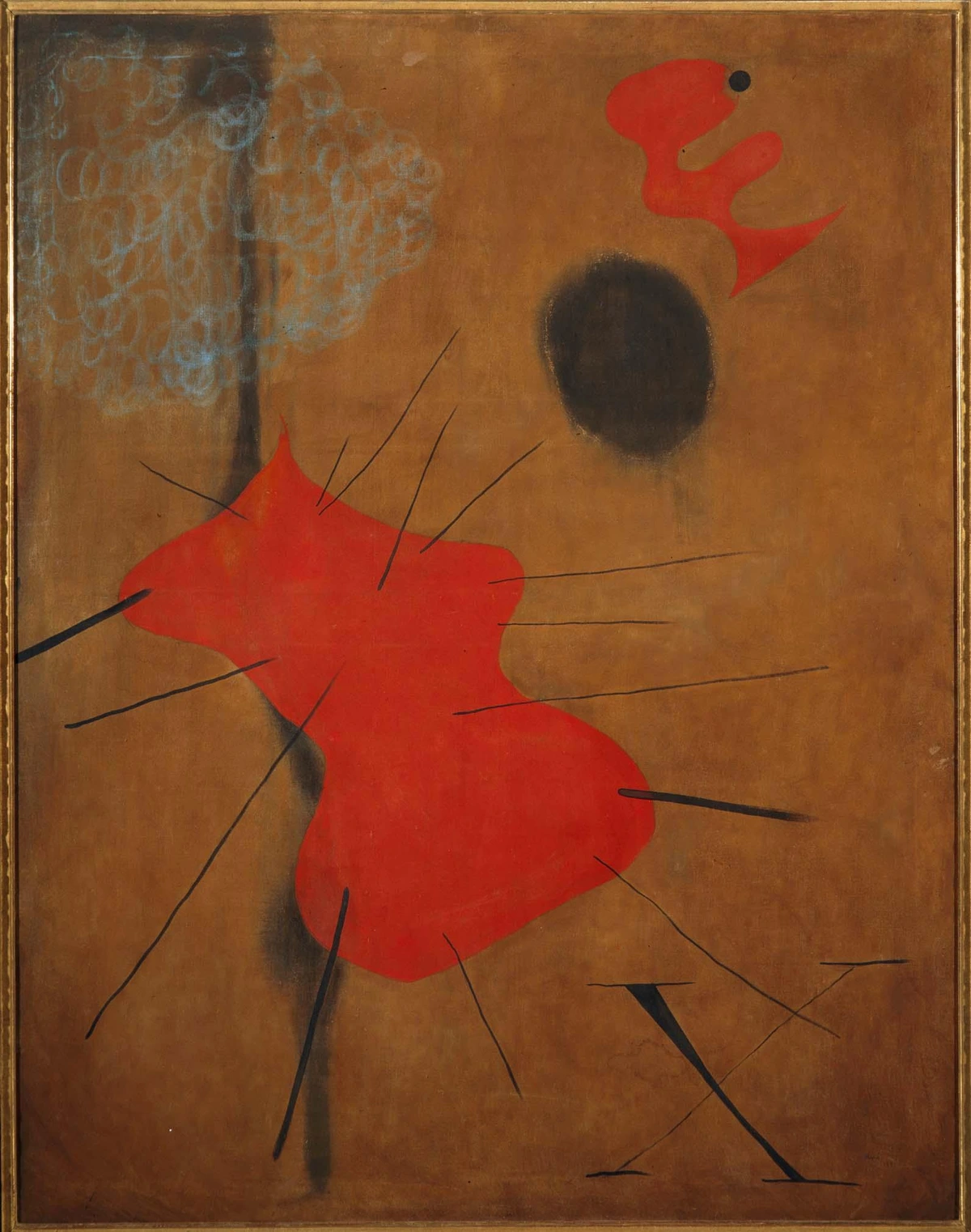



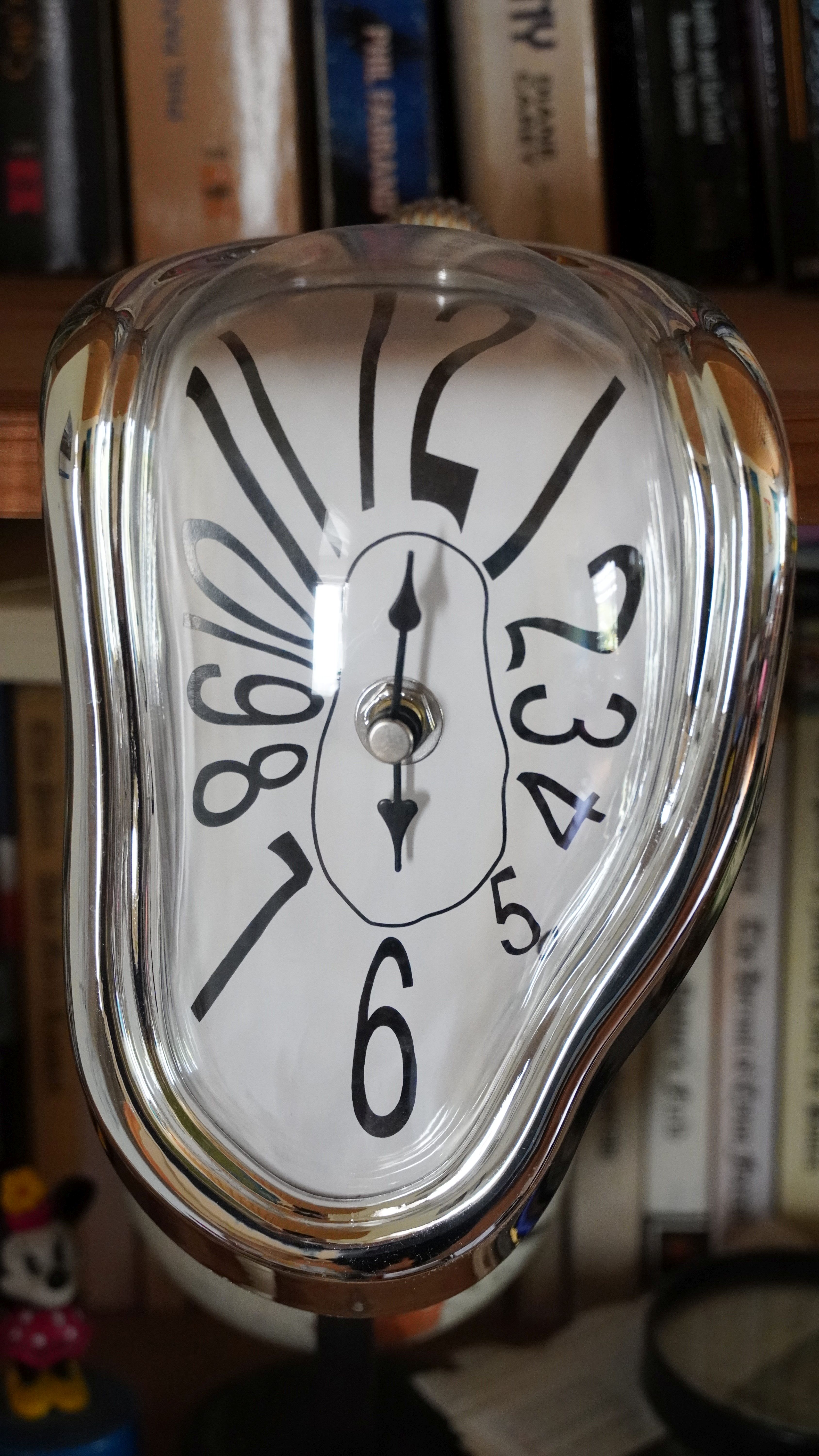




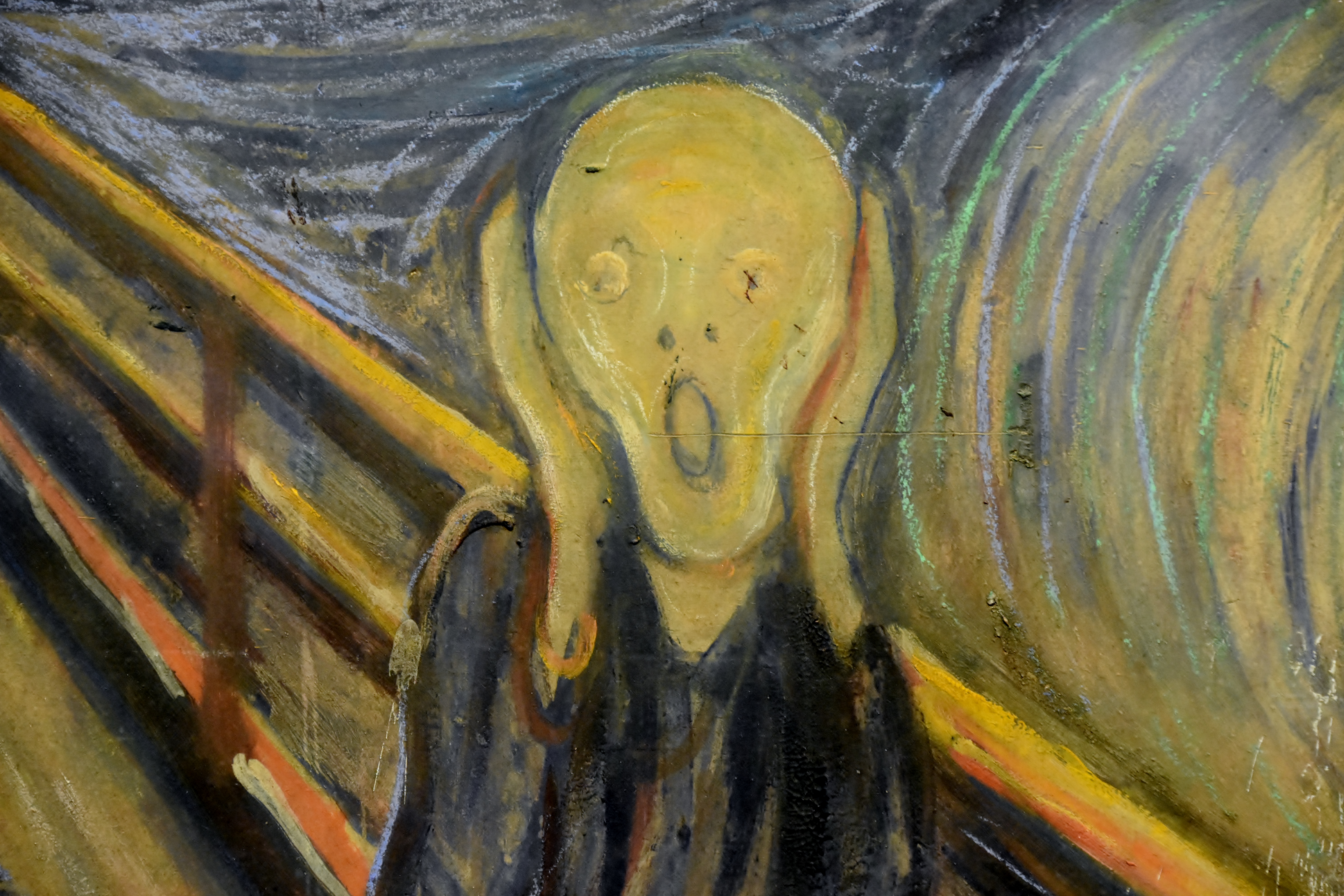



Why was André Breton so controversial?
Because he demanded absolute loyalty to his vision of Surrealism. He saw the movement not merely as an artistic style, but as a revolutionary force aimed at total societal and individual liberation. If you deviated from his strict (and often changing) political or artistic principles, he would publicly and formally 'excommunicate' you from the group, often with cutting declarations in Surrealist journals. He famously kicked out major figures like Salvador Dalí (accusing him of commercialism with the scathing anagram 'Avida Dollars') and Max Ernst at various points for perceived ideological transgressions. This earned him a reputation as a dogmatic, inflexible, and controlling leader, a 'pope' who wielded immense power over his artistic flock, often to the exasperation of many, including those who were once his closest allies. It was this intense conviction, however, that also gave the movement its singular, unwavering direction and ideological coherence. His authoritarianism, while controversial, also undeniably forged a cohesive and powerful intellectual and artistic force, ensuring Surrealism's distinct identity amidst the swirling currents of modern art. It's a fascinating contradiction: control in the service of liberation. His relentless pursuit of ideological purity often led to personal animosity and public disputes, creating a volatile yet intellectually charged atmosphere within the movement, making him one of the most polarizing figures in modern art history.
How did Surrealism use humor and irony?
Humor and irony were surprisingly central to the Surrealist project, serving not merely for entertainment but as subversive tools to disrupt logic, challenge conventions, and unlock deeper truths. For Breton and his cohorts, laughter could be a revolutionary act, a powerful weapon against the oppressive forces of reason. I find this aspect particularly fascinating because it shows how they weren't always so serious, even in their most profound intellectual explorations. They understood that the absurd and the comedic could often reveal truths that logic obscured.
Here's how they deployed it:
- Black Humor (Humour Noir): A morbid, unsettling form of humor that found amusement in the macabre, the grotesque, and the tragic. It was a way to confront taboo subjects and expose the absurdity of life and death, often with a detached, almost clinical tone. This dark humor often served to highlight societal hypocrisy, breaking down conventional moral barriers.
- Juxtaposition and Absurdity: Creating unexpected and illogical pairings (like Lautréamont's famous description of the beauty of "the chance encounter of a sewing machine and an umbrella on an operating table") often resulted in a bizarre, unsettling humor that forced viewers to re-evaluate their perceptions and shatter their expectations. This technique was a cornerstone of Surrealist visual art and literature, revealing the inherent strangeness of the mundane.
- Puns and Wordplay: In literature, Surrealists delighted in linguistic games, puns, and automatic writing that often yielded unintended, humorous, or nonsensical phrases, revealing the irrationality of language itself and its potential for unexpected connections. This playful subversion of language mirrored their subversion of logic, demonstrating its inherent flexibility.
- Satire and Social Critique: Humor was frequently used to ridicule bourgeois values, religious hypocrisy, and societal norms, acting as a sharp weapon against the status quo and the forces that, in their view, repressed the human spirit. They used wit to dismantle what they saw as oppressive structures, challenging authority with laughter.
- Games and Collaborative Exercises: Many Surrealist games, like the Exquisite Corpse, were inherently playful and often resulted in humorous, unexpected outcomes, fostering a sense of collective irrationality and revealing the shared, bizarre landscape of the collective unconscious. These games were not just for fun; they were a method of collaborative automatism, designed to bypass individual conscious control.
This unconventional use of humor was a powerful way to bypass rational defenses and access the unconscious, proving that the serious pursuit of 'sur-reality' could also be profoundly playful and deeply unsettling. It’s a testament to their belief that disruption, even through laughter, could lead to liberation, revealing profound truths hidden beneath the surface of the everyday.

What was the concept of 'objective chance' in Surrealism?
Objective chance, as defined by Breton, refers to those uncanny coincidences that seem to reveal a profound connection between our inner desires and external reality. It's the moment when a chance encounter or an accidental discovery feels destined, infused with a personal significance that transcends mere randomness. Breton believed these moments were glimpses of the 'marvelous' – instances where the conscious and unconscious realms momentarily merge, offering insight into a deeper 'sur-reality'. For example, you might be thinking intensely about a particular, obscure object, then stumble upon it in an antique shop completely by chance. For Breton, this wasn't mere coincidence but a profound manifestation of the universe responding to your subconscious desires, a thrilling crack in the facade of everyday logic that reveals a deeper truth. It's a key tenet that underscores the Surrealist belief in the interconnectedness of all things, both internal and external. I think we've all experienced something like this, a moment that feels too perfect to be random, and that's precisely what Breton was trying to articulate. This concept blurred the lines between individual psyche and cosmic order, suggesting a profound, hidden synchronicity, challenging the purely rational and deterministic worldview that dominated Western thought.
What is the legacy of Breton's control-freak nature?
Breton's authoritarian leadership, while undeniably controversial, ironically contributed to Surrealism's distinct identity and cohesion, especially in its early, formative years. His willingness to excommunicate members ensured that the core tenets of the movement remained relatively pure to his vision, even as he adapted. However, it also led to significant fractures and prevented many talented artists from fully participating in the 'official' movement, pushing some to form their own Surrealist-inspired groups or to develop their ideas independently. The legacy is a mixed one: a testament to the power of a singular, unwavering vision, but also a cautionary tale about the dangers of ideological rigidity within a movement ostensibly dedicated to freedom and liberation. Yet, it's undeniable that his fierce, sometimes brutal, commitment to his ideas etched Surrealism into the annals of art history with remarkable clarity, giving it a definitive voice that might have otherwise dissipated. He was, for better or worse, the uncompromising guardian of the Surrealist flame, a paradox of control in the service of liberation. This enduring paradox remains a central part of his complex legacy, reminding us that even in the pursuit of absolute freedom, human tendencies towards control can shape and define a movement.
What is a good example of Breton's automatism in writing?
His novel Nadja (1928) is a prime example, often considered a cornerstone of Surrealist literature. It's a semi-autobiographical account of his intense, brief relationship with a mysterious young woman, but it’s told in a fragmented, associative way, blurring the lines between fiction and autobiography. He deliberately includes photographs, drawings, and avoids a traditional, linear plot, trying to capture the feeling of a real, unfolding encounter guided by chance and subconscious connections rather than a planned narrative. It's an attempt to present reality as experienced through a Surrealist lens, full of objective chances and uncanny encounters, a true literary experiment in accessing the raw current of thought. I think of it as reading someone's very vivid, slightly unsettling, and deeply personal dream diary, but made public for all to witness. Nadja stands as a testament to the Surrealist ambition to dissolve the boundaries between art and life, fiction and reality, presenting a raw, unfiltered slice of psychic experience. The novel's structure itself is a form of literary automatism, mirroring the spontaneous and often illogical flow of the subconscious, making it a truly immersive experience for the reader.