Modern vs. Contemporary Art: A Personal Guide to the Difference
Confused by modern and contemporary art? Join me as I demystify the timelines, philosophies, and key artists, sharing my insights and helping you truly see the distinction.

Modern vs. Contemporary Art: A Personal Guide to the Difference
They say the only constant is change, but when it comes to art, that change has a rhythm, a story. It’s a story I find myself coming back to again and again, trying to untangle the threads of how we got from there to here.
Okay, let's be honest for a second. The whole 'modern art' versus 'contemporary art' thing? It’s a bit of a mind-bender, isn't it? I’ve lost count of how many times I've been at an exhibition, nodding sagely, while internally my brain is screaming, "Are these just fancy synonyms?!" You've probably felt it too, that subtle flicker of doubt when someone confidently uses one term and you're wondering if you should correct them or just pretend you get it. Well, I'm here to unpack it, not as some detached academic, but as someone who's spent a fair bit of time wrestling with these definitions myself. Think of this as our little art history coffee chat.
By the time you finish this deep dive, you won't just know the textbook definitions. You'll grasp the fundamental shift in philosophy that separates a painting from the 1950s and an installation from today. You'll understand why a Jackson Pollock feels so different from an Ai Weiwei, and how to navigate a museum or gallery with a newfound sense of confidence and curiosity.
Understanding the Art World's Timeline
To really get this, we need a solid mental timeline. Think of art's story as a long, winding river, not a series of separate ponds. Before the "modern" rebellion, European art was dominated by the Academies, which prized mythological, religious, and historical scenes painted with flawless realism. This was the world that modern art would eventually shatter. The flow looks something like this:
- Academic Art (the establishment, pre-1860s)
- Modern Art (the great rebellion, approx. 1860s–1970s)
- Contemporary Art (the complex present, approx. 1970s–today)
The shift between these eras wasn't just about a new style. It was about a complete philosophical overhaul. Modern art asked, "What is art?" It turned its gaze inward, focusing on the artist's unique vision and the fundamental elements of painting itself—the brushstroke, the color, the flatness of the canvas.
Then, in the latter half of the 20th century, the focus shifted again. Contemporary art, deeply influenced by postmodern thought, stepped back from seeking universal truths. Instead, it started questioning everything: What is an artist? Who has the power to speak? How does our globalized, digitally connected, and politically charged world shape our experience? It's less about creating a new visual language and more about commenting on the one we're already drowning in. So, this guide is about helping you hear those shifts in conversation, to feel the difference between a manifesto for a new world and a sharp commentary on the one we're living in right now.
The Great Time Warp – Why We Get Confused
Part of the problem, I think, is that 'modern' and 'contemporary' both imply 'now' or 'recent.' And when you're talking about art that, say, started in the late 19th century, 'modern' doesn't exactly feel current, does it? It's like calling a flip phone 'modern technology.' It was modern, but the world moved on. The other issue is that art never truly stops evolving; it's not a series of distinct, unconnected rooms, but more like a winding river with currents and eddies that sometimes merge. So, let's try to pin down some markers, shall we?
The confusion is entirely understandable. The word "modern" is a linguistic fossil, a remnant from a time when breaking from tradition was the most modern thing you could do. Now, that rebellion is over a century old. I like to think of it this way: "Modern" is a style; "Contemporary" is a timestamp. A building can be built in a 'modern' style in 1920. A building built today is, by definition, contemporary, regardless of its style.
You might be wondering why we even bother to slice up art history like this in the first place. Is it just to make things confusing for the rest of us? I used to think so, too, but there's a real purpose behind it. Art doesn't spring out of nothing; it's a response to its time. By grouping certain ideas and styles, we can start to see patterns. It's like being able to tell if a song is from the 1980s just by the sound of its synthesizer. These categories help us listen for the synthesizers—or the steam engines, or the political revolutions—that shaped the art we're looking at. They give us a vocabulary to understand the conversation that artists are having, not just with each other, but with their entire world. Think of these terms as your decoder ring, a key to unlocking the artist's intent and the deeper currents swirling beneath the surface of any given work.
Modern Art: The Rebel With a Cause (Roughly 1860s-1970s)
When I think of Modern Art, I picture a grand, messy, and exhilarating rebellion. It's the moment artists collectively decided, 'You know what? We're done with painting perfect portraits and historical scenes for the church or the aristocracy.' This era, roughly from the 1860s through to the 1970s, was all about consciously breaking away from the strictures of the past. It was a period of incredible innovation, driven by industrialization, new scientific theories (like Einstein's relativity, which shattered old notions of time and space), and a burgeoning sense of individual expression. Artists wanted to represent the modern world, often through abstraction, emotion, and challenging traditional perspectives.
This was art's great pivot inward. For centuries, painting was a window onto the world. With modernism, the window glass itself—the flat canvas, the paint, the brushstroke—suddenly became the subject. It was less "look at this beautiful landscape" and more "look at the feeling of seeing a landscape," or even, "look at what a painting fundamentally is." This self-awareness, this focus on the medium itself, is one of modern art's most defining traits. It ushered in a whole new set of questions: What makes a painting a painting? Is it colour, line, the artist's gesture? Can we strip it down to its essential bones and still call it art? Think of the wild brushstrokes of the Impressionists, capturing fleeting moments of light; the fragmented, multi-angled views of Cubism, showing us objects from all sides at once; the raw, psychological emotion of Expressionism; or the pure abstraction of artists like Piet Mondrian, reducing art to its fundamental elements of line and color.
The Radical Evolution: A Journey Through Modern Movements
To see this pivot in action, let’s walk through the major movements that defined the modern era. It wasn't a single event, but a cascade of revolutions, each one breaking a rule the previous one held sacred.
- Impressionism (c. 1860s-1890s): The Spark. This was the first big crack in the dam. Artists like Monet and Degas abandoned the studio to paint en plein air, capturing the fleeting effects of light and atmosphere with quick, visible brushstrokes. Their subject wasn't a grand historical moment, but an everyday one: a train station, a dance rehearsal, a picnic. It was a revolution of perception, forcing us to see the world not as a static object, but as a shimmering, ephemeral experience. It was also a social rebellion, painting the lives of the burgeoning middle class instead of the old aristocracy.
- Post-Impressionism & Fauvism (c. 1880s-1910s): The Emotional Core. If Impressionists painted what they saw, the Post-Impressionists and Fauvists painted what they felt. Van Gogh’s swirling, burning skies and Gauguin’s primal, symbolic colors weren't realistic, but they were true. Then came the Fauves (the "wild beasts"), like Matisse, who used color not to describe reality, but to express emotion, leading to canvases of shocking, vibrant, non-naturalistic color. They proved that a painting's emotional power could be completely separate from its subject matter.
- Cubism (c. 1907-1920s): Shattering the Image. This is where things get really radical. Pioneered by Picasso and Braque, Cubism dismantled perspective, the bedrock of Western painting since the Renaissance. They presented objects from multiple viewpoints at once, fracturing the picture plane into geometric shards. It was a direct reflection of the new, fast-paced, multi-faceted modern world and a nod to the influence of non-Western art, particularly African masks. The flatness of the canvas was no longer something to hide; it was the main event.
- Dada & Surrealism (c. 1916-1940s): The Psyche Takes Over. Born from the absurd carnage of World War I, Dadaism was pure, glorious nonsense. It was an anti-art movement that questioned if logic and reason had any place in a world capable of such destruction. Artists like Marcel Duchamp presented "readymades"—ordinary objects like a urinal—as art, fundamentally questioning the role of the artist and the nature of creativity. Out of Dada's ashes grew Surrealism, led by figures like Salvador Dalí and René Magritte. Influenced by the new theories of psychoanalysis, they sought to access the subconscious mind, painting bizarre, dreamlike scenes that defied logic. It was a powerful argument that the deepest truths lay outside of rational thought.
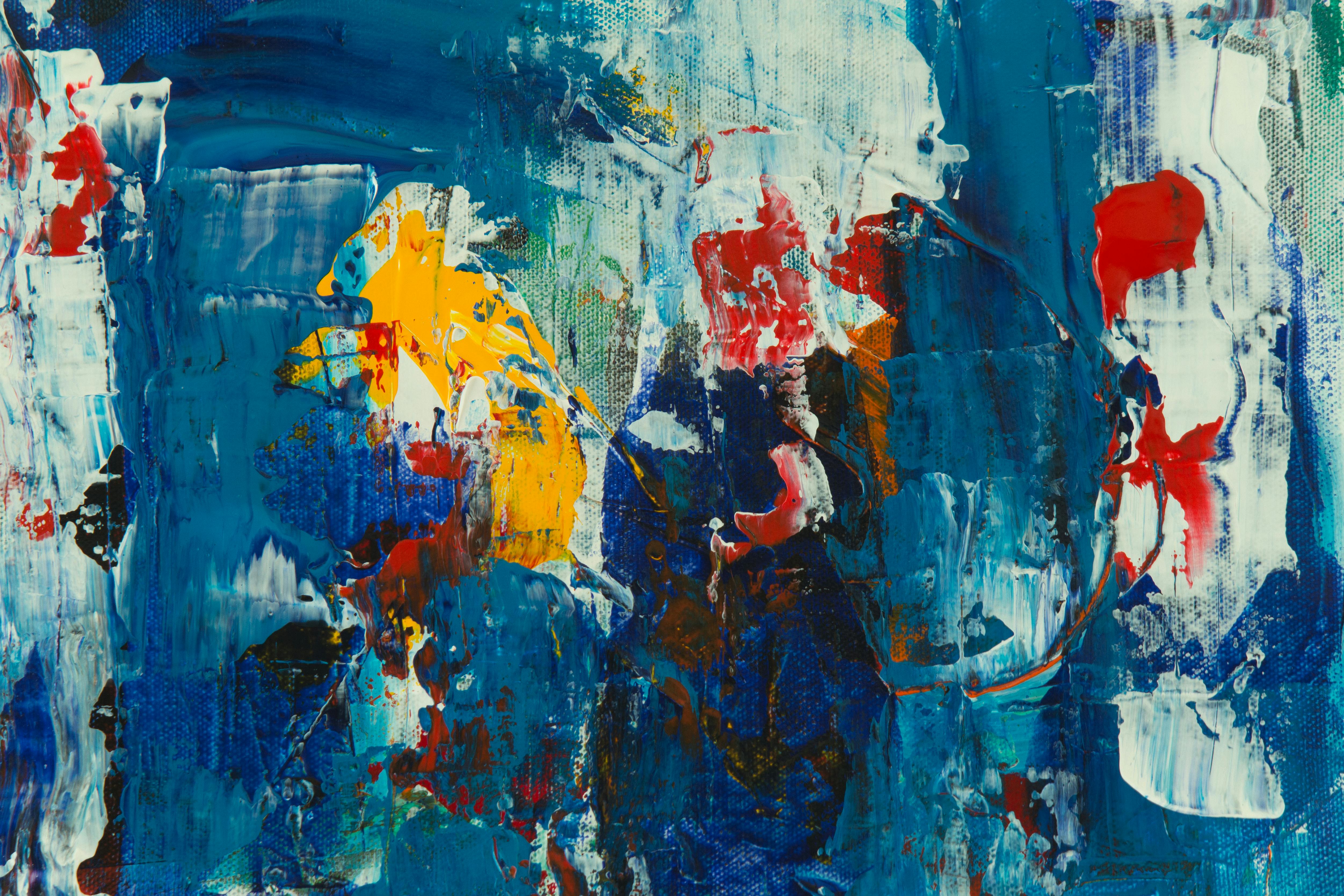
- Abstract Expressionism (c. 1940s-1950s): The Gesture is Everything. After World War II, the center of the art world shifted decisively to New York. This is where the idea of the artist as a lone, heroic genius reached its peak. In Abstract Expressionism, the canvas became an arena for pure, spontaneous emotion. For Jackson Pollock, this meant dripping and splattering paint in a physical, trance-like dance. For Mark Rothko, it meant enveloping the viewer in vast, pulsating fields of color that conveyed profound spiritual and emotional weight. The painting wasn't a picture of something; it was a direct record of the artist's inner state, a pure, subjective experience.
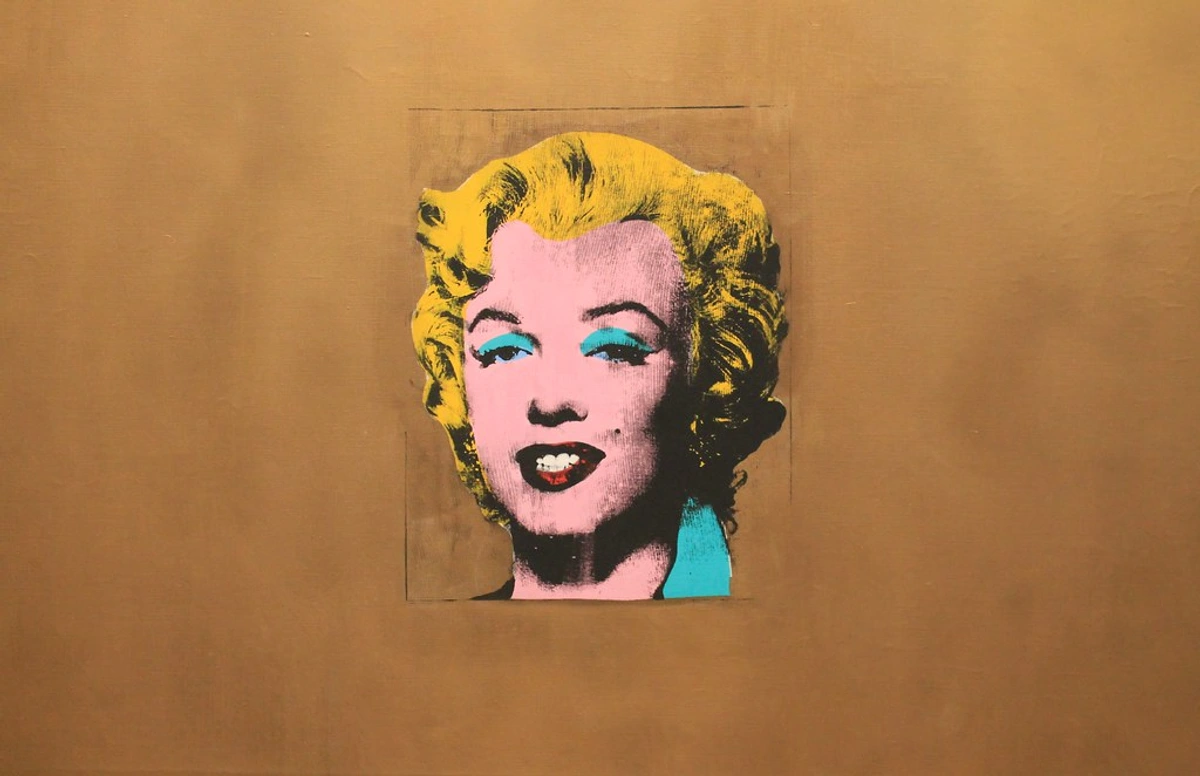
- Pop Art & Minimalism (c. 1950s-1960s): The Cool Down. By the 1960s, two very different movements challenged the emotional theatrics of Abstract Expressionism. Pop Art, with figures like Andy Warhol and Roy Lichtenstein, turned its gaze outward to the burgeoning consumer and media culture. It celebrated—and subtly critiqued—the world of soup cans, comic strips, and celebrity icons, famously blurring the lines between high art and popular culture. At the same time, Minimalism (with artists like Donald Judd and Sol LeWitt) pushed the formal investigation to its most extreme conclusion. They rejected personal expression entirely, creating stark, geometric, often machine-made objects that were simply themselves. It was the ultimate statement of "art for art's sake," leaving no room for narrative, emotion, or the artist's "hand." It ushered in a whole new set of questions: What makes a painting a painting? Is it colour, line, the artist's gesture? Can we strip it down to its essential bones and still call it art? Think of the wild brushstrokes of the Impressionists, capturing fleeting moments of light; the fragmented, multi-angled views of Cubism, showing us objects from all sides at once; the raw, psychological emotion of Expressionism; or the pure abstraction of artists like Piet Mondrian, reducing art to its fundamental elements of line and color. They were revolutionary! I mean, imagine seeing a Mondrian for the first time in 1914. Your mind would be blown. Mine still is, frankly.
It's impossible to discuss modern art without acknowledging the radical shift caused by developments like psychoanalysis, driven by Freud, which encouraged artists like the Surrealists to mine their subconscious. Similarly, breakthroughs in materials and techniques – such as the invention of the metal paint tube allowing for plein-air painting, or the use of industrial materials by Cubists – fundamentally shaped the evolution of artistic expression.
The Core Beliefs of Modernism
This whirlwind tour of movements shows that modern art wasn't a single, unified style. It was a collection of radical experiments held together by a shared set of core philosophical beliefs. Before we move on, let’s boil down this philosophy into a few key principles. It helps to see the thread that connects an Impressionist landscape to a giant, splattered canvas by Jackson Pollock. They might not look alike, but they're often driven by similar ideas:
- The Cult of the New: The most profound belief was that art had to be of its time. It had to reflect the radical changes of the modern world—the speed of trains, the rise of the metropolis, new scientific theories—and actively reject the old ways of seeing. This quest for newness often meant making a deliberate and radical break from the conventions of academic art.
- Art for Art's Sake: Modern artists pushed back against art having to tell a story or teach a moral lesson. They believed the form of the work—its colours, shapes, and composition—could be a source of meaning all on its own. A painting didn't need to be about anything other than being a painting. It was a profound shift from narrative to purely visual or emotional experience.
- The Avant-Garde: This term, borrowed from the military, refers to the "advance guard" of artists who saw themselves as pioneering a new future. They weren't just making art; they were on the front lines of cultural progress, often shocking the public in the process. They believed their work was a form of cultural evolution. This often created a split between "high art," seen as intellectually demanding, and popular culture.
- The Artist as Visionary: The modernist artist was often seen as a lone genius, a profound individual with a unique vision. Their personal feelings, their subjective experience, became the primary content of the artwork. As Mark Rothko famously said, he wasn't interested in the relationship of colour or form; he was interested "only in expressing basic human emotions." This cult of the individual creator still profoundly shapes our understanding of artistic genius today.
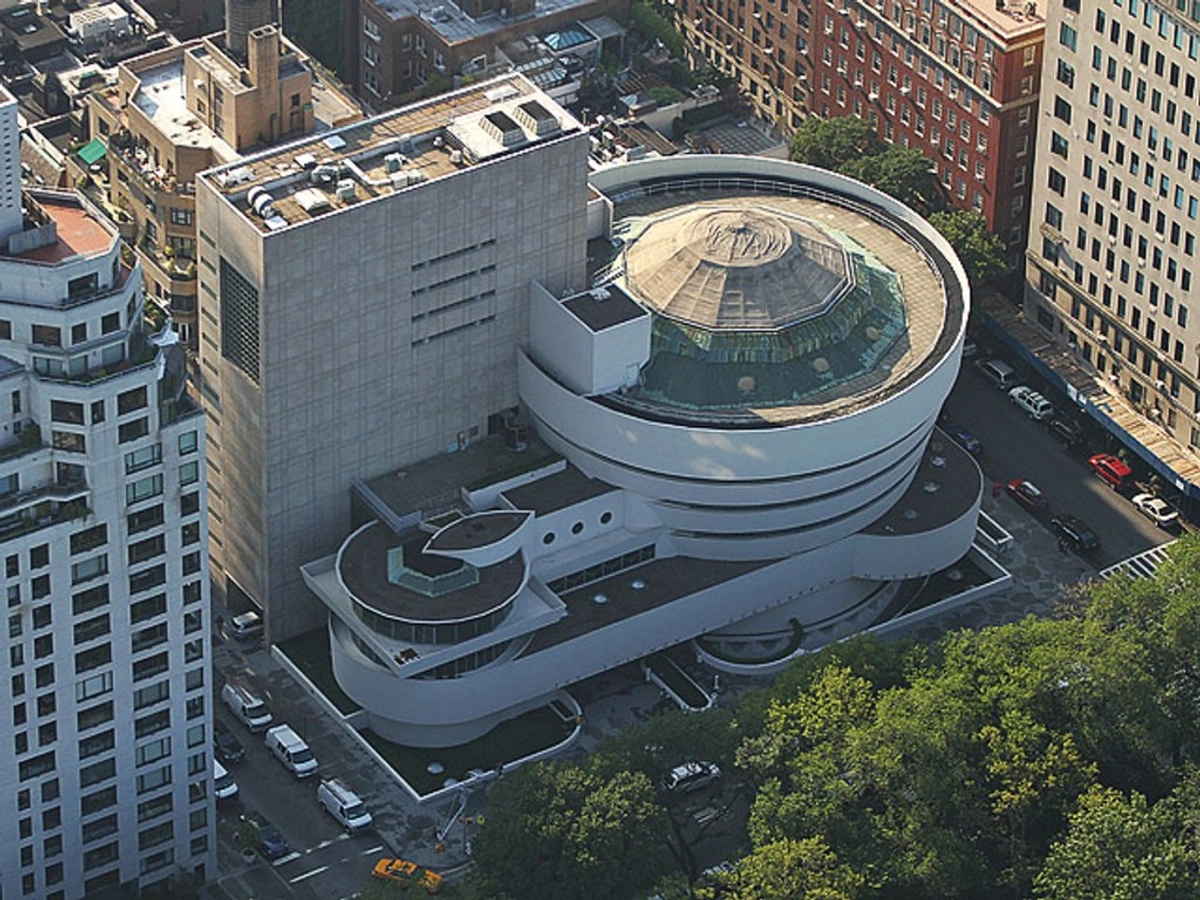
credit, licence
This era also gave us the wonderfully chaotic spirit of Dadaism, born from the absurdity of World War I, which asked if logic and reason had any place in a world that could create such carnage. Then came the dreamscapes of Surrealism, delving into the subconscious mind with a fervour previously reserved for religion. After the Second World War, the focus shifted to America. The powerful, raw energy of Abstract Expressionism (think Jackson Pollock and Mark Rothko) turned the canvas into an arena of pure emotion. This was followed by the cool detachment of Minimalism, which pushed the idea of "art for art's sake" to its endpoint, presenting geometric objects that were simply themselves. Finally, the bold statements of Pop Art (hello, Warhol!), critiqued and celebrated the new consumer culture, blurring the lines between high art and the everyday.
Each movement fiercely pushed boundaries, questioning what art could be and how it should look. It was, in essence, about crafting a 'new' kind of art for a 'new' world, one grappling with unprecedented change and uncertainty. The market evolved too, with the rise of influential art critics like Clement Greenberg, who championed formalism, and the emergence of powerful commercial art galleries in cities like New York, solidifying its status as the new center of the art world.
Contemporary Art: The Ever-Evolving Present (Roughly 1970s-Present)
Now, let's fast forward a bit. If Modern Art was the rebel, Contemporary Art is... well, it's less about rebellion against past artistic traditions and more about reflecting our own complex, interconnected, and often bewildering world. This period generally picks up around the 1970s and continues right up to this very moment. When I visit a contemporary gallery, I often feel like I'm stepping into a giant conversation about identity, globalization, technology, politics, and the environment. The forms are incredibly diverse – you’ll see everything from installations, video art, performance art, and digital creations, to traditional painting and sculpture, but often with a conceptual twist. It’s less about a singular style and more about the idea, the commentary, the experience. You might even walk away scratching your head, and that’s often the point – it’s meant to provoke thought, not just provide aesthetic pleasure.
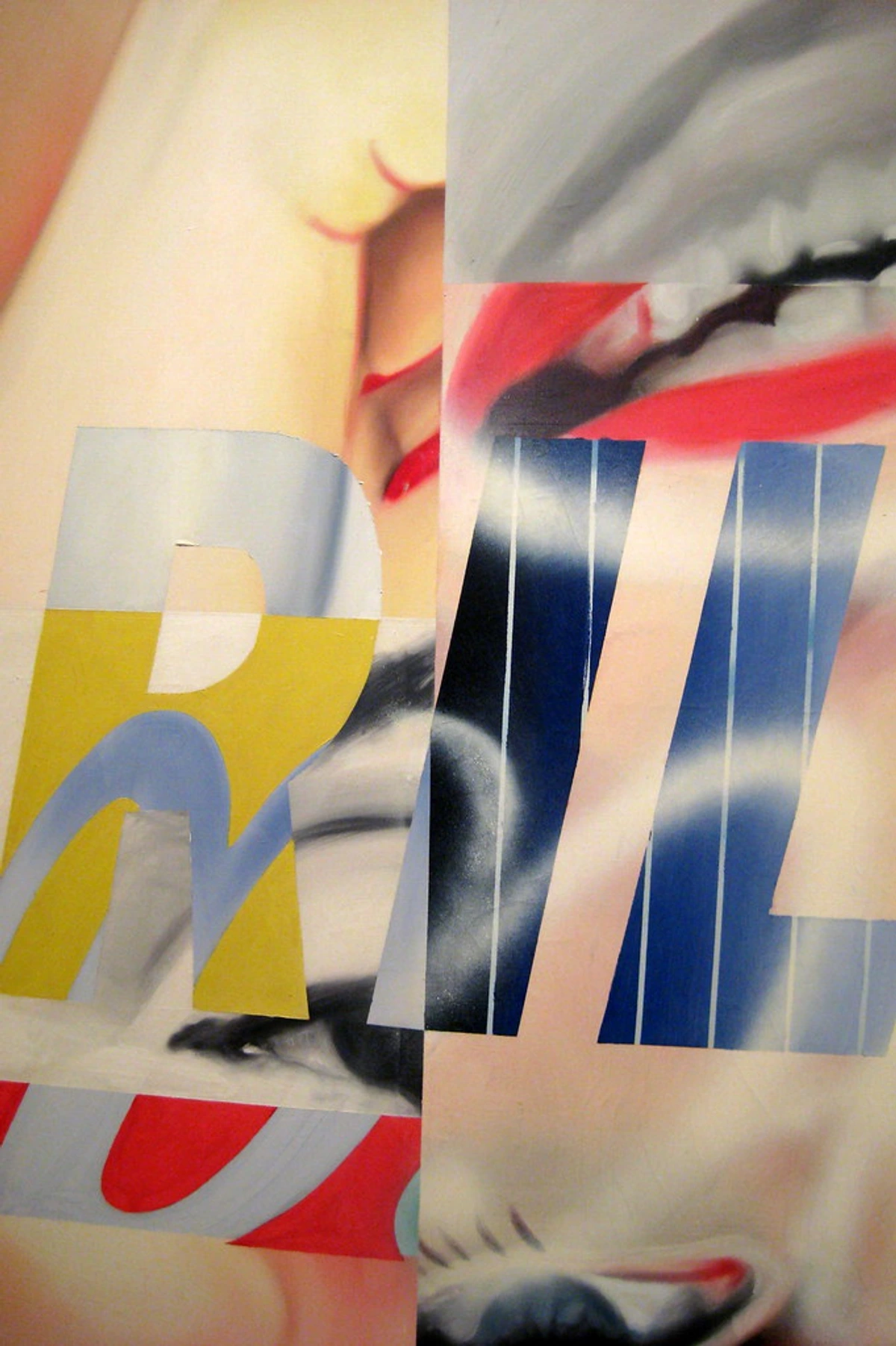
This shift was heavily influenced by the cultural critiques of Postmodernism, a school of thought that emerged in the mid-20th century. If Modernism was about finding universal truths, Postmodernism was skeptical of grand narratives altogether. Thinkers like Jean Baudrillard and Michel Foucault questioned the nature of reality, authorship, and power structures. In art, this translated to a rejection of the "lone genius" model. Artists began to see themselves less as unique visionaries crafting a "new" universal art, and more as commentators, researchers, and collaborators working within a complex, already-existing cultural landscape. Humor, irony, appropriation, and pastiche became common tools, reflecting a world saturated with media and advertising. This is the intellectual soil from which what we now call contemporary art truly grew.
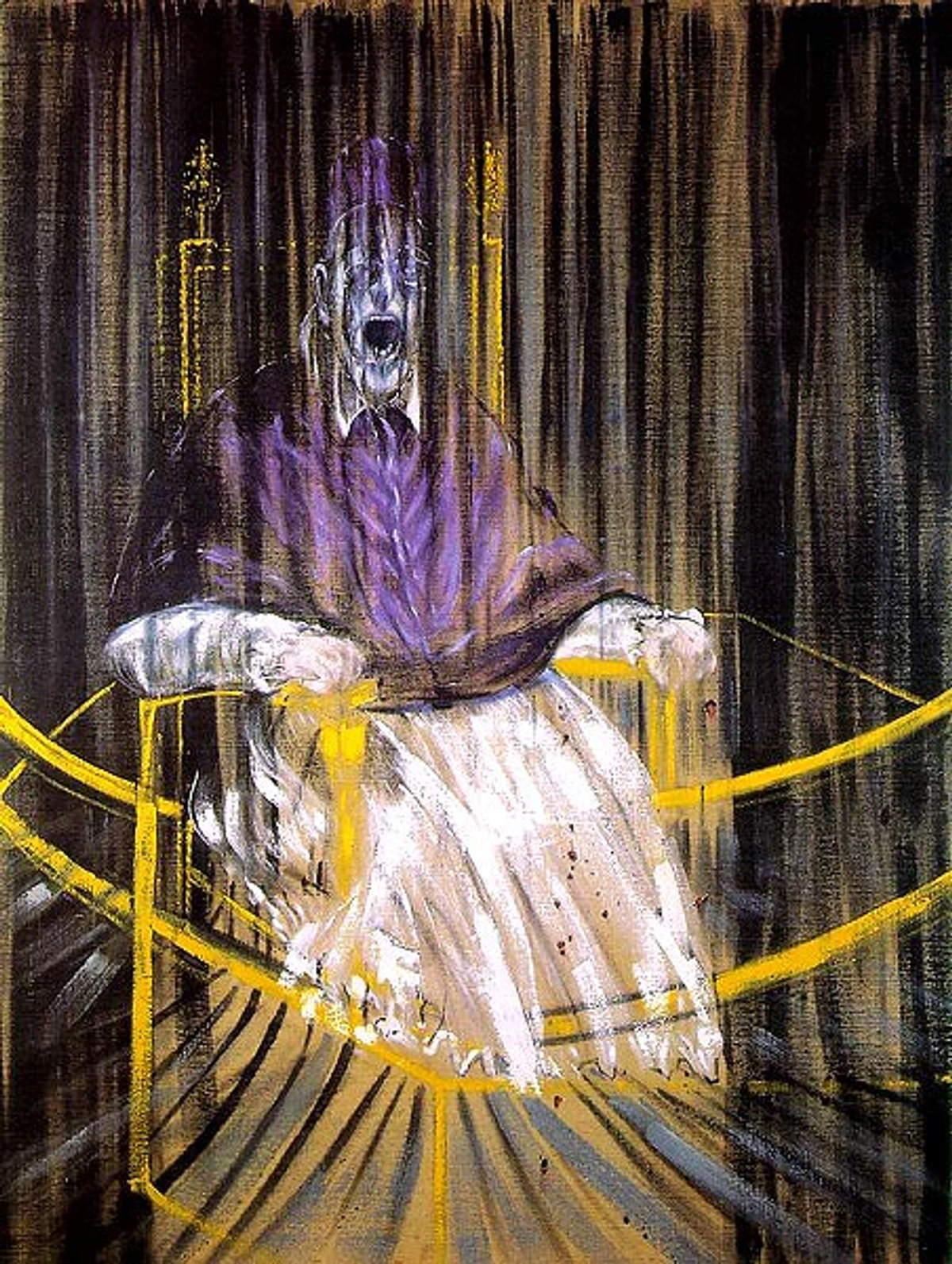
It's also defined by its skepticism of originality. Where a modernist artist might have sought to create something entirely new, a contemporary artist might 'remix' existing imagery, styles, and cultural artifacts. This approach, sometimes called 'appropriation,' suggests that in our hyper-connected world, true originality is a myth. We're all just sampling and recombining the vast library of images and ideas that already exist, whether from art history, advertising, or TikTok.
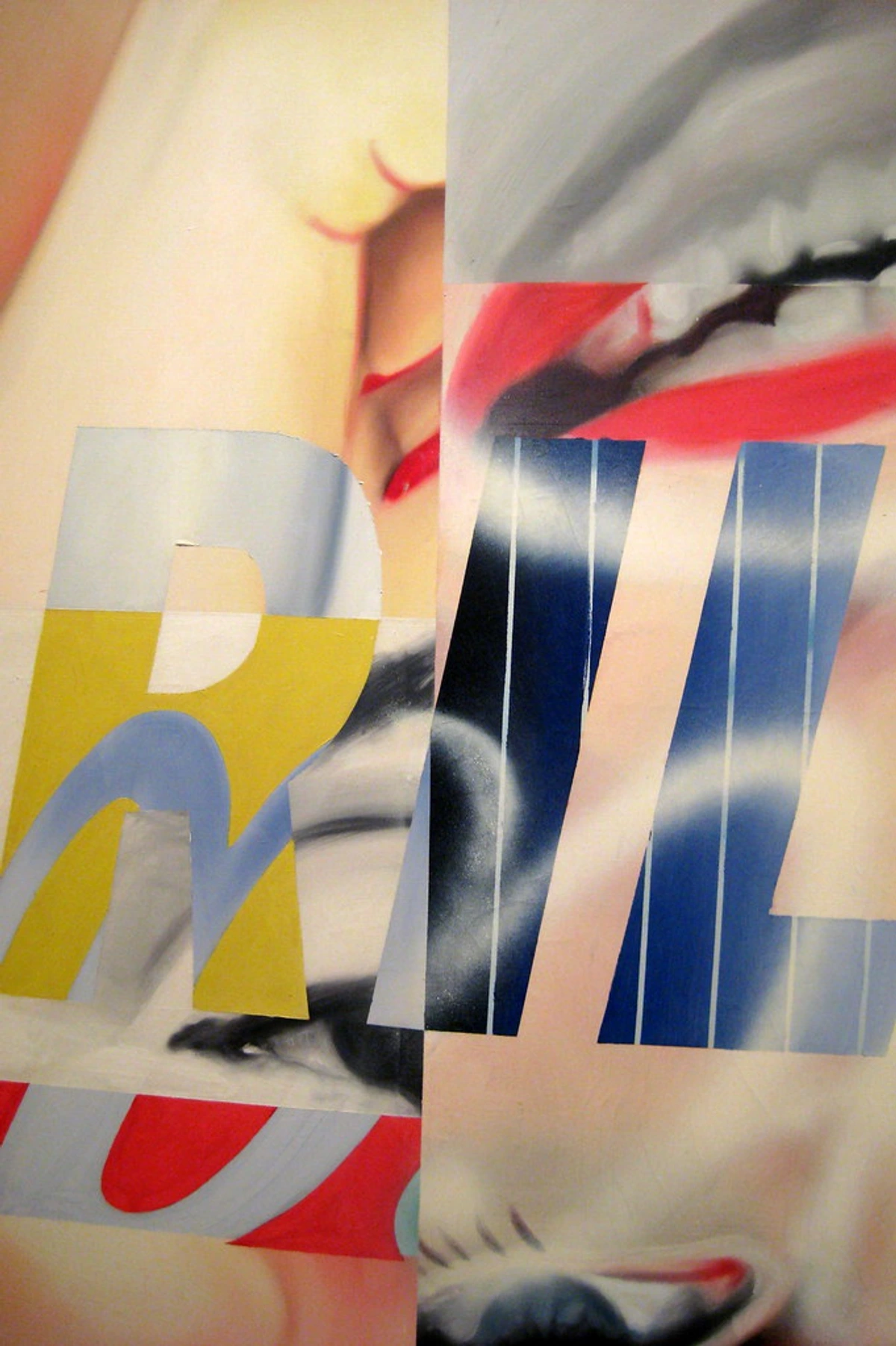
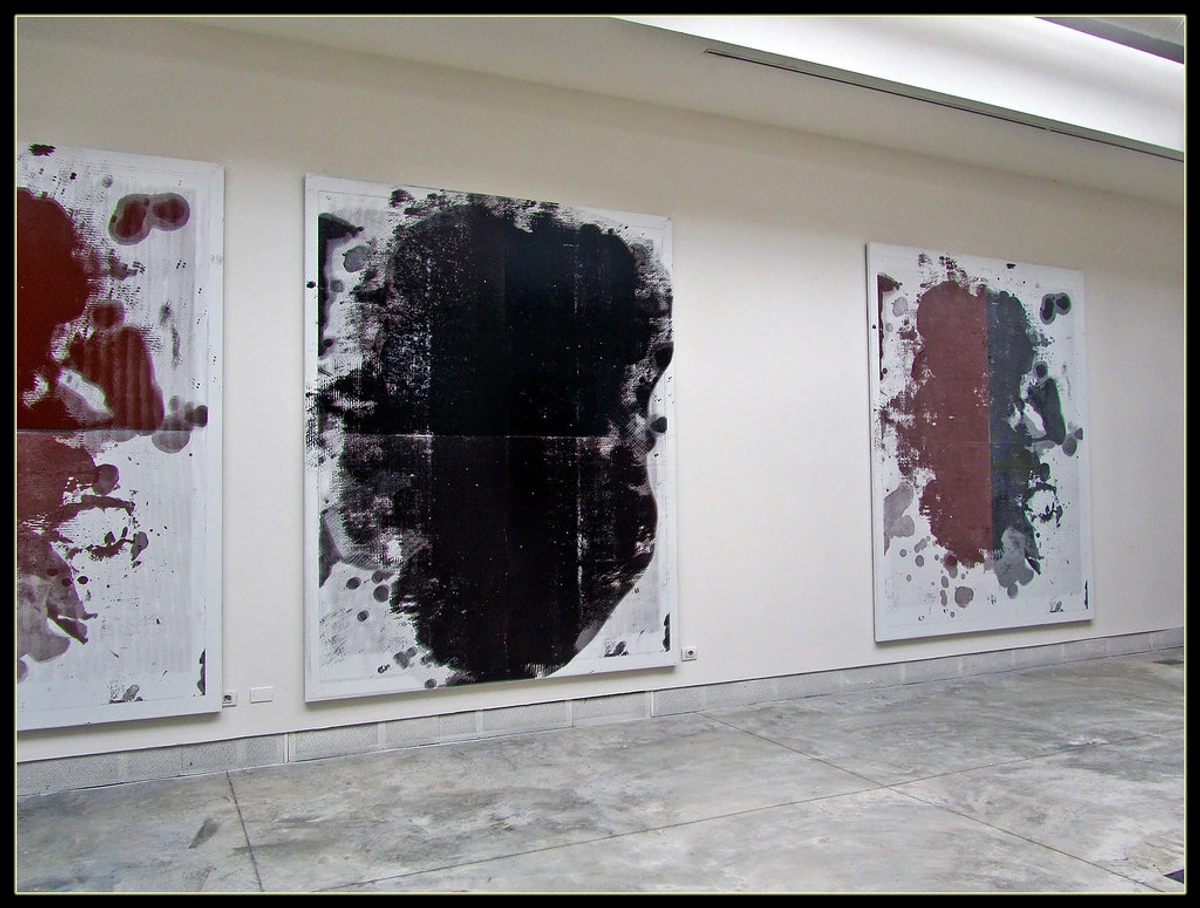
Christopher Wool, Untitled (Riot), 1990, CC BY-NC-ND 2.0
Landmark Movements and Key Figures
The landscape of contemporary art is vast, but a few landmark movements and key artists help to map its contours. It's important to remember that contemporary art doesn't have clear "movements" in the way modern art did. These are more like major currents or themes that many artists have explored.
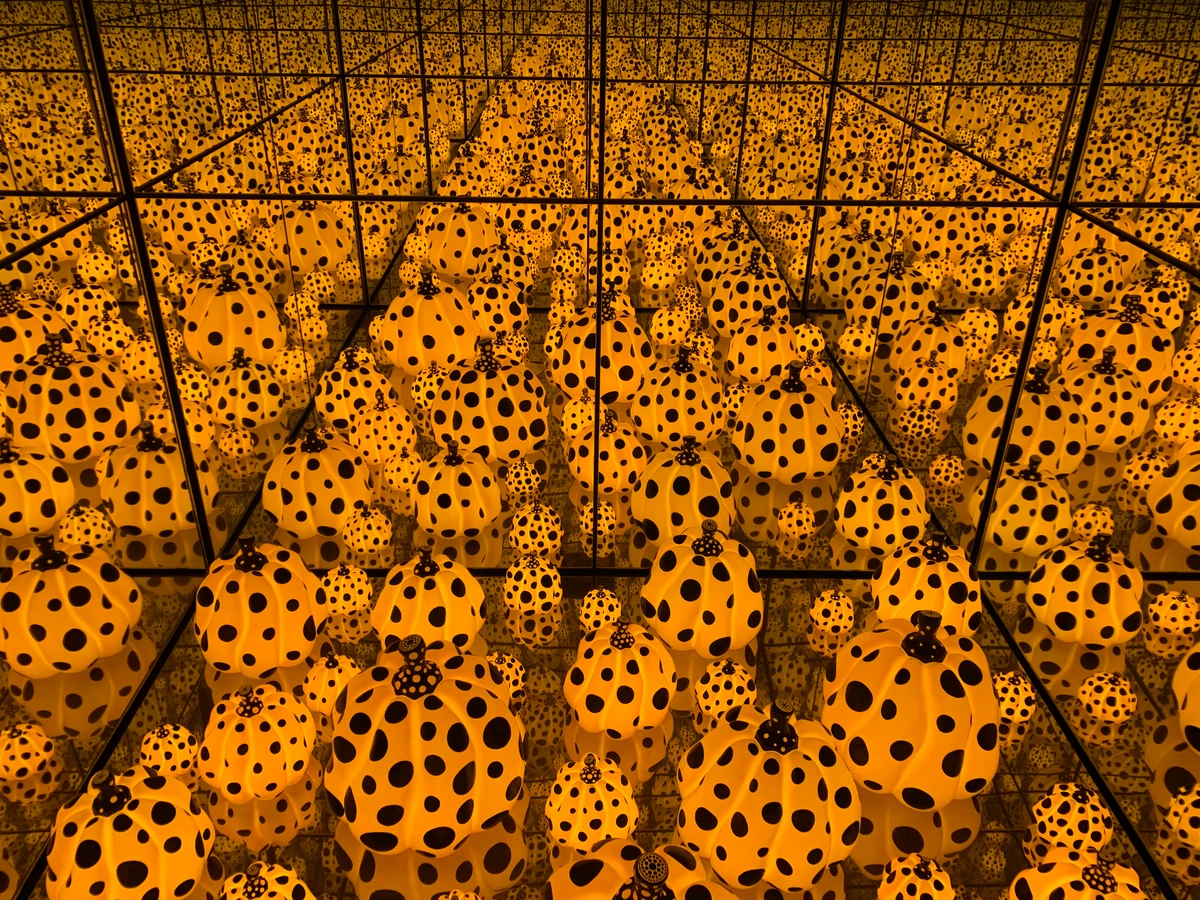
- The Conceptual Leap: The transition is perhaps best embodied by artists like Yayoi Kusama. Her early work in the 1960s, with its repetitive patterns and performance art, was a radical part of the Pop Art and Feminist Art movements. Today, her "Infinity Mirror Rooms" have become a cultural phenomenon, but their power lies in the same concerns: obsession, the dissolution of self, and infinite space. She represents a direct bridge connecting the experimentation of late modernism to the immersive, experiential nature of the contemporary.
- Deconstructing Politics & Identity: This is arguably one of the biggest themes in contemporary art. As grand narratives of universalism fell away, artists began to focus on specific, often marginalized, identities and political realities. Artists like Ai Weiwei use their work as a form of direct political commentary. By incorporating ancient artifacts or mass-produced objects, he critiques China's history, political repression, and the loss of individual freedom. His art is inseparable from his activism. Similarly, the rise of identity politics in the 1980s and 1990s led to powerful work from artists like Kara Walker, whose silhouettes tackle the history of slavery and racism, and Cindy Sherman, who uses photography to deconstruct female stereotypes perpetuated by film and media. This exploration of identity—racial, sexual, gender, national—is a central engine of contemporary art, giving voice to previously excluded perspectives.
- The Body as Material: Performance art, pioneered in the modernist era by movements like Futurism and Dada, truly came into its own as a major medium in the contemporary period. Marina Abramović has spent decades using her own body as a canvas to test the limits of human endurance and connection. Her work, The Artist is Present, where she sat silently opposite museum visitors for hours, became a landmark of relational aesthetics—art focused on human interaction.
- Market Critique and Spectacle: Beginning in the late 1980s, the Young British Artists (YBAs), with Damien Hirst as their de facto leader, changed the game. Their work was brash, sensational, and unapologetically plugged into the art market. Hirst's shark suspended in formaldehyde (The Physical Impossibility of Death in the Mind of Someone Living) became an icon of the era. They used shocking materials and concepts to critique consumerism, death, and fame, while simultaneously becoming the most prominent—and expensive—products of the very system they commented on. It was a new, deeply ironic relationship between art, money, and media.
- Artists keep pushing boundaries: Even when working in traditional media, artists like Christopher Wool feel distinctly contemporary. His text paintings play with language and perception, often obscuring meaning just as you feel you've grasped it. It's raw, relevant, and sometimes delightfully uncomfortable—a direct reflection of us, in all our messy glory, right now.
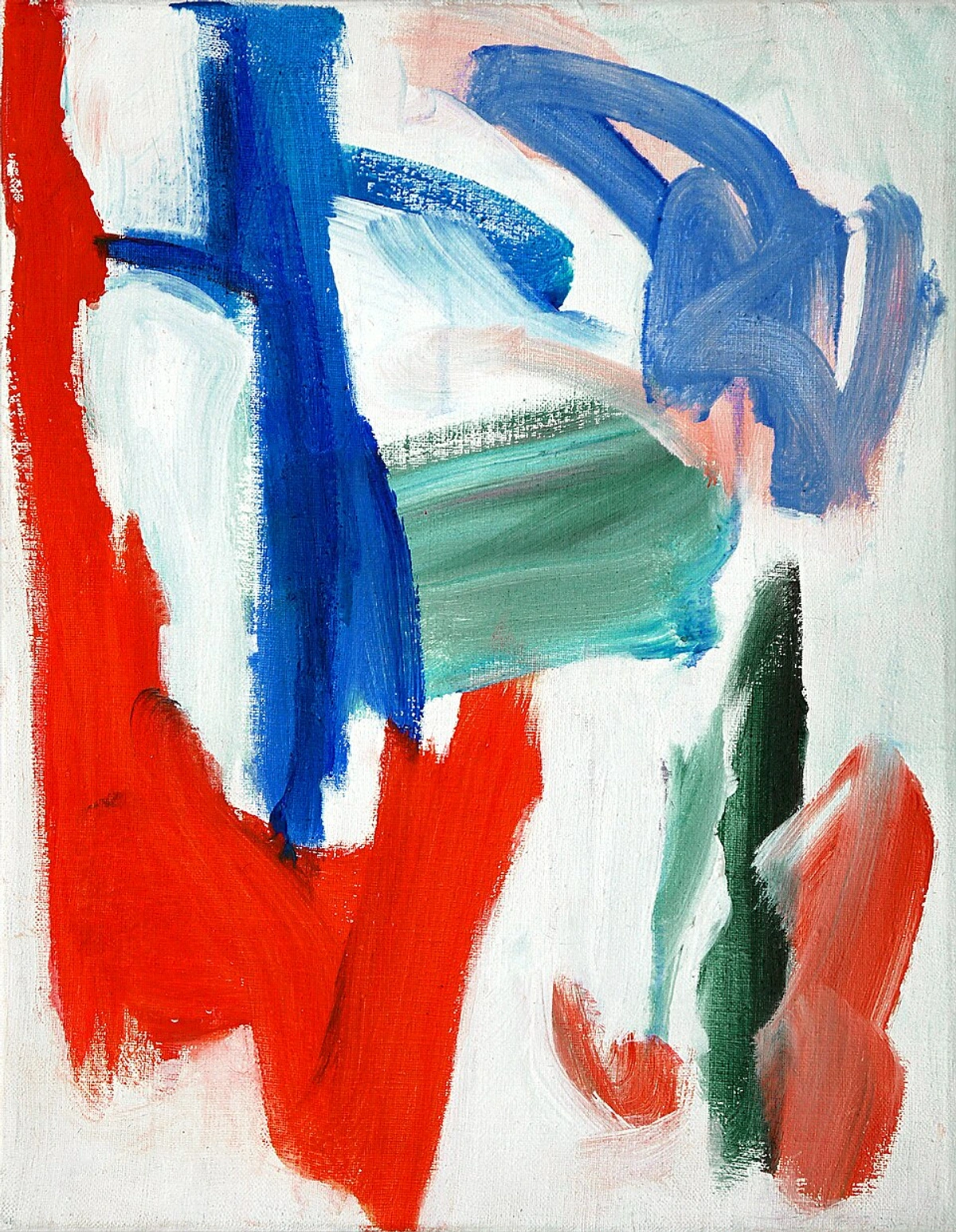
The Snapshot: A Side-by-Side Comparison
So, to boil it down, if you're ever caught in that 'which is which?' moment, here’s my cheat sheet. It’s not foolproof, because art loves to defy neat categories (and honestly, that’s why I love it!), but it's a good starting point for our coffee shop chat.
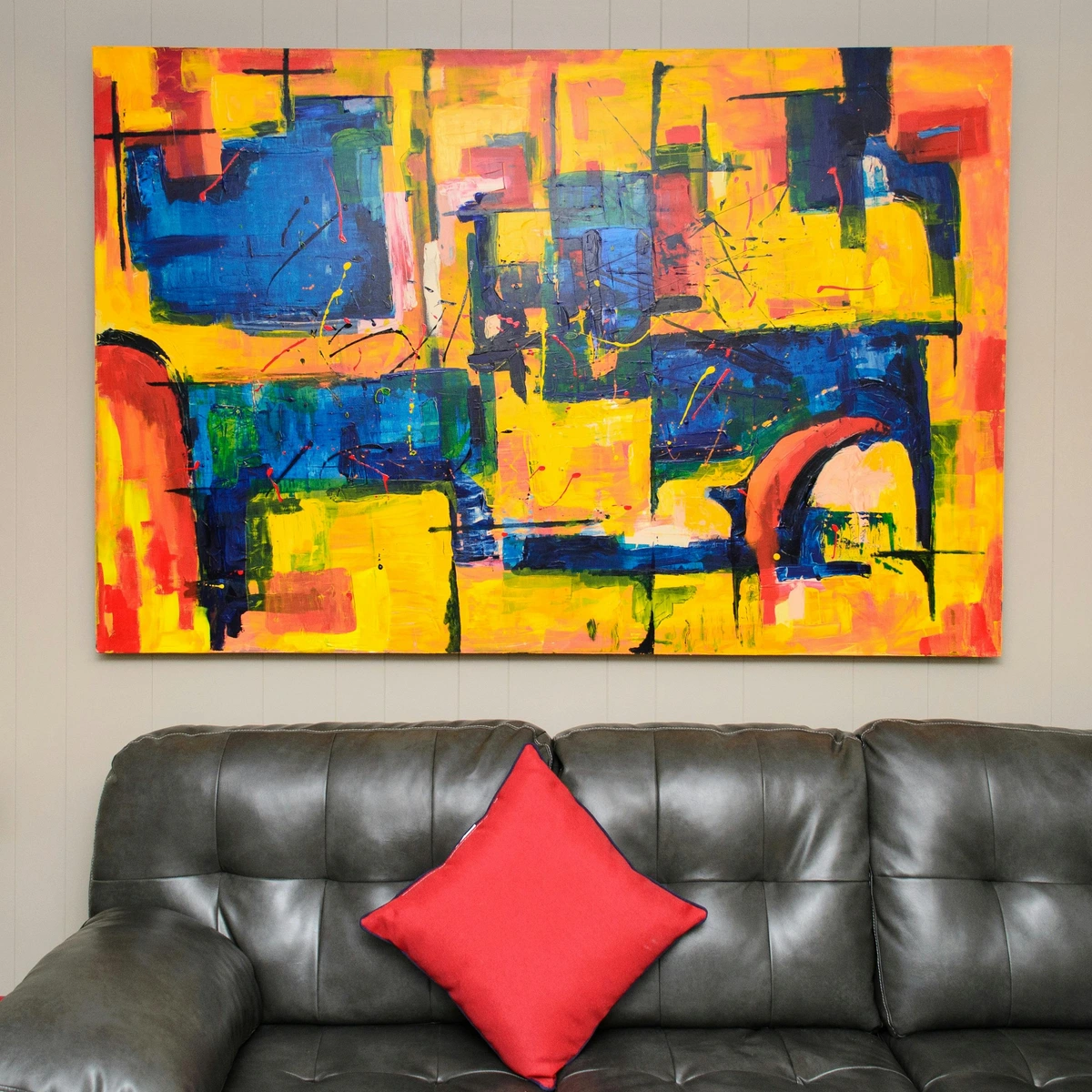
At a Glance
Feature  | Modern Art (approx. 1860s-1970s) | Contemporary Art (approx. 1970s-Present) |
|---|---|---|
| Timeline | Late 19th century to the 1970s. | Mid-1970s to the present day. |
| Philosophy | Broke from tradition, sought new universal ways of seeing/depicting the world. | Questions universal truths, reflects current societal issues, is often conceptual, global, and diverse. |
| Focus | Innovation, formal experimentation (color, line, form), the artist's inner world, creating a new visual language. | Social commentary, identity, globalization, technology, the environment, process, and viewer experience. |
| Mediums | Primarily painting, sculpture, printmaking. | Anything and everything: installation, video, performance, digital art, virtual reality, mixed media, bio-art, traditional painting, and more. |
| Artist Role | The artist as a visionary creator, a lone genius expressing their unique, subjective view. | The artist as a researcher, a commentator, a collaborator, or an instigator. Often questions the very idea of authorship. |
| Viewer Role | Primarily to look, contemplate, and appreciate the formal qualities of the work. | Often an active participant whose interaction or presence completes the artwork. |
| Key Feeling | Revolutionary, utopian, formal, emotionally intense, often seeking an objective truth or a pure subjective experience. | Provocative, skeptical, open-ended, diverse, and engaged with the specific contemporary moment. |
This table is a great starting point, but it's only half the story. The true magic lies in understanding why this shift happened. What changed in the world that made artists move from exploring the flatness of a canvas to exploring the depths of identity, or from celebrating the machine age to critiquing the digital age? The answer lies in the massive technological and global shifts that occurred in the late 20th century, fundamentally altering the context in which art is made and seen.
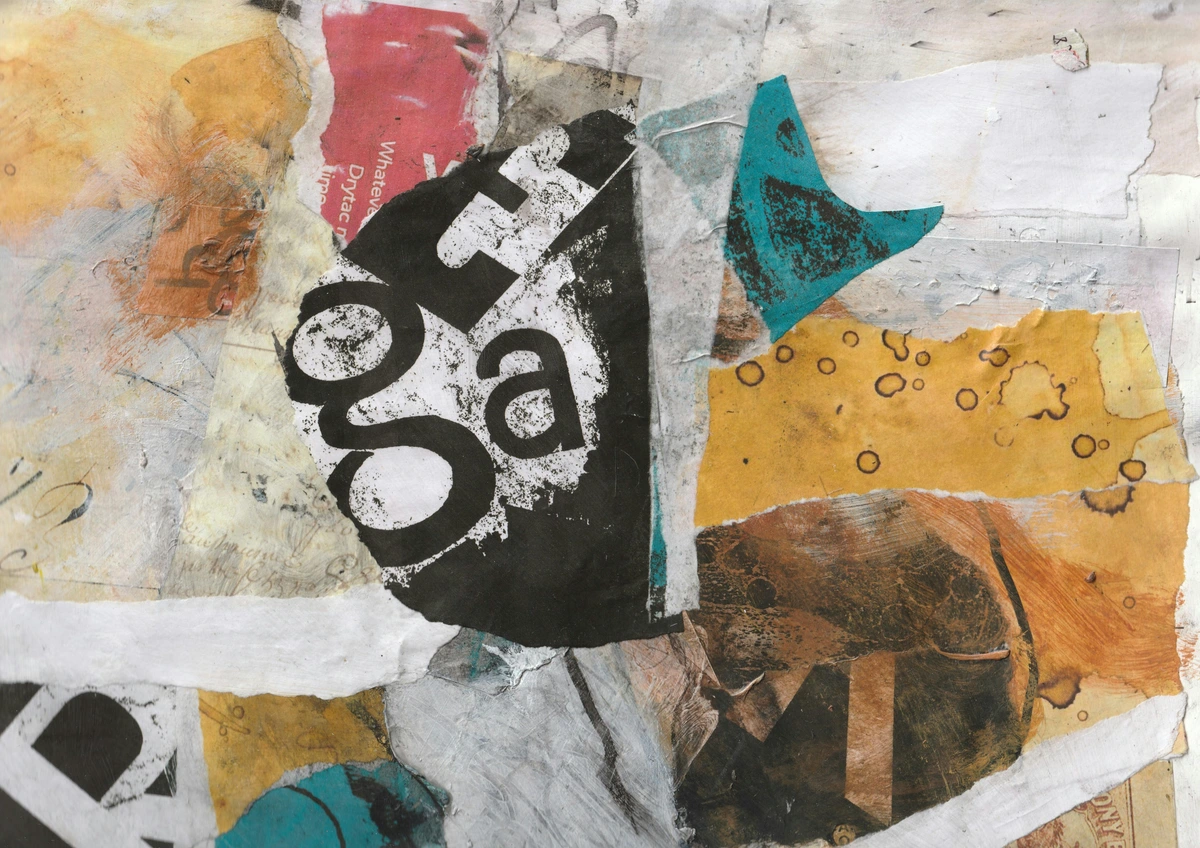
Why Does This Distinguishing Act Actually Matter? A Personal Take
You might be thinking, 'Okay, I get it now, but why should I care? It still feels like academic hair-splitting.' And that's a fair reaction. For me, understanding the difference isn't about building up an arsenal of trivia to sound smart at a gallery opening. It's about deepening your appreciation, seeing the lineage of ideas, and recognizing the continuous conversation that artists have been having across centuries. It helps you contextualize what you're looking at, whether it's an abstract piece from a century ago or something made last year that feels like it’s screaming about today’s headlines.
It’s like understanding the history of music – knowing the roots of jazz helps you appreciate how it influenced rock, and how rock influenced hip-hop. Suddenly, you don't just hear a song; you hear an entire lineage of innovation and rebellion. That lineage, that back-and-forth across time, is what makes art feel alive. It enriches the entire experience, transforming it from passive viewing into an engaged dialogue.
Think about it this way: a modernist painting might ask you to contemplate color, form, or the artist's state of mind. A contemporary artwork might ask you to consider your own role in globalization, your complicity in climate change, or how you construct your identity online. Both are valid questions, but they’re directed at different parts of the human experience. One is an exploration of the medium and the self; the other is an exploration of the self in relation to the world. That subtle but profound shift is what these terms are truly pointing to. It enriches the entire experience, transforming it from passive viewing into an engaged dialogue. It certainly informs my own work, allowing me to draw on the formal innovations of modernism while trying to infuse it with questions and textures that feel uniquely ours today. If you're curious about my journey, you can always check out my timeline or see some of my art for sale.
This intellectual shift is the key. It explains why a minimalist sculpture from 1968 and a social media-inspired installation from 2023 both fall under 'contemporary art.' They're not part of a unified style; they're both responses to the same complex, globalized, and media-saturated world, even if their materials and messages are worlds apart.
For example, when you see a modernist painting focused on geometric form, you can appreciate its revolutionary ambition. But when you see a contemporary artwork that plays with illusion and space, you can recognize it's likely in conversation with different ideas—perhaps critiquing how digital environments have altered our perception. Knowing the difference allows you to be a more active and insightful participant in that conversation.
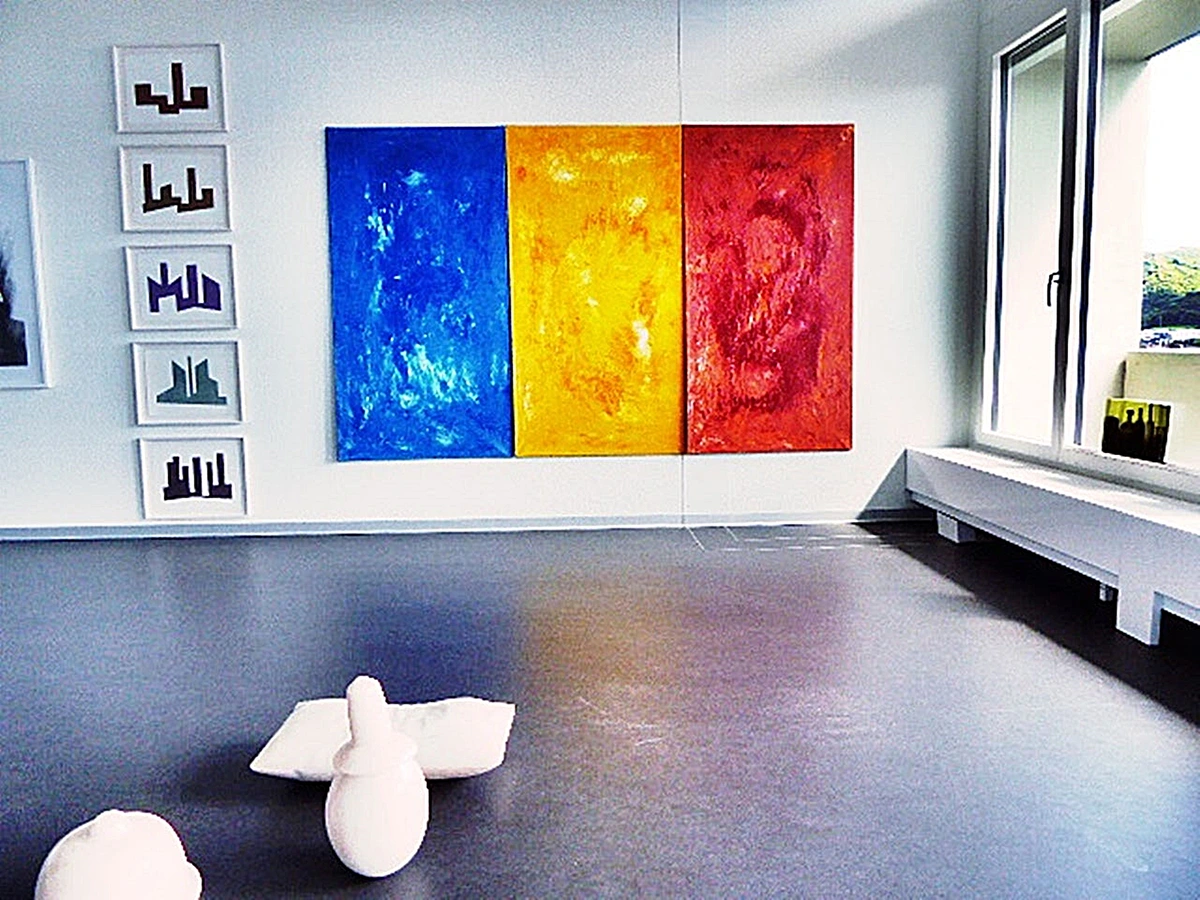
It also makes visiting a museum, like the one in Den Bosch, a much richer experience. You start to see the connections, the reactions, the subtle shifts over time, and you realize the dialogue never truly stops.
One of the most exciting aspects of contemporary art is its sheer global reach. We're no longer confined to a Eurocentric viewpoint; artists from Latin America, Africa, and Asia are now essential voices, contributing their unique cultural and social perspectives, challenging and enriching the global art conversation in ways that were unimaginable just a few decades ago. This shift is a cornerstone of what makes the contemporary art world so vibrant and essential today.
It also makes visiting a museum, like the one in Den Bosch, a much richer experience. You start to see the connections, the reactions, the subtle shifts over time, and you realize the dialogue never truly stops. If you're curious about how these rich historical threads weave into my own contemporary practice, you can always check out my timeline or see some of the resulting art for sale.
The Roots of Rebellion: What Came Before Modern Art?
Before we jump into the noise of Modernism, let's pause for a second. You can't understand a rebellion if you don't know what it was rebelling against. For centuries, European art largely orbited around the grand academies. Think mythological scenes, religious tableaus, and flawless portraits of nobility. It was art in service of power, prestige, or piety, guided by a strict hierarchy of genres. I sometimes imagine these artists as virtuoso musicians, flawless in their performance, yet tied to a rigid classical score. This period, termed 'academic art', is the starting line for understanding the seismic shift modern art would spark. The French Academy, in particular, established a system where history painting—depicting classical, religious, or mythological narratives—was considered the pinnacle of artistic achievement, far above genres like portraiture or landscape. This wasn't just about style; it was a whole worldview, promising objective beauty, moral instruction, and the celebration of established power.
The First Cracks in the Foundation
Then, in the mid-19th century, something began to stir. It wasn't a bang, but more of a series of cracks forming in a dam the academies had spent centuries building.
- Realism: With artists like Gustave Courbet, this movement began challenging the hierarchy head-on. Why paint gods and kings, they argued, when you could paint the unflinching reality of rural workers and the everyday? Courbet's A Burial at Ornans, a massive canvas depicting a mundane provincial funeral, was a direct provocation to the Academy's preference for heroic and noble subjects. It was a quiet but deliberate pivot, shifting focus from idealized fantasy to the tangible, sometimes gritty, world. This wasn't yet the explosion, but the smoldering fuse of change. It marked a profound philosophical shift: art could be a tool for depicting the truth of the here and now, not just the myths of the past.
- The Impact of Photography: This invention created an identity crisis for painting overnight. If a machine could capture reality perfectly in a fraction of a second, what was the point of spending months on a hyper-realistic portrait? I often wonder about the sheer panic in some artist studios back then. But for the forward-thinking, it was a moment of profound liberation. This new question—"If a machine can capture the outside world, what's the job of the artist?"—arguably became the primary catalyst for modern art. The answer lay beyond the surface: to venture where the camera couldn't—into emotion, memory, abstraction, and pure subjective experience. Artists were suddenly free to be something other than expert copyists of reality.
FAQ – Your Burning Questions, Answered
Ever found yourself in a debate on artspeak and needed a quick reality check? Here are some answers to the questions I get asked most often, coming straight from those slightly awkward but sincere conversations.
A quick tip before we dive in: the best answer in art is rarely the simplest one. If a question has a straightforward answer, it's probably not a very interesting question. The grey areas are where the real juice is.
On History and Definitions
Q: Is there an exact year where modern art ends and contemporary art begins? A: Oh, if only it were that simple! Art history, like life, is rarely that neat. While we often use the 1960s or 1970s as a rough dividing line, it's more of a gradual transition than a hard cut-off. Think of it as a spectrum rather than two distinct boxes. Some artists working in the 1960s might still feel very 'modern,' while others were already pushing into 'contemporary' territory.
For example, the rise of Pop Art in the 1950s and 60s is considered the last great 'modern' movement, yet it also planted many of the seeds for contemporary art by embracing media and consumer culture. The 1970s saw a real explosion of conceptual art, performance, and video, which felt very different from the painting-centric focus of high modernism. So, I'd say if you have to pick a point, the 1970s is a decent marker, but don't mistake it for a finish line.
For example, the rise of Pop Art in the 1950s and 60s is considered the last great "modern" movement, yet it also planted many of the seeds for contemporary art by embracing media and consumer culture. The 1970s saw a real explosion of conceptual art, performance, and video, which felt very different from the painting-centric focus of high modernism. So, I'd say if you have to pick a point, the 1970s is a decent marker, but don't mistake it for a finish line.
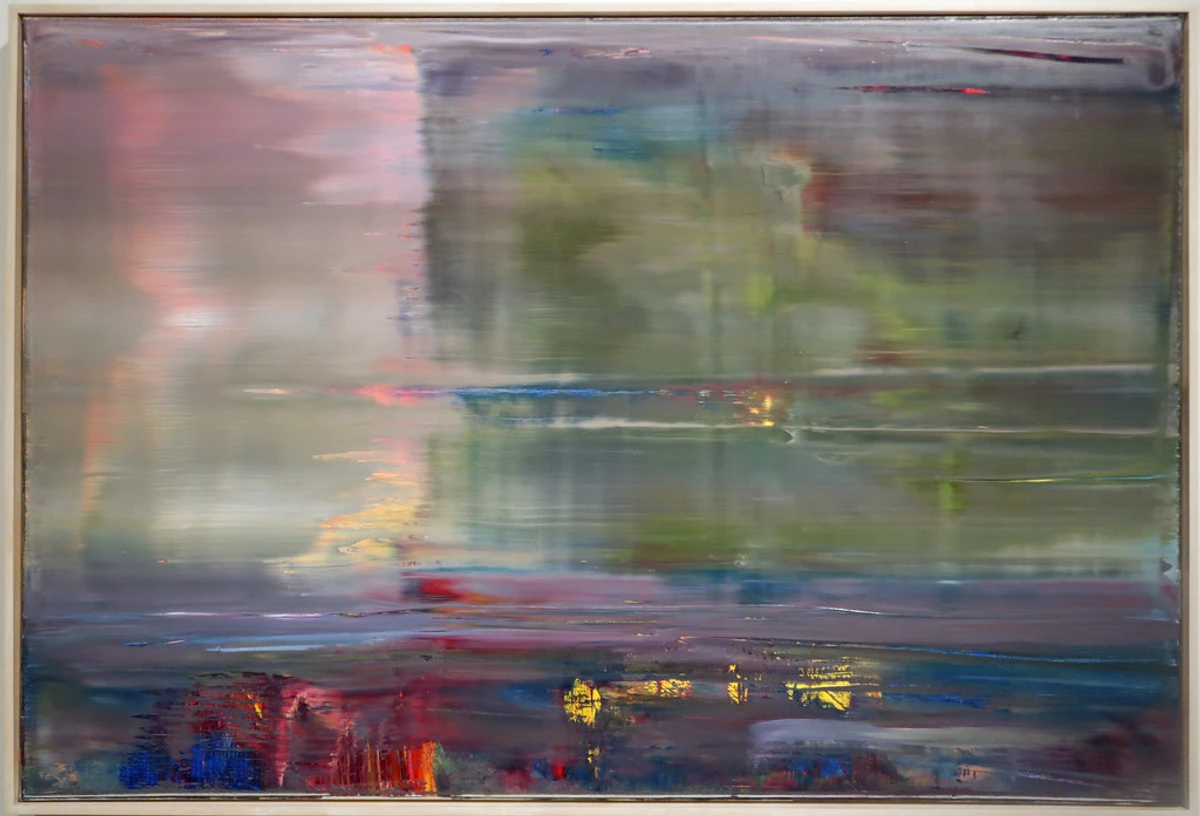
Q: Can a living artist create modern art? A: Technically, no, not in the art historical sense. 'Modern Art' refers to a specific historical period and its associated movements and philosophies. A living artist might be deeply influenced by modern art, or create works that look like modern art—some of my own work certainly has modernist influences—but if they're working today, their art falls under the umbrella of 'contemporary art.' It's about context and chronology, not just style. You can make a film today that looks like it's from the 1920s, but you'd still call it a 'contemporary film,' right? It's the same principle.
Think of it this way: a contemporary artist today might be a 'Neo-Expressionist' or a 'Neo-Minimalist,' harkening back to modernist styles. But their work is inevitably filtered through our current moment's concerns with technology, identity, and globalization. They are in dialogue with modernism, not creating it anew.
Q: Does 'abstract art' fit into both modern and contemporary categories? A: Absolutely! Abstract art was a huge part of the modern art movement, with pioneers like Kandinsky, Mondrian, and the Abstract Expressionists. But abstract forms and ideas continue to be explored by contemporary artists, often with new materials or conceptual approaches. So yes, you'll find abstraction in both, but the underlying intentions or contexts might differ.
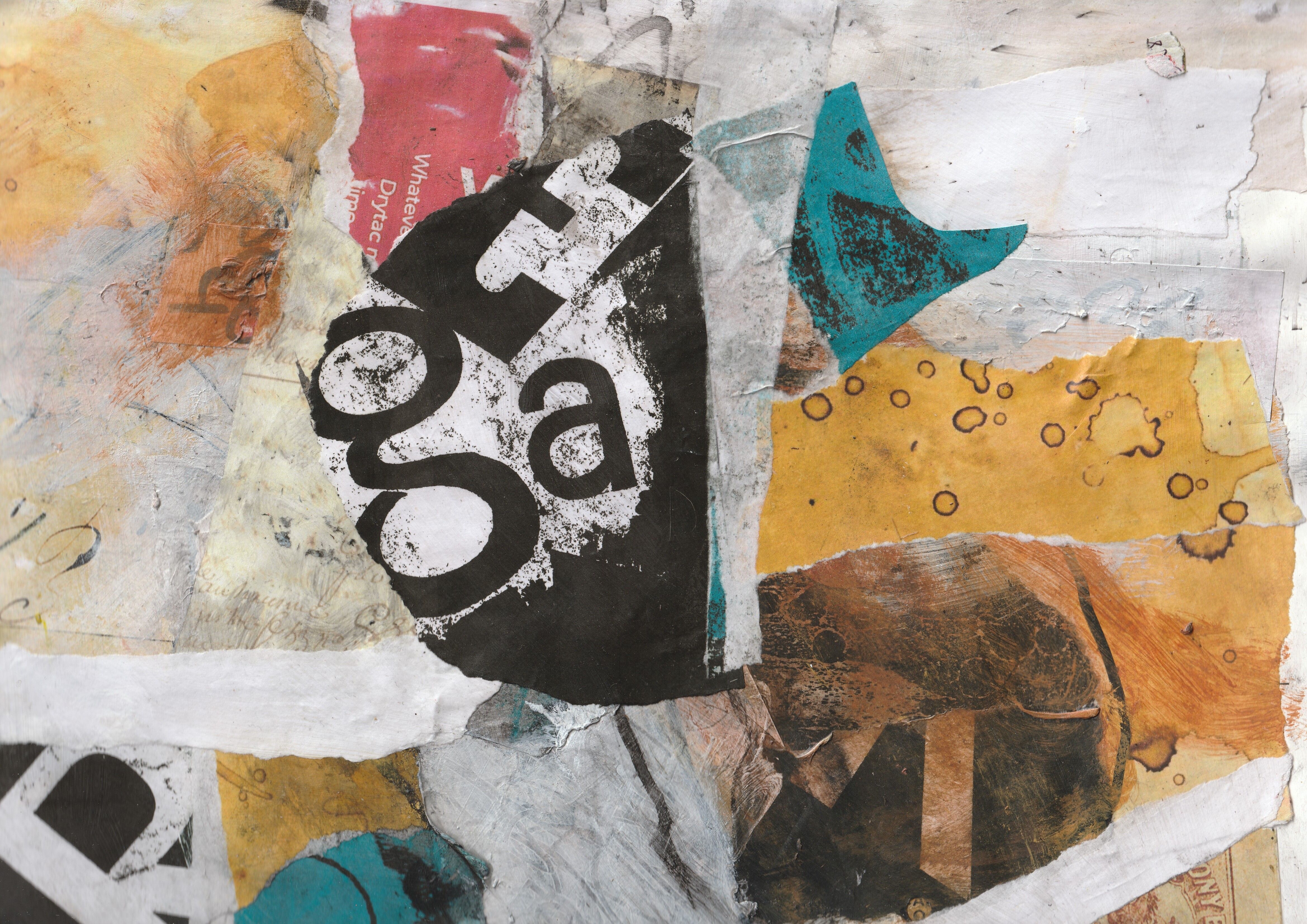
A modernist painter like Mondrian was seeking a kind of universal, spiritual harmony through pure geometry. A contemporary artist making abstract art, like Mark Bradford, might use layers of found paper from the streets to create an abstract surface that subtly speaks about urban decay, social issues, and community identity. The form might look similar, but the conversation is completely different.
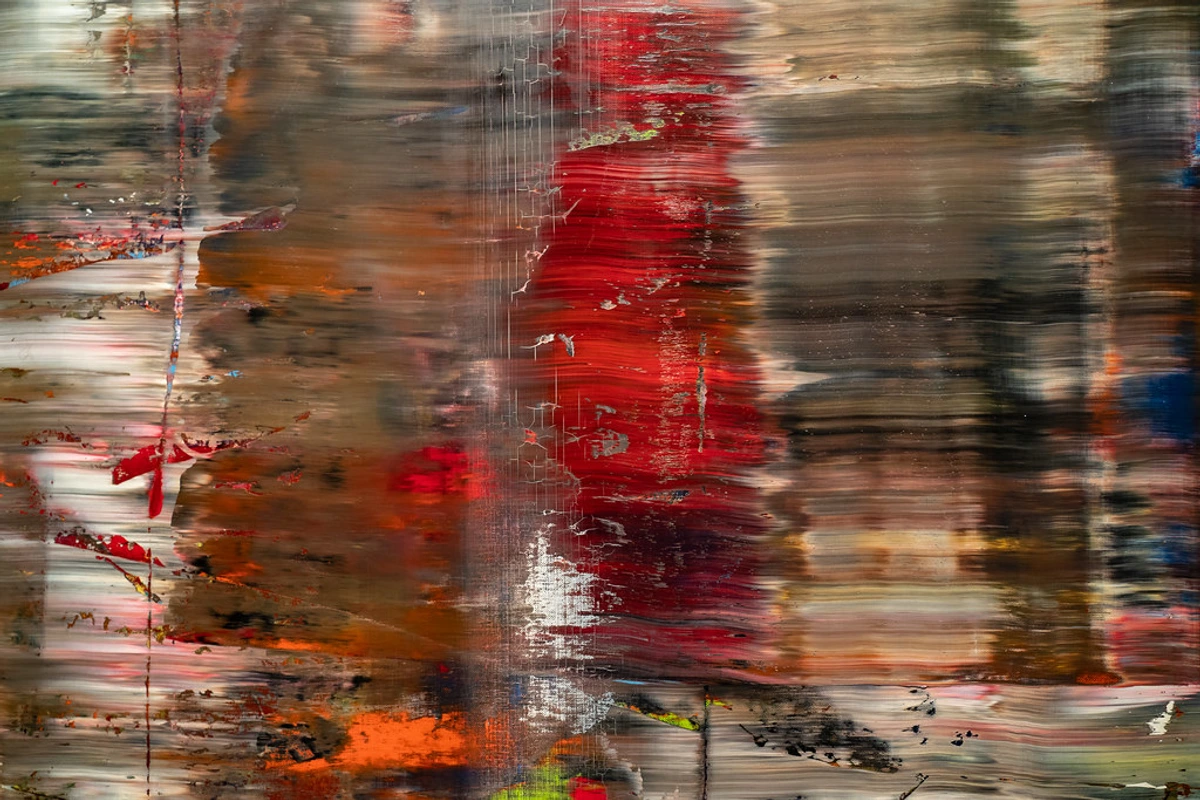
Q: Is one 'better' than the other? A: Oh gosh, no! That's like asking if apples are better than oranges. Both periods have produced incredible, profound, and sometimes perplexing art that speaks volumes about their respective times. The 'best' art is always subjective, and it's whatever resonates most deeply with you. My advice? Keep an open mind, and just enjoy the journey of discovery.
I have moments where I deeply connect with the formal purity and ambition of modernism. And then I have days where only the sharp, questioning nature of contemporary art feels like it's telling the truth. You don't have to choose a side. A rich art diet needs both. You might find you connect with the formal power of a Mark Rothko one day, and the conceptual wit of a Maurizio Cattelan the next. The trick is to stay open to what each era has to offer.
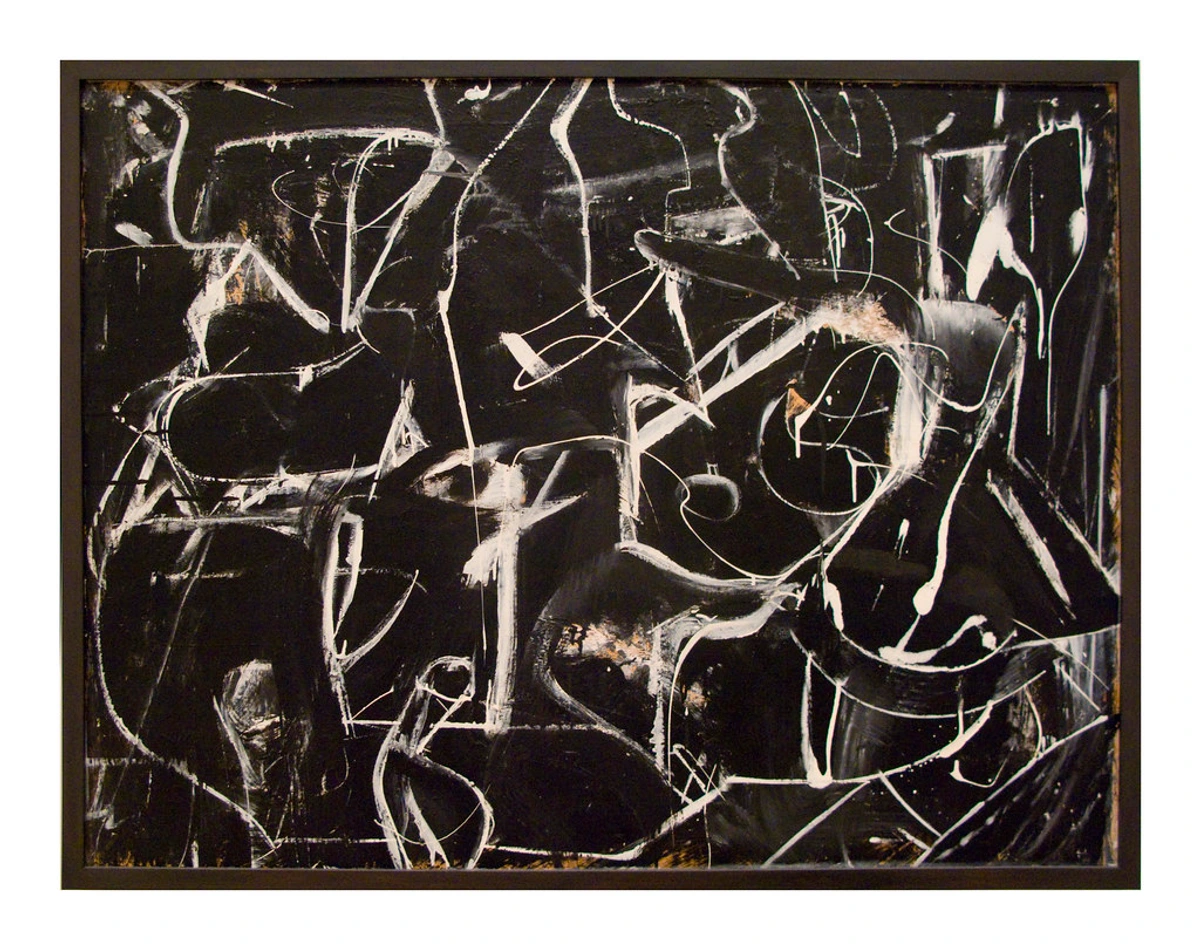
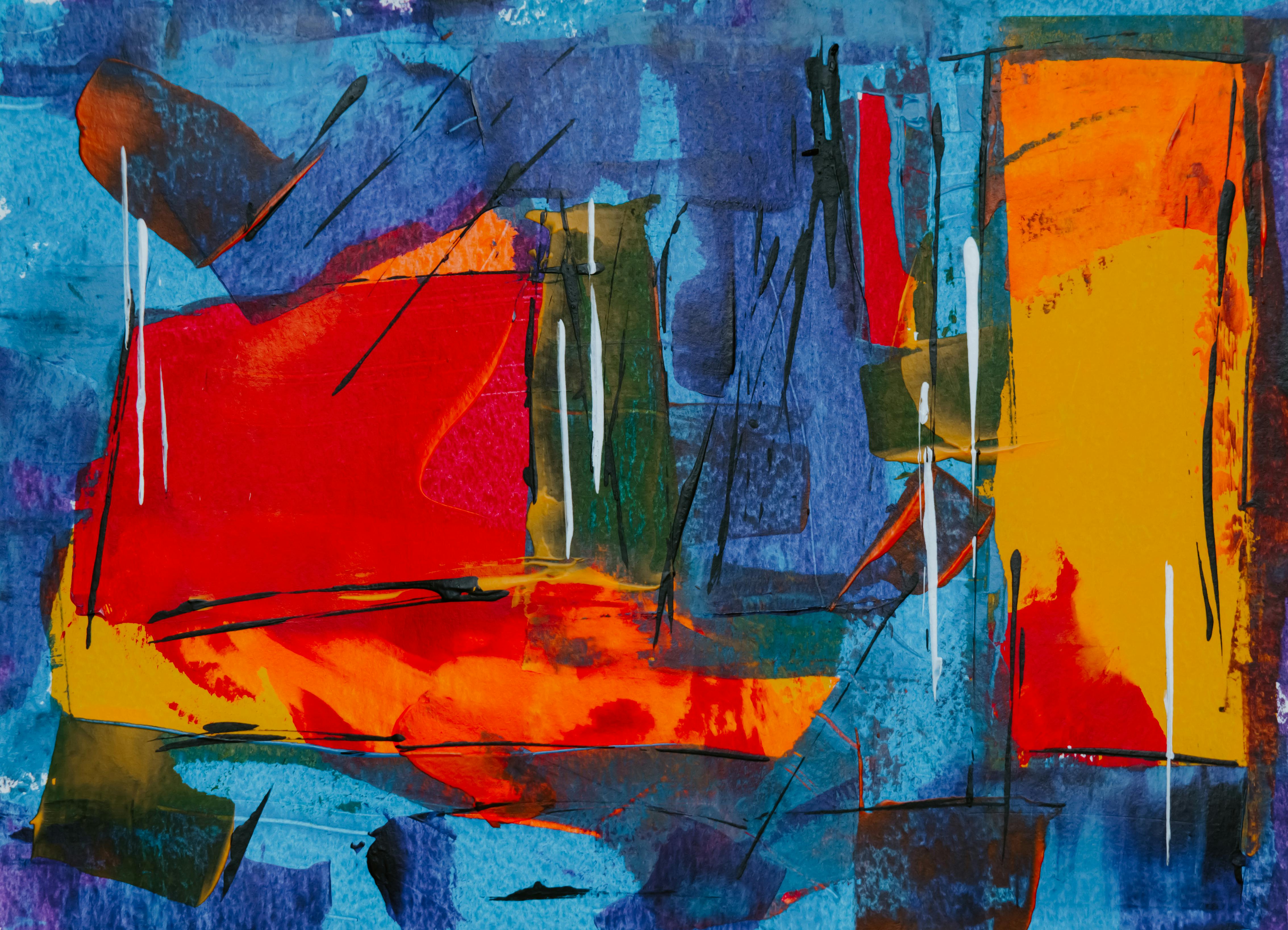








Q: How do I start understanding modern or contemporary art if it all just looks strange? A: Start with your own gut reaction. What do you feel when you look at it? Intrigued? Annoyed? Bored? That feeling is your entry point. Don't worry about "getting it." Instead, ask yourself what the artist might be trying to communicate. Read the wall label, then look back at the work. Sometimes knowing a little about the time it was made unlocks everything.
A practical tip: Find one artist or even one artwork you find intriguing and learn everything you can about it. Watch a documentary, read an article, listen to a podcast. I guarantee you, that one piece will open doors to a dozen others. Art is a web, not a straight line. One strand will lead you everywhere.
I've often thought that stepping into a gallery is like tuning into a radio station. You might not understand every song immediately, but if you listen for a while, the rhythm and the themes start to reveal themselves. So, take a breath, let go of the pressure to have an expert opinion, and just allow yourself to experience and observe. The deeper understanding will follow.
Ultimately, the labels 'modern' and 'contemporary' are just tools to help us navigate a wonderfully complex and rich history. They're the chapter headings in a book that's still being written. The real goal isn't to categorize art perfectly, but to learn how to look at it, think about it, and feel it more deeply. Whether an artwork was made in 1910 or 2010, the most important question is always the same: what is it saying to you, right now?