Romanticism in Art: Emotions, Nature, Rebels, & Its Enduring Legacy
Dive into Romanticism: the art movement celebrating raw emotion, sublime nature, and individualism. Explore its origins, revolutionary artists like Delacroix, Friedrich, Turner, and its lasting impact on art, literature, and music today.

Romanticism in Art: The Definitive Guide to Emotion, Nature, and the Rebel Spirit Unleashed
What if the most profound art isn't about rigid perfection, but about raw, untamed feeling? Imagine standing on a windswept cliff, the ocean roaring below, a storm brewing on the horizon. Or perhaps a vast, ancient forest, silent and mysterious. That overwhelming sensation – a mix of awe, terror, and a profound connection to something immense and unknowable – that's the beating heart of Romanticism. I know 'romance' often conjures images of candlelit dinners and sweeping love stories (and honestly, my first thought often drifts there too!), but in art history, Romanticism was a full-blown artistic, literary, and intellectual revolution. It swept across Europe from the late 18th to the mid-19th century, giving artists, writers, and thinkers permission to scream their feelings from the rooftops instead of whispering politely in the parlor. In this definitive guide, we'll not only journey through the origins of Romanticism but also dissect its enduring philosophical underpinnings, meet the revolutionary artists who defied convention, and reveal its profound, often surprising, echoes in contemporary art. By the end of this guide, you'll not only understand the core tenets of Romanticism but also see its lasting impact on the art and culture we experience today.
From 'Romanz' to Revolution: Unpacking Romanticism's Roots
So, why 'Romanticism'? The term itself, rather confusingly for modern ears, comes from the Old French word 'romanz,' which in the Middle Ages referred to vernacular (meaning common or spoken language, distinct from formal Latin) stories and poems—tales of chivalrous heroes, grand adventures, and dramatic emotions. These narratives were often written in local Romance languages (derived from Latin, like Old French or Provençal). It wasn't about love interests but about imaginative storytelling and emotional depth. Think epic sagas, heroic quests, and narratives rich with individual feeling, rather than scholarly treatises. The artists and writers of the Romantic period, feeling stifled by the rigid doctrines of the Enlightenment and the cool rationality of Neoclassicism, consciously sought to revive this older spirit of adventure, intense emotion, and a profound connection to national identity and heritage. For them, it was a "return to the romance" in its original, broader sense—a reclaiming of the wild, untamed narrative. This 'return to the romance' wasn't just about ancient tales; it was a direct repudiation of the prevailing intellectual climate of the Enlightenment and its artistic offspring, Neoclassicism.
This movement, primarily active from the late 18th century to the mid-19th century (roughly 1780s-1850s), was a massive, often turbulent, reaction against the cold, hard logic of the Enlightenment. Thinkers like John Locke championed empiricism (the idea that all knowledge comes from sensory experience), Jean-Jacques Rousseau explored the social contract and the innate goodness of humanity, and Voltaire promoted scientific reason and objective truth. This worldview often felt mechanistic, predictable, and devoid of spiritual depth or individual passion for many. Neoclassicism mirrored this with its idealized forms, balanced compositions, and subjects drawn from ancient Greece and Rome, promoting civic virtue and calm rationality. Jacques-Louis David's Oath of the Horatii (1784), with its stark lines, stoic figures, and rational heroism, is a perfect embodiment of Neoclassical order.
But people lived through revolutionary upheaval – particularly the French Revolution (1789-1799) and its aftermath, including the Napoleonic Wars – which brought ideals of liberty and individual rights, but also immense chaos and disillusionment. These existential questions—about human freedom, the meaning of individual suffering in a chaotic world, and the nature of political power—cried out for more than just calm rationality; they demanded profound, messy, and real feelings. Adding to this ferment was the burgeoning Industrial Revolution, which transformed landscapes and societal structures, leading to a yearning for a simpler, purer past and the wild embrace of nature. Even literary precursors like the German Sturm und Drang (Storm and Stress) movement, with its emphasis on intense emotion, individualism, and rebellion against classical norms (think of Johann Wolfgang von Goethe's The Sorrows of Young Werther and Friedrich Schiller's early plays like The Robbers), paved the way for the broader Romantic current.
Beyond Sentimentality: The Core Ideas of a Revolution
If it's not about love stories, what is this glorious mess called Romanticism about? It championed a few earth-shaking ideas that changed art forever, deeply influencing not just painting, but also literature and music. These foundational concepts are where the true heart of the movement lies, shaping how artists perceived truth, beauty, and the very purpose of creation. In this section, we'll unpack the revolutionary concepts that defined Romanticism, including its profound emphasis on emotion, the individual, the sublime power of nature, and a unique fascination with the past and the unseen. Let's dive into them.
1. Emotion Over Reason: The Heart of the Matter
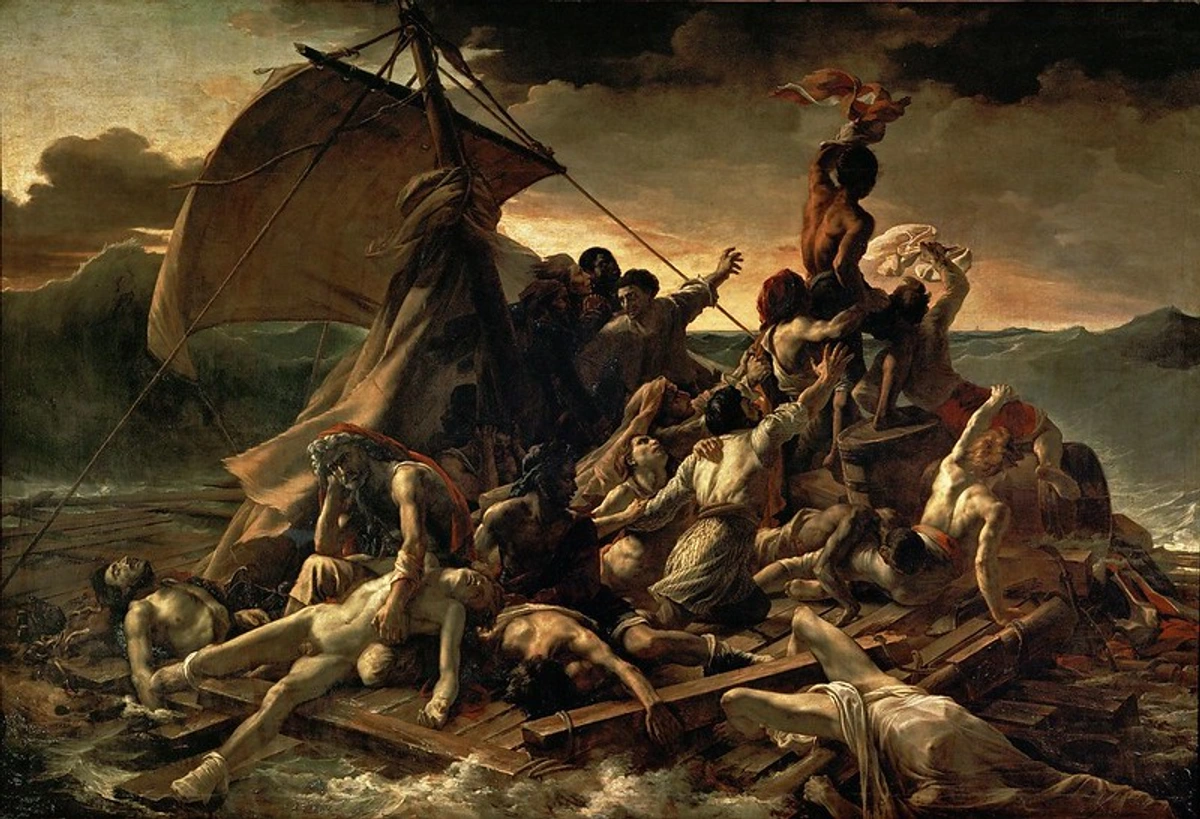
This is the big one, the absolute core. Romantics believed that human emotion, intuition, and imagination were the most important sources of truth and creativity. They weren't interested in balanced, logical compositions; they craved drama, awe, fear, passion, profound melancholy, and even despair. All the beautiful, often chaotic, spectrum of human feeling that makes us, well, us. It's why a screaming figure can be more powerful than a serene goddess in their eyes. For them, art wasn't just to be seen, but to be felt in your gut, to stir the depths of your soul. Think of the visceral shock captured in Théodore Géricault's Raft of the Medusa (1818–19) or the quiet agony of Edvard Munch's Despair; these were subjects ripe for Romantic painters. In essence, the Romantics declared that the heart, not the head, was the true compass for art. I remember seeing The Raft of the Medusa for the first time, and the sheer desperation, the raw human struggle, hit me like a physical blow. It was a profound reminder of art's power to make you feel rather than just observe.
While this striking image, Edvard Munch's Despair, is a work of Expressionism, its raw, visceral emotionality and portrayal of human suffering profoundly echo the Romantic fascination with intense subjective feeling and the inner world. It captures a core tenet for the Romantics: art as an evocation of profound emotional states.
2. The Power of the Individual: My World, My Art
This emphasis on internal experience naturally led to a profound exploration of the individual's unique world. Forget kings and classical heroes for a moment. The Romantics were fascinated by the inner life of the individual: your dreams, your fears, your unique genius. This is, in many ways, the genesis of the "tortured artist" trope, celebrating the solitary genius grappling with internal demons and a singular vision, often feeling alienated from conventional society. It speaks to that intense, sometimes overwhelming feeling of battling inner worlds, a struggle I sometimes feel when wrestling with a stubborn canvas myself. This philosophical shift was deeply influenced by German Idealism, with thinkers like Immanuel Kant, Johann Gottlieb Fichte, and Friedrich Schelling emphasizing subjective experience and the imaginative faculty of the mind as central to perceiving and shaping reality. Their work reoriented aesthetics from objective beauty to a subjective, emotional encounter, deeply informing the Romantic celebration of the artist's unique creative power, or geist—the overarching intellectual and moral spirit of an era, or the unique creative spirit of an individual.
3. Nature as the Sublime: Awe and Terror
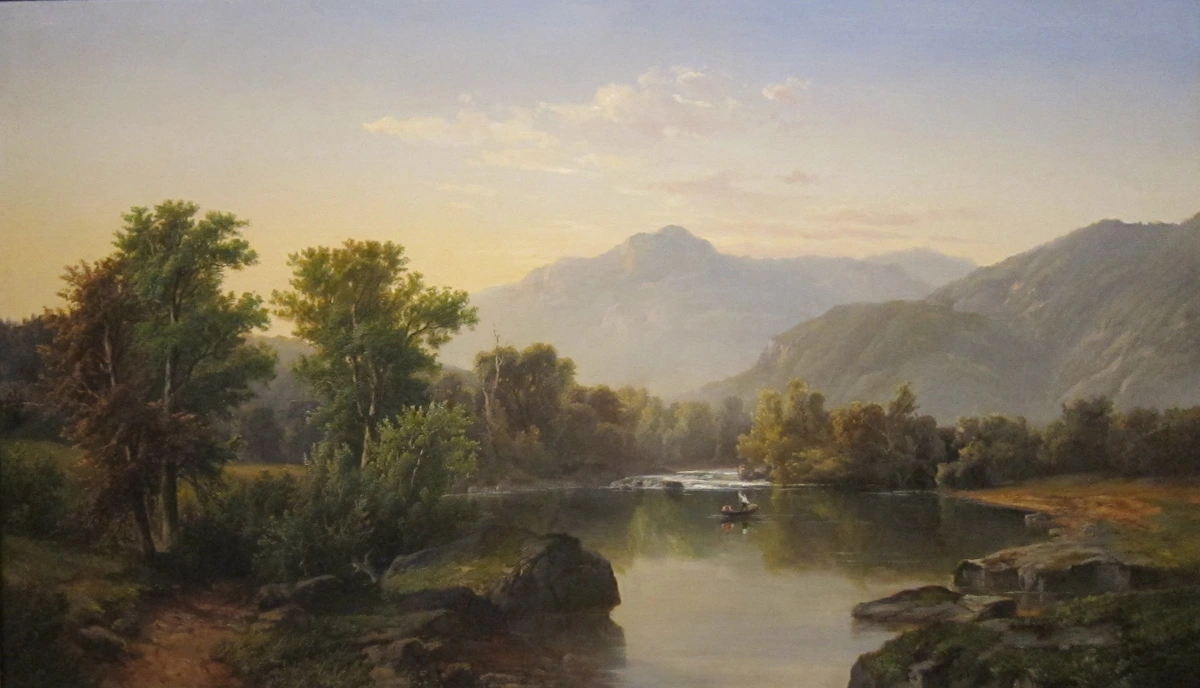
For these artists, nature wasn't just a pretty backdrop; it was a wild, untamable force, a source of spiritual truth and immense power, often reflecting the turbulent emotions within themselves. They called this feeling The Sublime: the overwhelming psychological and emotional experience of encountering something in nature so vast, powerful, and even terrifying (like a raging storm, a massive mountain range, or a bottomless abyss) that it makes you feel both incredibly small and insignificant, yet simultaneously connected to something grander than yourself. It's a mix of terror and awe that transcends mere beauty, pulling you into a profound emotional or spiritual state. Think of Edmund Burke's influential ideas, which described the Sublime not just as beauty, but as an experience linked to sensations of pain, danger, and infinity – vastness, obscurity, and power. What is it about a towering mountain or a raging sea that so captivates us, making us feel utterly overwhelmed yet deeply alive? I remember standing on a cliff once, the wind whipping around me, and feeling that exact mix of insignificance and raw power – it’s a feeling that artists have chased for centuries. That profound connection to something elemental, humbling yet exhilarating, is what the Romantics yearned to capture.
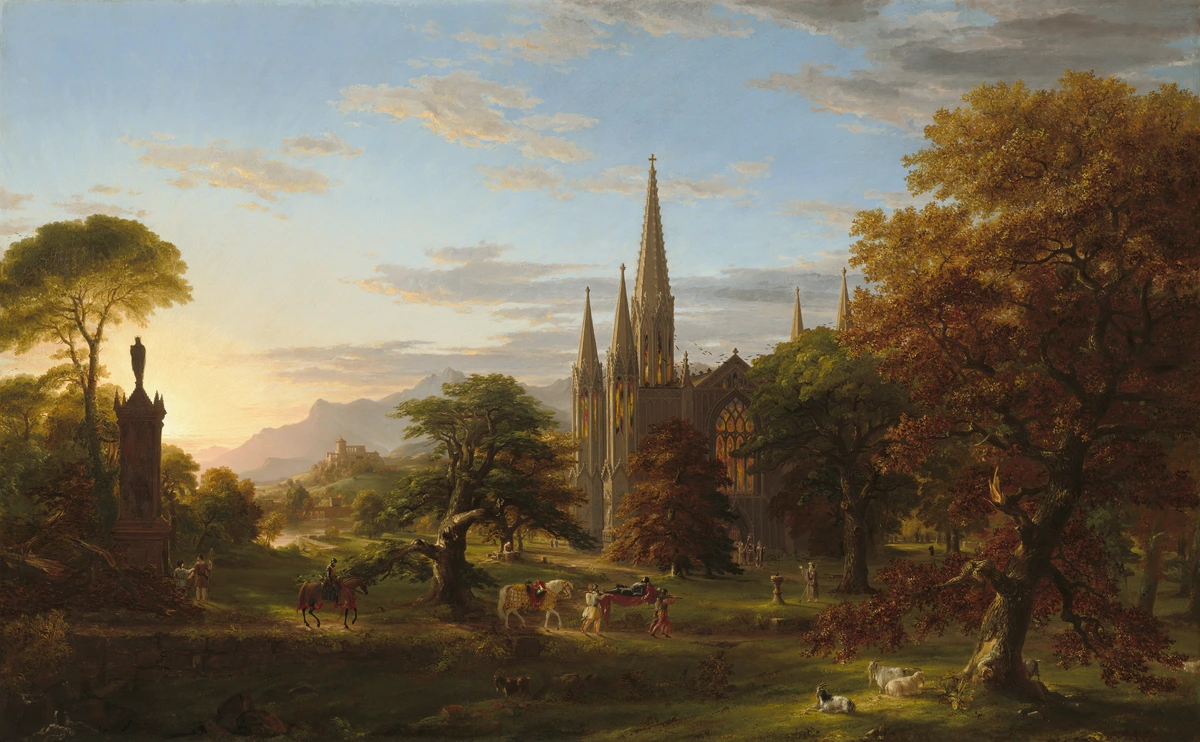
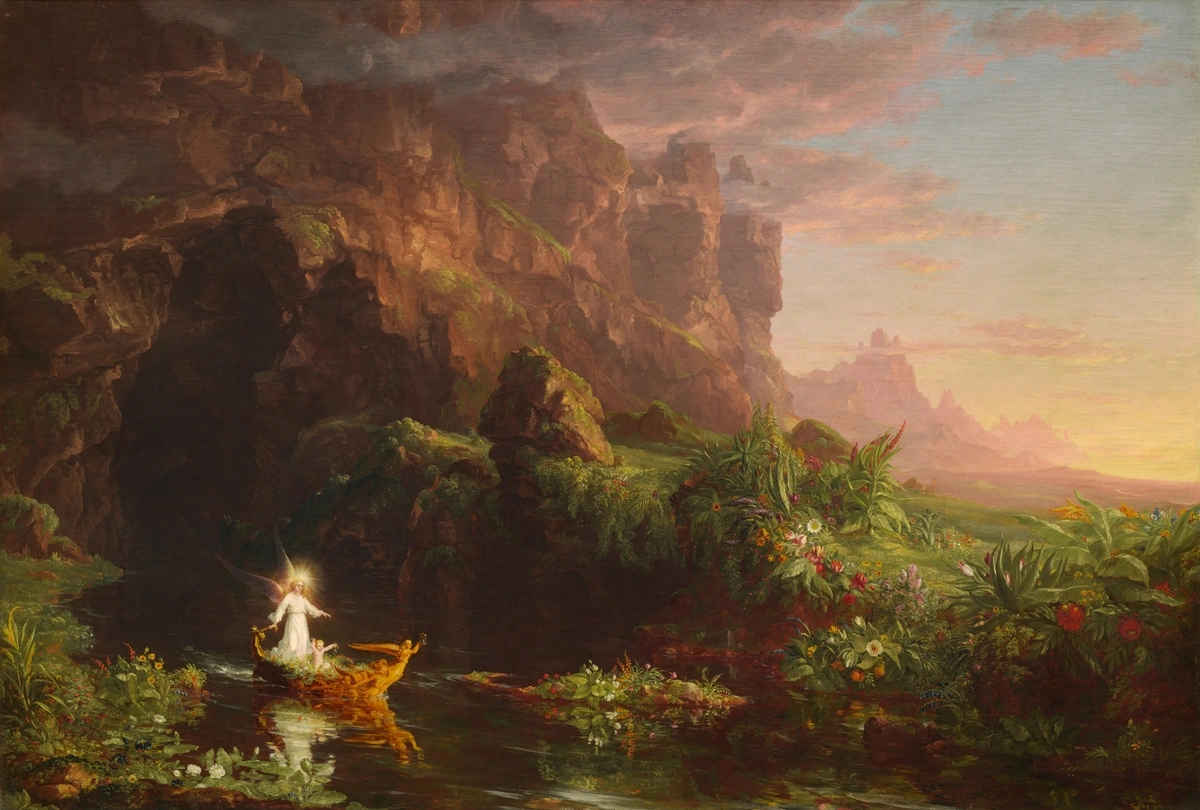
This painting by Thomas Cole, a key figure in the American Hudson River School, beautifully captures that spiritual journey, the unknown, and the overwhelming power of nature. You can almost feel the pull towards that distant light and the mystery of the departure.
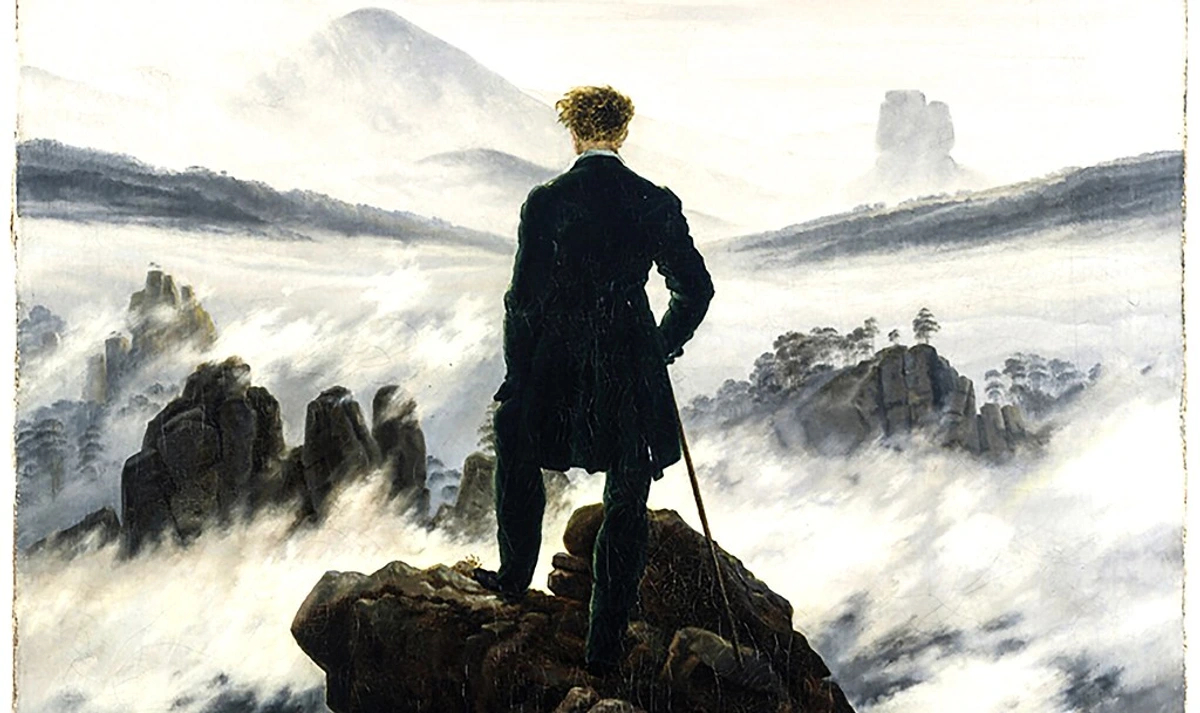
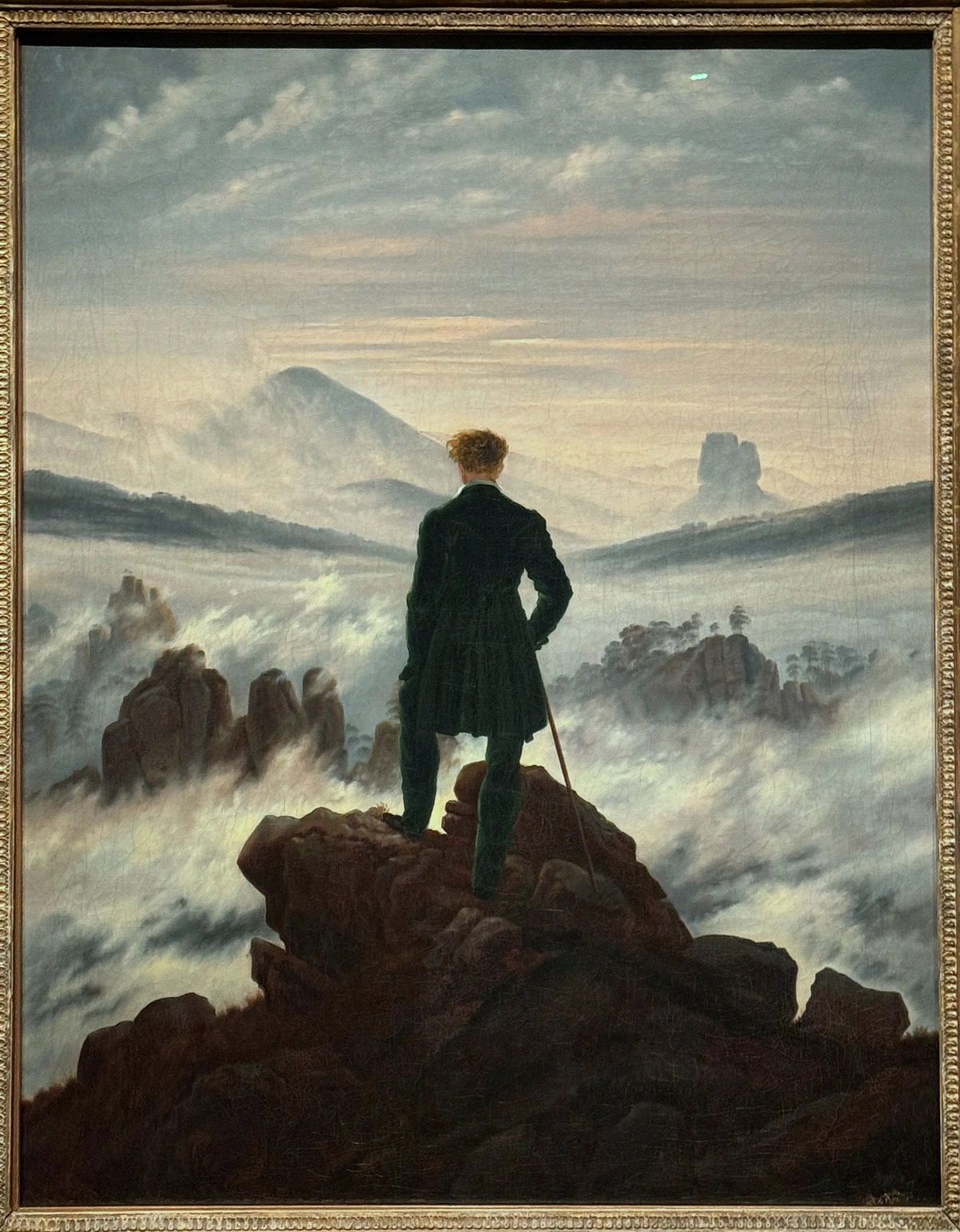
This painting, Wanderer above the Sea of Fog, is arguably peak German Romanticism. It's not just a guy looking at fog; it's about solitude, the vastness of the unknown, and the individual confronting the overwhelming psychological power of nature. Friedrich's technique of portraying figures from behind (Rückenfigur) is a clever device, inviting us to stand in their shoes, share their contemplation, and become part of that profound emotional experience.
4. Fascination with the Past and the Exotic: Looking Back, Looking Beyond
Romantics often turned their gaze to periods like the Middle Ages, seeing it as a time of greater spirituality, emotion, and heroism compared to the perceived sterility of their own industrializing era. They glorified aspects like chivalry, Gothic architecture, and religious devotion, rejecting Enlightenment rationalism. This fascination, fueled by popular historical novels and tales of adventure, contributed to the rise of nationalism by seeking to define unique cultural identities through shared folklore, national myths, and historical legends. For instance, in Germany, artists delved into ancient Germanic myths and sagas like the Nibelungenlied, depicting knights, castles, and dramatic legends, while in Britain, Arthurian legends saw a resurgence. This was frequently expressed through nostalgia for a perceived purer, less corrupted time.
Alongside this, there was a keen interest in the exotic – distant lands, non-European cultures, and untouched wilderness – often depicted with a sense of wonder and sometimes romanticized fantasy, offering an escape from the burgeoning industrial centers of Europe. Orientalist paintings, for example, frequently presented idealized or dramatized visions of the Middle East and North Africa, brimming with vibrant colors, intricate patterns, and a sense of mystique. However, it's crucial to acknowledge that these often reflected European biases and a colonial gaze, rather than an accurate representation. I sometimes find myself drawn to idealized versions of history too, craving a simpler time—it's a very human impulse, I think. What past era or distant land captivates your imagination?
5. The Grotesque and the Supernatural: Unveiling the Unseen
Moving away from Enlightenment rationalism, Romantics embraced the mysterious, the irrational, and the supernatural. The influence of Gothic literature, with its specific tropes of haunted castles, ghostly apparitions, ancient curses, psychological torment, and the uncanny (that unsettling feeling of something familiar being strangely unfamiliar), permeated visual art. Think E.T.A. Hoffmann's macabre tales, Mary Shelley's Frankenstein, or the Brothers Grimm's darker fairy tales. Artists explored themes of dreams, nightmares, madness, and death, often with a sense of dramatic flair and heightened emotion. The grotesque, in particular – the distorted, exaggerated, or unnatural – was used to provoke strong emotional reactions and challenge conventional notions of beauty.
Spanish artist Francisco Goya, often considered a precursor or early Romantic, explored these darker aspects with chilling intensity in his Black Paintings, such as Saturn Devouring His Son or The Witches' Sabbath, confronting the irrational fears and brutal realities of the human condition. Another prime example is Henry Fuseli's The Nightmare (1781), which plunges directly into dream-state anxieties, demonic visitations, and the terrifying vulnerability of the sleeping mind. These works weren't just about horror; they were about the profound psychological depths and unseen forces that shape human existence.
This painting, with its surreal creature and expressive brushstrokes, speaks to the Romantic fascination with inner worlds, alienation, and the slightly unsettling, a reflection of the grotesque and the uncanny that Romantics explored to provoke strong emotional responses.
6. The Dignity of the Common Man: Everyday Heroes
Unlike Neoclassicism's focus on idealized heroes, gods, and royalty (like Jacques-Louis David's Oath of the Horatii), Romanticism often found beauty, dignity, and emotional resonance in the lives and struggles of ordinary people. Artists depicted common laborers, rural scenes, and everyday individuals, bringing a new sense of empathy and realism to their internal worlds and experiences. This focus highlighted a more authentic connection to nature and a national spirit, seeing heroism not just in grand historical figures but in the resilience and emotions of the common populace. It was a conscious move to broaden the scope of art to include all humanity, believing that profound feeling and individual genius were not exclusive to the elite. Painters like Jean-François Millet, though slightly later and part of Realism, captured this ethos, depicting the quiet nobility of peasant life. Where do you find unexpected heroism in everyday life?

This image of a painter working outdoors, connecting directly with nature, beautifully evokes the era's spirit of seeking inspiration beyond the studio and embracing a more direct, emotional engagement with the world—much like the common man connecting with his environment. The act of creation becomes an act of authentic, individual expression.
A Clash of Worlds: Romanticism vs. Neoclassicism
To really get what a big deal Romanticism was, you have to see what it was fighting against. It wasn't just a new style; it was a fundamental, almost rebellious, shift in values. The dominant style before it was Neoclassicism, which was all about order, harmony, and looking back to ancient Greece and Rome for inspiration. It was clean, clear, and very well-behaved – a perfectly arranged still life that never spills its milk. Romanticism, in contrast, crashed the party and broke all the rules. It was the artistic equivalent of shouting your feelings from the rooftops instead of whispering politely in the parlor. And honestly, a bit of artistic upheaval felt necessary for evolution sometimes.
This comparison table highlights the core divide, making it incredibly useful for understanding the seismic shift Romanticism represented:
Feature  | Neoclassicism (The Rule-Followers) | Romanticism (The Rebels) |
|---|---|---|
| Core Value | Reason, Order, Logic, Universalism | Emotion, Intuition, Imagination, Individualism |
| Subject Matter | Classical myths, historical events, civic virtue, ideal forms | Legends, nature (wild & sublime), the supernatural, current events, folklore, the common man, inner world |
| Composition | Balanced, stable, clear, linear, often symmetrical | Dynamic, dramatic, often chaotic, asymmetrical, painterly |
| Brushwork | Smooth, invisible, polished, precise | Visible, energetic, expressive, often impasto (thick application of paint creating texture) |
| Use of Color | Restrained, local colors, harmonious, often muted | Vibrant, dramatic, expressive, symbolic, often bold and intense |
| Emphasis on Form | Idealized, static, sculptural forms, clear outlines | Dynamic, fragmented, emotionally charged forms, blurred outlines |
| Mood | Calm, rational, serious, restrained, didactic | Dramatic, awe-inspiring, emotional, melancholic, turbulent, passionate |
| Purpose of Art | Moral instruction, civic duty, ideal beauty, intellectual appeal | Personal expression, evocation of feeling, exploration of truth, emotional impact |
| Inspiration | Ancient Greece and Rome, Renaissance ideals | The Middle Ages, folklore, individual experience, contemporary events, non-European cultures |
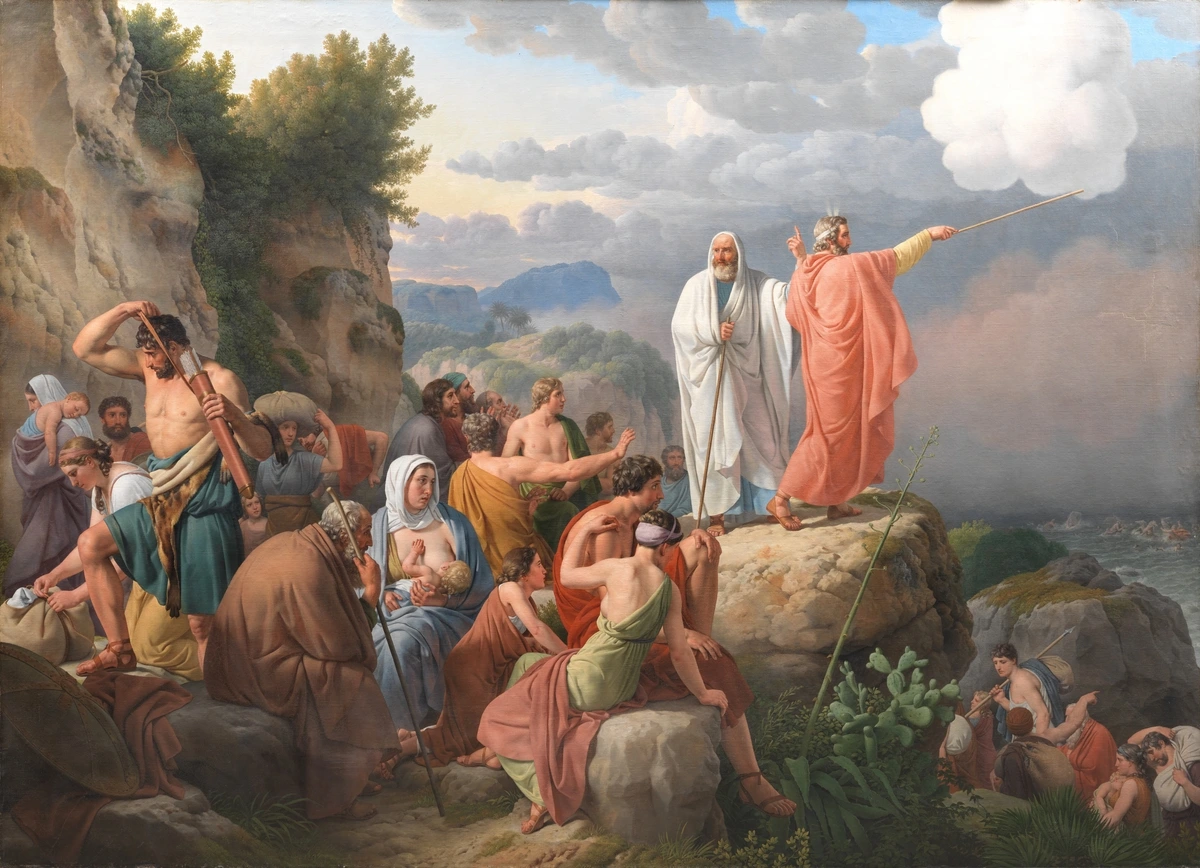
This Neoclassical painting by Peter von Cornelius, depicting The Israelites Resting, illustrates the classical compositional clarity, subdued emotion, and historical subject matter that Romantics consciously moved away from, favoring instead intense feeling and dramatic action.
The Titans of Tumult: Key Romantic Artists and Their Work
You can't talk about a movement without talking about the people who made it happen. While there are countless figures, a few stand out as giants, translating the diverse Romantic spirit into unforgettable visual narratives across Europe. You can find more of them in my guide to famous romanticism artists. It's important to remember that Romanticism manifested differently across Europe. For instance, in Spain, Francisco Goya (1746-1828) with his raw emotionality and searing social critique, particularly in works like The Third of May 1808, powerfully foreshadowed Romantic themes, making him a true pioneer. Goya's genius lay in his ability to use distorted forms and dark, intense colors to convey profound psychological states and social commentary. His later Black Paintings (1819-1823), like Saturn Devouring His Son or The Witches' Sabbath, are particularly visceral explorations of the grotesque and the irrational, confronting the darkest corners of human experience with unflinching honesty. Another crucial figure, Théodore Géricault (1791–1824), with his monumental Raft of the Medusa (1818–19), captured the era's fascination with extreme emotion, suffering, and the raw struggle for survival against nature's indifference, albeit with a more direct realism than later Romantics. Géricault's dynamic composition and dramatic lighting amplify the chaos and desperation, immersing the viewer in the raw human experience.
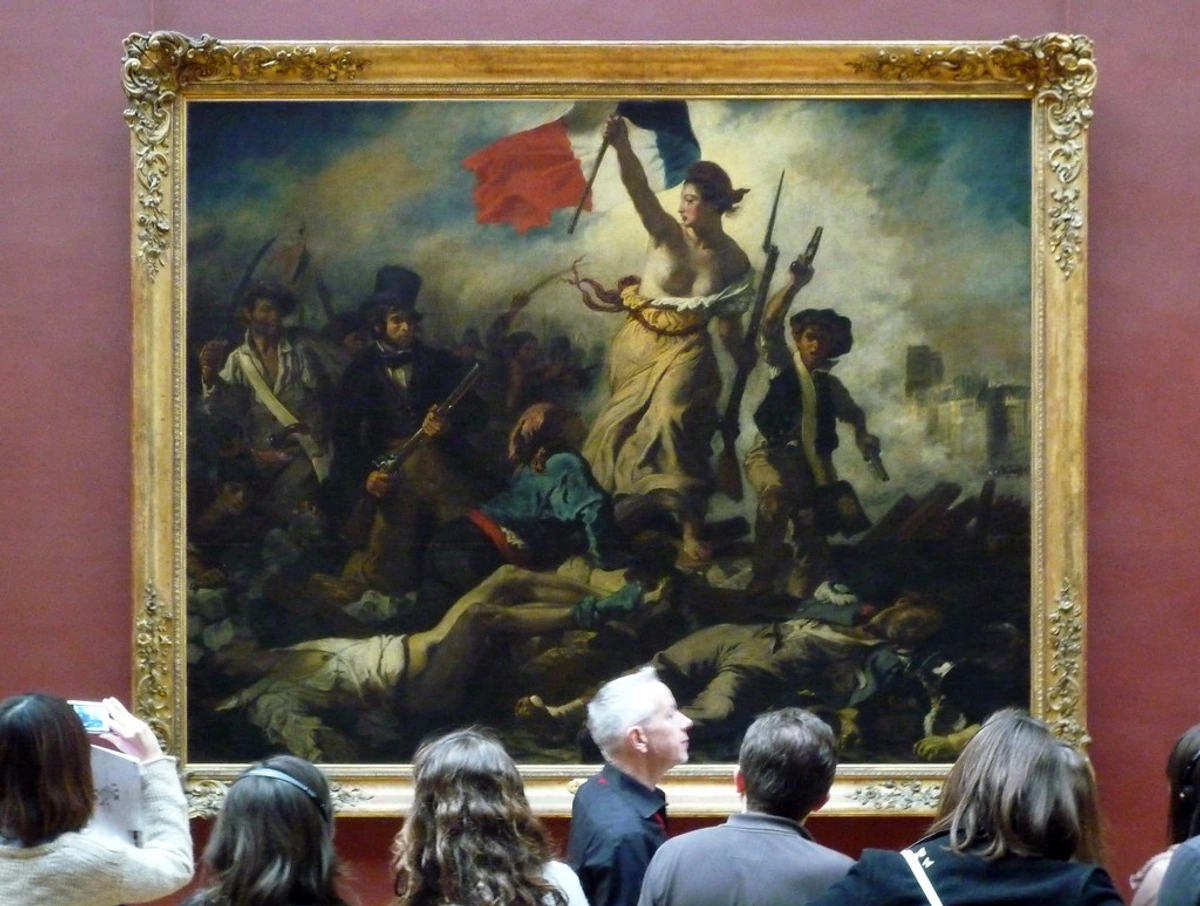
Eugène Delacroix (1798-1863)
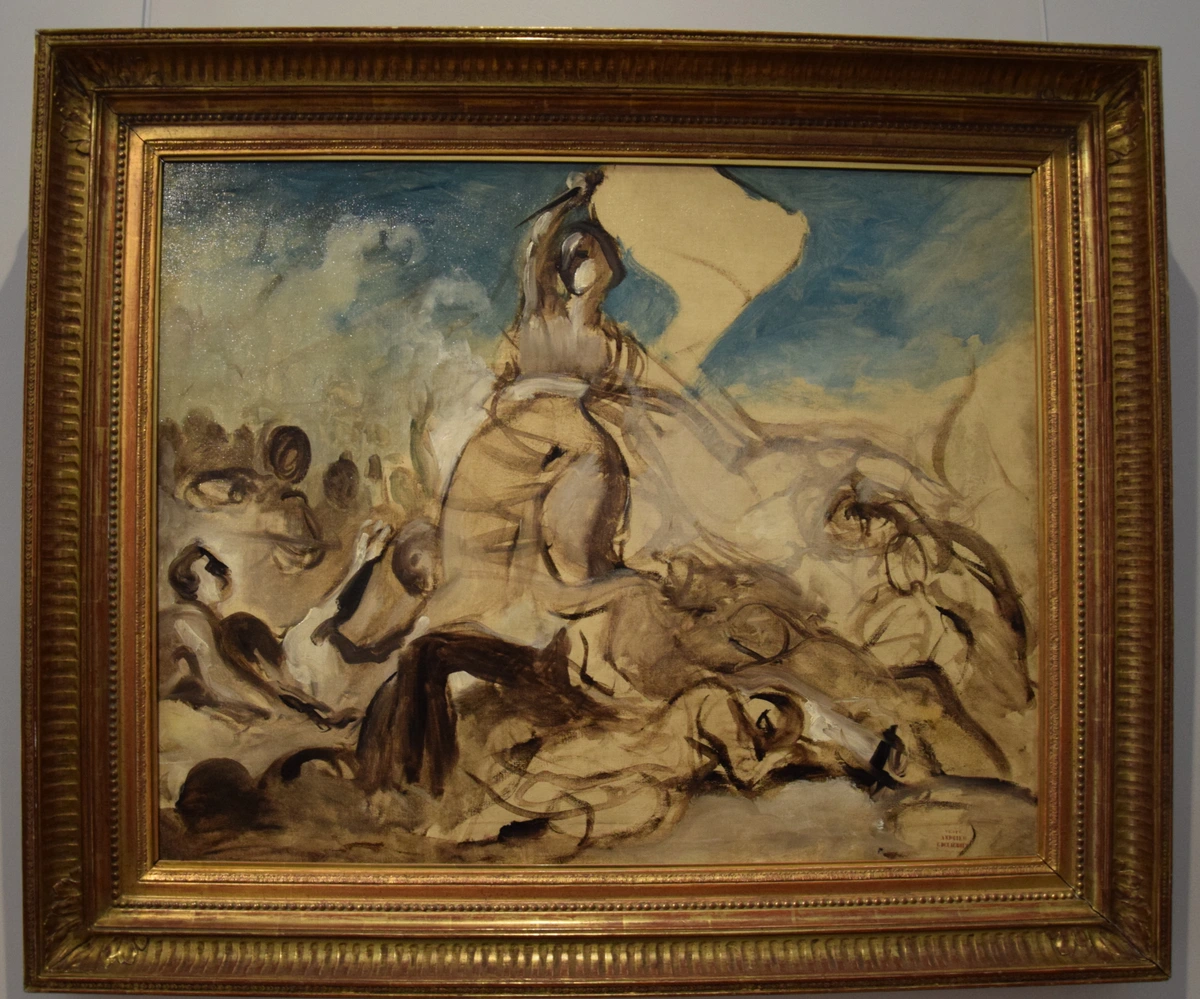
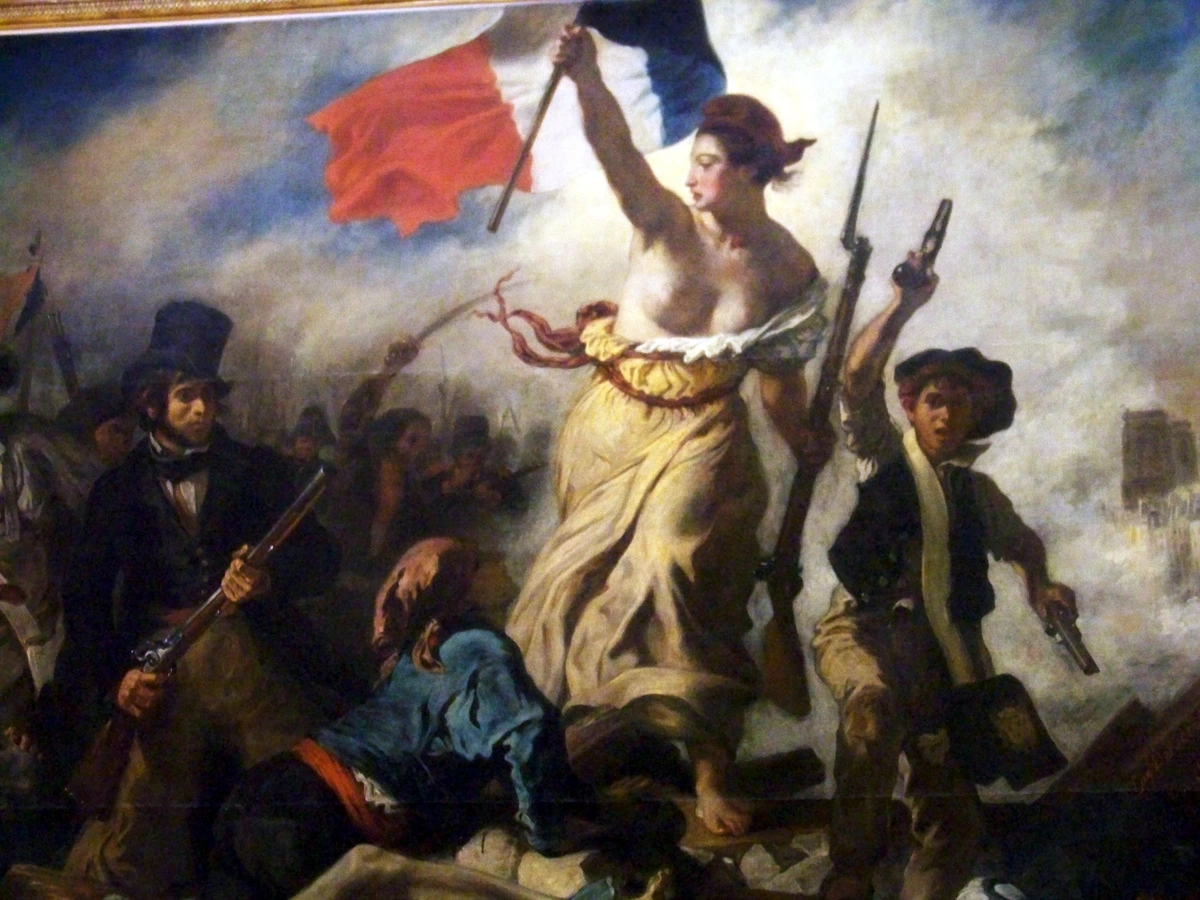
Delacroix was the French master of drama, passion, and color. He used vibrant hues and swirling, expressive brushstrokes—almost a precursor to Impressionism in his technique—to capture the energy and chaos of his subjects, making his canvases practically hum with life. His most famous work is a perfect example of Romanticism's political fire.

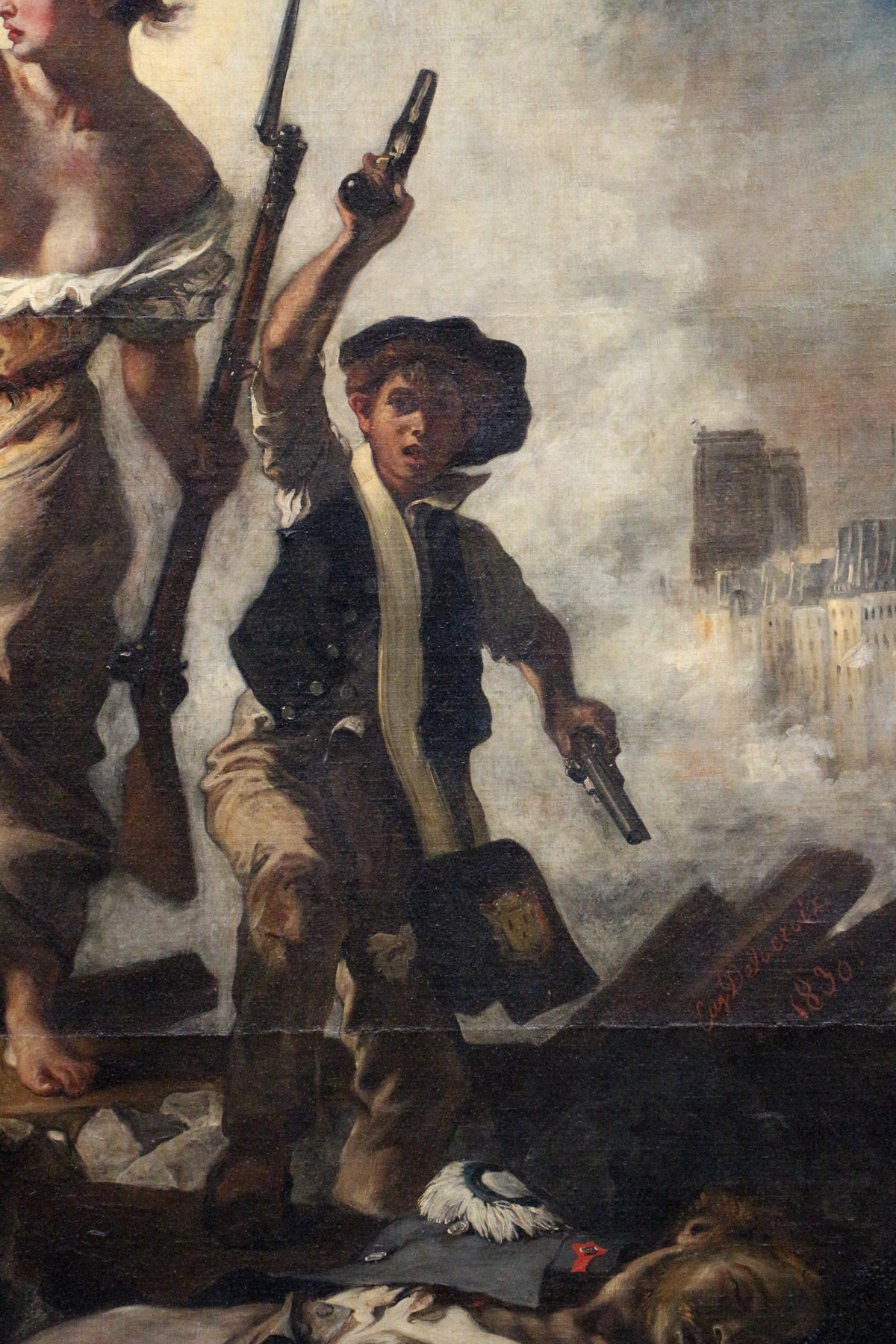
Liberty Leading the People (1830) isn't just a history painting; it's a gut-punch of emotion. It depicts the July Revolution of 1830, but it's not a dry historical record. It's about the idea of liberty—messy, violent, and glorious. Delacroix's dynamic composition, strong diagonals, and dramatic lighting amplify the emotional intensity, making you feel the smoke, hear the shouts, and see the passion in every figure. When I look at it, I feel an undeniable surge of revolutionary spirit, a powerful sense of people rising up despite overwhelming odds. It makes you want to grab a flag and join in, even if you're not entirely sure what's going on.
Caspar David Friedrich (1774-1840)
We've already met Friedrich, the German painter who was the undisputed master of the sublime landscape. His paintings are often quiet and contemplative, but they are humming with deep spiritual and emotional energy. He loved to paint figures seen from behind (Rückenfigur), a clever device inviting us, the viewer, to stand with them, share their contemplation, and gaze into the vastness, making us part of the scene's profound emotional state.
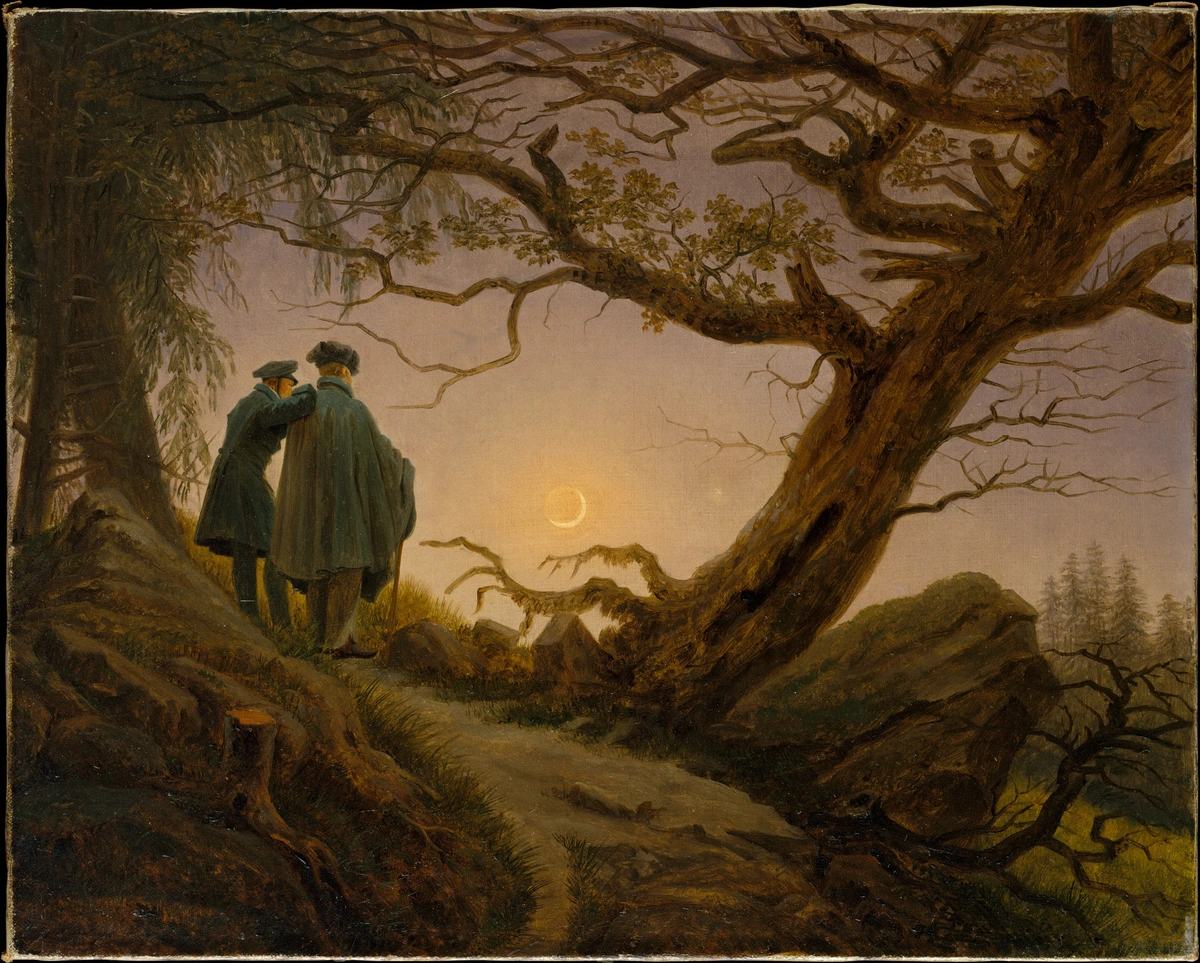
Two Men Contemplating the Moon (c. 1819-20) perfectly encapsulates Friedrich's ability to imbue nature with spiritual significance. The two figures, dwarfed by the landscape and focused on the crescent moon, invite us into a moment of shared, profound introspection about humanity's place in the vast, mysterious cosmos. It's not just a beautiful scene; it's an invitation to existential reflection.
J.M.W. Turner (1775-1851)
Across the channel in England, J.M.W. Turner was painting light, sea, and fire like no one had before. While John Constable offered a more serene, naturalistic view of the English countryside, Turner embraced the raw, terrifying power of nature. His later works, like Snow Storm: Steam-Boat off a Harbour's Mouth (1842), almost dissolve into pure abstraction, focusing on the sheer force of elements. He wasn't just painting a storm; he was painting the feeling of being utterly consumed by a storm, often using swirling, indistinct forms and a dazzling array of colors rendered with thick, expressive impasto brushwork (the technique of applying paint thickly so that brushstrokes are clearly visible, creating texture and dimension). This dissolution of form powerfully evokes the overwhelming, uncontrollable force of the sublime. He was so ahead of his time, blurring the lines between what was seen and what was felt, that his work would later inspire the Impressionists and even movements beyond that. He truly captured the sublime in a way that few others have, allowing the viewer to experience the terrifying beauty directly.
While The Great Wave off Kanagawa by Katsushika Hokusai is a Japanese Ukiyo-e woodblock print and not European Romanticism, its dramatic depiction of nature's overwhelming power and the human struggle against it resonates deeply with the Romantic concept of the Sublime – proving that these powerful emotions are universal.
Other International Romantic Voices
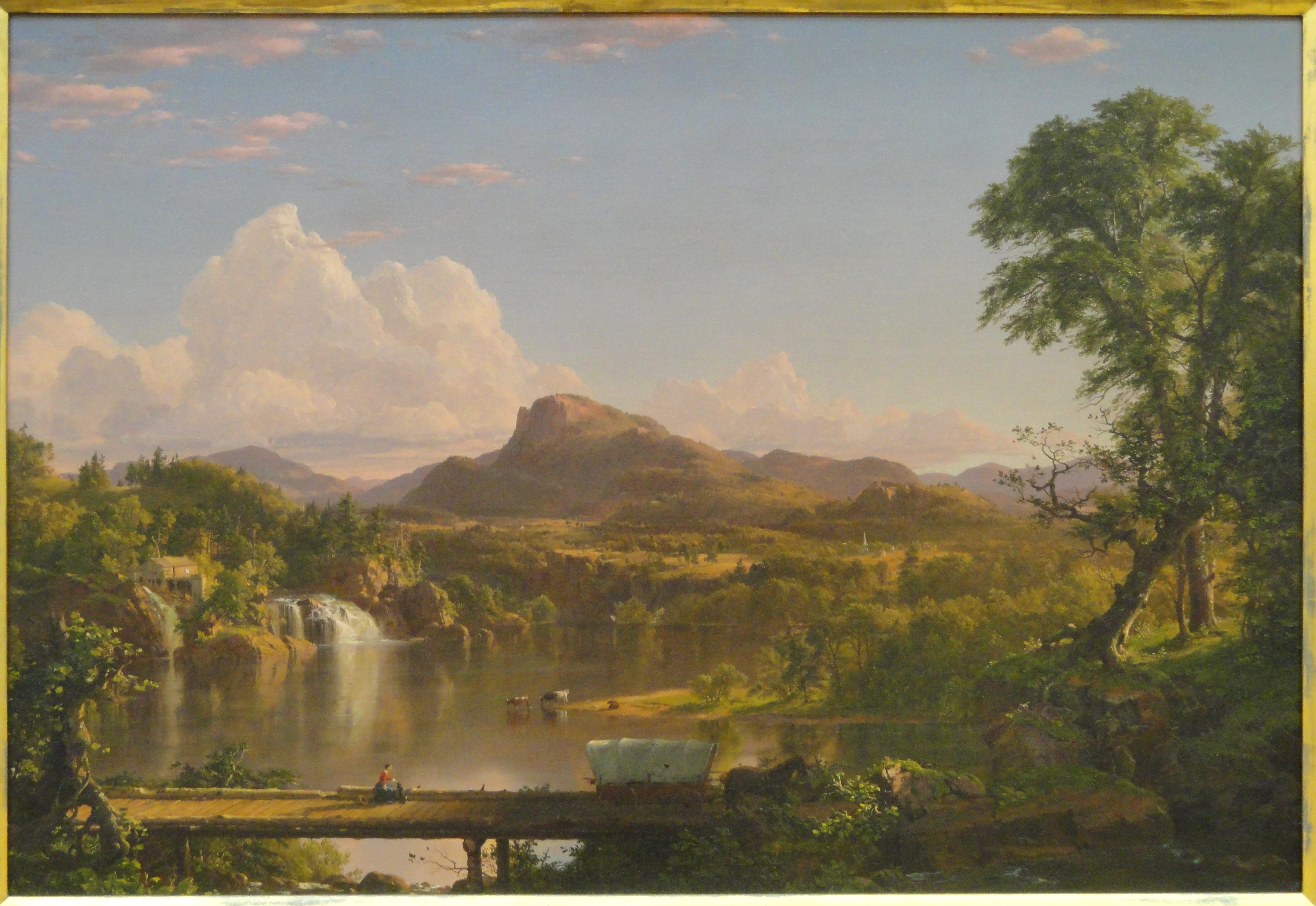
Beyond these giants, the Romantic spirit manifested uniquely across Europe, shaped by distinct national contexts. In Italy, figures like Francesco Hayez (1791–1882) captivated audiences with historical paintings that fused dramatic emotion with burgeoning nationalist sentiment, often depicting historical events with a Romanticized, heroic flair. His iconic The Kiss (1859), for instance, subtly evokes patriotic passion through its intimate yet emotionally charged embrace. Russia saw artists like Karl Bryullov (1799–1852) create monumental historical canvases brimming with theatricality and pathos, often reflecting the vastness and mystical spirit of the Russian landscape and its people. His epic The Last Day of Pompeii (1833) portrays overwhelming human emotion and catastrophe on a grand scale, a quintessential Romantic subject. And in Scandinavia, painters such as Johan Christian Dahl (1788–1857) depicted sublime, often dramatic, landscapes that captured the raw beauty, mystery, and sometimes harsh realities of their homelands. His Winter at the Sognefjord (1827) exemplifies this profound connection to unique natural environments, filled with atmospheric depth and a sense of awe. Even in the United States, the Hudson River School painters like Thomas Cole and Frederic Edwin Church embodied Romantic ideals through their epic, sublime landscapes of the American wilderness, connecting to themes of national identity, manifest destiny, and the spiritual power found in untouched nature.
Romanticism's Lasting Echo: From Beethoven to Basquiat
Romanticism wasn't just a flash in the pan; it fundamentally reshaped how we think about art and the artist. Its DNA is everywhere in modern art, and I see its influence in my own creative process. The idea that art should be about personal expression and not just adherence to rules? That comes directly from the Romantics. When I'm layering colors or grappling with a composition, I often find myself tapping into that Romantic impulse to convey an internal state, not just a visual scene. This focus on subjective emotion and the inner world would lead straight to movements like Expressionism, which sought to express subjective emotions and experiences rather than objective reality, with artists like Edvard Munch delving deep into angst and despair. Later movements like Symbolism, with painters such as Gustave Moreau and Odilon Redon, also inherited the Romantic fascination with dreams, spirituality, and inner truths, albeit through different aesthetic means. Even Abstract Expressionism, with its emphasis on the artist's spontaneous gesture and emotional outpouring, owes a debt to the Romantic ideal of art as intense individual expression. The fascination with nature continues in landscape painting to this day, though often with a different lens, even leading to contemporary land art movements, proving the enduring power of these themes. Contemporary artists who explore intense psychological states or environmental themes in a deeply personal way often stand on the shoulders of Romanticism.
In other art forms, the Romantic spirit fueled a surge of emotional depth and individual brilliance.
Literary Titans of Romanticism
Romanticism had a profound impact on literature, fostering an era of poetic and narrative brilliance. William Wordsworth, for example, found spiritual solace and truth in the quiet contemplation of nature, articulating his theories on poetry and the power of common language in his influential Lyrical Ballads. Samuel Taylor Coleridge, on the other hand, delved into the supernatural and exotic in works like "Kubla Khan" and "The Rime of the Ancient Mariner," showcasing the movement's broader imaginative scope. Lord Byron's defiant, melancholic heroes (Byronic heroes), Percy Bysshe Shelley's revolutionary ideals, and John Keats' sensual odes all exemplify the English Romantic literary spirit. Across Europe, Johann Wolfgang von Goethe (especially his early work like Faust) and Friedrich Schiller were central to German Romanticism, emphasizing intense emotion and individualism.

Music, Theatre, and Architecture
In classical music, figures like Ludwig van Beethoven pushed boundaries with dramatic symphonies full of emotional intensity and personal struggle (e.g., his Symphony No. 3 'Eroica'). Frédéric Chopin's passionate piano pieces often reflected nationalistic fervor and profound introspection, while Franz Liszt's virtuosic compositions and programmatic music embodied the era's focus on narrative and heightened emotion. The influence extended to opera, with composers like Richard Wagner creating monumental works that integrated myth, drama, and intense emotional expression on a grand scale, transforming the theatrical experience. This theatricality also influenced stage design and performance styles, embracing dramatic flair and historical settings.
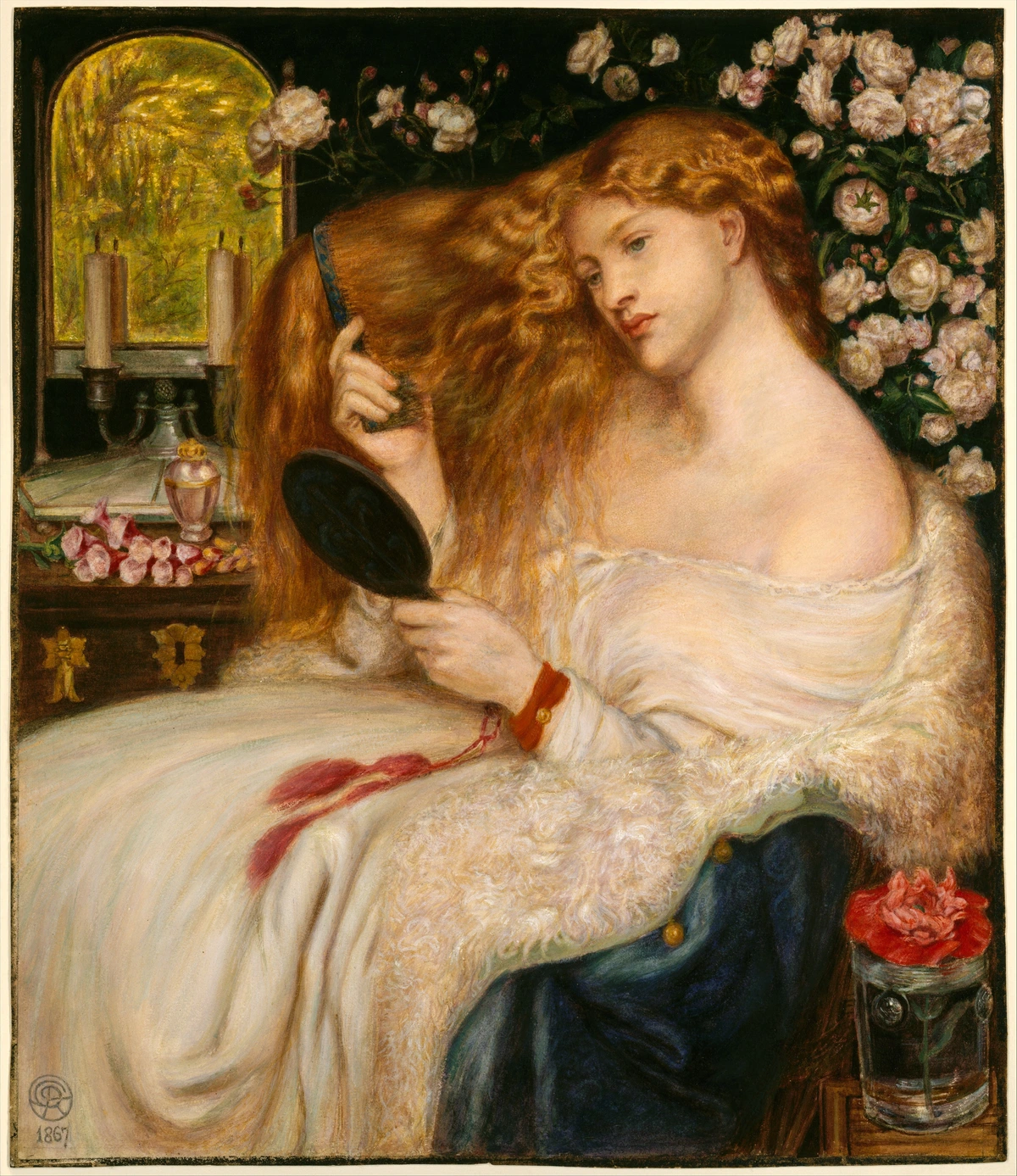
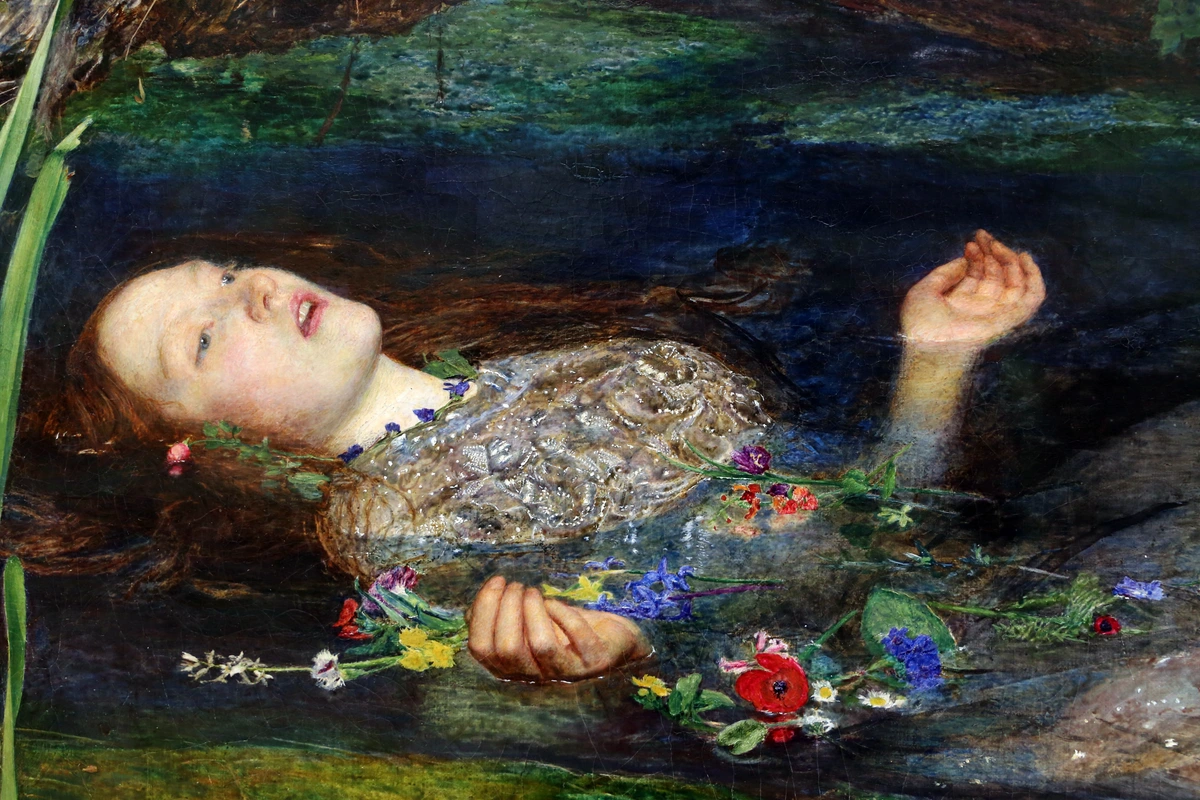
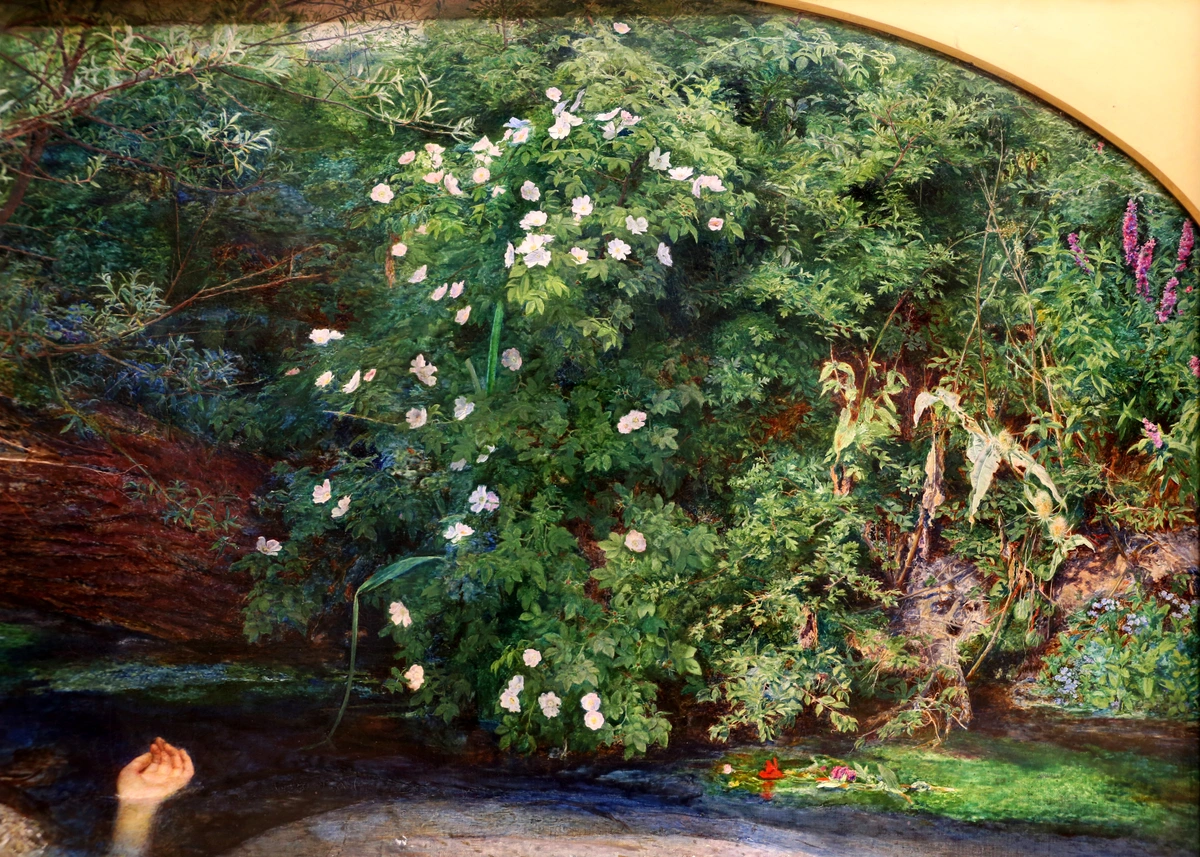
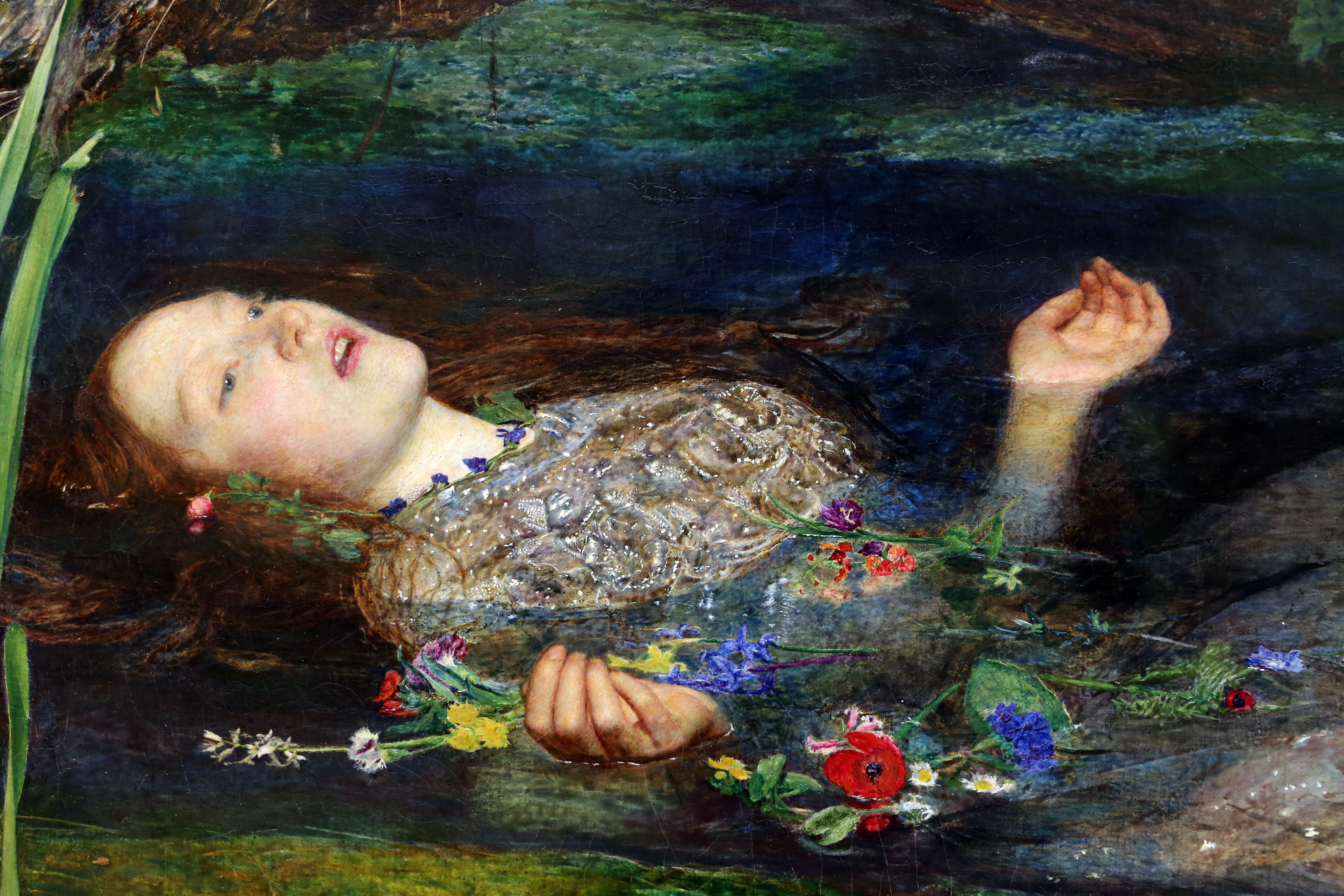
Even the Pre-Raphaelite Brotherhood in England, emerging mid-19th century, carried the torch for some Romantic ideals, embracing intense emotion, symbolic narratives, and a deep appreciation for nature and medieval themes, often rejecting academic conventions of their time. While they sought a return to the purity of early Renaissance art before Raphael, their emphasis on rich detail, vivid color, and allegorical subjects steeped in emotion and often mystical overtones, clearly resonated with Romantic sensibilities. Just look at Millais' Ophelia, a work steeped in emotional tragedy and lush natural detail.
In architecture, the Gothic Revival movement (roughly 1740s-1890s), a direct reaction against the perceived sterility and coldness of Neoclassicism, clearly drew from Romantic sensibilities. It championed a return to medieval Gothic forms, characterized by dramatic silhouettes, pointed arches, ribbed vaults, intricate tracery, and a sense of awe-inspiring verticality. Examples include the British Houses of Parliament and numerous churches across Europe and America, reflecting a nostalgia for a perceived more spiritual and heroic past, aligning with the Romantic fascination for history and the sublime.
Romanticism taught us that art doesn't have to be pretty or polite. It can be wild, chaotic, personal, and powerful. It gave artists permission to look inward for their subjects, to embrace the grand, often unsettling, beauty of the world, and to translate those immense feelings onto canvas. And that, I think, is a gift that keeps on giving. It’s a reminder that some of the most powerful art comes not from careful planning but from a place of messy, undeniable feeling.
Frequently Asked Questions about Romanticism
What are the main characteristics of Romanticism in art?
The main characteristics can be summarized as follows:
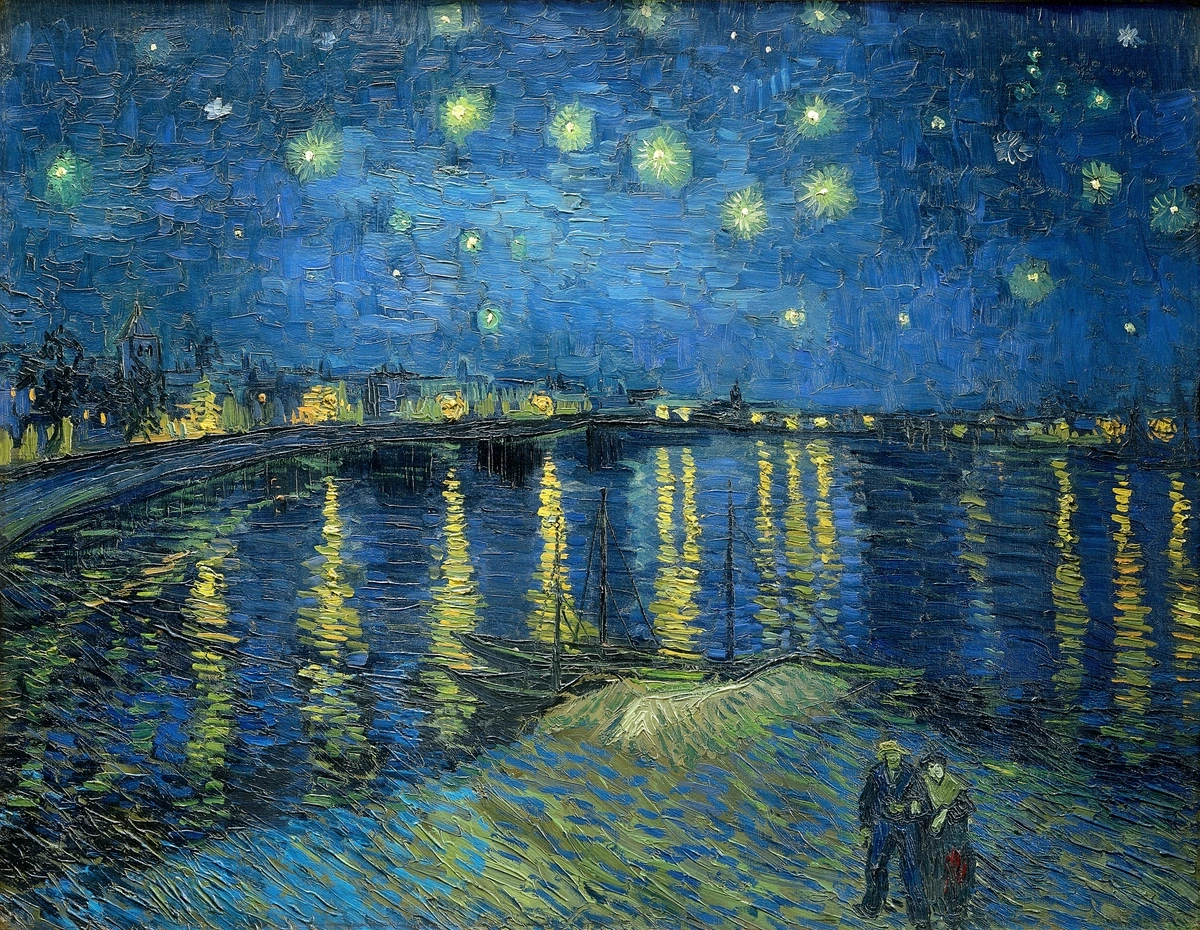
- Emphasis on Emotion and Individualism: Art that values intense personal feeling, from ecstasy to despair, and celebrates the subjective experience of the artist and viewer, often featuring the lone figure contemplating nature or battling internal struggles.
- Celebration of Nature and the Sublime: Nature as a powerful, untamed force, a source of spiritual truth, and an overwhelming emotional experience that can be both beautiful and terrifying. Think vast mountains, roaring seas, and wild forests that dwarf the human presence, evoking awe and terror.
- Interest in the Mystical, Grotesque, and Supernatural: A turn away from the purely rational, towards the mysterious, the dreamlike, the uncanny, the occult, and the Gothic. This often manifested in themes of folklore, legends, myths, nightmares, and even madness, exploring the unseen forces that influence human existence.
- Nationalism, Folklore, and the Past: Glorifying the unique culture, history, and often mythical past of one's own country (e.g., the Middle Ages, chivalry, Gothic architecture) and its traditional stories and legends, contributing to national identity. This includes a strong sense of nostalgia for perceived 'purer' times and a fascination with exotic, non-European cultures.
- Focus on the Common Man and Everyday Life: Unlike Neoclassicism's focus on elite subjects, Romanticism often found beauty and dignity in the lives and struggles of ordinary people, depicting their emotions and experiences with empathy through genre scenes and portraits of everyday individuals. They often saw the common man as embodying a more authentic connection to nature and national spirit.
- Dynamic and Expressive Techniques: A departure from the smooth, polished finishes of Neoclassicism, Romantic art often featured visible, energetic brushstrokes (impasto), vibrant colors, and dramatic compositions that amplified emotional impact and a sense of movement.
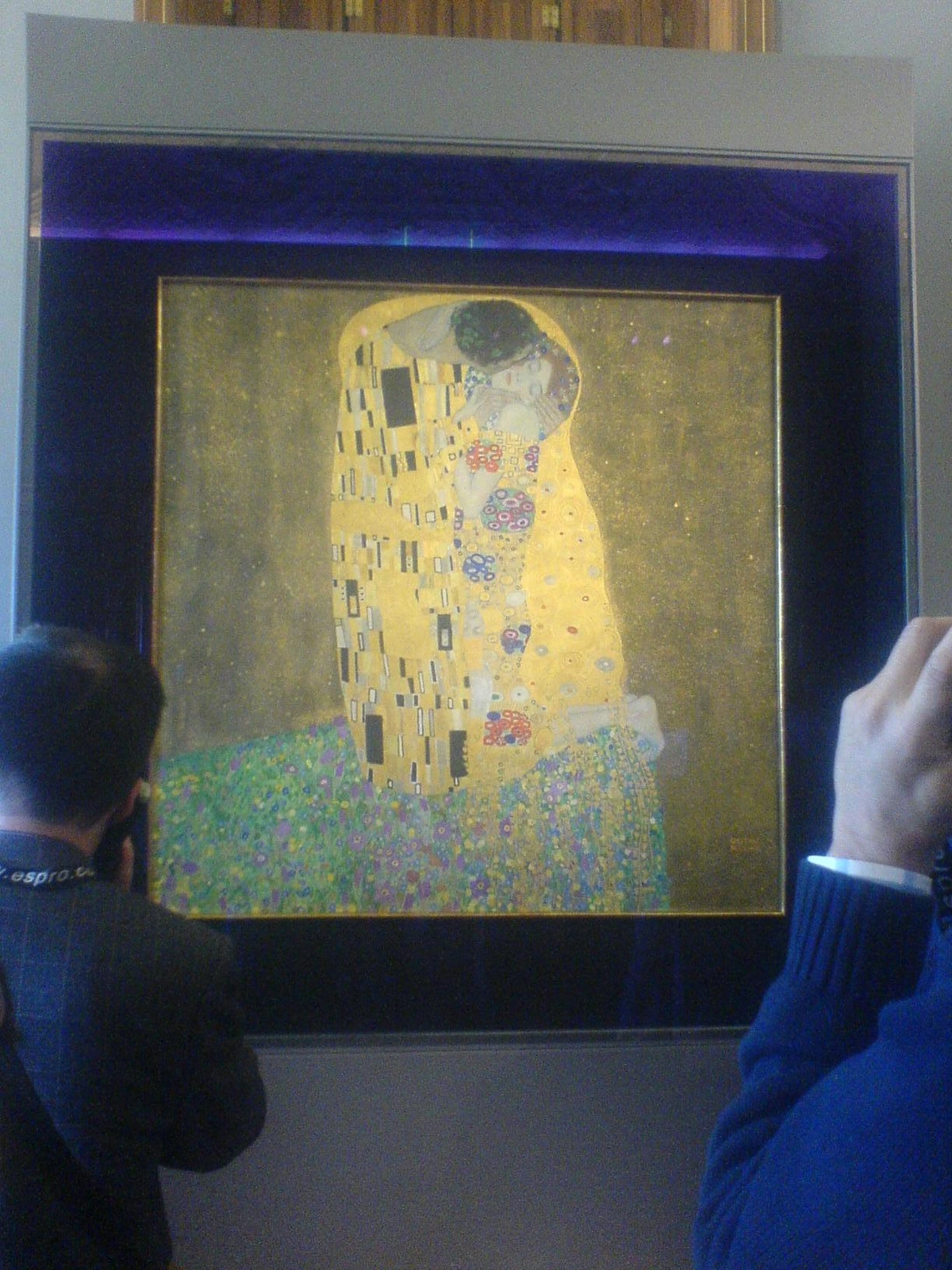
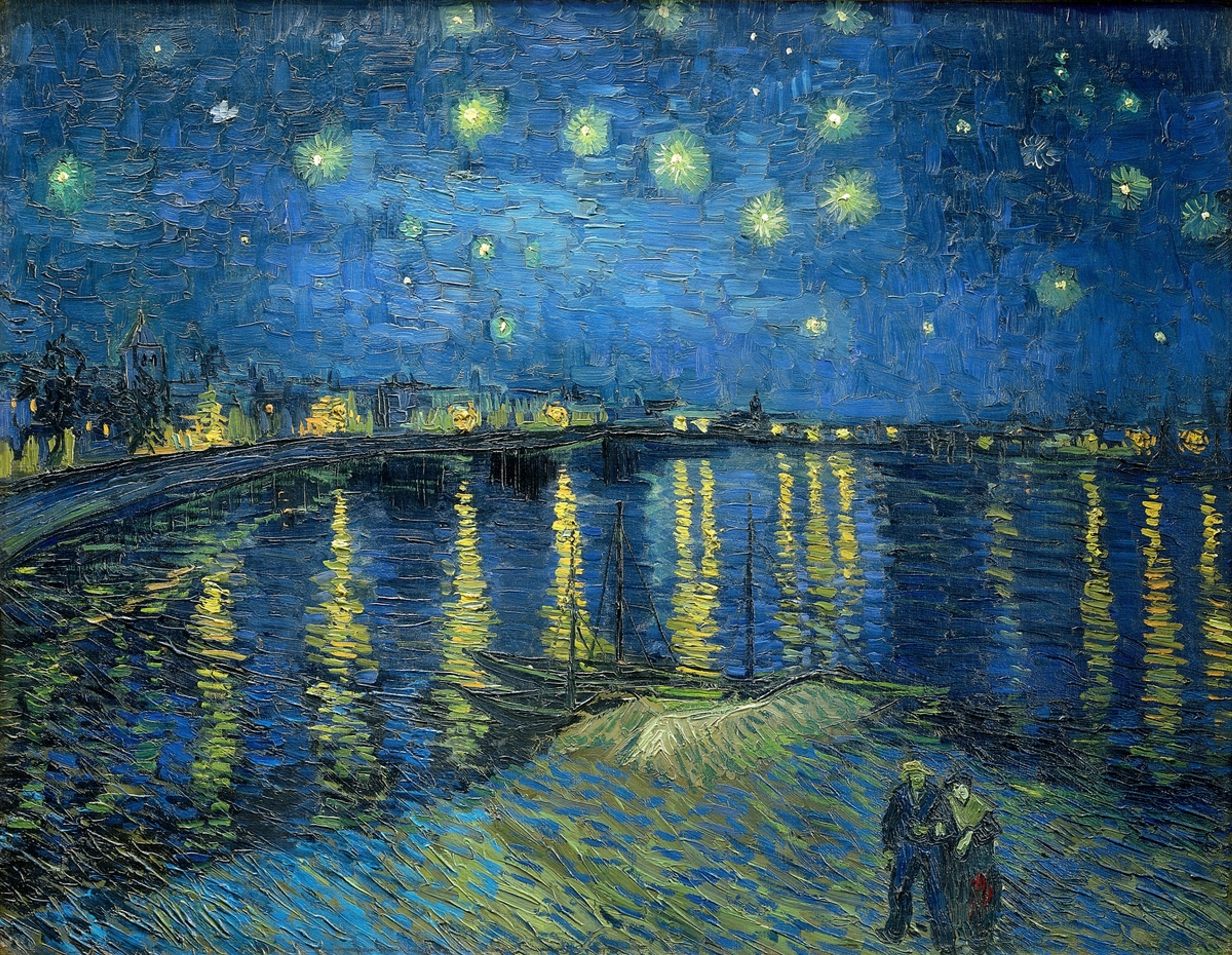
While this is a Post-Impressionist work, the raw emotionality and expressive use of nature by Van Gogh capture a spirit that deeply connects to Romantic ideals of subjective experience and emotional truth.
When did Romanticism start and end?
Romanticism primarily flourished from the late 18th century to the mid-19th century. While exact dates vary by country and discipline, it generally emerged around the 1780s, gaining significant momentum in the 1790s and peaking in the first few decades of the 19th century. Its influence began to wane as new movements like Realism gained traction around the 1840s and 1850s, though its legacy profoundly shaped later art forms. Think of it as roughly 1780-1850, with precursors earlier and echoes much later.
What is the difference between Romanticism and romance?
That's a common point of confusion! Romance typically refers to love stories, affectionate relationships, or a sense of idealization in a personal context. It’s the stuff of candlelit dinners and heartfelt gestures, if you will. Romanticism, on the other hand, is a broad artistic, literary, and intellectual movement. While it can include themes of love, its core emphasis is on strong, often intense emotion (which also includes terror, awe, melancholy, anger, and despair), radical individualism, the power of nature (especially the sublime), a fascination with the past and exotic, and a profound rejection of pure rationalism. They share a root word, but their meanings in this context are vastly different. Romanticism is much grander, messier, and often darker than simple romance.
This iconic image of Caspar David Friedrich's Wanderer Above the Sea of Fog powerfully illustrates the core of Romanticism: the individual confronting the overwhelming, sublime power of nature, an experience far removed from simple romance.
What are the key literary figures of Romanticism?
Romantic literature was as vibrant and influential as its visual art. Key figures include:
- England: Poets like William Wordsworth (known for his nature poetry and emphasis on common language), Samuel Taylor Coleridge (who explored the supernatural and exotic), Lord Byron (creator of the defiant "Byronic hero"), Percy Bysshe Shelley (a revolutionary idealist), and John Keats (celebrated for his sensuous odes).
- Germany: The early Sturm und Drang movement included Johann Wolfgang von Goethe (whose The Sorrows of Young Werther and Faust are pivotal) and Friedrich Schiller (known for his dramatic plays and focus on freedom).
- France: Figures like Victor Hugo (author of Les Misérables and The Hunchback of Notre-Dame), who brought grand historical narratives and profound human emotion to the forefront.
- United States: Literary Romantics included Edgar Allan Poe (delving into the Gothic, macabre, and psychological), Nathaniel Hawthorne, and Herman Melville.
These writers, across different nations, shared a common thread: prioritizing emotion, imagination, nature, and the individual experience in their storytelling and verse.
What is the role of mythology and folklore in Romanticism?
Mythology and folklore played a crucial role in Romanticism, serving as a rich wellspring for themes, narratives, and a means to express national identity. Romantics looked back to the Middle Ages and ancient legends, not for classical ideals, but for stories imbued with deep emotion, heroism, and a sense of the mysterious. They collected and reinterpreted folk tales (like the Brothers Grimm in Germany), revived epic sagas (such as the Nibelungenlied or Arthurian legends), and drew on national myths to explore themes of heroism, destiny, and the supernatural. This provided an antidote to Enlightenment rationalism, reconnecting people with their cultural roots and a more imaginative, spiritually resonant past, often contributing to the burgeoning sense of nationalism across Europe.
How did Romanticism influence architecture?
Romanticism profoundly influenced architecture through the Gothic Revival movement, which emerged in the mid-18th century and became dominant in the 19th century. Rejecting the clean lines and classical symmetry of Neoclassicism, Gothic Revival architecture championed a return to medieval Gothic styles. It emphasized dramatic, picturesque forms, intricate ornamentation, pointed arches, ribbed vaults, and a sense of awe-inspiring verticality, often evoking a sense of the sublime and a connection to a more spiritual, heroic past. Notable examples include the Houses of Parliament in London, the Westminster Palace, and countless churches and university buildings across Europe and North America, all designed to inspire emotion and a sense of historical grandeur rather than purely rational beauty. This architectural style was an aesthetic embodiment of Romantic nostalgia and its embrace of the dramatic and ornate.







What countries were key to the Romanticism movement?
Romanticism was a widespread European phenomenon, but it had particular strongholds where its principles truly blossomed, often shaped by local cultural and political landscapes.
- Germany was a vital early center, with literary movements like Sturm und Drang paving the way, and artists like Caspar David Friedrich defining its visual language through powerful expressions of the sublime and individual spirituality, deeply rooted in philosophical idealism.
- England saw a flourishing of Romantic poetry (William Wordsworth, Samuel Taylor Coleridge, Lord Byron, Percy Bysshe Shelley, John Keats, who celebrated nature and individual emotion) and painting (J.M.W. Turner and John Constable, capturing nature's dramatic and serene aspects, respectively).
- France had figures like Eugène Delacroix, whose dramatic historical paintings ignited revolutionary passion and explored exotic themes, often reflecting periods of political upheaval.
- Spain, with Francisco Goya, explored the darker, more introspective side of human emotion and societal critique, often with chilling realism born from social turmoil.
- Even in the United States, the Hudson River School (Thomas Cole, Frederic Edwin Church) embodied Romantic ideals through their epic, sublime landscapes of the American wilderness, often connecting to themes of national identity and westward expansion.
A Final, Un-Romantic Thought
Thinking about Romanticism always leaves me feeling a bit windswept, a bit raw. It’s a powerful reminder that some of the most impactful art comes not from careful planning or rigid adherence to rules, but from a place of messy, undeniable feeling. It’s about having the courage to paint the storm inside you, not just the pretty landscape outside the window. And in that wild, beautiful chaos, I find endless inspiration for my own work. This emphasis on raw emotion and individual expression is a legacy I strive to capture in my own vibrant, often abstract work, translating an inner world onto canvas. The spirit of Romanticism continues to inspire artists today. Exploring this lineage, you can see its echoes in contemporary art, like the pieces I create, which you can find at [/buy] or discover further at my studio at [/den-bosch-museum]. This exploration has hopefully stirred something within you, a recognition that art's deepest truths often lie beyond the purely rational, in the vast, untamed territories of the human heart. And that, I think, is a lesson that never gets old.