Lady Liberty: Art, Engineering, Enduring Symbolism, and Global Legacy
Uncover Lady Liberty's full story: from artistic creation & ingenious engineering to evolving symbolism for immigrants and enduring global impact. The definitive guide.

Lady Liberty: Art, Engineering, and an Enduring Global Symbol of Freedom, Democracy, and Welcome
I’m always fascinated by how an idea, a mere flicker of thought, can grow into something monumental, something that shapes our collective consciousness for centuries. Take the Statue of Liberty, for instance. Before she became the majestic guardian of New York Harbor, she was first conceived as an ambitious, colossal lighthouse for the Suez Canal. It’s an origin story that makes you pause and consider how profoundly a single vision can transform, pivoting from a regional beacon to a universal one. For Bartholdi, the original intent for the Suez Canal project, “Egypt (or Progress) Brings Light to Asia,” was to symbolize Egypt's forward march into modernity, illuminating the East with progress. It was a utilitarian vision, yes, but also a potent statement about enlightenment and burgeoning regional power. But when I really look at iconic landmarks like her, it’s never just the sheer scale or the historical weight that truly captivates me. It's the story they tell, the enduring emotion they evoke, the way they transcend their physical form to become an almost living entity. And for me, no landmark does this quite so powerfully as Lady Liberty herself. She isn’t just a towering green figure holding a torch; she’s a feeling, a hope, a piece of art that managed to become a universal beacon. She's a monumental sculpture, yes, but also a profound declaration, an engineering marvel, and a silent observer of centuries of human dreams and struggles.
In this definitive exploration, we’re not just revisiting history; we’re delving deep into her artistic and engineering brilliance, decoding the layers of profound messages she embodies, tracing her evolving legacy, and examining why she continues to resonate so powerfully across time. You’re about to discover why this isn't just an article, but the comprehensive guide to understanding Lady Liberty, from her hammered copper skin to her enduring global relevance.
The Visionaries Behind the Colossus: Art, Engineering, and a Shared Dream
When I first delved into the details of her creation, I was honestly floored. We often gloss over the fact that these massive structures don't just materialize. They are meticulously conceived, designed, engineered, and then painstakingly brought to life by dedicated artists and skilled craftspeople. The Statue of Liberty is a prime example of grand-scale public art, a neoclassical masterpiece whose ambition and execution are so profound that they rival and often surpass many contemporary works. It's a powerful reminder that art isn't always confined to a gallery wall or a canvas in my studio; sometimes, it stands as a sentinel over an entire city.
Frédéric Auguste Bartholdi: Sculpting an Ideal Through Repoussé
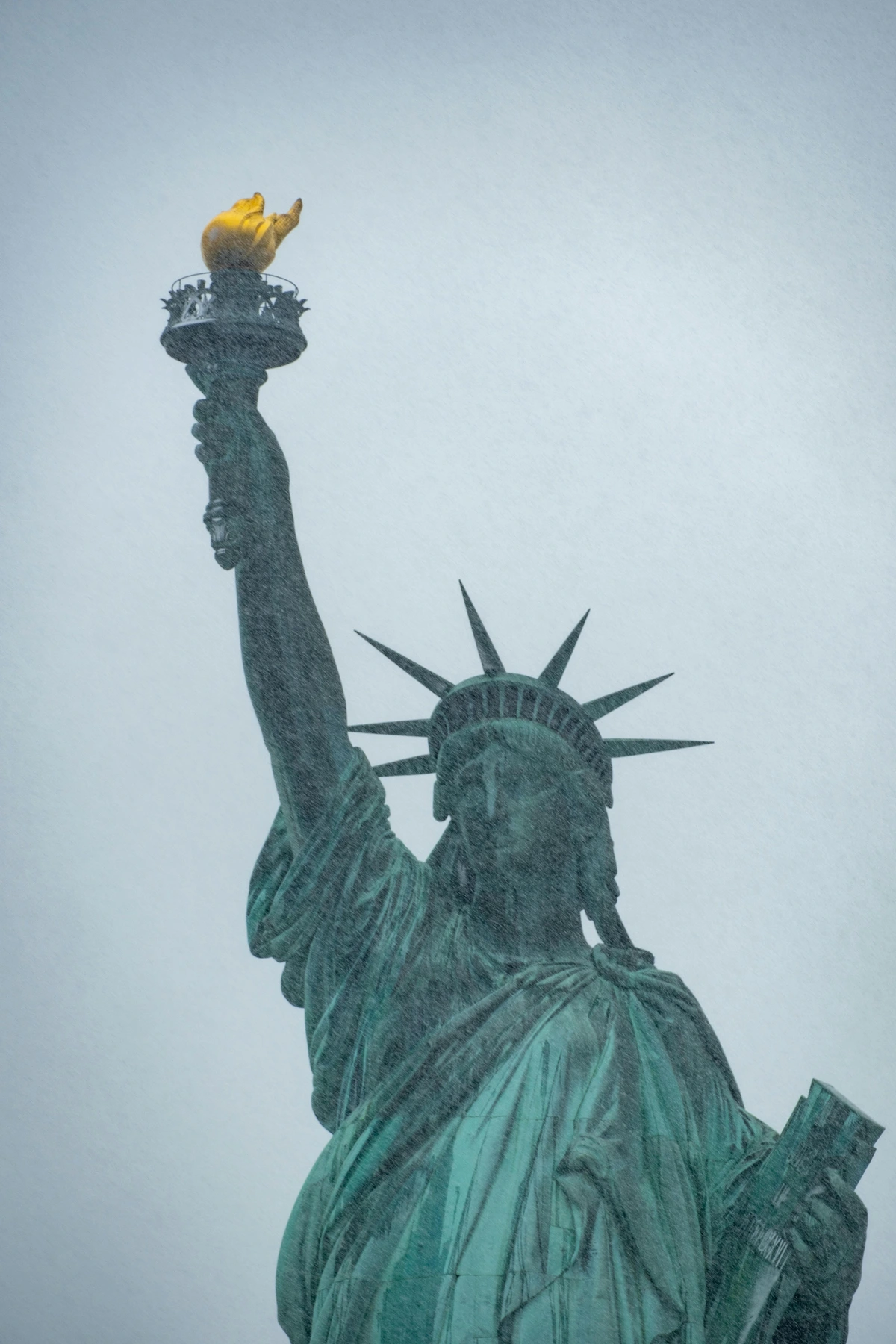
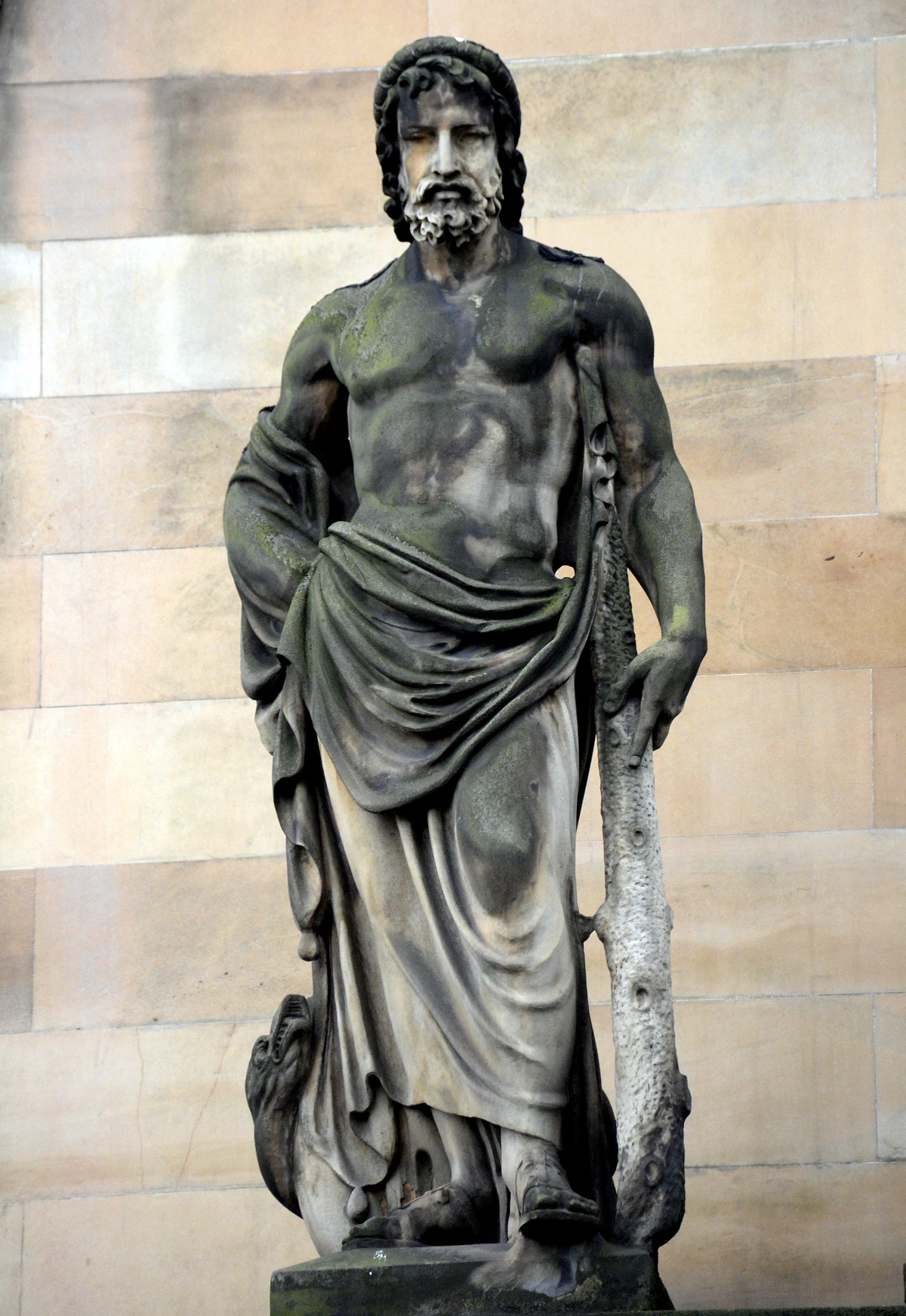
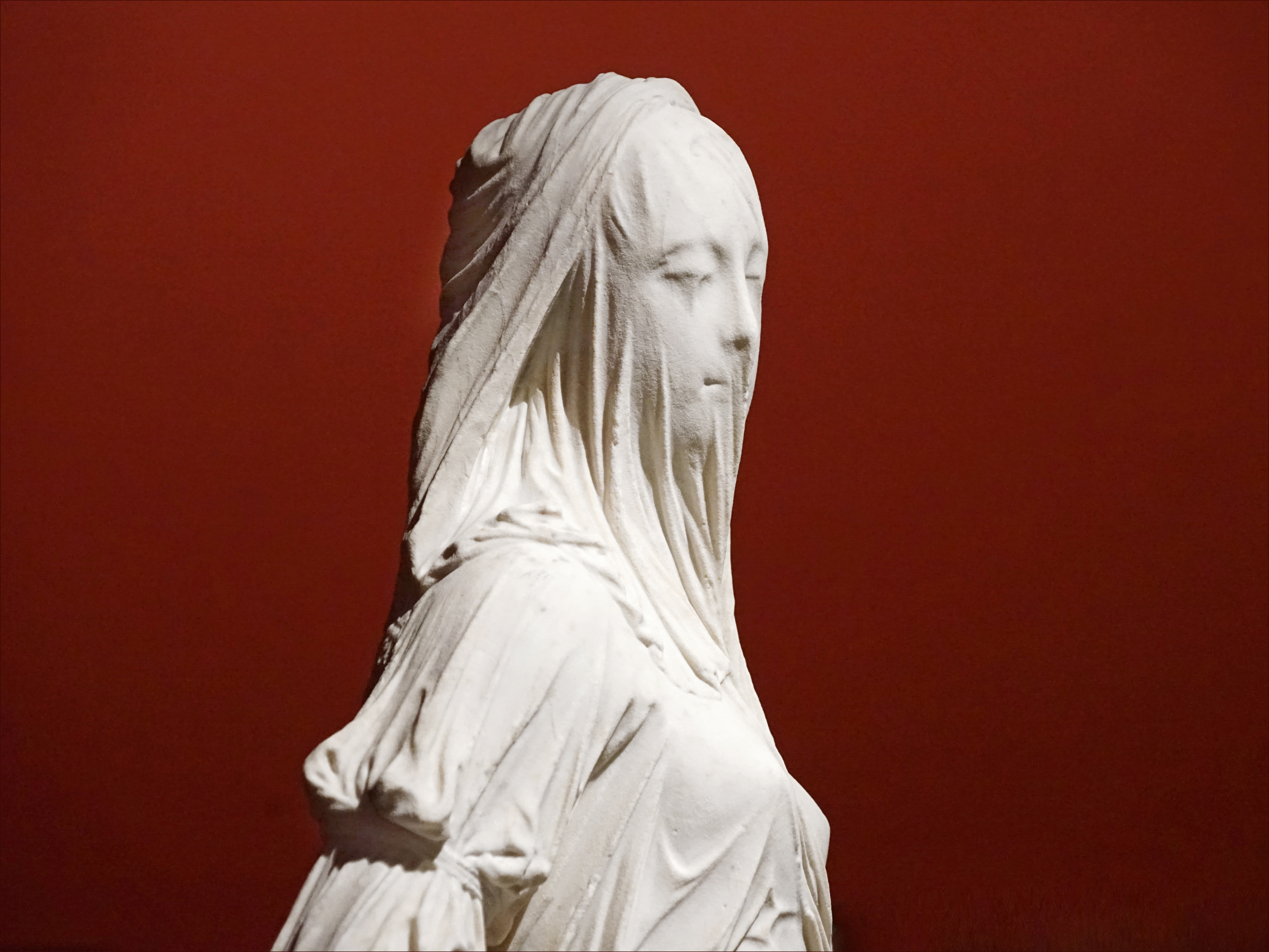
Let's talk about Frédéric Auguste Bartholdi. What an incredible vision, right? This French sculptor was the artistic mind behind this colossus. I sometimes wonder what it must feel like to have an idea so massive, so culturally significant, that it would literally stand for centuries, bearing the weight of so many hopes and histories. Bartholdi envisioned a goddess-like figure, a personification of Libertas, the Roman goddess of liberty, as a magnificent gift from the people of France to the people of the United States. He wasn’t merely carving a statue; he was attempting to embody an abstract ideal in copper and steel using the intricate repoussé technique. This wasn't casting, where molten metal is poured into a mold for speed and uniformity; this was a meticulous, painstaking process where relatively thin copper sheets, often less than an inch thick, were hammered from the inside against precisely carved wooden forms (known as patrices). Imagine the rhythmic clang of hammers, slowly, artfully coaxing Bartholdi’s vision to life, shaping the metal like clay. Specialized mallets and chisels, often with custom-shaped heads, would have been wielded with immense precision, gradually stretching and forming the copper with incredible consistency across each of the 350 individual pieces. It’s a technique that allows for both monumental scale and astonishingly delicate detail, much like how a master's subtle brushstroke can define an entire face in a portrait, or the way a sculptor might achieve almost translucent drapery in marble, revealing the form beneath with exquisite precision. When I see sculptures that achieve such intricate detail through meticulous craftsmanship, like the exquisite drapery in Corradini's 'Allegory of Faith', it resonates deeply with the immense skill involved in Bartholdi's approach, albeit on a vastly different scale and material. It truly makes me think about the careful consideration required in the principles of artistic design, but on an unimaginable, unprecedented scale. He was undoubtedly influenced by classical and neoclassical sculptures—figures like the legendary Colossus of Rhodes or ancient Greek goddesses—seeking to imbue his work with the grandeur, contrapposto, and profound allegorical power of ancient colossal statues, yet with a distinctly modern message of republican liberty. His work drew heavily on the tradition of idealised female figures, a hallmark of Neoclassicism, and anyone exploring the principles of Neoclassicism in art would immediately recognize these stylistic echoes.
Gustave Eiffel's Ingenuity: The Flexible Skeleton
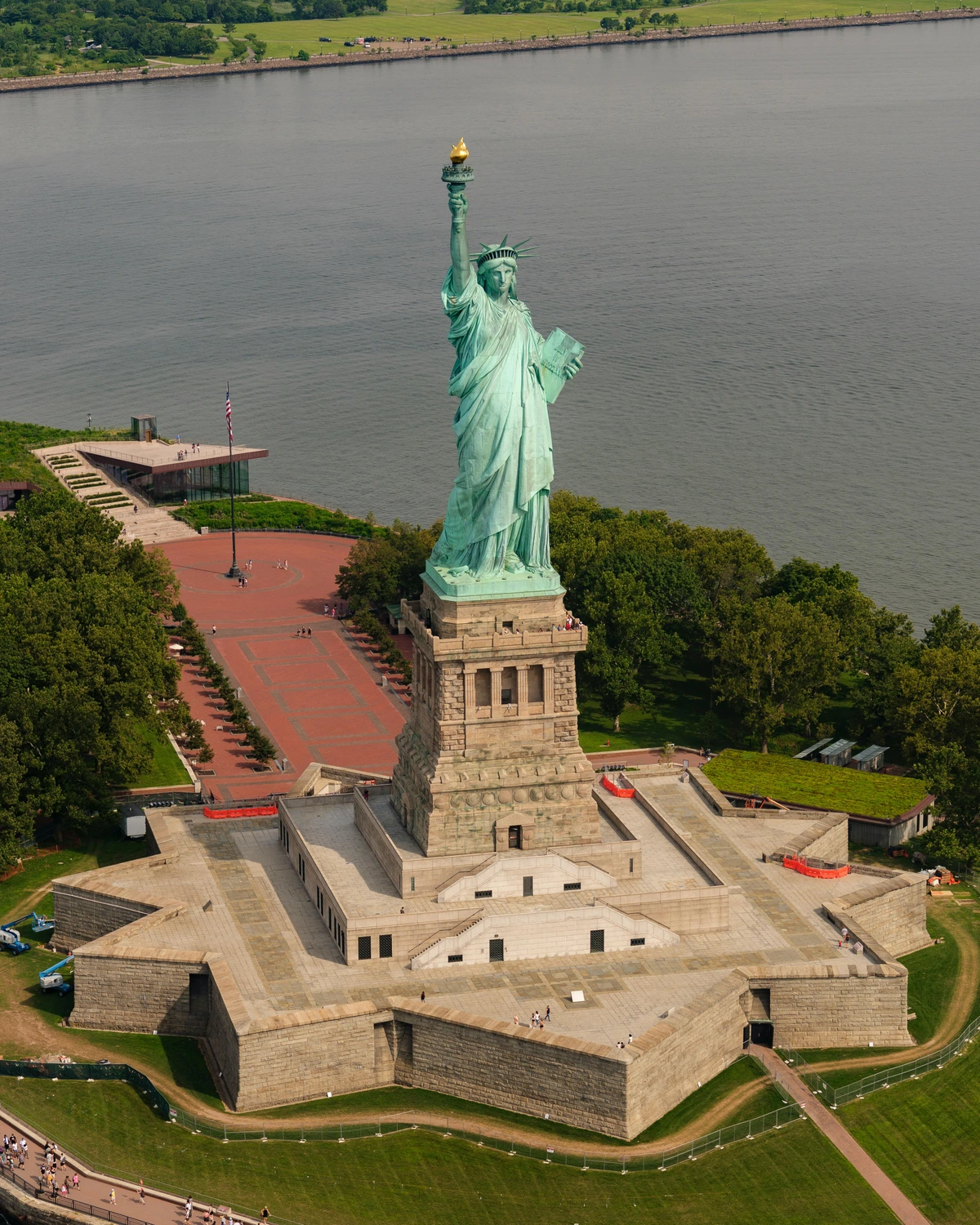
And then there’s the hidden genius, the unsung hero of her longevity: Gustave Eiffel. Yes, that Eiffel, the visionary behind the iconic Tower. He designed the Statue of Liberty's internal iron framework, an engineering marvel that allowed Bartholdi's relatively thin copper skin to withstand the relentless forces of nature—the harsh winds, thermal expansion and contraction, and salty air of New York Harbor. Imagine the sheer engineering challenge: creating a flexible, yet robust, skeleton for a 151-foot tall sculpture that needed to endure sustained winds of over 50 miles per hour, dynamic temperature changes, and the constant subtle movements of her copper skin without cracking or collapsing. Eiffel’s stroke of genius was a system of internal support with flexible wrought-iron armatures, essentially a giant central pylon (much like a miniature Eiffel Tower!) from which secondary supports branched out. These branches were connected to the copper skin not rigidly, but through a series of 'saddles' and riveted copper straps that allowed the skin to 'float' or 'breathe' independently of the frame. This ingenious design, reminiscent of a suspension bridge in its principles, was absolutely crucial for her longevity, preventing the copper from cracking under stress as it expanded and contracted with temperature changes—a critical point of failure that less flexible designs would have guaranteed. He didn't just consider the static load; he designed for dynamic forces, understanding that the skin and skeleton would move differently, requiring an almost biological flexibility. It's like he designed her to dance with the wind, rather than resist it rigidly, a true marvel of adaptable structural engineering.
This intricate, integrated system is one I deeply appreciate, much like the complex compositions in many abstract art pieces, albeit on a much grander, literal scale. The original wrought iron framework, however, would later corrode significantly due to galvanic corrosion (an electrochemical process where two dissimilar metals, like copper and iron, in contact with an electrolyte, like saltwater air, cause one to corrode preferentially. Think of it like a tiny battery where one metal sacrifices itself to protect the other, but eventually, it's eaten away. Or, imagine an old boat where a steel propeller meets a bronze hull fitting in saltwater; the steel will disappear over time). Early inspections and scientific observations in the mid-20th century explicitly flagged this issue. Pioneering metallurgists and engineers, including a detailed 1937 report by the National Park Service that documented visible degradation of the iron straps and identified specific corrosion products, and further studies in the 1970s, precisely identified the slow but inevitable degradation. They observed the actual disintegration of the iron straps where they met the copper, often leaving behind a reddish-brown residue, a clear testament to the unforeseen long-term challenges in such pioneering engineering. It’s a fascinating blend of profound art and cutting-edge science, a testament to how creative problem-solving isn't just for the canvas; it's absolutely essential in grand architectural and sculptural endeavors. The need for adaptability and flexibility, even in inert materials, mirrors the way an artist must be prepared for unexpected shifts in their own creative process.
A Monument Forged in Friendship and Enduring Ideals
The Statue of Liberty, officially titled "Liberty Enlightening the World" (or La Liberté éclairant le monde in French), was far more than a simple gift; it was a decades-long declaration of enduring friendship and shared republican ideals, born from a complex interplay of post-Civil War American politics and French artistic ambition.
Conception and Political Context
Conceived in the wake of the American Civil War by French abolitionist and jurist Édouard de Laboulaye, the statue was initially proposed as a monument to celebrate the Union victory and the abolition of slavery, a powerful statement linking French revolutionary ideals with America's struggle for universal freedom. Laboulaye, a staunch advocate for democracy and individual liberties, envisioned a grand gesture that would not only commemorate the end of the Civil War and slavery but also strengthen ties between the two fledgling republics, underscoring his philosophical belief in self-governance and human dignity. American politics at the time, particularly during the Reconstruction era, were fraught with debates over civil rights, states' rights, and national unity. This French gift offered a powerful, unifying symbol amidst that turmoil, a reminder of shared values at a critical juncture in American identity formation. It was a potent political statement in an era grappling with the aftermath of slavery and the fragile reconstruction of American identity, cementing shared democratic values and an enduring alliance between France and the United States.
The French government, specifically under the nascent Third Republic (a period after the Franco-Prussian War when France was striving to re-establish democratic legitimacy, national pride, and assert its influence following significant military defeat), saw the project as a perfect opportunity to demonstrate its commitment to republican values and its strong ties with the burgeoning American republic. This wasn't just a cultural exchange; it was a deliberate diplomatic maneuver to project French influence and ideals globally, subtly reinforcing its own republican identity on the world stage.
From Suez Canal to New York Harbor: An Idea Reborn
Interestingly, Bartholdi's initial inspiration for a colossal figure holding a torch came from an earlier, unrealized proposal for a lighthouse at the northern entrance to the Suez Canal in Egypt. This project, conceived around 1867-1869, known as "Egypt (or Progress) Brings Light to Asia," envisioned a robed female fellah (Egyptian peasant) holding a massive torch, symbolizing Egypt bringing enlightenment to Asia. The design sketches show a figure with classical proportions, but the intention was specifically for a lighthouse, with light emanating from the torch, and the attire was distinctly Egyptian. It was ultimately rejected due to immense financial constraints (the Suez Canal project itself was incredibly costly and fraught with debt for Egypt), alongside significant logistical hurdles of building such a massive copper structure in the desert environment, where extreme heat, sandstorms, and lack of nearby resources presented unprecedented construction and maintenance challenges. Furthermore, complex political dynamics surrounding the canal's ownership and control—caught between French, British, and Egyptian interests—made such a overtly symbolic and grand French-designed monument politically untenable. This pivot from Suez to New York profoundly reshaped the statue's destiny and meaning, transforming its original, more localized symbolism into a universal declaration aligned with the grand narrative of American exceptionalism and welcoming immigrants.
The Battle for the Pedestal: American Fundraising Woes
However, the journey was far from smooth. Both nations faced significant fundraising hurdles and periods of profound public apathy that, honestly, make me shake my head a little. In France, the project, spearheaded by the Franco-American Union, relied heavily on public subscriptions, elaborate lotteries, and theatrical events, successfully raising the equivalent of millions of dollars today (approximately $2.25 million in 1880s francs, translating to tens of millions in today's currency for the statue itself). These efforts included high-profile galas, art exhibitions, and even widespread public appeals through newspapers, demonstrating a broad national commitment.
But in America, despite the magnanimous gesture from France, initial enthusiasm for funding the colossal pedestal waned significantly. Government support was lukewarm, and public donations trickled in. A particularly telling anecdote is how the American Committee for the Statue of Liberty, despite numerous appeals, struggled to even raise the initial architectural fees for the pedestal design, let alone the construction costs. There was a palpable sense of indifference, with some public figures openly questioning the necessity of a foreign gift at a time when the nation had its own pressing issues. This led to frustrating delays and very real threats of the statue being returned to France if a suitable home could not be secured. Can you imagine? A gift of this magnitude, nearly sent back across the Atlantic because of a funding shortfall! It reminds me of those group projects in school that were either brilliant successes or total disasters. Luckily, this one was definitely the former, thanks in large part to a truly unlikely hero.
Joseph Pulitzer and the People's Pedestal
Despite the grand intentions, the American side struggled immensely to raise the necessary funds for the statue's monumental pedestal. Construction stalled, threatening to leave the French-built goddess without a proper home. Into this dilemma stepped Joseph Pulitzer, the dynamic and innovative newspaper publisher. In 1885, he launched a groundbreaking fundraising campaign in his influential newspaper, The New York World. Appealing directly to the public, from the wealthy to the working class, Pulitzer promised to print the name of every single contributor, no matter how small their donation. His articles were passionate, sometimes scathing, shaming the wealthy elite while championing the collective power of ordinary citizens, often specifically highlighting donations as small as a few cents from schoolchildren or laborers. This populist approach galvanized over 120,000 Americans, raising over $100,000 (equivalent to several million today) in just five months, ensuring the pedestal's completion. The campaign fostered a profound sense of collective ownership, transforming the statue from a foreign gift into a symbol purchased by the hands of the American people themselves. It's a powerful and inspiring story of collective civic action, demonstrating that even monumental art can truly be a gift from the people, by the people.

From Paris Workshop to New York Harbor: A Goddess Disassembled and Reborn
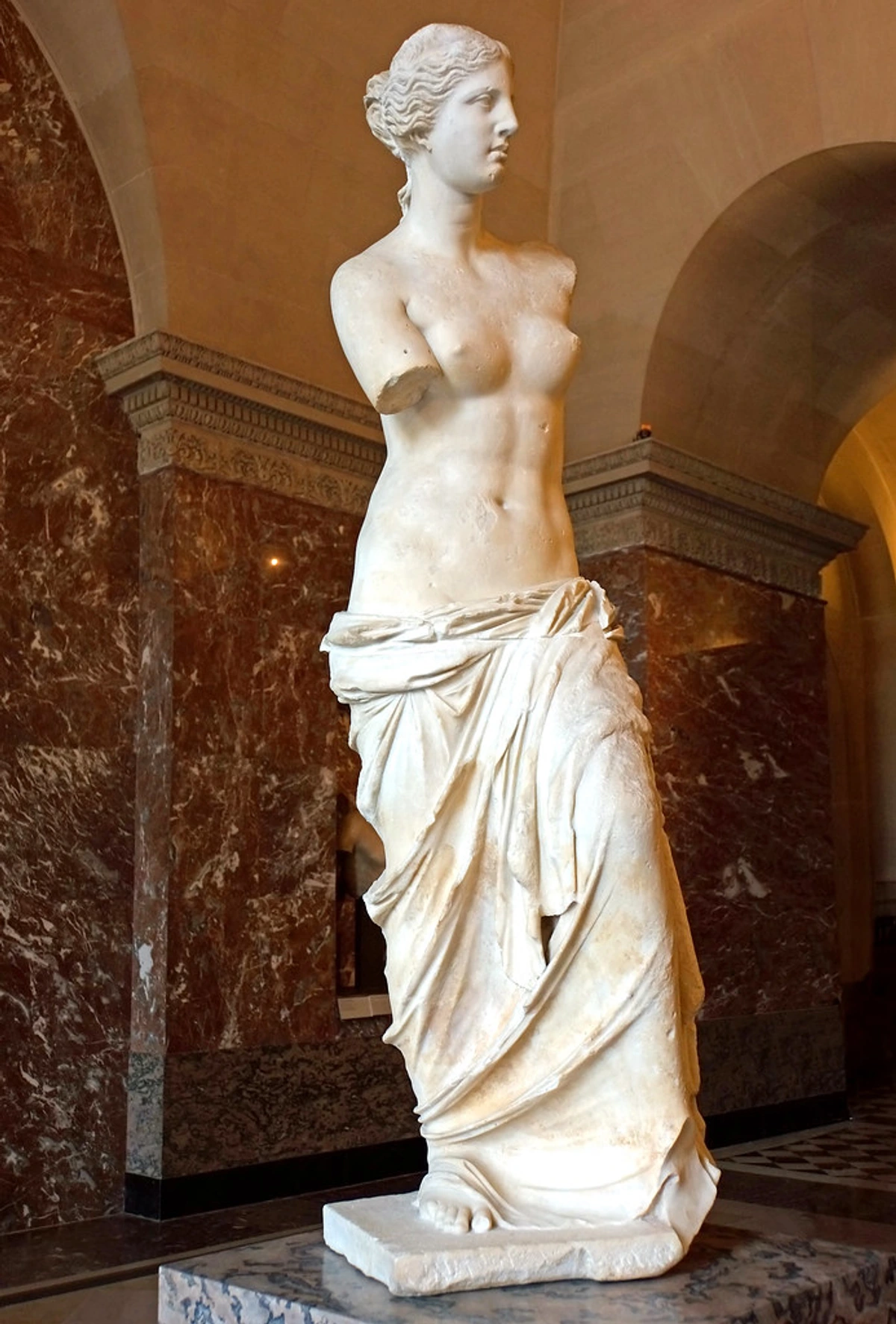
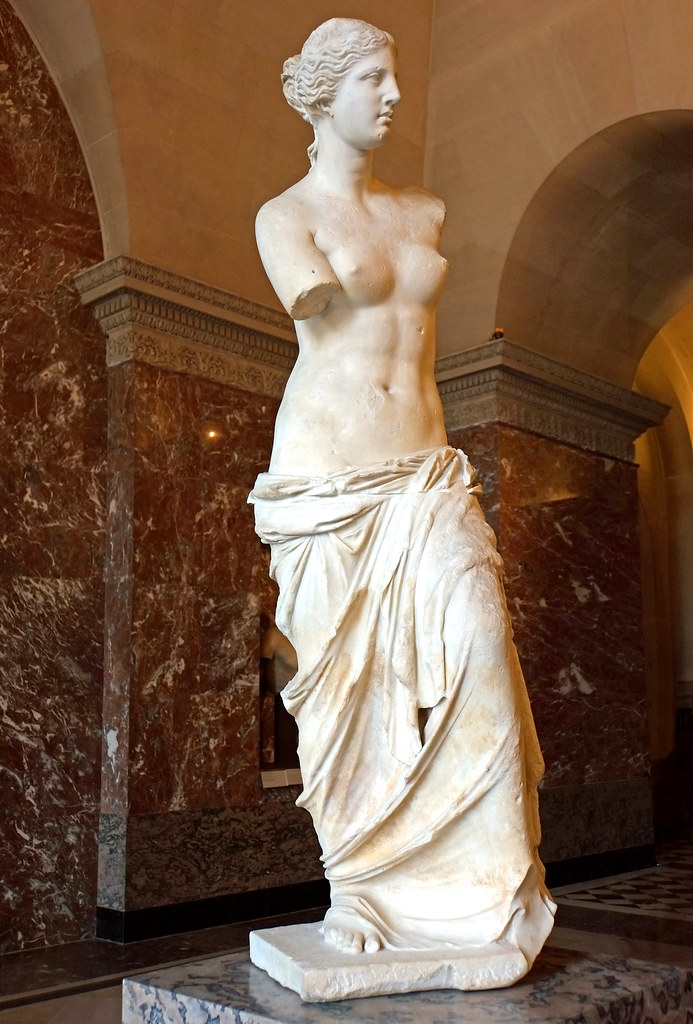
I can only imagine the sheer buzz around its construction in Bartholdi's Parisian workshop, seeing this massive figure slowly take shape, piece by painstaking piece, over nearly a decade. The logistical feat of then dismantling the entire goddess into 350 individual pieces, meticulously packing them into 214 crates across nine years (1875-1884), and shipping them across the Atlantic in 1885 on the French frigate Isère is almost mythical in scale. The ship, loaded with its 214 massive crates (containing the 350 individual components of the statue), barely made it through a fierce storm in the Atlantic, facing crashing waves and strong headwinds that tested its seaworthiness to the limit. It arrived battered but victorious in New York Harbor, greeted by a jubilant crowd of hundreds of thousands. The images of it being reassembled on Bedloe's Island (now Liberty Island) must have been astounding – truly a moment of collective wonder and national pride, with thousands gathering to witness each copper component being lifted and bolted into place over four months. Bedloe's Island itself, having served as a strategic military post for harbor defense since colonial times, was already steeped in history, providing a fitting, albeit pre-determined, stage for this monumental unveiling. The very idea of a disassembled goddess traveling the treacherous seas, only to be painstakingly reassembled and reborn in a new land, powerfully echoes the tales of ancient mythical figures, much like the timeless Venus de Milo, whose fragmented beauty still captivates us today.
Key Facts About the Statue of Liberty
Feature  | Detail | Insightful Take |
|---|---|---|
| Original Name | Liberty Enlightening the World (La Liberté éclairant le monde) | This poetic title truly whispers of her grandest ambitions: to illuminate the world with the ideals of French republicanism, a vision far grander than a simple moniker. |
| Location | Liberty Island, New York Harbor, USA | To imagine her as the very first sight for millions seeking freedom and a new life is truly impactful, offering a unique and poignant vantage point on history and human migration. |
| Designer of Statue | Frédéric Auguste Bartholdi (sculptor) | His artistic vision to embody an ideal on such a colossal scale was extraordinary, a powerful act of creative will that resonates across time and cultures. |
| Engineer of Internal Structure | Gustave Eiffel | The genius behind her flexible strength and resilience, proving that art and science are deeply intertwined in monumental works designed to endure. |
| Designer of Pedestal | Richard Morris Hunt (American architect) | The pedestal provided the essential foundation and was itself a significant architectural endeavor, blending classical design with the monumental scale. |
| Height (Statue) | 151 feet 1 inch (46 meters) from base to torch | Her sheer verticality is a powerful declaration of intent, designed to command the skyline and inspire awe and aspiration from all who gaze upon her. |
| Total Height (Ground to Torch) | 305 feet (93 meters) from ground to torch | From the base of her pedestal to the tip of her torch, that's truly monumental, an architectural triumph that asserts its significance over its surroundings. |
| Weight | 450,000 pounds (204 metric tons) | An incredible feat of material handling and structural stability, defying the elements for over a century – a testament to collaborative human ingenuity. |
| Copper Used | Approx. 100 tons (90,720 kg) | A monumental amount of material, hand-hammered into her form. This involved significant resource extraction and meticulous craftsmanship, shaping her very skin. |
| Number of Rivets | Approx. 300,000 | Each rivet meticulously placed, a testament to the immense labor and precision involved in her assembly, literally binding her together piece by painstaking piece. |
| Main Material | Hammered copper sheets (skin), originally wrought iron (internal framework), now stainless steel | The copper-iron combo was innovative but led to galvanic corrosion. The copper's natural verdigris patina protects it, but the original iron framework eventually required replacement with stainless steel for longevity. |
| Original Location of Construction | Bartholdi's workshop, Paris, France | Imagining the colossal pieces taking shape in a bustling Parisian workshop before their transatlantic journey adds a mythical dimension to her creation story. |
| Number of Pieces for Shipment | 350 individual pieces, packed into 214 crates | This incredible logistical challenge underscores the immense planning and precision required to bring such a monumental artistic vision to life across continents, truly a goddess disassembled and reborn. |
| Gift From | People of France to the People of the United States (facilitated by the Franco-American Union) | A friendship solidified in metal, yes, but more profoundly, a narrative of adaptive symbolism that transformed a bilateral gesture into an almost mythical, universal beacon of welcome. |
| Dedication Date | October 28, 1886 | Over a century of standing strong, absorbing new meanings and stories, she remains a constant witness to human history and evolving global dialogues about freedom. |
Decoding Lady Liberty's Profound Symbolism: More Than Just Copper and Steel
This is where Lady Liberty truly shines, in my opinion, transcending her physical form to become a powerful vessel for universal ideals and continuously absorbing new meanings. Her symbolism is rich, layered, and still incredibly potent today, evolving from Bartholdi's original republican vision to a global beacon of hope and welcome. When I look at her, I don't just see copper; I see the distilled essence of freedom, democracy, justice, and opportunity. It’s also crucial to acknowledge that while the statue became an undeniable, powerful symbol of welcome for immigrants, the reality for many arriving in America was often far from the promised ideal of unrestricted freedom and opportunity. The tension between the proclaimed ideal and the lived experience—between the symbolic message and the often harsh reality—is a powerful and essential dimension of her ongoing artistic and historical relevance. This complex legacy is evident in restrictive policies like the Chinese Exclusion Act of 1882 (just four years before the statue's dedication), which severely limited Chinese immigration, and the Immigration Act of 1924, which established strict national origin quotas favoring Northern Europeans, effectively slamming the door on many from Southern and Eastern Europe, Asia, and Africa. For these 'huddled masses' arriving at Ellis Island during these periods, the symbolic promise of the "Mother of Exiles" stood in stark, sometimes ironic, contrast to the systemic xenophobia and racial discrimination they often faced, creating a poignant historical irony that continues to provoke reflection.
Emma Lazarus and "The New Colossus": A Beacon for Immigrants
While Bartholdi's original intent focused primarily on Franco-American friendship and republican ideals, the Statue of Liberty's most enduring and widely recognized meaning today comes from a poem. In 1883, Emma Lazarus, a prominent American poet and advocate for immigrants and refugees, penned "The New Colossus" as part of the fundraising effort for the statue's pedestal. Her iconic lines, "Give me your tired, your poor, Your huddled masses yearning to breathe free..." profoundly transformed Lady Liberty from a symbol of abstract political liberty into a powerful, empathetic beacon of welcome for immigrants arriving in America. It's important to note, however, that the poem was not immediately given widespread prominence upon the statue's dedication. For years, it remained largely obscure. Its profound impact and its eventual placement on a bronze plaque inside the statue's pedestal, solidifying her role as a universal symbol of hope and opportunity for those seeking refuge and a new life, evolved significantly over time, particularly as waves of European immigrants passed through Ellis Island in the early 20th century, seeking to connect with a tangible symbol of America's promise. This remarkable evolution of meaning is a beautiful example of how monumental art can absorb and adapt to new, profoundly human narratives over time, continually gaining fresh layers of resonance with each successive wave of immigration, reflecting the dreams and struggles of countless individuals. It's a testament to the dynamic power of art to acquire and embody meanings far beyond its creator's initial intentions, making it a truly living and breathing cultural artifact.

The Seven-Rayed Crown: Symbol of Universal Liberty
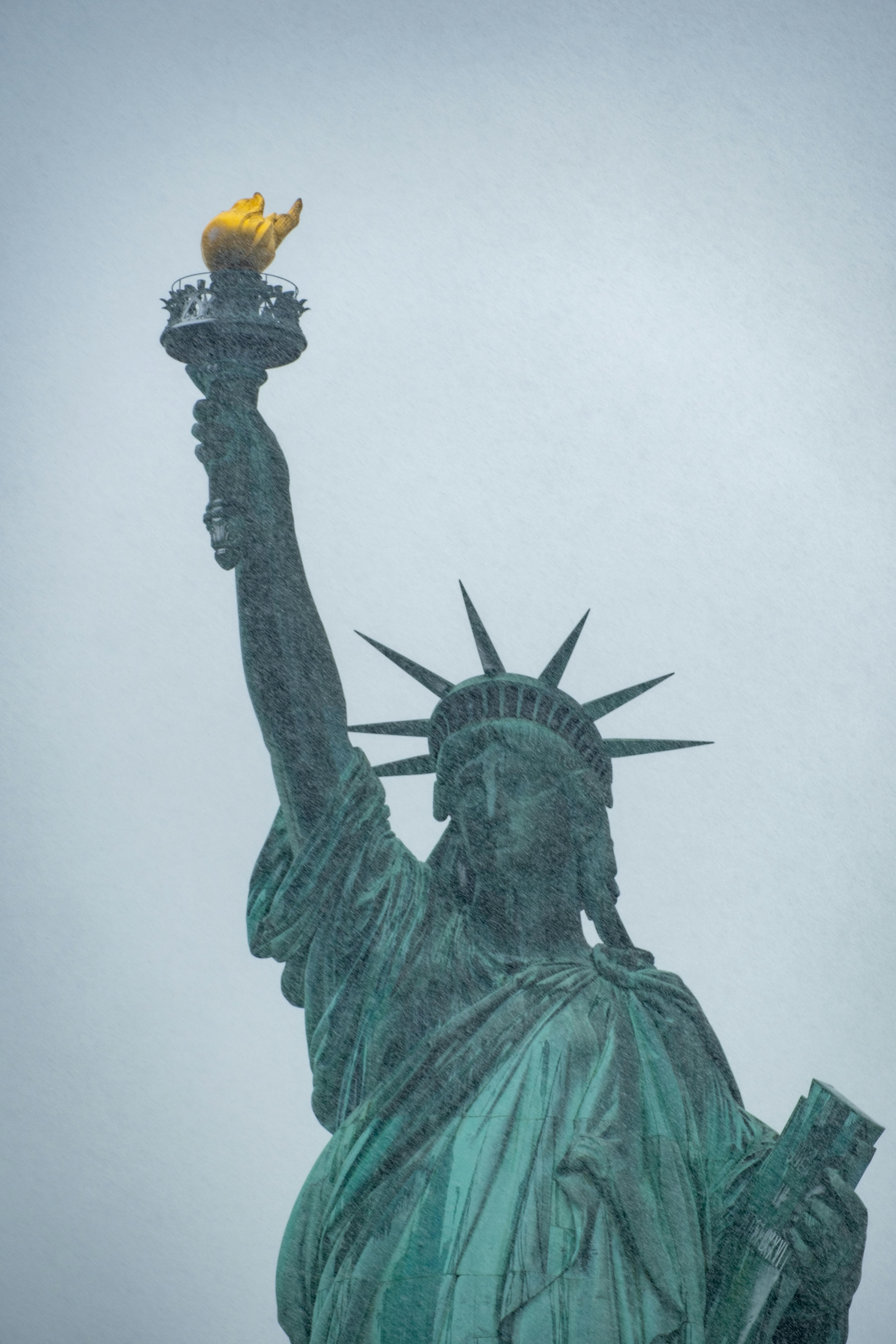
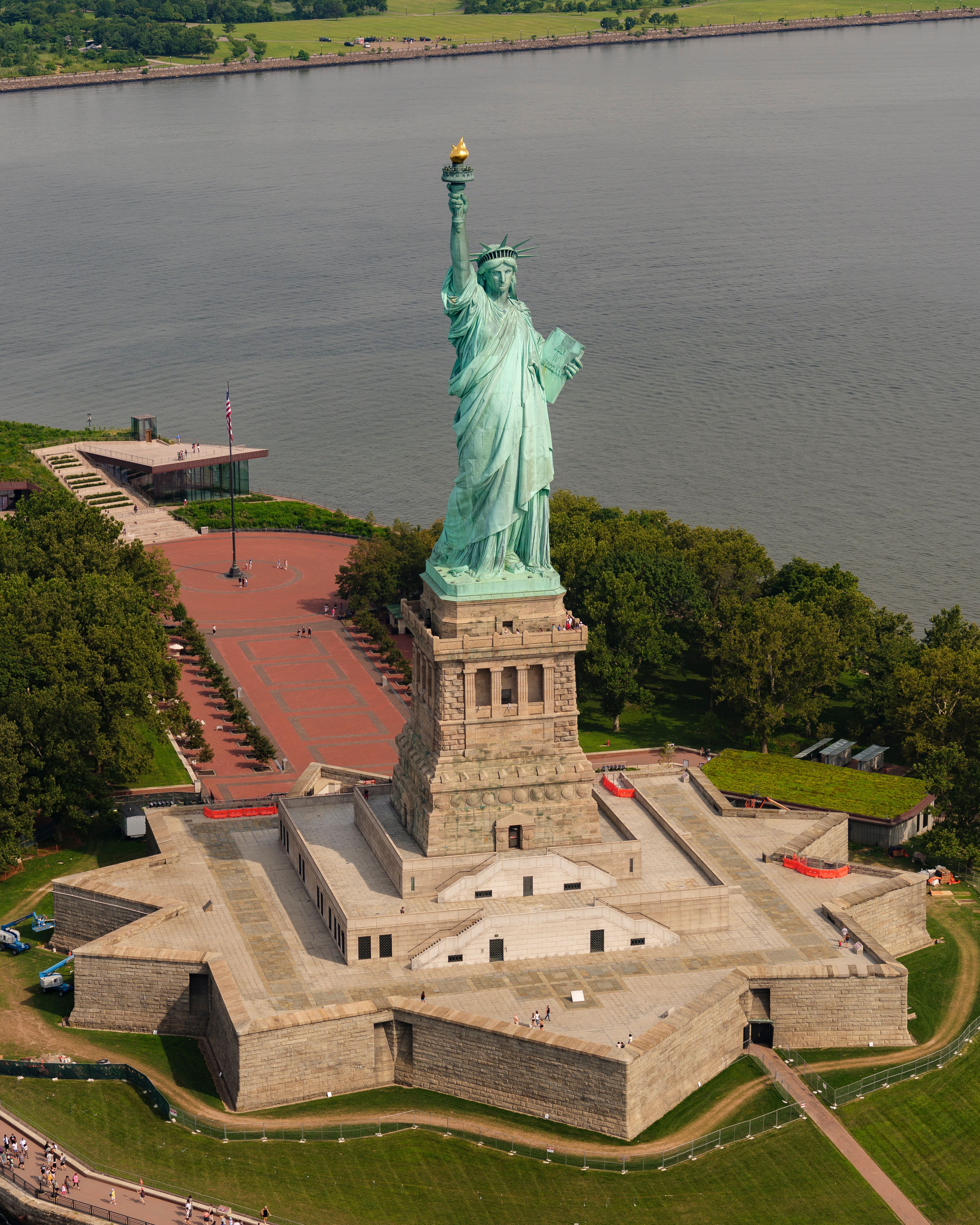
Her distinctive crown, adorned with its seven striking rays, has always particularly fascinated me. These seven rays are widely interpreted to represent the seven seas and the seven continents, powerfully symbolizing the universal concept of liberty reaching across the entire world, not confined to any single nation. It’s a beautiful, expansive thought, suggesting that the ideals she stands for aren't limited to American shores but are a global aspiration for all humanity. Some art historians even suggest a subtle nod to the Sun God Helios from ancient Greek colossi, linking her to a grand, ancient tradition of monumental figures designed to inspire and awe. It's a profound, universal claim, rather than a purely nationalistic one.
The Torch of Enlightenment: A Guiding Light
Her most striking feature, the torch, originally copper-plated and designed to hold a simple lamp, underwent a significant transformation during the 1980s centennial restoration. The original torch, having suffered irreparable damage from water ingress and internal corrosion over decades, was replaced with a magnificent new flame gilded in 24k gold, reflecting the sun by day and brilliantly lit by powerful internal lights at night. The architectural intent of the new torch was to replicate Bartholdi's original visual design for the flame, yet utilize modern, durable materials and a sophisticated internal lighting system to ensure its longevity and luminosity, a blend of historical aesthetic and contemporary engineering. It is consistently interpreted as a symbol of enlightenment, lighting the way to freedom and reason, not through force, but through the gentle, guiding power of knowledge and understanding. I think that's a crucial distinction; it’s about shedding light on oppressive darkness, fostering understanding, and pointing towards a better path, without being overtly confrontational. This resonates deeply with me as an artist – the idea that art can illuminate, can guide understanding, without needing to impose. It’s akin to how an abstract painting can evoke a profound feeling or an idea without explicitly dictating it, simply by inviting contemplation.
The Tablet of Law: Foundation of Enduring Freedom
In her left hand, she purposefully holds a tablet inscribed with the Roman numerals "JULY IV MDCCLXXVI" – July 4, 1776, the date of the American Declaration of Independence. This isn't just a historical note; it's a profound testament to the rule of law and the foundational principles upon which the nation was established. It grounds the abstract idea of liberty in a concrete legal and historical context, reminding us that true freedom often rests on established rights, principles, and a written constitution, much like a well-structured composition provides the indispensable foundation for an enduring artwork. It’s a very specific detail that ties her directly to a pivotal moment, reminding us that hard-won freedom is often underpinned by a framework of justice – a deliberate anchoring of abstract liberty to a specific, foundational moment.
The Broken Chains: Triumph Over Oppression
Often overlooked by casual observers, beneath her left foot lie broken shackles and chains, a profoundly powerful and poignant detail representing the abolishment of slavery and freedom from all forms of oppression. These chains, heavy and visually distinct, represent the bonds of servitude literally shattered, a stark reminder that liberty is never a given; it's often hard-won through immense struggle and sacrifice. Their presence connects directly to the Union victory in the Civil War and the subsequent abolition of slavery, serving as a constant reminder of the battles it took to achieve and maintain freedom. It’s a powerful, almost understated, artistic statement about the enduring cost of freedom, mirroring similar allegories of liberation found throughout art history, such as the broken chains beneath the feet of allegorical figures representing the 'End of Tyranny' in many Baroque and Neoclassical paintings. It’s a strong and clear visual message, much like the precise forms I try to sculpt in some of my own art.
Lady Liberty Today: A Living Legacy, Evolving Art, and Global Relevance
Today, Lady Liberty stands not just as a National Monument, but as a powerful global icon of freedom and democracy, and a welcoming beacon for immigrants and refugees worldwide. She’s weathered countless storms, both literal gales and political tempests, and continues to be one of the most visited sites in the United States. Her image is frequently invoked in global discussions about human rights, democracy, and the plight of displaced populations. She’s seen the women’s suffrage movement rally at her feet, witnessed massive protests against war, and stood as a silent witness to countless moments of both triumph and turmoil in American history, from the struggles for civil rights to the immediate aftermath of 9/11, where she became an impromptu symbol of national resilience. Her symbolism, far from static, continuously adapts to reflect contemporary challenges and aspirations. For instance, during the Cold War, her image was widely employed in propaganda posters, news reports, and cultural exchanges by the US government, often depicting her as a stark contrast to the closed societies of the Soviet bloc, representing the triumph of freedom and democracy over communism. To many behind the Iron Curtain, she was not just a statue but a distant, tangible promise of a better, freer world. Conversely, Soviet propaganda sometimes attempted to subvert her image, portraying her as a symbol of capitalist exploitation rather than true liberty, sometimes even with satirical alterations to her form. More recently, in the 21st century, she has been a focal point for protests against immigration policies, her image used both by those advocating for open borders (e.g., in signs demanding "Give us your tired, your poor") and those seeking stricter controls (e.g., in cartoons depicting her turning her back), demonstrating her enduring power as a 'counter-symbol' within ongoing national debates. She continues to be invoked in countless modern protests and movements, her meaning continually evolving, demonstrating the dynamic, living nature of monumental public art.
Furthermore, Lady Liberty has become deeply ingrained in the very fabric of American national identity. Beyond her specific allegorical meanings, she has become an undeniable symbol of the nation itself, representing its ideals, its aspirations, and its complex history to both its citizens and the world. She embodies a narrative of striving for liberty, welcoming new beginnings, and the ongoing, often imperfect, pursuit of a more perfect union. This deep integration means that any debate about American identity often, subtly or overtly, involves a reflection on Lady Liberty's meaning and place.
The Patina of Time: From Gleaming Copper to Iconic Verdigris
When she was first proudly unveiled in 1886, the Statue of Liberty gleamed with the reddish-brown luster of new, polished copper. Over the decades, however, she underwent a magnificent and entirely natural transformation. The iconic verdigris green color we know today is a direct result of oxidation, a natural chemical reaction where the copper in her skin reacts with oxygen, moisture, and pollutants in the air. This gradual process creates a thin, stable, and protective layer of copper carbonate, which not only gives her that distinctive hue but also shields the underlying metal from further corrosion. For me, this natural aging is another profound layer of her artistic story, much like the rich patina on an ancient bronze sculpture or the subtle, character-defining shifts in color and texture in a modern painting as pigments age and layers settle. It speaks of endurance, resilience, and a graceful embrace of time itself, much like a truly well-aged artwork gains immense depth and character, its history etched into its very surface.
Enduring Icon: Wars, Restoration, and Ongoing Global Significance
Lady Liberty has seen over a century of profound American and world history, standing as a steadfast witness. During World War I, her powerful image was widely employed in propaganda posters to raise war bonds and rally patriotic support, becoming a fierce symbol of liberty against tyranny. In World War II, the very real fear of enemy attack led to her torch being darkened and the statue itself occasionally covered for protection. Through it all, she remained a symbol of unwavering hope. A monumental restoration in the 1980s, coinciding with her centennial, was a massive undertaking. Her original wrought-iron armatures, which had severely corroded over time due to galvanic corrosion (the electrochemical reaction between iron and copper in the presence of an electrolyte like salty air, effectively eating away at the iron and weakening the structure), were meticulously replaced with robust stainless steel. This involved disassembling portions of the statue, fabricating exact stainless steel replicas of Eiffel's original elements, and re-securing the copper skin. Furthermore, her heavily damaged original torch was replaced with a new, architecturally significant replica, carefully designed to replicate Bartholdi's original intent while incorporating modern materials for longevity. These extensive efforts weren't just about preservation; they were about renewing her capacity to stand strong for another century, ensuring her enduring legacy as an active participant in our ongoing global conversation about freedom, immigration, and human rights.
Beyond major overhauls, the Statue has undergone numerous minor repairs and structural inspections throughout her existence. Early 20th-century repairs addressed leaks and minor corrosion. After a 1916 explosion on Black Tom Island, parts of her torch arm and drapery needed repair. Constant monitoring of her internal structure, the condition of the copper skin, and her foundation is crucial, employing advanced technologies like laser scanning and ultrasonic testing to detect subtle changes. These ongoing conservation efforts, from managing internal corrosion of the steel framework to reinforcing structural integrity against extreme weather, are essential to mitigate the effects of age, materials interaction, and environmental exposure.
The environmental impact of such a colossal structure, while not often discussed in artistic terms, is a fascinating and crucial consideration. The mining and processing of the estimated 100 tons of copper and 125 tons of iron (and later, stainless steel) for her construction had significant ecological footprints, involving extensive resource extraction, high energy consumption for smelting, and waste generation. Today, the ongoing maintenance, from cleaning and repairs to climate control within the pedestal and ferry operations, requires substantial energy and resources. The statue's very existence, perpetually exposed to the elements, serves as a subtle reminder of humanity's impact on and interaction with the natural world, a kind of ongoing dialogue between monumental human creation and the relentless forces of nature. It makes me reflect on the intrinsic challenge of creating lasting art—how do we craft something enduring while honoring the very world that gives us our materials and inspiration?
Lady Liberty in Popular Culture: A Global Shorthand
Beyond her immense historical and symbolic weight, the Statue of Liberty has carved out an undeniable and pervasive niche in popular culture worldwide. She's been a dramatic backdrop for countless films, from classic thrillers like Saboteur to sci-fi epics such as Planet of the Apes (where her ruined form provides a shocking, post-apocalyptic revelation) and Ghostbusters II (where she literally walks through New York City). Her instantly recognizable image graces everything from tourism posters and stamps to political cartoons and advertisements. She's been referenced in songs, literature, and even video games. This pervasive presence in media only deepens her collective resonance, ensuring she remains an instantly recognizable shorthand for American ideals, for better or worse, across the globe. It's a powerful testament to how effectively art, on such a grand and accessible scale, can become deeply embedded in the very fabric of our shared narrative and cultural imagination.
Other Monumental Art: A Comparative Perspective
When I think about the profound challenges of scale, enduring symbolism, and innovative engineering, I often find myself comparing Lady Liberty to other monumental artworks throughout history. Consider the ancient Colossus of Rhodes, one of the Seven Wonders of the Ancient World, which also once stood as a towering beacon, reportedly straddling a harbor entrance, welcoming ships and symbolizing the city's triumph. While its exact form and engineering are lost to time, its ambition to symbolize a city's triumph and specifically to protect its harbor with immense scale certainly echoes Lady Liberty's purpose and its unique blend of artistic intent and engineering prowess.
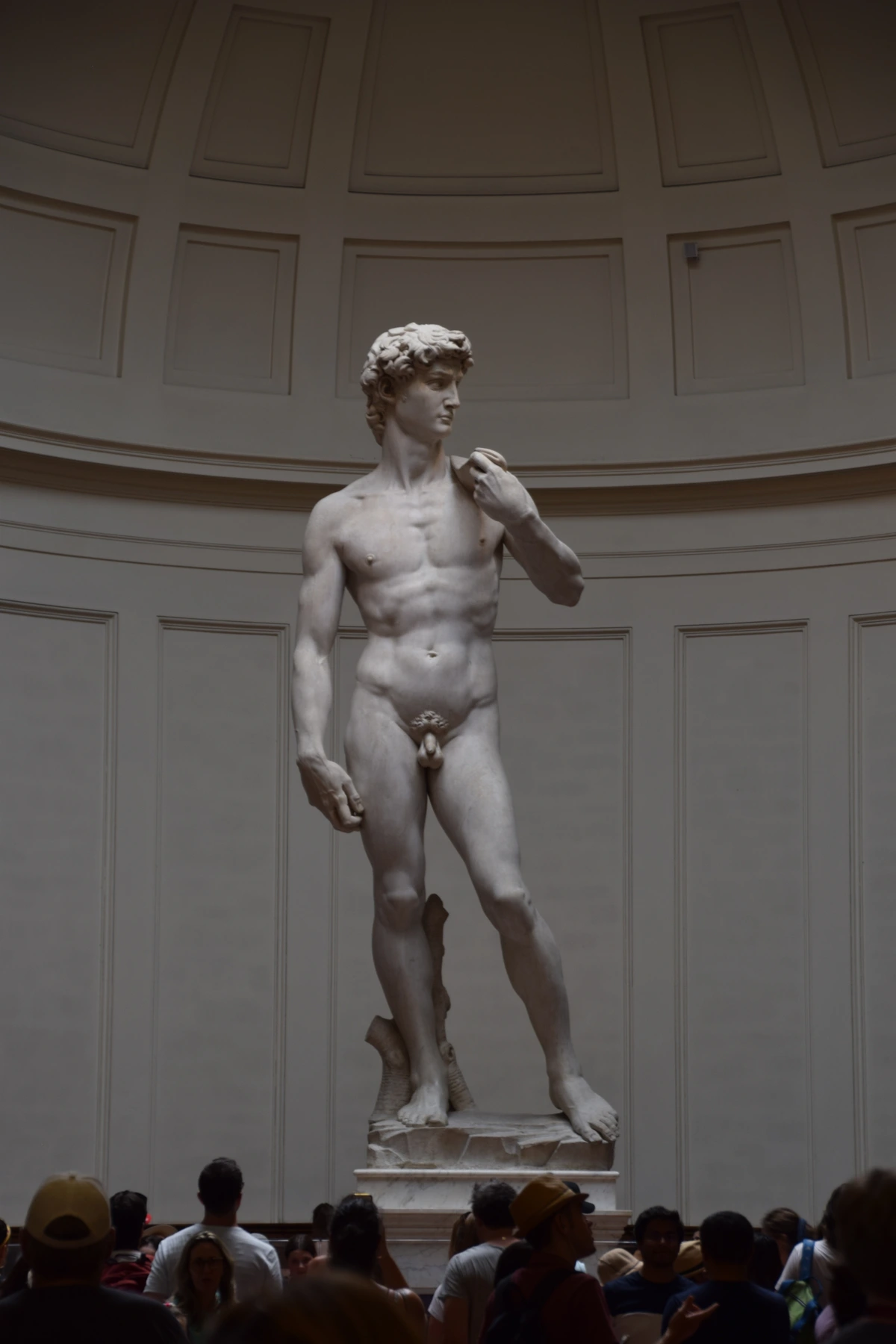
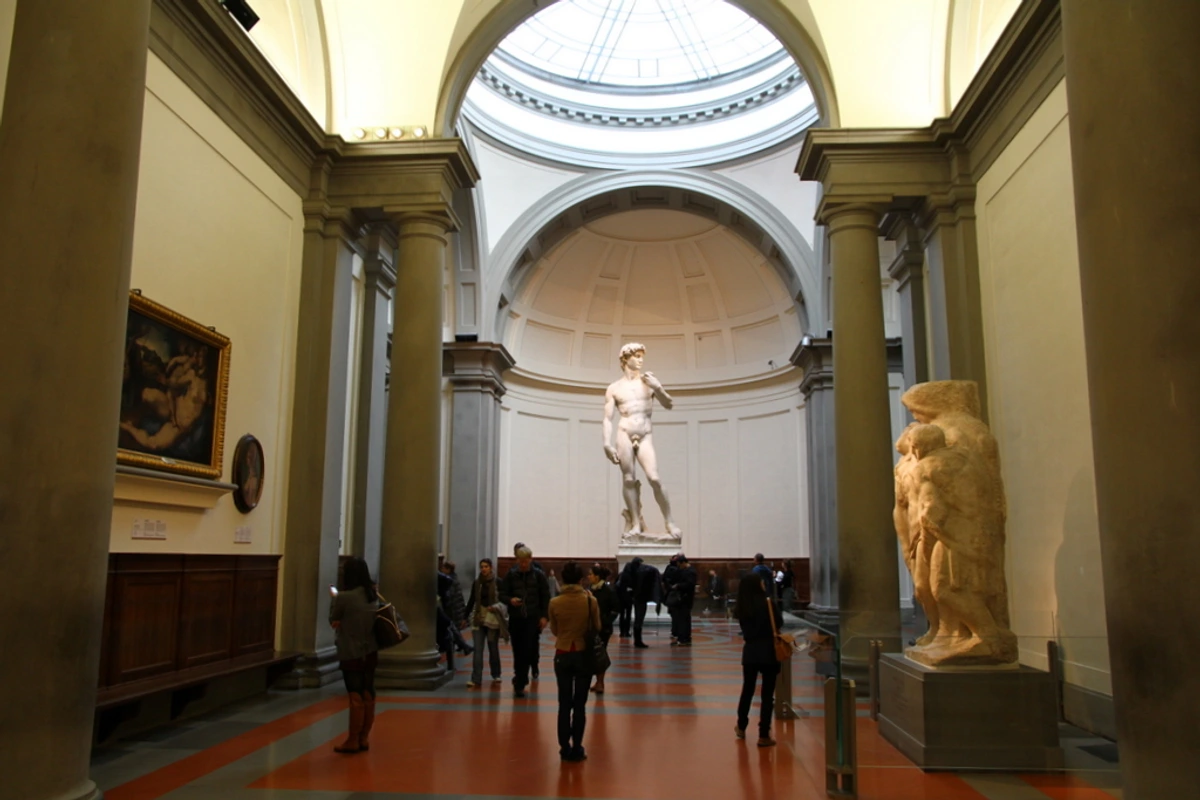
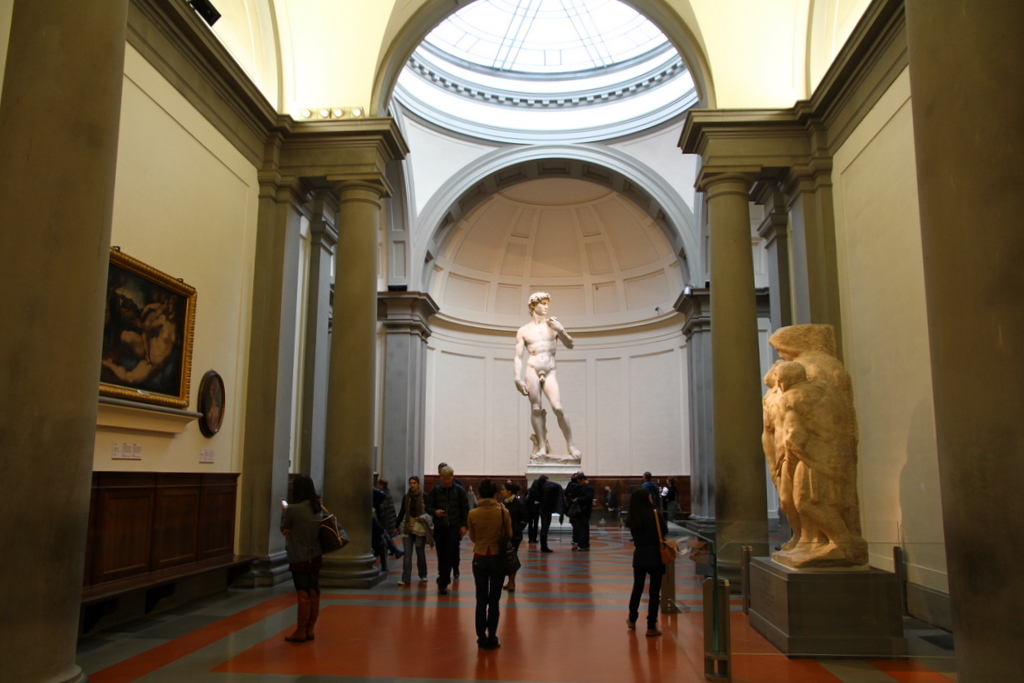
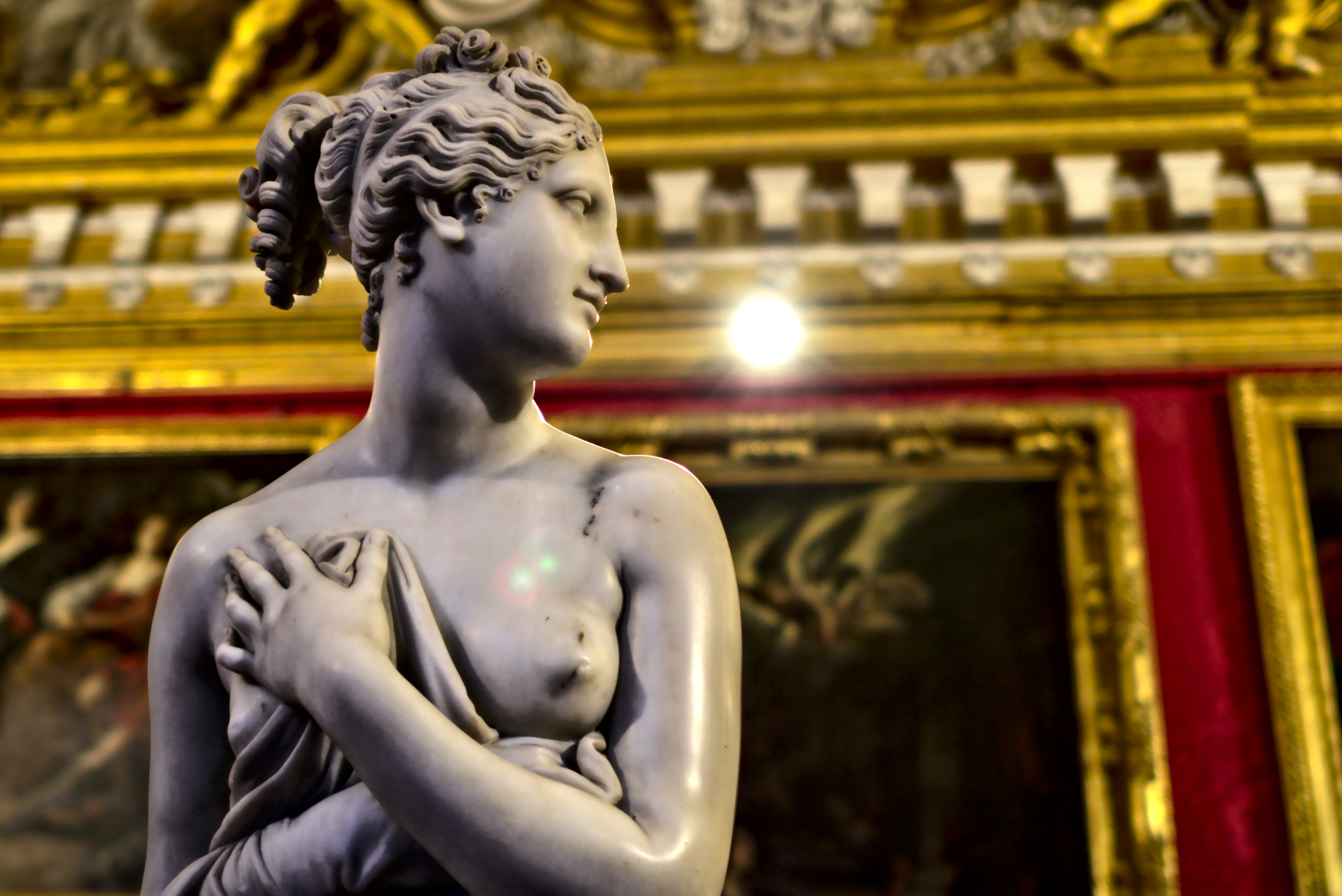
Or even consider the sheer artistic ambition and civic pride embodied in Michelangelo's David. While David’s intricate marble demands a different kind of appreciation and presented unique engineering challenges for its internal stresses and structural integrity (especially for a single block of stone, prone to cracking if not perfectly balanced), the Statue of Liberty's vast, hollow copper skin and internal flexible structure designed by Eiffel presented an entirely unique set of artistic and engineering demands for dynamic forces and immense scale. You might also think of the monumental yet ephemeral Christo and Jeanne-Claude's Wrapped Reichstag, which, though temporary, transformed a historical landmark into a powerful contemporary art statement, engaging with public space on an immense scale by recontextualizing a familiar structure through new materials and offering a critique on permanence itself. While the Wrapped Reichstag offered a fleeting, temporary transformation and a critique on permanence, Lady Liberty's enduring presence highlights a different aspect of monumental art: its capacity for long-term symbolic weight and the slow accumulation of meaning over centuries. Or perhaps the allegorical power of Canova's 'Venere Italica', another neoclassical female figure embodying an ideal of beauty and grace, albeit on a vastly different scale and material, crafted for an interior space rather than a harbor. Her sheer, approachable presence, much like Joan Miró's playful yet monumental public sculptures like Dona i Ocell, powerfully proves that art can be an active, living, and accessible part of our urban landscape, not just confined to a museum. These comparisons highlight a universal human drive to create enduring symbols through a breathtaking fusion of art and engineering, inspiring awe and contemplation across generations.

Visiting Lady Liberty: My Personal Reflections and Practical Advice
If you ever get the chance, I wholeheartedly recommend visiting Lady Liberty. There’s something truly different about seeing her up close, feeling the sheer scale, and knowing the profound, layered history she represents. For me, the journey by ferry from Battery Park (Manhattan) or Liberty State Park (New Jersey), the sweeping panoramic views of Manhattan, and the tangible presence of the statue herself evoke a sense of awe that photographs can barely capture. It's a feeling of stepping into a living piece of history, where every detail tells a story of aspiration, resilience, and the ever-present human quest for liberty. This is an experience akin to visiting the Metropolitan Museum of Art – a deep dive into culture and history, but on a grand, open-air stage.
Now, for a few practical tips: To truly experience her majesty, I can't stress enough: book your tickets well in advance, especially if you want to go inside the pedestal or, even better, ascend to the crown. Expect thorough airport-style security (metal detectors, X-ray machines for bags), so be prepared for that and factor in extra time. The lines can be quite something, and patience is a virtue, as with most grand public artworks. The sheer volume of people who want to connect with this icon speaks volumes about her enduring power and magnetism, a testament to her unique place in our collective imagination. And don't forget to visit the excellent museum located within the pedestal; it offers an incredibly rich historical and cultural context for the statue, proudly displaying her original torch, a full-scale replica of her foot (which is surprisingly massive up close!), and a detailed model of Eiffel's internal framework. It provides deep insights into her construction, symbolism, and evolving meaning, including the struggles for universal liberty.







credit, licence
Frequently Asked Questions About the Statue of Liberty
Here are some of the most common questions people ask about Lady Liberty, and the answers that help unlock her secrets.
What is the Statue of Liberty's original and official name?
Her original and official name is "Liberty Enlightening the World" (La Liberté éclairant le monde).
How tall is the Statue of Liberty?
From the ground to the tip of her torch, the Statue of Liberty stands 305 feet (93 meters) tall. The statue itself, from its base to the torch, is 151 feet 1 inch (46 meters).
What color is the Statue of Liberty, and why?
She is famously a distinctive green, a color known as verdigris. This green patina formed naturally over several decades as the copper skin oxidized from exposure to oxygen, moisture, and pollutants in the air – a testament to time's artistry, transforming from bright copper to an iconic hue through the slow work of oxidation. This protective layer (copper carbonate) prevents further corrosion. When she was first unveiled in 1886, she was a shiny coppery-brown, much like a new penny!
What is the Statue of Liberty made of?
The exterior skin of the Statue of Liberty is made of hammered copper sheets using the repoussé technique. Her innovative internal skeletal framework was originally made of wrought iron, designed by Gustave Eiffel, but this was largely replaced with robust stainless steel during the 1980s restoration due to galvanic corrosion.
How long did it take to build the Statue of Liberty?
From Bartholdi's initial design in the early 1870s to its dedication, the entire project spanned over a decade. The statue was constructed in pieces in France over approximately nine years (1875-1884), shipped to the US in 1885, and then painstakingly reassembled on Liberty Island over four months, culminating in its dedication on October 28, 1886.
Can you go inside the Statue of Liberty?
Yes, visitors can go inside the pedestal and explore the excellent museum within, which houses the original torch. Access to the crown is also available but requires advance reservations, often months in advance, due to limited space and high demand.
Who built the Statue of Liberty?
The external copper shell was designed and sculpted by Frédéric Auguste Bartholdi. The innovative internal iron framework was engineered by Gustave Eiffel, famous for the Eiffel Tower. The colossal pedestal upon which she stands was designed by American architect Richard Morris Hunt.
What does the date on the tablet mean?
The tablet in her left hand is inscribed with "JULY IV MDCCLXXVI," which is the Roman numeral date for July 4, 1776 – the date of the American Declaration of Independence. It symbolizes the founding principles of the United States and the rule of law upon which its liberty rests, a deliberate anchoring of abstract liberty to a specific, foundational moment – much like a strong composition provides the bedrock for a lasting artwork.
What is the significance of Emma Lazarus's poem "The New Colossus"?
Emma Lazarus's poem, etched on a bronze plaque inside the pedestal, profoundly transformed the statue's meaning. While originally a symbol of Franco-American friendship, the poem's lines about welcoming "huddled masses yearning to breathe free" established the Statue of Liberty as a powerful global symbol of hope and refuge for immigrants coming to America, a meaning that continues to resonate strongly today, reflecting the nation's promise of new beginnings. This remarkable evolution underscores how monumental art can become a fluid canvas for human aspirations, continuously reinterpreted and imbued with new significance.
What was the Statue of Liberty's original purpose for the Suez Canal?
Bartholdi initially conceived a similar colossal statue, a robed female fellah (Egyptian peasant) holding a torch, as a lighthouse for the northern entrance to the Suez Canal. This project, titled "Egypt (or Progress) Brings Light to Asia," was ultimately not realized due to significant financial constraints, complex logistical challenges of building a massive copper structure in a desert environment, and intricate political dynamics surrounding the canal's ownership and control. It was an ambitious concept that, had it materialized, would have fundamentally altered the landscape and symbolism of the Suez Canal, showcasing Bartholdi's early mastery of colossal design.
What happened to the original torch of the Statue of Liberty?
The original torch, which sustained significant structural damage and corrosion over decades, was removed during the 1980s restoration. It is now proudly displayed as a centerpiece exhibit within the Statue of Liberty Museum on Liberty Island, offering a close-up view of its intricate construction and historical context.
Are there other Statues of Liberty around the world?
Yes, there are numerous replicas and inspired statues around the world, particularly in France. Notable examples include a smaller version in Paris on the Île aux Cygnes, and another in Colmar, Bartholdi's hometown. These replicas often commemorate the original gift and shared ideals of liberty, and sometimes serve as symbols for local communities.
What were the main challenges during the construction and assembly?
The main challenges included securing sufficient funding in both France and the US, perfecting the complex repoussé technique for the copper skin, engineering a flexible internal framework to withstand environmental forces, and the monumental logistical feat of disassembling 350 pieces, shipping them across the Atlantic, and then reassembling them on Bedloe's Island, all under public scrutiny and financial pressure.
How has the Statue of Liberty's meaning evolved over time?
Initially conceived as a symbol of Franco-American friendship and republican ideals (and specifically the abolition of slavery), her meaning expanded significantly with Emma Lazarus's poem to embrace the role of a universal beacon for immigrants. Over time, she has also become a powerful symbol of American national identity, democracy, and human rights in global discourse, continually adapting her resonance to contemporary social and political movements. Her symbolism has also been used in Cold War propaganda and continues to be invoked in modern protests, demonstrating its dynamic, living nature.
What are the ongoing conservation efforts for the Statue of Liberty?
Ongoing conservation involves continuous monitoring of the copper patina, managing internal corrosion of the steel framework, reinforcing structural integrity against extreme weather, and protecting against environmental degradation. Regular comprehensive inspections, cleaning, and periodic large-scale restorations (like the 1980s centennial project) are essential to mitigate the effects of age, materials interaction, and environmental exposure, ensuring her preservation for future generations.
What is a common misconception about the Statue of Liberty?
A common misconception is that the Statue of Liberty was always green. In fact, when she was first unveiled in 1886, she was the shiny reddish-brown color of new copper. The iconic green patina, known as verdigris, developed naturally over several decades due to oxidation from exposure to the elements.
Conclusion: An Enduring Artistic Statement, A Personal Reflection
For me, the Statue of Liberty isn't just a historical artifact or a bucket-list tourist attraction. She's an active, vibrant participant in our ongoing global conversation about freedom, immigration, human rights, and the enduring power of art. She's a work of art on a scale that few will ever achieve, a breathtaking testament to what happens when visionary artistic ambition meets engineering genius and a collective desire for a better world. Every time I see her, even in a photograph, I'm reminded of the profound power of a single, well-placed symbol to encapsulate universal ideals and inspire generations. She's an icon, yes, but more importantly, she's a testament to what we, as humans, can aspire to, both in grand artistic endeavors and in the tireless work of building a more just and free world – a conversation that continues to evolve with every passing generation. Her complex history, from her initial symbolic intent to her evolving meaning for immigrants and her environmental footprint, ensures she remains a dynamic piece of living history, constantly challenging us to reflect on our own ideals. Her enduring story, a narrative of monumental scale and evolving interpretation, inspires me to imbue my own art with similar layers of meaning and resilience, hoping that even a small print or original canvas might spark a similar sense of connection and contemplation in those who encounter it, perhaps leading them to discover more about my art. Perhaps, like Lady Liberty, even temporary or smaller-scale artworks can gain unexpected, profound new meanings through the passage of time and the stories of those who engage with them.