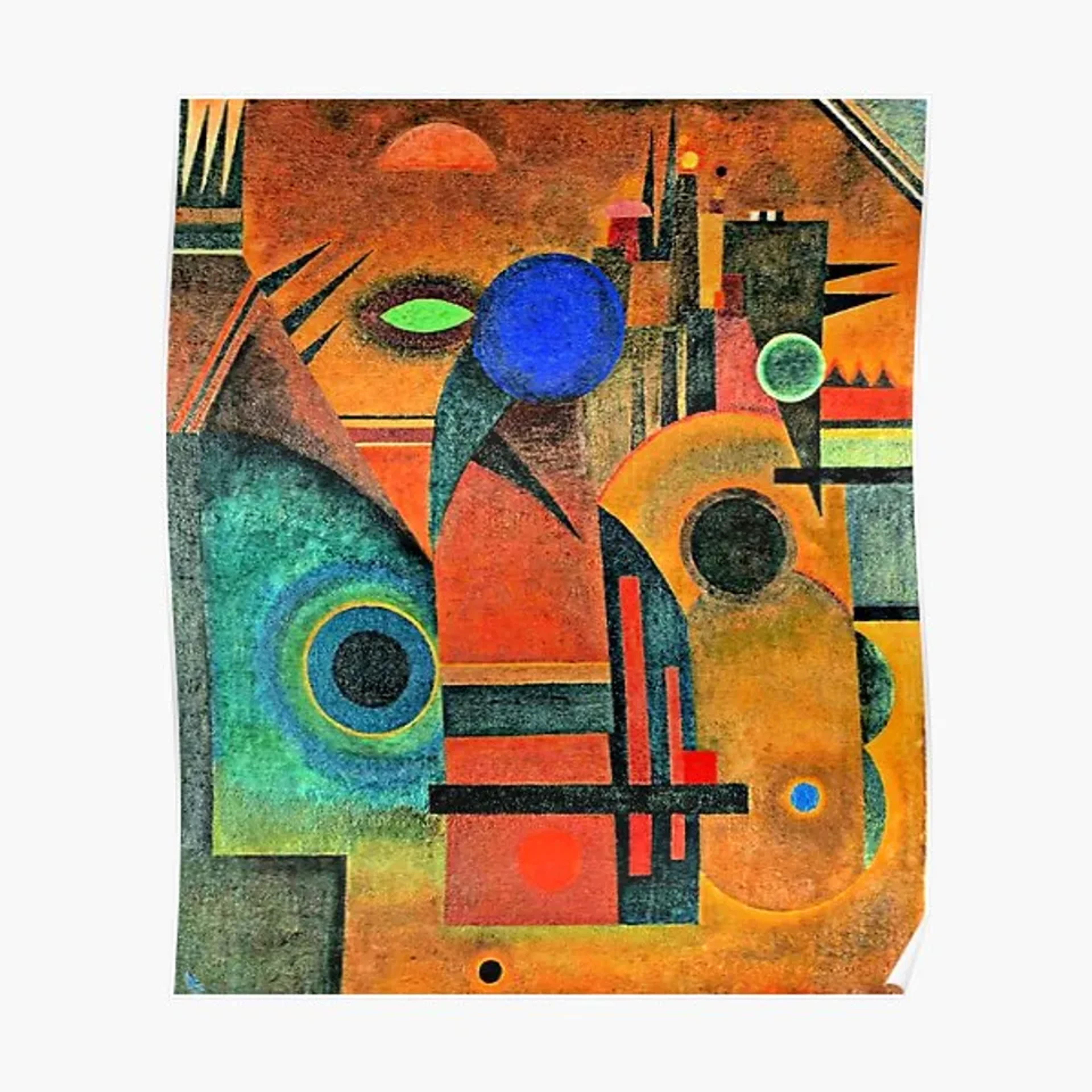
Robert Delaunay's Art Style: A Guide to Orphism & Color
A deep dive into Robert Delaunay's revolutionary techniques. Explore Orphism, simultaneous contrast, and how he used color to paint with pure light.

Cracking the Code of Color: A Deep Dive into Robert Delaunay's Art Style and Techniques
Robert Delaunay was a trailblazer in the realm of modern art, renowned for his groundbreaking use of color and light. His work transcended conventional boundaries, forging a visual language that continues to inspire artists today. This article delves into the life, techniques, and enduring legacy of Delaunay, offering an in-depth exploration of his contributions to the art world.
Delaunay's journey is not merely a narrative of artistic evolution but a testament to the transformative power of color as a medium of expression. His work challenges viewers to look beyond the surface and experience the emotional and spiritual dimensions of art.
Robert Delaunay was a trailblazer in the realm of modern art, renowned for his groundbreaking use of color and light. His work transcended conventional boundaries, forging a visual language that continues to inspire artists today. This article delves into the life, techniques, and enduring legacy of Delaunay, offering an in-depth exploration of his contributions to the art world.
Delaunay's journey is not merely a narrative of artistic evolution but a testament to the transformative power of color as a medium of expression. His work challenges viewers to look beyond the surface and experience the emotional and spiritual dimensions of art.
Why Study Robert Delaunay?
Understanding Delaunay's work is essential for anyone interested in the evolution of modern art. His innovative techniques and theories on color have influenced countless artists and movements, from Abstract Expressionism to Op Art. By studying Delaunay, we gain insight into the power of color to convey emotion and create a sense of harmony and rhythm in art.
The Emotional Power of Color
Delaunay's work is a masterclass in the emotional resonance of color. He believed that color could evoke deep emotional responses and create a sense of harmony and rhythm. This belief is evident in his use of vibrant hues and dynamic compositions, which continue to captivate audiences worldwide.
Influence on Modern Art Movements
Delaunay's influence extends to various modern art movements, including Abstract Expressionism and Op Art. His innovative use of color and light has inspired artists to explore new ways of expressing emotion and creating visual experiences. His legacy is a testament to the enduring power of color in art.
Understanding Delaunay's work is essential for anyone interested in the evolution of modern art. His innovative techniques and theories on color have influenced countless artists and movements, from Abstract Expressionism to Op Art. By studying Delaunay, we gain insight into the power of color to convey emotion and create a sense of harmony and rhythm in art.
Early Life and Influences
Robert Delaunay was born in Paris in 1885, into a family deeply rooted in the arts. His early exposure to the vibrant cultural scene of Paris shaped his artistic sensibilities. Influenced by the works of Impressionists and Post-Impressionists, Delaunay developed a keen interest in the interplay of light and color. His early works reflect this fascination, showcasing a blend of traditional techniques and innovative approaches to color.
Family and Cultural Background
Delaunay's family played a significant role in his artistic development. His parents were both involved in the arts, and his uncle, Charles Delaunay, was a prominent art collector. This environment provided Delaunay with early exposure to a wide range of artistic styles and techniques, laying the foundation for his future innovations.
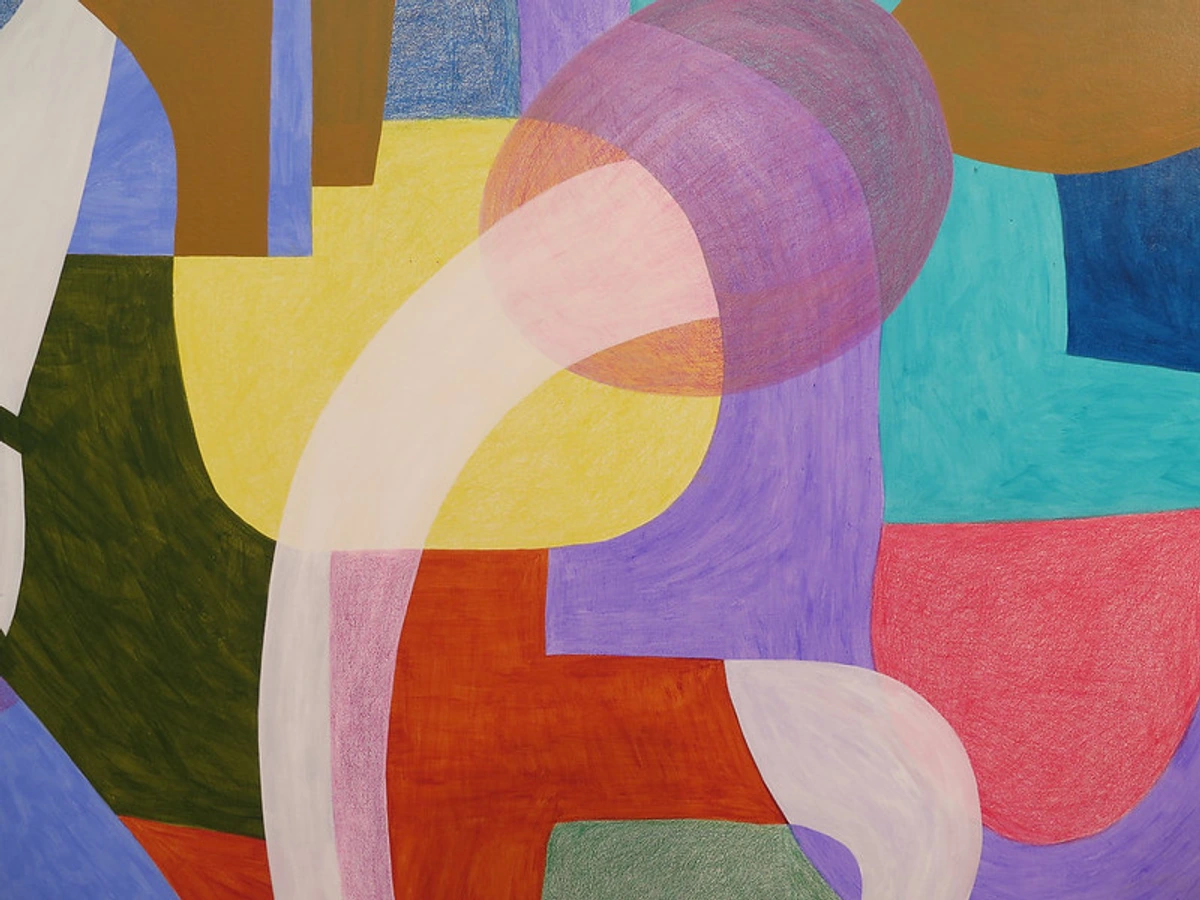
Early Artistic Experiments
Delaunay's early works were heavily influenced by the Impressionist and Post-Impressionist movements. He experimented with techniques that emphasized the interplay of light and color, creating compositions that were both visually striking and emotionally resonant. These early experiments set the stage for his later exploration of Cubism and Orphism.
Robert Delaunay was a pioneer in the world of modern art, known for his revolutionary use of color and light. His work transcended traditional boundaries, creating a visual language that continues to inspire artists today. This article explores the life, techniques, and legacy of Delaunay, offering a comprehensive look at his contributions to the art world.
Delaunay's journey is not just a story of artistic evolution but a testament to the power of color as a medium of expression. His work challenges us to see beyond the surface and experience the emotional and spiritual dimensions of art.
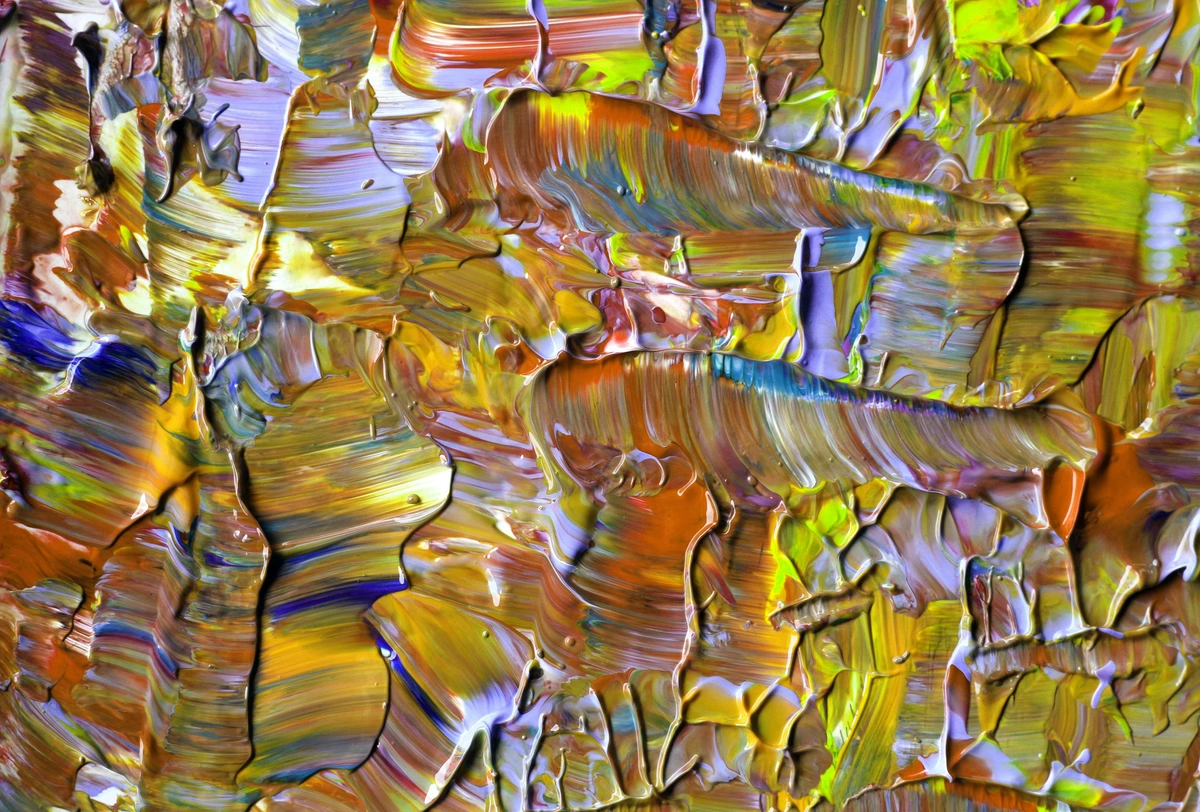
The Evolution of Delaunay's Style
Delaunay's artistic journey was marked by a constant evolution. From his early experiments with Impressionism to his later exploration of Cubism and Orphism, Delaunay's style was characterized by a relentless pursuit of innovation. His ability to adapt and evolve his techniques allowed him to create a body of work that is both diverse and cohesive.
Transition from Impressionism to Cubism
Delaunay's transition from Impressionism to Cubism was a pivotal moment in his career. He began to experiment with the fragmentation of form and the use of geometric shapes, creating compositions that were both dynamic and innovative. This period of experimentation laid the groundwork for his later exploration of Orphism.
The Birth of Orphism
Orphism, a movement co-founded by Delaunay, represented a significant departure from the muted tones and analytical approach of Cubism. Characterized by vibrant colors and dynamic compositions, Orphism sought to capture the emotional and spiritual dimensions of color. This movement marked the culmination of Delaunay's artistic evolution and established him as a visionary in the art world.
I remember the first time I stood in front of a Robert Delaunay painting. It wasn't in a book; it was the real thing. And honestly, it felt less like looking at a painting and more like staring into concentrated sunlight. The canvas seemed to vibrate, to hum with a life force that had nothing to do with a depicted object and everything to do with pure, unadulterated color. It was a dizzying, joyful experience. That's the power of Delaunay. He wasn't just painting things; he was trying to paint light itself.
The Science Behind Delaunay's Art
Delaunay's work was not just about aesthetics; it was deeply rooted in the science of perception. His theories on color and light were informed by a deep understanding of how the human eye and brain interpret visual stimuli. This blend of art and science is what makes his work so compelling and enduring. By studying the principles of optics and color theory, Delaunay was able to create compositions that resonate on both an emotional and intellectual level.
The Role of Optics in Art
Delaunay's interest in optics led him to explore the ways in which light and color interact to create visual experiences. He studied the principles of color mixing and the effects of light on different surfaces, using this knowledge to create compositions that were both visually striking and emotionally resonant. His work in this area laid the foundation for his later exploration of simultaneous contrast.
Color Theory and Emotional Resonance
Delaunay's understanding of color theory allowed him to create compositions that evoke powerful emotional responses. He believed that color could convey emotion and create a sense of harmony and rhythm in art. This belief is evident in all his works, from his early experiments to his later masterpieces.
This experience is not unique to me. Many who encounter Delaunay's work describe a similar sense of awe. His ability to manipulate color and light creates an almost transcendent experience, where the viewer is transported beyond the physical canvas into a realm of pure sensation.
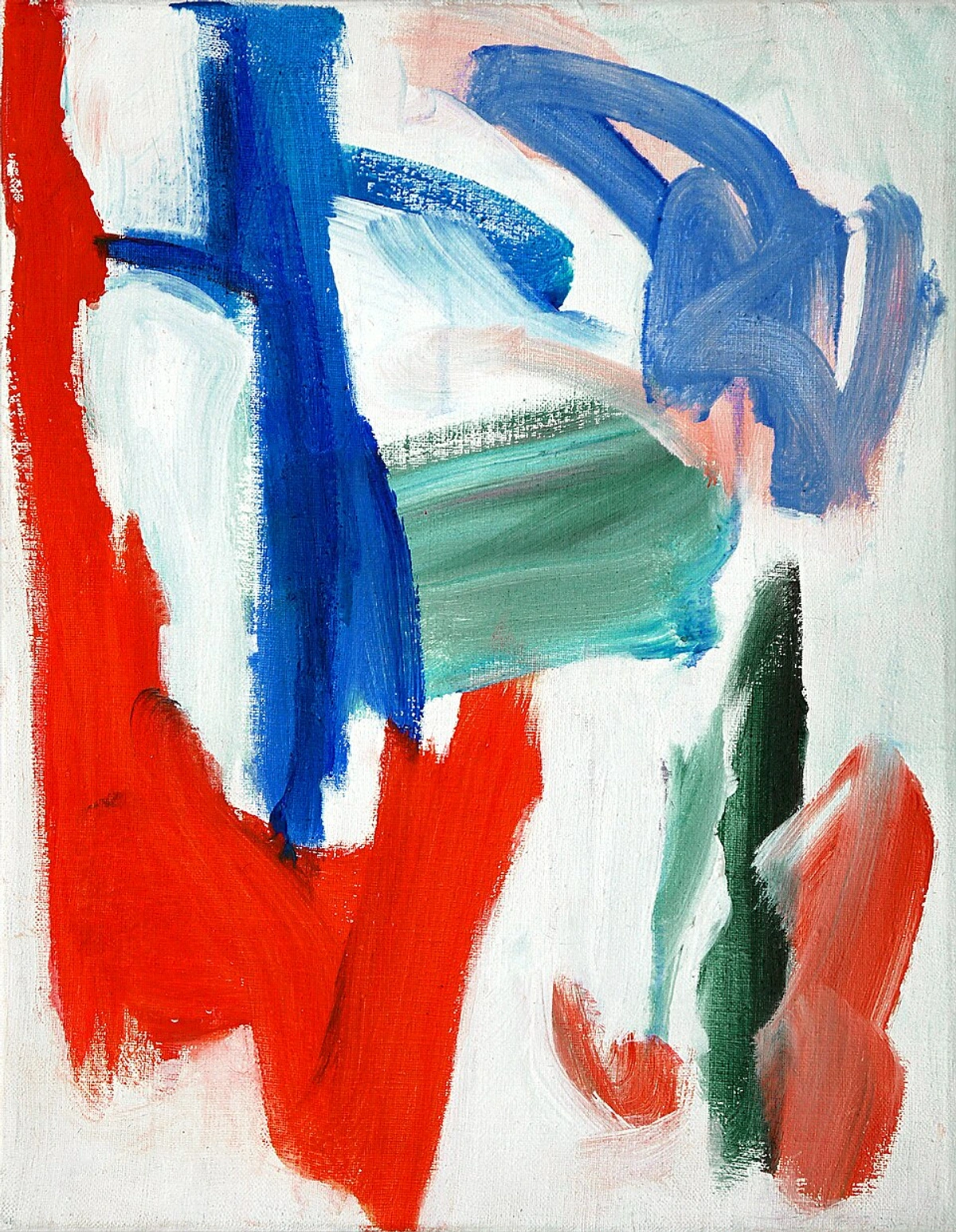
Delaunay's Impact on Contemporary Art
Delaunay's influence extends far beyond his lifetime. His innovative use of color and light has inspired countless artists and movements, from Abstract Expressionism to Op Art. His work continues to be celebrated for its boldness, creativity, and emotional depth. Contemporary artists often cite Delaunay as a major influence, drawing inspiration from his fearless approach to color and abstraction.
Influence on Abstract Expressionism
Delaunay's innovative use of color and abstraction had a profound impact on the Abstract Expressionist movement. Artists such as Mark Rothko and Jackson Pollock were inspired by Delaunay's fearless approach to color and his belief in the emotional power of abstraction. His work provided a foundation for the exploration of color and form that defined the Abstract Expressionist movement.
Influence on Op Art
Delaunay's exploration of simultaneous contrast and dynamic compositions also influenced the Op Art movement. Artists such as Bridget Riley and Victor Vasarely were inspired by Delaunay's innovative techniques and his belief in the power of color to create visual experiences. His work provided a foundation for the exploration of optical illusions and dynamic compositions that defined the Op Art movement.
Influence on Digital Art
Delaunay's principles of color and light have also had a significant impact on digital art. His innovative techniques have inspired digital artists to explore new ways of creating visual experiences. By incorporating Delaunay's theories into their work, digital artists have been able to create compositions that are both visually striking and emotionally resonant.
Delaunay's influence extends far beyond his lifetime. His innovative use of color and light has inspired countless artists and movements, from Abstract Expressionism to Op Art. His work continues to be celebrated for its boldness, creativity, and emotional depth. Contemporary artists often cite Delaunay as a major influence, drawing inspiration from his fearless approach to color and abstraction.
Influence on Abstract Expressionism
Delaunay's innovative use of color and abstraction had a profound impact on the Abstract Expressionist movement. Artists such as Mark Rothko and Jackson Pollock were inspired by Delaunay's fearless approach to color and his belief in the emotional power of abstraction. His work provided a foundation for the exploration of color and form that defined the Abstract Expressionist movement.
Influence on Op Art
Delaunay's exploration of simultaneous contrast and dynamic compositions also influenced the Op Art movement. Artists such as Bridget Riley and Victor Vasarely were inspired by Delaunay's innovative techniques and his belief in the power of color to create visual experiences. His work provided a foundation for the exploration of optical illusions and dynamic compositions that defined the Op Art movement.
Delaunay's work is a testament to the transformative power of color. His ability to capture light and emotion on canvas set him apart from his contemporaries and established him as a visionary in the art world. His innovative techniques and theories continue to influence artists, making his work a cornerstone of modern art.
The Role of Music in Delaunay's Art
Music played a significant role in Delaunay's artistic process. He often drew parallels between the rhythm and harmony of music and the visual elements of his paintings. This connection is evident in his use of circular forms and vibrant colors, which create a sense of movement and rhythm akin to a musical composition. Delaunay's work invites viewers to experience art in a way that is both visual and auditory, creating a multisensory experience that transcends traditional boundaries.
Music as a Source of Inspiration
Delaunay's interest in music was not just a passing fascination; it was a fundamental aspect of his artistic philosophy. He believed that music and art were deeply connected, and he sought to capture the rhythm and harmony of music in his paintings. This belief is evident in his use of circular forms and vibrant colors, which create a sense of movement and rhythm akin to a musical composition.
The Influence of Jazz
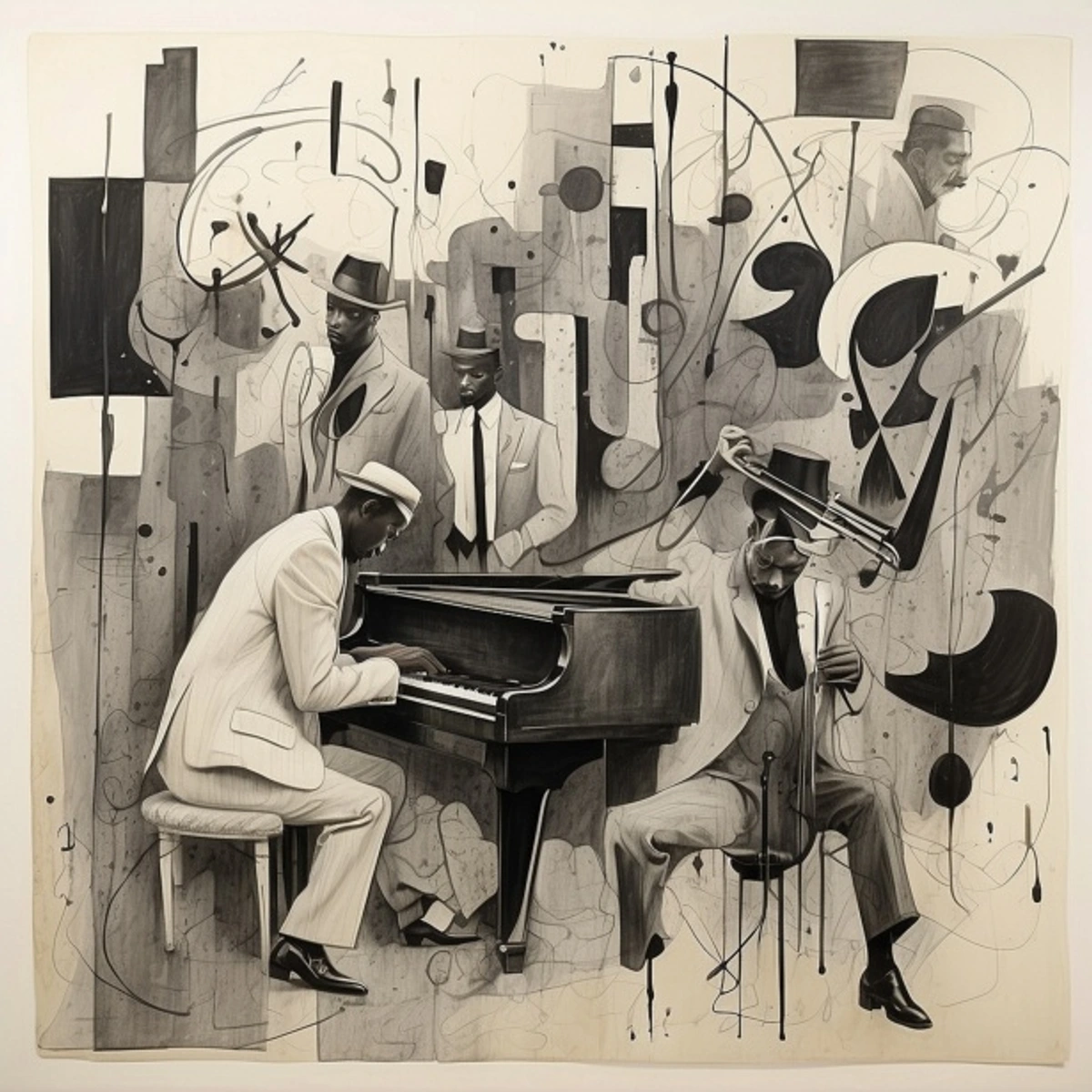
Delaunay's interest in jazz music also influenced his artistic process. He was fascinated by the improvisational nature of jazz and the ways in which musicians could create complex and dynamic compositions on the spot. This fascination is evident in his use of vibrant colors and dynamic compositions, which create a sense of spontaneity and energy in his paintings.
So, let's pull back the curtain on this master of modern art. We're going to get into the nuts and bolts of his style, dissect his groundbreaking theories, and figure out what makes his work sing. This isn't just an art history lesson; it's a look inside the toolbox of an artist who fundamentally changed how we think about color.
Delaunay's Collaborations
Delaunay's artistic journey was also marked by collaborations with other influential figures in the art world. His partnership with his wife, Sonia Delaunay, was particularly significant. Together, they explored the principles of color and abstraction, creating a body of work that is both innovative and cohesive. Their collaborative efforts extended beyond the canvas, influencing fashion, textile design, and even architecture. This interdisciplinary approach to art is a testament to Delaunay's versatility and creativity.
Collaboration with Sonia Delaunay
Sonia Delaunay was not just Robert's wife; she was also a talented artist in her own right. Together, they explored the principles of color and abstraction, creating a body of work that is both innovative and cohesive. Their collaborative efforts extended beyond the canvas, influencing fashion, textile design, and even architecture. This interdisciplinary approach to art is a testament to Delaunay's versatility and creativity.
Influence on Fashion and Design
Delaunay's collaboration with Sonia Delaunay had a significant impact on the world of fashion and design. Their innovative use of color and abstraction inspired designers to create garments and textiles that were both visually striking and emotionally resonant. This influence is evident in the vibrant colors and dynamic patterns that defined the fashion of the early 20th century.
Delaunay's work is not just about aesthetics; it's about the science of perception. His theories on color and light are rooted in a deep understanding of how the human eye and brain interpret visual stimuli. This blend of art and science is what makes his work so compelling and enduring.
Delaunay's journey from Cubism to Orphism is a story of innovation and experimentation. His theories on color and light continue to influence artists and art movements around the world.
Delaunay's Influence on Fashion and Design
Delaunay's innovative use of color and abstraction extended beyond the canvas and into the world of fashion and design. His collaboration with Sonia Delaunay resulted in a series of groundbreaking textile designs that incorporated the principles of Orphism. These designs were characterized by vibrant colors and geometric patterns, creating a sense of movement and rhythm that was both visually striking and innovative. Delaunay's influence on fashion and design is a testament to his versatility and creativity, showcasing his ability to apply his artistic principles to a wide range of mediums.
Textile Designs
Delaunay's textile designs were characterized by vibrant colors and geometric patterns, creating a sense of movement and rhythm that was both visually striking and innovative. These designs were inspired by the principles of Orphism and sought to capture the emotional and spiritual dimensions of color. This influence is evident in the vibrant colors and dynamic patterns that defined the fashion of the early 20th century.
Influence on Architecture
Delaunay's influence on architecture is also significant. His innovative use of color and abstraction inspired architects to create buildings and structures that were both visually striking and emotionally resonant. This influence is evident in the vibrant colors and dynamic forms that defined the architecture of the early 20th century.
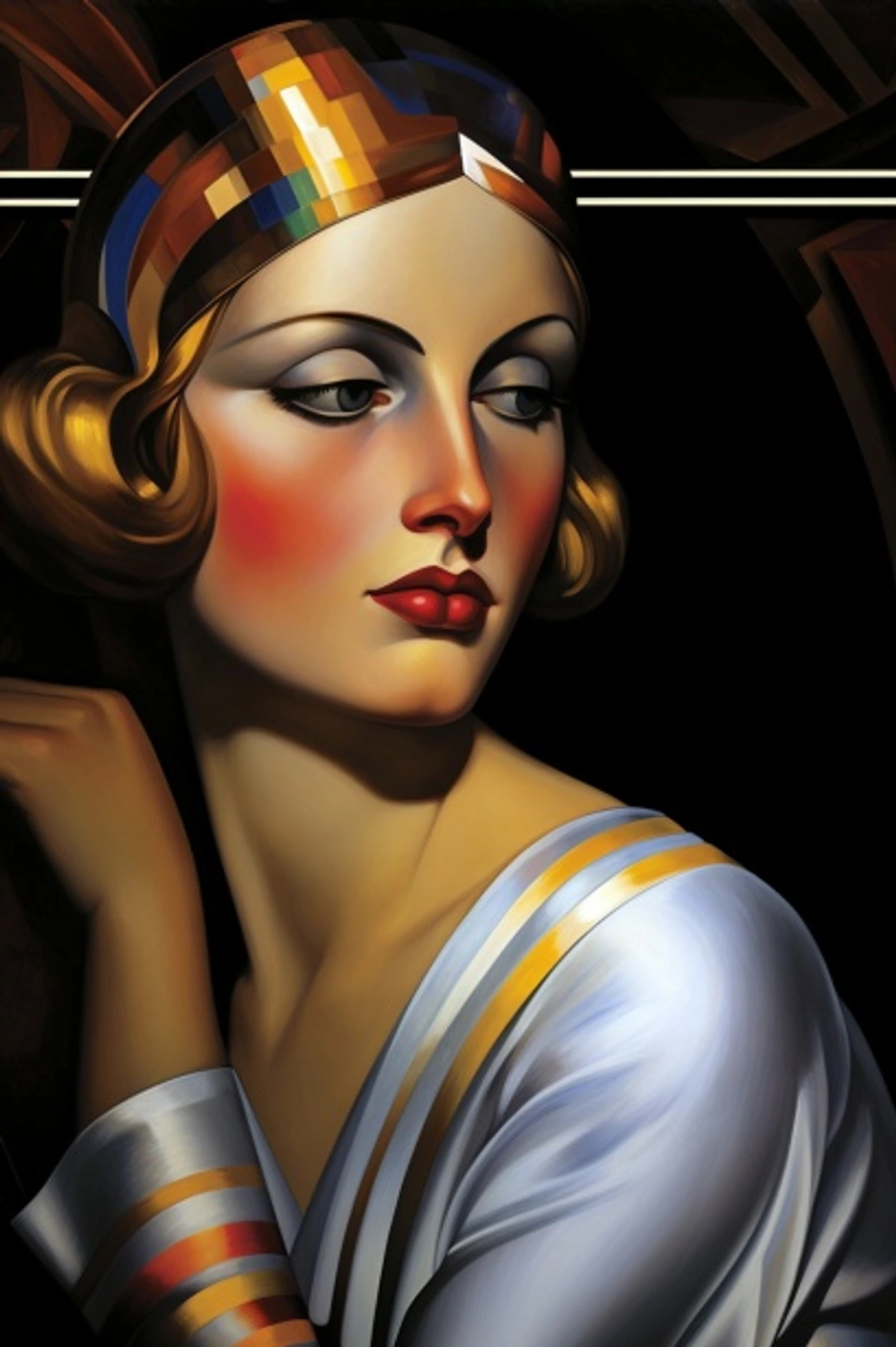
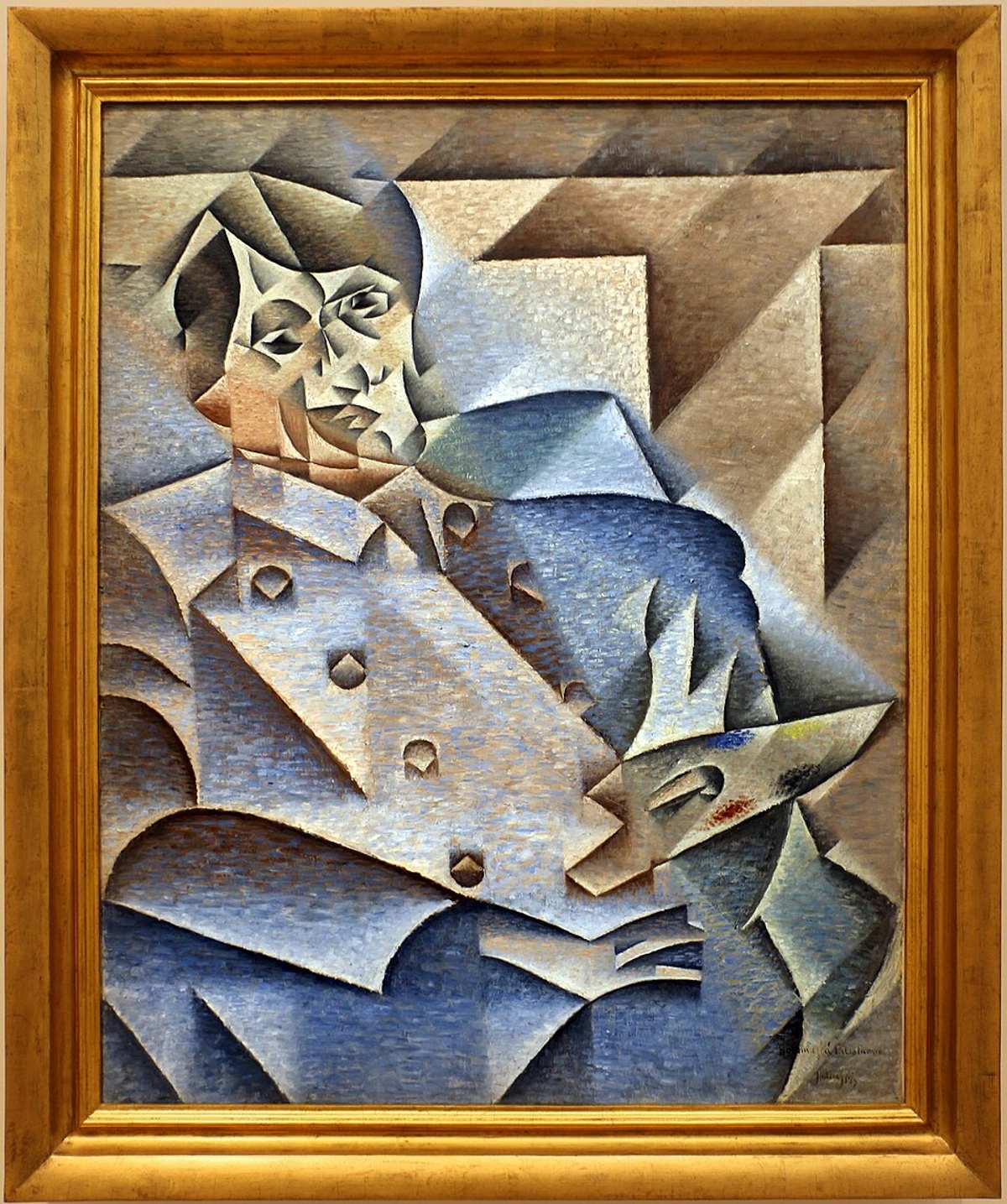
This portrait captures the essence of modern art, reflecting the vibrant and dynamic use of color that Delaunay championed.
Delaunay's Legacy in Education
Delaunay's innovative techniques and theories have also had a significant impact on art education. His emphasis on the science of perception and the emotional power of color has influenced countless art educators and students. By incorporating Delaunay's principles into their curriculum, educators have been able to provide students with a deeper understanding of the role of color and light in art. This legacy is a testament to Delaunay's enduring influence on the art world and his ability to inspire future generations of artists.
Influence on Art Curriculum
Delaunay's principles have been incorporated into art curricula around the world. Educators have used his theories on color and light to teach students about the emotional and spiritual dimensions of art. This influence is evident in the emphasis on color theory and the science of perception in art education today.
Inspiring Future Generations
Delaunay's innovative techniques and theories continue to inspire future generations of artists. His belief in the power of color to convey emotion and create a sense of harmony and rhythm in art has influenced countless artists and art movements. This legacy is a testament to Delaunay's enduring influence on the art world.
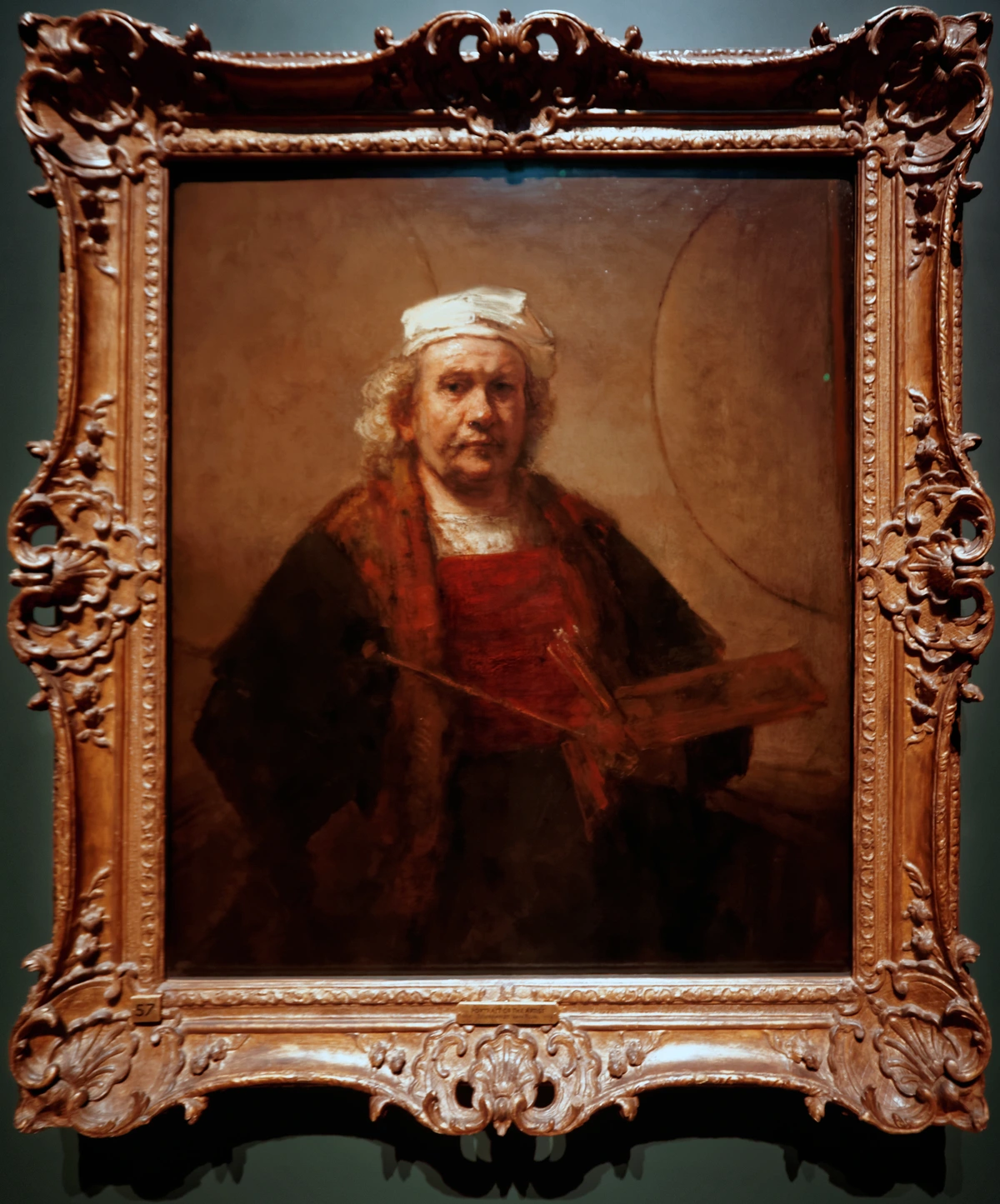
From the Gray of Cubism to a Riot of Color
Delaunay's artistic journey began in the world of Cubism, a movement that sought to deconstruct form and reality. However, he soon realized that the muted tones and analytical approach of Cubism were not enough to convey the emotional and spiritual power of color. This realization marked the beginning of his quest to explore the full potential of color as a medium of expression.
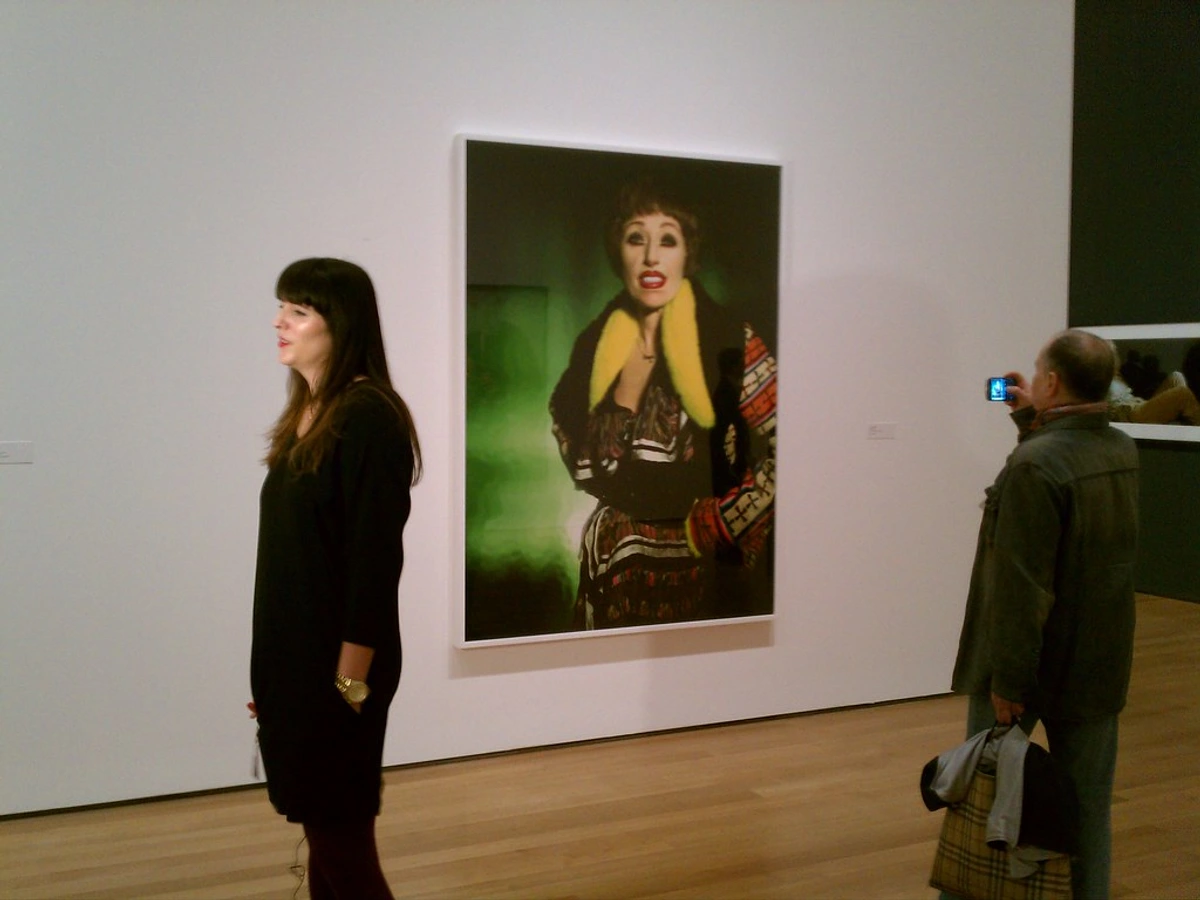
The Limitations of Cubism
Delaunay's frustration with the limitations of Cubism led him to explore new ways of expressing light and color. He felt that Cubism was becoming a prison of lines and muted tones, and he wanted more. This frustration is evident in his early works, such as the Saint-Séverin series, where he began to experiment with vibrant colors and dynamic compositions.
The Birth of a New Style
Delaunay's exploration of light and color in the Saint-Séverin series marked a turning point in his artistic journey. It was here that he began to develop the ideas that would later define his unique style. This series laid the foundation for his later works, which would fully embrace the power of color and abstraction.
To really get Delaunay, you have to understand where he came from. He started his journey firmly in the world of Cubism, working alongside giants like Picasso and Braque. But, if you look at their early Cubist work, it's a world of browns, grays, and ochres. They were shattering form, deconstructing reality into geometric planes, which was revolutionary. But for Delaunay, something was missing: the emotional, spiritual power of color.
This missing element drove Delaunay to experiment with new techniques and theories. He sought to infuse his work with a sense of vibrancy and life that Cubism, with its muted palette, could not provide.
Delaunay's frustration with the limitations of Cubism led him to explore new ways of expressing light and color. His early works, such as the Saint-Séverin series, hint at his desire to break free from the constraints of traditional art forms. These works are a testament to his innovative spirit and his willingness to push the boundaries of artistic expression.
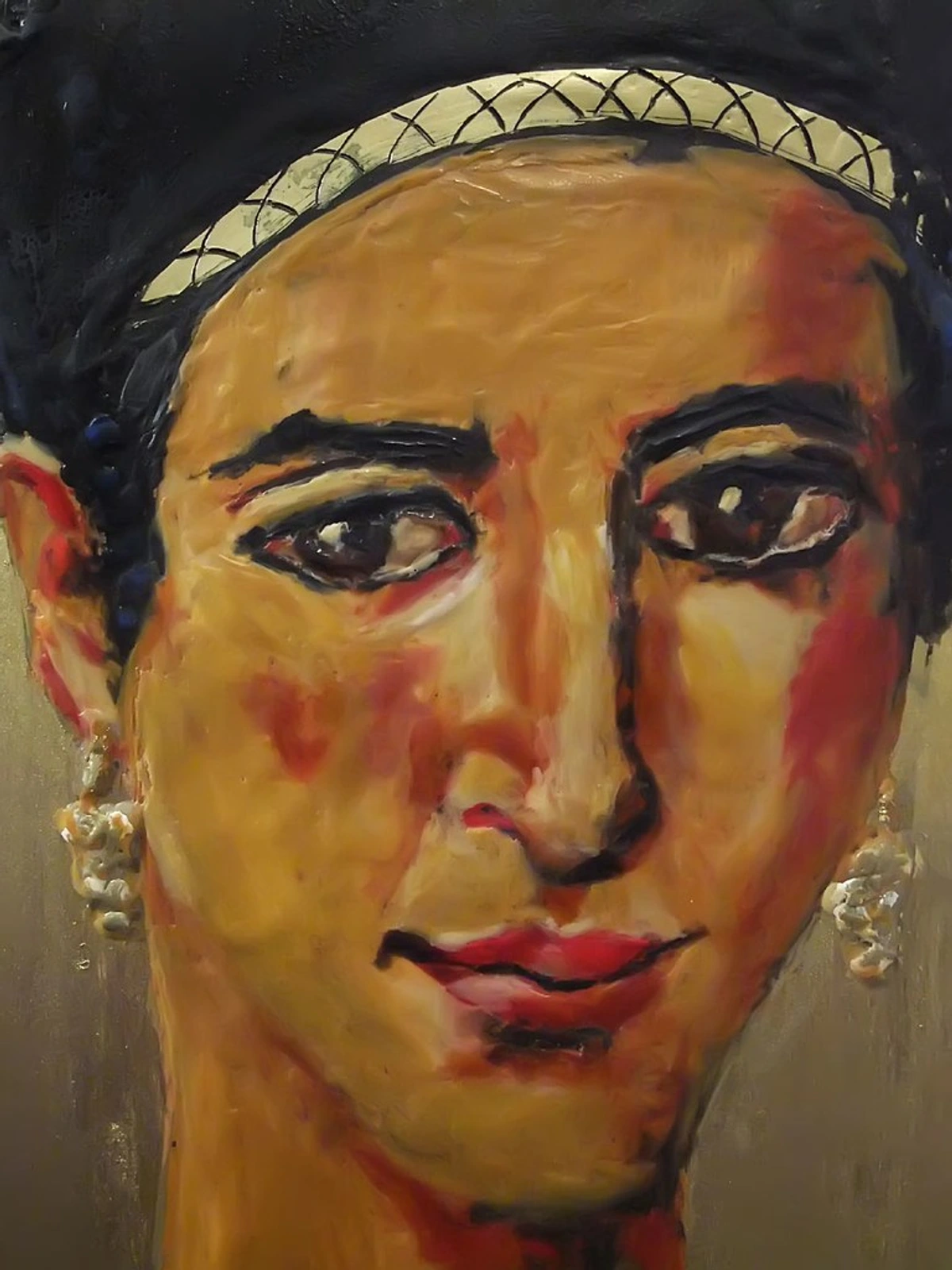
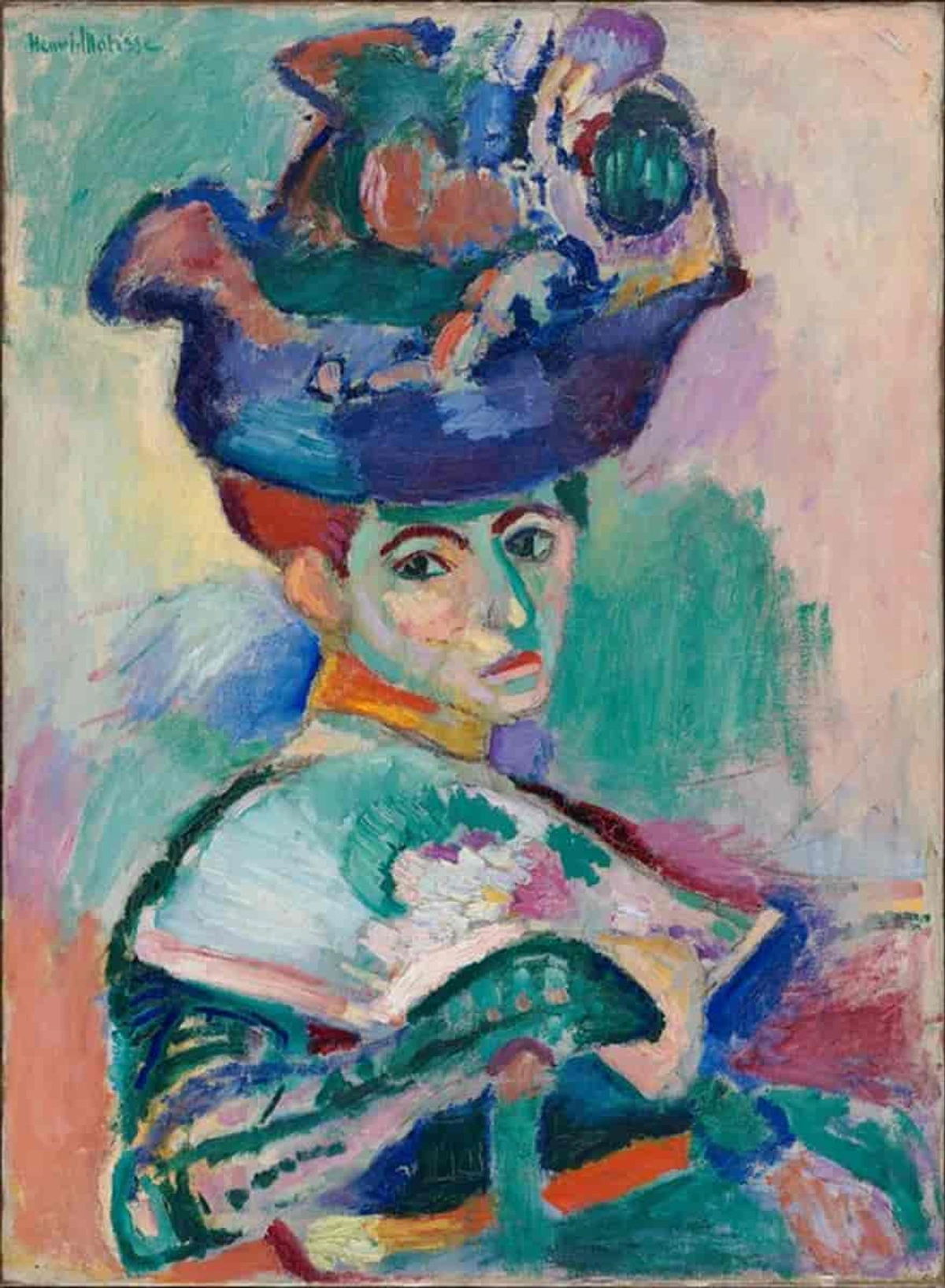
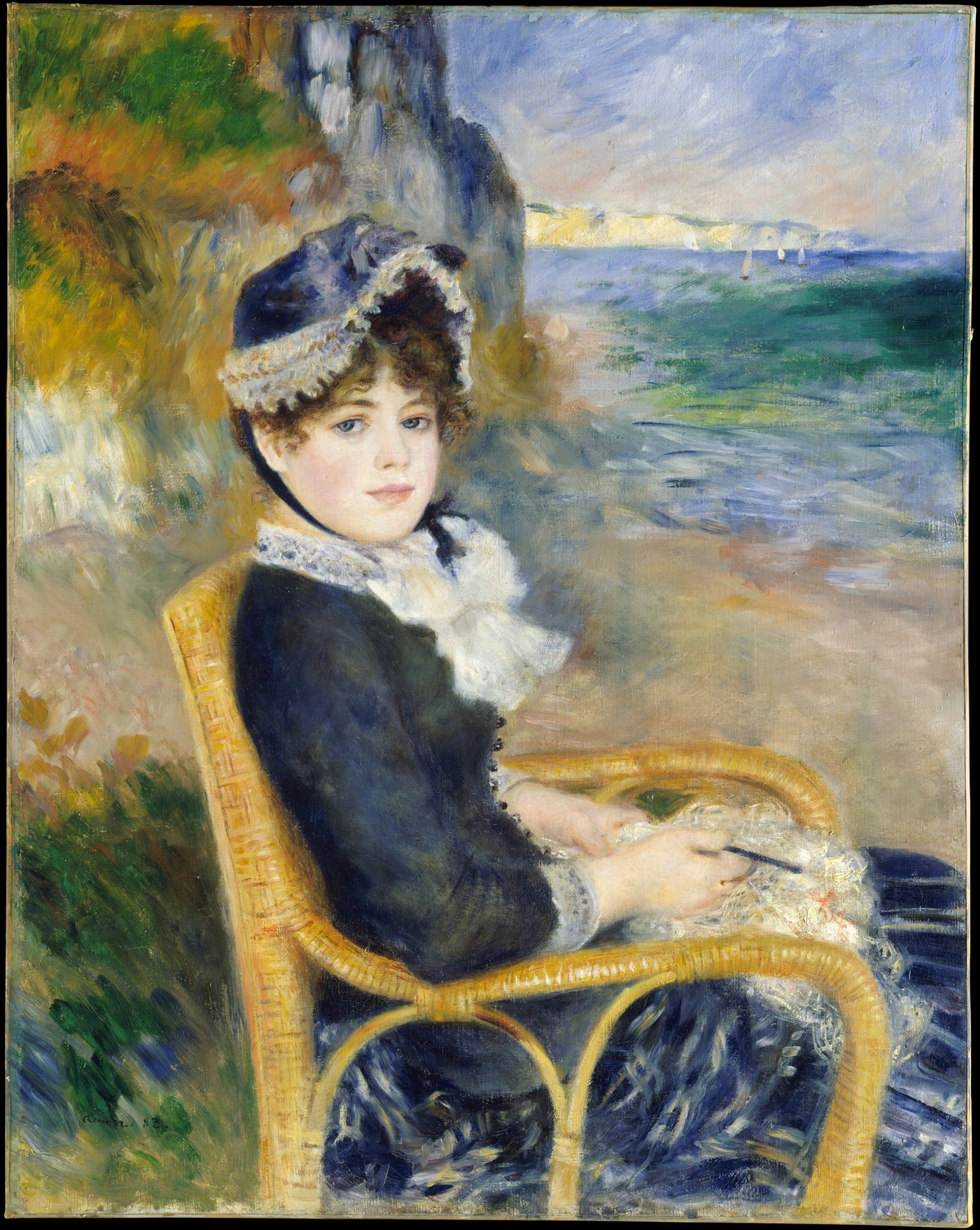
This Fauvist-style portrait exemplifies the bold use of color that influenced Delaunay's transition from Cubism to a more vibrant and expressive style.
He felt that Cubism was becoming a prison of lines and muted tones. He wanted more. You can see his frustration and his search in his early Saint-Séverin series. He’s painting a Gothic church, a classic subject, but he’s not just capturing its architecture. He's capturing the light fracturing through the stained-glass windows, breaking the solid stone into shimmering planes of color. This was the beginning of his escape.
The Saint-Séverin series is a pivotal moment in Delaunay's career. It marks the transition from his early Cubist influences to the development of his unique style, characterized by vibrant colors and dynamic compositions.
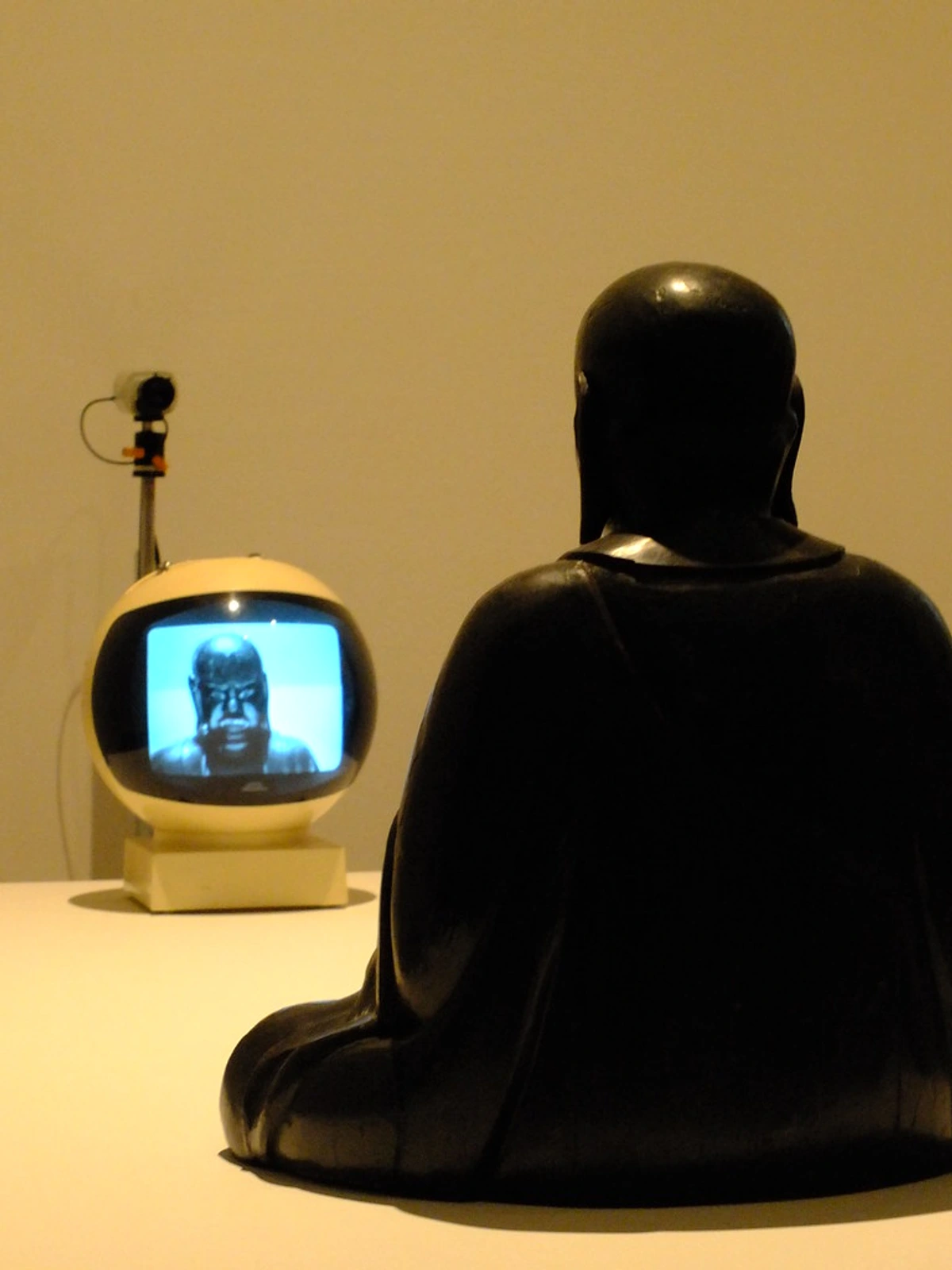
Delaunay's exploration of light and color in the Saint-Séverin series marked a turning point in his artistic journey. It was here that he began to develop the ideas that would later define his unique style. This series laid the foundation for his later works, which would fully embrace the power of color and abstraction.
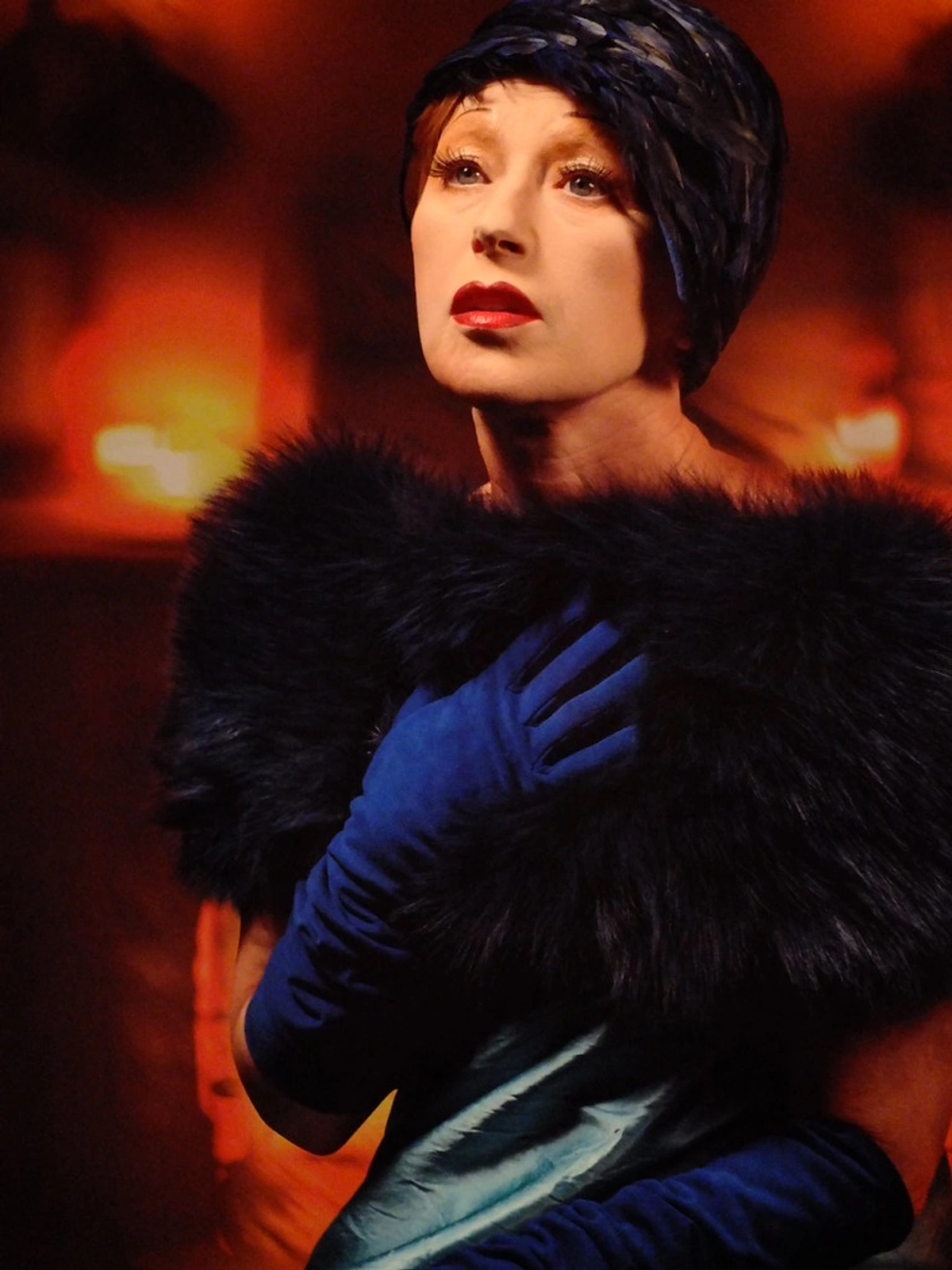
The Role of Technology in Delaunay's Art
Delaunay's innovative approach to art was also influenced by the technological advancements of his time. The rise of industrialization and the advent of new materials and techniques provided Delaunay with a wealth of inspiration. His use of vibrant colors and dynamic compositions reflects the energy and dynamism of the modern world, capturing the spirit of innovation and progress that defined the early 20th century. This connection between art and technology is a testament to Delaunay's ability to adapt and evolve his techniques in response to the changing world around him.
Influence of Industrialization
The rise of industrialization had a profound impact on Delaunay's artistic process. He was fascinated by the energy and dynamism of the modern world and sought to capture this spirit in his paintings. This fascination is evident in his use of vibrant colors and dynamic compositions, which create a sense of movement and energy in his works.
New Materials and Techniques
Delaunay's exploration of new materials and techniques also influenced his artistic process. He experimented with a wide range of materials, from traditional paints to innovative new mediums, creating compositions that were both visually striking and emotionally resonant. This experimentation is evident in the vibrant colors and dynamic forms that defined his later works.
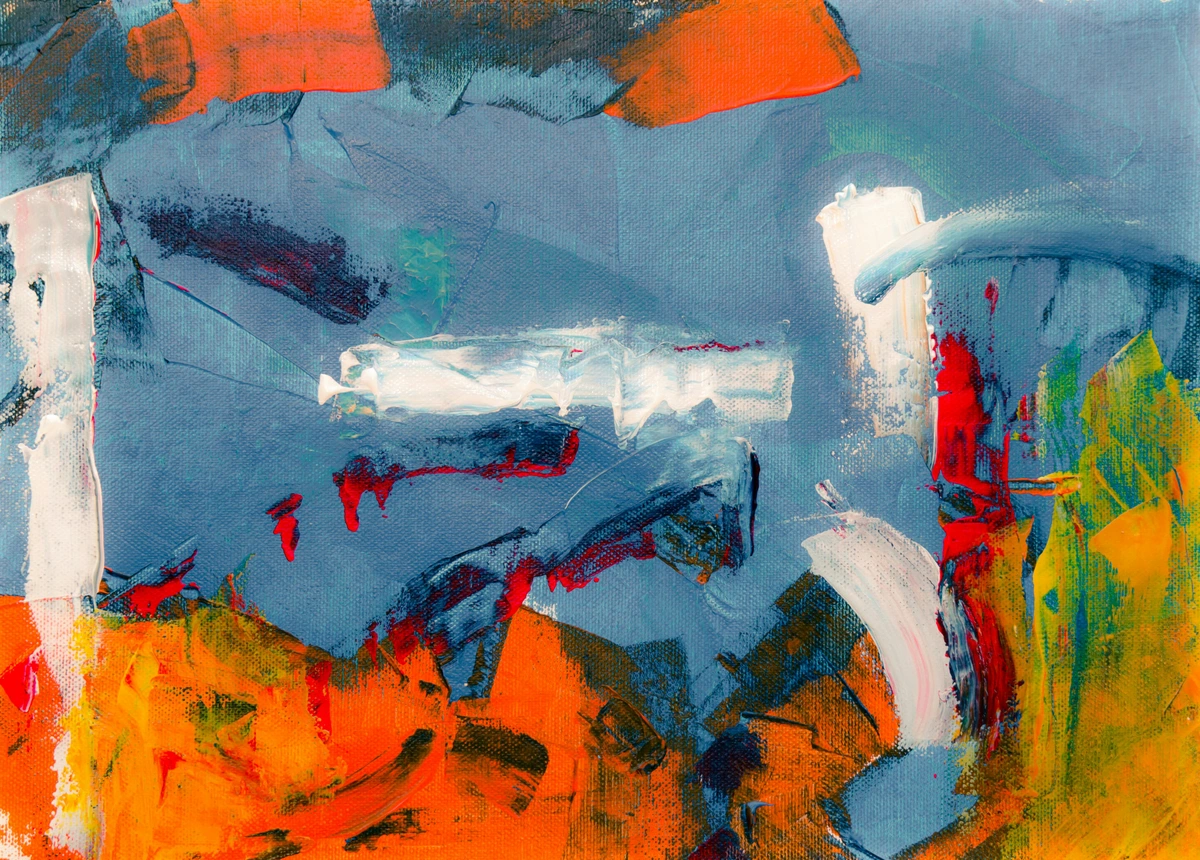
This abstract composition reflects Delaunay's fascination with geometric shapes and vibrant colors, a hallmark of his later works.
The Secret Sauce: Simultaneous Contrast
Delaunay's breakthrough came from his exploration of the theory of simultaneous contrast, a concept developed by the chemist Michel Eugène Chevreul. This theory revolutionized Delaunay's approach to color and became the foundation of his artistic philosophy. By understanding how colors interact and influence each other, Delaunay was able to create compositions that are dynamic and emotionally resonant.
Understanding Simultaneous Contrast
Simultaneous contrast is the phenomenon where the perception of a color is affected by the colors adjacent to it. Delaunay's understanding of this principle allowed him to create dynamic and vibrant compositions. By strategically placing colors next to each other, he could manipulate the viewer's perception and evoke powerful emotional responses.
The Power of Color Interaction
Delaunay's exploration of simultaneous contrast allowed him to create compositions that are both dynamic and harmonious. He believed that color could convey emotion and create a sense of harmony and rhythm in art. This belief is evident in all his works, from his early experiments to his later masterpieces.
The big breakthrough for Delaunay came from a 19th-century scientific theory by a chemist named Michel Eugène Chevreul. The theory is called the law of simultaneous contrast. Now, that sounds incredibly technical, but the idea is actually quite simple and intuitive. It's the principle that when you place two colors next to each other, they change how you perceive them.
This principle is not just a scientific observation but a powerful tool for artists. By leveraging simultaneous contrast, Delaunay was able to create visual experiences that are both dynamic and harmonious.
Delaunay's understanding of simultaneous contrast allowed him to create dynamic and vibrant compositions. By strategically placing colors next to each other, he could manipulate the viewer's perception and evoke powerful emotional responses.
I know what you're thinking, 'Okay, so colors look different next to other colors. So what?' But Delaunay took this simple observation and turned it into the engine of his entire artistic practice. He realized he could create movement, rhythm, and depth using only the interaction of colors. He called this Simultanéisme.
It’s not just about putting a red next to a green to make them 'pop'. It's about orchestrating a whole symphony of color relationships across the canvas that creates a dynamic, visual vibration in the viewer's eye. This is a core idea in how artists use color to create an emotional response.
Simultanéisme is more than a technique; it's a philosophy. It represents Delaunay's belief in the power of color to convey emotion and create a sense of harmony and rhythm in art.
Delaunay's concept of Simultanéisme was not just a technique but a philosophy. It represented his belief in the power of color to convey emotion and create a sense of harmony and rhythm in art. This philosophy is evident in all his works, from his early experiments to his later masterpieces.
Delaunay's Influence on Digital Art
Delaunay's innovative use of color and abstraction has also had a significant impact on the world of digital art. His principles of simultaneous contrast and dynamic compositions have inspired digital artists to explore new ways of creating visual experiences. By incorporating Delaunay's techniques into their work, digital artists have been able to create compositions that are both visually striking and emotionally resonant. This legacy is a testament to Delaunay's enduring influence on the art world and his ability to inspire future generations of artists.
Here’s a simple breakdown:
Color Combination  | Perceived Effect |
|---|---|
| Red next to Green | Both colors appear more vibrant and intense. |
| Blue next to Orange | Creates a strong visual vibration and energy. |
| Yellow next to Violet | Generates a feeling of light and brilliance. |
| A warm color next to a cool color | The warm color appears to advance, the cool to recede. |
This table illustrates the power of simultaneous contrast in creating dynamic and engaging visual experiences. By understanding these principles, artists can manipulate the viewer's perception and evoke powerful emotional responses.
Orphism: Painting the Music of the Universe
Delaunay's exploration of color and light culminated in the creation of Orphism, a movement that sought to capture the essence of the universe through pure abstraction. Named after the mythical musician Orpheus, Orphism represents Delaunay's belief in the power of color to evoke emotion and harmony. This movement is a testament to Delaunay's innovative spirit and his willingness to push the boundaries of artistic expression.
The Philosophy of Orphism
Orphism is not just an art movement; it's a philosophy that celebrates the beauty and power of color. It challenges traditional notions of art and representation, inviting viewers to experience the emotional and spiritual dimensions of color. This philosophy is evident in all of Delaunay's works, from his early experiments to his later masterpieces.
The Influence of Music
Delaunay's interest in music played a significant role in the development of Orphism. He believed that music and art were deeply connected and sought to capture the rhythm and harmony of music in his paintings. This belief is evident in his use of circular forms and vibrant colors, which create a sense of movement and rhythm akin to a musical composition.
This obsession with color and light led Delaunay to create a whole new art movement. The poet Guillaume Apollinaire saw his work and dubbed it Orphism, after the mythical Greek musician Orpheus who could charm all living things with his music. The name was perfect. Delaunay was creating a kind of visual music, using pure color to evoke feelings and harmonies without relying on recognizable objects.
Orphism is not just an art movement; it's a celebration of the beauty and power of color. It challenges traditional notions of art and representation, inviting viewers to experience the emotional and spiritual dimensions of color.
Orphism was more than just an art movement; it was a philosophy that celebrated the beauty of color and its ability to convey emotion and rhythm. Delaunay's work in this movement continues to inspire artists to explore the boundaries of abstraction and color. His innovative use of color and light has left a lasting impact on the art world, influencing countless artists and movements.
So, what are the key characteristics of Orphism? If you want to spot one in the wild, here's what to look for:
- Vibrant, Pure Color: This is the big one. Color is the subject, the structure, and the story.
- Circular and Rhythmic Forms: Delaunay famously used discs and circular shapes to represent the sun, moon, and the rhythm of the cosmos. These forms create a sense of constant motion.
- Non-Representational Subjects: The goal isn't to paint a landscape; it's to paint the feeling of being in that landscape. It's one of the earliest forms of pure abstract art.
- Dynamic Energy: An Orphist painting should feel like it's in motion, with colors pushing and pulling, advancing and receding, creating a visual dance.
These characteristics make Orphism a unique and influential movement in the history of art. It challenges traditional notions of representation and invites viewers to experience the emotional and spiritual dimensions of color.
Orphism's emphasis on pure color and abstraction set it apart from other art movements of the time. It was a bold and innovative approach that challenged traditional notions of art and representation. This movement continues to inspire artists to explore the boundaries of color and abstraction, creating new and exciting forms of artistic expression.
Delaunay's Impact on Public Art
Delaunay's innovative use of color and abstraction has also had a significant impact on the world of public art. His principles of dynamic compositions and vibrant colors have inspired public artists to create works that are both visually striking and emotionally resonant. By incorporating Delaunay's techniques into their work, public artists have been able to create compositions that engage and inspire viewers, transforming public spaces into vibrant and dynamic environments. This legacy is a testament to Delaunay's enduring influence on the art world and his ability to inspire future generations of artists.
Influence on Public Art Installations
Delaunay's principles of dynamic compositions and vibrant colors have inspired public artists to create works that are both visually striking and emotionally resonant. By incorporating Delaunay's techniques into their work, public artists have been able to create compositions that engage and inspire viewers, transforming public spaces into vibrant and dynamic environments. This influence is evident in the vibrant colors and dynamic forms that define public art today.
The Role of Public Art in Society
Delaunay's innovative techniques and theories have also had a significant impact on the role of public art in society. His belief in the power of color to convey emotion and create a sense of harmony and rhythm in art has influenced countless public artists and art movements. This legacy is a testament to Delaunay's enduring influence on the art world.
The Techniques in Action: A Tour of Key Works
Delaunay's artistic journey is best understood through his key works, which showcase his evolution from Cubism to Orphism. These works not only highlight his technical prowess but also his deep understanding of color and light. Each of his major series represents a significant milestone in his artistic development, offering insights into his innovative techniques and theories.

You see these ideas crystalize in his major series.

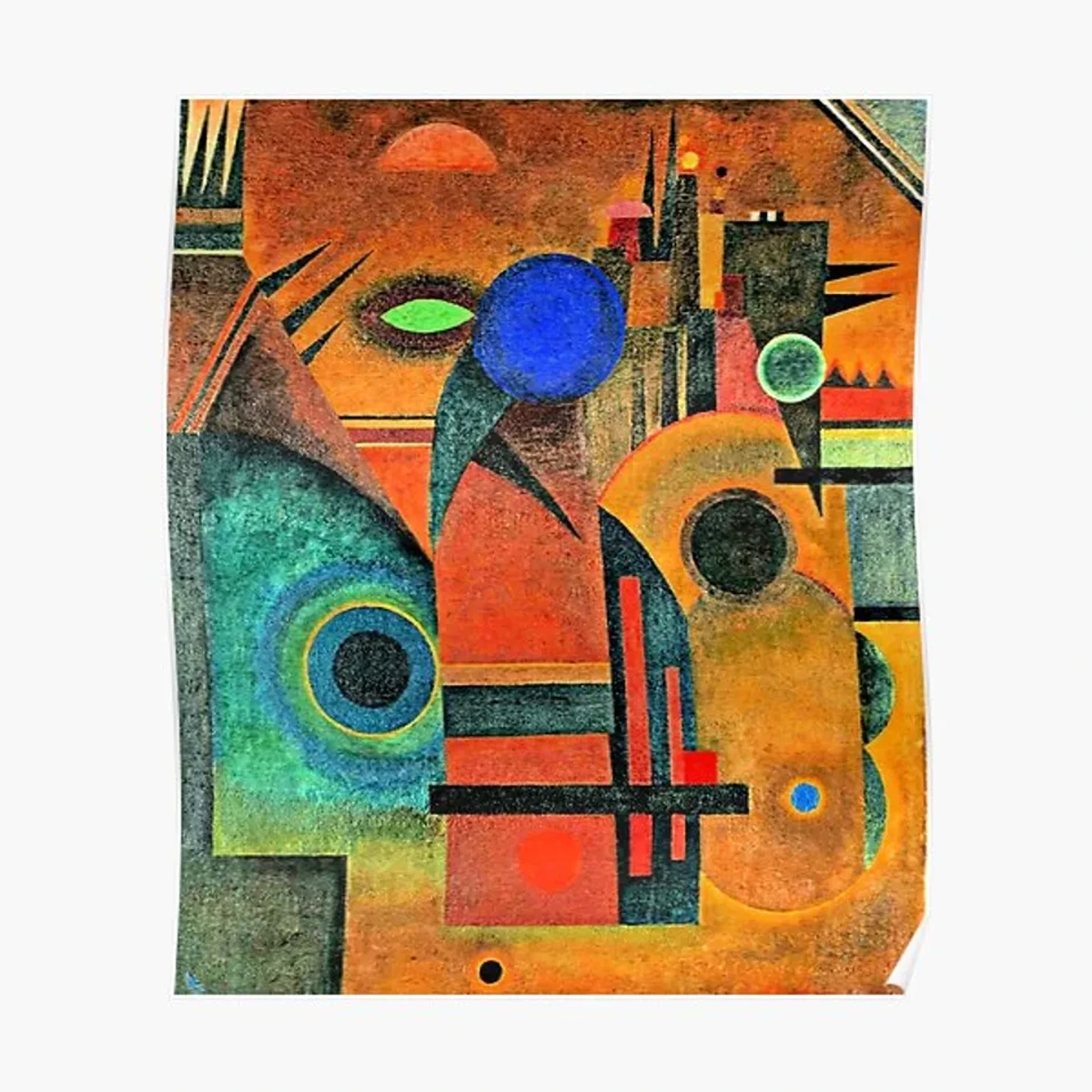
This abstract art print reflects the dynamic energy and rhythm that Delaunay sought to capture in his works. The influence of music and movement is evident in his use of color and form.
The Eiffel Tower Series
I love this series because it shows his whole evolution. He painted the Eiffel Tower over and over, first in a more fragmented, Cubist style. But as he developed, the tower dissolves into a dynamic vortex of light and color. It's no longer a static monument; it's a symbol of modernity, buzzing with the energy of Paris.
The Eiffel Tower series is a testament to Delaunay's ability to transform a static subject into a dynamic and vibrant composition. His use of color and light brings the tower to life, capturing the essence of modern Paris. This series is a perfect example of how Delaunay's innovative techniques and theories can breathe new life into familiar subjects.
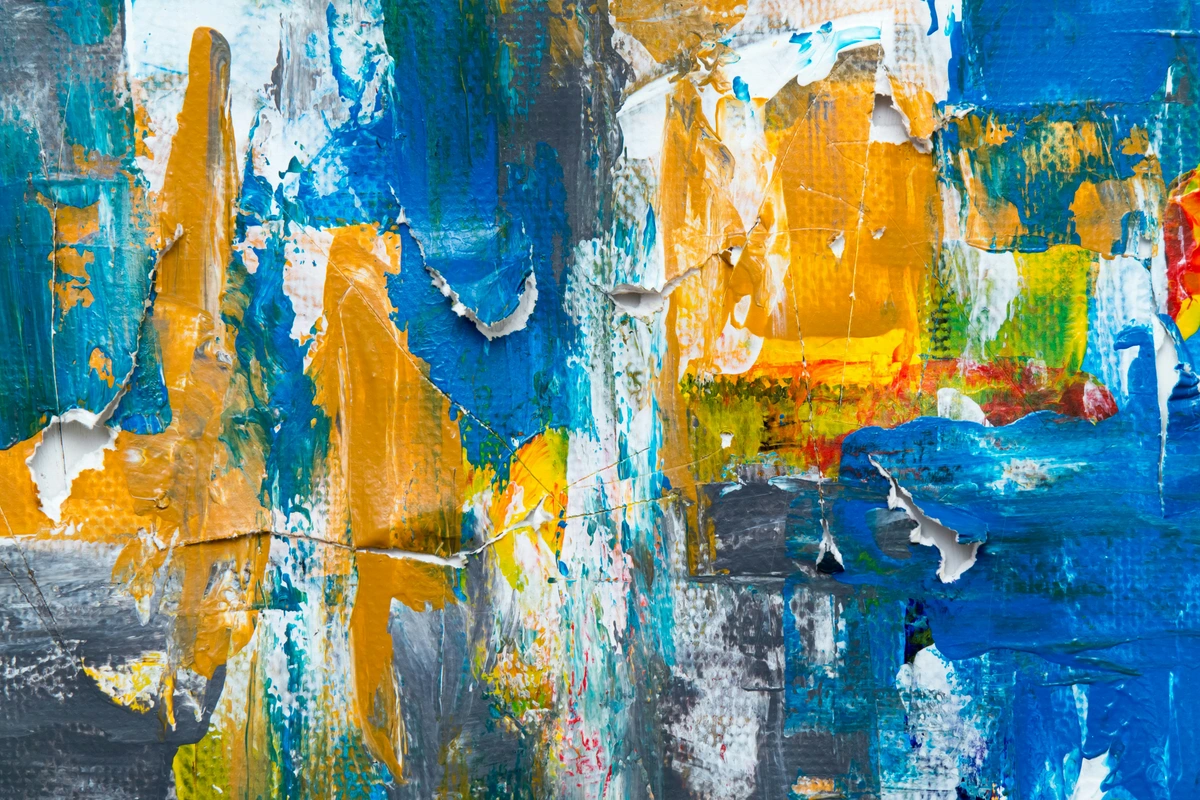
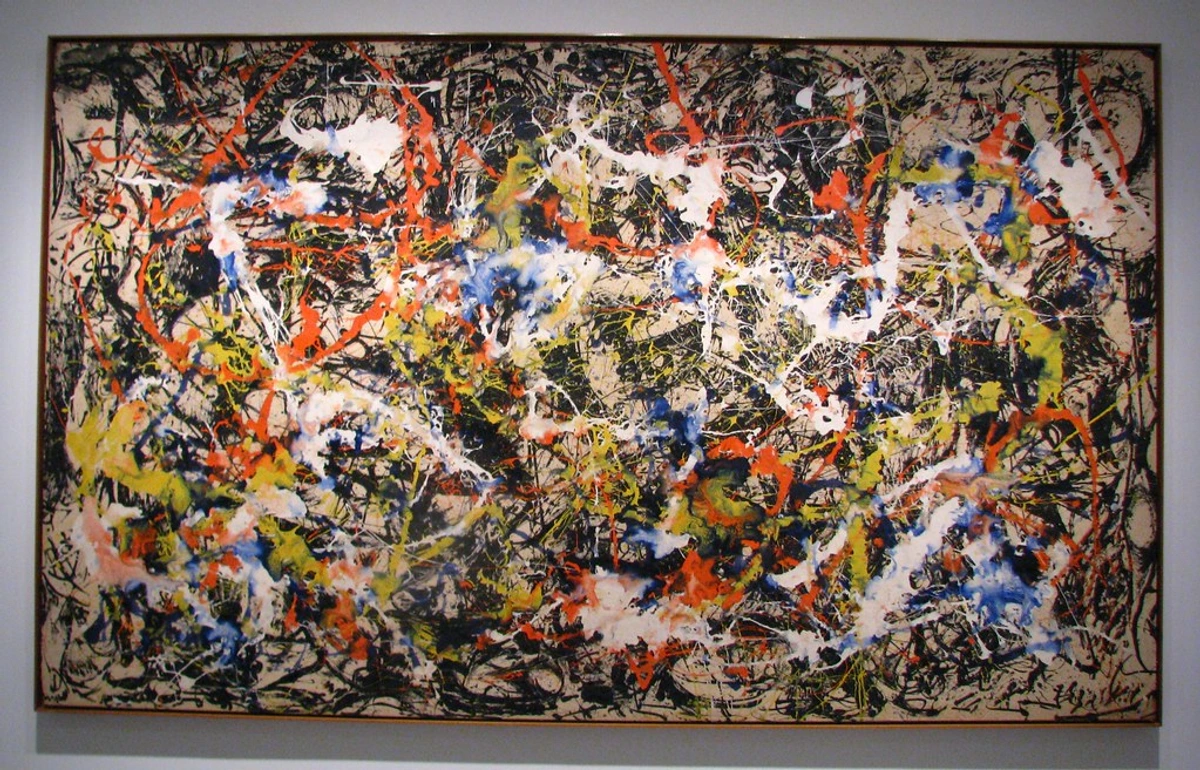
This abstract painting captures the essence of Delaunay's approach to color and form. The bold brushstrokes and vibrant colors create a sense of movement and energy, much like Delaunay's own works.
The Circular Forms Series
This is pure, uncut Orphism. Paintings like Sun, Moon, Simultaneous 2 are just breathtaking. There is no 'subject' here in the traditional sense. The subject is the cosmic rhythm of the universe, expressed through interlocking circles of brilliant, simultaneous color. This is Delaunay at his most confident and his most radical.
The Circular Forms series represents the pinnacle of Delaunay's artistic vision. Through the use of interlocking circles and vibrant colors, he captures the essence of the cosmos and the rhythm of the universe. This series is a testament to Delaunay's innovative spirit and his willingness to push the boundaries of artistic expression.
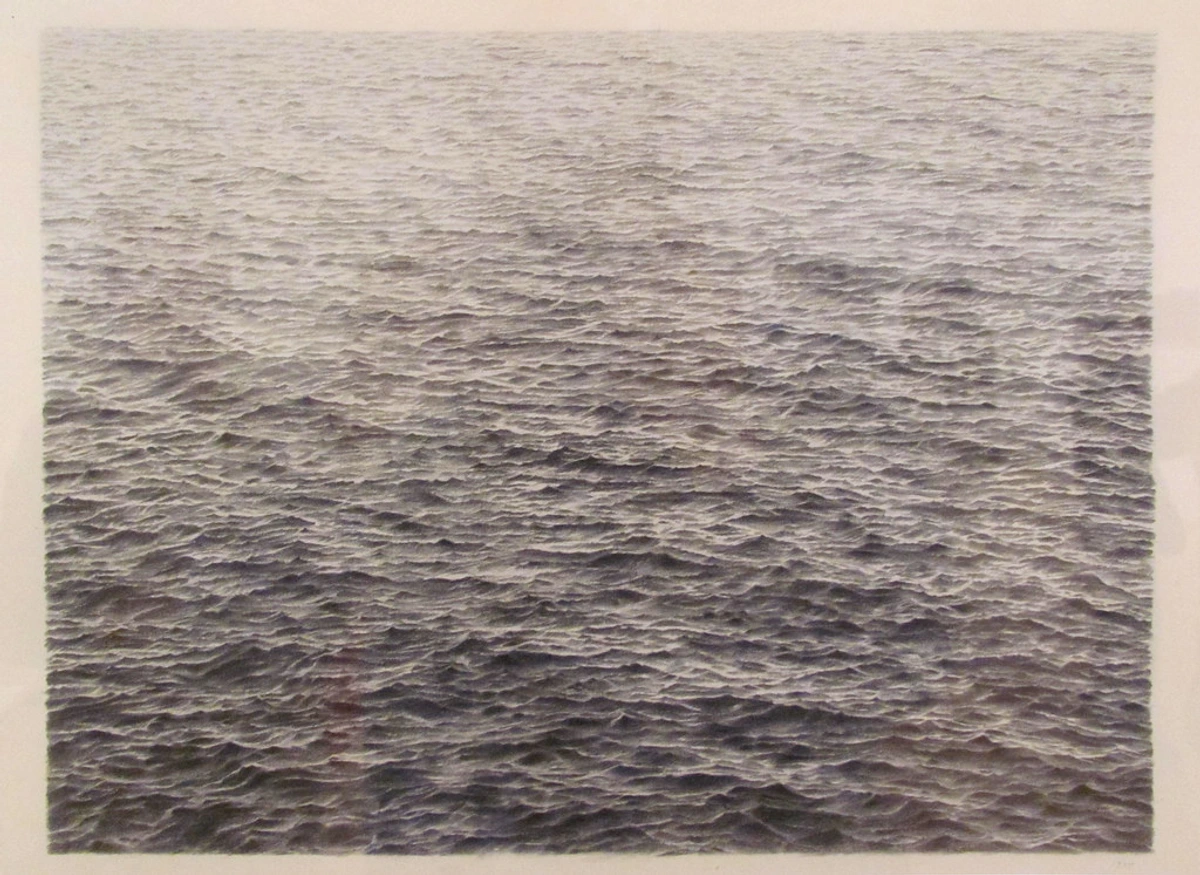
This detailed drawing contrasts with Delaunay's abstract approach, highlighting the diversity of artistic expression. While Celmins focuses on realism, Delaunay's work celebrates the power of abstraction and color.
Delaunay's Enduring Legacy
Delaunay's influence extends far beyond his lifetime. His innovative use of color and light has inspired countless artists and movements, from Abstract Expressionism to Op Art. His work continues to be celebrated for its boldness, creativity, and emotional depth. His legacy is a testament to the power of innovation and experimentation in art.
Delaunay's influence is massive. He opened the door for color to be the primary subject of a painting. You can draw a direct line from his work to later movements like Abstract Expressionism and Op Art. He, along with his equally brilliant wife Sonia Delaunay, showed that these principles of color and rhythm could apply to everything from painting to fashion and textile design.
Delaunay's legacy is a reminder of the power of art to transcend traditional boundaries and explore new forms of expression. His work continues to inspire artists to push the boundaries of color and abstraction, creating new and exciting forms of artistic expression.
Delaunay's Influence on Contemporary Artists
Delaunay's innovative use of color and abstraction has had a profound impact on contemporary artists. His principles of simultaneous contrast and dynamic compositions have inspired artists to explore new ways of creating visual experiences. By incorporating Delaunay's techniques into their work, contemporary artists have been able to create compositions that are both visually striking and emotionally resonant. This legacy is a testament to Delaunay's enduring influence on the art world and his ability to inspire future generations of artists.
Delaunay's legacy is a testament to the power of innovation and experimentation. His work continues to inspire artists to push the boundaries of color and abstraction, creating new and exciting forms of artistic expression.
For me, his legacy is a constant reminder in the studio. It’s about the courage to let color lead. His work teaches you that color isn't just decoration; it has structure, emotion, and a voice of its own. It's a principle I explore constantly in my own work, trying to find those harmonies and vibrations he first discovered, many of which you can see in the prints I offer for /buy.
Delaunay's Influence on Art Therapy
Delaunay's innovative use of color and abstraction has also had a significant impact on the field of art therapy. His principles of simultaneous contrast and dynamic compositions have inspired art therapists to explore new ways of using color to promote emotional healing and well-being. By incorporating Delaunay's techniques into their practice, art therapists have been able to create therapeutic experiences that are both visually striking and emotionally resonant. This legacy is a testament to Delaunay's enduring influence on the art world and his ability to inspire future generations of artists.
The Role of Color in Art Therapy
Delaunay's principles of simultaneous contrast and dynamic compositions have inspired art therapists to explore new ways of using color to promote emotional healing and well-being. By incorporating Delaunay's techniques into their practice, art therapists have been able to create therapeutic experiences that are both visually striking and emotionally resonant. This influence is evident in the emphasis on color theory and the science of perception in art therapy today.
The Future of Art Therapy
Delaunay's innovative techniques and theories continue to inspire art therapists to push the boundaries of color and abstraction. His belief in the power of color to convey emotion and create a sense of harmony and rhythm in art has influenced countless art therapists and art movements. This legacy is a testament to Delaunay's enduring influence on the art world.
Delaunay's approach to color and light is a source of inspiration for artists around the world. His work reminds us that art is not just about representation but about evoking emotion and creating a sense of harmony and rhythm. This philosophy is evident in all his works, from his early experiments to his later masterpieces.
Delaunay's Influence on Environmental Art
Delaunay's innovative use of color and abstraction has also had a significant impact on the world of environmental art. His principles of dynamic compositions and vibrant colors have inspired environmental artists to create works that are both visually striking and emotionally resonant. By incorporating Delaunay's techniques into their work, environmental artists have been able to create compositions that engage and inspire viewers, transforming natural spaces into vibrant and dynamic environments. This legacy is a testament to Delaunay's enduring influence on the art world and his ability to inspire future generations of artists.
Influence on Environmental Art Installations
Delaunay's principles of dynamic compositions and vibrant colors have inspired environmental artists to create works that are both visually striking and emotionally resonant. By incorporating Delaunay's techniques into their work, environmental artists have been able to create compositions that engage and inspire viewers, transforming natural spaces into vibrant and dynamic environments. This influence is evident in the vibrant colors and dynamic forms that define environmental art today.
The Role of Environmental Art in Society
Delaunay's innovative techniques and theories have also had a significant impact on the role of environmental art in society. His belief in the power of color to convey emotion and create a sense of harmony and rhythm in art has influenced countless environmental artists and art movements. This legacy is a testament to Delaunay's enduring influence on the art world.
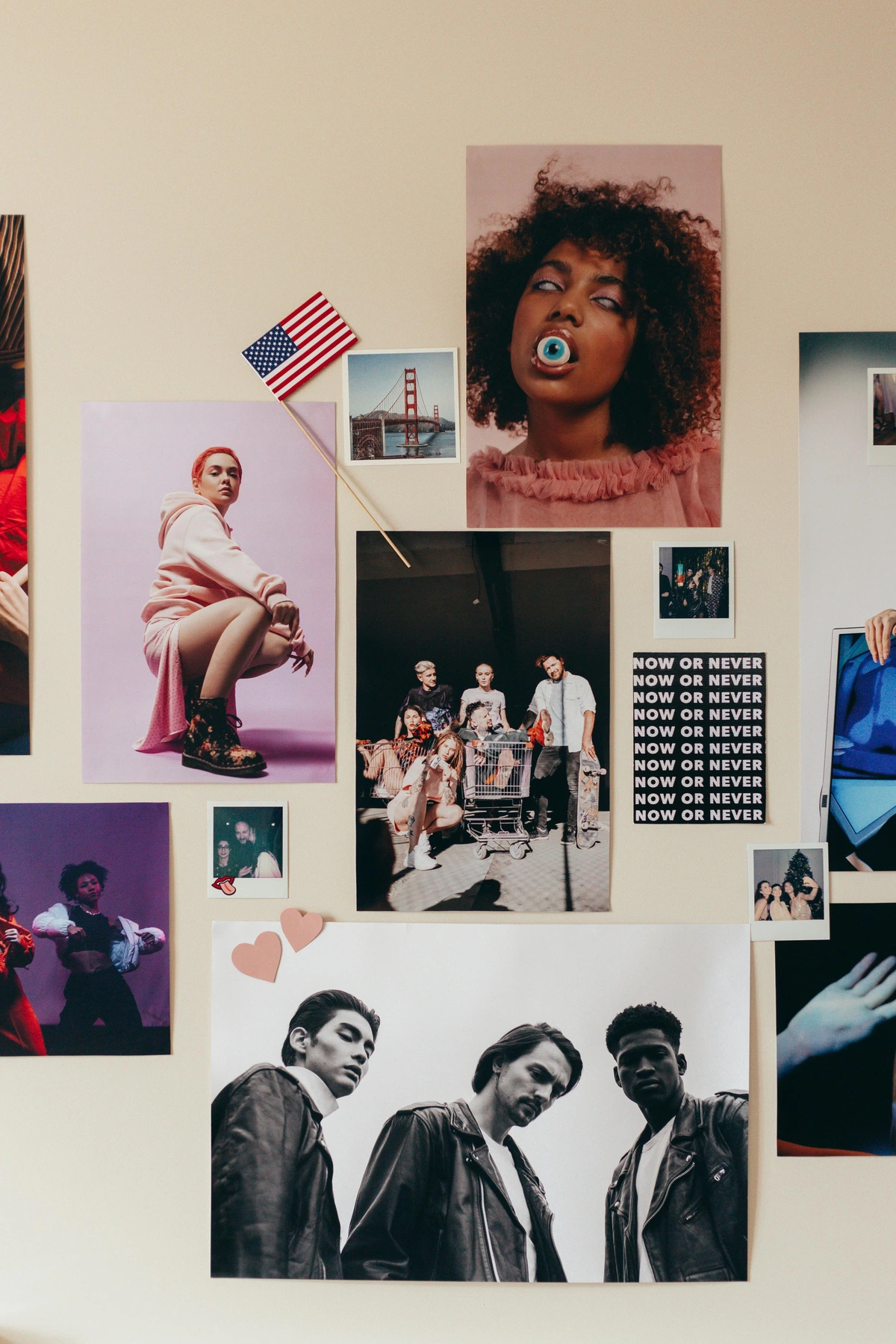
This diverse collection of art posters reflects the broad influence of Delaunay's work. His principles of color and rhythm have inspired artists across various mediums, from painting to fashion and design. His innovative techniques and theories continue to shape the art world, inspiring new generations of artists to explore the boundaries of color and abstraction.
Frequently Asked Questions (FAQ)
This section addresses some of the most common questions about Robert Delaunay and his work. Whether you're a seasoned art enthusiast or just beginning to explore his contributions, these answers provide valuable insights into his life, techniques, and legacy.
What inspired Robert Delaunay to focus on color?
Delaunay was inspired by the theory of simultaneous contrast, developed by Michel Eugène Chevreul. This theory revolutionized his approach to color and became the foundation of his artistic philosophy. He believed that color could convey emotion and create a sense of harmony and rhythm in art.
How did Delaunay's work influence other art movements?
Delaunay's innovative use of color and light has inspired countless artists and movements, from Abstract Expressionism to Op Art. His work continues to be celebrated for its boldness, creativity, and emotional depth.
What is Robert Delaunay best known for?
He is best known for being a co-founder of Orphism, an art movement that focused on pure abstraction and brilliant colors. His development of Simultanéisme, based on the theory of simultaneous contrast, was his key contribution to modern art.
Delaunay's work is celebrated for its innovative use of color and light, which continues to inspire artists and art movements around the world.
What is simultaneous contrast in art?
It's the phenomenon where the perception of a color is affected by the colors adjacent to it. For artists like Delaunay, it became a technique to create dynamism, rhythm, and depth using only the interaction of colors, making the canvas appear to vibrate.
Simultaneous contrast is a fundamental principle in Delaunay's work. By understanding how colors interact, he was able to create compositions that evoke powerful emotional responses and a sense of movement.
How is Orphism different from Cubism?
This is a great question. While Orphism grew out of Cubism, they are fundamentally different. I've put together a table to show the contrast.
Feature | Cubism (Early) | Orphism |
|---|---|---|
| Color Palette | Monochromatic: browns, grays, muted tones. | Vibrant: pure, brilliant, unmixed primary/secondary colors. |
| Primary Goal | Deconstruct form and show multiple viewpoints at once. | Express emotion and rhythm through pure color harmony. |
| Subject Matter | Still recognizable (portraits, still lifes). | Often completely abstract (cosmic discs, light). |
| Overall Mood | Analytical, intellectual, and often somber. | Lyrical, joyful, musical, and dynamic. |
Orphism's emphasis on pure color and abstraction set it apart from Cubism's analytical and monochromatic approach. Delaunay's work in Orphism represents a bold and innovative departure from traditional art forms.
A Final Thought on Pure Joy
Robert Delaunay's work is a celebration of color, light, and emotion. His ability to capture the essence of the universe through pure abstraction is a testament to his genius and creativity. As you explore his art, take a moment to appreciate the harmony and rhythm of his compositions. It's a reminder of the pure joy that art can bring into our lives.
To study Robert Delaunay is to study the liberation of color. He taught a generation of artists that a painting didn't have to be about something to be profound. It could simply be a profound experience of light and emotion. So the next time you're in a museum and find yourself in front of one of his works, take a moment. Don't try to find a story. Just let the colors wash over you and feel the rhythm. It's one of the purest forms of joy art has to offer.
Delaunay's Influence on Performance Art
Delaunay's innovative use of color and abstraction has also had a significant impact on the world of performance art. His principles of dynamic compositions and vibrant colors have inspired performance artists to create works that are both visually striking and emotionally resonant. By incorporating Delaunay's techniques into their work, performance artists have been able to create compositions that engage and inspire viewers, transforming performance spaces into vibrant and dynamic environments. This legacy is a testament to Delaunay's enduring influence on the art world and his ability to inspire future generations of artists.
Influence on Performance Art Techniques
Delaunay's principles of dynamic compositions and vibrant colors have inspired performance artists to create works that are both visually striking and emotionally resonant. By incorporating Delaunay's techniques into their work, performance artists have been able to create compositions that engage and inspire viewers, transforming performance spaces into vibrant and dynamic environments. This influence is evident in the vibrant colors and dynamic forms that define performance art today.
The Role of Performance Art in Society
Delaunay's innovative techniques and theories have also had a significant impact on the role of performance art in society. His belief in the power of color to convey emotion and create a sense of harmony and rhythm in art has influenced countless performance artists and art movements. This legacy is a testament to Delaunay's enduring influence on the art world.
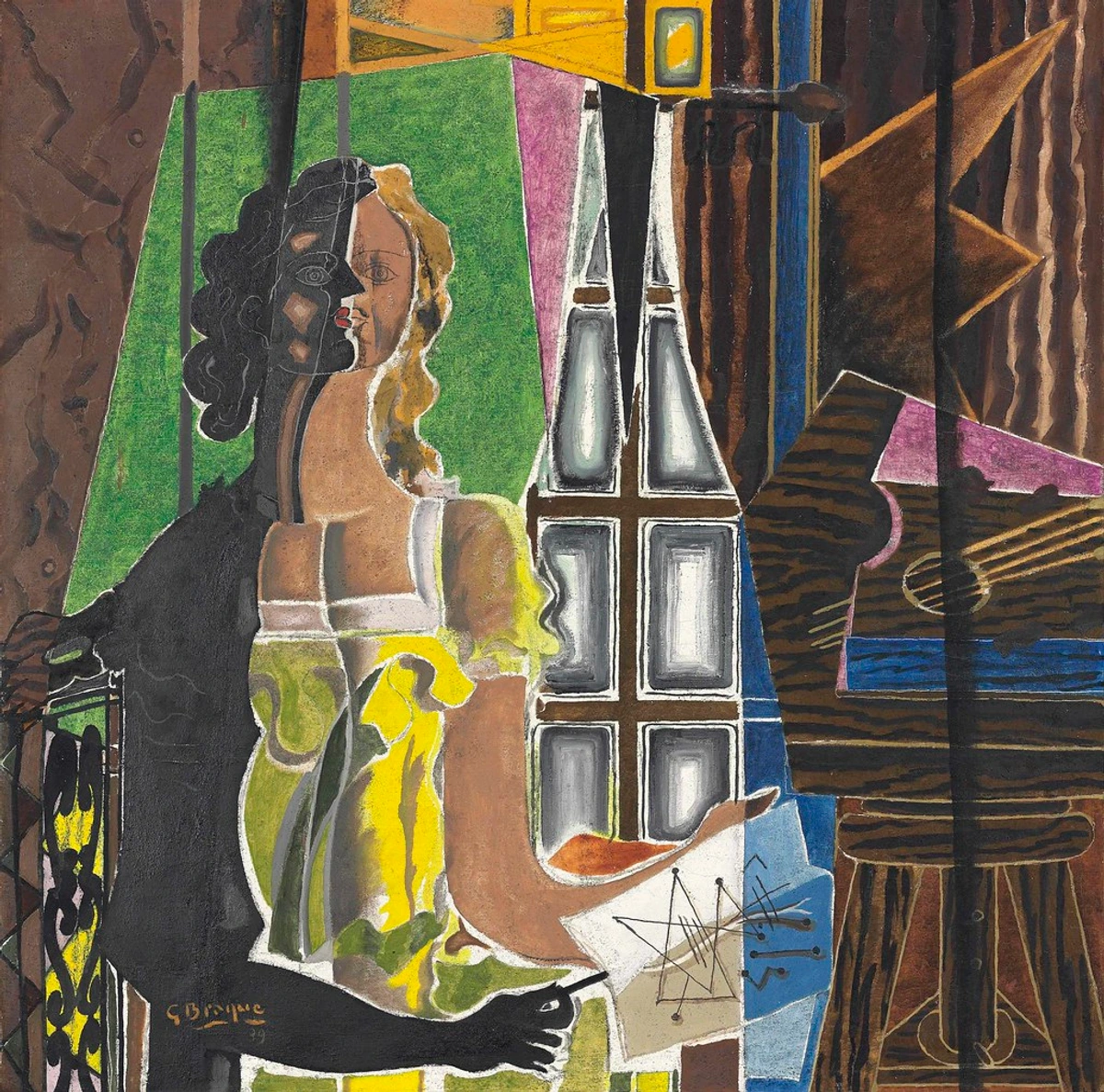
Delaunay's legacy is a reminder of the power of art to evoke emotion and create a sense of harmony. His work continues to inspire artists to explore the boundaries of color and abstraction, creating new and exciting forms of artistic expression.
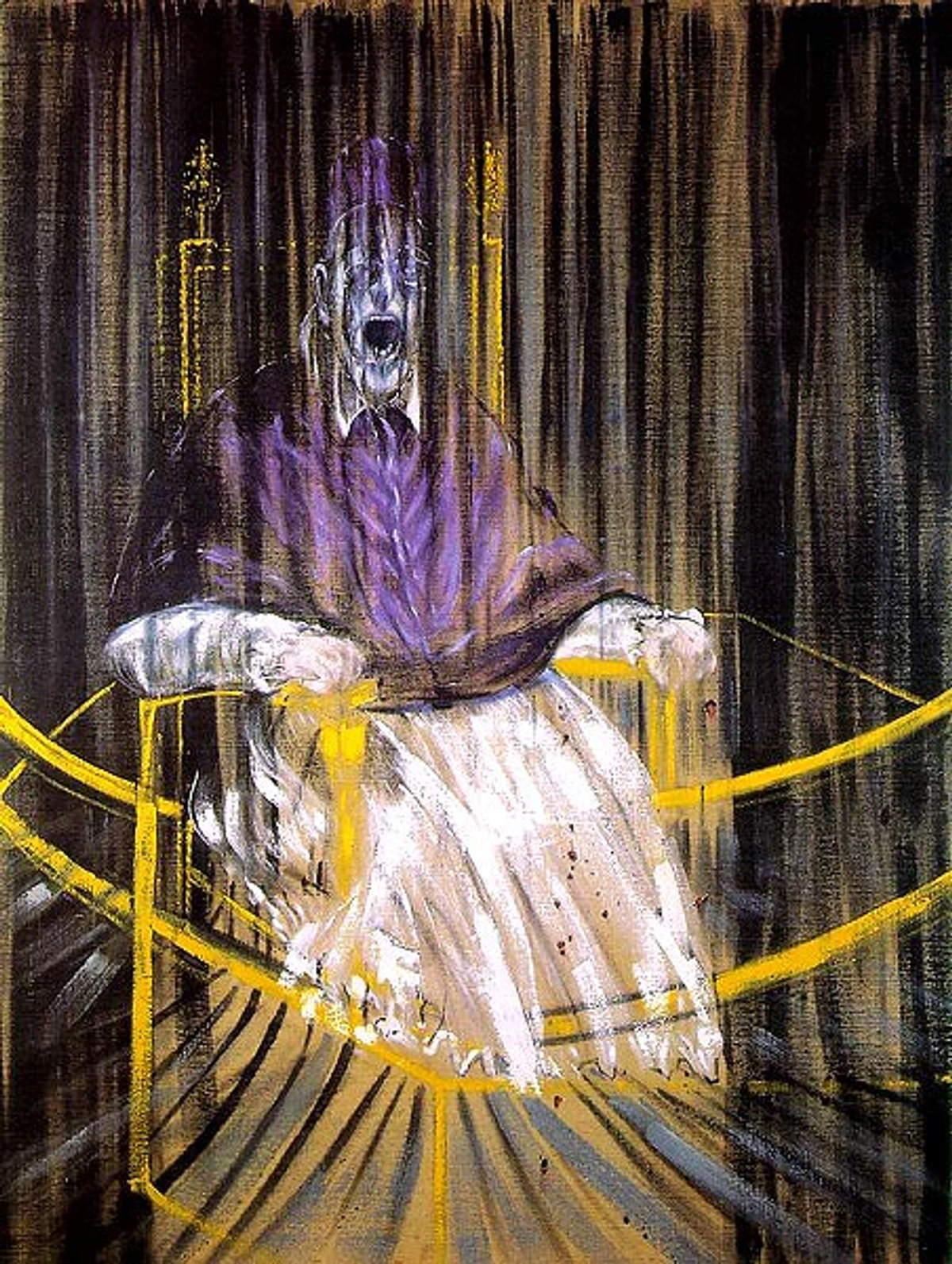
Delaunay's Influence on Interactive Art
Delaunay's innovative use of color and abstraction has also had a significant impact on the world of interactive art. His principles of dynamic compositions and vibrant colors have inspired interactive artists to create works that are both visually striking and emotionally resonant. By incorporating Delaunay's techniques into their work, interactive artists have been able to create compositions that engage and inspire viewers, transforming interactive spaces into vibrant and dynamic environments. This legacy is a testament to Delaunay's enduring influence on the art world and his ability to inspire future generations of artists.
Influence on Interactive Art Techniques
Delaunay's principles of dynamic compositions and vibrant colors have inspired interactive artists to create works that are both visually striking and emotionally resonant. By incorporating Delaunay's techniques into their work, interactive artists have been able to create compositions that engage and inspire viewers, transforming interactive spaces into vibrant and dynamic environments. This influence is evident in the vibrant colors and dynamic forms that define interactive art today.
The Role of Interactive Art in Society
Delaunay's innovative techniques and theories have also had a significant impact on the role of interactive art in society. His belief in the power of color to convey emotion and create a sense of harmony and rhythm in art has influenced countless interactive artists and art movements. This legacy is a testament to Delaunay's enduring influence on the art world.













Delaunay's Influence on Street Art
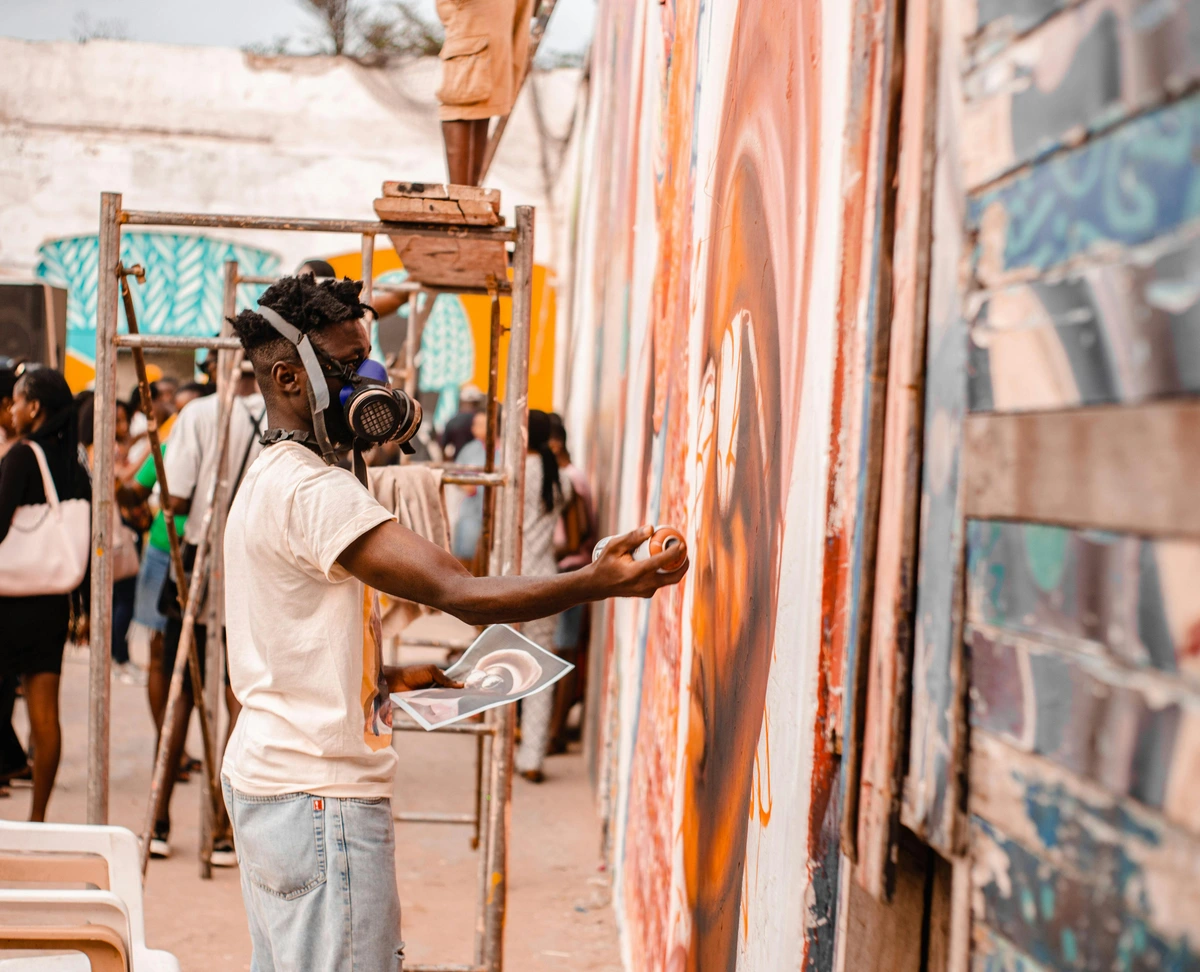
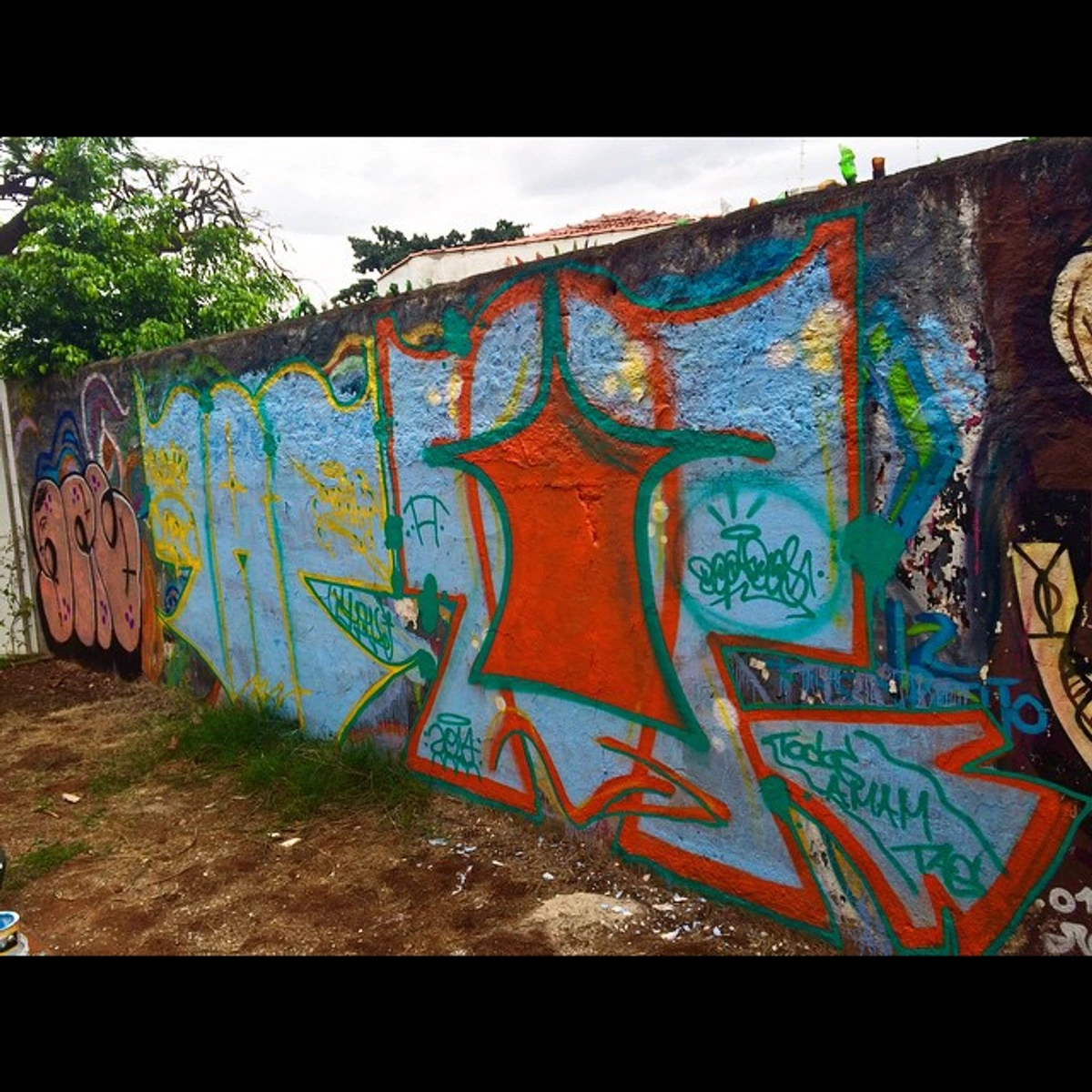
Delaunay's innovative use of color and abstraction has also had a significant impact on the world of street art. His principles of dynamic compositions and vibrant colors have inspired street artists to create works that are both visually striking and emotionally resonant. By incorporating Delaunay's techniques into their work, street artists have been able to create compositions that engage and inspire viewers, transforming urban spaces into vibrant and dynamic environments. This legacy is a testament to Delaunay's enduring influence on the art world and his ability to inspire future generations of artists.
Influence on Street Art Techniques
Delaunay's principles of dynamic compositions and vibrant colors have inspired street artists to create works that are both visually striking and emotionally resonant. By incorporating Delaunay's techniques into their work, street artists have been able to create compositions that engage and inspire viewers, transforming urban spaces into vibrant and dynamic environments. This influence is evident in the vibrant colors and dynamic forms that define street art today.
The Role of Street Art in Society
Delaunay's innovative techniques and theories have also had a significant impact on the role of street art in society. His belief in the power of color to convey emotion and create a sense of harmony and rhythm in art has influenced countless street artists and art movements. This legacy is a testament to Delaunay's enduring influence on the art world.
What can we learn from Robert Delaunay's work?
Delaunay's work teaches us that color is not just a decorative element but a powerful medium of expression. His innovative techniques and theories challenge us to see beyond the surface and experience the emotional and spiritual dimensions of art. His legacy is a testament to the power of innovation and experimentation in art.