The Patient Palette: A Guide to Long-Term Art Investment Strategies - zenmuseum.com
A comprehensive, personal guide to navigating art as a long-term investment. This guide explores why art appreciates, how to spot emerging talent, and the non-financial value of collecting. It offers practical strategies for building a collection you love that can also grow in value over decades.

The Patient Palette: The Ultimate Guide to Long-Term Art Investment and Value Appreciation
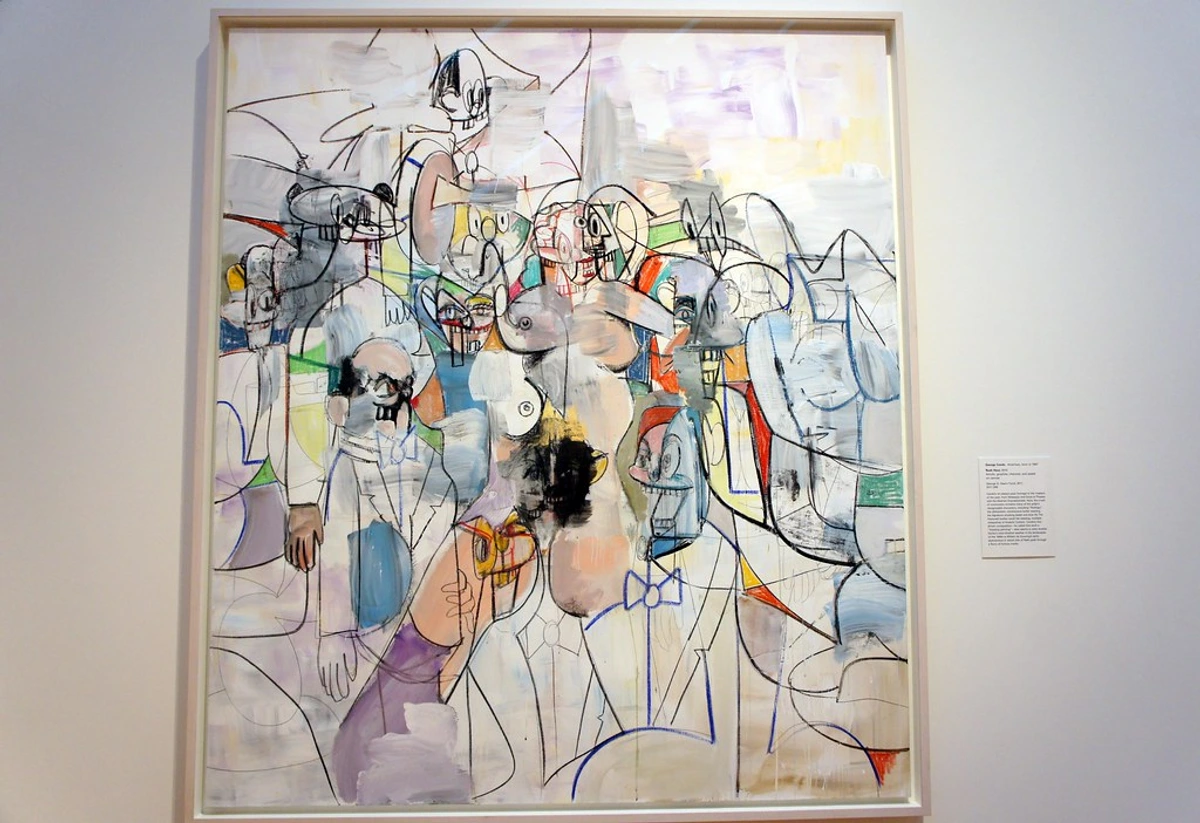
Have you ever looked at a piece of art and thought, "I love this, but should I love it?" It’s a question that has probably crossed every collector's mind, right there at the intersection of passion and prudence. I remember standing in a cramped Chelsea gallery years ago, staring at a large, frantic abstract piece that felt like a panic attack rendered in oil and charcoal. My gut said it was powerful; my bank account said it was terrifying. We're taught that a house or a stock portfolio is an investment. Art? Art is for looking at. But what if that line isn't so clear? What if the thing that moves you today could also be a cornerstone of your financial well-being decades from now?
I've seen countless trends come and go, watched artists get hyped and then forgotten, all while a select few quietly compound in significance. It reminds me of a conversation I had with a former gallerist, who told me, "The market talks in shouts, but history whispers. The trick is to learn how to listen." That's what this guide is for. It's not about getting rich quick; it's about developing the discernment to recognize enduring value, the conviction to acquire it, and the patience to let it mature.
Contemporary art, especially vibrant and abstract works, can feel especially tricky to evaluate. Is it just a splash of color, or is it the beginning of a career we'll be talking about for decades? I find abstract art fascinating because it demands so much more from you as a collector. There's no easy narrative hook, no obvious subject matter to hang your hat on. It's a pure investment in feeling, form, and the artist's unique vision.
I’ve been thinking about this a lot lately. The art market often feels like a frenetic, high-stakes game, full of auction drama and speculative bubbles. It can be tempting to chase the next big thing, hoping for a quick flip. But over the years, I've come to believe the most rewarding path—both financially and soulfully—is a much slower one. It's about ignoring the noise and learning to invest with time, not just money. It’s about identifying the artwork that has the endurance to become a cultural landmark, not just a market trend.
I recall back in 2011, right after a market dip, when a work by an artist I'd been quietly following for years suddenly felt attainable. It was a small, dense drawing, a knot of graphite lines on a yellowing piece of paper. The gallery, feeling the pinch, priced it to move. It wasn't a speculative buy; it was an alignment of timing and genuine connection. I didn't buy it because I thought it would double in five years. I bought it because I couldn't stop thinking about it, and the market had just handed me a rare opportunity to listen to that nagging voice.
The central thesis here is simple: a truly successful long-term art investment strategy isn't about predicting the market. It's about recognizing lasting value, nurturing a deep and personal connection with the works you acquire, and having the patience to let cultural significance catch up to your initial intuition. It's a marathon, not a sprint, and this article is your guide to running it. credit, licence
What Does 'Art as an Investment' Really Mean?
Let’s clear the air first. When I say "art investment," I’m not just talking about turning your living room into a cold storage unit for assets. The term itself can feel a little cold, a little too much like a spreadsheet. An investment, in its truest sense, is something you put resources into with the expectation of future benefit. With art, that benefit is wonderfully multifaceted. It’s the daily joy of living with a piece that speaks to you. It’s the cultural asset that enriches your family’s life. It’s the intellectual engagement of understanding an artist’s place in the world. And yes, it’s the potential for that piece to appreciate in financial value over a long, long period.
But there's another layer here, one that's especially relevant for modern and abstract art. When you buy a piece, you aren't just acquiring an object; you're acquiring a small piece of that artist's vision. You're saying, "I believe in this way of seeing the world."
It’s an investment in a kind of cultural R&D, where you're betting on a particular way of thinking and feeling. The returns on that investment aren't just measured in dollars, but in the daily conversations you have with the work, the way it shifts your perception, and the story it helps you tell about yourself. This is especially true for abstract art, which doesn’t offer the easy hooks of figurative work. Your connection to it is a purer form of faith in the artist’s singular language.
The crucial word here is potential. Unlike a bond that pays a fixed coupon, art doesn't offer guarantees. Its value is a complex interplay of forces like scarcity, reputation, and cultural significance.
Economists have a term for this: friction. The art market is a high-friction environment, full of transaction costs, illiquidity, and informational opacity. It's not a clean, efficient machine. A stock trade takes a millisecond; an art transaction can take months. For a patient, long-term investor, this friction is a feature, not a bug. It keeps the short-term speculators at bay and rewards those willing to do the hard work of understanding a complex system.
But here's the thing they don't tell you in finance class: this 'complex interplay' is really just a formal way of describing an argument. An argument about what matters. The art market, at its heart, is a vast, multi-billion dollar argument about what our culture should look at, think about, and value. When you buy a piece, you're not just making an investment; you're casting a vote in that argument. You're placing a bet not just on a painting, but on a whole set of ideas about beauty, meaning, and the future of visual culture. It's also deeply influenced by the tangible, physical presence of the work itself—its texture, scale, and the way it occupies space. So, if you're going to play this long game, you need to understand why a canvas you bought for a certain price today might be worth more to someone else in twenty years.
The final price of a work of art is a reflection of cultural consensus. It's the endpoint of a long chain of validations: critical, institutional, and market-based. The potential for appreciation is just the market catching up to what the cognoscenti have already recognized. You're not trying to predict the future; you're trying to see the present with greater clarity than everyone else.
Economists call art a 'non-productive' asset because it doesn't generate income like a stock dividend. I call it a 'soul-productive' one. Its yield is beauty and intellectual provocation, which compounds over time just as surely as money.
But let's acknowledge the other side of the coin. The market for contemporary art, particularly at the highest echelons, is heavily influenced by a handful of powerful galleries and wealthy collectors. This creates a "winner-take-all" dynamic where a few artists achieve astronomical prices while the vast majority of talented practitioners remain undervalued. This isn't a flaw in the system; it is the system. And it's why so much of the advice in this guide circles back to one central theme: buy what you love, because the market is a fickle beast. The art that moves you personally is the art you'll have the patience to hold onto, even when the broader market doesn't immediately validate your choice.
Think of it this way: every morning, you wake up and see that piece on your wall. Some days it's just a blur in your peripheral vision. Other days, it stops you dead in your tracks, and you see something in it you've never seen before. That internal event, that little explosion of understanding or feeling, is a form of return. It's a dividend paid in perception. And over twenty years, those daily, weekly, monthly dividends add up to a fortune in lived experience, regardless of what the auction houses are saying.
This is the part of the investment thesis that is truly priceless and entirely non-fungible. It's a return on your investment of attention. The more attention you pay—the more you truly look at the work, read about the artist, understand the context—the greater the dividend. The art rewards the time and thought you put into it. It's a stark contrast to most other investments, where your level of engagement has zero bearing on the asset's performance.
Understanding the Art Market Ecosystem: Navigating the Layers of Value
Before you can invest wisely, you need to understand the convoluted, fascinating ecosystem you're stepping into. The art world isn't a single, monolithic market; it's a fractured landscape of interconnected sub-markets, each with its own rules, players, and rhythm. Understanding these layers is like having a map of a complex city—you'll know which neighborhoods to explore and which alleys to avoid.
Let's break down this ecosystem layer by layer, from the bustling street markets to the quiet, hallowed halls of the ultra-elite.
1. The Primary Market: Where New Art Is Born
This is where living artists and their galleries introduce new work to the world for the first time. It's the frontline of contemporary art. Prices here are often set by the gallery, based on a combination of the artist's career stage, production costs, and a bit of market intuition. A primary market purchase is a direct investment in an artist's career. You're betting they'll grow in reputation and importance, right alongside your collection. It's the art world's equivalent of an initial public offering (IPO), except you get to take the product home and hang it on your wall.
Buying primary is an act of faith. You're often looking at an artist's latest work, sometimes before any major critics or museums have had their say. The upside potential can be enormous, but so can the risk. For every artist who soars, dozens stall. I think of it as venture capital for your walls—high risk, but potentially the most rewarding, both financially and personally. It's where you'll find that incredible, unheard-of emerging artist before everyone else.
2. The Secondary Market: Where Value Is Tested
This is where art gets resold. It's the vast, complex world of auction houses, secondary dealers, and private resales. This market is all about price discovery. An artwork's value here isn't set by a single dealer; it's determined by what two or more people are willing to pay for it in an open (or semi-open) forum. The primary market price is an estimation; the secondary market price is a reality check.
This is where reputations are made or broken. When an artist's work performs well at auction—selling for significantly more than its primary price—it validates the gallery's program and the collectors' foresight. But it's also where speculation lives, and prices can be volatile, driven by trends and market sentiment rather than slow-burn artistic importance. I see the secondary market as a fascinating, real-time commentary on the art world's collective opinion.
3. The Tertiary Market: Established Masters and Market Corrections
Here, we're dealing with established, often historical, artists. Think Picasso, Warhol, Rothko. This market is driven by trophy hunting, estate sales, and museum deaccessioning. Prices are high, liquidity is relatively low, and provenance (the work's history of ownership) becomes absolutely paramount. Think of it as the market for "blue-chip" art.
A work's journey through this market often involves a quiet, private negotiation rather than a public auction. It's a world of secrecy and discretion, deep expertise, and immense wealth. While most new collectors won't start here, it's essential to understand it, as the dynamics of this tier create a ripple effect that influences the perceived value of art across the entire market. A record-breaking Rothko sale doesn't just make Rothko more expensive; it makes all post-war abstraction seem more historically significant, lifting the boats of living abstract painters everywhere.
The Invisible Cogs in the Machine: Who Does What?
Beyond the markets themselves, a whole cast of characters keeps this ecosystem running. Understanding their roles and motivations is key to becoming a sophisticated collector.
Think of it like a film production. The artist is the visionary director and writer. The primary dealer is the powerful producer who secures the budget and distribution. The museum curator is the respected film critic or festival programmer who elevates it to a wider audience. The auction house is the box office result—a public, high-stakes measure of audience demand. An art advisor is your expert film-buff friend who cuts through the noise and tells you what's worth seeing. And you, the collector, are the passionate cinephile whose ticket purchase and word-of-mouth support keeps the whole system alive.
- The Artist: The creator. Their sustained creativity, career choices, and engagement with their own market are the ultimate drivers of long-term value.
- The Gallery (Primary Dealer): The artist's champion, strategist, and gatekeeper. A blue-chip gallery like Gagosian or Zwirner doesn't just sell art; it builds artists' careers, placing their work in the right collections and museums. They control supply and shape the initial narrative.
- The Auction House Specialist: Part scholar, part showman, part market maker. Specialists at Sotheby's or Christie's build the catalogues, research the provenance, and often orchestrate the private deals that never see an auction room.
- The Art Advisor: The collector's guide and quarterback. A good advisor translates your taste into a strategic collecting plan, providing access, due diligence, and often negotiating power. Think of them as your personal shopper with a PhD in art history.
- The Art Critic and Curator: The tastemakers and validators. While the market shouts, critics and curators are often the ones whispering the artist's name into the ear of history. Their writing and exhibitions don't just describe art; they confer cultural legitimacy upon it.
- The Conservator: The doctor. These unsung heroes are responsible for keeping artworks alive for centuries. Their work ensures that the physical object—the actual vessel of all this financial and cultural value—survives. A well-conserved work is a more valuable work.
You can't play the game if you don't know who the players are. Each one has a different motivation, a different piece of information, and a different role in the long-term story of a work of art. When you buy a piece, you're not just engaging with the artist; you're entering into a relationship with this entire, complex network.
Why Does Art Appreciate in Value Over Time?
It's the central mystery, isn't it? Why does a canvas someone scribbled on fifty years ago sell for millions today, while another, seemingly similar one, ends up forgotten in an attic?
For contemporary artists, particularly those working in abstraction, this mystery is even more pronounced. Without the anchor of a recognizable image, the foundation of their value rests on concepts, emotional resonance, and often, sheer bravado. It's like betting on jazz over pop music. You're investing in a language that might take the rest of the world a little longer to understand, and that delay is precisely where the long-term potential lies.
This was famously the case with the Abstract Expressionists. In the 1940s, a Jackson Pollock drip painting was an object of derision for many mainstream critics. It was incomprehensible. But the collectors who saw the radical innovation in that apparent chaos—who understood they were witnessing a fundamental break with art history—were the ones who made history themselves. They bet on a new language, and over the subsequent decades, the rest of the world learned how to speak it.
This discrepancy fascinates me. It's rarely about pure aesthetic appeal—it's about historical placement, critical reception, and the artist's position in the larger narrative. Think of it as detective work where you connect the dots between an artist's biography, their influences, and their impact on subsequent generations. It's similar to wondering why some writers become canonical while others, seemingly just as talented, fade—market timing, social trends, and the relentless machinery of cultural validation all play their part.
This is even more pronounced in the contemporary art world. Abstract art, for instance, might not have an obvious "story," so the narrative shifts to the artist's process, their intellectual rigor, or their influence on a particular movement. That's the detective work we're talking about. Art doesn't just magically become more expensive. There are specific, understandable reasons why certain pieces grow into valuable cultural and financial assets. Think of these as the fundamental forces that work on a long timeline.
The value of art isn't linear; it's more like a symphony, where different instruments—scarcity, reputation, and cultural relevance—play a complex score. Understanding these instruments individually is the first step to understanding why one piece of art can become a timeless masterpiece while another fades into obscurity.
What I find even more compelling, however, is how these forces aren't static. They react to each other, sometimes amplifying, sometimes cancelling out. A scarcity-driven bubble can burst if reputation fades. A sterling reputation can be built on a foundation of genuine cultural relevance. So, when you analyze a work, you aren't just checking boxes. You're trying to perceive the total system in motion, like a mechanic listening to an engine, trying to hear if it hums or knocks.
The Scarcity Principle
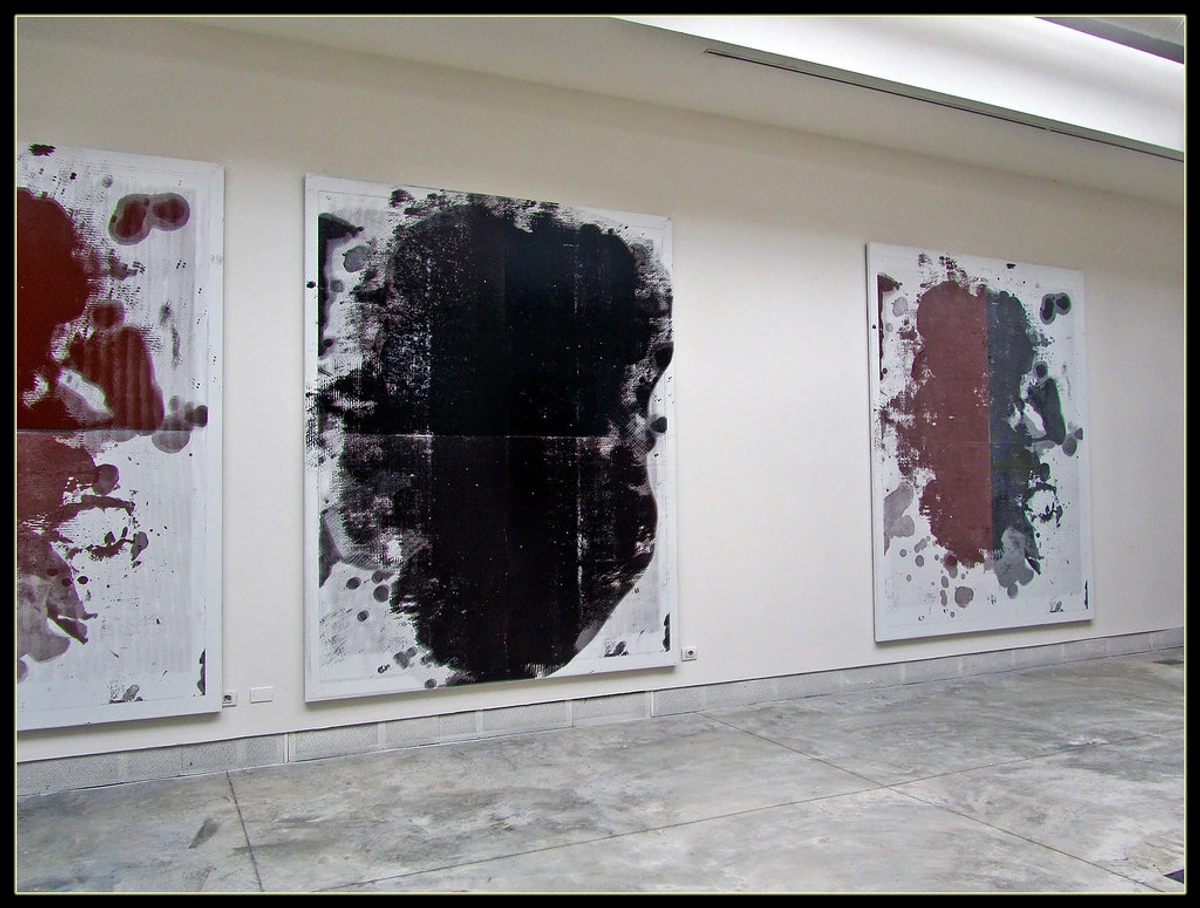
This is the most basic economic driver. A dead artist's body of work is finite. A living artist can only produce so many high-quality originals in their lifetime. This inherent scarcity means that as demand for an artist's work grows over time, the supply remains capped, which naturally puts upward pressure on prices. It’s a bet on the enduring relevance of a finite resource.
It's crucial, however, to distinguish between different kinds of scarcity. There's the simple, numerical scarcity of a limited edition print (1 of 50, for instance). That's predictable. Then there's the more profound, historical scarcity of an artist's "hero" period—that brief, intense span of time where they produced their most revolutionary work. For an artist like Jackson Pollock, that might be the drip paintings from 1947-1950. For many others, it's their early, experimental phase before they found their signature style. That kind of scarcity is what seasoned collectors hunt for. It's not just about how many exist; it's about when they were made in the artist's story.
I learned this firsthand when an edition of prints I was eyeing sold out overnight. The subsequent waiting list created a secondary market where the price was double the original. It was a tiny, perfect lesson in the mechanics of limited supply. The real lesson, though, was subtler. A few years later, the artist produced a new edition with a slightly different color palette. The market for the sold-out first edition stayed high, but the "scarcity premium" for the new, nearly-identical edition was almost non-existent. The market had moved on. It taught me that context and timing create the most valuable kind of scarcity.
Consider the work of an artist like Jean-Michel Basquiat, whose entire output was tragically cut short. The finite number of his pieces acts as a powerful engine for their value. But this principle applies just as forcefully to a living artist's core, seminal period. An artist might produce for decades, but their most impactful, career-defining works are often concentrated in a brief, intense phase. Identifying and acquiring from that phase is a key strategy for long-term investment.
This is the collector's equivalent of finding a first edition of a book that later became a classic. You're not just buying a book; you're buying the moment of its creation. The art world is littered with talented artists who had one blazing period of genius followed by decades of competent, but less essential, work. The goal is to find the blaze, not the warm embers that follow.
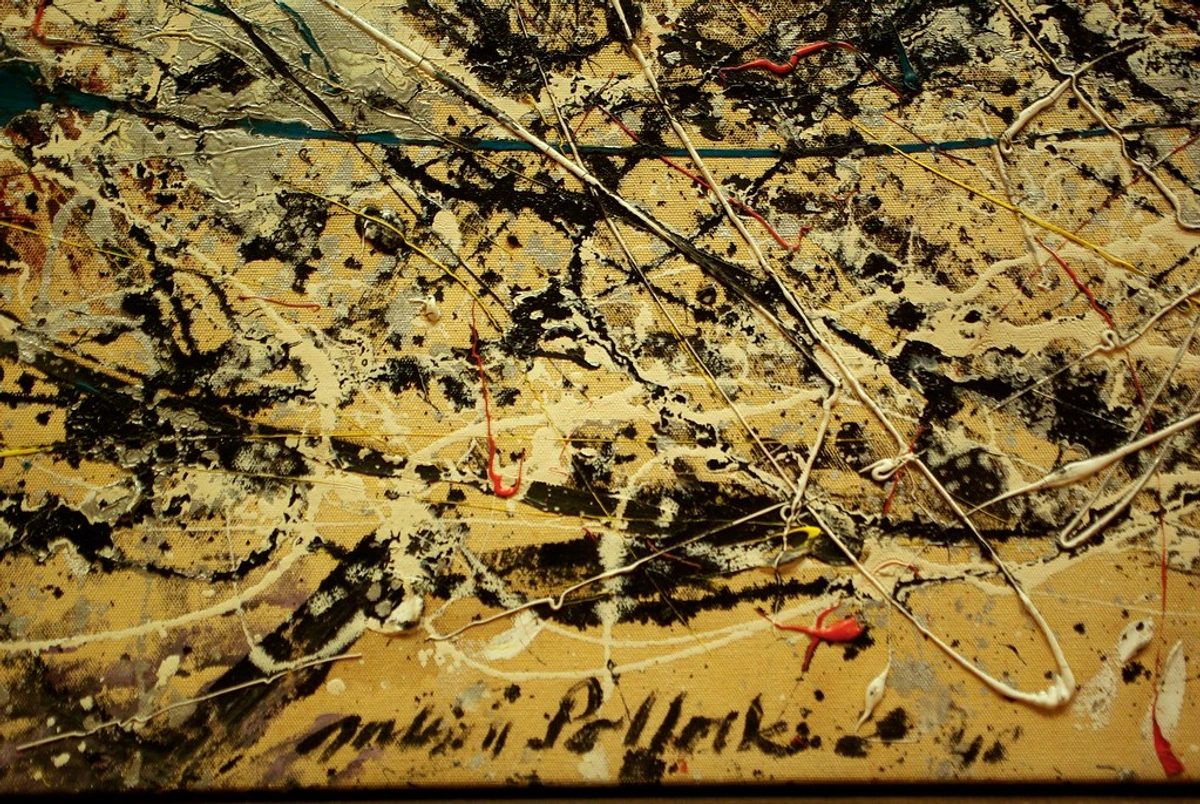
For living artists, scarcity isn't just about death; it's about historical significance. An artist's experimental early period, for example, is by nature scarce. Once that period is recognized as pivotal, those early works become disproportionately valuable.
And then there's the fascinating case of deliberate destruction. I heard a story once about an artist who, in a fit of dissatisfaction, destroyed a significant portion of their early output. The remaining works from that period, already scarce, became almost mythical. This isn't a recommendation, but it highlights how the narrative around scarcity—the story of why something is rare—can be as potent as the scarcity itself.
The Rise of an Artist's Reputation
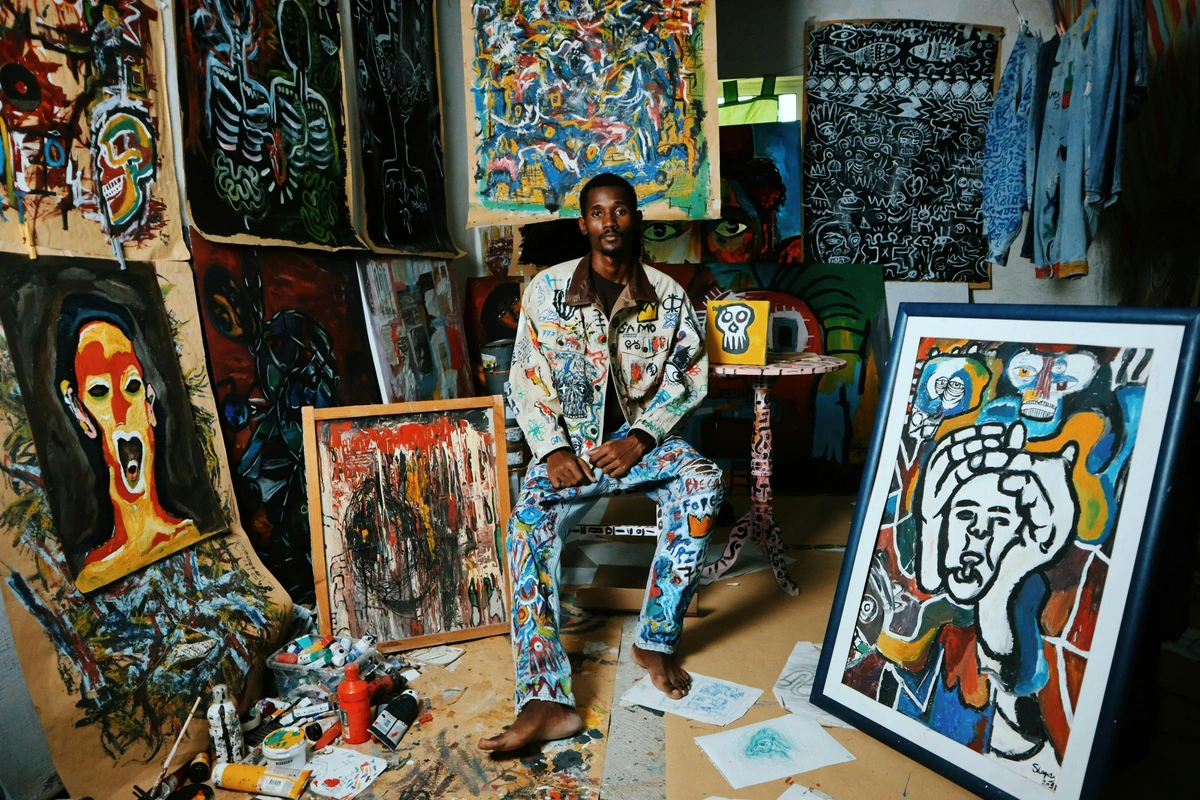
An artist's market value is deeply tied to their professional reputation. This isn't just about having a moment of fame; it's about sustained career momentum and critical validation. But what actually is a reputation? It's a story. A story told through press clippings, museum labels, exhibition catalogues, and word-of-mouth among collectors. When you buy a work by an artist with a rising reputation, you're not just buying paint on canvas; you're buying a stake in that story as it continues to unfold. Long-term value is built through a track record of things like major museum exhibitions, positive reviews from respected critics, acquisitions by prestigious public collections, and an expanding base of serious collectors. Each of these achievements acts as a vote of confidence, cementing the artist's position in art history and, consequently, in the market.
There's a quiet confidence you feel when an artist you've been watching gets their first solo museum show. Suddenly, there's institutional acknowledgment, which adds another layer to their work's story and depth. I have a mental checklist I run through when I'm seriously considering a work, and museum validation is near the top. A solo show at a respected institution is a powerful signal. It means a team of curators, archivists, and directors have vetted this artist's work and deemed it worthy of public trust and permanent preservation. That's not just market activity; that's history being written, and you can get a front-row seat.
There’s a multiplier effect at play here. An artist gets into a good gallery. That gallery gets them into a well-regarded art fair. A prominent collector buys a piece from that fair. A museum curator sees it and adds the artist to a group show. The press covers the show. This cycle, repeated over years, builds a gravitational pull that solidifies an artist’s reputation far beyond any single auction result. You’re not just buying a painting; you’re buying a stake in that entire, slow-building ecosystem of validation.
I think of this as the "virtuous cycle." It starts slowly, almost imperceptibly. One good review leads to a curatorial inquiry. That inquiry leads to a museum acquisition. That acquisition leads to a more prestigious gallery offering representation. And on and on it goes. When you buy the work of an artist who is at the very beginning of this cycle, you are getting in on the ground floor of a process that can unfold over decades, each step adding a layer of validation and, consequently, value. It’s the ultimate expression of "buy the rumor, sell the news," except you're not selling the news. You're holding onto it for the rest of your life.
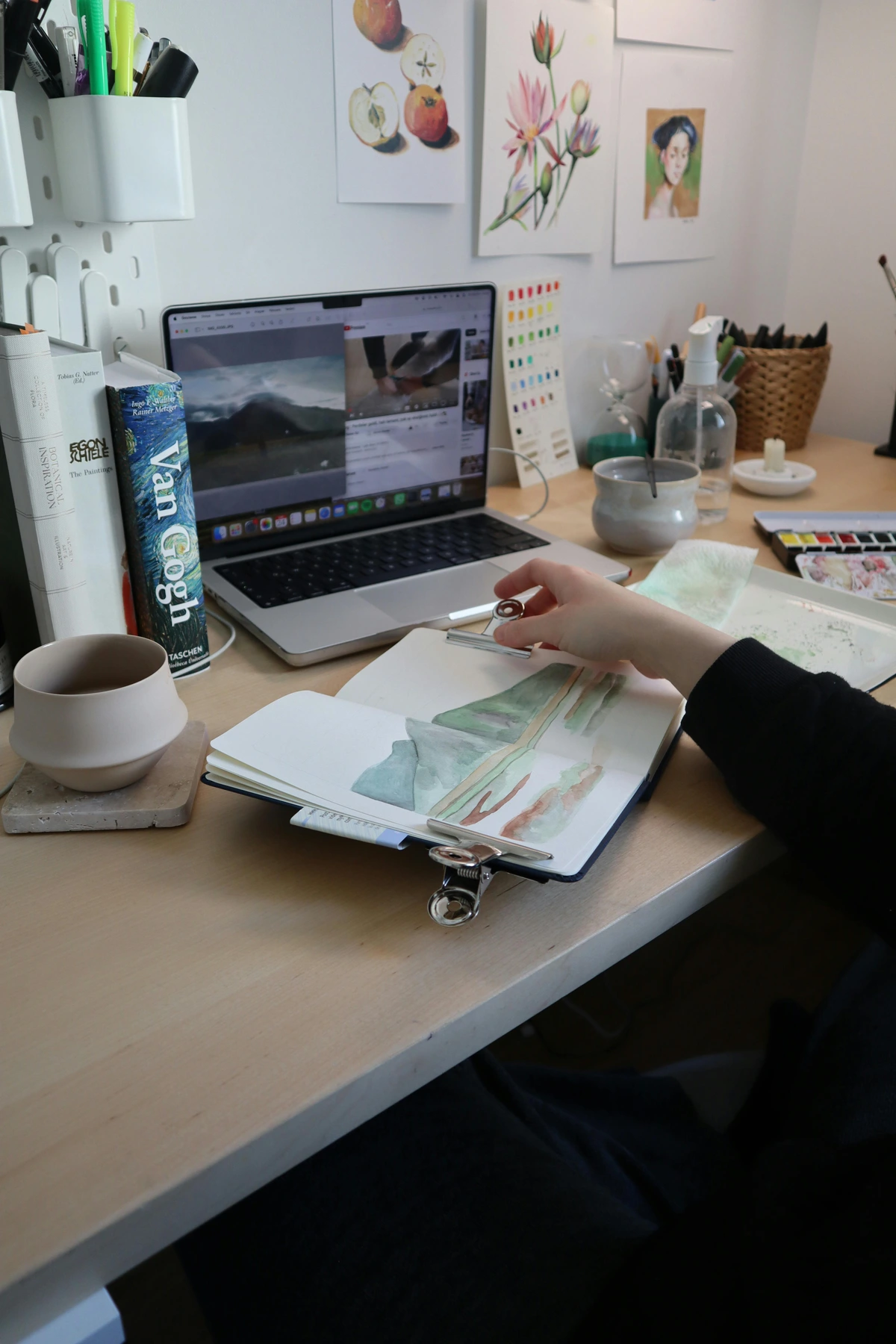
I look at it like compounding interest for reputations; a series of small but significant validations, when layered, result in a powerful consensus around an artist's importance. Each validation acts as a stepping stone, building a bridge from obscurity to prominence. And just like a bridge, if a few key stones are missing—if there's a gap in the exhibition history, or a period of critical silence—crossing becomes a lot more treacherous.
A Strategic Breakdown of Validation Cycles
To truly understand how this works, you need to dissect the anatomy of an artist's reputation. It's not one event, but a sequence of them, building one upon the other like a house of cards.
- The Foundation: Gallery Representation. This is the absolute bedrock. A reputable gallery isn't just a shop; it's a professional stamp of approval. Its job is to act as an artist's manager, strategist, and primary champion. When a gallery with a strong program takes on an artist, it's making a public statement: 'We believe in this person's long-term vision.' They invest their resources, their reputation, and their network in building the artist's career. For a collector, this is the first major green light. I always look for galleries that show a long-term commitment to their artists, even when the market might be temporarily quiet for them. A gallery that aggressively pushes new artists every season can be a red flag, while one that patiently develops a roster over decades is gold.
The relationship between an artist and a gallery like Gagosian or David Zwirner is a masterclass in brand-building. The gallery doesn't just sell; it curates an artist's career trajectory. They decide which works go to which collectors, which museums get loans for important shows, and how to pace an artist's output. A collector buying from a major gallery is essentially buying into that larger, long-term strategic plan.
- The Acceleration: Press, Reviews, and Inclusion in Curated Shows. An artist's work becomes part of the broader cultural conversation when respected critics and curators engage with it. A single positive review in a high-profile publication or inclusion in a prestigious biennale is more valuable than a feature on a dozen art blogs. I pay close attention to this stage. It signals that an artist's work has intellectual heft, that it's generating ideas, not just market buzz. These moments validate your initial attraction. A review from a critic like Jerry Saltz or Roberta Smith can do more for an artist's long-term reputation than a dozen sold-out gallery shows. It's an external stamp of intellectual approval that can't be bought.
Beyond the review itself, look for signs of sustained critical engagement. Has an academic written a paper about their work? Has their practice been included in a serious survey exhibition that wasn't just a commercial endeavor? An artist who becomes a subject of study is an artist whose work is being integrated into the larger fabric of art history, which is the most powerful form of validation there is.
- The Endorsement: Inclusion in Major Public Collections. This is the institutional 'good housekeeping seal of approval.' When a major museum like MoMA, the Tate, or the Centre Pompidou acquires an artist's work, it fundamentally changes their market. It's a de facto declaration that this artist is part of the canon. These works are rarely sold and become benchmarks against which all other works by the artist are judged. For a collector, an artist's inclusion in a major public collection is the single most powerful external validation of long-term significance. This is as close as you can get in the art world to a guarantee, because that museum is betting its own reputation on the artist's lasting importance.
It's also useful to pay attention to the kind of acquisition. Was the work a gift from a wealthy patron, or was it purchased using the museum's own limited acquisition funds? An artist being purchased directly by a museum's curatorial committee is often a more powerful signal than a well-meaning donation, as it represents a direct investment of the institution's faith and resources.
The Delicate Dance of Hype vs. Momentum
Of course, not all attention is created equal. The art world is full of noise. The challenge is to distinguish between genuine momentum and manufactured hype. A work by a hyped artist might double in price in a year. A work by an artist with momentum will double, on average, every seven to ten years. One is a lottery ticket; the other is a bond.
Spotting the difference is your core skill as a long-term collector.
Feature  | Hype | Momentum |
|---|---|---|
| Primary Driver | Speculation, market trends, novelty. | Artistic development, institutional recognition, critical backing. |
| Timeframe | Short-term, often tied to a single event or art fair. | Long-term, sustained over many years. |
| Price Movement | Sharp, rapid spikes followed by potential stagnation or decline. | Steady, organic growth with occasional significant step-ups. |
| Supporting Evidence | Strong secondary market at debut, active flipping by collectors, 'hot' lists. | Major museum acquisitions, scholarly writing, inclusion in permanent collections. |
| Analogy | The 'it' bag of the season. | A classic, well-cut piece of clothing that improves with age. |
I get wary when I see an artist with no museum history suddenly selling at auction for multiples of their primary market price. That’s a sign that speculators have entered the chat. Real momentum is quieter. It's the artist who, year after year, keeps getting written about by the same serious critics and is slowly but surely being acquired by regional museums. That's the artist you ride for the long haul.
Be especially wary when an artist's work suddenly appears in a string of benefit auctions. While often for a good cause, the combination of charity and a "hot" name can create a feedback loop where a work sells for a surprisingly high price, which is then immediately reported as market validation, further inflating the primary market. True validation comes from sales in a commercial context, not a philanthropic one. It's the difference between a stock's market cap and a charity gala's paddle raise.
Shifting Tides of Cultural Zeitgeist
Art doesn't exist in a vacuum. Its meaning and importance are shaped by the world around it. An artist whose work suddenly illuminates a current social issue, or whose style is rediscovered and embraced by a new generation, can see their market value re-evaluated dramatically. The work acquires a new layer of relevance. Investing long-term is partly about sensing which artworks have the thematic depth to speak to future audiences, not just our own. It’s a wager on what our culture will continue to care about.
Take the art market's recent resurgence of interest in the work of queer, feminist, or overlooked artists of color from previous generations; it's a clear indicator of how shifting social priorities can rewrite the art historical canon, and therefore the market.
It’s impossible to predict the future, of course. The key is to find work that feels both of its time and somehow timeless. Think of how the Guerrilla Girls first brought data-driven, feminist critique into the art world in the 1980s. They were speaking directly to a contemporary issue, but their core message about equality and representation remains powerfully resonant today, allowing their work to find new audiences and new relevance decades later.
This principle is especially strong in the world of abstract and contemporary art. An abstract painting from the 1950s might have felt purely formal, an exploration of color and shape. Today, we might look at that same painting and see commentary on post-war anxiety, liberation, or the search for pure expression. The work didn't change, but the context around it deepened and expanded its meaning. That's the ultimate long-term play: betting that the context of the future will find new and profound things to say about the art you choose today.
The Long-Term Collector's Blueprint: A Strategic Framework
So, how do you actually build a collection with an eye toward the future? It's more than just buying what you like. It's about developing a disciplined, joyful process. Here’s a framework to get you started, a structured approach to channeling your passion into a collection that will endure and appreciate.
This isn't a rigid set of rules. It's a way of thinking, a compass for making decisions when you're surrounded by beautiful, confusing, often contradictory choices. Art collecting is a deeply personal journey, and the best frameworks are the ones that give you the confidence to follow your own path. My approach isn't about following a checklist; it's about cultivating a mindset.
My own approach to this has changed over the years. My first purchases were driven almost entirely by the immediate shock of recognition: That. I need that. And while that emotional gut-punch is still the non-negotiable starting point for me, it's no longer the entire story. I've learned that the most enduring works in my collection aren't necessarily the loudest ones, but the ones I continued to have a quiet, evolving conversation with over many years. They're investments in every sense of the word, because I've invested a piece of my own history into them.
That quiet conversation is the secret to patient collecting. It's the difference between a fling and a marriage. It takes time to discover the layers of an artwork, to see how it changes with the light in your home, with your own shifting moods, with the events unfolding in the world around it. These are the works that become part of your life, not just decorations on your wall.
1. Trust Your Gut, But Train It First
The most important rule is to buy art you genuinely connect with. You're going to live with this piece for years, maybe decades. If you don't love it, you've already failed, regardless of its future market performance. That said, "trust your gut" doesn't mean "buy the first pretty thing you see." You have to train your gut.
I remember a period where I was convinced I only liked stern, minimalist monochromes. It felt serious and important. But after a few months, I found myself consistently bored in my own home, surrounded by art that felt like a library after closing time. It took a splurge on a small, ridiculously joyful painting I saw in a tiny gallery—a piece that broke all my self-imposed rules—to realize my gut was screaming for something my brain had dismissed as frivolous. The lesson wasn't just about that one painting; it was about learning to listen to my attraction, not just my analysis.
Immerse yourself in the art world. Spend weekends walking through galleries. Visit museums like the /den-bosch-museum and read the wall texts. Follow artists you admire (a great way to find new ones is by browsing /timeline of art and artists). The more you see, the more developed your taste becomes, and the more confident you'll be in distinguishing a fleeting infatuation from a lasting connection.
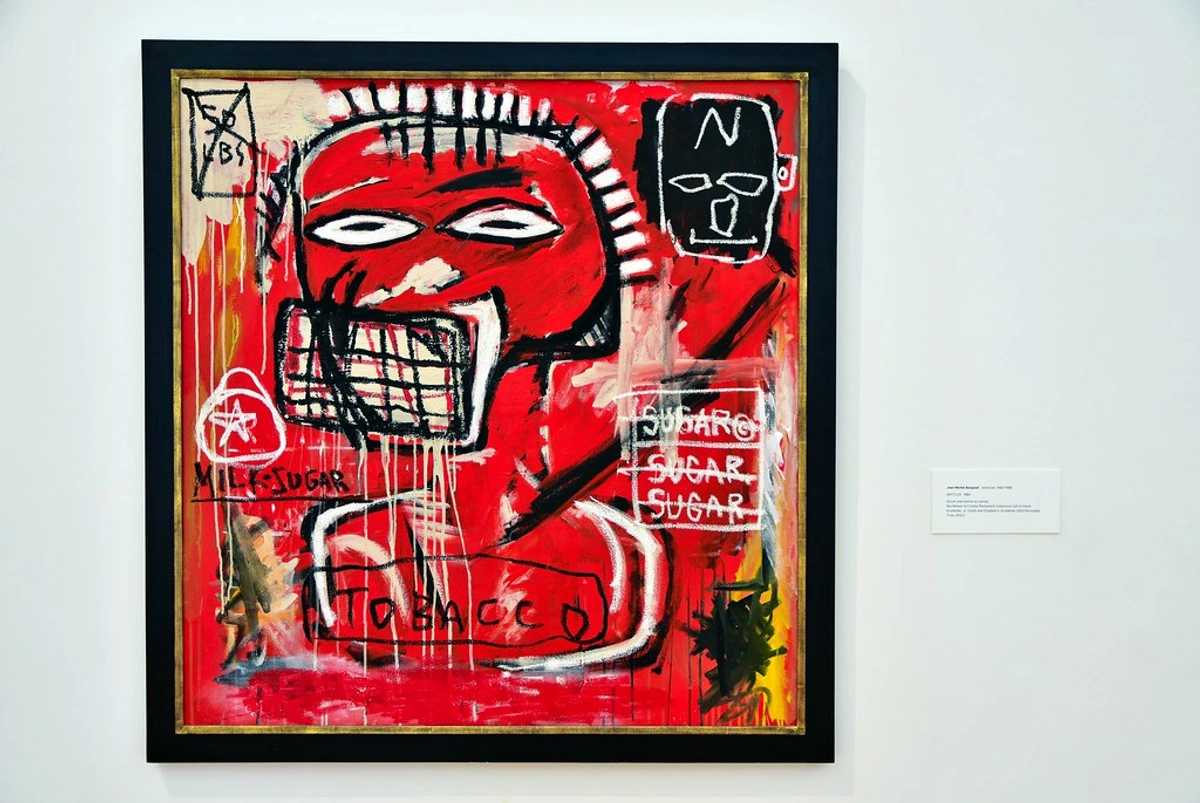
I keep a small journal—digital or analog, it doesn't matter—where I jot down the name of an artist, a specific work, and why it arrested me. Was it the color palette? The political undertone? A novel use of a material I'd never seen before? After a few months, patterns emerge. You start to see your own taste with startling clarity. It's not just about "liking" something anymore; it's about understanding the architecture of your own aesthetic judgment, its foundations, its blind spots, its recurring themes. That becomes your compass.
One practical tip: don't just visit museums once. Go back. Repeated exposure to the same pieces of art, especially great abstract works, can be an education in itself. You'll start to understand composition, color, and gesture on a much deeper level, which will directly inform your collecting decisions.
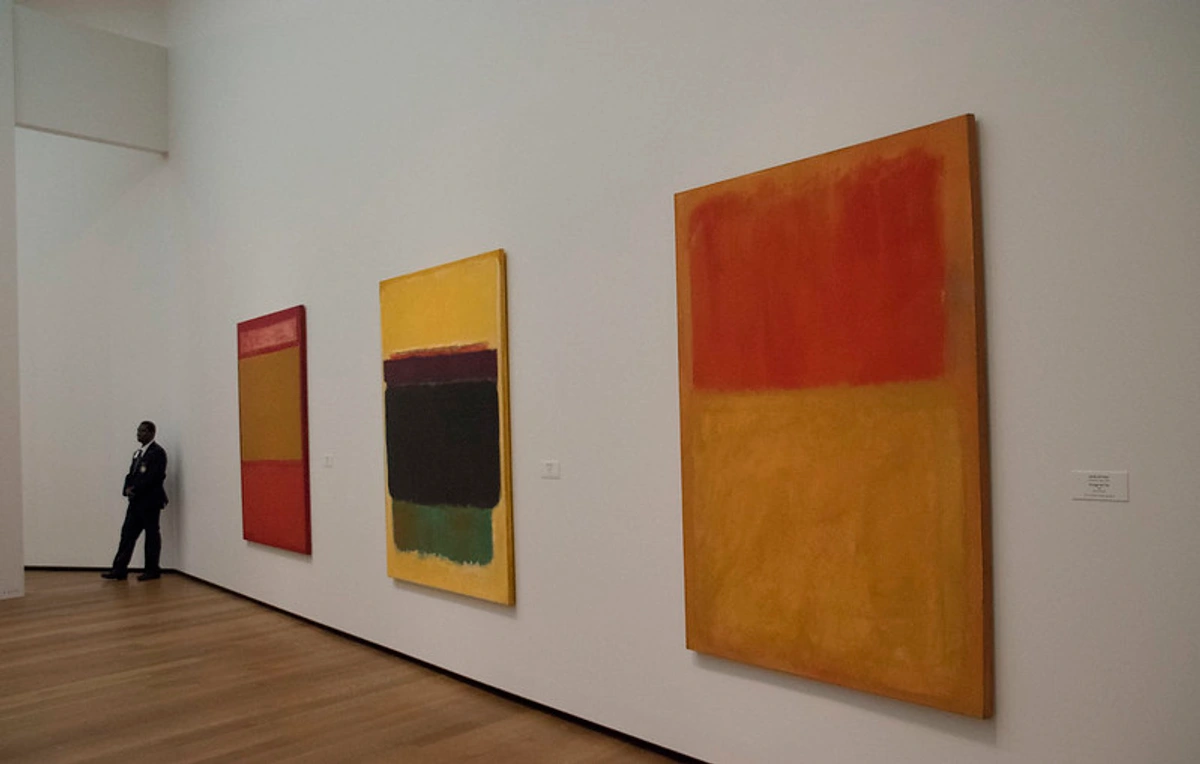
I spend at least one afternoon a month wandering aimlessly through galleries, not to buy but just to look. It's like calisthenics for your aesthetic judgment.
2. Research is Your Most Powerful Tool
Once a piece has caught your eye, the real work begins. This is what separates a casual purchase from a strategic acquisition. I approach this phase almost like I'm hiring a key employee. I wouldn't hire someone based on a single conversation; I'd check their resume, talk to their references, understand their career trajectory. An artwork deserves the same, if not more, scrutiny.
- Investigate the Artist's Career: What's their exhibition history? Are respected institutions (museums, major kunsthalles) showing their work? Have any serious collectors or critics written about them? A strong and growing career trajectory is a positive sign. Look for a CV or biography on their gallery's website. Be wary of artists whose careers consist solely of art fair appearances. While important, art fairs are marketplaces; museums and non-commercial spaces are where critical thought is often forged. A dead giveaway for an artist with real momentum is a growing presence in museum collections. Start with regional museums; even a small-town institution's stamp of approval is a significant data point.A quick search on a museum's website for their collection can be more revealing than a dozen auction results. If an artist is being acquired for a teaching collection, that's a sign their work has pedagogical value. If they're being acquired for the permanent collection, that's a statement about their long-term cultural importance.
- Analyze the Specific Artwork: What period is it from? What's its condition? Does it represent a pivotal moment or a signature style for the artist? Provenance (the history of ownership) matters, too. A clean, well-documented history is always preferable. If you're buying from a gallery, ask about the work's provenance straight up—any reputable dealer will have this information. I once passed on a piece I loved because its provenance had a five-year gap no one could account for. The risk wasn't worth the reward. Ask for a condition report. For older works, this is non-negotiable. Has it been restored? Painted over? Is the canvas brittle? These factors dramatically affect long-term value.
- Understand the Art Market: This doesn't mean you need to become a day-trader. It means having a general sense of what an artist's work typically sells for. This helps you recognize a fair price versus an inflated one. Auction records, while not the whole story, can be a useful gauge of an artist's secondary market activity. Resources like Artnet's Price Database can demystify an artist's auction history. But remember, auction results are the last price a work sold for, not necessarily the next price it will sell for. The whisper number is often different from the shout. A useful trick is to look at the "buys-in" at auction. If an artist's work frequently fails to meet its reserve, that's a strong sign of a cooling or inflated primary market.
3. Diversify Your Collection Like You Would Your Portfolio
This is a cornerstone of long-term strategy. It’s also the part that feels most counterintuitive, because when you fall in love with an artist’s work, your instinct is to buy more and more of it. Don't put all your eggs in one basket. A resilient collection is a diverse one. I think of it as managing a garden. If you only plant tulips, one bad blight can wipe out everything. But if you've got tulips, roses, some hardy shrubs, and a few exotic perennials, the garden remains vibrant even if one species struggles. A diversified collection is resilient, interesting, and full of surprises.
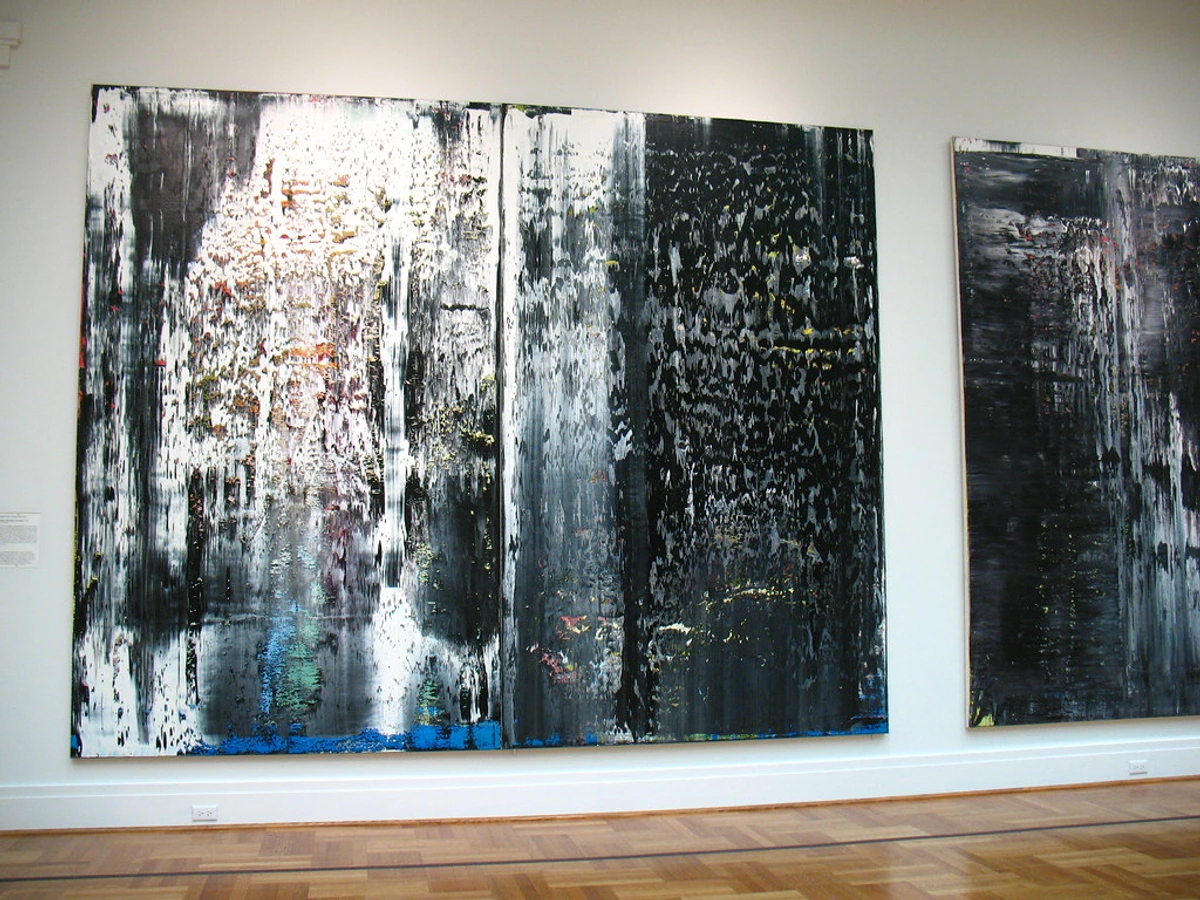
Beyond the fundamental protection it offers, diversification has a more subtle, psychological benefit. It prevents your collection from becoming an echo chamber. By forcing yourself to engage with different mediums, periods, and geographies, you are actively training your eye to see more. It's the difference between being a monoglot and a polyglot; each new language of art you learn makes you smarter and more attuned to the nuances of everything else you see. The abstract textures of a Gerhard Richter painting might suddenly help you see a figurative work in a whole new light.
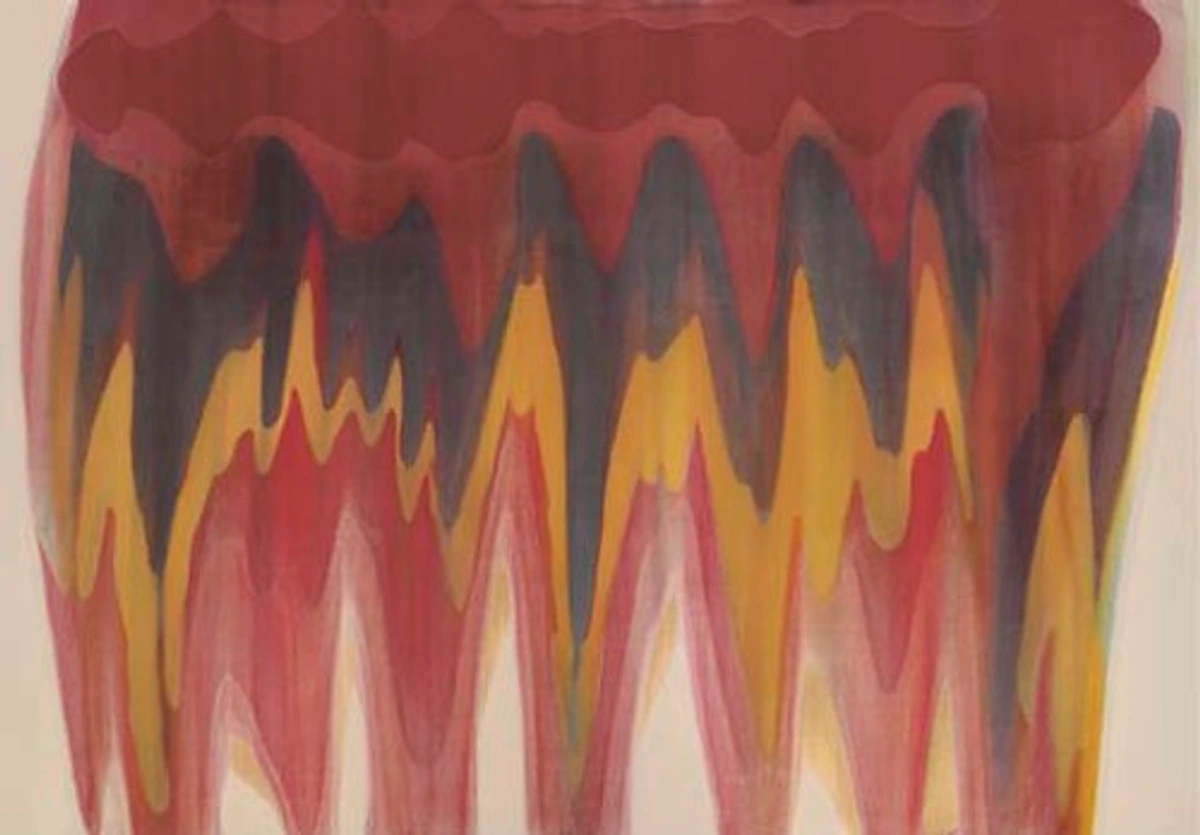
I learned this the hard way. Early on, I became obsessed with a particular painter and bought three pieces in quick succession. A few years later, my tastes evolved, and I found myself with three very similar works, only one of which I still truly loved. I had concentrated my risk instead of spreading my joy. The goal is to build a chorus of different voices, not a one-person show.
It also taught me an important lesson about liquidity. If you ever need to sell, having three works by the same emerging artist can make it much harder to find buyers. You're flooding a small market. Diversifying by artist is a practical strategy as much as an aesthetic one.
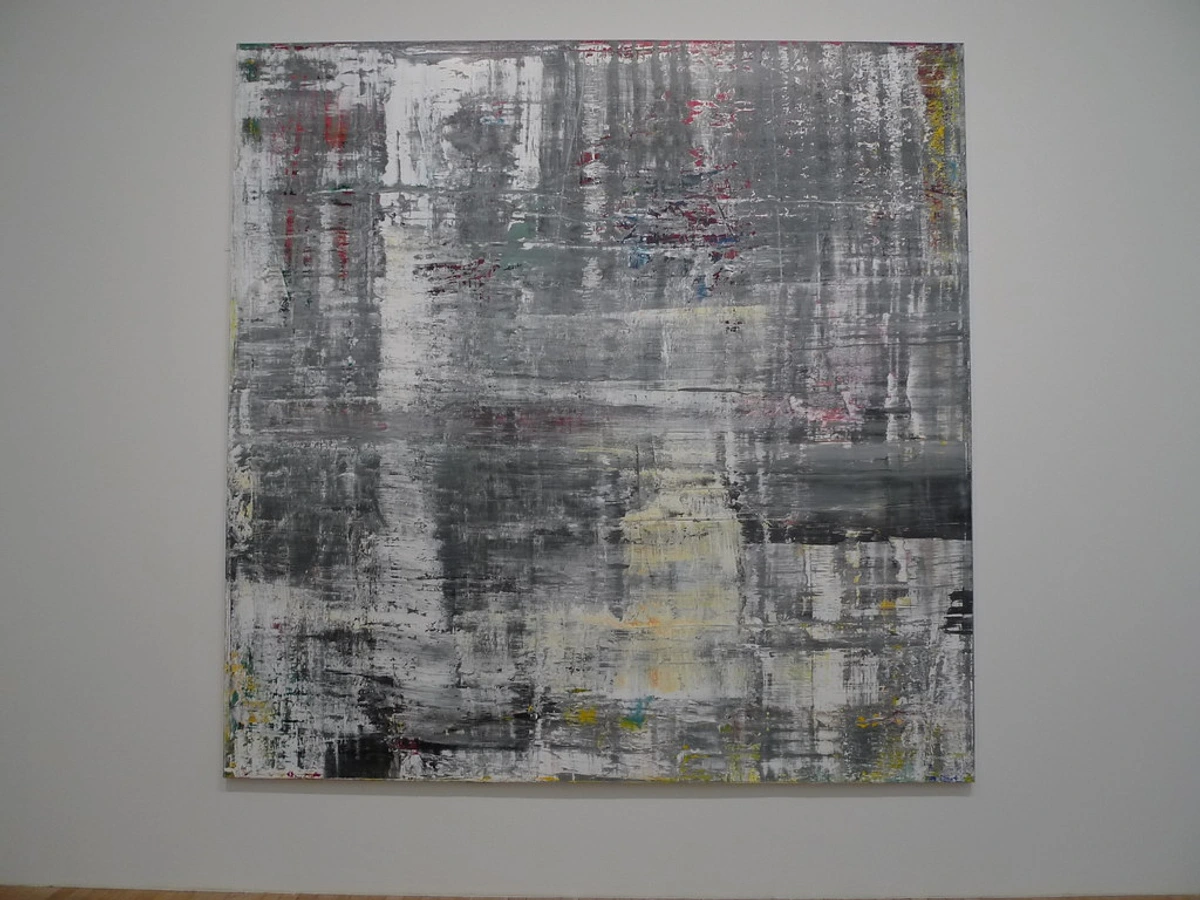
Here are the key areas to diversify across: strategy that's as much about intellectual curiosity as it is about financial resilience. I want my collection to tell a complex story, not just repeat the same sentence over and over. When I walk through my home, I want to feel the dialogue—sometimes the argument—between a quiet, minimalist drawing, a vibrant, chaotic splash of abstract paint, and a hauntingly still photograph. That conversation is what makes a collection feel alive.
A great example of this principle in action is the artist Zeng Fanzhi. His work is immediately recognizable, but he has explored diverse themes, from his early "Mask" series to his powerful, expressive abstractions. A collection that held both phases would tell a much richer story about his evolution and the evolution of contemporary art in China than one that fixated on a single style.
Building a genuinely diverse collection is one of the most intellectually rewarding parts of this journey. When I first started, I thought my taste was very specific. It turned out I just hadn't seen enough. By forcing myself to explore different mediums and time periods, I discovered entirely new visual languages that resonated with me. This isn't just a defensive financial strategy; it's an act of creative expansion. A collection that includes a delicately rendered pencil drawing, a monumental abstract painting, and a haunting black-and-white photograph is a collection that can tell a much richer story about your own evolving sensibility.
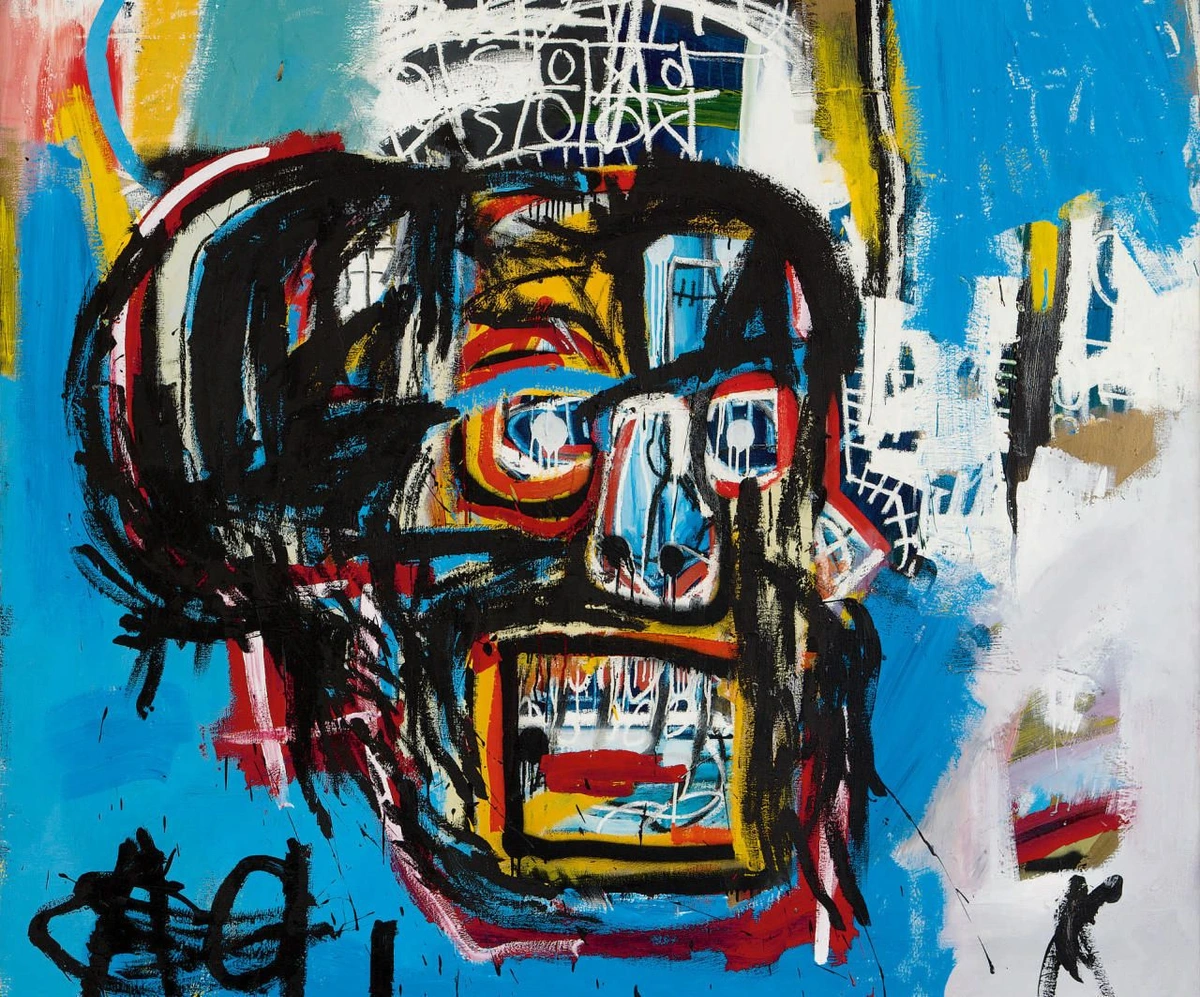
- By Artist: Avoid concentrating all your funds on a single artist, no matter how much you love them. Spread your investments across a stable of 5-10 different artists whose work you believe in. This protects you from the risk that a single artist’s career might stall or your connection to their work might fade. Don't just collect names; collect voices, perspectives, and different ways of looking at the world. I learned this the hard way after becoming smitten with a single sculptor and buying three of their works. Years later, while I still admired one, the other two felt like variations on a theme I'd outgrown. Selling them was difficult because I was competing with myself in a small secondary market for that artist.This leads to a more advanced strategy: collecting artists in depth. Instead of buying three works by one artist, you might buy one work each from three artists who are in dialogue with each other—perhaps an older master, a mid-career torchbearer, and an emerging artist pushing the same idea in a new direction. This creates a mini art-historical thesis on your wall, which is immensely intellectually satisfying and tells a much richer story than a simple one-artist focus.
- By Medium: Mix it up. Include original paintings, works on paper, and even high-quality limited-edition prints. Original paintings are often the cornerstone, but a vibrant drawing can be just as powerful. Prints, in particular, can be a fantastic way to acquire work by more established artists at a more accessible price point. Don’t overlook sculpture, photography, or even textiles if they fit your vision. Each medium tells a different kind of story and offers a unique pathway to appreciation. A mixed media or collage piece, for example, can introduce a whole different vocabulary of texture and materiality that adds a whole new dimension to your collection's dialogue.An overlooked value, especially for those starting out, lies in masterful works on paper. A significant drawing by a painter you admire is often a fraction of the price of one of their canvases, yet it can offer a more intimate glimpse into their process and thinking. It's the difference between reading a published novel and getting your hands on the author's original handwritten manuscript.
- By Art Stage & Geography: My favorite strategy is to create a balanced portfolio. Think of it as a pyramid, with different layers representing different levels of risk and potential.But geography isn't just about where you buy; it's about how you expand your horizons. If you live in New York, it's easy to focus on the local scene. But making a point to explore galleries and museums in Latin America, Asia, or the Middle East can reveal entirely new art historical narratives. This global perspective is becoming increasingly important as the art world becomes more decentralized. Many of the most exciting emerging artists today are coming from scenes outside of the traditional London-New York axis.
- The Base (60%): Established, mid-career artists. These are artists with a solid track record of museum shows and critical acclaim. Their market isn't volatile. This is the foundation of your collection. The goal here is steady, long-term appreciation.
- The Middle (30%): Promising, emerging artists. This is where you take calculated risks on artists who have had a few good shows or are gaining critical traction. You're betting on their potential to make the leap to the next tier.
- The Apex (10%): Outright gambles and broader diversification. This includes your fun money—buying something you love by an artist nobody has heard of—but it's also where you can add a dash of international flavor, perhaps a piece from an artist making waves in Asia, Africa, or Latin America. It keeps your collection from becoming too myopically focused on a single art capital like New York or London. The potential for discovering something truly new is high. The intellectual reward is the return here.
This approach keeps the collection dynamic and spreads your exposure across the market’s lifecycle. It's like tending a garden with both annuals and perennials—some provide quick color, others long-term depth. And you might just discover a completely new species of flower in the process.
4. Build Relationships, Not Just a Portfolio
One of the most enjoyable aspects of collecting is becoming part of a community. This is perhaps the single most overlooked element of a truly successful long-term strategy. You're not just buying a painting; you're joining a conversation. This human element—the stories, the studio visits, the shared passion—is what truly distinguishes a meaningful collection from a mere portfolio of assets.
Get to know the galleries that represent the artists you admire. Ask them questions. The best galleries aren't just salespeople; they are passionate advocates for their artists' careers. Building a relationship with a good gallerist means you'll get early access to new work and invaluable insight into the artist's development. They become a trusted source, someone who can tell you things you’d never learn from a price list or an auction catalogue. It transforms the process from a transaction into a partnership. You learn what the artist is reading, what new directions they're exploring in the studio, which museums are paying attention. This context is a currency all its own.
Don't underestimate the power of simply showing up. Attend gallery openings, even if you feel like an imposter. Ask thoughtful questions—not "how much is this?" but "can you tell me more about the artist's process for this series?" A gallerist remembers the person who is genuinely curious over the one who is just price-shopping. This doesn't happen overnight. It's a slow courtship built on repeated encounters and shared enthusiasm. I've built some of my most fruitful gallery relationships by being a familiar, curious face for years before I was ever in a position to make a significant purchase.
Don't overlook your fellow collectors, either. Some of my most valuable "insider" tips have come from conversations at gallery openings or art fair dinners. There's an unspoken code among serious collectors—a shared respect for the passion that drives the pursuit. Share your enthusiasm, ask others what excites them, and remember you're part of a long, fascinating lineage of patrons and caretakers. That network isn't just for market advantage; it's a source of lifelong education and friendship.
I once received an email from a gallerist simply saying, 'I think you'll appreciate what's happening in the studio.' That insider's view has led to some of my most cherished acquisitions—pieces I would have missed entirely if I'd just been browsing Instagram. This access is priceless. It's the difference between seeing a finished product and understanding the creative process that leads to it. That context fundamentally changes how you perceive the final product, embedding it with a richness that can't be found in a catalogue raisonné.
I make it a habit to meet a gallerist in person before I make a significant buy. Not to negotiate—I often do that over email—but to listen. You can learn more in a 15-minute conversation about an artist's next body of work, their influences, their struggles, than you can in hours of online research. This relationship turns the gallerist from a salesperson into a collaborator in your collecting journey. They know your taste, your budget, and they'll keep you in mind when something perfect crosses their desk. That kind of access is worth its weight in gold.
The Other Side of the Canvas: Costs and Considerations
A realistic investment strategy has to account for the less glamorous details. The dream of owning a masterpiece can quickly turn into a nightmare of logistics and hidden fees if you are not prepared. This is where the romantic vision of the collector gets a dose of reality. The true cost of owning art goes beyond the purchase price. It's about stewardship, preservation, and ensuring the work can be enjoyed by future generations. I learned this the hard way when I once bought a large, fragile work on paper without budgeting for the custom archival framing and museum-grade UV glass. The framing cost nearly a third of the artwork's price all over again. It was a rookie mistake, born of pure excitement. Don't be me.
This is especially true when you start acquiring larger works or more fragile media. I once bought a stunning, large-scale abstract painting, completely forgetting I lived in a walk-up apartment with a narrow, winding staircase. The cost of hiring a specialist art handling team to navigate that challenge—they had to use a crane to lift it through a window—was substantial, to say the least. Lesson learned.
Another lesson I learned the hard way involved humidity. I lived in a city with humid summers and bought a large work on paper. I hung it on an exterior wall. Two years later, I noticed a faint bloom of foxing along the edges. It wasn't catastrophic, but it was permanent. The 'hidden cost' in that case was the expensive, climate-controlled art storage unit I had to rent for the next summer until I could find a better place to live. It taught me that being a collector means being a custodian.
It's a simple truth that many first-time buyers overlook until the invoice arrives. It's like planning a wedding and forgetting about the caterer, the photographer, and the band—the sticker price is just the foundation, not the whole structure. The number on the sticker is just the beginning.
Consider it the "all-in" price. Just like you wouldn't judge the cost of a car based solely on the MSRP without factoring in tax, title, and insurance, you can't judge the cost of an artwork without thinking about its total cost of ownership. This mindset forces a more realistic and sustainable approach to collecting.
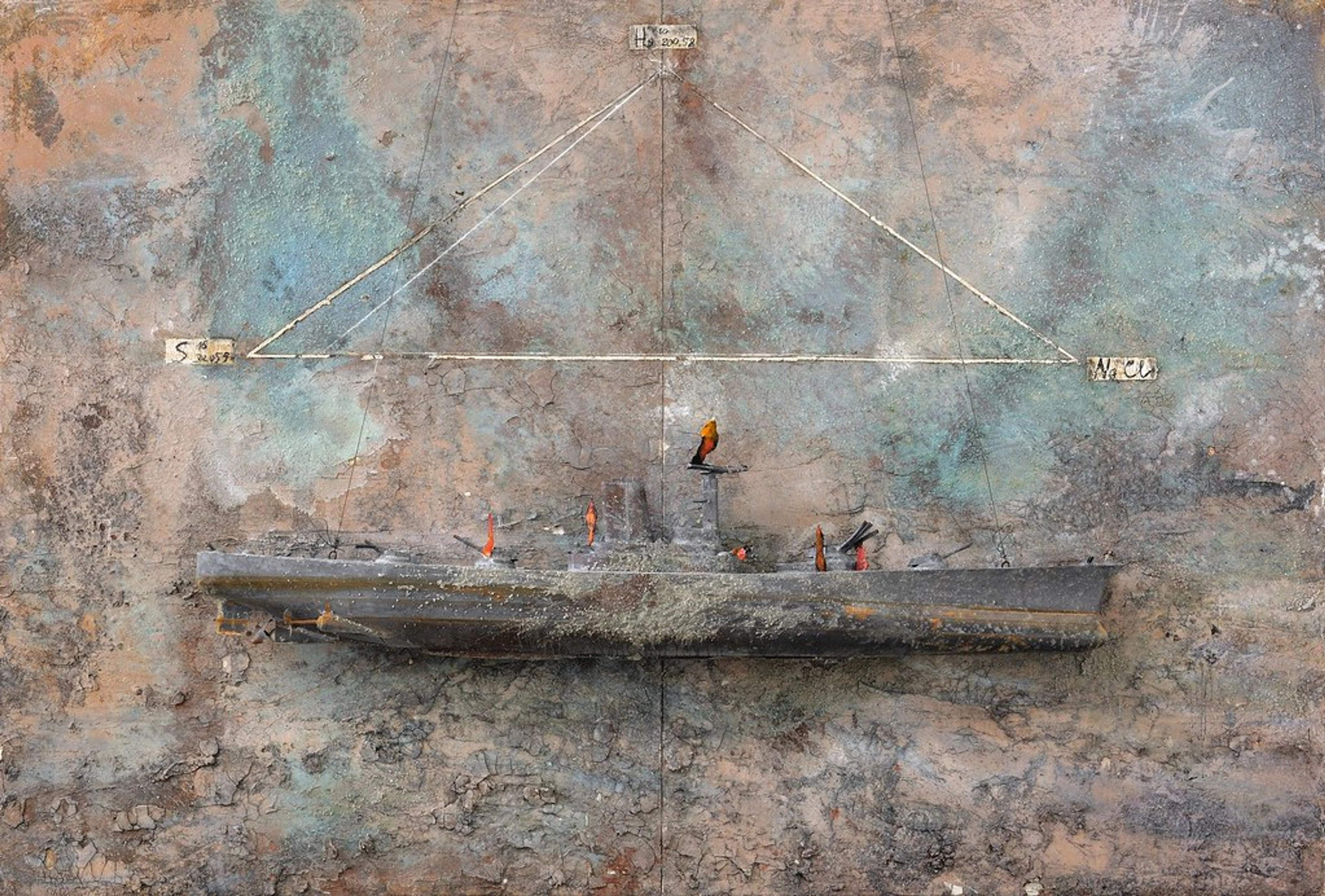
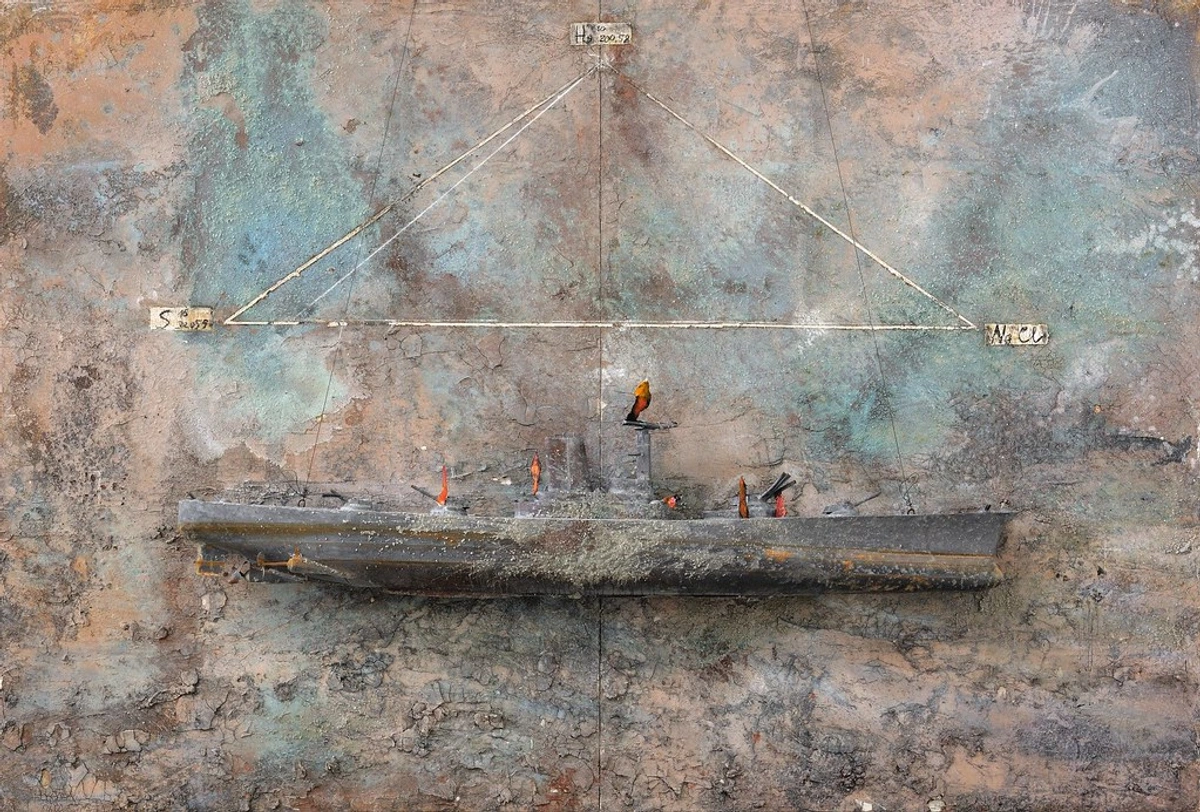
This becomes even more critical when investing in artists who use unconventional, experimental, or ephemeral materials. Some of the most interesting contemporary artists work with materials that are inherently unstable—think of Anselm Kiefer's use of lead and straw, or sculptures made with organic matter. Acquiring such pieces isn't just a financial decision; it's a declaration that you are willing to become an active participant in the work's aging process. It's a fascinating, but more demanding, level of stewardship. When you're budgeting for a piece, you need to be thinking of its all-in cost, which can easily add another 20-30% on top of the price you negotiated. Ignoring these costs doesn't just hurt your wallet; it can directly undermine the long-term value of the work if, for example, you decide to skimp on proper conservation. Sunlight, fluctuating humidity, and improper framing aren't just risks—they're active destroyers of art.
Here’s a quick, brutal breakdown of what that 20-30% can look like:
- Sales Tax: Can add 5-10% depending on your location.
- Shipping & Insurance: For a large or fragile work, this can easily run into the hundreds or even thousands of dollars. Don't just assume it's included.
- Professional Installation: You can't hang a 100-pound painting with a nail from the hardware store. Factor in the cost of a proper hanging system.
- Archival Framing: For works on paper, this is a significant expense. Museum-grade glass alone can cost as much as the frame.
- Fine Art Insurance: A non-negotiable. Premiums are typically a small percentage of the work's value, but it adds up.
Thinking in "all-in" costs forces you to be more disciplined and saves you from the heart-stopping shock of the final bill.
Conservation Best Practices: Doing No Harm
Your primary duty as a collector is to do no harm. Art is fragile. It's made of materials that react to their environment, and every careless decision can have irreversible consequences.
- The Sun is Public Enemy Number One: Direct sunlight will fade a painting, sometimes in a matter of months. Never, ever hang a work of art, especially on paper, in direct sun. Even strong indirect light can cause cumulative, irreversible damage. It's a quiet, slow-motion disaster that many collectors only notice when it's far too late.
- Humidity is a Silent Killer: This is a global concern. Too much humidity invites mold and fungal growth. Too little causes paper and canvas to become brittle and crack. Your home isn't a museum with a multimillion-dollar climate control system, but you can take meaningful steps. Avoid hanging paintings on exterior walls where condensation can form. In very damp climates, a discreet dehumidifier is a wise investment. In very dry climates, consider a humidifier for the room where your art is stored, aiming for a stable relative humidity around 45-55%.
- The Right Frame is a Life Jacket: Never use regular glass for works on paper. Over time, it can trap moisture, causing foxing (brown spots) and degradation. UV-filtering, museum-grade acrylic is the standard for a reason. It filters out harmful light and won't shatter into your artwork if dropped. The backing of the frame is just as important; it must be acid-free and archival. A good framer is a partner in preservation, not just an aesthetic consultant.
- Handling is a Moment of Risk: When you move or clean a piece, that's when accidents happen. Always handle a painting by its frame, never by the stretcher bars or—heaven forbid—the canvas itself. For smaller works on paper, use clean cotton gloves. A stray fingerprint might seem harmless, but the oils from your skin can, over decades, create a permanent mark. I keep a pair of white cotton gloves in my drawer specifically for this purpose. It feels a little silly at first, but it's a simple, effective habit that protects your investment.
Documenting Your Collection: The Paper Trail of Value
Proper documentation is what separates a well-loved collection from a liquid financial asset. When the time comes to sell, lend, or insure a piece, this paper trail is everything. It's the biography of your artwork, and a rich biography commands a higher price than an anonymous one.
- The Certificate of Authenticity (CoA): This is the birth certificate for the work. It should come directly from the artist, the artist's estate, or an officially recognized authentication board. It details the title, date, medium, and dimensions of the work, and is usually signed. Never buy an expensive work without one, and keep it in a fireproof safe.
- The All-Important Invoice: This simple document is surprisingly powerful. It's the primary proof of ownership. It should clearly state what you bought, from whom you bought it, and for how much. Keep a digital and a physical copy.
- Photographs are Proof of Life: A high-resolution, professional photograph of your work is essential. This isn't just for insurance purposes. It allows you to share the image with potential buyers or interested parties in the future. It also provides a visual record of the work's condition at a specific point in time. I once sold a drawing, and the buyer's first request was for high-resolution images taken when I first bought it, to track its condition over the years.
- Build a Digital Catalogue: There are simple, user-friendly platforms that allow you to create a digital inventory of your collection. You can upload photos, invoices, CoAs, and even your own notes about why you bought the piece. This isn't just practical; it's a way of enforcing your own discipline and seeing your collection as a cohesive whole, rather than a series of disconnected purchases. I like to add a 'note to self' on each entry: 'Why this mattered to me in 2023.' It's a time capsule of my own taste, and a fascinating record of my own evolution.
Consideration | Description | Why It Matters for Long-Term Value |
|---|---|---|
| Insurance | Specialist fine art insurance to cover loss or damage. | Essential for protecting your financial investment. A single incident can wipe out years of appreciation. Shop for a policy that covers "wall-to-wall" and provides agreed value, not just market value at the time of loss. A quick phone call to an art insurance broker can often demystify the process and prevent expensive mistakes. |
| Conservation and Care | Proper storage, framing (using archival materials), and climate control. Avoid direct sunlight and high humidity. | Art, especially on paper, is fragile. Neglect can permanently damage a work and destroy its value. A well-cared-for piece retains its integrity and market appeal. Sunlight is the great enemy. Even UV-filtering glass only slows the damage. Think about positioning. |
| Transaction Costs | Buyer's premiums at auction (can be 20-25%), sales tax, and shipping/logistics fees. | These costs can add 20-30% to the hammer price of an artwork. Always factor this into your maximum bid or purchase price. A seemingly good deal can become overpriced after fees. |
| Illiquidity | Art is not a liquid asset like a stock. Selling it takes time and can incur costs (seller's commissions, marketing). | This is a long-term commitment. You shouldn't buy art with money you might need in the next 5-10 years. Think of it as "locking up" capital in a cultural asset. |
| Documentation | Maintain a detailed inventory: purchase receipts, certificates of authenticity, condition reports, photographs. | A well-documented provenance makes your collection more valuable and easier to sell. It's also essential for insurance claims and future appraisals. A simple spreadsheet can suffice, but dedicated collection management software can be a worthwhile investment for serious collectors. |

My advice? Factor these costs into your budget from the very beginning. A well-cared-for collection is a collection that will hold—and grow—its value over the long run. Create a dedicated art budget in your financial plan. The "Acquisition Fund" is just one line item; the "Stewardship Fund" for insurance premiums, conservation, and unexpected repair costs is equally important. Without both, you're flying a plane with only one wing.
Why Patience is Your Greatest Asset
The biggest mistake I see new collectors make is getting impatient. They buy a work by a young artist, tuck it away, and expect its monetary value to double in a year. I’ve been guilty of this myself, checking auction results like a day trader. When the market doesn't validate your purchase on your timeline, you can feel foolish and discouraged.
Patience in art collecting is more than just waiting. It's a form of active, engaged waiting. It's the collector continuing to follow the artist's career, seeing how their practice evolves, understanding how the new work makes their earlier pieces look differently, more historically significant. That's where the real magic happens. You're not just holding an asset; you're participating in the slow, unfolding story of an artist's life and their contribution to culture. It's a privilege, really.
The academic term for this is "path dependency." The future value of the artwork is dependent on the specific path the artist's career takes. Will they have a major retrospective? Will their themes suddenly align with a new cultural shift? Will they be 'rediscovered' by a new generation of critics? You're not a passive spectator to this path; in some small way, you become part of it. When a collector loans a work for a major show, that loan becomes part of the work's history, its path. That's the tangible result of patient engagement.
I have a piece in my collection that I bought fifteen years ago from an artist who was barely out of art school. At the time, it felt like a pure gut-instinct purchase. For the first five years I owned it, its monetary value was essentially zero. But I loved it. Over the next decade, I watched as the artist was picked up by a better gallery, then had a breakout museum show. Suddenly, that early piece I owned wasn't just a painting; it was a 'rare early work from a now-important artist.' I get emails from auction houses about it now. But the real satisfaction isn't the value; it's the deep sense of connection I have to the artist's journey. I was there for the first chapter.
The real magic, however, happens on a much longer timeline. We're talking 10, 20, or even 30 years. It takes that long for an artist to build a significant body of work, for museums to take notice, for a critical consensus to form, and for their importance to be cemented. The long-term art investor is essentially betting on an artist's entire career. You are backing their potential. And that requires a deep breath and a long-term view. Think of the collectors who backed Rothko or Pollock in the 1950s. They weren't just buying a "product"; they were aligning themselves with a revolution in seeing. That kind of alignment requires an almost willful ignorance of short-term market noise. It requires holding a conviction that outlasts opinion.
An artist's career is a long conversation with the culture, and you're listening to the opening remarks. The full speech takes decades to unfold.
Think of the market for an emerging artist as being in its 'pre-history.' The real value creation happens when their story becomes part of a larger, more public art historical narrative. That process can't be rushed. It’s a slow accumulation of credibility, institutional validation, and cultural impact. Your job is to get on board early and hold on for that ride.
I try to imagine what the artist will be making in two decades, not two years. If I can see a clear line of development, that's usually a good sign of future depth. Does this first work feel like the opening sentence of a great novel, or is it just a catchy phrase? I'm always looking for that sense of a larger project unfolding, a world being built piece by piece.
This mindset requires a fundamental shift. You're not speculating on a commodity; you're curating cultural history at the ground floor. If you can find a way to enjoy the journey—the studio visits, the gallery openings, the conversations—then the final destination becomes less of an obsession and more of a satisfying confirmation of your good judgment.
Think of it like planting an oak tree. You don't plant it for the shade it will provide next year. You plant it believing that in twenty years, it will have become a magnificent, enduring presence. Your investment is an act of faith in that slow, inevitable growth. Art works on a similar timescale. The real profits, both financial and emotional, accrue to those who are willing to think in terms of decades, not quarters.
The Role of the Art Advisor and When to Consider One
As your interest and budget grow, you might start wondering if you need an art advisor. It's a bit like asking if you need a financial planner. You can certainly manage on your own, but a good one can add a layer of strategy, access, and discipline that’s difficult to achieve alone. They can be particularly valuable for long-term strategic planning.
An art advisor works as your representative in the art world. They leverage their expertise and relationships to help you build a collection that reflects your taste while simultaneously pursuing your long-term goals. They can provide market analysis, introduce you to new artists, help with due diligence, and often grant you access to works before they hit the open market. Think of them as a professional mentor for your collecting journey.
But let's be honest about the potential downsides. A good advisor's fee is substantial, typically a percentage of the purchase price (anywhere from 5% to 15% is common). They might sometimes steer you towards artists represented by their allies, potentially creating conflicts of interest. The most significant risk, in my view, is that they might subtly override your personal taste, turning your collection into a reflection of their expertise rather than your passion. I've seen collections that look like a committee's decision, not a person's passion. They're flawless, and utterly soulless.
The key is to find an advisor who listens more than they talk. Early on, I had an informational chat with a potential advisor who spent our entire meeting telling me which artists were 'important' now, without ever asking what I was drawn to. The one I eventually (and briefly) worked with started our conversation by asking me to describe the first piece of art I ever truly loved and why. That's a huge difference. One is a salesperson; the other is a collaborator.
So, when does it make sense to hire one?
- When your budget outpaces your time or expertise: If you're passionate about art but simply don't have the hours to spend in galleries, reading, and researching, an advisor can be your eyes and ears.
- When you're entering a new market segment: If you've been collecting contemporary paintings but want to start acquiring historic photography or classical antiquities, an advisor can provide the specialized knowledge you lack.
- For estate and legacy planning: An advisor can help your family navigate what to do with a collection, how to ensure it's cared for, and how to handle its financial implications.
My advice has always been: wait. Before engaging an advisor, first cultivate your own eye and your own gut. I often use a simple analogy: you wouldn't hire a personal trainer before you've set foot in a gym yourself. First, you go for a few months on your own, you figure out which muscles you like to work, where you're weak, what you enjoy. Then, and only then, do you hire a trainer to build a program around your goals, to push you to the next level. If you hire the trainer on day one, you're just paying someone to boss you around. It's the same with art. An advisor should enhance your vision, not create it for you. Spend your first few years and your first significant budget building a body of knowledge. When you finally do hire someone, you'll be able to have a real conversation. You won't just be a client; you'll be a collaborator.
Here's a test to know if you're ready: Can you walk into a gallery and, without looking at the price list or the artist's bio, tell the dealer why you love a particular piece in your own words? If you can articulate a unique, personal response to the work, you're ready. If you still rely on the dealer to tell you what's good, you have more homework to do. An advisor's job is to enhance your vision, not create it for you.
And what do you do if you can't afford an advisor at all? You become your own. The internet has democratized access to information in a way that was unimaginable a generation ago. Auction results, artist interviews, gallery archives, and critical essays are all available online. Use social media to follow artists, critics, and curators whose taste you admire. Create a digital mood board of works that excite you. Build your own virtual collection. This process of self-education is not a poor substitute for an advisor; in many ways, it's an even better one, because it builds the discipline of observation and research.
A Personal Anecdote: The Value of Trusting Your Gut Over an Expert
A few years ago, a highly respected advisor I'd just begun working with strongly urged me to purchase a large-scale, highly theoretical video installation by an artist who was on the cover of all the magazines. 'This is where the thinking is,' he told me, 'it's the future of the market.' Sensing my hesitation, he pointed out its inclusion in a prestigious biennale and its acquisition by a major European museum. On paper, it was a perfect 'momentum' play. But at the time, my entire living room was full of large, vibrant, tactile paintings. They were bold, they were messy, they were human. And I loved them. This video installation, for all its intellectual rigor, felt cold and alien in my world. It was a sound argument in search of a home, and my home just wasn't it.
I politely declined and instead used that budget to buy two smaller, unheralded paintings by a mid-career artist I'd been admiring. They didn't fit the advisor's thesis, but they hummed in my space. Fast forward five years: the video artist's market has cooled significantly as the novelty wore off. They're still a respected artist, but the speculative frenzy is gone. Those two paintings, however, have become central to my collection. The artist has since had a major solo museum show, and the works I so instinctually bought have tripled in value.
The lesson I took from this wasn't that my advisor was bad, or that gut feelings are always right. The lesson was that the most powerful decisions are made when you synthesize outside expertise with your own unshakeable personal vision. An advisor can offer you a map, but you have to know your own destination. They can hand you a compass, but you have to be able to feel where your own true north lies.
Frequently Asked Questions (FAQs) on Art Investment
Here are some of the most common questions I hear about long-term art investment. I've tried to answer them with the same blend of strategic thinking and personal reflection that I apply to my own collection. These are the questions that tend to bridge the gap between romantic idealism and cold, hard reality. Honestly, I love these questions because they get to the heart of the anxiety that every single collector feels at some point. You're not alone in wondering about this stuff.
There's a certain kind of anxiety that hits right after you make a significant purchase. It's a mix of excitement and a low-grade panic that whispers, 'Did I just make a huge mistake?' These questions are the embodiment of that feeling. Let's answer them directly.
4. Is it better to buy one expensive piece or several cheaper ones?
This question feels like choosing between a single, spectacular engagement ring and a box of costume jewelry you can wear every day. There's no one-size-fits-all answer, but my leaning is almost always towards depth over a single grand gesture, especially in the early years.
This is a fantastic question that gets to the heart of collection strategy. There's no one-size-fits-all answer, but my leaning is almost always towards depth over a single grand gesture, especially in the early years.
Starting with several more modestly priced pieces allows you to build a collection with rhythm and dialogue. You learn more, faster, by living with different artists, mediums, and ideas. It's like learning a language by reading many different books instead of just memorizing one epic poem. That diversified exposure is a powerful educational tool, and a collection that's a chorus of voices is often more resilient and more interesting than one dominated by a single, expensive statement piece. You learn more, faster, by living with different artists, mediums, and ideas. It's like learning a language by reading many different books instead of just memorizing one epic poem. That diversified exposure is a powerful educational tool, and a collection that's a chorus of voices is often more resilient and more interesting than one dominated by a single, expensive statement piece.
That said, if you have the opportunity and the budget for a true, career-defining masterpiece by an artist you have studied and deeply believe in, that can become the anchor for everything else. I'd just advise making that anchor purchase after you've already built a bit of a fleet.
This is the $64,000 question, and the honest answer is: it depends. While sensational headlines might trumpet a specific artwork selling for 100x its price, art as an asset class generally does not consistently outperform a broad stock market index like the S&P 500. A broad index fund is a bet on the entire economy; art is a bet on a single, unique vision.
The key difference is correlation. Art often has a low correlation to the stock market, meaning it can hold its value or even appreciate when stocks are falling. For many, its primary value is aesthetic and emotional—a hedge against a boring portfolio and a way to invest in culture. This low correlation makes art a surprisingly good portfolio diversifier, a non-financial asset that marches to the beat of its own drum. It's an uncorrelated hedge. When your stock portfolio is deep in the red, the major painting on your wall can feel like a rock-solid anchor, a different kind of wealth entirely.
I see them as fundamentally different propositions; one (stocks) is a claim on future earnings, while art is a claim on future cultural relevance. And predicting relevance is a far more intricate, and ultimately more human, task. It's the difference between investing in a company and investing in a conversation.
There's a tangible benefit to this in a financial portfolio. Because art doesn't move in lockstep with the stock market, it can act as a 'ballast' in a broader asset allocation. When tech stocks are plummeting because of some macro-economic tremor, the value of your little-known abstract painter might be holding steady or even rising based on a major museum acquisition. The key is to not see art as a replacement for stocks, but as a valuable, beautiful, and conversation-starting component of a much bigger financial picture.
5. How do I know when to sell a piece from my collection?
This is the question that turns a collector into a strategist. Selling isn't failure; it's an essential part of the long-term arc of a collection. A collection that can't be sold is a prison. A collection where every piece is for sale is a warehouse. Your job is to find the sweet spot in between. I have three simple rules that have helped me navigate this tricky territory without too much regret.
First, is it a 'forever' piece? Some works are so central to your collection's identity and your personal story that selling them is unthinkable. Identify these early and promise yourself you'll never let them go. This is your core, your anchor. It means the rest of your collection can be more fluid.
Second, has the work done its job? I once had a piece from a highly-touted young artist. After a few years, the hype faded and the artist's work went in a direction I couldn't follow. I sold it. It had been a fascinating chapter in my education, but it was no longer central to the story. I sold it not at a huge profit, but at a fair price, and used the capital to acquire something that felt more urgent to me at that moment. Letting go can be just as important as acquiring. It clears space, both on your walls and in your mind.
Finally, has it reached its potential? This is the hardest one to judge. If a work has appreciated significantly and you believe its market has peaked—or if you simply need to rebalance your collection or your finances—selling can be a strategic move. But remember, you can't get it back. If your connection to the piece is still strong, and its long-term story still feels unfinished, the short-term financial gain may not be worth the long-term regret. I always ask myself: 'Will I miss this conversation?' If the answer is a definite yes, the piece stays, no matter what the market says.
Ah, the question of exit strategy. This is where the "investment" part of collecting meets the "passion" part, and it can be a painful collision. I operate on a few guiding principles.
First, is it a "forever" piece? Some works are so central to your collection's identity and your personal story that selling them is unthinkable. Identify these early.
Second, has the work done its job? I once had a piece from a highly-touted young artist. After a few years, the hype faded and the artist's work went in a direction I couldn't follow. I sold it. It had been a fascinating chapter in my education, but it was no longer central to the story. I sold it not at a huge profit, but at a fair price, and used the capital to acquire something that felt more urgent to me at that moment. Letting go can be just as important as acquiring.
Lastly, has it reached its potential? This is the hardest one to judge. If a work has appreciated significantly and you believe its market has peaked—or if you simply need to rebalance your collection or your finances—selling can be a strategic move. But remember, you can't get it back. If your connection to the piece is still strong, and its long-term story still feels unfinished, the short-term financial gain may not be worth the long-term regret.
There's no magic number. The most important rule is to spend only what you can afford to set aside for the long term. Start small. Many incredible emerging artists have works available for under $1,000. The goal isn't to buy a masterpiece on day one, but to begin the journey of educating your eye and building a collection you love, piece by piece.
I always advise a 'first pancake' approach. Your first purchase is for learning, not for legacy. Set a strict budget that won't cause you any stress, and use it to go through the entire process: the research, the gut-check, the conversation with a gallerist, the negotiation, the framing, the insurance. The lessons you learn from that first piece—what you loved, what you didn't, what you wished you’d known—are more valuable than the object itself. The goal is to get comfortable with the process of collecting so that when you're ready for a more significant acquisition, you're not making it up as you go along.
That said, if your budget is extremely limited, consider starting with high-quality limited edition prints or works on paper by artists whose paintings you admire. These are often more accessible entry points. Or, consider pooling resources with friends for a group art-buying club, where you can learn collectively and share the costs of attending art fairs or visiting galleries.
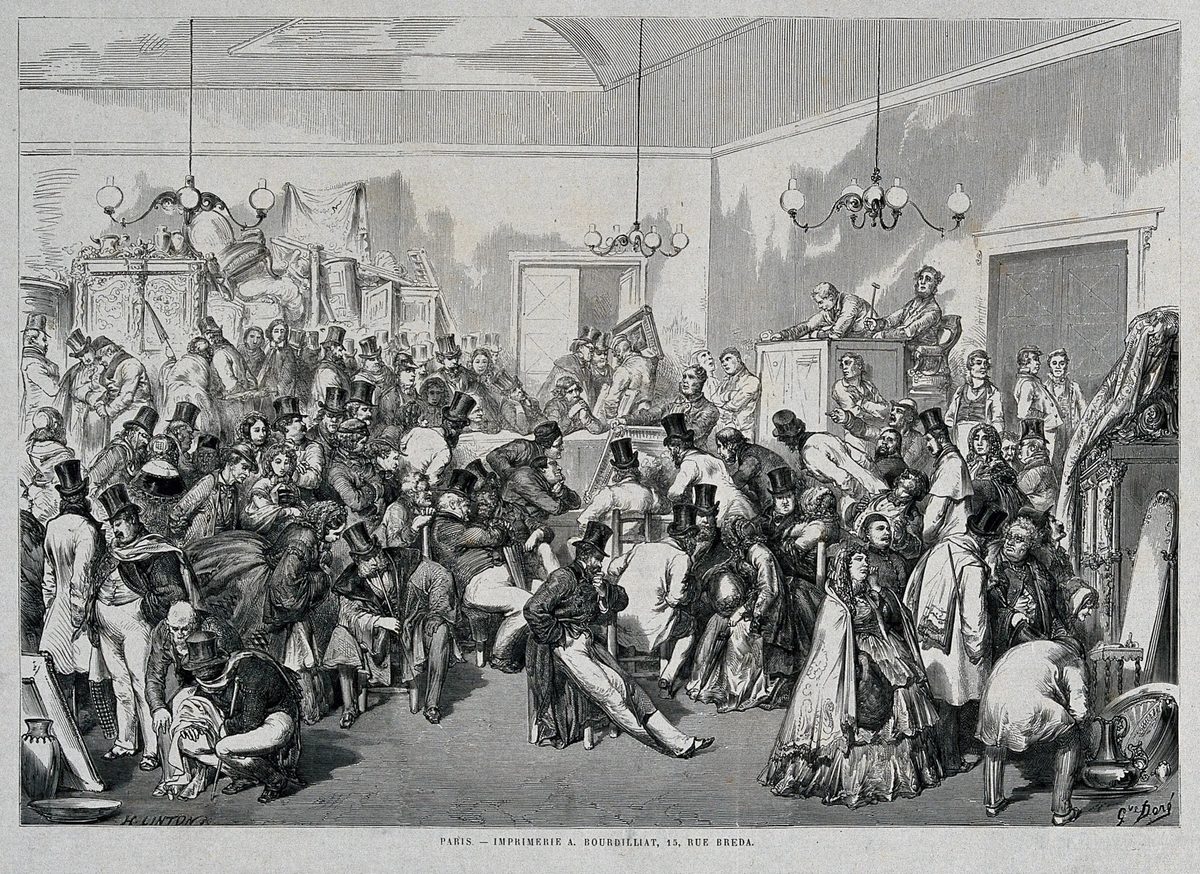
3. Where is the best place to buy art for long-term value?
You have several excellent options:
- Galleries: My personal favorite. You get to see the work in person, build a relationship with the dealer, and get lots of context about the artist. A good dealer will often act as a gatekeeper, ensuring the work is placed in the right collections, which can fuel an artist's long-term career.
- Art Fairs: Great for seeing a huge amount of art from different galleries in one place. It can be overwhelming, but it's an efficient way to survey the market. It's best used after you already have a few artists or galleries in mind.
- Auctions: Useful for more established artists. It's transparent (you can see what people are willing to pay), but buyer's premiums are high and the environment can be competitive and push you to overbid. For newer collectors, I generally recommend starting with galleries. I only venture into auctions for very specific, well-researched pieces.
And of course, you can always explore work directly from artists' studios. If you see something you like, the /buy page is the place to go.
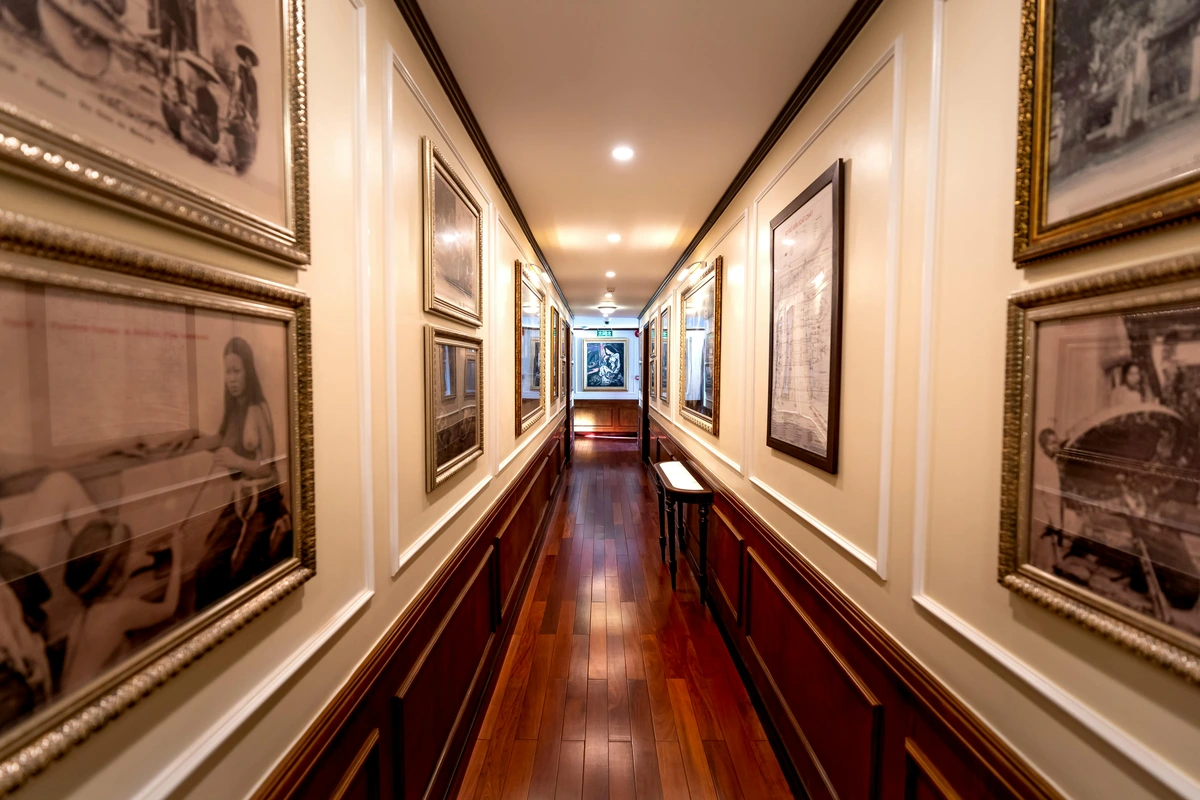
The Art of the Exit: A Coda on Legacy and Liquidity
A collection is an asset, and like any substantial asset, it needs a plan for the future. Ignoring this is doing a disservice to the art and to your legacy. An exit strategy isn't about being cold; it's about being responsible. The goal is a planned exit, not a forced liquidation. You should think of collecting like a long-term conversation, with an elegant final sentence, not a mid-sentence interruption.
Selling Through a Dealer: For mid-career or emerging artists, selling a work back through the primary gallery is often the most elegant solution. The gallery maintains control of the artist's market, and you benefit from their network of collectors. This helps stabilize prices and shows respect for the gallery's role. It's the art world equivalent of an amicable handshake.
Consigning to Auction: For more established artists, an auction house can offer transparency and global reach. This is often the best route for high-value works where price discovery is key. The fees are substantial, but so is the marketing effort they put in. It's the big stage, for better or for worse.
Private Sales: For high-value works, a private sale brokered by an advisor can be an excellent option. It's discreet, quick, and can save on transaction fees. It also allows a dealer to place the work in a better collection, which can benefit the artist's long-term career.
This extends to the most significant 'exit' of all: estate planning. Thinking about what happens to your collection after you're gone isn't morbid; it's the ultimate act of responsible stewardship. It ensures the art finds a good home, whether that's with your family, a museum, or a new collector.
This final transformation of value—from a personal passion to a public legacy—is the ultimate goal. You become part of the story of art itself, a custodian passing the flame to the next generation.
Conclusion: Your Collection, Your Story
In the end, building a valuable long-term art collection is an act of profound optimism. You're not just accumulating objects; you're curating a personal vision of the world. It requires the discipline to do your research, the courage to trust your own taste, and above all, the patience to let the story of your collection—and the artists you support—unfold over many years.
It's an act of faith—not in a market, but in humanity's endless capacity to create things of beauty and meaning that can resonate across decades. Your collection is your vote for what deserves to endure.
I sometimes think of my collection as a physical autobiography, written in objects instead of words. Each piece marks a moment in my life, a particular set of ideas I was wrestling with, a visual conversation I was having with the world. The best works are the ones that never quite let you figure them out completely. They hold a little mystery back, keeping you engaged year after year.
The financial aspect is there, of course—a form of practical validation for the choices made. But it’s the quiet, constant presence of the art itself—the way it continues to reveal itself to you day after day, year after year—that is the real return on the investment.
But let's be clear: a collection is an asset, and like any substantial asset, it needs a plan for the future. Ignoring this is doing a disservice to the art and to your legacy. An exit strategy isn't about being cold; it's about being responsible.
- Selling Through a Dealer: For mid-career or emerging artists, selling a work back through the primary gallery is often the most elegant solution. The gallery maintains control of the artist's market, and you benefit from their network of collectors.
- Consigning to Auction: For more established artists, an auction house like Sotheby's or Christie's can offer transparency and access to a global pool of buyers. This is often the best route for high-value works where price discovery is key. The fees are substantial, but so is the marketing effort they put in.
- Private Sales: For high-value works, a private sale brokered by an advisor or dealer can be an excellent option. It's discreet, quick, and can save on transaction fees. It also allows the dealer to place the work in a better collection, which can benefit the artist's long-term career.
The goal is a planned exit, not a forced liquidation. You should think of collecting like a long-term conversation, with an elegant final sentence, not a mid-sentence interruption. This extends to the most significant 'exit' of all: estate planning. Thinking about what happens to your collection after you're gone isn't morbid; it's the ultimate act of responsible stewardship. It ensures that the art you've spent a lifetime loving and caring for finds a good home, whether that's with your family, a museum, or a new collector who will cherish it as you did. It's the final, most patient move in the long game of collecting. A good estate plan for a significant collection should be made with a lawyer who specializes in art law, who can help you navigate everything from tax implications to making sure your chosen heirs actually want the responsibility of caring for your masterpieces.
The Unexpected Returns: Education, Community, and Legacy
Building a collection teaches you to see. It forces you to articulate what you value in a world saturated with images and opinions. It builds a community around you, connecting you with curators, critics, dealers, and other collectors. These are the intangible dividends of your investment, and in many ways, they are the most valuable.
Your choices contribute to an artist's career, allowing them to continue making their work. You become part of the ecosystem that sustains culture. Over time, your collection can become a loan resource for museums, a study tool for students, a gift to future generations. This is the final, and perhaps most profound, transformation of the value you've invested. It's a bequest of beauty and intelligence, a legacy far more meaningful than a number on a bank statement.
I encourage collectors to embrace this public-facing role. Loan a work to a small, nonprofit institution for a show. Sponsor a catalogue for an exhibition you believe in. This doesn't just feel good; it has a practical effect. It adds lines to an artist's CV, deepens the scholarly understanding of their work, and creates a richer, more public context for the pieces you own. It transforms your private asset into a public good, amplifying its value in ways that can't be measured in dollars.
The best investment you can make is in art that you will love regardless of what the market does tomorrow. Because if you love it, you'll care for it. And if you care for it, and you've chosen wisely, the value will take care of itself. It's like planting a tree. You don't stand over it yelling, "Grow faster!" You provide the right conditions—good soil, enough water, plenty of sunlight—and then you step back and trust in its own, slow, natural process. You become a good steward, not a frantic micromanager. That's the patient collector's secret: create the right conditions for value to flourish, both inside your home and out. The patient collector knows that financial value isn't a goal to be chased, but a byproduct of a life lived thoughtfully and passionately with art.

My hope for you isn't just a portfolio that grows in value, but a life that grows in meaning, surrounded by objects that provoke, comfort, and inspire.
Think of your collection as an argument you are making with the world about what matters. Every piece you acquire is a sentence in that argument, a piece of evidence for your case. Over a lifetime, a collection becomes a powerful statement about what you believed was worthy of preservation. It's a deeply personal act of history-making.
Remember, you are not just a collector; you are a custodian of culture. The art you bring into your life today is the art that future generations will study, debate, and cherish. That's the real long game, and it's a pretty good one to play.
Case Studies in Patience: When Long-Term Investment Pays Off
Understanding the theory is one thing; seeing it in practice is another. Let's look at a few hypothetical examples of long-term strategies playing out in the real world. These aren't just stories; they're roadmaps.


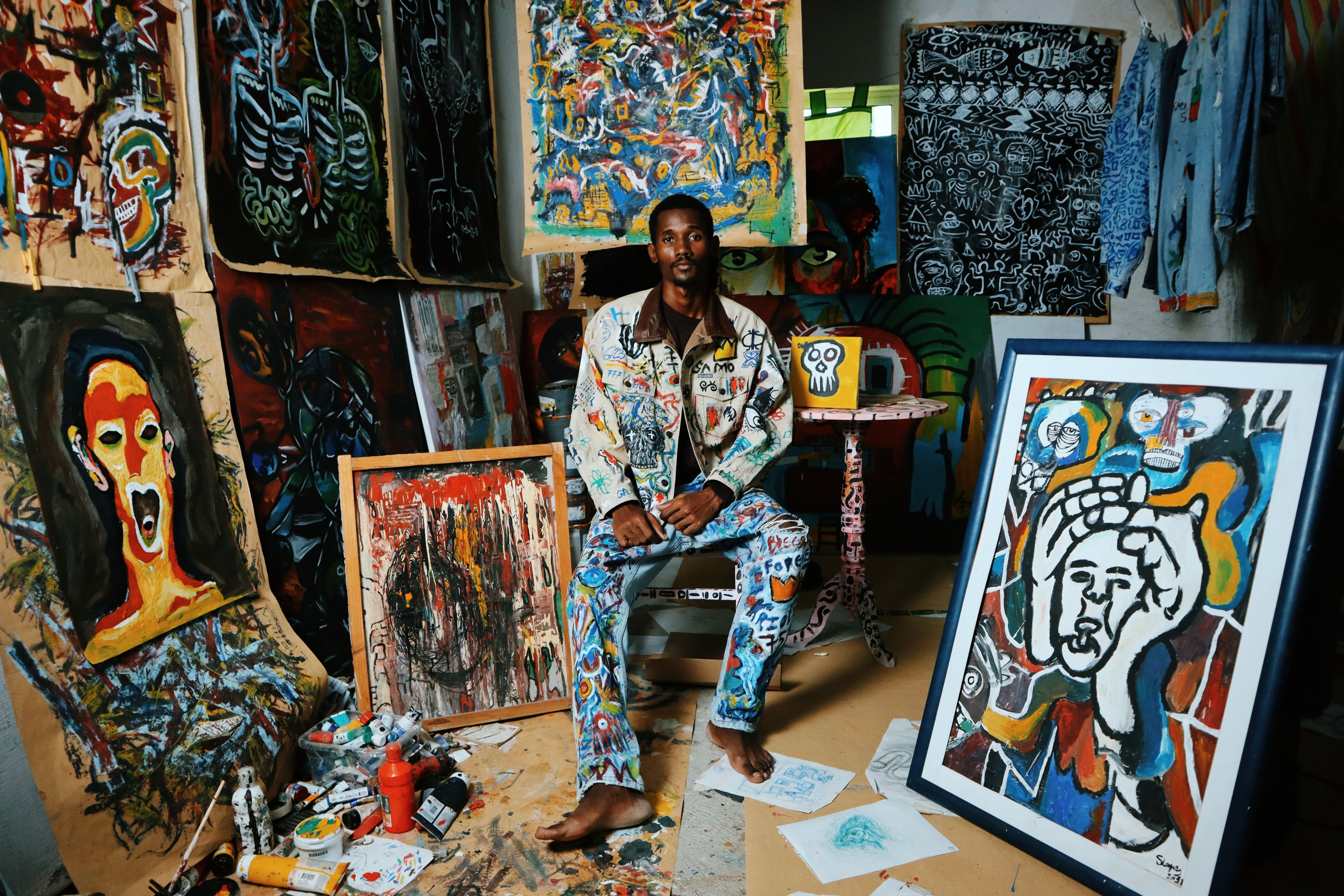


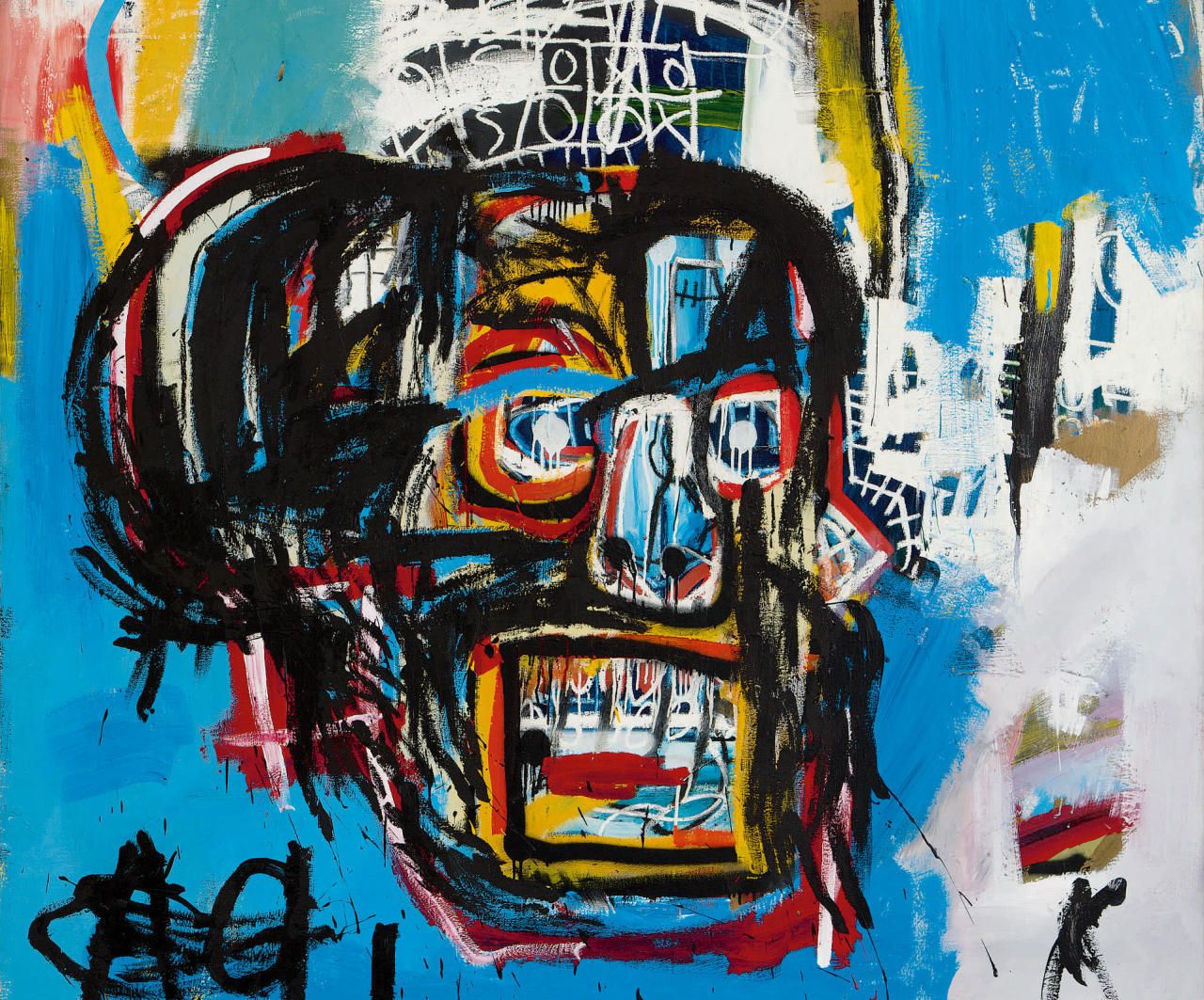







Case Study 1: The Visionary Supporting an Emerging Artist
Imagine it's 2010. A young performance artist named Tino is struggling to get their first solo show. Their work, a powerful mix of durational performance and minimalist sculpture, is challenging and not yet commercially successful. A collector, moved by the raw ambition of the work, bypasses established galleries and buys a limited-edition video piece directly from the artist for $2,000. It's a significant sum for her at the time.
- The Hunch: The collector isn't thinking about flipping the piece. She sees a singular vision and wants to support it. She makes sure the work is properly documented and insured.
- The Timeline: For five years, Tino's career simmers. Then, in 2015, they are included in a major international biennale. In 2018, they have their first solo museum show. In 2022, their work enters the permanent collection of a major institution. Suddenly, that $2,000 video piece, now seen as a foundational work, is valued at over $50,000. More importantly, the collector has spent a decade with a work of art that she genuinely loved and that marked the beginning of a major career. The financial return is a byproduct of her foresight and patience.
The Takeaway: This is the high-risk, high-reward path. The key here wasn't genius; it was commitment. The collector believed in the artist, not just the art object. She was willing to be patient through years of silence, and she was rewarded by being part of a story that grew far beyond her initial purchase.
Case Study 2: The Strategist Diversifying for Stability
Consider a collector who, in 2007, has a $40,000 budget. They could put it all into one emerging 'hot' artist, or they could create a diversified portfolio.
- The Allocation: They spend $10,000 on a major work by an 'ultra-emerging' artist. $20,000 on two solid works by mid-career artists whose work they love. And $10,000 on a small work on paper by an established, blue-chip artist.
- The 2008 Crash: The market for the 'hot' artist evaporates almost overnight. If their entire budget had been in that one name, they would have faced a significant loss. But their diversified portfolio weathers the storm. The blue-chip work holds its value, providing a stable anchor. The mid-career artists' prices dip slightly but recover within three years as their careers continue to progress. The 'ultra-emerging' artist's work, bought properly without hype, is held for fifteen years, eventually becoming their breakout piece and appreciating significantly.
The Takeaway: This is the tortoise's strategy. Diversification isn't about maximizing short-term gain; it's about ensuring long-term survival and consistency. By spreading risk across different 'asset classes' within the art world, the collector built a resilient collection that could withstand a major market shock. It's a strategy for grown-ups, not gamblers.
Case Study 3: The Scholar Focusing on an Overlooked Master
This is the story of a collector who acts like a curator. They notice that the work of a certain female abstract painter from the 1970s has been critically praised but commercially ignored.
- The Dedication: Over ten years, this collector methodically acquires five of her best works whenever they appear at small regional auctions or from estate sales. They build a relationship with the artist's foundation, loan works for museum retrospectives, and help fund the publication of a catalogue raisonné, a definitive scholarly inventory of the artist's work.
- The Validation: In 2020, a major museum mounts a full-scale retrospective, spurred in part by the visibility this collector's focused collection provided. The market for the artist's work is fundamentally re-evaluated. Those five paintings, acquired for an average of $15,000 each, are now valued at over $200,000 each. This wasn't just a financial win; it was an act of art historical reclamation. The collector's patience and focus helped rewrite a forgotten chapter of art history.
The Takeaway: This is the highest level of collecting. It's an act of creation, not just acquisition. By focusing deeply and lending institutional support, the collector didn't just bet on the market; they became an engine of cultural validation themselves. This requires immense patience, a scholarly eye, and a willingness to take a contrarian position, but the rewards—both financial and historical—are unparalleled.
A Final Note on Legacy and Responsible Stewardship
Ultimately, this journey isn't just about what you acquire; it's about what you leave behind. Your collection is a part of the world's cultural heritage, large or small. When you buy a work, you become its steward, responsible for its care, its story, and its future. Whether you pass it on to your children, donate it to a museum, or sell it to fund the next generation of artists, you are shaping the cultural landscape.
Think not just about the value you can extract, but the value you can add. A collection built on passion, guided by research, and nurtured by patience doesn't just grow in worth—it grows in meaning. It becomes a testament to your engagement with the world. It becomes you.
Every great collection has a soul, a central animating idea that gives it coherence and power. That soul isn't created by accident. It's forged through thousands of small decisions, moments of doubt, and flashes of clarity. It's the product of a life lived with eyes wide open, always searching for that next piece of the puzzle.